
Science History Podcast
105 episodes — Page 2 of 3

S1 Ep 55Episode 55. DDT: Elena Conis
Many landmarks of environmental history share a connection with a single molecule: DDT. During and after the Second World War, it was broadcast into the environment at a scale that far surpassed the applications of any prior chemical. The public met this mass spraying of DDT with enthusiasm, as the war proved it to be highly effective against the vectors of malaria, yellow fever, typhus, and other insect-borne diseases. But these public health successes were short-lived as insects quickly evolved resistance. Nevertheless, DDT use skyrocketed around the world, especially in agriculture. It was also used on a massive scale in forestry, in the Sisyphean fight against invasive insects, and in the home, where clever companies impregnated all manner of commercial products with DDT, ranging from bug bombs to house paint to wallpaper for the nursery. Due primarily to its massive impact on the environment, but also to effects on human health, a backlash ensued, driven most forcefully by Rachel Carson's 1962 book Silent Spring. The chemical was banned throughout the world in the 1970s and 80s, and yet its story continued. With us to unravel this complex tale, and its relation to science denial and corporate malfeasance, is Elena Conis. Elena is a historian of medicine and an Associate Professor in the Graduate School of Journalism and Department of History at the University of California, Berkeley. Her research focuses on scientific controversies, science denial, and public understanding of science. She is the author of Vaccine Nation: America's Changing Relationship with Immunization, and a co-editor of Pink and Blue: Gender, Culture, and the Health of Children. Today we discuss her most recent book, How to Sell a Poison: The Rise, Fall, and Toxic Return of DDT.

S1 Ep 54Episode 54. Bohr's Atom: John Heilbron
At the start of the 20th century, physicists probed the structure of nature. Their discoveries changed our fundamental understanding of matter, of life, and of war. At the center of these discoveries stood the Danish physicist Niels Bohr. Bohr approached problems of atomic structure and quantum theory with a philosophical perspective and an ability to skirt paradoxes with his principle of complementarity. Perhaps as important as Bohr's discoveries on the atom was his hosting of international collaborations at his institute in Copenhagen, which in turn led to fundamental insights in physics and chemistry. Bohr also played significant humanitarian and diplomatic roles during World War II in Denmark, Sweden, the United Kingdom, and the United States. Many Jewish refugee scientists passed through Bohr's institute after escaping Nazi Germany, and Bohr then facilitated their immigration to safe harbors. With us to decipher Bohr's complex legacy is John Heilbron. John is a member of the International Academy of the History of Science, for which he served as president from 2001-2005. He is also a member of The Royal Swedish Academy of Sciences, The American Academy of Arts and Sciences, and The American Philosophical Society. He is the recipient of many awards for his scholarship on the history of science.
S1 Ep 53Episode 53. Industrial Agriculture: Helen Anne Curry
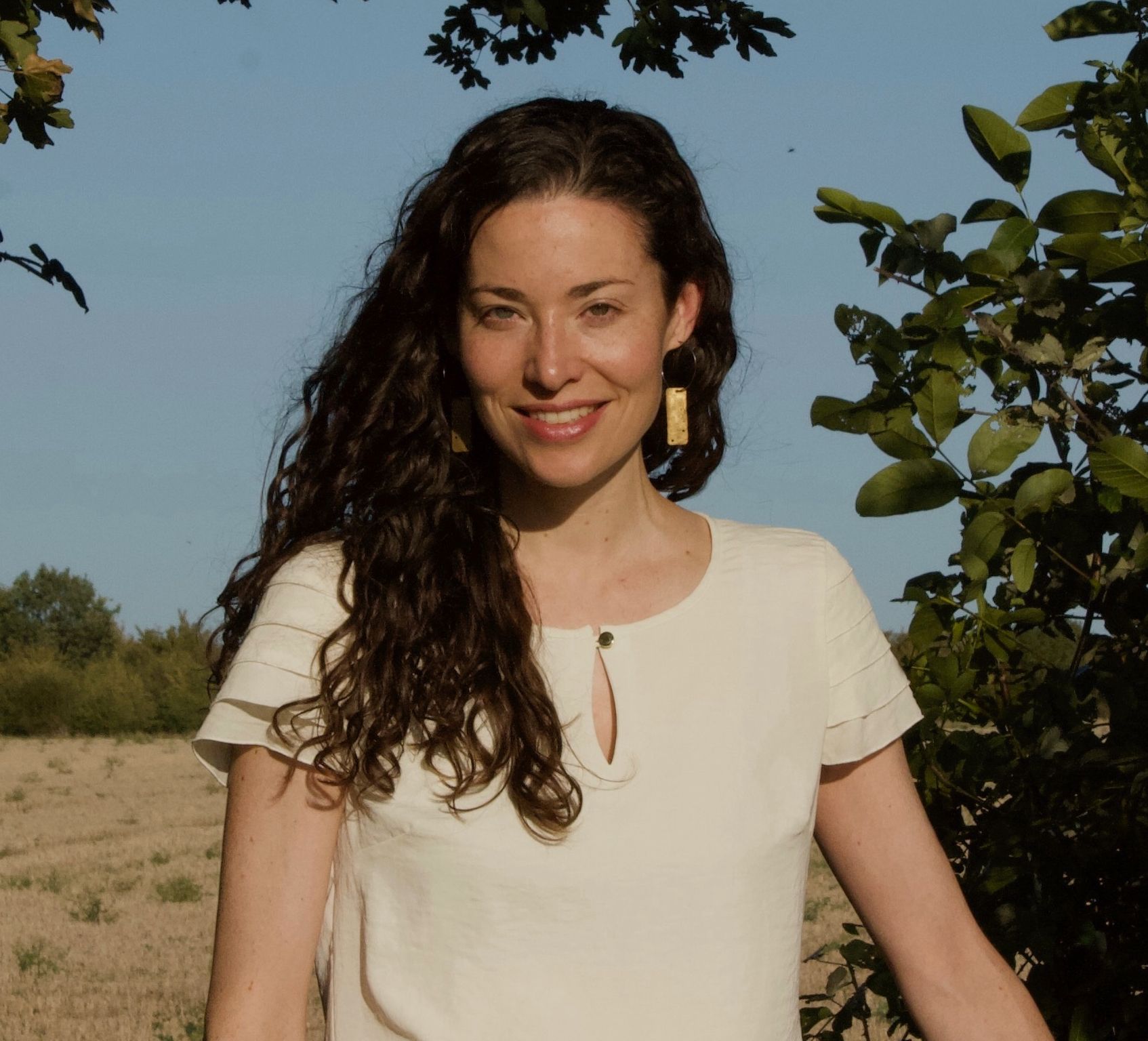
The advent of agriculture over 10,000 years ago forever altered the trajectory of humanity. Communities grew larger until cities and nations dotted the landscape, labor became specialized, new diseases emerged, civilizations flourished and vanished, warfare increased in scale and lethality, and people colonized every corner of the globe. Agriculture facilitated the exponential growth of the human population, which necessitated ever greater efficiency and productivity and eventually led to the industrialization of farming. But this efficiency has come at a cost – the loss of crop varieties and the local knowledge and cultural practices associated with those crops. With us to understand these radical changes in agricultural practices, and their implications for society, is Helen Anne Curry. Helen is an Associate Professor in the Department of History and Philosophy of Science at the University of Cambridge and a fellow of Churchill College. Her research focuses on the histories of seeds, crop science, and industrial agriculture. She is author of Evolution Made to Order: Plant Breeding and Technological Innovation in Twentieth Century America and Endangered Maize: Industrial Agriculture and the Crisis of Extinction.

S1 Ep 52Episode 52. Neurological Disorders: Sara Manning Peskin
The brain is the most mysterious and complex organ of the body, and when things go awry, we may be confronted with personal tragedy and we may gain insights on what it means to be human. With us to discuss neurological disorders and the history of their discovery is Sara Manning Peskin. Sara completed an AB in biochemistry at Harvard University in 2009, an MS in cellular and molecular biology at the University of Pennsylvania in 2013, and an MD also at U Penn in 2015. She completed postgraduate training and a fellowship in various aspects of neurology also at U Penn, where she is now an Assistant Professor of Clinical Neurology. Today we discuss a cornucopia of neurological disorders, including Huntington's disease, Alzheimer's disease, Lewy body dementia, Pick's disease, pellagra, and kuru disease (and its association with cannibalism) – all drawn from the pages of her new book, A Molecule Away from Madness, published in 2022 by W.W. Norton & Company.

S1 Ep 51Episode 51. Ecological Economics: Herman Daly
Nothing is so intertwined with human success and folly as economics. The economy, for better or for worse, drives much of our fate from our household budget to our national policies to the outbreak of war. But economic activity also has profound effects on the environment and a close inspection of economics opens the question of whether humans can live sustainably on the only planet we have. The field of economics that focuses on sustainability and the environmental costs of economic activity is ecological economics. With us to discuss this field is one of its founders, Herman Daly. Herman received a B.A. in economics from Rice University in 1960 and a PhD in from Vanderbilt University in 1967. He was a professor of economics at Louisiana State University until 1988, and then served as senior economist in the environment department of the World Bank until 1994. He then joined the faculty at the University of Maryland in the School of Public Affairs. Herman is the author of over 100 articles in professional journals, as well as many books, including: Toward a Steady-State Economy (1973), Steady-State Economics (1977), Valuing the Earth (1993), Beyond Growth (1996), Ecological Economics and the Ecology of Economics (1999), Ecological Economics: Principles and Applications (2004), and Ecological Economics and Sustainable Development (2007). He is co-author with theologian John B. Cobb, Jr. of the award-winning book, For the Common Good (1989). He also co-founded the journal Ecological Economics and the International Society of Ecological Economics. Herman has received too many awards to list here, but they include Sweden's Honorary Right Livelihood Award, the Heineken Prize for Environmental Science from the Netherlands, the Sophie Prize for Environment and Development from Norway, the Medal of the Presidency of the Italian Republic, the Lifetime Achievement Award from the National Council for Science and the Environment, and the Blue Planet Prize.

S1 Ep 50Episode 50. Space & the Sixties: Neil Maher
The 60s hosted the space race between the United States and the Soviet Union, which occurred in the midst of the Vietnam War, the Cold War, and civil unrest. How did the culture wars of the 1960s relate to the space race, especially in the United States? How did the Civil Rights Movement, the New Left, environmentalism, the women's movement, and the Hippie counterculture influence NASA, and vice versa? With us to answer these questions is Neil Maher. Neil received a B.A. in history from Dartmouth College in 1986, an MA in U.S. history from New York University in 1997, and a Ph.D. in history, also from New York University, in 2001. He is a professor of history in the Federated History Department at the New Jersey Institute of Technology and Rutgers University, Newark, where he teaches environmental history, political history, and the history of environmental justice. Neil has received numerous fellowships, awards, and grants from the Smithsonian Institution, NASA, Harvard University's Charles Warren Center for Studies in American History, and Ludwig Maximilian University's Rachel Carson Center for Environment and Society in Munich, Germany. His books include Nature's New Deal: The Civilian Conservation Corps and the Roots of the American Environmental Movement (Oxford University Press, 2008), and Apollo in the Age of Aquarius (Harvard University Press, 2017).

S1 Ep 49Episode 49. Armament & Disarmament: Richard Garwin
Today's episode marks the four-year anniversary of the Science History Podcast, where we have explored all manner of science and relevant policy spanning from gravitational waves to bioterrorism. So it is fitting that today's guest, Dick Garwin, has worked on just about every major scientific and technology problem with a defense application since just after the Second World War, ranging from the first thermonuclear weapon in 1951 all the way to the U.S. response to pandemics. Today we discuss it all, including space nuclear detonations and electromagnetic pulses, spy satellites, anti-submarine warfare, sequential memory for computers, magnetic resonance imaging, laser printers, touch-screen monitors, nuclear weapons testing, nuclear reactor accidents, Ebola, the Iraq War, the BP Deep Water Horizon oil spill, and even gravitational waves. Dick was born in Ohio in 1928. He received a BS in physics from Case Institute of Technology in 1947 at the age of 19, and then a Ph.D. in physics from the University of Chicago in 1949, at the age of 21. Two years later, in 1951, for a summer project at Los Alamos, he designed the first hydrogen bomb. Dick joined the IBM Corporation in 1952, where for over 40 years he helped to design diverse technology with military applications. He also held numerous posts in universities and at the Council on Foreign Relations in New York, in addition to advising presidents on science and technology, from Eisenhower to Kennedy to Johnson to Nixon. He also served on various technical committees for subsequent American administrations, all the way through to the Obama presidency. Dick has published over 500 papers and been granted 47 U.S. patents. He also coauthored many books, including Nuclear Weapons and World Politics (1977), Nuclear Power Issues and Choices (1977), Energy: the Next Twenty Years (1979), Science Advice to the President (1980), Managing the Plutonium Surplus: Applications and Technical Options (1994), and Megawatts and Megatons: A Turning Point in the Nuclear Age? (2001). Dick is a Fellow of the American Physical Society, of the Institute of Electrical and Electronics Engineers, and of the American Academy of Arts and Sciences. He is also a member of the National Academy of Sciences, the National Academy of Engineering, and the National Academy of Medicine. Dick received too many awards to list them all here, but they include the 2003 National Medal of Science, awarded by President George W. Bush, and the 2016 Presidential Medal of Freedom, awarded by President Barack Obama. In sum, he is a treasure of 20th Century American science, and I hope you enjoy this opportunity to hear his thoughts as we tour the last 70 years of science, technology and policy.

S1 Ep 48Episode 48. Nuclear Disarmament: Zia Mian
Today we explore the history of nuclear disarmament with Zia Mian. Zia is a physicist and co-director of Princeton's Program on Science and Global Security, part of the School of Public and International Affairs, where he has worked since 1997. His research interests include issues of nuclear arms control, nonproliferation and disarmament, and international peace and security. Zia is co-editor of the journal Science & Global Security, and he is the co-author of Unmaking the Bomb, published by MIT Press in 2014. He is also co-chair of the International Panel on Fissile Materials. Zia received the 2014 Linus Pauling Legacy Award for "his accomplishments as a scientist and as a peace activist in contributing to the global effort for nuclear disarmament and for a more peaceful world." He also received the American Physical Society's 2019 Leo Szilard Award "for promoting global peace and nuclear disarmament". In 2021, Zia was elected a Fellow of the American Physical Society for "promoting global nuclear risk reduction and disarmament."

S1 Ep 47Episode 47. The Demarcation Problem: Michael Gordin
How do we distinguish real science from hogwash? How does real science evolve over time into pseudoscience? Why will science always be plagued with sister movements on the fringe that make us cringe? With us to explore these topics and their relationship to the demarcation problem is Michael Gordin. Michael is the Rosengarten Professor of Modern and Contemporary History and the director of the Society of Fellows in the Liberal Arts at Princeton University. He specializes in the history of modern science in Russia, Europe, and North America, especially issues related to the history of fringe science, the early years of the nuclear arms race, Russian and Soviet science, language and science, and Albert Einstein. He is the author of On the Fringe, which we discuss today, as well as The Pseudoscience Wars: Immanuel Velikovsky and the Birth of the Modern Fringe, Scientific Babel: How Science Was Done Before and After Global English, and Red Cloud at Dawn: Truman, Stalin, and the End of the Atomic Monopoly. Today we discuss diverse topics in fringe science, including Bigfoot, extra sensory perception, UFOs, astrology, alchemy, the ether, Aryan physics, Lysenkoism, phrenology, cryptozoology, Velikovsky, Mesmerism, Uri Geller, cold fusion, and where all of this leaves us as we navigate the waters between science and pseudoscience.

S1 Ep 46Episode 46. Unsettled Research: Mark Lytle
Uncertainty is inherent to science and exploited by those who wish to stymie regulations that would promote environmental quality and public health. Chemical companies, oil companies, tobacco companies, and many others, kept their products on the marketplace and promoted consumerism by stressing the unsettled nature of research. With us to explore this history, and how it relates to the environment and public health, is Mark Lytle. Mark is among those historians seeking to develop the field of "Environmental Diplomacy." The author of The Origins of the Iranian-American Alliance, 1941-1953, he began his career as a student of American relations with Iran and the role of oil in postwar foreign policy. Since then, in his books America's Uncivil Wars: The Sixties Era from Elvis to the Fall of Richard Nixon and The Gentle Subversive: Rachel Carson, Silent Spring, and the Rise of the Environmental Movement, he has focused on the history of the 1960s and environmentalism. His interest in history education inspired the writing with James West Davidson of After the Fact: The Art of Historical Detection. His latest book is The All-Consuming Nation: Pursuing the American Dream Since World War II. In addition to his long tenure as a professor at Bard, he has taught at Yale, Vassar, and as the Mary Ball Washington Professor at University College Dublin.
S1 Ep 45Episode 45. Wildlife Biology: George Schaller
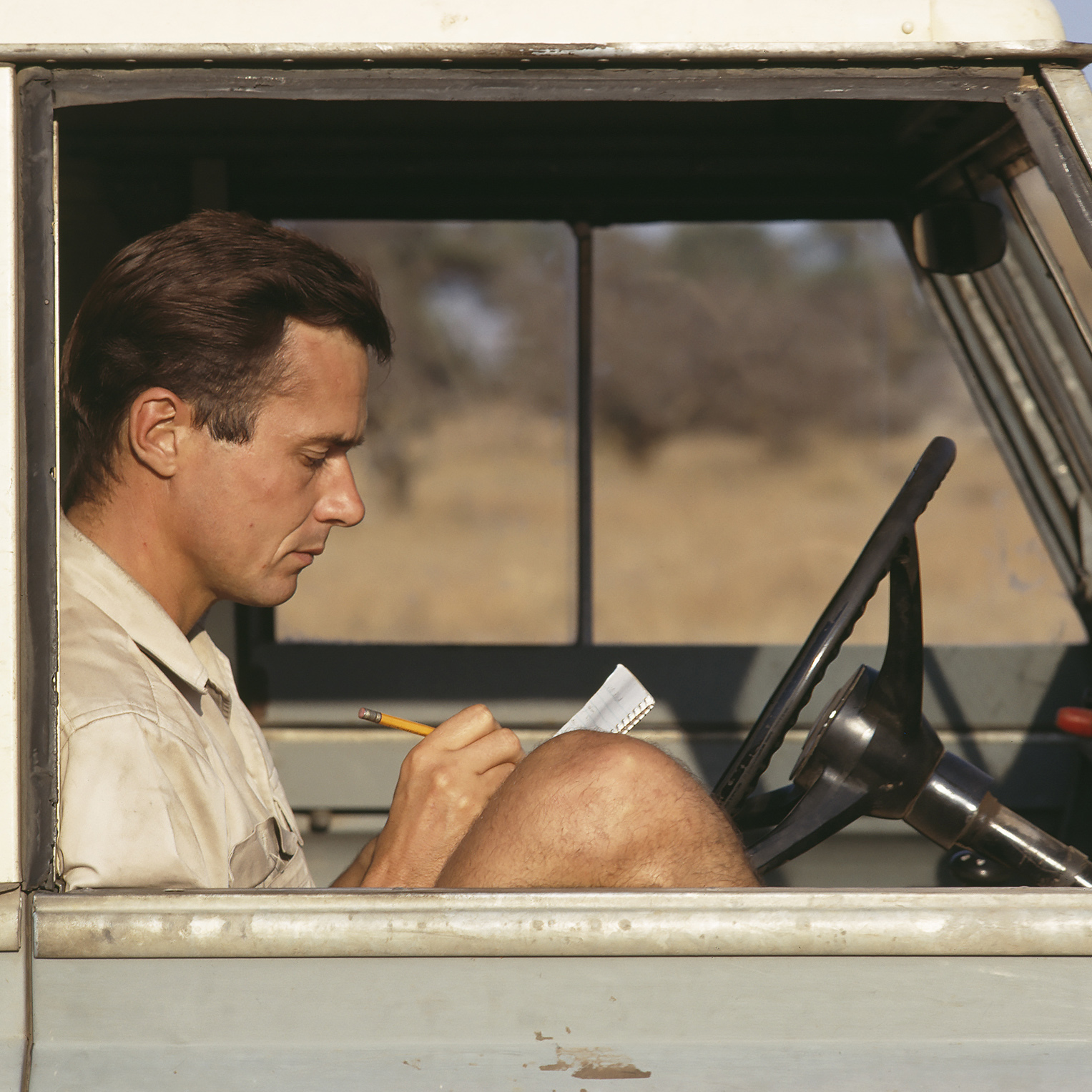
The study of wildlife has a history full of adventures in remote corners of the Earth, discoveries of remarkable behaviors, and achievements in conservation. George Schaller is a pioneer of the field, with seven decades of work spanning from the Arctic to the Tropics. George was born in Germany in 1933 and immigrated to the United States as a teenager. He received a BS degree from the University of Alaska in 1955 and a PhD from the University of Wisconsin, Madison in 1962. He then held positions at Stanford University and Johns Hopkins University before working as a research associate for the Rockefeller University and New York Zoological Society's Institute for Research in Animal Behavior, beginning in 1966. This program evolved into the Center for Field Biology and Conservation, where George worked as the Coordinator. Beginning in 1979, George directed the New York Zoological Society's International Conservation Program. George's many awards reflect his impacts on the conservation of wildlife and ecosystems around the world. These awards include the National Geographic Society Lifetime Achievement Award, a Guggenheim Fellowship, the World Wildlife Fund Gold Medal, the Tyler Prize for Environmental Achievement, and many others. He is also known for his many books on wildlife, including The Mountain Gorilla – Ecology and Behavior, published in 1963, The Year of the Gorilla published in 1964, The Tiger: Its Life in the Wild published in 1969, and The Serengeti Lion: A study of Predator-Prey Relations, published in 1972, for which he received the U.S. National Book Award in Science.

S1 Ep 44Episode 44. Chemical Sense & Nonsense: Joe Schwarcz
The history of science is punctuated by both the greatest achievements and the greatest tragedies of human endeavors. The development of organic chemistry illustrates this dichotomy, as some scientists improved the human condition while others facilitated the horrors of genocide. The guise of chemistry also has served as a useful front for fraudsters. With us to illuminate chemical accidents, brilliant discoveries, searing evils, and the use and misuse of organic chemistry is Joe Schwarcz. Joe was born in Hungary in 1947. His family escaped to Austria during the 1956 Hungarian uprising, and from there immigrated to Quebec. Joe received BS and PhD degrees in chemistry from McGill University in 1969 and 1973. He held various faculty positions before joining the faculty at McGill in 1980. Joe is the Director of McGill's Office for Science and Society, which has the mission of separating sense from nonsense. He is well known for his informative and entertaining public lectures on topics ranging from the chemistry of food to the mind-body connection. Joe has received numerous awards for teaching chemistry and for interpreting science for the public. For example, he was the first non-American to win the American Chemical Society's Grady-Stack Award for demystifying chemistry, and he was awarded the "Montreal Medal", which is the Canadian Chemical Institute's premier recognition of lifetime contributions to chemistry in Canada. Joe has hosted a radio show on science for forty years, has appeared hundreds of times on television, writes a regular newspaper column, and is the author of eighteen best-selling books.
S1 Ep 43Episode 43. Number Theory: Bryden Cais
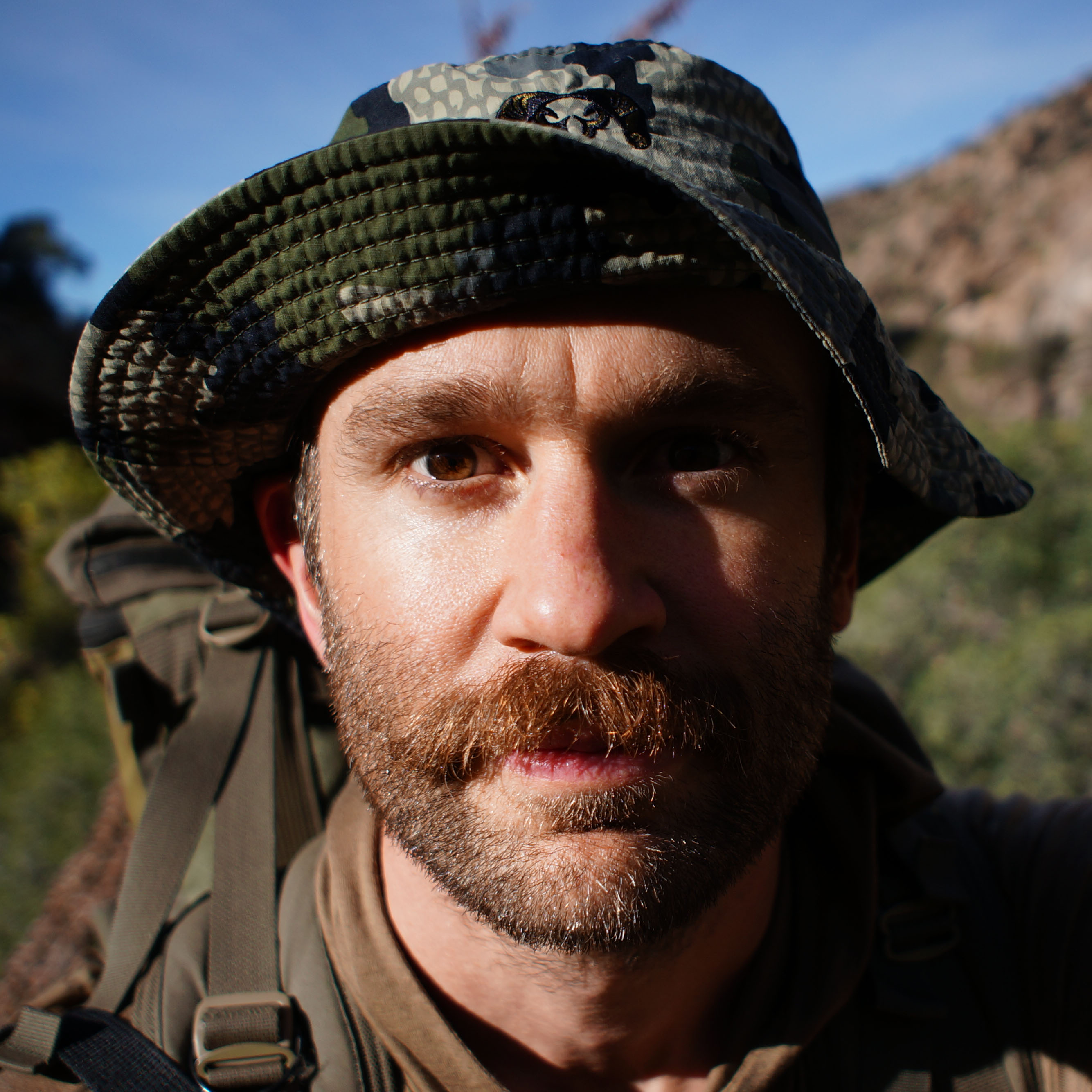
The history of mathematics extends back millennia. The needs of trade, taxation, and time-keeping drove the development of principles of arithmetic, algebra, and geometry, which had already acquired some sophistication by 5,000 years ago. Perhaps most fundamental to the development of mathematics has been discoveries on the nature of numbers themselves, or what mathematicians refer to as Number Theory. Today's topic is the history and development of Number Theory, viewed through the lens of numbers and number systems. Our guide to Number Theory is Bryden Cais, professor of mathematics at the University of Arizona and the Director of the Southwest Center for Arithmetic Geometry. Bryden completed a BA in mathematics at Harvard University in 2002 and a PhD also in mathematics at the University of Michigan in 2007. He was a postdoctoral fellow at McGill University, a visiting scholar at Universität Bielefeld, and a professor at the University of Wisconsin, Madison before joining the faculty at the University of Arizona in 2011. We explore the nature and history of different number systems, highlight the obstacles that mathematicians and civilizations faced with new concepts of number, and touch on some unsolved problems in modern number theory. A study guide for this episode is available in PDF form HERE, or as LaTeX HERE.

S1 Ep 42Episode 42. Euclid's Elements: David Acheson
The most important book in the history of mathematics is Euclid's Elements. The book – really 13 short books bound together into a single treatise – dates to approximately 300 BC, and is credited to the Greek mathematician Euclid of Alexandria. It is apparently a compendium and expansion of the work of previous Greek mathematicians, such as Pythagoras, Hippocrates of Chios, and Eudoxus of Cnidus. The Elements is the oldest surviving logical treatment of mathematics as a discipline, and its theorems and constructions are central to the history of scientific discovery and logic. It is likely that only the Bible has been issued in more editions than the Elements since the invention of the printing press. With us to discuss the Elements, and its importance to the development of geometry, is David Acheson. David completed his bachelor's degree in math and physics at Kings College, London, in 1967, and his Ph.D. in math at the University of East Anglia in 1971. He then held a variety of academic positions and became a Fellow in Mathematics at Jesus College, Oxford in 1977. In addition to his academic and textbook writing, David has written about mathematics for the public, including his books From Calculus to Chaos, published in 1997, 1089 and All That, published in 2002, The Calculus Story, published in 2017, and The Wonder Book of Geometry, published 2020, all by Oxford University Press.

S1 Ep 41Episode 41. Galileo's Dialogue: John Heilbron
Galileo occupies an inflection point in the history of science and society. Born in 1564, Galileo changed the trajectory of science though his work in astronomy, physics and related fields. He invented various clever devices, and he used the telescope to push the boundaries of knowledge about our solar system and Earth's place in it. Galileo's discoveries, and the manner in which he presented them in his 1632 book Dialogue Concerning the Two Chief World Systems, hurled his fate into the judgements of the Roman Inquisition. Galileo recanted after he was found "vehemently suspect of heresy". The inquisitors sentenced Galileo with the unusual punishment of house arrest, where he remained until his death in 1642. The Dialogue represented much more than a book on Copernican heliocentrism – that is, that the Earth rotates daily and revolves around the sun. The Dialogue also became a cudgel in the European conflicts between Catholics and Protestants, and the fate of the book in the midst of the Inquisition placed Galileo's lot in a precarious position. Did Galileo give a copy of the book to its Latin translator, which facilitated its distribution throughout Europe? Was Galileo's recanting of heliocentrism genuine, or did he continue to spread heretical views while under house arrest? How did Galileo run afoul of a Pope who had previously supported his work? The questions surrounding the Dialogue live on, and with us to decipher the controversy is John Heilbron. John received AB and MA degrees in physics from the University of California, Berkeley in 1955 and 1958, respectively. He completed his Ph.D. in history, also at Berkeley, in 1964. He then taught at the University of Pennsylvania before returning to Berkeley in 1967, where he worked his way through the ranks of academia to a full professorship and director of the Office for History of Science and Technology in 1973. He served as Berkeley's Vice Chancellor in the early 1990s, and since then has been active as a professor emeritus. Since 1996, John has also conducted research at the University of Oxford, and since 2012 at the California Institute of Technology. John is a member of the International Academy of the History of Science, for which he served as president from 2001-2005. He is also a member of The Royal Swedish Academy of Sciences, The American Academy of Arts and Sciences, and The American Philosophical Society. He is the recipient of many awards for his scholarship on the history of science. John has written numerous books, and today we discuss his latest, a beautifully written book entitled, The Ghost of Galileo in a Forgotten Painting from the English Civil War, published in 2021 by Oxford University Press.

S1 Ep 40Episode 40. H.M.S. Challenger: Doug Macdougall
The creation of a new discipline based upon a single scientific expedition is a rare occurrence, but this is what resulted from the 1872-1876 expedition of H.M.S. Challenger. With us to explain the history and significance of the Challenger Expedition is Doug Macdougall. Doug is a geochemist who received a BS in geology from the University of Toronto, an MS in geology from McMaster University, and a PhD in Earth Sciences from the Scripps Institution of Oceanography at the University of California, San Diego. After a two-year postdoc in physics at the University of California, Berkeley, Doug returned to Scripps to serve on the faculty. He is now an emeritus professor of Earth Sciences. Doug is a fellow of the Meteoritical Society and the American Geophysical Union. Today we discuss his book Endless Novelties of Extraordinary Interest – The Voyage of H.M.S. Challenger and the Birth of Modern Oceanography, published by Yale University Press.

S1 Ep 39Episode 39. Reproductive Health: Shanna Swan
In the early 1990s, scientists discovered that sperm counts in industrialized countries had declined precipitously over the previous half century. It turns out that the incidence of other reproductive health problems beyond male infertility also increased in the latter part of the 20th century and into the 21st century. With us to discuss human reproductive health, and how it has changed in part due to exposure to pollutants, is Shanna Swan. Shanna received her BS in mathematics at the City College of New York, her MS in biostatistics at Columbia University, and her PhD in statistics at the University of California, Berkeley. She specializes in Environmental and Reproductive Epidemiology, and is a Professor of Environmental Medicine and Public Health at the Icahn School of Medicine at Mount Sinai, New York. Shanna investigates how prenatal and early childhood exposure to stressors, including chemicals commonly found in the environment, impact the reproductive health and development of children. Today we discuss her new book published by Scribner & Sons – the book is called Count Down: How Our Modern World Is Threatening Sperm Counts, Altering Male and Female Reproductive Health, and Imperiling the Future of the Human Race.

S1 Ep 38Episode 38. Falsifiability: Sean Carroll
The boundaries of science are clear, and can be demarcated by the concept of falsifiability. Or so we learn in our science classes. But with some areas of science, falsifiability is not the critical feature, and may be impossible on theoretical or empirical grounds. Worrying about falsifiability might even get in the way of interesting ideas. With us to discuss the history of problems in science and falsifiability is Sean Carroll, a leading physicist and science communicator. Sean received a BS in astronomy and astrophysics from Villanova University in 1988, and a PhD in astronomy from Harvard University in 1993. He is a research professor of theoretical physics at the California Institute of Technology and an External Professor at the Santa Fe Institute. His research interests include cosmology, astrophysics, and general relativity. Sean regularly appears in the media to discuss science, and he is the host of the podcast Mindscape. He is also the author of popular science books, including From Eternity to Here, The Particle at the End of the Universe, Something Deeply Hidden, and The Big Picture: On the Origins of Life, Meaning, and the Universe Itself. In this conversation we discuss the concepts of an afterlife, black holes and entropy, time travel, the multiverse, and hierarchy theory, all in the context of what is science, how we should judge science, and the importance, or not, of falsifiability.
S1 Ep 37Episode 37. Environmental Health: Linda Birnbaum
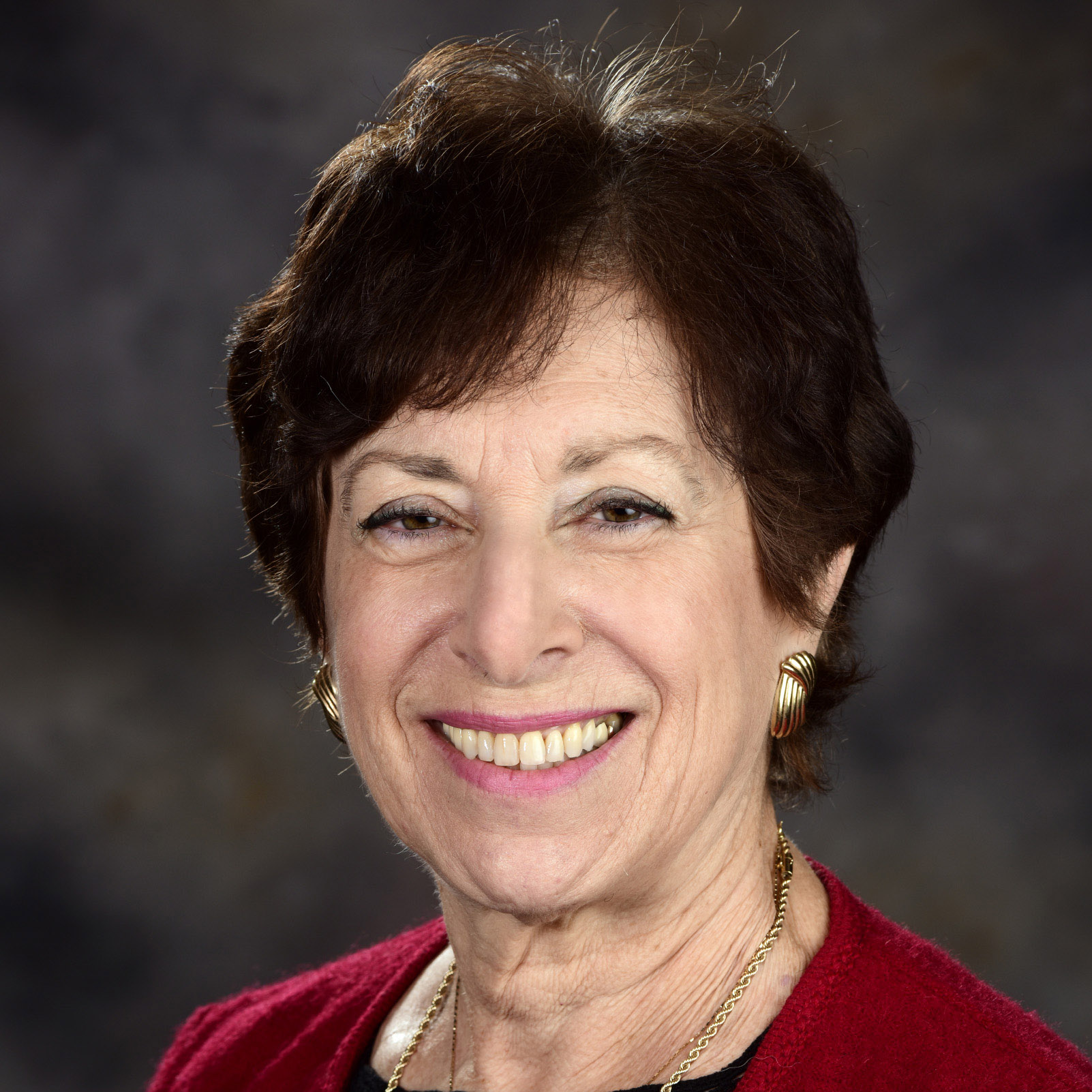
Human health and environmental health are inextricably linked. We are negatively impacted by the same pollutants that harm other organisms, and we all live in a sea of synthetic chemicals that are part of our food supply, personal care products, the built environment, and just about every aspect of our lives. With us to gain a better understanding of the history of environmental health, especially the impact of pollutants on human health, is Linda Birnbaum. Linda received a B.A. in biology from the University of Rochester in 1967, and M.S. and Ph.D. degrees in microbiology from the University of Illinois in 1969 and 1972. She held various research and administrative positions in academia and government before taking on the directorships of the US National Institute of Environmental Health Sciences and the National Toxicology Program in 2009. She retired from these directorships in 2019. Linda has published over 600 scientific articles, and is the recipient of numerous awards related to public health.

S1 Ep 36Episode 36. Dark Money: David Michaels
How is it that corporations routinely and successfully obfuscate science and seed public doubt on issues of paramount importance, ranging from climate change to health effects of tobacco and pesticides? Who are the scientists for hire whose job is to muddy the waters on important policy issues? Why doesn't our government protect us from nefarious corporations that threaten our health and the environment, and how can we change regulatory ethics to favor the public interest? With us to answer these questions is my guest, David Michaels. David is a professor of epidemiology in the Department of Environmental and Occupational Health at George Washington University. From 1998 through 2001, David served as the Assistant Secretary for Environment, Safety and Health at the U.S. Department of Energy, with responsibility for the safety of workers, communities and the environment surrounding nuclear weapons facilities. From 2009 to 2017, David served as the 12th Assistant Secretary of OSHA, the Occupational Safety and Health Administration. He is the longest serving leader of OSHA in its history. David is the author of numerous articles, as well as the books Doubt is their Product: How Industry's Assault on Science Threatens your Health (2008), and The Triumph of Doubt – Dark Money and the Science of Deception (2020), both published by Oxford University Press.

S1 Ep 35Episode 35. The Pentagon Papers: Daniel Ellsberg
Whistleblowers are admired or vilified. They are saviors of democracy or traitors to their country. They confront those in power and drive the news, and some, such as Edward Snowden and Chelsea Manning, are household names. But one man is their inspiration, the person who made whistleblowing a phenomenon of modern times, and his name is Daniel Ellsberg. Ellsberg was born in 1931 in Chicago and grew up in Detroit. He graduated with honors from Harvard with an AB in economics in 1952, and then studied at the University of Cambridge. He served in the U.S. Marine Corps from 1954-1957, and then returned to Harvard where he completed his PhD in economics in 1962. Ellsberg worked as a strategic analyst at the RAND Corporation beginning in 1958, and then in the Pentagon beginning in 1964 under Secretary of Defense Robert McNamara. He worked for the U.S. State Department in South Vietnam for two years, and then returned to the RAND Corporation. At the end of 1969, with help from his colleague Anthony Russo, Ellsberg secretly copied the Pentagon Papers. His illegal dissemination of these papers to newspapers and the subsequent aftermath is the subject of today's interview, along with his work related to nuclear war planning and the prevention of nuclear war. We discuss this history, and how it relates to the Vietnam War and the downfall of President Nixon, along with many other topics stretching from World War II to the disastrous Trump Administration. Our discussion centers on Ellsberg's two seminal books, Secrets – A Memoir of Vietnam and the Pentagon Papers and The Doomsday Machine: Confessions of a Nuclear War Planner. I hope you enjoy this conversation with Ellsberg as much as I did – his wit, his charm, and his deep historical perspective on critical moments of the 20th century. On top of the many interesting things Ellsberg has to say, he also reveals some new information for the very first time. (Photograph of Ellsberg by Christopher Michel https://commons.wikimedia.org/wiki/File:Daniel_Ellsberg_2020_CM.jpg)

S1 Ep 34Episode 34. The Chemical Age: Pete Myers & Frank von Hippel
Pete Myers interviews me about my new book, The Chemical Age, published this month by the University of Chicago Press.

S1 Ep 33Episode 33. Industrial Denial: Barbara Freese
Why is it that decades after scientists discover problems of paramount importance, such as global climate change or lead pollution, those problems still persist? Why do corporations get away with producing products that harm human health or the environment? How do corporations shape our society, our politics, and even our psychology? With us to untangle these questions is my guest, Barbara Freese. Barbara is an author, energy policy advocate, and environmental attorney. After earning a law degree from New York University in 1986 she returned to her home state of Minnesota and spent a dozen years enforcing the state's environmental laws as an Assistant Attorney General. In the mid-1990s, she litigated the science of climate change against the coal industry. She became so interested in coal's larger impact on the world that she dug deeper into the issue, and in 2003 published the book, Coal: A Human History. An updated edition of Coal was published by Basic Books in 2016. After writing Coal, she spent years working with and for nonprofit groups, particularly the Union of Concerned Scientists, where she was a senior policy advocate. Her work focused on pushing for state and national policies to protect the climate, on stopping the construction of new coal plants, and on closing old coal plants. The subject of today's episode is Barbara's latest book, Industrial-Strength Denial, published this year by the University of California Press.

S1 Ep 32Episode 32. Materials Science: Ainissa Ramirez
Discoveries in basic science often translate into material goods, and frequently in surprising ways. Material goods, in turn, facilitate scientific progress. Therefore, science and technology advance in tandem. Today we delve into the history of materials science with the help of Ainissa Ramirez. Ainissa is a scientist and science communicator, and the author of The Alchemy of Us: How Humans and Matter Transformed One Another, published by MIT Press.

S1 Ep 31Episode 31. Science & Poetry: Dava Sobel
Today we explore what mathematicians would refer to as the non-trivial intersection between science and poetry. Guiding us through these overlapping sets is a person uniquely suited to the task, the science writer Dava Sobel. Dava is the author of prominent and best-selling science history books, including Longitude, Galileo's Daughter, The Planets, A More Perfect Heaven, and The Glass Universe. She is also the editor of Meter, the poetry series in Scientific American. Dava began her career as a science journalist in 1970. She worked as a science writer for the Cornell University News Bureau and as a reporter for the New York Times. She also wrote pieces for many other outlets, including Harvard Magazine, Omni, Science Digest, Discover, Audubon, Life, and The New Yorker. She says that her best academic credential is undoubtedly her diploma from the Bronx High School of Science, where she graduated in 1964. Dava has received numerous literary prizes in recognition of her outstanding contributions to science history.

S1 Ep 30Episode 30. Global Amphibian Declines: David Wake
Frogs have hopped around this planet for 200 million years. In comparison, anatomically modern humans have only been around for 200 thousand years. But the last half century has seen a tragic loss in amphibian biodiversity around the world. It seems especially striking that a group of animals that predate the dinosaurs have been devastated by modern human activities. With us today to discuss the history of discoveries in the area of amphibian declines is David Wake. David graduated from Pacific Lutheran College in 1958, and received M.S. and Ph.D. degrees from the University of Southern California in 1960 and 1964. He then taught at the University of Chicago before joining the faculty at the University of California, Berkeley in 1969. At Berkeley, David served as curator of herpetology and Director of the Museum of Vertebrate Zoology. He also served as President of the Society for the Study of Evolution, the American Society of Naturalists, and the American Society of Zoologists. In 1998, David was elected into the National Academy of Sciences.
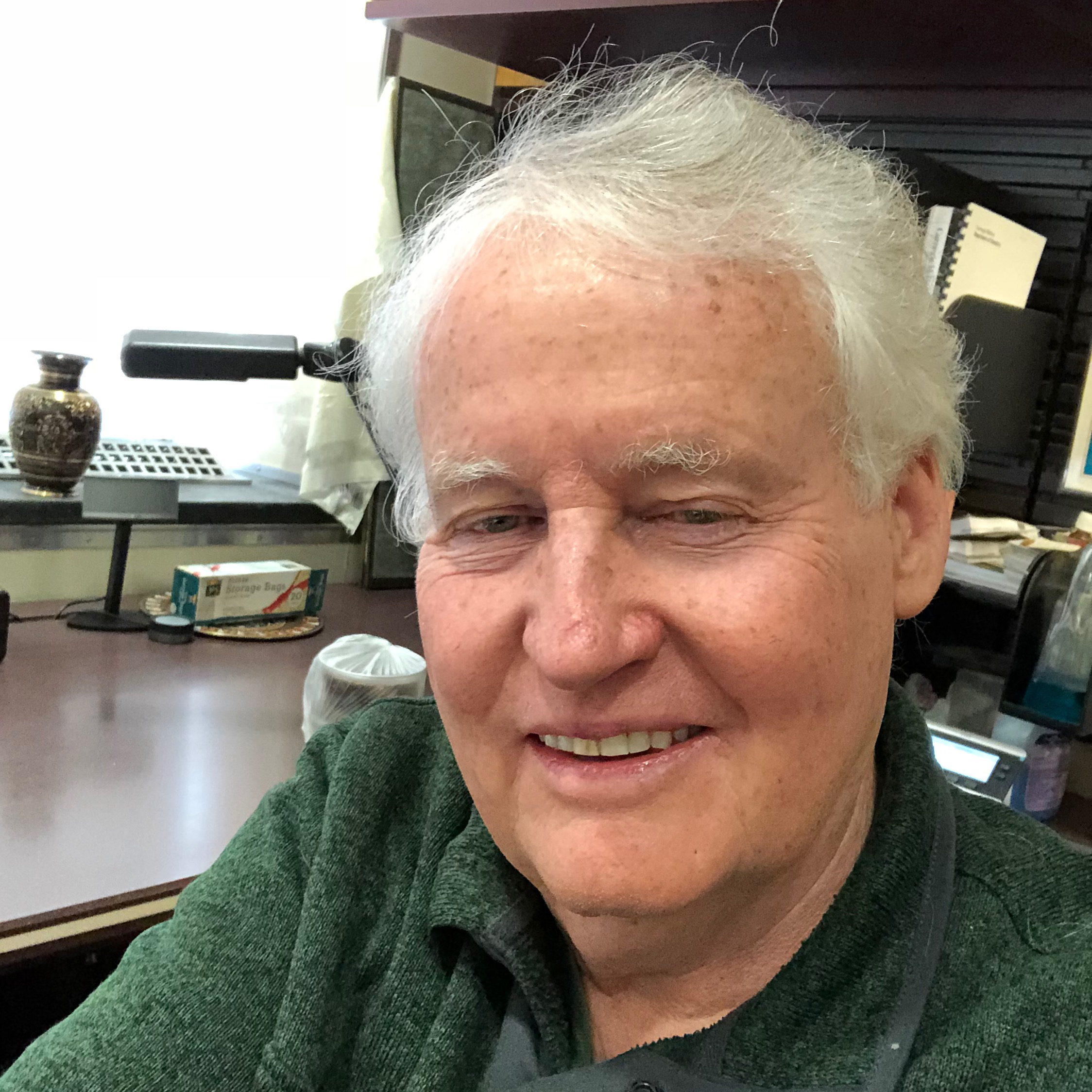
S1 Ep 29Episode 29. Green Chemistry: Terry Collins
Chemistry has given the world the incredible diversity of fuels, pharmaceuticals, and household products that we rely on every day, along with tremendous advances in fighting infectious diseases and ensuring an abundant food supply. But the products of chemistry also include tens of thousands of toxic compounds that compromise human health, degrade the environment, and drive species to extinction. The advent of the modern environmental movement in the 1960s and 1970s produced a new field of chemistry dedicated to providing for the needs of society with less toxic and less environmentally damaging alternatives. This intellectual endeavor coalesced into the field of green chemistry. My guest, Terry Collins, is a leading green chemist and one of the founders of the field. His education includes a bachelor of science in 1974 and a PhD in 1978, both from the University of Auckland in New Zealand. He held a faculty position at the California Institute of Technology in the 1980s before joining the faculty at Carnegie Mellon University in 1988, where he is now the Director of the Institute for Green Science and the Teresa Heinz Professor of Green Chemistry. Terry is the recipient of numerous awards, including the Presidential Green Chemistry Challenge Award in 1998 and the Heinz Award for the Environment in 2010. He is also a Fellow of the American Chemical Society.

S1 Ep 28Episode 28. Environmentalism: Paul Ehrlich
Rachel Carson alerted the world to the dangers of pollution with the publication of her book Silent Spring in 1962, and in the process, she helped to launch the environmental movement. My guest, Paul Ehrlich, alerted the world to the dangers of human population growth and resource consumption with the publication of his book The Population Bomb in 1968, and in the process, he accelerated the environmental movement. He has played a major role in that movement ever since, authoring dozens of influential books and many more articles. Ehrlich received a bachelor's degree from the University of Pennsylvania in 1953 and a PhD from the University of Kansas in 1957. He has been a professor at Stanford University since 1959, where he is the president of the Center for Conservation Biology. He is the recipient of numerous environmental prizes, such as a MacArthur Fellowship, the John Muir Award of the Sierra Club, the Tyler Prize for Environmental Achievement, the Blue Planet Prize, and the Eminent Ecologist Award of the Ecological Society of America. Ehrlich is a fellow of the American Association for the Advancement of Science, the American Academy of Arts and Sciences, and the American Philosophical Society; he is also a member of the US National Academy of Sciences.

S1 Ep 27Episode 27. Biodiversity: Thomas Lovejoy
Global biodiversity is in the midst of a mass extinction driven by rapid human population growth and over-consumption of resources. These forces drive habitat loss, pollution, invasive species, climate change, and the many other proximate causes of species losses. The study of these forces, and how they can be mitigated to preserve biodiversity, is the responsibility of scientists engaged in the field of conservation biology. My guest, Thomas Lovejoy, is a founding scientist of this field, and often referred to as the Godfather of Biodiversity. Tom received B.S. and Ph.D. degrees in biology at Yale. He then held many prominent positions related to conservation, including with the World Wildlife Fund, the Smithsonian Institution, the World Bank, and the Inter-American Development Bank. He served in many scientific advisory roles for the U.S. government, and as a Conservation Fellow and Explorer at Large for National Geographic. Tom is a professor in the Environmental Science and Policy department at George Mason University and a senior fellow at the United Nations Foundation. He is the recipient of numerous environmental awards, including the Tyler Prize for Environmental Achievement and the Blue Planet Prize. He is also a Fellow of the American Association for the Advancement of Science, the American Academy of Arts and Sciences, the American Philosophical Society, the Linnean Society of London, and the American Ornithologists' Union.

S1 Ep 26Episode 26. Linguistics: Noam Chomsky
Nothing is more human than language, and no one has done more to advance the science of linguistics than Noam Chomsky. Noam was born in 1928, and completed undergraduate and graduate degrees at the University of Pennsylvania just after the Second World War. He earned his PhD in 1955, and by 1957, he was already publishing landmark works in linguistics that disrupted the field and fundamentally altered the understanding of language. His work also devastated the field of behaviorism, led by the likes of B.F. Skinner. Noam is known as the father of modern linguistics, but his influence extends well beyond the study of language to include fundamental applications in computer science, philosophy, cognitive science, and many other fields. Noam has taught at MIT since 1955, and at the University of Arizona since 2017.
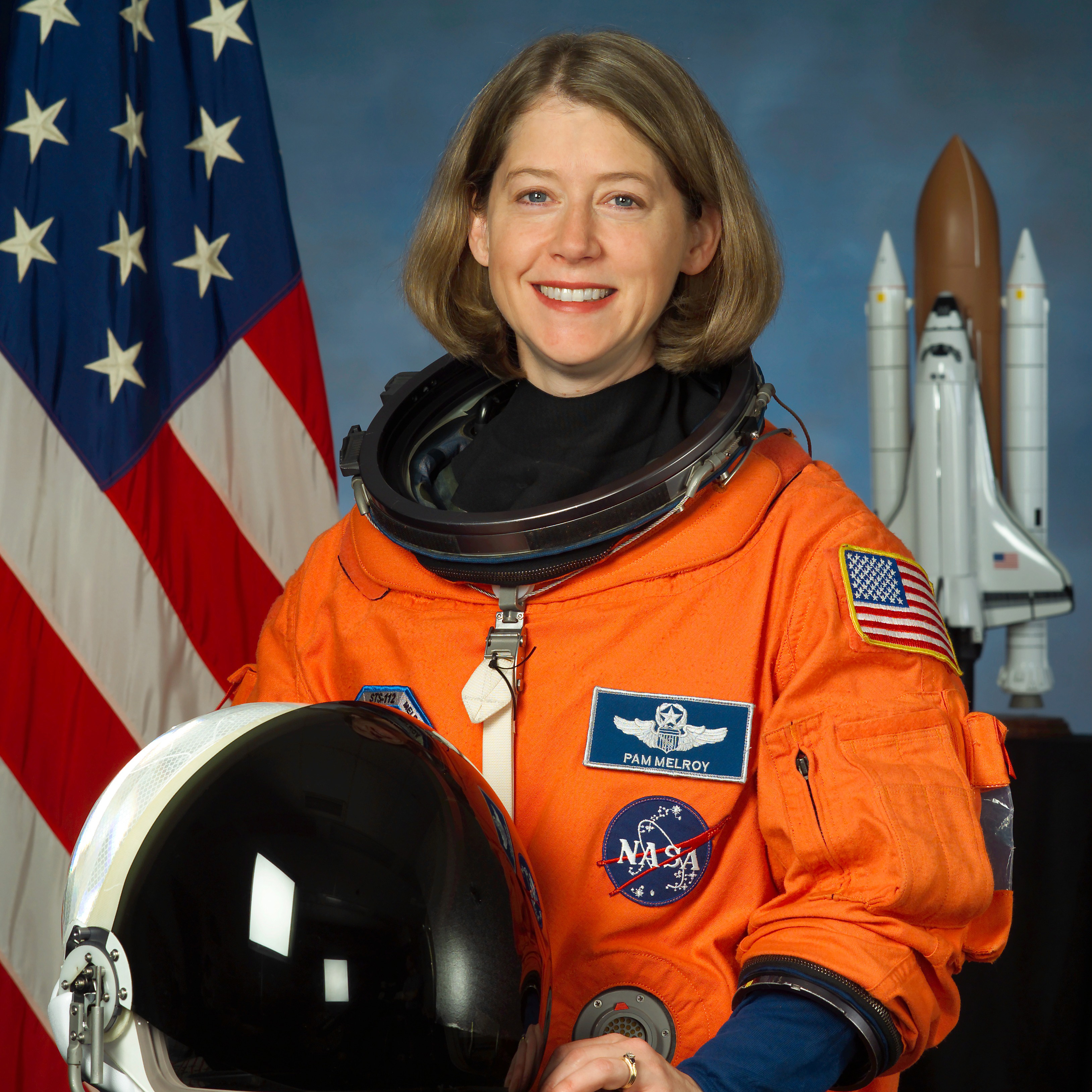
S1 Ep 25Episode 25. Space Science: Pam Melroy
Space exploration thrills kids and adults alike. Today I discuss the history of NASA and space science with Pam Melroy. Pam piloted the Space Shuttle missions STS-92 in 2000 and STS-112 in 2002, and she commanded STS-120 in 2007. We discuss the Mercury, Gemini, Apollo and Apollo-Soyuz programs, the Mariner 9 mission, Landsat satellites, Skylab, the Space shuttle, and the International Space Station. We also discuss scientific advances achieved in space in telemedicine, microgravity and health, protein crystal growth and drug development, and materials science, as well as the future of space science.

S1 Ep 24Episode 24. Conservation of Freshwater Ecosystems: Ian Harrison
Freshwater ecosystems and their resident species have declined more rapidly than either terrestrial or marine systems and their species. Freshwater ecosystems face myriad stressors, from habitat loss and pollution to dams and climate change. Today I discuss the state of freshwater conservation science with Ian Harrison. Ian obtained his Ph.D. in systematic ichthyology at the University of Bristol in the UK. He has conducted research on marine and freshwater fishes in Europe, Central and South America, Africa, the Philippines, and the Central Pacific. He has worked for Conservation International and the IUCN's Global Species Programme since 2008 and he is currently the freshwater specialist for Conservation International's Moore Center for Science. Ian publishes extensively on the biology and conservation of fishes and the conservation of freshwater ecosystems.

S1 Ep 23Episode 23. Human Evolutionary Genetics: Jason Wilder
Due to recent technological advances, scientists have revolutionized our understanding of human evolutionary history. What appeared to be a relatively simple story of divergence from ancient hominids is instead a tangled mess involving repeated cycles of divergence and hybridization between evolving human species. Today my guest is Jason Wilder, who researches human evolutionary genetics and genomics. We discuss the genetics of malaria resistance and parallel evolution, CCR5 deficiency and resistance to HIV infection, gene editing and the creation of designer babies, gene editing to treat disease, and introgression between modern humans and archaic forms, including Neanderthals and Denisovans. Jason received his B.A. in biology at Williams College and his Ph.D. in Ecology and Evolutionary Biology at Princeton University. He then worked at the University of Arizona and Williams before joining the faculty at Northern Arizona University, where he is a professor of genetics and the Interim Dean of the College of the Environment, Forestry and Natural Sciences.

S1 Ep 22Episode 22. Sex Differences in the Brain: Margaret McCarthy
The brain is the most enigmatic of organs – it is really a collection of organs that undergoes a remarkable coordinated development that is driven in part by sex steroids. Today my guest is Margaret McCarthy, one of the leading researchers on sex differences in the brain. Here, we cover the history of research on sex and the brain, including the utility of animal models, the roles of hormones and sensitive periods in brain development, masculinization vs. feminization of the brain, epigenetic regulation of sex differences in the brain, differences between the sexes in the prevalence and age of onset of mental illnesses, and even the role of politics in the field of neurobiology. Margaret received her BS and MA degrees in biology at the University of Missouri in 1981 and 1984, respectively, and her PhD in behavioral neuroscience at Rutgers University in 1989. She then worked at Rockefeller University and the National Institutes of Health before joining the faculty at the University of Maryland, where she holds an endowed professorship and is the Chair of the Department of Pharmacology.

S1 Ep 21Episode 21. Plutonium: Frank N. von Hippel
Today we explore the history of plutonium with Frank von Hippel, a retired but always active professor at Princeton University, where, in 1975, he co-founded Princeton's Program on Science and Global Security in the Woodrow Wilson School of Public and International Affairs. In the 1980s, Frank was the chairman of the Federation of American Scientists, and in the Clinton Administration he was the Assistant Director for National Security in the White House Office of Science and Technology Policy. Frank has worked on nuclear arms control and nonproliferation since the 1980s, and received many awards for this work, including a MacArthur Fellowship. Frank received his B.S. in physics at MIT in 1959 and his Ph.D. in theoretical physics at the University of Oxford in 1962, where he was a Rhodes Scholar. Frank is also a co-author of the forthcoming book, "Plutonium: How nuclear power's dream fuel became a nightmare." We discuss the history of all things nuclear – the development of the bomb, the attacks on Hiroshima and Nagasaki, plutonium bomb accidents during the Cold War, breeder reactors, radioactive waste, trans-uranic elements and neutron capture, nuclear terrorism and dirty bombs, nuclear testing, nuclear energy, and the people involved.

S1 Ep 20Episode 20. Gravitational Waves: Nobel Laureate Rai Weiss
We explore the history of the discovery of gravitational waves with Rai Weiss, including the relevance to special and general relativity, pulsars, supernovae, merging and binary black holes, space and time, neutron star collisions, dark matter, cosmic background radiation, gamma ray bursts, and even the viscosity of neutrinos. We also discuss really small numbers, the origin of the NSF and NASA, the LIGO scientific collaboration, the politics of science, and what all this has to do with Albert Einstein. Rai received his PhD at MIT in 1962, and taught at Tufts University and Princeton before returning to MIT. Among Rai's many distinguished awards is the 2017 Nobel Prize in Physics, which he received along with Kip Thorne and Barry Barish "for decisive contributions to the LIGO detector and the observation of gravitational waves."

S1 Ep 19Episode 19. Yellow Rain: Matthew Meselson
In this supplemental episode with Matthew Meselson, I accepted his invitation to visit him in his office at Harvard, where we discussed yellow rain incidents in Southeast Asia. Meselson received his appointment as an Associate Professor of biology at Harvard in 1960 and his full professorship in 1964. He has been at Harvard ever since. Meselson has received many prominent awards throughout his career, including from the National Academy of Sciences, the Federation of American Scientists, the New York Academy of Sciences, and the Genetics Society of America, as well as the Guggenheim Fellowship and MacArthur Fellows Program Genius Award.

S1 Ep 18Episode 18. Herbicidal Warfare: Matthew Meselson
Matthew Meselson organized the Herbicide Assessment Commission in 1970, which investigated the use of Agent Orange and other defoliants in Vietnam. The work of the commission helped to end Operation Ranch Hand, in which the United States sprayed nearly 20 million gallons – about 73 million liters - of herbicides and defoliants over the rainforest and mangrove forest canopies of Vietnam, Laos and Cambodia. I called Meselson to ask about his role in the Herbicide Assessment Commission, along with a host of other fascinating investigations to do with chemical and biological weapons, such as the anthrax accident in the Soviet Union and the yellow rain incident in Laos. I also asked him about the U.S. Army's insane plan in 1969 to ship 800 railroad cars filled with 27,000 tons of poison-gas weapons from the Rocky Mountain Arsenal to New Jersey for disposal at sea. Meselson completed his Ph.D. in 1957 under Linus Pauling at CalTech. In 1958, in a classic experiment, he and Frank Stahl showed that DNA is replicated semi-conservatively, and in 1961 he along with Francois Jacob and Sydney Brenner discovered messenger RNA. Meselson also made fundamental discoveries in DNA repair, the recognition and destruction of foreign DNA in cells, and, along with Werner Arber, he discovered restriction enzymes. Meselson received his appointment as an Associate Professor of biology at Harvard in 1960 and his full professorship in 1964. He has been at Harvard ever since. Meselson has received many prominent awards throughout his career, including from the National Academy of Sciences, the Federation of American Scientists, the New York Academy of Sciences, and the Genetics Society of America, as well as the Guggenheim Fellowship and MacArthur Fellows Program Genius Award.

S1 Ep 17Episode 17. Cooperation: Robert Axelrod
We live in a surreal and dangerous time – autocrats are on the rise and societies are regressing toward ethnic competition. Given this political moment, I decided to dedicate an episode of the podcast to the history of research on cooperation. My guest, Robert Axelrod, has been a professor of political science and public policy at the University of Michigan since 1974. Prior to that, he was a professor at the University of California, Berkeley. He is a member of the U.S. National Academy of Sciences and a recipient of the MacArthur Foundation Fellowship, among many other awards. Pertinent to today's episode, he received the 1990 National Academy of Sciences Award for Behavioral Research Relevant to the Prevention of Nuclear War. He also received the National Medal of Science from President Barack Obama. Axelrod is the author of seminal books in the field, such as The Evolution of Cooperation, published in 1984. In this episode, we discuss the famous computer competition on the prisoner's dilemma that Axelrod ran in 1979, and the lessons learned regarding cooperation, altruistic behavior, kin selection, evolutionary stable strategies, and frequency dependent selection. The focus of our discussion is the winning strategy from the tournament, a strategy called tit for tat. We discuss modifications of tit for tat, including generosity and contrition to account for misunderstanding and misperception, and we discuss how this informs arms races and international relations. We also delve a bit into his interactions with Richard Dawkins, W.D. Hamilton, and E.O. Wilson, as well as his work related to cyberwarfare and cancer.

S1 Ep 16Episode 16. Forensic Science: Bruce Budowle
How did modern molecular biology become an integral component of forensic science? My guest, Bruce Budowle, played key roles in the development of genetic and microbial forensics, and he explains significant events in forensic science over the past four decades. Bruce joined the research unit of the FBI Laboratory Division in 1983 and rose in the ranks to become the Chief of the Forensic Science Research Unit and the Senior Scientist for the Laboratory Division. In 2009, Bruce left the FBI to become the Executive Director of the Institute of Applied Genomics at the University of North Texas Health Science Center. Bruce directs the Center for Human Identification and he is the Vice Chair of the Department of Microbiology, Immunology, and Genetics. He has published about 500 scientific articles and testified in over 250 criminal cases. Bruce and I discuss the missing children of Argentina's Dirty War, the O.J. Simpson trial, the 9/11 terror attack on the World Trade Center, the subsequent anthrax letter attacks and the advent of microbial forensics, the DNA Fingerprinting Wars, DNA genealogies and forensics, and making mistakes in forensics.

S1 Ep 15Episode 15. Bioterrorism: Paul Keim
Shortly after the al-Qaida terror attacks of September 11, 2001, a second wave of terror swept the United States – this time bioterrorism with anthrax mailed in letters as the weapon. Today my guest is Paul Keim, the scientist who conducted the genetic sleuthing and tracked down the source of the anthrax. Paul is the recipient of numerous scientific honors, and he is a professor of biological sciences at Northern Arizona University, where he directs the Pathogen and Microbiome Institute. In addition to the anthrax terror attacks, in today's episode we discuss the Soviet and Iraqi anthrax weapons programs, the Haitian cholera outbreak sourced to Nepalese peacekeepers, virulent avian influenza, Scottish heroin addicts, and the Japanese doomsday cult Aum Shinrikyo.

S1 Ep 14Episode 14. Aquaporins: Nobel Laureate Peter Agre
One of the greatest mysteries in biology, until 1991, was how water moves across cell membranes. Today's episode focuses on the history of the discovery of aquaporins, or proteins that act as water channels in cell membranes. My guest is Peter Agre, recipient of the 2003 Nobel Prize in Chemistry for his discovery of aquaporins. Among many other honors and leadership roles across his career, Peter became a member of the U.S. National Academy of Sciences in 2000 and served as President of the American Association for the Advancement of Science from 2009-2010. He is the Bloomberg Distinguished Professor in Molecular Microbiology and Immunology and in the School of Medicine at Johns Hopkins Bloomberg School of Public Health. Peter is also the Director of the Johns Hopkins Malaria Research Institute.

S1 Ep 13Episode 13. Water Sanitation: Dennis Warner
In 1854, in the Soho district of London, cholera swept through the population. The physician John Snow investigated the cause of the outbreak and hypothesized that it was due to contaminated water. So began the field of epidemiology. Today's episode focuses on water quality, sanitation and disease. My guest is Dennis Warner, who has worked for forty years in the field of water supply and sanitation, including for Catholic Relief Services, the Peace Corps, the University of Dar es Salaam, Duke University, the World Health Organization, the World Bank, and the United States Agency for International Development.

S1 Ep 12Episode 12. Climate Change: John Matthews
The effects of human induced climate change, predicted over a century ago, are already with us. My guest, John Matthews, is the coordinator at the Alliance for Global Water Adaptation, which is a network of water and climate professionals working towards solutions for sustainable water resources management on both technical and policy fronts. In today's episode, we look back at some of the history of climate change research and water resources management, and peer a little into the future of a changing world.

S1 Ep 11Episode 11. Winston Churchill's Science, Part 2: James Muller
Winston Churchill's outsized role and oratory in wartime, from the Great Boer War at the turn of the century to World War II, are well known. Beyond politics and battle, Churchill also displayed a keen interest in technological development and scientific advancement, the subject of today's podcast, which is part 2 of a two-part series. To explore Churchill's connection to science and technology, I interviewed Jim Muller. Jim is a Professor in the Department of Political Science at the University of Alaska Anchorage. He is one of the world's foremost authorities on Winston Churchill as well as the academic chairman of the Churchill Centre and the author of many works on Churchill.

S1 Ep 10Episode 10. Winston Churchill's Science, Part 1: James Muller
The 20th century was a time of unparalleled advancement in science and technology, along with the associated destruction caused by two world wars. I think the most important person to positively influence the 20th century was Winston Churchill. His importance was especially pronounced during World War II, in which his leadership may well have saved the world from long-term Nazi tyranny. But Churchill played key roles in many realms of life, and especially in literature. Indeed, Churchill was awarded the 1953 Nobel Prize for literature, which is certainly not the typical achievement of a politician. Churchill also displayed a keen interest in technological development and scientific advancement, the subject of today's podcast, which is part 1 of a two-part episode. To explore Churchill's connection to science and technology, I interviewed Jim Muller. Jim is a Professor in the Department of Political Science at the University of Alaska Anchorage. He is one of the world's foremost authorities on Winston Churchill as well as the academic chairman of the Churchill Centre and the author of many works on Churchill.

S1 Ep 9Episode 9. British Explorers, Part 2: Andrea Hart and Max Barclay
The Natural History Museum in London houses the greatest collection of natural history specimens in the world, collected for centuries by British explorers and scientists. In Part 2 of this episode on British explorers, my guests Andrea Hart and Max Barclay explain the role that these specimens and associated artwork played in the development of major scientific advances. Foremost among these specimens are the beetles, which held an outsized role in the history of evolutionary biology as well as in the childhood pursuits of collectors such as Charles Darwin and Alfred Russell Wallace. Andrea is the Head of Special Collections at the Natural History Museum, and Max is the Senior Curator in Charge of the beetle collection. So let's travel the world, from Africa to the Amazon to Australia and learn about the wonderful diversity of beetles, the eccentric people who collected them, and how their ideas changed the world. We'll do all this surrounded by annotated manuscripts, natural history drawings and specimens of the world's largest beetles within a Special Collections room of the Natural History Museum.

S1 Ep 8Episode 8. British Explorers, Part 1: Ian Owens
The Natural History Museum in London houses the greatest collection of natural history specimens in the world, collected for centuries by British explorers and scientists. From Captain Cook's discovery of Australia and Charles Darwin's voyage on the Beagle to the doomed Terra Nova Expedition to Antarctica led by Robert Scott, a steady stream of invaluable specimens has traversed the globe in order to be archived and studied. Taking us through this history is my guest, Ian Owens, the Director of Science at the museum. Ian is also a Professor at Imperial College London, and he specializes on research in the areas of biodiversity, ecology, genetics and evolution of birds.
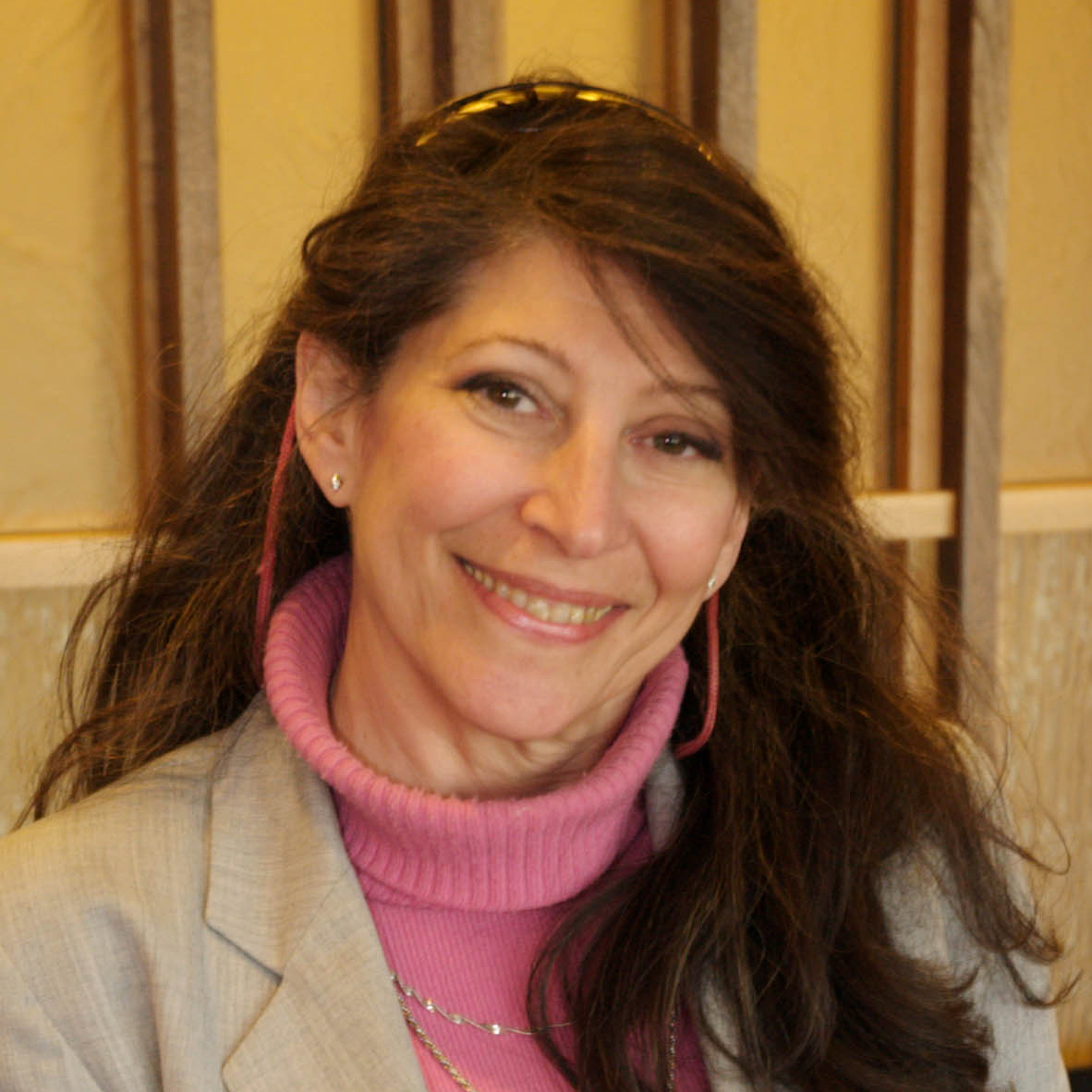
S1 Ep 7Episode 7. Animal Intelligence: Irene Pepperberg
For over half a century, innovative scientists have tested the abilities of animals to learn to communicate using human systems, such as American Sign Language with chimps and gorillas. One could go back even farther in time, to the start of the 20th century, when the German mathematics teacher Wilhelm von Osten trained his Russian trotting horse Hans to answer questions, do simple math, and discriminate consonant vs. dissonant musical chords, all by nodding his head, tapping a hoof, pointing his nose, or picking up objects in his mouth. More recently, one of the most remarkable of such animal communication programs is that run by Irene Pepperberg. Irene has spent the past four decades teaching African grey parrots to talk – and not just to talk, but also to answer complex questions about the nature and number of objects. Irene's purpose is to test the limits of communication between humans and animals. Irene is the author of many articles and several books, including the New York Times best-seller "Alex & me. How a scientist and a parrot discovered a hidden world of animal intelligence – and formed a deep bond in the process".

S1 Ep 6Episode 6. Chemical Causes of Obesity: Bruce Blumberg
The obesity epidemic has spread throughout much of the world and is one of the leading drivers of impaired health and skyrocketing healthcare costs. In today's episode, we are focusing on a neglected aspect of the obesity epidemic – the role played by exposure to toxic chemicals in our food, water, and the environment. Walking us through the history of this new field of research – investigations on obesogenic chemicals – is one of the leading researchers of the field, Bruce Blumberg. Bruce is a professor in the Departments of Developmental and Cell Biology, Pharmaceutical Sciences, and Biomedical Engineering at the University of California, Irvine, and he is a Fellow of the American Association for the Advancement of Science. This episode is also coincident with the publication of Bruce's new book, The Obesogen Effect.