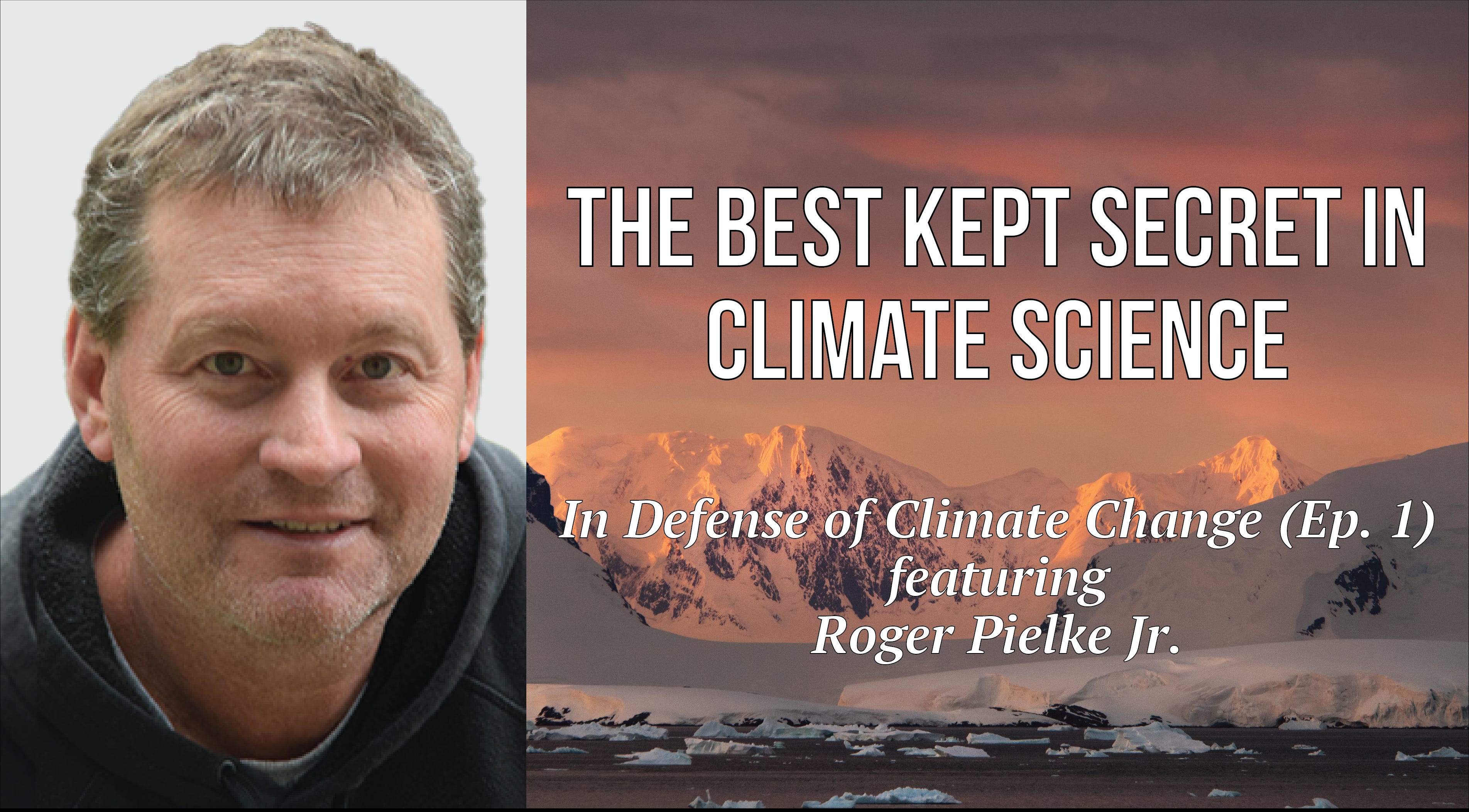
The Best Kept Secret in Climate Science (In Defense of Climate Change - Episode 1)
Science From the Fringe · Science From The Fringe, Bryce Nickels, and Roger Pielke Jr.
Audio is streamed directly from the publisher (api.substack.com) as published in their RSS feed. Play Podcasts does not host this file. Rights-holders can request removal through the copyright & takedown page.
Show Notes
Climate change is one of the most politically charged issues in science, often framed as a choice between denial and apocalypse. In the first episode of In Defense of Climate Change, Bryce Nickels speaks with climate policy scholar Roger Pielke Jr. about why that framing distorts the realities of climate science.
At the center of the conversation is the role of scenarios in climate research—what Roger calls “the best kept secret in climate science.” Climate models do not predict the future; they simulate how the climate would respond under different assumptions about how the world develops, including population growth, economic activity, and energy use. These assumptions, known as emissions scenarios, determine how much carbon dioxide is emitted and, in turn, how much warming is projected.
Roger explains that many of the most widely used scenarios—particularly those developed in the early 2000s—were built around assumptions of rapidly expanding coal use. These scenarios helped produce some of the most alarming projections of future warming and came to dominate both the scientific literature and public discussion. However, the world has not followed that trajectory, and many of these scenarios are now outdated—even as they continue to be used in current research.
He emphasizes that climate change is real and serious, and that scenarios are a necessary tool for understanding possible futures. But he argues that failing to distinguish between plausible and implausible scenarios—and to update those assumptions as the world changes—can distort how climate science is interpreted.
The episode also examines how institutional and methodological factors can slow the updating of scenarios, allowing outdated assumptions to persist in research, media coverage, and policy discussions.
(recorded March 12, 2026)
Get full access to Science From the Fringe at sciencefromthefringe.substack.com/subscribe