Science Friday
It's brain fun, for curious people
Science Friday
Show overview
Science Friday has published 10 episodes during 2023. That works out to roughly 2 hours of audio in total. Releases follow a weekly cadence.
Episodes typically run ten to twenty minutes — most land between 10 min and 16 min — though episode length varies meaningfully from one episode to the next. None of the episodes are flagged explicit by the publisher. It is catalogued as a EN-US-language Science & Medicine show.
The catalogue appears to be on hiatus or wound down — the most recent episode landed 3 years ago, with no new episodes in over a year.
From the publisher
Covering everything about science and technology -- from the outer reaches of space to the tiniest microbes in our bodies -- Science Friday is your source for entertaining and educational stories and activities. Each week, host Ira Flatow interviews scientists and inventors like Sylvia Earle, Elon Musk, Neil deGrasse Tyson, and more.
Latest Episodes

Are Jellyfish Smarter Than We Think?
A new experiment finds that jellyfish are capable of learning from past mistakes and adapting their behavior.

Sour Times For Florida’s Citrus
Scientists are working on ways to salvage plants damaged by “citrus greening,” which causes bitter, acidic fruit.

After 7 Years, NASA Gets Its Asteroid Sample
The OSIRIS-REx spacecraft swung by Earth this week and released its asteroid sample capsule, which landed safely in the Utah desert.

The Mysteries Of Freshwater Jellyfish
Researchers think the species hitched a ride on aquatic plants shipped from China, then spread across the Midwest.
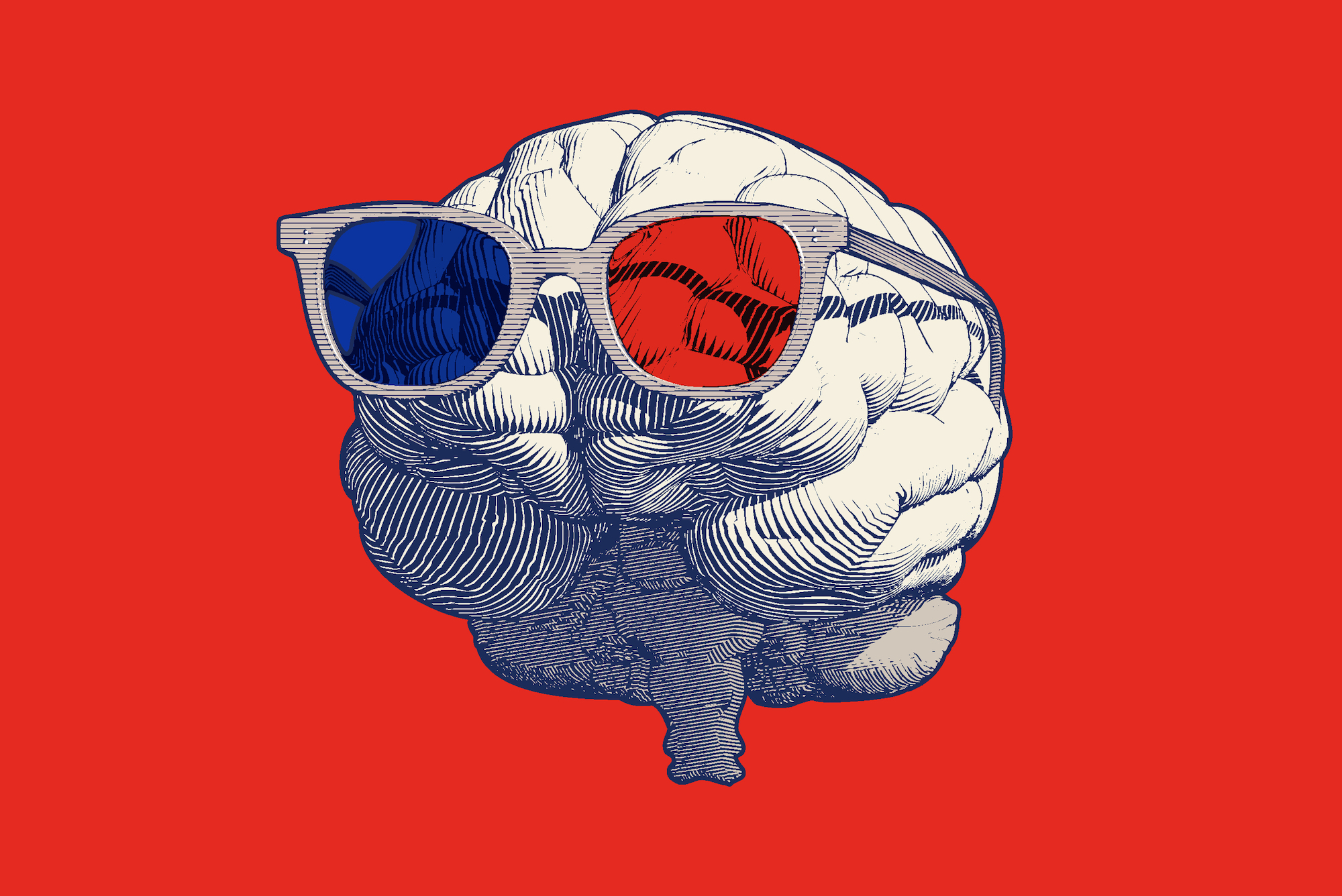
How You See With Your Brain
A neuroscientist discusses how your brain processes visual information and what we can learn from the brains of people with schizophrenia.

The Science Behind The Placebo Effect
Researchers are learning that placebos might be even more effective when patients know they’re receiving them.

Where Technology Meets Ableism
In her new book, “Against Technoableism,” Dr. Ashley Shew argues that cutting-edge technology is not always a needed solution for disability.

Making Neuroscience Into Music
Composer Sarah Hennies’ new piece “Motor Tapes” was inspired by a neurological theory of the same name. How did she translate it to music?

The Climate Movement Should Be Funnier
Research suggests that comedy is a powerful way to mobilize people. So what makes a good laugh a motivating force?

A Week Of Climate Protests, Meetings, Pledges, And Action
2023's Climate Week NYC witnessed hundreds of events, protests, and pledges from world leaders at the UN General Assembly meeting.