
Sadler's Lectures
602 episodes — Page 7 of 13
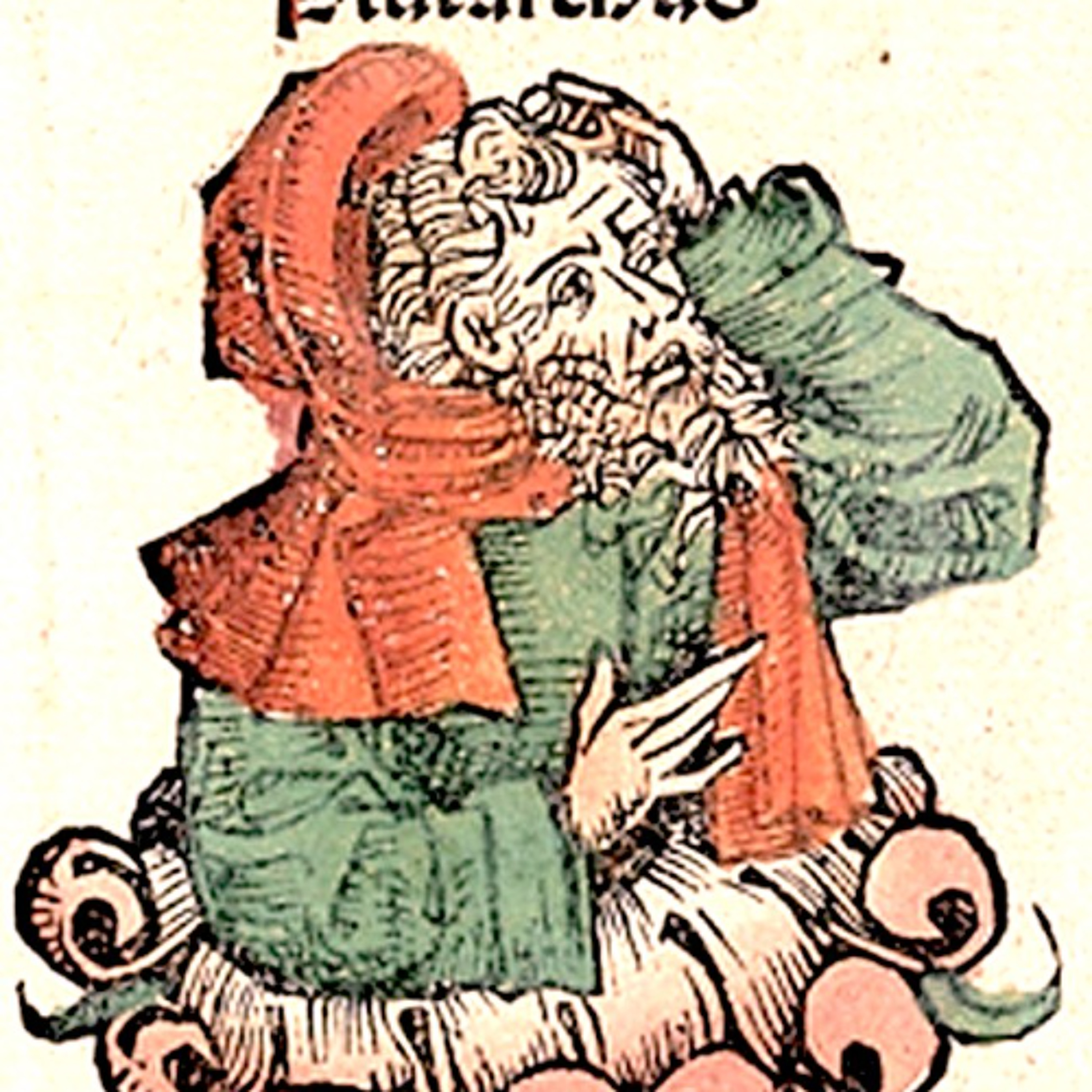
Plutarch, On Being A Busybody - Curiosity As A Vicious Disposition - Sadler's Lectures
This lecture discusses key ideas from the ancient Middle Platonist philosopher and biographer Plutarch's essay On Being A Busybody This episode focuses specifically on why the sort of curiosity, inquisitiveness, meddlesomeness, or being a busybody he discusses is actually a vicious disposition, rather than something good. It involves a desire to learn about the troubles, problems, or bad things (kaka in Greek) of others. Instead of focusing upon their own problems or deficits, they focus on those of others. You can find the copy of the text I am using for this sequence on Plutarch's On Being A Busybody here - https://amzn.to/3IcyoX5 To support my ongoing work, go to my Patreon site - www.patreon.com/sadler If you'd like to make a direct contribution, you can do so here - www.paypal.me/ReasonIO - or at BuyMeACoffee - www.buymeacoffee.com/A4quYdWoM You can find over 3000 philosophy videos in my main YouTube channel - www.youtube.com/user/gbisadler (Amazon links are associate links. As an Amazon Associate I earn from qualifying purchases)
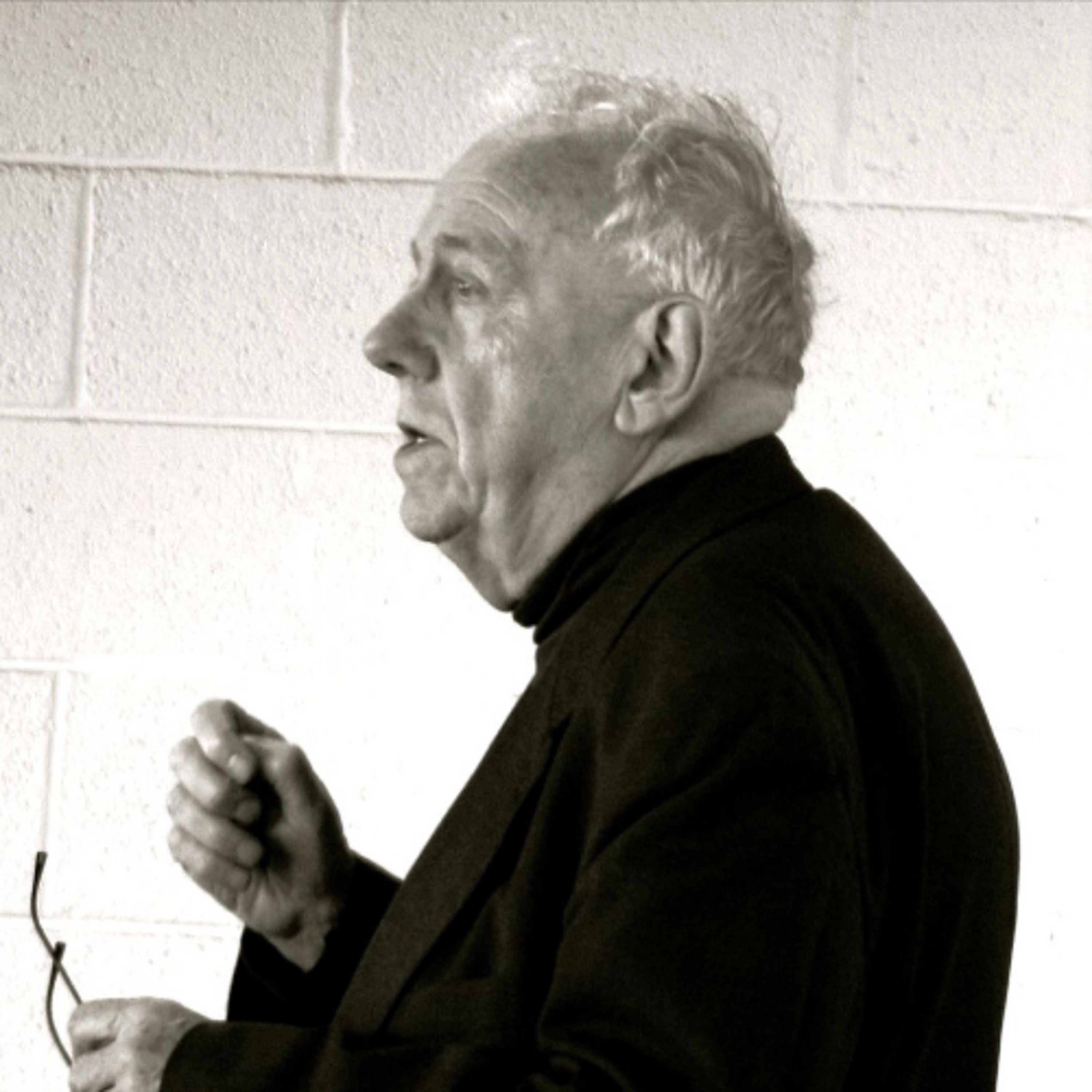
Alasdair MacIntyre, Designing Our Descendants - A New Table Of Virtues
This lecture discusses key ideas from the 20th and 21st century philosopher and moral theorist, Alasdair MacIntyre's short address "Designing Our Descendants: Seven Traits for the Future", a presentation to the 1978 general meeting at the Hastings Center. MacIntyre first discusses how intentionally designing descendants is a matter that has political dimensions, then sets out seven key traits that he thinks are most needed, and concludes with projections of what the lives of people in a society where these traits are widespread would look like. The seven traits in a "new table of virtues" MacIntyre identifies and discusses are: Ability to live with uncertainty (and an unpredictable environment) Roots in particularity (a capacity for finding a particular and local way of being a home in the world) A commitment to non-manipulative modes of relationship with people and nature Finding a vocation in one's work (an ability to find a work that is peculiarly our own to do in the world) Accepting one's death (recognition that there will come a time when one's life is complete) Hope (a spirit of hope for which there cannot be adequate empirical grounds) Willingness to take up arms (to go to war and to acquire the skill necessary to win a war) To support my ongoing work, go to my Patreon site - www.patreon.com/sadler If you'd like to make a direct contribution, you can do so here - www.paypal.me/ReasonIO - or at BuyMeACoffee - www.buymeacoffee.com/A4quYdWoM You can find over 3,500 philosophy videos in my main YouTube channel - www.youtube.com/user/gbisadler You can get MacIntyre's After Virtue here - amzn.to/2RiplGT
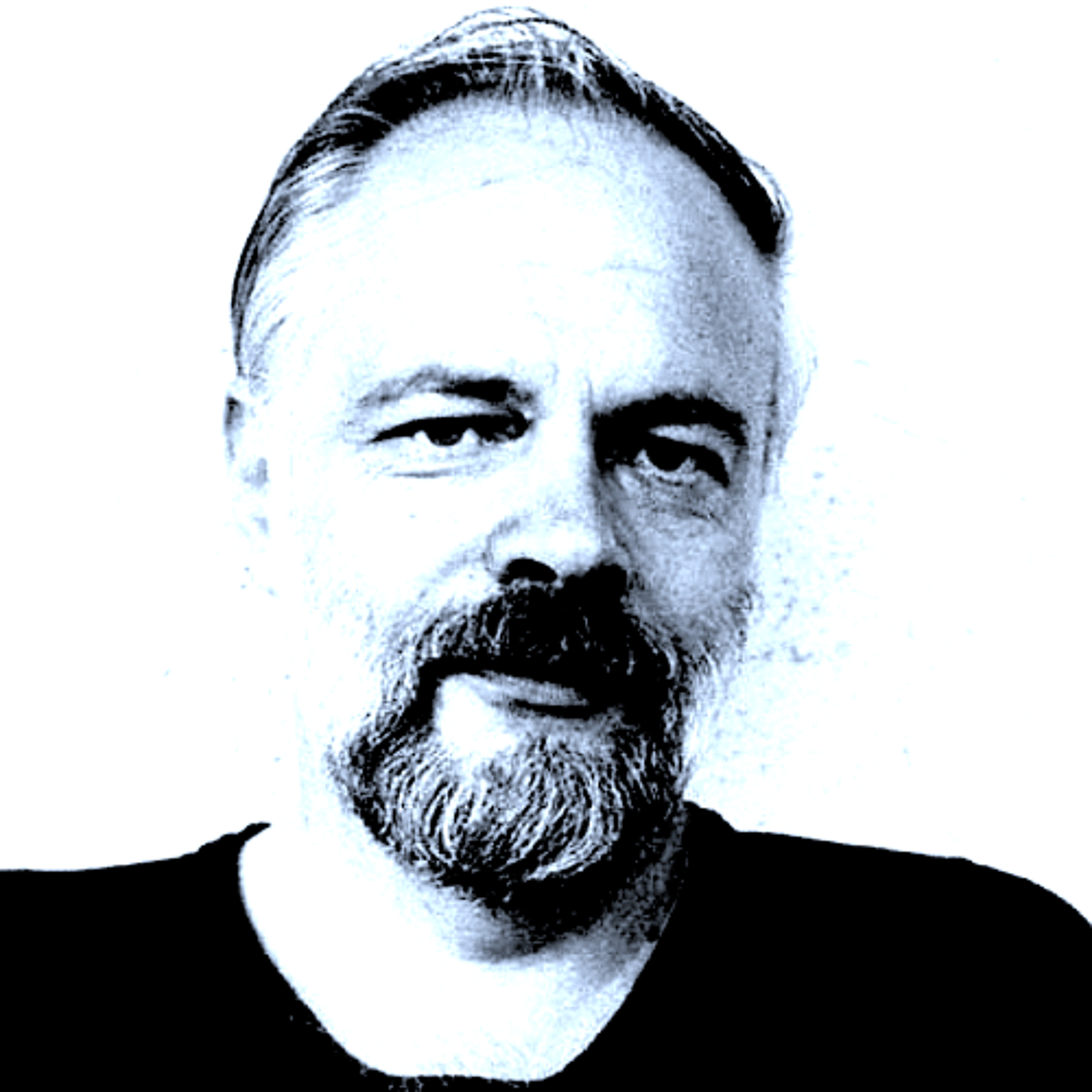
Philip Dick, Ubik - Ubik, God In A Spray Can - Sadler's Lectures
This lecture discusses key ideas from the 20th Century American science-fiction short story writer and novelist, Philip K. Dick's novel Ubik It focuses specifically on the mysterious and miraculous substance Ubik that gets referenced in advertisements at the start of every chapter of the work (except the final one) as well as by Runciter in a video Joe Chip sees in his apartment. Ubik turns out to be a substance, developed by Ella Runciter and "other responsible half-lifers" that in its contemporary form undoes and protects against the effects of entropy and consumption by Jory in half-life. It can also be reverted to earlier an essentially unusable versions as well, as Joe Chip finds out. To support my ongoing work, go to my Patreon site - www.patreon.com/sadler If you'd like to make a direct contribution, you can do so here - www.paypal.me/ReasonIO - or at BuyMeACoffee - www.buymeacoffee.com/A4quYdWoM You can find over 3000 philosophy videos in my main YouTube channel - www.youtube.com/user/gbisadler You can get a copy of Ubik here - https://amzn.to/4k8i348
Philip Dick, Ubik - Travelling To And Around Des Moines - Sadler's Lectures
This lecture discusses key ideas from the 20th Century American science-fiction short story writer and novelist, Philip K. Dick's novel Ubik It focuses specifically on the city of Des Moines, Iowa, where Glen Runciter's body has been transported for his memorial. As it turns out, the team of surviving inertials (since by then Wendy and Al have died) are all there, and Joe Chip has to travel there to meet them. By then, everything, including the city, has reverted from their time-setting in the 1990s to the 1930s. It will turn out that the Des Moines they are experiencing is a projection produced by Jory, while all of them are in cold-pac To support my ongoing work, go to my Patreon site - www.patreon.com/sadler If you'd like to make a direct contribution, you can do so here - www.paypal.me/ReasonIO - or at BuyMeACoffee - www.buymeacoffee.com/A4quYdWoM You can find over 3000 philosophy videos in my main YouTube channel - www.youtube.com/user/gbisadler You can get a copy of Ubik here - https://amzn.to/4k8i348
Philip Dick, Ubik - Runciter's Interventions and Manifestations - Sadler's Lectures
This lecture discusses key ideas from the 20th Century American science-fiction short story writer and novelist, Philip K. Dick's novel Ubik It focuses specifically on the many points in the novel, after the surprise attack on Glen Runciter, Joe Chip, and the entire team of the inertials, where a seemingly dead and in cold-pac Runciter breaks through into the "reality" of those who think themselves survivors. At first this happens through strange written interventions, like a matchbook cover, graffiti, and notes, and through Runciter appearing on currency. As time goes on, the manifestations extend to video and even a meeting between Joe Chip and Glen Runciter. To support my ongoing work, go to my Patreon site - www.patreon.com/sadler If you'd like to make a direct contribution, you can do so here - www.paypal.me/ReasonIO - or at BuyMeACoffee - www.buymeacoffee.com/A4quYdWoM You can find over 3000 philosophy videos in my main YouTube channel - www.youtube.com/user/gbisadler You can get a copy of Ubik here - https://amzn.to/4k8i348
Philip Dick, Ubik - Coldness, Exhaustion, and Death - Sadler's Lectures
This lecture discusses key ideas from the 20th Century American science-fiction short story writer and novelist, Philip K. Dick's novel Ubik It focuses specifically on the experience of bone-chilling cold, exhaustion and fatigue, and eventual death of a particularly gruesome sort that several of the characters experience once they are in cold-pac and in half-life. At first, they think that it is being caused by Pat Conley, who even thinks that to be the case herself, but it is actually the effect of Jory, a young man in half life, who is "eating" the other half-lifers. The main character, Joe Chip experiences this himself, but is saved for the moment by the application of Ubik in the form of a spray can To support my ongoing work, go to my Patreon site - www.patreon.com/sadler If you'd like to make a direct contribution, you can do so here - www.paypal.me/ReasonIO - or at BuyMeACoffee - www.buymeacoffee.com/A4quYdWoM You can find over 3000 philosophy videos in my main YouTube channel - www.youtube.com/user/gbisadler You can get a copy of Ubik here - https://amzn.to/4k8i348
Philip Dick, Ubik - Reversion, Obsolescence, and Spoiling - Sadler's Lectures
This lecture discusses key ideas from the 20th Century American science-fiction short story writer and novelist, Philip K. Dick's novel Ubik It focuses specifically on one main theme of the novel, which is the characters noticing a pattern of objects at first being spoiled or worn out, then reverting to earlier obsolete forms, eventually affecting not just individual objects or even rooms but entire settings in which they find themselves. The examples focused upon include cigarettes, coffee and cream, coins and bills, a tape-recorder, appliances, an elevator, vehicles, and even Ubik itself. This mystery gets a resolution late in the novel when we discover that they are a result of Jory's inability to maintain a consistent phatasmagoric reality for his soon-to-be victims in half-life. To support my ongoing work, go to my Patreon site - www.patreon.com/sadler If you'd like to make a direct contribution, you can do so here - www.paypal.me/ReasonIO - or at BuyMeACoffee - www.buymeacoffee.com/A4quYdWoM You can find over 3000 philosophy videos in my main YouTube channel - www.youtube.com/user/gbisadler You can get a copy of Ubik here - https://amzn.to/4k8i348
Philip Dick, Ubik - Stanton Mick, Ray Hollis, and The Trap - Sadler's Lectures
This lecture discusses key ideas from the 20th Century American science-fiction short story writer and novelist, Philip K. Dick's novel Ubik It focuses specifically on the ambush that Ray Hollis engineers, using Stanton Mick's company, based on the moon, as a potential new client for Runciter Associates. Glen Runciter, Joe Chip, and a team of 11 inertials (anti-psionic talents) fly to the location. They are asked not to take readings, which Joe Chip does anyways, discovering that Mick is actually a bomb in human disguise. It turns out that there is a conspiracy that had been laid for quite a while, involving Hollis and his organization, perhaps Mick, Pat Conley, and Runciter's talent scout Ashwood. To support my ongoing work, go to my Patreon site - www.patreon.com/sadler If you'd like to make a direct contribution, you can do so here - www.paypal.me/ReasonIO - or at BuyMeACoffee - www.buymeacoffee.com/A4quYdWoM You can find over 3000 philosophy videos in my main YouTube channel - www.youtube.com/user/gbisadler You can get a copy of Ubik here - https://amzn.to/4k8i348
Philip Dick, Ubik - Runciter's Team of Inertials - Sadler's Lectures
This lecture discusses key ideas from the 20th Century American science-fiction short story writer and novelist, Philip K. Dick's novel Ubik It focuses specifically on the team of eleven "inertials," that is anti-psionic talents assembled by Glen Runciter to go to the lunar location of businessman Stanton Mick's company, and do a job eliminating the effects of various psionic talents, likely employed by Ray Hollis. The team includes 4 anti-precogs, 4 anti-telepaths, 1 anti-animator, 1 anti-psychokineticist, and the as yet not entirely understood talent of Pat Conley. Runciter and tester Joe Chip accompany them. To support my ongoing work, go to my Patreon site - www.patreon.com/sadler If you'd like to make a direct contribution, you can do so here - www.paypal.me/ReasonIO - or at BuyMeACoffee - www.buymeacoffee.com/A4quYdWoM You can find over 3000 philosophy videos in my main YouTube channel - www.youtube.com/user/gbisadler You can get a copy of Ubik here - https://amzn.to/4k8i348
Philip Dick, Ubik - Ella Hyde Runciter - Sadler's Lectures
This lecture discusses key ideas from the 20th Century American science-fiction short story writer and novelist, Philip K. Dick's novel Ubik It focuses specifically on one of the seemingly background characters who turns out to be very important by the end of the story, Ella Hyde Runciter, who died at just 20 years old and has been in half-life for decades. She and other "responsible half-lifers" created Ubik in order to counteract the depredations of Jory, who consumes the life of other half-lifers, and she provides Joe Chip not only with vital information but also a guarantee of a lifetime supply of Ubik To support my ongoing work, go to my Patreon site - www.patreon.com/sadler If you'd like to make a direct contribution, you can do so here - www.paypal.me/ReasonIO - or at BuyMeACoffee - www.buymeacoffee.com/A4quYdWoM You can find over 3000 philosophy videos in my main YouTube channel - www.youtube.com/user/gbisadler You can get a copy of Ubik here - https://amzn.to/4k8i348
Philip Dick, Ubik - Jory, The Malignant Force - Sadler's Lectures
This lecture discusses key ideas from the 20th Century American science-fiction short story writer and novelist, Philip K. Dick's novel Ubik It focuses specifically on one of the characters who is seemingly minor early on in the novel, but who turns out to be a character of major importance within the plot. Jory Miller is a young man in half-life who "eats" other people in half-life in the moratorium, consuming their life-force, leaving them at the mercy of the cold of half-life. He turns out to be the primary antagonist of the story, consuming the person previously thought to be the antagonist, Pat Conley. To support my ongoing work, go to my Patreon site - www.patreon.com/sadler If you'd like to make a direct contribution, you can do so here - www.paypal.me/ReasonIO - or at BuyMeACoffee - www.buymeacoffee.com/A4quYdWoM You can find over 3000 philosophy videos in my main YouTube channel - www.youtube.com/user/gbisadler You can get a copy of Ubik here - https://amzn.to/4k8i348
Philip Dick, Ubik - Pat Conley, A New Talent - Sadler's Lectures
This lecture discusses key ideas from the 20th Century American science-fiction short story writer and novelist, Philip K. Dick's novel Ubik It focuses specifically on one important character we meet early on in the work, Pat Conley, who has a seemingly new psionic talent, the ability to go back and change the past, which then alters the present, allowing her to nullify the talents of precogs in a different way. She is brought to Joe Chip's apartment for testing of her abilities, and uses her talent when he first submits a report advising not to hire her and then a fake report of her having a high level of talent but also being dangerous. For some time in the novel, Joe and Glen Runciter believe her to be the main antagonistic force causing the deaths of other team members, but it turns out that she is not, and that she herself is mistaken about that To support my ongoing work, go to my Patreon site - www.patreon.com/sadler If you'd like to make a direct contribution, you can do so here - www.paypal.me/ReasonIO - or at BuyMeACoffee - www.buymeacoffee.com/A4quYdWoM You can find over 3000 philosophy videos in my main YouTube channel - www.youtube.com/user/gbisadler You can get a copy of Ubik here - https://amzn.to/4k8i348
Philip Dick, Ubik - Joe Chip, Abilities Tester - Sadler's Lectures
This lecture discusses key ideas from the 20th Century American science-fiction short story writer and novelist, Philip K. Dick's novel Ubik It focuses specifically on one of the most central characters of the novel, Joe Chip, who we get introduced to in chapter 3 and who features in every chapter of the novel subsequent to that. We discuss in particular his role as a "tester" of psionic and anti-psionic talents and fields, his assuming leadership over the Runciter organization after the ambush that leaves Glen Runciter seemingly dead, his interactions with Patricia Conley, Glen Runciter, Jory Miller, and Ella Runciter, and Ella's plans for Joe to replace her as Glen Runciter's main advisor. To support my ongoing work, go to my Patreon site - www.patreon.com/sadler If you'd like to make a direct contribution, you can do so here - www.paypal.me/ReasonIO - or at BuyMeACoffee - www.buymeacoffee.com/A4quYdWoM You can find over 3000 philosophy videos in my main YouTube channel - www.youtube.com/user/gbisadler You can get a copy of Ubik here - https://amzn.to/4k8i348
Philip Dick, Ubik - Glen Runciter of Runciter Associates - Sadler's Lectures
This lecture discusses key ideas from the 20th Century American science-fiction short story writer and novelist, Philip K. Dick's novel Ubik It focuses specifically on one of the important characters we meet early on in the work, Glen Runciter, the aged but very dynamic head of Runicter Associates, a "prudence organization", which he heads, getting advice from his dead wife in cold-pac half-life when needed. We get to see Runciter's moral character and capacities through the eyes of several other characters in the novel, and he actively takes part in trying to save the lives of his team once they are in half-life as well To support my ongoing work, go to my Patreon site - www.patreon.com/sadler If you'd like to make a direct contribution, you can do so here - www.paypal.me/ReasonIO - or at BuyMeACoffee - www.buymeacoffee.com/A4quYdWoM You can find over 3000 philosophy videos in my main YouTube channel - www.youtube.com/user/gbisadler You can get a copy of Ubik here - https://amzn.to/4k8i348
Philip Dick, Ubik - Herbert Schonheit Van Vogelsang - Sadler's Lectures
This lecture discusses key ideas from the 20th Century American science-fiction short story writer and novelist, Philip K. Dick's novel Ubik It focuses specifically on one of the characters we meet early on in the work, the owner of the Beloved Brethren Moratorium in Zurich, Switzerland, Herbert Schönheit Von Vogelsang. He seems to be a rather unctuous, somewhat cringing business owner type, catering to his clients and providing the service of half-life to allow them to continue some kind of existence and interaction after the death of their bodies. As it turns out, Von Vogelsang is also on the take, allowing a malevolent entity, the half-lifer Jory, to consume other people in half-life in his moratorium, paid by Jory's family to facilitate that happening. To support my ongoing work, go to my Patreon site - www.patreon.com/sadler If you'd like to make a direct contribution, you can do so here - www.paypal.me/ReasonIO - or at BuyMeACoffee - www.buymeacoffee.com/A4quYdWoM You can find over 3000 philosophy videos in my main YouTube channel - www.youtube.com/user/gbisadler You can get a copy of Ubik here - https://amzn.to/4k8i348
Philip Dick, Ubik - Prudence Organizations And The Society - Sadler's Lectures
This lecture discusses key ideas from the 20th Century American science-fiction short story writer and novelist, Philip K. Dick's novel Ubik It focuses specifically on the role that "prudence organizations", that is companies that employ anti-psionic talents or "inertials" to block or combat psionic talents, play in the world of the novel. These prudence organizations also belong to a "society" which engages in action on their behalf against companies that employ psionic talents like telepaths and precogs. We get a glimpse of the kinds of advertisement appeals made by prudence organizations early on in the novel as well. To support my ongoing work, go to my Patreon site - www.patreon.com/sadler If you'd like to make a direct contribution, you can do so here - www.paypal.me/ReasonIO - or at BuyMeACoffee - www.buymeacoffee.com/A4quYdWoM You can find over 3000 philosophy videos in my main YouTube channel - www.youtube.com/user/gbisadler You can get a copy of Ubik here - https://amzn.to/4k8i348
Philip Dick, Ubik - Homeostatic Machines And Payments - Sadler's Lectures
This lecture discusses key ideas from the 20th Century American science-fiction short story writer and novelist, Philip K. Dick's novel Ubik It focuses specifically on one of the main aspects of the worldbuilding in the novel, namely that there are intelligent machines of all sorts that serve human beings, but mostly for a price. They charge for their services, and often banter with, and take positions on human beings. To support my ongoing work, go to my Patreon site - www.patreon.com/sadler If you'd like to make a direct contribution, you can do so here - www.paypal.me/ReasonIO - or at BuyMeACoffee - www.buymeacoffee.com/A4quYdWoM You can find over 3000 philosophy videos in my main YouTube channel - www.youtube.com/user/gbisadler You can get a copy of Ubik here - https://amzn.to/4k8i348
Philip Dick, Ubik - Psionic and Antipsionic Talents - Sadler's Lectures
This lecture discusses key ideas from the 20th Century American science-fiction short story writer and novelist, Philip K. Dick's novel Ubik It focuses specifically on one of the central themes involved in the plot and worldbuilding of the story, namely the existence of psionic talents such as telepathy and precognition, and the existence of anti-psionic talents (called inertials) that nullify those psionic talents. Most of the psionic and anti-psionic talents work for companies, like that of Ray Hollis or Glen Runciter To support my ongoing work, go to my Patreon site - www.patreon.com/sadler If you'd like to make a direct contribution, you can do so here - www.paypal.me/ReasonIO - or at BuyMeACoffee - www.buymeacoffee.com/A4quYdWoM You can find over 3000 philosophy videos in my main YouTube channel - www.youtube.com/user/gbisadler You can get a copy of Ubik here - https://amzn.to/4k8i348
Philip Dick, Ubik - Death, Cold-Pac, and Half-Life - Sadler's Lectures
This lecture discusses key ideas from the 20th Century American science-fiction short story writer and novelist, Philip K. Dick's novel Ubik It focuses specifically on one of the key features of the narrative world Dick develops in the story, namely the technology of Cold-Pac, which allows people who have experienced bodily death to be kept at cold temperatures and have their brains and thereby consciousnesses maintained, extending them for a while into "half-life". They do eventually run down and die after their energies are exhausted, and perhaps are reincarnated or have their consciousness simply drift off into space. Within half-life, there are some predatorial people who consume the lives of other people in order to extend their own half-lives. To support my ongoing work, go to my Patreon site - www.patreon.com/sadler If you'd like to make a direct contribution, you can do so here - www.paypal.me/ReasonIO - or at BuyMeACoffee - www.buymeacoffee.com/A4quYdWoM You can find over 3000 philosophy videos in my main YouTube channel - www.youtube.com/user/gbisadler You can get a copy of Ubik here - https://amzn.to/4k8i348
Philip Dick, Ubik - The Ubik Advertisements - Sadler's Lectures
This lecture discusses key ideas from the 20th Century American science-fiction short story writer and novelist, Philip K. Dick's novel Ubik It focuses specifically on the advertisement copy framing Ubik as a variety of different commodities and services that begin nearly each chapter of the novel. Most of them also include cautions that the product must only be used as directed. And the final one is a rather enigmatic theological or metaphysical declaration on the part of Ubik To support my ongoing work, go to my Patreon site - www.patreon.com/sadler If you'd like to make a direct contribution, you can do so here - www.paypal.me/ReasonIO - or at BuyMeACoffee - www.buymeacoffee.com/A4quYdWoM You can find over 3000 philosophy videos in my main YouTube channel - www.youtube.com/user/gbisadler You can get a copy of Ubik here - https://amzn.to/4k8i348
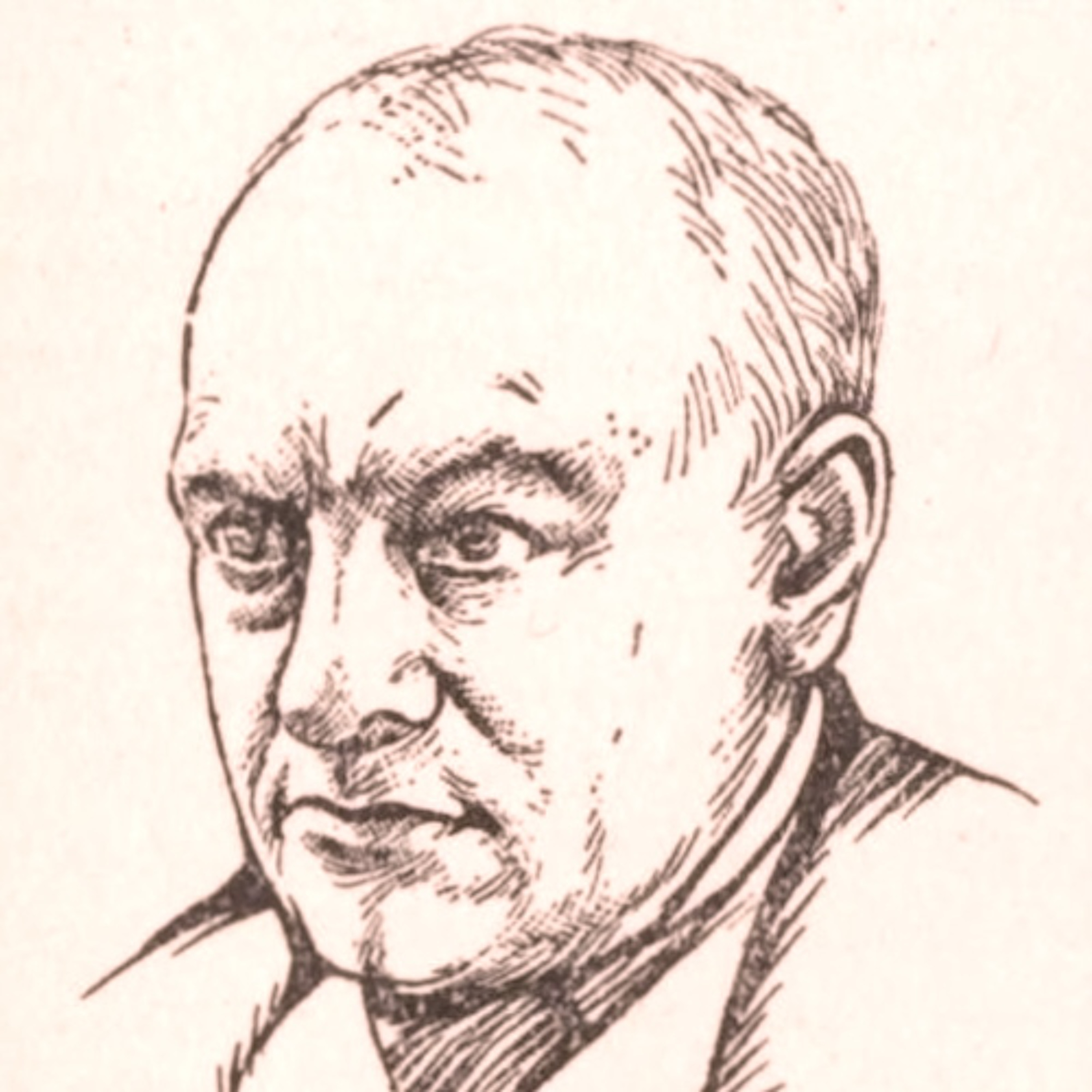
Max Scheler, Ressentiment - Christian Love, Sacrifice, and Justice - Sadler's Lectures
This lecture discusses key ideas from the 20th century German philosopher, sociologist of knowledge, and phenomenologist, Max Scheler's work Ressentiment, which provides an interpretation of Friedrich Nietzsche's concept of that same name. It focuses on his discussion near the end of the third part of the work "Christian Morality and Ressentment", about whether Christian morality, based upon love, can be adequately brought within the scope of secular moralities focused upon justice, fairness, and welfare To support my ongoing work, go to my Patreon site - www.patreon.com/sadler If you'd like to make a direct contribution, you can do so here - www.paypal.me/ReasonIO - or at BuyMeACoffee - www.buymeacoffee.com/A4quYdWoM You can find over 3000 philosophy videos in my main YouTube channel - www.youtube.com/user/gbisadler Purchase Max Scheler's Ressentiment - amzn.to/4f3mv18
Max Scheler, Ressentiment - Nietzsche's Errors About Christianity - Sadler's Lectures
This lecture discusses key ideas from the 20th century German philosopher, sociologist of knowledge, and phenomenologist, Max Scheler's work Ressentiment, which provides an interpretation of Friedrich Nietzsche's concept of that same name. It focuses on his discussion in the third part of the work "Christian Morality and Ressentment" providing an assessment of Nietzsche's criticisms of and charges against Christianity, understood primarily as a system of morality. To support my ongoing work, go to my Patreon site - www.patreon.com/sadler If you'd like to make a direct contribution, you can do so here - www.paypal.me/ReasonIO - or at BuyMeACoffee - www.buymeacoffee.com/A4quYdWoM You can find over 3000 philosophy videos in my main YouTube channel - www.youtube.com/user/gbisadler Purchase Max Scheler's Ressentiment - amzn.to/4f3mv18
Max Scheler, Ressentiment - Love, Help, and Altruism - Sadler's Lectures
This lecture discusses key ideas from the 20th century German philosopher, sociologist of knowledge, and phenomenologist, Max Scheler's work Ressentiment, which provides an interpretation of Friedrich Nietzsche's concept of that same name. It focuses on his discussion in the third part of the work "Christian Morality and Ressentment" of the difference between Christian love and modern "altruism" as motivations when it comes to helping others in need To support my ongoing work, go to my Patreon site - www.patreon.com/sadler If you'd like to make a direct contribution, you can do so here - www.paypal.me/ReasonIO - or at BuyMeACoffee - www.buymeacoffee.com/A4quYdWoM You can find over 3000 philosophy videos in my main YouTube channel - www.youtube.com/user/gbisadler Purchase Max Scheler's Ressentiment - amzn.to/4f3mv18
Max Scheler, Ressentiment - Does Jesus Represent Ressentiment? - Sadler's Lectures
This lecture discusses key ideas from the 20th century German philosopher, sociologist of knowledge, and phenomenologist, Max Scheler's work Ressentiment, which provides an interpretation of Friedrich Nietzsche's concept of that same name. It focuses on his discussion in the third part of the work "Christian Morality and Ressentment" of whether the teachings and example of Jesus of Nazareth is motivated or not by the dynamic of ressentiment. Scheler provides reasons for judging that this is not the case. To support my ongoing work, go to my Patreon site - www.patreon.com/sadler If you'd like to make a direct contribution, you can do so here - www.paypal.me/ReasonIO - or at BuyMeACoffee - www.buymeacoffee.com/A4quYdWoM You can find over 3000 philosophy videos in my main YouTube channel - www.youtube.com/user/gbisadler Purchase Max Scheler's Ressentiment - amzn.to/4f3mv18
Max Scheler, Ressentiment - Sources Of Ascetic Actions and Judgments - Sadler's Lectures
This lecture discusses key ideas from the 20th century German philosopher, sociologist of knowledge, and phenomenologist, Max Scheler's work Ressentiment, which provides an interpretation of Friedrich Nietzsche's concept of that same name. It focuses on his discussion in the third part of the work "Christian Morality and Ressentment" of the differing possible motivations for engaging in ascetic actions and judgements, which range from dynamics of ressentiment rightly identified as such by Nietzsche, to educating members of a society for activities like war, to an overflow and abundance of life, to love of one's spiritual self and the desire to perfect and hallow it. To support my ongoing work, go to my Patreon site - www.patreon.com/sadler If you'd like to make a direct contribution, you can do so here - www.paypal.me/ReasonIO - or at BuyMeACoffee - www.buymeacoffee.com/A4quYdWoM You can find over 3000 philosophy videos in my main YouTube channel - www.youtube.com/user/gbisadler Purchase Max Scheler's Ressentiment - amzn.to/4f3mv18
Max Scheler, Ressentiment - Ressentiment and Altruism - Sadler's Lectures
This lecture discusses key ideas from the 20th century German philosopher, sociologist of knowledge, and phenomenologist, Max Scheler's work Ressentiment, which provides an interpretation of Friedrich Nietzsche's concept of that same name. It focuses on his discussion in the third part of the work "Christian Morality and Ressentment" of the connections Scheler sees between the modern conception of "altruism" and the dynamic of ressentiment, which he thinks is involved in modern "altruism". Both altruism and egoism as opposites are often used by modern thinkers as a conceptual framework that Christian love does not neatly fit into, and the reduction of Christian love to "altruism", Scheler thinks, is a mistake. To support my ongoing work, go to my Patreon site - www.patreon.com/sadler If you'd like to make a direct contribution, you can do so here - www.paypal.me/ReasonIO - or at BuyMeACoffee - www.buymeacoffee.com/A4quYdWoM You can find over 3000 philosophy videos in my main YouTube channel - www.youtube.com/user/gbisadler Purchase Max Scheler's Ressentiment - amzn.to/4f3mv18
Max Scheler, Ressentiment - The Christian God and Love - Sadler's Lectures
This lecture discusses key ideas from the 20th century German philosopher, sociologist of knowledge, and phenomenologist, Max Scheler's work Ressentiment, which provides an interpretation of Friedrich Nietzsche's concept of that same name. It focuses on his discussion in the third part of the work "Christian Morality and Ressentment" of the Christian conception of God by contrast to earlier conceptions of God, specifically as infinite love. To support my ongoing work, go to my Patreon site - www.patreon.com/sadler If you'd like to make a direct contribution, you can do so here - www.paypal.me/ReasonIO - or at BuyMeACoffee - www.buymeacoffee.com/A4quYdWoM You can find over 3000 philosophy videos in my main YouTube channel - www.youtube.com/user/gbisadler Purchase Max Scheler's Ressentiment - amzn.to/4f3mv18
Max Scheler, Ressentiment - Life, Love, and Sacrifice - Sadler's Lectures
This lecture discusses key ideas from the 20th century German philosopher, sociologist of knowledge, and phenomenologist, Max Scheler's work Ressentiment, which provides an interpretation of Friedrich Nietzsche's concept of that same name. It focuses on his discussion in the third part of the work "Christian Morality and Ressentment" of what he calls the "urge to sacrifice" that is an aspect of a healthy vitality and a recognition of strength in vital values. To support my ongoing work, go to my Patreon site - www.patreon.com/sadler If you'd like to make a direct contribution, you can do so here - www.paypal.me/ReasonIO - or at BuyMeACoffee - www.buymeacoffee.com/A4quYdWoM You can find over 3000 philosophy videos in my main YouTube channel - www.youtube.com/user/gbisadler Purchase Max Scheler's Ressentiment - amzn.to/4f3mv18
Max Scheler, Ressentiment - The Christian Conception Of Love - Sadler's Lectures
This lecture discusses key ideas from the 20th century German philosopher, sociologist of knowledge, and phenomenologist, Max Scheler's work Ressentiment, which provides an interpretation of Friedrich Nietzsche's concept of that same name. It focuses on his discussion in the third part of the work "Christian Morality and Ressentment" of the transformation of the conception of love brought about by genuine Christianity, that is, the movement oriented by the teachings and example of Jesus of Nazareth. He contrasts this against the pre-Christian conceptions of love found in Greek and Roman culture. To support my ongoing work, go to my Patreon site - www.patreon.com/sadler If you'd like to make a direct contribution, you can do so here - www.paypal.me/ReasonIO - or at BuyMeACoffee - www.buymeacoffee.com/A4quYdWoM You can find over 3000 philosophy videos in my main YouTube channel - www.youtube.com/user/gbisadler Purchase Max Scheler's Ressentiment - amzn.to/4f3mv18
Max Scheler, Ressentiment - Pre-Christian Greek Notions Of Love - Sadler's Lectures
This lecture discusses key ideas from the 20th century German philosopher, sociologist of knowledge, and phenomenologist, Max Scheler's work Ressentiment, which provides an interpretation of Friedrich Nietzsche's concept of that same name. It focuses on his discussion in the third part of the work "Christian Morality and Ressentment" of pre-Christian Greek and Roman viewpoints on the nature and value of love, looking particularly to philosophers and poets. To support my ongoing work, go to my Patreon site - www.patreon.com/sadler If you'd like to make a direct contribution, you can do so here - www.paypal.me/ReasonIO - or at BuyMeACoffee - www.buymeacoffee.com/A4quYdWoM You can find over 3000 philosophy videos in my main YouTube channel - www.youtube.com/user/gbisadler Purchase Max Scheler's Ressentiment - amzn.to/4f3mv18
Max Scheler, Ressentiment - Ressentiment And Moral Value Judgement - Sadler's Lectures
This lecture discusses key ideas from the 20th century German philosopher, sociologist of knowledge, and phenomenologist, Max Scheler's work Ressentiment, which provides an interpretation of Friedrich Nietzsche's concept of that same name. It focuses on the very short part 2 of the work, in which Scheler discusses how entire moralities can emerge from ressentiment, and frames issues that will be discussed in the next two parts, namely ressentiment's relation with Christian morality and with modern bourgeois morality To support my ongoing work, go to my Patreon site - www.patreon.com/sadler If you'd like to make a direct contribution, you can do so here - www.paypal.me/ReasonIO - or at BuyMeACoffee - www.buymeacoffee.com/A4quYdWoM You can find over 3000 philosophy videos in my main YouTube channel - www.youtube.com/user/gbisadler Purchase Max Scheler's Ressentiment - amzn.to/4f3mv18
Max Scheler, Ressentiment - Moral Judgements and Systems - Sadler's Lectures
This lecture discusses key ideas from the 20th century German philosopher, sociologist of knowledge, and phenomenologist, Max Scheler's work Ressentiment, which provides an interpretation of Friedrich Nietzsche's concept of that same name. It focuses on his discussion at the end of the first section of how the ressentiment attitude develops by stages into a reversal and perversion of values which contravenes what Scheler calls an eternal hierarchy of values. To support my ongoing work, go to my Patreon site - www.patreon.com/sadler If you'd like to make a direct contribution, you can do so here - www.paypal.me/ReasonIO - or at BuyMeACoffee - www.buymeacoffee.com/A4quYdWoM You can find over 3000 philosophy videos in my main YouTube channel - www.youtube.com/user/gbisadler Purchase Max Scheler's Ressentiment - amzn.to/4f3mv18
Max Scheler, Ressentiment - Situations Charged With Ressentiment - Sadler's Lectures
This lecture discusses key ideas from the 20th century German philosopher, sociologist of knowledge, and phenomenologist, Max Scheler's work Ressentiment, which provides an interpretation of Friedrich Nietzsche's concept of that same name. It focuses on what Scheler calls "situations charged with the danger of ressentiment", and the ones he considers are women in relation to men, older people in relation to younger, interfamilial and intermarital relations, criminality (with some exceptions), and the situations of many priests. To support my ongoing work, go to my Patreon site - www.patreon.com/sadler If you'd like to make a direct contribution, you can do so here - www.paypal.me/ReasonIO - or at BuyMeACoffee - www.buymeacoffee.com/A4quYdWoM You can find over 3000 philosophy videos in my main YouTube channel - www.youtube.com/user/gbisadler Purchase Max Scheler's Ressentiment - amzn.to/4f3mv18
Max Scheler, Ressentiment - Spiritual Varieties of Ressentiment - Sadler's Lectures
This lecture discusses key ideas from the 20th century German philosopher, sociologist of knowledge, and phenomenologist, Max Scheler's work Ressentiment, which provides an interpretation of Friedrich Nietzsche's concept of that same name. It focuses on what Scheler identifies as "spiritual varieties of ressentiment, two varieties of which he identifies at the beginning of his discussion, the "apostate" and the "romantic"state of mind. He also discusses ressentiment as involved in "every way of thinking which attributes creative power to mere negation and critique" To support my ongoing work, go to my Patreon site - www.patreon.com/sadler If you'd like to make a direct contribution, you can do so here - www.paypal.me/ReasonIO - or at BuyMeACoffee - www.buymeacoffee.com/A4quYdWoM You can find over 3000 philosophy videos in my main YouTube channel - www.youtube.com/user/gbisadler Purchase Max Scheler's Ressentiment - amzn.to/4f3mv18
Max Scheler, Ressentiment - Ressentiment, Comparison, and Valuation - Sadler's Lectures
This lecture discusses key ideas from the 20th century German philosopher, sociologist of knowledge, and phenomenologist, Max Scheler's work Ressentiment, which provides an interpretation of Friedrich Nietzsche's concept of that same name. It focuses on the ways in which comparison and valuation between oneself and others figures into ressentiment. Scheler thinks that practically everyone engages in comparison with others, but the ways in which one compares oneself and values oneself is very different between the "noble" and "common" types of persons. The latter can also be divided into the arriviste type and the person of ressentiment To support my ongoing work, go to my Patreon site - www.patreon.com/sadler If you'd like to make a direct contribution, you can do so here - www.paypal.me/ReasonIO - or at BuyMeACoffee - www.buymeacoffee.com/A4quYdWoM You can find over 3000 philosophy videos in my main YouTube channel - www.youtube.com/user/gbisadler Purchase Max Scheler's Ressentiment - amzn.to/4f3mv18
Max Scheler, Ressentiment - Repression and Ressentiment - Sadler's Lectures
This lecture discusses key ideas from the 20th century German philosopher, sociologist of knowledge, and phenomenologist, Max Scheler's work Ressentiment, which provides an interpretation of Friedrich Nietzsche's concept of that same name. It focuses on the connection Scheler analyses between repression and ressentiment. The repression is complex, beginning with repression of the original object of the emotion and leading to changing the emotion and directing it inward to the person feeling it. To support my ongoing work, go to my Patreon site - www.patreon.com/sadler If you'd like to make a direct contribution, you can do so here - www.paypal.me/ReasonIO - or at BuyMeACoffee - www.buymeacoffee.com/A4quYdWoM You can find over 3000 philosophy videos in my main YouTube channel - www.youtube.com/user/gbisadler Purchase Max Scheler's Ressentiment - amzn.to/4f3mv18
Max Scheler, Ressentiment - Value Blindness and Delusion - Sadler's Lectures
This lecture discusses key ideas from the 20th century German philosopher, sociologist of knowledge, and phenomenologist, Max Scheler's work Ressentiment, which provides an interpretation of Friedrich Nietzsche's concept of that same name. It focuses on on his discussion about how "value blindness" and "value delusion" figure into the dynamic of ressentiment. In the course of this discussion, Scheler references his earlier work Formalism in Ethics and Non-Formal Ethics of Values, where he develops these concepts in relation to hierarchies of values. To support my ongoing work, go to my Patreon site - www.patreon.com/sadler If you'd like to make a direct contribution, you can do so here - www.paypal.me/ReasonIO - or at BuyMeACoffee - www.buymeacoffee.com/A4quYdWoM You can find over 3000 philosophy videos in my main YouTube channel - www.youtube.com/user/gbisadler Purchase Max Scheler's Ressentiment - amzn.to/4f3mv18
Max Scheler, Ressentiment - Sources Of Ressentiment - Sadler's Lectures - Sadler's Lectures
This lecture discusses key ideas from the 20th century German philosopher, sociologist of knowledge, and phenomenologist, Max Scheler's work Ressentiment, which provides an interpretation of Friedrich Nietzsche's concept of that same name. It focuses on Scheler's analysis of two main sources of ressentiment, namely the desire for revenge, on the one hand, and envy, jealousy, and the competitive impulse. There are other affects that can figure into ressentiment as well, that Scheler identifies, such as hatred, malice, spite, the urge to detract, and schadenfreude. To support my ongoing work, go to my Patreon site - www.patreon.com/sadler If you'd like to make a direct contribution, you can do so here - www.paypal.me/ReasonIO - or at BuyMeACoffee - www.buymeacoffee.com/A4quYdWoM You can find over 3000 philosophy videos in my main YouTube channel - www.youtube.com/user/gbisadler Purchase Max Scheler's Ressentiment - amzn.to/4f3mv18
Max Scheler, Ressentiment - A Description of Ressentiment - Sadler's Lectures
This lecture discusses key ideas from the 20th century German philosopher, sociologist of knowledge, and phenomenologist, Max Scheler's work Ressentiment, which provides an interpretation of Friedrich Nietzsche's concept of that same name. It focuses on the initial phenomenological description that Scheler develops of the affect and dynamic of ressentiment. To support my ongoing work, go to my Patreon site - www.patreon.com/sadler If you'd like to make a direct contribution, you can do so here - www.paypal.me/ReasonIO - or at BuyMeACoffee - www.buymeacoffee.com/A4quYdWoM You can find over 3000 philosophy videos in my main YouTube channel - www.youtube.com/user/gbisadler Purchase Max Scheler's Ressentiment - https://amzn.to/4f3mv18

Virginia Held, Feminist Transformations of Moral Theory - The Self And Relationships
This lecture discusses key ideas from the 20th-21st Century philosopher, ethicist, and theorist of the ethics of care, Virginia Held, from her 1990 article Feminist Transformations of Moral Theory It focuses upon her criticism of traditional, individualist conceptions of the self, which she portrays as typical of male-focused moral theory. She proposes a relational conception of self, which also values relationships for their own sake. To support my ongoing work, go to my Patreon site - www.patreon.com/sadler If you'd like to make a direct contribution, you can do so here - www.paypal.me/ReasonIO - or at BuyMeACoffee - www.buymeacoffee.com/A4quYdWoM You can find over 3,000 philosophy videos in my main YouTube channel - www.youtube.com/user/gbisadler

Virginia Held, Feminist Transformations of Moral Theory - The Public Vs The Private
This lecture discusses key ideas from the 20th-21st Century philosopher, ethicist, and theorist of the ethics of care, Virginia Held, from her 1990 article Feminist Transformations of Moral Theory It focuses upon her criticism of traditional, male-focused moral theory, which she charges with confining women and their concerns to the private sphere (as opposed to the public and political sphere). To support my ongoing work, go to my Patreon site - www.patreon.com/sadler If you'd like to make a direct contribution, you can do so here - www.paypal.me/ReasonIO - or at BuyMeACoffee - www.buymeacoffee.com/A4quYdWoM You can find over 3,000 philosophy videos in my main YouTube channel - www.youtube.com/user/gbisadler

Virginia Held, Feminist Transformations of Moral Theory - Emotion Versus Reason
This lecture discusses key ideas from the 20th-21st Century philosopher, ethicist, and theorist of the ethics of care, Virginia Held, from her 1990 article Feminist Transformations of Moral Theory It focuses upon her criticism of traditional, male-centered moral theories for ignoring the moral relevance of emotion, privileging reason over emotion, and dismissing women's concerns and insights as merely emotion-driven. To support my ongoing work, go to my Patreon site - www.patreon.com/sadler If you'd like to make a direct contribution, you can do so here - www.paypal.me/ReasonIO - or at BuyMeACoffee - www.buymeacoffee.com/A4quYdWoM You can find over 3,000 philosophy videos in my main YouTube channel - www.youtube.com/user/gbisadler

Virginia Held, Feminist Transformations of Moral Theory - Radical Transformation of Moral Theory
This lecture discusses key ideas from the 20th-21st Century philosopher, ethicist, and theorist of the ethics of care, Virginia Held, from her 1990 article Feminist Transformations of Moral Theory It focuses upon why she believes a radical (rather than reforming) transformation of moral theory needs to be carried out - in particular because women's voices, needs, and concerns have been neglected throughout the history of moral theory. To support my ongoing work, go to my Patreon site - www.patreon.com/sadler If you'd like to make a direct contribution, you can do so here - www.paypal.me/ReasonIO - or at BuyMeACoffee - www.buymeacoffee.com/A4quYdWoM You can find over 3,000 philosophy videos in my main YouTube channel - www.youtube.com/user/gbisadler

Thomas Aquinas Summa Theologiae - Divine Law As A Complement To Human Law
This lecture discusses key ideas from the medieval Christian philosopher and theologian Thomas Aquinas' Summa Theologiae, 1st part of the 2nd part, questions 90-91 and 94 (IaIIae, q. 90-91 and 94), and examines how the Divine Law functions as a needed complement to the Natural Law. To support my ongoing work, go to my Patreon site - www.patreon.com/sadler If you'd like to make a direct contribution, you can do so here - www.paypal.me/ReasonIO - or at BuyMeACoffee - www.buymeacoffee.com/A4quYdWoM You can find over 3000 philosophy videos in my main YouTube channel - www.youtube.com/user/gbisadler Purchase Thomas Aquinas' Summa Theologiae - amzn.to/2ITcKYQ
Thomas Aquinas Summa Theologiae - Natural Law, "Fomes," and Animality - Sadler's Lectures
This lecture discusses key ideas from the medieval Christian philosopher and theologian Thomas Aquinas' Summa Theologiae, 1st part of the 2nd part, questions 90-91 and 94 (IaIIae, q. 90-91 and 94), and examines what Thomas calls "the fomes of sin," which function somewhat like a law, but have to do primarily with our animality. To support my ongoing work, go to my Patreon site - www.patreon.com/sadler If you'd like to make a direct contribution, you can do so here - www.paypal.me/ReasonIO - or at BuyMeACoffee - www.buymeacoffee.com/A4quYdWoM You can find over 3000 philosophy videos in my main YouTube channel - www.youtube.com/user/gbisadler Purchase Thomas Aquinas' Summa Theologiae - amzn.to/2ITcKYQ
Thomas Aquinas Summa Theologiae - Eternal, Natural, and Human Law - Sadler's Lectures
This lecture discusses key ideas from the medieval Christian philosopher and theologian Thomas Aquinas' Summa Theologiae, 1st part of the 2nd part, questions 90-91 and 94 (IaIIae, q. 90-91 and 94), and examines the relationships between what Thomas calls Eternal Law, Natural Law, and Human Law To support my ongoing work, go to my Patreon site - www.patreon.com/sadler If you'd like to make a direct contribution, you can do so here - www.paypal.me/ReasonIO - or at BuyMeACoffee - www.buymeacoffee.com/A4quYdWoM You can find over 3000 philosophy videos in my main YouTube channel - www.youtube.com/user/gbisadler Purchase Thomas Aquinas' Summa Theologiae - amzn.to/2ITcKYQ
Thomas Aquinas Summa Theologiae - The Precepts Of The Natural Law
This lecture discusses key ideas from the medieval Christian philosopher and theologian Thomas Aquinas' Summa Theologiae, 1st part of the 2nd part, questions 90-91 and 94 (IaIIae, q. 90-91 and 94), and examines To support my ongoing work, go to my Patreon site - www.patreon.com/sadler If you'd like to make a direct contribution, you can do so here - www.paypal.me/ReasonIO - or at BuyMeACoffee - www.buymeacoffee.com/A4quYdWoM You can find over 3000 philosophy videos in my main YouTube channel - www.youtube.com/user/gbisadler Purchase Thomas Aquinas' Summa Theologiae - amzn.to/2ITcKYQ
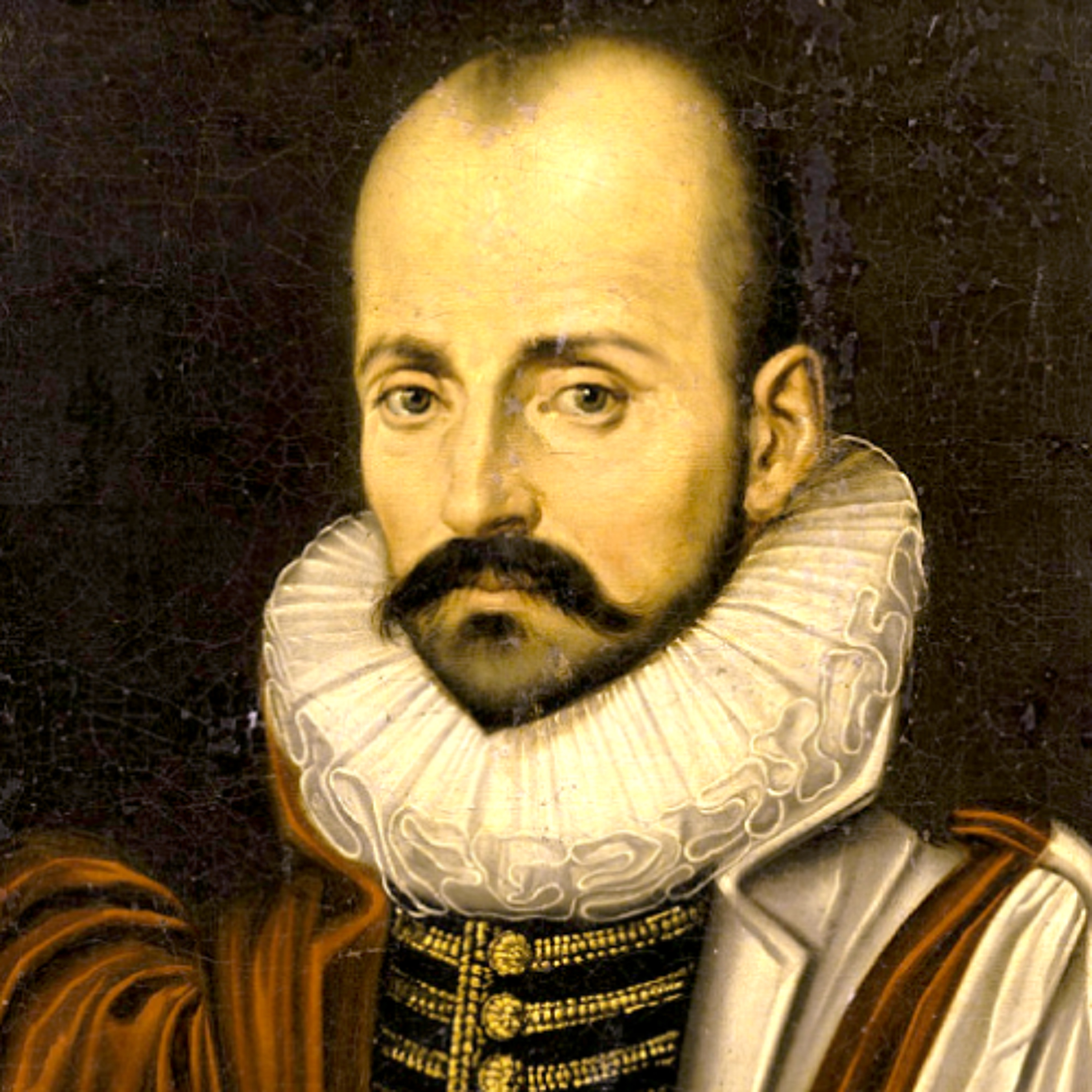
Michel de Montaigne, Essays - On Affectionate Relationships - The Range Of Relationships
This lecture discusses key ideas from the Renaissance-era philosopher, critic, and essayist Michel De Montaigne's work Essays, specifically his essay On Affectionate Relationships It focuses upon the range of various relationships in which people exhibit affection towards each other that are discussed in this essay. Montaigne devotes a significant part of the work to discussing friendship, both the rare full type of friendship and the common sorts of friendship. He also discusses erotic or romantic relationships between men and women, marriages, and the male-male sexual relationships of ancient Greece. There are also familial relationships, which would fall under what he calls natural relationships. He also mentions social and hospitable relationships as well To support my ongoing work, go to my Patreon site - www.patreon.com/sadler If you'd like to make a direct contribution, you can do so here - www.paypal.me/ReasonIO - or at BuyMeACoffee - www.buymeacoffee.com/A4quYdWoM You can find over 3,000 philosophy videos in my main YouTube channel - www.youtube.com/user/gbisadler You can find Montaigne's Essays here - https://amzn.to/4l3iKfH
Thomas Aquinas Summa Theologiae - Anger, Desire, and Naturalness - Sadler's Lectures
This lecture discusses key ideas from the medieval Christin philosopher and theologian Thomas Aquinas's work, the Summa Theologiae, First Part of the Second Part, question 46 "On Anger" It focuses specifically in particular on a comparison made between anger and desire (concupiscentia), and the question as to which of them is more "natural". This requires making some distinctions about what "natural" and "nature" can mean. In some senses, anger is more natural than desire, and in others desire is more natural. To support my ongoing work, go to my Patreon site - www.patreon.com/sadler If you'd like to make a direct contribution, you can do so here - www.paypal.me/ReasonIO - or at BuyMeACoffee - www.buymeacoffee.com/A4quYdWoM You can find over 2000 philosophy videos in my main YouTube channel - www.youtube.com/user/gbisadler Purchase Thomas Aquinas' Summa Theologiae - amzn.to/2ITcKYQ
Michel de Montaigne, Essays - On Three Kinds Of Social Intercourse - Sadler's Lectures
This lecture discusses key ideas from the Renaissance-era philosopher, critic, and essayist Michel De Montaigne's work Essays, specifically his essay On Three Kinds Of Social Intercourse It focuses upon the three kinds of interactions that Montaigne enjoys the most, which are conversations with good friends, engagements with attractive and intelligent women, and reading the thoughts of authors in books. To support my ongoing work, go to my Patreon site - www.patreon.com/sadler If you'd like to make a direct contribution, you can do so here - www.paypal.me/ReasonIO - or at BuyMeACoffee - www.buymeacoffee.com/A4quYdWoM You can find over 3,000 philosophy videos in my main YouTube channel - www.youtube.com/user/gbisadler You can find Montaigne's Essays here - https://amzn.to/4l3iKfH