Sadler's Lectures
602 episodes — Page 11 of 13
Immanuel Kant, Groundwork - Heteronomy And Spurious Principles Of Morality - Sadler's Lectures
This lecture discusses key ideas from the 18th century philosopher Immanuel Kant's work of ethics, The Groundwork for the Metaphysics of Morals. Specifically it examines his discussion of what he calls "heteronomy" in moral theories other than his own. He examines empirical principles of morality, which include moral feeling and individual happiness, and rational principles of morality, which include perfection or divine command. To support my ongoing work, go to my Patreon site - www.patreon.com/sadler If you'd like to make a direct contribution, you can do so here - www.paypal.me/ReasonIO - or at BuyMeACoffee - www.buymeacoffee.com/A4quYdWoM You can find over 3,000 philosophy videos in my main YouTube channel - www.youtube.com/user/gbisadler Purchase Kant's Groundwork for The Metaphysics of Morals - amzn.to/2ZXPYGr
Ursula K Leguin, Tales From Earthsea - Irian Finds Her Place - Sadler's Lectures
This lecture discusses the science fiction and fantasy author, Ursula K. Leguin's book, Tales From Earthsea, the fifth of six Earthsea books It focuses specifically on the story "Dragonfly", and focuses specifically on how Dragonfly whose true name is Irian (but not just that) finally finds her place at the end of the story, resolving the crisis of her admittance to Roke contrary to its rule, and advancing towards a resolution of the crisis that has been troubling Roke To support my ongoing work, go to my Patreon site - www.patreon.com/sadler If you'd like to make a direct contribution, you can do so here - www.paypal.me/ReasonIO You can find over 3,000 philosophy videos in my main YouTube channel - www.youtube.com/user/gbisadler Purchase Tales From Earthsea - https://amzn.to/46O2nwS
Ursula K Leguin, Tales From Earthsea - Irian And The Crisis At Roke - Sadler's Lectures
This lecture discusses the science fiction and fantasy author, Ursula K. Leguin's book, Tales From Earthsea, the fifth of six Earthsea books It focuses specifically on the story "Dragonfly", and focuses specifically on the two crises at Roke Isle depicted and partly resolved in the story. The first and immediate crisis is what to do with Irian, who has been admitted to the Great House by the Master Doorkeeper, against the rule of Roke, which forbids women to study there. The second is a longer-brewing crisis, stemming from the absence of an archmage, the king Lebannen having crowned himself, dragons coming eastward, and the Master Summoner Thorion attempting to take power over Roke To support my ongoing work, go to my Patreon site - www.patreon.com/sadler If you'd like to make a direct contribution, you can do so here - www.paypal.me/ReasonIO You can find over 3,000 philosophy videos in my main YouTube channel - www.youtube.com/user/gbisadler Purchase Tales From Earthsea - https://amzn.to/46O2nwS
Ursula K Leguin, Tales From Earthsea - Dragonfly And Ivory - Sadler's Lectures
This lecture discusses the science fiction and fantasy author, Ursula K. Leguin's book, Tales From Earthsea, the fifth of six Earthsea books It focuses specifically on the story "Dragonfly", and focuses specifically on the interactions between the young, not-quite wizard from Roke, Ivory, and the main character of the story, Dragonfly (whose true name is Irian). Ivory proposes to Dragonfly that she go to Roke and enter disguised as a man. He also wants and attempts to seduce her To support my ongoing work, go to my Patreon site - www.patreon.com/sadler If you'd like to make a direct contribution, you can do so here - www.paypal.me/ReasonIO You can find over 3,000 philosophy videos in my main YouTube channel - www.youtube.com/user/gbisadler Purchase Tales From Earthsea - https://amzn.to/46O2nwS
Ursula K Leguin, Tales From Earthsea - Rose And Dragonfly's Naming - Sadler's Lectures
This lecture discusses the science fiction and fantasy author, Ursula K. Leguin's book, Tales From Earthsea, the fifth of six Earthsea books It focuses specifically on the story "Dragonfly", and focuses specifically on the interactions between the local witch Rose and the Dragonfly, centering mainly on their conversations about magic, power, and names, on Rose's giving Dragonfly her true name Irian, and on their conversations about Roke, mages, men and women. To support my ongoing work, go to my Patreon site - www.patreon.com/sadler If you'd like to make a direct contribution, you can do so here - www.paypal.me/ReasonIO You can find over 3,000 philosophy videos in my main YouTube channel - www.youtube.com/user/gbisadler Purchase Tales From Earthsea - https://amzn.to/46O2nwS
Ursula K Leguin, Tales From Earthsea - Ged, Irioth, And Emer - Sadler's Lectures
This lecture discusses the science fiction and fantasy author, Ursula K. Leguin's book, Tales From Earthsea, the fifth of six Earthsea books It focuses specifically on the story "On The High Marsh", and discusses the point where the archmage Ged shows up, seeking the broken former mage, now animal healer, Irioth. He relates the story of Irioth's terrible childhood, the attempts of the masters of Roke to channel and educate his power, and the battle provoked by Irioth's attempts to control the other mages. To support my ongoing work, go to my Patreon site - www.patreon.com/sadler If you'd like to make a direct contribution, you can do so here - www.paypal.me/ReasonIO You can find over 3,000 philosophy videos in my main YouTube channel - www.youtube.com/user/gbisadler Purchase Tales From Earthsea -https://amzn.to/46O2nwS
Ursula K Leguin, Tales From Earthsea - Irioth The Animal Healer - Sadler's Lectures
This lecture discusses the science fiction and fantasy author, Ursula K. Leguin's book, Tales From Earthsea, the fifth of six Earthsea books It focuses specifically on the story "On The High Marsh", and discusses an animal healer whose true name is Irioth. He is clearly a damaged person, both in his emotions and in his thinking, and connects more with the animals who he can speak to and heal than with the human beings living in the high marsh. To support my ongoing work, go to my Patreon site - www.patreon.com/sadler If you'd like to make a direct contribution, you can do so here - www.paypal.me/ReasonIO You can find over 3,000 philosophy videos in my main YouTube channel - www.youtube.com/user/gbisadler Purchase Tales From Earthsea -https://amzn.to/46O2nwS
Ursula K Leguin, Tales From Earthsea - Diamond's Choice Of Life - Sadler's Lectures
This lecture discusses the science fiction and fantasy author, Ursula K. Leguin's book, Tales From Earthsea, the fifth of six Earthsea books It focuses specifically on the story "Darkrose and Diamond", and discusses the character Diamond's choice between different possible paths in life: magic, music, and the family business. These choices also determine his relationship with his childhood friend and later lover, the witch's daughter, Darkrose To support my ongoing work, go to my Patreon site - www.patreon.com/sadler If you'd like to make a direct contribution, you can do so here - www.paypal.me/ReasonIO You can find over 3,000 philosophy videos in my main YouTube channel - www.youtube.com/user/gbisadler Purchase Tales From Earthsea - https://amzn.to/46O2nwS
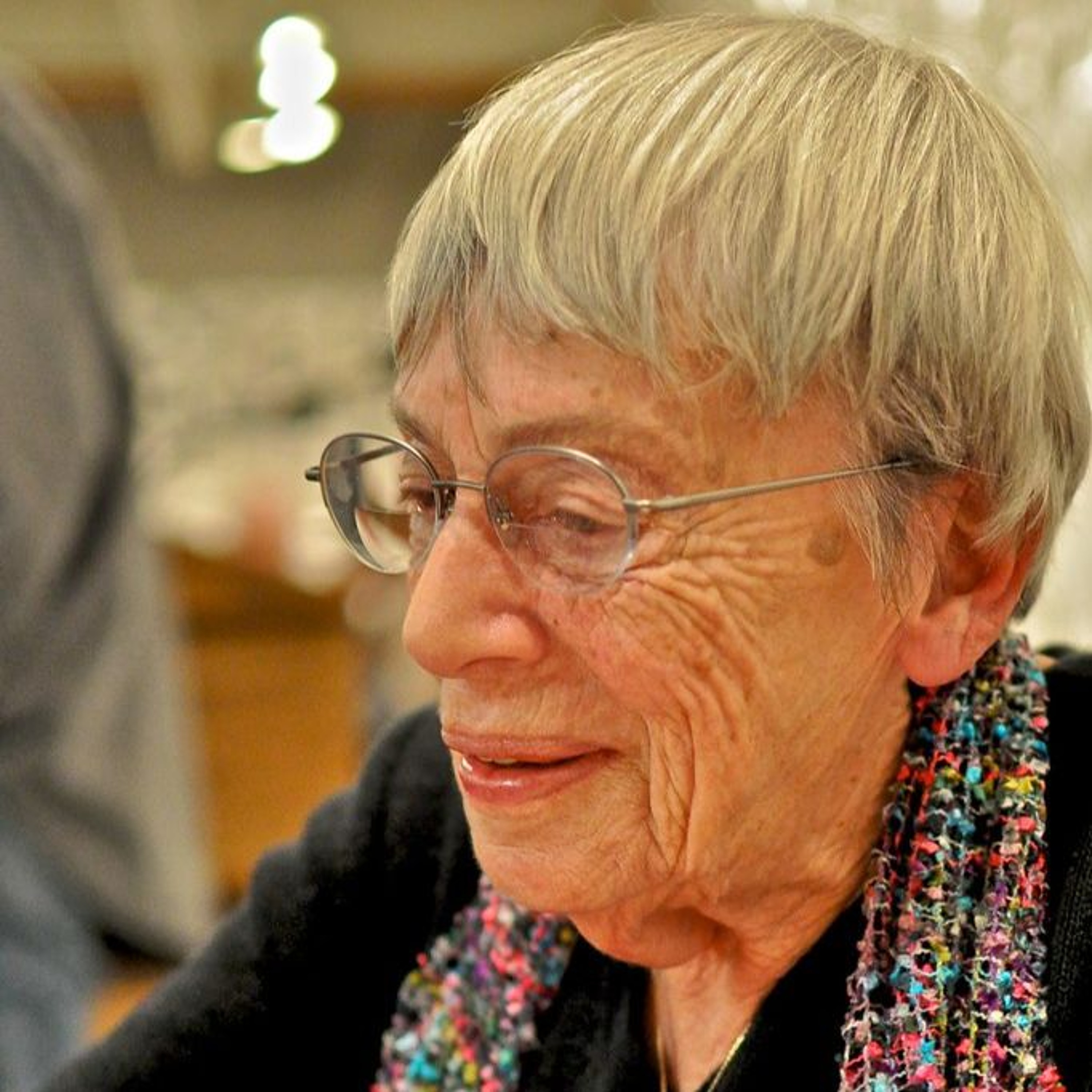
Ursula K Leguin, Tales From Earthsea - Gontish Magic And The Earthquake - Sadler's Lectures
This lecture discusses the science fiction and fantasy author, Ursula K. Leguin's book, Tales From Earthsea, the fifth of six Earthsea books It focuses specifically on the story "The Bones Of The Earth", and discusses the mage Ogion (an important character in the earlier Earthsea books), and his own teacher Dulse. In this video we look at the Gontish earth-magic of transformation Dulse learned from his own teacher, the sorceress Ard, which Dulse uses to heal the fault that threatens to produce an earthquake. Ogion assists from Gont Port To support my ongoing work, go to my Patreon site - www.patreon.com/sadler If you'd like to make a direct contribution, you can do so here - www.paypal.me/ReasonIO You can find over 3,000 philosophy videos in my main YouTube channel - www.youtube.com/user/gbisadler Purchase Tales From Earthsea -https://amzn.to/46O2nwS
Ursula K Leguin, Tales From Earthsea - Dulse Teaching Silence - Sadler's Lectures
This lecture discusses the science fiction and fantasy author, Ursula K. Leguin's book, Tales From Earthsea, the fifth of six Earthsea books It focuses specifically on the story "The Bones Of The Earth", and discusses the backstory of an important character in the earlier Earthsea novels, Ogion the mage of Re Albi. This video focuses on Ogion's teacher, the Gontish mage Dulse and how he taught Ogion, nicknamed "Silence" in silence much of the time. To support my ongoing work, go to my Patreon site - www.patreon.com/sadler If you'd like to make a direct contribution, you can do so here - www.paypal.me/ReasonIO You can find over 3,000 philosophy videos in my main YouTube channel - www.youtube.com/user/gbisadler Purchase Tales From Earthsea - https://amzn.to/46O2nwS
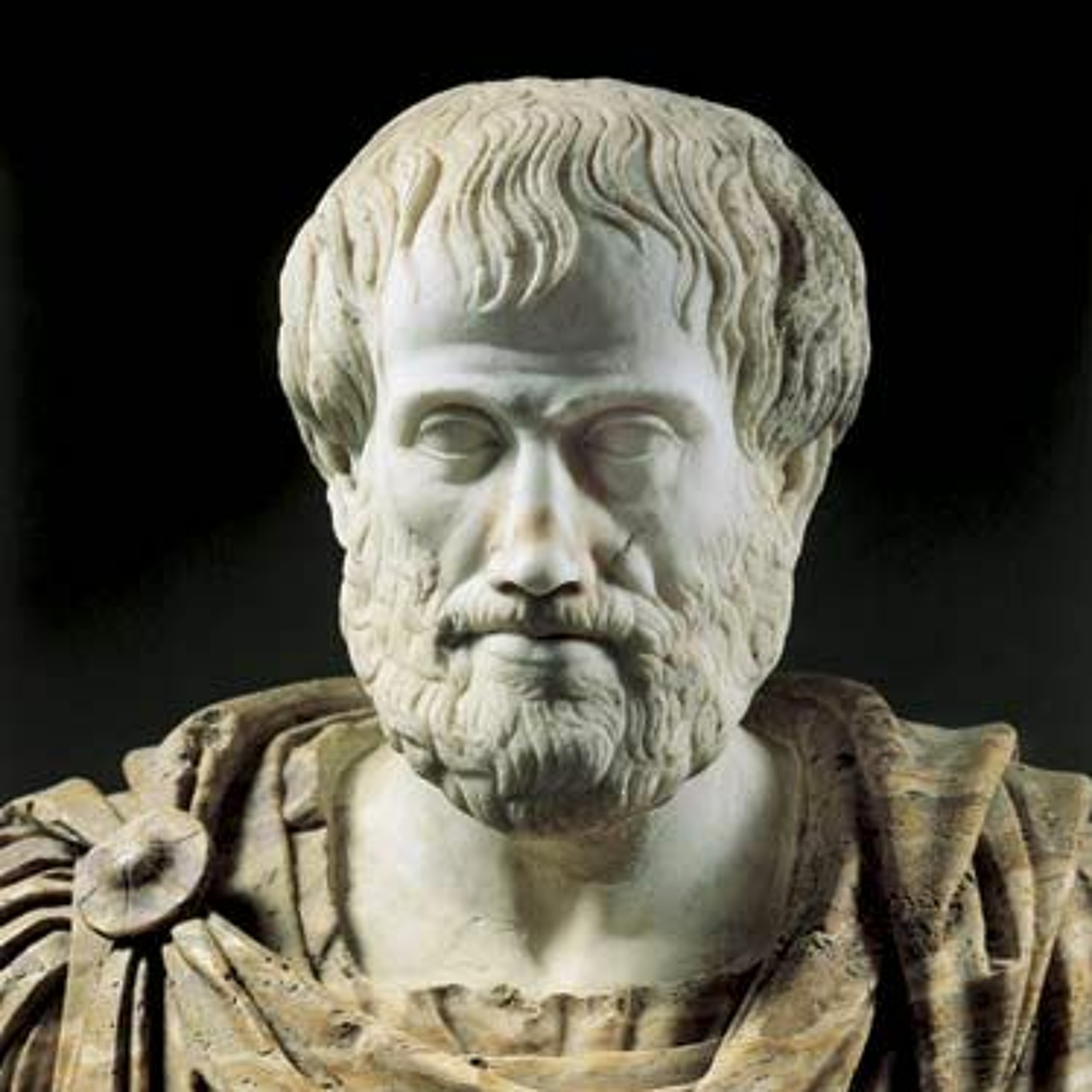
Aristotle, Nicomachean Ethics Bk 5 - Unjust Actions & Injustice As A Vice
This lecture discusses key ideas from the ancient philosopher Aristotle's work of moral theory, the Nicomachean Ethics Specifically it focuses on book 5 of Aristotle's Nicomachean Ethics (and there is a parallel discussion in book 1 of the Rhetoric), where Aristotle distinguishes degrees of responsibility for bad or harmful actions (between mischances, errors, and actually unjust acts) and discusses the difference between engaging in an unjust action and being unjust, i.e. having the vice of injustice. To support my ongoing work, go to my Patreon site - www.patreon.com/sadler If you'd like to make a direct contribution, you can do so here - www.paypal.me/ReasonIO - or at BuyMeACoffee - www.buymeacoffee.com/A4quYdWoM You can find over 3000 philosophy videos in my main YouTube channel - www.youtube.com/user/gbisadler Purchase Aristotle's Nicomachean Ethics - amzn.to/30S00ZT
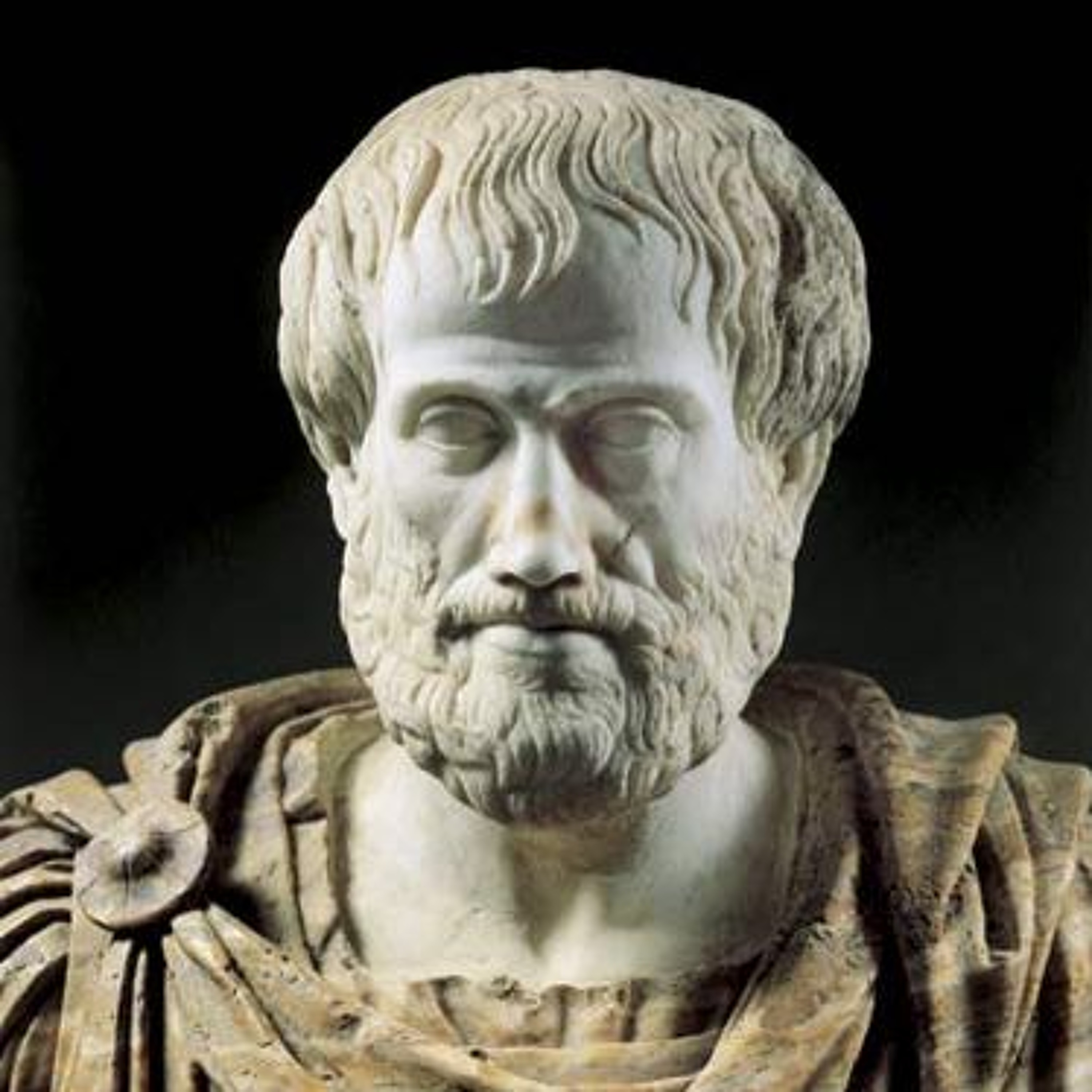
Aristotle, Nicomachean Ethics Bk 3 - Five States Similar To Courage - Sadler's Lectures
This lecture discusses key ideas from the ancient philosopher Aristotle's work of moral theory, the Nicomachean Ethics Specifically it focuses on book 3 of Aristotle's Nicomachean Ethics, where he discusses five states or conditions that resemble courage, but which are not genuine courage, in book 3. To support my ongoing work, go to my Patreon site - www.patreon.com/sadler If you'd like to make a direct contribution, you can do so here - www.paypal.me/ReasonIO - or at BuyMeACoffee - www.buymeacoffee.com/A4quYdWoM You can find over 3000 philosophy videos in my main YouTube channel - www.youtube.com/user/gbisadler Purchase Aristotle's Nicomachean Ethics - https://amzn.to/30S00ZT
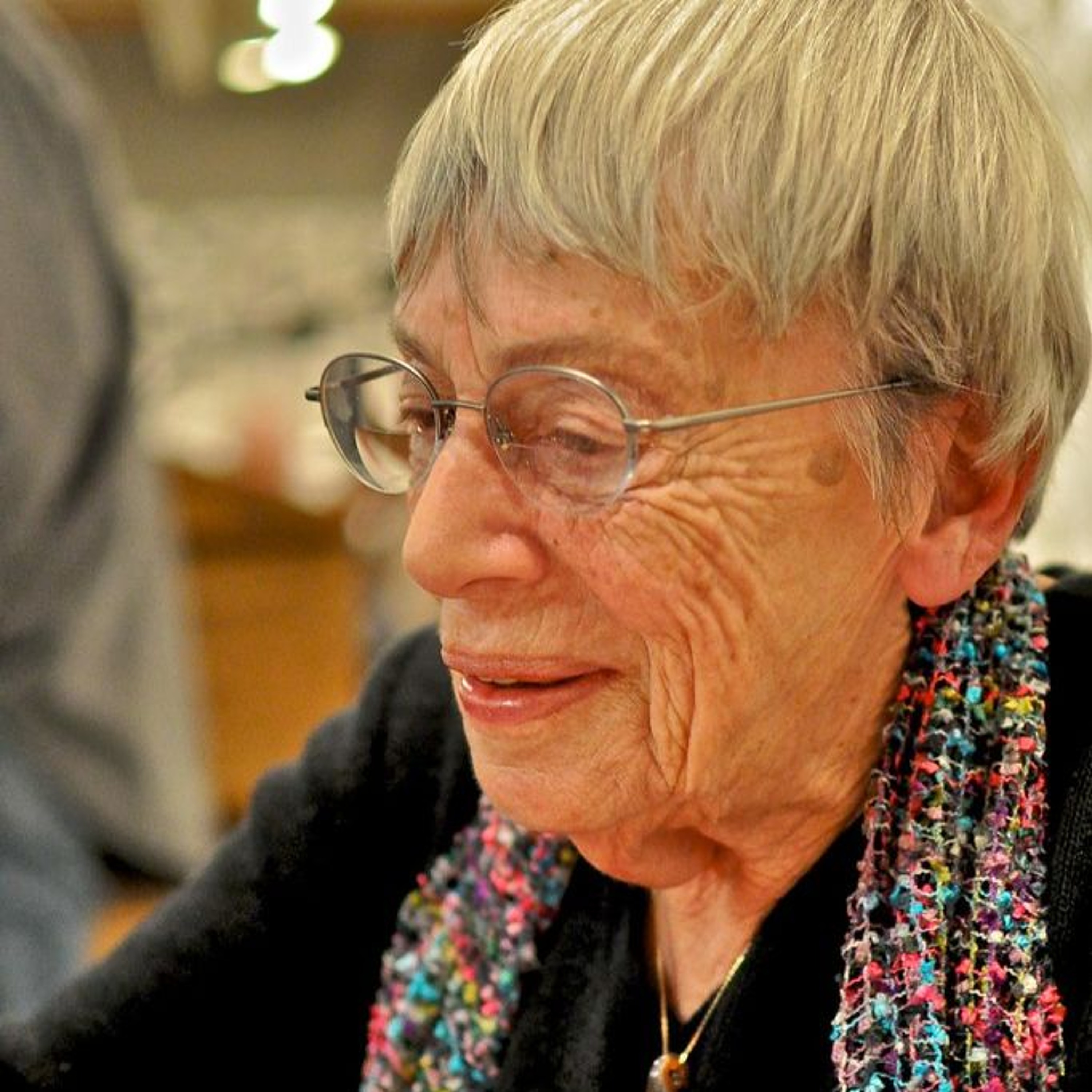
Ursula K Leguin, From Elfland To Poughkeepsie - Sadler's Lectures
This lecture discusses the science fiction and fantasy author, Ursula K. Leguin's essay, From Elfland To Poughkeepsie, found in her essay collection The Language of the Night It discusses the nature of genuinely valuable fantasy literature, particularly in relation to style, as opposed to literature that while it might be classified as "fantasy" doesn't measure up. To support my ongoing work, go to my Patreon site - www.patreon.com/sadler If you'd like to make a direct contribution, you can do so here - www.paypal.me/ReasonIO You can find over 3,000 philosophy videos in my main YouTube channel - www.youtube.com/user/gbisadler Purchase The Language of the Night - https://amzn.to/3mnfsrO
Ursula K Leguin, Tales From Earthsea - Roke Takes Students And Masters - Sadler's Lectures
This lecture discusses the science fiction and fantasy author, Ursula K. Leguin's book, Tales From Earthsea, the fifth of six Earthsea books It focuses specifically on the story "The Finder", and focuses specifically on the decision by the Women of the Hand at Roke Isle to end their strategy of seclusion and to seek out worthy students of magic from the other isles of Earthsea To support my ongoing work, go to my Patreon site - www.patreon.com/sadler If you'd like to make a direct contribution, you can do so here - www.paypal.me/ReasonIO You can find over 3,000 philosophy videos in my main YouTube channel - www.youtube.com/user/gbisadler Purchase Tales From Earthsea -https://amzn.to/46O2nwS
Ursula K Leguin, Tales From Earthsea - Roke, The Hand, And The Pattern - Sadler's Lectures
This lecture discusses the science fiction and fantasy author, Ursula K. Leguin's book, Tales From Earthsea, the fifth of six Earthsea books It focuses specifically on the story "The Finder," and examines the development of the community of mostly women magic users on the Isle of Roke, which has isolated itself from the rest of Earthsea, leaving behind the remnants of the Hand outside of Roke. To support my ongoing work, go to my Patreon site - www.patreon.com/sadler If you'd like to make a direct contribution, you can do so here - www.paypal.me/ReasonIO You can find over 3,000 philosophy videos in my main YouTube channel - www.youtube.com/user/gbisadler Purchase Tales From Earthsea -https://amzn.to/46O2nwS
Ursula K Leguin, Tales From Earthsea - Anieb's And Medra's Escape - Sadler's Lectures
This lecture discusses the science fiction and fantasy author, Ursula K. Leguin's book, Tales From Earthsea, the fifth of six Earthsea books It focuses specifically on the story "The Finder", specifically Otter/Medra's and Anieb's escape from the mercury mining and refining complex, and from its ruler, the evil wizard Gelluk. Anieb helps Medra resist and trick Gelluk, and gives the last of her strength and dies along their route of escape. To support my ongoing work, go to my Patreon site - www.patreon.com/sadler If you'd like to make a direct contribution, you can do so here - www.paypal.me/ReasonIO You can find over 3,000 philosophy videos in my main YouTube channel - www.youtube.com/user/gbisadler Purchase Tales From Earthsea -https://amzn.to/46O2nwS
Ursula K Leguin, Tales From Earthsea - Gelluk, Quicksilver, & The King - Sadler's Lectures
This lecture discusses the science fiction and fantasy author, Ursula K. Leguin's book, Tales From Earthsea, the fifth of six Earthsea books It focuses specifically on the story "The Finder", specifically how Medra/Otter is taken from his parents and placed as a slave in the service of the evil, and insane wizard Gelluk, who thinks mercury is the key to all magic. To support my ongoing work, go to my Patreon site - www.patreon.com/sadler If you'd like to make a direct contribution, you can do so here - www.paypal.me/ReasonIO You can find over 3,000 philosophy videos in my main YouTube channel - www.youtube.com/user/gbisadler Purchase Tales From Earthsea -https://amzn.to/46O2nwS
Ursula K Leguin, Tales From Earthsea - The Dangerous Isles Of Earthsea - Sadler's Lectures
This lecture discusses the science fiction and fantasy author, Ursula K. Leguin's book, Tales From Earthsea, the fifth of six Earthsea books It focuses specifically on the story "The Finder," and focuses on Leguin's depiction of Earthsea in its "dark times" hundreds of years before the narratives of the first four books, when Earthsea was divided politically, and the strong preyed upon and exploited the weak. To support my ongoing work, go to my Patreon site - www.patreon.com/sadler If you'd like to make a direct contribution, you can do so here - www.paypal.me/ReasonIO You can find over 3,000 philosophy videos in my main YouTube channel - www.youtube.com/user/gbisadler Purchase Tales From Earthsea -https://amzn.to/46O2nwS
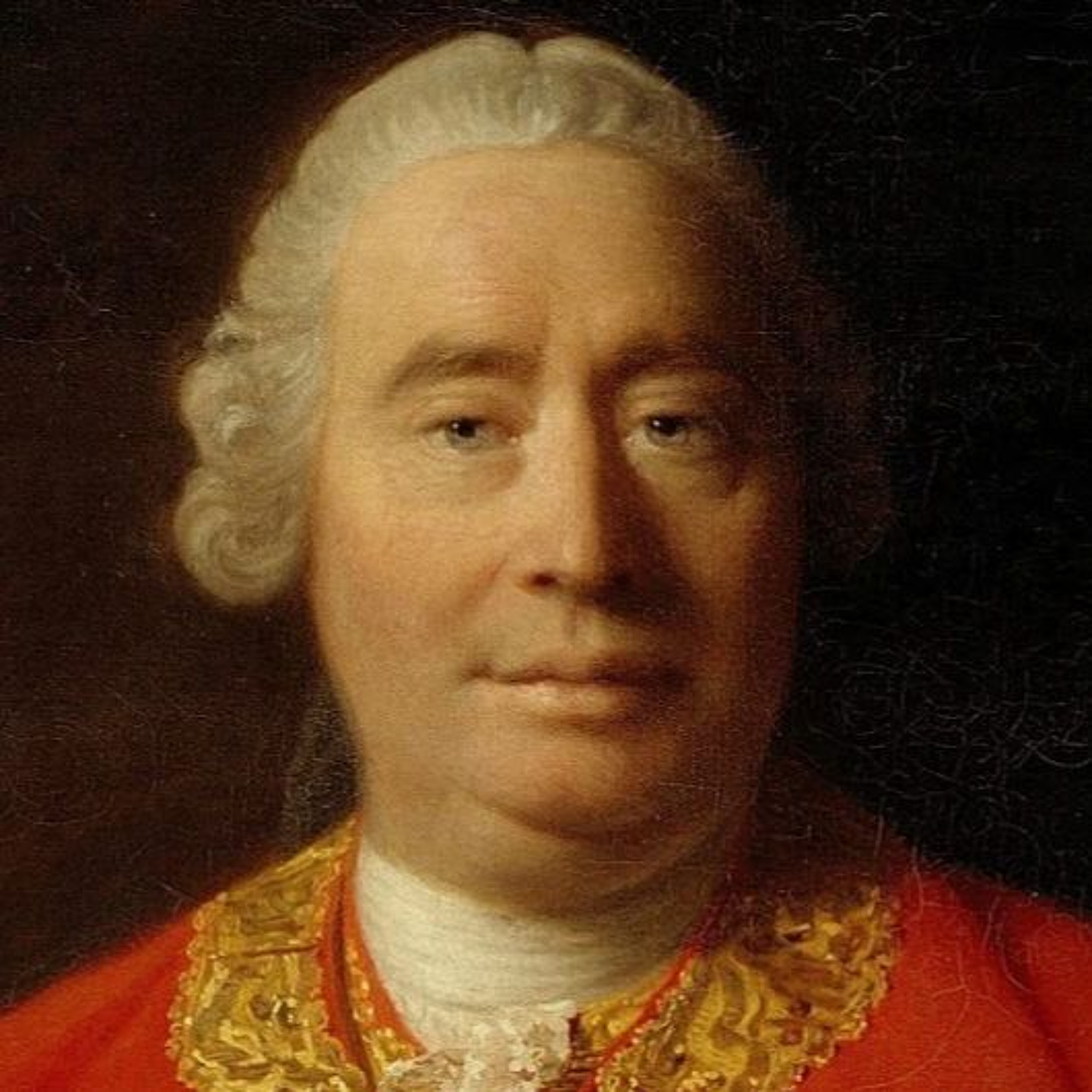
David Hume, Inquiry Concerning Human Understanding - Human Nature And Moral Philosophy
This lecture discusses key ideas from the modern empiricist philosopher David Hume' Enquiry Concerning Human Understanding It focuses specifically on his discussion in section 1 of the work, specifically the range of matters that moral philosophy, as Hume understands it, studies, which includes not just ethics, but also human psychology, motivations, the emotions, and ways in which we acquire and associate ideas To support my ongoing work, go to my Patreon site - www.patreon.com/sadler If you'd like to make a direct contribution, you can do so here - www.paypal.me/ReasonIO - or at BuyMeACoffee - www.buymeacoffee.com/A4quYdWoM You can find over 3000 philosophy videos in my main YouTube channel - www.youtube.com/user/gbisadler Purchase Hume's Enquiry - https://amzn.to/3by4R6n
David Hume, Inquiry Concerning Human Understanding - Pleading Metaphysics Case - Sadler's Lectures
This lecture discusses key ideas from the modern empiricist philosopher David Hume' Enquiry Concerning Human Understanding It focuses specifically on his discussion in section 1 of the work, specifically where Hume notes that too many people in his time wish to reject "metaphysics" entirely, leading him to plead the case of metaphysics, providing justifications for why at least some people ought to engage in it To support my ongoing work, go to my Patreon site - www.patreon.com/sadler If you'd like to make a direct contribution, you can do so here - www.paypal.me/ReasonIO - or at BuyMeACoffee - www.buymeacoffee.com/A4quYdWoM You can find over 3000 philosophy videos in my main YouTube channel - www.youtube.com/user/gbisadler Purchase Hume's Enquiry - https://amzn.to/3by4R6n
David Hume, Inquiry Concerning Human Understanding - Easy Vs Abstruse Philosophy - Sadler's Lectures
This lecture discusses key ideas from the modern empiricist philosopher David Hume' Enquiry Concerning Human Understanding It focuses specifically on his discussion in section 1 of the work, specifically the distinction Hume makes from the very first paragraph between two different modes of engaging in moral philosophy. One of these is what he calls "easy" and "obvious" philosophy, intended for the broad public, lacking rigor but suited for guiding the live of activity, business, and sociability. The other is what he calls "abstruse", "abstract", or "accurate" (and sometimes "metaphysics"), does have much more rigor, but will always be less popular and pertains to us as reasonable beings. To support my ongoing work, go to my Patreon site - www.patreon.com/sadler If you'd like to make a direct contribution, you can do so here - www.paypal.me/ReasonIO - or at BuyMeACoffee - www.buymeacoffee.com/A4quYdWoM You can find over 3000 philosophy videos in my main YouTube channel - www.youtube.com/user/gbisadler Purchase Hume's Enquiry - https://amzn.to/3by4R6n
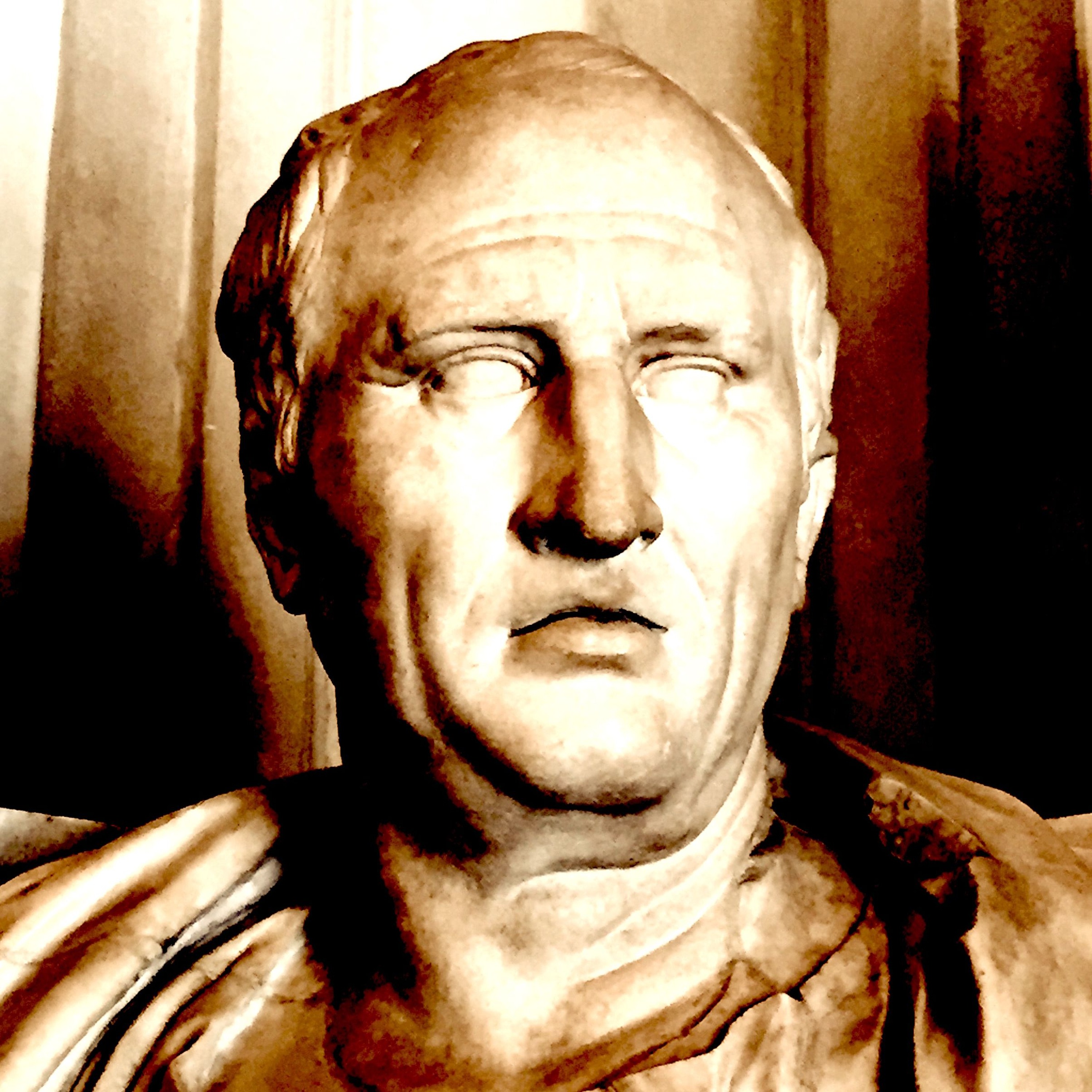
Cicero On The Nature Of The Gods Book 1 - Skeptical Criticism Of The Inactivity Of The Divine
This lecture discusses key ideas from the ancient philosopher and statesman Marcus Tullius Cicero's work, On The Nature Of The Gods, which critically examines Epicurean, Stoic, and Skeptic perspectives on matters of theology and cosmology Specifically it examines the academic skeptic Cotta's criticism of the Epicurean position on the gods, which he charges not only with being wrong about them, but also being inconsistent. The Epicureans assert that the gods are inactive and that for this reason they are blessed or happy. This also means that they do not exercise any care or concern for human beings To support my ongoing work, go to my Patreon site - www.patreon.com/sadler If you'd like to make a direct contribution, you can do so here - www.paypal.me/ReasonIO - or at BuyMeACoffee - www.buymeacoffee.com/A4quYdWoM You can find over 3,000 philosophy videos in my main YouTube channel - www.youtube.com/user/gbisadler Purchase Cicero's On The Nature Of Gods - https://amzn.to/3JITSZc
Cicero On The Nature Of The Gods Book 1 - Skeptical Criticism Of The Argument From Common Consent
This lecture discusses key ideas from the ancient philosopher and statesman Marcus Tullius Cicero's work, On The Nature Of The Gods, which critically examines Epicurean, Stoic, and Skeptic perspectives on matters of theology and cosmology Specifically it examines the criticisms made in book 1 by the academic skeptic Cotta against the Epicurean argument from common consent made earlier by Velleius. To support my ongoing work, go to my Patreon site - www.patreon.com/sadler If you'd like to make a direct contribution, you can do so here - www.paypal.me/ReasonIO - or at BuyMeACoffee - www.buymeacoffee.com/A4quYdWoM You can find over 3,000 philosophy videos in my main YouTube channel - www.youtube.com/user/gbisadler Purchase Cicero's On The Nature Of Gods - https://amzn.to/3JITSZc
Cicero On The Nature Of The Gods Book 1 - Skeptical Criticism Of Epicurean Atomism
This lecture discusses key ideas from the ancient philosopher and statesman Marcus Tullius Cicero's work, On The Nature Of The Gods, which critically examines Epicurean, Stoic, and Skeptic perspectives on matters of theology and cosmology Specifically it examines the academic skeptic Cotta's criticisms of the Epicurean position on the gods as being incoherent, holding to a metaphysical atomism and at the same time holding that the gods are eternal. To support my ongoing work, go to my Patreon site - www.patreon.com/sadler If you'd like to make a direct contribution, you can do so here - www.paypal.me/ReasonIO - or at BuyMeACoffee - www.buymeacoffee.com/A4quYdWoM You can find over 3,000 philosophy videos in my main YouTube channel - www.youtube.com/user/gbisadler Purchase Cicero's On The Nature Of Gods - https://amzn.to/3JITSZc
Cicero On The Nature Of The Gods Book 1 - Skeptical Criticism Of Epicurean Anthropomorphism
This lecture discusses key ideas from the ancient philosopher and statesman Marcus Tullius Cicero's work, On The Nature Of The Gods, which critically examines Epicurean, Stoic, and Skeptic perspectives on matters of theology and cosmology Specifically it examines the academic skeptic Cotta's criticisms of the Epicurean perspective on the divine, which claim and argue that the gods must have a form like that of human beings, though not made of the same matter as human beings. To support my ongoing work, go to my Patreon site - www.patreon.com/sadler If you'd like to make a direct contribution, you can do so here - www.paypal.me/ReasonIO - or at BuyMeACoffee - www.buymeacoffee.com/A4quYdWoM You can find over 3,000 philosophy videos in my main YouTube channel - www.youtube.com/user/gbisadler Purchase Cicero's On The Nature Of Gods - https://amzn.to/3JITSZc
Cicero On The Nature Of The Gods Book 1 - Epicureanism, Superstition, And Religion
This lecture discusses key ideas from the ancient philosopher and statesman Marcus Tullius Cicero's work, On The Nature Of The Gods, which critically examines Epicurean, Stoic, and Skeptic perspectives on matters of theology and cosmology Specifically it examines the Epicurean Velleius' contention that Epicureanism provides the correct view on the gods and religion without superstition, and the academic skeptic Cotta's criticisms of the Epicurean position for banishing religion along with superstition To support my ongoing work, go to my Patreon site - www.patreon.com/sadler If you'd like to make a direct contribution, you can do so here - www.paypal.me/ReasonIO - or at BuyMeACoffee - www.buymeacoffee.com/A4quYdWoM You can find over 3,000 philosophy videos in my main YouTube channel - www.youtube.com/user/gbisadler Purchase Cicero's On The Nature Of Gods - https://amzn.to/3JITSZc
Cicero On The Nature Of The Gods Book 1 - Epicureans On The Nature Of The Divine - Sadler's Lectures
This lecture discusses key ideas from the ancient philosopher and statesman Marcus Tullius Cicero's work, On The Nature Of The Gods, which critically examines Epicurean, Stoic, and Skeptic perspectives on matters of theology and cosmology Specifically it examines the presentation of the Epicurean position on the divine by Velleius, who develops this in part by examining the preconceptions (proleipseis) of the gods that the Epicureans claim human beings have, as immortal and eternal, as inactive and blessedly happy, and interestingly as possessing a form like that of human beings. To support my ongoing work, go to my Patreon site - www.patreon.com/sadler If you'd like to make a direct contribution, you can do so here - www.paypal.me/ReasonIO - or at BuyMeACoffee - www.buymeacoffee.com/A4quYdWoM You can find over 3,000 philosophy videos in my main YouTube channel - www.youtube.com/user/gbisadler Purchase Cicero's On The Nature Of Gods - https://amzn.to/3JITSZc
Cicero On The Nature Of The Gods Book 1 - Epicurean Proleipsis And The Argument From Common Consent
This lecture discusses key ideas from the ancient philosopher and statesman Marcus Tullius Cicero's work, On The Nature Of The Gods, which critically examines Epicurean, Stoic, and Skeptic perspectives on matters of theology and cosmology Specifically it examines the argument that the Epicurean Velleius puts forward for the existence of the gods, often called the "argument from common consent". The Epicurean version of this argument also involves one of the key ideas that Epicurus himself introduced, which is called proleipsis in Greek, and typically translated as "preconceptions", which all human beings have and share in common. To support my ongoing work, go to my Patreon site - www.patreon.com/sadler If you'd like to make a direct contribution, you can do so here - www.paypal.me/ReasonIO - or at BuyMeACoffee - www.buymeacoffee.com/A4quYdWoM You can find over 3,000 philosophy videos in my main YouTube channel - www.youtube.com/user/gbisadler Purchase Cicero's On The Nature Of Gods - https://amzn.to/3JITSZc
Cicero On The Nature Of The Gods Book 1 - Epicurean Criticisms Of Stoics' Views On The Divine
This lecture discusses key ideas from the ancient philosopher and statesman Marcus Tullius Cicero's work, On The Nature Of The Gods, which critically examines Epicurean, Stoic, and Skeptic perspectives on matters of theology and cosmology Specifically it examines the Epicurean Velleius' criticisms of the Stoic school's viewpoints on the divine, specifically mentioning Zeno (the founder of the school), Aristo, Cleanthes, Persæus, Chrysippus, and Diogenes of Babylon. To support my ongoing work, go to my Patreon site - www.patreon.com/sadler If you'd like to make a direct contribution, you can do so here - www.paypal.me/ReasonIO - or at BuyMeACoffee - www.buymeacoffee.com/A4quYdWoM You can find over 3,000 philosophy videos in my main YouTube channel - www.youtube.com/user/gbisadler Purchase Cicero's On The Nature Of Gods - https://amzn.to/3JITSZc
Cicero On The Nature Of The Gods Book 1 - Epicurean Criticisms Of Philosophers Views On The Divine
This lecture discusses key ideas from the ancient philosopher and statesman Marcus Tullius Cicero's work, On The Nature Of The Gods, which critically examines Epicurean, Stoic, and Skeptic perspectives on matters of theology and cosmology Specifically it the Epicurean Velleius' criticisms of various ancient philosophers viewpoints on the divine. These include a number of pre-Socratics, such as: Thales, Anaximander, Anaximenes, Anaxagoras, Alcmæo of Croton, Pythagoras, Xenophanes, Parmenides, Empedocles, Protagoras, Democritus, and Diogenes of Apollonia. He also criticises the views of post-Socratics like Plato, Xenophon, Antisthenes, Speusippus, Aristotle, Xenocrates, Heraclides of Pontus, and Theophrastus To support my ongoing work, go to my Patreon site - www.patreon.com/sadler If you'd like to make a direct contribution, you can do so here - www.paypal.me/ReasonIO - or at BuyMeACoffee - www.buymeacoffee.com/A4quYdWoM You can find over 3,000 philosophy videos in my main YouTube channel - www.youtube.com/user/gbisadler Purchase Cicero's On The Nature Of Gods - https://amzn.to/3JITSZc
Cicero On The Nature Of The Gods Book 1 - Cicero's Motivations And Views - Sadler's Lectures
This lecture discusses key ideas from the ancient philosopher and statesman Marcus Tullius Cicero's work, On The Nature Of The Gods, which critically examines Epicurean, Stoic, and Skeptic perspectives on matters of theology and cosmology Specifically it examines the very first parts of the work in book 1, where Cicero discusses his own motivations for writing this work, and the larger project he has in mind with his philosophical works more generally. Being sidelined in the new post-Republic political regime, and dealing with grief over the death of his daughter Tullia leads him to take on a significant project of writing about Greek philosophy in Latin, and using a dialogue form which is well-suited to presenting and criticizing positions in all sorts of areas of philosophy. To support my ongoing work, go to my Patreon site - www.patreon.com/sadler If you'd like to make a direct contribution, you can do so here - www.paypal.me/ReasonIO - or at BuyMeACoffee - www.buymeacoffee.com/A4quYdWoM You can find over 3,000 philosophy videos in my main YouTube channel - www.youtube.com/user/gbisadler Purchase Cicero's On The Nature Of Gods - https://amzn.to/3JITSZc
Cicero On The Nature Of The Gods - Characters And Structure Of The Dialogue - Sadler's Lectures
This lecture discusses key ideas from the ancient philosopher and statesman Marcus Tullius Cicero's work, On The Nature Of The Gods, which critically examines Epicurean, Stoic, and Skeptic perspectives on matters of theology and cosmology Specifically it examines the overall structure of the dialogue, and the characters involved, who are representatives of three important schools of ancient philosophy, Gaius Velleius the Epicurean, Quintus Lucilius Balbus the Stoic, and Gaius Cotta the Academic Skeptic. To support my ongoing work, go to my Patreon site - www.patreon.com/sadler If you'd like to make a direct contribution, you can do so here - www.paypal.me/ReasonIO - or at BuyMeACoffee - www.buymeacoffee.com/A4quYdWoM You can find over 3,000 philosophy videos in my main YouTube channel - www.youtube.com/user/gbisadler Purchase Cicero's On The Nature Of Gods - https://amzn.to/3JITSZc

Anselm Of Canterbury, On Freedom Of Choice - Choosing Willingly And Unwillingly - Sadler's Lectures
This lecture discusses key ideas from the Medieval philosopher, theologian, and Benedictine monk Anselm of Canterbury's dialogue, On Freedom of Choice (the second work in a trilogy including On Truth and On The Fall of the Devil) It focuses specifically on his discussion in chapter 5 of the work, explaining how a person can choose something both willingly and unwillingly. To support my ongoing work, go to my Patreon site - www.patreon.com/sadler If you'd like to make a direct contribution, you can do so here - www.paypal.me/ReasonIO - or at BuyMeACoffee - www.buymeacoffee.com/A4quYdWoM You can find over 3000 philosophy videos in my main YouTube channel - www.youtube.com/user/gbisadler Purchase Anselm's Works - amzn.to/2ZnZRcu
Anselm Proslogion - The Highest Good And Human Joy - Sadler's Lectures
This lecture discusses the medieval Christian thinker, monk, and bishop, Anselm of Canterbury's work, the Proslogion, and focuses on his exploration in the final three chapters the work (the first of which he calls a "speculation" or "conjectatio"), of what the ultimate good would be for human beings, and the components of that ultimate good. These include beauty, swiftness or strength of the body, long and healthy life, satisfaction, inebriation, music, pleasure, wisdom, wealth, friendship, concord, and security, among others. To support my ongoing work, go to my Patreon site - www.patreon.com/sadler If you'd like to make a direct contribution, you can do so here - www.paypal.me/ReasonIO - or at BuyMeACoffee - www.buymeacoffee.com/A4quYdWoM You can find over 3,000 philosophy videos in my main YouTube channel - www.youtube.com/user/gbisadler
Anselm Proslogion - Time, Eternal Things, And Divine Eternity - Sadler's Lectures
This lecture discusses the medieval Christian thinker, monk, and bishop, Anselm of Canterbury's work, the Proslogion, and focuses on his discussion in chapters 19, 20, and 21 in which he continues his examination of God's eternity, which he contrasts against that of other eternal things. To support my ongoing work, go to my Patreon site - www.patreon.com/sadler If you'd like to make a direct contribution, you can do so here - www.paypal.me/ReasonIO - or at BuyMeACoffee - www.buymeacoffee.com/A4quYdWoM You can find over 3,000 philosophy videos in my main YouTube channel - www.youtube.com/user/gbisadler
Anselm Proslogion - Divine Limitlessness And Eternity - Sadler's Lectures
This lecture discusses the medieval Christian thinker, monk, and bishop, Anselm of Canterbury's work, the Proslogion, and focuses on his discussion in chapters 13, 19, and 20 of the lack of limits on God (incircumsrcriptus) in terms of space and time. Anselm argues that God is eternity and that all time and space is actually in some sense in God To support my ongoing work, go to my Patreon site - www.patreon.com/sadler If you'd like to make a direct contribution, you can do so here - www.paypal.me/ReasonIO - or at BuyMeACoffee - www.buymeacoffee.com/A4quYdWoM You can find over 3,000 philosophy videos in my main YouTube channel - www.youtube.com/user/gbisadler
Anselm Proslogion - Divine Attributes And Simplicity - Sadler's Lectures
This lecture discusses the medieval Christian thinker, monk, and bishop, Anselm of Canterbury's work, the Proslogion, and focuses on his discussion in chapters 14, 18, and 23 of divine simplicity, further developing the "one argument" and the logic of "that than which nothing greater can be thought". God's simplicity is beyond what we understand as simplicity of created things, and means that every thing that God is, is the same as every other thing God is. This simplicity extends as well into the divine trinity. To support my ongoing work, go to my Patreon site - www.patreon.com/sadler If you'd like to make a direct contribution, you can do so here - www.paypal.me/ReasonIO - or at BuyMeACoffee - www.buymeacoffee.com/A4quYdWoM You can find over 3,000 philosophy videos in my main YouTube channel - www.youtube.com/user/gbisadler
Anselm Proslogion - Divine Attributes And God's Being - Sadler's Lectures
This lecture discusses the medieval Christian thinker, monk, and bishop, Anselm of Canterbury's work, the Proslogion, and focuses on his discussion in chapters 5, 11, 12, and 23 focusing on further developing the "one argument" unpacking implications of God as "that that which nothing greater can be thought" (quo maius cogitari non potest). The divine attributes include whatever it is better to be than not to be, for example justice, wisdom, eternity, happiness, truth, among others, and each of them is entirely what God is. To support my ongoing work, go to my Patreon site - www.patreon.com/sadler If you'd like to make a direct contribution, you can do so here - www.paypal.me/ReasonIO - or at BuyMeACoffee - www.buymeacoffee.com/A4quYdWoM You can find over 3,000 philosophy videos in my main YouTube channel - www.youtube.com/user/gbisadler

Anselm Proslogion - The Ontological Argument Continued - Sadler's Lectures
This lecture discusses the medieval Christian thinker, monk, and bishop, Anselm of Canterbury's work, the Proslogion, and focuses on his discussion in chapters 3 and 4 of the being of God, which Anselm has argued in chapter 2 can be demonstrated , beginning from the formula "that that which nothing greater can be thought" (quo maius cogitari non potest). In chapter 3, Anselm further argues that God cannot be thought not to exist, which then raises a question about how the Biblical Fool is able to say in his heart that there is no God. This is resolved in chapter 4, where Anselm makes a distinction between two modes of "thinking" To support my ongoing work, go to my Patreon site - www.patreon.com/sadler If you'd like to make a direct contribution, you can do so here - www.paypal.me/ReasonIO - or at BuyMeACoffee - www.buymeacoffee.com/A4quYdWoM You can find over 3,000 philosophy videos in my main YouTube channel - www.youtube.com/user/gbisadler
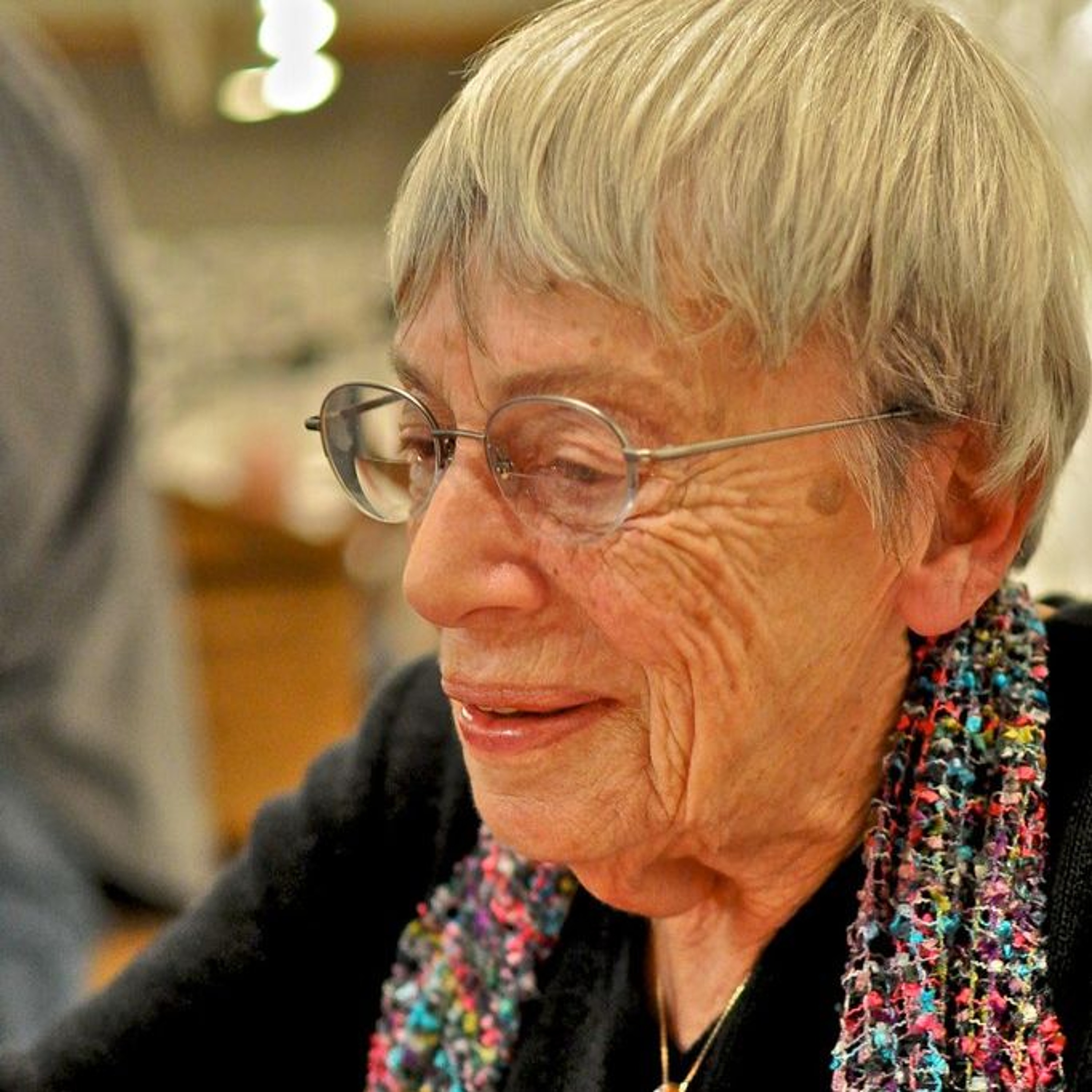
Ursula K Leguin, Tehanu - Aspen, The Evil Wizard Of Re Albi - Sadler's Lectures
This lecture discusses the science fiction and fantasy author, Ursula K. Leguin's novel, Tehanu, the fourth of six Earthsea books It focuses specifically on Aspen the malevolent wizard of Re Albi and his hostility and hatred towards Tenar, Therru, and Ged To support my ongoing work, go to my Patreon site - www.patreon.com/sadler If you'd like to make a direct contribution, you can do so here - www.paypal.me/ReasonIO You can find over 3,000 philosophy videos in my main YouTube channel - www.youtube.com/user/gbisadler Purchase Tehanu - https://amzn.to/4ePl470
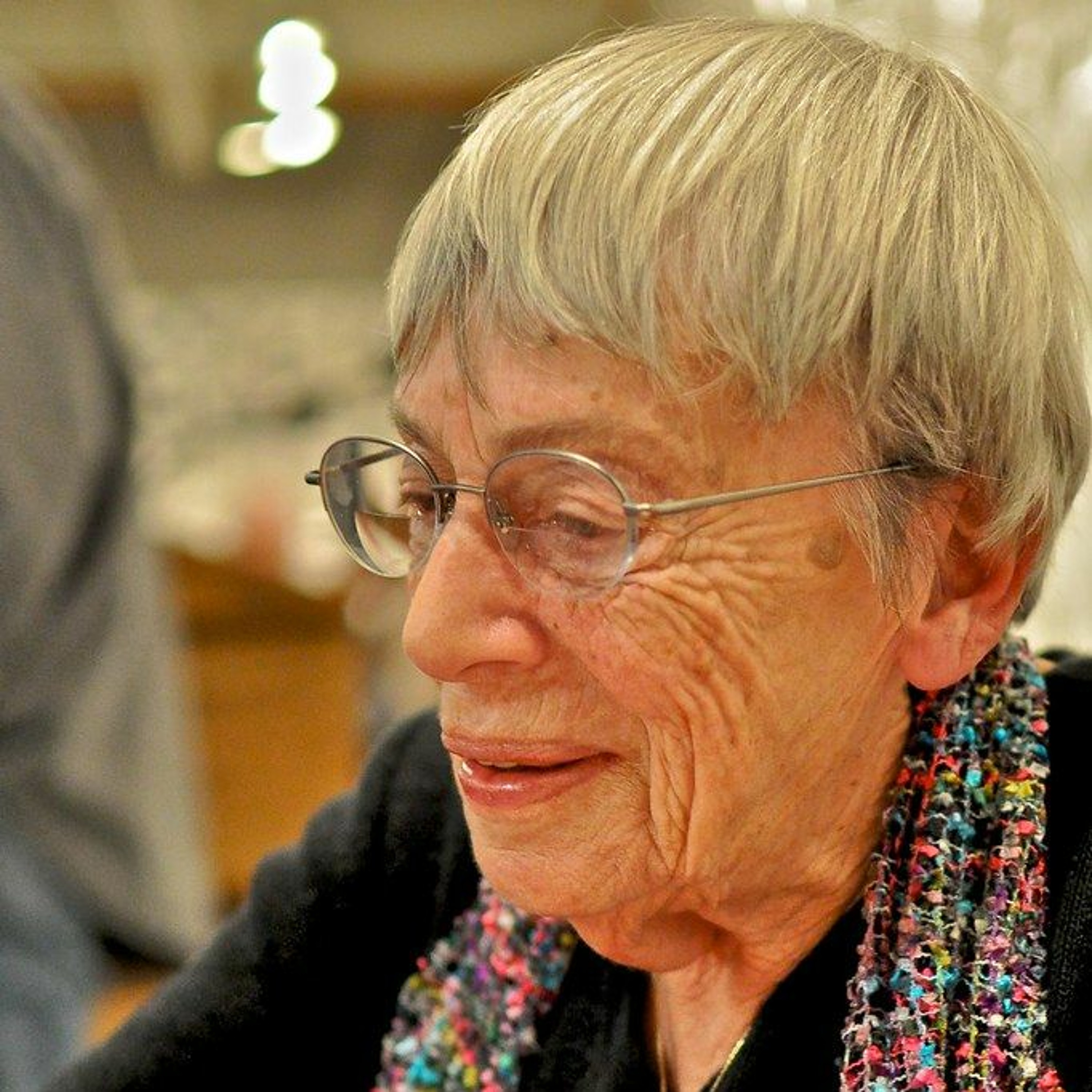
Ursula K Leguin, Tehanu - Spark, Tenar's Failed Son - Sadler's Lectures
This lecture discusses the science fiction and fantasy author, Ursula K. Leguin's novel, Tehanu, the fourth of six Earthsea books It focuses specifically on the character Spark, Tenar's son, who was away on a boat crew, but who comes home and displays himself as an underdeveloped, entitled man, to the great disappointment of his mother. To support my ongoing work, go to my Patreon site - www.patreon.com/sadler If you'd like to make a direct contribution, you can do so here - www.paypal.me/ReasonIO You can find over 3,000 philosophy videos in my main YouTube channel - www.youtube.com/user/gbisadler Purchase Tehanu - https://amzn.to/4ePl470
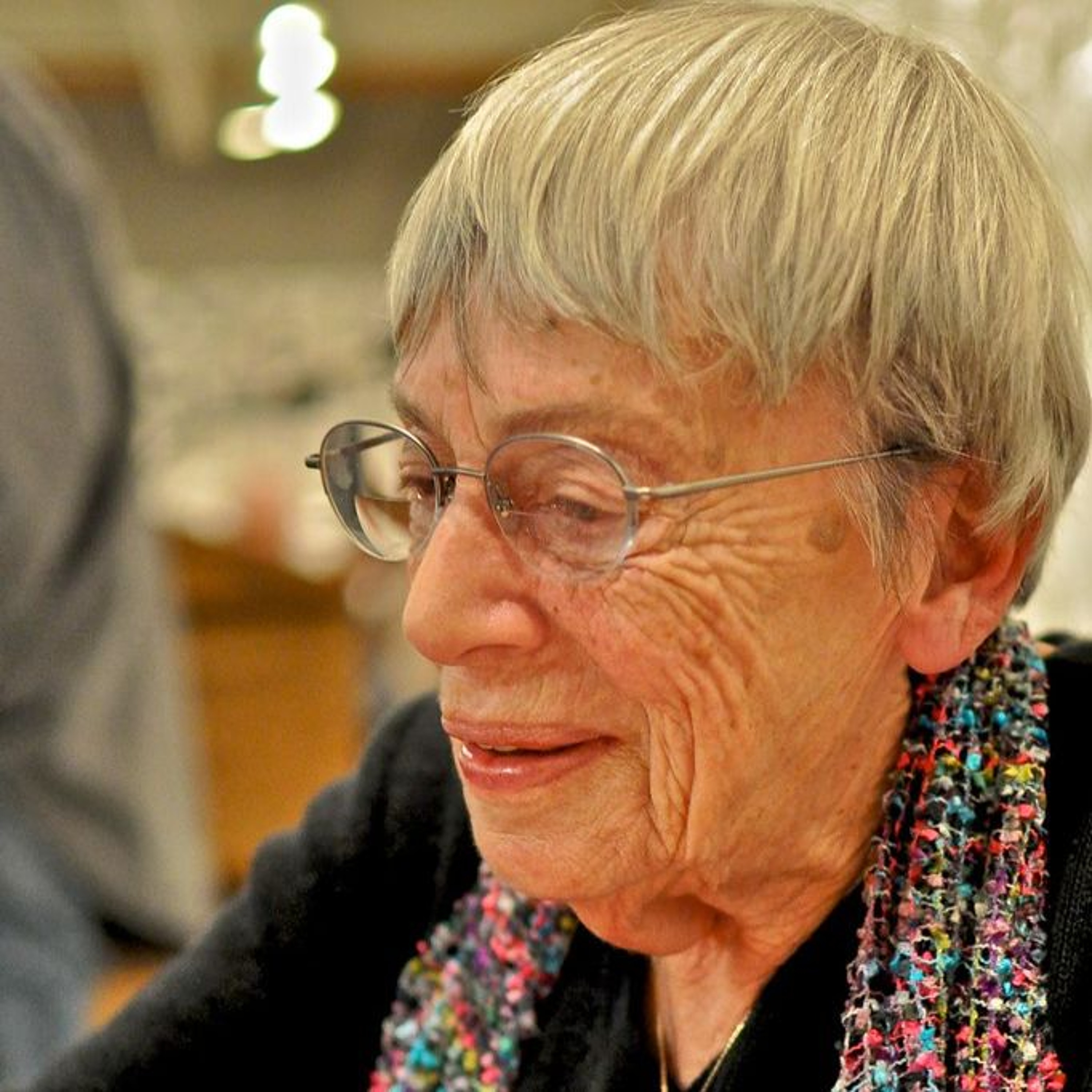
Ursula K Leguin, Tehanu - Ged, The Former Mage Comes Back - Sadler's Lectures
This lecture discusses the science fiction and fantasy author, Ursula K. Leguin's novel, Tehanu, the fourth of six Earthsea books It focuses specifically on the return of the former archmage, Ged, to Tenar and Therru, after he has lost his power and struggled to make sense of his identity without it. He saves Tenar and Theru by defending them from the three men attacking the farmhouse. To support my ongoing work, go to my Patreon site - www.patreon.com/sadler If you'd like to make a direct contribution, you can do so here - www.paypal.me/ReasonIO You can find over 3,000 philosophy videos in my main YouTube channel - www.youtube.com/user/gbisadler Purchase Tehanu - https://amzn.to/4ePl470
Ursula K Leguin, Tehanu - Women & Men, Magic & Power - Sadler's Lectures
This lecture discusses the science fiction and fantasy author, Ursula K. Leguin's novel, Tehanu, the fourth of six Earthsea books It focuses specifically on the relations between men and women, the understandings of gender, and the dimensions of power as key themes in Leguin's text, expressed, argued, and mulled over by characters in the novel. To support my ongoing work, go to my Patreon site - www.patreon.com/sadler If you'd like to make a direct contribution, you can do so here - www.paypal.me/ReasonIO You can find over 3,000 philosophy videos in my main YouTube channel - www.youtube.com/user/gbisadler Purchase Tehanu - https://amzn.to/4ePl470
Ursula K Leguin, Tehanu - Dragons And Human Beings - Sadler's Lectures
This lecture discusses the science fiction and fantasy author, Ursula K. Leguin's novel, Tehanu, the fourth of six Earthsea books It focuses specifically on the new information about the interconnections between dragons and human beings in Earthsea, revealed by a story in a story in a story. Tenar tells Theru about the experience Ogion had with the woman of Kemay, who turns out to be a dragon, and the story of the origins of human beings and dragons she tells him. To support my ongoing work, go to my Patreon site - www.patreon.com/sadler If you'd like to make a direct contribution, you can do so here - www.paypal.me/ReasonIO You can find over 3,000 philosophy videos in my main YouTube channel - www.youtube.com/user/gbisadler Purchase Tehanu - https://amzn.to/4ePl470
Ursula K Leguin, Tehanu - The King Of The Archipelago, Order, And Justice - Sadler's Lectures
This lecture discusses the science fiction and fantasy author, Ursula K. Leguin's novel, Tehanu, the fourth of six Earthsea books It focuses specifically on the early years of the king Lebannen's reign, which involves reintroducing order to Earthsea, and both enacting justice and enabling local communities to administer justice. Lebannen's reign aims to change the dynamic of the strong preying upon the weak To support my ongoing work, go to my Patreon site - www.patreon.com/sadler If you'd like to make a direct contribution, you can do so here - www.paypal.me/ReasonIO You can find over 3,000 philosophy videos in my main YouTube channel - www.youtube.com/user/gbisadler Purchase Tehanu - https://amzn.to/4ePl470
Ursula K Leguin, Tehanu - Aunty Moss The Witch - Sadler's Lectures
This lecture discusses the science fiction and fantasy author, Ursula K. Leguin's novel, Tehanu, the fourth of six Earthsea books It focuses specifically on the character, "Aunty" Moss, the local witch, who Tenar becomes friends with after Ogion's death. To support my ongoing work, go to my Patreon site - www.patreon.com/sadler If you'd like to make a direct contribution, you can do so here - www.paypal.me/ReasonIO You can find over 3,000 philosophy videos in my main YouTube channel - www.youtube.com/user/gbisadler Purchase Tehanu - https://amzn.to/4ePl470
Ursula K Leguin, Tehanu - Tenar And The Mage Ogion - Sadler's Lectures
This lecture discusses the science fiction and fantasy author, Ursula K. Leguin's novel, Tehanu, the fourth of six Earthsea books It focuses specifically on the relationship between Ogion the mage and Tenar, who had been his ward and student for some time after she left Atuan with Ged. Ogion dies not long after Tenar arrives with Therru. To support my ongoing work, go to my Patreon site - www.patreon.com/sadler If you'd like to make a direct contribution, you can do so here - www.paypal.me/ReasonIO You can find over 3,000 philosophy videos in my main YouTube channel - www.youtube.com/user/gbisadler Purchase Tehanu - https://amzn.to/4ePl470
Ursula K Leguin, Tehanu - Tehanu And Segoy, Two Dragons - Sadler's Lectures
This lecture discusses the science fiction and fantasy author, Ursula K. Leguin's novel, Tehanu, the fourth of six Earthsea books It focuses specifically on the culmination of the novel, in which Therru is revealed as actually a dragon, and calls Kalessin, the eldest of the dragons, who also turns out to be Segoy, the maker of Earthsea itself To support my ongoing work, go to my Patreon site - www.patreon.com/sadler If you'd like to make a direct contribution, you can do so here - www.paypal.me/ReasonIO You can find over 3,000 philosophy videos in my main YouTube channel - www.youtube.com/user/gbisadler Purchase Tehanu - https://amzn.to/4ePl470
Ursula K Leguin, Tehanu - Ged No Longer A Mage - Sadler's Lectures
This lecture discusses the science fiction and fantasy author, Ursula K. Leguin's novel, Tehanu, the fourth of six Earthsea books It focuses specifically on the dragon Kalessin dropping off the archmage Ged, now drained of all his power, on the island of Gont, with Tenar. Ged will struggle to make sense of his identity and his life lacking the magical power that has defined him for nearly his entire life, and will be lost for a good portion of the novel To support my ongoing work, go to my Patreon site - www.patreon.com/sadler If you'd like to make a direct contribution, you can do so here - www.paypal.me/ReasonIO You can find over 3,000 philosophy videos in my main YouTube channel - www.youtube.com/user/gbisadler Purchase Tehanu - https://amzn.to/4ePl470
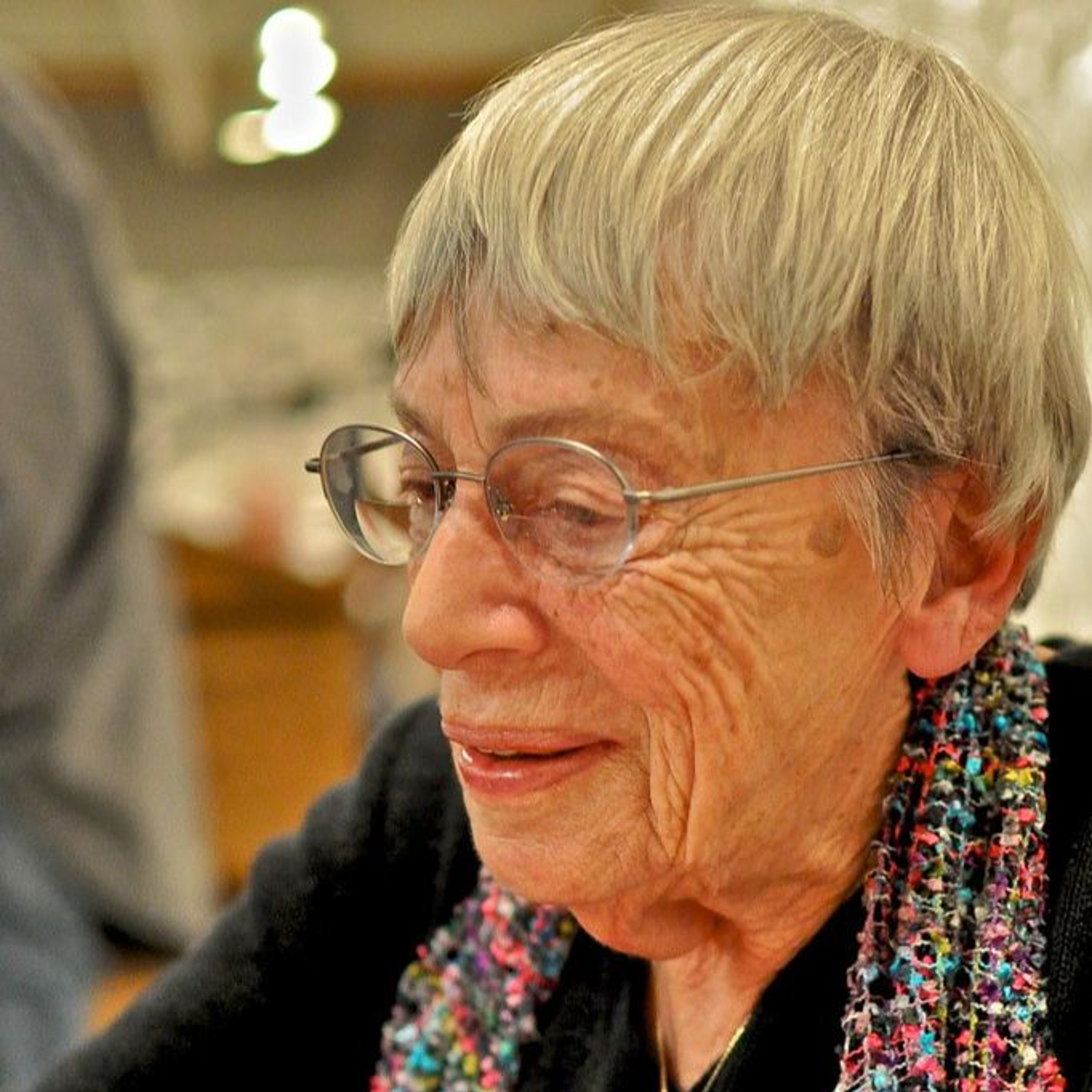
Ursula K Leguin, Tehanu - Tenar Teaching Therru - Sadler's Lectures
This lecture discusses the science fiction and fantasy author, Ursula K. Leguin's novel, Tehanu, the fourth of six Earthsea books It focuses specifically on Tenar's attempt's to follow Ogion's final instructions "teach her all", about her young adopted daughter Therru. To support my ongoing work, go to my Patreon site - www.patreon.com/sadler If you'd like to make a direct contribution, you can do so here - www.paypal.me/ReasonIO You can find over 3,000 philosophy videos in my main YouTube channel - www.youtube.com/user/gbisadler Purchase Tehanu - https://amzn.to/4ePl470