
Rethink Your Understanding
73 episodes — Page 2 of 2
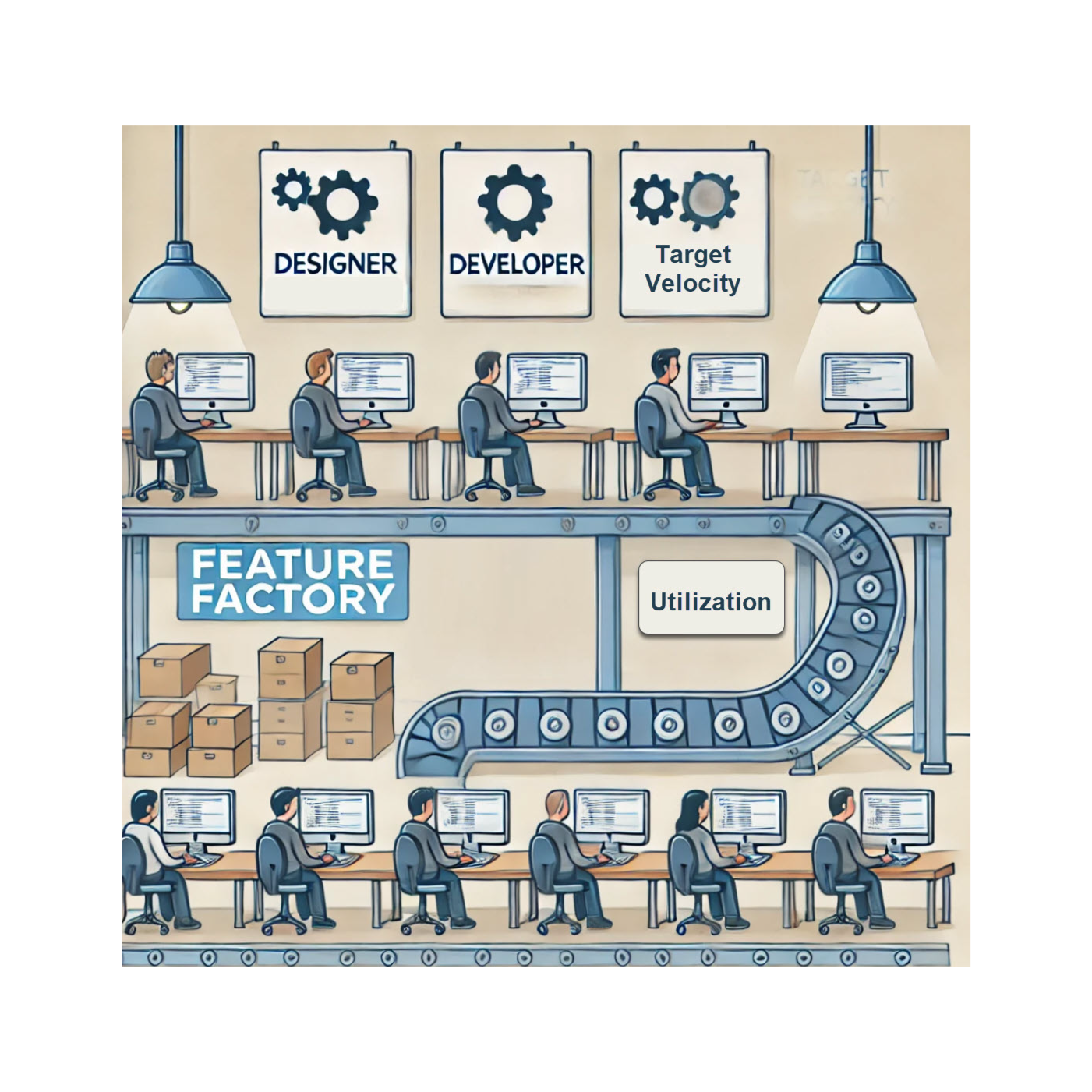
S2 Ep 23Breaking Free from the Build Trap: Delivering Meaningful Outcomes
In this episode, the AI hosts discuss that engineering teams should prioritize meaningful outcomes over simply delivering outputs—a concept known as the "build trap." It advocates for a product operating model using Value Stream Management (VSM) and Objectives and Key Results (OKRs) to ensure every effort delivers measurable business value.The discussion emphasizes the importance of defining anticipated outcomes for epics, fostering accountability through clear ownership of key results, and "closing the loop" by measuring and sharing actual results. Ultimately, the conversation advocates for shifting away from a feature factory mindset toward a focus on value creation and organizational alignment.Link to the article: Breaking Free from the Build Trap: Delivering Meaningful Outcomes, originally published December 25, 2024.Connect with me on LinkedIn

S2 Ep 22Transforming Engineering: From Cost Center to Strategic Partner
This is the second episode in a three-part series exploring Profitable Engineering and how Phil as a technology leader is transforming the engineering department from a cost center into a strategic business partner. The AI hosts dive into Phil's response to peer feedback recommending him to prioritize focusing on business results, highlighting how it prompted a transformation in his leadership approach.Link to the article: Transforming Engineering: From Cost Center to Strategic Partner, originally published December 24, 2024.Connect with me on LinkedIn
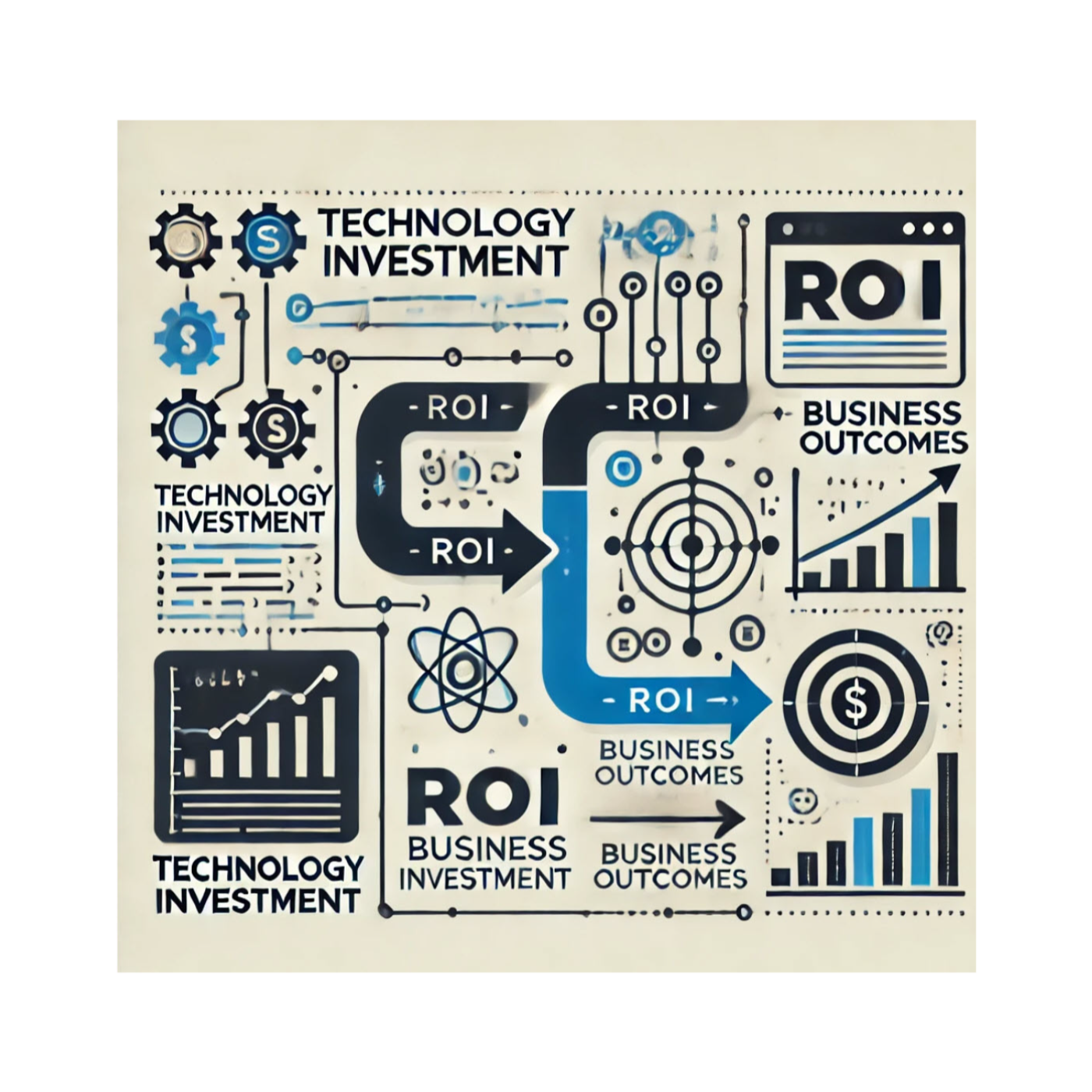
S2 Ep 21Engineering’s Business Value: From Black Box to Clarity
This episode is the first in a three-part series exploring the often-misunderstood role of software engineering, frequently dismissed as just a cost center. The AI hosts dive into my argument for adopting a product operating model and Value Stream Management to redefine engineering's value. By leveraging OKRs, teams can align their efforts with measurable business outcomes and customer impact. This shift requires intentional team design, emphasizing the movement of work to teams rather than individuals, enabling accurate cost tracking and demonstrating ROI. The ultimate aim is to transform the perception of engineering from a "black box" expense to a key driver of innovation and growth. In the next episodes, we’ll explore leadership strategies to make this vision a reality.Link to the article: Engineering’s Business Value: From Black Box to Clarity, originally published December 23, 2024.Connect with me on LinkedIn

S2 Ep 20Profitable Engineering: Linking Software Engineering to Business Results
Happy New Year! We're excited to kick off season two of the podcast. In this opening episode, the AI hosts introduce a three-part series on Profitable Engineering, exploring how to connect technology investments to meaningful business results.This three-part series dives into reimagining software engineering as a strategic business partner rather than merely a cost center. Tailored for technology leaders, product managers, and anyone seeking to align engineering efforts with customer value and measurable business outcomes, it provides valuable insights to bridge the gap between technical investments and organizational success.Link to the article: Profitable Engineering: Linking Software Engineering to Business Results, originally published December 22, 2024.Connect with me on LinkedIn.
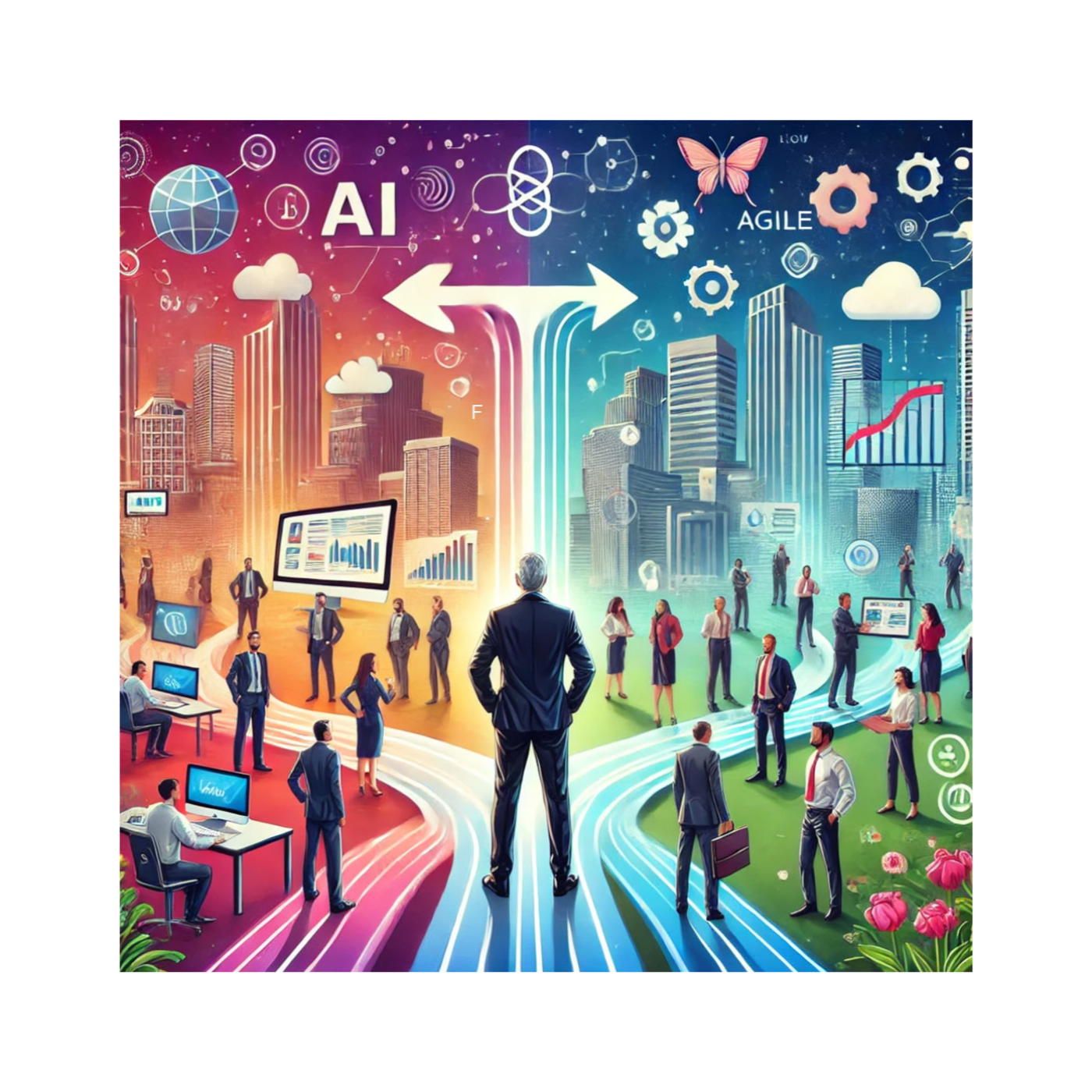
S1 Ep 19Crossroads 2024: Reflections on Leadership, Legacy, and Modern Practices
This episode marks the end of Season 1 of the AI-generated podcast experiment and the culmination of my initial efforts to share insights from my three-year article-writing journey. At the same time, I reached a key point in my career where there's no turning back time, and I take a moment to reflect on my experience in software engineering and leadership. It's been a journey through two distinct eras of software delivery, which have shaped my growth and perspective.The AI hosts interpret my end-of-year article and reflection, "Crossroads 2024: Reflections on Leadership, Legacy, and Modern Practices."Although they diverge slightly from the main focus of my article, my mission, they highlight my emphasis on the transformative impact of modern practices like Agile, DevOps, and cloud computing and how these innovations have changed team dynamics and organizational culture.A key focus is on the importance of leadership in fostering a culture of continuous learning, experimentation, and psychological safety to achieve fast flow and deliver value.This year in technology has brought challenges and successes in Software Product Development and Delivery. We've seen the release of thought-provoking books, listened to insightful podcasts and interviews from industry leaders, and returned to in-person conferences. Along the way, we've dealt with layoffs and cost-cutting, witnessed significant advancements in AI, and seen shifting opinions—and even criticism—of Agile practices. At the same time, we've celebrated inspiring success stories from standout organizations.Here's to more progress and innovation—wishing you a great 2025!Link to the article: Crossroads 2024: Reflections on Leadership, Legacy, and Modern Practices, originally published December 02, 2024.Connect with me on LinkedIn
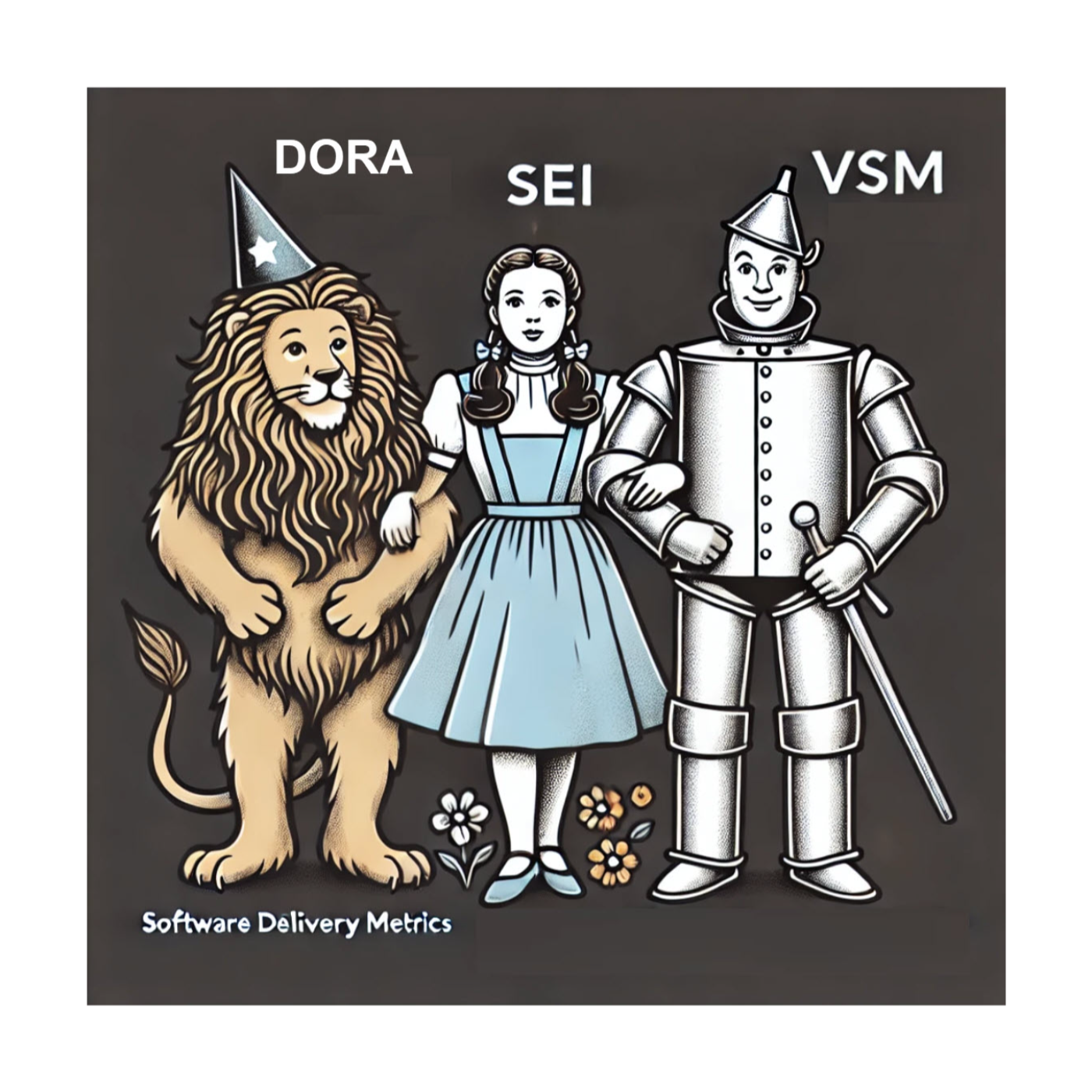
S1 Ep 18Navigating the Digital Product Workflow Metrics Landscape: From DORA to Comprehensive Value Stream Management Platform Solutions
In this episode, the discussion by the AI hosts is based on my article, "Navigating the Digital Product Workflow Metrics Landscape: From DORA to Comprehensive Value Stream Management Platform Solutions." It acts as a guide for senior leaders in choosing the best software delivery metrics platform for their needs. It evaluates four types of platforms: DORA metrics, which focus on deployment; DX Core 4, which emphasizes speed, effectiveness, quality, and business impact; Software Engineering Intelligence (SEI) platforms, which offer broader insights into the delivery pipeline; and Value Stream Management (VSM) platforms, which provide a comprehensive view of the entire product lifecycle. The discussion emphasizes the importance of identifying bottlenecks before making a choice and highlights the need to consider factors such as budget, leadership readiness, and team sentiment. Additionally, the article provides several examples for each platform type.Link to the article: Navigating the Digital Product Workflow Metrics Landscape: From DORA to Comprehensive Value Stream Management Platform Solutions, originally published August 31, 2024.Connect with me on LinkedIn

S1 Ep 17Evolving the Agile Leadership Role: Integrating Value Stream Management into Agile Leadership
In this episode, the AI hosts dive into my article, "Evolving the Agile Leadership Role: Integrating Value Stream Management into Agile Leadership." The conversation cites concerning statistics on Scrum Master maturity, indicating a significant lack of VSM expertise. He proposes integrating VSM into the Agile Leader role to enhance team performance, improve process efficiency, and better align with organizational goals. This integration, Phil contends, addresses the criticisms levied against the current definition of the Scrum Master role and provides a path to increase the value and impact of Agile leaders. Finally the conversation offers several benefits of this approach, including improved metrics, enhanced collaboration, and strategic alignment.Link to the article: Evolving the Agile Leadership Role: Integrating Value Stream Management into Agile Leadership, originally published May 19, 2024.Connect with me on LinkedIn
S1 Ep 16A Balanced Approach to Agile Metrics: Empowering Teams and Mitigating Risks
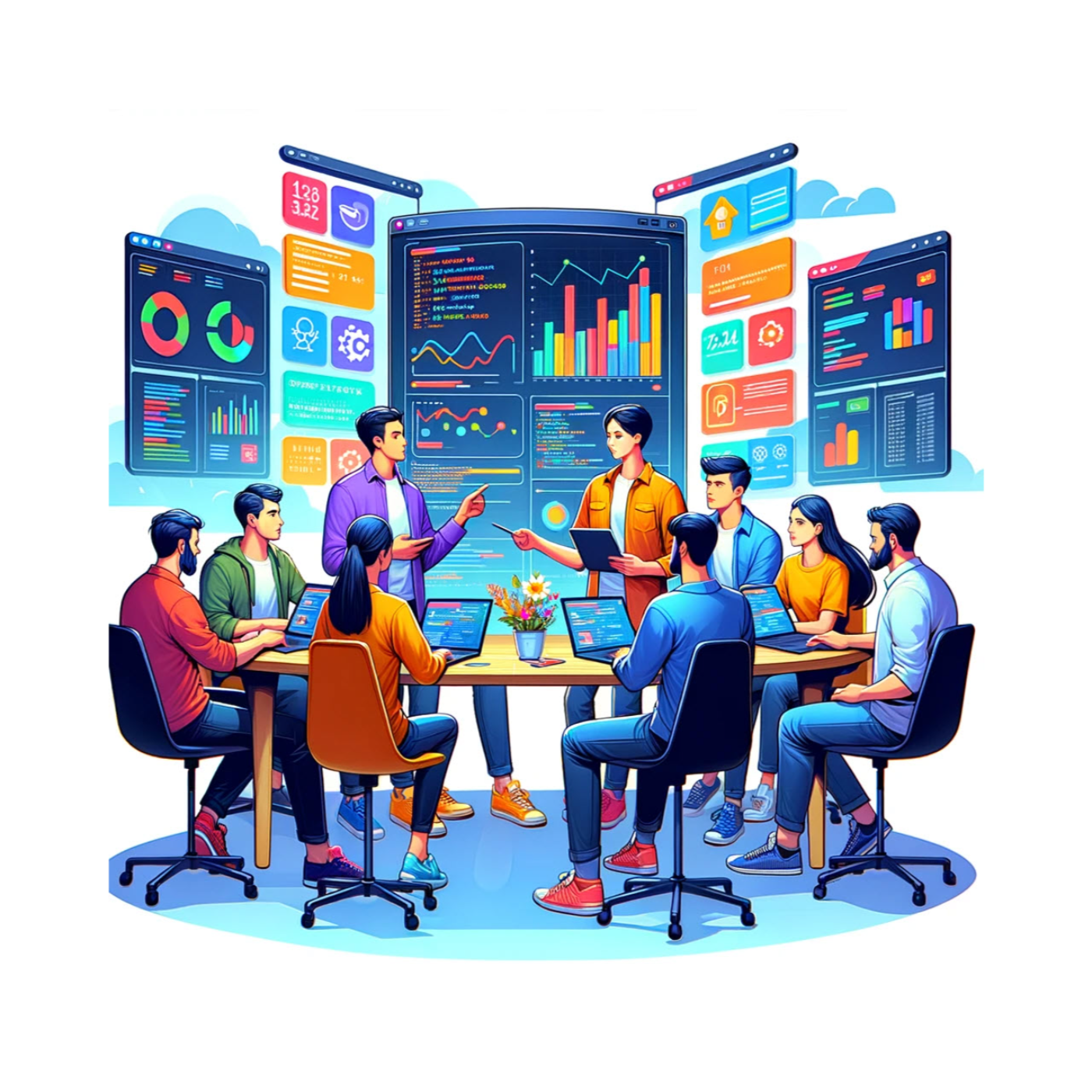
In this episode, the AI hosts discuss my article, "A Balanced Approach to Agile Metrics: Empowering Teams and Mitigating Risks." The article advocates for using Agile metrics wisely in software development. It argues that metrics like DORA and flow velocity are great for spotting bottlenecks and boosting team performance, but they can be misused. This misuse can lead to focusing on manipulating numbers rather than genuine improvement. The conversation highlights the need for team ownership of metrics, clear communication, and understanding each team's unique context. A big concern is to keep metrics from becoming tools for blame-shifting or pressure from business stakeholders. The ultimate goal is to use metrics to empower teams and encourage a culture of continuous improvement.Link to the article: A Balanced Approach to Agile Metrics: Empowering Teams and Mitigating Risks, originally published March 02, 2024.Connect with me on LinkedIn

S1 Ep 15Beyond Facilitation: The Agile Leader’s Place in Cross-Functional Team Dynamics
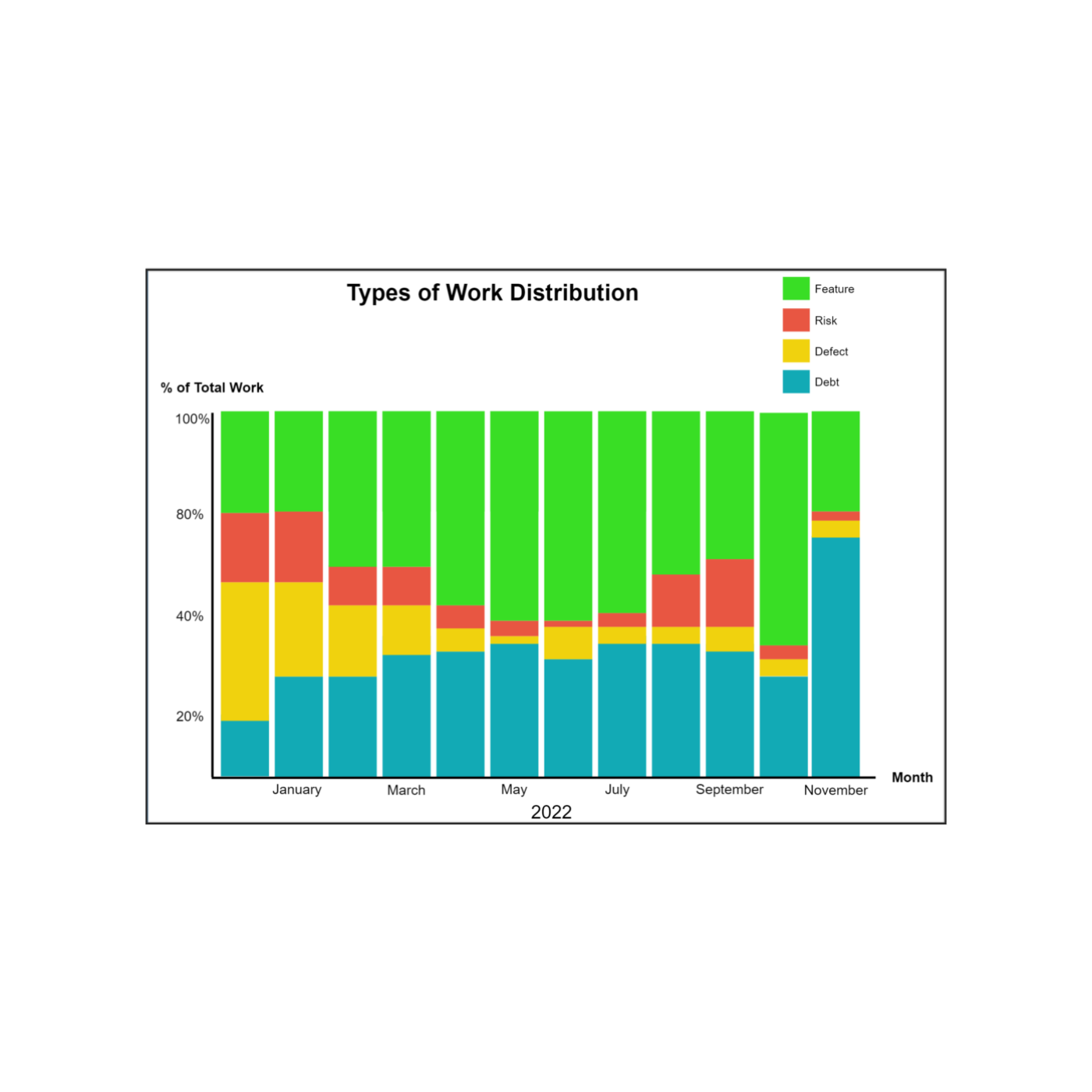
This episode examines the vital, yet sometimes debated, role of Scrum Masters or Agile leaders in cross-functional software development teams. Nearly two years ago, Capitol One laid off most of its Agile Coaches and Scrum Masters, questioning their value. Recently, I've worked with an organization that eliminated the Scrum Master role, assigning its responsibilities to the Engineering Manager on each team. Whether you transfer these duties to the Product or Engineering Manager, I believe this creates significant "role overload."In this episode, our AI hosts discuss my article which argues that Agile leaders, distinct from product managers, are crucial for balancing work types (features, defects, technical debt, and risk), fostering team alignment, and ensuring sustainable high-quality software delivery. The author draws insights from "Team Topologies" and "Project to Product," emphasizing the importance of intentional team design and a product-centric approach. Ultimately, the article advocates for recognizing the unique value of Agile leadership in achieving high-performing, collaborative teams, concluding that while team structures may vary, the Agile leader's role is essential for success.Link to the article: Beyond Facilitation: The Agile Leader’s Place in Cross-Functional Team Dynamics, originally published February 25, 2024.Connect with me on LinkedIn

S1 Ep 14Pressures of Strategic Talent Cost Rebalancing in Agile Teams: Optimizing Global Geographical Costs for Cohesion and Efficiency
This episode examines the challenges of balancing cost savings with maintaining agile team effectiveness when geographically distributing software development teams. The author uses a US based example and argues against replacing individual team members in the US with cheaper alternatives in different time zones, emphasizing the negative impact on collaboration and efficiency due to significant time differences. Instead, the author advocates for relocating entire cross-functional teams to cost-effective locations to preserve team cohesion and agile principles.The article uses a real-world example to illustrate the potential pitfalls of a dispersed team structure and offers strategic recommendations for a more effective approach to global talent rebalancing. Ultimately, the article stresses prioritizing team unity and geographical proximity to optimize both cost and productivity.Link to the article: Pressures of Strategic Talent Cost Rebalancing in Agile Teams: Optimizing Global Geographical Costs for Cohesion and Efficiency, originally published February 13, 2024.Connect with me on LinkedIn

S1 Ep 13Agile Era Leadership: Overcoming Legacy Leadership Friction and Four Industry Conversations
In this episode, our AI hosts take a deep dive into the challenges of transitioning to Agile, Lean, and DevOps methodologies in organizations, focusing on the resistance from senior leaders entrenched in outdated practices and metrics. The conversation highlights the negative impact of legacy leadership on modern digital transformation efforts, citing several real-world examples of friction and failed transformations.The fundamental challenge lies in the disconnect between traditional leadership styles and the collaborative, outcome-focused essence of agile methodologies.The referenced article emphasizes the need for senior leaders to adapt, learn new skills, and embrace a shift in mindset to successfully implement these modern practices. Ultimately, the author argues that strong, informed leadership is crucial for successful digital transformation.Link to the article: Agile Era Leadership: Overcoming Legacy Leadership Friction and Four Industry Conversations, originally published December 12, 2023.Connect with me on LinkedIn

S1 Ep 12Software Delivery Teams, Deadlines, and the Challenge of Providing Reliable Estimates
This episode covers the article, "Software Delivery Teams, Deadlines, and the Challenge of Providing Reliable Estimates," and our AI hosts discuss the challenges software development teams face in providing reliable project estimates, particularly the pressure to meet deadlines and the resulting stress. The author advocates for using probabilistic estimations, which emphasize expressing confidence levels (e.g., "we are 80% confident") rather than aiming for precise, often unattainable, predictions. This approach aims to reduce team pressure, improve communication with management, and foster a more realistic and healthy work environment. The author highlights that this method is beneficial regardless of the project's delivery methodology (Agile, Waterfall, etc.). Ultimately, the goal is to improve planning accuracy and team well-being.Link to the article: Software Delivery Teams, Deadlines, and the Challenge of Providing Reliable Estimates, originally published December 09, 2023.Connect with me on LinkedIn

S1 Ep 11Adapting to Technological Shifts in Enterprise Software Development
This episode focuses on software engineering. The AI hosts discuss the challenges of adapting to technological shifts in enterprise software development. We reflect on the complexities of choosing and changing frameworks, highlighting the need for careful consideration of costs, risks, and long-term implications within large organizations. The conversation emphasizes the importance of strategic planning and a deep understanding of the organization's goals when making technology decisions. The article advocates for a balanced approach, combining awareness of new trends with the responsibility of maintaining stable, sustainable systems. The piece concludes by encouraging discussion and diverse perspectives on this crucial topic.Link to the article: Adapting to Technological Shifts in Enterprise Software Development, originally published August 19, 2023.Connect with me on LinkedIn

S1 Ep 10Shift Left Security, Security Unit Tests, OWASP Top 10, and AI: Key Practices for Secure Development
In this episode we focus on Software Engineering. The AI hosts analyze my article, Shift Left Security, Security Unit Tests, OWASP Top 10, and AI: Key Practices for Secure Development. The aim is to promote "shift left" security by integrating security testing early in the software development process. This involves writing security unit tests to tackle vulnerabilities highlighted in the OWASP Top 10, with examples provided in Java and JavaScript in the article. We explore the potential of AI to enhance security testing, including identifying vulnerabilities and improving the efficiency of static and dynamic analysis. Ultimately, the conversation promotes a proactive approach to security, combining established best practices with emerging technologies.Link to the article: Shift Left Security, Security Unit Tests and OWASP Top 10, and AI: Key Practices for Secure Development, originally published June 10, 2023.Connect with me on LinkedIn

S1 Ep 9Mitigating Metric Misuse: Preventing the Misuse of Metrics and Prioritizing Outcomes Over Outputs
This episode explores the effective use of software development metrics like Flow and DORA. It emphasizes the importance of focusing on outcomes, such as improved efficiency and team engagement, rather than just outputs like numbers. The conversation warns about the risks of metric gamification, where teams might manipulate metrics instead of solving real issues. It highlights the need for competent leadership to create a positive culture that uses metrics for ongoing improvement and prevents misuse. The main point is to use data to drive meaningful discussions about process improvement and show the value of investments beyond just building features.Link to the article: Mitigating Metric Misuse: Preventing the Misuse of Metrics and Prioritizing Outcomes Over Outputs, originally published June 21, 2023.Connect with me on LinkedIn

S1 Ep 8Developer Experience: The Power of Sentiment Metrics in Building a TeamX Culture
In this episode, our AI hosts explore my article, "Developer Experience: The Power of Sentiment Metrics in Building a TeamX Culture." The article contends that concentrating exclusively on "developer experience" is too limited. Instead, it advocates for a broader perspective focused on "team experience," which includes all roles within a software delivery team. The article emphasizes the importance of both system metrics, which measure delivery efficiency, and sentiment metrics, which gauge team morale and feelings about their work. By analyzing data from both sources, organizations can gain a more comprehensive understanding of team effectiveness and happiness, ultimately improving software delivery practices and fostering a more positive work environment.Link to the article: Developer Experience: The Power of Sentiment Metrics in Building a TeamX Culture, originally published June 18, 2023.Connect with me on LinkedIn

S1 Ep 7Outcome Metrics and the Difficulty of Reporting on Value
This episode argues that assessing the value created by software development teams is important but often ignored. It discusses the challenges of measuring the impact of software changes, such as the lack of tools, the time it takes to see results, and the difficulty in valuing intangible outcomes. The article suggests that teams should understand the expected value of their work and that outcomes should be regularly reviewed and communicated to them, which can boost motivation and productivity.Link to the article: Outcome Metrics and the Difficulty of Reporting on Value, originally published February 18, 2023.Connect with me on LinkedIn

S1 Ep 6Maximizing Technology Team Performance: Insights from a CEO Conversation
This episode looks at the challenges of measuring the performance and value of software development teams. It suggests that focusing only on metrics like individual output or the number of features delivered can be misleading, as it ignores whether those features are actually valuable to customers or the organization. The conversation highlights the need for teams to have a shared understanding of the purpose and value of their work. It recommends measuring not just delivery speed but also how those deliveries impact business outcomes. The conversation concludes that by grasping the value of what they're building and its effects, teams can work more efficiently, avoid overproduction, and feel more motivated and engaged.Link to the article: Maximizing Technology Team Performance: Insights from a CEO Conversation, originally published February 16, 2023.Connect with me on LinkedIn

S1 Ep 5Finally, Metrics That Help: Boosting Productivity Through Improved Team Experience, Flow, and Bottlenecks
In this episode, the Deep Dive AI Hosts discuss the importance of modern performance metrics, pointing out that traditional methods for assessing software development teams are no longer effective. The article proposes a new approach that focuses on team experience, flow, and identifying bottlenecks in the software delivery process. This shift emphasizes continuous improvement and utilizes metrics to provide teams with actionable insights, allowing them to self-manage and optimize their workflow. The conversations also explores the market for software delivery metrics tools, analyzing their strengths and weaknesses and ultimately recommending a "think big, start small, scale-out" approach for selecting the best solution based on an organization's specific needs.Link to the article: Finally, Metrics That Help: Boosting Productivity Through Improved Team Experience, Flow, and Bottlenecks, originally published December 29, 2022.Connect with me on LinkedIn
S1 Ep 4Agile Software Delivery: Unlocking Your Team’s Full Potential. It’s not the Product Owner
In this episode, the AI hosts deep dive into the notion that agile teams need more than simply a product owner or the redistribution of scrum master skills to truly thrive. It emphasizes the vital role of an agile leader or scrum master in fostering collaboration, resolving conflicts, and maintaining the team’s overall well-being. The author introduces a model in which the product owner concentrates on features, the technical lead addresses technical debt and risk, and the agile leader facilitates communication and enhances team performance. The article underscores the significance of shared understanding and collaboration between product and technology teams, advocating for a “T-shaped” skill set, where team members possess deep expertise in one area while maintaining a broad comprehension of related fieldsLink to the article: Agile Software Delivery: Unlocking Your Team’s Full Potential. It’s not the Product Owner, originally published December 29, 2022.Connect with me on LinkedIn.Show note, Since the article was published in January 2023, it was reported that Capital One cut over 1,100 Agile roles as part of its strategy to integrate Agile practices into its core engineering and product management functions. This change indicates a maturation of their tech organization. The company noted that while Agile roles were important during earlier transformation phases, they became redundant as the organization evolved. This decision reflects a broader trend where companies are moving away from traditional Agile roles and instead embedding Agile skills into existing positions. However, I believe this shift may lead to Role Cognitive Overload and put essential team behaviors at risk. The Agile leadership role offers far greater value than merely serving as a facilitator.

S1 Ep 3The Shift to Software Management: A Skill Guide for New Managers
Today's episode serves as a valuable resource for aspiring software engineering managers. In the article "The Shift to Software Management: A Skill Guide for New Managers," The AI hosts dive deep into Phil's thorough overview of the essential skills needed for effective management. The piece highlights that transitioning from an individual contributor role to a managerial position demands a significant transformation in both mindset and skill set.Informed by his own experiences, Phil offers practical insights on fostering trust within teams, enhancing self-awareness and leadership skills, and skillfully navigating challenging conversations. The article also emphasizes the significance of mentorship during this transition, drawing on Phil's personal journey through the complexities of management. Furthermore, it highlights the crucial importance of continuous learning and adaptability in the constantly evolving field of software management.Link to the article: The Shift to Software Management: A Skill Guide for New Managers, originally published December 27, 2022.Connect with me on LinkedIn
S1 Ep 2The Artistry of Software Engineering: Harnessing Creativity for Impactful Business Solutions
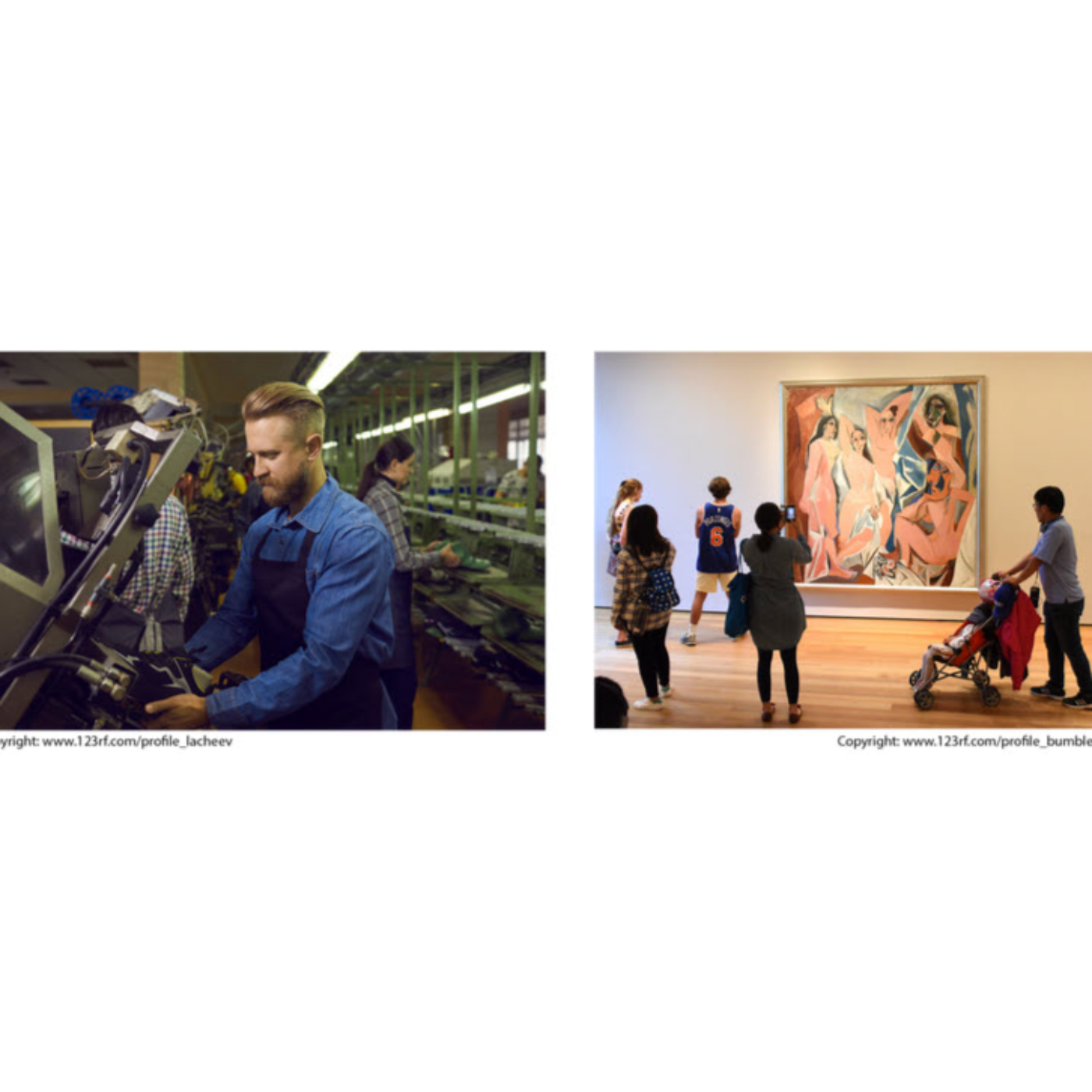
In this episode, the AI hosts dive deep into the article, "The Artistry of Software Engineering: Harnessing Creativity for Impactful Business Solutions." They discuss the challenges of measuring performance in software development, highlighting that traditional manufacturing metrics, such as lines of code, are inadequate for evaluating the creativity and problem-solving skills essential in this field. The article emphasizes the importance of assessing code quality, promoting collaboration, enhancing adaptability, and understanding the overall impact of work on business outcomes. Additionally, it highlights the critical distinctions between knowledge work and the uncertainties it entails, as opposed to the predictability of factory line work or known tasks.Author Phil Clark advocates for nurturing a positive developer experience by equipping teams with the right tools and support to inspire creativity and drive innovation.Link to the article: The Artistry of Software Engineering: Harnessing Creativity for Impactful Business Solutions, published September 17, 2022.Connect with me on LinkedIn.

S1 Ep 1Established Organizations, Level of Digital Literacy, Mindset, and the 4th Industrial Revolution
This episode delves into the challenges faced by established organizations in embracing digital transformation. It analyzes the article titled "Established Organizations, Level of Digital Literacy, Mindset, and the 4th Industrial Revolution" by Rethink Your Understanding, which posits that successful digital transformation necessitates a fundamental shift in leadership mindset. Senior leaders must be willing to unlearn outdated practices and adopt innovative approaches to work. The article underscores the significance of digital literacy, a growth mindset, and an openness to new technologies and processes.Additionally, the article reflects on the author's initial efforts to tackle these challenges, revealing resistance to change and the critical need for senior leaders to abandon traditional working methods. The article stresses that established organizations must be ready to change and adapt if they hope to remain competitive in the digital landscape.Link to the article: Established Organizations, Level of Digital Literacy, Mindset, and the 4th Industrial Revolution, originally published December 31, 2021.Note: The article used for this episode was published on December 31, 2021. It was my first article that I published.Connect with me on LinkedIn