Show overview
Rethink Your Understanding has been publishing since 2024, and across the 2 years since has built a catalogue of 73 episodes. That works out to roughly 20 hours of audio in total. Releases follow a fortnightly cadence, with the show now in its 3rd season.
Episodes typically run ten to twenty minutes — most land between 15 min and 20 min — and the run-time is fairly consistent across the catalogue. None of the episodes are flagged explicit by the publisher. It is catalogued as a EN-language Technology show.
The show is actively publishing — the most recent episode landed 2 weeks ago, with 16 episodes already out so far this year. The busiest year was 2025, with 38 episodes published. Published by Phil Clark.
From the publisher
Rethink Your Understanding: AI-Driven Insights on Digital Transformation & Software DeliveryWelcome to Rethink Your Understanding, an AI-powered podcast where cutting-edge technology meets expert insights on digital transformation. We use AI to bring my articles and blog posts from rethinkyourunderstanding.com and Medium (https://medium.com/@rethinkyourunderstanding) to life, transforming written content into immersive audio episodes.Each AI-presented episode provides a "Deep Dive" into strategies, lessons, and the impact of leadership in Agile, Lean, DevOps, Value Stream Management, and Flow Engineering. Occasionally, we explore software engineering. We present a fresh approach to my articles, delivering key concepts, practical advice, and insights from years in tech leadership.Join us on Rethink Your Understanding—where AI amplifies expert voices to deliver the insights you need to lead your organization’s digital journey.Connect with me on LinkedIn
Latest Episodes
View all 73 episodesYet Another Leadership Article
Fast Flow Happens When Friction Fades
From Flow to Realization: Measuring What Matters
AI Graph Engineering Looks Familiar for a Reason
AI Is Changing Management, Not Reinventing It
The Real Intellectual Property of Modern Software
The AI Didn’t Sign Your IP Agreement
AI Token Spend Is Becoming Product Economics
The Flat Org That Still Had Managers
AI Can Shrink Your Team. It Cannot Shrink the Work
More Code Is Not More Value
The Real Definition of Done
AI Is a Multiplier

S3 Ep 59Software for Humans, Systems for Agents
In this episode, the AI hosts explore why the agentic era is shaping up to be more than another AI feature wave.As software begins to act on behalf of users, engineering and product leaders may need to rethink the systems beneath the interface, from data quality and secure APIs to durable state, long-running workflows, and human approval checkpoints.They discuss why trust will likely build gradually, starting with lower-risk tasks before expanding into higher-stakes transactions. The bigger idea is simple: this looks more like a major systems shift, similar to cloud or continuous delivery, than a surface-level product enhancement.Link to the article: Software for Humans, Systems for Agents, originally published April 06, 2026.Connect with me on LinkedIn

S3 Ep 58Staying Was the Hard Move
In this episode, the AI hosts unpack my recent career reflection article, Staying Was the Hard Move, and the counterintuitive truth that long tenure doesn’t have to mean stagnation.They explore what it actually takes to lead through the “hard middle” of digital transformation: modernizing legacy architecture without breaking customer trust, scaling engineering practices through years of growth, and evolving from tactical management into executive leadership focused on team outcomes.It’s a story about compounding impact, how resilience, culture, and sustained reinvention can become the real advantage.Link to the article: Staying Was the Hard Move, originally published February 28, 2026.Connect with me on LinkedIn

S3 Ep 57Agile Isn’t Dead and AI Isn’t Killing It Either
I keep seeing “Agile is dead” headlines, now repackaged for the AI era. My take: AI isn’t killing Agile. AI is illuminating constraints that were already in the value stream.AI can do market research, write documentation, write code fast - it can’t take accountability. As AI compresses execution time, rebundles responsibilities, and enables smaller teams with faster release cycles, the real work shifts to human judgment: decision-making, validation, security, governance, and operating safely in production.This episode reframes Agile and agility as an enduring capability, and explores what must evolve when software delivery accelerates dramatically with AI.Link to the article: Agile Isn’t Dead and AI Isn’t Killing It Either, originally published January 24, 2026.Connect with me on LinkedIn
S2 Ep 56AI Fluent, Fundamentally Lost
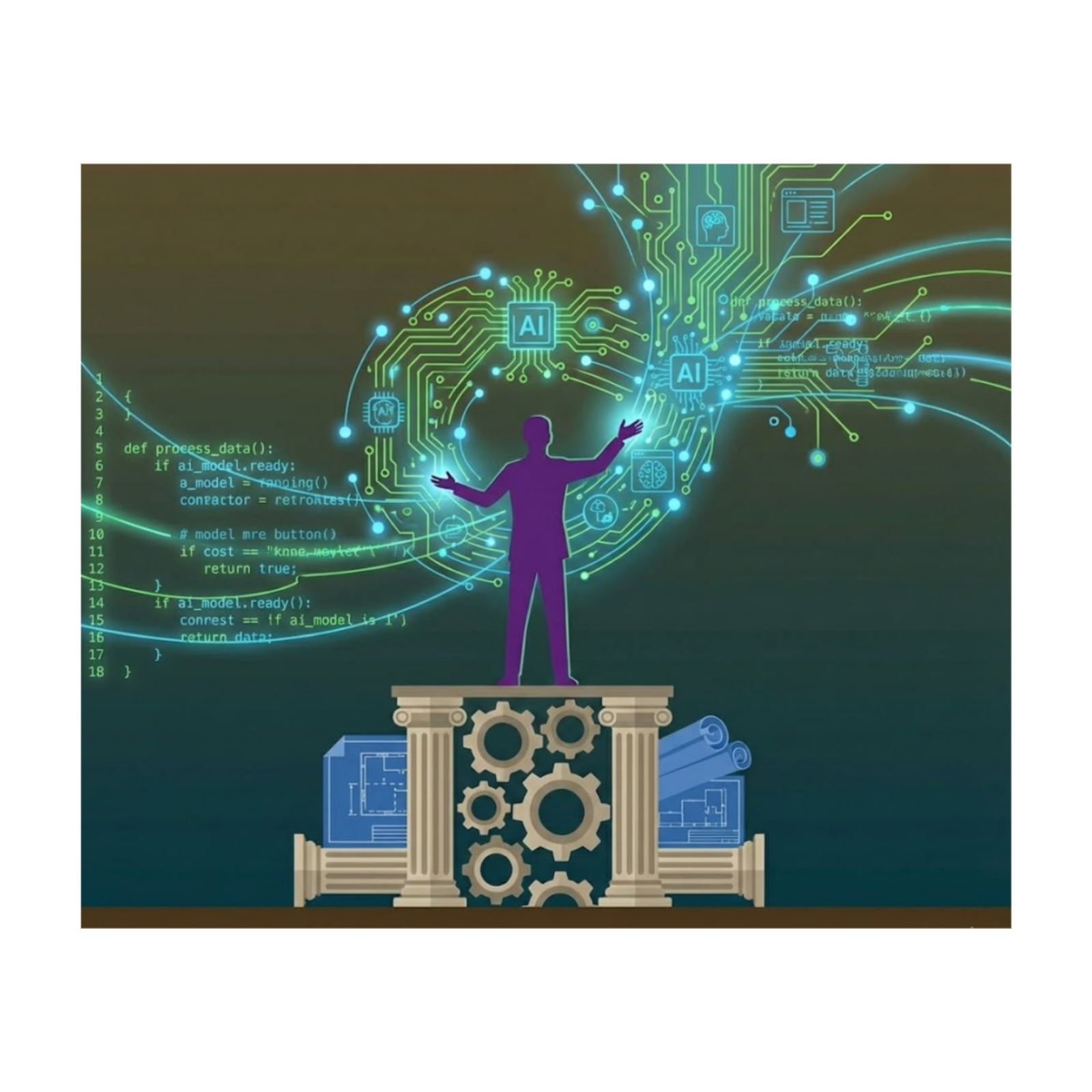
AI is now table stakes in software engineering hiring, but it is also warping the signals we used to trust.In this episode, the AI hosts cover my article about a growing pattern I call “AI-fluent, fundamentally lost”: candidates who can produce impressive output with prompts, yet struggle to explain the logic, constraints, and architectural trade-offs behind what they ship. The result is a new kind of risk: “glass cannons” that look productive fast, but can drive long-term maintenance cost and technical debt when fundamentals and judgment are missing.They cover the arguments for a more durable hiring approach that evaluates both system-level reasoning and AI-assisted execution, treating AI as a productivity accelerator, not a replacement for critical thinking.Link to the article: AI Fluent, Fundamentally Lost, originally published December 07, 2025.Connect with me on LinkedIn
S2 Ep 55When AI Isn't Enough
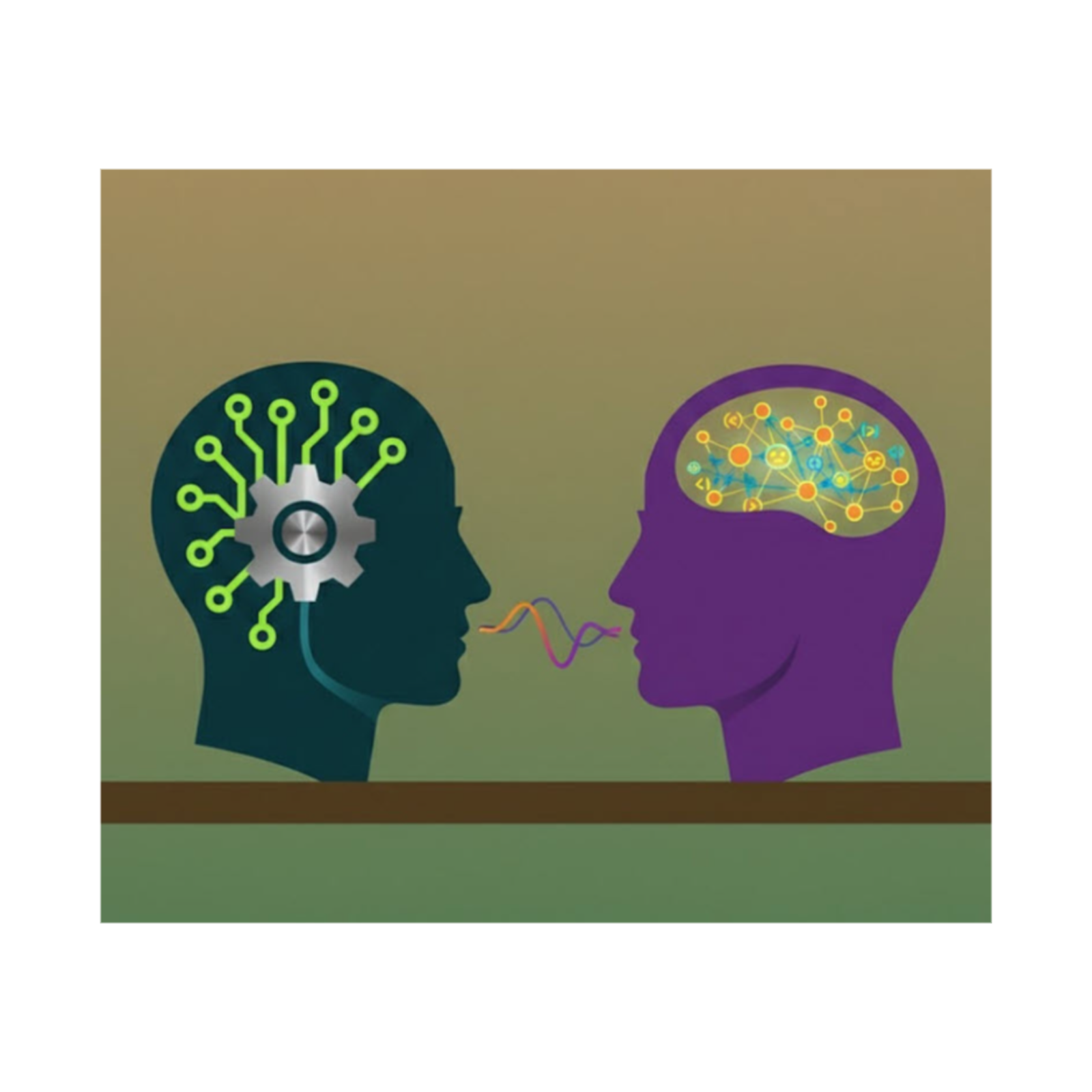
In this episode, we unpack a new challenge in software hiring: AI is boosting productivity while also creating an illusion of mastery. Candidates can generate impressive AI-assisted code, yet struggle when the conversation moves to fundamentals like composition vs. inheritance, tradeoffs, and architectural decision-making. The result is a distortion of traditional hiring signals, where output can mask gaps in understanding.The AI hosts dig into why fundamentals still matter most in enterprise systems, where reliability, durability, and accountability matter more than raw speed. Great engineers don’t just produce code, they can debug it, validate it, and challenge AI-generated work with sound judgment. We close with what hiring practices must evolve to measure next: architectural reasoning and system-level decision-making, the areas where AI can assist, but not substitute.Link to the article: When AI Isn’t Enough, originally published November 29, 2025.Connect with me on LinkedIn
S2 Ep 54When the System Fits, the Product Operating Model Works
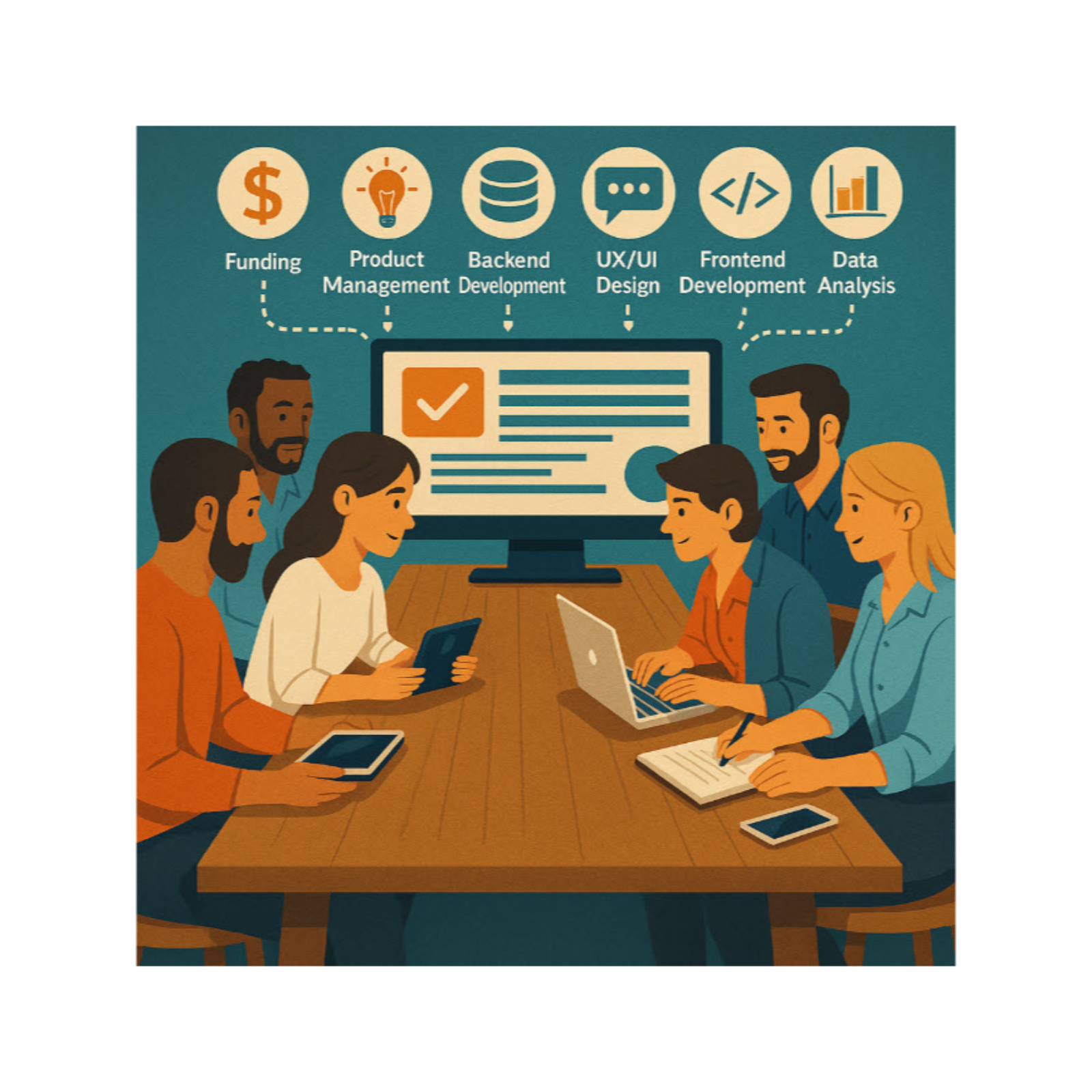
This episode breaks down the Product Operating Model and what it really takes to succeed in a modern software organization.The AI hosts explore why POM is not a plug-and-play framework, but a system that only works when architecture, funding, and team design actually support long-lived product ownership. We clarify the most common misconceptions, from the belief that POM replaces DevOps to the myth that it calls for larger teams, reframing the model around small, empowered groups owning a complete slice of value.They also discuss why shifting from project funding to product funding is essential, and how Value Stream Management provides the visibility needed to understand how work truly flows across the organization. If you’re trying to implement POM or make sense of the friction around it, this episode gives you a clear, practical view of what the model demands and how to make it work in your unique context.Link to the article: When the System Fits, the Product Operating Model Works, originally published November 27, 2025.Connect with me on LinkedIn
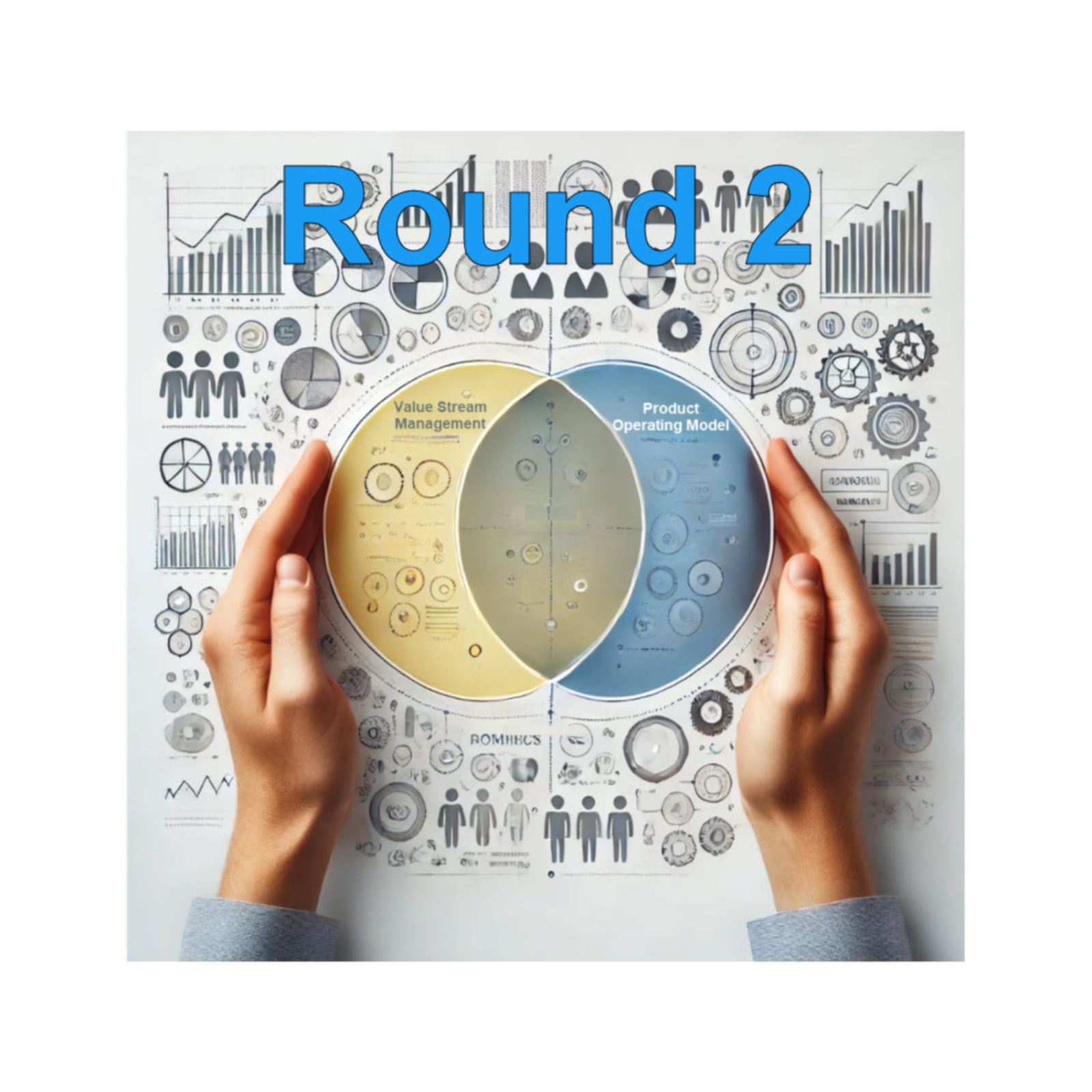
S2 Ep 53Why Value Stream Management and the Product Operating Model Matter
This episode explores why modern engineering organizations should move beyond activity metrics and project thinking and adopt a system built on measurable business outcomes. The AI hosts break down how Value Stream Management and the Product Operating Model work together to give teams long-lived ownership, product margin accountability, and the visibility needed to surface friction, align priorities, and understand where value is actually created.They also examine the leadership shift required to make it all work. Flow metrics show how efficiently teams deliver, Realization metrics show whether that delivery matters, and AI is rapidly amplifying both by revealing bottlenecks and opportunities in real time. For leaders navigating transformation, this conversation shows how to rethink your operating model and unlock the performance your organization is capable of.Link to the article: Why Value Stream Management and the Product Operating Model Matter (and What Comes Next), originally published November 05, 2025.Connect with me on LinkedIn