
Research To Practice | Oncology Videos
990 episodes — Page 14 of 20

Myelofibrosis | Consensus or Controversy? Documenting and Discussing Clinical Investigators' Practice Patterns in Myelofibrosis
Featuring perspectives from Dr Prithviraj Bose and Dr Andrew T Kuykendall, moderated by Dr Mascarenhas, including the following topics: Introduction (0:00) Clinical Decision-Making for Patients with Myelofibrosis (MF) — Dr Bose (2:27) Management of MF in Special Patient Populations — Dr Mascarenhas (19:26) Future Directions in the Management of MF — Dr Kuykendall (48:09) CME information and select publications

Breast Cancer | Hope S Rugo, MD
Inside the Issue: Optimizing the Management of Metastatic BRCA-Negative, Triple-Negative Breast Cancer | Faculty Presentation 2: Current and Future Role of Nonbiomarker-Based Strategies for Patients with Metastatic BRCA-Negative TNBC — Hope S Rugo, MD CME information and select publications
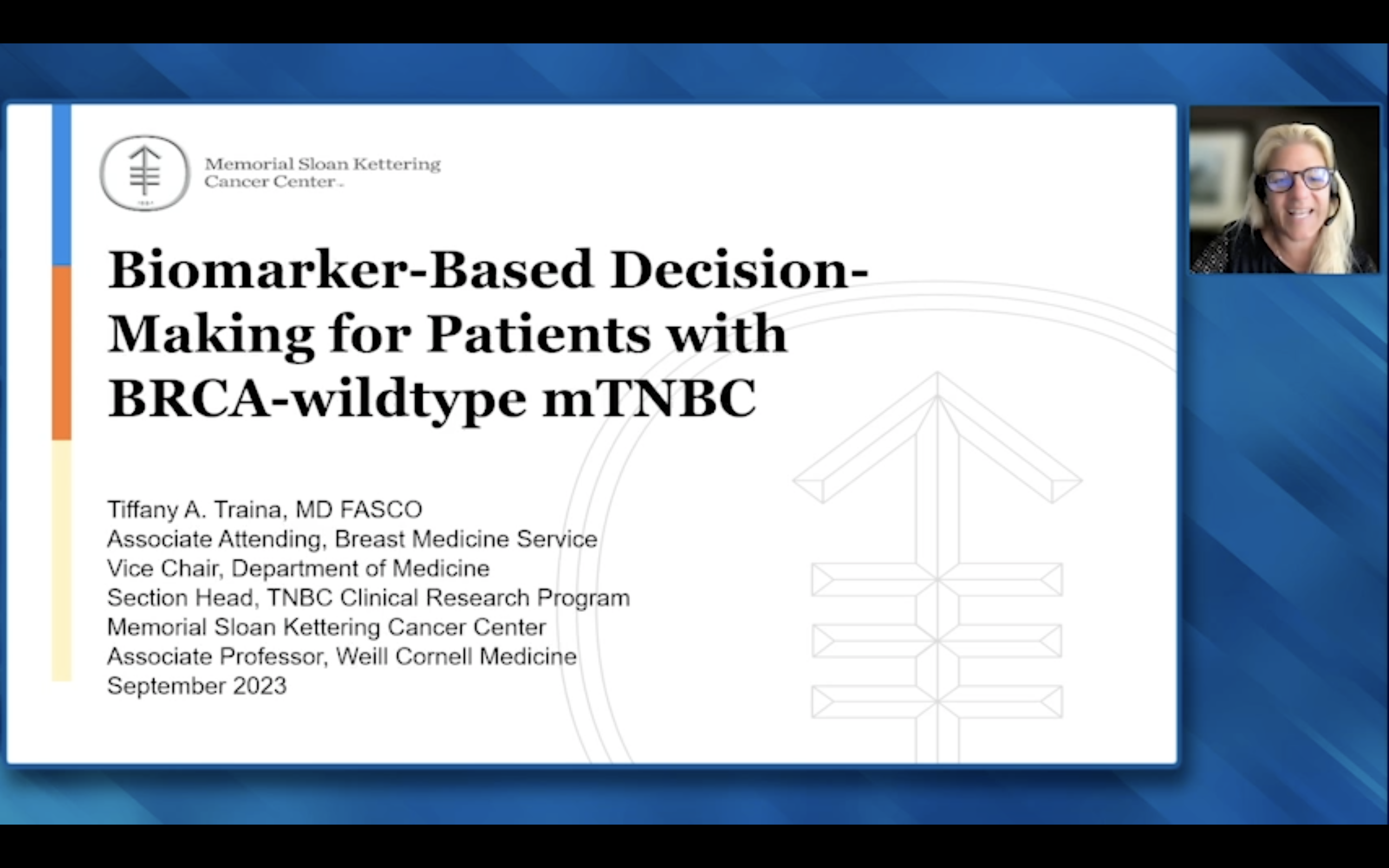
Breast Cancer | Tiffany A Traina, MD, FASCO
Inside the Issue: Optimizing the Management of Metastatic BRCA-Negative, Triple-Negative Breast Cancer | Faculty Presentation 1: Biomarker-Based Decision-Making for Patients with Metastatic BRCA-Negative, Triple-Negative Breast Cancer (TNBC) — Tiffany A Traina, MD, FASCO CME information and select publications

Breast Cancer | Inside the Issue: Optimizing the Management of Metastatic BRCA-Negative, Triple-Negative Breast Cancer
Featuring perspectives from Dr Hope S Rugo and Dr Tiffany Traina, including the following topics: Introduction: "Isn't Oncology Depressing?" (0:00) Checkpoint Inhibitors (13:37) Antibody-Drug Conjugates (30:04) HER2-Low Disease (54:25) Other Agents Under Development (59:54) CME information and select publications

Multiple Myeloma | Oncology Today with Dr Neil Love: Emerging Role of CELMoDs (Cereblon E3 Ligase Modulators) and Other Novel Approaches to Targeting Protein Degradation Pathways in Multiple Myeloma
Featuring an interview with Dr Paul G Richardson, including the following topics: Biologic rationale for targeting protein degradation pathways as a therapeutic approach in multiple myeloma (MM); mechanism of action of CELMoDs (0:00) Similarities and differences between iberdomide, mezigdomide and standard immunomodulatory drugs (7:14) Compassionate use of melflufen and belantamab mafodotin (12:08) Current management strategies for newly diagnosed MM (16:30) DETERMINATION: Evaluation of trial findings on racial and ethnic disparities and differential outcomes (23:02) Tailoring of up-front daratumumab-based therapies; management of extramedullary disease (33:17) CME information and select publications

Multiple Myeloma | Oncology Today with Dr Neil Love: Emerging Role of CELMoDs (Cereblon E3 Ligase Modulators) and Other Novel Approaches to Targeting Protein Degradation Pathways in Multiple Myeloma (Companion Faculty Lecture)
Featuring a slide presentation and related discussion from Dr Paul G Richardson, including the following topics: Biologic rationale for targeting protein degradation pathways as a therapeutic approach in multiple myeloma (MM); mechanism of action of CELMoDs (0:00) Published efficacy and safety findings with iberdomide-containing combination regimens from the Phase I/II CC-220-MM-001 study (6:30) Emerging data with mezigdomide/dexamethasone for relapsed/refractory MM (13:22) Early results with and ongoing investigations of mezigdomide/dexamethasone in combination with a proteasome inhibitor (29:54) CME information and select publications

Ovarian Cancer | Oncology Today with Dr Neil Love: Novel Agents and Strategies in the Treatment of Ovarian Cancer
Featuring an interview with Dr Debra Richardson, including the following topics: Efficacy and safety of trastuzumab deruxtecan in patients with HER2-expressing solid tumors (0:00) Activity, safety and ongoing investigation of tumor treating fields in combination with chemotherapy for advanced ovarian cancer (5:12) ASCO and SGO guidance on the nationwide shortages of carboplatin and cisplatin (9:21) Investigating mechanisms of resistance to PARP inhibitors; potential use of circulating tumor DNA as an investigational tool (14:13) CME information and select publications
Ovarian Cancer | Oncology Today with Dr Neil Love: Novel Agents and Strategies in the Treatment of Ovarian Cancer (Companion Faculty Lecture)
Featuring a slide presentation and related discussion from Dr Debra Richardson, including the following topics: Targeting folate receptor alpha in ovarian cancer; activity, tolerability and ongoing investigation of the antibody-drug conjugate (ADC) mirvetuximab soravtansine (0:00) Other ADCs under investigation for patients with ovarian cancer (20:05) Mechanism of action and activity of upifitamab rilsodotin (UpRi) for patients with pretreated ovarian cancer (23:27) Emerging strategies for patients with platinum-resistant ovarian cancer (29:53) Rationale for the discontinuation of clinical development of UpRi (33:17) CME information and select publications

Hematologic Oncology | What Clinicians Want to Know About Toxicity Considerations Associated with BTK Inhibitors
Featuring perspectives from Dr Nicole Lamanna and Dr William G Wierda, including the following topics: Introduction: Mentoring Fellows (0:00) Case: A woman in her mid 50s with multiple cardiovascular comorbidities and relapsed/refractory (R/R) chronic lymphocytic leukemia (CLL) receives bendamustine/rituximab induction followed by venetoclax/rituximab consolidation in a clinical trial — Spencer Henick Bachow, MD (11:47) Case: A man in his late 70s with relapsed del(11q) CLL develops atrial fibrillation while receiving ibrutinib — Warren S Brenner, MD (18:15) Case: A man in his early 70s with CLL develops rash and bruising while receiving ibrutinib — Gigi Chen, MD (27:02) Case: A man in his late 80s with CLL receives acalabrutinib as initial therapy and experiences thrombocytopenia — Kapisthalam (KS) Kumar, MD (31:42) Case: A woman in her mid 80s with relapsed CLL (TP53 mutation) discontinues ibrutinib due to bruising — Dr Brenner (40:08) Case: A man in his early 80s with R/R mantle cell lymphoma discontinues ibrutinib due to bleeding risks after a traumatic head injury — Dr Bachow (49:01) Case: A man in his late 50s with CLL and response to acalabrutinib develops worsening myalgias a year later — Eric H Lee, MD, PhD (58:36) CME information and select publications

Pancreatic Cancer | Zev Wainberg, MD, MSc
Inside the Issue: Optimizing the Management of Metastatic Pancreatic Cancer | Faculty Presentation 1: Selection and Sequencing of Therapy for Metastatic Pancreatic Cancer CME information and select publications

Pancreatic Cancer | Eileen M O'Reilly, MD
Optimizing the Management of Metastatic Pancreatic Cancer | Faculty Presentation 2: Current and Future Role of Biomarker-Based Decision-Making for Metastatic Pancreatic Cancer CME information and select publications

Pancreatic Cancer | Inside the Issue: Optimizing the Management of Metastatic Pancreatic Cancer
Featuring perspectives from Dr Eileen O'Reilly and Dr Zev Wainberg, including the following topics: Introduction (0:00) Selection and Sequencing of Therapy for Patients with Metastatic Pancreatic Cancer (11:42) Ongoing Clinical Trials (31:33) Current and Future Role of Biomarker-Based Decision-Making in Metastatic Pancreatic Cancer (41:04) CME information and select publications

Non-Hodgkin Lymphoma | Martin Hutchings, MD, PhD
Inside the Issue: The Current and Future Role of CD20 x CD3 Bispecific Antibodies in the Management of Non-Hodgkin Lymphoma | Faculty Presentation 2: Key Data Sets with Bispecific Antibodies in Diffuse Large B-Cell Lymphoma and Other Non-Hodgkin Lymphoma Subtypes — Martin Hutchings, MD, PhD CME information and select publications

Non-Hodgkin Lymphoma | Loretta J Nastoupil, MD
Inside the Issue: The Current and Future Role of CD20 x CD3 Bispecific Antibodies in the Management of Non-Hodgkin Lymphoma | Faculty Presentation 1: Role of Bispecific Antibody Therapy in Follicular Lymphoma — Loretta J Nastoupil, MD CME information and select publications

Non-Hodgkin Lymphoma | Inside the Issue: The Current and Future Role of CD20 x CD3 Bispecific Antibodies in the Management of Non-Hodgkin Lymphoma
Featuring perspectives from Professor Martin Hutchings and Dr Loretta J Nastoupil, including the following topics: Introduction (0:00) Follicular Lymphoma (2:42) Diffuse Large B-Cell Lymphoma (35:41) CME information and select publications
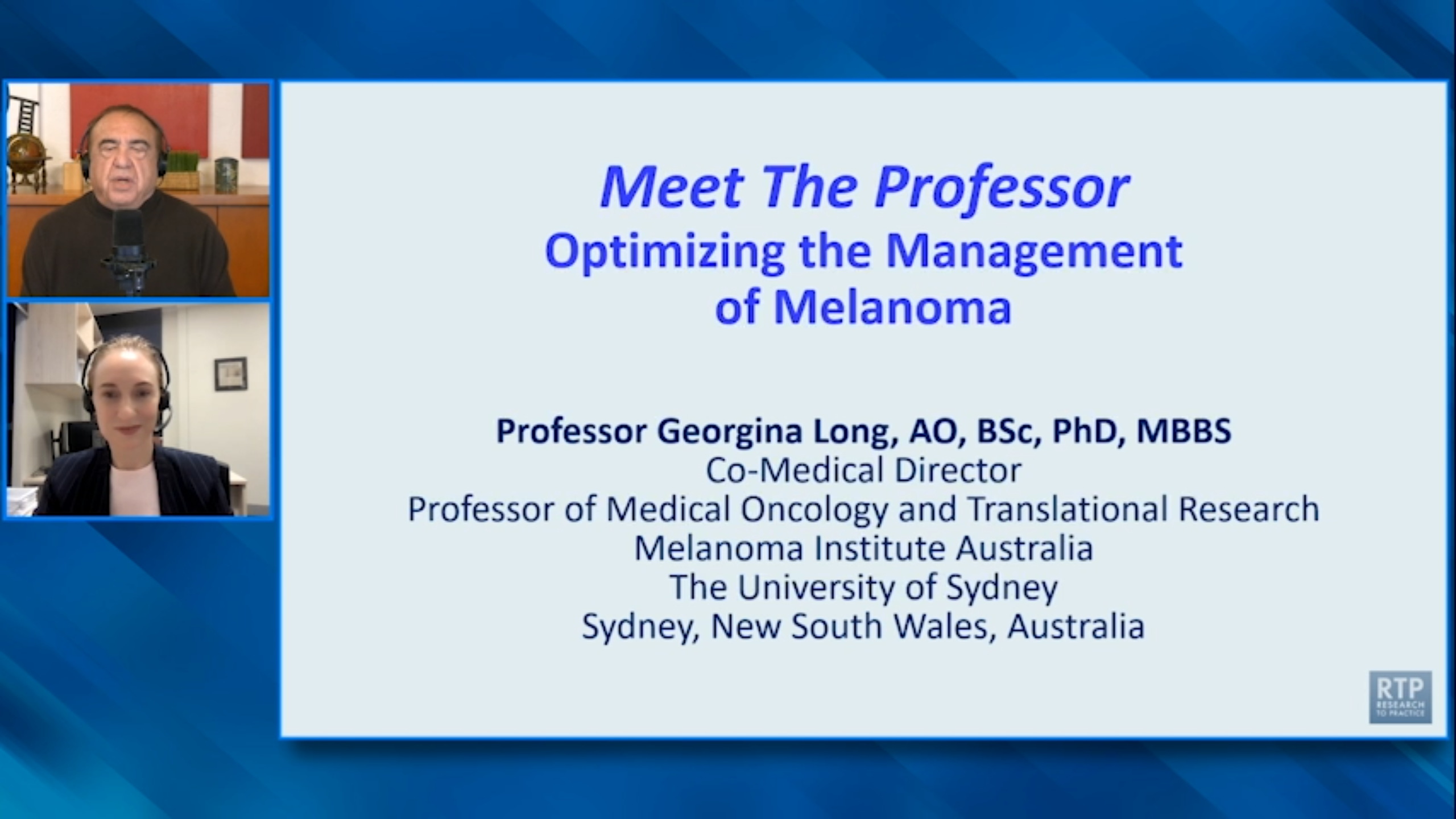
Melanoma | Meet The Professor: Optimizing the Management of Melanoma
Featuring perspectives from Prof Georgina Long, including the following topics: Introduction: (0:00) Journal Club with Prof Long – Part 1 (7:56) Case: A man in his mid 70s presents with bilateral painfully inflamed red ears and is diagnosed with BRAF V600E-mutated metastatic melanoma — Joanna Metzner-Sadurski, MD (27:19) Case: A man in his early 70s with past medical history of diabetes, hypertension, chronic obstructive pulmonary disease and several skin cancers is diagnosed with BRAF wild-type Stage IIIA melanoma — Helen H Moon, MD (32:52) Case: A man in his late 50s with past medical history of Stage III melanoma and multiple metastatic recurrences responds to single-agent pembrolizumab — Warren S Brenner, MD (43:02) Case: A man in his mid 70s develops metastatic recurrence of melanoma after relatlimab/nivolumab on clinical trial and pembrolizumab therapy for Stage III BRAF V600K-mutated melanoma — Priya Rudolph, MD (50:48) Case: A woman in her mid 30s with a personal and family history of melanoma develops multiple axillary nodes with BRAF-mutated melanoma without a primary lesion — Dr Moon (58:18) CME information and select publications

Lung Cancer | Striving for Consensus: Current and Future Management of Metastatic Non-Small Cell Lung Cancer in Patients Who Experience Disease Progression on Immune Checkpoint Inhibitor Therapy
Featuring perspectives from Dr Corey J Langer, Dr Ticiana Leal, Dr Karen Reckamp and Dr Jacob Sands, including the following topics: Optimal use of front-line immune checkpoint inhibition for metastatic non-small cell lung cancer (NSCLC) (00:00) Case: A man in his late 60s with NSCLC, no actionable mutations, PD-L1 20%, who received second-line datopotamab deruxtecan as part of a clinical trial (12:29) Case: A man in his early 70s with metastatic NSCLC, PD-L1 30%, who received first-line chemotherapy with pembrolizumab followed by maintenance pembrolizumab and second-line ramucirumab/pembrolizumab after disease progression (29:29) Case: A man in his mid 60s, PD-L1 60% and no actionable mutations who received first-line single-agent pembrolizumab followed by the addition of chemotherapy and chemotherapy/immunotherapy maintenance for NSCLC (40:23) Case: A woman in her late 60s with NSCLC, PD-L1 60%, with complete response in the liver and lung to second-line tumor treating fields with atezolizumab (57:18) Current Management of NSCLC After Disease Progression on Anti-PD-1/PD-L1-Containing Regimens — Dr Langer (1:10:48) Potential Role of Novel Immunotherapy-Based Combination Strategies in Progressive Advanced NSCLC – Dr Reckamp (1:30:14) TROP2 and Novel Antibody Drug Conjugates Under Evaluation in NSCLC – Dr Sands (1:53:36) Other Promising Therapeutic Strategies for Patients with Progressive Metastatic NSCLC – Dr Leal (2:18:58) CME information and select publications

Hepatocellular Carcinoma | The Implications of Recent Data Sets for the Management of Hepatocellular Carcinoma
Featuring perspectives from Dr Ghassan Abou-Alfa and Dr Daneng Li, including the following topics: Introduction: Etiology of Hepatocellular Carcinoma (HCC) and IO Response (0:00) First-Line Therapy for Advanced HCC — Dr Abou-Alfa (17:42) Second- and Later-Line Therapy for Advanced HCC; Emerging Considerations for Patients with Resectable HCC — Dr Li (38:12) CME information and select publications

Prostate Cancer | Neal D Shore, MD
Inside the Issue: Exploring the Current and Future Management of High-Risk, Hormone-Sensitive Nonmetastatic Prostate Cancer | Faculty Presentation: Treatment Intensification for Patients with Locally Advanced and Biochemically Recurrent Prostate Cancer — Neal D Shore, MD CME information and select publications

Prostate Cancer | Inside the Issue: Exploring the Current and Future Management of High-Risk, Hormone-Sensitive Nonmetastatic Prostate Cancer
Featuring perspectives from Dr Neal D Shore and Dr Mary-Ellen Taplin, including the following topics: Introduction (0:00) Key Data Sets (8:18) Faculty Survey (39:50) CME information and select publications

Mantle Cell Lymphoma | Oncology Today with Dr Neil Love: Role of BTK Inhibitors in Patients with Mantle Cell Lymphoma
Featuring perspectives from Dr Michael Wang, including the following topics: Algorithm for observation versus initiation of therapy for newly diagnosed mantle cell lymphoma (MCL) (0:00) First- and second-line therapy approaches for MCL (7:26) Case: A 45-year-old woman with relapsed MCL receiving acalabrutinib who develops severe headaches (10:21) Current role of ibrutinib in the treatment of MCL; use of single-agent venetoclax and of zanubrutinib in the treatment algorithm (14:59) Case: A 68-year-old man presenting with an enlarged spleen, no lymphadenopathy and a white blood cell count of 300,000 is diagnosed with MCL (17:48) Case: A 71-year-old man with multiregimen-relapsed, nodular type MCL presents with lymphadenopathy and a 3-cm tumor near the mediastinum (22:38) Patient selection for chimeric antigen receptor T-cell therapy (25:59) Novel and investigational therapeutic approaches for MCL (30:11) Treatment approaches for other histological variants of MCL (39:00) CME information and select publications

Mantle Cell Lymphoma | Oncology Today with Dr Neil Love: Role of BTK Inhibitors in Patients with Mantle Cell Lymphoma (Companion Faculty Lecture)
Featuring a slide presentation and related discussion from Dr Michael Wang, including the following topics: Overview of Bruton tyrosine kinase (BTK) inhibitors and clinical data establishing the efficacy of these agents for mantle cell lymphoma (MCL) (0:00) Clinical investigation of ibrutinib in the front-line setting; results from the Phase III SHINE trial and voluntary market withdrawal of ibrutinib for MCL (4:36) Phase III TRIANGLE trial of ibrutinib combined with chemotherapy as upfront therapy for younger patients with MCL; role of autologous stem cell transplant (11:14) Acalabrutinib and zanubrutinib for the treatment of relapsed/refractory (R/R) MCL (14:16) Key findings from the BRUIN trial leading to the FDA approval of pirtobrutinib for R/R MCL (16:23) CME information and select publications

Soft Tissue Sarcoma | Meet The Professor: Optimizing the Management of Soft Tissue Sarcoma and Related Connective Tissue Disorders — Part 2 of a 2-Part Series
Featuring perspectives from Dr Richard F Riedel, including the following topics: Introduction: (0:00) Case: A woman in her late 20s with multiregimen-recurrent metastatic alveolar soft part sarcoma after treatment with multiple VEGF tyrosine kinase inhibitors and a single-agent PD-1 inhibitor receives axitinib/pembrolizumab — Nam Bui, MD (4:14) Case: A man in his mid 60s with metastatic dedifferentiated chondrosarcoma of the right femur undergoes resection and receives doxorubicin/cisplatin followed by maintenance pembrolizumab — IDH2 and TERT promoter mutations, PD-L1 2+ by IHC — Melanie B Thomas, MD (10:06) Case: A man in his early 30s with an asymptomatic "bulge on abdomen" found to be a 6.2-cm mass receives a diagnosis via biopsy of desmoid fibromatosis. Local treatment team recommends surgery — Dr Bui (22:20) Case: A woman in her early 40s with a history of familial adenomatous polyposis undergoes surgical excision of 3 colon cancer lesions followed by adjuvant capecitabine. On follow-up she is found to have a rapidly enlarging mass abutting the iliac and mesenteric vessels. Fine needle aspiration shows desmoid tumor — Dr Bui (29:37) Case: A man in his mid 30s with a protruding mass on his back diagnosed as a desmoid tumor receives sorafenib followed by second-line liposomal doxorubicin — Atif M Hussein, MD, MMM (33:29) Case: A man in his mid 50s with multiregimen-recurrent metastatic mediastinal liposarcoma receives resection, chemotherapy and eribulin — CDK4 amplification identified by next-generation sequencing (NGS) — Dr Thomas (39:31) Case: A man in his late 60s with abdominal pain and weight loss is diagnosed with metastatic high-grade myxoid liposarcoma of the retroperitoneum — Dr Hussein (43:06) Case: A woman in her late 50s diagnosed with Grade 2 leiomyosarcoma develops a recurrence 3 years after resection and adjuvant doxorubicin/ifosfamide — Dr Hussein (47:34) Case: A woman in her early 60s presents to the ER with shortness of breath and is diagnosed with unresectable leiomyosarcoma of the mediastinum — Dr Bui (51:48) Case: A man in his mid 40s diagnosed with gastrointestinal stromal tumor (GIST) receives neoadjuvant imatinib followed by resection, then adjuvant imatinib — KIT exon 9 mutation identified by NGS — Dr Bui (54:13) Case: A man in his mid 60s with mesenteric recurrence of abdominal GIST experiences transaminitis with imatinib — microsatellite stable, no actionable mutations by NGS — Dr Thomas (58:40) CME information and select publications

Chronic Lymphocytic Leukemia and Lymphoma | Oncology Today with Dr Neil Love: Special Edition — Key Presentations on Chronic Lymphocytic Leukemia and Lymphoma from Recent Major Oncology/Hematology Conferences
Featuring an interview with Dr Jeremy Abramson, including the following topics: Choice of Bruton tyrosine kinase (BTK) inhibitor as first-line therapy for chronic lymphocytic leukemia (CLL) (0:00) Perspectives on the use of chemoimmunotherapy versus BTK inhibitors as front-line treatment for CLL (2:31) Chimeric antigen receptor (CAR) T-cell therapy-associated ICANS (immune effector cell-associated neurotoxicity syndrome) and infectious complications in patients with CLL (6:21) Available data with bispecific antibodies for CLL (9:38) Sequencing CAR T-cell therapy and pirtobrutinib for patients with previously treated CLL (11:09) Integrating bispecific antibodies into community-based practice; strategies for mitigating associated toxicities (14:25) CD20 versus CD19 as a therapeutic target in lymphomas (20:31) First-line treatment selection for patients with mantle cell lymphoma (23:07) Chemotherapy combined with nivolumab or with brentuximab vedotin as initial therapy for Hodgkin lymphoma (30:12) CME information and select publications
Chronic Lymphocytic Leukemia and Lymphoma | Oncology Today with Dr Neil Love: Special Edition — Key Presentations on Chronic Lymphocytic Leukemia and Lymphoma from Recent Major Oncology/Hematology Conferences (Companion Faculty Lecture)
Featuring a slide presentation and related discussion from Dr Jeremy Abramson, including the following topics: Long-term follow-up data with Bruton tyrosine kinase (BTK) inhibitors as monotherapy for chronic lymphocytic leukemia (CLL): The CLL12 and SEQUOIA trials (0:00) Extended follow-up results with venetoclax combined with anti-CD20 antibodies or a BTK inhibitor for CLL: The CLL14, MURANO and GLOW trials (5:27) Primary analysis of the TRANSCEND CLL 004 trial evaluating lisocabtagene maraleucel for relapsed/refractory (R/R) CLL (12:40) Genomic evolution and resistance to pirtobrutinib in patients with covalent BTK inhibitor-pretreated CLL in the Phase I/II BRUIN study (16:24) Chimeric antigen receptor (CAR) T-cell therapy data with axicabtagene ciloleucel and lisocabtagene maraleucel for R/R follicular lymphoma (FL) (18:24) Bispecific antibodies as treatment for R/R FL: mosunetuzumab, epcoritamab, odronextamab and TNB-486 (22:57) Novel treatment approaches for mantle cell lymphoma (MCL): First-line acalabrutinib/rituximab and lisocabtagene maraleucel for R/R disease (32:54) Updated results from studies evaluating loncastuximab tesirine, such as LOTIS-2, and CAR T-cell therapy, such as TRANSFORM and ZUMA-7, for R/R diffuse large B-cell lymphoma (39:29) Ongoing follow-up from pivotal trials of bispecific antibodies for large B-cell lymphomas (46:01) SWOG-S1826: Results from the Phase III trial evaluating nivolumab with doxorubicin/vinblastine/dacarbazine (AVD) versus brentuximab vedotin with AVD for advanced-stage classic Hodgkin lymphoma (51:48) CME information and select publications

Genitourinary Cancers | Oncology Today with Dr Neil Love: Special Edition — Key Presentations on Genitourinary Cancers from the 2023 American Society of Clinical Oncology (ASCO) Annual Meeting
Featuring an interview with Dr Rana R McKay, including the following topics: Prostate Cancer (0:00) Renal Cell Carcinoma (22:58) Urothelial Bladder Cancer (52:18) CME information and select publications

Breast Cancer | Inside the Issue: Current and Future Management of ER-Positive Metastatic Breast Cancer After Disease Progression on a CDK4/6 Inhibitor
Featuring perspectives from Dr Adiyta Bardia and Dr Erika Hamilton, including the following topics: Introduction: Biopharmacology and Endocrinology of Breast Cancer (0:00) Current Strategies for Previously Treated ER-Positive Metastatic Breast Cancer (mBC) — Dr Bardia (12:15) Future Directions in the Management of ER-Positive mBC — Dr Hamilton (33:16) Clinical Investigator Survey (51:50) CME information and select publications
Breast Cancer | Erika Hamilton, MD
Inside the Issue: Current and Future Management of ER-Positive Metastatic Breast Cancer After Disease Progression on a CDK4/6 Inhibitor | Faculty Presentation 2: Future Directions in the Management of ER-Positive mBC — Erika Hamilton, MD CME information and select publications
Breast Cancer | Aditya Bardia, MD, MPH
Inside the Issue: Current and Future Management of ER-Positive Metastatic Breast Cancer After Disease Progression on a CDK4/6 Inhibitor | Faculty Presentation 1: Current Strategies for Previously Treated ER-Positive Metastatic Breast Cancer (mBC) — Aditya Bardia, MD, MPH CME information and select publications

Multiple Myeloma | Inside the Issue: Integrating Bispecific Antibodies into the Management of Multiple Myeloma — Patient Selection and Toxicity Management
Featuring perspectives from Dr Hans Lee and Dr Saad Zafar Usmani, including the following topics: Introduction (0:00) Biology/Immunology; Overview (3:05) Current Available Data (19:40) Clinical Investigator Survey (33:11) Combinations/Ongoing Trials (55:40) CME information and select publications

Multiple Myeloma | Hans Lee, MD
Inside the Issue: Integrating Bispecific Antibodies into the Management of Multiple Myeloma — Patient Selection and Toxicity Management | Faculty Presentation 1: Available Data with and Potential Clinical Role of Bispecific Antibodies for Multiple Myeloma (MM) CME information and select publications
Multiple Myeloma | Saad Zafar Usmani, MD, MBA
Inside the Issue: Integrating Bispecific Antibodies into the Management of Multiple Myeloma — Patient Selection and Toxicity Management | Faculty Presentation 2: Tolerability and Other Practical Considerations with Bispecific Antibodies for MM CME information and select publications

Lung Cancer | Oncology Today with Dr Neil Love: Special Edition — Key Presentations on Lung Cancer from the 2023 American Society of Clinical Oncology (ASCO) Annual Meeting
Featuring perspectives from Dr Matthew Gubens, including the following topics: Investigator perspectives on emerging findings with immunotherapy for resectable non-small cell lung cancer (NSCLC) (0:00) Immunotherapy for early-stage unresectable disease (7:51) First-line therapy for patients with metastatic NSCLC with and without targetable mutations (17:46) Current and potential roles of antibody-drug conjugates in the treatment of NSCLC (21:55) Emerging biomarkers in small cell lung cancer research (26:45) CME information and select publications

Lung Cancer | Oncology Today with Dr Neil Love: Special Edition — Key Presentations on Lung Cancer from the 2023 American Society of Clinical Oncology (ASCO) Annual Meeting (Companion Faculty Lecture)
Featuring a slide presentation and related discussion from Dr Matthew Gubens, including the following topics: Early-stage non-small cell lung cancer (NSCLC) with an EGFR mutation (0:00) Management of metastatic NSCLC with an EGFR mutation (6:34) Prognostic and predictive implications of plasma circulating tumor DNA for first-line therapy for metastatic NSCLC with a HER2 mutation (12:18) Emerging findings with immunotherapy for resectable NSCLC (13:36) Immunotherapy for early-stage unresectable disease (23:14) Emerging data with immunotherapy for metastatic NSCLC (26:00) Tumor treating fields with standard therapy for metastatic NSCLC after platinum failure (35:38) Patient-reported outcomes and emerging results with durvalumab-based therapies for extensive-stage small cell lung cancer (44:51) CME information and select publications

Melanoma and Nonmelanoma Skin Cancers | Year in Review: Clinical Investigator Perspectives on the Most Relevant New Data Sets and Advances in Melanoma and Nonmelanoma Skin Cancers
Featuring perspectives from Dr Omid Hamid and Dr Evan J Lipson, including the following topics: Introduction: Immunology of Melanoma (0:00) Melanoma (8:26) Cutaneous Squamous Cell Carcinoma (43:15) Basal Cell Carcinoma and Merkel Cell Carcinoma (52:55) CME information and select publications

Melanoma and Nonmelanoma Skin Cancers | Evan J Lipson, MD
Year in Review: Clinical Investigator Perspectives on the Most Relevant New Data Sets and Advances in Melanoma and Nonmelanoma Skin Cancers | Faculty Presentation 2: Localized Melanoma and Other Types of Skin Cancer — Evan J Lipson, MD CME information and select publications
Melanoma and Nonmelanoma Skin Cancers | Omid Hamid, MD
Year in Review: Clinical Investigator Perspectives on the Most Relevant New Data Sets and Advances in Melanoma and Nonmelanoma Skin Cancers | Faculty Presentation 1: Metastatic Melanoma — Omid Hamid, MD CME information and select publications

Gastrointestinal Cancers | Oncology Today with Dr Neil Love: Special Edition — Key Presentations on Gastrointestinal Cancers from the 2023 American Society of Clinical Oncology (ASCO) Annual Meeting (Companion Faculty Lecture)
Featuring a slide presentation and related discussion from Dr Philip A Philip, including the following topics: Comprehensive biomarker analysis for patients diagnosed with colorectal cancer (CRC) (0:00) Selection and sequencing of systemic therapy for patients with metastatic CRC (11:48) Prevalence of claudin-18.2 in patients with locally advanced or metastatic gastric or gastroesophageal junction cancer (22:31) Emerging systemic therapies for hepatocellular carcinoma (24:49) Management of advanced biliary tract cancers (30:04) Activity of NALIRIFOX (liposomal irinotecan/oxaliplatin/leucovorin/fluorouracil) for treatment-naïve metastatic pancreatic cancer (35:35) CME information and select publications

Gastrointestinal Cancers | Oncology Today with Dr Neil Love: Special Edition — Key Presentations on Gastrointestinal Cancers from the 2023 American Society of Clinical Oncology (ASCO) Annual Meeting
Featuring an interview with Dr Philip A Philip, including the following topics: Comprehensive biomarker analysis for patients diagnosed with colorectal cancer (CRC) (0:00) Selection of first-line therapy for patients with metastatic CRC (mCRC) (7:51) Therapeutic options for patients with HER2-positive mCRC (10:10) Patient selection for regorafenib and/or TAS-102 with or without bevacizumab for mCRC (16:57) Selection and sequencing of therapeutic options for patients with unresectable or metastatic gastric or gastroesophageal junction cancer (19:52) Current and emerging immune checkpoint inhibitor-based combinations for hepatocellular carcinoma (24:51) First- and later-line therapy for patients with advanced biliary tract cancers (33:17) Activity of NALIRIFOX (liposomal irinotecan/oxaliplatin/leucovorin/fluorouracil) for treatment-naïve metastatic pancreatic cancer (36:12) CME information and select publications

Prostate Cancer | Ready for Prime Time? Determining the Current and Future Role of PARP Inhibitor-Based Combinations in the Management of Prostate Cancer
Featuring perspectives from Dr Neeraj Agarwal, Dr Emmanuel S Antonarakis, Prof Karim Fizazi and Dr Susan F Slovin, including the following topics: Introduction: Current landscape of prostate cancer treatment (0:00) Relevance of homologous recombination repair mutations in castration-resistant prostate cancer: Treatment with PARP inhibitors as monotherapy — Dr Antonarakis (12:33) Phase III PROpel and MAGNITUDE trials — Dr Slovin (35:44) PARP inhibitor combination treatments for advanced prostate cancer — Dr Agarwal (57:08) Future directions in the use of PARP inhibitors for prostate cancer — Prof Fizazi (1:23:49) Journal Club (1:35:53) Case discussions (2:11:57) CME information and select publications

Gynecologic Cancers | Oncology Today with Dr Neil Love: Special Edition — Key Presentations on Gynecologic Cancers from the 2023 American Society of Clinical Oncology (ASCO) Annual Meeting (Companion Faculty Lecture)
Featuring a slide presentation and related discussion from Dr Floor J Backes, including the following topics: Recent updates from ASCO 2023 in the management of ovarian cancer (0:00) Recent updates from ASCO 2023 in the management of endometrial cancer (36:08) Recent updates from ASCO 2023 in the management of cervical cancer (41:48) CME information and select publications

Gynecologic Cancers | Oncology Today with Dr Neil Love: Special Edition — Key Presentations on Gynecologic Cancers from the 2023 American Society of Clinical Oncology (ASCO) Annual Meeting
Featuring perspectives from Dr Floor J Backes, including the following topics: Available data with and clinical investigator perspectives on trastuzumab deruxtecan for the management of gynecologic cancers (0:00) Patient-specific factors guiding treatment selection and sequencing for ovarian cancer (OC) (6:05) Management of adverse events associated with PARP inhibitor maintenance therapy for OC; safety concerns in the later-line setting (15:00) Management approaches for ocular toxicity and other adverse events associated with mirvetuximab soravtansine (20:28) Current role of upifitamab rilsodotin in the management of OC and available data with tumor treating fields (24:38) Investigator perspectives on the current chemotherapy shortage; recently published Phase III data with chemoimmunotherapy for endometrial cancer (29:11) Tisotumab vedotin for cervical cancer (36:34) CME information and select publications
Urothelial Bladder Cancer | Petros Grivas, MD, PhD
Inside the Issue: Optimizing the Management of Metastatic Urothelial Bladder Cancer | Faculty Presentation 2: Available Data with, Ongoing Investigation of and Role of Other Novel Strategies for mUBC — Petros Grivas, MD, PhD CME information and select publications
Urothelial Bladder Cancer | Inside the Issue: Optimizing the Management of Metastatic Urothelial Bladder Cancer
Featuring perspectives from Dr Terence Friedlander and Prof Petros Grivas, including the following topics: Introduction (00:00) First-line treatment of metastatic urothelial bladder cancer (22:39) Second-line therapy and beyond (41:34) CME information and select publications

Urothelial Bladder Cancer | Terence Friedlander, MD
Inside the Issue: Optimizing the Management of Metastatic Urothelial Bladder Cancer | Faculty Presentation 1: Immunotherapy-Based Strategies for Metastatic Urothelial Bladder Cancer (mUBC) — Terence Friedlander, MD CME information and select publications

Breast Cancer | Oncology Today with Dr Neil Love: Special Edition — Key Presentations from the 2023 American Society of Clinical Oncology (ASCO) Annual Meeting on Breast Cancer
Featuring perspectives from Dr Heather McArthur, including the following topics: Investigator perspectives on recently presented data from clinical trials for HER2-positive localized and metastatic breast cancer (mBC) (0:00) Racial and ethnic differences in 21-gene Recurrence Score® and survival among patients with ER-positive breast cancer (28:31) Emerging data with CDK4/6 inhibitors for ER-positive, HER2-negative breast cancer (38:22) Final overall survival analysis from the TROPiCS-02 study of sacituzumab govitecan for ER-positive, HER2-negative mBC; TROP2 mRNA expression and association with clinical outcomes (1:03:22) CME information and select publications

Higher-Risk Myelodysplastic Syndromes | David Sallman, MD
Inside the Issue: Novel Agents, Approaches and Strategies in the Management of Higher-Risk Myelodysplastic Syndromes — Faculty Presentation 2: Future directions in the management of higher-risk MDS — Dr David Sallman CME information and select publications

Higher-Risk Myelodysplastic Syndromes | Guillermo Garcia-Manero, MD
Inside the Issue: Novel Agents, Approaches and Strategies in the Management of Higher-Risk Myelodysplastic Syndromes — Faculty Presentation 1: Current management of higher-risk myelodysplastic syndromes (MDS) — Guillermo Garcia-Manero, MD CME information and select publications

Higher-Risk Myelodysplastic Syndromes | Inside the Issue: Novel Agents, Approaches and Strategies in the Management of Higher-Risk Myelodysplastic Syndromes
Featuring perspectives from Dr Guillermo Garcia-Manero and Dr David Sallman, including the following topics: Introduction (00:00) Biology of Acute Myeloid Leukemia/Myelodysplastic Syndromes (3:14) Assessment of Risk Status (14:17) Oral Hypomethylating Agents (HMAs) (22:24) HMA/Venetoclax; Other Combinations (31:26) Magrolimab/TP53 (45:12) CME information and select publications

Immune Thrombocytopenia | Oncology Today with Dr Neil Love: Management of Immune Thrombocytopenia (Faculty Lecture)
Featuring a slide presentation and related discussion from Dr Hanny Al-Samkari, including the following topics: Indications for initiation of treatment for patients with immune thrombocytopenia (ITP) and selection of first-line therapy (0:00) Treatment algorithm for ITP in the second line and beyond (7:47) Role of thrombopoietin receptor agonists and fostamatinib for second- and later-line treatment of ITP (14:21) Novel investigational approaches for the treatment of ITP — efgartigimod, rilzabrutinib and ianalumab (28:24) CME information and select publications