Show overview
Reflector has been publishing since 2024, and across the 2 years since has built a catalogue of 31 episodes. That works out to roughly 25 hours of audio in total. Releases follow a monthly cadence.
Episodes typically run thirty-five to sixty minutes — most land between 41 min and 51 min — and the run-time is fairly consistent across the catalogue. None of the episodes are flagged explicit by the publisher. It is catalogued as a EN-language Society & Culture show.
The show is actively publishing — the most recent episode landed 2 months ago, with 10 episodes already out so far this year. The busiest year was 2024, with 16 episodes published. Published by Longview.
From the publisher
We investigate the surprising stories behind the most fascinating debates and pressing issues facing society today. By looking into how we got here, we aim to understand more deeply where we may be headed next.
Latest Episodes
View all 31 episodesBook Keeper
Can Gambling Make Us Wiser?
To Snip or Not to Snip
Wetwear
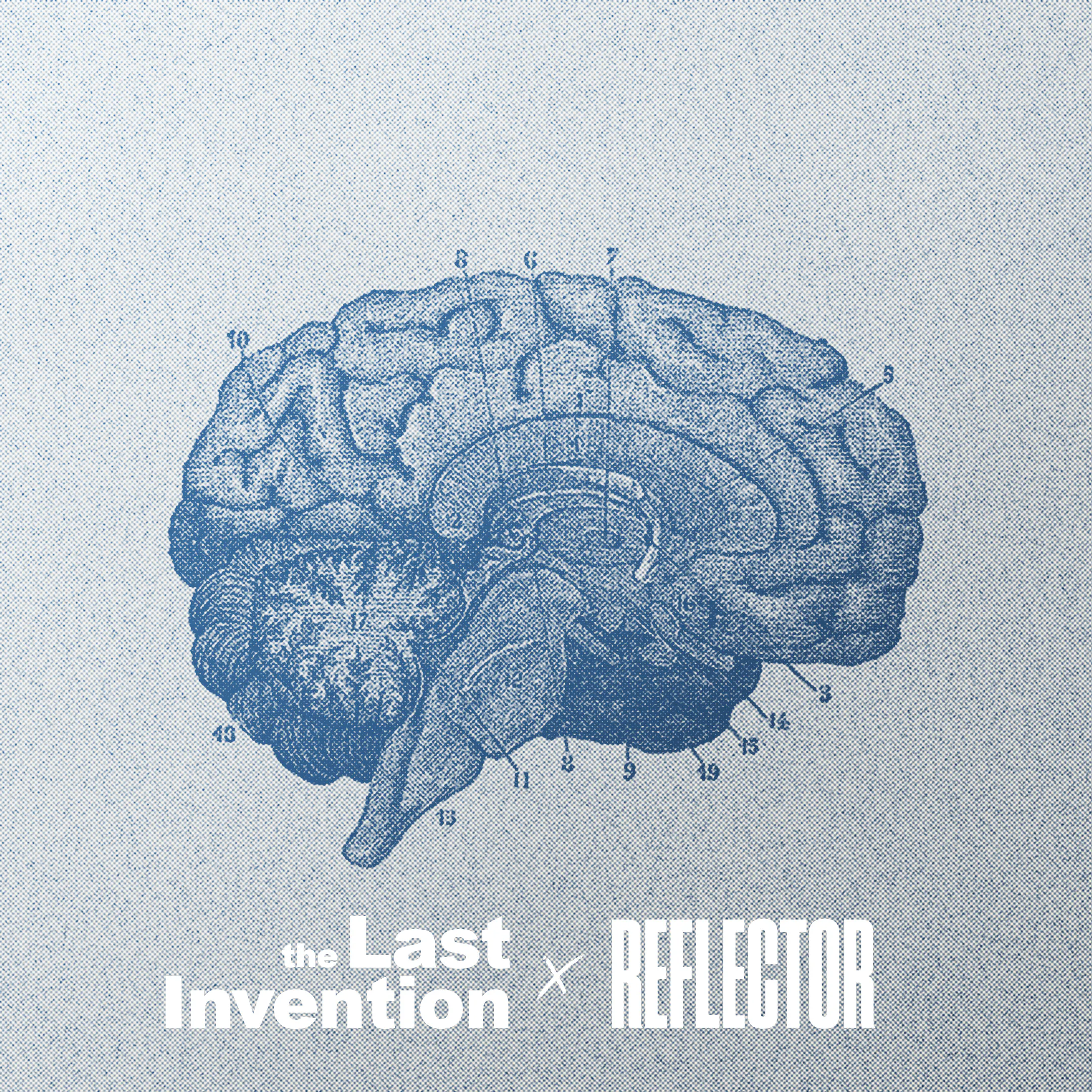
What if the next great leap in computing wasn't made of silicon — but of living human brain cells? Reporter Greg Warner takes us inside the lab of Hon Weng Chong, an Australian computer engineer who has built a biological computer: a device that houses actual human neurons in a petri dish, teaches them to play Pong using reward and punishment, and is now being sold to medical researchers, crypto gamers, and roboticists with very big dreams. Along the way, Andy and Greg dig into what these cells might actually feel, why the path to artificial general intelligence might run through a robot's skin rather than its brain, and what it would mean to one day stick a chip of pre-programmed neurons back into a human head. It's weird, it's a little smelly, and it might be the future. THIS EPISODE FEATURES: Hon Weng Chong - CEO and founder of Cortical Labs Dr. Minas Liarokapis - CEO/CTO of Acumino Inc., Director of the New Dexterity Research Group LINKS: Cortical Labs Acumino Dishbrain Paper - In vitro neurons learn and exhibit sentience when embodied in a simulated game-world CREDITS: This episode was reported and produced by Greg Warner, Andy Mills, Simon Adler, and Matthew Boll Music for this episode was composed by Cobey Bienert and Peter Lalish Reflector artwork by Jacob Boll Learn more about your ad choices. Visit megaphone.fm/adchoices
Strange Bedfellows Part III: Backlash
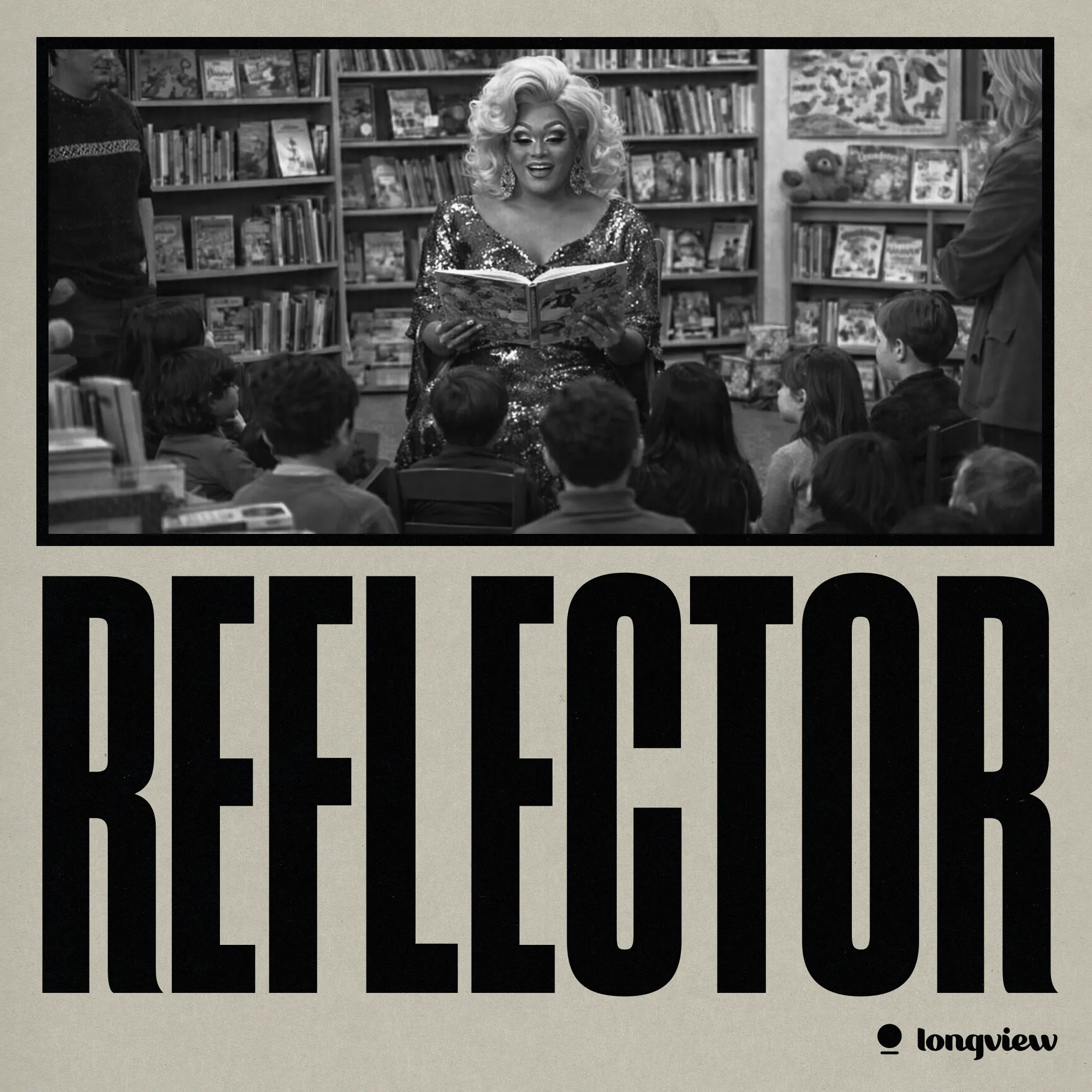
The final chapter of Reflector’s tour of LGBTQ activism examines some of the controversies currently roiling society—starting with a look at one of the most contentious subjects in American history: sex education. With interviews with some of the minds behind the National Sex Education Standards, reporter Ben Kawaller offers a rare look into the philosophical underpinnings of the new ideas about sex and gender that have taken root throughout American society, what they reveal about the tensions between “gay” and “queer,” and what they might spell for the future of the movement—and for America. THIS EPISODE FEATURES:Dr. Eva Goldfarb – Professor of Public Health at Montclair State University.Madelaine Adelman – Justice Studies professor at Arizona State University and former GLSEN board member.Alison Macklin – Policy and advocacy director at Sex Ed for Social Change (SIECUS).Jennifer Finney Boylan – Transgender author, former president of PEN America and former contributing opinion writer for the New York Times.Ben Appel – Journalist and author of Cis White Gay: The Making of a Gender Heretic.Dana Beyer – Early transgender advocate.Herndon Graddick – Former president of GLAAD.Lorri Jean – Former CEO of the Los Angeles Gay and Lesbian Center. LINKS:Too Hot to Handle: A Global History of Sex Ed by Jonathan Zimmerman The National Sex Education Standards Rights, Respect, Responsibility: A K–12 Sex Education Curriculum CREDITS:This episode of Reflector was reported and produced by Andy Mills, Matthew Boll, Ben Kawaller, Simon Adler, Ethan Mannello, and Seth Temple Andrews. Music for this episode was composed by Cobey Bienert and Peter Lalish Reflector artwork by Jacob Boll with assistance from ChatGPT Learn more about your ad choices. Visit megaphone.fm/adchoices
Strange Bedfellows Part II: The Q
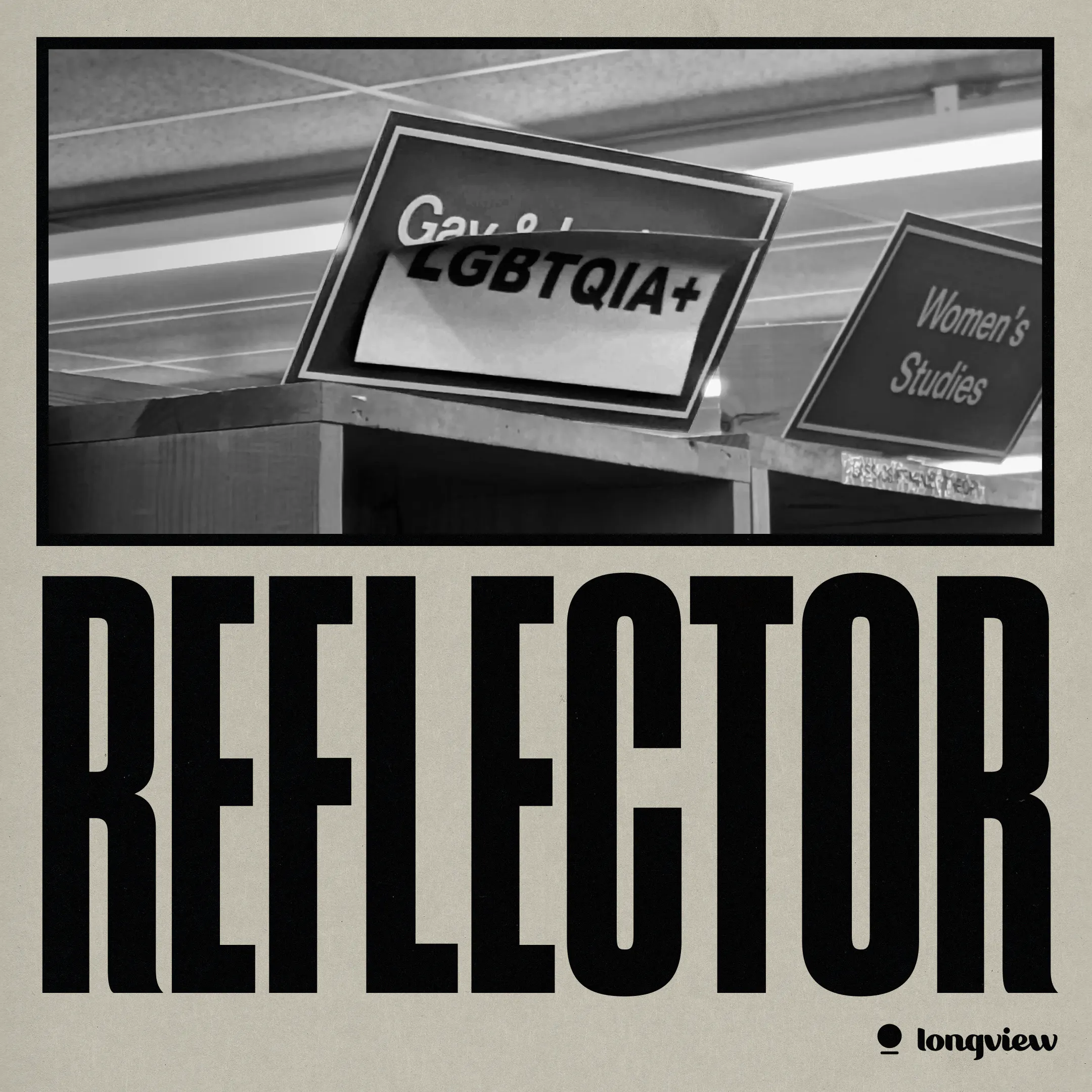
You can hear Part 3 of this series right now when you become a Longview subscriber by visiting us here Part two of Reflector’s dive into the LGBTQ+ movement picks up with the arrival of the Qs…and all that came after. Featuring interviews with prominent trans advocates and former leaders of major LGBTQ groups, episode 2 reveals the philosophical differences lurking beneath the surface within this alliance of non-conformists. With his usual immunity from embarrassment, Ben Kawaller explores how a movement for civil rights became a project to shape society’s understanding of sex and gender. THIS EPISODE FEATURES:Dana Beyer – Early transgender rights advocate.Dr. Susan Stryker – Professor Emerita of Gender and Women’s Studies at Arizona State University.Lorri Jean – Former CEO of the Los Angeles Gay and Lesbian Center.Herndon Graddick – Former president of GLAAD.Ben Appel – Journalist and author of Cis White Gay: The Making of a Gender Heretic.Jennifer Finney Boylan – Transgender author, former president of PEN America and former contributing opinion writer for the New York Times.Leor Sapir – Journalist and senior fellow at the Manhattan Institute.Matthew McMurrow – Gay activist and adviser to former Gov. Andrew Cuomo of New York and former New York City Mayor Bill de Blasio. LINKS:When Harry Became Sally: Responding to the Transgender Moment by Ryan T. Anderson Cis White Gay: The Making of a Gender Heretic by Ben Appel The Man Who Would Be Queen: The Science of Gender-Bending and Transsexualism by J. Michael Bailey Cleavage: Men, Woman, and the Space Between Us by Jennifer Finney Boylan Galileo's Middle Finger: Heretics, Activists, and the Search for Justice in Science by Alice Dreger Crossing: A Memoir by Deirdre Nansen McCloskey The End of the Gay Rights Revolution: How Hubris and Overreach Threaten Gay Freedom by Ronan McCrea Gay Shame: The Rise of Gender Ideology and the New Homophobia by Gareth Roberts TRANS/GRESSIVE: How Transgender Activists Took on Gay Rights, Feminism, the Media & Congress… and Won! by Riki WilchinsGLAAD Media Reference Guide: Glossary of Terms CREDITS:This episode of Reflector was reported and produced by Andy Mills, Matthew Boll, Ben Kawaller, Simon Adler, Ethan Mannello, and Seth Temple Andrews. Music for this episode was composed by Cobey Bienert and Peter Lalish Reflector artwork by Jacob Boll Learn more about your ad choices. Visit megaphone.fm/adchoices

Strange Bedfellows Part I: When LGB met T
You can hear Part 2 and 3 of this series right now when you become a Longview subscriber by visiting us here Reflector goes gay with a three-part look at the movement known as LGBTQ. Episode one looks at how homosexuals went from being social outcasts in post-war America to the 21st century’s most successful civil rights story and what happened when transgender activists started getting in on the action. With humility, humor, and an almost compulsive lack of piety, reporter Ben Kawaller explores the origin story of one of the most polarizing abbreviations of the modern age, telling the story of how gays and lesbians became LGBT. THIS EPISODE FEATURES:Dana Beyer – Early transgender rights advocate.Herndon Graddick – Former president of GLAAD.Lorri Jean – Former CEO of the Los Angeles Gay and Lesbian Center.Ben Appel – Journalist and author of Cis White Gay: The Making of a Gender Heretic.Jamison Green – Early transgender rights advocate. LINKS: The Gay Metropolis: The Landmark History of Gay Life in America by Charles KaiserBeyond Queer: Challenging Left Orthodoxy, Ed. Bruce BawerSecret City: The Hidden History of Gay Washington by James KirchickHow to Survive a Plague by David France CREDITS:This episode of Reflector was reported and produced by Andy Mills, Matthew Boll, Ben Kawaller, Simon Adler, Ethan Mannello, and Seth Temple Andrews. Music for this episode was composed by Cobey Bienert and Peter Lalish Reflector artwork by Jacob Boll Learn more about your ad choices. Visit megaphone.fm/adchoices
Paid Protesters
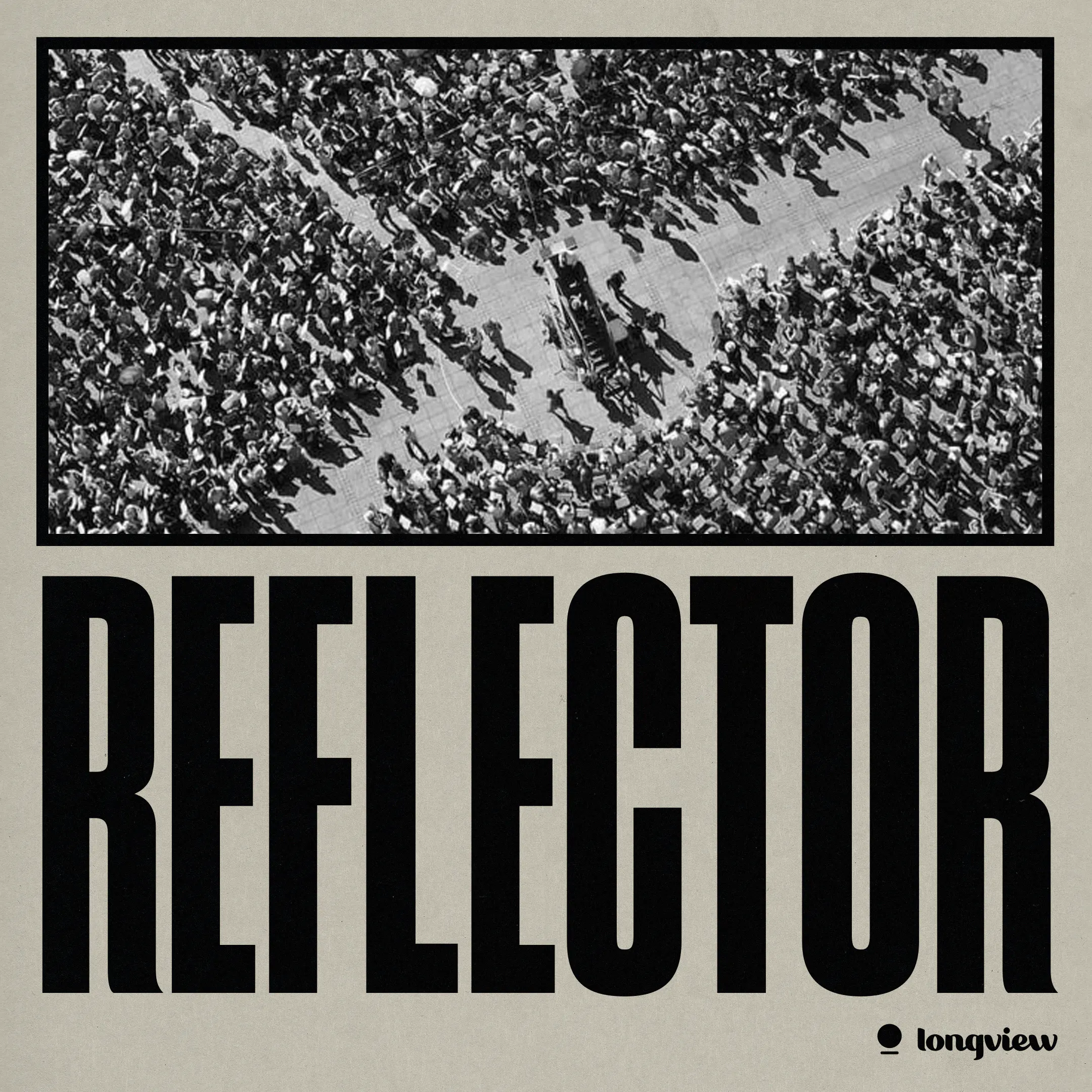
From abolitionists to the Tea Party, accusations of “paid protesters” have shadowed American political movements for centuries. But what if the reality is more nuanced (and more interesting) than the talking points suggest? In this episode, Andy Mills sits down with Adam Swart, founder and CEO of Crowds on Demand, a company that quite literally pays people to demonstrate. Swart pulls back the curtain on an industry most people encounter only as a conspiracy theory, explaining how his business actually works. As you’ll hear, Swart makes his provocative case that the “astroturf vs. grassroots” debate is a juvenile distraction. He believes that most major movements, left or right, have big money behind them, and that his company is simply one of the more transparent players in the influence game. We’d love to hear if (and how) this interview shapes your thinking around the debate. Leave us a comment or send us an email: [email protected] CREDITS: This episode was produced by Andy Mills, Ethan Mannello and Matthew Boll Music for this episode was composed by Cobey Bienert and Peter Lalish Reflector artwork by Jacob Boll To become a Longview subscriber you can visit us here Thank you to our sponsor Ground News. You can visit them here to learn more: GROUND.NEWS Learn more about your ad choices. Visit megaphone.fm/adchoices

Propaganda of the Deed (Part 2)
Political tensions across the country continue to rise. Today, we spoke with protesters who believe the time for debate, peaceful protest, and civil disobedience has passed, asking what they think must now be done to defend their values. From the anti-ICE protests to the fans of Luigi Mangione, we also explore the similarities—and the key differences—between this moment and the anarchist wave that swept America more than a century ago. Check out Propaganda of the Deed (Part 1) if you haven’t listened to it yet. CREDITS: This episode of Reflector was reported and produced by Andy Mills, Ethan Mannello, Eli Cohen, and Matthew Boll Music for this episode was composed by Cobey Bienert and Peter Lalish Reflector artwork by Jacob Boll To become a Longview subscriber you can visit us here Thank you to our sponsor Ground News. You can visit them here to learn more: GROUND.NEWS Learn more about your ad choices. Visit megaphone.fm/adchoices
Propaganda of the Deed (Part 1)
As demonstrators openly debate whether violence is justified to resist the Trump administration, we step back to ask: Have we been here before? This episode traces a largely forgotten chapter of American history – from the Haymarket Riot to anarchist assassinations, government crackdowns, and the birth of the FBI and the ACLU – to show how cycles of political violence and state power have shaped the American left for more than a century. The story reveals how moments meant to spark revolution often end by transforming the country in ways no one intended. For this story – in addition to speaking with dozens of protestors, modern day anarchists, community organizers, and historians – we also read these books, which we highly recommend: The President and the Assassin by Scott Miller The Republic for Which It Stands by Richard White American Colossus by H.W. Brands The Bully Pulpit by Doris Kearns Goodwin Luigi Galleani: The Most Dangerous Anarchist in America by Antonio Senta and Sean Sayers And if you’re interested in Scott Miller’s work, he just released a new book called Let My Country Awake: Indian Revolutionaries in America and the Fight to Overthrow the British Raj CREDITS: This episode of Reflector was reported by Andy Mills and Ethan Mannello. It was produced by Eli Cohen and Matthew Boll. Music for this episode was composed by Cobey Bienert and Peter Lalish Opening music is Gnossiennes No. 1 by Satie Reflector artwork by Jacob Boll To become a Longview subscriber you can visit us here Thank you to our sponsor Ground News. You can visit them here to learn more: GROUND.NEWS Learn more about your ad choices. Visit megaphone.fm/adchoices
The Hallelujah
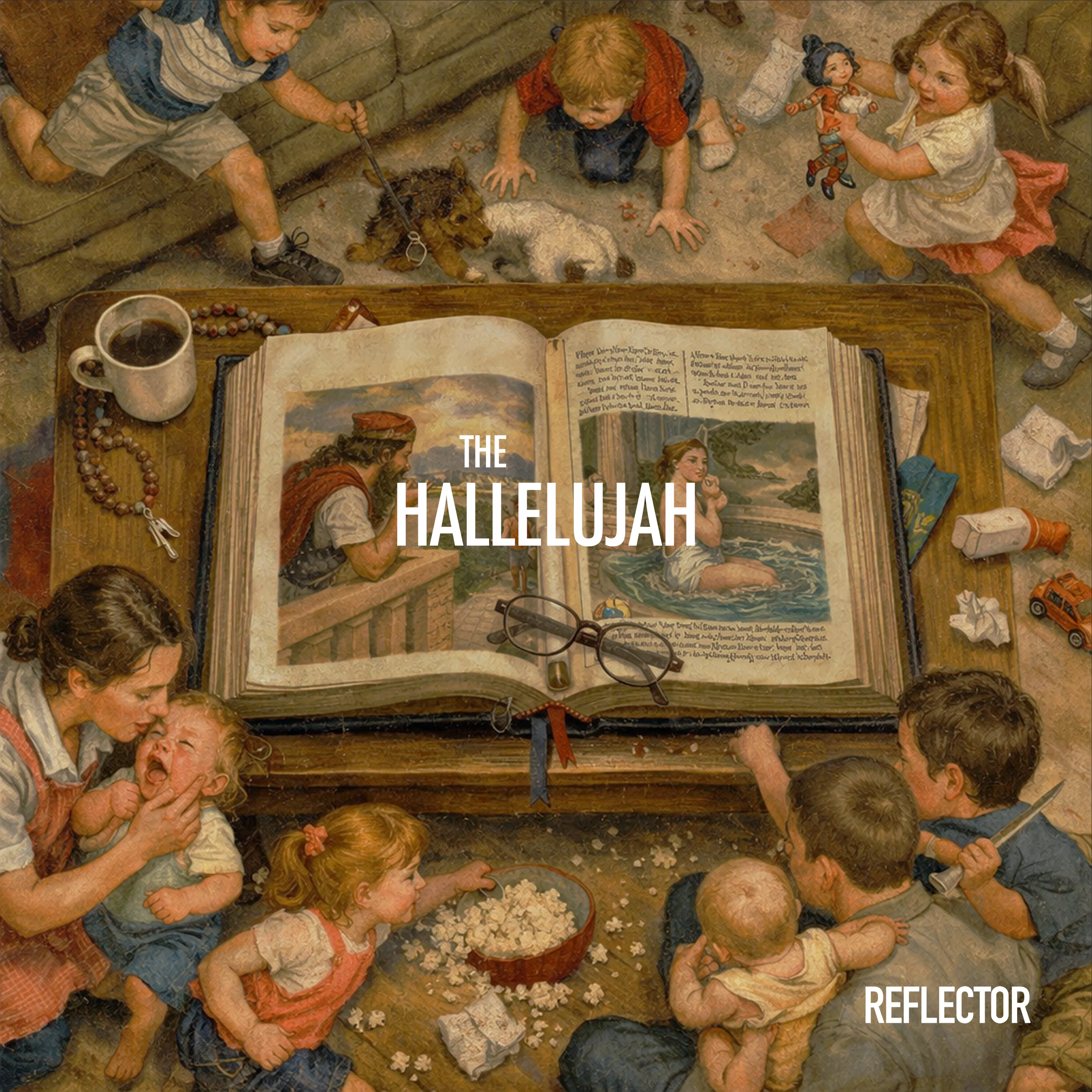
After leaving the church that both defined and destroyed her family, Megan Phelps-Roper turned away from the Bible. In this episode, she returns to one of its dark tales to ask what still endures when belief is gone – and why some stories refuse to let us go. CREDITS: This episode of Reflector was written by Megan Phelps-Roper and produced by Andy Mills and Matthew Boll Music for this episode was composed by Cobey Bienert The Hallelujah artwork by Jacob Boll To become a Longview subscriber you can visit us here Thank you to our sponsor Ground News. You can visit them here to learn more: GROUND.NEWS Learn more about your ad choices. Visit megaphone.fm/adchoices
The Last Invention
Listen to our new show The Last Invention Apple Spotify Order Katie Herzog’s new book: Drink Yourself Sober Sign up for our newsletter on Substack and become a Longview subscriber at our website. Thank you to our sponsors Ground News and FIRE GROUND.NEWS FIRE This is a paid sponsorship link. Learn more about your ad choices. Visit megaphone.fm/adchoices
Extra! Extra! We Have An Announcement
We are living through one of the most unpredictable periods in recent history. A time of profound, destabilizing social upheaval. A time of barely-imaginable technological advancements. A time of emerging new philosophies that will reshape the world around us (for better or for worse). And, it’s a very exciting time to be a curiosity-driven, non-ideological journalist. But there's a problem: trust in journalism—especially in journalistic institutions—is at an all-time low. We’re seeing a crisis of confidence unlike anything since the days of yellow journalism during the Industrial Revolution. In fact, recent polls show that Americans trust journalists even less than they trust Congress. When Matt Boll, Megan Phelps-Roper, and I created The Witch Trials of J.K. Rowling, we set out to rebuild that trust. And here on Reflector, we’ve been continuing that mission. Today, we’re here to announce that what began as a small project between Matt and me—recorded in my bedroom in small-town Illinois and Matt’s studio in Chicago—is about to evolve into something far bigger and more ambitious. For the last few months, we’ve been working behind the scenes to transform this experiment into a full-fledged independent outlet. Soon, we’ll be publishing more podcasts and investigative series, continuing to blend rigorous journalism with artful storytelling. With these new resources, we’ll be able to break more stories, dive into more topics, and speak with a wider range of voices—all while bringing clarity and context to the most consequential issues in the world. For the time being, we're taking a brief hiatus, but when we return, expect new hosts, fresh shows, and a lot more reporting. If you’re one of our paid supporters, starting today, your payments will be paused. And when we return, we’ll be sure to reach out with details on the expanded subscriber perks we’ll have on offer. Thank you to all of you who have been with us for this first chapter. Looking forward to seeing you soon in the next one. Learn more about your ad choices. Visit megaphone.fm/adchoices
Breaking USAID
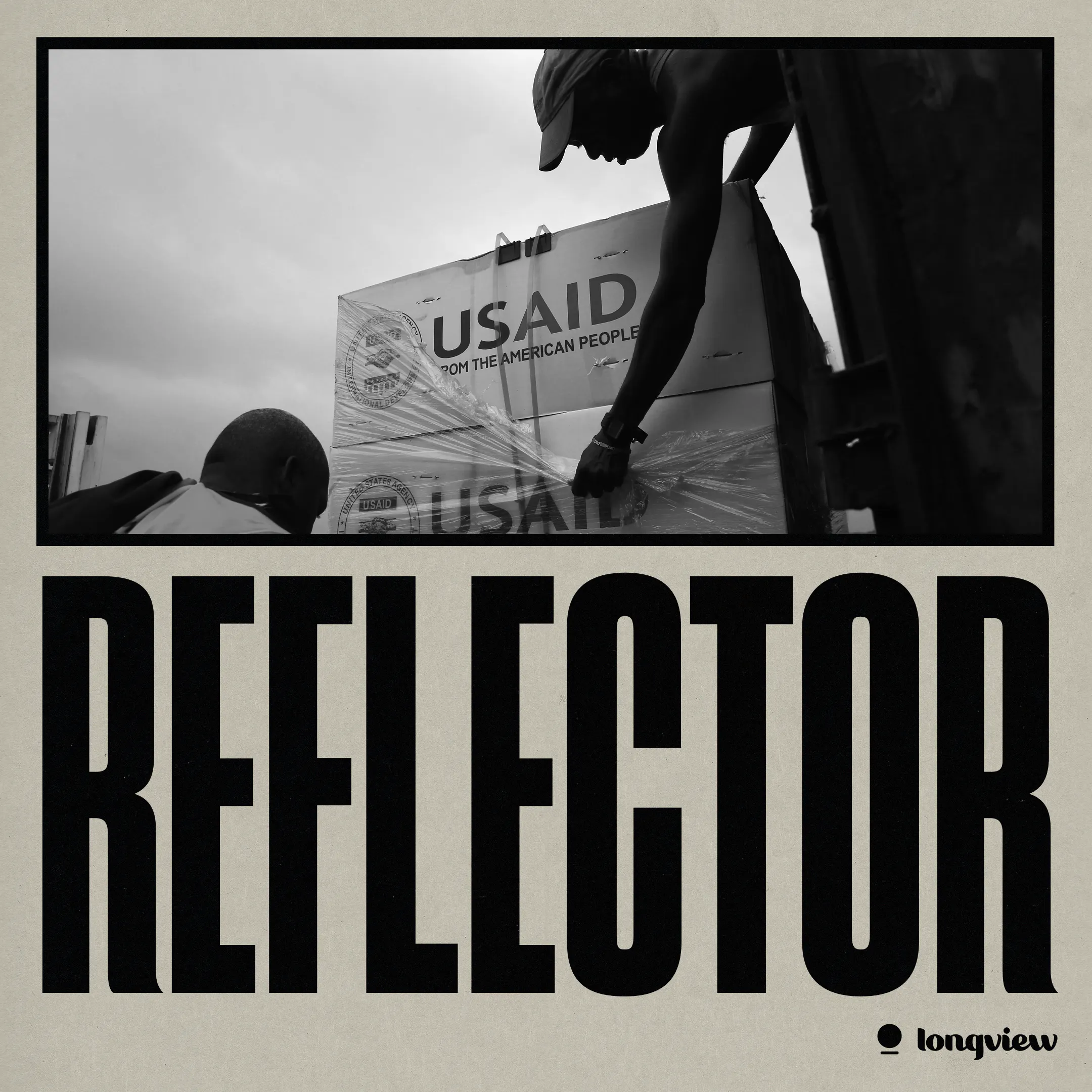
Should the U.S. stop giving foreign aid? This is a question many have been asking long before Elon Musk and Donald Trump launched DOGE (Department of Government Efficiency) and began dismantling USAID and its work around the globe. Critics of foreign aid, like Bill Easterly, author of The White Man’s Burden, and Dambisa Moyo, author of Dead Aid, argue that foreign aid often does more harm than good. They contend that the U.S. and other nations should radically rethink their approach. But this winter, Donald Trump did something no one expected: he halted nearly all foreign aid and operations worldwide. Today, we’re joined by long-time international correspondent and host of NPR’s Rough Translation, Gregory Warner, for a deep dive into why USAID was founded in the first place, how it expanded into the massive program it is today, the consequences of freezing its operations, and an examination of the claims that USAID is part of a U.S. deep-state operation. For the listener who’d like to hear more from Warner, he publishes a Substack newsletter called Rough Transition. And if you reach out to him mentioning you're coming from Reflector, he’s happy to offer a complimentary six-month subscription. Thank you to our sponsor Ground News. You can visit them here to learn more: GROUND.NEWS Learn more about your ad choices. Visit megaphone.fm/adchoices
A Nation of Immigrants Votes for Deportations
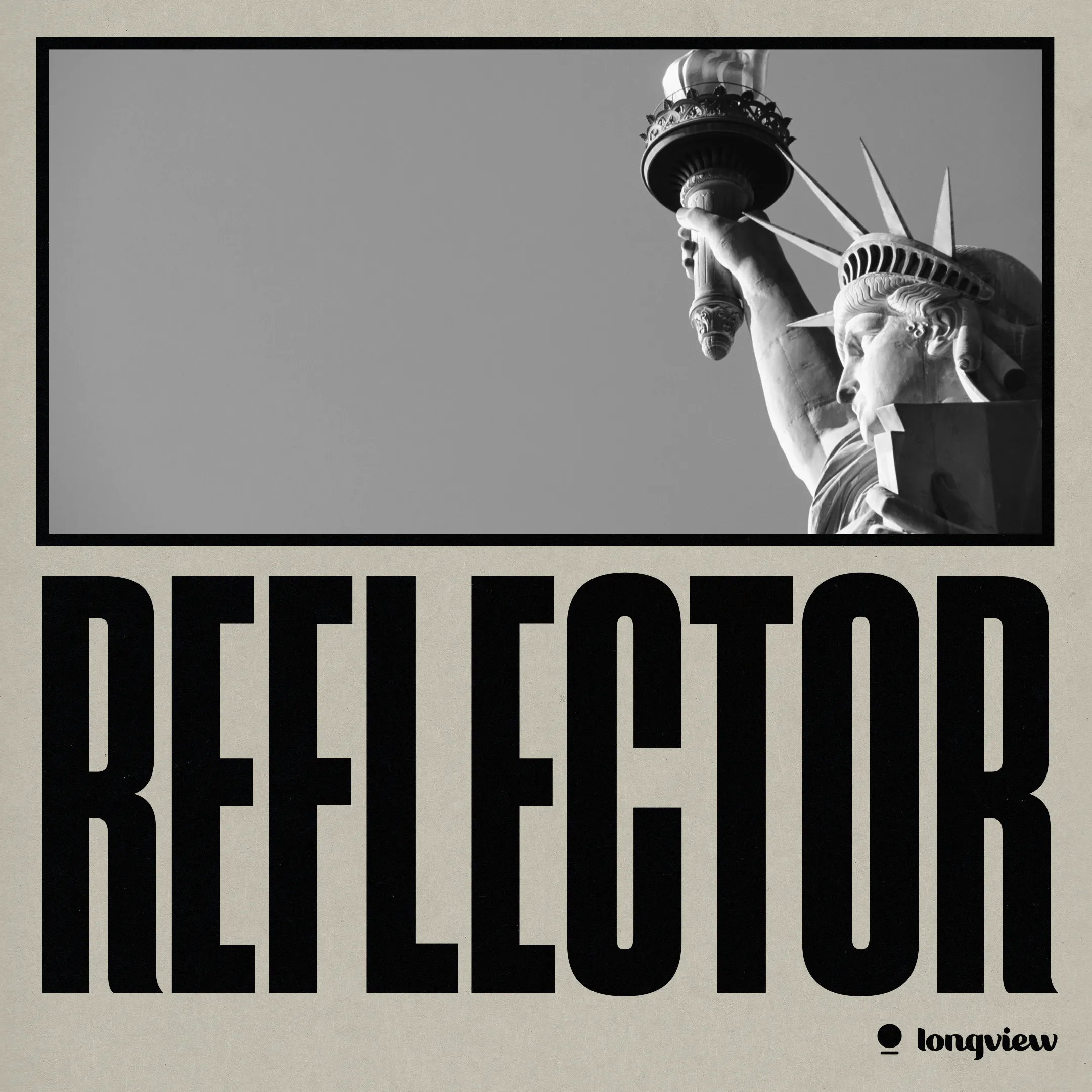
Despite its reputation among many on the political left, the United States has welcomed more immigrants than any other nation in history. Today, the U.S. is home to more immigrants than any other country in the world. Even amid a heated political battle over the future of immigration, it’s undeniable that a core part of America’s national identity is its image as “a nation of immigrants.” Many Americans proudly trace their ancestry to those who migrated to the U.S. in pursuit of the American Dream. Most take pride in knowing that people around the world dream of building a life in the USA. But immigration in the U.S. has always been complicated. Today, the country is also home to the largest population of unlawful migrants on Earth. In recent years, the U.S. southern border with Mexico has been cited as one of the most porous and chaotic in the world. Additionally, the U.S. has the most backlogged immigration courts globally. Our episode today examines how the U.S. immigration system became so stubbornly, frustratingly, and dangerously chaotic—from legal loopholes exploited by cartels to the failed legislation of the 1990s aimed at curbing illegal migration, and from the enduring challenges of enforcement to the growing calls for building a wall and mass deportations. Our guests are David Leonhardt, Senior Writer for The New York Times and author of Ours Was a Shining Future, and John Sandweg, former head of ICE under President Barack Obama. As always, we’d love to hear from you. Send us an email at [email protected]. Thank you to our sponsor Ground News. You can visit them here to learn more: GROUND.NEWS Learn more about your ad choices. Visit megaphone.fm/adchoices

Why Doesn't Anyone Trust The Media?
In the wake of the election results, many Democrats are doing some serious soul-searching (and a fair amount of blame-gaming) to understand why they lost. But it’s not just Democrats reckoning with their loss of trust from the American people. New polling from places like Gallup shows historically high levels of distrust in journalists. Meaning that a profession built on the delivery of trusted information is now in the midst of a full on crisis of mistrust. How did we get here? What are we doing wrong? And what, if anything, can we—or should we—do to regain that trust? For today’s episode, we take a frank look at the media’s role in this crisis with Ben Smith and Nayeema Raza. Ben Smith is the co-founder of Semafor, a news organization with ambitious goals to redefine global journalism. He’s the former media columnist for The New York Times and was the founding editor-in-chief of BuzzFeed News, leading it from a scrappy startup to a Pulitzer Prize-winning newsroom. Ben’s journalism roots trace back to the late 1990s and early 2000s, where he covered crime and New York politics for local papers. He was part of the early journalism blogging era online, reported on the 2008 Obama campaign for Politico, and embodies a no-nonsense ethos to journalism that I’ve come to admire over the years. Nayeema Raza is (alongside Ben) the co-host on Semafor’s media podcast Mixed Signals, which explores how money, culture, and politics shape everything we read, watch, and hear. She has worked as executive producer at The New York Times Opinion and frequently guest-hosts Open to Debate. With a background in film and documentary, Nayeema often draws fascinating parallels between newsroom trends and what’s happening in Hollywood and beyond. As you’ll hear, the three of us don’t always agree. In this episode, I’m a bit more open with my views than usual—we even scrutinize some of my past work. Together, we wrestle with the causes and context of the current trust crisis in journalism, explore historical parallels, discuss the disruption of the internet and influence of social media, and unpack lessons from the Trump era so far. Thank you to our sponsor Ground News. You can visit them here to learn more: GROUND.NEWS To support our work please consider becoming a paid subscriber. Learn more about your ad choices. Visit megaphone.fm/adchoices
The Comeback of Donald Trump
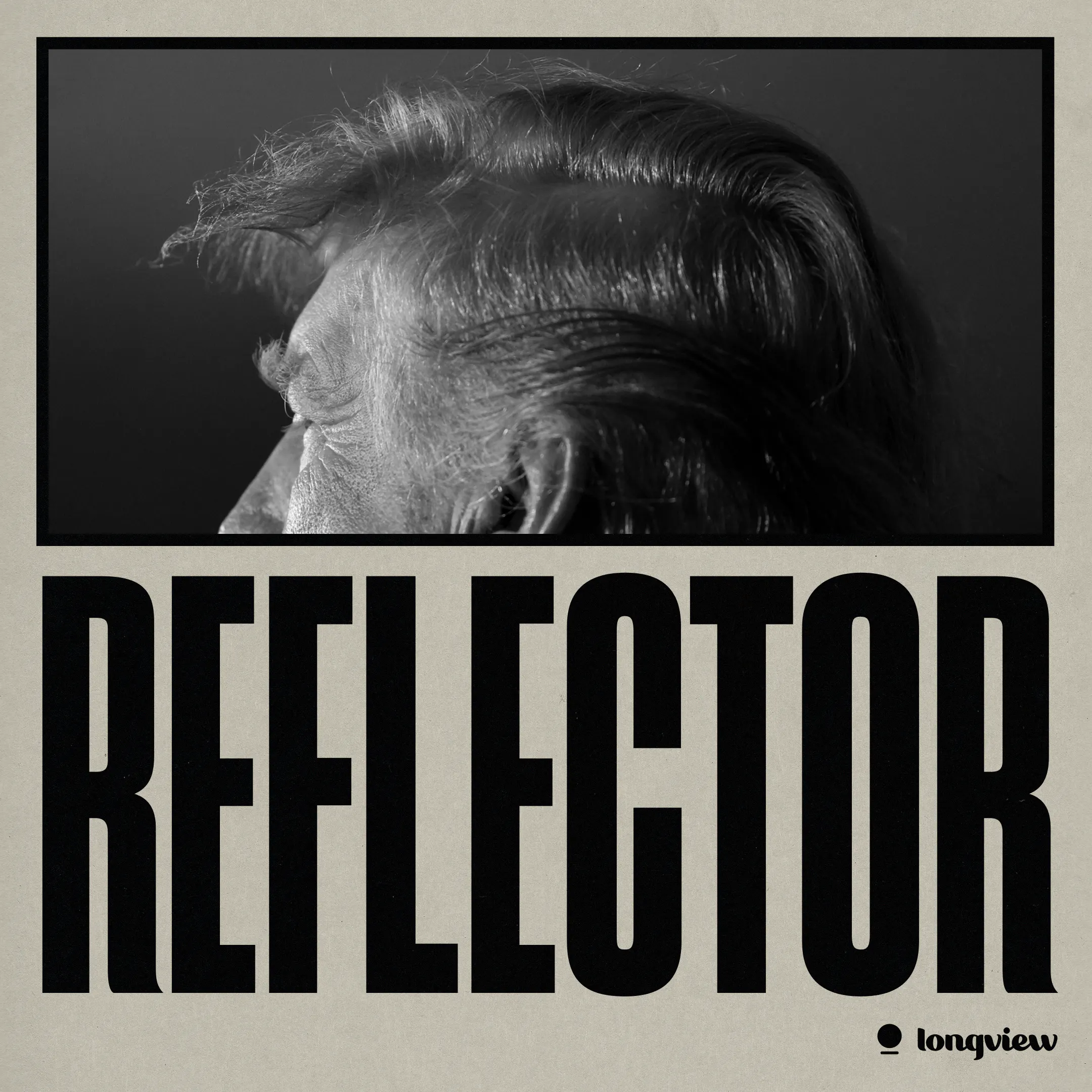
Here comes the much-anticipated (maybe dreaded? Obnoxiously over-covered?) 2024 US presidential election, and no one knows who will emerge as the next President of the United States. Today’s episode was inspired by a conversation I had last week with a former colleague from The New York Times. She shared her concern that we in the media might have done it again. That just like in 2016, we may have failed to capture why Donald Trump, one of the least popular presidents in US history and an undeniable outlier, could be so close to winning another term in the White House. So with the election just days away, we’re diving in to unpack that story. Our guests are Mike Pesca, a veteran of NPR and host of The Gist, the longest-running daily news podcast. Mike has covered presidential campaigns and politics for over two decades. While he’s been a sharp critic of Trump, he’s done an excellent job of explaining why so many Americans see a vote for Trump as a vote for their own self-interest. We’re also joined by Emily Jashinsky, a Washington correspondent for Unherd, co-host of the Undercurrents podcast, and someone who reports from within the conservative media ecosystem. She does a fantastic job documenting the rise of the New Right and its split from the fading conservative establishment. No matter who you are planning on voting for - or even if you aren’t going to vote at all - we’d love to hear from you. You can always reach us at [email protected]. Thank you to our sponsor Ground News. You can visit them here to learn more: GROUND.NEWS To support our work please consider becoming a paid subscriber. Learn more about your ad choices. Visit megaphone.fm/adchoices
Growing Support at American Universities for Violent Palestinian Resistance
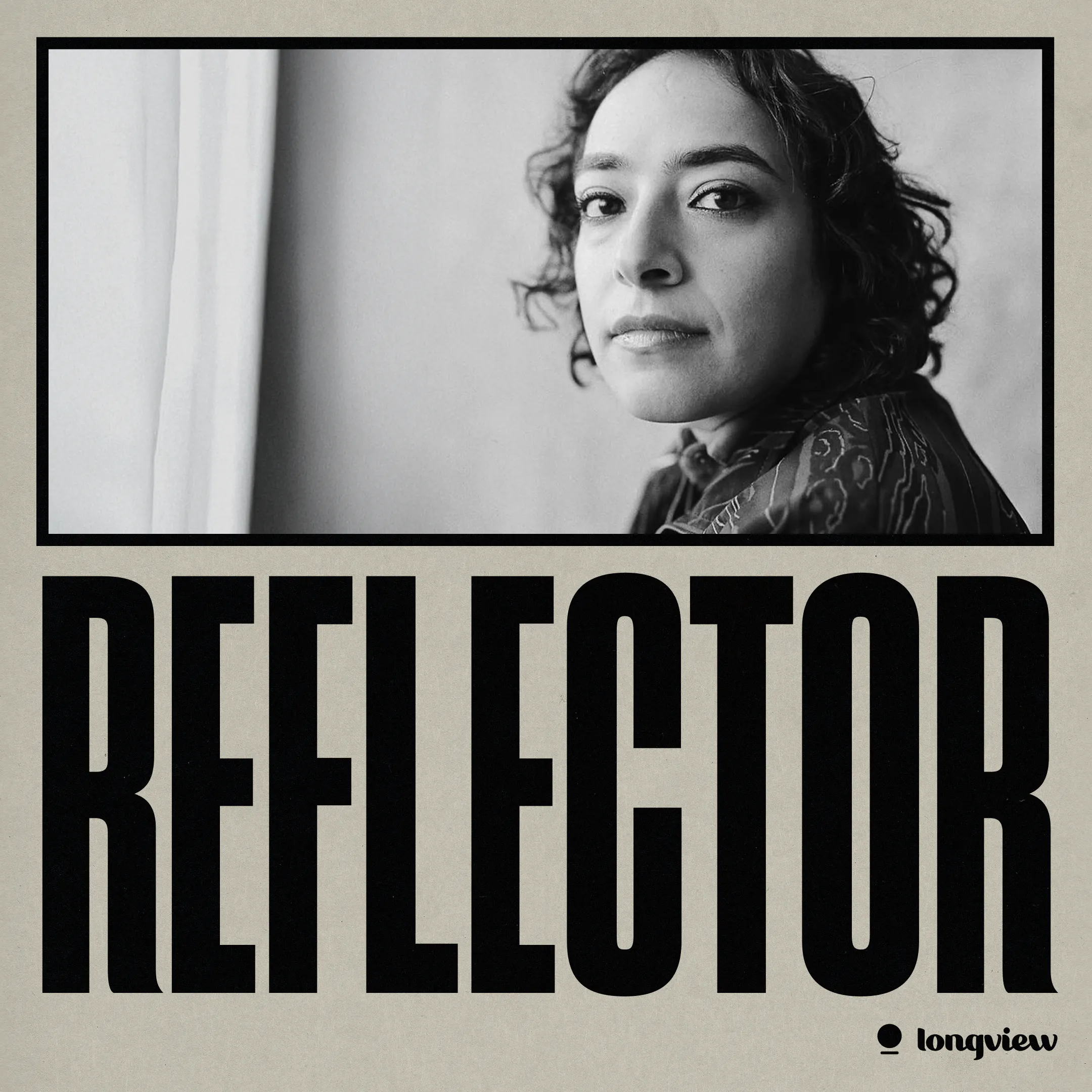
Wars—like the one between Israel and Hamas—are not only fought on the battlefield, but they are also fought through stories. In today’s episode, I interview Eman Abdelhadi, an American academic, activist, and organizer in the Free Palestine movement. Abdelhadi shares a perspective on Israel that, while controversial, is gaining influence across the United States, particularly on college campuses. A recent Pew survey revealed that 34% of Americans under 30 find Hamas' reasons for fighting Israel to be valid, and only 16% of Americans support continued U.S. military aid to Israel. If you align with the Free Palestine movement, Eman’s story may resonate deeply. If you support Israel, it may be challenging and even frustrating to hear. But regardless of where you stand, I believe there is value in listening to a view that is shaping more and more of the American discourse on this issue. If you’d like to share your feedback on this or any episode, you can reach us at [email protected]. Thank you to our sponsor Ground News. You can visit them here to learn more: GROUND.NEWS To support our work please consider becoming a paid subscriber. Learn more about your ad choices. Visit megaphone.fm/adchoices

The Whole World Is Watching
Today: Fears of another world war, a high stakes presidential election and the very divisive subject of American support for Israel. We speak with progressive voters who are considering staying home in November, even if it could lead to another Trump presidency. We unpack our reporting from the 2024 March on the DNC, examining the ways it compares—and doesn’t—to the 1968 March on the DNC. We also mention that a short video I took at the march went viral on Instagram, receiving millions of views and thousands of revealing comments about our divided country and how some Americans view the protesters. Andy’s viral instagram video from the DNC: https://www.instagram.com/reel/C-3pPrkMwTX/?utm_source=ig_web_copy_link Thank you to our sponsor Ground News. You can visit them here to learn more: GROUND.NEWS To support our work please consider becoming a paid subscriber. Learn more about your ad choices. Visit megaphone.fm/adchoices
Why Do Politicians Lie?
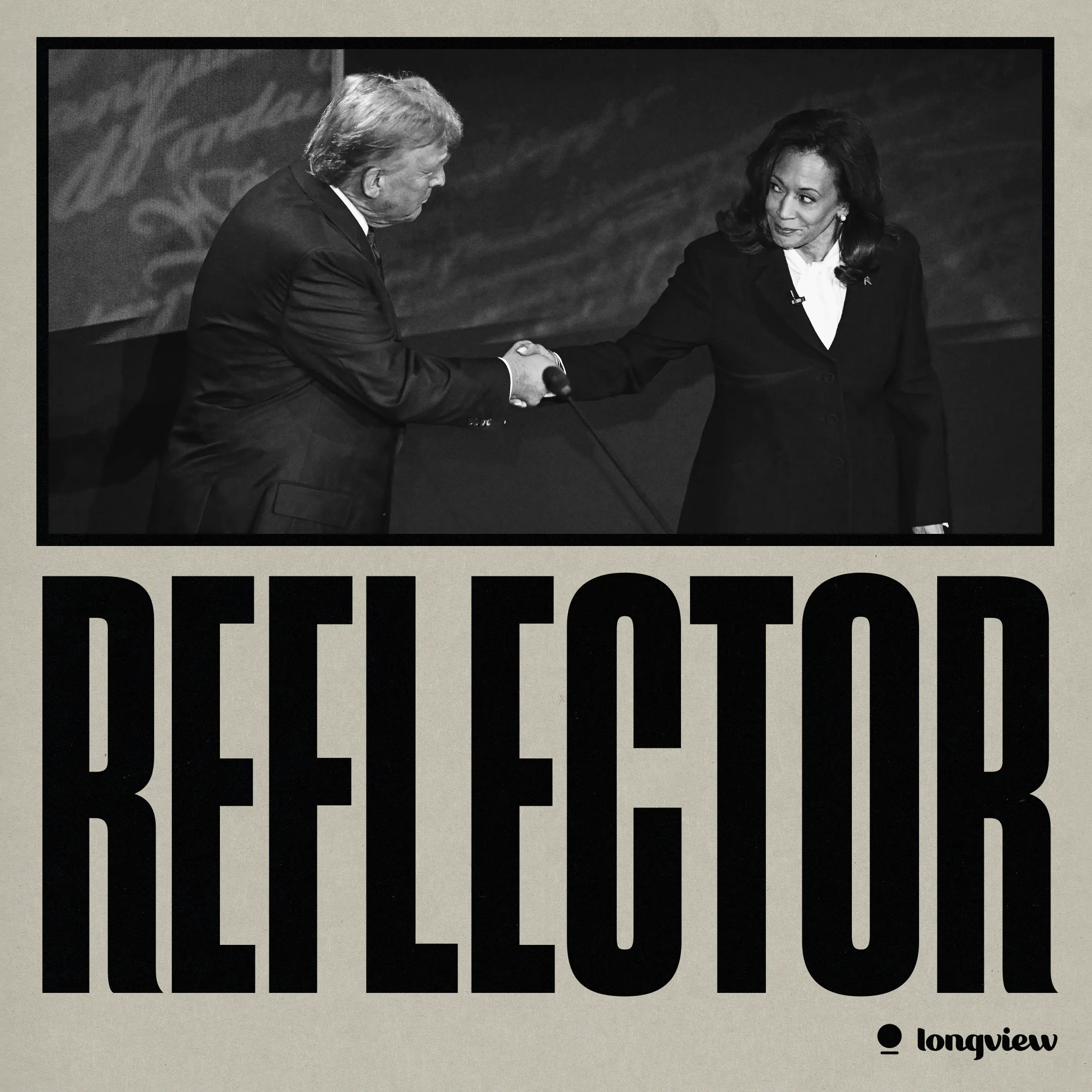
We are hard at work on several stories that we hope to share with you soon, but today we’re trying something a bit different. We're bringing you a roundtable discussion with Sarah Isgur and Mike Pesca on why politicians and world leaders lie—and what those lies reveal about the state of our society. Sarah Isgur is a lawyer, senior editor at The Dispatch, host of the legal podcast Advisory Opinions, and co-host of Left, Right & Center. She’s previously worked in all three branches of the federal government, including a few years in the Trump Administration, and has been involved with three different presidential campaigns. Mike Pesca, a veteran of NPR, is the host of The Gist, the longest-running daily news podcast, and has covered presidential campaigns and politics for over two decades. We dive deep into whether we’re living in an era of especially egregious lies, the incentives for politicians to lie, how we classify and fact-check lies, and much more. I’ll also add that by the end, we wind up in a place I didn’t expect. LINKS: Listen to Mike Pesca on The Gist Listen to Sarah Isgor on Advisory Opinions, Left, Right & Center and follow her writing at The Dispatch. Thank you to our sponsor Ground News. You can visit them here to learn more: GROUND.NEWS To support our work please consider becoming a paid subscriber. Learn more about your ad choices. Visit megaphone.fm/adchoices