Reasonably Happy with Paul Ollinger
345 episodes — Page 5 of 7
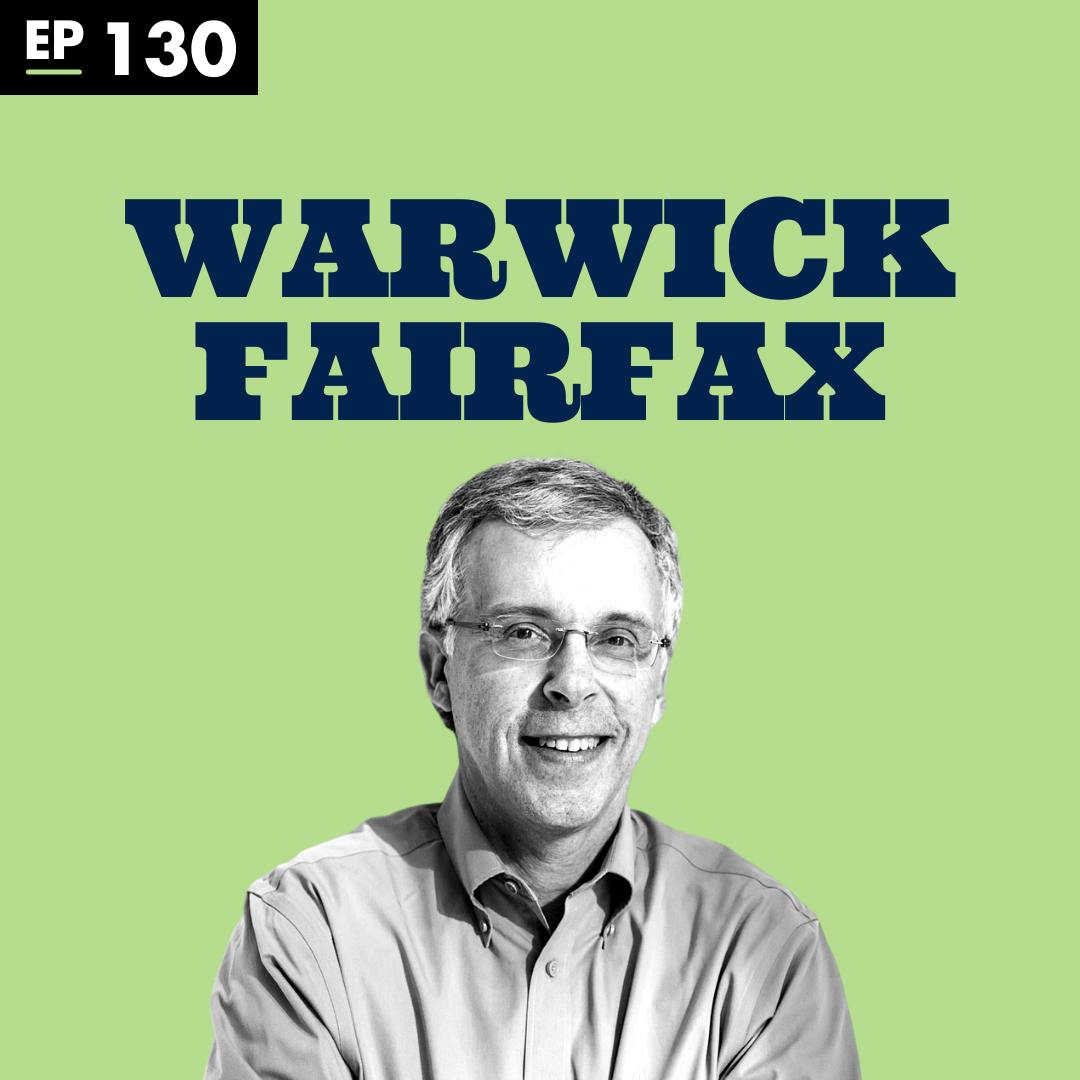
Life After Public Failure with Warwick Fairfax - Ep 130
Today we are going to talk about public mistakes: big, flagrant, public mistakes that might best be described as “failure” and earn the derision of the press and cost your family hundreds of millions of dollars. Warwick Fairfax was the heir apparent to run John Fairfax, Ltd, an Australian newspaper and media conglomerate that ownedThe Sidney Morning Herald,The Agein Melbourne, and The Australian Financial Reviewand other valuable properties. In 1987, with corporate raiders lurking, Warwick took on massive leverage and launched a $2.25Billion bid to take control of the 150-year old company that had been founded by his great-great grandfather. Three years later, under Warwick’s leadership and due largely to the weight of the debt he sanctioned, the company went into receivership, bringing to an end his family’s media dynasty. In Warwick’s new book,Crucible Leadershiphe shares insights into the opulence of his youth, the pressure he felt to work in the family business, the lessons he learned when he botched things up, and — most importantly— how he survived and forgave himself. Read more about Warwick and Crucible Leadership here. **Please rate and review Crazy Money here.**Email Paul here About Crazy Money: Unlike traditional personal finance shows like Dave Ramsey or Suze Orman, Crazy Money is not about how to make a million bucks, how to beat the market, or how to save money by switching cable providers. It is about deciding what role we want money to play in our lives and how we can use it to be our best selves. Topics covered include: Philosophy, Happiness, Contentment, Meaning, dreams, purpose, Success, Rat Race, Society, mental health, Buddhism, Stoicism, the hedonic treadmill, morality, Mid-Life Crisis, Business, Work, Careers, Authors, Books, Consumerism, Values, capitalism, economics, investing, saving, spending, personal finance, charity, philanthropy, altruism, affluence, wealth, wealth management, culture, society. Status. Iranian immigrant, Persian immigrant. Iran. Immigration Edited by Mike Carano Did you already rate and review Crazy Money? Yes? Okay, you can go now... This is a public episode. If you'd like to discuss this with other subscribers or get access to bonus episodes, visit words.paulollinger.com/subscribe
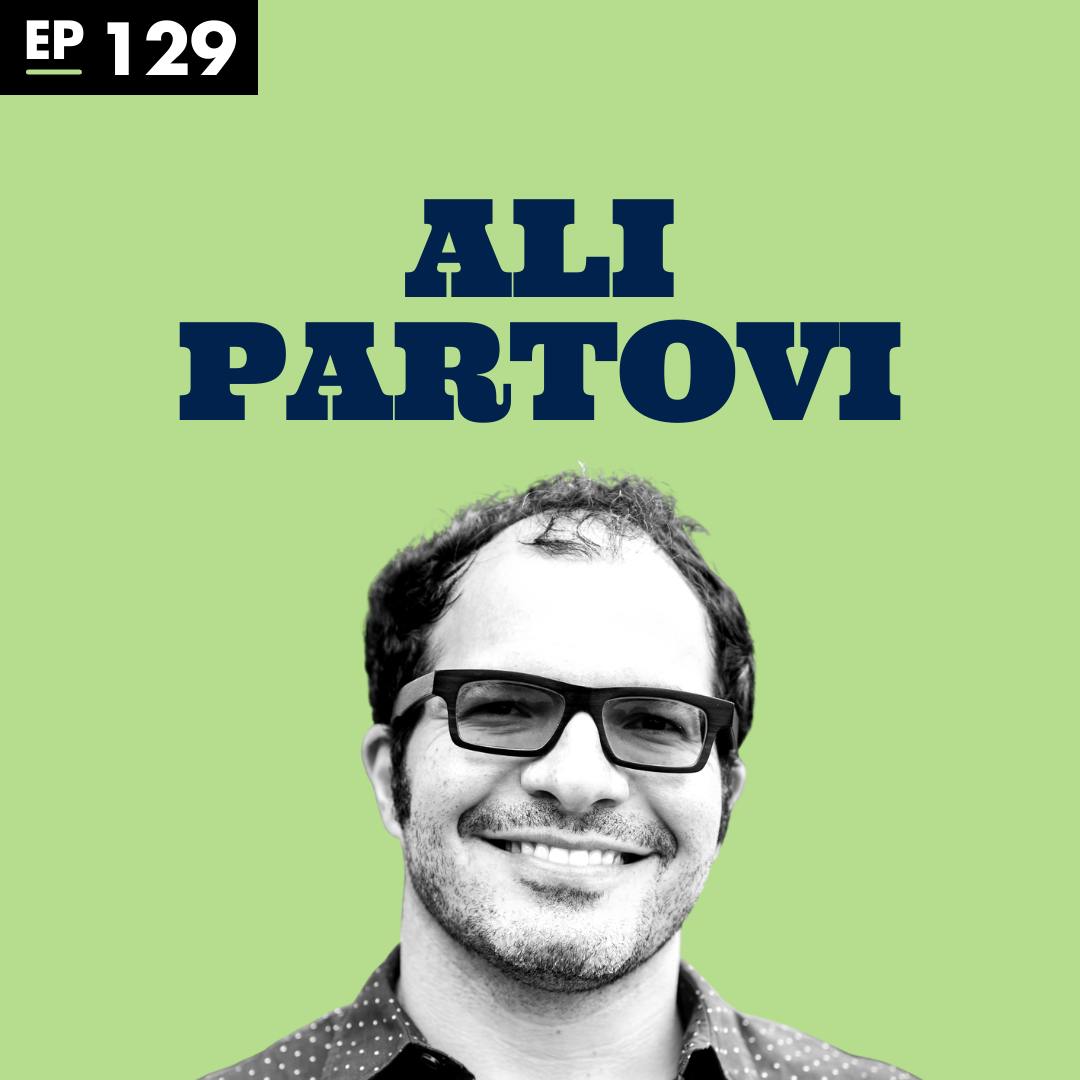
$50 Million Mistakes with Ali Partovi - Ep 129
Ali Partovi is an Iranian-Americanentrepreneur and angel investor. He is best known as a co-founder of Code .org, iLike, and LinkExchange. He was an early investor in Airbnb, Dropbox, Facebook, and Uber. Ali grew up in Tehran during the Iran-Iraq war, attended Harvard, and sold his first startup, LinkExchange, in 1998. On this episode, Ali and I discuss:The GIANT MISTAKE he made in a meeting with Steve JobsThe not-quite as terrible mistake he made when meeting with Jerry Yang of Yahoo!The challenges of building a business on the Facebook platformHow being an immigrant shaped his career and worldview.Ali is currently the CEO of Neo, a mentorship community and venture fund he established in 2017. Learn more about Ali and Neo here. **Please rate and review Crazy Money here.**Email Paul here About Crazy Money: Unlike traditional personal finance shows like Dave Ramsey or Suze Orman, Crazy Money is not about how to make a million bucks, how to beat the market, or how to save money by switching cable providers. It is about deciding what role we want money to play in our lives and how we can use it to be our best selves. Topics covered include: Philosophy, Happiness, Contentment, Meaning, dreams, purpose, Success, Rat Race, Society, mental health, Buddhism, Stoicism, the hedonic treadmill, morality, Mid-Life Crisis, Business, Work, Careers, Authors, Books, Consumerism, Values, capitalism, economics, investing, saving, spending, personal finance, charity, philanthropy, altruism, affluence, wealth, wealth management, culture, society. Status. Iranian immigrant, Persian immigrant. Iran. Immigration Edited by Mike Carano Did you already rate and review Crazy Money? Yes? Okay, you can go now... This is a public episode. If you'd like to discuss this with other subscribers or get access to bonus episodes, visit words.paulollinger.com/subscribe
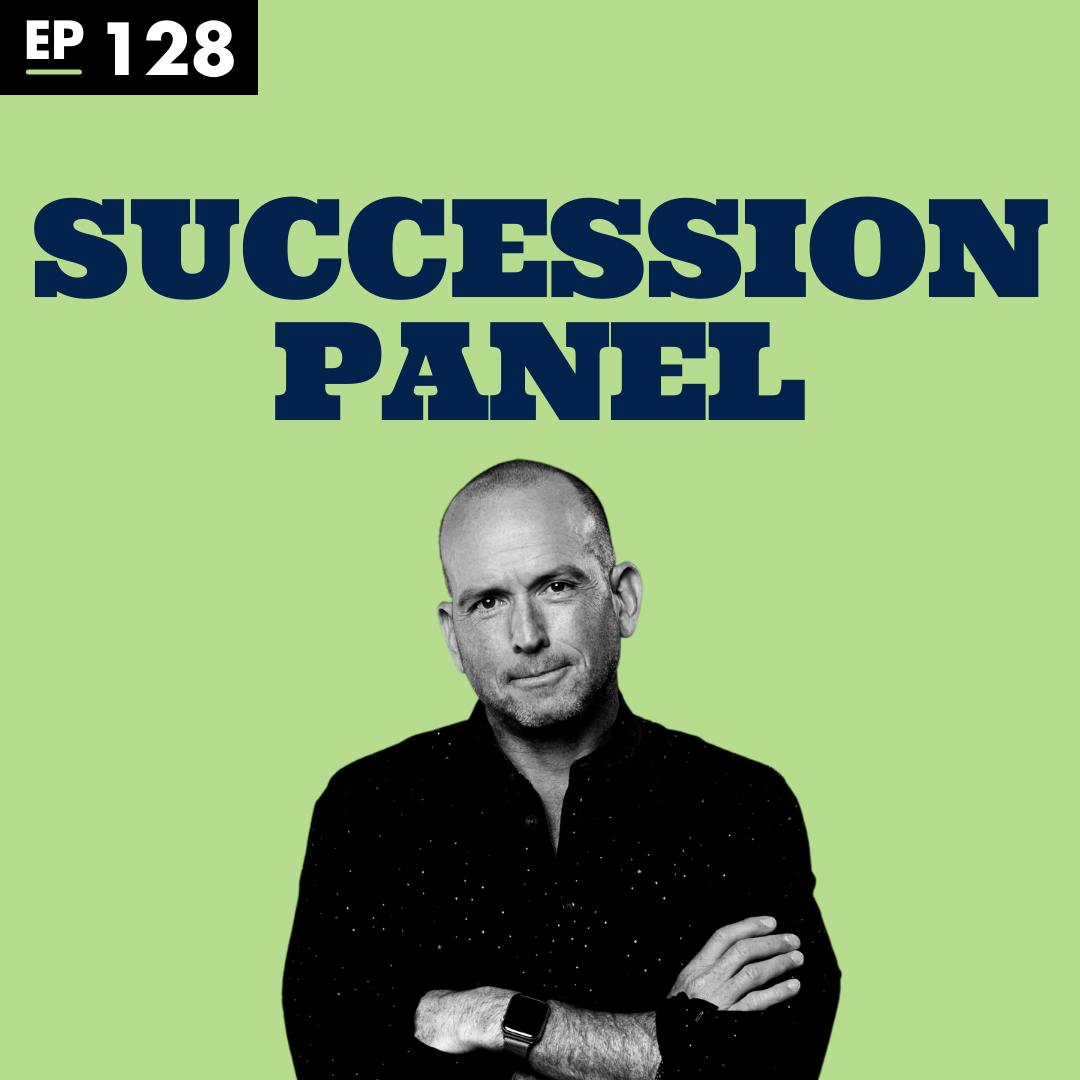
What HBO's Succession Tells us about Wealth with James A. Miller, Meredith Blake and David Lenok - Ep 128
Today we will be discussing the enthralling HBO series, Succession and all it tells us about wealth, dysfunctional family dynasties, ambition, and greed with three great panelists, including Meredith Blake from the Los Angeles Times, Dave Lenok from WealthManagement .com, and James Andrew Miller, author of the new book Tinderbox: HBO’s Relentless Pursuit of New Frontiers. (**Please rate and review Crazy Money here.**) In case you’ve been asleep for the past three years, here’s a brief synopsis of the show from Jim’s book:"Succession revolves around the Roy family, a thinly veiled amalgam of the Murdochs, and, well, the Murdochs. An aging patriarch named Logan—portrayed in juicily Lear-like fashion by Scottish actor Brian Cox—plays his overeager children off each other as they jockey to take over his evil media empire, Waystar Royco." If you have watched the show, you’ll love the behind the scenes insights and commentary regarding the intricacies of family business. If you haven't watched the show, today’s discussion might help you decide if it’s for you. Spoiler alert: it is. Also, there are spoilers in this conversation, so consider yourself notified. Succession raises innumerable questions about the complexities of wealth:Is it possible to be a billionaire and a great parent?Does the prospect of a huge inheritance make loving your siblings more difficult?Would you be happier if you flew sailed on yachts, flew on helicopters or rode blade on curb? Today’s show is brought to you by Masterworks. Cut the line to invest in blue chip art today at Masterworks.io/CRAZYMONEY Please follow our panelists... Follow Jim Miller on Twitter here. Follow Meredith Blake on Twitter here. Follow David Lenok on Twitter here. (**Please rate and review Crazy Money here.**) About Crazy Money:Unlike traditional personal finance shows like Dave Ramsey or Suze Orman, Crazy Money is not about how to make a million bucks, how to beat the market, or how to save money by switching cable providers. It is about deciding what role we want money to play in our lives and how we can use it to be our best selves. Topics covered include: Philosophy, Happiness, Contentment, Meaning, dreams, purpose, Success, Rat Race, Society, mental health, Buddhism, Stoicism, the hedonic treadmill, morality, Mid-Life Crisis, Business, Work, Careers, Authors, Books, Consumerism, Values, capitalism, economics, investing, saving, spending, personal finance, charity, philanthropy, altruism, affluence, wealth, wealth management, culture, society. Status. Crazy Money is produced and edited by Mike CaranoAre you really still reading? This is a public episode. If you'd like to discuss this with other subscribers or get access to bonus episodes, visit words.paulollinger.com/subscribe
Thanksgiving Essays - Ep 127
This is a public episode. If you'd like to discuss this with other subscribers or get access to bonus episodes, visit words.paulollinger.com/subscribe
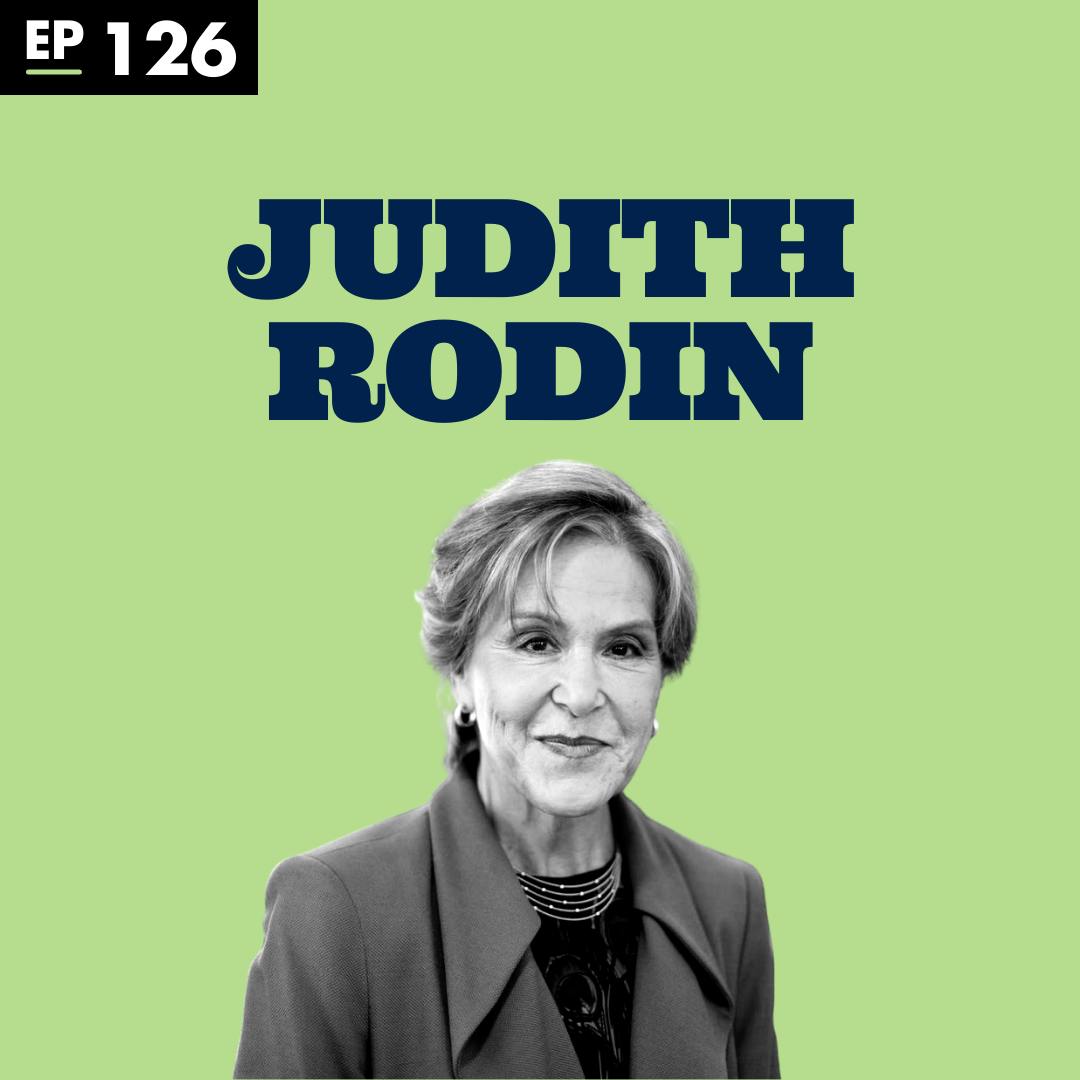
Investing for Good with Judith Rodin, Joan Salwen, and Pieter van der Gaag - Ep 126
This week I speak to three distinguished guests about how money can be used to make the world a better place and how investors large and small can influence corporations to be more responsible global and local citizens. Up first is Dr. Judith Rodin, former President of both The Rockefeller Foundation and the University of Pennsylvania where she was the first woman to permanently lead an Ivy League Institution. Judith is the author ofThe Power of Impact Investingand Making Money Moral: How a new Wave of Visionarires Is Linking Purpose and Profit, which we discuss today. Judith earned a BA from University of Pennsylvania, her PhD from Columbia and did a post-doctoral fellowship at UC-Irvine. She has also received honorary degrees from Johns Hopkins, Dartmouth and 16 other institutions. She has served on the boards of Citigroup, Comcast/NBC Universal, Young & Rubicam, the NYSE, and many other major corporations and non-profit organizations. In addition to Dr. Rodin, I speak with Joan King Salwen, CEO of Blue Ocean Barns, producers of a cattle feed supplement that reduces cows' methane emissions by 50-80%. With over 1.5 billion cattle on earth, their product has a huge addressable market. Also joining this week is Pieter van der Gaag who is Chair of the Dutch Pension Fund Agreement on International Responsible Investment. In this role he implements improved due diligence processes at Pension Funds in line with UN Human Rights standards and OECD Guidelines. Pieter is also Executive Director/Chair at Ecosystems Restoration Camps, a global movement of people restoring ecosystems to create an abundant earth. He and I were classmates at Rhodes College back when I had a devastatingly good head of hair. Click here to learn more about investing in shares of blue-chip artwork with Masterworks.io **Please rate and review Crazy Money here. E-mail Paul here. About Crazy Money:Unlike traditional personal finance shows like Dave Ramsey or Suze Orman, Crazy Money is not about how to make a million bucks, how to beat the market, or how to save money by switching cable providers. It is about deciding what role we want money to play in our lives and how we can use it to be our best selves. Topics covered include: Philosophy, Happiness, Contentment, Meaning, dreams, purpose, Success, Rat Race, Society, mental health, Buddhism, Stoicism, the hedonic treadmill, morality, Mid-Life Crisis, Business, Work, Careers, Authors, Books, Consumerism, Values, capitalism, economics, investing, saving, spending, personal finance, charity, philanthropy, altruism, affluence, wealth, wealth management, culture, society. Status.Crazy Money is produced and edited by Mike CaranoAre you really still reading? This is a public episode. If you'd like to discuss this with other subscribers or get access to bonus episodes, visit words.paulollinger.com/subscribe
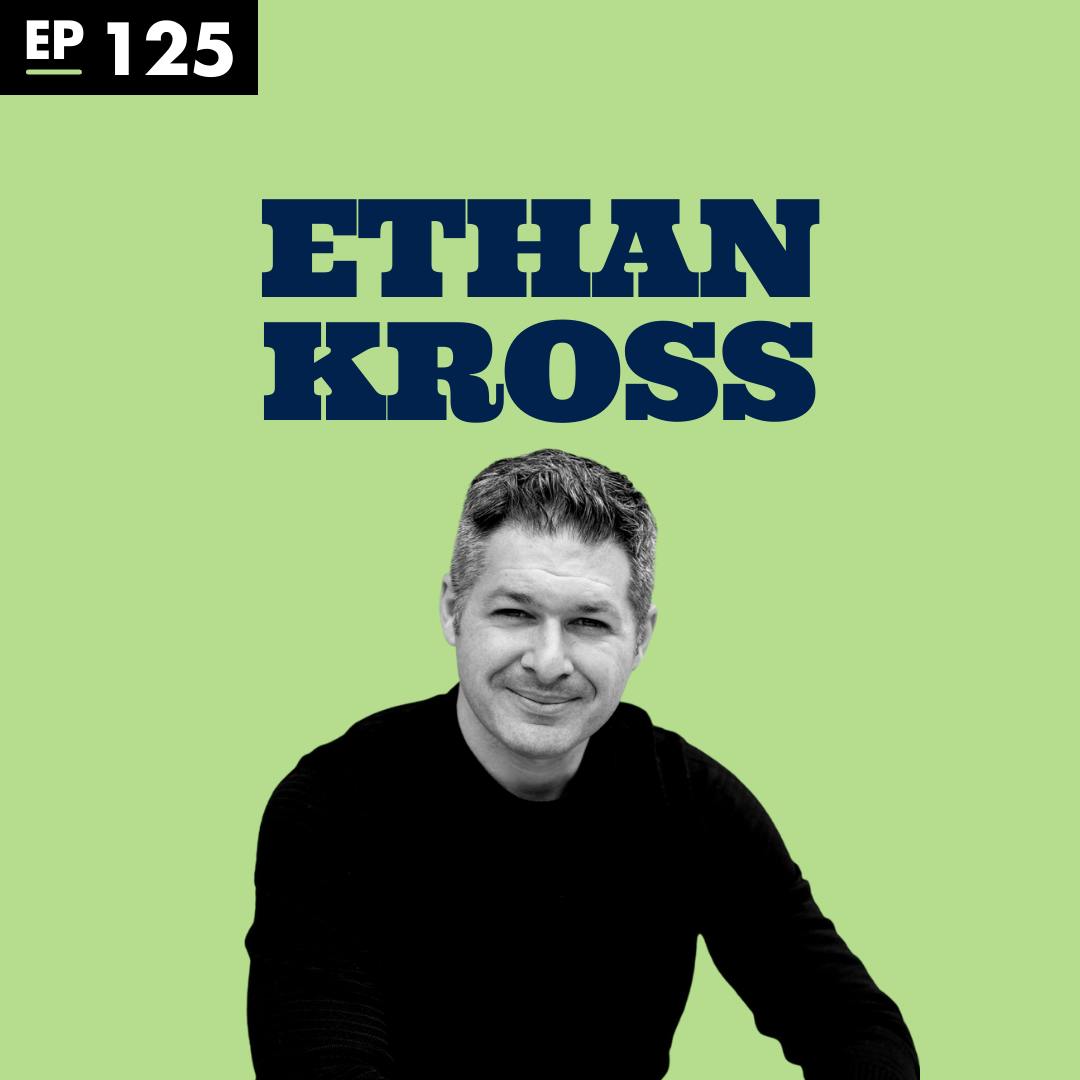
That Voice in Your Head with Ethan Kross - Ep 125
That voice in your head isn’t all bad. Sure, it sometimes tells you you’re not good enough or that Bob from Accounting is plotting to get you fired, but your inner dialog can be your friend if you take the time to get to know it. Dr. Ethan Kross is the author of Chatter: The Voice in Our Head, Why It Matters, and How to Harness It. A Professor of Psychology at the University of Michigan and one of the world’s leading experts on controlling the conscious mind, Ethan studies our internal chatter and methods we can implement to get the good stuff out of it and leave the negative stuff behind. In this most excellent conversation, Ethan and I discuss why it’s so hard to live in the present (and if that’s actually a problem), how to distinguish between rumination and obsession (Bob’s out to get me!), and how social media turns up the volume on some of the more negative aspects of chatter (damn you, Instagram!). He also shares pointers on how I can use my inner voice to improve my golf game. (Full disclosure: these actually work!) Ethan founded the Emotion and Self-Control Laboratory at the University of Michigan where he teaches Psychology and Management at the Ross School of Business. His work has been featured in Science, The New England Journal of Medicine, and he has appeared on CBS Evening News, Good Morning America, and NPR’s Morning Edition. A native of Brooklyn, NY, he earned his BA at the University of Pennsylvania and a PhD from Columbia. (Note: Dr. Kross is not affiliated with ‘90s hip-hop duo Kriss Kross.) Check out how you can invest in contemporary art on Masterworks.io! Please support our sponsor. Learn more about Ethan and Chatter - https://www.ethankross.com/ **Please rate and review Crazy Money here. E-mail Paul here. Join the Crazy Money Listeners Group hereAbout Crazy Money:Unlike traditional personal finance shows like Dave Ramsey or Suze Orman, Crazy Money is not about how to make a million bucks, how to beat the market, or how to save money by switching cable providers. It is about deciding what role we want money to play in our lives and how we can use it to be our best selves. Topics covered include: Philosophy, Happiness, Contentment, Meaning, dreams, purpose, Success, Rat Race, Society, mental health, Buddhism, Stoicism, the hedonic treadmill, morality, Mid-Life Crisis, Business, Work, Careers, Authors, Books, Consumerism, Values, capitalism, economics, investing, saving, spending, personal finance, charity, philanthropy, altruism, affluence, wealth, wealth management, culture, society. Status.Crazy Money is produced and edited by Mike CaranoAre you really still reading? This is a public episode. If you'd like to discuss this with other subscribers or get access to bonus episodes, visit words.paulollinger.com/subscribe

Preppy Handbook Author, Lisa Birnbach - ENCORE EPISODE
Lisa Birnbach is the author of over 20 books, includingThe Official Preppy Handbook, which became a cultural phenomenon in the early 1980’s. The book sold more than a million copies, has been cited as an inspiration to the founder of J. Crew and is thought to have boosted the growth of LL Bean. InT.O.P.H., Birnbach celebrated, skewered, and democratized the concept of preppiness with writing the The New York Times described as “affectionate but acerbic.” Upon re-visiting the book, I found her reflections on money, fashion, status, and the social hierarchy as insightful and hilarious today as they were forty years ago. In this thoroughly enjoyable interview, we talk about the preppy aesthetic, Connecticut, and how the world has (and hasn’t) changed since she launched this juggernaut into being. Celebrated for her keen eye and sharp wit, Lisa Birnbach is an award-winning journalist, cultural commentator, and best-selling author. She has written for The New York Times, The New Yorker, Parade, Rolling Stone, and New Yorkmagazine. Lisa spoke to me from her home on the Upper West Side of Manhattan. **Please rate and review Crazy Money here. E-mail Paul here. Join the Crazy Money Listeners Group hereAbout Crazy Money:Unlike traditional personal finance shows like Dave Ramsey or Suze Orman, Crazy Money is not about how to make a million bucks, how to beat the market, or how to save money by switching cable providers. It is about deciding what role we want money to play in our lives and how we can use it to be our best selves. Topics covered include: Philosophy, Happiness, Contentment, Meaning, dreams, purpose, Success, Rat Race, Society, mental health, Buddhism, Stoicism, the hedonic treadmill, morality, Mid-Life Crisis, Business, Work, Careers, Authors, Books, Consumerism, Values, capitalism, economics, investing, saving, spending, personal finance, charity, philanthropy, altruism, affluence, wealth, wealth management, culture, society. Status.Crazy Money is produced and edited by Mike CaranoAre you really still reading? This is a public episode. If you'd like to discuss this with other subscribers or get access to bonus episodes, visit words.paulollinger.com/subscribe
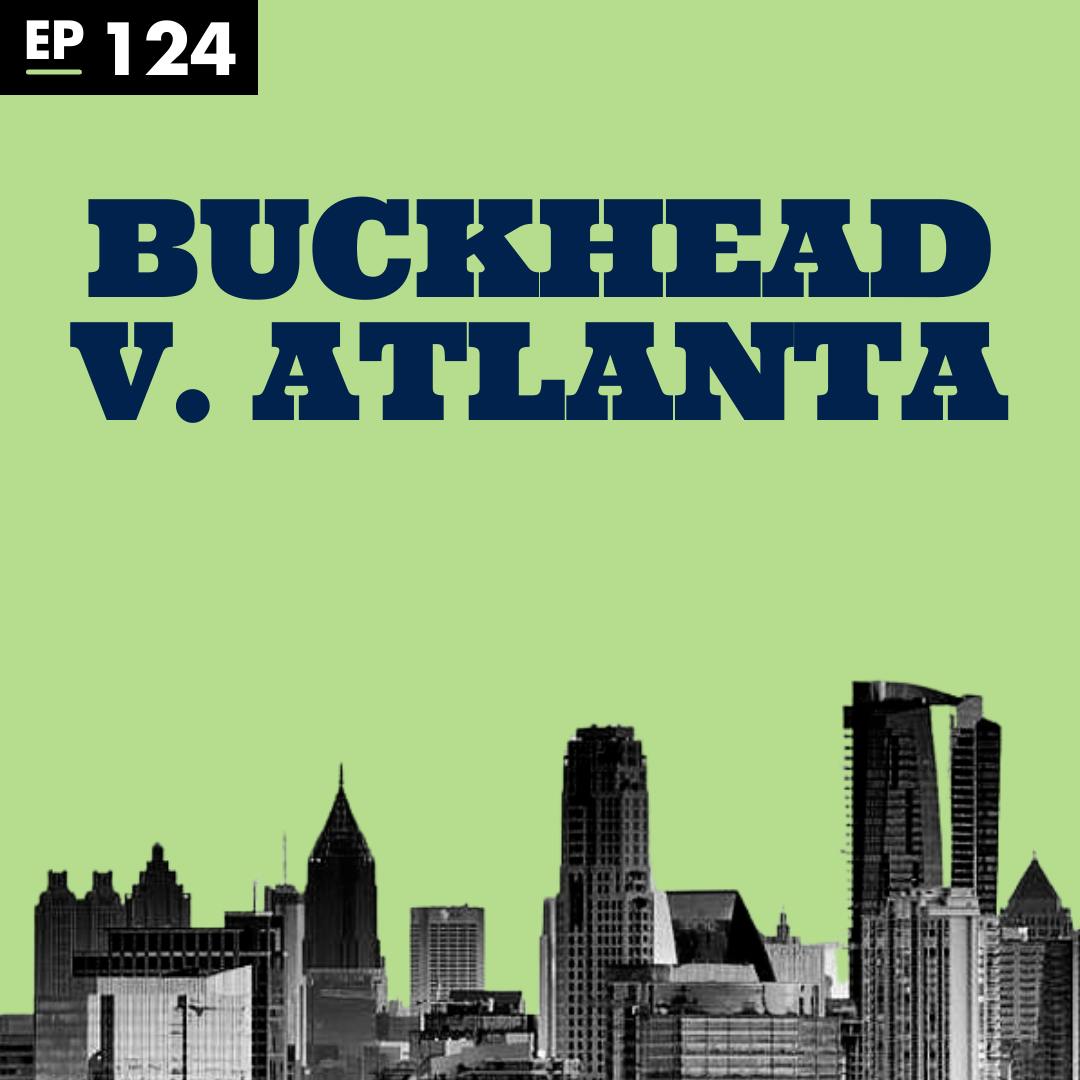
Buckhead v. Atlanta - Ep 124
What would happen if the richest neighborhood in your town declared itself its own municipality, taking with it the tax dollars of the richest 20% of citizens? That is what might happen here in Atlanta where a well-funded group is petitioning to carve the wealthy neighborhood of Buckhead (coincidentally, where I live) away from Atlanta, into its own city. This initiative has gained traction and has a very real chance of making it to the ballot in November of 2022. Not that Buckhead residents don’t have good reason to be frustrated with local government. Our police force is diminished and demoralized, and crime is simply out-of-control. Aggravated assaults in Buckhead are up 52% this year over an already violent 2020. And at Lenox Square, a mall that is 2 miles away from my home, there have been a half-dozen shootings and many more armed robberies over the past year or so. It’s a total freaking mess. On today’s episode, I talk to Bill White, the CEO of the Buckhead City Committee, the group behind the initiative, and to Felicia Moore who is both the President of the Atlanta City Council and a candidate on the ballot for next month’s mayoral election. This might sound like a local news story but I think it’s relevant to all of us and relevant to the mission of this show because it’s emblematic of where we are as a society and whether or not the wealthy are better off trying to isolate themselves from our relatively less-affluent neighbors and fellow citizens. I look forward to hearing your feedback. Please email me your thoughts. To learn about Felicia Moore go here. To learn more about the Buckhead City Committee, go here. RATE and Review Crazy Money here. This is a public episode. If you'd like to discuss this with other subscribers or get access to bonus episodes, visit words.paulollinger.com/subscribe
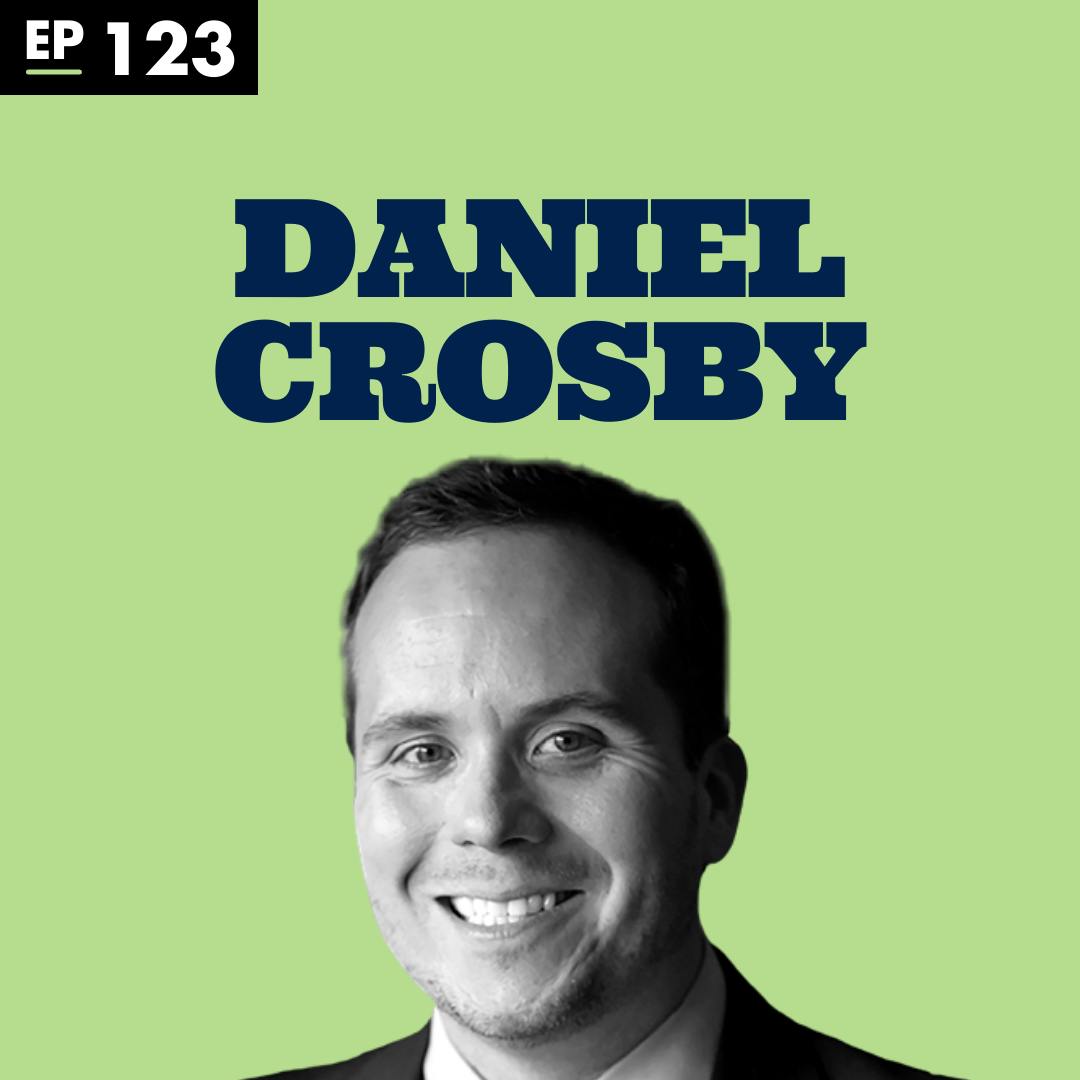
Your Brain on Money with Daniel Crosby - Ep 123
Educated at Brigham Young and Emory Universities, Dr. Daniel Crosby is a psychologist and behavioral finance expert who studies and writes about the intersection of financial markets and the human brain. A New York Times best-selling author, Daniel has published several books, including The Laws of Wealth and The Behavioral Investor, which we discuss in this episode. His ideas have appeared in the Huffington Post and Risk Management Magazine, as well as his monthly columns for WealthManagement.com and Investment News. Daniel was named one of the “12 Thinkers to Watch” by Monster.com and a “Financial Blogger You Should Be Reading” by AARP. In this substantive yet light-hearted conversation, Paul and Daniel examine: • Evolution and how we are the descendants of paranoid, twitchy, and skeptical ancestors • The role of self-esteem in achieving positive financial outcomes • How financial advisors (don’t call them “brokers!”) can keep yo from your own • And, of course…gazelles. He also shares insights into his guitar and sneaker fetish. (Well, maybe not “fetish,” but “obsession.”) Listen to Daniel's Standard Deviations podcast here and find his books here. ❤️ Rate and review Crazy Money by clicking here. 📩 See Paul’s upcoming shows here. 📷Follow Paul on Instagram here. 👒 See Paul’s wife’s fashion accessory, Sidecar here. About Crazy Money: Unlike traditional personal finance shows, Crazy Money is not about how to make a million bucks, how to beat the stock market, or how to save money by switching credit cards. It is about deciding what role we want money to play in our lives and how we can use it to be our best selves. Topics covered include: philosophy, happiness, contentment, meaning, dreams, purpose, success, society, mental health, Buddhism, Stoicism, the hedonic treadmill, morality, mid-life crisis, business, work, careers, authors, books, consumerism, values, capitalism, economics, investing, saving, spending, personal finance, charity, philanthropy, altruism, affluence, wealth management, culture, society, status, ambition, accomplishment, perfectionism. Please stop reading and have a great day. Paul loves you. This is a public episode. If you'd like to discuss this with other subscribers or get access to bonus episodes, visit words.paulollinger.com/subscribe
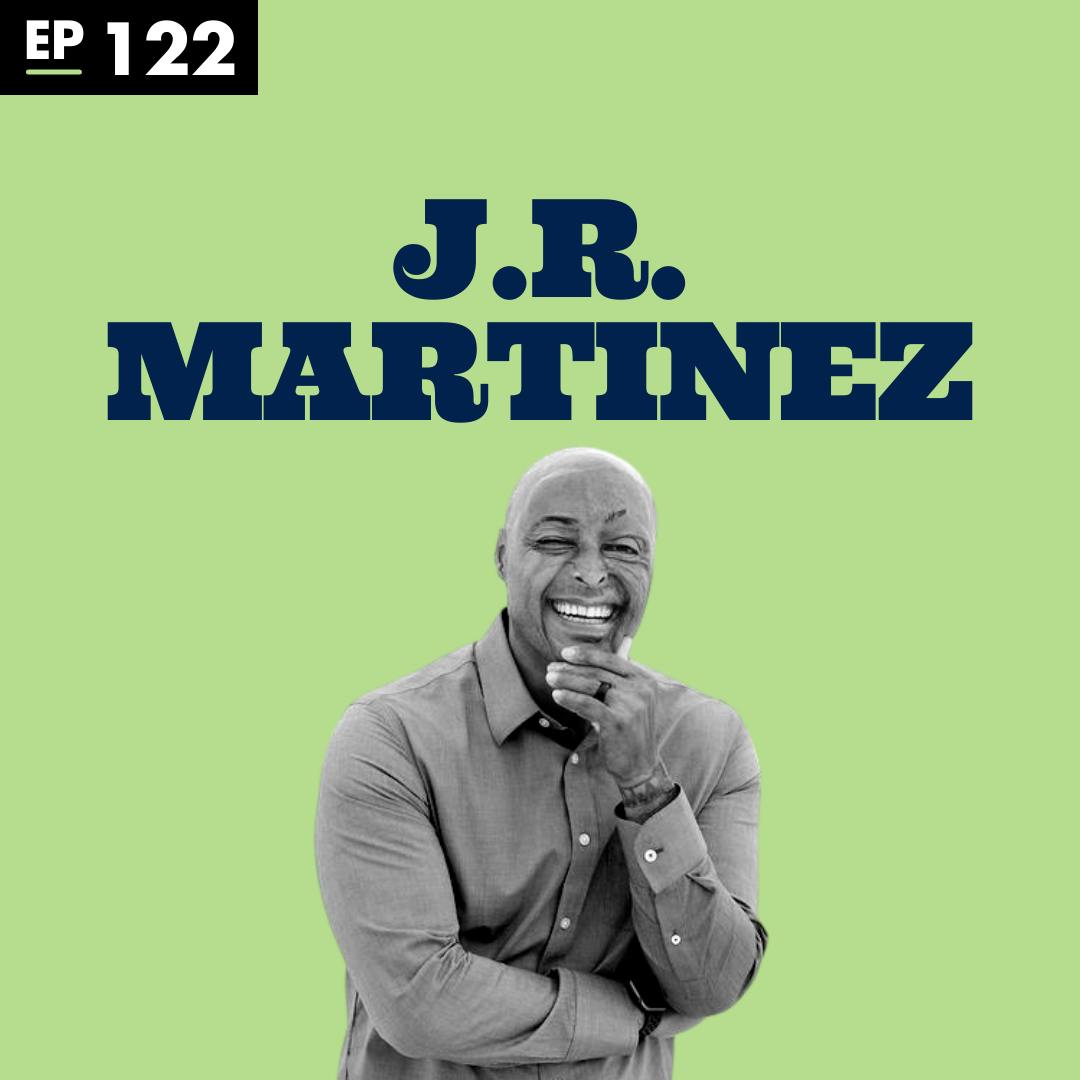
From Iraq to Dancing with the Stars with J.R. Martinez - Ep 122
J.R. Martinez joined the Army to give back to the country that accepted his immigrant, single mother and to earn money for college. As a 19-year-old, handsome Infantryman, he quickly deployed to Iraq. One bad day, his Humvee hit a roadside bomb, trapping J.R. inside where burning fuel literally melted the skin from his face and consumed one of his ears. J.R.’s buddies pulled him clear but not before he suffered third-degree burns over almost half body, broken ribs, damaged lungs and physical scarring that remains to this day. Putting J.R. back together required 34 surgeries over the next few years and lots of emotional work to help him come to terms with his new reality. Yet after all of that, J.R. calls this devastating event “a blessing.” Early in his long recovery, doctors invited him to visit newly-injured soldiers. By serving these young men and women, J.R. realized his life still had a purpose and that he could contribute to the well-being of others even with his limited physical capacity. The positive mental attitude that got him noticed by senior officers also earned the attention of Hollywood when he won a role on the soap opera All My Children. That led to a stint on season 13 of Dancing with the Stars, which he and his dance partner (Karina Smirnoff) won! In this unstructured conversation, J.R. and I talk about fatherhood, fertility testing (gotta fill that cup, fellas!), career ups-and-downs, marriage, and J.R.’s journey. He’s an incredible guy and I know you’ll feel better after learning how he made it through all life could throw at him. Check out everything J.R., including his memoir (Full of Heart) and The Rebirth Podcast on his website.❤️ Please rate and review Crazy Money by clicking here. ❤️ Join Paul on Harvard Business School Encore Career Panel - click here. About Crazy Money: Unlike traditional personal finance shows, Crazy Money is not about how to make a million bucks, how to beat the stock market, or how to save money by switching credit cards. It is about deciding what role we want money to play in our lives and how we can use it to be our best selves. Topics covered include: philosophy, happiness, contentment, meaning, dreams, purpose, success, society, mental health, Buddhism, Stoicism, the hedonic treadmill, morality, mid-life crisis, business, work, careers, authors, books, consumerism, values, capitalism, economics, investing, saving, spending, personal finance, charity, philanthropy, altruism, affluence, wealth management, culture, society, status, ambition, accomplishment, perfectionism. On this episode we talk about: Iraq, wounded warriors, soldiers, military, veterans, fatherhood, fertility, marriage.Please stop reading and have a great day. Paul loves you. This is a public episode. If you'd like to discuss this with other subscribers or get access to bonus episodes, visit words.paulollinger.com/subscribe
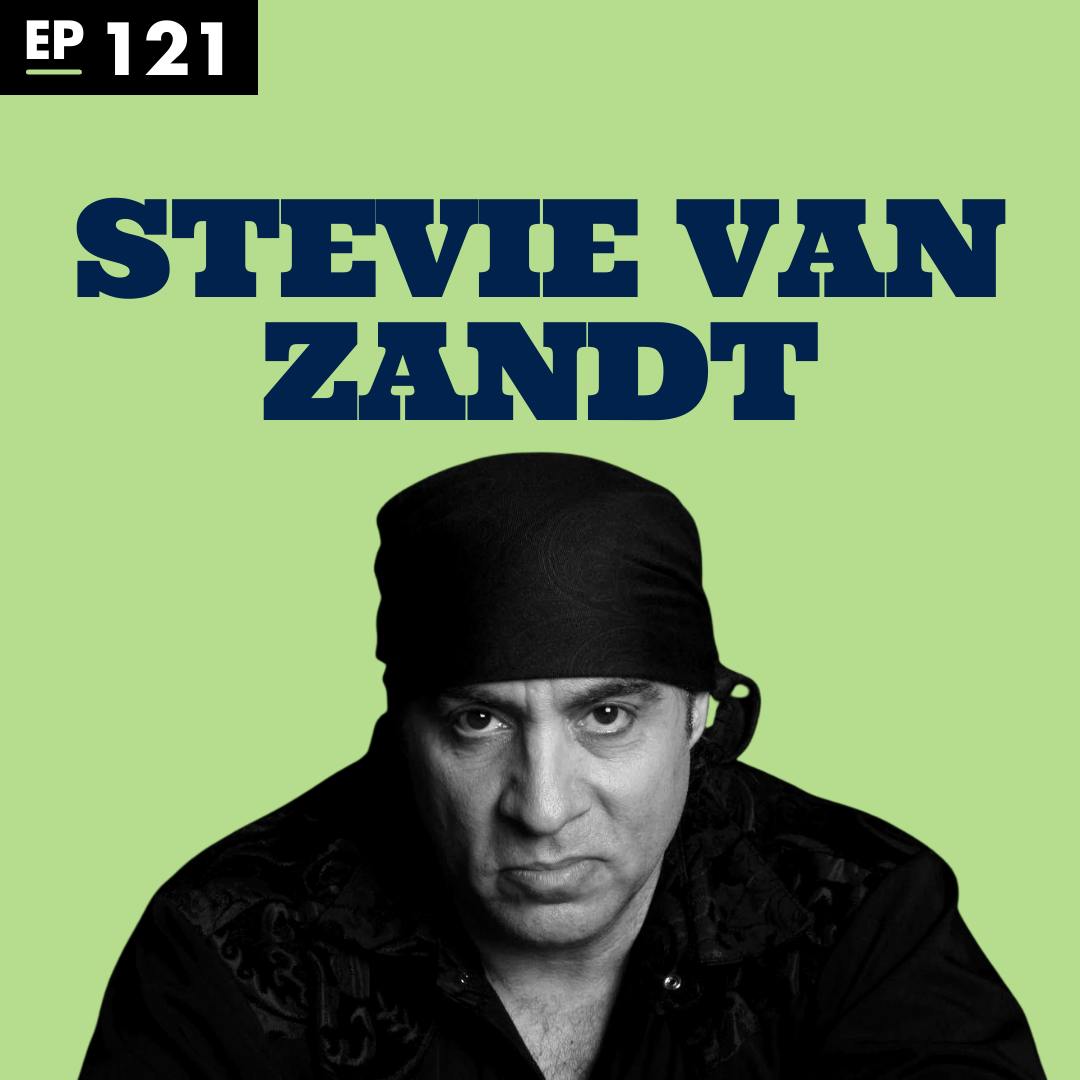
Stevie Van Zandt takes it all in - Ep 121
Stevie Van Zandt is best-known as guitarist and founding member of Bruce Springsteen's E Street Band, and for playing Silvio Dante on HBO's The Sopranos and Frank Tagliano on Netflix's Lilyhammer. But as he shares in his new memoir, Unrequited Infatuations, Stevie has done so much more with his time on this earth, even if it all didn’t go exactly as he might have hoped. As a producer, songwriter, and arranger, Stevie has helped countless artists make beautiful music. His songs have been performed by Jackson Browne, Pearl Jam, Nancy Sinatra, and many more. He co-produced Bruce Springsteen and the E Street Band’s The River and Born in the USA, acted in the role of Jerry Vale in Martin Scorcese’s The Irishman, programs and hosts two radio channels on Sirius/XM and—somewhere along the way—found time to fight for causes he believed in, most notably Artists Against Apartheid for which he was honored by the United Nations. In today’s conversation, Stevie shares the frustrations and occasional disappointments of putting your whole heart (and, sometimes, all your money) into your artistic vision. Yet he abides in his passionate pursuit of musical beauty. In the words of his friend, Bruce Springsteen Stevie remains "the planet’s most charismatic, dedicated and visible crusader scrapping to preserve the dirty purity of rock n’ roll.” Buy several copies of Stevie's book at https://www.littlesteven.com/Tell the world that you ❤️ Crazy Money: https://ratethispodcast.com/crazymoney About Crazy Money: Unlike traditional personal finance shows, Crazy Money is not about how to make a million bucks, how to beat the stock market, or how to save money by switching credit cards. It is about deciding what role we want money to play in our lives and how we can use it to be our best selves. Topics covered include: philosophy, happiness, contentment, meaning, dreams, purpose, success, society, mental health, Buddhism, Stoicism, the hedonic treadmill, morality, mid-life crisis, business, work, careers, authors, books, consumerism, values, capitalism, economics, investing, saving, spending, personal finance, charity, philanthropy, altruism, affluence, wealth management, culture, society, status, ambition, accomplishment, perfectionism. On this episode we talk about: Art, music, music business, commerce, New Jersey, HBO, Netflix, Sopranos, Lilyhammer, concerts, Little Steven, BadaBing, authors, books Please stop reading and have a great day. Paul loves you. This is a public episode. If you'd like to discuss this with other subscribers or get access to bonus episodes, visit words.paulollinger.com/subscribe
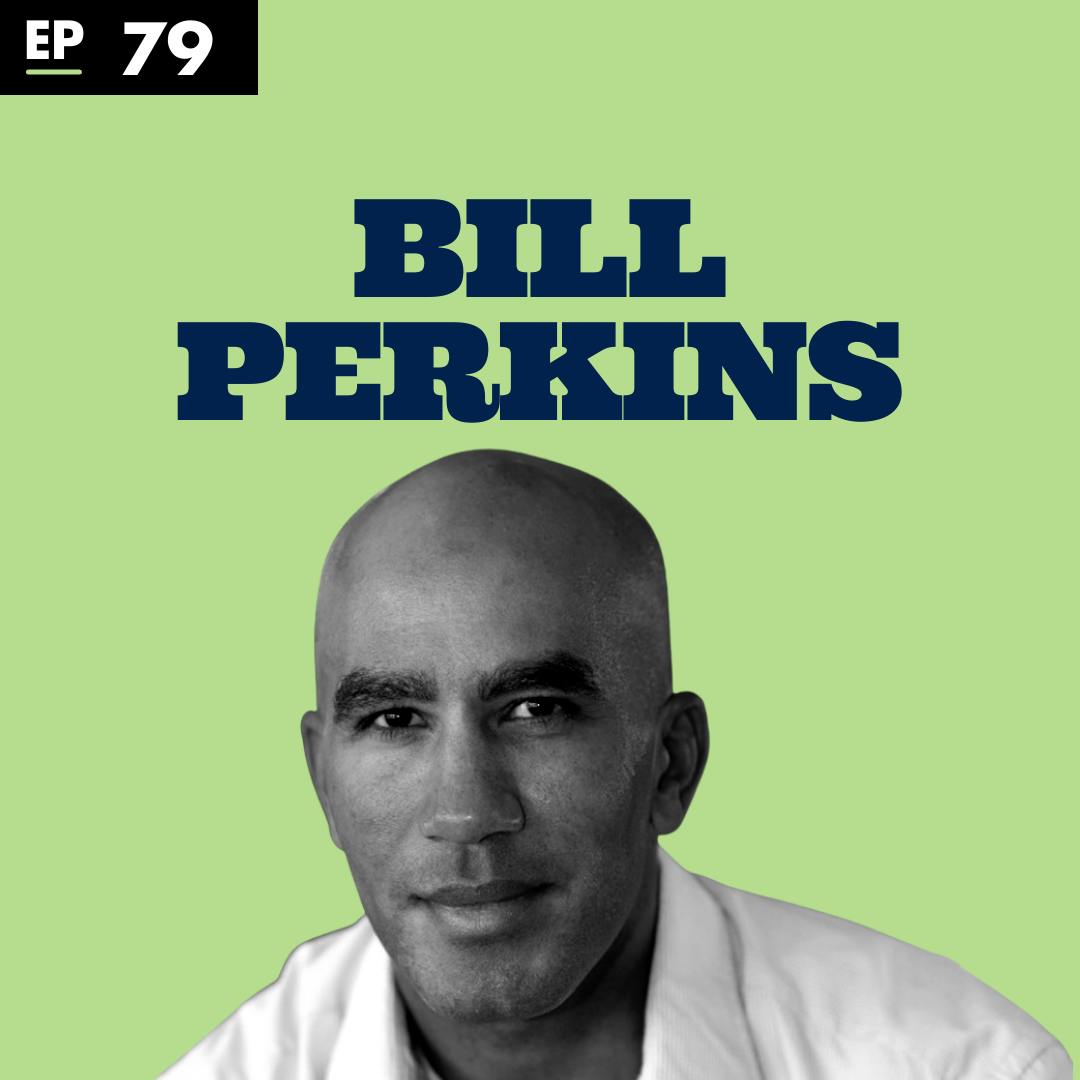
Net fulfillment v. Net worth with Bill Perkins - ENCORE EPISODE
(originally posted Sept, 2020) Would you consider yourself a success if you died with $1 million? How about $10 million? Well, what if you died with $0.00? In his new book, Die With Zero: Getting All you Can from Your Money and Your Life, Bill Perkins challenges you to flout conventional wisdom and spend your money not just before you’re dead, but while you’re still young enough to enjoy it. That’s right, instead of maximizing your net worth at death, he wants you to die having lived a life rich in experiences that your hard-earned money made possible. And he’s not saying you should blow it all on parties or ignore the needs of your kids or charities. He’s just saying that the time to decide how to best invest, spend, gift, or bequeath your fortune--big or small--is while you are still on this side of the dirt and still mobile enough to enjoy it. After all, travel is no fun when you’re too infirm to explore and savor the local culture. So dither not! There will be plenty of time to watch Family Feud and The Price is Right when you’re 87 and stuck in your recliner. Called “the last cowboy” by The Wall Street Journal, Bill Perkins is one of the world’s most successful hedge fund managers and entrepreneurs. After studying electrical engineering at the University of Iowa, Bill worked on Wall Street then moved to Houston where he made a fortune as an energy trader. He is currently CEO of BrisaMax Holdings, a consulting services firm based in the U.S. Virgin Islands. Now 51 years-old, Bill views his career as an engine for personal growth and spends his time exploring the world, savoring his relationships, and taking in all that life has to offer. Read more about Bill and the book here. Please take a second to rate and review Crazy Money here. (Click on whichever app you use to listen!)Find out more about Crazy Money and Paul Ollinger on his website and/or follow him on the socials: • Instagram: https://www.instagram.com/paul_ollinger/• Facebook: https://www.facebook.com/PaulOllinger/Produced and edited by Mike Carano.Topics addressed on Crazy Money include: Philosophy, Happiness, Contentment, Meaning, Success, Rat Race, Buddhism, Stoicism, The hedonic treadmill, Mid-Life Crisis, Business, Work, Careers, Authors, Books, Consumerism, Values.Okay, you’ve reached the end of this episode description. And yet you’re still reading. Why? You must not have much going on today. Hey, have you rated and reviewed this fine podcast yet? You should. So either go back to the podcast page (the page about the whole show, not just this episode) and scroll down, way down to where you see “Rate and Review,” then do your thing. Or, as I say above, click here. This is a public episode. If you'd like to discuss this with other subscribers or get access to bonus episodes, visit words.paulollinger.com/subscribe
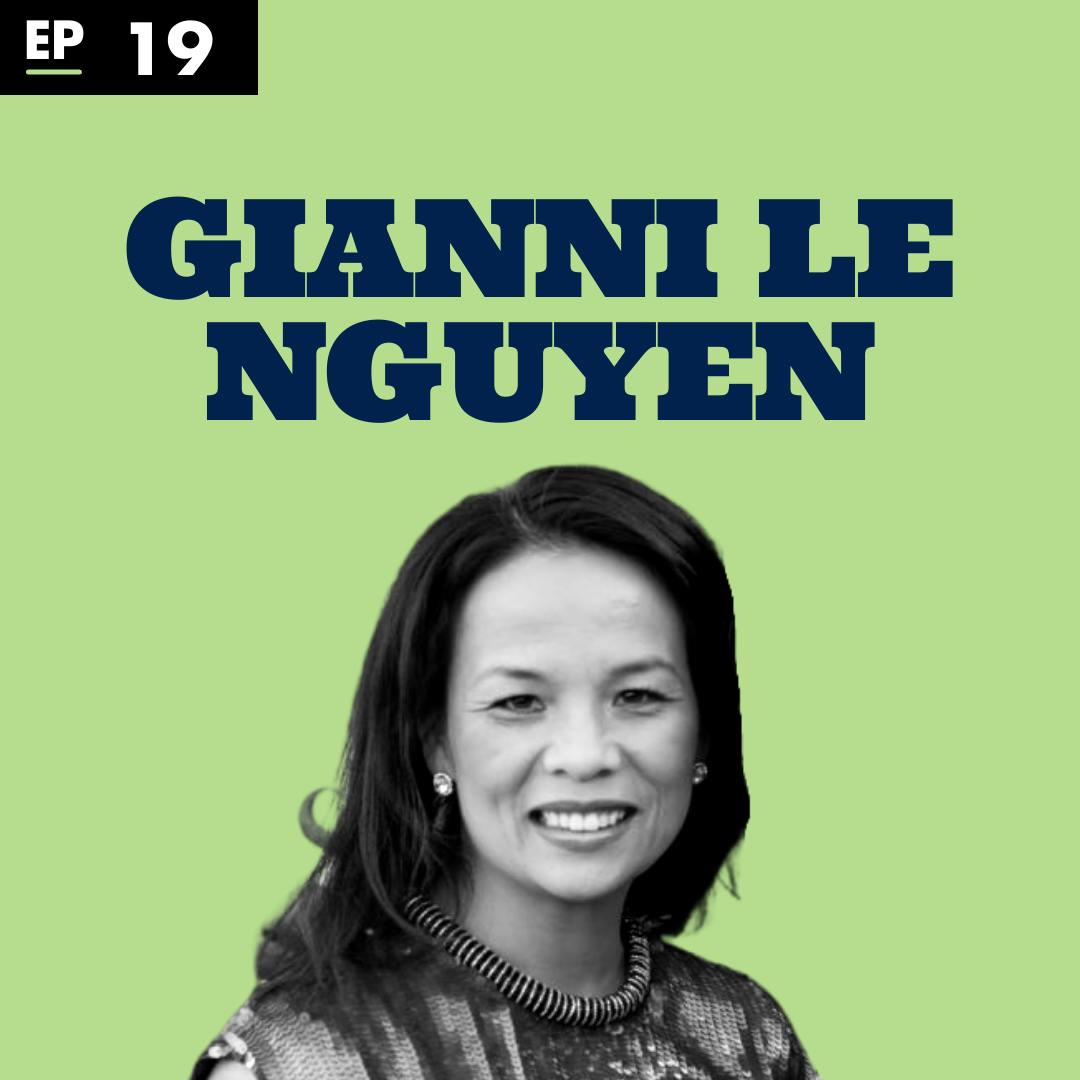
Gianni Le Nguyen: mom, entrepreneur, Vietnamese refugee. ENCORE EPISODE
(Originally posted June, 2019) Gianni Le Nguyen fled Vietnam at the age of 5. Late one night in the early 1980s, her father wrapped his two young daughters in a fishing net, then rowed a basket boat out to meet a more seaworthy vessel a quarter mile offshore. They spent five days battling storms, illness and pirates who took everything Gianni’s dad possessed, including his official papers. Thus began a beauracratic mess that left her family in refugee camps for over two years before they finally made their way to Beaverton, Oregon. Almost 40 years later, Gianni is a successful entrepreneur, mother of four, and wife to an American dude named Brian. Her journey fits a pattern of Asian immigration that has strengthen the USA. According to Pew Research, "Asian Americans are the highest-income, best-educated and fastest-growing racial group in the United States. They are more satisfied than the general public with their lives, finances and the direction of the country, and they place more value than other Americans do on marriage, parenthood, hard work and career success.” Gianni and I talk about her journey and how it affected her relationship to money, financial security and her thoughts on a proper work ethic. Originally published June, 2019. See pictures of Gianni and family and of Paul, Gianni, and her sister in Vietnam in 2005 on Crazy Money Facebook Page. Email Paul: [email protected] This is a public episode. If you'd like to discuss this with other subscribers or get access to bonus episodes, visit words.paulollinger.com/subscribe
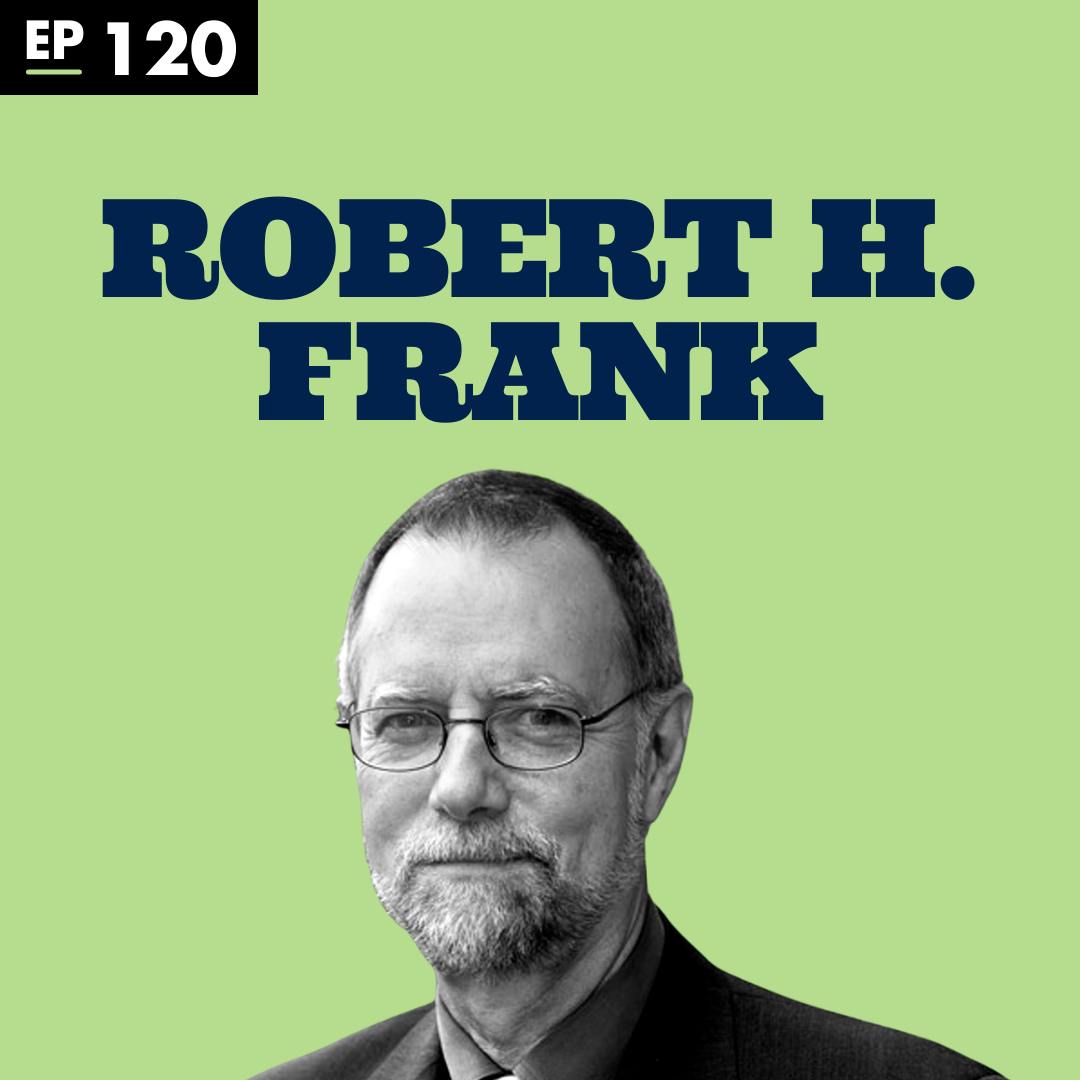
Luck v. Hard Work with Robert H. Frank- Ep 120
Robert H. “Bob” Frank teaches economics at Cornell and is the author of a dozen books, including the one that caught my eye for this week’s topic: Luck and Success: Good Fortune and the Myth of Meritocracy. Bob cares a great deal about recognizing luck’s role in our success because doing so, he argues, would make us all more grateful, happy, and generous. He also cares because without the “lucky” proximity of an ambulance one cold November morning, he wouldn’t have survived the heart attack that laid him out on the tennis court in Ithaca, NY a few years back. But survive he did and he forged on to continue teaching and writing about status, ambition, spending, social signaling, and the evolutionary traits that lead to such behavior. The Henrietta Johnson Louis Professor of Management Emeritus at Cornell’s SC Johnson College of Business, Bob’s other books include Luxury Fever: Money and Happiness in an Era of Excess, Under the Influence: Putting Peer Pressure to Work, and Principles of Macroeconomics, the textbook he co-authoredwith former Federal Reserve Chair, Ben Bernanke. Bob’s writing has appeared in top publications and academic journals, including The Atlantic, Journal of Economics, Journal of Public Economics, American Economic Review, The American Prospect, and Chronicle of Higher Education. He is a regular contributor to the Economic View column in the New York Times. Bob received his undergraduate degree from Georgia Tech and his MA and Ph.D from UC Berkeley. He has taught economics at Cornell since 1972. Follow Bob on Twitter @econnaturalist Click HERE to ✍️ RATE / REVIEW Crazy Money 🎤 >> See Paul’s upcoming live comedy show dates. ✉️ >> E-mail Paul 📸 >> Follow on Instagram 🌍 >> Join the Facebook Crazy Money Listeners Group About Crazy Money: Unlike traditional personal finance shows, Crazy Money is not about how to make a million bucks, how to beat the stock market, or how to save money by switching credit cards. It is about deciding what role we want money to play in our lives and how we can use it to be our best selves. Topics covered include: philosophy, happiness, contentment, meaning, dreams, purpose, success, society, mental health, Buddhism, Stoicism, the hedonic treadmill, morality, mid-life crisis, business, work, careers, authors, books, consumerism, values, capitalism, economics, investing, saving, spending, personal finance, charity, philanthropy, altruism, affluence, wealth management, culture, society, status, ambition, accomplishment, perfectionism. This week’s episode includes thoughts on Taxes conspicous consumption spending luxury luxuries luck Peace corps adaptation habituation status well-being rationality behavioral economics luck gratitude Please stop reading and have a great day. Paul loves you. This is a public episode. If you'd like to discuss this with other subscribers or get access to bonus episodes, visit words.paulollinger.com/subscribe
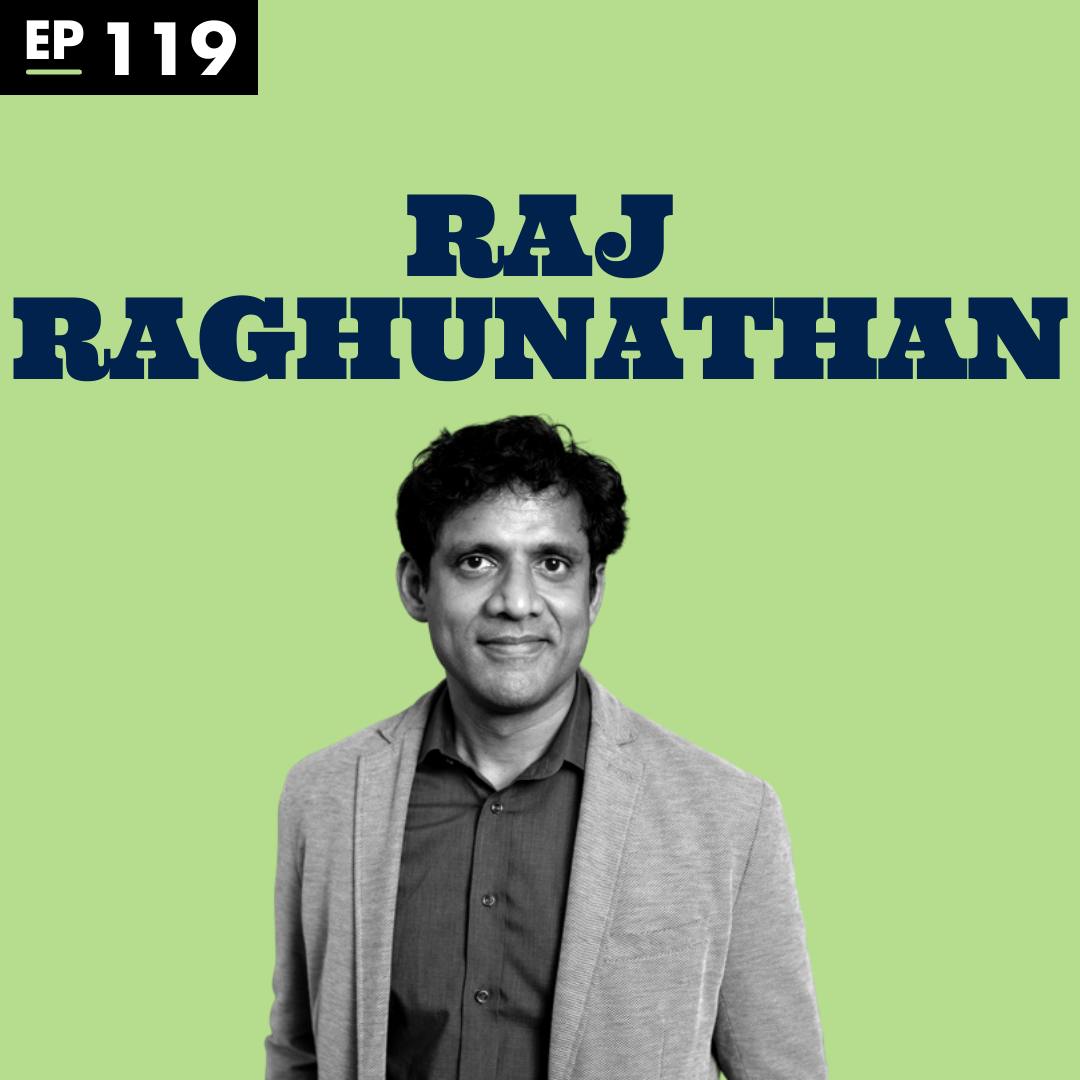
Are Smart People Less Happy? with Raj Raghunathan- Ep 119
Is there something about being successful that makes you less happy? Do smart people’s over-active brains fill their heads with negative thoughts? If so, how can you calm these voices? These are topics we address today with Raj Raghunathan, the author of the book If You’re So Smart, Why Aren’t You Happy? and the creator of the wildly successful Coursera course called A Life of Happiness and Fulfillment. Raj is also a professor of Marketing at the McCombs School of Business at The University of Texas at Austin. In today’s conversation we talk about how being smart and successful might actually work against you when it comes to being happy, day-in and day-out, why relationships are more important than money, the three main categories of your negative thoughts, and whether happiness is a choice. Learn more about Raj, the book, and take the Happiness Questionnaire on HappySmarts.com. Click HERE to ✍️ RATE / REVIEW Crazy Money! CONNECT WITH PAUL: 📸 Instagram: >> https://www.instagram.com/crazymoneypodcast/ >> E-mail Paul 🌍 Facebook (Crazy Money Listeners Group): >> https://www.facebook.com/groups/446049973036596 About Crazy Money: Unlike traditional personal finance shows, Crazy Money is not about how to make a million bucks, how to beat the stock market, or how to save money by switching credit cards. It is about deciding what role we want money to play in our lives and how we can use it to be our best selves. Topics covered include: philosophy, happiness, contentment, meaning, dreams, purpose, success, society, mental health, Buddhism, Stoicism, the hedonic treadmill, morality, mid-life crisis, business, work, careers, authors, books, consumerism, values, capitalism, economics, investing, saving, spending, personal finance, charity, philanthropy, altruism, affluence, wealth management, culture, society, status, ambition, accomplishment, perfectionism. Please stop reading and have a great day. Paul loves you. This is a public episode. If you'd like to discuss this with other subscribers or get access to bonus episodes, visit words.paulollinger.com/subscribe
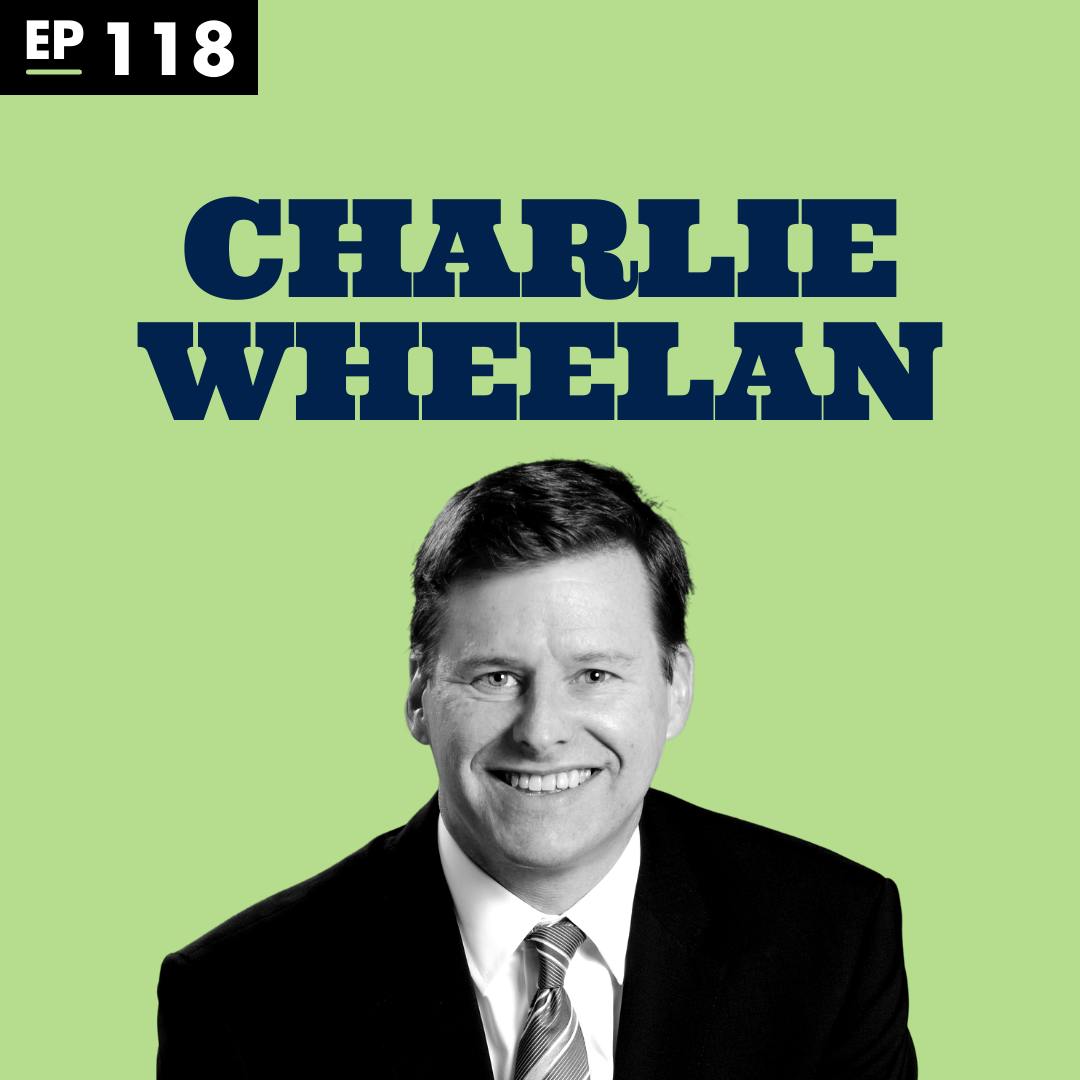
How to Restore Sanity to our Political System with Charlie Wheelan - Ep 118
Charlie Wheelan is a professor of economics and public policy at Dartmouth College and the author of several books, including Naked Money, Naked Economics, (no nudity in either), and The Centrist Manifesto, all of which we discuss in this episode. The Chicago Sun-Times describes Charlie as someone who “combines a razor-sharp mind with a boatload of charm and impressive expertise in economics and foreign policy,” which might be why his students regularly pick him as one of Dartmouth's 10 best professors. Charlie is also the founder and Co-director of Unite America, a movement of Democrats, Republicans, and independents working together to to put voters first by fostering more representative and functional government. In March, 2009, Charlie ran unsuccessfully for the Congressional seat vacated by Rahm Emanuel who went on to become President Obama’s Chief of Staff. Charlie is a graduate of Dartmouth and holds a Master’s from Princeton and a Ph.D. from the University of Chicago. In today’s conversation, we talk about why our political process has become so polarized, why it’s near impossible to get reasonable candidates elected, and what each party is either right or wrong about. (Yes, there are actually merits to be considered on both sides of the spectrum!) Most importantly, Charlie lays out some very practical ideas for how we can restore sanity to our governing bodies. How does this conversation fit in with the overall discussion of money and happiness? Well, I have found that the increasingly harsh political rancor in recent years to be a huge downer. It has affected the quality and tenor of many of my personal relationships and seems to have pulled us apart as a society. Few conversations can just occur without having to consider the other person’s political persuasion. Maybe this is something that happens as you get older or perhaps this is actually unique to our day and age. Either way, it sucks, and we’d all be better off if we prioritized country over party, the way Charlie implores us to do. Visit Charlie’s website and/or check out Unite America. Click HERE to ✍️ RATE / REVIEW Crazy Money! CONNECT WITH PAUL: 📸 Instagram: >> https://www.instagram.com/crazymoneypodcast/ >> E-mail Paul 🌍 Facebook (Crazy Money Listeners Group): >> https://www.facebook.com/groups/446049973036596 About Crazy Money: Unlike traditional personal finance shows, Crazy Money is not about how to make a million bucks, how to beat the stock market, or how to save money by switching credit cards. It is about deciding what role we want money to play in our lives and how we can use it to be our best selves. Topics covered include: philosophy, happiness, contentment, meaning, dreams, purpose, success, society, mental health, Buddhism, Stoicism, the hedonic treadmill, morality, mid-life crisis, business, work, careers, authors, books, consumerism, values, capitalism, economics, investing, saving, spending, personal finance, charity, philanthropy, altruism, affluence, wealth management, culture, society, status, ambition, accomplishment, perfectionism. On this episode we talk about: Taxes tax policy inequality infrastructure Civics government elections voting Please stop reading and have a great day. Paul loves you. This is a public episode. If you'd like to discuss this with other subscribers or get access to bonus episodes, visit words.paulollinger.com/subscribe
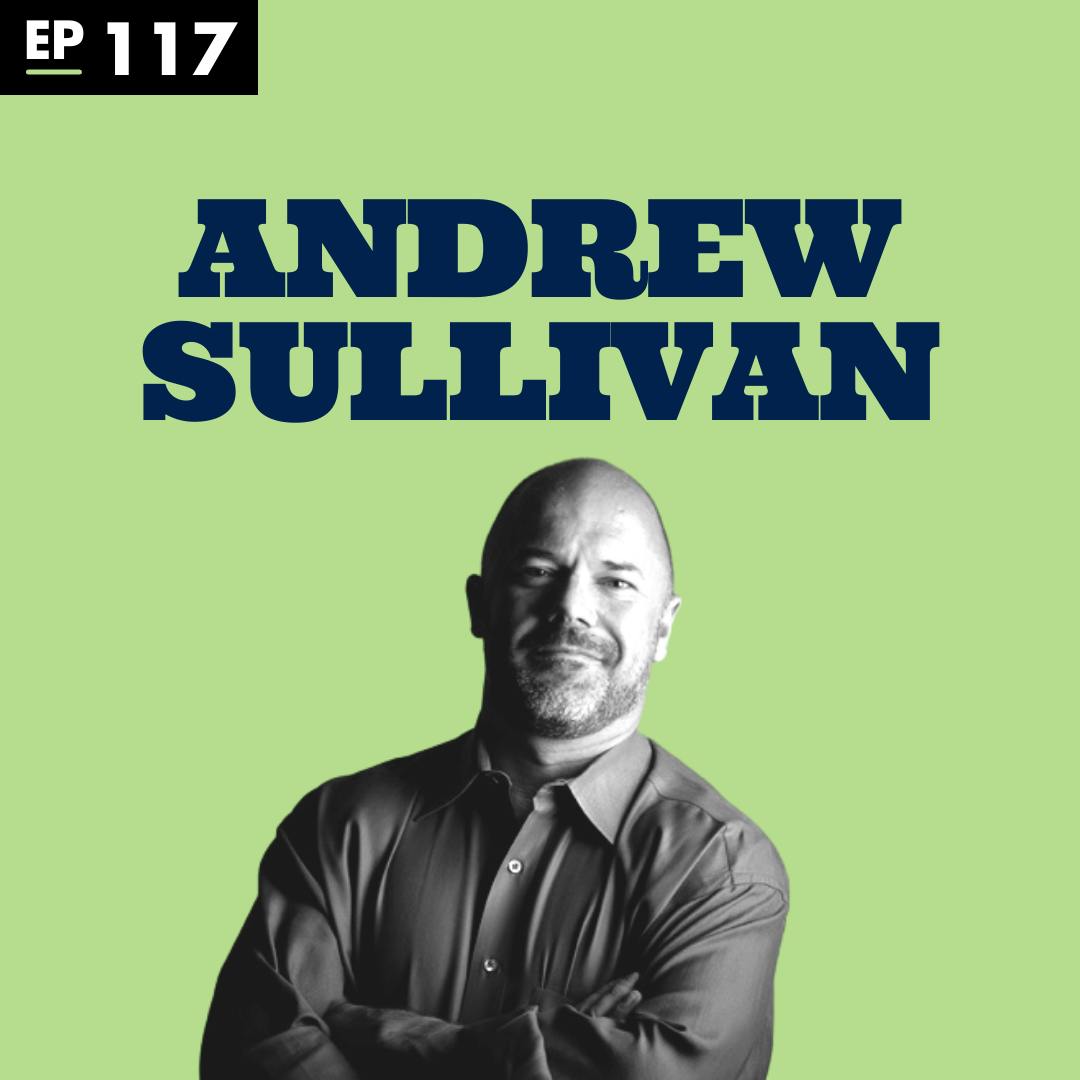
Andrew Sullivan Holds Nothing Back - Ep 117
Andrew Sullivan’s new book, Out on a Limb: Selected Writing 1989-2021 captures the best of his three decade quest to identify and share The Truth with his readers. Because his philosophy does not adhere to the predominant narrative of either the Left or the Right, Andrew has made many enemies over the years. He has been called a flaming liberal, a nazi, a misgoynist, a white supremacist, a homophobe, and the Anti-Christ, which is pretty ironic given that he is both gay and a devout Catholic. Yet he forged—and still forges—on, enduring the inevitable slings and arrows that come at anyone who says what few others have the courage or wisdom to articulate. As he shares in this discussion, Andrew writes from a visceral need to make sense of issues that trouble him on a gut level. His work spans social issues from domestic and international politics, to AIDS, religion, cancel culture, and Monica Lewinsky. Andrew was editor of The New Republic for five years and was a vocal voice in support of gay marriage going back to 1989 when the concept was a pipe dream. His work has appeared in dozens of outlets, including the Time, Salon, New York Times, The Sunday Times, andThe Atlantic. In addition to the new release, his previous books include The Conservative Soul, Virtually Normal, Love Undetectable. Subscribe to The Dish here. Follow Andrew on Twitter. Click HERE to ✍️ RATE / REVIEW Crazy Money! CONNECT WITH PAUL: 📸 Instagram: >> https://www.instagram.com/crazymoneypodcast/ >> E-mail Paul 🌍 Facebook (Crazy Money Listeners Group): >> https://www.facebook.com/groups/446049973036596 About Crazy Money: Unlike traditional personal finance shows, Crazy Money is not about how to make a million bucks, how to beat the stock market, or how to save money by switching credit cards. It is about deciding what role we want money to play in our lives and how we can use it to be our best selves. Topics covered include: philosophy, happiness, contentment, meaning, dreams, purpose, success, society, mental health, Buddhism, Stoicism, the hedonic treadmill, morality, mid-life crisis, business, work, careers, authors, books, consumerism, values, capitalism, economics, investing, saving, spending, personal finance, charity, philanthropy, altruism, affluence, wealth management, culture, society, status, ambition, accomplishment, perfectionism. On this episode we talk about AIDS Marriage equality Homosexuality journalism writing media Cancel cutlture Identity Race Religion Catholicism Faith Please stop reading and have a great day. Paul loves you. This is a public episode. If you'd like to discuss this with other subscribers or get access to bonus episodes, visit words.paulollinger.com/subscribe
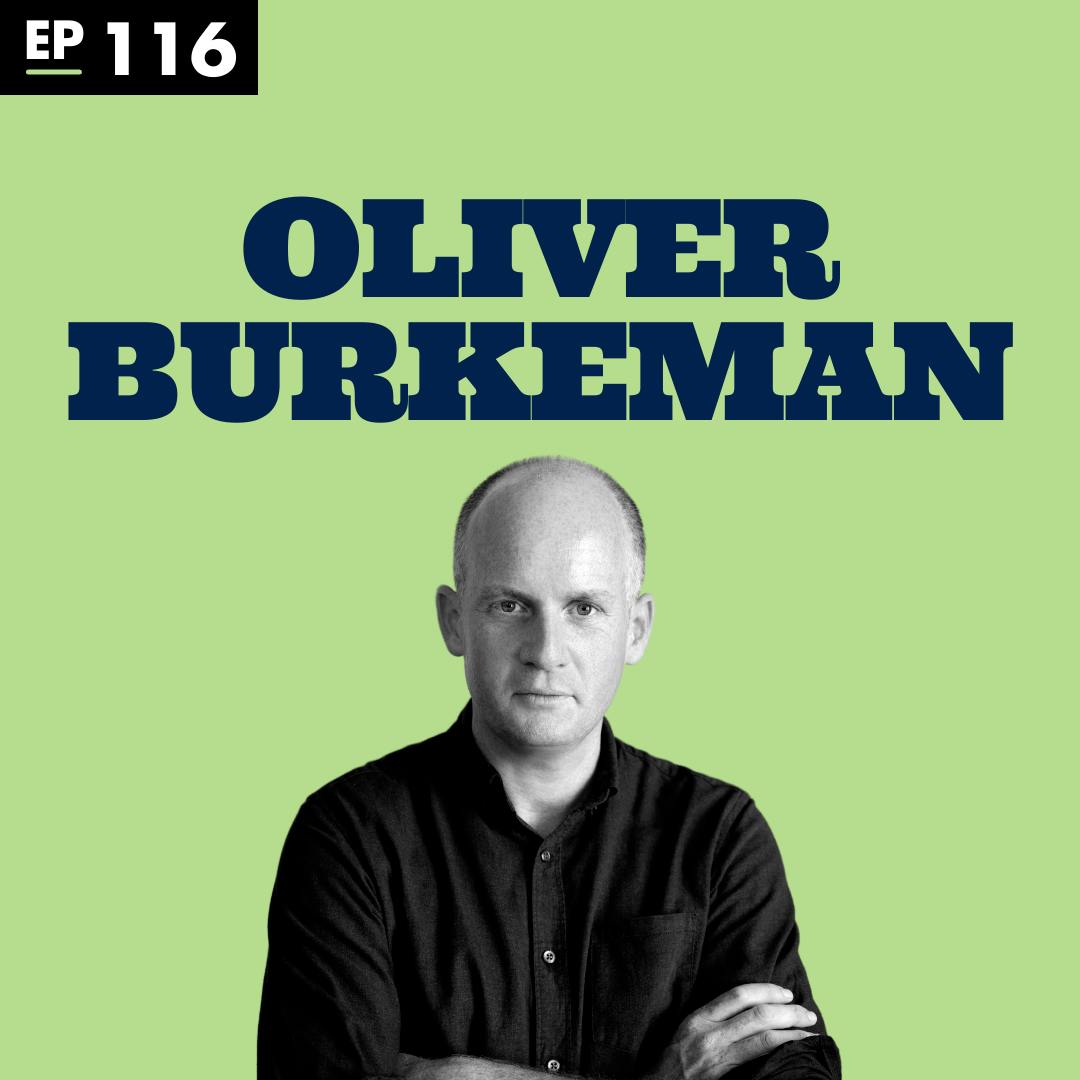
How to Use Your 4,000 Weeks with Oliver Burkeman - Ep 116
Oliver Burkeman is the author of the new book, 4,000 Weeks: Time Managment for Mortals, which Adam Grant calls “The most important book ever written about time management.” In it, Oliver argues that using your life (4,000 weeks = about 80 years) most meaningfully requires abandoning the illusion that we can—or should try to—get everything done. And that the attempt to do so just leaves us miserable and isolated. So indeed, one of the keys to productivity is deciding what to ignore. Further, Oliver reckons, when you put your existence into the context of the enormity of the universe, you realize that many of our “plans” are just distractions from the knowledge that we will all eventually be dead and won’t be remembered for terribly long. So why shouldn’t we just spend our days taking hikes and cooking for our children? Hey, that’s not a bad question. I am a big fan of Oliver’s deeply-informed, highly-thoughtful, and quite funny writing. On his first Crazy Money appearance, we discussed his book, The Antidote: Happiness for People Who Can’t Stand Positive Thinking in which he lays out an equally counter-intuitive (well, counter-narrative anyway) that being happy starts with lowering your expectations. And that he argues leaves us with a reasonable expectation of where we actually derive meaning in our lives. In addition to his books, Oliver wrote the "This Column Will Change Your Life" column for The Guardianfor about 14 years. Sign up for Oliver’s newsletter here. Listen to Monty Python’s The Galaxy Songhere. Listen to Oliver’s first Crazy Money appearance here. Click HERE to ✍️ RATE / REVIEW Crazy Money! CONNECT WITH PAUL: 📸 Instagram: >> https://www.instagram.com/crazymoneypodcast/ >> E-mail Paul 🌍 Facebook (Crazy Money Listeners Group): >> https://www.facebook.com/groups/446049973036596 About Crazy Money: Unlike traditional personal finance shows, Crazy Money is not about how to make a million bucks, how to beat the stock market, or how to save money by switching credit cards. It is about deciding what role we want money to play in our lives and how we can use it to be our best selves. Topics covered include: philosophy, happiness, contentment, meaning, dreams, purpose, success, society, mental health, Buddhism, Stoicism, the hedonic treadmill, morality, mid-life crisis, business, work, careers, authors, books, consumerism, values, capitalism, economics, investing, saving, spending, personal finance, charity, philanthropy, altruism, affluence, wealth management, culture, society, status, ambition, accomplishment, perfectionism. Please stop reading and have a great day. Paul loves you. This is a public episode. If you'd like to discuss this with other subscribers or get access to bonus episodes, visit words.paulollinger.com/subscribe
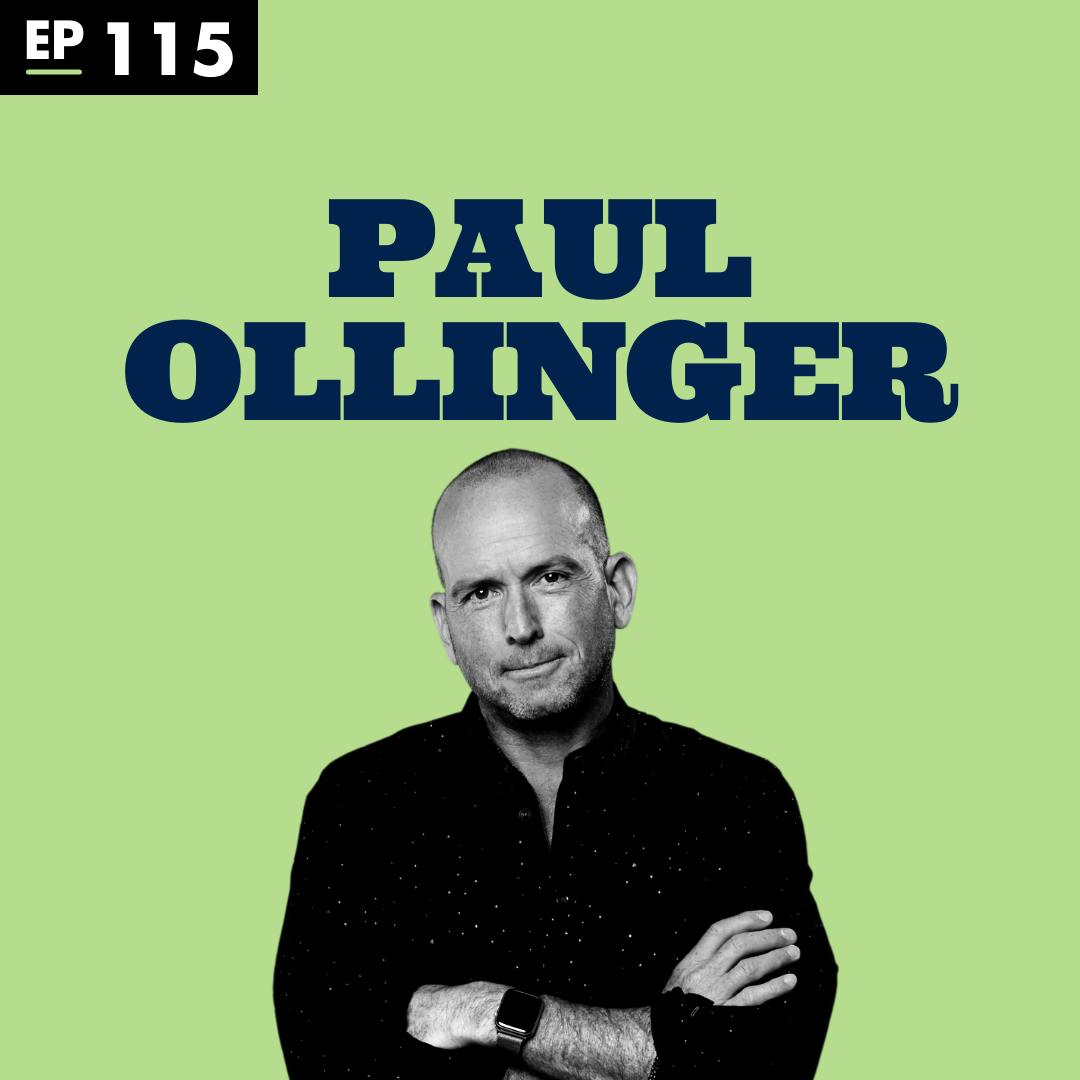
A conversation with my producer Mike Carano- Ep 115
Hello! My name is Mike Carano, I edit Crazy Money. At my suggestion I interviewed Paul for this weeks episode, and unexpectedly didn't get to a single question that I painstakingly crafted. In this episode we talk about stand-up (I worked at The Improv comedy club for 30 years), the origin and mission of this podcast, and I attempt to imply his wife is a serial killer. If you're reading this, congratulations, you got to it before Paul could make changes. I sincerely hope you enjoy this conversation, and more importantly, that I'm not boring.If you have an idea for a potential guest or just want to say hi, please email Paul at [email protected]. HEY YOU! - Click HERE to ✍️ RATE / REVIEW Crazy Money! CONNECT WITH PAUL: 📸 Instagram: >> https://www.instagram.com/crazymoneypodcast/ >> E-mail Paul 🌍 Facebook (Crazy Money Listeners Group): >> https://www.facebook.com/groups/446049973036596 About Crazy Money: Unlike traditional personal finance shows, Crazy Money is not about how to make a million bucks, how to beat the stock market, or how to save money by switching credit cards. It is about deciding what role we want money to play in our lives and how we can use it to be our best selves. Topics covered include: philosophy, happiness, contentment, meaning, dreams, purpose, success, society, mental health, Buddhism, Stoicism, the hedonic treadmill, morality, mid-life crisis, business, work, careers, authors, books, consumerism, values, capitalism, economics, investing, saving, spending, personal finance, charity, philanthropy, altruism, affluence, wealth management, culture, society, status, ambition, accomplishment, perfectionism. Please stop reading and have a great day. Paul loves you. This is a public episode. If you'd like to discuss this with other subscribers or get access to bonus episodes, visit words.paulollinger.com/subscribe
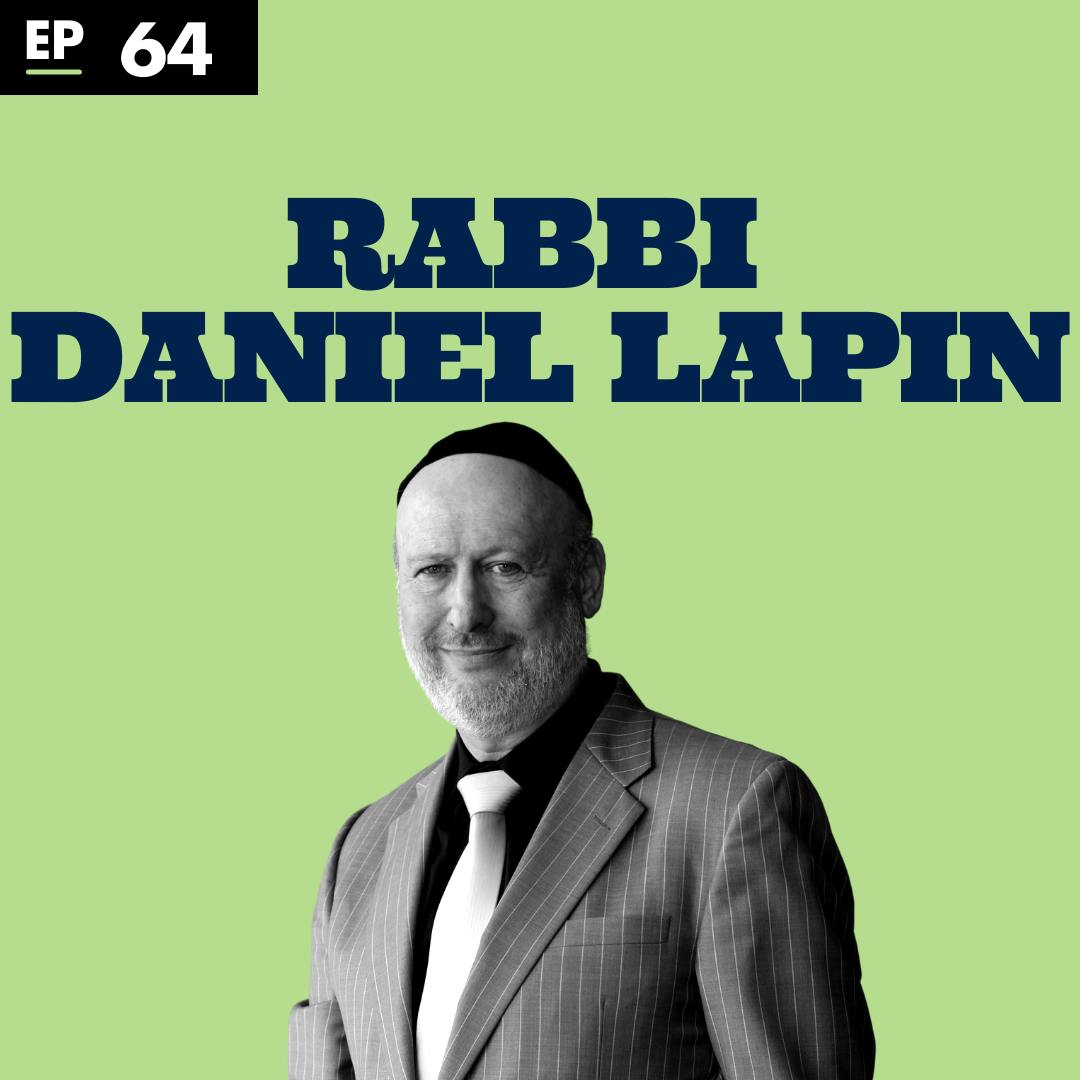
God Wants You to be Rich with Rabbi Daniel Lapin - ENCORE EPISODE
(Originally posted May, 2020...but so worth another listen)Rabbi Daniel Lapin believes that money is the reward we get when we serve another one of God’s children. Therefore, doing business is doing God’s work. In his videos, courses, and books, Thou Shall Prosper and Business Secrets from the Bible, Rabbi Lapin leverages scripture to weave a passionate and refreshing defense of capitalism.In short: God wants man and woman to be together, to serve one another, and to prosper as a result. In addition to capitalism, Rabbi Lapin and I discuss Evangelicalism, the Prosperity Gospel (which he completely disavows), the respective financial attitudes of Protestants v. Catholics, and—yes—why Jews are disproportionately good with money. Full-disclosure: I may be a biased participant in this conversation because the two best financial days of my life were the days I met the late Dave Goldberg and the day I met Mark Zuckerberg. Suffice to say that I have benefited tremendously from my association with The Tribe, even if I once made a tragic sartorial decisions at a Bat Mitzvah (listen for the details. It mortifies me to this day.) Also, just because I host someone and engage them in spirited, good natured conversation does not mean that I agree with 100% of their opinions. It’s an old fashioned concept but it’s possible to disagree with someone you love. If you have an idea for a potential guest or just want to say hi, please email me at [email protected] more about Rabbi Lapin on https://YouNeedaRabbi.com. === HEY YOU! - Click HERE to ✍️ RATE / REVIEW Crazy Money! CONNECT WITH PAUL: 📸 Instagram: >> https://www.instagram.com/crazymoneypodcast/ >> E-mail Paul 🌍 Facebook (Crazy Money Listeners Group): >> https://www.facebook.com/groups/446049973036596 About Crazy Money: Unlike traditional personal finance shows, Crazy Money is not about how to make a million bucks, how to beat the stock market, or how to save money by switching credit cards. It is about deciding what role we want money to play in our lives and how we can use it to be our best selves. Topics covered include: philosophy, happiness, contentment, meaning, dreams, purpose, success, society, mental health, Buddhism, Stoicism, the hedonic treadmill, morality, mid-life crisis, business, work, careers, authors, books, consumerism, values, capitalism, economics, investing, saving, spending, personal finance, charity, philanthropy, altruism, affluence, wealth management, culture, society, status, ambition, accomplishment, perfectionism. In this episode we cover religion judaism faith Please stop reading and have a great day. Paul loves you. This is a public episode. If you'd like to discuss this with other subscribers or get access to bonus episodes, visit words.paulollinger.com/subscribe
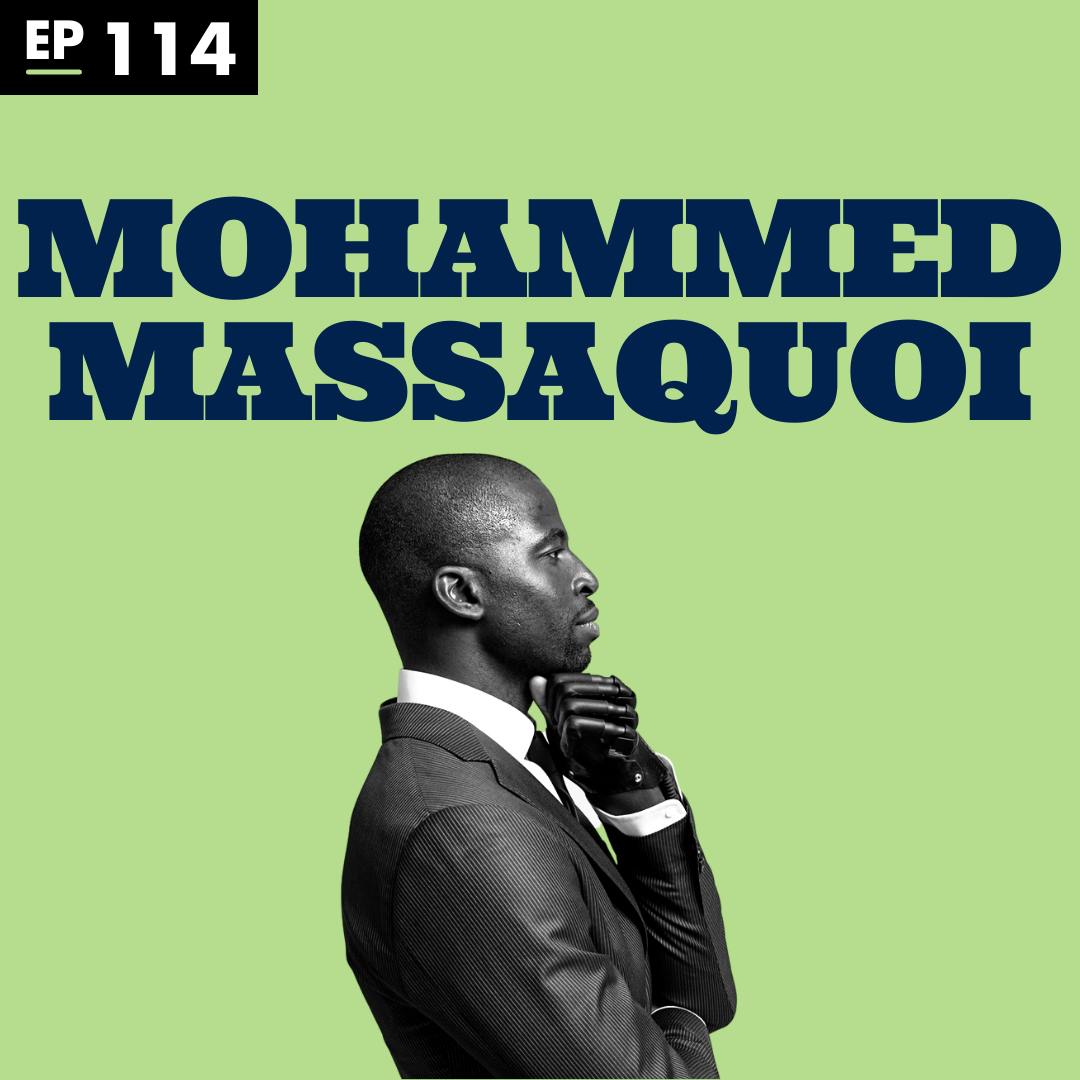
Overcoming Injury and Life After the NFL with Mohamed Massaquoi - Ep 114
Life has thrown a lot more than passes at former NFL wide receiver, Mohamed Massaquoi. Born in the United States to parents from Liberia, Mohamed grew up in Charlotte, NC, became a star receiver at the University of Georgia, and was a second round draft pick of the Cleveland Browns. Unfortunately, serious concussions cut his NFL career short, and a couple of years later, an ATV accident resulted in the amputation of his left hand. As The Dude abides, so Mohamed perseveres. After football and after the accident, Mohamed is pushing himself to new heights and new accomplishments in the field of business. He studied at Harvard Business School and is earning his Masters in Industrial-Organizational Psychology at the University of Georgia. The company he founded, Vessol, helps organizations navigate through change, improve their diversity and inclusion, and build stronger teams. Mohamed and I spoke recently in my basement about his incredible journey. Connect with him on Twitter, Instagram, or LinkedIn. === HEY YOU! - Click HERE to ✍️ RATE / REVIEW Crazy Money! CONNECT WITH PAUL: 📸 Instagram: >> https://www.instagram.com/crazymoneypodcast/ >> E-mail Paul 🌍 Facebook (Crazy Money Listeners Group): >> https://www.facebook.com/groups/446049973036596 About Crazy Money: Unlike traditional personal finance shows, Crazy Money is not about how to make a million bucks, how to beat the stock market, or how to save money by switching credit cards. It is about deciding what role we want money to play in our lives and how we can use it to be our best selves. Topics covered include: philosophy, happiness, contentment, meaning, dreams, purpose, success, society, mental health, Buddhism, Stoicism, the hedonic treadmill, morality, mid-life crisis, business, work, careers, authors, books, consumerism, values, capitalism, economics, investing, saving, spending, personal finance, charity, philanthropy, altruism, affluence, wealth management, culture, society, status, ambition, accomplishment, perfectionism. In this episode we cover athletics athlete football SEC NCAA southeasternconference injury recovery NFL UGA Cleveland Browns football immigration immigrants Please stop reading and have a great day. Paul loves you. This is a public episode. If you'd like to discuss this with other subscribers or get access to bonus episodes, visit words.paulollinger.com/subscribe
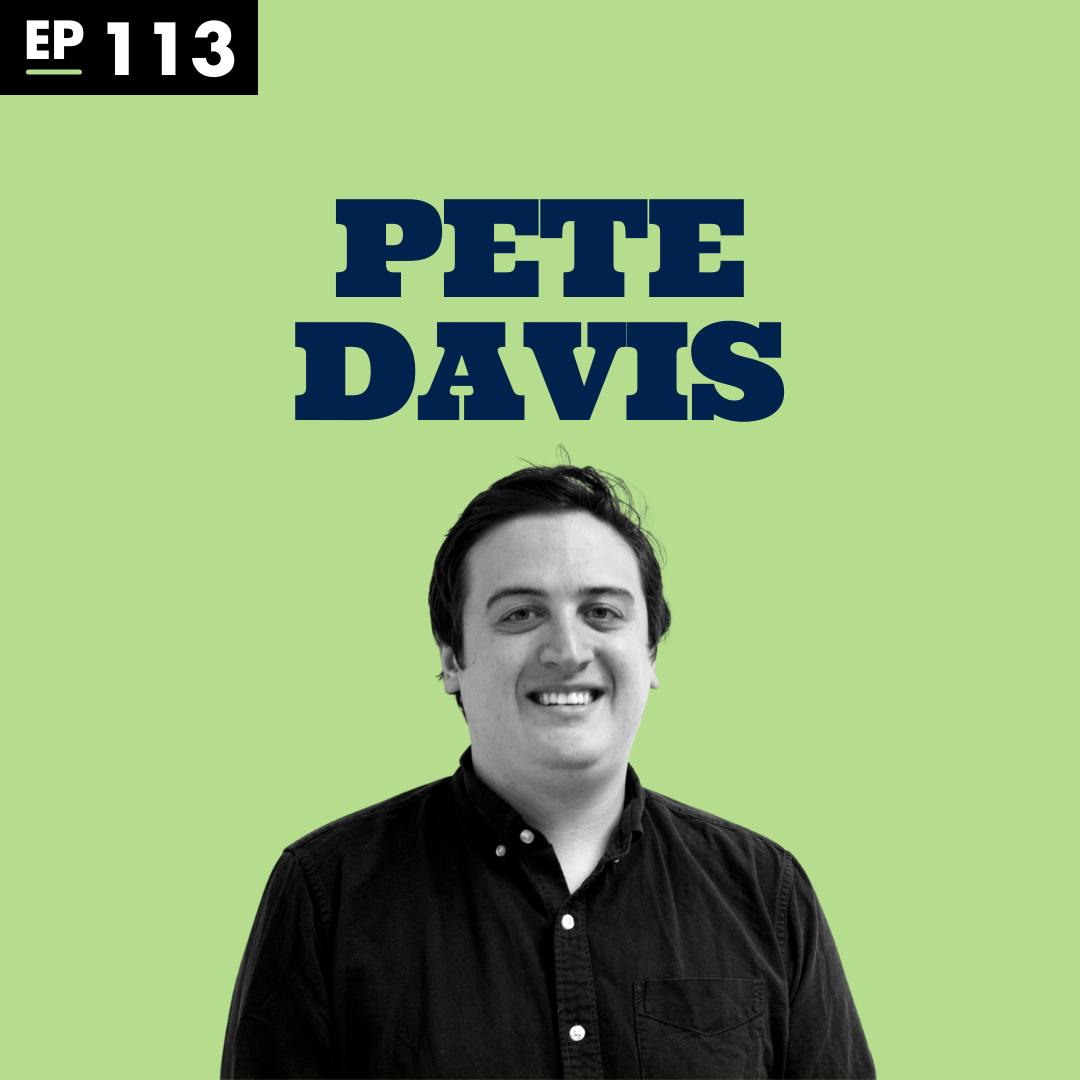
Why Commitment Matters with Pete Davis - Ep 113
Pete Davis is the author of Dedicated: The Case for Commitment in an Age Of Infinite Browsing. His Harvard Law School graduation speech, which served as the cornerstone of the book, has been viewed over 30 million times. Pete wants you to commit to some thing, some place, and some one outside of yourself. He believes deeply that doing so will not only be good for your community but it will be GOOD FOR YOU. Because in our modern, connect world, it is just too darn easy spend our lives in Infinite Browsing mode, the state of constantly looking for but never quite committing to a place, person, religion, or way of being in the world. Pete argues persuasively that picking a path and staying on it yields deeply meaningful rewards, including purpose, depth, and community. Pete lives and writes in Falls Church, Virginia where he works on civic projects aimed at deepening American democracy and solidarity. His opinion pieces have appeared in The New York Daily News, The Guardian, Fast Company and more. Learn more about Pete on his website: https://petedavis.org/ Listen to Paul’s conversation with Barry Schwartz here === ✍️ RATE / REVIEW Crazy Money: http://ratethispodcast.com/crazyMoney 📸 CONNECT WITH PAUL... >> TikTok: https://www.tiktok.com/@paul_ollinger >> Instagram: https://www.instagram.com/crazymoneypodcast/ >> Facebook (Crazy Money Listeners Group): https://www.facebook.com/groups/446049973036596 About Crazy Money: Unlike traditional personal finance shows, Crazy Money is not about how to make a million bucks, how to beat the stock market, or how to save money by switching credit cards. It is about deciding what role we want money to play in our lives and how we can use it to be our best selves. Topics covered include: philosophy, happiness, contentment, meaning, dreams, purpose, success, society, mental health, Buddhism, Stoicism, the hedonic treadmill, morality, mid-life crisis, business, work, careers, authors, books, consumerism, values, capitalism, economics, investing, saving, spending, personal finance, charity, philanthropy, altruism, affluence, wealth management, culture, society, status, ambition, accomplishment. Perfectionism This is a public episode. If you'd like to discuss this with other subscribers or get access to bonus episodes, visit words.paulollinger.com/subscribe
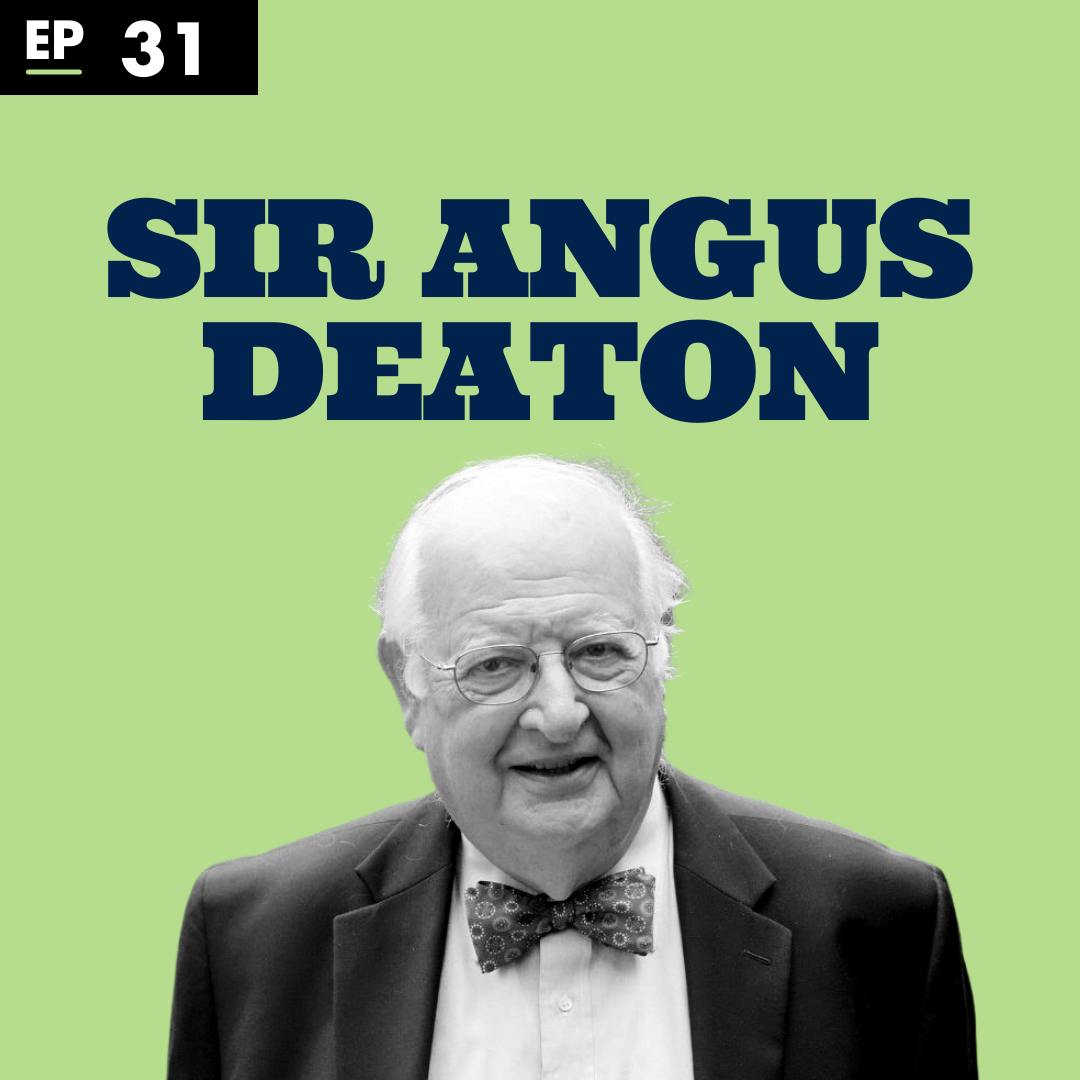
Does More $ = More Happy? with Sir Angus Deaton - ENCORE EPISODE
(Originally posted September, 2019...but so worth another listen) Princeton economist and Nobel laureate, Sir Angus Deaton co-authored a famous study concluding that well-being peaks at $75k/year in income. But the results of this research are widely misconstrued and go much deeper than that headline. The first question we wrestle with is "what does it mean to be happy?” We also get into health, opioids, and trout-fishing. A native of Edinburgh, Scotland, Angus Deaton earned his BA, MA, and PhD at Cambridge. Since 1983, he has been a member of the Economics faculty at Princeton University. He has won many awards, most notably the 2015 Nobel Memorial prize in Economic Sciences for his analysis of consumption, poverty, and welfare. In 2016, Deaton joined the Order of the British Empire, named Knight Bachelor "for his services to research in economics and international affairs.” Check out his latest book on Amazon: Deaths of Despair and the Future of Capitalism Write a Review of Crazy Money (for real - do this!) HERE Follow Paul on Instagram Email Paul at [email protected] This is a public episode. If you'd like to discuss this with other subscribers or get access to bonus episodes, visit words.paulollinger.com/subscribe
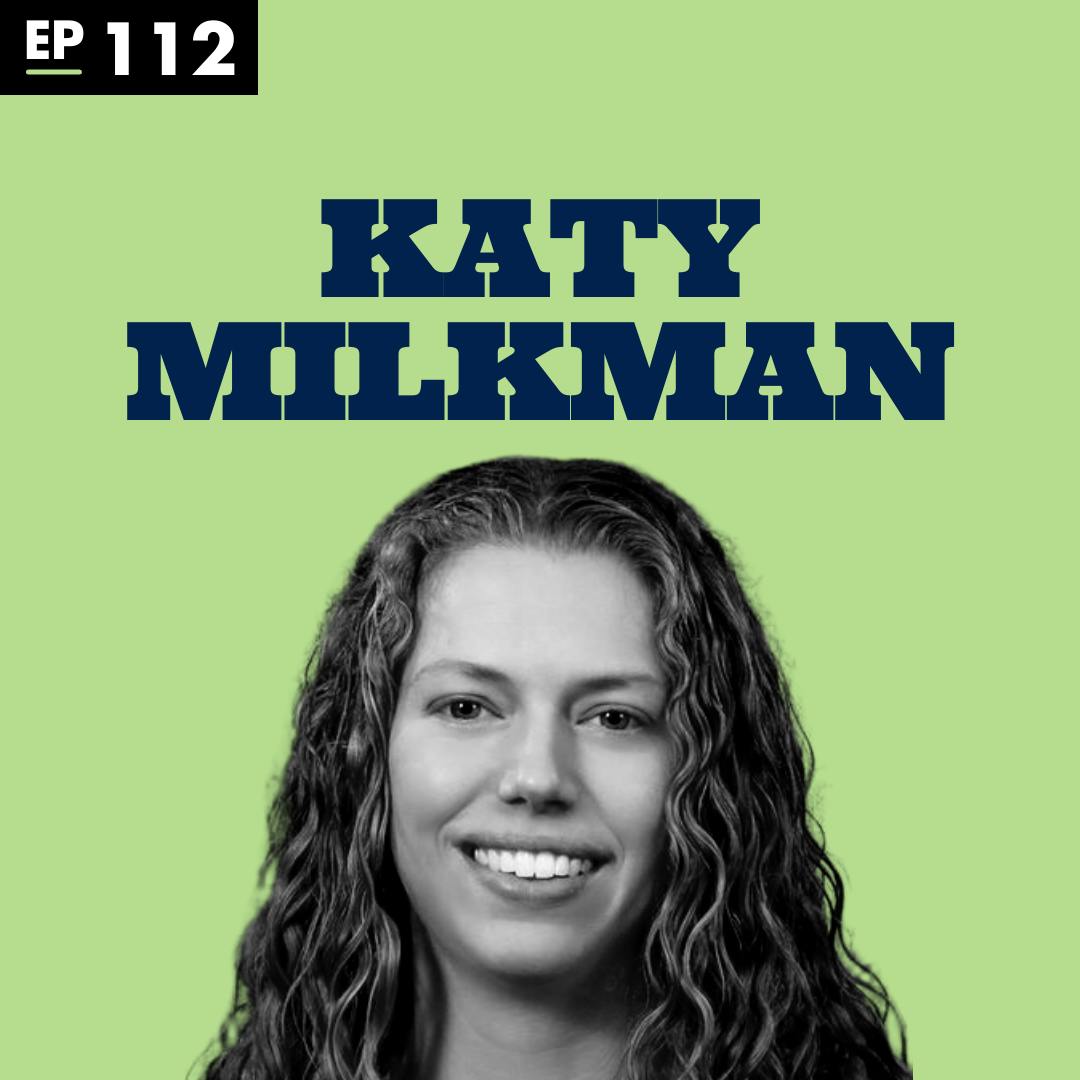
How to Change with Katy Milkman - Ep 112
Katy Milkman is the James G. Dinan Professor at The Wharton School of the University of Pennsylvania, host of Charles Schwab’s popular behavioral economics podcast Choiceology, and the author of the best-seller, How to Change: The Science of Getting From Where You are to Where You Want to Be Over the course of her career, she has worked with or advised dozens of organizations on how to spur positive change, including Google, the U.S. Department of Defense, the American Red Cross, 24 Hour Fitness, Walmart and Morningstar. An award-winning scholar and teacher, Katy writes frequently about behavioral science for major media outlets such as The Washington Post, The New York Times, USA Today, and Scientific American. She earned her undergraduate degree from Princeton University (summa cum laude) and her PhD from Harvard University where, she studied Computer Science and Business. === SUPPORT THE SHOW: ✍️ RATE / REVIEW Crazy Money: >> http://ratethispodcast.com/crazyMoney CONNECT WITH PAUL: 📸 Instagram: >> https://www.instagram.com/crazymoneypodcast/ 🌍 Facebook (Crazy Money Listeners Group): >> https://www.facebook.com/groups/446049973036596 About Crazy Money: Unlike traditional personal finance shows, Crazy Money is not about how to make a million bucks, how to beat the stock market, or how to save money by switching credit cards. It is about deciding what role we want money to play in our lives and how we can use it to be our best selves. Topics covered include: philosophy, happiness, contentment, meaning, dreams, purpose, success, society, mental health, Buddhism, Stoicism, the hedonic treadmill, morality, mid-life crisis, business, work, careers, authors, books, consumerism, values, capitalism, economics, investing, saving, spending, personal finance, charity, philanthropy, altruism, affluence, wealth management, culture, society, status, ambition, accomplishment. Perfectionism This is a public episode. If you'd like to discuss this with other subscribers or get access to bonus episodes, visit words.paulollinger.com/subscribe
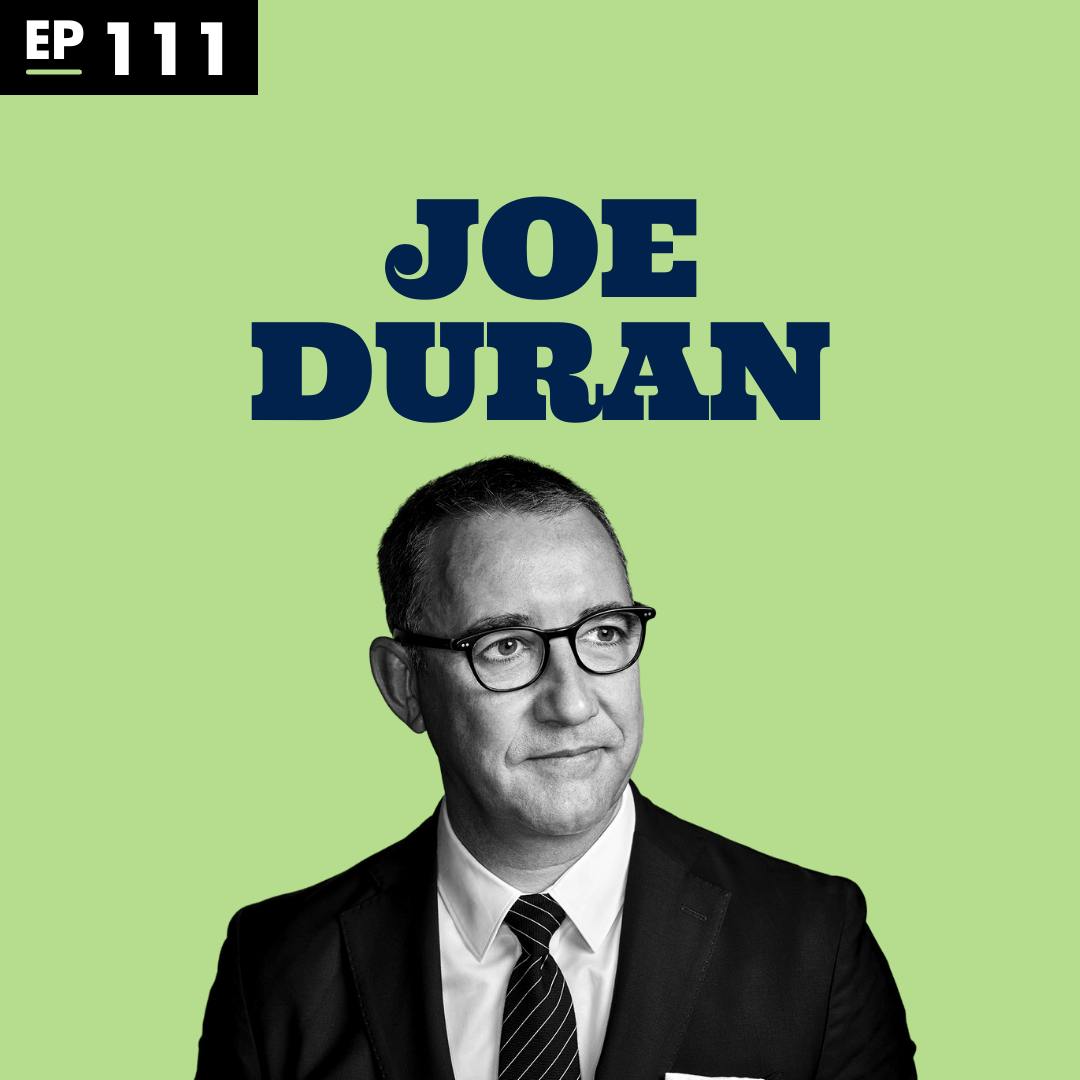
Living Rich v. Dying Rich with Joe Duran of Goldman Sachs - Ep 111
Joe Duran grew up poor, in a one-room house in Rhodesia (now Zimbabwe) during violent and tumultuous times. Today, Joe is Head of Goldman Sachs Personal Financial Management, which serves clients across 100 locations throughout the United States. A proven entrepreneur, investor, best-selling author, and sought-after industry speaker, Joe previously built Centurion Capital, which he sold to General Electric Financial (GE) in 2001 and United Capital, which Goldman acquired in 2019. Having came to the United States with $200 in his pocket, Joe is the ultimate American success story. Through his entrepreneurship, he has not only achieved personal affluence but has created "hundreds of millionaires” and countless jobs for others along the way. He is also a unique business leader who starts with purpose and works outward, guided by philosophy and the belief that truly knowing his client will help them set better goals unique to their history and values. In this conversation, we discuss philosophy, wealth, immigration, entrepreneurship, wealth management, parenthood, and the intersection of all of the above. === SUPPORT THE SHOW: ✍️ RATE / REVIEW Crazy Money: >> http://ratethispodcast.com/crazyMoney CONNECT WITH PAUL: 📸 Instagram: >> https://www.instagram.com/crazymoneypodcast/ 🌍 Facebook (Crazy Money Listeners Group): >> https://www.facebook.com/groups/446049973036596 About Crazy Money: Unlike traditional personal finance shows, Crazy Money is not about how to make a million bucks, how to beat the stock market, or how to save money by switching credit cards. It is about deciding what role we want money to play in our lives and how we can use it to be our best selves. Topics covered include: philosophy, happiness, contentment, meaning, dreams, purpose, success, society, mental health, Buddhism, Stoicism, the hedonic treadmill, morality, mid-life crisis, business, work, careers, authors, books, consumerism, values, capitalism, economics, investing, saving, spending, personal finance, charity, philanthropy, altruism, affluence, wealth management, culture, society, status, ambition, accomplishment. Perfectionism This is a public episode. If you'd like to discuss this with other subscribers or get access to bonus episodes, visit words.paulollinger.com/subscribe
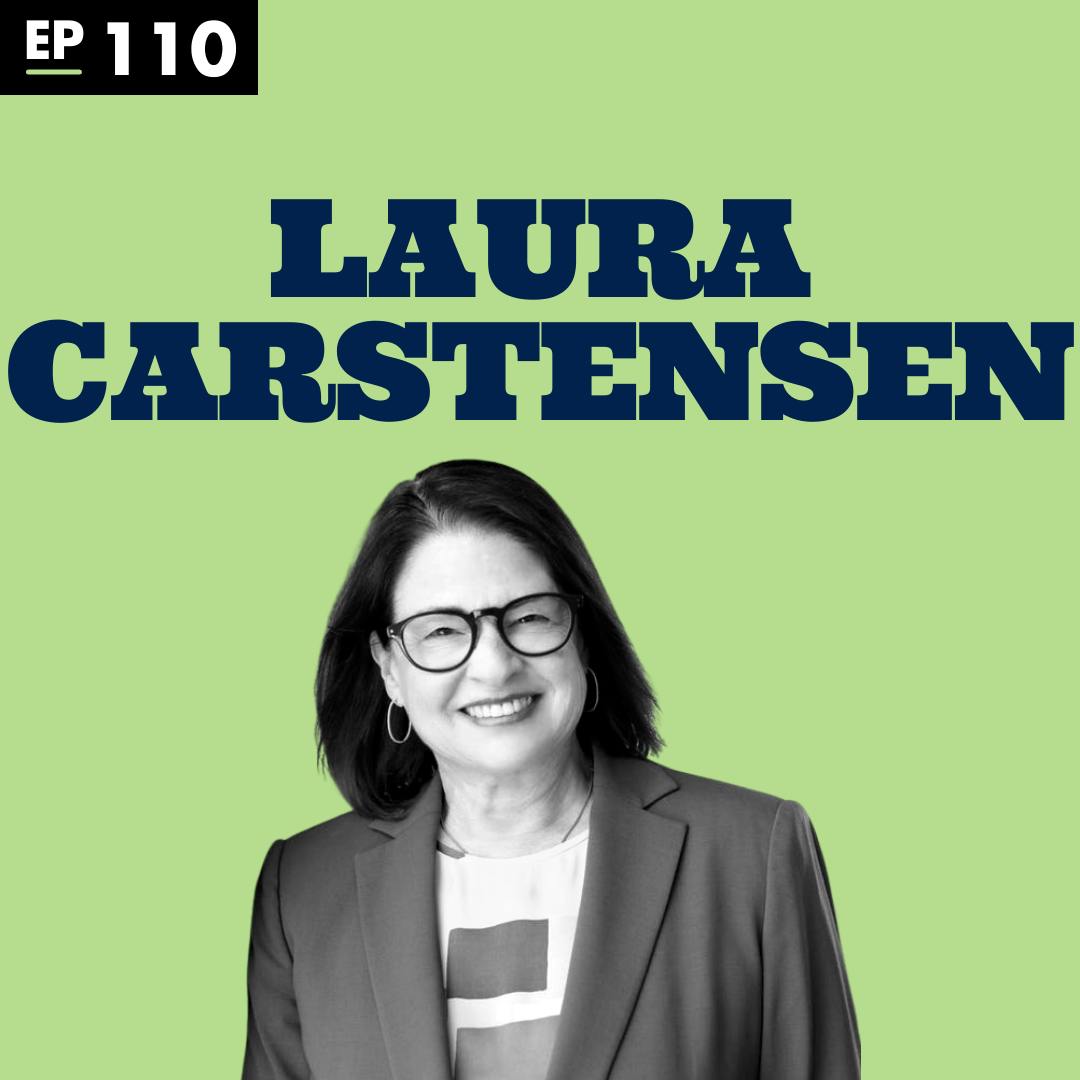
Aging Well with Dr. Laura Carstensen - Ep 110
Human life expectancy increased more in the 20th Century than it did in all prior years of human existence combined! This has meaningful impact on how we should think about our health, careers, families, and government programs. Laura Carstensen is the founding director of the Stanford Center on Longevity and the author ofA Long, Bright Future: Happiness, Health, and Financial Security in an Age of Increased Longevity. She is also a Professor of Psychology and the Fairleigh S. Dickinson Jr. Professor of Public Policy. Laura is an elected member of the National Academy of Medicine and has served on the MacArthur Foundation’s Research Network on an Aging Society and the National Advisory Council. In addition to many other honors, Laura has earned a Guggenheim Fellowship. She received her B.S. From the university of Rochester rand her Ph.D. in Clinical Psychology from West Virginia University. Learn more about her work at the Stanford Center on Longevity here === SUPPORT THE SHOW: ✍️ RATE / REVIEW Crazy Money: >> http://ratethispodcast.com/crazyMoney CONNECT WITH PAUL: 📸 Instagram: >> https://www.instagram.com/crazymoneypodcast/ 🌍 Facebook (Crazy Money Listeners Group): >> https://www.facebook.com/groups/446049973036596 About Crazy Money: Unlike traditional personal finance shows, Crazy Money is not about how to make a million bucks, how to beat the stock market, or how to save money by switching credit cards. It is about deciding what role we want money to play in our lives and how we can use it to be our best selves. Topics covered include: philosophy, happiness, contentment, meaning, dreams, purpose, success, society, mental health, Buddhism, Stoicism, the hedonic treadmill, morality, mid-life crisis, business, work, careers, authors, books, consumerism, values, capitalism, economics, investing, saving, spending, personal finance, charity, philanthropy, altruism, affluence, wealth management, culture, society, status, ambition, accomplishment. Perfectionism Listen to my new Crazy Moneyinterviews with Mobyand LL COOL J This is a public episode. If you'd like to discuss this with other subscribers or get access to bonus episodes, visit words.paulollinger.com/subscribe
Hey everyone, this is just a quick update from Paul to talk about how summer travel will affect the production schedule for Crazy Money.
This is a public episode. If you'd like to discuss this with other subscribers or get access to bonus episodes, visit words.paulollinger.com/subscribe
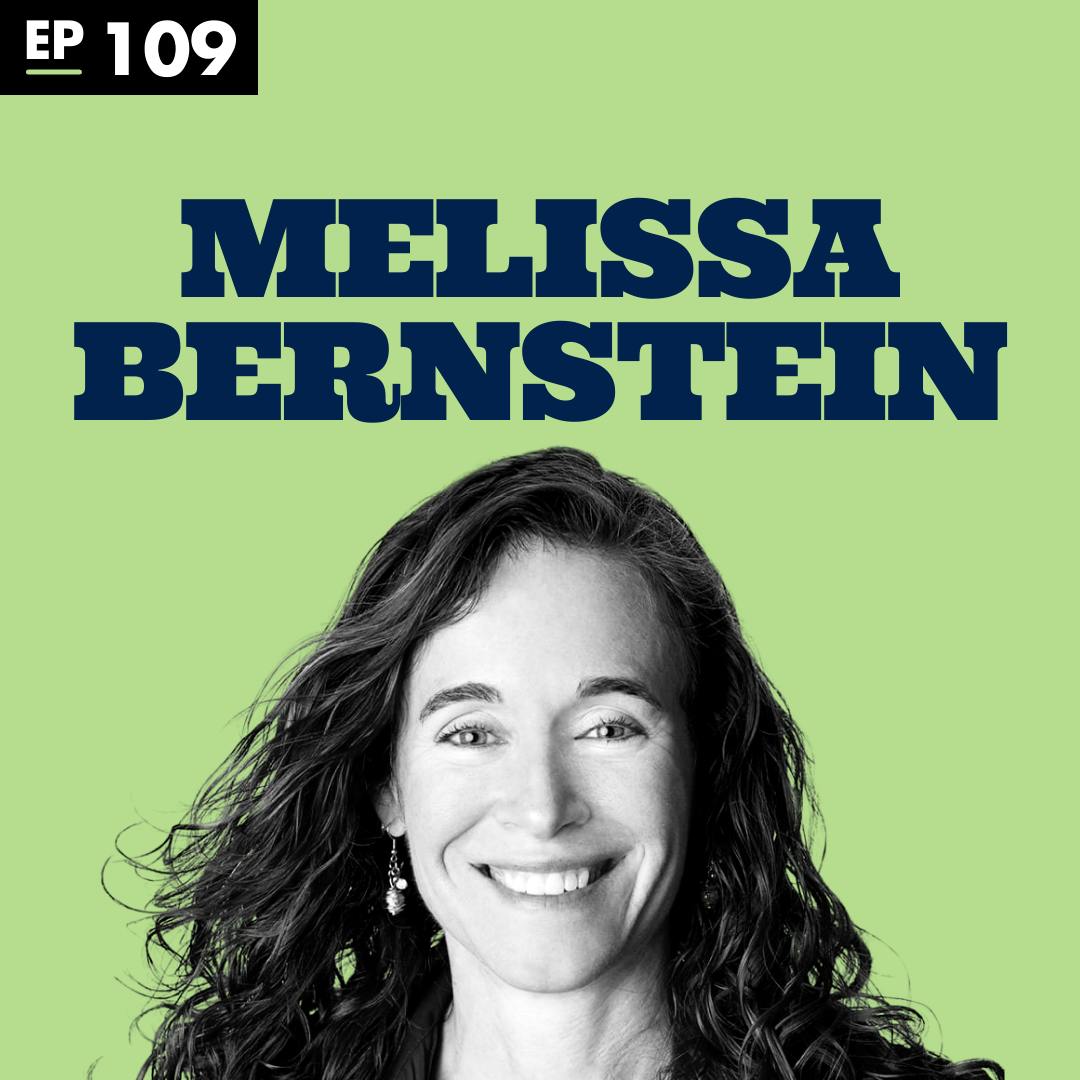
Wealth and Existential Despair with Melissa Bernstein - Ep 109
Melissa Bernstein has great wealth, a wonderful husband, and six healthy children. She has also endured a lifetime of “existential anxiety and depression,” suicidal thoughts, and a feeling that she does not belong on earth. The Co-founder of Melissa & Doug’s toys describes her brain as a “prison of despair” but that same brain also provides her the “boundless expanse of imagination” that has helped her design over 5,000 toys in the 32 years since she and her husband co-founded the massively successful company. Despite her success, all the money in the world can’t change the way her brain works, nor would she trade it for anyone else’s brain. For decades, Melissa kept her condition to herself and tried to fit in by pursuing conventional indicators of success: good grades, the right college, an investment banking career. Earlier this year, Melissa and Doug launched LifeLines, an app, book and online resource center for anyone dealing with severe mental health issues of their own or in their family. Check it out here: https://www.lifelines.com/ === SUPPORT THE SHOW: ✍️ RATE / REVIEW Crazy Money: >> http://ratethispodcast.com/crazyMoney CONNECT WITH PAUL: 📸 Instagram: >> https://www.instagram.com/crazymoneypodcast/ 🌍 Facebook (Crazy Money Listeners Group): >> https://www.facebook.com/groups/446049973036596 About Crazy Money: Unlike traditional personal finance shows, Crazy Money is not about how to make a million bucks, how to beat the stock market, or how to save money by switching credit cards. It is about deciding what role we want money to play in our lives and how we can use it to be our best selves. Topics covered include: philosophy, happiness, contentment, meaning, dreams, purpose, success, society, mental health, Buddhism, Stoicism, the hedonic treadmill, morality, mid-life crisis, business, work, careers, authors, books, consumerism, values, capitalism, economics, investing, saving, spending, personal finance, charity, philanthropy, altruism, affluence, wealth management, culture, society, status, ambition, accomplishment. Perfectionism This is a public episode. If you'd like to discuss this with other subscribers or get access to bonus episodes, visit words.paulollinger.com/subscribe
Moby on Fame, Fortune, Addiction, Animals - Ep 108
Moby’s first job as a DJ was spinning records at a dive bar next to a methadone clinic. A few years later, he was rich and famous, but "never felt more depressed.” Having grown up as "poor white trash” in the wealthy town of Darien, CT, Moby's financial status made him feel like a “third-class citizen.” Decades after selling over 20 million albums, winning all kinds of awards, and experiencing "baffling success," he still feels disenfranchised. The massive, unpredictable success of his 1999 album, Play set an incredibly high bar against which the press and he himself measured his subsequent work. His consumption of alcohol, cocaine, and related chemical goodies drove him to a dark place from which he finally rebounded in 2008. He has been sober ever since. Moby addresses all these issues in the upcoming documentary, MobyDoc. In this episode of Crazy Money, we also discuss his relationship to finances, debt, why he’s never had a mortgage, and can’t even bring himself to borrow 50 cents to buy a pack of gum. He also shares the origins of his full-time commitment to animal rights and veganism. See the film trailer for Moby Doc here and learn more about his orchestral greatest hits record, Reprisehere. Both come out on May 28. ✍️ RATE / REVIEW Crazy Money: >> http://ratethispodcast.com/crazyMoney CONNECT WITH PAUL: 📸 Instagram: >> https://www.instagram.com/crazymoneypodcast/ 🌍 Facebook (Crazy Money Listeners Group): >> https://www.facebook.com/groups/446049973036596 Topics that come up in this episode include: depression, addiction, alcoholism, cocaine, David Bowie, animal cruelty, veganism, vegetarianism About Crazy Money: Unlike traditional personal finance shows, Crazy Money is not about how to make a million bucks, how to beat the stock market, or how to save money by switching credit cards. It is about deciding what role we want money to play in our lives and how we can use it to be our best selves. Topics covered include: philosophy, happiness, contentment, meaning, dreams, purpose, success, society, mental health, Buddhism, Stoicism, the hedonic treadmill, morality, mid-life crisis, business, work, careers, authors, books, consumerism, values, capitalism, economics, investing, saving, spending, personal finance, charity, philanthropy, altruism, affluence, wealth management, culture, society, status, ambition, accomplishment. This is a public episode. If you'd like to discuss this with other subscribers or get access to bonus episodes, visit words.paulollinger.com/subscribe

Life After Paralysis with Maura McVann Coley - Ep 107
In 1988, Maura McVann Coley sustained a traumatic spinal cord injury that deprived her of the ability to walk. Just 17 at the time of the accident, the then high school athlete had to adjust her expectations for senior year, college, and life beyond. On today’s episode, Maura shares with great candor how she adapted logistically and emotionally to her new and very different circumstances. She offers insight into how she navigated college at the University of Illinois, traveled through Europe, and figured out young adult life. Things get very real when Maura tells me why she was scared to date. Today, Maura and her husband, Kevin Coley raise two children and a dog in Daphne, AL where they own and operate a small business called We Rock the Spectrum Daphne. Maura also runs a pediatric speech therapy practice called Speech Time Therapy Services where kids of all abilities learn and develop critical communication skills in a fun and playful environment. She loves traveling to new places with her family, helping others, and promoting disability awareness and acceptance through her work and life example. She has used a wheelchair for almost 33 years. Learn more about #spinalcordinjury and the place Maura started her rehab, Shepherd Spinal Center. SUPPORT THE SHOW: ✍️ RATE / REVIEW Crazy Money: >> http://ratethispodcast.com/crazyMoney CONNECT WITH PAUL: 📸 Instagram: >> https://www.instagram.com/crazymoneypodcast/ 🌍 Facebook (Crazy Money Listeners Group): >> https://www.facebook.com/groups/446049973036596 About Crazy Money: Unlike traditional personal finance shows, Crazy Money is not about how to make a million bucks, how to beat the stock market, or how to save money by switching credit cards. It is about deciding what role we want money to play in our lives and how we can use it to be our best selves. Topics covered include: philosophy, happiness, contentment, meaning, dreams, purpose, success, society, mental health, Buddhism, Stoicism, the hedonic treadmill, morality, mid-life crisis, business, work, careers, authors, books, consumerism, values, capitalism, economics, investing, saving, spending, personal finance, charity, philanthropy, altruism, affluence, wealth management, culture, society, status, ambition, accomplishment. This is a public episode. If you'd like to discuss this with other subscribers or get access to bonus episodes, visit words.paulollinger.com/subscribe
Rebounding from Mid-life Melancholy with Jonathan Rauch - ENCORE EPISODE
(Originally posted Jan, 2020...but so worth another listen) In The Happiness Curve: Why Life Gets Better After 50, Jonathan Rauch explores the decline in happiness that most people experience in middle age and what there is to do about it. Even after achieving all we had ever dreamed of and more, many of us experience a disappointment or melancholy, and question if “this” is all there is to life. The first thing to understand that this is normal. Your doubts are okay and part of the aging process of the mind. The second thing to embrace is that you will be okay! Listen now to find out how and why. Jonathan Rauch is a Senior Fellow at the Brookings Institution and contributing editor of The Atlantic. His writing spans the full spectrum of society, including politics, marijuana legalization, health care, gay marriage, adultery, agriculture, economics, height discrimination, and animal rights. This work has earned him many honors, including the National Magazine Award and the National Lesbian and Gay Journalists Association prize for excellence in opinion writing. You have probably read some of it in The Economist, Reason, Harper’s, Fortune, The New York Times, The Wall Street Journal, The Washington Post, Slate, The Advocate, or many other leading publications. He does not like shrimp. See Thomas Cole's "The Voyage of Life" here. Learn more about Jonathan: https://www.jonathanrauch.com/ SUPPORT THE SHOW: ✍️ RATE / REVIEW Crazy Money: >> http://ratethispodcast.com/crazyMoney CONNECT WITH PAUL: 📸 Instagram: >> https://www.instagram.com/crazymoneypodcast/ 🌍 Facebook (Crazy Money Listeners Group): >> https://www.facebook.com/groups/446049973036596 ---------------------- About Crazy Money: Unlike traditional personal finance shows, Crazy Money is not about how to make a million bucks, how to beat the stock market, or how to save money by switching credit cards. It is about deciding what role we want money to play in our lives and how we can use it to be our best selves. Topics covered include: philosophy, happiness, contentment, meaning, dreams, purpose, success, society, mental health, Buddhism, Stoicism, the hedonic treadmill, morality, mid-life crisis, business, work, careers, authors, books, consumerism, values, capitalism, economics, investing, saving, spending, personal finance, charity, philanthropy, altruism, affluence, wealth management, culture, society, status, ambition, accomplishment. This is a public episode. If you'd like to discuss this with other subscribers or get access to bonus episodes, visit words.paulollinger.com/subscribe
How business education builds character with Matt Slaughter - Ep 106
Matthew J. Slaughter is the Dean of the Tuck School of Business at Dartmouth where Paul (the host of this show) earned his MBA. In today’s conversation, Matt and Paul discuss the role of business education in creating not just savvy business leaders but curious, ethical human beings. Matt shares insights into the challenges the pandemic inflicted on universities, how Covid-19 caused the worst day of his career, and how to behave in the Oval Office. An expert on globalization, Matt is also the Earl C. Daum 1924 Professor of International Business. From 2005-07, he served on President George W. Bush’s Council of Economic Advisers.He is a member of the American Academy of Arts and Sciences, a life member of the Council on Foreign Relations, a Research Associate at the National Bureau of Economic Research; a member of the academic advisory board of the International Tax Policy Forum; and an academic advisor to the McKinsey Global Institute. Matt received his bachelor’s degree summa cum laude and Phi Beta Kappa from the University of Notre Dame in 1990, and his doctorate from the Massachusetts Institute of Technology in 1994. You can read more about Matt here. SUPPORT THE SHOW: RATE / REVIEW Crazy Money: http://ratethispodcast.com/crazyMoney BUY A SIDECAR FOR THE FASHIONABLE MOM IN YOUR LIFE: http://sidecarlove.com CONNECT WITH PAUL: Instagram: https://www.instagram.com/crazymoneypodcast/ Facebook (Crazy Money Listeners Group): https://www.facebook.com/groups/446049973036596 This is a public episode. If you'd like to discuss this with other subscribers or get access to bonus episodes, visit words.paulollinger.com/subscribe
The Science of Well-being with Dr. Laurie Santos - ENCORE EPISODE
(Originally posted Sept, 2019...but so worth another listen) Our brains are not good at predicting what will actually make us happy. You think you want more money, more fame, and to be alone, but what will actually make you happy are more social connections and more gratitude. Dr. Santos’ course Psychology and the Good Life—the most popular class in Yale’s history—teaches students to live happier, more fulfilling lives, which is good because student rates of anxiety, depression, and suicidal thoughts are at an all-time high. Laurie Santos, PhD is a cognitive scientist, Professor of Psychology and Director of Yale’s Comparative Cognition Laboratory. She is the host of The Happiness Lab podcast. Laurie earned her AB, AM and PhD’s from Harvard University. **Please rate and review Crazy Money.**Follow Crazy Money on Instagram here and join the Crazy Money Listeners Group here.Email Paul guest suggestions, Bitcoin, and gift certificates at: [email protected] Crazy Money: Unlike traditional personal finance shows, Crazy Money is not about how to make a million bucks, how to beat the stock market, or how to save money by switching credit cards. It is about deciding what role we want money to play in our lives and how we can use it to be our best selves. Topics covered include: philosophy, happiness, contentment, meaning, dreams, purpose, success, society, mental health, Buddhism, Stoicism, the hedonic treadmill, morality, mid-life crisis, business, work, careers, authors, books, consumerism, values, capitalism, economics, investing, saving, spending, personal finance, charity, philanthropy, altruism, affluence, wealth management, culture, society, status. This is a public episode. If you'd like to discuss this with other subscribers or get access to bonus episodes, visit words.paulollinger.com/subscribe
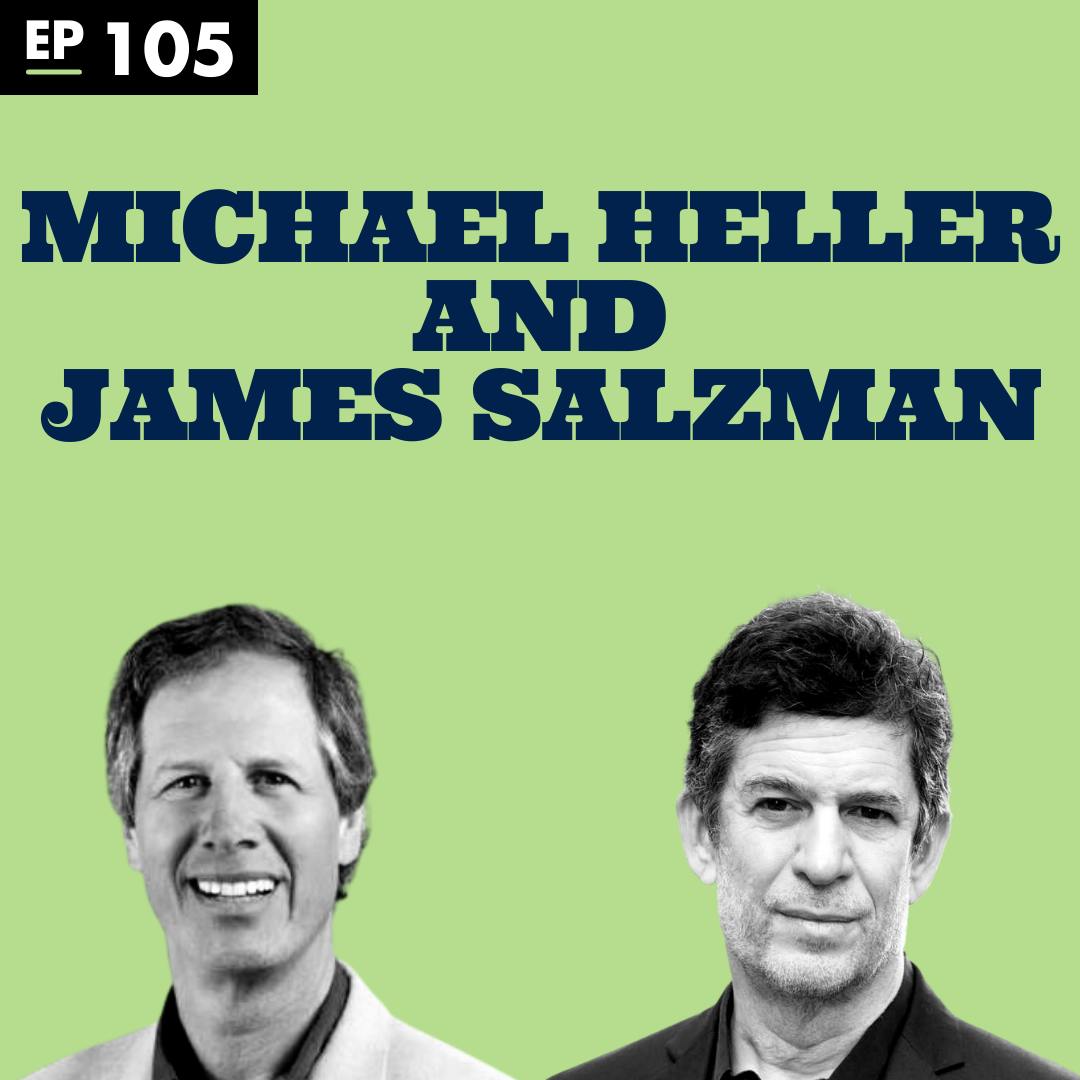
Our possessions, ourselves with Michael Heller & James Salzman - Ep 105
What does it mean to “own” something? Do you “own”your body? Do you own the dirt in your backyard? If someone flies a drone over your deck, do you have the right to blast it out of the sky? (Seems fair to me, but the law says otherwise.) In their new book,Mine!, law professors Michael Heller and James Salzman explore the the concept of ownership and property in ways you have almost certainly not considered. I love books that make me re-think a concept that I take for granted. InMine!, Heller and Salzman do just that. Most of us assume we know what it means to own something or who has the right to certain things or spaces. But the law isn’t always self-evident, is wildly inconsistent, and varies from country-to-country and state-to-state. Manyof the examples they cite will piss you off! For example, who owns the space just behind the airplane seat in front of you? Does that sweaty dude in that chair have the right to recline? Or does that space belong to you and your sensitive knees? Also, why can you copyright a song but not a comedy routine? (Huh, HUH??!!!??!!) I thoroughly enjoyed my conversation on this non-obvious topic with these two brilliant gentlemen. Michael Heller is the Lawrence A. Wien Professor of Real Estate Law at Columbia Law School. He has taught at the NYU, UCLA, University of Michigan and Yale Law Schools. He is an honors graduate of Harvard College and Stanford Law School. James Salzman is the Donald Bren Distinguished Professor of Environmental Law with joint appointments at UCLA School of Law and the UC Santa Barbara School of Environment. Among many other accolades, Jim is a fellow of the Royal Geographical Society, a McMaster Fellow and a Fulbright Senior Scholar. He is a graduate of Yale and holds graduate degrees in both Law and Engineering from Harvard University. Get tickets to Paul’s 4/22 show at MadLife studios HERE. Learn more aboutMine!here. **Please rate and review Crazy Money here.**Follow Crazy Money on Instagramand join the Crazy Money Listeners Grouphere. Produced and edited by Mike CaranoAbout Crazy Money:If you don’t like to think, you’re going to hate Crazy Money. Unlike traditional personal finance shows like Dave Ramsey or Suze Orman, Crazy Money is not about how to make a million bucks, how to beat the market, or how to save money by switching cable providers. It is about deciding what role we want money to play in our lives and how we can use it to be our best selves. Topics covered include: philosophy, happiness, contentment, meaning, dreams, purpose, success, rat race, society, mental health, Buddhism, Stoicism, the hedonic treadmill, morality, mid-Life crisis, business, work, careers, authors, books, consumerism, values, capitalism, economics, investing, saving, spending, personal finance, charity, philanthropy, altruism, affluence, wealth, wealth management, culture, society.Are you really still reading? This is a public episode. If you'd like to discuss this with other subscribers or get access to bonus episodes, visit words.paulollinger.com/subscribe
Wall Street, the movie: a panel discussion - Ep 104
This week we tried out a new format—a panel discussion about the 1987 classic Oliver Stone film, Wall Street. It starred Charlie Sheen, Michael Douglas, Darryl Hannah and a whole bunch of other amazing actors. The movie, which was a morality tale about financial excess, both celebrated and condemned the era's obsession with money and over-the-top luxury (clearly that’s over!). In addition to cocaine, caviar, and steak tartare, it asked us to consider:How much is enough? How do you define success?Is greed, for lack of a better word, good?My friend A.M. Bhatt and I moderated this discussion on the Clubhouse app including previous Crazy Moneyguests:Turney Duff, author of The Buy SideLisa Birnbach, author of The Official Preppy HandbookBrad Klontz, financial psychologist and author of Money Mammoth and other books Get tickets to Paul’s show in Woodstock on April 22 here. Rate and review Crazy Money here. This is a public episode. If you'd like to discuss this with other subscribers or get access to bonus episodes, visit words.paulollinger.com/subscribe
Wall Street Trader Turns Big Time Writer with Jared Dillian - Ep 103
A working class kid from the poor part of Connecticut, Jared Dillian somehow managed in 2001 to land a job as a trader at Lehman Brothers, the then-prestigious investment bank. Wearing cheap suits from the Mens Wearhouse, he found himself out-of-place among the Armani-clad Ivy League set on Wall Street. But he loved trading and made a lot of money in the process. In this candid conversation, Jared shares frank insights into the incredible stress of trading and the mental health that became apparent as his career progressed. Those persistent mood swings turned out to be a symptom of undiagnosed Bipolar disorder, which resulted in him spending three weeks in the psychiatric ward, a place he described as “a very healing environment." After Lehman went bankrupt, Jared pivoted to a successful writing career. Today, he is the Editor of The Daily Dirt Nap, an investment newsletter providing daily market commentary and insight to traders and very serious investors. He has also written two books: Street Freak: A Memoir of Money and Madness, a gripping read which chronicles his time as a trader with Lehman Brothers from 2001-2008, and the novel, All The Evil of this World, which Paul is looking forward to reading. Jared graduated from the US Coast Guard Academy and earned his MBA From University of San Francisco. When he’s not writing or taking care of his 5 cats, he is making music under the name, DJ Stochastic. He lives in Pawleys Island, South Carolina.Learn more about The Daily Dirtnap Check out Jared’s music here. Jared’s radio show here Please take a second to rate and review Crazy Money here. (Click on “your" app)Follow Paul on Instagram.Topics covered in this episode include investments, trading, Wall Street, Lehman Brothers, writing, mental health, bipolar disorder, OCD, Bloomberg, Matt Levine This is a public episode. If you'd like to discuss this with other subscribers or get access to bonus episodes, visit words.paulollinger.com/subscribe
Money and the Maasai people with Josphat Mako - Ep 102
My guest today paid a dowry of eight cows for his first wife and six cows and three sheep for his second wife. Josphat Mako, or just “Mako," grew up in Kenya’s Maasai Mara, a massive plain just north of the Serengeti. He taught himself English, learned how to drive, and has since become become a well-known safari guide for the legendary Cottars camps. In today’s episode, we talk about his childhood, daily life in the Maasai Village, who goes to school in their culture (it will surprise you!), and what it was like when he attended a football game at the University of Alabama in Tuscaloosa. Special thanks to Ann Short travel here in Atlanta, Bush & Beyond in Nairobi and the good people at Cottars Conservation camp in the Mara. See photos from our trip are in the Crazy Money Listeners group in Facebook. See the Sidecar hat carrier here.Get tickets to see Paul at MadLife Studios here. Rate and review Crazy Money here. Topics covered in this episode include: #alabamafootball #maasai #maasaimara #travel #safari #africaUnlike traditional personal finance shows, Crazy Money is not about how to make a million bucks, how to beat the stock market, or how to save money by switching credit cards. It is about deciding what role we want money to play in our lives and how we can use it to be our best selves. Topics covered include: philosophy, happiness, contentment, meaning, dreams, purpose, success, mental health, Buddhism, Stoicism, the hedonic treadmill, morality, mid-life crisis, business, work, careers, authors, books, consumerism, values, capitalism, economics, investing, saving, spending, personal finance, charity, philanthropy, altruism, affluence, wealth, wealth management, culture, society, status. This is a public episode. If you'd like to discuss this with other subscribers or get access to bonus episodes, visit words.paulollinger.com/subscribe

Ryan Holiday on Stillness - ENCORE EPISODE
(Originally posted October, 2019) Ryan Holiday is the author of ten books, which have sold sold more than 2 million copies worldwide and been translated into 30 languages. World-class athletes, celebrities and political leaders use his lessons to achieve peak performance. His 2014 book, The Obstacle Is The Way, was read by the New England Patriots during their 2014 Super Bowl-winning season and by four-time major champion golfer Rory McIlroy as preparation for the 2019 Masters Tournament. In this conversation, recorded in September, 2019, we discuss his then-upcoming release, Stillness is the Key, the author explores how each of us can find wisdom in our lives by slowing down and quieting the barking dogs in our head. Ryan is also the founder of Daily Stoic, a community of 200,000 people dedicated to leading better lives by contemplating the ancient philosophy. Find Ryan on http://dailystoic.com Find Paul on http://PaulOllinger.com Email Paul at [email protected] TICKETS to Paul’s upcoming comedy shows: https://laughingskulllounge.com/ Subjects covered this week include: Stoicism, Buddhism, Money, ambition, pride, stillness, meditation, Marcus Aurelius, memento mori, Daily Stoic, books, authors This is a public episode. If you'd like to discuss this with other subscribers or get access to bonus episodes, visit words.paulollinger.com/subscribe
Andy Stanley on Jesus and Money - Ep 101
Communicator, author, and pastor Andy Stanley founded Atlanta-based North Point Ministries (NPM) in 1995. Today, NPM consists of seven churches in the Atlanta area and a network of nearly 100 churches around the globe that collectively serve nearly 185,000 people weekly. A survey of U.S. pastors in Outreach magazine identified Andy as one of the ten most influential living pastors in America. Andy holds an undergraduate degree in journalism from Georgia State University and a master’s degree from Dallas Theological Seminary. He is the author of more than 20 books, including Irresistible; The New Rules for Love, Sex & Dating; How to Be Rich; Deep & Wide; Enemies of the Heart; When Work & Family Collide; Visioneering; and Next Generation Leader.His success reaches well beyond the Atlanta area. Over 10.5 million of his messages, leadership videos, YouTube videos, and podcasts are accessed each month. He is the host of the TV show, Your Move with Andy Stanley, which airs in major markets after Saturday Night Live.In this episode, Andy and I discuss what Jesus taught regarding money, wealth, and charity. And why it’s a great idea to always GIVE FIRST. Learn more about Andy’s ministry here and watch Your Movehere. **Please rate and review Crazy Money.**Follow Crazy Money on Instagram here and join the Crazy Money Listeners Group here.Read Paul’s latest thoughts on life on Medium. Topics covered in this episode include: money, church, rich, pastor, Jesus, christians, christianity, churches, tithe, charity, philanthropy, gospel, living About Crazy Money:Unlike traditional personal finance shows, Crazy Money is not about how to make a million bucks, how to beat the stock market, or how to save money by switching credit cards. It is about deciding what role we want money to play in our lives and how we can use it to be our best selves. Topics covered include: philosophy, happiness, contentment, meaning, dreams, purpose, success, mental health, Buddhism, Stoicism, the hedonic treadmill, morality, mid-life crisis, business, work, careers, authors, books, consumerism, values, capitalism, economics, investing, saving, spending, personal finance, charity, philanthropy, altruism, affluence, wealth, wealth management, culture, society, status.Are you really still reading? Go listen to another episode, silly. This is a public episode. If you'd like to discuss this with other subscribers or get access to bonus episodes, visit words.paulollinger.com/subscribe
Crazy Money Trailer
Comedian Paul Ollinger started Crazy Money to explore the connection between money, happiness, work, and meaning through the lens of his guests' expertise and/or money journeys. Preveious interviewees include prominent authors, academics, CEOs, celebrities, and winners of the Nobel Prize, Heisman Trophy, PGA Championship, and Olympic Gold medals, including: Academics: Princeton's Sir Angus Deaton (Nobel laureate) and Peter Singer (“the world’s most influential living philosopher”), Yale’s Laurie Santos, Brookings' Richard Reeves, Jonathan Rauch, and Carol Graham, Oxford’s Will MacAskill, UC Berkeley’s Barry Schwartz on The Paradox of Choice, Yale Law School’s Daniel Markovits. Journalists: Ron Lieber (NYT), Paul Sullivan (NYT), Paul Tough (NYT), Adam Minter, Oliver Burkeman (The Guardian). Best-selling authors: Ryan Holiday, Bill Browder, Lori Gottlieb, Michael Arceneaux, Christopher Ryan, AJ Jacobs, James Altucher, Jesse Itzler, Lisa Birnbach. Broadcasters: Guy Raz, Dr. Drew Pinsky, Adam Carolla, Bobbi Rebell. Others of interest: LL COOL J, Lord John Browne (CEO of BP, 1995-2007), Danny Wuerffel (Heisman Trophy winner now working with the urban poor), Apolo Ohno (8-time Olympic medalist), Rich Beem (PGA championship winner); comedians Rory Scovel and Kyle Kinane. Everyday folks: My dad (discussing raising six kids on a modest salary), My wife (talking about how we talk about money), AJ Jain (on losing everything and starting over), Julie Saxon on maintaining a career and sanity during her husband’s 6-year battle with cancer. This is a public episode. If you'd like to discuss this with other subscribers or get access to bonus episodes, visit words.paulollinger.com/subscribe

LL COOL J on Hip Hop, money and business - Ep 100
Nobody works harder than LL COOL J. The musician, producer, actor, and entrepreneur has been playing at the highest levels of art, business, and culture since he burst on the scene at the age of 17, in 1985.For over 35 years, LL has pushed himself to achieve in all that he does while leading with spirit and character. And achieve he has. The two-time Grammy-winner and first ever Hip Hop Kennedy Center Honoree has recorded 14 studio albums, landing massive hits including Going Back to Cali, Mama Said Knock You Out, Rock The Bells, and many, many more. As an actor, he has played “Sam Hanna” on NCIS: Los Angeles for the last 12 years, appeared in hit films like In Too Deep, Any Given Sunday, and Wildcats, and starred in the NBC sitcom, In the House.In this, the 100th original interview of Crazy Money, LL shares what he really wanted when he released his first record, how he approaches potential business deals, and why he pours his soul into Rock The Bells, his company that elevates timeless and classic Hip-Hop culture by celebrating MC’s, DJ’s, Break Dancers and Graffiti artists on its website, found here. LL also created and curates programming for the radio channel of the same name on SiriusXM Channel 43. **Please rate and review Crazy Money.**Follow Crazy Money on Instagram here and join the Crazy Money Listeners Group here.Read Paul’s latest thoughts on life on Medium. Topics covered in this episode include: hip hop, music, rap, culture, money, wealth, motivation, inspiration, persistence, work ethic, black money, racial wealth divide.About Crazy Money:Unlike traditional personal finance shows, Crazy Money is not about how to make a million bucks, how to beat the stock market, or how to save money by switching credit cards. It is about deciding what role we want money to play in our lives and how we can use it to be our best selves. Topics covered include: philosophy, happiness, contentment, meaning, dreams, purpose, success, society, mental health, Buddhism, Stoicism, the hedonic treadmill, morality, mid-life crisis, business, work, careers, authors, books, consumerism, values, capitalism, economics, investing, saving, spending, personal finance, charity, philanthropy, altruism, affluence, wealth management, culture, society, status. This is a public episode. If you'd like to discuss this with other subscribers or get access to bonus episodes, visit words.paulollinger.com/subscribe
The Glass Closet: Why Coming Out is Good Business with Lord John Browne - Ep 99
“Never tell anyone a secret because they will surely use it against you.” That’s what Lord John Browne’s mother, an Auschwitz survivor, always told her son. The former CEO of BP followed her advice until he was 59 years old when his secret—the fact that he was a closeted gay man—was exposed by an ex-boyfriend in the British tabloids. The revelation resulted in a media storm and Lord Browne’s immediate resignation. Just like that, after almost 40 years of service to his employer, he was out of a job and out of the closet. Keep in mind that in the few years before he was outed, Lord Browne had been knighted by Queen Elizabeth II, named to the house of Lords, won the UK’s “Most Admired Leader” Award 4 times in a row. John Browne, Baron Browne of Maddingley served as BP's CEO from 1995 until 2007. When he took the helm, the company was called British Petroleum. The re-branding to BP was only one of several major accomplishments during his tenure. He also engineered mergers with Amoco, Arco, and oversaw major exploration projects around the globe. Lord Browne is the former President of the Royal Academy of Engineering and has served on the boards of Intel, Daimler-Benz and Goldman Sachs. He is the author of five books, including The Glass Closet: Why Coming Out is Good for Business, which is what we disussed in most detail today. He holds a BA in Physics from St. John’s College, Cambridge and earned a Masters at Stanford. See a list of countries that still have the death penalty for homosexuality here. Learn more about Lord Browne on his Twitter feed and his foundation’s website. **Please rate and review Crazy Money.**Follow Crazy Money on Instagram here and join the Crazy MoneyListeners Group here.Read Paul’s latest thoughts on life on Medium. Topics covered in this episode include: business, leadership, executives, oil, fossil fuels, LGBT, homosexuality, inclusivity, diversity, inclusion, homophobia, gay employeesAbout Crazy Money:Unlike traditional personal finance shows, Crazy Money is not about how to make a million bucks, how to beat the stock market, or how to save money by switching credit cards. It is about deciding what role we want money to play in our lives and how we can use it to be our best selves. Topics covered include: philosophy, happiness, contentment, meaning, dreams, purpose, success, Rat Race, society, mental health, Buddhism, Stoicism, the hedonic treadmill, morality, mid-life crisis, business, work, careers, authors, books, consumerism, values, capitalism, economics, investing, saving, spending, personal finance, charity, philanthropy, altruism, affluence, wealth, wealth management, culture, society, status.Are you really still reading? Go listen to another episode, silly. This is a public episode. If you'd like to discuss this with other subscribers or get access to bonus episodes, visit words.paulollinger.com/subscribe

James Altucher Skips the Line - Ep 98
James Altucher is an author, chess master, podcaster, former hedge fund manager, angel investor, and — just to top it off —comedian. Oh, he’s also an entrepreneur who has started 20 companies, 17 of which failed. Over the course of his career, James has made and lost multi-million dollar fortunes “three or four times.” The Wall Street Journal best-selling author of Choose Yourself, Choose Yourself Guide to Wealth, and The Power of No has a new book, Skip the Line that is all about how thinking linearly and doing things the way they have always been done will get you exactly nowhere. Oh, he also owns a comedy club. You’ll hear all about this. Learn more about James’ podcast and books on his website. Here’s his NY Post essay, New York City is Dead Forever (you probably read this). **Please rate and review Crazy Money.**Follow Crazy Money on Instagram here and join the Crazy Money Listeners Group here.Read Paul’s latest thoughts on life on Medium. Here’s the link to my 2019 interview with my wife, Stacey, talking about how we talk about money. About Crazy Money:Unlike traditional personal finance shows,Crazy Moneyis not about how to make a million bucks, how to beat the stock market, or how to save money by switching credit cards. It is about deciding what role we want money to play in our lives and how we can use it to be our best selves. Topics covered include: philosophy, happiness, contentment, meaning, dreams, purpose, success, Rat Race, society, mental health, Buddhism, Stoicism, the hedonic treadmill, morality, mid-life crisis, business, work, careers, authors, books, consumerism, values, capitalism, economics, investing, saving, spending, personal finance, charity, philanthropy, altruism, affluence, wealth, wealth management, culture, society, status.Are you really still reading? Go listen to another episode, silly. This is a public episode. If you'd like to discuss this with other subscribers or get access to bonus episodes, visit words.paulollinger.com/subscribe

Love and Money with Rachel Greenwald - Ep 97
Rachel Greenwald is a professional match-maker whose business serves wealthy men looking for love. A graduate of Harvard Business School where she is an Executive Fellow, Rachel is also the New York Times bestselling author of Have Him at Hello and Find a Husband After 35. In today’s episode we discuss the mistakes both men and women make when talking or inquiring about money during courtship. She also divulges the #1 mistake successful women make on first dates, as reported in interviews with over 1,000 men. (Some of you won’t like this, so it’s that much more important that you listen!) An expert on building successful relationships in both love and work, Rachel also helps corporate executives improve their professional relationships, deepen connections among their teams, and elevate their EQ skills by using tactics honed through her two decades of match-making. Learn more about Rachel and her books on her website. **Please rate and review Crazy Money.**Follow Crazy Moneyon Instagram hereand join theCrazy MoneyListeners Group here.About Crazy Money:Unlike traditional personal finance shows,Crazy Moneyis not about how to make a million bucks, how to beat the stock market, or how to save money by switching credit cards. It is about deciding what role we want money to play in our lives and how we can use it to be our best selves. Topics covered include: philosophy, happiness, contentment, meaning, dreams, purpose, success, Rat Race, society, mental health, Buddhism, Stoicism, the hedonic treadmill, morality, mid-life crisis, business, work, careers, authors, books, consumerism, values, capitalism, economics, investing, saving, spending, personal finance, charity, philanthropy, altruism, affluence, wealth, wealth management, culture, society, status.Are you really still reading? Go listen to another episode, silly. This is a public episode. If you'd like to discuss this with other subscribers or get access to bonus episodes, visit words.paulollinger.com/subscribe

Divorce, Anxiety, and $8B in real estate with Holly Parker- Ep 96
Holly Parker is one of the most dynamic people I have ever met. A top NYC realtor who has sold over $8 billion in property, she is also a self-made millionaire, consummate connector of people, world traveler, twin mom, and author. In her new book, Back on the Market: A Realtor’s Guide to Love and Life Holly tells the story of her divorce, re-entry into the dating world as an ultra-successful woman, and how she earns the trust of billionaires who purchase $50mm+ apartments. On this week’s episode Paul and Holly talk about the source of her (and to an extent, his) motivation: an anxiety born of wanting to be seen, liked, and respected. And about how she channels that energy to destroy her sales goals and give back to the world. Learn more about Holly on her website. Buy the book here. **Please rate and review Crazy Money.**Follow Crazy Money on Instagram here and join the Crazy Money Listeners Group here.About Crazy Money:Unlike traditional personal finance shows,Crazy Money is not about how to make a million bucks, how to beat the stock market, or how to save money by switching credit cards. It is about deciding what role we want money to play in our lives and how we can use it to be our best selves. Topics covered include: philosophy, happiness, contentment, meaning, dreams, purpose, success, Rat Race, society, mental health, Buddhism, Stoicism, the hedonic treadmill, morality, mid-life crisis, business, work, careers, authors, books, consumerism, values, capitalism, economics, investing, saving, spending, personal finance, charity, philanthropy, altruism, affluence, wealth, wealth management, culture, society, status.Are you really still reading? Go listen to another episode, silly.==== Outro: Check out the book. Link is in the show notes. Back on the Market. Takeaways: 1. You never know what’s going on with someone else. When you compare, you have to take the 2. Some of the most successful people I know are dealing with anxiety. Money is something we look at the same way we looked at our report cards in high school. I must be doing okay if I am making all A’s. 3. A big part of your wealth and your health are the people you are lucky enough to meet on the way. When you This is a public episode. If you'd like to discuss this with other subscribers or get access to bonus episodes, visit words.paulollinger.com/subscribe

The Price of College with Ron Lieber - Ep 95
If you have kids in or nearing college age, you HAVE to listen to this episode. Ron Lieber’s new book, The Price You Pay for College contains critical, in-depth information about one of the most important financial decisions your family will ever make. After 15 years of financial reporting, Lieber reports that “No consumer decision inspires more confusion and emotion than the question of what to pay for college,” which is understandable since 4 years at many state schools now costs over $100k in tuition and 4 years of private school can run over $300k!Ron explains that not only is college ludicrously expensive, but the admissions process is purposefully opaque, so it’s hard to know if you/your kid will get in and whether or not you/your kid will be able to afford to go. By throwing himself head-first into this stormy, complicated sea, Ron helps the reader find the best college for them, pay the fairest price, and not destroy their family and finances in the process. Ron Lieber is a proud alumnus of Amherst College and the "Your Money" columnist for the New York Times. Among his previous books is the bestseller, The Opposite of Spoiled: Raising Kids Who Are Grounded, Generous, and Smart About Money, which he discussed with me on episode #4 of Crazy Money. Listen to that here. Buy Ron's books on his website. **Please rate and review Crazy Money here.**Follow Paul on Instagram here and join the Crazy Money Listeners Group here.About Crazy Money:Unlike traditional personal finance shows like Dave Ramsey or Suze Orman, Crazy Money is not about how to make a million bucks, how to beat the market, or how to save money by switching cable providers. It is about deciding what role we want money to play in our lives and how we can use it to be our best selves. Topics covered include: Philosophy, Happiness, Contentment, Meaning, dreams, purpose, Success, Rat Race, Society, mental health, Buddhism, Stoicism, the hedonic treadmill, morality, Mid-Life Crisis, Business, Work, Careers, Authors, Books, Consumerism, Values, capitalism, economics, investing, saving, spending, personal finance, charity, philanthropy, altruism, affluence, wealth, wealth management, culture, society, status, Facebook.Are you really still reading? This is a public episode. If you'd like to discuss this with other subscribers or get access to bonus episodes, visit words.paulollinger.com/subscribe
Working Ourselves to Death with Daniel Markovits - Ep 94
Daniel Markovits is the Guido Calabresi Professor of Law at Yale Law School and the author of The Meritocracy Trap in which he outlines the price meritocracy imposes on society. In addition to severely limiting opportunities for the middle and lower classes, our knowledge-based economy “devours the elite” who work brutally long hours at top law firms, investment banks, and consulting companies. And Daniel would know. After all, he acknowledges that he is part of the system that he is criticizing. Not only does he train the attorneys that will go on to work themselves silly, but he holds an academic resume like none you have ever seen. Check this out: After earning a B.A. in Mathematics, summa cum laude (which is Latin for “way smarter than you”) from Yale University, Markovits received a British Marshall Scholarship to study in England, where he was awarded an M.Sc. in Econometrics and Mathematical Economics from London School of Economics and a doctorate in Philosophy from the University of Oxford. Markovits then returned to New Haven to study law at Yale. Follow him on Twitter here. Get his book here. **Please rate and review Crazy Money here.**Follow Crazy Moneyon Instagram hereand join theCrazy MoneyListeners Group here.About Crazy Money:Unlike traditional personal finance shows,Crazy Moneyis not about how to make a million bucks, how to beat the stock market, or how to save money by switching credit cards. It is about deciding what role we want money to play in our lives and how we can use it to be our best selves. Topics covered include: Philosophy, Happiness, Contentment, Meaning, dreams, purpose, Success, Rat Race, Society, mental health, Buddhism, Stoicism, the hedonic treadmill, morality, Mid-Life Crisis, Business, Work, Careers, Authors, Books, Consumerism, Values, capitalism, economics, investing, saving, spending, personal finance, charity, philanthropy, altruism, affluence, wealth, wealth management, culture, society. Status.Are you really still reading? Go listen to another episode, silly. This is a public episode. If you'd like to discuss this with other subscribers or get access to bonus episodes, visit words.paulollinger.com/subscribe
Managing Our Desires with William Irvine - Ep 93
William “Bill” Irvine is an author, philosophy professor, and an active investor who describes his intended audience as "intellectually-upscale readers who have a minimal background in philosophy but who are interested in carefully rethinking the assumptions of everyday life.” (Hey, that’s YOU!) Bill wants to make philosophy accessible and applicable to our everyday struggles. His research can best be described as hybrid, reflecting topics that lie on the border between philosophy and something else. For example, many of his articles address the ethical issues involved in finance. His first two books were on the ethical and political aspects of parenting. And his book, On Desire (one of the two we’ll discuss today), has a philosophical component, but also a scientific and religious component. In our conversation, Bill explains our biological incentive systems, how our brains are like a Thanksgiving poultry trifecta, and why it’s imperative for each of us to develop a Philosophy of Life or a Grand Goal in Living. Bill earned a BA in Mathematics and Philosophy at the University of Michigan and an MA and PhD in Philosophy at UCLA. He has been teachingat Wright State University in Dayton, Ohio, since 1983. Find out more about Bill on his website. **Please rate and review Crazy Money here.FollowCrazy Moneyon Instagram hereand join theCrazy MoneyListeners Grouphere.Get your officialCrazy Moneyt-shirts here. AboutCrazy Money:Unlike traditional personal finance shows like Dave Ramsey or Suze Orman, Crazy Money is not about how to make a million bucks, how to beat the market, or how to save money by switching cable providers. It is about deciding what role we want money to play in our lives and how we can use it to be our best selves. Topics covered include: Philosophy, Happiness, Contentment, Meaning, dreams, purpose, Success, Rat Race, Society, mental health, Buddhism, Stoicism, the hedonic treadmill, morality, Mid-Life Crisis, Business, Work, Careers, Authors, Books, Consumerism, Values, capitalism, economics, investing, saving, spending, personal finance, charity, philanthropy, altruism, affluence, wealth, wealth management, culture, society. Status.Are you really still reading? This is a public episode. If you'd like to discuss this with other subscribers or get access to bonus episodes, visit words.paulollinger.com/subscribe
Getting the Most from Life with Jesse Itzler - Ep 92
Jesse Itzler only eats fruit 'til noon, loves Run-D.M.C., and enjoys living life "out of the box." The author of the New York Times bestseller, Living with a Seal, cofounded Marquis Jet, the world's largest private jet card company which he and his partner sold to Berkshire Hathaway/NetJets. Jesse then partnered with Zico coconut water, which he and his partner sold to The Coca-Cola Company. He’s a former rapper on MTV and wrote and performed the NBA's Emmy Award-winning "I Love This Game" music campaign and the popular New York Knicks anthem "Go NY Go." When he's not running ultra-marathons, eating vegan food or being a dad to his four kids, Jesse can be found at the NBA's Atlanta Hawks games, where he's an owner of the team. He is married to Spanx founder Sara Blakely Get the BYLR Radio app here. Get the most out of 2021 with Jesse’s Big Ass Calendar Club and follow him on Instagram.Join the Crazy Money Listeners Group here.Rate and review Crazy Money here.About Crazy Money:Unlike traditional personal finance shows, Crazy Money is not about how to make a million bucks, how to beat the market, or how to save money by switching cable providers. It is about deciding what role we want money to play in our lives and how we can use it to be our best selves. Topics covered include: Philosophy, Happiness, Contentment, Meaning, dreams, purpose, Success, Rat Race, Society, mental health, Buddhism, Stoicism, the hedonic treadmill, morality, Mid-Life Crisis, Business, Work, Careers, Authors, Books, Consumerism, Values, capitalism, economics, investing, saving, spending, personal finance, charity, philanthropy, altruism, affluence, wealth, wealth management, culture, society. Status.Are you really still reading? This is a public episode. If you'd like to discuss this with other subscribers or get access to bonus episodes, visit words.paulollinger.com/subscribe
Peter Singer on the Moral Obligations of Money (from 2019) - ENCORE EPISODE
The New Yorker called Princeton and University of Melbourne bio-ethicist, Peter Singer “the world’s most influential living philosopher." Time included him on its annual list of the world’s 100 most influential people. Peter has a question for you: Did you know that for the cost of a new television ($600), you can save a life? Here’s another: would it be worth foregoing a nice bottle of wine ($50) to cure someone’s blindness, thus allowing them to return to work and provide for themselves and their family? Could you come up with $700 to fix a new mother’s fistula, a debilitating condition that otherwise sentences her to incontinence and ostracism? Peter asks these questions because he wants to remind us that sums that are relatively trivial to us in the West can literally save or radically improve the life of someone in the developing world. He argues persuasively that we have the not just the opportunity but the obligation to help these people and doing so is in our own “enlightened self-interest." Peter is the author of The Life You Can Save, which Bill and Melinda Gates called, “an inspiring work that will change the way you think about philanthropy.” The 10th anniversary edition of the book is available for free in both audio and e-book formats on the website TheLifeYouCanSave.org. Go to the site and find ways you can save a life for $600 or cure someone’s cataract-induced blindness for as little as $50. Seriously, go do it. Now. Here’s the link again: TheLifeYouCanSave.org. You’ll feel better about yourself and life after you do it. Follow Crazy Money on Facebook here and join the Crazy Money Listeners Group here.About Crazy Money:Unlike traditional personal finance shows like Dave Ramsey or Suze Orman, Crazy Money is not about how to make a million bucks, how to beat the market, or how to save money by switching cable providers. It is about deciding what role we want money to play in our lives and how we can use it to be our best selves. Topics covered include: Philosophy, Happiness, Contentment, Meaning, dreams, purpose, Success, Rat Race, Society, mental health, Buddhism, Stoicism, the hedonic treadmill, morality, Mid-Life Crisis, Business, Work, Careers, Authors, Books, Consumerism, Values, capitalism, economics, investing, saving, spending, personal finance, charity, philanthropy, altruism, affluence, wealth, wealth management, culture, society. Status.Produced and edited by Mike Carano This is a public episode. If you'd like to discuss this with other subscribers or get access to bonus episodes, visit words.paulollinger.com/subscribe