
Reasonably Happy with Paul Ollinger
345 episodes — Page 3 of 7
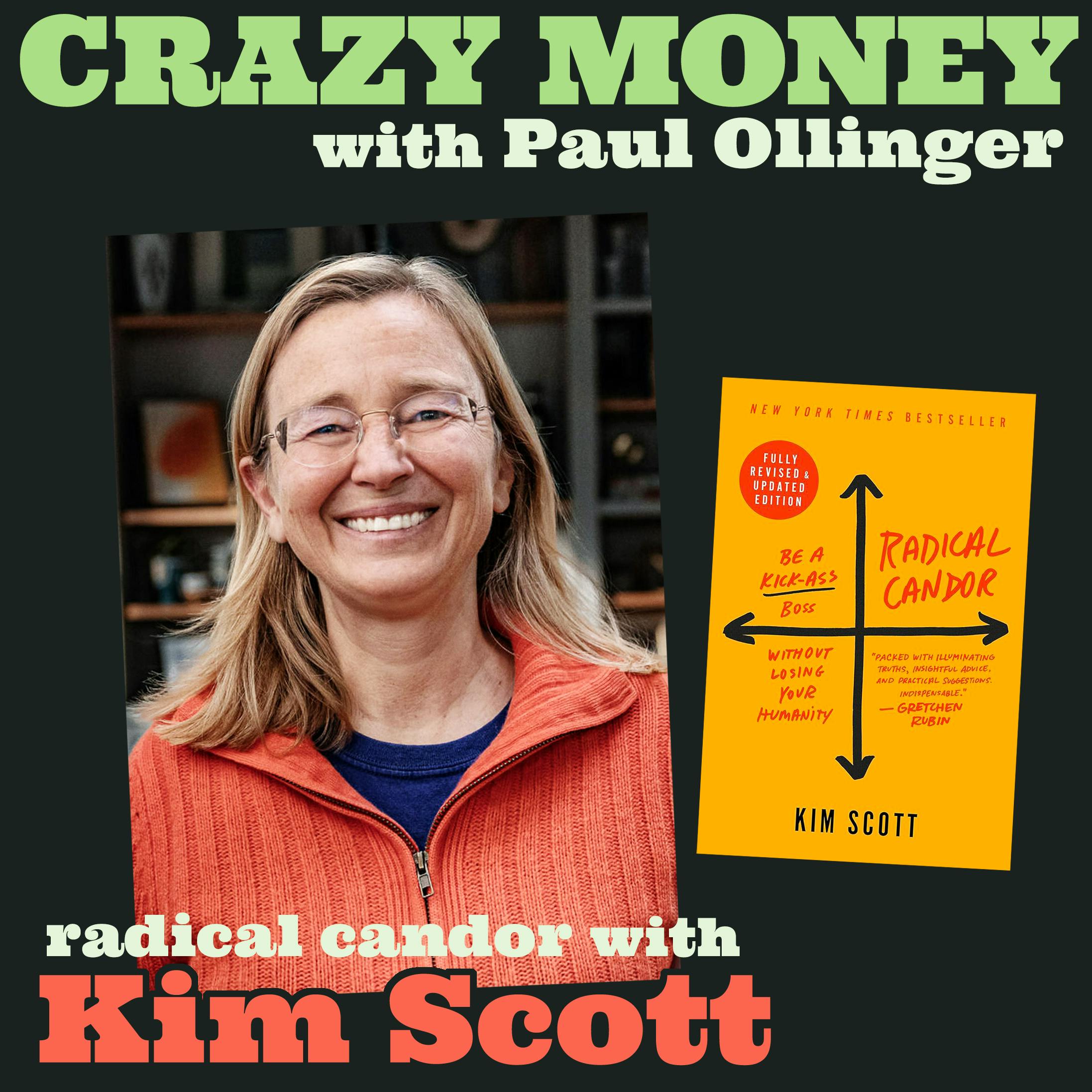
Being Human at Work with Kim Scott, author of 'Radical Candor’
E‘Radical Candor’ author Kim Scott once had to inform a colleague that they smelled bad….like, really bad. She was able to do so becuase she had created on her team a culture or radical candor. No, this doesn’t mean you can just walk up to colleagues and say, “you stink!” or “nice shirt, bozo!” On the contrary, radical candor is a culture where authentic personal caring co-exists with direct challenges. Lacking this combination, workplace communication falls into one of three meaningfully-less desirable buckets: 1. Obnoxious Aggression, 2. Ruinous Empathy, and 3. Manipulative Insincerity. In this conversation, Kim explains how radical candor can generate respect, collaboration, better relationships, and improved performance. Kim also addresses the challenges of perfectionism and the application of radical candor in marriages and parenting. She emphasizes the need for open communication, soliciting feedback, and expressing appreciation. See - that’s what you should be doing with your teenagers - expressing appreciation…before you tell them to put on deodorant! :-)Kim also discusses:What Sheryl Sandberg taught her about radical candorThe way culture affects communication stylesWhether you can bring your whole self to work in an increasingly politicized world.Whether Google’s Gemini AI debacle would be less likely to happen in an environment of radical candorListen to the Radical Candor Podcast here and BUY Kim’s new book, 'Radical Respect' here. 💰Rate and review Crazy Money here. 💰🔥 Register for Paul’s thought-provoking newsletter here.🔥🎤 See Paul LIVE for telling of comedy jokes here. 🎤About Crazy Money: Unlike traditional personal finance shows, Crazy Money is not about how to make a million bucks, how to beat the stock market, or how to save money by switching credit cards. It is about deciding what role we want money to play in our lives and how we can use it to be our best selves. Topics covered include: philosophy, happiness, contentment, meaning, dreams, purpose, success, society, mental health, Buddhism, Stoicism, the hedonic treadmill, morality, business, work, careers, authors, books, consumerism, values, capitalism, economics, investing, saving, spending, personal finance, charity, philanthropy, altruism, affluence, wealth management, culture, society, status, ambition, accomplishment, perfectionism. Today’s episode covers: radical candor, radical respect, workplace communication, feedback, culture, collaboration, respect, individuality, radical candor, radical respect, workplace culture, feedback, hierarchy, perfectionism, marriages, parenting. Please stop reading and have a great day. Paul loves you. This is a public episode. If you'd like to discuss this with other subscribers or get access to bonus episodes, visit words.paulollinger.com/subscribe

Power Couple: Debbi “Mrs.” Fields and Wade Shealy
Debbi Fields founded Mrs. Fields cookies brand when she was in her early 20s and built the company into a well-known global brand. Wade Shealy got his start selling Bibles door-to-door then went on to develop and sell > $3 billion in resort real estate over the next few decades, including Hampton Island, GA whose residents include Ben Affleck / Jennifer Lopez and Robert / Lydia Monday. He is now CEO of Third Home, a vacation home sharing platform that empowers its members to see the world. In this week’s epiosde, these two wildly accomplished humans share lessons about entrepreneurship, friendship, and raising stable kids in an atmosphere of affluence. Debbi tells the story of how she went from Oakland A’s ball girl to cookie kingpin and her commitment to quality over cost control. She also tells us how she kept a positive attitude when circumstances compelled her to give up control of the company. Wade emphasizes the importance of motivation, positive attitude, and controlling one's thoughts in achieving success. Both discuss their commitment to friendship. Learn more about ThirdHome here.💰Rate and review Crazy Money here. 💰🔥 Register for Paul’s thought-provoking newsletter here.🔥🎤 See Paul LIVE for telling of comedy jokes here. 🎤About Crazy Money: Unlike traditional personal finance shows, Crazy Money is not about how to make a million bucks, how to beat the stock market, or how to save money by switching credit cards. It is about deciding what role we want money to play in our lives and how we can use it to be our best selves. Topics covered include: philosophy, happiness, contentment, meaning, dreams, purpose, success, society, mental health, Buddhism, Stoicism, the hedonic treadmill, morality, business, work, careers, authors, books, consumerism, values, capitalism, economics, investing, saving, spending, personal finance, charity, philanthropy, altruism, affluence, wealth management, culture, society, status, ambition, accomplishment, perfectionism. Today’s episode covers: entrepreneurship, customer experience, real estate, motivation, positive attitude, friendships, family, friendship. Please stop reading and have a great day. Paul loves you. This is a public episode. If you'd like to discuss this with other subscribers or get access to bonus episodes, visit words.paulollinger.com/subscribe

Death, Dying, and Israel with Rabbi Steve Leder
Rabbi Steve Leder is the Senior Rabbi at Wilshire Boulevard Temple, a very large and influential congregation in Los Angeles. He is a New York Times best-selling author of several books, including 'For You When I Am Gone’ and 'The Beauty of What Remains,’ both of which pertain to death and dying. I had planned on speaking with Steve primarily about death for an hour, but our conversation covered everything from regret to forgiveness to the life of a rabbi. He shares lessons about fund-raising, his thoughts about whether Scripture is based on fact or truth, and the conflict of conscience he experienced when counseling a temple member who had ALS about her assisted suicide. Finally, Rabbi Leder speaks frankly about what Israel means to him and the tragic complexity of the war between Israel and Hamas.Follow Rabbi Leder on Instagram here. • 💰Rate and review Crazy Money here. 💰 • 🔥Register for Paul’s thought-provoking newsletter here.🔥About Crazy Money: Unlike traditional personal finance shows, Crazy Money is not about how to make a million bucks, how to beat the stock market, or how to save money by switching credit cards. It is about deciding what role we want money to play in our lives and how we can use it to be our best selves. Topics covered include: philosophy, happiness, contentment, meaning, dreams, purpose, success, society, mental health, Buddhism, Stoicism, the hedonic treadmill, morality, business, work, careers, authors, books, consumerism, values, capitalism, economics, investing, saving, spending, personal finance, charity, philanthropy, altruism, affluence, wealth management, culture, society, status, ambition, accomplishment, perfectionism. Today’s episode covers: regret, joy, sadness, forgiveness, fundraising, preaching, teaching, relationships, advice, conscience, ALS, end-of-life decisions, euthanasia, Jewish law, compassion, Israel, Middle East, Gaza, Hamas. Please stop reading and have a great day. Paul loves you. This is a public episode. If you'd like to discuss this with other subscribers or get access to bonus episodes, visit words.paulollinger.com/subscribe
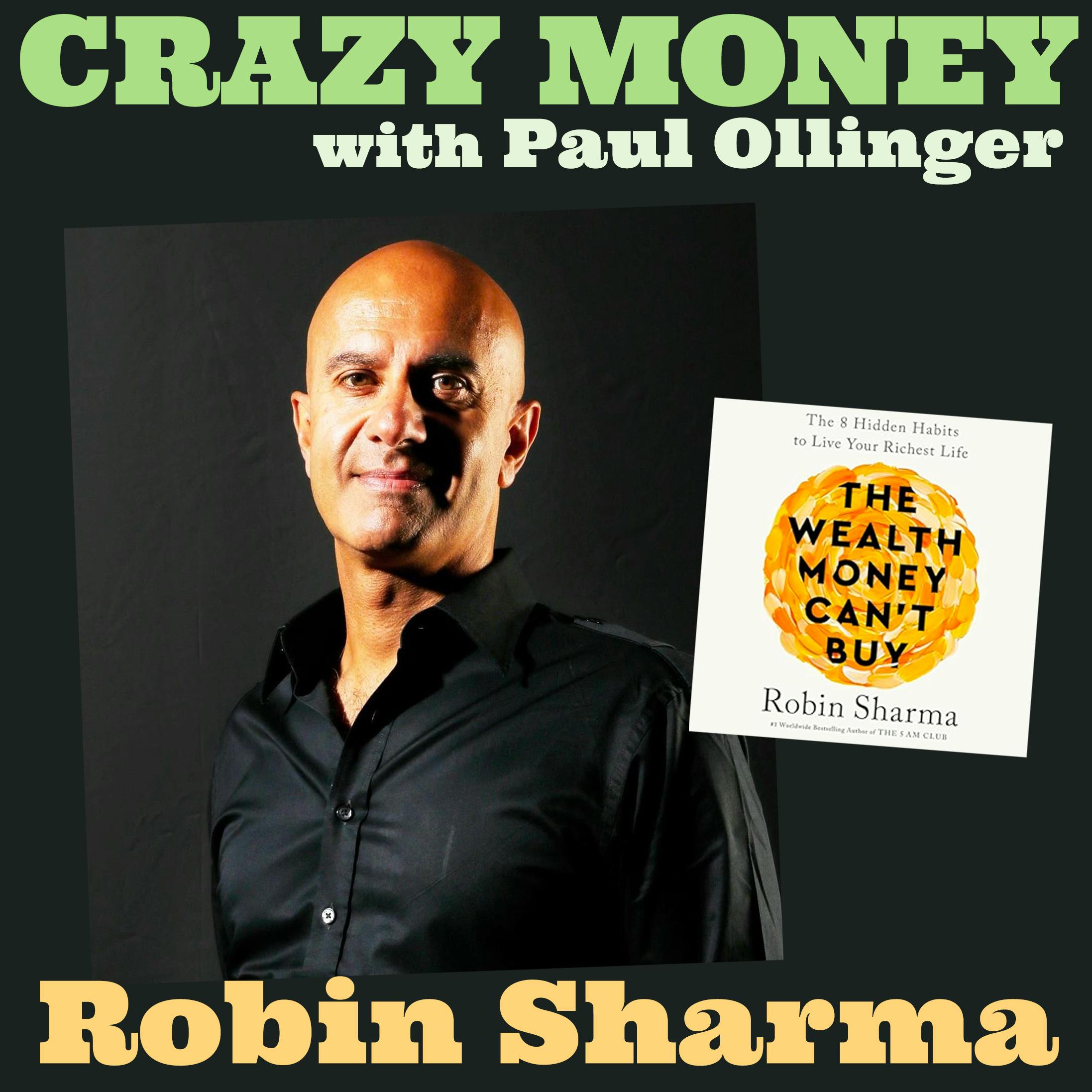
The Wealth Money Can’t Buy with Robin Sharma
Robin Sharma is a leadership expert, coach and author whose books have sold tens of millions of copies around the world. The author of The 5AM Club, The Monk Who Sold His Ferrari, The Everyday Hero Manifesto, and Who Will Cry When You Die?, Robin has a new book out called The Wealth Money Can’t Buy in which he examines the ways we can all develop happiness with and beyond financial wealth. In this conversation, Robin shares with me insights from the book, specifically: The danger of focusing solely on moneyHow to find joy in your craftWhat his work with billionaires has taught him about money and lifeWhy and how he started writingWhether he believes in GodWhere the word “coach” comes fromThe benefits of masteryAnd, the 8 forms of wealth: wellness, family, craft, money, community, adventure, service. Learn more about Robin and his new book on his website. • 💰If you enjoy Crazy Money, please leave us a rating here. 💰 • 🔥Register for Paul’s thought-provoking newsletter here.🔥About Crazy Money: Unlike traditional personal finance shows, Crazy Money is not about how to make a million bucks, how to beat the stock market, or how to save money by switching credit cards. It is about deciding what role we want money to play in our lives and how we can use it to be our best selves. Topics covered include: philosophy, happiness, contentment, meaning, dreams, purpose, success, society, mental health, Buddhism, Stoicism, the hedonic treadmill, morality, mid-life crisis, business, work, careers, authors, books, consumerism, values, capitalism, economics, investing, saving, spending, personal finance, charity, philanthropy, altruism, affluence, wealth management, culture, society, status, ambition, accomplishment, perfectionism. Please stop reading and have a great day. Paul loves you.=====TakeawaysFind joy and fulfillment in your craft, no matter what you doDon't focus solely on financial wealth; pursue all eight forms of wealth: growth, wellness, family, craft, money, community, adventure, and serviceIn difficult times, practice meditation, visualization, and prayer (MVP) to build resilienceStay in the pain and learn from it; it can lead to personal growth and wisdomLead with kindness and generosity, and give gifts to others without expecting anything in return This is a public episode. If you'd like to discuss this with other subscribers or get access to bonus episodes, visit words.paulollinger.com/subscribe
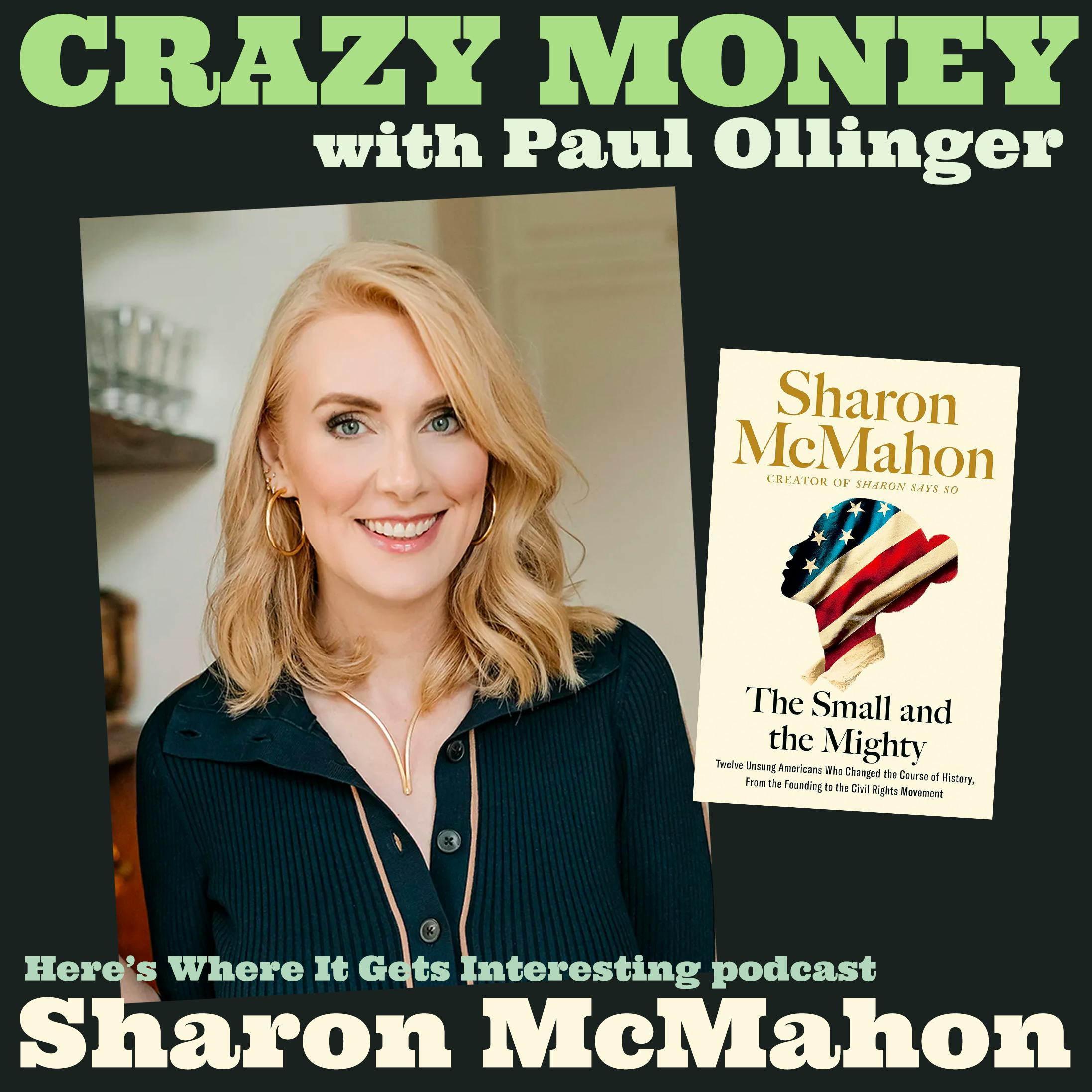
America’s Government Teacher, Sharon McMahon
Sharon McMahon is living her purpose. Via her wildly popular Instagram account @SharonSaysSo, she is fighting political misinformation and guiding her audience through “the fascinating world of democracy, politics, and history.” In the process, she is proving that Americans—and other good people around the globe—are hungry for unbiased political context and analysis. "With a heart for education and a mission to clear up political confusion,” Sharon has become known as America’s Government Teacher. And she’s such a clear and compelling teacher that over a million people subscribe to see her reels and stories that offer in-depth and unbiased background to the most important politics issues of the day. Sharon leverages her passion for history and government to promote knowledge, understanding, and TRUTH. Her work is strengthening democracy during a time when it is most urgently need. For that, Crazy Money salutes her! In today’s episode, Paul and Sharon discuss:The increasing politicization of the American classroom and the importance of critical thinking The broken two-party system and electoral collegeA purely hypothetical 2024 election between butter and olive oil, and the pros and cons of voting for a 3rd Party Candidate, I Can’t Believe It’s Not PresidentWhat it was like to interview the VPOTUS, Kamala HarrisSharons' book, 'The Small and the Mighty,' which explores the stories of unsung Americans who changed the course of history.Learn more about Sharon’s book and podcast here. This is a public episode. If you'd like to discuss this with other subscribers or get access to bonus episodes, visit words.paulollinger.com/subscribe
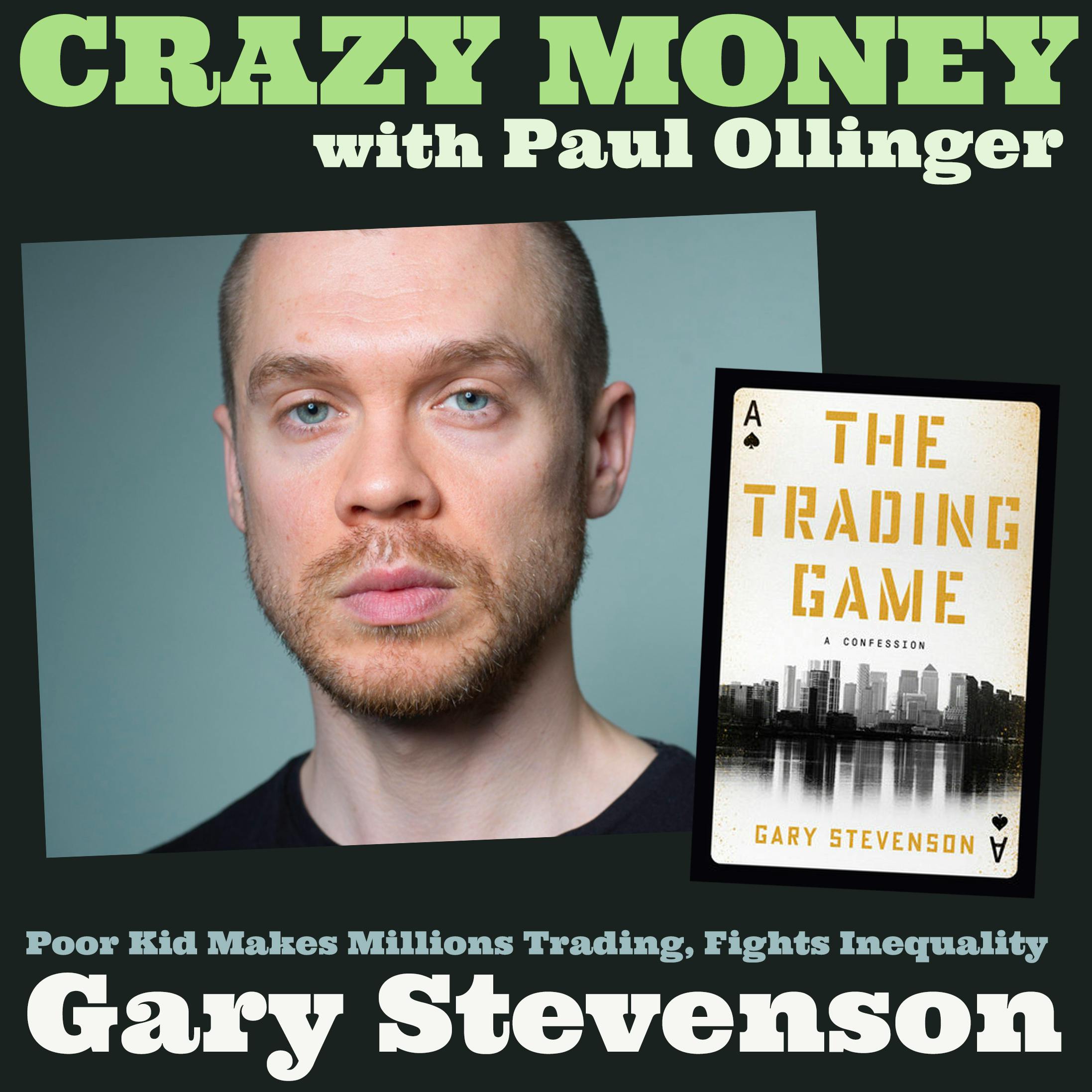
Poor Kid Makes Millions Trading, Fights Inequality with Gary Stevenson
EGary Stevenson grew up in tough, working class East London. Despite setbacks in high school (having to do with the distribution of illicit substances), his gift for mathematics landed him a spot at London School of Economics (alma mater of Mick Jagger, Margaret Thatcher, and George Soros) where he attended with the sons and daughters of the global elite. His skill at a card game won him a job on Citibank’s trading desk and he went on to earn multi-million dollar—er, pound sterling—bonuses in his early 20s. Gary eventually become Citi’s top trader but the game started to take a physical toll on him. The stress, pressure, and moral conflict of betting against poor people—at least that’s how he saw it—led him to leave trading and begin to address growing income inequality around the globe. In this fast-paced and insight-rich conversation, Gary and Paul discuss:Gary's new memoir, The Trading Game: A Confession.The risks of trading currencyHow he felt when he got his first bonus of $750,000 Bias against working-class people Why he knew it was time to quit the industry The positive role of short-sellers in a marketHis YouTube challenge, Gary’s EconomicsHot to tax billionaires more ⭐ Subscribe To Paul’s Substack HERE. (Seriously, Do It!)⭐ ✍️ Rate And Review Crazy Money HERE. (Seriously, Do This Also!) ✍️🎤See Paul’s Live Comedy Dates HERE. 🎤 This is a public episode. If you'd like to discuss this with other subscribers or get access to bonus episodes, visit words.paulollinger.com/subscribe
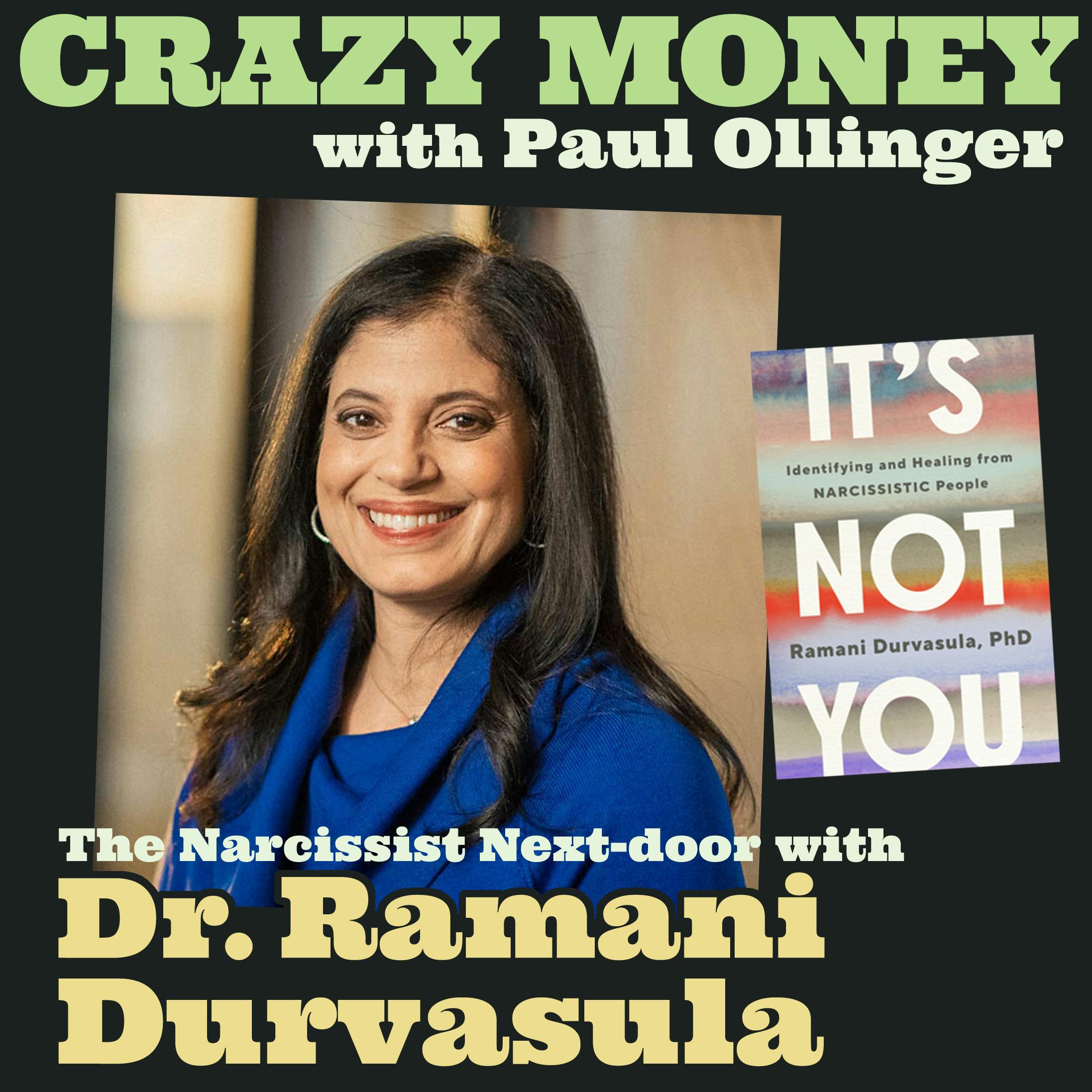
The Narcissist Next-door with Dr. Ramani Durvasula
Dr. Ramani Durvasula is a clinical psychologist and author of the New York Times best-seller It’s Not You: Identifying and Healing from Narcissistic People. In this insight-rich conversation, Dr. Ramani explains the traits and behaviors of narcissistic individuals, how they hijack our well-being, and the motivations behind their attention-seeking behavior. She also relieves Paul of the sneaking suspicion that he might be a narcissist. Other topics include:Gender and narcissism (ladies is narcissists too!)The continuum and different types of narcissism, including: grandiose, malignant, neglectful and also self-righteous narcissism (Paul’s favorite!)How social media has amplified narcissistic behaviors and their impact on society.Gaslighting and other tools narcissists use to sow self-doubt.Which cities has more narcissists, Los Angeles or Washington D.C.?The Different roles that evolve in narcissistic family systems (the golden child, scapegoat, fixer, peacekeeper, invisible child, and truth seer)The correlation between ADHD and narcissism The process of healing from narcissistic abuse and moving towards a thriving life.Learn More About Dr. Ramani Here: ⭐ Get Paul’s Writing To Your Inbox HERE. (Seriously, Do It!)⭐ ✍️ Rate And Review Crazy Money HERE. (Seriously, Do This Also!) ✍️ This is a public episode. If you'd like to discuss this with other subscribers or get access to bonus episodes, visit words.paulollinger.com/subscribe
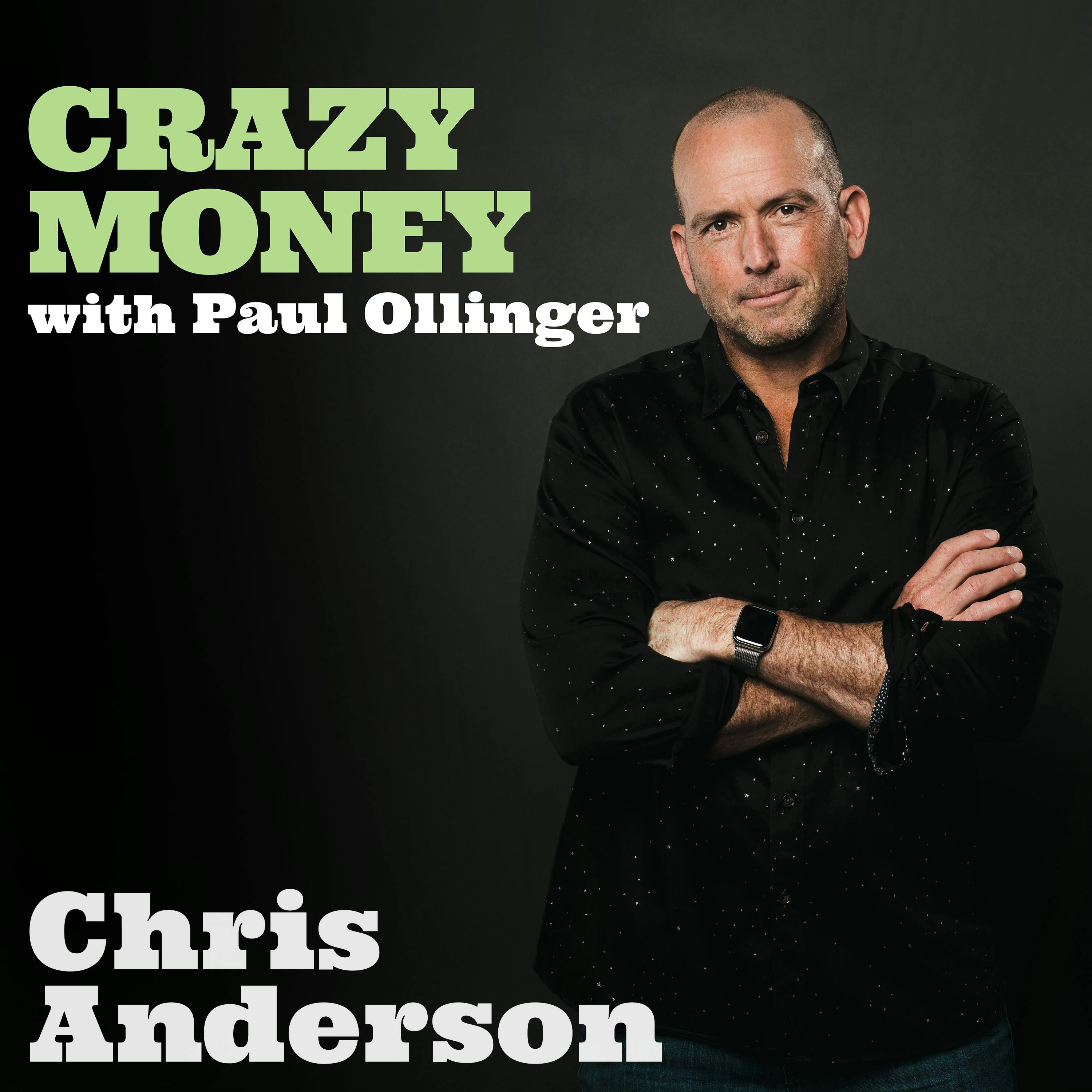
TED's Chris Anderson on Infectious Generosity
Chris Anderson is the Head Curator of TED and author of the new book, 'Infectious Generosity: The Ultimate Idea Worth Spreading' in which he argues that YOU and I can improve the world by embracing our natural inclination toward generosity. He speaks not just of financial generosity, though that’s certainly a huge part of it, but also of creative generosity and generosity of spirit. In this conversation, Chris and I discuss:The formula to determine if you are a net giver or a net taker in lifeMrBeast and the phenomenon of performative philanthropyHow gratitude can foster a sense of generosity and empathyThe contribution TED has made to the world by providing a platform to share valuable ideas.How one, small act of kindness can spark generosity in others Chris was born in Pakistan where his father was "an eye surgeon and evangelical Christian who ran a mobile hospital. He attended school in the Himalayan mountains of India before transferring to a boarding school near Bath, England. He went on to study philosophy, politics, and economics at Oxford, then found himself captivated by the personal computer revolution in the mid-1980s. He launched computer magazines via Future Publishing and eventually published 150 titles and employed 2,000 people. Using the proceeds of his success, Chris established a foundation to tackle tough global issues through media, technology, entrepreneurship, and ideas. In 2001, that foundation acquired the TED Conference, then an annual meeting of luminaries in the fields of technology, entertainment, and design, held in Monterey, California. Chris left the publishing world to work on TED full-time. In the next two decades, TED expanded to include the TED Prize, Ted-Ed, and the licensing of its name via TEDx, local, independently-produced conferences around the globe. Learn more about Chris and the book on InfectiousGenerosity.org. ⭐ Rate And Review Crazy Money HERE. (Seriously, Do It!)⭐ ✍️ Get Paul’s Writing To Your Inbox HERE. (Seriously, Do This Also!) ✍️ This is a public episode. If you'd like to discuss this with other subscribers or get access to bonus episodes, visit words.paulollinger.com/subscribe
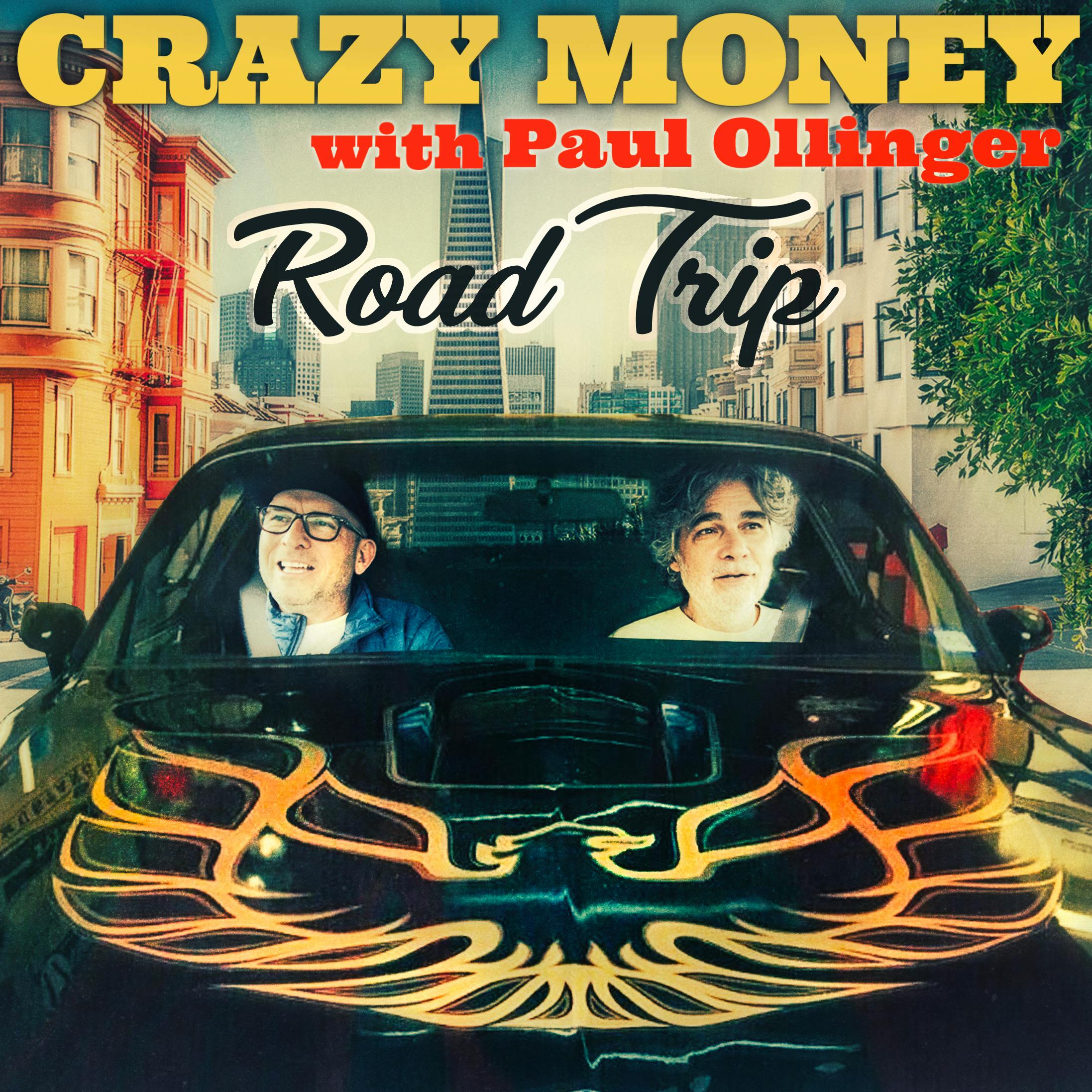
Mike and Paul’s Road Trip
EThis episode is highlights of a conversation between Paul and Mike Carano, long-time friend and Crazy Money editor. It was recorded on a road trip between San Francisco where Paul had just performed at Cobb’s Comedy Club and San Luis Obispo where he was heading to perform in the SLO Fest Comedy Festival. Among other things, Paul and Mike discuss:Memories of commuting from SF to Yahoo! in SunnyvaleWhy it’s hard to admit what we want in lifeThe history of Crazy MoneyThe possible new names for Crazy MoneyLife in general✍🏾Please leave us a rating here. ✍🏾👊Get Paul’s Substack newsletter here. 👊 Subscribe to us on YouTube here. Topics addressed on Crazy Money include: Philosophy, Happiness, Contentment, Meaning, dreams, purpose, Success, Society, mental health, Buddhism, Stoicism, the hedonic treadmill, morality, Mid-Life Crisis, Business, Work, Careers, Authors, Books, Consumerism, Values, capitalism, economics, investing, saving, spending, personal finance, charity, philanthropy, altruism, wealth, wealth management.If you haven’t found what you’re looking for in the words above, you’re probably not going to find them down here. Seriously, all the important stuff is up yonder. This is a public episode. If you'd like to discuss this with other subscribers or get access to bonus episodes, visit words.paulollinger.com/subscribe
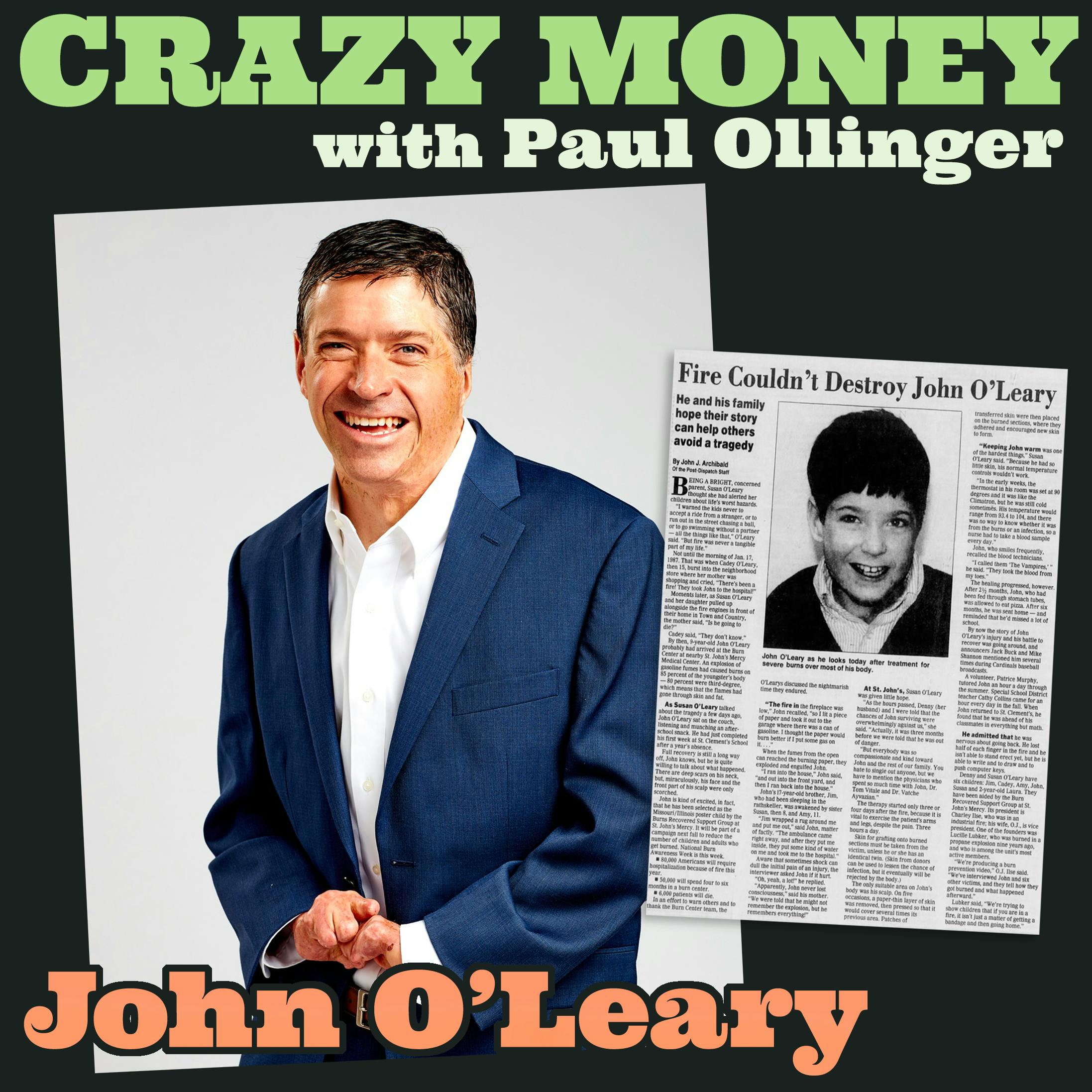
On Fire for Life with John O’Leary
When John O’Leary was 9 years old, he played with fire and got burned. Like really, really burned, over 99% of his body. Doctors gave him less than 1% chance to live and told his parents he would not survive. Yet thanks to the amazing support of his family, the community, and medical care providers, survive he did. His journey back took years, required dozens of surgeries, and cost him all of his fingers. Today, John is a world-renowned inspirational speaker who has addressed audiences around the globe. John is also the author of the best-seller On Fire!: 7 Choices to Ignite a Radically Inspired Life and In Awe: Rediscover Your Childlike Wonder Unleash Inspiration, Meaning, and Joy. He hosts the Live Inspired podcast. John and I have a lot in common. We were both one of six kids in a big, Catholic family and raised by amazing parents who were married for over 50 years and whose humility and grace inspire us to this day. We’re both husbands and dads and both want our audiences to be radically aware of the value of their lives and the opportunity to make every day count. In this conversation, we discuss the importance of:Living in the momentGratitudeFamilyCourageFriends who will fight for youFinding your TalentsLearn more about John on his website.✍🏾Please leave us a rating here. ✍🏾👊Get Paul’s Substack newsletter here. 👊 Subscribe to us on YouTube here. Topics addressed on Crazy Money include: Philosophy, Happiness, Contentment, Meaning, dreams, purpose, Success, Society, mental health, Buddhism, Stoicism, the hedonic treadmill, morality, Mid-Life Crisis, Business, Work, Careers, Authors, Books, Consumerism, Values, capitalism, economics, investing, saving, spending, personal finance, charity, philanthropy, altruism, wealth, wealth management.If you haven’t found what you’re looking for in the words above, you’re probably not going to find them down here. Seriously, all the important stuff is up yonder. This is a public episode. If you'd like to discuss this with other subscribers or get access to bonus episodes, visit words.paulollinger.com/subscribe
Paul Reads Money Essays
EIn this special “where has Paul been?” episode, Paul reads three of his latest pieces from his Substack, Money and the Meaning of Life, so that you can drive or workout without reading. Latest posts include:Adventures in Affluence: Dry Cleaning - why Paul got freaked out when he starting thinking about how much he spends on dry cleaning every year.Gary v. Jerry: Why Gary Gulman Resents Rich People -Gary Gulman is an amazing comedian, but he harbors some very negative attitudes toward people who have more than he does.The Dreaded H-Word: Should Labors of Love be Tax-Deductible? - Why Paul got so upset when the IRS got judgy about this podcast.🔥Paul publishes these essays (about) every other Tuesday. You should subscribe HERE. 🔥🚀 Follow Paul on Instagram HERE. 🚀 This is a public episode. If you'd like to discuss this with other subscribers or get access to bonus episodes, visit words.paulollinger.com/subscribe
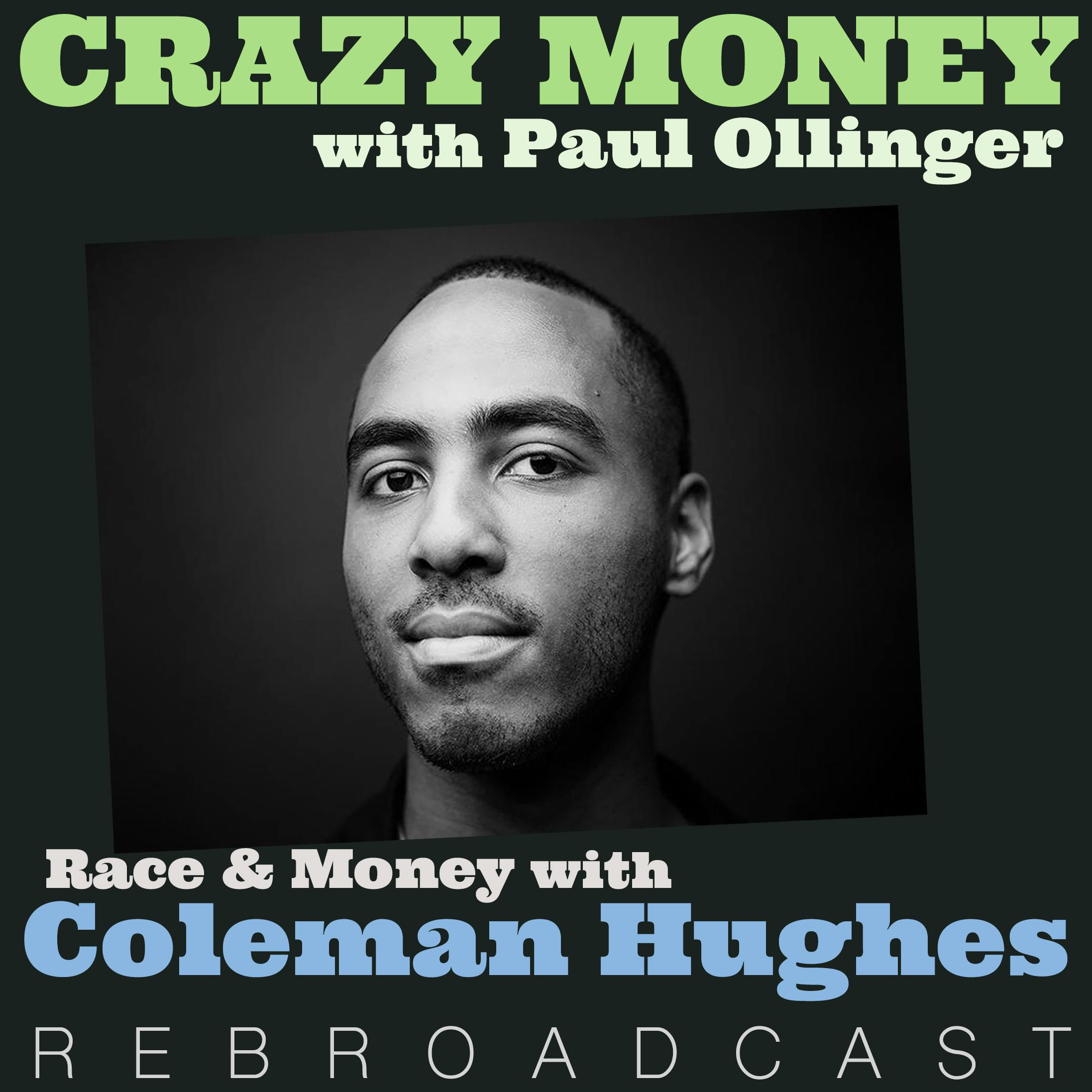
Race and Money with Coleman Hughes (Encore)
Today’s guest is Coleman Hughes, a writer, podcaster, opinion columnist and self-described "Black man who does’t think everything is about race.” Coleman has a new book out this week called 'The End of Race Politics: Arguments for a Colorblind America,’ in which he confronts the "failed corporate diversity and inclusion efforts and poisonous race-based policies that hurt the very people they intend to help."Coleman has been featured in the New York Times, The Wall Street Journal, The National Review, Quillette, The City Journal and The Spectator. He's appeared on many TV shows and podcasts including Real Time with Bill Maher, Making Sense with Sam Harris and the Jordan B. Peterson podcast. In this conversation from summer of 2022, Coleman and I talk about:The Racial Wealth Gap and its origins, Why government action including reparations is not a solutionWhether 100% equality among all races is possible or even desirable, How progressive policies that supposedly help African-Americans are actually holding them back and…What issues we should focus on if we actually want to empower Black Economic Autonomy.💰Please leave us a rating here. 💰🔥Get Paul’s Substack newsletter here.🔥🔥Subscribe to us on YouTube here. 🔥Follow Coleman on Twitter and hear his music here. Topics include DEI, race, racial wealth gap, reparations, Ibram Kendi, Robin DiAngelo, economics, inequality. This is a public episode. If you'd like to discuss this with other subscribers or get access to bonus episodes, visit words.paulollinger.com/subscribe
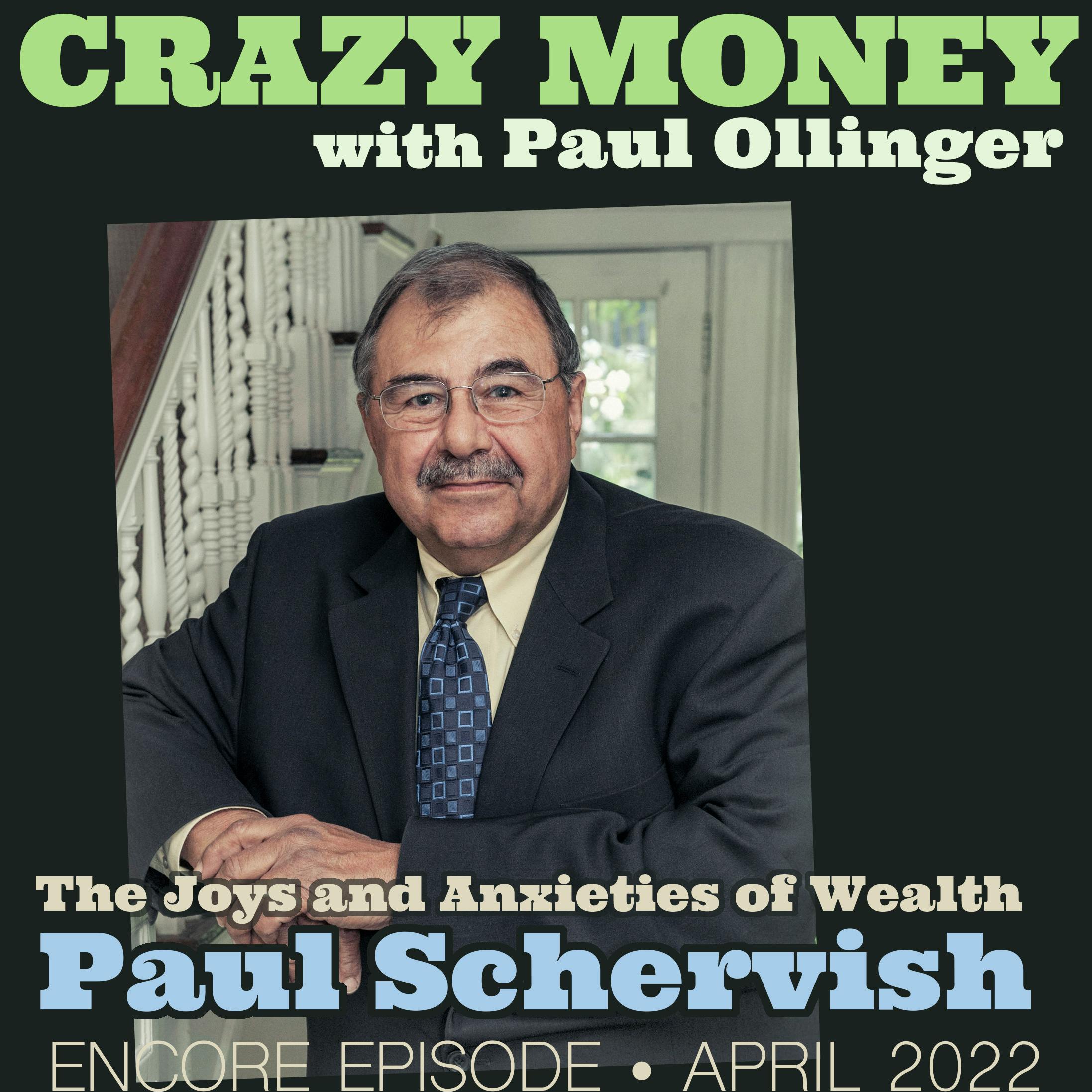
The Joys and Anxieties of Wealth (Encore)
Paul Schervish studies very wealthy people: what worries them, what delights them, and what motivates them to give to charity. The Director of Boston College’s Center on Wealth and Philanthropy, Paul is the co-author of 'The Joys and Dilemmas of Wealth,' a 2010 report that is one of the most insightful studies of the ultra-affluent ever. We discuss how the fears and joys that come with being rich are often two sides of the same coin. And how Paul, a former Jesuit priest strongly influenced by Karl Marx, has come to appreciate more fully the humanity of the affluent. Learn more about Paul Schervish here. This episode was posted originally in April, 2022. • 💪🏼 Rate and Review Crazy Money here. 💪🏼 • 🦸♂️ Read Paul’s Substack newsletter here. 🦸♂️ This is a public episode. If you'd like to discuss this with other subscribers or get access to bonus episodes, visit words.paulollinger.com/subscribe
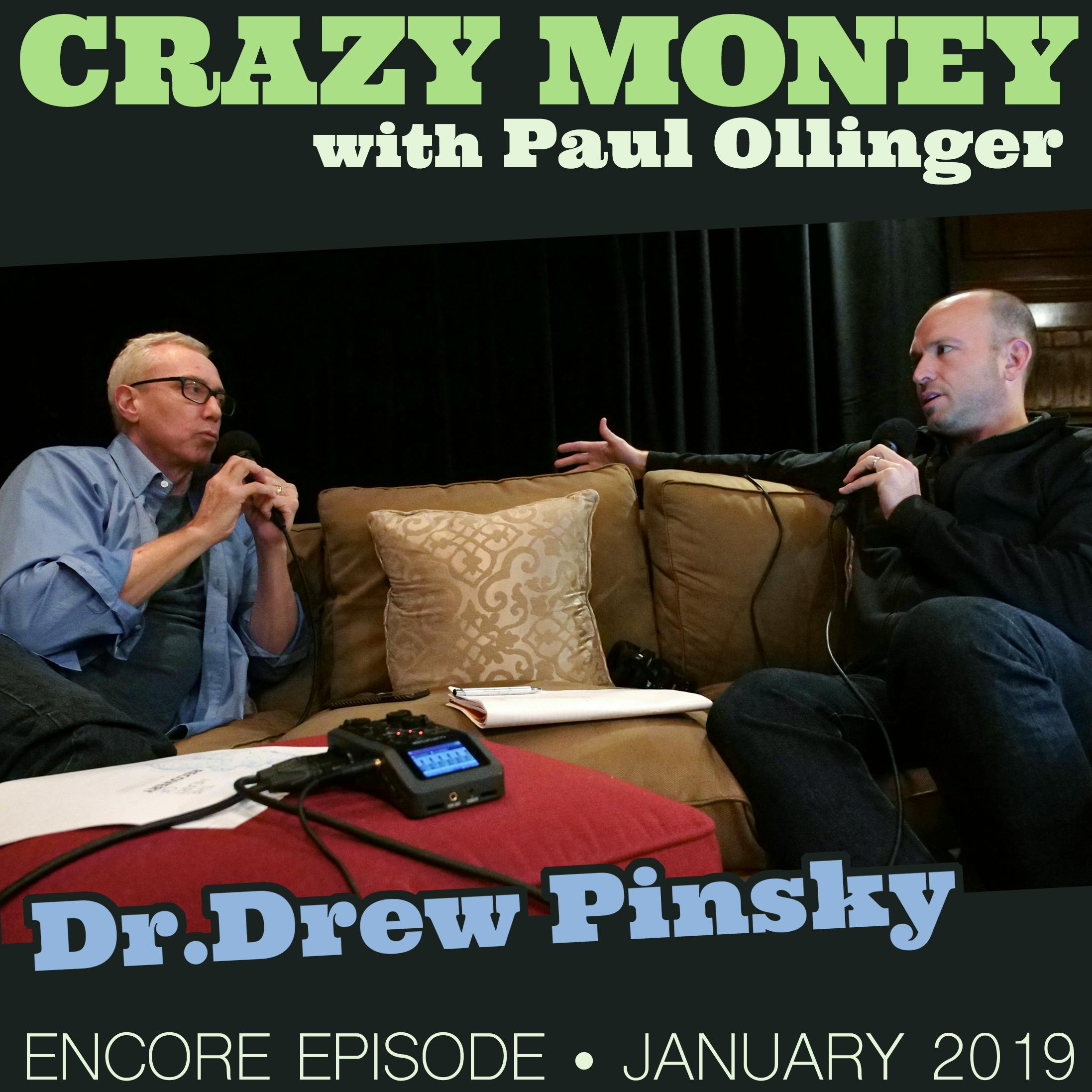
Dr. Drew Pinsky on Careers, Money, and Fame (Encore)
EThis is a special holiday encore of the 2nd episode of Crazy Money with Dr. Drew, which ran Jan 30, 2019. Dr. Drew offers candid insight into the ups and downs of a career in broadcasting and medicine. From Loveline to Celebrity Rehab, Dr. Drew has been a staple on radio and cable television for over 30 years, but that doesn’t mean he’s rich — he’s got triplets to get through graduate school, after all. But he is definitely conversant on almost any topic you throw at him, including opera, coffee and Ulysses S. Grant. Oh, and doctor stuff. He knows about that too. Find out more about Dr. Drew on his website. • 💪🏼 Rate and Review Crazy Money here. 💪🏼 • 🦸♂️ Read Paul’s Substack newsletter here. 🦸♂️ This is a public episode. If you'd like to discuss this with other subscribers or get access to bonus episodes, visit words.paulollinger.com/subscribe
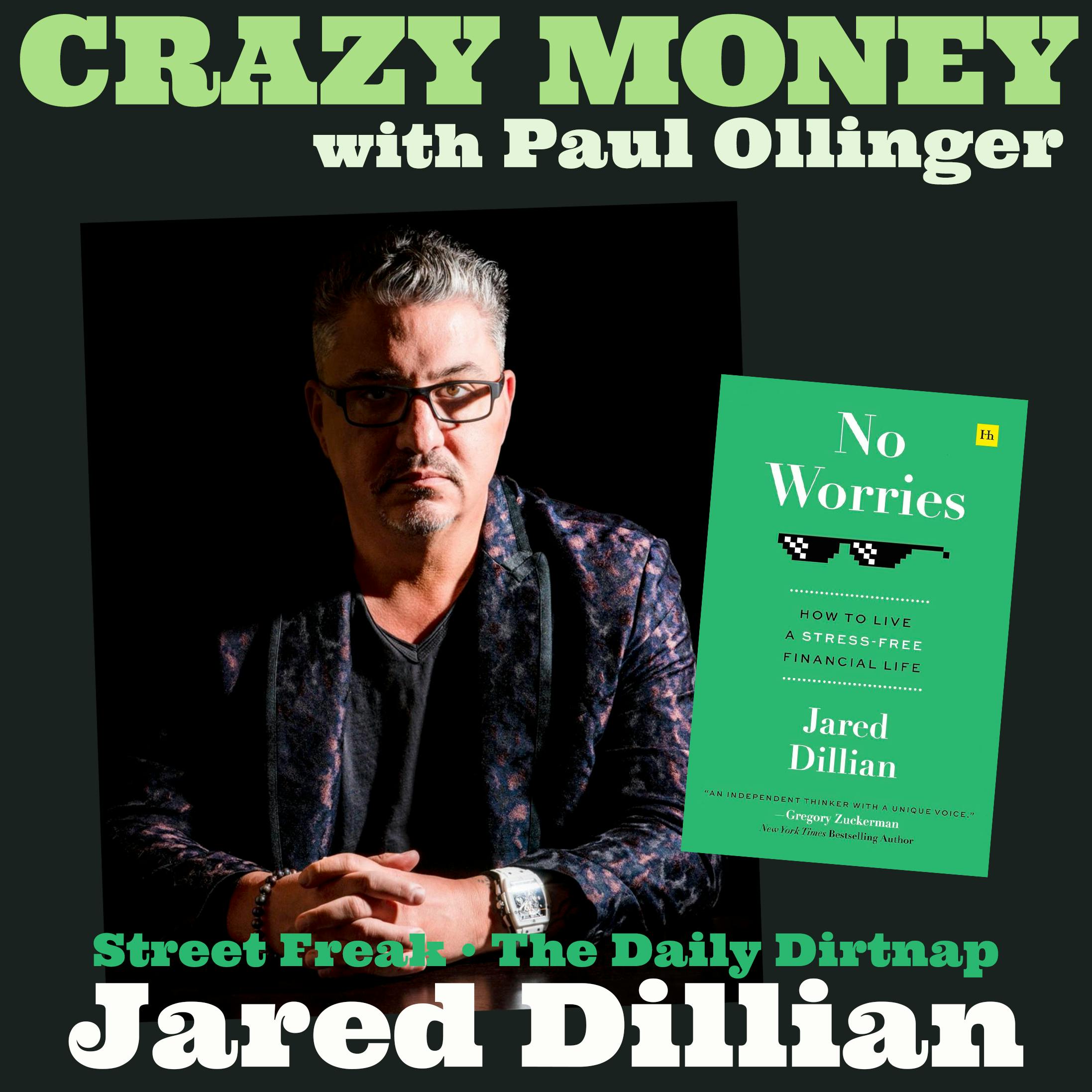
How to Live a Stress-free Financial Life with Jared Dillian
Financial gurus like Dave Ramsey or Suze Orman tell their audience that the key to achieving wealth—or just financial stability—is to cut back on the little things like that daily Starbucks latte. Jared Dillian thinks they’re wrong. Focusing on the little things, Jared argues, is pointless and unsustainable. But focusing on the big things, like your house, your car, and how much you pay for college, makes all the difference. A renowned investment strategist and author, Jared is widely recognized for his keen insights into market psychology and his ability to explain complex financial concepts in an accessible manner. He is also the author of the acclaimed book 'Street Freak: Money and Madness at Lehman Brothers' and the editor of the popular financial newsletter 'The Daily Dirtnap', where he shares his valuable perspective on the markets. Pre-order his new book, ’No Worries: How to Live a Stress-Free Financial Life’ here. On this week’s episode, we discuss:Striking the balance between being a cheap f*ck and a high roller.Why renting is often a much better idea than buying a home.How much student debt is okay.The five asset classes you should own in “The Awesome Portfolio"Jared also graciously shares insights into his bipolar disorder and the side effects of the meds he takes. In so doing, he continues to help de-stigmatize mental illness. And for that, I thank him. See Paul live in comedy mode:Austin, Jan 11 - Buy Tickets HereSan Francisco, Feb 22 - Buy Tickets HereNashville, Feb 28 - Buy Tickets Here 🔥Learn and laugh by reading Paul’s Substack here. 🔥🚀 Follow Paul on Instagram here. 🚀DISCLAIMER: This episode contains a discussion of investment strategies and theories but in no way should be considered personal financial advice. Investing in any of the asset classes mentioned can result in material losses. This is a public episode. If you'd like to discuss this with other subscribers or get access to bonus episodes, visit words.paulollinger.com/subscribe
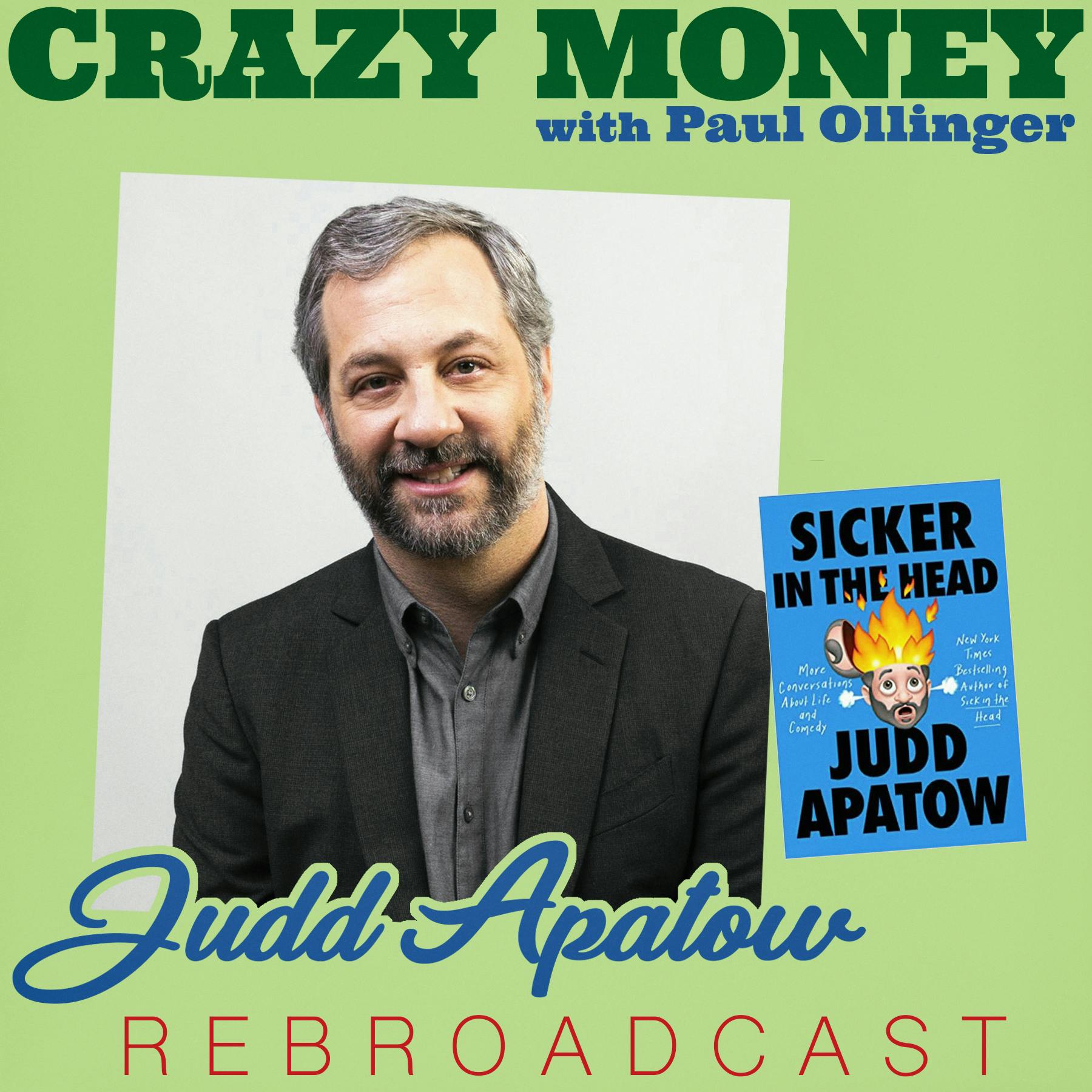
Judd Apatow on Money, Fame, and Adam Sandler (Encore)
Judd Apatow is one of the most important figures in comedy and film today. But he just doesn’t care that much about money. This non-attachment to material goods leaves him more time to focus on what matters: writing, directing, developing talent, and getting his family together for dinner. Judd has accomplished so much in his career that, in retrospect, his success appears to have been pre-ordained. But despite his massive success in the past 20 years, he never forgets his early struggles. In this week’s encore episode from Feb ’22, I speak with the writer / director / producer behind iconic comedy films such as Anchorman, Trainwreick, This is 40, and The 40-Year-Old Virgin about:Why Adam Sandler paid $50 more in rent than Judd when they were roommatesWhy he didn’t worry too much about finances as a young comedianHow failure prepared him to handle successBeing creative during a pandemicBuddhism and stuffCatch Paul Ollinger live (or tell your friends to go):Austin, Jan 11 - Buy Tickets HERESan Francisco, Feb 22 - Buy Tickets HERENashville, Feb 28 - Buy Tickets HERE 🔥Learn and laugh by reading Paul’s Substack here. 🔥 This is a public episode. If you'd like to discuss this with other subscribers or get access to bonus episodes, visit words.paulollinger.com/subscribe
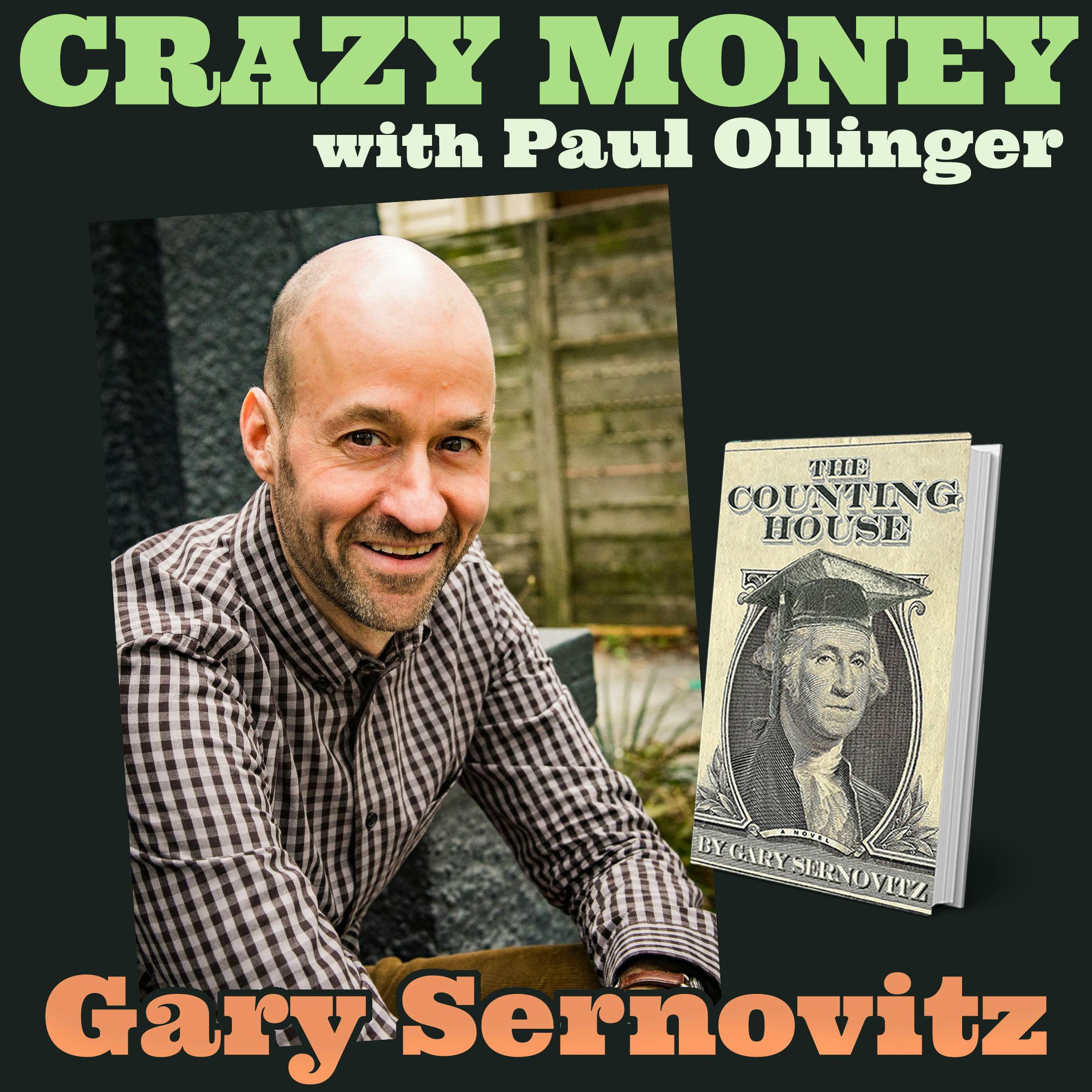
Author Gary Sernovitz
Gary Sernovitz is one of the funniest financial writers working today. His hilarious new novel The Counting House tells the story of a university’s Chief Investment Officer who is suffering a mid-life crisis. If you possess either an interest in finance or a robust / dark sense of humor, The Counting House will make you laugh and, at times, cry in empathy with the protagonist. Gary has spent the last 25 years observing how money works from inside Goldman Sachs and the private equity business, bringing a keen writer’s eye to the money business through two previous novels, a non-fiction account of the oil and gas industrial, and a bunch of essays in The New York Times, The New Yorker and The Wall Street Journal. A Milwaukee native and longtime resident of New York, Gary now lives in New Orleans with his wife and daughter. See more about Gary and The Counting House here.In this conversation, Gary and I discuss:Investing with the constraints of a modern university stakeholdersWhether your performance is your identityThe state and cost of college Writing as a side hustle while working full-time in financeSee Paul live in comedy mode:Austin, Jan 11 - Buy Tickets HereSan Francisco, Feb 22 - Buy Tickets HereNashville, Feb 28 - Buy Tickets Here 🔥Learn and laugh by reading Paul’s Substack here. 🔥🚀 Follow Paul on Instagram here. 🚀 This is a public episode. If you'd like to discuss this with other subscribers or get access to bonus episodes, visit words.paulollinger.com/subscribe
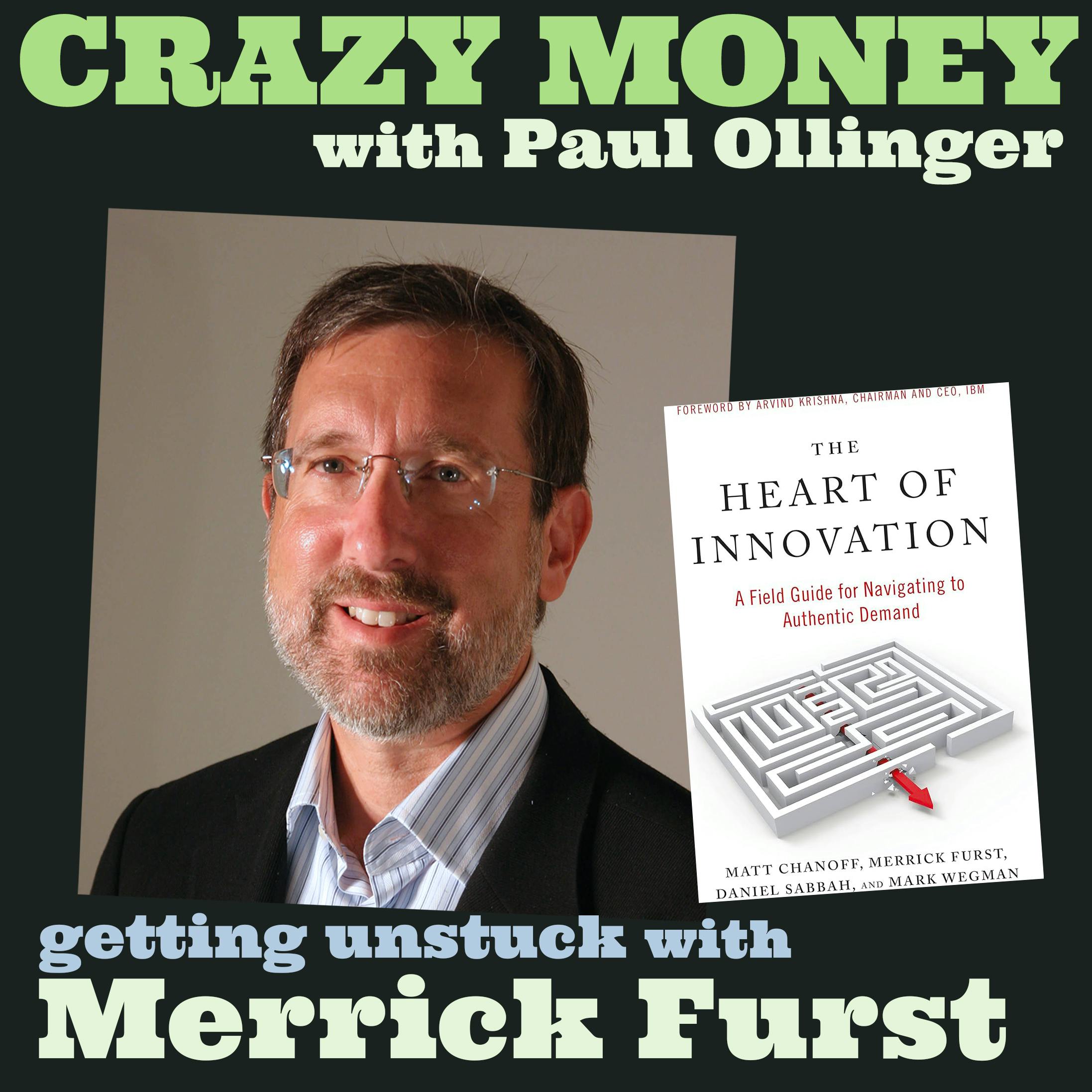
How to Get Un-stuck with Merrick Furst, Ph.D.
Do you ever feel stuck in life? As if you are in the wrong place or you’re in the right place but doing the wrong thing? What do you do when you find yourself at a crossroad? Today, I speak to innovation expert Merrick Furst about how seeing ourselves and the world more clearly can tell us how to move forward when the way isn’t clear. Merrick is a Distinguished Professor at Georgia Tech. His list of academic and commercial accomplishments are longer than your arm (see below) but today we’re putting his immense analytical skills to work to determine the questions we should ask ourselves when we’re not sure about which way to go. Merrick is the co-author of a new book, The Heart of Innovation, which guides start-ups and the humans that lead them how they can go about being themselves. In today’s conversation we discuss:What should you do when you feel stuck?How blind spots keep us stuck and how to find out what your blind spots areThe importance of both radical candor and unconditional positive regard…and, most importantly, how Merrick helped to inspire the Crazy Money podcast!👝Shop SIDECAR’s stylish, hands-free travel accessories here. Use code CRAZY20 to get 20% off order over $75.👝🔥Learn and laugh by reading Paul’s Substack here. 🔥🚀 Follow Paul on Instagram here. 🚀Merrick’s BIO:Merrick L. Furst, Ph.D., Distinguished Professor, runs commercialization and new venture creation and directs undergraduate programs and faculty development in the College of Computing at Georgia Tech. Prior to GT he was a professor at UC Berkeley, president of the International Computer Science Institute at Berkeley and CEO of Essential Surfing Gear, Inc., which grew to 53 employees before being sold in 2000. Earlier he was professor and associate dean in the School of Computer Science at Carnegie Mellon. Dr. Furst is known for seminal research in algorithms, complexity theory and AI. Merrick co-invented probabilistic circuit analysis and planning graphs, which are considered among the most influential breakthroughs in the field of AI planning. He is the founder of Flashpoint, one of the key developmental communities in Atlanta’s tech start-up scene. This is a public episode. If you'd like to discuss this with other subscribers or get access to bonus episodes, visit words.paulollinger.com/subscribe
Paul Reads His Thanksgiving Essays
EIn this special “over the river and through the woods” episode, Paul reads four of his latest pieces from his Substack, Money and the Meaning of Life, so that you can drive or workout without reading. Latest posts include:Every Day Is ThanksgivingThis One Question Will Help You Stop Comparing Yourself to OthersWhy the Jews? The holy roots of anti-semitism might surprise youThis is Us: Inconclusive Thoughts on Why We Kill Each OtherDuring this Thanksgiving week, Paul commands you to be grateful and to savor your good fortune and your loved ones. That is all.🔥Paul publishes these essays (about) every other Tuesday. You should subscribe here. 🔥🚀 Follow Paul on Instagram here. 🚀 This is a public episode. If you'd like to discuss this with other subscribers or get access to bonus episodes, visit words.paulollinger.com/subscribe
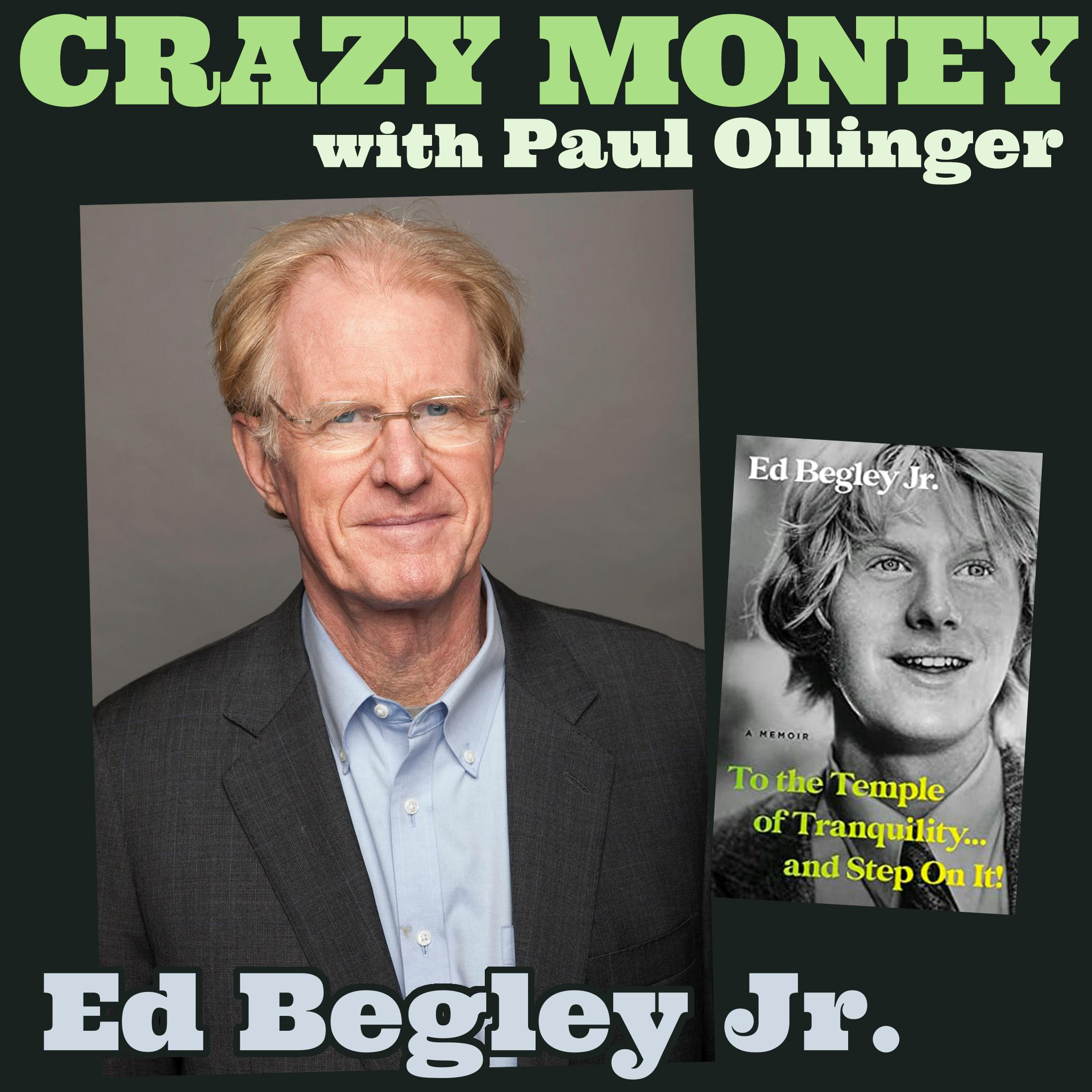
Ed Begley Jr. on Finding Serenity in Hollywood
✍️ Subscribe to Paul’s Substack ‘Money & the Meaning of Life’ here. ✍️🎤 See Paul’s upcoming comedy dates here and random thoughts on Instagram here. 🎤Ed Begley Jr. has been acting professionally since 1967 when he appeared in an episode of My Three Sons. 56 years later, Ed has acted in hundreds of movies and TV shows, including An Officer and a Gentleman, Batman Forever, The Larry Sanders Show, Better Call Saul, This is Spinal Tap, Best in Show, and—of course—St. Elsewhere for which he earned six consecutive Primetime Emmy Award nominations and a Golden Globe Award nomination. His new memoir, To the Temple of Tranquility...and Step on It! is a joyous collection of anecdotes cataloging his career, addiction, recovery, commitment to the environment and—most importantly—his family. In this week’s interview, Ed and discuss: Him drinking 32 oz of vodka every day for seven yearsWhat Jack Nicholson taught him about actingWhy he once considered moving to AtlantaThe blessing of not getting the part he wanted on St. Elsewhere Where, on a random night in 1972 you might see Elton John, the Eagles, Jackson Brown, Joni Mitchell, Bette Midler, Steve Martin, Richard Pryor, and Albert BrooksWhy being present in the moment is so important👂Learn more about Ed on his website here. Buy the book here or at your favorite bookstore.👂-- Read my newsletter Money and the Meaning of Life here.Paul Ollingerhttp://PaulOllinger.com This is a public episode. If you'd like to discuss this with other subscribers or get access to bonus episodes, visit words.paulollinger.com/subscribe
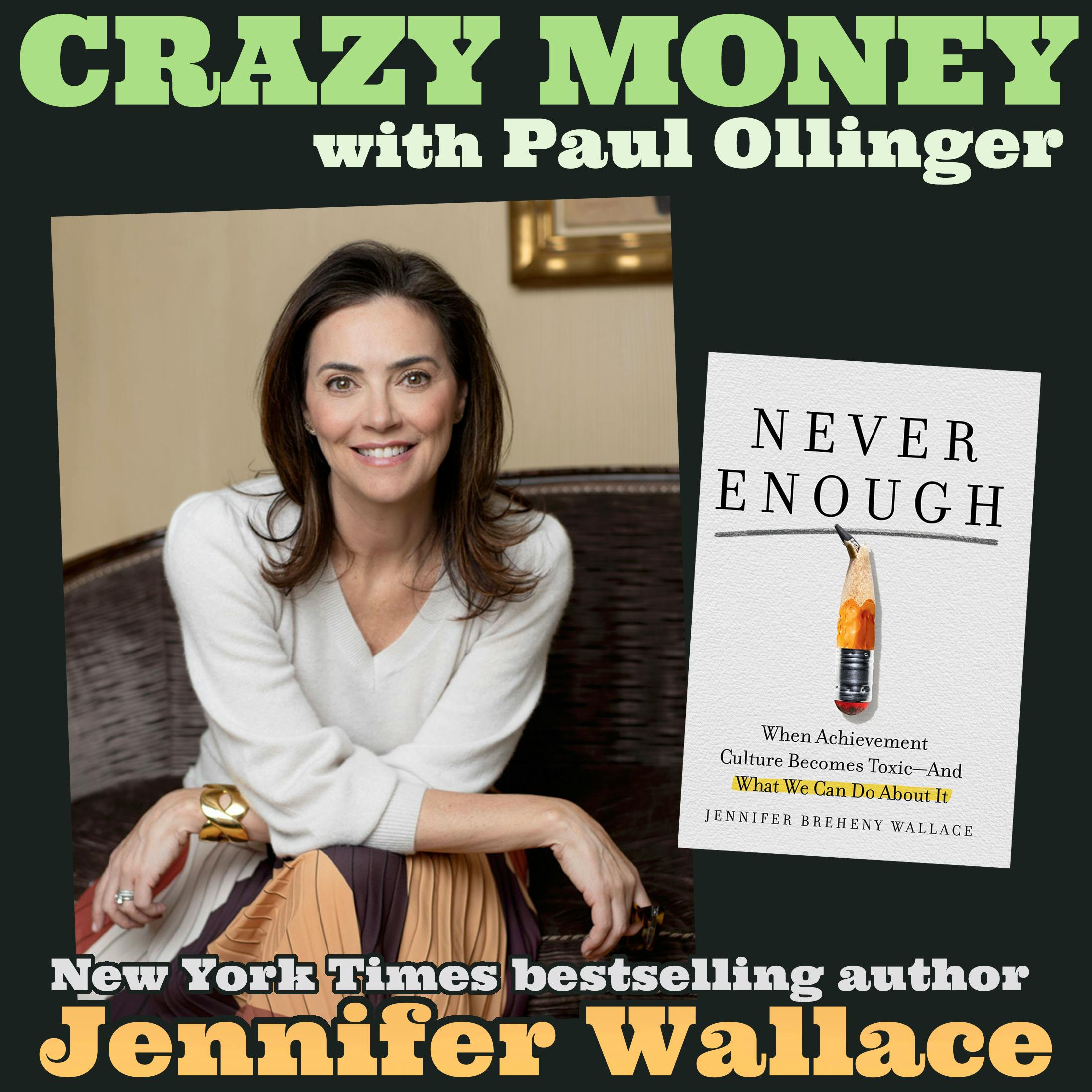
Pushing Our Kids Too Hard: On Toxic Achievement Culture with Jennifer Wallace
✍️ Subscribe to Paul’s Substack ‘Money & the Meaning of Life’ here. ✍️Jennifer Wallace is a journalist and author specializing in psychology, parenting, and health. Her new book 'Never Enough: When Achievement Culture Becomes Toxic—And What We Can Do About It' delves into our modern dilemma of busyness, achievement, credentialing, and status-seeking. Katie Couric calls the New York Times best-seller 'Never Enough; “a wake up call for all of us.” A frequent contributor to the Wall Street Journal and Washington Post, Jennifer’s work explores the intersection of societal trends and individual well-being. In this conversation, Jennifer and I discuss:What Harvard can and can’t do for you (or your child)The 6 factors that contribute to a great college experienceWhy it matters that our kids know they matterStress, grind culture, and mental health\The importance of chores for children and teensThe family chore that young Jennifer put off until Sunday nightWhat Alanis Morissette was telling us in her song ‘Perfect'"Sometimes is never quite enoughIf you're flawless, then you'll win my love"-Alanis Morissette, Perfect👂Check out the book on Jennie's website here and follow her on Instagram here.👂🎤 See Paul’s stand-up and random thoughts on Instagram here. 🎤 This is a public episode. If you'd like to discuss this with other subscribers or get access to bonus episodes, visit words.paulollinger.com/subscribe
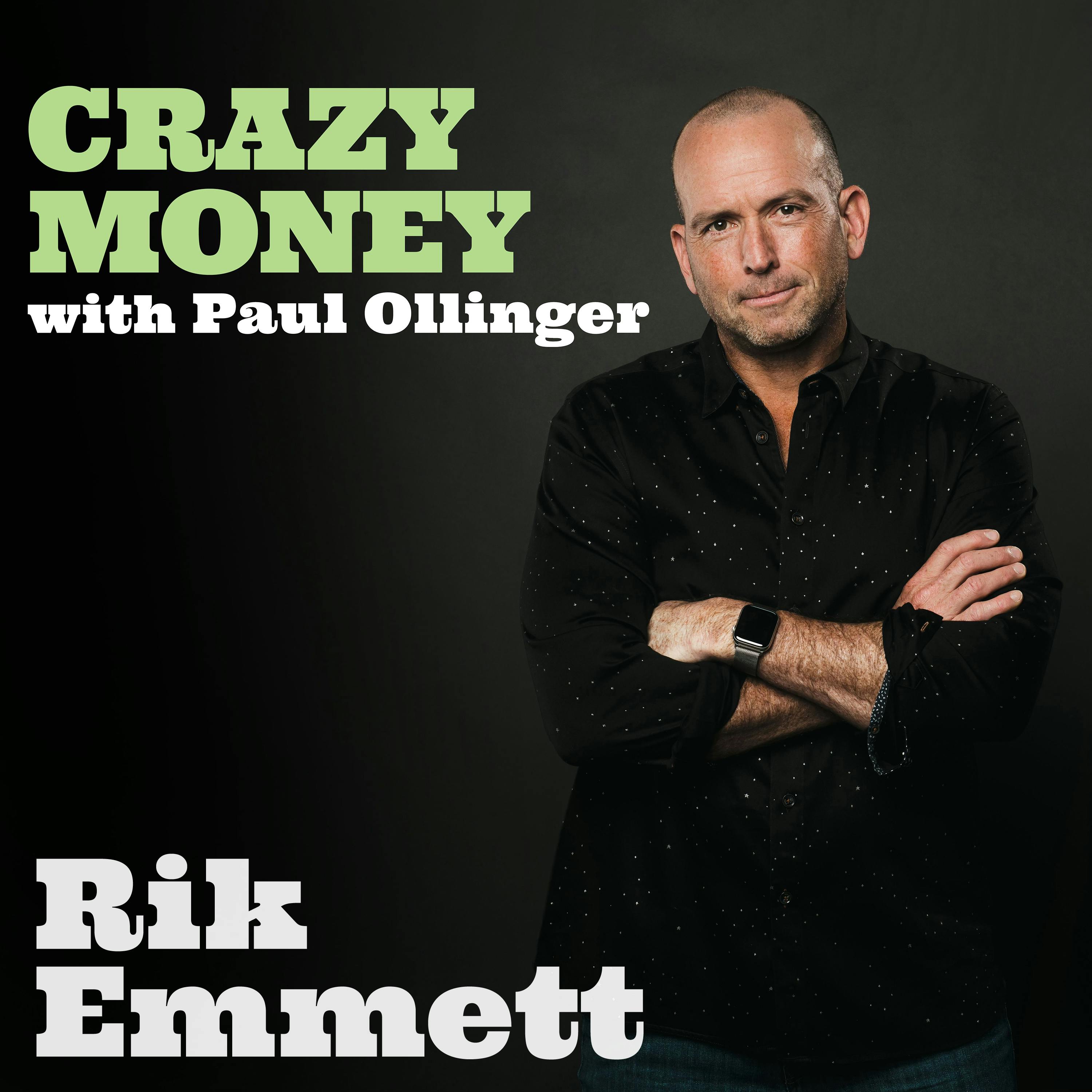
Lessons from an '80s Guitar god with Rik Emmett of Triumph
Rik Emmett is a vocalist, guitarist and former member of the rock band Triumph, which earned 18 gold and nine platinum records in Canada and the United States in the late 1970s and early’80s. Triumph was known for its BIG live shows featuring lights, pyrotechnics, and lots of spandex (as was appropriate for the era!). Along with Rik's bandmates Gil Moore and Mike Levine, the power trio played loud, guitar-forward tunes with uplifting lyrics. 1981’s Allied Forces sold over a million copies in the US and included the songs “Fight the Good Fight” and “Magic Power,” which—if you haven’t heard it recently—merits a listen on your favorite music app. Eventually, disputes with the record label, the financial stress of touring / recouping advances, and intra-band competition lead to Triumph’s break-up. In his new memoir, Lay It on the Line: A Backstage Pass to Rock Star Adventure, Conflict and Triumph, Rik shares insights into the trials and tribulations of the rock n roll life and how he has found peace as a devoted husband, father, and grandfather. The band and has been inducted into both the Canadian Music Industry Hall of Fame and the Canadian Music Hall of Fame. In this episode, ’Rik and I discuss:How the pressure to churn out hits affects the songwriting processWhy he started sharing his songwriting royalties with his bandmatesTriumph’s performance at the 1983 US Festival, which was founded by Steve WozniakHow a start-up network called MTV used a Triumph promo video to help fill its scheduleThe cruel arc of celebrity and how an artist deals with "the whimpering disappointment of general disinterest."⭐ Rate and Review Crazy Money here. (Seriously, do it!)⭐ ✍️ Get Paul’s writing to your Inbox here. (Seriously, do this also!) ✍️👂Check out the book here and Rik's website here.👂 This is a public episode. If you'd like to discuss this with other subscribers or get access to bonus episodes, visit words.paulollinger.com/subscribe
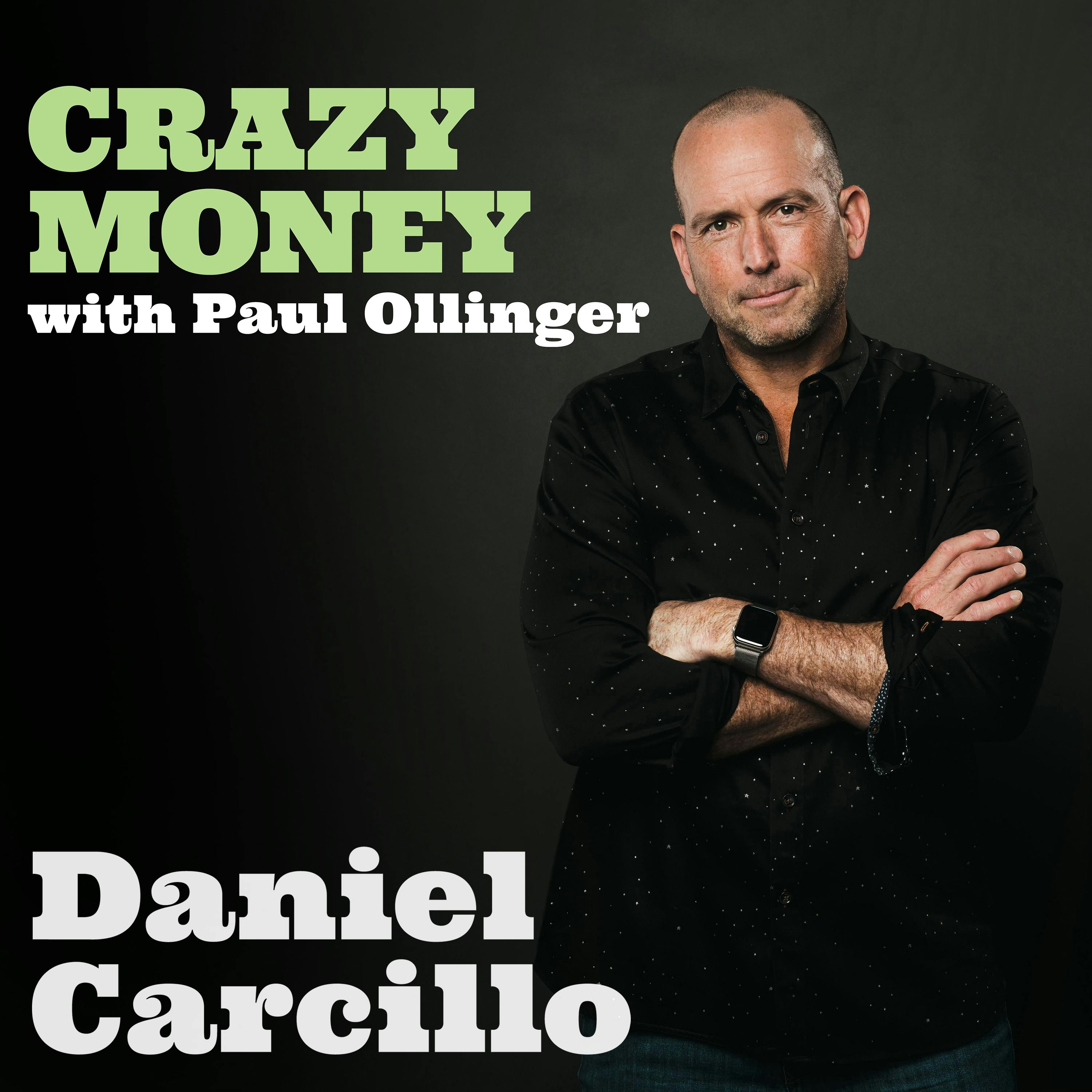
The NHL, Brain Injury, and Psilocybin with Daniel Carcillo
When Daniel Carcillo played in the NHL, he was known as an enforcer so tough and volatile that he earned the nickname “Car Bomb.” In his 12 seasons in the NHL, Daniel was a member of two Stanley Cup-winning teams (2013 and 2015 Chicago Blackhawks), led the league in penalty minutes, and was fined or suspended by the NHL 12 times. He also suffered about a dozen concussions and was diagnosed with early-onset dementia at 30 years old. As he told me, “I know I have CTE,” a progressive and fatal brain disease that he believes drove him to the brink of suicide until—as he describes it—mushroom therapy saved his life. Today, Daniel is a brain health advocate and the Founder/ CEO of Wesana Health, a life sciences company that leverages psilocybin-based medicine to treat traumatic brain injuries. In this episode, Daniel and I discuss:Whether winning the Stanley Cup made him happyThe culture of violence in the NHL.The epidemic of brain injury among athletes.How psilocybin, mushrooms, MDMA, Ketamine, and other non-traditional medicines are being used to treat depression, PTSD, and brain diseasePlease note I neither endorse nor disapprove of Daniel’s POV here. I think there’s a lot to learn in this space that could potentially benefit a lot of people who are suffering. Thank you to my friend Peter Fish for connecting me with Daniel.👂Check out Daniel’s Instagram here and Twitter here👂⭐ Rate and Review Crazy Money here. (Seriously, do it!)⭐ ✍️ Get Paul’s writing to your Inbox here. (Seriously, do this also!) ✍️ This is a public episode. If you'd like to discuss this with other subscribers or get access to bonus episodes, visit words.paulollinger.com/subscribe
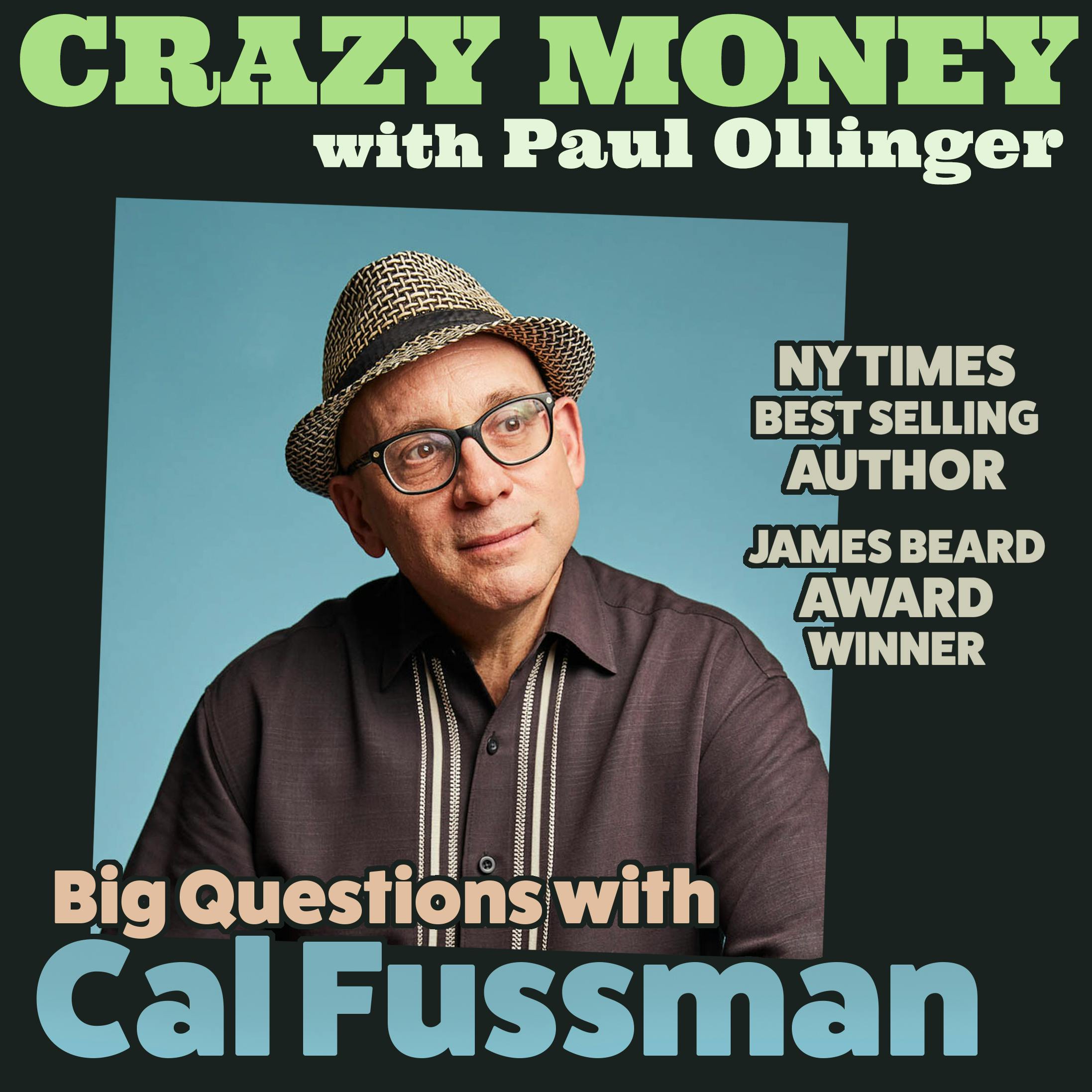
Paul and Cal Fussman Talk Israel, Hamas
Over the past 30 years, Cal Fussman has interviewed a breathtaking array of the world’s most fascinating people, including Nelson Mandela, Clint Eastwood, Barbara Walters, Richard Branson, Muhammed Ali, Mikhail Gorbachev, Neil Young, Serena Williams, Tim Ferriss, Kobe Bryant, Al Pacino, Pelé, and hundreds more. He co-authored Larry King’s memoir and won a James Beard Award for a story about his journey to become a sommelier. Today he hosts the Big Questions podcast and speaks on big stages, all over the world. Cal was in Atlanta last week for one such event so we scheduled time for him to swing by my house (this is Paul typing 👋) for a dual interview to run on our respective shows. In between the scheduling and his arrival, Hamas terrorists killed over 1,000 people (and counting) in Israel in one day. As such, it didn’t feel appropriate to do our typical episodes. So we just talked and tried to make sense of this kind of human behavior. We do our best to avoid political analysis but some inevitably slips in. I want to emphasize that though this episode focuses on Israeli dead at the hands of these Hamas lunatics, the lives of innocent Arabs are equally valuable in the eyes of God…speaking of whom, I hope He’s enjoying His vacation. 👂Listen to Cal’s Big Questions podcast.👂⭐ Rate and Review Crazy Money here. (Seriously, do it!)⭐ ✍️ Get Paul’s writing to your Inbox here. (Seriously, do this also!) ✍️ This is a public episode. If you'd like to discuss this with other subscribers or get access to bonus episodes, visit words.paulollinger.com/subscribe
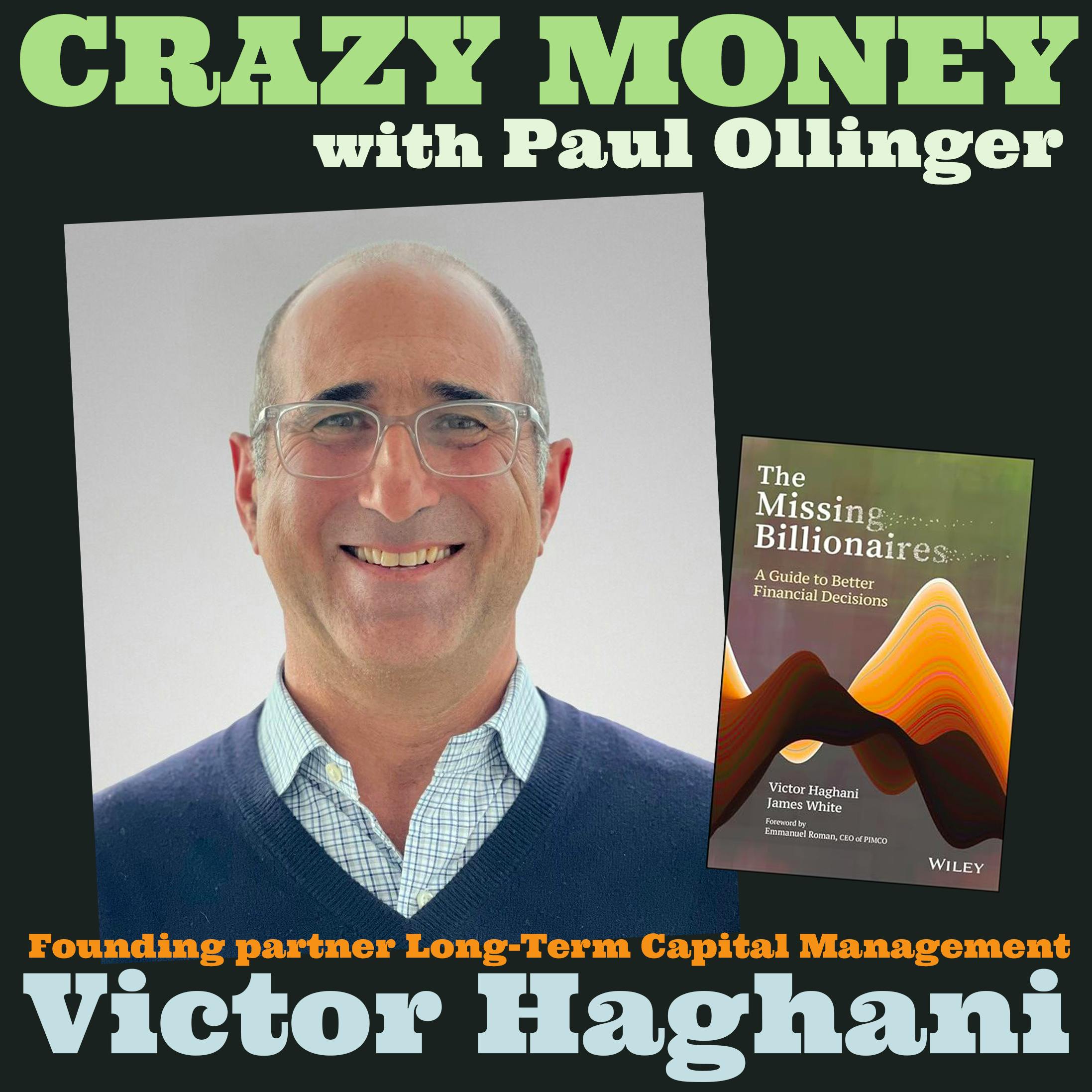
On Losing Billions with Victor Haghani
Victor Haghani is the author of a new book called The Missing Billionaires: A Guide to Making Better Financial Decisions, which explores why family fortunes like the Vanderbilts' get destroyed in the hands of the heirs. Victor knows a lot about wild swings in wealth. As co-founding partner of the Long-Term Capital Management (LTCM), Victor saw the hedge fund's value soar over the first years of its existence then plummet spectacularly, losing 90% of its value in the first nine months of 1998. It was bailed out by a consortium of banks that injected $3.6 billion under the supervision of the Federal Reserve. In this conversation and his new book, Victor graciously shares candid insights from this harrowing experience, discusses the emotional roller coaster of his fund’s very public implosion, and reminds us of some facts many have forgotten: that the banks got their money back as did most of the original investors. Unfortunately, a few investors got washed out, as did the founders. Victor tells Paul how he balanced regret with the need to move forward. Victor graduated from London School of Economics then started his career in 1984 at Salomon Brothers where he eventually became a managing director in the bond arbitrage group made famous by Michael Lewis in Liars Poker. His participation in the failure of LTCM was a life-changing experience that led him to question and revise much of the way he thought about the economy, markets, and investing. Through a careful study of the academic literature on investing and many thought-provoking discussions with friends, colleagues, and investors of all backgrounds,Victor concluded that savers can and should do much better. He founded Elm Wealth in 2011 to help investors, including his own family, manage their savings in a disciplined, research-based, cost-effective manner and to capture the long-term returns they ought to earn. See more about The Missing Billionaires and Elm Wealth here and connect with Victor here.⭐ Rate and Review Crazy Money here. (Seriously, do it!)⭐ ✍️ Get Paul’s writing to your Inbox here. (Seriously, do this also!) ✍️ This is a public episode. If you'd like to discuss this with other subscribers or get access to bonus episodes, visit words.paulollinger.com/subscribe
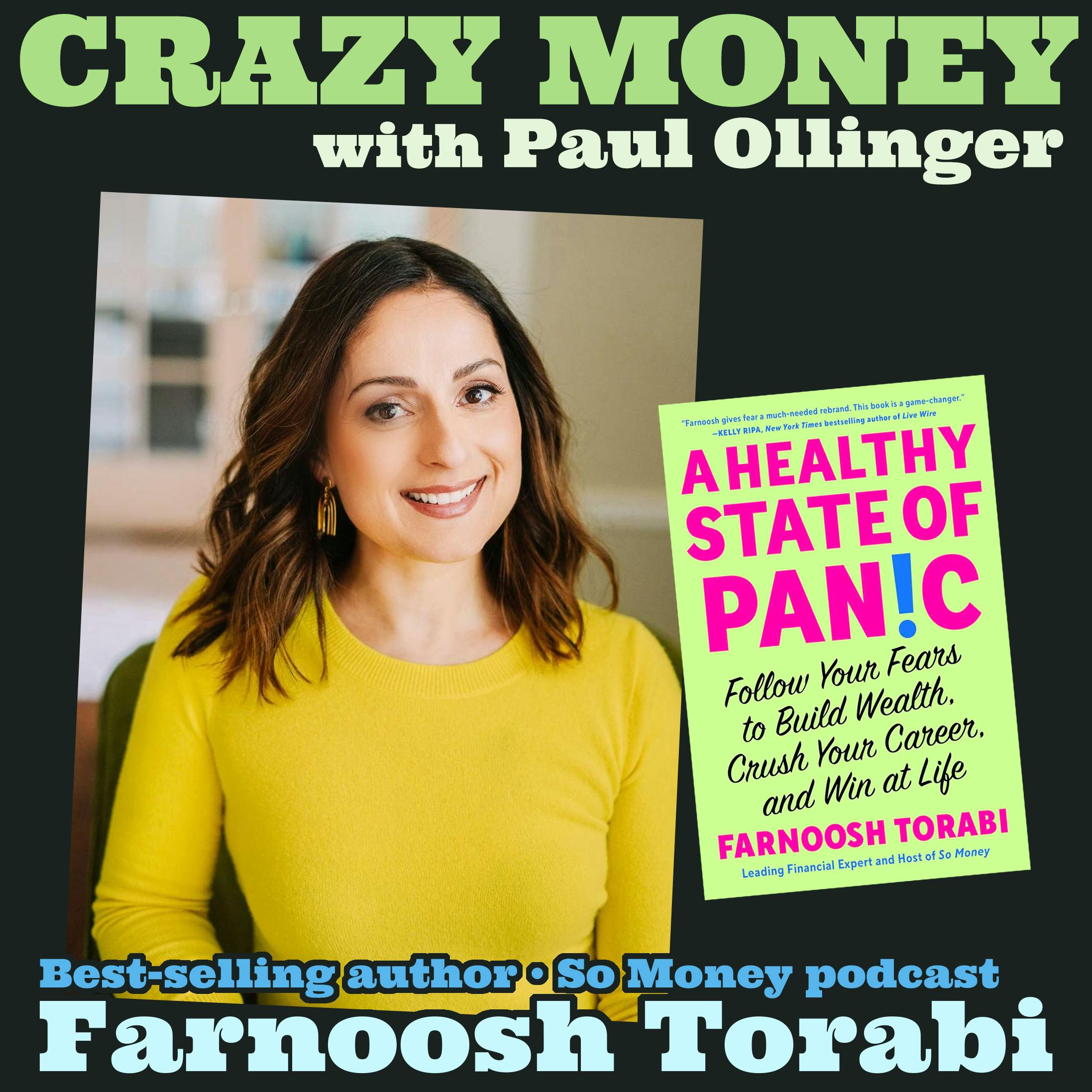
How Fear Can be Your Friend with Farnoosh Torabi
Farnoosh Torabi is an Iranian American journalist and one of the country’s most trusted personal finance experts. In her new book, A Healthy State of Panic she examines the role fear can have in leading us toward the relationships, careers, and financial situations we are meant to have. For over two decades, Farnoosh has a strived to help people become financially empowered and lead richer lives. She’s written multiple books, hosted a CNBC program, and worked alongside Oprah’s editorial team. She hosts the Webby-honored podcast So Money, which has been downloaded over 30 million times. In today’s conversation, we discuss how her family came to the U.S. from Iran and what it was like grow up in America after the Iranian Revolution and Hostage Crisis. Always being the new girl, Farnoosh learned how to navigate new schools, her mom's embarrassing clothing choices, her teenage unibrow, achievement anxiety, and the fact that she wasn’t allowed to watch Punky Brewster. We discuss the strength and courage of her young mother, the resilience of her old dad, and what she learned from her biggest professional mistakes. Farnoosh holds a degree in finance from Penn State and a master’s in journalism from Columbia University. Buy the book here. Learn more about Farnoosh on her website.You - yes you- stand still, laddy! And do this:⭐ Rate and Review Crazy Money here. (Seriously, do it!)⭐ ✍️ Get Paul’s Substack writing to your Inbox here. (Seriously, do this also!) ✍️ This is a public episode. If you'd like to discuss this with other subscribers or get access to bonus episodes, visit words.paulollinger.com/subscribe
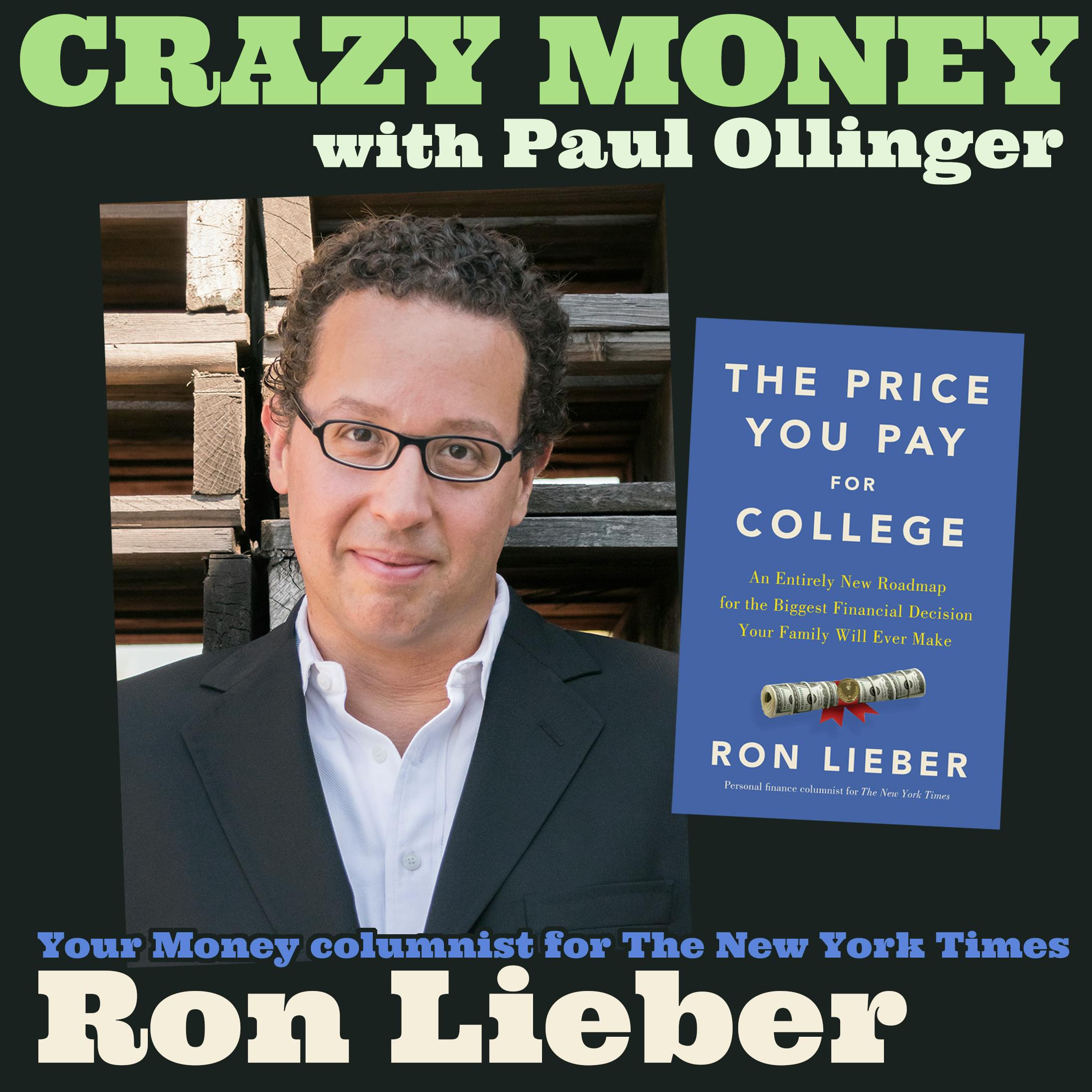
How Much Should You Pay for College? with Ron Lieber (Encore)
After 15 years of financial reporting, Ron Lieber reports that “No consumer decision inspires more confusion and emotion than the question of what to pay for college,” which is understandable since four years at many state schools now costs over $100k in tuition and four years of private school can run over $300k! The "Your Money" columnist for the New York Times, Ron is the author ofThe Price You Pay for College, in which he lays out critical, in-depth information about one of the most important financial decisions your family will ever make. He explains that not only is college ludicrously expensive, but the admissions process is purposefully opaque, so it’s hard to know if you/your kid will get in and whether or not you/your kid will be able to afford to go. By throwing himself head-first into this stormy, complicated sea, Ron helps the reader find the best college or university for them, understand financial aid, and not destroy their family's savings in the process. His new online course about merit aid will help parents like you find grants and scholarships for which your child is eligible. Ron Lieber is a proud alumnus of Amherst College. Among his previous books is the bestseller, The Opposite of Spoiled: Raising Kids Who Are Grounded, Generous, and Smart About Money, which he discussed with me on episode #4 of Crazy Money. It’s a great book about parenting and teaching your kids values through the lens of money. This episode originally aired in January 2021.⭐ Rate and Review Crazy Money here. (Seriously, do it!)⭐ ✍️ Get Paul’s writing to your Inbox here. (Seriously, do this also!) ✍️ This is a public episode. If you'd like to discuss this with other subscribers or get access to bonus episodes, visit words.paulollinger.com/subscribe
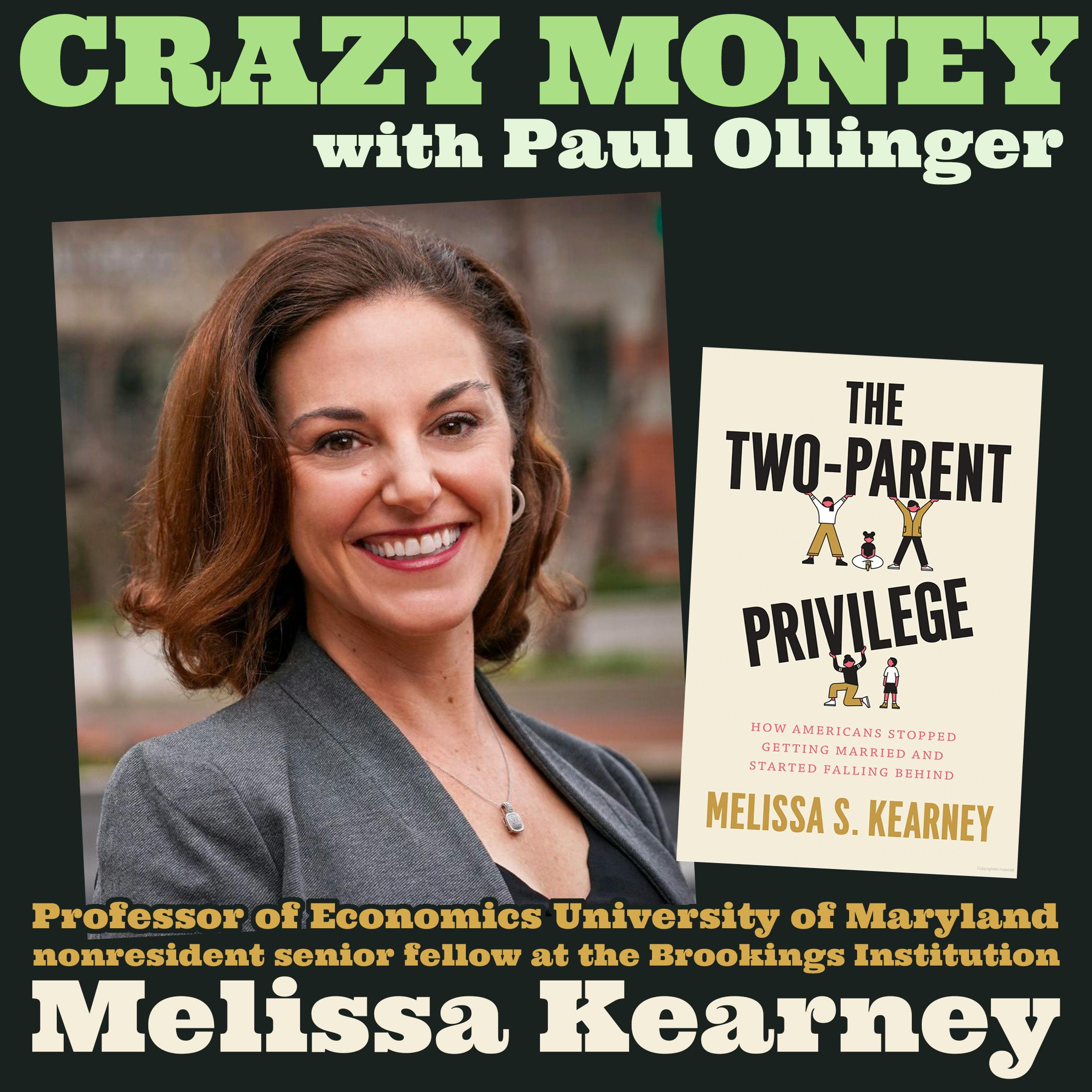
Why 2 Parents Are Better Than One with Melissa Kearney
Kids who grow up in stable, two-parent homes are less likely to live in poverty, have behavioral problems, and get in trouble at school. They’re more likely to go to college, attain stable employment, achieve higher earnings, and to get married themselves. So reports Melissa Kearney in her new book The Two-Parent Privilege: How Americans Stopped Getting Married and Started Falling Behind. A professor of Economics at University of Maryland, Melissa argues that single-parenthood makes economic autonomy more difficult to attain for parent and child alike. So if we want to address inequality, we must acknowledge that family structure contributes to it, even if the conclusions run counter to the prevailing societal notion that any family structure is as good as another. Put simply, if you want a more equal society, it’s time to recognize that equality starts at home. In addition to her faculty position, Melissa is also Director of the Aspen Economic Strategy Group and a non-resident Senior Fellow at Brookings Institution. She holds a BA in Economics from Princeton University and a PhD in Economics from the Massachusetts Institute of Technology.Find the book here. Learn more about Melissa on her website here. ⭐ Rate and Review Crazy Money here. (Seriously, do it!)⭐ ✍️ Get Paul’s writing to your Inbox here. (Seriously, do this also!) ✍️ This is a public episode. If you'd like to discuss this with other subscribers or get access to bonus episodes, visit words.paulollinger.com/subscribe
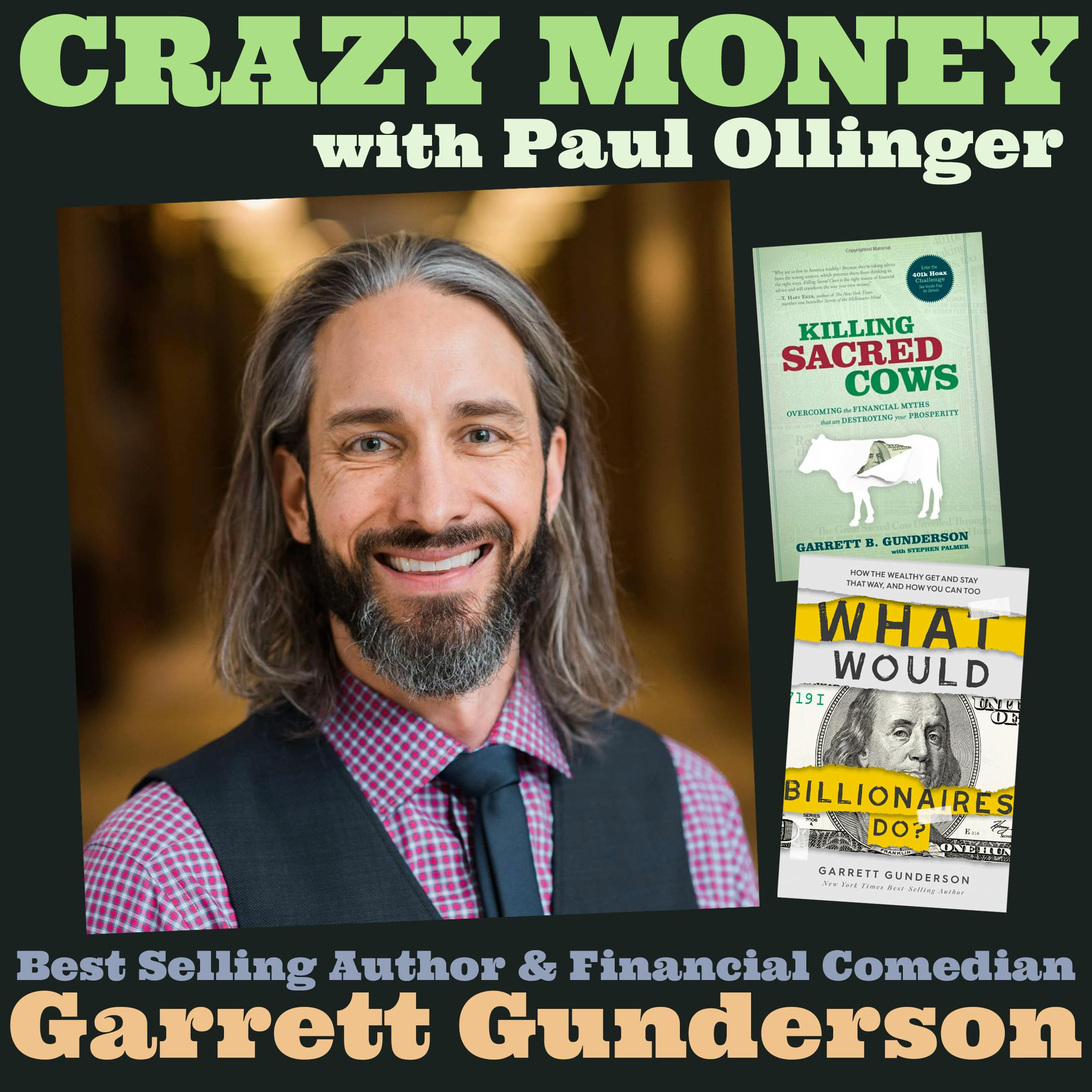
The Funniest Financial Speaker on Earth (besides Paul) with Garrett Gunderson
Garrett Gunderson is a NYT best selling author and the funniest financial speaker you may or may not have heard of. The son of a Utah coal-miners, Garrett wants to teach others how to become financially independent and have a laugh along the way. He has written several money books, including Disrupting Sacred Cows, Killing Sacred Cows, and What Would Billionaires Do? among others. His new book Money Unmasked comes out next month. We talk hair, comedy, good parenting, growing up half-Mormon, half-Catholic, frugal v. cheap, “financial dick pics,"pre-2008 Arrogance, driving a Bentley, the power of laughter, the dirty word his grandmother loved, and what he learned from the death of his business partners. As you’ll hear, Garrett andI have a lot in common, so this is a bit of a sprawling and sometimes “inside baseball” conversation about money and comedy. Speaking of which, his comedy special The American Ream will be out soon. Learn more about Garrett on his website and Pre-order the new book on Amazon here.⭐ Rate and Review Crazy Money here. (Seriously, do it!)⭐ ✍️ Get Paul’s writing to your Inbox here. (Seriously, do this also!) ✍️ This is a public episode. If you'd like to discuss this with other subscribers or get access to bonus episodes, visit words.paulollinger.com/subscribe
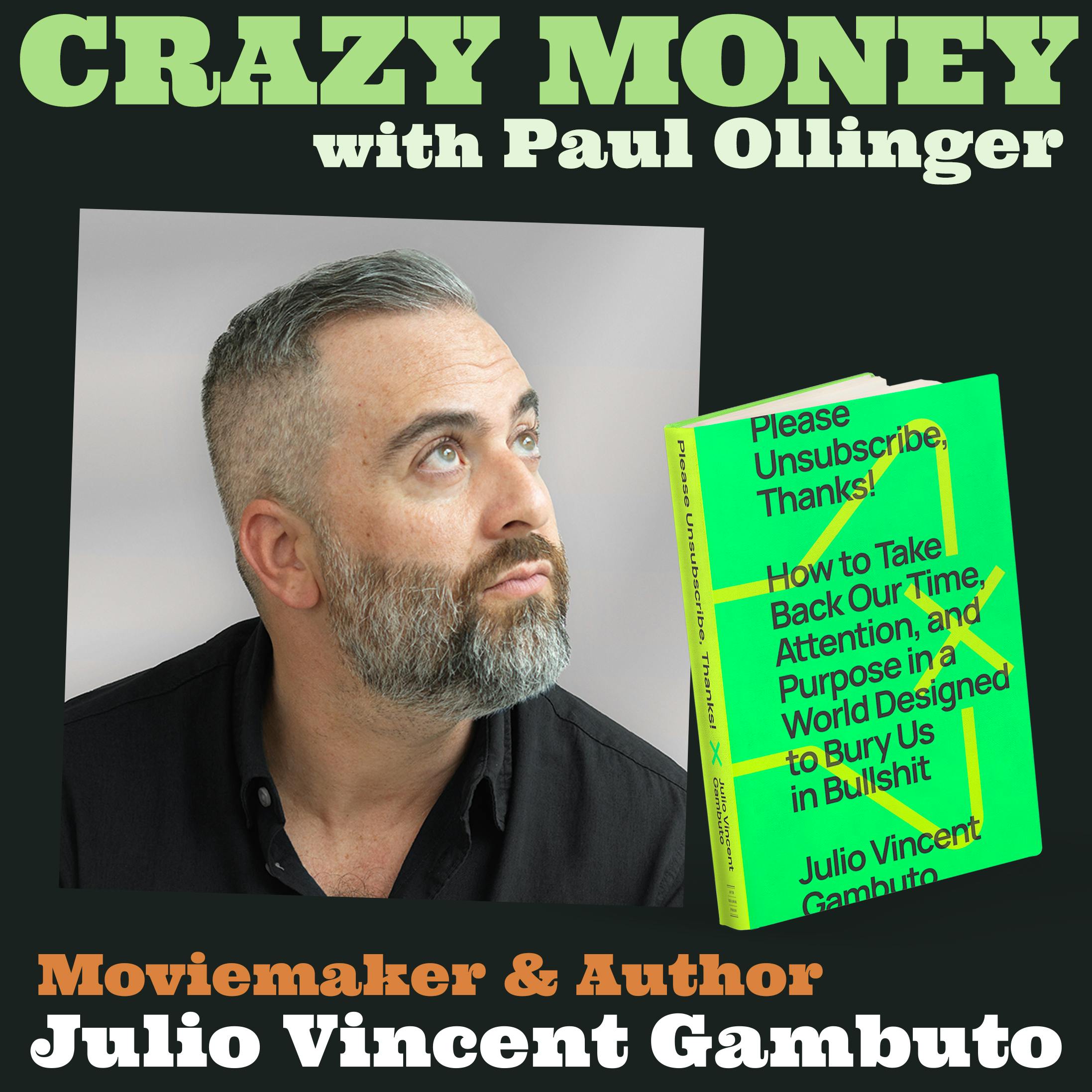
Break Free from Automated Spending Habits with Julio Vincent Gambuto
EIn an automated world without constraints or time to think, our spending has been super-charged. Markets, apps, and e-commerce are all designed to separate us from our money as quickly and consistently as possible. So argues Julio Vincent Gambuto in his new book, Please Unsubscribe, Thanks!: How to Take Back Our Time, Attention, and Purpose in a World Designed to Bury Us in Bullshit. Paul and Julio discuss the book and their differences of opinion on how we have arrived to this subscription economy. Yes, Paul agrees, companies are intentionally removing friction from the transaction process to reduce the amount of thinking that goes into purchasing and subscribing to services. But he does not agree that this turns all of us into stooges who lack agency. Yes, Paul also agrees with Julio’s eventual conclusion that we all need to “redefine our relationship with money and how/where/when/why we spend and our needs, wants, and relationship with desire. Maybe it’s okay to not get everything we want right now.” Learn more about Julio on his website. Thanks to our mutual friend Ethan Herschenfeld for connecting metro Julio.⭐ Rate and Review Crazy Money here. (Seriously, do it!)⭐ ✍️ Get Paul’s writing to your Inbox here. (Seriously, do this also!) ✍️ This is a public episode. If you'd like to discuss this with other subscribers or get access to bonus episodes, visit words.paulollinger.com/subscribe

Sorority Rush Consultant Trisha Addicks (as seen on Bama Rush)
“Parents Hire $4,000 Sorority Consultants to Help Daughters Dress and Impress During Rush” read the Wall Street Journal headline that nearly made my neck snap. As a middle-aged man whose kids aren’t quite college age, I was unaware of the #RushTok phenomenon on TikTok or the Bama Rush documentary that sparked a massive fascination with the sorority rush process at the University of Alabama. Trisha Addicks is the very rush consultant referenced in that WSJ article and featured in Bama Rush. She also happens to be my neighbor, so I invited her to come over and talk about how the whole process works. I had so many questions: Who are these families shelling out $4k for rush help? Why do they do it? How does one become a rush consultant? What’s the reason so many young women want to join sororities anyway? And how do you teach them the secret language including terms like PNMs, OOTD, the 5 B’s, and The Machine? The conversation really put the whole thing into perspective. In a world of private trainers, coaches, and tutors, a sorority consultant is just one more third party a family can hire to help their kid navigate life. And after you hear all she does for her clients, $4k might sound like a bargain. Trisha’s work and her company, It's All Greek to Me have been featured in the New York Times, the NY Post, CNN.com, NewsNation, UK Daily Mail, and many more. Follow her on Instagram here. ⭐ Rate and Review Crazy Money here. (Seriously, do it!)⭐ ✍️ Get Paul’s writing to your Inbox here. (Seriously, do this also!) ✍️#BamaRush #rushtok #sorority #sororityconsultant This is a public episode. If you'd like to discuss this with other subscribers or get access to bonus episodes, visit words.paulollinger.com/subscribe
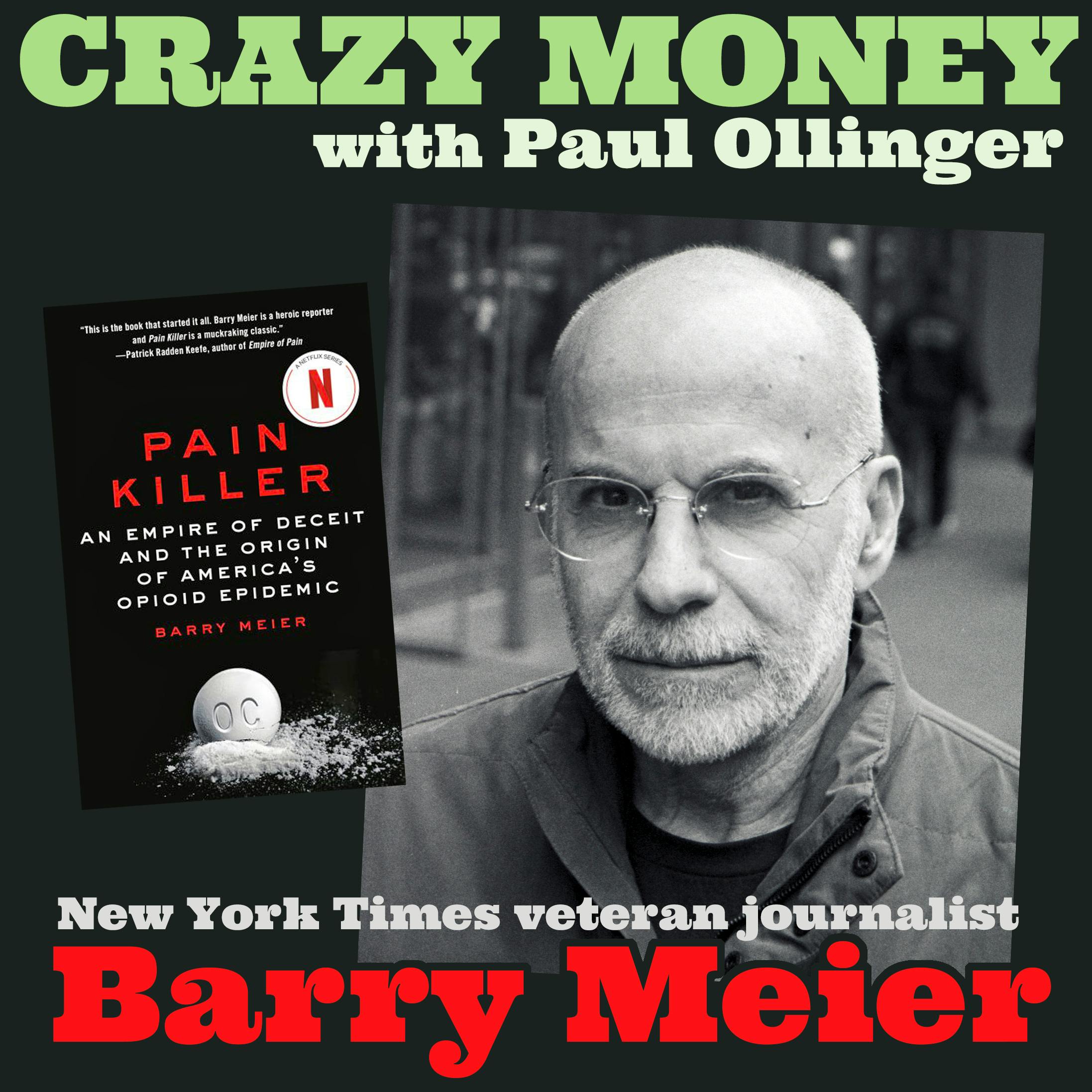
Opioids: Greed, Death, and $$$$ with Barry Meier (Encore)
The new Netflix series Painkiller is based on a book my guest, Barry Meier wrote over 20 years ago. In Pain Killer: An Empire of Deceit and the Origin of America's Opioid Epidemic, Meier explores how Purdue Pharma’s drug OxyContin catalyzed a plague of addiction and death that has destroyed families and whole communities across the country.Between 1999 and 2020, 564,000 Americans died from an opioid overdose. In 2020, the most recent year for which statistics are available, opioids killed 68,000. That's 188 per day and each one of these deaths represents a son or daughter, a brother or sister or a mother or father, who is not coming back. Yes, people died of opioid overdoses before the 1996 launch of OxyContin, but it’s clear that Oxy and Purdue Pharma’s aggressive and deceptive marketing practices threw gasoline on a spark that has turned into a raging wildfire. In our conversation today, Barry and I discuss the Sackler family's legacy of ethically dubious marketing of pharmaceuticals and how they made tens of billions of dollars selling OxyContin using the same techniques, like pushing free samples, while knowing that the drug was quite addictive. We discuss how and why the FDA approved claims that OxyContin was less prone to addiction in the complete absence of evidence proving that it actually was. And lastly, we discuss the extent to which OxyContin kicked off this opioid epidemic for which there is no clear way out.The Netflix series stars Matthew Broderick, Taylor Kitsch, and Uzo Aduba and is very well done.✍️Get Paul’s Substack newsletter here.✍️🔥Follow Paul on Instagram. 🔥Visit Barry’s websiteBuy the book here. This is a public episode. If you'd like to discuss this with other subscribers or get access to bonus episodes, visit words.paulollinger.com/subscribe
The Secret to Being Very, Very Rich (and more)
Paul reads three of his latest pieces from his Substack, Money and the Meaning of Life, including:Dare to Suck: What you can learn about improvement from acting coach Lesly Kahn and author Mark MansonThe Secret to Being Very, Very RichNobody Needs a House with 8 Toilets🔥Paul publishes these essays (about) every other Tuesday. You should subscribe here. 🔥🚀 Follow Paul on Instagram here. 🚀 This is a public episode. If you'd like to discuss this with other subscribers or get access to bonus episodes, visit words.paulollinger.com/subscribe
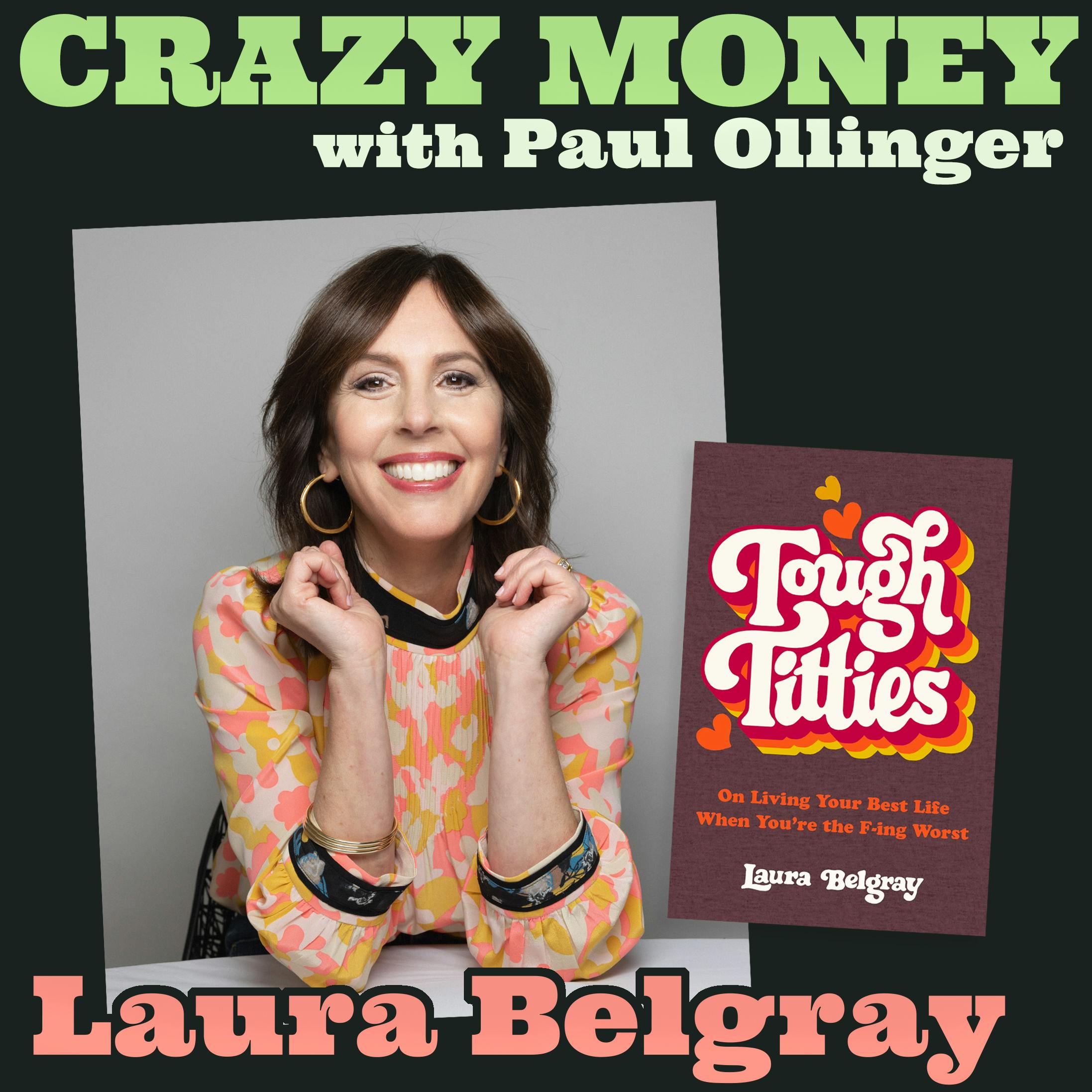
Self Help for Mediocre People with Laura Belgray
EIf your new college grad son or daughter is unemployed, sleeping in their childhood bedroom, and watching All My Children every day, fear not - Laura Belgray has been there and she turned out okay. As Laura explains in her new, laugh-out-loud (LOL) funny memoir, Tough Titties: On Living Your Best Life When You’re the F-ing Worst, sometimes it’s good to be unoccupied so that, when opportunity finally calls, you are there to answer the phone. The book, which her husband refers to as “Loser Sex in the City,” is a collection of hilarious, unfiltered stories about her life. Equal parts Nora Ephron, Tina Fey, Chuck Klosterman, and David Sedaris, Tough Titties is a celebration of failure, late bloomers, messy career paths, and lessons learned from indiscriminately blowing bartenders in the early 90s. So it’s no wonder that Kelly Ripa said of the book, “I didn’t want it to end!” Though slow out of the gates, Laura eventually found her thing and now celebrates the wonder of being paid for authentic self-expression. In this delightful chat, Laura and I discuss the primal fear of being disliked, how being a loser in 6th grade is related to her later success in adulthood.pre-Giuliani Times SquareB.S. social media wellness gurusMean Girls, Leg warmersWhy Deb Fishbone is a shallow, basic bitchGetting paid to watch TVLearn more about Laura on her website. ⭐ Rate and Review Crazy Money here. (Seriously, do it!)⭐ ✍️ Get Paul’s writing to your Inbox here. (Seriously, do this also!) ✍️And yes, I said “Titties.” Here, I’m going to say it again: titties. Also, I know that All My Children is no longer on the air. Feel free to substitute: TikTok, Roblox, or PornHub This is a public episode. If you'd like to discuss this with other subscribers or get access to bonus episodes, visit words.paulollinger.com/subscribe

High Net Worth Divorce with Laura Wasser
People magazine called Laura Wasser “the celebrity of celebrity divorce attorneys,” which makes sense considering she has—according to Wikipedia—handled cases for A+listers like Angelina Jolie, Kim Kardashian, Johnny Depp, Ryan Reynolds, Dr. Dre, Kevin Costner, Maria Shriver, and Jimmy Iovine, among many others. And while “celebrity divorce attorney” might conjure up images of a rapacious shark in Prada boots squeezing every dollar out of her clients’ exes, Laura preaches the gospel of divorce with dignity. Her book, It Doesn’t Have to Be That Way: How to Divorce Without Destroying Your Family or Bankrupting Yourself is a jungle guide for ending a marriage while preserving decency, values, and a couple’s wealth. As she writes, “…the more acrimony, argument, and angst, the more money your attorney makes. We profit from your inability to resolve issues.” In other words, don’t pay your lawyer $1,000/hr to determine—as famously captured in When Harry Met Sally—who gets the “stupid, wagon wheel, Roy Rogers, garage sale coffee table.” Her book is a plea to all those going through one of the most stressful human experiences possible to summon your best self and think about who you want to be when the dust settles. Laura and I talk about the fundamental language of divorce, including spousal support, child support, no-fault divorce, community property, and also the more philosophical dimensions of the process, like the concept of “fairness” and how one defines “winning.” Sincere thanks to my former Facebook colleague, Matt Jacobson for making the connection to Laura. I appreciate, Jake!Follow Laura on on Instagram and learn more about her practice here. ✍️Subscribe to Paul’s Substack here ✍️ This is a public episode. If you'd like to discuss this with other subscribers or get access to bonus episodes, visit words.paulollinger.com/subscribe

Finding Hidden Assets in Divorce Discovery with Nick Himonidis
If you’re trying to hide assets from your spouse or soon to be ex-spouse, beware! Whether it’s Cayman Islands bank accounts, bearer bonds stashed in a safe deposit box, “hidden" real estate, or hundreds-of-thousands in Bitcoin, Nick Himonidis and his team at NGH Group will probably discover your secret stash. Nick is an attorney, Certified Fraud Examiner, and Certified Crypto Currency Forensic Investigator, which is a fancy way of saying that he is a high-end, sophisticated, and technologically-proficient private investigator. He and his team have have uncovered many millions of dollars in undisclosed assets in single cases. In this conversation, Nick offers insights into how he and his colleagues go about their work, why you’ll probably get caught, and why—if you’re going to hire a private investigator—it’s vitally important TO YOU to hire one with a high degree of professional ethics. Learn more about Nick and NGH Group on their website. ✍️Get Paul’s writing to your Inbox here ✍️About Crazy Money:Unlike traditional personal finance or investing shows, Crazy Money is not about how to make a million bucks, how to beat the stock market, or how to save money by switching cable providers. It is about deciding what role we want money to play in our lives and how we can use it to achieve our best selves. Topics covered include: philosophy, happiness, contentment, meaning, dreams, purpose, success, mental health, Buddhism, Stoicism, the hedonic treadmill, morality, mid-Life Crisis, business, work, careers, authors, books, consumerism, values, capitalism, economics, investing, saving, spending, personal finance, charity, philanthropy, altruism, affluence, wealth, wealth management, culture, society, and status. Crazy Money is edited by Mike Carano. Are you really still reading? This is a public episode. If you'd like to discuss this with other subscribers or get access to bonus episodes, visit words.paulollinger.com/subscribe

Divorce For Wealthy Women with Olivia Summerhill
Having experienced divorce as the child of a wealthy family, Olivia Summerhill understands the massive impact parents fighting about money can have on their children’s lives. Today, Olivia provides financial consulting for ultra-high-net worth women going through divorce. Her typical client has a household net worth of $100mm or more, so she provides advice on everything from stocks, bonds, art, planes, country club memberships and cosmetic surgery! As importantly, she helps her clients clarify their values, financial priorities, and to visualize their lives post-divorce. The host of the Divorce for Wealthy Women podcast, Olivia is both a Certified Financial Planner and a Certified Divorce Financial Analyst. In this super-fun and sometimes-scary conversation, we discuss pre-nuptial agreements, shame around money, the concept of “fairness” in a divorce, and a book that she loved and I absolutely did not! She spoke to me from Seattle where it was 5:00 a.m.! (that’s three exclamation points in one episode description! I mean four! No, wait five…). Learn more about Olivia and her services on her company’s website. ✍️Read Paul’s Substack here ✍️🎤 See Paul’s upcoming shows here 🎤About Crazy Money:Unlike traditional personal finance or investing shows, Crazy Money is not about how to make a million bucks, how to beat the stock market, or how to save money by switching cable providers. It is about deciding what role we want money to play in our lives and how we can use it to achieve our best selves. Topics covered include: philosophy, happiness, contentment, meaning, dreams, purpose, success, mental health, Buddhism, Stoicism, the hedonic treadmill, morality, mid-Life Crisis, business, work, careers, authors, books, consumerism, values, capitalism, economics, investing, saving, spending, personal finance, charity, philanthropy, altruism, affluence, wealth, wealth management, culture, society, and status. Crazy Money is edited by Mike Carano. Are you really still reading? This is a public episode. If you'd like to discuss this with other subscribers or get access to bonus episodes, visit words.paulollinger.com/subscribe

I See Rich People (with Will Vogt)
Will Vogt is a photographer with a front row seat to the American upper class. Raised on Philadelphia’s Main Line, Will attended boarding school, and spent lots of time in the tony enclave of Watch Hill, Rhode Island where his family summered. His new collection of photography, These Americans, showcases decades of intimate snapshots of his social circle. Entertainment news site Vulture says the work "depicts the wealthy at leisure with their guard down.” Indeed, Will has captured a very rare, candid and un-self-conscious picture of the American upper class doing their thing, which—in a few cases—is cocaine. In some others it’s weed and/or alcohol. Since the majority of these shots were taken in the 1980s, it is highly appropriate that Jay McInerney (Bright Lights, Big City) composed the introduction. He wrote that Vogt is “documenting the world of the descendants of those whom (F. Scott) Fitzgerald wrote about. And he is clearly a member of this tribe, albeit a self-aware and observant one.” See Will’s photos / order the book on his website. 🧘Watch Paul’s hilarious meditation videos here🧘 ✍️Read Paul’s brilliant writing here ✍️ This is a public episode. If you'd like to discuss this with other subscribers or get access to bonus episodes, visit words.paulollinger.com/subscribe

Student Loan Debacle with Oren Cass
Our higher education system is broken. But instead of trying to fix the underlying issues, the Biden administration is attempting to treat the symptoms with a massive giveaway to student loan debtors. In this encore episode (from August, 2022), I speak with Oren Cass. Executive Director of American Compass, whose article The Banality of Student Loans outlines the contradictions and self-defeating policies that have led us to this educational morass. Ask yourself:• Why is student debt treated differently than all other kinds of debt?• Why are taxpayers on the hook for payments to colleges and universities instead of the institutions themselves?• Why would you forgive hundreds of billions in loans without addressing any of the reasons we got into this mess in the first place?Oren and I discuss the “college for all” approach and why it is the wrong way to prepare the vast majority of young Americans for a career–especially those who need an economic boost the most. We talk about why the federal government should not underwrite student loans and who should. And Paul vents about “these damn young kids - don’t they know what ‘obligation’ means?” Speaking of expensive colleges, Oren graduated Williams College and Harvard Law School, magna cum laude. (Paul graduated from Rhodes College, sine honoribus.) ✍️Get Paul’s Substack newsletter here.✍️ Follow Oren-Twitter - https://twitter.com/oren_cassWebsite - https://orencass.com/ This is a public episode. If you'd like to discuss this with other subscribers or get access to bonus episodes, visit words.paulollinger.com/subscribe
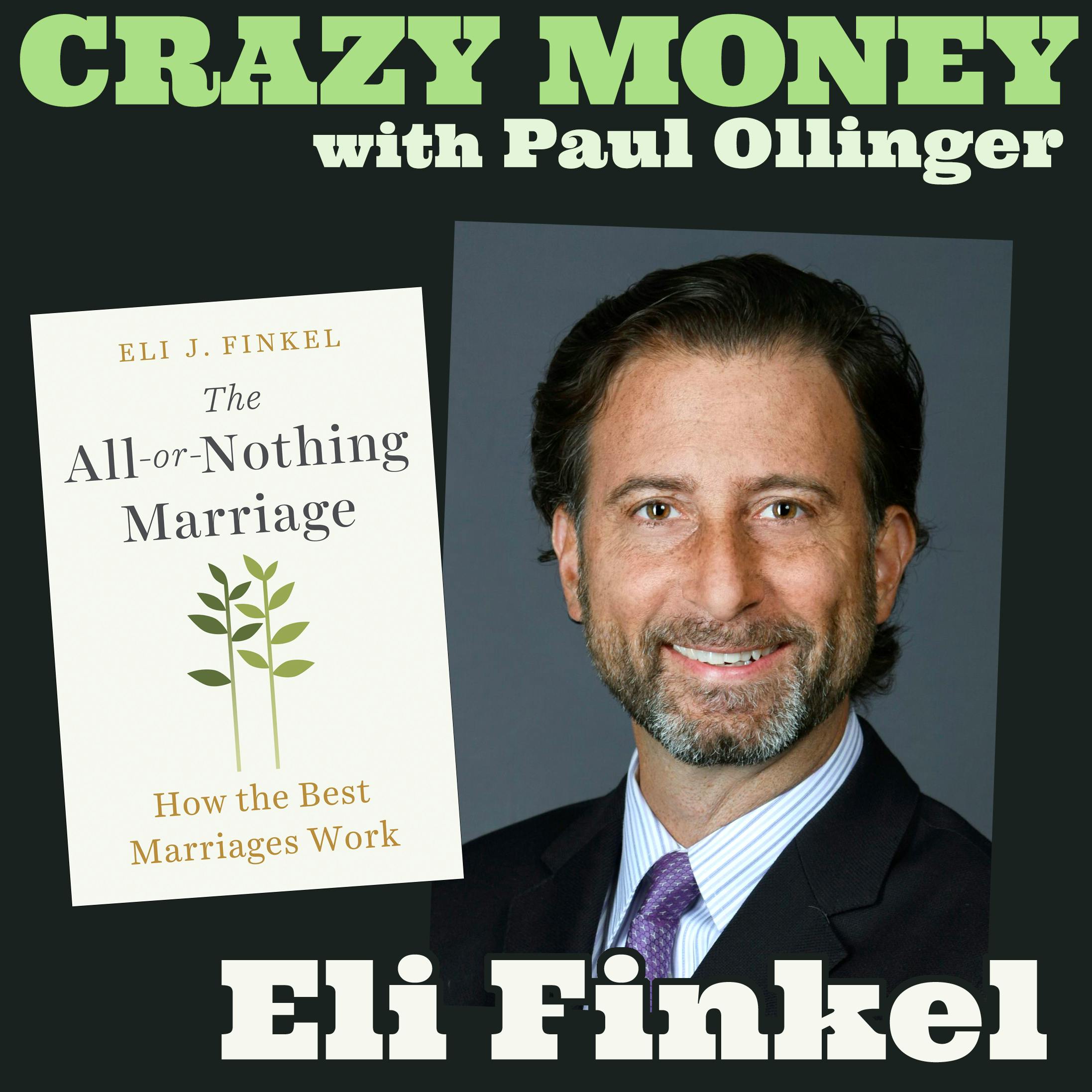
The All-or-Nothing Marriage with Eli Finkel
If you find marriage to be hard, you are not alone. If you feel as if your spouse should fulfill every single physical, emotional, sexual, and financial need in your life, you probably should be alone. This week, I talk to Eli Finkel, author of the book, The All-or-Nothing Marriage in which he presents data and anecdote about how the best marriages work and what we can learn from them. We discuss the evolution of marriage over the centuries, when and why love became part of the equation, how helping your spouse grow benefits you, the role of money in marriage, and why consensual non-monogamy will 99.999999999% for sure never happen in the Ollinger household. A survey of Eli's peers identified him as the most influential relationship scientist in the 21st century and the Economist declared him “one of the leading lights in the realm of relationship psychology.” On the other hand, his wife thinks it’s hilarious that he is a “marriage expert.” Learn more about Eli and his book here. ✍️Read Paul’s Substack here ✍️🎤 See Paul’s upcoming shows here 🎤About Crazy Money:Unlike traditional personal finance or investing shows, Crazy Money is not about how to make a million bucks, how to beat the stock market, or how to save money by switching cable providers. It is about deciding what role we want money to play in our lives and how we can use it to achieve our best selves. Topics covered include: philosophy, happiness, contentment, meaning, dreams, purpose, success, mental health, Buddhism, Stoicism, the hedonic treadmill, morality, mid-Life Crisis, business, work, careers, authors, books, consumerism, values, capitalism, economics, investing, saving, spending, personal finance, charity, philanthropy, altruism, affluence, wealth, wealth management, culture, society, and status. Crazy Money is edited by Mike Carano. Are you really still reading? This is a public episode. If you'd like to discuss this with other subscribers or get access to bonus episodes, visit words.paulollinger.com/subscribe
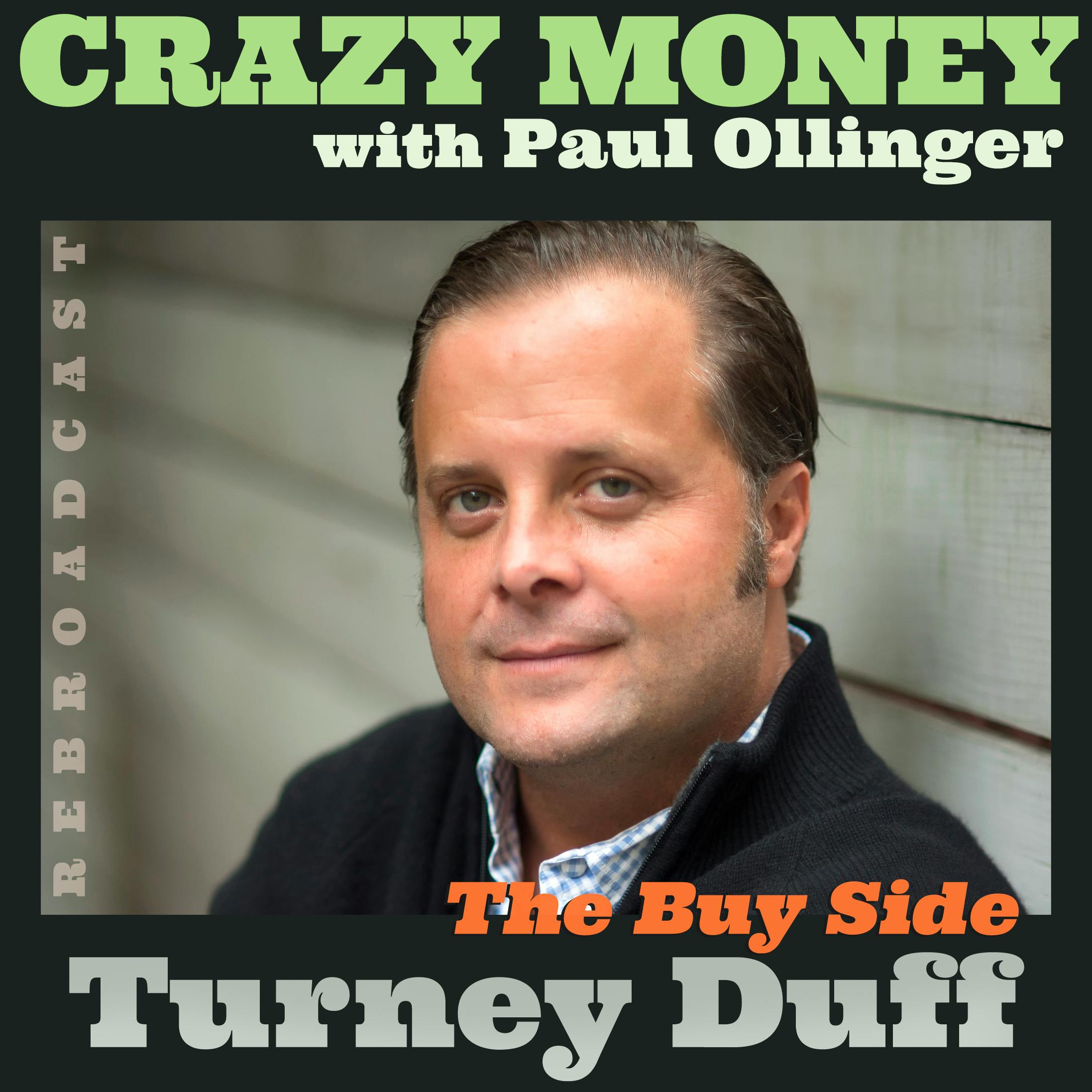
Wall Street, Cocaine, and Recovery with Turney Duff
ETurney Duff was making millions on Wall Street until cocaine addiction brought him to his knees. His book The Buy Side: A Wall Street Trader’s Tale of Spectacular Excess is a funny, horrifying, then hopeful read and a New York Times best-seller (you should buy it here). Paul and the esteemed author share a lot of laughs as they discuss what money meant to Turney as he got rich, got lost, got sober, then got published. This darn funny conversation covers everything Turney's middle school science fair fiasco to insider trading. Also, prostitutes. Find out more about Turney and hear the Galleon rap here. 🔥 Follow Turney on Twitter 🔥 ✍️Read Paul’s Substack here ✍️🎤 See Paul’s upcoming shows here 🎤About Crazy Money:Unlike traditional personal finance or investing shows, Crazy Money is not about how to make a million bucks, how to beat the stock market, or how to save money by switching cable providers. It is about deciding what role we want money to play in our lives and how we can use it to achieve our best selves. Topics covered include: philosophy, happiness, contentment, meaning, dreams, purpose, success, mental health, Buddhism, Stoicism, the hedonic treadmill, morality, mid-Life Crisis, business, work, careers, authors, books, consumerism, values, capitalism, economics, investing, saving, spending, personal finance, charity, philanthropy, altruism, affluence, wealth, wealth management, culture, society, and status. Crazy Money is edited by Mike Carano. Are you really still reading? This is a public episode. If you'd like to discuss this with other subscribers or get access to bonus episodes, visit words.paulollinger.com/subscribe
Staying Hungry in Your 50’s
EFor your summer listening while driving, walking, gardening, pleasure, Paul reads three of his latest pieces from Substack (Money and the Meaning of Life), including:How to Stay Hungry When Your Life is FullMoney, Pain, and New CarsYou Deserve It, i.e. reflections on what it means to “deserve” somethingPaul publishes these essays (about) every other Tuesday.You should subscribe here. 🔥 Please feel no pressure to pay for a subscription, but do feel pressure to share his writing and this podcast with ALL of your friends. Also, you can also see where Paul (i.e. me) will be performing comedy here. 🎤 Shows coming up in Chattanooga, Charlotte, and Atlanta.About Paul:Paul Ollinger spent 15 years in sales leadership positions for Yahoo! and Facebook before bailing on the world of digital advertising to chase his comedy dream. He has headlined Carolines on Broadway, performed at legendary clubs such as the Hollywood Improv and the Comedy Cellar, and opened for everyone from Bill Burr to classic rock bands, Styx and Collective Soul. He plays comedy clubs, country clubs, and dirty bars all over the country. A graduate of Rhodes College, Paul earned his MBA at Dartmouth’s Tuck School. He lives in Atlanta with his wife, two tween kids, and French bulldog, Colonel Tom Parker. Follow him on Facebook. About Crazy Money:Unlike traditional personal finance or investing shows, Crazy Money is not about how to make a million bucks, how to beat the stock market, or how to save money by switching cable providers. It is about deciding what role we want money to play in our lives and how we can use it to achieve our best selves. Topics covered include: philosophy, happiness, contentment, meaning, dreams, purpose, success, mental health, Buddhism, Stoicism, the hedonic treadmill, morality, mid-Life Crisis, business, work, careers, authors, books, consumerism, values, capitalism, economics, investing, saving, spending, personal finance, charity, philanthropy, altruism, affluence, wealth, wealth management, culture, society, and status. Crazy Money is edited by Mike Carano. Are you really still reading? This is a public episode. If you'd like to discuss this with other subscribers or get access to bonus episodes, visit words.paulollinger.com/subscribe
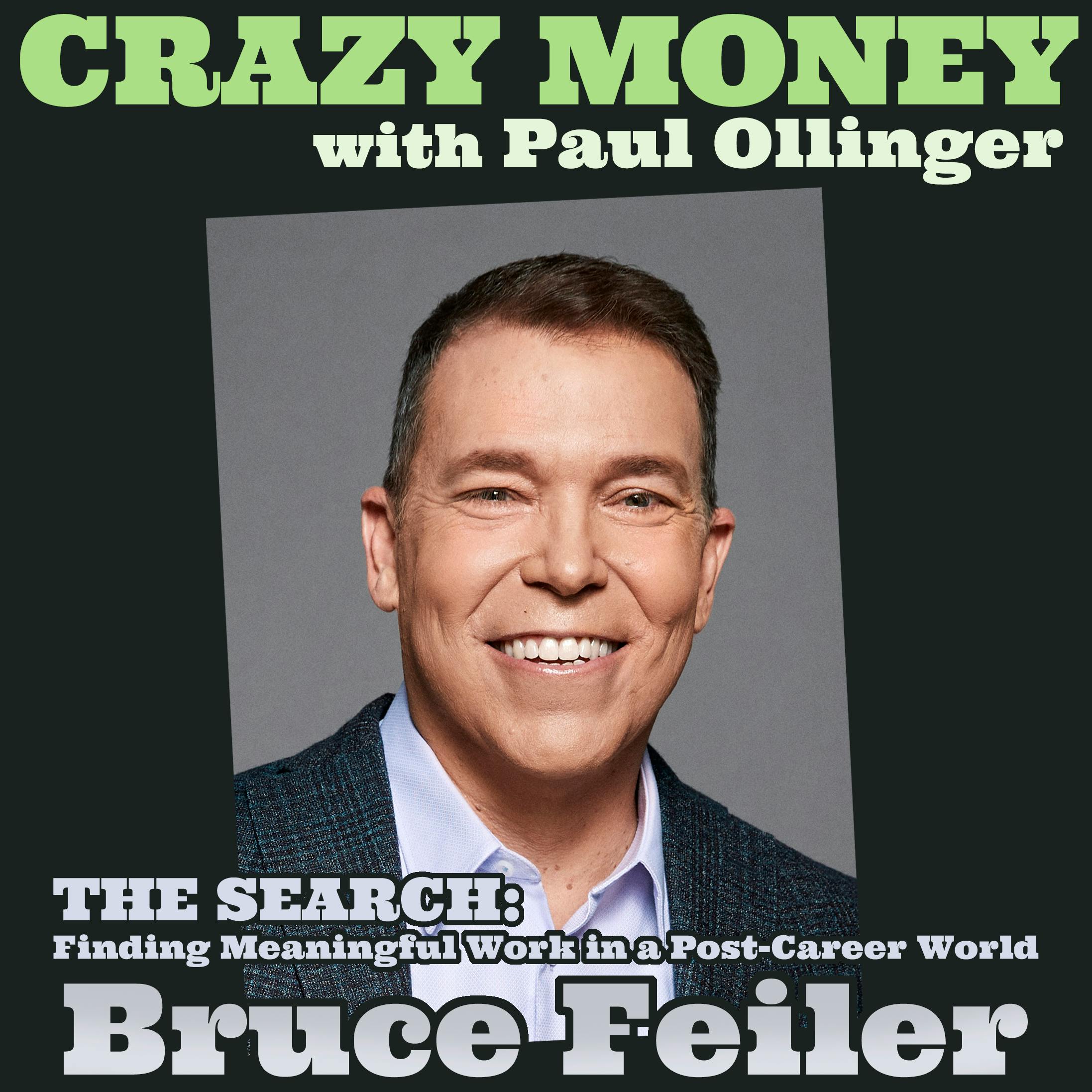
Searching for Meaning at Work with Bruce Feiler
Bruce Feiler is a seven-time New York Times best-selling author of books such as Life is in the Transitions, Walking the Bible, and The Council of Dads, Bruce's 2008 account of his battle with bone cancer and the contemplation that his then three-year-old twin daughters would grow up without a father. The book birthed a documentary hosted by Sanjay Gupta, a drama series on NBC, and a wildly popular TED Talk. In his new book, The Search: Finding Meaningful Work in a Post Career World, Bruce argues that the truths about work with which so many of us Boomers / GenX’ers were raised no longer apply and that today’s economy is “meaning based” as opposed to “means based.” We discuss what implications this has for employers, workers, and those of us trying to understand just what is going on out there. We talk about why Bruce dedicated the book to Pat Conroy, why that means something to Paul, how our expectations of a linear world and career stress us out and why it is critically important to “stop chasing someone else’s dream (or, in Paul’s case the approval of Sheryl Sandberg). Special thanks to 2x Crazy Money guest and occasional listener, A.J. Jacobs for connecting me with Bruce.🔥 Visit Bruce’s website here. 🔥 👀 Read Bruce’s Substack, The Nonlinear Life here. 👀🔥 Read Paul’s Substack here. 🔥🎤 See Paul’s upcoming shows here. 🎤About Crazy Money:Unlike traditional personal finance or investing shows, Crazy Money is not about how to make a million bucks, how to beat the stock market, or how to save money by switching cable providers. It is about deciding what role we want money to play in our lives and how we can use it to achieve our best selves. Topics covered include: philosophy, happiness, contentment, meaning, dreams, purpose, success, mental health, Buddhism, Stoicism, the hedonic treadmill, morality, mid-Life Crisis, business, work, careers, authors, books, consumerism, values, capitalism, economics, investing, saving, spending, personal finance, charity, philanthropy, altruism, affluence, wealth, wealth management, culture, society, and status. Crazy Money is edited by Mike Carano. Are you really still reading? This is a public episode. If you'd like to discuss this with other subscribers or get access to bonus episodes, visit words.paulollinger.com/subscribe
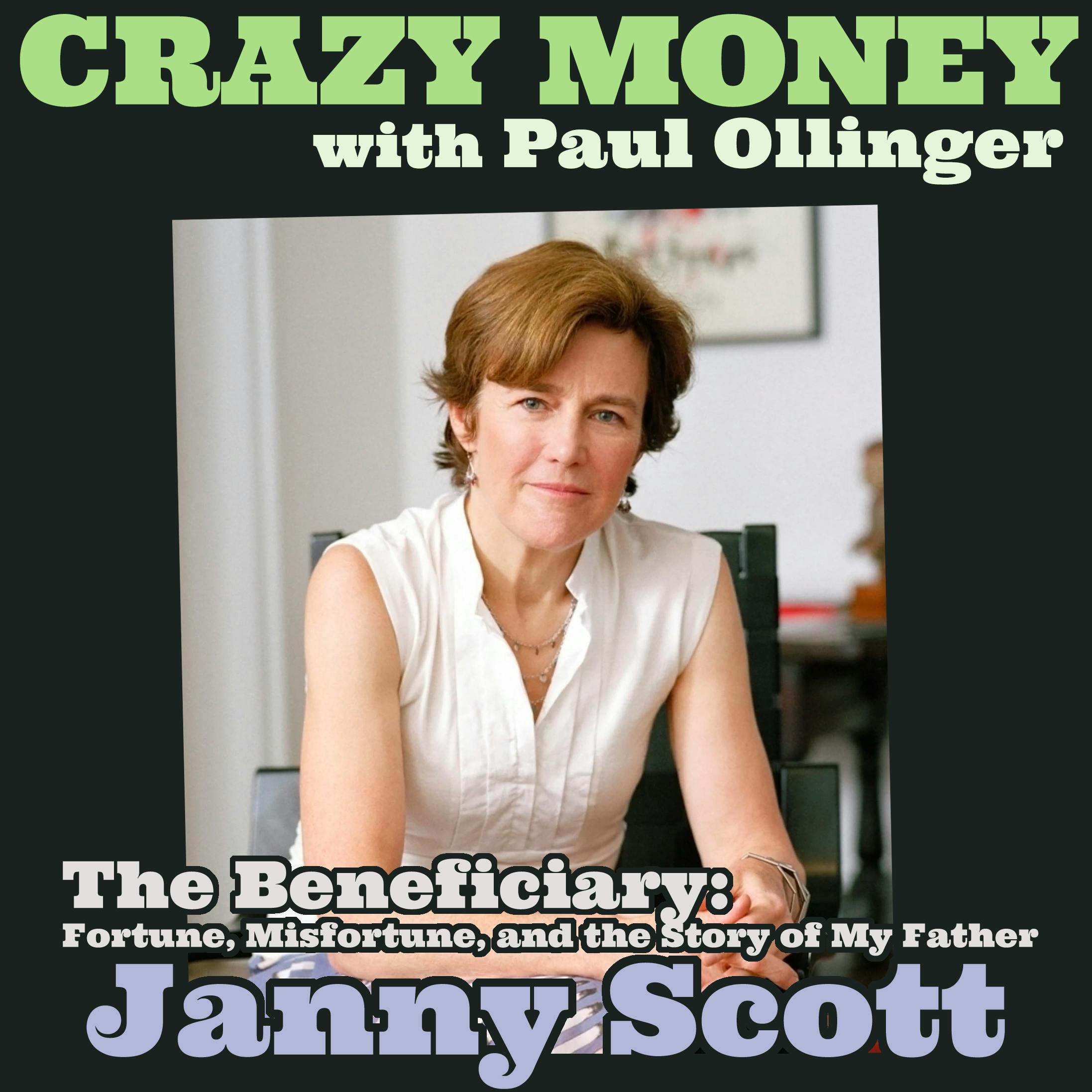
Family Fortune and Misfortune with Janny Scott (Encore)
Janny Scott is the descendant of railroad barons and financial tycoons. She grew up on an 800-acre estate on the Philadelphia Main Line. In her book The Beneficiary: Fortune, Misfortune, and the Story of My Father, she shares the details of both the opulence and the tragic complications of her family’s vast fortune. While things appeared perfect from the outside, alcoholism, suicide, divorce, and idleness derailed many of her relations. In this conversation, we discuss what it was like to grow up on property the size of Central Park and how the presence of so much wealth affects her attitudes about money today. We also cover the tragedies that befell many of her ancestors as they struggled to find purpose amidst massive affluence. Janny worked for 14 years as a reporter for the New York Times where she was a member of the team that won the 2000 Pulitzer Prize for national reporting. Prior to the NYT, she reported for the LA Times and The Record of Bergen County (NJ). Her first book, A Singular Woman: The Untold Story of Barack Obama’s Mother earned her a nomination for the PEN/Jacqueline Bogard Weld Award for Biography and was named to Time magazine’s top ten nonfiction books of 2011. A graduate of Harvard College, Janny spoke with me from her home in New York City. This episode was released in October, 2020.👀 Follow Paul on Instagram here. 👀🔥 Read Paul’s Substack here. 🔥🎤 See Paul’s upcoming shows here. 🎤About Crazy Money:Unlike traditional personal finance or investing shows, Crazy Money is not about how to make a million bucks, how to beat the stock market, or how to save money by switching cable providers. It is about deciding what role we want money to play in our lives and how we can use it to achieve our best selves. Topics covered include: philosophy, happiness, contentment, meaning, dreams, purpose, success, mental health, Buddhism, Stoicism, the hedonic treadmill, morality, mid-Life Crisis, business, work, careers, authors, books, consumerism, values, capitalism, economics, investing, saving, spending, personal finance, charity, philanthropy, altruism, affluence, wealth, wealth management, culture, society, and status. Crazy Money is edited by Mike Carano. Are you really still reading? This is a public episode. If you'd like to discuss this with other subscribers or get access to bonus episodes, visit words.paulollinger.com/subscribe
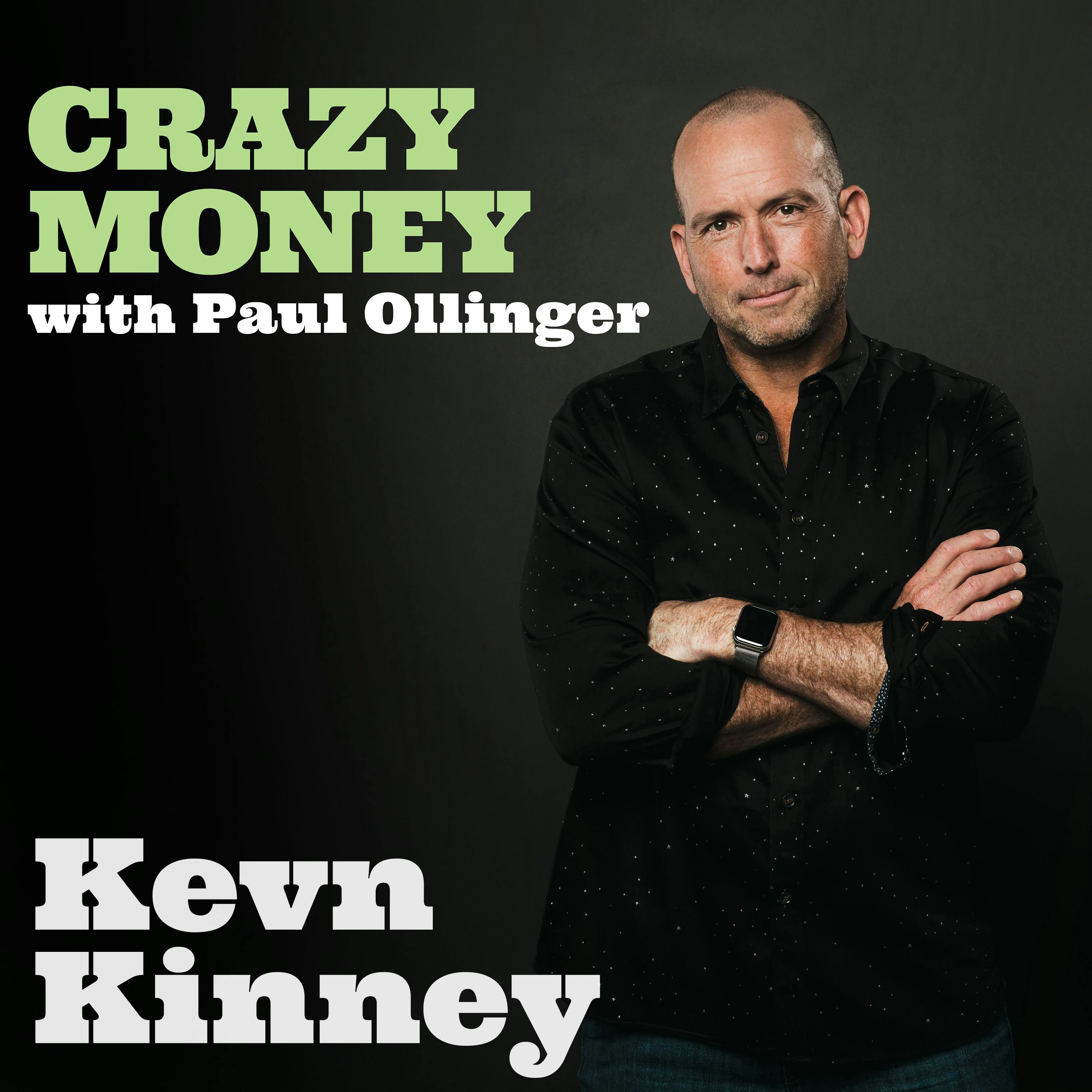
Kevn Kinney is Done Auditioning
EKevn Kinney is the lead singer of Drivin N Cryin, a rock band that achieved legendary status in the Southeast during the late 80s and 90s but never quite broke into the national big time. DNC’s popularity peaked when their album Fly Me Courageous was certified gold. During that time, the band toured with Neil Young and Soul Asylum, but even after selling over 500,000 copies, they never recouped the expenses that went into the recording and production of music videos they weren’t really all that into in the first place. Despite the ups-and-downs, Kevn told me he has never been happier than he is now because he does what he does for himself and doesn’t worry too much whether other people like it. Kevn remains a prolific and respected songwriter and tours constantly. Over 38 years playing together, the band has “survived the pressures of fame, a shifting musical landscape, multiple lineup changes, and miles of backroads and highways” to arrive where they are “comfortable with their past and confident in their future.” I had a great time talking to Kevn in my basement where we discussed:Why we both don’t love jam bandsHow the song Straight to Hell went from being a “dumb song at the end of the record” to one he now has to play at every showWhy, unlike a lot of musicians, he loves actually appreciates Spotify and iTunesThe good part about touring at 62How artistic envy keeps artists downSome of the bands he has loved working with over the years, including: the Black Crowes, Collective Soul, Indigo Girls, REM, Edwin McCain, Blues Traveler, and many moreThe difference between Atlanta and Athens, GABig thanks to Michaeline and Ed Roland for connecting me with Kevn. 🎸See Kevin and the band’s live dates here.🎸🔥 Buy Kevn's new album, Think About It here. 🔥 👂Listen to Paul’s Drvin N Cryin / KK playlist on Spotify.👂👀 Follow Paul on Instagram here. 👀🔥 Read Paul’s Substack here. 🔥🎤 See Paul’s upcoming shows here. 🎤About Crazy Money:Unlike traditional personal finance or investing shows, Crazy Money is not about how to make a million bucks, how to beat the stock market, or how to save money by switching cable providers. It is about deciding what role we want money to play in our lives and how we can use it to achieve our best selves. Topics covered include: philosophy, happiness, contentment, meaning, dreams, purpose, success, mental health, Buddhism, Stoicism, the hedonic treadmill, morality, mid-Life Crisis, business, work, careers, authors, books, consumerism, values, capitalism, economics, investing, saving, spending, personal finance, charity, philanthropy, altruism, affluence, wealth, wealth management, culture, society, and status. Crazy Money is edited by Mike Carano. Are you really still reading? This is a public episode. If you'd like to discuss this with other subscribers or get access to bonus episodes, visit words.paulollinger.com/subscribe
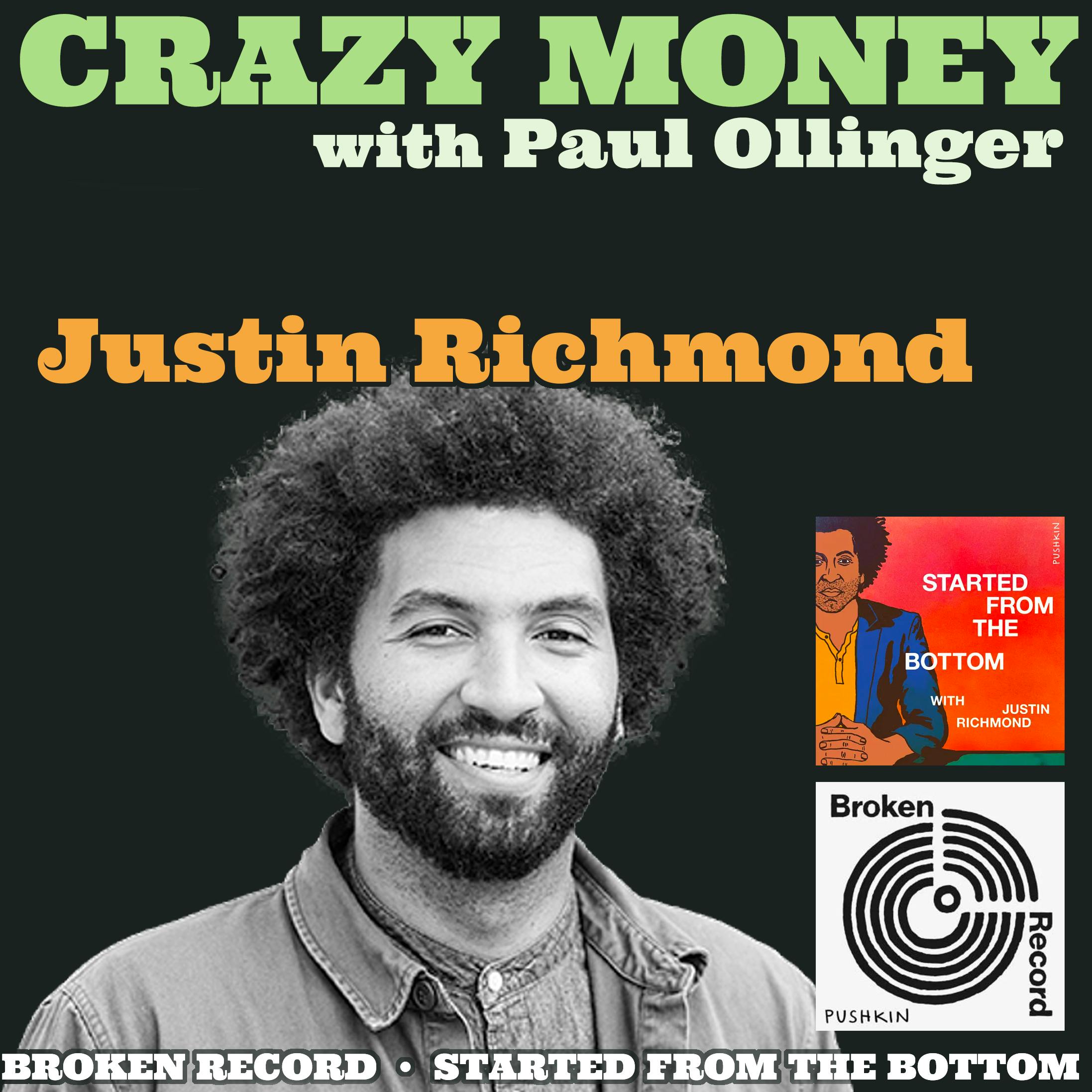
Starting from the Bottom with Justin Richmond
EJustin Richmond is the producer and co-host of Pushkin's music podcast Broken Record with writer Malcolm Gladwell and Def Jam co-founder Rick Rubin. He is also the host of a new podcast called Started from the Bottom on which he interviews mega-successful people who came from disadvantaged economic backgrounds and neighborhoods from which few residents go to college and the professional world. Before hooking up with Gladwell and Pushkin, Justin was a producer for NPR’s flagship news program Morning Edition then became an arts reporter for the network. He began his career as an intern for The Tavis Smiley Show and Smiley & West. Despite not graduating from high school, Justin earned a B.A. in philosophy from the University of California, Berkeley, and a master’s degree from the Berkeley Graduate School of Journalism.👀 Follow Paul on Instagram here 👀🔥 Read Paul’s Substack here 🔥🎤 See Paul’s upcoming shows here 🎤About Crazy Money:Unlike traditional personal finance or investing shows, Crazy Money is not about how to make a million bucks, how to beat the stock market, or how to save money by switching cable providers. It is about deciding what role we want money to play in our lives and how we can use it to achieve our best selves. Topics covered include: philosophy, happiness, contentment, meaning, dreams, purpose, success, mental health, Buddhism, Stoicism, the hedonic treadmill, morality, mid-Life Crisis, business, work, careers, authors, books, consumerism, values, capitalism, economics, investing, saving, spending, personal finance, charity, philanthropy, altruism, affluence, wealth, wealth management, culture, society, and status. Crazy Money is edited by Mike Carano. Are you really still reading? This is a public episode. If you'd like to discuss this with other subscribers or get access to bonus episodes, visit words.paulollinger.com/subscribe

Is Private School Worth it?
EAnnual private school tuition can run over $60,000 in big cities like New York or Los Angeles. But even in smaller markets like Atlanta, 14 years of private school (pre-k through 12th grade) will easily exceed half a million dollars. (And that doesn’t include the expected contributions to annual fund and capital campaigns!) This massive commitment begs the question, “just what are you buying for your private school dollar?” On this week’s episode, Paul talks to three good friends and fellow parents to discuss how they think about the private v. public school decision. Each of them has experience parenting in both public and independent schools in Dallas, Los Angeles, and Atlanta respectively. Thank you to P.J. Brady, Charlene Fitzgibbon, and Abigail Land for their time, candor and good humor. 🔥 Read Paul’s Substack here 🔥🎤 See Paul’s upcoming shows here 🎤About Crazy Money:Unlike traditional personal finance or investing shows, Crazy Money is not about how to make a million bucks, how to beat the stock market, or how to save money by switching cable providers. It is about deciding what role we want money to play in our lives and how we can use it to achieve our best selves. Topics covered include: philosophy, happiness, contentment, meaning, dreams, purpose, success, mental health, Buddhism, Stoicism, the hedonic treadmill, morality, mid-Life Crisis, business, work, careers, authors, books, consumerism, values, capitalism, economics, investing, saving, spending, personal finance, charity, philanthropy, altruism, affluence, wealth, wealth management, culture, society, and status. Crazy Money is edited by Mike Carano. Are you really still reading? This is a public episode. If you'd like to discuss this with other subscribers or get access to bonus episodes, visit words.paulollinger.com/subscribe
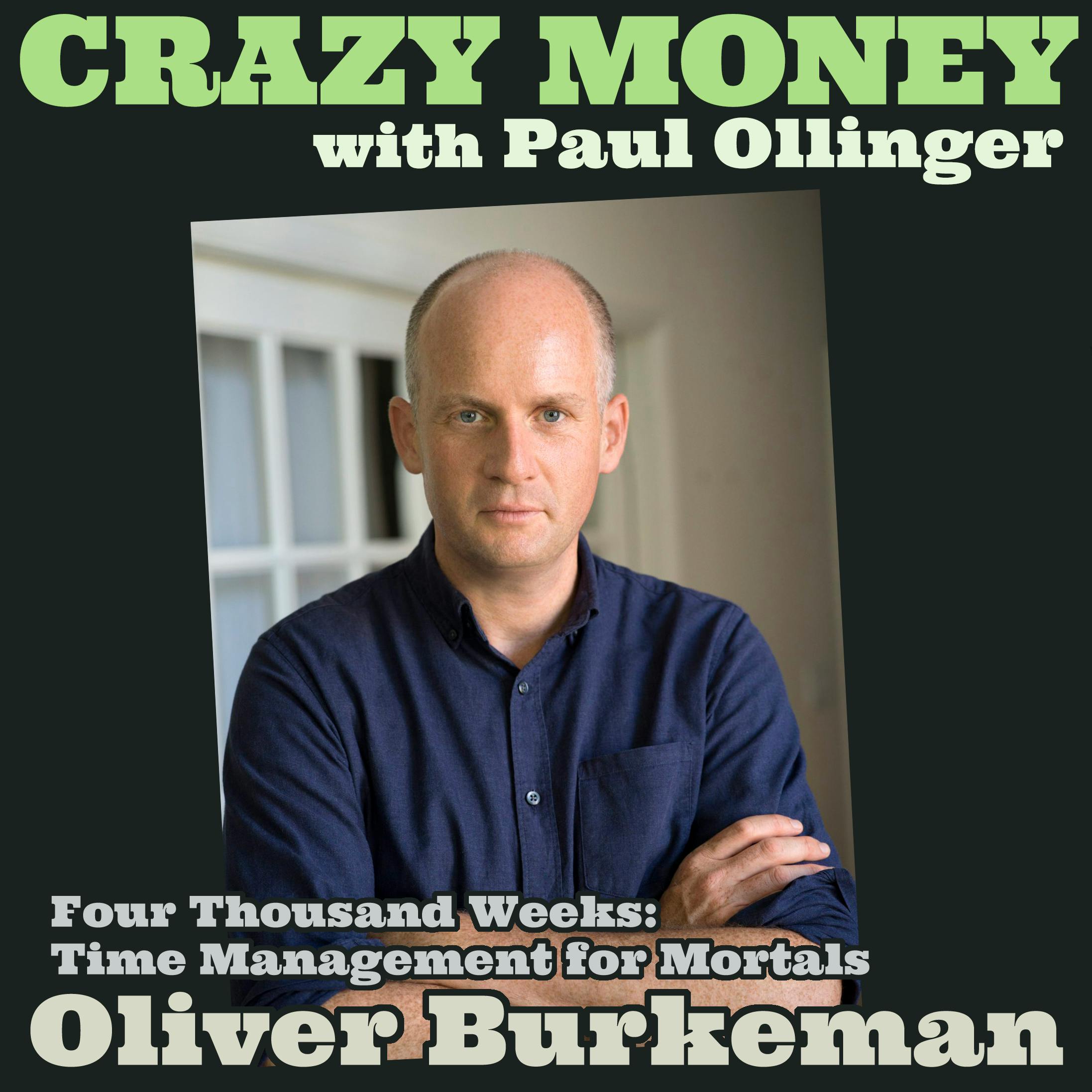
Using Your 4,000 Weeks with Oliver Burkeman (Encore)
Oliver Burkeman is the author of 4,000 Weeks: Time Managment for Mortals, which Adam Grant calls “The most important book ever written about time management.” In it, Oliver argues that using your life (4,000 weeks = about 80 years) most meaningfully requires abandoning the illusion that we can—or should try to—get everything done. And that the attempt to do so just leaves us miserable and isolated. Soone of the keys to productivity is deciding what to ignore. Further, Oliver reckons, when you put your existence into the context of the enormity of the universe, you realize that many of our “plans” are just distractions from the knowledge that we will all eventually be dead and won’t be remembered for terribly long. So why shouldn’t we just spend our days taking hikes and cooking for our children? Hey, that’s not a bad question. Sign up for Oliver’s newsletter here. Listen to Monty Python’s The Galaxy Song here. 🔥 Read Paul’s Substack here 🔥🎤 See Paul’s upcoming shows here 🎤This episode was originally posted in August, 2021About Crazy Money:Unlike traditional personal finance or investing shows, Crazy Money is not about how to make a million bucks, how to beat the stock market, or how to save money by switching cable providers. It is about deciding what role we want money to play in our lives and how we can use it to achieve our best selves. Topics covered include: philosophy, happiness, contentment, meaning, dreams, purpose, success, mental health, Buddhism, Stoicism, the hedonic treadmill, morality, mid-Life Crisis, business, work, careers, authors, books, consumerism, values, capitalism, economics, investing, saving, spending, personal finance, charity, philanthropy, altruism, affluence, wealth, wealth management, culture, society, and status. Crazy Money is edited by Mike Carano Are you really still reading? This is a public episode. If you'd like to discuss this with other subscribers or get access to bonus episodes, visit words.paulollinger.com/subscribe
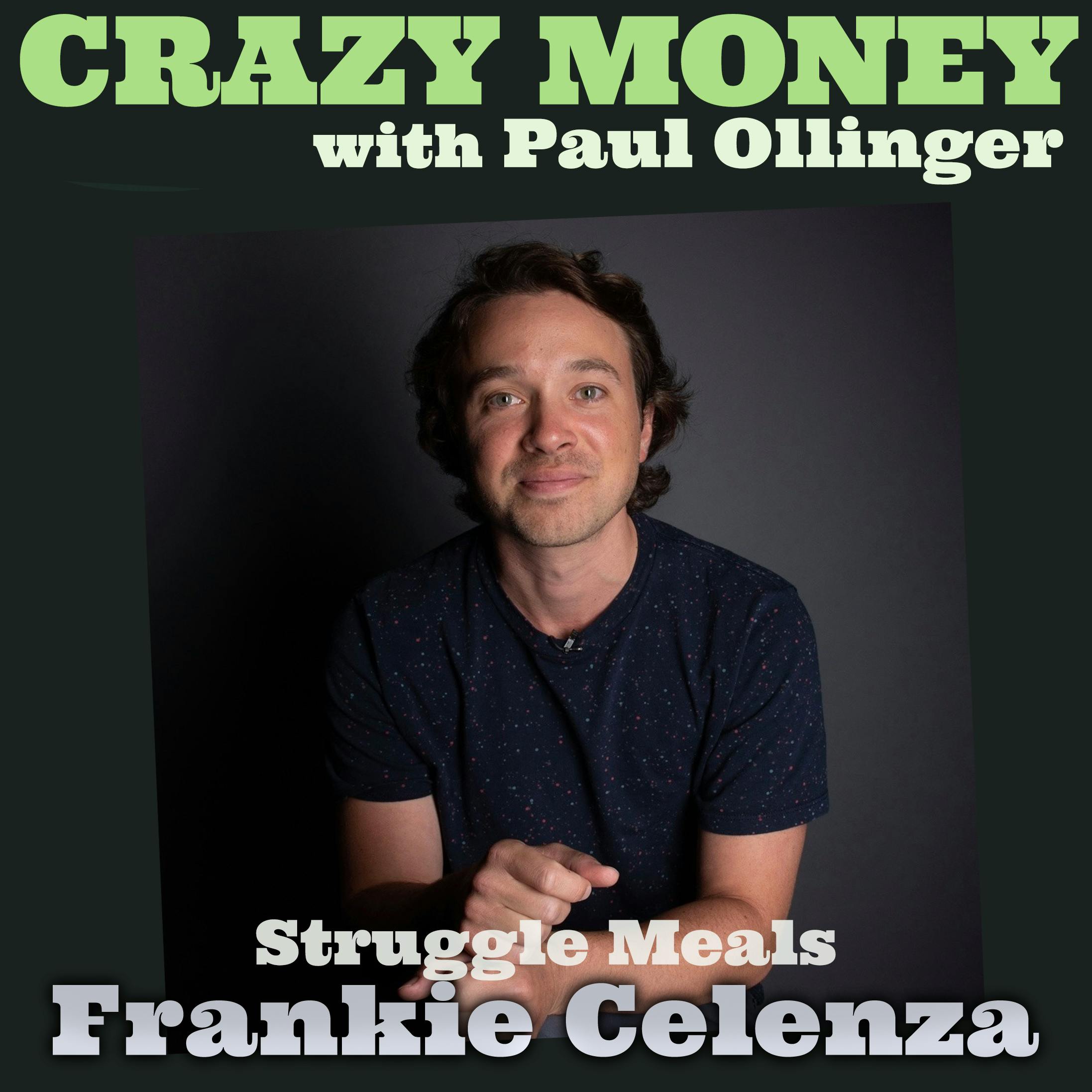
Cooking with Money w/ Frankie Celenza
Chef Frankie Celenza started his culinary career with an illicit George Foreman grill in his prep school dorm room. Today, Frankie is the Emmy award-winning host of the Tastemade's hit show Struggle Meals. Frankie believes you don’t have to spend a lot of money to cook (and eat) well. He wants more people preparing their own food because he believe it is a fundamental way to take control of their health, well-being, and finances. Not only that, but cooking is a social and enjoyable act of service and love, and one of the things that make humans unique. In this conversation, Frankie and I discuss: The benefits of attending boarding schoolWhat it was like to work with Mario Batali His thoughts on Netflix’s The Menu and Hulu’s The Bear His favorite books on food and cookingThe essential basics to outfit a kitchenWhether organic food is worth itCheck out the new season of Struggle Meals here ! 🍲🔥 Read Paul’s Substack here 🔥🎤 See Paul’s upcoming shows here 🎤About Crazy Money:Unlike traditional personal finance or investing shows, Crazy Money is not about how to make a million bucks, how to beat the stock market, or how to save money by switching cable providers. It is about deciding what role we want money to play in our lives and how we can use it to achieve our best selves. Topics covered include: philosophy, happiness, contentment, meaning, dreams, purpose, success, mental health, Buddhism, Stoicism, the hedonic treadmill, morality, mid-Life Crisis, business, work, careers, authors, books, consumerism, values, capitalism, economics, investing, saving, spending, personal finance, charity, philanthropy, altruism, affluence, wealth, wealth management, culture, society. Status.Crazy Money is edited by Mike CaranoAre you really still reading? This is a public episode. If you'd like to discuss this with other subscribers or get access to bonus episodes, visit words.paulollinger.com/subscribe

Wealthy Woman Flies Southwest with Leah Rudick
Leah Rudick is an actor, writer, and comedian whose Wealthy Woman character videos have earned her almost one million followers on Instagram and TikTok. Thanks to her breakout social media success, Leah is now selling out comedy shows all over the country. In these videos, a clueless woman of wealth shares her point-of-view on everyday experiences like going to Cracker Barrel, flying Southwest Airlines, renting a car, or taking the bus. I (Paul Ollinger, hoster of show / writer of episode notes) find her videos hilarious. Leah was in Atlanta last week for a sold-out show at City Winer. She was kind enough to come by the house to chat money, success, and the very odd jobs that helped her pay the bills as a struggling actress. A native of Cincinnati, Leah began performing improv in New York City after graduating from Sarah Lawrence College. Her work has taken her to the Edinburgh Fringe Festival. New York Sketchfest, and the Los Angeles Comedy Festival. She has appeared on HBO’s hit High Maintenance and IFC’s Commuters.👩🦰Follow Leah on Instagram👩🦰🔥 Read Paul’s Substack here 🔥🎤 See Paul’s upcoming shows here 🎤About Crazy Money:Unlike traditional personal finance shows like Dave Ramsey or Suze Orman, Crazy Money is not about how to make a million bucks, how to beat the market, or how to save money by switching cable providers. It is about deciding what role we want money to play in our lives and how we can use it to achieve our best selves. Topics covered include: philosophy, happiness, contentment, meaning, dreams, purpose, success, mental health, Buddhism, Stoicism, the hedonic treadmill, morality, mid-Life Crisis, business, work, careers, authors, books, consumerism, values, capitalism, economics, investing, saving, spending, personal finance, charity, philanthropy, altruism, affluence, wealth, wealth management, culture, society. Status.Crazy Money is edited by Mike CaranoAre you really still reading? This is a public episode. If you'd like to discuss this with other subscribers or get access to bonus episodes, visit words.paulollinger.com/subscribe