Radio Diaries
273 episodes — Page 4 of 6
Prisoners of War
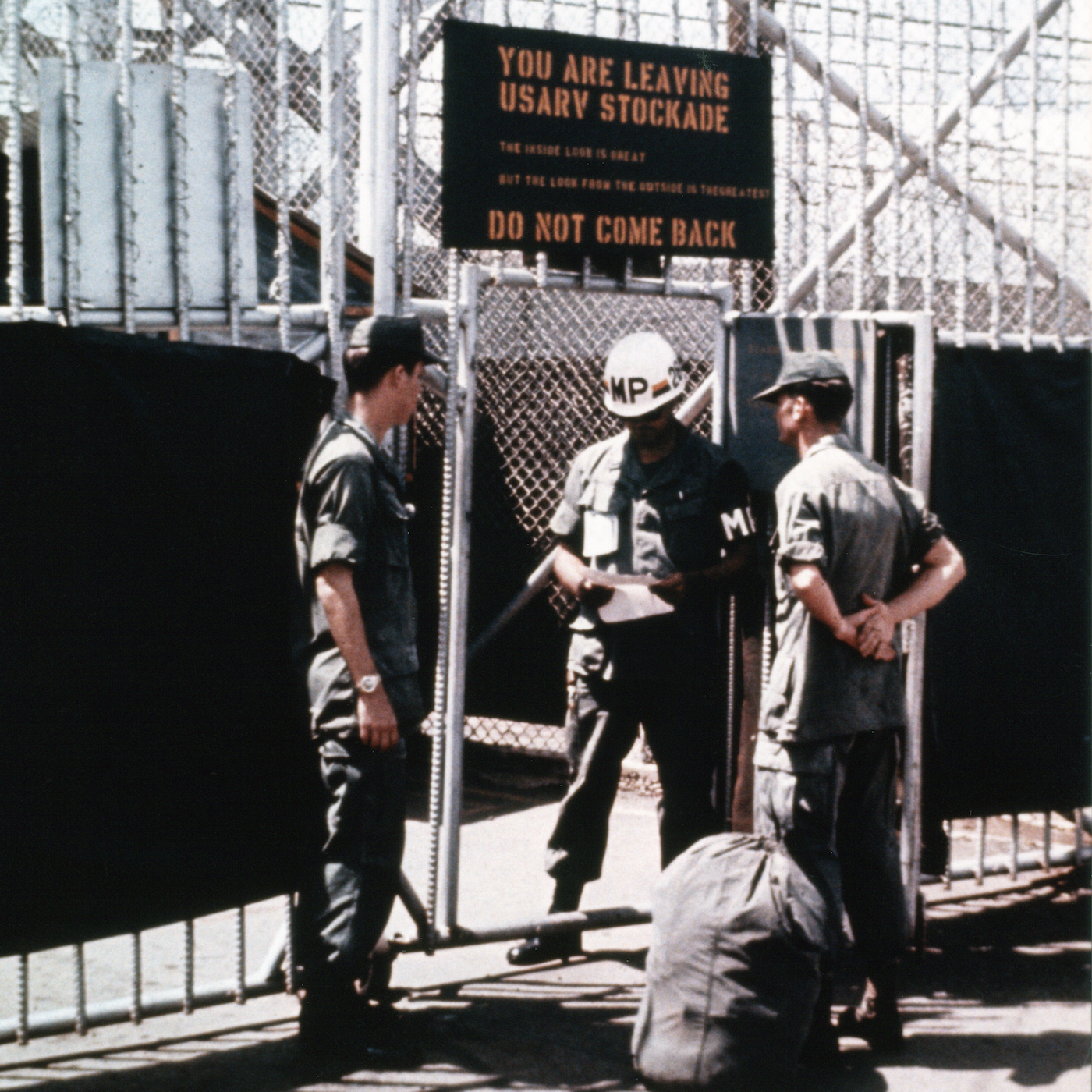
During the war in Vietnam, there was a notorious American military prison on the outskirts of Saigon, called Long Binh Jail. But LBJ wasn’t for captured enemy fighters, it was for American soldiers. These were men who had broken military law. And there were a lot of them. As the unpopular war dragged on, discipline frayed and soldiers started to rebel. By the summer of 1968, over half the men in Long Binh Jail were locked up on AWOL charges. Some were there for more serious crimes, others for small stuff, like refusing to get a haircut. The stockade had become extremely overcrowded. Originally built to house 400 inmates, it became crammed with over 700 men, more than half African American. On August 29th, 1968, the situation erupted. Fifty years later, we bring you the incredible story. Learn about your ad choices: dovetail.prx.org/ad-choices
The Working Tapes of Studs Terkel
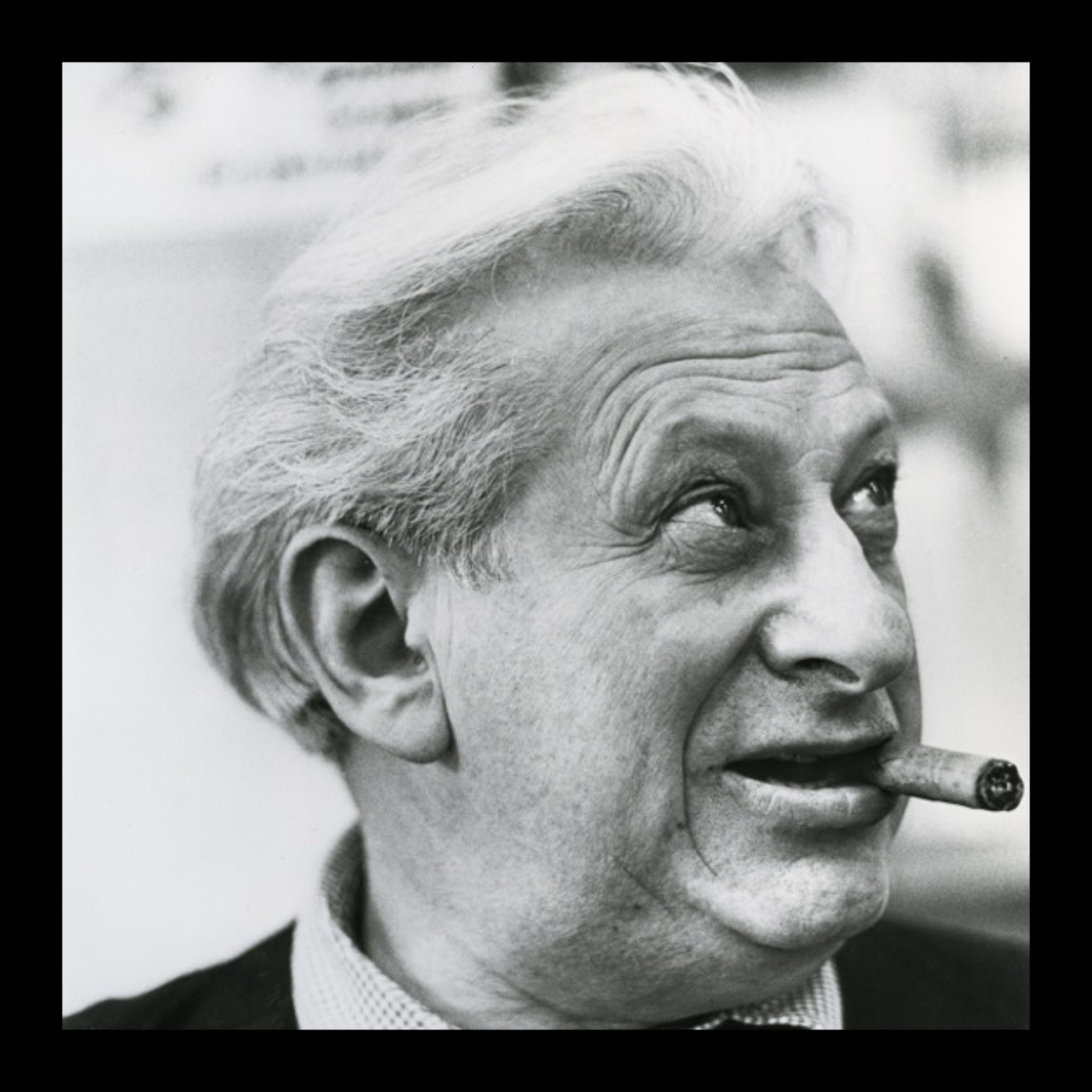
In 1974, oral historian Studs Terkel published a book with an unwieldy title: "Working: People talk about what they do all day and how they feel about what they do." This collective portrait of America was based on more than a hundred interviews Studs did around the country. Studs recorded all of his interviews on a reel-to-reel tape recorder, but after the book came out the tapes were packed away in boxes and forgotten for decades. A couple years ago, Radio Diaries and the organization Project& were given exclusive access to the tapes. On this episode of The Radio Diaries Podcast, we're bringing you eleven stories from Studs' Working tapes. There's the telephone switchboard operator, the Chicago police officer, the private eye, the hotel piano player and many more. Learn about your ad choices: dovetail.prx.org/ad-choices
Stories from a Vanishing New York
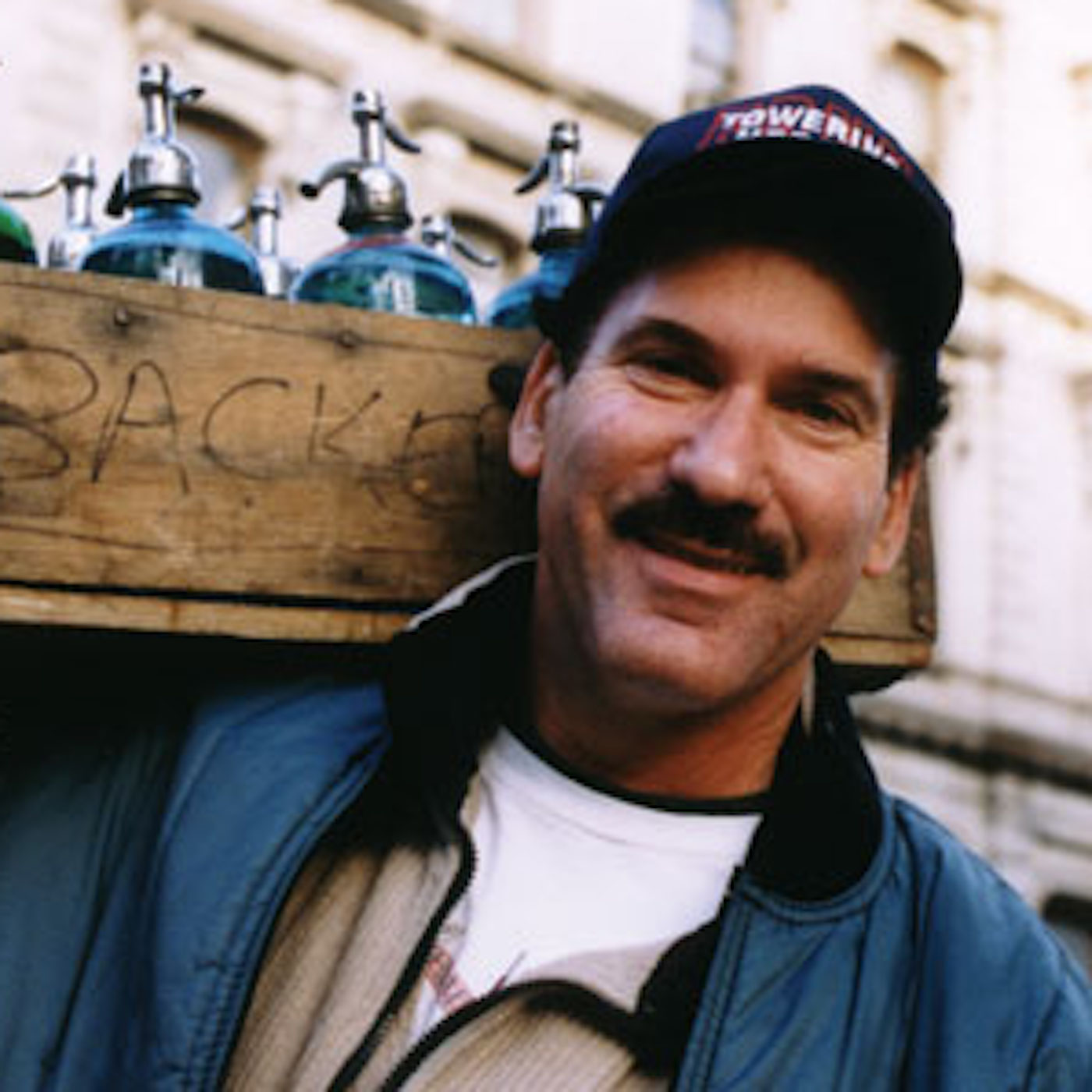
Today on the podcast, we pay a visit to Walter the Seltzer Man, and also remember Selma Koch, the iconic bra fitter in the Upper West Side's Town Shop. Learn about your ad choices: dovetail.prx.org/ad-choices
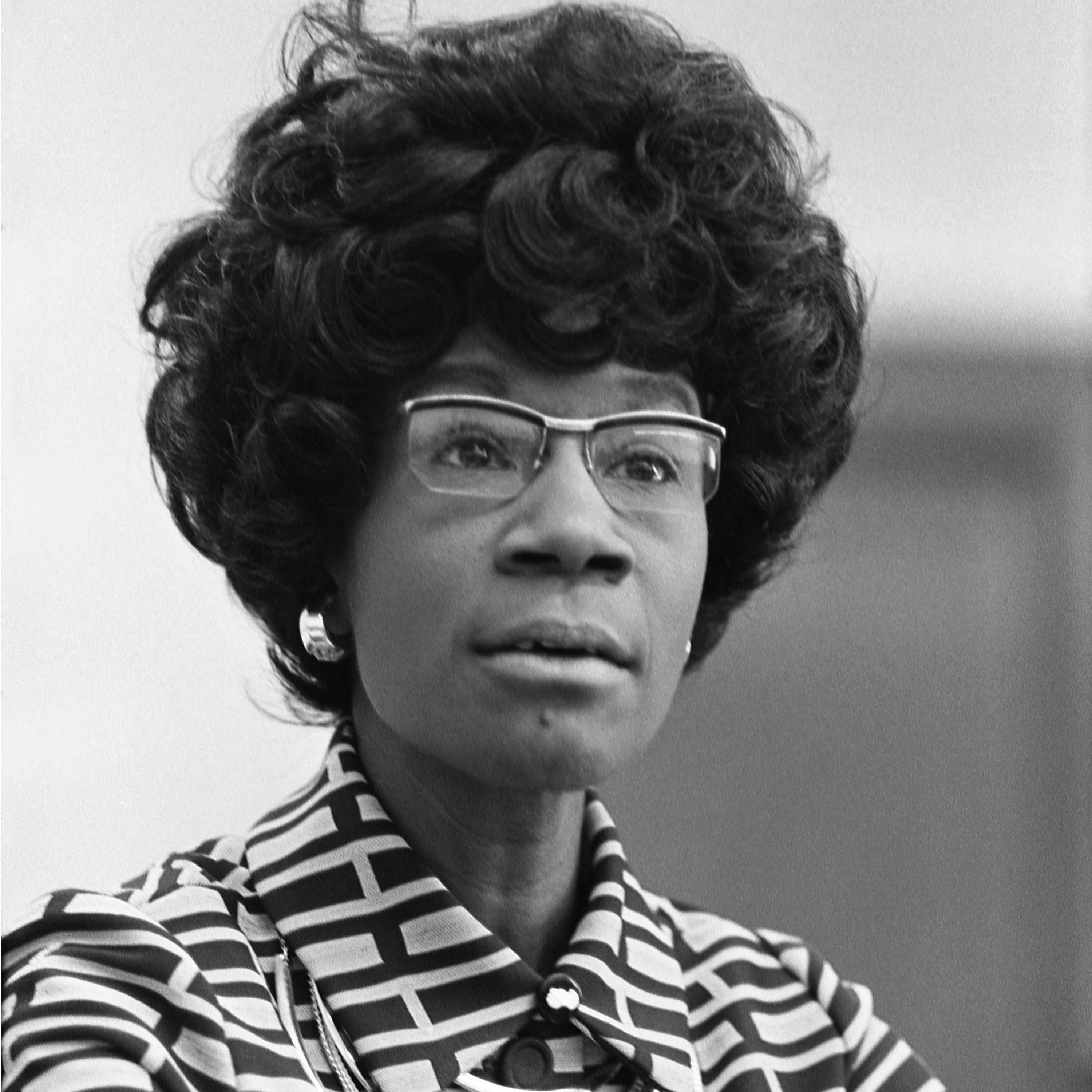
Shirley Chisholm: Unbought and Unbossed
Today…there’s “The Squad.” But 50 years ago, there was only one woman of color in the U.S. Congress, and she was the first. Shirley Chisholm, of New York City, was elected to Congress in a historic victory in 1968. And like the squad...Chisholm made her voice heard. In 1972, Chisholm launched a spirited campaign for the Democratic nomination. She was the first woman and first African American to run. Declaring herself “unbought and unbossed,” she took on the political establishment, declaring herself “the candidate of the people.” Learn about your ad choices: dovetail.prx.org/ad-choices
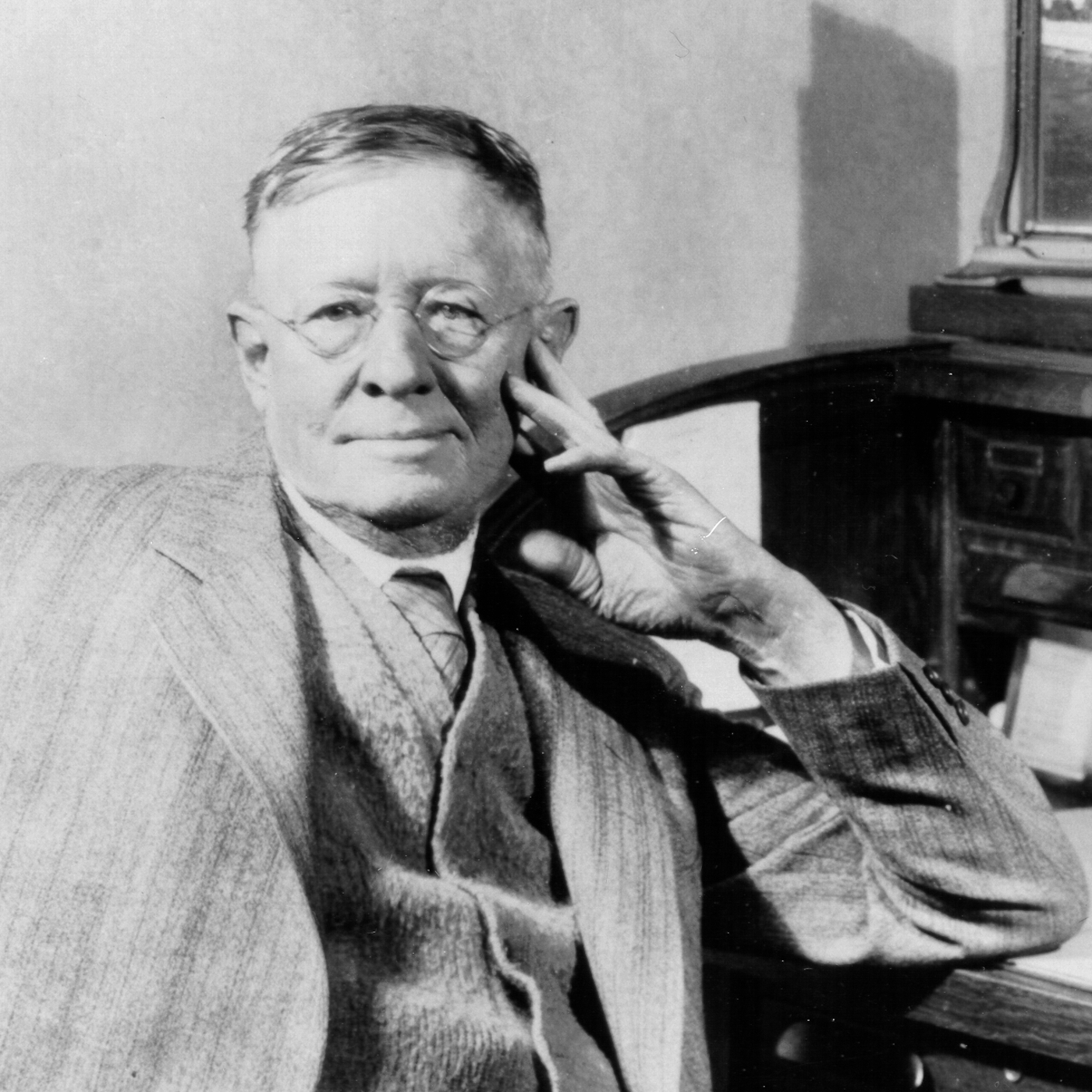
The Square Deal
100 years ago, George F. Johnson ran the biggest shoe factory in the world. The Endicott-Johnson Corporation in upstate New York produced 52 million pairs of shoes a year. But Johnson wasn’t only known for his shoes. Johnson had an unusual theory at the time, about how workers should be treated. Some people called it “Welfare Capitalism.” He called it “The Square Deal.” Learn about your ad choices: dovetail.prx.org/ad-choices
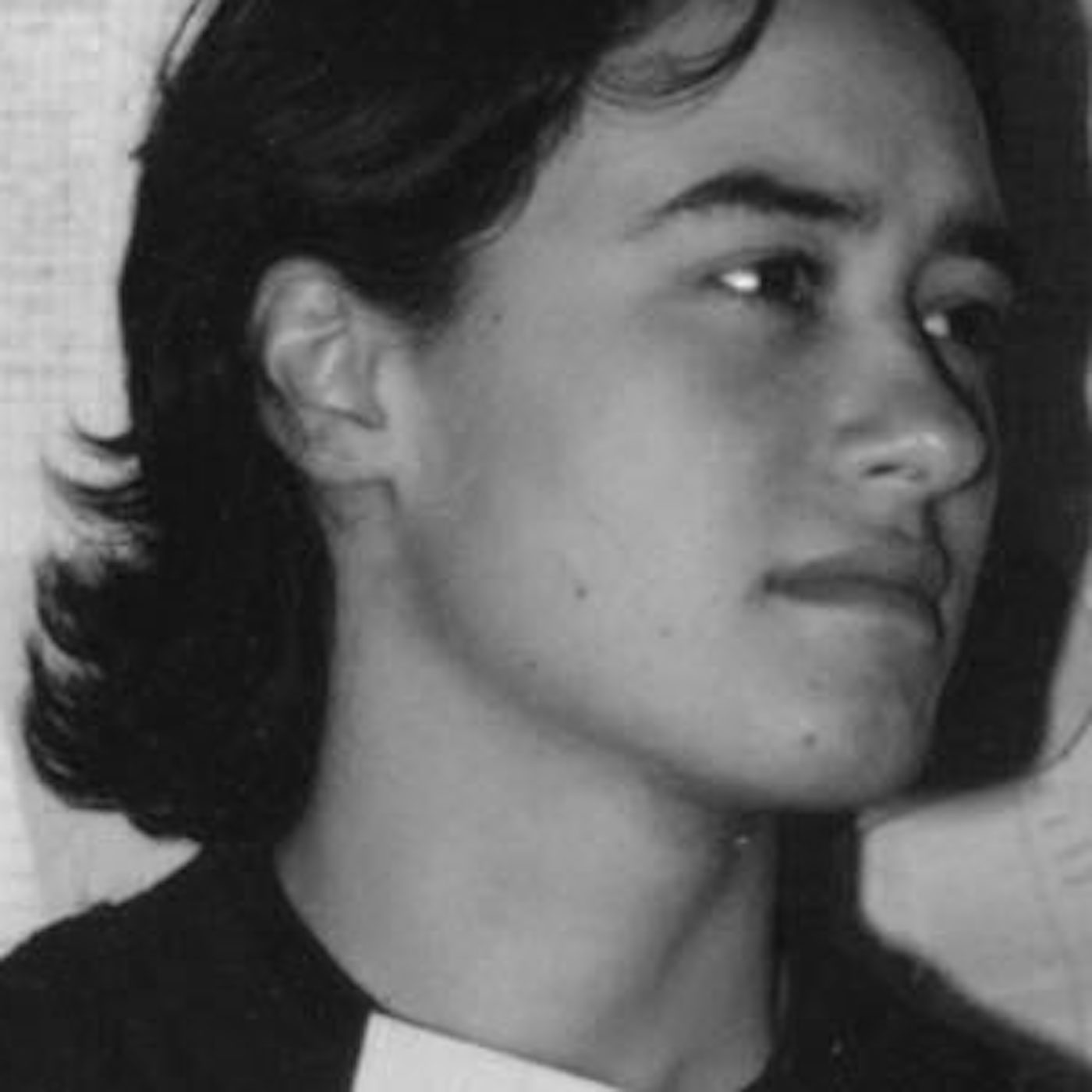
Amanda's Diary: Revisited
This month marks the 50th anniversary of the Stonewall uprising, a turning point in the gay rights movement. The anniversary is a reminder of how much has changed since 1969, when "homosexual acts" were illegal in all states but one - Illinois. Today, gay marriage is legal across the nation. Here at Radio Diaries we have our own small time capsule of how much has changed. The very first audio diary I ever did, with Amanda Brand. Amanda's story was about being a gay teenager, with parents who were having a really hard time with the idea. Today on our podcast, we're revisiting Amanda's diary, and we catch up on her life now. Learn about your ad choices: dovetail.prx.org/ad-choices
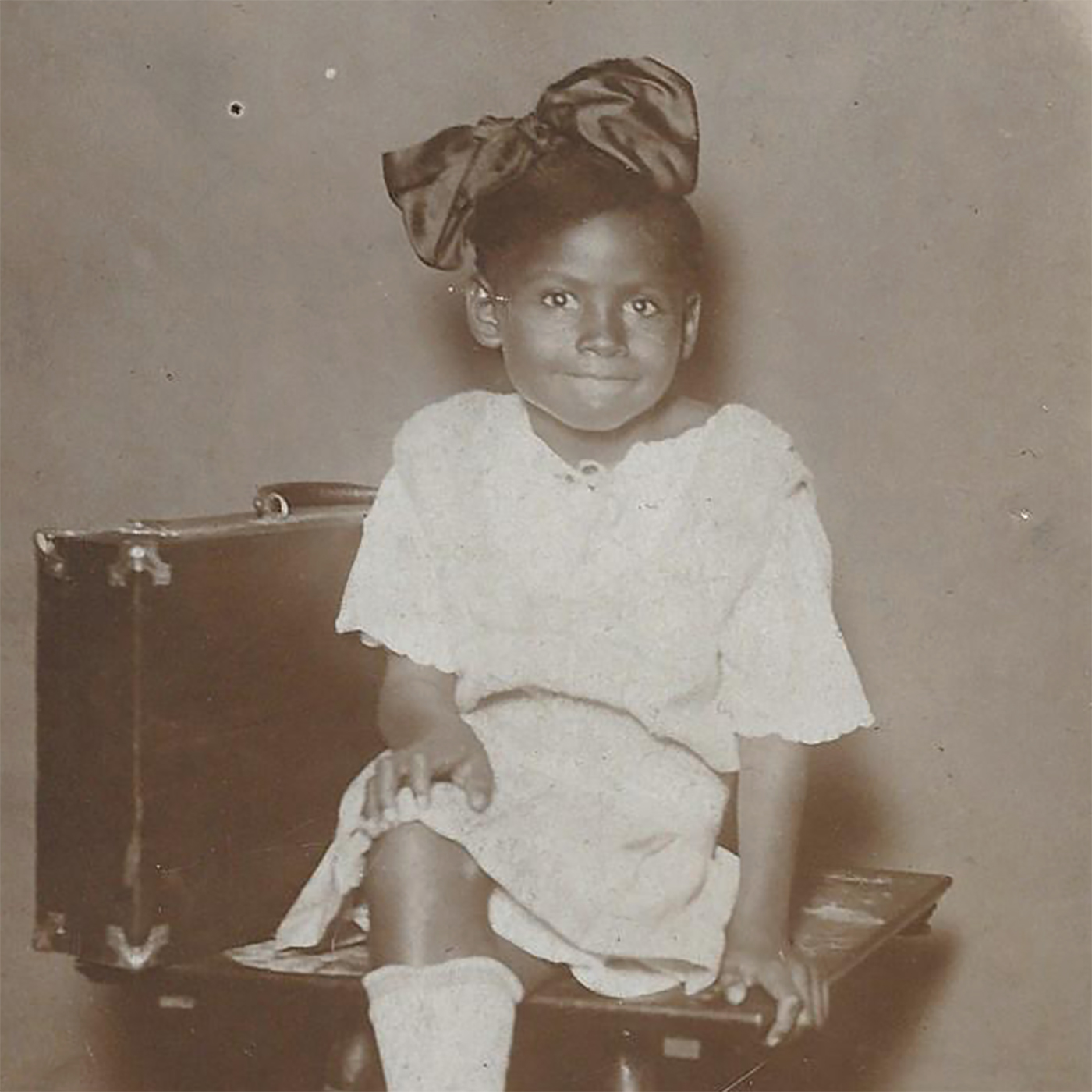
Last Witness: Surviving the Tulsa Race Riot
On May 31, 1921, six-year-old Olivia Hooker was home with her family when a group of white men launched an attack on the Greenwood section of Tulsa, Oklahoma. In less than 24 hours, the mobs destroyed more than 1000 homes and businesses. It’s estimated as many as 300 people were killed. The Tulsa Race Riot is considered one of the worst incidents of racial violence in American history. Olivia Hooker was the last surviving witness to the events of that day. Know someone who’d make a good Last Witness? Get in touch. You can find us on Twitter and Facebook @RadioDiaries. Learn about your ad choices: dovetail.prx.org/ad-choices
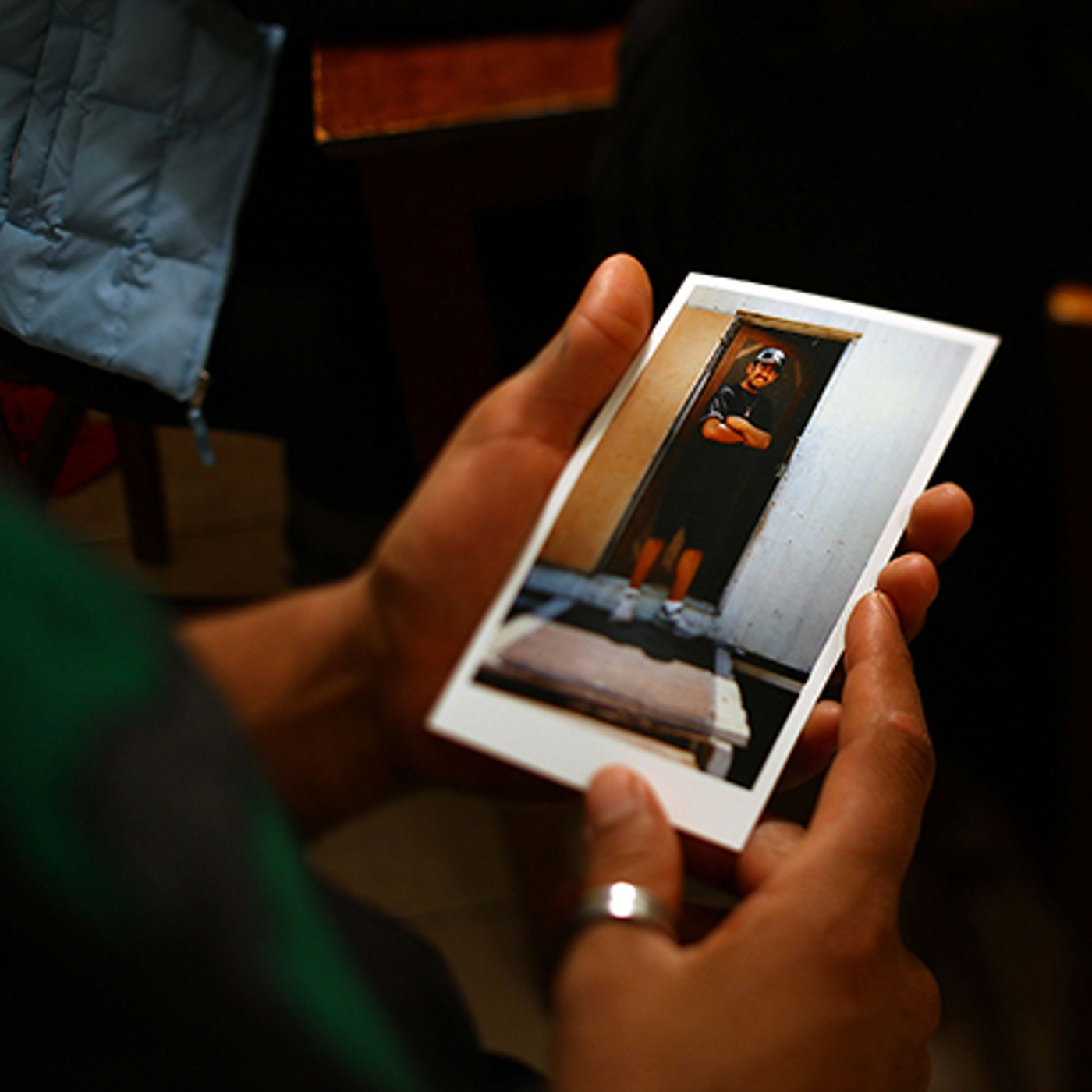
Juan's Diaries: Undocumented, Then and Now
Back in the 1990s, Juan crossed the U.S.-Mexico border illegally, and settled with his family next to the Rio Grande river in Texas. We gave him a cassette recorder to document his life there for NPR. Almost two decades later, we gave Juan another recorder to report on his life as an adult. In many ways, Juan has achieved the American Dream - he has a house, a good job, and three American kids. But...he's still undocumented. Learn about your ad choices: dovetail.prx.org/ad-choices
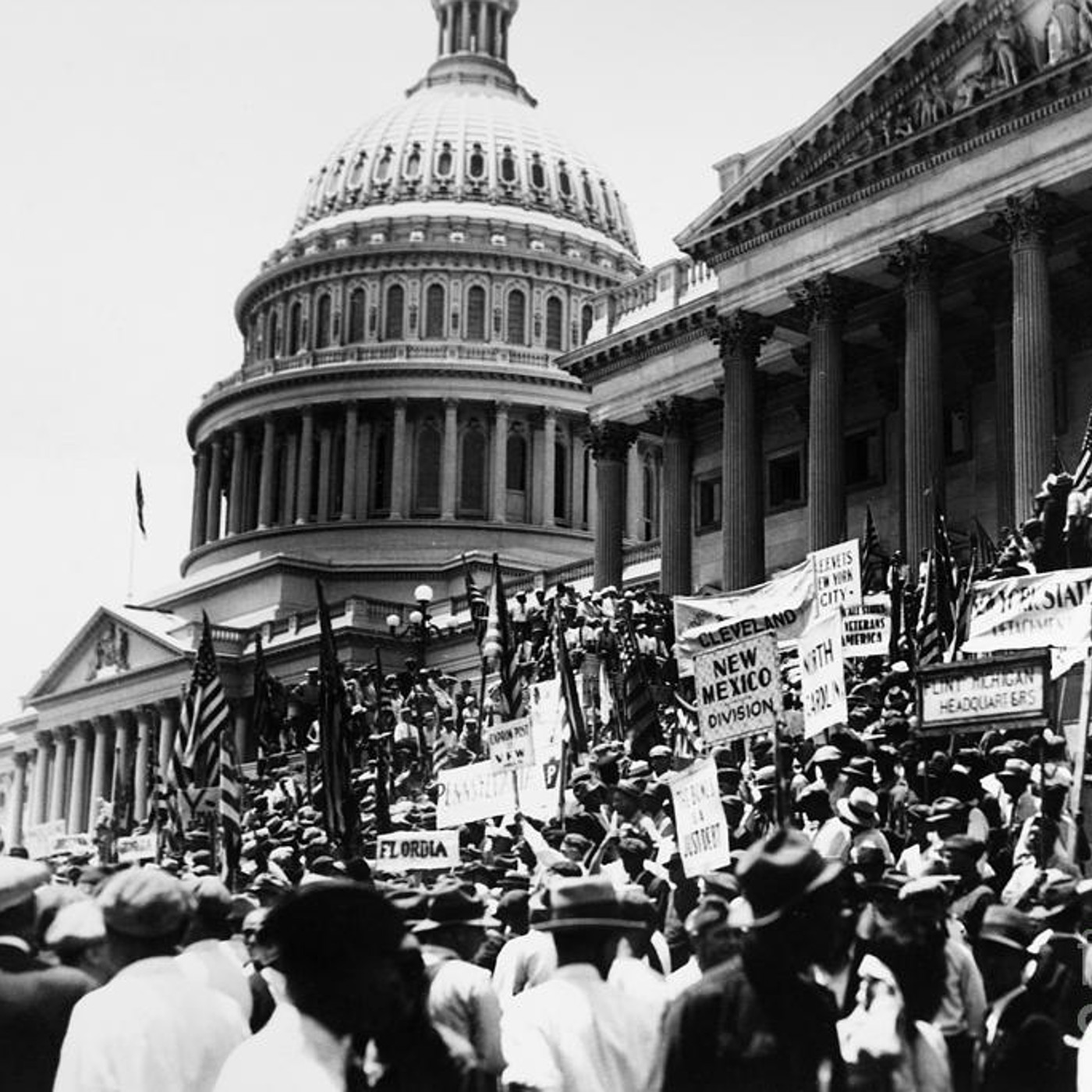
The Bonus Army
In 1932, 20,000 WWI veterans set up a tent city in Washington. They called themselves the Bonus Army. See photos of the Bonus Army here: http://www.radiodiaries.org/march-of-the-bonus-army/ Learn about your ad choices: dovetail.prx.org/ad-choices
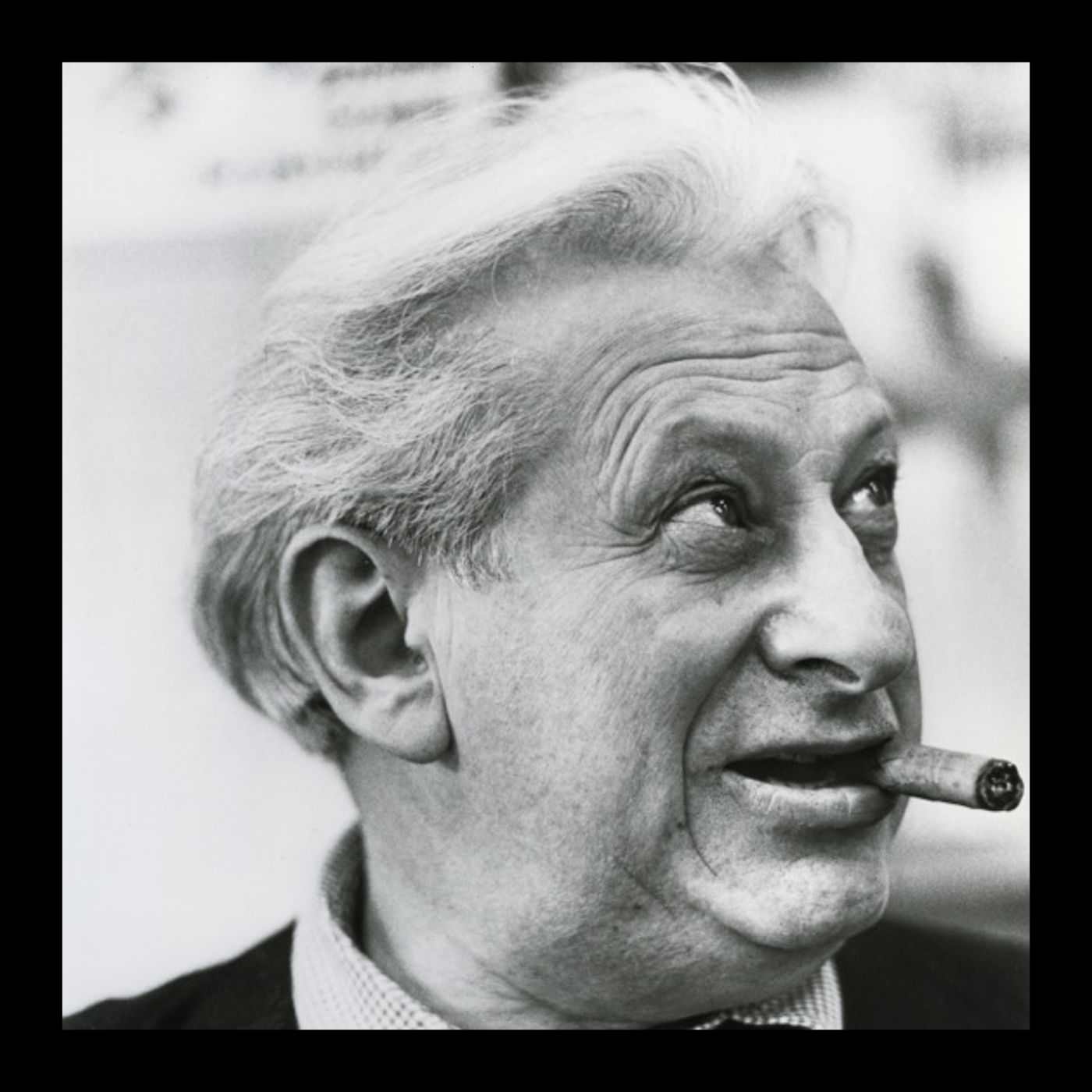
The Working Tapes
In the early 1970’s, author Studs Terkel went around the country with a reel-to-reel tape recorder interviewing people about their jobs. He turned these interviews into a book called, “Working.” After the book was released in 1974, the tapes were packed away in Studs home office. A few years ago, we at Radio Diaries, along with our collaborator Jane Saks of Project&, were offered the chance to make a radio and podcast series out of the recordings. In today’s episode, we bring you some of our favorite stories from The Working Tapes. Learn about your ad choices: dovetail.prx.org/ad-choices
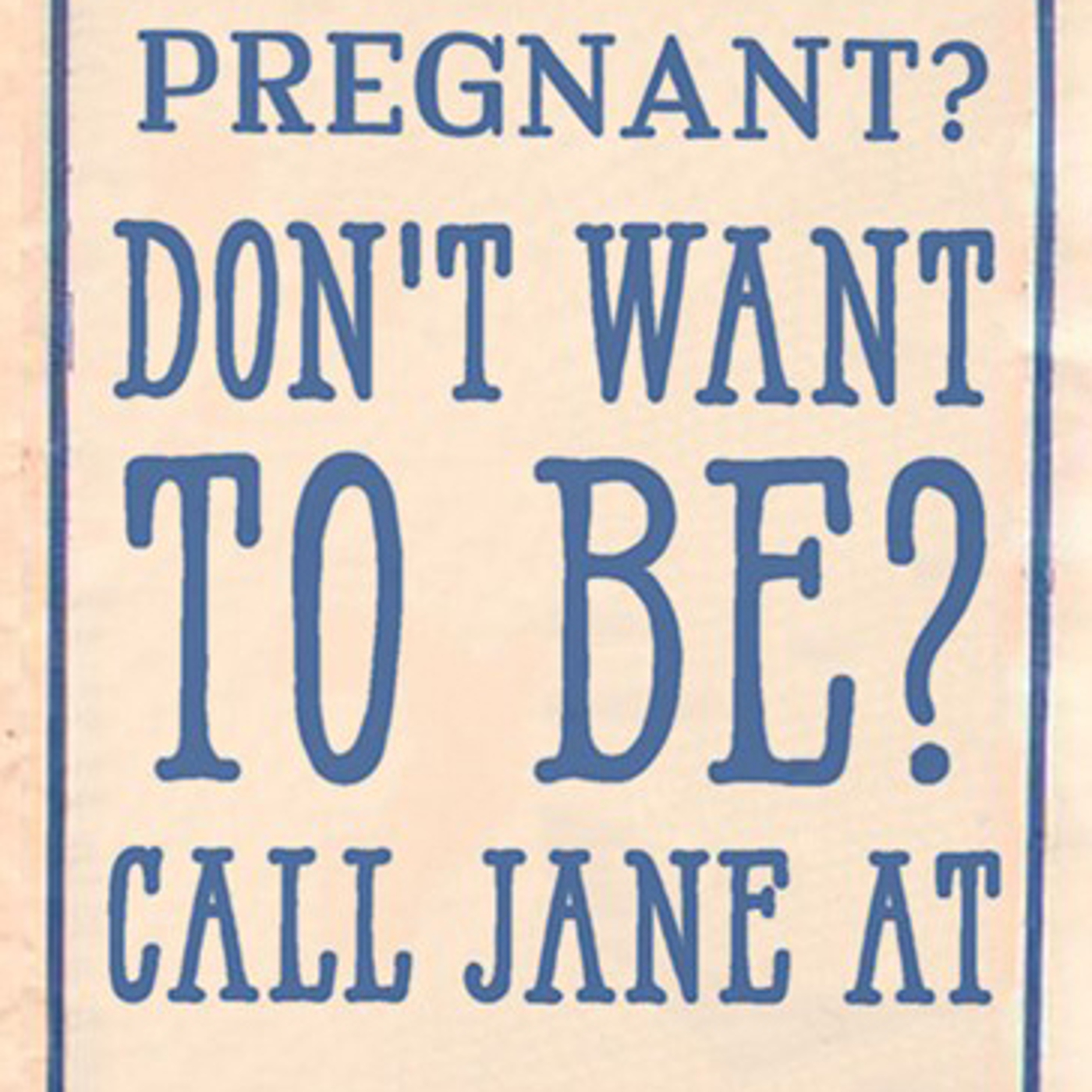
The Story of Jane
Before the U.S. Supreme Court's decision in Roe vs. Wade, abortions were illegal in most of the United States. But that didn't mean women didn't have them. Hundreds of women were dying every year in botched abortions. In 1965, an underground network formed in Chicago to help women who wanted to have abortions, in a medically safe way. At first, they connected women with doctors willing to break the law to perform the procedure. Eventually, women in the collective trained to perform abortions themselves. Today on the Radio Diaries Podcast...The Story of Jane. And a heads up - this story includes some graphic descriptions that may not be appropriate for all listeners. Learn about your ad choices: dovetail.prx.org/ad-choices
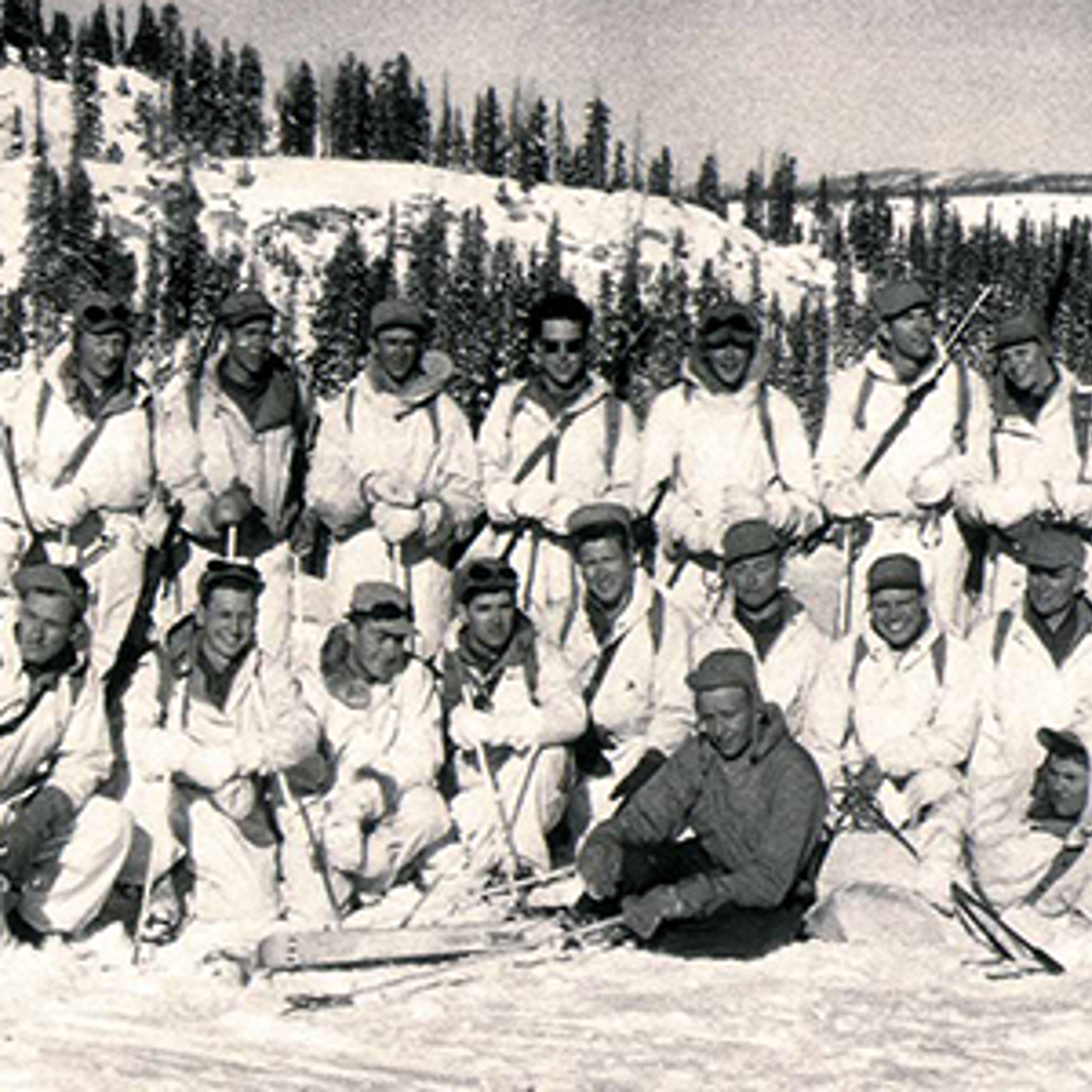
The Ski Troops of WWII
The men of the 10th Mountain Division led a series of daring assaults against the Nazis in the mountains of Italy during WWII. After returning home, many of these soldiers helped to create the modern ski industry. Learn about your ad choices: dovetail.prx.org/ad-choices
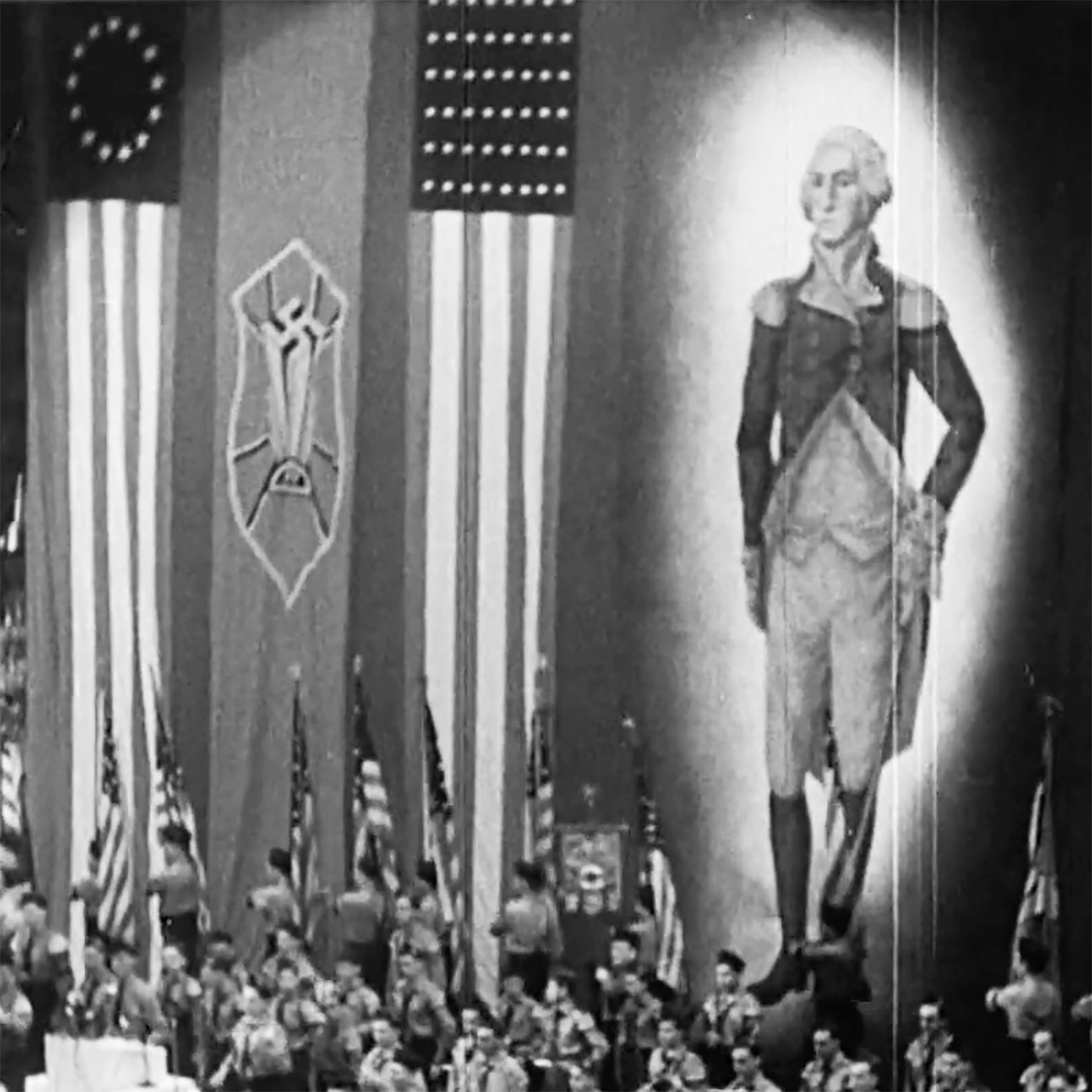
When Nazis Took Manhattan
On February 20th, 1939, 20,000 people streamed into Madison Square Garden in New York City. Outside, the marquee was lit up with the evening's main event: a "Pro-American rally." Inside, on the stage, there was a 30-foot tall banner of George Washington, sandwiched between American flags...and two huge swastikas. Today’s episode is a special collaboration with The Memory Palace. *** This episode is sponsored by Care/Of, a monthly subscription vitamin service. For 50% off your first month, go to TakeCareOf.com and enter radiodiaries50. Learn about your ad choices: dovetail.prx.org/ad-choices
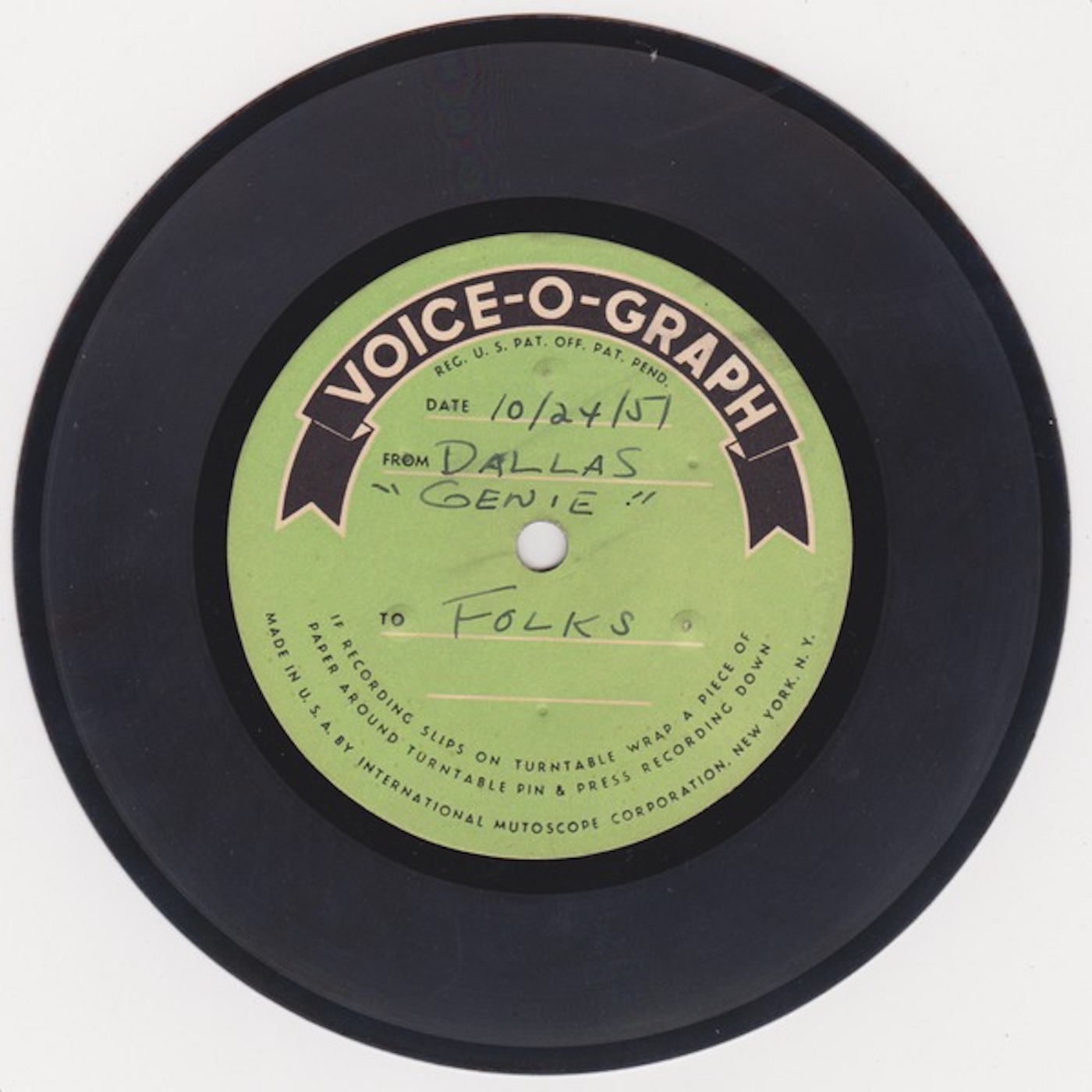
A Voicemail Valentine
Nowadays we’re very accustomed to recording and hearing the sound of our own voices. But in the 1930s many people were doing it for the first time. And a surprising trend began. People started sending their voices to each other, through the postal service. It was literally: voice-mail. We recently combed through a large collection of early voicemail at the Phono Post Archive, and we discovered that many of these audio letters are about the same thing: Love. Learn about your ad choices: dovetail.prx.org/ad-choices
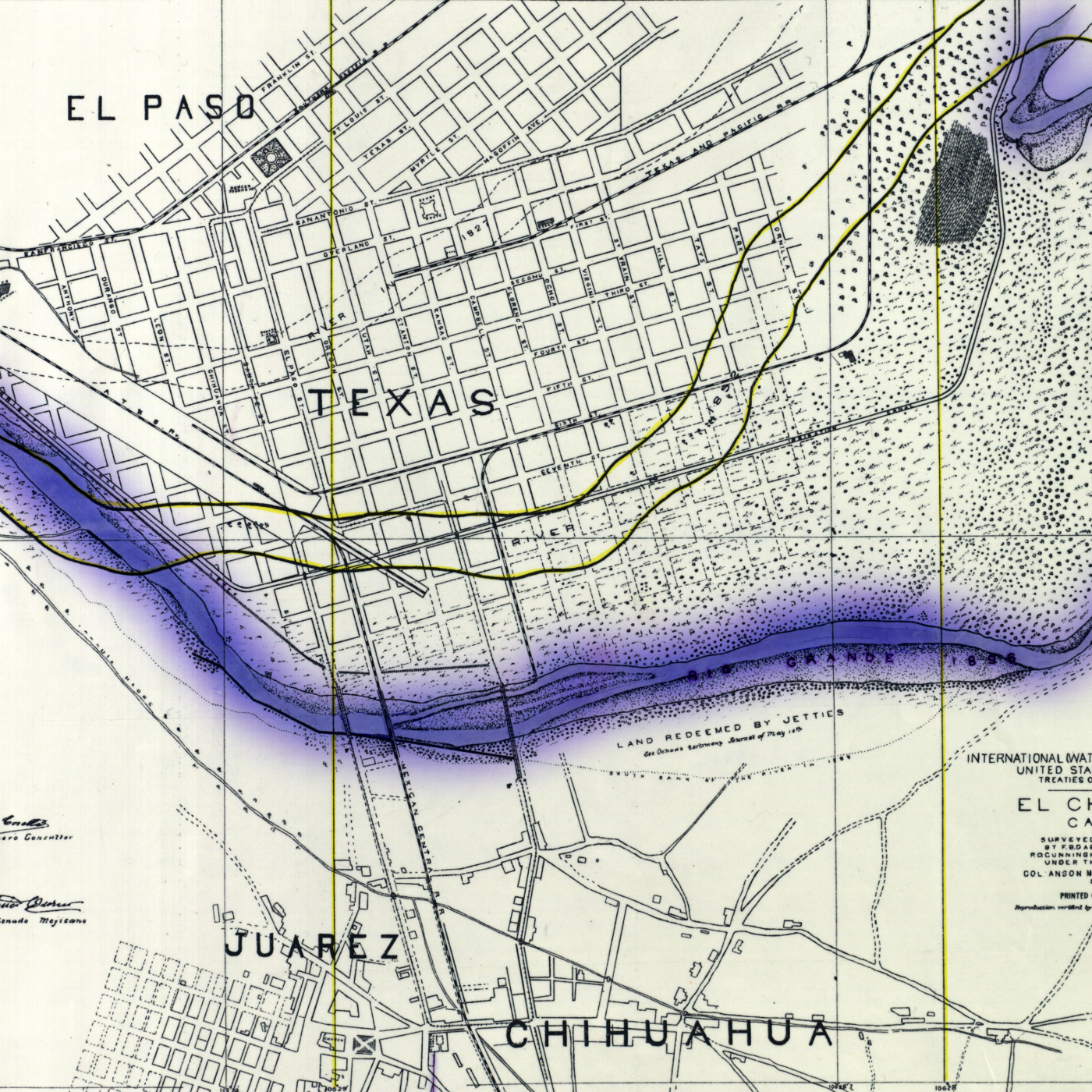
The Border Wall
Stories about walls and borders, and what happens when – instead of people crossing the border – the border crosses the people. Act 1: Wrong Side of the Fence Pamela Taylor technically lives in the U.S. But somehow, her house is on the Mexican side of the border wall. Act 2: The Chamizal Ever since Texas became a state, the Rio Grande has been the official border between the US and Mexico. The problem is, rivers can move – and that’s exactly what happened in 1864. Torrential rains caused the river to jump its banks and go south. All of a sudden, the border was in a different place… and that was a problem. Featuring the song, “Chamizal Blues” by Bob Burns and the Tekewoods. **** This episode of the Radio Diaries Podcast has support from Audible, the largest collection of audiobooks on the planet. Select from thousands of best sellers, mysteries, memories, wellness guides, histories and more. Try audible by downloading a book for free today. Go to Audible.com/diaries or text DIARIES to 500500. Learn about your ad choices: dovetail.prx.org/ad-choices
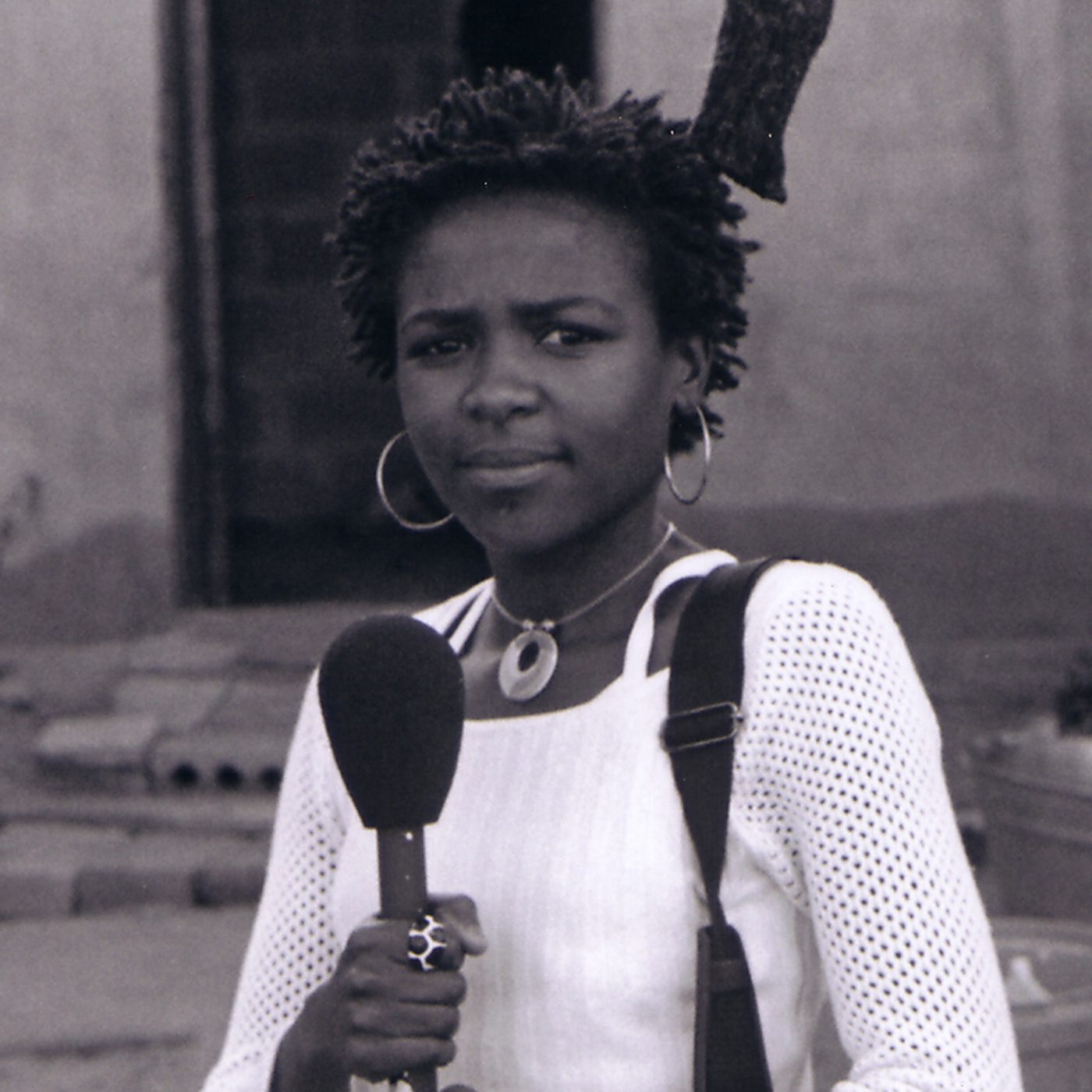
Thembi's Diary
We first met Thembi when she was 19 and living in one of the largest townships in South Africa. We were struck by her candor, sense of humor and her courage. She was willing to speak out about having AIDS at a time when very few South Africans were willing to. Thembi carried a tape recorder from 2004 to 2005 to document her life. In this episode, we revisit Thembi’s diary. Learn about your ad choices: dovetail.prx.org/ad-choices

Bonus Episode: Hear the World Differently
There’s an old saying that “sound is like touch from a distance.” We think it’s a perfect metaphor for what we at Radio Diaries — and all the shows at Radiotopia — try to do. We want to help you hear the world differently. We’re in the middle of our annual fundraiser where we ask you, our listeners, to support the network that makes this show possible. Our goal is to reach 25,000 donors. Every donation counts, no matter the size. So give what you can and help us get one step closer. There’s some great new swag and opportunities to meet your favorite producers. Including a one-on-one chat with Joe Richman and the rest of the Radio Diaries team. Go to https://www.radiotopia.fm/donate-2018e to donate. And thank you. Learn about your ad choices: dovetail.prx.org/ad-choices
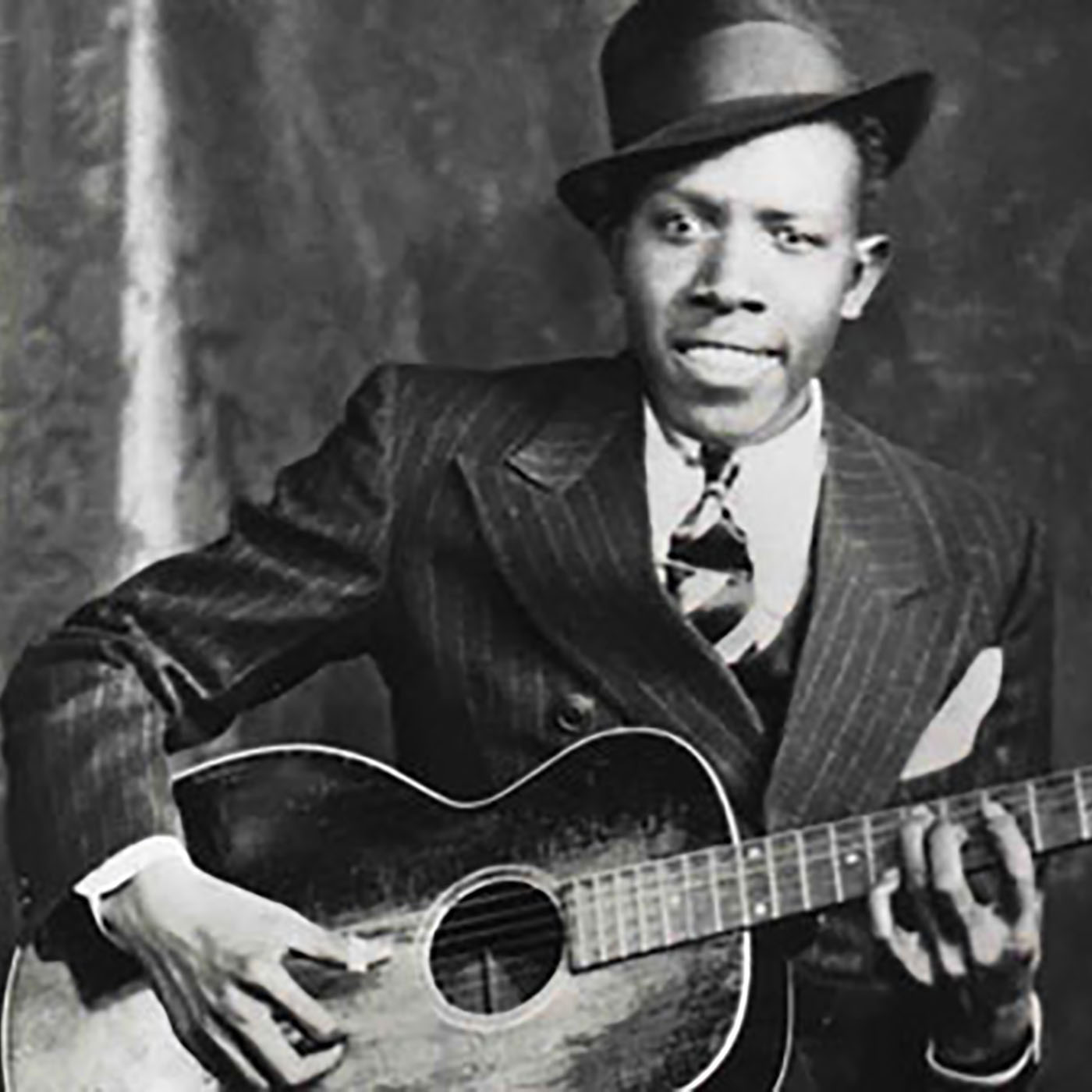
A Guitar, A Cello, and the Day that Changed Music
November 23, 1936 was a good day for recorded music. Two men – an ocean apart – sat before a microphone and began to play. One was a cello prodigy who had performed for the Queen of Spain; the other played guitar and was a regular in the juke joints of the Mississippi Delta. But on this day 75 years ago, Pablo Casals and Robert Johnson both made recordings that would change music history. Learn about your ad choices: dovetail.prx.org/ad-choices
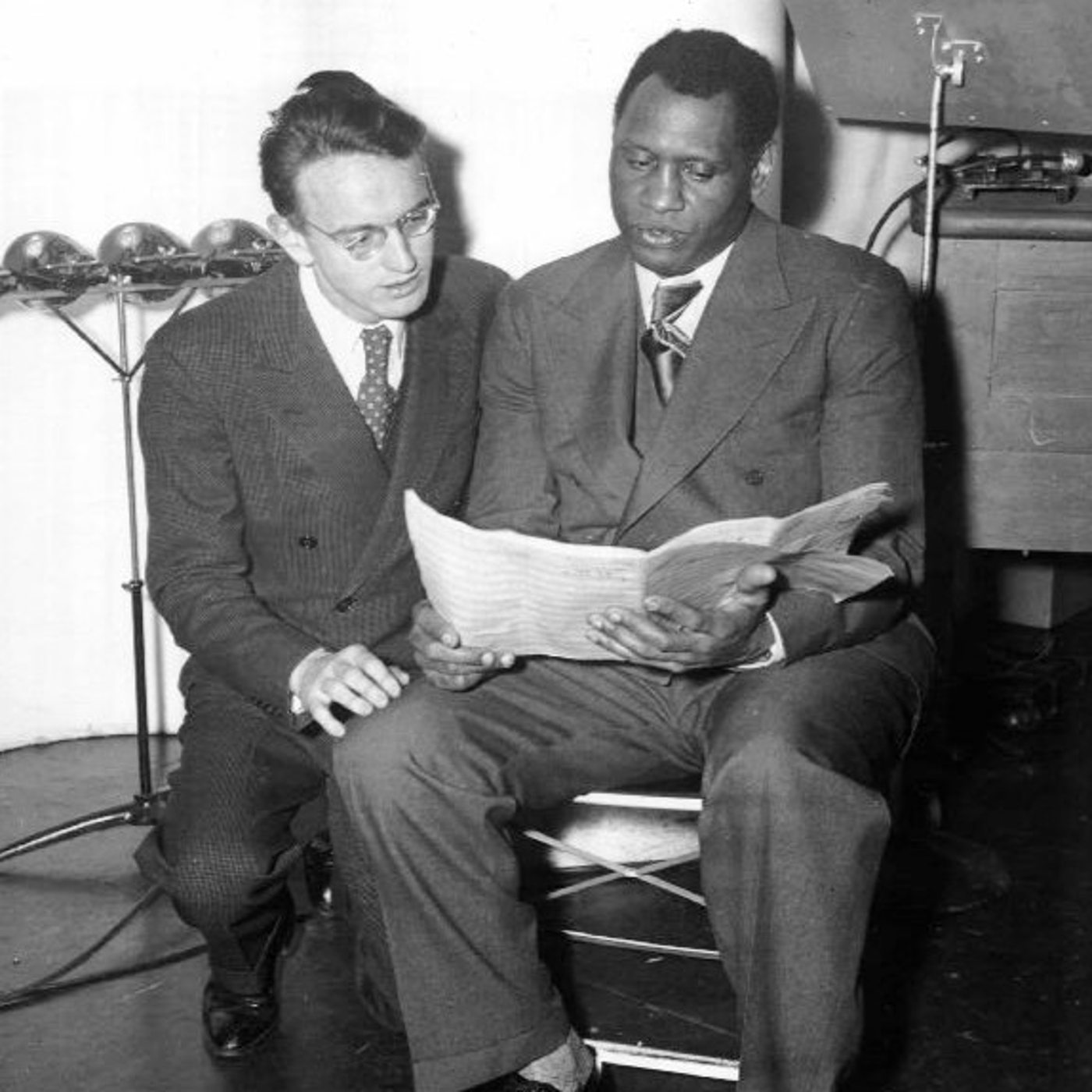
The Song That Crossed Party Lines
Our country is so politically polarized these days, it’s hard to remember a time when Republicans and Democrats could agree on anything at all. In today’s episode, we’re going back almost 80 years, to another extremely polarized moment in American history. It was 1940, and the U.S. was deeply divided about engaging in World War II. Franklin Roosevelt was running for his third term, facing a Republican challenger, Wendell Wilkie. But that election season, the Republican Party, The Democrats, and even the Communist Party managed to agree on one thing: A song. It was called “Ballad for Americans.” Learn about your ad choices: dovetail.prx.org/ad-choices
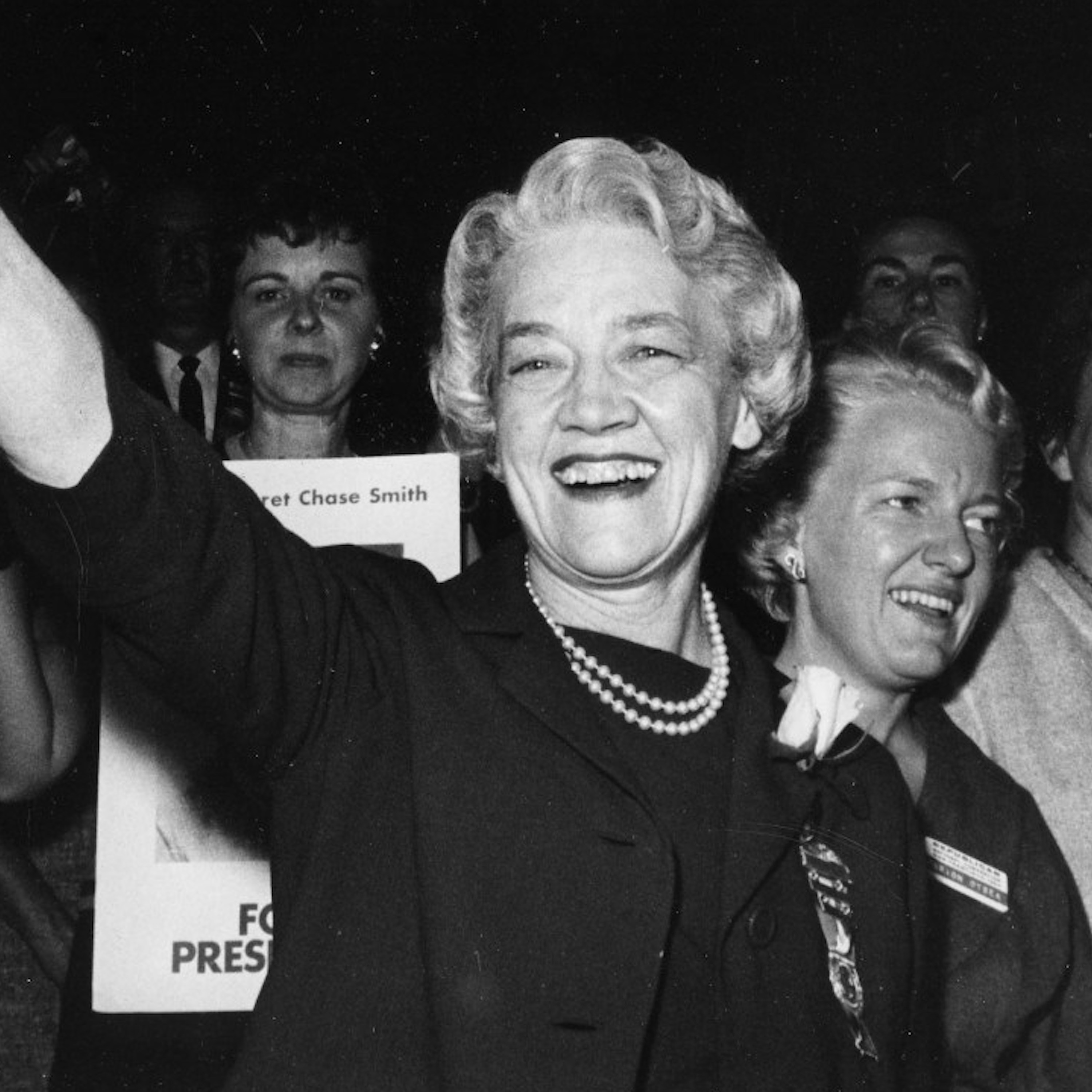
Campaigning While Female
A record-breaking number of women are running for Congress in the midterm elections this November. There are 257, dwarfing all previous years. And in 2020, we’ll likely see a record number of women running for President as well. It's a historic moment for women in politics. But what many people don’t know is that - over the years - there have actually been more than 35 women who have run for President. Today on the show we have three stories of women who launched bids to be President of the United States: Victoria Woodhull, Margaret Chase Smith, and Shirley Chisholm. These stories are part of our series, Contenders. Sponsored by Quip - get your first refill pack FREE by going to getquip.com/diaries. Learn about your ad choices: dovetail.prx.org/ad-choices
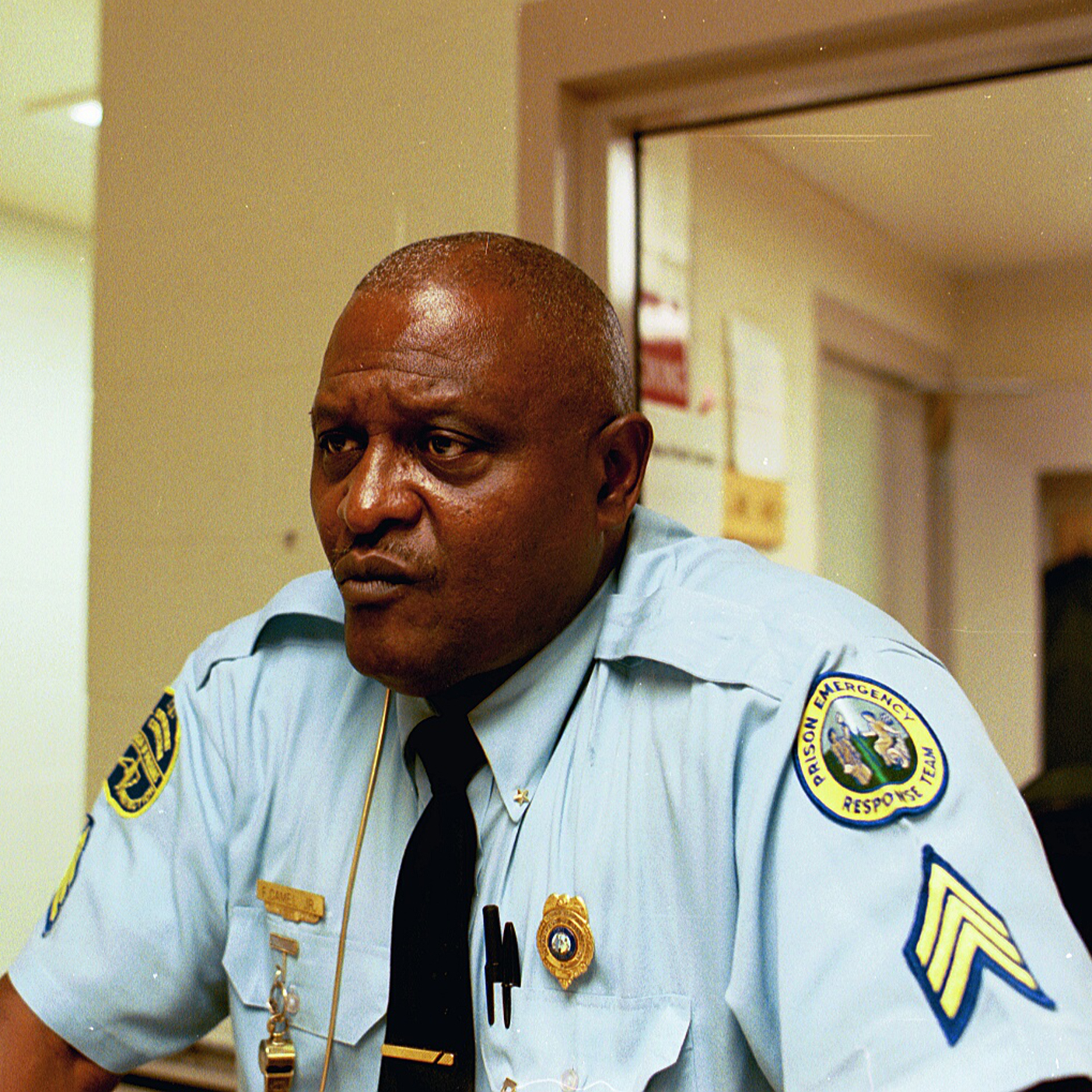
Serving Time 9-5: Diaries from Prison Guards
Sergeant Furman Camel spent 27 years in a North Carolina Prison. That's as many years as Nelson Mandela spent behind bars. But Camel did his time, as likes to say, in 8 hour shifts. "I wear this uniform with pride. Everyday that I come in here I'm creased down. My shoes are shined. And I smell good. The uniform is 90% of the job. Looking the part." In this episode we bring you audio diaries from the prison guards who work at Polk Youth Institution. Learn about your ad choices: dovetail.prx.org/ad-choices
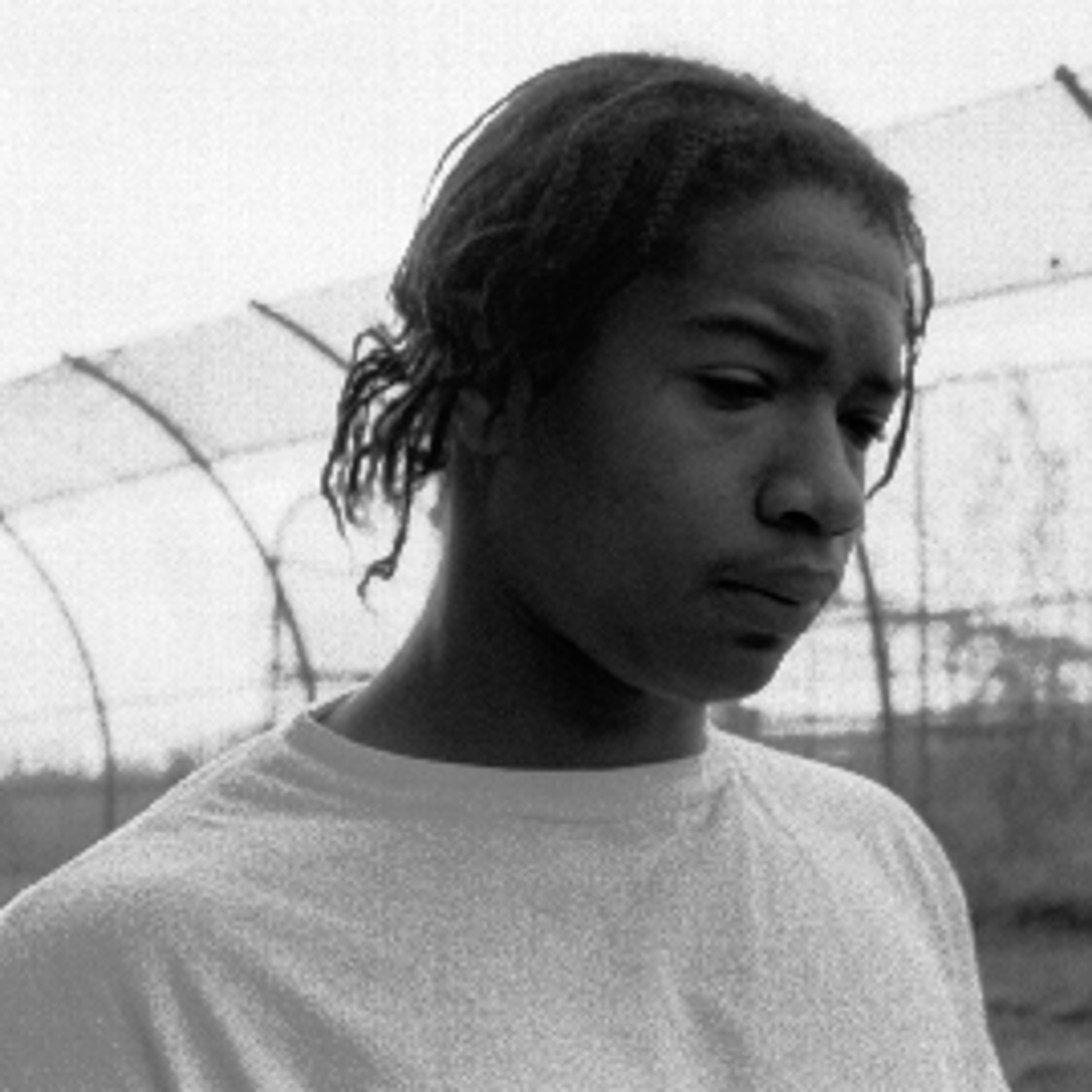
Matthew and the Judge
We gave Judge Jeremiah, a Rhode Island juvenile court judge, and Matthew, a 16-year-old repeat offender, tape recorders. Through their audio diaries, Matthew and the judge tell the same story from two different sides of the bench. Learn about your ad choices: dovetail.prx.org/ad-choices
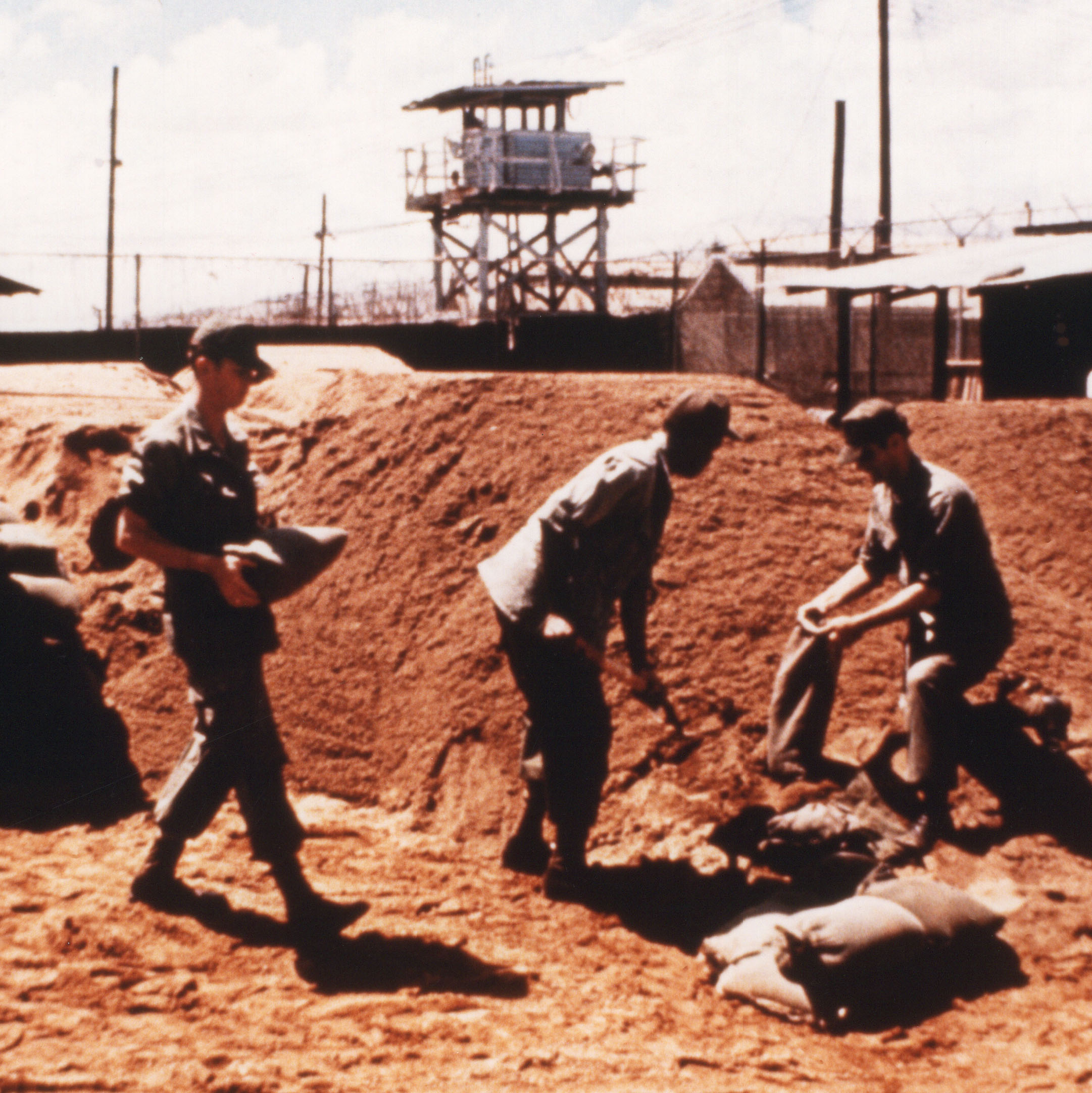
Prisoners of War
EDuring the war in Vietnam, there was a notorious American military prison on the outskirts of Saigon, called Long Binh Jail. But LBJ wasn’t for captured enemy fighters, it was for American soldiers. These were men who had broken military law. And there were a lot of them. As the unpopular war dragged on, discipline frayed and soldiers started to rebel. By the summer of 1968, over half the men in Long Binh Jail were locked up on AWOL charges. Some were there for more serious crimes, others for small stuff, like refusing to get a haircut. The stockade had become extremely overcrowded. Originally built to house 400 inmates, it became crammed with over 700 men, more than half African American. On August 29th, 1968, the situation erupted. Fifty years later, we’re bringing you that story. Sponsors: Quip – Get first refill pack FREE by going to www.getquip.com/diaries Learn about your ad choices: dovetail.prx.org/ad-choices
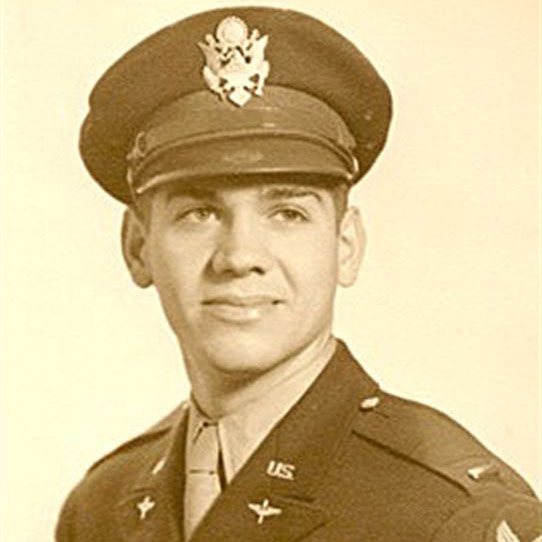
Last Witness: Mission to Hiroshima
On August 6, 1945 the United States dropped an atomic bomb on the city of Hiroshima, Japan. It was the first time a nuclear weapon had been used in warfare. There were three strike planes that flew over Hiroshima that day: the Enola Gay which carried the bomb, and two escort planes, the Great Artiste and the Necessary Evil. Russell Gackenbach was a Second Lieutenant and a navigator on the mission. Today, he is the only surviving crew member from those three planes. Know someone who’d make a good Last Witness? Get in touch! You can find us on Twitter and Facebook, use the hashtag #LastWitness. Sponsors: LinkedIn – Get $50 off your first job posting at www.linkedin.com/diaries and use code DIARIES at checkout. Quip – Get first refill pack FREE by going to www.getquip.com/diaries Learn about your ad choices: dovetail.prx.org/ad-choices
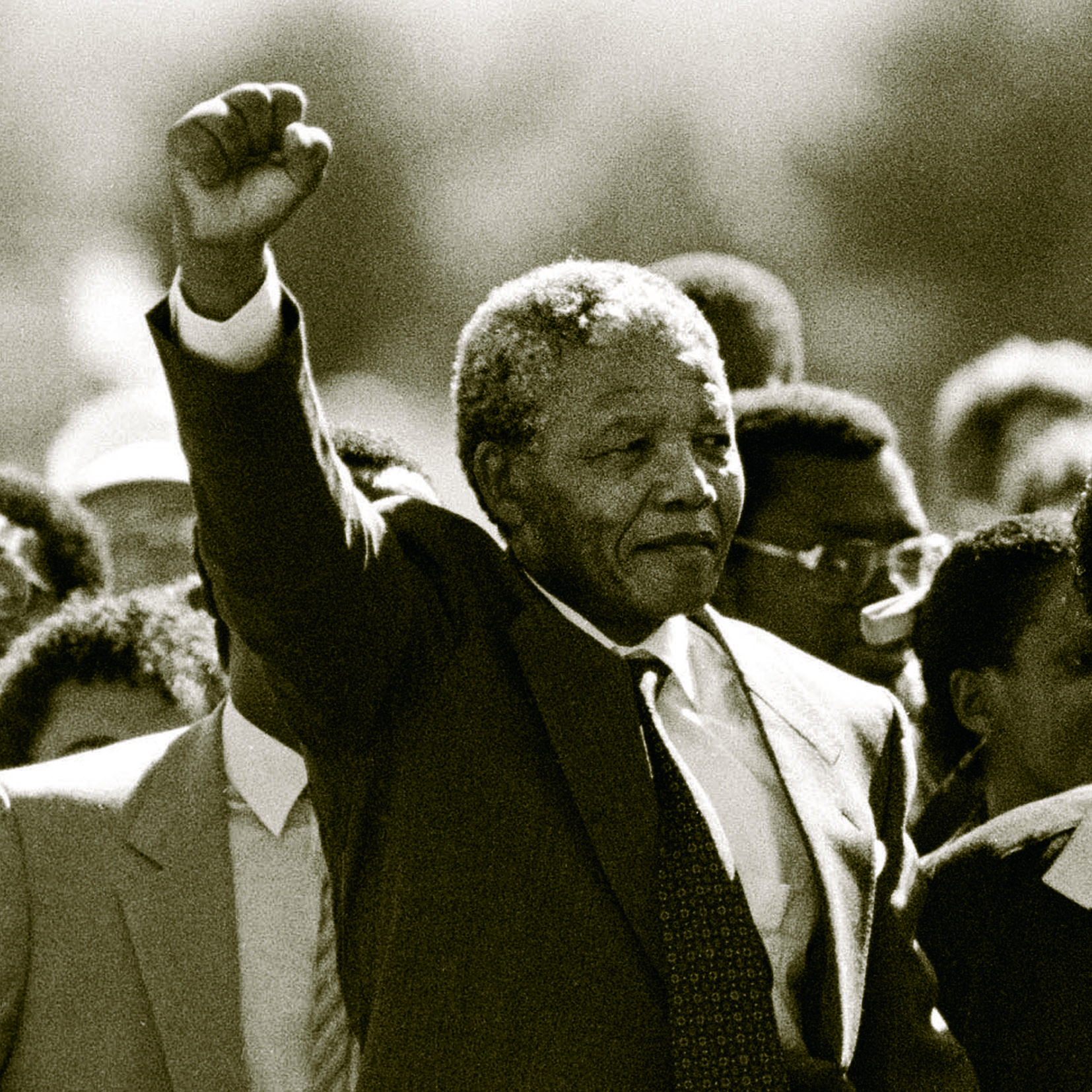
Nelson Mandela at 100
Nelson Mandela would have been 100 years old this week. And we’re marking the anniversary by bringing you our documentary, Mandela: An Audio History. This award-winning series chronicles the struggle against apartheid through intimate first-person accounts of Nelson Mandela himself, as well as those who fought with him, and against him. ************* Sponsors: _ LinkedIn, get $50 off your first job posting at www.linkedin.com/diaries and use code DIARIES at checkout._ Bombas, a sock company on a mission. Get 20% off at www.bombas.com/diaries and use code DIARIES at checkout. Learn about your ad choices: dovetail.prx.org/ad-choices
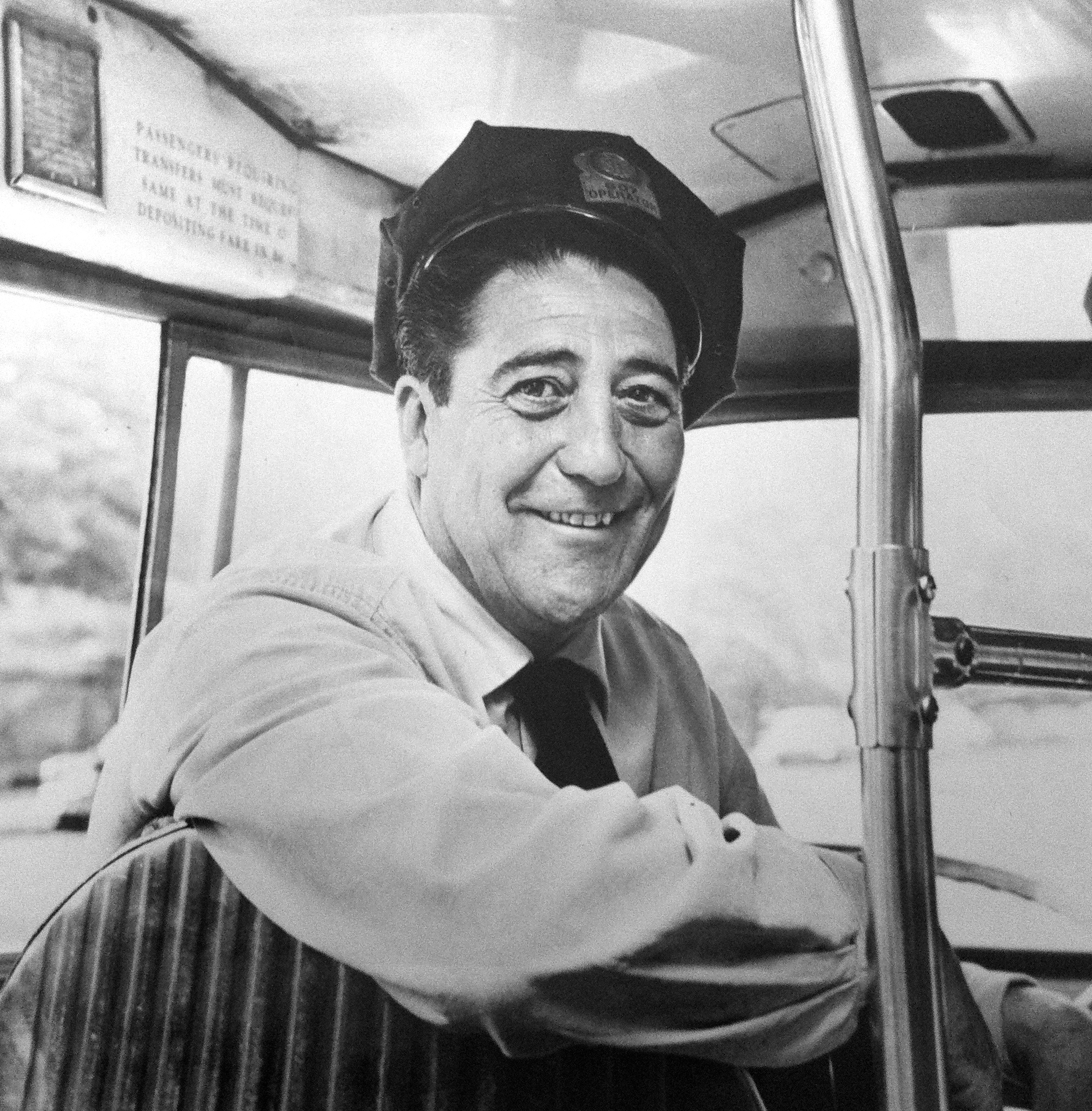
Busman’s Holiday
The story of William Cimillo, a New York City bus driver who snapped one day in 1947 and went on a 1,300 mile detour with his bus… to Florida. ************* This episode is sponsored by Quip. _ _Brush Better with a new kind of toothbrush. Go to www.getquip.com/diaries to get your first refill pack FREE. Learn about your ad choices: dovetail.prx.org/ad-choices
Last Witness: The General Slocum
On June 15, 1904, a steamship called the General Slocum left the pier on East Third Street in New York City just after 9 AM. The boat was filled with more than 1,300 residents of the Lower East Side. Many of the passengers were recent German immigrants who were headed up the east river for a church outing, a boat cruise and picnic on Long Island. But they would never make it. We interviewed the last living survivor of the General Slocum, Adella Wotherspoon, when she was 100 years old. Today we’re bringing you her story as part of our series, Last Witness. Plus, a portrait of the last civilian lighthouse keeper in the U.S. Know someone who’d make a good Last Witness? Get in touch! You can find us on Twitter and Facebook, use the hashtag #LastWitness. Sponsors: Bombas – Get 20% off at www.bombas.com/diaries and use code DIARIES at checkout. LinkedIn – Get $50 off your first job posting at www.linkedin.com/diaries and use code DIARIES at checkout. TalkSpace – Go to www.talkspace.com/PRX and use code PRX to get $45 off your first month. Learn about your ad choices: dovetail.prx.org/ad-choices
Last Witness: Surviving the Tulsa Race Riot
On May 31, 1921, six-year-old Olivia Hooker was home with her family when a group of white men launched an attack on the Greenwood section of Tulsa, Oklahoma. In less than 24 hours, the mobs destroyed more than 1000 homes and businesses. It’s estimated as many as 300 people were killed. The Tulsa Race Riot is considered one of the worst incidents of racial violence in American history. Olivia Hooker, now 103, is the last surviving witness to the events of that day. Know someone who’d make a good Last Witness? Get in touch! You can find us on Twitter and Facebook, use the hashtag #LastWitness. Sponsors: Bombas – Get 20% off at www.bombas.com/diaries and use code DIARIES at checkout. LinkedIn – Get $50 off your first job posting at www.linkedin.com/diaries and use code DIARIES at checkout. TalkSpace – Go to www.talkspace.com/PRX and use code PRX to get $45 off your first month. Learn about your ad choices: dovetail.prx.org/ad-choices
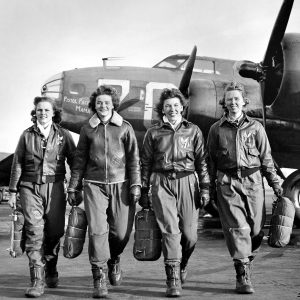
Fly Girls
In the early 1940s, the U.S. Air Force faced a dilemma. Thousands of new airplanes were coming off assembly lines and needed to be delivered to military bases nationwide, yet most of America’s pilots were overseas fighting the war. To solve the problem, the government launched an experimental program to train women pilots. They were known as the WASPs, the Women Air Force Service Pilots. Learn about your ad choices: dovetail.prx.org/ad-choices
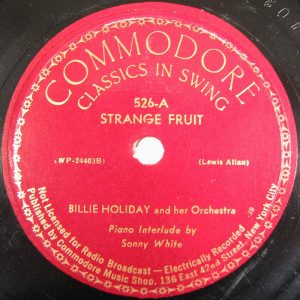
Strange Fruit, Revisited
EOver the past few years, there’s been a movement to tear down the Confederate monuments dotted all over the south. At the same time, there are some new monuments going up. On April 26, the nation’s first lynching memorial will open in Montgomery, Alabama. It’s called the National Memorial for Peace and Justice, and it pays tribute to the more than 4,400 black people who were killed by lynch mobs between 1877 and 1950. Visitors will walk underneath more than 800 suspended columns, each representing a county where a lynching occurred. One of those columns represents a lynching in Marion, Indiana. It’s the lynching that inspired the song, Strange Fruit. And it’s the only known lynching where a person survived. His name was James Cameron. This is his story – and the story of the white residents who witnessed and took part in the events of that day. This is Strange Fruit. Learn about your ad choices: dovetail.prx.org/ad-choices

Crime Pays
There’s a program in Richmond, CA that has a controversial method of reducing gun violence in their city: paying criminals to not commit crimes. Sounds crazy, but the even crazier part is…it works. Learn about your ad choices: dovetail.prx.org/ad-choices
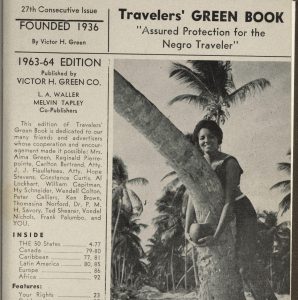
The Green Book
The 1950s were the golden age of the American road trip. But of course freedom of movement didn’t apply to all Americans. Jim Crow was the law in the South. Traveling while Black wasn’t easy. Today on the podcast we’re bringing you a story about how Black travelers made a secret road map so they could get around safely. It’s told by our friends and fellow Radiotopians at 99% Invisible. Learn about your ad choices: dovetail.prx.org/ad-choices
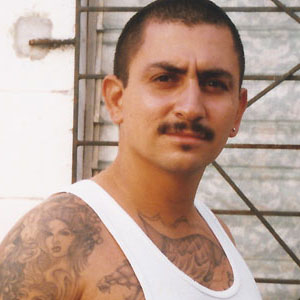
Deported: Weasel’s Diary
At 26-years-old, Jose William Huezo Soriano—a.k.a. Weasel—was deported back to his parents’ home country, El Salvador, a country he hadn’t seen since he was 5. This is his audio diary. Learn about your ad choices: dovetail.prx.org/ad-choices
Nine Months Before Rosa Parks
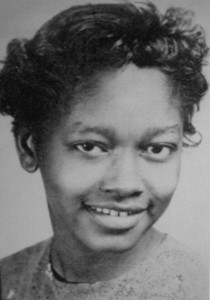
You’ve heard of Rosa Parks, but do you know about Claudette Colvin? On March 2, 1955, when Claudette was 15 years old, she refused to give up her seat to a white passenger on a segregated bus in Montgomery, AL. This was nine months before Rosa Parks did the same thing. Learn about your ad choices: dovetail.prx.org/ad-choices
A Voicemail Valentine
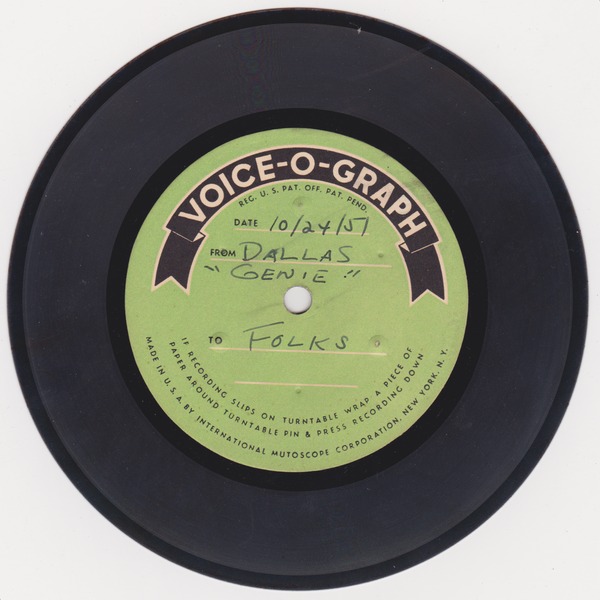
Nowadays we’re very accustomed to recording and hearing the sound of our own voices. But in the 1930s many people were doing it for the first time. And a surprising trend began. People started sending their voices to each other, through the postal service. It was literally: voice-mail. We recently combed through a large collection of early voicemail at the Phono Post Archive, and we discovered that many of these audio letters are about the same thing: Love. *** This episode is supported by Zola, a company that’s reinventing wedding planning. To sign up and receive a 50 dollar credit towards your own registry, go to http://www.zola.com/radiodiaries Learn about your ad choices: dovetail.prx.org/ad-choices
The Story of Jane
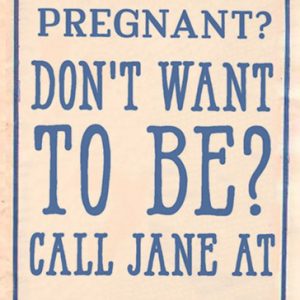
EAbortion is one of the most divisive issues in American life and politics. 45 years after Roe vs. Wade – our country is still split. It’s easy to forget that it wasn’t so long ago when abortions were illegal everywhere in the United States. In 1965, an underground network formed in Chicago to help pregnant women get abortions. At first, they connected women with doctors willing to break the law to perform the procedure. Eventually, they were trained and began performing abortions themselves. The group called itself “Jane.” Over the years, Jane performed more than 11,000 first and second trimester abortions. Learn about your ad choices: dovetail.prx.org/ad-choices
The Dropped Wrench
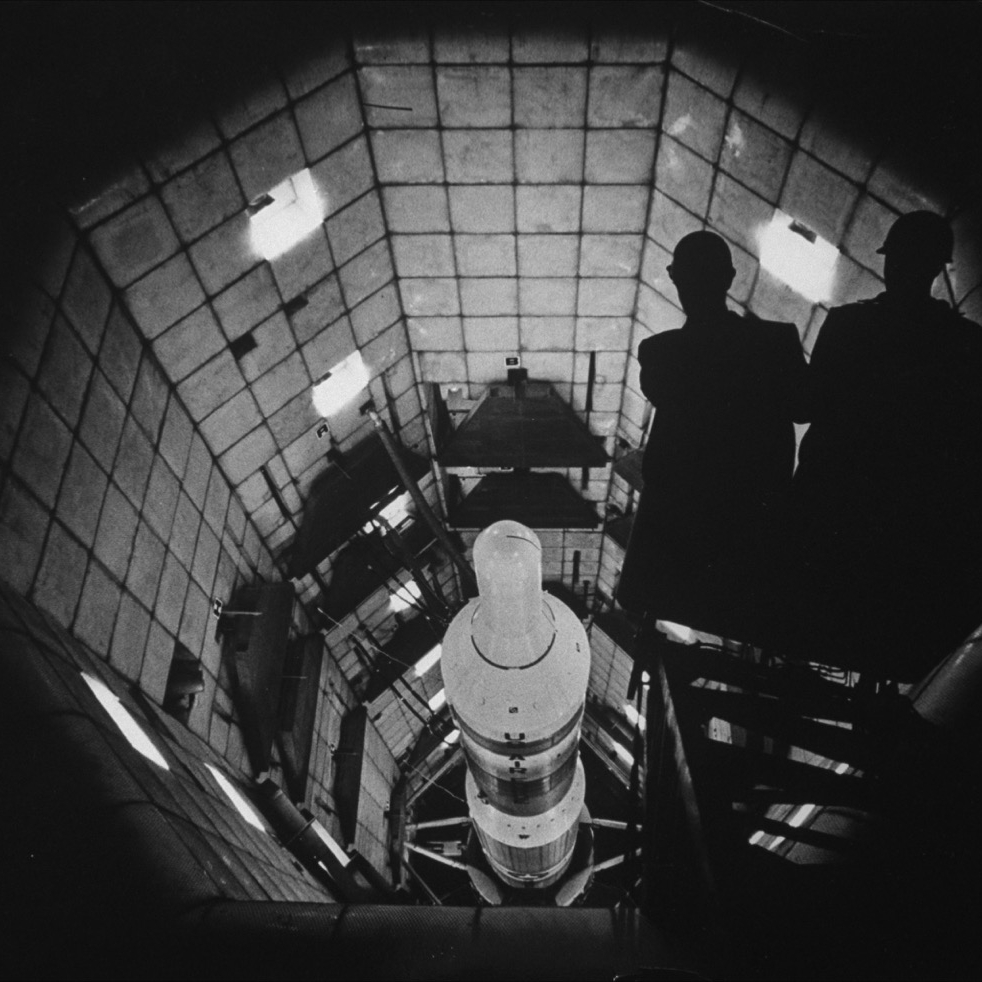
Every day, we go about our lives doing thousands of routine, mundane tasks. And sometimes, we make mistakes. Human error. It happens all the time. It just doesn’t always happen in a nuclear missile silo. A collaboration with This American Life. *** If you enjoy this podcast, please consider making a donation before the end of the year. www.radiodiaries.org/donate Thank you! Learn about your ad choices: dovetail.prx.org/ad-choices

Majd’s Diary: Two Years in the Life of a Saudi Girl
Majd Abdulghani is a teenager living in Saudi Arabia, one of the most restrictive countries for women in the world. She wants to be a scientist. Her family wants to arrange her marriage. From the age of 19 to 21, Majd has been chronicling her life with a microphone, taking us inside a society where the voices of women are rarely heard. In her audio diary, Majd documents everything from arguments with her brother about how much she should cover herself in front of men, to late night thoughts about loneliness, arranged marriages, and the possibility of true love. Learn about your ad choices: dovetail.prx.org/ad-choices
Under the Radar
16 years after recording his teenage diary, Juan now lives in Colorado. He has a house, a good job, and three American kids. But…he’s still undocumented. This is Juan’s story, from our series, Teenage Diaries Revisited. *** We are proud to be founding members of Radiotopia, a network of the most creative, smart, and inspiring podcasts in the world. We hope you’ll become a Radiotopia citizen today! Go to www.radiotopia.fm to donate and support the podcasts you love. Learn about your ad choices: dovetail.prx.org/ad-choices

Juan’s Story, Live at the Moth
Juan crossed the U.S.-Mexico border illegally as a teen, and settled with his family in Texas. In 1996, he recorded an audio diary for our Teenage Diaries project. In this week’s episode, listen to Juan’s Teenage Diary, as well as a new story that he told live on stage (as a grown-up) at The Moth. *** We are proud to be founding members of Radiotopia, a network of the most creative, smart, and inspiring podcasts in the world. We hope you’ll become a Radiotopia citizen today! Go to www.radiotopia.fm to donate and support the podcasts you love. Learn about your ad choices: dovetail.prx.org/ad-choices
The Two Lives of Asa Carter
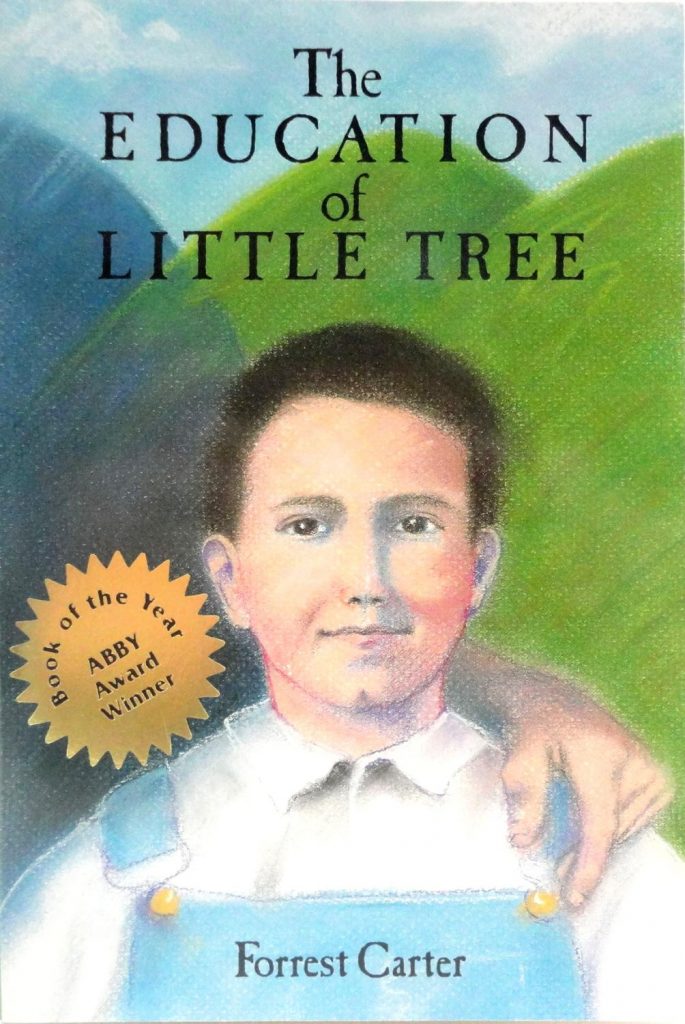
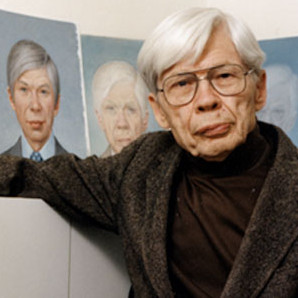
Asa Carter and Forrest Carter couldn’t have been more different. But they shared a secret. The Education of Little Tree, by Forrest Carter, is an iconic best-selling book, with a message about living in harmony with nature, and compassion for people of all kinds. But there’s a very different story behind the book. It begins with the most infamous racist political speech in American History. This week on the Radio Diaries Podcast, the true story of the untrue story of The Education of Little Tree. Learn about your ad choices: dovetail.prx.org/ad-choices
The Last Place
When you spend so much of your life getting to the next stage, thinking about the next move, what is it like to find yourself in…the Last Place? In this episode, we bring you audio diaries from a retirement home. Learn about your ad choices: dovetail.prx.org/ad-choices

The Working Tapes of Studs Terkel (Hour Special)
For Labor Day, we’re bringing you a special, one hour episode of our series The Working Tapes of Studs Terkel. In 1974, oral historian Studs Terkel published a book with an unwieldy title: “Working: People talk about what they do all day and how they feel about what they do.” This collective portrait of America was based on more than a hundred interviews Studs did around the country. And after “Working” came out, something surprising happened. It became a bestseller. It even inspired a Broadway musical. Something about ordinary people talking about their daily lives, struck a cord. Studs recorded all of his interviews on a reel-to-reel tape recorder, but after the book came out the tapes were packed away in boxes and few have ever been heard. On this episode of the podcast, we’re bringing you eleven stories from the book. There’s the telephone switchboard operator, the Chicago police officer, the private eye, the hotel piano player and many more. Learn about your ad choices: dovetail.prx.org/ad-choices
Willie McGee and The Traveling Electric Chair
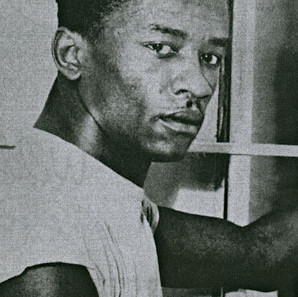
EIn 1945, Willie McGee was accused of raping a white woman. The all-white jury took less than three minutes to find him guilty and McGee was sentenced to death. Over the next six years, the case went through three trials and sparked international protests and appeals. But in 1951, McGee was put to death in Mississippi’s traveling electric chair. His execution was broadcast live by a local radio station. Narrated by Bridgette McGee, this documentary follows a granddaughter’s search for the truth. *** We want to know more about you and what you think of this podcast! Please fill out our survey at www.surveynerds.com/radiodiaries It’s a small thing, but one that will help us out a lot. Thanks. Learn about your ad choices: dovetail.prx.org/ad-choices
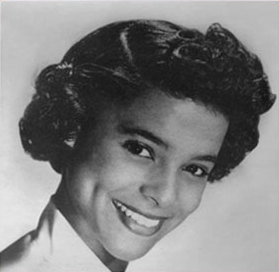
Miss Subways
Most beauty pageants promote the fantasy of the ideal woman. But for 35 years, one contest in New York City celebrated the everyday working girl. Each month starting in 1941, a young woman was elected “Miss Subways,” and her face gazed down on transit riders as they rode through the city. Her photo was accompanied by a short bio describing her hopes, dreams and aspirations. The public got to choose the winners – so Miss Subway represented the perfect New York miss. She was also a barometer of changing times. Miss Subways was one of the first integrated beauty pageants in America. An African-American Miss Subways was selected in 1948 – more than thirty years before there was a black Miss America. By the 1950s there were Miss Subways who were Black, Asian, Jewish, and Hispanic – the faces of New York’s female commuters. Learn about your ad choices: dovetail.prx.org/ad-choices
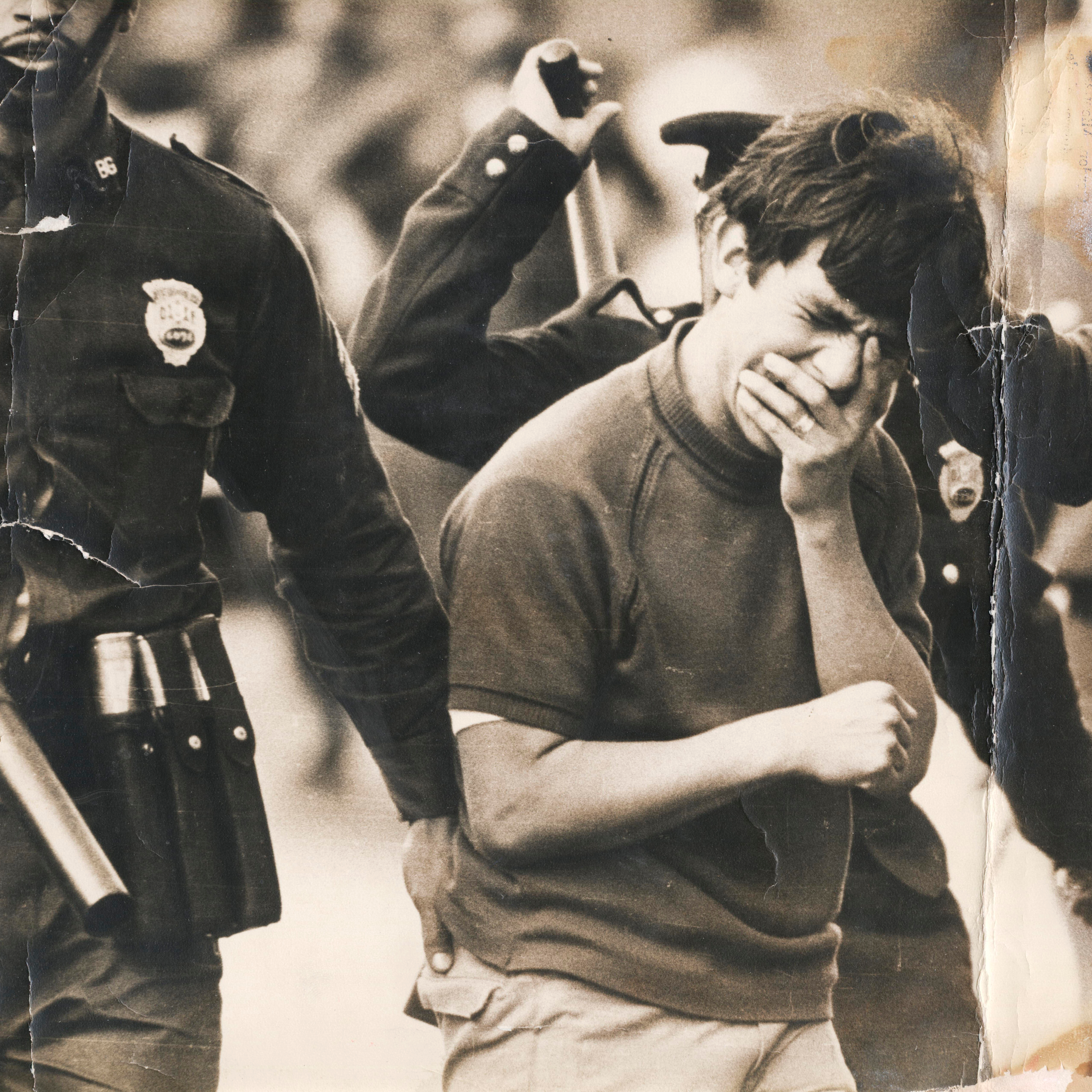
Mexico ’68 and the Tlatelolco Massacre
In 1968, Mexico City was preparing to host the Olympics. It was the first time that a Latin American country would host the Games, and the government was hoping to show off the new, modern, Mexico. At the same time, student protests were regularly sweeping through the streets of Mexico City. And just 10 days before the Olympics were to begin, on October 2, the Mexican army fired on a peaceful student demonstration in the Tlatelolco neighborhood. The official announcement was that four students were dead, but eyewitnesses said they saw hundred of dead bodies being trucked away. The Tlatelolco Massacre is one of the darkest episodes in Mexican history. Over the years, the death toll isn’t the only thing the government has covered up. Learn about your ad choices: dovetail.prx.org/ad-choices
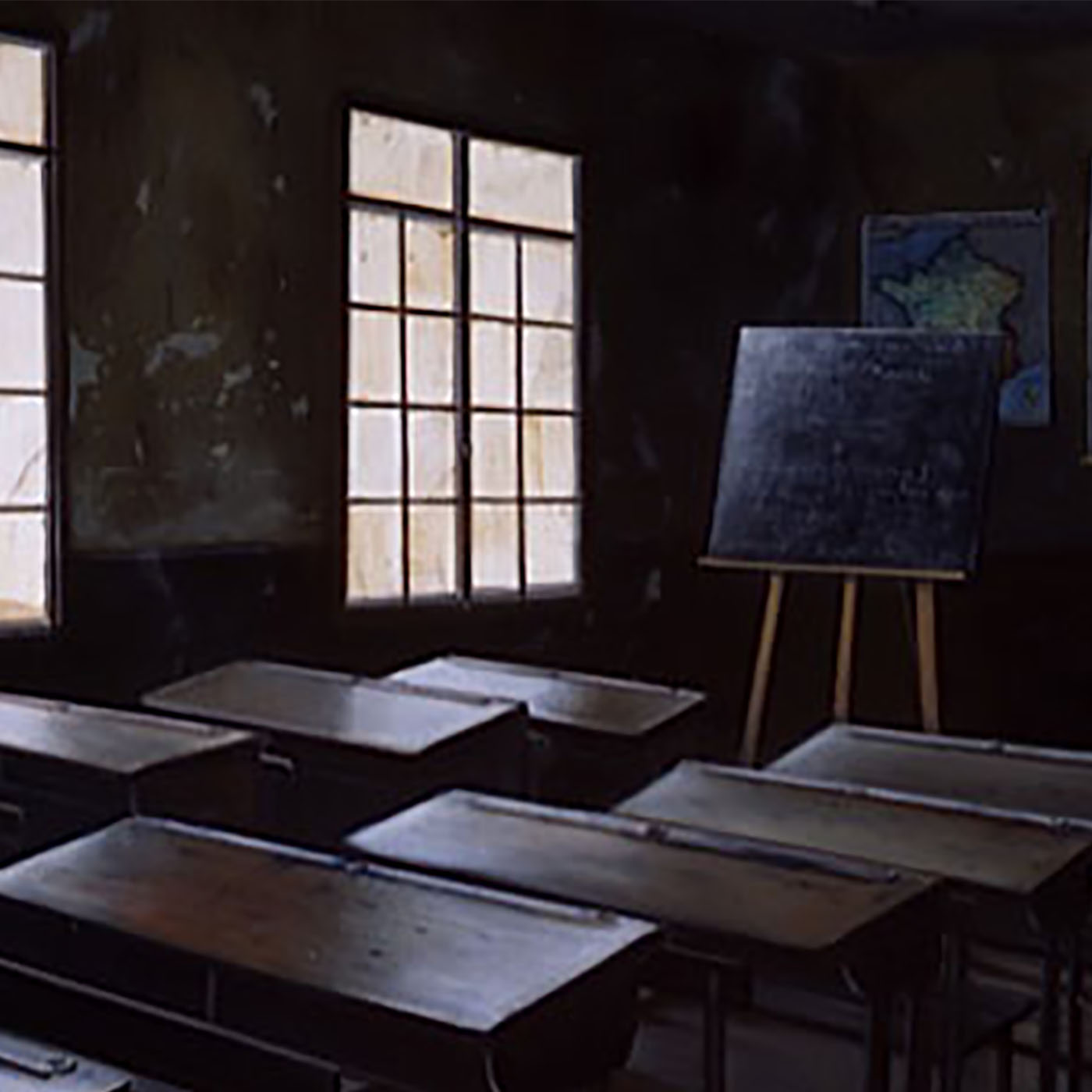
The Rubber Room
EThe New York City public school system is huge. More than a million students, all being taught by 75,000 teachers. Except, a few hundred of those teachers are being paid NOT to teach. These are teachers who are accused of misconduct. Often without warning, they’re removed from their classrooms and sent to a Department of Education reassignment center. Teachers call it: “The Rubber Room.” The truth is, some of these teachers haven’t done anything wrong. And sometimes they don’t even know why they’ve ended up in the Rubber Room. But the worst part is that teachers can remain there for years while their cases slowly creep through the system. Not guilty, not innocent… just doing time. In 2010, the NYC Department of Education made an agreement with the Teachers Union to close the Rubber Room. Turns out, that hasn’t been so easy. Learn about your ad choices: dovetail.prx.org/ad-choices

The Oddest Town in America
This month, the big tent is finally coming down. After 146 years, Ringling Brothers and Barnum and Bailey are closing the ‘Greatest Show on Earth.’ The elephants have already retired to a farm in central florida. Where will the 400 human cast and crew members go next? Perhaps they’ll go just an hour west of that elephant farm…to Gibsonton, Florida. It was once known as the Oddest Town in America. Gibsonton – aka Gibtown – is where the Sideshow went to retire. Learn about your ad choices: dovetail.prx.org/ad-choices

Radio Diaries Live at the Moth
When our friends at the storytelling show, The Moth, heard Melissa Rodriguez’s audio diary, they invited her to tell a story live on stage, in a special show in Brooklyn. For Mother’s day, we’re bringing you Melissa’s story, as she told it live at The Moth. Learn about your ad choices: dovetail.prx.org/ad-choices
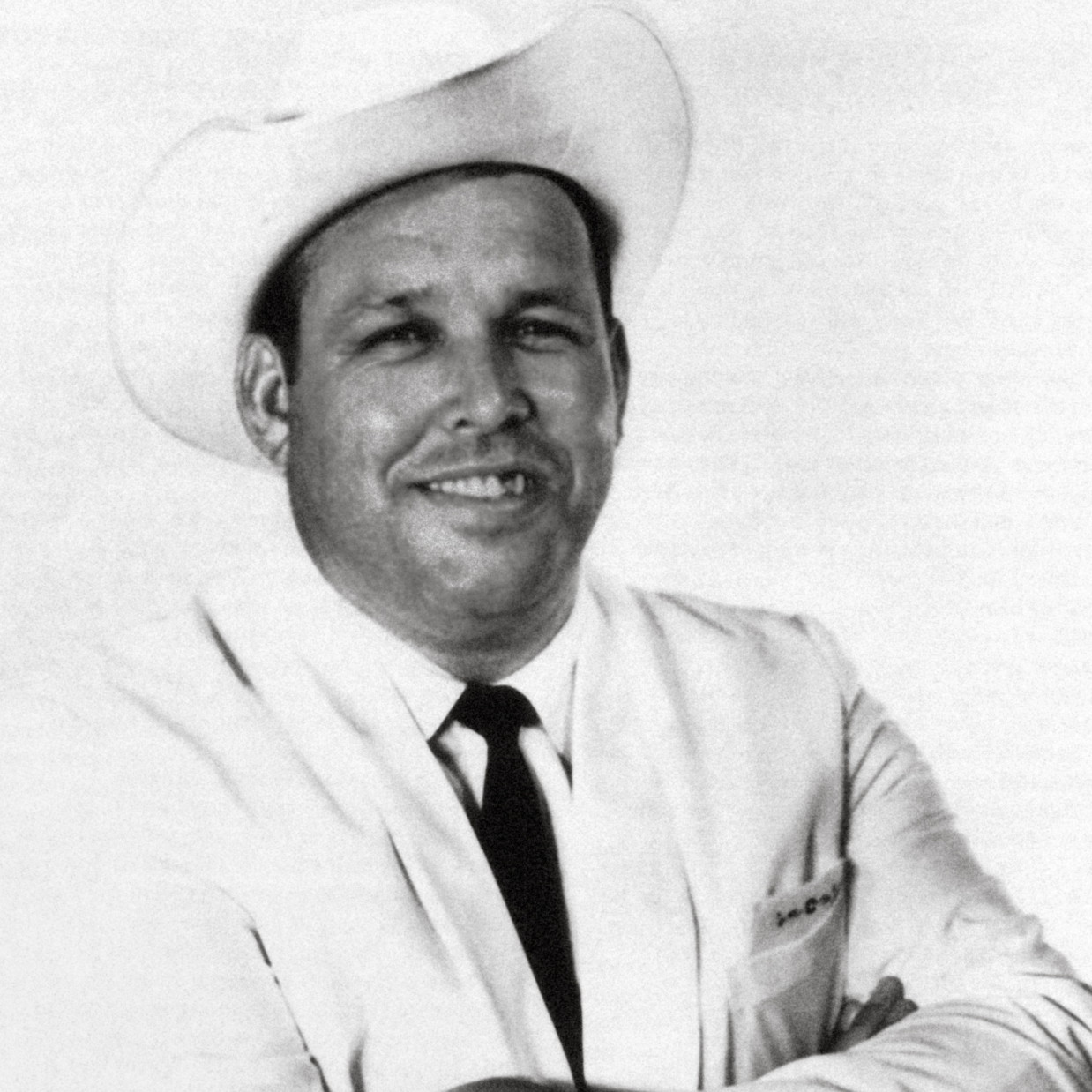
The Gospel Ranger
This is the story of a song, “Ain’t No Grave Gonna Hold My Body Down,” written by a 12-year-old boy on his deathbed. A boy who – instead of dying – went on to become a Pentecostal preacher. A boy who would later help inspire the birth of Rock & Roll. His name was Brother Claude Ely…and he was known as The Gospel Ranger. Learn about your ad choices: dovetail.prx.org/ad-choices