
Radio Diaries
273 episodes — Page 2 of 6
Mandela's Election: 30 Years Later
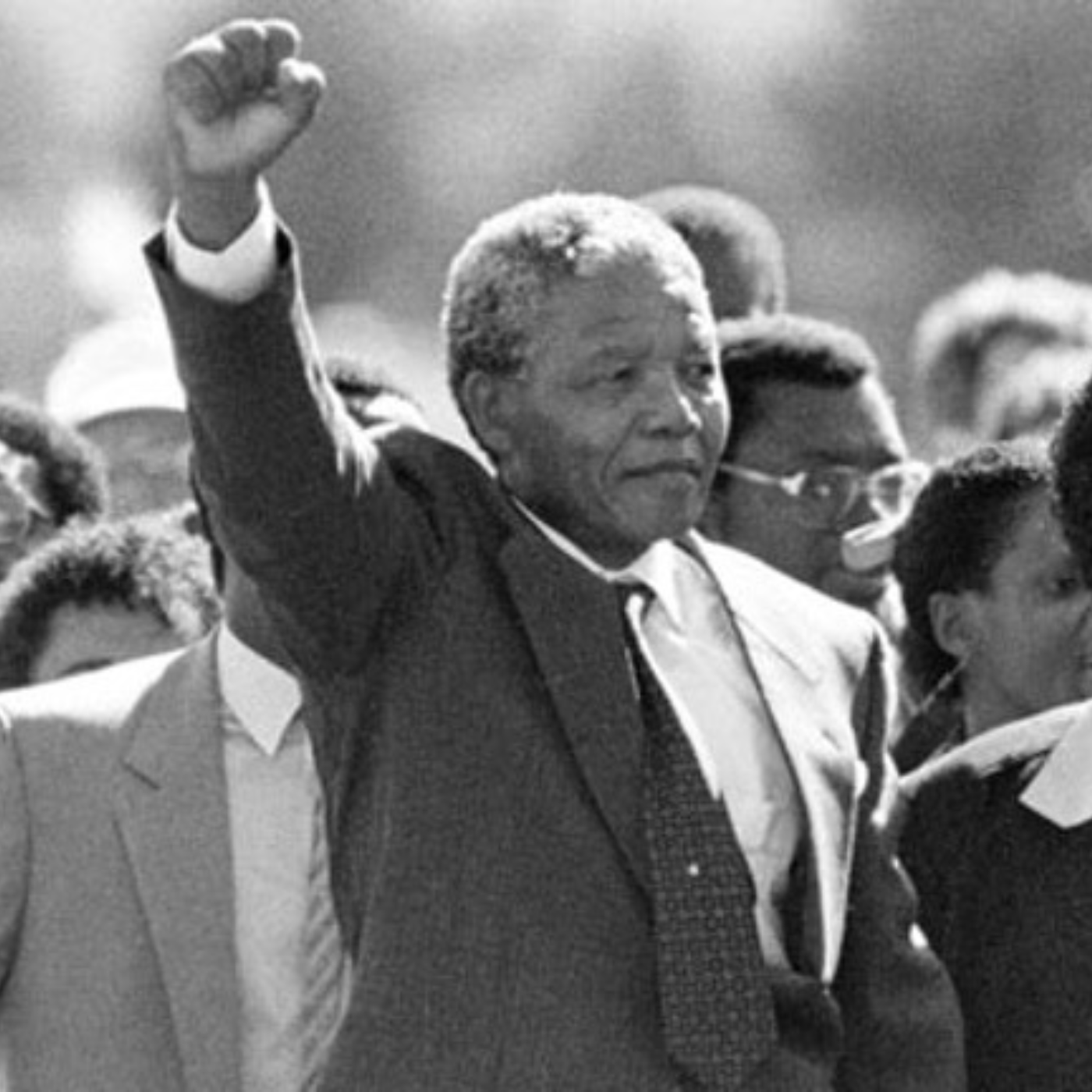
This month marks 30 years since Nelson Mandela became South Africa's first democratically elected president. However, the story of Mandela's rise to the presidency isn't all that simple. The four years between Mandela’s release from prison and his election to the presidency were some of the most violent in South Africa's history. That's the story you'll hear this week, as we revisit one of our favorite releases: Mandela: An Audio History.Listen to the full Mandela: An Audio History series at mandelahistory.org. Find all stories from Radio Diaries at radiodiaries.org.Follow us on X (formerly Twitter) and Instagram @radiodiaries. Learn about your ad choices: dovetail.prx.org/ad-choices
Working, Then and Now
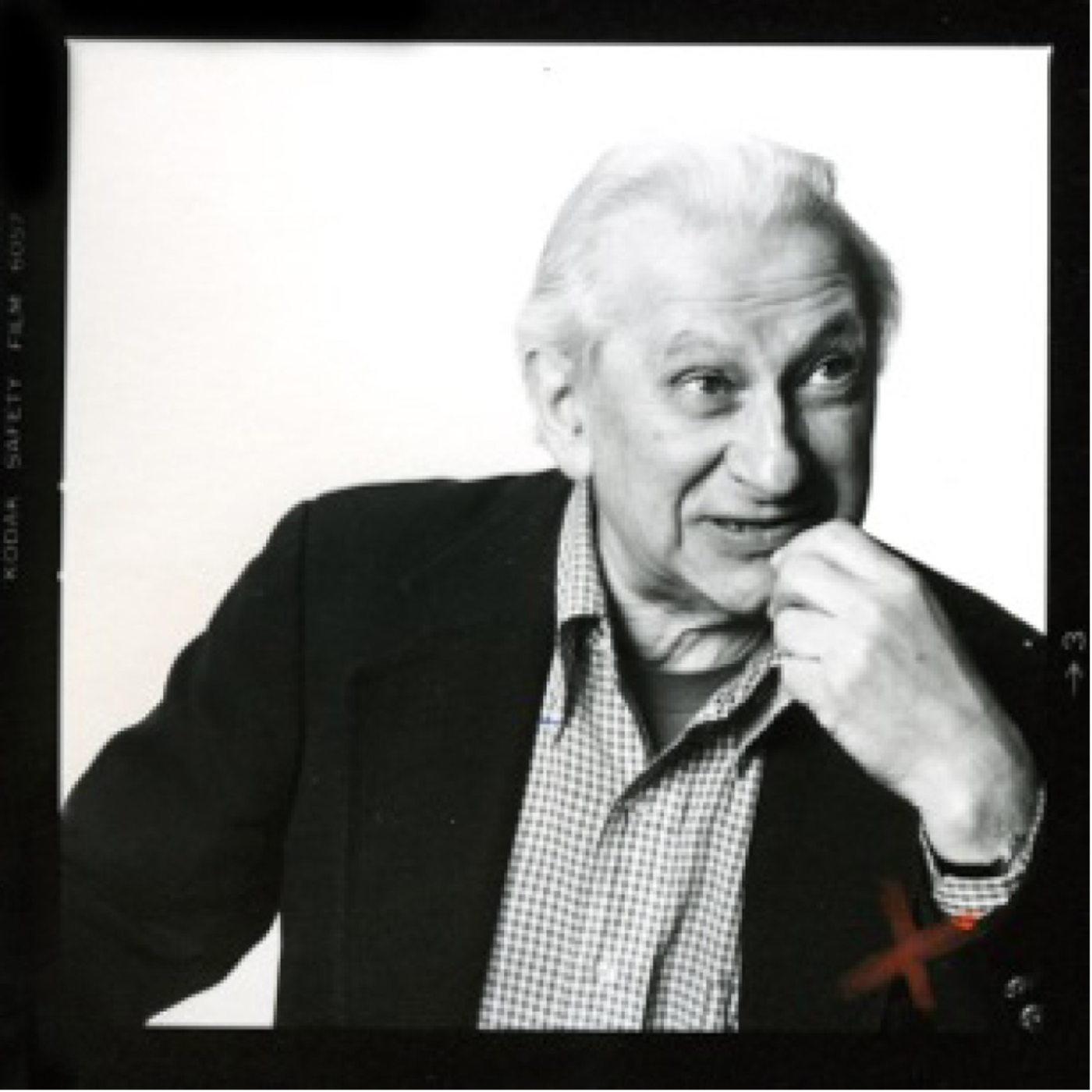
50 years ago, radio broadcaster Studs Terkel published a book called WORKING: People Talk About What They Do All Day, and How They Feel About What They Do. Terkel went around the country with a tape recorder and had conversations with ordinary Americans about their jobs and their reflections on them. The book ended up being an unexpected bestseller. For a long time, the recordings of these interviews went unheard, but back in 2015, we and Jane Saks at Project& were given access to the original raw interviews. We also tracked down some of the people Terkel had interviewed to catch up on their lives, and made a series called "Working, Then and Now." 50 years later, it's interesting how much some jobs have changed, and others have disappeared entirely. Today on the podcast, we revisit that series in an hour-long special. Learn about your ad choices: dovetail.prx.org/ad-choices
My Iron Lung (Revisited)
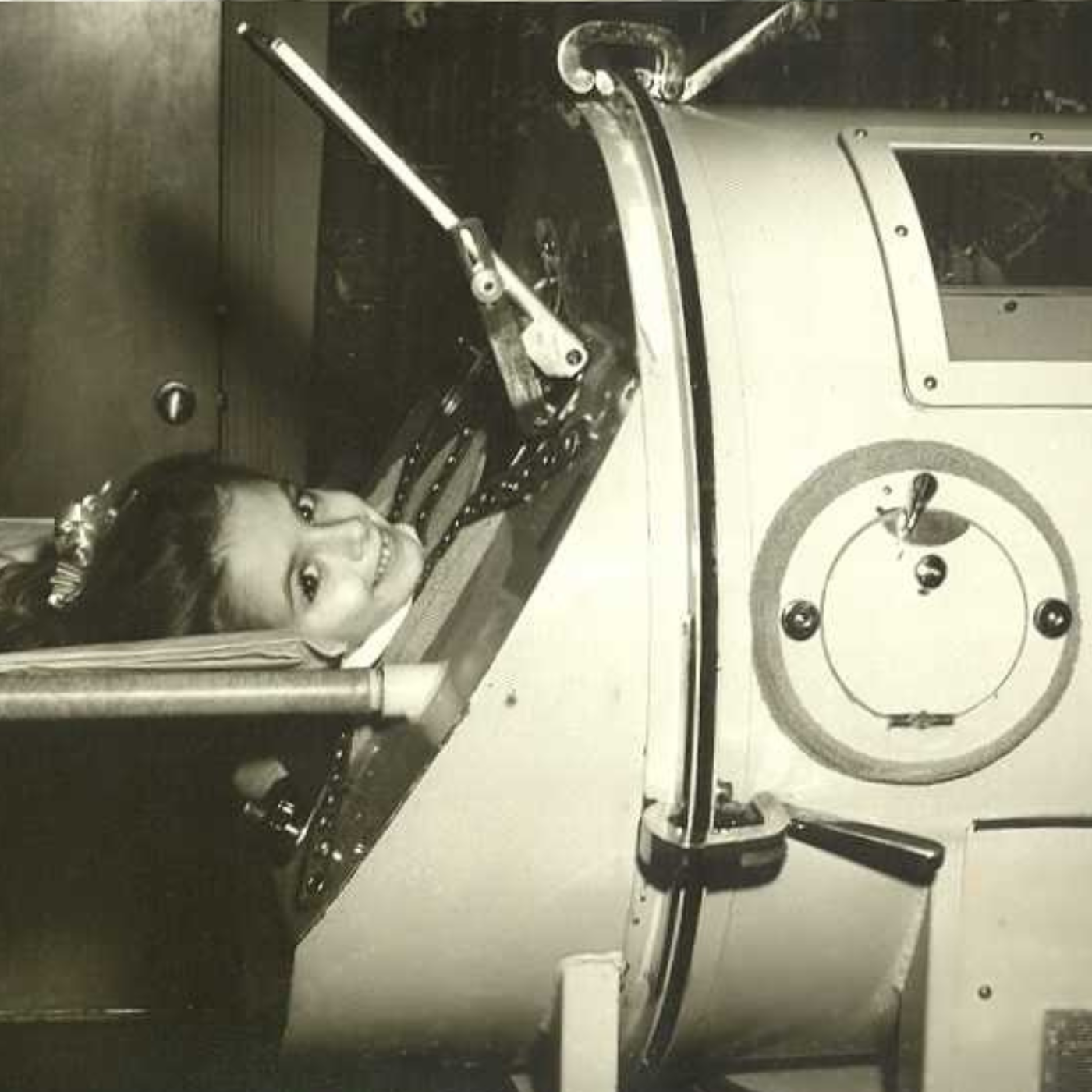
Paul Alexander, one of two people in the U.S. still relying on an iron lung to survive, died on March 11, 2024 at the age of 78. Paul contracted polio in 1952 at six years old, and has had to rely on an iron lung — a big metal ventilator that encases the body from the neck to toes — since then. We spoke to Paul a few years ago about his life and the lessons he’s learned from living under uncommon circumstances. So, this week on the podcast, we’re sharing some of that conversation, as well as revisiting the story of the now the only person in the U.S. still relying on an iron lung to survive: Martha Lillard. *** This story has support from the National Endowment for the Humanities and listeners like you. Music from Blue Dot Sessions, Epidemic Sounds and the song “Iron Lung” by Taylor Phelan and the Canes. Follow us on X (formerly Twitter), Instagram and Facebook @radiodiaries, and visit us at radiodiaries.org. Learn about your ad choices: dovetail.prx.org/ad-choices
My So-Called Lungs (Revisited)
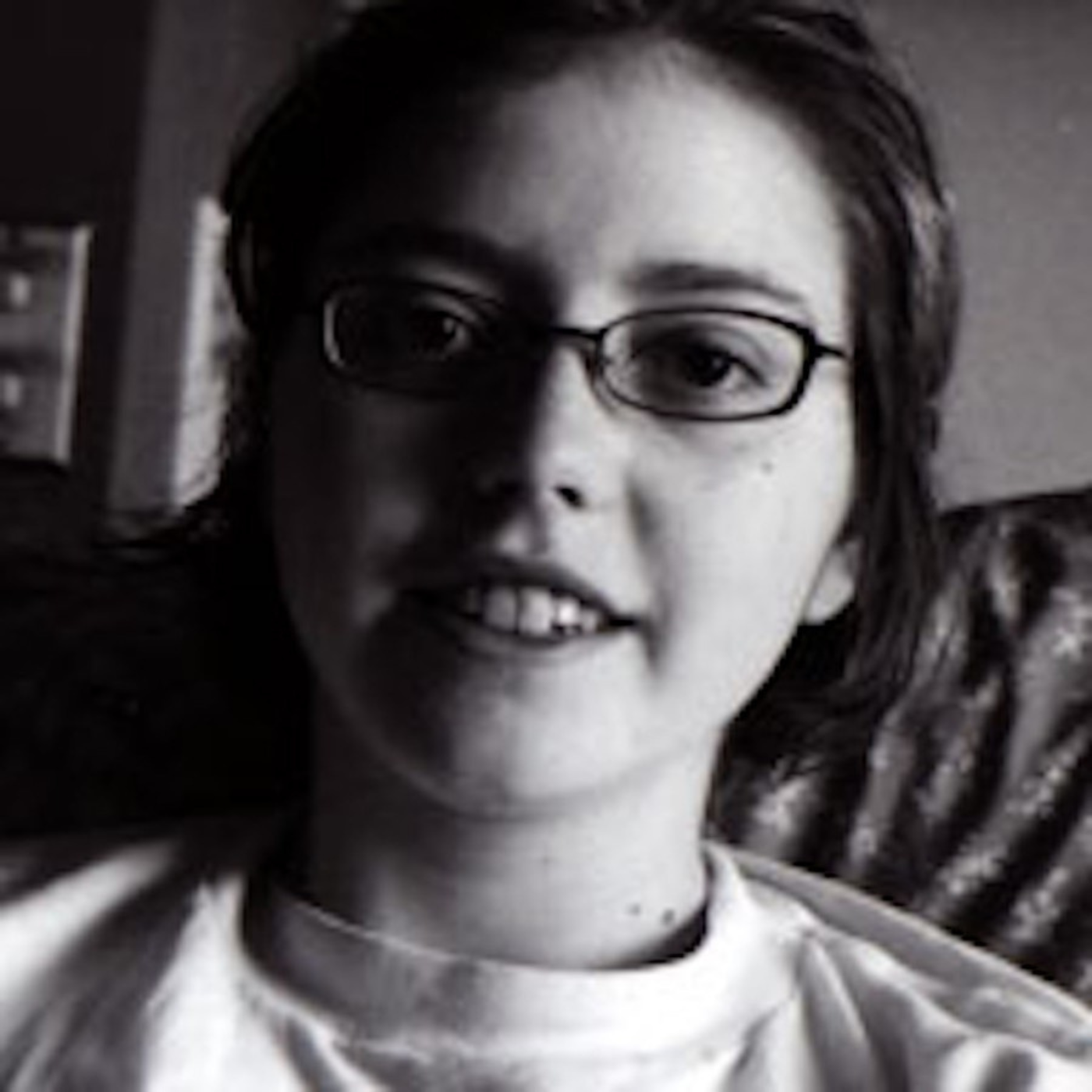
We’re revisiting one of our favorite stories from years ago — with a new twist. Laura Rothenberg spent most of her life knowing she would die young. She had cystic fibrosis, a genetic disorder that affects the lungs. She documented her life in an audio diary, showing her attempt to live the normal life of a nineteen year old college student. Laura died in 2003 — but her audio diary wasn’t all she left behind. You can find Laura Rothenberg’s book of poetry, When Poetry Visits, at https://www.codhill.com/product/when-poetry-visits/#:\~:text=The%20poems%20in%20this%20collection,people%20do%20by%20old%20age. You can also find Laura’s memoir, Breathing for a Living, at Barnes & Noble and Amazon. Thanks to Taylor Schilling for featuring in this episode. Special thanks to Bryan Doerries and Mary Rothenberg. Learn about your ad choices: dovetail.prx.org/ad-choices
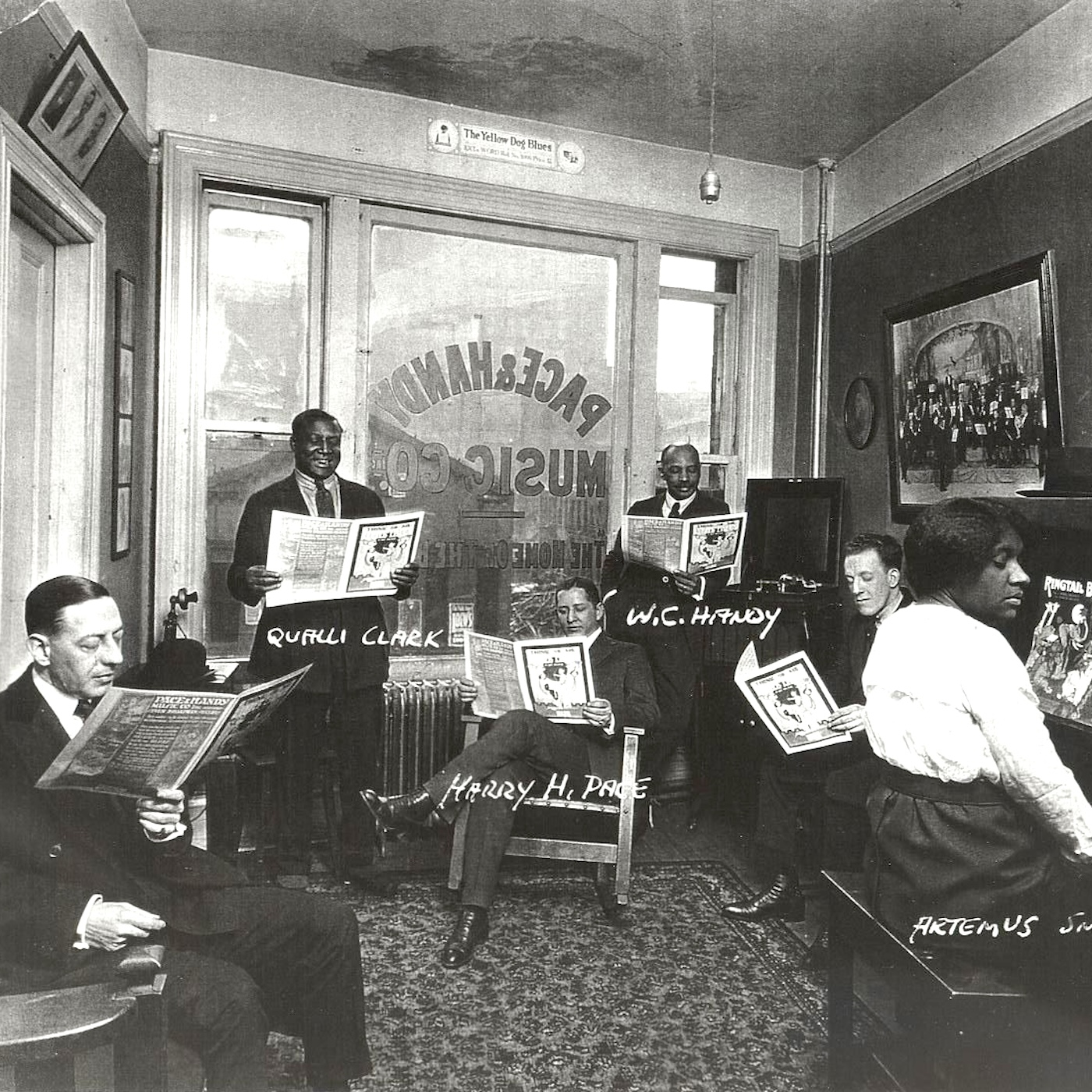
The Rise and Fall of Black Swan Records
In 1921, a man named Harry Pace started the first major Black-owned record company in the United States. He called it Black Swan Records. In an era when few Black musicians were recorded, the company was revolutionary. It launched the careers of Ethel Waters, Fletcher Henderson, William Grant Still, and Alberta Hunter, artists who transformed American music. But Black Swan’s success would be short-lived. Just a couple years after Pace founded the company, larger, wealthier, white competitors started to take an interest in the artists whose careers Pace had propelled. Then, Pace’s own life took a mysterious turn. This episode was originally published in 2021. Learn about your ad choices: dovetail.prx.org/ad-choices
Guest Spotlight: Parakeet Panic
This week, we’re featuring an episode of a podcast we’re big fans of: The Last Archive! The Last Archive tells little known histories and how they affect our modern lives. Today’s story, “Parakeet Panic,” explores when invasive parakeets began to spread in New York City in the 1970s — and the government decided that the solution was to kill them all. If you liked this episode, you can listen to more of The Last Archive at thelastarchive.com, or wherever you get your podcasts. Follow us @radiodiaries on X (formerly Twitter), Instagram and Facebook for more of our recommendations and stories, or visit us at radiodiaries.org. Learn about your ad choices: dovetail.prx.org/ad-choices

The Drum Also Waltzes
At the age of 16, he played with the Duke Ellington Orchestra. He went on to make landmark recordings with Charlie Parker, Dizzy Gillespie and Thelonious Monk. He’s considered one of the most important drummers in history — and he would’ve turned 100 years old this week. Max Roach: The Drum Also Waltzes is a new film about the musician by award-winning filmmakers Sam Pollard and (our very own!) Ben Shapiro. Today on the podcast, we sat down with them to discuss the life and music of Max Roach, and the decades of work that went into creating the film. You can watch Max Roach: The Drum Also Waltzes on PBS, Amazon Prime and iTunes: https://www.pbs.org/wnet/americanmasters/max-roach-the-drum-also-waltzes-film/26469/. If you’re enjoying Radio Diaries, tell a friend! Or share on Instagram, X (formerly Twitter), and Facebook @RadioDiaries. Learn about your ad choices: dovetail.prx.org/ad-choices
The Unmarked Graveyard: Live at WNYC
We bring you a lot of stories each year, but we don’t often get to share the work behind them. We recently held an event at WNYC’s The Greene Space in New York City, where our subjects and producers reflected on the challenges, and joys, of telling these untold stories. For the last podcast of the year, we’re bringing you that live show: a behind the scenes look at The Unmarked Graveyard. We want to bring you as many stories next year as we did this year — and we can’t do that without your help! Please consider making a contribution to support our work by going to radiodiaries.org. Learn about your ad choices: dovetail.prx.org/ad-choices
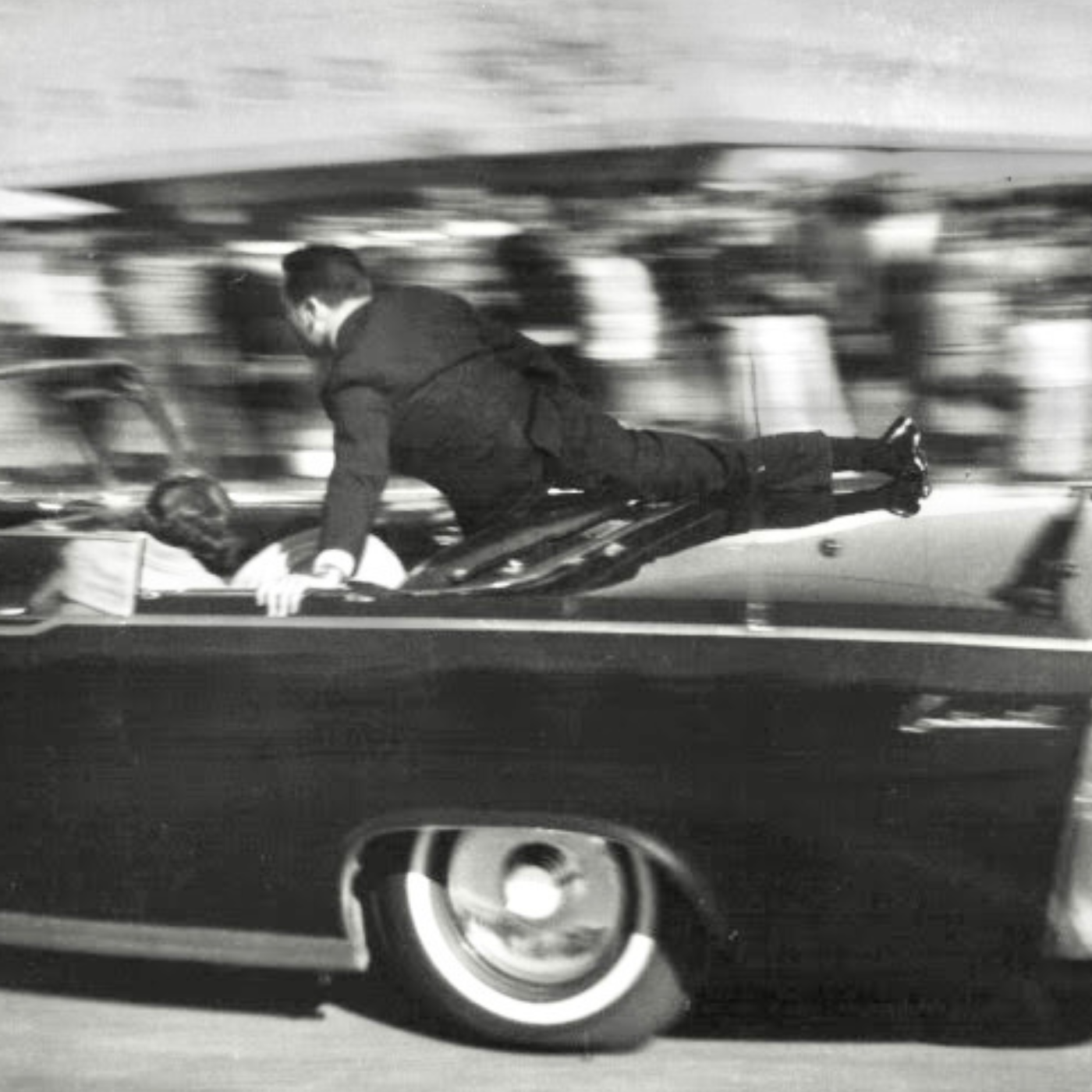
The Man on the President's Limo
Today marks 60 years since the assassination of President John F. Kennedy. There are many photos from that day in 1963, but one image in particular caught people’s attention, spreading in newspapers across the country: a photo of a Secret Service agent jumping onto the back of the presidential limousine during the shooting. Today on the podcast, the story of the man in that photo: Clint Hill. Note: This episode contains a description of violence. Tell a friend or share your thoughts about this story on Instagram, X (formerly Twitter), and Facebook @RadioDiaries. Radiotopia’s Fall Fundraiser is here! Donate today to support independent creators like us. Thank you! https://on.prx.org/3Si7UXr Learn about your ad choices: dovetail.prx.org/ad-choices
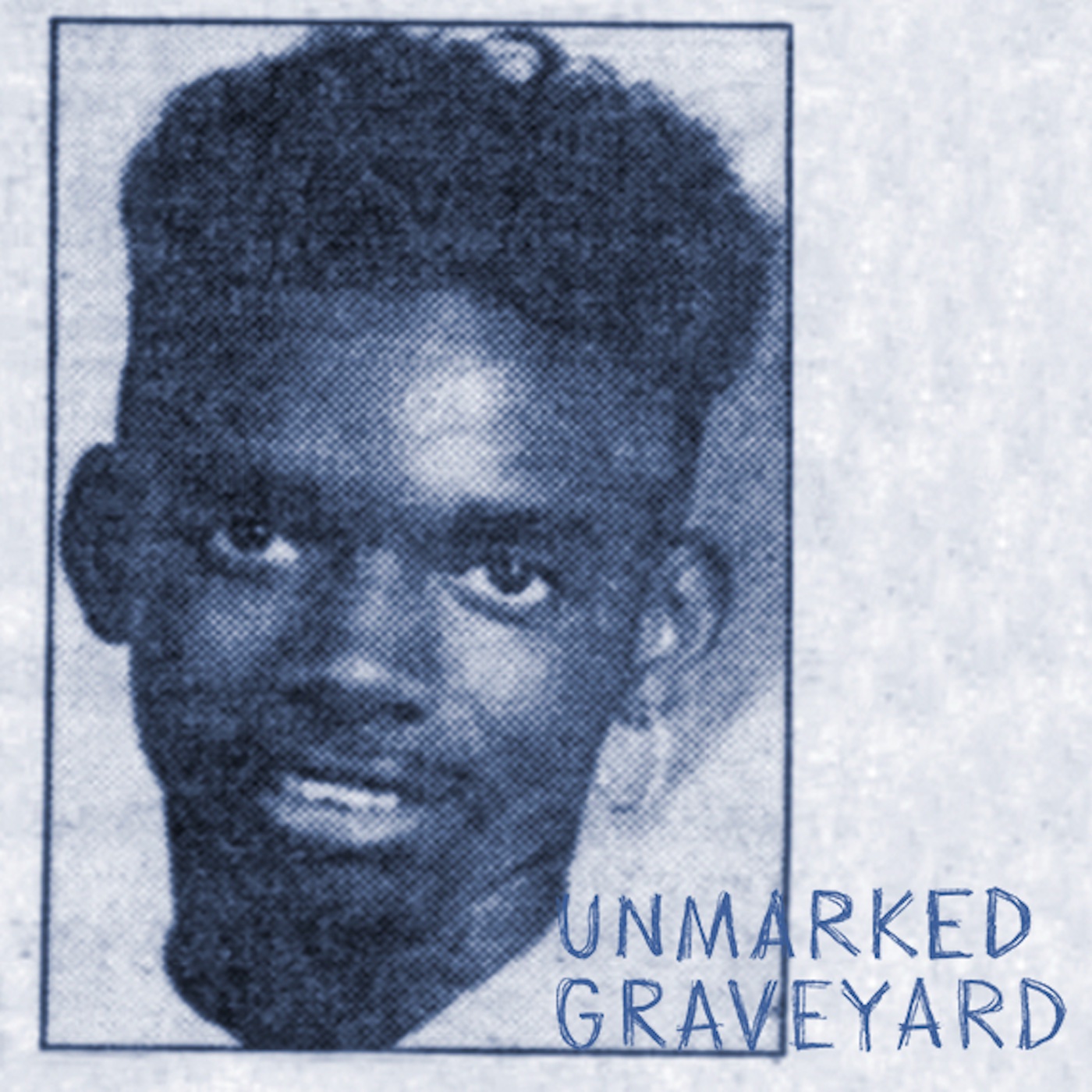
The Unmarked Graveyard: LaMont Dottin
Back in 1995, LaMont Dottin was 21 years old and a freshman at Queens College when, one evening, he didn’t come home. His mother went to the local police precinct to try to report him missing, and his name was added to a list of thousands of cases that the NYPD’s Missing Persons Squad was supposed to be investigating. Then his case fell through the cracks. This is the final episode of The Unmarked Graveyard: Stories from Hart Island. Listen to all 8 stories in our podcast feed, tell a friend and share your thoughts with us on Instagram, X (formerly Twitter), and Facebook. @RadioDiaries Radiotopia’s fall fundraiser is here! Donate today to support independent creators like us. Thank you! https://on.prx.org/3Si7UXr Learn about your ad choices: dovetail.prx.org/ad-choices
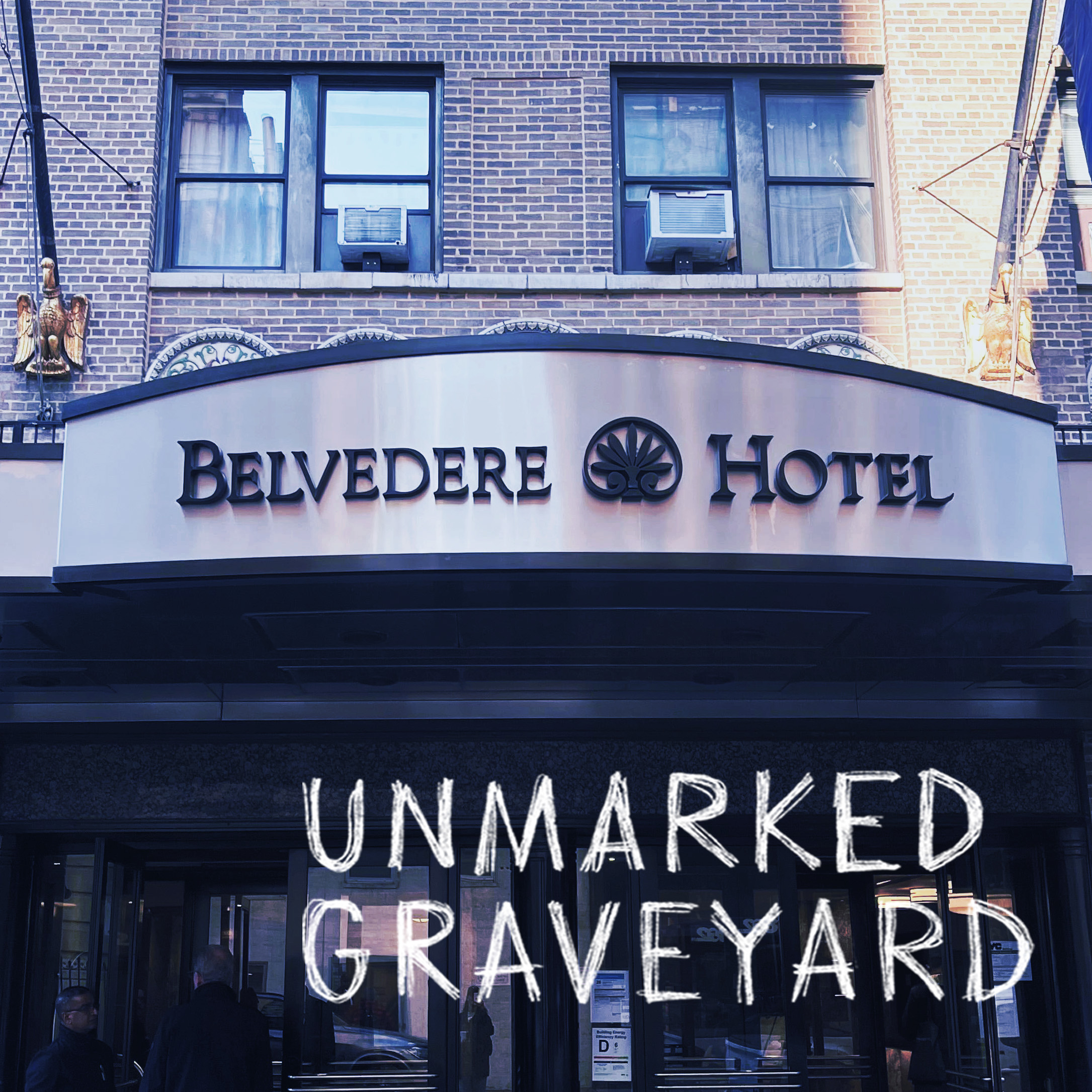
The Unmarked Graveyard: Hisako Hasegawa
The Belvedere Hotel is in the heart of New York City’s theater district. Many of its guests come to see the sights, take in a show. But there are a few dozen people who call the Belvedere home. Decades ago, they came to New York and rented rooms there. As the hotel changed hands over the years, they never left. One of them was Hisako Hasegawa. This is episode seven of our series The Unmarked Graveyard, next week will be our final episode. You can listen to the entire series in the podcast feed. Radiotopia’s fall fundraiser is here! Donate today to support independent creators like us. Thank you! https://on.prx.org/3Si7UXr Learn about your ad choices: dovetail.prx.org/ad-choices
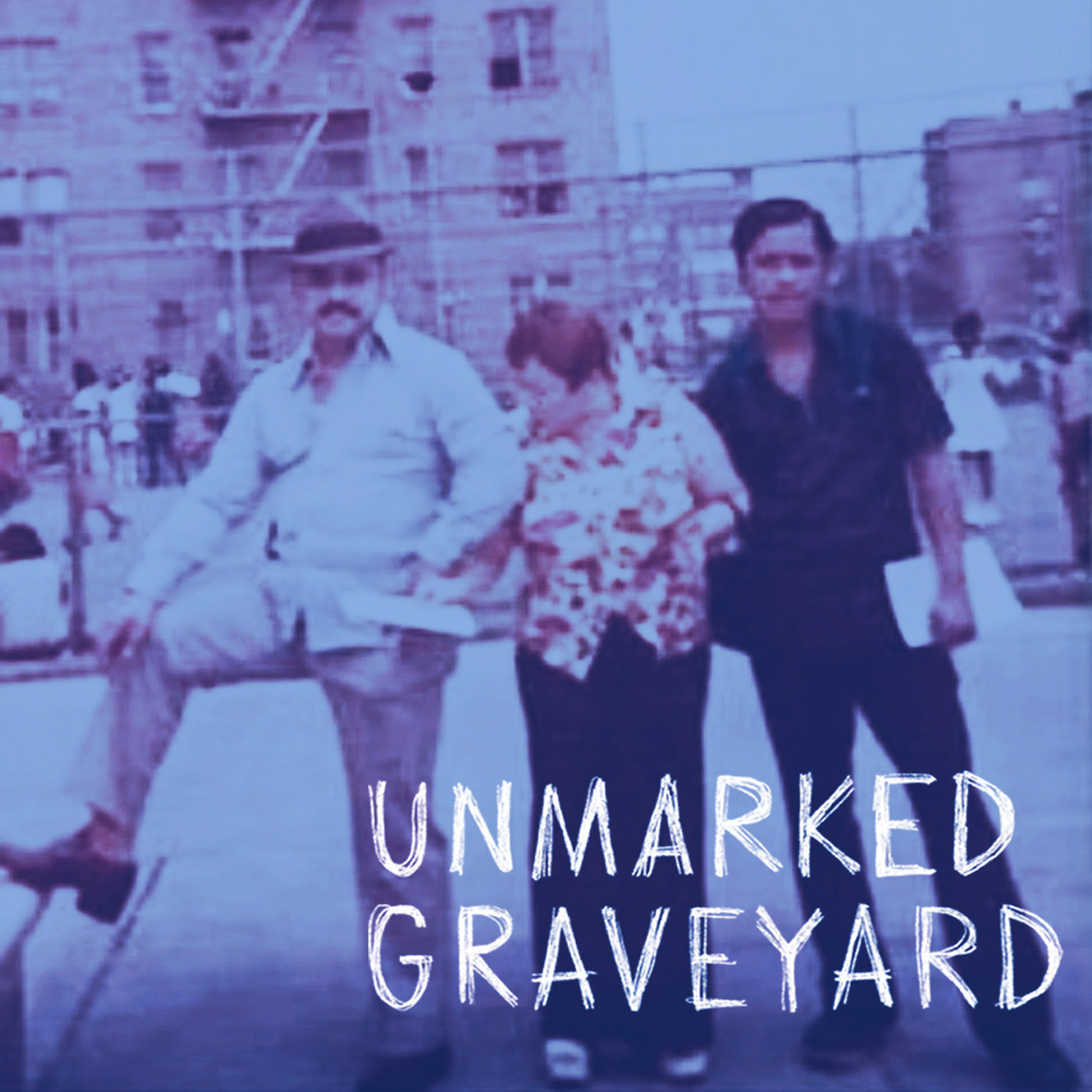
The Unmarked Graveyard: Cesar Irizarry
Angel Irizarry spent years working as a detective, and in 2021 he set out on a personal investigation to track down an uncle who’d been estranged from his family for decades. But early in his search he made a disappointing discovery: his uncle Cesar had died. So Angel embarked on a new quest, to learn what had become of Cesar during his long absence. This is episode six of our series The Unmarked Graveyard, untangling mysteries from America’s largest public cemetery. This story was reported in collaboration with The City’s Missing Them project. Learn about your ad choices: dovetail.prx.org/ad-choices
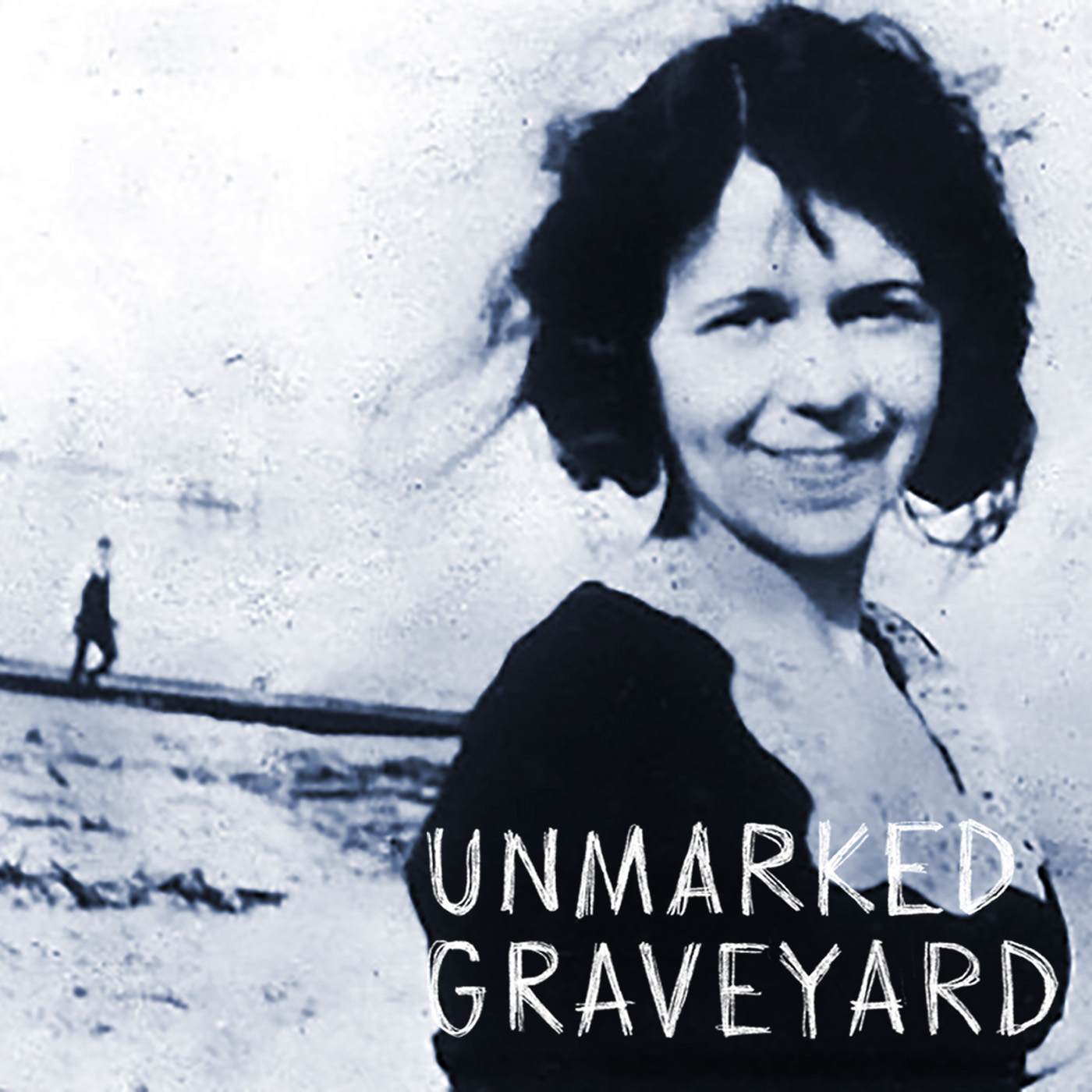
The Unmarked Graveyard: Dawn Powell
Dawn Powell wrote novels about people like herself: outsiders who’d come to New York City in the early twentieth century to make a name for themselves. For a few years, those novels put her at the center of the city’s literary scene. Ernest Hemingway even called her his favorite living writer. When she died of colon cancer in 1965, Powell donated her body to science. But then her books disappeared from shelves, and, unbeknownst to her family, her body went missing too. This is episode five of The Unmarked Graveyard, a series untangling mysteries from America’s largest public cemetery. To hear more stories from Hart Island, subscribe to the Radio Diaries feed. Learn about your ad choices: dovetail.prx.org/ad-choices
The Unmarked Graveyard: Documenting an Invisible Island
For more than a century, it was almost impossible to find out much about people buried on Hart Island. But in 2008, that all changed — thanks in large part to a woman named Melinda Hunt. Melinda is a visual artist who has spent more than 30 years documenting America’s largest public cemetery, and advocating for families with loved ones buried there. She is the founder of The Hart Island Project, a searchable database of more than 75,000 burial records. This week, producer Alissa Escarce sits down with Melinda to discuss the history of Hart Island and how it’s changed over the last few decades. This is episode four of our series The Unmarked Graveyard. New episodes published each week. Learn about your ad choices: dovetail.prx.org/ad-choices
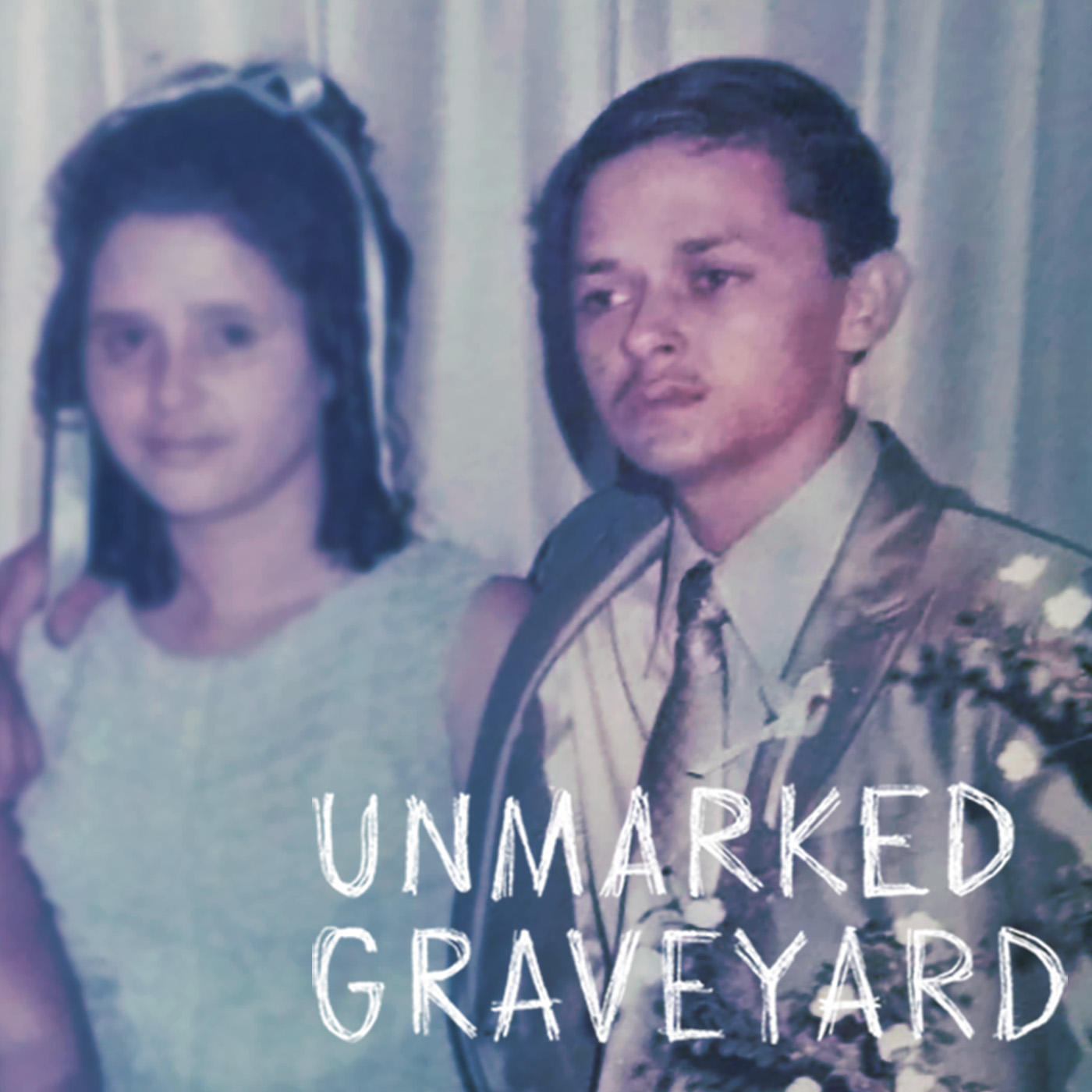
The Unmarked Graveyard: Angel Garcia
When Annette Vega was in elementary school, she found out the man she called “dad” wasn’t her biological father. But all she knew was that her mom had had a teenage romance with a guy named Angel Garcia. Annette has searched for Angel for more than 30 years, a search that is finally coming to the end. This is episode three in our series The Unmarked Graveyard, untangling mysteries from America’s largest public cemetery. New episodes drop every Thursday. Learn about your ad choices: dovetail.prx.org/ad-choices
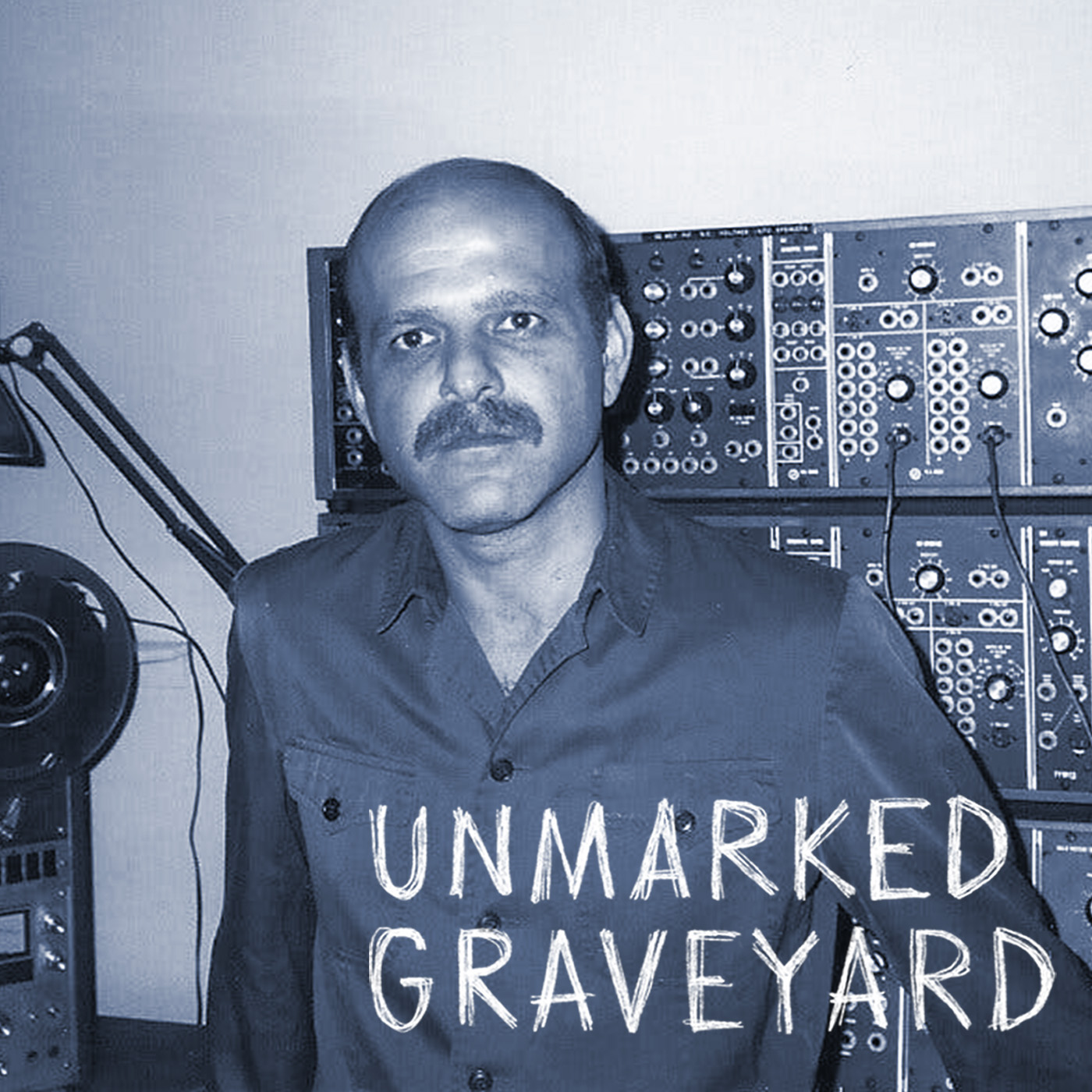
The Unmarked Graveyard: Noah Creshevsky
When Noah Creshevsky learned he was dying of bladder cancer two years ago, he decided to decline medical treatment. Soon, he and his husband David were faced with another decision: what would become of his body after he died? This is episode two in our new series The Unmarked Graveyard, untangling mysteries from America’s largest public cemetery. Each week, we’re bringing you stories of how people ended up on Hart Island, the lives they lived and the people they left behind. Learn about your ad choices: dovetail.prx.org/ad-choices
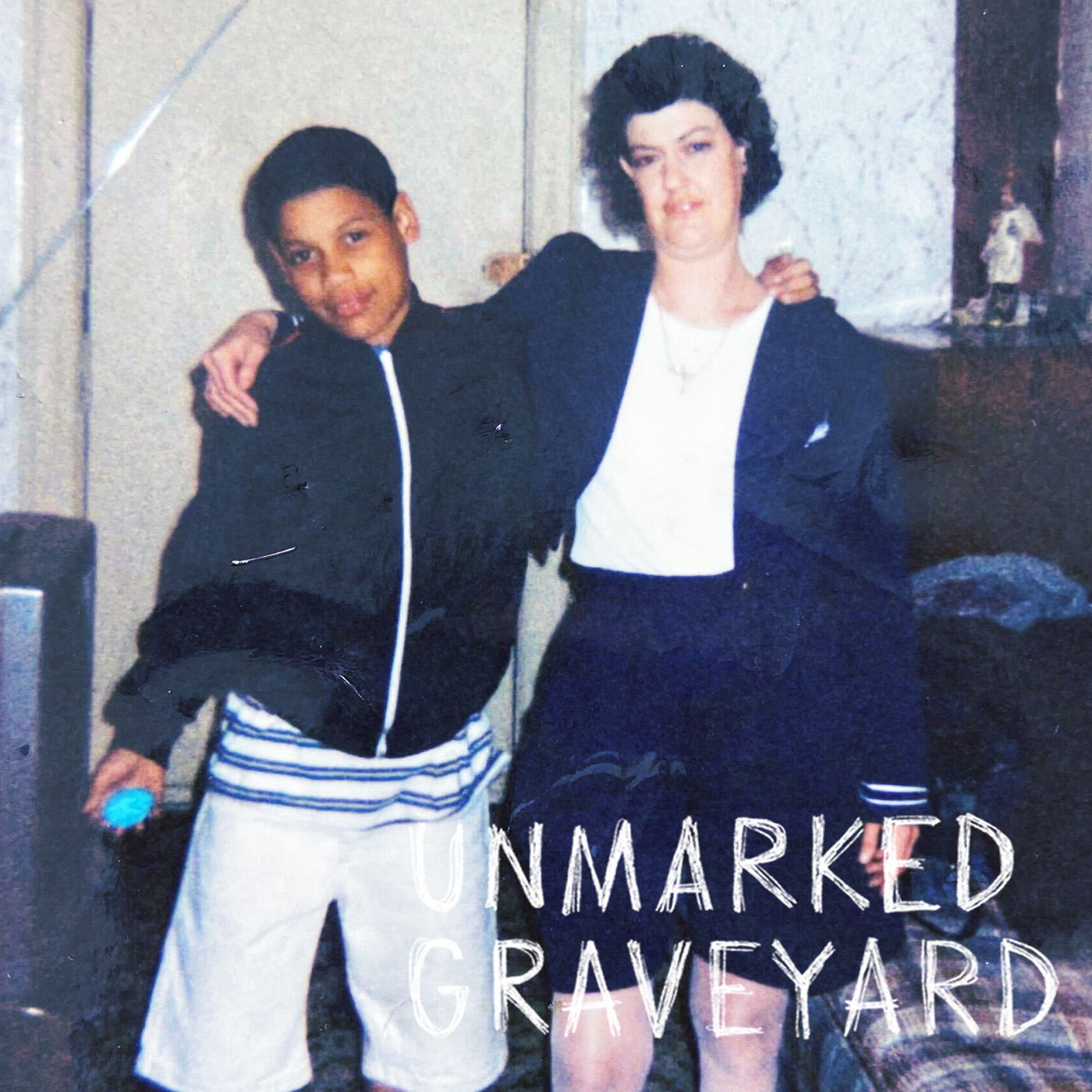
The Unmarked Graveyard: Neil Harris Jr.
EA few years ago, a young man who called himself Stephen became a fixture in Manhattan’s Riverside Park. Locals started noticing him sitting on the same park bench day after day. He said little and asked for nothing. When Stephen’s body was found in 2017, the police were unable to identify him, and he was buried on Hart Island. Then, one day, a woman who knew him from the park stumbled upon his true identity, and his backstory came to light. This is the first episode in our new series The Unmarked Graveyard, untangling mysteries from America’s largest public cemetery. Each week, we’re bringing you stories of how people ended up on Hart Island, the lives they lived and the people they left behind. Learn about your ad choices: dovetail.prx.org/ad-choices
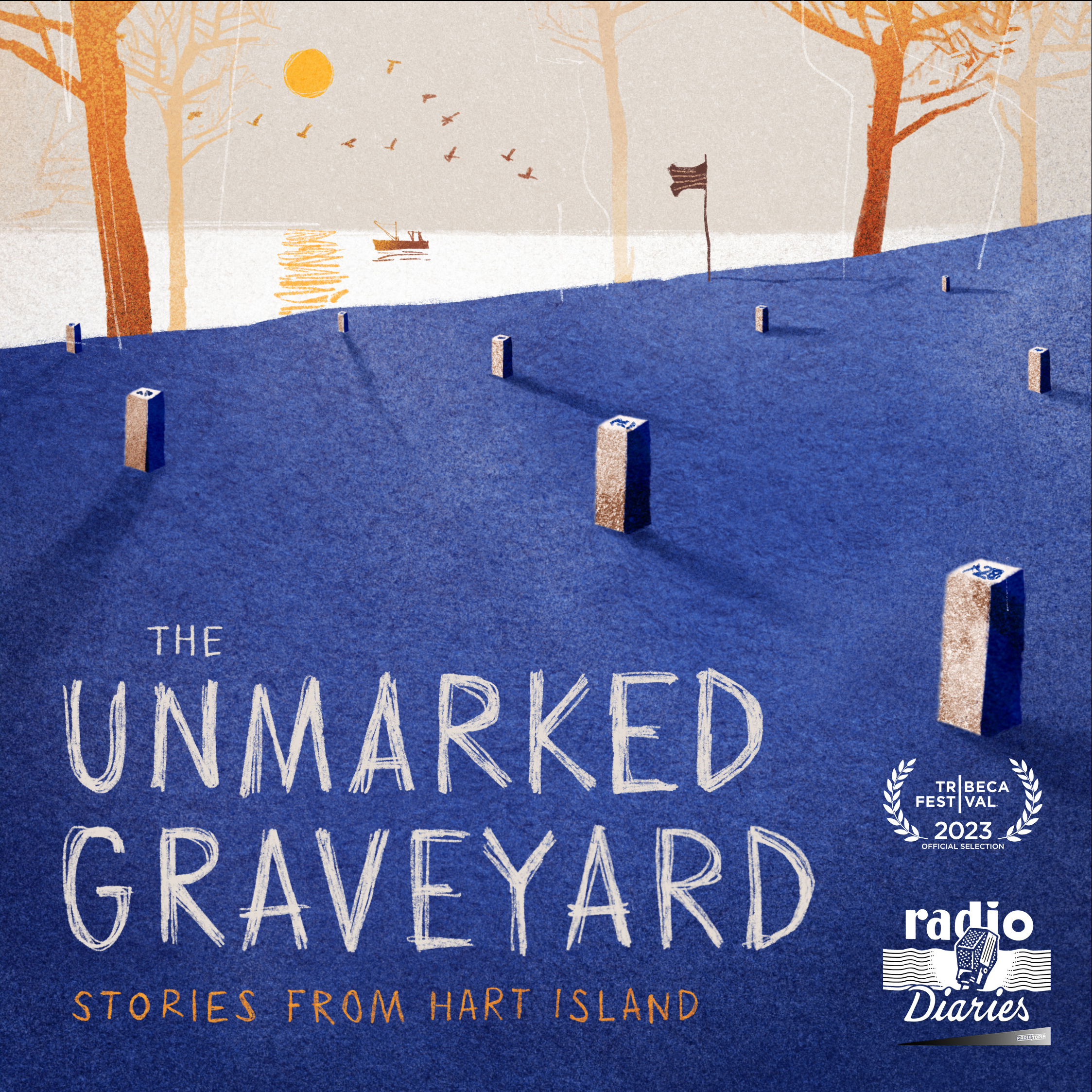
TRAILER: The Unmarked Graveyard
On September 28th, we’re launching a new series: The Unmarked Graveyard: Stories from Hart Island. Hart Island is America’s largest public cemetery—sometimes known as a “potter’s field.” The island has no headstones or plaques, just numbered markers. More than a million people are buried on Hart Island and many are shrouded in anonymity. Explanations for how they ended up there can be hard to find. Over the next seven weeks, we’ll untangle mysteries about the lives they lived and the people they left behind. Learn about your ad choices: dovetail.prx.org/ad-choices

The Longest Game
EIn the spring of 1981, the Pawtucket Red Sox and the Rochester Red Wings met for a minor league baseball game of little importance. But over the course of 33 innings – 8 hours and 25 minutes – the game made history. It was the longest professional baseball game ever played. This story was produced in collaboration with ESPN's 30 for 30. Learn about your ad choices: dovetail.prx.org/ad-choices
The Girls of the Leesburg Stockade
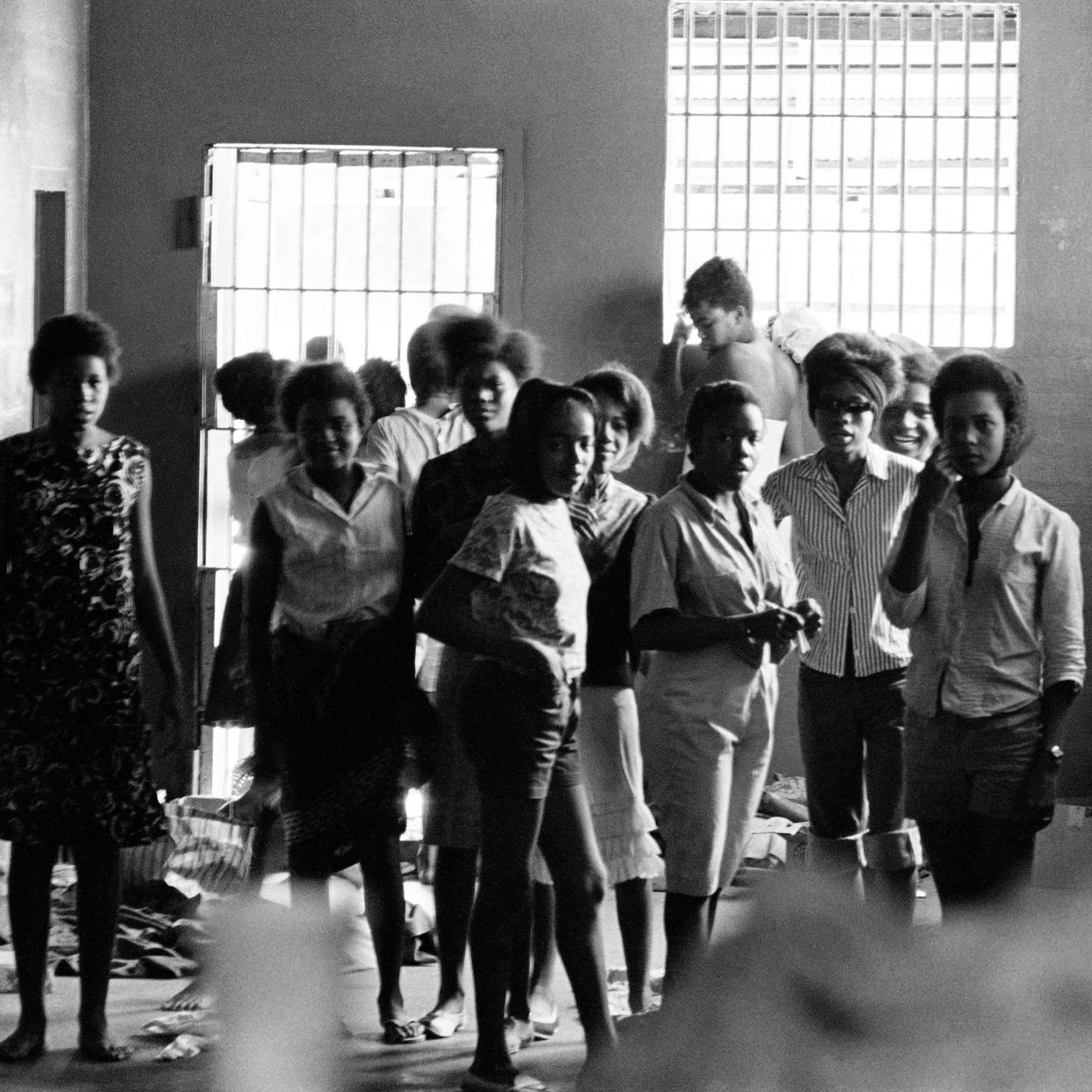
On July 19, 1963, at least 15 Black girls were arrested while marching to protest segregation in Americus, Georgia. After spending a night in jail, they were transferred to the one-room Leesburg Stockade and imprisoned for the next 45 days. Only twenty miles away, the girls’ parents had no knowledge of their location. A month into their confinement, the Student Nonviolent Coordinating Committee (SNCC) heard rumors of the girls’ detention and sent photographer Danny Lyon, who took pictures of them through barred windows. Within days, those photographs appeared in publications around the country. As the girls’ ordeal gained national attention, they were released without charges. This is the story of the ‘Stolen Girls.’ ***** To see more photos by Danny Lyon, visit bleakbeauty.com and http://instagram.com/dannylyonphotos2. Learn about your ad choices: dovetail.prx.org/ad-choices
Busman's Holiday
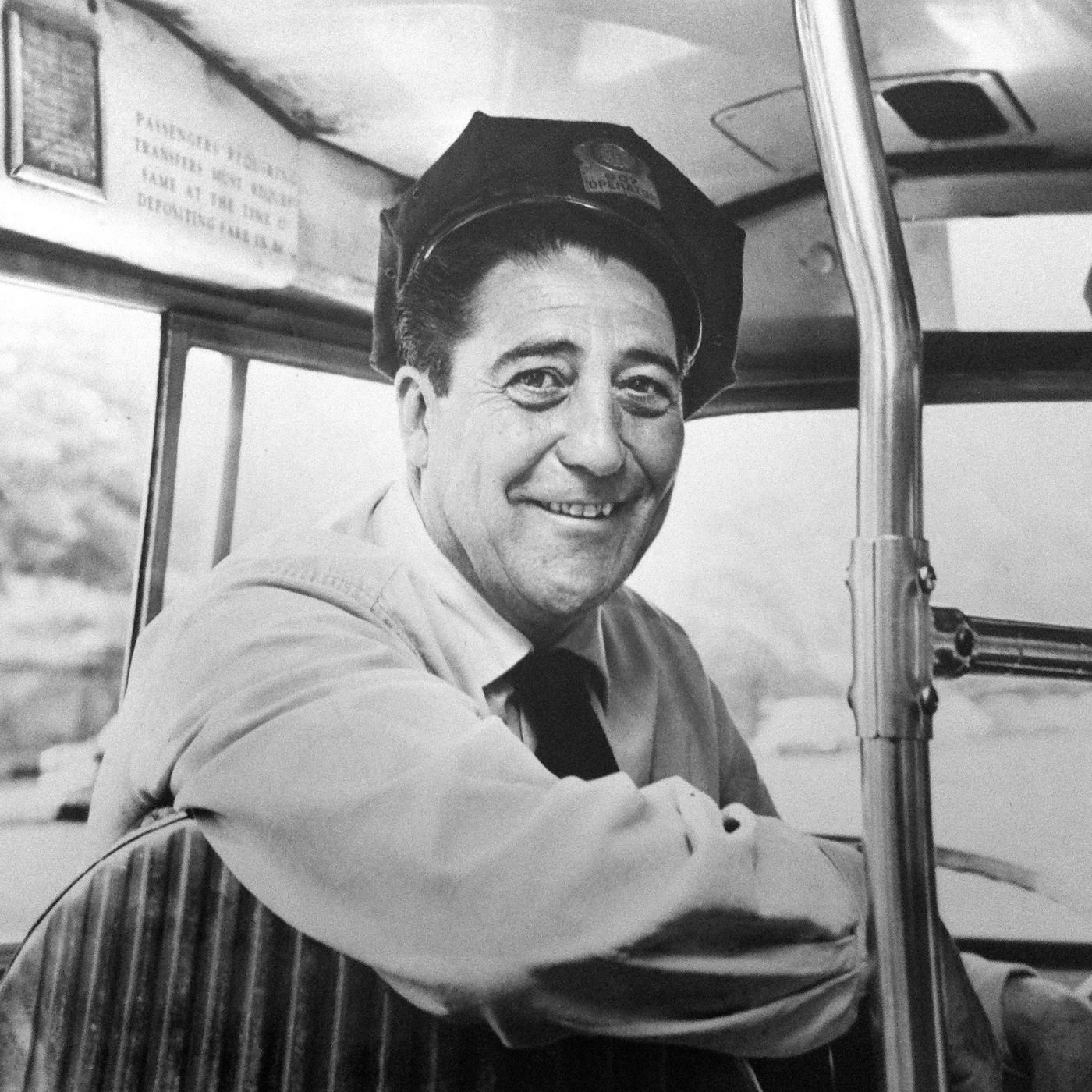
One day in 1947, NYC bus driver William Cimillo showed up to his daily bus route, but instead of turning right, he turned left. Over the next week, he traveled 1,300 miles in his municipal bus, ending up in Hollywood, Florida. The bus had broken down, he’d run out of money, and had no way of getting home. Plus, he was now the most wanted bus driver in the country. This story originally aired on This American Life in 2014. Go to www.radiodiaries.org to find more stories and sign up for our monthly newsletter. Learn about your ad choices: dovetail.prx.org/ad-choices
Guest Spotlight: Buffalo Extreme
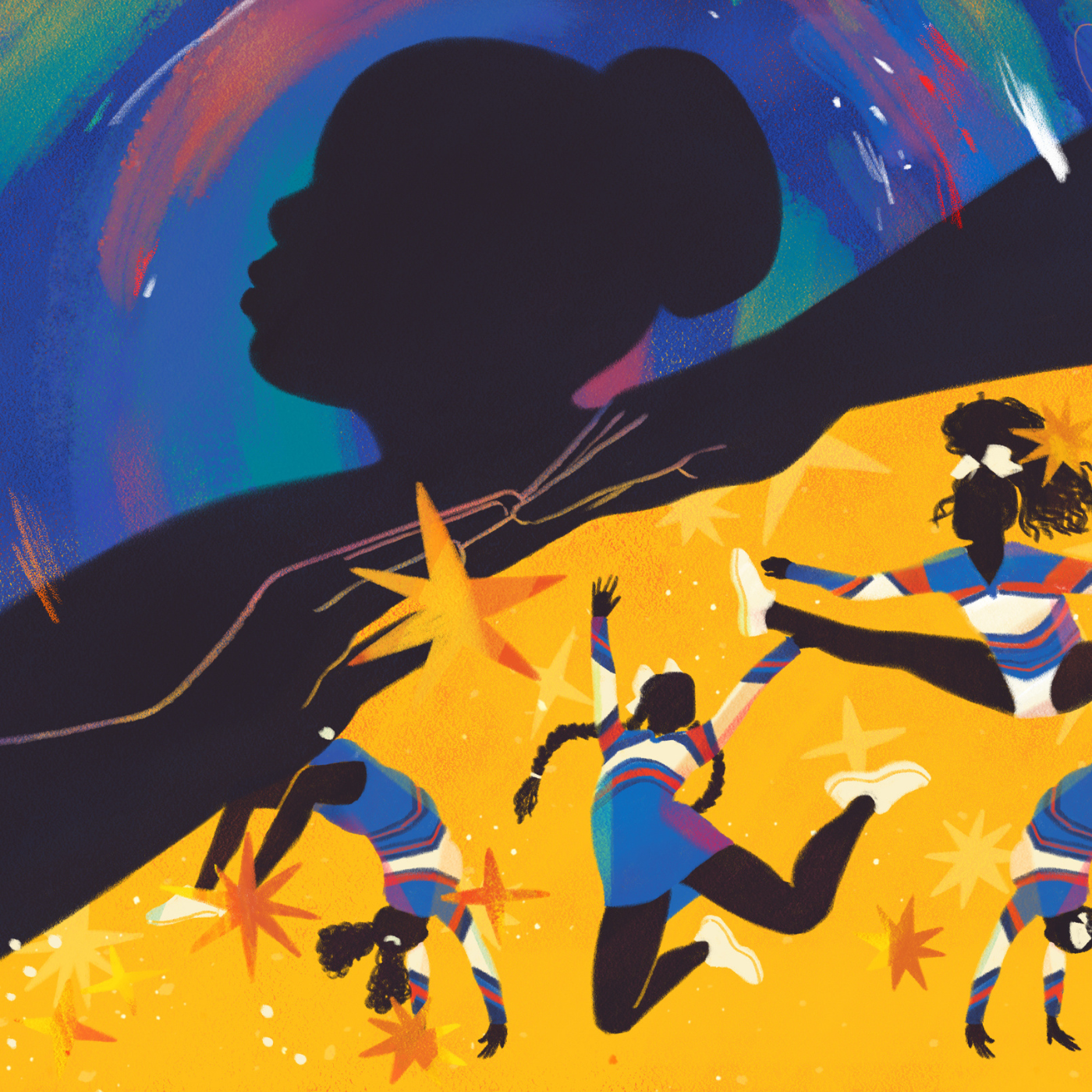
This week we’re featuring a story from NPR’s Embedded podcast. It’s the first episode in a new series called Buffalo Extreme, which follows a cheer team from Buffalo, New York, during the year after a racist mass shooting in their neighborhood. On May 14, 2022, the world changed for residents of Buffalo when a white man approached the Jefferson Street Tops supermarket and started shooting. He murdered ten and injured three people, almost all Black. That day, teenagers and children from a Black cheer team called BASE were at their gym around the corner. “Buffalo Extreme” is their story: a 3-part series that hands the mic to the girls, their moms, and their coaches as they navigate the complicated path to recovery. Learn about your ad choices: dovetail.prx.org/ad-choices
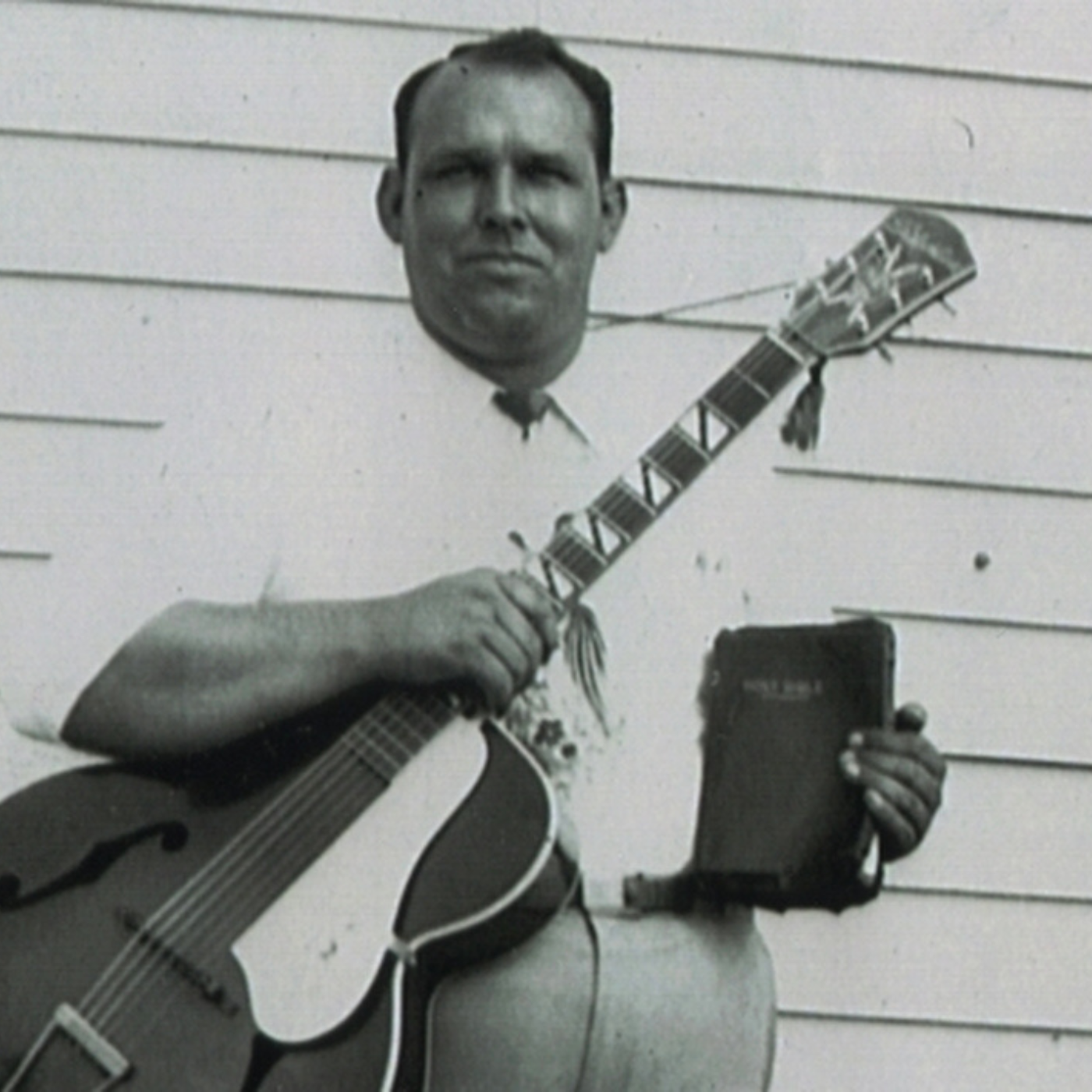
The Gospel Ranger
This is the story of a song, “Ain’t No Grave Gonna Hold My Body Down.” It was written by a 12-year-old boy on what was supposed to be his deathbed. But the boy didn’t die. Instead, he went on to become a Pentecostal preacher, and later helped inspire the birth of Rock & Roll. The boy’s name was Brother Claude Ely, and he was known as The Gospel Ranger. Learn about your ad choices: dovetail.prx.org/ad-choices

The Longest Game
In the spring of 1981, the Pawtucket Red Sox and the Rochester Red Wings met for a minor league baseball game of little importance. But over the course of 33 innings – 8 hours and 25 minutes – the game made history. It was the longest professional baseball game ever played. This is an excerpt of a story in collaboration with ESPN's 30 for 30. If you liked this episode, vote for us in the Webby Awards! The Webby’s celebrate the best of the internet, andThe Longest Game has been nominated for Best Documentary. You can vote at https://vote.webbyawards.com/PublicVoting#/2023/podcasts/individual-episodes/documentary. Learn about your ad choices: dovetail.prx.org/ad-choices
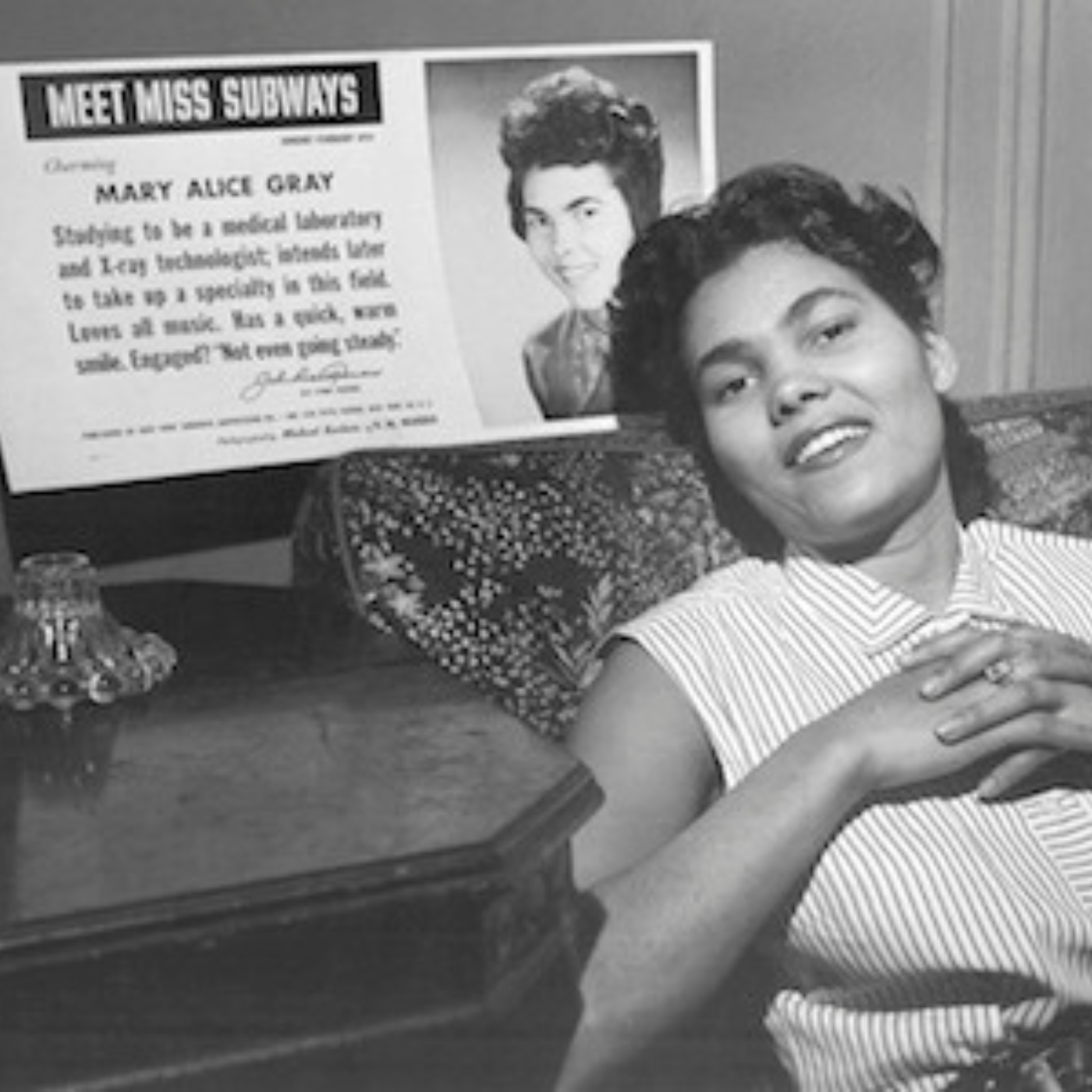
Meet Miss Subways
Beauty pageants promote the fantasy of the ideal woman. But for 35 years, one contest in New York City celebrated the everyday working girl. Each month starting in 1941, a young woman was elected “Miss Subways,” and her face gazed down on transit riders as they rode through the city. Her photo was accompanied by a short bio describing her hopes, dreams and aspirations. The public got to choose the winners – so Miss Subway represented the perfect New York miss. She was also a barometer of changing times. Miss Subways was one of the first integrated beauty pageants in America. An African-American Miss Subways was selected in 1948 – more than thirty years before there was a black Miss America. By the 1950s, there were Miss Subways who were black, Asian, Jewish, and Hispanic – the faces of New York’s female commuters. In this episode of the Radio Diaries Podcast, meet the Miss Subways. This episode originally aired on NPR in 2012. Learn about your ad choices: dovetail.prx.org/ad-choices
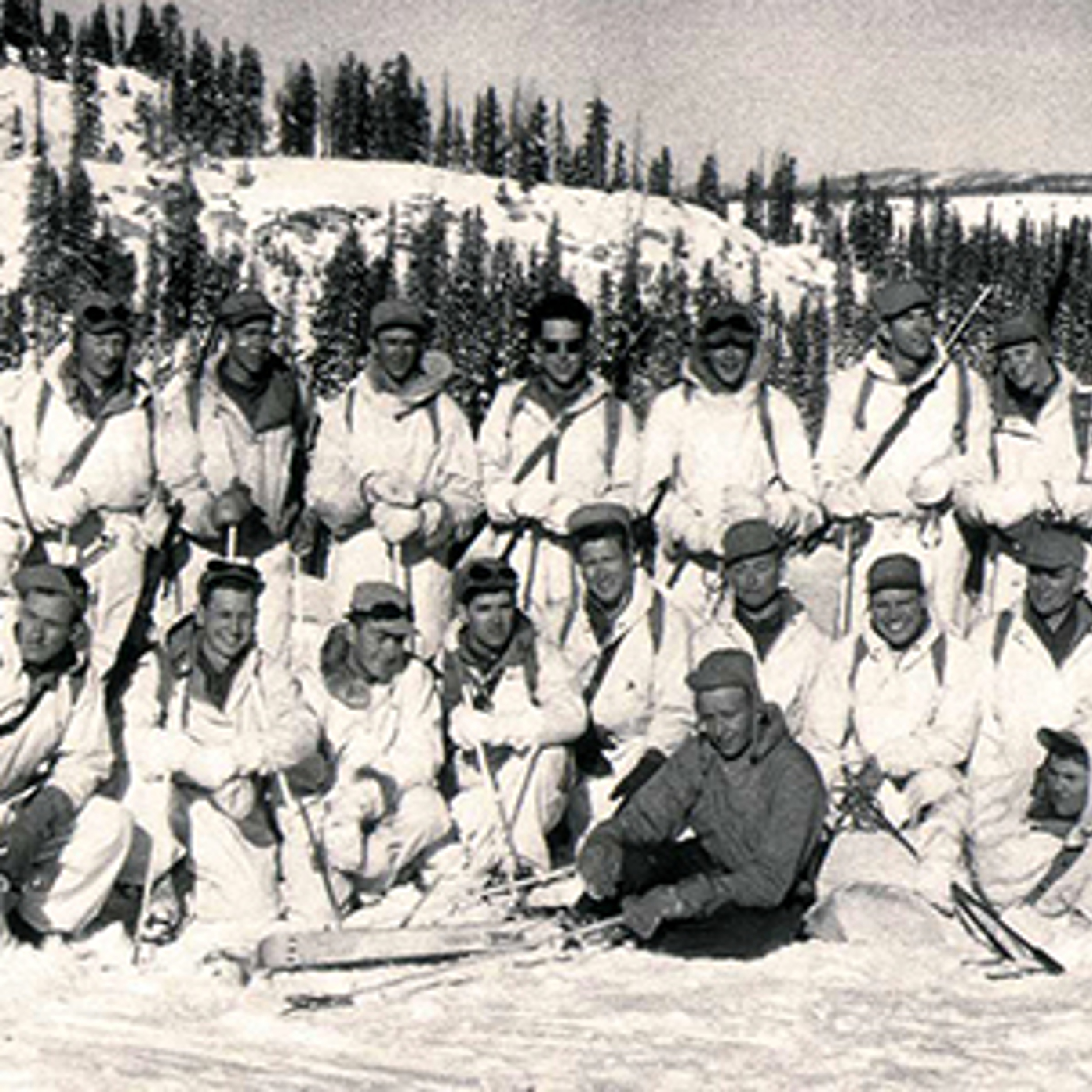
The Ski Troops of WWII
This week we’re bringing you a story about the 10th Mountain Division, a World War II military experiment to train skiers and climbers to fight in the mountains. The men of the 10th led a series of daring assaults against the German army in the mountains of Italy. Though the division fought in WWII for only four months, it had one of the highest casualty rates of the war. After they returned home, many of the soldiers helped to create the modern ski industry. This story originally aired on NPR’s All Things Considered in 2007. Learn about your ad choices: dovetail.prx.org/ad-choices
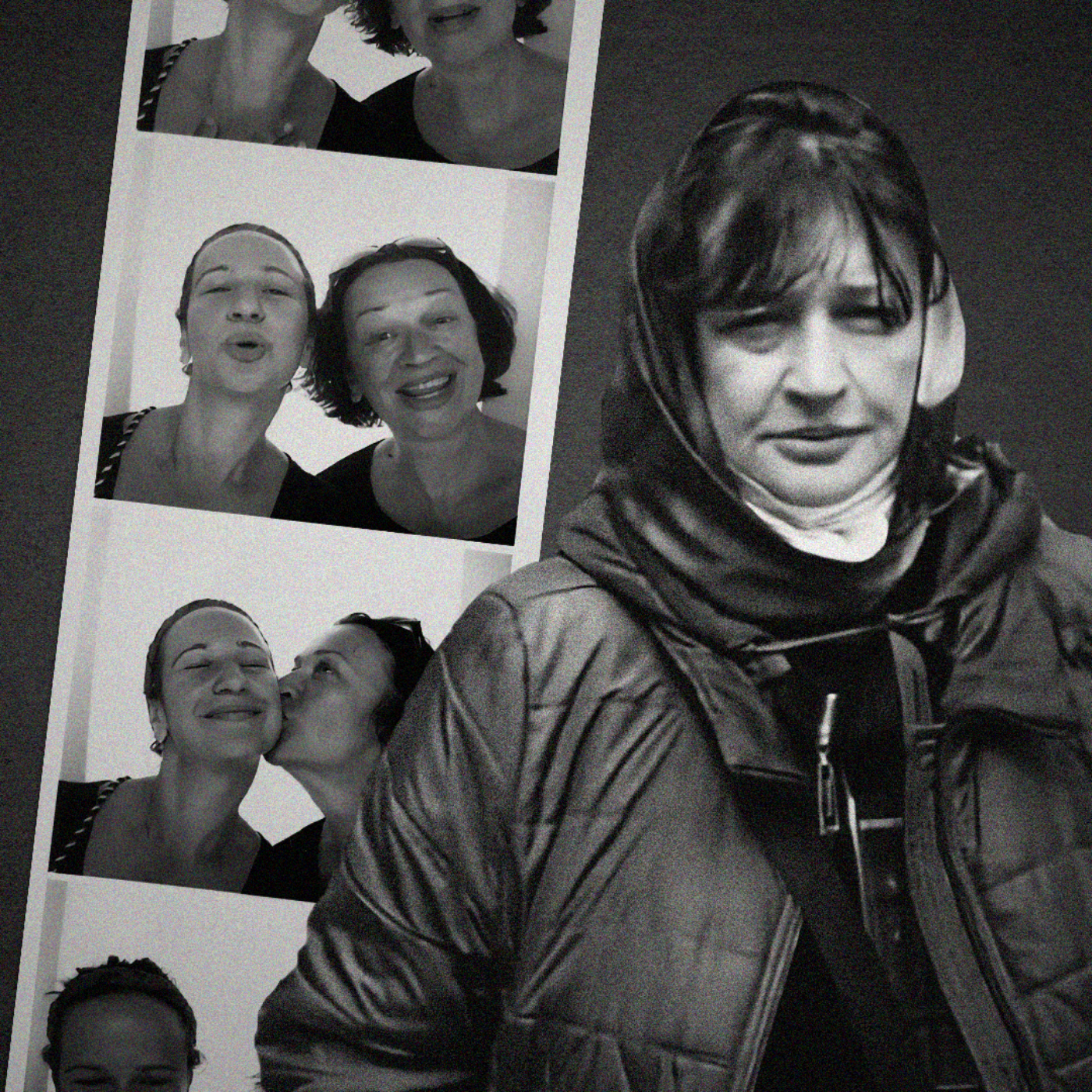
Sofia's Choice: A Ukrainian Diary, One Year Later
Sofia Bretl has lived in New York City for the last decade. But she was born and raised in the Ukrainian city of Kharkiv, about 25 miles from the Russian border. The city has received some of the worst shelling so far in the war. That’s where her mother lived when war broke out. As conditions in Kharkiv worsened, they faced a difficult choice. Music in today’s episode includes the Ukrainian band Dakha Brakha — playing at San Francisco Jazz Center on March 14th. Proceeds and donations go to organizations supporting Ukraine. Other music from Blue Dot Sessions and Dakh Daughters. Learn about your ad choices: dovetail.prx.org/ad-choices
Living with Dying
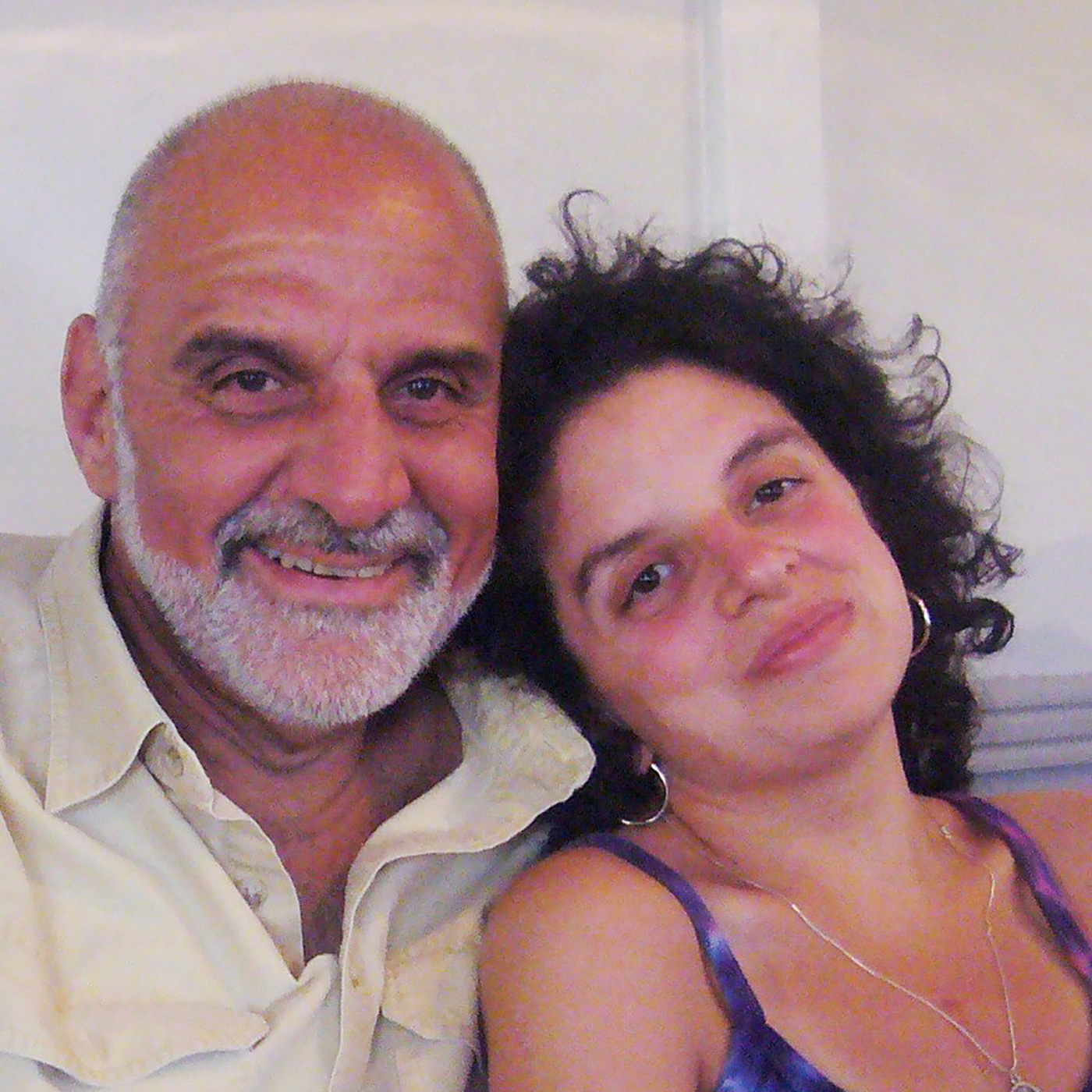
On Valentine’s Day 2020, Peter Fodera’s heart broke. It stopped working. He collapsed in the middle of teaching a dance class. Someone performed CPR, someone called an ambulance. EMT’s showed up and he lay motionless. Many people in the class thought they had just witnessed the death of their favorite teacher. But later at the hospital, Peter’s heart started beating again. On the anniversary of Peter’s brush with death, he sat down with his daughter Juliana who has Noonan Syndrome, a rare genetic disorder. While Peter’s experience may seem miraculous to some of us, it doesn’t to Juliana. By her count, she’s died 21 times. **** Music this week from Podington Bear, Blue Dot Sessions, Man Man, and Gotan Project. Learn about your ad choices: dovetail.prx.org/ad-choices

The Rise and Fall of Black Swan Records
In 1921, a man named Harry Pace started the first major Black-owned record company in the United States. He called it Black Swan Records. In an era when few Black musicians were recorded, the company was revolutionary. It launched the careers of Ethel Waters, Fletcher Henderson, William Grant Still, Alberta Hunter, and other influential artists who transformed American music. But Black Swan’s success would be short-lived. Just a couple years after Pace founded the company, larger, wealthier, white competitors started to take an interest in the artists whose careers Pace had propelled. Then, Pace’s own life took a mysterious turn. This episode originally aired on NPR’s All Things Considered in 2021. Learn about your ad choices: dovetail.prx.org/ad-choices
The Real Refugees of Casablanca
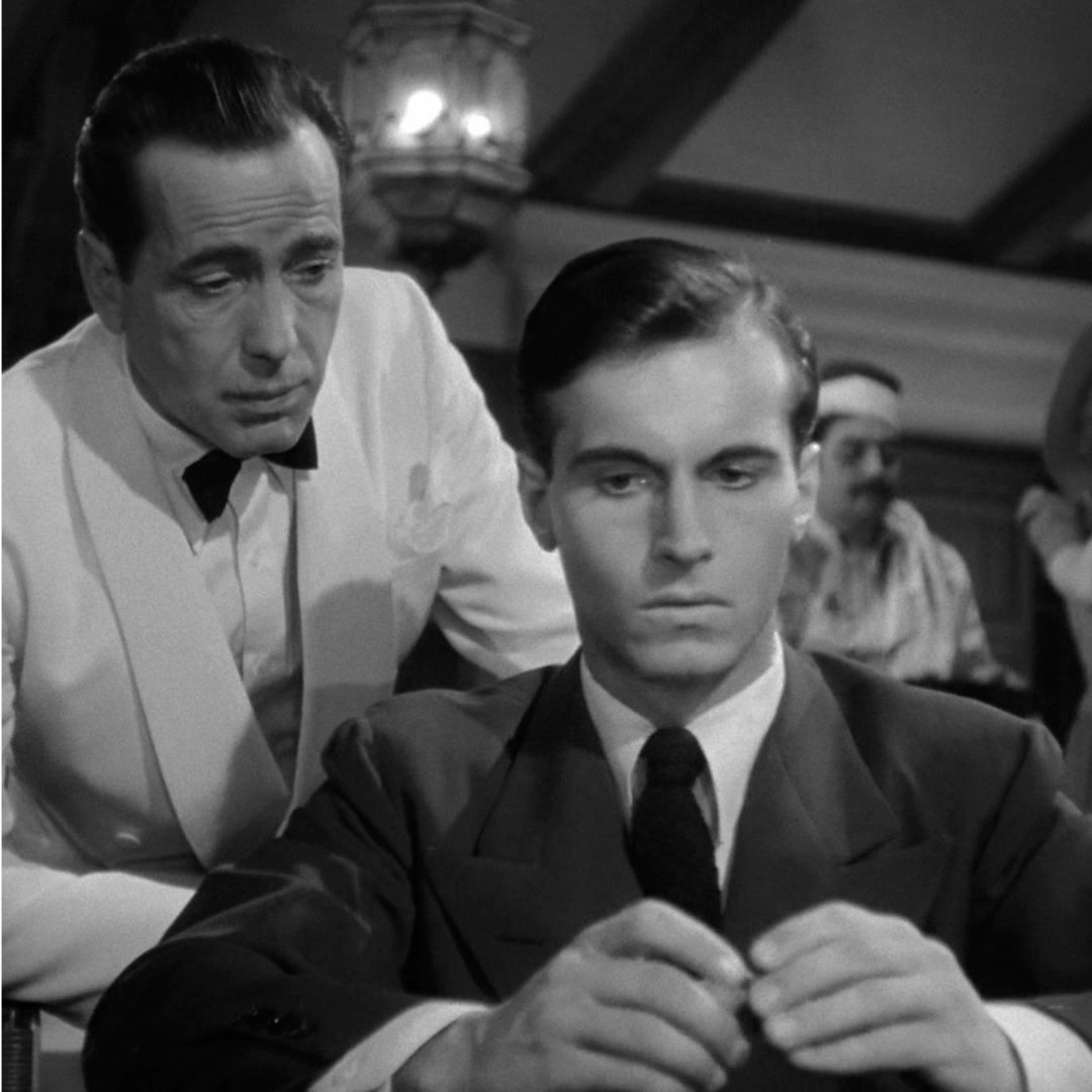
It’s been 80 years since the release of the Hollywood classic, Casablanca. When the film opened in 1943—just a year after the U.S. joined World War II—audiences were thrilled by its love story. Humphrey Bogart stars as the cynical owner of Rick’s Café, a nightclub in Morocco. Ingrid Bergman plays his old flame Ilsa, who’s married to a dashing Resistance leader hunted by the Nazis. Many of the characters at Rick’s Café are European refugees trying to make their way to America. What most viewers didn’t know is that those characters were played by actors who themselves had recently fled the Nazis. This casting choice lent the film an authenticity that helped deliver its message: that a war far from our borders was a war worth waging. Learn about your ad choices: dovetail.prx.org/ad-choices
The History Of Now
One of the questions we often ask ourselves is: How can we produce stories about history that can air alongside the news of today? In 2022, answering that question was easy. In this year-end episode, we’re taking a look back at some of our favorite stories from the past year. Learn about your ad choices: dovetail.prx.org/ad-choices
A Guitar, A Cello and the Day that Changed Music
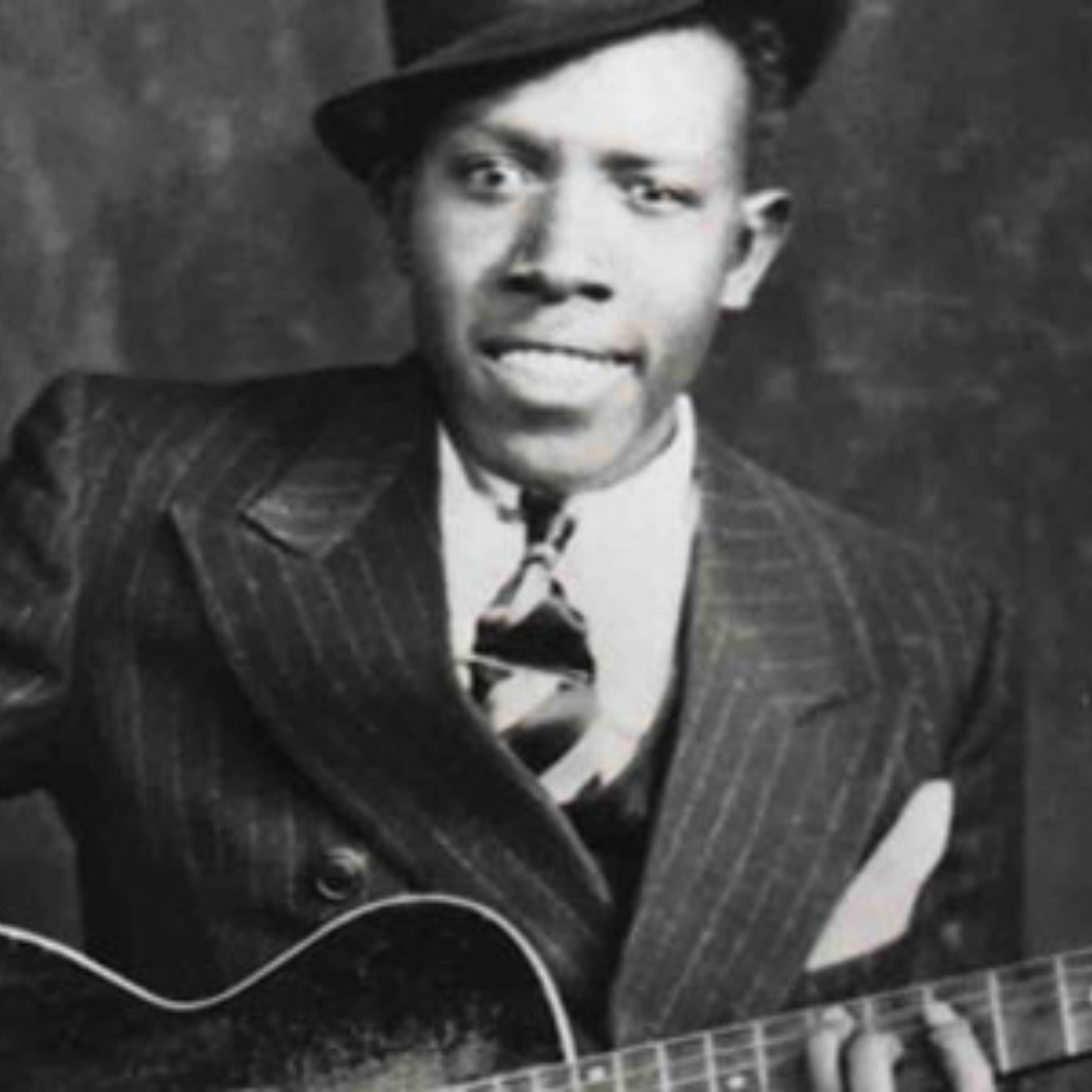
November 23, 1936 was a good day for recorded music. Two men, an ocean apart, sat before a microphone and began to play. One, Pablo Casals, was a cello prodigy who had performed for the Queen of Spain. The other, Robert Johnson, played guitar and was a regular in the juke joints of the Mississippi Delta. These recordings would change music history. This episode originally aired on NPR in 2011. Learn about your ad choices: dovetail.prx.org/ad-choices
Banging on the Door: The Election of 1872
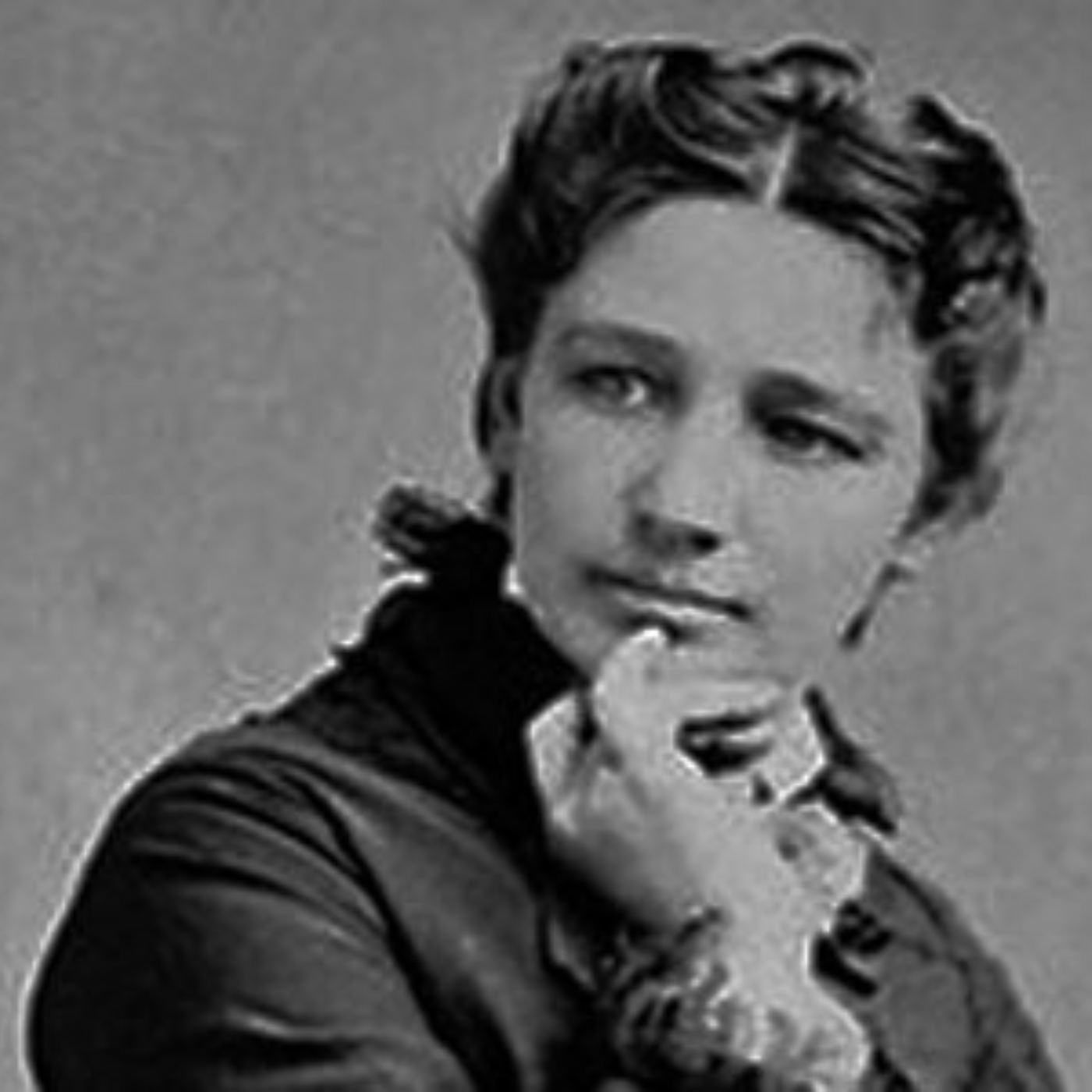
Voting rights was just as hot an issue in 1872 as it is today. In 1872, Susan B. Anthony and 14 other women went to cast a ballot in the election - and Anthony ended up arrested and tried. But another woman named Victoria Woodhull took things even further. That same year, she ran for president of the United States - the first woman in American history known to do so. Learn about your ad choices: dovetail.prx.org/ad-choices
The Square Deal
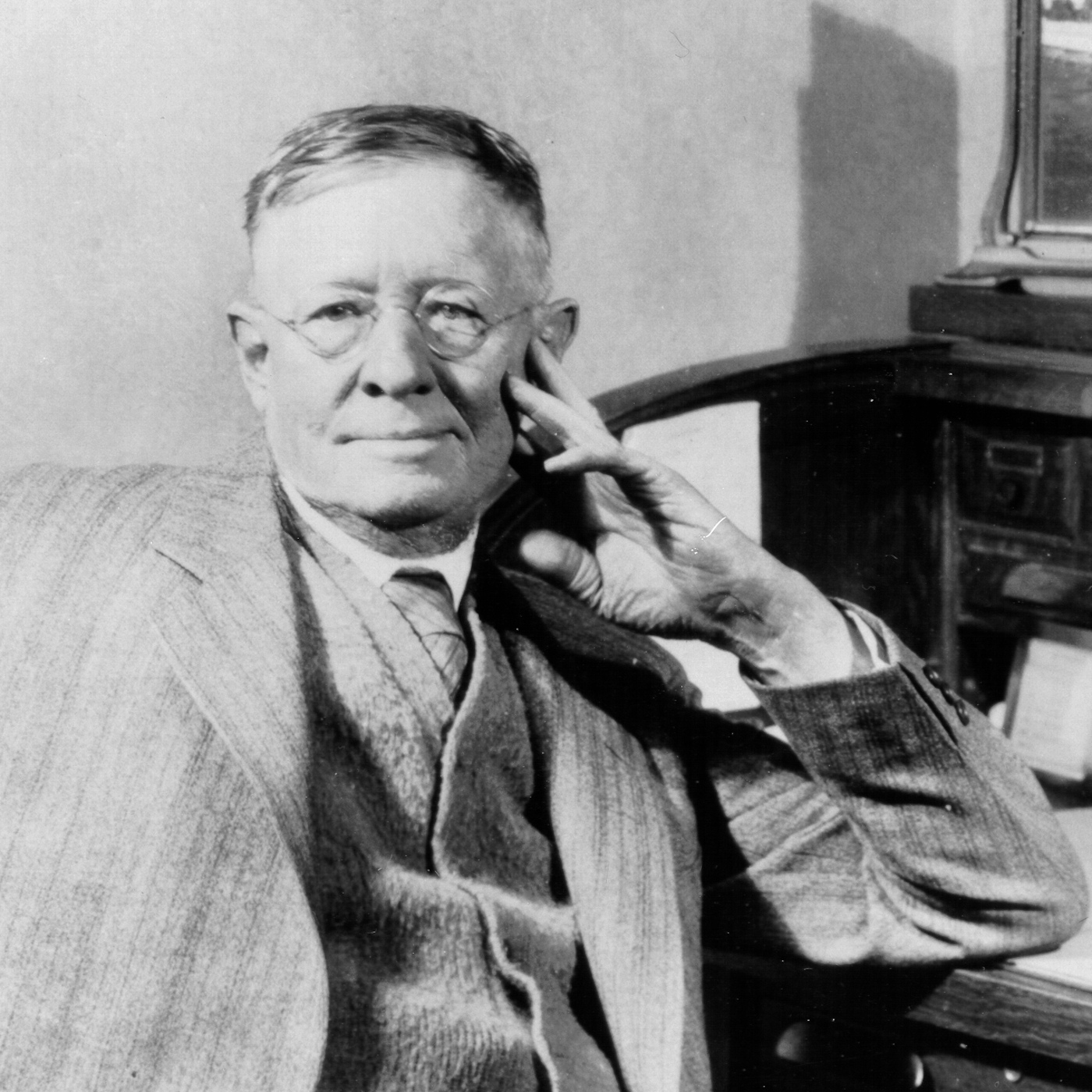
100 years ago, George F. Johnson ran the biggest shoe factory in the world. The Endicott-Johnson Corporation in upstate New York produced 52 million pairs of shoes a year. But Johnson wasn’t only known for his shoes. He had a unusual idea of how workers should be treated. Some people called it “Welfare Capitalism.” Johnson called it “The Square Deal.” Learn about your ad choices: dovetail.prx.org/ad-choices
The Massacre at Tlatelolco
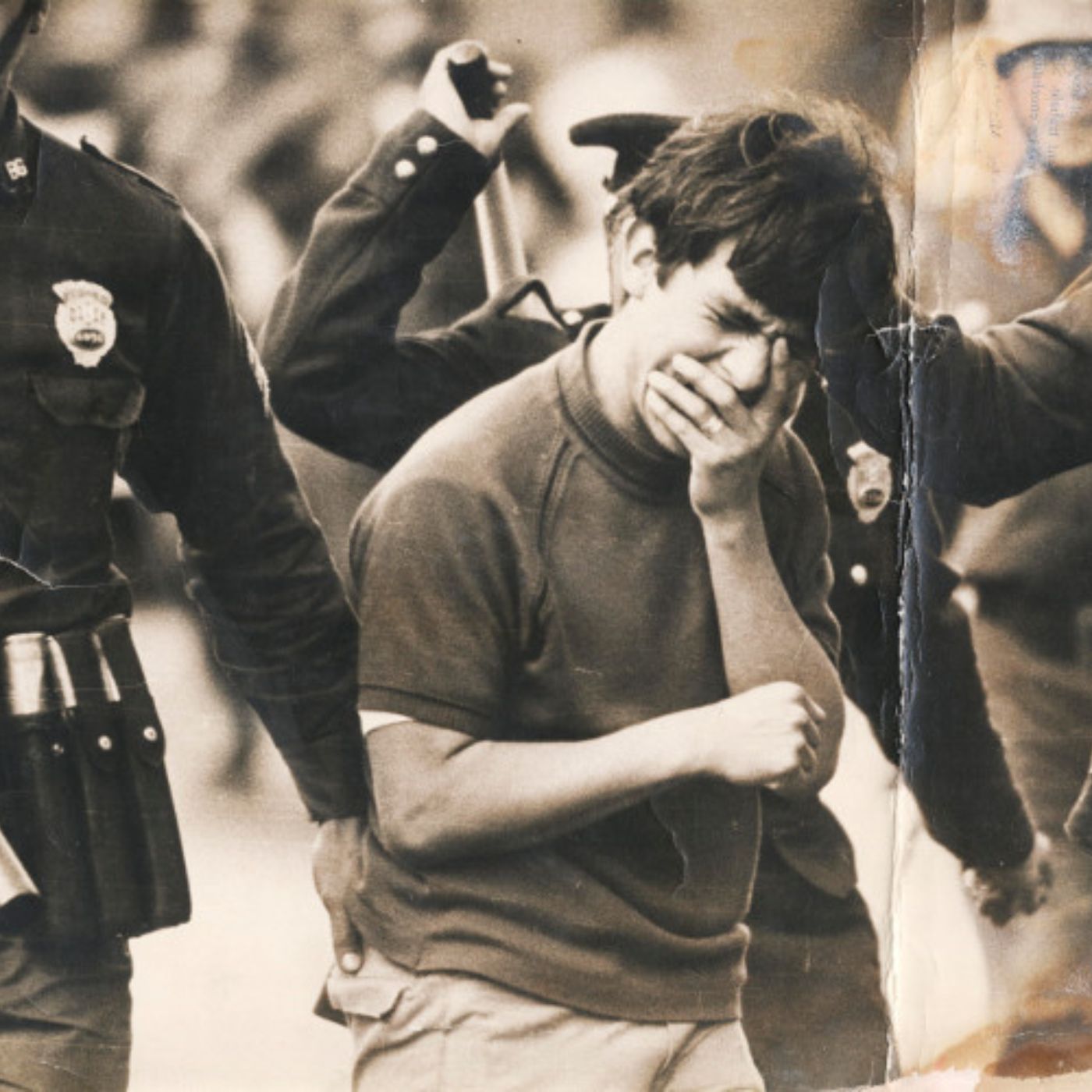
In October 1968, Mexico City was preparing to host the Olympics - the first Latin American country to do so. It was an opportunity to showcase the new, modern Mexico. However, at the same time, student protests were erupting throughout the city. On October 2, just days before the Olympics were supposed to begin, the Mexican army fired on a peaceful student protest in the Tlatelolco neighborhood. The official announcement was that four students were dead, but eyewitnesses said they saw hundred of dead bodies being trucked away - and the death toll isn’t the only thing the government covered up. This story originally aired on NPR in 2008. Learn about your ad choices: dovetail.prx.org/ad-choices
Guest Spotlight: Ear Hustle
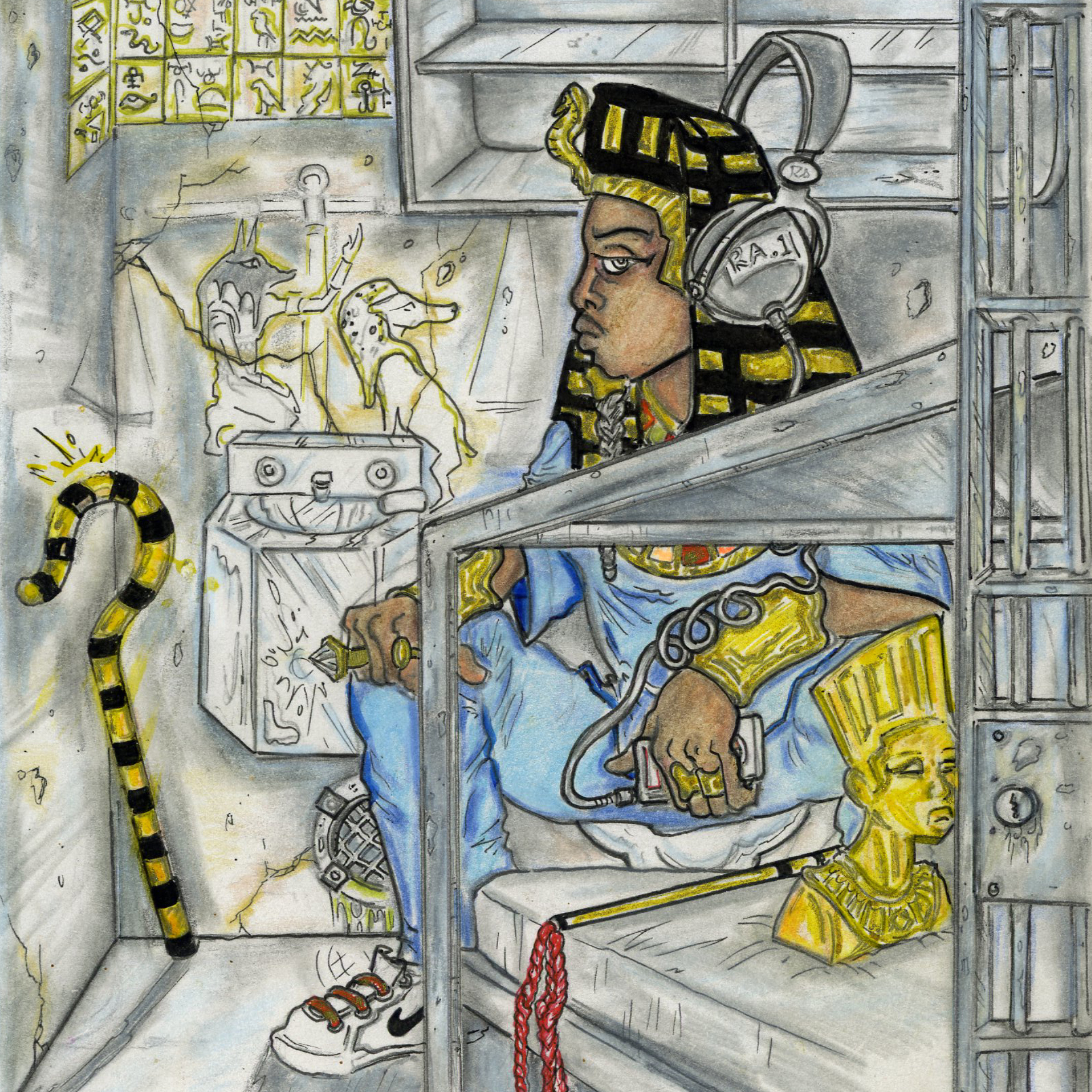
This week we’re featuring an episode from our fellow Radiotopia show, Ear Hustle. Ear Hustle is produced inside San Quentin State Prison, in California. The show tells stories about what life is really like in prison, and after you get out. This episode is the first in Ear Hustle’s new season. It’s a beautiful, funny, and surprising story about the ways being incarcerated can mess with your sense of smell, and touch, and just about everything else. Episode artwork is by Richard Phillips, from a collaboration with the San Quentin Arts Project. Learn about your ad choices: dovetail.prx.org/ad-choices
Working, Then And Now
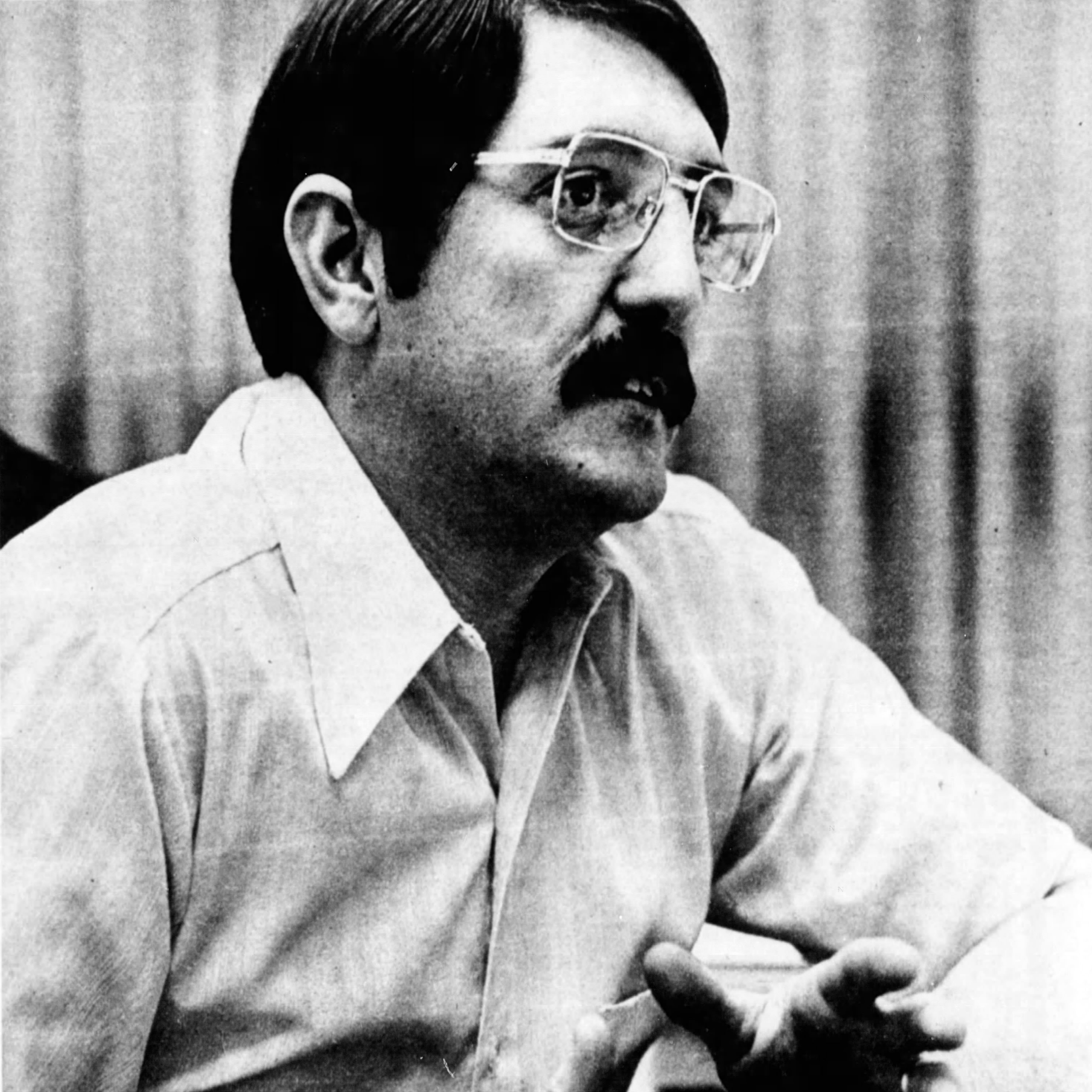
EIn the early 1970s, radio host and oral historian Studs Terkel went around the country, tape recorder in hand, interviewing people about their jobs. The interviews were compiled into a 1974 book called “Working: People Talk About What They Do All Day and How They Feel About What They Do,” which became a bestseller. This week, we’re revisiting two of those conversations. The first is with Gary Bryner, an auto worker and union leader. The second is with Renault Robinson, a police officer. We spoke with both men four decades after their original interviews. These stories originally aired on NPR in 2016. Learn about your ad choices: dovetail.prx.org/ad-choices

The Longest Game
EIn the spring of 1981, the Pawtucket Red Sox and the Rochester Red Wings met for a minor league game of little importance. But over the course of 33 innings – 8 hours and 25 minutes – the game made history. It was the longest professional baseball game ever played. This is an excerpt of a story in collaboration with ESPN's 30 for 30. Learn about your ad choices: dovetail.prx.org/ad-choices

Rumble Strip: Finn and the Bell
This week we’re bringing you a story from independent producer Erica Heilman, who makes the Rumble Strip podcast. The story is about a teenager named Finn Rooney who loved to fish and play baseball. It’s also about what happened in Finn’s community in Vermont after he took his life in January 2020. (A warning that this story discusses suicide) The story, “Finn and the Bell,” recently won a Peabody award. Special thanks to Finn’s mother, Tara Reese, and to the people of Hardwick, Vermont who spoke with Erica for the story. You can check out other episodes of Rumble Strip wherever you get your podcasts, or at https://rumblestripvermont.com/. *** If you or someone you know is in crisis and may be considering suicide, contact the National Suicide Prevention Lifeline at 1-800-273-8255. Learn about your ad choices: dovetail.prx.org/ad-choices
The Almost Astronaut
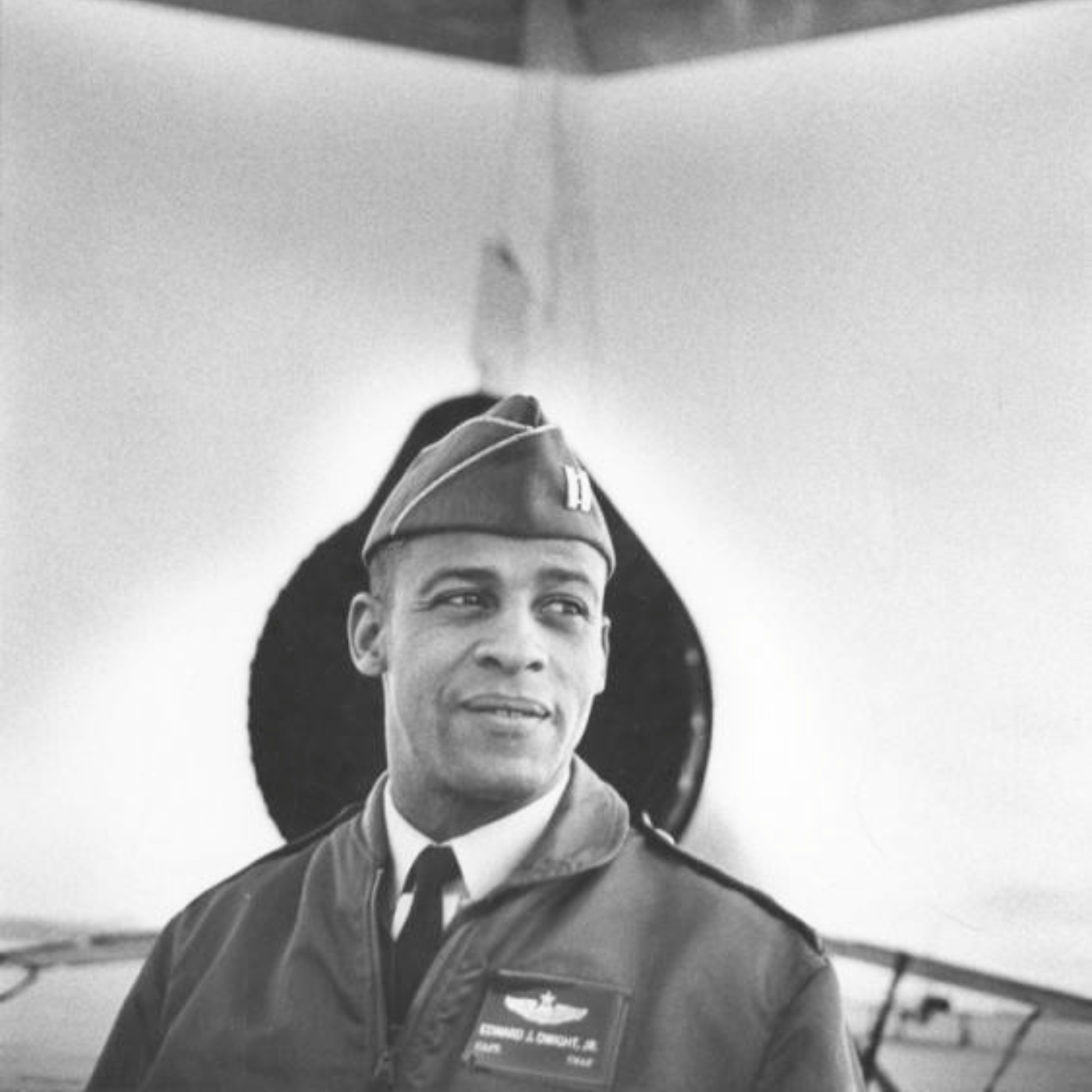
In the 1960s, the U.S. was in a tense space race with the Soviet Union - and was losing. The Soviets had sent the first satellite and the first man into space. So, President Kennedy pledged to do something no country had done: send a man to the moon. This mission excited many white Americans, but many Black Americans thought the space program wasted money that could’ve helped Black communities. So, the U.S. embarked on a plan that could beat the Soviets and appease Black Americans: tapping Air Force Captain Ed Dwight as the first Black astronaut candidate. Learn about your ad choices: dovetail.prx.org/ad-choices
The General Slocum
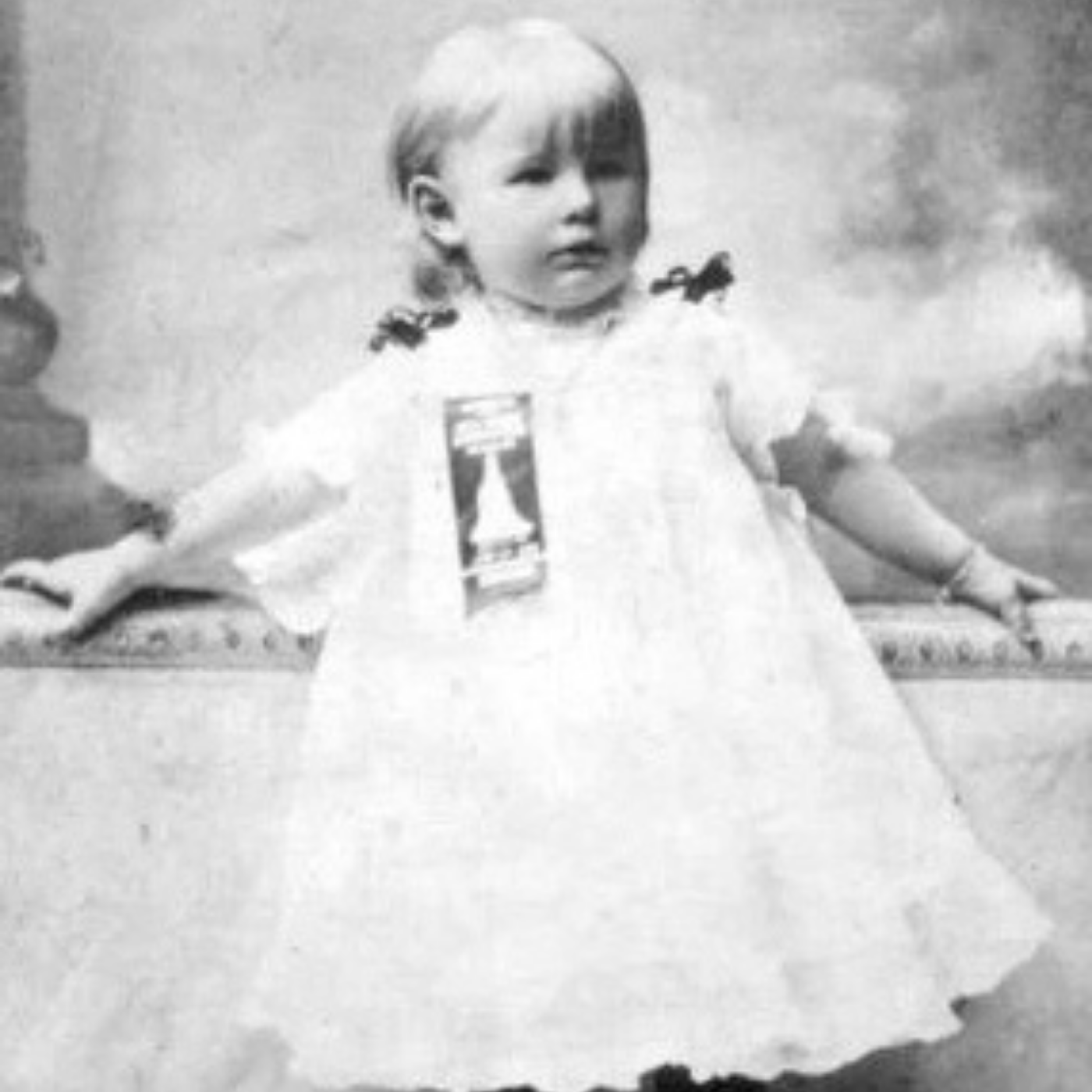
On June 15, 1904, a steamship called the General Slocum left the pier on East Third Street in New York City just after 9 AM. The boat was filled with more than 1,300 residents of the Lower East Side. Many of the passengers were recent German immigrants who were headed up the East River for a church outing, a boat cruise and picnic on Long Island. They would never make it. We interviewed the last survivor of the General Slocum, Adella Wotherspoon, when she was 100 years old. Today, we’re bringing you her story. This story originally aired on NPR in 2004. Learn about your ad choices: dovetail.prx.org/ad-choices

The End of Smallpox
Only one human disease has ever been completely eradicated: Smallpox. Smallpox was around for more than 3,000 years and killed at least 300 million people in the 20th century. Then, by 1980, it was gone. Rahima Banu was the last person in the world to have the deadliest form of smallpox. In 1975, Banu was a toddler growing up in a remote village in Bangladesh when she developed the telltale bumpy rash. Soon, public health workers from around the world showed up at her home to try to keep the virus from spreading. This is her story. *** This episode of Radio Diaries has support from GreenChef. Go to GreenChef.com/diaries130 and use code diaries130 to get $130 off, plus free shipping. Learn about your ad choices: dovetail.prx.org/ad-choices
The Story of Jane
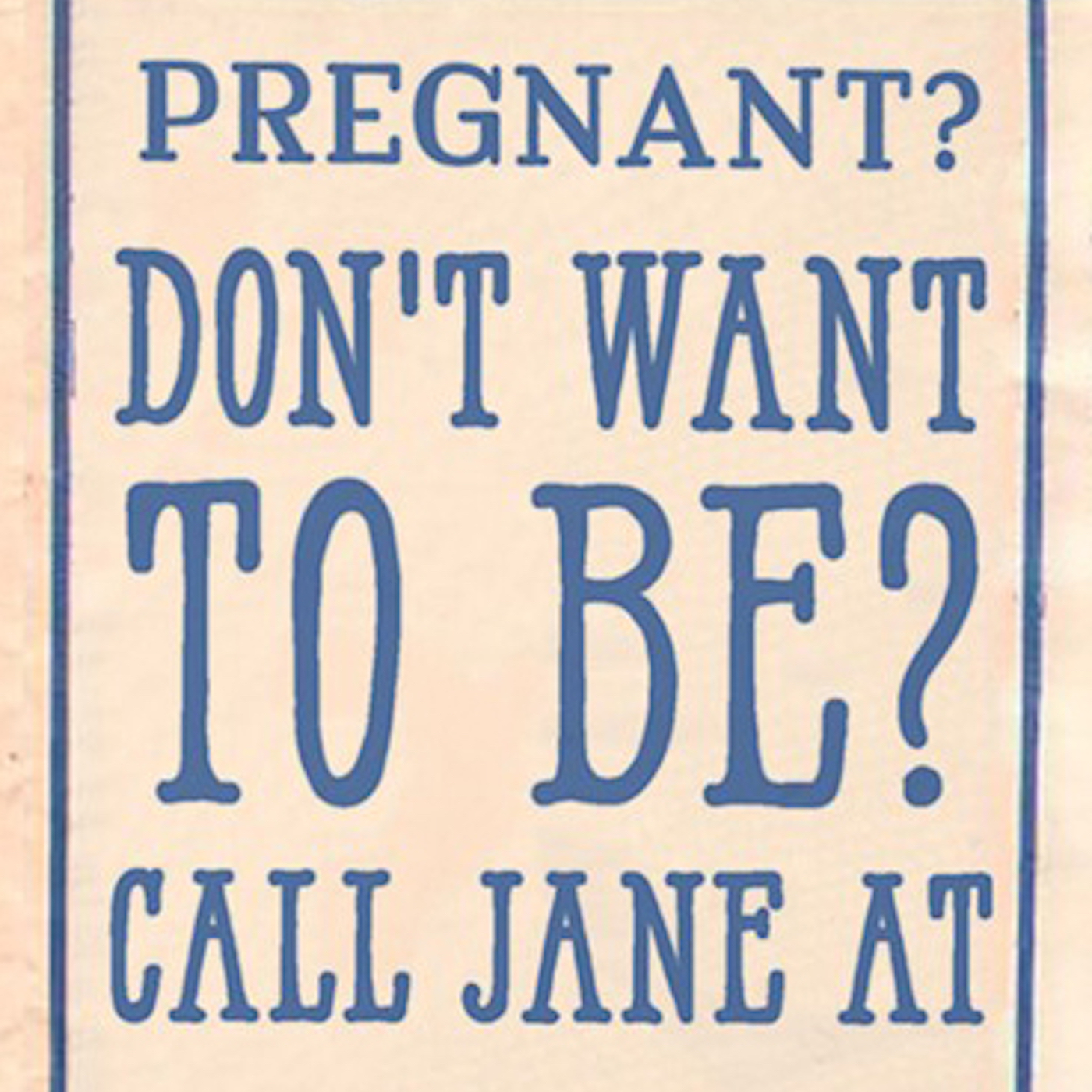
Before the U.S. Supreme Court decided Roe v. Wade, abortion was illegal throughout most of the country. But that doesn't mean women didn't get them. In 1965, an underground network formed in Chicago to help pregnant women get abortions. At first, they connected women with doctors willing to break the law to perform the procedure. Eventually, they were trained and began performing abortions themselves. The group called itself “Jane.” Over the years, Jane performed more than 11,000 first and second trimester abortions. This story first aired in 2018. Learn about your ad choices: dovetail.prx.org/ad-choices
The Greatest Songwriter You've Never Heard Of
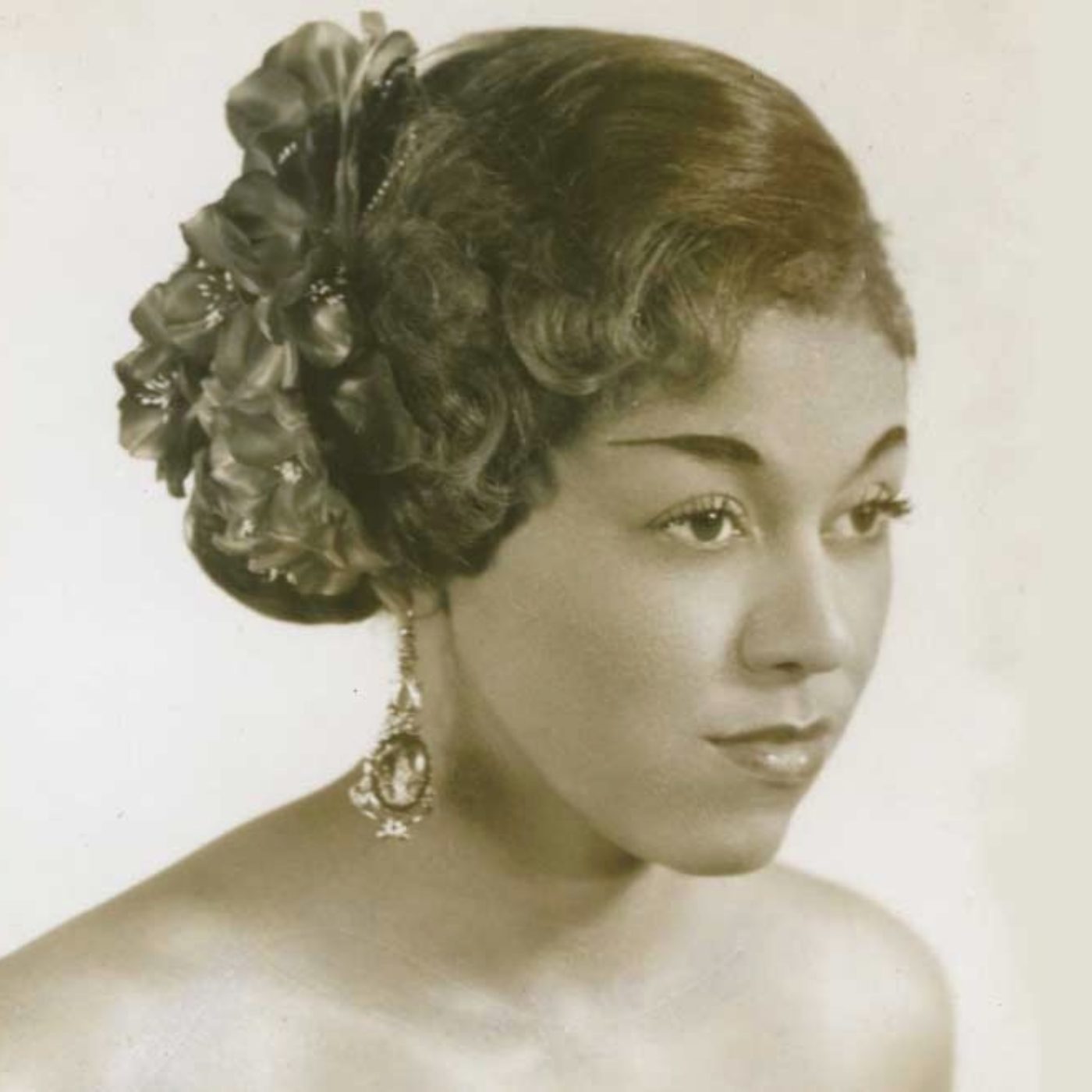
You probably don’t know her name, but you definitely know her songs. Rose Marie McCoy would’ve turned 100 years old today. On this episode of the Radio Diaries Podcast, we’re remembering the woman behind smash hits by Tina Turner, Elvis Presley, Diana Ross and many others. Learn about your ad choices: dovetail.prx.org/ad-choices
Identical Strangers
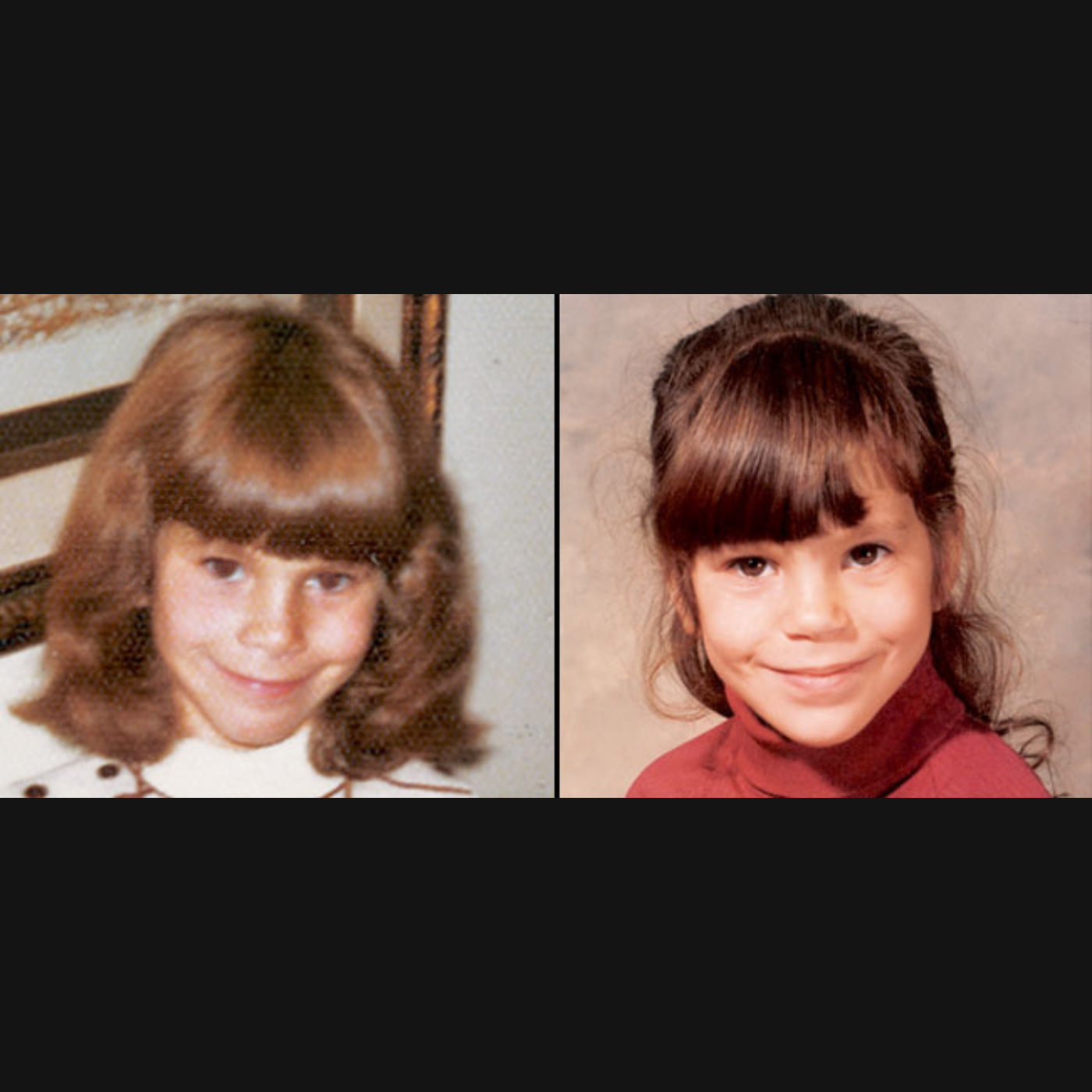
Paula Bernstein and Elyse Schein were both born in New York City and adopted as infants. When they were 35 years old, they met and found they were “identical strangers.” This story originally aired on NPR in 2007. *** Today’s episode is supported by Green Chef. Visit GreenChef.com/diaries130 and use code diaries130 to get $130 off, plus free shipping. Learn about your ad choices: dovetail.prx.org/ad-choices
Sofia's Choice: A Ukrainian Diary
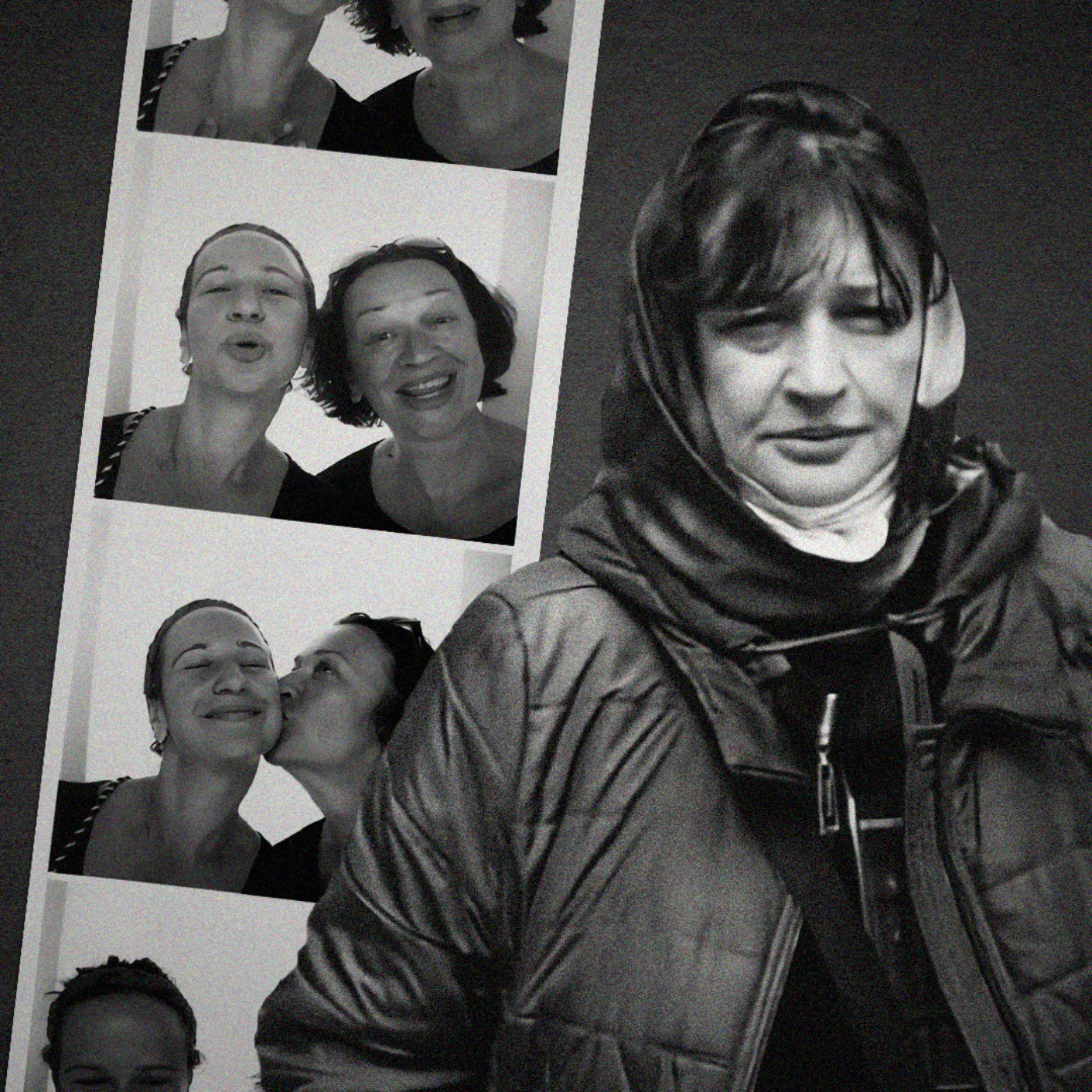
Sofia Bretl has lived in New York City for the last decade. But she was born and raised in the Ukrainian city of Kharkiv, about 25 miles from the Russian border. The city has received some of the worst shelling so far in the war. That’s where her mother lives. As conditions in Kharkiv worsened, they faced a difficult choice. ** If you’d like to show your support during this crisis, one organization that is helping settle refugees is HIAS. Find them at hias.org. Learn about your ad choices: dovetail.prx.org/ad-choices
The Forgotten Story of Clinton Melton
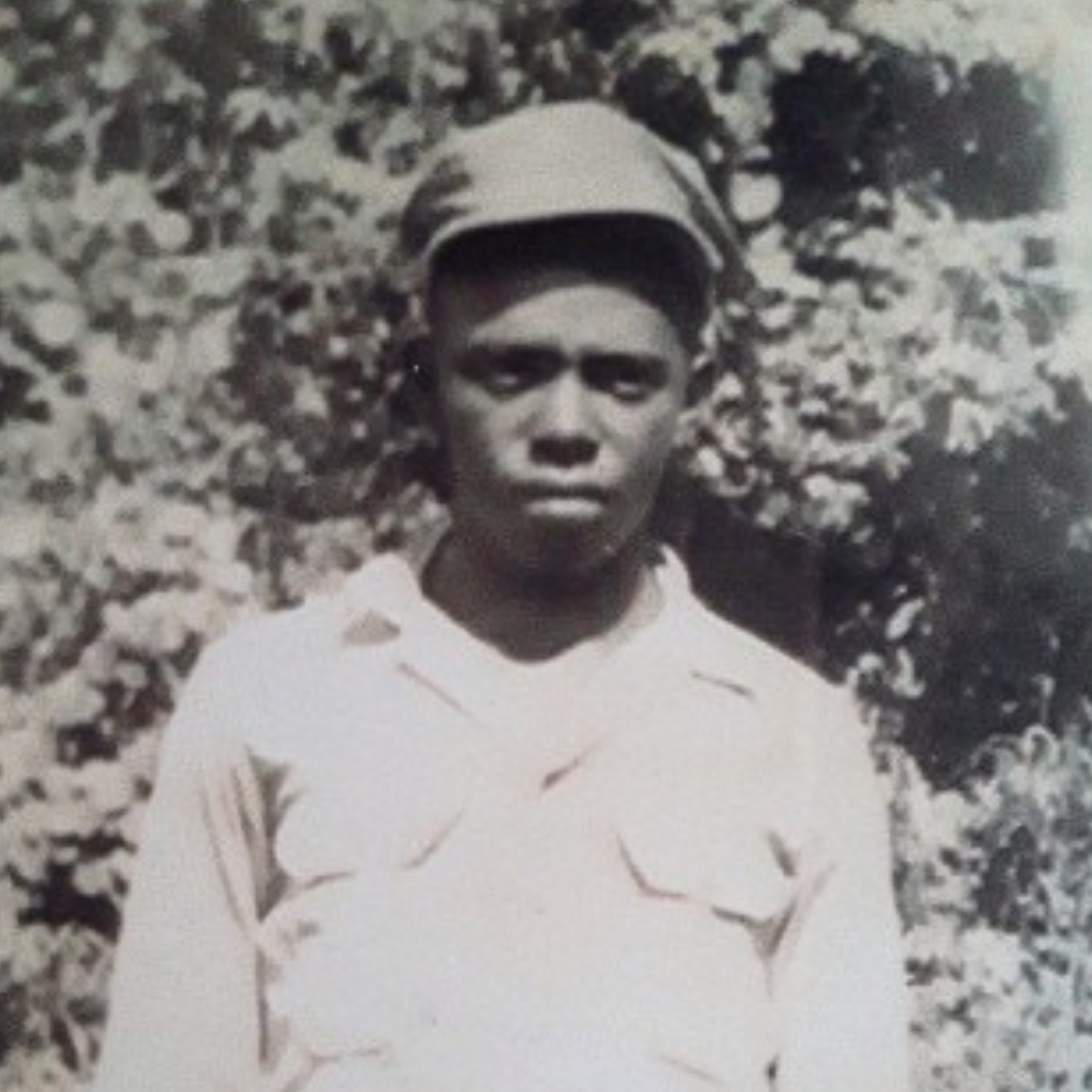
This week, the Senate unanimously passed legislation that would make lynching a federal hate crime. It was a historic moment. Congress has tried and failed to pass antilynching legislation more than 200 times over the course of more than a century. The Emmett Till Antilynching Act is named for a 14-year-old boy whose murder 67 years ago shocked the nation. Till had traveled from Chicago to the Mississippi Delta to visit family when he was kidnapped, horribly beaten, and killed by white men after allegedly flirting with a white woman. His body was later found in the Tallahatchie river. Today, Emmett Till’s death is considered the spark that ignited the burgeoning Civil Rights Movement. But few people know about another brazen murder of a Black man that happened just three months later, in a neighboring town in the Delta. Today on the Radio Diaries Podcast, we tell the forgotten story of Clinton Melton. This episode first aired on NPR in 2020. Learn about your ad choices: dovetail.prx.org/ad-choices
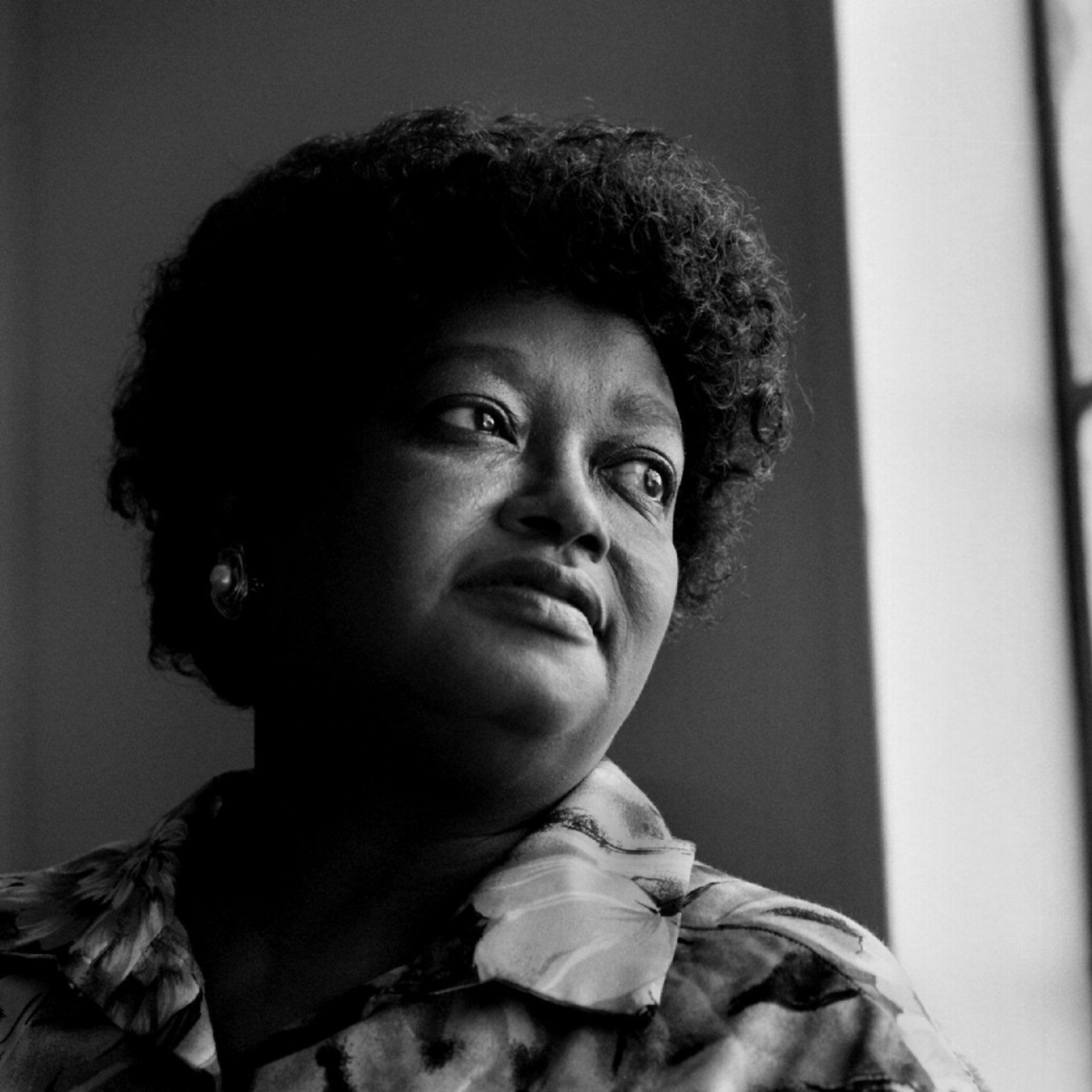
Claudette Colvin: Making Trouble Then and Now
Nine months before Rosa Parks, a 15-year-old Claudette Colvin refused to give up her seat to a white passenger on a segregated bus in Montgomery, AL. 66 years later, Colvin’s fighting to get her record wiped clean. This episode is part of the 2022 Radiotopia Fundraiser! We are a proud member of this amazing network of independent, artist-owned, listener-supported shows. This week, we are all releasing episodes on a theme “Making Trouble.” Please show your support for our network by donating and check out special donor awards from the podcasts you love. DONATE HERE and thank you! Learn about your ad choices: dovetail.prx.org/ad-choices
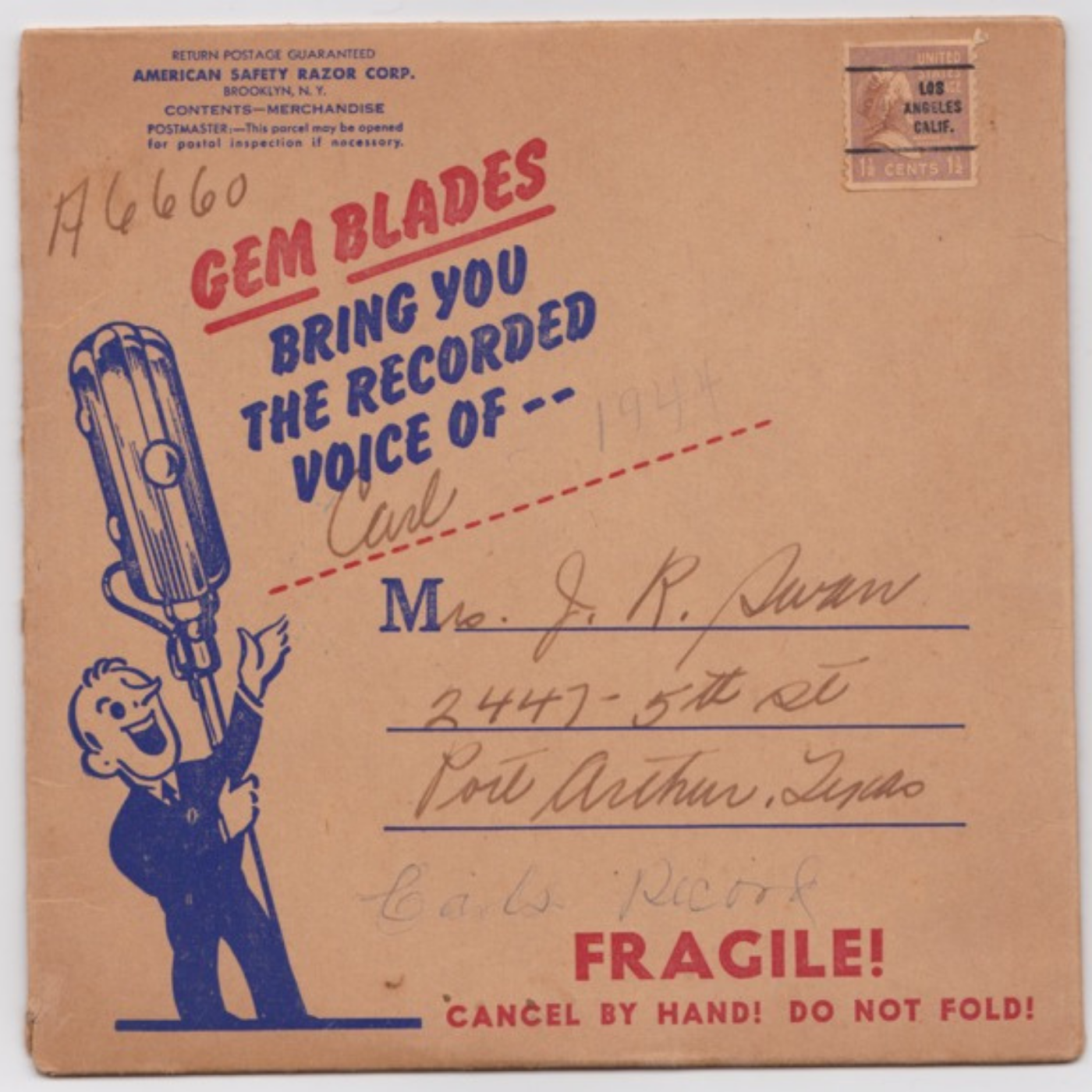
A Voicemail Valentine
Nowadays we’re very accustomed to recording and hearing the sound of our own voices. But in the 1930s many people were doing it for the first time. And a surprising trend began. People started sending their voices to each other, through the postal service. It was literally voice-mail. We combed through a large collection of early voicemail at the Phono Post Archive, and we discovered that many of these audio letters have the same subject matter: love. This story originally aired on NPR’s All Things Considered in 2018. You can see photographs of the voice-o-graphs on our website: https://www.radiodiaries.org/voicemail-valentine-2022/. Learn about your ad choices: dovetail.prx.org/ad-choices

Diary of a Saudi Girl: Then & Now
When we first met Majd Abdulghani, she was a teenager living in Saudi Arabia, one of the most restrictive countries for women in the world. She wanted to be a scientist, her family wanted to arrange her marriage. Majd recorded her life over two years, she was one of our most prolific documentarians. With her microphone, Majd brought us inside a society where the voices of women were rarely heard. Majd is 27 now. A lot has changed in her life. Today, we bring you a brand new conversation with Majd and her original story from 2016. **** Today’s episode has support from GreenChef. Get $130 off when you use code diaries130 at check out. Learn about your ad choices: dovetail.prx.org/ad-choices