
Rabino Tuvia Serber
447 episodes — Page 9 of 9
Las cuentas como preparación para Shavuot
El cuarto libro de la Torá comienza con un censo del pueblo de Israel. De hecho, este libro entero se llama el libro de las cuentas/censos. Este procedimiento es una preparación para la Entrega de la Torá en Shavuot y se expresa en dos formas diferentes de cuentas. Basado en Likutéi Sijot, vol. 4, pág. 1019

Who is like You? 5629 - 5
This is a chassidic discourse by the Fourth Rebbe of Chabad, Rabbi Shmuel of Lubavitch, of the year 1864. In this discourse the Rebbe delves into the explanation of the unity of God despite the fact that there's a world. Why don't we say that God is unique instead of saying He is one?
Talmud Taanit - 17a/17b/18a
En estas páginas el Talmud explica algunos detalles sobre las bendiciones agregadas al rezo en los días de ayuno. Luego se discute sobre beber vino y cortarse el pelo para los Cohaním y comienza una explicación de días mencionados en Meglat Taanit. Para bajar el tratado completo: www.tuviaserber.com/Taanit/Taanit.pdf
Curso para Bnei Noaj 9 - 21
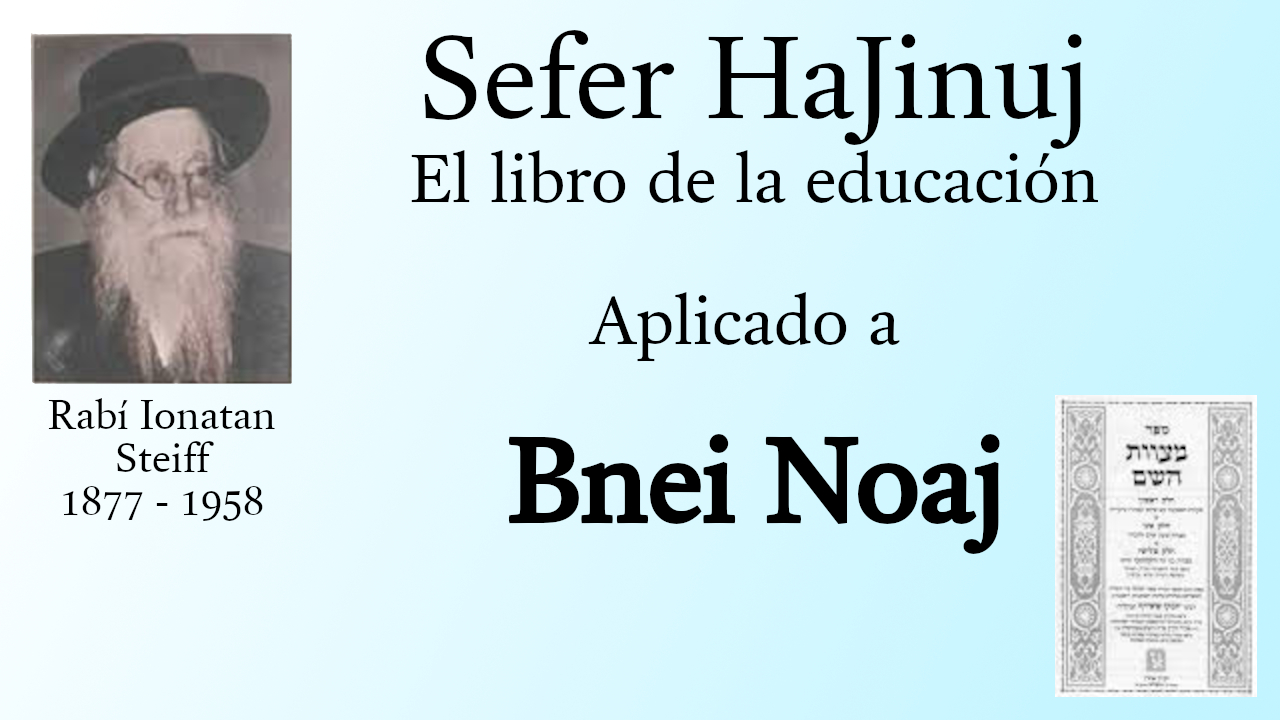
En este curso estudiaremos los preceptos del judaísmo en forma breve, basándose en el libro de la educación (Sefer HaJinuj) y aplicándolos a Bnei Noaj de acuerdo a los escritos de Rabí Ionatan Steiff (1877-1958). En esta clase estudiamos los preceptos relacionados a los Diez Mandamientos.
Recompensa por las Mitzvot
En la parashá de esta semana aparece el principio del judaísmo de recompensa y castigo por la observancia o no de los preceptos. Sin embargo, una lectura más profunda revela el vínculo profundo entre la persona y la Torá. Basado en Likutéi Sijot, vol. 37, pág. 79
Parashat Behar - At Mount Sinai
One of this week's reading is called Behar, which means "at the mountain". The first commandment explained if that of the resting of the land in the seventh year. This Mitzvah has a lesson for each one of us. Based on Likutei Sichot vol. 1, p. 273 and other sources.
13 principios del judaísmo para Bnei Noaj - 12
En este curso estudiaremos en profundidad el texto de maimónides y los 13 principios del judaísmo, extrayendo enseñanzas prácticas para Bnei Noaj.

Who is like You? 5629 - 4
This is a chassidic discourse by the Fourth Rebbe of Chabad, Rabbi Shmuel of Lubavitch, of the year 1864. In this discourse the Rebbe delves into the explanation of the unity of God despite the fact that there's a world. Why don't we say that God is unique instead of saying He is one?
Talmud Taanit - 16a/16b/17a
En estas páginas el Talmud explcia en más detalle el orden en que rezaban en los días de ayuno tanto dentro del Templo en Ierushaláim como fuera del mismo. Para bajar el tratado completo: www.tuviaserber.com/Taanit/Taanit.pdf
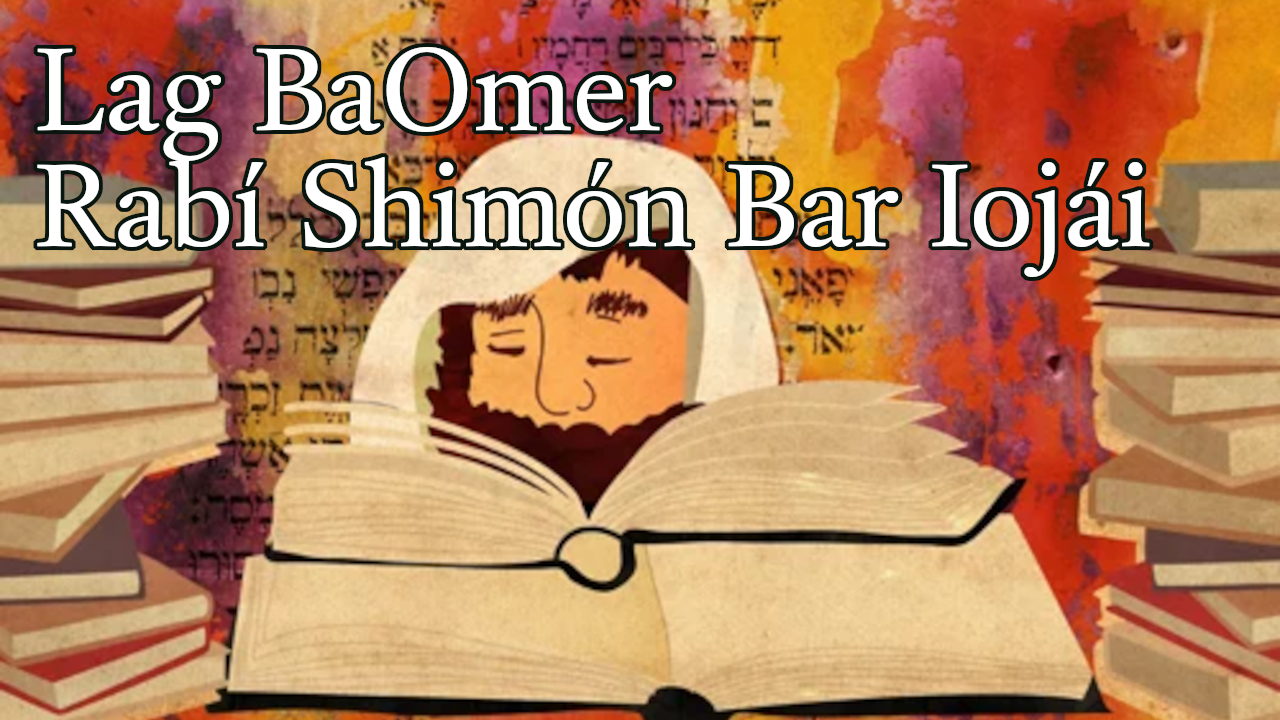
Lag BaOmer: Rabí Shimón Bar Iojái
En esta clase corta se explica una historia de Rabí Shimón, cuyo fallecimiento es el día de Lag BaOmer y su enseñanza.
Lag BaOmer: What is it?
This short class explains the meaning of the words Lag BaOmer and relates a story by Rabbi Shimon Bar Yochai with an important lesson.
13 principios del judaísmo para Bnei Noaj - 11
En este curso estudiaremos en profundidad el texto de maimónides y los 13 principios del judaísmo, extrayendo enseñanzas prácticas para Bnei Noaj.
Should Bnei Noach honor their parents and give charity?
This class is an explanation of a talk by the Lubavitcher Rebbe on the subject. It assumes a previous reading of the material. The subjects discussed are the role of non Jews in creation, the rational commandments, the classical argument between the Rambam and Ramban and others. You can find the text: https://tuviaserber.com/parashat-vayishlach-justice-and-bnei-noach/

Who is like You? 5629 - 3
This is a chassidic discourse by the Fourth Rebbe of Chabad, Rabbi Shmuel of Lubavitch, of the year 1864. In this discourse the Rebbe delves into the explanation of the unity of God despite the fact that there's a world. Why don't we say that God is unique instead of saying He is one?
Me santificaré dentro de los Hijos de Israel 5747
Este es un discurso jasídico del Rebe, Rabí Menajem Mendel Schneerson, del año 1987. En este discurso el Rebe explica el servicio a Di-s de Rabí Shimón Bar Iojái y su conexión con parashat Emor.
Talmud Taanit - 15a/15b/16a
En estas páginas el Talmud comienza el capítulo 2 con una serie de Mishnaiot (enseñanzas) todas seguidas sobre el orden de los eventos y rezo del día de ayuno. Luego se continúa con algunas leyes sobre los Cohaním en el Templo. Para bajar el tratado completo: www.tuviaserber.com/Taanit/Taanit.pdf
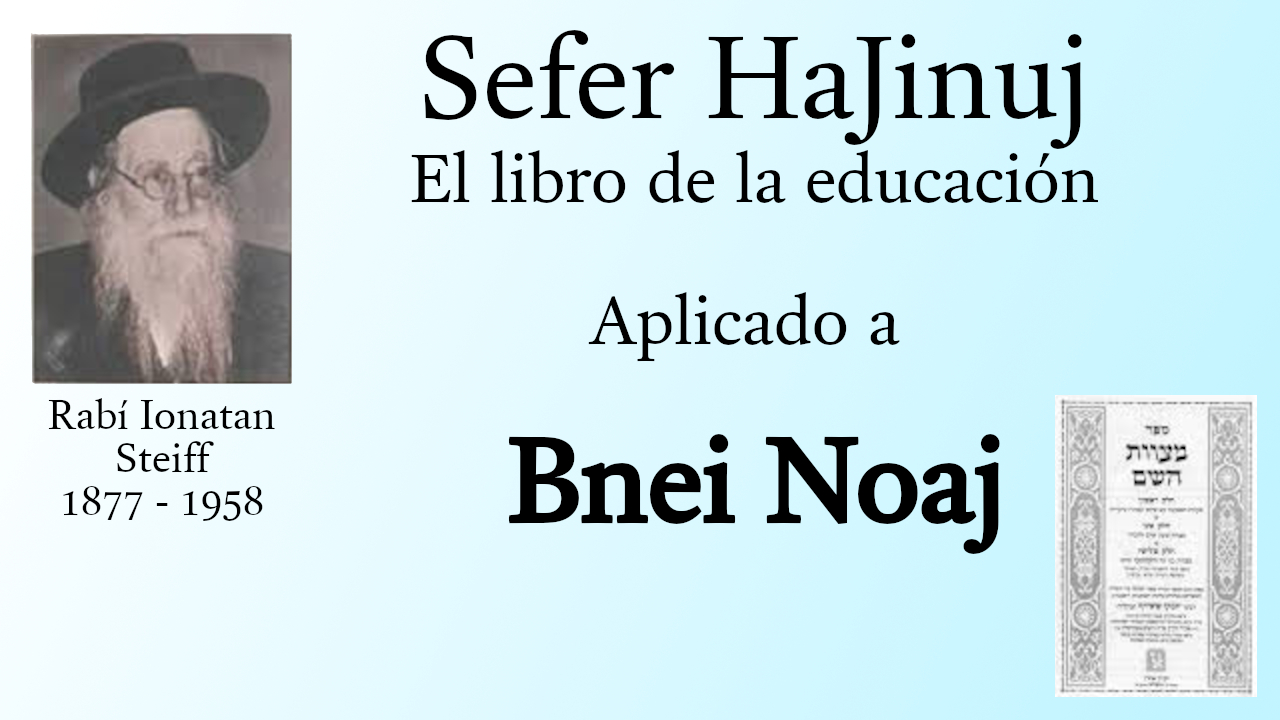
Curso para Bnei Noaj 9 - 20
En este curso estudiaremos los preceptos del judaísmo en forma breve, basándose en el libro de la educación (Sefer HaJinuj) y aplicándolos a Bnei Noaj de acuerdo a los escritos de Rabí Ionatan Steiff (1877-1958). En esta clase estudiamos los preceptos relacionados a los Diez Mandamientos.
Parashat Kedoshim - Are you holy?
In this week's reading we learn about being holy. Usually this means to be separated from the world. But in this short class we learn that holiness can also mean to be within the world, in a very special way.
13 principios del judaísmo para Bnei Noaj - 10
En este curso estudiaremos en profundidad el texto de maimónides y los 13 principios del judaísmo, extrayendo enseñanzas prácticas para Bnei Noaj.

Who is like You? 5629 - 2
This is a chassidic discourse by the Fourth Rebbe of Chabad, Rabbi Shmuel of Lubavitch, of the year 1864. In this discourse the Rebbe delves into the explanation of the unity of God despite the fact that there's a world. Why don't we say that God is unique instead of saying He is one?

Bnei Noach and Blessings
This class explores the Jewish blessings for different situations of life. How they apply to non-Jews and their meaning from a mystical perspective.
Talmud Taanit - 14a/14b/15a
En estas páginas el Talmud explica el final de la Mishná sobre tocar el Shofar en los días de ayuno, decretar más ayunos de los 13 estipulados y sobre los negocios abiertos o cerrados. Final del capítulo 1. Para bajar el tratado completo: www.tuviaserber.com/Taanit/Taanit.pdf
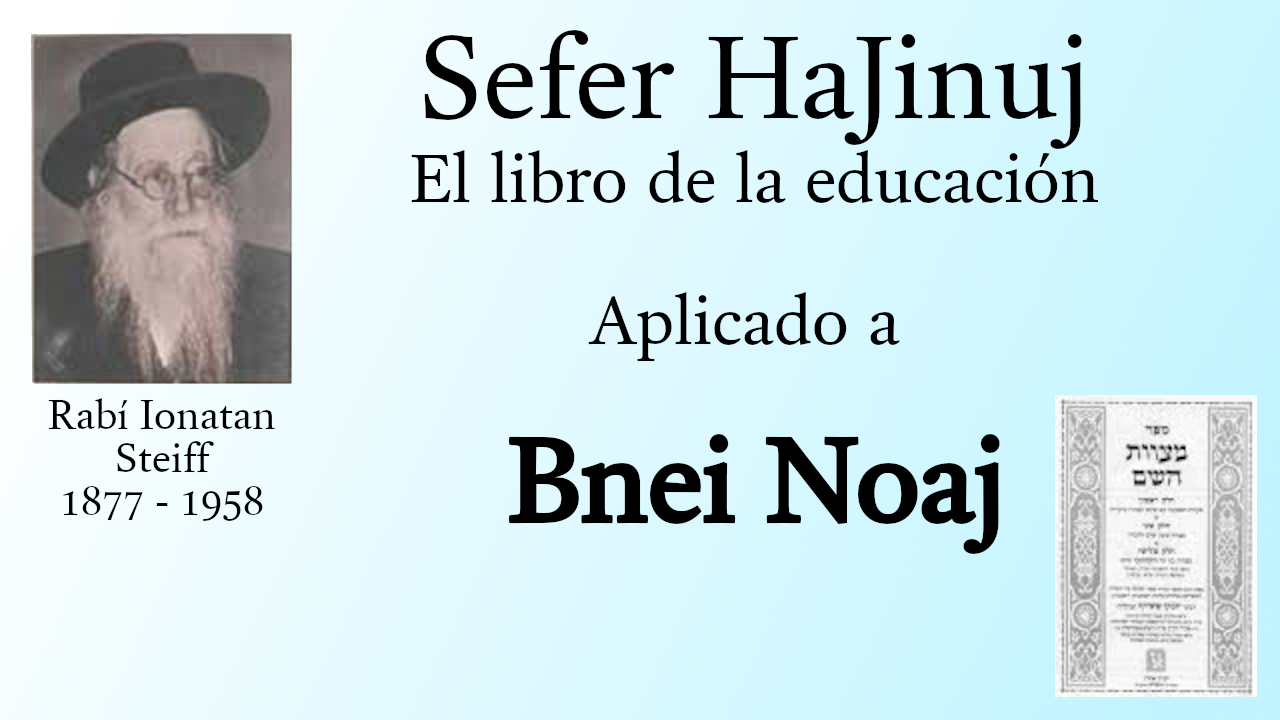
Curso para Bnei Noaj 9 - 19
En este curso estudiaremos los preceptos del judaísmo en forma breve, basándose en el libro de la educación (Sefer HaJinuj) y aplicándolos a Bnei Noaj de acuerdo a los escritos de Rabí Ionatan Steiff (1877-1958). En esta clase estudiamos los preceptos relacionados a los Diez Mandamientos.
Parashot Tazria/Metzora - Is God the main thing in your life?
The main subject of this two sections is a miraculous decease called Tzraat and the way it appears and gets cured. There are many layers of meaning in the Torah and, therefore, there's a lesson both for regular people and for very elevated people.
13 principios del judaísmo para Bnei Noaj - 9
En este curso estudiaremos en profundidad el texto de maimónides y los 13 principios del judaísmo, extrayendo enseñanzas prácticas para Bnei Noaj.

Who is like You? 5629 - 1
This is a chassidic discourse by the Fourth Rebbe of Chabad, Rabbi Shmuel of Lubavitch, of the year 1864. In this discourse the Rebbe delves into the explanation of the unity of God despite the fact that there's a world. Why don't we say that God is unique instead of saying He is one?
Talmud Taanit - 13b/14a
En estas páginas el Talmud continúa clarando las leyes de quien está de dueo al respecto de bañarse. Se explica sobre dónde se agrega la plegaria específica de los días de ayuno (Aneinu). Para bajar el tratado completo: www.tuviaserber.com/Taanit/Taanit.pdf
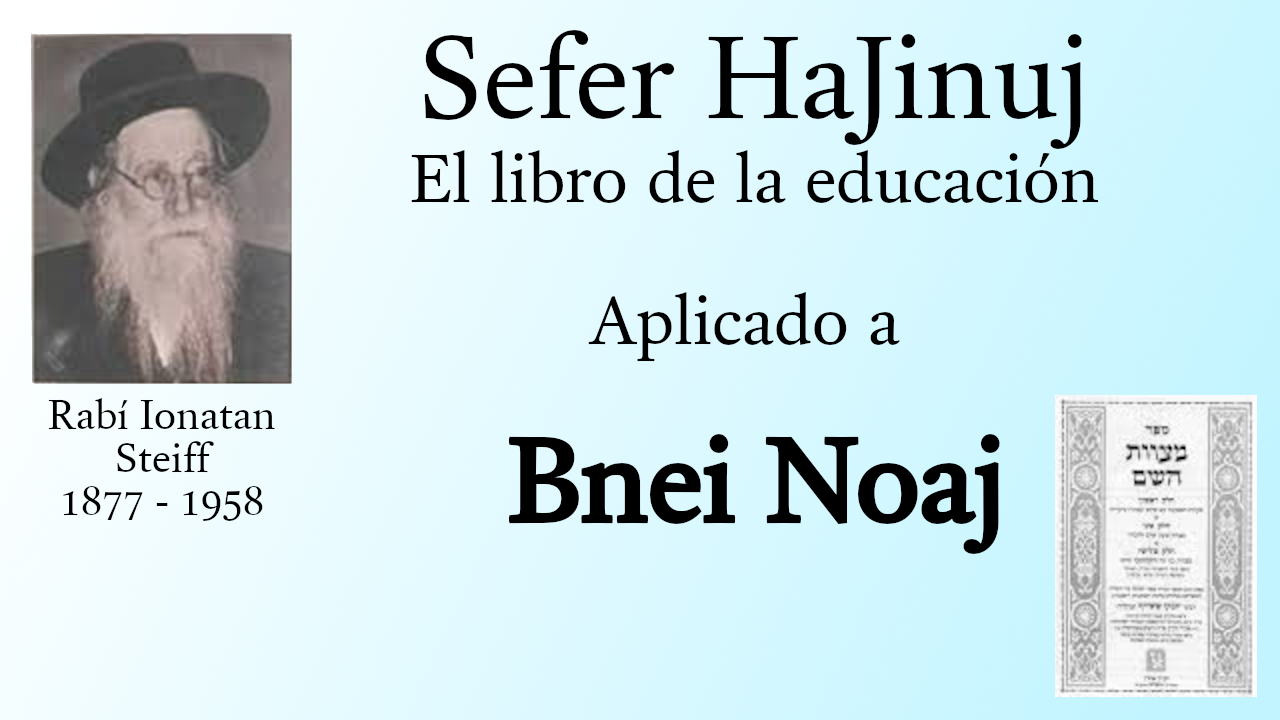
Curso para Bnei Noaj 9 - 18
En este curso estudiaremos los preceptos del judaísmo en forma breve, basándose en el libro de la educación (Sefer HaJinuj) y aplicándolos a Bnei Noaj de acuerdo a los escritos de Rabí Ionatan Steiff (1877-1958). En esta clase estudiamos los preceptos relacionados a los Diez Mandamientos.
Parashat Shemini - Don't be silent, praise!
This week's Torah reading talks, among other themes, about the death of two of the sons of Aharon, Nadav and Avihu, in the middle of serving G-d. The Torah relates the attitude of Aharon and, when compared to that of King David we can learn a deep lesson.
13 principios del judaísmo para Bnei Noaj - 8
En este curso estudiaremos en profundidad el texto de maimónides y los 13 principios del judaísmo, extrayendo enseñanzas prácticas para Bnei Noaj.

One God - 11
This is a chassidic discourse by the Rebbe Rashab, the fifth Rebbe of Chabad, Rabbi Shalom DovBer Schneerson, of blessed memory, of the year 1897. In this discourse the Rebbe analizes deeply the significance of the verse that says that God is the Lord. If there is one God, why do we see multiplicity in the world?

Últimos días de Pesaj - Revelación del potencial
Los últimos días de Pesaj recuerdan la aertura del Mar de Juncos y el pasaje del pueblo de Israel en medio del mar. Nuestros sabios cuentan que hubo muchos milagros allí. ¿Qué representa para nosotros hoy en día? Basado en Likutéi Sijot, vol. 3, pág. 966
Last days of Pesach: A double liberation
There's a double liberation expressed in the last days of Pesach. A few explanations of the subject.

13 principios del judaísmo para Bnei Noaj - 7
En este curso estudiaremos en profundidad el texto de maimónides y los 13 principios del judaísmo, extrayendo enseñanzas prácticas para Bnei Noaj.

Shabat haGadol - El gran Shabat
El Shabat anterior a Pesaj se llama "El gran Shabat", porque un gran milagro ocurrió en Egipto, antes de la salida del pueblo de Israel de allí. Una explciación sobre por qué lo recordamos justamente en Shabat y no otro día. Basado en Likutéi Sijot, vol. 17, pág. 57
A great Shabbat
Shabbat haGadol (before Pesach) This Shabbat is called "the great Shabbat" because a great miracle happened before the Jewish people left Egypt. An explanation of it's meaning and relation to Bnei Noach. Based on Likutei Sichot vol. 17, p. 57

13 principios del judaísmo para Bnei Noaj - 6
En este curso estudiaremos en profundidad el texto de maimónides y los 13 principios del judaísmo, extrayendo enseñanzas prácticas para Bnei Noaj.

One God - 10
This is a chassidic discourse by the Rebbe Rashab, the fifth Rebbe of Chabad, Rabbi Shalom DovBer Schneerson, of blessed memory, of the year 1897. In this discourse the Rebbe analizes deeply the significance of the verse that says that God is the Lord. If there is one God, why do we see multiplicity in the world?

Leave your own Egypt
This is a chassidic discourse by the Frierdiker Rebbe, Rabbi Yosef Yitzchak Schneerson, of blessed memory, of the year 1944. In this discourse the Rebbe explains the mystical meaning of Egypt, the exile and redemption. How emotions are developed by the intellect. The original text can be found in the Discourses in Yiddish.
Talmud Taanit - 12b/13a
En estas páginas el Talmud comienza con una nueva Mishná, explicando cómo siguen los ayunos comunales en caso de que no haya lluvias pasado el comienzo de Kislev. Se comienza la explicación de una frase de rAv Jisda sobre si se puede bañarse en días de ayuno. Para bajar el tratado completo: www.tuviaserber.com/Taanit/Taanit.pdf
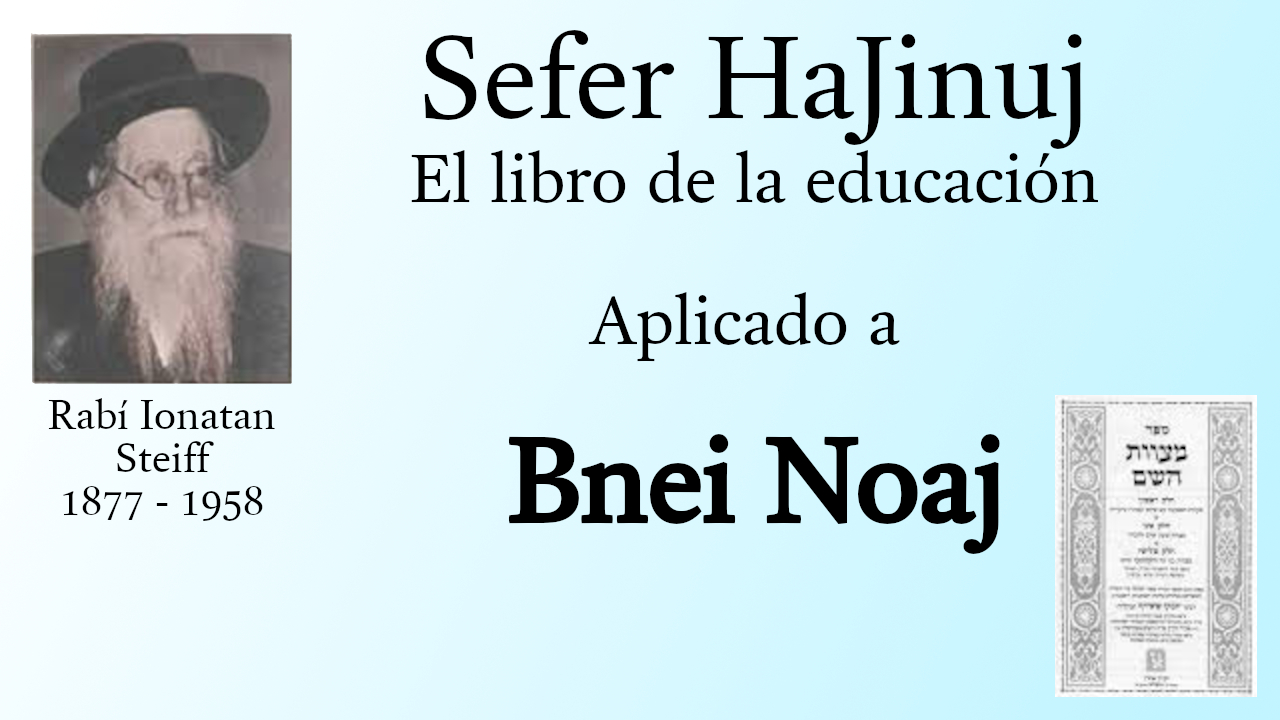
Curso para Bnei Noaj 9 - 17
En este curso estudiaremos los preceptos del judaísmo en forma breve, basándose en el libro de la educación (Sefer HaJinuj) y aplicándolos a Bnei Noaj de acuerdo a los escritos de Rabí Ionatan Steiff (1877-1958). En esta clase estudiamos los preceptos relacionados a los Diez Mandamientos.

Una alef pequeña
En la parashá de esta semana encontramos una letra pequeña en el texto original. En esta clase se ofrecen tres explicaciones sobre el tema.

Parashat Vayikra - Closer to God
This week's Torah reading begins the third book of Torah, the book of the laws of Kohanim, priests. Even though most of the ideas and laws of the book don't apply today since we (still) don't have a Third Temple, still the lessons are eternal. How do you become closer to God?

13 principios del judaísmo para Bnei Noaj - 5
En este curso estudiaremos en profundidad el texto de maimónides y los 13 principios del judaísmo, extrayendo enseñanzas prácticas para Bnei Noaj.

One God - 9
This is a chassidic discourse by the Rebbe Rashab, the fifth Rebbe of Chabad, Rabbi Shalom DovBer Schneerson, of blessed memory, of the year 1897. In this discourse the Rebbe analizes deeply the significance of the verse that says that God is the Lord. If there is one God, why do we see multiplicity in the world?