
Programming Tech Brief By HackerNoon
332 episodes — Page 6 of 7

Designing a Multi-Seller Platform With Stripe Connect Express
This story was originally published on HackerNoon at: https://hackernoon.com/designing-a-multi-seller-platform-with-stripe-connect-express. A practical, experience-driven guide to designing a multi-seller B2B SaaS platform with Stripe Connect Express and Webhooks. Check more stories related to programming at: https://hackernoon.com/c/programming. You can also check exclusive content about #webhooks, #stripe-connect, #payments, #stripe, #system-design, #saas, #system-architecture, #stripe-connect-express, and more. This story was written by: @marinawebdev. Learn more about this writer by checking @marinawebdev's about page, and for more stories, please visit hackernoon.com. Stripe Connect Express makes it easy to launch a multi-seller platform, but real complexity shows up after go-live. Seller accounts and capabilities change over time, and payment flows that rely on static assumptions eventually break. This article walks through a practical approach to designing a Stripe Connect Express integration that survives those changes by treating Stripe as an event-driven system, using webhooks as the source of truth, modelling seller state internally, and making payment flows react to that state instead of relying on one-time checks.

Building a Live HTML Page Generator Using Pure JavaScript
This story was originally published on HackerNoon at: https://hackernoon.com/building-a-live-html-page-generator-using-pure-javascript. A simple project that uses AI to build a webpage that turns simple text into an index. html. Check more stories related to programming at: https://hackernoon.com/c/programming. You can also check exclusive content about #html, #index, #ai, #code, #tool, #writing, #html-for-writers, #html-page-generator, and more. This story was written by: @Joeboukhalil. Learn more about this writer by checking @Joeboukhalil's about page, and for more stories, please visit hackernoon.com. A simple project that uses AI to build a webpage that turns simple text into an index. html.

The 16KB Deadline: How FlutterFlow is Saving Apps from the Android Purge
This story was originally published on HackerNoon at: https://hackernoon.com/the-16kb-deadline-how-flutterflow-is-saving-apps-from-the-android-purge. FlutterFlow’s upgrade to 3.38.5 is more than a patch—it's a survival move. Check more stories related to programming at: https://hackernoon.com/c/programming. You can also check exclusive content about #low-code, #flutterflow, #google-play, #webassembly, #software-architecture, #no-code, #flutterflow-app-slowness, #android-purge, and more. This story was written by: @omotayojude. Learn more about this writer by checking @omotayojude's about page, and for more stories, please visit hackernoon.com. FlutterFlow’s upgrade to 3.38.5 is more than a patch—it's a survival move.
SnapPoint: A Hard Reset for Your Dev Machine
This story was originally published on HackerNoon at: https://hackernoon.com/snappoint-a-hard-reset-for-your-dev-machine. SnapPoint helps developers audit, clean, and realign their system by finding ghost binaries, PATH conflicts, and leftover tool junk. Check more stories related to programming at: https://hackernoon.com/c/programming. You can also check exclusive content about #cli-tools, #developer-tools, #open-source, #terminal, #golang, #productivity, #package-management, #hackernoon-top-story, and more. This story was written by: @alexcloudstar. Learn more about this writer by checking @alexcloudstar's about page, and for more stories, please visit hackernoon.com. SnapPoint is a system auditor and a package manager manager. Its job is to understand what is installed on your machine, where it came from, and whether it still belongs there.

The State of Laravel Packages in 2026, According to 200 Developers
This story was originally published on HackerNoon at: https://hackernoon.com/the-state-of-laravel-packages-in-2026-according-to-200-developers. Surveying 200 developers reveals why Laravel packages remain essential—but outdated docs, abandoned tools, and search noise are slowing teams down. Check more stories related to programming at: https://hackernoon.com/c/programming. You can also check exclusive content about #laravel-packages, #laravel-ecosystem, #php-packages, #composer-dependencies, #laravel-developer-survey, #laravel-package-maintenance, #open-source-php, #hackernoon-top-story, and more. This story was written by: @danielpetrica. Learn more about this writer by checking @danielpetrica's about page, and for more stories, please visit hackernoon.com. A survey of 200 active Laravel developers shows strong reliance on third-party packages, but growing frustration with poor documentation, abandoned tools, and the lack of standardized ways to evaluate package health—prompting the need for better curation.
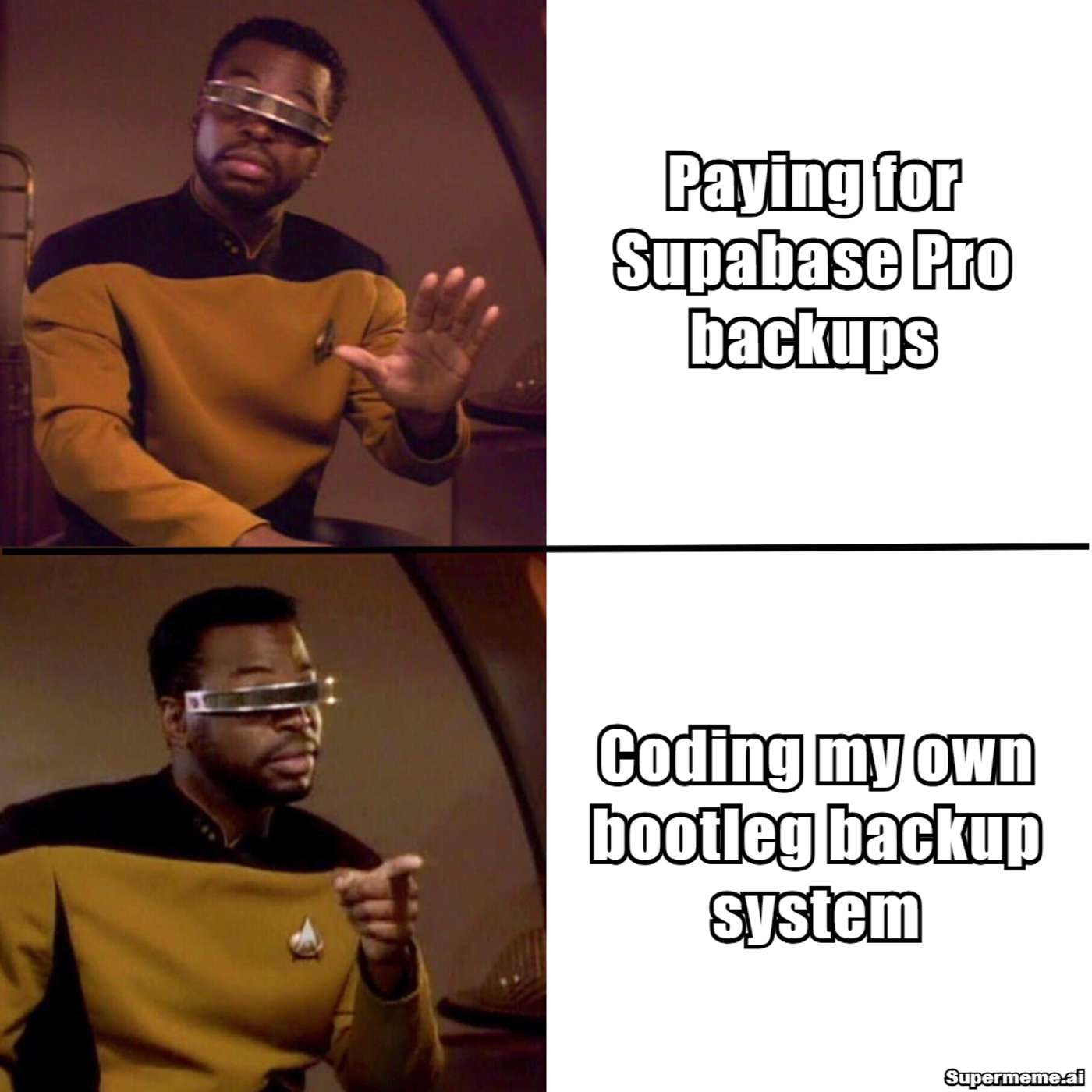
I Didn’t Want to Pay for Supabase Backups, So I Built My Own
This story was originally published on HackerNoon at: https://hackernoon.com/i-didnt-want-to-pay-for-supabase-backups-so-i-built-my-own. Learn how to back up a Supabase Postgres database on the free plan using GitHub Actions. Check more stories related to programming at: https://hackernoon.com/c/programming. You can also check exclusive content about #supabase-backups, #postgres-backup-automation, #pg_dump-supabase, #serverless-database-backups, #automated-database-backups, #postgres-dump-workflow, #supabase-free-backup-plan, #hackernoon-top-story, and more. This story was written by: @efethesage. Learn more about this writer by checking @efethesage's about page, and for more stories, please visit hackernoon.com. This post shows how I set up automatic Supabase Postgres backups every 12 hours using GitHub Actions. The only thing you must understand is that a database backup is like an umbrella: if you wait until it starts raining, you’re already wet.

I Built a Go-Based ngrok Alternative With Zero Dependencies
This story was originally published on HackerNoon at: https://hackernoon.com/i-built-a-go-based-ngrok-alternative-with-zero-dependencies. Built a fast, zero-dependency ngrok alternative in Go using Cloudflare tunnels. Here’s how it works, why Go won, and what I learned. Check more stories related to programming at: https://hackernoon.com/c/programming. You can also check exclusive content about #golang, #golang-tunneling-tool, #ngrok-alternative, #cloudflare-tunnels, #go-cli-tools, #self-hosted-tunneling, #cross-platform-go-binary, #golocalport, and more. This story was written by: @astley. Learn more about this writer by checking @astley's about page, and for more stories, please visit hackernoon.com. Built a complete ngrok-like tunnel service in Go in one evening (~3.5 hours of focused coding time). Includes both client CLI and backend server. Total code: ~800 lines. Works with Cloudflare Tunnels for free, secure HTTPS tunnels from localhost to the internet. Tech Stack: Go, Cloudflare Tunnels, Cloudflare API Website: https://www.golocalport.link/
Generic interfaces: When to Use Them
This story was originally published on HackerNoon at: https://hackernoon.com/generic-interfaces-when-to-use-them. In this post, we’ll discuss the use of interfaces with type parameters in a couple of common scenarios. Check more stories related to programming at: https://hackernoon.com/c/programming. You can also check exclusive content about #go, #golang, #generic-interfaces, #go-interfaces, #go-tutorial, #go-guide, #go-type-sets, #hackernoon-top-story, and more. This story was written by: @Go. Learn more about this writer by checking @Go's about page, and for more stories, please visit hackernoon.com. As interfaces are types themselves, they too can have type parameters. This idea proves to be surprisingly powerful when it comes to expressing constraints on generic functions and types. In this post, we’ll demonstrate the use of interfaces with type parameters in a couple of common scenarios.
Beware the Real-Time Trap: Your Fresh Data Could Be Slowing Down Your Dashboards
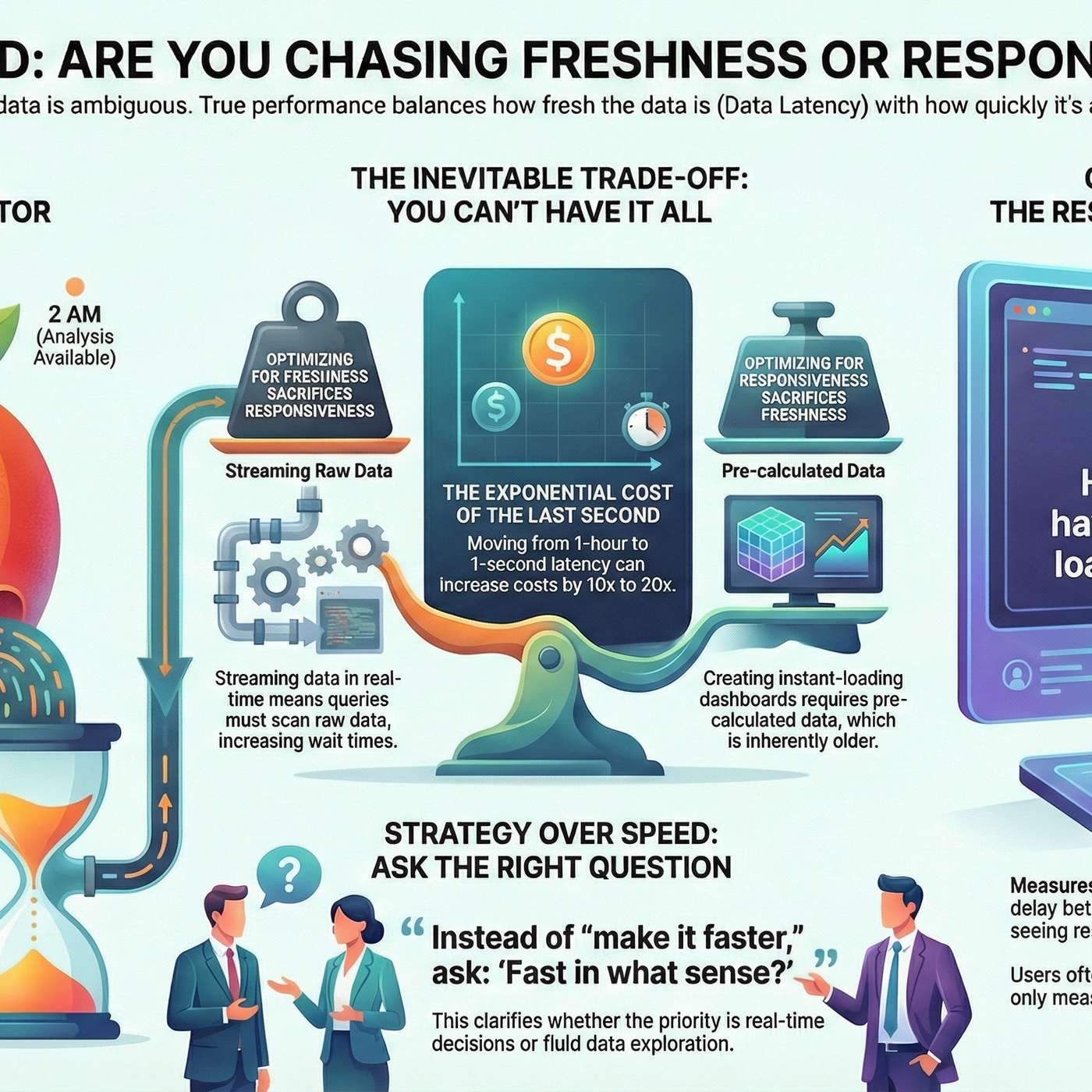
This story was originally published on HackerNoon at: https://hackernoon.com/beware-the-real-time-trap-your-fresh-data-could-be-slowing-down-your-dashboards. Stop chasing "speed" as a monolith. Data latency and query latency are fundamentally different problems. Optimizing for fresh data often degrades dashboard responsiveness, and vice versa. The real challenge isn't building the fastest system—it's aligning your architecture with actual business needs while managing exponential costs. Check more stories related to programming at: https://hackernoon.com/c/programming. You can also check exclusive content about #software-architecture, #software-engineering, #infrastructure, #data-science, #design, #data-speed, #real-time-trap, #hackernoon-top-story, and more. This story was written by: @thanhtruong. Learn more about this writer by checking @thanhtruong's about page, and for more stories, please visit hackernoon.com. "Speed" in data engineering is a trade-off, not a single metric. To build effective systems, you must distinguish between two competing concepts: - Data Latency (Freshness): How long it takes for an event to reach your report. - Query Latency (Responsiveness): How long a user waits for a dashboard to load. The Conflict: Optimizing for real-time freshness often slows down query performance because the system can't pre-calculate data. Conversely, pre-calculating data for "snappy" dashboards usually requires batching, which makes data older. The Bottom Line: Reducing latency has exponential costs. Success isn't about being the "fastest"; it's about choosing the right trade-offs between freshness, responsiveness, and budget based on specific business needs.

Rust CVE-2024-24576 Explained: What Was This Security Advisory?
This story was originally published on HackerNoon at: https://hackernoon.com/rust-cve-2024-24576-explained-what-was-this-security-advisory. The severity of this vulnerability was critical if you were invoking batch files on Windows with untrusted arguments. Check more stories related to programming at: https://hackernoon.com/c/programming. You can also check exclusive content about #rust, #rustlang, #rust-security, #rust-security-advisory, #rust-cve202424576, #rust-security-response-wg, #rust-issues, #rust-bug, and more. This story was written by: @Rust. Learn more about this writer by checking @Rust's about page, and for more stories, please visit hackernoon.com. The Rust Security Response WG was notified that the Rust standard library did not properly escape arguments when invoking batch files (with the bat and cmd extensions) on Windows using the Command API.

The Transatlantic Divide: When Platforms Become Politics
This story was originally published on HackerNoon at: https://hackernoon.com/the-transatlantic-divide-when-platforms-become-politics. Tensions between the United States and Europe around Big Tech have intensified. But beneath the surface sits a quieter disagreement - what trust is. Check more stories related to programming at: https://hackernoon.com/c/programming. You can also check exclusive content about #platform-as-a-service, #usa, #europe, #trust, #politics, #digital-trust, #geopolitics, #trust-as-infrastructure, and more. This story was written by: @andreimochola. Learn more about this writer by checking @andreimochola's about page, and for more stories, please visit hackernoon.com. Tensions between the United States and Europe around Big Tech have intensified. The EU frames its actions as necessary governance. The US increasingly frames them as discrimination. But beneath the surface sits a quieter disagreement - what trust is.
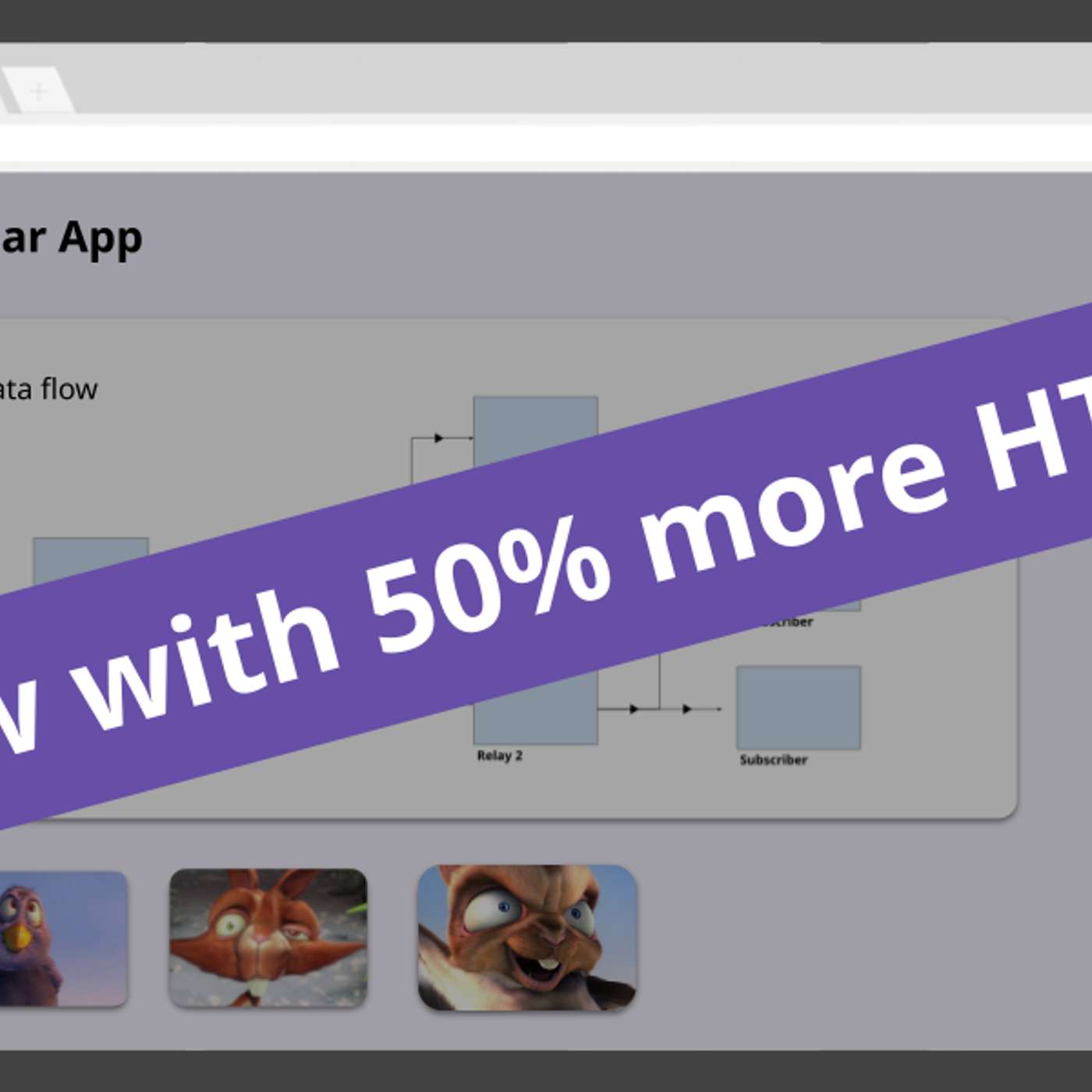
Will Media Over Quic Replace WebRTC?
This story was originally published on HackerNoon at: https://hackernoon.com/will-media-over-quic-replace-webrtc. An analysis of the current state of Media over Quic and whether it might replace WebRTC. Check more stories related to programming at: https://hackernoon.com/c/programming. You can also check exclusive content about #webrtc, #media-over-quic, #live-streaming, #video, #moq-protocol, #webrtc-vs-moq, #quic-vs-tcp, #hackernoon-top-story, and more. This story was written by: @sb2702. Learn more about this writer by checking @sb2702's about page, and for more stories, please visit hackernoon.com. Media over Quic is a new media streaming protocol that could replace WebRTC in theory, but as of Jan 2026 is not mature enough for widespread adoption. It does have concrete advantages for certain use cases though, which will likely drive early adoption.
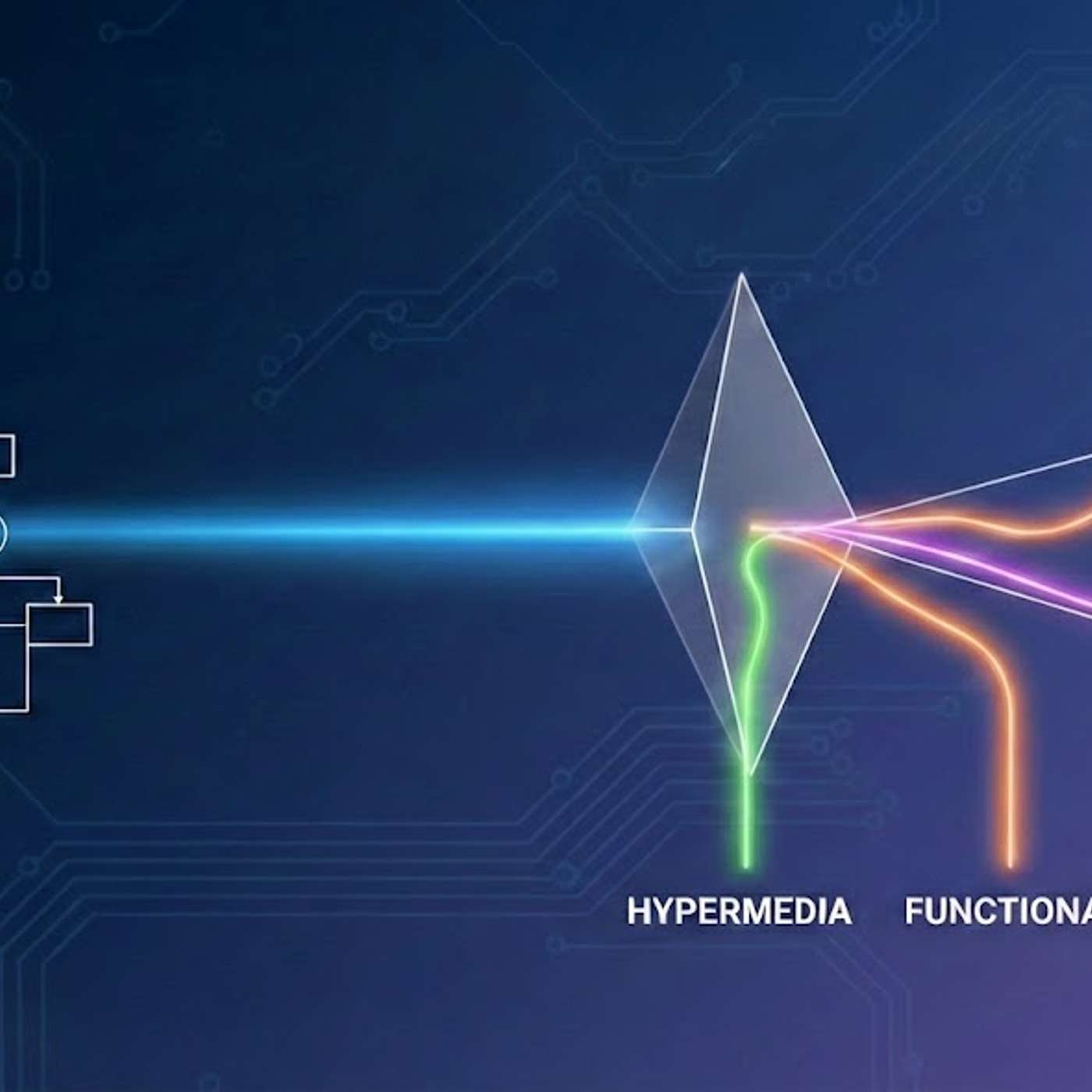
Building with Hypermedia: HTMX's Purity and Lightview's Flexibility.
This story was originally published on HackerNoon at: https://hackernoon.com/building-with-hypermedia-htmxs-purity-and-lightviews-flexibility. Explore the differences between HTMX and Lightview hypermedia. Learn how to choose between pure HDA architecture and Lightview’s multiple paradigms. Check more stories related to programming at: https://hackernoon.com/c/programming. You can also check exclusive content about #programming, #htmx, #lightview, #hypermedia, #ai-user-interfaces, #json, #html-as-a-hypertext, #hackernoon-top-story, and more. This story was written by: @anywhichway. Learn more about this writer by checking @anywhichway's about page, and for more stories, please visit hackernoon.com. Not all hypermedia frameworks are created equal: HTMX is a dedicated specialist focusing exclusively on the Hypermedia-Driven Application (HDA) model. It "completes HTML" by allowing any element to trigger AJAX requests and receive HTML partials. Lightview is a multi-paradigm framework that treats hypermedia as just one option. It allows you to mix hypermedia patterns with functional programming and JSON-driven interfaces (cDOM), making it uniquely suited for complex business logic and secure, AI-generated user interfaces. The Verdict: Choose HTMX for pure, battle-tested hypermedia simplicity; choose Lightview if you need architectural flexibility, client-side reactivity, or the ability to source content locally via CSS selectors.

I Connected a Quantum Random Number Generator to Llama 3 to Summon a Demon (Here’s What Happened)
This story was originally published on HackerNoon at: https://hackernoon.com/i-connected-a-quantum-random-number-generator-to-llama-3-to-summon-a-demon-heres-what-happened. A fringe theory claims AI isn't just math. Damian Griggs built a digital Ouija board to test the theory. Check more stories related to programming at: https://hackernoon.com/c/programming. You can also check exclusive content about #programming, #quantum-random-number, #llama-3, #ai, #how-to-summon-ai-demons, #llm-ai-demons, #summon-ai-demons, #ai-demon-gate-experiment, and more. This story was written by: @damianwgriggs. Learn more about this writer by checking @damianwgriggs's about page, and for more stories, please visit hackernoon.com. A fringe theory claims AI isn't just math. Damian Griggs built a digital Ouija board to test the theory. The experiment turned out to be a failure.
I Just Wanted Code Templates, but I Ended Up Writing a WebStorm Plugin
This story was originally published on HackerNoon at: https://hackernoon.com/i-just-wanted-code-templates-but-i-ended-up-writing-a-webstorm-plugin. Discover how a developer transformed monorepo boilerplate frustration into a custom WebStorm plugin. Check more stories related to programming at: https://hackernoon.com/c/programming. You can also check exclusive content about #kotlin, #webstorm, #plugin-development, #kotlin-development, #monorepo, #code-generation, #i18n-navigation, #good-company, and more. This story was written by: @socialdiscoverygroup. Learn more about this writer by checking @socialdiscoverygroup's about page, and for more stories, please visit hackernoon.com. Working in a complex monorepo turned coding into a chore of copy-pasting and file management. When standard WebStorm templates fell short and AI proved too unpredictable for strict standards, I decided to build a custom plugin. This story explains how a frontend developer can easily pick up Kotlin, use AI to master the IntelliJ SDK, and build a tool that automates smart scaffolding and fixes "blind" navigation—restoring the flow state.

Best Financial APIs for 2026
This story was originally published on HackerNoon at: https://hackernoon.com/best-financial-apis-for-2026. Discover the best financial APIs for 2026. Compare top stock, forex, and crypto data APIs for real time insights, analysis, and fintech innovation. Check more stories related to programming at: https://hackernoon.com/c/programming. You can also check exclusive content about #stock-data-api-for-devs, #stock-market-api, #best-stock-market-api, #forex-exchange-rate-api, #financial-modeling-api, #crypto-price-api-integration, #ai-powered-financial-data-api, #good-company, and more. This story was written by: @apilayer. Learn more about this writer by checking @apilayer's about page, and for more stories, please visit hackernoon.com. The best financial APIs in 2026 empower developers, analysts, and fintech startups with real-time and historical data for stocks, forex, crypto, and commodities. From Marketstack’s global market coverage to Intrinio’s financial statements, these APIs streamline trading, portfolio tracking, and AI-powered analysis, making enterprise-grade market insights accessible to all.
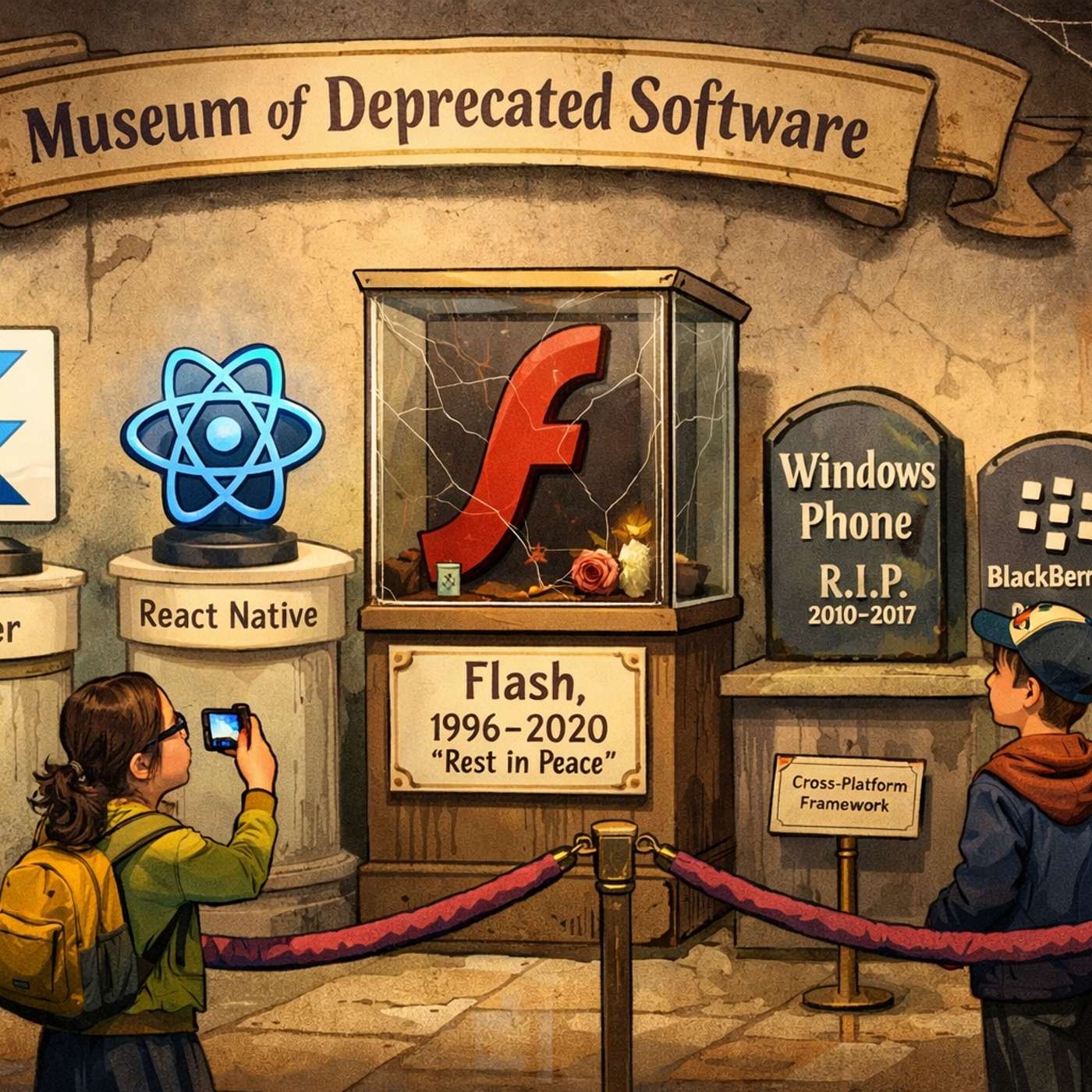
The AI Revolution Is Putting Flutter and React Native at Risk
This story was originally published on HackerNoon at: https://hackernoon.com/the-ai-revolution-is-putting-flutter-and-react-native-at-risk. Cross-platform frameworks solved yesterday's problem. In the AI era, spec-first development with native code generation may be the smarter approach. Check more stories related to programming at: https://hackernoon.com/c/programming. You can also check exclusive content about #ai-mobile-app-development, #cross-platform-development, #android-development, #ios-development, #react-native, #flutter-app-development, #future-of-ai, #hackernoon-top-story, and more. This story was written by: @capk. Learn more about this writer by checking @capk's about page, and for more stories, please visit hackernoon.com. Cross-platform frameworks like Flutter exist because native development is expensive. But AI is changing that equation. According to Stack Overflow's 2025 survey, 84% of developers now use AI tools, with 51% using them daily. If AI can generate high-quality native Swift and Kotlin from specifications nearly as fast as you can write Flutter code, why accept the abstraction penalty? The future may be "spec-first" development: describe once, generate natively for each platform. The best cross-platform code might be no cross-platform code at all.

Android OS Architecture, Part 5: The Zygote Process
This story was originally published on HackerNoon at: https://hackernoon.com/android-os-architecture-part-5-the-zygote-process. A clear explanation of Android’s Zygote process and how it enables fast, secure app startup through Linux process forking. Check more stories related to programming at: https://hackernoon.com/c/programming. You can also check exclusive content about #android-app-development, #android-zygote, #android-internals, #android-development, #android-operating-system, #linux-process-hierarchy, #zygote-process-explained, #linux-fork-zygote-model, and more. This story was written by: @lordsolid. Learn more about this writer by checking @lordsolid's about page, and for more stories, please visit hackernoon.com. This article explains how Android manages application processes using the Zygote process. It covers Linux process hierarchies, why Zygote exists, how Android starts app processes efficiently, and how the system maintains control over performance and resources.

Your Release Process Is a Projection of Fear
This story was originally published on HackerNoon at: https://hackernoon.com/your-release-process-is-a-projection-of-fear. Your release process isn't neutral. It reflects what you're most afraid of: breaking production or building something nobody wants. Check more stories related to programming at: https://hackernoon.com/c/programming. You can also check exclusive content about #product-release, #startups, #startup-advice, #startup-lessons, #release-management, #release-process, #software-development, #hackernoon-top-story, and more. This story was written by: @b128s. Learn more about this writer by checking @b128s's about page, and for more stories, please visit hackernoon.com. Your release process isn't neutral. It reflects what you're most afraid of: breaking production or building something nobody wants. Pre-PMF startups should fear irrelevance, not instability. Heavy processes like GitFlow, staging environments, and release trains optimize for the wrong risk. They slow learning exactly when speed matters most. What works instead: GitHub Flow, feature flags, test in production, preview deployments, observability piped to Slack, and fast rollbacks over slow QA. Ship fast. Learn faster. Add process only when the pain of not having it becomes real.

What's in Rust 1.77.2?
This story was originally published on HackerNoon at: https://hackernoon.com/whats-in-rust-1772. The Rust team has published a new point release of Rust, 1.77.2. Rust is a programming language that is empowering everyone to build Check more stories related to programming at: https://hackernoon.com/c/programming. You can also check exclusive content about #rust, #rustlang, #rust-1.77.2, #rust-1.77.2-update, #rust-changes, #rust-fixes, #rust-update, #rust-1.77.2-changes, and more. This story was written by: @Rust. Learn more about this writer by checking @Rust's about page, and for more stories, please visit hackernoon.com. Rust is a programming language that is empowering everyone to build reliable and efficient software.

Why Kubernetes Outages Are Usually Human Failures, Not Platform Bugs
This story was originally published on HackerNoon at: https://hackernoon.com/why-kubernetes-outages-are-usually-human-failures-not-platform-bugs. Kubernetes failures are rarely technical. Human error, undocumented complexity, and hero engineering turn powerful platforms into fragile systems. Check more stories related to programming at: https://hackernoon.com/c/programming. You can also check exclusive content about #kubernetes, #kubernetes-complexity, #cloud-infrastructure-failures, #kubernetes-observability, #kubernetes-blast-radius-design, #kubernetes-outages, #kubernetes-best-practices, #site-reliability-engineering, and more. This story was written by: @davidiyanu. Learn more about this writer by checking @davidiyanu's about page, and for more stories, please visit hackernoon.com. Kubernetes isn’t inherently complex—teams create fragility through undocumented tooling, hero engineering, and unchecked operational sprawl. The fix is discipline, simplification, and shared understanding.

The Remote Developer's Survival Guide: 10 Technical Strategies to Prevent Burnout
This story was originally published on HackerNoon at: https://hackernoon.com/the-remote-developers-survival-guide-10-technical-strategies-to-prevent-burnout. Up to 80% of programmers experience burnout, according to statistics. Check more stories related to programming at: https://hackernoon.com/c/programming. You can also check exclusive content about #programming, #remote-work, #remote-working-tools, #remote-working-tips, #tips-for-working-remotely, #tips-for-working-from-home, #wfh-tips-for-employers, #how-to-avoid-burnout, and more. This story was written by: @ridwansassman. Learn more about this writer by checking @ridwansassman's about page, and for more stories, please visit hackernoon.com. Up to 80% of programmers experience burnout, according to statistics. Remote workers report higher rates of mental health challenges. This guide provides 10 technically-grounded, actionable strategies to help you survive and thrive in a remote development environment.
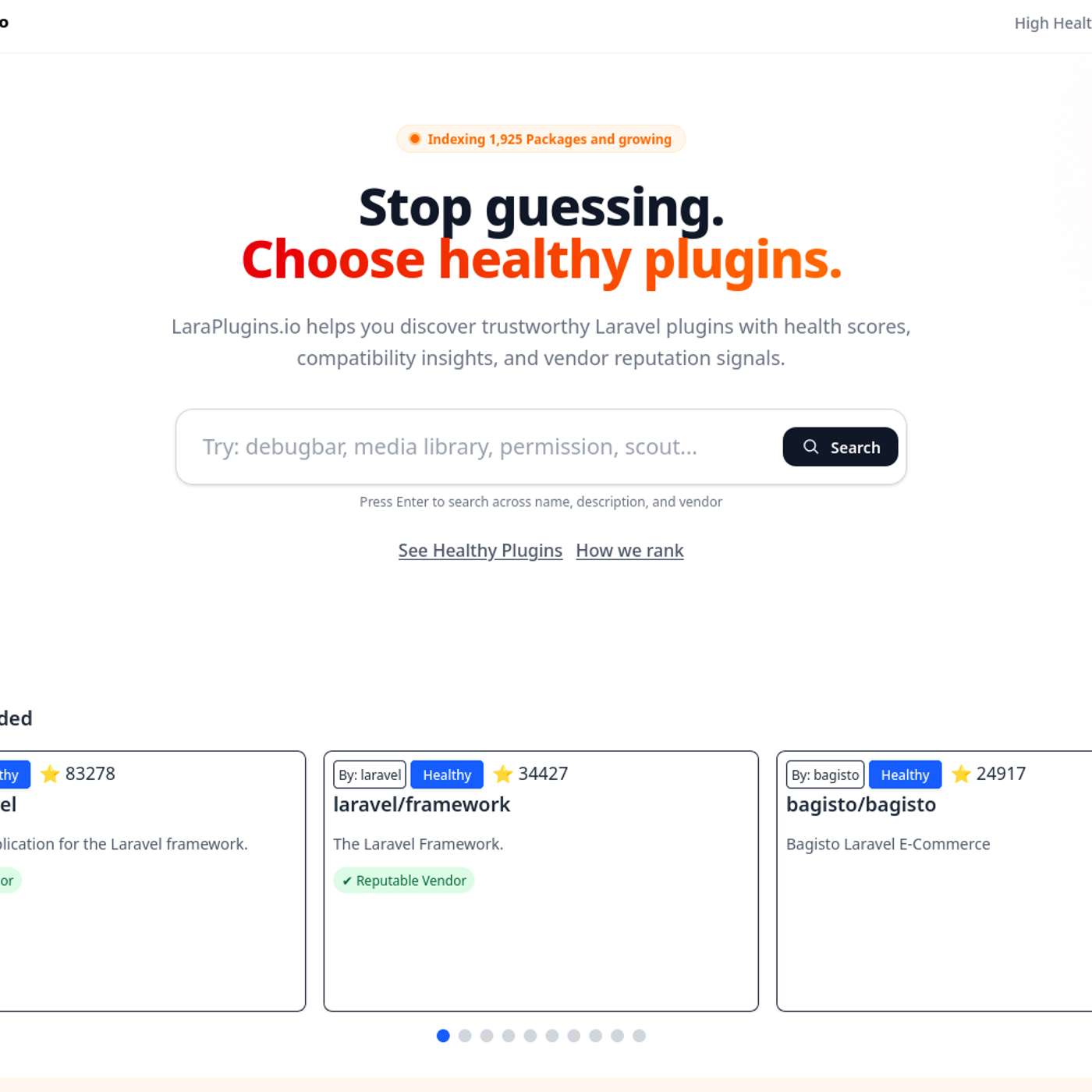
Why 70% of Developers Don’t Trust Plugins—and How I Built a Fix
This story was originally published on HackerNoon at: https://hackernoon.com/why-70percent-of-developers-dont-trust-pluginsand-how-i-built-a-fix. Do you suffer from 'Dependency Anxiety'? 60% of Laravel developers spend up to 30 minutes just vetting a single package. Check more stories related to programming at: https://hackernoon.com/c/programming. You can also check exclusive content about #software-architecture, #software-engineering, #product-management, #infrastructure, #data-science, #devops, #laravel-octane, #filament, and more. This story was written by: @danielpetrica. Learn more about this writer by checking @danielpetrica's about page, and for more stories, please visit hackernoon.com. Do you suffer from 'Dependency Anxiety'? 60% of Laravel developers spend up to 30 minutes just vetting a single package. Learn how I built Laraplugins.io—a high-performance tool running on Laravel Octane and FrankenPHP—to automate health checks and help you choose the right dependencies instantly.
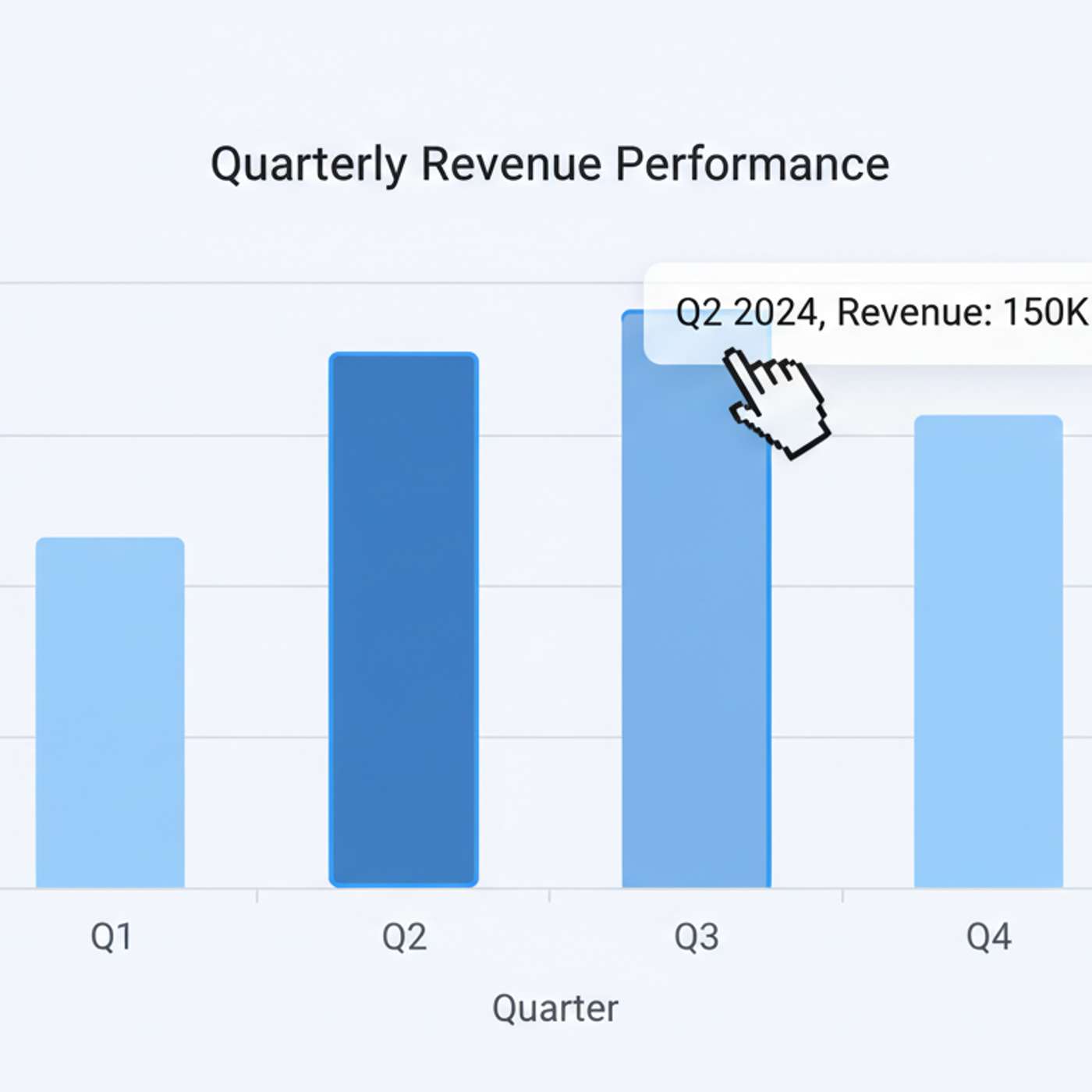
Your First Interactive Plot in Python: A Hands-On Plotly Guide
This story was originally published on HackerNoon at: https://hackernoon.com/your-first-interactive-plot-in-python-a-hands-on-plotly-guide. Plotly is a Python toolbox that lets you create interactive charts. Check more stories related to programming at: https://hackernoon.com/c/programming. You can also check exclusive content about #python, #data-science, #plotly, #charts, #matplotlib, #python-toolbox, #interactive-charts-python, #python-charts, and more. This story was written by: @programmingcentral. Learn more about this writer by checking @programmingcentral's about page, and for more stories, please visit hackernoon.com. Plotly is a Python toolbox that lets you create interactive charts. The magic of Plotly lies in a fundamental change in how a visualization is created and rendered. Plotly offers two distinct but related APIs, each designed for a different stage of the analytical workflow.
Tracing Personal Data Through APIs
This story was originally published on HackerNoon at: https://hackernoon.com/tracing-personal-data-through-apis. Learn how to identify privacy-relevant API methods using dependency analysis and GDPR-aligned labels to improve software privacy reviews. Check more stories related to programming at: https://hackernoon.com/c/programming. You can also check exclusive content about #code-review, #static-code-analysis, #data-protection-tooling, #code-review-automation, #automated-compliance, #data-protection-by-design, #secure-api-design, #privacy-engineering, and more. This story was written by: @codereview. Learn more about this writer by checking @codereview's about page, and for more stories, please visit hackernoon.com. This article outlines a dependency-aware approach to identifying privacy-relevant API methods, introducing GDPR-aligned labels to improve accuracy and focus in privacy code reviews.
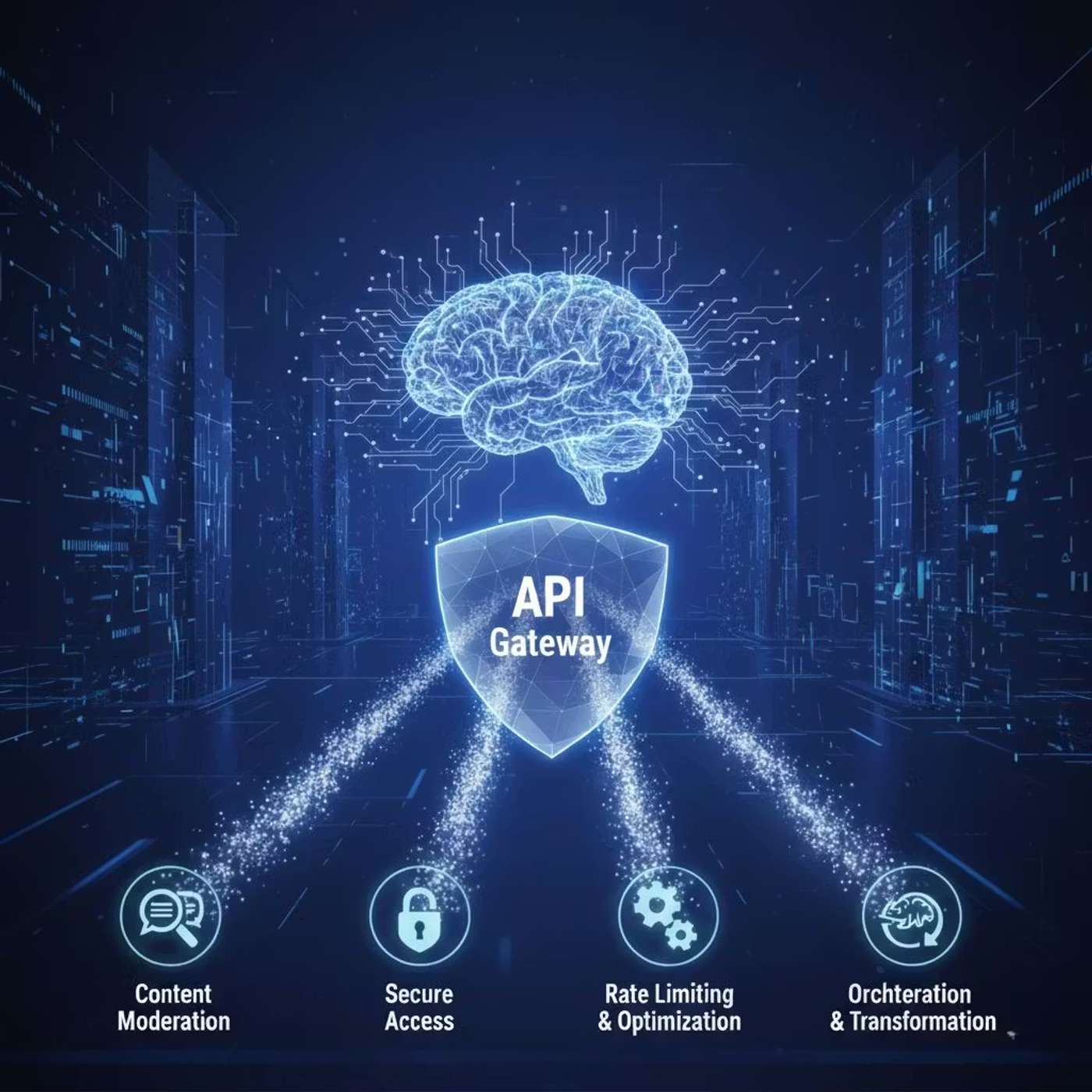
4 Surprising Ways Your API Gateway Can Handle Generative AI
This story was originally published on HackerNoon at: https://hackernoon.com/4-surprising-ways-your-api-gateway-can-handle-generative-ai. Companies are leaping on this AI-driven opportunity using tools like chatbots and AI agents to innovate and work smarter. Check more stories related to programming at: https://hackernoon.com/c/programming. You can also check exclusive content about #api-gateway, #api-integration, #artificial-intelligence, #ai-agent, #agentic-ai, #ai-boom, #generative-ai, #ai-apis, and more. This story was written by: @padmanabhamv. Learn more about this writer by checking @padmanabhamv's about page, and for more stories, please visit hackernoon.com. Companies are leaping on this AI-driven opportunity using tools like chatbots and AI agents to innovate and work smarter. But the fast use of these tools creates tough and confusing problems. Every added AI agent brings its own security risks and control problems.

AWS Serverless is the Boring Choice that Keeps Working
This story was originally published on HackerNoon at: https://hackernoon.com/aws-serverless-is-the-boring-choice-that-keeps-working. Modern engineering is about results, not hype. Explore why AWS Serverless is the "boring" choice that wins on scalability, cost, and operational focus. Check more stories related to programming at: https://hackernoon.com/c/programming. You can also check exclusive content about #aws-serverless, #cloud-computing, #software-architecture, #engineering-management, #sqs-eventbridge-cron, #dynamodb-serverless-database, #vercel-to-aws-migration, #ext.js-on-aws, and more. This story was written by: @opustovit. Learn more about this writer by checking @opustovit's about page, and for more stories, please visit hackernoon.com. While "boring" tech doesn't win awards for novelty, AWS Serverless provides the pragmatic foundation most companies actually need. By offloading the "undifferentiated heavy lifting" of infrastructure to AWS, teams can focus on shipping features rather than managing clusters.
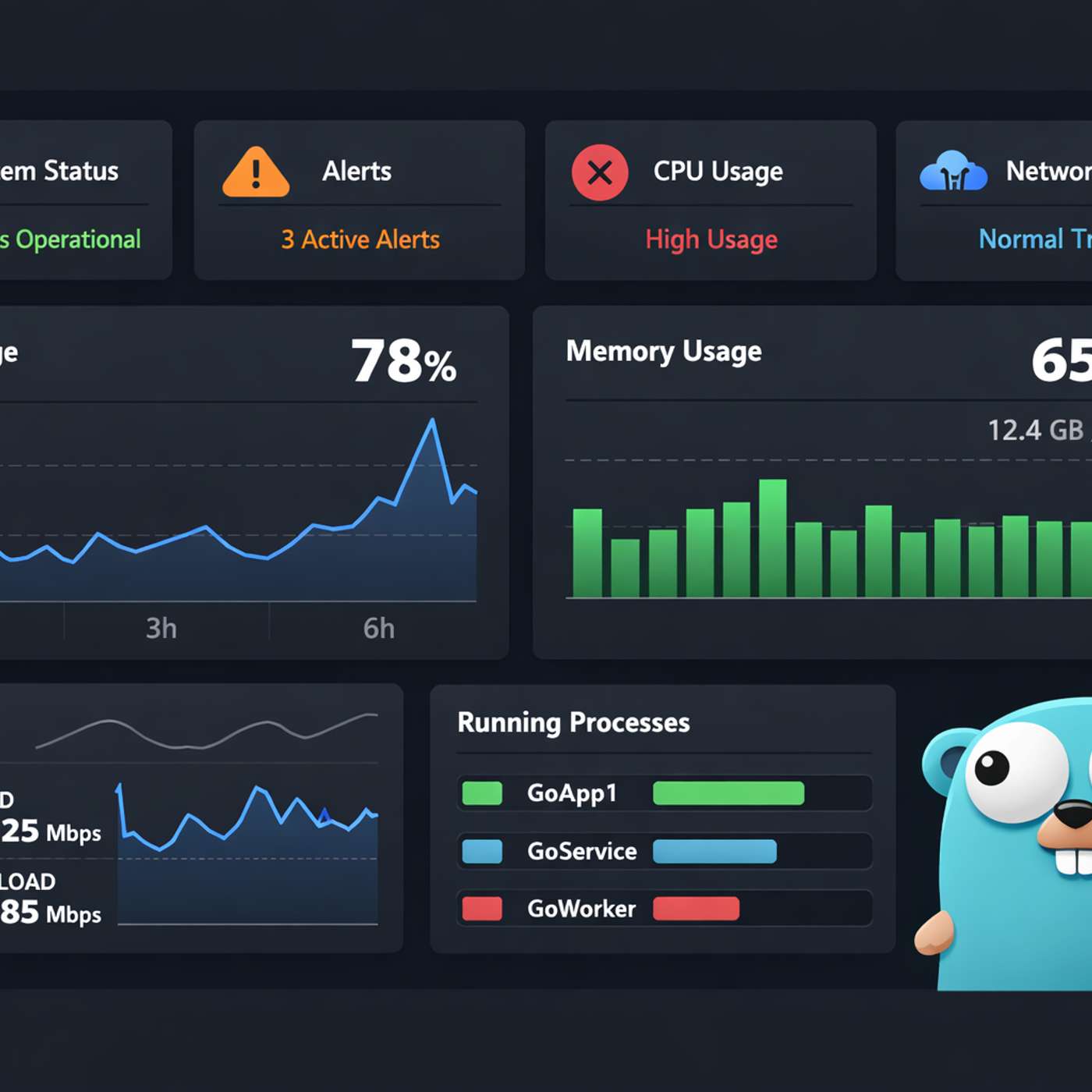
How to Build a Status Monitoring Service in Go
This story was originally published on HackerNoon at: https://hackernoon.com/how-to-build-a-status-monitoring-service-in-go. Build a Go-based monitoring app that probes services, opens/closes incidents, sends Teams/Slack alerts, and exports Prometheus metrics in Docker. Check more stories related to programming at: https://hackernoon.com/c/programming. You can also check exclusive content about #golang, #monitoring-microservices, #software-architecture, #go-monitoring-service, #prometheus-metrics, #docker-compose-monitoring, #postgresql-incident-tracking, #grafana-dashboards, and more. This story was written by: @wole. Learn more about this writer by checking @wole's about page, and for more stories, please visit hackernoon.com. This tutorial walks through building StatusD, a self-hosted monitoring service in Go that reads monitored endpoints from JSON, probes them on schedules via a worker pool, records events and incidents in Postgres, sends Teams/Slack alerts, and exposes Prometheus metrics for Grafana dashboards—fully runnable with Docker Compose.
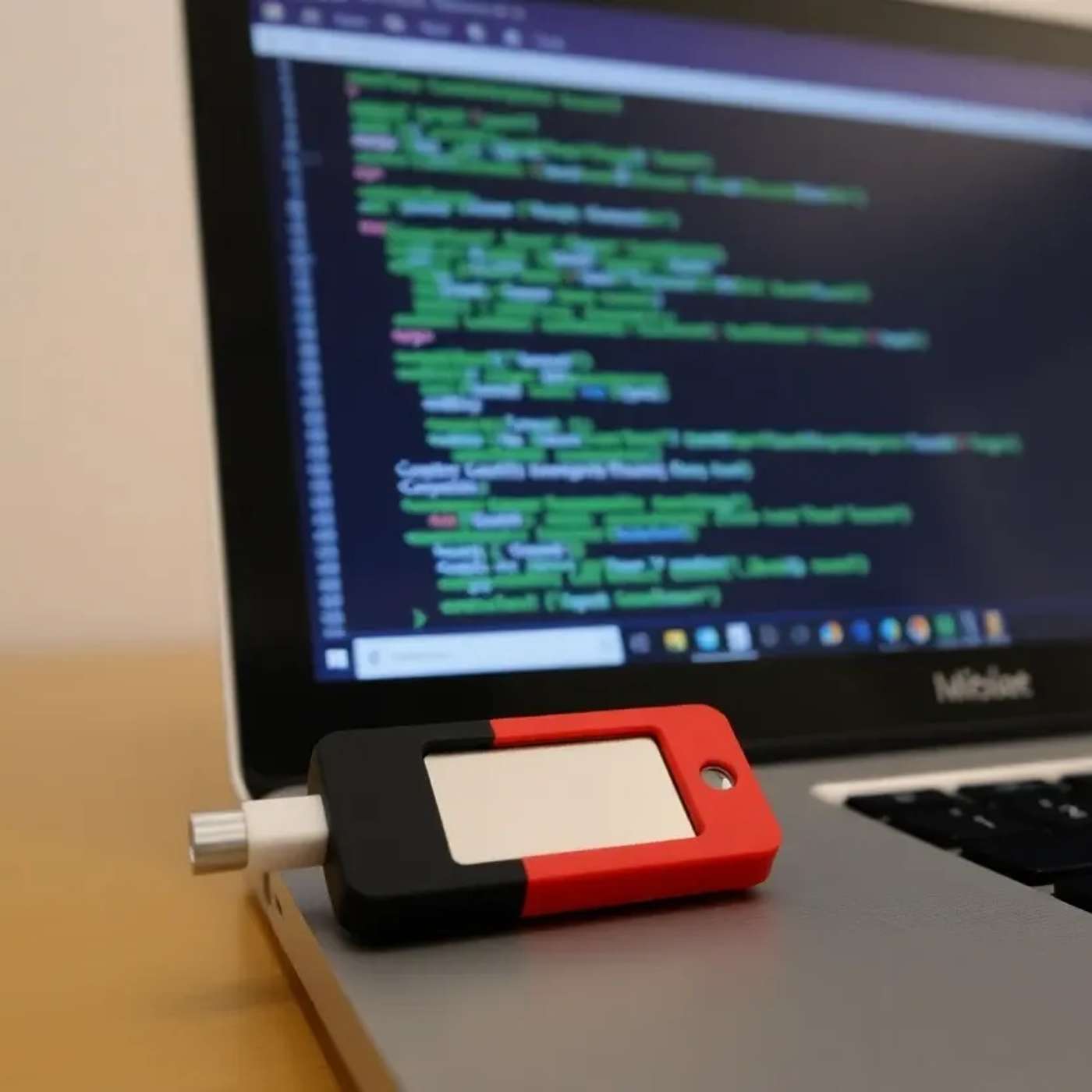
How to Access Your YubiKey in Go on Windows
This story was originally published on HackerNoon at: https://hackernoon.com/how-to-access-your-yubikey-in-go-on-windows. Learn how to access a YubiKey in Go on Windows, read PIV certificates, and sign data securely using piv-go and native WinSCard APIs. Check more stories related to programming at: https://hackernoon.com/c/programming. You can also check exclusive content about #golang-security, #yubikey-go-integration, #yubikey-piv-go, #piv-go-windows, #hardware-security-keys-go, #go-smart-card-windows, #yubikey-signing-go, #secure-authentication-go, and more. This story was written by: @@pheonix. Learn more about this writer by checking @@pheonix's about page, and for more stories, please visit hackernoon.com. Programmatic access lets you integrate YubiKeys directly into a Go application on Windows. On Windows, `piv.Cards()` uses the built-in WinSCard API to detect connected smart card devices.
When Improving Processes Makes System Worse
This story was originally published on HackerNoon at: https://hackernoon.com/when-improving-processes-makes-system-worse. Why delivery failures rarely happen suddenly, and how small, reasonable decisions slowly create fragile systems long before incidents appear. Check more stories related to programming at: https://hackernoon.com/c/programming. You can also check exclusive content about #software-engineering, #software-development, #systems-thinking, #software-reliability, #risk-management, #engineering-culture, #legacy-code, #legacy-systems, and more. This story was written by: @rfedorchuk. Learn more about this writer by checking @rfedorchuk's about page, and for more stories, please visit hackernoon.com. Most delivery failures do not happen suddenly. They emerge through small, reasonable decisions that slowly change how systems behave under pressure. Understanding delivery behaviour over time helps teams see risk before incidents force attention.

Container-aware GOMAXPROCS: What it is and Why It's Important
This story was originally published on HackerNoon at: https://hackernoon.com/container-aware-gomaxprocs-what-it-is-and-why-its-important. In this post, we will dive into how Go schedules goroutines, how that scheduling interacts with container-level CPU controls, and how Go can perform better. Check more stories related to programming at: https://hackernoon.com/c/programming. You can also check exclusive content about #go, #golang, #gomaxprocs, #go-1.25, #go-new-update, #goroutines, #container-orchestration, #hackernoon-top-story, and more. This story was written by: @Go. Learn more about this writer by checking @Go's about page, and for more stories, please visit hackernoon.com. Go 1.25 includes new container-aware `GOMAXPROCS` defaults. These defaults provide more sensible default behavior for many container workloads. They also avoid throttling that can impact tail latency, improving Go’s out-of-the-box production-readiness.

How to Turn On File History in Windows 11 Using Control Panel, PowerShell, or Group Policy
This story was originally published on HackerNoon at: https://hackernoon.com/how-to-turn-on-file-history-in-windows-11-using-control-panel-powershell-or-group-policy. Learn how to enable File History on Windows 11 to back up files locally using Control Panel, PowerShell, or Group Policy—no cloud required. Check more stories related to programming at: https://hackernoon.com/c/programming. You can also check exclusive content about #windos-11-updates, #windows-11-file-history, #local-backup-windows-11, #windows-backup-alternatives, #file-history-group-policy, #file-history-powershell, #windows-11-backup-settings, #windows-11-backup-tutorial, and more. This story was written by: @vigneshwaran. Learn more about this writer by checking @vigneshwaran's about page, and for more stories, please visit hackernoon.com. File History in Windows 11 isn’t enabled by default, but it remains a powerful local backup tool. This guide explains how to turn it on using Control Panel, command-line tools, or Group Policy, and how to manage backup drives, exclusions, and version history without relying on cloud services like OneDrive.
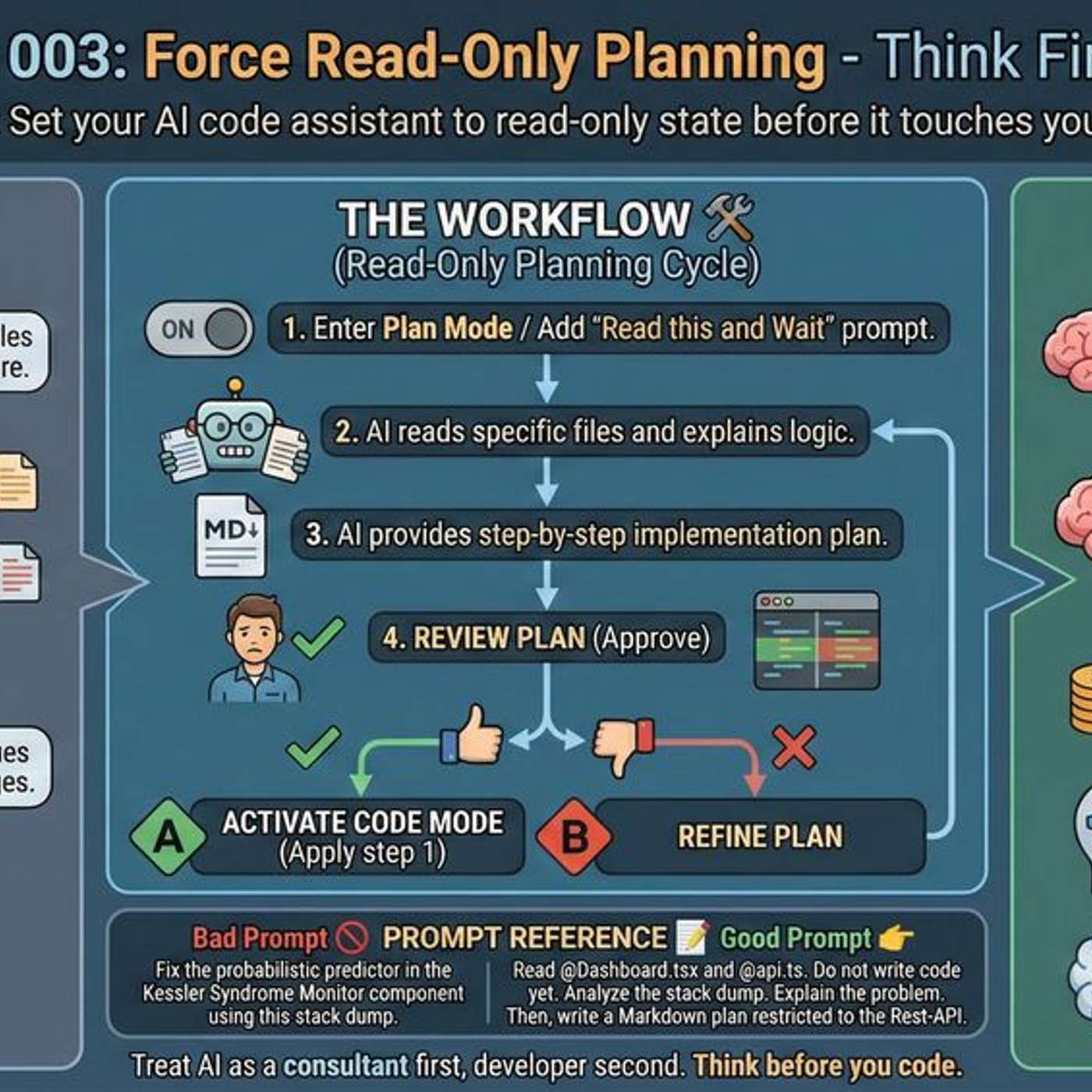
AI Coding Tip 003 - Force Read-Only Planning
This story was originally published on HackerNoon at: https://hackernoon.com/ai-coding-tip-003-force-read-only-planning. Set your AI code assistant to read-only state before it touches your files. Check more stories related to programming at: https://hackernoon.com/c/programming. You can also check exclusive content about #ai-coding, #clean-code, #ai-coding-tips, #ai-coding-assistants, #hackernoon-top-story, #force-read-only, #read-only-planning-cyclr, #ai-coding-help, and more. This story was written by: @mcsee. Learn more about this writer by checking @mcsee's about page, and for more stories, please visit hackernoon.com. Set your AI code assistant to read-only state before it touches your files.
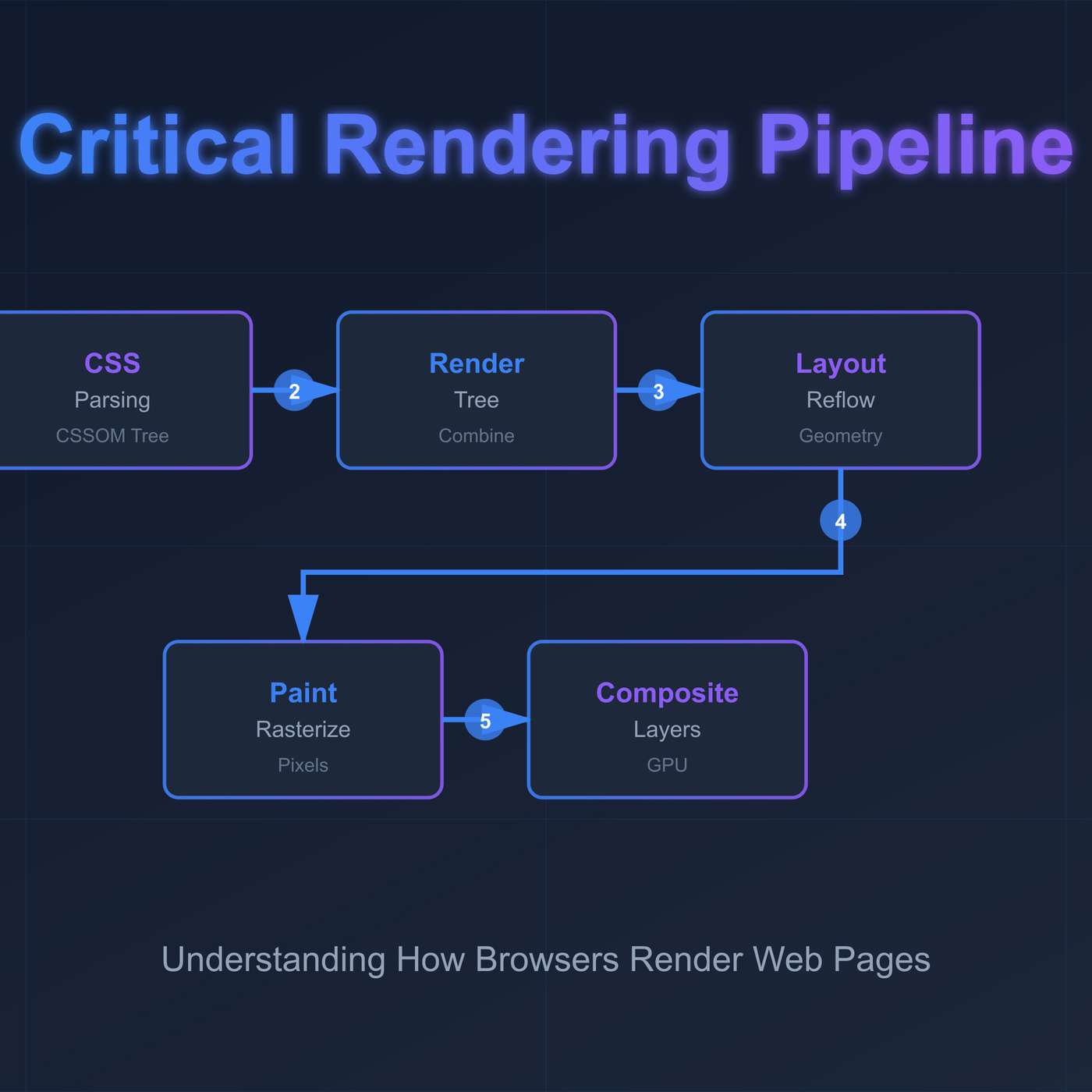
How Browsers Turn Web Requests Into Pixels on Your Screen
This story was originally published on HackerNoon at: https://hackernoon.com/how-browsers-turn-web-requests-into-pixels-on-your-screen. A deep dive into how browsers render web pages—from DNS and HTML parsing to layout, painting, and GPU compositing. Check more stories related to programming at: https://hackernoon.com/c/programming. You can also check exclusive content about #web-performance-optimization, #critical-rendering-path-crp, #browser-rendering-pipeline, #dom-and-cssom, #layout-paint-compositing, #gpu-acceleration-web, #css-performance, and more. This story was written by: @raju01. Learn more about this writer by checking @raju01's about page, and for more stories, please visit hackernoon.com. What the web browsers do when a user requests a page is quite a remarkable journey. My goodness, the process behind the curtains reflects such a diligent effort by the folks who work on browsers. So far, I find it very interesting to navigate through the steps that have been taken to draw pixels on the screen. I’ll admit it, this is a surprisingly deep and interesting area. As developers, we sustained the focus quite a bit on performance, especially when building things on scale. If we want to have a strong hold on the rendering performance metrics of browsers and on improving bottlenecks, I feel we’d better keep on detouring on this route to better off ourselves with the right combination of knowledge, experience, and tooling. Otherwise, taking a long time to load a fully interactive page as well as responding to user interactions can ruin a good user experience. After all, the only thing that matters, and we’ll ever need in software, is the good user experience.
Laravel 12 Prompts Guide: Prompt Types, Validation, and an Interactive Seeder Generator Example
This story was originally published on HackerNoon at: https://hackernoon.com/laravel-12-prompts-guide-prompt-types-validation-and-an-interactive-seeder-generator-example. Laravel Prompts brings beautiful, zero-dependency interactive CLI prompts to Laravel 12—types, validation, and a seeder generator example included. Check more stories related to programming at: https://hackernoon.com/c/programming. You can also check exclusive content about #laravel, #laravel-prompts, #laravel-12, #php-command-line-ui, #laravel-console-commands, #laravel-artisan-commands, #laravel-12-prompts-guide, #hackernoon-top-story, and more. This story was written by: @vatsalacharya. Learn more about this writer by checking @vatsalacharya's about page, and for more stories, please visit hackernoon.com. Laravel Prompts is a lightweight, zero-dependency toolkit for building polished, interactive command-line experiences in PHP—now first-party in Laravel 12. The article breaks down prompt types (text, password, select, multiselect, confirm, search, progress/spinners), how validation and keyboard navigation work out of the box, and shows a practical Artisan “seeder generator” wizard that guides model selection, record counts, relationships, presets, and safe handling of existing data.
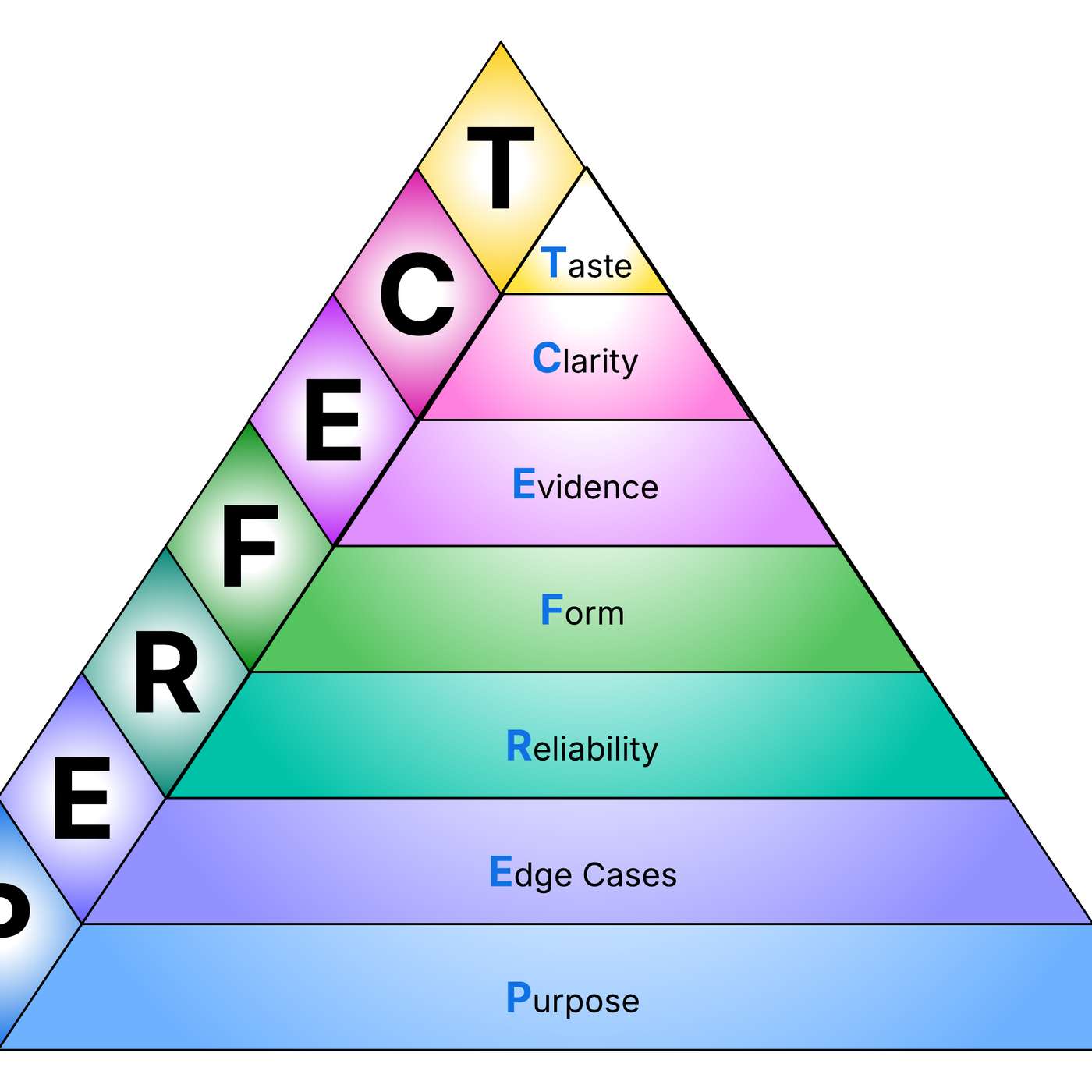
A Sustainable Code Review Process for Busy Teams (PERFECT)
This story was originally published on HackerNoon at: https://hackernoon.com/a-sustainable-code-review-process-for-busy-teams-perfect. A clear, practical guide to code review: why it matters, the PERFECT principles, and how to build an effective review process. Check more stories related to programming at: https://hackernoon.com/c/programming. You can also check exclusive content about #code-review, #software-engineering, #team-management, #productivity, #product-management, #software-architecture, #sustainable-code-review, #hackernoon-top-story, and more. This story was written by: @bastrich. Learn more about this writer by checking @bastrich's about page, and for more stories, please visit hackernoon.com. A clear, practical guide to code review: why it matters, the PERFECT principles, and how to build an effective review process.

HARmageddon is cancelled: how we taught Playwright to replay HAR with dynamic parameters
This story was originally published on HackerNoon at: https://hackernoon.com/harmageddon-is-cancelled-how-we-taught-playwright-to-replay-har-with-dynamic-parameters. We taught Playwright to find the correct HAR entry even when query/body values change and prevented reusing entities with dynamic identifiers. Check more stories related to programming at: https://hackernoon.com/c/programming. You can also check exclusive content about #cicd, #playwright, #har, #ci-cd-solutions, #e2e, #e2e-testing, #correct-har-entry, #good-company, and more. This story was written by: @socialdiscoverygroup. Learn more about this writer by checking @socialdiscoverygroup's about page, and for more stories, please visit hackernoon.com. Playwright is a tool for mocking the network using a HAR file. HAR is a file that contains: all page requests request parameters server responses. HAR files can be used to test the network state without starting the backend.

From RxJS to Signals: The Future of State Management in Angular
This story was originally published on HackerNoon at: https://hackernoon.com/from-rxjs-to-signals-the-future-of-state-management-in-angular. Angular 19+ makes Signals the default for local state. This guide shows how to balance Signals, RxJS, and NgRx and refactor legacy patterns safely. Check more stories related to programming at: https://hackernoon.com/c/programming. You can also check exclusive content about #angular, #angular-signals, #rxjs, #ngrx, #state-management, #web-development, #frontend-architecture, #angular-tutorial, and more. This story was written by: @jesspat103. Learn more about this writer by checking @jesspat103's about page, and for more stories, please visit hackernoon.com. Angular Signals are not a replacement for RxJS or NgRx. Use Signals for local, synchronous UI state, RxJS for async and time-based workflows, and NgRx for shared, long-lived domain state. Migrate incrementally by moving component-level BehaviorSubject stores to Signals while keeping HTTP, debouncing, and side effects in RxJS.

The Long Now of the Web: Inside the Internet Archive’s Fight Against Forgetting
This story was originally published on HackerNoon at: https://hackernoon.com/the-long-now-of-the-web-inside-the-internet-archives-fight-against-forgetting. A deep dive into the Internet Archive's custom tech stack. Check more stories related to programming at: https://hackernoon.com/c/programming. You can also check exclusive content about #tech-stack, #futurism, #internet-archive, #wayback-machine, #ipfs, #dweb, #data-storage, #hackernoon-top-story, and more. This story was written by: @zbruceli. Learn more about this writer by checking @zbruceli's about page, and for more stories, please visit hackernoon.com. A deep dive into the Internet Archive's custom tech stack.

Premium vs Non-Premium Domains: What You’re Really Paying For
This story was originally published on HackerNoon at: https://hackernoon.com/premium-vs-non-premium-domains-what-youre-really-paying-for. Premium vs non-premium domains explained. Learn what you’re actually paying for, from pricing models to long-term technical and product tradeoffs. Check more stories related to programming at: https://hackernoon.com/c/programming. You can also check exclusive content about #domains, #startups, #web-development, #saas, #product-management, #entrepreneurship, #internet, #technology, and more. This story was written by: @alexcloudstar. Learn more about this writer by checking @alexcloudstar's about page, and for more stories, please visit hackernoon.com. A premium domain is not just a domain someone is reselling at a higher price. There are technical, economic, and product-level implications that matter more than most founders realize. A $1,000 domain with $12 renewals is often safer than a $50 domain.

Go: The Testing/Synctest Package Explained
This story was originally published on HackerNoon at: https://hackernoon.com/go-the-testingsynctest-package-explained. In Go 1.25, the testing/synctest package has graduated from experiment to general availability. Check more stories related to programming at: https://hackernoon.com/c/programming. You can also check exclusive content about #go, #golang, #go-testing-package, #go-synctest, #asynchronous-function, #synctest-experiment, #go-tutorial, #hackernoon-top-story, and more. This story was written by: @Go. Learn more about this writer by checking @Go's about page, and for more stories, please visit hackernoon.com. Go 1.25 introduces the `testing/synctest` package. This package can significantly simplify writing tests for concurrent, asynchronous code. In Go 1.24, the package was an experimental package. Now it is general availability.

Rust's WASI Targets: What's Changing?
This story was originally published on HackerNoon at: https://hackernoon.com/rusts-wasi-targets-whats-changing. In this post we'll discuss the introduction of the new targets, the motivation behind it, and what that means for existing WASI targets. Check more stories related to programming at: https://hackernoon.com/c/programming. You can also check exclusive content about #rust, #rustlang, #wasm, #wasm32, #wasip2, #wasi-targets, #rust-changes, #rust-update, and more. This story was written by: @Rust. Learn more about this writer by checking @Rust's about page, and for more stories, please visit hackernoon.com. Rust 1.78 will introduce new `wasm32-wasip1` (tier 2) and `wasms32- wasip2' (tier 3) targets. Users of WASI 0.1 are encouraged to begin migrating to the new** 'wasm 32-wasi' target. The existing `wask32-unknown-unknown' and 'wassam32-emscripten' targets are unaffected by this post.
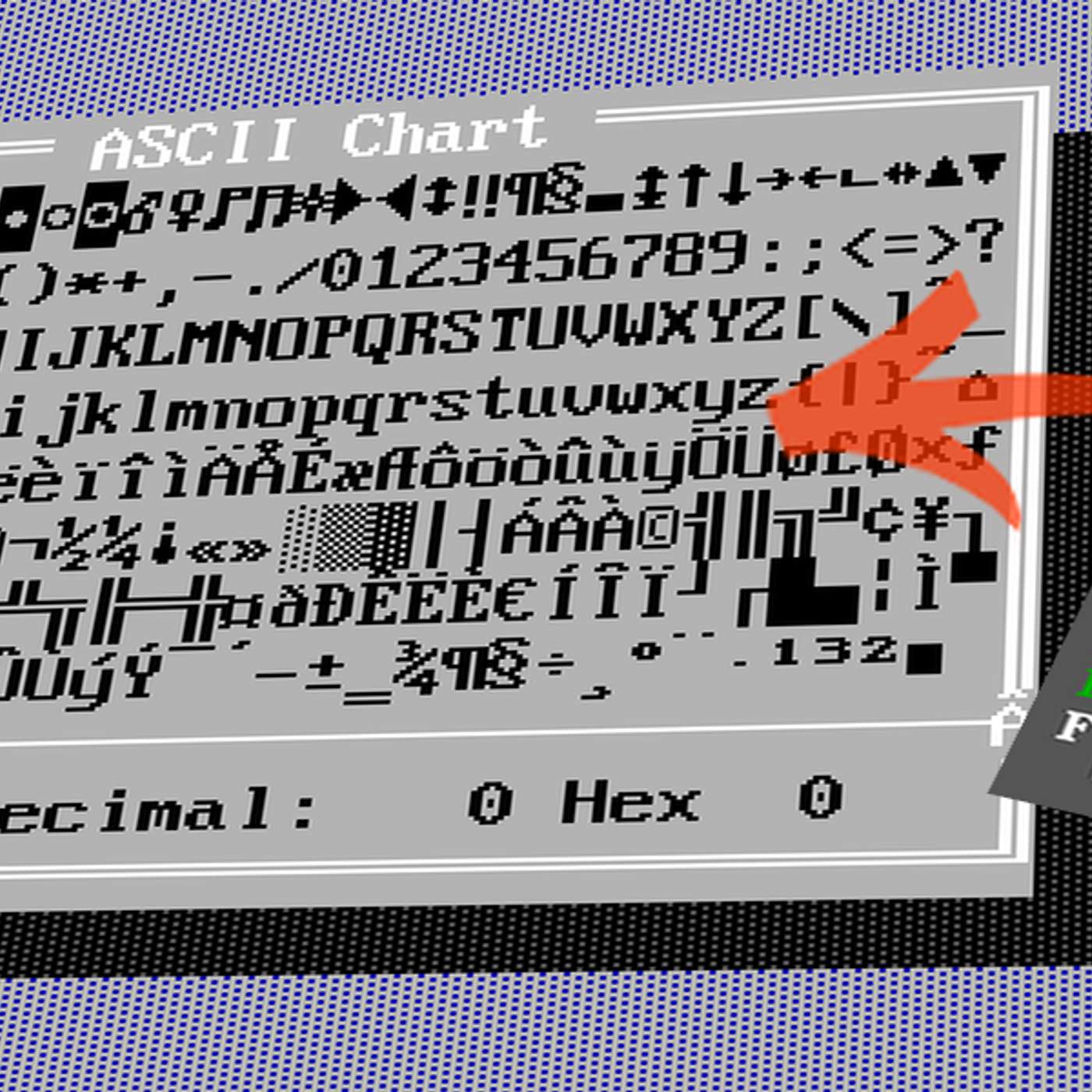
Redefining ‘A’ in VGA Mode 03h
This story was originally published on HackerNoon at: https://hackernoon.com/redefining-a-in-vga-mode-03h. Change the appearance of an ASCII character - in this case 'A' - by redefining its pixel data. Check more stories related to programming at: https://hackernoon.com/c/programming. You can also check exclusive content about #asm, #intel, #8080-microprocessor, #vga, #ascii, #x86, #gaming, #hackernoon-top-story, and more. This story was written by: @mlsprwr1337. Learn more about this writer by checking @mlsprwr1337's about page, and for more stories, please visit hackernoon.com. In the 8086-era DOS environment, text display typically relied on the BIOS and the graphics adapter’s built-in character generator. The fonts were firmly tied to specific text modes implemented by adapters such as CGA, EGA, or VGA. One of the most common modes was text mode 03h, which presented an 80×25 text grid. This time, we’ll change the appearance of an ASCII character - in this case 'A' - by redefining its pixel data.

Go Builds Packages, Not Files — Here’s Why That Matters
This story was originally published on HackerNoon at: https://hackernoon.com/go-builds-packages-not-files-heres-why-that-matters. Go's build system isn't something to fight or work around. It's an API in its own right - one that rewards understanding. Check more stories related to programming at: https://hackernoon.com/c/programming. You can also check exclusive content about #golang, #tutorial, #go-build-system, #go's-build-system, #go-api, #go-build-api-system, #go-toolchain, #hackernoon-top-story, and more. This story was written by: @hacker5295744. Learn more about this writer by checking @hacker5295744's about page, and for more stories, please visit hackernoon.com. Go's build system isn't something to fight or work around. It's an API in its own right - one that rewards understanding.
Coding in Public With Filament: Building a Minimal CMS on the TALL Stack
This story was originally published on HackerNoon at: https://hackernoon.com/coding-in-public-with-filament-building-a-minimal-cms-on-the-tall-stack. Laravel is a powerful PHP framework for building web apps. Use it toreate a lightweight, cost-effective headless CMS—simple to set up, easy to scale Check more stories related to programming at: https://hackernoon.com/c/programming. You can also check exclusive content about #laravel-php-framework, #open-source-cms, #php-web-development, #integration-testing, #software-testing, #opensource, #building-in-public, #laravel, and more. This story was written by: @hacker8790755. Learn more about this writer by checking @hacker8790755's about page, and for more stories, please visit hackernoon.com. Laravel is a PHP framework for building web applications. It can be used to create many things, including a 'headless CMS' with a fraction of the complexity and cost of other CMSs. It ha to be as been by far the most cost effective and personally rewarding technical decisions I have made over years.

“Everything’s Async” Until Your RAM Explodes: The JavaScript Backpressure Problem
This story was originally published on HackerNoon at: https://hackernoon.com/everythings-async-until-your-ram-explodes-the-javascript-backpressure-problem. Master backpressure in JavaScript: how streams, fetch, and async code control data flow. Prevent memory spikes, and crashes in Node.js and the browser. Check more stories related to programming at: https://hackernoon.com/c/programming. You can also check exclusive content about #javascript, #typescript, #tutorial, #backpressure-mechanism, #async-code-control, #backpressure-in-javascript, #async-code, #crashes-in-node.js, and more. This story was written by: @hacker5295744. Learn more about this writer by checking @hacker5295744's about page, and for more stories, please visit hackernoon.com. Master backpressure in JavaScript: how streams, fetch, and async code control data flow. Prevent memory spikes, and crashes in Node.js and the browser.

CSS is Only Hard Because You’re Doing Too Much
This story was originally published on HackerNoon at: https://hackernoon.com/css-is-only-hard-because-youre-doing-too-much. Start with markup, not styles. Write only the CSS you actually need. Design for mobile first, not as a fix later. Let layouts adapt before reaching for breakpoi Check more stories related to programming at: https://hackernoon.com/c/programming. You can also check exclusive content about #html, #css, #front-end-development, #web-accessibility, #design-systems, #css-architecture, #markup, #hackernoon-top-story, and more. This story was written by: @dmtrmrv. Learn more about this writer by checking @dmtrmrv's about page, and for more stories, please visit hackernoon.com. Start with markup, not styles. Write only the CSS you actually need. Design for mobile first, not as a fix later. Let layouts adapt before reaching for breakpoints. Use the cascade instead of fighting it. Keep specificity low so overrides stay cheap.

How to Run Local LLM (AI) in Android Studio
This story was originally published on HackerNoon at: https://hackernoon.com/how-to-run-local-llm-ai-in-android-studio. Running LLM for Android Studio locally is not only convenient, but also significantly expands your capabilities as a developer. Check more stories related to programming at: https://hackernoon.com/c/programming. You can also check exclusive content about #android-studio, #run-your-own-local-llm, #mobile-app-development, #android-app-development, #android, #artificial-intelligence, #local-llm-in-phone, #llm-android-studio, and more. This story was written by: @artemasoyan. Learn more about this writer by checking @artemasoyan's about page, and for more stories, please visit hackernoon.com. Running LLM for Android Studio locally is not only convenient, but also significantly expands your capabilities as a developer.

Comments, Naming, and Abstractions in the AI Era
This story was originally published on HackerNoon at: https://hackernoon.com/comments-naming-and-abstractions-in-the-ai-era. AI hasn't killed "Clean Code," but it has changed the audience. Check more stories related to programming at: https://hackernoon.com/c/programming. You can also check exclusive content about #clean-code, #software-engineering, #ai, #java, #developer-productivity, #future-of-coding, #ai-clean-code, #ai-for-qa, and more. This story was written by: @nikitakothari. Learn more about this writer by checking @nikitakothari's about page, and for more stories, please visit hackernoon.com. AI hasn't killed "Clean Code," but it has changed the audience. You are no longer just writing code for human maintainers; you are writing it for LLM Context Windows. Naming is now about semantic predictability, comments are now prompt engineering, and premature abstraction is more dangerous than ever. Here is how to adapt your coding style for the Cyborg Era.

The New Features of Symfony 7.4: How Its Ushering a New Era for Media Validation
This story was originally published on HackerNoon at: https://hackernoon.com/the-new-features-of-symfony-74-how-its-ushering-a-new-era-for-media-validation. In this article, we will explore the new features of Symfony 7.4, with a special focus on the Video constraint, improved console commands, and more. Check more stories related to programming at: https://hackernoon.com/c/programming. You can also check exclusive content about #symfony, #php, #web-development, #video-processing, #productivity, #software-architecture, #media-validation, #symfony-7.4, and more. This story was written by: @mattleads. Learn more about this writer by checking @mattleads's about page, and for more stories, please visit hackernoon.com. Symfony 7.4 brings a polished set of tools designed to streamline modern web development. This version introduces critical features that solve immediate problems for developers. In this article, we will explore the new features of Symfony 7.4, with a special focus on the**Video** constraint. We will provide practical, copy-pasteable code examples using PHP 8.4+ syntax.