
Programming Tech Brief By HackerNoon
332 episodes — Page 5 of 7
A Case Study on How PHP Handles Identifiers and Text Internally
Test Automation Tools are having a moment
Undefined Behavior: Ghosts in the Fog, or Boundaries of a Model?
Benchmarking PHP 8.4 and Node.js 22 Across Real Backend Workloads
Top 17 AI Testing Tools in 2026 (+ Claude Bonus)
AI Coding Tip 020 - Create a Second Brain
Hacktron Raises $2.9M to Bring Security Testing Into Every Code Change
222 Blog Posts To Learn About Test Automation
Rostok Framework: Automating Underactuated Robot Gripper Design
A Block Editor Is Not Just a Text Field
How AI Is Changing the Role of .NET Developers
The Browser Security Breakthrough That Made UAF Exploits Harder
53 Blog Posts. 0 Google Clicks. 81 Downloads. 6 Weeks of Marketing a Free iOS App.
An Open Workflow Tool to Power the Age of Agentic AI
From Copilots to Autonomous Agents: The Senior Engineer's New Role
How Senior Engineers Actually Make Architecture Decisions
Why Modern Systems Are Built Around Logs, State, and Time
The Spec-First Development Showdown: Spec Kit, OpenSpec, BMad and Gangsta Agents Compared
We Built Bank-Grade Security for Immigrants. Here's What Broke First.
The GitHub Monoculture: Why It’s Time to Decentralize Your Code
55 Blog Posts To Learn About Data Structures And Algorithms
How to Build a Reactive SPA by Using PHP, Twig, and JavaScript via Stimulus: Part Two
Build a Tiny Grep Clone While Rust Teaches You Who Owns What
Deterministic Routing: The Hidden Key to Low Latency
The Classic Computer Vision Trick Behind Smooth Image Blending
7 Essential IP Geolocation API Features Every Developer Needs
What If the Next Killer Device Isn’t a Phone — But a Memory Upgrade?
How AsyncSequence Makes Swift AI Apps Feel Instant
I Hid a Watermark in Screenshots, and iOS Thought It Was a Password
How inDrive Detects Silent Android Resource Overrides Before Merge
Hiring More QA Engineers Won’t Fix Your Coverage Problem
Why Mobile Apps Need Backend Thinking (Even on the Frontend)

Refactoring 038: Reifying Collections for Type Safety
This story was originally published on HackerNoon at: https://hackernoon.com/refactoring-038-reifying-collections-for-type-safety. Wrap primitive arrays into domain-specific collection objects to improve type safety, reduce duplication, and better model real-world concepts. Check more stories related to programming at: https://hackernoon.com/c/programming. You can also check exclusive content about #refactoring, #refactor-legacy-code, #clean-code-principles, #primitive-obsession, #typed-collections, #business-logic-modeling, #object-oriented-design, #type-safety, and more. This story was written by: @mcsee. Learn more about this writer by checking @mcsee's about page, and for more stories, please visit hackernoon.com. Passing raw arrays or lists across your system leads to duplicated logic, weak encapsulation, and hidden business rules. By reifying collections into dedicated, type-safe objects, you align your code with real-world concepts, centralize behavior, and reduce primitive obsession. Typed collection classes improve clarity, safety, and maintainability—often with negligible performance cost.
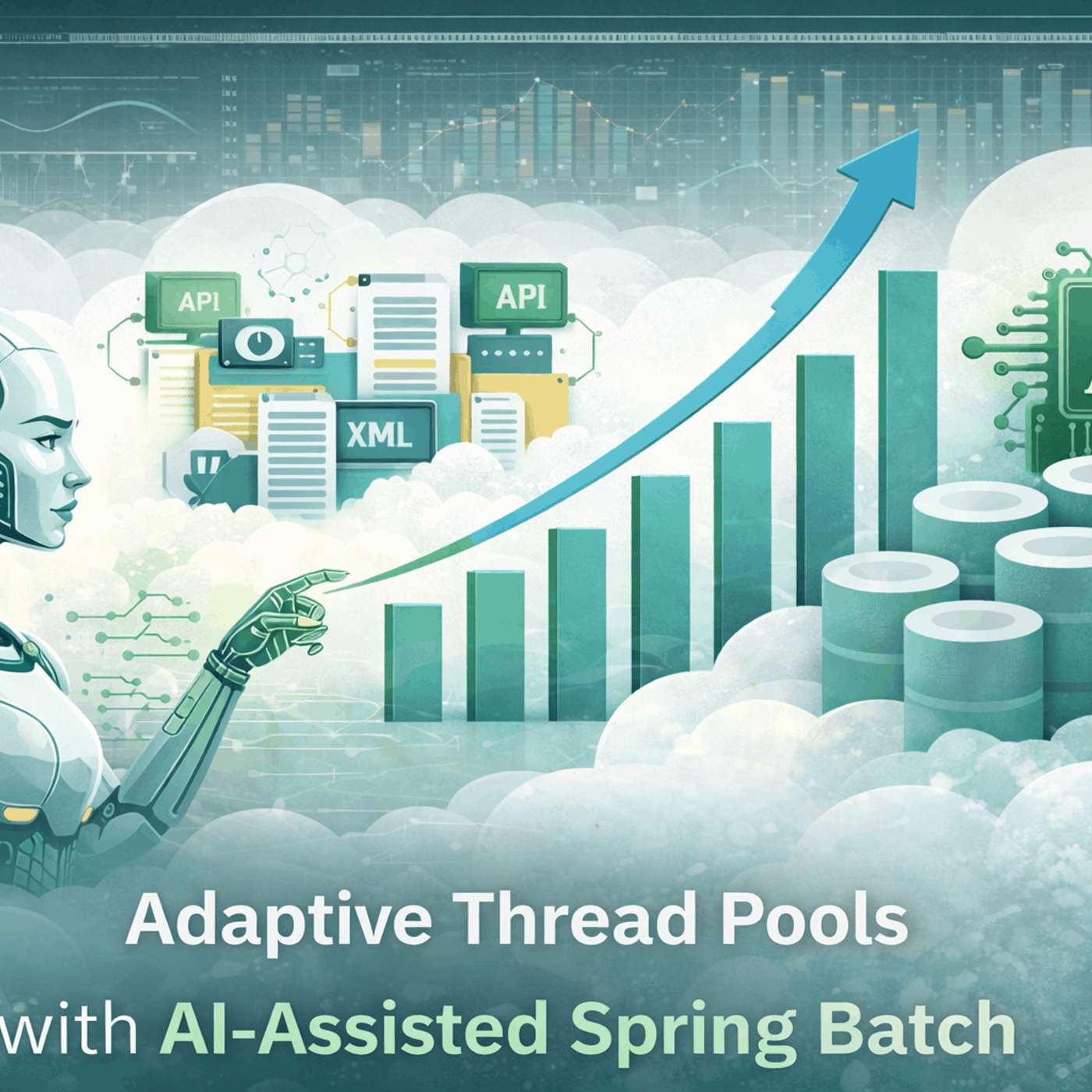
Stop Guessing Thread Pool Sizes: How to Plug AI into Spring Batch Safely
This story was originally published on HackerNoon at: https://hackernoon.com/stop-guessing-thread-pool-sizes-how-to-plug-ai-into-spring-batch-safely. Why static thread pools fail in Spring Batch and how to build safe, AI-assisted adaptive concurrency for production systems. Check more stories related to programming at: https://hackernoon.com/c/programming. You can also check exclusive content about #spring-batch-concurrency, #spring-batch-throttle-limit, #ai-driven-thread-pool-tuning, #spring-batch-in-production, #bounded-thread-pool-in-java, #llm-assisted-infrastructure, #thread-pool-task-executor, #concurrency-fix-in-java, and more. This story was written by: @lavik. Learn more about this writer by checking @lavik's about page, and for more stories, please visit hackernoon.com. Hard coding thread pool sizes in Spring Batch rarely works well in real production systems, where load and conditions constantly change. This article explains how to use executor based concurrency, fix common thread-safety issues, and add clear guardrails so batch jobs can adapt safely. It also shows where AI can be introduced as a guiding layer to help tune performance over time without putting stability at risk.

Decision Engines in Production: JSON Logic, Rules Engines, and When to Scale
This story was originally published on HackerNoon at: https://hackernoon.com/decision-engines-in-production-json-logic-rules-engines-and-when-to-scale. Learn how to build auditable, explainable decision systems using JSON logic, rules engines, and AI for fintech, insurance, healthcare, and regulated domains. Check more stories related to programming at: https://hackernoon.com/c/programming. You can also check exclusive content about #json-logic-vs-rules-engine, #auditable-fintech-workflows, #healthcare-decision-automation, #business-rules-versioning, #decision-engine-spectrum, #human-readable-logic-systems, #ai-decision-framework, #decision-engines-in-production, and more. This story was written by: @erindeji. Learn more about this writer by checking @erindeji's about page, and for more stories, please visit hackernoon.com. Hardcoded logic grows into unmanageable complexity in regulated industries. Start simple, then scale: JSON logic for 10–50 rules, rules engines for complex interdependencies, and AI for pattern recognition. The goal: auditable, traceable, and reproducible decisions. Combine tools to ensure compliance, performance, and explainability from day one, keeping workflows reliable and regulators happy.

Go's Cryptography Packages Were Audited: The Results
This story was originally published on HackerNoon at: https://hackernoon.com/gos-cryptography-packages-were-audited-the-results. The audit produced a single low-severity finding, in the legacy and unsupported Go+BoringCrypto integration, and a handful of informational findings. Check more stories related to programming at: https://hackernoon.com/c/programming. You can also check exclusive content about #go, #golang, #go-cryptography-security, #go-security-audit, #go-cryptography-packages, #go-audit, #timing-side-channels, #hackernoon-top-story, and more. This story was written by: @Go. Learn more about this writer by checking @Go's about page, and for more stories, please visit hackernoon.com. Go ships with a full suite of cryptography packages in the standard library to help developers build secure applications. Google recently contracted the independent security firm [Trail of Bits] to complete an audit of the core set of packages. The audit produced a single low-severity finding, in the legacy and unsupported [Go+BoringCrypto integration], and a handful of informational findings.

The Case for Slow, Sustainable Engineering
This story was originally published on HackerNoon at: https://hackernoon.com/the-case-for-slow-sustainable-engineering. A letter to engineers arguing for slow, sustainable software—and against the “wartime” myth that turns tech into a race powered by greed and fear. Check more stories related to programming at: https://hackernoon.com/c/programming. You can also check exclusive content about #software-engineering, #greed, #philosophy, #philosophy-of-software, #software-development, #sustainable-development, #tech-culture, #hackernoon-top-story, and more. This story was written by: @jackbradshaw. Learn more about this writer by checking @jackbradshaw's about page, and for more stories, please visit hackernoon.com. A letter to engineers arguing for slow, sustainable software—and against the “wartime” myth that turns tech into a race powered by greed and fear.

Looking Back at the Changes That Rust 1.77.1 Brought In
This story was originally published on HackerNoon at: https://hackernoon.com/looking-back-at-the-changes-that-rust-1771-brought-in. The Rust team has published a new point release of Rust, 1.77.1. Rust is a programming language that is empowering everyone to build reliable and efficiently Check more stories related to programming at: https://hackernoon.com/c/programming. You can also check exclusive content about #rust, #rustlang, #rust-1.77.1, #rust-update, #rust-changes, #rust-1.77.1-changes, #rust-debuginfo, #rust-cargo, and more. This story was written by: @Rust. Learn more about this writer by checking @Rust's about page, and for more stories, please visit hackernoon.com. Rust 1.77.1 therefore disables the new Cargo behavior on Windows for targets that use MSVC. There are no changes for other targets. We plan to eventually re-enable debuginfo stripping in release mode in a later Rust release.
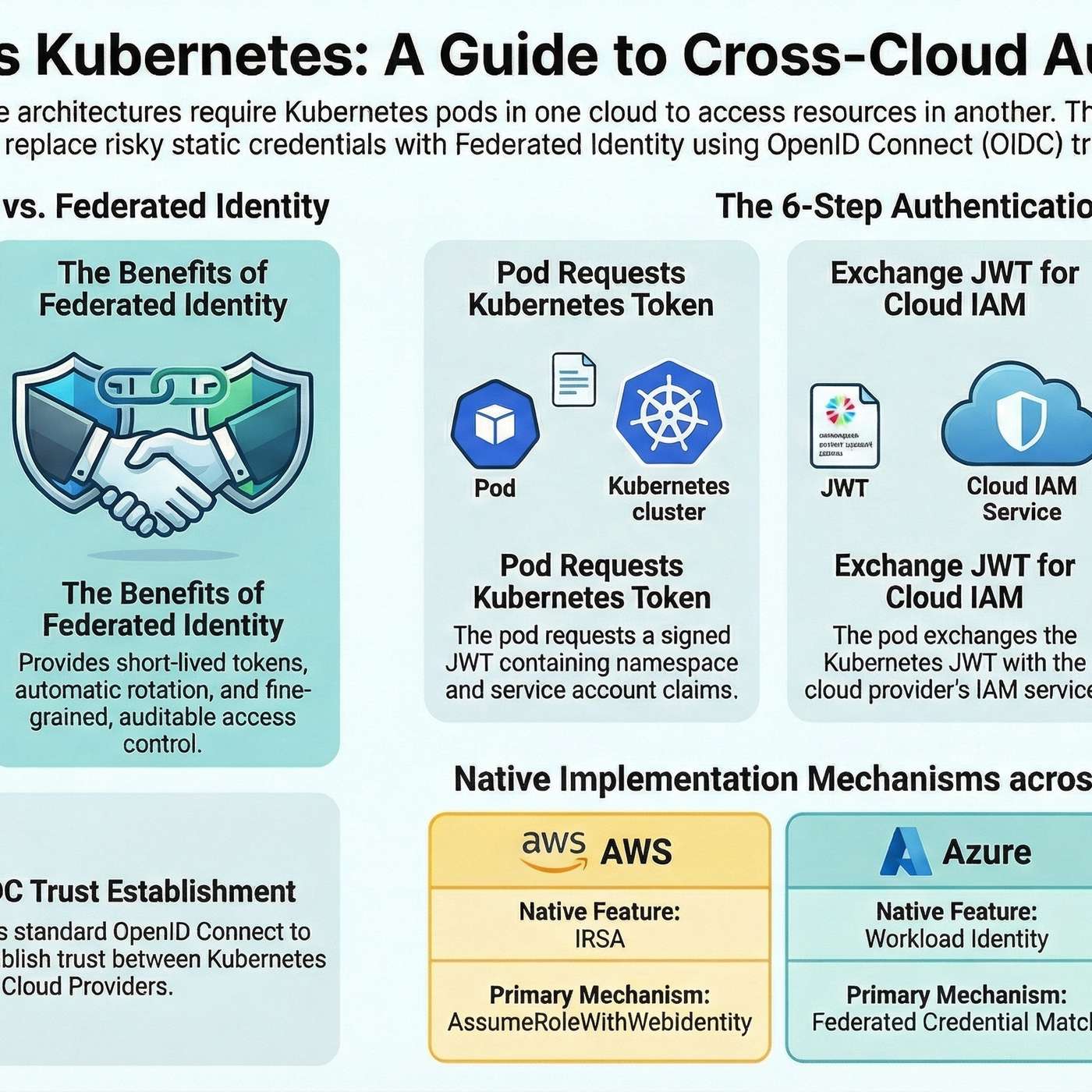
The Clean Way to Access AWS, Azure, and GCP From Kubernetes (No Secrets, No Rotations)
This story was originally published on HackerNoon at: https://hackernoon.com/the-clean-way-to-access-aws-azure-and-gcp-from-kubernetes-no-secrets-no-rotations. A multi-cloud strategy, building a distributed system, your Kubernetes pods need secure, passwordless authentication across AWS, Azure, and GCP. Check more stories related to programming at: https://hackernoon.com/c/programming. You can also check exclusive content about #kubernetes, #eks, #aks, #gke, #cloud, #devops, #security, #aws, and more. This story was written by: @pjajoo. Learn more about this writer by checking @pjajoo's about page, and for more stories, please visit hackernoon.com. A multi-cloud strategy, building a distributed system, your Kubernetes pods need secure, passwordless authentication across AWS, Azure, and GCP.
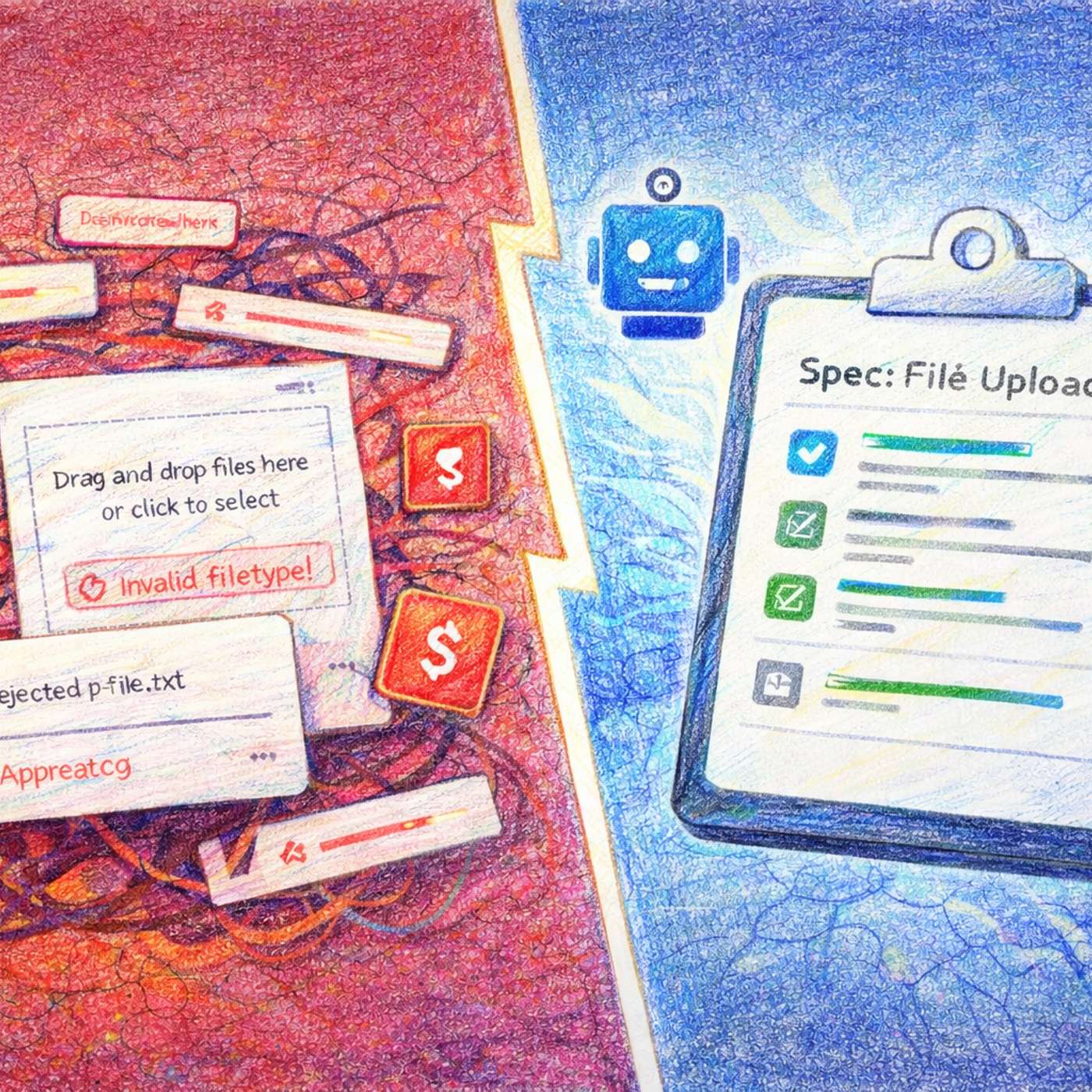
Why AI-generated UI Gets Messy
This story was originally published on HackerNoon at: https://hackernoon.com/why-ai-generated-ui-gets-messy. AI UI gets messy when prompts are vague. Learn a spec-first workflow that improves consistency, reduces guesswork, and makes iteration painless. Check more stories related to programming at: https://hackernoon.com/c/programming. You can also check exclusive content about #ui, #ux, #ai, #ai-generated-ui, #ui-design, #user-interface, #ai-design, #ai-in-web-development, and more. This story was written by: @julianio. Learn more about this writer by checking @julianio's about page, and for more stories, please visit hackernoon.com. If you don’t have a plan, AI fills the gaps with guesses. A spec includes state management, edge cases, accessibility, keyboard behavior, error handling, responsive design. With a spec, it has less room for invented pieces.
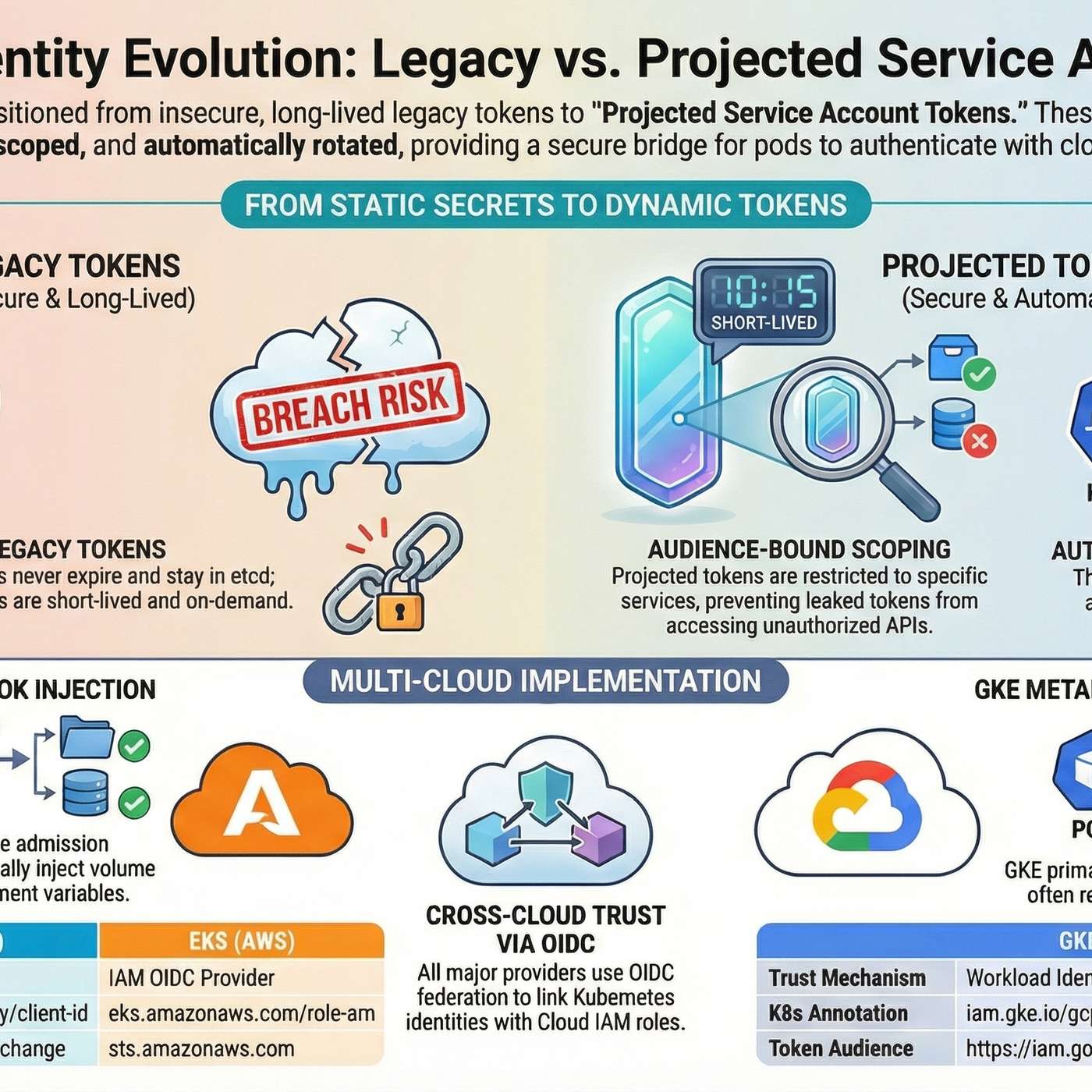
Secure Pod Identity Across Clouds: AKS Workload Identity, EKS IRSA, GKE Workload Identity
This story was originally published on HackerNoon at: https://hackernoon.com/secure-pod-identity-across-clouds-aks-workload-identity-eks-irsa-gke-workload-identity. Projected service account tokens bring expiration, rotation, and audience binding to Kubernetes pod auth. Check more stories related to programming at: https://hackernoon.com/c/programming. You can also check exclusive content about #kubernetes, #eks, #aks, #gke, #cloud, #credentials, #service-account-token-rotation, #projected-service-account, and more. This story was written by: @pjajoo. Learn more about this writer by checking @pjajoo's about page, and for more stories, please visit hackernoon.com. Learn how Kubernetes projected service account tokens replace legacy secret-mounted tokens with short-lived, audience-scoped JWTs—plus how AKS, EKS (IRSA), and GKE use them for workload identity.
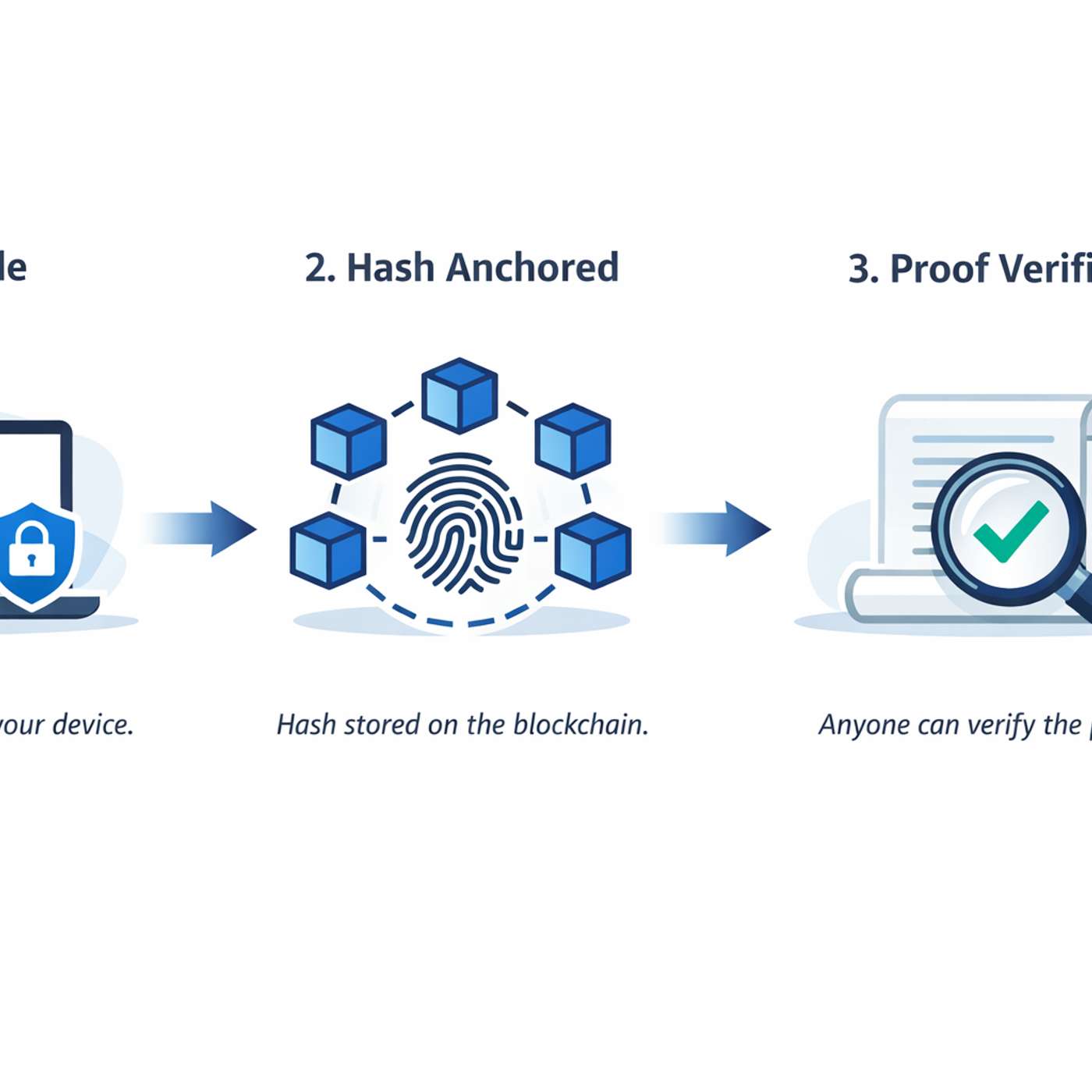
DocProof Lets You Prove a File Existed—Without Uploading the File
This story was originally published on HackerNoon at: https://hackernoon.com/docproof-lets-you-prove-a-file-existedwithout-uploading-the-file. There's a problem that s been bugging me for a while. How do you prove a document existed at a specific point in time—without handing it over to someone Check more stories related to programming at: https://hackernoon.com/c/programming. You can also check exclusive content about #software-engineering, #web3, #document-timestamping, #proof-of-existence, #proof-of-prior-art, #cryptographic-timestamp, #sha-256-hash, #client-side-hashing, and more. This story was written by: @znow. Learn more about this writer by checking @znow's about page, and for more stories, please visit hackernoon.com. Document verification can be difficult or impossible without trusting a third party with your files. Daniel G. has developed a way to prove a document existed at a specific point in time. The proof is created on the blockchain using a cryptographic fingerprint. The document itself never leaves your device and the hash reveals nothing about the content.
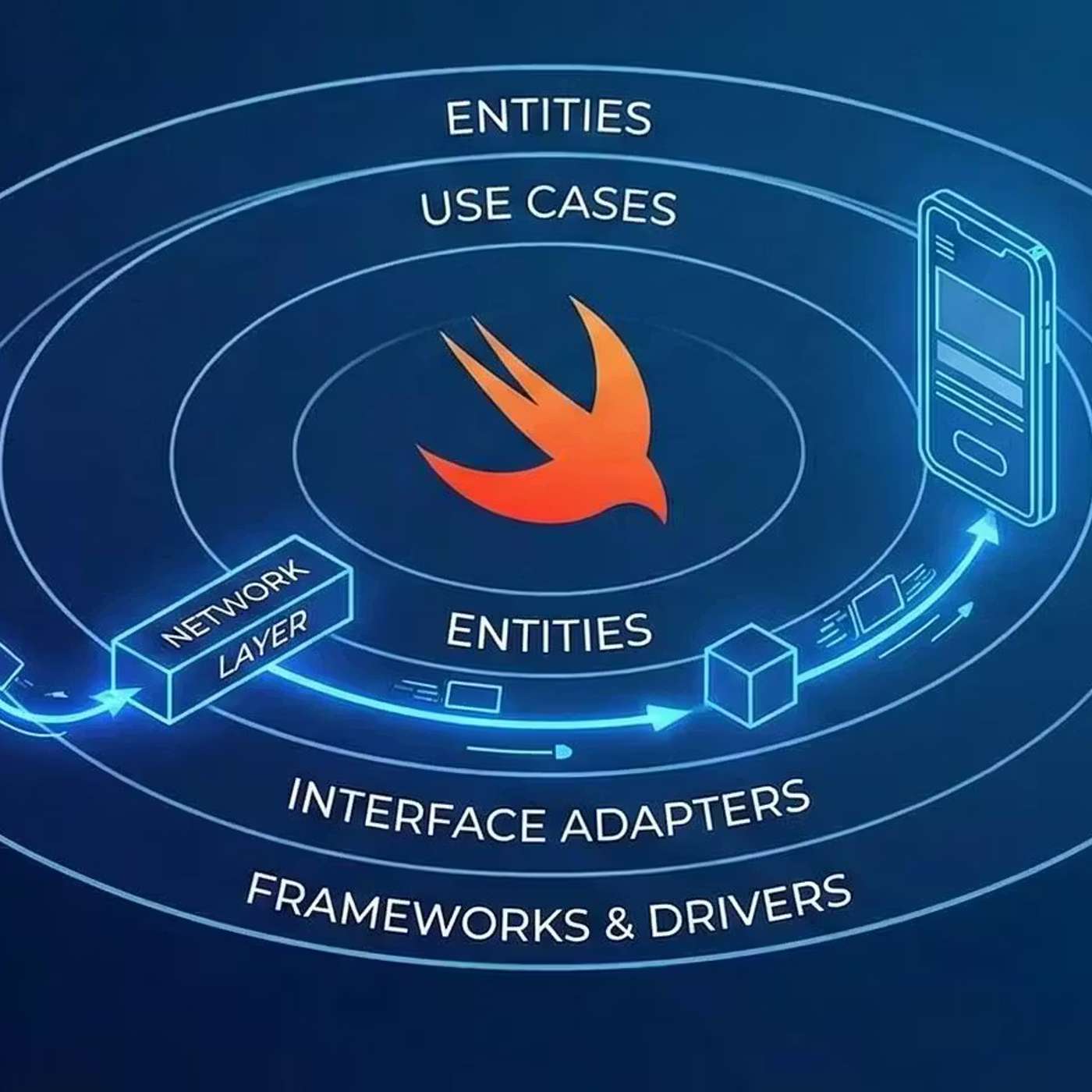
Stop Letting Your iOS Network Layer Become a Junk Drawer
This story was originally published on HackerNoon at: https://hackernoon.com/stop-letting-your-ios-network-layer-become-a-junk-drawer. Stop shipping “junk drawer” networking code. This guide shows a production-ready Swift network layer with type-safe endpoints and SwiftUI-friendly usage. Check more stories related to programming at: https://hackernoon.com/c/programming. You can also check exclusive content about #swift, #ios, #ios-app-development, #swift-tutorial, #swift-programming, #swift-guide, #swift-network-layer, #clean-architecture-swift, and more. This story was written by: @unspected13. Learn more about this writer by checking @unspected13's about page, and for more stories, please visit hackernoon.com. Stop shipping “junk drawer” networking code. This guide shows a production-ready Swift network layer with type-safe endpoints and SwiftUI-friendly usage.

Infrastructure as Code in Practice: What It Solves — and What It Doesn’t
This story was originally published on HackerNoon at: https://hackernoon.com/infrastructure-as-code-in-practice-what-it-solves-and-what-it-doesnt. Infrastructure as Code has long become a standard approach to managing cloud infrastructure. Check more stories related to programming at: https://hackernoon.com/c/programming. You can also check exclusive content about #cloud-system, #engineering, #code, #iac, #infrastructure-as-code, #managing-cloud-infrastructure, #aliia-rustamova, #good-company, and more. This story was written by: @nicafurs. Learn more about this writer by checking @nicafurs's about page, and for more stories, please visit hackernoon.com. Infrastructure as Code has long become a standard approach to managing cloud infrastructure.

Why We Stopped Using Single-Activity Architecture Everywhere
This story was originally published on HackerNoon at: https://hackernoon.com/why-we-stopped-using-single-activity-architecture-everywhere. Why a large production Android app moved away from single-activity architecture—and how a hybrid approach improved stability, memory, and velocity. Check more stories related to programming at: https://hackernoon.com/c/programming. You can also check exclusive content about #android-architecture, #single-activity-architecture, #android-app-scalability, #android-navigation-component, #jetpack-compose, #modular-android-apps, #android-deep-linking, #enterprise-android-development, and more. This story was written by: @lovegarg. Learn more about this writer by checking @lovegarg's about page, and for more stories, please visit hackernoon.com. Single-activity architecture simplified our Android app early on, but at scale it caused deep-linking, memory, and modularity issues; a hybrid, multi-activity approach proved more resilient.
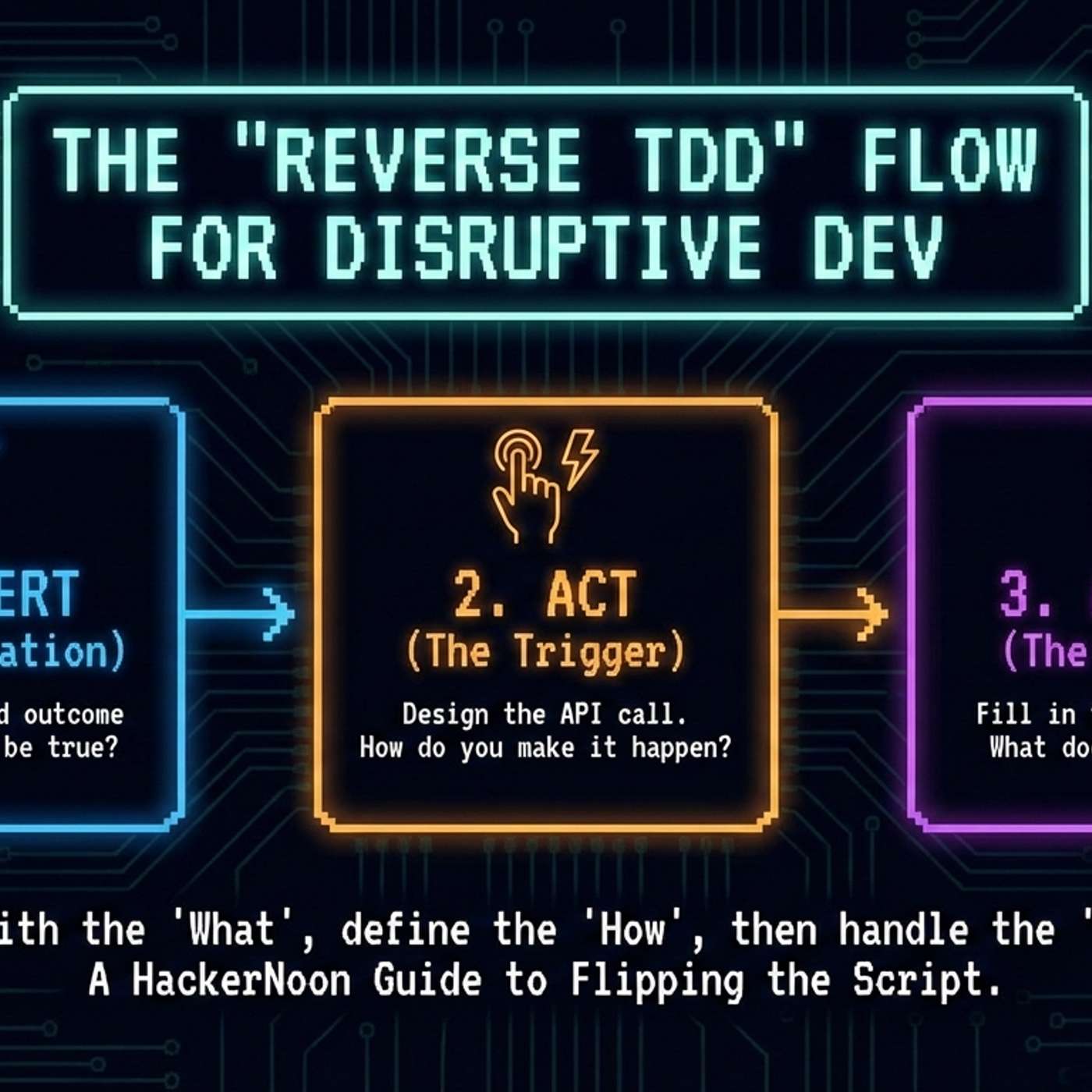
TDD Is Backwards: Why Assertions Should Come First in Disruptive Development
This story was originally published on HackerNoon at: https://hackernoon.com/tdd-is-backwards-why-assertions-should-come-first-in-disruptive-development. Struggling with TDD in chaotic projects? Stop starting with the setup. Flip the script and write your Assertions first to create executable specifications. Check more stories related to programming at: https://hackernoon.com/c/programming. You can also check exclusive content about #tdd, #software-architecture, #product-development, #software-testing-strategy, #test-design-patterns, #agile-engineering, #developer-productivity, #tdd-best-practices, and more. This story was written by: @omotayojude. Learn more about this writer by checking @omotayojude's about page, and for more stories, please visit hackernoon.com. When requirements are unclear, traditional TDD stalls at setup. By reversing Arrange-Act-Assert and starting with the assertion, developers can clarify intent, design cleaner APIs, and let tests drive architecture—even in chaotic projects.

From PDFs to Proof Pipelines: Building Audit-Grade Traceability in Regulated Deep-Tech
This story was originally published on HackerNoon at: https://hackernoon.com/from-pdfs-to-proof-pipelines-building-audit-grade-traceability-in-regulated-deep-tech. From PDFs to proof pipelines: how we cut audit pack assembly from 2 months to 2 weeks with baselines, traceability, access control, and impact analysis. Check more stories related to programming at: https://hackernoon.com/c/programming. You can also check exclusive content about #software-architecture, #compliance, #systems-engineering, #aerospace, #traceability, #change-management, and more. This story was written by: @irserg. Learn more about this writer by checking @irserg's about page, and for more stories, please visit hackernoon.com. In regulated deep-tech, people argue about paper vs. 3D models, spreadsheets vs. metadata report, PDFs vs. PLM. That argument misses the point. Regulators don’t want paper. They want proof with properties that survive scrutiny.

What You Have to Know About Syntactic Support for Error Handling
This story was originally published on HackerNoon at: https://hackernoon.com/what-you-have-to-know-about-syntactic-support-for-error-handling. One of the oldest and most persistent complaints about Go concerns the verbosity of error handling. Check more stories related to programming at: https://hackernoon.com/c/programming. You can also check exclusive content about #go, #golang, #error-handling, #syntactic-support, #error-handling-syntax, #go-functions, #go-support, #hackernoon-top-story, and more. This story was written by: @Go. Learn more about this writer by checking @Go's about page, and for more stories, please visit hackernoon.com. Go has a built-in error handling function called 'try' It is used to augment errors before returning them. Go users have long complained about the verbosity of error handling. The Go team has tried to come up with a solution for this problem for years.

Rust 1.77 and 1.78: The Changes That Happened to u128/i128
This story was originally published on HackerNoon at: https://hackernoon.com/rust-177-and-178-the-changes-that-happened-to-u128i128. Rust has long had an inconsistency with C regarding the alignment of 128-bit integers on the x86-32 and x86-64 architectures. Check more stories related to programming at: https://hackernoon.com/c/programming. You can also check exclusive content about #rust, #rustlang, #rust-changes, #rust-1.77, #rust-1.78, #rust-u128, #rust-update, #rust-incorrect-alignment, and more. This story was written by: @Rust. Learn more about this writer by checking @Rust's about page, and for more stories, please visit hackernoon.com. Rust has long had an inconsistency with C regarding the alignment of 128-bit integers. This problem has recently been resolved, but the fix comes with some effects that are worth being aware of. As a user, you most likely do not need to worry about these changes unless you are. Ignoring the `improper_ctypes*` lints and using these types in FFI.

Definitive Guide to Multi-Threaded Rendering on the Web
This story was originally published on HackerNoon at: https://hackernoon.com/definitive-guide-to-multi-threaded-rendering-on-the-web. The web is still single-threaded, but modern apps aren’t. A practical guide to multithreaded rendering using workers, canvas, and DOM strategies. Check more stories related to programming at: https://hackernoon.com/c/programming. You can also check exclusive content about #multithreaded-web-rendering, #web-workers-and-dom, #offscreen-canvas-worker-dom, #parallel-dom-rendering, #frontend-concurrency, #web-multithreading, #frontend-thread-bottlenecks, #sharedarraybuffer-web-atomics, and more. This story was written by: @ashubham3. Learn more about this writer by checking @ashubham3's about page, and for more stories, please visit hackernoon.com. The DOM is single-threaded, but modern web apps demand parallelism. This article breaks down practical multithreaded rendering strategies—Web Workers, SharedArrayBuffer, Offscreen Canvas, server-side DOM creation, and parallel DOM approaches—highlighting where each works, where it fails, and how frontend engineers can combine them to push performance beyond main-thread limits.