Podcast Insider
59 episodes — Page 1 of 2
How Much AI Is Too Much AI in Podcasting?
How Long Should a Podcast Episode Be? And Should You Edit? – PCI 484
Podcast Burnout: How to Keep Your Show Sustainable – PCI 483
Do Celebrity Podcasts Help or Hurt Podcasting? – PCI 482
Do Celebrity Podcasts Help or Hurt Podcasting? – PCI 482
How Do You Consume Podcasts – PCI 481
A Better Website Experience for Podcasters with Podpage – PCI 480
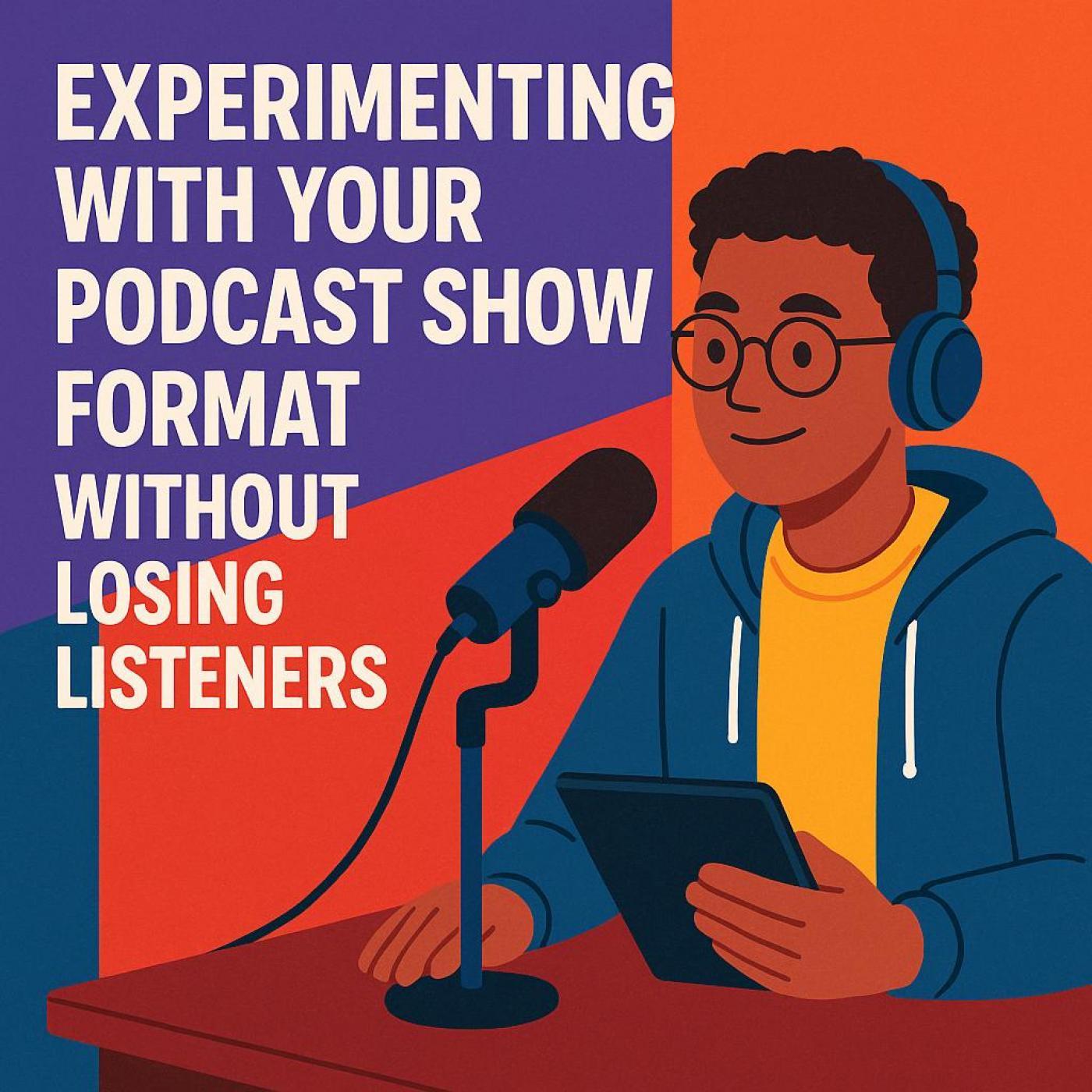
Ep 479(Re-run) Experimenting With Your Show Format Without Losing Listeners – PCI 479
Hey everyone — quick update before we jump into today’s episode. We’re currently taking a short break from recording new episodes of Podcast Insider as we spend some time reworking the show behind the scenes. We’re looking at everything from format to content to make sure we’re bringing you the most helpful and relevant podcasting insights possible. We’ll be back with brand new episodes in May. In the meantime, we’re revisiting some of our past episodes that are still incredibly relevant — like this one. Thanks for sticking with us, and we’ll see you soon with what’s next for Podcast Insider. Change can be scary — especially when your podcast format is “working well enough.” But doing the exact same thing every week can lead to burnout, stale content, and flat growth. In this episode of Podcast Insider, Mike and Dave dig into how to experiment with your show format without confusing your audience, tanking downloads, or losing the core of what makes your show work. Whether you’re thinking about shorter episodes, new segments, rotating co-hosts, or even a full refresh down the road, this conversation walks through how to test changes in a thoughtful, data-informed way over time. Today’s Hosts: Dave Clements and Mike Dell Why Even Good Shows Need Format Experiments If your show is “fine,” it can be tempting to leave it alone forever. But small experiments can: Keep you excited and creative as a host Help new listeners understand your show faster Make the content easier to binge and share Reveal what parts of your format actually matter to listeners Common worries podcasters have: “If I change anything, people will unsubscribe.” “My audience expects this exact structure.” “I don’t have time to reinvent everything.” Breaking down the difference between: Tweaks (small adjustments, low risk) Experiments (intentional tests with a goal) Overhauls (big changes that need more planning) 💡 Blubrry helps: Use your Blubrry stats to compare performance before and after changes—episode downloads, trends over a few weeks, and listener behavior over time. Low-Risk Ways to Experiment With Your Format You don’t have to flip your show upside down to “try something new.” Mike and Dave walk through small, manageable experiments you can test over a few episodes: Structure Experiments Move your main topic earlier so listeners get to the “good stuff” faster Add a short recurring segment (news, wins, Q&A, recommendations) Group related topics into a mini-series within your feed Length & Pacing Experiments Try a shorter, punchier episode every few weeks Alternate between deep-dive episodes and quick tips Tighten long intros or outros to get into the content sooner Format Variations Rotate between solo, co-hosted, and interview episodes Test a “mailbag” or “listener questions” format occasionally Try themed episodes (case studies, breakdowns, live coaching, etc.) They also talk about running experiments in “seasons” or short runs so changes feel intentional, not random. 💡 Blubrry helps: Tag your episodes clearly in titles and descriptions (e.g., “Quick Tip,” “Deep Dive,” “Listener Q&A”) so you can see which experiment types attract more plays over time. Bringing Your Audience Along for the Ride Listeners are usually more flexible than podcasters think—as long as they’re not surprised in a bad way. Communicate changes without sounding unsure or apologetic: Explain why you’re trying something new:   “We want to get to the main topic faster.” “We’re testing shorter episodes for busy listeners.” Set expectations and limits:   “We’re experimenting with this format for the next 3–4 episodes.” Invite feedback directly:   Ask for emails, social DMs, or voicemails Run a simple listener poll or survey The power of framing: Position changes as a perk (“We’re giving you more X”) Make listeners feel included (“You’re helping shape how this show evolves.”) 💡 Blubrry helps: Link to your contact page, newsletter, or survey using Quicklinks so listeners always have an easy, one-click way to respond. What to Track When You Change Your Format Experimenting without paying attention to results is just guessing. We break down what to watch once you start testing new ideas: Core metrics: Overall downloads per episode over a few weeks Trends (Is it steady, slightly up, or noticeably down?) Are new format episodes in line with your usual performance? Engagement signals: Do you see more replies, reviews, or social shares? Are listeners mentioning specific segments or changes they liked? Do people reference the new format when they reach out? Patterns over time: Are certain experiment types performing consistently better? Did a change cause confusion (e.g., more “what is this?” feedback)? Don’t panic over one “weird” episode—look at patterns, not outliers. 💡 Blubrry helps: Use episode comparison tools and long-term stats trends to see how format changes affect performance across multiple episodes, not just one. Knowing When to Roll
Ep 478Spring Clean Your Podcast: What to Fix, Update, or Remove Right Now – PCI 478
Spring is a natural time to reset — and your podcast is no exception. If things have started to feel a little scattered, outdated, or harder to manage, you’re not alone. Most podcasts don’t struggle because of one major issue, but because of small things that quietly pile up over time. In this episode, we walk through how to “spring clean” your podcast — from refreshing your show details and fixing broken links to simplifying your workflow and setting yourself up for growth. These are practical, high-impact updates you can make right now to improve your listener experience, boost discoverability, and make your podcast easier (and more rewarding) to run. Today’s Hosts: Mike Dell and Dave Clements Why “Spring Cleaning” Matters Most podcasts don’t fail because of one big issue — it’s small things stacking up Over time: Links break Descriptions get outdated Workflows get messy Cleaning up improves: Listener experience Discoverability Monetization readiness What to Fix First (High-Impact Updates) Show Description & Episode Titles Are they clear? Keyword-friendly? Do they still reflect your show? Links & Calls-to-Action Old websites, expired offers, missing links CTA mismatch (asking for things you don’t actually offer anymore) Podcast Artwork Does it still match your brand? Is it readable at small sizes? Clean Up Your Back Catalog Older episodes still get discovered Fix: Broken links in show notes Outdated intros (“coming soon” messages, etc.) Consider: Updating descriptions Re-promoting strong older episodes Workflow & Consistency Reset Are you: Scrambling every week? Skipping steps? Common issues: No checklist No repeatable process Solutions: Simple publishing checklist Batch recording/editing Clear timeline for each episode Monetization Cleanup Are you still promoting: Old sponsors? Dead affiliate links? Are you not promoting: Your own services? Newsletter, community, products? What to Remove Long, outdated intros Segments you don’t enjoy anymore Overcomplicated formats Key Takeaways Small updates make a big difference. You don’t need a full rebrand — fixing descriptions, links, and workflows can immediately improve your podcast. Your back catalog still matters. Older episodes continue to get discovered, so keeping them updated helps with long-term growth. Consistency comes from systems, not motivation. A clean, repeatable workflow makes publishing easier and reduces burnout. Monetization starts with clarity. Make sure your calls-to-action are current and actually lead somewhere meaningful. If it’s not helping your show, remove it. Outdated segments, long intros, and unnecessary steps only slow you down. For the best support, please use our Blubrry ticket system so our full team can help. Join the Blubrry Podcasting Facebook Group for general podcasting discussion. Share your feedback at surveys.blubrry.com/podcastinsider. Blubrry hosting customers can schedule a one-on-one tech checkup with Mike ([email protected])
Ep 477🌍 Going Global: Grow Your Podcast Beyond Borders (Replay) – PCI 477
Podcasting doesn’t stop at borders — and chances are, your audience doesn’t either. In this replay of Podcast Insider, hosts Mike Dell and Dave Clements break down how podcasters can expand beyond their home country and reach listeners around the world. If you’ve ever wondered how to grow your show internationally, understand where your audience is coming from, or make your content more accessible globally — this episode is for you. Whether you’re just getting started or already seeing downloads from other countries, going global isn’t about starting over — it’s about making smarter, more intentional decisions with the content you’re already creating. Why your podcast likely already has a global audience How international listeners can accelerate your growth Simple ways to make your content more globally relevant The role of transcripts in discoverability and accessibility How to promote your podcast beyond your local market Tools and strategies to understand where your listeners are tuning in from 🌎 Why Going Global Matters Expanding your reach isn’t just about bigger numbers — it’s about better opportunities. Connect with listeners from different cultures and perspectives Open the door to international guests and collaborations Increase your potential for sponsorships and partnerships Build a stronger, more diverse community Podcasting is inherently global — leaning into that can help your show grow faster and more sustainably. 🎯 Make Your Podcast Work Anywhere You don’t need to change your show — just make it easier for more people to connect with it. Keep language clear and avoid region-specific slang Focus on topics that translate across cultures Provide context when referencing local ideas or locations Be mindful of time zones for releases and live events Small adjustments can make a big difference in how your content resonates worldwide. 📝 Accessibility = Growth If you want a global audience, accessibility is key. Transcripts help non-native speakers follow along They improve SEO and discoverability They make translation into other languages possible Making your content easier to consume is one of the fastest ways to expand your reach internationally. 🚀 Promote Beyond Your Home Country Growth doesn’t stop at publishing — it expands with how you promote. Submit your podcast to global directories Use region-specific hashtags and communities Share clips or quotes that can be translated Collaborate with creators in other countries The more visible your show is globally, the more opportunities you create. 🔑 The Takeaway You don’t need a separate strategy to “go global.” You just need to: Understand where your audience already is Remove friction for new listeners Make your content accessible and relatable Your next listener might not be in your city — or even your country. And that’s exactly where your growth can come from.
Ep 476Podcasting 101: The Terms Every Podcaster Needs to Understand – PCI 476
Podcasting has its own language — and if you’re new to the space, it can feel like everyone already knows what all the terms mean. RSS feeds, hosting, CPM, downloads, distribution… it’s easy to get lost in the jargon. Blubrry breaks down some of the most common podcasting terms in plain English. Whether you’re just starting your show or looking to better understand how the podcasting ecosystem works, this episode will help make sense of the terminology that powers podcast publishing, distribution, and monetization. Today’s Hosts: Mike Dell & MacKenzie Bennett General Podcasting Terms 1. Basic Terms The basic terms can be the hardest to understand. They seem basic, but when talking about your Podcast, clarity can make all the difference. Podcast – An episodic show (mostly delivered by RSS) Interchangeable with the word show Episode – An individual entry in your overall podcast One episode is not a PODCAST or POD, it’s a podcast episode Feed – When talking about a podcast, this is the RSS feed Not to be confused with a show listing on an app or directory. “My Apple feed…” YouTube Channel – NOT a feed, there are no feeds coming OUT of YouTube Upload – In publishing episodes, you have to upload that episode to a podcast host You do not UPLOAD to Apple Podcasts. Blubrry and other hosts do not upload to Apple. Apple PULLS your episode in via your RSS feed. They do not host the file, the file stays where it is and they LIST your episodes. 2. RSS Feed – Really Simple Syndication An RSS feed is the distribution engine for a podcast. It’s a file that contains the core information about your show, including: Episode titles Descriptions Audio files Artwork Publish dates Podcast apps like Apple Podcasts and Spotify read this feed and display the show inside their apps. When a new episode is published, the RSS feed updates. Podcast apps check the feed and automatically pull in the new episode. 3. Podcast Hosting Podcast hosting is where the media files for a podcast are stored. When an episode is uploaded to a host such as Blubrry Podcasting, the platform: Stores the audio file Generates the RSS feed Delivers the file when listeners press play Podcast directories do not store the audio themselves. They simply read the RSS feed from the hosting platform. Hosting is the foundation that makes podcast distribution possible. 4. Podcast Directories / Apps Podcast directories are the platforms where listeners discover and play podcasts. Examples include: Apple Podcasts Spotify Amazon Music These platforms do not host the podcast files. Instead, they pull the show information from the RSS feed and display it inside their apps. Once a podcast is submitted to a directory, new episodes appear automatically whenever the RSS feed updates. 5. Downloads vs Listens In podcasting, the primary measurement used for analytics is downloads. A download occurs when a podcast app requests the audio file from the host. This means the episode was delivered to a device. It does not necessarily mean the listener played the entire episode. Downloads are the industry standard measurement used for podcast analytics and advertising reporting. 6. CPM CPM stands for Cost Per Mille, which means cost per 1,000 downloads. It is one of the most common pricing models used in podcast advertising. Example: $20 CPM 5,000 downloads That would equal roughly $100 for that advertisement placement. CPM helps advertisers estimate campaign costs and helps podcasters estimate potential ad revenue. 7. Pre-Roll, Mid-Roll, and Post-Roll These terms describe where an advertisement appears within an episode. Pre-roll: Ad plays at the beginning of the episode Mid-roll: Ad appears in the middle of the episode Post-roll: Ad plays near the end Mid-roll placements are often the most valuable because listeners are already engaged with the episode. 8. Dynamic Ad Insertion Dynamic Ad Insertion allows advertisements to be added to episodes automatically during playback. Instead of permanently editing ads into the audio file, the ads are inserted when the episode is streamed or downloaded. This allows: Ads to change over time Different ads to play for different listeners Campaigns to run across older episodes 9. Episode Artwork Episode artwork is an image attached to an individual podcast episode. It can highlight: A specific topic A guest A theme or series within the podcast Episode artwork is optional but can make episodes more visually engaging across podcast apps and websites. 10. Podcast Landing Page A podcast landing page is a simple webpage that displays podcast episodes and listening links in one place. These pages typically include: Podcast artwork Episode list Embedded players Links to listen in podcast apps They provide a shareable home for the podcast outside of podcast apps. 11. Publishing vs Distribution Publishing refers to releasing an episode inside a podcast hosting platform. Distribution is what happens afterward — when

Ep 475What We See Behind the Scenes as a Podcast Hosting Company – PCI 475
Behind the scenes at a podcast hosting company, you start to notice patterns. Not just in downloads or dashboards — but in behavior, expectations, burnout, growth, and momentum. In this episode, we’re sharing what we consistently see across thousands of shows: why some podcasts quietly fade out, why others steadily grow, where creators get tripped up, and what actually builds longevity. This isn’t promotional — it’s observational. If you’ve ever wondered what separates the podcasts that last from the ones that stall, this conversation pulls back the curtain. Today’s Hosts: Mike Dell, MacKenzie Bennett & Dave Clements 1. Why Shows Stop Publishing Most podcasts don’t stop because of tech issues. They stop because of: Lack of a clear goal Unrealistic expectations Burnout (which is typically caused by the first two) Life getting busy The shows that last usually have simple workflows and a clear purpose. Consistency beats intensity every time. 2. Common Tech Mistakes A lot of support questions come down to basics: Confusion about distribution timing Not understanding what hosting controls vs. directories Small publishing setting errors Podcasting has layers, and when you don’t understand how RSS and distribution work, it can feel chaotic. A little foundational knowledge prevents a lot of stress. 3. Stats Misconceptions We often see creators discouraged by their numbers. Usually because they’re: Comparing to unrealistic claims Ignoring industry averages Focusing on one episode instead of long-term trends Healthy growth is often gradual. Audience quality matters more than viral spikes. 4. Monetization Misunderstandings Many podcasters assume monetization means ads. Behind the scenes, we see missed opportunities like: Not leveraging services or expertise Undervaluing niche audiences Waiting until they feel “big enough” Monetization works best when it aligns naturally with your audience — not when it’s forced. 5. Growth Myths That Add Pressure There’s pressure to: Do video immediately Be on every platform Use every new tool But the shows that grow sustainably usually: Stay consistent Serve a clear audience Improve gradually Growth comes from focus — not from doing everything. The Big Pattern Most podcast challenges come down to: Unrealistic expectations Over-complication Comparison And most solutions come down to: Clarity Consistency Patience For the best support, please use our Blubrry ticket system so our full team can help. Join the Blubrry Podcasting Facebook Group for general podcasting discussion. Share your feedback at surveys.blubrry.com/podcastinsider. Blubrry hosting customers can schedule a one-on-one tech checkup with Mike ([email protected])
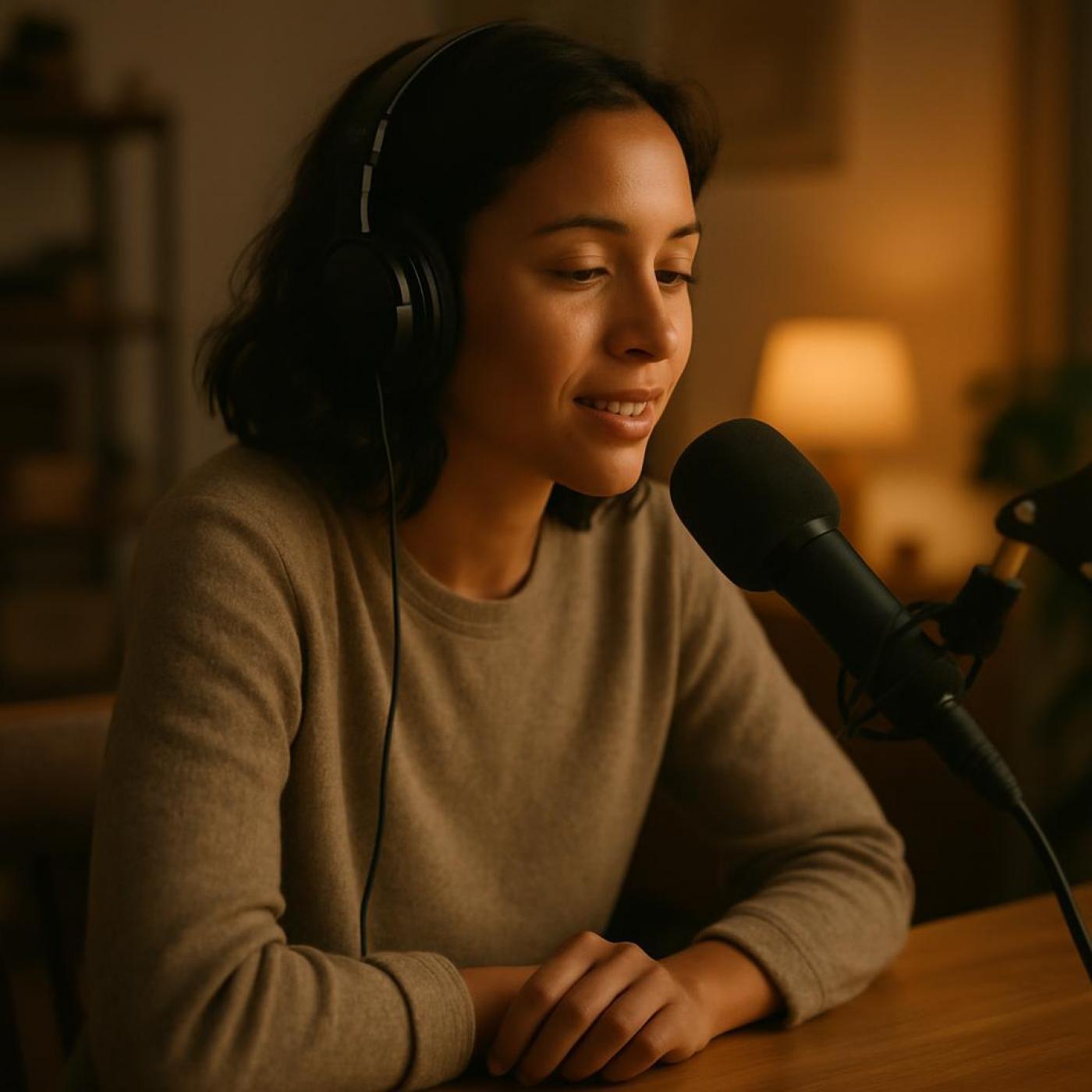
Ep 474Behind the Mic: Building Confidence as a Podcast Host – PCI 474
If you’ve ever hit record and immediately felt your heart race, you’re not alone. Sitting behind a microphone can feel surprisingly vulnerable — even if you’re completely comfortable talking in everyday life. The truth is, confidence in podcasting doesn’t magically appear. It’s built over time, shaped by repetition, structure, and a willingness to grow in public. In this episode, we’re breaking down what actually creates confidence behind the mic — and why feeling a little awkward at first isn’t a red flag… it’s part of the process. Today’s Hosts: Dave Clements and MacKenzie Bennett Building Confidence as a Podcast Host 1. Confidence Isn’t a Personality Trait — It’s a Skill A lot of people assume confident hosts are naturally outgoing or extroverted. That’s not always true. Some of the most confident podcasters are actually introverts who simply learned how to get comfortable in their format. Confidence grows from repetition and familiarity. What actually builds it: Clear episode structure Recording often enough that it stops feeling “new” Regular publishing cadence The mic feels intimidating when it’s unfamiliar. It feels normal when it’s routine. 2. Your First Episodes Are Supposed to Feel Awkward There’s this pressure to sound polished immediately. But early episodes are where you discover: Your pacing Your tone Your rhythm Your transitions If you wait to feel confident before publishing, you’ll wait forever. What actually works: Accepting that improvement happens publicly Measuring progress over perfection Letting your audience grow with you No one starts smooth. They become smooth. 3. Structure Reduces Nerves Most hosting anxiety comes from uncertainty. “What do I say next?” “Am I rambling?” “Did that make sense?” A simple outline can eliminate most of that. What actually works: Bullet points instead of paragraphs A defined beginning, middle, and end Knowing the purpose of the episode before recording When you know your direction, your delivery improves automatically. 4. Stop Performing — Start Talking Many hosts tense up because they think they need to “sound like a podcaster.” But your audience isn’t looking for a performance. They’re looking for connection. What actually works: Imagining one listener instead of a crowd Using conversational language Letting small imperfections stay in The more you sound like yourself, the more confident you’ll feel. 5. Confidence Comes From Consistency You don’t build confidence in a single episode. You build it by showing up repeatedly. The more episodes you record: The less you overthink The less you second-guess The more you trust your instincts Over time, the microphone stops feeling like a spotlight and starts feeling like a tool. And that’s when confidence really settles in. For the best support, please use our Blubrry ticket system so our full team can help. Join the Blubrry Podcasting Facebook Group for general podcasting discussion. Share your feedback at surveys.blubrry.com/podcastinsider. Blubrry hosting customers can schedule a one-on-one tech checkup with Mike ([email protected])
Ep 473Monetization Myths: What Actually Works for Independent Podcasters – PCI 473
Your podcast doesn’t need to be massive to make money — but it does need a strategy. Monetization isn’t one-size-fits-all, and most independent podcasters are building income in smarter, more diversified ways than people realize. Podcast Monetization Myths 1. Myth: You Need Huge Downloads to Make Money A common misconception is that monetization only starts when you hit tens of thousands of downloads per episode. In reality, smaller, niche podcasts often monetize more effectively because they serve a highly specific audience. Advertisers, sponsors, and even your own products perform better when your listeners are clearly defined and highly engaged. A focused audience of 500 loyal listeners can be more valuable than 5,000 passive ones. What actually works: Niche positioning Audience trust Clear listener intent 2. Myth: Sponsorships Are the Only Way to Monetize When most people think “podcast monetization,” they think ads. But independent podcasters are generating revenue through multiple streams: Listener support (memberships, donations, premium content) Affiliate marketing Selling their own services (coaching, consulting, speaking) Courses or digital products Events and community access For many shows, sponsorships are just one piece of the puzzle — not the foundation. What actually works: Diversifying income instead of relying on a single source. 3. Myth: Monetization Should Happen Immediately There’s pressure to “make money fast,” especially for new podcasters. But monetization works best when it’s built on trust. If your audience doesn’t yet understand who you are and why you matter, revenue efforts will feel forced. The most sustainable monetization happens after: Consistent publishing Clear messaging Audience feedback and engagement What actually works: Building value first. Monetizing second. 4. Myth: More Ads = More Revenue Overloading episodes with ads can damage listener trust — especially for independent creators. Listeners stick around because they trust you. If monetization disrupts the listening experience, it can hurt long-term growth. What actually works: Relevant sponsorships Honest endorsements Clear alignment with your audience Quality beats quantity. 5. The Real Monetization Formula for Independent Podcasters Successful independent podcasters usually follow this pattern: Define a clear audience Build consistent, valuable content Identify what that audience already spends money on Align monetization with that need Monetization works best when it feels like a natural extension of your show — not an interruption. Your podcast isn’t just content. It’s a relationship. And relationships are what create revenue opportunities. 🧠 Bottom line: Monetization isn’t about chasing trends or copying big shows. It’s about understanding your audience, building trust, and choosing revenue streams that fit your strengths. For the best support, please use our Blubrry ticket system so our full team can help. Join the Blubrry Podcasting Facebook Group for general podcasting discussion. Share your feedback at surveys.blubrry.com/podcastinsider. Blubrry hosting customers can schedule a one-on-one tech checkup with Mike ([email protected])

Ep 472Branding Your Podcast: Standing Out With Purpose and Personality – PCI 472
Branding Your Podcast Your podcast brand is the story you’re telling before a listener ever hears your voice. It’s built through your artwork, your title, your description, and the tone you use everywhere your show shows up. Today, Blubrry discusses how, when and why you should change up your podcast branding. Today’s Hosts: MacKenzie Bennett and Aaron Hope 1. Branding Is More Than Just Artwork Your cover art is important — but it’s only one piece of the puzzle. Your show name, episode titles, descriptions, and even how you introduce yourself all contribute to your overall brand. When those elements work together, your podcast feels intentional and trustworthy. 2. Consistency Builds Recognition Strong brands feel familiar. Using consistent colors, fonts, language, and tone helps listeners recognize your show instantly — whether they see it in a podcast app, on social media, or on your website. Consistency isn’t about being boring; it’s about being memorable. 3. Your Podcast Should Have a Personality Every podcast has a personality — even if it’s accidental. The key is making sure that personality matches your content and your audience. Is your show conversational or polished? Playful or serious? Educational or storytelling-driven? Your branding should set the right expectations from the start.   4. Standing Out Doesn’t Mean Following Trends Trends come and go, but clarity lasts. You don’t need flashy design or gimmicks to stand out. The most effective podcast brands clearly communicate who the show is for, what it’s about, and why someone should care — at a glance. 5. When to Refresh Your Podcast Brand If your show has evolved, your branding should evolve too. A refresh might make sense if your audience has changed, your topic has narrowed or expanded, or your current artwork no longer reflects the quality of your content. 🧠 Bottom line: Podcast branding isn’t about perfection — it’s about alignment. When your visuals, messaging, and tone all point in the same direction, it becomes easier for the right listeners to find you, trust you, and stick around. For the best support, please use our Blubrry ticket system so our full team can help. Join the Blubrry Podcasting Facebook Group for general podcasting discussion. Share your feedback at surveys.blubrry.com/podcastinsider. Blubrry hosting customers can schedule a one-on-one tech checkup with Mike ([email protected])
Ep 471Podcast SEO in 2026: How Listeners Find Your Show – PCI 471
🔍 Podcast SEO in 2026: How Listeners Find Your Show Podcast SEO still matters in 2026, but it’s no longer about gaming algorithms. It’s about clarity, structure, and helping the right listeners find your content across search engines and podcast platforms like Apple Podcasts and Spotify. In this episode of Podcast Insider, we break down what actually moves the needle when it comes to podcast discoverability. 🎧 Podcast SEO Basics (Quick Version) Podcast SEO works because platforms rely on written context, not audio alone. That means: Clear show and episode titles Descriptive show notes Clean, accurate RSS feeds Transcripts when possible Each episode should stand on its own as searchable content. 🧠 Keywords, Titles & Show Notes Focus on real listener questions and topics Use natural language, not keyword stuffing Front-load clarity in episode titles Use the first lines of show notes to explain the episode clearly Break descriptions into short sections or bullets 📝 Transcripts & Your Website Transcripts improve accessibility and search visibility A dedicated podcast page gives you full SEO control Fast load times, mobile-friendly design, and embedded players all help 📡 Platforms, Reviews & Promotion Keep your RSS feed clean and up to date Choose accurate categories Encourage ratings, reviews, and shares Repurpose episodes across blogs, email, and social media 📊 Keep Improving Track downloads and listener behavior Review which episodes get discovered most Refresh older titles and descriptions when needed Podcast SEO is ongoing—but small improvements add up. For the best support, please use our Blubrry ticket system so our full team can help. Join the Blubrry Podcasting Facebook Group for general podcasting discussion. Share your feedback at surveys.blubrry.com/podcastinsider. Blubrry hosting customers can schedule a one-on-one tech checkup with Mike ([email protected])
Ep 470Making the Most of Your Podcast Back Catalog – PCI 470
Give Your Podcast Catalog New Life Your podcast back catalog is one of the most powerful tools you already have — even if you don’t always think about it that way. Those older episodes aren’t outdated. New listeners are finding your show every day, and for them, everything in your archive is brand new. Today’s Hosts: MacKenzie Bennett and Mike Dell In this episode of Podcast Insider, we share practical ways podcasters can reuse, promote, and even monetize their existing episodes to grow their audience without burning out on constant new content creation. Why Your Podcast Back Catalog Matters Once an episode is published, it doesn’t stop being useful. Evergreen topics, interviews, and educational episodes can continue attracting listeners months or even years later. Your back catalog is more than an archive — it’s a searchable library of content that can: Bring in new listeners through SEO and podcast app discovery Keep listeners engaged longer by encouraging binge-listening Highlight your expertise and authority in your niche If your show covers timeless topics instead of breaking news, your older episodes may still be just as valuable today. How to Bring Old Podcast Episodes Back Into the Spotlight You don’t always need to create brand-new episodes to grow your show. Instead, try: Resharing older episodes when they become relevant again Updating show notes with fresh keywords, links, and summaries for better SEO Mentioning past episodes in new episodes (“If you liked this topic, check out episode…”) Creating playlists or collections of your best or most important episodes for new listeners These small steps help listeners discover more of your content and stay subscribed longer. Refresh, Revisit, or Rerun — The Right Way Mike shares important technical tips for rerunning episodes: Always resave or rename audio files before reposting Add a short new intro explaining why the episode is being shared again Retitle reruns clearly so podcast apps accept them properly Instead of replaying an episode exactly as-is, consider recording a short update or revisiting the topic with new insights. Monetizing Your Podcast Back Catalog Your archive can also become a source of revenue. In this episode, MacKenzie and Mike discuss ideas like: Turning transcripts into a book or digital guide Creating a premium feed with older episodes behind a paywall Promoting older episodes that already include ads or sponsorships None of these are instant success strategies — but over time, they can reduce burnout, increase lifetime listener value, and create steady long-term growth. Use Your Data to Guide Future Episodes Pay attention to which older episodes continue getting downloads. Those topics often reveal: What your audience cares about most Which formats work best Where future content opportunities exist Your back catalog can become one of your best planning tools. 🧠 Bottom Line Your back catalog isn’t old content — it’s an ongoing opportunity. With a little intention, your existing episodes can: Save you time Grow your audience Increase listener engagement Support monetization Help new listeners fall in love with your show faster If there’s an episode you’re especially proud of, give it another moment in the spotlight. For the best support, please use our Blubrry ticket system so our full team can help. Join the Blubrry Podcasting Facebook Group for general podcasting discussion. Share your feedback at surveys.blubrry.com/podcastinsider. Blubrry hosting customers can schedule a one-on-one tech checkup with Mike ([email protected])
Ep 469Podfest 2026 Blubrry Recap – PCI 469
🎙️ Podfest 2026 Recap: Creators, Community & What’s Next In this special episode of Podcast Insider, Mike Dell, Dave Clements, and MacKenzie Bennett are joined by Cyndee Harrison and Rachael Amato from Synaptic to recap Podfest 2026 — and the conversations that stood out most. From a packed booth and plenty of “pre-podcasters” (people planning their very first show) to meaningful reconnects with longtime customers, the team shares why Podfest continues to be one of the most creator-focused events of the year. What We’re Hearing From Creators AI has shifted from fear to usefulness: More creators are asking how AI can help with planning, editing, and promotion — without losing the human connection that makes podcasts work. Video podcasting is here (and the debate is tired): Whether creators are video-first or audio-first, the goal is the same: reach people where they listen/watch. Blubrry’s focused on supporting both. Monetization is bigger than sponsors: More sessions and conversations centered on using a podcast to support a business funnel — like books, coaching, courses, and community building. Podcast-to-book momentum is growing: The team noticed more creators turning transcripts and story-based content into tangible, published books. Honoring Todd Cochrane & Podcasting’s Legacy Blubrry was proud to sponsor the Podcast Hall of Fame ceremony, which included a meaningful moment honoring our late CEO, Todd Cochrane. The team reflects on the respect Podfest showed for podcasting pioneers — and why building the future still means honoring the legacy. 🔗 Links & Resources Vid2Pod Podcast Hall of Fame ceremony video: watch here For the best support, please use our Blubrry ticket system so our full team can help. Join the Blubrry Podcasting Facebook Group for general podcasting discussion. Share your feedback at surveys.blubrry.com/podcastinsider. Blubrry hosting customers can schedule a one-on-one tech checkup with Mike ([email protected])

Ep 468Planning a Year of Podcast Growth – PCI 468
Podcast growth may remind you of a big scary thing staring at you from the corner of your bedroom, but it really doesn’t have to be. You can plan a year of growth easily and that will help you move from constantly reacting to intentionally building momentum. When you zoom out and look at the bigger picture, it becomes easier to focus your time and energy on what actually matters. If you want your podcast to grow in a sustainable way, planning ahead is key. Today’s Hosts: Dave Clements and MacKenzie Bennett Planning a Year of Podcast Growth Define What “Growth” Means for Your Podcast One of the biggest mistakes podcasters make is assuming growth only means more downloads. Growth can mean: Publishing consistently without missing episodes Improving content quality or production Building a more engaged audience Preparing for monetization or sponsorships Creating a workflow that feels sustainable Not every podcast has the same goals — and that’s okay. Defining what success looks like for your show gives your growth plan direction instead of guesswork. Break the Year Into Manageable Phases Planning an entire year at once can feel overwhelming, which is why breaking it into smaller chunks works so well. Thinking in quarters allows you to focus without pressure: Some seasons may be about refining your foundation Others may focus on content consistency or visibility Later phases might center on monetization or optimization This approach gives you flexibility while still keeping your podcast moving forward. Plan Content With Purpose You don’t need every episode mapped out months in advance — but having a content plan helps maintain consistency. A simple approach includes: Identifying a few core themes or topics Balancing evergreen content with timely episodes Leaving room for creativity and current events When your content supports your long-term goals, growth feels more natural and less forced. Focus on a Few Growth Strategies Trying to grow everywhere at once is a fast path to burnout. Instead, choose one or two growth strategies that fit your goals, time, and energy. Common growth strategies include: Guest appearances SEO and show notes Email lists or newsletters Social or video clips Community building Consistency with a few focused efforts will always outperform scattered attempts to do everything. Measure Progress Without Obsessing Tracking progress is important — but it shouldn’t be stressful. Looking at trends over time instead of individual episode performance gives you a clearer picture of what’s working. Regular check-ins help you adjust your plan and stay motivated without feeling discouraged. 🧠 Bottom Line: Planning a year of podcast growth isn’t about chasing trends or instant results. It’s about building habits, systems, and content that support your goals over time. With a clear plan, growth feels less overwhelming and a lot more achievable. Sustainable progress comes from intention, consistency, and choosing strategies that work for you. For the best support, please use our Blubrry ticket system so our full team can help. Join the Blubrry Podcasting Facebook Group for general podcasting discussion. Share your feedback at surveys.blubrry.com/podcastinsider. Blubrry hosting customers can schedule a one-on-one tech checkup with Mike ([email protected])

Ep 467📊 Why IAB Podcast Stats Matter — How Blubrry Makes It Easy – PCI 467
📊 Why IAB-Certified Stats Matter — and How Blubrry Makes It Easy Today’s Hosts: Mike Dell and Dave Clements When it comes to podcast monetization, your download numbers aren’t just bragging rights—they’re how you prove your value to advertisers, networks, and sponsors. But here’s the thing: not all stats are created equal. To be taken seriously, you need IAB-certified podcast statistics—and here’s why they matter, especially if you’re trying to grow or monetize your show. 1. They’re the Industry Standard for a Reason The Interactive Advertising Bureau (IAB) created strict, transparent guidelines for how podcast downloads should be measured. With IAB-certified stats, you get: A clear picture of real, human listeners Numbers filtered for bots, auto-refreshes, and duplicate requests Confidence that your data will stand up under scrutiny This is the standard advertisers, agencies, and platforms trust and expect when deciding whether to spend money with your podcast. 2. Blubrry Helped Set the Standard Blubrry has been tracking podcast statistics since 2005—we’ve been doing this longer than almost anyone in the space. And we weren’t just early—we were foundational. We played a major role in helping create the IAB guidelines that podcasters and platforms use today. Our system undergoes regular third-party audits to maintain IAB Tech Lab certification. So when you use Blubrry stats, you’re not just using certified tools—you’re using tools built by a company that helped define what certification looks like. 3. IAB-Certified Data Helps You Monetize If you want to work with sponsors, join a network, or use programmatic ad platforms like SoundStack, your podcast needs data they can trust. IAB-certified stats help you: Prove your true audience size Qualify for ad networks and monetization tools Build sponsor relationships with credible, standardized numbers This data is essential when you’re pitching your show or negotiating CPM rates. Without certified stats, you’re at a disadvantage from the start. 4. Blubrry Offers Stats for Everyone You don’t have to break the bank to get professional-grade analytics: Free Basic Stats are available to any podcaster—Blubrry host or not Standard Stats are available for just $5/month and offer deeper insights Every Blubrry hosting plan includes IAB-certified stats at no additional cost Whether you’re just getting started or ready to grow your revenue, Blubrry gives you access to the tools you need to move forward with confidence. 🧠 Bottom Line: If you’re serious about podcasting—especially monetizing—you need stats that advertisers and networks will trust. IAB certification isn’t just a checkbox—it’s the difference between a maybe and a yes when it comes to sponsorship. With Blubrry, you’re backed by nearly two decades of expertise, a platform that helped shape the standards, and tools built to support you at any stage of your podcasting journey. For the best support, please use our Blubrry ticket system so our full team can help. Join the Blubrry Podcasting Facebook Group for general podcasting discussion. Share your feedback at surveys.blubrry.com/podcastinsider. Blubrry hosting customers can schedule a one-on-one tech checkup with Mike ([email protected])

Recap: 2025 Podcasting in the News
What’s Happening in Podcasting: 2025 Highlights • The Growing Market & Shifts in Listener Behavior Podcast audience numbers continue climbing: in 2025, over 584 million people listened to podcasts globally, and consumption habits are shifting. Riverside At the same time, more creators are embracing video podcasts — blending traditional audio with video content, to meet changing listener expectations and platform algorithms. EMARKETER+1 The industry forecast remains strong: some estimates project the North American podcast market will expand significantly over the next decade. Yahoo Finance+1 • Business & Monetization Trends As competition grows, creators and podcast networks are exploring different monetization strategies — from subscriptions and listener support, to sponsorships and multi-format distribution. TechWyse Internet Marketing+1 But 2025 hasn’t been smooth for everyone: Wondery — once among the leading podcast studios — underwent major restructuring, with layoffs and integration into broader corporate content teams. The Verge • Recognition & Cultural Shifts for Podcasts For the first time ever, Golden Globe Awards introduced a “Best Podcast” category, acknowledging podcasts’ growing influence and mainstream cultural relevance. EW.com+1 The move signals a broader shift: podcasts are no longer a fringe medium, but a respected form of entertainment and storytelling on par with film and TV. • Platform Moves & Discovery Changes Spotify introduced new podcast-discovery features this year to boost podcasts’ visibility — a sign of how platforms continue to fight for listener attention. TechCrunch Meanwhile, Apple Podcasts dropped its 2025 “Top Charts” and “Top New Shows” lists — giving creators and listeners a fresh look at what’s trending globally and locally. Apple+1 🎯 What This Means for Independent Creators Visibility matters even more. With major platforms pushing discovery tools and new formats, it’s more important than ever to optimize for search, video distribution, and discoverability. Flexibility is key. As more listeners embrace video or multi-format podcasts, creators who adapt — for example, offering both audio and video versions — may gain a competitive advantage, but that isn’t guaranteed; audio is still special and leading. Diversified monetization can increase resilience. Audiences are expanding, but ad markets and studio budgets are shifting. Relying solely on traditional ad revenue is riskier than ever. Quality and consistency still win. Even with all the noise, creators who deliver regular, high-value content — whether audio, video, or both — remain relevant. Recognition for long-form storytellers and niche creators is growing. With podcasts entering award shows and mainstream entertainment conversations, creators have new opportunities to be discovered and validated beyond listener counts.   Our favorite shows of 2025: Mike Midlife Pilot Experience Dave Worlds Beyond Number MacKenzie Song Exploder The best place for support with any Blubrry product or service is our ticket system. Tickets give the whole team access vs. direct emails or calls. General podcasting discussion and more can be shared on the Blubrry Podcasting Facebook group. Fill out our listener survey at surveys.blubrry.com/podcastinsider Hosting customers can schedule a one-on-one call for a tech checkup with Mike. [email protected]
Ep 465Experimenting With Your Show Format Without Losing Listeners – PCI 465
Change can be scary — especially when your podcast format is “working well enough.” But doing the exact same thing every week can lead to burnout, stale content, and flat growth. In this episode of Podcast Insider, Mike and Dave dig into how to experiment with your show format without confusing your audience, tanking downloads, or losing the core of what makes your show work. Whether you’re thinking about shorter episodes, new segments, rotating co-hosts, or even a full refresh down the road, this conversation walks through how to test changes in a thoughtful, data-informed way over time. Today’s Hosts: Dave Clements and Mike Dell Why Even Good Shows Need Format Experiments If your show is “fine,” it can be tempting to leave it alone forever. But small experiments can: Keep you excited and creative as a host Help new listeners understand your show faster Make the content easier to binge and share Reveal what parts of your format actually matter to listeners Common worries podcasters have: “If I change anything, people will unsubscribe.” “My audience expects this exact structure.” “I don’t have time to reinvent everything.” Breaking down the difference between: Tweaks (small adjustments, low risk) Experiments (intentional tests with a goal) Overhauls (big changes that need more planning) 💡 Blubrry helps: Use your Blubrry stats to compare performance before and after changes—episode downloads, trends over a few weeks, and listener behavior over time. Low-Risk Ways to Experiment With Your Format You don’t have to flip your show upside down to “try something new.” Mike and Dave walk through small, manageable experiments you can test over a few episodes: Structure Experiments Move your main topic earlier so listeners get to the “good stuff” faster Add a short recurring segment (news, wins, Q&A, recommendations) Group related topics into a mini-series within your feed Length & Pacing Experiments Try a shorter, punchier episode every few weeks Alternate between deep-dive episodes and quick tips Tighten long intros or outros to get into the content sooner Format Variations Rotate between solo, co-hosted, and interview episodes Test a “mailbag” or “listener questions” format occasionally Try themed episodes (case studies, breakdowns, live coaching, etc.) They also talk about running experiments in “seasons” or short runs so changes feel intentional, not random. 💡 Blubrry helps: Tag your episodes clearly in titles and descriptions (e.g., “Quick Tip,” “Deep Dive,” “Listener Q&A”) so you can see which experiment types attract more plays over time. Bringing Your Audience Along for the Ride Listeners are usually more flexible than podcasters think—as long as they’re not surprised in a bad way. Communicate changes without sounding unsure or apologetic: Explain why you’re trying something new: “We want to get to the main topic faster.” “We’re testing shorter episodes for busy listeners.” Set expectations and limits: “We’re experimenting with this format for the next 3–4 episodes.” Invite feedback directly: Ask for emails, social DMs, or voicemails Run a simple listener poll or survey The power of framing: Position changes as a perk (“We’re giving you more X”) Make listeners feel included (“You’re helping shape how this show evolves.”) 💡 Blubrry helps: Link to your contact page, newsletter, or survey using Quicklinks so listeners always have an easy, one-click way to respond. What to Track When You Change Your Format Experimenting without paying attention to results is just guessing. We break down what to watch once you start testing new ideas: Core metrics: Overall downloads per episode over a few weeks Trends (Is it steady, slightly up, or noticeably down?) Are new format episodes in line with your usual performance? Engagement signals: Do you see more replies, reviews, or social shares? Are listeners mentioning specific segments or changes they liked? Do people reference the new format when they reach out? Patterns over time: Are certain experiment types performing consistently better? Did a change cause confusion (e.g., more “what is this?” feedback)? Don’t panic over one “weird” episode—look at patterns, not outliers. 💡 Blubrry helps: Use episode comparison tools and long-term stats trends to see how format changes affect performance across multiple episodes, not just one. Knowing When to Roll Back vs. Commit Not every experiment will be a hit—and that’s okay. Roll it back if: You’re getting clear negative feedback you can’t ignore Downloads are dropping significantly and staying down The new format is burning you out more than before Tweak and keep testing if: Feedback is mixed but curious (“I like this, but…”) Performance is similar, but the show feels better to make You see signs of new engagement from your core audience Fully commit if: Your audience responds positively and consistently The show feels easier or more fun to produce The format fits better with your long-term goals Tell listeners
Ep 464The Rise of Niche Podcasts: Why Smaller Can Be Stronger – PCI 464
Big audiences get the spotlight — but passionate, niche communities are where podcast success quietly thrives. In this episode of Podcast Insider, we dive into why smaller-focused shows are often more engaged, more loyal, and more profitable than broad, mass-appeal podcasts. Whether your show is about vintage guitars, homeschooling twins, paranormal tourism, or the science of sleep — the beauty of podcasting is that there’s a niche for everything. We’ll explore how creators can grow strategically by going narrower, not broader. Today’s Hosts: Mike Dell & MacKenzie Bennett Why Niches Drive Stronger Communities When listeners feel like the show gets them, they become true fans. A niche focus leads to: More qualified listeners Deeper engagement and retention Better audience feedback and participation Fewer competitors in your space 💡 Blubrry helps: Our analytics tools show exactly which topics and episodes resonate most — so you can double down on content your niche loves. Monetizing Small But Mighty Audiences You don’t need millions of listeners to earn real revenue. Smart monetization strategies include: Affiliate products relevant to your niche Community memberships or fan-supported models Partnerships with small brands who serve your audience Premium content for true fans The goal? High-value conversations with a clearly defined audience. 💡 Blubrry helps: With Podcasting 2.0 features like Value4Value and subscriptions (via compatible integrations), monetizing loyal listeners is easier than ever. Marketing a Niche Podcast: Go Where They Are Instead of trying to reach everyone, reach your people. Try: Joining and participating in niche online communities Creating shareable micro-clips or visuals tailored to your topic Collaborating with aligned podcasts in your niche Optimizing episode titles for specific search intent Small ponds = easier to become the big fish. 💡 Blubrry helps: Use Quicklinks to give new listeners a simple way to subscribe everywhere your show is available. Listener Takeaway If your show feels “too small,” that might be your superpower. When you speak directly to a specific group, your podcast becomes indispensable — and that’s what leads to lasting growth. The best place for all Blubrry support is our ticket system. A ticket gives the whole team access vs. direct emails and calls. General podcasting discussion and more can be shared on the Blubrry Podcasting Facebook group. Fill out our listener survey at surveys.blubrry.com/podcastinsider Hosting customers can schedule a one-on-one call for a tech checkup with Mike ([email protected]).
Ep 463Podcasting for a Cause: Using Your Show for Awareness or Advocacy – PCI 463
Podcasting isn’t just about entertainment — it’s a platform for change. Whether you’re raising awareness for an important issue, advocating for a marginalized community, or championing a nonprofit mission, a podcast can amplify voices and create real-world impact. In this episode of Podcast Insider, we explore how creators can responsibly, authentically, and effectively use their shows to inspire action. From storytelling that sparks empathy to partnerships that fuel momentum, your mic can be a catalyst for something bigger. Today’s Hosts: Dave Clements and MacKenzie Bennett Why Podcasting Works for Advocacy Podcasts build trust — and trust leads to action. Advocacy-driven shows succeed because they: Create space for personal stories and deeper context Give underrepresented voices a platform Encourage ongoing conversation and education Convert listeners into supporters and volunteers 💡 Blubrry helps: Our detailed stats help you understand whether your message is reaching — and resonating with — the right audience. Best Practices for Responsible Storytelling With purpose comes responsibility. Tips for telling stories ethically: Prioritize consent and accuracy Avoid trauma exploitation or sensationalism Center the people and communities affected Follow up with resources and actionable next steps 💡 Blubrry helps: Use show notes and episode descriptions to provide clear links to important resources and organizations your listeners can support. Partnerships That Amplify Impact You don’t have to lift the mission alone. Strengthen advocacy by: Working with nonprofit organizations Featuring subject-matter experts Creating campaigns aligned with awareness days/months Encouraging listeners to share the message Even small efforts can lead to collective momentum. 💡 Blubrry helps: Quicklinks makes it simple to share subscription options and calls-to-action across every channel — so supporters can spread the word faster. Listener Takeaway Podcasting is personal — and that’s what makes it powerful. When you speak up for something that matters, you can inspire your community to take action, learn more, and make a difference. 🔗 Resources & Tools Blubrry Hosting + Statistics Quicklinks for sharing and engagement Podcasting 2.0 value-driven features Find episode extras and past shows at podcastinsider.com. And if you’re ready to grow a mission-driven podcast, visit blubrry.com — we’re here to support you every step of the way. 🎧 Keep advocating. Keep storytelling. Keep making an impact. The best place for support with any Blubrry product or service is our ticket system. Tickets give the whole team access vs. direct emails or calls. General podcasting discussion and more can be shared on the Blubrry Podcasting Facebook Group. Fill out our listener survey at surveys.blubrry.com/podcastinsider Hosting customers can schedule a one-on-one call for a tech checkup with Mike ([email protected]).
Ep 462Going Global: How to Reach Listeners Outside Your Home Country – PCI 462
Podcasting connects people everywhere — and chances are, you already have listeners tuning in from around the world. Whether it’s Canada, the UK, India, or beyond, international audiences bring new perspectives and opportunities for growth. In this episode, Dave Clements and Mike Dell talk about how to expand your reach beyond your home country, understand your international audience data, and make your podcast more accessible — no matter where your listeners are tuning in from. Today’s Hosts: Dave Clements and Mike Dell How to Reach Podcast Listeners All Over the Globe Why Think Global? Expanding your reach can help your show grow faster and feel more connected: Attract listeners from different cultures and regions Gain fresh ideas, guests, and perspectives Build community beyond borders Appeal to international sponsors and collaborations Blubrry helps: Our IAB-certified podcast statistics show listener data by country and metro area — so you can see exactly where your audience is growing and tailor your outreach accordingly. Make Your Show International-Friendly A few simple adjustments can help your content resonate worldwide: Avoid slang or cultural references that might not translate well Mention your location early on for context Include global or universally relatable topics Feature international guests or highlight other regions’ podcasting scenes Be mindful of time zones when scheduling live events or premieres Blubrry helps: With flexible publishing tools, you can schedule releases at times that work for multiple regions — keeping your show consistent and accessible no matter the listener’s location. Language & Accessibility: Transcripts Matter Accessibility is key to growing your global reach — and transcripts are a major part of that. Make your show easier to follow for non-native speakers Help search engines index your content in more languages Create opportunities for translated versions of your episodes Blubrry helps: Our Transcripts Add-On automatically generates accurate episode transcripts that can be easily translated — making your podcast discoverable and inclusive, even for audiences who don’t speak your language. Promoting Beyond Borders To reach and retain international listeners, try: Listing your show on global directories like Deezer (Europe), JioSavvn (India), Gaana (India) and Anghami (MENA countries) Using international podcast hashtags (#PodcastBrasil, #PodcasterIndia, #PodcastsUK) Sharing highlights or translated quotes on social media Collaborating with creators from other countries Blubrry helps: With Blubrry’s platform, you can easily update episode metadata, add transcripts, and ensure your show looks professional and discoverable worldwide. The best place for support with any Blubrry product or service is our ticket system. Tickets give the whole team access vs. direct emails or calls. General podcasting discussion and more can be shared on the Blubrry Podcasting Facebook group. Fill out our listener survey at surveys.blubrry.com/podcastinsider Hosting customers can schedule a one-on-one call for a tech checkup with Mike ([email protected]).

Ep 461Avoiding Podcast Burnout: Staying Creative & Consistent Long-Term – PCI 461
Even the most passionate podcasters hit a wall sometimes — especially around the holidays. Between planning episodes, keeping up with publishing schedules, and juggling real-life responsibilities, it’s easy to lose steam. In this episode, we talk about how to recognize burnout before it hits, practical ways to refresh your creativity, and why taking a short break (like over Thanksgiving!) can actually help your show thrive in the long run. Today’s Hosts: Mike Dell and MacKenzie Bennett Avoiding Podcast Burnout Spot the Signs of Burnout Early If podcasting starts to feel like a chore, you might be heading toward burnout. Common signs include: Episodes feel forced or rushed You dread recording or editing You’re running out of topic ideas You compare your show to others instead of focusing on your own goals  💡 Blubrry helps: With tools like episode scheduling and WordPress publishing, you can plan ahead — giving yourself time off without breaking your release rhythm. How to Stay Creative (Even When You’re Tired) When inspiration dips, try changing things up: Record shorter episodes or bonus updates Invite a guest host or do a collaboration Revisit a favorite past topic with a new perspective Ask your audience what they want to hear next 💡 Blubrry helps: Use our show notes and statistics tools to track which topics resonate most — helping you build new episodes around what’s working best. Planning Time Off Without Losing Momentum Taking a holiday hiatus doesn’t mean you’re quitting — it means you’re recharging. Here’s how to keep listeners engaged while you rest: Let your audience know ahead of time you’ll be taking a short break Re-air your most popular episode or create a “Best Of” highlight Use social media to stay connected without producing full episodes Come back with a refreshed mindset (and maybe a few new ideas!) 💡 Blubrry helps: With hosting and scheduling tools, you can prep episodes in advance or pause your publishing plan without losing consistency. Give Yourself Grace This Holiday Season Podcasting is a marathon, not a sprint. It’s okay to take a break — your audience will still be there when you return. Thanksgiving is the perfect reminder to slow down, reflect, and refuel your creative energy. 💡 Blubrry helps: Our support team is here year-round, and our platform makes it easy to keep your show on track — even when you take time to rest. The best place for support with any Blubrry product or service is our ticket system. Tickets give the whole team access vs. direct emails or calls. General podcasting discussion and more can be shared on the Blubrry Podcasting Facebook group. Fill out our listener survey at surveys.blubrry.com/podcastinsider Hosting customers can schedule a one-on-one call for a tech checkup with Mike ([email protected]).
Ep 460🎧 Apple, Spotify & Beyond: What Platforms Are Doing Right (and Wrong) – PCI 460
As the podcasting landscape evolves, creators are navigating an ever-growing list of listening platforms — each with its own tools, quirks, and agendas. From Apple’s reliable open ecosystem to Spotify’s algorithm-driven discovery and YouTube’s growing push into podcasts, there’s plenty to celebrate… and plenty to question. In this episode, Mike Dell and Dave Clements break down what these platforms are doing right, what they’re getting wrong, and how independent podcasters can stay in control no matter where their audience listens. Apple, Spotify & YouTube: A Quick Breakdown Apple Podcasts – The Classic Choice ✅ Open RSS support (you stay in control) ✅ Trusted directory and wide listener base ⚠️ Analytics limited to Apple users only ⚠️ Subscription model benefits Apple, not every podcaster Spotify – Great for Discovery, But Closed ✅ Personalized recommendations and listener tools ✅ Expanding features like polls and Q&A ⚠️ Limited transparency in data and downloads ⚠️ Some episodes locked behind Spotify-only access YouTube – The New Contender ✅ Massive reach, great for visual storytelling – video is really in it’s own moment ✅ YouTube Music’s podcast section improving discoverability ⚠️ No native RSS integration (yet) ⚠️ Audio-only podcasters face upload barriers 💡 Blubrry helps: Our hosting integrates seamlessly with all platforms. Your feed stays open and flexible — so you never lose ownership or audience control. What They’re Doing Right Pushing podcasting into new audiences Adding video options and interactive tools Making listening easier across devices What’s Still Wrong Confusing or inconsistent analytics Walled gardens that limit true distribution Monetization models favoring platforms over creators 💡 Blubrry helps: With IAB-certified stats, open distribution, and reliable hosting, you get accurate data and full control — no matter where your listeners are. The Takeaway: Stay Open, Stay In Control As platforms evolve, creators have to stay informed. The more you understand what’s happening behind the scenes, the better you can position your show for long-term success. 💡 Blubrry helps: Our mission has always been to keep podcasting open. Your feed, your brand, your audience — always yours. The best place for support with any Blubrry product or service is our ticket system. Tickets give the whole team access vs. direct emails or calls. General podcasting discussion and more can be shared on the Blubrry Podcasting Facebook group. Fill out our listener survey at surveys.blubrry.com/podcastinsider Hosting customers can schedule a one-on-one call for a tech checkup with Mike ([email protected]).
Ep 459Interviewing Skills: How to Ask Better Questions and Get Better Answers – PCI 459
Interviews are at the heart of many great podcasts — but asking the right questions takes more than reading from a list. In this episode of Podcast Insider, MacKenzie and Dave share tips for crafting thoughtful, engaging conversations that draw out your guest’s best stories and insights. Whether you’re new to interviewing or looking to refine your technique, you’ll learn how to prepare with purpose, stay present in the moment, and guide discussions that truly connect with listeners. Today’s Hosts: MacKenzie Bennett and Dave Clements How to Improve Your Interviewing Skills for Your Podcast Start with Curiosity, Not a Script A good interview starts with genuine curiosity. Instead of racing through a list of questions, focus on listening and reacting. Tips to improve your flow: Research your guest, but don’t over-prepare. Ask one question at a time. Follow up naturally — not mechanically. Let the guest finish their thought before jumping in. 💡 Blubrry helps: With our hosting tools and episode scheduling, you can plan interviews with confidence and stay focused on the conversation instead of the tech. Craft Questions That Open Doors Avoid yes/no questions and lean into prompts that invite storytelling and reflection. Try starting with: “Tell me about…” instead of “Did you…” “What was going through your mind when…” “How did that experience change your approach?” These questions lead to real, memorable answers that keep listeners hooked. 💡 Blubrry helps: Use your show notes and episode descriptions to highlight key takeaways — helping new listeners find your best moments fast. Silence Is Your Secret Weapon Most new hosts rush to fill silence, but short pauses can be powerful. They give your guest space to think — and often lead to deeper responses. Try waiting a full beat after your guest finishes speaking. You might be surprised what they add next. 💡 Blubrry helps: Our post-production options like Media Mastering and transcripts make editing smooth and professional while keeping those natural pauses intact. Stay Present — Not Performative The best interviewers sound like they’re discovering the story with their audience. Be conversational, but intentional: React honestly. Summarize or restate what your guest said before moving on. Don’t chase every tangent — guide gently back to the core topic. Your job is to keep listeners engaged while helping your guest shine. 💡 Blubrry helps: Whether you’re publishing through WordPress or our Blubrry Dashboard, our tools make it easy to present your content with polish and personality. The best place for support with any Blubrry product or service is our ticket system. Tickets give the whole team access vs. direct emails or calls. General podcasting discussion and more can be shared on the Blubrry Podcasting Facebook group. Fill out our listener survey at surveys.blubrry.com/podcastinsider Hosting customers can schedule a one-on-one call for a tech checkup with Mike ([email protected]).
Ep 458Voice, Tone, and Personality: What Keeps Listeners Coming Back – PCI 458
Finding Your Voice & What Keeps Listeners Coming Back Every podcast has a voice, but the most memorable ones have a personality. In this episode of Podcast Insider, Mike, Dave, and MacKenzie break down how your voice, tone, and delivery shape your show’s identity. From finding your natural rhythm to maintaining authenticity without losing polish, we’ll help you understand what keeps listeners coming back — and how to make every episode sound like you. Today’s Hosts: Mike Dell, Dave Clements, & MacKenzie Bennett Your Voice Is Your Brand Your “voice” is more than just what comes out of the microphone. It’s your presence, rhythm, and the way you approach your topics and guests. Ask yourself: Does my delivery reflect the energy of my show? Does it match my audience’s expectations? Am I being conversational, or just reading at them? Your voice is the thread that ties every episode together — it’s what listeners recognize and come back for. 💡 Blubrry helps: From hosting to websites, our platform helps you define and share your podcast identity — the way you want it heard. Tone Sets the Mood Tone is the emotional layer of your show. Whether you’re lighthearted, educational, or serious, being intentional with your tone keeps listeners engaged. Listeners return when they feel comfortable and connected. A consistent tone builds trust — even subtle shifts can make a big difference. 💡 Blubrry helps: With detailed episode notes and show descriptions, you can set the tone before a listener ever hits play. Personality Builds Connection The podcasts people fall in love with have one thing in common — personality. Your quirks, humor, or unique way of explaining things make your show stand out. That authenticity is what turns casual listeners into loyal fans. Be genuine, not scripted: React naturally Tell stories from your own experience Let your enthusiasm and curiosity come through 💡 Blubrry helps: Our Pod2Vid tool lets your personality shine across platforms by turning your episodes into engaging, shareable videos. Authentic ≠ Unpolished Being authentic doesn’t mean being unprepared. You can sound natural and still respect your listener’s time. Tips to balance both: Keep your delivery relaxed but focused Edit out long pauses or tangents Pay attention to pacing and transitions Sounding like yourself is what keeps listeners coming back — sounding bored or unfocused is what drives them away. 💡 Blubrry helps: With Media Mastering and streamlined publishing tools, you can stay authentic while sounding your best every time. The best place for support with any Blubrry product or service is our ticket system. Tickets give the whole team access vs. direct emails or calls. General podcasting discussion and more can be shared on the Blubrry Podcasting Facebook group. Fill out our listener survey at surveys.blubrry.com/podcastinsider Hosting customers can schedule a one-on-one call for a tech checkup with Mike ([email protected]).
Ep 457From Idea to Execution: Planning Your Next Podcast Season – PCI 457
This was Todd’s last episode of Podcast Insider, recorded on September 4th. Todd poured his heart into Blubrry’s show and into serving the podcasting community, and we’re honored to share his final conversation here. We’ll be returning to the podcast most likely around mid-October. In the meantime, we want to thank all of our listeners for standing with us as we grieve, reflect, and decide the best way to move forward with the show. Today’s Hosts: Todd Cochrane and MacKenzie Bennett Planning Podcast Seasons Some podcasters, like Todd, prefer not to use seasons because they’ve seen how it can disrupt listener habits—especially with shows tied to weekly news or current events. But for many podcasters, seasons can provide structure, creative focus, and built-in opportunities to reset or experiment without losing momentum. The key is knowing your audience and your show’s format, then deciding whether a seasonal approach will help you deliver content more consistently and sustainably. ✅ Start With the Big Picture Before you dive into episode ideas, take a step back and ask: What is the theme or goal of this season? Who is this season for—and what do they want to hear? How many episodes can you realistically commit to? Seasons don’t have to be 10 or 12 episodes—some are just 3 to 6. The key is to choose a structure you can stick with and that your audience will appreciate. 💡 Blubrry helps: Use your Blubrry stats to look back at past performance. What topics resonated most? What formats kept listeners around? Let your data guide your next season. ✅ Brainstorm, Then Batch Plan Once you’ve locked in your season theme or focus, start brainstorming topics. Don’t overthink it—jot down everything that fits. Then organize your ideas by: Episode title or working title Main talking points or guest ideas Any time-sensitive topics that should go earlier in the season Batch planning gives you a head start, so you’re not scrambling week to week. 💡 Blubrry helps: With built-in episode drafting and scheduling tools, your podcast dashboard makes it easy to prep ahead and stay consistent. ✅ Book Guests (or Solo Prep) Early If your season includes interviews, start reaching out to guests as early as possible. Provide a general timeline and ask about their availability over the next few weeks. If you’re doing a solo season, block out time to record multiple episodes at once. This is key for staying on track. 💡 Blubrry helps: Need to find guests? Use Guest Match Pro, Blubrry’s creator connection platform, to match with qualified guests and message them directly. ✅ Set a Publishing Schedule—and Stick to It Decide when your season will launch, how often episodes will drop (weekly, biweekly, etc.), and when it will wrap up. Then share that schedule with your audience. This builds trust and anticipation—and it gives you clear milestones to work toward. 💡 Blubrry helps: Auto-publishing tools let you schedule your season in advance so episodes go live even when you’re not at your desk. ✅ Don’t Forget Promo & Wrap-Up Content A season isn’t just the episodes—it’s also the buzz you build around it. Plan content like: A trailer or teaser for the season Social media graphics or audiograms A wrap-up episode or blog post summarizing key takeaways 💡 Blubrry helps: Tools like Pod2Vid and your free podcast website help you create and share that extra content without starting from scratch. Thanks for listening to Podcast Insider, you can subscribe to new episodes out every Monday. The best place for support with any Blubrry product or service is our ticket system. Tickets give the whole team access vs. direct emails or calls. General podcasting discussions and more can be shared on the Blubrry Podcasting Facebook group. Fill out our listener survey at surveys.blubrry.com/podcastinsider Hosting customers can schedule a one-on-one tech checkup with Mike at [email protected] Stay tuned for more episodes and visit our website for the latest updates and resources.
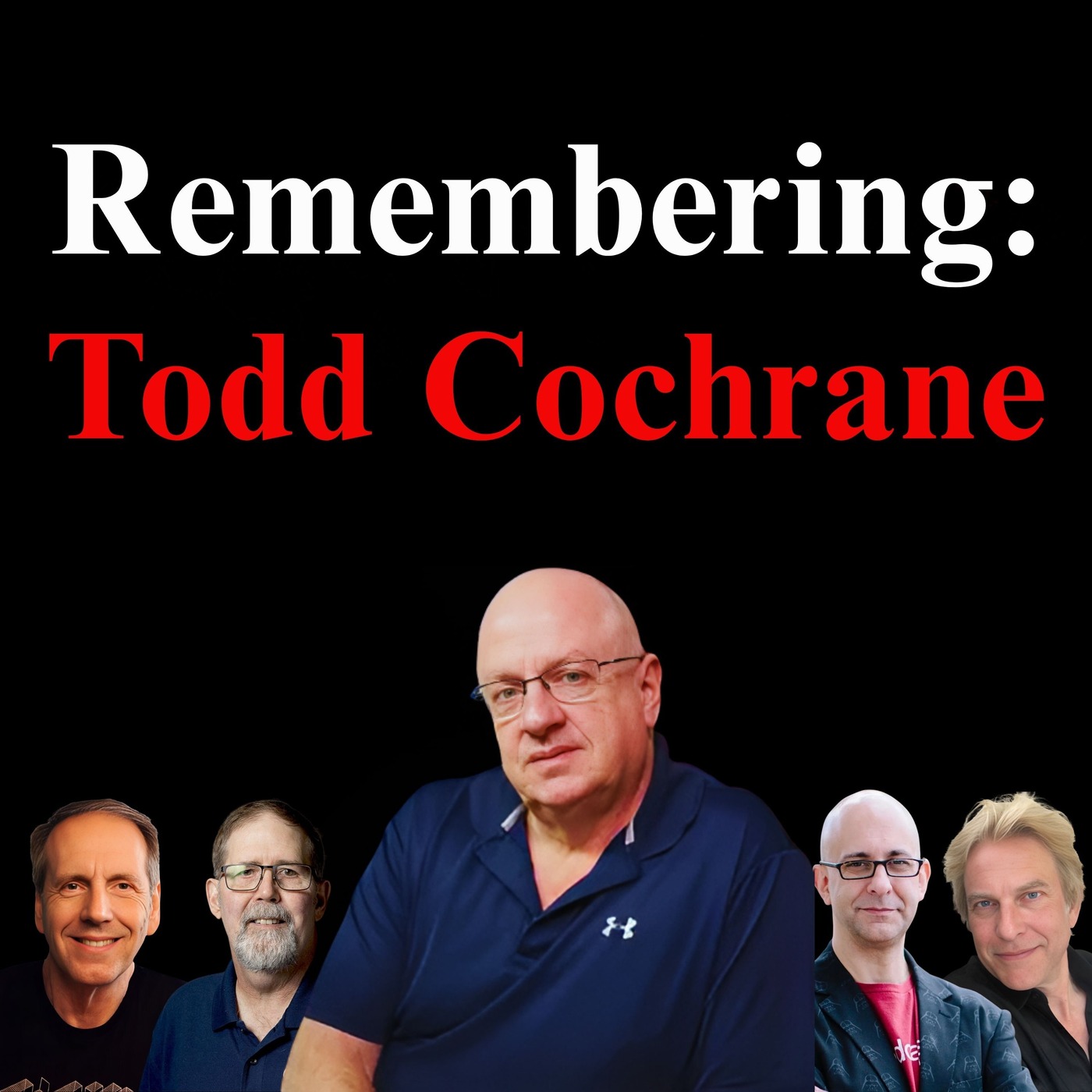
Ep 457New Media Show Remembers Todd Cochrane
Remembering Todd Cochrane, Podcast Hall of Famer and Blubrry CEO On this special tribute episode of Podcast Insider, we honor the life, legacy, and impact of Todd Cochrane — our co-host, Podcast Hall of Famer, founder of Blubrry and RawVoice, long-time host of Geek News Central, author of one of the very first podcasting books, creator of the People’s Choice Podcast Awards, and co-host of The New Media Show for more than 13 years. Todd’s contributions to podcasting were immeasurable. From launching one of the earliest shows in 2004 to championing open RSS feeds, podcaster independence, and fair monetization, he shaped the modern podcasting landscape. His leadership and conviction inspired countless creators, and his generosity left a lasting imprint on the global podcasting community. In this heartfelt conversation — originally recorded for The New Media Show — host Rob Greenlee (Podcast Hall of Famer) is joined by a panel of voices who knew Todd best and witnessed his extraordinary journey: Rob Walch, VP of Podcaster Relations at Libsyn and fellow Podcast Hall of Famer Mike Dell, VP of Customer Relations at Blubrry and long-time collaborator Adam Curry, Podcast Hall of Famer and co-creator of podcasting Together, they reflect on Todd’s path — from his Navy service to becoming a respected leader and advocate in podcasting. They share stories of his tireless work ethic, his unwavering belief in independent creators, his innovation in podcast monetization and measurement, and his vision for the future of the medium. Todd’s final episode of Podcast Insider, recorded shortly before his passing, will be released soon as a lasting part of his voice and dedication to podcasters everywhere. This episode is both a remembrance and a celebration of a man who helped build podcasting into what it is today. Todd’s voice may be gone, but the mission he dedicated his life to carries on. 💙 We invite the podcasting community to join us in honoring Todd’s memory by continuing to support open podcasting and independent creators, the causes he championed most.
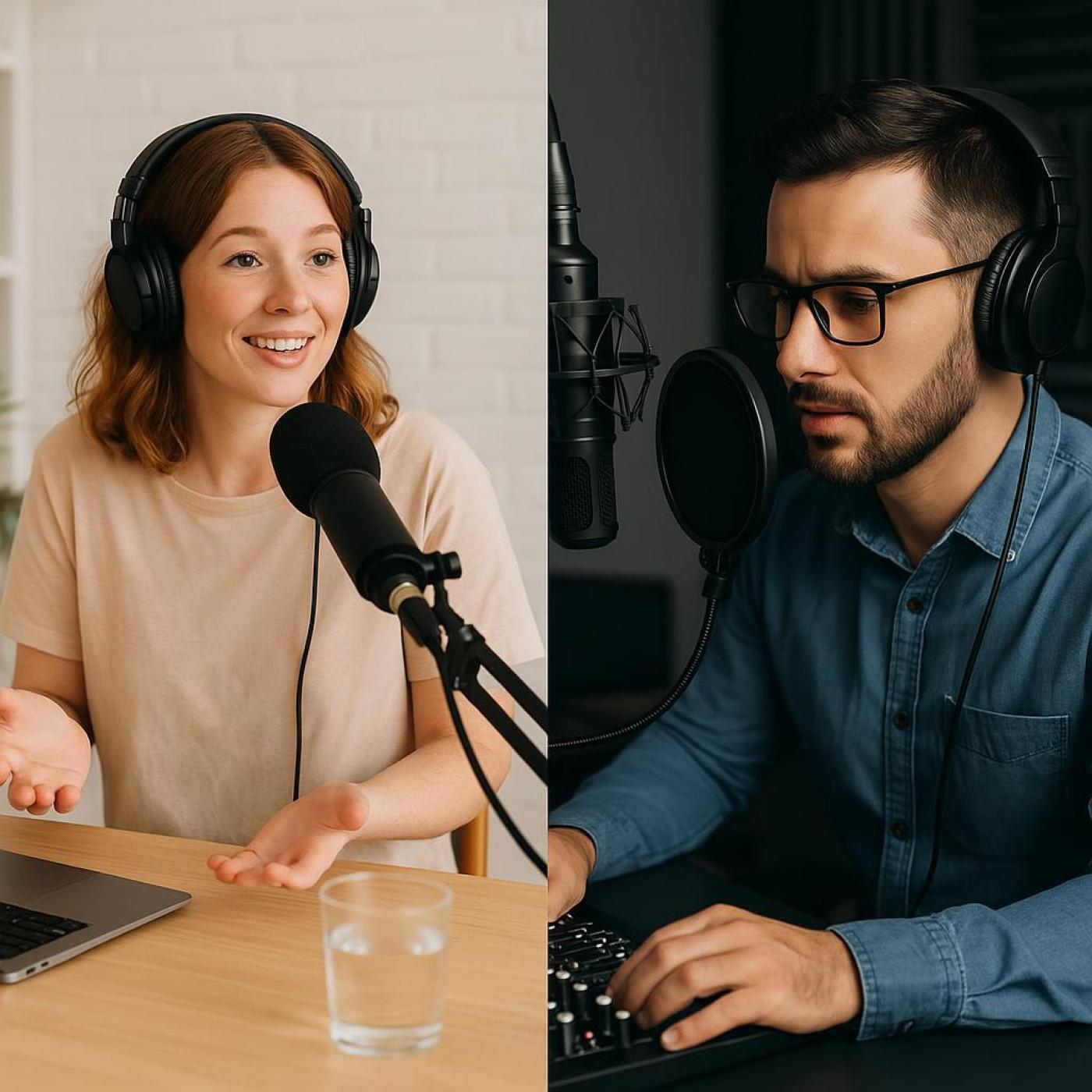
Ep 456What Makes a Podcast “Professional”? (And Does It Matter?) – PCI 456
What separates a casual podcast from a “professional” one—and does it really matter in 2025? In this episode of Podcast Insider, Todd, Mike, and MacKenzie break down what it means to be a professional podcaster, the different interpretations of the word “professional,” and how podcasters can level up their show without losing their authenticity. Whether you’re podcasting as a hobby or building a brand, we’ll help you understand the standards, expectations, and options available to you. Today’s Hosts: Mike Dell, Todd Cochrane and MacKenzie Bennett And a happy Labor Day to all our podcasters. ✅ Professional = Purposeful Being professional doesn’t necessarily mean making money or having sponsors. A professional podcast is: Consistent in its publishing Clear in its message or purpose Respectful of the listener’s time and experience It’s more about intention than income. Plenty of unpaid shows are professional because they’re well-crafted and focused. 💡 Blubrry helps: With built-in tools for scheduling, show notes, and publishing, our dashboard helps keep your workflow organized and consistent. ✅ Where Quality Comes Into Play Audio quality is often the first thing people think of when they hear “professional”—and yes, it matters. But you don’t need a studio or high-end gear. Professional quality can come from: A quiet recording space Good mic technique Basic editing to remove distractions Clear intros and outros that help guide the listener 💡 Blubrry helps: We offer media mastering and transcripts that help polish your content for a more professional feel—without overcomplicating things. ✅ Is Your Podcast “For Fun” or “For Growth”? This is where the “does it matter?” question comes in. If you’re just podcasting for fun, there’s no need to force yourself into a professional mold. But if you want to: Attract sponsors or collaborators Grow your audience Be taken seriously in your industry …then it’s worth aiming for a more professional approach. 💡 Blubrry helps: We give you access to IAB-certified podcast statistics, a customizable podcast website, and monetization options like programmatic ads and subscriptions. ✅ Professional Doesn’t Mean “Corporate” Let’s be clear: professional ≠ boring. You don’t need to lose your personality or niche style to be taken seriously. The most memorable podcasts are: Authentic Passionate Listener-focused Easy to follow Think of professionalism as a framework—not a muzzle. 💡 Blubrry helps: Our tools adapt to your show, not the other way around. Whether you’re niche, newsy, narrative, or nerdy—we’ve got you covered.  
Ep 455How to Talk About Your Podcast Without Sounding Salesy – PCI 455
Promoting your podcast doesn’t have to feel awkward or salesy. In this episode of Podcast Insider, we share practical ways to talk about your show with confidence—whether you’re chatting with friends, posting on social media, or networking at events. You’ll learn how to highlight your purpose, use storytelling instead of pitches, and spark curiosity that leads people to want to listen—without ever sounding pushy. Today’s Hosts: Todd Cochrane and MacKenzie Bennett ✅ Lead With the Why, Not the Download Link When talking about your podcast, start with why it exists—not just where to find it. People connect with purpose and personality more than self-promotion. Instead of saying, “Hey, check out my podcast!” try: “I host a podcast about how small-town chefs are changing the food scene—ever heard of that movement?” “I’ve been interviewing people who left corporate jobs to start farms—it’s been eye-opening.” Letting the conversation flow from what you’re passionate about makes people more likely to ask follow-up questions—and then they open the door to you sharing your link. 💡 Blubrry helps: Use your free podcast website or custom episode URLs to easily share your show when people do ask for it. ✅ Share Clips and Stories, Not Just “New Episode!” Posts Instead of promoting a new episode with just the title or a generic link, pull out a powerful quote, a surprising moment, or a quick teaser. Some ideas: “This guest turned their side hustle into a full-time gig—here’s how they did it.” “Our latest episode dives into what it’s really like to start over in your 40s.” Use visuals like audiograms, quote graphics, or a short reel to give people a taste before asking them to commit to listening. 💡 Blubrry helps: Easily create short video teasers with Pod2Vid, and share them on social with your custom links. ✅ Think Conversations, Not Commercials Whether you’re at a networking event or casually chatting online, focus on the person, not the pitch. Ask them what kind of content they listen to. Share how your show relates to a topic they care about. Or invite them to give feedback on an idea you’re working on. This approach builds connection and curiosity—without forcing the conversation toward a download. 💡 Blubrry helps: Your listener analytics show what’s resonating most, so you’ll know what topics spark real engagement. ✅ Make Your Show Easy to Talk About If your podcast name, description, or purpose is confusing or overly vague, it’s hard for people to share it on your behalf. Refine your elevator pitch so you (and others) can describe your show in one sentence. Example: “It’s a weekly show about creative burnout—and how people push through it.” “The podcast shares short stories from first-time entrepreneurs—5-minute episodes, no fluff.” 💡 Blubrry helps: Hosting with us means your show is listed across major directories, making it easy for new listeners to find you—especially when they hear about you from someone else. Thanks for listening to Podcast Insider, you can subscribe to new episodes out every Monday. The best place for support with any Blubrry product or service is our ticket system. Tickets give the whole team access vs. direct emails or calls. General podcasting discussions and more can be shared on the Blubrry Podcasting Facebook group. Fill out our listener survey at surveys.blubrry.com/podcastinsider Hosting customers can schedule a one-on-one call with Todd or a tech checkup with Mike at [email protected] and [email protected] Stay tuned for more episodes and visit our website for the latest updates and resources.
Ep 454🎙️ Microphone Tips for Your Best Podcast Sound – PCI 454
Whether you’re just starting out or refining your setup, great audio is the foundation of a great podcast. In today’s episode of Podcast Insider, we share practical tips for getting professional-sounding results—covering mic choice, positioning, background noise reduction, recording formats, and techniques to boost your on-mic confidence. Follow these steps and you’ll sound clearer, warmer, and more engaging to your listeners. Today’s Hosts: Mike Dell and Todd Cochrane 🎧 Mic Tips for Your Best Podcast Sound Use the Right Mic (and Know How to Use It) A dynamic mic (like the Shure SM7B or Samson Q2U) is great for voice and podcasting. Speak into the correct side—usually the front, not the top. Mic Positioning Matters Stay about 2–3 inches from the mic. Use a pop filter or windscreen to reduce plosives (hard P and B sounds). Slightly angle the mic off-center from your mouth to avoid breath noise. Reduce Background Noise Record in a quiet, carpeted room with soft furnishings. Turn off fans, HVAC, and silence notifications. Consider a noise gate or suppression plugin if needed. Let Blubrry Master Your Audio Automatically Hosting customers can use Media Mastering by Auphonic, an add-on that automatically enhances your audio file during upload. It balances loudness, reduces background noise, and smoothes out small mic imperfections — giving your episode a polished, professional sound without extra effort. Watch Your Levels Aim for -12dB to -6dB when recording. Avoid peaking (clipping). Use headphones to monitor while recording—this helps catch issues early. Record in WAV, Not MP3 Always record in uncompressed formats (like WAV) for highest quality, then convert to MP3 for publishing. 🎤 Confidence Tips for Sounding Natural and Engaging Practice Before Recording Do a short “warm-up” session. Talk out loud about your topic for a few minutes off-mic. Practice your intro and key points—don’t wing it unless you’re a seasoned pro. Use Bullet Points, Not Scripts Reading can sound stiff. Instead, work from an outline so you sound natural and conversational. Smile When You Speak It changes your tone and helps you sound more warm and confident. Pause with Purpose Silence is powerful. Don’t rush. Short pauses give listeners time to absorb and give you time to breathe. Imagine Talking to One Person Picture your ideal listener. This keeps your delivery personal and focused—not like you’re broadcasting to a crowd. Listen Back & Improve Review your episodes occasionally. Note areas where you sound strongest—and where you can grow. Fake It ‘Til You Sound It Confidence grows with repetition. Even if you’re nervous, keep showing up. You’ll find your voice over time. Thanks for listening to Podcast Insider, you can subscribe to new episodes out every Monday. The best place for support with any Blubrry product or service is our ticket system. Tickets give the whole team access vs. direct emails or calls. General podcasting discussions and more can be shared on the Blubrry Podcasting Facebook group. Fill out our listener survey at surveys.blubrry.com/podcastinsider Hosting customers can schedule a one-on-one call with Todd or a tech checkup with Mike at [email protected] and [email protected] Stay tuned for more episodes and visit our website for the latest updates and resources.
Ep 453The Journey of Makeshift Stories with Vern Hume – PCI 453
In this episode of Podcast Insider, host Mike Dell talks with Vern Hume, creator of the long-running science fiction podcast Makeshift Stories. Since 2008, Vern has been crafting original, clean-rated audio stories that captivate listeners of all ages. Now releasing episodes monthly, Vern shares his passion for storytelling, the evolution of his show, and the technical craft behind creating immersive audio experiences. Today’s Host: Mike Dell Vern is our August Podcaster of the Month, where we explored the mysterious and imaginative worlds he creates in Makeshift Stories. Known for blending science fiction, fantasy, and the surreal, Vern’s stories invite listeners to fill in the gaps with their own imagination—earning him praise as “a slightly gentler but equally insightful Twilight Zone.” Inside the Creative World of Makeshift Stories with Vern Hume ✅ About Makeshift Stories Makeshift Stories is a monthly science fiction podcast featuring original tales that blend creativity, imagination, and high-quality production. Initially launched as a bi-monthly show for kids, it has evolved into content for an adult audience while remaining family-friendly. With over 300 episodes produced, Vern has recently scaled back to focus on both the podcast and his book project. ✅ Behind the Mic with Vern Hume Vern’s love for audio storytelling began in childhood, inspired by radio dramas. His podcasting journey has been shaped by: A commitment to original, high-quality audio fiction Collaboration with multiple narrators to bring characters to life A clean rating for accessibility to all listeners Technical dedication to sound quality, using tools like an RME interface, ribbon mics, SM7B, and Isotope RX for post-production polishing Vern prefers working with narrators rather than voicing stories himself, ensuring each episode meets his exacting production standards. ✅ The Craft of Podcasting In the conversation, Vern and Mike explore: The evolution of podcasting gear and software over the years How AI is becoming part of creative processes (including Vern’s AI-inspired flash fiction) The importance of focusing on content and audience over download stats Why niche audiences can be more rewarding than chasing mass listenership ✅ Advice for New Podcasters Vern encourages new creators to: Prioritize storytelling and audience connection over numbers Invest in quality audio setups and learn editing techniques Be consistent but realistic with publishing schedules Measure success in ways that matter personally, not just by metrics Podcaster of the Month: August 2025 We’re proud to recognize Vern Hume as our Podcaster of the Month. His dedication to storytelling and the podcasting craft is an inspiration to creators everywhere. Read our blog post about it here. 🎧 Listen to Makeshift Stories at makeshiftstories.com Thanks for listening to Podcast Insider, you can subscribe to new episodes out every Monday. The best place for support with any Blubrry product or service is our ticket system. Tickets give the whole team access vs. direct emails or calls. General podcasting discussions and more can be shared on the Blubrry Podcasting Facebook group. Fill out our listener survey at surveys.blubrry.com/podcastinsider Hosting customers can schedule a one-on-one call with Todd or a tech checkup with Mike at [email protected] and [email protected] Stay tuned for more episodes and visit our website for the latest updates and resources.
Ep 452The Future of Connections: Guest Match Pro Unveiled – PCI 452
Guest Match Pro beta is now live! In this episode of Podcast Insider, we introduce Guest Match Pro, Blubrry’s new platform built to connect creators, guests, and agencies. Whether you’re a podcaster, coach, author, or media pro, Guest Match Pro helps streamline the process of finding and booking interviews across industries. We’re diving into what it does, who it’s for, and why now is the perfect time to join the beta—especially if you’re looking to grow your reach and collaborate more efficiently. Today’s Host: Todd Cochrane, MacKenzie Bennett, & Mike Dell ✅ What Is Guest Match Pro? Guest Match Pro is Blubrry’s new creator connection platform designed to make it easier for people to collaborate. That includes: Creators who need guests for their show or channel Guests who want to be interviewed and featured Agencies managing multiple clients who want to get booked It’s not just for podcasters—it’s for anyone who uses interviews to build content or visibility. You can search by category, content type, or niche, and match with relevant creators or guests in minutes. ✅ What You Can Do in the Beta Guest Match Pro will very soon be available in beta, which means you’ll be able to: Build a public profile for yourself or your clients Choose your role(s): guest, creator, agency—or all three Filter and match with others based on shared interests or content goals Use built-in messaging to communicate and schedule Bookmark profiles, track connections, and manage your network Agencies can manage multiple clients from a single dashboard, and individuals can toggle between guest and creator roles. And if you’re a Blubrry hosting customer, Guest Match Pro is already integrated into your dashboard—no extra logins or setup required. ✅ Why Join Now This is just the beginning. During beta, all creators can join for free—and Blubrry hosting customers will continue to get Guest Match Pro at no cost after the beta ends. We’re also actively collecting feedback from beta users. Your experience and suggestions will help shape future features and improvements, including enhancements to filtering, matching accuracy, and collaboration tools. Now’s your chance to explore the platform, grow your network, and be part of building the next great tool for creators. ✅ It’s Not Just for Podcasters Guest Match Pro is open to all types of creators: Coaches and consultants Authors on book tours Educators and speakers Radio hosts and livestreamers Agencies promoting expert clients If interviews, exposure, or audience-building is part of your strategy—Guest Match Pro was built with you in mind. Guest Match Pro Beta Feedback We want to make this as seamless as possible, so please, if you’re using the Guest Match Pro beta, fill out our feedback form so we can fix bugs, make changes and get the general feel for the user experience. Provide feedback here. Thanks for listening to Podcast Insider, you can subscribe to new episodes out every Monday. The best place for support with any Blubrry product or service is our ticket system. Tickets give the whole team access vs. direct emails or calls. General podcasting discussions and more can be shared on the Blubrry Podcasting Facebook group. Fill out our listener survey at surveys.blubrry.com/podcastinsider Hosting customers can schedule a one-on-one call with Todd or a tech checkup with Mike at [email protected] and [email protected] Stay tuned for more episodes and visit our website for the latest updates and resources.

Rerun Episode: Do You Need a Website for Your Podcast? – PCI
As podcasting becomes more competitive, a dedicated website isn’t just a nice-to-have — it’s a vital tool. In today’s episode of Podcast Insider, Mike Dell and Todd Cochrane revisit why having a podcast website can help you grow your audience, strengthen your brand, and create monetization opportunities. In 2024 and beyond, a well-designed, functional website can set your show apart — but we’ll also cover reasons why you might not want one, depending on your goals and bandwidth. Today’s Hosts: Mike Dell and Todd Cochrane ✅ Reasons to Have a Podcast Website Your Show’s Central Hub – Your Moonbase Alpha It’s the best place to send your listeners. If your show disappears from podcast apps, fans still know where to find you. SEO (Search Engine Optimization) Helps your show get discovered when people search for your topics or guests. Lets you create more detailed, searchable show notes. Branding Total control over the look, feel, and voice of your brand. Audience Engagement Include a forum, contact form, or email signup to build community and keep in touch. Monetization Promote sponsors, sell merch or services, and even run ads like AdSense. Bonus Content & Resources Add blogs, video content, transcripts, and links to additional resources. Web Analytics Use tools like Google Analytics to understand your audience’s behavior. A Place for Everything Podcast players Episode archive or playlist Contact info Announcements Merch store Ads and sponsor details Your services and products 🤔 Why You Might Not Want a Podcast Website Time Constraints Keeping a website updated does take effort. Technical Skills Not everyone is comfortable building a website — but it’s easier than you might think. Cost Domain registration and web hosting come with a price. However, Blubrry includes a free podcast website with hosting. Focus on Core Content If you’d rather focus purely on the audio, that’s okay too. Keeping It Simple Sometimes simplicity is the best route. Social Media Presence If most of your audience engagement already happens on social media, a separate website may not be necessary. Thanks for listening to Podcast Insider, you can subscribe to new episodes out every Monday. The best place for support with any Blubrry product or service is our ticket system. Tickets give the whole team access vs. direct emails or calls. General podcasting discussions and more can be shared on the Blubrry Podcasting Facebook group. Fill out our listener survey at surveys.blubrry.com/podcastinsider Hosting customers can schedule a one-on-one call with Todd or a tech checkup with Mike at [email protected] and [email protected] Stay tuned for more episodes and visit our website for the latest updates and resources.

Ep 451How to Set a Marketing Budget for Your Podcast (Even If It’s Small) – PCI 451
You don’t need a big team or a huge ad budget to market your show—you just need the right plan. So today’s episode is divided into two paths: one for podcasters who are already publishing, and another for those who are still in the planning or pre-launch phase. Today’s Hosts: Todd Cochrane and MacKenzie Bennett ✅ If You’ve Already Launched Your Podcast These strategies help you understand where to invest, even if your budget is modest—and how to use Blubrry tools to amplify your results. 1. Start With a Monthly Budget That Works What can you realistically commit to spending each month? $10–25: Social posts, audiograms, promo swaps $25–100: Boosted content, Overcast ads, email tools $100+: Contractors, social media managers, ad campaigns 💡 Blubrry helps: Your free podcast website, publishing tools, and included support already cover key basics—so more of your budget can go toward outreach. 2. Set Specific Goals for Each Quarter Your spending should support a measurable goal. Examples: Grow your newsletter, boost downloads, increase social reach 💡 Blubrry helps: IAB-certified podcast stats let you track downloads by episode, geography, and listening platform—so you’ll know what’s working. 3. Use Free Marketing First Before paying for exposure, focus on consistency and visibility. Swap promos with other podcasters Share your show in relevant communities Repackage past content as teasers or clips 💡 Blubrry helps: Custom episode URLs and your podcast website make sharing your content super easy and trackable. 4. Stick With One or Two Platforms Don’t spread yourself thin—put your time (and money) where your audience is. Pick one social platform and one podcast discovery tool 💡 Blubrry helps: You can monitor where listeners are coming from using your dashboard analytics. 5. Track ROI With Simple Tools You don’t need fancy reporting—just a way to check if your spend is helping. Create a basic spreadsheet: cost, goal, outcome 💡 Blubrry helps: Your hosting dashboard makes it easy to see what content is gaining traction after promotion with the event tracker. 🚀 If You Haven’t Launched Your Podcast Yet These strategies help you lay a strong foundation before you publish—and use your pre-launch time to build interest. 1. Create a Pre-Launch Budget Even if your show isn’t live, a small monthly budget can go toward: Graphics or teaser trailers A basic email platform Building a landing page 💡 Blubrry helps: Your Blubrry website is ready from day one—no extra web hosting costs. 2. Define a Simple Goal Before Launch What’s your #1 objective before episode one drops? Build an email list Attract early social followers Collect feedback from a trailer 💡 Blubrry helps: You can publish a trailer episode across directories using Blubrry, even if your show isn’t fully launched. 3. Engage Where Your Future Audience Is Join online communities, follow hashtags, and interact with potential listeners. Reddit threads, Facebook groups, LinkedIn, TikTok 💡 Blubrry helps: Your teaser content and podcast website can be shared directly into conversations to start building hype. 4. Start Growing Your Email List Use your pre-launch period to collect emails. Create a basic opt-in form: “Be the first to hear my new podcast!” 💡 Blubrry helps: Embed a signup form right on your included podcast website. 5. Use a Trailer to Test and Promote You don’t need a full episode to start building momentum. Record a 2–5 minute preview Ask for feedback in communities or on social 💡 Blubrry helps: Blubrry lets you distribute your trailer to Apple, Spotify, and other platforms—all from your dashboard. Thanks for listening to Podcast Insider, you can subscribe to new episodes out every Monday. The best place for support with any Blubrry product or service is our ticket system. Tickets give the whole team access vs. direct emails or calls. General podcasting discussions and more can be shared on the Blubrry Podcasting Facebook group. Fill out our listener survey at surveys.blubrry.com/podcastinsider Hosting customers can schedule a one-on-one call with Todd or a tech checkup with Mike at [email protected] and [email protected] Stay tuned for more episodes and visit our website for the latest updates and resources.
Ep 450The Do’s and Don’ts of Platform Migration for Podcasters – PCI 450
Ever wanted to learn how to switch podcast hosting providers or website hosts? Thinking about moving your podcast website from WordPress to another platform? Before you make the switch, there are some crucial things you need to know — especially about your RSS feed. In this episode, we’re tackling one of the most common (and frustrating) issues podcasters face when migrating their site: broken podcast feeds. We’ll walk you through how to protect your feed, handle media files, preserve your SEO, and make a smooth transition without losing your audience in the process. Today’s Hosts: Mike Dell and Dave Clements We often hear from podcasters who say something like, “My web designer moved my website from WordPress to [insert platform], and now my feed doesn’t work!” Hopefully, in this episode, we will explain what you need to think about and plan for when moving your website, so you don’t run into the same problem. Dos and Don’ts of Platform Podcast Migration 1. Understand how your RSS feed works now When you use PowerPress, your podcast RSS feed is usually something like yoursite.com/feed/podcast/. Podcast apps (Apple, Spotify, etc.) and your listeners get new episodes from that feed, not directly from your website pages. If you shut down your WordPress site without properly redirecting that feed, your podcast will stop updating for everyone subscribed. 2. Plan how to preserve your feed There are two common approaches: Keep your WordPress site running only to keep the feed active, while your new website lives on another platform. Move your feed to a feed hosted by Blubrry. We can turn on a Blubrry feed that you can redirect to. If you are not hosting on Blubrry, you must recreate that feed somewhere else. (Blubrry Hosting). VERY IMPORTANT, you must set up a 301 redirect from the old feed address to the new one so all podcast apps and directories get the new location automatically. 3. Handle your media files If you’ve been hosting audio files on your WordPress server, you’ll need to: Move them to a podcast hosting service or another reliable server. It’s best practice to use a dedicated podcast host so your new website platform isn’t burdened with serving large audio files. Of course, we recommend Blubrry. Contact us for help migrating your show. 4. Maintain SEO and backlinks (somewhat important) Your WordPress site probably has episode pages that show up in search results or are linked around the web. If you move to a new web platform that uses a different URL structure, you’ll need to set up page-level redirects so listeners don’t get broken links. Also, check your embedded players — you may need to update them to work with your new site. 5. Update podcast directories If your feed URL changes, make sure to update it in Apple Podcasts, Spotify, and other directories. Many directories will follow your 301 redirect automatically, but some require you to log in and update the feed address manually. 6. Have a transition plan Test your new feed thoroughly before switching. If possible, announce the move to your listeners. Keep the old feed or site running for at least 30–60 days with redirects in place to catch any stragglers and to give time for all apps to update. Thanks for listening to Podcast Insider, you can subscribe to new episodes out every Monday. The best place for support with any Blubrry product or service is our ticket system. Tickets give the whole team access vs. direct emails or calls. General podcasting discussions and more can be shared on the Blubrry Podcasting Facebook group. Fill out our listener survey at surveys.blubrry.com/podcastinsider Hosting customers can schedule a one-on-one call with Todd or a tech checkup with Mike at [email protected] and [email protected] Stay tuned for more episodes and visit our website for the latest updates and resources.

Ep 449Podcaster of the Month: Michelle Aronson of True Stories at Work – PCI 449
In this special episode of Podcast Insider, we’re spotlighting Michelle Aronson, host of True Stories at Work and Blubrry’s Podcaster of the Month! Michelle joined Mike Dell to share her journey from a silent retreat to the world of podcasting, how her HR background fuels her unique storytelling format, and why workplace tales are often stranger—and funnier—than fiction. Hear how podcasting unexpectedly opened doors in her coaching business, the value of audio storytelling in an increasingly digital world, and what it takes to uncover those unforgettable moments from the office. Michelle also shares one of her wildest listener-submitted workplace confessions—and why she’s always on the hunt for more. 🔍 In This Episode: How True Stories at Work was born from stillness and curiosity Michelle’s shift from “HR expert” to “podcaster first” Why storytelling is her teaching superpower The importance of culture in navigating remote vs. in-person work Promotion tips for podcasters struggling with growth The beloved (and sometimes tricky) “Workplace Confessions” segment A harmonica… and a termination? You have to hear this story. 🧰 Tools & Tips Mentioned: Promote your podcast through community engagement (forums, Reddit, groups) Recycle episode content with short clips and visuals on LinkedIn, YouTube, and more Encourage listener interaction through call-ins and confessions Stay consistent with your release schedule to build audience habits 🎧 Where to Find Michelle: Podcast Website: TrueStoriesAtWork.com Business Website: CultureAndStrategyLab.com Want to submit a workplace confession? Visit her website—anonymous stories welcome! 📌 Episode Shoutouts: Big thanks to Michelle Aronson for joining us! Read the blog about her show here. Stay tuned for more Podcaster of the Month features and podcasting insight. Thanks for listening to Podcast Insider, you can subscribe to new episodes out every Monday. The best place for support with any Blubrry product or service is our ticket system. Tickets give the whole team access vs. direct emails or calls. General podcasting discussions and more can be shared on the Blubrry Podcasting Facebook group. Fill out our listener survey at surveys.blubrry.com/podcastinsider Hosting customers can schedule a one-on-one call with Todd or a tech checkup with Mike at [email protected] and [email protected] Stay tuned for more episodes and visit our website for the latest updates and resources.

Ep 448Keeping Podcasting Independent: What It Really Means for Creators – PCI 448
At Blubrry, we love independent podcasting. The heart of what makes podcasting so unique — independence. As corporate platforms grow louder in the space, it’s more important than ever for creators to understand how to retain control of their voice, content, and audience. From choosing the right tools and hosting partners to marketing yourself as a creator-owned brand, we explore what podcasting independence really means and how it benefits both your creativity and your business. Whether you’re just getting started or rethinking your podcasting path, this episode is packed with insights to help you stay true to your vision. Today’s hosts: Mike Dell, Todd Cochrane, MacKenzie Bennett 1️⃣ Why Podcasting Independence Matters More Than Ever Podcasting has always been a space where creators could own their voice and their audience. But as big media continues to move in, it’s important to understand what independence really looks like — and why it’s worth protecting. Why it matters: You control your content and message. You own your brand and audience — no platform can lock you in or dictate your direction. You decide how you monetize, whether that’s ads, premium content, listener support, or all of the above. Independence builds trust — listeners value authenticity and transparency. 💡 Tip: If a service or platform limits where your podcast appears, who can access it, or how you can monetize, it may be undermining your independence. 2️⃣ Marketing Yourself as an Independent Voice Being independent isn’t just about technical decisions — it’s also something you can use to stand out in a crowded podcast landscape. How to do it: Embrace transparency — tell your audience you’re an independent creator. Use language like “creator-owned,” “listener-supported,” or “independent podcast” in your show notes, social media, and marketing materials. Build a direct relationship with your listeners — through email newsletters, community groups, and your own website. Share your story — why did you choose independence, and what does that mean for your content? 💡 Tip: Independent creators often have the strongest listener loyalty — lean into that and invite your audience to be part of your journey. 3️⃣ The Business Case for Independence Choosing independence isn’t just about creative freedom — it’s also a smart business decision. Why it makes sense: You control your revenue streams — no forced ads or revenue splits unless you choose them. You maintain flexibility — you can adapt as your podcast grows, without being locked into a platform’s terms. You protect your brand — your podcast name, logo, and audience remain yours, not the property of a host or app. 💡 Tip: Diversify your income — host-read ads, dynamic ads, premium content, and direct support can all fit within an independent strategy. 4️⃣ Technical Choices That Support Independence The technology behind your podcast plays a huge role in maintaining your independence. Make intentional choices about where and how you host your show. How to do it: Own your RSS feed — don’t let a platform control it. Blubrry ensures you can always take your feed with you. Own your website — use a domain you control, ideally with a full site (Blubrry offers WordPress integrations to make this easy). Host your media independently — not on a free platform that inserts ads or locks your content. Own your analytics — use IAB-certified stats (like Blubrry provides) so you have a true picture of your audience, not a platform-filtered view. 💡 Tip: Be cautious of “free” hosting solutions — if you’re not paying with money, you may be paying with your content or audience access. Thanks for listening to Podcast Insider, you can subscribe to new episodes out every Monday. The best place for support with any Blubrry product or service is our ticket system. Tickets give the whole team access vs. direct emails or calls. General podcasting discussions and more can be shared on the Blubrry Podcasting Facebook group. Fill out our listener survey at surveys.blubrry.com/podcastinsider Hosting customers can schedule a one-on-one call with Todd or a tech checkup with Mike at [email protected] and [email protected] Stay tuned for more episodes and visit our website for the latest updates and resources.
Ep 447🎧 How Remote Work and Reduced Commuting Have Reshaped Podcast Listening Habits – PCI 447
Welcome back to Podcast Insider, today we’re discuss how podcast consumption has changed in the post-pandemic world—especially as more people continue to work from home. The days of relying on commute-time listening are fading. With data from Edison Research and Jacobs Media, we’re exploring where podcast listening is happening now, how habits are shifting, and what it all means for creators looking to stay relevant. Whether you’re publishing weekly or still finding your audience, this episode will help you understand today’s podcast listener and how to meet them where they are—likely at home. Today’s Hosts: Todd Cochrane and MacKenzie Bennett Part of the changes that have come to podcast creation, listening and watching has been from the major shift to working from home. There’s clear data on some of these changes that we’ll go over with you all today. The pandemic triggered a massive shift in work culture—and podcast consumption patterns followed suit. As more people work from home and spend less time commuting, the where, when, and how of podcast listening have changed significantly. Here’s what current data reveals, and what podcasters need to know to stay relevant in this new environment. 🏡 Home is Now the Primary Listening Environment Before the pandemic, podcasting was strongly associated with commuting. Today, that’s no longer the case. According to Edison Research’s Share of Ear, more podcast listening now occurs at home than anywhere else. As of their latest data: More than half of podcast listening happens at home. Only 11% of podcast listening occurs in the car, a major drop from pre-pandemic levels. 16% happens at work—reflecting that many remote workers now blend podcasts into their daily home routine. This marks a fundamental shift: home has replaced the commute as podcasting’s top listening location. 🚗 The Decline of Commute-Time Listening Fred Jacobs of Jacobs Media has observed a significant shift in audio habits during commuting: A RAIN News article cites Jacobs Media’s TechSurvey, revealing that in‑car broadcast radio listening dropped from about 62% in 2018 to just 56% in 2022, marking it as an “all‑time low” for drive‑time audio, learn more here. Jacobs emphasizes: “In‑car listening—while rebounding—is still well below pre‑pandemic levels.” Despite some commuters returning to offices, the rise of remote and hybrid schedules has disrupted consistent “drive‑time” spikes. With erratic commuting habits, podcast creators and broadcasters can no longer count on the traditional “drive time” bump to deliver peak listenership. 📈 Overall Podcast Listening Is Still Growing Despite the shift in listening environments, podcasting as a medium continues to thrive. Edison’s Infinite Dial 2025 reports that: 55% of Americans (12+) listen to podcasts monthly—up from 42% in 2020. The total U.S. audience is now estimated at 210 million people. So while the “when” and “where” may be changing, the “how many” is still moving upward. 🖥️ Key Behavioral Shifts for Podcasters to Consider Given these changes, here’s how podcast creators can adapt: 1. Reimagine When You Release Consider scheduling episodes around midday or early evening, when listeners are more likely to engage from home. 2. Create for Multitasking Moments At-home listeners are often cooking, working out, or doing household chores. Podcasts that feel conversational or companion-like may perform better. 3. Offer Video Options Where Possible Platforms like YouTube and Spotify are driving hybrid podcast/video consumption. Video adds a visual dimension and can increase discoverability. 4. Promote Across Multiple Channels No commute = less routine = more need for reminders. Email, social media, and smart speaker integrations can help reinforce new listening habits. 🔄 What This Means for Podcast Growth Strategy While some old norms are fading, new opportunities are emerging. The rise in home listening offers flexibility in format, deeper engagement, and space for experimentation with content length and delivery. Podcasters who understand and adapt to these behavior shifts will continue to thrive—even as the car becomes a less dominant player in the podcasting experience. 📚 Sources & Further Reading: Edison Research – Most Podcast Listening Is at Home Edison Research – The Infinite Dial 2025 Jacobs Media – Podcasting in the Post-COVID Era Thanks for listening to Podcast Insider, you can subscribe to new episodes out every Monday. The best place for support with any Blubrry product or service is our ticket system. Tickets give the whole team access vs. direct emails or calls. General podcasting discussions and more can be shared on the Blubrry Podcasting Facebook group. Fill out our listener survey at surveys.blubrry.com/podcastinsider Hosting customers can schedule a one-on-one call with Todd or a tech checkup with Mike at [email protected] and [email protected] Stay tuned for more episodes and visit our website for t

Ep 446🎧 How to Identify Your Ideal Podcast Listener – PCI 446
Settling on your ideal listener is a little different depending on where you’re at in your podcasting so far – have you already started or looking to launch? We’ve divided today’s episode into before and after you’ve gotten your podcast on a roll already. Today’s Hosts: Todd Cochrane and Mike Dell Whether You’ve Launched Yet or Not (with Help from Blubrry) ✅ If You’ve Already Launched Your Podcast These strategies help you understand who’s already listening—and how to better serve and grow that audience using Blubrry tools. 1. Review Your Podcast Analytics Your stats reveal who your audience is and what content they respond to. How to do it: Look at top-performing episodes, listening platforms, locations, and device types. Identify trends: Are shorter episodes performing better? Certain topics? Guest formats? 💡 Blubrry helps: With IAB-certified stats, you get accurate data on downloads, listener geography, and episode performance—all in one clean dashboard. 2. Survey Your Listeners Even a few responses can give you major insight into your audience’s needs and habits. How to do it: Ask: Why do you listen? What do you want more of? How did you find the show? Share the survey in your show notes, emails, or episode outro. 💡 Blubrry helps: Use your free podcast website or newsletter list (via integrations) to embed surveys and collect feedback easily. 3. Engage on Social Media Your listeners are likely active in communities tied to your podcast topic—find and connect with them there. How to do it: Post polls, ask questions, share audiograms, and watch what content gets engagement. Tag guests and listeners to spark interactions. 💡 Blubrry helps: Use custom episode URLs from your Blubrry dashboard to link directly to episodes in your posts, helping convert curious browsers into regular listeners. 4. Monitor Episode Trends Your episode archive is a treasure trove of insights. How to do it: Revisit your stats to find your top 5 most listened-to episodes. Compare content style, title format, and release timing. 💡 Blubrry helps: Your hosting dashboard displays quick-view metrics to help you spot patterns fast—and make smarter content decisions. 5. Use Listener Feedback in Real Time Create opportunities for direct feedback and interaction. How to do it: Ask for DMs, emails, or comments in each episode. Q&A features if available. 💡 Blubrry helps: Pair your podcast website and show notes with listener prompts and contact links to make feedback frictionless. 🚀 If You Haven’t Launched Your Podcast Yet These strategies help you define your ideal listener before you even hit record—so you can launch with clarity and purpose. 1. Build a Listener Persona Create a fictional representation of your dream listener. How to do it: Think about demographics, interests, challenges, and listening habits. Give them a name and motivation—this helps shape your tone, topics, and format. 💡 Blubrry helps: Blubrry’s Getting Started resources and planning tools give you the structure to define your audience before you launch. 2. Research Similar Podcasts Look at what’s working (or missing) in your niche. How to do it: Review reviews, listen to episodes, and observe what topics get traction. Identify what gaps you can fill. 💡 Blubrry helps: When you’re ready to publish, Blubrry’s distribution tools get your show on all major directories, putting you in the same space as your peers—ready to compete and stand out. 3. Engage in Online Communities Start connecting with your future audience before launch. How to do it: Join Reddit threads, Facebook groups, or Discords tied to your topic. Watch what questions are being asked and where conversations happen. 💡 Blubrry helps: You can link to teaser content or a sign-up page on your Blubrry-hosted website, even before your show officially goes live. 4. Start Building an Email List Your email list will be one of your most valuable tools long-term. How to do it: Create a basic opt-in form: “Be the first to hear the show! Offer a preview, bonus clip, or behind-the-scenes update to build excitement. 💡 Blubrry helps: With your included podcast website, you can easily link to or embed signup forms and start gathering interest right away. 5. Test with a Pilot Episode Use a short preview episode to get early feedback and build confidence. How to do it: Record a 3–5 minute trailer or teaser. Share it with friends, in communities, or via email. Ask for thoughts: “Would you listen to more of this?” 💡 Blubrry helps: Use Blubrry’s hosting tools to publish your trailer to all major platforms—even if your full show hasn’t launched yet. Thanks for listening to Podcast Insider, you can subscribe to new episodes out every Monday. The best place for support with any Blubrry product or service is our ticket system. Tickets give the whole team access vs. direct emails or calls. General podcasting discussions and more can be shared on the Blubrry Podcasting Facebook group. Fill out our li
Ep 445🎯 Best Use of Your Time as a New Podcaster (and How Blubrry Helps) – PCI 445
Feeling overwhelmed? You’re not alone. When you’re just getting started, the goal isn’t to do everything—it’s to do the right things well. Here’s what to focus on and how Blubrry supports you every step of the way. Today’s Hosts: Mike Dell and MacKenzie Bennett We think these strategies are the best use of your time as a new podcaster and of course how Blubrry helps you. 🥇 1. Create Consistently Good Episodes 🎧 Why it matters: No one sticks around for poor-quality content, no matter how well it’s promoted. Prioritize clear audio, relevant topics, and authentic delivery. ✅ How Blubrry helps: Reliable podcast hosting with no limits on episodes or downloads—just focus on creating. AI-generated transcripts to help improve accessibility and repurpose content. Professional stats to learn what content resonates best with your audience. 🔹 Your job: record regularly and stay real. Blubrry takes care of reliable publishing and delivery. 🥈 2. Guest on Other Podcasts 🎤 Why it matters: This is one of the easiest, most cost-effective ways to grow your audience. You’re speaking directly to people already engaged in podcast content. ✅ How Blubrry helps: Use your free podcast website to create a press kit or “About the Host” page you can send to show hosts. Share individual episode pages with embedded players when networking or applying to be a guest. 🔹 Build authority while expanding your reach—Blubrry helps you look professional and prepared. 🥉 3. Market One Episode Really Well 📣 Why it matters: Don’t spread yourself too thin trying to promote every episode. Choose one standout episode and make it your flagship content. ✅ How Blubrry helps: Easily publish to all major platforms (Spotify, Apple, Amazon, etc.) from one dashboard. Use Blubrry’s built-in website to feature your top episode front and center. Track what’s working with IAB-certified stats—know what to promote again. 🔹 Blubrry makes your best content easy to find, easy to track, and easy to share. 🧠 4. Document, Don’t Overthink ✍️ Why it matters: Trying to be perfect slows you down. Listeners appreciate consistency and honesty more than perfection. ✅ How Blubrry helps: The PowerPress plugin (for WordPress users) makes it easy to publish without jumping between platforms. Custom episode templates in your Blubrry dashboard save time and reduce repetitive tasks. 🔹 Blubrry removes the friction so you can just hit record and stay on schedule. 🔧 5. Set Up Systems Early 🛠️ Why it matters: Early habits save time later. Build simple systems for publishing, promoting, and tracking success. ✅ How Blubrry helps: One login for hosting, distribution, stats, and website. Built-in episode scheduling so you can batch and release content on your terms. Optional private podcasting and monetization tools when you’re ready to grow further. 🔹 From hobby to pro, Blubrry grows with you—and helps simplify the back-end from day one. ✅ Final Tip: If you’re overwhelmed, start small: Focus on making a handful of solid, engaging episodes. Promote your best one. Be a guest on a few relevant shows. Blubrry gives you the infrastructure—you bring the voice. Thanks for listening to Podcast Insider, you can subscribe to new episodes out every Monday. The best place for support with any Blubrry product or service is our ticket system. Tickets give the whole team access vs. direct emails or calls. General podcasting discussions and more can be shared on the Blubrry Podcasting Facebook group. Fill out our listener survey at surveys.blubrry.com/podcastinsider Hosting customers can schedule a one-on-one call with Todd or a tech checkup with Mike at [email protected] and [email protected] Stay tuned for more episodes and visit our website for the latest updates and resources.
Ep 444Using Your Podcast as a Jumping-Off Point for a Book – PCI 444
Use your podcast content to your advantage — and turn it into a book! If you’ve ever felt like your podcast could be more than just a weekly episode—maybe even the start of a book—you’re not alone. This week, we’re explaining how podcasters can transform their content into a published work. From identifying core themes and organizing episodes into chapters to leveraging transcripts and using your show to promote the final product, we’ll walk you through how your podcast can lay the groundwork for your next big creative endeavor. Whether you’re thinking print, eBook, or audio companion, we’ll show you how Blubrry’s tools make the transition from podcaster to author smoother than you think. Today’s Hosts: MacKenzie Bennett and Todd Cochrane 1. Identify the Core Theme in Your Podcast If your podcast centers around a consistent topic, story arc, or mission, it may already have the foundation of a compelling book. How to do it: Review your last 20–30 episodes to find common threads. Identify high-performing episodes using Blubrry’s IAB-certified podcast statistics. Use audience feedback and questions to help refine your message. 💡 Blubrry Advantage: Stats help you find your most popular, share-worthy content to shape into chapters. 2. Use Transcripts to Jumpstart Your Writing Transcripts save time by turning spoken content into editable text—the perfect starting point for a manuscript. How to do it: Transcribe your solo episodes or structured interviews. Highlight and organize segments into written form. Edit transcripts for clarity, flow, and structure. 💡 Blubrry Advantage: All Blubrry hosting plans offer optional AI-powered transcripts—easy to enable and perfect for repurposing episodes. 3. Organize Episodes Into Chapters or Sections Turning a group of episodes into a book means outlining and arranging content in a reader-friendly structure. How to do it: Group episodes by topic or theme. Remove repeated content and tighten messages. Create a clear beginning, middle, and end. 💡 Blubrry Advantage: Use your Blubrry-hosted podcast website to browse episode archives, search by topic, and spot thematic groupings. 4. Choose a Publishing Path There are many ways to publish your book: digital, print, or audiobook—and multiple tools to help you launch. How to do it: Decide on self-publishing (e.g., Amazon KDP), traditional, or hybrid publishing. Consider starting with an eBook or downloadable guide. Explore using your podcast as an audiobook companion. 💡 Blubrry Advantage: With full ownership of your RSS feed and content, you can repurpose episodes without platform restrictions or licensing hurdles. 5. Promote the Book Using Your Podcast Your listeners are your most loyal potential readers—use your show to build anticipation and drive sales. How to do it: Tease the book in intros and outros. Run a short “book launch series” or bonus content episodes. Offer giveaways or early access to email subscribers. 💡 Blubrry Advantage: Promote your book on your free podcast website, and link it directly in episode show notes using Blubrry’s publishing interface. 6. Use the Book to Grow Your Audience Books can introduce your podcast to new people, especially in professional, nonprofit, or educational spaces. How to do it: Use the book as a lead magnet in speaking engagements or webinars. Include links to your podcast in the book’s intro and chapters. Encourage readers to subscribe to your podcast for deeper insights. 💡 Blubrry Advantage: Your podcast site can serve as a central hub for cross-promotion, with direct links to episodes, email capture tools, and stats to track engagement. 7. Stay Consistent With Your Brand and Voice Ensure your book feels like a natural extension of your podcast so fans stay connected across both mediums. How to do it: Keep the same tone and point of view you use in your podcast. Mention episode references or inside jokes your audience will recognize. Include a “from the podcast” introduction or section. 💡 Blubrry Advantage: Blubrry’s fully branded podcast websites and flexible hosting tools allow you to maintain brand consistency and control from podcast to print. Thanks for listening to Podcast Insider, you can subscribe to new episodes out every Monday. The best place for support with any Blubrry product or service is our ticket system. Tickets give the whole team access vs. direct emails or calls. General podcasting discussions and more can be shared on the Blubrry Podcasting Facebook group. Fill out our listener survey at surveys.blubrry.com/podcastinsider Hosting customers can schedule a one-on-one call with Todd or a tech checkup with Mike at [email protected] and [email protected] Stay tuned for more episodes and visit our website for the latest updates and resources.
Ep 443Audience Growth Strategies for Nonprofit Podcasters on a Budget – PCI 443
Not every podcaster has a big budget—and that’s especially true for nonprofits. In this episode learn practical, low-cost strategies for nonprofit podcasters to grow their audience and expand their impact without breaking the bank. Whether you’re recording from a modest setup or working with a lean team, these tips will help you make the most of your existing resources and community connections. From tapping into your supporter base and creating shareable content to building partnerships and using smart SEO techniques, you’ll walk away with actionable ideas to get your podcast in front of the right people—without spending a fortune. Today’s hosts: Todd Cochrane, Mike Dell and MacKenzie Bennett Audience Growth Strategies for Nonprofit Podcasters on a Budget 1. Leverage Your Existing Supporters Your donors, volunteers, staff, and board members are already invested in your mission—make them your first listeners and promoters. How to do it: Include new podcast episodes in donor newsletters, event announcements, and fundraising emails. Ask your board members or key volunteers to share episodes on social media or forward them to peers. Feature impact stories from volunteers, donors, or program participants—they’re more likely to share episodes they’re featured in. 💡 Tip: A short “New Episode” section in your regular email newsletter can drive consistent listens. 2. Use Social Media Strategically You don’t need to be everywhere—just visible and consistent on the platform(s) your audience uses most. How to do it: Use Blubrry PAI, Headliner.app or Canva to create quick audiograms (short video clips with your podcast audio and graphics). Share 15–30 second soundbites with compelling quotes or stats from the episode. Schedule posts around the podcast release using free tools like Buffer or Later. Tag guests, partners, and organizations mentioned—they’ll often re-share. 💡 Tip: Link directly to the episode page, not just your podcast home, for better click-throughs. 3. Create Searchable Show Notes Make your content easier to discover via search engines—this is how people looking for your cause may find you. How to do it: Include clear, keyword-focused titles: Instead of “Episode 7: Interview with Sarah,” try “Fighting Childhood Hunger in Columbus with Sarah James.” Add descriptions with relevant details: 1–2 paragraphs summarizing what the episode covers. Use AI transcription tools like Otter.ai, Whisper, or Blubrry’s own transcript service to add full transcripts (which also improve accessibility). 💡 Tip: If you use WordPress, install an SEO plugin (like Yoast SEO) to optimize each episode post. 4. Engage with Local Media & Community Newsletters Local attention is powerful for nonprofits. Use your podcast to build regional authority and trust. How to do it: Send a friendly email to local newspapers, radio stations, or community websites with a recent episode link and a short explanation of why it matters. Submit your show or episode links to local nonprofit directories, coalition email lists, or city event calendars. Offer yourself as a local subject-matter expert or storyteller. 💡 Tip: A well-written press release or “episode spotlight” email can go a long way, especially when tied to a timely event or issue. 5. Ask for Reviews or Shares with a Purpose Generic requests often fall flat. Get specific and connect it to your mission. How to do it: In your outro, say something like: “If this episode gave you insight into how we fight food insecurity, please share it with someone who’d care.” Ask loyal listeners to rate and follow on their podcast app—but explain how it helps the mission reach more people. 💡 Tip: Include a “Share this episode” link in your show notes and social posts for easier sharing. 6. Host a Mini Campaign or Giveaway People love incentives—but it doesn’t have to be expensive. Think recognition, access, or small branded items. How to do it: Run a campaign like: “Share this episode and tag us for a chance to win a sticker pack or a shoutout in our next episode.” Give away behind-the-scenes content, early access, or handwritten thank-you notes to listeners who participate. Feature top sharers or supporters on your website or podcast. 💡 Tip: Make sure it ties to your cause—“Everyone who shares our episode this week helps us reach more families in need.” 7. Partner With Other Nonprofits or Advocates Mutual promotion = doubled reach at zero cost. Collaborate with others doing adjacent or aligned work. How to do it: Invite leaders from other organizations to be guests—they’ll likely promote the episode. Propose content swaps: “We’ll mention your event in our podcast if you share our latest episode.” Build long-term relationships with issue-based coalitions or advocacy groups and trade promotion space. 💡 Tip: Start with partners you already work with—you likely have overlapping audiences who would love your content. Thanks for listening to Podcast Insider, you can subscribe to new episodes out

Ep 442Benefits of Blubrry’s Free Podcast Website for Growing Your Show – PCI 442
Launching a podcast is only half the battle—making it easy to find, share, and binge is what really fuels growth. In this episode, we explore how Blubrry’s free podcast website transforms your audio feed into a fully branded, SEO‑ready home base, complete with episode pages, a built‑in player, and links to every major listening app. You’ll learn how this no‑cost perk of Blubrry hosting can boost discoverability, simplify sharing, and give new listeners the confidence to hit “subscribe or follow” long before you need custom domains or complex web design. Today’s Hosts: Todd Cochrane and Mike Dell Benefits of Blubrry’s Free Podcast Website 1. Instant Online Presence (No Web Design Needed) You get a professional-looking podcast website automatically included with your Blubrry hosting. It’s ideal for new podcasters who don’t yet have a dedicated site or tech skills. 📌 More listeners will discover your show if you have a central hub to send them to. 2. Search Engine Visibility (SEO-Ready Pages) Each episode has its own dedicated page with a title, description, and optional transcript. These pages help your show get indexed by Google, increasing the chances of organic discovery through search. 💡 Example: Someone searching “tips for new parents” might land on your parenting podcast episode page. 3. Easy Sharing and Link Control Share a direct link to an episode page with a built-in player—great for social media and email marketing. You’re not limited to platform links (like Apple or Spotify), so you keep the traffic on your site. 4. Custom Branding & Episode Control Add your show’s artwork, colors, and logo to reflect your brand. Your latest episodes always appear front and center—automatically updated when you publish. 🧠 Listeners are more likely to subscribe when they can learn about you and explore your content in one place. 5. Built-In Podcast Player Every episode page includes Blubrry’s responsive, embeddable player—easy for visitors to listen right on the site. No need for external platforms or clunky third-party players. 6. Links to Major Platforms You can add buttons linking to Apple Podcasts, Spotify, Amazon, and more. Makes it easy for visitors to follow your show on their preferred app. 7. No Extra Cost Unlike many website builders, this site is included free with Blubrry hosting—no domain or design fees required. 🎯 That’s money you can reinvest in promoting or improving your show. 8. A Place for Future Growth As your show expands, you can add a custom domain, link to a mailing list, or upgrade to PowerPress and WordPress for more control. To Recap: Blubrry’s free podcast website helps you: Get found through Google Share episodes easily Build credibility with a branded home base Grow your audience without needing technical skills or extra budget Thanks for listening to Podcast Insider, you can subscribe to new episodes out every Monday. The best place for support with any Blubrry product or service is our ticket system. Tickets give the whole team access vs. direct emails or calls. General podcasting discussions and more can be shared on the Blubrry Podcasting Facebook group. Fill out our listener survey at surveys.blubrry.com/podcastinsider Hosting customers can schedule a one-on-one call with Todd or a tech checkup with Mike at [email protected] and [email protected] Stay tuned for more episodes and visit our website for the latest updates and resources.

Ep 441How to Grow a Podcast From 50 Listens Per Episode – PCI 441
We hope you’ll find these ideas on how to grow a podcast from 50 listeners per episode helpful in your podcasting quest. Launching a podcast is exciting—but growing one from just a handful of listeners can feel overwhelming. The good news? You don’t need thousands of followers or a marketing budget to build momentum. In this episode of Podcast Insider, MacKenzie and Mike share eight actionable tips to help new podcasters attract more listeners, build a loyal community, and make progress one episode at a time. Today’s Hosts: MacKenzie Bennett and Mike Dell 8 Ideas on How to Grow a Podcast From 50 Listens Per Episode 1. Double Down on One Social Platform Don’t spread yourself thin. Pick one platform where your audience already hangs out (e.g., Twitter/X for tech, Instagram for lifestyle, LinkedIn for B2B) and: Share 15–60 sec audiograms or clips from your podcast Post quotes or takeaways from your latest episode Engage with your niche (comment, follow, reshare relevant stuff) 🎯 Goal: Get seen by people already interested in your topic, and become a recognizable voice. 2. Ask for Word-of-Mouth the Right Way Instead of “Rate and Review!” say: “If this made you think of someone, send it to them.” That’s a clear, emotional ask—easier than writing a review and more likely to lead to a new listener. 3. Nail Your Podcast Title and Description Your show title and episode titles must speak to the value or curiosity of your target listener. Avoid vague names—opt for searchable, benefit-driven wording. Bad: Episode 22: A Chat with Mark Better: How Mark Went from Burned-Out Employee to 6-Figure Freelancer 4. Collaborate with Other Small Podcasters Reach out to similar-sized shows to: Do guest swaps Promote each other’s episodes in intros or outros Appear in each other’s newsletters or communities You don’t need “big names”—you need aligned voices who share audiences. 5. Repurpose Your Content Turn each episode into: A LinkedIn post or blog Short YouTube Shorts or Reels A newsletter tip or mini-series Each of these increases visibility without recording new content. 6. Capture Emails (Even 10!) Add a simple email signup to your website or use a free ConvertKit/beehiiv form. Offer: A free guide Bonus audio Behind-the-scenes content Use the list to personally invite people to share, leave feedback, or check out a new episode. 7. Talk to Your 50 Listeners Literally. Survey them. Ask: How did you find the show? What was your favorite episode? What should we talk about next? These 50 listeners are gold. They’re your early adopters—make them feel like insiders. 8. Improve Just 1% Each Episode Better intro, tighter editing, clearer audio, stronger CTA… your audience grows faster when the quality improves consistently. You don’t need perfection—just progress. Thanks for listening to Podcast Insider, you can subscribe to new episodes out every Monday. The best place for support with any Blubrry product or service is our ticket system. Tickets give the whole team access vs. direct emails or calls. General podcasting discussions and more can be shared on the Blubrry Podcasting Facebook group. Fill out our listener survey at surveys.blubrry.com/podcastinsider Hosting customers can schedule a one-on-one call with Todd or a tech checkup with Mike at [email protected] and [email protected] Stay tuned for more episodes and visit our website for the latest updates and resources.
Ep 440Happy Trails with Lesa McDermott and ‘Girl Camper’ – PCI 440
When Lesa McDermott talks about camping, her enthusiasm lights up like a crackling campfire. A Nebraska native with a background as rich as the landscapes she explores — former golf pro, EMT, dive master, lawyer, and now the vice president of Girl Camper — Lesa embodies the spirit of adventure and empowerment that defines the Girl Camper community. “I kind of inherited the podcast,” explains our May Podcaster of the Month. Lesa recently spoke with Mike Dell, Blubrry VP of customer relations, about her path to podcasting. “It was more of a default.” This wasn’t a random handoff, she explained. It was the natural next step, initiated as a devoted listener who evolved into becoming the voice behind one of the most inspiring outdoor lifestyle brands for women in America. From Listener to Leader Lesa McDermott Lesa’s introduction to the Girl Camper podcast came as a fan. Founded by Janine Pettit, the show began a decade ago when few outdoor-centric podcasts — especially those geared toward women — existed. “It became really popular really quickly,” Lesa recalls. “I loved listening to it and learning all kinds of things about camping.” When Janine later expanded the brand to include local guides and hostesses who would lead camping trips and events across the country, Lesa jumped at the chance to get involved. “I became the South Dakota guide,” she says, “and hosted some trips and events.” Reigniting the Podcast and Expanding the Vision The Girl Camper podcast briefly went on hiatus in 2020 when the organization launched its quarterly magazine, but Lesa was among the first to rally for its return. “I missed that weekly episode,” she admits. When the timing felt right a year ago, Janine asked her to cohost the podcast, now in video format as well. The dual-format show is helping Girl Camper reach a broader audience. The transition hasn’t been without its challenges, especially when it comes to production. “I had no podcasting experience,” Lesa says. “I had to jump in with both feet.” From learning editing software to managing technical hiccups, she’s taken on the production responsibilities, ensuring the show retains the authentic Girl Camper voice. Despite the learning curve, Lesa is thriving. She even credits tools like AI for streamlining her workflow. “I’m using ChatGPT quite a bit… it helps me narrow down topics and write scripts,” she said. A New Kind of Camper For Lesa, camping isn’t just a hobby; it’s a lifestyle. She proudly boasts an arsenal of outdoor gear: “I have a small teardrop. I have a van. I have a fifth wheel. But I also have multiple tents. I love to hammock camp.” She emphasizes that Girl Camper is about inclusion and flexibility. “We like to say at Girl Camper, there’s no wrong way to camp like a girl, and we absolutely mean that.” Whether it’s river rafting trips through the Grand Canyon or backpacking 125 miles through the Black Hills with a group of women ranging in age from their 40s to their 70s, Lesa is constantly organizing and leading new experiences. This summer, she’s particularly excited about a 10-day backpacking trip in South Dakota. “We are all carrying all of our supplies — our tents, food, and water. It’s going to be epic.” Evolving Media and Community Impact In addition to the podcast, Lesa and the Girl Camper team’s digital magazine is filled with how-tos, gear reviews, and real-life stories. Originally a print publication, the magazine has fully transitioned to digital — a move Lesa sees as an opportunity. “Now we can really focus on offering interactive content,” she says, such as embedded videos within ads or tutorials. For example, “There’s going to be a video in our upcoming summer issue on how to make a Japanese shaved ice dessert called kakigōri. It’s something we couldn’t do on paper.” Lesa also values the strong online communities that support new podcasters and content creators. She credits the Facebook group RV Content Creators as a key resource when she was starting out, saying it offered “a wealth of information” on everything from microphones to editing tools. Camping, Content, and Confidence From backyard tents in Nebraska to the vice president’s desk at Girl Camper, Lesa McDermott’s story is a testament to what happens when passion meets purpose. She’s helping women of all ages discover the joy of camping, the power of community, and the confidence to blaze their own trails. “I love being outdoors,” she says. “And I love helping other women feel like they can do it too — on their own terms.” And with leaders like Lesa guiding the way, it’s clear: There really is no wrong way to camp like a girl.
Ep 439Turning Your Podcast Mistakes into Happy Accidents That Help You Grow – PCI 439
Every podcaster, no matter how experienced, has made their fair share of mistakes — and that’s not just normal, it’s necessary for growth. In this episode we’re digging into the common slip-ups that happen behind the mic, why they’re nothing to be ashamed of, and how embracing mistakes can actually make your show stronger and more relatable. From technical glitches to guest mispronunciations, we’ll explore how these moments can lead to unexpected opportunities, audience connection, and long-term podcasting success. Mistakes aren’t roadblocks — they’re building blocks. Every podcaster has them—flubbed intros, awkward silences, tech fails. But what if your mistakes aren’t setbacks, but setups for growth? Today’s Hosts: MacKenzie Bennett and Mike Dell Common Podcasting Mistakes (And Why They’re Normal) Technical mishaps: bad audio, dead batteries, laggy guests. Editing errors: missed ums and ahs, over-editing, or publishing the wrong version. Content mistakes: rambling tangents, missed questions, forgetting your CTA. Guest flubs: a guest misspeaks, or you pronounce their name wrong (and how recovery matters more than perfection). Point: Mistakes happen to everyone, from beginners to seasoned pros. Normalize it! The Hidden Gifts in Podcasting Mistakes Authenticity: Listeners love real moments; they feel more connected when you’re human. Unexpected Content: Tangents or mistakes can turn into great bonus episodes or blooper reels. Learning Opportunities: Every error teaches you something—about your process, equipment, or even your audience. Audience Engagement: Invite your audience in on your learning journey (“What do you think I should’ve done here?”). Idea: Some podcasters even intentionally share bloopers to build community and lighten the mood. How to Turn Mistakes into Growth Reflect, Don’t Regret: After a mistake, ask: What went wrong? What’s the lesson? Document Lessons Learned: Keep a “lessons log” for future episodes. Adjust Processes: Add checklist items to prevent repeat errors. Embrace Real-Time Recovery: Practice improv and grace when things go off-script. Celebrate Progress: Revisit early episodes to appreciate your growth curve. Bonus Tip: Try turning small mistakes into bonus content or future topic inspiration. Mindset Shift: From Perfection to Progress The pressure to be perfect and how it actually stifles creativity. Letting go of perfection opens up space for experimentation and genuine connection. Listeners often prefer personality over perfection—they’re tuning in for you, not flawless execution. Tips for Minimizing the Impact of Mistakes Redundancy in recording (record locally + cloud). Soundcheck and equipment checklist before each episode. Prep outlines but allow for organic conversation. Record short segments rather than long continuous takes. Have a post-production review process. Reflect on their own growth moments and celebrate progress. Even when you think you’re past the learning curve, new mistakes pop up. Here’s how to stay humble and curious as your show evolves. Looking back, our best lessons came from moments we didn’t plan. Mistakes make better podcasters. Thanks for listening to Podcast Insider, you can subscribe to new episodes out every Monday. The best place for support with any Blubrry product or service is our ticket system. Tickets give the whole team access vs. direct emails or calls. General podcasting discussions and more can be shared on the Blubrry Podcasting Facebook group. Fill out our listener survey at surveys.blubrry.com/podcastinsider Hosting customers can schedule a one-on-one call with Todd or a tech checkup with Mike at [email protected] and [email protected] Stay tuned for more episodes and visit our website for the latest updates and resources.