Podcast Insider
56 episodes — Page 2 of 2
Ep 436Evolving from a One-Person Show to a Full-Fledged Media Company – PCI 436
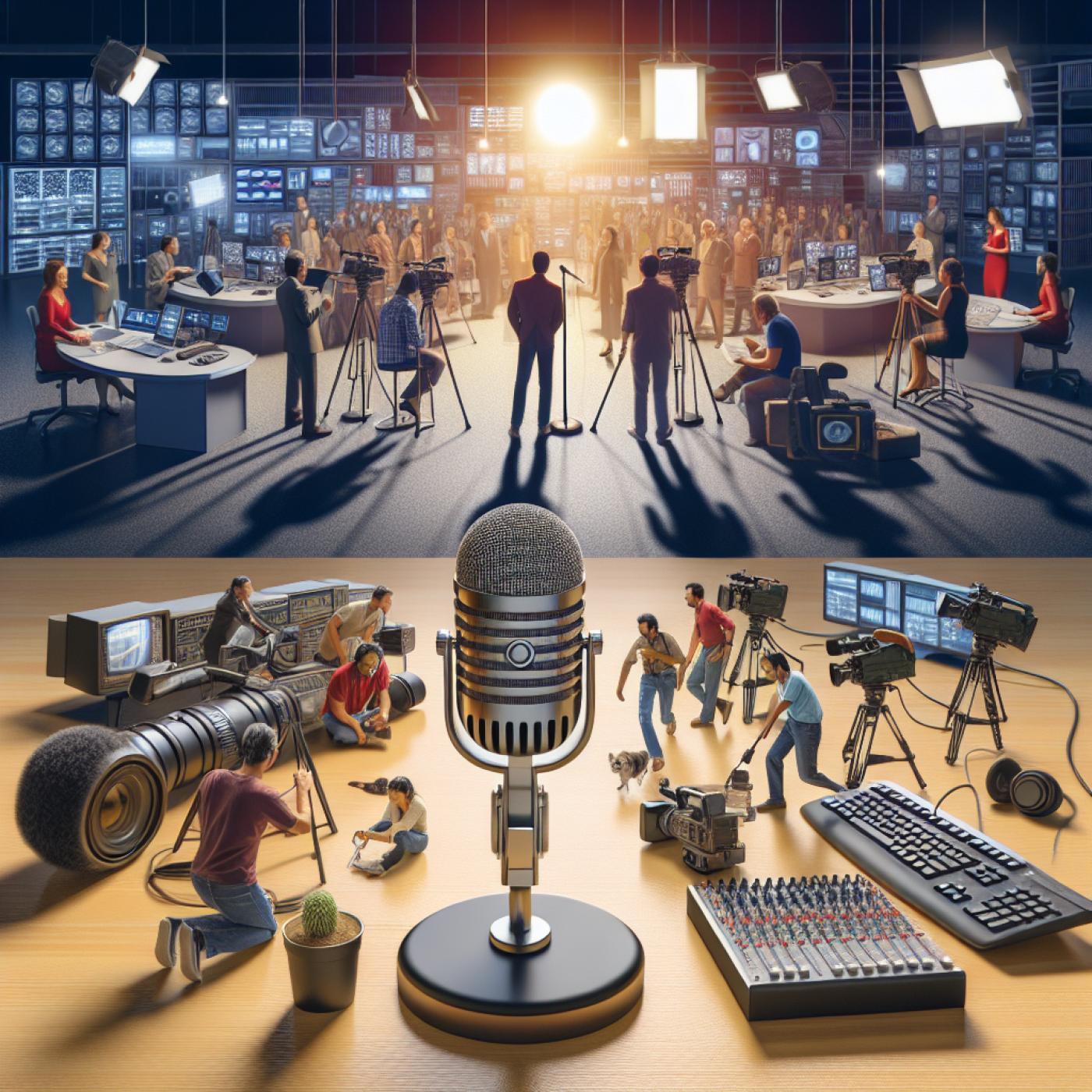
Embark on a journey from a humble closet recording setup to the realm of full-blown media empires. In this episode, we dive deep into the solo podcaster’s struggle—juggling every aspect of the show—and unveil the first steps to scaling your passion. Discover how to delegate tasks, streamline your workflow, and diversify your income streams, all while keeping your creative spark alive. With insights drawn from success stories like The Ringer and My Favorite Murder, we explore how to transform your one-person operation into a dynamic media brand without losing your sanity. The Solo Podcaster Struggle The reality of being a solo podcaster: juggling content creation, editing, marketing, and monetization alone. Funny examples of “wearing too many hats” (e.g., the podcaster who is also the unpaid intern, the social media manager, and the IT department). Signs it might be time to scale: ✅ Overwhelmed by tasks that don’t involve actual podcasting. ✅ Episodes are getting bigger, but time isn’t. ✅ More opportunities (sponsors, partnerships, guest requests) than you can handle alone. The First Steps Toward Growth Outsourcing vs. Hiring – What should you delegate first? Editing and production Show notes and transcription Social media and marketing Finding the right people – Hiring freelancers vs. in-house help. Building Systems – Why automation and processes matter before adding people to the mix. 📢 Pro Tip: Start small! Even outsourcing one task can free up time for bigger-picture growth. Monetizing Beyond Sponsorships Expanding revenue streams beyond ads: ✅ Courses & coaching ✅ Memberships & exclusive content ✅ Live events & speaking gigs ✅ Podcast production for others ✅ Brand partnerships & consulting How successful podcasters are leveraging their platforms to create sustainable businesses. For ex: The Ringer (Bill Simmons) Started as: The BS Report, a sports and pop culture podcast by Bill Simmons, originally under ESPN. Grew into: The Ringer, a full-fledged media company producing podcasts, video content, and written articles, later acquired by Spotify for over $200 million. Key Growth Factors: ✅ Expanded beyond sports to cover pop culture, tech, and entertainment. ✅ Hired a team of expert podcasters and journalists. ✅ Built a diverse podcast network with multiple high-performing shows. Becoming a Full-Fledged Media Brand Branding beyond the podcast: Turning your show into a recognizable brand. Expanding your content ecosystem: ✅ YouTube or video podcasting ✅ Newsletters, blogs, and social content ✅ Merchandise & branded products The Power of Collaborations – How partnering with other creators and companies can speed up growth. When to consider forming an LLC or media company structure. Pro Tip: You don’t have to do it all at once—grow at a pace that feels right. Case Study: My Favorite Murder (Karen Kilgariff & Georgia Hardstark) Started as: A casual true crime podcast between two friends in 2016. Grew into: A massive brand with millions of listeners, live tours, a best-selling book (Stay Sexy & Don’t Get Murdered), and a full media company (Exactly Right Media), which now produces multiple shows beyond My Favorite Murder. Key Growth Factors: ✅ Built a dedicated community (Murderinos fanbase). ✅ Expanded to live events, book deals, and merchandise. ✅ Launched a podcast network to help other shows grow. Lessons Learned & Takeaways Biggest mistakes to avoid when scaling. The mindset shifts from “podcaster” to “media entrepreneur.” Encouragement for podcasters who feel stuck: “You don’t have to be the next NPR, but with the right steps, you can turn your podcast into something much bigger than you ever imagined.” Thanks for listening to Podcast Insider, you can subscribe to new episodes out every Monday. The best place for support with any Blubrry product or service is our ticket system. Tickets give the whole team access vs. direct emails or calls. General podcasting discussions and more can be shared on the Blubrry Podcasting Facebook group. Fill out our listener survey at surveys.blubrry.com/podcastinsider Hosting customers can schedule a one-on-one call with Todd or a tech checkup with Mike at [email protected] and [email protected] Stay tuned for more episodes and visit our website for the latest updates and resources.
Ep 435Podcast Conference Roundup: Latest Trends & Events – PCI 435
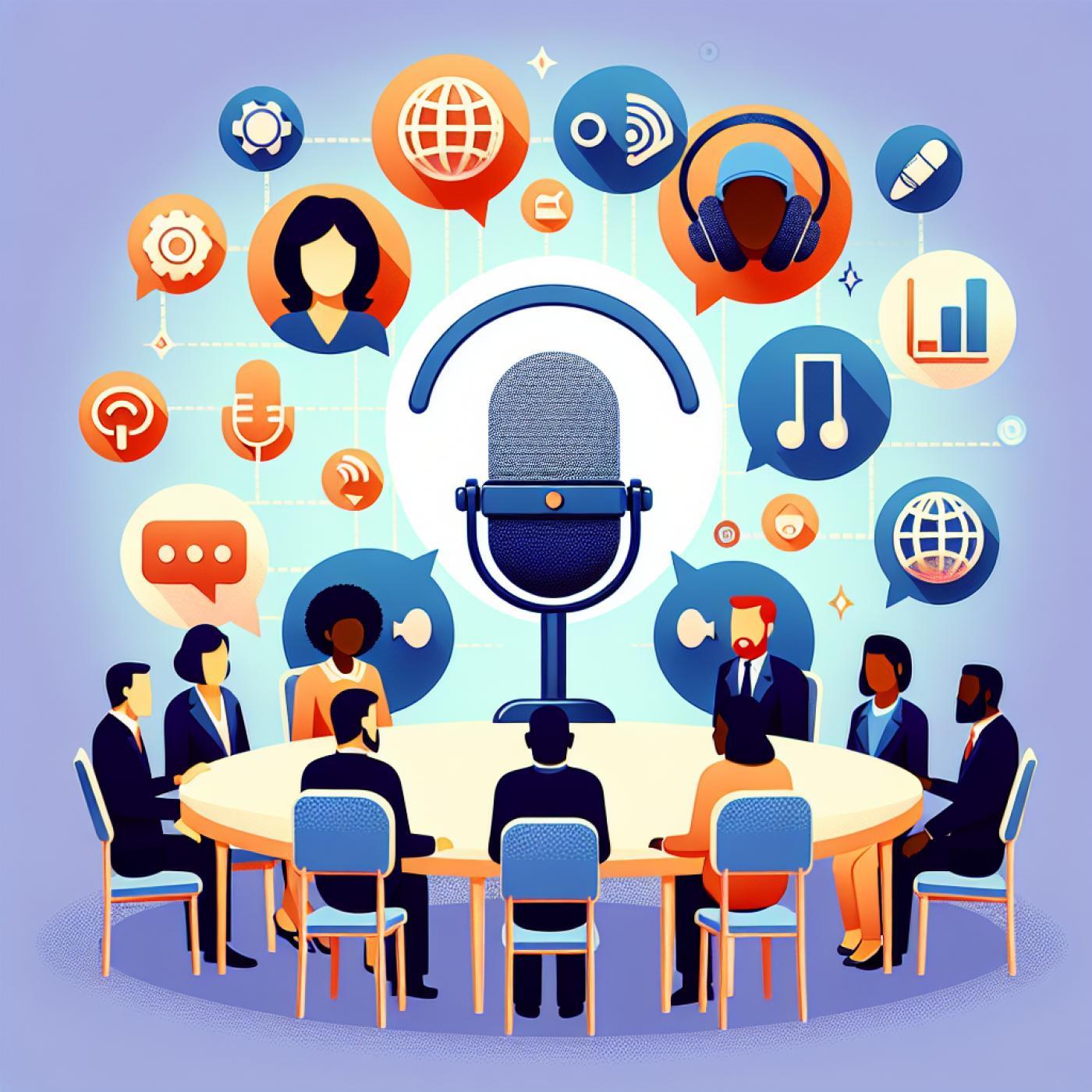
Podcast Conference Roundup 2025 We’re diving into the current podcast conference scene—what’s happening, who’s attending, and whether these events are really worth your time and money. From TravelCon recaps to previews of Podcast Movement Evolutions, Podfest Asia, and The Podcast Show London, we cover what podcasters need to know to make the most of these gatherings. Creators of all levels can appreciate these hot takes, and insider insights to help you decide which events are right for you—and how to make every conference count. Today’s Hosts: Todd Cochrane, MacKenzie Bennett, Mike Dell, Cathy Beuten, Aaron Hope, Dave Clements The Podcast Conference Lineup Who Attends? – Indie podcasters, major media companies, advertisers, tech innovators, and content creators. What’s the Real Goal? – Learning, networking, brand exposure, or just an excuse to party? 📢 Pro Tip: Not all conferences are created equal—some cater to beginners, while others focus on advanced strategies. TravelCon Recap with Aaron & Cathy Biggest Takeaways – Key trends and insights from travel-focused podcasts. Best Moments – Standout workshops, networking highlights, and industry discussions. Who Should Attend Next Year? – Is TravelCon worth it for podcasters outside the travel niche? 📢 Hot Take: Travel podcasts are evolving with immersive storytelling and new monetization opportunities. Podcast Movement Evolutions Preview with Mike & MacKenzie What’s New at Evolutions? – Industry insights, emerging tech, and creator-focused sessions. Sessions to Watch – Must-see panels and keynotes for podcasters at all levels. Networking & Events – The best ways to connect with podcasters, brands, and potential collaborators. 📢 Pro Tip: Podcast Movement Evolutions is one of the best places to stay ahead of new trends, tools, and monetization strategies. Podfest Asia & The Podcast Show London Preview with Todd and Dave Podfest Asia – How this event is shaping the future of podcasting in Asia. The Podcast Show London – Why this is a must-attend for international podcasters. Global Podcasting Trends – The growth of podcasting outside the U.S. and key market developments. 📢 Industry Insight: International podcast markets are booming, and these events highlight how different regions are innovating. Are Conferences Worth the Cost? 💰 The Costs: Ticket prices, travel, hotels, and meals—what’s the return on investment? Virtual vs. in-person—can you get the same value remotely? Do paid networking events actually lead to new opportunities? 📢 Real Talk: Some podcasters land sponsorships, collaborate with top industry figures, and walk away with new business deals—others just get a tote bag. How to Maximize Your Conference Experience 🚀 Tips for Attendees: ✅ Set clear goals before you arrive. ✅ Don’t just attend panels—networking is where the real magic happens. ✅ Bring business cards or digital contact tools (QR codes for the win!). ✅ Follow up! Most connections are wasted because no one follows up after the event. 📢 Bonus Tip: Many conferences offer post-event recordings, so you can still gain insights even if you don’t attend in person. Final Takeaways – Should You Attend? ✔ If you’re looking to grow your podcast business, conferences can be a game-changer. ✔ If you’re just starting out, virtual sessions or online communities might be enough. ✔ The best part? Meeting fellow podcasters, learning new trends, and making industry connections. Thanks for listening to Podcast Insider. You can subscribe to new episodes every Monday. The best place for support with any Blubrry product or service is our ticket system. Tickets give the whole team access vs. direct emails or calls. General podcasting discussions and more can be shared on the Blubrry Podcasting Facebook group. Fill out our listener survey at surveys.blubrry.com/podcastinsider Hosting customers can schedule a one-on-one call with Todd or a tech checkup with Mike at [email protected] and [email protected] Stay tuned for more episodes and visit our website for the latest updates and resources.
Ep 434How AI Enhances Creative Processes in Podcasting – PCI 434
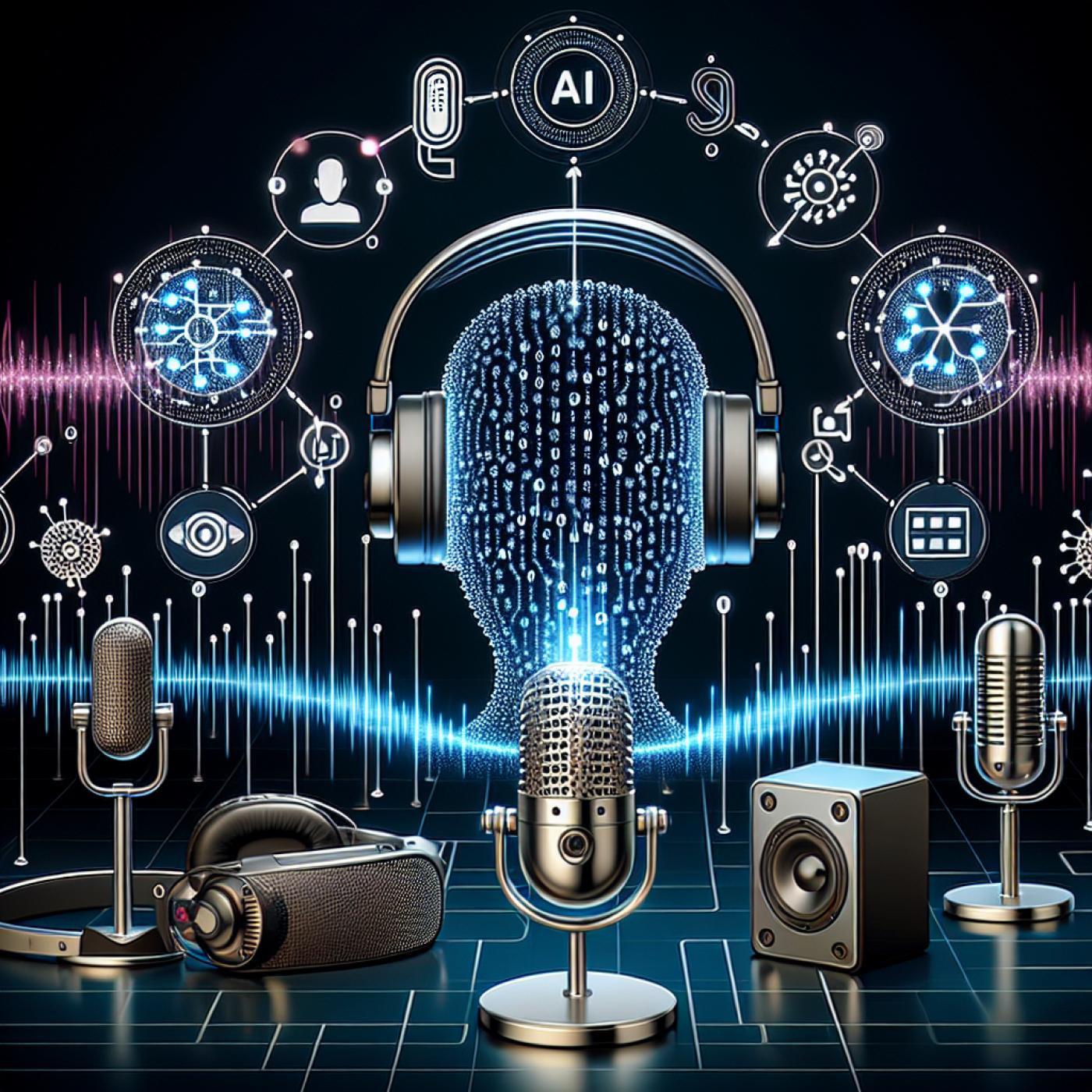
How AI is transforming content creation by removing technical barriers and allowing creators to focus on ideas. Why this matters: AI has changed the way people approach podcasting, video, and written content. Creators are shifting from figuring out how to create content to focusing on what to create. Read the blog post that inspired this episode, from Barry Kantz on the Blubrry team: AI Has Changed My Brain This is an exciting time for podcasters and content creators… How AI Enhances Creative Processes in Podcasting 1. AI and the Shift from “How-To” to “What-To” What was the “How-To”? In early podcasting, creators had to: Manually build RSS feeds. Learn complex audio/video editing. Invest in expensive software and equipment. Overcome a steep learning curve. The problem: Technical challenges took up too much time, limiting creativity. What is the “What-To”? Now, AI helps with: Brainstorming topics → AI can generate ideas based on trends and user preferences. Writing assistance → AI drafts scripts, outlines, and even refines writing style. Image & Video creation → AI generates visuals and edits videos quickly. Podcast automation → AI tools (like Blubrry’s services) streamline publishing and promotion. The result: Creators can focus on their ideas, message, and audience engagement instead of technical tasks. AI allows for more experimentation and creativity without being held back by logistics. 2. The Evolution of Podcasting and Content Creation Podcasting Then (2004-2005): Mostly tech-savvy creators due to technical barriers. Recording, editing, and distributing a podcast required expertise. Small niche audience, mostly early adopters. Podcasting Now: More accessible than ever → AI-driven services handle the majority of the work (record, upload, and distribute). Lower barrier to entry → No need for coding, XML feeds, or advanced editing skills. More diverse voices → AI has allowed anyone with ideas to start podcasting, regardless of technical skill. Key Takeaway for Listeners: AI has made podcasting easier, so there’s no excuse not to start! If you have an idea, AI can help you bring it to life. 3. The Role of AI in Video Creation How AI is Improving Video Creation: AI automates editing, transcription, and animation. Platforms now generate videos from text (e.g., AI avatars reading scripts). AI enhances video quality, removes background noise, and adjusts lighting automatically. Blubrry’s Role in Simplifying Video Content: Pod2Vid → Transforms podcasts into YouTube videos (no extra effort needed). AI tools help convert videos into podcasts → Vid2Pod (capturing both audiences). Future Trends: AI-generated video content will continue to improve. More seamless integration of podcasts and video across platforms. Eventually, AI will make video content creation as easy as podcasting. What This Means for Podcasters: If you’re not using video yet, AI makes it easier than ever. Repurpose your podcast into video content to reach a wider audience. 4. The Impact on Businesses and Creators How businesses and entrepreneurs can leverage AI to create content that connects with their audience: AI enables businesses to: Quickly create valuable content → blogs, videos, and podcasts with minimal effort. Generate topic ideas based on customer interests and industry trends. Repurpose content → Turn one podcast episode into multiple pieces of content (blog posts, video clips, social media posts). Enhance engagement → AI helps personalize content for different audience segments. What This Means for Business Owners & Marketers: Focus on storytelling instead of production logistics. Use AI-powered content to build trust with customers. Consistently deliver high-quality content without needing a big team. Example: A small business can now produce weekly podcasts and videos without hiring a full production team. 5. Final Thoughts Key Takeaways: AI has shifted content creation from technical execution to idea generation. AI removes barriers for new creators and businesses. The future of content creation is more accessible, creative, and engaging. Encourage listeners to try AI tools for podcasting and content creation You Should: Subscribe to the podcast for more discussions on podcasting and AI. Explore Blubrry’s AI-powered tools for easier podcasting and video creation.
Ep 433Mastering Podcast SEO: Strategies to Grow Your Listener Base – PCI 433
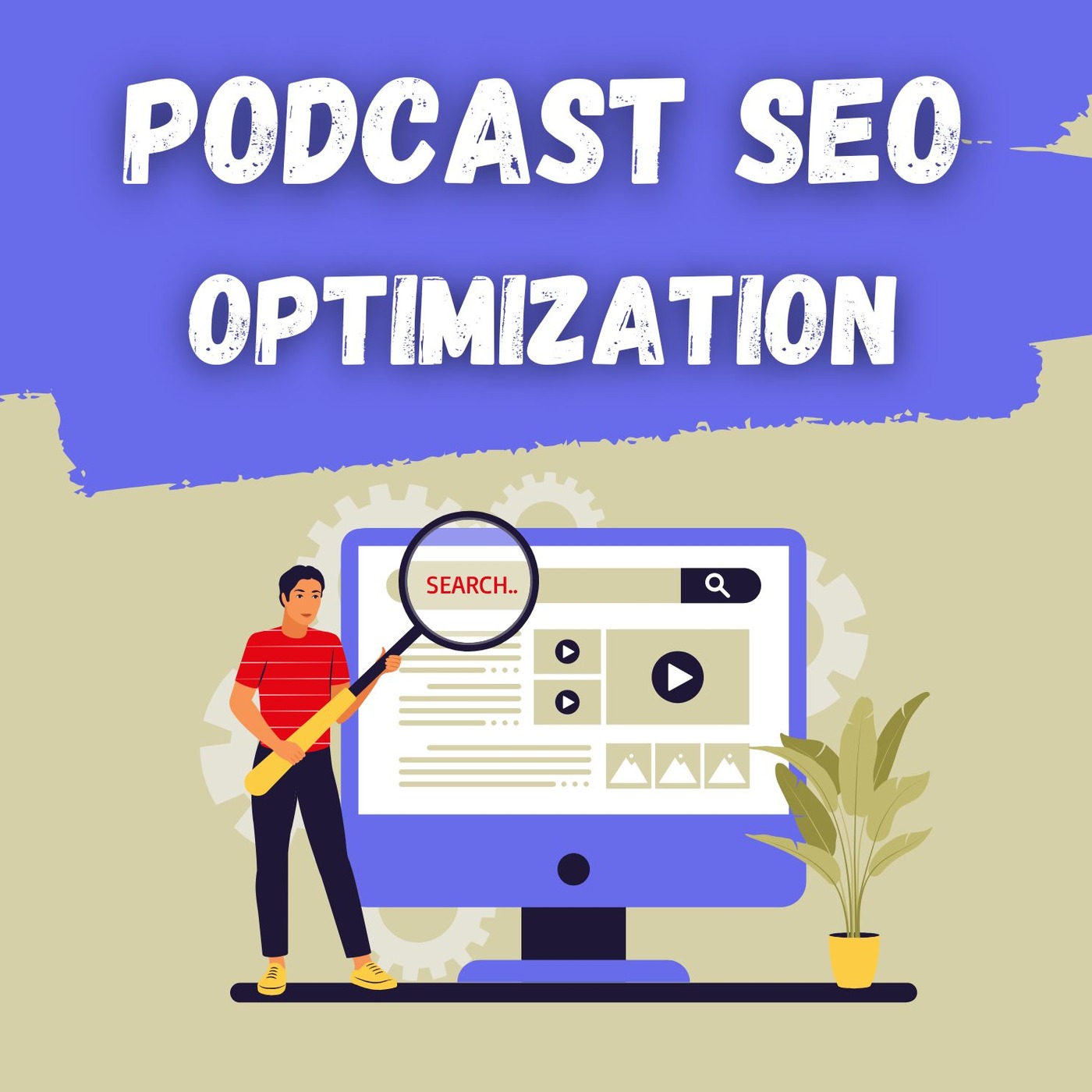
Hit play now and start optimizing your podcast for growth! Want more listeners to discover your podcast? It’s time to harness the power of Podcast SEO! In this episode, we break down how to optimize your podcast for search engines and major directories like Apple Podcasts and Spotify.   What You’ll Learn: ✔️ The key differences between Podcast SEO and traditional SEO ✔️ How to find and use the right keywords for your episodes ✔️ Best practices for writing SEO-friendly show titles and descriptions ✔️ The importance of transcripts, a podcast website, and structured data ✔️ How to leverage reviews, engagement, and link-building for better visibility Plus, we’ll share expert insights from SEO pros and proven strategies to boost your podcast’s ranking and attract new listeners. Whether you’re just starting or looking to refine your SEO approach, this episode is packed with actionable tips! Maximize Your Podcast’s Reach with SEO Strategies! 1. Understand Podcast SEO Basics A. How Podcast SEO Differs from Traditional SEO Audio vs. text: Traditional SEO relies heavily on text-based content. For podcast SEO, you must create written assets—titles, show notes, descriptions, transcripts—that search engines and podcast directories can crawl. Platform-specific algorithms: Apple Podcasts, Spotify, and other directories use their own algorithms and ranking factors. Optimizing for each platform is just as critical as optimizing for Google. Pro Tip (from Semrush): Treat each podcast episode like a web page, with its own optimized metadata and unique URL, so that search engines can better discover and rank each episode. B. Why Visibility Matters Attracting new listeners: People searching for topics in your niche can find you via Google or podcast directories—if you’ve optimized well. Building authority: High visibility and quality content help establish you as a trustworthy voice in your field. 2. Keyword Research for Podcasts A. Identifying Relevant Keywords Brainstorm topics: Think about your niche, audience pain points, and trending issues in your industry. Leverage SEO tools: Tools like Semrush, Ahrefs, Google Keyword Planner, or Keywords Everywhere can help you find relevant and high-traffic keyword phrases. Check competitor podcasts: Search for competing podcasts in your field; note what titles and descriptions they use, and see which keywords keep appearing. Search Engine Journal Insight: Don’t forget “long-tail” keywords or questions (“how to start a food blog podcast,” for example). These more specific queries can attract highly targeted listeners who are looking for exactly what you offer. B. Where & How to Integrate Keywords Show title: If your podcast is niche-specific, include a broad keyword (e.g., “The Digital Marketing Masters Podcast”). Episode titles: Craft specific, keyword-rich episode titles to appeal to searchers (e.g., “SEO Tips for Small Businesses”). Show notes & descriptions: Summaries that include secondary or related keywords help platforms understand your content’s context. 3. Optimize Podcast Titles & Descriptions A. Podcast Title Keep it authentic and concise: Aim for a clear, descriptive title. Don’t keyword-stuff. Front-load keywords: Placing your main keyword near the beginning can boost visibility in search results. Branding: Balance discoverability with branding. Make sure the title is recognizable and easy to remember. B. Episode Descriptions (Show Notes) Short, SEO-friendly synopsis: Use the first 1–2 sentences to highlight the episode’s main focus with relevant keywords. Include timestamps or bullet points: This helps both users and algorithms identify crucial segments of your episode. Add relevant links: Link to guests’ websites or your own related blog posts for additional context (and backlink opportunities if they share your content). Semrush Note: Including “chapter markers” or “episode sections” can make your show notes more scannable, helping both listeners and search engines find the relevant content quickly. 4. Transcripts & Accessibility A. Value of Transcripts SEO boost: Provides a text version of your audio content for indexing and ranking. User accessibility: Helps those with hearing impairments or who prefer to read. Content repurposing: Easy to turn transcripts into articles, social posts, or email newsletters. B. Best Practices Accuracy: Use tools like Rev, Descript, Otter.ai, or human transcription services. Formatting: Break transcripts into paragraphs, use speaker labels, timestamps, and subheadings if possible. Placement: Include full or partial transcripts on each episode’s webpage, ensuring your target keywords appear naturally. 5. Build a Dedicated Podcast Website or Page A. Why You Need a Podcast Website Full SEO control: You can optimize title tags, URLs, and meta descriptions. Backlinks: A central hub for your show fosters shareability and helps build authoritative backlinks. Brand building: A cohesive design that showcases your episod
Ep 432Why 2025 is the Perfect Time to Start a Podcast (Even If It Seems Oversaturated) – PCI 432
2025 is a great time to start a podcast Thinking of starting a podcast in 2025? Worried the podcasting world is already too crowded? In this episode, we dive into the top reasons why launching a show now can be more advantageous than ever—even when it seems like “everyone” already has a podcast. From tapping into hyper-niche audiences to taking advantage of cutting-edge tech, you’ll learn why there’s plenty of space for fresh voices and unique ideas. Join us as we break down the key factors that make this an ideal moment to get behind the mic. Today’s Hosts: Todd Cochrane, MacKenzie Bennett and Mike Dell The Myth of Oversaturation How the boom in podcasting can actually work in your favor Why today’s listeners crave more specialized and personal content Hyper-Niche Advantages Finding and serving a very specific audience How drilling down on a topic can create a more loyal listener base Monetizing and collaborating within niche markets Continued Technological Improvements Lowering production costs and simpler editing tools High-quality mobile recording options Better distribution and analytics platforms making it easier to track success Growing Global Listenership Why podcasts are still expanding into international markets Potential for multi-language or cross-cultural shows Opportunities to reach new demographics that weren’t listening before Evolving Monetization Models Sponsorships, affiliate marketing, and subscription-based models Using membership sites or premium content to create sustainable income Why brands are doubling down on podcasts as a marketing channel Standing Out with Authenticity The power of genuine storytelling and human connection Differentiating factors: personality, format, and unique angles Cultivating an engaged community vs. chasing large numbers Low Barrier to Entry, High Creative Freedom Podcasting as a playground for testing ideas and formats Multi-platform promotion: How social media and video can amplify your message Simple steps to get started with minimal equipment and upfront costs Future-Proofing Your Brand Positioning yourself as a thought leader in your niche Building relationships and networking through podcast interviews How consistent content output can evolve into new opportunities (speaking gigs, book deals, etc.) Key Takeaways for Listeners Despite a seemingly crowded market, there’s a massive appetite for new, specialized shows. Advances in tech and the global growth of podcasting create unique opportunities in 2025. Authenticity, hyper-niche content, and community-building can help your podcast stand out. Monetization models continue to diversify, making it easier to earn income and sustain your show. Starting now means you’ll be better positioned as the medium continues to evolve. Check out our Plans and Pricing online to see which Blubrry plan is meant for you. Listener Challenge What unique angle or niche do you have that would stand out in the podcasting world? Whether you’ve already got an idea or you’re still brainstorming, we’d love to hear from you. Share your concept or inspiration on social media with the hashtag #FuturePod2025, and let us know how you plan to make your mark in the world of podcasting! Thanks for listening to Podcast Insider. You can subscribe to new episodes every Monday. The best place for support with any Blubrry product or service is our ticket system. Tickets give the whole team access vs. direct emails or calls. General podcasting discussions and more can be shared on the Blubrry Podcasting Facebook group. Fill out our listener survey at surveys.blubrry.com/podcastinsider Hosting customers can schedule a one-on-one call with Todd or a tech checkup with Mike at [email protected] and [email protected] Stay tuned for more episodes and visit our website for the latest updates and resources.
Ep 431Split Decision: How to End a Podcast Co-Host Partnership Gracefully – PCI 431
Breaking up with a co-host can feel like navigating a delicate and deeply personal crisis—especially when you’ve invested time, energy, and your creative efforts into building a podcast together. But like any partnership, misalignments in goals, scheduling, or creative vision can arise, sometimes leaving you little choice but to respectfully part ways. Today, we explore the signs that it may be time to move on, how to plan an amicable separation (if possible), and the best ways to handle shared branding, intellectual property, and audience communication. We’ll also dive into the emotional side of a co-host breakup—discussing how to maintain positive relationships, practice self-care, and explore your rebranding options (or even launching a new show from scratch). From updating artwork and bios to establishing legal boundaries and dividing ownership, we’ve got you covered with a comprehensive checklist to ensure a smooth transition. By the end of this episode, you’ll feel more confident about not only ending things on good terms but also moving forward stronger—whether you choose to continue the show solo or embark on an entirely new and different venture. Today’s Hosts: MacKenzie Bennett and Mike Dell How to End a Podcast Co-Host Partnership Gracefully 1. Signs It’s Time to Part Ways with Your Co-Host Recognizing misalignment in goals, schedules, or creative vision Listener feedback and declining engagement as red flags Gut-check questions to ask before making the decision 2. Planning an Amicable Separation Setting up a proper meeting to discuss the break and next steps Reviewing your initial agreements (verbal or written) Keeping communication clear, professional, and empathetic 3. Handling Branding, Ownership, and Intellectual Property Deciding who owns the show name, social channels, and website Dividing past content archives fairly (music, artwork, etc.) Legal considerations: written contracts vs. verbal agreements 4. Managing the Transition with Your Audience How and when to announce the change to your listeners Crafting a consistent message across all platforms (podcast episodes, social media, newsletter) Maintaining listener trust and loyalty during transitional episodes 5. Navigating Emotional and Personal Fallout Handling personal feelings of loss or disappointment Best practices for preserving a positive relationship if possible Strategies for self-care and avoiding burnout amid major podcast changes 6. Rebranding the Show (or Starting Fresh) Deciding whether to continue the existing show or launch a brand-new podcast Building a new brand identity (name, artwork, format) Retaining loyal fans while attracting new listeners 7. Technical and Administrative Checklists Updating show artwork, host bios, and RSS feed details Removing or transferring hosting credentials and account access Adjusting distribution channels (Apple Podcasts, Spotify, etc.) 8. Lessons Learned: How to Build Partnerships That Last Setting up co-host agreements from the start Understanding each other’s goals, strengths, and schedules Creating a regular feedback loop to spot and resolve issues early 9. Success Stories from Podcasters Who Went Solo Highlighting podcasters who parted ways but thrived on their own Challenges of solo hosting vs. co-hosting Tips to keep content engaging without another voice to bounce ideas off 10. Next Steps: What Comes After the Split? Future growth strategies for the newly solo (or restructured) show Potential avenues for monetization or audience expansion with a new format Using analytics to guide your content decisions moving forward We hope that this information helps you decide if and when it’s time to end a podcast co-host partnership and if so, how to go about the split gracefully. Thanks for listening to Podcast Insider, you can subscribe to new episodes out every Monday. The best place for support with any Blubrry product or service is our ticket system. Tickets give the whole team access vs. direct emails or calls. General podcasting discussions and more can be shared on the Blubrry Podcasting Facebook group. Fill out our listener survey at surveys.blubrry.com/podcastinsider Hosting customers can schedule a one-on-one call with Todd or a tech checkup with Mike at [email protected] and [email protected] Stay tuned for more episodes and visit our website for the latest updates and resources.