
Philosophy, Ideas, Critical Thinking, Ethics & Morality: The Creative Process: Philosophers, Writers, Educators, Creative Thinkers, Spiritual Leaders, Environmentalists & Bioethicists
315 episodes — Page 7 of 7
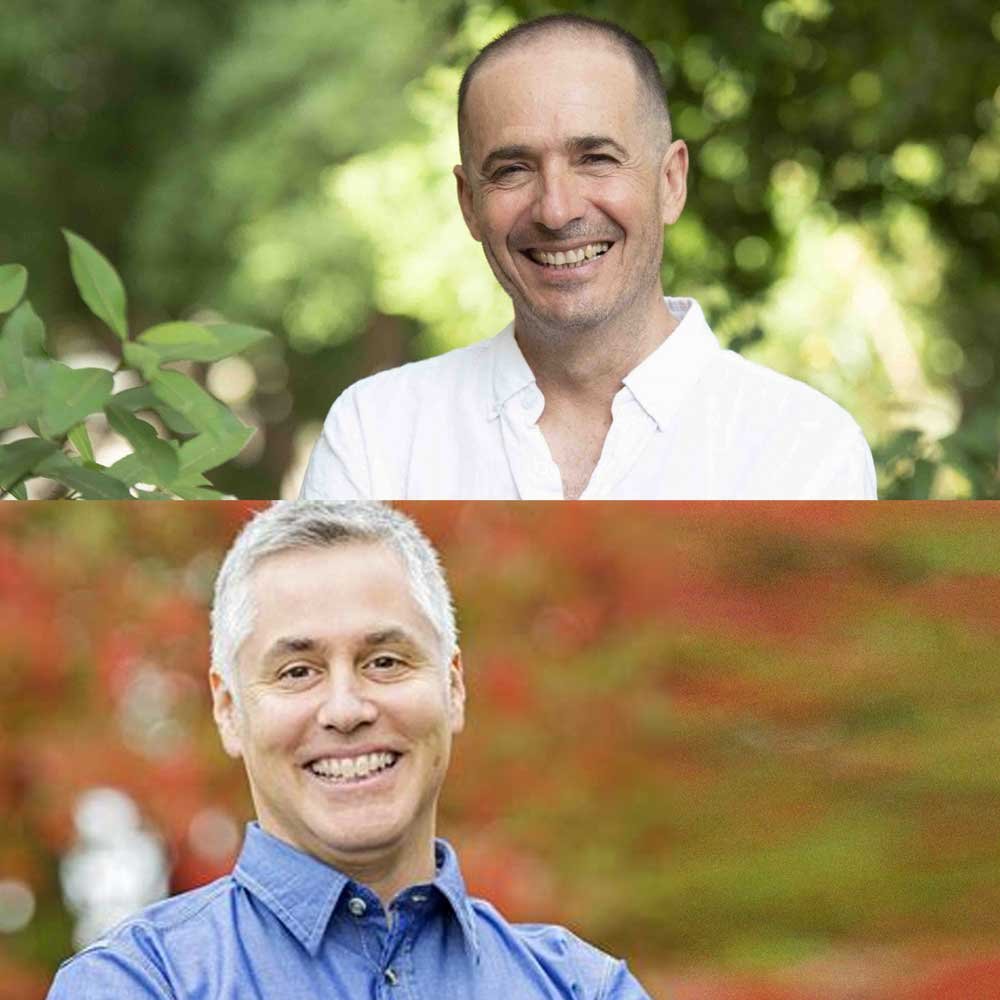
SPEAKING OUT OF PLACE: Exploring Plant Intelligence with John Burrows & Paco Calvo
In this episode of the Speaking Out of Place podcast, Professor David Palumbo-Liu and Azeezah Kanji talk with eminent Anishinaabe legal theorist John Borrows and philosopher Paco Calvo about how we might learn about, learn with, and learn from our plant companions on this earth. Plants show signs of communication and of learning. They produce and respond to many of the same neurochemicals as humans, including anesthetics. They share resources with one another, and when under threat, emit signals of warning and of pain. While Barrows and Calvo both urge us to listen to the Earth, during this conversation we discover that these two thinkers are often listening for different things. The discussion reveals fascinating points of difference and commonality. And in terms of the latter, the point both John and Paco insist upon is that we maintain our separation from other beings at our peril and at a loss.Dr. John Borrows, BA, MA, JD, LLM, PhD, LLD, FRSC, is Canada's pre-eminent legal scholar and a global leader in the field of Indigenous legal traditions and Aboriginal rights. John holds the Canada Research Chair in Indigenous Law at the University of Victoria as well as the Law Foundation Chair in Aboriginal Justice and Governance.Paco Calvo is a renowned cognitive scientist and philosopher of biology, known for his groundbreaking research in the field of plant cognition and intelligence. He is a professor at the University of Murcia in Spain, where he leads the Minimal Intelligence Lab (MINT Lab), focusing on the study of minimal cognition in plants. Calvo’s interdisciplinary work combines insights from biology, philosophy, and cognitive science to explore the fascinating world of plant behavior, decision-making, and problem-solving.https://www.uvic.ca/law/facultystaff/facultydirectory/borrows.phphttps://www.um.es/mintlab/index.php/about/people/paco-calvo/00:02 Introduction to Plant Communication00:21 Conversation with John Burrows and Paco Calvo01:11 Challenging Pre-existing Concepts about Intelligence01:37 Exploring Plant Intelligence02:32 Understanding Human Intelligence04:47 Challenging Orthodox Cognitive Psychology05:34 Ecological Approach to Intelligence07:26 The Role of Indigenous Knowledge in Understanding Intelligence09:11 Understanding Anishinaabe Law and Ethical Traditions12:09 The Role of Treaties in Indigenous Peoples' Relationships with Nature38:51 The Role of Education in Understanding Ecological Cognition45:28 The Importance of Experiential Learning and Literacy Beyond Books46:24 The Power of Ignorance and Openness to Knowledge50:00 The Ethical Obligations to the More Than Human World01:07:43 The Role of Religion in Understanding Our Relationship with the More Than Human World01:16:16 The Importance of Slowing Down to Appreciate Plant Behavior01:17:39 The Co-Evolutionary Perspective of Lifewww.palumbo-liu.com https://speakingoutofplace.comhttps://twitter.com/palumboliu?s=20

How can we learn to speak the language of the Earth? - Highlights - TIOKASIN GHOSTHORSE
“I tried to go through the history that I know of and the studies that I have researched from where educational processes started. And usually, when I say young, we're talking college age or more. And so I find I just finished a semester at Union Theological Seminary in New York and graduate and postgrad students, they either were angry or sad or just, you know, in shock that they have never heard through the whole semester, after years of study, that they've never heard the Native history as we know it. We've always been overrun with Western historical domination as they see it, that they came here for benevolence, they were brought a civilization, they brought us cars and tech, you know, all these things. It was the ships that came while we stood on the shore, watching the ships come, welcoming, abundance, giving. And then they came and they took what we offered, but they took more. And that's where we're at. And now we're seeing a whole abandonment of spirit and put into the ideas of a dogmatic soul. Where in Native is that we are shown the possibilities, and we're able to choose freely about what we're shown. We're never told to do this or say that or we were shown because it was a living and is a living language. Learning is a living, it's not a stagnant informational data bank. So this is how education is to me.”How can we learn to speak the language of the Earth and cultivate our intuitive intelligence?Tiokasin Ghosthorse is a member of the Cheyenne River Lakota Nation of South Dakota and has a long history with Indigenous activism and advocacy. Tiokasin is the Founder, Host and Executive Producer of “First Voices Radio” (formerly “First Voices Indigenous Radio”) for the last 31 years in New York City and Seattle/Olympia, Washington. In 2016, he received a Nomination for the Nobel Peace Prize from the International Institute of Peace Studies and Global Philosophy. Other recent recognitions include: Native Arts and Cultures Foundation National Fellowship in Music (2016), National Endowment for the Arts National Heritage Fellowship Nominee (2017), Indigenous Music Award Nominee for Best Instrumental Album (2019) and National Native American Hall of Fame Nominee (2018, 2019). He also was recently nominated for “Nominee for the 2020 Americans for the Arts Johnson Fellowship for Artists Transforming Communities”. He is the Founder of Akantu Intelligence.https://firstvoicesindigenousradio.org/ https://akantuintelligence.orgwww.creativeprocess.info www.oneplanetpodcast.org IG www.instagram.com/creativeprocesspodcastSongs featured on this episode are “Butterfly Against the Wind” And from the album Somewhere In There “Spatial Moon” and “Sunrise Moon” Composed by Tiokasin Ghosthorse and Alex Alexander Music on this episode is courtesy of Tiokasin Ghosthorse.

TIOKASIN GHOSTHORSE - Founder/Host of First Voices Radio - Founder of Akantu Intelligence
How can we learn to speak the language of the Earth and cultivate our intuitive intelligence?Tiokasin Ghosthorse is a member of the Cheyenne River Lakota Nation of South Dakota and has a long history with Indigenous activism and advocacy. Tiokasin is the Founder, Host and Executive Producer of “First Voices Radio” (formerly “First Voices Indigenous Radio”) for the last 31 years in New York City and Seattle/Olympia, Washington. In 2016, he received a Nomination for the Nobel Peace Prize from the International Institute of Peace Studies and Global Philosophy. Other recent recognitions include: Native Arts and Cultures Foundation National Fellowship in Music (2016), National Endowment for the Arts National Heritage Fellowship Nominee (2017), Indigenous Music Award Nominee for Best Instrumental Album (2019) and National Native American Hall of Fame Nominee (2018, 2019). He also was recently nominated for “Nominee for the 2020 Americans for the Arts Johnson Fellowship for Artists Transforming Communities”. He is the Founder of Akantu Intelligence.“I tried to go through the history that I know of and the studies that I have researched from where educational processes started. And usually, when I say young, we're talking college age or more. And so I find I just finished a semester at Union Theological Seminary in New York and graduate and postgrad students, they either were angry or sad or just, you know, in shock that they have never heard through the whole semester, after years of study, that they've never heard the Native history as we know it. We've always been overrun with Western historical domination as they see it, that they came here for benevolence, they were brought a civilization, they brought us cars and tech, you know, all these things. It was the ships that came while we stood on the shore, watching the ships come, welcoming, abundance, giving. And then they came and they took what we offered, but they took more. And that's where we're at. And now we're seeing a whole abandonment of spirit and put into the ideas of a dogmatic soul. Where in Native is that we are shown the possibilities, and we're able to choose freely about what we're shown. We're never told to do this or say that or we were shown because it was a living and is a living language. Learning is a living, it's not a stagnant informational data bank. So this is how education is to me.”https://firstvoicesindigenousradio.org/ https://akantuintelligence.orgwww.creativeprocess.info www.oneplanetpodcast.org IG www.instagram.com/creativeprocesspodcastSongs featured on this episode are “Butterfly Against the Wind” And from the album Somewhere In There “Spatial Moon” and “Sunrise Moon” Composed by Tiokasin Ghosthorse and Alex Alexander Music on this episode is courtesy of Tiokasin Ghosthorse.
Are we living in a Simulated Universe? - Highlights - MELVIN VOPSON
"With the speed and the precision of the AI, make no mistake, we are becoming creators of something that is far more advanced than humans. Is this a bad thing? I see it as a very bad thing, but I also see it as a natural evolution. We are becoming creators and in our evolution process, we are evolving ourselves to something much more advanced. It's what the world, what the universe, what nature wants us to become: stronger so we reach our limit in terms of biological capacity. So this is the fascinating thing, the creation and evolution go hand in hand. It's a circle that feeds into each other."Dr. Melvin M. Vopson is Associate Professor of Physics at the University of Portsmouth, Fellow of the Higher Education Academy, Chartered Physicist and Fellow of the Institute of Physics. He is the co-founder and CEO of the Information Physics Institute, editor-in-chief of the IPI Letters and Emerging Minds Journal for Student Research. He is the author of Reality Reloaded: The Scientific Case for a Simulated Universe. Dr. Vopson has a wide-ranging scientific expertise in experimental, applied and theoretical physics that is internationally recognized. He has published over 100 research articles, achieving over 2500 citations.https://www.port.ac.uk/about-us/structure-and-governance/our-people/our-staff/melvin-vopsonhttps://ipipublishing.org/index.php/ipil/RRwww.creativeprocess.info www.oneplanetpodcast.orgIG www.instagram.com/creativeprocesspodcast
MELVIN VOPSON - Physicist - Author of Reality Reloaded: The Scientific Case for a Simulated Universe
Are we living in a Simulated Universe? How will AI impact the future of work, society & education?Dr. Melvin M. Vopson is Associate Professor of Physics at the University of Portsmouth, Fellow of the Higher Education Academy, Chartered Physicist and Fellow of the Institute of Physics. He is the co-founder and CEO of the Information Physics Institute, editor-in-chief of the IPI Letters and Emerging Minds Journal for Student Research. He is the author of Reality Reloaded: The Scientific Case for a Simulated Universe. Dr. Vopson has a wide-ranging scientific expertise in experimental, applied and theoretical physics that is internationally recognized. He has published over 100 research articles, achieving over 2500 citations."With the speed and the precision of the AI, make no mistake, we are becoming creators of something that is far more advanced than humans. Is this a bad thing? I see it as a very bad thing, but I also see it as a natural evolution. We are becoming creators and in our evolution process, we are evolving ourselves to something much more advanced. It's what the world, what the universe, what nature wants us to become: stronger so we reach our limit in terms of biological capacity. So this is the fascinating thing, the creation and evolution go hand in hand. It's a circle that feeds into each other."https://www.port.ac.uk/about-us/structure-and-governance/our-people/our-staff/melvin-vopsonhttps://ipipublishing.org/index.php/ipil/RRwww.creativeprocess.info www.oneplanetpodcast.orgIG www.instagram.com/creativeprocesspodcast

What makes a good life? - Highlights - ROBERT WALDINGER, Psychiatrist, Author, Zen Priest
"One of the big differences I've noticed talking with people from more communally oriented cultures is that American culture has a strong emphasis on the individual on individual happiness, individual achievement on individual self-expression. And there are other cultures where the community, the family, and the neighborhood where they live and the well-being of others are paramount and are the first thing they think about. The most exemplary instance of that is in Bhutan, where they can't even propose a law for the legislature to consider unless they have a full section describing the effect on the community of any given law, the effect on the well-being of the whole population. So nothing is about the individual. It's all about the collective."What makes a good life? How important are relationships in helping us lead happy and meaningful lives?Dr. Robert Waldinger is a professor of psychiatry at Harvard Medical School, director of the Harvard Study of Adult Development at Massachusetts General Hospital, and cofounder of the Lifespan Research Foundation. Dr. Waldinger received his AB from Harvard College and his MD from Harvard Medical School. He is a practicing psychiatrist and psychoanalyst, and he directs a psychotherapy teaching program for Harvard psychiatry residents. He is also a Zen master (Roshi) and teaches meditation in New England and around the world. His TED Talk about the Harvard study “What makes a good life?” has been viewed more than 42 million times and is one of the 10 most watched TED Talks ever. He is co-author of The Good Life: Lessons from the World's Longest Scientific Study of Happiness.https://www.robertwaldinger.com/https://www.simonandschuster.com/books/The-Good-Life/Robert-Waldinger/9781982166694https://www.adultdevelopmentstudy.org/ https://www.lifespanresearch.orgwww.creativeprocess.info www.oneplanetpodcast.org IG www.instagram.com/creativeprocesspodcast

ROBERT WALDINGER - Co-Author of The Good Life: Lessons from the World's Longest Scientific Study of Happiness
What makes a good life? How important are relationships in helping us lead happy and meaningful lives?Dr. Robert Waldinger is a professor of psychiatry at Harvard Medical School, director of the Harvard Study of Adult Development at Massachusetts General Hospital, and cofounder of the Lifespan Research Foundation. Dr. Waldinger received his AB from Harvard College and his MD from Harvard Medical School. He is a practicing psychiatrist and psychoanalyst, and he directs a psychotherapy teaching program for Harvard psychiatry residents. He is also a Zen master (Roshi) and teaches meditation in New England and around the world. His TED Talk about the Harvard study “What makes a good life?” has been viewed more than 42 million times and is one of the 10 most watched TED Talks ever. He is co-author of The Good Life: Lessons from the World's Longest Scientific Study of Happiness."One of the big differences I've noticed talking with people from more communally oriented cultures is that American culture has a strong emphasis on the individual on individual happiness, individual achievement on individual self-expression. And there are other cultures where the community, the family, and the neighborhood where they live and the well-being of others are paramount and are the first thing they think about. The most exemplary instance of that is in Bhutan, where they can't even propose a law for the legislature to consider unless they have a full section describing the effect on the community of any given law, the effect on the well-being of the whole population. So nothing is about the individual. It's all about the collective."https://www.robertwaldinger.com/https://www.simonandschuster.com/books/The-Good-Life/Robert-Waldinger/9781982166694https://www.adultdevelopmentstudy.org/ https://www.lifespanresearch.orgwww.creativeprocess.info www.oneplanetpodcast.org IG www.instagram.com/creativeprocesspodcast

Does privacy exist anymore? Or are humans just sets of data to be traded and sold? - Highlights - WENDY WONG
"Meta reaches between three and four billion people every day through their platforms, right? That's way more people than any government legitimately can claim to govern. And yet this one company with four major platforms that many of us use is able to reach so many people and make decisions about content and access that have real consequences. It's been shown they fueled genocide in multiple places like in Ethiopia and Myanmar. And I think that's exactly why human rights matter because human rights are obligations that states have signed on for, and they're supposed to protect human values. And I think from a human rights perspective, it's important to argue that we shouldn't be collecting certain types of data because it's excessive. It's violating autonomy. It starts violating dignity. And when you start violating autonomy and dignity through the collection of data, you can't just go back and fix that by making it private.”Does privacy exist anymore? Or are humans just sets of data to be traded and sold?Wendy H. Wong is Professor of Political Science and Principal's Research Chair at the University of British Columbia, Okanagan. She is the author of two award-winning books: Internal Affairs: How the Structure of NGOs Transforms Human Rights and (with Sarah S. Stroup) The Authority Trap: Strategic Choices of International NGOs. Her latest book is We, the Data: Human Rights in the Digital Age.www.wendyhwong.comhttps://mitpress.mit.edu/author/wendy-h-wong-38397www.creativeprocess.info www.oneplanetpodcast.orgIG www.instagram.com/creativeprocesspodcast

WENDY WONG - Author of We, the Data: Human Rights in the Digital Age
Does privacy exist anymore? Or are humans just sets of data to be traded and sold?Wendy H. Wong is Professor of Political Science and Principal's Research Chair at the University of British Columbia, Okanagan. She is the author of two award-winning books: Internal Affairs: How the Structure of NGOs Transforms Human Rights and (with Sarah S. Stroup) The Authority Trap: Strategic Choices of International NGOs. Her latest book is We, the Data: Human Rights in the Digital Age."Meta reaches between three and four billion people every day through their platforms, right? That's way more people than any government legitimately can claim to govern. And yet this one company with four major platforms that many of us use is able to reach so many people and make decisions about content and access that have real consequences. It's been shown they fueled genocide in multiple places like in Ethiopia and Myanmar. And I think that's exactly why human rights matter because human rights are obligations that states have signed on for, and they're supposed to protect human values. And I think from a human rights perspective, it's important to argue that we shouldn't be collecting certain types of data because it's excessive. It's violating autonomy. It starts violating dignity. And when you start violating autonomy and dignity through the collection of data, you can't just go back and fix that by making it private.”www.wendyhwong.comhttps://mitpress.mit.edu/author/wendy-h-wong-38397www.creativeprocess.info www.oneplanetpodcast.org IG www.instagram.com/creativeprocesspodcast

MAX BENNETT - Author of A Brief History of Intelligence: Evolution, AI, and the Five Breakthroughs That Made Our Brains - CEO of Alby
The more the science of intelligence (both human and artificial) advances, the more it holds the potential for great benefits and dangers to society.Max Bennett is the cofounder and CEO of Alby, a start-up that helps companies integrate large language models into their websites to create guided shopping and search experiences. Previously, Bennett was the cofounder and chief product officer of Bluecore, one of the fastest growing companies in the U.S., providing AI technologies to some of the largest companies in the world. Bluecore has been featured in the annual Inc. 500 fastest growing companies, as well as Glassdoor’s 50 best places to work in the U.S. Bluecore was recently valued at over $1 billion. Bennett holds several patents for AI technologies and has published numerous scientific papers in peer-reviewed journals on the topics of evolutionary neuroscience and the neocortex. He has been featured on the Forbes 30 Under 30 list as well as the Built In NYC’s 30 Tech Leaders Under 30. He is the author of A Brief History of Intelligence: Evolution, AI, and the Five Breakthroughs That Made Our Brains."I do think there's a very real possibility that we will find that in order to have super-intelligent systems that are energy efficient, we need wetware. I mean, the difference in the energy cost of running ChatGPT versus a human brain is astronomical. A human brain runs on the amount of energy of about a light bulb, which is a crazy thing to realize how energy efficient the thing in our head is that creates all of the amazing intelligence we have, all of the common sense, sentience itself. And ChatGPT, which captures only a small fraction of that is consuming way more energy."www.abriefhistoryofintelligence.com/ www.alby.com www.bluecore.com www.creativeprocess.info www.oneplanetpodcast.org IG www.instagram.com/creativeprocesspodcast
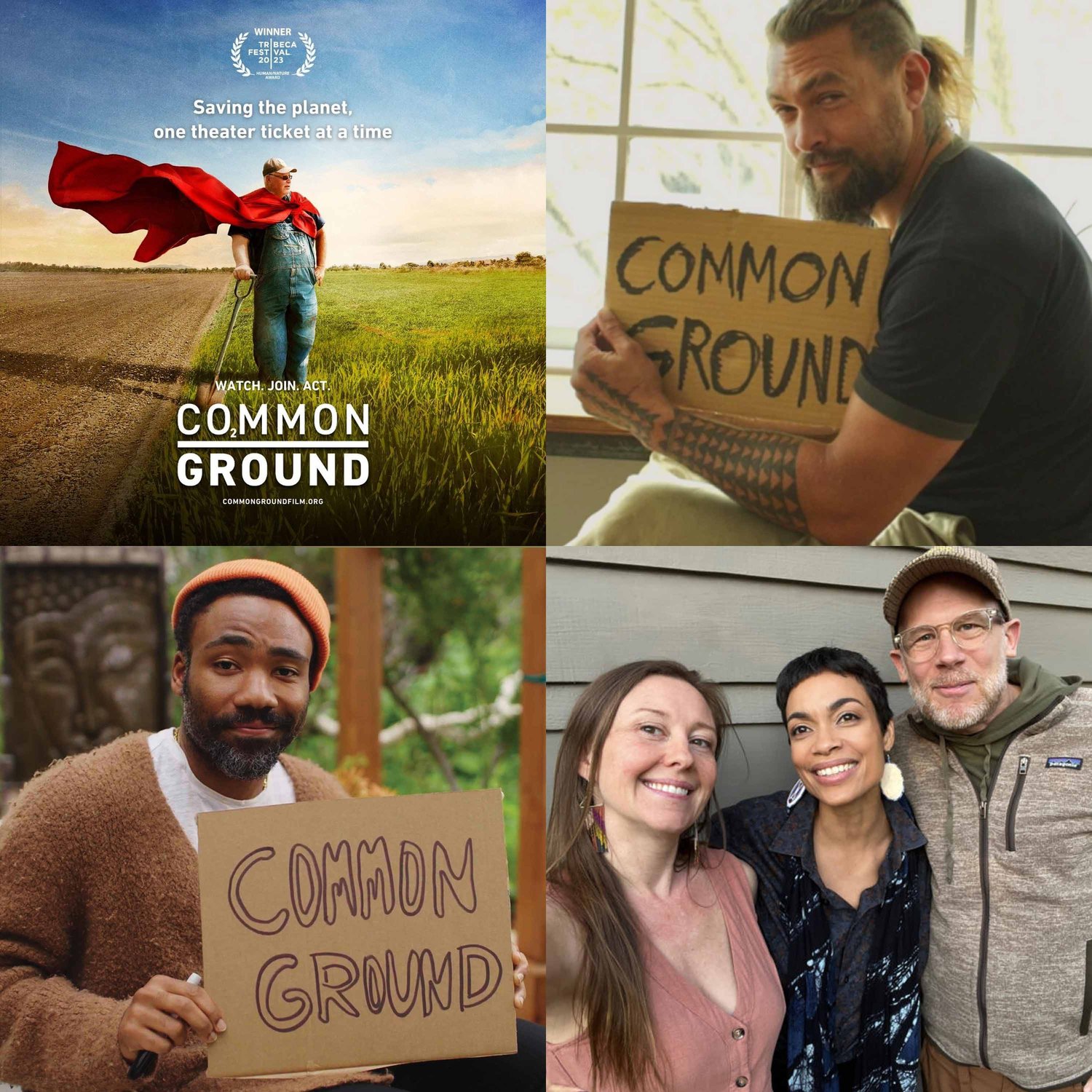
Highlights - JULIAN LENNON - Singer-songwriter, Photographer, Doc Filmmaker, Exec. Producer of Common Ground
"This is why protecting the indigenous around the world has been an important cause for me because of that history, because of their knowledge, and the potential of losing it forever. I know that around the world that there are groups that are striving and doing the best that they can to maintain and hold onto those languages, doing as much research and capturing as much of that knowledge as possible. You know, fortunately, there are some incredible, dare I say, youngsters these days who are learning, who have such respect for their elders and their history and their past. They are learning the language and holding onto it as best as they can. As I said, I think the fact that it's all being recorded now and put down, and hopefully nothing further bad happens. I think it's key because we've learned so much from the Indigenous. You know, we're part of that history. It's just we've lost our way. They still know where they're going. It's just the rest of us that have been misguided, I would say, in the bigger scheme of things. The other thing was we, you know, for many, I mean we didn't know any better. That's no excuse, but, you know, we all rode on that bandwagon too of enjoying life to the extremes before we knew, really what that meant, how that abused not only people but the Earth. And the situation that we live in, as you see in the film also, I think we're only just seeing the tip of the surface really about the quantity of illness that is coming from the past 50 years of the way things have been done. I mean, the general public didn't know about so, so many of the bad things that were happening. The poisoning, the chemicals in our food, in all of our products, whether it's from, deodorants to hairsprays to makeup. It's really only in the past few years that there's been a decent should I say shift in that world and that finally some companies are taking responsibility for their actions and their positions, and they're trying to change things too. So little by little, little by little, but it's working."How can the arts inspire us to lead lives of greater meaning and connection? What kind of world are we leaving for future generations?Julian Lennon is a Grammy-nominated singer-songwriter, photographer, documentary filmmaker, and NYTimes bestselling author of children's books. Executive Producer of Common Ground and its predecessor Kiss the Ground, which reached over 1 billion people and inspired the US Department of Agriculture (USDA) to put $20 billion toward soil health. The natural world and indigenous people are also the focus of Lennon’s other documentaries Whaledreamers, and Women of the White Buffalo. In 2007, Julian founded the global environmental and humanitarian organization The White Feather Foundation, whose key initiatives are education, health, conservation, and the protection of indigenous culture, causes he also advances through his photography, exhibited across the US and Europe. His latest album Jude spans a body of work created over the last 30 years. Julian was named a Peace Laureate by UNESCO in 2020.https://julianlennon.com https://commongroundfilm.org https://kissthegroundmovie.com https://whitefeatherfoundation.com https://julianlennon.lnk.to/JudeWE https://julianlennon-photography.comwww.creativeprocess.infowww.oneplanetpodcast.orgIG www.instagram.com/creativeprocesspodcast
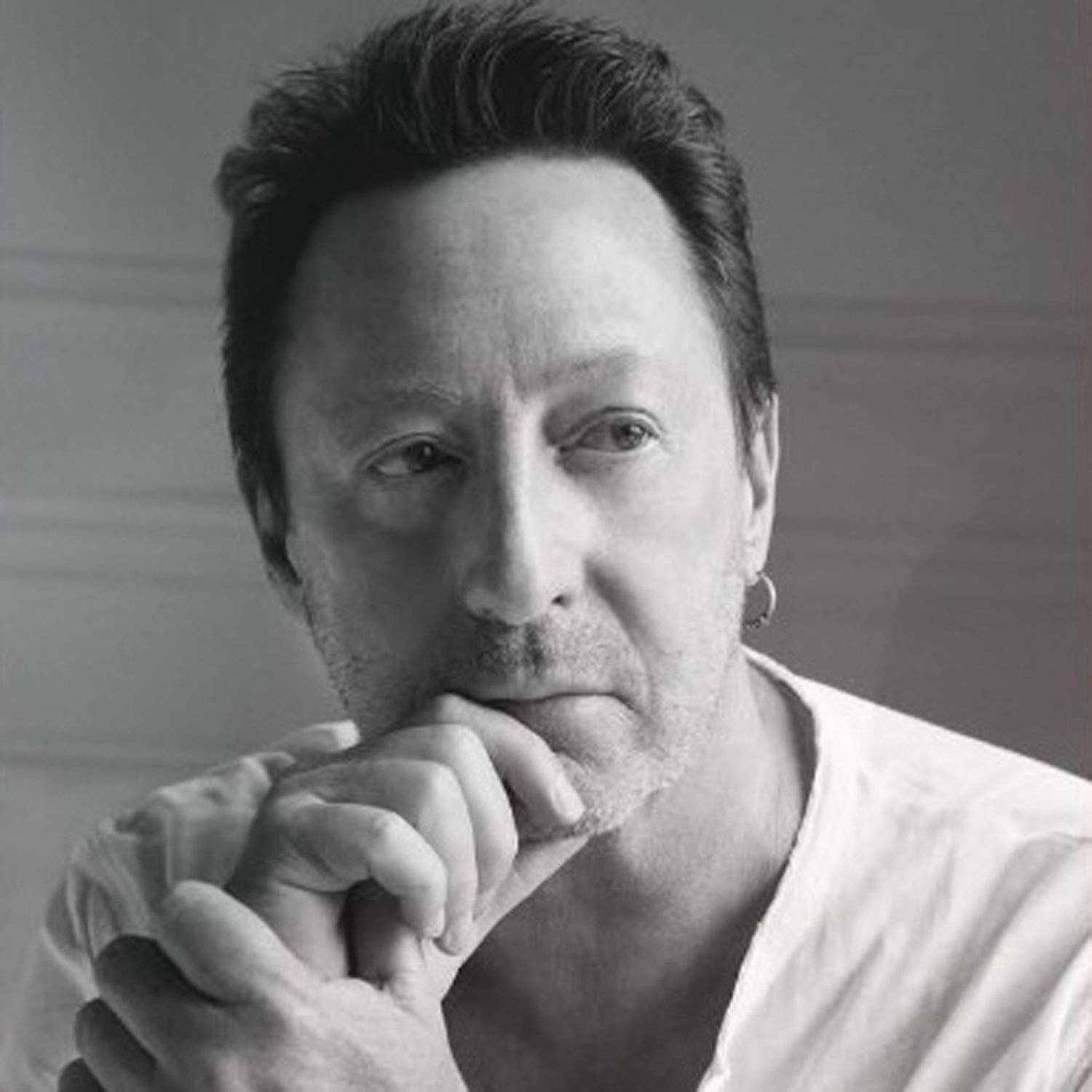
JULIAN LENNON - Singer-songwriter, Photographer, Doc Filmmaker, Exec. Producer of Common Ground
How can the arts inspire us to lead lives of greater meaning and connection? What kind of world are we leaving for future generations?Julian Lennon is a Grammy-nominated singer-songwriter, photographer, documentary filmmaker, and NYTimes bestselling author of children's books. Executive Producer of Common Ground and its predecessor Kiss the Ground, which reached over 1 billion people and inspired the US Department of Agriculture (USDA) to put $20 billion toward soil health. The natural world and indigenous people are also the focus of Lennon’s other documentaries Whaledreamers, and Women of the White Buffalo. In 2007, Julian founded the global environmental and humanitarian organization The White Feather Foundation, whose key initiatives are education, health, conservation, and the protection of indigenous culture, causes he also advances through his photography, exhibited across the US and Europe. His latest album Jude spans a body of work created over the last 30 years. Julian was named a Peace Laureate by UNESCO in 2020."This is why protecting the indigenous around the world has been an important cause for me because of that history, because of their knowledge, and the potential of losing it forever. I know that around the world that there are groups that are striving and doing the best that they can to maintain and hold onto those languages, doing as much research and capturing as much of that knowledge as possible. You know, fortunately, there are some incredible, dare I say, youngsters these days who are learning, who have such respect for their elders and their history and their past. They are learning the language and holding onto it as best as they can. As I said, I think the fact that it's all being recorded now and put down, and hopefully nothing further bad happens. I think it's key because we've learned so much from the Indigenous. You know, we're part of that history. It's just we've lost our way. They still know where they're going. It's just the rest of us that have been misguided, I would say, in the bigger scheme of things. The other thing was we, you know, for many, I mean we didn't know any better. That's no excuse, but, you know, we all rode on that bandwagon too of enjoying life to the extremes before we knew, really what that meant, how that abused not only people but the Earth. And the situation that we live in, as you see in the film also, I think we're only just seeing the tip of the surface really about the quantity of illness that is coming from the past 50 years of the way things have been done. I mean, the general public didn't know about so, so many of the bad things that were happening. The poisoning, the chemicals in our food, in all of our products, whether it's from, deodorants to hairsprays to makeup. It's really only in the past few years that there's been a decent should I say shift in that world and that finally some companies are taking responsibility for their actions and their positions, and they're trying to change things too. So little by little, little by little, but it's working."https://julianlennon.com https://commongroundfilm.org https://kissthegroundmovie.com https://whitefeatherfoundation.com https://julianlennon.lnk.to/JudeWE https://julianlennon-photography.comwww.creativeprocess.info www.oneplanetpodcast.org IG www.instagram.com/creativeprocesspodcast
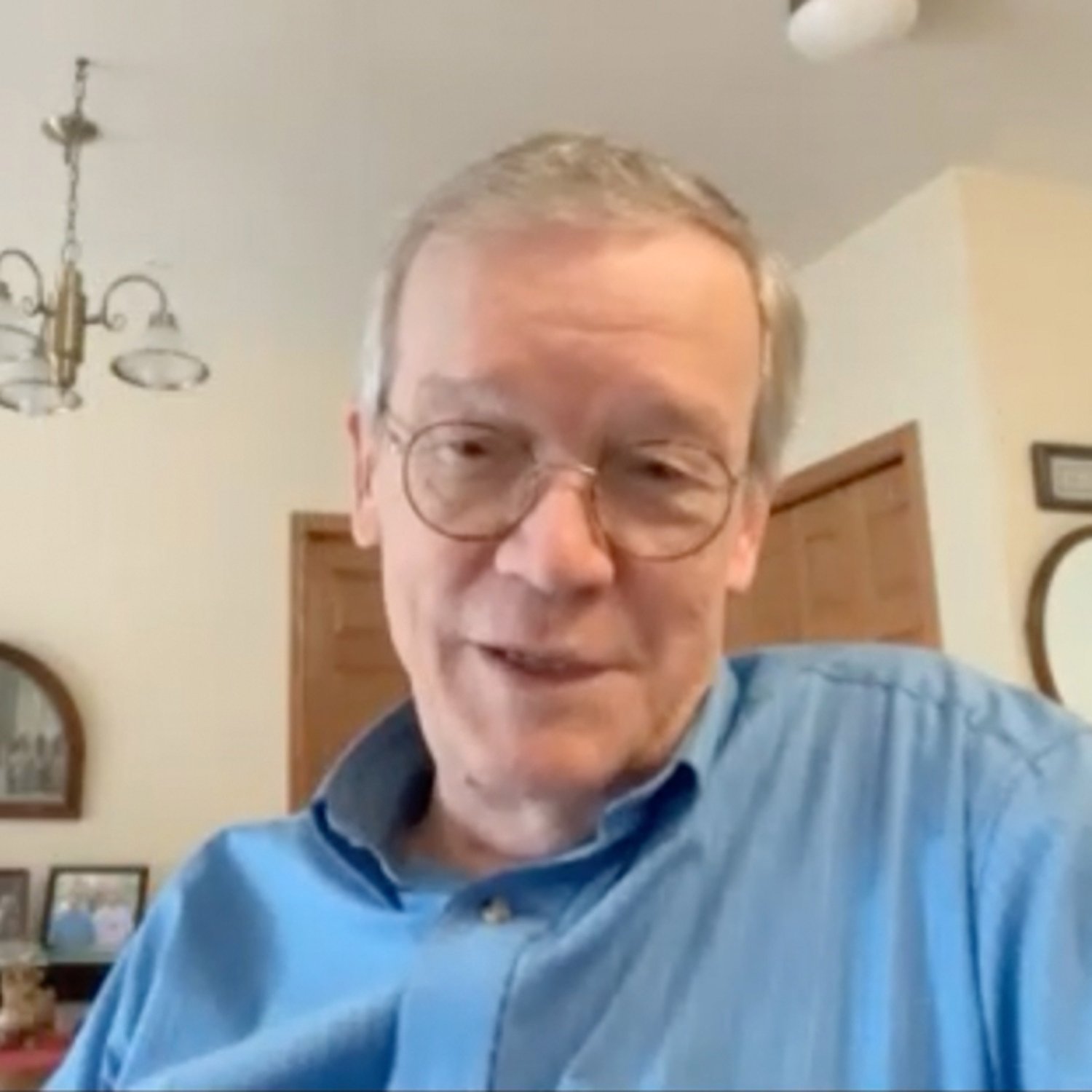
DUANE L. CADY - Philosopher, Author of Moral Vision: How Everyday Life Shapes Ethical Thinking & From Warism to Pacifism
How can we resolve conflicts without compromising our ethics and moral vision? Each year, wars are being fought in our name or with our support that citizens never get an opportunity to vote on. How can we make our voices heard?“Warism, taking war for granted as morally acceptable, even morally required, is the primary obstacle to peace.” Duane L. Cady is a philosopher and Professor Emeritus at Hamline University. He was nominated for the 1991 Grawemeyer World Order Award, was named Outstanding Educator of the Year by the United Methodist Foundation for Higher Education, and a festschiff in his honor was published in 2012. Cady is best known for his works on pacifism, including Moral Vision: How Everyday Life Shapes Ethical Thinking, and From Warism to Pacifism: A Moral Continuum."So we can think about life as an organism or a market, as many do. Or a gift, a machine. And then when you raise other societies, the range gets even bigger. Well, reason can calculate options and guides decisions consistent with these frameworks, but reason cannot tell us which framework to be in. It doesn't prove or provide our conceptual framework. So what I'm saying is that morality is rational, but that it's not something that we could call scientific or mathematical. And in my view, in the last hundred years, philosophy has more and more modeled itself after science and mathematics. So it's gotten more technical and more narrow, very different than it had been for its first couple of millennia. If ethics is to be meaningful in a pluralistic world, we need ways of thinking that can take us beyond both relativism, regarding all moral visions as equal, choice is arbitrary, and dogmatism, regarding one's own moral view as superior to all others and as justifiably imposed on them."https://duanelcady.comwww.creativeprocess.infowww.oneplanetpodcast.orgIG www.instagram.com/creativeprocesspodcast
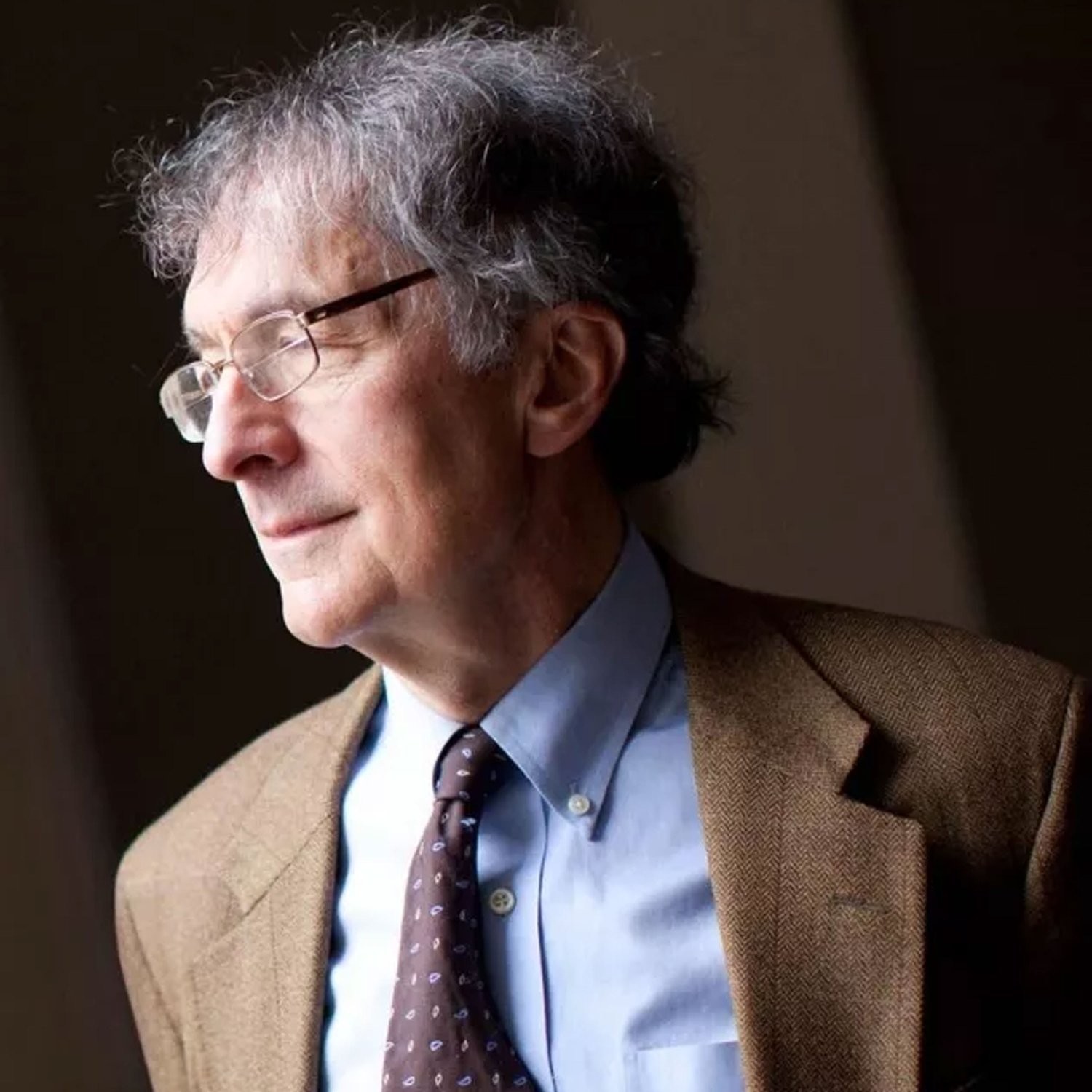
HOWARD GARDNER - Author of A Synthesizing Mind & Frames of Mind: The Theory of Multiple Intelligences - Co-director of The Good Project
How do we define intelligence? What is the point of creativity and intelligence if we are not creating good in the world? In this age of AI, what is the importance of a synthesizing mind?Howard Gardner, Research Professor of Cognition and Education at the Harvard Graduate School of Education, an author of over 30 books, translated into 32 languages, and several hundred articles, is best known for his theory of multiple intelligences, a critique of the notion that there exists but a single human intelligence that can be assessed by standard psychometric instruments. He has twice been selected by Foreign Policy and Prospect magazines as one of the 100 most influential public intellectuals in the world. In the last few years, Gardner has been studying the nature of human synthesizing, a topic introduced in his 2020 memoir, A Synthesizing Mind.For 28 years, with David Perkins, he was Co-Director of Harvard Project Zero, and in more recent years has served in a variety of leadership positions. Since the middle 1990s, Gardner has directed The Good Project, a group of initiatives, founded in collaboration with psychologists Mihaly Csikszentmihalyi and William Damon. The project promotes excellence, engagement, and ethics in education, preparing students to become good workers and good citizens who contribute to the overall well-being of society. Through research-based concepts, frameworks, and resources, The Good Project seeks to help students reflect upon the ethical dilemmas that arise in everyday life and give them the tools to make thoughtful decisions.“The word engagement doesn't mean anything when you're talking about computational systems. they aren't asked whether they like what they're doing or not, they just do it. But the issue of ethics is very difficult and very complicated. I touched on it earlier. If you're trying to decide what to do in a complicated economics matter, in a complicated military matter, do you leave the decision to the computational system? Or do you have human beings make it alone or in groups? My guess would be you should find out what would various computational systems recommend that the final decisions shouldn't be a majority vote among ChatGPTs. It should be human beings evaluating with these different systems. Recommend and then living with the consequences of human-made decisions. I don't want a decision about whether to have a nuclear weapon shot off to be made by ChatGPT. I would like to think that rational leaders consulting with one another and being very cautious about life-and-death decisions. There are things which large language instruments could recommend which would destroy the planet, but they don't care. It's not their planet.”www.howardgardner.comhttp://thegoodproject.orghttps://mitpress.mit.edu/9780262542838/a-synthesizing-mindwww.creativeprocess.infowww.oneplanetpodcast.orgIG www.instagram.com/creativeprocesspodcast
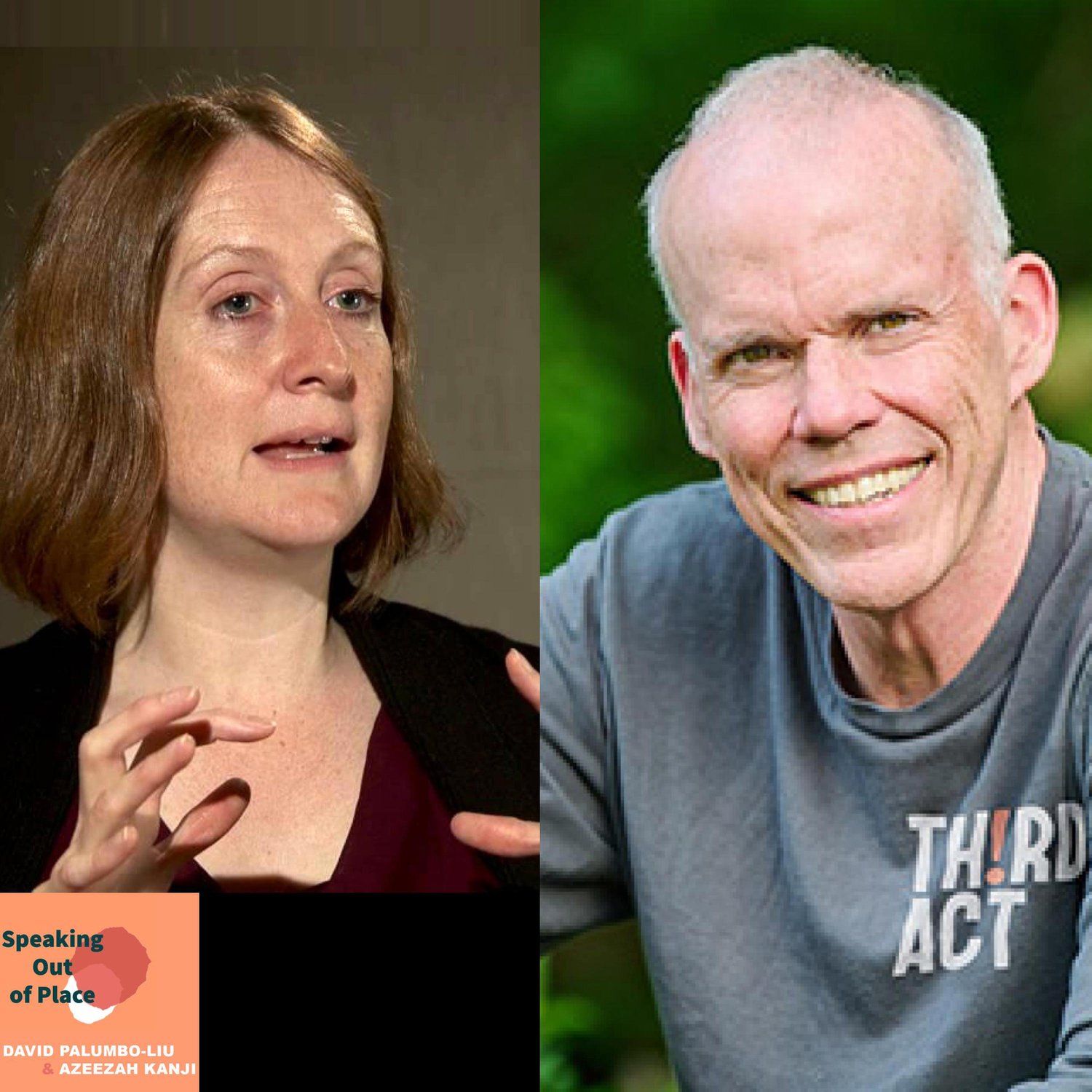
Speaking Out of Place: BILL McKIBBEN, Co-Founder of 350.org, Founder Third Act & CAROLINE LEVINE, Author of The Activist Humanist
In this episode of the Speaking Out of Place podcast, Professor David Palumbo-Liu talks with legendary climate activist Bill McKibben and scholar Caroline Levine. McKibben relates his long struggle to get companies to divest from fossil fuels and for the world in general to act immediately to seriously and substantially address this existential crisis. Levine tells of her efforts to get the giant pension fund, TIAA-CREF, to divest. She also talks about her new book, The Activist Humanist, and its relation to both her teaching and her activism.Bill McKibben is founder of Third Act, which organizes people over the age of 60 for action on climate and justice. His 1989 book The End of Nature is regarded as the first book for a general audience about climate change, and has appeared in 24 languages. He’s gone on to write 20 books, and his work appears regularly in periodicals from the New Yorker to Rolling Stone. He serves as the Schumann Distinguished Scholar in Environmental Studies at Middlebury College, as a fellow of the American Academy of Arts and Sciences, and he has won the Gandhi Peace Prize as well as honorary degrees from 20 colleges and universities. He was awarded the Right Livelihood Award, sometimes called the alternative Nobel, in the Swedish Parliament. Foreign Policy named him to its inaugural list of the world’s 100 most important global thinkers.McKibben helped found 350.org, the first global grassroots climate campaign, which has organized protests on every continent, including Antarctica, for climate action. He played a leading role in launching the opposition to big oil pipeline projects like Keystone XL, and the fossil fuel divestment campaign, which has become the biggest anti-corporate campaign in history, with endowments worth more than $40 trillion stepping back from oil, gas and coal. He stepped down as board chair of 350 in 2015, and left the board and stepped down from his volunteer role as senior adviser in 2020, accepting emeritus status. He lives in the mountains above Lake Champlain with his wife, the writer Sue Halpern, where he spends as much time as possible outdoors. In 2014, biologists credited his career by naming a new species of woodland gnat—Megophthalmidia mckibbeni–in his honor.Caroline Levine has spent her career asking how and why the humanities and the arts matter, especially in democratic societies. She argues for an understanding of forms and structures as essential both to understanding links between art and society and to the challenge of taking meaningful political action. She is the author of four books. The most recent, The Activist Humanist: Form and Method in the Climate Crisis (Princeton University Press 2023), grows out of the theoretical work of Forms: Whole, Rhythm, Hierarchy, Network (2015, winner of the James Russell Lowell Prize from the MLA, and named one of Flavorwire’s “10 Must-Read Academic Books of 2015”). Levine has also published The Serious Pleasures of Suspense: Victorian Realism and Narrative Doubt (2003, winner of the Perkins Prize for the best book in narrative studies) and Provoking Democracy: Why We Need the Arts (2007)."Viewed one way, we live in a very hopeful moment. Thanks to in large part the work of university scientists and engineers, we now live on a planet where the cheapest way to produce power is to point a sheet of glass at the sun. That is to say, we could run our Earth on energy from heaven instead of hell, and we could do it fast. The fast is the hard part here. The only difference between all the examples of the long victories of social justice activism that we're in now is that this one is a time-limited problem. If we don't solve it fast, then no one's got a plan for how you refreeze the Arctic once you've melted it. And so we have to move very quickly. Our systems are not designed to move quickly. It's the easiest thing in the world to slow down and delay change, which is all that the fossil fuel industry at this point is trying to do, and that means that it's time for maximum effort from all of us. The story to tell is that the planet is outside its comfort zone, so we need to be outside ours."https://billmckibben.comhttps://350.orghttps://thirdact.orghttps://english.cornell.edu/caroline-levinehttps://press.princeton.edu/books/paperback/9780691250588/the-activist-humanisthttps://tiaa-divest.orgwww.palumbo-liu.com https://speakingoutofplace.comhttps://twitter.com/palumboliu?s=20