
Philosophy, Ideas, Critical Thinking, Ethics & Morality: The Creative Process: Philosophers, Writers, Educators, Creative Thinkers, Spiritual Leaders, Environmentalists & Bioethicists
315 episodes — Page 6 of 7

What can turtles teach us about time, patience & wisdom? - Highlights - SY MONTGOMERY & MATT PATTERSON
"The other big hard problem in philosophy is time. And I felt, you know, who better to lead me in this exploration than turtles, who live in some cases for centuries, who've been around...they arose with dinosaurs, yet they survived the asteroid impact. They are the embodiment of patience and wisdom. It's wonderful having an animal recognize you and be interested in you really acknowledges the animal in me. And that's the oldest, most sacred part of me, as far as I'm concerned."Author Sy Montgomery and illustrator Matt Patterson are naturalists, adventurers, and creative collaborators. Montgomery has published over thirty acclaimed nonfiction books for adults and children and received numerous honors, including lifetime achievement awards from the Humane Society and the New England Booksellers Association.Patterson’s illustrations have been featured in several books and magazines, such as Yankee Magazine and Fine Art Connoisseur. He is the recipient of Roger Tory Peterson Wild American Art Award, National Outdoor Book Award for Nature and the Environment, and other honors. Most recently, Patterson provided illustrations for Freshwater Fish of the Northeast.Their joint books are Of Time and Turtles: Mending the World, Shell by Shattered Shell and The Book of the Turtle. Montgomery’s other books include The Soul of an Octopus, The Hawk’s Way and The Secrets of the Octopus (published in conjunction with a National Geographic TV series).www.mpattersonart.comhttps://symontgomery.comwww.harpercollins.com/products/of-time-and-turtles-sy-montgomery?variant=41003864817698www.harpercollins.com/products/the-book-of-turtles-sy-montgomery?variant=40695888609314https://press.uchicago.edu/ucp/books/book/distributed/F/bo215806915.htmlwww.creativeprocess.infowww.oneplanetpodcast.orgIG www.instagram.com/creativeprocesspodcast

Of Time and Turtles - Author SY MONTGOMERY & Illustrator MATT PATTERSON
What can turtles teach us about time, patience, and wisdom? What can we learn about the mysteries of consciousness by observing animals? How can we open our senses and embrace the interconnectedness of all life on Earth?Author Sy Montgomery and illustrator Matt Patterson are naturalists, adventurers, and creative collaborators. Montgomery has published over thirty acclaimed nonfiction books for adults and children and received numerous honors, including lifetime achievement awards from the Humane Society and the New England Booksellers Association.Patterson’s illustrations have been featured in several books and magazines, such as Yankee Magazine and Fine Art Connoisseur. He is the recipient of Roger Tory Peterson Wild American Art Award, National Outdoor Book Award for Nature and the Environment, and other honors. Most recently, Patterson provided illustrations for Freshwater Fish of the Northeast.Their joint books are Of Time and Turtles: Mending the World, Shell by Shattered Shell and The Book of the Turtle. Montgomery’s other books include The Soul of an Octopus, The Hawk’s Way and The Secrets of the Octopus (published in conjunction with a National Geographic TV series)."The other big hard problem in philosophy is time. And I felt, you know, who better to lead me in this exploration than turtles, who live in some cases for centuries, who've been around...they arose with dinosaurs, yet they survived the asteroid impact. They are the embodiment of patience and wisdom. It's wonderful having an animal recognize you and be interested in you really acknowledges the animal in me. And that's the oldest, most sacred part of me, as far as I'm concerned."www.mpattersonart.comhttps://symontgomery.comwww.harpercollins.com/products/of-time-and-turtles-sy-montgomery?variant=41003864817698www.harpercollins.com/products/the-book-of-turtles-sy-montgomery?variant=40695888609314https://press.uchicago.edu/ucp/books/book/distributed/F/bo215806915.htmlwww.creativeprocess.infowww.oneplanetpodcast.orgIG www.instagram.com/creativeprocesspodcast

The Transformative Power of Writing with ANDRE DUBUS III - Highlights
"The point of life is to be happy, and the way to be happy is to be a success. – It's horseshit. This is not the point of life. It's a lie. The second part is, you must be willing to fail. Not, oh, I'm going to tolerate a little bit of it. I am going to totally fail at this, but I'm still going to do it anyway."Andre Dubus III’s nine books include the New York Times’ bestsellers House of Sand and Fog, The Garden of Last Days, and his memoir, Townie. His work has been included in The Best American Essays and The Best Spiritual Writing anthologies. His novel, House of Sand and Fog was a finalist for the National Book Award and was made into an Academy Award-nominated film starring Ben Kingsley and Jennifer Connelly. His most recent books are the novel, Such Kindness and a collection of personal essays, Ghost Dogs: On Killers and Kin. Dubus has been a finalist for the National Book Award, and has been awarded a Guggenheim Fellowship, The National Magazine Award for Fiction, two Pushcart Prizes, and is a recipient of an American Academy of Arts and Letters Award in Literature. His books are published in over twenty-five languages, and he teaches at the University of Massachusetts Lowell. www.andredubus.comwww.andredubus.com/ghost-dogswww.andredubus.com/house-of-sand-and-fogwww.andredubus.com/such-kindnesswww.creativeprocess.infowww.oneplanetpodcast.orgIG www.instagram.com/creativeprocesspodcast

Exploring Trauma, Healing & Redemption with ANDRE DUBUS III
What can reading teach us about loss, healing, and survival? How can we transform anger into empathy? What can we learn from the creative act about turning personal setbacks into opportunities for self-discovery and growth?Andre Dubus III’s nine books include the New York Times’ bestsellers House of Sand and Fog, The Garden of Last Days, and his memoir, Townie. His work has been included in The Best American Essays and The Best Spiritual Writing anthologies. His novel, House of Sand and Fog was a finalist for the National Book Award and was made into an Academy Award-nominated film starring Ben Kingsley and Jennifer Connelly. His most recent books are the novel, Such Kindness and a collection of personal essays, Ghost Dogs: On Killers and Kin. Dubus has been a finalist for the National Book Award, and has been awarded a Guggenheim Fellowship, The National Magazine Award for Fiction, two Pushcart Prizes, and is a recipient of an American Academy of Arts and Letters Award in Literature. His books are published in over twenty-five languages, and he teaches at the University of Massachusetts Lowell."There's a wonderful essay by the American poet William Stafford, where he says the poet, before writing, must put herself into a place of openness or receptivity. And he said, you're being receptive when you are. And this is really hard, I think, especially for Americans who still eat a steady diet of the following: The point of life is to be happy, and the way to be happy is to be a success. – It's horseshit. This is not the point of life. It's a lie. And the second part is, you must be willing to fail. Not, oh, I'm going to tolerate a little bit of it. I am going to totally fail at this, but I'm still going to do it anyway."www.andredubus.comwww.andredubus.com/ghost-dogswww.andredubus.com/house-of-sand-and-fogwww.andredubus.com/such-kindnesswww.creativeprocess.infowww.oneplanetpodcast.orgIG www.instagram.com/creativeprocesspodcast

Revolutionizing Sustainability: BERTRAND PICCARD's Path to a Cleaner Planet - Highlights
"You have the brain, and you have the heart, and you cannot feed only the brain without feeding the heart. So feeding the heart means creating authentic relations between people and educating children to have compassion, empathy, and respect for others, nature, animals, and other human beings. I'm a bit afraid that today we feed only the brain and not the heart. And when we want to put these Neuralink implants in the brain, we forget that there is the heart where maybe we should also work a little bit more."Bertrand Piccard is a notable Swiss environmentalist, explorer, author, and psychiatrist. His ventures include being the first to travel around the world in a non-stop balloon flight and years later in a solar-powered airplane. He is regarded as a pioneer in clean technology. Piccard is also the founder of the Solar Impulse Foundation, which has identified over 1500 actionable and profitable climate solutions and connects them with investors. As a UN Ambassador for the Environment, his goal is to convince leaders of the viability of a zero-carbon economy, which he will demonstrate via his next emission-free project Climate Impulse, a green hydrogen-powered airplane that can fly nonstop around the earth.http://www.solarimpulse.comhttps://climateimpulse.org/https://bertrandpiccard.com/Photos:Bertrand Piccard with Ilham Kadri, CEO Syensqo (main technological partner of Climate Impulse)Bertrand Piccard @ Solar Impulse, Jean Revillard

Beyond the Horizon: Pioneering Green Aviation with BERTRAND PICCARD - Aviator, Explorer, Environmentalist
What is the future of green aviation? How do we share environmental solutions to unite people and change the climate narrative from sacrifice and fear to enthusiasm and hope?Bertrand Piccard is a notable Swiss environmentalist, explorer, author, and psychiatrist. His ventures include being the first to travel around the world in a non-stop balloon flight and years later in a solar-powered airplane. He is regarded as a pioneer in clean technology. Piccard is also the founder of the Solar Impulse Foundation, which has identified over 1500 actionable and profitable climate solutions and connects them with investors. As a UN Ambassador for the Environment, his goal is to convince leaders of the viability of a zero-carbon economy, which he will demonstrate via his next emission-free project Climate Impulse, a green hydrogen-powered airplane that can fly nonstop around the earth."You have the brain, and you have the heart, and you cannot feed only the brain without feeding the heart. So feeding the heart means creating authentic relations between people and educating children to have compassion, empathy, and respect for others, nature, animals, and other human beings. I'm a bit afraid that today we feed only the brain and not the heart. And when we want to put these Neuralink implants in the brain, we forget that there is the heart where maybe we should also work a little bit more."http://www.solarimpulse.comhttps://climateimpulse.org/https://bertrandpiccard.com/Photos:COPSummitBertrand Piccard with Simon Stiell, Executive Secretary of the UNFCCCVille de Demain exhibition, Cité des sciences et de l'industrie, Paris

Who were the Neanderthals? - Highlights - DR. LUDOVIC SLIMAK
"As long as your children believe your traditions are a good way to be human on Earth, they will continue to be like you. And your society and your civilization will continue. But the moment they see a better and more efficient way to do things, they will no longer believe in your ways, and your traditions will collapse in a whisper. I think what is very, very important for the young generations - because they hear every day and everywhere that this is the end of our world because of many things, particularly about the question of climate change - and we must tell young generations, first of all, we don't know anything about the future. Maybe the future is incredibly nice. Incredibly nice, because we are going to have at a certain moment absolute energy, the ability to travel anywhere in space, the ability to colonize any satellite in our solar system, and maybe with no more any kind of fitness, no more cancer, nothing else. So the future can be bright and incredible. And the young generations should keep in mind that they are on a magical planet which is full of beauty and they must love it and preserve it as best as they can with hope."Ludovic Slimak is a paleoanthropologist at the University of Toulouse in France and Director of the Grotte Mandrin research project. His work focuses on the last Neanderthal societies, and he is the author of several hundred scientific studies on these populations. His research has been featured in Nature, Science, the New York Times, and other publications. He is the author of The Naked Neanderthal: A New Understanding of the Human Creature.http://ww5.pegasusbooks.com/books/the-naked-neanderthal-9781639366163-hardcoverhttps://lampea.cnrs.fr/spip.php?article3767www.odilejacob.fr/catalogue/sciences-humaines/archeologie-paleontologie-prehistoire/dernier-neandertalien_9782415004927.phpwww.creativeprocess.infowww.oneplanetpodcast.orgIG www.instagram.com/creativeprocesspodcast

Will human efficiency destroy the planet and us? - DR. LUDOVIC SLIMAK - Author of The Naked Neanderthal
Who were the Neanderthals? And what can our discoveries about them teach us about intelligence, our extractivist relationship to the planet, and what it means to be human?Ludovic Slimak is a paleoanthropologist at the University of Toulouse in France and Director of the Grotte Mandrin research project. His work focuses on the last Neanderthal societies, and he is the author of several hundred scientific studies on these populations. His research has been featured in Nature, Science, the New York Times, and other publications. He is the author of The Naked Neanderthal: A New Understanding of the Human Creature."As long as your children believe your traditions are a good way to be human on Earth, they will continue to be like you. And your society and your civilization will continue. But the moment they see a better and more efficient way to do things, they will no longer believe in your ways, and your traditions will collapse in a whisper. I think what is very, very important for the young generations - because they hear every day and everywhere that this is the end of our world because of many things, particularly about the question of climate change - and we must tell young generations, first of all, we don't know anything about the future. Maybe the future is incredibly nice. Incredibly nice, because we are going to have at a certain moment absolute energy, the ability to travel anywhere in space, the ability to colonize any satellite in our solar system, and maybe with no more any kind of fitness, no more cancer, nothing else. So the future can be bright and incredible. And the young generations should keep in mind that they are on a magical planet which is full of beauty and they must love it and preserve it as best as they can with hope."http://ww5.pegasusbooks.com/books/the-naked-neanderthal-9781639366163-hardcoverhttps://lampea.cnrs.fr/spip.php?article3767www.odilejacob.fr/catalogue/sciences-humaines/archeologie-paleontologie-prehistoire/dernier-neandertalien_9782415004927.phpwww.creativeprocess.infowww.oneplanetpodcast.orgIG www.instagram.com/creativeprocesspodcast
What does it mean to have an ecological mind? - Highlights - PAOLA SPINOZZI
"I started as a scholar of English literature in particular. And then I realized I didn't like boundaries. I've always tried to explore other domains and areas of knowledge. So I moved on to the relationship between literature and science because what has always fascinated me is how science is written, circulated, and understood and how science is popularized and narrativized. The Role of Utopian Studies in Sustainability led me straight to sustainability and to envision possible future societies. For example, the sciences and the humanities coexist and thrive on and sustain each other. And if you think about the best or the worst possible futures, then after a while, you come to think about whether futures may be sustainable or not. More importantly, we should try to envision ways of living in the future that may be acceptable and, above all, enjoyable for everyone."Paola Spinozzi is Professor of English Literature at the University of Ferrara and currently serves as Pro-Vice-Chancellor for Internationalisation. She is the coordinator of the PhD Programme in Environmental Sustainability and Wellbeing and the co-coordinator of Routes towards Sustainability. Her research encompasses the ecological humanities and ecocriticism, utopia and sustainability; literature and the visual arts; literature and science; cultural memory. She has co-edited Cultures of Sustainability and Wellbeing: Theories, Histories and Policies and published on post/apocalyptic and climate fiction, nature poetry, eco-theatre; art and aesthetics, imperialism and evolutionism in utopia as a genre; the writing of science; interart creativity.https://docente.unife.it/paola.spinozzi https://www.unife.it/studenti/dottorato/it/corsi/riforma/environmental-sustainability-and-wellbeinghttps://www.routesnetwork.net https://www.routledge.com/Cultures-of-Sustainability-and-Wellbeing-Theories-Histories-and-Policies/Spinozzi-Mazzanti/p/book/9780367271190.www.creativeprocess.infowww.oneplanetpodcast.orgIG www.instagram.com/creativeprocesspodcast
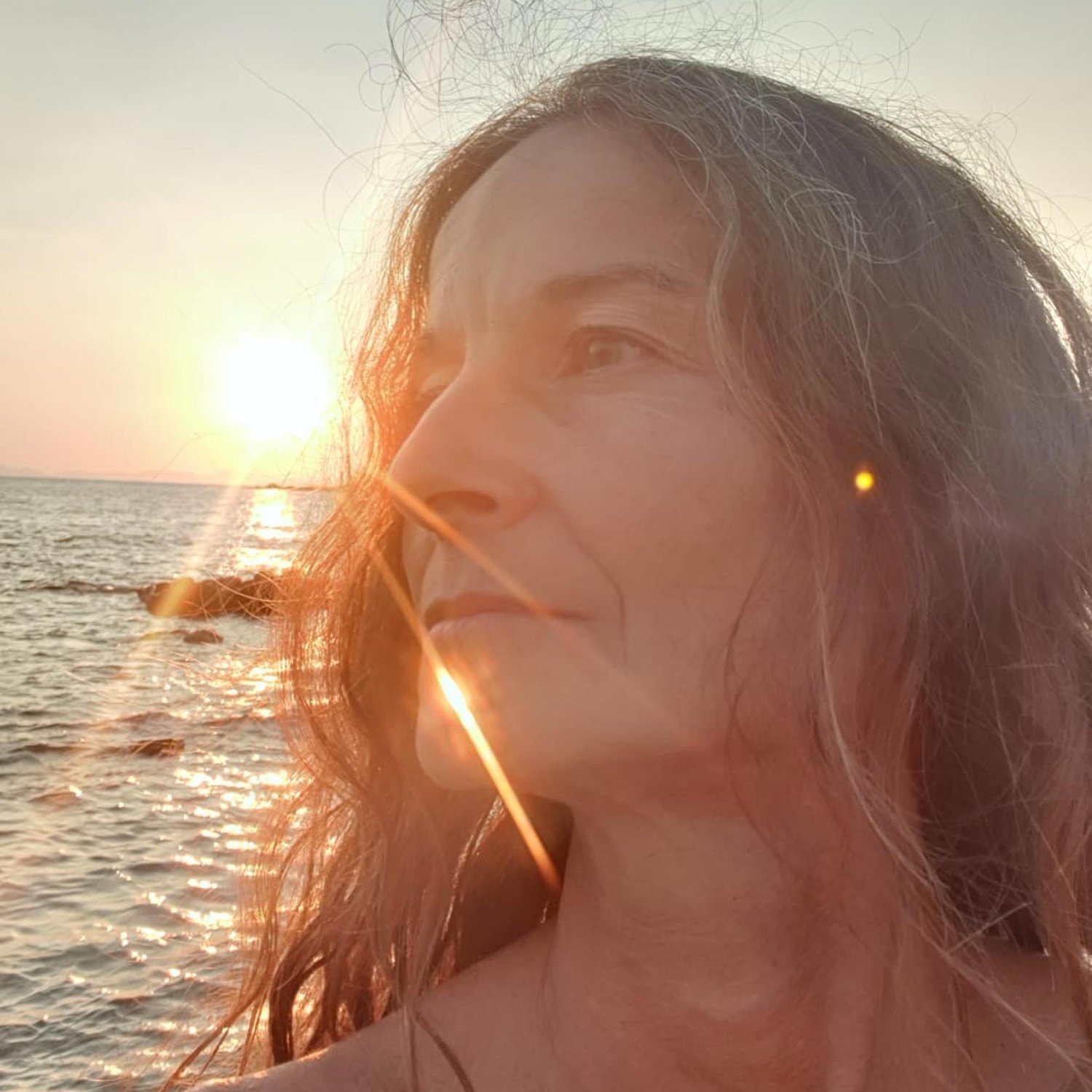
Literature, Humanities & Sustainability: PAOLA SPINOZZI - Coordinator, Phd Programme, Environmental Sustainability & Wellbeing, UNIFE
How can we create positive change? What does it mean to have an ecological mind? How can interdisciplinary collaborations help us move beyond educational silos and create sustainable futures?Paola Spinozzi is Professor of English Literature at the University of Ferrara and currently serves as Pro-Vice-Chancellor for Internationalisation. She is the coordinator of the PhD Programme in Environmental Sustainability and Wellbeing and the co-coordinator of Routes towards Sustainability. Her research encompasses the ecological humanities and ecocriticism, utopia and sustainability; literature and the visual arts; literature and science; cultural memory. She has co-edited Cultures of Sustainability and Wellbeing: Theories, Histories and Policies and published on post/apocalyptic and climate fiction, nature poetry, eco-theatre; art and aesthetics, imperialism and evolutionism in utopia as a genre; the writing of science; interart creativity."I started as a scholar of English literature in particular. And then I realized I didn't like boundaries. I've always tried to explore other domains and areas of knowledge. So I moved on to the relationship between literature and science because what has always fascinated me is how science is written, circulated, and understood and how science is popularized and narrativized. The Role of Utopian Studies in Sustainability led me straight to sustainability and to envision possible future societies. For example, the sciences and the humanities coexist and thrive on and sustain each other. And if you think about the best or the worst possible futures, then after a while, you come to think about whether futures may be sustainable or not. More importantly, we should try to envision ways of living in the future that may be acceptable and, above all, enjoyable for everyone."https://docente.unife.it/paola.spinozzi https://www.unife.it/studenti/dottorato/it/corsi/riforma/environmental-sustainability-and-wellbeinghttps://www.routesnetwork.net https://www.routledge.com/Cultures-of-Sustainability-and-Wellbeing-Theories-Histories-and-Policies/Spinozzi-Mazzanti/p/book/9780367271190.www.creativeprocess.infowww.oneplanetpodcast.orgIG www.instagram.com/creativeprocesspodcast

Seeing the Life of Jesus through the eyes of his Mother: MACIEJ HEN - Award-winning Author & Filmmaker
How would the life of Jesus be told through the eyes of his mother? How can literature help us understand history and the nature of identity? Maciej Hen was born in 1955 in Warsaw. He graduated from the Cinematography Department at the Film School in Łódź. For years he has been trying his hand at diverse activities, from music to all fields of journalism and television lighting design. As a prose writer, Hen has published four novels so far: Według niej (2004, DUE; the English translation, According to Her, published in 2022 by Holland House Books, was shortlisted to the EBRD Literary Prize in 2023), Solfatara (2015, W.A.B., 2016 Gombrowicz Prize and shortlisted for the Norwid Prize and the Angelus Prize), Deutsch dla średnio zaawansowanych, Segretario and one non-fiction book, Beatlesi w Polsce (The Beatles in Poland)."Polish intellectuals, artists, and writers are still in that never-ending argument on Polish history in terms of why Poland lost its independence after being some kind of empire and what the injustices and historical harms were. The traumas of World War II and the period before WWII, the Communist period, and everything of that nature are topics of argument that are really present in Polish culture, creativity, and literature. On the other hand, contemporary Polish literature is very much form-oriented, not so much content-oriented, except for some topics focusing on the peasant background of the society or discussing injustices the peasant class suffered, and that's it. But generally, contemporary Polish literature is very much language-oriented. There is a race towards experimentalism to be observed. And I, quite frankly, try to be beyond all of that because I'm a content-oriented type of writer. Of course, the language issues are important for me, too, but not dominant."https://en.wikipedia.org/wiki/Maciej_Henwww.hhousebooks.com/shortlisted-ebrd-according-to-herwww.wydawnictwoliterackie.pl/autor/1271/maciej-henhttps://www.instagram.com/maciej.hen/www.facebook.com/profile.php?id=100064871385361www.creativeprocess.info www.oneplanetpodcast.org IG www.instagram.com/creativeprocesspodcast

The Art of Bringing Stories to Life - Highlights - LISA EDELSTEIN
"My favorite teacher was in second grade. I had a teacher named Mrs. Abo who let me write all my homework assignments in rhyme. And it was like such a simple thing. I asked her if I could write all my homework assignments in rhyme. And she said, "Absolutely!" And she gave me permission to be wildly creative while still doing my work. And little moments like that can really change a kid's life. And I lobbied with this group called the Creative Coalition. We went and lobbied in DC to really fight for the arts being added to the STEM programs to make them STEAM programs because they're so interconnected. It's creative imagination that got us to the moon. It's science fiction stories that are getting us to Mars. It's like that. You know, playing the piano helps you in math. It's all part of the beautiful development of the brain, and it helps so much for learning other things."From her role as Dr. Lisa Cuddy on the hit Fox series House M.D, to her starring role as Abby McCarthy in Bravo's first scripted series Girlfriend's Guide to Divorce, Lisa Edelstein's range of roles are as diverse talent. Some of Edelstein's feature credits include Keeping the Faith, What Women Want, Daddy Daycare, As Good as It Gets, and Fathers and Sons. She played a Holocaust survivor and adopted mother in the drama television series Little Bird. The story centres on a First Nations woman who was adopted into a Jewish family during the Sixties Scoop, as she attempts to reconnect with her birth family and heritage.Lisa’s career began by writing, composing, and performing an original AIDS awareness musical Positive Me at the renowned La Mama Experimental Theater Club in New York City. In the wake of COVID, Lisa began to paint using old family photographs as starting points. Her incredibly detailed paintings capture intimate relationships and spontaneous moments with honesty and compassion.https://lisaedelstein.komi.io/www.lisaedelsteinpaintings.com/www.imdb.com/name/nm0249046www.creativeprocess.infowww.oneplanetpodcast.orgIG www.instagram.com/creativeprocesspodcastArtworks:“Beach Day”, “Marsha”, “Karen” Courtesy of the ArtistLisa Edelstein in the StudioPhoto credit: Holland Clement, Courtesy of the artist
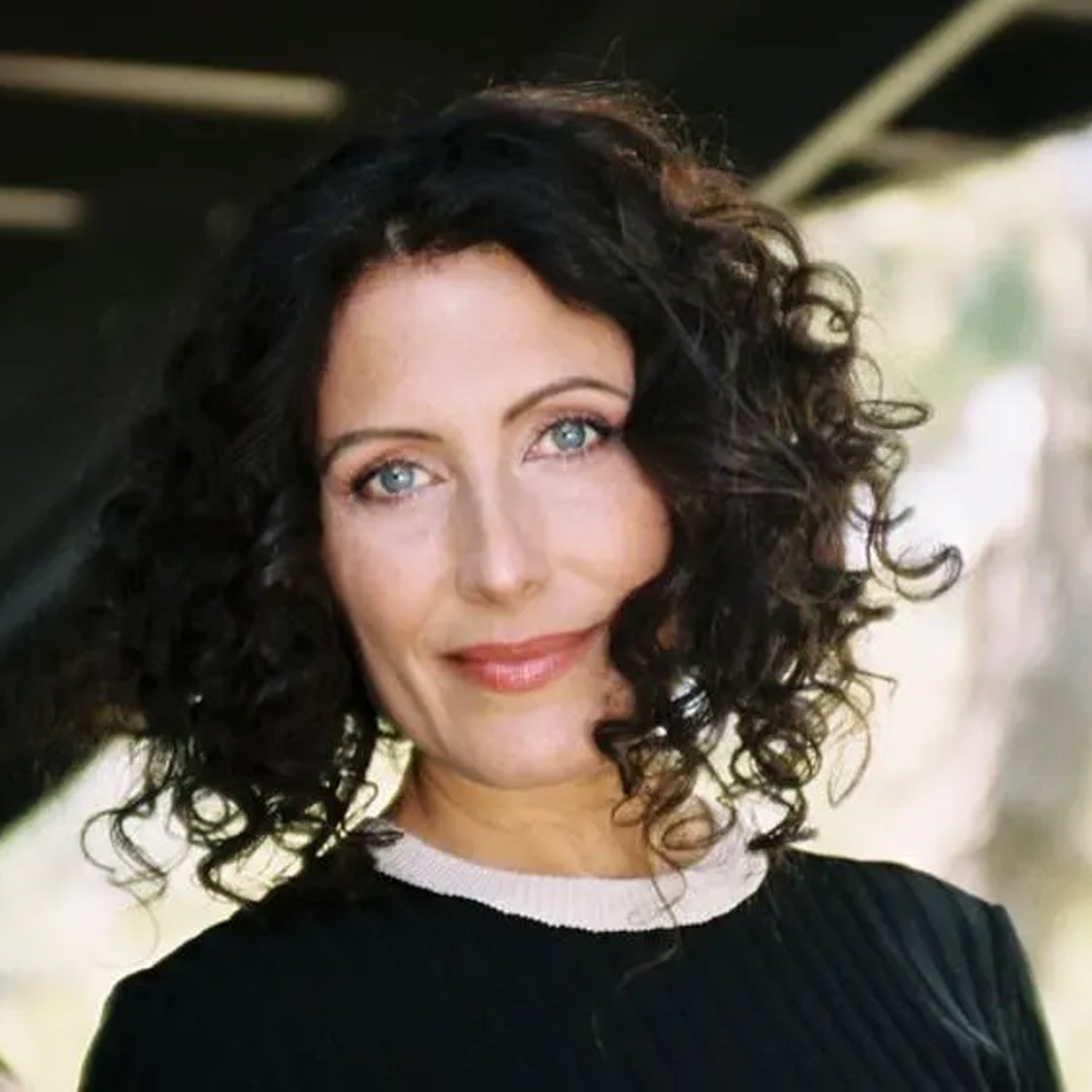
LISA EDELSTEIN - From Acting to Directing, Writing & Visual Art
How can the arts help us examine and engage with social issues? How do our families shape our views, memories, and experience of the world?From her role as Dr. Lisa Cuddy on the hit Fox series House, to her starring role as Abby McCarthy in Bravo's first scripted series Girlfriend's Guide to Divorce, Lisa Edelstein's range of roles are as diverse talent. Some of Edelstein's feature credits include Keeping the Faith, What Women Want, Daddy Daycare, As Good as It Gets, and Fathers and Sons. She played a Holocaust survivor and adopted mother in the drama television series Little Bird. The story centres on a First Nations woman who was adopted into a Jewish family during the Sixties Scoop, as she attempts to reconnect with her birth family and heritage.Lisa’s career began by writing, composing, and performing an original AIDS awareness musical Positive Me at the renowned La Mama Experimental Theater Club in New York City. In the wake of COVID, Lisa began to paint using old family photographs as starting points. Her incredibly detailed paintings capture intimate relationships and spontaneous moments with honesty and compassion."My favorite teacher was in second grade. I had a teacher named Mrs. Abo who let me write all my homework assignments in rhyme. And it was like such a simple thing. I asked her if I could write all my homework assignments in rhyme. And she said, "Absolutely!" And she gave me permission to be wildly creative while still doing my work. And little moments like that can really change a kid's life. And I lobbied with this group called the Creative Coalition. We went and lobbied in DC to really fight for the arts being added to the STEM programs to make them STEAM programs because they're so interconnected. It's creative imagination that got us to the moon. It's science fiction stories that are getting us to Mars. It's like that. You know, playing the piano helps you in math. It's all part of the beautiful development of the brain, and it helps so much for learning other things."https://lisaedelstein.komi.io/www.lisaedelsteinpaintings.com/www.imdb.com/name/nm0249046www.creativeprocess.info www.oneplanetpodcast.orgIG www.instagram.com/creativeprocesspodcastPhoto credit: Mitch StoneCourtesy of the artist

What does the future hold for our late-stage capitalist society with mega-corps controlling everything? - Highlights - KYLE HIGGINS, KARINA MANASHIL & KID CUDI
“So the feeling that we've essentially been priced out of the life that we were supposed to lead. So, we were all taught to put our heads down, go to school, and get a job. You're going to afford a family, a house, kids, all the things that your parents had, you're going to have if you just follow the same path. But none of the things that were promised has a path. So the collective majority who grew up on technology and have no problem living inside of it are saying [of AI]: Hey, can this thing save me? Can I find my out?”Karina Manashil is the President of MAD SOLAR. After graduating from Chapman University with a BFA in Film Production, she began her career in the mailroom at WME where she became a Talent Agent. In 2020, she partnered with Scott Mescudi and Dennis Cummings to found MAD SOLAR. Its first release was the documentary “A Man Named Scott” (Amazon), and she then went on to Executive Produce Ti West trilogy “X,” “Pearl” and “MaXXXine” (A24). Manashil received an Emmy nomination as an Executive Producer on the Netflix animated event “Entergalactic." She also produced the Mescudi/Kyle Higgins comic book “Moon Man” which launched through Image Comics. She is next producing the upcoming Mescudi/Sam Levinson/The Lucas Bros film “HELL NAW” (Sony) and the animated feature “Slime” from auteur animator Jeron Braxton.Kyle Higgins is an Eisner award-nominated #1 New York Times best-selling comic book author and award-winning filmmaker known for his work on DC Comics’ Batman titles as well as his critically-acclaimed reinventions of Mighty Morphin Power Rangers for Boom! Studios/Hasbro, Ultraman for Marvel Comics, and his creator-owned series Radiant Black, NO/ONE and Deep Cuts for Image Comics. Kyle is the founder and creative director of Black Market Narrative and The Massive-Verse.moonmancomics.com https://imagecomics.comhttps://www.imdb.com/name/nm3556462/?ref_=fn_al_nm_1www.creativeprocess.infowww.oneplanetpodcast.orgIG www.instagram.com/creativeprocesspodcastAudio of Scott Mescudi courtesy of Mad Solar and Moon Man Comic Book Release and Revenge Of (Eagle Rock, CA, Jan 31, 2024)

Comics, Music, Ethics & AI: KYLE HIGGINS, KARINA MANASHIL & KID CUDI on the Making of Moon Man
What does the future hold for our late-stage capitalist society with mega-corporations owning and controlling everything? How can the world-building skills of the makers of films and comics help us imagine a better future?Kyle Higgins is an Eisner award-nominated #1 New York Times best-selling comic book author and award-winning filmmaker known for his work on DC Comics’ Batman titles as well as his critically-acclaimed reinventions of Mighty Morphin Power Rangers for Boom! Studios/Hasbro, Ultraman for Marvel Comics, and his creator-owned series Radiant Black, NO/ONE and Deep Cuts for Image Comics. Kyle is the founder and creative director of Black Market Narrative and The Massive-Verse.Karina Manashil is the President of MAD SOLAR. After graduating from Chapman University with a BFA in Film Production, she began her career in the mailroom at WME where she became a Talent Agent. In 2020, she partnered with Scott Mescudi and Dennis Cummings to found MAD SOLAR. Its first release was the documentary “A Man Named Scott” (Amazon), and she then went on to Executive Produce Ti West trilogy “X,” “Pearl” and “MaXXXine” (A24). Manashil received an Emmy nomination as an Executive Producer on the Netflix animated event “Entergalactic." She also produced the Mescudi/Kyle Higgins comic book “Moon Man” which launched through Image Comics. She is next producing the upcoming Mescudi/Sam Levinson/The Lucas Bros film “HELL NAW” (Sony) and the animated feature “Slime” from auteur animator Jeron Braxton.“So the feeling that we've essentially been priced out of the life that we were supposed to lead. So, we were all taught to put our heads down, go to school, and get a job. You're going to afford a family, a house, kids, all the things that your parents had, you're going to have if you just follow the same path. But none of the things that were promised has a path. So the collective majority who grew up on technology and have no problem living inside of it are saying [of AI]: Hey, can this thing save me? Can I find my out?” -Karina Manashilmoonmancomics.com https://imagecomics.comhttps://www.imdb.com/name/nm3556462/?ref_=fn_al_nm_1www.creativeprocess.infowww.oneplanetpodcast.orgIG www.instagram.com/creativeprocesspodcastAudio of Scott Mescudi courtesy of Mad Solar and Moon Man Comic Book Release and Revenge Of (Eagle Rock, CA, Jan 31, 2024)

Reshaping Our World: Climate Change, Education, Mental Health & Advocacy for Nature
"Climate change gives us a chance to re-imagine the world in a way that every single human being can participate in. And so whether you're in a remote part of the United States or some other country, when you learn about climate change, it shouldn't just be the science. It should be the opportunity." –Kathleen RogersExcerpts of interviews from One Planet Podcast & The Creative Process.Voices on this episode are:KATHLEEN ROGERSPresident of EarthDay.ORGPOORVA JOSHIPURASenior VP, PETA UK - Author of Survival at Stake: How Our Treatment of Animals is Key to Human ExistenceDAVID FENTONFounder of Fenton Communications - Author of The Activist’s Media Handbook: Lessons From 50 Years as a Progressive Agitator BRITT WRAYAuthor of Generation Dread: Finding Purpose in an Age of Climate CrisisResearcher Working on Climate Change & Mental Health, Stanford UniversityDR. FARHANA SULTANACo-author: Water Politics: Governance, Justice & the Right to WaterFmr. UNDP Programme Officer, United Nations Development ProgrammeANDRI SNÆR MAGNASON Icelandic Writer & Documentary Filmmaker Author of On Time and Water, The Casket of Time, LoveStar, Not OkTHOMAS CROWTHER Ecologist - Co-chair of the Board for UN Decade on Ecosystem Restoration - Founder of RestorDR. SHIV SOMESHWAR Fmr. European Chair for Sustainable Development & Climate Transition - Sciences PoPAULA PINHO Director of Just Transition at the European Commission Directorate-General for EnergyARMOND COHEN Executive Director of Clean Air Task ForceMAYA K. VAN ROSSUM Founder of Green Amendments For The Generations - Delaware Riverkeeper Author of The Green Amendment: The People's Fight for a Clean, Safe, and Healthy EnvironmentMax Richter’s music featured in this episode:“Spring 1” from The New Four Seasons – Vivaldi Recomposed “Vladimir’s Blues” from The Blue NotebooksMusic is courtesy of Max Richter, Universal Music Enterprises,and Mute Song.www.creativeprocess.infowww.oneplanetpodcast.orgIG www.instagram.com/creativeprocesspodcastPhoto courtesy of UnsplashPhoto credit: Valdemaras D.

Songs of Nature - Musicians, Writers, Ecologists, Philosophers on the Mysteries of the Natural World
“The natural world has its own sonic language. Its own fingerprints. And that's one of the beautiful things about being out here. There is another acoustic environment, another sort of sonic fingerprint, and it is always changing. Every day is a sort of a different sound picture. I walk out the door and you do hear it changing over time. The leaves are coming in now, different kinds of bird song. The wind sounds different. It's a wonderful thing to be around and experience.” —Max RichterExcerpts of interviews from One Planet Podcast & The Creative ProcessSY MONTGOMERYNYTimes Bestselling Author of Of Time and Turtles: Mending the World, Shell by Shattered Shell, Secrets of the Octopus, The Hawk’s Way: Encounters with Fierce Beauty, and other booksMAX RICHTERAward-winning Composer, Pianist & Environmentalist (The Blue Notebooks, Waltz with Bashir, Arrival, Ad Astra) His album SLEEP is the most streamed classical record of all time. Cofounder of Studio Richter MahrMERLIN SHELDRAKEBiologist & Bestselling Author of Entangled Life: How Fungi Make Our Worlds, Change Our Minds, and Shape Our Futures, Winner of the Wainwright Prize 2021THOMAS CROWTHEREcologist - Co-chair of the Board for UN Decade on Ecosystem Restoration - Founder of RestorTIOKASIN GHOSTHORSEFounder/Host of First Voices Radio - Master Musician of the Ancient Lakota FluteERLAND COOPERNature’s Songwriter - Composer of “Folded Landscapes”RICK BASSEnvironmentalist & Story Prize Award-winning Author of “Why I Came West”, “For a Little While” - Fmr. Geologist - Organizer of Climate Aid: The Voice of the ForestPETER SINGER“Most Influential Living Philosopher” - Author, Founder of The Life You Can SaveKATHLEEN ROGERSPresident of EarthDay.ORGwww.creativeprocess.infowww.oneplanetpodcast.orgIG www.instagram.com/creativeprocesspodcastwww.maxrichtermusic.comhttps://studiorichtermahr.comMax Richter’s music featured in this episode are “On the Nature of Daylight” from The Blue Notebooks, “Path 19: Yet Frailest” from Sleep.Music is courtesy of Max Richter, Universal Music Enterprises, and Mute Song.Photos courtesy of UnsplashPhoto credit: Kyle Johnson, Sebastian Unrau, Abner abiu Castillo diaz, Deepak Nautiyal

What are we willing to give up to find meaning & a sense of belonging? - Highlights - TARA ISABELLA BURTON
"So everyone should probably throw their smartphones in a river, myself included. And I think that it is hard. There's never going to be a version where you get the right answer, and suddenly your life falls into place, and everything's perfect. And that's not what it's supposed to be for anyway. And I think there is a tendency in self-care circles that once we solve our demons and figure out our path in life, we are in touch with the vibes of the universe. Like suddenly, we're going to be wealthy and healthy and happy and have the perfect marriage. And I think the questions of philosophical inquiry are about how to live a good life, but that's not the same thing as assuming, as so much of contemporary wellness culture assumes, that a normatively successful life will come to us by virtue of doing the right things."Tara Isabella Burton is the author of the novels Social Creature, The World Cannot Give, and Here in Avalon, as well as the nonfiction books Strange Rites: New Religions for a Godless World and Self-Made: Curating Our Image from Da Vinci to the Kardashians. She is currently working on a history of magic and modernity, to be published by Convergent in late 2025. Her fiction and nonfiction have appeared in The New York Times, National Geographic, Granta, The Washington Post, The Wall Street Journal, and other publications.www.taraisabellaburton.comwww.simonandschuster.com/books/Here-in-Avalon/Tara-Isabella-Burton/9781982170097?fbclid=IwAR30lnvlXMrDJtCq_568jUM3hvzr6yUz_GUUZSkbR2RarreOF6PMcvhabBgwww.amazon.com/dp/B07W56MQLJ/ref=sr_1_fkmr0_1?keywords=strange+rites+tara+isabella+burton&qid=1565365017&s=gateway&sr=8-1-fkmr0www.creativeprocess.infowww.oneplanetpodcast.orgIG www.instagram.com/creativeprocesspodcast

Spirituality & Selfhood: TARA ISABELLA BURTON - Author of Here in Avalon, Strange Rites: New Religions for a Godless World
What are we willing to give up to find meaning, connection, and a sense of belonging? What happens if we don't self-promote, self-create, and self-brand on social media? Will we find the right partner? Will we get into the right college? Or find the best job?"So everyone should probably throw their smartphones in a river, myself included. And I think that it is hard. There's never going to be a version where you get the right answer, and suddenly your life falls into place, and everything's perfect. And that's not what it's supposed to be for anyway. And I think there is a tendency in self-care circles that once we solve our demons and figure out our path in life, we are in touch with the vibes of the universe. Like suddenly, we're going to be wealthy and healthy and happy and have the perfect marriage. And I think the questions of philosophical inquiry are about how to live a good life, but that's not the same thing as assuming, as so much of contemporary wellness culture assumes, that a normatively successful life will come to us by virtue of doing the right things."www.taraisabellaburton.comwww.simonandschuster.com/books/Here-in-Avalon/Tara-Isabella-Burton/9781982170097?fbclid=IwAR30lnvlXMrDJtCq_568jUM3hvzr6yUz_GUUZSkbR2RarreOF6PMcvhabBgwww.amazon.com/dp/B07W56MQLJ/ref=sr_1_fkmr0_1?keywords=strange+rites+tara+isabella+burton&qid=1565365017&s=gateway&sr=8-1-fkmr0www.creativeprocess.infowww.oneplanetpodcast.orgIG www.instagram.com/creativeprocesspodcast

Climate Education: Does Healing the Planet Begin in the Classroom? - BRYCE COON - Director of Education - EarthDay.ORG
How can we better educate young people about the future & the planet? How can we address eco-anxiety while providing students with climate optimism, hope, and solutions?Bryce Coon is the Director of Education at EarthDay.ORG, a nonprofit that champions climate education for all students and is the global driving force behind Earth Day. Previously, Coon was a high school teacher for 11 years in Montgomery County, teaching economics and leading a variety of projects for students, such as a school-wide tutoring program. Throughout his teaching career, Bryce participated in international fellowships where he studied climate education and policy in Asia, Europe, and Oceania.https://www.earthday.org/campaign/climate-environmental-literacy/Planet vs. Plastics www.earthday.org Sign The Global Plastic Treaty Petition https://action.earthday.org/global-plastics-treaty Toolkits: https://www.earthday.org/our-toolkits NDC Guide for Climate Education https://www.earthday.org/wp-content/uploads/2023/11/NDC-GUIDE-Final.pdfwww.creativeprocess.infowww.oneplanetpodcast.orgIG www.instagram.com/creativeprocesspodcastPhotos courtesy of EARTHDAY.ORG

KATHLEEN ROGERS - President of EarthDay.ORG - Planet vs. Plastics Campaign 2024
How can we reimagine a world without plastic? How can we push governments and companies to admit what they know about the health impacts of plastics and change public policy?Kathleen Rogers is the President of EARTHDAY.ORG. Under her leadership, it has grown into a global year-round policy and activist organization with an international staff. She has been at the vanguard of developing campaigns and programs focused on diversifying the environmental movement, highlighted by Campaign for Communities and Billion Acts of Green. Prior to her work at EARTHDAY.ORG, Kathleen held senior positions with the National Audubon Society, the Environmental Law Institute, and two U.S. Olympic Organizing Committees. She’s a graduate of the University of California at Davis School of Law, where she served as editor-in-chief of the law review and clerked in the United States District Court for the District of Columbia. EARTHDAY.ORG’s 2024 theme, Planet vs. Plastics, calls to advocate for widespread awareness of the health risks of plastics, rapidly phase out all single-use plastics, urgently push for a strong UN Treaty on Plastic Pollution, and demand to end fast fashion. Let's build a plastic-free planet for generations to come."The world recognizes that plastics have imperiled our future. Many environmentalists, myself included, view plastics as on par with, if not worse than, climate change because we do see a little light at the end of the tunnel on climate change. Babies vs. Plastics is a collection of studies, and we particularly focused on children and babies because their bodies and brains are more impacted than adults by the 30, 000 chemicals that assault us every day.We have histories littered with dozens of stories and court cases of malfeasance where companies knew for years before we, the public, did about the impacts. Climate change is a perfect example because we know Exxon scientists knew in 1957 that burning fossil fuels was creating climate change and that eventually, the temperature of the planet would heat up, and they hid it from us for 50-plus years. And more and more reports are coming out every day about what companies and some governments know. Tobacco companies knew tobacco caused cancer for decades before our scientists did. And so we have the same problem with plastics.”Planet vs. Plastics www.earthday.org Sign The Global Plastic Treaty Petition https://action.earthday.org/global-plastics-treaty Toolkits: https://www.earthday.org/our-toolkits NDC Guide for Climate Education https://www.earthday.org/wp-content/uploads/2023/11/NDC-GUIDE-Final.pdfwww.creativeprocess.infowww.oneplanetpodcast.orgIG www.instagram.com/creativeprocesspodcastPhotos courtesy of EARTHDAY.ORG

The Unseen Invasion of Microplastics in Our Lives - KATHLEEN ROGERS - President of EarthDay.ORG
Microplastics and nanoplastic pollution are currently blanketing the planet. They are in the air we breathe, the food we eat, and the water we drink, infiltrating our bodies and even brains and human embryos. Coca-Cola alone sells 100 billion+ single-use plastic bottles each year, ending up in landfills and the ocean. Earth’s population will reach 9.8 billion people by 2050. Two-thirds of humans will become city dwellers. Our waste will drive a mounting worldwide crisis.Highlights from our interview with Kathleen Rogers, the President of EarthDay.org. The full episode will be published next week.Planet vs. Plastics Sign The Global Plastic Treaty Petition www.creativeprocess.infowww.oneplanetpodcast.orgIG www.instagram.com/creativeprocesspodcast

How does knowing a second language increase your creativity & humanity? - Highlights - ALAN POUL
"I feel like I'm always telling young people, I know you want to make your own films, and I know you think you know everything. And that's one way to do it is to take an iPhone and just make a terrible first feature and then learn as you go. But I'm such a believer in mentorship. And when you have the time when you're young, find people that you admire and put yourselves in their orbit and just absorb and it will serve you so well later in life. I think all great work comes from the need to say something. And so this is the challenge for young artists and also maybe one of the essential elements that can never be completely taken over by AI because there has to be something you feel has not been said, and you feel an urgent need to say it. In fact, you can't not say it. That need to express is what gives birth to unique expression, which is where all of our visual, performance, and creative arts come from."Alan Poul is an Emmy, Golden Globe, DGA, and Peabody Award-winning producer and director of film and television. He is Executive Producer and Director on the Max Original drama series Tokyo Vice, written by Tony Award-winning playwright J.T. Rogers and starring Ansel Elgort and Ken Watanabe, as an American journalist in Japan and his police detective mentor. Poul is perhaps best known for producing all five seasons of HBO's Six Feet Under, all four of Armistead Maupin's Tales of the City miniseries, My So-Called Life, The Newsroom, Swingtown, and The Eddy, which he developed with director Damien Chazelle. His feature film producing credits include Paul Schrader's Mishima and Light of Day, and Ridley Scott's Black Rain.https://www.imdb.com/name/nm0693561 https://www.imdb.com/title/tt2887954/www.creativeprocess.info www.oneplanetpodcast.orgIG www.instagram.com/creativeprocesspodcast

ALAN POUL - Emmy & Golden Globe-winning Producer/Director - Tokyo Vice - Six Feet Under - Tales of the City - My So-Called Life
What does learning another language and living in another culture do for your humanity and creative process?Alan Poul is an Emmy, Golden Globe, DGA, and Peabody Award-winning producer and director of film and television. He is Executive Producer and Director on the Max Original drama series Tokyo Vice, written by Tony Award-winning playwright J.T. Rogers and starring Ansel Elgort and Ken Watanabe, as an American journalist in Japan and his police detective mentor. Poul is perhaps best known for producing all five seasons of HBO's Six Feet Under, all four of Armistead Maupin's Tales of the City miniseries, My So-Called Life, The Newsroom, Swingtown, and The Eddy, which he developed with director Damien Chazelle. His feature film producing credits include Paul Schrader's Mishima and Light of Day, and Ridley Scott's Black Rain."I feel like I'm always telling young people, I know you want to make your own films, and I know you think you know everything. And that's one way to do it is to take an iPhone and just make a terrible first feature and then learn as you go. But I'm such a believer in mentorship. And when you have the time when you're young, find people that you admire and put yourselves in their orbit and just absorb and it will serve you so well later in life. I think all great work comes from the need to say something. And so this is the challenge for young artists and also maybe one of the essential elements that can never be completely taken over by AI because there has to be something you feel has not been said, and you feel an urgent need to say it. In fact, you can't not say it. That need to express is what gives birth to unique expression, which is where all of our visual, performance, and creative arts come from."https://www.imdb.com/name/nm0693561 https://www.imdb.com/title/tt2887954/www.creativeprocess.info www.oneplanetpodcast.org IG www.instagram.com/creativeprocesspodcast

Forty Years in Hollywood - Highlights - ED ZWICK
"I went to film school, But at the end of two years, I think you've only begun the learning. I think it's very hard in school, and particularly in graduate school, to take in all that's coming at you because you're being barraged with information, and you're trying to listen, and you're trying to internalize. At the same time, you're very anxious, and you're very fervent, but you're also furtive about what can I do and how do I get ahead and how do I do this?And I think those things are in contradiction, and what happens After you get out of school, as you begin to try to put into practice some of those things that they've been talking about, especially as you try and fail, unbelievably important to have somebody there with you or on off whom you can bounce ideas.And notions or with whom you can analyze the thing that someone else has done, or you can analyze your own failures. It's a kind of continuing education that happens with a collaborator that as you grow, he grows. You grow together, and you have an observation about something, or he does, and you begin to work, and then you. It was never our intention to work. Our intention was just as friends. It never became about my idea or his idea, but it was the creation of a third idea that somehow evolved."Ed Zwick is a writer, director, and producer who's been active in the film industry for over 40 years. He has been nominated for two Golden Globes for directing the films Glory and Legends of the Fall and received an Academy Award as one of the producers of Shakespeare in Love. Zwick continues to work with his longtime friend and partner, Marshall Herskovitz, at their company Bedford Falls, where they created the widely loved TV show Thirtysomething. His memoir Hits, Flops, and Other Illusions details many of his greatest experiences in the film industry. www.simonandschuster.com/authors/Ed-Zwick/212290077https://www.imdb.com/name/nm0001880/www.creativeprocess.info www.oneplanetpodcast.orgIG www.instagram.com/creativeprocesspodcast
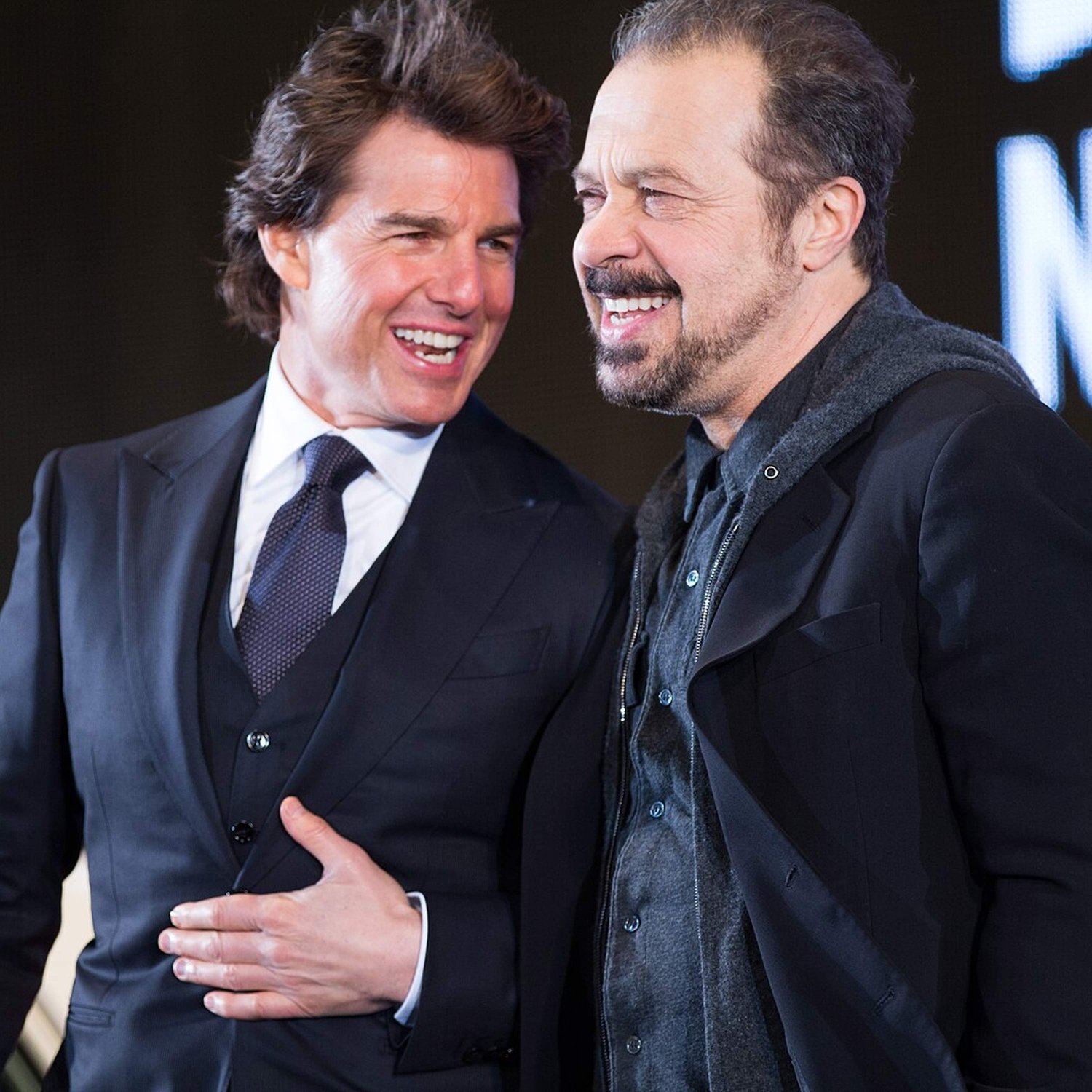
ED ZWICK - Academy Award-winning Writer, Director & Producer - Glory, The Last Samurai, Shakespeare in Love, Thirtysomething
Ed Zwick is a writer, director, and producer who's been active in the film industry for over 40 years. He has been nominated for two Golden Globes for directing the films Glory and Legends of the Fall and received an Academy Award as one of the producers of Shakespeare in Love. Zwick continues to work with his longtime friend and partner, Marshall Herskovitz, at their company Bedford Falls, where they created the widely loved TV show Thirtysomething. His memoir Hits, Flops, and Other Illusions details many of his greatest experiences in the film industry. "I went to film school, But at the end of two years, I think you've only begun the learning. I think it's very hard in school, and particularly in graduate school, to take in all that's coming at you because you're being barraged with information, and you're trying to listen, and you're trying to internalize. At the same time, you're very anxious, and you're very fervent, but you're also furtive about what can I do and how do I get ahead and how do I do this?And I think those things are in contradiction, and what happens After you get out of school, as you begin to try to put into practice some of those things that they've been talking about, especially as you try and fail, unbelievably important to have somebody there with you or on off whom you can bounce ideas.And notions or with whom you can analyze the thing that someone else has done, or you can analyze your own failures. It's a kind of continuing education that happens with a collaborator that as you grow, he grows. You grow together, and you have an observation about something, or he does, and you begin to work, and then you. It was never our intention to work. Our intention was just as friends. It never became about my idea or his idea, but it was the creation of a third idea that somehow evolved."www.simonandschuster.com/authors/Ed-Zwick/212290077https://www.imdb.com/name/nm0001880/www.creativeprocess.info www.oneplanetpodcast.orgIG www.instagram.com/creativeprocesspodcastImage Courtesy of Dick Thomas JohnsonCreative Commons 2.0
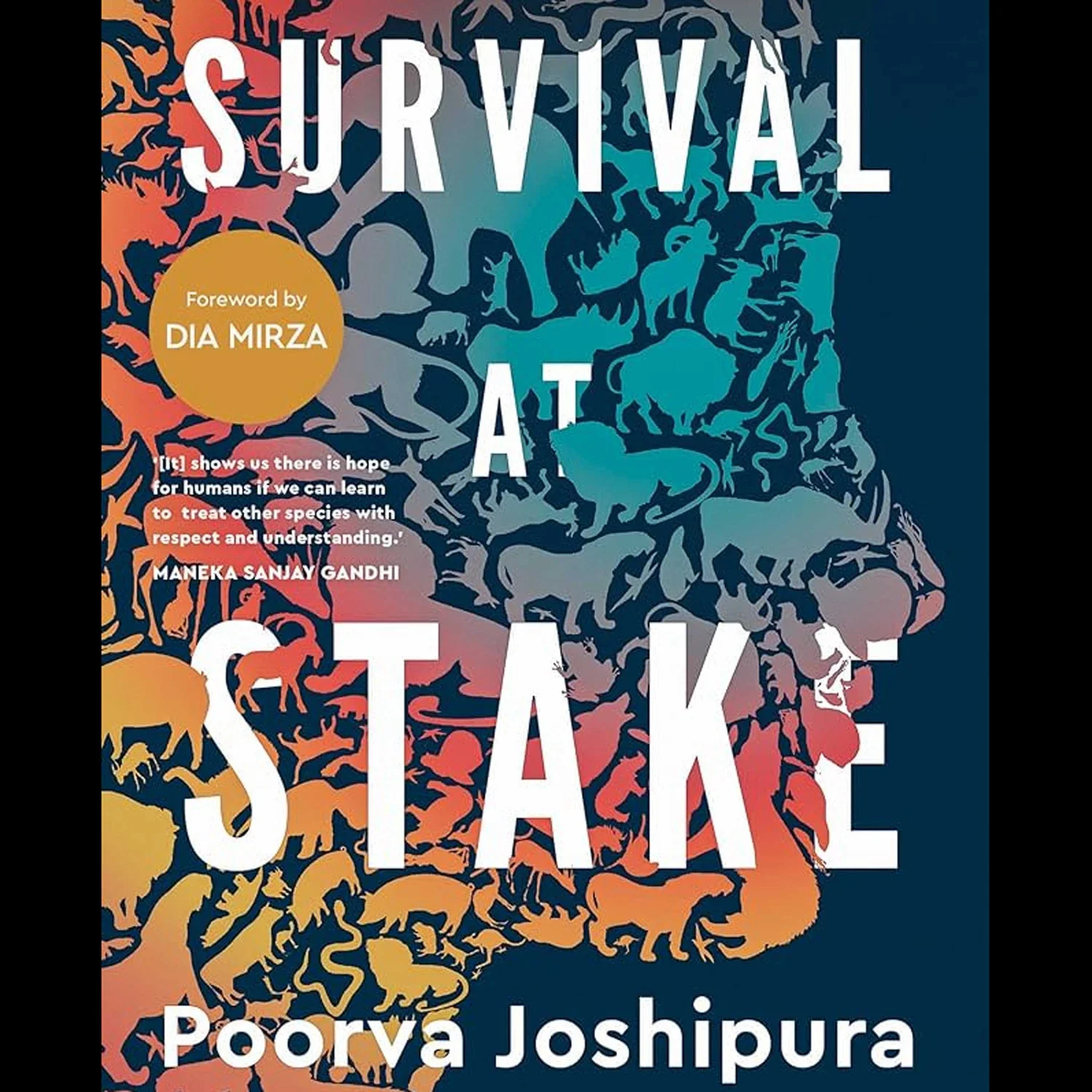
How can we improve animal-human relationships? - Highlights - POORVA JOSHIPURA
“I would go back to that very simple thing of treating animals the way that you would like to be treated. And I know that humane education is becoming a more welcome subject or way of teaching in schools. And I definitely think we need more of that where it's not just you go to school and learn about maths and science and history and so on, but you learn about those subjects within the realm of real-life issues and real-life problems.I wrote Survival at Stake because I've been working in animal rights for nearly the past 25 years. Throughout that time, one common question has been asked: Well, shouldn't we deal with human issues first. But animal rights are human rights. Animal rights is environmentalism. These things are not distinct. And that's the point I was really trying to make in my book. I was inspired to write it because of the COVID-19 crisis. It just brings us back to the point of why it is so important to teach people, young people, and young men the importance of being kind to everyone, animals included. If you teach them that, I think the other lessons start to much more automatically transfer over.”Poorva Joshipura is PETA U.K. Senior Vice President. She is the Author of Survival at Stake: How Our Treatment of Animals is Key to Human Existence and For a Moment of Taste: How What You Eat Impacts Animals, the Planet and Your Health.https://usw2.nyl.as/t1/24/2jdwp5ogezjqb5wxg76eqfqeq/0/14474d94f4e832cd573ffc39be471e57616314b12314a26ca7dd9c2bbf559ac0www.harpercollins.com/products/for-a-moment-of-taste-poorva-joshipura?variant=39399505592354www.creativeprocess.infowww.oneplanetpodcast.orgIG www.instagram.com/creativeprocesspodcast
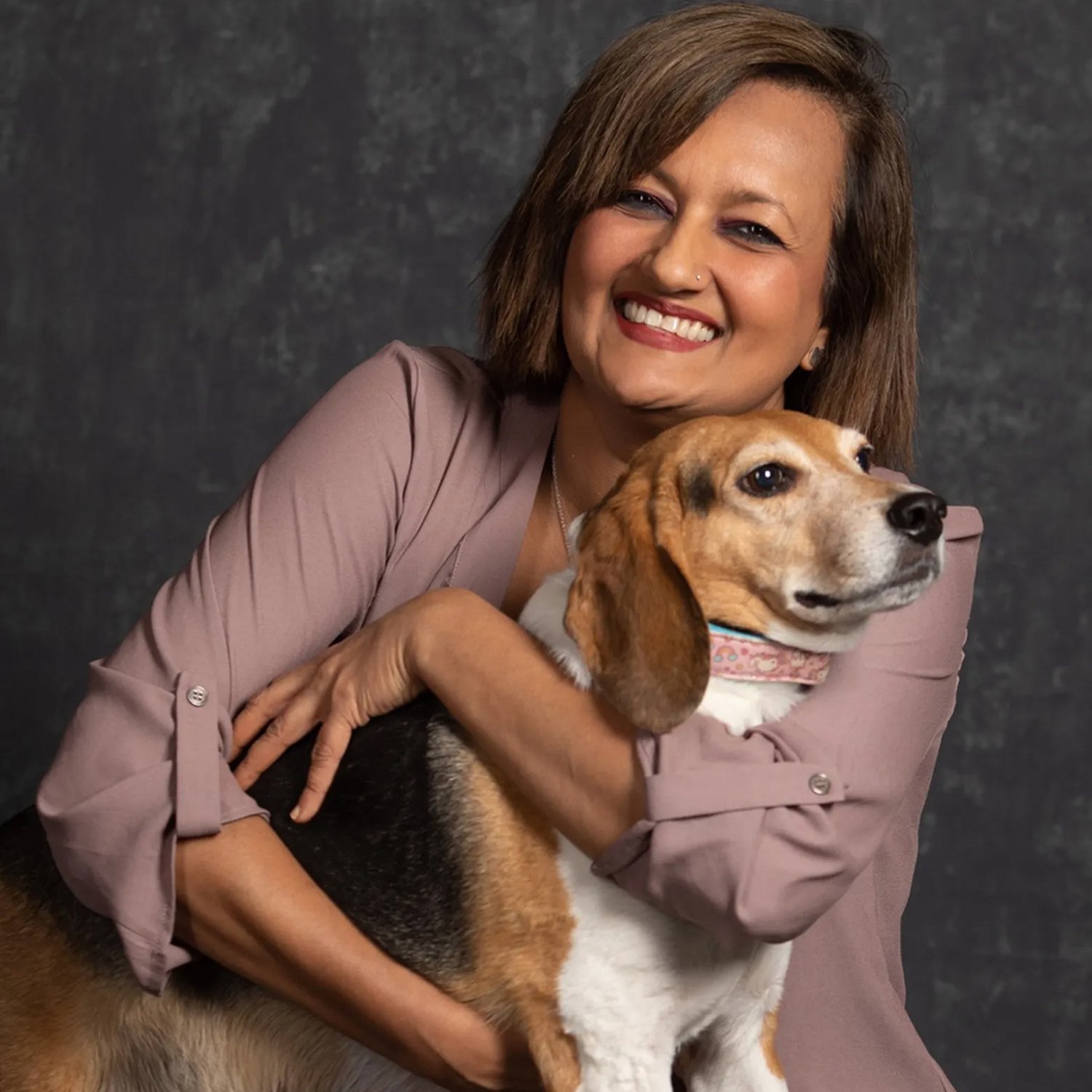
POORVA JOSHIPURA - Senior VP, PETA UK - Author of Survival at Stake: How Our Treatment of Animals is Key to Human Existence
How can we improve animal-human relationships? How can we increase our sensitivity to the other animals who share this planet with us?Poorva Joshipura is PETA U.K. Senior Vice President. She is the Author of Survival at Stake: How Our Treatment of Animals is Key to Human Existence and For a Moment of Taste: How What You Eat Impacts Animals, the Planet and Your Health.“I would go back to that very simple thing of treating animals the way that you would like to be treated. And I know that humane education is becoming a more welcome subject or way of teaching in schools. And I definitely think we need more of that where it's not just you go to school and learn about maths and science and history and so on, but you learn about those subjects within the realm of real-life issues and real-life problems.I wrote Survival at Stake because I've been working in animal rights for nearly the past 25 years. Throughout that time, one common question has been asked: Well, shouldn't we deal with human issues first. But animal rights are human rights. Animal rights is environmentalism. These things are not distinct. And that's the point I was really trying to make in my book. I was inspired to write it because of the COVID-19 crisis. It just brings us back to the point of why it is so important to teach people, young people, and young men the importance of being kind to everyone, animals included. If you teach them that, I think the other lessons start to much more automatically transfer over.”https://usw2.nyl.as/t1/24/2jdwp5ogezjqb5wxg76eqfqeq/0/14474d94f4e832cd573ffc39be471e57616314b12314a26ca7dd9c2bbf559ac0www.harpercollins.com/products/for-a-moment-of-taste-poorva-joshipura?variant=39399505592354www.creativeprocess.infowww.oneplanetpodcast.orgIG www.instagram.com/creativeprocesspodcast
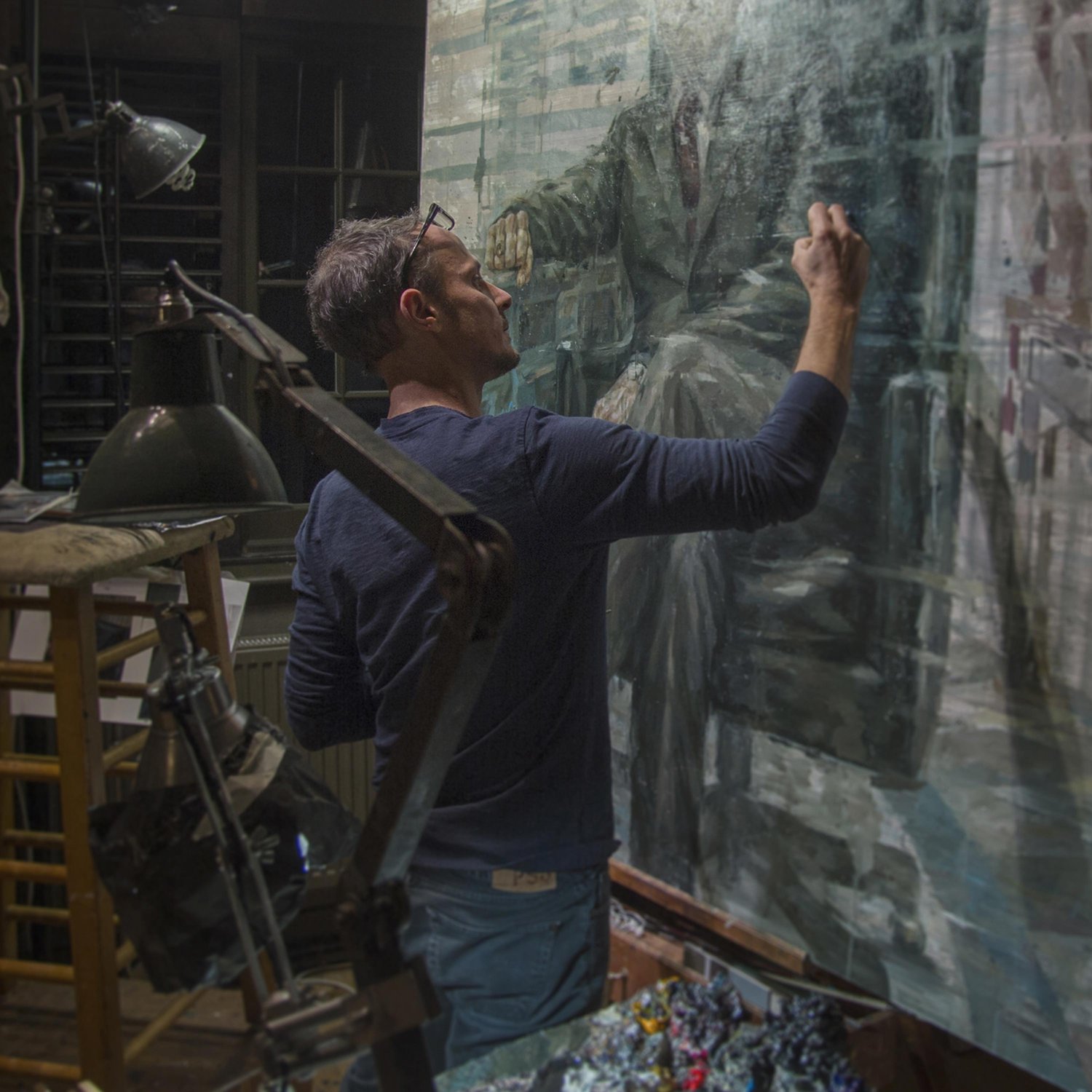
How can the arts help cultivate our intuitive intelligence? - Highlights - JONATHAN YEO
"I'm optimistic about education. There will likely be more traffic between technology and the arts. The tech world needs more creative-minded people and less literal people who have some understanding of how things work.With Jony Ive, you've got someone who designed the iPhone and was very interested in photography himself. We were talking about doing a portrait. He mentioned that he'd been fascinated by self-portraiture as a kid, so much so that when he was doing his industrial design degree, he wrote his thesis on artists' self-portraits. Fast forward a few years, and we are all taking photos every day and learning really fast how to compose images and read images and why they've been cropped in a certain way. All these things, which were probably the preserve of artists and art historians in the past, are suddenly things that kids are thinking about because it's the way they communicate with each other. So I think that that shift is interesting."Jonathan Yeo is one of the world’s leading figurative artists and portrait painters. From celebrated figures such as Sir David Attenborough, peace activist Malala Yousafzai, the Duke of Edinburgh, Nicole Kidman, and Tony Blair, sitting for a portrait with Yeo is a provisional necessity for any 21st century icon. His work, which has been exhibited in museums and galleries around the world, is the subject of several major mid-career retrospectives in the UK and internationally. Yeo’s course on portrait painting is available now on BBC Maestro.www.jonathanyeo.comwww.bbcmaestro.comwww.creativeprocess.infowww.oneplanetpodcast.orgIG www.instagram.com/creativeprocesspodcastImages courtesy of Jonathan Yeo

JONATHAN YEO - Celebrated Portrait Artist on the Importance of Connection & Intuitive Intelligence
How can the arts help cultivate our intuitive intelligence? What does visual art teach us about consciousness and the human condition? Jonathan Yeo is one of the world’s leading figurative artists and portrait painters. From celebrated figures such as Sir David Attenborough, peace activist Malala Yousafzai, the Duke of Edinburgh, Nicole Kidman, and Tony Blair, sitting for a portrait with Yeo is a provisional necessity for any 21st century icon. His work, which has been exhibited in museums and galleries around the world, is the subject of several major mid-career retrospectives in the UK and internationally. Yeo’s course on portrait painting is available now on BBC Maestro."I'm optimistic about education. There will likely be more traffic between technology and the arts. The tech world needs more creative-minded people and less literal people who have some understanding of how things work.With Jony Ive, you've got someone who designed the iPhone and was very interested in photography himself. We were talking about doing a portrait. He mentioned that he'd been fascinated by self-portraiture as a kid, so much so that when he was doing his industrial design degree, he wrote his thesis on artists' self-portraits. Fast forward a few years, and we are all taking photos every day and learning really fast how to compose images and read images and why they've been cropped in a certain way. All these things, which were probably the preserve of artists and art historians in the past, are suddenly things that kids are thinking about because it's the way they communicate with each other. So I think that that shift is interesting."www.jonathanyeo.comwww.bbcmaestro.comwww.creativeprocess.infowww.oneplanetpodcast.orgIG www.instagram.com/creativeprocesspodcastImages courtesy of Jonathan Yeo

How has our biology shaped world history? - Highlights - LEWIS DARTNELL
"It seems that a lot of education is a little bit obsessed with training students to remember facts and figures. In the modern world, when every one of us has got the total of human knowledge in our pockets, it's much less important what you can hold in your head and what you can remember because you can just look it up whenever it becomes important, and it's now how you interpret or analyze or synthesize that information and developing skills and techniques in rapidly understanding and interpreting and analyzing information and making decisions based on information. The internet has changed a huge amount about what is important to our lives and simplified many things that would have been examined on otherwise.It's in finding things out for yourself that is that deep spark of human creativity, which gives us the innovation and all the sort of creativity and designs that we can come up with. So, I think that is something that you would absolutely want to try to continue nurturing yourself."How have our psychology and cognitive biases altered the course of human history? What would you do if you had to rebuild our world from scratch?Lewis Dartnell is an author, researcher, and holds the Professorship in Science Communication at the University of Westminster. He researches astrobiology and the search for microbial life on Mars. He also works as a scientific consultant for the media and has appeared in numerous TV documentaries and radio shows. Dr. Dartnell has won several awards for his science writing and outreach work. He has published five books, including The Knowledge: How to Rebuild our World from Scratch; Origins: How the Earth Made Us; and Being Human: How Our Biology Shaped World History.http://www.lewisdartnell.comhttp://lewisdartnell.com/en-gb/2013/11/the-knowledge-how-to-rebuild-our-world-from-scratchwww.penguin.co.uk/books/433955/origins-by-lewis-dartnell/9781784705435www.penguin.co.uk/books/442759/being-human-by-dartnell-lewis/9781847926708www.creativeprocess.info www.oneplanetpodcast.org IG www.instagram.com/creativeprocesspodcastPhoto credit: Shortlist/Paul Stuart
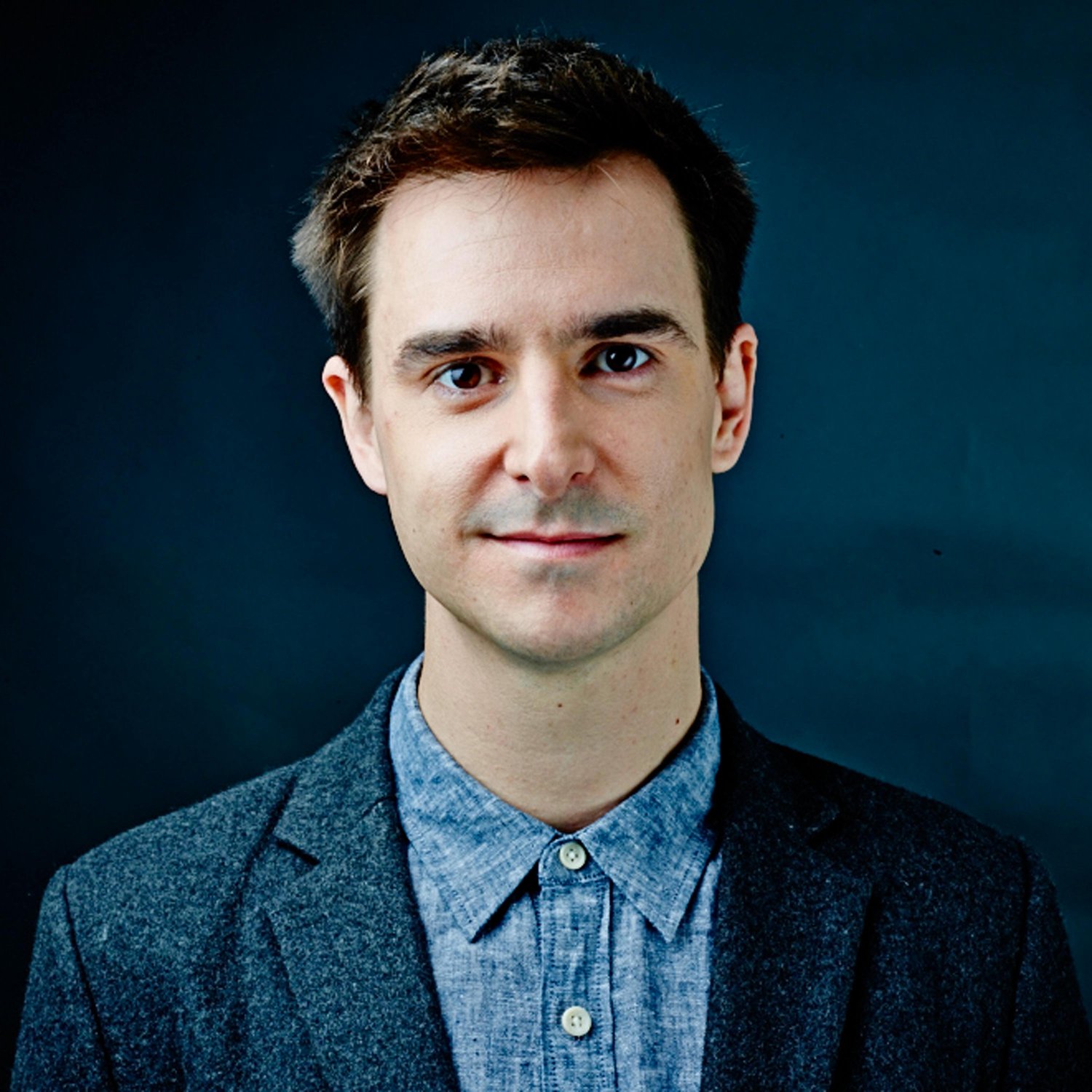
LEWIS DARTNELL - Author of Origins: How the Earth Made Us & Being Human: How Our Biology Shaped World History
How have our psychology and cognitive biases altered the course of human history? What would you do if you had to rebuild our world from scratch?Lewis Dartnell is an author, researcher, and holds the Professorship in Science Communication at the University of Westminster. He researches astrobiology and the search for microbial life on Mars. He also works as a scientific consultant for the media and has appeared in numerous TV documentaries and radio shows. Dr. Dartnell has won several awards for his science writing and outreach work. He has published five books, including The Knowledge: How to Rebuild our World from Scratch; Origins: How the Earth Made Us; and Being Human: How Our Biology Shaped World History."It seems that a lot of education is a little bit obsessed with training students to remember facts and figures. In the modern world, when every one of us has got the total of human knowledge in our pockets, it's much less important what you can hold in your head and what you can remember because you can just look it up whenever it becomes important, and it's now how you interpret or analyze or synthesize that information and developing skills and techniques in rapidly understanding and interpreting and analyzing information and making decisions based on information. The internet has changed a huge amount about what is important to our lives and simplified many things that would have been examined on otherwise.It's in finding things out for yourself that is that deep spark of human creativity, which gives us the innovation and all the sort of creativity and designs that we can come up with. So, I think that is something that you would absolutely want to try to continue nurturing yourself."http://www.lewisdartnell.comhttp://lewisdartnell.com/en-gb/2013/11/the-knowledge-how-to-rebuild-our-world-from-scratchwww.penguin.co.uk/books/433955/origins-by-lewis-dartnell/9781784705435www.penguin.co.uk/books/442759/being-human-by-dartnell-lewis/9781847926708www.creativeprocess.info www.oneplanetpodcast.org IG www.instagram.com/creativeprocesspodcastPhoto credit: Shortlist/Paul Stuart

How can we develop AI systems that are more respectful, ethical, and sustainable? - Highlights - DR. SASHA LUCCIONI
“I think it's kind of important to think about the fact that originally, neural networks were inspired by neurons, really by our brains, but fundamentally, brains are really different than AI models, currently. Brains are quite efficient. For example, we won't be using all of our neurons all the time. If we're recognizing a face, or if we're speaking, or if we're drawing, or if we're watching a movie, or reading a book, there are different zones. And I think that that's kind of the core of the issue because whereas we can kind of use a portion of our brain, depending on the activity, neural networks don't have that built-in efficiency.”What are the pros and cons of AI’s integration into our institutions, political systems, culture, and society? How can we develop AI systems that are more respectful, ethical, and sustainable?Dr. Sasha Luccioni is a leading scientist at the nexus of artificial intelligence, ethics, and sustainability, with a Ph.D. in AI and a decade of research and industry expertise. She spearheads research, consults, and utilizes capacity-building to elevate the sustainability of AI systems. As a founding member of Climate Change AI (CCAI) and a board member of Women in Machine Learning (WiML), Sasha is passionate about catalyzing impactful change, organizing events, and serving as a mentor to under-represented minorities within the AI community. She is an AI Researcher & Climate Lead at Hugging Face, an open-source hub for machine learning and natural language processing.https://www.sashaluccioni.comhttps://huggingface.co/http://www.climatechange.aihttps://wimlworkshop.org
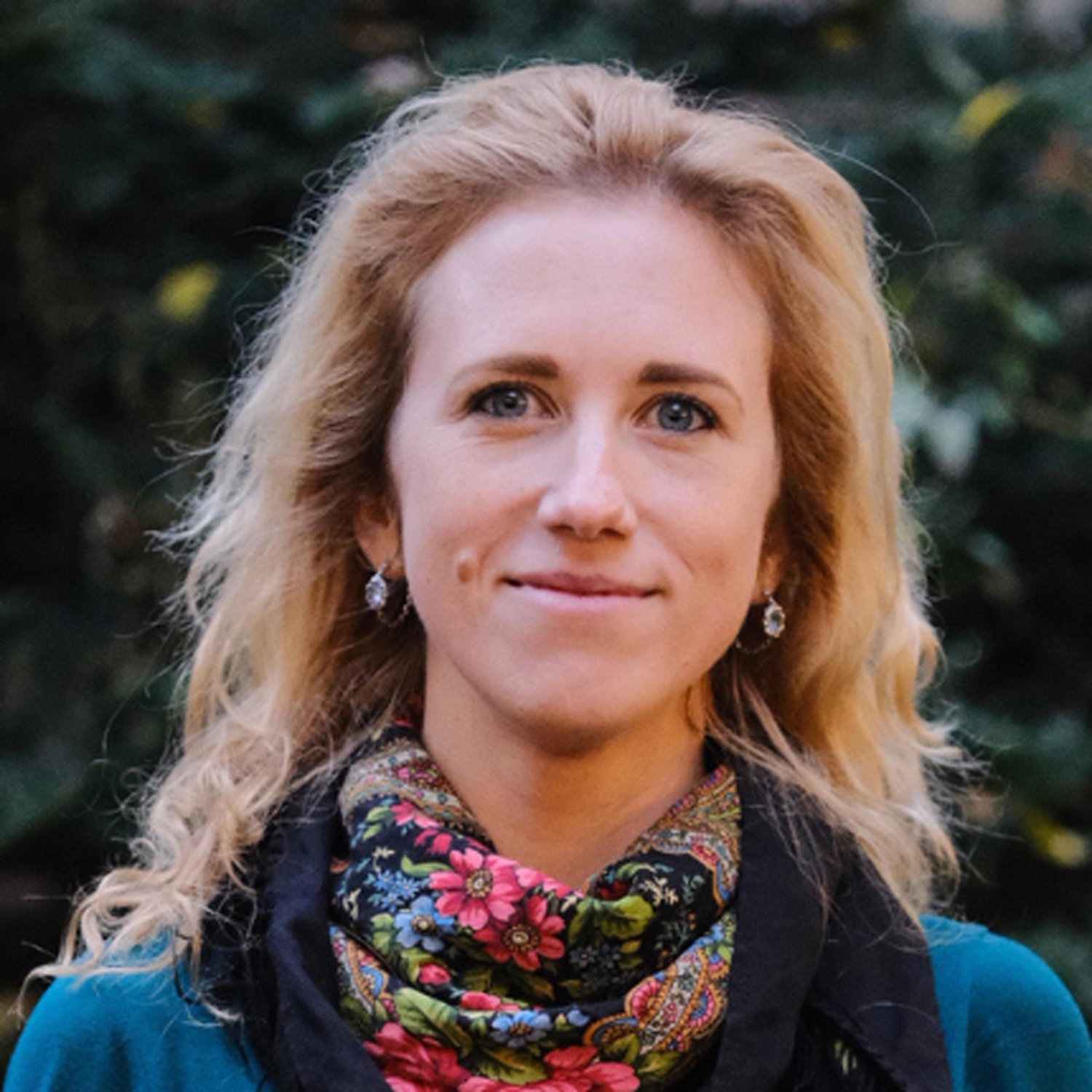
DR. SASHA LUCCIONI - Founding Member Climate Change AI - Climate Lead & AI Researcher - Hugging Face
What are the pros and cons of AI’s integration into our institutions, political systems, culture, and society? How can we develop AI systems that are more respectful, ethical, and sustainable?Dr. Sasha Luccioni is a leading scientist at the nexus of artificial intelligence, ethics, and sustainability, with a Ph.D. in AI and a decade of research and industry expertise. She spearheads research, consults, and utilizes capacity-building to elevate the sustainability of AI systems. As a founding member of Climate Change AI (CCAI) and a board member of Women in Machine Learning (WiML), Sasha is passionate about catalyzing impactful change, organizing events, and serving as a mentor to under-represented minorities within the AI community. She is an AI Researcher & Climate Lead at Hugging Face, an open-source hub for machine learning and natural language processing.“I think it's kind of important to think about the fact that originally, neural networks were inspired by neurons, really by our brains, but fundamentally, brains are really different than AI models, currently. Brains are quite efficient. For example, we won't be using all of our neurons all the time. If we're recognizing a face, or if we're speaking, or if we're drawing, or if we're watching a movie, or reading a book, there are different zones. And I think that that's kind of the core of the issue because whereas we can kind of use a portion of our brain, depending on the activity, neural networks don't have that built-in efficiency.”https://www.sashaluccioni.comhttps://huggingface.co/http://www.climatechange.aihttps://wimlworkshop.org

How can enlightened self-interest advance social equity & climate action? - Highlights - DR. SHIV SOMESHWAR
"Re-living the Memories of an Indian Forester was really a neat way of trying to tell you, the current generation, especially the youngsters, how managing forests is not just black-and-white. It's not that the governments and the state are this kind of 'evil', and then you have NGOs and communities, who are this kind of 'goody two shoes'. And how it's in the gray areas that you can actually make the most effective forest management. How do you actually bring the best of both? Because now we are so careless in the way we approach things we think we understand. And we're dismissive. We are quick to judgment. And that's one thing that I hope that in my class and the current generation really needs to be far more reflective. And not just because something doesn't gel with what they think is the right thing, is the just thing. They can't just dismiss it out of hand."How do urbanization and rural development impact communities differently? How can we make public policy and enlightened self-interest advance climate action?Dr. Shiv Someshwar is a Development Clinician, diagnosing development of cities and nation states. A Visiting Professor at Columbia University, New York and at Sciences Po, Paris, he was the founder chair-holder of the European Chair for Sustainable Development and Climate Transition at Sciences Po. He helped set up the initial national and regional networks of the global Sustainable Development Solutions Network.His publications cover a range of issues: planning, institutions and governance of sustainable development; climate change mitigation, adaptation, risks and offsets; and ecosystem management. He edited Re-living the Memories of an Indian Forester: Memoirs of S. Shyam Sunder and is presently writing The Fallacy of Evidence-Based Policy Making.He convened and chaired the Independent Task Force on Creative Climate Action. Dr. Someshwar received a Ph.D. in urban planning from the University of California, Los Angeles, and he was a Bell-MacArthur fellow at Harvard University. He has two masters’ degrees, on housing and on environmental planning, and is also trained as a professional architect. He has previously worked at the Earth Institute, Columbia University, the Rockefeller Foundation in New York, and the World Bank in Washington D.C.https://www.sciencespo.fr/psia/sites/sciencespo.fr.psia/files/ITFClimateReport_Web.pdf www.amazon.com/Reliving-Memories-Indian-Forester-Memoir/dp/9388337131www.creativeprocess.infowww.oneplanetpodcast.orgIG www.instagram.com/creativeprocesspodcast

DR. SHIV SOMESHWAR - Fmr. European Chair for Sustainable Development & Climate Transition - Sciences Po
How do urbanization and rural development impact communities differently? How can we make public policy and enlightened self-interest advance climate action?Dr. Shiv Someshwar is a Development Clinician, diagnosing development of cities and nation states. A Visiting Professor at Columbia University, New York and at Sciences Po, Paris, he was the founder chair-holder of the European Chair for Sustainable Development and Climate Transition at Sciences Po. He helped set up the initial national and regional networks of the global Sustainable Development Solutions Network.His publications cover a range of issues: planning, institutions and governance of sustainable development; climate change mitigation, adaptation, risks and offsets; and ecosystem management. He edited Re-living the Memories of an Indian Forester: Memoirs of S. Shyam Sunder and is presently writing The Fallacy of Evidence-Based Policy Making.He convened and chaired the Independent Task Force on Creative Climate Action. Dr. Someshwar received a Ph.D. in urban planning from the University of California, Los Angeles, and he was a Bell-MacArthur fellow at Harvard University. He has two masters’ degrees, on housing and on environmental planning, and is also trained as a professional architect. He has previously worked at the Earth Institute, Columbia University, the Rockefeller Foundation in New York, and the World Bank in Washington D.C."Re-living the Memories of an Indian Forester was really a neat way of trying to tell you, the current generation, especially the youngsters, how managing forests is not just black-and-white. It's not that the governments and the state are this kind of 'evil', and then you have NGOs and communities, who are this kind of 'goody two shoes'. And how it's in the gray areas that you can actually make the most effective forest management. How do you actually bring the best of both? Because now we are so careless in the way we approach things we think we understand. And we're dismissive. We are quick to judgment. And that's one thing that I hope that in my class and the current generation really needs to be far more reflective. And not just because something doesn't gel with what they think is the right thing, is the just thing. They can't just dismiss it out of hand."https://www.sciencespo.fr/psia/sites/sciencespo.fr.psia/files/ITFClimateReport_Web.pdf www.amazon.com/Reliving-Memories-Indian-Forester-Memoir/dp/9388337131www.creativeprocess.infowww.oneplanetpodcast.orgIG www.instagram.com/creativeprocesspodcast

From Ancient Wisdom to the Language of the Earth
Scientists, artists, psychologists, conservationists, and spiritual leaders share their stories and insights on the importance of connecting with nature, preserving the environment, embracing diversity, and finding harmony in the world. Music courtesy of composer Max Richter. All voices in this episode are from our interviews for The Creative Process & One Planet Podcast.00:05 Adapting to Earth: Indigenous PerspectivesTIOKASIN GHOSTHORSE - Founder/Host of First Voices Radio - Founder of Akantu Intelligencehttps://firstvoicesindigenousradio.orghttps://akantuintelligence.org01:06 The Beauty and Fragility of the Natural WorldAPRIL GORNIK - Artist, Environmentalist, Co-founder of The Church: Arts & Creativity Centerwww.aprilgornik.comwww.thechurchsagharbor.org02:01 The Importance of Whales in EcosystemsNAN HAUSER - Whale Researcher - President, Center for Cetacean Research & Conservation - Director, Cook Islands Whale Researchhttps://whaleresearch.org03:27 The Importance of Community and Collective Well-beingROBERT WALDINGER - Co-Author of The Good Life: Lessons from the World's Longest Scientific Study of Happinesshttps://www.robertwaldinger.com04:19 The Power of Love, Respect, and UnityJULIAN LENNON - Singer-songwriter, Photographer, Doc Filmmaker, Exec. Producer of the films Common Ground & Kiss the Groundhttps://julianlennon.comhttps://commongroundfilm.org05:05 The Importance of Cultural and Scientific KnowledgeRUPERT SHELDRAKE - Biologist & Author of The Science Delusion, The Presence of the Pastwww.sheldrake.org0:6:18 Mastering Confidence & Human PotentialIAN ROBERTSON - Author of How Confidence Works: The New Science of Self-belief - Co-Director of the Global Brain Health Institutehttps://ianrobertson.org07:01 The Magic of Coral ReefsGATOR HALPERN - Co-Founder & President of Coral Vita - UN Young Champion of the Earth - Forbes 30 Under 30 Social Entrepreneurhttps://coralvita.co08:06 Lessons from Ancient Trees and TundraDOUG LARSON - Biologist - Expert on Deforestation - Author of Cliff Ecology - The The Dogma Ate My Homeworkhttps://experts.uoguelph.ca/doug-larson09:36 Understanding the Flow of LifeMASTER SHI HENG YI - 35th Generation of Shaolin MastersHeadmaster of the Shaolin Temple Europewww.shihengyi.onlinewww.shaolintemple.euMax Richter’s music featured in this episode are “On the Nature of Daylight” from The Blue Notebooks, “Path 19: Yet Frailest” from Sleep.Music is courtesy of Max Richter, Universal Music Enterprises, and Mute Song.www.creativeprocess.info www.oneplanetpodcast.orgIG www.instagram.com/creativeprocesspodcast

What can thousand-year-old trees teach us about living sustainably on this planet? - Highlights - DOUG LARSON
“The first guitar I built, I took it to a friend who has a guitar business. And he looked at it and he said this instrument has the approximate shape of a guitar, but it's not a guitar. It's a piece of junk. And he was right. So, what I found is that it's thrilling, as an artist or as a scientist, to pursue something, even if you don't achieve the thing that you're pursuing but it's the attempt that expresses the humanity.”What can thousand-year-old trees teach us about living sustainably? If we want to be sustained by this planet indefinitely, we need to stop trying to suck it dry.Doug Larson is an award winning scientist, author, and Professor Emeritus of Biology at the University of Guelph. He is an expert on deforestation and regularly contributes to The Guardian and other publications. His books include Cliff Ecology: Pattern and Process in Cliff Ecosystems, The Urban Cliff Revolution: New Findings on the Origins and Evolution of Human Habitats, Storyteller Guitar, and The Dogma At My Homework.https://experts.uoguelph.ca/doug-larson https://volumesdirect.com/products/the-dogma-ate-my-homework https://www.cambridge.org/core/books/cliff-ecology/7502E52B487789BEA2CACC4553AA663Bhttps://www.amazon.com/Urban-Cliff-Revolution-Evolution-Habitats/dp/1550419927 https://www.amazon.com/Storyteller-Guitar-Doug-Larson-ebook/dp/B00B9VZQXUwww.creativeprocess.info www.oneplanetpodcast.org IG www.instagram.com/creativeprocesspodcastImage courtesy of Doug Larson
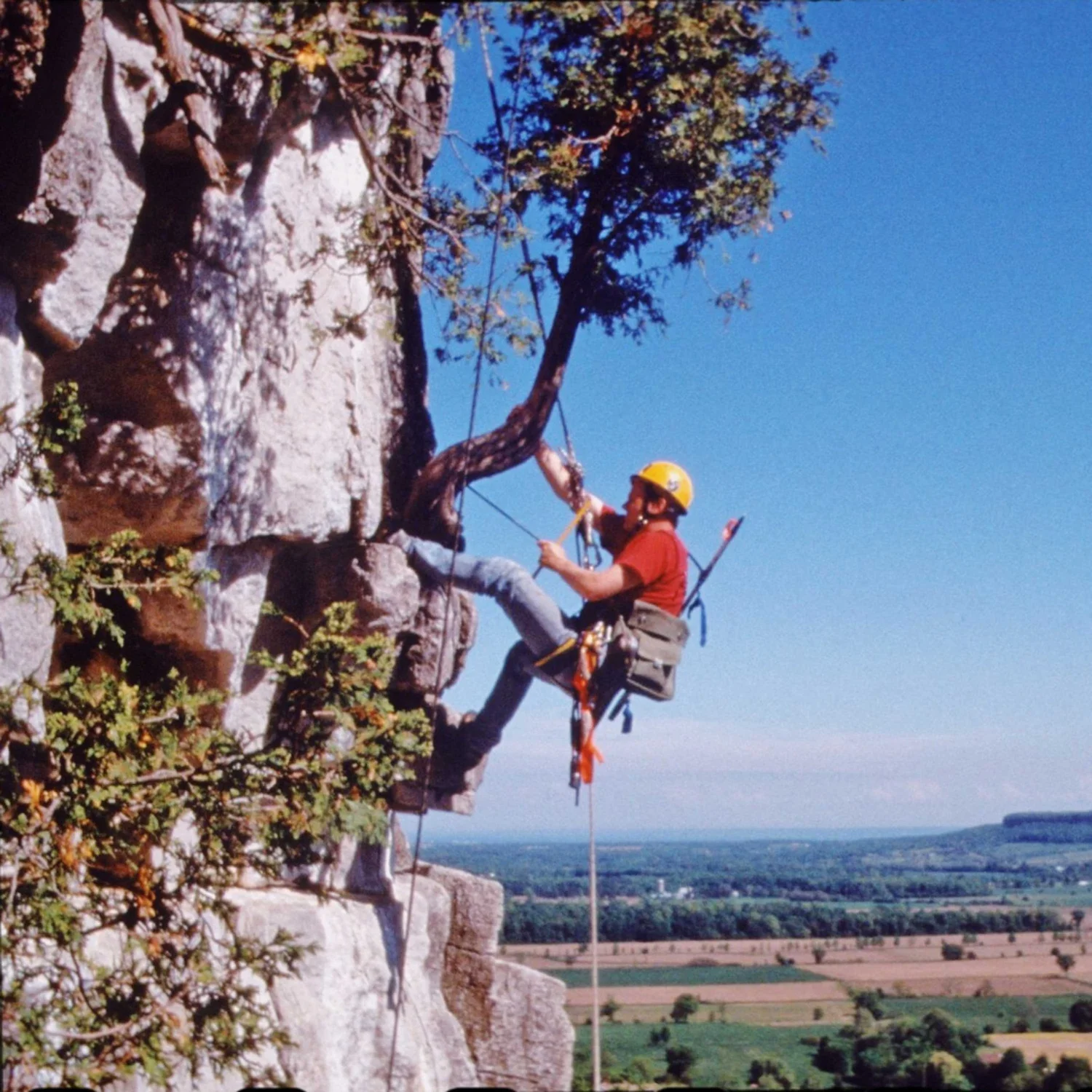
DOUG LARSON - Biologist - Expert on Deforestation - Author of Cliff Ecology - The The Dogma Ate My Homework
What can thousand-year-old trees teach us about living sustainably? If we want to be sustained by this planet indefinitely, we need to stop trying to suck it dry.Doug Larson is an award winning scientist, author, and Professor Emeritus of Biology at the University of Guelph. He is an expert on deforestation and regularly contributes to The Guardian and other publications. His books include Cliff Ecology: Pattern and Process in Cliff Ecosystems, The Urban Cliff Revolution: New Findings on the Origins and Evolution of Human Habitats, Storyteller Guitar, and The Dogma At My Homework.“The first guitar I built, I took it to a friend who has a guitar business. And he looked at it and he said this instrument has the approximate shape of a guitar, but it's not a guitar. It's a piece of junk. And he was right. So, what I found is that it's thrilling, as an artist or as a scientist, to pursue something, even if you don't achieve the thing that you're pursuing but it's the attempt that expresses the humanity.”https://experts.uoguelph.ca/doug-larson https://volumesdirect.com/products/the-dogma-ate-my-homework https://www.cambridge.org/core/books/cliff-ecology/7502E52B487789BEA2CACC4553AA663Bhttps://www.amazon.com/Urban-Cliff-Revolution-Evolution-Habitats/dp/1550419927 https://www.amazon.com/Storyteller-Guitar-Doug-Larson-ebook/dp/B00B9VZQXUwww.creativeprocess.info www.oneplanetpodcast.org IG www.instagram.com/creativeprocesspodcastImage courtesy of Doug Larson

How can we reverse biodiversity loss and restore our ecosystems? - Highlights - THOMAS CROWTHER
“I had a very tangible interaction with a teacher that shaped everything in my life. I'm dyslexic, but I managed to get into a good university in the UK, and I was messing around in a class with 300 students, and the teacher sent me out of the class. But he met me after that class, and he essentially said, ‘What are you doing? Why are you here?’ And I was like, ‘I like ecology, but I just can't keep up. There's too much reading. There's too much statistics.’ And he said, ‘If you like ecology, just find the bits that you like.’ And I just needed to look at the fungi and find them fascinating. And then that gives you positive endorphins when you have a successful experiment. So I just immersed myself in the parts that I enjoyed and through that process, things started to go really well and my degree went really well. And then after that, my career sort of exploded. And genuinely, I know if I had not encountered that professor, there's no way my career would have gone in the direction it has done. And I just think teachers are unbelievable inspirers, not necessarily for the knowledge they give you, but more for just inspiring you to follow your own your own path, your own trajectory.”Although they comprise less than 5% of the world population, Indigenous peoples protect 80% of the Earth’s biodiversity. How can we support farmers, reverse biodiversity loss, and restore our ecosystems?Thomas Crowther is an ecologist studying the connections between biodiversity and climate change. He is a professor in the Department of Environmental Systems Science at ETH Zurich, chair of the advisory council for the United Nations Decade on Ecosystem Restoration, and founder of Restor, an online platform for the global restoration movement, which was a finalist for the Royal Foundation’s Earthshot Prize. In 2021, the World Economic Forum named him a Young Global Leader for his work on the protection and restoration of biodiversity. Crowther’s post-doctoral research transformed the understanding of the world’s tree cover, and the study also inspired the World Economic Forum to announce its Trillion Trees initiative, which aims to conserve and restore one trillion trees globally within the decade.https://crowtherlab.com/about-tom-crowther https://restor.eco/?lat=26&lng=14.23&zoom=3www.creativeprocess.info www.oneplanetpodcast.orgIG www.instagram.com/creativeprocesspodcast

THOMAS CROWTHER - Ecologist - Co-chair of the Board for UN Decade on Ecosystem Restoration - Founder of Restor
Although they comprise less than 5% of the world population, Indigenous peoples protect 80% of the Earth’s biodiversity. How can we support farmers, reverse biodiversity loss, and restore our ecosystems?Thomas Crowther is an ecologist studying the connections between biodiversity and climate change. He is a professor in the Department of Environmental Systems Science at ETH Zurich, chair of the advisory council for the United Nations Decade on Ecosystem Restoration, and founder of Restor, an online platform for the global restoration movement, which was a finalist for the Royal Foundation’s Earthshot Prize. In 2021, the World Economic Forum named him a Young Global Leader for his work on the protection and restoration of biodiversity. Crowther’s post-doctoral research transformed the understanding of the world’s tree cover, and the study also inspired the World Economic Forum to announce its Trillion Trees initiative, which aims to conserve and restore one trillion trees globally within the decade.“I had a very tangible interaction with a teacher that shaped everything in my life. I'm dyslexic, but I managed to get into a good university in the UK, and I was messing around in a class with 300 students, and the teacher sent me out of the class. But he met me after that class, and he essentially said, ‘What are you doing? Why are you here?’ And I was like, ‘I like ecology, but I just can't keep up. There's too much reading. There's too much statistics.’ And he said, ‘If you like ecology, just find the bits that you like.’ And I just needed to look at the fungi and find them fascinating. And then that gives you positive endorphins when you have a successful experiment. So I just immersed myself in the parts that I enjoyed and through that process, things started to go really well and my degree went really well. And then after that, my career sort of exploded. And genuinely, I know if I had not encountered that professor, there's no way my career would have gone in the direction it has done. And I just think teachers are unbelievable inspirers, not necessarily for the knowledge they give you, but more for just inspiring you to follow your own your own path, your own trajectory.”https://crowtherlab.com/about-tom-crowther https://restor.eco/?lat=26&lng=14.23&zoom=3www.creativeprocess.info www.oneplanetpodcast.orgIG www.instagram.com/creativeprocesspodcast
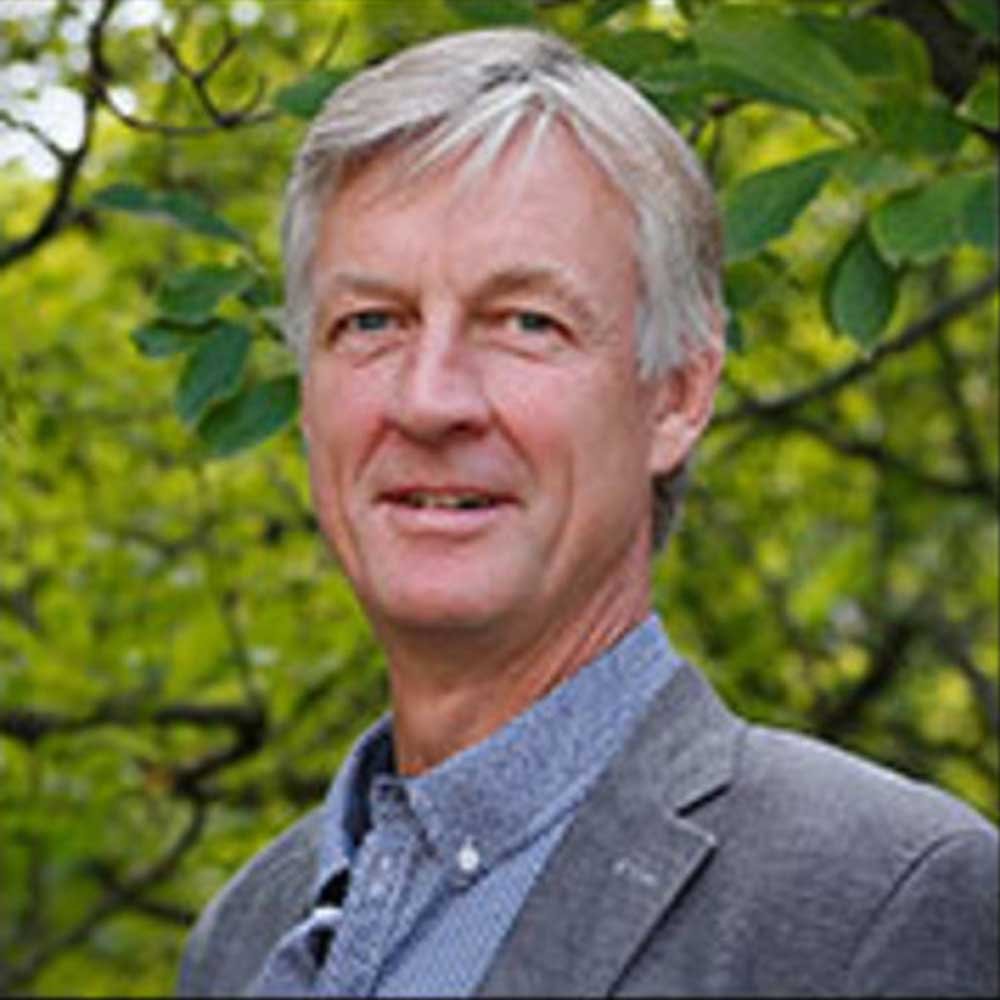
PETER DITLEVSEN - Professor of Physics, Ice, Climate & Earth at the Niels Bohr Institute
As we reach the tipping points of climate change, how will our world change? Greenland has already lost 4,700 billion metric tons of ice, an amount that is enough to flood the entire United States in 1.5 feet of water.Peter D. Ditlevsen is an Associate Professor at the Niels Bohr Institute at Copenhagen University. The institute was founded in 1921 as the Institute for Theoretical Physics. Ditlevsen is a Professor in Physics of Ice, Climate, and Earth. His fields of interest include climate research, turbulence, meteorology, complex systems, time series analysis, and statistical physics."The big problem we have with climate change is that this is not like any other crisis because it influences all parts of life. I'm a physicist. I like doing experiments. I thought, you know, how terrible would it be for me not eat meat, right? You know, I was used to going home on Friday night, putting on a steak, and a bottle of red wine. That was sort of the easy thing, right? So now, I don't buy an expensive steak. I buy some vegetables that are cheaper, okay? So I have money left over. If I spend that money on an airplane ticket somewhere, then it doesn't really matter. That's the spillover effect.I think, in our part of the world, and if we are to be frontrunners, we have to crack that nut. We do like to think that our children should have a better world than we grew up in, and they should be better off and so on. So it should be a different kind of wealth, right? The wealth should not be having a large car and a big house and a lot of goods."https://nbi.ku.dk/english/staff/?pure=en/persons/peter-ditlevsen(77e9801a-6b31-4488-a282-6c99a406a5f1)/cv.htmlwww.creativeprocess.info www.oneplanetpodcast.orgIG www.instagram.com/creativeprocesspodcast

Does having too many choices make us unhappy? - Highlights - DR. BARRY SCHWARTZ
"Clifford Geertz said that human beings uniquely are unfinished animals. And what he meant by that is that we come into the world with some structure, some constraints, some essential knowledge, but very incomplete. And society completes us. And that is not true of most of the other species in the world. They come into the world a lot closer to being complete than we do."Does having too many choices make us unhappy? How can we learn practical wisdom?Dr. Barry Schwartz is the Dorwin P. Cartwright Professor Emeritus of Social Theory and Social Action in the psychology department at Swarthmore College. He is the author of many books, including Why We Work, The Paradox of Choice: Why More Is Less, and co-author of Practical Wisdom: The Right Way to Do the Right Thing.www.swarthmore.edu/profile/barry-schwartzwww.simonandschuster.com/books/Why-We-Work/Barry-Schwartz/TED-Books/9781476784861 https://www.harpercollins.com/products/the-paradox-of-choice-barry-schwartz?variant=32207920234530https://www.penguinrandomhouse.com/books/307231/practical-wisdom-by-barry-schwartz-and-kenneth-sharpewww.creativeprocess.infowww.oneplanetpodcast.org IG www.instagram.com/creativeprocesspodcastPhoto credit: Bill Holsinger-Robinson - CC BY 2.0

DR. BARRY SCHWARTZ - Author of The Paradox of Choice & Why We Work
Does having too many choices make us unhappy? How can we learn practical wisdom?Dr. Barry Schwartz is the Dorwin P. Cartwright Professor Emeritus of Social Theory and Social Action in the psychology department at Swarthmore College. He is the author of many books, including Why We Work, The Paradox of Choice: Why More Is Less, and co-author of Practical Wisdom: The Right Way to Do the Right Thing."Clifford Geertz said that human beings uniquely are unfinished animals. And what he meant by that is that we come into the world with some structure, some constraints, some essential knowledge, but very incomplete. And society completes us. And that is not true of most of the other species in the world. They come into the world a lot closer to being complete than we do."www.swarthmore.edu/profile/barry-schwartzwww.simonandschuster.com/books/Why-We-Work/Barry-Schwartz/TED-Books/9781476784861 https://www.harpercollins.com/products/the-paradox-of-choice-barry-schwartz?variant=32207920234530https://www.penguinrandomhouse.com/books/307231/practical-wisdom-by-barry-schwartz-and-kenneth-sharpewww.creativeprocess.infowww.oneplanetpodcast.org IG www.instagram.com/creativeprocesspodcastPhoto credit: Bill Holsinger-Robinson - CC BY 2.0
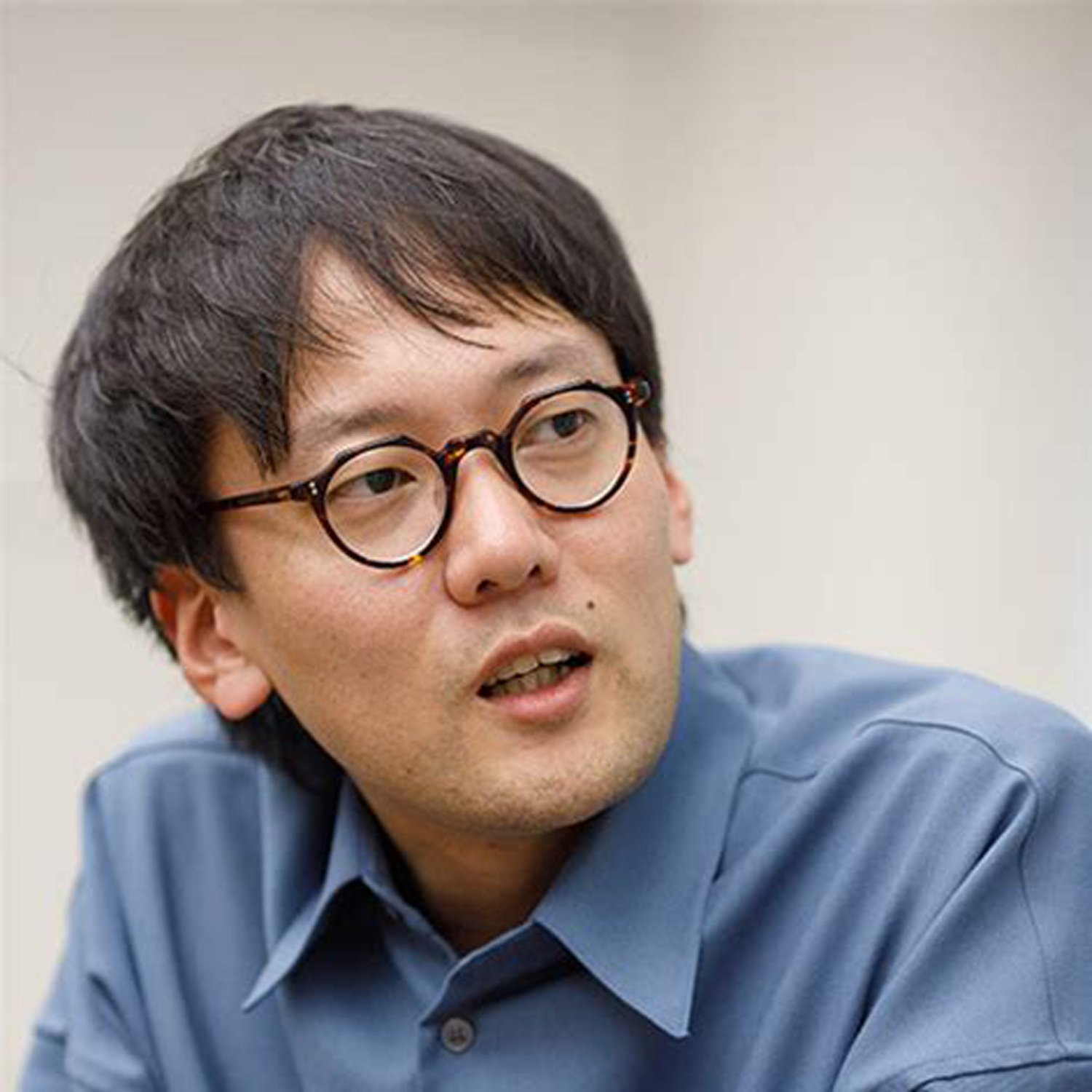
KOHEI SAITO on Degrowth Communism & the Need for Radical Democracy
Can we stop talking about growth and mediate an environmental crisis through the structures of capitalism?In this episode of the Speaking Out of Place podcast, Professor David Palumbo-Liu speaks with Japanese scholar Kohei Saito, whose book, Marx in the Anthropocene sold over half a million copies. In it, Saito shows how late in life Marx came to a richer sense of production when he released that there was a law above the economic as he had conceived it—it was the law of Nature. Marx saw how disturbing Nature’s metabolism could bring about a “rift” that sent destructive ripples across human life. Today we make the connection between that scholarly book and Kohei’s new book, Slow Down!!, which has just come out in English translation. Here he offers a sharp critique of liberal and socialist attempts to “sustain”—like the Green New Deal, and argues for a radical form of degrowth communism that de-celerates our compulsion to add more stuff into the world, in whatever form, and derails our compulsion to sustain, rather than revolutionize. Saito argues that we can lead much happier, and more healthy lives, if we emphasize use value, and revitalize democracy so we all have a hand in deciding what is valuable.“The Green New Deal presents itself as a kind of radical policy. If you look at the content, it's just simply the continuation of what capitalism wants to do. It's a massive investment in new, allegedly green industries, with the creation of more jobs with higher wages, but these are not the things that socialists or any environmentalists should be actually seeking because we recognize that capitalism is basically the root cause of the climate crisis and the misery of the workers. If so, I think it is high time to imagine something radically very different from business-as-usual capitalism.”Kohei Saito as an Associate Professor at the University of Tokyo. He completed his doctorate at the Humboldt University in Berlin. In 2018 he won the prestigious Deutscher Memorial Prize for Marxist research—becoming the first Japanese, and the youngest person, ever to win that prize. His books include: Slow Down! How Degrowth Communism Can Save the World (2023); Marx in the Anthropocene: Towards the Idea of Degrowth Communism (2022), Karl Marx’s Ecosocialism: Capital, Nature, and the Unfinished Critique of Political Economy (2017).https://researchmap.jp/7000022985?lang=enhttps://www.hachette.com.au/kohei-saito/slow-down-how-degrowth-communism-can-save-the-earthwww.palumbo-liu.com https://speakingoutofplace.comhttps://twitter.com/palumboliu?s=20
SPEAKING OUT OF PLACE: BEN FRANTA on Weaponizing Economics - Big Oil, Economic Consultants & Climate Policy Delay
In this episode of the Speaking Out of Place podcast, Professor David Palumbo-Liu speaks with noted researcher and scholar Ben Franta about two new articles he has written that add to his growing archive of seminal work on climate change. Ben tells us now the fossil fuel industry paid economists to join scientists in denying the true nature of the fossil fuel industry’s destruction of the environment. Economists argued that even if some science were correct, implementing change would be too costly. This became a powerful tool to stall and kill climate change legislation. Ben also talks about how communities have tried to sue fossil fuel companies for damages incurred by such misinformation and disinformation. In sum, we learn about what the industry has done, and how ordinary people and municipalities can fight back.Benjamin Franta is the founding head of the Climate Litigation Lab and a Senior Research Fellow at the University of Oxford Sustainable Law Programme. The Climate Litigation Lab is a multidisciplinary research initiative to inform, enable, and accelerate climate change litigation globally. Ben is also an Associate at the Institute for New Economic Thinking at the Oxford Martin School and an Associate Member of Nuffield College, Oxford, and a former research fellow at the Belfer Center for Science and International Affairs at the Harvard Kennedy School of Government. He is the recipient of numerous academic and research fellowships including the Stanford Interdisciplinary Graduate Fellowship and the National Science Foundation Graduate Research Fellowship. His research and writing have appeared in 10 languages, been featured in the Paramount+ documentary Black Gold, been cited in the U.S. Congressional Record, and been published in numerous scholarly and popular venues including Nature Climate Change, Global Environmental Change, The Guardian, Project Syndicate, and more. “For 40 years, the American Petroleum Institute has hired economists to argue it would be too expensive to try and control fossil fuels and that climate change wasn't that bad. The same go-to consultancy firm has been involved in every major climate policy fight from the very beginning and hired by the fossil fuel industry, but what are the courts going to do? It's not just the historical deception. It's an ongoing deception.”www.inet.ox.ac.uk/people/benjamin-franta www.smithschool.ox.ac.uk/oxford-sustainable-law-programme/research/climate-litigation-labwww.palumbo-liu.com https://speakingoutofplace.comhttps://twitter.com/palumboliu?s=20

Highlights - How do we navigate ambiguity, uncertainty & move beyond linear thinking? - RUPERT SHELDRAKE
"The idea that the laws of nature are fixed is taken for granted by almost all scientists and within physics, within cosmology, it leads to an enormous realm of speculation, which I think is totally unnecessary. We're assuming the laws of nature are fixed. Most of science assumes this, but is it really so in an evolving universe? Why shouldn't the laws evolve? And if we think about that, then we realize that actually, the whole idea of a law of nature is a metaphor. It's based on human laws. I mean, after all, dogs and cats don't obey laws. And in tribes, they don't even have laws. They have customs. So it's only in civilized societies that you have laws. And then if we think through that metaphor, then actually the laws do change.All artists are influenced by other artists and by things in the collective culture, and I think that morphic resonance as collective memory would say that all of us draw unconsciously as well as consciously on a collective memory and all animals draw on a collective memory of their kind as well. We don't know where it comes from, but there's true creativity involved in evolution, both human and natural."How do we navigate ambiguity and uncertainty? Moving beyond linear thinking into instinct and intuition, we might discover other sources within ourselves that lie beyond the boundaries of science and reason.Rupert Sheldrake is a biologist and author best known for his hypothesis of morphic resonance. His many books include The Science Delusion, The Presence of the Past, and Ways to Go Beyond and Why They Work. At Cambridge University, Dr. Sheldrake worked in developmental biology as a fellow of Clare College. From 2005 to 2010, he was director of the Perrott Warrick Project for research on unexplained human and animal abilities, funded by Trinity College Cambridge. He was among the top 100 global thought leaders for 2013, as ranked by the Duttweiler Institute.www.sheldrake.orgwww.amazon.com/Science-Delusion/dp/1529393221/?tag=sheldrake-20www.amazon.com/Science-Set-Free-Paths-Discovery/dp/0770436722/?tag=sheldrake-20

RUPERT SHELDRAKE - Biologist & Author of The Science Delusion, The Presence of the Past
How do we navigate ambiguity and uncertainty? Moving beyond linear thinking into instinct and intuition, we might discover other sources within ourselves that lie beyond the boundaries of science and reason.Rupert Sheldrake is a biologist and author best known for his hypothesis of morphic resonance. His many books include The Science Delusion, The Presence of the Past, and Ways to Go Beyond and Why They Work. At Cambridge University, Dr. Sheldrake worked in developmental biology as a fellow of Clare College. From 2005 to 2010, he was director of the Perrott Warrick Project for research on unexplained human and animal abilities, funded by Trinity College Cambridge. He was among the top 100 global thought leaders for 2013, as ranked by the Duttweiler Institute."The idea that the laws of nature are fixed is taken for granted by almost all scientists and within physics, within cosmology, it leads to an enormous realm of speculation, which I think is totally unnecessary. We're assuming the laws of nature are fixed. Most of science assumes this, but is it really so in an evolving universe? Why shouldn't the laws evolve? And if we think about that, then we realize that actually, the whole idea of a law of nature is a metaphor. It's based on human laws. I mean, after all, dogs and cats don't obey laws. And in tribes, they don't even have laws. They have customs. So it's only in civilized societies that you have laws. And then if we think through that metaphor, then actually the laws do change.All artists are influenced by other artists and by things in the collective culture, and I think that morphic resonance as collective memory would say that all of us draw unconsciously as well as consciously on a collective memory and all animals draw on a collective memory of their kind as well. We don't know where it comes from, but there's true creativity involved in evolution, both human and natural."www.sheldrake.orgwww.amazon.com/Science-Delusion/dp/1529393221/?tag=sheldrake-20www.amazon.com/Science-Set-Free-Paths-Discovery/dp/0770436722/?tag=sheldrake-20

What’s it like to film a supernatural thriller in darkness at minus 17 degrees? - Highlights - FLORIAN HOFFMEISTER
“I drove for like a half an hour into absolute nothingness, and I left the car. It was three o'clock in the morning. It was minus 17 degrees and it was absolutely still. I've never experienced stillness such as that. I mean, it's like you feel like you can feel your atoms move or not move because it's so cold. And the sky is full of the Northern Lights. So you are already in a remote place, but you want to go further. And I think maybe those themes of going out into the wilderness are motivated by the urge to connect. And I think Issa López has really incorporated it beautifully into the script. And the show tells of this great disconnect between people. So not only are we disconnected from our environment, but we are disconnected from each other. When we were shooting I sometimes thought, there is this beauty about collaboration between a director, cinematographer, and production designer, and all these key people. And I'm more and more convinced there's some kind of conscious thing happening. And there's also something subconscious happening.”How does the place we’re born influence our beliefs? What would it be like to live in a world run by women, where it’s perpetually night, and the dead can speak to the living? In this episode, we discuss the new season of HBO’s True Detective: Night Country with award-winning cinematographer Florian Hoffmeister.Known for his work on Tár, Pachinko, Great Expectations, and most recently, the new season of True Detective, he's also known for his collaboration with director Terence Davies on the films The Deep Blue Sea and A Quiet Passion. His work on Great Expectations earned him an Primetime Emmy and a BAFTA in cinematography, and in 2022, he was nominated for the Academy Award for Best Cinematography for his work on Tár.http://florianhoffmeister.de/ www.hbo.com/true-detective www.imdb.com/title/tt2356777/?ref_=fn_al_tt_1www.creativeprocess.info www.oneplanetpodcast.org IG www.instagram.com/creativeprocesspodcastPhoto: Jodie Foster, Kali Reis · Photograph by Michele K. Short/HBO
FLORIAN HOFFMEISTER - Cinematographer - True Detective: Night Country starring Jodie Foster & Kali Reis
How does the place we’re born influence our beliefs? What would it be like to live in a world run by women, where it’s perpetually night, and the dead can speak to the living? In this episode, we discuss the new season of HBO’s True Detective: Night Country with award-winning cinematographer Florian Hoffmeister.Known for his work on Tár, Pachinko, Great Expectations, and most recently, the new season of True Detective, he's also known for his collaboration with director Terence Davies on the films The Deep Blue Sea and A Quiet Passion. His work on Great Expectations earned him an Primetime Emmy and a BAFTA in cinematography, and in 2022, he was nominated for the Academy Award for Best Cinematography for his work on Tár.“I drove for like a half an hour into absolute nothingness, and I left the car. It was three o'clock in the morning. It was minus 17 degrees and it was absolutely still. I've never experienced stillness such as that. I mean, it's like you feel like you can feel your atoms move or not move because it's so cold. And the sky is full of the Northern Lights. So you are already in a remote place, but you want to go further. And I think maybe those themes of going out into the wilderness are motivated by the urge to connect. And I think Issa López has really incorporated it beautifully into the script. And the show tells of this great disconnect between people. So not only are we disconnected from our environment, but we are disconnected from each other. When we were shooting I sometimes thought, there is this beauty about collaboration between a director, cinematographer, and production designer, and all these key people. And I'm more and more convinced there's some kind of conscious thing happening. And there's also something subconscious happening.”http://florianhoffmeister.de/ www.hbo.com/true-detective www.imdb.com/title/tt2356777/?ref_=fn_al_tt_1www.creativeprocess.info www.oneplanetpodcast.org IG www.instagram.com/creativeprocesspodcastPhoto credits: Michele K. Short / HBO