
Peak Revival
105 episodes — Page 2 of 3
Ep 54Why I Joined a Mastermind
Let me tell you about the mastermind experience that completely flipped my perspective on business growth. I'll be honest—I never really wanted to be in a mastermind. While I'd done the smaller ones before, as my business grew, I was a little skeptical about joining another one. Then, I recently found myself in an elite inner circle in the US with some of the top minds in coaching and consulting, and I have to say – it was completely worth the investment. In today's episode, I'm sharing exactly what happened when I stepped into that room and how it transformed everything about my approach to business. Here's the thing that really hit home: it's all about service. Being in that room reminded me of where the real magic happens. It's not in the fancy strategies or the complex systems (though those help!). It's in how we serve others. After reconnecting with my mission, I’m buzzing with ideas and can’t wait to introduce you to some exciting new resources we have in the works. And some of them won’t cost a thing, because it’s not always about the bottom line—it’s about making a real impact and helping those who need it most.What about you? Have you experienced similar lightbulb moments in your business or life? I’d love to hear about your journeys and any takeaways that resonate with you. Let’s chat in the comments below!LINKSDouble Your Energy Masterclass:https://peak-revival.captivate.fm/yt-masterclassWebsite: www.vesnahrsto.comMentioned in this episode:Website

Ep 53Saying Yes Doesn’t Make You a Leader—It Makes You Exhausted
In today's episode, we're tackling a hard truth that might shake up everything you believe about leadership: being constantly available isn't making you a better leader—it's actively sabotaging your success. Research shows that the "always-on" approach is draining your productivity by up to 40%. Today, we're exploring why this happens and how to fix it.I take you through the fascinating psychology behind our compulsion to say 'yes', drawing from Steve Chandler's brilliant framework of the 'social self' versus the 'professional self'. We unpack how our early conditioning—especially for women—creates a 'good girl' syndrome that can secretly sabotage our leadership effectiveness. I’ll also share practical strategies for breaking free from these patterns and crafting an authentic leadership style that honours both your goals and your energy.The real game-changer? Learning that authentic leadership isn't about constant availability—it's about intentional boundaries. I’ll show you exactly how to shift from reflexive people-pleasing to strategic leadership, even if setting boundaries feels uncomfortable at first. This discomfort isn't just normal; it's actually a signal that you're growing into a more powerful leader.Key Episode Takeaways:• The 40% Productivity Drain: How constant availability sabotages your success• The Social vs Professional Self: Understanding your leadership identity• Strategic Boundary Setting: Practical tools for saying 'no' effectively• Energy Management: Why it's your secret leadership weaponLINKSDouble Your Energy Masterclass:https://peak-revival.captivate.fm/yt-masterclassWebsite: www.vesnahrsto.comMentioned in this episode:Website

Ep 52The Value of Doing Nothing
What if I told you that some of history's greatest minds—Tesla, da Vinci, Hemingway—had a surprising secret weapon? They mastered the art of doing nothing. And before you dismiss this as ancient history, today's most successful leaders and innovators are embracing this same powerful strategy. Let's explore why strategic silence might be your untapped advantage.In this episode, I’ll take you through the 'Alpha 10' technique—a straightforward practice of dedicating ten minutes to complete stillness. This isn't another productivity hack or meditation practice to add to your growing to-do list. It's about creating intentional space for your mind to process, innovate and rejuvenate.Here's the fascinating paradox: when we deliberately create space in our packed schedules, we actually accelerate our path to success. For high performers juggling multiple responsibilities, these moments of solitude aren't just nice-to-haves—they're essential tools for maintaining peak performance and expanding emotional bandwidth. So, let’s explore some of the benefits consistent time spent in solitude can bring to all aspects of our increasingly busy lives. Key Takeaways:• Master the Alpha 10: Ten minutes of intentional silence daily• Create phone-free zones to enhance creative thinking• Use strategic pauses to expand your emotional bandwidth• Productivity paradoxically increases with intentional restLINKSDouble Your Energy Masterclass:https://peak-revival.captivate.fm/yt-masterclassWebsite: www.vesnahrsto.com Mentioned in this episode:Website

Ep 51The 'shadow' side that drives high-performing women
While the desire to excel is a powerful motivator for high-performing women, it can cast a shadow that impacts your energy, wellness and sustainable success.Last week, I talked about the five drivers for high performing women and today, we're diving into the "shadow" side of those drivers. By knowing how to tend to the darker sides of what propels us forward, we can make better decisions and foster routines that protect our well-being.We’ll unpack the complex dynamics of each driver and its shadow side:• The Visionary: Always chasing what's next while missing the present moment• The Mission-Driven: Falling into martyrdom and over-responsibility• The High Standards Bearer: Wrestling with perfectionism and control• The Achievement-Oriented: Tying self-worth to success metrics• The Redefiner: Balancing ambition with the desire for easeKey Takeaway: By identifying your primary driver and understanding its shadow side, you can make mindful choices that energise, uplift and sustain your success. Join me as I share practical strategies for incorporating recovery, celebration and boundary-setting into your high-performance journey.Previous episodes mentioned:- Is Being the Rescuer Burning You Out?- The 5 drivers that keep High-performing women pushing, even when exhaustedLINKSDouble Your Energy Masterclass:https://peak-revival.captivate.fm/yt-masterclassWebsite: www.vesnahrsto.com Mentioned in this episode:Website
Ep 50The 5 drivers that keep High-performing women pushing, even when exhausted
Ambitious women are often told to "slow down" or "be happy with where they are”. If you’re a high-performing woman, you’ll probably know the frustration that comes from hearing this.So why do high-performing women continue to push themselves, not only when facing others’ criticism, but even in the face of exhaustion? Understanding the deep-seated drivers behind our ambition can be revolutionary, providing relief and clarity while explaining why you continue overachieving when others urge you to pause.When we don't recognise our drivers, we might end up overwhelmed by stress, anxiety, poor sleep and mood swings, all of which undermine our goals and lead us towards burnout. Today, let's explore these five drivers that fuel the ambitions of high-performing women and how identifying yours can empower you with more capacity and purpose: 1. Visionary Driver: Driven by curiosity, but can cause overstimulation2. Mission Driver: Strives to make an impact, but risks compassion fatigue3. High Standards Driver: Revolves around excellence, but can lead to perfectionism4. Success Driver: Achievement is at the forefront, but can lead to burnout5. Redefiner Driver: Seeks balance, but can create mental clutter from juggling diverse aspects of lifeWhy Identify Your Drivers?Understanding your drivers isn't just about putting a label on your ambition – it's about embracing your unique wiring and building a life that honours it. Because here's the truth: You can be both ambitious AND balanced. You can chase big dreams AND protect your wellbeing. You can make an impact AND take care of yourself.Next week, we'll dive deeper into the shadow side of these drivers and how to build capacity around them. But for now, I'd love to hear from you: Which driver resonated most deeply? What was your "aha" moment? Share your story in the comments below – let's create a space where ambitious women can embrace their drivers together.LINKSDouble Your Energy Masterclass:https://peak-revival.captivate.fm/yt-masterclassWebsite: www.vesnahrsto.com Mentioned in this episode:Website
Ep 49Together: Surround yourself with those doing what you want
If you’re struggling in any area of your life, going it alone might be the hardest way to get to the other side. The reality is, the key to unlocking greater change doesn’t lie in solitude, but in the power of a community.Before I took the leap into starting my online business, I only ever did things one-on-one. But it wasn’t until I (begrudgingly) listened to advice about delivering a group course online that I discovered just what can be gained from community. Healing, motivation, momentum - it can all flourish when we surround ourselves with those walking our same path. The Lonely Truth About Going SoloDid you know one in four Australians report feeling lonely? And it's not just about missing a romantic partner or lacking friendships. There's something called 'community loneliness' – that yearning for like-minded people who truly get what you're trying to achieve. When we try to make changes in our lives, whether it's improving our health, growing our business or transforming our mindsets, doing it alone isn't just harder – it's actually working against our natural wiring for connection.Why Community Accelerates ChangeThink about it this way: when you're trying something new or challenging, every obstacle can feel like a personal failure. But in a community:Your challenges become normalisedSolutions appear through others' experiencesMotivation stays high through shared momentumProgress accelerates through collective wisdomIf you're feeling stuck in any area of your life, stop looking for the perfect solution or trying to muscle through alone. Instead, ask yourself: "Where are my people? Where's the community that's already working towards what I want to achieve?"Because here's what I know for sure: the path to any transformation is paved with shared experiences, collective wisdom and doing life with those who understand you. And sometimes, the very thing holding us back isn't our strategy or our willpower – it's simply trying to do it all alone.LINKSDouble Your Energy Masterclass:https://peak-revival.captivate.fm/yt-masterclassWebsite: www.vesnahrsto.com Mentioned in this episode:Website
Ep 48Getting out of survival mode
Survival mode - it's a reality many of us know all too well. We’re caught in a constant state of fight or flight, feeling like each day’s a race to the finish line where we rarely pause to breathe or truly live. And with the pace of our lives these days, it's easy to slip into this state without even realising it. Now, not all stress is your enemy. A little bit of pressure can actually sharpen your focus and boost your memory. But there's a tipping point. When you're constantly running on high alert, everything goes sideways. Your decision-making gets fuzzy, anxiety creeps in and suddenly you're not showing up as your best self anymore.So what are the symptoms of being in survival mode and how do we escape this relentless cycle to craft a better life? Today we’re talking about: Understanding the nervous system's role in stressRecognising beneficial vs. harmful stressHealth implications of prolonged stressConducting a life balance assessmentTransforming survival mode into thrivingAligning daily actions with true fulfillmentTake a moment now to consider where you’re investing your time. Is your work just a paycheck, or does it also feed your passion? Are you nurturing your relationships, or are they falling by the wayside? How are you prioritising your physical and mental health?Perhaps do your own life balance assessment, identify the gaps and start shifting focus. Answer honestly: where is your focus, and what’s lacking? You might be surprised how a few changes can turn survival mode into a vibrant, enriching life.LINKSDouble Your Energy Masterclass:https://peak-revival.captivate.fm/yt-masterclassWebsite: www.vesnahrsto.com Mentioned in this episode:Website
Ep 47How to keep your energy high when working long hours
Ever feel like your energy’s fading faster than you’d like, especially on those long workdays? If you’re finding yourself burning the candle at both ends for more than a couple of weeks at a time, you may need to look at supporting your body to avoid burnout - because that kind of pace really can’t be sustained in a healthy way.I want to share with you 4 simple habits you can integrate into your life that will help you power through when working late is just part of the game. So, let’s do less of the caffeine, junk food and alcohol that give us quick (but fading) hits of energy, and more of the stuff that will sustain our energy for the long term:Make simple dietary changes: a solid breakfast, healthy snacks and batching your mealsGet some daily morning sunlight: 5 minutes in the sun will balance your hormones and stabilise energy levels Take decompression breaks throughout the day: step outside, practise deep breathing or have some no-device momentsWeekend recharge: reset your nervous system with more sleep and getting out into natureSo, which of these habits speak to you the most for keeping your energy up? Maybe starting with those diet tweaks is easiest. Whatever your pick, I’d love to hear about the first step you're taking as you start this journey. Each little change brings you a step closer to feeling your best and meeting life’s demands with more zest and pep.LINKSDouble Your Energy Masterclass:https://peak-revival.captivate.fm/yt-masterclassWebsite: www.vesnahrsto.com Mentioned in this episode:Website

Ep 46Are you programming yourself to be stressed, unhappy or sick?
When was the last time you thought about the kind of messaging that continually enters your mind? The reality is, the messages we’re so often bombarded with weigh us down and cause stress in the back of our minds. A lot of the time, we’re not even aware it’s happening. We habitually make choices to consume content that creates anxiety, unaware that we’re programming ourselves to be stressed, unhappy or sick.In today's episode, I’m talking about how the media we consume shapes our mental landscape and overall well-being. We explore the hidden ways that news cycles, social media and digital content secretly program our minds for stress and anxiety. From doom-scrolling news feeds to the comparative trap of social media, we're uncovering how these daily habits might be sabotaging your peace of mind.I take you through some real-world examples, including how local news consumption can trigger unnecessary fear responses and how social media narratives about aging and health can create self-fulfilling prophecies. Plus, we take a look at the science behind the mind-body connection, exploring how the placebo and nocebo effects demonstrate the incredible power our thoughts have over our physical well-being.Key Takeaways:The news cycle and social media can create subliminal stress that affects our daily livesOur beliefs and expectations can physically manifest in our bodiesPractical tips for auditing and moderating your content consumptionThe importance of choosing media that serves your well-beingStrategies for breaking free from the comparison trap on social mediaLINKSDouble Your Energy Masterclass:https://peak-revival.captivate.fm/yt-masterclassWebsite: www.vesnahrsto.com Mentioned in this episode:Website
Ep 45Overcome Midlife Burnout
I see more and more women in their 40's, 50's and even 60's who are struggling with burnout. And while you could attribute this to things like perimenopause, there’s usually a lot more going on here. In recent discussions with Gen X women, I’ve discovered a range of factors that contribute to this phenomenon.We're caught between parenting roles and caring for ageing parents, all the while juggling the pressures of climbing our career ladders. It's no surprise that fatigue, hormonal complaints and burnout rear their heads as we try to do it all. So, let’s talk about these unseen behavioural drivers that are causing us to burn out in midlife. Today we’re exploring:Understanding the midlife stress responseThe importance of the relaxation responseThe hidden drivers: people pleasing, perfectionism and proving our worthRediscovering balance between feminine and masculine energies Midlife doesn’t have to equate to burnout. By understanding these hidden drivers and adjusting our behaviours, we can reclaim a sense of calm and rediscover our natural rhythms. I’d love to hear your stories and strategies for managing these challenges. Let me know so we can support each other on this journey to wellness and restoration. LINKSDouble Your Energy Masterclass:https://peak-revival.captivate.fm/yt-masterclassWebsite: www.vesnahrsto.com Mentioned in this episode:Buh-Bye Burnout

Ep 44How to drink less alcohol, without feeling like you're missing out
I’ve noticed that my high-functioning clients seem to drink more than the average person. They’re women who juggle a lot of responsibilities and pressure, and tend to use alcohol more frequently. It’s a way to switch off, or a bit of a reward at the end of a stressful day. It’s also likely they do a lot of socialising and networking, which usually requires alcohol. Sometimes, it’s a way to find comfort and help them manage stress. Reliance on alcohol builds up over time, and for many of us, we create these little stories about how rewarding, soothing and fun it can be for us. But the truth is, alcohol might actually be interfering with your ability to handle stress and might be affecting your health more than you know. So how do we reduce our alcohol consumption without feeling like we’re missing out? Let’s talk about effective ways to drink a little less, and how you can still lead the fulfilling life you’re after. We’ll discuss: The impacts of alcohol: compromising gut health, hormonal balance and causing brain inflammationNutritious eating to reduce alcohol cravings: balancing blood glucose levels, eating regular, healthy meals and removing obvious sugarsUnderstanding biochemistry: how alcohol creates high dopamine spikes that lead to dopamine resistance and addictionLetting go through lifestyle changes: make small dietary changes with the intention to drink less, allowing your brain chemistry to reset over time so it's no longer a crutch for you. Have a think about whether your alcohol consumption might be creeping up and if you could incorporate some of the solutions I’ve mentioned. I’d love to hear what plans you’re making to lead a life centred less around alcohol and more around the health and happiness that will see you thrive! LINKSDouble Your Energy Masterclass:https://peak-revival.captivate.fm/yt-masterclassWebsite: www.vesnahrsto.com Mentioned in this episode:Buh-Bye Burnout

Ep 43Is your business draining you? Triple your energy in 3 ways
Let's be real: running a business can be incredibly exhausting. But here's the thing - you don't have to operate on empty. There are three powerful sources of energy available to you right now, and when you tap into them correctly, they're practically unlimited. In this episode, we're cutting through the noise to explore how you can access these energy reserves, even during your busiest seasons.Your physical energy is your foundation - it's what gets you out of bed and keeps you going when you're reaching for that second coffee. We'll explore how your cellular powerhouses (yes, your mitochondria!) are affected by stress, and why that 9:30 PM bedtime might be your new secret weapon. Beyond the physical, we’re talking about mental and spiritual (life force) energy playing crucial roles in your daily performance. From practical hacks like managing your blood sugar levels for razor-sharp focus, to identifying which tasks actually light you up (and which ones you should delegate), we’ll discuss how to create sustainable energy that fuels both your business and your passion. By the end of this episode, you'll have actionable strategies to tap into all three energy sources, helping you show up as your best self in business and life.Key Takeaways:Physical Energy: Sleep optimisation, nutrition balance and mitochondrial healthMental Energy: Focus management, stress reduction and blood sugar regulationSpiritual Energy: Task alignment, delegation strategies and passion-driven productivityLINKSDouble Your Energy Masterclass:https://peak-revival.captivate.fm/yt-masterclassWebsite: www.vesnahrsto.com Mentioned in this episode:Buh-Bye Burnout
Ep 42Energy Solutions for those over-worked & over-tired
Do you ever feel as though life is just one exhausting treadmill? You work hard, balance responsibilities, and yet, can't seem to shake off that constant feeling of fatigue. You may be surprised to learn that this overwhelming exhaustion might have nothing to do with your workload.Fatigue manifests as sleepless nights, heightened stress and a dip in mood, affecting mental wellbeing. It's easy to attribute these symptoms to a demanding schedule. But what if the real culprit has nothing to do with how much you’re doing?In this episode, I’m talking about the real reason you might be burnt out, and how you can find renewed energy without altering your daily routine. It's all about the body’s energy production and stress management. Our cells are equipped with mitochondria, often referred to as natural batteries, responsible for generating energy. When you increase activity, your body produces more mitochondria through a process known as mitochondrial biogenesis, resulting in enhanced energy levels. Essentially, the more we do, the more we can do.We’ll also explore how to improve mitochondrial health, including:Reducing stress hormonesCorrecting internal imbalancesFocusing on mental healthRemember, low energy levels don’t dictate your capacity. By enhancing mitochondrial health and managing stress, you can achieve more without feeling drained. You don’t need a dramatic lifestyle change to start feeling better. Small tweaks in your daily routine can drastically improve your energy, allowing you to live a much fuller life.LINKSFurther Training: https://vesnahrsto.com/join-evolution-webinar Double Your Energy Masterclass:https://peak-revival.captivate.fm/yt-masterclassWebsite: www.vesnahrsto.com Mentioned in this episode:Buh-Bye Burnout

Ep 41Mind Over Food
Have you ever been in a place where you're watching every bite you eat, sticking to a strict exercise routine to feel fit, yet you still end up feeling tired or not as healthy as you wish? It’s downright frustrating, isn't it? You're following all the rules, so why isn't it working?Well the culprit could be the gut-brain axis. Have you ever felt a 'nervous stomach' before speaking in public, or butterflies before a big event? That’s your mind talking to your gut. Similarly, if you're stressed about food, your body can have a harder time digesting food properly. Recently, a client of mine experienced this first-hand. She had chronic gut issues, liver problems, and multiple food intolerances. Over time, we worked on gut healing, and her health improved significantly.However, some symptoms returned, not as severe, but they were there. It turned out that her extreme focus on her eating plan was the problem. Her anxiety about deviating from her diet was causing stress and affecting her gut. I told her she needed to trust the healing we had done and her body's ability to handle different foods. When we spoke again a month later her symptoms had vanished, and she was enjoying a variety of foods with ease. This showed her just how powerful her mind was over her body.So, think about your own relationship with food. Are you always strict with your eating? Do your symptoms appear when you eat off-plan? Take a moment to recognise how much your thoughts might be shaping your physical symptoms and your feelings about food.I’d absolutely love to hear your thoughts, let me know in the comments below!LINKSFurther Training: https://vesnahrsto.com/join-evolution-webinar Double Your Energy Masterclass:https://peak-revival.captivate.fm/yt-masterclassWebsite: www.vesnahrsto.com

Ep 40A Working Woman's Guide to Calming the Brain
What does anxiety stop you from doing?How does it interfere with the life you want to live or the work you want to do?If you’ve ever felt anxiety’s grip, you know it can be debilitating and it’s a serious hurdle that blocks a lot of people from living the life they want. The thing is, anxiety isn’t your enemy. When you feel your heart beating faster, your palms sweating and your mind going a hundred miles an hour, your brain has detected something that it believes is a threat, whether you're aware of it or not. It all starts with the amygdala—a tiny but mighty security system within your mind. It prepares your body just in case the future poses a threat. This can be triggered by a shadow lurking in your peripheral vision or a simple thought. Whether there is a physical threat or it’s just in your thinking, the response is exactly the same. When we feel anxious, of course we want it to go away. But that resistance to anxiety is the very thing that amplifies it. The best way to reduce anxiety is to do whatever you’re doing with anxiety anyway. Then, your brain learns that it is safe.Here’s what I’ve learnt about anxiety:1. Anxiety Is Not Your Enemy: Understand that the racing heart and dry mouth you experience aren’t signs of weakness but signals that your body is gathering its resources to perform well. 2. Do It Anyway: It sounds almost too simple, but allowing yourself to undertake tasks with anxiety rather than fighting it can often diminish its strength. 3. Exposure Is Your Friend: Repeated exposure to anxiety-inducing situations can, over time, teach your amygdala that you are safe. The more presentations you give, the less intimidating they become, proving to your brain that the perceived threat is manageable.What would you find yourself doing if your anxiety didn’t stand in the way? Accept that feeling nervous is a part of the journey, and let it come and go without letting it hold you back. Teach your amygdala through exposure, and transform anxiety from a barrier into a stepping stone toward your aspirations. Remember, it's not about getting rid of anxiety; it's about understanding and thriving despite it.LINKSFurther Training: https://vesnahrsto.com/join-evolution-webinar Double Your Energy Masterclass:https://peak-revival.captivate.fm/yt-masterclassWebsite: www.vesnahrsto.com Mentioned in this episode:Buh-Bye Burnout

Ep 39What if everything you learned about self-improvement was wrong?
What if everything you've been taught about self-improvement is actually wrong? This question might make you uneasy, especially if you're accustomed to the constant chase for improvement, whether that's being smarter, richer or more talented. The truth is, many of these teachings hinge on a detrimental idea—you're not enough as you are. And here's where the conversation gets interesting. There's a profound shift available to us if we dare to step beyond the fallacies.At the very root of many self-improvement journeys is a sense of lack—a belief that we must undergo constant transformation in order to succeed. I've been there myself. Like many, I found myself engrossed in strategies, coaching sessions and personal critiques, all the while nurturing an underlying belief that I wasn't good enough.My breakthrough? Understanding that we possess far more innate tools can liberate us from self-doubt. Seeing this potential within ourselves is key, and it calls for a deeper understanding of insights. Insights, as opposed to the exhausting grind of constant willpower, offer us transformative 'aha' moments that can fundamentally change our behaviours and beliefs.If you're finding yourself ensnared in your goals or life challenges and are unable to move forward, this episode is for you. I encourage you to pause and allow space for an insight to emerge. Often, it’s when we still our minds that the greatest revelations occur. So next time you're stuck, take a moment to quiet the noise and seek that guiding insight.Key takeaways:The trap of perceived inadequacyShifting perspectives through insightsThe ineffectiveness of flaw-focused self-developmentThe transformative power of insights and how they can create instant changeRelying on insights over intellect Trusting the unseen intelligenceLINKS Further Training: https://vesnahrsto.com/join-evolution-webinar Double Your Energy Masterclass:https://peak-revival.captivate.fm/yt-masterclassWebsite: www.vesnahrsto.com Mentioned in this episode:Buh-Bye Burnout

Ep 38Why working harder is a trap: Quantum physics of accelerated results
Have you ever found yourself pushing the limits, working tirelessly towards a goal, and still feeling like you’re not getting anywhere? Whether it's achieving personal health milestones, chasing career aspirations, or pursuing hobbies, sometimes it seems like the harder we work, the further away success feels. This continuous cycle can be exhausting, and I’ve been there—making things look harder than they should be has almost become part of my identity. But what if I told you there’s a different approach, a way to achieve a 10x leap in what you want without all the sweat and toil? Allow me to introduce you to the intriguing concept of quantum leap success, inspired by one of my all-time favourite books, “You2” by Price Pritchett. It’s just 37 pages, but it’s jam-packed with profound ideas and insights that can revolutionise your perspective on success and achievement.In the world of quantum physics, particles can jump from one place to another seemingly without effort. They don’t take the typical step-by-step path we often assume is necessary for success. This notion of a quantum leap suggests that we can achieve massive progress not by ticking off every box meticulously but by embracing a more intuitive and open approach.While hard work is important, success often requires an element of unseen forces—a bit of luck, serendipity or intuition that is beyond our control. Today, I’m taking you through my personal breakthrough that transformed my entire outlook - and my business. We’ll also explore the importance of seeking clarity about our goals and taking action towards them, while remaining open to unforeseen guidance, is crucial.So how can you invite these unseen forces into your journey, whether they be intuition or that much-needed clarity? Perhaps it’s through meditation, spending time in nature, or simply taking a pause to think. Whatever it is, find your method to allow a fresh perspective or a new insight to flourish, guiding you towards achieving your goals with ease rather than struggle.LINKSFurther Training: https://vesnahrsto.com/join-evolution-webinar Double Your Energy Masterclass:https://peak-revival.captivate.fm/yt-masterclassWebsite: www.vesnahrsto.com Mentioned in this episode:Buh-Bye Burnout
Ep 37Same goals, same failures, same you. The identity trap that's keeping you stuck
Does your life look the same as it did last year, even though you’ve made goals to change it?If you’re battling the same issues you’ve had for years or you’ve been struggling with things like chronic illness and weight loss, the problem isn’t in your strategy.It’s an identity issue.Right now, you have two identities: the present one—who you believe yourself to be right now—and the second identity, which is the person you aspire to become. Maybe you want to improve your financial situation, build stronger relationships, lose weight or pursue a new career. Whatever it is, these desires create your second identity.Which identity occupies more of your mental space?Listen to the language you use and the intentions you set daily. Always speak to where you want to be, not where you are right now. I've seen this pattern repeatedly, whether it's with clients stuck in a chronic health situation or those struggling to lose weight. They often identify so strongly with their current situation that they inevitably stay stuck in it. Their entire lives revolve around managing the status quo rather than breaking free from it.In order to shift your habits and behaviours, you need to identify with the person you want to be. Visualise yourself as healthy, robust, disciplined, and focused. As you do this, you reclaim your ability to take action and stay committed to your goals.The year will move by quickly, as it always does. So if you really want to see something shift this year, take a moment to reflect on where your mental energy is going and where an identity shift is necessary. Who is the person that needs to execute your goals? LINKSFurther Training: https://vesnahrsto.com/join-evolution-webinar Double Your Energy Masterclass:https://peak-revival.captivate.fm/yt-masterclassWebsite: www.vesnahrsto.com Mentioned in this episode:Buh-Bye Burnout
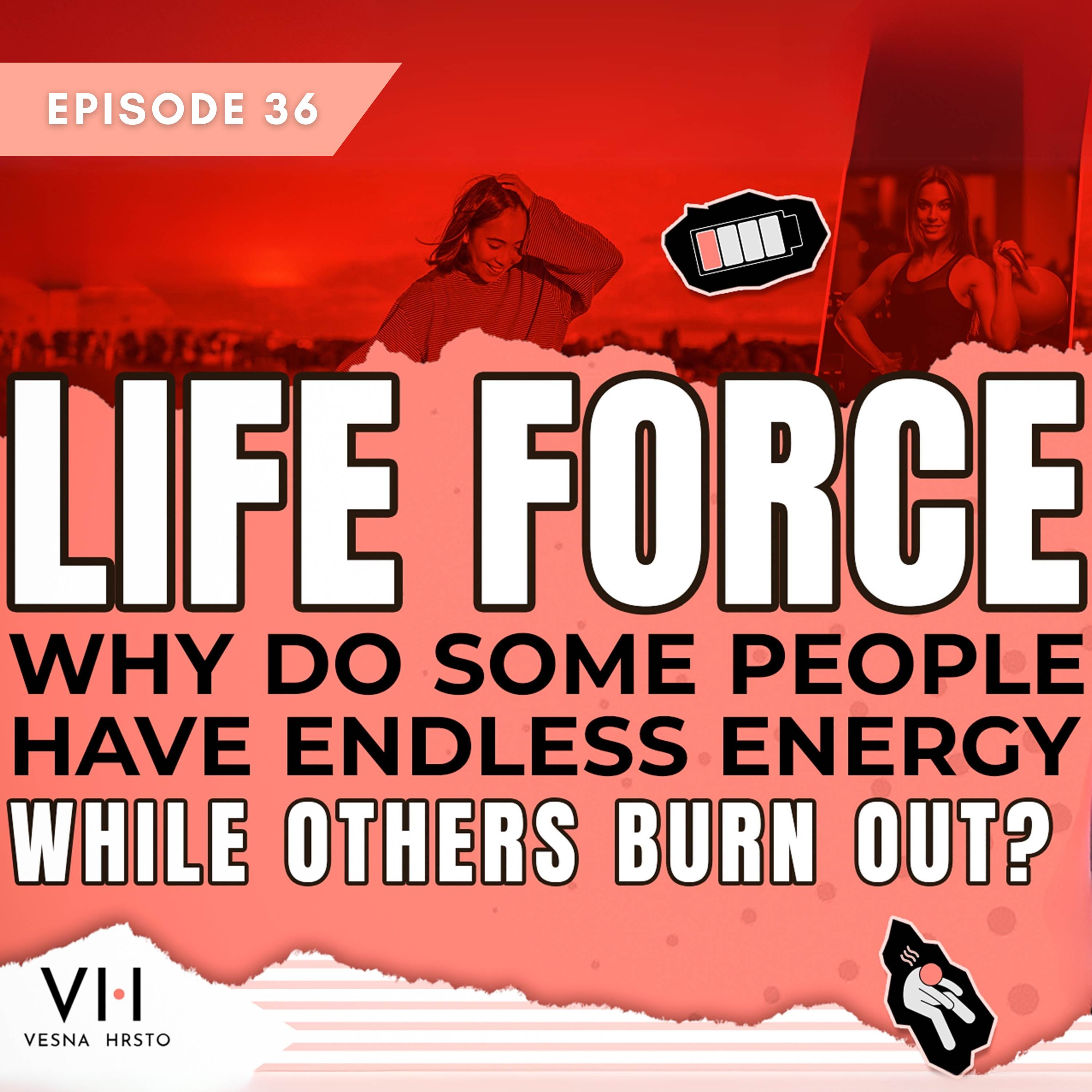
Ep 36Life Force: Why Do Some People Have Endless Energy While Others Burn Out?
You eat all the right foods and take all the right supplements, yet still feel exhausted, while other people seem to eat what they want and have an abundance of energy.What’s going on?!Some clients come to me having tried carnivore, keto, low carb and every supplement under the sun but no matter what they do for their physical bodies, they still feel tired, stressed and burnt out. What we consume matters, absolutely, but what if I told you there's an infinite source of energy available to you beyond the realms of food and pills? I’m talking about life force and how tapping into it can transform your physical, mental and emotional well-being.Life force is the essence of being; it’s what keeps us thriving on this blue ball in space. It’s abundant in nature and while we often overlook its significance, it's a concept embedded in ancient healing practices across the globe. In India, it's known as prana; in Chinese medicine, it's referred to as chi or ki; and in Hawaiian culture, it's called mana. Irrespective of its name, the essence remains the same. It can be nurtured, expanded, or, unfortunately, diminished.A few years ago I worked with a client who had been living with fatigue for 14 years. Despite trying everything in the way of diets, supplements and meditations, she felt lifeless. During one session, she revealed her deep longing to start a business in the holistic space—something she'd always dismissed as impossible. I encouraged her to pursue this dream and she took a leap of faith. Two weeks later, she was transformed; her energy and zest for life returned.What held her back was the belief that her dreams were impossible and that is what diminished her life force.Something we don’t do often enough is sit quietly to ask the deeper questions. If you know that your life force is lacking and you want to cultivate a higher sense of vitality and freedom in your life, start by thinking about what truly excites you, even if it doesn’t feel possible. It's all about doing what brings you life and stopping the things that don't.LINKSFurther Training: https://vesnahrsto.com/join-evolution-webinar Double Your Energy Masterclass:https://peak-revival.captivate.fm/yt-masterclassWebsite: www.vesnahrsto.com Mentioned in this episode:Buh-Bye Burnout
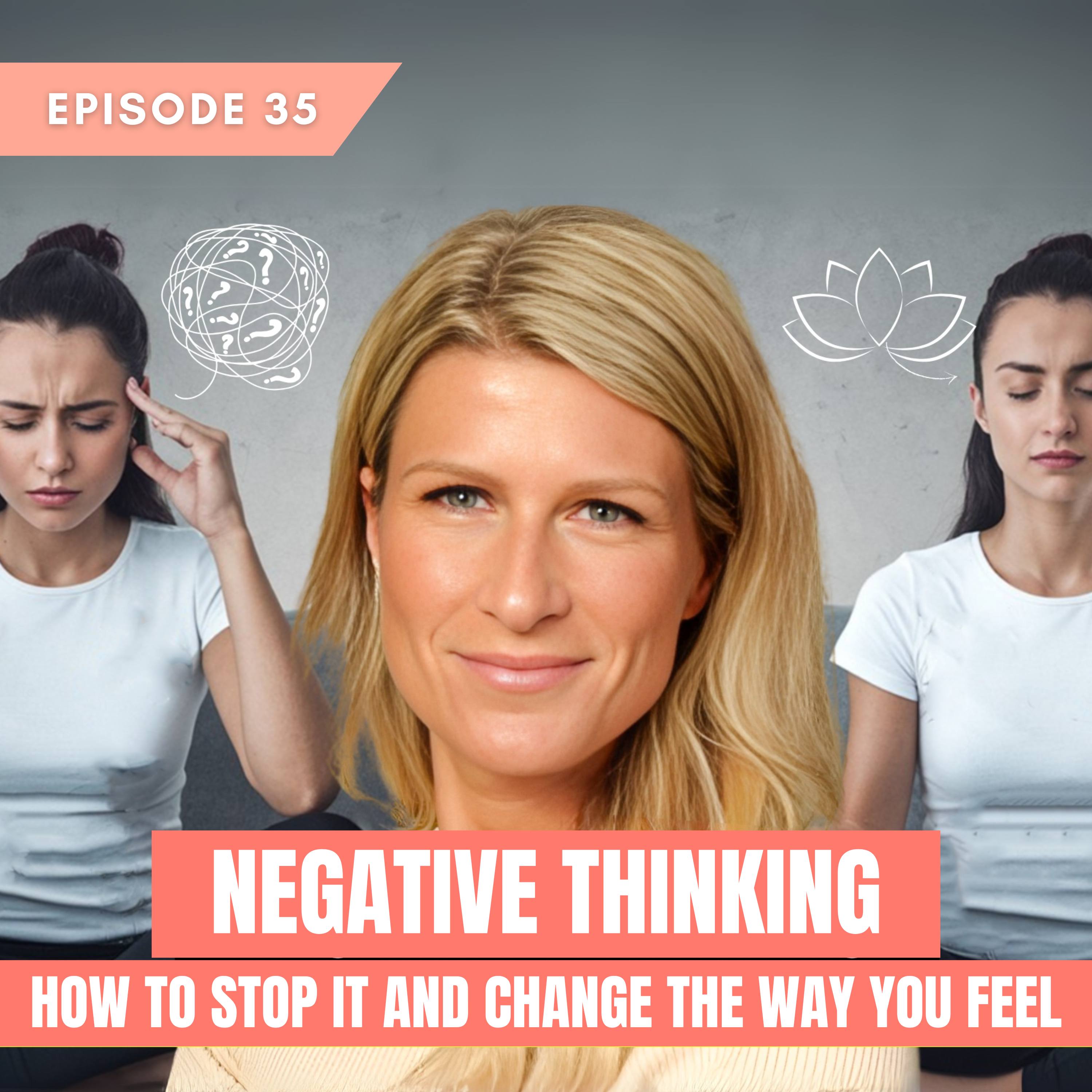
Ep 35Negative thinking: How to stop it and change the way you feel
How many hours a day do you spend in stressful thinking? One hour, six hours, 12 hours? When I ask people this question, they’ll usually say, “Oh, maybe an hour.” And trust me, that is a huge underestimation! We've become so accustomed to our level of negative thinking that we don't even notice it anymore. Conversely, when I ask people how many hours of their waking day they spend in a quiet, peaceful mind, they’ll say: “Oh, I’m lucky if it’s an hour”. That means all other hours of the day - let’s say 15 waking hours - is being spent in stressful thinking. So how does constant, long term negative thinking really impact us, and how do we stop it? Today, I’m taking you through the biochemical effects of negative thinking, how to identify common negative thought patterns and how you can break the cycle to change the way you feel. By paying attention to our internal dialogue and choosing to focus on the positive aspects of our lives, we can radically transform our mental and physical well-being. Remember, it really is a choice. You have the power to reclaim your thoughts and in turn, your life.LINKSFurther Training: https://vesnahrsto.com/join-evolution-webinar Double Your Energy Masterclass:https://peak-revival.captivate.fm/yt-masterclassWebsite: www.vesnahrsto.com
Ep 34Why you can't control your hunger or appetite
It's ingrained in our culture to believe that losing weight is simply a matter of eating less and exercising more. But anyone who's tried this route knows the intense cravings and hunger that can so often follow.Think of your body as having a metabolic control centre—a command hub that regulates hormones influencing your appetite, cravings, and even how much energy you expend. While we can't directly control this metabolic centre, we can influence the signals it receives. Stress, poor sleep, and inappropriate eating patterns can send harmful signals, which makes your body switch to glucose over body fat as an energy source. By reducing stress and prioritising relaxation, you create a safe environment for your body to burn body fat for fuel.Ultimately, we need to shift our perspectives from self-blame to a broader understanding of the many external factors that influence our metabolism. Only then can make informed lifestyle changes that support our overall health and help manage our hunger more effectively.LINKSFurther Training: https://vesnahrsto.com/join-evolution-webinar Double Your Energy Masterclass:https://peak-revival.captivate.fm/yt-masterclassWebsite: www.vesnahrsto.com
Ep 33Tired Just Thinking About Your 2025 Goals? Start Here
Are you burnt out before the year has even begun?There’s a lot of buzz and excitement at the start of a new year with big plans and goals in the pipeline for the next 12 months. But if you’re exhausted just thinking about it, it’s a clear sign we need to do some repair work. A lot of women feel this way and the good news is that there are some really practical ways to help boost your vitality and unlock the energy you need to get back to peak performance. Your personal wellbeing should be an integral part of your business plan because, let’s face it, if you’re too tired or stressed, you’re not going to perform at your peak.Let’s start with a reality check. How are you feeling right now? Do you wake up ready to conquer the world, or does the mere thought of exercise exhaust you? Perhaps you power through your workday only to find you’re a zombie by 5 pm. These are cues from your body that you need to pay attention to.Are you sleeping well? Eating regularly? Experiencing brain fog? All of these factors drastically impact your energy and focus. I often conduct an energy check with clients to help them understand where they currently stand and what might need to shift. Now, let’s uncover the common saboteurs that drain your energy1. Stress 2. Metabolic Health3. Gut-Brain Connection4. Mental LoadIn this episode, I share how you can start making impactful changes today so that 2025 is your best year yet. - Morning routines- The importance of regular meals- Reducing mental stressYour energy and vitality are the foundation of your business's success. So if you’re feeling zapped just thinking about what you need to achieve this year, start by doing a reality check. What small changes could you make to tap into the energy you need for 2025?LINKSDouble Your Energy Masterclass:https://peak-revival.captivate.fm/yt-masterclassWebsite: www.vesnahrsto.com Mentioned in this episode:Buh-Bye Burnout
Ep 323-Step Hormone Reset To Lose Weight, Build Muscle & Increase Your Energy
It’s that time of year again! If you’re like most people out there, you’re probably experiencing that universal feeling of sluggishness –possibly due to a bit of celebrating or a disrupted exercise routine.Maybe you've been socialising, overindulging and noticing some unwanted weight gain creeping in. You had those goals to lose weight this year, but life happened, right? But don’t worry - hope is not lost. I’m taking you through a 3-step hormone reset plan we use in my programs that has helped so many women do things a little differently and find success in their journey to losing weight.It's pivotal to understand that after 35, hormonal shifts make weight loss more challenging and weight gain easier. Women in particular see changes due to hormonal imbalances and stress, both significant factors in weight management.Additionally, modern diets and poor food quality, filled with preservatives and processed ingredients, work against us by inducing nutritional deficiencies that slow metabolism. Constant dieting or having a "diet mentality" doesn’t help either, as these approaches can deteriorate metabolic health over time.The 3-Step Hormone ResetSo, let’s take a look at the three key systems to focus on in order to nourish the hormones responsible for a super fast metabolism:Revitalising the AdrenalsSupporting the Pancreas and LiverNourishing the ThyroidIt is possible to reach your weight loss goals, all while enjoying a balanced, satisfying diet. But as I always say, this journey is most importantly about repairing your metabolism, with weight loss as a welcoming side effect. If this approach resonates with you and you'd like to delve deeper, I've put together a comprehensive training session on these three phases. You'll find the link to this below, offering detailed guidance on achieving a revitalised, vibrant you.LINKSFull training: https://us02web.zoom.us/webinar/register/WN_6hka4XUYT4S3NHNIjRxZugWebsite: www.vesnahrsto.com Mentioned in this episode:Buh-Bye Burnout

Ep 31Five Essential Self-Care Habits for Business Owners to End the Year Strong
Are you beginning to slow down a little?It’s hard to believe it’s this time of year again but here we are - Christmas is around the corner and 2025 is fast approaching! But before you bring 2024 to a complete close, now is the perfect opportunity to reflect, recharge, and set the stage for a new year. To help you end the year strong, I’m sharing five essential self-care habits that you can tap into now while the pace of business begins to slow down. Prioritise Regular Pathology TestingAs business owners, it’s easy to push personal health needs to the back burner. But this is your reminder not to wait until it’s too late. Make Sleep Non-Negotiable I always tell my clients the secret to re-energising is the "Power of Eight before Ten." Aim to be in bed by 10 pm and get yourself a full eight hours of sleep.Take a Creativity DayI encourage my private clients to take a full day once a year to completely disconnect from digital distractions. Yes, that means no phones or laptops allowed! Commit to Personal Coaching or MentorshipDecember might be a hectic month, but it's also a great time to set clear intentions for the coming year. Energise Through SocialisingAs things slow down, take advantage of this period to reconnect with family and friends. Feel the energy boost that genuine social interactions offer, rather than viewing them as draining tasks you need to escape. These five habits are my top recommendations for closing out the year strong and paving the way for an even better one to follow. The creativity day may require more time and commitment, but it’s worth the effort. I’d love to hear which habit you’ll join me in adopting for an incredible end to the year. Here’s to finishing strong and starting 2025 with vitality and purpose!LINKSDouble Your Energy Masterclass:https://peak-revival.captivate.fm/yt-masterclassWebsite: www.vesnahrsto.com Mentioned in this episode:Buh-Bye Burnout
Ep 30Brain Fog or ADD? Why Smart Women Can't Focus Anymore (And How to Fix It)
I love ticking things off my to-do list. Finishing a project gives you this natural high, leaving you feeling satisfied and accomplished in your work.But so many women I talk to feel like no matter how hard they work, they never get to the big, meaningful projects.They feel busy all the time, they’re caught up in shallow work and don’t have the physical energy or mental capacity to hone in on the deep work. A lot of women come to me asking, is it ADD? Is it brain fog? Why do I feel like I’m constantly busy but getting nowhere?There are plenty of productivity hacks out there but today I’m exploring what’s happening in your brain when it comes to performance and focus. More importantly, I'll share how you can leverage nutrition, dietary tweaks, and lifestyle changes to enhance your mental capacity.Tracking Your Daily ActivitiesI recently embarked on a little experiment with some clients who were caught in this cycle of busyness without productivity. Together, we started tracking their daily activities in 30-minute increments over seven days. The results were astounding.Addressing the Root CausesSo what can we do about it? For some clients, a simple boost in mental activity was achieved with supplements like L-theanine, an extract from green tea that enhances performance. However, for others, the brain's exhaustive state called for a deeper look into overall body wellness.Addressing digestive health often reveals a web of connected symptoms, such as inflammation that disrupts brain function, leading to ADD-like or dementia-like symptoms. It's also crucial to regulate cortisol levels and blood glucose to prevent those energy crashes that commonly happen after lunch.To finally start pushing the needle forward on those big projects, consider tracking your daily activities to highlight any patterns going on. From there, you can begin to see what dietary and lifestyle changes you might need to make. LINKSDouble Your Energy Masterclass:https://peak-revival.captivate.fm/yt-masterclassWebsite: www.vesnahrsto.com Mentioned in this episode:Buh-Bye Burnout
Ep 29The reason you're still bloated!
Many of my clients come to me with chronic bloating, heartburn and reflux. They’ve tried everything from supplements and probiotics to meticulous dietary changes, but nothing seems to work. They find themselves caught in a frustrating and extremely uncomfortable cycle and I’ve been there too! It took me five years to find the answers to my severe bloating - it amazed me to discover that my digestive issues weren’t the result of the food I was eating. Gut workTackling digestive issues begins with thorough gut care—balancing pH levels, getting rid of unwanted bacteria, nurturing good bacteria, and repairing the gut lining. Reduce cortisolMake thoughtful tweaks to your diet, sleep routine, and caffeine and sugar intake - anything that might contribute to your cortisol levels. Hypervigilant ThinkingMental stress is another key player, and is often overlooked. When we’re constantly overthinking our symptoms, it keeps us in a fight-or-flight state rather than the healing zone. If you’re experiencing bloating or other digestive issues, have you tried looking beyond the usual dietary interventions? Do you catch yourself in the cycle of overthinking and stressing about your symptoms and what remedy you can try next? This might be part of the problem.LINKSDouble Your Energy Masterclass:https://peak-revival.captivate.fm/yt-masterclassWebsite: www.vesnahrsto.com Mentioned in this episode:Buh-Bye Burnout
Ep 28Depression: How she Reversed 5 Years of Depression and Saved Her Marriage in Just 2 Weeks (Case Study)
Perimenopause can be a really challenging season. The hormonal changes occurring during this time can lead to depression, which affects everything from your energy levels to your career and relationships. But what if I told you that a complete transformation is possible… and that it could happen faster than you think? Typically, we recommend clients approach the program step by step, gradually implementing small habits to avoid overwhelm. However, Kim chose the accelerated path, tackling everything at once. By week two, Kim experienced a remarkable change. My client, Kim, had tried every hormone replacement therapy drug known to man and joining the Buh-Bye Burnout program was her last resort. Today, I’m sharing her journey as a testament to what can happen when you restore balance to your body. Within two weeks, Kim reversed five years of depression and saved her marriage from the brink of divorce. Here’s what we focussed on:Reducing Stress HormonesMind is MedicineThe Gut-Brain ConnectionDetoxThough not everyone will experience transformation at the same speed, Kim’s story is a powerful testament to the change that is possible when we look beyond symptoms to the core issues.LINKSDouble Your Energy Masterclass:https://peak-revival.captivate.fm/yt-masterclassWebsite: www.vesnahrsto.com Mentioned in this episode:Buh-Bye Burnout
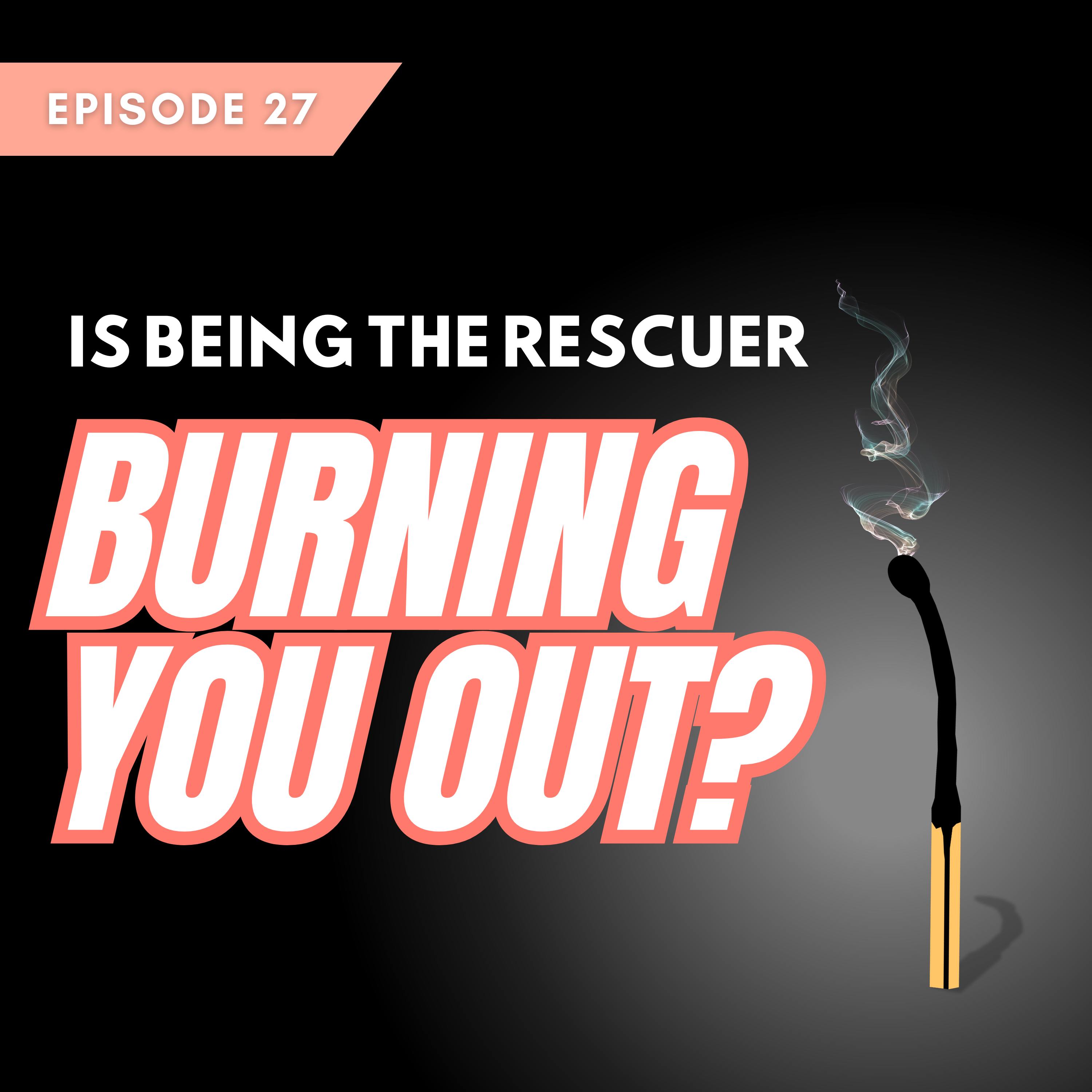
Ep 27Is Being the Rescuer Burning You Out?
For years, I felt like I was responsible for my client's health. It was all up to me. And without me and my expertise, they wouldn’t succeed. It took me a while to realise that this wasn’t helping them at all. In fact, it was perpetuating a drama cycle. I was the rescuer, thinking it was completely up to me to swoop in and solve their problems. And by doing so, I was not only exhausting myself but also robbing my clients of being able to step into their own power. The drama cycle is a psychological framework that often traps us in one of three roles: the rescuer, the victim, or the aggressor. We all step into these roles in various situations in life and until we become aware and make the conscious mindset shift to change this, it’s going to be very difficult to help others.- The Rescuer: Driven by the desire to help, rescuers often take on too much, leaving others powerless to handle responsibilities themselves. This can lead to burnout and the feeling of being overworked and undervalued.- The Victim: Their language tells the story: "I can't do it," "It's too hard," and "I feel helpless." Victims see themselves as unable to take control, often drowning in their own despair.- The Aggressor: Aggressors blame others for the difficulties they find themselves. By doing so, they feel like they are taking control of the situation.Recognising which role you’re playing is a crucial part of breaking the drama cycle. We all step into these roles subconsciously, so it's not about judgment but awareness. By understanding these patterns and why we fall into them, we can make conscious choices to change. Real transformation begins when we reject the victim mindset and choose empowerment over helplessness.LINKSDouble Your Energy Masterclass:https://peak-revival.captivate.fm/yt-masterclassWebsite: www.vesnahrsto.com Mentioned in this episode:Buh-Bye Burnout
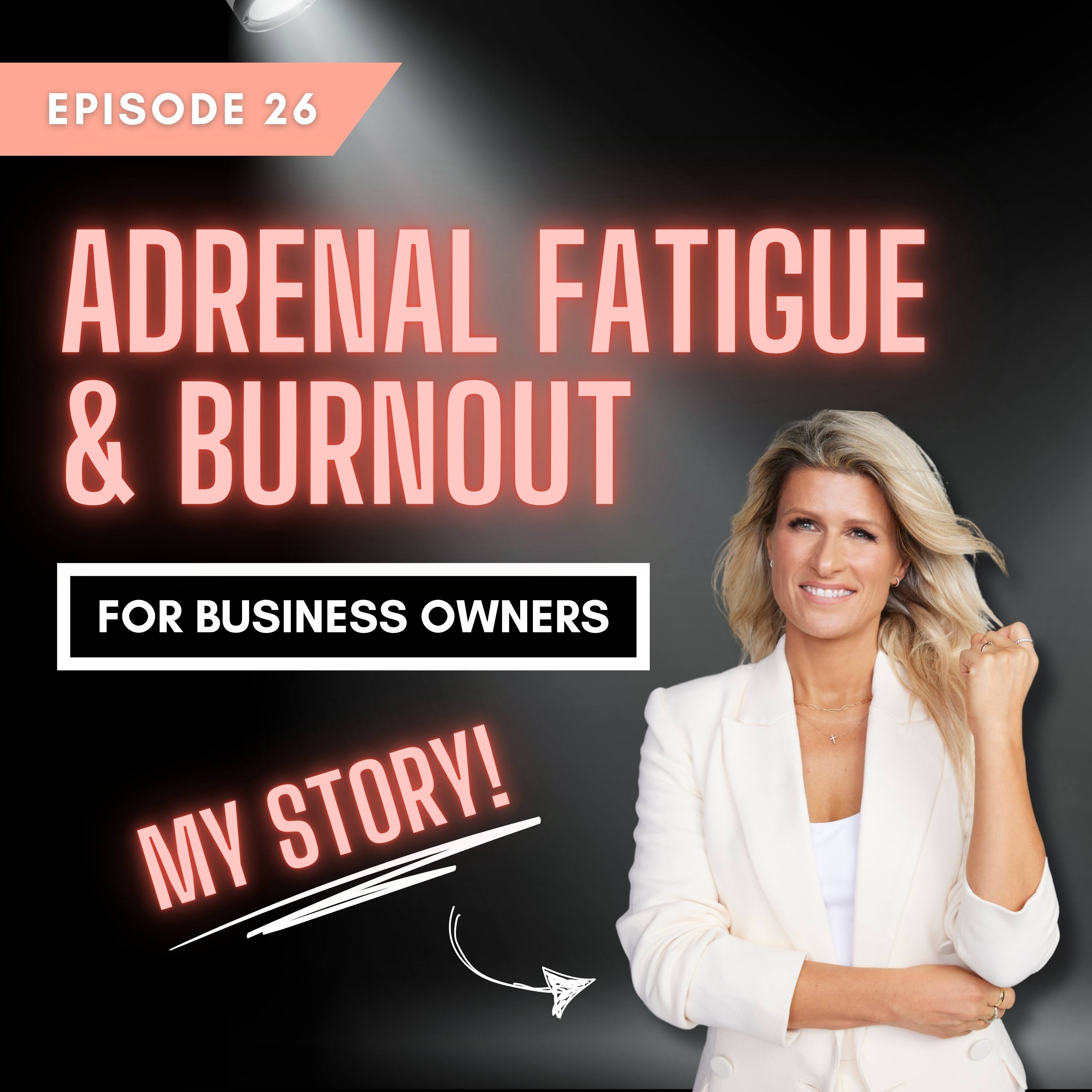
Ep 26Adrenal fatigue & Burnout for business owners (MY STORY)
Do you feel like you're running on empty? It’s like all the responsibilities and pressures in your life have drained you of energy. You feel tired and irritable, you’ve lost your passion for what you do, and no matter how many supplements you take, nothing seems to fix it.If you’re a business owner or in a leadership role, this might sound all too familiar and you might be on the brink of adrenal fatigue. When I first launched my clinical practice, I worked tirelessly to create a successful business, not knowing that fatigue was quietly building within me. I insisted on powering through until I reached the point of needing midday naps just to function. Anxiety gripped me, I was constantly worried about my finances and I could never disconnect from work.Real healing doesn't come from just pushing through. It comes from crafting a thoughtful recovery plan that incorporates healthy habits and allows space for mental and physical recuperation. If you're feeling the strains of burnout or adrenal fatigue, there is so much you can do to transform exhaustion into empowerment.LINKSDouble Your Energy Masterclass:https://peak-revival.captivate.fm/yt-masterclassWebsite: www.vesnahrsto.com Mentioned in this episode:Buh-Bye Burnout
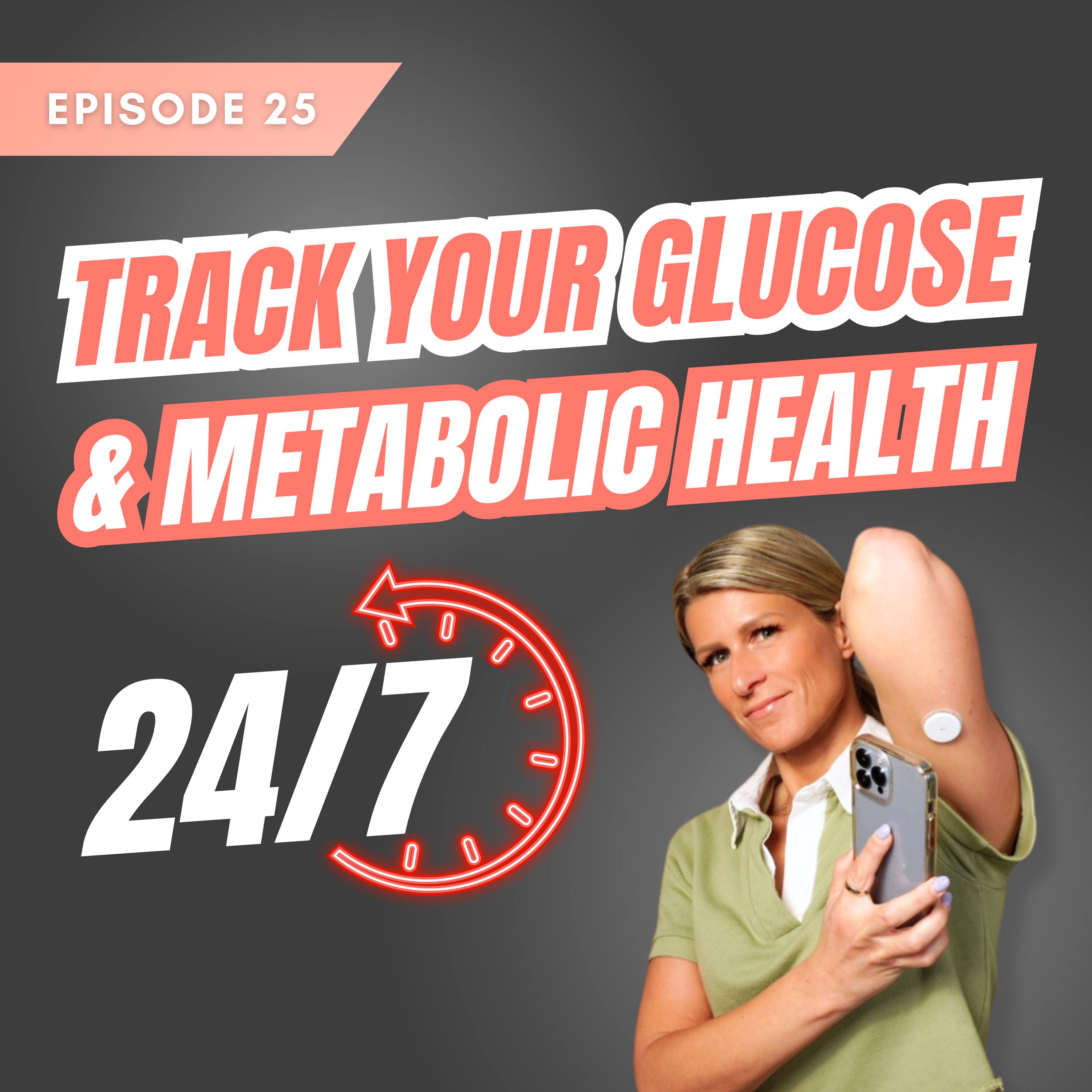
Ep 25Track your glucose and metabolic health 24/7, even while your sleep
Most people are aware that consuming foods high in sugar will cause your blood glucose levels to spike. But did you know that stress and other lifestyle factors can do the same? Big peaks and drops in glucose levels can lead to serious metabolic health issues and whilst people might not be aware this is happening in their body, they do feel the symptoms. Tiredness, brain fog, weight gain, irritability and poor sleep are just some of the signs that your glucose levels might be out of wack.So how do you get your glucose levels under control?One way that has revolutionised our approach to metabolic health is using a continuous glucose monitor (CGM): a device that keeps track of your glucose levels, even while you sleep. In this episode, I share an overview of how continuous glucose monitors work and outline some of the amazing benefits:Track how your body responds to certain foodsMake customised dietary changesBetter compliance due to instant feedbackIncrease of mindful eatingMonitoring with data insightsContinuous glucose monitors have changed the way we approach metabolic health. They reconnect us with our bodies, teach us how to make healthier decisions and support the maintenance of lean muscle mass as we age. So, what do you think? Would you be open to giving one a try?LINKSDouble Your Energy Masterclass:https://peak-revival.captivate.fm/yt-masterclassWebsite: www.vesnahrsto.com Mentioned in this episode:Buh-Bye Burnout
Ep 24Metabolic Health for Women In Business
Have you noticed changes in your body since your mid thirties? Perhaps a little bigger on the waistline, more cellulite and less muscle tone? While it might be considered a normal part of ageing, it may be a sign that your metabolic health is suffering. The good news is that this is completely correctable and you can also prevent it.Metabolic health refers to how efficiently our bodies manage energy. When our metabolic processes are firing on all cylinders, we feel physically and mentally capable of conquering anything that comes our way. However, the pressures of running a business or managing a team can often lead to habits that aren't exactly metabolism-friendly. Think about those rushed fast food lunches, endless cups of coffee, or perhaps a glass of wine too many—sound familiar?Metabolic syndrome is a major contributor to chronic diseases such as diabetes and cardiovascular disease. It’s also closely linked to insulin resistance, belly fat, and even mental health concerns because our brains need glucose to function efficiently. As women, particularly those in their forties and beyond, we become more susceptible to metabolic health issues due to hormonal changes that escalate insulin resistance.Find out the steps you can take to improve your metabolic health.Double Your Energy Masterclass:https://peak-revival.captivate.fm/yt-masterclassMentioned in this episode:Buh-Bye Burnout

Ep 235 Ways to Prevent Work Stress Ruining Your Personal Life
Whether you're working for someone else or running your own business, it can be an emotional rollercoaster. Projects can drag on longer than anticipated and the daily ups and downs can be relentless. But here's the thing – while we all love our work, we need to ensure we're not allowing our professional stress to ruin the quality of our personal lives. A healthy personal life is something we absolutely must have - it’s what nourishes our mind, body and soul. And so it can’t be all work - there needs to be a balance. Now, occasionally in our work and in our business, we're going to have stresses. It’s inevitable. However, not all stress is bad. Sometimes stress can work for us, helping us to stretch and grow. We can tap into our inner resources and find the strength to get to that next level.But too much stress and no recovery? Not so great. Without any downtime or headspace away from it, stress is extremely draining for the body. We find ourselves exhausted and burnt out.So how do we strike a healthy balance that keeps us propelling forward, as well as staying in control of our minds and bodies? Today, we’ll explore the top 5 ways to prevent work stress from ruining your personal life. If you’ve experienced the feeling of taking work stress home with you, or if any of your habits are exacerbating your stress, I encourage you to try out these tips. I’d love to hear from you about which of these habits you can implement immediately to start living a more balanced and fulfilling personal life - make sure you comment below!Website: vesnahrsto.comMentioned in this episode:Buh-Bye Burnout
Ep 22Feeling Overwhelmed? Lighten Your Mental Load Fast!
Have you ever caught yourself thinking, "If I could just get my head to shut up for five minutes, I'd feel so much better"? You're not alone.That noisy mind is exhausting and women often express to me how they wish they could make it stop so they can finally relax.What a lot of people don’t realise is the impact of chronic overthinking on our stress levels, and our physical bodies too, including weight gain and hormonal imbalances.Overwhelm stems from the mental load and directly affects our physical well-being. Symptoms such as anxiety, inability to handle stress, and brain fog might sneak up on you over the years, but they don't appear out of nowhere—they're the result of prolonged mental stress.Our minds are inherently designed to filter out noise, both literal and metaphorical. For instance, when you adapt to living near a bustling city or a noisy train line, your mind learns to block out the noise. Similarly, our brains can dismiss unnecessary thoughts if we let them.It's not about actively trying to change your thinking or forcing positivity. Instead, it’s about being aware of your overthinking tendencies and choosing not to entertain them. Recognise that your mind can return to a clear state if you stop feeding it with endless thoughts.Do you recognise when the noisy mind is taking over? And if you’re feeling overwhelmed, do you think your stress is coming from your to-do list? Or is your mental load the problem?Website: vesnahrsto.comMaster Cortisol Webinar: https://training.vesnahrsto.com/join-masterclass Mentioned in this episode:Buh-Bye Burnout
Ep 215 Ways to Reduce Stress (Even When Life Is Still Chaotic!)
Let’s be honest…life is full of challenges. That’s never going to stop, especially if you’re in business. When the to-do lists are never ending and the demands keep rolling in, it can feel like the only option is to get through the day in a constant state of stress.No time for a break, no time for rest. Your body just has to deal with being highly strung and anxious.You might not be able to change the circumstances around you, but there is a lot you can do to help change the response in your body, even when life is chaotic.1. Incorporate Cortisol-Reducing FoodsCortisol is our main stress hormone, and prolonged high levels of cortisol can affect everything from mental function and mood to metabolism and sleep. Certain foods can help reduce cortisol, including carbohydrates—yes, even high Glycemic Index (GI) carbs are beneficial in this context. 2. Create Calendar SpaceBuild small pockets of decompression time into your day—the five-minute breaks where you can stretch, get some sunlight, or just breathe. These micro-breaks can significantly lower your stress hormones and help you feel more at ease.3. Make a “Do Now” ListMost of us carry around a never-ending mental to-do list that adds to our stress. Simplifying your list to just a few essential tasks allows your mind to focus and function more freely, reducing that overwhelming sense of obligation.4. Prioritise SleepSleep is your body's natural way of healing and resetting. Aim for eight hours of sleep and try to get to bed by 10 p.m. 5. Cultivate a Clear State of MindA noisy, over-analytical mind triggers the release of stress hormones like cortisol and adrenaline. On the other hand, a clear state of mind fosters the ability to think rationally, problem-solve and find the solutions you need. You can’t control everything that happens in life and business, but you can be proactive to equip your brain and body to deal with stress. Have you ever thought there's nothing you can do because your life is so chaotic? Website: vesnahrsto.comDouble Your Energy Masterclass: https://peak-revival.captivate.fm/yt-masterclassMentioned in this episode:Buh-Bye Burnout

Ep 20Emotional Wellbeing: A key ingredient for natural leadership
We’ve all had those stressful periods where the pressure is on, deadlines are creeping up and the demands of work leave us feeling drained and exhausted. While you might think the only answer is your next holiday, there are practical ways you can boost your emotional wellbeing to not only manage your emotions but also make a positive impact on your results and overall effectiveness as a business owner or leader. Many clients I work with have been on the brink of burnout, overwhelmed and highly strung because of their inability to regulate emotions. So, how can we navigate these challenges like top performers do? The secret lies in managing both our nutritional intake and our mental processes. Expect to learn nutritional psychology tools for emotional wellbeing, including:How lack of hydration affects your moodThe importance of balancing your blood sugar levelsWhy proteins are the building blocks for neurotransmittersHow to boost your brain through Omega-3 The role of mindset and how to stop overthinkingWhy sleep is essential for emotional wellbeingHave you noticed how your emotional balance affects the way you lead your team or solve problems in your business? Website: vesnahrsto.comDouble Your Energy Masterclass: https://peak-revival.captivate.fm/yt-masterclassMentioned in this episode:Buh-Bye Burnout
Ep 19Fall in love with your work: The Secret to Business success and Personal Vitality
Would you say that you’re in love with your work? A lot of people start their careers and businesses fuelled by enthusiasm but then life happens, they hit hard times, and the passion is gone. Maybe you’re struggling financially, you feel like you’re always putting out fires or you simply don’t find joy in what you do. If you can relate to this sense of trudging through your day, I’m putting out a challenge today to take a look at your thinking and how this impacts the way you feel about your work and the direct impact it has on your success and vitality. A piece of research conducted by the Mayo Clinic revealed fascinating insights about how we perceive our work. People generally fall into three categories: those who see their work as a job, those who view it as a career, and those who consider their work a calling. If your motivation is mainly the financial reward, you see your work as a job. If you're driven by recognition and status, it's your career. And if you find deeper meaning and use your natural gifts, you view your work as a calling.What aspect of your business, work, or life could you fall in love with? What stories and habitual thoughts are holding you back? Imagine the impact if you fell in love with it and how it would transform your results and the level of joy you experience in life.LINKS:Website: vesnahrsto.comDouble Your Energy Masterclass: https://peak-revival.captivate.fm/yt-masterclassMentioned in this episode:Buh-Bye Burnout
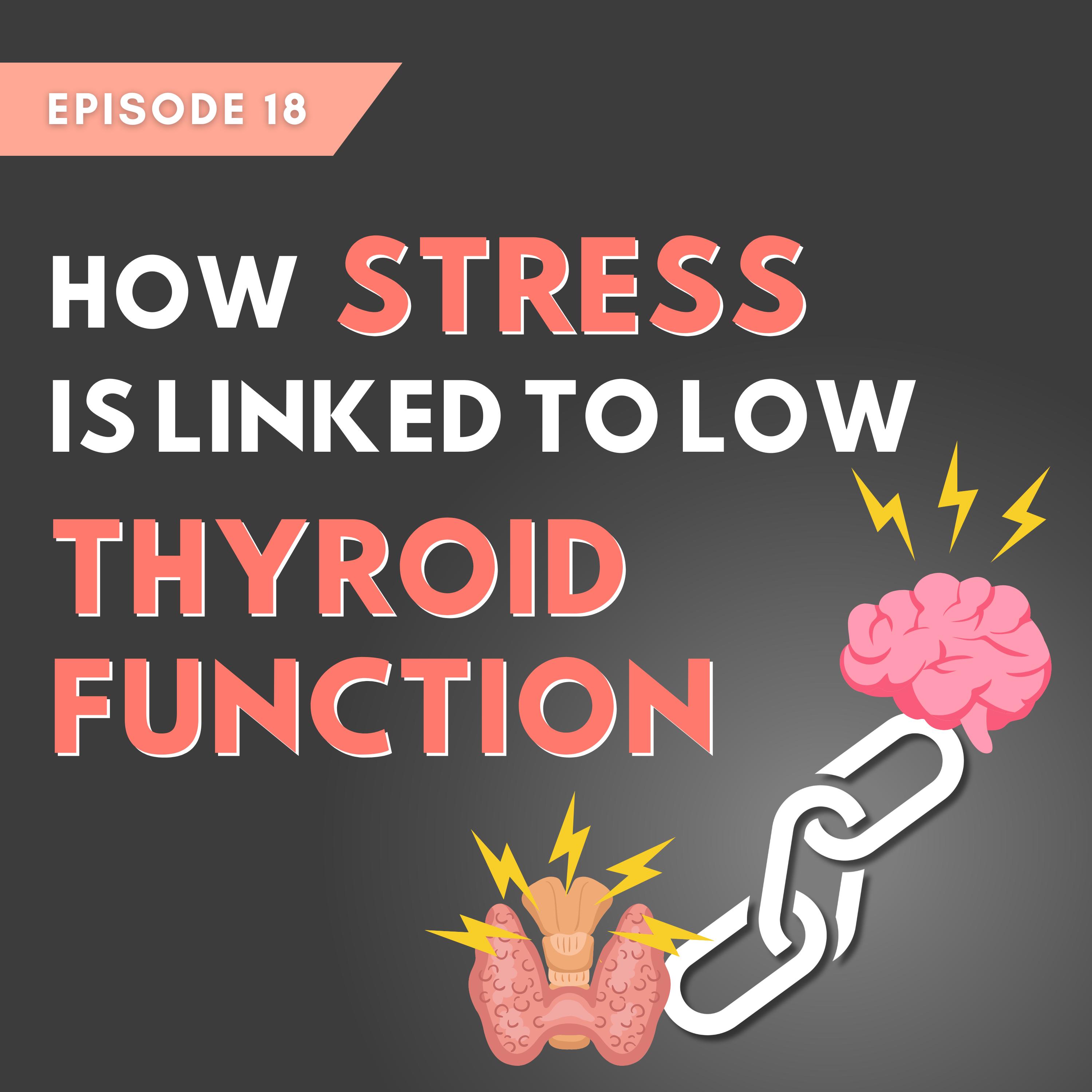
Ep 18Cortisol-Thyroid Connection: How stress is linked to low thyroid function
If I had a dollar for every high achieving woman that comes to me with symptoms of thyroid dysfunction, I’d be a very rich woman. These women are feeling run down, they have low moods, high levels of anxiety, thinning hair and a host of other symptoms that they just can’t seem to move through. They’ve already been to the doctor and have been told that it’s not their thyroid because their TSH levels are fine, but they don’t know where else to look.Unfortunately, thyroid dysfunction is extremely common, but you need to look further than your TSH levels to get to the bottom of it. Your pathology panel needs to include levels of T4, T3, TSH and your thyroid antibodies. This will give you a clearer picture and establish where your thyroid is at.Once it’s been confirmed that you are suffering from thyroid dysfunction, the next step is to understand the causes of this dysfunction and where you can make changes to improve your health.In this episode, I break down some common causes of thyroid dysfunction, and how to manage them.Pathology Tests to Manage StressTurn Cortisol Into Your AllyWebsite: vesnahrsto.comDouble Your Energy Masterclass: https://peak-revival.captivate.fm/yt-masterclassMentioned in this episode:Buh-Bye Burnout
Ep 17Not Burnout? It Might Be Functional Freeze
A lot of people identify themselves as burnt out. They’re tried, stressed out and unmotivated in their work and everyday life. For some, pushing themselves too hard and for too long has resulted in burnout. For others, while they may have some of the symptoms, they’re actually experiencing something else altogether.So what else could it be? While it’s easy to jump to the conclusion that burnout is the cause of our problems, it’s important to understand that our stress response comprises various stages. It all starts with chronic stress, which leads to more severe conditions that have damaging effects on the nervous system. But between these stages exists something called functional freeze.Functional freeze is a maladaptive stress response where you can still complete your tasks yet feel stuck in a kind of “freeze mode.” You have a sense of consistent heightened anxiety without the desire or energy to do anything. You might feel like you’re in limbo, functioning but not thriving.So what are the signs of functional freeze, and how do we get ourselves unstuck if we’ve found ourselves in its trap? In this episode, I’ll break down the symptoms and causes of this stress response, and take you through strategies you can experiment with to overcome it. Website: vesnahrsto.comDouble Your Energy Masterclass: https://peak-revival.captivate.fm/yt-masterclassMentioned in this episode:Buh-Bye Burnout
Ep 16The Iron Trap: Why Iron Supplements Aren't Working
I've encountered countless women struggling with iron deficiency and depletion. They’re tired all the time, breathless when they shouldn’t be, unable to focus and have nagging headaches that hang around for days. Being in a general state of fatigue all the time leaves them feeling unable to function properly.It can be really debilitating.So they head to their doctor, get the relevant blood tests and are prescribed iron supplements or if the levels are really low, an iron infusion could be recommended.They start taking their supplements and wait for their levels to increase.But despite being diligent with their iron supplements, they continue to face low iron levels and their energy levels aren’t improving. This cycle can be incredibly frustrating, mainly because iron is such an essential nutrient for our bodies. It carries oxygen around our body, and without enough of it, we're left feeling tired, unfocused, and weak. In this episode, I break down why this is happening and what you can do about it.LINKSWebsite: vesnahrsto.comDouble Your Energy Masterclass: https://peak-revival.captivate.fm/yt-masterclassMentioned in this episode:Buh-Bye Burnout
Ep 15"Nice" Girls Burnout: The hidden cost of people pleasing
I’m a recovering “nice girl”. I often joke about it, but the reality is, I think I’ll be saying that for years to come. I’ve spent a long time trying to unlearn the habits that come with people pleasing, yet somehow they still manage to show up in all different areas of my life. It impacts the way I lead in business, how I speak up in relationships and the compromises I make in my friendships. Being a “nice girl” is more than just being agreeable and polite. There's a hidden cost to people pleasing that not only hinders your potential, but takes you on a fast track to burnoutSo how do we recover from “nice girl syndrome” and quit trying to please everyone else to our own detriment? We recognise that it’s a product of our socialisation that no longer serves us as adults. We get comfortable with discomfort, setting boundaries or having difficult conversations when necessary. Particularly as women, we ask for what we want, whether it’s a pay rise at work or unmet needs in our relationships. I encourage you to take a step back and observe where these patterns show up in your life. They won't be isolated to one area—they'll be in your work, relationships, social settings and health choices. It’s time to challenge the ingrained habits and start living a more empowered, authentic life. Do you see these symptoms in yourself? And what steps are you taking to overcome them?Website: vesnahrsto.comDouble Your Energy Masterclass: https://peak-revival.captivate.fm/yt-masterclassMentioned in this episode:Buh-Bye Burnout

Ep 14Nutritional Psychology: Is food making you anxious or depressed?
You know that hangry feeling when you haven’t eaten for a while? You feel irritable, anxious and your brain struggles to concentrate. You just don’t feel yourself.When we think about mental wellbeing, we often think about the importance of meditation, yoga or getting enough sleep. But research has shown that your food choices might be making you feel anxious or depressed.Today I’m talking about nutritional psychology and how our brains can mimic symptoms like anxiety and depression simply because of the food we eat.The Role of Glucose ControlLet's start with glucose control, the first major internal factor influencing our mental health. Our brain's main source of fuel is glucose, which it needs 24/7 to function properly. If our brain doesn't get a steady supply of glucose, or if there's dysregulation, the body releases stress hormones to compensate, which can amplify feelings of anxiety and depression.The Gut-Brain AxisThe second major player is our gut health. Our digestive system and brain are connected by the gut-brain axis, or the vagus nerve. When our gut lining is compromised—often referred to as leaky gut—it triggers inflammation that affects the whole body, including the brain. This inflammation disrupts our neurotransmitter production, leading to symptoms of anxiety and depression.The Impact of OverthinkingMany women tell me their minds just won't shut up—they're constantly worried or overwhelmed. This habitual overthinking drains our neurotransmitters, making it difficult for our brains to regulate mood, leading to heightened anxiety and depression. We often get stuck in thought traps, spinning in analytical loops that keep stress hormones activated. This burnout can disrupt brain activity and further drain neurotransmitters essential for a balanced mood.So next time you’re feeling a bit flat, think about what fuel you’ve been putting into your body. It might simply be a matter of needing to tweak your food choices or quieting the mind to help regulate your body and get back to feeling yourself again. Website: vesnahrsto.comDouble Your Energy Masterclass: https://peak-revival.captivate.fm/yt-masterclassMentioned in this episode:Buh-Bye Burnout
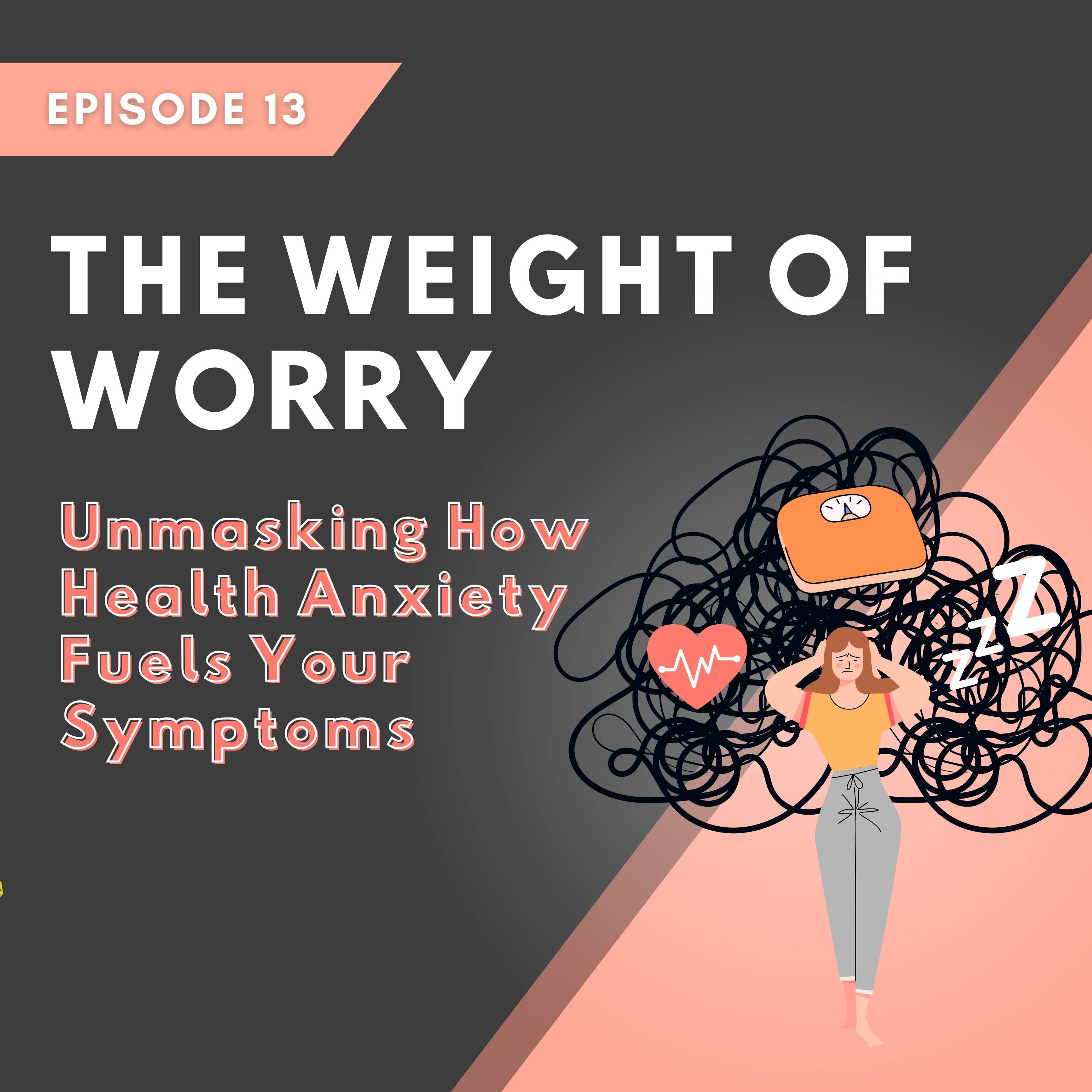
Ep 13The Weight of Worry: Unmasking How Health Anxiety Fuels Your Symptoms
Do you find yourself obsessing over your weight, constantly judging how you look in the mirror? Or maybe you’re often stressed about how you feel, worrying about symptoms that won’t go away. If this sounds familiar to you, you could be suffering from one of two things: weight anxiety or health anxiety. It could even be both. Health anxiety is a common issue I see amongst my clients, who often work themselves into a state about the symptoms they’re experiencing. They could be suffering from constant fatigue or chronic pain that won’t let up, unable to shift their focus from what seems to be going wrong. They have anxiety about anxiety.I get it - it’s an awful feeling to be unhappy with how your body is performing, and troubling when the answer isn’t easily found. However, I have to break it to you: your anxiety could actually be making things worse.Today, I’m talking about hypervigilance and the extremely damaging effects it can have on the mind and body. We’ll explore how this relentless over-focus and worry can actually exacerbate a problem instead of alleviating it. I’ll take you through its ability to disrupt hormonal balance, particularly affecting systems like the thyroid—a gland that plays a crucial role in regulating our metabolism and body weight.While there are no hard and fast strategies to escape a cycle of negative thinking, we’ll talk about a vital step on your journey towards breaking free from stress: finding acceptance for the current state you’re in. I know it seems impossible not to feel at war with your body when it’s letting you down, but I’ve seen firsthand in my clients how a mindset shift can begin to alter someone’s physical state. Take a step back and remember you’re doing the best you can with what you have. A bit of self-love will help bring clarity and trigger those precious chemicals in our brains that keep us relaxed, rational and able to handle whatever comes our way with confidence. Remember, acceptance doesn’t mean giving up; it means reducing the mental resistance and making space for genuine healing. Website: vesnahrsto.comDouble Your Energy Masterclass: https://peak-revival.captivate.fm/yt-masterclassMentioned in this episode:Buh-Bye Burnout
Ep 12Rid yourself of cravings & lose weight easily
Do you get the munchies at night? Maybe you’ve eaten healthy all day but come late afternoon, you find yourself rummaging through the fridge and pantry for something sweet.If you're struggling with sugar cravings, addiction to food, or binge eating, you're not alone. Many women face these same challenges. You might think it's a matter of self-control or willpower, but researchers in obesity have shown otherwise. It's unlikely that we've suddenly experienced an epidemic of low willpower over the last 30 years. So, what’s really at play here? First, let’s get to the root of the problem: ultra-processed foods. These are items like energy drinks, cereals, ice cream, chocolate, and takeaway food. But don’t let their addictive nature fool you. They may taste good but they also mess with your brain and hormones.In this episode, I share four practical steps to help you overcome cravings:Reduce Ultra-Processed FoodsEat Regular MealsChoose Better CarbohydratesRealign Your Circadian RhythmRemember, the cravings you feel are a result of consuming addictive foods. Just like overcoming a nicotine addiction, understanding that these foods are engineered to be addictive is the first step in breaking the cycle. Reducing your intake will stabilise your glucose levels and minimise your cravings.LINKSWebsite: vesnahrsto.comDouble Your Energy Masterclass: https://peak-revival.captivate.fm/yt-masterclassMentioned in this episode:Buh-Bye Burnout
Ep 11Is it really symptoms of perimenopause? Or something else?
You know those pesky symptoms like fatigue, brain fog, and mood swings? Many of us in our mid to late 30s instantly think, "Ah, it must be perimenopause." But what if I told you that might not be the whole story?Many of my clients and friends in their late 30’s and early 40’s have come to me convinced they're experiencing perimenopause, but the reality is that these symptoms can also be due to other underlying imbalances. Perimenopause is the transitional phase leading up to menopause, typically beginning in your 40s but can start earlier in some women. Common symptoms include fatigue, low mood, depression, brain fog, changes in period patterns, and weight gain. However, these symptoms aren’t exclusive to perimenopause. Misdiagnosis can leave other health issues untreated, there's a lot we need to consider.Areas to investigate include:Thyroid DysfunctionStress and the HPA AxisThe Role of DietGut HealthI want to encourage you to take control of your health. If you're finding it hard to get comprehensive tests done through your GP, many of these tests can be ordered online. It’s crucial not to overlook potential imbalances and assume it's all perimenopause. There is a lot you can do to investigate and address the root causes of your symptoms.Website: vesnahrsto.comMaster Cortisol Webinar: https://peak-revival.captivate.fm/cortisol-webinar Mentioned in this episode:Buh-Bye Burnout
Ep 10Lean at Any Age: Reverse age-related muscle loss in your 40s and beyond
As we age, maintaining muscle mass becomes increasingly important for our overall health and mobility. Yet, many women find themselves struggling to prevent muscle loss, especially once they hit their 40s. These changes can be frustrating, but there's good news. We can combat this age-related muscle loss, known as sarcopenia, with the right knowledge and strategies.Muscle health isn't just about aesthetics. Yes, it helps us avoid those saggy arms or the dreaded muffin top, but more importantly, muscle is a huge indicator of overall health and longevity. The more muscle we retain, the healthier we are. Strong muscles lead to better bone health, improved vitality, and a longer life.Key Factors Contributing to Muscle Loss1. Aging: Naturally, we lose 8% of our muscle every decade from ages 40 to 70. This rate increases to 15% per decade after 70.2. Insulin Resistance: As we age, hormonal changes make us more prone to insulin resistance, leading to more belly fat and overall fat storage, which is inflammatory and impacts muscle health.3. Hormonal Changes: Perimenopause and menopause accelerate sarcopenia if we don't adjust our diet and lifestyle.4. Low Protein Diets: Many women, despite thinking they have a good diet, often don't consume enough protein.5. Sedentary Lifestyle: Lack of physical activity, especially resistance training, worsens muscle loss.Steps to Reverse Age-Related Muscle Loss1. Protein IntakeProtein is vital for muscle protein synthesis. Aim for at least 1 gram of protein per kilo of body weight daily. If you’re more active, this requirement increases. Whether through animal or plant proteins, ensure you’re meeting your protein needs. For vegetarians and vegans, consider supplementing with leucine or branched-chain amino acids.2. Carbohydrate ManagementManaging carbohydrate intake to prevent insulin resistance is crucial. Avoid processed carbs and sugars to reduce inflammation and improve insulin sensitivity. Focus on whole, unprocessed foods to help maintain muscle and overall health.3. Resistance TrainingEngage in resistance training 2-3 times a week. Using your body weight, weights, or tools like Pilates bands can build strength and muscle mass. I recommend working with a personal trainer to ensure the exercises are effective and safe.4. Vitamin D and SunlightVitamin D deficiency often stems from inadequate sun exposure. Aim for some sunlight daily to support bone health. During winter, even face and hand exposure for 15 minutes can be beneficial.5. Prioritising SleepQuality sleep is essential for muscle recovery and overall health. Poor sleep disrupts your circadian rhythm and increases cortisol, which can lead to muscle loss. Aim for consistent, restorative sleep each night.Maintaining muscle mass as you age doesn’t have to be complicated. By understanding and effectively managing your protein intake throughout the day, you can stay strong and lean well into your 40s and beyond. Remember, it’s not just about how much protein you consume, but how you distribute it that makes the biggest impact on your muscle health.Website: vesnahrsto.comMentioned in this episode:Buh-Bye Burnout

Ep 9Managing stress, belly fat and weight gain for women over 35
I hear so many women over 35 worrying about how to manage their stress, weight gain, and belly fat. It’s like one day you wake up, glance in the mirror, and realise your body isn’t quite what it used to be. The routines that worked so magically in your 20s and early 30s suddenly yield less impressive results, and more often than not, it's your midsection bearing the brunt of these changes.After the age of 35, many women start noticing a significant shift in their bodies. The frustrating part? These changes often accelerate after we hit 40. As we edge into our forties, we become more prone to conditions like insulin resistance. This isn't just a minor inconvenience—insulin resistance is linked with weight gain, especially around the midsection. Hormonal changes are primarily to blame, but the good news is that this is entirely preventable and reversible. In this episode, you’ll discover how you can reverse insulin resistance, reduce belly fat and regain muscle tone through dietary adjustments, stress management, and proper exercise.LINKS: Website: vesnahrsto.comMaster Cortisol Webinar: https://peak-revival.captivate.fm/cortisol-webinar Mentioned in this episode:Buh-Bye Burnout
Ep 8Gut Instinct: How hidden digestive issues drive down your Energy + mood
I see a lot of CEO’s and busy women who can handle a lot of stress but when it comes to gut symptoms, that can be the unexpected trigger that drives stress and anxiety through the roof.Symptoms of poor gut function can range from bloating and embarrassing gas to constipation, diarrhoea, abdominal pain, and indigestion. And - you might have leaky gut without experiencing noticeable symptoms.Gut health has a profound impact on our energy levels, mental focus, productivity, and overall success. For women who are overstressed, exhausted, and burnt out, these symptoms often cascade into what's known as leaky gut. Leaky gut occurs when the lining of the gut becomes compromised. Given that 70 to 80 per cent of our immune system resides just outside the gut, any breach in this lining allows unwanted particles to trigger the immune system, causing inflammation and whole-body effects, including the brain.In this episode, I’m sharing the four steps you can take to repair your gut and why simply taking a probiotic might be a waste of your time. LINKS: Website: vesnahrsto.comMaster Cortisol Webinar: https://peak-revival.captivate.fm/cortisol-webinarMentioned in this episode:Buh-Bye Burnout
Ep 7How to get rid of brain fog
Imagine trying to work with a head full of cotton wool. Yes, I’m talking about when our good friend brain fog creeps in and won’t leave you alone.Brain fog is an issue that I believe far too many women are suffering from. Missing appointments, leaving meetings early, or feeling drained at the end of a less-productive day can all be part of this experience. But here’s the kicker—it could also indicate underlying health issues. In this episode, I will break down what brain fog is, what causes it, and most importantly, how you can get rid of it.The key to conquering brain fog lies in identifying and addressing its root causes. Whether it is managing stress, balancing thyroid function, improving gut health, or tweaking your diet, these changes can vastly improve your memory, concentration, and overall mental clarity. Try these tips I’ve mentioned today, and let me know if your brain fog symptoms improve!LINKS: Website: vesnahrsto.comMaster Cortisol Webinar: https://peak-revival.captivate.fm/cortisol-webinar Mentioned in this episode:Buh-Bye Burnout
Ep 6Mastering Mood, Energy, and Stress: Pathology Tests Every High-Performing Woman Needs to Know About
As high-achieving women, we often push ourselves to the limit, managing numerous responsibilities while striving to excel in our careers and personal lives. With stacked schedules, many of us don’t notice when our health starts to decline. We feel more tired, our mood might drop, and we could suffer from increased anxiety or other health issues. But these changes often happen so gradually that they’re easy to ignore. Regular pathology tests can help you catch these changes early, ensuring you can address them before they become more serious. In this episode, I provide a comprehensive guide on the specific tests to ask for, including thyroid panels, cortisol levels, iron studies, and more, especially tailored for high-performing women with busy lifestyles. It's an informative episode that empowers you to proactively take charge of your health and well-being through effective testing and understanding your results.LINKS: Website: vesnahrsto.comMaster Cortisol Webinar: https://peak-revival.captivate.fm/cortisol-webinar
Ep 5Escape the ovewhelm trap! How to reduce stress & anxiety
Today I'm excited to share some insights on dealing with stress without feeling overwhelmed. As high-performing women, we've all experienced days when a hefty to-do list felt manageable and others when it felt completely overwhelming. The difference often lies in how much we're overthinking. Overthinking leads to feelings of anxiety, low moods, and eventually burnout. Avoiding the Overwhelm: The Importance of Positive ThinkingPositive, calming thoughts induce healing hormones and begin to reverse the damage of negative thinking. By recognising the impact of our thoughts, we can start to clear our minds, encouraging thoughts that help us stay content and peaceful.When we're stressed, our bodies are flooded with cortisol, which drops our IQ and narrows our focus, making it difficult to resolve our issues or find solutions. It's akin to reading a book with your nose pressed against the page; you can only see a few words instead of the whole story.It’s important to zoom out and look at the whole picture.How to Navigate Life Without Overwhelm1. Understand How the Mind Works: Strategies alone won't create lasting change unless we first understand what's happening in our minds and bodies. 2. Escape Thought Traps:Identify common triggers that lead to catastrophic thinking. 3. Be Okay with Bad Feelings:It's crucial to accept negative emotions without trying to resist them. When we resist, they persist. As you move through your daily challenges, consider how your current mindset impacts your stress levels. What small changes can you make today to break free from negative thought cycles? How can you encourage a more positive, calm, and rational mindset to improve your overall mood and performance? Take a moment to reflect and commit to one actionable step toward a clearer, more peaceful mind. You've navigated challenges before, and you have the strength and resourcefulness to do it again. LINKS: Website: vesnahrsto.comMaster Cortisol Webinar: https://peak-revival.captivate.fm/cortisol-webinar