Fiery explosive shipwreck gave Boiler Bay its name
A MILE OR two north of the picturesque little Central Coast town of Depoe Bay, there’s a little unassuming wide spot at the side of Highway 101 where you can pull off the road and park....
Offbeat Oregon History podcast · Finn J.D. John
February 13, 202610m 52s
Audio is streamed directly from the publisher (offbeatoregon.com) as published in their RSS feed. Play Podcasts does not host this file. Rights-holders can request removal through the copyright & takedown page.
Show Notes
A MILE OR two north of the picturesque little Central Coast town of Depoe Bay, there’s a little unassuming wide spot at the side of Highway 101 where you can pull off the road and park. There are a couple trails leading down to the sea from that spot, and at very low tides you’ll often see people there, climbing over the ridge and picking their way down to the rocky, forbidding shore below.
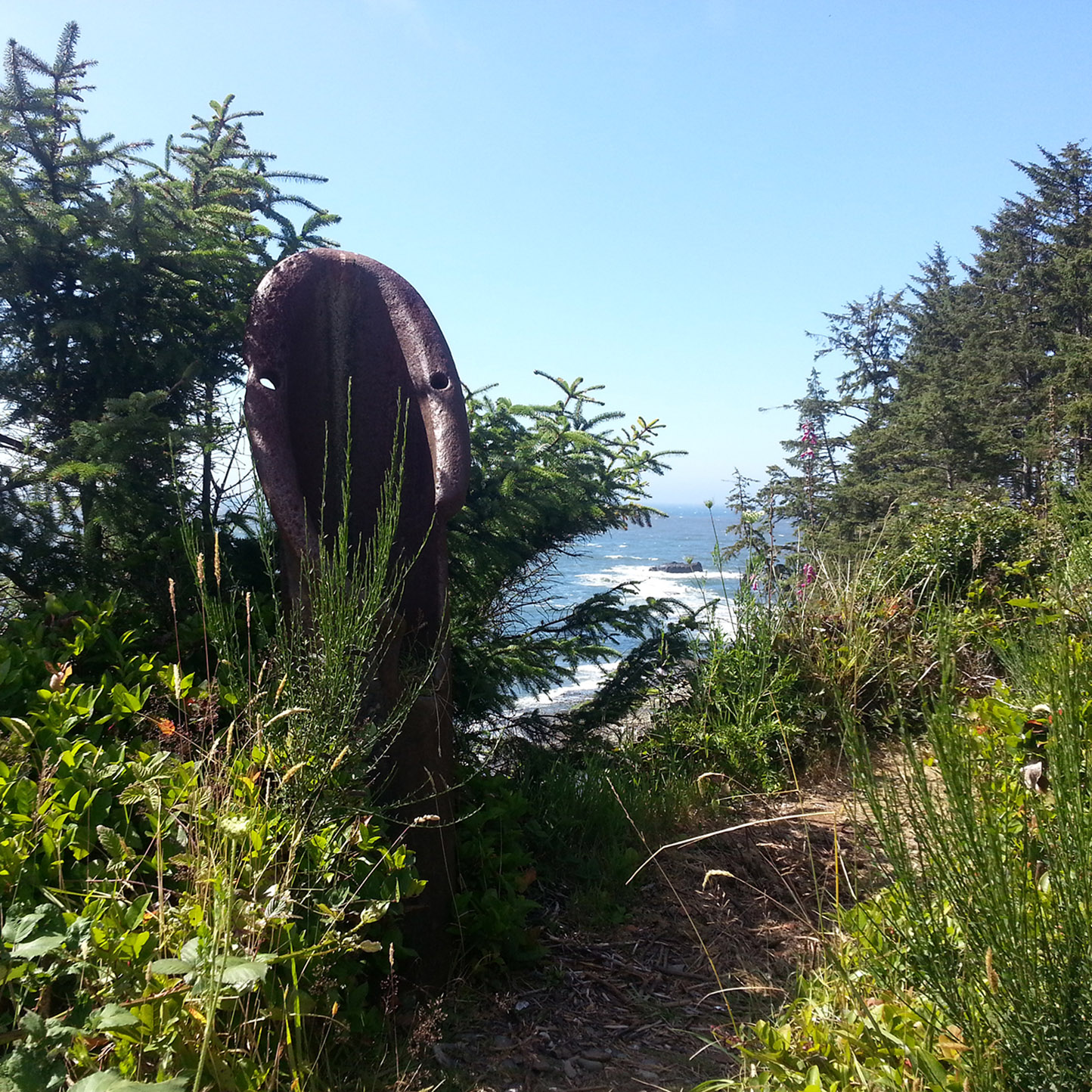
You’ll also sometimes see one of them stop to get a photo of a really incongruous thing at the top of the bluff. It’s a large, rusty steel pipe, wide at the top and narrow at the bottom, shaped like an air duct or maybe a ventilation stack on a steamship. The pipe towers about eight feet above the ground and is very obviously buried nearly that far into the dirt below.
That duct is one of two remaining large pieces left from what must have been the most spectacular shipwreck in West Coast history: The fiery, explosive demise of the steam schooner J. Marhoffer.
And yes, that huge piece of steam-engine ductwork is where it is, sticking out of the ground hundreds of yards from the bay, because it fell out of the sky and jammed into the ground like a giant Lawn Jart after being blasted into the air by the explosion.
Here's the story .... (For text and pictures, see https://offbeatoregon.com/2411b1004b.boiler-bay-shipwreck-675.069.html)