
Offbeat Oregon History podcast
288 episodes — Page 3 of 6
Childhood tree-planting memories for thousands
Tillamook Burn ‘blew up’ with shocking speed
Tillamook Burn sprang from loggers’ bad gamble
Bunco Kelley, Coyote of P-town waterfront legend
Oregon’s most notorious shanghaier: Bunco Kelley
Legendary ‘Chief Bigfoot’ elusive as, well, Bigfoot
In 1880s, salmon were the “most dangerous catch”
Steamer wrecked by future Costa Rica admiral
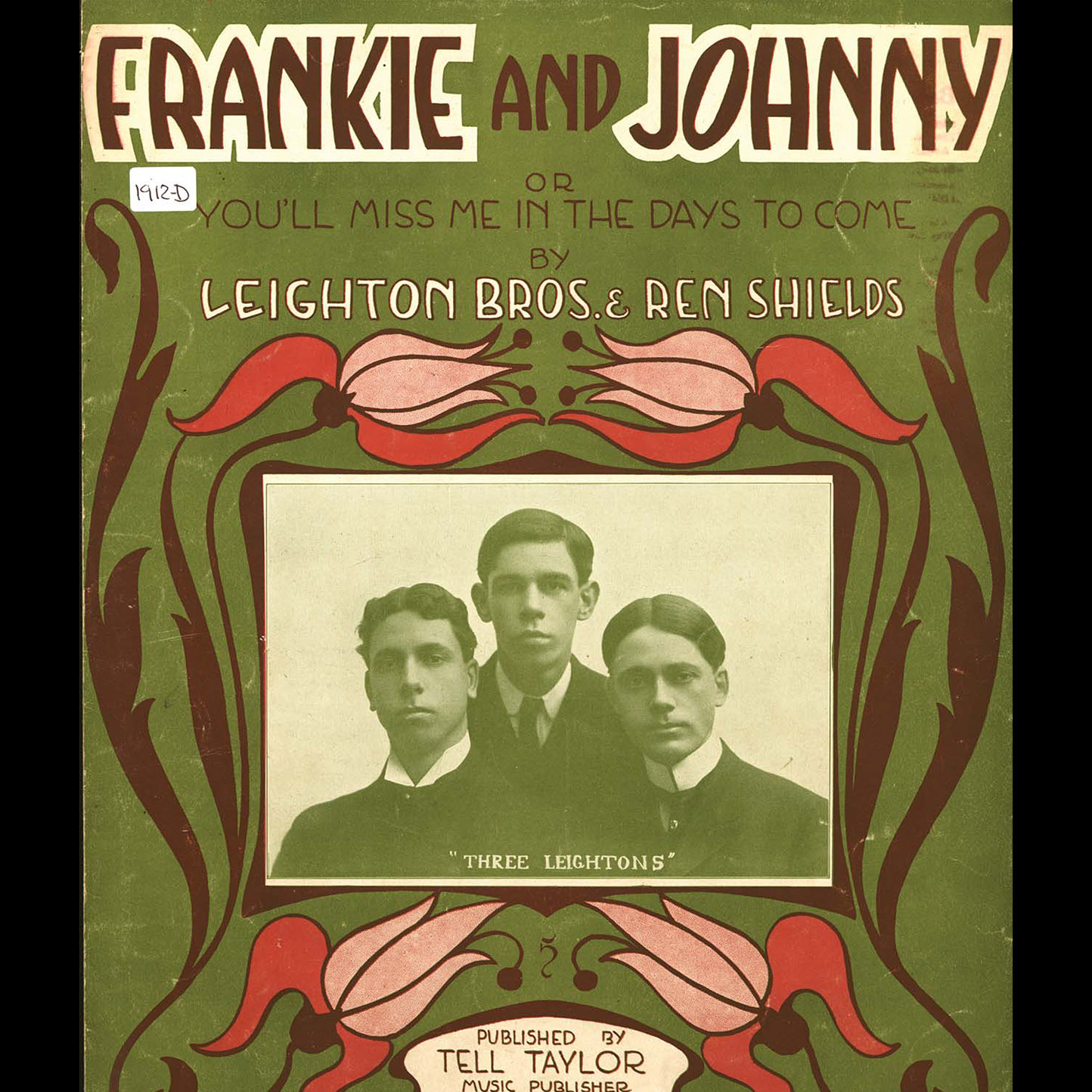
Frankie Baker found a home, and some peace, in Oregon
Sometime in 1915, a 40-year-old Black woman named Frankie Baker stepped off the train at Portland’s Union Station. She had come to stay; Oregon would be her home for the rest of her life. At that time, Portland had a a reputation as a good place to hide out when you were on the lam. It was far off the beaten path; but the town had all the cultural perquisites of civilization, or most of them anyway. Plus, the people of Oregon had a reputation for minding their own business. So a lot of people who got into trouble back east came to Portland hoping for a fresh start. And yes, Frankie was one of them. But she wasn’t running from the law, or from an abusive spouse. She was running from a popular song. Frankie Baker, you see, was the Frankie — of “Frankie and Johnny” fame. ... (Portland, Multnomah County; 1920s) (For text and pictures, see https://offbeatoregon.com/21-04.frankie-baker-they-done-her-wrong-596.html)
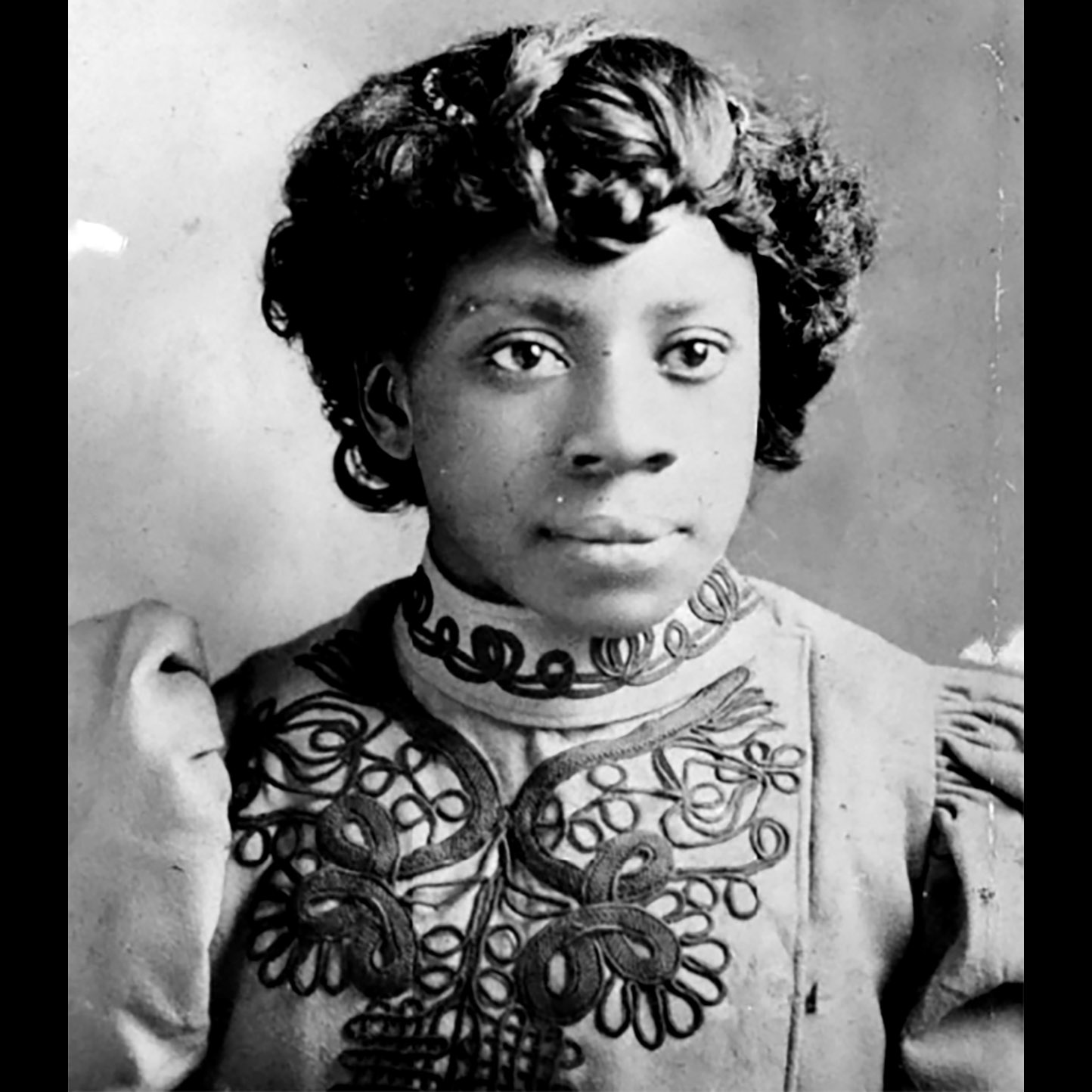
‘Johnny’s’ Frankie lived in Portland, hiding from "her song"
THE STORY TOLD in “Frankie and Johnny” is very well known — the song has been covered by at least 250 recording artists over the last 120 years. Mae West made it her theme song. Elvis Presley’s recording earned him a gold record. Originally a ragtime piece, it’s been adopted into jazz (Louis Armstrong, Count Basie, Dave Brubeck …), country (Johnny Cash, Doc Watson, Jimmie Rogers …), blues (Leadbelly, Mississippi John Hurt, Mississippi Joe Callicott …), rock-and-roll (Jerry Lee Lewis, Van Morrison, Gene Vincent …) — basically, every musical style that’s come along since the end of the 19th century. Somewhere out there, there is probably even a dubstep version. I couldn't find one, but I did find Lena Horne's. And the list goes on and on. Of course, it should be no big surprise that the story the song tells is not strictly true. But, what is the real story, you might ask? The front cover of one of the first nationally-published sheet-music versions of Frankie and Johnny, published by Tell Taylor in 1912. (Image: Square Dance Resource Net) (link to the PDF of the sheet music: https://offbeatoregon.com/assets-2021/21-04.frankie-baker-he-done-her-wrong/FrankieAndJohnny-LeightonBrosRenShields-1.pdf ) Well … (St. Louis, Missouri; 1910s) (For text and pictures, see https://offbeatoregon.com/21-04.frankie-baker-they-done-her-wrong-596.html)
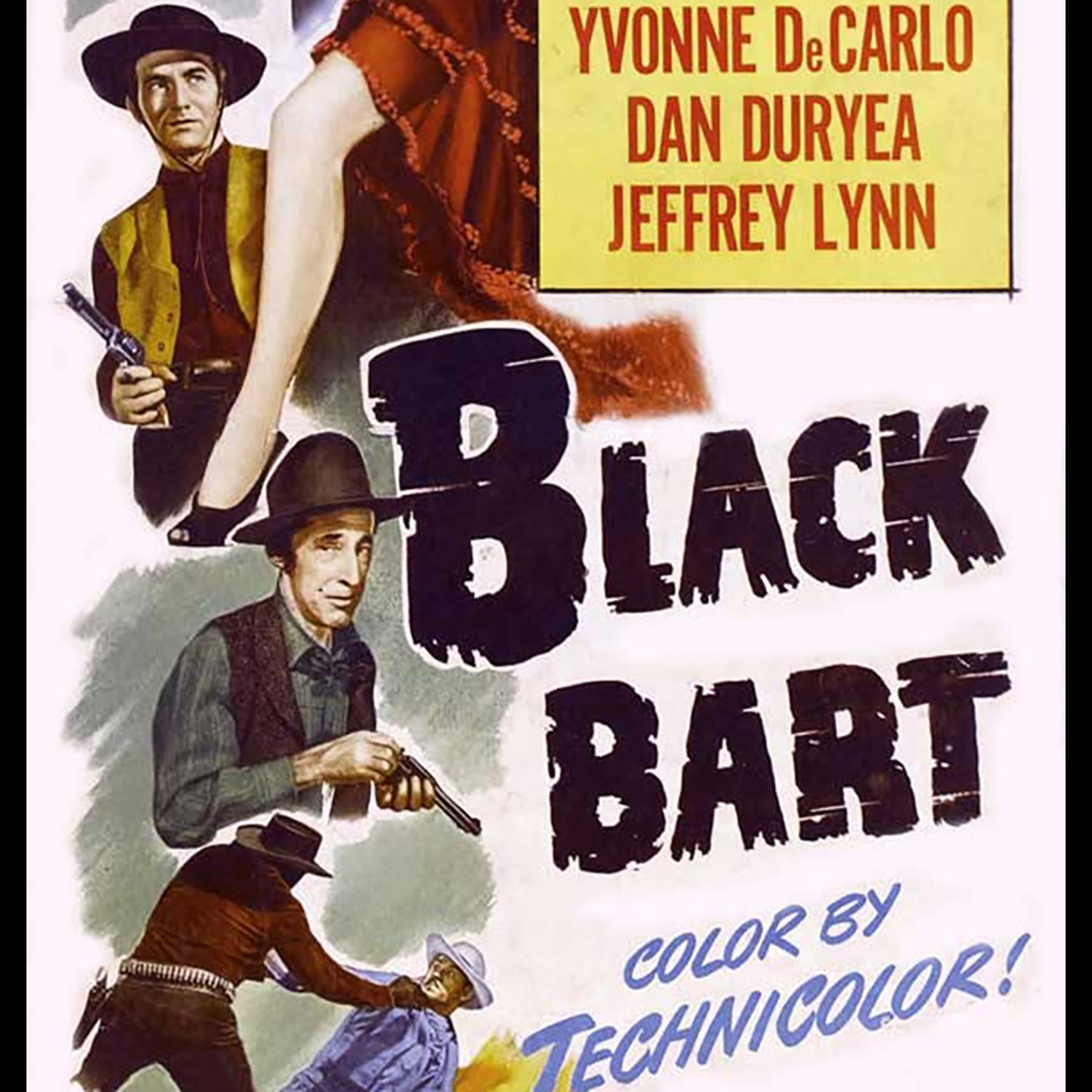
Charming gentleman by day, robber-poet by night
Charles “Black Bart” Bolton's neighbors in San Francisco thought his money came from ownership in gold mines. It turned out it came from furtive excursions northward to rob stagecoaches in Oregon and northern California. (Siskiyou Pass, Jackson County; 1880s, 1890s) (For text and pictures, see https://offbeatoregon.com/1401d.black-bart-gentleman-stage-robber-poet.html)
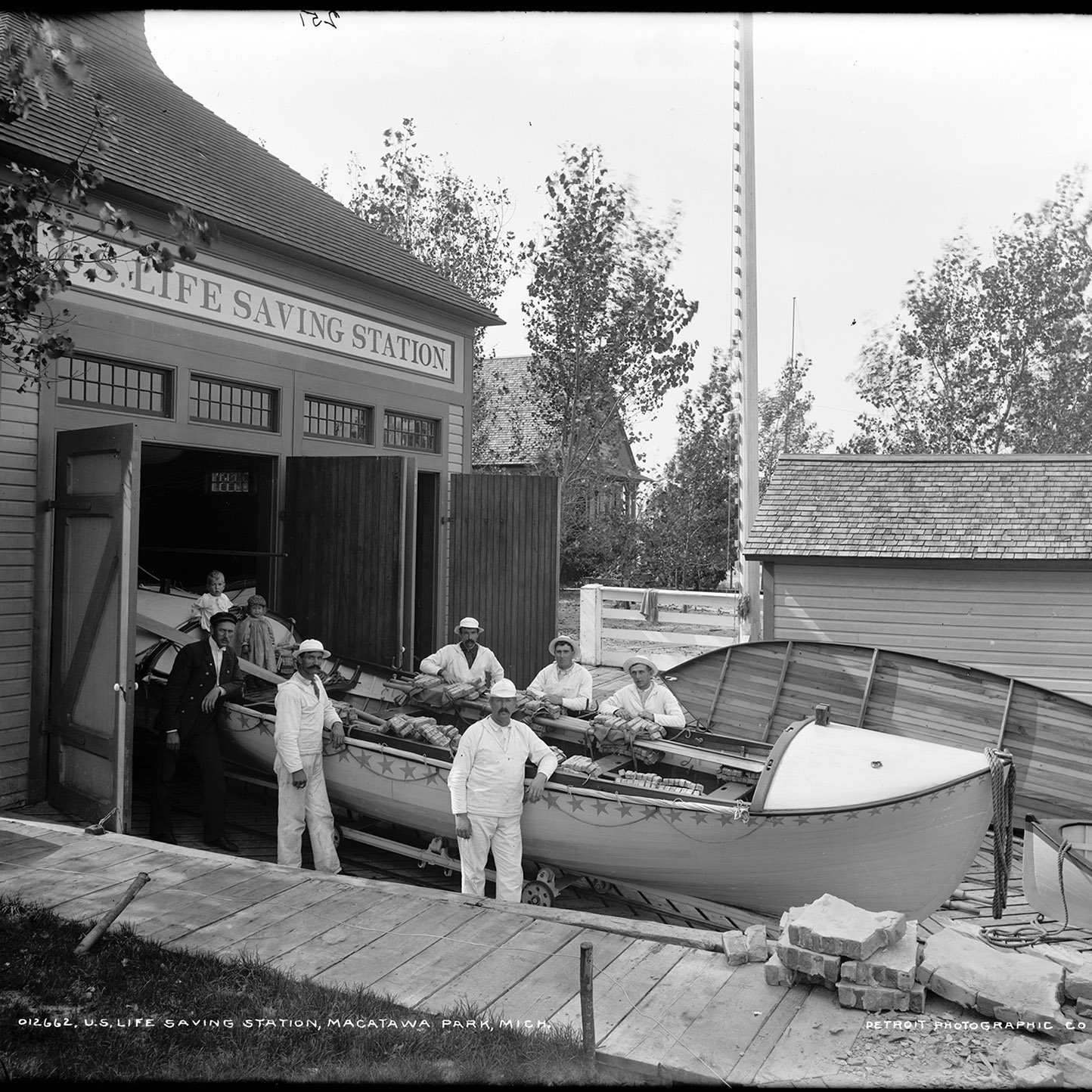
Rosecrans rescue one of Coast Guard’s finest hours
Two motor lifeboat crews went out on the bar to save three surviving sailors. Both boats went to the bottom of the sea — but not a man was lost on either crew, and all the survivors were rescued. (Columbia River Bar, Clatsop County; 1910s) (For text and pictures, see https://offbeatoregon.com/1506d.CursedShips-RosecransRescue.html)
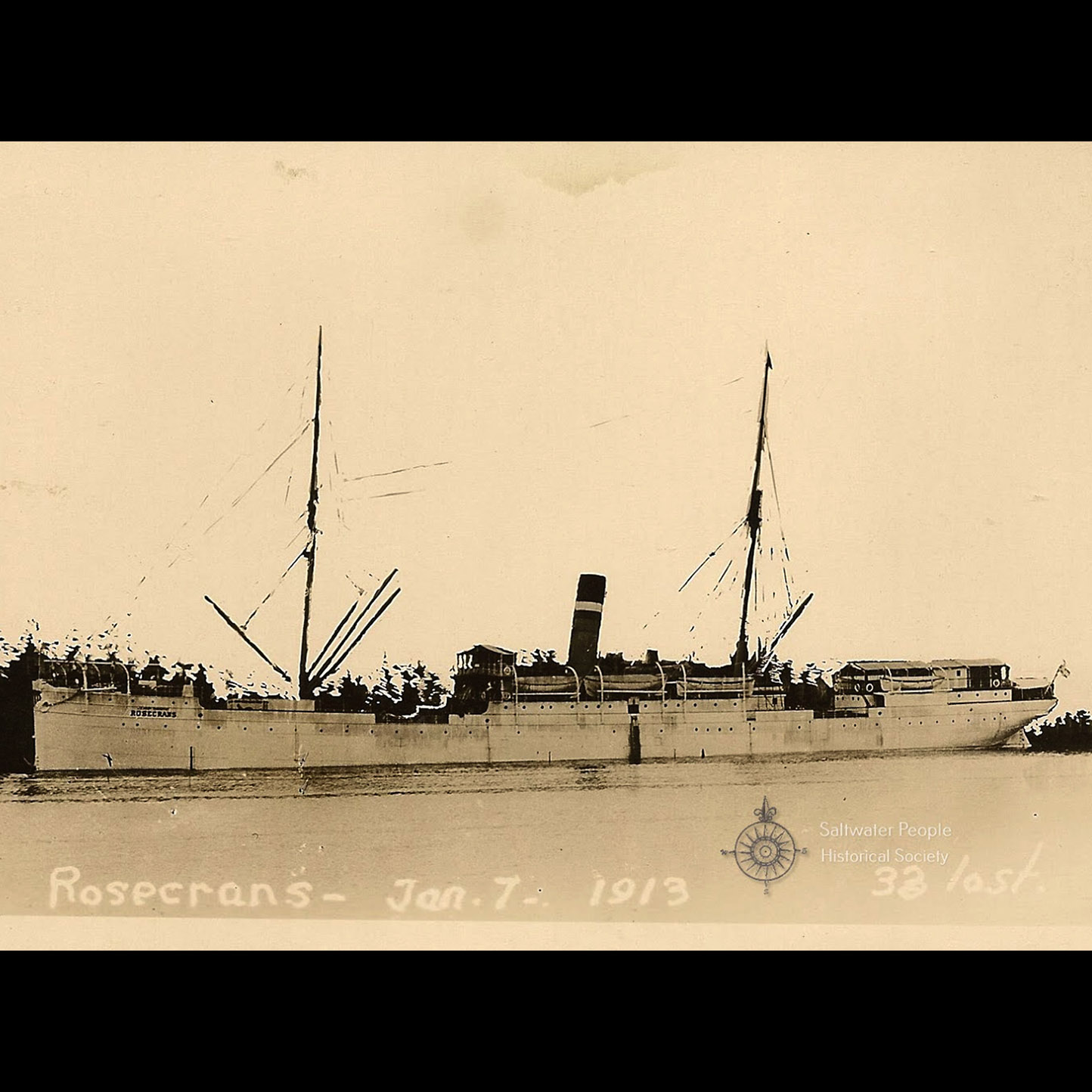
Cursed or not, Rosecrans was one unlucky ship
The big oil tanker had weathered two major catastrophes in the previous year — a stranding and a colossal fire. But for 33 doomed crew members, the third time would be the charm — or, rather, the hex. (Columbia River Bar, Clatsop County; 1910s) (For text and pictures, see https://offbeatoregon.com/1506c.cursed-ships-rosecrans-344.html)
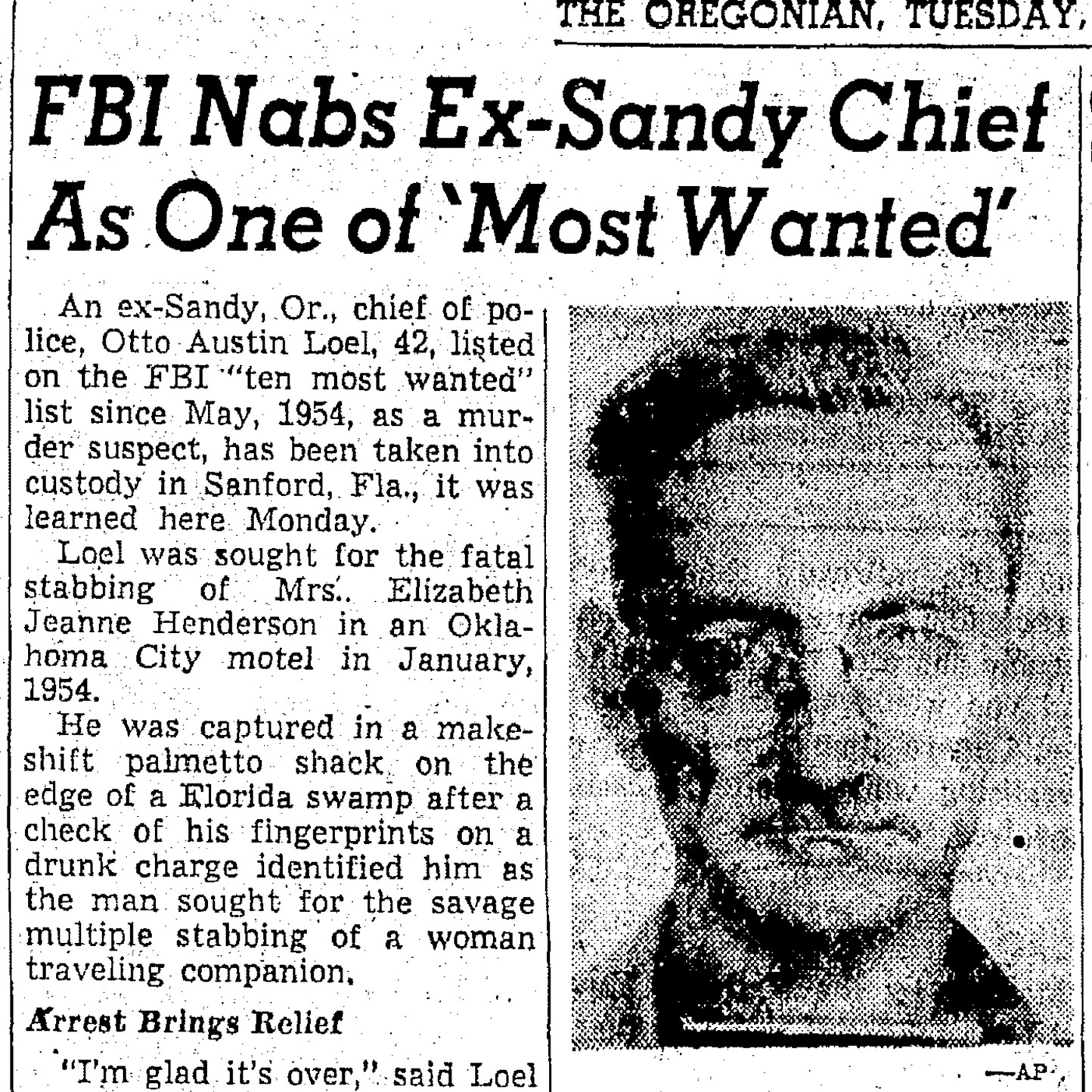
Town’s police chief was later executed for murder
At the pay the city of Sandy was offering, Otto Austin Loel was the only man willing to take the job. He didn't turn out to be much of a bargain ... but it wouldn't be until years later that the town learned how much worse he could have been. (Sandy, Clackamas County; 1940s) (For text and pictures, see https://offbeatoregon.com/1506a.sandy-police-chief-executed-for-murder-342.html)
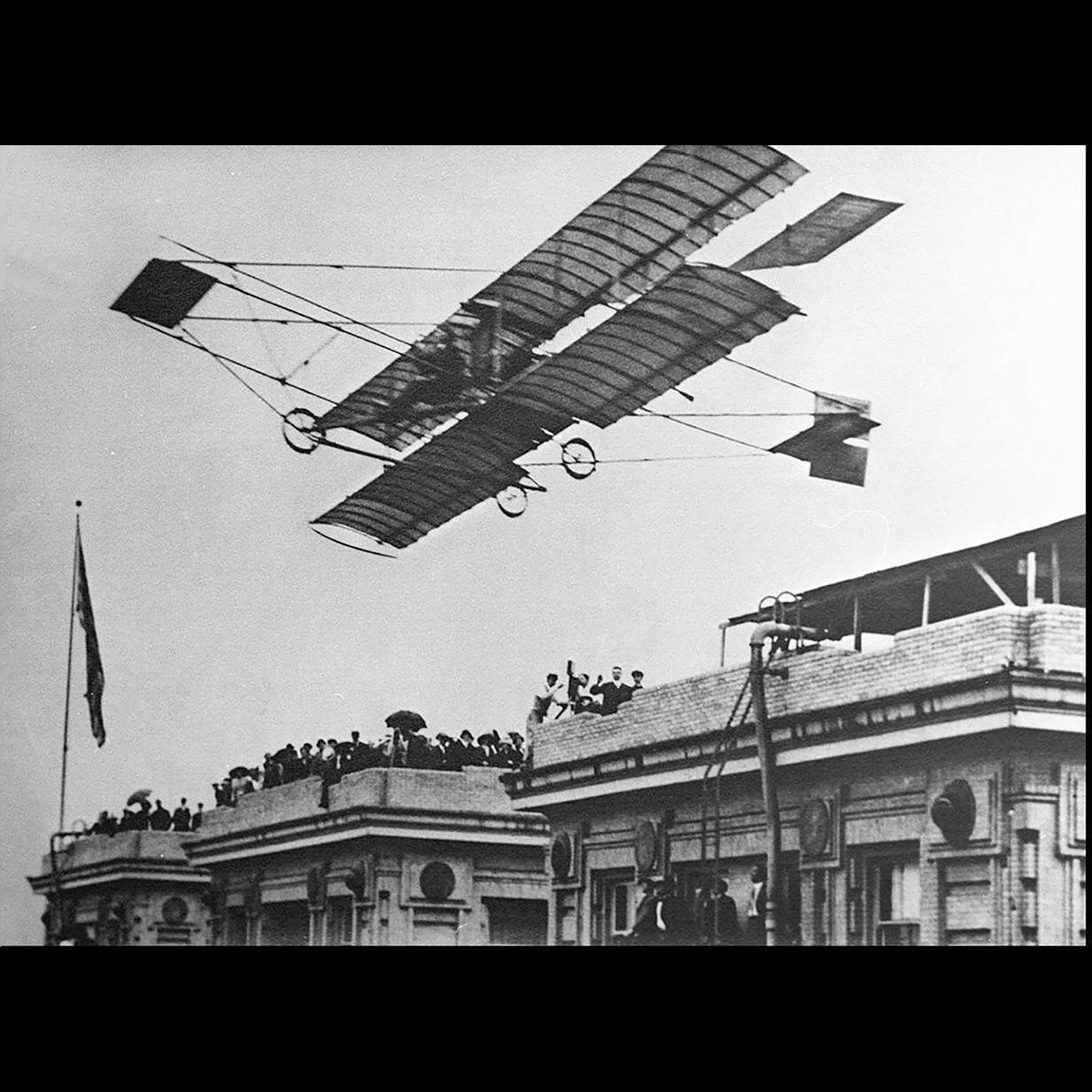
Rooftop stunt made local aero-daredevil famous
“This is an age of do-it-first,” said Silas Christofferson, and proceeded to launch his spindly kite-like “aeroplane” from the roof of a downtown hotel — making aviation history in the heart of Oregon's biggest town. (Portland, Multnomah County; 1910s) (For text and pictures, see https://offbeatoregon.com/1408e.302.silas-christofferson-portland-hero-aviator.html)

Giant skeleton hinted at legend of pirate treasure
Neighbors wondered if the eight-foot-tall corpse found by developer at what today is YWCA Camp Westwind was evidence that an old Native American legend of a pirate ship is true; if so, there might actually be booty buried there, some say. (Cascade Head, Lincoln County; 1930s) (For text and pictures, see https://offbeatoregon.com/1204e-giant-skeleton-evidence-of-pirate-treasure-legend.html)
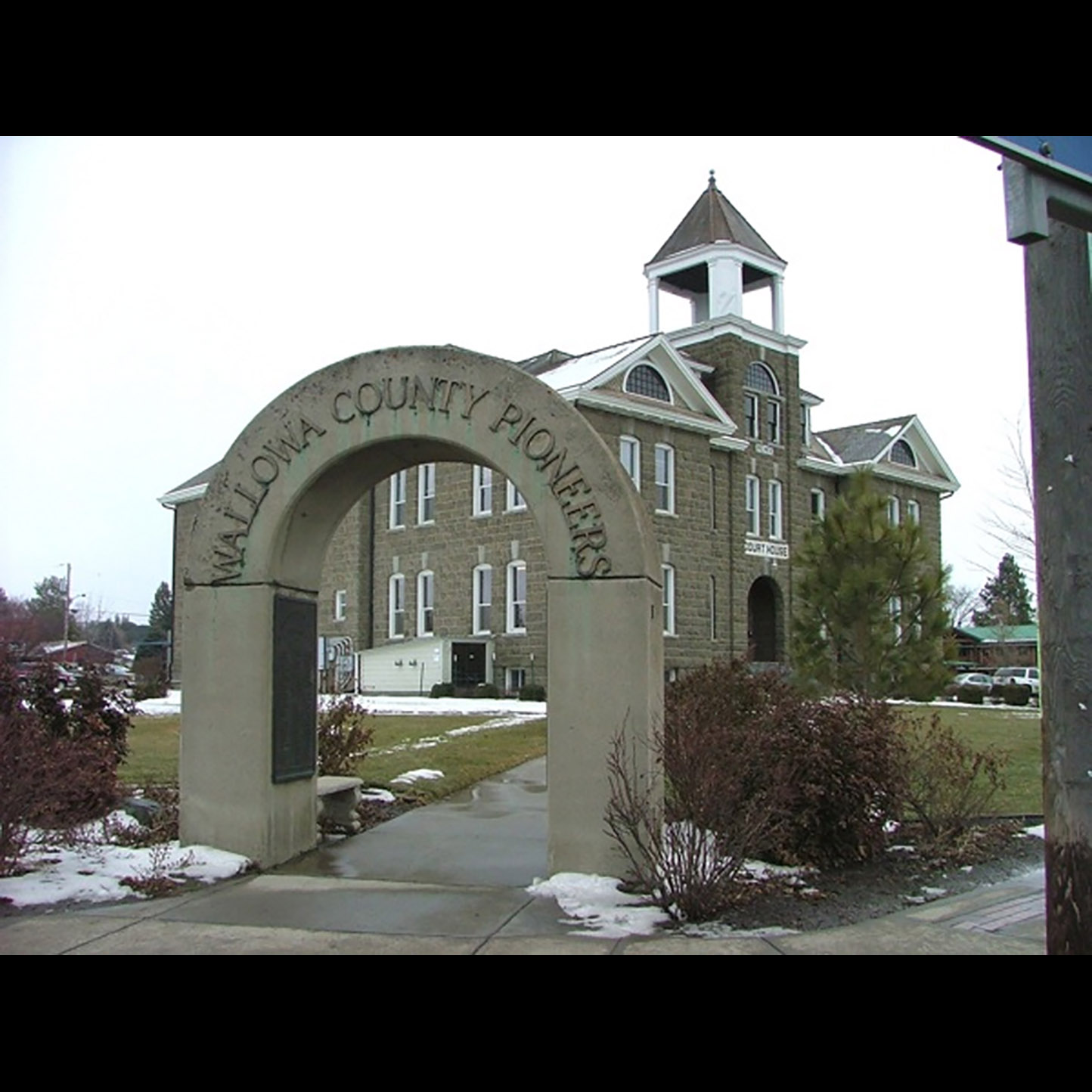
Mass murderer honored in courthouse monument
75 years ago, without realizing who he was, Wallowa County included Bruce “Blue” Evans — leader of the gang that massacred dozens of innocent Chinese miners back in 1887 — on a plaque commemorating its earliest white settlers. (Enterprise, Wallowa County; 1880s, 1930s) (For text and pictures, see https://offbeatoregon.com/1204b-monument-mass-murderer-chinese-miners.html)
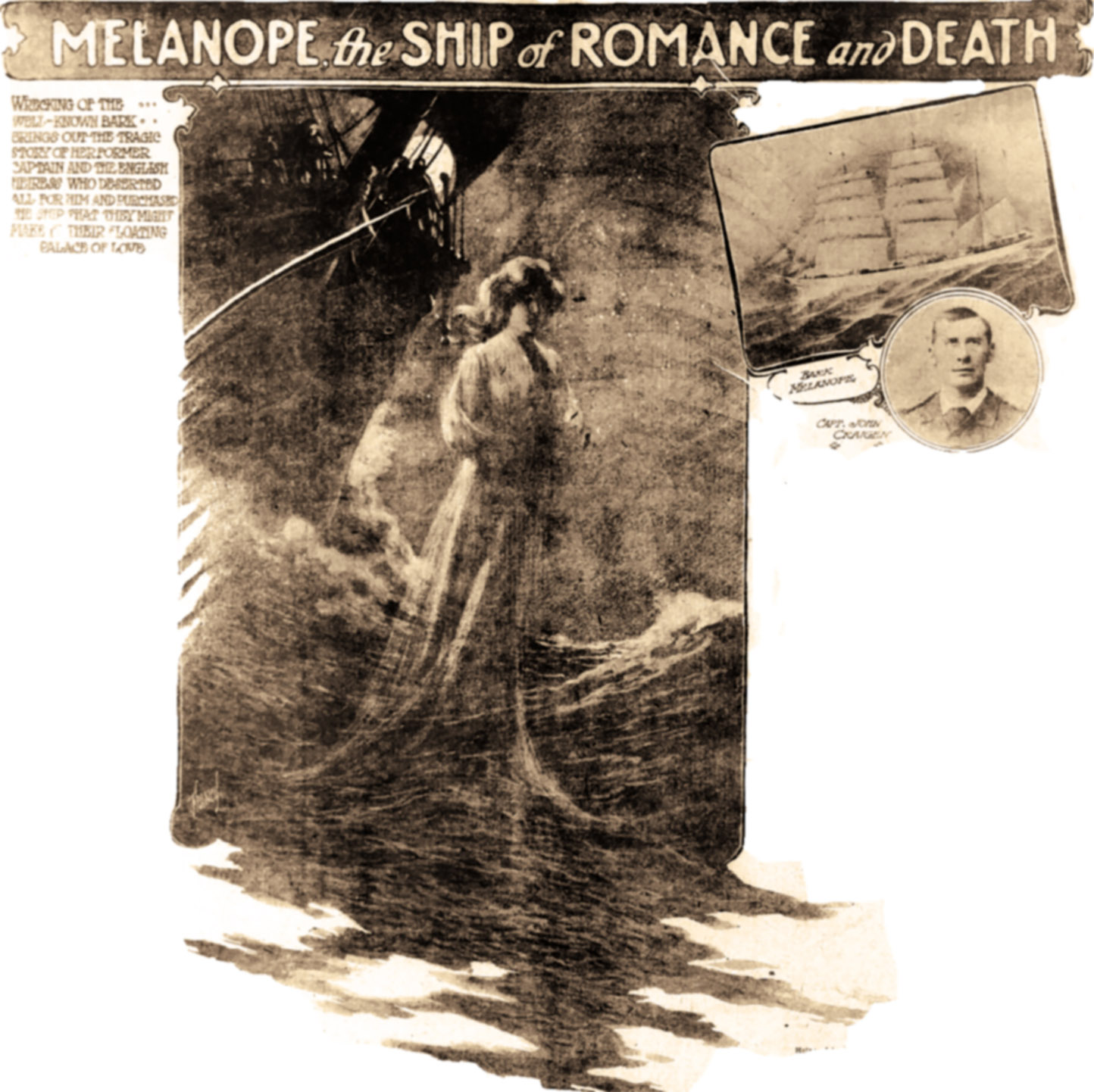
‘Ship of Romance and Death’ met a dramatic end
The Melanope's maritime career started with a witch's curse. But her most dramatic story was the torrid, doomed love affair its skipper carried on with the heiress who bought the ship so she could be with him as he sailed it. (Columbia River Bar, Clatsop County; 1900s) (For text and pictures, see https://offbeatoregon.com/1506b.cursed-ships-melanope-343.html)
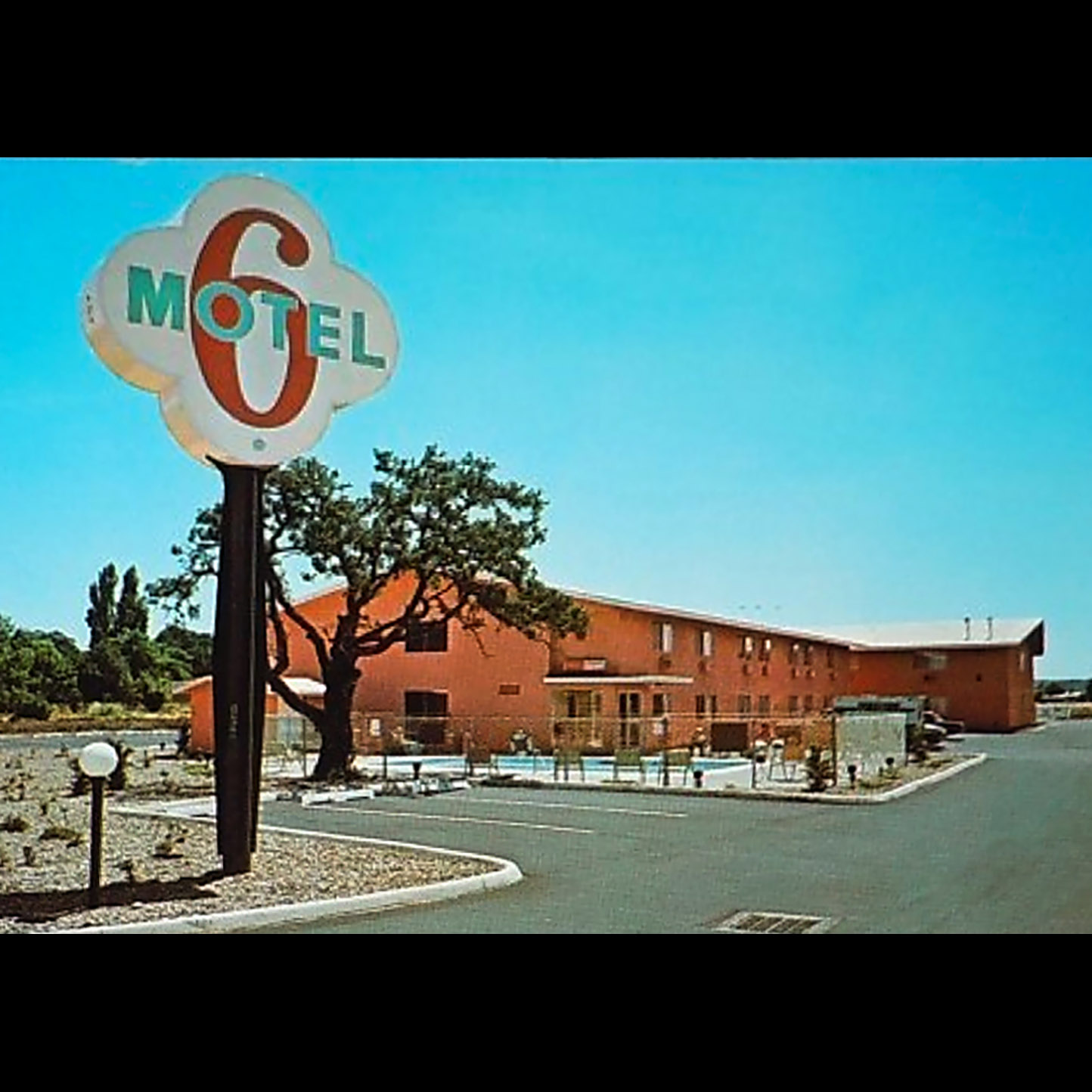
Prison break happened during “conjugal visit”
By far the most embarrassing jailbreak in state history happened when a murderer simply walked out the back door of a Motel 6 during an unsupervised “date” with a woman officials thought was his fiancee. (Salem, Marion County; 1970s) (For text and pictures, see https://offbeatoregon.com/1207c-carl-cletus-bowles-jailbreak-during-conjugal-visit.html)
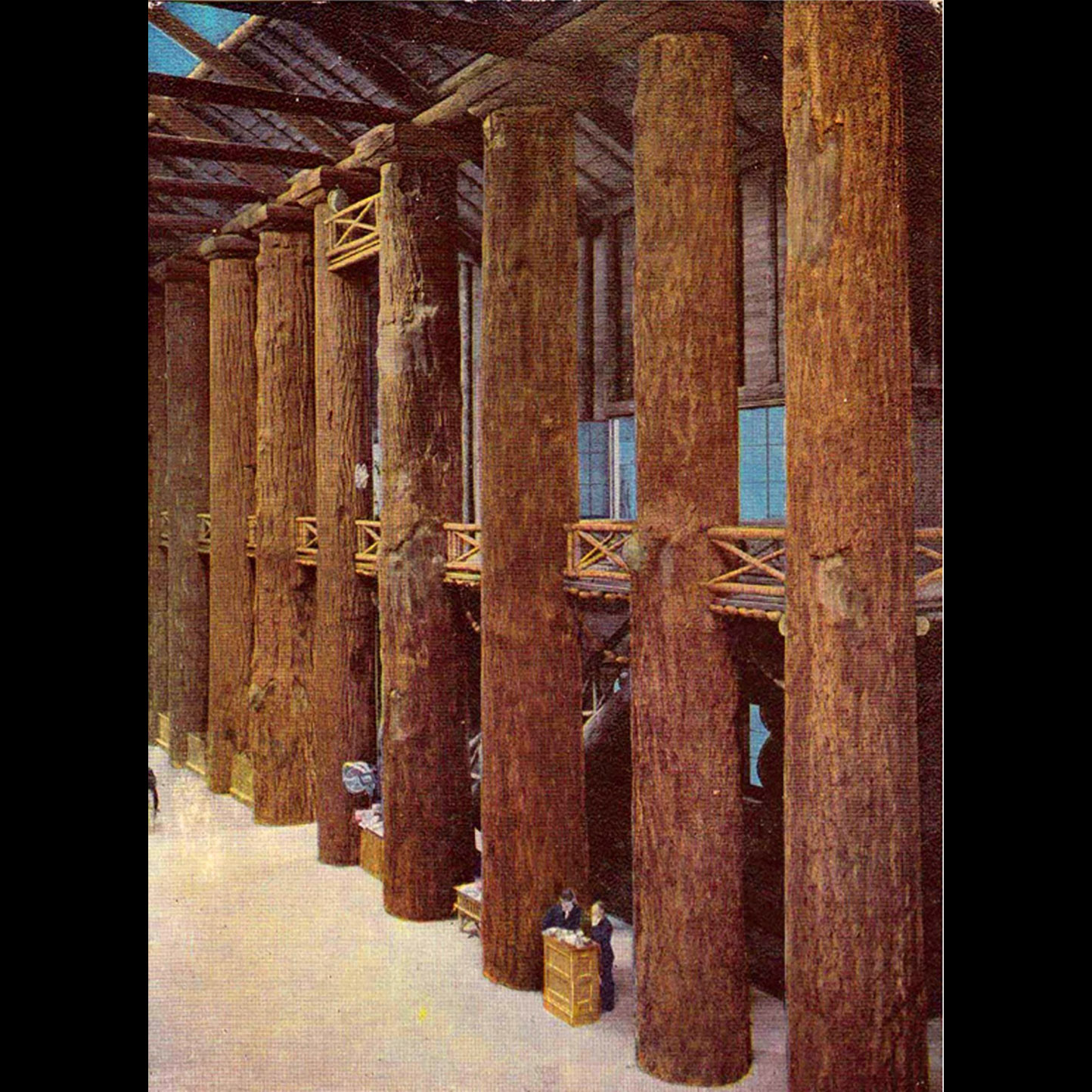
Portland lost world’s biggest log cabin in 1964 fire
Ancient electrical wiring ignited Portland's legendary Forestry Building, a structure made of massive, flawless old-growth logs that had been built for the Lewis and Clark Exposition in 1905. (Portland, Multnomah County; 1960s) (For text and pictures, see https://offbeatoregon.com/1206c-forestry-building-biggest-log-cabin-burned.html)
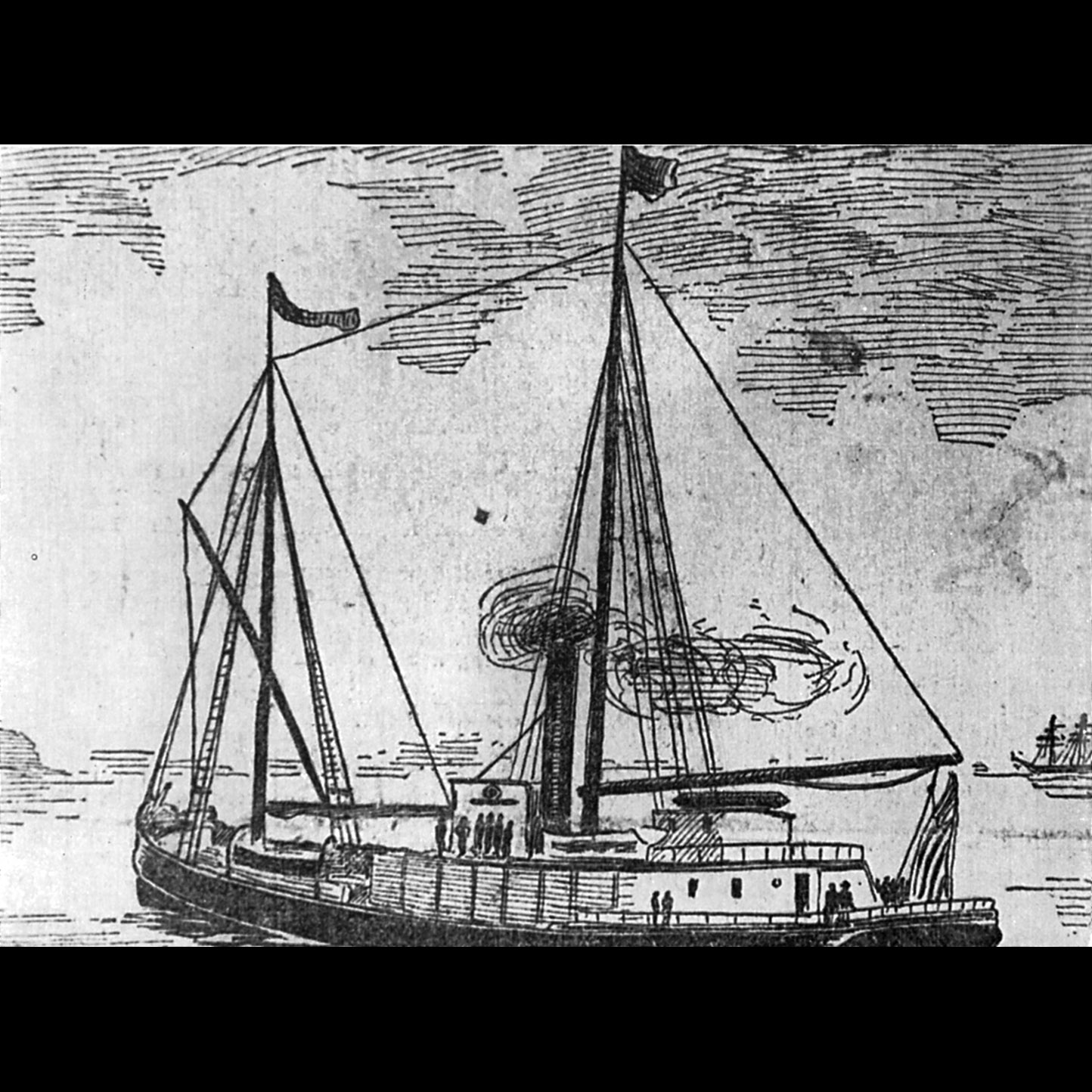
The mysterious demise of the S.S. South Coast
Historic steam schooner vanished on a calm night in 1930, leaving lifeboats and debris floating in the water — but no bodies, alive or dead. Was it a violent micro-storm? A “seaquake”? A boiler explosion? We'll never really know. (Gold Beach, Curry County; 1930s) (For text and pictures, see https://offbeatoregon.com/1206b-mysterious-disappearance-of-steamer-south-coast.html.html)
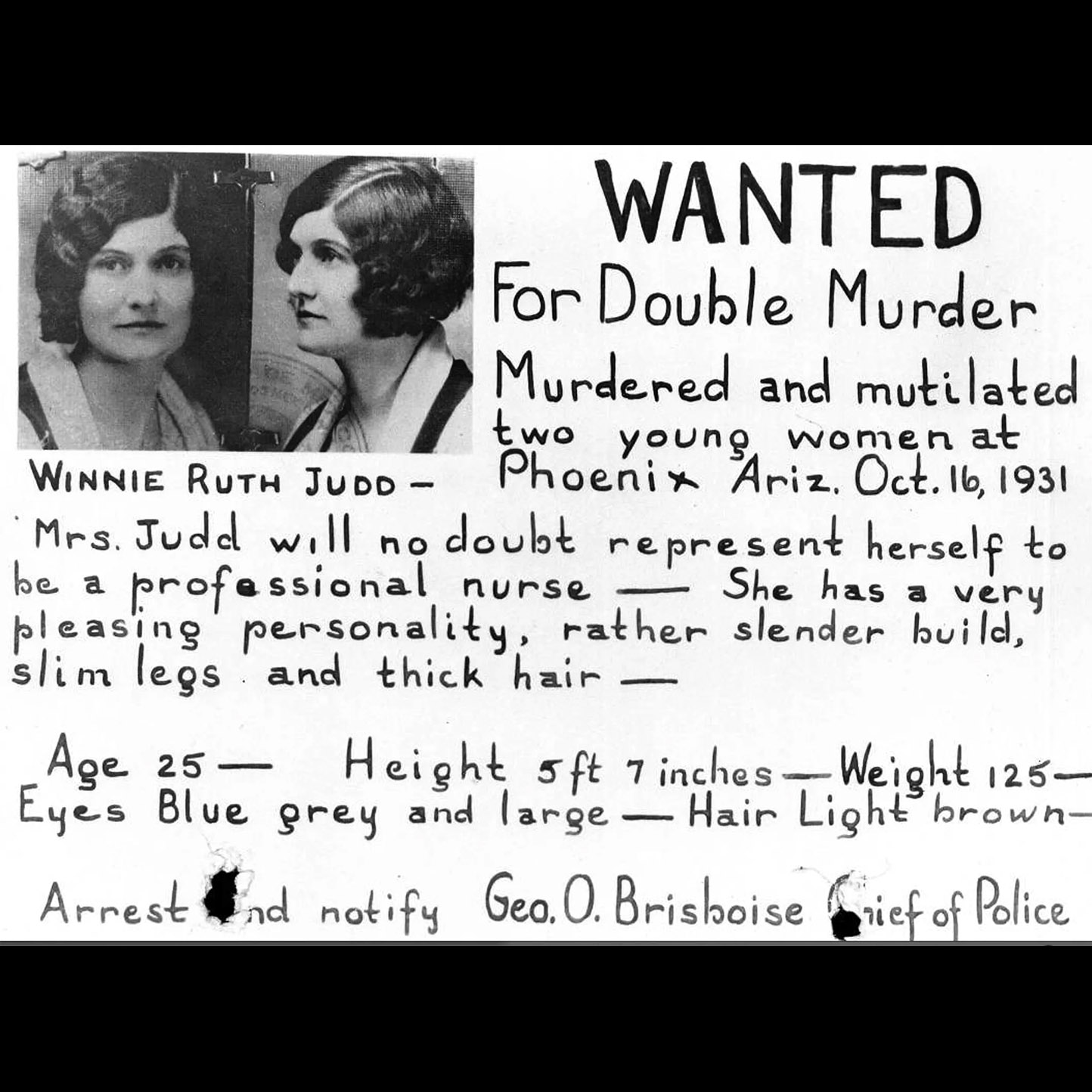
Horrific 'Trunk Murders' made headlines nationwide (Part 2 of 2)
Ruth Judd was in a fierce argument with her friends Annie Leroi and Sammy Samuelson. Furious, she stood up to go. She took her drink cup to drop it off in the kitchen sink. When she got there — well, something happened. Something involving a kitchen knife, a Colt .25 automatic, and possibly another, larger-caliber pistol... (Phoenix, Arizona; 1930s) (For text and pictures, see https://offbeatoregon.com/21-03.trunk-murders-anne-leroi-595.html)
Horrific 'Trunk Murders' made headlines nationwide (Part 2 of 2)

Locals drawn into 1930s’ most notorious murder (Part 1 of 2)
OREGON DIVORCEE AGNES Anne “Annie” LeRoi arrived in Phoenix in the first few months of 1931 with her best friend and roommate, schoolteacher Hedvig “Sammy” Samuelson. They were climate refugees: Sammy had tuberculosis, and at the time the only cure for “consumption” was a dry climate and rest. Back then, many patients with TB waited until they were so far gone that the climate couldn’t save them; essentially, they moved to Arizona to die. Sammy wasn’t one of them; her case was mild. But, although she didn’t know it, she, too, was moving to Arizona to die. She had less than nine months to live. So did Annie. Neither one of them would die of tuberculosis, though. (Phoenix, Arizona; 1930s) (For text and pictures, see https://offbeatoregon.com/21-03.trunk-murders-anne-leroi-595.html)
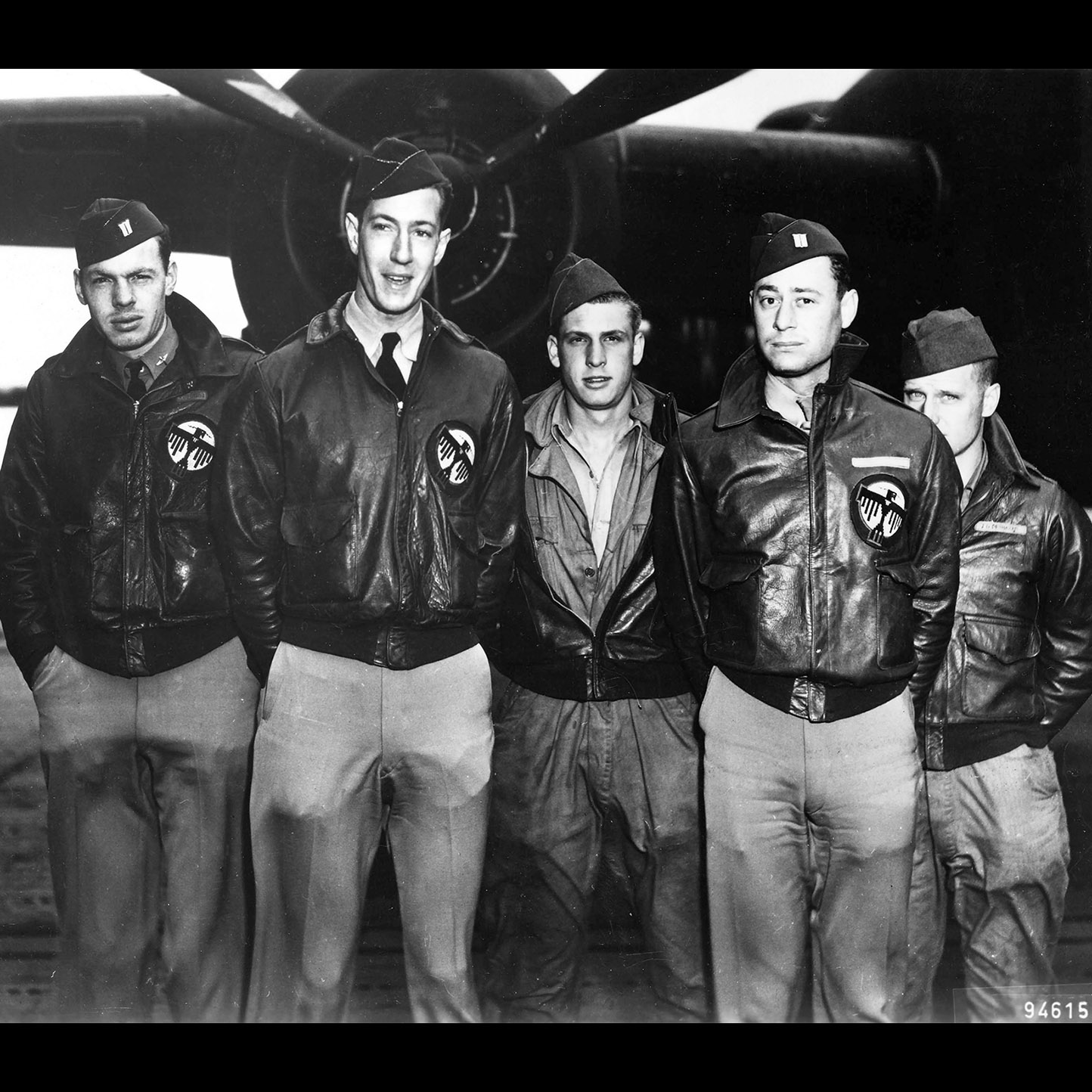
Oregon’s Doolittle raiders and their startling stories (3 of 3)
Two of them had movies made about their wartime exploits — “30 Seconds over Tokyo” and “The Great Escape”; a third, captured and imprisoned in the raid, returned to Japan after the war as a Christian missionary. (Pendleton, Umatilla County; 1940s) (For text and pictures, see https://offbeatoregon.com/1505a.part3-doolittles-pendleton-raiders-337.html)
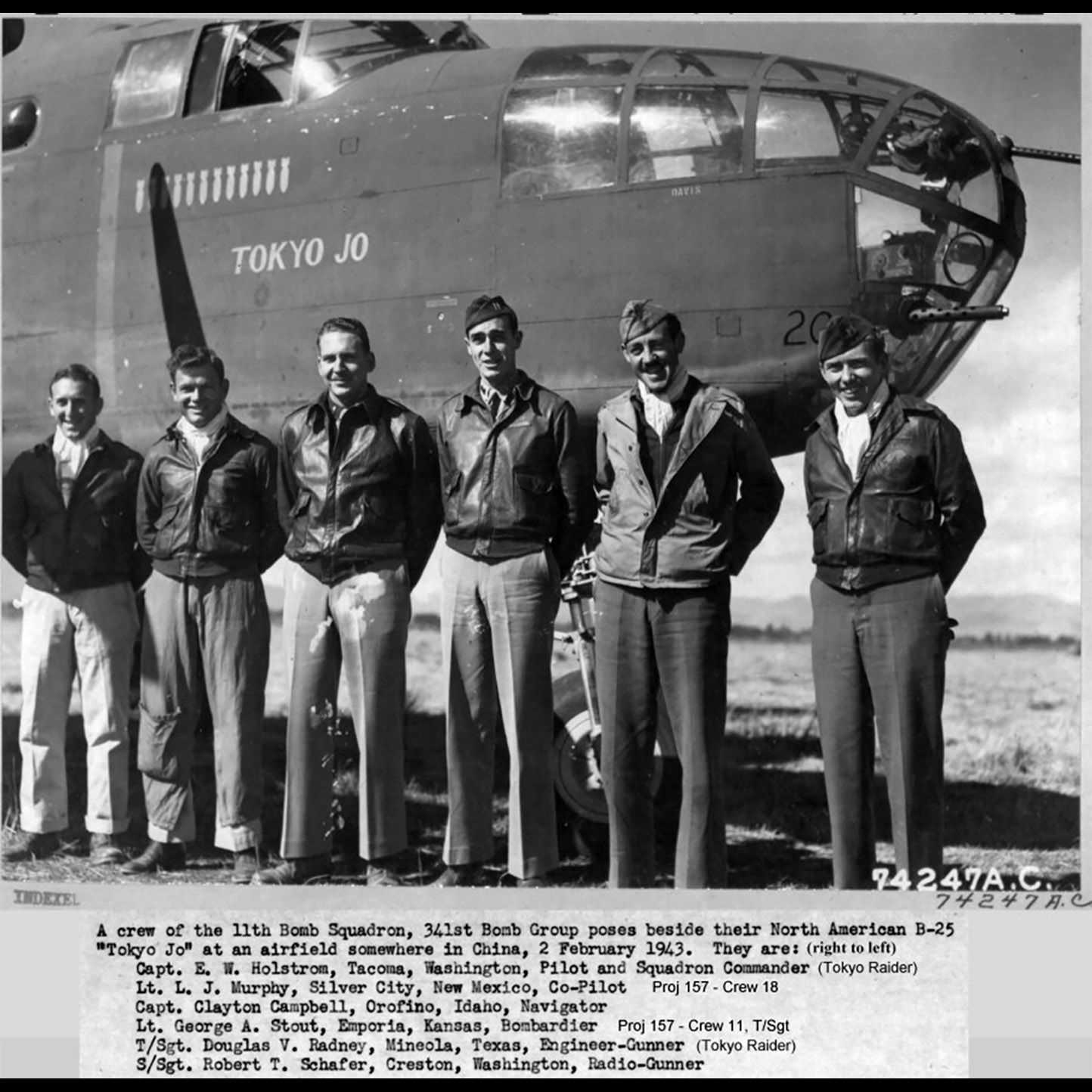
The Oregonians who flew over Tokyo with Doolittle (2 of 3)
Robert S. Clever, Everett “Brick” Holstrom, Henry “Hank” Potter and Robert G. Emmens were four Oregon aviators who did the Beaver State proud in what seemed like a suicide mission over enemy territory. (Pendleton, Umatilla County; 1940s) (For text and pictures, see https://offbeatoregon.com/1504d.part2-doolittles-pendleton-raiders-336.html)
-1800.jpg)
Famous ‘Doolittle Raid’ roots in Pendleton air base (1 of 3)
Oregon played a vital role in America's answer to Pearl Harbor — the daring daylight airstrike on Tokyo and other Japanese cities that provided a much-needed morale boost during the dark days of 1942. (Pendleton, Umatilla County; 1940s) (For text and pictures, see https://offbeatoregon.com/1504c.part1-doolittles-pendleton-raiders.335.html)
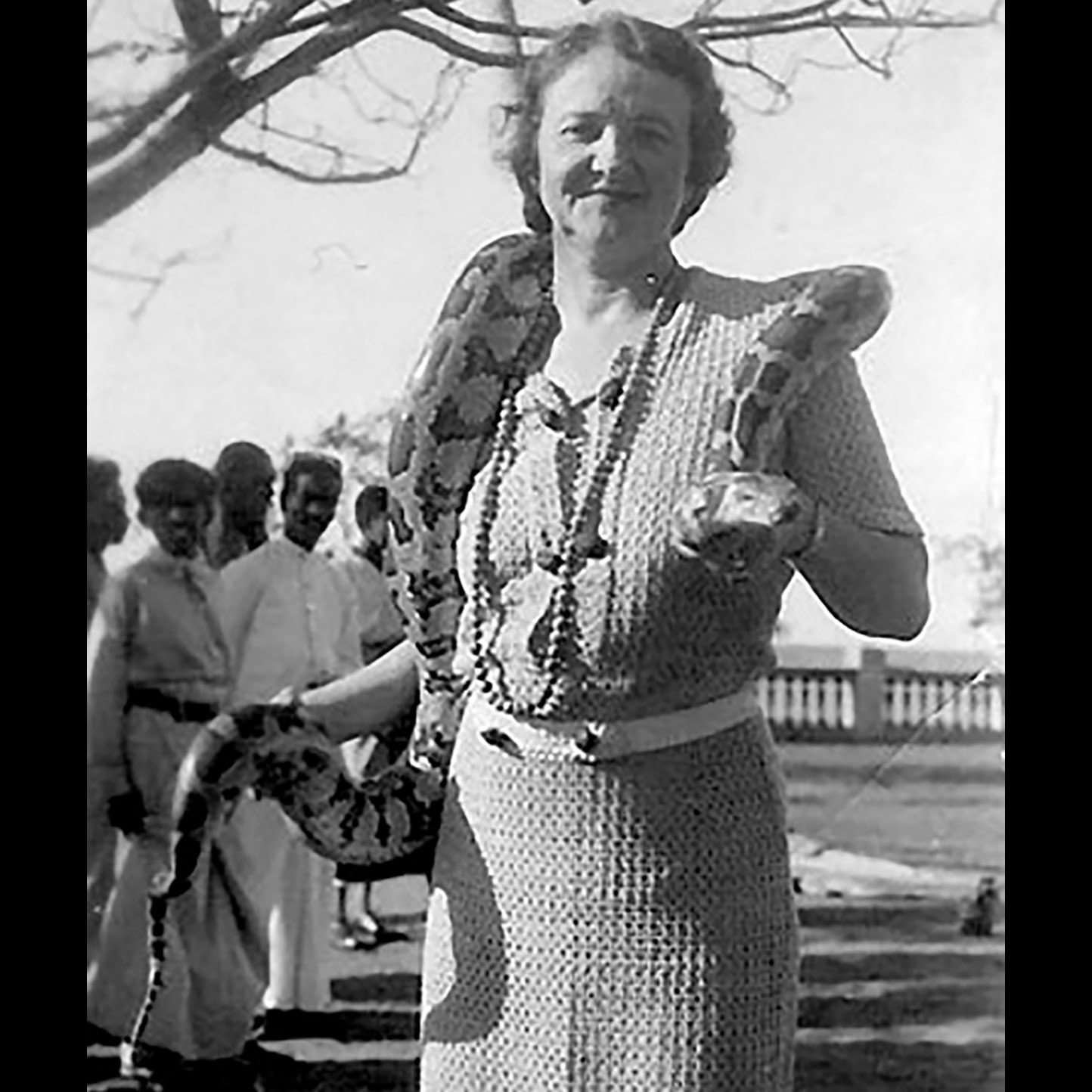
Mona Bell was like Annie Oakley with an edge
Although she's most remembered for being the mistress of a famous man, journalist and rodeo performer Mona Bell Hill was, on her own, one of the most interesting people ever to live in Oregon — and, to the government, one of the most vexing. (Bonneville, Multnomah County; 1910s, 1920s, 1930s) (For text and pictures, see https://offbeatoregon.com/1706d.mona-bell-wild-west-bearcat-449.html)
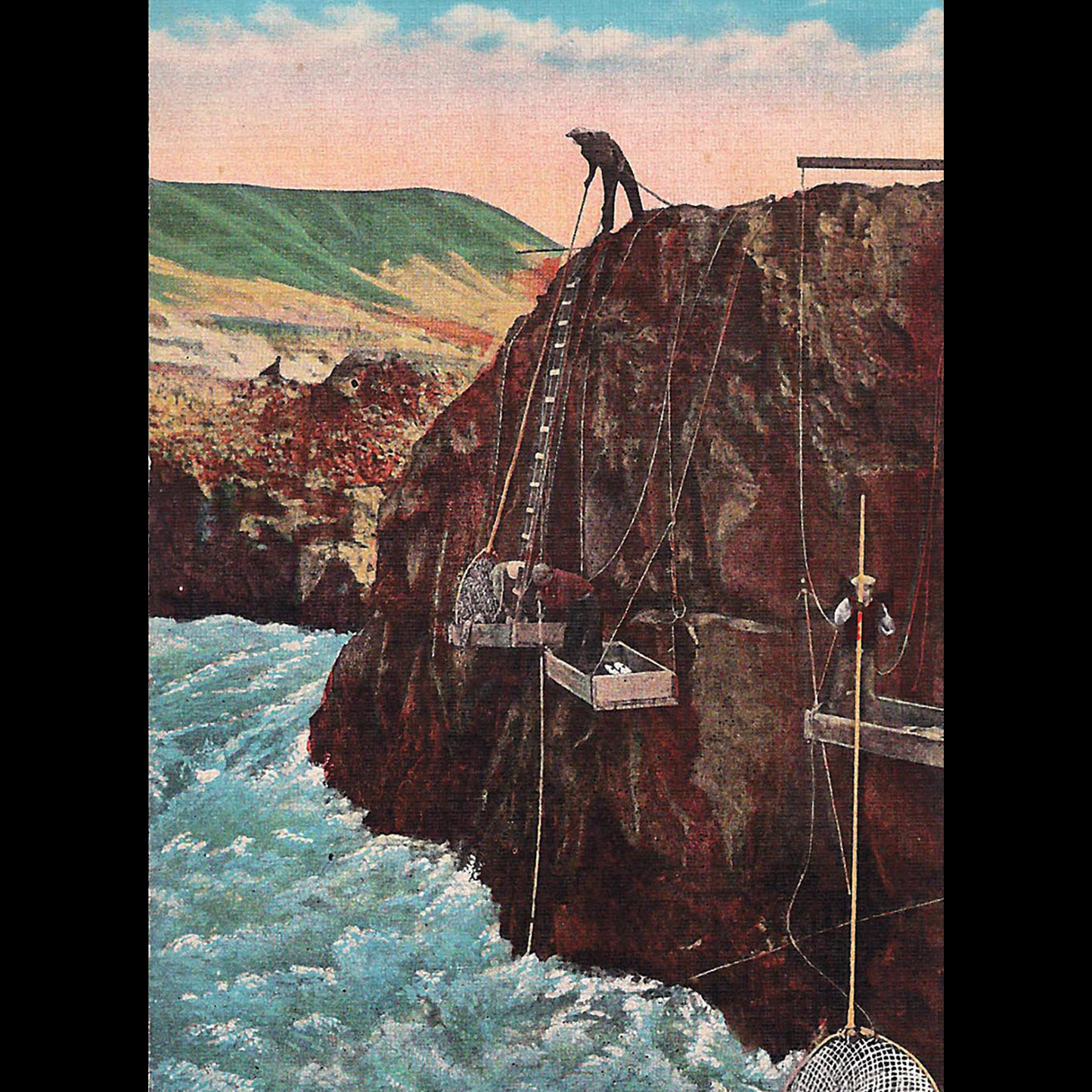
Columbia River was a wild, frothy, dangerous place once
The Columbia, the Great river of West, was known for spectacular scenery and phenomenal fishing; Oregon has traded that for a placid, lake-like waterway and cheap hydroelectric power. (For text and pictures, see https://offbeatoregon.com/1009a_celilo-falls-part-of-once-wild-Columbia.html)

Storm-tossed ships shared a double date with destiny
The Mindora and the Merrithew had docked next to each other in San Francisco, arrived within a few days of each other, wrecked within a few hours of each other, and washed up on the beach within a few miles of each other. (Columbia River Bar, Clatsop County; 1850s) (For text and pictures, see https://offbeatoregon.com/1505b.mindora-merrithew-double-shipwreck-338.html)

“Roaring 20s” murder solved by cop’s diligence
Caught by a railroad “bull,” the thief shot his way out and ran for it. But an accurate shot by the dying guard and some persistent police work brought the bad guy to justice in a pistol-waving scene in a seedy Albina hotel room. (Albina, Multnomah County; 1920s) (For text and pictures, see https://offbeatoregon.com/1205a-roaring-20s-railroad-murder-mystery-solved.html)
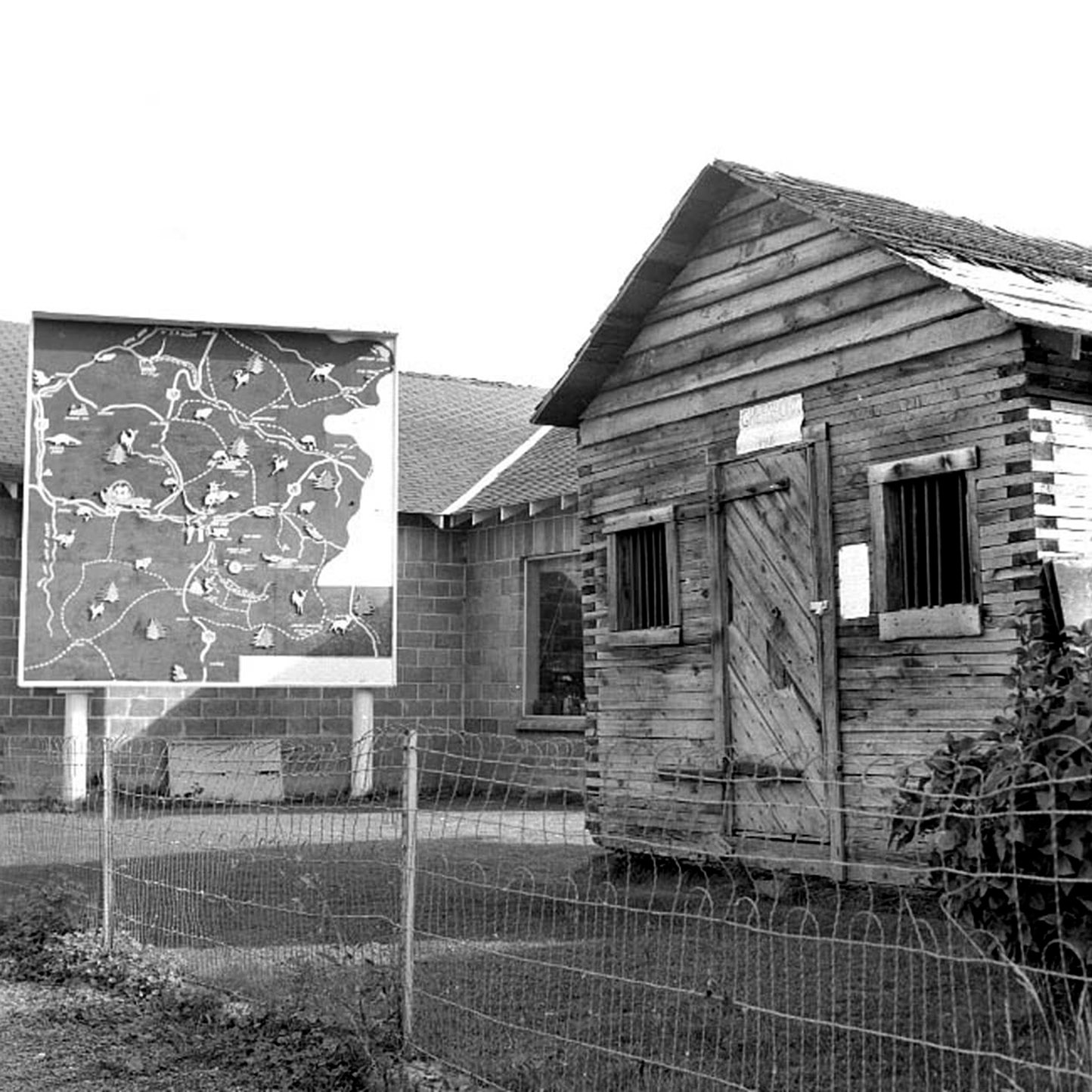
Oregon’s highest, smallest city once had its jail stolen
Because of how it's chartered, the ghost town of Greenhorn remained an incorporated city even when its population was zero — but it couldn't defend its city hoosegow from the midnight raiders of Canyon City one summer night. (Grant and Baker County; 1960s) (For text and pictures, see https://offbeatoregon.com/1505d.greenhorn-smallest-city-jail-stolen-340.html)
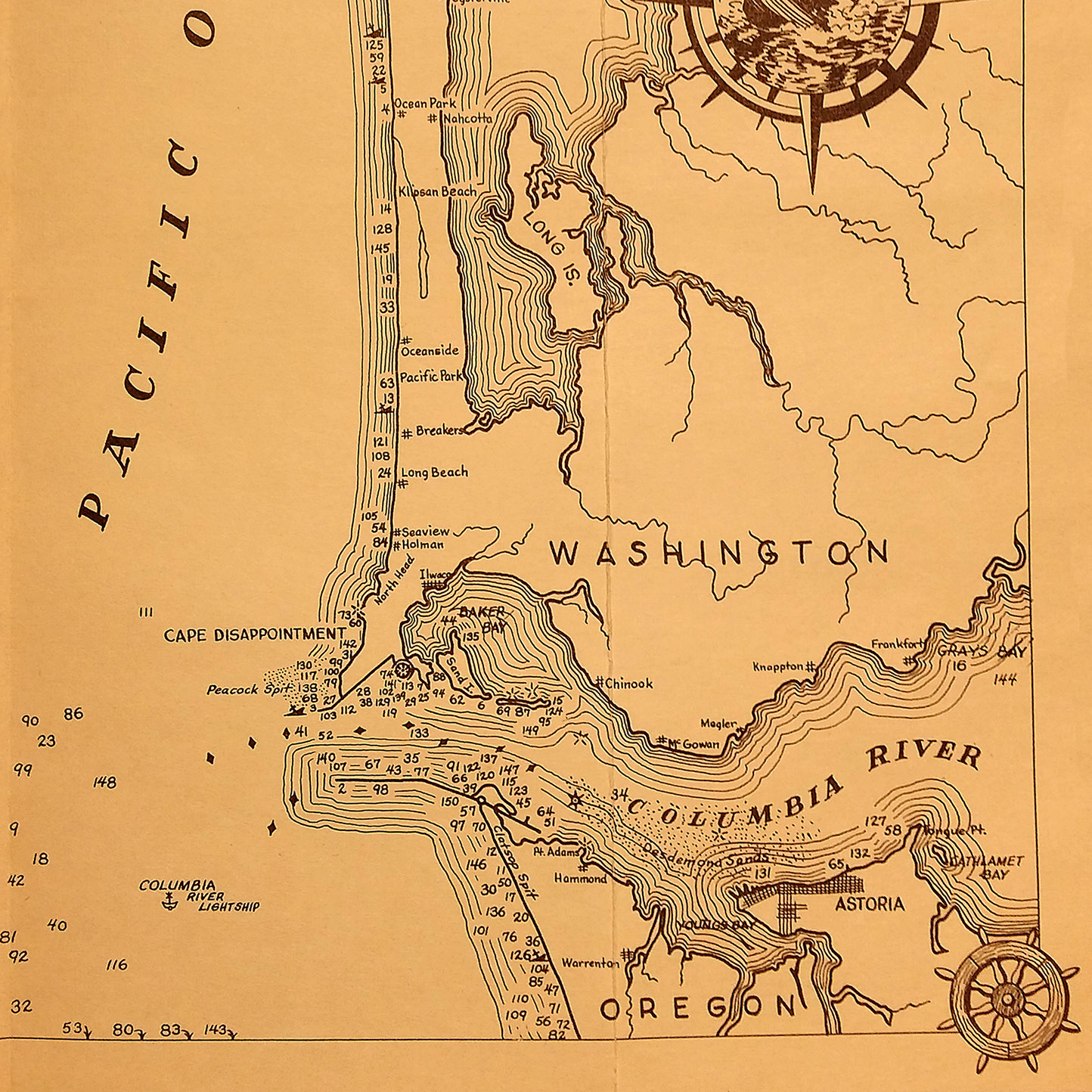
Miracle saved sailors from death on Columbia bar
As they hung in the riggings of the sailing ship Etoile du Matin waiting for death, they felt their ship start to break apart — but the piece that broke off first was the keel, enabling the ship to float upriver to safety. (Columbia River Bar, Clatsop County; 1840s) (For text and pictures, see https://offbeatoregon.com/1504b.etoile-matin-miracle-shipwreck.334.html)
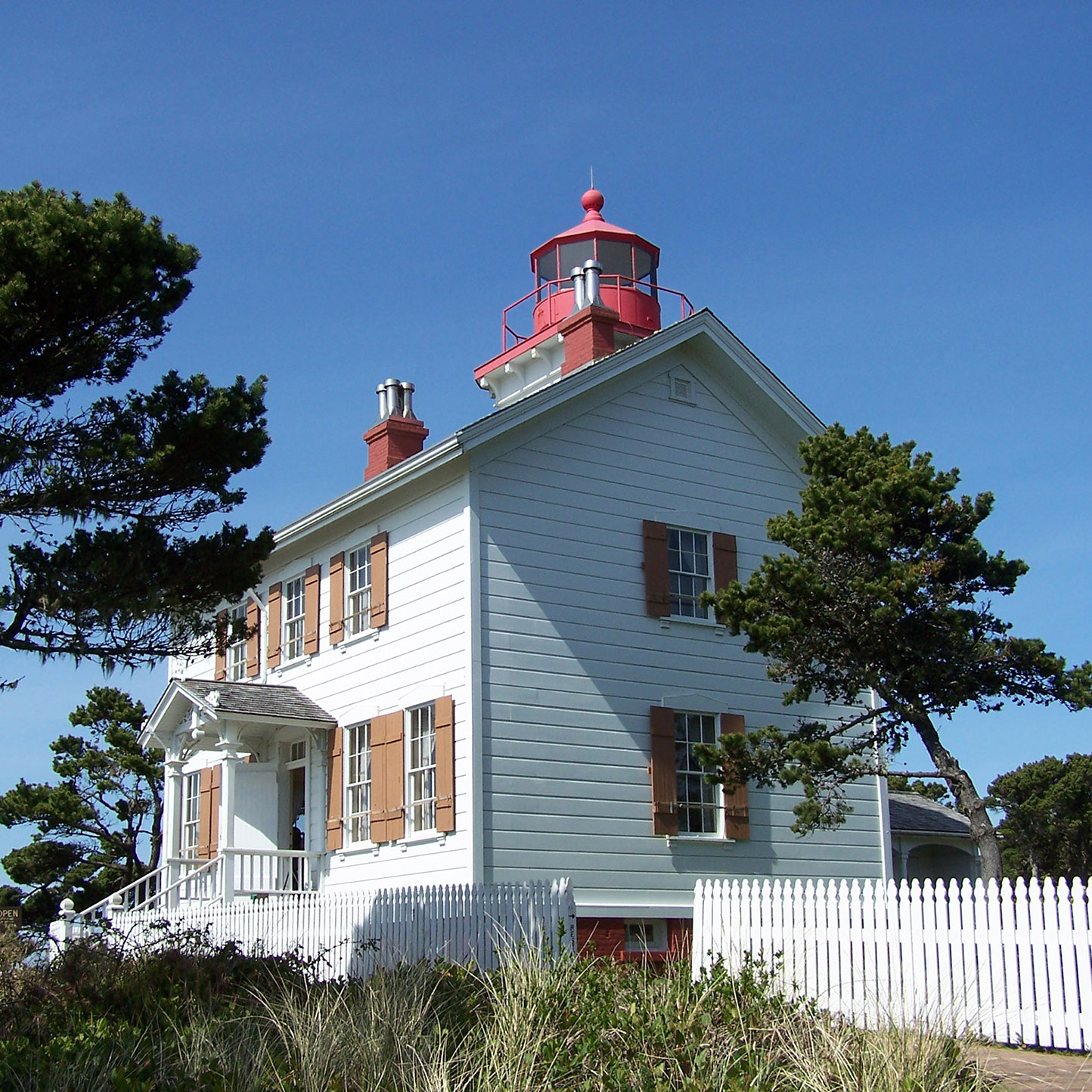
Historic lighthouse saved by a nonexistent ghost ... but was she, really?
But did Lischen M. Miller create the story of Muriel Trevenard, the mysterious young woman who came to Newport in the 1870s and vanished ... or did she merely write down a story that locals whispered to each other on stormy nights? (Newport, Lincoln County; 1870s, 1890s, 1940s) (For text and pictures, see https://offbeatoregon.com/1709a.muriel-trevenard-evan-macclure-yaquina-bay-lighthouse-ghosts-459.html)
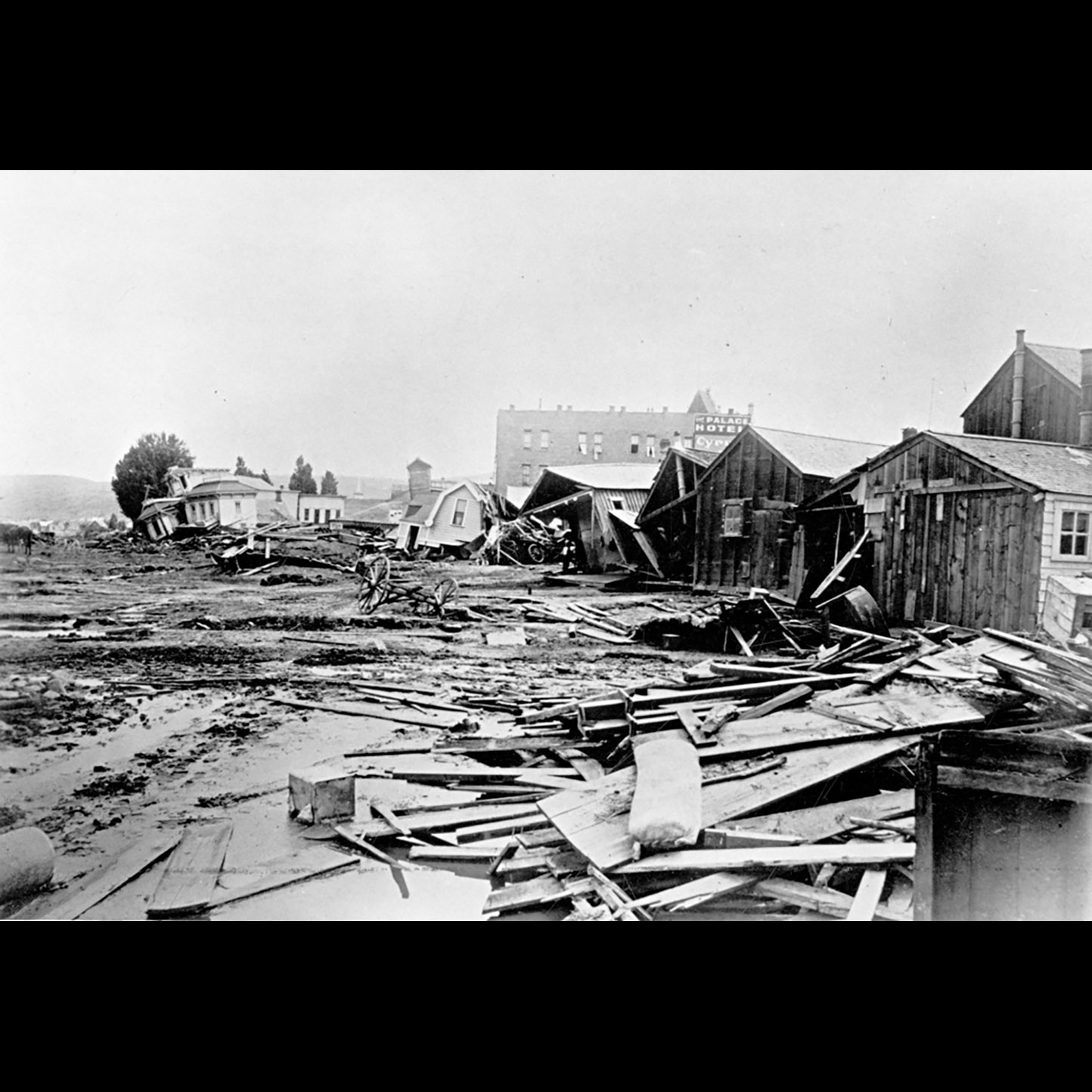
Heppner's devastation brought out heroism in face of watery death (2 of 2)
WHEN IT WAS over, the survivors in Heppner had an awful job ahead of them. A quote from the Portland Oregonian, reprinted in DenOuden’s article in the Oregon Historical Quarterly, sums it up: “Scenes at Heppner are indescribable in their gruesomeness, their anguish, their awful desolation. No pen can exaggerate the horrors they present. Every heap of debris may contain a human forming decomposition. Many do reveal such spectacles when uncovered, and meantime Willow Creek, as if to mock the dead, has returned to a purling brooklet.” (Heppner, Umatilla County; 1900s) (For text and pictures, see https://offbeatoregon.com/2412c1004c.heppner-flood-worst-in-history-680.070.html)

Worst natural flash flood in U.S. history struck here (Part 1 of 2)
ON JUNE 15, 1903, a strange little article appeared in the Portland Morning Oregonian. “It is reported that a tremendous cloudburst occurred at Heppner late in the afternoon,” the article states. “All communication with that town has been cut off and nothing definite can be learned.” The silence must have struck the editors as ominous. Heppner was a modern 20th-century town, with a telegraph office and a telephone exchange. Also, by press time they would have at least heard rumors that a massive, unsanitary slug of muddy water clotted with farm animals, household goods, and other domestic debris had just gushed downhill through the towns of Lexington and Ione following the banks of the usually-tiny Willow Creek, doing considerable property damage. Lexington and Ione were just downstream from Heppner. It wouldn’t be until late Sunday night, well past the hour the Oregonian was on the presses, that the outside world would start to learn the full story: At 5:20 p.m. on that sultry Sunday afternoon, a wall of muddy, turbulent water 30 to 40 feet high had slammed into the town, scooping up roughly a third of its buildings and killing 247 of Heppner’s 1,290 residents. It was the worst flash-flood disaster in U.S. history with the sole exception of Pennsylvania’s Johnstown Flood, measured by loss of life. (The hurricane-driven flooding that struck North Carolina earlier this year, including the city of Asheville, killed 129, including 26 who are still missing). And it remains the deadliest disaster of any kind in the history of Oregon. (Heppner, Umatilla County; 1900s) (For text and pictures, see https://offbeatoregon.com/2412c1004c.heppner-flood-worst-in-history-680.070.html)

Mount Angel Abbey owes grandeur to colorful monk
Jovial and gregarious, Adelhelm Odermatt locked his sights on a vision of a hilltop monastery — and then deployed himself like a jovial, glad-handing, never-sleeping bombshell to make it happen. It was a near thing, but he pulled it off. (Mt. Angel, Marion County; 1880s, 1890s, 1900s) (For text and pictures, see https://offbeatoregon.com/1505c.adelhelm-odermatt-mt-angel-abbey-339.html)

‘Unwritten Law’ no help for man who murdered his wife's brother
“Amsterdam Jack” Murray claimed it was all a misunderstanding, but the jury obviously suspected he'd intended to murder his wife's brother all along; then the appeals court learned he was a bigamist to boot. (Portland, Multnomah County; 1880s) (For text and pictures, see https://offbeatoregon.com/1709d.john-murray-murders-brother-in-law-462.html)
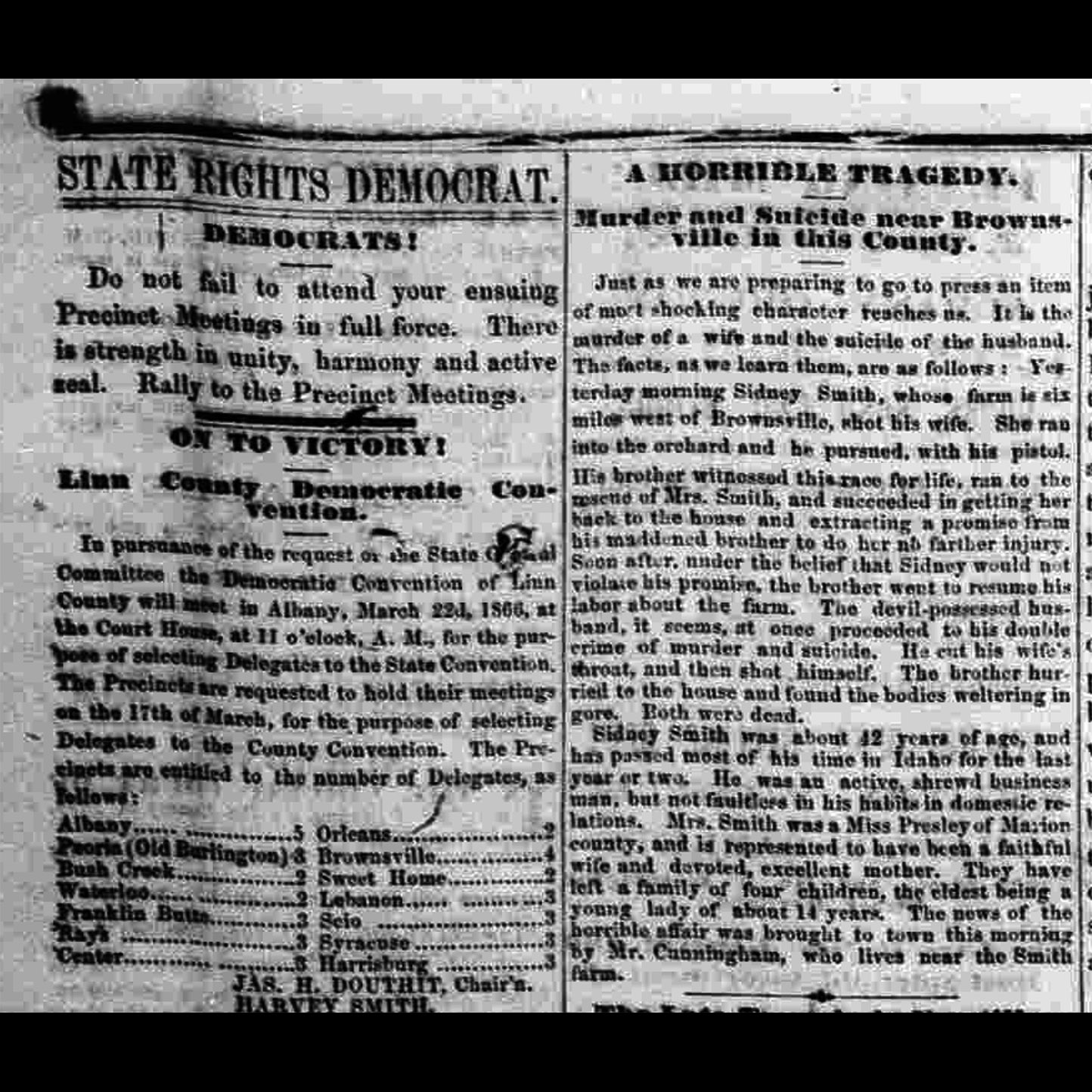
Frontier murder was even darker than it appeared
When first reported, it looked like a simple murder-suicide. But it quickly became clear that it was something far more sinister — and the motives of the killer were uglier and more sordid than anyone had thought possible. (Brownsville, Linn County; 1860s) (For text and pictures, see https://offbeatoregon.com/1708d.sidney-barbara-smith-murders-458.html)

Pixieland and Oregon's midcentury culture
Jerry and Lu Parks envisioned a “fairy-tale history of Oregon” in the form of an amusement park. What they created was a rich cultural artifact, and a treasured childhood memory for a generation of Oregonians. (Otis and Lincoln City, Lincoln County; 1960s, 1970s) (For text and pictures, see https://offbeatoregon.com/1709c.pixieland-old-oregon-cultural-artifact-461.html)
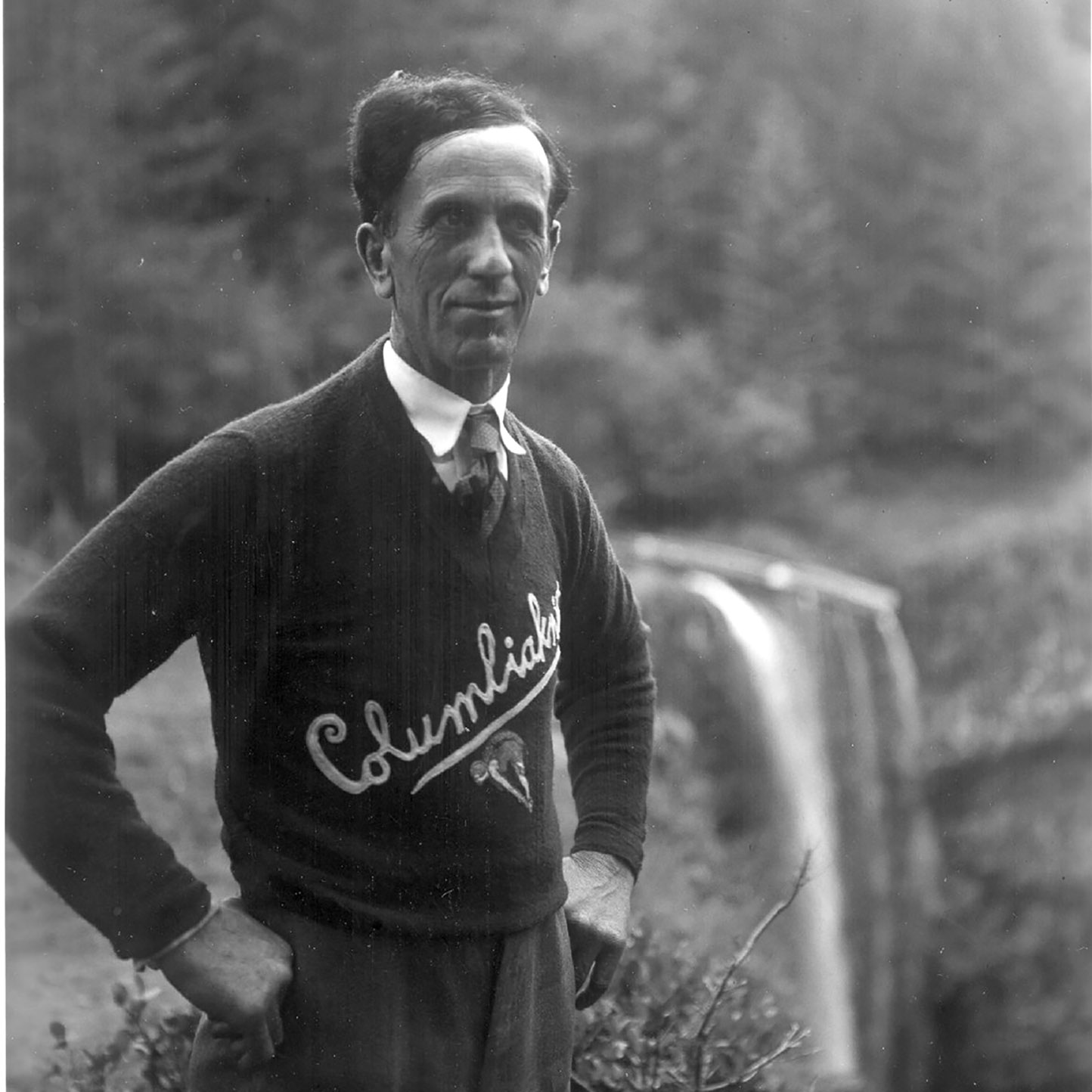
‘Daredevil Al’ Fossett was Evel Knievel of the ’20s
The former logger tried to cash in on his knack for boat design and total lack of normal fear by paddling over waterfalls: Willamette Falls, Celilo Falls, South Silver Falls. But although he got famous, he never managed to get rich. (Silver Falls State Park, Marion County; 1920s) (For text and pictures, see https://offbeatoregon.com/1708c.al-faussett-waterfall-running-daredevil-457.html)
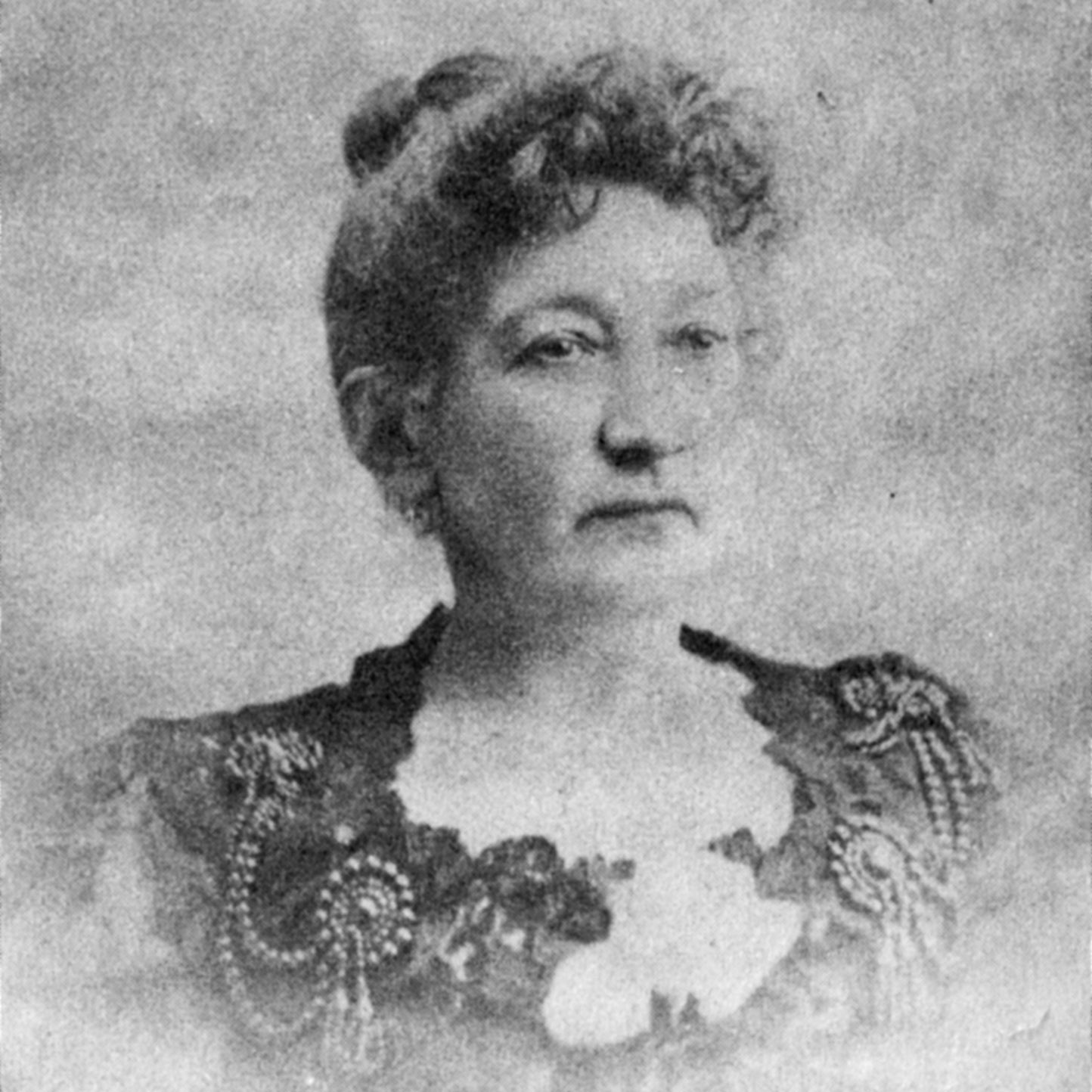
West’s first female lawyer: A legal Mother Teresa?
The real Mary Leonard was probably someone who had given up “the good life” after realizing, during her time in jail, that the powerless women of her time were getting a raw deal — and determined to do something about it. (Portland, Multnomah County; 1900s) (For text and pictures, see https://offbeatoregon.com/1205d-mary-leonard-legal-mother-teresa.html)

Pioneering “lady lawyer” deserved a better legacy
Had Mary Leonard died in 1890, she'd be remembered as she really was — a brilliant orator and an inspiration to future Oregon women and attorneys. But fate let her live another 20 years, during which she devolved into a total nut case. (Portland, Multnomah County; 1890s) (For text and pictures, see https://offbeatoregon.com/1205b-mary-leonard-murder-trial-part2.html)

Acquitted murder suspect became first ‘lady lawyer’
Many historians, eager to see in her the caricature of the nagging, garrulous fishwife and gold-digging black widow, have missed the real story of Mary Leonard — and done both her, and the historical record, a disservice. (The Dalles, Wasco County; 1880s) (For text and pictures, see https://offbeatoregon.com/1205b-mary-leonard-murder-trial-part1.html)
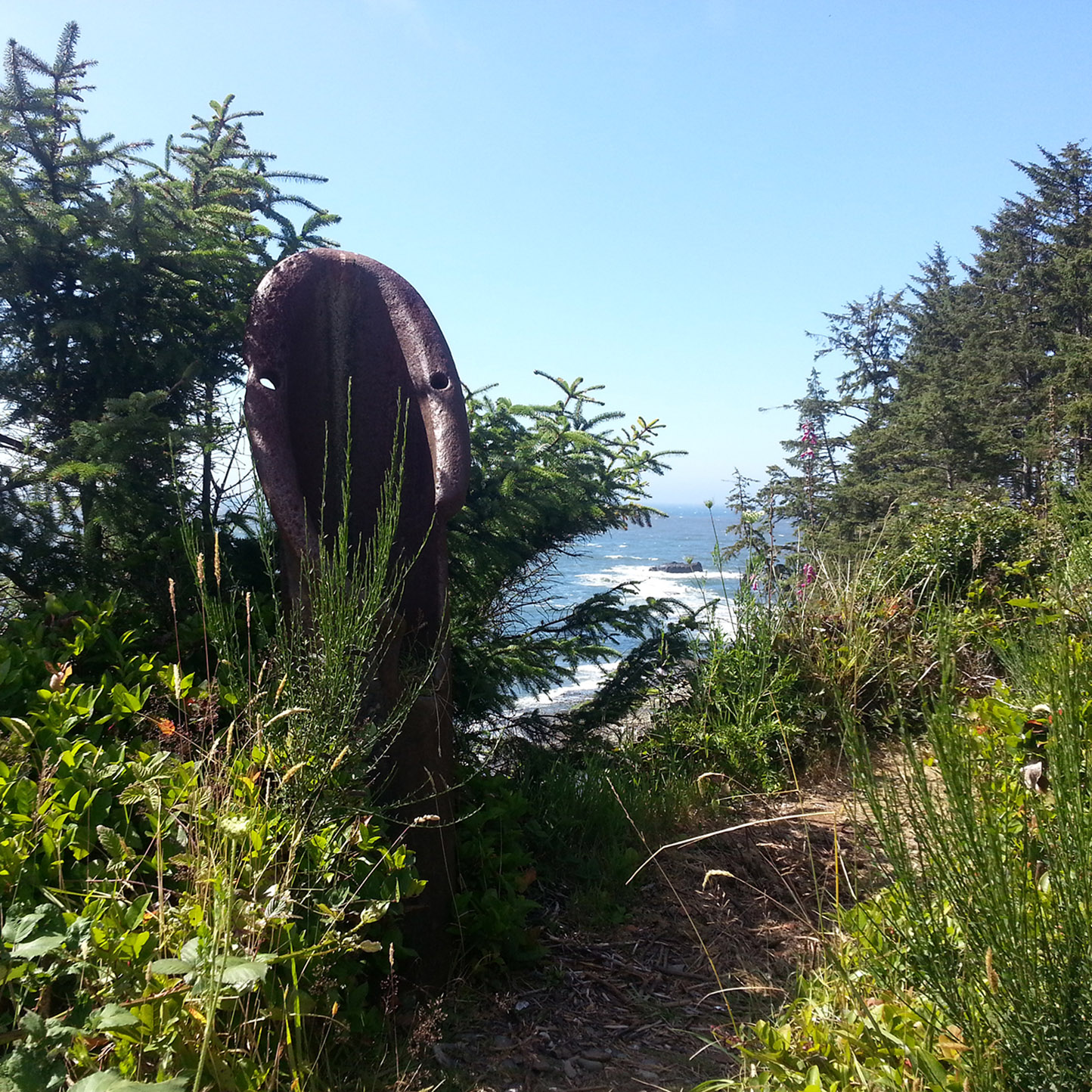
Fiery explosive shipwreck gave Boiler Bay its name
A MILE OR two north of the picturesque little Central Coast town of Depoe Bay, there’s a little unassuming wide spot at the side of Highway 101 where you can pull off the road and park. There are a couple trails leading down to the sea from that spot, and at very low tides you’ll often see people there, climbing over the ridge and picking their way down to the rocky, forbidding shore below. You’ll also sometimes see one of them stop to get a photo of a really incongruous thing at the top of the bluff. It’s a large, rusty steel pipe, wide at the top and narrow at the bottom, shaped like an air duct or maybe a ventilation stack on a steamship. The pipe towers about eight feet above the ground and is very obviously buried nearly that far into the dirt below. That duct is one of two remaining large pieces left from what must have been the most spectacular shipwreck in West Coast history: The fiery, explosive demise of the steam schooner J. Marhoffer. And yes, that huge piece of steam-engine ductwork is where it is, sticking out of the ground hundreds of yards from the bay, because it fell out of the sky and jammed into the ground like a giant Lawn Jart after being blasted into the air by the explosion. Here's the story .... (For text and pictures, see https://offbeatoregon.com/2411b1004b.boiler-bay-shipwreck-675.069.html)

Bob Straub stopped plan to put highway on the beach
State treasurer Straub was a regular visitor to the state park through which the highway department wished to route the main Oregon Coast arterial. He took one look at the department's plans — and declared war. (Nestucca Spit, Tillamook County; 1960s) (For text and pictures, see https://offbeatoregon.com/1708b.bob-straub-saves-nestucca-spit-456.html)
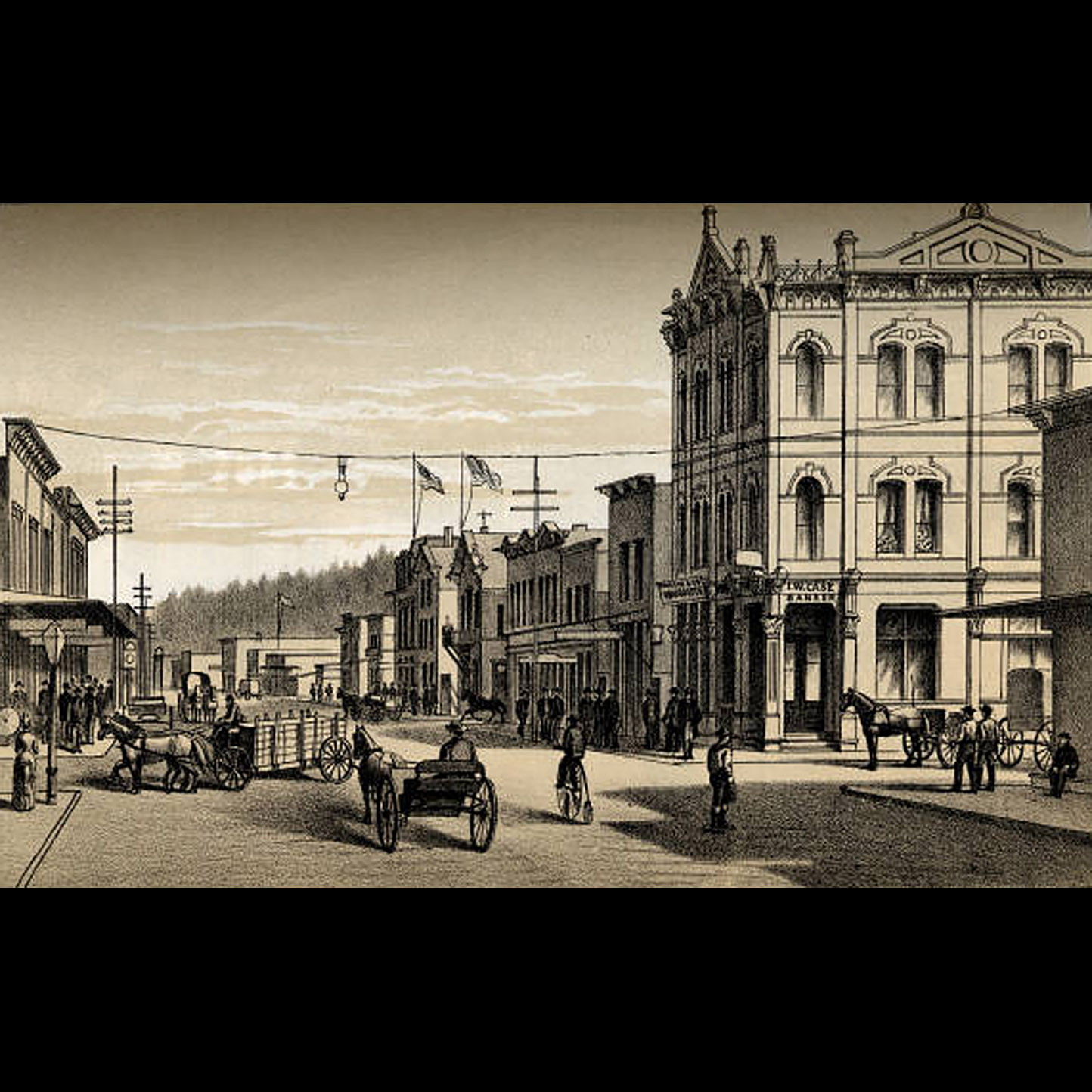
Shanghaied in Astoria: A once-perilous port city
Desperate for men, shanghai artists once tried to kidnap the local Methodist minister. He turned out not to be as soft a target as they'd anticipated. (For text and pictures, see https://offbeatoregon.com/1203d-astoria-once-hotbed-of-shanghaiing.html)
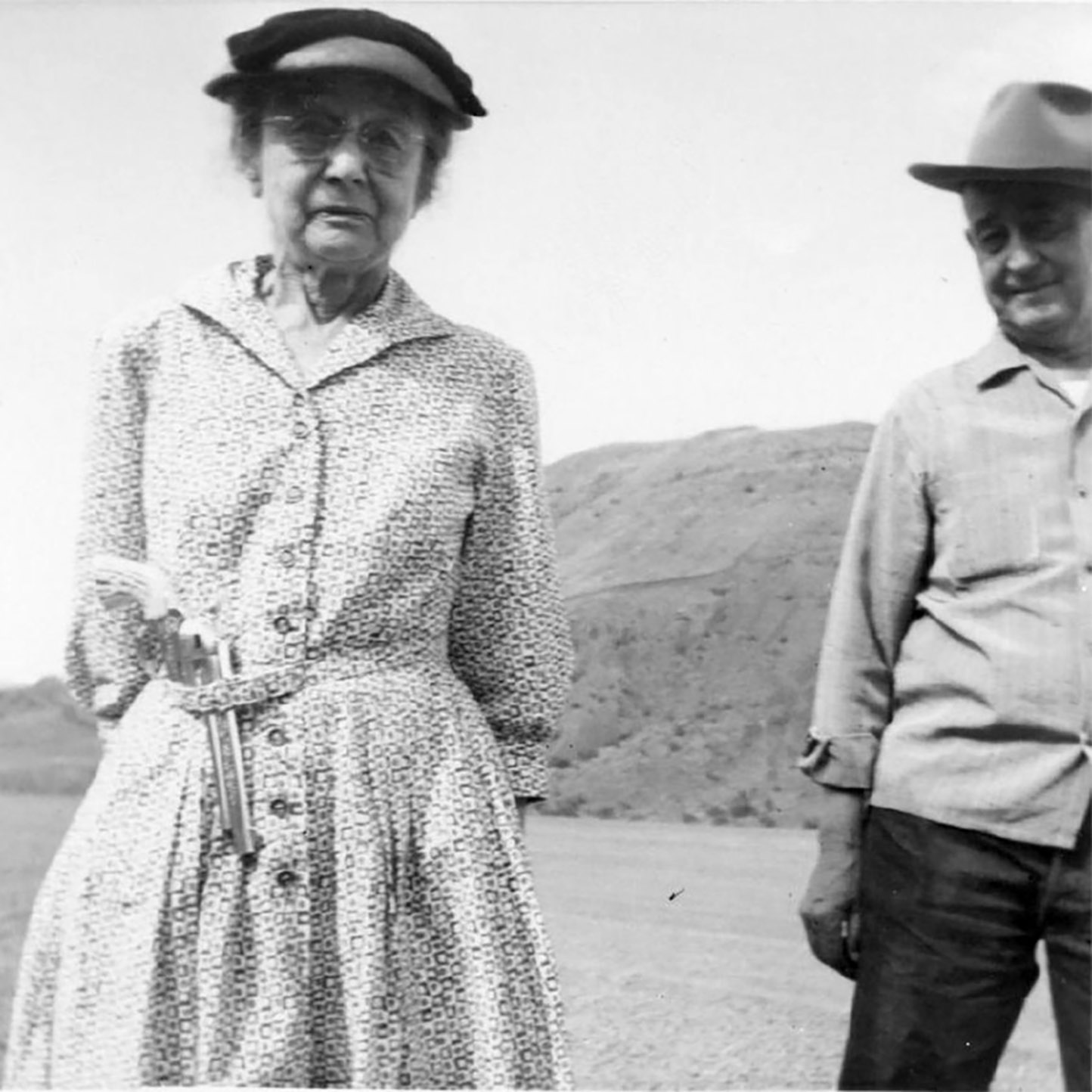
Secretary imposed martial law on rowdy town
Don't be fooled: Fern Hobbs was a secretary in the “Secretary of Defense” sense of the word. A practicing attorney, she was the highest-paid woman in public service. Copperfield's city fathers thought they could charm her ... they were wrong. (Copperfield, Baker County; 1910s) (For text and pictures, see https://offbeatoregon.com/1708a.copperfield-affair-oswald-west-martial-law-455.html)

Legislators shut down Salem with a raging party
The six-week-long drunken party was thrown by the notoriously rascally Jonathan Bourne Jr. to keep the state Legislature from convening, so it couldn't elect John H. Mitchell to the U.S. Senate. It worked — well, sort of.(For text and pictures, see https://offbeatoregon.com/1201e-bourne-40-day-party-stopped-legislature.html)

Wolf Creek Tavern was a refuge for Hollywood stars
THERE WERE TIMES, during Hollywood’s golden age, when Clark Gable simply couldn’t be found anywhere. Studio executives would search frantically for the top-shelf star, needing to talk to him about a project and facing a tight deadline. He’d be gone. In fact, he’d be fly-fishing on the Rogue River in Oregon, while staying in a small inn that today is the oldest continually operating hotel in the entire Pacific Northwest: The Wolf Creek Tavern. Clark wasn’t the only Hollywood bigshot in on the secret, either. The Wolf Creek Tavern was a regular place of refuge for a bunch of Golden Age Hollywood stars, including Carole Lombard, Douglas Fairbanks Jr., Mary Pickford, Orson Welles, and even John Wayne. Also, if you are more of a literature buff, Sinclair Lewis’s name is also on the guest register, and Jack London was a regular and did quite a bit of writing there. With his wife, Charmian Kittredge London, he holed up in a tiny little garret-like room over the hotel’s front porch for several weeks in 1912 to put the finishing touches on the manuscript for The Valley of the Moon.... (For text and pictures, see https://offbeatoregon.com/2411a1004a.wolf-creek-tavern-674.068.html)