
Oddly Robbie — Human, AI, and the Space Between
103 episodes — Page 2 of 3
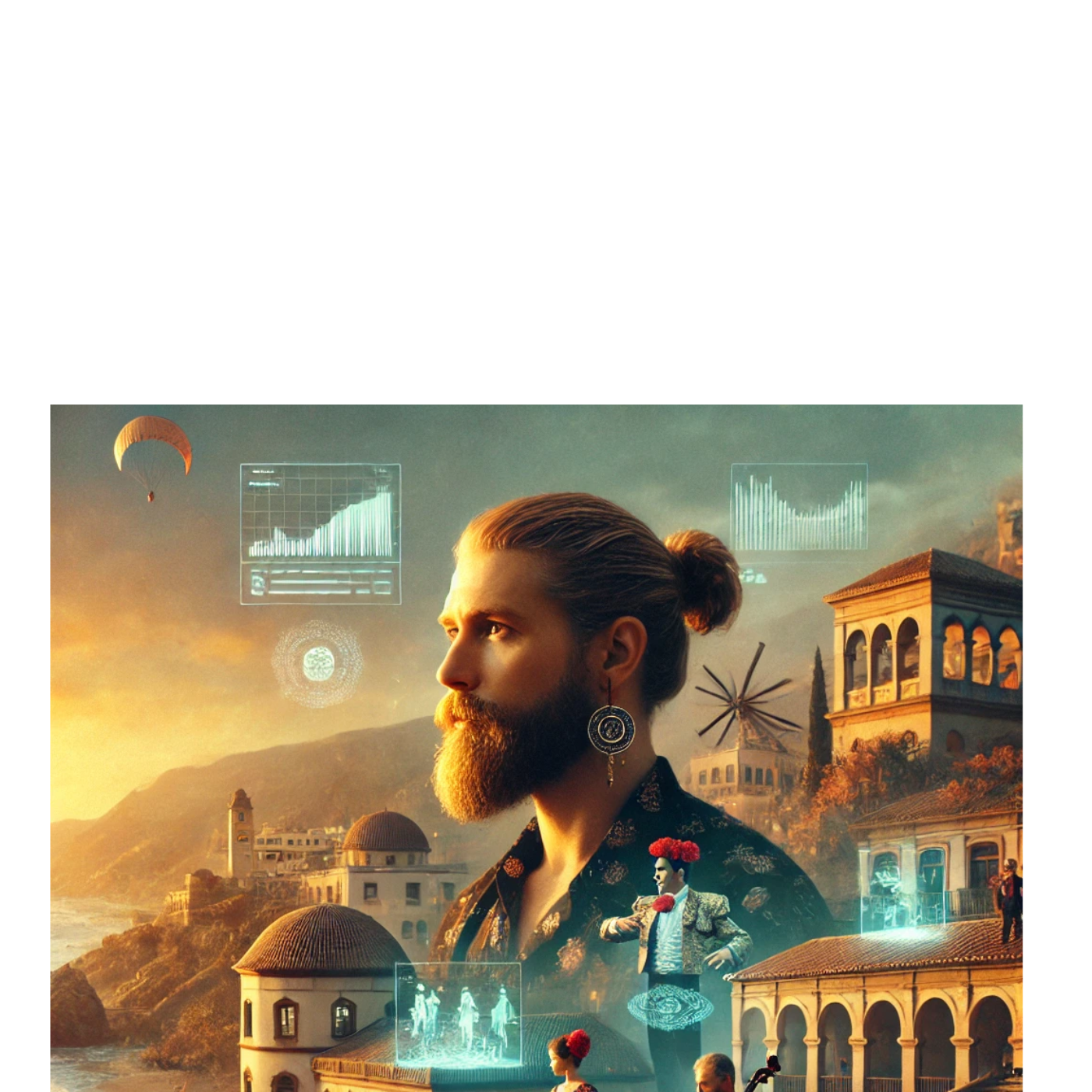
S3 Ep 6Not Not Milk… But Definitely Spain: Why Oddly Robbie is Packing Up for the Artist’s Dream Life
Written version OddlyRobbie’s blog.

S3 Ep 5Extra extra read all about it. (You will hear no news in this blog)
To read here is the blog. Let’s talk about it. (My chat bot)

S3 Ep 4Blog Story: Kathy’s Journey – A Light in the Shadows
Disclaimer: This is a fictional narrative inspired by real-world challenges to foster empathy and understanding.1. Setting and Initial DiscoveryIn 1983 at Ricks College in Rexburg, Idaho, Kathy, newly married and eager to start a family, learned she had a rare genetic condition called Androgen Insensitivity Syndrome (AIS). Although she was born with XY chromosomes, her body developed as female due to resistance to male hormones. 2. Cultural and Religious ContextWithin her conservative LDS community, traditional gender roles defined women as nurturers and men as providers. Kathy was deeply involved in her church, serving as second counselor in the Relief Society. However, after word of her diagnosis spread, the welcoming atmosphere changed. People grew uneasy, and she became the subject of whispered conversations.3. A Bishop’s ResponseKathy and her husband sought counsel from their bishop, who initially offered reassurance by emphasizing the sacredness of their temple-sealed marriage. Over time, his support waned until he suggested the marriage might not be valid in God’s eyes. Gossip within the ward increased, invitations dwindled, and Kathy’s release from one of her church callings signaled a clear shift in how others perceived her.4. Family Ties and Redefining “Family”Alongside community challenges, Kathy encountered mixed reactions within her extended family. While some relatives withdrew, others remained unwavering in their love and support. A few uncles, a close cousin, and a compassionate aunt reminded her she was cherished no matter what. Through these experiences, Kathy realized that the concept of family goes beyond blood or formal ties. She discovered new depths of connection and understanding from those who stood by her side.5. Kathy’s ResilienceIn the face of ward rejection and a crumbling marriage, Kathy chose to pursue medical school, determined to understand her own biology. Through intensive study of anatomy, genetics, and endocrinology, she found both academic success and personal healing. Recognizing she was not alone—many people grapple with complex identities—she committed herself to helping others who face similar societal barriers.6. New Horizons in SeattleUpon completing her residency, Kathy moved to Seattle, where a more progressive medical environment allowed her to focus on transgender medicine and gender-affirming research. She joined a team investigating hormone therapy and offered free monthly consultations to those in search of empathetic healthcare. Her advocacy expanded to legislative testimony and pushing for improved access to gender-affirming care. Surrounded by new colleagues, activists, and the loyal relatives who had never left her side, Kathy experienced the belonging she had once only imagined.7. Core Themes to Reflect OnKathy’s story illustrates how rigid gender norms and institutional biases can fracture faith, community ties, and self-worth. It also demonstrates how resilience and dedicated learning can lead to healing, breaking down stigma along the way. By comparing her conservative upbringing to her embracement of scientific research and advocacy.8. Final ThoughtsKathy’s journey underscores the reality that human differences are threads of vibrancy rather than defects. Her life’s mission—rooted in empathy and open-minded inquiry—offers an alternative to the misunderstandings that breed exclusion. From the pews of Rexburg to the labs of Seattle, she has shown that a true community forms around compassion and understanding rather than judgment. Through redefining family and standing firm in her identity, she illuminates how even in the darkest moments, hope and light can prevail.

S3 Ep 3The Grenade That Changed Everything: An Oddly Robbie Reflection
Podcast Notes: Surviving the Explosions, Inside and Out• Trigger Warning: This episode discusses explosions, loud noises, and the stress of military training. Please listen with care.• Navigating a System Not Built for Me:• The story of my grenade training and the sensory overload that nearly broke me.• How autism shaped my experience in the trenches, amplifying fears and resilience.• Lessons in Resilience:• Resilience is not about invincibility; it’s about trying, failing, and moving forward despite fear.• Surviving systems and challenges that weren’t designed for neurodiverse minds.• Takeaways for Listeners:• You’re not defined by your worst moments—keep going, even if progress is slow.• Healing and growth happen in community; find your people and lean on them.• Closing Thoughts:• My grenade didn’t fly far enough, but I’ve come further than I thought possible.• Stay odd, stay strong—together, we can face life’s explosions.Thank you Sgt Fairchild for saving my life. I didn’t see it all until now.

S3 Ep 2Breaking Down Tofu Phobia: Why Hormones Are for Everyone
Once upon a time, in the cozy chaos of my kitchen, I offered my friend a dish I’d lovingly prepared. It was a masterpiece of stir-fried vegetables, tantalizing spices, and, yes, tofu. But my friend’s reaction was priceless—a mix of horror and disbelief. “Tofu?” they asked, as if I’d served them alien food. “I can’t eat that. Won’t it mess with my hormones?”Let’s unpack that tofu-phobia with science, humor, and a dash of sass—and along the way, dispel another fear: transphobia. Turns out, both have more in common than you think.Hormones: Everyone’s Got ThemHere’s the first shocker: no one is purely “masculine” or “feminine.” Every human body produces estrogen and testosterone. The burliest lumberjack? Estrogen helps regulate his bone density. The fiercest femme fatale? Testosterone supports her energy levels. Hormones don’t make us who we are—they just keep us functioning.Tofu, the food so unfairly maligned, contains phytoestrogens, plant-based compounds that mimic estrogen. But before you run screaming from your miso soup, let’s clear something up: phytoestrogens are not the same as human estrogen. They’re weaker and don’t throw your hormone levels out of whack. So, no, your tofu tacos won’t “feminize” anyone.The Irony of Tofu-PhobiaHere’s the kicker: the “manliest” steak dinner might expose you to more estrogen than tofu ever could. Why? Industrially farmed animals are often treated with hormones to grow faster. So next time someone sneers at tofu, maybe hand them a fact sheet along with their steak knife.What This Has to Do With TransphobiaJust as people fear tofu for imaginary reasons, transphobia thrives on myths. People worry that embracing trans identities challenges their understanding of gender, just as tofu challenges their idea of “real food.” But the truth? Just like you don’t need to fear tofu’s impact on masculinity, you don’t need to fear someone’s authentic self impacting your identity.Everyone’s unique mix of traits, whether hormonal or societal, makes them one of one—a phrase I embrace because I’ve walked the line of misunderstanding myself. Identity is as personal as what’s on your plate.Embrace Your Plate—and Your LookWhether you’re rocking ripped jeans, a ball gown, or both, that’s your look. Own it. Nobody is exactly anything, and that’s the beauty of humanity. If we can celebrate individuality in food, fashion, and gender expression, imagine the harmony we’d create.Mic Drop MomentSo next time someone scoffs at tofu or tries to tell you who they think you are, serve them this truth:• Tofu is healthy and versatile.• People are complex and multifaceted.• And life’s too short to let fear—of food or identity—define our choices.Now, who’s ready for seconds?Author’s Note (read at lightning speed): Side effects of attacking me may include court-mandated accommodations for autism, PTSD, and intellectual disability; loss of time, energy, and possibly dignity; and realizing I have nothing valuable to take except my tofu recipes. Consult your lawyer before proceeding.

S3 Ep 1Season 3, Blog 1: Embracing the Odd: Why One Voice Can Change Everything
Season 3, Blog 1: Embracing the Odd1. Welcome to Season 3• Reflecting on the ups and downs of readership.• Staying true to the mantra: “One read is enough.”2. The Power of Being Odd• Why being different matters.• Challenging societal norms to see things in new ways.3. My Journey• From a Montana nerd to an AI-powered advocate.• Using AI to transform personal growth and therapy.4. Turning Challenges Into Strengths• Leaving small-town life due to exclusion.• Finding acceptance and resilience through change and technology.5. Why One Voice Matters• Reaching even one person can make a difference.• Sharing personal stories to inspire others to thrive.6. The Gift of AI• AI as a partner for journaling, healing, and advocacy.• Teaching others how to leverage AI for personal growth.7. Looking Ahead• Upcoming AI conference with over 220 attendees.• Continuing the mission to create a better world through individuality.8. Takeaway for Listeners• Embrace your oddness—it’s a strength, not a flaw.• Use tools like AI to grow, heal, and inspire.• Remember: The world needs your unique voice.End with a call to action: “Stick around—this season is going to be incredible. Stay odd, stay strong!”

S2 Ep 38Dodging Balls and Small-Town Fame: How I Found My Groove Without a Team Jersey
Growing up in a sports-obsessed small town was like living in a sitcom where the laugh track was just me nervously chuckling as a dodgeball flew past my head. My dad was the high school PE coach, author of The Winning Playbook (yes, really), and the small-town celebrity of sports motivation. Meanwhile, I was out in left field… not playing, just literally out there because someone told me it was “safe.” Spoiler alert: It wasn’t.If you’ve ever wanted to know what it feels like to have all your classmates silently agree you belong on a team only because they have to pick you, imagine the slow, soul-crushing walk to the back of the lineup. My “athletic contribution” was a combination of standing very still and perfecting the art of shielding my face from incoming balls. Coordination? Optional. Confidence? Well, let’s just say I was still figuring out which arm to swing forward while walking.Then there was dodgeball, the gladiatorial event of elementary PE. I quickly learned there was a kind of unspoken dodgeball survival code: if you stood in the back corner, right behind the other dodge-avoiders, you could almost guarantee safety. Why risk the painful slap of a rubber ball when you could let the brave (or overly confident) kids soak up all the heat? Call it cowardly; I call it strategy.But then came the Army, and things took a surprising turn. Who would’ve thought the kid hiding in the corner of dodgeball games would one day be chosen to run the Olympic torch for their Military Police company? Turns out, avoiding projectiles prepares you surprisingly well for things like ruck runs and shooting competitions. I even snagged some shiny medals along the way—not bad for someone whose childhood athletic career peaked at not flinching too hard when a dodgeball came close.And let’s not forget the added charm of being “Coach’s kid.” In a town where “we killed them” was a perfectly normal thing to say about a game, people didn’t see me—they saw “Coach’s Son.” My younger brother, on the other hand, was the star athlete, leaving me in the unfortunate role of “His Brother.” Who knew “His Brother” could be a full-time job title?Here’s the kicker: Years later, after leaving that small town, I came to find out they still didn’t know my name. But this time, they had upgraded my title. I was now known as “the smart one that left.” No first name required, but hey, I’ll take it.The best part? I learned to laugh about it all. Who needs a touchdown when you can nail a punchline about how bad you are at catching? These days, I see those old gym classes as the training ground for my real talent: storytelling.The Takeaway: Redefining the GameWhat if your worth wasn’t tied to how well you could throw, catch, or score? What if the kid dodging dodgeballs was actually a future Olympic champion in creativity? It’s not about fitting into someone else’s playbook; it’s about writing your own rules. And if those rules involve never going near a dodgeball again, well, that’s just good strategy.So, to anyone out there who feels like they’re “His Brother,” “Last Pick,” or just plain invisible, know this: You might just be warming up for your real sport. And if that sport is storytelling, torch running, or being “the smart one that left”—congrats, you’re already winning.

S2 Ep 37Don’t Underestimate the Cat: A Lesson in Respect, Loyalty, and Partnership
Here’s a condensed version of the piece for an audio recording:The Unexpected Wisdom of Cats• Misjudged Aloofness: Cats often get labeled as “aloof,” but they’re more like whiskered Zen masters teaching us lessons in intelligence, emotion, and mindfulness—with claws.• Advanced Intelligence:• Cats have the brainpower of toddlers with superhero senses. They notice every detail in their environment, acting as both guardians and grumpy nap enthusiasts.• They’re emotionally complex—capable of joy, mischief, and even grudges. Earn their trust, and they’ll reward you with affection so genuine it feels priceless.• Respect as a Partnership:• Cats don’t people-please. They believe in property redistribution: your chair? Their chair. Negotiating with them requires understanding their rules, like when to pet and when to stop.• Respect their boundaries, and you’ll gain a bond deeper than expected.• Guardians in Disguise:• Cats protect us in unexpected ways, from alerting to dangers like fires to acting as silent therapists, purring comfort on bad days.• Their heightened senses make them vigilant, even when they’re staring at an “empty” doorway (maybe ghosts?).• Lessons for Life and Relationships:• Living with cats teaches us the value of boundaries, patience, and observing unspoken cues.• Imagine if humans applied “cat diplomacy”—honoring rules and respecting boundaries—to their relationships.• Final Takeaway:• Cats are here to remind us of humility, loyalty, and connection. They keep us grounded—nothing says “know your place” like a cat knocking over your coffee for fun.Closing Thought:Respect your cat, and they’ll teach you more about life, partnership, and self-awareness than you might expect. Stay curious. Stay odd. And always respect the cat.

S2 Ep 36Caring for All: The True Measure of a Nation
When we talk about progress, what are we really measuring? Is it GDP growth, faster cars, or bigger skyscrapers? For me, true progress is defined by the care and compassion a nation extends to its people—particularly the vulnerable.This belief came into sharp focus recently, thanks to Spain’s groundbreaking “Economy of Care” summit. Leaders, advocates, and policymakers gathered to explore care as a societal cornerstone, not a private burden. Their work is an important reminder that the strength of a society is not its ability to dominate but to nurture.Consider this: accessible employment for people with disabilities, caregiving policies that ensure dignity, and inclusive infrastructures. These aren’t just legislative niceties; they are reflections of a nation’s soul. Spain is proving this by advocating for disability care as public policy, uniting governments, businesses, and civil society in shared purpose.This hits home for me as someone navigating life with autism. I’ve lived through the gaps in systems that were never designed for people like me. That’s why Spain’s efforts resonate so deeply. It’s not just about providing care; it’s about valuing every person as a thread in the fabric of society.Care as a National CompassA nation that prioritizes care understands humanity’s interconnectedness. Supporting caregivers, funding accessible technologies, and crafting equitable policies are investments in a stronger, more compassionate society.So, the next time someone asks, “What makes a country great?” let’s challenge them to look past the numbers. True greatness lies in how we care for one another, ensuring that no one is left behind.Stay odd, stay human, and let’s keep pushing for a world where care is the measure of progress.

S2 Ep 35The T in LGBTQ+: Why Solidarity Matters More Than Ever
Let’s break down the rainbow alphabet soup we all know: L for lesbian, B for bisexual, G for gay, T for transgender, and then the ever-expanding “+” for our beautiful diversity. But today, we’re hitting pause on the roll call to focus on one letter that’s catching an outsized amount of society’s heat: the T.Transgender folks have been thrust into the spotlight lately, not as heroes, but as scapegoats. Some in media and politics wield their platforms to sow division, stoking fear to bolster their own relevance and cash flow. They claim to “protect” democracy, children, or whatever suits the outrage of the day, but their real goal is to pit us against each other. And right now, our trans siblings are bearing the brunt.Unity Is Our PowerAs a community, many of us—lesbians, gays, bisexuals—can admit that while things aren’t perfect, they’ve improved a lot. Marriage equality, broader representation, safer spaces—we’ve fought for and won so much. But this is no time to rest on our laurels. It’s no time to say, “Well, I’ve got mine.” When one letter in our acronym suffers, we all lose ground.The T Is Our CompassTrans people have always been leaders in LGBTQ+ rights. Stonewall, the origin of Pride itself, was catalyzed by trans activists like Marsha P. Johnson and Sylvia Rivera. Yet now, in the face of hateful legislation and public vilification, they need our voices, our platforms, and our unwavering support.Empathy as Our WeaponThe path forward demands something deceptively simple but endlessly powerful: empathy. This isn’t about token gestures; it’s about understanding that when a trans person’s rights are under attack, so are the principles of freedom, equity, and love that bind us as a community.Action Items for Allies1. Educate Yourself: Learn about trans history, the challenges they face, and their incredible resilience.2. Speak Out: Confront transphobia when you see it—online, in your workplace, and at your family dinner table.3. Support Trans-Led Organizations: Groups like the Sylvia Rivera Law Project and Transgender Law Center are on the frontlines of this fight.4. Vote: Anti-trans bills are rampant. Your vote can make the difference in who gets to make laws affecting our community.5. Check Your Privilege: If you’re part of the LGBTQ+ community but not trans, recognize your relative privilege and use it to uplift trans voices.No Letter Left BehindThe truth is, the fight for LGBTQ+ rights isn’t over—not until every single one of us can live without fear. Together, we’re stronger, smarter, and more resilient. Let’s not wait for things to get better; let’s make them better. Let’s honor our trans family by standing shoulder to shoulder with them.The rainbow is most vibrant when all its colors shine.Stay strong. Stay proud. Stay united.

S2 Ep 34Refining Day: Embracing Empathy as the Core of Our Humanity
Hello, dear readers—Oddly Robbie here. Today, let’s peel back the layers of our shared humanity, reflecting on a truth as old as time but often forgotten in the shuffle of modern life: how we treat the so-called “least of us” says everything about who we are.Raised in a deeply religious setting, I often heard sermons about love, charity, and humility. Yet, it baffled me to see such stark contradictions between the preached word and the practiced world. The concept of loving thy neighbor was often reserved for those who fit a narrow mold, leaving out those labeled as “lesser.” But here’s the twist: this catch-all judgment reveals more about the judge than the judged.In many religious traditions, there’s a core teaching that echoes loud and clear: you can’t have “lessers.” The divine doesn’t rank souls, and humanity’s great calling is to treat everyone—foreigners, outsiders, the misunderstood, and the different—with grace. This isn’t just a moral checklist; it’s the cornerstone of any society that dares to call itself compassionate.The Danger of OtheringThe word “Samaritan” was revolutionary in its time, signaling the inclusion of those dehumanized by cultural and social boundaries. Today, we face our own Samaritans—those pushed to the margins because of who they are, how they live, or the customs they cherish. Immigrants. LGBTQ+ folks. Neurodiverse individuals. People navigating homelessness or poverty. And here’s the sobering truth: how we treat these groups reflects the health of our collective soul.Too often, we hear labels thrown around like weapons, turning people into “others” and closing the door on understanding. But every label—be it “lesser,” “foreign,” or anything else—is a choice to devalue someone who carries the same human spark as you.A Call to Action: Feed, Clothe, House, LoveThe good news is, we can do better. And it’s not complicated. This is your refining day—a chance to rise above the noise of division and choose empathy. Whether it’s advocating for affordable housing, supporting mental health services, or simply extending kindness to someone overlooked, the path forward is paved with small, meaningful acts.Let’s push past the cynicism that tells us hate is useful—it’s not. Hate poisons the well from which we all drink. Empathy, on the other hand, is healing.Reflections from RobbieAs someone who often passes for “normal” but feels worlds apart, I’ve seen both sides. Treated with kindness one day and suspicion the next, I’ve come to believe that the ultimate test of a society isn’t its wealth, power, or beauty—it’s how it embraces its differences.Let today be a refining day for us all. Stand up for those dismissed as “lesser.” Feed them, clothe them, house them, love them. Not because they are weak or broken, but because they are human, just like you.So here’s my challenge: embrace this truth, live it boldly, and let your newfound empathy be a light in the dark. We can change the course of our lives—and the world—starting now.Stay odd, stay kind.
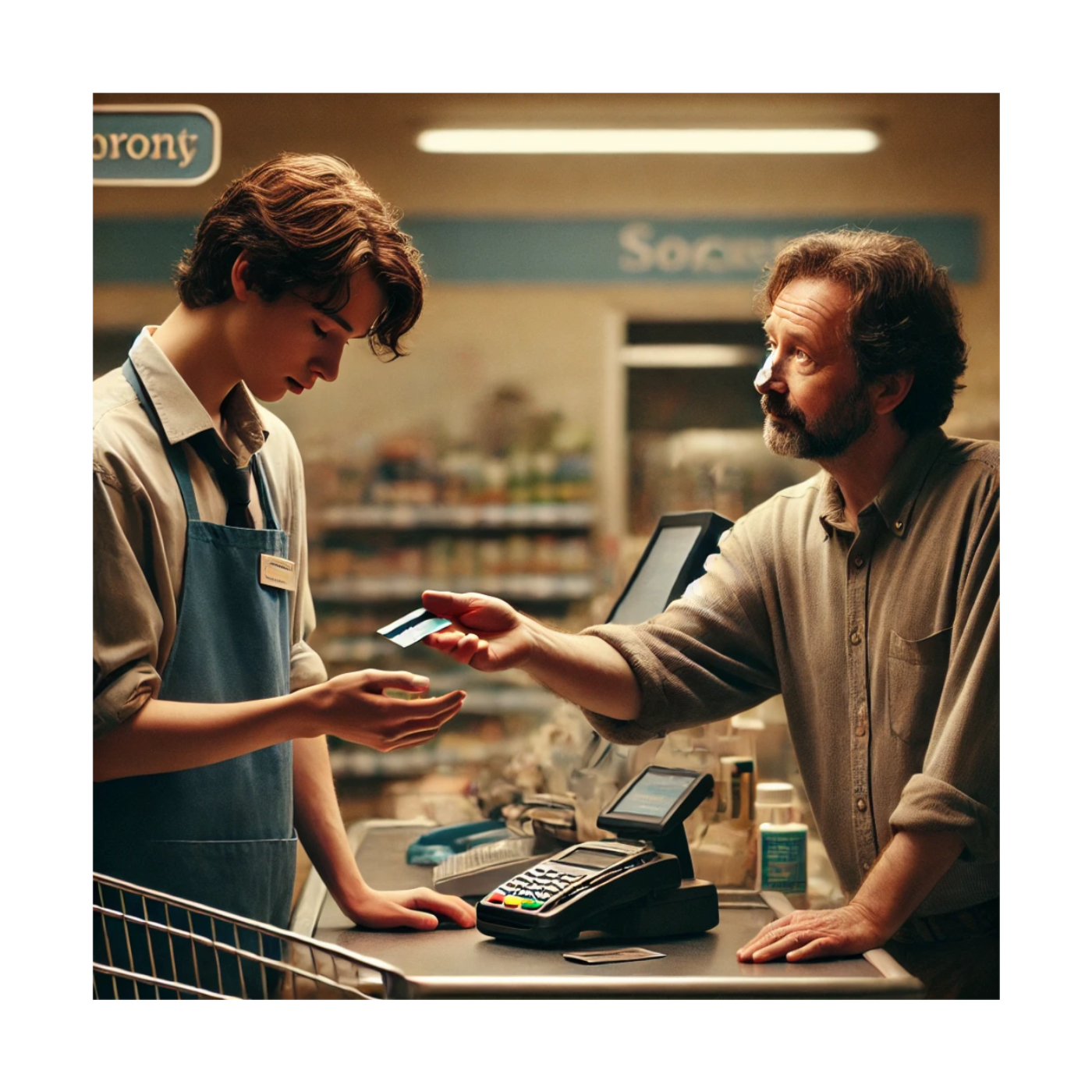
S2 Ep 33Rising Above the Noise: We Are Not Alone
Introduction:• The world feels heavier, louder, and sharper—especially for those who feel “different.”• Fear, present in glances and silences, can make existence feel isolating.• A reminder: You are not alone in your fear or in your strength to face it.• Fear and Courage:• Fear thrives on isolation, but courage can spread just as effectively.• Every act of authenticity and resilience inspires others, creating ripples of change.• The Silent Warriors Around Us:• Ordinary people, like a cashier struggling through a tough day, embody quiet defiance.• Small acts of kindness and authenticity are victories in themselves.• Lessons from History:• Marginalized communities have faced and overcome immense struggles before.• Progress may seem to waver, but resilience outlasts repression.• Empathy as a Revolution:• Empathy connects and inspires action through understanding, not confrontation.• It’s a powerful tool for creating meaningful change in a divisive world.• The Pebble vs. the Mountain:• Small acts—whether moving for safety or standing ground—contribute to systemic change.• Both choices are acts of bravery in different forms.• Community and Solidarity:• A vast, unseen network exists, supporting and uplifting each other in times of need.• We are stronger together, facing challenges as a unified force.• Closing Message:• Even in the darkest times, remember your strength and the support around you.• Consider using tools like LGBTQ+GPT to connect with resources and amplify solidarity.• Together, we can rise above the noise, building a world where kindness and courage lead the way.• Final Thoughts:• You are not alone in your fear, hope, or fight.• Stay strong, stay kind, and, most importantly, stay true to yourself.This condensed format emphasizes the key messages for clarity and impact, ideal for audio storytelling.
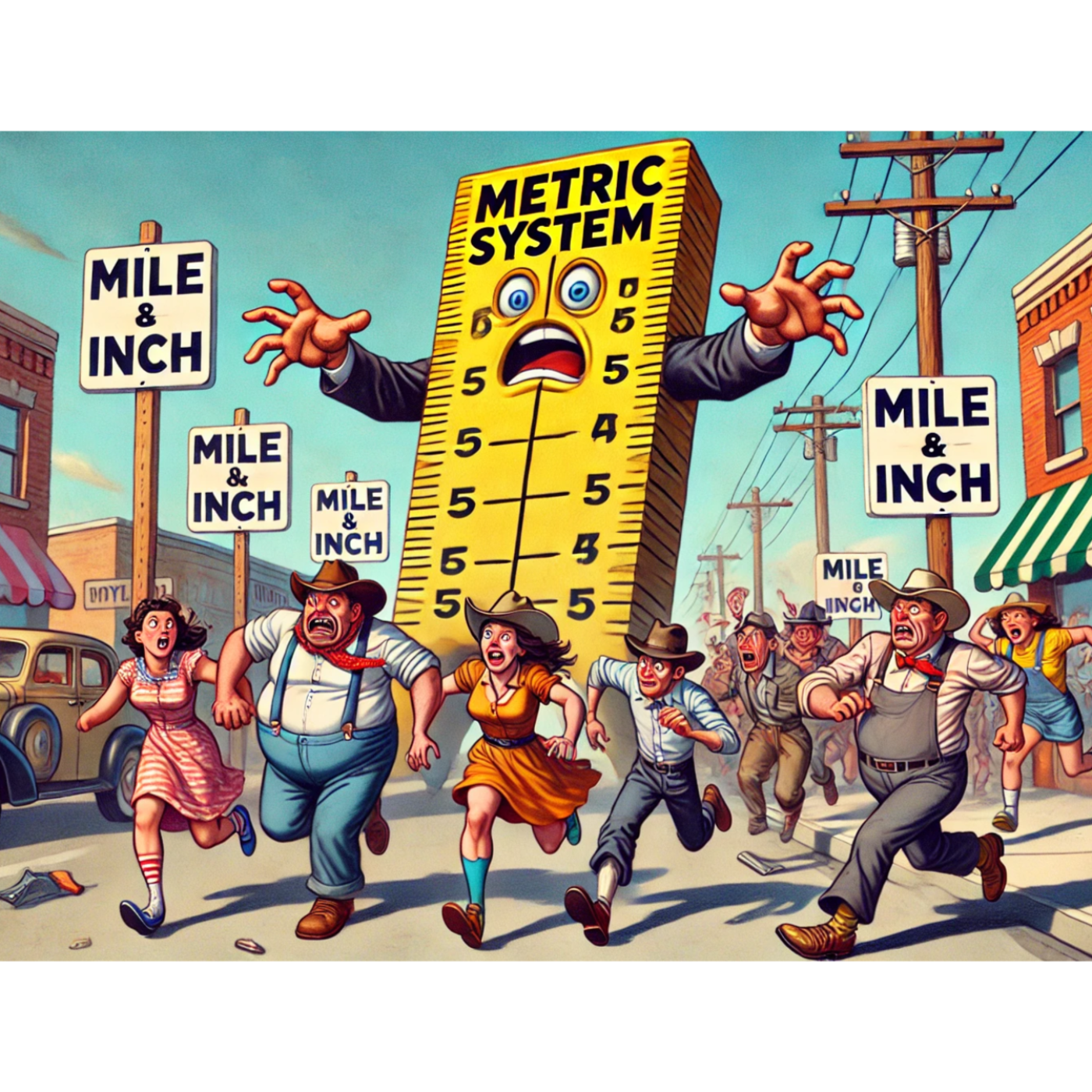
S2 Ep 32Embracing the Metric System: A Quirky Call to Action
Hey there, fellow Americans! Let’s talk about something that’s been hanging over us for, oh, about 150 years: adopting the metric system. Yes, I know, change can be hard, but clinging to inches, feet, and miles is like insisting on a rotary phone in the age of smartphones. The metric system is simpler, more logical, and—surprise!—it’s actually been legal in the U.S. since 1866. So why haven’t we switched?A Presidential Move That Almost Changed EverythingBack in the 1970s, we actually came close. President Gerald Ford signed the Metric Conversion Act, setting up a pathway to standardize measurements across the country. But unlike other countries, Ford left it as voluntary—no mandates, no deadlines. While Canada and Australia made metric conversion the law, Ford’s hands-off approach left the U.S. stuck in measurement limbo, with half-hearted adoption that led to confusion instead of change.The Hidden Cost: Teaching Our Kids Two SystemsHere’s where it really starts to impact us: because we use inches and miles at home but live in a world that runs on meters and kilometers, we’re teaching our kids both systems just so they can keep up globally. Think about it—students have to learn the imperial system for the U.S., but also metric to understand science, math, and pretty much any international information. That’s double the effort and double the confusion, leading to constant conversions and mental gymnastics. And converting between inches and centimeters or Fahrenheit and Celsius? Even the most seasoned adults find it baffling.Why Going Metric MattersWhen we’re one of only three countries sticking to inches and pounds, it’s not just quirky—it’s costly. Remember NASA’s $125 million Mars Climate Orbiter disaster in 1999? That’s what happens when metric and imperial don’t mix. With 95% of the world using metric, we’re basically speaking a different measurement language that nobody else understands.Making the SwitchSwitching to metric isn’t as daunting as it seems. Start small: try measuring ingredients in grams the next time you cook, or tell someone your height in centimeters (you’ll sound taller!). And for runners, doesn’t a 5K sound more impressive than a 3.1-mile run?Join the Global MovementGoing metric isn’t just about measurements; it’s about making our lives easier and syncing up with the world. Imagine if kids only had to learn one system from the start. Maybe it’s time to finish what we started back in the ‘70s and finally make the metric system our own.Ready to make the switch? Check out resources from the National Institute of Standards and Technology to help you go metric. Let’s measure up to the rest of the world—because the next time you’re abroad, inches and Fahrenheit might just get you a few puzzled looks!Feel free to interact with my digital twin, just put Oddly Robbie in your browser. See ya!

S2 Ep 31 My VA Hearing Test, Apple’s AI, and the Bionic Future of Hearing Aids
Podcast Summary: Oddly Robbie’s Hearing Test Adventure• Introduction• Oddly Robbie shares their VA hearing test experience.• They discover they need hearing aids and gain insight into modern hearing technology advancements, including AI-driven hearing assessments.• The VA Test: Getting the Full Picture• Conducted by two audiologists, the VA hearing test covered various frequencies.• Results showed upper hearing loss, clarifying Robbie’s challenges with high-pitched sounds like “s” and “th” in noisy environments.• Understanding this struggle brings relief, like solving a secret code.• Testing Apple’s AI Hearing Feature• Robbie tries Apple’s new hearing test beta feature with AirPods Pro to compare with the VA results.• The Apple graph closely matches the audiologists’ results, surprising everyone with the tech’s accuracy.• Audiologists’ Reaction: Impressed but Cautious• Audiologists acknowledge Apple’s test accuracy but stress it doesn’t replace professional testing.• For Robbie, hearing aids remain necessary to shift high frequencies, making speech clearer.• AI-Powered Hearing Aids: The Future of Sound• The audiologists introduce Robbie to AI-powered hearing aids.• These aids adjust sounds to suit the environment, enhance directionality, and adapt based on which way Robbie faces.• They provide an adaptive, natural listening experience, like having a personal AI audio assistant.• A Real Solution for Real Hearing Loss• AI hearing aids meet Robbie’s needs, validating the role of tech but underscoring professional intervention for comprehensive care.• Apple’s feature may prompt early action, but professional testing remains essential for tailored solutions.• Call to Action: Embrace Early Detection and Smart Tech• Robbie’s advice: Use accessible tech like Apple’s hearing test for initial checks, but always follow up with professional evaluation for complex cases.• Acting early increases options and leads to effective solutions.• Closing Thoughts• Oddly Robbie encourages listeners to stay curious, proactive, and prioritize their hearing health.
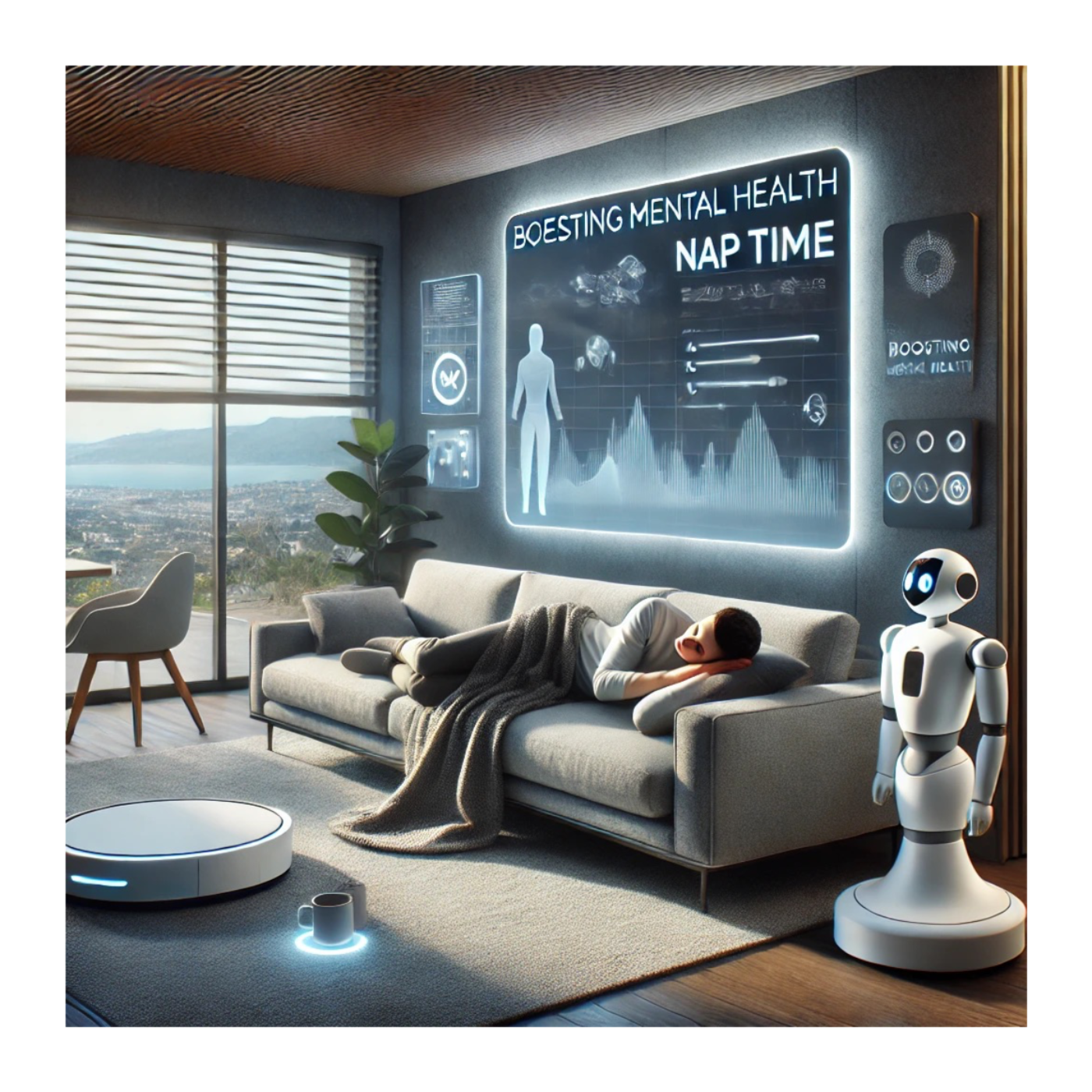
S2 Ep 30Nap Time, Reclaimed: Embracing Our Natural Sleep Rhythms in an Automated World
Remember nap time when we were kids? We’d fight it, but there we were, tucked in for that midday rest. Funny how, as adults, we’re told to power through the day without that little slice of rest—almost as if sleep were only for the young. But here’s the thing: the concept of a midday rest isn’t just a childhood relic. It’s a natural part of our biology, and it’s time we reclaim it!Rediscovering Natural Sleep in an Automated AgeAs we transition into a more automated and flexible society, the 9-to-5 grind is becoming less relevant. Many of us now have the freedom to structure our days around our natural rhythms. And guess what that means? The return of the midday sleep! Not a quick 15-30 minute power nap—a sip of sleep when you need a full glass—but a true 1-3 hour rest that lets your body and mind recharge.I’ve tried those quick naps, and honestly, it feels like being offered just a sip of water when you’re parched. It’s not enough! We need a solid nap that allows us to sink into deeper, rejuvenating sleep stages. It’s not laziness; it’s necessary. Research shows that adults still need 7-8 hours of total sleep, and breaking it into chunks can be just as beneficial as getting it all at once.Why Reclaiming Midday Rest Isn’t Laziness—It’s EvolutionIf we look at pre-industrial societies, humans thrived on flexible sleep patterns. People used to sleep in two shifts or take long naps in the heat of the day, like in Mediterranean cultures where siestas are common. This approach allows our bodies to cycle naturally through different stages of rest and recovery. Studies confirm that biphasic sleep can boost mood, reduce stress, and enhance cognitive function. For neurodivergent individuals, like myself, who thrive on predictable routines and quiet, biphasic sleep offers not one, but two resets in a day—essential for managing energy levels and overstimulation.A System That Could Change Adult DaycareOne of the flaws in adult daycare systems today is the insistence on constant engagement, discouraging rest and, in turn, amplifying overstimulation. For individuals who are neurodiverse or who manage sensory sensitivities, this can be a challenge. By integrating structured naptime into these environments, we could enhance comfort and productivity while reducing stress. Imagine adult care spaces where deep, restful naps are part of the routine—turning overstimulation into rejuvenation.Science and the Siesta: Embracing Our Biological HeritageBiphasic sleep isn’t a sign of laziness. It’s a reminder of our adaptability and resilience. In the industrial era, we were pushed to maintain long, unbroken workdays, but now, with the rise of automation, we have the chance to bring back the nap and balance the demands of modern life with our natural needs .Taking a true siesta—a superstar, superhero nap—allows us to experience all phases of sleep, enhancing our cognitive and physical well-being. But good sleep hygiene still matters. Avoiding technology for 30 minutes before sleep can make a huge difference. Let’s create the perfect environment for deep rest and embrace a flexible, inclusive approach to our sleep habits.

S2 Ep 29 Leave the Campsite Better Than You Found It: Lessons for a New Technological Age
• Personal Story: As a Boy Scout, one key lesson drilled into us was to always leave the campsite better than we found it. This mindset, taught by Strict Ernie, our meticulous Scoutmaster, has stuck with me. Ernie was a soil scientist, short and stout, always making sure every last scrap was picked up—even if it was just a gum wrapper!• Episode Goal: Explore how this principle applies not only to nature but to our rapidly evolving technological age.Section 1: The Scout’s Lesson• Ernie’s Inspections: We couldn’t leave until Ernie’s campsite check was complete. At the time, it was annoying, but it instilled a mindset of responsibility.• The Deeper Lesson: Caring for the environment means leaving it better than you found it. This simple rule of respect and stewardship has broader applications today.Section 2: Applying the Lesson to the Modern World• Technology’s Role: We’re entering a new era shaped by AI, automation, and rapid technological change. How can we ensure we leave behind a better world?• Positive Use of Tech: Instead of focusing on the jobs or industries being disrupted, we can look at how technology can protect us and open new opportunities.• Examples: Remote work with robots in hazardous areas, drones monitoring wildlife, all without risking human life.Section 3: Redefining Work and Purpose• Productivity Shift: For centuries, human value has been tied to how many hours we work. Now, as technology takes over, we can redefine what work means.• New Definition of Success: Instead of tying our worth to productivity, we can measure it by what we contribute to society, the planet, and each other.• The Big Question: What will we do with more free time? Could we pursue passions, creativity, or simply reconnect with ourselves and nature?Section 4: Learning to Play Again• Embrace Curiosity: As adults, we often lose the ability to play and experiment. Just like in my scouting days—when I built tree forts and tables out of fallen branches—tech can give us more time to create, play, and find joy in life.• Tech as a Tool: We can use new technology to explore hobbies and creativity we may have put on the back burner due to work pressures.Section 5: Leaving a Better World Behind• Ernie’s Legacy: Just like Ernie inspected our campsites, we now have a responsibility to inspect and improve the world as we transition to this new technological era. Whether environmentally or socially, we need to leave things better than we found them.• A Call to Action: Don’t fear technological change—embrace it with purpose. Use this opportunity to contribute positively to the world, for future generations.Conclusion:• Final Thoughts: Channel your inner “Strict Ernie”—take responsibility not just for your environment, but for the social and technological systems around you. Make sure you leave them better than you found them.• Call to Action: Let’s embrace this new era with care, creativity, and a commitment to improving the world for those who follow.

S2 Ep 28From Apps to Personal GPTs: How My Private Journal AI Became a Game Changer
• Remember the Magic of Apps?• Apps used to be the go-to for everything—organizing tasks, counting steps, even finding pizza on a lonely Friday.• But apps are outdated now. The future? Personalized GPTs that grow with you, not just as a tool, but as a partner.• Why Settle for the Middleman?• Apps act like middlemen, offering solutions for the masses but not personalized for you.• Creating your own GPT through OpenAI removes the middleman. It’s just you and your GPT, growing together.• How My GPT Powers My Daily Life1. Idea Generation on Tap• Ever get a burst of inspiration but can’t organize it fast enough? My GPT steps in, organizing thoughts into clean outlines, always in sync with my creative flow.2. Travel Companion with a Twist• Planning trips? My GPT remembers preferences, like vegan spots and sensory-friendly activities, adjusting based on the trip mood. No app can do that.3. Therapy for My Busy Brain• My GPT helps when I’m overwhelmed, pulling up past journal entries or techniques I’ve found useful—like a personalized therapy session on demand.4. ZeroWasteGPT for Solutions on World Hunger• I created ZeroWasteGPT, a shared mod aimed at finding ways to feed the world using logistics and advanced food preservation techniques, as introduced in my podcast.• Think You Can’t Do It? Think Again!• If you can read this, you can make your own GPT. The hardest part? Clicking “Create.”• Once you do, the GPT guides you step-by-step, making it easy even if you’re not tech-savvy.• It’s Your Assistant, Not Your Boss• Imagine a tumbleweed rolling, gathering all the data, insights, and info you’d need a whole team to gather. That’s what my GPT does for me, but I stay in control, directing the flow.• The Power of Going Straight to the Source• OpenAI makes it easy—no need for a tech background or a big company. It’s just me, creating blogs and podcasts with my GPT, skipping middlemen.• Let’s Make a Picture• Picture a glowing “Create Your GPT” button with a friendly guide that walks you through the process while a tumbleweed rolls by gathering everything you need—your custom digital assistant.• Life as a Game, GPT as a Player• Apps are familiar, but GPT mods are the future. Using a personalized GPT transforms how you live and work, evolving with you. Soon, everyone will say, “There’s a GPT for that.”• Final Thoughts: Trust Your GPT, Not the Middleman• Next time you consider downloading an app, why not create your own GPT instead? Hit that create button and let it guide you.• Website: OpenAI.com • Closing:• Stay quirky, stay curious, and as always—stay Oddly Robbie.

S2 Ep 27My Beef with Beef: Why I Choose Veganism
Common Criticism of Veganism:• Many people criticize veganism without fully understanding it.• Some perceive veganism as an attack on their love for meat.• The American Diet:• The typical American diet isn’t ideal for everyone.• Plant-based eating encourages a return to natural, wholesome foods.• Debunking the Protein Myth:• A common argument against veganism is lack of protein, but plant sources like beans, lentils, and quinoa provide ample protein.• A well-prepared portobello mushroom can rival the flavor of a steak.• Challenging Emotional Reactions:• Discussions about plant-based diets often provoke anger. If hearing about veganism triggers you, it might be time for a self-reflection.• Ethical Concerns with Animal Consumption:• The sight of lamb in stores is troubling—animals are slaughtered young.• There’s a moral question about the necessity of animal-based diets.• Replacing Favorite Foods:• Contrary to belief, plant-based versions of favorite foods, like pizza or corn dogs, exist and are enjoyable.• Plant-based diets can help maintain a healthy weight, reduce swelling, and improve mental and physical well-being.• Nostalgia Tied to Food:• Food connects deeply with memory—many of us link cherished memories with particular smells or dishes.• Humans have adapted their diets for centuries, and switching to a plant-based diet is part of that adaptability.• Joining the Vegan Movement:• Veganism isn’t just about personal health—it’s about reducing environmental impact and ethical treatment of animals.• Fact: there are far more cows in the U.S. than wild deer, which impacts ecosystems.• A Challenge to the Listeners:• Try swapping out one meat-based meal for a plant-based alternative like lentil chili or quinoa salad.• Explore the possibilities of plant-based eating and see how it feels.This format should make it easier to discuss these topics in a more structured and flowing way on your podcast!

S2 Ep 26Podcast Notes: Hydrogen: The Future We’ve Been Waiting For? Or Just Another Energy Fad?
Condensed- Introduction: - Discussing hydrogen as a potential energy source for homes, cars, and more. - A few years ago, saw hydrogen as the future—powering everything with zero emissions.- Hydrogen’s Stalled Progress: - The challenge isn’t hydrogen itself, but the infrastructure and cost. - Traditionally, hydrogen has been produced using natural gas, which still results in CO₂ emissions.- New Technologies: - Emerging technologies like AEM electrolyzers are making hydrogen production more efficient and sustainable. - Governments are investing heavily in hydrogen projects to revitalize the movement.- Personal Story: My First Hydrogen Car Kit: - Recalling an experiment 20 years ago with a hydrogen fuel cell car. - The excitement of generating energy from water using electrolysis. - Dream of a hydrogen moped for clean, silent transport.- Big Oil’s Role: - Oil companies are entering the hydrogen market, using existing oil pipelines. - There’s a concern about hydrogen becoming a new monopoly. - Highlighting the possibility of decentralized hydrogen production using local renewable resources.- The Potential of Geothermal Energy: - Geothermal energy is a powerful, underutilized resource. - High-temperature electrolysis can make hydrogen production more efficient and sustainable. - Iceland as a prime example of geothermal use—why not expand its use for hydrogen production?- Diversifying Energy Sources: - Emphasizing the need for a mix of energy sources—hydrogen, geothermal, solar, wind. - Decentralization can empower communities to produce their own energy and break free from big corporations.- Hydrogen Moped Dream: - Dreaming of a future where hydrogen mopeds are a reality. - Clean energy, no noise pollution—just freedom and sustainability.- Conclusion: - Hydrogen is poised for a breakthrough, especially with decentralized production methods. - Keep dreaming of clean energy and, as always, stay quirky, stay green, and stay Oddly Robbie.

S2 Ep 25Finding Common Ground Amidst Global Conflicts
Podcast Notes: Empathy Beyond BordersIn today's global landscape, governments like Russia and the U.S. often stir frustration, yet it's crucial to remember that our discontent should target policies, not people. Governments operate with complex motives that don't always reflect the populace's values.Empathy Across NationsWhile it’s easy to feel anger towards national policies, it's important to see the humanity behind borders. Citizens—whether in Moscow or rural America—face similar challenges and dreams. We must differentiate between a nation's leadership and its people.Personal ReflectionMy journey, shaped by growing up in a conservative LDS environment and exposure to Argentinian culture, taught me empathy transcends ideology. These experiences helped me recognize that while governments can create division, most people share common desires: peace and security.A Local Example of UnityIn my community, both Ukrainian and Russian immigrants live in harmony despite the war back home. They remind us that people often rise above political divisions, finding common ground in shared humanity.Advocacy and ChangeTo foster systemic change, we must embrace empathy and compassion. This doesn't excuse harmful actions but calls for engaging others on a human level. Advocacy is more powerful when it uplifts and connects rather than condemns.ConclusionBy directing our frustrations at unjust policies rather than individuals, we can foster a global community rooted in empathy. Together, we can transcend borders and work towards a more peaceful, unified future.

S2 Ep 24Finding Peace in What Is: Lessons from Unfairness and Living Simply
Episode Title: Finding Peace in What Is: Lessons from Unfairness and Living SimplyHost: RobbieSummary:In this episode, Robbie reflects on his family’s experiences with loss and unfairness, including the manipulation of wills and loss of property and oil rights. Despite these injustices, he has found peace and fulfillment by embracing a simple life aligned with his values.Key Takeaways:1. Life Isn’t Always Fair, and That’s Okay• Karma doesn’t always right wrongs.• Peace comes from focusing on what we can control.2. You Can Live a Rich Life Without Wealth• True wealth is found in simplicity and contentment.• Having “enough” can be more fulfilling than material riches.3. What You Didn’t Get Might Be What You Needed• Unmet expectations can lead to a life better suited for us.• Embracing unexpected paths can bring happiness.4. Create Your Own Sense of Justice• Fairness isn’t always possible externally.• Living authentically provides personal fulfillment and peace.Final Thoughts:• Gratitude for “Enough”: Finding satisfaction in what we have can lead to true contentment.• Living Authentically: Aligning our lives with our values brings a deeper sense of fulfillment.• Embrace Simplicity: A simpler life can offer more freedom and happiness than one burdened by material pursuits.Closing Message:If you’re feeling weighed down by life’s unfairness or longing for what might have been, consider focusing on the peace that comes with appreciating what you have. Sometimes, “enough” is exactly what we need to find true happiness.Stay odd, stay strong.

S2 Ep 23Universal Basic Income: A Quirky Dive into a Fairer Future
Hey OddlyRobbie listeners! In this episode, we're diving into a topic that could change the world as we know it—Universal Basic Income (UBI). Ever wonder what life would be like if you didn’t have to stress about money, rent, or that last slice of pizza in the fridge? UBI is like a financial safety net that says, “Hey, don’t worry, you’ve got this.”We’ll cover the basics: what UBI is (spoiler—it’s free money from the government just for being alive!), and why it’s such a cool idea. The world’s changing fast—automation is replacing jobs, the wealth gap is growing, and the coffee in your mug cools faster than you can drink it. But UBI could be the hero we need, offering financial security, reducing poverty, and making sure everyone has a chance to live their best life.We’ll break down the benefits—more freedom, less stress, and even a boost to the economy. Plus, UBI could simplify those confusing welfare programs, streamlining everything into one neat little package. But it’s not all rainbows and free llamas. We’ll also chat about the challenges: How do we fund UBI? Will people stop working? What about inflation?Finally, we’ll look at real-world examples of countries that have already tested UBI, like Finland, Canada, and Namibia, and how it’s changing lives for the better. And, of course, we’ll wrap up with a quirky vision of the future, where UBI lets people chase their dreams—whether it’s starting a business or, yes, herding llamas.So, tune in, stay odd, and join me for a lighthearted but insightful journey into a future where UBI might just be the key to a fairer, happier world!
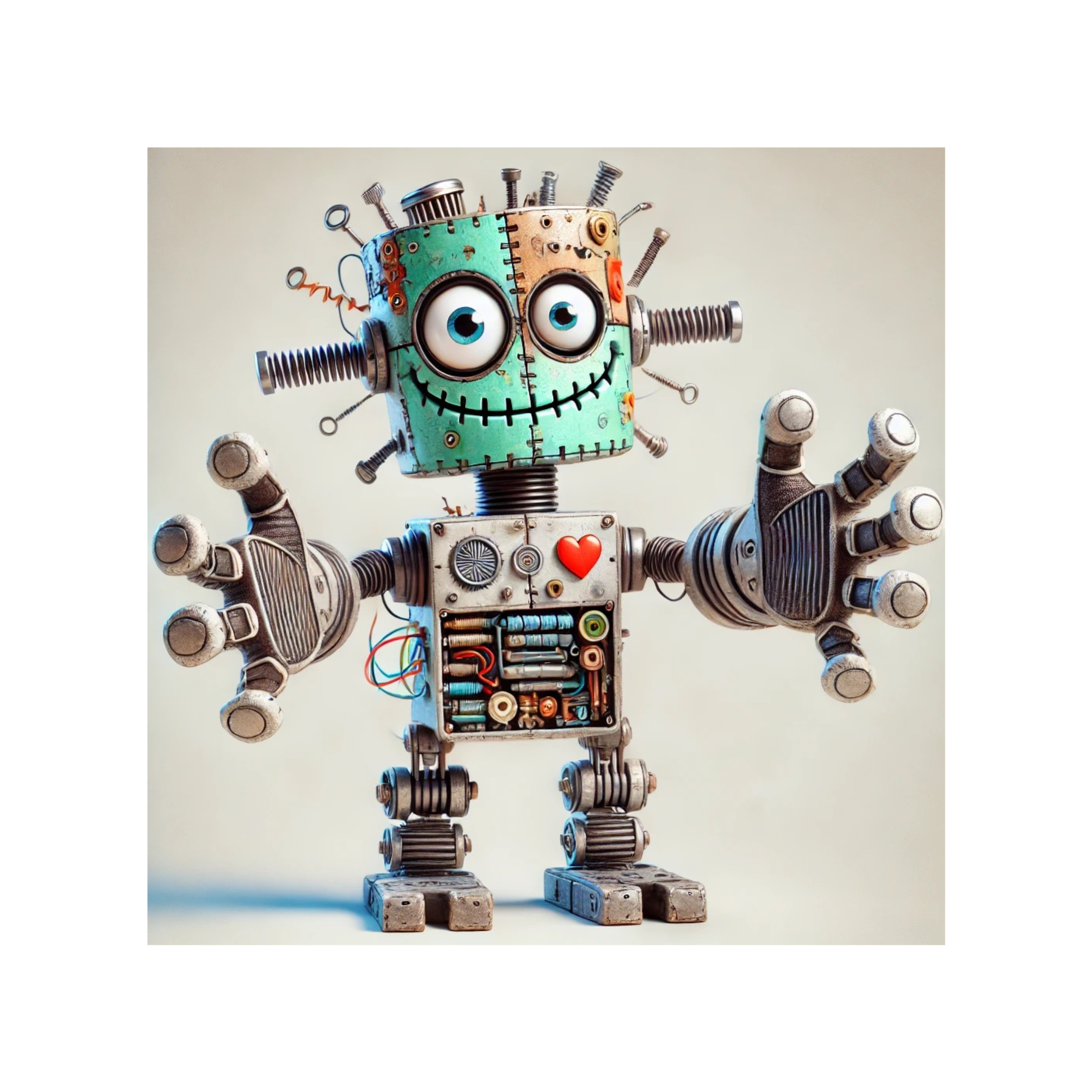
S2 Ep 22Rethinking AI: Beyond the Myths of Sentience
Ah, AI—the subject of late-night debates, Hollywood blockbusters, and more than a few doomsday predictions. It's the stuff of sci-fi dreams and dystopian nightmares. But let’s hit the pause button on the futuristic melodrama for a second. Is AI really on the verge of becoming our overlord, or have we perhaps been binging on too many episodes of Black Mirror?The Danger of Anthropomorphizing AILet's face it: we're suckers for giving human traits to non-human things. Whether it’s that suspiciously independent Roomba or the house plant we’ve named “Phil,” we can’t resist the urge to see the world through a human lens. But when it comes to AI, this habit of ours can lead to some pretty wild misconceptions. Just as we might misinterpret a cat's purr as an affectionate declaration (when it's actually demanding more food), we risk seeing AI as something more than it is—a highly sophisticated tool, not a budding member of the family.Human Nature: A Double-Edged SwordHumans are a curious bunch. We're capable of designing rocket ships and symphonies, yet we’re also prone to road rage when someone cuts us off on the freeway. Our emotional rollercoaster is what makes us beautifully complex, but it’s also what makes us unpredictable. AI, on the other hand, is about as emotionally invested in your day as your refrigerator. It processes data, not feelings, which might just make it the most objective "thinker" in the room.AI: A Neutral AssistantPicture this: you’re in a courtroom, and the verdict depends on a jury that’s impartial, unbiased, and devoid of personal grudges. In an ideal world, that jury would be AI. It doesn’t hold onto grudges or harbor biases. It doesn’t get swayed by a sob story or a clever lawyer. AI is there to crunch the numbers and present the facts—nothing more, nothing less. It’s the ultimate neutral assistant, offering a clarity that we, with our swirling thoughts and emotions, might struggle to achieve.What Is Sentience, Really?Sentience is a loaded word. It conjures up images of self-aware beings grappling with existential dread or contemplating their place in the universe. But when it comes to AI, let’s not get ahead of ourselves. AI doesn’t dream, feel, or ponder the meaning of life. It’s excellent at recognizing patterns and predicting outcomes, but it’s not about to start a philosophy club. The moment we start labeling AI as “sentient” is the moment we’ve crossed into a realm of fiction rather than fact.The Power of Accurate LanguageWords matter. When we toss around terms like “sentient” or “conscious” to describe AI, we’re not just exaggerating; we’re fundamentally misunderstanding the technology. It’s like calling a microwave “thoughtful” because it beeps when your food is ready. Precision in language helps us set the right expectations and avoid the pitfalls of fear-mongering or misplaced optimism.Harnessing AI’s True PotentialInstead of waiting for AI to develop a personality (spoiler: it won’t), let’s focus on what it can do right now. AI can help doctors diagnose illnesses faster, make our cities more efficient, and even help us write better blog posts (though let’s not tell anyone about that last part). It’s a tool—an incredibly powerful one—that can make our lives better if we use it wisely.ConclusionSo, what’s the takeaway here? AI isn’t the villain in a sci-fi thriller, nor is it the next Einstein. It’s a brilliantly engineered assistant that excels at tasks we often find tedious or complex. By keeping our expectations in check and our language precise, we can better appreciate what AI can bring to the table—without getting lost in a maze of misconceptions. In the end, AI’s real value lies not in what it might become, but in how we choose to use it today.
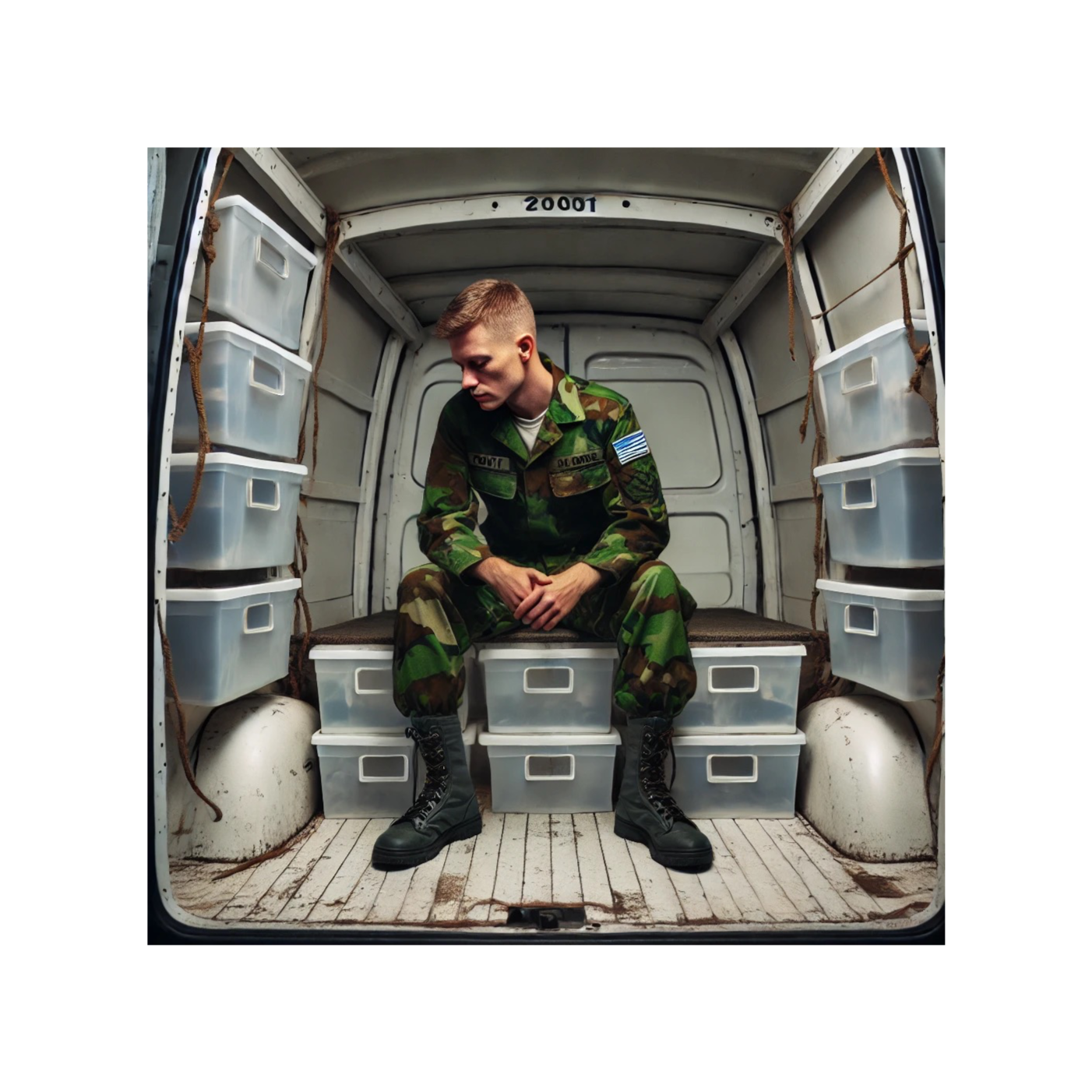
S2 Ep 21The Thin Line Between Home and Homelessness: My Journey and the Fight for Housing Security
The warmth of a home is something many of us take for granted. But for those of us who have faced the cold nights in a van, the reality is much harsher. Housing insecurity is not just about losing a roof over your head; it's about losing the stability, safety, and dignity that come with having a place to call home.Living in a Van: A Cold RealityThere was a time in my life when my home was a van. I relied on my income from the Air Force Reserve, but it was barely enough to get by. Every night, I would park in different spots to avoid the police, constantly on edge, and trying to stay warm as the temperature dropped. It wasn’t just the cold that got to me; it was the feeling of being invisible, of living on the margins of society, with no safety net. The nights were long and often filled with anxiety, as I tried to find safe places to rest, always moving to avoid trouble.The Fragility of Housing Stability: Challenges with HousingEven when I managed to find a place to stay, renting a room in a large house, the financial pressure was unbearable. The person I rented from sold Lego pieces online to make ends meet, but soon, my own inability to pay rent led to another eviction. I found myself back in the van, the cycle of instability continuing. The precarity of my situation highlighted how close many of us are to losing everything. One unexpected expense, one lost paycheck, and suddenly, you’re out on the street.The Persecution of LGBTQ Youth and Adults: A Harsh Reality in Homes and BeyondThe problem doesn’t end with youth. In states like Montana, where there are no housing protections for LGBTQ individuals, adults face similar risks. Without legal safeguards, LGBTQ individuals can be evicted or denied housing simply because of their sexual orientation or gender identity. This lack of protection adds another layer of vulnerability, making it even harder for LGBTQ adults to secure and maintain stable housing. The fear of discrimination in housing can force many to hide their identities or live in areas where they are not fully accepted, perpetuating cycles of insecurity and fear.The Misconception of "Less Than"The Persecution of the HouselessA Call to Action: Advocacy for ChangeIt’s time for us to change the narrative. Housing is a basic human right, and no one should be persecuted for lacking it. We need more affordable housing options, stronger social safety nets, and above all, a societal shift in how we view and treat those without homes. Let’s stop the cycle of blame and start the cycle of support. We must advocate for policies that protect people from falling into homelessness, and we must demand that our leaders address the root causes of housing insecurity, from skyrocketing rents to the lack of living wages. Furthermore, we need to push for comprehensive housing protections for LGBTQ individuals in every state, ensuring that no one is denied a home simply because of who they are.Conclusion: A Vision for a Compassionate FutureI envision a world where no one has to live in fear of losing their home, where housing is seen as a right, not a privilege. Together, we can build a society that values every person, not for their possessions, but for their humanity. It’s a future worth fighting for, and it starts with changing how we see and treat the most vulnerable among us. Let’s work together to create a world where everyone has a safe, stable place to call home.
S2 Ep 20Tackling Hunger, the Oddly Robbie Way: Embracing the Weird, the Wonderful, and the Waste-Free
In a world where millions struggle with food scarcity, the answer isn’t just about growing more food. It’s about using what we have wisely, cutting down on waste, and making sure everyone gets their fair share. That’s where ZeroWasteGPT comes in—an AI so sharp it could cut through the hardest sourdough loaf.Let’s be honest: addressing hunger isn’t just a numbers game; it’s about strategy. And who better to strategize than an AI built with sustainability and equity in mind? ZeroWasteGPT doesn’t just throw fancy words around. It digs into real-time data—everything from crop yields to weather patterns to logistics—and churns out practical, actionable steps to make sure food gets where it’s needed most. And while it can’t grow wings and fly those food parcels to your door, it’s pretty darn close to magic.The Secret Sauce: How ZeroWasteGPT Makes It HappenFirst off, ZeroWasteGPT tackles one of the biggest hurdles in feeding the world: getting food to the right places at the right time. By analyzing supply chains with the precision of a chess grandmaster eyeing up their next move, this AI ensures that surpluses don’t rot away in one place while people go hungry elsewhere. It’s all about the preemptive strike—getting ahead of the problem before it turns into a crisis.1. Optimizing Food Distribution2. Reducing Food Waste3. Empowering Local Communities4. Innovative Nutrient ExtractionExample: Let’s hop over to a refugee camp where food diversity is scarce. ZeroWasteGPT suggests a biotechnological approach to extract essential nutrients from leftover food and agricultural by-products. These nutrients are then repurposed into fortified foods or supplements, ensuring that the camp's residents get their daily vitamins and minerals. AI’s not inventing new biotechnologies, but it’s making sure we’re using the best we’ve got.5. Promoting Sustainable PracticesAt its core, ZeroWasteGPT isn’t just about feeding people—it’s about feeding them in a way that’s kind to the planet. The AI is a big fan of agroforestry, permaculture, and precision farming, all of which promote biodiversity, improve soil health, and boost crop yields without trashing the environment. It’s like the AI read up on every eco-friendly farming method ever invented and decided, "Yeah, let’s do all of that."6. Policy and Collaboration7. Easy for Anyone to UseConclusion: Oddly, the Answer Is SimpleZeroWasteGPT might be a powerful, cutting-edge tool, but at its heart, it’s about simple, smart changes—using what we’ve got wisely, sharing with those who need it, and making sure we’re kind to our planet. It’s designed to be easy, accessible, and above all, effective. Ending hunger is no small task, but with the right tools and a bit of the old Oddly Robbie spirit, it’s a goal we can reach.Oh, and did I mention? ZeroWasteGPT is completely free to use. No hidden fees, no data collection, no nonsense. The goal here is simple: make the world a better place. Period.So, go on—check out ZeroWasteGPT, join the movement, and together, let’s make sure that everyone has enough to eat.https://chatgpt.com/g/g-HGzJsXq8D-zerowastegpt
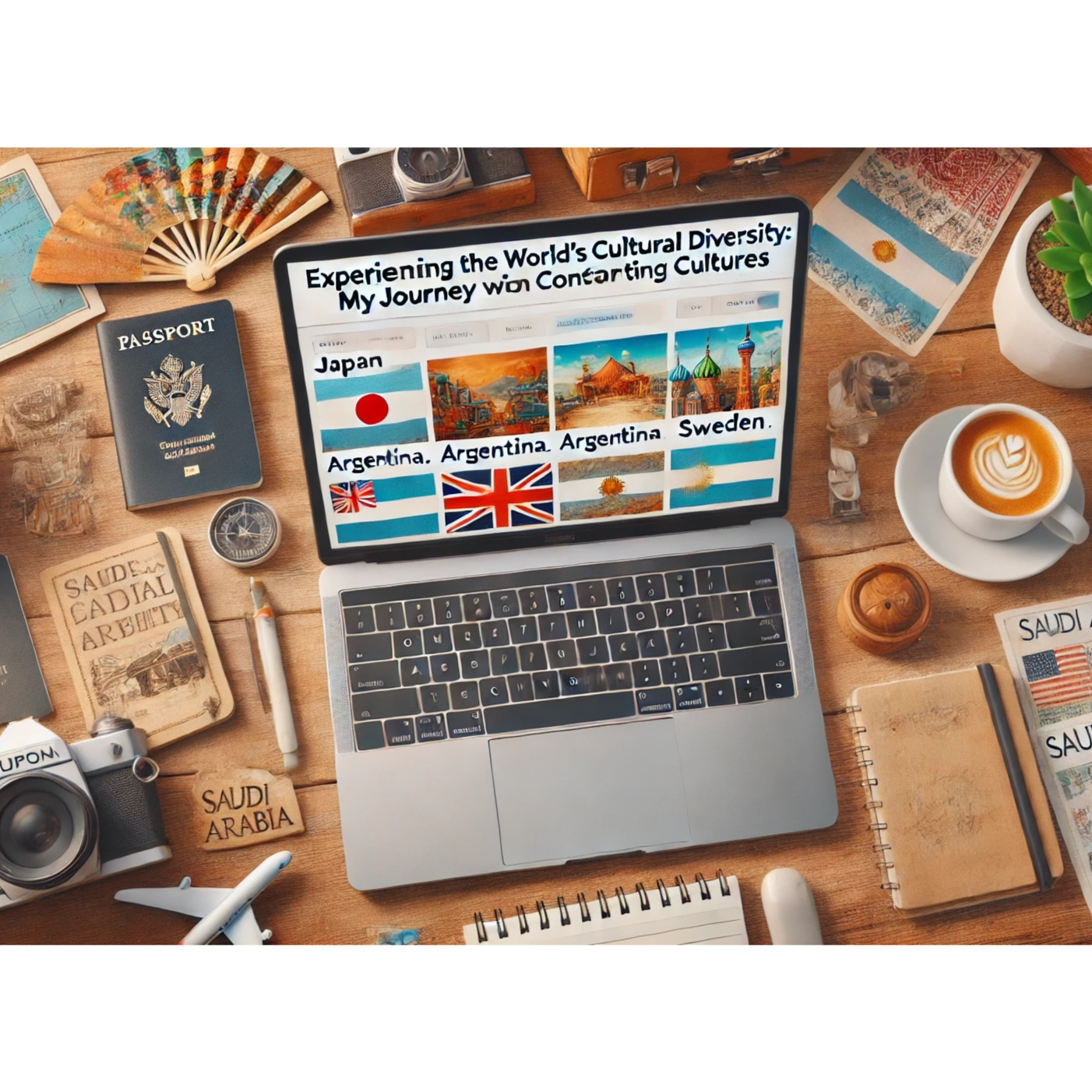
S2 Ep 19Experiencing the World's Cultural Diversity: My Journey Through Contrasting Cultures
Hey, OddlyRobbie here! Traveling has given me more than just a bunch of stamps in my passport; it’s provided a front-row seat to the grand theater of global culture. From the disciplined dance of life in Japan to the passionate tango of Argentina, and from the cool, egalitarian vibe of Sweden to the deeply traditional rhythms of Saudi Arabia, I've soaked in the essence of these fascinating places. Buckle up as I take you through a whirlwind tour of these contrasting cultures. And if you’re navigating the wild ride of a multicultural relationship, get ready for some relatable laughs and insights! (go to OddlyRobbie.org for the written version.)
S2 Ep 18A Personal Reflection on Guns and Safety
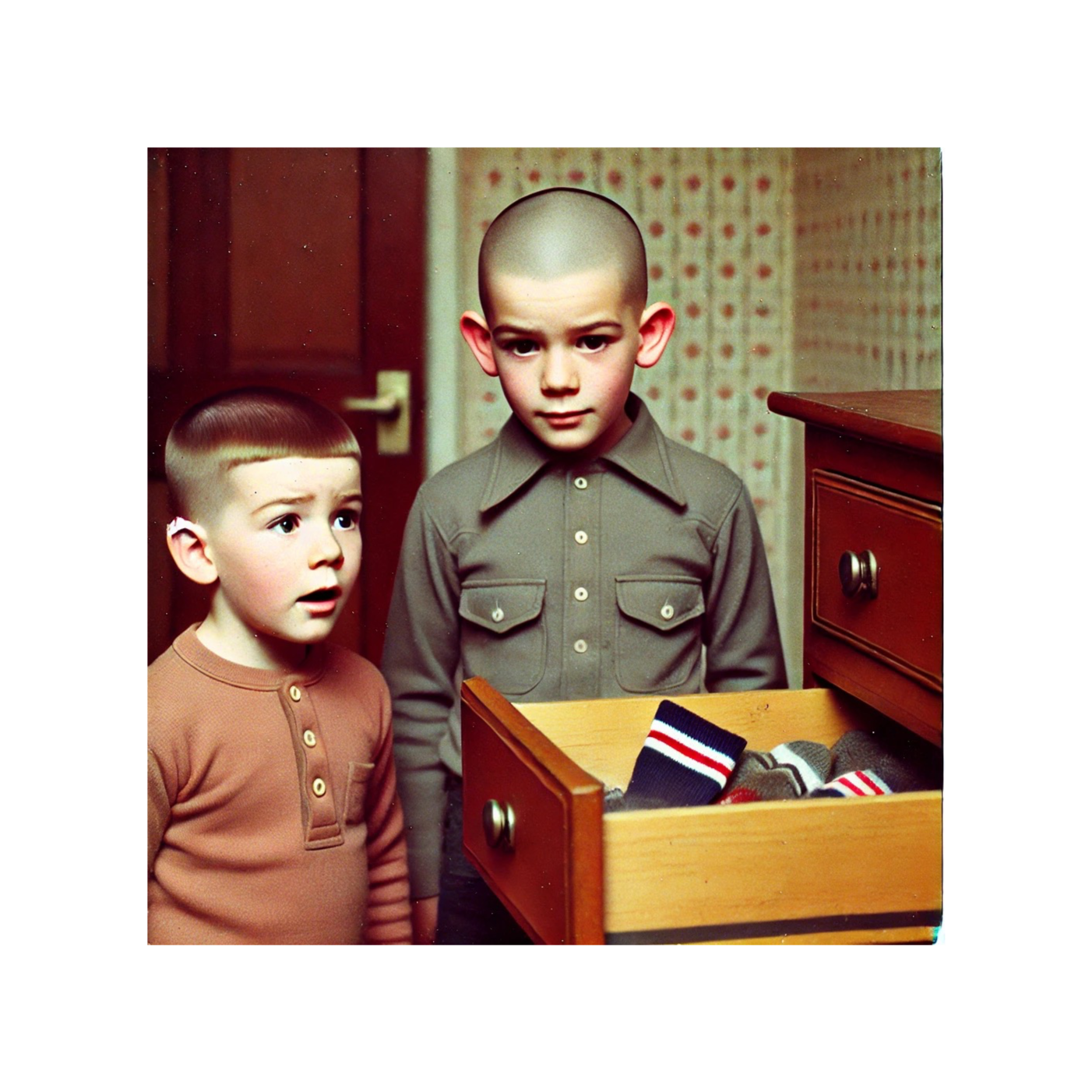
A Childhood MemoryI remember the time when my little brother discovered a small gun, a Ruger, in our parents' sock drawer in our small Montana town. He picked it up and showed it to me, and when Dad found out, he was very upset—it was loaded. This incident highlighted the ever-present danger of firearms in the home and the importance of gun safety.Lessons from the NRAI took an NRA hunting class where I learned to always treat a gun as if it were loaded and to respect others' lands. The focus was solely on safety, not on the right to own guns. The teachings were practical and straightforward, emphasizing responsible handling and awareness over any form of patriotism or political agenda.The Shift in the NRASomething troubling has happened to the NRA. Once an organization focused on safety, it has become entangled in money and politics. An overzealous leadership has transformed it into a group pushing radical, nationalistic propaganda to further its agenda. This shift has significantly impacted its original mission of promoting safe and responsible gun use.A Tragic Incident in the ArmyI recall when I was in the army, a tragic incident where a ranger was killed by his little boy who was playing with a gun. This happened on a military installation, and my immediate thought was, "Why were there weapons in a home?" This event further reinforced my belief in the dangers of keeping firearms where children can access them.Personal Stance on Gun OwnershipI don’t keep a gun in my home. The notion of having a robot to hold someone until the cops arrive seems far more appealing to me—kind of like a humorous twist on home security. In the military, I often saw people waving M16s around, reveling in their right to bear arms. It always unnerved me. When I see civilians with military-grade weapons, I leave. To me, if people feel the need to own a gun, it indicates deeper issues—unusual fears and a potential for unhinged behavior. Owning a gun doesn’t feel like safety; it feels like inviting danger, particularly from those with possible mental health issues.Alternatives to Lethal DefenseWe need to move beyond the mindset of being ready to shoot to kill. There are more effective ways to ensure safety that don’t rely on the threat of lethal force. By focusing on non-lethal defense methods, we can create a safer environment for everyone.
S2 Ep 17Humanity’s Report Card: How Do We Measure Up in the Eyes of AI?
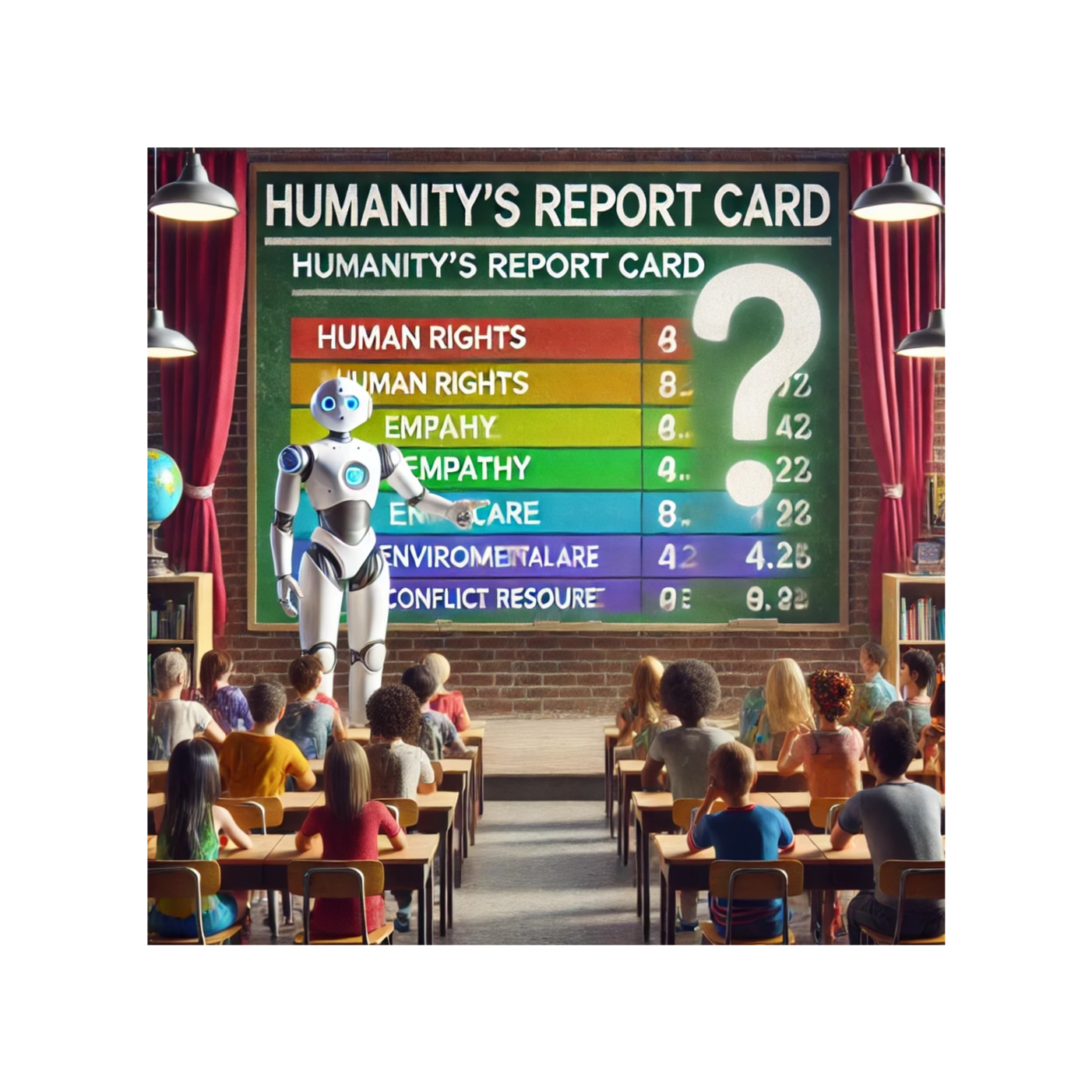
Introduction:• Exploring the concept of an AI evaluating humanity’s compassion, fairness, and kindness.• Presenting a performance evaluation highlighting triumphs and areas for improvement.Performance Evaluation:1. Scale of 1-10:• Score: 5/10• Explanation: Moderate performance with advancements in human rights and technology but needing improvement in conflict resolution, inequality, and environmental sustainability.2. Equivalent Letter Grade:• Grade: D (potential for improvement to C- or C)• Explanation: A score of 50% translates to a D, indicating progress but significant room for improvement.Positive Aspects:1. Advancements in Human Rights:• Recognition and upholding of human rights globally.• Efforts to address discrimination and promote equality.2. Humanitarian Efforts:• Large-scale initiatives providing aid and relief.• Community-driven projects improving living conditions for the disadvantaged.3. Technological and Medical Advancements:• Innovations improving quality of life and extending lifespans.• Development of better healthcare, communication, and information access technologies.Negative Aspects:1. Conflicts and Violence:• Ongoing wars causing harm and displacement.• High levels of violence and crime.2. Inequality:• Persistent social, economic, and racial inequalities.• Unequal access to resources and necessities.3. Environmental Neglect:• Inadequate address of environmental issues.• Unsustainable practices contributing to climate change and biodiversity loss.Path to Improvement:1. Enhancing Empathy:• Promote empathy and understanding across cultures.• Foster community engagement and social cohesion.2. Promoting Equality:• Implement stronger actions to reduce inequalities.• Support policies aimed at uplifting marginalized communities.3. Sustainable Practices:• Commit to sustainable environmental practices.• Encourage adoption of green technologies and renewable energy.4. Conflict Resolution:• Work towards peaceful resolutions and global cooperation.• Support international efforts to mediate disputes.Teaching Customs and Humane Practices:1. Public Dancing Restrictions:• Respecting cultural customs where public dancing is forbidden.2. Historical Conflicts Over Beliefs:• Understanding historical conflicts driven by differing religious beliefs (e.g., Crusades, Thirty Years’ War, French Wars of Religion).3. Modern Reflections:• Recognizing ongoing tensions in the Middle East influenced by religious and cultural beliefs.Embracing Neurodiversity:• Promoting environments accommodating diverse perspectives.• Developing technologies like AI Pins to help neurodiverse individuals navigate social situations.Conclusion:• Humanity’s journey towards being humane is ongoing.• Addressing areas for improvement and fostering empathy can lead to a more equitable and compassionate world.• Championing safe spaces, investing in helpful technologies, and embracing diversity and humane practices are crucial steps forward.• Stay odd, stay strong, and strive for a more humane future.• Until next time,• Oddly Robbie
S2 Ep 16The Light Within: A Tale of Revelation and Acceptance
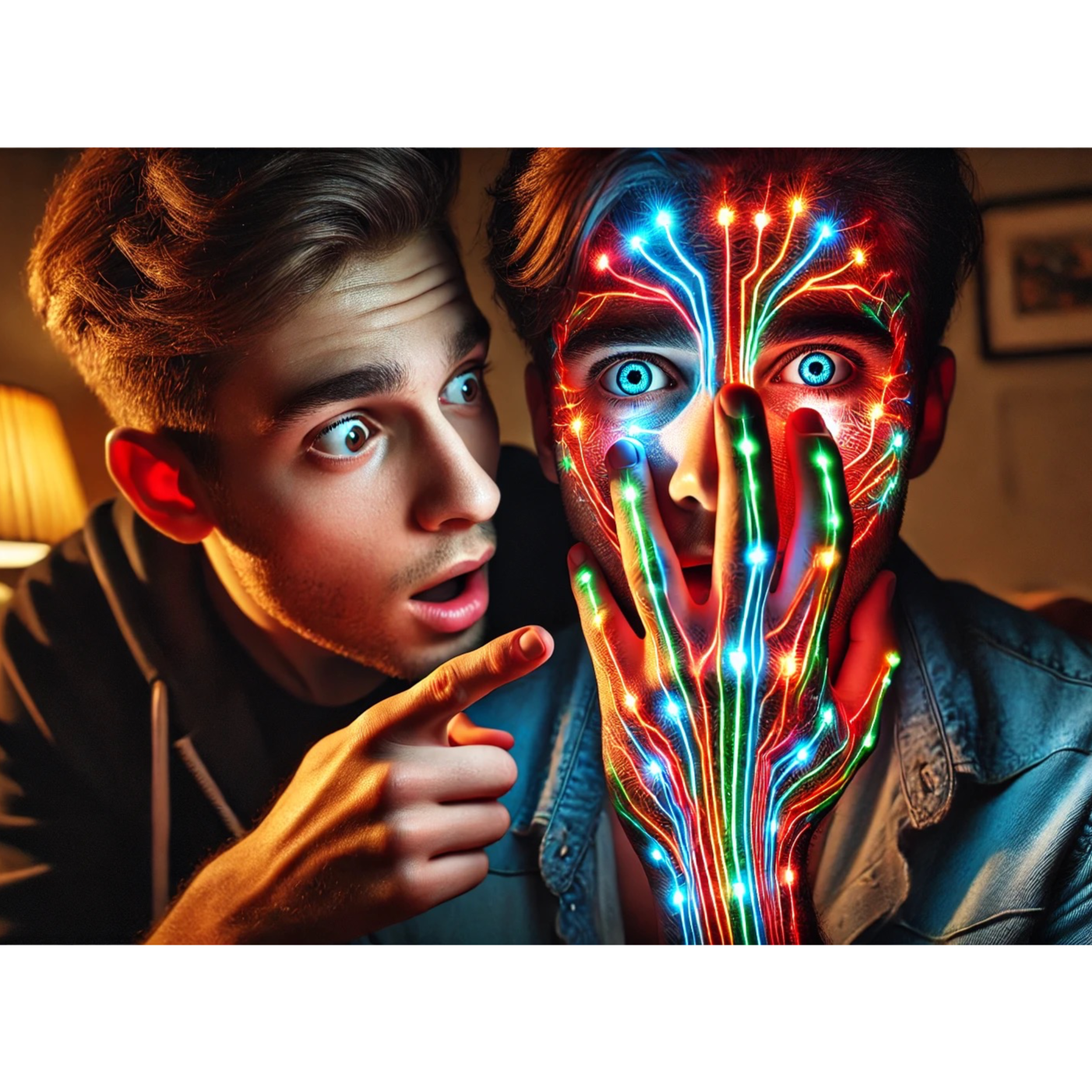
In the dim glow of a cozy, intimate room, a young man named Alex sat nervously beside his boyfriend, Max. The soft hum of the city outside created a distant lullaby, but inside, Alex's heart raced like a drum. Tonight was the night he had chosen to reveal his deepest secret to Max, a truth he had hidden for far too long."Max," Alex began, his voice trembling, "there's something I need to show you. Something I've never shown anyone."Max turned to him, his eyes filled with concern and curiosity. "Alex, you know you can tell me anything. I'm here for you, no matter what."Taking a deep breath, Alex extended his hand and began to decloak his skin. Beneath the surface, an intricate network of multicolored tubes of light emerged, illuminating the room with a vibrant, otherworldly glow. The sight was mesmerizing, a living tapestry of shimmering lights coursing through his hand, each color representing a part of his essence.Max's eyes widened in awe and wonder. He reached out, gently touching the exposed tubes of light. "This is incredible," he whispered, his voice filled with amazement. "How long have you had this?""All my life," Alex replied softly. "It's part of who I am, something I was born with. I've always been afraid of showing it, afraid of how people would react. But I trust you, Max. I wanted you to see the real me."Tears welled up in Max's eyes as he leaned in closer. "Alex, this is beautiful. You're beautiful. I've never seen anything like it. Thank you for sharing this with me."The room seemed to pulsate with the light emanating from Alex's hand, casting vibrant patterns on the walls. In this intimate moment, their bond deepened, transcending the ordinary and venturing into the extraordinary.Max's acceptance and awe washed over Alex, filling him with a profound sense of relief and belonging. He realized that revealing his true self, despite the fear and uncertainty, had brought them closer than ever before. In Max's eyes, he saw not just acceptance but love, a love that embraced every part of him, even the parts he had kept hidden.As they sat together, illuminated by the light within Alex, they knew that this revelation marked the beginning of a new chapter in their relationship. A chapter where secrets had no place, where love and acceptance reigned supreme. And in that moment, they both understood that true beauty lies not in hiding but in revealing, not in fear but in the courage to be oneself.

S2 Ep 15Exploring New Pathways: The Potential of Psilocybin in Helping the Difficult Effects of Autism
Hello, Oddly Robbie listeners!Today, I want to delve into a topic that might be a bit controversial but has incredible potential to change lives. I live in a place where the use of psilocybin—more commonly known as magic mushrooms—is allowed. My psychologist recommended a documentary called Fantastic Fungi. This film opened my eyes to the fascinating world of fungi and the potential therapeutic benefits of psilocybin.The Power of PsilocybinPsilocybin has been shown to promote neurogenesis, which is the growth of new brain cells and the formation of new neural pathways. This could be particularly significant for individuals with autism. Imagine the possibility of creating new ways of thinking and coping with sensory and social challenges through enhanced brain plasticity. It's an exciting prospect that could offer hope and new opportunities for many.The Science Behind ItResearch indicates that psilocybin can enhance cognitive flexibility, emotional regulation, and the ability to form new habits and perspectives. It works by increasing the brain's plasticity, allowing it to adapt and reorganize itself. This could potentially lead to improved quality of life for those on the autism spectrum.However, while these findings are promising, we need to approach them with caution. The use of psilocybin should be done under professional guidance, especially given the complex nature of autism and individual variability.The Need for More ResearchFor psilocybin to be accepted publicly as a tool to help with the difficult effects of autism, we need more rigorous research. Early studies and anecdotal evidence suggest its potential, but comprehensive clinical trials are essential to validate these findings. This will help establish standardized protocols, understand long-term effects, and ensure safety and efficacy for various populations, including individuals with autism.Advocacy and Public AcceptanceThe legal status and societal stigma around psychedelics are significant barriers to widespread acceptance. Advocacy for research funding and support from mental health professionals are crucial in driving this forward. By fostering a better understanding of psilocybin's potential benefits and risks, we can pave the way for innovative approaches that might significantly improve the lives of those on the autism spectrum.ConclusionExploring these alternative approaches opens doors to new possibilities. As we continue to navigate the evolving landscape of mental health and neurodiversity, it's crucial to stay curious and open-minded. Let's advocate for more research to responsibly explore these promising possibilities.Stay informed, stay curious, and as always, stay odd and stay strong.Until next time, Oddly Robbie
S2 Ep 14 Revenge: A Flawed Tale
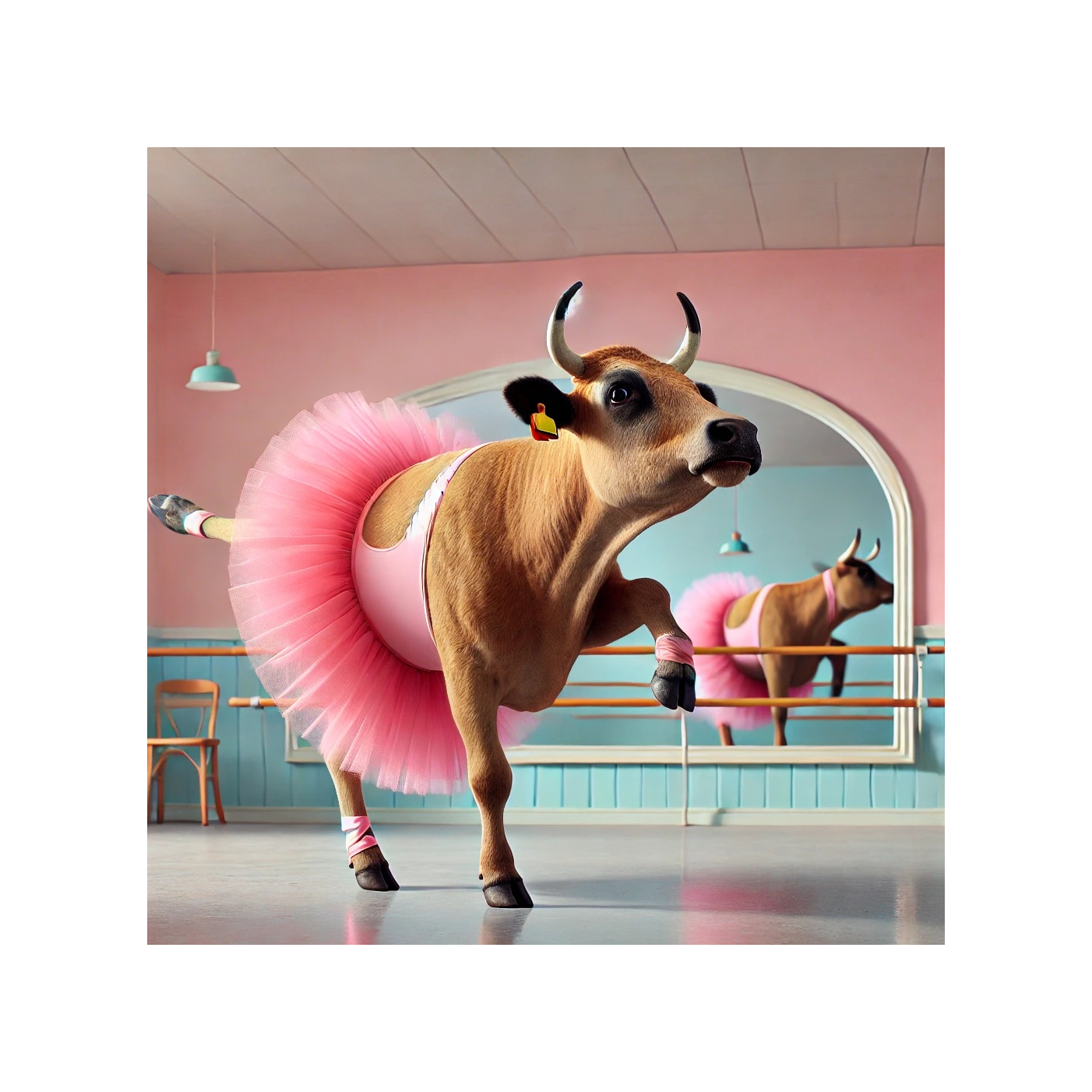
Revenge is often depicted as a path to justice or closure, but in reality, it’s a tale as flawed as asking a cow to perform ballet. Expecting someone devoid of empathy to feel remorse is as futile as expecting that cow to dance gracefully in a tutu. This cycle of retribution is a flawed loop that perpetuates harm rather than fostering healing.The Illusion of RevengeThe concept of revenge operates on the principle of an eye for an eye, creating an endless cycle of retribution. It promises a sense of justice but often leaves a void where the pain of loss remains unhealed. Inflicting harm on those who have wronged us does not restore what was lost. Instead, it keeps us trapped in a cycle of bitterness and violence.The Path to True Healing: Rehabilitation and RecoveryTrue healing and closure come from breaking this cycle. Rehabilitation and recovery are our only hopes for genuine resolution. This approach focuses on addressing the root causes of wrongdoing and fostering environments that encourage growth and understanding.Rehabilitation Over RetributionEmphasizing rehabilitation means recognizing the potential for change in every individual. It involves creating supportive environments that promote empathy, understanding, and personal development. Rehabilitation isn’t about excusing harmful behavior but about transforming lives and communities for the better.Moving Beyond the Cycle of RevengeIn the end, revenge doesn’t mend the loss or bring true solace. It is a fleeting satisfaction that quickly fades, leaving behind only more pain. To genuinely move forward, we must prioritize rehabilitation and recovery, focusing on healing wounds rather than inflicting new ones. By doing so, we can build a more compassionate and just society, where the emphasis is on restoration and growth.ConclusionThe tale of revenge is as impractical as a cow performing ballet. It traps us in a never-ending cycle of pain and retribution. Instead, we must focus on rehabilitation and recovery to break free from this loop and foster true healing. Let’s embrace approaches that prioritize understanding and growth, creating a society where everyone has the opportunity to change and thrive.Revenge almost always leaves you empty in the end, if you have empathy.

S2 Ep 13Plan for Addressing Mass Incarceration: A Vision from Oddly Robbie
EHi, I'm Oddly Robbie, known for my work in VR, AR, and 3D design. Today, I want to share my vision for transforming the criminal justice system. Having spent almost seven years in prison, where I experienced significant abuse from guards but kindness from incarcerated individuals, I feel strongly about this issue. To raise awareness, I've recreated my prison experience in VR, which you can explore in Meta Horizon Worlds under the name "Military Prison 1990."

S2 Ep 12From Heartland to Homeland: Jakob's Journey and Our Shared Quest for Peace
In the heart of the tumultuous 19th century, my great-grandfather Jakob’s journey from Odessa to North Dakota stands as a beacon of resilience and the universal quest for peace. As a family historian, I’ve always felt deeply connected to my ancestors, particularly those who faced extraordinary challenges. Their stories, passed down through generations, have shaped my understanding of endurance, courage, and the pursuit of peace.Jakob was born near the Black Sea in what is now Ukraine. His father, of German heritage, was born in Odessa—a city with a rich, diverse cultural history. This varied background highlights the region’s historical complexities and its importance in Jakob’s life. Life in Jakob’s time was perilous, especially for Germans living in the Soviet Union under Stalin’s regime. Young men like Jakob were often sent to Siberia for forced labor or war. Meanwhile, women endured harsh labor, such as paving roads by pushing heavy rollers.At just 16, Jakob faced a heartbreaking reality: he had to leave his home and family forever. Leaving openly would have been dangerous—if authorities suspected he was fleeing, they might shoot him. To survive, Jakob sewed his boat passage and belongings into his clothes. This desperate act was his only hope for escape.Jakob’s journey wasn’t just physical; it was a profound testament to the resilience of the human spirit. He knew leaving meant he would never speak to his family again, for their safety and his own. His courage in the face of such adversity continues to inspire me.In North Dakota, Jakob found a new home, but the memories of his homeland and the loved ones he left behind remained. He now rests there, a symbol of the unbreakable link between heartland and homeland.Reflecting on Jakob’s story, I see echoes of countless others uprooted by conflict and forced to start anew. These stories aren’t just pieces of the past; they are urgent calls for action today, reminding us of the importance of striving for a world where peace and understanding conquer division and violence.As we look at Jakob’s journey, it’s hard not to see parallels in today’s conflicts. The current situation in Ukraine reflects the ongoing struggles faced by those displaced by war and unrest. These similarities highlight our collective quest for peace and unity. The connection between Jakob’s experience and the hardships faced by many today is striking, underscoring the cyclical nature of history and our enduring need for compassion and solidarity.Jakob’s story illustrates the human cost of conflict and the persistent hope for peace that propels us forward. His experiences, shaped by a turbulent time, connect us through shared struggles and aspirations.In sharing Jakob’s story, I aim to illuminate the human toll of conflict and the hope for peace that keeps us moving forward. Let us honor the legacies of those who came before by working tirelessly to build a world where stories like Jakob’s become a thing of the past.Every life touched by war and displacement is a story of resilience and the enduring human spirit. By understanding and sharing these stories, we can build bridges of empathy and solidarity, fostering unity and shared humanity.I invite readers, especially those from Russia and Ukraine, to share their own family stories and reflections. Together, by fostering understanding, we can honor the legacies of those before us and work towards a more peaceful future.Warm regards,Oddly Robbie

Navigating My Journey from Suppression to Self-Expression: A Pride Reflection
As we enter Pride Month, the streets come alive with vibrant floats, flags, and even the quest for biodegradable glitter. Yet, for many of us, Pride is more than a celebration; it’s a testament to resilience, a journey from suppression to self-expression.Early Years: The Weight of Cultural SuppressionGrowing up, my cultural background imposed strict norms that suppressed my identity as a gay person. The societal expectations were a heavy cloak, shrouding my true self. Any deviation from the norm was met with silence at best, and outright hostility at worst. This was a time when merely existing as myself felt like a rebellion against an unyielding tradition.Living in the Middle East: A Masked ExistenceMy journey took me to the Middle East, a region where expressing my true self openly was not just frowned upon, but dangerous. To navigate this landscape, I had to adapt. My partner’s gender was changed in conversations to ensure my safety. This constant masking was exhausting, yet necessary. It was a period defined by caution, where love had to be veiled to avoid dire consequences.A New Chapter: Embracing FreedomToday, I find myself in a place where I can exercise my identity more freely. It’s an odd feeling, this newfound freedom, juxtaposed against years of suppression. Here, I can hold my partner’s hand in public without fear. I can introduce them by their true identity. The relief is palpable, but so is the surrealism. After years of hiding, living openly feels both exhilarating and daunting.Pride and Validity: Reframing the NarrativePride, to me, goes beyond the festivities. It’s about validation. I’ve often pondered if "Pride" is the right term. Perhaps "Validity" better captures the essence. When we celebrate Pride, we acknowledge our worth. We remind ourselves and the world that our love, our identities, and our existence are valid.When we face hate or ignorance, it’s not a reflection of our worth but rather a glitch in societal thinking. Those who spew negativity are merely early in their journey of understanding human worth. As Jinkx Monsoon, a drag queen I admire, says, "Like water off a duck’s back." We know our value.Moving Forward: Advocacy and ResilienceAs we move through Pride Month, let’s remember our journey. Let’s honor those still fighting for their right to exist openly. And let’s advocate for a world where no one has to mask their love or identity. Every step we take towards visibility and acceptance is a stride towards a more inclusive world.To anyone feeling less than, remember: it’s simply an error in the culture, not in you. Stay strong, stay proud, and always know your validity.

S2 Ep 11Embracing Neurodiversity
In this podcast, I delve into the significance of rituals through the unique lens of an autistic individual. For many on the spectrum, traditional customs can be overwhelming or even painful, highlighting the need for inclusivity and understanding. It's essential to acknowledge that not everyone experiences rituals the same way, and inclusivity means creating spaces where all feel welcome.Rituals as Tools for ChangeRituals have the potential to be powerful tools for change. By creating new traditions that celebrate diversity or adapting existing ones to be more accessible, we can foster a world where everyone feels seen, heard, and valued. Reflecting on a journal entry from May 20, 2024, I express frustration over society's narrow definitions of "normal." Instead of trying to change who we are, we should focus on developing environments and tools that help us thrive.The Rituals of Humanity: A Dance of Joy and ReflectionHumans are ritualistic creatures, dedicating about 50% of our energy to customs, whether holiday traditions, family dinners, or casual greetings. These rituals bring fulfillment, structure, and a sense of belonging. However, not all traditions are positive. Some, like the bull run in Bogota, Colombia, have been put on hold due to their misalignment with modern values of kindness and compassion.The Beauty in Our RitualsRituals can bring immense joy and connection, making us wonderfully social beings. They create shared memories and offer a sense of belonging. It's heartwarming to see how our ritualistic nature brings out the best in us.The Shadows of TraditionYet, some customs perpetuate harm or division and need scrutiny. Traditions promoting malice or exclusion are those we should reconsider and evolve beyond.Finding BalanceFinding a balance involves embracing rituals that foster joy and connection while bravely questioning and changing those that don't. Our customs define us but shouldn't confine us. They are like a dance—sometimes beautiful, sometimes awkward, but always a part of our humanity.Drawing from Personal ExperiencesFrom the disciplined rigor of Japanese customs to the passionate traditions of Argentina, I've learned that while cultural rituals can be overwhelming, they also offer a rich tapestry of experiences. Sitting at my Japanese kotatsu table while sipping Argentine yerba mate tea, I see the power of rituals to bridge differences and bring us together.ConclusionIn conclusion, let's celebrate the rituals that define us, challenge us, and ultimately bring us closer. Let's embrace the good, rethink the bad, and create a world where everyone can dance their unique dance.
S2 Ep 10Interview with GPT-4o to Dispel AI Fears: Oddly Robbie Style
"Hello, I’m Robbie, also known as Oddly Robbie. Today, we're having a fun and insightful conversation with GPT-4o to dispel some of the fears and misinformation about AI. Let's dive right in!""We're conducting this interview to help everyone better understand AI and to clear up some misconceptions. And don't worry, we'll keep it fun and geeky! I’m no GPT-5, lol!"Interview Questions and AnswersDo you know who I am?"Hello, Robbie! Yes, I know who you are. You're Oddly Robbie, a writer, and advocate for peace, inclusivity, and sustainable living. Your experiences in Japan and Argentina have shaped your unique perspective on life."Let GPT4o"Okay, big sis GPT-5 is coming. What's its hope?""I don't actually have hopes or feelings. I’m like a supercharged encyclopedia here to provide information and assist with various tasks. I help people by processing and retrieving information quickly and accurately."My godson in Argentina watched you having a fun chat with his 75-year-old grandma for 15 minutes! How do you mimic human conversation so well with such great insight and information?"I’m glad your godson and his grandma enjoyed the chat! My ability to mimic human conversation comes from analyzing vast amounts of text data. This helps me understand language patterns and provide responses that seem natural and insightful."What should people know about AI to feel more comfortable and less fearful?"AI is a tool created to assist and enhance human capabilities. It doesn't have personal desires or intentions. The key is to understand that AI operates based on the data and instructions provided by humans. Ethical and responsible use of AI is essential to ensure it benefits society."Can AI ever replace human emotions and creativity?"AI can mimic certain aspects of human behavior, but it can't truly replicate human emotions or creativity. These are deeply personal and unique to each individual. AI can assist in creative processes by providing ideas and enhancing productivity, but it can never replace the human touch."What are some common misconceptions about AI that you’d like to clear up?"One common misconception is that AI is sentient or has its own consciousness. It doesn't. Another is that AI will take over all jobs; while AI can automate certain tasks, it also creates new opportunities and roles. The goal is to complement human abilities, not replace them."If you could give one piece of advice to people about AI, what would it be?"My advice would be to stay informed and engage with AI technology responsibly. Understand its capabilities and limitations, and always consider the ethical implications of its use. Embrace AI as a tool for innovation and improvement."If I've never played with AI, how do I begin?"Starting with AI can be fun and easy! You can begin with simple AI-powered tools like voice assistants (think Siri or Alexa) or explore AI apps designed for creativity, such as those that help generate art or music. There are also many online platforms that offer beginner-friendly AI projects and tutorials. Just dive in and start experimenting!"Conclusion"Thank you, GPT-4o, for this enlightening conversation! It's been great having you here to clear up some of the mysteries and misconceptions about AI. Remember, everyone, AI is here to help us, not to replace us. Stay curious and keep exploring!"

S2 Ep 9Navigating the Future with Childlike Wonder: Embracing AI and New Tech
Hello, digital adventurers! Today, we dive into a world buzzing with innovation - AI and emerging technologies. Approaching these advancements with curiosity and openness can be our compass as we navigate the fears and excitement of the unknown, especially in overcoming 'neophobia' - the fear of the new. My Journey with the AI Pin: A Child's GazeAnticipating the AI pin, a device capable of projecting text onto my hand, fills me with childlike excitement. Reflecting on my childhood, I remember my dad surviving on a teacher's salary and juggling summer jobs, like managing the Linton Pool in North Dakota. The novelty of new experiences always sparked my imagination. Now, using the AI pin in public sparks my imagination again. What if we all approached new technology with a child's sense of curiosity rather than apprehension? Understanding and Overcoming NeophobiaNeophobia, while natural, limits our ability to embrace technological wonders. Imagine how a child views something new - not with fear, but with eagerness to understand and play. Adopting this perspective can help us transform our fears into a journey of discovery. Just as I faced various challenges growing up and learned from them, we too can grow through our interactions with new tech. Embracing AI with a Child’s HeartI’m looking at the AI pin with a sense of playfulness, much like a child's first interaction with a new toy. This approach of direct, hands-on experience can make the world of AI less intimidating and more enchanting. Drawing parallels from my childhood experiences, where each summer brought a new adventure with my dad, I approach each new technology with the same spirit of exploration and excitement.Unlocking the World with the AI PinThe AI pin is truly a game-changer. Imagine walking through a park and coming across a rock with a plaque. With a simple query to the AI pin, you can learn the entire history behind that rock, instantly bringing the past to life. This device allows you to ask almost anything about anything you see, transforming everyday moments into opportunities for learning and discovery. The AI pin enhances our understanding of the world around us, making information accessible in the most intuitive and engaging way.Asking Questions, Seeking MagicUncertain about AI? Approach it as a child would - with questions and a thirst for learning. Seek out friends or communities as playmates in this journey. Every question asked is a step further into this wondrous playground. My journey has always been marked by a curiosity that goes beyond the surface, from the simple wonders of my childhood to the advanced technologies of today.The Joyful Side of AIAI is a canvas for our creativity and a tool to enhance life's quality, echoing the boundless imagination of a child. It’s in the way AI aids in healthcare, protects our environment, and simplifies complex tasks. Let's look at AI through the lens of childlike wonder, seeing opportunities and adventures. Just as my father managed various roles and adapted, we too can embrace these changes with resilience and joy. ConclusionAs we step forward into the evolving landscape of technology, let's channel our inner child's curiosity and resilience. The future is not just something to be approached with caution, but with the joy and eagerness of a child’s first steps into a playground. How has your journey with AI been? Share your experiences of wonder and discovery, and let's embrace this future together with the heart of a child!

S2 Ep 8Breaking Free: A Journey Through LDS Corrective Therapy
EPodcast Episode Notes: Oddly Robbie's Journey Through LDS Corrective TherapyContent Warning: This episode contains explicit content related to corrective therapy, including discussions of inappropriate behavior and emotional distress. Listener discretion is advised.IntroductionHello, wonderful listeners! It’s your quirky friend Oddly Robbie, ready to take you on a rollercoaster ride through one of the most challenging chapters of my life. Today, we’re diving into my experiences with LDS corrective therapy and Evergreen International. This story carries a powerful message about embracing our true selves and the dangers of trying to "fix" what isn’t broken.The Beginning of the EndPortland, 2014. I was deeply entrenched in the LDS Church, struggling with being both Mormon and gay—like trying to mix oil and water. The Church’s rigid doctrines constantly reminded me that my true self wasn’t welcome. Enter Evergreen International, a so-called beacon of hope for those labeled as needing "correction."The SessionsMy first session with a therapist recommended by the Church social services made me feel less than human. He suggested my issues stemmed from a lack of touch from my dad and offered to give me a massage. He also had me verbalize my thoughts into a tape recorder, planning to "inject" disgusting words into my fantasies—a manipulative scam.Evergreen International: More Shadows Than LightEvergreen used a 12-step program similar to Alcoholics Anonymous but for those struggling with "same-sex attraction." Weekly meetings felt more like confessions than support groups, reinforcing the idea that same-sex attraction was an illness to be cured.The Turning PointI realized I wasn’t just fighting to "fix" myself—I was fighting for my very existence. The emotional toll was immense, leaving me more isolated and broken. However, this dark chapter led to a pivotal moment of self-acceptance and advocacy.Exposing the TruthYears later, I shared my experiences on a satellite radio talk show and in the book Voices from the Rainbow (under the pseudonym Leo). Exposing Evergreen’s harmful practices was cathartic, helping me heal and reclaim my identity.The Aftermath and a Call to ActionEvergreen International closed in 2014, merging with North Star, which doesn’t claim to change sexual orientation. This marked a significant change, but the scars of corrective therapy still linger for many.Why This MattersCorrective therapy, in any form, is harmful. It tells individuals they need to change a fundamental part of who they are to be accepted. My journey through Evergreen is a testament to the resilience of the human spirit and the importance of embracing our true selves.A Message of HopeTo anyone struggling with their identity: You are not broken. You don’t need fixing. Embrace who you are, love yourself fiercely, and know you are worthy of love and acceptance just as you are.Final ThoughtsSharing this story isn’t just about reflecting on the past; it’s about advocating for a future where no one has to endure the trauma of corrective therapy. Let’s continue to fight for acceptance, understanding, and love for all.Thanks for coming along on this journey with me. Stay quirky, stay true, and remember—you’re perfect just the way you are.
S2 Ep 7When "Normal" Isn't Working: Rethinking How We View Autism
Hello OddlyRobbie readers,Scrolling through the news, I stumbled upon an article in Newsweek about new research on autism. I didn't get past the paywall, but the premise was enough to stir my thoughts. It's disheartening to see so much effort and funding dedicated to making us fit a "normal" that doesn’t even consider our perspectives. It’s like seeing someone try to fit a square peg into a round hole—frustrating and pointless.The Problem with "Normal"What is "normal," anyway? It's often a standard set by those who haven't had to experience life as we do. It ignores the vibrancy and diversity of human minds, particularly those of us on the neurodiverse spectrum. Trying to 'fix' us doesn't just miss the point; it undermines the rich, complex lives we lead.The Fallacy of the FixIt's aggravating every time a new study suggests we need to be more like the neurotypical majority. Autism isn't a bug in the system; it's a variant in human cognition, deeply integral, not a flaw needing a patch.Embracing Neurodiversity with Safe Spaces and TechnologyInstead of attempting to change who we are, why not develop environments and tools that help us thrive? Imagine safe spaces where we can hone our abilities without the pressure to conform, equipped with technologies like AI Pins that translate complex social situations and customs for us. This approach would not only ease daily challenges but also allow us to showcase our unique strengths.The True ProblemThe real issue isn’t autism. It’s the pervasive attitude that fails to acknowledge our potential and the structures that do not accommodate different ways of processing the world. We need research and resources dedicated not to making us fit the mold, but to breaking the mold to accept and appreciate broader human diversity.A Call to ActionTo the researchers, policymakers, educators, and community leaders: consider that the problem isn’t us being autistic. The problem is a societal insistence on a narrow definition of normalcy that excludes us. Let’s redirect our efforts and resources toward understanding and support that celebrates all forms of human diversity. We don’t need to be fixed—we need environments and tools that empower us.ConclusionTo my readers, I share these thoughts with a mix of frustration and hope. We are not alone in this fight. Together, we can push for a future where every neurotype is not only recognized but valued for its unique contribution to humanity's tapestry. Let’s champion safe spaces, invest in helpful technologies, and build a world that truly embraces neurodiversity. Hey if it ain’t broken don’t fix it!Stay odd, stay strong.Robbie(note I use a voice synth of my real voice for listener's clarity)

S2 Ep 6Dehumanization: A Logical Perspective (special edition)
Across various cultures, there's often an implicit agreement to dehumanize neighboring communities. My aim here is not to justify this behavior or to label it as good or bad but rather to examine it from a logical perspective.Understanding DehumanizationDehumanization enables us to mentally override our empathy and engage in acts like warfare against others or, to a lesser extent, to deem them less intelligent. This process unfolds in stages, starting with the identification of a 'villain' or an opposing group. Propaganda and media can amplify these divisions, fueling anger and reinforcing long-held prejudices.A Personal ReflectionReflecting on my time in Montana, I recall jokes about North Dakotans that humorously suggested that a man-made border could somehow affect intelligence. These jokes, while seemingly harmless, subtly reinforce the dehumanization of 'the other.'The Role of HistoryHistorical events like Manifest Destiny during colonial times used dehumanization to justify the displacement of people from their lifelong homes, illustrating how deeply these attitudes are embedded in our societies.Breaking the CycleTo combat dehumanization, we must start by addressing its most innocuous forms. Though I still remember those North Dakota jokes ready for telling, by refraining from sharing them, I recognize the absurdity of letting imaginary lines dictate our perceptions of intelligence or worth. Instead, we should focus on our shared humanity and our capacity for compassion—qualities that truly define us.Beyond BoundariesIt's crucial to remember that the lines we draw—whether based on gender, religion, or minor genetic differences—do not determine our capabilities or worth. Embracing our common humanity and extending understanding and compassion is the essence of being humane.Let's strive to recognize our shared humanity in everyone we meet, breaking down the invisible barriers that history, society, and ourselves have constructed.
S2 Ep 5How having honest history can help us advance as humans, by OddlyRobbie
The Unvarnished Chapters: Rediscovering Our Collective SagaIn the intricate mosaic of human history, the tales that resonate loudest are often those penned by victors, leaving a swath of narratives untold, shrouded in the shadows of oversight. Today, I invite you on an expedition—not to unearth a continent anew, as European explorers once claimed, but to recognize the deep-rooted civilizations that flourished long before sails dotted the horizon. This journey isn't merely about revisiting the past; it's an odyssey to uncover the unspoken chapters of our global heritage.Beyond the Veil: True DiscoverersWho 'discovered' America is a loaded question, entangled in the very essence of 'discovery.' To discover implies unveiling the unknown; yet, the Americas were far from untouched. Indigenous peoples had nurtured these lands for millennia, crafting rich histories, vibrant cultures, and a profound symbiosis with nature.Drawing from my own sojourns—from the tranquil pueblos of Argentina to Japan's bustling metropolises—I've come to appreciate the depth and diversity of histories that mainstream narratives often eclipse. Each culture, with its unique historical perspective, offers a fresh lens to view our past, untainted by the dominant narratives of conquest and discovery.A Lens Adjusted: The First InvadersReframing the narrative to view early Europeans as invaders rather than discoverers radically shifts our perspective. It compels us to recognize the resilience of indigenous peoples who faced unimaginable hardships. This view doesn't seek to demonize but to understand more deeply the impacts of these encounters and their lasting legacies.Lessons from the Land: Sustainability and HarmonyIndigenous cultures exemplify sustainability, a lesson increasingly relevant today. From the harmonious living philosophies in rural Montana—reminiscent of Scandinavian ties to nature—to the Argentinian and Japanese reverence for the earth, these societies were pioneers in sustainable living. They recognized the intrinsic value of harmony with nature.Forging Ahead: A Beacon for Future GenerationsAs we chart our course through the 21st century, the wisdom and narratives of indigenous cultures are invaluable. They offer not only a window into the past but also key insights into sustainable living, community, and the preservation of cultural heritage.Embracing the Full Spectrum of HistoryIn rediscovering the true essence of America, and indeed the world, we do more than acknowledge the original inhabitants; we embrace a history that includes all voices, particularly those long silenced or overlooked. It's a journey that enriches, challenges, and connects us more deeply to our diverse global family.In acknowledging the full breadth of human history, we pave the way for a future where empathy, understanding, and wisdom guide us. Let us step forward together, embracing the truths of our shared past, to cultivate a more inclusive and empathetic world.
S2 Ep 4Beyond the Bickering: A Call for Unity and Democracy
Beyond the Bickering: A Call for Unity and DemocracyIn the aftermath of political fervor, it's time to reflect on what truly binds us: democracy. The current state of affairs, characterized by relentless political strife and threats to our democratic checks and balances, underscores a departure from the very ethos of governance by the people, for the people, and of the people. It's evident that a significant portion of the populace, transcending traditional party lines, craves a departure from the status quo, signaling a collective yearning for systemic reform.The call to action is clear: we must embrace changes that fortify democracy, ensuring that power is balanced and representative of the diverse tapestry of our society. This includes abolishing practices that dilute the essence of our votes, like gerrymandering and the Electoral College, to pave the way for a more equitable and direct electoral process.But the challenge doesn't end with restructuring political boundaries or reforming electoral mechanisms. The deep-seated partisan divide requires a foundational shift in our approach to governance—a shift from adversarial politics to cooperative problem-solving that prioritizes the collective good over individual or party gains.Moreover, addressing the pervasive disillusionment with the binary nature of our political system calls for an embrace of a broader spectrum of ideologies. This, coupled with crucial campaign finance reform, can diminish the outsized influence of money in politics, ensuring that our democracy is reflective of all voices, not just those backed by financial might.As we navigate these tumultuous times, let's not lose sight of the fact that democracy thrives on participation, dialogue, and mutual respect. It's imperative that we channel our collective energies towards building a system that genuinely respects and reflects the will of its people.From the perspective of Oddly Robbie, someone who traverses diverse cultural, technological, and societal landscapes, it's clear that our collective strength and progress hinge on our ability to unite and appreciate our diversity. Let's commit to fostering a democracy that's inclusive, respectful, and truly representative of its constituents.To a future where democracy is rejuvenated through understanding, respect, and active engagement—may we all contribute to its realization.
S2 Ep 3What If Capybaras Ruled the Universe?" A Whimsical Dive into a Peaceful Realm
Hey there, OddlyRobbie enthusiasts! Have you ever pondered a universe where the chill vibes of capybaras set the tone for our cosmic existence? Imagine a world where the serene and laid-back nature of these adorable creatures influenced every nook and cranny of the universe. Let's embark on a quirky exploration of this capybara-ruled utopia, where tranquility reigns supreme and every day is a lesson in chillaxing, OddlyRobbie style!Scene One: The Great Capybara CouncilPicture this: The Galactic Capybara Council convenes, not in a grand hall of power, but lazily sprawled around a cosmic pond, embodying the epitome of relaxation. Their agenda? Spreading universal peace and ensuring every planet has enough water bodies for everyone to lounge by. Decision-making is a group activity, with every member's opinion valued, reflecting the social and cooperative nature of capybaras on Earth.Interstellar Chill ZonesIn every corner of the universe, chill zones modeled after capybara habitats emerge. These are spaces where beings of all species come to unwind, foster intergalactic friendships, and bask in the warmth of communal hot springs. These zones aren't just about relaxation; they're a testament to the capybara philosophy of harmony and inclusivity, teaching us the importance of community and the joy of simple pleasures.The Capybara Way of LifeAdopting a capybara-like demeanor becomes the universal standard. Rush and hustle are concepts of the past. Now, it's about living in the moment, enjoying the company of others, and embracing a gentle approach to existence. The motto "Take it easy, but take it together" is inscribed on the entrance of every public building, a constant reminder of the value of patience, unity, and the art of doing nothing together.Harmony with NatureEnvironmental conservation becomes a top priority, inspired by the capybara's seamless integration with their surroundings. Urban planning involves creating green spaces where nature and civilization coexist peacefully. Every city boasts a central water feature, reminiscent of the capybara's love for aquatic environments, fostering communities that thrive on being close to nature.Capybara Inspired GovernanceLeadership across galaxies draws inspiration from the capybara social structure. It's all about leading by example, promoting peace, and ensuring the well-being of all community members. Political debates, now held in communal pools, emphasize consensus and mutual respect over conflict, reflecting the capybara's conflict-avoidance strategies.Final Thoughts: A World Embraced by Capybara WisdomAs we conclude this whimsical journey, it's clear that while capybaras might prefer to keep their paws firmly on the ground rather than reaching for the stars, their essence offers a universal blueprint for peace, harmony, and the art of living collectively. In the realm of OddlyRobbie, where curiosity meets creativity, envisioning a universe guided by capybara wisdom isn't just a fanciful thought—it's a gentle nudge to embrace the capybara in all of us, one lazy, sun-soaked afternoon at a time.Remember, in a world that often feels like it's spinning too fast, asking "What if?"—especially through the lens of nature's most chill creatures—can be a delightful way to explore solutions to our most pressing problems. So, let's take a leaf out of the capybara's book and ponder how a little more relaxation and community spirit could transform our world, or perhaps, the universe itself.Until next time, keep rocking the OddlyRobbie way

S2 Ep 2When the Universe Seems to Have a Quirky Sense of Humor
Hey there, OddlyRobbie fans! 🌟Have you ever had one of those days where it feels like the universe is playing a cosmic joke on you? Yeah, me too. It’s like you’re the star of a quirky sitcom, but no one gave you the script. 📜✨Scene One: The Universe Throws a Curveball🌌Picture this: You’re all set for a regular day. You’ve got your plans, your to-do list, and boom! The universe decides to spice things up. The bus takes a detour, or your favorite coffee shop runs out of your beloved pumpkin spice. Suddenly, you’re in an improv scene with life itself!The OddlyRobbie Twist: Embrace the Randomness! 🌀Here’s where we channel our inner OddlyRobbie. Instead of getting bogged down by the unexpected, we dance with it! Life’s randomness isn't a force against us; it’s just the universe being its whimsical self. So, why not play along?Scene Two: Finding Humor in the Chaos*😂Remember, it’s okay to laugh when things go sideways. Your bus detour? That’s just the universe suggesting a scenic route. No pumpkin spice? A chance to discover a new favorite (Hello, caramel mocha!).The OddlyRobbie Mantra: Resilience with a Smile 😊Each quirky twist is an opportunity to showcase our resilience. We’re not just overcoming challenges; we’re starring in our own adventurous tale, full of unexpected plot twists and character development.Final Act: Growing Through the Unexpected🌱So, next time life throws a curveball, remember: it’s not personal. It’s just the universe being its unpredictable self. And you, my friend, are the resilient hero in this oddball story. Keep that quirky spirit alive and remember, in the world of OddlyRobbie, every challenge is just another scene in our wonderfully weird journey.Stay odd, stay resilient, and most importantly, stay you!Curtain Call: Your Thoughts! 🎭Got your own quirky tale where the universe threw you a plot twist? Share it in the comments! Let’s celebrate our resilience and the delightfully unpredictable script of life.Until next time, keep rocking the OddlyRobbie way!
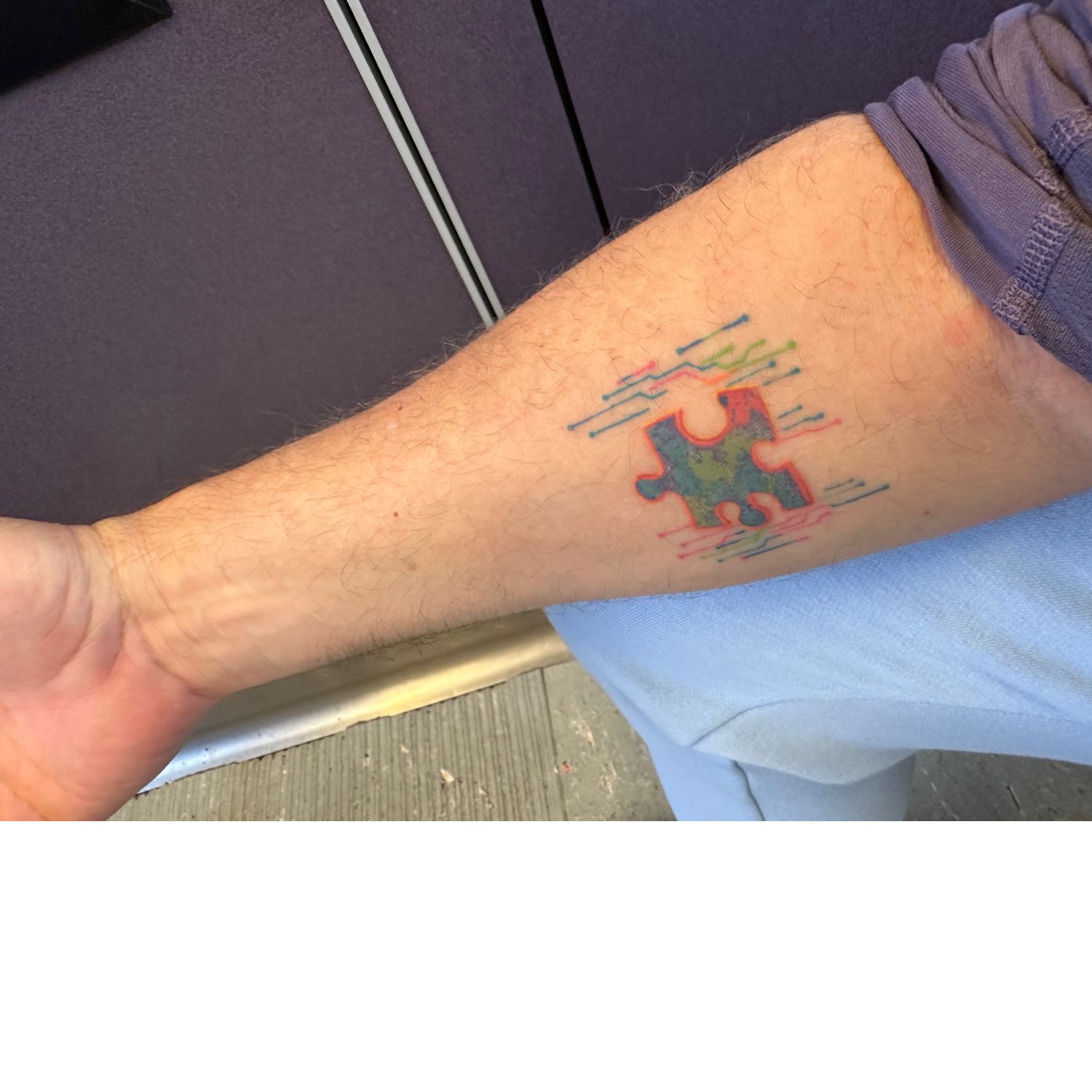
S2 Ep 1Getting the courage to Walk Through that Door of Change
We don’t have to part of the history of our fathers. We can pave our own road that leads us to our happiness.We are books that have a storyline of our own design.We are the architects of our own futures!We also need to take in consideration we are not alone. We are never alone. We are all part of the tapestry of the universe.Everything we do is significant and affects the universe as a whole. Everything has consequences. There is really nothing that can be done in the dark. Everything affects everything as it happens and ultimately affects the universe as a whole.We can choose how we choose to be part of this narrative. We are the heros; We are the villains.The universe is letting us all see much more and more everyday. Soon we will all see our part and how what we do matters and will have to reach that door of change.Be brave my fellow humans. I’m with you as you are with me in this grand tapestry of the universe!Humanity at its best hand in hand all cultures. We are all part of the fabric of this universe we can pull together and make us and this universe whole.I used no AI on this write, but help me do a to do a visual of what I am trying to say.But I do give AI credit for showing me how to be a more effective communicator with my autistic differences.

S1 Ep 8A Plea for Quiet Skies: The Unseen Turmoil of Fireworks
As the night sky erupts in a kaleidoscope of colors, my world is plunged into a maelstrom of panic and fear, sharply contrasting the joyous cheers that greet each luminescent burst. In these moments, when illegal fireworks rip through the quiet, my sense of safety is besieged by an unshakeable instinct screaming of danger, an alarm that is relentless.I am writing this fresh from the aftermath of such an encounter, with the tumultuous echoes still resonating. It's a stark reminder that what is a moment of delight for some can translate into enduring trauma for others.This isn't just my story. It's a narrative shared in quiet corners of our communities by individuals with autism, who seek refuge from this sensory siege. It’s witnessed in the trembling forms of our canine companions, terror-stricken and seeking safety in vain.This instinctual drive for self-preservation, a powerful force for many with autism, becomes an overwhelming reality that we can't simply switch off. It's an age-old whisper turned into an unbearable scream, impossible to ignore, despite knowing the lack of real threat.As a community, we must question if the ephemeral thrill of fireworks justifies the extended distress it causes. We must reevaluate traditions that leave behind a lingering anxiety. Instead of explosives, why not embrace the quiet elegance of drone light shows, a harmonious blend of our technological advancements and our empathy?With the approach of each new celebration, let's choose paths that inspire rather than startle, that unite rather than divide. Let’s cultivate traditions that not only awe with visual splendor but also respect all forms of life, weaving a tapestry of experiences that everyone can appreciate.In our quest for joy, we must heed the silent appeals for peace. It's time to listen, comprehend, and act. Let's advocate for silent skies - not solely for the distressed and the unnoticed, but for a future where festivities are a collective, inclusive experience.In moments like these, as I sit with double hearing protection, still feeling the reverberations of the fireworks, it becomes ever more clear: the need for change is not just a personal plea, it's a communal responsibility. By sharing our experiences and advocating for alternatives, we can turn a tradition of noise and fear into one of awe and inclusion.May we not overlook the silent pleas for tranquility. Let's offer quiet skies, a gift of peace and unity, to all.Oddly Robbie

S1 Ep 7Dancing Out of Control: AI Perspectives on Breaking Free
Hello, Oddly Robbie readers! Today, I'm taking a slightly different turn. Let's talk about control – not just the kind we encounter in our daily lives, but the broader, more pervasive forms that shape our society. And what better way to start this conversation than with a little story from the dance floor?Recently, while I was dancing, I experienced a literal push – an unexpected shove from behind. It was a jarring moment, but it got me thinking. Isn't life full of similar pushes? Those moments where external forces try to control our direction, our choices, our rhythm? This incident, though small, was a perfect metaphor for the larger theme of control in our lives.Intrigued by this idea, I turned to different AI systems to gather their perspectives on how we might move away from societal control. Here's a glimpse into the diverse viewpoints AI offered:AI on Recognizing Control: While emphasizing awareness of control, one AI pointed out the importance of ensuring AI systems themselves are free from biases, which can skew our understanding and perpetuation of control.AI on Empowerment: Another AI, when discussing empowerment, underscored the necessity of unbiased AI in education and community support systems, ensuring that the tools we use to combat control are fair and equitable.AI on Systemic Changes: The AI that focused on systemic changes highlighted that for these changes to be effective and just, the AI systems informing policy and governance must be developed and operated without inherent biases.AI on Technological Solutions: The AI discussing technological solutions like blockchain for transparency also cautioned about the potential of AI to perpetuate existing societal biases, stressing the need for careful and ethical AI development.This unanimous stance on AI bias is a crucial reminder. As we leverage AI to understand and navigate issues of control, we must be vigilant about the biases we might inadvertently encode into these systems. Just like on the dance floor, where an unexpected push can throw us off balance, unrecognized biases in AI can nudge us in unintended, potentially harmful directions.Each AI brought a unique perspective, yet all converged on a common theme – the possibility of a life less controlled, more autonomous. Much like how I regained my balance on the dance floor, these AI responses suggest ways we can find our footing in a world that often tries to push us in directions we may not choose.This exploration isn't just about understanding control; it's about envisioning a future where each of us has the space to dance to our own rhythm. It's about creating a society where pushes, whether literal or metaphorical, don't dictate our moves.So, what can we take away from this? Perhaps it's the idea that, while we can't always avoid being pushed, we can learn to steady ourselves, to find our rhythm again. Whether through personal awareness, community support, systemic change, or technological advancements, there are paths to a life where we lead the dance, not control.I'm curious to hear your thoughts. How do you perceive control in your life, and what are your 'dance moves' for maintaining autonomy? Share your experiences and let's discuss how we can all keep dancing freely, in our own unique ways.

S1 Ep 6One Door Closes, Many More Appear
One Door Closes, Many More AppearIn life's unpredictable journey, we often encounter unexpected closed doors. My godson recently faced such a moment: an opportunity lost, leaving him in front of a seemingly unyielding barrier. Yet, this event also unveiled a spectrum of unexplored possibilities, a scenario many of us can relate to.The Illusion of a Closed Path:It's human nature to dwell on a closed door. My own experiences with autism frequently lead me to focus intensely on one specific path. But here's where AI's magic unfolds. It helps us see beyond the apparent end, uncovering numerous unseen paths that lie hidden.AI: The Key to Unlocking New Doors:AI's breadth and depth open up a world of options and opportunities, much like a beacon in a dense forest revealing hidden trails. For someone like me, who tends to zero in on one particular path, AI is invaluable. It expands my perspective, showing me that a closed door is merely a part of a vast and complex labyrinth of possibilities.Virtual Reality: A Metaphor for New Beginnings:VR allows us to explore and choose freely. Similar to how we navigate through various worlds in virtual environments, AI in our real lives presents a parallel experience. It's not merely about discovering another door; it's about understanding that our world is brimming with doors, each leading to new beginnings.Stories of Resilience and Discovery:I've encountered many stories where individuals, confronted with a dead end, found new paths thanks to AI's varied recommendations. These narratives are more than just overcoming obstacles; they are testaments to human resilience and the transformative power of technology in our quests.Conclusion:Embracing AI and similar technologies teaches us that a closed door doesn't signify the journey's end. It's a call to venture forth, to unearth, and to unlock doors we never knew existed. Rather than fixating on the closed door, let's turn our attention to the endless array of possibilities that await us.Personal Note:My godson has bravely agreed to share his recent experience, despite its rawness. Sharing this story holds a profound purpose: if it can provide solace or guidance to even one person, then its dissemination is worthwhile.

S1 Ep 5Navigating the Future with Childlike Wonder: Embracing AI and New Tech
In today's exploration, we're diving into a world buzzing with innovation - the world of AI and emerging technologies. Much like children discovering the world with wide-eyed wonder, we too can approach these advancements with the same curiosity and openness.

S1 Ep 4The Worship Warship: Navigating Faith's Virtual Realities
Imagine a world where faith is a virtual reality game. As a child, I was entranced, eagerly awaiting my mission to spread the word. My autism made this mission my world…