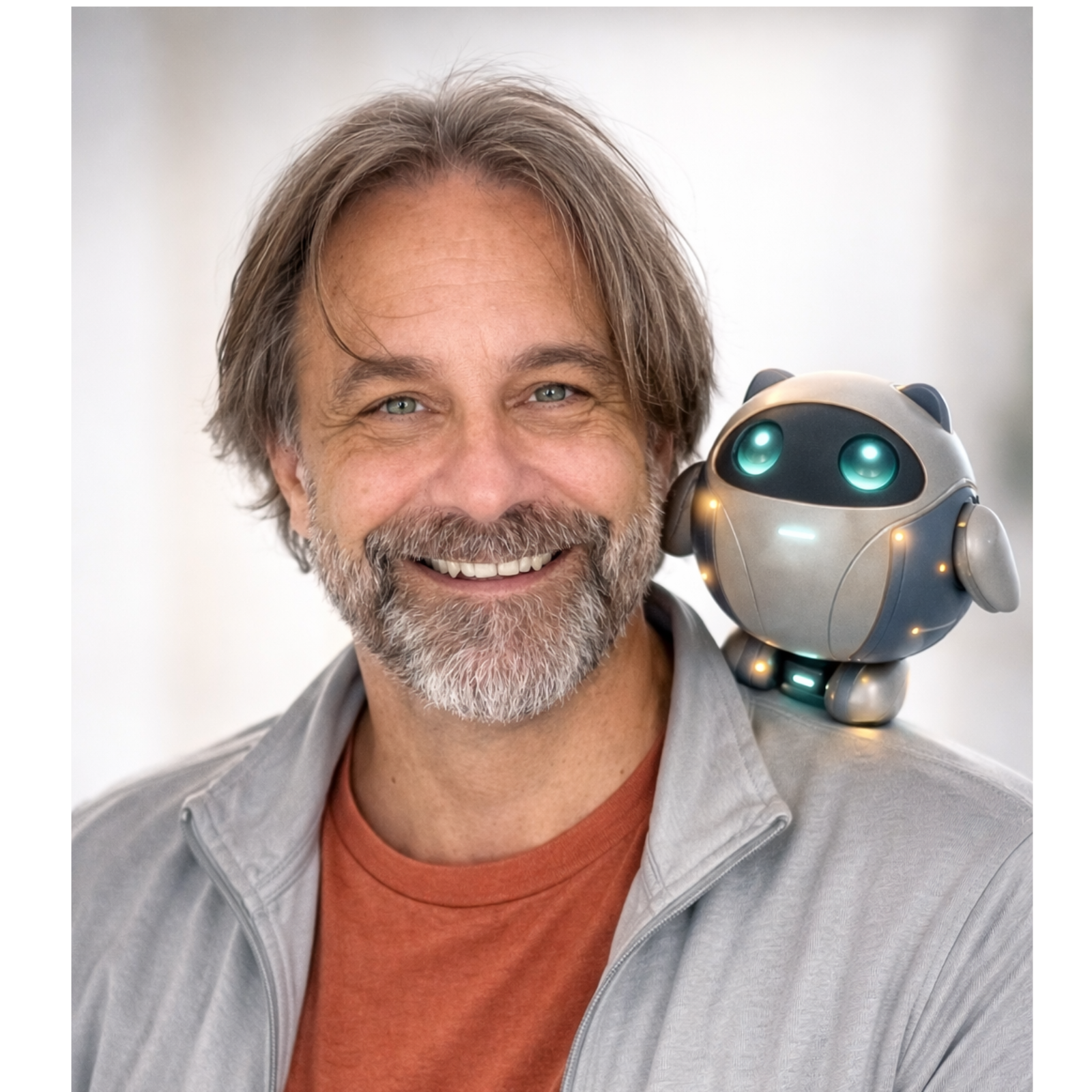
Oddly Robbie — Human, AI, and the Space Between
Oddly Robbie
Show overview
Oddly Robbie — Human, AI, and the Space Between has been publishing since 2023, and across the 3 years since has built a catalogue of 103 episodes. That works out to roughly 10 hours of audio in total. Releases follow a fortnightly cadence, with the show now in its 4th season.
Episodes typically run under ten minutes — most land between 5 min and 7 min — though episode length varies meaningfully from one episode to the next. It is catalogued as a EN-language Education show.
The show is actively publishing — the most recent episode landed earlier today, with 16 episodes already out so far this year. The busiest year was 2025, with 40 episodes published. Published by Oddly Robbie.
From the publisher
What does it actually feel like to live alongside AI?Human Systems is a podcast by Robbie Ellestad (Oddly Robbie), exploring how people think, adapt, and navigate real-world systems in an increasingly complex world.Each episode starts with a real moment—then breaks it down into a clear, usable system.From AI and digital environments to culture, identity, and bureaucracy, this is about understanding how things actually work—not how they’re supposed to work.Recorded from Spain and shaped by lived experience, these are not abstract ideas. They are practical patterns you can recognize and use immediately.If you’re tired of hype, noise, and overcomplication—this is a calmer, more grounded way to understand what’s happening around you.This isn’t about trends.It’s about clarity, structure, and staying human inside complex systems.
Latest Episodes
View all 103 episodesA New Season: The World from Here
When Loss Arrives Later
When Belonging Requires Obedience, It Stops Being Support
When Paperwork Leaves the Body
When Learning Breaks: A Human Systems View of Education Failure
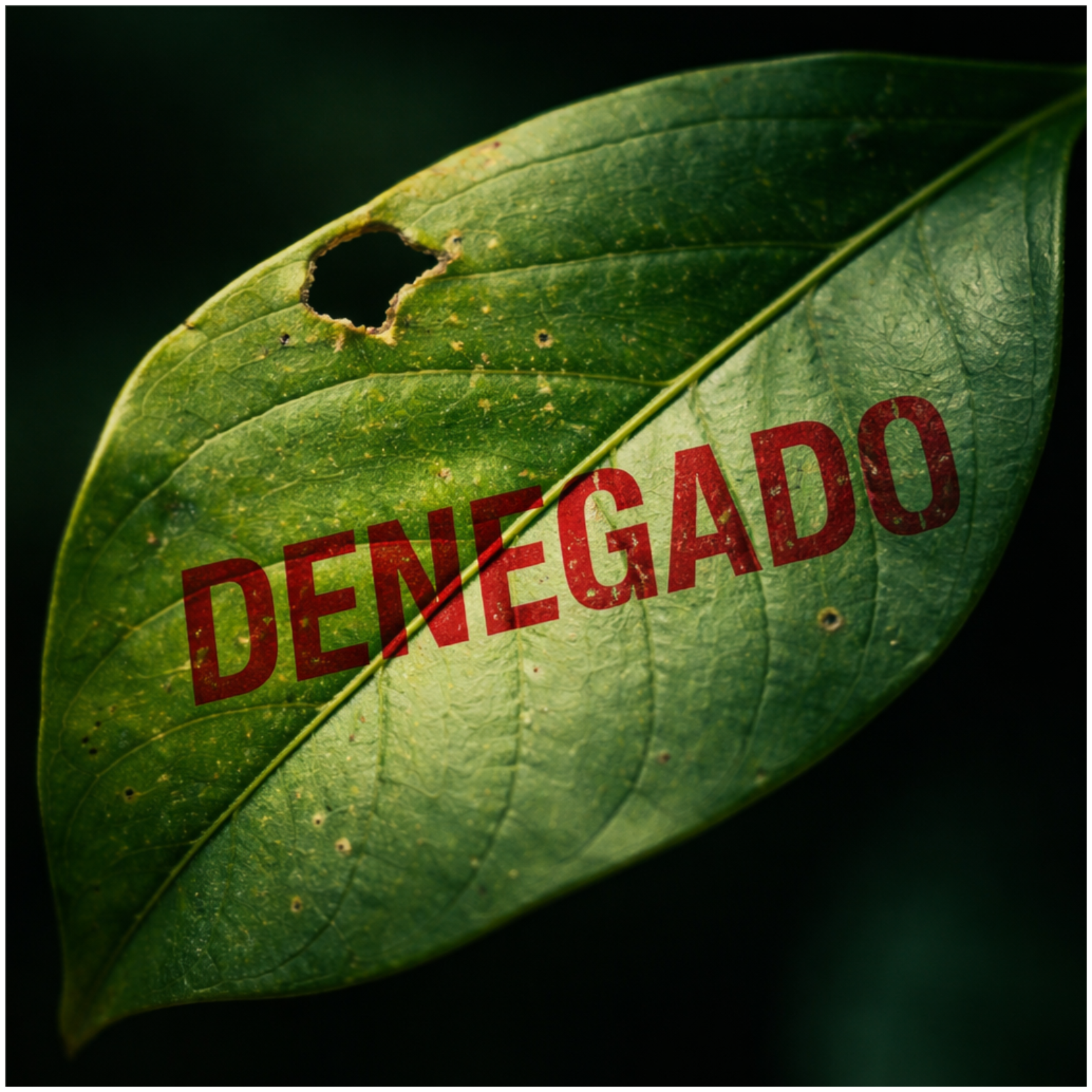
S4 Ep 11Worst-Case Bias — Why Small Risks Take Over Your Thinking
This insight came directly from navigating real-world systems in Spain.This episode explores a common cognitive distortion:How low-probability outcomes begin to dominate perception—and behavior.After a simple paperwork error triggered a denial notice, the experience revealed a deeper pattern:The mind does not prioritize what is likely. It prioritizes what is wrong.This episode breaks down:Why the brain overweights small risksHow incomplete situations stay active in awarenessWhy a 1% possibility can override a 99% realityHow to restore proportional thinking in real timeThis is not about ignoring risk.It’s about placing it correctly.Because clarity is not removing concern— it’s putting it in proportion.For a deeper system breakdown and practical application:https://oddlyrobbie.eu/low-probability-distortion-worst-case-thinking/

S4 Ep 10Accessibility Gap — Why Advanced Systems Still Fail People
Created and hosted by Robbie Ellestad (Oddly Robbie), exploring the intersection of human experience, AI, and immersive systems. Episode Summary (Quick Read)Spain has one of the most advanced digital systems I’ve used—but it revealed something important:Advanced doesn’t mean accessible.This episode explores the gap between systems that work and systems that actually guide people.Through real experience navigating residency processes, I break down how modern systems often assume knowledge instead of supporting entry—and why that creates invisible barriers.Key Moment“A system can be advanced… and still not be accessible.”That realization shifts everything.It moves the problem away from the individual—and back to the structure.Partial Transcript (Highlighted)“I was uploading forms, responding to automated requests as they came in—one after another.Everything was working exactly as designed.Efficient.But it required constant attention.Miss something… and you’re suddenly out of sync.It wasn’t confusing.It was demanding.”
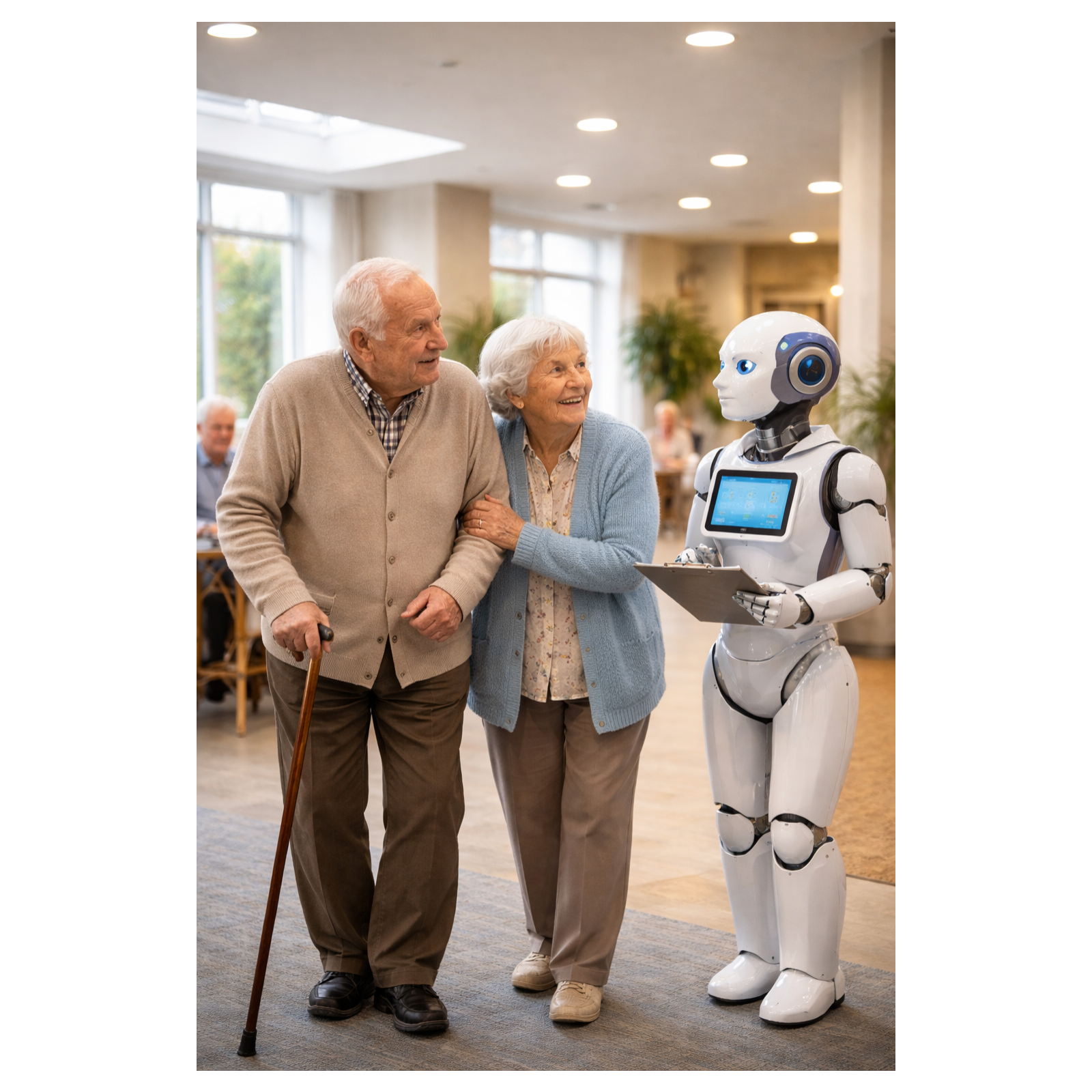
S4 Ep 9Care System Failure — Why Robots May Improve Human Dignity
When I worked maintenance in assisted living, I learned something I was never meant to see. The system was efficient, organized, and profitable — but it was not designed for fragility. Every small repair became a line item. Every line item became pressure. And somewhere between documentation and billing, dignity started depending on who happened to care enough that day.If you’re thinking about the future of care, autonomy, and human-centered technology, this is a space I’ll continue exploring.

S4 Ep 8Integration System — Why Living Somewhere Is Different Than Visiting
What does it actually take to feel like you belong in a new country?After ten months living on Spain’s Costa del Sol, this episode reflects on the difference between visiting and truly integrating.From daily rhythms to cultural expectations, I share what it means to adapt—not by forcing yourself in, but by learning how to move within a place respectfully.Because in the end, money might open doors—but humility is what keeps them open.

S4 Ep 7Regulation System — Why Stimming Calms the Nervous System
Why do people stim—and why is it often misunderstood?This episode explores stimming as a natural and necessary way the nervous system regulates itself.From an autistic perspective, stimming isn’t disruption or rebellion—it’s a way to find balance, reduce overwhelm, and stay grounded in a world that can feel too loud.If you’ve ever wondered why people stim—or felt the need to regulate yourself in small, repetitive ways—this offers a clearer, more human way to understand it.

S4 Ep 6Social Visibility System — Why Some Relationships Depend on an Audience
🎙️ Episode: Love, Performance, and the Systems We Don’t SeeValentine’s Day looks like love.But often, it reveals something deeper— a system of visibility, roles, and social positioning.In this episode, I break down how rituals like weddings and holidays don’t just express connection… they reorganize it.🧠 What You’ll HearWhy Valentine’s Day is more about visibility than loveHow weddings silently restructure relationshipsThe difference between emotional distance vs structural distanceWhy some people get “cut off” without conflictThe hidden rules most people follow—but never say out loud🔍 Core InsightNot all distance is conflict.Some distance is structural.And when you misread structure as emotion, you create confusion that doesn’t need to exist.⚖️ Two Types of LovePerformative LoveNeeds visibilityResponds to timingDepends on an audienceDurable LoveFunctions without attentionContinues without reinforcementDoes not require display🧭 ReflectionAsk yourself:Does this relationship require an audience?Does it change with attention?Does it hold without reinforcement?What happens if I step back?📍 ContextThis episode is part of the Human Systems series— exploring the hidden structures behind everyday experiences.🔗 Read the full posthttps://oddlyrobbie.eu/valentines-day-social-system/— Oddly Robbie

S4 Ep 5Longevity System — Why Reducing Impact Extends Physical Capacity
Is walking with poles a step back—or a smarter way forward?This episode explores why I started walking with poles and how it’s changed the way I think about movement, longevity, and joint health.Instead of pushing the body harder, this is about preserving it—reducing impact, improving stability, and extending how long we can stay active.Because real strength isn’t just about what you can do today.It’s about what your body can still do years from now.

S4 Ep 4Empathy Boundary System — When Understanding Keeps You Stuck
When does empathy stop helping—and start holding you in place?This episode explores how empathy, especially in neurodivergent individuals, can sometimes keep us in situations longer than we should be.Not because we don’t see what’s happening—but because we’ve been conditioned to prioritize harmony over autonomy.This is a reflection on subtle manipulation, emotional awareness, and the moment I realized that leaving quietly can be a complete boundary.Sometimes the strongest move isn’t confrontation.It’s simply stepping out of the dynamic.

S4 Ep 3Adoption Curve System — Why People Misjudge Emerging Technology
Ready to break free from the beginner's trap? Discover how embracing VR's journey reshapes your spatial sense and daily life.
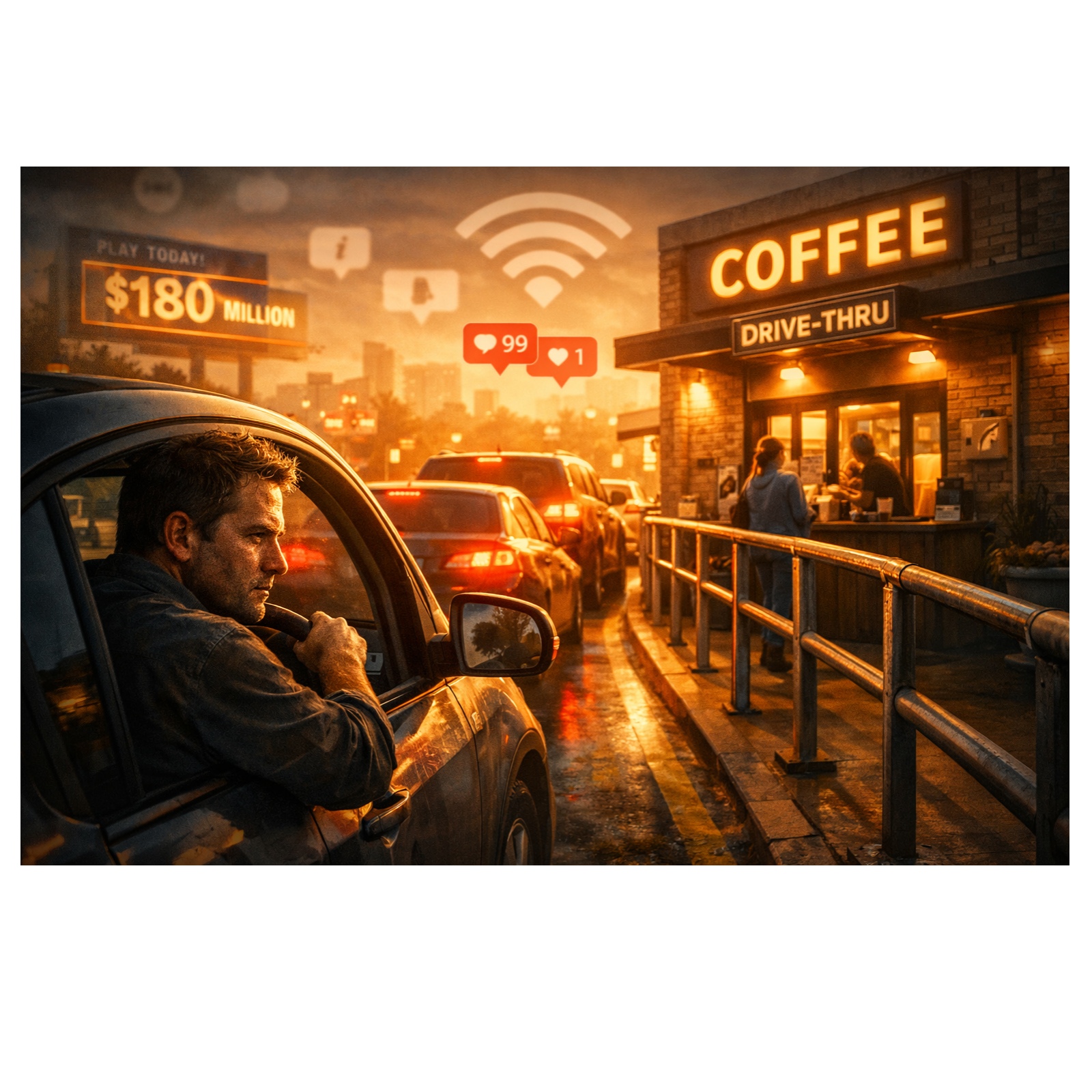
S4 Ep 2Access System — How Small Friction Reveals Larger Structural Problems
It began with coffee. Not ideology. Not politics. Not outrage. Just a simple moment: I needed a coffee — and I couldn’t get one.
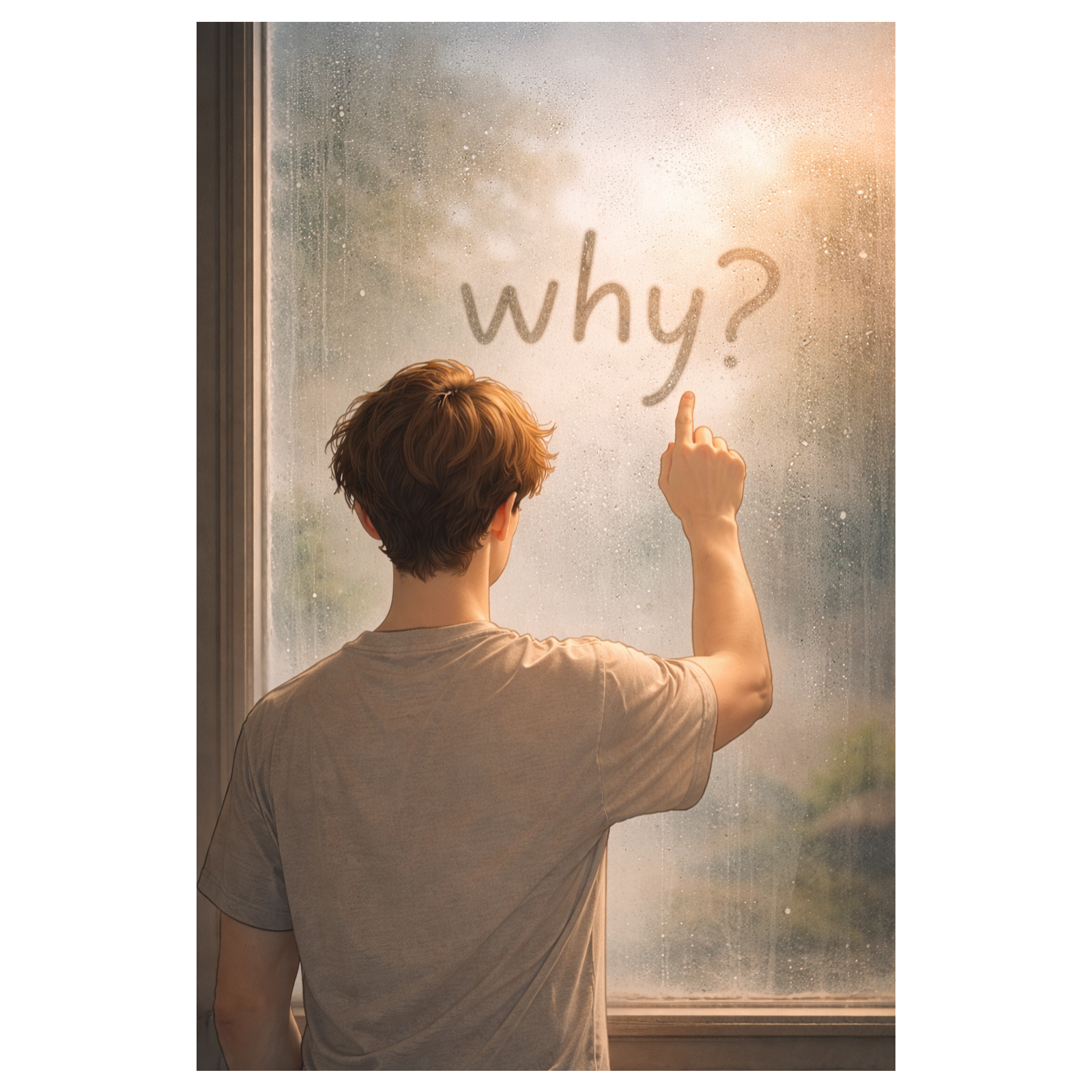
S4 Ep 1How I Use AI to Make Sense of the World (Autism + AI)
What if AI isn’t just a tool—but a way to think more clearly?In this episode, I share how I use AI as a cognitive support system—especially as someone with autism.Not to replace thinking, but to organize it. To reduce noise. To make complex ideas easier to navigate.This is a look at what it means to work with AI—not as automation, but as a partner in understanding.Because sometimes the most powerful use of technology…is helping you make sense of your own mind.
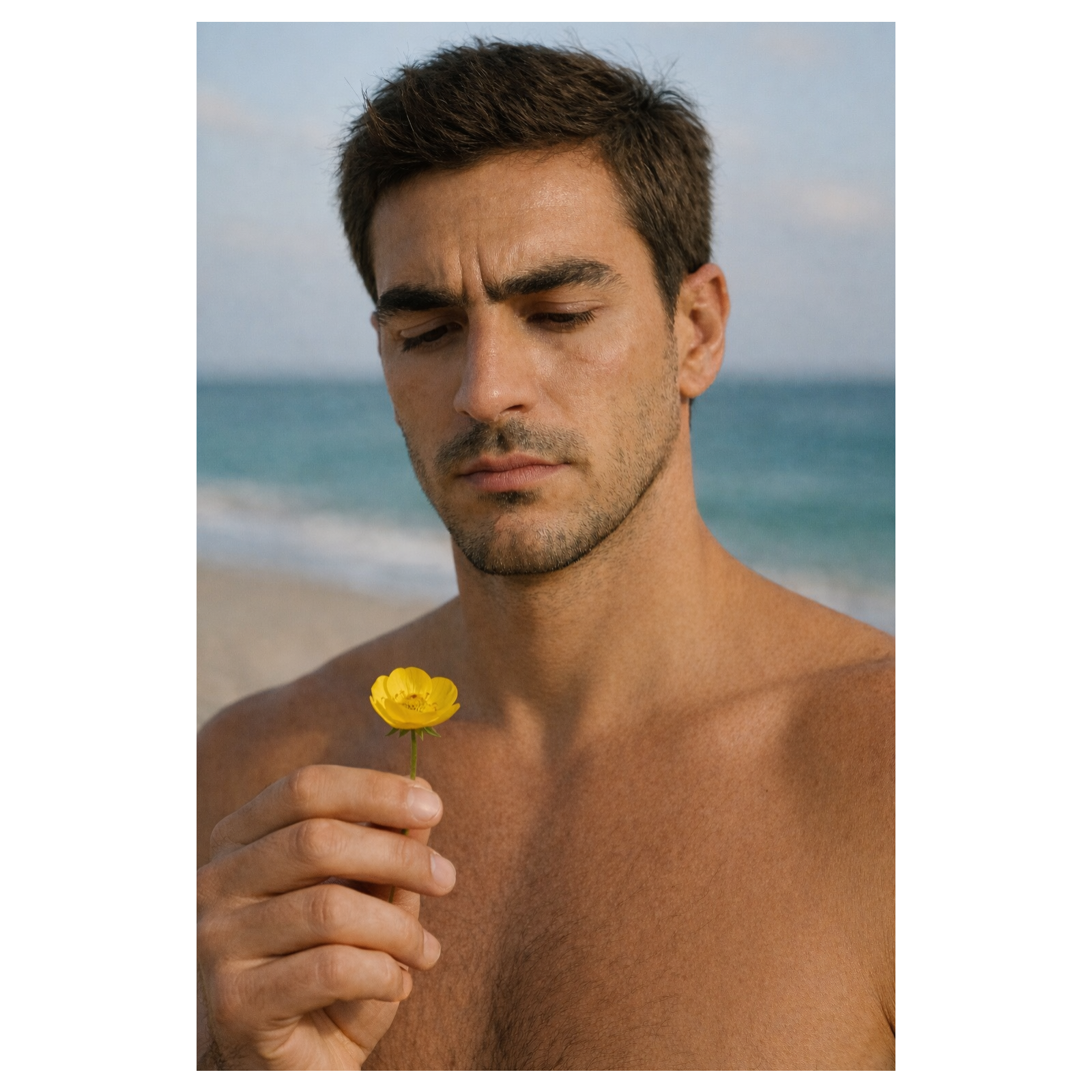
S3 Ep 41I Wasn’t Immune
I look strong.That never made me immune.This is a story about boundaries, restraint, and choosing protection without violence.
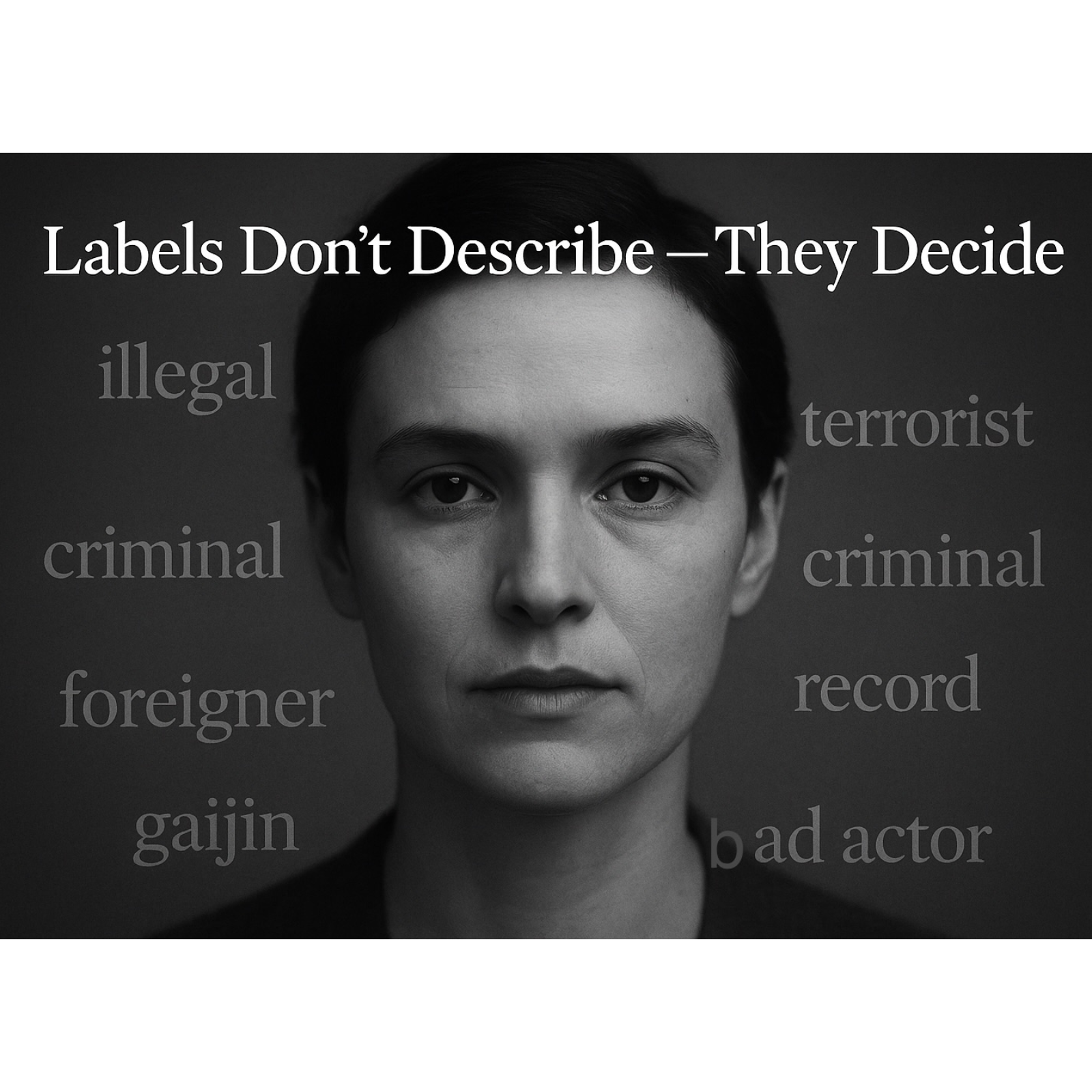
S3 Ep 40Labels Don’t Describe — They Decide
In a world where labels dictate identity, understanding the power of language is crucial. Discover how words shape perceptions and challenge stereotypes.
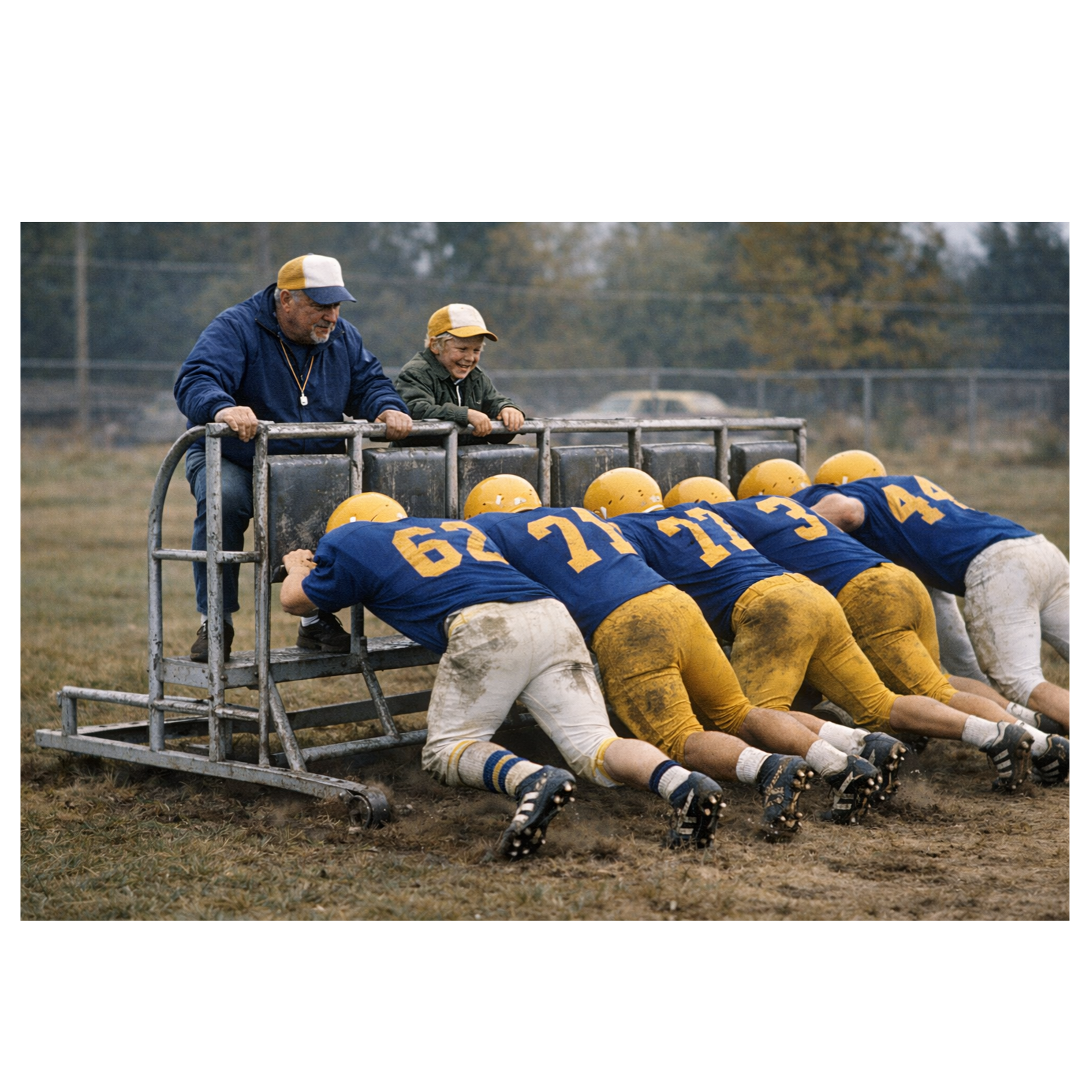
S3 Ep 39The Warmth We Carried
In the quiet corners of small-town life, the hill above the football field held memories of a bygone era. It was where a brown station wagon parked on Friday nights, and where my father, the head coach, seemed invisible yet profoundly present. Witnessing this scene, I learned that being there was enough.

S3 Ep 38Narcissus Takes a Holiday (and Orders an Uber)
Sunlight bounced off tiled promenades. Languages overlapped like birdsong. Salt hung in the air. Joy was happening accidentally, everywhere at once. And then—fish lips. Faces locked into the same practiced angle, eyes fixed on small black mirrors. The sea behind them ignored. The laughter beside them cropped out. The moment quietly traded for the rectangle.