NOVA Presents
112 episodes — Page 2 of 3
S5 Ep 1Hunt for the Oldest DNA
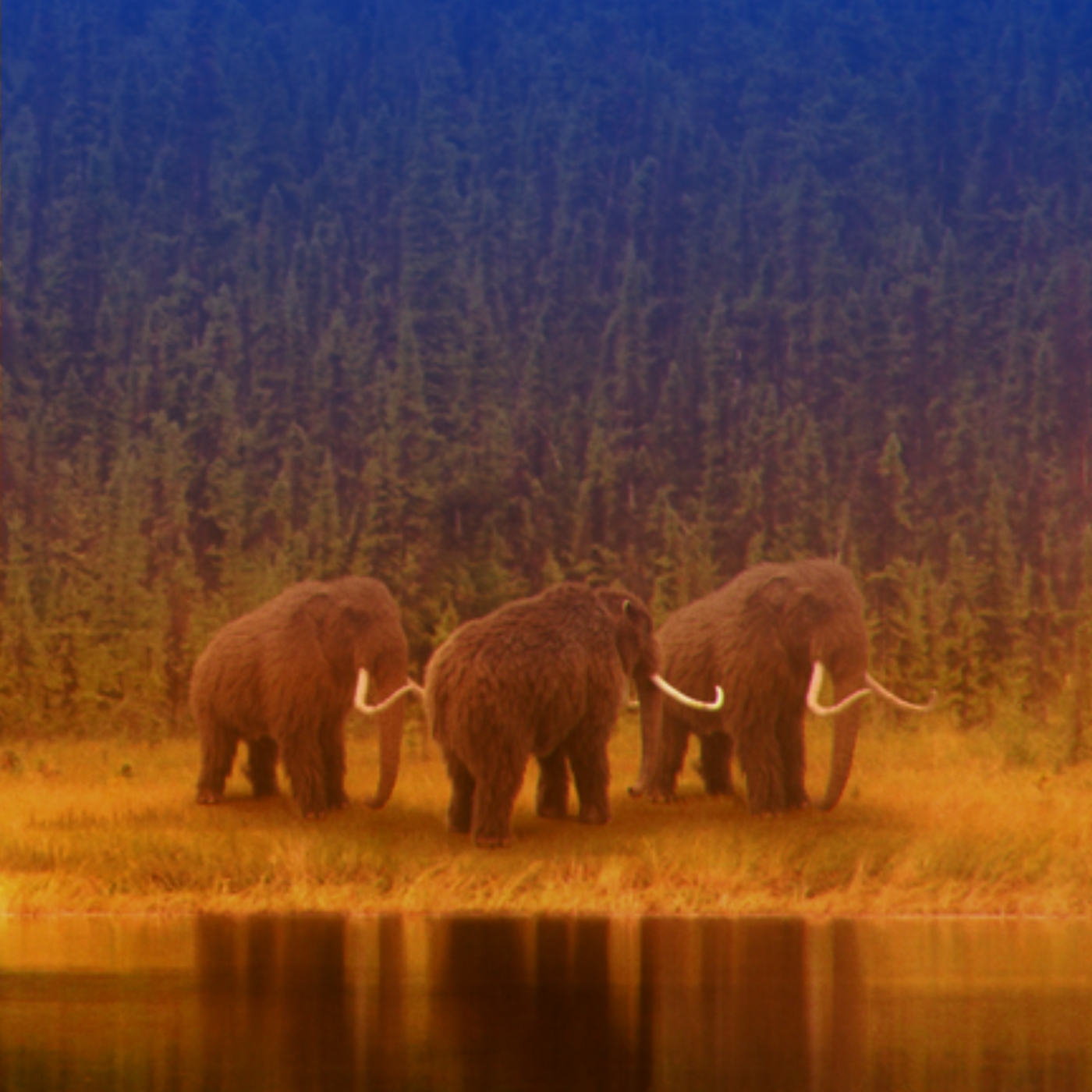
Scientists have discovered the oldest DNA ever found: tiny fragments hidden in the dirt. The idea that soil could hold genetic traces from creatures that vanished millions of years ago seemed impossible – until one researcher had the wild idea to go and look. But how did he find DNA that most scientists thought could never survive? What forgotten worlds can this buried DNA reconstruct? And what might these revelations tell us about our own future on a rapidly changing planet?To watch the full film, visit here.Learn more about NOVA and subscribe to our YouTube channel.
Why Tropical Trees Don’t Have Rings | Kirk Johnson
bonusGrowth rings on trees can measure time, allowing scientists to date things from the deep past. But, paleobotantist Dr. Kirk Johnson explains why, in the tropics, some trees have no rings.For more, check out the extended interview with Kirk Johnson.Learn more about NOVA and subscribe to our YouTube channel.
How Weight Loss Drugs Were Inspired by Gila Monsters | Sean B. Carroll
bonusNature has been solving problems for billions of years. Evolutionary biologist Sean B. Carroll reveals why scientists still turn to evolution’s inventions for life-saving breakthroughs, from GLP-1 drugs to statins.For more, check out the extended interview with Sean B. Carroll.Learn more about NOVA and subscribe to our YouTube channel.
Introducing NOVA Remix
trailerScience's most astonishing breakthroughs, from whale evolution and thawing permafrost to black holes and quantum entanglement, to the hidden chambers of the Great Pyramid. NOVA Remix transforms decades of award-winning storytelling into immersive audio adventures. Discoveries that don't just change science, they change how you see the world. Whether you're a diehard nerd or just curious by nature, subscribe and hear it like never before.Learn more about NOVA and subscribe to our YouTube channel.

De-Extincted” Dire Wolf Pups Are Growing Up | Beth Shapiro
bonusIn 2024, scientists claimed they achieved the unthinkable: the birth of dire wolf pups, reviving a species that vanished thousands of years ago. Now, those pups are growing—and changing. Evolutionary biologist Beth Shapiro reveals what it’s like to watch these predators mature into modern beasts.For more, check out the extended interview with Beth Shapiro. Learn more about NOVA and subscribe to our YouTube channel.
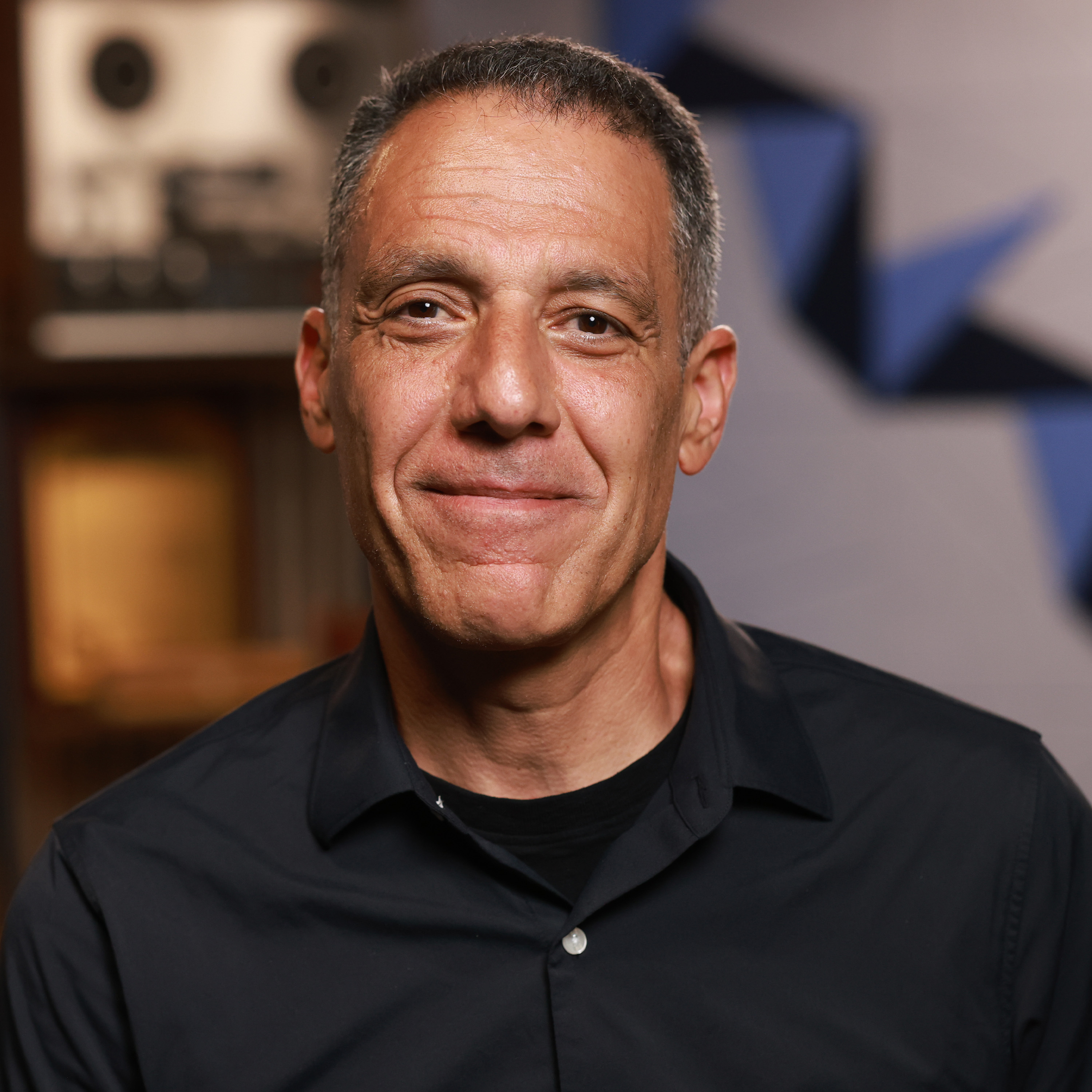
How AI Is Taking “Future-Proof” Jobs | Hany Farid
bonusIs AI coming for your job? AI Expert Hany Farid breaks down how AI is taking jobs once considered “future-proof” and shares his advice to prepare young people for the future.For more, check out the extended interview with Hany Farid. Learn more about NOVA and subscribe to our YouTube channel.
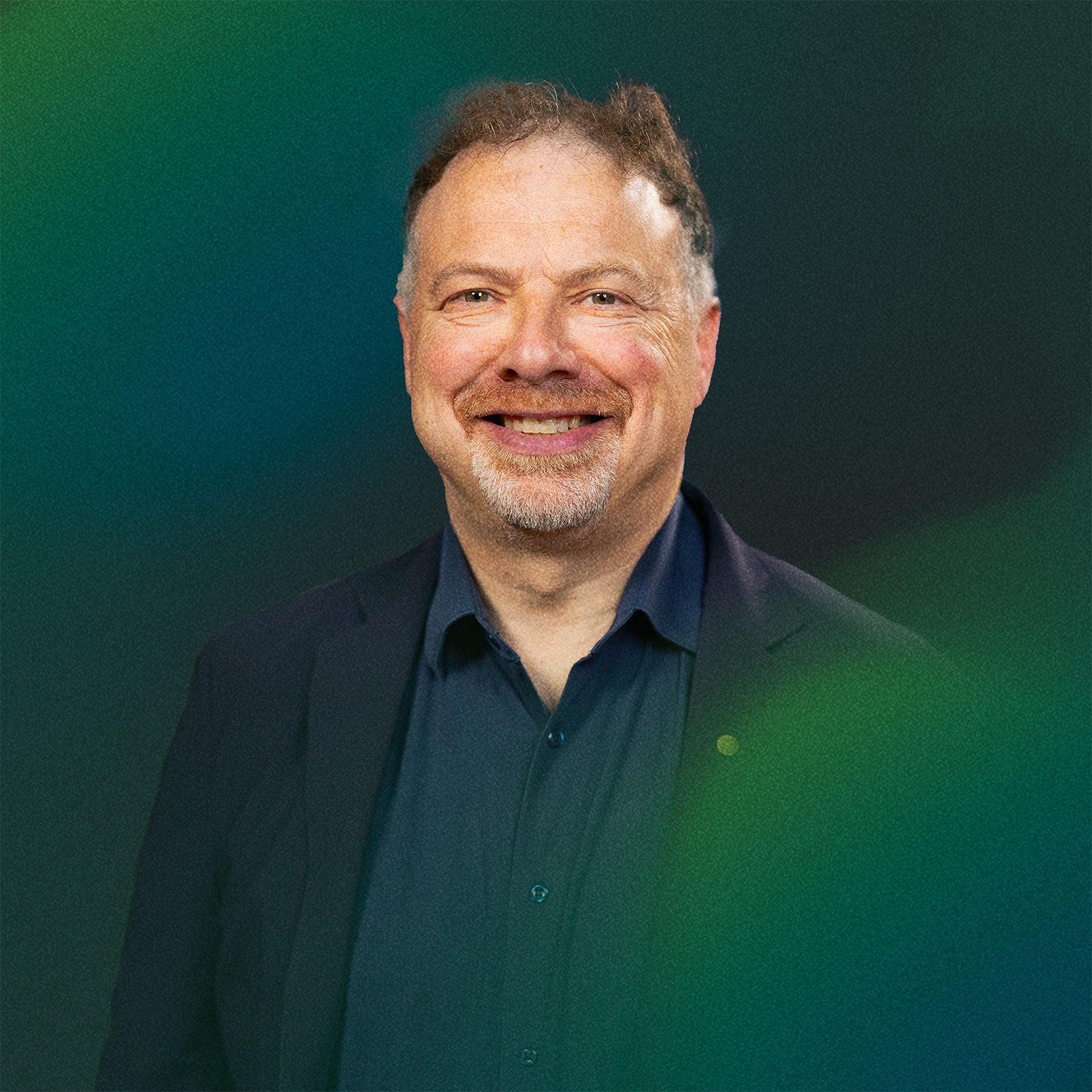
S4 Ep 10Discovering Dark Energy and the Hubble Tension with Adam Riess
What does it feel like to make one of the biggest discoveries in physics? Adam Riess knows — because his work revealed that the universe isn’t just expanding, it’s accelerating. In this episode, the Nobel Prize–winning astrophysicist takes us behind the scenes of the moment that changed cosmology forever. How did his team use exploding stars as “standard candles” to measure the cosmos? Why did the data point to a mysterious force now called dark energy, making up nearly 70% of the universe? And what’s behind today’s biggest cosmic puzzle: the Hubble tension? Plus, Adam shares what new telescopes could uncover — and why the next decade might rewrite the laws of physics all over again. Learn more about NOVA and subscribe to our YouTube channel. —————————Guest Bio: Adam Riess is an astrophysicist, professor at Johns Hopkins University, and a distinguished astronomer at Space Telescope Science Institute. In 2011, he was named as a co-winner of the Nobel Prize in Physics for his contributions to the discovery that the expansion rate of the universe is accelerating. Since then, he has continued refining measurements of cosmic expansion and the Hubble constant, aiming to find and measure the most distant type Ia supernovae known, to probe the origin of cosmic acceleration.Timestamps(00:00:00) Introduction(00:03:16) What Is a Type Ia Supernova? (00:10:52) The Discovery of Dark Energy(00:44:39) What Is the Hubble Tension?(00:58:59) Winning a Nobel Prize(01:15:32) Credits
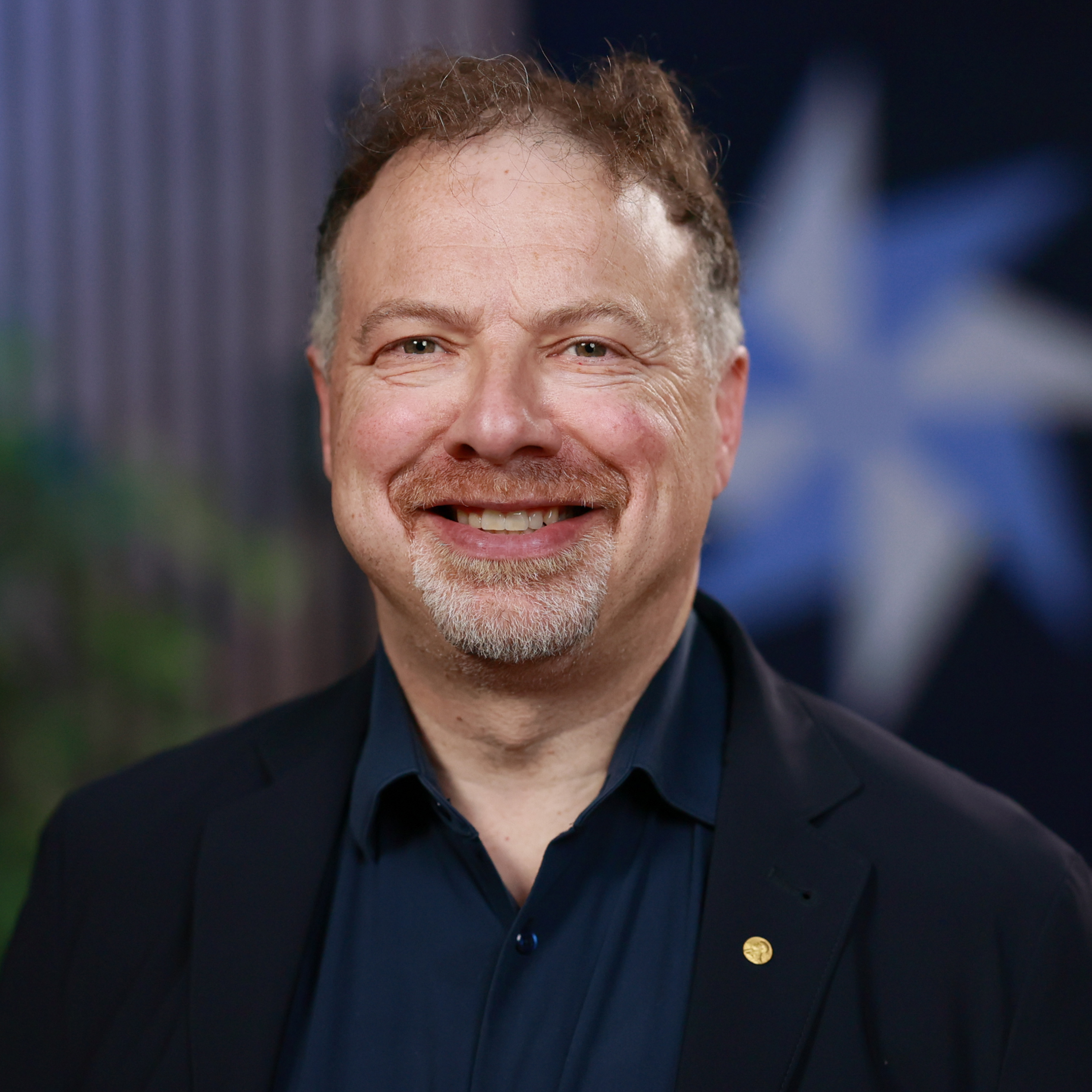
Hubble Tension, Explained | Adam Riess
bonusThe universe isn’t adding up—and it’s creating a crisis in cosmology. Nobel Prize winner Adam Riess explains why measurements of the universe’s expansion rate from its earliest light and from nearby galaxies don’t match, and how this growing gap threatens the foundations of our standard model of the cosmos.For more, check out the extended interview with Adam RiessLearn more about NOVA and subscribe to our YouTube channel.
Einstein’s “Biggest Blunder” | Adam Riess
bonusDiscovering dark energy wasn’t just thrilling—it was terrifying. Nobel Prize Winner Adam Riess explains the nerve-wracking process behind confirming that the universe’s expansion is accelerating and why Einstein’s so-called “biggest blunder” turned out to be anything but.For more, check out the extended interview with Adam RiessLearn more about NOVA and subscribe to our YouTube channel.
How Fame Affects the Brain | Heather Berlin
bonusFame can hijack the brain like a drug—activating the same reward circuits that fuel a relentless chase for dopamine highs. Neuroscientist Heather Berlin reveals the antidote—and why even social media fame can trigger this cycle.For more, check out the extended interview with Heather Berlin.Learn more about NOVA and subscribe to our YouTube channel.
How Fossils Form and How to Find Them | Kirk Johnson
bonusFossilization isn’t luck - it’s geology. Paleobotanist Kirk Johnson explains how fossils only form in certain conditions, the tricks to finding them, and why one fossil leaf can lead to thousands more. For more, check out the extended interview with Kirk Johnson.Learn more about NOVA and subscribe to our YouTube channel.

Why Only Some Species Can Talk—and Dance | Erich Jarvis
bonusSpeech is rare in the animal kingdom because it requires a very specific brain architecture. Neuroscientist Erich Jarvis explains how duplicating neural pathways for movement unlocked language, dancing, and even advanced problem-solving in more than just humans.For more, check out the extended interview with Erich Jarvis. Learn more about NOVA and subscribe to our YouTube channel.
S4 Ep 9Evolution of New Species, Venom, Wings, and More with Sean B. Carroll
How does evolution invent entirely new things, like limbs, wings, and venom? Evolutionary biologist Sean B. Carroll joins us to reveal the hidden rules behind nature’s creativity and the genetic toolkit that makes it possible. Carroll explains how the same set of genes can build wildly different creatures — from fruit flies to lobsters — simply by rewiring their genetic circuits. Discover why developmental biology holds the key to understanding evolution, how snake venom evolved, and why medicines like GLP-1 drugs and statins trace their origins to nature’s own innovations. Plus, what the emergence of new species tells us about life’s future and the surprising power of evolution to repurpose old parts in new ways. Learn more about NOVA and subscribe to our YouTube channel. —————————Guest Bio: Sean B. Carroll is a renowned evolutionary biologist and author whose work has inspired a deeper public understanding of evolution and the natural world. He is an Investigator at Howard Hughes Medical Institute (HHMI), where he was formerly Head of HHMI Tangled Bank Studios, and led the Department of Science Education from 2010-2023. He is also a Professor of Biology at the University of Maryland. His research focuses on genes that influence the evolution of animal diversity.Timestamps(00:00:00) How Does A New Species Evolve?(00:12:54) The Process of Speciation: Use It or Lose It(00:36:22) Development: What the Fruit Fly Taught Us(00:55:37) The Evolution of Defense Mechanisms & Developing Medications(01:19:55) The Role of Chance in Evolution(01:24:22) Credits
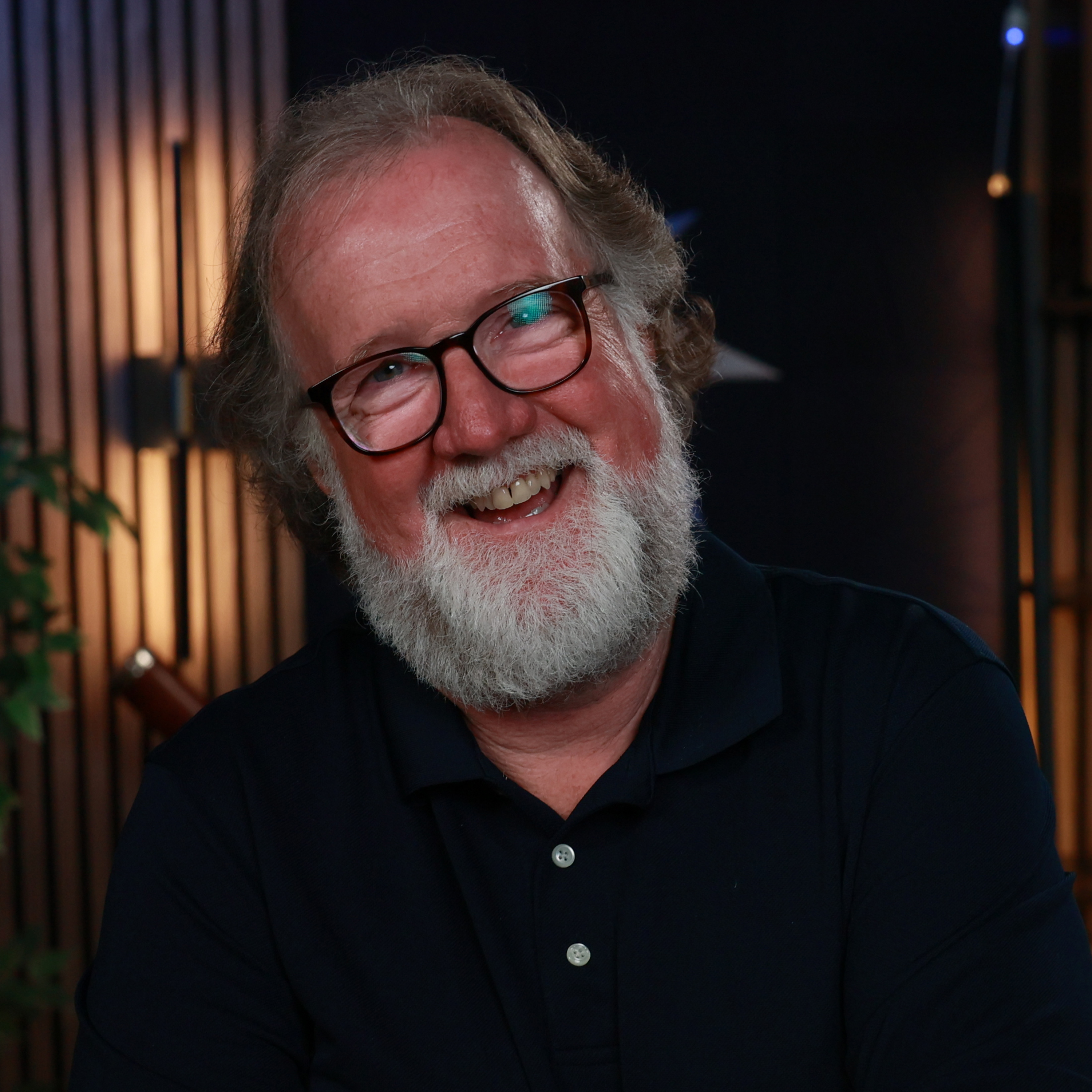
How the Fruit Fly Revolutionized Biology | Sean B. Carroll
bonusFrom legs on heads to missing eyes, fruit fly mutations exposed the genetic toolkit that builds all animals. Evolutionary Biologist Sean B. Carroll shows how these discoveries rewrote our understanding of evolution.For more, check out the extended interview with Sean B. Carroll.Learn more about NOVA and subscribe to our YouTube channel.
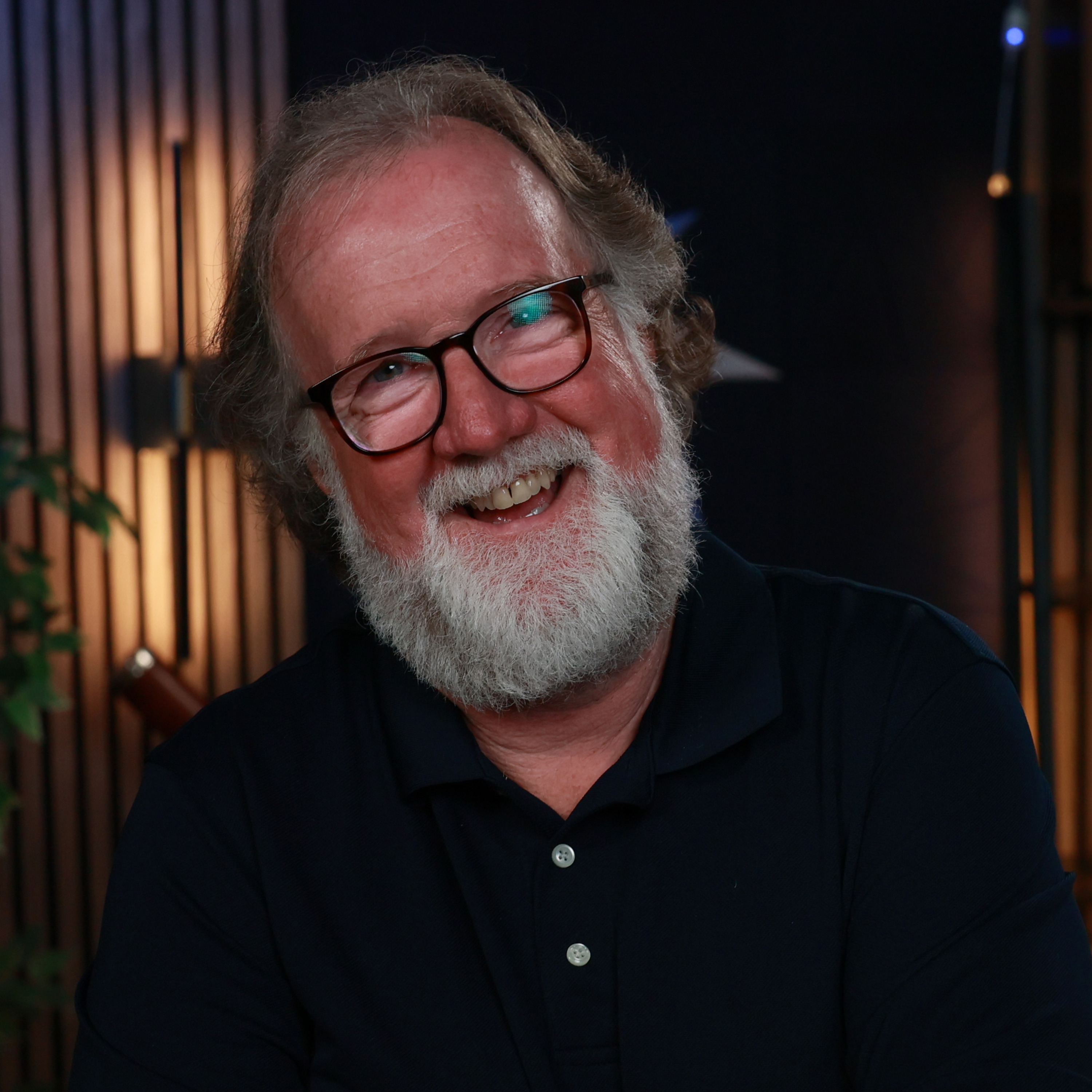
The Evolution of Venom & Antivenom | Sean B. Carroll
bonusFrom snakes to jellyfish, venom is one of evolution’s most lethal inventions. Evolutionary Biologist Sean B. Carroll reveals how this deadly innovation emerged—and the new science behind antivenom inspired by nature’s own defenses.For more, check out the extended interview with Sean B. Carroll.Learn more about NOVA and subscribe to our YouTube channel.
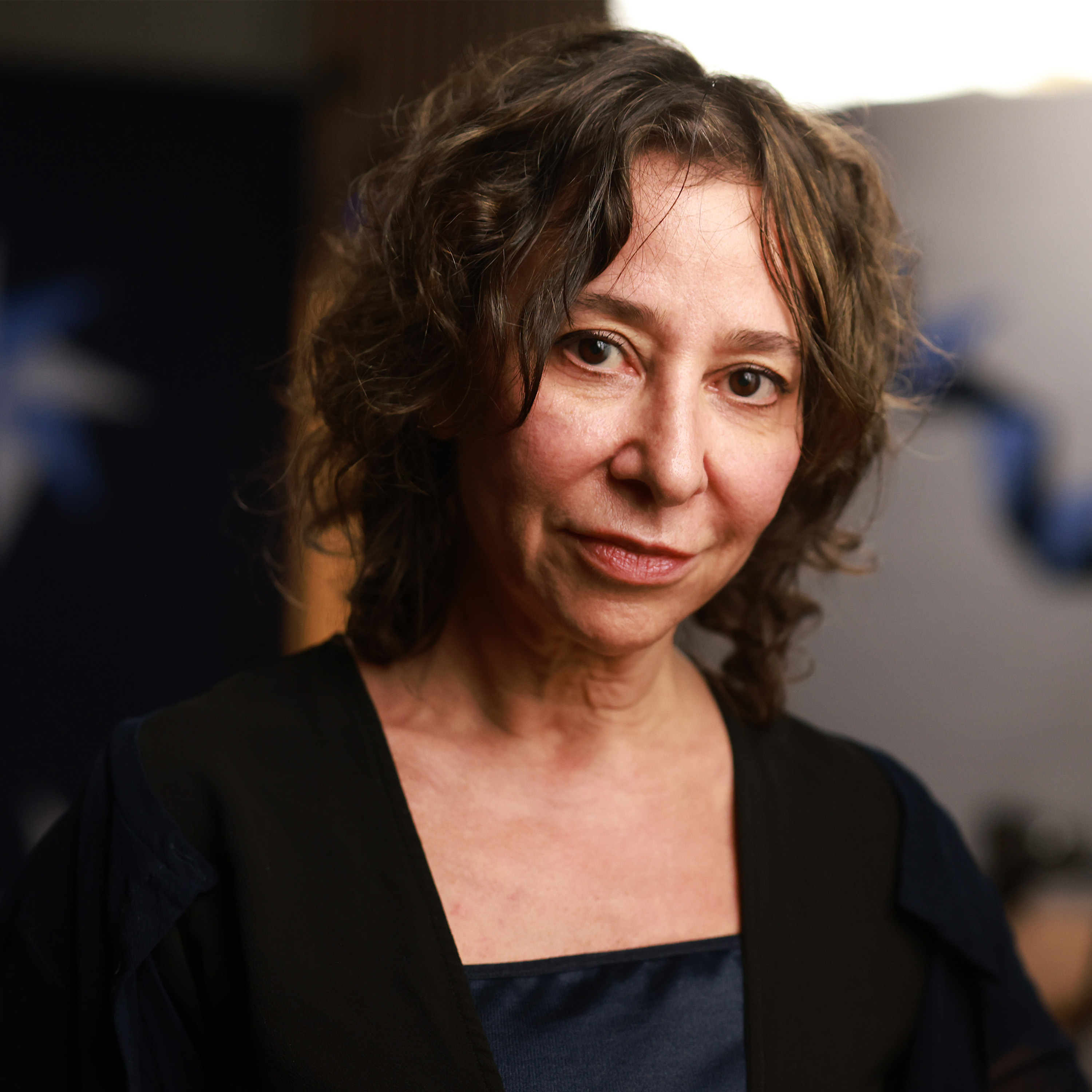
A Black Hole Is a Place, Not a Thing | Janna Levin
bonusThe edge of a black hole isn’t what you think. Astrophysicist Janna Levin dives into the event horizon, the one-way transition where space and time warp so much that escape becomes as impossible as reversing the clock.For more, check out the extended interview with Janna Levin.Learn more about NOVA and subscribe to our YouTube channel.
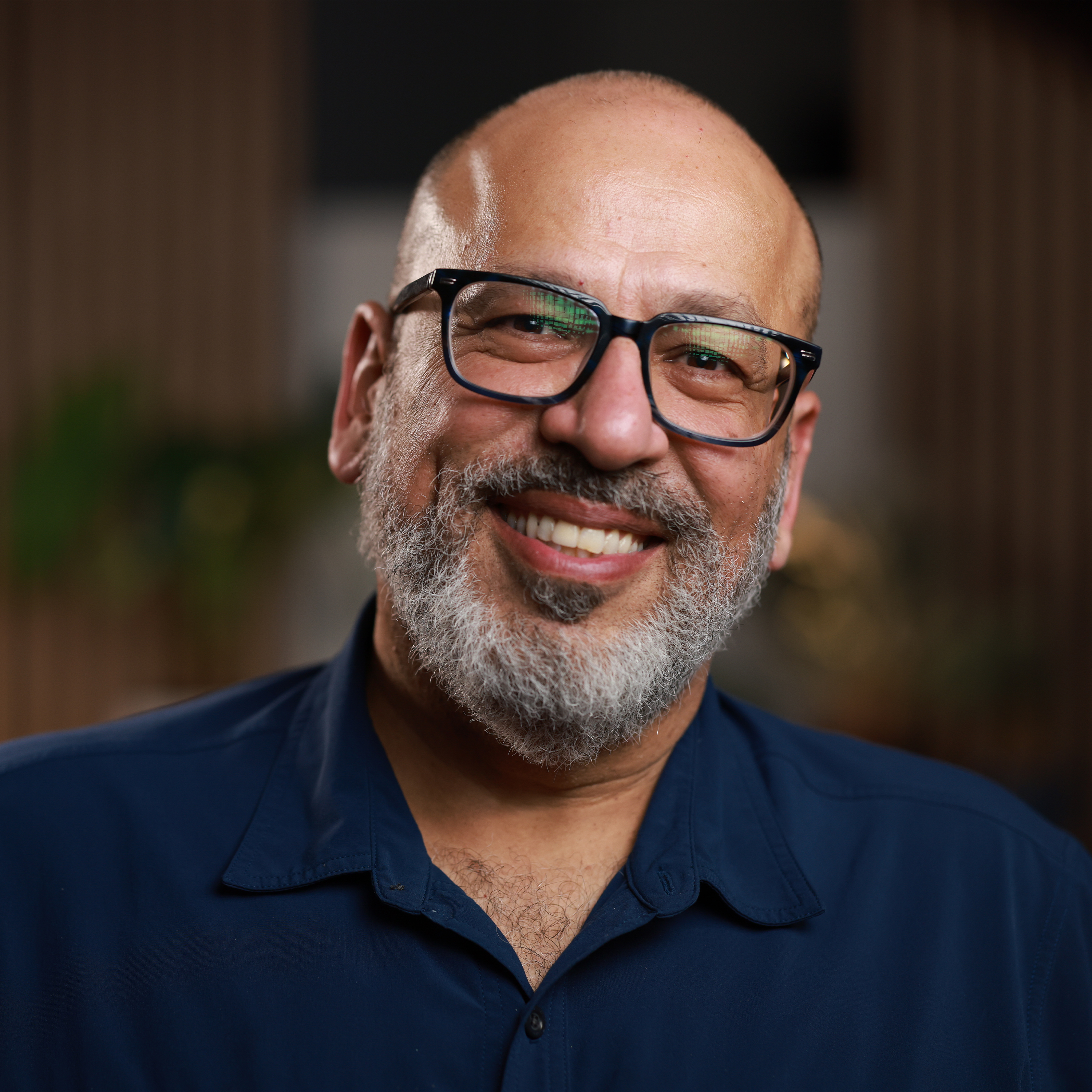
How To Recognize Alien Life | Peter Girguis
bonusThere’s no single ‘smoking gun’ for life beyond Earth. Microbiologist Peter Girguis explains the subtle fingerprints scientists hunt for—and why finding them on Mars could change everything.For more, check out the extended interview with Peter Girguis.Learn more about NOVA and subscribe to our YouTube channel.
Can We Make Animals Talk? | Erich Jarvis
bonusScientists are editing genes for human speech into mice to see if they can learn vocal patterns. Neuroscientist Erich Jarvis explains how this could unlock not just speech—but entirely new ways of thinking.For more, check out the extended interview with Erich Jarvis. Learn more about NOVA and subscribe to our YouTube channel.
S4 Ep 8De-Extinction, Dire Wolves, and Jurassic Park with Beth Shapiro
Can we bring extinct species back to life? Evolutionary biologist Beth Shapiro claims we just did. As Chief Science Officer at Colossal, her team made headlines in spring 2025 with the announcement of the de-extinction of the dire wolf. She takes us behind the headlines to explain how this is no “Jurassic Park” fantasy. She breaks down exactly how her team used ancient DNA, CRISPR genome editing, and the genomes of modern relatives to bring back lost traits and create animals capable of thriving in today’s ecosystems. Along the way, she dives into the surprising challenges of this work — from the quest for artificial wombs to the ethics of genetic engineering — and reveals how the same tools powering de-extinction are already helping endangered species survive. Learn more about NOVA and subscribe to our YouTube channel. —————————Guest Bio: Beth Shapiro is an evolutionary biologist and Chief Science Officer at Colossal, a company notably responsible for the de-extinction of the dire wolf. She is also a professor of Ecology and Evolutionary Biology at UC Santa Cruz. Her research focuses on species evolution and the continued impact of human activities, considering questions about domestication, speciation and pathogen evolution. She is also exploring techniques to recover trace amounts of DNA from samples and the possible role of genomic technologies in the fields of conservation and medicine.Timestamps(00:00) What is De-Extinction? Reviving the Dire Wolf(29:45) Ethics and Backlash for Cloning (38:10) Modifying DNA to Bring Species Back to Life(45:31) The Future of De-Extinction(54:30) Credits
De-Extinction: A How-To Guide | Beth Shapiro
bonusJurassic Park got it all wrong. Beth Shapiro would know… she’s Chief Science Officer at Colossal, the genetic engineering company that recently made headlines for bringing back the extinct dire wolf. She breaks down how de-extinction is really done, and why Jurassic Park can never happen.For more, check out the extended interview with Beth Shapiro.Learn more about NOVA and subscribe to our YouTube channel.
How AI Deepfakes Are Really Made | Hany Farid
bonusThe deepfake game is getting real. Deepfake detective Hany Farid gets under the hood of AI and explains exactly how it can now make such convincing fake content – so convincing that he himself has trouble identifying his own real voice from an AI-generated fraud. Can you spot the deepfake?For more, check out the extended interview with Hany Farid.Learn more about NOVA and subscribe to our YouTube channel.
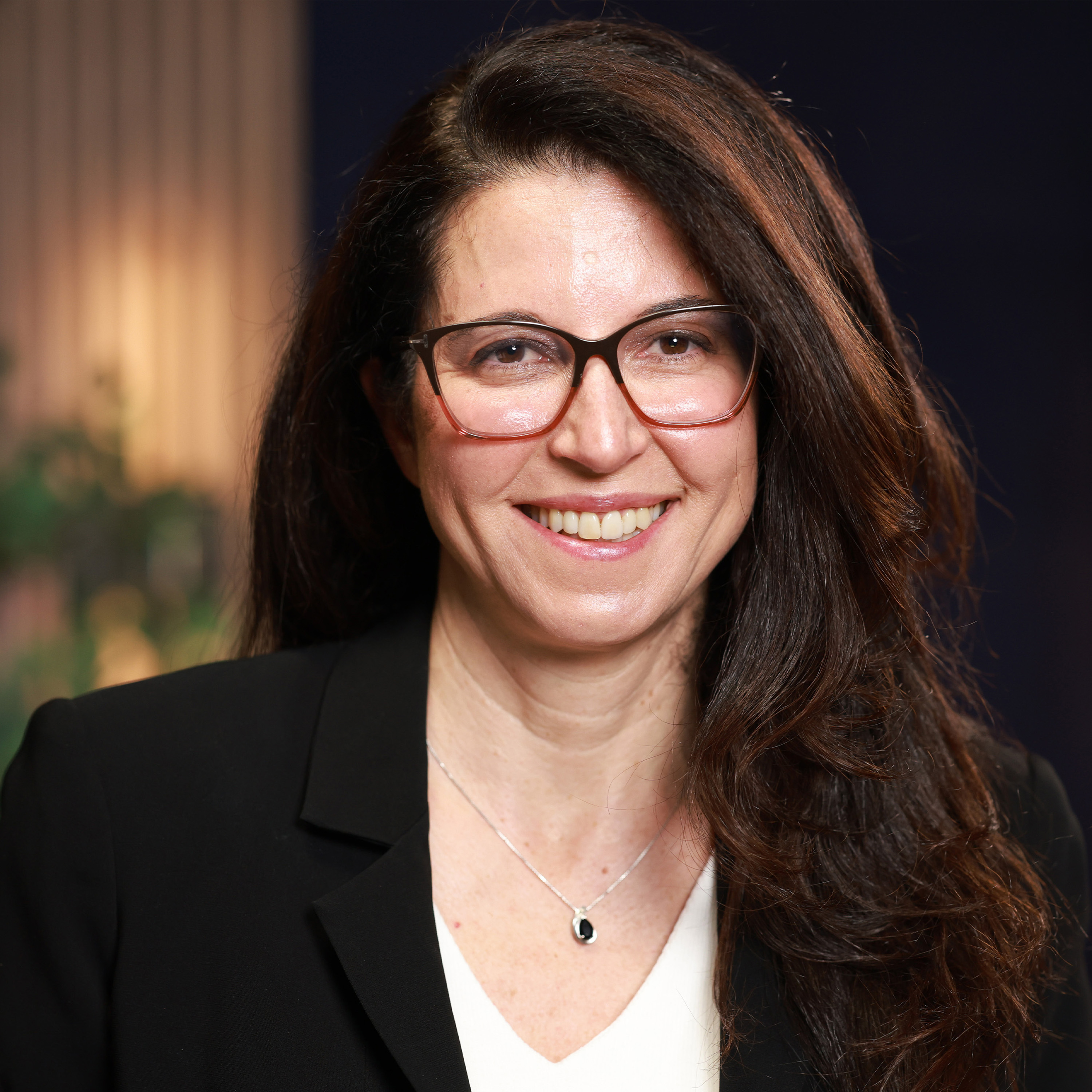
What's My Brain Doing? Goosebumps & Other Strange Phenomena | Heather Berlin
bonusEver wonder why you get déjà vu? Or why you keep losing your keys? Your brain does some weird stuff. Neuroscientist Heather Berlin explains the surprising science behind these everyday mysteries.For more, check out the extended interview with Heather Berlin.Learn more about NOVA and subscribe to our YouTube channel.
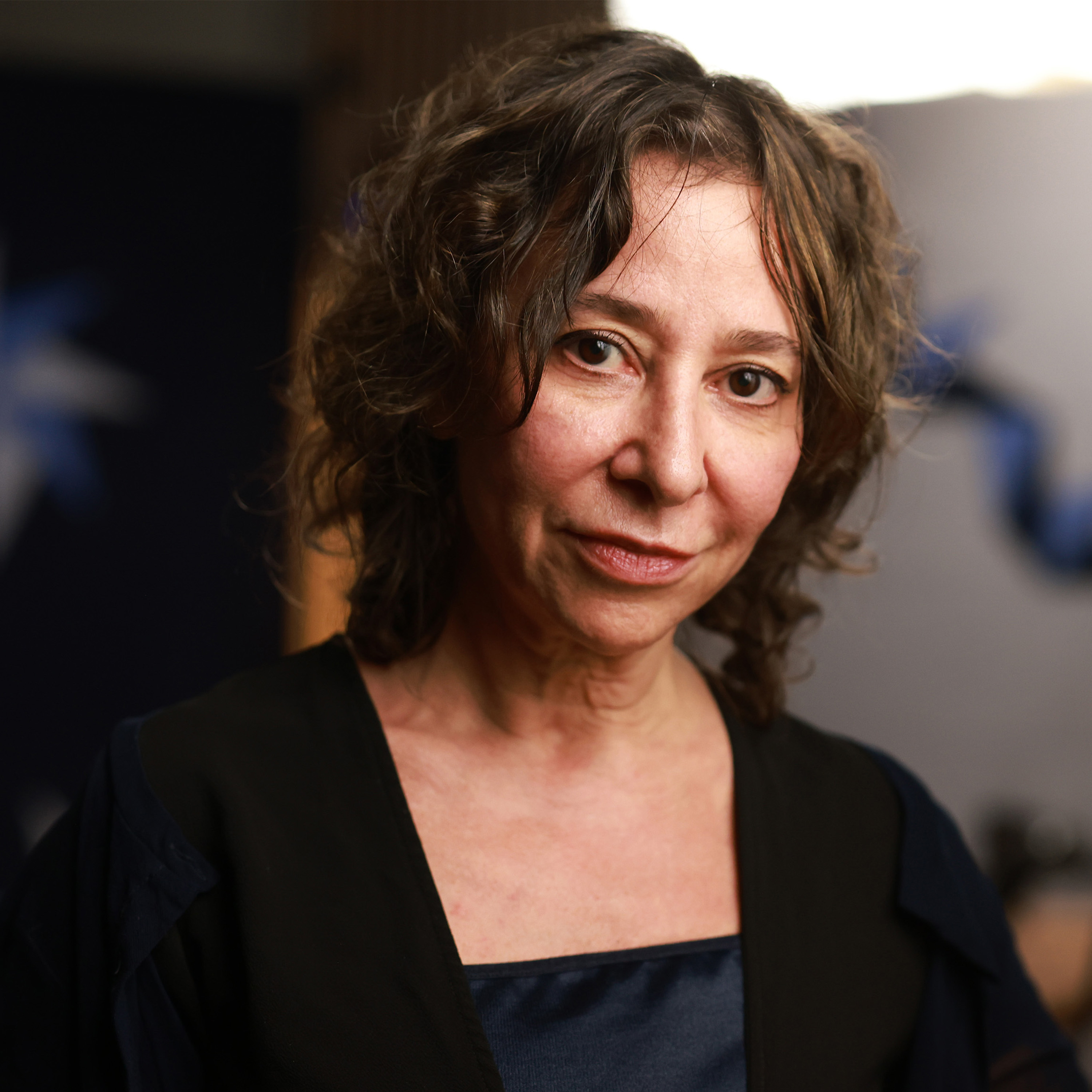
When Black Holes Collide | Janna Levin
bonusSpace itself rings with gravitational waves when black holes collide—the most powerful events detected since the Big Bang. Astrophysicist Janna Levin reveals why, when the cosmic symphony fades, the merged black hole is stripped to flawless simplicity.For more, check out the extended interview with Janna Levin.Learn more about NOVA and subscribe to our YouTube channel.

Leopard Spots on Mars? NASA’s Big Discovery, Explained | Peter Girguis
bonusCould a Martian rock hold the most promising sign of life beyond Earth? Microbiologist Peter Girguis unpacks NASA’s stunning discovery of ‘leopard spots’ on a rock from Mars’s Jezero Crater—and why they look eerily like the handiwork of microbes on our own planet.For more, check out the extended interview with Peter Girguis.Learn more about NOVA and subscribe to our YouTube channel.
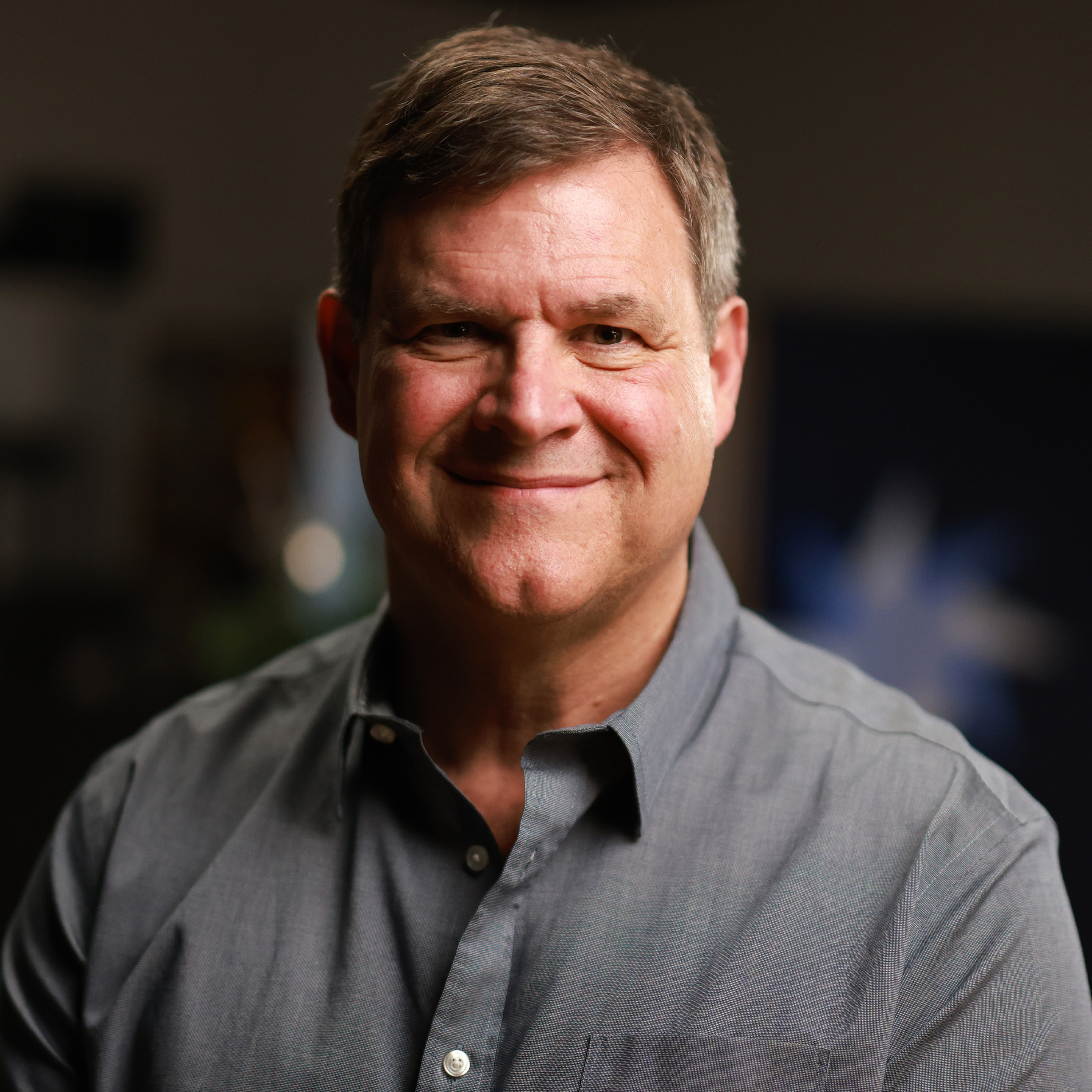
Sinkholes in Florida Reveal Amazing Fossils | Kirk Johnson
bonusA sinkhole can become a time capsule full of skeletons - layers upon layers of beasts that once walked the Earth - and Florida’s landscape is full of them. Discover the surprising science of how Florida’s sinkholes form, what they really are, and what can be found inside them. Come along with Dr. Kirk Johnson, Sant Director of the Smithsonian Institution National Museum of Natural History, as he describes what he calls "the best sinkhole experienceFor more, check out the extended interview with Kirk Johnson.Learn more about NOVA and subscribe to our YouTube channel.
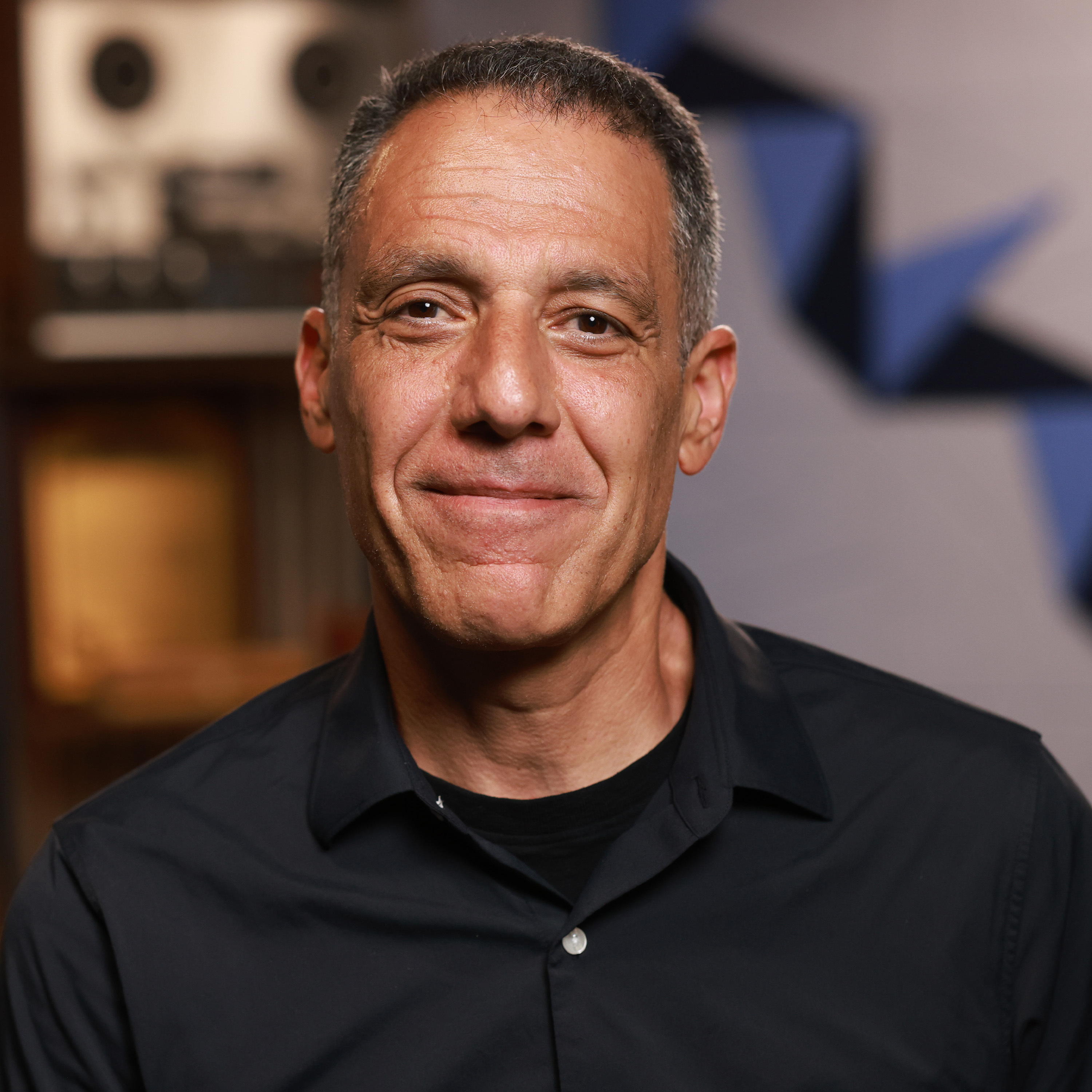
How to Detect Deepfakes: Recognizing AI-Generated Content | Hany Farid
bonusIn a world flooded with fake videos and voice recordings that seem real, how can you detect deepfakes? Turns out, there are some aspects of the physical world that are not yet known to artificial intelligence - and those gaps are the key. Expert Hany Farid reveals techniques that can be used to detect AI-generated media.For more, check out the extended interview with Hany Farid. Learn more about NOVA and subscribe to our YouTube channel.
S4 Ep 7Extremophiles, the Deep Sea, and Alien Life with Peter Girguis
What do deep-sea microbes and Martian “leopard spots” have in common? Marine biologist Peter Girguis thinks they might both hold clues to finding life beyond Earth. In this episode, he joins Hakeem for a journey from the ocean floor to outer space, sharing stories from his dives aboard the Alvin submersible and exploring how Earth’s most extreme lifeforms could help us find the first ETs. Along the way, he explains how Earth is truly a microbial planet — teeming with enough microbes to stretch across the galaxy – reshaping how we think about life, both here and out there. Learn more about NOVA and subscribe to our YouTube channel. —————————Guest Bio: Peter Girguis is a professor of Organismic and Evolutionary Biology at Harvard University. His research focuses on marine organisms, and how they adapt to extreme environments. He also works on developing novel technologies like deep sea autonomous laboratories and microbial fuel cells. Girguis appears in NOVA’s Ancient Earth seriesTimestamps(00:00:00) Microbes Rule the Planet(00:13:45) Deep Ocean Exploration(00:36:30) Signs of Life on Mars(00:54:18) Other Life in Outer Space(01:01:23) Two Truths and a Lie: Science Headlines(01:07:00) The Future of Working With Microbes(01:11:22) Credits
S4 Ep 6Bird Song and the Evolution of Language with Erich Jarvis
Talking, singing, even dancing — they all trace back to a rare superpower: vocal learning. But humans aren’t the only animals that have it. Neuroscientist Erich Jarvis has spent his career decoding the mysterious ability to imitate sounds, a key ingredient in spoken language. In this episode, he joins Hakeem to explore why only a handful of species — like parrots, dolphins, and bats — can do it, how it evolved, and what it reveals about the brain, consciousness, and culture. Plus, Erich shares how AI is helping decode animal communication and why engineering our pets to talk might actually be possible… but could fundamentally change the way they think. Learn more about NOVA and subscribe to our YouTube channel. —————————Guest Bio:Erich Jarvis is a neuroscientist investigating the mysteries of speech and vocal learning through groundbreaking research on birdsong and brain evolution. As a professor at The Rockefeller University and head of the Jarvis Lab, he explores how complex behaviors like human language arise from brain circuits and genetic pathways. Jarvis was also profiled in NOVA Wonders: What are Animals Saying.Timestamps(00:00:00) Language in Animals vs. Humans(00:10:37) Music and Vocal Learning(00:20:15) Can You Genetically Engineer Animals to Speak?(00:27:48) How Did Speech Evolve?(00:36:09) Can We Translate Animal Language? (00:42:27) Brain Size and Speech(00:48:14) Writing & Symbolic Communication (00:57:00) Conclusion(01:04:02) Credits

S4 Ep 5Neuroscience of Consciousness, Personality, and Creativity with Heather Berlin
Your brain does all kinds of strange things — and neuroscientist Heather Berlin wants to explain how it works. In this episode, she joins Hakeem to explore the mysteries of the mind: how consciousness works, how your brain constructs reality, and how you might be able to hack it to live a better life. They dive into the effects of psychedelics and meditation, and explore the future of thought in a world shaped by AI. This episode is no placebo – it really will expand your mind. Learn more about NOVA and subscribe to our YouTube channel. --------------------------Guest Bio:Heather Berlin is a neuroscientist, clinical psychologist, and associate clinical professor of psychiatry and neuroscience at the Icahn School of Medicine at Mount Sinai in New York. She is interested in how consciousness and creativity work within the brain and is also the host of NOVA’s "Your Brain" two-part special.Timestamps(00:00:00) What is Consciousness?(00:09:38) Perception Box(00:22:18) What's My Brain Doing? Deja Vu, Goosebumps & More(00:34:45) Cognitive Behavioral Therapy & Ketamine Treatment(00:44:55) Thoughts and Creative Flow States(00:58:02) Aversive Conditioning: Addiction, Anxiety, and Behavior(01:08:06) Fame & Fulfillment(01:18:02) The Future of Neuroscience(01:29:09) Credits
S4 Ep 4A Missing Law of Nature with Bob Hazen and Mike Wong
The universe loves making things complicated. From minerals and microbes to languages and societies, complexity keeps showing up — but why? Astrobiologist Mike Wong and mineralogist Bob Hazen think we’re missing a law of nature to explain this phenomenon. Hakeem sits down with them to understand – and kick the tires on – their bold new idea: what they call a Law of Increasing Functional Information. They break down how it works, why it matters, and how it could reshape our understanding of everything from life to language to the universe itself.Learn more about NOVA and subscribe to our YouTube channel. --------------------------Guest Bios:Robert Hazen is a mineralogist and astrobiologist at Carnegie Science and George Mason University. His pioneering research explores the origins of life and the evolving diversity of minerals on Earth. A prolific author and public communicator, Hazen has written widely on science, complexity, and the deep connections between the physical and biological worlds.Mike Wong is an astrobiologist and planetary scientist at Carnegie Science whose work focuses on how life begins and evolves on worlds like our own. He is also a science communicator, hosting the podcast Strange New Worlds, where he brings complex cosmic ideas to broad audiences. Wong’s research and outreach bridge cutting-edge science with big-picture questions about life in the universe.Their new book Time's Second Arrow: Evolution, Order, and a New Law of Nature will be available in February 2026.Timestamps(00:00:00) Introduction(00:05:28) Laying Out the "Law of Increasing Functional Information"(00:22:50) Functional Information: Explained(00:30:17) What is Selection? Discussing the Law(00:51:34) Testing the New Law(01:11:24) Credits

S4 Ep 3Black Holes and Quantum Weirdness with Janna Levin
Black holes get a bad rap. They’ve been cast as the monsters of the cosmos — gobbling up stars and stretching anything that gets too close into cosmic spaghetti. But Black Hole expert Janna Levin has spent her career decoding these mysterious objects, and she thinks they’re just misunderstood. In this episode, she dives into the strange physics of black holes: what they are, what they sound like, what happens if you fall into one, and how there’s a lighter side to every black hole. Janna shares why black holes might not be the end of everything — but the beginning of something even weirder.Learn more about NOVA and subscribe to our YouTube channel. --------------------------Guest Bio:Janna Levin is a professor of physics and astronomy at Barnard College of Columbia University, where she explores the profound mysteries of black holes, cosmology, and the nature of the universe. She is also the founding scientific director of Pioneer Works, a nonprofit cultural center in Brooklyn that fosters collaboration across science, art, and education. An award-winning author and renowned science communicator, Levin has written several acclaimed books, including Black Hole Blues and Other Songs from Outer Space, and has spent her career making the strange and beautiful realities of the cosmos accessible to a wide audience. She is host of NOVA’s two-part special Black Hole Apocalypse.Timestamps(00:00:00) Introduction(00:04:12) Black Holes Get a Bad Rap(00:09:08) Gravity and Free Fall(00:12:04) Black Holes 101(00:14:48) Warping Space Time(00:21:25) Is the Universe a Black Hole?(00:23:33) This Is the Century for Black Hole Discoveries(00:25:53) Ligo & Gravitational Waves(00:39:55) Black Holes Are Hairless(00:47:50) 2 Truths & a Lie, Black Hole Edition(00:52:35) Hawking Radiation(00:58:11) Black Holes Can Be Bigger on the Inside Than the Outside(01:01:15) Holography and Black Hole Information Paradox(01:04:57) Quantum Entanglement(01:12:30) Black Holes Helping to Understand Fundamental Laws of the Universe(01:16:27) Extra Dimensions(01:20:01) Credits
S4 Ep 2Deepfake Detection and the Future of AI with Hany Farid
In a world flooded with fake images, manipulated videos, and AI-generated voices, how do we know what’s real anymore? Hany Farid has made it his mission to find out. A leading voice in AI research and digital forensics, Hany works to authenticate digital media and expose the fakes. In this episode, Hakeem and Hany dive into how we got here. How does AI really work? How are deepfakes detected? And what does the future hold for truth in the digital age? Plus, Hakeem puts Hany to the test: can he tell the difference between real and AI-generated headlines? And can Hakeem tell a deepfake version of Hany from the real thing?Subscribe to our YouTube channel for more content and exclusive videos. --------------------------Guest Bio:Hany Farid is a Professor at the UC Berkeley School of Information. In addition to teaching at UC Berkeley, Hany is Chief Science Officer at GetReal Security, a company that focuses on the authentication of digital media. His research focuses on digital forensics, forensic science, misinformation, image analysis, and human perception. He has published dozens of papers on how humans relate to AI and technology.Timestamps(00:00:00) Introduction(00:06:06) What is Artificial Intelligence? (00:11:47) What are Deepfakes and How Are They Made?(00:19:30) Can You Detect a Deepfake? (00:38:51) Will AI Take Away Our Jobs? (00:52:00) The Concerns of AI (01:08:19) What Does the Future of AI Look Like?(01:25:03) Credits
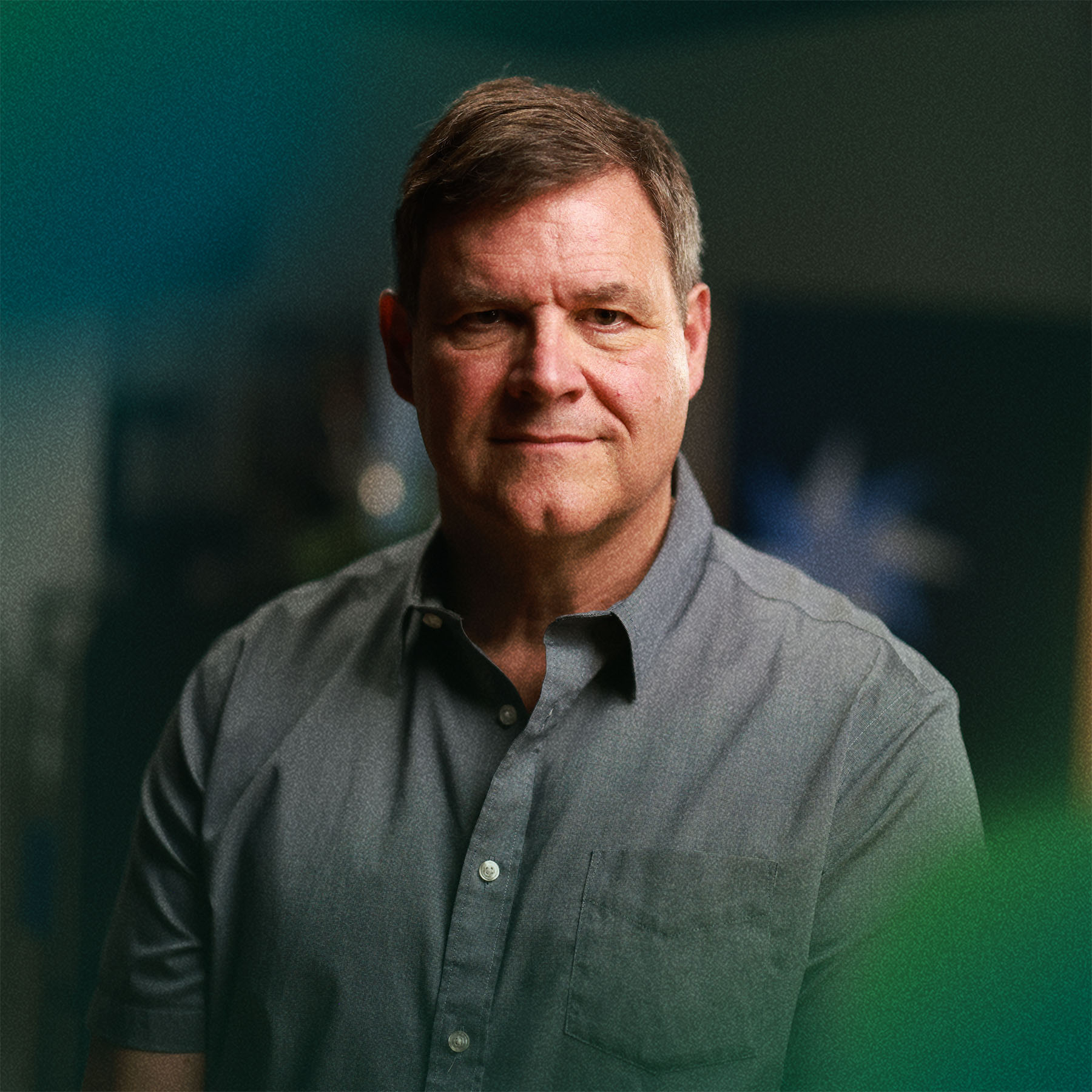
S4 Ep 1Fossil Hunting, Sinkholes, and Paleobotany with Kirk Johnson
What do fossilized leaves, an asteroid, and Florida sinkholes have in common? Dr. Kirk Johnson oversees one of the largest natural history collections on the planet, and he has the answers. He’s spent his career digging into the story of life on Earth across millions (and billions) of years. In this episode, Hakeem and Kirk explore the science of “deep time,” how fossils actually form, and the surprising origins of Earth’s oceans. Plus, Kirk shares some hot tips on fossil hunting and how to count the number of leaves on a tree … because you never know when you might need these skills.Subscribe to our YouTube channel for more content and exclusive videos. --------------------------Guest Bio:Dr. Kirk Johnson is Sant Director at the Smithsonian Institution, National Museum of Natural History, home to one of the largest natural history collections in the world. A paleobotanist by training, his research explores ancient climates and extinct ecosystems through the study of fossil plants. He has authored more than a dozen books on paleontology and natural history and has traveled extensively in search of fossils on every continent. As a science communicator, Dr. Johnson has brought the natural world to millions through hosting acclaimed NOVA documentaries such as Polar Extremes and Making North America, blending deep scientific expertise with an engaging, accessible storytelling style.Timestamps(0:00:00) Introduction(00:01:32) What is Paleobotany?(00:03:36) How Do Fossils Form?(00:10:02) The Bennu Asteroid Sample(00:17:57) Early Earth: Evolution and Extinction(00:41:58) Trees and Fossil Leaves(01:06:53) Fossil Reefs and Sinkhole Formation(01:15:53) Excavating Teen Rex(01:25:46) What Does the Future of Earth Look Like? (01:37:19) Credits
Introducing Particles of Thought
trailerWhat happens when brilliant minds collide? In Particles of Thought, astrophysicist Hakeem Oluseyi is obsessed with understanding not just what the world's greatest scientists know, but how they think. From quantum mechanics clashing with general relativity to fossil memories written in ancient rocks, each conversation captures those electrifying moments when curiosity sparks new understanding. Join Hakeem as he explores the downright bizarre, the subatomic, and the furthest reaches of the universe through the minds that dare to question everything.Subscribe to our YouTube channel for more content and exclusive videos.
S3 Ep 5The Big Bang: started from inflation, now we’re here
For tens of thousands of years, humans have pondered eternal questions like “How does our world even exist?” and “Where did we come from?” Now, more than ever, scientists are finding answers within the Big Bang theory. About 13.8 billion years ago, in a fraction of a fraction of a second, the universe expanded into being. The event, astronomers believe, was less of an explosion than a transformation of energy into matter: As this so-called inflation slowed, it gave way to matter, radiation, and all we know today. But more questions loom. To learn how scientists came up with the Big Bang theory, Dr. Alok Patel hears from a physicist and a cosmologist about the forces that shaped our early universe and the tools researchers use to peer back in time. And, he learns what scientists’ understanding of the universe’s origins can tell us about its ultimate end.Learn more about NOVA and subscribe to our YouTube channel.
S3 Ep 4Black holes: to the event horizon and beyond
Black holes: they’re dense, elusive, light-absorbing pockets of spacetime that are critical to our understanding of the universe. But black holes are difficult to peer into, so there’s a lot scientists still don’t know. This leaves some room for science fiction to take over. Tall tales of galactic adventure may pair well with popcorn, but they also blur the lines between fact and fiction. To explore what humanity knows—and what we think we know—about black holes, Dr. Alok Patel and a theoretical cosmologist journey to Earth’s closest black hole: the Milky Way’s own Sagittarius A*, approximately 26,000 light-years away. (Don’t worry; no scientists or science nerds were harmed in the making of this episode.)Learn more about NOVA and subscribe to our YouTube channel.
S3 Ep 3The hitchhiker’s guide to exoplanets and alien life
If television shows and movies are any indication, we humans spend a lot of our time subconsciously preparing for UFOs carrying maleficent aliens to descend on Earth. But should we rush to create an intergalactic battle plan? In actuality, finding otherworldly life won’t be so easy (or, hopefully, so dangerous). Already, astronomers and other scientists are using a multitude of techniques to search for planets outside our solar system and any signs of life they carry. With 4,500 exoplanets identified out of what could be hundreds of billions in our galaxy alone, one thing is becoming clear: If we find extraterrestrial life, it likely won’t be anything like Hollywood has imagined. Hearing from two exoplanet experts about the diversity of planets and life in the Milky Way, Dr. Alok Patel learns that Earth is incredibly unique—and surprisingly mundane.Learn more about NOVA and subscribe to our YouTube channel.
S3 Ep 2How to make a Milky Way: the ultimate galactic recipe
When our ancestors looked up into the night sky, they too saw a great, glimmering band of light splitting the darkness. In Southeast Asia, people called it “the Silver River.” In Southern Africa, “the Backbone of the Night.” And in the West, around 2,500 years ago, it earned the name “the Milky Way.” Across the globe, civilizations had theories of what the band of light was and why it was there. But only recently have humans had the tools to get the full picture. Today we know the Milky Way is our galaxy: two spiral arms filled with more than 100 billion stars, all rotating around a supermassive black hole. And here on our little blue planet, we’re in the middle of it all. Dr. Alok Patel speaks with two galaxy experts to find out how scientists have built the first high-resolution, three-dimensional map of the Milky Way—and what that map reveals about the formation and future of our galactic home.Learn more about NOVA and subscribe to our YouTube channel.
S3 Ep 1Fusion: Can we recreate the renewable power of stars down on Earth?
The process that powers our sun was still a mystery about 100 years ago. Bit by bit, scientists have worked out that the fusion of hydrogen at a star’s core can generate enough power to keep it shining for billions of years. Now, armed with this knowledge, researchers around the world are trying to figure out if we can recreate that fusion process here on Earth. (And yes, trying to kickstart fusion—and then contain superheated plasmas that reach temperatures up to 100 million degrees Celsius—is just as hard as it sounds.) If scientists can pull it off, the payoff could be huge: A deep understanding of stellar physics could one day lead to a virtually unlimited supply of clean energy. To discover just how, Dr. Alok Patel hears from an astrophysicist and a fusion scientist.Learn more about NOVA and subscribe to our YouTube channel.
This is NOVA Now Universe Revealed
trailerThis is NOVA Now Universe Revealed, hosted by Alok Patel, a physician, science communicator, and somewhat of a space nerd. In this special 5-part series, blast off with us to explore alien worlds, galaxies, stars, black holes, and the start of the universe including, the Big Bang. This podcast has been made possible by the Gordon and Betty Moore Foundation. Learn more about NOVA and subscribe to our YouTube channel.

S2 Ep 10Would you eat insects to help the planet?
You may think of insects as creepy-crawly pests. But for at least 2 billion people on the planet, they’re a source of nourishment. Entomophagy, the practice of eating insects, has been around for thousands of years. But it isn’t a global practice today; cuisine in Europe and the U.S. tends to exclude insects. Could that change? The culinary case for insects is a compelling one—but it’s not the only one. A 2013 UN food and agriculture report proposed insect consumption as a possible solution to global food insecurity and a mitigator of climate change. Lately, efforts by scientists and entrepreneurs have pushed this agenda forward. To learn more about edible insects and what it might take for insects to take a more prominent place on people’s plates, Dr. Alok Patel speaks with two entomologists and tours a Bay-Area based company specializing in protein-packed insect-based treats. Learn more about NOVA and subscribe to our YouTube channel.

S2 Ep 9Cryptocurrency: the future of money in a digital world?
The internet revolutionized how we communicate and exchange information. Now, it’s causing the ways in which we invest and spend money to change, laying the foundation for cryptocurrency. How this digital currency functions—much like the inner workings of the internet itself—is invisible to most. But the ongoing explosion of interest and investment in cryptocurrency is undeniable. In September, El Salvador became the first country to accept Bitcoin as legal tender. Meanwhile, China announced a ban on all crypto trading and mining. So what exactly is cryptocurrency, and how risky is it to invest in it? Is the future of money heading in a digital direction? With help from innovators paving the way for the future of money in a digital world, Dr. Alok Patel learns what the hype is all about.Learn more about NOVA and subscribe to our YouTube channel.

S2 Ep 8Cannabis: Discovering its effects on the body and brain
The cannabis industry has flowered into a billion-dollar industry in the last decade. Now, cannabis is easier than ever to legally access for medical or recreational use in the majority of U.S. states. But does legalization mean that cannabis is actually safe to use? After all, cannabis is still federally classified as a Schedule 1 controlled substance, defined by the Drug Enforcement Administration as a substance with “no currently accepted medical use and a high potential for abuse.” (Though the Senate’s Cannabis Administration and Opportunity Act proposes to end cannabis’s federal prohibition.) But even under current restrictions, some researchers have interrogated assumptions about the addictive potential of cannabinoids, the chemical compounds of the cannabis plant, and investigated their therapeutic properties. With the help of leading cannabis researchers, host Dr. Alok Patel explores current studies to find out what science can tell us about the therapeutic potential, risks, and long-term effects of cannabis on your body and brain.Learn more about NOVA and subscribe to our YouTube channel.

S2 Ep 7The case of hurricanes and climate change
The 2021 Atlantic hurricane season is half-way through and, like 2020, is expected to be another above-normal Atlantic hurricane season as estimated by NOAA’s Climate Prediction Center. As of September 14, 2021, there have been over a dozen named storms, including three major hurricanes, Grace, Ida, and Larry, that reached Category 3 status or higher. Climate computer models predict that rising ocean temperatures—warm water being fuel for hurricanes—impact storm activity; but does this mean that as our planet warms, hurricanes are actually becoming stronger and more destructive? Dr. Alok Patel speaks with climate scientists and a hurricane researcher to get inside the anatomy of tropical storms, and to better understand what the evidence shows, and what we can expect for the future.Learn more about NOVA and subscribe to our YouTube channel.

S2 Ep 6Back to school during a pandemic: experts weigh in
Back-to-school jitters are in the air as many schools across the U.S. welcome students back to in-person learning for the 2021 to 2022 school year. But, after more than a year of pandemic-related disruption and the more recent emergence of the highly infectious delta variant, excitement to get back into the classroom is met by significant concern for student health. Dr. Alok Patel speaks with a leading expert in aerosol transmission of infectious disease, an education researcher and specialist in individualized instructional interventions for students, and a developmental psychobiologist studying stress in young people. They share insights into strategies to reduce viral spread in schools and mitigate the pandemic’s effect on students’ learning, mental health, and overall well being. To learn more about the science behind kids and parenting, check out the YouTube channel “Parentalogic” hosted by Dr. Patel and comedian and mom Bethany Van Delft.Learn more about NOVA and subscribe to our YouTube channel.

S2 Ep 5Electric vehicles: infrastructural needs and environmental effects
Gasoline-powered passenger cars account for about 17% of global carbon dioxide emissions. Earlier this month, President Biden signed an executive order setting a goal that by 2030, half of all cars sold in the U.S. would be hybrid or electric. And major automakers have joined in support to make this a reality. But will a widespread switch to battery-powered cars ensure a cleaner future? And what does it take to make the shift from gas to electric? Dr. Alok Patel speaks with a leader in automobile battery development to learn the inner workings of electric vehicles, and checks in with an expert in energy and transportation systems to better understand the environmental impact and infrastructure requirements of a shift to electric.Learn more about NOVA and subscribe to our YouTube channel.

S2 Ep 4Covid Vaccines & Variants: What will it take to get out of this pandemic?
With the emergence of new variants of the coronavirus, including Delta, COVID-19 continues to spread rapidly across much of the world. In most U.S. states, a surge in cases is reigniting conversations about the country’s response to the pandemic. Dr. Alok Patel speaks with a leading epidemiologist and a specialist in infectious diseases to gain perspective on pressing concerns, from vaccine effectiveness and boosters to vaccine hesitancy, misinformation, and inequity at a national and global scale.Learn more about NOVA and subscribe to our YouTube channel.

S2 Ep 3The science of Unidentified Aerial Phenomena
Ever spotted a strange object in the sky? According to a recent report released by the U.S. government, nearly 150 aerial objects observed between 2004 and 2021 remain unidentified—with the exception of one large deflated balloon. The sightings of these objects, once called UFOs and now referred to as Unidentified Aerial Phenomena (UAP), can have a number of reasonable explanations. Cloud formations, Venus shining brightly in the night sky, or the occasional recon aircraft or government-led missile test can all be mistaken for a UAP. But what if there’s another explanation out there? Could extraterrestrial intelligence explain some sightings? To find out, Dr. Alok Patel explores the possibilities with an astrophysicist and a NASA engineer. Together, these space exploration and research innovators remind us that the truth is out there—we just need to look to science.Learn more about NOVA and subscribe to our YouTube channel.

S2 Ep 2Using technology to cope with drought
As temperatures continue to rise this summer, the U.S. is experiencing increasingly worse drought conditions with more than 93% of land in seven Western states affected. Though this decades-long dry spell is concentrated in the Western part of the country, droughts have widespread consequences, affecting everything from our national food supply to water quality. With the help of hydrologists and innovators on the ground and in the lab, Dr. Alok Patel learns about the traditional ecological knowledge of the Navajo Nation in the especially hard-hit Southwest. And he speaks with innovators applying advanced technology to agricultural practices, like drone surveillance and artificial intelligence, to prepare for and cope with drought. Learn more about NOVA and subscribe to our YouTube channel.

S2 Ep 1The science of exercise—and getting back in the game
Hey folks, it’s been a minute. But now we’re back and breaking down the science behind the headlines. This week, we’re stretching it out and exploring the science of exercise and—after more than a year of unexpected interruption—getting back in the game. Dr. Alok Patel checks in with an expert in exercise physiology and an Olympic athlete, biomechanist, and chiropractor. Together, they talk about training under lockdown, what happens to the body and mind when taking time away from intense training, and how us amateurs can safely ease back into exercise—just in time to watch the 2021 Olympic games.Learn more about NOVA and subscribe to our YouTube channel.