PLAY PODCASTS
NOVA Presents

NOVA Presents

85 episodes — Page 1 of 2

Are Black Holes Dark Matter?

Jun 11, 202632 min

Why Dark Matter Matters

Jun 9, 202627 min

Why Dark Matter Matters

Jun 9, 202627 min

Battle to Beat Malaria

May 12, 202622 min

How Many Leaves Are on a Tree? | Kirk Johnson

Apr 29, 20261 min

Decoding the Great Pyramid

Apr 28, 202621 min

The Air You Breathe Is Bacteria Poop | Peter Girguis

Apr 22, 20261 min

The Fish That Could Walk | Sean B. Carrol

Apr 15, 20261 min

When Whales Could Walk

Apr 14, 202618 min

How Close Can You Safely Get to a Black Hole? | Janna Levin

bonus

Black holes aren’t the cosmic monsters Hollywood makes them out to be. Astrophysicist Janna Levin explains why they’re so hard to detect, why they’re not as destructive as you might assume, and how you could safely orbit much closer than you think.For more, check out the extended interview with Janna Levin.Learn more about NOVA and subscribe to our YouTube channel.
Apr 8, 20261 min

A New Law of Nature? | Robert Hazen & Michael Wong

bonus

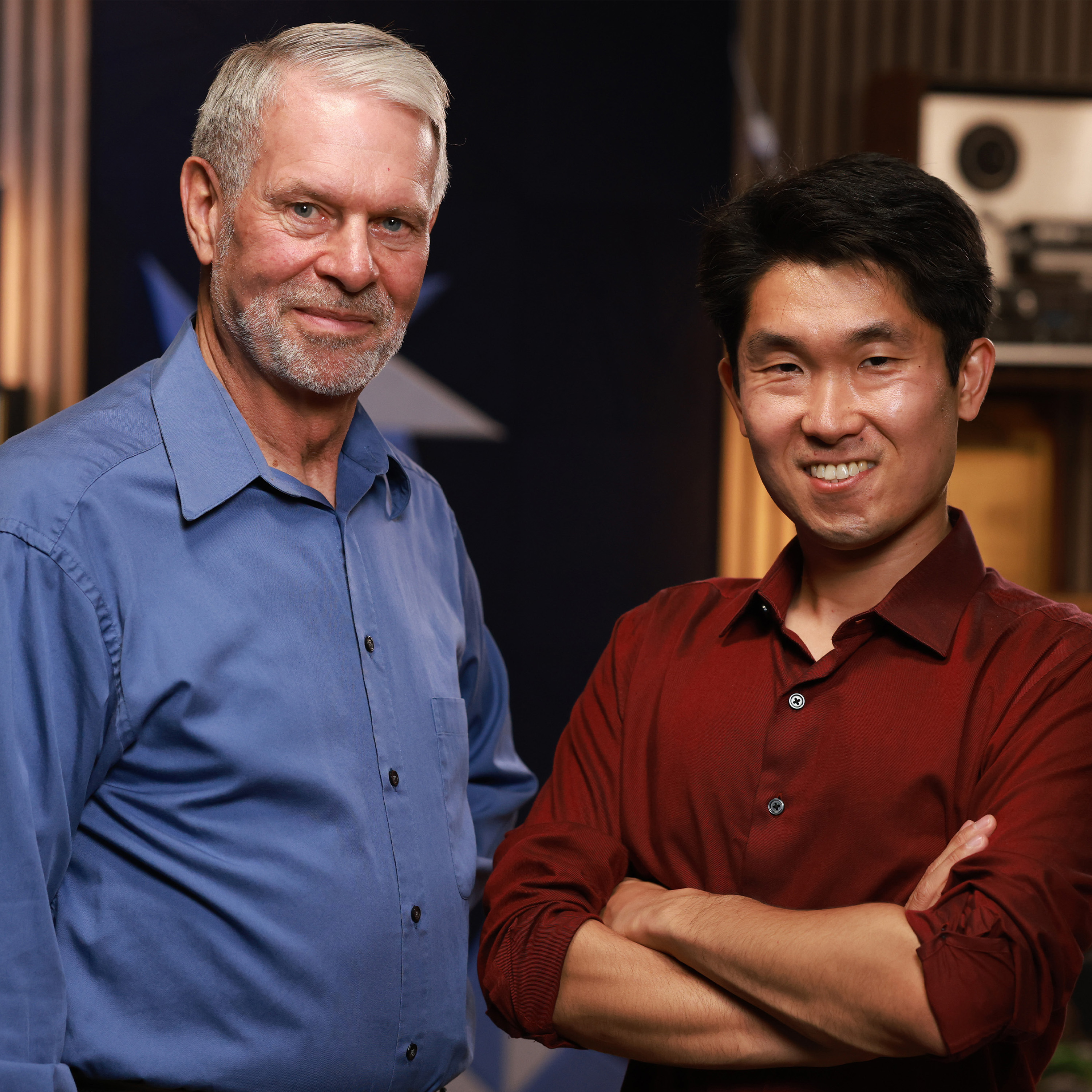
Could the universe be governed by a law we haven’t discovered yet? Mineralogist Robert Hazen and astrobiologist Michael Wong propose a new rule—the law of increasing functional information—to explain why complex systems evolve and why complexity keeps emerging over time.For more, check out the extended interview with Robert Hazen and Michael Wong.Learn more about NOVA and subscribe to our YouTube channel.
Apr 1, 20262 min

S5 Ep 5Arctic Sinkholes

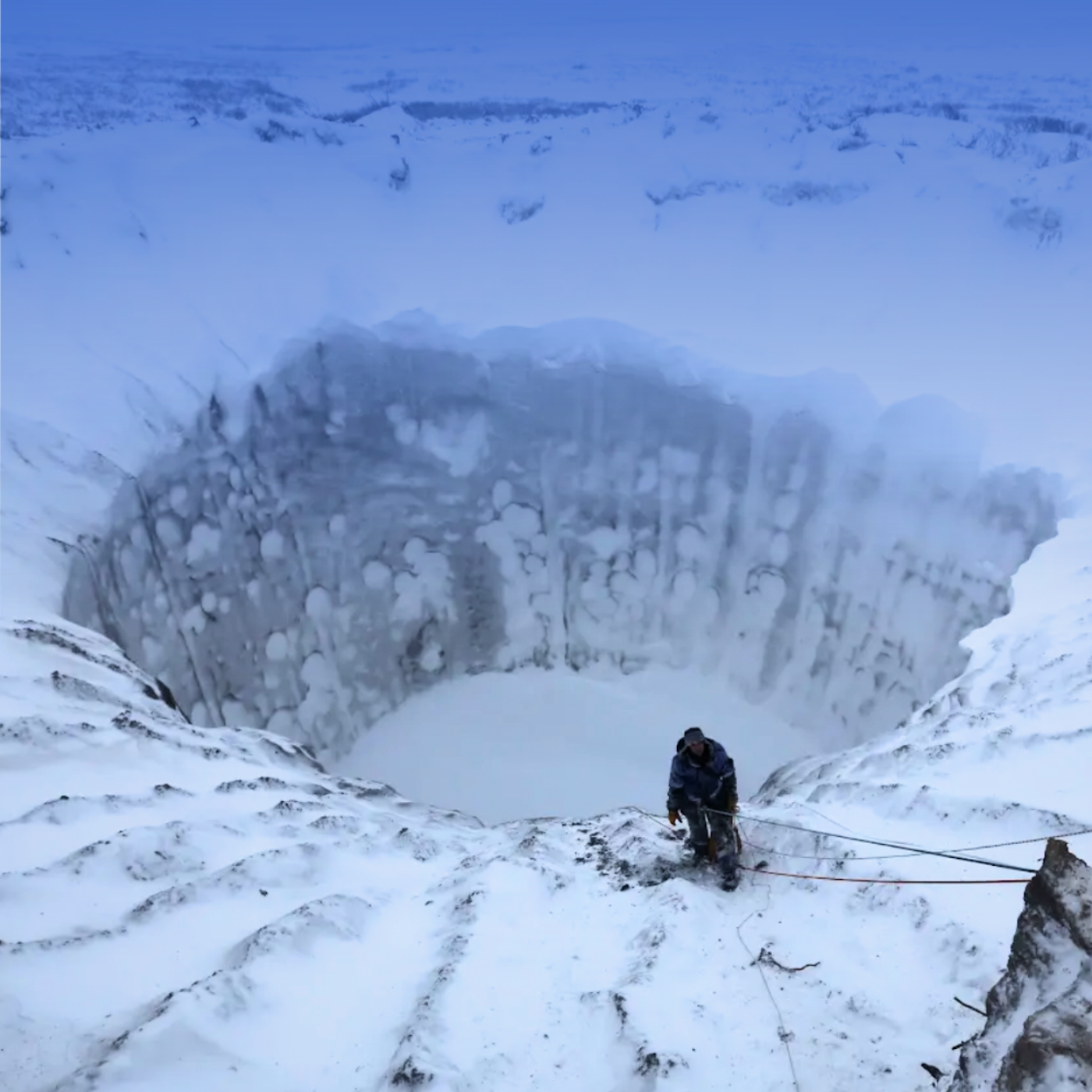
What happens when the Arctic’s ancient freezer starts to fail? Scientists have uncovered the truth behind giant sinkholes exploding from the frozen ground in Siberia, and a vast lake bubbling with methane in Alaska .They are pointing to a dramatic shift beneath our feet – one driven by thawing Arctic permafrost, the vast frozen layer that stores nearly twice as much carbon as the entire atmosphere. Learn why these geological curiosities reveal a dangerous climate wildcard – one powerful enough to accelerate global warming in ways current models don’t yet predict.To watch the full film, visit https://www.pbs.org/wgbh/nova/video/arctic-sinkholes/Learn more about NOVA and subscribe to our YouTube channel.
Mar 31, 202616 min

AI Is Coming for Blue Collar Jobs | Hany Farid

bonus

AI isn’t just coming for office jobs—it’s coming for some hands-on blue collar professions, too. AI expert Hany Farid explains which jobs are safe, and which are at risk. For more, check out the extended interview with Hany Farid. Learn more about NOVA and subscribe to our YouTube channel.
Mar 25, 20261 min

What Species Can We De-Extinct? | Beth Shapiro

bonus

Scientists claimed in 2024 that they "de-extincted" the dire wolf… so what’s next, and what determines whether a species can be brought back? Evolutionary biologist Beth Shapiro explains some of the factors that go into deciding what to try and bring back. For more, check out the extended interview with Beth Shapiro. Learn more about NOVA and subscribe to our YouTube channel.
Mar 18, 20261 min

S5 Ep 4Einstein’s Quantum Riddle

Quantum particles are breaking the rules of reality – or so it seems. Can they truly communicate across time and space instantly? Einstein dismissed this “spooky action at a distance,” convinced it exposed flaws in quantum theory. But the deeper scientists looked, the stranger the universe became. From fierce debates to important discoveries, discover how a once‑controversial quantum oddity is now reshaping how we think, how we compute, and how the future gets built.To watch the full film, visit https://www.pbs.org/wgbh/nova/video/einsteins-quantum-riddle/ Learn more about NOVA and subscribe to our YouTube channel.

Mar 17, 202620 min

Were Dinosaurs Able to Sing? | Erich Jarvis

bonus

Dinosaurs might not have been the roaring beasts many imagine. Neuroscientist Erich Jarvis explains why modern birds—living dinosaurs—offer clues about vocal learning and why dinosaurs could have been singers.For more, check out the extended interview with Erich Jarvis. Learn more about NOVA and subscribe to our YouTube channel.
Mar 11, 20260 min

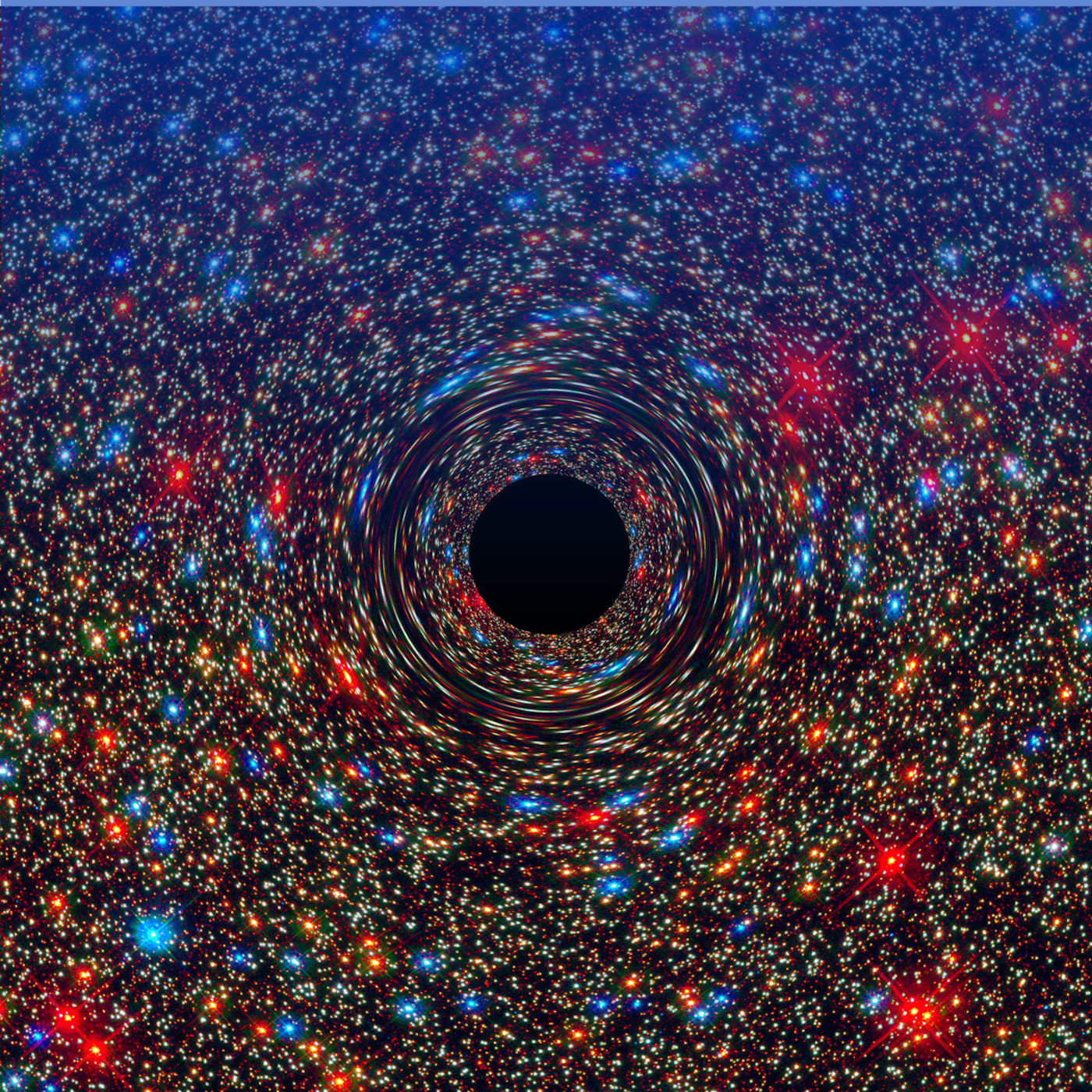
Space-Time Expansion, Explained | Adam Riess

bonus

If the universe is expanding, why aren’t galaxies stretching apart? Cosmologist Adam Riess breaks down the physics behind cosmic expansion, the forces that resist it, and why dark energy dominates the vast spaces between.For more, check out the extended interview with Adam Riess.Learn more about NOVA and subscribe to our YouTube channel.
Mar 4, 20261 min

S5 Ep 3Black Hole Apocalypse

What if black holes are hiding the answers cosmologists have been chasing for a century? Born from the explosive deaths of massive stars, black holes are so dense even light cannot escape – making them challenging to observe. But after decades of chasing the unseeable and building ever more sophisticated observation tools, researchers are now discovering that they hold profound clues about the nature of spacetime, the formation of galaxies, and the energy that powers our universe.To watch the full film, visit https://www.pbs.org/wgbh/nova/video/black-hole-apocalypse/ Learn more about NOVA and subscribe to our YouTube channel.

Mar 3, 202625 min

Your Brain’s Peak Performance Mode | Heather Berlin

bonus

Why does thinking too hard ruin your rhythm? Neuroscientist Heather Berlin unpacks the science of flow states, explaining why mastery means trusting your brain’s hidden systems to do what they do best.For more, check out the extended interview with Heather Berlin.Learn more about NOVA and subscribe to our YouTube channel.
Feb 25, 20261 min

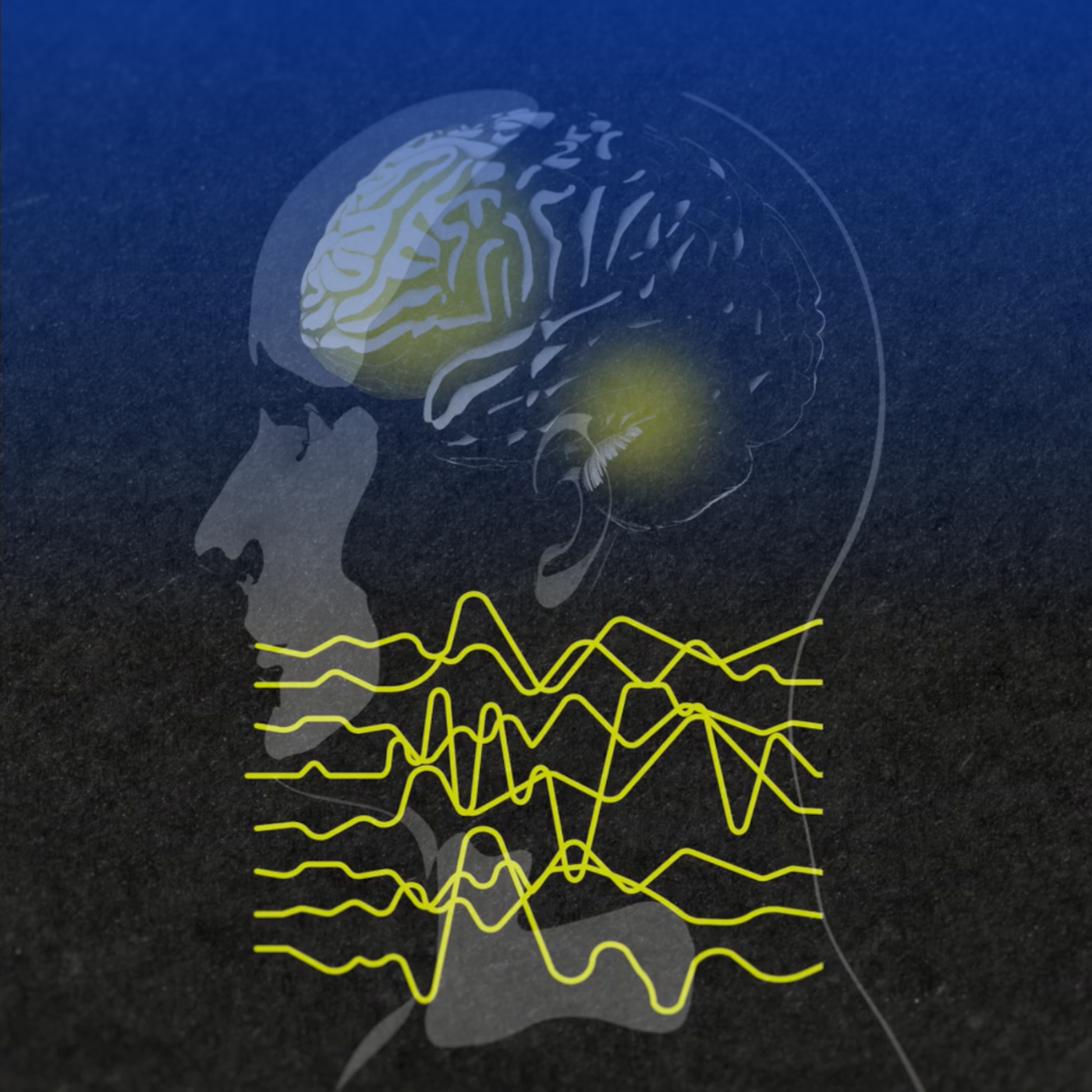
Black Hole Geometry Will Warp Your Brain | Janna Levin

bonus

Black holes can be bigger on the inside than they are on the outside. Astrophysicist Janna Levin explains how this is possible, and what that means about how black holes work. For more, check out the extended interview with Janna Levin.Learn more about NOVA and subscribe to our YouTube channel.
Feb 18, 20262 min

S5 Ep 2Your Brain: Perception and Control

Are we really in control of our own minds? Research suggests our sense of control may be far more fragile – and far stranger – than we imagine. From moments when the body seems to act without us, to the eerie ways our brains can warp what we think we’ve heard, scientists are uncovering a picture of the mind that’s anything but straightforward. And beneath it all lies a surprising discovery: the brain is less an observer of reality than a prediction engine, forever guessing what comes next.To watch the full film, visit https://www.pbs.org/wgbh/nova/series/your-brain/ Learn more about NOVA and subscribe to our YouTube channel.
Feb 17, 202618 min

What Exactly Is a Law of Nature? | Robert Hazen & Michael Wong

bonus

What’s the difference between a fact, a law, and a theory? Mineralogist Robert Hazen and astrobiologist Michael Wong unpack the hierarchy of scientific ideas and reveal how laws of nature elegantly unify the universe.For more, check out the extended interview with Robert Hazen and Michael Wong.Learn more about NOVA and subscribe to our YouTube channel.

Feb 11, 20262 min

How Many Microbes Live on Earth? | Peter Girguis

bonus

Sorry, Beyoncé, it turns out microbes rule the world. Microbiologist Peter Girguis explains how to conceptualize just how many microbes are on Earth… and how understanding this helps us look for life on other worlds. For more, check out the extended interview with Peter Girguis.Learn more about NOVA and subscribe to our YouTube channel.

Feb 4, 20261 min

S5 Ep 1Hunt for the Oldest DNA

Scientists have discovered the oldest DNA ever found: tiny fragments hidden in the dirt. The idea that soil could hold genetic traces from creatures that vanished millions of years ago seemed impossible – until one researcher had the wild idea to go and look. But how did he find DNA that most scientists thought could never survive? What forgotten worlds can this buried DNA reconstruct? And what might these revelations tell us about our own future on a rapidly changing planet?To watch the full film, visit here.Learn more about NOVA and subscribe to our YouTube channel.

Feb 3, 202619 min

Why Tropical Trees Don’t Have Rings | Kirk Johnson

bonus

Growth rings on trees can measure time, allowing scientists to date things from the deep past. But, paleobotantist Dr. Kirk Johnson explains why, in the tropics, some trees have no rings.For more, check out the extended interview with Kirk Johnson.Learn more about NOVA and subscribe to our YouTube channel.

Jan 28, 20261 min

How Weight Loss Drugs Were Inspired by Gila Monsters | Sean B. Carroll

bonus

Nature has been solving problems for billions of years. Evolutionary biologist Sean B. Carroll reveals why scientists still turn to evolution’s inventions for life-saving breakthroughs, from GLP-1 drugs to statins.For more, check out the extended interview with Sean B. Carroll.Learn more about NOVA and subscribe to our YouTube channel.

Jan 21, 20265 min

Introducing NOVA Remix

trailer

Science's most astonishing breakthroughs, from whale evolution and thawing permafrost to black holes and quantum entanglement, to the hidden chambers of the Great Pyramid. NOVA Remix transforms decades of award-winning storytelling into immersive audio adventures. Discoveries that don't just change science, they change how you see the world. Whether you're a diehard nerd or just curious by nature, subscribe and hear it like never before.Learn more about NOVA and subscribe to our YouTube channel.

Jan 20, 20261 min

De-Extincted” Dire Wolf Pups Are Growing Up | Beth Shapiro

bonus

In 2024, scientists claimed they achieved the unthinkable: the birth of dire wolf pups, reviving a species that vanished thousands of years ago. Now, those pups are growing—and changing. Evolutionary biologist Beth Shapiro reveals what it’s like to watch these predators mature into modern beasts.For more, check out the extended interview with Beth Shapiro. Learn more about NOVA and subscribe to our YouTube channel.

Jan 14, 20261 min

How AI Is Taking “Future-Proof” Jobs | Hany Farid

bonus

Is AI coming for your job? AI Expert Hany Farid breaks down how AI is taking jobs once considered “future-proof” and shares his advice to prepare young people for the future.For more, check out the extended interview with Hany Farid. Learn more about NOVA and subscribe to our YouTube channel.

Jan 7, 20261 min

S4 Ep 10Discovering Dark Energy and the Hubble Tension with Adam Riess

What does it feel like to make one of the biggest discoveries in physics? Adam Riess knows — because his work revealed that the universe isn’t just expanding, it’s accelerating. In this episode, the Nobel Prize–winning astrophysicist takes us behind the scenes of the moment that changed cosmology forever. How did his team use exploding stars as “standard candles” to measure the cosmos? Why did the data point to a mysterious force now called dark energy, making up nearly 70% of the universe? And what’s behind today’s biggest cosmic puzzle: the Hubble tension? Plus, Adam shares what new telescopes could uncover — and why the next decade might rewrite the laws of physics all over again. Learn more about NOVA and subscribe to our YouTube channel. —————————Guest Bio: Adam Riess is an astrophysicist, professor at Johns Hopkins University, and a distinguished astronomer at Space Telescope Science Institute. In 2011, he was named as a co-winner of the Nobel Prize in Physics for his contributions to the discovery that the expansion rate of the universe is accelerating. Since then, he has continued refining measurements of cosmic expansion and the Hubble constant, aiming to find and measure the most distant type Ia supernovae known, to probe the origin of cosmic acceleration.Timestamps(00:00:00) Introduction(00:03:16) What Is a Type Ia Supernova? (00:10:52) The Discovery of Dark Energy(00:44:39) What Is the Hubble Tension?(00:58:59) Winning a Nobel Prize(01:15:32) Credits

Dec 18, 20251h 15m

Hubble Tension, Explained | Adam Riess

bonus

The universe isn’t adding up—and it’s creating a crisis in cosmology. Nobel Prize winner Adam Riess explains why measurements of the universe’s expansion rate from its earliest light and from nearby galaxies don’t match, and how this growing gap threatens the foundations of our standard model of the cosmos.For more, check out the extended interview with Adam RiessLearn more about NOVA and subscribe to our YouTube channel.

Dec 17, 20258 min

Einstein’s “Biggest Blunder” | Adam Riess

bonus

Discovering dark energy wasn’t just thrilling—it was terrifying. Nobel Prize Winner Adam Riess explains the nerve-wracking process behind confirming that the universe’s expansion is accelerating and why Einstein’s so-called “biggest blunder” turned out to be anything but.For more, check out the extended interview with Adam RiessLearn more about NOVA and subscribe to our YouTube channel.

Dec 15, 20256 min

How Fame Affects the Brain | Heather Berlin

bonus

Fame can hijack the brain like a drug—activating the same reward circuits that fuel a relentless chase for dopamine highs. Neuroscientist Heather Berlin reveals the antidote—and why even social media fame can trigger this cycle.For more, check out the extended interview with Heather Berlin.Learn more about NOVA and subscribe to our YouTube channel.

Dec 11, 20259 min

How Fossils Form and How to Find Them | Kirk Johnson

bonus

Fossilization isn’t luck - it’s geology. Paleobotanist Kirk Johnson explains how fossils only form in certain conditions, the tricks to finding them, and why one fossil leaf can lead to thousands more. For more, check out the extended interview with Kirk Johnson.Learn more about NOVA and subscribe to our YouTube channel.

Dec 10, 202515 min

Why Only Some Species Can Talk—and Dance | Erich Jarvis

bonus

Speech is rare in the animal kingdom because it requires a very specific brain architecture. Neuroscientist Erich Jarvis explains how duplicating neural pathways for movement unlocked language, dancing, and even advanced problem-solving in more than just humans.For more, check out the extended interview with Erich Jarvis. Learn more about NOVA and subscribe to our YouTube channel.

Dec 8, 20259 min

S4 Ep 9Evolution of New Species, Venom, Wings, and More with Sean B. Carroll

How does evolution invent entirely new things, like limbs, wings, and venom? Evolutionary biologist Sean B. Carroll joins us to reveal the hidden rules behind nature’s creativity and the genetic toolkit that makes it possible. Carroll explains how the same set of genes can build wildly different creatures — from fruit flies to lobsters — simply by rewiring their genetic circuits. Discover why developmental biology holds the key to understanding evolution, how snake venom evolved, and why medicines like GLP-1 drugs and statins trace their origins to nature’s own innovations. Plus, what the emergence of new species tells us about life’s future and the surprising power of evolution to repurpose old parts in new ways. Learn more about NOVA and subscribe to our YouTube channel. —————————Guest Bio: Sean B. Carroll is a renowned evolutionary biologist and author whose work has inspired a deeper public understanding of evolution and the natural world. He is an Investigator at Howard Hughes Medical Institute (HHMI), where he was formerly Head of HHMI Tangled Bank Studios, and led the Department of Science Education from 2010-2023. He is also a Professor of Biology at the University of Maryland. His research focuses on genes that influence the evolution of animal diversity.Timestamps(00:00:00) How Does A New Species Evolve?(00:12:54) The Process of Speciation: Use It or Lose It(00:36:22) Development: What the Fruit Fly Taught Us(00:55:37) The Evolution of Defense Mechanisms & Developing Medications(01:19:55) The Role of Chance in Evolution(01:24:22) Credits

Dec 4, 20251h 23m

How the Fruit Fly Revolutionized Biology | Sean B. Carroll

bonus

From legs on heads to missing eyes, fruit fly mutations exposed the genetic toolkit that builds all animals. Evolutionary Biologist Sean B. Carroll shows how these discoveries rewrote our understanding of evolution.For more, check out the extended interview with Sean B. Carroll.Learn more about NOVA and subscribe to our YouTube channel.

Dec 3, 202512 min

The Evolution of Venom & Antivenom | Sean B. Carroll

bonus

From snakes to jellyfish, venom is one of evolution’s most lethal inventions. Evolutionary Biologist Sean B. Carroll reveals how this deadly innovation emerged—and the new science behind antivenom inspired by nature’s own defenses.For more, check out the extended interview with Sean B. Carroll.Learn more about NOVA and subscribe to our YouTube channel.

Dec 1, 202512 min

A Black Hole Is a Place, Not a Thing | Janna Levin

bonus

The edge of a black hole isn’t what you think. Astrophysicist Janna Levin dives into the event horizon, the one-way transition where space and time warp so much that escape becomes as impossible as reversing the clock.For more, check out the extended interview with Janna Levin.Learn more about NOVA and subscribe to our YouTube channel.

Nov 30, 20254 min

How To Recognize Alien Life | Peter Girguis

bonus

There’s no single ‘smoking gun’ for life beyond Earth. Microbiologist Peter Girguis explains the subtle fingerprints scientists hunt for—and why finding them on Mars could change everything.For more, check out the extended interview with Peter Girguis.Learn more about NOVA and subscribe to our YouTube channel.

Nov 26, 20259 min

Can We Make Animals Talk? | Erich Jarvis

bonus

Scientists are editing genes for human speech into mice to see if they can learn vocal patterns. Neuroscientist Erich Jarvis explains how this could unlock not just speech—but entirely new ways of thinking.For more, check out the extended interview with Erich Jarvis. Learn more about NOVA and subscribe to our YouTube channel.

Nov 24, 20257 min

S4 Ep 8De-Extinction, Dire Wolves, and Jurassic Park with Beth Shapiro

Can we bring extinct species back to life? Evolutionary biologist Beth Shapiro claims we just did. As Chief Science Officer at Colossal, her team made headlines in spring 2025 with the announcement of the de-extinction of the dire wolf. She takes us behind the headlines to explain how this is no “Jurassic Park” fantasy. She breaks down exactly how her team used ancient DNA, CRISPR genome editing, and the genomes of modern relatives to bring back lost traits and create animals capable of thriving in today’s ecosystems. Along the way, she dives into the surprising challenges of this work — from the quest for artificial wombs to the ethics of genetic engineering — and reveals how the same tools powering de-extinction are already helping endangered species survive. Learn more about NOVA and subscribe to our YouTube channel. —————————Guest Bio: Beth Shapiro is an evolutionary biologist and Chief Science Officer at Colossal, a company notably responsible for the de-extinction of the dire wolf. She is also a professor of Ecology and Evolutionary Biology at UC Santa Cruz. Her research focuses on species evolution and the continued impact of human activities, considering questions about domestication, speciation and pathogen evolution. She is also exploring techniques to recover trace amounts of DNA from samples and the possible role of genomic technologies in the fields of conservation and medicine.Timestamps(00:00) What is De-Extinction? Reviving the Dire Wolf(29:45) Ethics and Backlash for Cloning (38:10) Modifying DNA to Bring Species Back to Life(45:31) The Future of De-Extinction(54:30) Credits

Nov 20, 202554 min

De-Extinction: A How-To Guide | Beth Shapiro

bonus

Jurassic Park got it all wrong. Beth Shapiro would know… she’s Chief Science Officer at Colossal, the genetic engineering company that recently made headlines for bringing back the extinct dire wolf. She breaks down how de-extinction is really done, and why Jurassic Park can never happen.For more, check out the extended interview with Beth Shapiro.Learn more about NOVA and subscribe to our YouTube channel.

Nov 19, 202512 min

How AI Deepfakes Are Really Made | Hany Farid

bonus

The deepfake game is getting real. Deepfake detective Hany Farid gets under the hood of AI and explains exactly how it can now make such convincing fake content – so convincing that he himself has trouble identifying his own real voice from an AI-generated fraud. Can you spot the deepfake?For more, check out the extended interview with Hany Farid.Learn more about NOVA and subscribe to our YouTube channel.

Nov 17, 202513 min

What's My Brain Doing? Goosebumps & Other Strange Phenomena | Heather Berlin

bonus

Ever wonder why you get déjà vu? Or why you keep losing your keys? Your brain does some weird stuff. Neuroscientist Heather Berlin explains the surprising science behind these everyday mysteries.For more, check out the extended interview with Heather Berlin.Learn more about NOVA and subscribe to our YouTube channel.

Nov 13, 20259 min

When Black Holes Collide | Janna Levin

bonus

Space itself rings with gravitational waves when black holes collide—the most powerful events detected since the Big Bang. Astrophysicist Janna Levin reveals why, when the cosmic symphony fades, the merged black hole is stripped to flawless simplicity.For more, check out the extended interview with Janna Levin.Learn more about NOVA and subscribe to our YouTube channel.

Nov 12, 20258 min

Leopard Spots on Mars? NASA’s Big Discovery, Explained | Peter Girguis

bonus

Could a Martian rock hold the most promising sign of life beyond Earth? Microbiologist Peter Girguis unpacks NASA’s stunning discovery of ‘leopard spots’ on a rock from Mars’s Jezero Crater—and why they look eerily like the handiwork of microbes on our own planet.For more, check out the extended interview with Peter Girguis.Learn more about NOVA and subscribe to our YouTube channel.

Nov 10, 20256 min

Sinkholes in Florida Reveal Amazing Fossils | Kirk Johnson

bonus

A sinkhole can become a time capsule full of skeletons - layers upon layers of beasts that once walked the Earth - and Florida’s landscape is full of them. Discover the surprising science of how Florida’s sinkholes form, what they really are, and what can be found inside them. Come along with Dr. Kirk Johnson, Sant Director of the Smithsonian Institution National Museum of Natural History, as he describes what he calls "the best sinkhole experienceFor more, check out the extended interview with Kirk Johnson.Learn more about NOVA and subscribe to our YouTube channel.

Nov 6, 20257 min

How to Detect Deepfakes: Recognizing AI-Generated Content | Hany Farid

bonus

In a world flooded with fake videos and voice recordings that seem real, how can you detect deepfakes? Turns out, there are some aspects of the physical world that are not yet known to artificial intelligence - and those gaps are the key. Expert Hany Farid reveals techniques that can be used to detect AI-generated media.For more, check out the extended interview with Hany Farid. Learn more about NOVA and subscribe to our YouTube channel.

Nov 5, 202513 min

S4 Ep 7Extremophiles, the Deep Sea, and Alien Life with Peter Girguis

What do deep-sea microbes and Martian “leopard spots” have in common? Marine biologist Peter Girguis thinks they might both hold clues to finding life beyond Earth. In this episode, he joins Hakeem for a journey from the ocean floor to outer space, sharing stories from his dives aboard the Alvin submersible and exploring how Earth’s most extreme lifeforms could help us find the first ETs. Along the way, he explains how Earth is truly a microbial planet — teeming with enough microbes to stretch across the galaxy – reshaping how we think about life, both here and out there. Learn more about NOVA and subscribe to our YouTube channel. —————————Guest Bio: Peter Girguis is a professor of Organismic and Evolutionary Biology at Harvard University. His research focuses on marine organisms, and how they adapt to extreme environments. He also works on developing novel technologies like deep sea autonomous laboratories and microbial fuel cells. Girguis appears in NOVA’s Ancient Earth seriesTimestamps(00:00:00) Microbes Rule the Planet(00:13:45) Deep Ocean Exploration(00:36:30) Signs of Life on Mars(00:54:18) Other Life in Outer Space(01:01:23) Two Truths and a Lie: Science Headlines(01:07:00) The Future of Working With Microbes(01:11:22) Credits

Nov 3, 20251h 10m