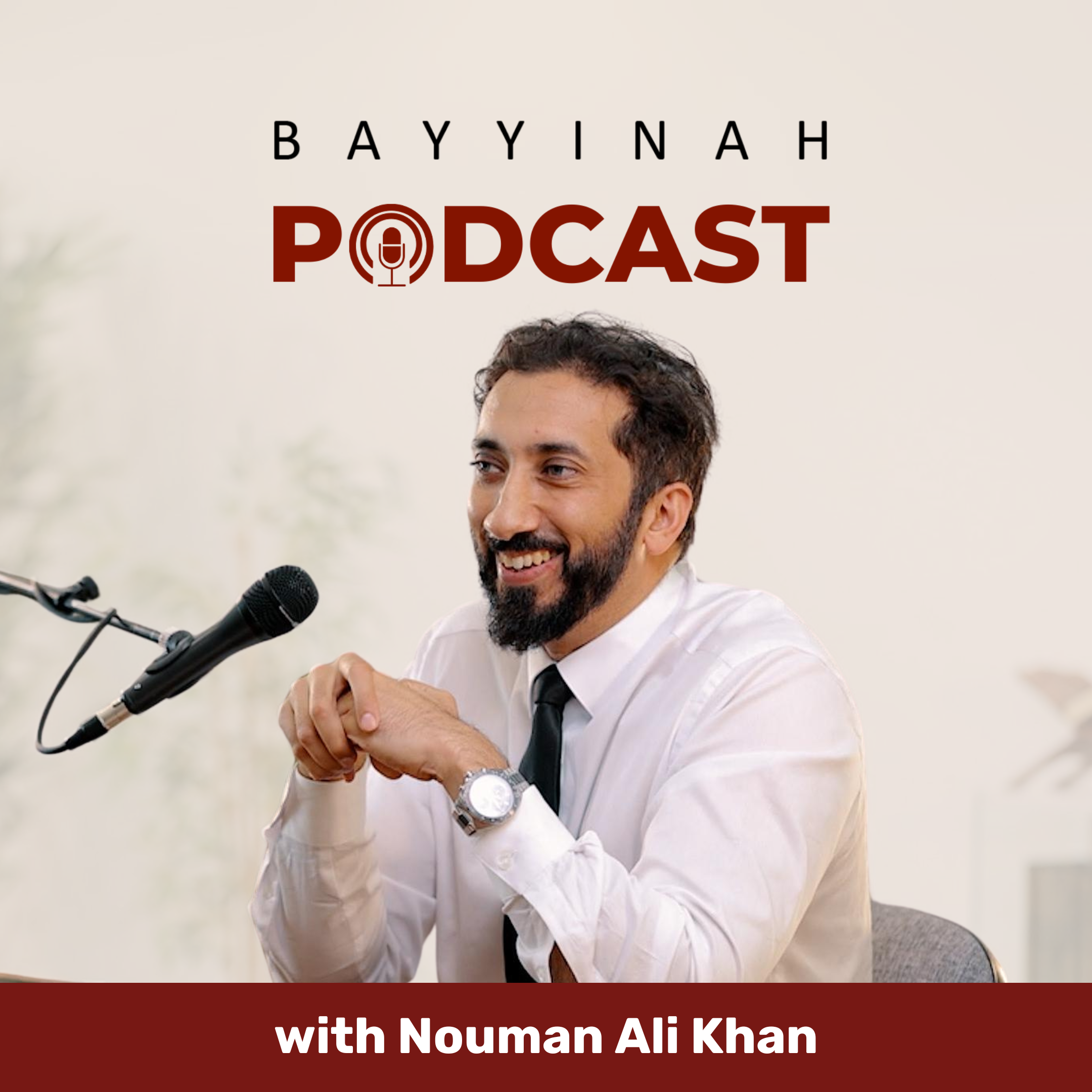
Nouman Ali Khan: Bayyinah Podcast
955 episodes — Page 6 of 20

S32 Ep 1010. Wisdom in the Quran | Hikmah in the Quran | Dhul Hijjah Series
Read Dr. Saqib Hussain's paper on 'Wisdom in the Quran': https://signup.bayyinahtv.com/hikmah-... Throughout my years of studying the Quran, I am grateful to have come across some remarkable individuals who have opened the doors for me to understand the Quran in new ways, and allowed me to take advantage of their incredible work which I then aim to present to all of you through my classes and lectures.Dr. Saqib Hussain is one such person. I benefited greatly from his pioneering study on the concept of hikmah (wisdom) in the Quran, and used it as a source of inspiration to deliver a new short series for you all which we'll be releasing over these first ten days of Dhul-Hijjah.I had the pleasure of discussing Dr. Saqib's thesis 'Wisdom in the Quran' with him in Manchester. -----------------------------------------------------------------------------------------------For a more personalized and structured approach to studying the Quran and Arabic, sign up for Bayyinah TV at www.bayyinahtv.com. To explore our latest books, upcoming events, contests and much more, sign up for our newsletter at www.bayyinah.com.
S33 Ep 505. Maqamat | Maqam Bayati | The Art of Quran Recitation
Get started now with the Maqamat challenge at https://www.maqamat.net/challenge-pag...In today's maqamat episode, we're delighted with the calm, yet heavy and powerful sounds of Maqam Bayati.After listening, Ustadh Nouman recalls that he fell in love with this tone by listening to it from a young age. This particular maqam is also reflected in the widely recognisable 'mujawwad' style of recitation.What do you think of this maqam?The method used in this series for learning each maqam will consist of:1) Learning about the origins2) Humming the tone3) Reciting Al-Fatihah4) Reciting the Adhan-----------------------------------------------------------------------------------------------For a more personalized and structured approach to studying the Quran and Arabic, sign up for Bayyinah TV at www.bayyinahtv.com. To explore our latest books, upcoming events, contests and much more, sign up for our newsletter at www.bayyinah.com.
S32 Ep 909. Law & Wisdom MUST Be Together | Hikmah in the Quran | Dhul Hijjah Series
Read Dr. Saqib Hussain's paper on 'Wisdom in the Quran': https://signup.bayyinahtv.com/hikmah-... In Episode 9 of the Hikmah in the Quran series, Ustadh Nouman Ali Khan shares the reason why the law and wisdom must be applied together, and shareS a couple of examples of drive this point home.-----------------------------------------------------------------------------------------------For a more personalized and structured approach to studying the Quran and Arabic, sign up for Bayyinah TV at www.bayyinahtv.com. To explore our latest books, upcoming events, contests and much more, sign up for our newsletter at www.bayyinah.com.
S33 Ep 404. Maqamat | Maqam Ajam | The Art of Quran Recitation
Get started now with the Maqamat challenge at https://www.maqamat.net/challenge-pag...Today, Ustadh Nouman is learning Maqam Ajam with Qari Ibrahim. in a touching personal story, Qari Ibrahim relates that his own wife embraced Islam after listening to maqamat such as Maqam Ajam.This Maqam is widely recognisable, and as such, Ustadh impresses Qari Ibrahim with his skills of tuning his voice to match the correct tone.The method used in this series for learning each maqam will consist of:1) Learning about the origins2) Humming the tone3) Reciting Al-Fatihah4) Reciting the Adhan-----------------------------------------------------------------------------------------------For a more personalized and structured approach to studying the Quran and Arabic, sign up for Bayyinah TV at www.bayyinahtv.com. To explore our latest books, upcoming events, contests and much more, sign up for our newsletter at www.bayyinah.com.
S32 Ep 808. Wisdom In Marriage & Divorce | Hikmah in the Quran | Dhul Hijjah Series
Read Dr. Saqib Hussain's paper on 'Wisdom in the Quran': https://signup.bayyinahtv.com/hikmah-... In Episode 8 of the Hikmah in the Quran series, Ustadh Nouman Ali Khan begins to explain how the Quran approaches marriage and relationships in light of wisdom. Why are there so few verses describing how to have a good marriage, whereas the verses in divorce are much more?-----------------------------------------------------------------------------------------------For a more personalized and structured approach to studying the Quran and Arabic, sign up for Bayyinah TV at www.bayyinahtv.com. To explore our latest books, upcoming events, contests and much more, sign up for our newsletter at www.bayyinah.com.
S32 Ep 707. What Does Wisdom Look Like? | Hikmah in the Quran | Dhul Hijjah Series
Read Dr. Saqib Hussain's paper on 'Wisdom in the Quran': https://signup.bayyinahtv.com/hikmah-... In Episode 7 of the Hikmah in the Quran series, Ustadh Nouman Ali Khan emphasises how wisdom can change on a case-by-case basis, and why its implication may be different for each of us depending on our own situations.-----------------------------------------------------------------------------------------------For a more personalized and structured approach to studying the Quran and Arabic, sign up for Bayyinah TV at www.bayyinahtv.com. To explore our latest books, upcoming events, contests and much more, sign up for our newsletter at www.bayyinah.com.
S32 Ep 606. Being Good To Our Parents | Hikmah in the Quran | Dhul Hijjah Series
Read Dr. Saqib Hussain's paper on 'Wisdom in the Quran': https://signup.bayyinahtv.com/hikmah-... In Episode 6 of the Hikmah in the Quran series, Ustadh Nouman Ali Khan shares the crucial differences between the law and wisdom, and exemplifies this through the concept of being good to our parents as mentioned in the Quran.-----------------------------------------------------------------------------------------------For a more personalized and structured approach to studying the Quran and Arabic, sign up for Bayyinah TV at www.bayyinahtv.com. To explore our latest books, upcoming events, contests and much more, sign up for our newsletter at www.bayyinah.com.
S31 Ep 6060. Akhri Moujza | Breaking the Walls | Urdu Series
In episode 60 of Akhri Moujza, Ustadh Nouman Ali Khan starts with the “mirror order within an Ayah” and gives the example of Ayat-Al-Kursi. He then highlights the criticizing/rating culture of the modern era and explains why we can’t study the Quran with the baggage of worldly literature, and how we should approach the Quran with the right and clear mindset.Then Ustadh Nouman shares his experience of Dora-at-Tadabbur-al-Quran in Oman. The main goal of that event was to understand, “How does this Ayah affect my heart?” Ustadh explains that there are invisible walls between the Quran and our hearts, and the need of the hour is to break those walls and become a conscious Muslim.آخری معجزہ کی اس قسط  60 میں استاد نعمان علی خان نے "آیت میں عکسی ترتیب" سے آغاز کیا اور اس موضوع کے زیرِ بحث آیۃالکرسی کی مثال دی۔ استاد نعمان نے آج کے جدید دور کے تنقیدی رواج کو نمایاں کیا اور کہا کہ ہمیں اس دنیا کے ادب اور انسانی کلام کو مدّ نظر رکھتے ہوئے قرآن کو نہیں پرکھنا چاہئے بلکہ جب بھی قرآن کو پڑھیں تو درست ذہنیت کے ساتھ پڑھیں اور اس کی آیات  پر تدبر کریں۔آخر میں استاد نے اومان کے دورہ التدبّر القرآن کے بارے میں بتایا اور کہا کہ اس کا مقصد صرف اور صرف یہ تھا کہ ہم اس بات پر تدبر کریں کہ "یہ آیت میرے دل پر کس طرح سے اثر کرتی ہے۔" استاد نعمان نے اس بات کی وضاحت کی کہ قرآن اور ہمارے دلو ں کے مابین نہ نظر آنے والی دیواریں ہیں اور اب وقت کا تقاضا یہ ہے کہ ہم ان دیواروں کہ گرائیں اور عقلی و شعوری طور پر مسلمان ہونے کا ثبوت دیں۔-----------------------------------------------------------------------------------------------For a more personalized and structured approach to studying the Quran and Arabic, sign up for Bayyinah TV at www.bayyinahtv.com. To explore our latest books, upcoming events, contests and much more, sign up for our newsletter at www.bayyinah.com.
S32 Ep 505. How Allah Describes Wisdom | Hikmah in the Quran | Dhul Hijjah Series
Read Dr. Saqib Hussain's paper on 'Wisdom in the Quran': https://signup.bayyinahtv.com/hikmah-... In Episode 5 of the Hikmah in the Quran series, Ustadh Nouman Ali Khan begins to explain what the Quran itself considers to be hikmah, compared to previous scriptures.-----------------------------------------------------------------------------------------------For a more personalized and structured approach to studying the Quran and Arabic, sign up for Bayyinah TV at www.bayyinahtv.com. To explore our latest books, upcoming events, contests and much more, sign up for our newsletter at www.bayyinah.com.
S31 Ep 5959. Akhri Moujza | How Quranic Surahs Start and End (The Connection) | Urdu Series
This week in Episode 59 of Akhri Moujza, Ustadh Nouman Ali Khan covers two topics. The first one is the “beginning and ending of a Surah”. Not to be confused with Episode 56 in which Ustadh described the connections between the ending of one surah and the beginning of the next, this time he demonstrates the remarkable comparisons between the start and the end of the same surah. The Quran shows this pattern with almost every other Surah. Ustadh gave several examples of this in this video.The second topic Ustadh covers is the “Mirror order in a subject/Surah.” Ustadh explains that this mirroring pattern is repeated within a subject and between the beginning and ending of a Surah. In the end Ustadh gives the example of the beautiful mirror order within Surah Yusuf.• Beginning and ending of An-Najm.• Beginning and ending of Al-Jaathiyah.• Beginning and ending of Al-Kahf.• Beginning and ending of Al-Ankabut.• Beginning and ending of Al-Baqarah.• Beginning and ending of Al-Qalam.• Beginning and ending of Ale-Imran.• Mirror order within a Subject.• Mirror order within a Surah.آخری معجزہ کی اس قسط 59  میں استاد نعمان علی خان نے دو موضوعات پر بحث کی ہے۔ پہلا موضوع "سورۃ کے آغاز اور اختتام میں مناسبت" کا ہے۔ اس موضوع کے زیرِ بحث استاد نے وضاحت کی ہے کہ قرآن کی سورتوں کے آغاز اور اختتام کے مابین ایک  قابلِ ذکر موازنہ دیکھنے کو ملتا ہے۔ اور ایسا صرف ایک سورۃ نہیں بلکہ کافی سورتوں کے آغاز اور اختتام پر ملتا ہے۔ استاد نے اس موضوع پر کافی مثالیں بھی پیش کی ہیں۔ دوسرا موضوع  "سورۃ /مضمون میں عکسی ترتیب" کا ہے۔ استاد نے وضاحت کی کہ یہ عکسی ترتیب ہمیں کسی ایک موضوع یا سورۃ کے آغاز اور اختتام کے مابین بھی دیکھنے کو ملتا ہے۔ آخر میں  استاد نے سورۃ یوسف میں موجود عکسی ترتیب کی خوبصورت مثال پیش کی ہے۔• سورۃ النجم کا آغاز اور اختتام۔• سورۃ الجاثیہ کا آغاز اور اختتام۔• سورۃ الکہف کا آغاز اور اختتام۔• سورۃ العنکبوت کا آغاز اور اختتام۔• سورۃ البقرہ کا آغاز اور اختتام۔• سورۃ القلم کا آغاز اور اختتام۔• سورۃ آلِ عمران کا آغاز اور اختتام۔• مضمون میں عکسی ترتیب۔• سورۃ میں عکسی ترتیب۔-----------------------------------------------------------------------------------------------For a more personalized and structured approach to studying the Quran and Arabic, sign up for Bayyinah TV at www.bayyinahtv.com. To explore our latest books, upcoming events, contests and much more, sign up for our newsletter at www.bayyinah.com.
S32 Ep 404. Wisdom Ties It All Together | Hikmah in the Quran | Dhul Hijjah Series
Read Dr. Saqib Hussain's paper on 'Wisdom in the Quran': https://signup.bayyinahtv.com/hikmah-... In Episode 4 of the Hikmah in the Quran series, Ustadh Nouman Ali Khan begins by sharing the powerful du'a of the Prophet Ibrahim (AS) which includes 'hikmah'. Ustadh explains why hikmah is like the cement that binds Islam together, and is required to find the perfect balance.-----------------------------------------------------------------------------------------------For a more personalized and structured approach to studying the Quran and Arabic, sign up for Bayyinah TV at www.bayyinahtv.com. To explore our latest books, upcoming events, contests and much more, sign up for our newsletter at www.bayyinah.com.
S31 Ep 5858. Akhri Moujza | The Interrelationship of Quranic Surahs | Urdu Series
This week on Episode 58 of Akhri Moujza, Ustadh Nouman Ali Khan discusses the unique interrelationship of Quranic Surahs. Ustadh explains the interrelationship among the first 9 and among the last 10 Surahs of the Quran. He discusses how these Surahs collectively complete a particular subject. Although these Surahs were revealed years apart, they hold such a harmony among themselves that completes a story altogether.For example, the Hidayah we asked in Al-Fatiha is discussed in detail in Surah Al-Baqarah, Ale-Imran, An-Nisa, and Al-Ma’idah. Similarly, the Dua of Prophet Abraham (PBUH) about Makkah is fulfilled in Surah Al-Fil and Surah Quraish. Furthermore, the events of war, defeating the enemy, victory of the believers, protection against internal and external sources of corruption that comes after victory, are discussed in the last 10 Surahs of the Quran. آخری معجزہ کی اس قسط  58 میں استاد نعمان علی خان نے قرآنی سورتوں کا آپسی انوکھا تعلق بیان کیا ہے۔ استاد نے قرآن کی پہلی 9 سورتوں کے مابین اور آخری 10 سورتوں کے مابین تعلق کو واضح کیا ہے۔ استاد نے بتایا کہ کس طرح یہ سورتیں مل کر ایک خاص مضمون کو تکمیل کرتی ہے۔ اگرچہ یہ سورتیں سال ہا سال کے وقفے سے نازل کی گئی پھر بھی ان میں ایسا ربط ہے جو کہ ایک مکمل قصہ بیان کرتا ہے۔ مثلاً جو ہدایت ہم نے الفاتحہ میں مانگی تھی اس کا تفصیلی ذکر سورۃ البقرہ، آلِ عمران، النساء، اور سورۃ المائدہ میں بیان کیا گیا ہے۔ اسی طرح مکّہ کے لئے کی گئی حضرت ابراہیمؑ کی دعا کی تکمیل کا پہلا حصہ سورۃ الفیل میں اور دوسرا حصہ سورۃ قریش میں ملتا ہے۔ مزید یہ کہ جنگ کے معاملات، دشمن کو شکست، مؤمنین کی فتح اور اس  فتح کے بعد آنے والی اندرونی و بیرونی کرپشن سے تحفظ کا ذکر بھی آخری دس سورتوں میں بیان کیا گیا ہے۔-----------------------------------------------------------------------------------------------For a more personalized and structured approach to studying the Quran and Arabic, sign up for Bayyinah TV at www.bayyinahtv.com. To explore our latest books, upcoming events, contests and much more, sign up for our newsletter at www.bayyinah.com.

S32 Ep 303. The Wisdom Given to Dawud (AS) | Hikmah in the Quran | Dhul Hijjah Series
Read Dr. Saqib Hussain's paper on 'Wisdom in the Quran': https://signup.bayyinahtv.com/hikmah-... In Episode 3 of the Hikmah in the Quran series, Ustadh Nouman shares the example of Prophet Dawud (AS) and how his wisdom was drawn from his life experiences.-----------------------------------------------------------------------------------------------For a more personalized and structured approach to studying the Quran and Arabic, sign up for Bayyinah TV at www.bayyinahtv.com. To explore our latest books, upcoming events, contests and much more, sign up for our newsletter at www.bayyinah.com.

S31 Ep 5757. Akhri Moujza | Literal & Semantic Correlations in a Surah | Urdu Series
This week on Akhri Moujza, Ustadh Nouman Ali Khan covers two topics. Firstly, he discusses the “Literal and semantic correlation within a Surah”. Ustadh explains that there are some words in the Quran that create an image in our mind, and then Allah uses the words related to that image/subject time and again and the theme of the surah is highlighted in this particular way.The second topic is on the “Connection between two apparently different subjects”. Ustadh explains that when a specific topic is being discussed in a passage of the Quran, there comes an ayah that seems apparently unrelated to the subject, but if we ponder upon it then we find that it is indeed related to the discussed topic. This itself is one of the miracles of the Quran.• The literal parts in Surah Al-Baqarah.• The semantic parts in Surah Al-Baqarah.• Phases of Iman in a believer.• A connection between two apparently different subjects.• Ayah 16 and 17 of Surah Al-Hadid.• Ayah 130 of Surah Ale-Imran.آخری معجزہ کی اس قسط57 میں استاد نعمان علی خان نے دو موضوعات کا احاطہ کیا  ہے۔ پہلا موضوع "سورۃ میں لفظی اور معنوی تناسب" کا ہے۔ استاد اس بات کی وضاحت کرتے ہیں کہ قرآن میں کچھ الفاظ ایسے ہیں جن کو پڑھ کر انسان کے ذہن میں ایک منظر بنتا ہے اور پھر اللہ تعالیٰ بار بار اسی منظر سے منسلک الفاظ کا استعمال کرتے ہوئے پوری سورۃ کا  موضوع واضح کرتے ہیں۔ دوسرا  موضوع " دو بظاہر مختلف موضوعات میں تعلق " کا ہے۔ اس موضوع کے زیرِ بحث استاد نے بیان کیا کہ بعض اوقات قرآن میں ایک بات کے چھلتے اچانک سے آیت میں ایک نئی بات کر دی جاتی ہے اور بظاہر یہ معلوم ہوتا ہے کہ اس بات کا پچھلی بات سے کوئی تعلق نہیں ہے لیکن اگر ہم اس پر تدبر کریں تو ہم ان کے مابین ایک ربط تلاش کر لیں گے اور یہی قرآن کے معجزات میں سے ایک معجزہ ہے۔• سورۃ البقرہ کا لفظی حصہ۔• سورۃ البقرہ کا  معنوی حصہ۔• مؤمن  کے امان کے مراحل• دو بظاہر مختلف موضوعات میں تعلق۔• سورۃ الحدید کی آیت 16 اور 17۔• سورۃ آلِ عمران کی آیت 130۔-----------------------------------------------------------------------------------------------For a more personalized and structured approach to studying the Quran and Arabic, sign up for Bayyinah TV at www.bayyinahtv.com. To explore our latest books, upcoming events, contests and much more, sign up for our newsletter at www.bayyinah.com.

S32 Ep 202. There's Wisdom Inside You | Hikmah in the Quran | Dhul Hijjah Series
Read Dr. Saqib Hussain's paper on 'Wisdom in the Quran': https://signup.bayyinahtv.com/hikmah-... In Episode 2 of the Hikmah in the Quran series, Ustadh Nouman shares a powerful reminder about how we each have wisdom inside of us, we simply have to exercise it to make it stronger.-----------------------------------------------------------------------------------------------For a more personalized and structured approach to studying the Quran and Arabic, sign up for Bayyinah TV at www.bayyinahtv.com. To explore our latest books, upcoming events, contests and much more, sign up for our newsletter at www.bayyinah.com.

S31 Ep 5656. Akhri Moujza | Connecting the Endings & Beginnings of Surahs | Urdu Series
In Episode 56 of Akhri Moujza, Ustadh Nouman Ali Khan starts a new topic on “The connection between the end of one surah and the beginning of the next surah.”. Ustadh highlights that Quranic surahs are like a chain, such that every subsequent Surah is connected to the previous one. Sometimes there is a connection with the exact wording and sometimes the connection is in term of its message. Even though some surahs are revealed years apart, they are arranged in a continuous sequence and the ending of one Surah is closely related to the beginning of the next. Ustadh Nouman illustrates this through examples of the first ten Surahs of the Quran and concludes that this divine sequence of the Quran is indeed set by Allah (SWT).• Ending of Al-Fatiha and beginning of Al-Baqarah.• Ending of Al-Baqarah and beginning of Ale-Imran.• Ending of Ale-Imran and beginning of An-Nisa.• Ending of An-Nisa and beginning of Al-Ma’idah.• Ending of Al-Ma’idah and beginning of Al-An’aam.• Ending of Al-An’aam and beginning of Al-A’raaf.• Ending of Al-A’raaf and beginning of Al-Anfaal.• Ending of Al-Anfaal and beginning of At-Tawbah.• Ending of At-Tawbah and beginning of Yunus.آخری معجزہ کی اس قسط 56 میں استاد نعمان علی خان نے نئے موضوع  "ایک سورۃ کے اختتام کا اگلی سورۃ کی ابتدا سے ربط" سے آغاز کیا ہے ۔ استاد نعمان علی خان نے یہ نمایاں کیا ہے کہ قرآن کی سورتیں ایک زنجیر کی مانند ہیں جو ایک دوسرے میں پروئی گئی ہیں۔ ہر اگلی سورۃ  کا آغاز یا تو ہو بہو الفاظ کے ساتھ یا متن کے مطابق کسی نہ کسی طرح پچھلی سورۃ  کے اختتام سے ربط میں ہے۔  اگرچہ بعض سورتوں کے نزول میں سال ہا سال کا وقفہ ہے پھر بھی ان میں ایک تسلسل اور ربط دیکھنے کو ملتا ہے۔ استاد نعمان علی خان نے قرآن کی پہلی دس سورتوں کو بطور مثال بیان کیا ہے اور آخر میں اسی بات پر اختتام کیا کہ قرآن کا یہ الہامی  ربط اللہ تعالیٰ ہی کی طرف سے ہے۔• اختتامِ سورۃ الفاتحہ اور آغازِ سورۃ البقرہ۔• اختتامِ سورۃ  البقرہ اور آغازِ سورۃ  آلِ عمران۔• اختتامِ سورۃ  آلِ عمران  اور آغازِ سورۃ النساء۔• اختتامِ سورۃ  النساء اور آغازِ سورۃ المائدہ۔• اختتامِ سورۃ  المائدہ اور آغازِ سورۃ الانعام۔• اختتامِ سورۃ الانعام  اور آغازِ سورۃ الاعراف۔• اختتامِ سورۃ الاعراف  اور آغازِ سورۃ الانفال۔• اختتامِ سورۃ الانفال  اور آغازِ سورۃ التوبہ۔• اختتامِ سورۃ التوبہ  اور آغازِ سورۃ یونس۔-----------------------------------------------------------------------------------------------For a more personalized and structured approach to studying the Quran and Arabic, sign up for Bayyinah TV at www.bayyinahtv.com. To explore our latest books, upcoming events, contests and much more, sign up for our newsletter at www.bayyinah.com.

S32 Ep 101. The Importance of Wisdom | Hikmah in the Quran | Dhul Hijjah Series
Read Dr. Saqib Hussain's paper on 'Wisdom in the Quran': https://signup.bayyinahtv.com/hikmah-... To kick off the blessed 10 days of Dhul Hijjah, Ustadh Nouman Ali Khan introduces a new series on the concept of hikmah (wisdom) in the Quran. The inspiration to teach this topic originally stemmed from his study of Surah Al-Jumuah, in particular verse 2 where Allah says: "He is the One Who raised for the illiterate people a messenger from among themselves—reciting to them His revelations, purifying them, and teaching them the Book and wisdom...." [62:2].Thereafter, Ustadh looked deeper into this and drew findings from the incredibly detailed PhD thesis by Dr. Saqib Hussain on the same topic.This series is a summary of some of the concepts from this paper and Ustadh Nouman's research in hikmah in the Quran.-----------------------------------------------------------------------------------------------For a more personalized and structured approach to studying the Quran and Arabic, sign up for Bayyinah TV at www.bayyinahtv.com. To explore our latest books, upcoming events, contests and much more, sign up for our newsletter at www.bayyinah.com.

S31 Ep 5555. Akhri Moujza | The Organization of the Quran | Urdu Series
This week on Akhri Moujza, Ustadh Nouman Ali Khan starts off with the next topic on the “Organization of the Quran”. Ustadh highlights that Quran is no ordinary book in terms of its structural organization.Usually, a book is compiled in some sort of sequence. And if a common man reads the Quran, then he will conclude that it is shapeless. Another misconception is that the Quran is compiled not by Allah but by the companions of the Prophet (PBUH) after some years. Ustadh gives historic, Quranic and observable arguments that the Quran is indeed assembled in this particular way under the direct supervision of Allah. When a person deeply studies and correlates the Quran, he will conclude that this is indeed the divine word of their Creator.آخری معجزہ کی اس قسط نمبر 55 میں استاد نعمان علی خان نے اگلے موضوع "قرآن کی تنظیم" سے  آغاز کیا ہے ۔ استاد نے اس بات پر روشنی ڈالی کہ قرآن اپنی تنظیم کے لحاظ سے کوئی عام کتاب نہیں ہے۔ عام طور پر ایک کتاب کسی نہ کسی ترتیب میں  مرتب کی جاتی ہے لیکن قرآن میں ایسا نہیں ہے۔ اور اگر کوئی عام آدمی قرآن پڑھے تو وہ اس نتیجے پر پہنچے گا کہ اس کتاب کا کوئی سر پیر نہیں  ہے۔ ایک غلط فہمی یہ بھی ہے کہ قرآن اللہ نے نہیں بلکہ رسول اللہ ؐ کے اصحاب نے چند سالوں کے بعد مرتب کیا ہے۔ استاد نے تاریخی، قرآنی اور قابلِ مشاہدہ دلائل پیش کیے ہیں کہ قرآن اس ترتیب میں براہ راست اللہ کی نگرانی میں جمع ہوا ہے۔ جب کوئی شخص قرآن کا گہرا مطالعہ کر کے اس سے مضبوط تعلق قائم کرتا ہے تو وہ اس نتیجے پر خود  ہی پہنچتا ہے  کہ یہ واقعی ان کے خالق کا کلام ہے۔

S31 Ep 6363. Akhri Moujza | All We Got Was a Glimpse... | Urdu Series
For a more personalized and structured approach to studying the Quran and Arabic, sign up for Bayyinah TV at www.bayyinahtv.com. To explore our latest books, upcoming events, contests and much more, sign up for our newsletter at www.bayyinah.com.

S31 Ep 5353. Akhri Moujza | The Quran's Criticism of Logical Fallacies | Urdu Series
This week in Episode 53 of Akhri Moujza, Ustadh Nouman Ali Khan again discusses two topics. The first topic is the continuation of “Quranic idioms” from last week’s episode. Ustadh gives further examples of the Quranic idioms from various ayat in which sectarianism, paranoia, fulfilling the promise/agreement, and superficial attachment is discussed. Ustadh Nouman then goes on to discuss “Quranic criticism on logical fallacy”. He shares examples from various ayat of the Quran including “Threatening”, “Character Assassination”, “Stirring up the crowd’s emotions”, “Embarrassing the opponent”, and “Misquoting the opponent”.آخری معجزہ کی اس قسط 53 میں استاد نعمان علی خان  پھر سے دو موضوعات کو زیرِ بحث لائے ہیں۔ پہلا موضوع "قرآن کے محاورے" کا ہے۔ اس وڈیو میں استاد نعمان علی خان نے مزید  قرآنی محاورے بیان کیے ہیں جن میں "فرقہ واریت"، "شک/پاگل پن"، "عہد کی پاسداری" اور "سطحی منسلکات"   شامل ہیں۔ جو دوسرا موضوع استاد نعمان علی خان نے  زیرِ بحث لائے ہیں اس کا عنوان ہے "غلط منطق پر قرآن کی تنقید"۔ استاد نعمان علی خان نے اس پر بیشتر آیات کا حوالہ دیا ہے جس میں "دھمکی لگانا"، "کردار پر حملہ کرنا"، "مجمعے کے جذبات کو ابھارنا"، "مخالف کو  شرمندہ کرنا"، "مخالف کی بات کا غلط حوالہ دینا" شامل ہیں۔-----------------------------------------------------------------------------------------------For a more personalized and structured approach to studying the Quran and Arabic, sign up for Bayyinah TV at www.bayyinahtv.com. To explore our latest books, upcoming events, contests and much more, sign up for our newsletter at www.bayyinah.com.

S31 Ep 6262. Akhri Moujza | Finding Nemo (Storytelling Techniques) | Urdu Series
Whilst reading the Quran, one might find themselves wondering why its stories seemingly jump from one 'scene' to another one that's much further in the future, without describing the intricate details of what happened in between. Why is this the case?In this preview from the final episode of Akhri Moujza (releasing on the 6th March 2024 inshaAllah), Ustadh Nouman uses an example from the animated movie 'Finding Nemo' to illustrate this storytelling technique in a way that may be more relatable.-----------------------------------------------------------------------------------------------For a more personalized and structured approach to studying the Quran and Arabic, sign up for Bayyinah TV at www.bayyinahtv.com. To explore our latest books, upcoming events, contests and much more, sign up for our newsletter at www.bayyinah.com.

S31 Ep 5454. Akhri Moujza | The Placement of Quranic Stories | Urdu Series
In Episode 54 of Akhri Moujza, Ustadh Nouman Ali Khan starts with a new topic on the “Placement of Quranic Stories” and counters the allegations of non-Muslims against the Quran that it has no order of any sort. If the Quran is compared with older Divine books, then there is omission of a lot of information in almost all of the stories. Moreover, one part of a story is mentioned in one surah and another part of the same story is mentioned in some other surah. Ustadh highlights that the story itself is never the purpose. Certain parts of stories are mentioned in certain surahs according to the theme and purpose of the surah. In the end, Ustadh advises us to find the correlation between surahs and the stories mentioned in them.• Story of Prophet Zakariyya in Surah Mariyam and Surah Ale-Imran.• Story of Prophet Adam (PBUH) in Surah Al-Baqarah.• Story of the people of the Cave.• Story of Talut in Surah Al-Baqarah.• Story of Prophet Joseph (PBUH).• Story of Prophet Abraham (PBUH) in Surah Ad-Dhariyaat.استاد نعمان علی خان نے آخری معجزہ کی اس قسط نمبر 54  کا آغاز نئے موضوع "قرآنی  میں قصوں کی ترتیب" سے کیا ہے اور قرآن کے خلاف  غیر مسلموں کے الزامات کا جواب دیا ہے کہ اس قرآن میں کسی قسم کی کوئی ترتیب نہیں ہے۔ اگر قرآن کا موازنہ دوسری الہامی کتابوں کے قصوں سے کیا جائے تو تقریباً  تمام قصوں میں کافی معلومات حذف  کی گئی ہیں اور مزید یہ کہ ایک قصے کا ایک حصہ کسی ایک سورۃ میں اور اسی قصے کا  دوسرا حصہ کسی اور سورۃ میں ذکر کیا گیا ہے۔ استاد نعمان اس بات پر روشنی ڈالتے ہیں کہ مقصد قصہ نہیں بلکہ اس قصے سے نکلنے والا سبق اصل مقصد ہے۔ قرآن میں  سورۃ کے موضوع اور مقصد کے مطابق  قصے کا  ایک خاص حصہ اس سورۃ  میں شامل کیا گیا ہے - اسی مقصد کے تحت استاد نعمان نے مختلف مثالیں پیش کی ہیں اور آخر میں ہمیں تلقین کی ہے کہ سورتوں اور ان میں مذکور قصوں کے مابین تعلق تلاش کریں۔• سورۃ مریم اور سورۃ آلِ عمران میں حضرت زکریّاؑ کا قصہ۔• سورۃ البقرہ میں حضرت آدمؑ کا قصہ۔• اصحابِ کہف کا قصہ۔• سورۃ البقرہ میں طالوت کا قصہ۔• حضرت یوسفؑ کا قصہ۔• سورۃ الذاریات  میں حضرت ابراہیمؑ کا قصہ۔-----------------------------------------------------------------------------------------------For a more personalized and structured approach to studying the Quran and Arabic, sign up for Bayyinah TV at www.bayyinahtv.com. To explore our latest books, upcoming events, contests and much more, sign up for our newsletter at www.bayyinah.com.

S31 Ep 5252. Akhri Moujza | Quranic Idioms | Urdu Series
In Episode 52 of Akhri Moujza, Ustadh Nouman Ali Khan covers two topics. Firstly, he continues the “non-Arabic names in the Quran” and discusses in detail about the name of the of Prophet Abraham (PBUH) and his father, thereafter “The Pharoah”, “Saul/Taloot”, and “Isaac”. Next, Ustadh goes on to discuss “Quranic idioms” and gives various examples from the Quran. Ustadh Nouman encourages us to memorize and use these idioms in various occasions in our daily life.آخری معجزہ کی اس قسط 52 میں استاد نعمان علی خان نے دو موضوع کا احاطہ کیا ہے۔ پہلا موضوع جو استاد نعمان علی خان نے جاری رکھا ہے وہ "قرآن میں غیر عرب نام" کا ہے۔ اس وڈیو میں استاد نعمان علی خان نے جن غیر عرب ناموں  کے بارے میں بات کی ہے وہ "حضرت ابراہیمؑ اور ان کے والد"،"فرعون"،"طالوت" اور "اسحاق"  ہیں۔ دوسرا موضوع جو استاد نعمان علی خان زیرِ بحث لائے ہیں وہ  ہے "قرآن میں محاورے" ۔ استاد نعمان علی خان نے ان محاوروں کے لئے  قرآن کی مختلف آیات سے بیشتر  امثال پیش کی ہیں۔ استاد نعمان علی خان نے ہمیں یہ نصیحت کی ہے کہ یہ محاورے ہم اپنی روز مرہ  کی زندگی میں استعمال کریں ۔-----------------------------------------------------------------------------------------------For a more personalized and structured approach to studying the Quran and Arabic, sign up for Bayyinah TV at www.bayyinahtv.com. To explore our latest books, upcoming events, contests and much more, sign up for our newsletter at www.bayyinah.com.

S31 Ep 6161. Akhri Moujza | The Actual Miracle of The Quran | Urdu Series
In the Last Episode of Akhri Moujza, Ustadh Nouman Ali Khan explained why calling the Quran a "miracle" fails to capture its profound essence. He pointed out that the Quran is so rich and sophisticated that even a lifetime of study would only scratch the surface of its miraculous qualities.Ustadh further proved the above statement by sharing one of his favorite stories from the Quran, The story of Musa (AS) and highlighted the fact that when the Quran tells you a story, it absorbs you right into it and you feel like you were present in that moment - a very unique and beautiful way of storytelling.And at the end of this episode Ustadh shared some very important concluding lessons, as well as some heart-to-heart advice for our Urdu speaking viewers.آخری معجزہ کی آخری قسط میں، اُستاد نعمان علی خان نے بتایا کہ قرآن کو محض "معجزہ" کہنا اس کی حقیقی گہرائی کو پکڑ نہیں سکتا۔ انہوں نے یہ بھی بتایا کہ قرآن اتنا امیر اور پیچیدہ ہے کہ  زندگی بھر کی مطالعہ بھی صرف قرآن کی معجزات کے سرچے میں ایک ہی مرحلہ ہے۔اُستاد نے اوپر کے بیان کو ثابت کرنے کے لیے اپنے پسندیدہ قرآنی قصے میں سے موسیٰ (علیہ السلام) کی کہانی، شیئر کی اور اس بات کو زور دیا کہ جب قرآن اپ کو کوئی کہانی بتاتا ہے تو آپ اس میں محو ہوجاتے ہیں اور محسوس کرتے ہیں کہ آپ اس لمحے میں موجود ہیں،قرآن میں کہانی گوئی کا ایک بہت ہی خوبصورت اور منفرد کہانی کا طریقہ۔ آخر میں اُستاد نے  کچھ بہت اہم اختتامی اسباق کو نمایاں کیں، اور ہمارے اردو بولنے والے ناظرین کے لئے کچھ مخلصانہ مشورے بھی دیے۔-----------------------------------------------------------------------------------------------For a more personalized and structured approach to studying the Quran and Arabic, sign up for Bayyinah TV at www.bayyinahtv.com. To explore our latest books, upcoming events, contests and much more, sign up for our newsletter at www.bayyinah.com.

S31 Ep 5151. Akhri Moujza | Non-Arabic Names in the Quran | Urdu Series
In Episode 51 of Akhri Moujza, Ustadh Nouman Ali Khan starts with a  new topic: ‘Non-Arabic names in the Quran.’ Ustadh Nouman explains that there are almost 65 non-Arabic names in the Quran. The names derive from various ancient languages, and most of those who are mentioned were not alive at the time that the Quran was revealed. A miracle of the Quran is that the meaning or description of these non-Arabic names are explained in the same ayah in which the names are mentioned. The names discussed in this video are “Moses”, “Zakariya”, “Ishmael”, “David”, “Ilyaas”, “Eve”, and “Idrees/Enoch”.آخری معجزہ کی اس قسط 51  میں استاد نعمان علی خان نے نئے موضوع "قرآن میں غیر عرب نام"  کا آغاز کیا ہے۔ استاد نعمان علی خان نے بیان کیا ہے کہ قرآن میں تقریباً 65 غیر عرب نام موجود ہیں۔ یہ تمام نام مختلف قدیم زبانوں سے تعلق رکھتے ہیں ۔ اور قرآن کے نزول کے وقت یہ زبانیں مردہ ہو چکی تھیں اور ان زبانوں کو بولنے اور سمجھنے والے لوگ نہ ہونے کے برابر تھے۔  قرآن کا معجزہ یہ ہے کہ ان غیر عرب ناموں کے معنی  قرآن نے اسی آیت میں استعمال کیے ہیں جن میں ان کا ذکر کیا ہے۔ اس قسط میں جن ناموں  ذکر کیا گیا ہے وہ  "موسیٰ" "زکریا" "اسمائیل" "داؤد" "الیاس" "ہوّا" اور  "ادریس" ہیں-----------------------------------------------------------------------------------------------For a more personalized and structured approach to studying the Quran and Arabic, sign up for Bayyinah TV at www.bayyinahtv.com. To explore our latest books, upcoming events, contests and much more, sign up for our newsletter at www.bayyinah.com.

S31 Ep 5050. Akhri Moujza | Hyper-Individualism and Hyper-Comparison | Urdu Series
In Episode 50 of Akhri Moujza, Ustadh Nouman Ali Khan dives into Ayah 125 of Surah Al-An’aam and explains two opposite qualities of today’s society. One is hyper-individualism and the other is the hyper-comparison.The second example is of Ayah 23 of Surah Al-Furqan in which Allah says that on the deeds of the non-believers will be like a scattered dust on the Day of Judgment because they had alternative motives. Last but not the least is the example of Ayah 175 and 176 of Surah Al-A’raaf in which the people are being compared with a dog that is panting its tongue out whether you bother it or not. These are the people that follow their lowly worldly desires, but true and everlasting happiness lies only with Allah.آخری معجزہ کی اس قسط 50 میں استاد نعمان علی خان نے سورۃ الانعام کی آیت 125 کو بیان کرتے ہوئے  آج کے زمانہ کے دو متضاد پہلوؤں کا ذکر کیا ہے ۔ ایک شدید انفرادیت اور دوسرا شدید موازنہ۔  دوسری مثال سورۃ الفرقان کی آیت 23 کی ہے جس میں اللہ تعالیٰ ایسے لوگوں کا ذکر کرتے ہیں جن کے اعمال   آخرت  میں بھوسہ بنا کر اڑا  دئیے جائیں گے  اور وہ ان کے کسی کام نہ آ سکیں گے۔ آخر میں سورۃ الاعراف کی آیت 175 اور 176 کو تفصیلی بیان کیا ہے جس میں ان لوگوں کے بارے میں بتایا گیا ہے جن کو اللہ نے اپنی آیات دیں اور وہ پھر بھی دنیا کو آخرت پر ترجیح دیتے رہے اور ان کا موازنہ کتے کی مثال سے کیا ہے جسے چھیڑو یا نہ چھیڑو بس اس کا کام ہانپنا ہی ہے ۔ ایسے لوگ دنیاوی زندگی کی رنگ رلیوں میں مصروف رہتے ہیں مگر حقیقی اور دائمی آرام گاہ صرف اور صرف اللہ کے پاس ہے۔ -----------------------------------------------------------------------------------------------For a more personalized and structured approach to studying the Quran and Arabic, sign up for Bayyinah TV at www.bayyinahtv.com. To explore our latest books, upcoming events, contests and much more, sign up for our newsletter at www.bayyinah.com.

S31 Ep 4040. Akhri Moujza | Two Groups of Believers Fight | Urdu Series
In this episode of Akhri Moujza Ustadh Nouman Ali Khan continues the discussion of the alleged grammatical mistakes in the Quran. This time Ustadh uses the example of Ayah 9 of Surah Al-Hujurat and explains the wisdom of using the word “اقتتلوا” instead of “اقتتلتا”. Ustadh then highlights in light of Ayahs of the Quran that any crime, either small or big, against your fellow Muslim brother/sister is a crime against your own self. And in the end, Ustadh explains the remarkable usage of masculine and feminine words in various Ayahs of the Quran including Ayah 56 of Surah Al-A’raf in which the feminine word “رَحۡمَتَ” has a masculine adjective “قَرِيبٌ”.• When two groups of believers fight.• Crime against others is a crime against yourself.• Tadabbur in the Qur'an.• The inclusiveness of the Rahmah of Allah SWT.• Masculine vs feminine words in the Qur'an.آخری معجزہ کی اس قسط میں استاد نعمان علی خان نے قرآن میں گرامر کی مبینہ غلطیوں کی بحث کو جاری رکھا ہے۔ اس بار استاد نے سورۃ الحجرات کی آیت 9 کی مثال دی ہے اور  اس میں "اقتتلتا " کی بجائے "اقتتلوا " کے استعمال کی حکمت کو واضح کیا ہے۔ استاد نے قرآن کی مختلف آیات کی روشنی میں یہ بات نمایاں کی ہے کہ اپنے مسلمان بھائی/بہن کے خلاف کیا جانے والا ہر چھوٹا یا بڑا جرم دراصل اپنی ذات کے خلاف جرم کرنے کے مترادف ہے۔ آخر میں استاد نعمان نے قرآن کی بیشتر آیات میں مذکر اور مؤنث  الفاظ کا بہترین استعمال بیان کیا ہے جس کی ایک مثال سورۃا لاعراف کی آیت 56 ہے جس میں  مؤنث لفظ "رَحۡمَتَ " کے ساتھ مذکر لفظ "قَرِيبٌ " کا استعمال کیا گیا ہے۔• جب مؤمنین کے دو گروہ آپس میں لڑیں۔• دوسروں کے خلاف جرم اپنی ذات کے خلاف جرم ہے۔• قرآن میں تدبر۔• اللہ کی رحمت کی جامعیت۔• قرآن میں مذکر اور مؤنث الفاظ۔-----------------------------------------------------------------------------------------------For a more personalized and structured approach to studying the Quran and Arabic, sign up for Bayyinah TV at www.bayyinahtv.com. To explore our latest books, upcoming events, contests and much more, sign up for our newsletter at www.bayyinah.com.

S31 Ep 4949. Akhri Moujza | Imagery in the Quran | Urdu Series
This week on Akhri Moujza we begin a new topic as Ustadh Nouman Ali Khan starts to explain how the Quran creates imagery in the mind of its reader. Ustadh begins by exploring Ayah 17 and 18 of Surah At-Takwir in which an image of the night and day is being illustrated, just like the coming of the Quran illuminated the darkness of the Arabs at the time. In the second example, Ayah 18 of Surah Al-Anbiyaa is discussed in which the Quran portrays a battle between good and evil. Lastly, Ustadh Nouman discusses Ayah 250 of Surah Al-Baqarah in which a dua of the people of David, who fought against the Goliath and his forces, is recorded.آخری معجزہ کی اس قسط 49 میں استاد نعمان علی خان نے نئے موضوع کا آغاز کیا ہے جس میں قرآن کی منظر کشی کے بارے میں بتایا گیا ہے۔ استاد نعمان علی خان نے سب سے پہلی مثال سورة التّکویر  کی آیت 17 اور  18 کی دی ہے جس میں رات کے اندھیرے اور صبح کے اجالے کی منظر کشی کی گئی ہے جیسے قرآن کے نزول سے عرب کے اندھیرے اجالوں میں تبدیل ہوگئے تھے۔ دوسری مثال سورۃ الانبیاء کی آیت 18 کی ہے جس میں حق اور باطل کے مابین مقابلے کی منظر کشی کی گئی ہے۔آخر میں استاد نعمان علی خان نے سورۃالبقرہ کی آیت 250 کو بیان کیا ہے جس میں حضرت داؤدؑ کے لوگوں کی دعا کا ذکر ہے جو انہوں نے جالوت اور اس کی افواج کے خلاف میدانِ جنگ میں کی تھی۔-----------------------------------------------------------------------------------------------For a more personalized and structured approach to studying the Quran and Arabic, sign up for Bayyinah TV at www.bayyinahtv.com. To explore our latest books, upcoming events, contests and much more, sign up for our newsletter at www.bayyinah.com.

S31 Ep 3939. Akhri Moujza | What Is Righteousness? | Urdu Series
In this episode of Akhri Moujza, Ustadh Nouman Ali Khan counters the allegations against the grammatical mistakes in the Quran by explaining in detail Ayah 177 of Surah Al-Baqarah in which the change in the direction of the Qibla is mentioned.Ustadh Nouman beautifully elaborates the true meaning of “Righteousness” which includes facing towards the Ka’bah along with believing in Allah, the Last Day, His Angels, the Book, and His Messengers, and giving charity to the relatives, the needy, and to the travelers. Also establishing the prayer and giving Zakat and fulfilling the promises, and the most important one being “Patience” in all kind of difficulties and hardships.آخری معجزہ کی اس قسط میں استاد نعمان علی خان نے سورۃ البقرہ کی آیت 177 کی تفصیلی وضاحت کرتے ہوئے جس میں قبلہ کا رخ بدلنے کے متعلق بات کی گئی ہے قرآن میں موجود گرامر کی مبینہ غلطیوں کا جواب  دیا ہے۔  استاد نعمان علی خان نے خوبصورت طریقے سے "اچھائی" کے اصل معنی کو بیان کیا ہے جس میں  کعبہ کی طرف منہ کرنا، اللہ  پر ، آخرت پر، ملائکہ پر، کتاب پر، انبیاء پر ایمان لانا، قریبی رشتہ داروں، مساکین، یتیم، مسافروں اور ضرورت مندوں کو اپنا محبوب مال دینا، نماز قائم کرنا، زکوٰۃ دینا ، عہد نبھانا اور سب سے ضروری چیز ہر طرح کی تنگدستی اور مشکلات میں "صبر" کا مظاہرہ کرنا شامل ہے۔-----------------------------------------------------------------------------------------------For a more personalized and structured approach to studying the Quran and Arabic, sign up for Bayyinah TV at www.bayyinahtv.com. To explore our latest books, upcoming events, contests and much more, sign up for our newsletter at www.bayyinah.com.

S31 Ep 4848. Akhri Moujza | Intellectual and Spiritual Aspects of the Quran | Urdu Series
In Episode 48 of Akhri Moujza, Ustadh Nouman Ali Khan shares the last example of this topic and explains in detail Ayah 179 of Surah Al-A’raaf. In this Ayah, Allah describes that most of the creation from the Jinns and the Humans are destined for the Hellfire due to their carelessness, and the fact they don’t pay attention to the warnings by using their senses. These people are like cattle or even lesser. Furthermore, Ustadh Nouman explains the miracle of the Quran, that it is the only book that deals with intellectual and spiritual aspects side by side and motivates its reader to ponder upon the fact that indeed there is a Creator and He is the only one worthy of worship.آخری معجزہ کی اس قسط 48 میں استاد نعمان علی خان نے اس موضوع کی آخری مثال بیان کی ہے۔ استادنعمان نے سورۃ الاعراف کی آیت 179  کو تفصیل سے بیان کیا ہے۔ اس آیت میں اللہ تعالیٰ کہتے ہیں کہ انسانوں اور جنوں کی اکثریت جہنم ہی کے لئے ہے اور اس کی وجہ یہ ہے کہ یہ سب لا پرواہ ہیں  اور اپنی عقل استعمال کر کےاللہ کی نشانیوں کی طرف توجہ نہیں دیتے۔ یہ لوگ چو پایوں کی طرح ہیں بلکہ ان سے بھی گئے گزرے ہیں۔ مزید استاد نعمان علی خان نے قرآن کا معجزہ بیان کیا ہے کہ یہ اکلوتی ایسی کتاب ہے جو عقل و شعور کے ساتھ ساتھ روحانی پہلو کو بھی بیان کرتی ہے اور اپنے پڑھنے والوں کے ذہن میں یہ سوچ پیدا کرتی ہے کہ یقینا ً اس کائنات کا کوئی خالق ہے اور وہ اکلوتا ہی عبادت کے لائق ہے۔-----------------------------------------------------------------------------------------------For a more personalized and structured approach to studying the Quran and Arabic, sign up for Bayyinah TV at www.bayyinahtv.com. To explore our latest books, upcoming events, contests and much more, sign up for our newsletter at www.bayyinah.com.

S31 Ep 3838. Akhri Moujza | Al-Malik, Al-Quddus, Al-Aziz, Al-Hakeem | Urdu Series
In this episode of Akhri Moujza Ustadh Nouman Ali Khan continues the explanation of the challenge given to Jinns and Humans to cross the border of the skies and the Earth and compares it with the moon landing. He explains that the context of the ayah is related to the Day of Judgement and its punishment when the Jinns and Humans will try to escape from it.A beautiful continuation of context is explained between the Ayah 1 and 2 of Surah Jumuah in which the responsibilities of the Prophet Muhammad (PBUH) in Ayah 2 are perfectly aligned with the names and attributes of Allah described in Ayah 1. Ustadh briefly explains the meaning of the word “Ayah” and lastly the difference between “Law” and “Wisdom” is highlighted.آخری معجزہ کی اس قسط میں استاد نے اللہ کی طرف سے جنّ و انس کو دئیے گئے چیلنج "آسمان و زمین کے کناروں سے نکل جاؤ" کی وضاحت کو برقرار  رکھتے ہوئے اس کا موازنہ انسان کا چاند پر قدم رکھنے سے کیا ہے۔ استاد نے وضاحت کی کہ اس آیت کے سیاق و سباق کا  تعلق آخرت کے دن  اور اس کی سزا سے ہے۔ سورۃ الجمعہ کی آیت 1 اور 2 میں سیاق و سباق کی خوبصورت  ترتیب کو واضح کیا ہے جہاں دوسری آیت میں بیان کردہ پیغمبر ﷺ  کی ذمہ داریوں کی ترتیب  پہلی آیت میں اللہ کے بیان کردہ اوصاف کے عین مطابق ہیں۔ استاد نے لفظ "آیہ" کی مختصر وضاحت کی اور آخر میں "قانون" اور "حکمت" کے مابین فرق واضح کیا ہے۔-----------------------------------------------------------------------------------------------For a more personalized and structured approach to studying the Quran and Arabic, sign up for Bayyinah TV at www.bayyinahtv.com. To explore our latest books, upcoming events, contests and much more, sign up for our newsletter at www.bayyinah.com.

S31 Ep 4747. Akhri Moujza | Five Stages of Worldly Life | Urdu Series
In episode 47 of Akhri Moujza, Ustadh Nouman Ali Khan gives the next example in Surah Al-Hadid Ayah 20 in which Allah summarizes the five stages of human life in the first part of the Ayah. The second part of the Ayah compares each one of the stages with an example of a gardener. After sowing the seed, just the right amount of rain comes and he sees little seedlings coming out of the ground. However, eventually the field loses all its glamour, beauty and greenery and after deteriorating it eventually becomes dull and yellow.  Each one of the stages of human life will eventually follow this declining path and will ultimately lose its charm. And in the end, Allah says that the life of this world is no more than the delusion of enjoyment. And in the Hereafter, there will be either severe punishment or the forgiveness and pleasure of Allah.Five stages of worldly life:• Stage 1: Play and pastime.• Stage 2: Amusement and entertainment.• Stage 3: Adornment and beautification.• Stage 4: Boasting with one another.• Stage 5: Rivalry in wealth and children.آخری معجزہ کی قسط نمبر 47 میں استاد نعمان علی خان نے سورۃ الحدید کی آیت 20 میں موجود مثال کو بیان کیا ہے جس کے پہلےحصے میں اللہ نے انسان کی زندگی کے پانچ مراحل کا خلاصہ کیا ہے۔ آیت کے دوسرے حصے میں ان تمام مراحل کو ایک مالی کی مثال سے تشبیہ دی ہے جو بیج بوتا ہے اور پھر اس پر بالکل ٹھیک مقدار میں بارش ہوتی ہے اور پھر زمین سے چھوٹے چھوٹے پودے نمودار ہوتے  ہیں مگر وقت گزرتا جاتا ہے اور پودوں کی وہ فصل ہری بھری ہونے کے بعد سوکھ کر بھوسا بن جاتی ہے ۔انسانی زندگی کے تمام مراحل اسی پستی کے راستے سے ہوتے ہوئے  اپنے انجام کو پہنچتے ہیں۔ آخر میں اللہ فرماتا ہے کہ دنیا کی زندگی تو محض دھوکے کا ایک عارضی سامان ہے اور آخرت میں یا تو جہنم کی آگ ہو گی یا  اللہ کی معافی اور رضا انسان کا مقدر بنے گی۔• دنیاوی زندگی کے پانچ مراحل۔• پہلہ مرحلہ: کھیل کود ۔• دوسرا مرحلہ: تفریح  اور  دل لگی ۔• تیسرا مرحلہ: بناؤ سنگھار اور آرائش۔• جوتھا مرحلہ:فخراور دکھاوا ۔• پانچواں مرحلہ: اموال اور اولاد میں ایک دوسرے سے بڑھنا۔• دنیا کی زندگی تو محض دھوکے کا ایک عارضی سامان ہے۔-----------------------------------------------------------------------------------------------For a more personalized and structured approach to studying the Quran and Arabic, sign up for Bayyinah TV at www.bayyinahtv.com. To explore our latest books, upcoming events, contests and much more, sign up for our newsletter at www.bayyinah.com.

S31 Ep 3737. Akhri Moujza | What Is With Allah Is Better | Urdu Series
In this episode of Akhri Moujza Ustadh Nouman Ali Khan continues to explain some more examples of the contextualized sequence in the Quran. He compares Ayah 102 of Surah Al-An’aam and Ayah 62 of Surah Ghaafir in which there's a switch in sequence of “لَآ إِلَٰهَ إِلَّا هُوَۖ” and “خَالِقُ كُلِّ شَيۡءٖ” according to context of the previous Ayahs. Similarly, the placement of the word شَهِيدًاۖ in Ayah (29:52) and (17:96) is based on context of the Ayahs. The next example Ustadh gives is of Surah Jumuah in which a change of sequence in mentioning “Entertainment” and “Trade” is being made in the same Ayah. In the end Ustadh explained the two challenges from Allah SWT to the two creations on the Earth according to the best of their respective abilities.• “لَآ إِلَٰهَ إِلَّا هُوَۖ” before “خَالِقُ كُلِّ شَيۡءٖ” in (6:102).• “خَالِقُ كُلِّ شَيۡءٖ” before “لَآ إِلَٰهَ إِلَّا هُوَۖ” in (40:62).• The perfect placement of word شَهِيدًاۖ in (29:52) and (17:96).• What is with Allah is better than entertainment and a transaction.• A challenge to Humans and Jinns to produce something like the Qur’an.• A challenge to Jinns and Humans to cross the borders of the Skies.آخری معجزہ کی اس قسط میں استاد نعمان علی خان نے سیاق و سباق کے لحاظ سے قرآن کی آیات اور الفاظ میں ترتیب کی وضاحت کو جاری رکھتے ہوئے چند مزید امثال بیان کی ہیں۔ سورۃ الانعام کی آیت 102 اور سورۃ غافر کی آیت 62 میں " لَآ إِلَٰهَ إِلَّا هُوَ " اور "خَالِقُ كُلِّ شَيۡءٖ" کی پچھلی آیات کے سیاق و سباق کے مطابق ترتیب کے مابین موازنہ کیا ہے۔ اسی طرح (29:52) اور (17:96) میں لفظ "شَهِيدًاۖ" بھی آیت کے سیاق و سباق کے لحاظ سے اپنی جگہ بالکل مناسب ہے۔ استاد نے اگلی مثال سورۃ الجمعہ کی آخری آیت کی دی ہے جس میں "کھیل تماشہ" اور "تجارت" کی ترتیب ایک ہی آیت کے اندر ادل بدل کی گئی ہے۔ آخر میں استاد نے اللہ کی طرف سے کیے گئے دو چیلنج کا ذکر کیا ہے جس میں سے ایک چیلنج انسانوں اور دوسرا جنّات کے لئے ان کی اپنی اپنی صلاحیت کے مطابق کیا گیا ہے۔• (6:102) میں "لَآ إِلَٰهَ إِلَّا هُوَۖ" کا "خَالِقُ كُلِّ شَيۡءٖ" سے پہلے آنا۔• (40:62) میں "خَالِقُ كُلِّ شَيۡءٖ" کا "لَآ إِلَٰهَ إِلَّا هُوَۖ" سے پہلے آنا۔• (29:52) اور (17:96) میں لفظ "شَهِيدًاۖ" کی جگہ۔• جو کچھ اللہ کے پاس ہے وہ کھیل تماشے اور تجارت سے بہتر ہے۔• انسانوں اور جنات کو قرآن کی مثل بنا کر لانے کا چیلنج۔• جنات اور انسانوں کو آسمان کے کناروں سے نکل جانے کا چیلنج۔-----------------------------------------------------------------------------------------------For a more personalized and structured approach to studying the Quran and Arabic, sign up for Bayyinah TV at www.bayyinahtv.com. To explore our latest books, upcoming events, contests and much more, sign up for our newsletter at www.bayyinah.com.

S31 Ep 4646. Akhri Moujza | How Allah Sets Forth Examples | Urdu Series
In episode 46 of Akhri Moujza, Ustadh Nouman Ali Khan explains an amazing example of the Quran - Ayah 17 of Surah Ar-Ra’d.Within just this one ayah, Allah describes three major events of early Muslim history. A two-part Seerah of the Prophet ﷺ is highlighted, and in the 1st part, Allah explains how the coming down of the Quran filtered the believers from the non-believers just as rain separates filth from the fertile land.In the 2nd part, separation of the hypocrites is mentioned in the heat of battles, just as gold is purified from all of the impurities under extreme temperatures.  Lastly, Allah highlights in this Ayah that the Quran will ultimately bring prosperity to all the people of the Earth.آخری  معجزہ کی قسط نمبر 46 میں استاد نعمان علی خان نے قرآن کی سورۃ الرعد کی آیت 17 میں موجود ایک بہترین مثال کو بیان کیا ہے۔ اس  ایک آیت میں اللہ نے مسلمانوں کی  ابتدائی تاریخ کے تین بڑے واقعات کے ساتھ ساتھ  سیرت النبیﷺ کے دونوں پہلوؤں یعنی مکہ اور مدینہ کو بھی بیان کیا ہے۔ آیت کے پہلے حصے میں بارش کے آنے سے زمین کا گند صاف ہونے کا ذکر ہے جو کہ اس بات کی طرف اشارہ ہے کہ قرآن کے نزول سے مؤمن اور کافر الگ الگ کردیے گئے۔ دوسرے حصے میں مثال دی گئی ہے کہ کس طرح سونے کو تپا کر اس میں موجود ملاوٹوں کو صاف کیا جاتا ہے اور یہ مثال مدینہ کے منافقین کے لئے تھی کہ وہ غزوات کے تپش سے خود بخود مؤمنین سے الگ ہو گئے۔ آخر میں اللہ نے مسلمانوں کو اور اپنے پیغمبرﷺ کو تسلی دی کہ ایک دن یہ قرآن پوری دنیا میں پھیل کر امن و امان کے باعث ہوگا۔ -----------------------------------------------------------------------------------------------For a more personalized and structured approach to studying the Quran and Arabic, sign up for Bayyinah TV at www.bayyinahtv.com. To explore our latest books, upcoming events, contests and much more, sign up for our newsletter at www.bayyinah.com.

S31 Ep 3636. Akhri Moujza | Contextualized Sequences of Words in the Quran | Urdu Series
Entering into the next subject, Ustadh Nouman Ali Khan explains the sequences of words in the Quran based on their context. The first explanation is of Ayah 11 and 12 of Surah Yunus which mentions the “Harm” first and “Good” later, which continues in Ayah 49 and 50. Similarly, the context of Ayah 39 of Surah Saba which mentions “Good” first and “Harm” later is continued in Ayah 42 of the same Surah. A sudden shuffling of words of “Die” and “Murdered” in Ayah 157 and 158 of Surah Ale-Imran is discussed. A comparison is being done between Ayah 151 of Surah Al-An’aam which mentions “Don’t kill your children out of bankruptcy” and Ayah 31 of Surah Al-Isra in which mentions “Don’t kill your children out of fear of bankruptcy”. The next sequence discussed is the setting of a seal upon Hearts and Hearing in Ayah 7 of Surah Al-Baqarah and seal upon Hearing and Hearts in Ayah 23 of Surah Al-Jaathiyah.• Comparison between Ayah 11 and 12 of Surah Yunus with Ayah 49 and 50• Continuation of context of Ayah 39 in Ayah 42 of Surah Saba.• Comparison between Ayah 157 and 158 of Surah Ale-Imran.• Comparison between Surah Al-An’aam (6:151) and Surah Al-Isra (17:31).• Comparison between Surah Al-Baqarah (2:7) and Surah Al-Jaathiyah (45:23).آخری معجزہ کی اس قسط میں استاد نعمان علی خان نےاگلے موضوع کی شروعات میں سیاق و سباق کے لحاظ سے قرآن کے الفاظ کی ترتیب کی وضاحت کی ہے۔ سب سے پہلی مثال سورۃ یونس کی آیت 11 اور 12 کی ہے جس میں "برائی" کا ذکر پہلے اور "اچھائی" کا ذکر بعد میں کیا گیا ہے جس کا تسلسل آیت 49 اور 50 میں بھی رہا ہے۔ اسی طرح سورۃ سباء کی آیت 39 میں "فراخی" کا ذکر پہلے اور "تنگدستی" کا ذکر بعد میں کرنا آیت 42 میں بھی جاری رہا ہے۔ اگلی مثال سورۃ آلِ عمران کی آیت 157 اور 158 کے مابین موازنہ ہے جس میں "قتل" اور "موت" کی ترتیب سیاق و سباق کے لحاظ سے ادل بدل کی گئی ہے۔ سورۃ الانعام کی آیت 151 جس میں "اپنی اولاد کو املاق کی وجہ سے قتل نہ کرو"کا ذکر  اور سورۃالاسراء کی آیت 31 جس میں "اپنی اولاد کو املاق کے خوف سے قتل نہ کرو"کی تلقین کی گئی ہے کے مابین اگلا موازنہ کیا گیا ہے۔ آخر میں استاد نے سورۃ البقرہ کی آیت 7 میں "دل اور سماعت پر مہر" اور سورۃ الجاثیہ کی آیت 23 میں "سماعت اور دل پر مہر" کی سیاق و سباق کے لحاظ سے ترتیب کو نمایاں کیا ہے۔• سورۃ یونس کی آیت 11 ،12  کا آیت 49،50  سے موازنہ۔• سورۃ سباء کی آیت 39 اور 42 میں سیاق و سباق کا تسلسل۔• سورۃ آلِ عمران کی آیت 157 اور 158 کے مابین موازنہ۔• سورۃ الانعام کی آیت 151 اور سورۃ الاسراء کی آیت 31 کے مابین موازنہ۔• سورۃ البقرہ کی آیت 7 اور سورۃ الجاثیہ کی آیت 23 کے مابین موازنہ۔-----------------------------------------------------------------------------------------------For a more personalized and structured approach to studying the Quran and Arabic, sign up for Bayyinah TV at www.bayyinahtv.com. To explore our latest books, upcoming events, contests and much more, sign up for our newsletter at www.bayyinah.com.

S31 Ep 4545. Akhri Moujza | Weak are the Seeker & The Sought | Urdu Series
In Episode 45 of Akhri Moujza, Ustadh Nouman Ali Khan continues his discussion on the topic of “Examples in the Quran”. At the start, he shares a personal life changing event that ultimately lead him to where he is now, and then explains that there are three different levels Muslims that are mentioned in Surah Al-Hujurat Ayah 14. Ihsan (احسان) being the highest one, then comes Iman (ایمان) and last but not least is Islam (اسلام). Ustadh describes how these are connected with the example of three types of stones in Surah Al-Baqarah Ayah 74. Furthermore, Ustadh Nouman explains the example given in Surah Al-Hajj Ayah 73 in which Allah destroys the whole concept of polytheism with the mere example of a fly, and in the end, Allah says “Weak indeed are the seeker and the sought”آخری معجزہ کی قسط نمبر 45 میں استاد نعمان علی خان نے زیربحث موضوع کو جاری رکھتے  ہوئے قرآن میں موجود چند امثال بیان کی ہیں۔ آغاز میں استاد نعمان علی خان نے  اپنی   زندگی بدل دینے والے واقع کا ذکر کیا ہے ۔ پھر استاد نعمان علی  خا ن نے  واضح کیا کہ مسلمان میں تین قسم کے مراحل اور درجات  ہیں۔ سب سے اونچا اور اعلیٰ درجہ احسان کا ہے پھر اس کے بعد ایمان کا اور پھر اسلام کا درجہ آتا ہے اور  اپنی اس بات کی تصدیق کے لئے  قرآن میں موجود سورۃ الحجرات کی آیت 14 کا حوالہ دیا اور پھر بتایا کہ کس طرح  اس آیت میں بیان کردہ یہ تین درجات  سورۃ بقرہ کی آیت 74 میں موجود تین قسم کے پتھروں  سے جڑے ہیں ۔ مزید استاد نعمان علی خان نے سورۃ الحج آیت 73 میں موجود مثال کو بیان کیا ہے کہ کس طرح اللہ نے محض ایک مکھی کی مثال سے پورے کے پورے بت پرستی اور شخصیت پرستی کے مذہب کو کچل کے رکھ دیا اور آخر میں اللہ نے فرمایا کہ" کیا ہی بے بس ہیں (فیض کا) طالب اور مطلوب"۔-----------------------------------------------------------------------------------------------For a more personalized and structured approach to studying the Quran and Arabic, sign up for Bayyinah TV at www.bayyinahtv.com. To explore our latest books, upcoming events, contests and much more, sign up for our newsletter at www.bayyinah.com.

S31 Ep 3535. Akhri Moujza | The Religion and Worldly Matters | Urdu Series
In this episode of Akhri Moujza Ustadh Nouman Ali Khan concludes the discussion on the sequences of words in the Quran. First of all, Ustadh discusses Ayah 77 of Surah Al-Hajj in which the acts of worship are mentioned in a beautiful sequence. In some acts there is involvement of others and in some matters there's only you and Allah. Ustadh advised us to keep religion and worldly matters side by side. Explaining Ayah 02 of Surah At-Taghaabun Ustadh tells us that the origin of every human is actually light but unfortunately the majority of the human race is in darkness. Ayah 32 of Surah Fatir gives a beautiful sequence of increasing order in righteousness and decreasing order in the number of people. In the end, the sequence of how men and women are mentioned in in Ayah 38 of Surah Al-Maaida and Ayah 02 of Surah An-Noor is discussed.آخری معجزہ کی اس قسط میں استاد نعمان علی خان نے قرآن کی آیات میں الفاظ کی ترتیب کی چند مزید امثال بیان کر کے اس موضوع کا اختتام کیا ہے۔ سب سے پہلے استاد نے سورۃ الحج کی آیت 77 میں عبادات کی خوبصورت ترتیب کا ذکر کیا ہے اور ہمیں تلقین کی ہے کہ دین پر دنیا سے کنارہ کشی اختیار کر کے نہیں بلکہ دین اور دنیا کو ساتھ ساتھ لے کر چلنا چاہیے اور دنیا وی مشکلات کا حل دین سے تلاش کرنا چاہیے۔ سورۃ التغابن کی آیت 2 کی تفصیل بیان کرتے ہوئے استاد نے کہا کہ ہر انسان کی اصل نور ہے مگر افسوس کی بات ہے کہ انسانوں کی اکثریت ہمیشہ تاریکیوں ہی میں رہی ہے۔ سورۃ فاطر کی آیت 32 میں نیکی کا درجہ بلندی کی طرف جاتا  اور نیکی کرنے والوں کی تعداد میں کمی کا ذکر کیا گیا ہے۔ آخر میں استاد نے سورۃ  المائدہ کی آیت 38   میں پہلے مرد پھرعورت اور سورۃ النور کی آیت 2 میں پہلے عورت پھر مرد کے ذکر کی وضاحت کی ہے۔-----------------------------------------------------------------------------------------------For a more personalized and structured approach to studying the Quran and Arabic, sign up for Bayyinah TV at www.bayyinahtv.com. To explore our latest books, upcoming events, contests and much more, sign up for our newsletter at www.bayyinah.com.

S31 Ep 4444. Akhri Moujza | The Use of "Examples" in the Quran | Urdu Series
Episode 44 of Akhri Moujza begins with Ustadh Nouman Ali Khan entering into a new topic – the use of “Examples” given in the Quran. He starts by explaining the purpose of examples and why they are given. Ustadh highlights that the examples of the Quran should be understood in accordance to the culture they were given in and how the first receivers, the Arabs, perceived them. In the light of this, Ustadh Nouman gives an explanation of Ayah 31 of Surah Al-Hajj and Ayah 74 of Surah Al-Baqarah and highlights that the dictionary meaning is not always enough to understand the true depth of the Quran. Ustadh then emphasizes again us that we have to bear in mind the culture and the language of the Arabs in order to truly understand the meaning of the Quran.آخری معجزہ کی اس قسط میں استاد نعمان علی خان نے ایک نئے موضوع "قرآن میں مختلف امثال" کا آغاز کیا ہے۔ استاد نے آغاز میں یہ واضح کیا ہے کہ مثال کیوں اور کب دی جاتی ہے۔ استاد نعمان علی خان نے یہ نمایاں کیا ہے کہ قرآن کی امثال کو ان عرب لوگوں کے  نظریہ اور ثقافت کے لحاظ سے سمجھنا چاہیے جن پر یہ نازل کی گئی تھی ۔ اسی کی روشنی میں استاد نعمان علی خان نے سورۃ  الحج کی آیت 31 اور سورۃ البقرہ کی آیت 74 کی وضاحت کی ہے اور یہ نمایاں کیا ہے کہ قرآن کی اصل گہرائی سمجھنے کے لئے ہر بار لفظی معنی کافی نہیں ہوتے۔ استاد نعمان علی خان نے ہمیں یہ نصیحت کی ہے کہ اگر قرآن کے اصل معنی کو سمجھنا ہے تو ہمیں عربی زبان اور  قدیم عربی ثقافت کو سیکھنے اور سمجھنے کی ضرورت ہے۔-----------------------------------------------------------------------------------------------For a more personalized and structured approach to studying the Quran and Arabic, sign up for Bayyinah TV at www.bayyinahtv.com. To explore our latest books, upcoming events, contests and much more, sign up for our newsletter at www.bayyinah.com.

S31 Ep 3434. Akhri Moujza | Sequences in Quranic Discourse | Urdu Series
In this episode of Akhri Moujza, Ustadh Nouman Ali Khan continues the discussion on the sequence of ayat in the Quran. In Surah Al-Ahzab Ayah 7, Ustadh explains the mentioning of previous Prophets (PBUT) in a sequence. Although Prophet Muhammad (PBUH) came last historically, mentioning him first in the ayah highlights his unique status and also the fact that if we follow the him as the Last Messenger then it would be the same as to follow all the previous Messengers. The next sequence discussed is of always mentioning of “The Hearing” first and “The Seeing” second in various ayat of the Quran. Only two times this sequence is intentionally reversed: one in Surah Al-Kahf (18:26) and another is Surah As-Sajdah (32:12). At the end, Ustadh explains the sequence according to the increasing acts of worship in Surah Al-Baqarah (2:125)آخری معجزہ کی اس قسط میں استاد نعمان علی خان نے قرآن کی آیات میں الفاظ کی ترتیب کی وضاحت کو جاری رکھا ہے۔ سورۃ  الاحزاب   کی آیت 7 میں پچھلے انبیاءؑ کا ترتیب سے ذکر کیا گیا ہے۔ اگرچہ نبی ﷺ سب سے آخر میں تشریف لائے مگر آیت میں ان کا ذکر سب سے پہلے کیا جانا ان کے رتبے کو نمایاں کرتا ہے اور ساتھ ساتھ یہ بات بھی واضح کرتا ہے کہ محمد ﷺ کی پیروی کرنا پچھلے تمام انبیاءؑ کی پیروی کرنے کے مترادف ہے۔ دوسری ترتیب جو قرآن میں اکثر مقامات  پہ ملتی ہے وہ  "سننے" کا ذکر پہلے اور "دیکھنے" کا ذکر بعد میں ہے۔ ہمیشہ "سننے" کو "دیکھنے" پر فوقیت دی گئی ہے مگر سورۃ  الکہف کی آیت 26  اور سورۃ السجدہ کی آیت   12  میں ان کی ترتیب کو پلٹ کر "دیکھنے" کا ذکر پہلے اور "سننے" کا ذکر بعد میں کیا گیا ہے۔  آخر میں استاد نے سورۃ البقرہ کی آیت 125 میں بھی  الفاظ کی بہترین  ترتیب کا ذکر کیا ہے۔-----------------------------------------------------------------------------------------------For a more personalized and structured approach to studying the Quran and Arabic, sign up for Bayyinah TV at www.bayyinahtv.com. To explore our latest books, upcoming events, contests and much more, sign up for our newsletter at www.bayyinah.com.

S31 Ep 4343. Akhri Moujza | Man Was Created in the Best Form | Urdu Series
In this episode of Akhri Moujza, Ustadh Nouman Ali Khan gives the example of oaths in Surah Al-Asr in which Allah swears by the running time that Humans certainly are in a loss. The last example is oaths in Surah At-Tin in which Allah swears by the Fig, Olives, Mountain of Toor and the safe town (Makkah). All of these oaths are pointers towards the Prophets ﷺ, and then after that Allah said that certainly Man is created in the finest of state. Ustadh Nouman Ali Khan highlights that Floyd’s idea of “Man is fundamentally broken” is negated by this Ayah and in the end, Allah expects us to be our best versions by doing the basic good deeds.آخری معجزہ کی اس قسط میں استاد نعمان علی خان نے قرآن میں قسموں کی امثال کے موضوع کو جاری رکھا ہے اور سورۃ العصر  میں قسم کی مثال دی ہے جس میں اللہ نے گزرتے ہوئے وقت کی قسم کھائی ہے کہ ساری انسانیت خسارے میں ہے سوائے ان چند لوگوں کے جو ایمان لائیں اور نیک عمل کریں ۔استاد نعمان علی خان نے  اس موضوع کی آخری مثال سورۃ التین کی  دی ہے جس میں اللہ نے قسم کھائی ہے انجیر کی، زیتون کی، طور  سینا کی اور اس امن والے شہر یعنی مکہ کی ۔ علماء کی رائے ہے کہ یہ چاروں قسمیں چار انبیاء کی  طرف اشارہ ہیں  اور اس کے بعد اللہ نے فرمایا کہ انسان کو بہترین  ساخت پر تخلیق کیا گیا  ہے۔ استاد نعمان علی خان نے یہ نمایاں کیا ہے کہ کس طرح یہ آیت فلوئڈ کے اس نظریہ کو رد کرتی ہے کہ "انسان بنیادی طور پر نا مکمل ہے"۔ اور آخر میں اللہ ہم سے اس بات کی امید رکھتے ہیں کہ ہم بنیادی صالح اعمال کے ذریعے سے اس بات پر پورے اتریں کہ بے شک انسان کو بہترین  ساخت پر تخلیق کیا گیا  ہے۔-----------------------------------------------------------------------------------------------For a more personalized and structured approach to studying the Quran and Arabic, sign up for Bayyinah TV at www.bayyinahtv.com. To explore our latest books, upcoming events, contests and much more, sign up for our newsletter at www.bayyinah.com.

S31 Ep 3333. Akhri Moujza | Sequences in Quranic Discourse | Urdu Series
The next section discussed in this episode of Akhri Moujza by Ustadh Nouman Ali Khan is the sequences in Quranic discourse. With the help of various ayaat of the Quran, Ustadh explains the importance of shuffling the words in an ayah. In the light of these ayaat, it is highlighted that we should be thankful to everyone but worship only Allah and believe in Allah, Messengers, Angels, Divine Books etc., but we should rely only upon Allah SWT. A detailed explanation of ayah 2 of Surah Saba is given when Ar-Raheem comes before Al-Ghafoor to perfectly match the subject of the ayah. Last but not the least Ustadh explains in detail the punishment on Makkan non-believers and its difference from the punishments of previous rebellious nations.آخری معجزہ کی اس وڈیو میں استاد نعمان علی خان نے اگلے سیکشن تقدیم اور تاخیر کے بارے میں بات کی ہے۔ قرآن کی مختلف آیات سے استاد نے الفاظ کے ہیر پھیر کی وجہ سے آیت کے مفہوم میں تبدیلی کو بیان کیا ہے۔ ان آیات کی روشنی میں یہ نمایاں کیا گیا ہے کہ شکر سب کا کرنا چاہیے مگر عبادت صرف اللہ کی کرو۔ ایمان لاؤ اللہ پر، رسولوں پر، ملائکہ پر، آسمانی کتب پر مگر توکل صرف اور صرف اللہ پر کرنا چاہیے۔ سورۃ سباء کی آیت 2 کی تفصیلی وضاحت میں استاد نے الغفور کا الرحیم سے پہلے آنا اور اس تقدیم اور تاخیر کی  آیت کے مفہوم سے مناسبت کو نمایاں کیا ہے۔ آخر میں استاد نے سورۃ التوبہ میں اہل مکّہ پر اللہ کے عذاب اور پچھلی باغی اقوام پر عذاب میں فرق واضح کیا ہے۔-----------------------------------------------------------------------------------------------For a more personalized and structured approach to studying the Quran and Arabic, sign up for Bayyinah TV at www.bayyinahtv.com. To explore our latest books, upcoming events, contests and much more, sign up for our newsletter at www.bayyinah.com.

S31 Ep 4242. Akhri Moujza | Example of Oaths in the Quran | Urdu Series
Episode 42 of Akhri Moujza continues with Ustadh Nouman Ali Khan discussing examples of oaths in the Quran. The first example is Surah Ad-Duha in which Allah swears by the morning brightness and the quiet night, then He comforts the Prophet ﷺ that his future will be brighter than the past. In the next example of Surah Al-Inshiqaaq Allah highlights, after taking multiple oaths, the physical and spiritual stages through which humans pass in their life. Last but not least is the example of Surah Al-‘Adiyat in which a scene is being created of the raiding horses who charge towards their deaths because they are loyal to their master, but mankind shows ungratefulness to Allah and he himself is a witness to this.آخری معجزہ کی اس قسط  میں استاد نعمان علی خان نے  "قرآن میں قسمیں" کی بات کو جاری رکھتے ہوئے چند امثال ہمارے سامنے پیش کی ہیں۔ پہلی مثال سورۃ اضحی  کی ہے جس میں اللہ نے صبح کی روشنی اور ساکن رات کی قسم کھائی ہے اور پھر اپنے پیغمبرؐ کو تسلی دی ہے کہ ان کا مستقبل ان کے ماضی سے بہتر ہو گا ۔ اگلی مثال سورۃ انشقاق کی ہے جس میں اللہ نے  متعدد قسمیں کھانے کے بعد  انسان کے جسمانی اور روحانی  مراحل کا ذکر کرتے ہوئے  یہ نمایاں کیا ہے کہ زندگی میں کوئی بھی مرحلہ ہمیشہ رہنے والا نہیں ہے۔ ہمیں ایک مرحلے سے اگلے کی طرف  سفر کرتے چلے جانا ہے۔ آخری مثال سورۃ وَٱلْعَٰدِيَٰت کی ہے جس میں اللہ نے  چھاپا مارنے والےاور ہانپتے ہوئے گھوڑوں کا ذکر کیا ہے جو کہ اپنے مالک کے ایک اشارے پر اپنی موت کی طرف دوڑ لگا دیتے ہیں مگر انسان اپنے رب کا بڑا ہی نا شکرا اور نافرمان  ہے اور وہ اس بات پر خود گواہ ہے۔-----------------------------------------------------------------------------------------------For a more personalized and structured approach to studying the Quran and Arabic, sign up for Bayyinah TV at www.bayyinahtv.com. To explore our latest books, upcoming events, contests and much more, sign up for our newsletter at www.bayyinah.com.

S31 Ep 3232. Akhri Moujza | How to Talk About Allah | Urdu Series
In this episode of Akhri Moujza Ustadh Nouman Ali Khan starts off with the answering the common question about why every person is speaking the Arabic language in the Quran. Entering into the next section Ustadh explains with the help of various examples the difference between Ism and Fi’l. Ustadh explains that the purpose of the Prophets (PBUT) was to save humanity from eternal destruction. Furthermore, Ustadh explains the beautiful greeting of Prophet Ibrahim (PBUH) with the angels and the dua he (PBUH) made to Allah about the city and his future generations. In the end, Ustadh highlights the relationship of Prophet Ibrahim (PBUH) with Prophet Muhammad (PBUH) and the five pillars of Islam.• Ism vs Fi’l.• Purpose of the Prophets (PBUT).• Dua of Prophet Ibrahim (PBUH).• Connection of Prophet Muhammad (PBUH) and Prophet Ibrahim (PBUH).• Prophet Ibrahim (PBUH) and Five Pillars of Islam.آخری معجزہ کی اس قسط میں استاد نعمان علی خان نے بات کا آغاز ایک سوال کے جواب سے کیا ہے کہ ہر پیغمبر کی زبان الگ تھی پھر بھی قرآن میں سب ہی عربی میں کلام کیسے کر رہے ہیں۔ اگلے سیکشن میں داخل ہوتے ہوئے استاد نے قرآن کی مختلف آیات کی روشنی میں اسم اور فعل کے مابین فرق واضح کیا ہے۔ استاد نے وضاحت کی کہ امبیاءؑ کے آنے کا مقصد قوم اور انسانیت کو دائمی تباہی اور بربادی سے آگاہ کرنا اور  بچانا تھا۔ مزید استاد نے ملائکہ کے سلام کے جواب میں حضرت  ابراہیمؑ کا بہتر سلام اور ان کی مکّہ اور اپنی آنے والی نسل کے لئے کی گئی دعا کی بات کی ہے۔ آخر میں استاد نے حضرت  ابراہیمؑ کا اسلام کے پانچ  بنیادی ستون اور حضرت  محمد ﷺ سے تعلق بیان کیا ہے۔• اسم بمقابلہ فعل۔• امبیاء ؑکے آنے کا مقصد۔• حضرت ابراہیمؑ کی دعا۔• حضرت محمدؐ کا حضرت ابراہیمؑ سے تعلق۔• حضرت ابراہیمؑ اور  اسلام کے پانچ ستون۔-----------------------------------------------------------------------------------------------For a more personalized and structured approach to studying the Quran and Arabic, sign up for Bayyinah TV at www.bayyinahtv.com. To explore our latest books, upcoming events, contests and much more, sign up for our newsletter at www.bayyinah.com.

S31 Ep 4141. Akhri Moujza | An Introduction to Oaths in the Quran | Urdu Series
In episode 41 of Akhri Moujza, Ustadh Nouman Ali Khan starts by introducing a new topic: “Oaths in the Quran”. Ustadh Nouman begins by discussing various occasions in which a person takes an oath, which includes “to show anger”, “to clear doubt”, “a testimonial oath” and “casual/purposeless oaths”.Ustadh Nouman explains that before Islam it was common for Arabs to take oaths without any purpose, so the Quran takes into consideration their cultural habit of taking oaths casually and showed leniency about it. Furthermore, Ustadh Nouman explains the components of the oath (i.e مقسم بہ   and مقسم علیہ) and discussed the various purposes of oaths.آخری معجزہ کی قسط نمبر 41 میں استاد نعمان علی خان نے ایک نئے موضوع کا آغاز کیا ہے جس کا عنوان ہے "قرآن میں قسمیں"۔ استاد نے آغاز میں چند مواقع کا ذکر کیا ہے جس میں ایک شخص عمومی طور پر قسم کھاتا ہے۔ جس میں "غصے کا اظہار کرنا "،"شک کو دور کرنا"، "گواہی کا حلف اٹھانا" اور "بے مقصد قسم کھانا"  شامل ہیں۔  استاد نعمان علی خان نے بتایا کہ اسلام سے پہلے بھی عرب معاشرے میں قسم کھانا عام بات تھی اور وہ تقریباً   ہر بات پر قسم کھایا کرتے تھے اور قرآن نے  ان کے اس معاشرتی طور طریقے کا لحاظ رکھتے ہوئے اس معاملے میں نرمی اختیار کی ہے۔ مزید  استاد نے قسم کے اجزاء (مقسم بہ  اور مقسم علیہ) بیان کرنے کے ساتھ ساتھ قسم کھانے کے بیشتر مقاصد بھی بیان کیے ہیں۔-----------------------------------------------------------------------------------------------For a more personalized and structured approach to studying the Quran and Arabic, sign up for Bayyinah TV at www.bayyinahtv.com. To explore our latest books, upcoming events, contests and much more, sign up for our newsletter at www.bayyinah.com.

S31 Ep 3131. Akhri Moujza | How to Talk About Allah | Urdu Series
In this episode of Akhri Moujza, Ustadh Nouman Ali Khan explains, with the help of different examples from the Quran, the respect given while talking about Allah SWT. Ustadh starts off with Ayah when the Quran was sent down with Angel Gabriel along with his army of angels and the whole sky was locked down. Even though the Jinns were unaware, still they spoke about Allah in a respectful manner. Ustadh says although every good and bad thing is in fact from Allah SWT, we should still choose our words wisely. Furthermore, Ustadh explained the mentioning of Allah’s name when the Quran talks to the believers, and while talking to the non-believers His name is excluded because the personality of the speaker has an impact on the listeners. Ustadh concluded with the story of Prophet Moses and El-Khader (PBUT) in which it is being taught that how to talk about Allah SWT.• Mentioning Allah with positivity and separating Him from negativity.• Descending of the Quran and the army of Angel Gabriel.• Every positive as well as negative thing is from Allah.• Active voice vs passive voice. • Story of Moses (PBUH) and El-Khader (PBUH).آخری معجزہ کی اس قسط میں استاد نعمان علی خان نے قرآن کی مختلف امثال سے اللہ کی بڑائی اور کبریا ئی بیان کی ہے۔ پہلی مثال سورۃ الجن کی آیت 10 ہے جس کا پس منظر بیان کرتے ہوئے استاد نے بتایا  کہ پہلے پہل جنات کو آسمان میں گھومنے پھرنے کی آزادی تھی مگر جب حضرت جبرائیل اور ملائکہ کی فوج قرآن کو لے کر اتر رہے تھے تو پورا آسمان بند کر دیا گیا اور جنات نہیں جانتے تھے کہ ایسا کیوں ہے پھر بھی انہوں نے اپنی بات میں اللہ کے ساتھ مثبت کا ذکر کیا اور منفی بات کو اللہ کے نام سے الگ رکھا۔ استاد نے بتایا اگرچہ ہر اچھائی اور برائی اصل میں تو اللہ ہی کی طرف سے ہے مگر احترام کا تقاضا ہے کہ ہم اپنے الفاظ سوچ سمجھ کر استعمال کریں۔ مزید استاد نے بیان کیا کہ جب قرآن مؤمنین سے بات کرتا ہے تو اللہ کا ذکر کرتا ہے اور جب غیر مسلم سے بات کی جائے تو اللہ کا نام حذف کر لیا جاتا ہے کیوں کہ  انسانی دماغ پر اس بات کا بہت اثر پڑتا ہے کہ بات کرنے والا کون ہے اگرچہ بات حق ہو یا نہ ہو۔ آخر میں استاد نے حضرت موسیٰ ؑ اور حضرت خضر ؑ کے قصے کی مدد سے اس بات کی مزید وضاحت کی ہے کہ اللہ کے بارے میں کیسے بات کرنی چاہیے۔• مثبت بات کے ساتھ اللہ کا ذکر کرنا اور منفی بات کے ساتھ ذکر نہ کرنا۔• قرآن کا نزول اور حضرت جبرائیلؑ کے ساتھ ملائکہ کی فوج۔• ہر اچھائی اور برائی اللہ ہی کی طرف سے ہے۔• فعل معروف بمقابلہ فعل مجہول۔• حضرت موسیٰؑ اور حضرت خضر ؑ کا قصہ۔-----------------------------------------------------------------------------------------------For a more personalized and structured approach to studying the Quran and Arabic, sign up for Bayyinah TV at www.bayyinahtv.com. To explore our latest books, upcoming events, contests and much more, sign up for our newsletter at www.bayyinah.com.

S31 Ep 2020. Akhri Moujza | Race Towards Forgiveness from Your Lord | Urdu Series
In Episode 20 of #AkhriMoujza, Ustadh Nouman Ali Khan starts by comparing two amazing ayahs of the Quran. One of them talks about the people who are self-motivated; there’s only a handful of these. And the boundary of the second ayah is vast enough to encircle all Muslims. The next comparison is between the two words used in the Quran for selection. “Yastafee” is a kind of selection in which there’s no interference of others. “Ijtaba” is a kind of selection that’s based on certain qualities. Ustadh highlights that we are not Muslims by chance, Allah chose us. Everyone has their role to play. At the end, the trials of Prophet Ibrahim (PBUH) are discussed. If Allah made them easy for him then He will surely make our trials easy for us.استاد نعمان علی خان نے آغاز میں دو حیرت انگیز آیات کے درمیان موازنہ کیا ہے۔ پہلی آیت میں ان لوگوں کا ذکر ہے جو خود موثر ہیں ،تنگی اور فراخت دونوں حالات میں خرچ کرتے ہیں ،غصہ پی جاتے ہیں، لوگوں کو خوشی سے  معاف کرتے ہیں۔ ایسے لوگ بہت کم ہیں اور ان متّقین کے لئے خاص جنت تیار کی گئی ہے ۔ دوسری آیت تمام مسلمانوں کے لئے ہے جو اللہ اور اس کے رسولوں پر ایمان لاتے ہیں ان سب کے لئے بھی جنت تیار کی گئی ہے ۔ اگلا موازنہ قرآن میں لفظ "انتخاب" کے لئے استعمال ہونے والے دو الفاظ کے مابین کیا گیا ہے۔ "یصطفی"  ایسے انتخاب کو کہتے ہیں جو اپنی ذاتی رائے سے کیا جائے اور اس میں کسی دوسرے کا عمل دخل نہ ہو۔ "اجتبا" ایسے انتخاب کو کہتے ہیں جس میں کچھ خوبیوں کی بنا پر انتخاب کیا جائے۔ استاد نے یہ بات واضح کی ہے کہ ہم اور آپ اتفاق سے مسلمان پیدا نہیں ہوئے بلکہ اللہ نے ہمیں خاص طور پہ چنا ہے اور ہر انسان کو اپنا اپنا کردار ادا کرنا ہے۔ آخر میں استاد نے حضرت ابراہیمؑ کے امتحانات کا ذکر کرتے ہوئے کہا ہے کہ جو اللہ حضرت ابراہیمؑ کی آزمائشوں کو آسان کر سکتا ہے وہ ہماری مشکلات بھی دور کرے  گا۔-----------------------------------------------------------------------------------------------For a more personalized and structured approach to studying the Quran and Arabic, sign up for Bayyinah TV at www.bayyinahtv.com. To explore our latest books, upcoming events, contests and much more, sign up for our newsletter at www.bayyinah.com.

S31 Ep 3030. Akhri Moujza | From Darkness Towards Light | Urdu Series
In this episode of Akhri Moujza Ustadh Nouman Ali Khan compares between ayah 257 of Surah Al-Baqarah and Ayah 11 of Surah Muhammad. Ustadh starts off with the explanation of the word “Wali” and “Moula”. Although both are used for “A friend” but there's a difference in them and the Ayahs that are being compared explain that Allah is Wali as well as the Moula of the Believers and non-believers have transgressors as their wali. Ustadh highlights that Light is singular and Darkness is plural which indicates that there’s only one Light and the farther you are from it there's a different darkness on each step. And everyone has their own level of darkness. Ustadh advised us not to be jealous of others just because they are closer to the Light. As long as we have Imaan, Allah will guide and bring us towards the Light. Towards the end, Ustadh explained the difference between Judaism and Christianity in the light of the ayat of the Quran. • Comparison between Surah Al-Baqarah (2:57) and Surah Muhammad (47:11).• Difference between “Wali” and “Moula”.• Don’t compare yourself with others.• Comparison between Surah Al-Baqarah (2:136) and Surah Ali-Imran (3:84).• Difference between Judaism and Christianity.آخری معجزہ کی اس قسط میں استاد نعمان علی خان نے سورۃ البقرہ کی آیت 257 اور سورۃ محمد کی آیت 11  کے مابین موازنہ کرتے ہوئے لفظ "ولی" اور "مولیٰ" میں فرق واضح کیا ہے۔ اگرچہ دونوں کے معنی "دوست" کے ہیں مگر ان میں فرق پایا جاتا ہے۔ استاد نے آیات کی روشنی میں وضاحت کی ہے کہ اللہ مؤمنین کا ولی بھی ہے اور مولیٰ بھی ہے جبکہ کافروں کے صرف اور صرف ولی طاغوت ہیں۔ استاد نے یہ نمایاں کیا ہے کہ نور کا لفظ واحد ہے جبکہ اندھیروں کا لفظ جمع ہے جو اس بات کی طرف اشارہ ہے کہ نور صرف ایک ہے اور انسان جتنا اس سے دور ہوتا چلا جائے گا وہ ہر قدم پر ایک نئے اندھیرے میں گم ہوتا چلا جائے گا۔ استاد نے ہمیں دوسروں سے حسد نہ کرنے کی تلقین کی ہے اور بتایا ہے کہ جب تک ہم میں ایمان رہے گا اللہ ہمیں اندھیروں سے نکال کر نور کی طرف ہدایت دیتا رہے گا۔ آخر میں قرآن کی آیات کی روشنی میں استاد نے یہودیت اور عیسائیت کے درمیان فرق بیان کیا ہے۔ • سورۃ البقرہ (2:57) اور سورۃ محمد (47:11) کا موازنہ۔• "ولی" اور "مولیٰ" میں فرق۔• دوسروں سے اپنا موازنہ نہ کریں۔• سورۃ البقرہ (2:136) اور سورۃ آلِ عمران (3:84) کا موازنہ۔• یہودیت اور عیسائیت میں فرق۔-----------------------------------------------------------------------------------------------For a more personalized and structured approach to studying the Quran and Arabic, sign up for Bayyinah TV at www.bayyinahtv.com. To explore our latest books, upcoming events, contests and much more, sign up for our newsletter at www.bayyinah.com.

S31 Ep 1919. Akhri Moujza | Comparison of Heaven & Hell in the Quran | Urdu Series
In Episode 19 of #AkrhiMoujza, Ustadh Nouman Ali Khan begins by explaining how the seven ears of wheat grain used in Surah Al-Baqarah is somehow more in quantity than the seven ears of grain used in Surah Yusuf. The blessings of Allah include the known and unknown, evident and hidden, materialistic and non-materialistic. It is humanly impossible to even count the blessings let alone be grateful for some of them. Ustadh encourages us to learn the language of the Quran in which it was sent down originally. He then goes on to explain one of the best blessings of the Jannah that is “companionship” and the worst punishment out of all the torments of Hellfire is “loneliness”.Summary:• Seven ears of wheat grains - Surah Yusuf vs Surah Al-Baqarah.• Plurals for ‘Blessings’.• Companionship in Jannah vs Loneliness in Hellfire.• A modern gateway towards loneliness.آغاز میں استاد نعمان علی خان نے سورۃ البقرہ میں استعمال ہونے والی گندم کی سات بالیں اور سورۃ یوسف میں استعمال ہونے والی گندم کی سات بالیوں کے درمیان فرق واضح کیا ہے اور اسی کو آگے بڑھاتے ہوئے لفظ "نعمت" کے لیے جمع کے مختلف صیغے استعمال ہونے کے پیچھے چھپی حکمت کو بیان کیا ہے۔ اللہ کی نعمتوں میں ایسی بھی ہیں جن کو ہم جانتے ہیں اور ایسی بھی ہیں جن کا ہمیں اندازہ نہیں، ظاہر بھی ہیں باطن بھی، مادی بھی ہیں اور غیر مادی بھی۔ بحیثیت انسان اللہ کی تمام نعمتوں کا شکر تو دور ان کا شمار بھی  ہمارے لئے ممکن نہیں۔ استاد نے ہمیں وہ زبان جس میں  قرآن نازل ہوا تھا سیکھنے کی تلقین کی ہے۔ آخر میں استاد نے جنت کی نعمتوں میں سب سے بڑی نعمت "اجتماعیت" اور جہنم کے عذابوں میں سب سے بڑے عذاب "اکیلا پن" کے بارے میں بات کی ہے۔• سورۃ یوسف اور سورۃ البقرہ میں گندم کی سات بالیں۔• لفظ "نعمت" کے لئے جمع کا صیغہ۔• جنت میں  اجتماعیت اور جہنم میں اکیلا پن۔• اکیلے پن کی طرف ایک جدید راستہ۔-----------------------------------------------------------------------------------------------For a more personalized and structured approach to studying the Quran and Arabic, sign up for Bayyinah TV at www.bayyinahtv.com. To explore our latest books, upcoming events, contests and much more, sign up for our newsletter at www.bayyinah.com.

S31 Ep 2929. Akhri Moujza | A Whiff of Punishment | Urdu Series
In this episode of Akhri Moujza Ustadh Nouman Ali Khan starts with the concept of “Towqeed”and explained in detail ayah 46 of Surah Al-Anbiya. Ustadh explained the minimum amount of torture that will be given to the wrongdoers and it would be an unbearable torment for them. The ayah is divided into two halves. The first half has been made as weak as possible by using various terminology and the second part is made as strong as it can get in a language. This indicates the intensity of the punishment of Allah SWT for the non-believers and wrongdoers on the Day of Judgement and in the Hereafter. Standing outside of the Hellfire they will just be touched by a tiny whiff and will say that they are the ones that are in real torment and will confess all the wrongs they had been doing in this life. (May Allah save us from the Hellfire)• Concept of Towqeed.• Detailed explanation of “وَلَئِن مَّسَّتۡهُمۡ نَفۡحَةٌ مِّنۡ عَذَابِ رَبِّكَ لَيَقُولُنَّ يٰوَيۡلَنَآ إِنَّا كُنَّا ظٰلِمِينَ”• Weakness upon weakness in the 1st half of the Ayah.• Strong wording in the 2nd half of the Ayah.آخری معجزہ کی اس قسط میں استاد نعمان علی خان نے توقید کے موضوع سے آغاز کیا ہے اور سورۃ الانبیاء کی آیت 46 کی تفصیلی وضاحت کی ہے۔ استاد نے بتایا ہے کہ آخرت میں سب سے کم عذاب بھی گناہگاروں کو سب سے بھاری محسوس ہو گا۔ آیت کے دو حصے ہیں۔ پہلے حصے میں مختلف طریقوں اور الفاظ سے بات کو جتنا کمزور بنایا جا سکتا تھا بنایا گیا ہے اور دوسرے حصے میں جتنا مضبوط بنایا جا سکتا تھا بنایا گیا ہے۔ اس سے ہمیں اللہ کے عذاب کی شدت کا اندازہ ہوتا ہے جو قیامت اور آخرت میں گناہگاروں اور نافر مانوں کو دیا جائے گا۔ جہنم کے باہر کھڑے ابھی ان کو ہوا کا ایک معمولی سا جھونکا تقریباً نہ چھونے کے برابر چھوئے گا اور وہ محسوس کریں گے کہ ہم سے زیادہ عذاب میں تو کوئی اور ہو ہی نہیں سکتا ، سب سے برا اور بڑا عذاب ہمیں ہی ہو رہا ہے اور وہ اپنے تمام گناہوں کا اعتراف کر لیں گے۔(اللھم أجرنا من النار)• توقید کی وضاحت۔• "وَلَئِن مَّسَّتۡهُمۡ نَفۡحَةٌ مِّنۡ عَذَابِ رَبِّكَ لَيَقُولُنَّ يٰوَيۡلَنَآ إِنَّا كُنَّا ظٰلِمِينَ" کی تفصیلی وضاحت۔• آیت کے پہلے نصف حصے میں کمزوری کی طرف اشارہ۔• آیت کے دوسرے نصف حصے میں مضبوط الفاظ کا استعمال۔-----------------------------------------------------------------------------------------------For a more personalized and structured approach to studying the Quran and Arabic, sign up for Bayyinah TV at www.bayyinahtv.com. To explore our latest books, upcoming events, contests and much more, sign up for our newsletter at www.bayyinah.com.

S31 Ep 1818. Akhri Moujza | The Precise Use of Words in the Quran | Urdu Series
In this next section of #AkhriMoujza, Ustadh Nouman Ali Khan discusses about the precise usage of words in the Quran. Ustadh starts by explaining the Battle of the Trench. How the hypocrites exposed their disloyalty to the Prophet ﷺ by just using a single word. The next comparison is made between the names of Makkah according to the era. Furthermore, an excellent example of precise wording of the Quran is explained by Ustadh Nouman as how strangely the word ‘strange’ is being used, which makes our belief firmer about the divine origin of the Quran.• Precise usage of words in Quran.• Al-Madinah vs Yathrib.• Makkah vs Bakkah.• Strange vs extremely strangeآخری  معجزہ کے اس اگلے سیکشن میں استاد نعمان علی خان نے قرآن میں دقیق الفاظ کے استعمال کی کچھ امثال بیان کی ہیں۔ سب سے پہلے استاد نے غزوہ خندق کی تاریخ بیان کی ہے کہ کس طرح اس جنگ میں منافقین نے بس ایک لفظ کا استعمال کر کے نبیﷺ سے بددیانتی کا اظہار کیا ہے۔ اگلا موازنہ استاد نے شہر مکّہ کے دو ناموں کے درمیان کیا ہے۔ آخر میں استاد نے قرآن میں استعمال ہونے والے الفاظ "عجیب"اور"عجاب" کا موازنہ کیا ہے جس سے اس قرآن کا انسانی کلام نہ ہونے پر ہمارا یقین مزید پختہ ہوتا ہے۔• قرآن میں الفاظ کا دقیق استعمال۔• المدینہ اور   یثرب۔• مکّہ اور بکّہ۔• عجیب اور عجاب۔-----------------------------------------------------------------------------------------------For a more personalized and structured approach to studying the Quran and Arabic, sign up for Bayyinah TV at www.bayyinahtv.com. To explore our latest books, upcoming events, contests and much more, sign up for our newsletter at www.bayyinah.com.