Nobel Prize Conversations
157 episodes — Page 2 of 4
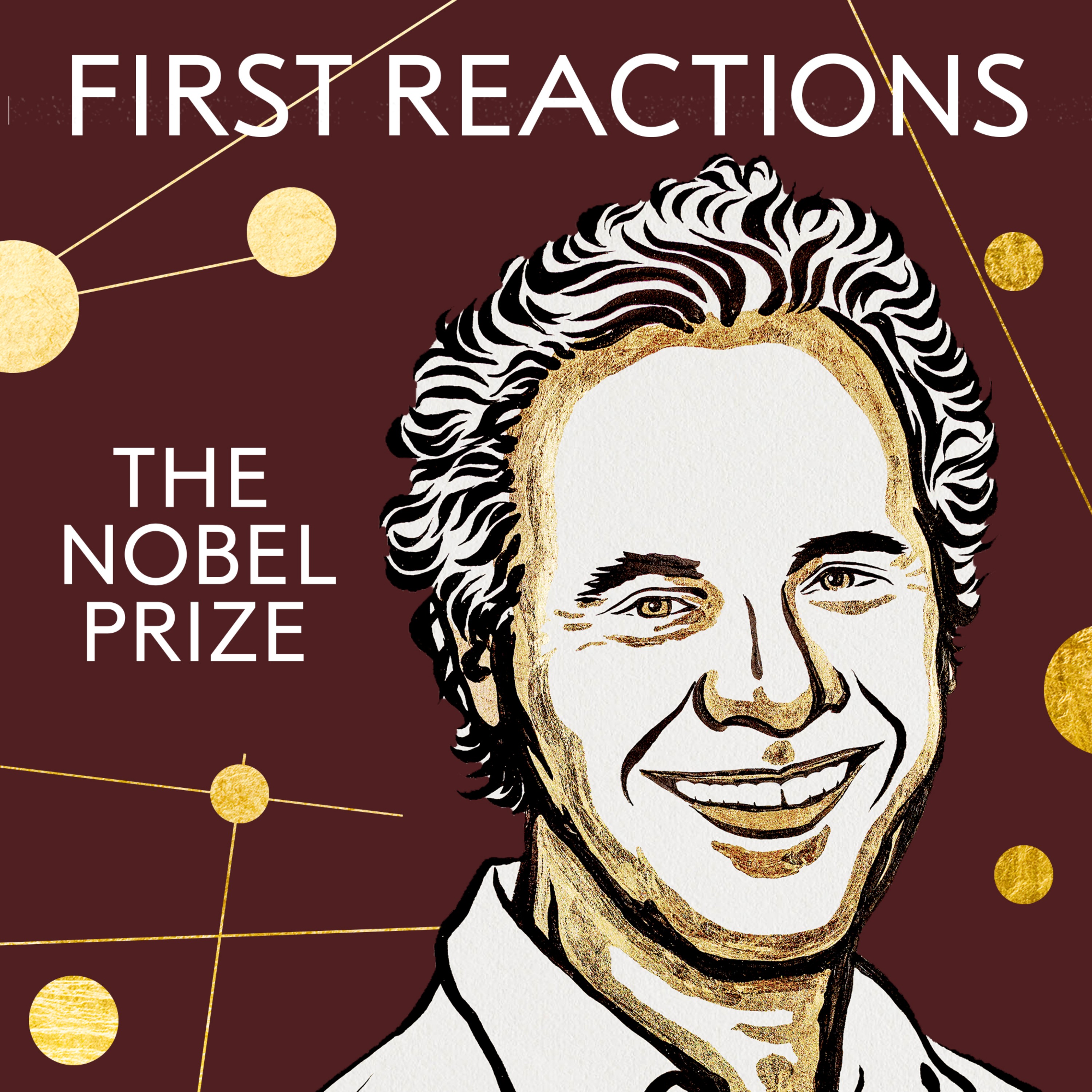
First reactions | Victor Ambros, Nobel Prize in Physiology or Medicine 2024 | Telephone interview
“We see it as a celebration of the way of doing science,” says Victor Ambros of his Nobel Prize in Physiology or Medicine. In this call with the Nobel Prize’s Adam Smith, Ambros speaks about the joy of basic research and the ever-expanding fascination of RNA. Recorded just after Ambros found out about the prize, we also discover how the news was broken to the new laureate by his son, who began with the leading question, “Have you been getting calls from Sweden?” © Nobel Prize Outreach.First Reactions terms of use: https://www.nobelprize.org/ceremonies/streams-terms-of-use Hosted on Acast. See acast.com/privacy for more information.
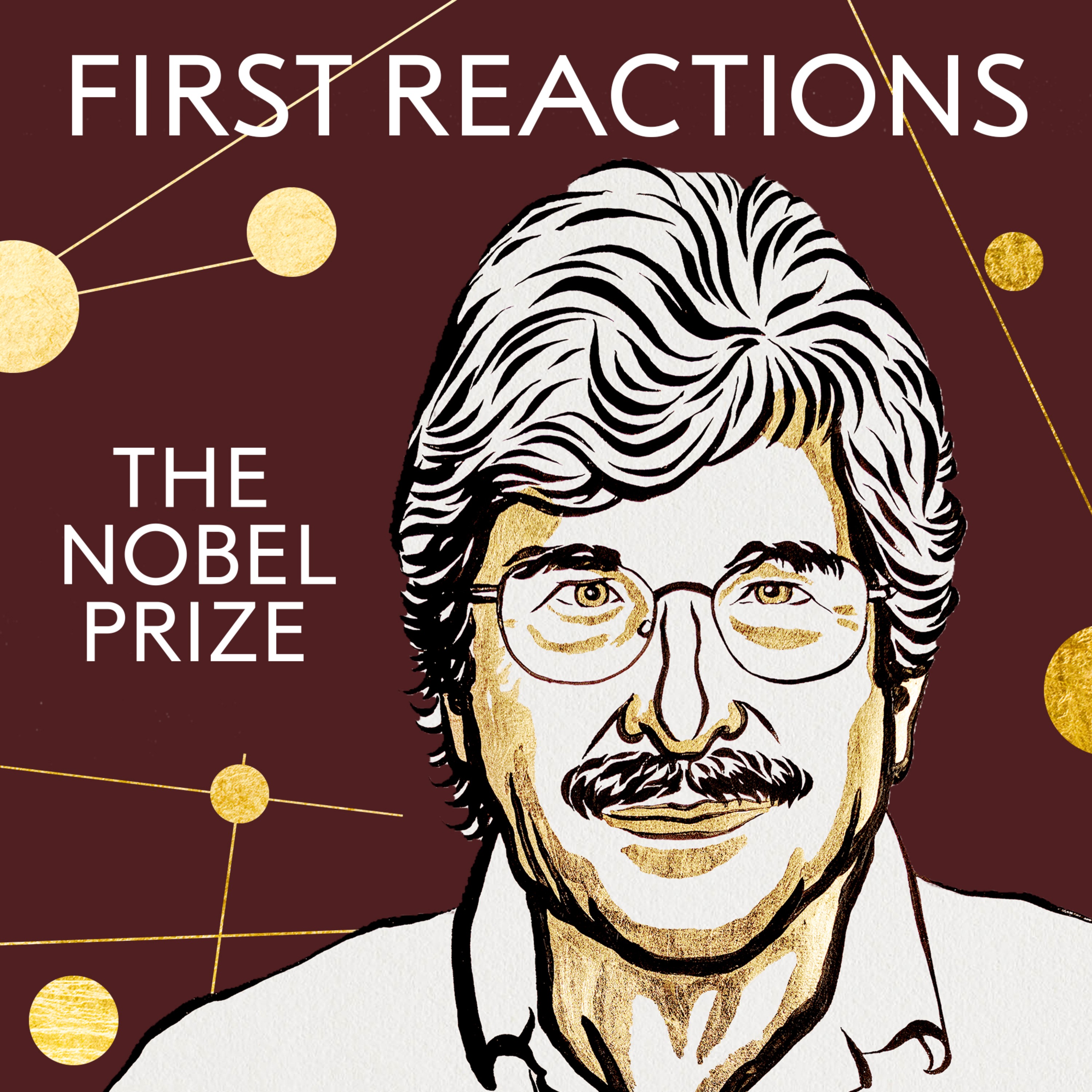
First reactions | Gary Ruvkun, Nobel Prize in Physiology or Medicine 2024 | Telephone interview
“I heard what sounded like an authentic call from the Nobel Committee!” New medicine laureate Gary Ruvkun might have received a prank call or two in the past, but today’s was genuine. He talked to the Nobel Prize’s Adam Smith minutes after hearing the news, about the pleasure of finding things out, the electrifying growth of the microRNA field over the years, and the benefits of taking time out. And as for what’s about to follow: “It’s going to be a fun ride!” © Nobel Prize Outreach.First Reactions terms of use: https://www.nobelprize.org/ceremonies/streams-terms-of-use Hosted on Acast. See acast.com/privacy for more information.
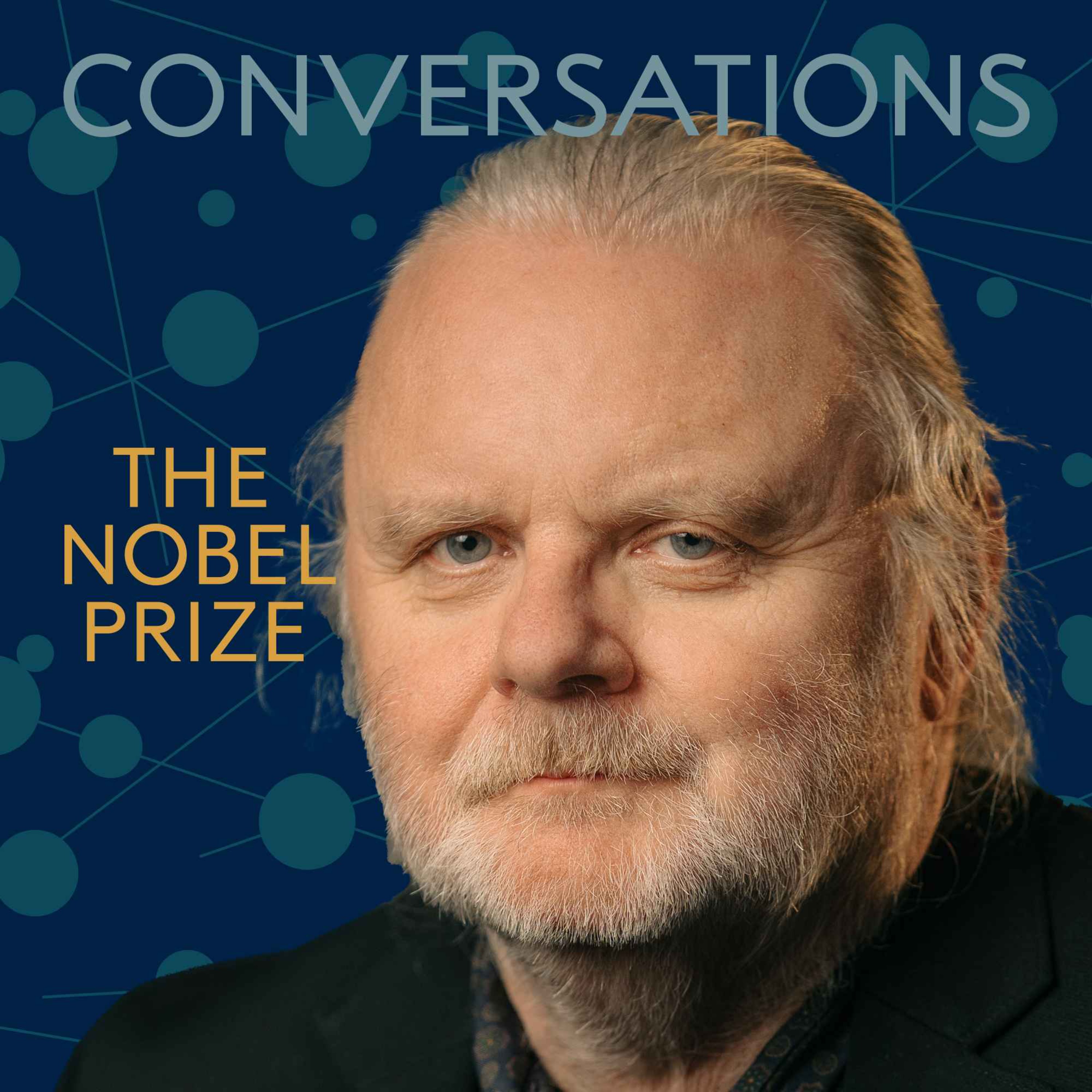
Jon Fosse: Nobel Prize Conversations
Is the creative process different in the fields of art, literature and music? In a podcast conversation, literature laureate Jon Fosse speaks about all three fields and how they are similar in many ways. American painter Mark Rothko is mentioned as a source of inspiration as well as art in general. We also get insights into Fosse's childhood where music was large part of his life. Today Jon Fosse enjoys a world of silence and avoids the noise of the world if possible. He describes his writing process, how he enjoys writing by hand with fountain pens and how a reader can tell if a book is written by hand or not. He also speaks about his relationship to God and religion. Hosted on Acast. See acast.com/privacy for more information.
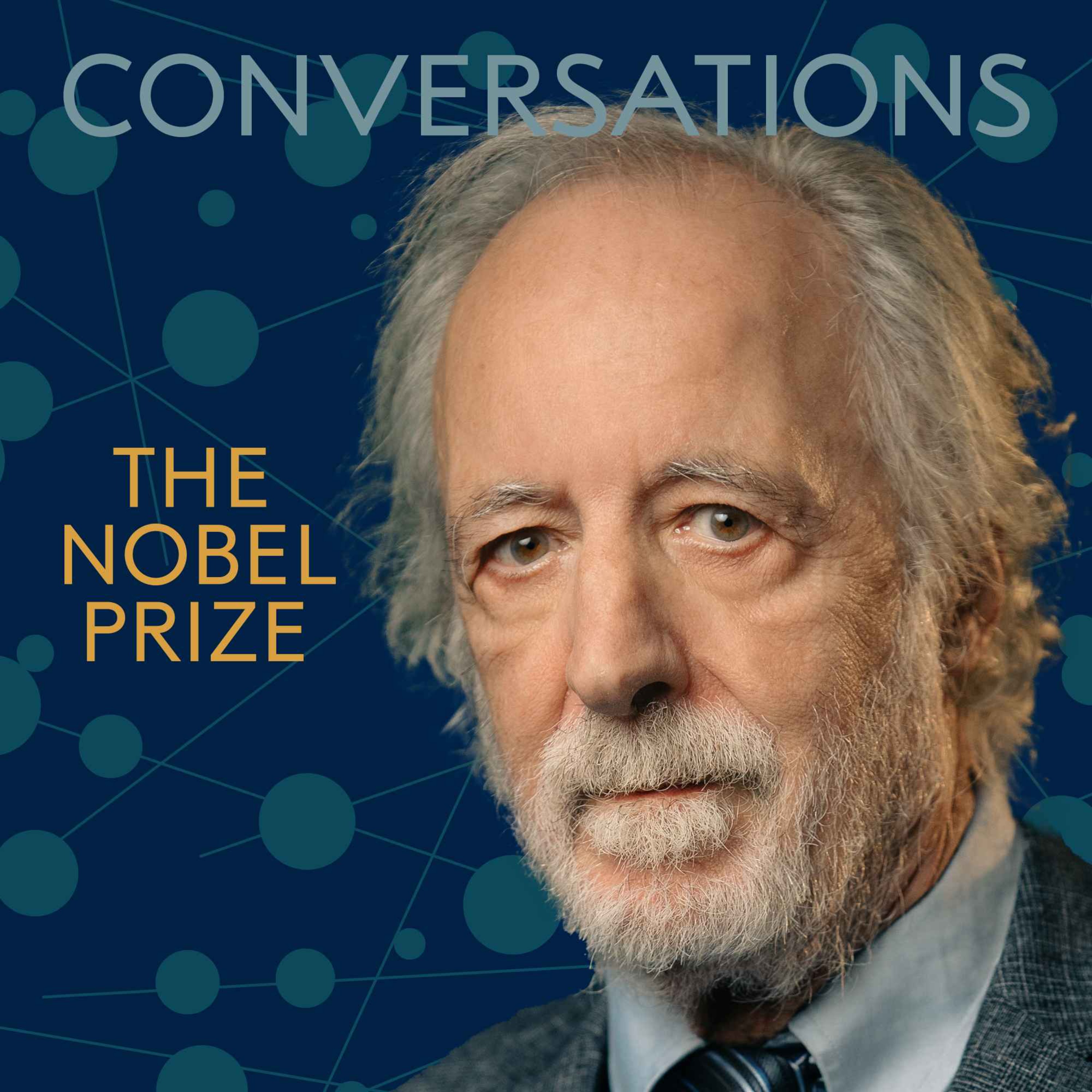
Pierre Agostini: Nobel Prize Conversations
Hear physics laureate Pierre Agostini describe how he found his love of science: ”It was only when I started doing research that I discovered the fun of physics." Together with podcast host Adam Smith, he talks about multiphoton ionisation, Planck time and contradicting Einstein. Agostini also tells us about how his life has changed after being awarded the 2023 physics prize and how it has taken him some time to get used to his new role as a Nobel Prize laureate. Hosted on Acast. See acast.com/privacy for more information.
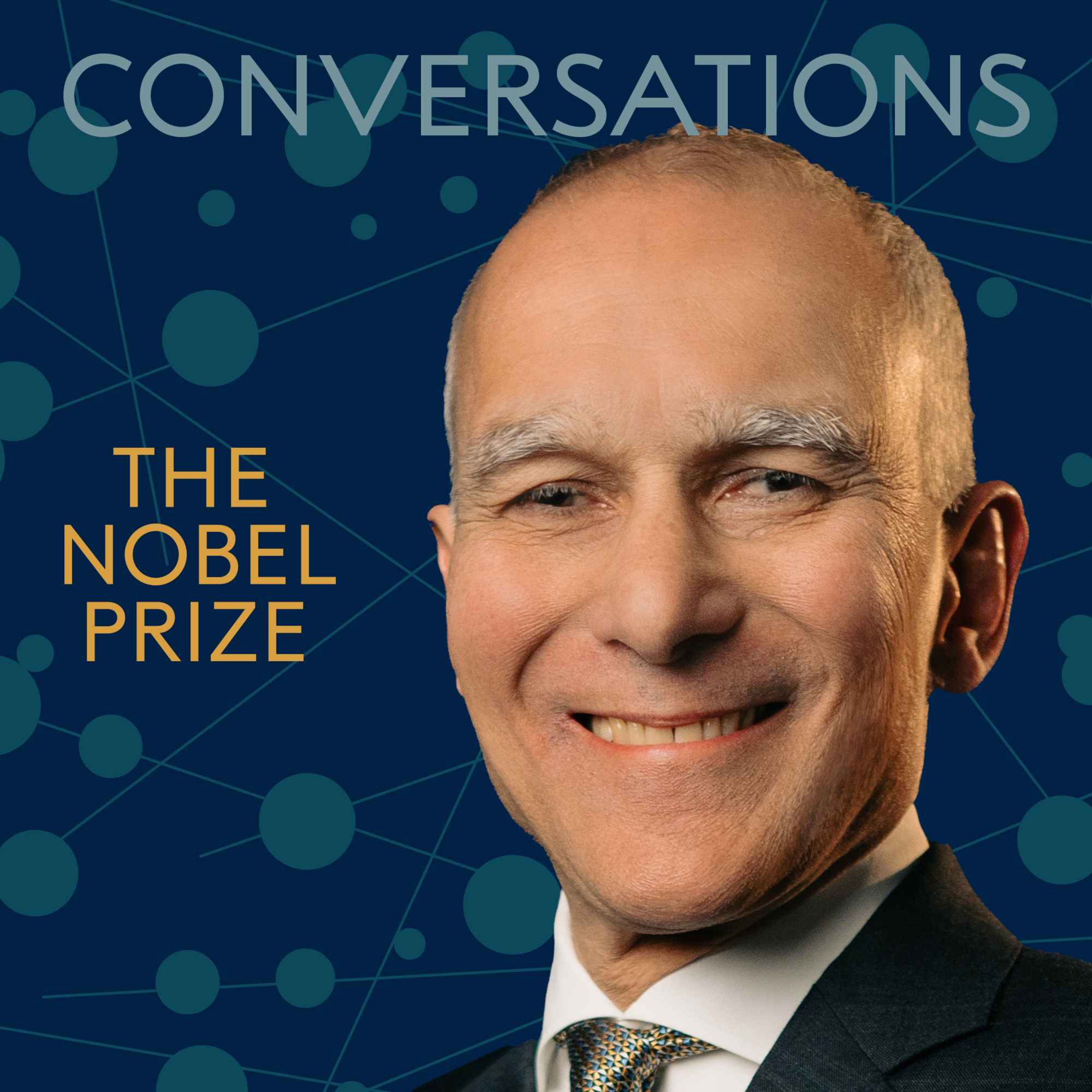
Moungi Bawendi: Nobel Prize Conversations
Is it possible to 'see' quantum mechanics in action? In a podcast conversation, chemistry laureate Moungi Bawendi speaks about the incredible gratification of visualising quantum mechanics and how his collaboration with co-laureate Louis Brus started. He also shares his love of music and speaks about how his lab's yearly ski trip helps his group work better together. Intuition and diversity in science are two more topics that are up for discussion. Hosted on Acast. See acast.com/privacy for more information.
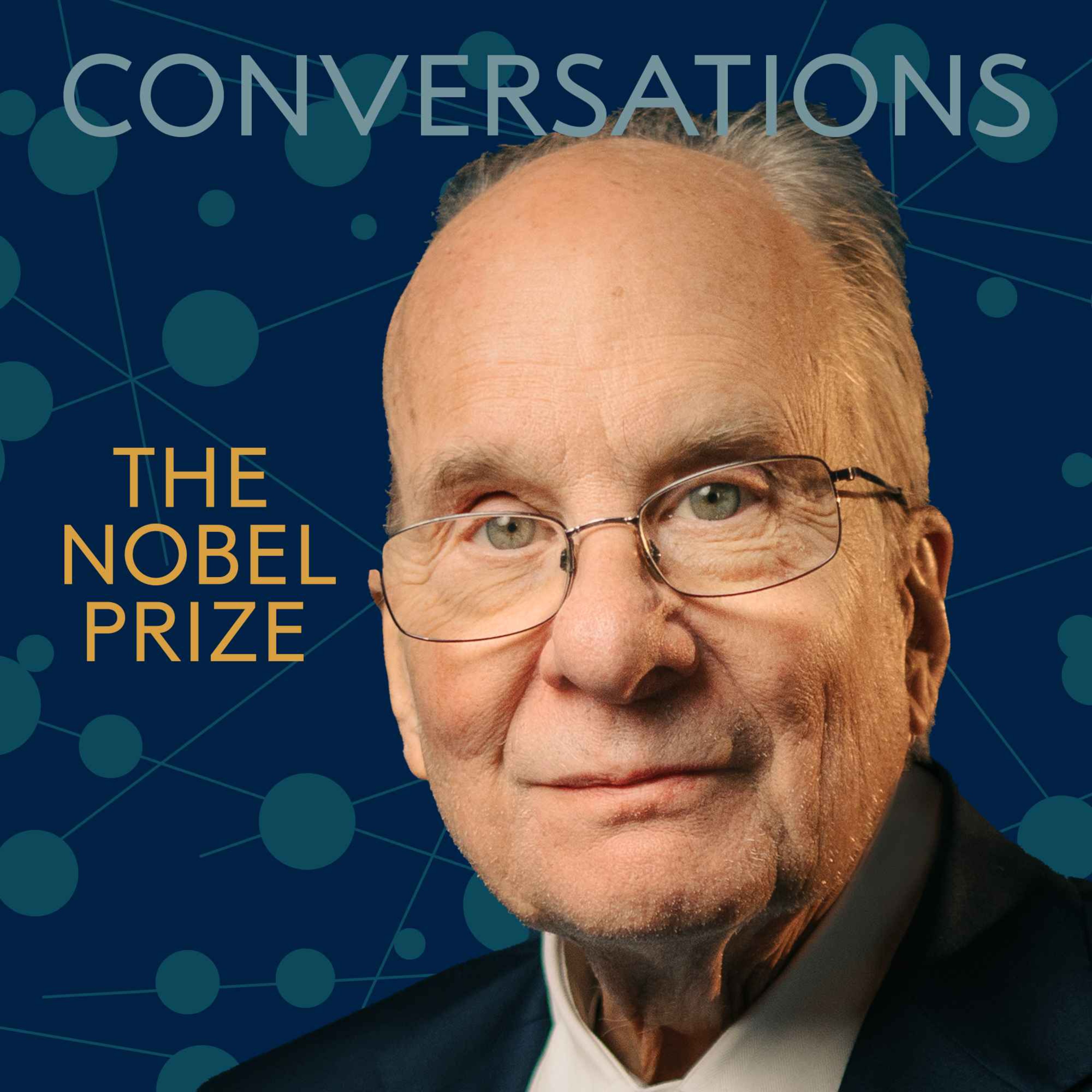
Louis Brus: Nobel Prize Conversations
Some words of wisdom from chemistry laureate Louis Brus: "You recognise opportunity and then you have to take advantage of it. Seize the opportunity basically. It takes some struggle." In a conversation with podcast host Adam Smith, Louis Brus speaks about the process of discovery and his own scientific path. Hosted on Acast. See acast.com/privacy for more information.
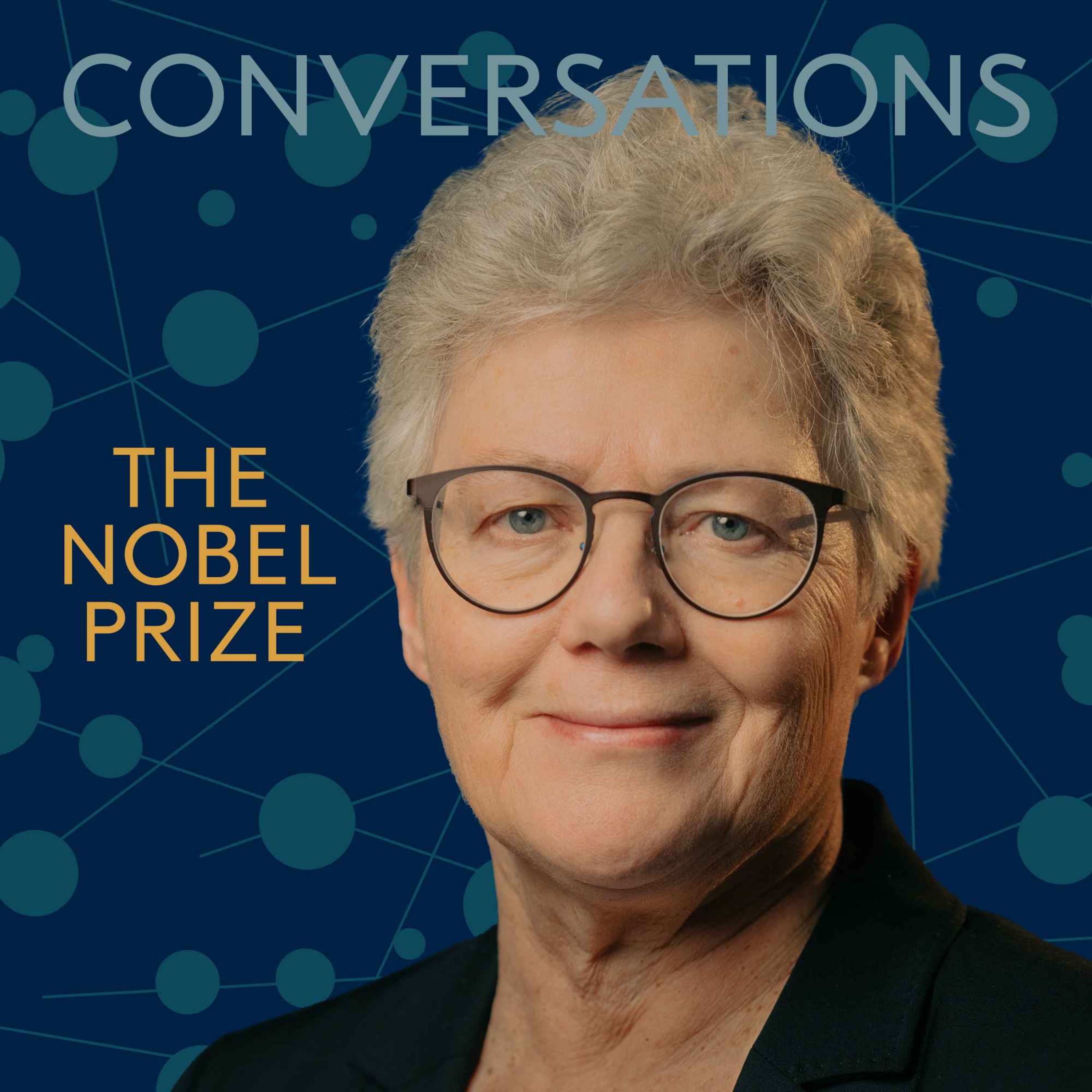
Anne L'Huillier: Nobel Prize Conversations
What are the benefits of creating a diverse laboratory? In this podcast episode with physicist Anne L’Huillier, we speak about the importance of diversity and how she herself speaks and thinks in three languages. From cultures and countries to gender, we discuss the advantages of bringing together people with a variety of backgrounds and experiences and how to promote this. Also up for discussion are the consequences of becoming a Nobel Prize laureate. L’Huillier sees both the good and bad sides, including being a source of inspiration while having less time to write her new scientific textbook. Hosted on Acast. See acast.com/privacy for more information.
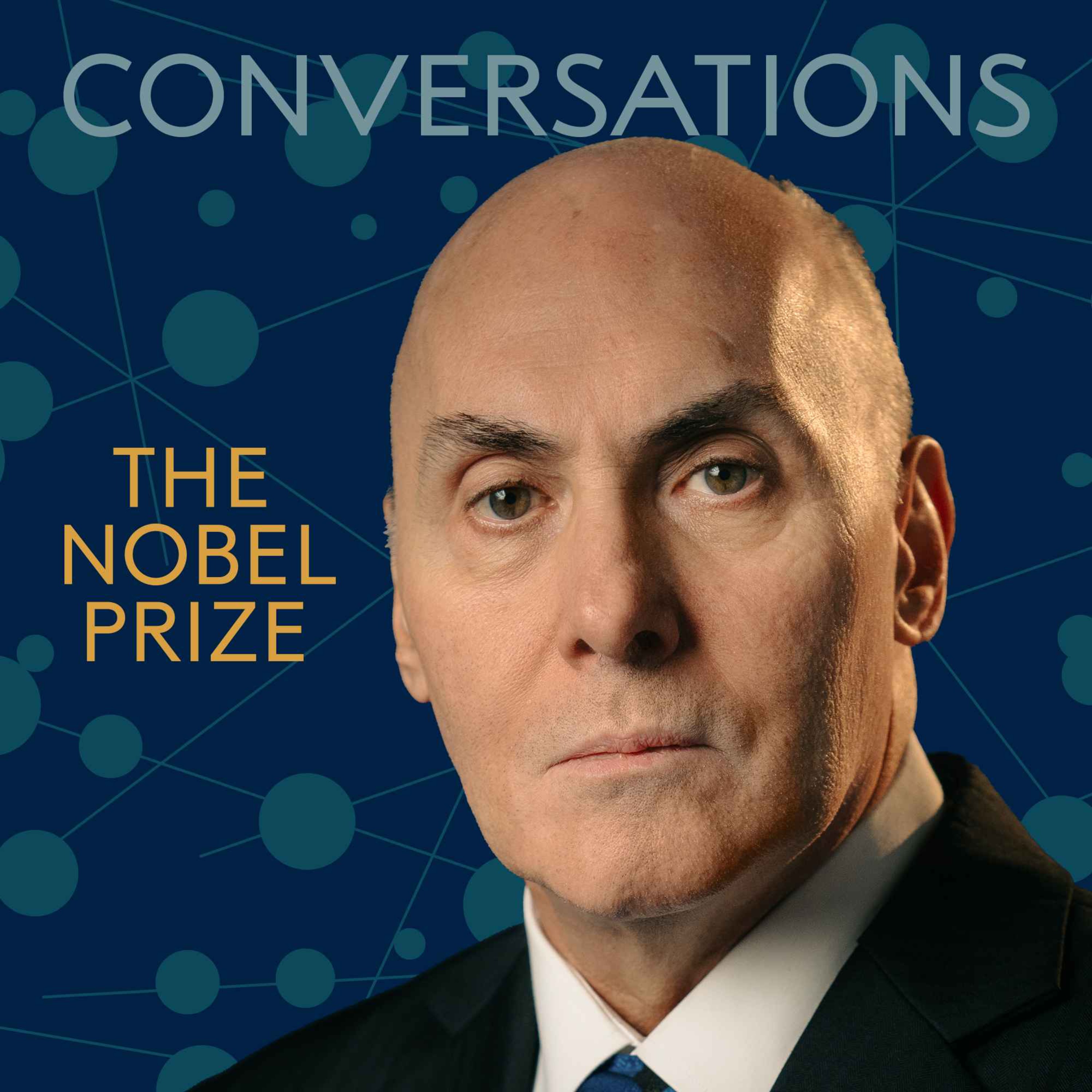
Drew Weissman: Nobel Prize Conversations
How can we ensure that knowledge and science are spread globally? Medicine laureate Drew Weissman is an advocate for creating research centres around the world to give local researchers the means to have ownership and solve health issues by themselves. As Weissman puts it: ”A lot of people set up a clinic in a city somewhere, collect samples, take them home, and study them. To me, that compounds the problem, because it doesn't teach people. It doesn't make scientists better.”Weissman also tells host Adam Smith about how his interest in science was sparked and how he has maintained that curiosity for the rest of his life. Hosted on Acast. See acast.com/privacy for more information.
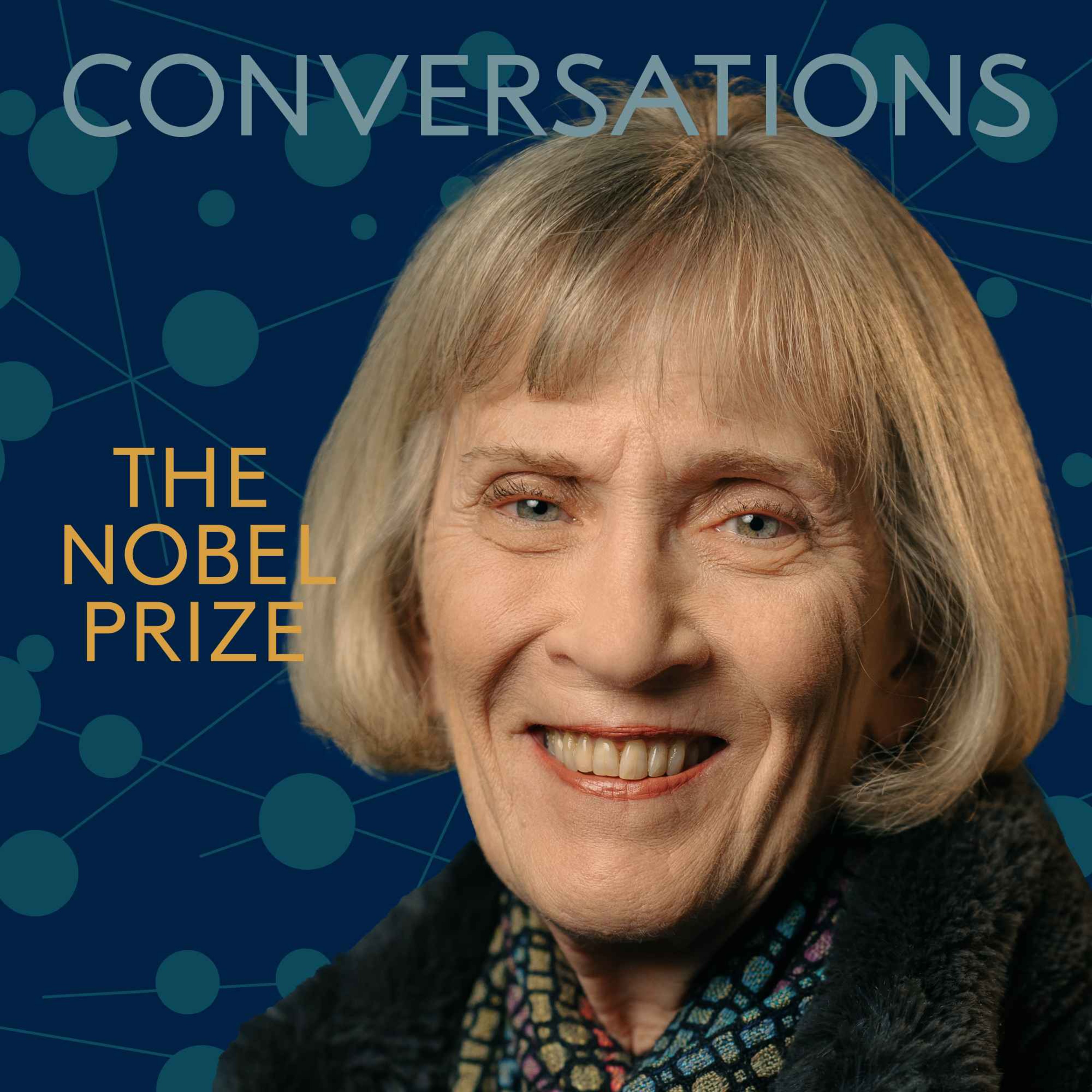
Claudia Goldin: Nobel Prize Conversations
There are many roads one can take in life. But to what extent will your life choices decide what kind of person you become? In this podcast conversation with economist and laureate Claudia Goldin, we discuss the choices that brought her to this moment in time. Our podcast host Adam Smith, who meets Goldin in the year after she received the prize in economic science, also talks with her about the definition of a good teacher and Goldin’s pioneering research in women’s labour market. Hosted on Acast. See acast.com/privacy for more information.
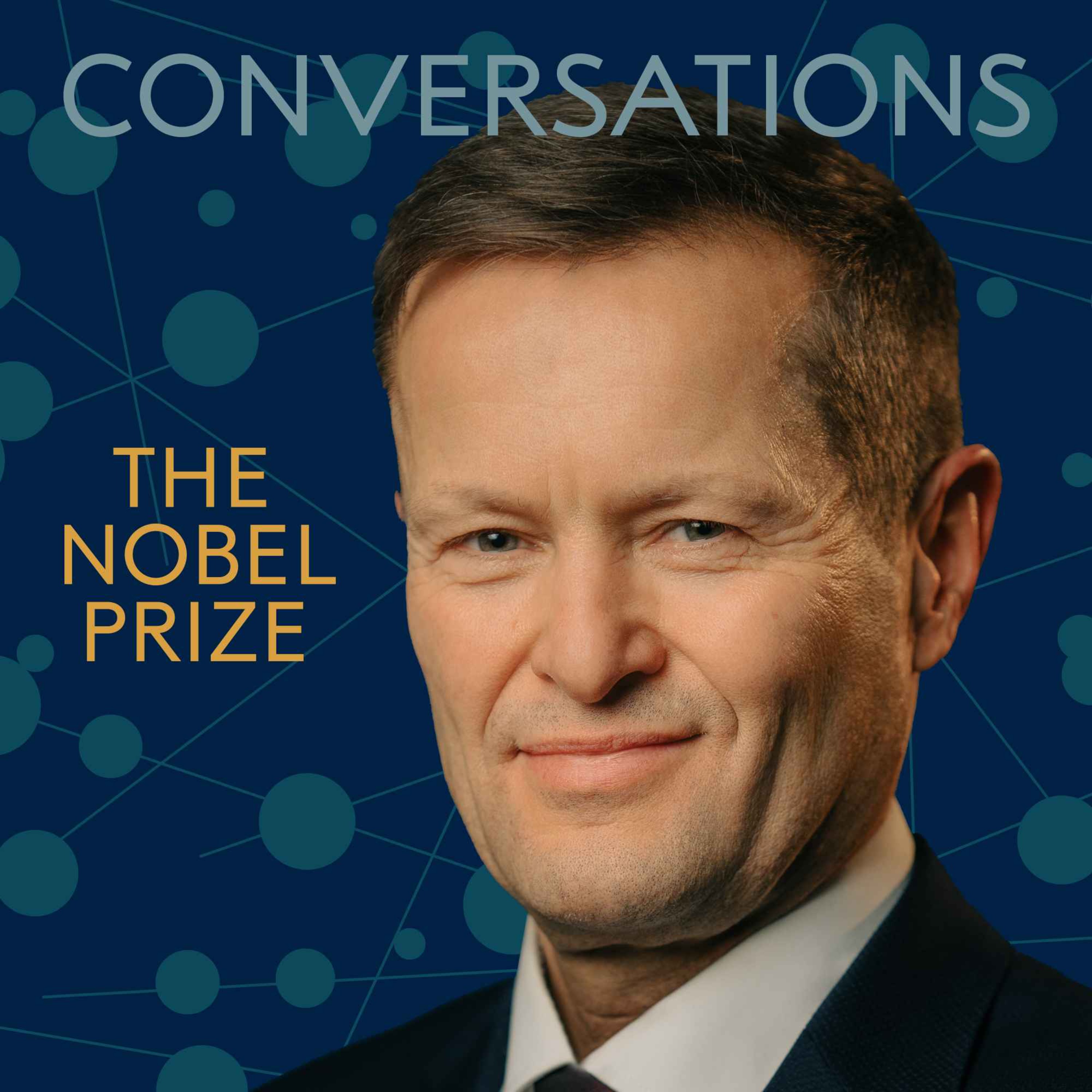
Ferenc Krausz: Nobel Prize Conversations
Meet 2023 physics laureate Ferenc Krausz in conversation with podcast host Adam Smith, as they discuss a scientific journey which has spanned three countries – and to which Krausz attributes his Nobel Prize.”These particles were discovered more than a hundred years before. It took an utter century to develop the tools to actually capture them in motion. It was an indescribable moment.”, he says as he recalls how this moment of discovery was a long time in the making. Krausz was awarded the Nobel Prize in Physics for giving humanity new tools to exploring the world of electrons inside atoms and molecules. Hosted on Acast. See acast.com/privacy for more information.
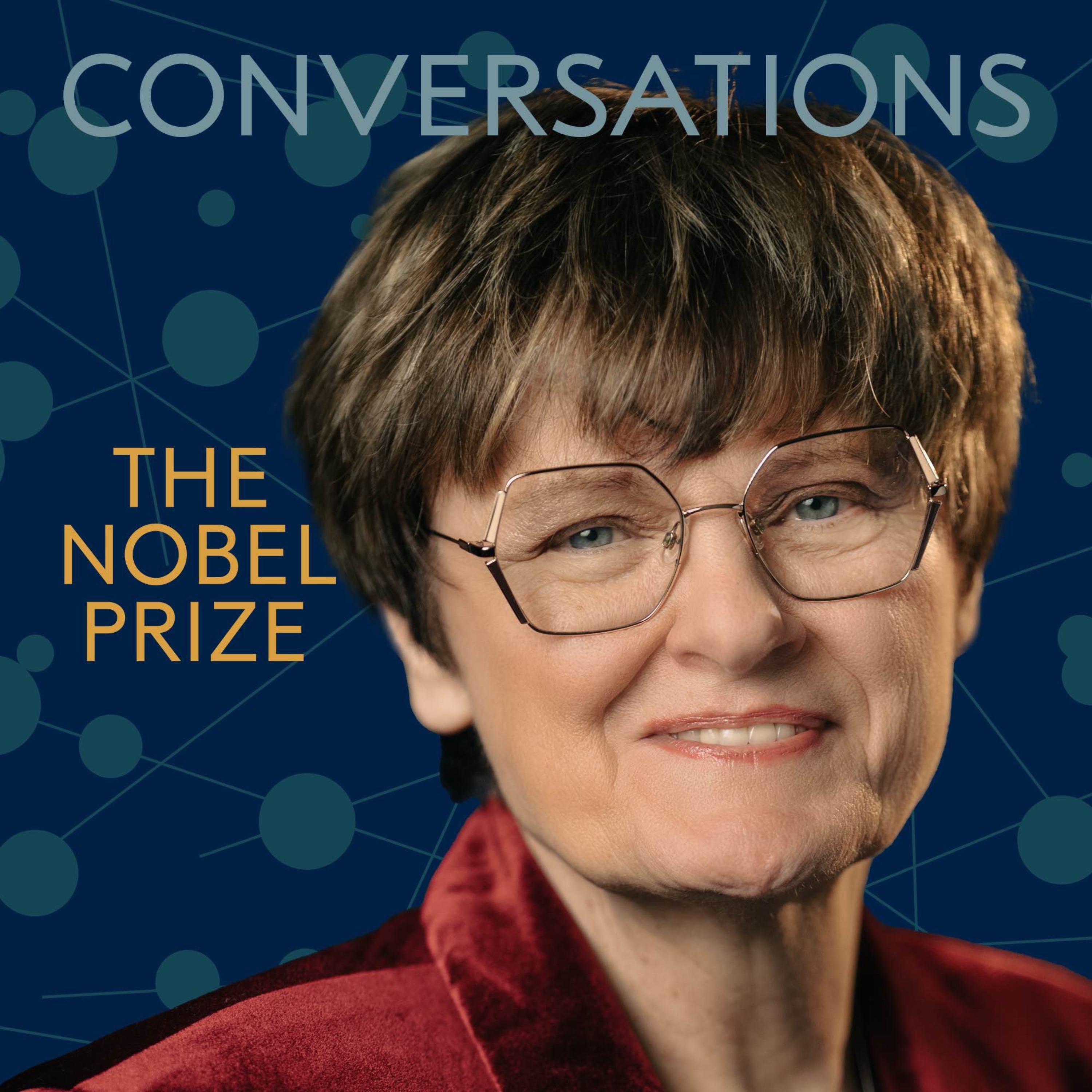
Katalin Karikó: Nobel Prize Conversations
"I also thank the people who tried to make my life miserable – because they made me work harder and become more resilient." – Working harder and becoming more resilient seems to be the story of Nobel Prize laureate Katalin Karikós’s life. Despite facing a number of enormous challenges, she has never lost hope or focus. Instead she is convinced that it is better to focus on yourself and not to despair when life doesn’t go as planned.In our podcast conversation Karikó, our 2023 medicine laureate, shares some of her best practices for overcoming obstacles and never giving up. As an added bonus, she also gives us some insightful parenting advice. Hosted on Acast. See acast.com/privacy for more information.
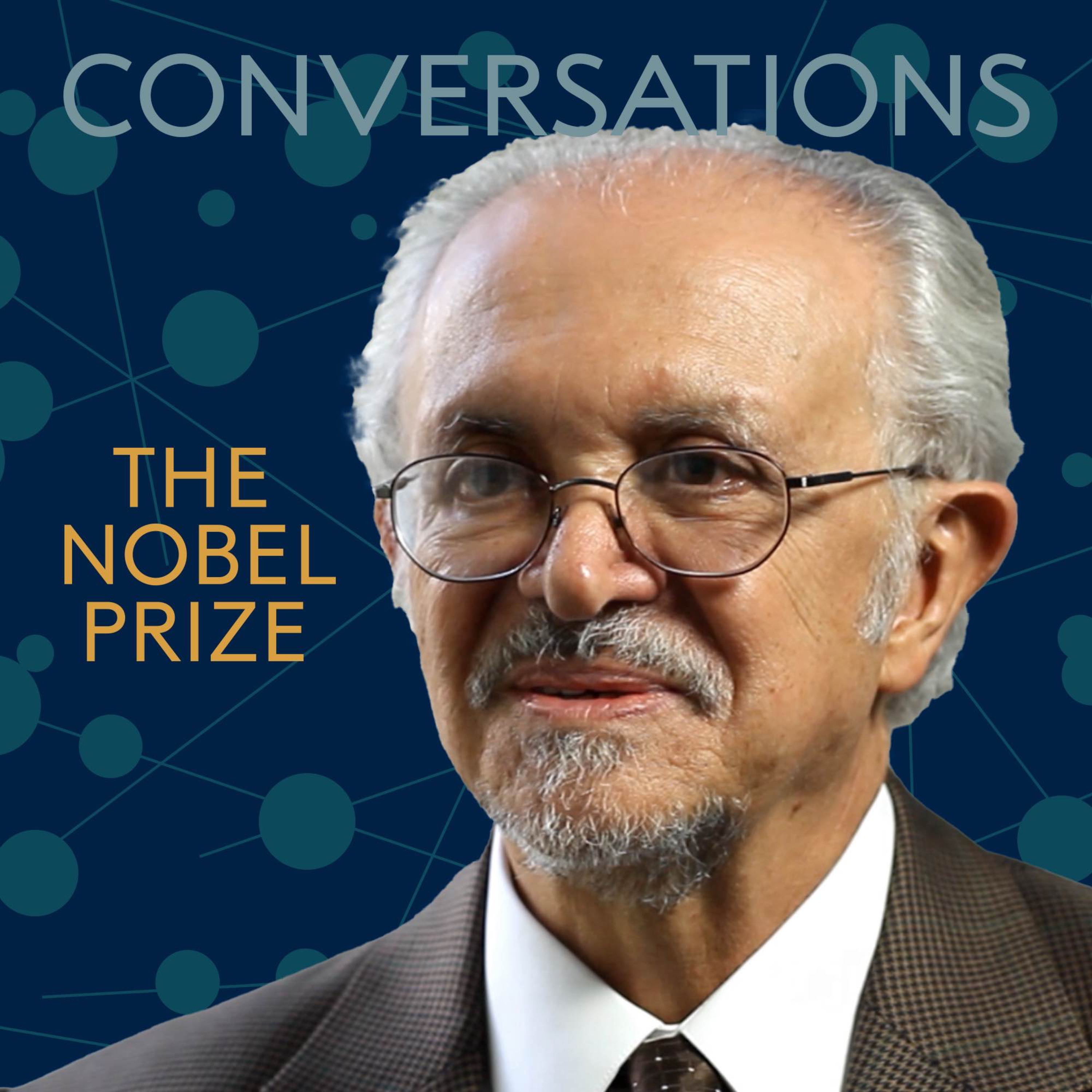
Mario Molina: Encore presentation of Nobel Prize Talks
"I had decided as a child if it was possible to become a scientist and to do scientific research for a living that's what I wanted to do." – In this episode, we meet physical chemist Mario Molina who spent his life working on climate research. He was awarded the Nobel Prize in 1995 for his investigations into how CFC gases damage the ozone layer. Molina dedicated his life to reducing their use and advocating for ways in which we can reduce our impact on the Earth. Molina speaks about the report he chaired, 'What We Know', a paper which discussed climate change in an effort to inform the public and oppose those who deny climate change. He also speaks about his childhood and about how his interest in science was sparked. Your host is Adam Smith, Chief Scientific Officer at Nobel Prize Outreach. Hosted on Acast. See acast.com/privacy for more information.
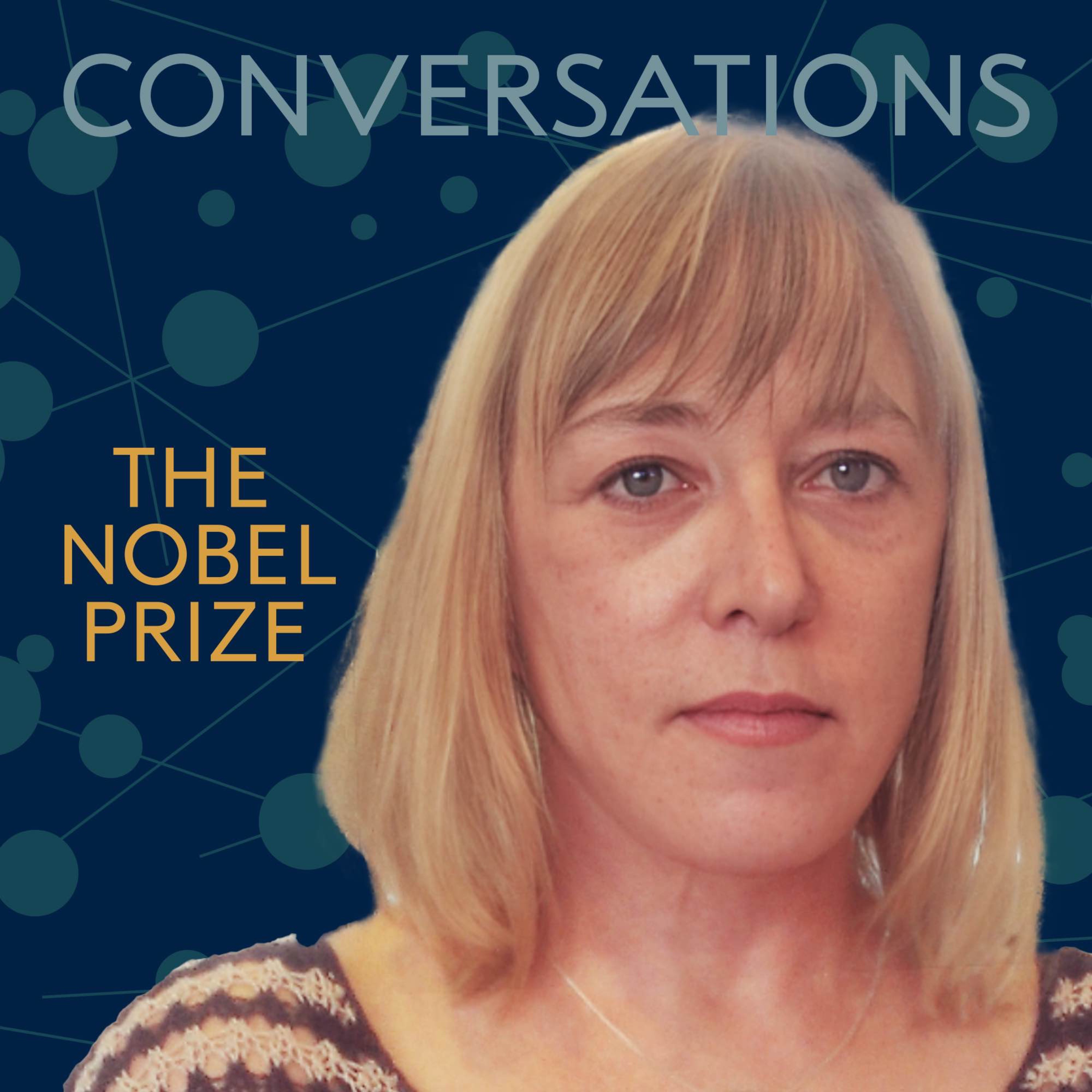
Jody Williams: Encore presentation of Nobel Prize Talks
”I have been fortunate to be able to live my life doing what I believe in. Not everybody has that fortune" In this podcast episode, peace activist Jody Williams tells us how she has tried to use the power that was given to her after being awarded a Nobel Peace Prize. She is a strong advocate for working across organisations to solve global challenges such as banning nuclear weapons and eliminating the use of sexual violence in war. She also speaks about her work within the Nobel Women's Initiative, an organisation established by herself and other fellow female peace laureates. Hosted on Acast. See acast.com/privacy for more information.
John Mather: Encore presentation of Nobel Prize Talks
”I don't think it's my job or anybody's job to try to convince other people of the righteousness of my opinion. I think it's each person's job to figure out how they look at the world.” – This conversation with astrophysicist John Mather was recorded in 2014, where he speaks to Adam Smith about space and if we will be going to Mars in the future. Mather also shares good advice to young researchers on how to prioritise projects. The movie ’Gravity’ is another topic that comes up - how scientifically accurate is that movie? John Mather was awarded the Nobel Prize on Physics in 2006 for research that looked back at the infancy of the Universe and attempted to gain some understanding of the origin of galaxies and stars. Hosted on Acast. See acast.com/privacy for more information.
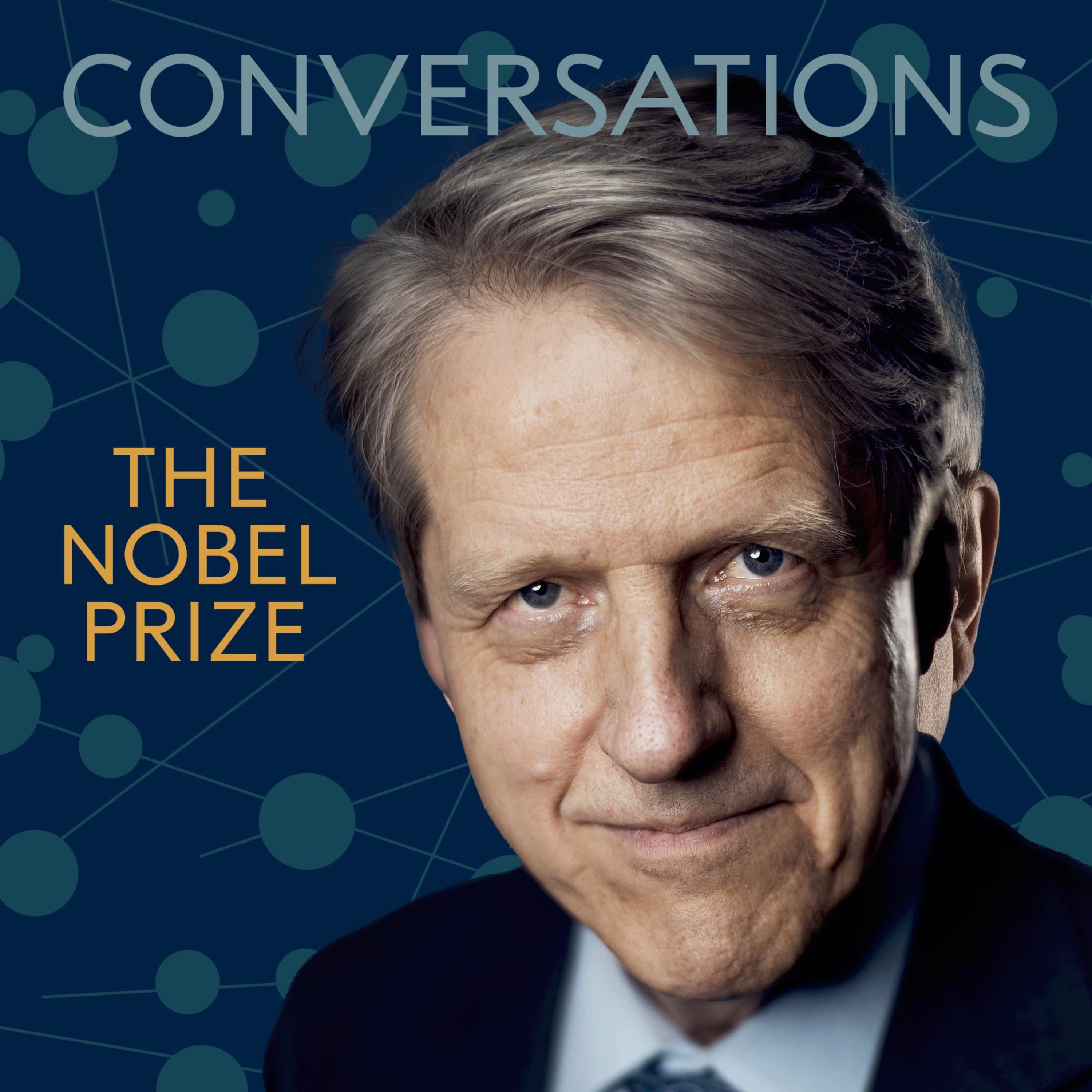
Robert Shiller: Encore presentation of Nobel Prize Talks
”Pursuing expertise doggedly can't be the goal for everyone because being specialised means losing some breadth of understanding. We need both kinds of people." – In this podcast episode recorded in 2014 economist Robert Shiller speaks about technology and the role he thinks it will have in the future. He also shares his best advice for young economists and what he thinks about teaching online courses to large audiences. Together with the Nobel Prize's Adam Smith, they also discuss stage fright, and how to overcome it. Hosted on Acast. See acast.com/privacy for more information.
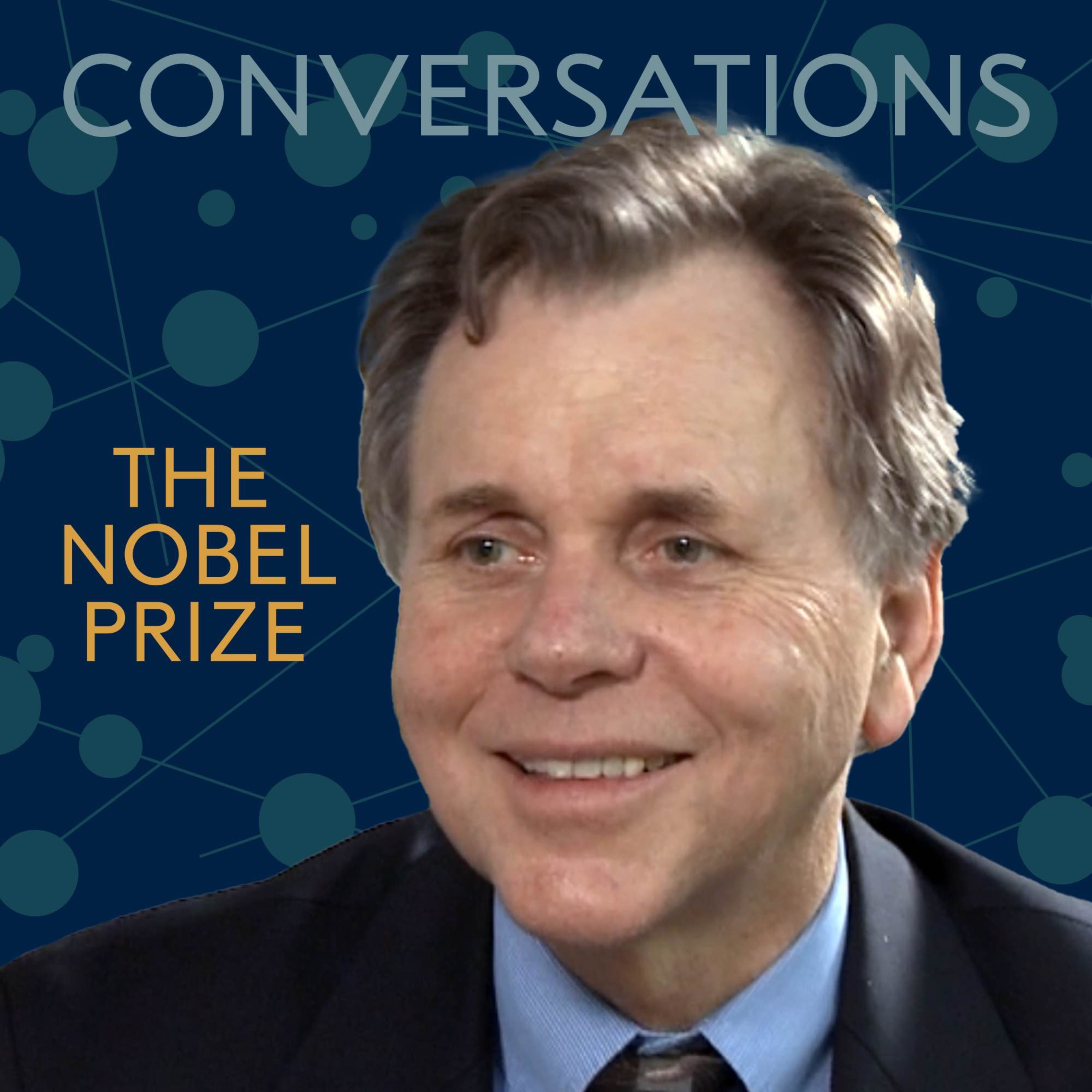
Barry Marshall: Encore presentation of Nobel Prize Talks
”I wasn't interested in learning stuff. I was just interested in understanding, because I could see what a fabulous shortcut it always was.” – Meet 2005 medicine laureate Barry Marshall in a dynamic talk with the Nobel Prize’s Adam Smith. Marshall tells us about his blog (something very few laureates had in 2005), his status as a yo-yo expert and his research that paved the way to a Nobel Prize. Self-experimentation is another topic that is up for discussion. Marshall takes us back to the moment he drank a bacterial culture of Helicobacter pylori to prove that gastric ulcers were caused by bacterial infections - it's a story you don't want to miss! This conversation was originally presented in February 2014. Hosted on Acast. See acast.com/privacy for more information.
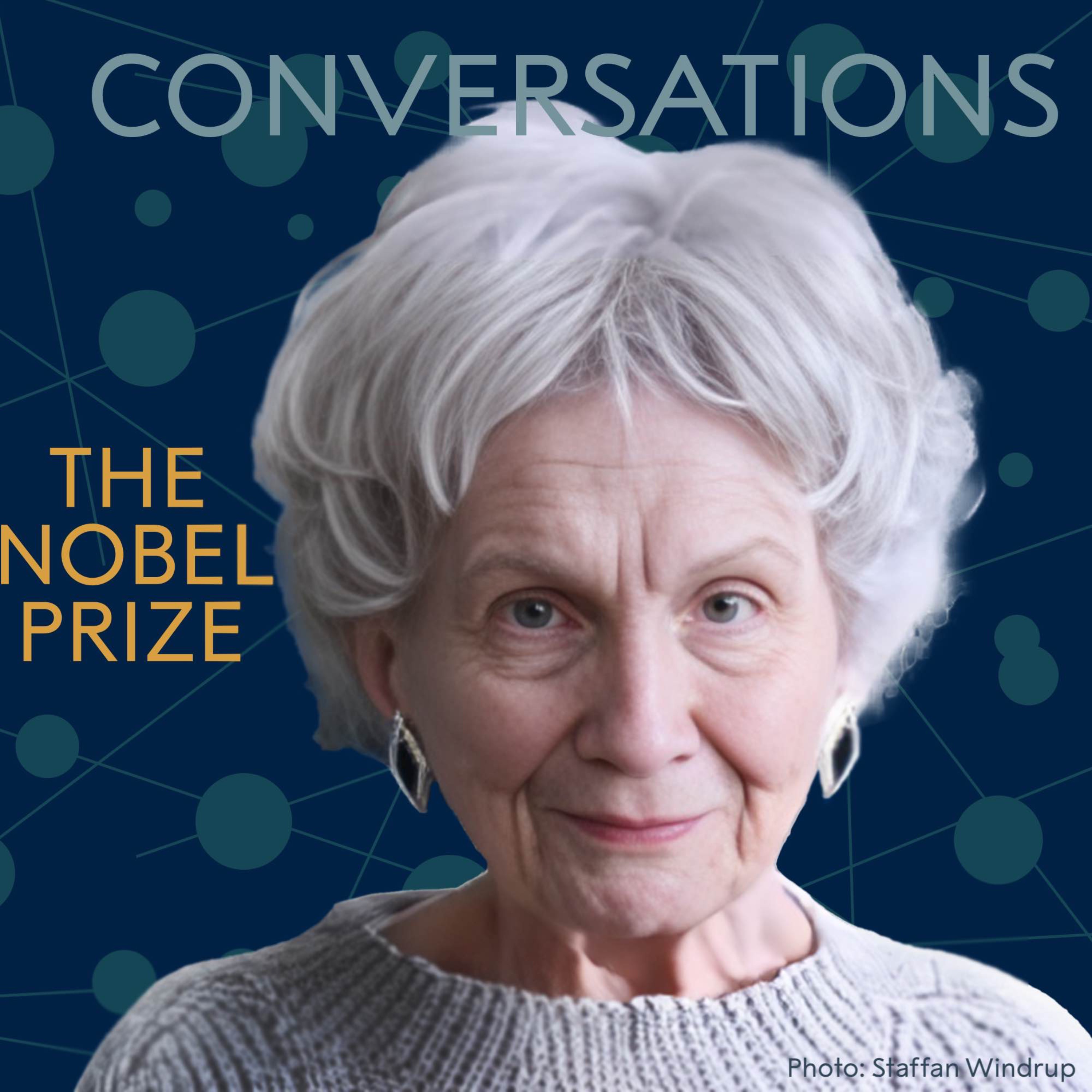
Alice Munro: Encore presentation of Nobel Prize Talks
”It's the insight, the work, the way you give yourself to the story that matters.” – We present a heartwarming chat with Canadian ’master of short stories’ and literature laureate Alice Munro. This conversation between the Nobel Prize’s Adam Smith and Munro took place soon after she was awarded the 2013 Nobel Prize in Literature. In the episode, she reflects on how she creates short stories, what these stories have meant to her and her readers and why she started writing. Munro also tells Smith what she hopes to achieve with her writing: conveying stories that resonate, as well as surprise, her readers. Hosted on Acast. See acast.com/privacy for more information.
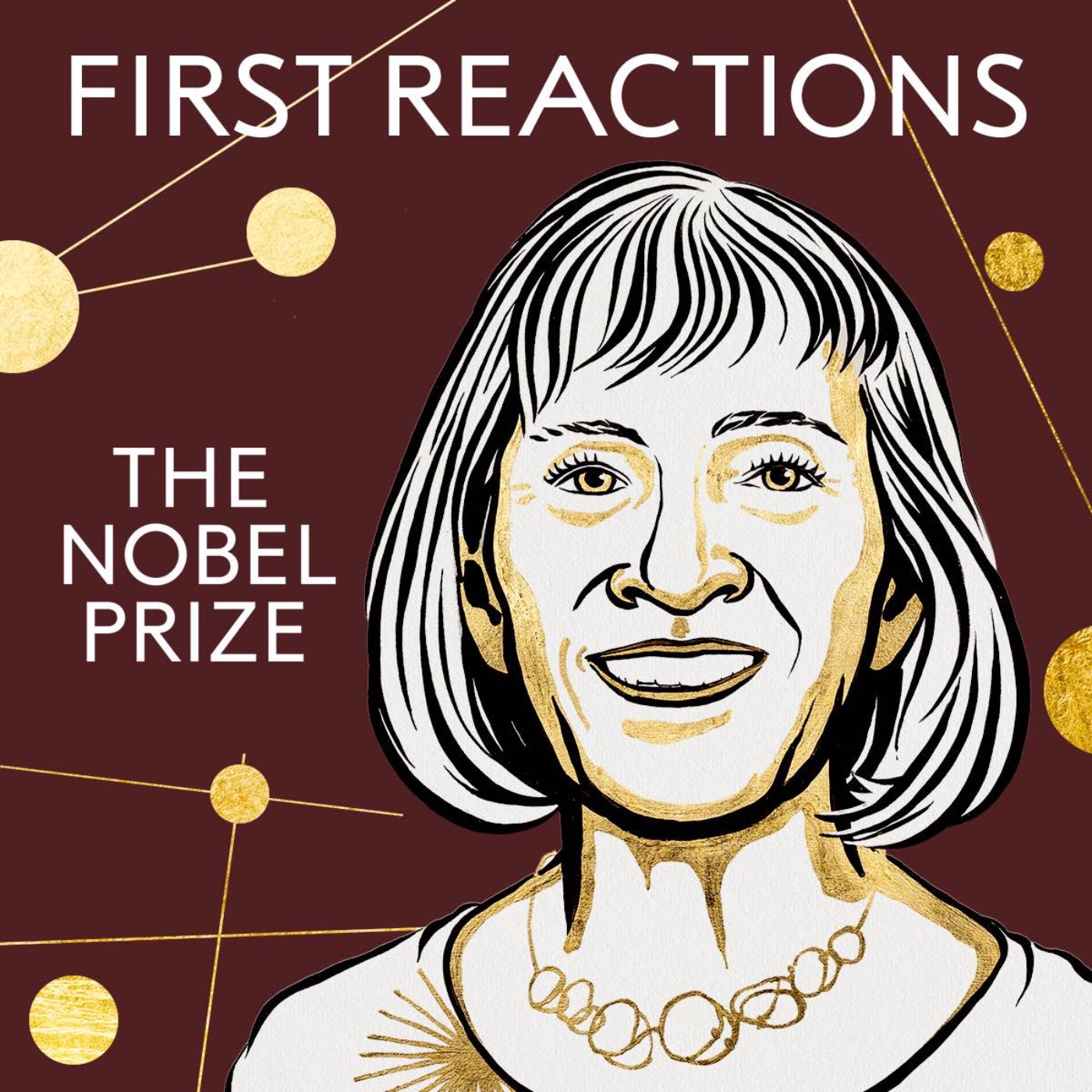
First reactions | Claudia Goldin, prize in economic sciences 2023 | Telephone interview
“I have always thought of myself as a detective,” 2023 economic sciences laureate Claudia Goldin tells the Nobel Prize's Adam Smith when speaking about her research: “The detective always believes there is a way of finding the answer!” Recorded shortly after the public announcement of her prize, this conversation begins with Goldin praising Professor Randi Hjalmarsson of the University of Gothenburg, who fielded questions at the prize press conference after Goldin was disconnected. Now an economic history detective, Goldin explains how she was first switched onto detecting by Paul de Kruif’s book ‘Microbe Hunters’, published in 1926, cited by many Nobel Prize laureates across the generations as an inspirational read. Hosted on Acast. See acast.com/privacy for more information.
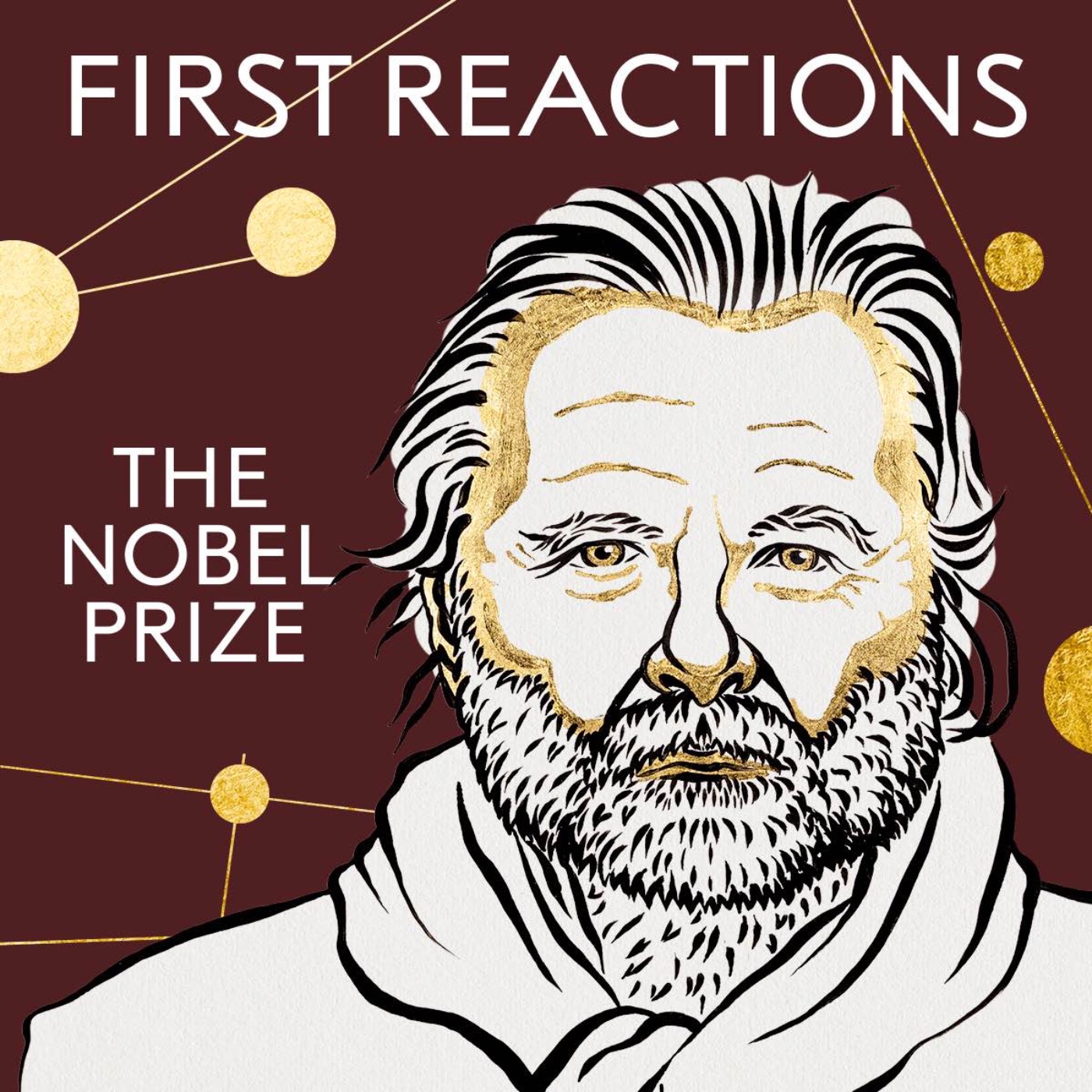
First reactions | Jon Fosse, Nobel Prize in Literature 2023 | Telephone interview
After the 2023 Nobel Prize in Literature was announced, new laureate Jon Fosse was inundated with messages congratulating him on the award. In this call with the Nobel Prize’s Manisha Lalloo he speaks about one particular reader who told him that his work was “the reason she was still alive.” He also shares what writing means to him and his advice for aspiring writers. © Nobel Prize Outreach.First reactions terms of use: https://www.nobelprize.org/ceremonies/streams-terms-of-use Hosted on Acast. See acast.com/privacy for more information.
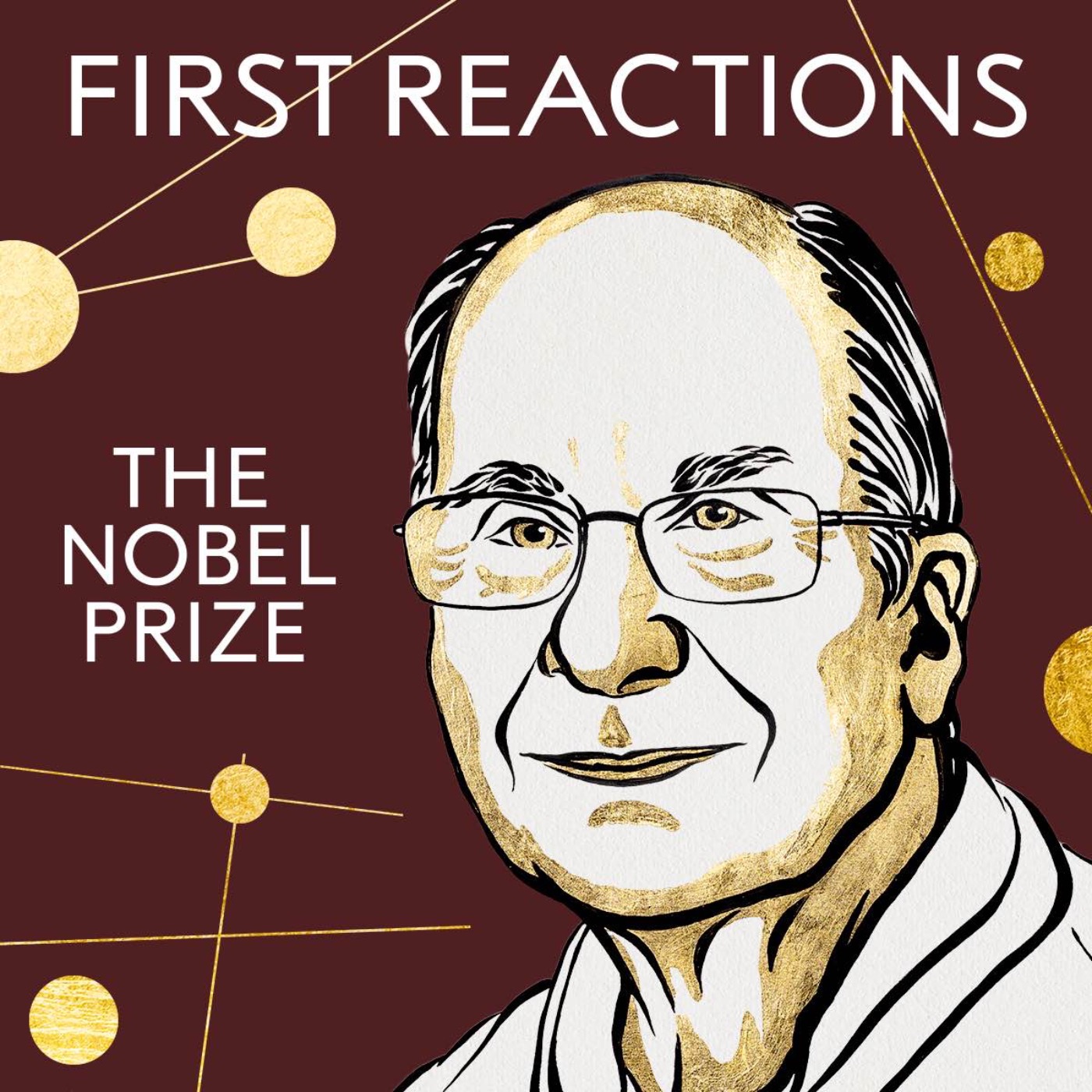
First reactions | Louis E. Brus, Nobel Prize in Chemistry 2023 | Telephone interview
“This is a collaborative effort,” says Louis E. Brus when asked for his first reaction to the award of the 2023 Nobel Prize in Chemistry, “partly physics, partly chemistry, partly material science.” In this conversation with the Nobel Prize’s Adam Smith he pays tribute to the many contributors to the field and discusses his own motivations for exploring the nature of nanoparticles in the productive environment of Bell Labs, 40 years ago. “It’s a surprise, at this point, after all these years,” he says, “I’m just lucky, I guess, that the Nobel Prize has chosen to honour this particular areas of research at this time.”© Nobel Prize Outreach.First reactions terms of use: https://www.nobelprize.org/ceremonies/streams-terms-of-use Hosted on Acast. See acast.com/privacy for more information.
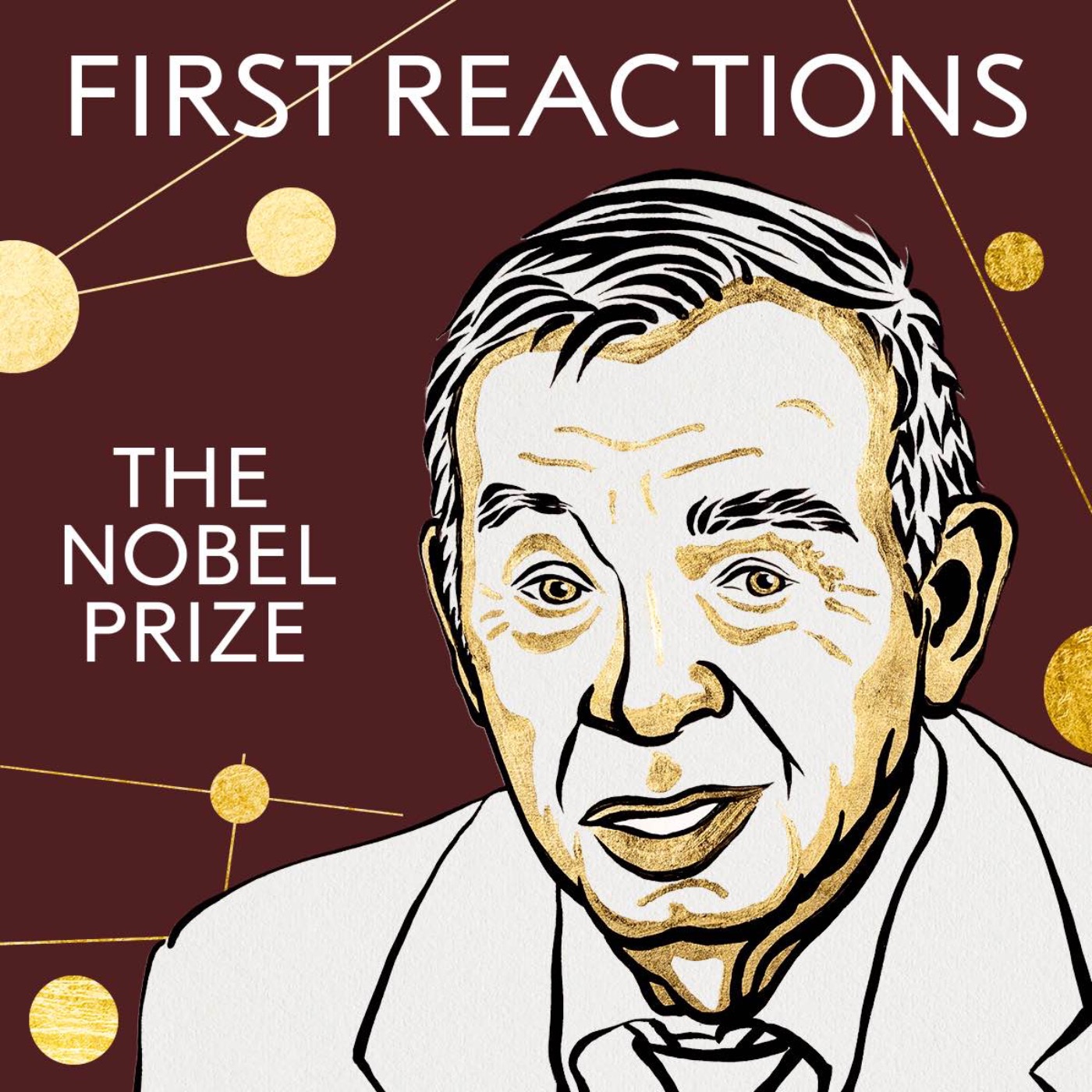
First reactions | Alexei Ekimov, Nobel Prize in Chemistry 2023 | Telephone interview
“It’s the middle of the night here!” Alexei Ekimov’s first reaction to hearing the news of his 2023 Nobel Prize in Chemistry was reasonable enough: “I woke up,” he says! In this call with the Nobel Prize’s Adam Smith, made not long afterwards, Ekimov goes on to discuss the experiments he performed over forty years ago producing quantum effects in coloured glass. He explains how his experiments confirmed theories he had read about back in his student textbooks: “I still remember that picture,” he recalls, “where there is a quantum well, and the levels of electrons, confined in that quantum well.” © Nobel Prize Outreach. First reactions terms of use: https://www.nobelprize.org/ceremonies/streams-terms-of-use Hosted on Acast. See acast.com/privacy for more information.
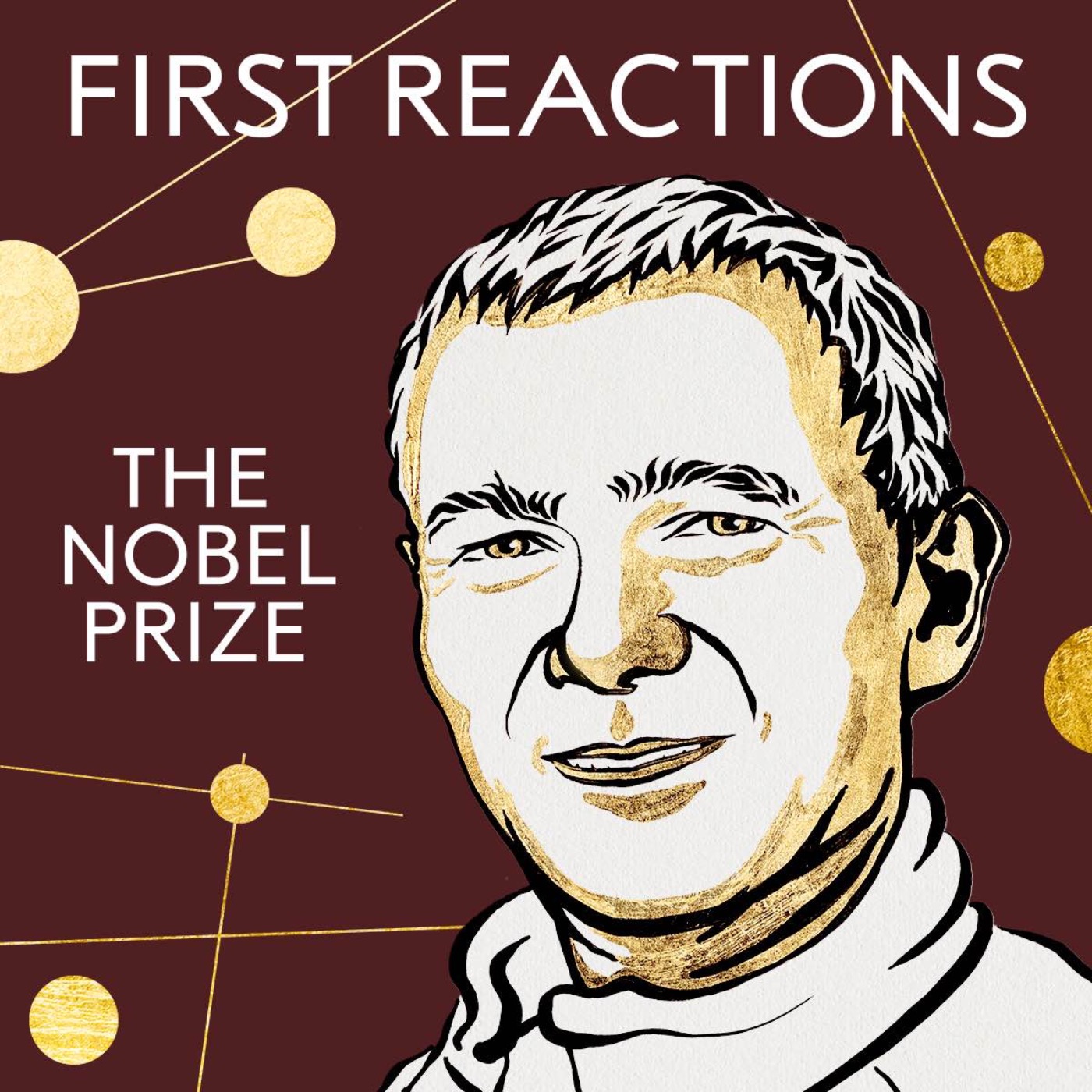
First reactions | Moungi Bawendi, Nobel Prize in Chemistry 2023 | Telephone interview
“I’m supposed to teach at 9 this morning,” say Moungi Bawendi in this call recorded in the early morning, just after the news of his 2023 Nobel Prize in Chemistry had reached him, “and I’m not sure what’s going to happen!” Bawendi tells the Nobel Prize’s Adam Smith how he received the call, speaks about his co-laureate and mentor Louis E. Brus, and discusses what he tries to teach his students. © Nobel Prize Outreach. First reactions terms of use: https://www.nobelprize.org/ceremonies/streams-terms-of-use Hosted on Acast. See acast.com/privacy for more information.
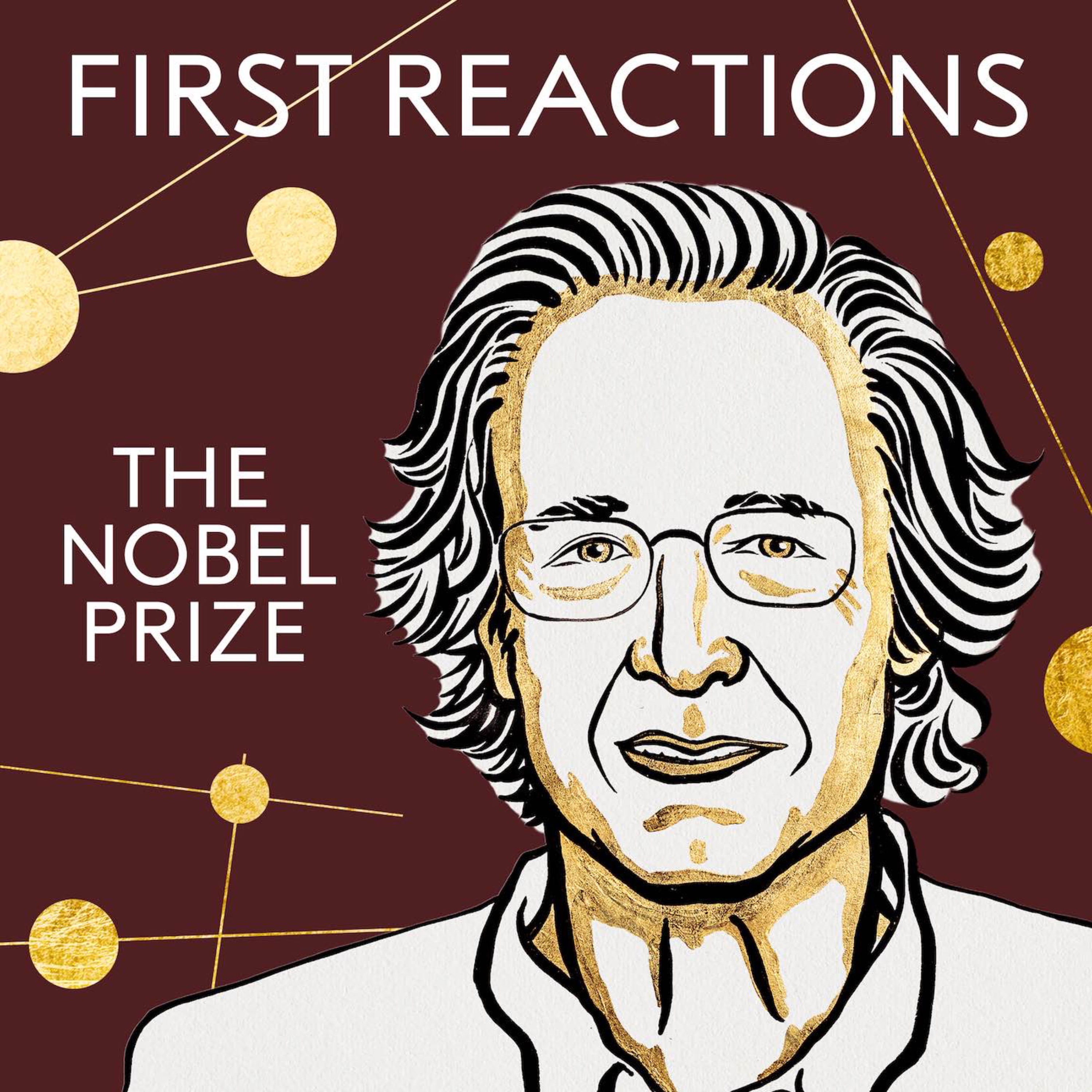
First reactions | Pierre Agostini, Nobel Prize in Physics 2023 | Telephone interview
“My daughter called me asking, ‘Is that true, I see it on Google?’” That was how Pierre Agostini found out he had been awarded the 2023 Nobel Prize in Physics. In this conversation with the Nobel Prize’s Adam Smith, kindly facilitated by Dawn Larzelere of The Ohio State University (whose voice is heard at the start and end), Agostini talks of his surprise at receiving the prize now, his initial thoughts on hearing the news and recalls his pleasure at being the first to produce a train of attosecond light pulses back in 2001. © Nobel Prize Outreach. First reactions terms of use: https://www.nobelprize.org/ceremonies/streams-terms-of-use Hosted on Acast. See acast.com/privacy for more information.
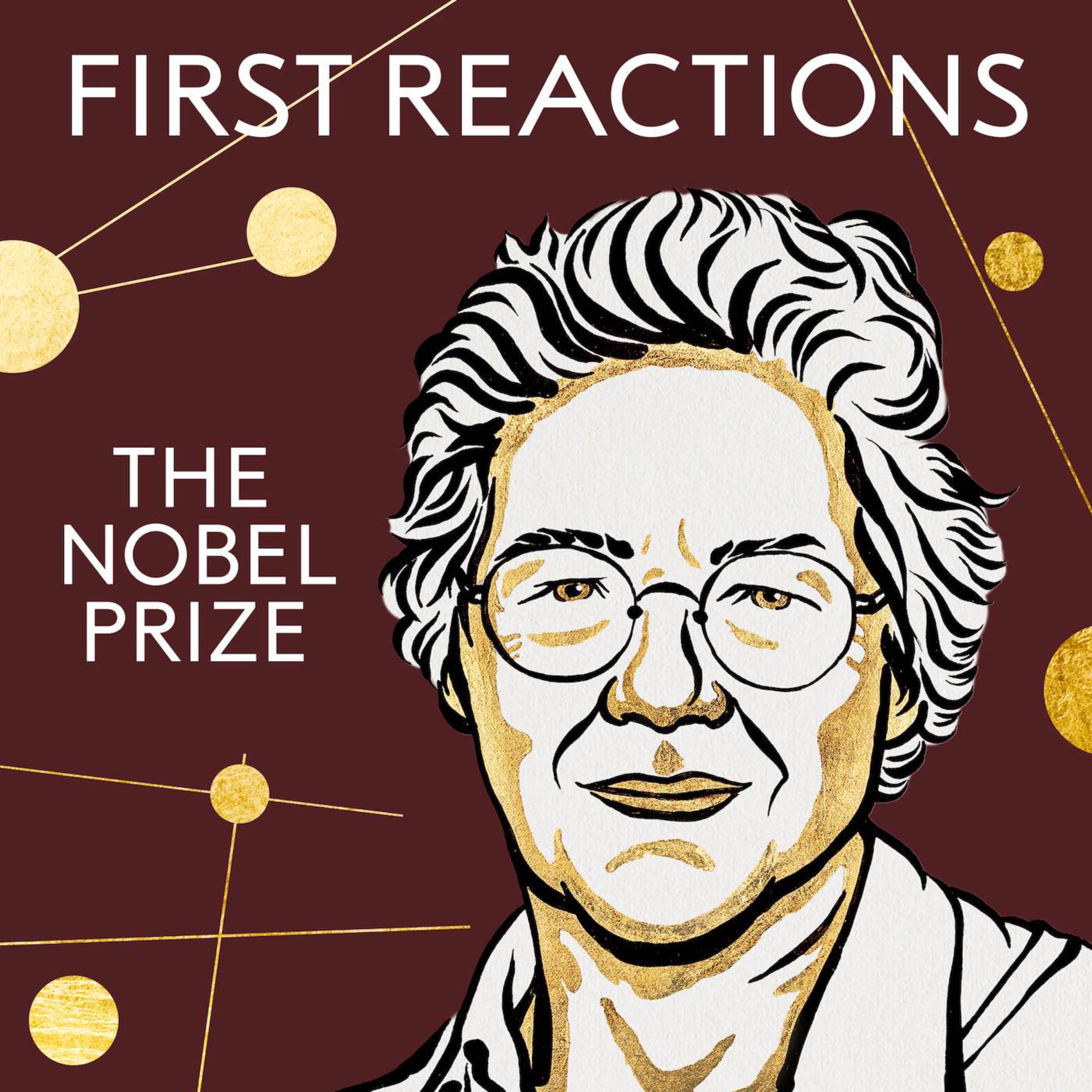
First reactions | Anne L’Huillier, Nobel Prize in Physics 2023 | Telephone interview
In what was surely understatement, 2023 physics laureate Anne L’Huillier described herself as “A little bit busy” when the Nobel Prize’s Adam Smith reached her a couple of hours after she had received the news. In this brief call she describes how special it feels to receive the prize and how her research into the overtones of light, which she revealed in the 1980s, continues to excite her: “Even now, 30 years afterwards, we are still learning new things.” © Nobel Prize Outreach. First reactions terms of use: https://www.nobelprize.org/ceremonies/streams-terms-of-use Hosted on Acast. See acast.com/privacy for more information.
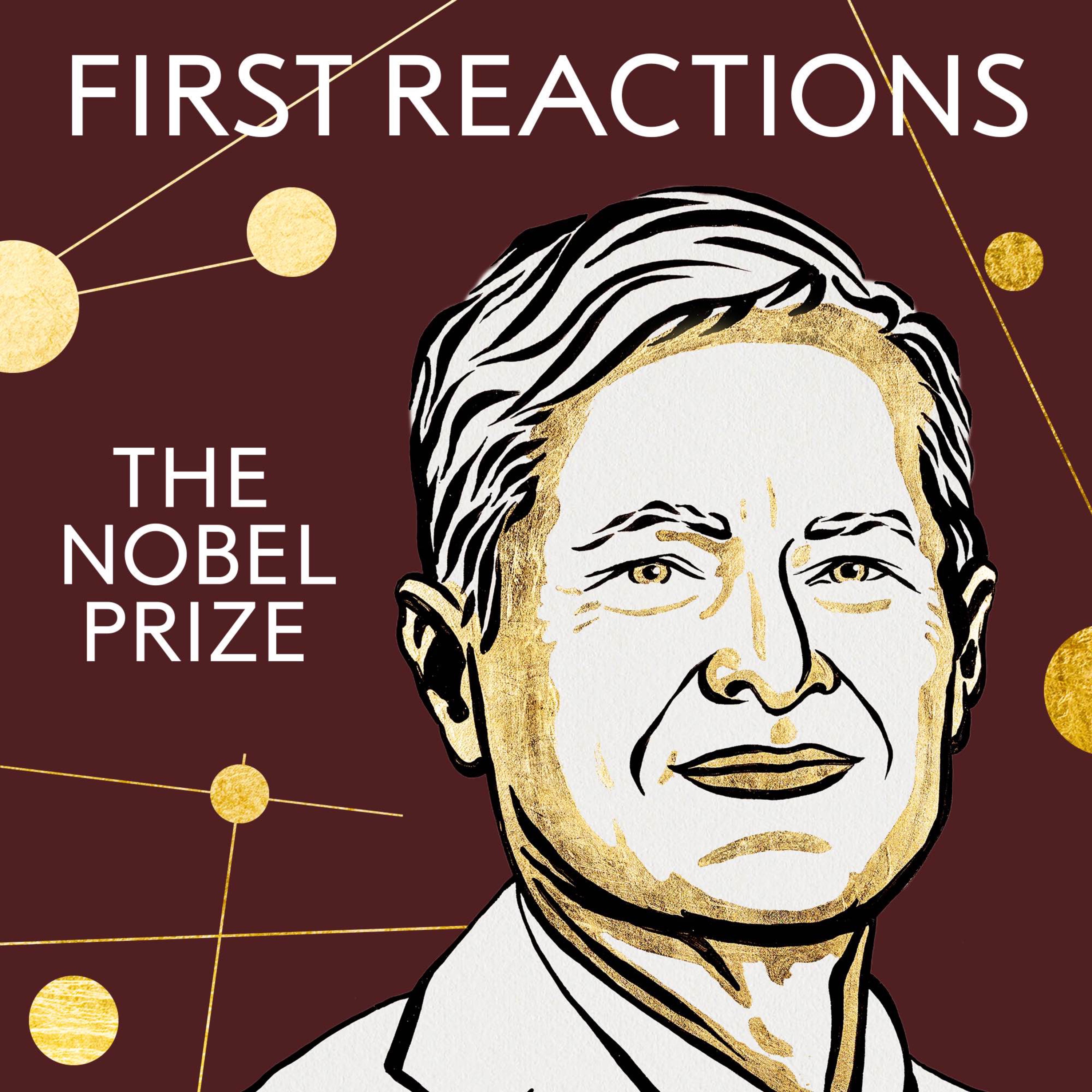
First reactions | Ferenc Krausz, Nobel Prize in Physics 2023 | Telephone interview
Ferenc Krausz was preparing to give lab tours at his Institute when a call from Stockholm reached him at home. “I was not sure whether I was dreaming, or whether it’s reality,” he tells the Nobel Prize’s Adam Smith in this call recorded just after the physics prize was announced. “It’s always exciting to see something that no-one could see before,” he says, recalling the thrilling morning in Vienna in 2001 when he first saw that they were able to reveal electron motions with their attosecond pulse technology: “This was just an unbelievable moment which I will never forget!” © Nobel Prize Outreach. First reactions terms of use: https://www.nobelprize.org/ceremonies/streams-terms-of-use Hosted on Acast. See acast.com/privacy for more information.
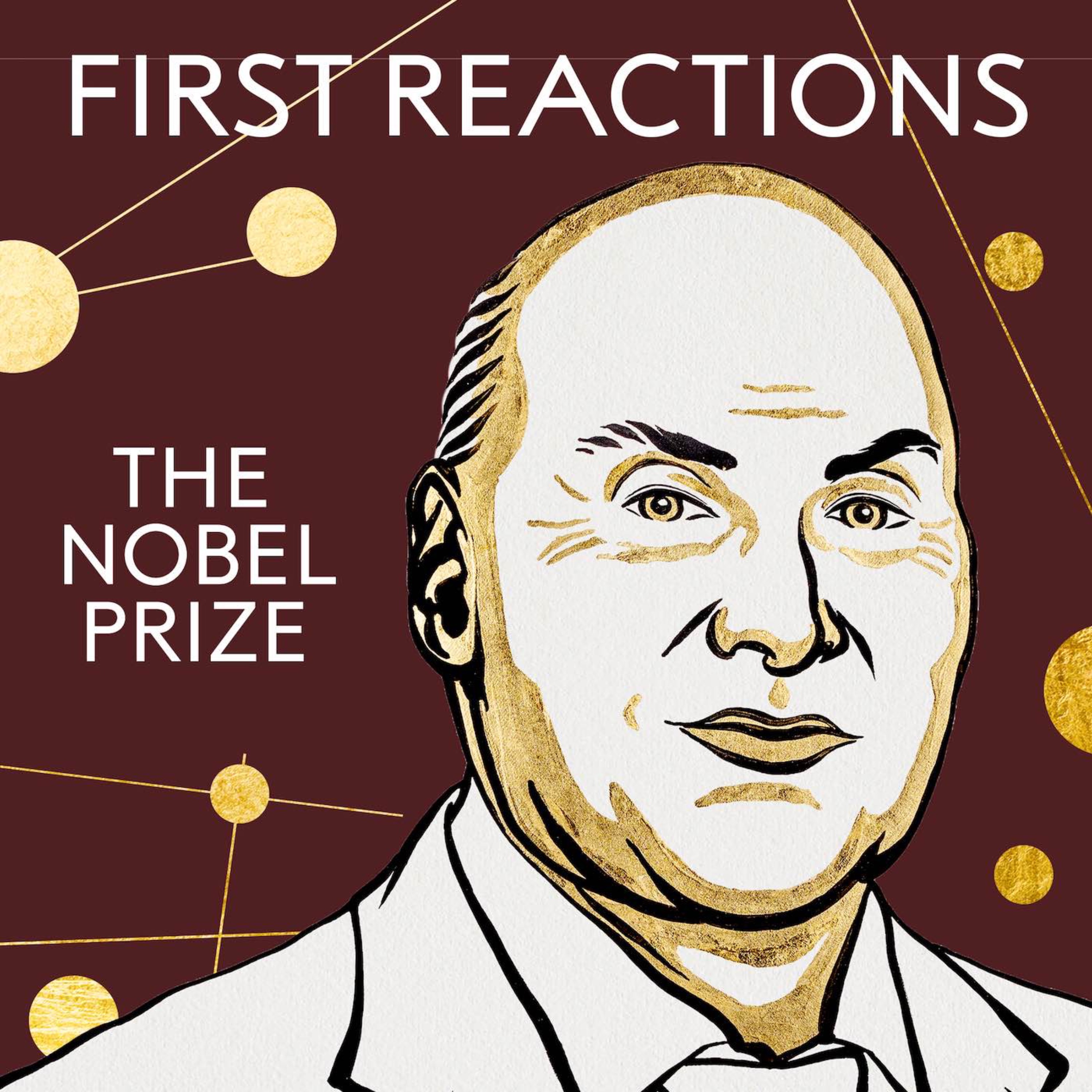
First reactions | Drew Weissman, Nobel Prize in Physiology or Medicine 2023 | Telephone interview
“We weren’t sure it was true!” Drew Weissman’s research partner and co-laureate Katalin Karikó called him early this morning with some incredible news – they had both been awarded the 2023 Nobel Prize in Physiology or Medicine. The two have a 20 year history of working together. “We both have sleep disturbances,” he says in this conversation with the Nobel Prize’s Adam Smith, “so usually around 3 to 5am we would be emailing each other with new ideas.” Speaking just after he had heard of the award, he stresses that despite his new found notoriety and all the claims on his time, “Nothing distracts me from my work.” As to the effect of the Nobel Prize: “This just encourages us more!” © Nobel Prize Outreach. First reactions terms of use: https://www.nobelprize.org/ceremonies/streams-terms-of-use Hosted on Acast. See acast.com/privacy for more information.
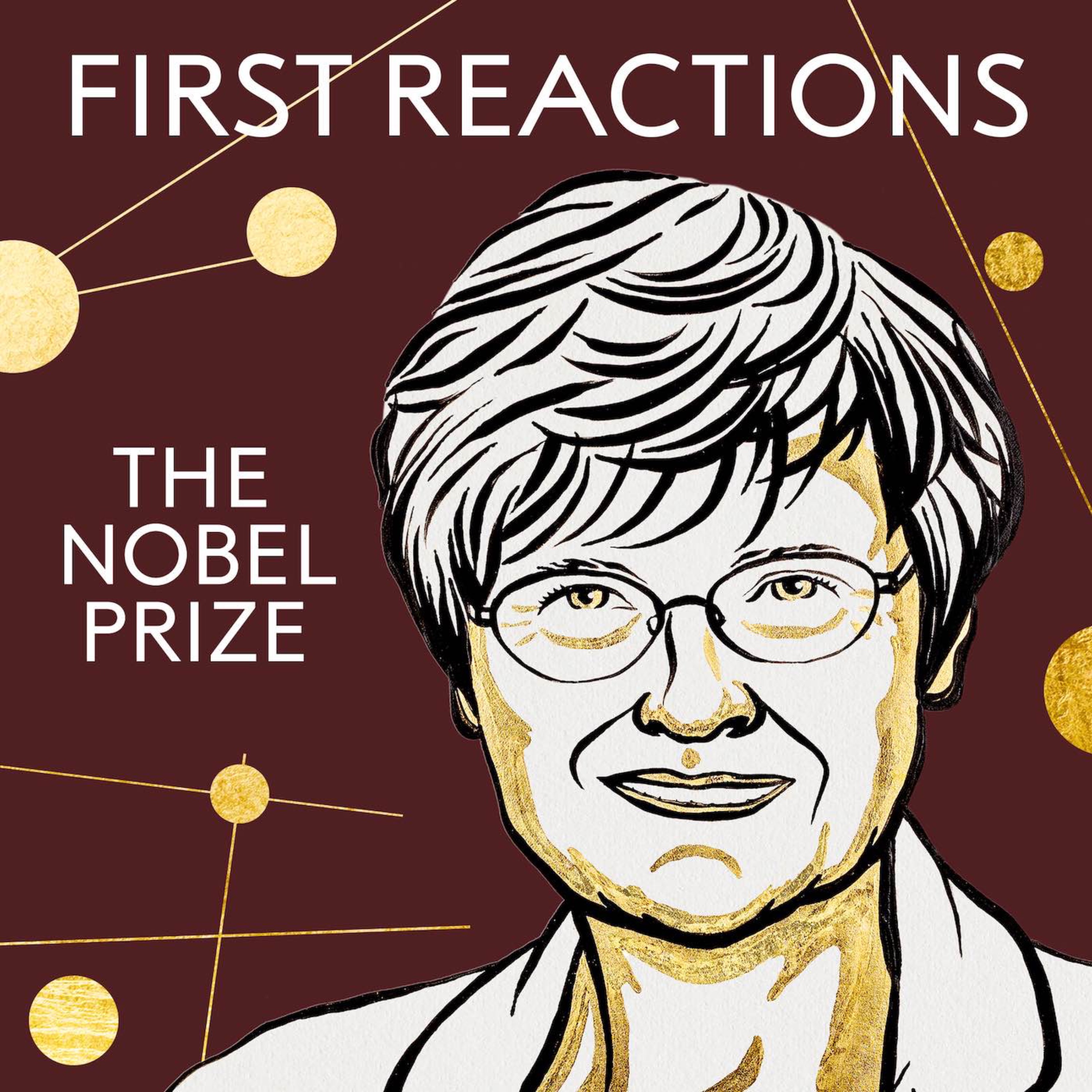
First reactions | Katalin Karikó, Nobel Prize in Physiology or Medicine 2023 | Telephone interview
The call from Stockholm woke Katalin Karikó at her home outside Philadelphia. Initially in disbelief, in this interview with Adam Smith, recorded soon after she had learnt of the award of the Nobel Prize for discoveries that accelerated the introduction of vaccines for Covid-19, she recalls her journey from Hungary and some of the setbacks on the path to the mRNA vaccines. “10 years ago I was here in October, because I was kicked out and forced to retire!” Her advice is to not to dwell on the problems: “You have to focus on the things you can change.” © Nobel Prize Outreach. First reactions terms of use: https://www.nobelprize.org/ceremonies/streams-terms-of-use Hosted on Acast. See acast.com/privacy for more information.
Behind the scenes: Adam Smith presents more October interviews with the new Nobel Prize laureates
Each year in October, Adam Smith takes on the challenge of reaching the brand new Nobel Prize laureates for a telephone interview. In this new bonus episode of Nobel Prize Conversations, Adam takes us behind the scenes for even more of these calls and his favourite moments. The host for this episode is Karin Svensson, the producer of Nobel Prize Conversations.From October 2-9, don't miss our mini-season that will showcase the absolute freshest interviews with the new 2023 Nobel Prize laureates. Hosted on Acast. See acast.com/privacy for more information.
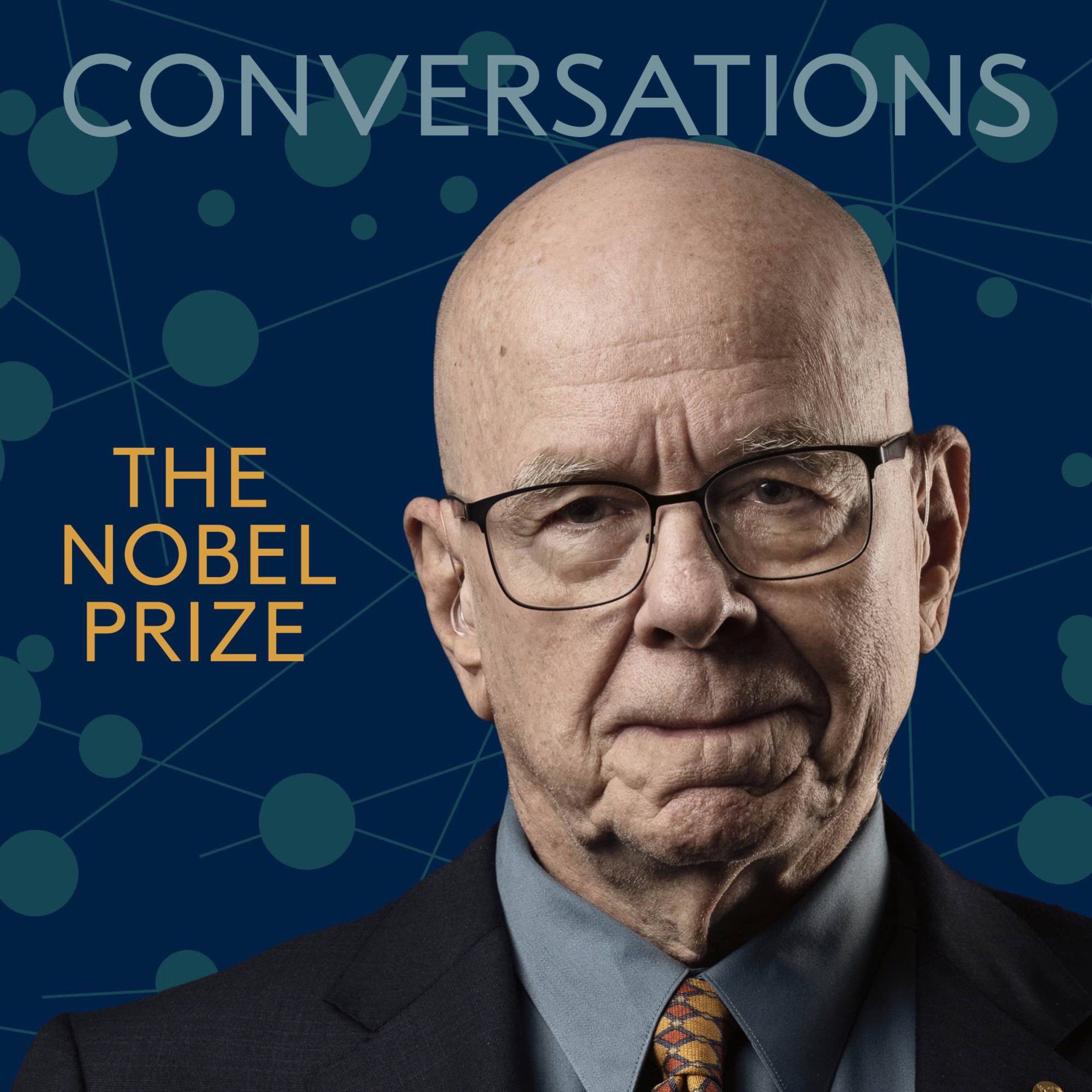
Barry Sharpless: Nobel Prize Conversations
“If you're interested in something, you'd be amazed what interest can do.” – So says Barry Sharpless, the only living individual that has been awarded two Nobel Prizes. In this rare and uniquely wide-ranging conversation, Sharpless opens up about curiosity, creativity and how he comes up with all these new ideas. The host of this podcast is Adam Smith, Chief Scientific Officer at Nobel Prize Outreach.Nobel Prize Conversations is produced in cooperation with Fundación Ramón Areces. Hosted on Acast. See acast.com/privacy for more information.
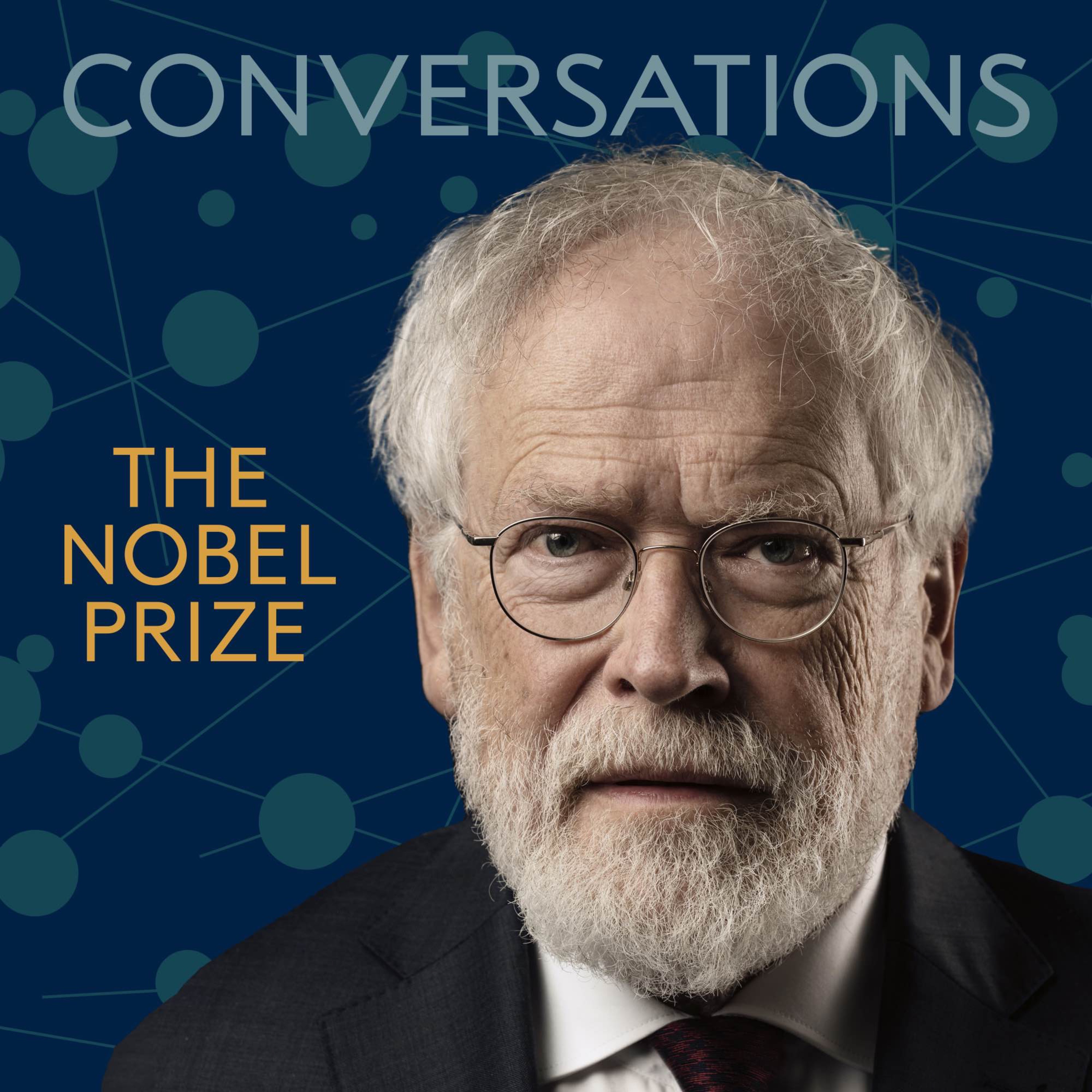
Anton Zeilinger: Nobel Prize Conversations
”You have to reinvent yourself every couple of years. It's absolutely important. It's necessary for me to make my life interesting. Life is too short.” – Meet physics laureate Anton Zeilinger. With an endlessly curious mind, he loves exploring new paths in the scientific field of quantum physics. He also speaks about his love of sailing and why the number 42 holds a special place in his heart. The host of this podcast is Adam Smith, Chief Scientific Officer at Nobel Prize Outreach.Nobel Prize Conversations is produced in cooperation with Fundación Ramón Areces. Hosted on Acast. See acast.com/privacy for more information.
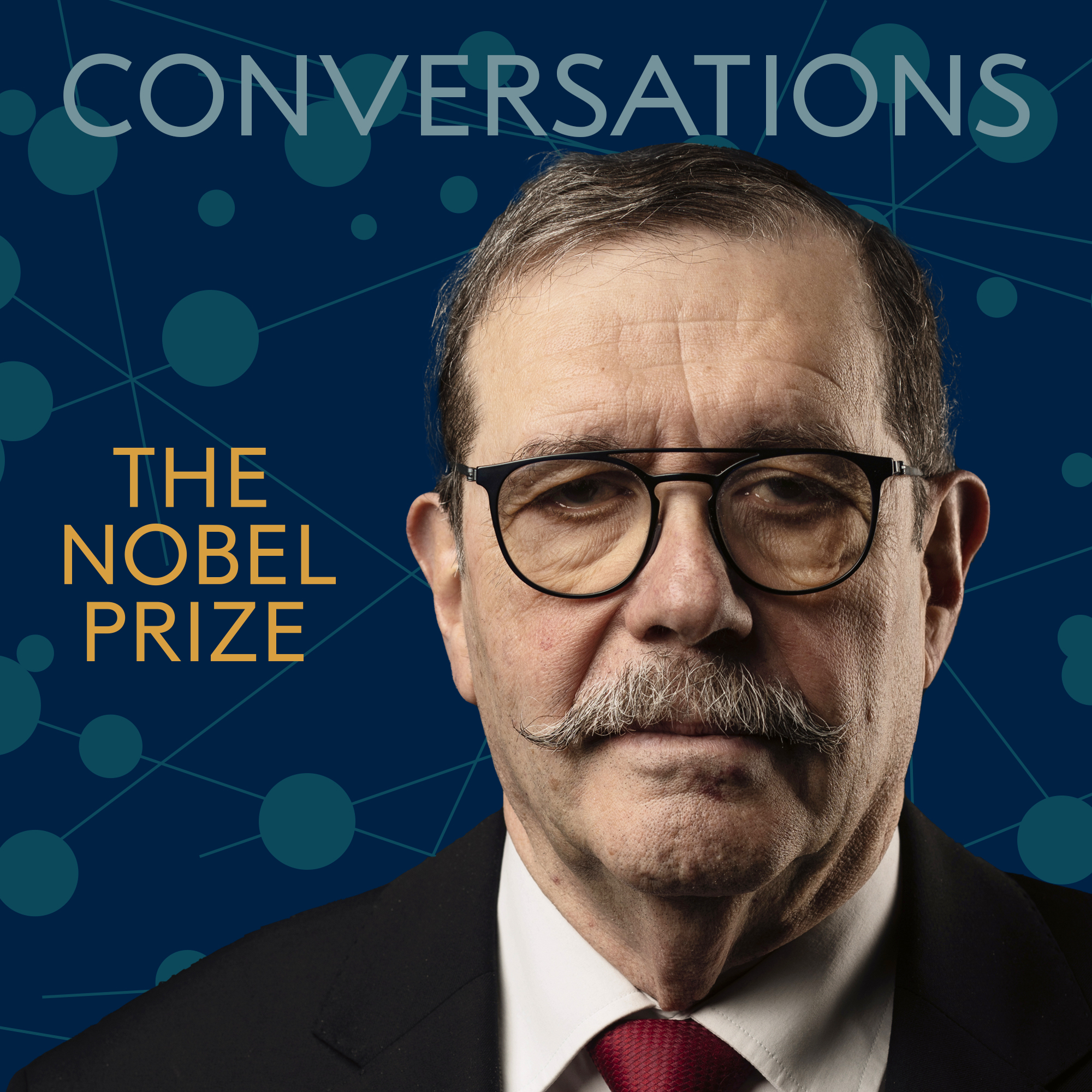
Alain Aspect: Nobel Prize Conversations
"I settled a debate between Bohr and Einstein – which is not bad!" – Meet physicist and 2022 Nobel Prize laureate Alain Aspect, who speaks of his respect for both of these giants of physics. He also opens up about his love of teaching and explaining difficult things and shares how his teachers as well as Jules Verne's novel L'île Misterieuse sparked his interest in science and convinced him that with science and engineering you can build a new world. The host of this podcast is Adam Smith, Chief Scientific Officer at Nobel Prize Outreach.Nobel Prize Conversations is produced in cooperation with Fundación Ramón Areces. Hosted on Acast. See acast.com/privacy for more information.
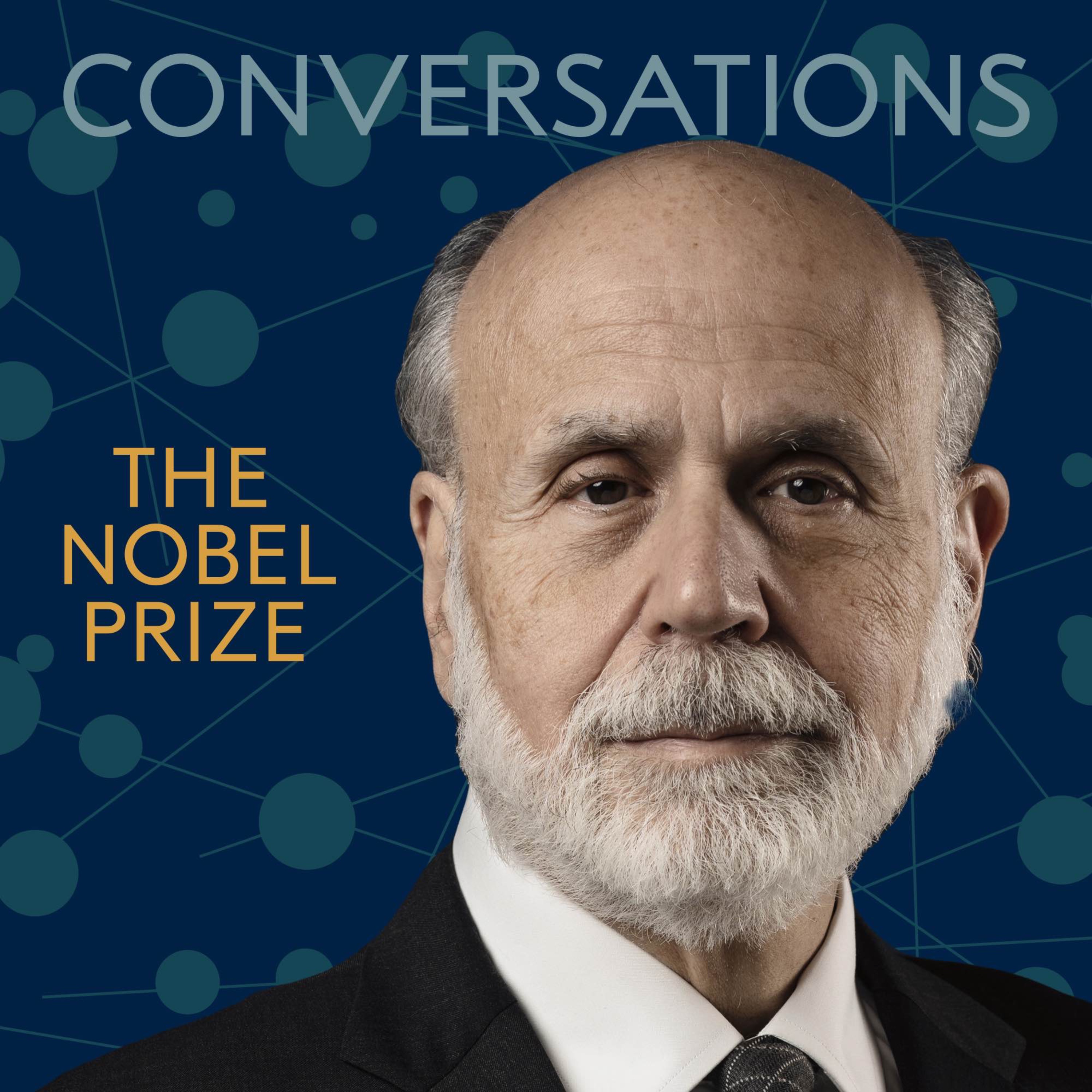
Ben Bernanke: Nobel Prize Conversations
“As an economist, I'm looking at that number and trying to think about how it fits into a broader economic picture. But on the other hand, having grown up in a small town, not a very rich town, economically very stressed place I could think about the real families, real people that those numbers represented. That was important to me.” – Meet economist Ben Bernank, who also tells us about his childhood and how he took part in spelling competitions in school.The host of this podcast is Adam Smith, Chief Scientific Officer at Nobel Prize Outreach.Nobel Prize Conversations is produced in cooperation with Fundación Ramón Areces. Hosted on Acast. See acast.com/privacy for more information.
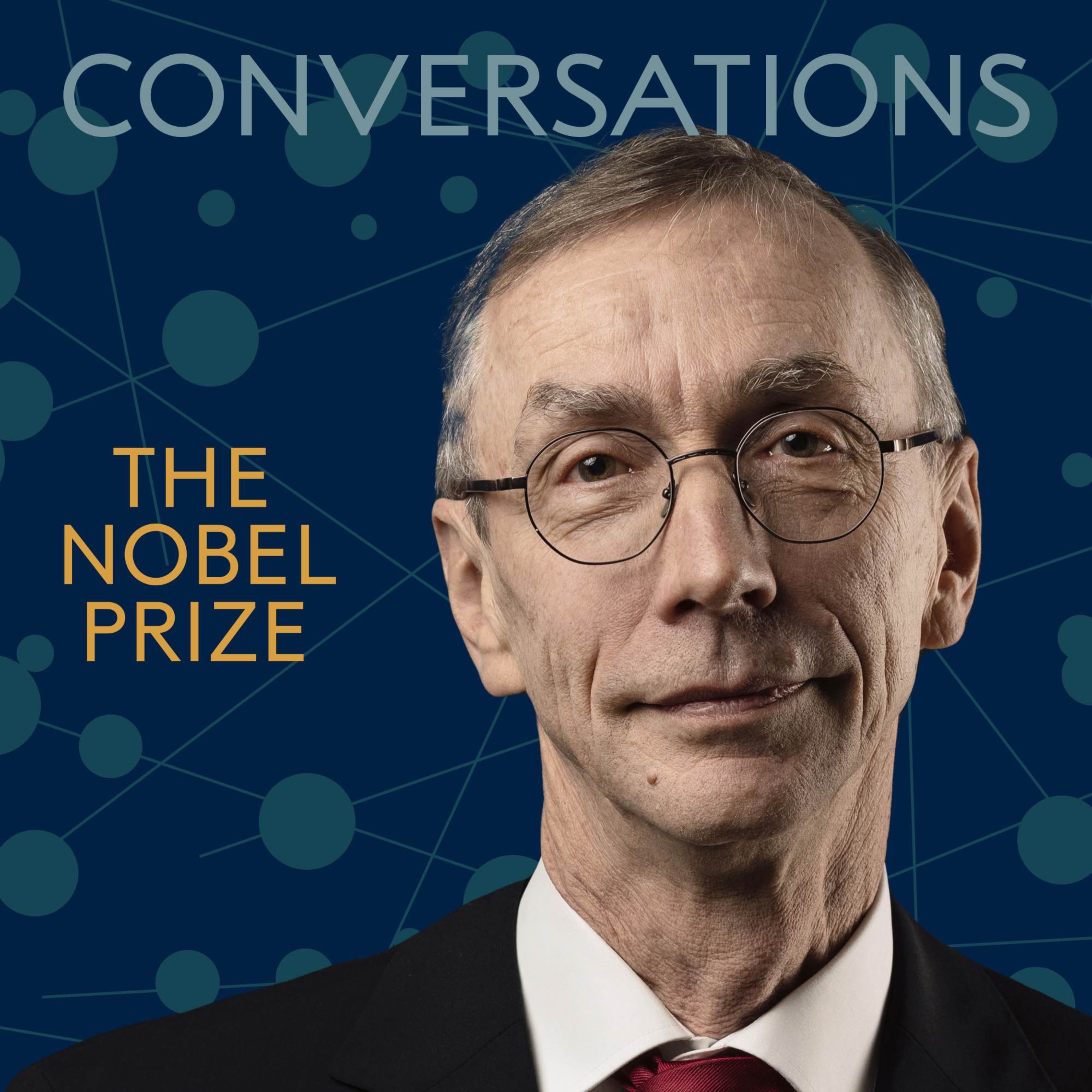
Svante Pääbo: Nobel Prize Conversations
"The first thing I did to see if it at all would have a chance was to buy a piece of liver in the food store close to the Institute and just dry it in the laboratory." – In this episode, 2022 medicine laureate Svante Pääbo describes the start of his scientific career. He also speaks warmly about his mother and how she encouraged him to pursue his childhood interest, archeology. Eventually that interest would put him on the path to a Nobel Prize for sequencing the genome of the Neanderthal, an extinct relative of present-day humans.The host of this podcast is Adam Smith, Chief Scientific Officer at Nobel Prize Outreach. Nobel Prize Conversations is produced in cooperation with Fundación Ramón Areces.Through their lives and work, failures and successes – get to know the individuals who have been awarded the Nobel Prize on the Nobel Prize Conversations podcast. Find it on Acast, or wherever you listen to pods. https://shows.acast.com/nobelprizeconversations Hosted on Acast. See acast.com/privacy for more information.
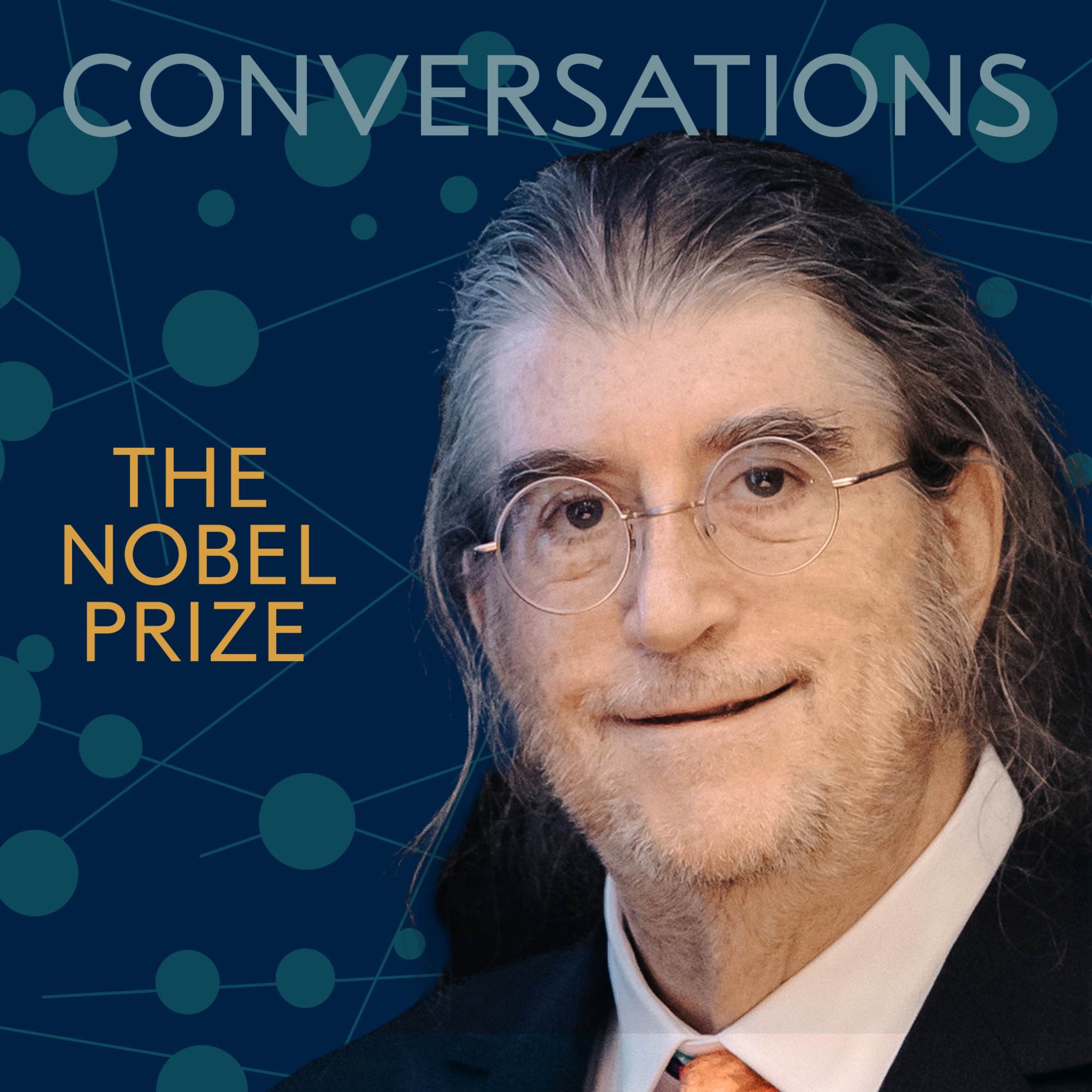
Philip Dybvig: Nobel Prize Conversations
”I was just curious about everything. Everything was interesting and I always felt like I didn't have enough time to learn all the interesting things. And I think that was a big strength that I had.” – In our newest podcast episode, economist Philip Dybvig tells us how his parents encouraged his interest in the world. He shared the 2022 economic sciences prize "for research on banks and financial crises." Together with co-laureate Douglas Diamond, he developed theoretical models that explain why banks exist, how their role in society makes them vulnerable to rumours about their impending collapse, and how society can lessen this vulnerability. These insights form the foundation of modern bank regulation. The host of this podcast is Adam Smith, Chief Scientific Officer at Nobel Prize Outreach.Nobel Prize Conversations is produced in cooperation with Fundación Ramón Areces. Hosted on Acast. See acast.com/privacy for more information.
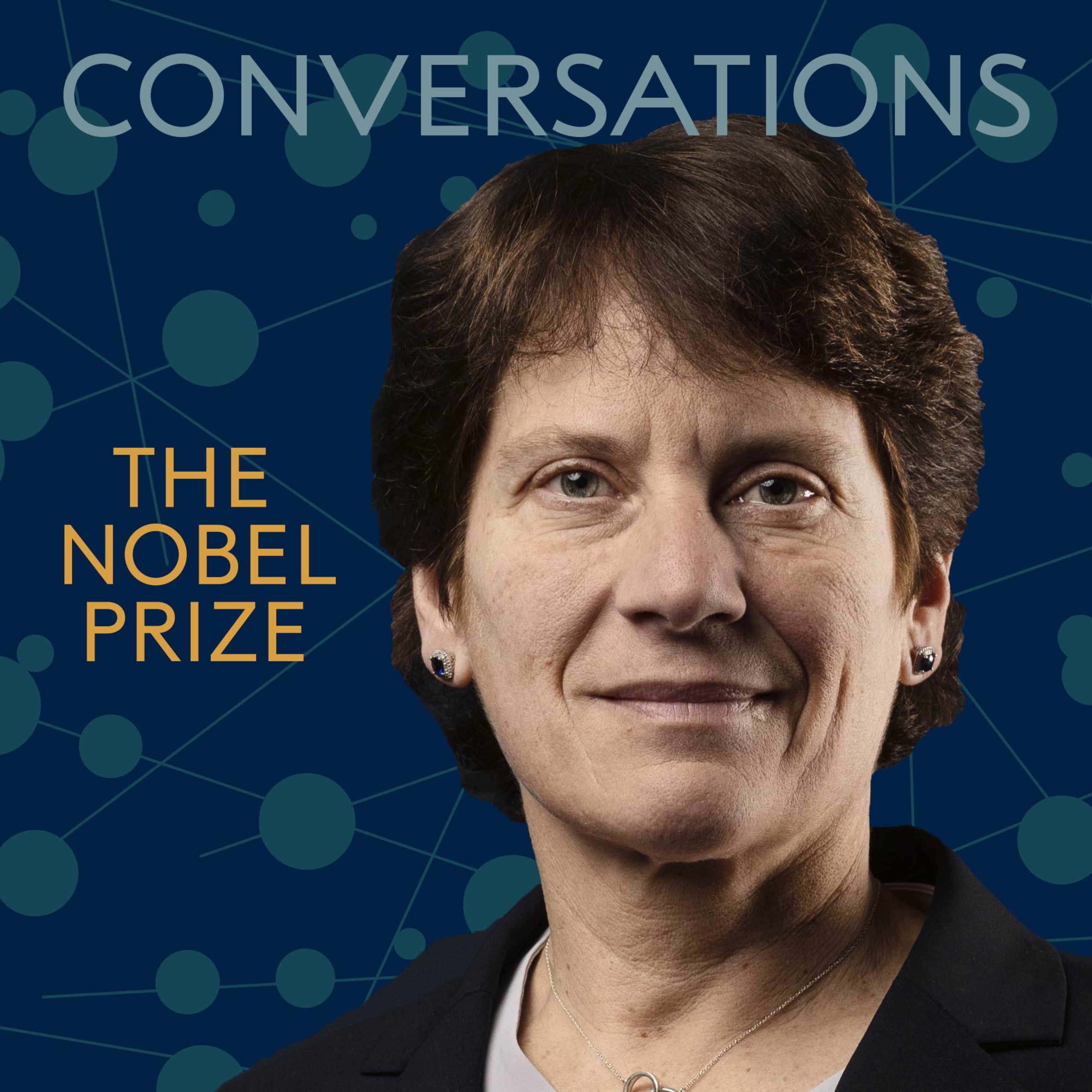
Carolyn Bertozzi: Nobel Prize Conversations
“Your purpose as a scientist is not to achieve fame or money, that is not your purpose, those might be side effects and good for you, that could be wonderful for you but it is a side effect, it is not the main goal. The main goal is to make discoveries and gift them to humanity. And those discoveries and that knowledge stays with humanity long after you are gone.” — Carolyn Bertozzi on the scientist's purpose. Meet chemist and 2022 Nobel Prize laureate Bertozzi. In this episode she speaks about her two life-long loves: organic chemistry and music. Her love of music lead to her playing in a college rock band with Tom Morello whilst her love of organic chemistry earned her a Nobel Prize in Chemistry in 2022. Bertozzi also speaks about her desire to create a diverse and open lab environment and how important that is for research. A true advocate of diversity, she sees clearly the advantages derived from diverse ideas and perspectives. The host of this podcast is Adam Smith, Chief Scientific Officer at Nobel Prize Outreach. Nobel Prize Conversations is produced in cooperation with Fundación Ramón Areces. Hosted on Acast. See acast.com/privacy for more information.
Douglas Diamond: Nobel Prize Conversations
“I think economics is getting closer and closer to being a respectable science. Even when we were not the most respectable science, we still needed to keep pushing forward because the topic actually matters to the planet, to the humans on the planet, and to the animals on the planet.” Douglas Diamond is a strong advocate for economics as a scientific field. His passion for economics was sparked at a young age when he accidentally took an undergraduate course in the topic. In a podcast conversation with host Adam Smith, he reflects on the working environment at University of Chicago (a work place that has become his home after working there 30 years) and how he sees more and more women enter the field of economics (something he thinks is a very positive development). He also tells us about the "No" bell that he received from Richard Thaler – a tool to helps him say no as a newly awarded laureate. Hosted on Acast. See acast.com/privacy for more information.
Morten Meldal: Nobel Prize Conversations
“My daughter was sitting on the second or third row and I could see that she was crying. And tears actually are contagious. So I was almost crying when I had to go up and receive the prize because of that.” — This is how Morten Meldal recalled the moment he crossed the stage in Stockholm to receive his Nobel Prize medal.Host Adam Smith speaks to 2022 chemistry laureate Morten Meldal, who opens up about his interests outside science, such as painting, books, music, and even building his own guitars. Hosted on Acast. See acast.com/privacy for more information.
Leymah Gbowee: Encore presentation of Nobel Prize Conversations
"One minute I was a teenager and the next minute I was a woman.” – Leymah Gbowee shares her heartbreaking life story of a happy childhood cruelly interrupted by the Liberian civil war. Nobel Prize Outreach's Adam Smith is your host in this encore presentation as Gbowee also talks about her constant and tireless struggle for women’s rights and peace in her home country. Her never-give-up attitude has been a constant in her life and work, and something she tries to instill in young people, encouraging them ”to believe that they can do whatever they put their mind to”.Leymah Gbowee shared the Nobel Peace Prize in 2011 for her peace work. This podcast was originally released in the winter of 2021. Hosted on Acast. See acast.com/privacy for more information.
Roger Penrose: Encore presentation of Nobel Prize Conversations
“I am very bad at giving up.” – Get to know one of the greatest minds of today, physicist Roger Penrose. Even beyond his 90th birthday he seems to be working more than ever and is engaged in various research projects. In an intimate conversation with the Nobel Prize’s Adam Smith, Penrose speaks about how 2020 was a year that gave him time to reflect and develop even more research ideas – until he was awarded the Nobel Prize! Black holes, magic blackboards and childhood aspirations are other topics that are up for discussion. Roger Penrose was awarded the 2020 Nobel Prize in Physics "for the discovery that black hole formation is a robust prediction of the general theory of relativity". Hosted on Acast. See acast.com/privacy for more information.
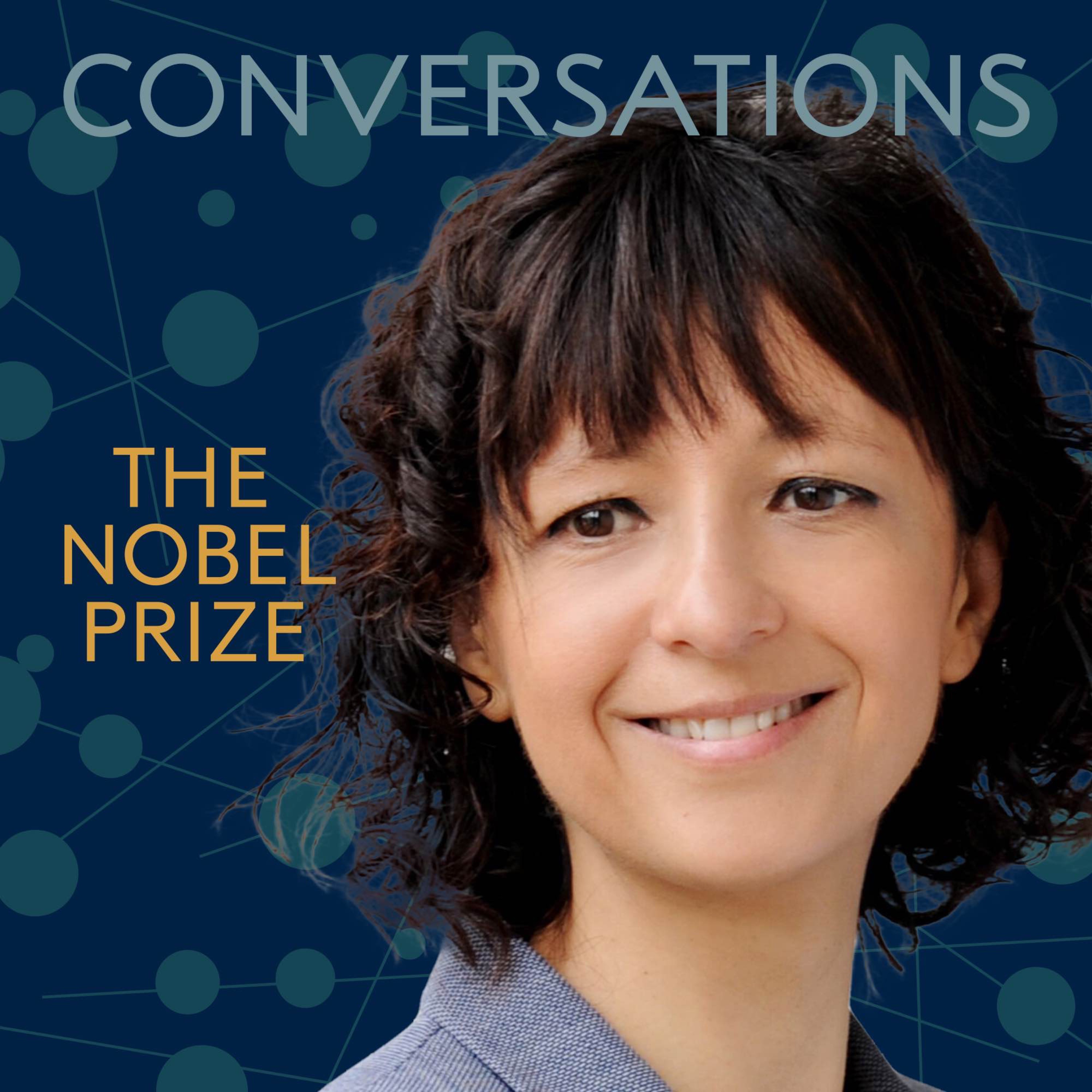
Emmanuelle Charpentier: Encore presentation of Nobel Prize Conversations
"It's a mixture of obsession, passion, and a sense that this is my mission." In this episode we hear 2020 chemistry laureate Emmanuelle Charpentier speak about the drive you need as a researcher and what impact awards can have on a career. Her road to the Nobel Prize was a winding journey, and she recalls how science was her stability. Charpentier shared the Nobel Prize in Chemistry with Jennifer Doudna for discovering key aspects of a naturally-occuring defence mechanism in bacteria, called CRISPR/Cas9, and developing it into one of gene technology's sharpest tools. Please enjoy our encore presentation of this episode from season 2. Hosted on Acast. See acast.com/privacy for more information.
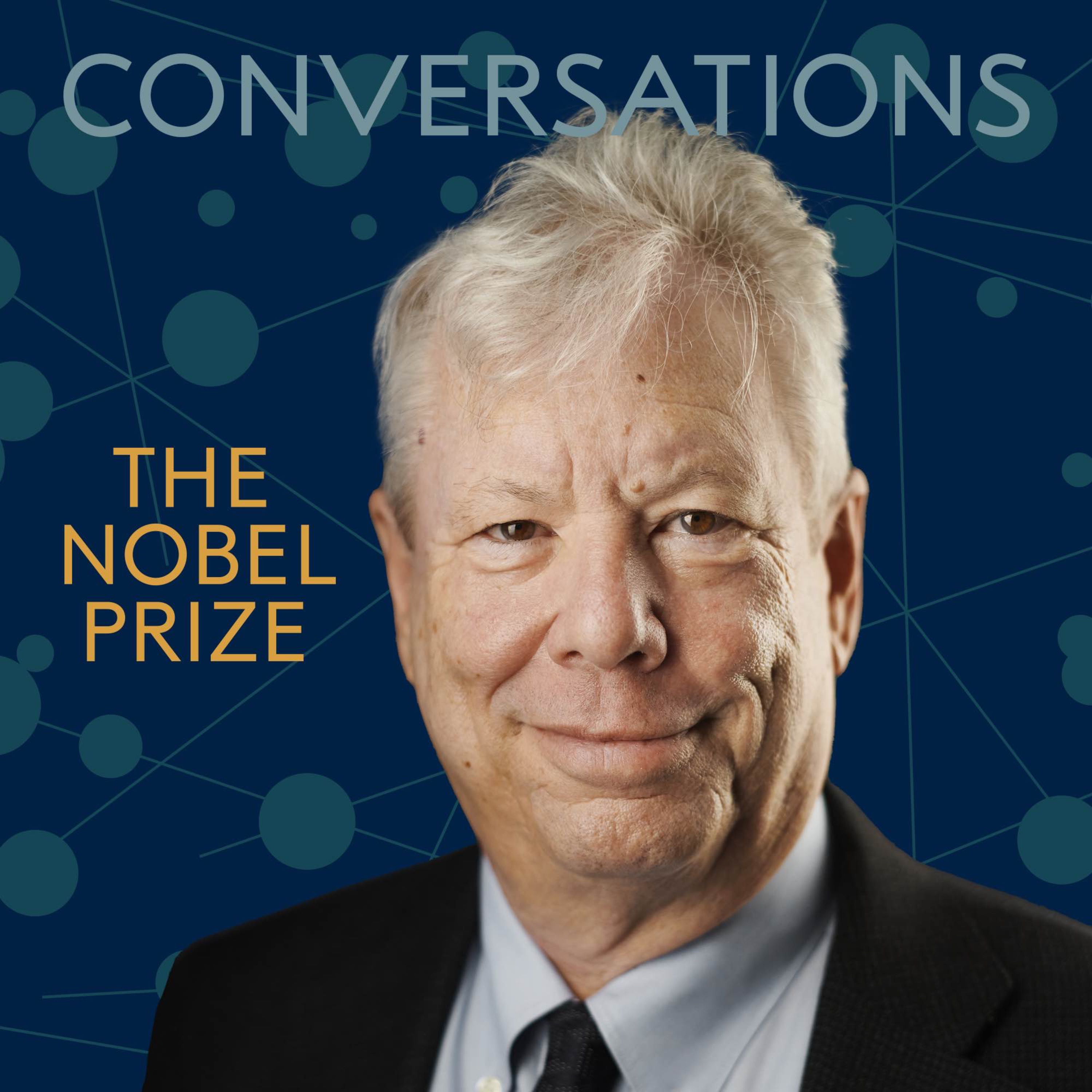
Richard Thaler: Encore presentation of Nobel Prize Conversations
Nudges, sludges, and the connection between stubbornness and success. Join us for this encore presentation of our first episode of Nobel Prize Conversations, as host Adam Smith picks the brain of Richard Thaler, the 2017 laureate in Economic Sciences. Thaler's work has helped us to understand how people make choices in the real world and has also given us tools to nudge people towards better decisions. Hosted on Acast. See acast.com/privacy for more information.
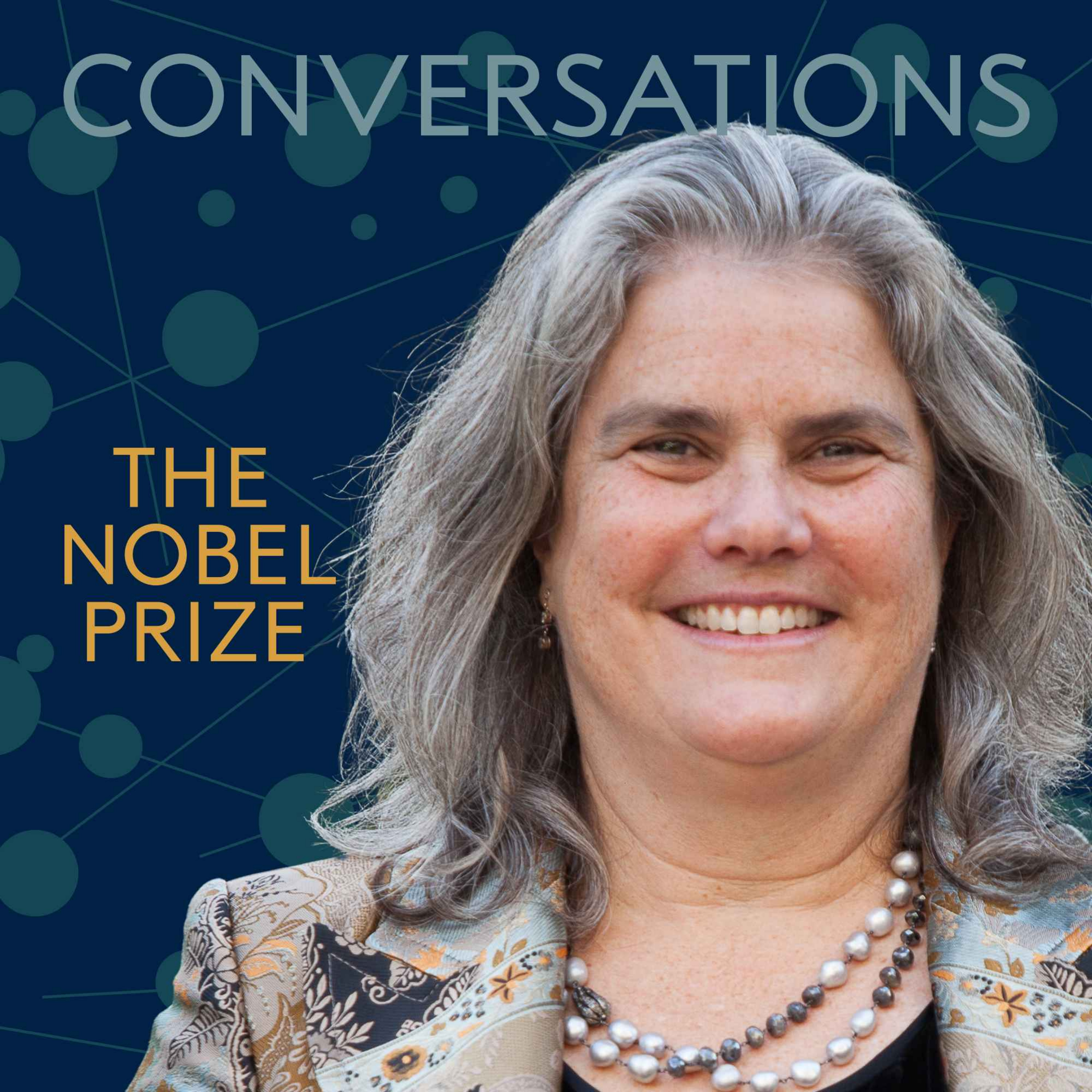
Andrea Ghez: Encore presentation of Nobel Prize Conversations
Meet astrophysicist Andrea Ghez, recipient of the 2020 Nobel Prize in Physics "for the discovery of a supermassive compact object at the centre of our galaxy." In this energy-packed conversation with Adam Smith, you can hear about prima donna galaxies, Ghez’s personal pet star, and how she overcame one of her biggest childhood fears. Hosted on Acast. See acast.com/privacy for more information.
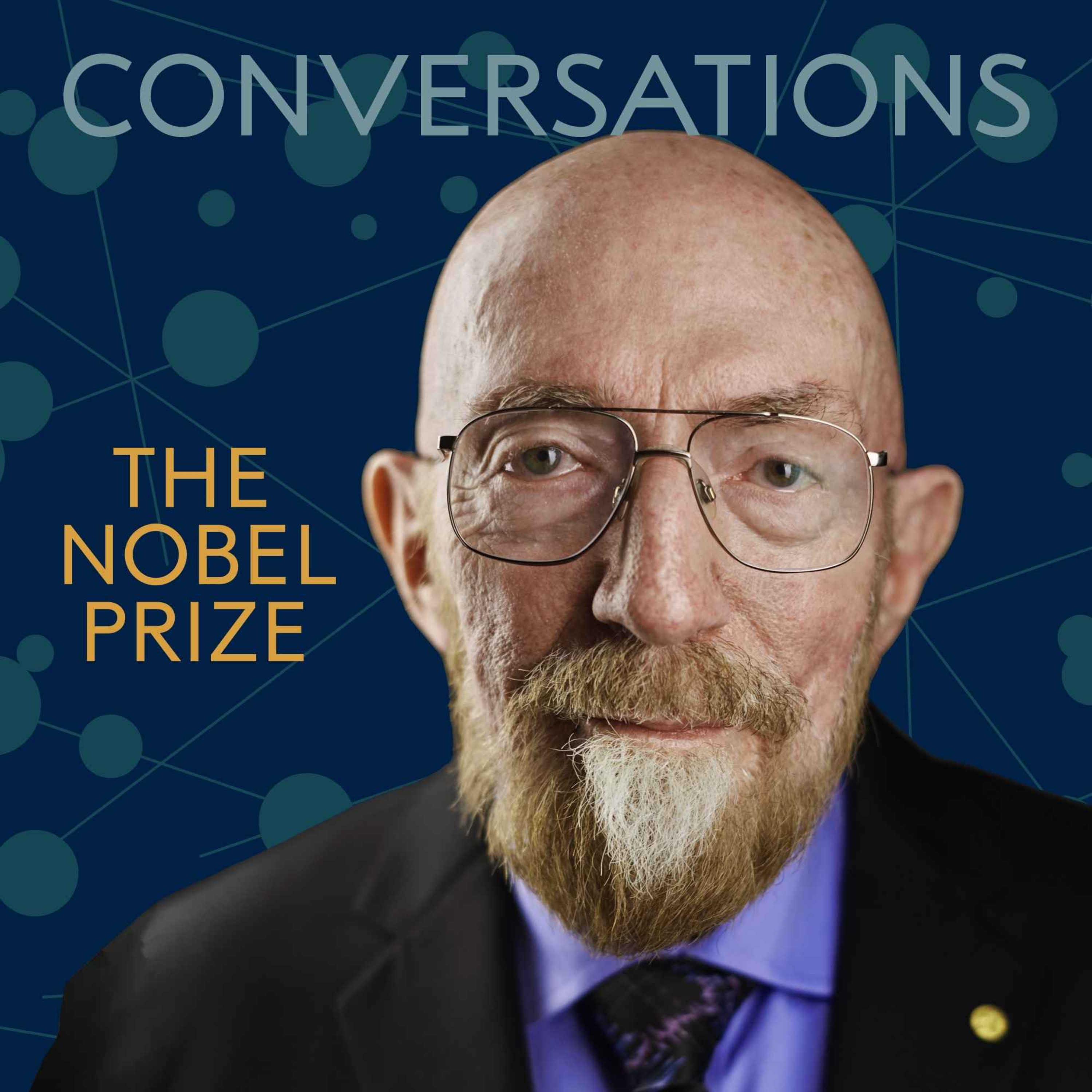
Kip Thorne: Encore presentation of Nobel Prize Conversations
What costs a billion dollars and takes 50 years to build and perfect? LIGO: A machine to detect gravitational waves. In this encore presentation of a conversation from Season 2, Kip Thorne confides, ”In the 70’s I thought we would have this done within one decade ... two decades at the most.” Predicted by Einstein’s theory of general relativity, gravitational waves were first measured by the LIGO detector in 2015. Still a cutting-edge scientific tool, LIGO will begin its next observing run (O4) in March 2023 and will be able to detect events almost twice as far away as when it made its first, ground-breaking measurements. Meet astrophysicist Kip Thorne, who was awarded the 2017 Nobel Prize in Physics "for decisive contributions to the LIGO detector and the observation of gravitational waves." In a wide-ranging conversation with host Adam Smith they cover Albert Einstein’s importance to the field of science, whether time travel is actually possible, and what it was like to be the physics guru inside the blockbuster film ’Interstellar’." Hosted on Acast. See acast.com/privacy for more information.
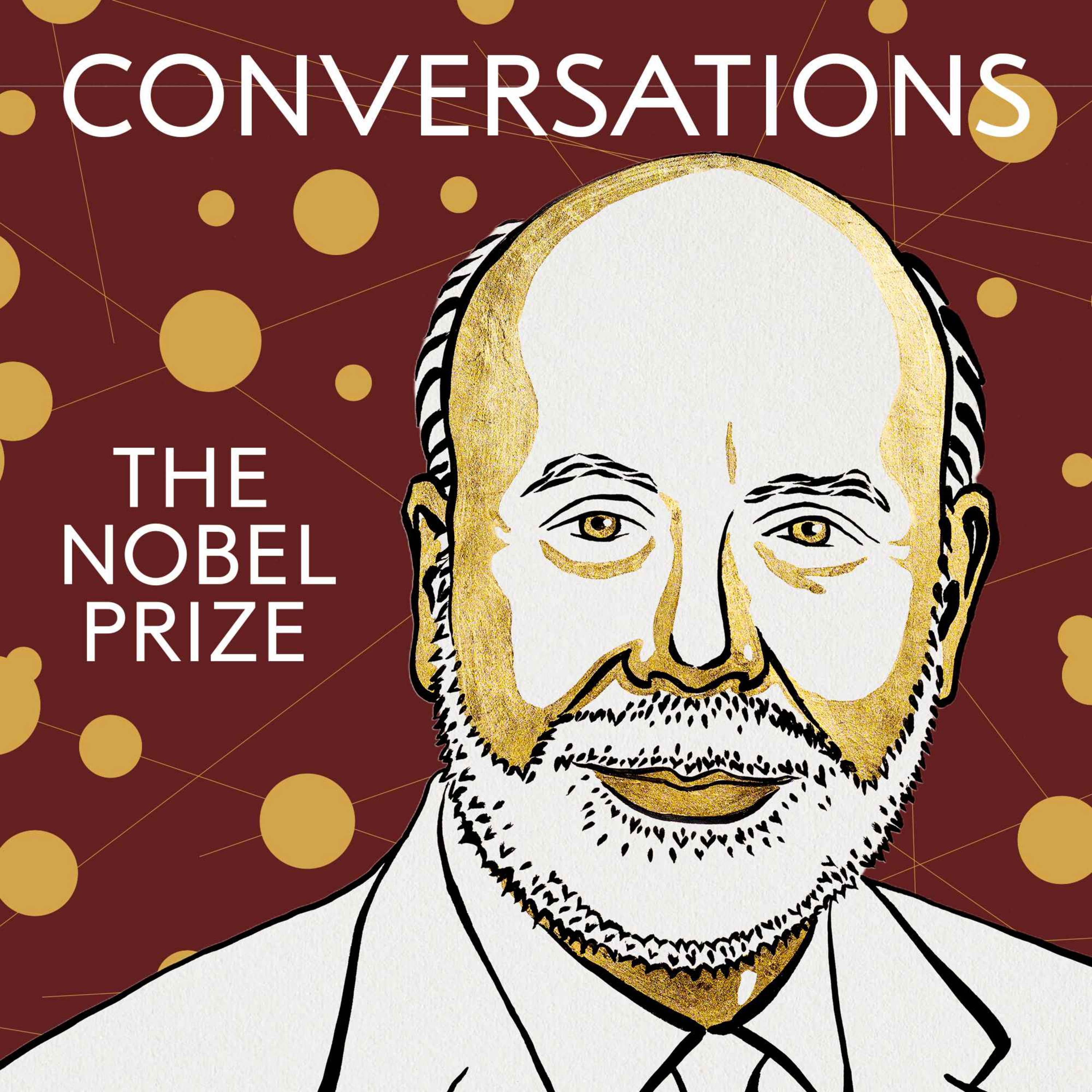
First reactions | Ben Bernanke, prize in economic sciences 2022 | Telephone interview
“What we’re talking about here is credit.” — In this conversation, recorded the day after the announcement from Stockholm, Ben Bernanke stresses the importance of the financial system as a critical part of the broader economy, not just a ‘side show’. “That’s the real insight,” he says, “that credit can help provide growth, but if the credit mechanism is badly disrupted it can also be a very adverse development for the economy.” He also talks with Adam Smith about how he approached the challenge of transitioning from academic to practitioner, as Chair of the Federal Reserve: “I tried to keep my focus simultaneously on the very near term, what I had to do next; the next speech, the next testimony, the next decision, while at the same time periodically thinking about the big picture.” © Nobel Prize Outreach. First reactions terms of use: https://www.nobelprize.org/ceremonies/streams-terms-of-use Hosted on Acast. See acast.com/privacy for more information.
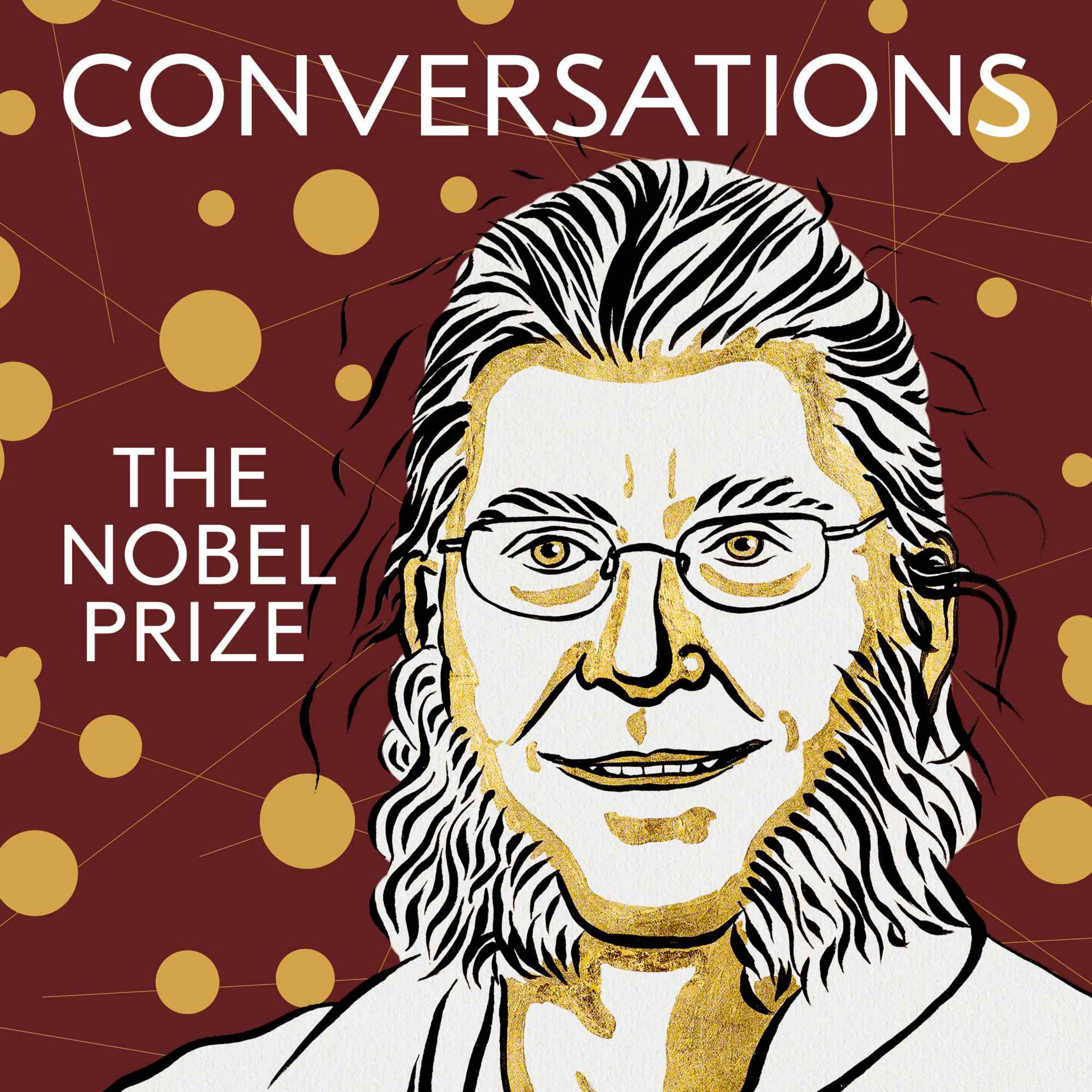
First reactions | Philip Dybvig, prize in economic sciences 2022 | Telephone interview
“When I woke up I had what seemed like thousands of messages” — Philip Dybvig’s phone was on silent, so he missed the call from Stockholm. When, half asleep, he did confirm the news, he recalls that his initial response was one of stress: “What’s this going to do to my life?” In this call recorded a few hours later he talks briefly to Adam Smith about the theoretical model that he and Douglas Diamond built, and how important it is to ensure that such findings are accessible to policymakers: “We worked so hard to make the paper simple.” © Nobel Prize Outreach. First reactions terms of use: https://www.nobelprize.org/ceremonies/streams-terms-of-use Hosted on Acast. See acast.com/privacy for more information.
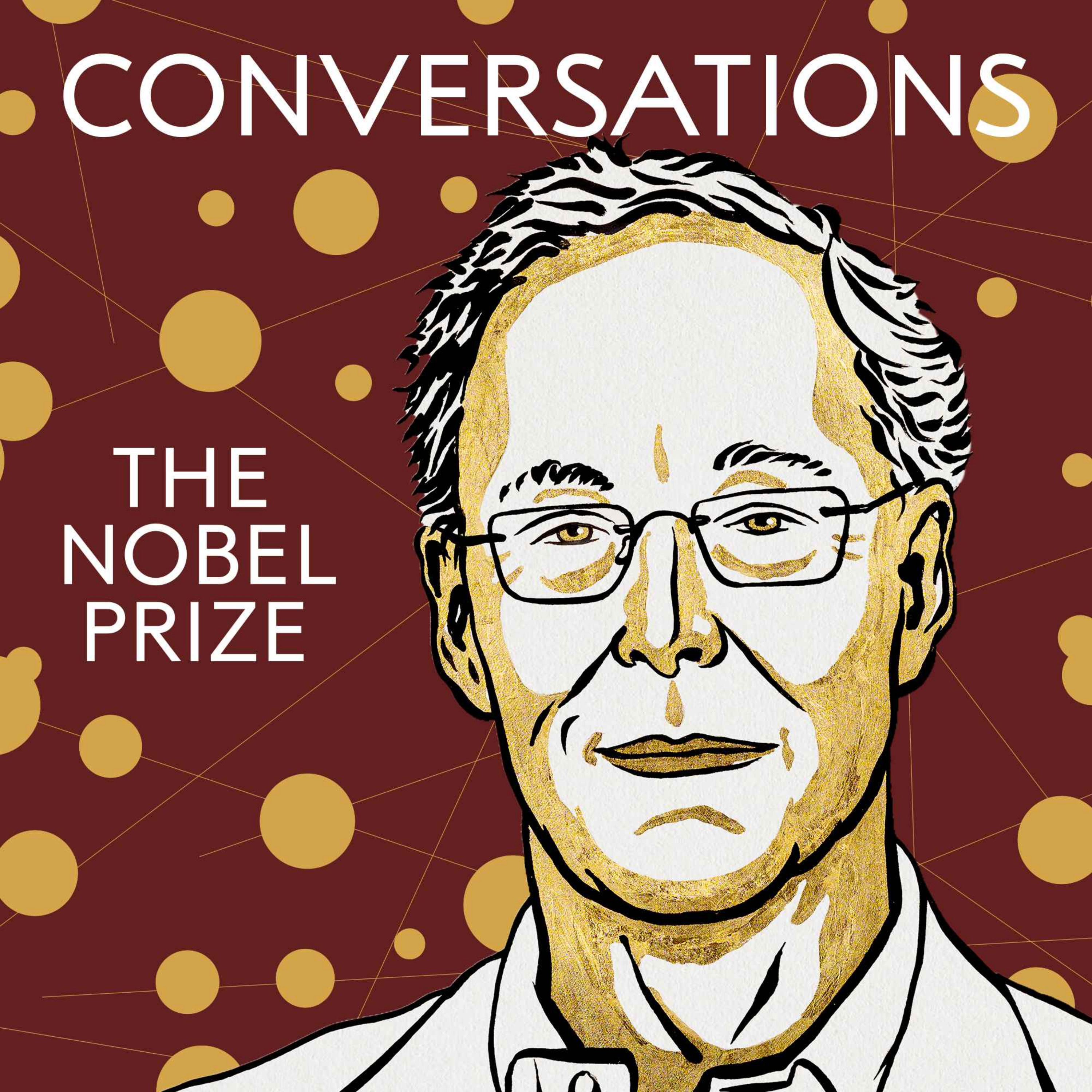
First reactions | Douglas Diamond, prize in economic sciences 2022 | Telephone interview
“There are very few people in the world I’d rather be sitting next to when discussing these issues” — In this interview recorded just after the public announcement, Douglas Diamond, the first of the three laureates to hear the news, speaks about his happiness at receiving the economic sciences prize together with Philip Dybvig and Ben Bernanke. He tells Adam Smith how he and Dybvig laid the groundwork for their intense working relationship, which lead to the influential Diamond-Dybvig model, while waiting outside their supervisor’s office at Yale, plentifully supplied with cookies. Fast forward to the financial crisis 15 years ago and, Diamond says, “The world was incredibly lucky to have Ben Bernanke sitting in the Federal Reserve”. © Nobel Prize Outreach. First reactions terms of use: https://www.nobelprize.org/ceremonies/streams-terms-of-use Hosted on Acast. See acast.com/privacy for more information.
First reactions | Oleksandra Matviychuk, Nobel Peace Prize 2022 | Telephone interview
“Common people have a much greater impact than they can even imagine” — When asked what brings her hope, Oleksandra Matviychuk replies, “Ordinary people.” Although the challenges faced might seem insurmountable, she sees first hand how people have the power to change the status quo: “Mobilisation of common people can change world history quicker than UN intervention.” In this conversation with Adam Smith, recorded the day after the announcement of the award of the 2022 Nobel Peace Prize to the organisation she heads, Matviychuk speaks of the sense of solidarity to be gained from fighting together for human rights: “This is about a story that freedom has no borders and human rights values are universal.” The Norwegian Nobel Committee awarded the Nobel Peace Prize for 2022 to human rights advocate Ales Bialiatski from Belarus, the Russian human rights organisation Memorial and the Ukrainian human rights organisation Center for Civil Liberties. © Nobel Prize Outreach.First reactions terms of use: https://www.nobelprize.org/ceremonies/streams-terms-of-use Hosted on Acast. See acast.com/privacy for more information.
The Call from Oslo to Center for Civil Liberties, 2022 Nobel Peace Prize laureate
"It is incredible" — Before the public announcement of the 2022 Nobel Peace Prize Olav Njølstad, Secretary of the Norwegian Nobel Committee, called Oleksandra Romantsova, Executive Director of Center for Civil Liberties to inform her that her organisation was one of the three Nobel Peace Prize laureates for 2022. Today the Norwegian Nobel Committee has decided to award the Nobel Peace Prize for 2022 to human rights advocate Ales Bialiatski from Belarus, the Russian human rights organisation Memorial and the Ukrainian human rights organisation Center for Civil Liberties. Hosted on Acast. See acast.com/privacy for more information.
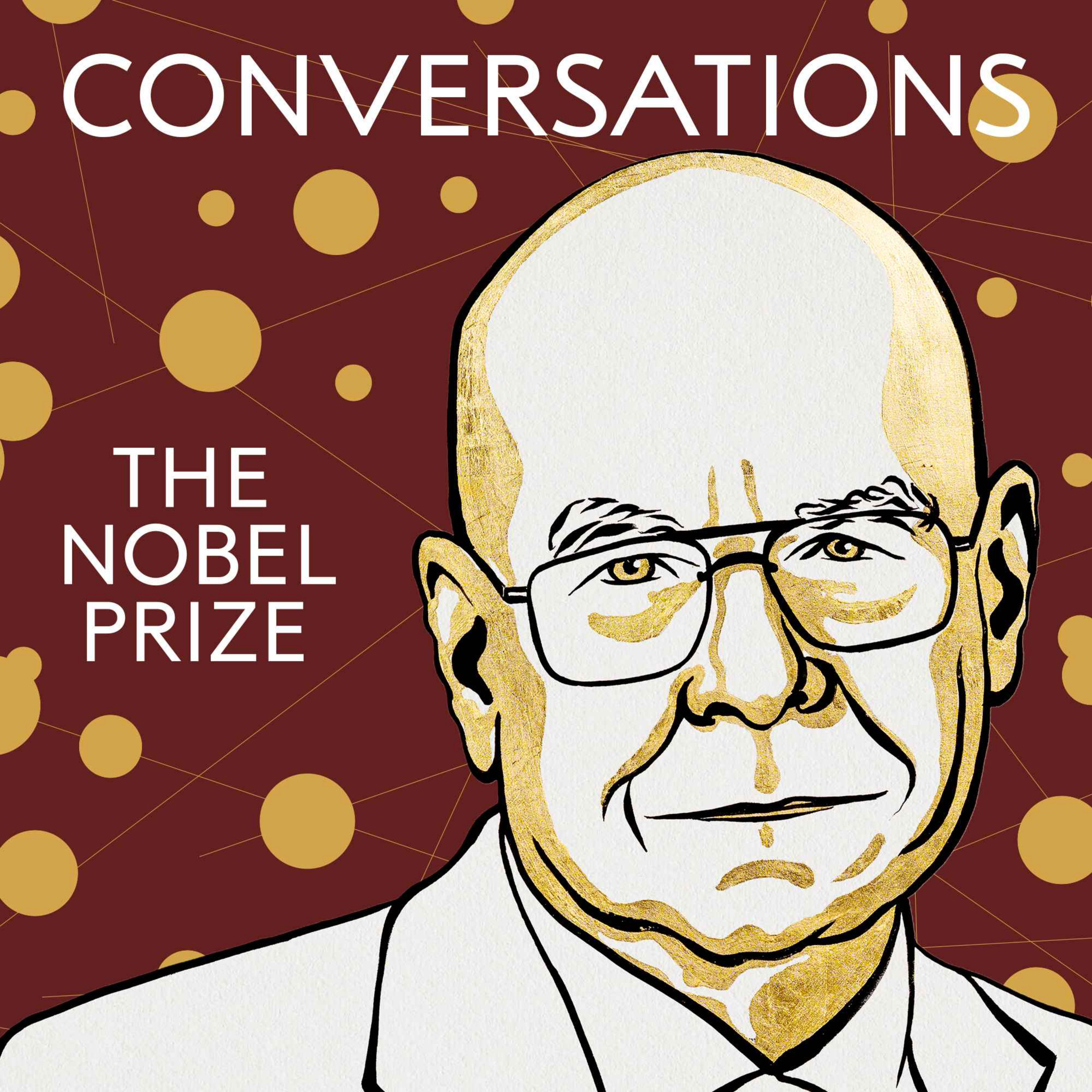
First reactions | Barry Sharpless, Nobel Prize in Chemistry 2022 | Telephone interview
“You should be drawn to uncertainty” — Barry Sharpless quotes Einstein when asked about his daring approach to choosing problems: “If at first the idea is not absurd, then there’s no hope for it”. Ever inventive, he starts this conversation with Adam Smith not by talking about the work that led to his first Nobel Prize, or even to his second, but his very latest research findings from the lab. Recorded on the morning he was woken very early by the news from Stockholm, he goes on to discuss the dangerous thrill of ideas and how difficult problems just insist on being tackled: “If the damn thing comes back to me and says, ‘You don’t know the answer to this,’ then I say I’ve got to give that respect, and try it again.” © Nobel Prize Outreach. First reactions terms of use: https://www.nobelprize.org/ceremonies/streams-terms-of-use Hosted on Acast. See acast.com/privacy for more information.
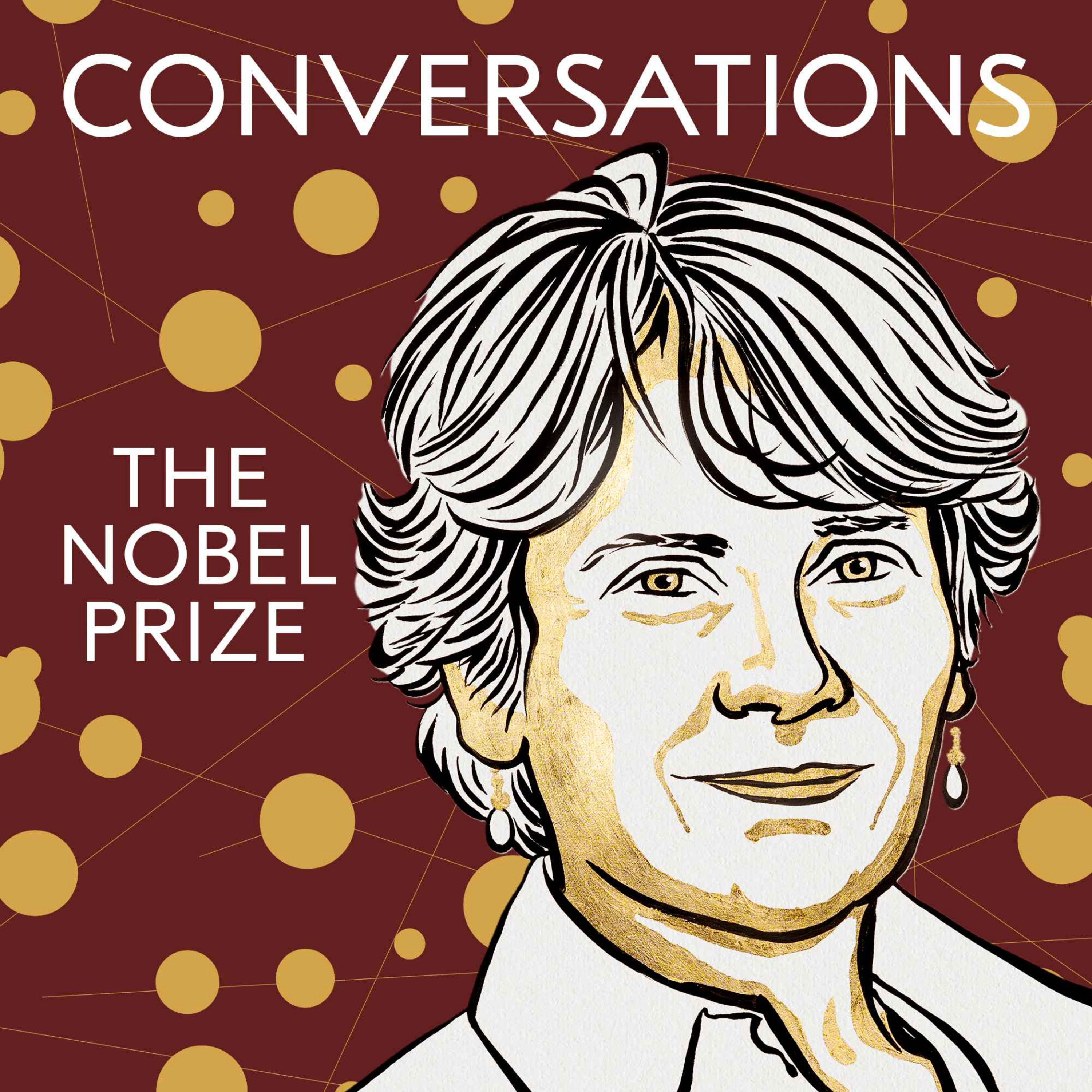
First reactions | Carolyn Bertozzi, Nobel Prize in Chemistry 2022 | Telephone interview
“When the world is in trouble, chemistry comes to the rescue” - As just illustrated by the Covid pandemic, says Carolyn Bertozzi, “Chemistry is such an exciting area of science for people who want to have an impact.” This call with Adam Smith, recorded immediately after the public announcement of her Nobel Prize, caught her just before the world started descending on her home in California. As the 8th female Nobel Prize laureate in chemistry, she says “I can’t help but think about all the women that came before me that didn’t have the opportunity to be recognised.” But her view of the future is bright: “I’m very optimistic about how science, and the culture of science, is trending.” © Nobel Prize Outreach. First reactions terms of use: https://www.nobelprize.org/ceremonies/streams-terms-of-use Hosted on Acast. See acast.com/privacy for more information.