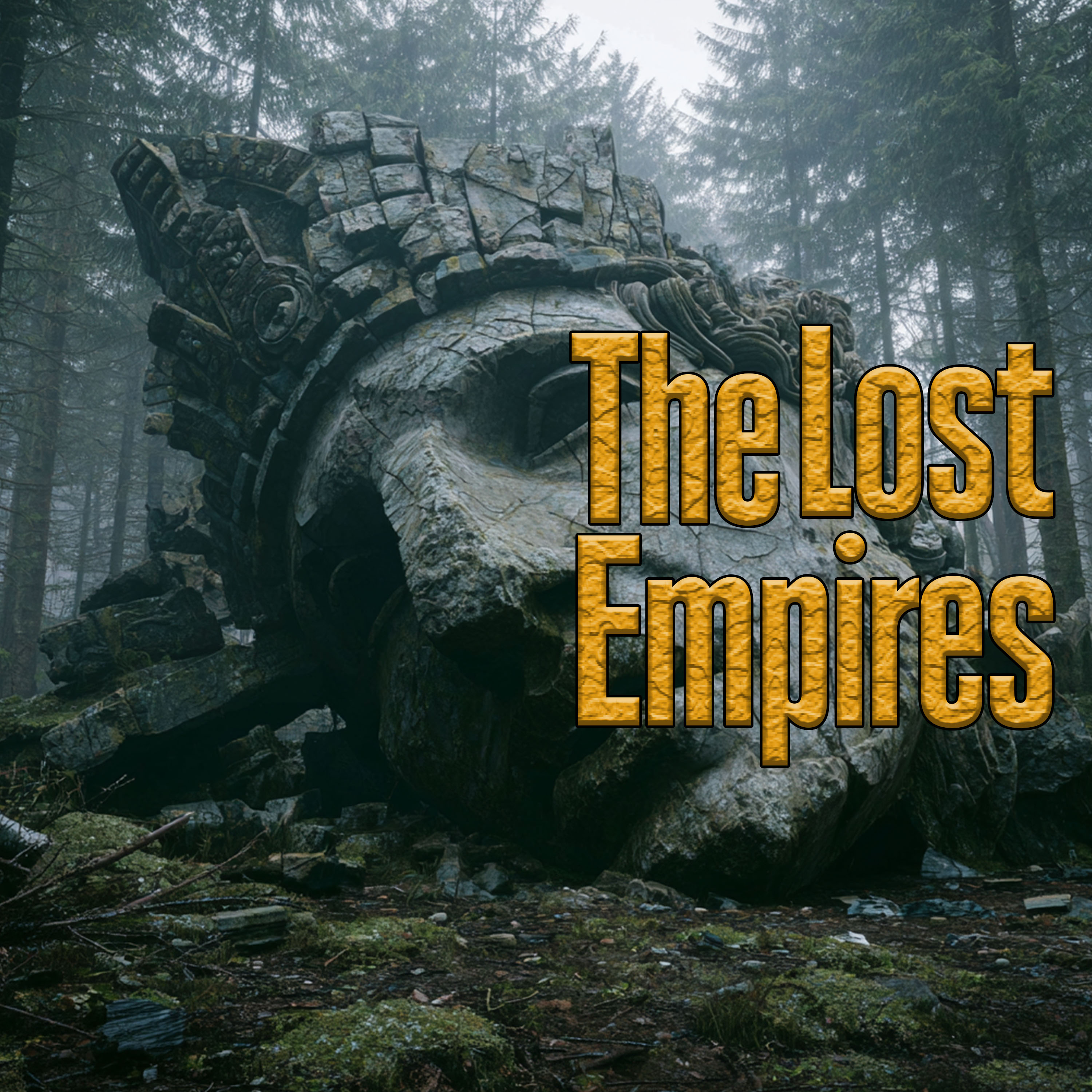
Lost Civilizations & Ruins: How to Use Fallen Empires for TTRPG Worldbuilding
No Plot, Only Lore · Josh Varty and Kristoffer Hansen
Audio is streamed directly from the publisher (episodes.captivate.fm) as published in their RSS feed. Play Podcasts does not host this file. Rights-holders can request removal through the copyright & takedown page.
Show Notes
Lost Civilizations
One of my least favorite tropes.
What is a lost civilization? Not just Atlantis. Think of Eberron's giant ruins of Xen'drik, Skyrim's Dwemer, or Dark Souls' pile of forgotten kingdoms.
Why are they useful in fantasy?
- Instantly adds history and depth
- Allows the GM/author to worldbuild without explaining everything
- Great excuse for dungeons, relics, and magic that no one understands
Storytelling functions:
- Symbol of hubris
- Cautionary tale
- Blank canvas for player projection
What do survivors remember? Oral traditions? Sacred ruins? Cursed bloodlines?
Are they really gone?
- Sleeper gods or AI still running background processes
- Interdimensional echoes (like Shadow of the Colossus meets Echo Night)
- The civilization lives on… just not physically (digital ghosts, psychic imprints, inherited trauma)
D&D examples: The Netherese Empire, the Sulat League (fiendish magic-scientists), or the ruins in Chult—each has different “flavor” of forgotten-ness
What happens when modern civilizations try to revive or claim these ruins?
- Colonial critique: Who has the right to explore or excavate the past?
- Techno-magic horror: The past isn’t just misunderstood—it’s wrong
- Factions and relics: Everyone wants the magic battery that powers a floating city. Nobody knows how to stop it once it wakes up
Fun Hooks:
- A city that grew up inside a dead god’s ribcage (lol)
- A forgotten language that causes madness when spoken aloud
- A vault that only opens if you betray someone you love