
Show overview
New Wave History - A Fresh Perspective On Historical Events launched in 2024 and has put out 7 episodes in the time since. That works out to roughly 5 hours of audio in total. Releases follow a roughly quarterly cadence.
Episodes typically run thirty-five to sixty minutes — most land between 19 min and 55 min — with run-times ranging widely across the catalogue. It is catalogued as a EN-language History show.
There hasn’t been a new episode in the last ninety days; the most recent episode landed 10 months ago. The busiest year was 2025, with 6 episodes published. Published by New Wave History.
From the publisher
New Wave History is a non-partisan initiative from New Wave Global that seeks to make understanding history easier.It aims to achieve this by fostering a critical perspective on our collective history, and making the main ideas in key historical texts accessible to all, offering explanations and connections that make the past come alive.New Wave History hopes to transform the way people engage with history, by bridging the gap between the academic study of history and our audience.We aim to inspire critical thought and spark curiosity, and fostering a deeper understanding of the events that have shaped our nation and region. New Wave History works in collaboration with New Wave Global, The Friday Times, SAPAN News Network, and other media, research outfits, academic institutions, and civil society groups in South Asia and the United States.
Latest Episodes
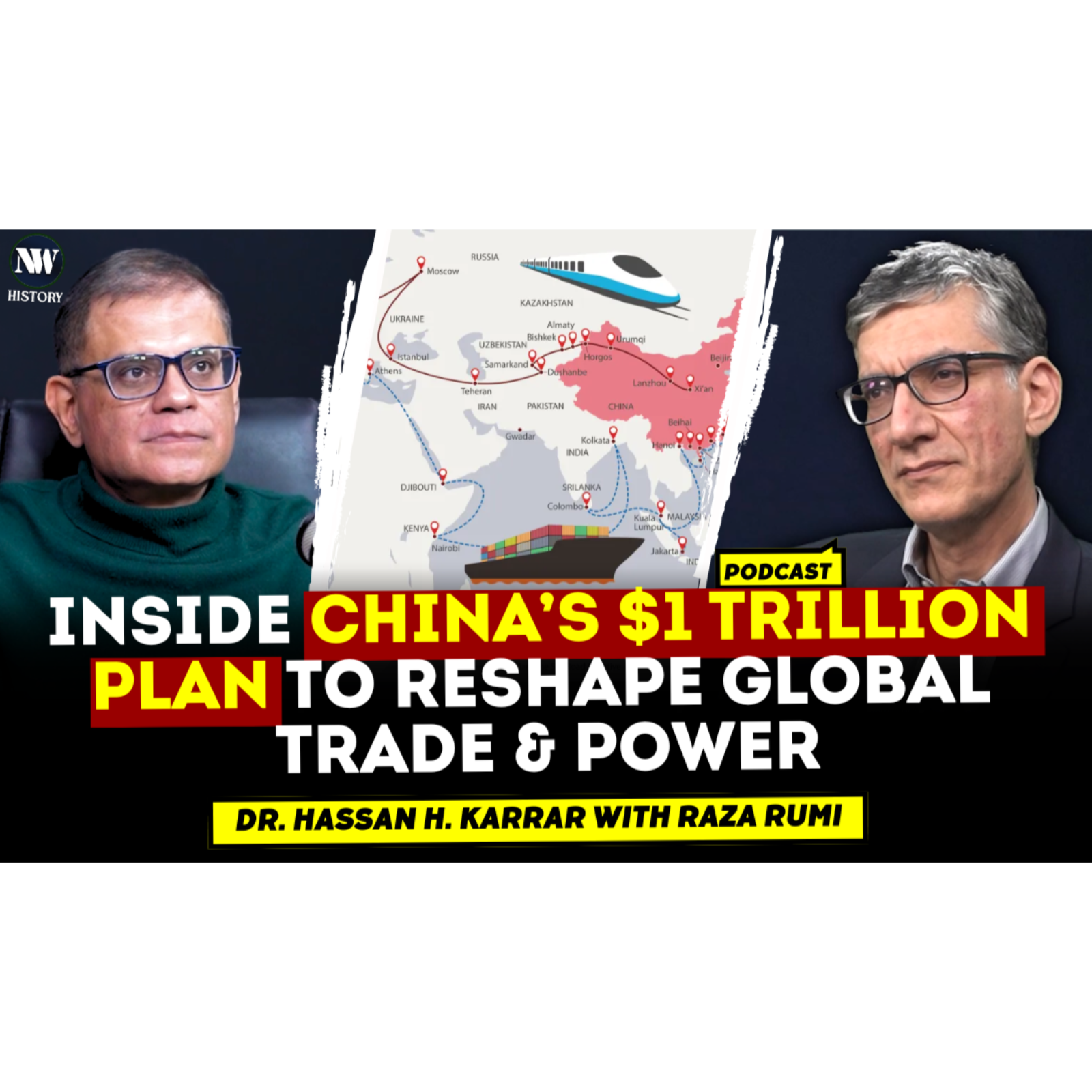
The New Silk Road: Is China Winning the 21st Century?
In this episode of New Wave History, Professor Hassan H. Karrar walks us through decades of Chinese interventions, the Belt and Road Initiative, and the rise of China as a global economic powerhouse. From the revival of the Silk Road to the transformation of bazaars in Central Asia, the podcast explores how China is reshaping global connectivity, infrastructure, and soft power. We also talked about the geopolitical implications, India’s concerns, and the potential for a new Eurasian partnership. Listen to a fresh conversation about investment, development, and the future of Asia. Chapters: 00:40 What exactly is BRI? 2:24 Explaining the similarities and differences between Silk Route and BRI (Belt & Road Initiative) 9:10 Beyond infrastructure and economic nationalism, to what extent does China use the Belt and Road Initiative (BRI) to export or showcase its own philosophy of development and progress, often described as welfare-led but criticized by some as authoritarian or Maoist, particularly across regions like Central Asia, Africa, and Latin America? 12:47 China’s growth is often cited as proof that democracy isn’t necessary for development. With global democracy in decline, how do we reconcile economic success with concerns about human rights, inclusion, and democratic values? 15:21 After massive investments so far, how do Chinese officials and thinkers evaluate the successes and progress of the Belt and Road Initiative, especially as a long-term project? 19:04 How has China’s growing soft and hard power since the Cold War reshaped Central Asia, particularly through energy and trade ties with countries like Kazakhstan, Uzbekistan and Tajikistan, and is this bringing real transformation or reinforcing existing power structures? 28:06 You have worked in Africa and Latin America, where China’s footprint is growing. Some critics call BRI a “new East India Company.” Do you agree, or is this comparison misleading? 33:26 Recent attacks in Tajikistan highlight China’s growing security presence in Central Asia. How is India reacting, and could shifting U.S. policy under Trump change the West’s stance?
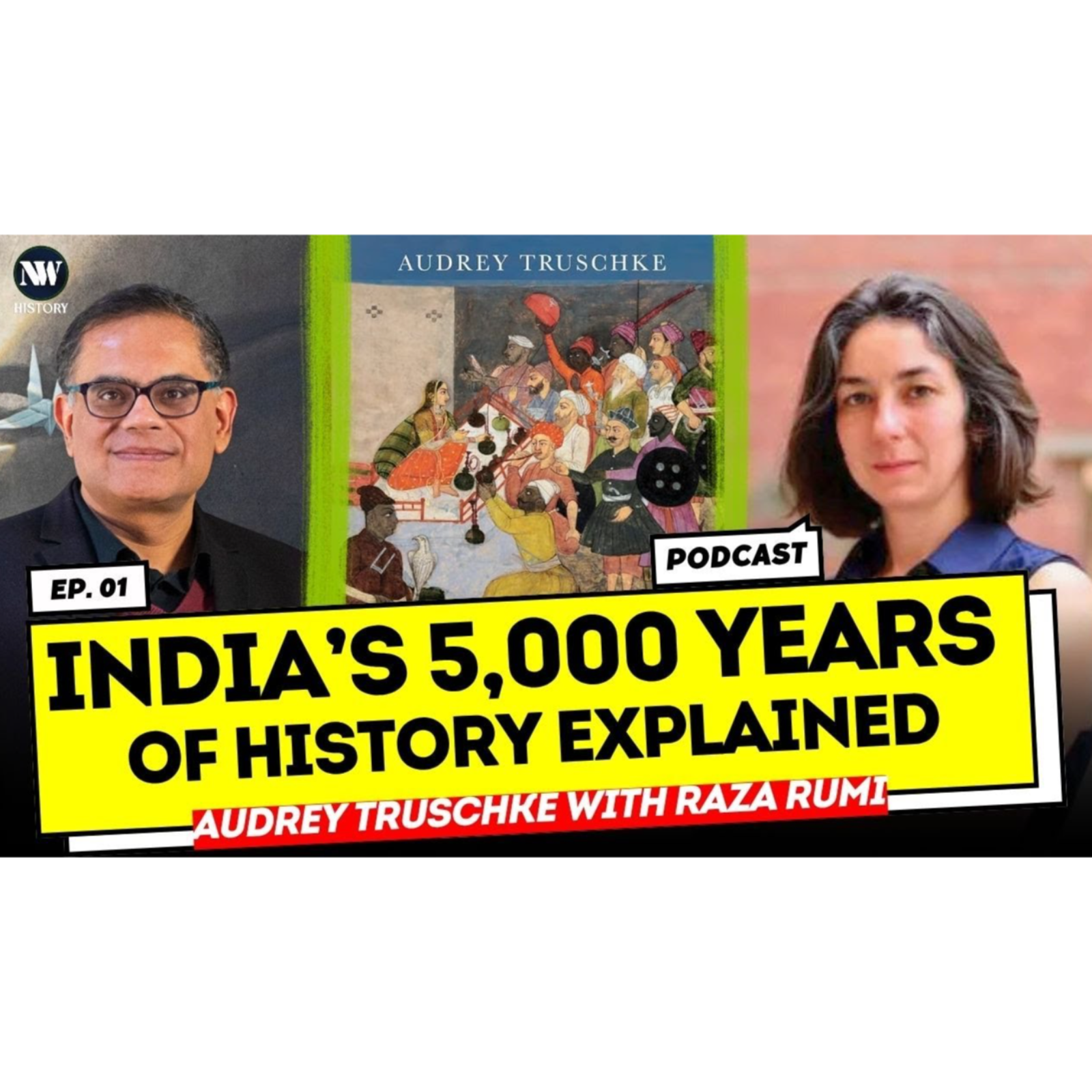
From the Indus Valley to Modi’s India: Audrey Truschke on 5,000 Years of South Asian History
Historian Audrey Truschke joins Raza Rumi to discuss her groundbreaking new book “India: 5,000 Years of History on the Subcontinent.” In this wide-ranging conversation, she talked about the political, cultural, and religious evolution of South Asia, from the Indus Valley Civilization to modern India, Pakistan, and Bangladesh. Truschke explains how the region’s history has always been deeply interconnected with the rest of the world, shaped by migration, trade, empire, and diversity. She discussed Hinduism, Buddhism, Islam, the Mughal era, colonial rule, and the rise of modern nationalism, and ask: how does understanding this past help us make sense of South Asia today? It is a fascinating podcast for anyone interested in India’s ancient roots, global influence, and modern identity.
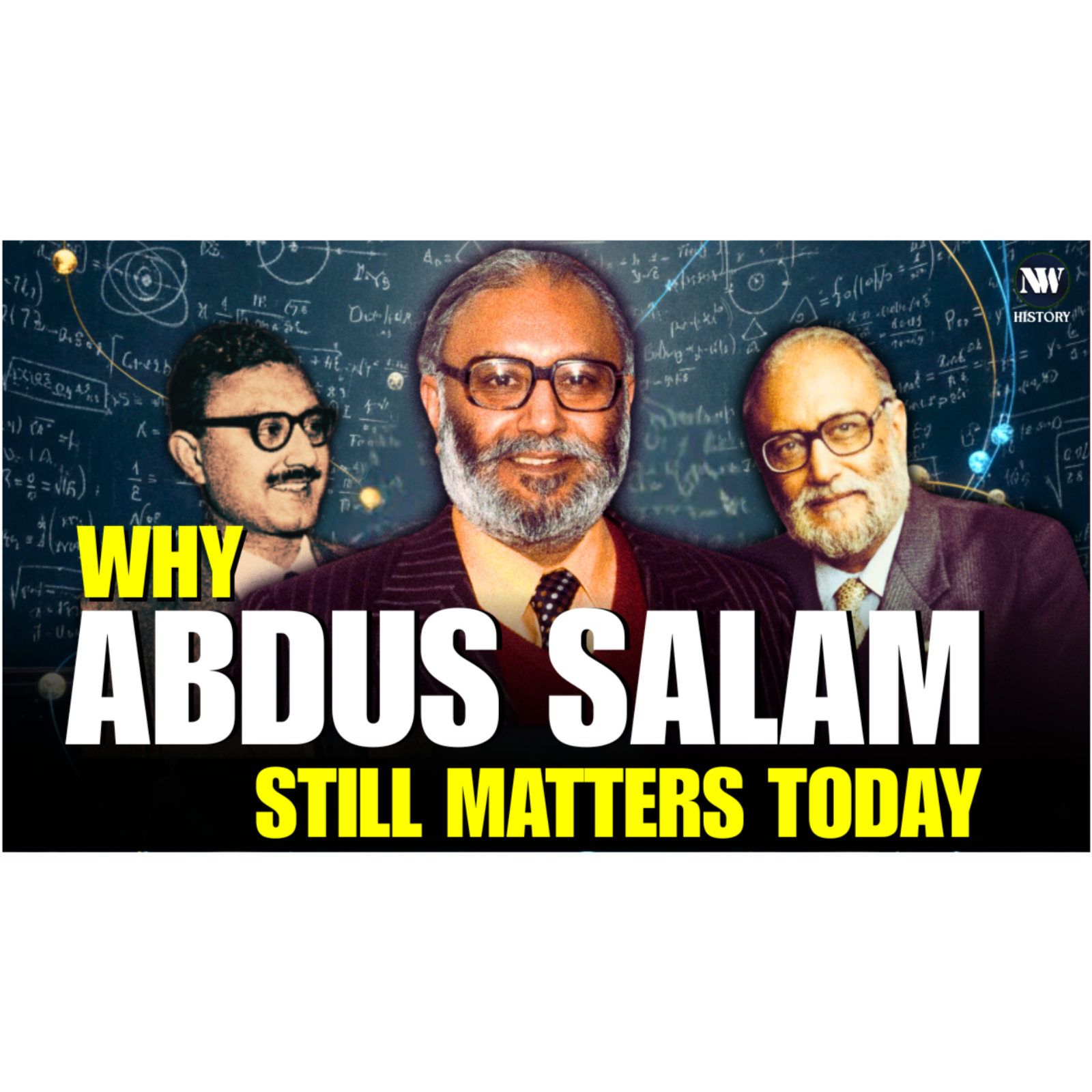
ABDUS SALAM: The Nobel Genius Pakistan Lost
From a small town in Punjab to the grand halls of Cambridge and CERN, Abdus Salam’s life was a journey defined by brilliance, conviction, and quiet resilience. As the architect of the electroweak theory and Pakistan’s only Nobel Prize–winning scientist in the sciences, Salam reshaped our understanding of the universe while championing science as a global public good. This documentary explores his groundbreaking discoveries, his belief in harmony between faith and reason, his exile after 1974, and his tireless mission to empower scientists from the developing world, revealing how one man’s pursuit of unity changed both physics and humanity.
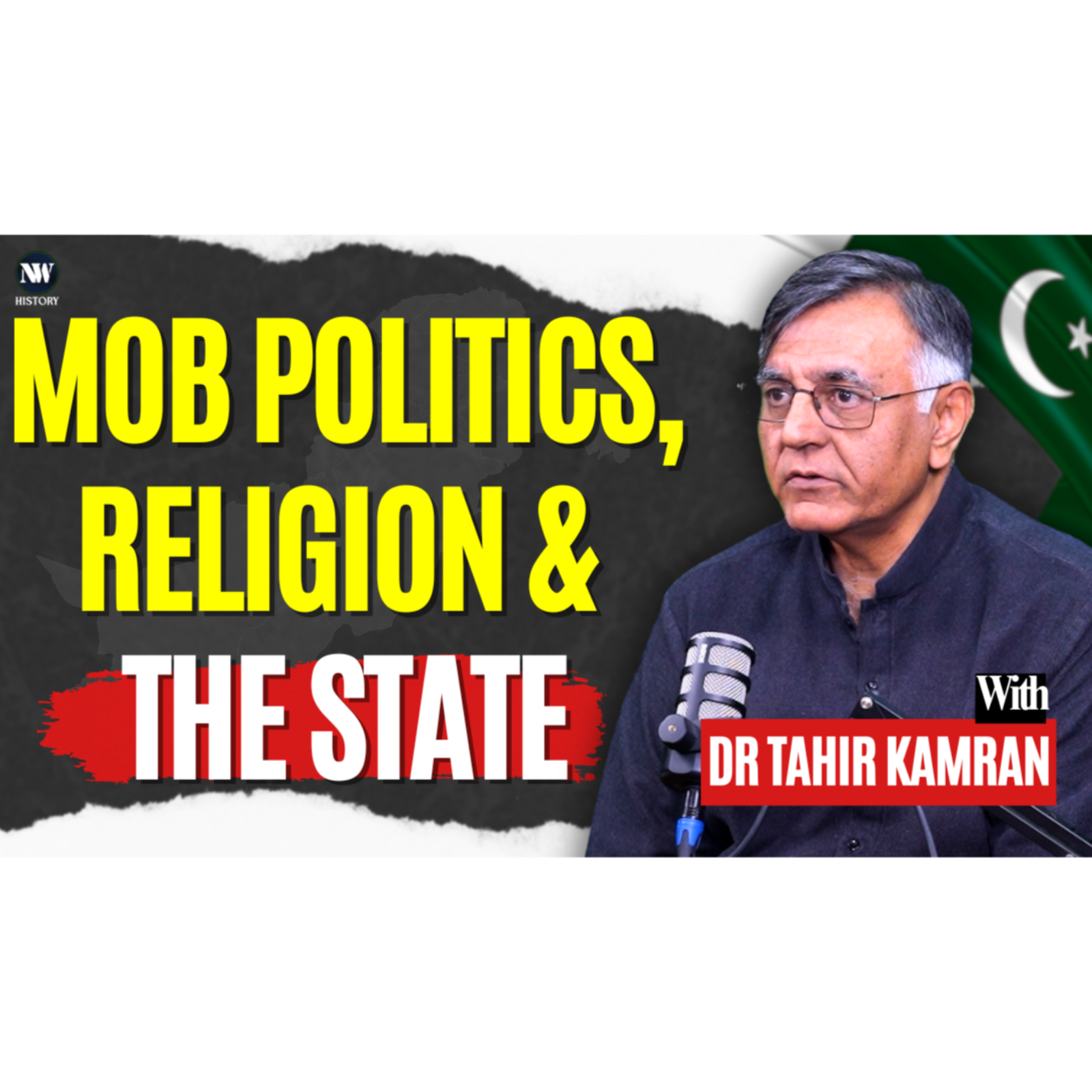
Pakistan’s Political Manipulation EXPOSED | Dr Tahir Kamran
In this gripping NWH podcast, host Ali Warsi sits down with renowned historian Dr. Tahir Kamran to untangle Pakistan’s turbulent political evolution, from the rise of religious movements like TLP to the hidden hands shaping street agitation, sectarian politics, and state power. Drawing on his groundbreaking 2024 book Chequered Past, Uncertain Future, Dr. Kamran exposes how Pakistan’s political culture has been engineered, manipulated, and repeatedly diverted from its organic roots. This conversation reveals the uncomfortable truths behind mob politics, the weaponization of religion, and the deep structures that have shaped Pakistan’s modern history. Chapters: 1:00 Views on TLP phenomenon, mob violence in Pakistan 7:56 Muridke incident, Saad Rizvi, Transformation of Deobandis, Swat-e-Azam, Sectarian Groups 14:22 Jamat-e-Islami, Mob Lynching, Middle Class of Pakistan, Muhammad Ali Mirza, Intellectual Base in a Post Truth World 18:01 Exploitation of Religion in Pakistani Politics 20:00 Were the religious political forces that pressured the Pakistan People’s Party in 1974 truly organic, or were they shaped by other influences?35:10 Given Pakistan’s deeply entrenched state structures, which you describe as nearly impossible to circumvent, and considering the history of political assassinations, judicial executions, and forced exiles from Zulfikar Ali Bhutto to Benazir Bhutto and even Nawaz Sharif, do you think major political parties have now concluded that rebellion against the system is ultimately pointless? 44:10 Are you hopeful about Imran Khan? 49:00 Can Imran Khan and Ayatollah Khomeini be compared? Are they similar? 56:02 As a historian and an educationist, how do you think education can help the youth navigate existing power structures, especially when many young people today seem either disinterested in politics or unsure of how to negotiate their problems without falling into the politics of agitation or aggression?
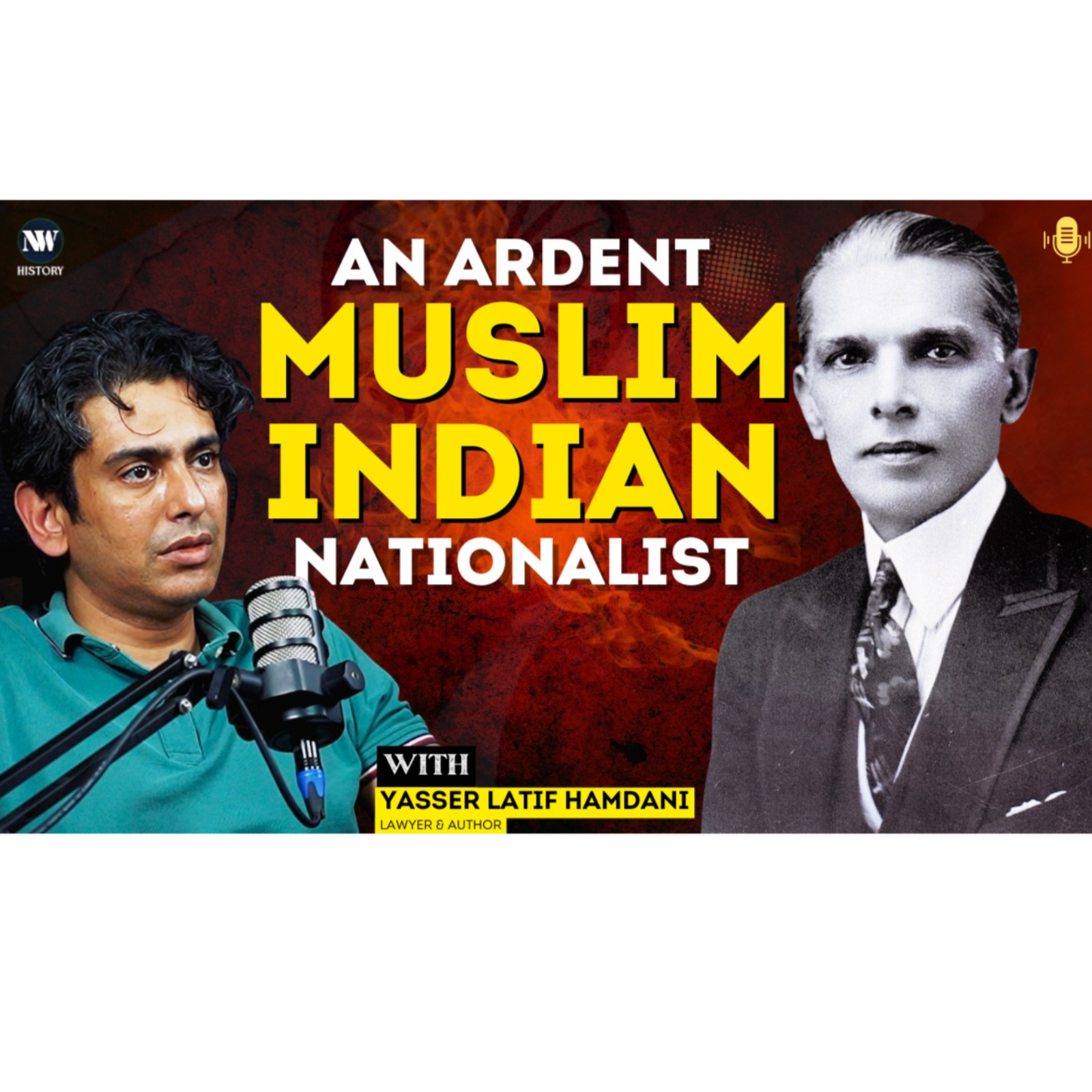
Jinnah, Khilafat, and the India He Left Behind
An in-depth conversation with historian and lawyer Yasser Latif Hamdani on Muhammad Ali Jinnah, Pakistan’s founding ideology, and the making of a nation. We explore the debates around secularism, Islam, and Jinnah’s vision, tracing how Pakistan’s identity evolved. A must-watch for anyone interested in South Asian history, politics, and Jinnah’s legacy.00:00 - Jinnah’s & His Life; Partition History; Special Focus on Jinnah as a Lawyer & Legislator 16:00 – The Failed Dialogue: When Two Gujaratis Couldn’t See Eye to Eye 21:20 – Gandhi Hurt Jinnah's Ego? Did Gandhi and Jinnah Ever Forgive Each Other? 25:40 – Why Was Jinnah Against the Khilafat Movement? 41:00 – Jinnah Between Two Worlds: Bridging the Muslim League and Congress 51:45 – Celebrations on the End of Congress: Why Did Congress Fail 58:30 – Elected by Majority of India: Jinnah’s Unlikely National Mandate 1:01:30 – Pakistan Movement? Why Jinnah Allied with the British 1:10:20 – Faith and State: Did Jinnah Want a Theological Pakistan? 1:24:50 – Jinnah and Today: What Would He Think of TLP and Its Ban?#MuhammadAliJinnah #JinnahAndPakistan #PakistanHistory #YasserLatifHamdani #PakistanMovement#PartitionOfIndia #JinnahVision #TwoNationTheory #SouthAsianHistory #PakistaniPolitics #HistoryPodcast #IdeologyOfPakistan #JinnahLegacy #PakistanDocumentary #AllIndiaMuslimLeague #IndianIndependence #SecularJinnah #ModernPakistan #JinnahDebate #PakistanFoundingFathers #newwavehistory
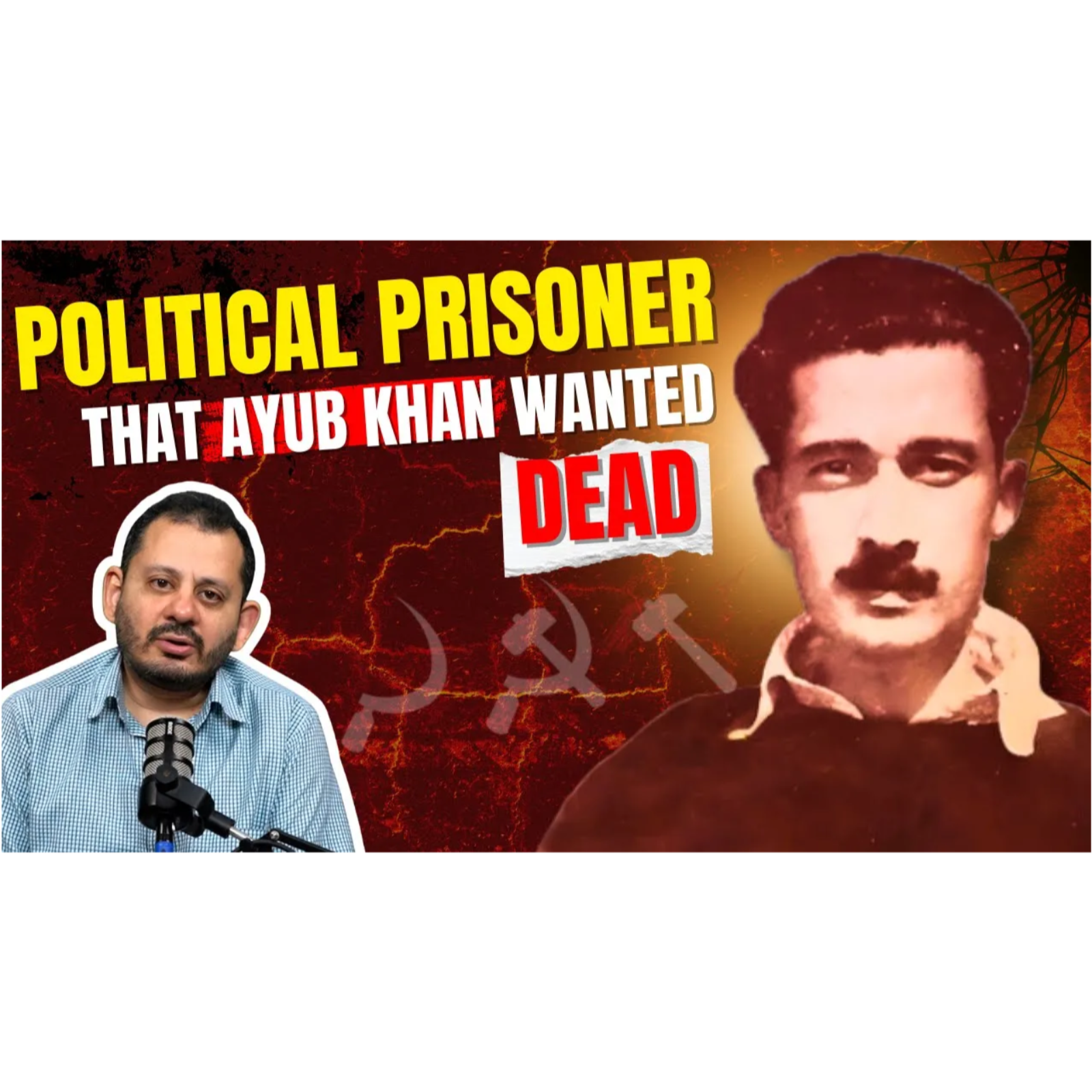
HISTORY: Why Hassan Nasir Still Haunts Pakistan 65 Years Later
In 1960, a young revolutionary named Hassan Nasir vanished inside the dark walls of Lahore Fort, never to return. This powerful story revisits the life, struggle, and brutal death of Pakistan’s first officially disappeared political prisoner. From his privileged upbringing in Hyderabad Deccan to his fearless activism with the Communist Party of Pakistan, listen that how Hassan Nasir became a symbol of resistance against dictatorship, torture, and state oppression. Through rare historical details, court records, and emotional accounts, this video explores why his mother rejected the state’s claim of his “suicide” and how his legacy still echoes in today’s Pakistan. A haunting story of courage, sacrifice, and the ongoing fight for civil rights.
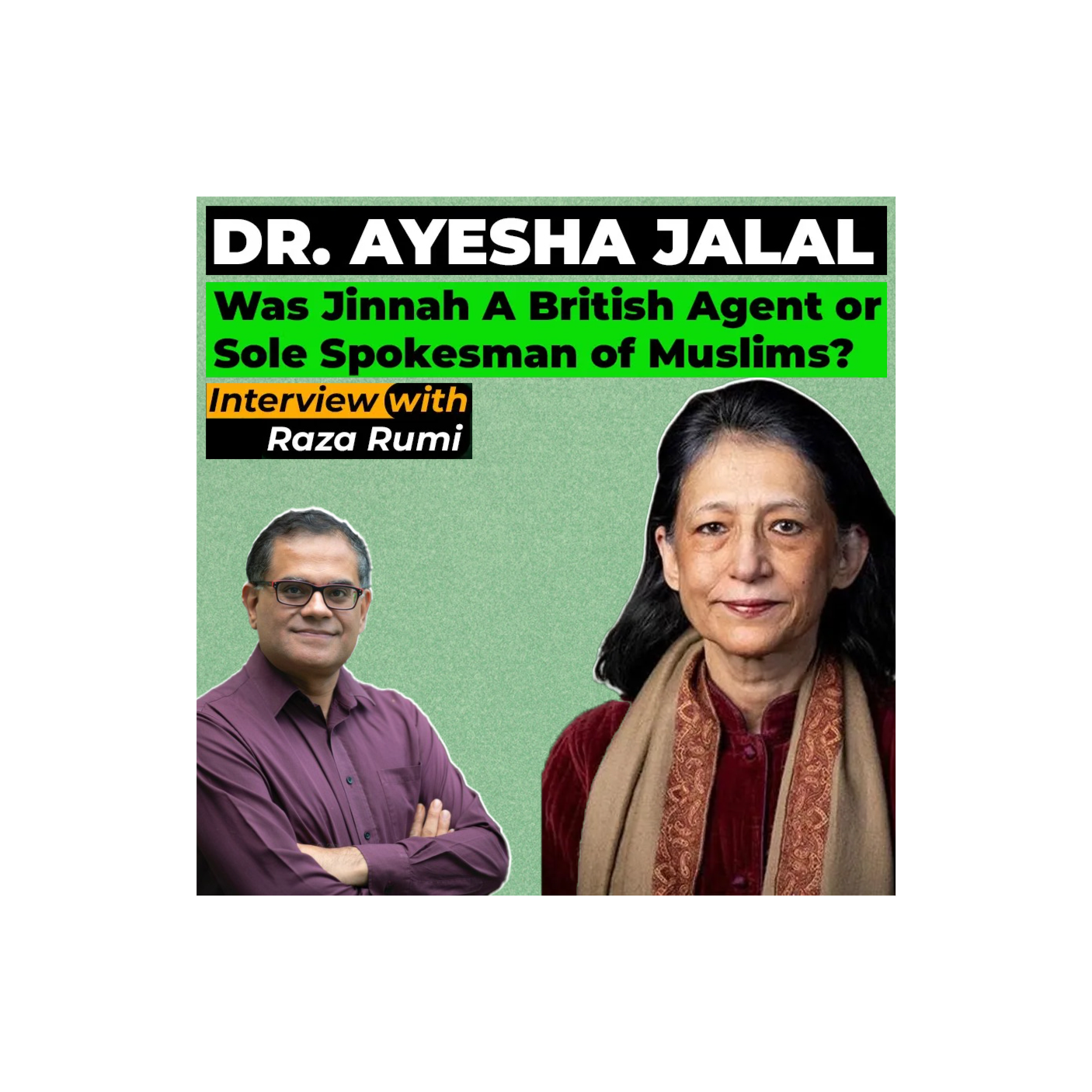
New Wave History - A Fresh Perspective On Historical Events
In an interview with New Wave History’s Raza Rumi, Dr. Ayesha Jalal discusses the complexities surrounding the history of Pakistan's creation and Muhammad Ali Jinnah's role.Dr. Jalal suggests that Pakistan's formation is often misunderstood, with too much emphasis on individual figures rather than the broader political and provincial dynamics. Dr. Jalal emphasizes that Jinnah was serious about securing a power-sharing arrangement for Muslims, but the truncated version of Pakistan that emerged in 1947 was not his original vision.Dr. Jalal critiques the oversimplification of history, including the notion that Jinnah was a British agent or solely responsible for partition. Instead, she highlights the Congress party's refusal to share power and the communal tensions as significant factors.Dr. Jalal also addresses the false dichotomy between secularism and religion in Pakistan's identity. She asserts that a nuanced understanding of history, recognizing the provincial and political contexts, is crucial to comprehending the events leading to Pakistan's creation and its ongoing struggles with federalism and representation.