
New Books in Psychology
1,302 episodes — Page 9 of 27
Ep 208Beatriz Dujovne, "'Don't Be Sad When I'm Gone': A Memoir of Loss and Healing in Buenos Aires" (Toplight Books, 2020)
The monumental sense of dislocation we experience after losing a loved one can be life-altering. There is no script for grieving–each individual passes through their own phases of mourning. In Don't Be Sad When I'm Gone': A Memoir of Loss and Healing in Buenos Aires (Toplight Books, 2020), psychologist Beatriz Dujovne documents how she grieved the loss of her husband and sought therapy during an extended stay in her hometown of Buenos Aires, Argentina. Recounting her healing process day-to-day, from shock through recovery, this book traces her navigation of the uncertainty and devastation that often engulfs those who have suffered profound loss. A profound read! Lexa Rosean is a licensed psychoanalyst with private practice in New York City. I am a graduate of New York Graduate School of Psychoanalysis (NYGSP) and Center for Modern Psychoanalytic Studies (CMPS). Learn more about your ad choices. Visit megaphone.fm/adchoices Support our show by becoming a premium member! https://newbooksnetwork.supportingcast.fm/psychology
Ep 118Brad Krumholz, "Why Do Actors Train?: Embodiment for Theatre Makers and Thinkers" (Bloomsbury, 2023)
Why Do Actors Train?: Embodiment for Theatre Makers and Thinkers (Bloomsbury, 2023) powerfully demystifies the actor-training process by focusing on acting as embodied cognition. In this framework, thought is action and action is thought. Krumholz uses the frame of embodied cognition to analyze which specific skills are actually being developed through several acting exercises. He bypasses typical acting-coach encouragements to "stop thinking" and "get out of your head," instead insisting that all acting is always already both physical and mental. This is a must-read book for anyone interested in the intersections of philosophy, theatre, and psychology, as well as anyone who has ever wondered what the point of seemingly-trivial acting exercises actually is. Andy Boyd is a playwright based in Brooklyn, New York. He is a graduate of the playwriting MFA at Columbia University, Harvard University, and the Arizona School for the Arts. Learn more about your ad choices. Visit megaphone.fm/adchoices Support our show by becoming a premium member! https://newbooksnetwork.supportingcast.fm/psychology
Ep 200Matthew Remski et al., "Conspirituality: How New Age Conspiracy Theories Became a Public Health Threat" (PublicAffairs, 2023)
Conspirituality: How New Age Conspiracy Theories Became a Public Health Threat (PublicAffairs, 2023) is a much-needed analysis of wellness, new age, and yoga influencers who’ve gone down the rabbit hole of conspiracy theories about personal and public health. Authors Derek Beres, Matthew Remski, and Julian Walker offer a sophisticated analysis of the emotional concerns that fuel conspiracy thinking, whether among right-wing QANON alarmists or progressive back-to-earth yoga practitioners. Religious studies scholars especially will benefit from their careful and rigorous analysis, but more broadly, Conspirituality will help readers recognize wellness grifts, engage with loved ones who've fallen under the influence, and counter lies and distortions with insight, empathy, and wit. Matthew Remski joins us to talk about the book. He is a freelance journalist and podcaster with bylines in The Walrus and GEN by Medium. He’s published eight books of poetry, fiction, and non-fiction. His book Practice and All is Coming: Abuse, Cult Dynamics, and Healing in Yoga and Beyond earned international praise as a groundbreaking resource for critical thinking and community health. Hear more interviews by our host on Fireside with Blair Hodges. Learn more about your ad choices. Visit megaphone.fm/adchoices Support our show by becoming a premium member! https://newbooksnetwork.supportingcast.fm/psychology
Ep 133Eugene Lipov and Jamie Mustard, "The Invisible Machine: The Startling Truth About Trauma and the Scientific Breakthrough That Can Transform Your Life" (BenBella Books, 2023)
Today I talked to Eugene Lipov about his new book (co-authored with Jamie Mustard), The Invisible Machine: The Startling Truth About Trauma and the Scientific Breakthrough That Can Transform Your Life (BenBella Books, 2023) Human beings aren’t biologically build to endure sustained stress. A 30-second blast of anxiety in dealing with a threat isn’t anything likely the ongoing suffering taking place in society today. From soldiers who are returning from overseas combat to poverty-ridden inner-city youth to suburban girls traumatized in their own by endlessly comparing themselves (unfavorably) to others posted online, toxicity is everywhere. This book and this interview involves a passionate, practical solution for dealing with the ”broken leg” inside so many of us as victims of trauma. To add hope to the lexicon of stress over and above using anger and hypervigilant fear to cope, this episode highlights the battle within. Eugene Lipov, M.D., is a complex anesthesiologist who has been called the “Einstein” of his field given his development of the highly effective and innovative Dual Sympathetic Reset (DSR) method, which was endorsed by President Obama in 2010. His co-author, Jamie Mustard, is an artist, futurist, multi-media consultant and writer whose passion is teaching how to break through today’s media clutter. Dan Hill, PhD, is the author of ten books and leads Sensory Logic, Inc. (https://www.sensorylogic.com). His latest two books are Blah Blah Blah: A Snarky Guide to Office Lingo and Emotionomics 2.0: The Emotional Dynamics Underlying Key Business Goals. Learn more about your ad choices. Visit megaphone.fm/adchoices Support our show by becoming a premium member! https://newbooksnetwork.supportingcast.fm/psychology
Ep 135Carol Graham, "The Power of Hope: How the Science of Well-Being Can Save Us from Despair" (Princeton UP, 2023)
In a society marked by extreme inequality of income and opportunity, why should economists care about how people feel? The truth is that feelings of well-being are critical metrics that predict future life outcomes. In The Power of Hope: How the Science of Well-Being Can Save Us from Despair (Princeton UP, 2023), economist Carol Graham argues for the importance of hope--little studied in economics at present--as an independent dimension of well-being. Given America's current mental health crisis, thrown into stark relief by COVID, hope may be the most important measure of well-being, and researchers are tracking trends in hope as a key factor in understanding the rising numbers of "deaths of despair" and premature mortality. Graham, an authority on the study of well-being, points to empirical evidence demonstrating that hope can improve people's life outcomes and that despair can destroy them. These findings, she argues, merit deeper exploration. Graham discusses the potential of novel well-being metrics as tracking indicators of despair, reports on new surveys of hope among low-income adolescents, and considers the implications of the results for the futures of these young adults. Graham asks how and why the wealthiest country in the world has such despair. What are we missing? She argues that public policy problems--from joblessness and labor force dropout to the lack of affordable health care and inadequate public education--can't be solved without hope. Drawing on research in well-being and other disciplines, Graham describes strategies for restoring hope in populations where it has been lost. The need to address despair, and to restore hope, is critical to America's future. Joe Tasca is a host and a reporter for the NPR affiliate in Providence, Rhode Island. Learn more about your ad choices. Visit megaphone.fm/adchoices Support our show by becoming a premium member! https://newbooksnetwork.supportingcast.fm/psychology
Ep 51The Miraculous Mind (with Paul Bloom)
Psychologist Paul Bloom and I talk about the human brain, morality, empathy, perversity, all the things—including Professor Bloom’s new book, Psych: The Story of the Human Mind (Ecco Press, 2023). Culturally Jewish but in practice an atheist, Paul Bloom comes at the recurring theological questions familiar to the Almost Good Catholics audience from the materialistic perspective of psychology. Paul Bloom’s Yale faculty webpage Paul Bloom’s Toronto faculty webpage Paul Bloom’s Wikipedia page Paul Bloom’s book, Psych Paul Bloom and Dave Pizarro’s Psych podcast Paul Bloom’s Introduction to Psychology on Yale Open Courses Paul Bloom’s TED Talk about St. Augustine of Hippo and perversity. Paul Bloom talks with Russ Roberts on EconTalk about Psych, The Sweet Spot, Cruelty, and Empathy. Krzysztof Odyniec is a historian of Medieval and Early Modern Europe; he is also the host of the 'Almost Good Catholics' podcast. Learn more about your ad choices. Visit megaphone.fm/adchoices Support our show by becoming a premium member! https://newbooksnetwork.supportingcast.fm/psychology
Ep 117Fiona Gregory, "Actresses and Mental Illness: Histrionic Heroines" (Routledge, 2018)
Actresses and Mental Illness: Histrionic Heroines (Routledge, 2018) investigates the relationship between the work of the actress and her personal experience of mental illness, from the late nineteenth through to the end of twentieth century. Over the past two decades scholars have made great advances in our understanding of the history of the actress, unearthing the material conditions of her working life, the force of her creative agency and the politics of her reception and representation. By focusing specifically on actresses’ encounters with mental illness, Fiona Gregory builds on this earlier work and significantly supplements it. Through detailed case studies of both well-known and neglected figures in theatre and film history, including Mrs Patrick Campbell, Vivien Leigh, Frances Farmer and Diana Barrymore, it shows how mental illness – actual or supposed – has impacted on actresses’ performances, careers and celebrity. The book covers a range of topics including: representing emotion on stage; the ‘failed’ actress; actresses and addiction; and actresses and psychiatric treatment. Actresses and Mental Illness expands the field of actress studies by showing how consideration of the personal experience of the actress influences our understanding of her work and its reception. The book underscores how the actress can be perceived as a representative public woman, acting as a lens through which we can examine broader attitudes to women and mental illness. Fiona Gregory is Lecturer in the Centre for Theatre and Performance at Monash University in Melbourne. Her research on the history of the actress has appeared in leading journals including New Theatre Quarterly, Theatre Survey, and Nineteenth-Century Theatre and Film. Carmen Gomez-Galisteo, Ph.D. is a lecturer at Centro de Educación Superior de Enseñanza e Investigación Educativa (CEIE). Learn more about your ad choices. Visit megaphone.fm/adchoices Support our show by becoming a premium member! https://newbooksnetwork.supportingcast.fm/psychology
Ep 198Stephen G. Post, "Dignity for Deeply Forgetful People: How Caregivers Can Meet the Challenges of Alzheimer's Disease" (Johns Hopkins UP, 2022)
How do we approach a "deeply forgetful" loved one so as to notice and affirm their continuing self-identity? For three decades, Stephen G. Post has worked around the world encouraging caregivers to become more aware of--and find renewed hope in--surprising expressions of selfhood despite the challenges of cognitive decline. In Dignity for Deeply Forgetful People: How Caregivers Can Meet the Challenges of Alzheimer's Disease (Johns Hopkins University Press, 2022), Post offers new perspectives on the worth and dignity of people with Alzheimer's and related disorders despite the negative influence of "hypercognitive" values that place an ethically unacceptable emphasis on human dignity as based on linear rationality and strength of memory. This bias, Post argues, is responsible for the abusive exclusion of this population from our shared humanity. With vignettes and narratives, he argues for a deeper dignity grounded in consciousness, emotional presence, creativity, interdependence, music, and a self that is not "gone" but "differently abled." Post covers key practical topics such as: - understanding the experience of dementia - noticing subtle expressions of continuing selfhood, including "paradoxical lucidity" - perspectives on ethical quandaries from diagnosis to terminal care and everything in between, as gleaned from the voices of caregivers - how to communicate optimally and use language effectively - the value of art, poetry, symbols, personalized music, and nature in revealing self-identity - the value of trained "dementia companion" dogs At a time when medical advances to cure these conditions are still out of reach and the most recent drugs have shown limited effectiveness, Post argues that focusing discussion and resources on the relational dignity of these individuals and the respite needs of their caregivers is vital. Grounding ethics on the equal worth of all conscious human beings, he provides a cautionary perspective on preemptive assisted suicide based on cases that he has witnessed. He affirms vulnerability and interdependence as the core of the human condition and celebrates caregivers as advocates seeking social and economic justice in an American system where they and their loved ones receive only leftover scraps. Racially inclusive and grounded in diversity, Dignity for Deeply Forgetful People also includes a workshop appendix focused on communication and connection, "A Caregiver Resilience Program," by Rev. Dr. Jade C. Angelica. Stephen G. Post is the director of the Center for Medical Humanities, Compassionate Care, and Bioethics at the Renaissance School of Medicine at Stony Brook University. Caleb Zakarin is the Assistant Editor of the New Books Network. Learn more about your ad choices. Visit megaphone.fm/adchoices Support our show by becoming a premium member! https://newbooksnetwork.supportingcast.fm/psychology
Ep 286Ami Harbin, "Fearing Together: Ethics for Insecurity" (Oxford UP, 2023)
In Fearing Together: Ethics for Insecurity (Oxford UP, 2023), Ami Harbin explores how fearing is a central part of how we relate to each other and the unpredictable world. Fearing badly is a key part of many of our moral failures, and fearing better a central part of our moral repair. We might think that fearing is undesirable and should be avoided whenever possible. In fact, Fearing Together shows that the avoidance of fear causes some of our greatest threats. This book brings together philosophy, neuroscience, psychology, and psychoanalysis to help us understand fear as a relational practice so that we can see that our relationships with other fearers shape what we fear, what fear feels like, how we identify and understand our fears, and how we cope with them. Growing as moral agents involves coming to grips with what kinds of fearers we want to be and become, and with what we owe each other when facing what we cannot control. At the heart of this book are the moral quandaries and complexities of relational fearing: the ethics of fearing together. Jen Hoyer is Technical Services and Electronic Resources Librarian at CUNY New York City College of Technology. Jen edits for Partnership Journal and organizes with the TPS Collective. She is co-author of What Primary Sources Teach: Lessons for Every Classroom and The Social Movement Archive. Learn more about your ad choices. Visit megaphone.fm/adchoices Support our show by becoming a premium member! https://newbooksnetwork.supportingcast.fm/psychology
Ep 146Do You Have Imposter Syndrome?
Why do so many students and academics worry that they are imposters? Is it normal to experience this kind of self-doubt? This episode explores: The difference between imposter syndrome and imposter phenomenon. How we can better understand imposter syndrome. Why it strikes some people. How to recognize it when it does. Tips for helping others and ourselves. Our guest is: Dr Darragh McCashin, who is an Assistant Professor in the School of Psychology at Dublin City University (DCU), and is interested in digital youth mental health, and clinical/forensic applications of technology. Previously, Darragh was a Marie Curie Fellow/PhD student at University College Dublin (UCD), examining technology-enabled youth mental health within the EU H2020-funded TEAM-ITN project, specifically the role of technology-assisted cognitive behavioural therapy for children using mixed methodologies. A second strand to Darragh’s research is that of forensic/criminal psychology. With an MSc in Applied Forensic Psychology (University of York), Darragh has previously worked as an Associate Lecturer and Research Assistant in the Online-Protect research group at the University of Lincoln case formulation tools for those with convictions for internet sexual offences. With respect to policy-making, Darragh is currently the taskforce leader for Mental Health of Researchers within the Policy Working Group of the Marie Curie Alumni Association (MCAA), and co-founded the researcher mentoring programme Referent. Darragh also sits on two COST Actions: Researcher Mental Health Observatory (CA19117; Working Group Chair), and the European Network for Problematic Usage of the Internet (CA16207; management committee member for Ireland). Our host is: Dr. Christina Gessler, a historian of women and gender. Listeners to this episode may also be interested in: How We Show Up: Reclaiming Family, Friendship and Community, by Mia Birdsong It’s a Wonderful Life: Insights on Finding a Meaningful Existence, by Frank Martela Set Boundaries, Find Peace: A Guide to Reclaiming Yourself, by Nedra Glover Tawwab The Rejection That Saved My Life, by Jessica Bacal The Academic Life podcast on belonging and the science of creating connection and bridging divides The Academic Life podcast Dealing With Rejection The Academic Life podcast On The Museum of Failure Welcome to The Academic Life! On the Academic Life channel we are inspired and informed by today’s knowledge-producers, working inside and outside the academy. Find us on Twitter: @AcademicLifeNBN. Learn more about your ad choices. Visit megaphone.fm/adchoices Support our show by becoming a premium member! https://newbooksnetwork.supportingcast.fm/psychology
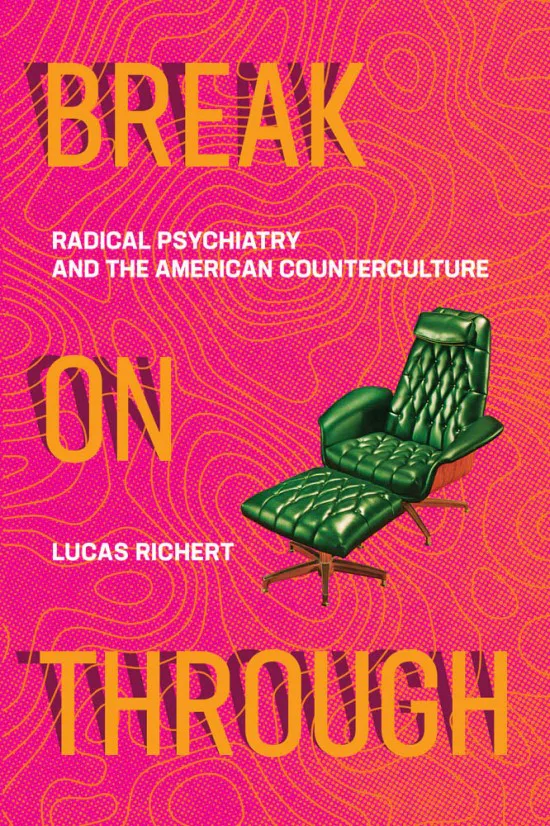
Ep 65Break on Through: Radical Psychiatry and the American Counterculture
In Break On Through, Lucas Richert explores Anti-psychiatry, psychedelics, and radical challenges to psychiatry and the conventional treatment of mental health in the 1970s. In this interview Lucas discusses the issues that run through the sixties and seventies and how they're forming debates about mental health today. "Antipsychiatry," Esalen, psychedelics, and DSM III: Radical challenges to psychiatry and the conventional treatment of mental health in the 1970s. The upheavals of the 1960s gave way to a decade of disruptions in the 1970s, and among the rattled fixtures of American society was mainstream psychiatry. A "Radical Caucus" formed within the psychiatric profession and the "antipsychiatry" movement arose. Critics charged that the mental health establishment was complicit with the military-industrial complex, patients were released from mental institutions, and powerful antipsychotic drugs became available. Meanwhile, practitioners and patients experimented with new approaches to mental health, from primal screaming and the therapeutic use of psychedelics to a new reliance on quantification. In Break on Through, Lucas Richert investigates the radical challenges to psychiatry and to the conventional treatment of mental health that emerged in the 1970s and the lessons they offer for current debates. Drawing on archives and government documents, medical journals, and interviews, and interweaving references to pop (counter)culture into his account, Richert offers fascinating stories of the decade's radical mental health practices. He discusses anti-Vietnam War activism and the new diagnosis of post-traumatic stress disorder given to some veterans; the radical psychiatrists who fought the system (and each other); the entry of New Age-style therapies, including Esalen's Human Potential Movement, into the laissez-faire therapeutic marketplace of the 1970s; the development of DSM III; and the use of LSD, cannabis, and MDMA. Many of these issues have resonance today. Debates over medical marijuana and microdoses of psychedelics echo debates of the 1970s. With rising rates of such disorders as anxiety and depression, practitioners and patients continue to search for therapeutic breakthroughs. Learn more about your ad choices. Visit megaphone.fm/adchoices Support our show by becoming a premium member! https://newbooksnetwork.supportingcast.fm/psychology
Ep 171Tell Me What You Want: A Therapist and Her Clients Explore Our 12 Deepest Desires
Do we know what we really want, and what we are willing to do to get it? What if what we want doesn’t align with who we think we are supposed to be? Dr. Charlotte Fox Weber joins us today to help us think about what we really want. In this episode we consider some of life’s messy questions about opportunity, regret, ego, growth, and power. Today’s book is: Tell Me What You Want: A Therapist and Her Clients Explore Our 12 Deepest Desires (Atria Books,2023), by Dr. Charlotte Fox Weber, which is an exploration of the twelve fundamental psychological needs we all share. In Tell Me What You Want, Dr. Weber guides us in navigating our deepest longings, by asking the too-often unasked questions: “What do we want? And how do we get it?” Each of us, at certain moments in our lives, can feel lost or confused. We often don’t know how to get what we want, or what we think we want, but we share these universal desires: to love and be loved; understanding, power, attention, freedom; to create, to belong, to win, to connect, to control; and we want what we shouldn’t. In the twelve chapters, each focused on one of these universal desires, psychotherapist Dr. Weber considers the personal costs of met and unmet desires, and how they can lead to insights, change, and growth. Today’s guest is: Dr. Charlotte Fox Weber, who is a psychotherapist and writer. She cofounded Examined Life, and was the founding head of The School of Life Psychotherapy. She grew up in Connecticut and Paris and now lives in London with her husband and two young children. Tell Me What You Want is her first book. Find out more at CharlotteFoxWeber.com. Our host is: Dr. Christina Gessler, who is a freelance book editor. She has served as content director and producer of the Academic Life podcast since she launched it in 2020. The Academic Life is proud to be an academic partner of the New Books Network. Listeners to this episode may be interested in: Podcast on belonging and the science of creating connection and bridging divides Podcast on making a meaningful life Podcast on living the "good-enough" life Podcast on overcoming public speaking anxieties Podcast on campus mental wellness services The Rejection That Saved My Life, by Jessica Bacal Permission to Speak, by Samara Bay How We Show Up: Reclaiming Family, Friendship and Community, by Mia Birdsong Life B, by Bethanne Patrick Bring Yourself, by Mori Taheripour Podcast on the knowledge unlocked by facing failure Podcast on the benefits of doing less, and stressing less Welcome to the Academic Life! Join us here each week to learn from experts inside and outside the academy, and around the world, and embrace the broad definition of what it truly means to live an academic life. Missed any of the 150+ Academic Life episodes? You can find them all archived here. And check back soon: we’re in the studio preparing more episodes for your academic journey—and beyond! Learn more about your ad choices. Visit megaphone.fm/adchoices Support our show by becoming a premium member! https://newbooksnetwork.supportingcast.fm/psychology
Ep 164James Charney, "Madness at the Movies: Understanding Mental Illness through Film" (Johns Hopkins UP, 2023)
The study of classic and contemporary films can provide a powerful avenue to understand the experience of mental illness. In Madness at the Movies: Understanding Mental Illness through Film (Johns Hopkins UP, 2023), James Charney, MD, a practicing psychiatrist and long-time cinephile, examines films that delve deeply into characters' inner worlds, and he analyzes moments that help define their particular mental illness. Based on the highly popular course that Charney taught at Yale University and the American University of Rome, Madness at the Movies introduces readers to films that may be new to them and encourages them to view these films in an entirely new way. Through films such as Psycho, Taxi Driver, Through a Glass Darkly, Night of the Hunter, A Woman Under the Influence, Ordinary People, and As Good As It Gets, Charney covers an array of disorders, including psychosis, paranoia, psychopathy, depression, bipolar disorder, obsessive-compulsive disorder, and anxiety. He examines how these films work to convey the essence of each illness. He also looks at how each film reflects the understanding of mental illness at the time it was released as well as the culture that shaped that understanding. Charney explains how to observe the behaviors displayed by characters in the films, paying close attention to signs of mental illness. He demonstrates that learning to read a film can be as absorbing as watching one. By viewing these films through the lens of mental health, readers can hone their observational skills and learn to assess the accuracy of depictions of mental illness in popular media. Melek Firat Altay is a neuroscientist, biologist and musician. Her research focuses on deciphering the molecular and cellular mechanisms of neurodegenerative and neurodevelopmental disorders. Learn more about your ad choices. Visit megaphone.fm/adchoices Support our show by becoming a premium member! https://newbooksnetwork.supportingcast.fm/psychology
Ep 94Alan Lightman, "The Transcendent Brain: Spirituality in the Age of Science" (Pantheon, 2023)
Are science and spirituality incompatible? From the acclaimed author of Einstein’s Dreams comes a rich, fascinating answer to that question... Gazing at the stars, falling in love, or listening to music, we sometimes feel a transcendent connection with a cosmic unity and things larger than ourselves. But these experiences are not easily understood by science, which holds that all things can be explained in terms of atoms and molecules. Is there space in our scientific worldview for these spiritual experiences? According to acclaimed physicist and novelist Alan Lightman, there may be. Drawing on intellectual history and conversations with contemporary scientists, philosophers, and psychologists, Lightman asks a series of thought-provoking questions that illuminate our strange place between the world of particles and forces and the world of complex human experience. Can strict materialism explain our appreciation of beauty? Or our feelings of connection to nature and to other people? Is there a physical basis for consciousness, the most slippery of all scientific problems? In The Transcendent Brain: Spirituality in the Age of Science (Pantheon, 2023), Lightman weaves these investigations together to propose what he calls “spiritual materialism”—the belief that we can embrace spiritual experiences without letting go of our scientific worldview. In his view, the breadth of the human condition is not only rooted in material atoms and molecules but can also be explained in terms of Darwinian evolution. What is revealed in this lyrical, enlightening book is that spirituality may not only be compatible with science, it also ought to remain at the core of what it means to be human. Renee Garfinkel, Ph.D. is a psychologist, writer, Middle East television commentator and host of The New Books Network’s Van Leer Jerusalem Series on Ideas. Write her at [email protected]. She's on Twitter @embracingwisdom. She blogs here. Learn more about your ad choices. Visit megaphone.fm/adchoices Support our show by becoming a premium member! https://newbooksnetwork.supportingcast.fm/psychology
Ep 94Alan Lightman, "The Transcendent Brain: Spirituality in the Age of Science" (Pantheon, 2023)
Are science and spirituality incompatible? From the acclaimed author of Einstein’s Dreams comes a rich, fascinating answer to that question... Gazing at the stars, falling in love, or listening to music, we sometimes feel a transcendent connection with a cosmic unity and things larger than ourselves. But these experiences are not easily understood by science, which holds that all things can be explained in terms of atoms and molecules. Is there space in our scientific worldview for these spiritual experiences? According to acclaimed physicist and novelist Alan Lightman, there may be. Drawing on intellectual history and conversations with contemporary scientists, philosophers, and psychologists, Lightman asks a series of thought-provoking questions that illuminate our strange place between the world of particles and forces and the world of complex human experience. Can strict materialism explain our appreciation of beauty? Or our feelings of connection to nature and to other people? Is there a physical basis for consciousness, the most slippery of all scientific problems? In The Transcendent Brain: Spirituality in the Age of Science (Pantheon, 2023), Lightman weaves these investigations together to propose what he calls “spiritual materialism”—the belief that we can embrace spiritual experiences without letting go of our scientific worldview. In his view, the breadth of the human condition is not only rooted in material atoms and molecules but can also be explained in terms of Darwinian evolution. What is revealed in this lyrical, enlightening book is that spirituality may not only be compatible with science, it also ought to remain at the core of what it means to be human. Renee Garfinkel, Ph.D. is a psychologist, writer, Middle East television commentator and host of The New Books Network’s Van Leer Jerusalem Series on Ideas. Write her at [email protected]. She's on Twitter @embracingwisdom. She blogs here. Learn more about your ad choices. Visit megaphone.fm/adchoices Support our show by becoming a premium member! https://newbooksnetwork.supportingcast.fm/psychology
Ep 56Free Will as an Open Scientific Problem
A discussion with the the author of Free Will (from The MIT Press Essential Knowledge series) and Free Will as an Open Scientific Problem, Mark Balaguer, in which we discuss the scientific arguments for and against the possibility of free will. In this largely antimetaphysical treatment of free will and determinism, Mark Balaguer argues that the philosophical problem of free will boils down to an open scientific question about the causal histories of certain kinds of neural events. In the course of his argument, Balaguer provides a naturalistic defense of the libertarian view of free will. The metaphysical component of the problem of free will, Balaguer argues, essentially boils down to the question of whether humans possess libertarian free will. Furthermore, he argues that, contrary to the traditional wisdom, the libertarian question reduces to a question about indeterminacy--in particular, to a straightforward empirical question about whether certain neural events in our heads are causally undetermined in a certain specific way; in other words, Balaguer argues that the right kind of indeterminacy would bring with it all of the other requirements for libertarian free will. Finally, he argues that because there is no good evidence as to whether or not the relevant neural events are undetermined in the way that's required, the question of whether human beings possess libertarian free will is a wide-open empirical question. Learn more about your ad choices. Visit megaphone.fm/adchoices Support our show by becoming a premium member! https://newbooksnetwork.supportingcast.fm/psychology
Ep 51Susan Stryker and Dylan McCarthy Blackston, "The Transgender Studies Reader Remix" (Routledge, 2022)
Hello, this is Eric LeMay, a host on the New Books Network. Today I interview Susan Stryker and Dylan McCarthy Blackston about The Transgender Studies Reader Remix (Routledge, 2023). This is a book that’s as big as it is rich. It brings together 50 previously published articles that track both the history and the current directions in the interdisciplinary field of transgender studies. The reader shows the conversations taking place not only within transgender studies but also between transgender studies and such fields as feminist theory, queer theory, Black studies, history, biopolitics, and the posthumanities. In our conversation, editors Stryker and Blackston gives us a sense of this range and also the crucial issues that inform the creation of the reader itself and the importance of transgender studies as a field. Blackston is an Assistant Professor of Gender, Women’s, and Sexuality Studies in the Department of Interdisciplinary Studies at Appalachian State University. Stryker is Professor Emerita of Gender and Women’s Studies at the University of Arizona, founding co-editor of TSQ: Transgender Studies Quarterly, founding co-editor of Duke University Press’s ASTERISK book series, and co-editor of Routledge’s two previous transgender studies readers. And here’s our conversation. Eric LeMay is on the creative writing faculty at Ohio University. He is the author of five books, most recently Remember Me. He can be reached at [email protected]. Learn more about your ad choices. Visit megaphone.fm/adchoices Support our show by becoming a premium member! https://newbooksnetwork.supportingcast.fm/psychology
Ep 154Tom Hutton, "Hitler's Maladies and Their Impact on World War II" (Texas Tech UP, 2023)
Toward the end of World War II, Hitler's many health complications became even more pronounced, making an evil man yet more erratic and dangerous. While the subject of Hitler's health has been catalogued previously, never has it been done so this thoroughly or with this level of up-to-date medical expertise. Tom Hutton's Hitler's Maladies and Their Impact on World War II (Texas Tech UP, 2023) draws from a lifetime of medical research and clinical experience to understand how the dictator's particular medical history further warped a deformed personality and altered Hitler's decision making. Dr. Hutton trained under the world-renowned neuropsychologist and father of modern neuropsychological assessment, Dr. Alexander Luria, giving him a uniquely qualified eye to undertake this most difficult assessment. While many books on the subject thumb through the annals of popular psychology to understand history's most famous monsters, Dr. Hutton's latest book uses contemporary clinical knowledge, lucidly synthesizing medical complexities for all audiences. Here Dr. Hutton undertakes a thorough medical history to elucidate a pivotal historical moment, examining how disease impacted Hitler's destructive life. Learn more about your ad choices. Visit megaphone.fm/adchoices Support our show by becoming a premium member! https://newbooksnetwork.supportingcast.fm/psychology
Ep 131M. Johnson and T. Misiaszek, "Branding That Means Business: How to Build Enduring Bonds Between Brands, Consumers & Markets" (PublicAffairs, 2022)
Today I talked to Matt Johnson about his book (co-authored with Tessa Misiaszek) Branding That Means Business: How to Build Enduring Bonds Between Brands, Consumers & Markets (PublicAffairs, 2022) Too often companies look down the road, trying to future-proof their business when it fact they should be clueing-in on the fundamentals of human nature to stay aligned with the eternal verities of their consumers. So argues Matt Johnson, pointing out for instance our desire to belong (leveraged by Airbnb) or longing for happiness (leveraged by Disney, among others). This episode covers a lot of ground. It races from companies trying to authentically co-create their brands with their community of consumers, to whether there is such a thing as a down-to-earth luxury brand (there is, e.g. Supreme), to how Hallmark got caught up in today’s polarized politics. Perhaps my favorite question to ask: is there a brand out there trying to associate itself with an emotion like anger, fear or disgust? (You’ll have to listen to this episode to learn Matt’s surprising answer!) Matt Johnson is a speaker, researcher and writer specializing in the application of psychology and neuroscience to marketing. He holds a PhD in Cognitive Psychology from Princeton University. Besides running the neuromarketing firm Pop Neuro, Matt contributes to Psychology Today, Forbes, and the BBC and teaches at both Hult International School of Business and Harvard University’s Division of Continuing Education. Dan Hill, PhD, is the author of ten books and leads Sensory Logic, Inc. (https://www.sensorylogic.com). His latest two books are Blah Blah Blah: A Snarky Guide to Office Lingo and Emotionomics 2.0: The Emotional Dynamics Underlying Key Business Goals. Learn more about your ad choices. Visit megaphone.fm/adchoices Support our show by becoming a premium member! https://newbooksnetwork.supportingcast.fm/psychology
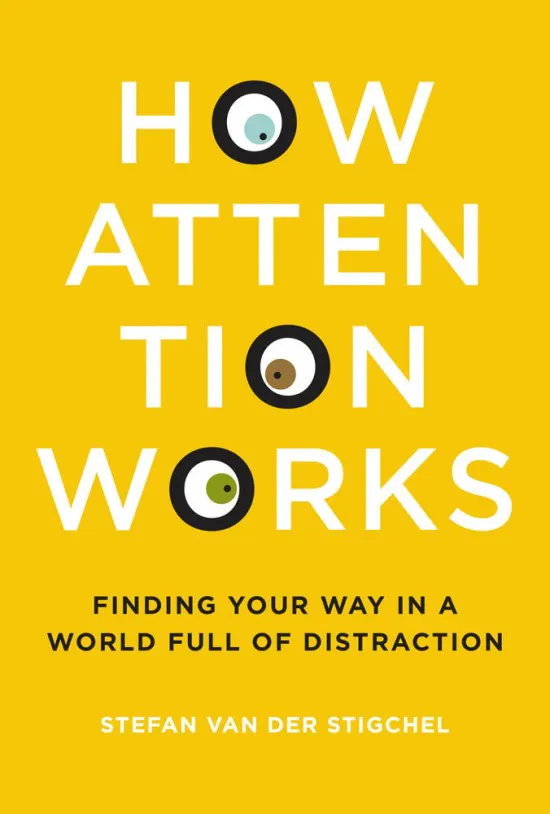
Ep 50How Attention Works: Finding Your Way in a World Full of Distraction
Stefan Van der Stigchel discusses how we filter out what is irrelevant so we can focus on what we need to know. We are surrounded by a world rich with visual information, but we pay attention to very little of it, filtering out what is irrelevant so we can focus on what we think we need to know. Advertisers, web designers, and other "attention architects" try hard to get our attention, promoting products with videos on huge outdoor screens, adding flashing banners to websites, and developing computer programs with blinking icons that tempt us to click. Often they succeed in distracting us from what we are supposed to be doing. In How Attention Works, Stefan Van der Stigchel explains the process of attention and what the implications are for our everyday lives. The visual attention system is efficient, Van der Stigchel writes, because it doesn't waste energy processing every scrap of visual data it receives; it gathers only relevant information. We focus on one snippet of information and assume that everything else is stable and consistent with past experience; that's why most people miss even the most glaring continuity errors in films. If an object doesn't meet our expectations, chances are we won't see it. Van der Stigchel makes his case with examples from real life, explaining, among other things, the limitations of color perception (and why fire trucks shouldn't be red); the importance of location (security guards and radiologists, for example, have to know where to look); the attention-getting properties of faces and spiders; what we can learn from someone else's eye movements; why we see what we expect to see (magicians take advantage of this); and visual neglect and unattended information. Learn more about your ad choices. Visit megaphone.fm/adchoices Support our show by becoming a premium member! https://newbooksnetwork.supportingcast.fm/psychology
Ep 13Susan Burch, "Committed: Remembering Native Kinship in and Beyond Institutions" (UNC Press, 2021)
Between 1902 and 1934, the United States confined hundreds of adults and children from dozens of Native nations at the Canton Asylum for Insane Indians, a federal psychiatric hospital in South Dakota. But detention at the Indian Asylum, as families experienced it, was not the beginning or end of the story. For them, Canton Asylum was one of many places of imposed removal and confinement, including reservations, boarding schools, orphanages, and prison-hospitals. Despite the long reach of institutionalization for those forcibly held at the Asylum, the tenacity of relationships extended within and beyond institutional walls. In Committed: Remembering Native Kinship in and Beyond Institutions (UNC Press, 2021), Susan Burch tells the story of the Indigenous people—families, communities, and nations, across generations to the present day—who have experienced the impact of this history. Drawing on oral history interviews, correspondence, material objects, and archival sources, Burch reframes the histories of institutionalized people and the places that held them. Committed expands the boundaries of Native American history, disability studies, and U.S. social and cultural history generally. Susan Burch is a professor of American Studies. Before joining the Middlebury faculty in 2009, she taught at Gallaudet University, King’s College (University of Aberdeen, Scotland), and the Ohio State University. Professor Burch also has worked as a research associate at the Smithsonian National Museum of American History. She earned her BA degree in history and Soviet Studies from Colorado College and her MA and PhD in American and Soviet history from Georgetown University. Shu Wan is currently matriculated as a doctoral student in history at the University at Buffalo. As a digital and disability historian, he serves in the editorial team of Digital Humanities Quarterly and Nursing Clio. Learn more about your ad choices. Visit megaphone.fm/adchoices Support our show by becoming a premium member! https://newbooksnetwork.supportingcast.fm/psychology
Ep 200William J. Doherty, "The Ethical Lives of Clients: Transcending Self-Interest in Psychotherapy" (APA, 2021)
Clients often seek therapists’ input for dealing with ethical dilemmas in their lives, but there is little guidance for therapists in how to do this. The Ethical Lives of Clients: Transcending Self-Interest in Psychotherapy (APA, 2021) shows therapists how to serve as ethical consultants who help clients balance their personal needs with their sense of responsibility to others. Dr. Bill Doherty blends decades of clinical experience with personal and philosophical insights to frame the skills and knowledge therapists need to act as ethical guides while respecting client autonomy. He calls for a shift from psychotherapy’s individualistic focus towards a more relational one that includes ethical connections to others. Doherty presents the LEAP‑C model, a framework for ethical consulting that utilizes the traditional therapeutic skills of listening, exploring, affirming, and offering perspective, while also challenging clients to recognize ethical issues they don't perceive. Using detailed case examples, Doherty provides a roadmap for addressing common client dilemmas, such as keeping and ending commitments, having affairs, lying, and deceiving, and causing psychological or physical harm to others. He also provides guidelines for citizen therapists to lend their expertise to help solve larger societal concerns, such as political polarization and police–community relations. Karyne Messina is a licensed psychologist and psychoanalyst at the Washington Baltimore Center for Psychoanalysis and am on the medical staff of Suburban Hospital in Bethesda, Maryland. She is the author of Resurgence of Populism: A Psychoanalytic Study of Projective Identification, Blame Shifting and the Corruption of Democracy (Routledge, 2022). Learn more about your ad choices. Visit megaphone.fm/adchoices Support our show by becoming a premium member! https://newbooksnetwork.supportingcast.fm/psychology
Ep 93Dimitris Xygalatas, "Ritual: How Seemingly Senseless Acts Make Life Worth Living" (Little, Brown Spark, 2022)
Ritual is one of the oldest, and certainly most enigmatic, threads in the history of human culture. It presents a profound paradox: people ascribe the utmost importance to their rituals, but few can explain why they are so important. Apparently pointless ceremonies pervade every documented society, from handshakes to hexes, hazings to parades. Before we ever learned to farm, we were gathering in giant stone temples to perform elaborate rites and ceremonies. And yet, though rituals exist in every culture and can persist nearly unchanged for centuries, their logic has remained a mystery—until now. In Ritual: How Seemingly Senseless Acts Make Life Worth Living (Little, Brown Spark, 2022), pathfinding scientist Dimitris Xygalatas leads us on an enlightening tour through this shadowy realm of human behavior. Armed with cutting-edge technology and drawing on discoveries from a wide range of disciplines, he presents a powerful new perspective on our place in the world. In birthday parties and coronations, in silent prayer, in fire-walks and terrifying rites of passage, in all the bewildering variety of human life, Ritual reveals the deep and subtle mechanisms that bind us together. Renee Garfinkel, Ph.D. is a psychologist, writer, Middle East television commentator and host of The New Books Network’s Van Leer Jerusalem Series on Ideas. Write her at [email protected]. She's on Twitter @embracingwisdom. She blogs here. Learn more about your ad choices. Visit megaphone.fm/adchoices Support our show by becoming a premium member! https://newbooksnetwork.supportingcast.fm/psychology
Ep 130Tessa West, "Jerks at Work: Toxic Coworkers and What to Do About Them" (Portfolio, 2022)
Today I talked to Tessa West about her book Jerks at Work: Toxic Coworkers and What to Do About Them (Portfolio, 2022). This conversation explores the seven types of jerks that West has diagnosed: the kiss-up / kiss downer, the credit stealer, the bulldozer, the free rider, the micromanager, the neglectful (boss) and the gaslighter. The last type is, in West’s words, almost “clinically” an evil spirit, even more cleaver and intent on doing harm than the kiss up / kick downer, both of whom are united in feeling contempt for their victims on the job. Sometimes each type has a subspecies categorization: for instance, some bulldozer are rough and obvious from their in-the-mouth machinations. Other bulldozers can be smoother and more subtle. Whatever the manifestation, however, each of these seven types are best handled by developing an array of allies at work who can help give advice and documents the bad behavior you’re experiencing. As to executives, they’re too busy and too eager to see themselves above the fray, West counsels; so you’ve got to make your own way forward. Tessa West is an associate professor of psychology at New York University. She has published over 60 articles in psychology’s most prestigious journals and has received multiple grants, including from the National Science Foundation and the National Institutes of Health, in addition to writing regularly about her research in The Wall Street Journal. Dan Hill, PhD, is the author of ten books and leads Sensory Logic, Inc. (https://www.sensorylogic.com). His latest two books are Blah Blah Blah: A Snarky Guide to Office Lingo and Emotionomics 2.0: The Emotional Dynamics Underlying Key Business Goals. Learn more about your ad choices. Visit megaphone.fm/adchoices Support our show by becoming a premium member! https://newbooksnetwork.supportingcast.fm/psychology
Ep 23Moheb Costandi, "Body Am I: The New Science of Self-Consciousness" (MIT Press, 2022)
How the way we perceive our bodies plays a critical role in the way we perceive ourselves: stories of phantom limbs, rubber hands, anorexia, and other phenomena. The body is central to our sense of identity. It can be a canvas for self-expression, decorated with clothing, jewelry, cosmetics, tattoos, and piercings. But the body is more than that. Bodily awareness, says scientist-writer Moheb Costandi, is key to self-consciousness. In Body Am I: The New Science of Self-Consciousness (MIT Press, 2022), Costandi examines how the brain perceives the body, how that perception translates into our conscious experience of the body, and how that experience contributes to our sense of self. Along the way, he explores what can happen when the mechanisms of bodily awareness are disturbed, leading to such phenomena as phantom limbs, alien hands, and amputee fetishes. Costandi explains that the brain generates maps and models of the body that guide how we perceive and use it, and that these maps and models are repeatedly modified and reconstructed. Drawing on recent bodily awareness research, the new science of self-consciousness, and historical milestones in neurology, he describes a range of psychiatric and neurological disorders that result when body and brain are out of sync, including not only the well-known phantom limb syndrome but also phantom breast and phantom penis syndromes; body integrity identity disorder, which compels a person to disown and then amputate a healthy arm or leg; and such eating disorders as anorexia. Wide-ranging and meticulously researched, Body Am I (the title comes from Nietzsche's Thus Spoke Zarathustra) offers new insight into self-consciousness by describing it in terms of bodily awareness. Melek Firat Altay is a neuroscientist, biologist and musician. Her research focuses on deciphering the molecular and cellular mechanisms of neurodegenerative and neurodevelopmental disorders. Learn more about your ad choices. Visit megaphone.fm/adchoices Support our show by becoming a premium member! https://newbooksnetwork.supportingcast.fm/psychology
Ep 134The Good Enough Life
Today’s book is: The Good-Enough Life (Princeton UP, 2022) by Avram Alpert. We live in a world oriented toward greatness, one in which we feel compelled to be among the wealthiest, most powerful, and most famous. This book explains why no one truly benefits from this competitive social order, and reveals how another way of life is possible—a good-enough life for all. Dr. Alpert shows how our obsession with greatness results in stress and anxiety, damage to our relationships, widespread political and economic inequality, and destruction of the natural world. He describes how to move beyond greatness to create a society in which everyone flourishes. By competing less with each other, each of us can find renewed meaning and purpose, have our material and emotional needs met, and begin to lead more leisurely lives. Alpert makes no false utopian promises, however. Life can never be more than good enough because there will always be accidents and tragedies beyond our control, which is why we must stop dividing the world into winners and losers and ensure that there is a fair share of decency and sufficiency to go around. Visionary and provocative, The Good-Enough Life demonstrates how we can work together to cultivate a good-enough life for all instead of tearing ourselves apart in a race to the top of the social pyramid. Our guest is: Dr. Avram Alpert, a writer and teacher. He is currently a research fellow at The New Institute, Hamburg. He previously taught at Princeton and Rutgers Universities. He is the author of three books, most recently The Good Enough Life. His work has appeared in publications such as the New York Times, the Washington Post, and Aeon. Our host is: Dr. Christina Gessler, a historian of women and gender. Listeners to this episode may also be interested in: A Partial Enlightenment: What Modern Literature and Buddhism Can Teach Us about Living Well without Perfection, by Avram Alpert Global Origins of the Modern Self, from Montaigne to Suzuki, by Avram Alpert How to Human: An Incomplete Manual for Living in a Mess-up World, by Alice Connor Do Nothing: How to Break Away from Overworking, Overdoing, and Underliving, by Celeste Headlee Find the Good, by Heather Lende A Wonderful Life: Insights on Finding a Meaningful Existence, by Frank Martela Podcast on making a meaningful life Podcast on belonging and the science of creating connection and bridging divides Podcast on the knowledge unlocked by facing failure Podcast on the benefits of doing less, and stressing less Welcome to The Academic Life! Join us each week, where we learn directly from experts. We embrace the broad definition of what it means to lead an academic life, and are informed and inspired by today’s knowledge-producers working inside and outside the academy. Learn more about your ad choices. Visit megaphone.fm/adchoices Support our show by becoming a premium member! https://newbooksnetwork.supportingcast.fm/psychology
Ep 219Jeffrey G. Snodgrass, "The Avatar Faculty: Ecstatic Transformations in Religion and Video Games" (U California Press, 2023)
The Avatar Faculty: Ecstatic Transformations in Religion and Video Games (University of California Press, 2023) creatively examines the parallels between spiritual and digital activities to explore the roles that symbolic second selves—avatars—can play in our lives. The use of avatars can allow for what anthropologists call ecstasy, from the Greek ekstasis, meaning "standing outside oneself." The archaic techniques of promoting spiritual ecstasy, which remain central to religious healing traditions around the world, now also have contemporary analogues in virtual worlds found on the internet. In this innovative book, Jeffrey G. Snodgrass argues that avatars allow for the ecstatic projection of consciousness into alternate realities, potentially providing both the spiritually possessed and gamers access to superior secondary identities with elevated social standing. Even if only temporary, self-transformations of these kinds can help reduce psychosocial stress and positively improve health and well-being. Jeffrey G. Snodgrass is Professor of Anthropology at Colorado State University. Armanc Yildiz is a doctoral candidate in Social Anthropology with a secondary field in Studies in Women, Gender and Sexuality at Harvard University. He is also the founder of Academics Write, where he supports scholars in their writing projects as a writing coach and developmental editor. Learn more about your ad choices. Visit megaphone.fm/adchoices Support our show by becoming a premium member! https://newbooksnetwork.supportingcast.fm/psychology
Ep 15Tracy Livecchi and Liza Morton, "Healing Hearts and Minds: A Holistic Approach to Coping Well with Congenital Heart Disease" (Oxford UP, 2023)
Congenital Heart Disease (CHD) is the most commonly diagnosed birth abnormality in the US. With great advances in surgery and medicine, however, survival rates have improved by 75% since the 1940s. Welcome news, of course, as only a few decades ago these birth defects were considered a death sentence, but as with any chronic condition, survival does not mean the issue is cured. With better medical care, babies born today with CHD have a good chance of surviving, but throughout their entire lives they can face surgeries, invasive treatments, lifelong monitoring, frequent medical check-ups, and significant limitations on physical activity, in addition to poor public awareness which can have an impact on social inclusion and understanding. Much attention has rightly been focused on the medical needs of these children and on providing their parents and caretakers with resources and information to navigate the complexities of this chronic condition. Little attention, however, has been paid to the psychosocial impacts on these individuals, especially as they grow, mature, and become adults living with a serious, chronic medical condition. Prevalence rates for anxiety, depression, and PTSD are significantly higher (2-3x in some cases) for people living with CHD than the general adult population. From feeling self-conscious about scars and limitations on physical activity and sense of loss around so many of life's little normalcies, to frequent hospital visits and living in constant fear of an emergency, this condition is ever-present. Liza Morton and Tracy Livecchi are both mental health professionals who have developed a specialty in working with clients who have chronic medical conditions, and they are both themselves living with CHD. In Healing Hearts and Minds: A Holistic Approach to Coping Well with Congenital Heart Disease (Oxford UP, 2023) they set out to provide the resources and support they have been looking for their entire adult lives. While their powerful personal stories are woven into the narrative, the book is focused on providing evidence-based coping and self-care skills for adults living with CHD. Learn more about your ad choices. Visit megaphone.fm/adchoices Support our show by becoming a premium member! https://newbooksnetwork.supportingcast.fm/psychology
Ep 194David J. Halperin, "Intimate Alien: The Hidden Story of the UFO" (Stanford UP, 2020)
In his book Intimate Alien: The Hidden Story of the UFO (Stanford University Press, 2020), David J. Halperin explores the phenomena of UFO's through a psychological lense. UFOs became part of our cultural landscape in 1947, and they've been with us ever since. Debunked innumerable times, they refuse to go away. Made the subject of great expectations by their believers, they invariably disappoint. They've been called a myth, both in disparagement and, more properly, in appreciation of their power and significance. This book argues that they are actually a mythology, as gripping and profound as the great mythologies of antiquity to which they're linked. The question it asks about them is not, "What are they?" nor "Where do they come from?" but "What do they mean?" Halperin begins his exploration with his own longish teenage foray into the UFOs that he began to believe in as his mother lay dying of cancer. Despite the fact that he was only a high school student, Halperin joined and then became the director of "New Jersey Association on Aerial Phenomena" (NJAAP), an organization of amateur observers with members across the States. He goes on to revisit a range of famous cases of UFO sightings and abductions while introducing his own approach, which is informed by the study of religion, folklore, and Jungian psychology. Ultimately arguing for UFOs as evidence of the inner trauma of individuals as well as entire societies, he posits that the rise of the UFO in post-World War II America coincides with that moment in the nuclear age when we first became capable of imagining our death as a species, Learn more about your ad choices. Visit megaphone.fm/adchoices Support our show by becoming a premium member! https://newbooksnetwork.supportingcast.fm/psychology
Ep 199Todd McGowan, "Capitalism and Desire: The Psychic Cost of Free Markets" (Columbia UP, 2016)
If you have ever gotten excited over buying a new object only to feel let down once you acquire it, then today’s discussion will be relevant to you. My guest is Todd McGowan, author of the book Capitalism and Desire: The Psychic Cost of Free Markets (2016, Columbia University Press). We discuss his critique of capitalism as a system that encourages us to forever chase satisfactions that never come. And we explore his suggestion that true satisfaction lies in the wanting, not the acquiring. It’s a fascinating conversation that will radically change the way you approach everyday consumption and how you think about your own satisfaction. Todd McGowan is professor of film studies at the University of Vermont. He is the author of several other books, including Enjoying What We Don’t Have: The Political Project of Psychoanalysis (2013, University of Nebraska Press), Only a Joke Can Save Us: A Theory of Comedy (2017, Northwestern University Press), and Universality and Identity Politics (2020, Columbia University Press). He is also co-host, along with Ryan Engley, of the podcast Why Theory. Eugenio Duarte, Ph.D. is a psychoanalyst and clinical psychologist practicing in Miami. He treats individuals and couples, with specialties in gender and sexuality, eating and body image problems, and relationship issues. He is a graduate and faculty of William Alanson White Institute in Psychiatry, Psychoanalysis, and Psychology in New York City and former chair of their LGBTQ Study Group; and faculty at Florida Psychoanalytic Institute in Miami. He is a contributing author to the books Introduction to Contemporary Psychoanalysis: Defining Terms and Building Bridges (2018, Routledge) and Patriarchy and its Discontents: Psychoanalytic Perspectives (2023, Routledge) and has published on issues of gender, sexuality, and sexual abuse. Learn more about your ad choices. Visit megaphone.fm/adchoices Support our show by becoming a premium member! https://newbooksnetwork.supportingcast.fm/psychology
Ep 55The Future of Genes and Equality: A Discussion with Kathryn Paige Harden
If your genes make you better suited to succeed, is that fair? And if not, can anything be done about it? Kathryn Paige Harden – professor psychology at University of Texas in Austin – tells Owen Bennett Jones that we should acknowledge the difference in our genetic make ups and then set about thinking about how to make a fairer society in the light of this differences. Harden is the author of The Genetic Lottery: Why DNA Matters for Social Equality (Princeton UP, 2021). Owen Bennett-Jones is a freelance journalist and writer. A former BBC correspondent and presenter he has been a resident foreign correspondent in Bucharest, Geneva, Islamabad, Hanoi and Beirut. He is recently wrote a history of the Bhutto dynasty which was published by Yale University Press. Learn more about your ad choices. Visit megaphone.fm/adchoices Support our show by becoming a premium member! https://newbooksnetwork.supportingcast.fm/psychology
Ep 233Tobias Tanton, "Corporeal Theology: The Nature of Theological Understanding in Light of Embodied Cognition" (Oxford UP, 2023)
Appropriating insights from empirical findings and theoretical constructs of 'embodied cognition', Corporeal Theology: The Nature of Theological Understanding in Light of Embodied Cognition (Oxford UP, 2023) explores how theological understanding is accommodated to the bodily nature of human cognition. The principle of divine accommodation provides a theological framework for considering the human cognitive capacities that are accommodated by theological concepts and ecclesial practices. A rich portrait of the nature of human cognitive capacities is drawn from an emerging paradigm in cognitive science, embodied cognition, which proposes that cognition depends upon bodily sensorimotor systems to ground concepts and to draw upon environmental resources. Embodied cognition's hypothesis that human concepts are grounded in sensorimotor states poses a theological quandary for God-concepts, since identifying God with sensorimotor content risks idolatry. The incarnation resolves this problem in theological epistemology by grounding God-concepts in bodily understanding, while avoiding idolatry. Thus, the incarnation represents an accommodation to human conceptual capacities. Embodied cognition further hypothesises that cognition relies on sensorimotor engagement with the world rather than internal mental representations. Subsequently, in addition to the brain, bodily states and environmental artefacts 'scaffold' cognitive processes. A scaffolded view of cognition highlights the cognitive import of embodied religious practices, which choregraph the body and curate material culture. Tanton applies dozens of studies identifying mechanisms by which bodily or environmental factors influence cognition to the embodied and material dimensions Christian practices. On account of their inherent cognitive effects, practices are theorised to have intrinsic 'embodied' meanings alongside 'symbolic' ones established by conventions. Consequently, liturgy is seen as a bearer of theological content rather than merely an expression of it; a locus of religious experience; and a crucial determinate of religious and ethical formation. Again, the embodied nature of Christian liturgy is understood in terms of accommodation. Embodied cognition research helpfully illuminates the details of human embodiment to which theological understanding must be accommodated. Frazer MacDiarmid holds a doctorate in theology from the University of Oxford, and currently works on Māori-Crown relations in New Zealand. He talks about books on Instagram @turnsof_fraze. Learn more about your ad choices. Visit megaphone.fm/adchoices Support our show by becoming a premium member! https://newbooksnetwork.supportingcast.fm/psychology
Ep 364Nadia Abu El-Haj, "Combat Trauma: Imaginaries of War and Citizenship in Post-9/11 America" (Verso, 2022)
One of the most recognizable tropes in American society in the past few decades is the scarred war veteran, returning from foreign lands with wounds both visible and invisible. His experiences are incomprehensible to those who’ve not served, but we owe him everything, and it is our duty as American citizens to honor him with nonjudgmental empathy so that he might eventually heal and reintegrate into the national community. But this narrative, this response to combat is neither natural or the only possible way of dealing with the issue. In fact, my guest Nadia Abu El-Haj argues that it is a distinctly apolitical interpretation, one that works as a cover for the politics of American empire in her new book Combat Trauma: Imaginaries of War and Citizenship in Post-9/11 America (Verso, 2022). Beginning her narrative in the 1960’s and 70’s with the war in Vietnam, El-Haj traces PTSD back to it’s roots as a response to extreme circumstances. In the soldiers being studied, psychologists found men who were shattered by their experiences, struggling to process them and move on when they returned home. However, key to their understanding was a sense of guilt and complicity in the war. They might’ve been damaged and in need of care to move forward with their lives, but they were still guilty of immoral and criminal acts. The diagnosis was then not just an individualized pathology but part of a broader political critique, and part of the healing process involved engaging in activism to fight the very systems the soldiers had been participants of. Fast forward a few decades, and this political angle has almost been entirely erased. Instead, soldiers returning from Iraq and Afghanistan are no longer perpetrators but victims who bear a burden we all must honor them for. This new discourse around trauma buries the possibility of political dissent, leaving us unable to understand the decisions that produced the trauma in the first place, but also focuses so heavily on the traumatized soldier that civilians caught in the crossfire almost never factor in our understanding, in spite of the fact that they are the most numerous victims of wars in the last several decades. This combination has produced a toxic form of militarism, one incapable of sustained political critique, which helps explain why the wars in Iraq, Afghanistan and elsewhere have been able to go on so long. Combining fields and disciplines and tying numerous disparate threads together, El-Haj’s work is a devastatingly urgent, eye-opening critique of a society that has long lost it’s capacity for critical self-reflection. It reveals many ideological traps and mazes many have been lost in, and even if it cannot bring about a more peaceful world on its own, it can point the way towards a more critical one. Nadia Abu El-Haj is a professor of anthropology at Barnard College. She is also the author of The Genealogical Science: The Search for Jewish Origins and the Politics of Epistemology and Facts on the Ground: Archaeological Practice and Territorial Self-Fashioning in Israeli Society. Learn more about your ad choices. Visit megaphone.fm/adchoices Support our show by becoming a premium member! https://newbooksnetwork.supportingcast.fm/psychology
Ep 8Marissa A. Harrison, "Just as Deadly: The Psychology of Female Serial Killers" (Cambridge UP, 2023)
You've heard of Ted Bundy and John Wayne Gacy. But have you heard of Amy Archer-Gilligan? Or Belle Gunness? Or Nannie Doss? Women have committed some of the most disturbing serial killings ever seen in the United States. Yet scientific inquiry, criminal profiling, and public interest have focused more on their better-known male counterparts. As a result, female serial killers have been misunderstood, overlooked, and underestimated. In this riveting account, Dr. Marissa A. Harrison draws on original scientific research, various psychological perspectives, and richly detailed case studies to illuminate the stark differences between female and male serial killers' backgrounds, motives, and crimes. She also emphasizes the countless victims of this grisly phenomenon to capture the complexity and tragedy of serial murder. Meticulously weaving data-based evidence and insight with intimate storytelling, Just as Deadly: The Psychology of Female Serial Killers (Cambridge UP, 2023) reveals how and why these women murder--and why they often get away with it. Learn more about your ad choices. Visit megaphone.fm/adchoices Support our show by becoming a premium member! https://newbooksnetwork.supportingcast.fm/psychology
Ep 370Jessica Wilson, "It's Always Been Ours: Rewriting the Story of Black Women's Bodies" (Hachette Go, 2023)
In It's Always Been Ours: Rewriting the Story of Black Women's Bodies (Hachette Go, 2023) eating disorder specialist and storyteller Jessica Wilson challenges us to rethink what having a "good" body means in contemporary society. By centering the bodies of Black women in her cultural discussions of body image, food, health, and wellness, Wilson argues that we can interrogate white supremacy's hold on us and reimagine the ways we think about, discuss, and tend to our bodies. A narrative that spans the year of racial reckoning (that wasn't), It's Always Been Ours is an incisive blend of historical documents, contemporary writing, and narratives of clients, friends, and celebrities that examines the politics of body liberation. Wilson argues that our culture's fixation on thin, white women reinscribes racist ideas about Black women's bodies and ways of being in the world as "too much." For Wilson, this white supremacist, capitalist undergirding in wellness movements perpetuates a culture of respectability and restriction that force Black women to perform unhealthy forms of resilience and strength at the expense of their physical and psychological needs. With just the right mix of wit, levity, and wisdom, Wilson shows us how a radical reimagining of body narratives is a prerequisite to well-being. It's Always Been Ours is a love letter that celebrates Black women's bodies and shows us a radical and essential path forward to rediscovering their vulnerability and joy. Learn more about your ad choices. Visit megaphone.fm/adchoices Support our show by becoming a premium member! https://newbooksnetwork.supportingcast.fm/psychology
Ep 207Nilofer Kaul, "Plato's Ghost: Liminality and Psychoanalysis" (Phoenix Publishing House, 2021)
Psychoanalytic encounters are filled with the unknowability of two unconscious minds meeting. Here one may forge a link that enables the process of meaning-making, or else it can become the space for destruction, perversion, evacuation, regression, and stasis. The area that lies between the mind of the analyst and that of the analysand is thus the liminal area of psychoanalysis - of growth, change, turbulence, as well as that of impasse, bastion, and failure. This latter could be what Bion meant by minus links. It seems that the primitive part of the mind is always looking for ways to evade psychic pain and emotional truth is always in peril. Analytic links are always fraught with danger. Minus links share with each other the quality of evading truth and therefore inhibiting emotional growth and the capacity to give meaning to experiences. Blind spots may be enabled by analytic allegiance to our particular schools, our inability to forge a technique in the face of the protomental apparatus which can breed arrogance, the complacencies of language, gaps between our theoretical allegiance and our technique, and, finally, all too often, our unwillingness and inability to get in touch with our true experience. Would it help to chronicle our quotidian failures? In these liminal moments, the links between analyst and analysand slide away from the emotional truth, rather than towards it. In Plato's Ghost: Liminality and Psychoanalysis (Phoenix Publishing House, 2021), Nilofer Kaul presents these moments and explores the complex reasons behind them in a stunning debut work that questions the heart of analytic practice. Ashis Roy is a psychoanalyst practicing in Delhi. Learn more about your ad choices. Visit megaphone.fm/adchoices Support our show by becoming a premium member! https://newbooksnetwork.supportingcast.fm/psychology
Ep 206Tzachi Slonim, ed., "Richard M. Billow's Selected Papers on Psychoanalysis and Group Process" (Routledge, 2021)
On this episode, J.J. Mull speaks with Richard Billow and Tzachi Slonim about Richard M. Billow’s Selected Papers on Psychoanalysis and Group Process: Changing Our Minds (Routledge, 2021). This volume presents Billow’s unique contributions to the theory and technique of psychoanalytic group therapy, along with introductions and explications by Slonim, the volume’s editor. Weaving together various theoretical traditions and thinkers (Bion, Laplanche, the relational school, etc.), Billow extends and complicates what we ordinarily think of as constituting the “relational” in psychodynamic group work. In addition to these theoretical contributions, what remains most alive in the book is its fidelity to clinical experience. Throughout the book, vivid clinical vignettes give us a window into the dynamic, unfolding process of a clinician at work. J.J. Mull is a poet, training clinician, and fellow in the Program for Psychotherapy at Cambridge Health Alliance. Originally from the west coast, he currently lives and bikes in Somerville, MA. He can be reached at: [email protected]. Learn more about your ad choices. Visit megaphone.fm/adchoices Support our show by becoming a premium member! https://newbooksnetwork.supportingcast.fm/psychology
Ep 310Matthew Ratcliffe, "Grief Worlds: A Study of Emotional Experience" (MIT Press, 2022)
The grief we feel when someone close to us dies is characterized by a complex and profound experience of loss. But what is this experience? In Grief Worlds: A Study of Emotional Experience (MIT Press, 2022), Matthew Ratcliffe articulates a common structure to grief experiences even while emphasizing that each person’s experience is highly individual. In his account, we live in experiential worlds structured by valued possibilities and anticipations that are integral to our identities as persons, and in grief we experience a disruption or undermining of these networks of significant possibilities and anticipations. His analysis draws on personal testimonies of grief experiences gathered in a public survey along with philosophical work from analytic and phenomenological traditions. Ratcliffe, who is professor of philosophy at the University of York, also examines the bodily phenomenology of grief, the ways we transition to post-bereavement worlds, and the ways in which continuing bonds with the deceased, and the pre-bereavement world, can be adaptive. Carrie Figdor is professor of philosophy at the University of Iowa. Learn more about your ad choices. Visit megaphone.fm/adchoices Support our show by becoming a premium member! https://newbooksnetwork.supportingcast.fm/psychology
Ep 128Ayelet Fishbach, "Get It Done: Surprising Lessons from the Science of Motivation" (Little, Brown Spark, 2022)
Today I talked to Ayelet Fishbach about her book Get It Done: Surprising Lessons from the Science of Motivation (Little, Brown Spark, 2022) The key to motivating yourself is to change your circumstances. You can do so by the goals you set, how you accept feedback in pursuing them, the flexibility you show in making progress, and how well you leverage social support. Each of those four aspects has its own pitfalls, and today’s interview explores in depth a number of challenges. To harness the value of intrinsic motivation, can you stay attuned to the values and benefits that matter to you most? Likewise, can you demonstrate patience—not giving in to temptation or ceasing to engage because you don’t trust that the benefits you count on will actually be there at the end of the journey? Dr. Fishbach offers insights on all of these issues, and more, in a manner that recognizes the vulnerabilities people contend with daily. Dr. Ayelet Fishbach is an award-winning psychologist at the University of Chicago Booth School of Business and the past president of the Society for the Science of Motivation. Her scientific findings are regularly featured in the media, including the New York Times, the Wall Street Journal, CNN, and NPR. Dan Hill, PhD, is the author of ten books and leads Sensory Logic, Inc. (https://www.sensorylogic.com). His latest two books are Blah Blah Blah: A Snarky Guide to Office Lingo and Emotionomics 2.0: The Emotional Dynamics Underlying Key Business Goals. Learn more about your ad choices. Visit megaphone.fm/adchoices Support our show by becoming a premium member! https://newbooksnetwork.supportingcast.fm/psychology
Ep 30Jamie Kreiner, "The Wandering Mind: What Medieval Monks Tell Us About Distraction" (Liveright, 2023)
The Wandering Mind: What Medieval Monks Tell Us About Distraction (Liveright, 2023) by Dr. Jamie Kreiner presents a revelatory account of how Christian monks identified distraction as a fundamental challenge—and how their efforts to defeat it can inform ours, more than a millennium later. Although we think of early monks as master concentrators, a life of mindfulness did not, in fact, come to them easily. Delving into the experiences of early Christian monks living in the Middle East, around the Mediterranean, and throughout Europe from 300 to 900 CE, Dr. Kreiner shows that these men and women were obsessed with distraction in ways that seem remarkably modern. At the same time, she suggests that our own obsession is remarkably medieval. Ancient Greek and Roman intellectuals had sometimes complained about distraction, but it was early Christian monks who waged an all-out war against it. The stakes could not have been higher: they saw distraction as a matter of life and death. Drawing on a trove of sources that the monks left behind, Dr. Kreiner reconstructs the techniques they devised in their lifelong quest to master their minds—from regimented work schedules and elaborative metacognitive exercises to physical regimens for hygiene, sleep, sex, and diet. Blending history and psychology, The Wandering Mind is a witty, illuminating account of human fallibility and ingenuity that bridges a distant era and our own. This interview was conducted by Dr. Miranda Melcher whose doctoral work focused on post-conflict military integration, understanding treaty negotiation and implementation in civil war contexts, with qualitative analysis of the Angolan and Mozambican civil wars. Learn more about your ad choices. Visit megaphone.fm/adchoices Support our show by becoming a premium member! https://newbooksnetwork.supportingcast.fm/psychology
Ep 114H. Yumi Kim, "Madness in the Family: Women, Care, and Illness in Japan" (Oxford UP, 2022)
To fend off American and European imperialism in the nineteenth century, Japan strove to strengthen itself by drawing on the most updated ideas and practices from around the world. By the 1880s, this included the introduction of Western-derived psychiatry and its ideas about mental illness. The first Japanese psychiatrists claimed that mental illnesses required medical treatment in specialized institutions rather than confinement at home, as had been common practice. Yet the state implemented no social welfare policies to make new medical services more accessible and affordable to the public. The family, especially women, thus continued to carry the burden of caring for those considered mad. Madness in the Family: Women, Care, and Illness in Japan (Oxford UP, 2022) examines how the family in Japan came to be seen as the natural provider of care for those suffering from mental illnesses. It centers on the experiences of women and families, which have long been obscured by the voices of male psychiatrists, state officials, and lawmakers. H. Yumi Kim traces how women and families negotiated a dizzying array of claims about madness and its proper management across various settings. In the countryside, psychiatrists tried to refute the notion that fox spirits could cause madness, and the government regulated the use of cage-like structures inside homes. In cities, a booming medical marketplace spread ideas about feminized illnesses such as hysteria, and female defendants were evaluated for menstruation-induced disorders. As women and families navigated this shifting therapeutic landscape, they produced their own gendered approaches to madness that would take precedence over the claims of psychiatry, the law, and the state in everyday life. Decoupling the history of mental illness from the discipline and institutions of psychiatry, Madness in the Family reveals the power and fragilities of gender, kinship, and care in the creation of different modes of caring for and understanding mental illness that persist to this day. Learn more about your ad choices. Visit megaphone.fm/adchoices Support our show by becoming a premium member! https://newbooksnetwork.supportingcast.fm/psychology

Ep 112Choice Architecture
In this episode of High Theory, Eli Cook tells us about choice architecture. The term was invented by behavioral economists in 2008 who proposed it as a soft-power model of “libertarian paternalism” to influence consumer choice. Eli traces their concept through a twentieth-century history of structured choices, from personality tests and the five-star rating to the swipes and likes of platform capitalism. He shifts our attention from the rhetoric of consumer choice as freedom to the power of “choice architects” who determine the options for us. Eli takes the term “choice architecture” from Richard Thaler and Cass Sunstein’s book Nudge: Improving Decisions About Health, Wealth, and Happiness (Yale UP, 2008). He mentions the industrial psychologist Walter Dill Scott and the inventors of behavioral economics, Amos Tversky and Daniel Kahneman. Amusingly, there is a New Yorker article about Tversky and Kahneman written by Thaler and Sunstein, called “The Two Friends Who Changed How We Think About How We Think.” (New Yorker 7 Dec 2016). In the full version of our conversation, Eli referenced the work of Sophia Rosenfeld on the longue durée history of choice. Eli Cook is a historian of American capitalism. He works as a Senior Lecturer in History and as head of the American Studies Program at the University of Haifa in Israel. His first book The Pricing of Progress: Economic Indicators and the Capitalization of American Life was published by Harvard University Press in 2017. Last year, he was a fellow at the Stanford Humanities Center where he worked on his new book about choice architecture. Image: © 2023 Saronik Bosu Learn more about your ad choices. Visit megaphone.fm/adchoices Support our show by becoming a premium member! https://newbooksnetwork.supportingcast.fm/psychology
Ep 65Measure for Measure Episode 6: IQ
The Intelligence Quotient is a measure of intelligence that has life-or-death consequences. Should we trust it? GUEST Alan Gouddis is a Partner with Sherman & Sterling. He was recognized by The Legal 500 as a “Leading Lawyer” in M&A Litigation Defense in 2021. This episode was produced by Andrew Middleton and Liya Rechtman. Learn more about your ad choices. Visit megaphone.fm/adchoices Support our show by becoming a premium member! https://newbooksnetwork.supportingcast.fm/psychology
Ep 198Carl H. Shubs, "Traumatic Experiences of Normal Development: An Intersubjective, Object Relations Listening Perspective on Self, Attachment, Trauma, and Reality" (Routledge, 2020)
Traditionally, trauma has been defined as negatively impacting external events, with resulting damage. This book puts forth an entirely different thesis: trauma is universal, occurring under even the best of circumstances and unavoidably sculpting the very building blocks of character structure. In Traumatic Experiences of Normal Development: An Intersubjective, Object Relations Listening Perspective on Self, Attachment, Trauma, and Reality (Routledge, 2020), Dr. Carl Shubs depathologizes the experience of trauma by presenting a listening perspective which helps recognize the presence and effects of traumatic experiences of normal development (TEND) by using a reconstruction of object relations theory. This outlook redefines trauma as the breach in intrapsychic organization of Self, Affect, and Other (SAO), the three components of object relations units, which combine to form intricate and changeable constellations that are no less than the total experience of living in any given moment. Bridging the gap between the trauma and analytic communities, as well as integrating intrapsychic and relational frameworks, the SAO/ TEND perspective provides a trauma-based band of attunement for attending to all relational encounters including those occurring in therapy. Though targeted to mental health professionals, this book will help enable therapists and sophisticated lay readers alike to recognize the impact of relational encounters, providing new tools to understand the traumas we have experienced and to minimize the hold they have on us. Karyne Messina is a licensed psychologist and psychoanalyst at the Washington Baltimore Center for Psychoanalysis and am on the medical staff of Suburban Hospital in Bethesda, Maryland. She is the author of Resurgence of Populism: A Psychoanalytic Study of Projective Identification, Blame Shifting and the Corruption of Democracy (Routledge, 2022). Learn more about your ad choices. Visit megaphone.fm/adchoices Support our show by becoming a premium member! https://newbooksnetwork.supportingcast.fm/psychology
Ep 309Thomas Kelly, "Bias: A Philosophical Study" (Oxford UP, 2023)
The concept of bias is familiar enough, partly because it is deployed frequently and in different contexts. For example, we talk about biased jurors, biased procedures, biased laws, biased decisions, and biased people. But we also talk about bias as a feature of certain frames of mind, habits, dispositions, and mental processes. In most of these contexts, bias is seen as a kind of failing or a bad-making feature. Attributions of bias are hence often accusatory, or at least a matter of negative assessment. Although these phenomena are familiar, questions remain. Is bias is a single thing? Is bias always bad? Is bias always misleading? Can bias be eliminated? In Bias: A Philosophical Study (Oxford University Press, 2023), Thomas Kelly addresses a broad range of such questions. He develops a norm-theoretic account of what bias is, and then explores its implications. Robert Talisse is the W. Alton Jones Professor of Philosophy at Vanderbilt University. Learn more about your ad choices. Visit megaphone.fm/adchoices Support our show by becoming a premium member! https://newbooksnetwork.supportingcast.fm/psychology
Ep 101Contemplative, Existential Psychotherapy and Dzogchen
Ken Bradford, Ph.D., has been a practitioner in the Theravada and Tibetan Buddhist traditions since 1975, and engaged in introducing meditative sensibilities and nondual wisdom streams into the experience-near practice of psychotherapy since 1988. Formerly, he was in private psychotherapy practice for 25 years, an Adjunct Professor at John F. Kennedy University and CIIS, Co-Director of Maitri Psychotherapy Institute, and a teaching associate with Jim Bugental. Bradford is a clinical psychologist, currently offering advanced training, workshops, and lectures in the United States and Europe in Contemplative-Existential oriented psychotherapy and consultation. His publications include Opening Yourself: The Psychology and Yoga of Self-liberation, The I of the Other: Mindfulness-Based Diagnosis and the Question of Sanity; Listening from the heart of silence: Nondual wisdom and psychotherapy, Vol. 2 (with John Prendergast); and articles addressing “Therapeutic Courage” & “The Play of Unconditioned Presence in Existential-Integrative Psychotherapy,” among other topics at the interface between Existential-phenomenological and Buddhist thought & practice. Learn more about your ad choices. Visit megaphone.fm/adchoices Support our show by becoming a premium member! https://newbooksnetwork.supportingcast.fm/psychology

Ep 57Making Meaning Episode 24: The Shining Surface
It's common to equate meaning with depth, but the surface of things, with its wild and rapturous beauty, can coax us into life. GUEST Stephanie Paulsell is the Susan Shallcross Swartz Professor of the Practice of Christian Studies in the Harvard Divinity School and served as the Interim Pusey Minister in the Memorial Church from 2019 to 2020. An ordained minister in the Christian Church (Disciples of Christ), she is the author of Religion Around Virginia Woolf, (2019), editor (with David Carrasco and Mara Willard) of Goodness and the Literary Imagination (2019), and a regular columnist in The Christian Century. SHOW DESCRIPTION Making Meaning is a limited series from Ministry of Ideas that explores how life can be lived more meaningfully. Featuring meditations by some of the world’s most sensitive and insightful thinkers, Making Meaning will give you fresh perspective and encouragement to live with greater intention and fullness. Making Meaning is produced by Jack Pombriant and Zachary Davis. Artwork by Dan Pecci. Learn more at ministryofideas.org and find us on Twitter @ministryofideas. Learn more about your ad choices. Visit megaphone.fm/adchoices Support our show by becoming a premium member! https://newbooksnetwork.supportingcast.fm/psychology
Ep 90Adrian Bejan, "Time and Beauty: Why Time Flies and Beauty Never Dies" (World Scientific, 2022)
Poets and philosophers are fascinated by time and beauty. They are two of our most visceral perceptions. In Time and Beauty: Why Time Flies and Beauty Never Dies (World Scientific, 2022), Adrian Bejan — a physicist — explains the scientific basis for the perception of time (“mind time”) and beauty. His is an evolutionary argument for understanding both perceptions, based on visual processing and change. To observe our immediate surroundings and to understand them faster is highly advantageous to survival; hence, there is an underlying evolutionary advantage to our discernment for ideal ratios, shapes, and beauty at large. Time and beauty are jointly understood to explain why the global pandemic had decelerated our mind time. The author asserts that this understanding arms us with techniques to slow down our mind time (which accelerates with age), and to create the conditions for living longer and more creatively. In the process, he offers answers to key questions about cognition. Why does the mind "try" to make sense of a new mental image? Why is there a natural tendency to organize a new input and mentally position it among past perceptions? The author suggests that principles of physics is the basis for other disparate perceptions as well, from time and beauty to ideas, message, shape, perspective, art, science, illusions, and dreams. Renee Garfinkel, Ph.D. is a psychologist, writer, Middle East television commentator and host of The New Books Network’s Van Leer Jerusalem Series on Ideas. Write her at [email protected]. She's on Twitter @embracingwisdom. She blogs here. Learn more about your ad choices. Visit megaphone.fm/adchoices Support our show by becoming a premium member! https://newbooksnetwork.supportingcast.fm/psychology

Ep 56Making Meaning Episode 23: Limits and Love
We are finite creatures who struggle to accept our finitude. But if we can learn to embrace our limits, we will find that our relations with one another, the created world, and God allow us to experience a love so exquisite, it need not last forever. Guest: Matthew Ichihashi Potts is Plummer Professor of Christian Morals and Pusey Minister in the Memorial Church at Harvard University. He studies the thought and practice of Christian communities through attention to diverse literary and theological texts. Making Meaning is a limited series from Ministry of Ideas that explores how life can be lived more meaningfully. Featuring meditations by some of the world’s most sensitive and insightful thinkers, Making Meaning will give you fresh perspective and encouragement to live with greater intention and fullness. Making Meaning is produced by Jack Pombriant and Zachary Davis. Artwork by Dan Pecci. Learn more at ministryofideas.org and find us on Twitter @ministryofideas. Learn more about your ad choices. Visit megaphone.fm/adchoices Support our show by becoming a premium member! https://newbooksnetwork.supportingcast.fm/psychology
Ep 55Making Meaning Episode 22: Head and Heart
Meaning paradoxically has to be both made and discovered, an inescapable entanglement of the singular and the universal. And though the fruit of such wrestling may not be uncomplicated happiness, it often leads to a deeper awareness of the sweetness of existence, the holiness of an hour. Guest: Zohar Atkins is the Founder of Etz Hasadeh, a Center for Existential Torah. He is a Fellow at the Shalom Hartman Institute of North America. He holds a DPhil in Theology from Oxford, where he was a Rhodes Scholar, and semikha from the Jewish Theological Seminary, where he was a Wexner Graduate Fellow. Making Meaning is a limited series from Ministry of Ideas that explores how life can be lived more meaningfully. Featuring meditations by some of the world’s most sensitive and insightful thinkers, Making Meaning will give you fresh perspective and encouragement to live with greater intention and fullness. Making Meaning is produced by Jack Pombriant and Zachary Davis. Artwork by Dan Pecci. Learn more at ministryofideas.org and find us on Twitter @ministryofideas. Learn more about your ad choices. Visit megaphone.fm/adchoices Support our show by becoming a premium member! https://newbooksnetwork.supportingcast.fm/psychology