
NEI Podcast
290 episodes — Page 6 of 6

E39 - Part II of Minority Mental Health Awareness Month with Dr. Napoleon Higgins Jr.
Join us for Part II of this exciting interview with Dr. Napoleon Higgins Jr! Dr. Napoleon B. Higgins, Jr. is a psychiatrist in the Houston/Clear Lake City Area. He is also CEO and President of Bay Pointe Behavioral Health Service, Inc., and South East Houston Research Group, Inc. He also practices as the Medical Director of Hold My Hand Residential Treatment Center. Dr. Higgins has worked with and founded many programs that help to direct inner city young men and women to aspire to go to college and finish their educational goals. He has worked with countless community mentoring programs and has special interest in trauma, racism, and inner city issues and how they affect minority and disadvantaged children. His books can be found at Amazon: "Mind Matters: A Resource Guide to Psychiatry for Black Communities": (https://www.amazon.com/dp/1979510687/ref=cm_sw_em_r_mt_dp_U_ZBahDb46SRHSH), "How Amari Learned to Love School Again": (https://www.amazon.com/dp/0997260564/ref=cm_sw_em_r_mt_dp_U_kDahDbTNM7KJJ) "Transition to Practice: 21 Things Every Doctor Must Know in Contract Negotiations and the Job Search" (kindle or paperback direct from Amazon)

E38 - Minority Mental Health Awareness Month with Dr. Napoleon Higgins Jr. Part I
Dr. Napoleon B. Higgins, Jr. is a psychiatrist in the Houston/Clear Lake City Area. He is also CEO and President of Bay Pointe Behavioral Health Service, Inc., and South East Houston Research Group, Inc. He also practices as the Medical Director of Hold My Hand Residential Treatment Center. Dr. Higgins has worked with and founded many programs that help to direct inner city young men and women to aspire to go to college and finish their educational goals. He has worked with countless community mentoring programs and has special interest in trauma, racism, and inner city issues and how they affect minority and disadvantaged children. His books can be found at Amazon: "Mind Matters: A Resource Guide to Psychiatry for Black Communities": (https://www.amazon.com/dp/1979510687/ref=cm_sw_em_r_mt_dp_U_ZBahDb46SRHSH), "How Amari Learned to Love School Again": (https://www.amazon.com/dp/0997260564/ref=cm_sw_em_r_mt_dp_U_kDahDbTNM7KJJ) "Transition to Practice: 21 Things Every Doctor Must Know in Contract Negotiations and the Job Search" (kindle or paperback direct from Amazon)

E37 - Posttraumatic Stress Disorder Awareness Month with Dr. John Liebert
June is Postraumatic Stress Disorder (PTSD) Awareness Month! In this episode we interview Dr. John Liebert, an expert in military-related and civilian PTSD. Dr. Liebert is a psychiatrist in Scottsdale, Arizona. He received his medical degree from McGill University Faculty of Medicine and has been in practice for more than 20 years. His special interests include complex mood, impulse and anxiety disorders for both adult, child, and geriatric populations. Dr Liebert is a graduate of The US Air Force School of Aerospace Medicine and served as a Flight Surgeon in charge of Human Reliability Program for transportation of nuclear warheads worldwide. His book "Wounded Minds: Understanding and Solving the Growing Menace of Post-Traumatic Stress Disorder" can be found here: https://www.amazon.com/Wounded-Minds-Understanding-Post-Traumatic-Disorder/dp/1634502876 His textbook: Psychiatric Criminology, which has a section on special problems of veterans in Chapter 9 can be found here: https://www.amazon.com/Psychiatric-Criminology-Roadmap-Rapid-Assessment/dp/149871417X

E36 - Synapse 2019 Debate with Dr. Roger McIntyre and Dr. Andrew Cutler: When Side Effects Warrant Switching Medication
Join us in this exciting debate about when side effects warrant medication change. Dr. Andrew Cutler and Dr. Roger McIntyre address some of the most important issues surrounding this topic. This podcast was recorded live at NEI's 2019 Synapse Conference in Asheville, North Carolina!

E35 - Borderline Personality Awareness Month with Dr. Robert Gregory
May is Borderline Personality Disorder Awareness Month! Join us in this fascinating interview with Dr. Robert Gregory. Dr. Robert Gregory is Professor of Psychiatry and Behavioral Sciences at Upstate Medical University where he serves as Director of the Psychiatry High Risk Program, a treatment program for youth and young adults struggling with suicidal thoughts or behaviors. Areas of interest and special expertise include borderline personality disorder, addictions, and suicide prevention. He is the developer of one of the evidence-based treatments for borderline personality disorder, called Dynamic Deconstructive Psychotherapy.

E34 - Maternal Mental Health Awareness Month with Dr. Marlene Freeman
How can you tell the difference between postpartum blues and postpartum depression? Join us in this episode, as Dr. Marlene Freeman addresses questions like this about maternal mental health. Dr. Marlene Freeman is the Associate Director of the Center for Women's Mental Health at Massachusetts General Hospital and the Medical Director of the MGH Clinical Trials Network and Institute (CTNI).Her research and clinical expertise is in the areas of mood disorders and women's mental health. She also has had clinical and research interests in the areas of nutrition, integrative medicine, and mental health. She previously directed programs in women's mental health at the University of Arizona College of Medicine and at UT-Southwestern in Dallas.

E33 - Extended Q&A with Dr. Rajnish Mago at Synapse!
Join us in this episode, as Dr. Mago answers some important questions on his presentation about side effects that can lead to nonadherence!

E32 - Extended Q&A with Dr. Roger McIntyre at Synapse!
In this episode, Dr. McIntyre addresses some of your unanswered questions from his presentation on depression, dementia and cognition!

E31 - Extended Q&A with Dr. Andrew Cutler at Synapse!
Join us in this episode with Dr. Cutler as he addresses some fascinating questions about his presentation on the most current findings on how to recognize and manage tardive dyskinesia!

E30 - Extended Q&A with Dr. Rona Hu at Synapse!
In this episode, Dr. Hu addresses important questions on her two presentations at Synapse. Join her, as she answers questions on postpartum depression and psychosis. Next, she addresses the most pressing questions on suicide risk and prevention.
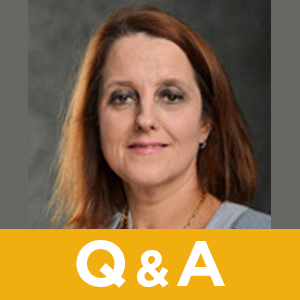
Ep 29E29 - Extended Q&A with Dr. Adelaide Robb at Synapse!
In this episode, join Dr. Robb while see addresses some of your most pressing questions about her presentation at Synapse on pediatric mood disorders!
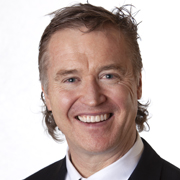
E28 - Sneak Peek at What's to Come at This Year's Synapse!
You won't want to miss this episode! Chairman, Dr. Roger S. McIntyre highlights what's to come over the next few days. You'll hear about a change in our format, and some of the most exciting topics to date! Our team is in Asheville, NC putting final touches on the 2019 NEI Synapse experience! We're eager to welcome our attendees and share the tips, tools, and knowledge that we've been cultivating for the past year.

E27 - April is Parkinson's Disease Awareness Month with Dr. Laxman Bahroo
April is Parkinson's Disease Awareness Month! Join us in this interview with Dr. Laxman Bahroo. We address novel therapeutics on the horizon, changes in the treatment for Parkinson's Disease, and how to effectively communicate with patients about the course of this disease to design appropriate individual treatment plans! Dr. Laxman Bahroo is currently an Associate Professor and Director of the Residency Program in the Department of Neurology at Georgetown University. He is Movement Disorders specialist and manages a busy clinic with interests in medical and surgical treatment of Parkinson's disease and Essential Tremor. He also specializes in the therapeutic role of botulinum toxin injections for dystonia and spasticity. Dr. Bahroo has lectured at regional and national conferences. He has presented at grand rounds at regional hospitals about pertinent topics in Movement Disorders and Neurology. Dr Bahroo actively participates in research trials focusing on emerging movement disorders therapies.
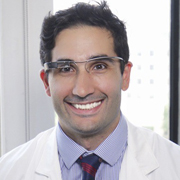
E26 - April is Autism Awareness Month: Interview with Dr. Arshya Vahabzadeh
April is Autism Awareness Month! Join us, as we interview Dr. Arshya Vahabzadeh on the hallmark features of autism, and how to use digital technological advancements to effectively treat symptoms related to autism. Dr. Vahabzadeh is a family physician, having completed training under the Royal College of General Practitioners. Dr. Vahabzadeh is deeply interested in neurodevelopmental disorders, including autism and schizophrenia. He is also a leadership fellow of the American Psychiatric Association. He practices as a resident child and adolescent psychiatrist at Massachusetts General Hospital and McLean Hospital, in addition to being a clinical fellow at Harvard Medical School. His research experience has encompassed several lines of study, including genetics, novel psychopharmacology and social cognition. He is also Chief Medical Officer at Brain Power, a neurotechnology company with a wearable smart glass system for patients with autism. Dr. Vahabzadeh is also a strong proponent of mental health education, and has written editorials for Psychology Today, The Huffington Post, APA Healthy Minds, Boston Magazine and CNN.

E25 - Depression and Cognitive Impairment: Interview with Dr. McIntyre
In this episode, we discuss depression-related cognitive impairment with Dr. Roger McIntyre. Learn about the difference between hot and cold cognition, along with how to identify depression-associated cognitive symptoms that could alter the effectiveness of the very treatment approaches used for depression. Learn more about the relationship between bouts of depression and cognitive impairment and how to address this in your practice. Dr. Roger McIntyre is a Professor of Psychiatry and Pharmacology at the University of Toronto and Head of the Mood Disorders Psychopharmacology Unit at the University Health Network, Toronto, Canada. Dr. McIntyre is also Executive Director of the Brain and Cognition Discovery Foundation in Toronto, Canada. Dr. McIntyre is also Director for the Depression and Bipolar Support Alliance (DBSA) from Chicago, Illinois, USA. Dr. McIntyre is also Professor and Nanshan Scholar at Guangzhou Medical University, and Adjunct Professor College of Medicine at Korea University. Dr. McIntyre was named by Clarivate Analytics/Thomson Reuters in 2014, 2015, 2016, 2017 and 2018 as one of "The World's Most Influential Scientific Minds". This distinction is given by publishing the largest number of articles that rank among those most frequently cited by researchers globally in 21 broad fields of science and social science during the previous decade.

E24 - Brain Injury Awareness March: An Update on the Treatment of Traumatic Brain Injury with Dr. William Sauvé
March is Brain Injury Awareness Month! In this episode we interview Dr. William Sauvé about the most novel neuroscience research on the diagnosis, management, and treatment for traumatic brain injury. Dr. William Sauvé commenced his career in psychiatry with the U.S. Marines followed by service as a Division Officer of inpatient psychiatry at the Naval Medical Center of San Diego. After his years of military practice, Dr. Sauvé relocated to Richmond, Virginia where he started a private psychiatric practice. He joined Greenbrook TMS NeuroHealth Centers as Regional Medical Director of the Rockville, Richmond and Charlottesville locations in January 2014.

E23 - How to Manage the Opioid Epidemic in Your Practice: Interview with Dr. Thomas Kosten
In this episode we discuss how to manage the opioid crisis when it comes to patient care, from effective communication with patients, to the most novel treatments with Dr. Thomas Kosten. Dr. Kosten is the JH Waggoner Chair and Professor of Psychiatry, Pharmacology, Immunology and Neuroscience, Vice Chair for Psychiatry and Co-director of the Dan L. Duncan Institute for Clinical and Translational Research (ICTR) at Baylor College of Medicine. His pharmacotherapy research activities include a cocaine vaccine, disulfiram for cocaine dependence, vasodilators for cocaine-induced cerebral perfusion defects and buprenorphine for opioid dependence. In addition to these pharmacotherapies, he has advanced the understanding of opiate and cocaine dependence mechanisms and treatment using SPECT and functional MRI neuroimaging.

E22 - Eating Disorder Awareness Month with Dr. Leslie Citrome: Binge Eating Disorder
February is Eating Disorder Awareness Month! Binge Eating Disorder (BED) is the most common eating disorder, and yet it is one of the most underdiagnosed. In this episode, we interview Dr. Leslie Citrome, an expert in BED about the challenges that prevent accurate diagnosis, and what to do to overcome these. Learn how to communicate effectively with your patients so that this disorder does not go overlooked. Dr. Leslie Citrome is Clinical Professor of Psychiatry and Behavioral Sciences at New York Medical College in Valhalla, New York and has a private practice in Pomona, New York. His primary research interests have centered on psychopharmacologic approaches to schizophrenia, bipolar disorder, major depressive disorder, the management of treatment-refractory schizophrenia, and the management of aggressive and violent behavior. Dr Citrome has authored or coauthored more than 400 research reports, reviews, chapters, and abstracts in the scientific literature.

E21 - Mental Wellness Month with Dr. Gary Small: Brain Health as We Age
As we continue our stimulating discussion of Mental Wellness Month, we interview Dr. Gary Small on how to maintain brain health as we age! Dr. Gary Small is a Longevity Lifestyle Geriatric psychiatrist and director of the UCLA Longevity Center. He is also a professor in Psychiatry and Behavioral Sciences. Dr. Small has been named one of the world's leading innovators in science and technology by Scientific American magazine, and his research, supported by the National Institutes of Health, has made headlines in TheWall Street Journal, The New York Times, and USA Today. He is known for his ability to both entertain and teach. Dr. Small has published several books on how to maintain brain health as we age and how to stay committed to mental wellness. You can find his books here at: http://drgarysmall.com/books/

E20 - Mental Wellness Month with Dr. Dan Diamond Part II
January is Mental Wellness Month. Join us for Part II of our interview with Dr. Dan Diamond. He is a leader in protecting mental health in the face of catastrophe and teaching people how to perform exceptionally under pressure. In this episode, we address his "trench-tested" techniques to help you combat burn-out and to help you thrive in the midst of stress that you face as a medical provider. Dr. Dan Diamond is a uniquely qualified leader with over 30 years of international disaster experience. He founded and serves as the Director of the Nation's first state-affiliated medical disaster response team and he has responded to a variety of international disasters. Most recently he responded to the typhoon in the Philippines and he served as the Medical Director for Medical Teams International's First Response Team to Haiti. Following Hurricane Katrina, he played a strategic role as Director of the Mass Casualty Triage Unit at the New Orleans Convention Center. Dr. Diamond is a Clinical Assistant Professor at the University of Washington School of Medicine. He is a part-time practicing physician at Multicare Immediate Clinic. He was a member of the Editorial Board for the Primary Care Companion to the Journal of Clinical Psychiatry. Dr. Diamond provides coaching programs that offer cutting edge strategies to help you thrive under pressure and under extreme circumstances. He also has a podcast, "Trench-Tested Leadership Podcast", which you can find in iTunes. You can access all of his resources at: www.dandiamondmd.com. His book, "Beyond Resilience: Trench-Tested Tools to Thrive Under Pressure" can be found at Barnes & Noble.

E19 - Mental Wellness Month with Dr. Dan Diamond Part I
January is Mental Wellness Month. Dr. Dan Diamond is a leader in protecting mental health in the face of catastrophe and teaching people how to perform exceptionally under pressure. In this episode, we address his "trench-tested" techniques to help you combat burn-out and to help you thrive in the midst of stress that you face as a medical provider. Dr. Dan Diamond is a uniquely qualified leader with over 30 years of international disaster experience. He founded and serves as the Director of the Nation's first state-affiliated medical disaster response team and he has responded to a variety of international disasters. Most recently he responded to the typhoon in the Philippines and he served as the Medical Director for Medical Teams International's First Response Team to Haiti. Following Hurricane Katrina, he played a strategic role as Director of the Mass Casualty Triage Unit at the New Orleans Convention Center. Dr. Diamond is a Clinical Assistant Professor at the University of Washington School of Medicine. He is a part-time practicing physician at Multicare Immediate Clinic. He was a member of the Editorial Board for the Primary Care Companion to the Journal of Clinical Psychiatry. In 2010, the American Red Cross gave him the "Real Hero" award and he also received the Washington State Governor's Award of Excellence for his work in Haiti. In 2014, Dr. Diamond received the President's Volunteer Service Award from President Obama and he also received the Quality of Care Lifetime Achievement Award, Healthcare Heroes. Dr. Diamond provides coaching programs that offer cutting edge strategies to help you thrive under pressure and under extreme circumstances. He also has a podcast, "Trench-Tested Leadership Podcast", which you can find in iTunes. You can access all of his resources at: www.dandiamondmd.com. His book, "Beyond Resilience: Trench-Tested Tools to Thrive Under Pressure" can be found at Barnes & Noble.

E18 - Is Marijuana Good or Bad for the Brain?
The use of medicinal marijuana has been a controversial topic, and there is recently evidence of treatment for various mental health disorders. In this episode, Dr. William Sauvé discusses the pros and cons of marijuana within the medical setting. Dr. William M. Sauvé received his medical degree from the Uniformed Services University of the Health Sciences in Bethesda, Maryland, and completed his residency in adult psychiatry at the National Capitol Consortium in Washington, DC, prior to deploying to the Al Anbar Province, Iraq, as the Regimental Psychiatrist for the 7th Marines. After eleven years of active duty service, Dr. Sauvé left the United States Navy to become the Clinical Director of the Military Program at Poplar Springs Hospital in Petersburg, VA, an inpatient structured program for the treatment of Posttraumatic Stress Disorder and Chemical Dependency that caters exclusively to the military population. In 2014, he left Poplar Springs Hospital to focus on Transcranial Magnetic Stimulation and now serves as the Medical Director for TMS NeuroHealth Centers in Richmond (Glen Allen) and Charlottesville, VA. Dr. Sauvé also consults for pharmaceutical companies and associated industries as well. He is a member of the American Psychiatric Association, and certified by the American Board of Psychiatry and Neurology. Dr. Sauvé also recently co-authored "Psychopharmacological Treatment," with Dr. Stahl, a chapter in Treating PTSD in Military Personnel, edited by Bret Moore and Walter Penk.

E17 - How to Manage Agitation and Aggression in Patients with Dr. Rona Hu
In this episode we interview Dr. Rona Hu on how to manage aggression and agitation in patients. Agitation and aggression in patients is a serious and potentially dangerous consequence of psychiatric illness. In this episode, we explore the most current, effective non-pharmacological and pharmacological treatments available for the management of aggression and agitation. Dr. Hu is Medical Director of the Acute Psychiatric Inpatient Unit at Stanford Hospital, specializing in the care of those with serious mental illnesses, including schizophrenia, bipolar and depression. She completed medical school and residency in psychiatry at the University of California, San Francisco, and fellowships in Pharmacology and Schizophrenia Research through the National Institutes of Health. She is also active in the minority issues and cultural psychiatry, and has received regional and national recognition for her clinical care, research and teaching. Disclaimer: This educational activity may include discussion of unlabeled and/or investigational uses of agents that are not currently labeled for such use by the FDA. Please consult the product prescribing information for full disclosure of labeled uses. Send feedback on Facebook or LinkedIn. Rate us on iTunes!

E16 - Themes Underlying Mental Health Conditions by Roger McIntyre
In this episode we share Dr. Roger McIntyre's perspective on central themes that underlie mental health conditions, which he shared with us this past year at Synapse in Las Vegas. Find out what homeostasis and hedonism might mean for you in terms of treating patients! Dr. Roger S. McIntyre is currently a Professor of Psychiatry and Pharmacology at the University of Toronto and Head of the Mood Disorders Psychopharmacology Unit at the University Health Network, Toronto, Canada. Dr. McIntyre is also Executive Director of the Brain and Cognition Discovery Foundation in Toronto, Canada. Dr. McIntyre was named by Thomson Reuters in 2014 and 2015, as one of "The World's Most Influential Scientific Minds". This distinction is given by publishing the largest number of articles that rank among those most frequently cited by researchers globally in 21 broad fields of science and social science during the previous decade.

E15 - National Suicide Prevention Awareness Month: Interview with Dr. Christine Moutier
Suicide is a topic that many mental health providers and clinicians find particularly challenging in their practice. This month is National Suicide Prevention Awareness Month. Join us, as we interview the Chief Medical Officer for the American Foundation for Suicide Prevention (AFSP), Dr. Christine Moutier. Dr. Moutier knows the impact of suicide firsthand. After losing colleagues to suicide, she dedicated herself to fighting this leading cause of death.Throughout her career she has focused on fighting stigma related to mental health and help seeking. Training healthcare leaders, physicians, and advocacy groups, Dr. Moutier has sought to change the healthcare system's approach to mental health, to optimize care for those suffering from mental health conditions. As a leader in the field of suicide prevention, Dr. Moutier joined AFSP in 2013, and has revitalized AFSP's Education team, re-launched its Loss & Healing department, and expanded AFSP's support to include those with lived experience of suicide. She has testified before the U.S. Congress and spoken at the White House, she was the host of AFSP's documentary on surviving suicide loss, The Journey, and has appeared as an expert in The New York Times, The Washington Post, Time magazine, The Economist, The Atlantic, the BBC, NBC, CNN, and other print and television outlets. For more information on the AFSP please visit: asfp.org
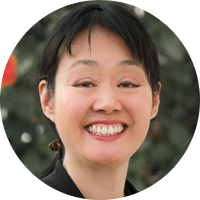
E14 - National Minority Mental Health Awareness Month Part 2: Interview with Rona Hu
In Part II of this interview with Dr. Rona Hu, we discuss building awareness about mental health issues for minorities and the challenges that come with treating this vulnerable population. Learn strategies about communication with patients from various cultures, and increase your awareness of multi-cultural attitudes that impact mental health in your practice. Dr. Rona Hu is a Clinical Associate Professor at the Department of Psychiatry and Behavioral Sciences and Medical Director of the Acute Psychiatric Inpatient Unit at Stanford University School of Medicine. She is also active in the minority issues and cultural psychiatry, and has received regional and national recognition for her clinical care, research and teaching.
E13 - National Minority Mental Health Awareness Month Part I with Dr. Rona Hu
In Part I of this interview with Dr. Rona Hu, we discuss building awareness about mental health issues for minorities and the challenges that come with treating this vulnerable population. Learn strategies about communication with patients from various cultures, and increase your awareness of multi-cultural attitudes that impact mental health in your practice. Dr. Rona Hu is a Clinical Associate Professor at the Department of Psychiatry and Behavioral Sciences and Medical Director of the Acute Psychiatric Inpatient Unit at Stanford University School of Medicine. She is also active in the minority issues and cultural psychiatry, and has received regional and national recognition for her clinical care, research and teaching.

E12 - A Wellness Approach to the Treatment of Post-Traumatic Stress Disorder: Q& A with DPN Mary Moller
In this episode, Dr. Mary Moller addresses questions about a wellness approach to treating Post-Traumatic Stress Disorder (PTSD). Dr. Mary D. Moller is an internationally known psychiatric mental health nurse clinician, researcher, educator, and presenter. She is an advanced registered nurse practitioner who is dually certified as a clinical specialist in adult psychiatric-mental health nursing and a psychiatric rehabilitation practitioner. She is an Associate Professor at Pacific Lutheran University in Tacoma, WA where she is coordinator of the psychiatric nurse practitioner Doctor of Nursing Practice program. She is also the Director of Psychiatric Services for Northwest Center for Integrated Health in Tacoma. For access to the Wellness Assessment Tool click HERE.

E11 - The Changing Brain with Dr. Stephen Stahl
The normal aging process alters the adult brain in many different ways. Cognition tends to slow down, and there are cellular and structural changes. Lifestyle behaviors such as proper nutrition and exercise can slow the aging process and preserve brain health. In this episode, Dr. Stephen Stahl addresses questions about the most current scientific research on how healthy lifestyle behaviors influence the brain in positive ways.

E10 - Treating Parkinson's Disease-Related Psychosis
In this exciting interview, Dr. Jonathan Meyer discusses what's on the horizon for the treatment of psychosis related to Parkinson's disease. Learn about how previous challenges may be overcome by novel therapeutic advances.

E9 - How to Successfully Modify Treatment for Your Patients
In this engaging interview, Dr. Thomas Schwartz shares with you the most current and helpful information on how to manage treatment modifications for your patients with a special emphasis on antidepressants. Tune in to learn more!

E8 - Novel Antidepressants with Dr. Andrew Cutler
Learn what's on the horizon for the development of antidepressants. How are we moving beyond the traditional "monoamine approach"? In this exciting interview with Dr. Andrew Cutler we'll learn about some of the cutting edge research in this area!

E7 - Inflammation and Depression
In this episode, we interview Dr. Roger McIntyre about the newest findings on inflammation and depression.

E6 - What to do about Side Effects: An Interview with Dr. Rajnish Mago
In this interview, Dr. Rajnish Mago discusses how to deal with the challenge of side effects when treating mental illness.
E5 - Good Vibrations: What can transcranial magnetic stimulation do for mental health?
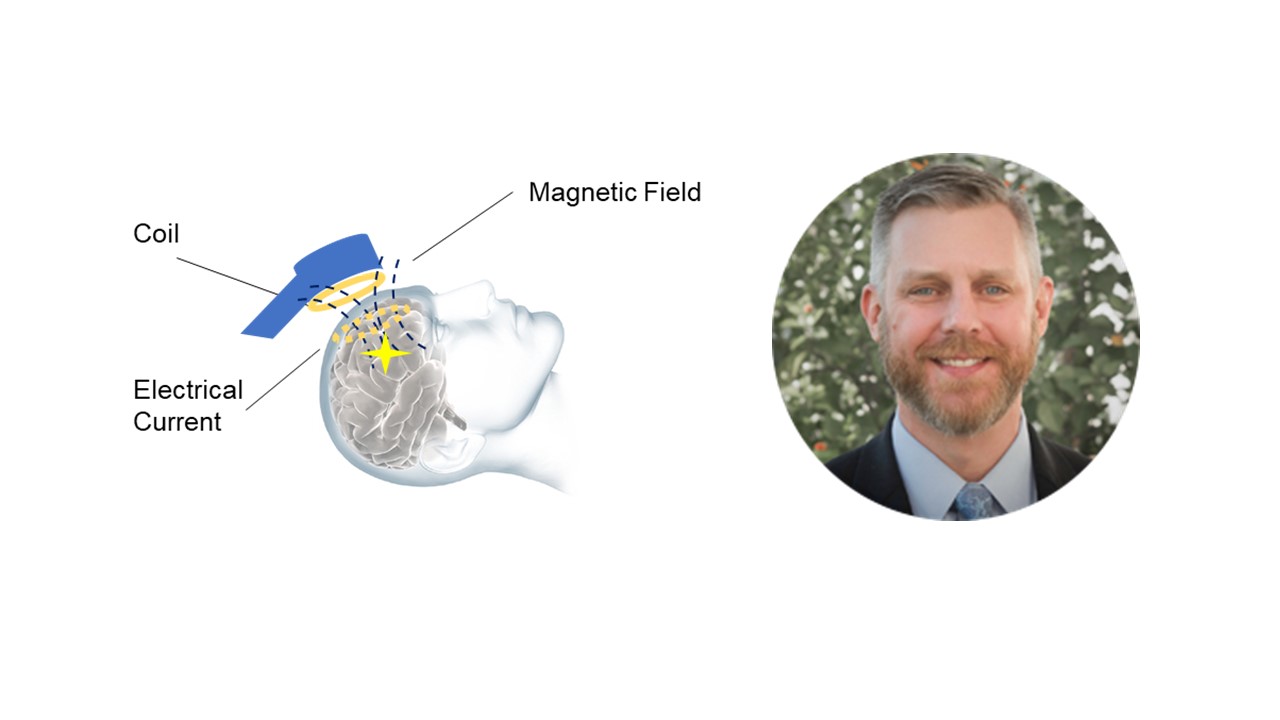
In this episode, we interview Dr. William Sauvé on the basis behind transcranial magnetic stimulation (TMS)-- how it works, and how it can be used to treat much more than treatment resistant depression. Dr. Sauvé commenced his career in psychiatry with the U.S. Marines followed by service as a Division Officer of inpatient psychiatry at the Naval Medical Center of San Diego. After his years of military practice, Dr. Sauvé relocated to Richmond, Virginia where he started a private psychiatric practice. He is the Medical Director of Greenbrook TMS Neurohealth Center.

E4 - Traumatic Brain Injury and Exercise Rehabilitation
In this episode, army combat veteran, Justin Davis shares his unique experience about having multiple combat-induced TBIs, and his recovery through golf rehabilitation. Justin is paying it forward by opening his own Golf Rehabilitation center in California for veterans. Learn more about it in this episode!

E3 - Interview with Nora Volkow, Director of National Institute on Drug Abuse
In this engaging interview, we ask Dr. Nora Volkow what common misconceptions exist that can influence the way clinicians treat pain and manage opioid addiction. We also ask her what risk factors are associated with opioid addiction and what early warning signs exist that a patient is becoming addicted. She also shares with us the most effective pain biomarkers available today, and in development so that we may be able to more effectively manage pain and avoid some of the risk associated with opioid treatment for pain.

E2 - Interview with Dr. Katherine Warburton on Violence
In this interview, we ask the Medical Director of California Department State Hospitals, Dr. Katherine Warburton the latest update on inpatient violence. We discuss different classifications of violence, risk factors associated with violence, and the most recent significant reduction in violent acts since a panel of experts along with NEI published guidelines on how to effectively manage and treat violence.
E1- Future of Psychiatry: Treating Mental Health in the Digital Age
In this exciting interview we ask Dr. Vahabzadeh about his role as chief medical officer at Brain Power and the exciting projects that they are developing to help patients with autism. We also discuss the use of digital information, apps, and devices to help accurately predict suicide risk. We conclude with a sneak peak of what lies on the horizon for mental health in the digital age!

Welcome to Sages of Psychopharmacology!
A podcast by the Neuroscience Education Institute. Stop by booth 645 at the American Psychiatric Association conference in San Diego. We'll also be interviewing some of the top psychiatrists in their fields so tune in here!