
NEI Podcast
290 episodes — Page 3 of 6

E189 - Re-Release: Nikola Tesla's Evil Twins: Genius and Madness (E148)
In this re-release episode, Dr. Andrew Cutler interviews Drs. Marko Perko and Stephen Stahl about their book, Tesla: His Tremendous and Troubled Life, which explores the intersection between Tesla's genius, his creativity, and his bipolar disorder. Sadly, Dr. Marko Perko passed away last fall after a battle with cancer. He was a prolific writer and a great mind, and we re-release this episode in his honor. Learn more about Tesla: His Tremendous and Trouble Life

E188 - Re-Release: Improved Mental Health Treatment Through Collaborative Care with Dr. Anna Ratzliff (E120)
NEI Podcast is taking a temporary hiatus over the summer. From July through September, we will revisit some of our most compelling episodes, on topics that remain as relevant today as when they first aired. New episodes will resume in the fall; make sure you are subscribed so that you don't miss out! ***************************** What is unique about collaborative care when it comes to mental health? Can you share some of the step-by-step guide to implementing the core model in clinical practice for collaborative care? In this episode, Dr. Anna Ratzliff answers these questions and much more! Dr. Anna Ratzliff is a national expert on collaborative care, and specifically on training teams to implement and deliver mental health treatment in primary care settings. Her passion for translating complex research ideas into practical real-world applications began when she received her MD and PhD in Anatomy and Neurobiology as part of the Medical Scientist Training Program at the University of California at Irvine. She currently is a Professor in the Department of Psychiatry and Behavioral Sciences at the University of Washington, where she has developed additional expertise in suicide prevention training, mental health workforce development, adult learning best practices, and mentorship. Dr. Ratzliff is the Director of the UW Psychiatry Resident Training Program, Co-Director of the AIMS Center (Advancing Integrated Mental Health Solutions), and Director of the UW Integrated Care Training Program for residents and fellows. Resources: AIMS Center Website: http://aims.uw.edu/ Implementation Guide: https://aims.uw.edu/collaborative-care/implementation-guide APA Training: https://www.psychiatry.org/psychiatrists/practice/professional-interests/integrated-care

E187 - The PsychopharmaStahlogy Show: Treating ADHD Across the Lifespan with Dr. David Goodman
What are some of the greatest challenges when treating ADHD in the elderly population? Are stimulants safe in the elderly population? How do hormonal changes influence ADD or ADHD in women throughout life? With this special series, brought to you by the NEI Podcast, we will address a different theme in psychopharmacology every 3 months. Each theme is split into 3 parts, with one part released each month. This theme is on novel perspectives and novel treatment approaches for Attention Deficit Hyperactivity Disorder (ADHD). Today, Dr. Andy Cutler interviews Dr. David Goodman on treating ADHD across the lifespan. Let's listen in to Part 3 of our theme: Treating ADHD Across the Lifespan. Subscribe to the NEI Podcast, so that you don't miss another episode!
E186 - Eating Disorders, Nutrition, and the Brain
What is avoidant/restrictive food intake disorder or ARFID? How does it differ from other disorders? How are intestinal microbiota involved when it comes to eating disorders? Dr. Cynthia Bulik is a Distinguished Professor of Eating Disorders and Founding Director of the University of North Carolina (UNC) Center of Excellence for Eating Disorders and Professor of Nutrition, Gillings School of Global Public Health; and Associate Director, UNC Center for Psychiatric Genomics. Dr. Bulik's research teams at UNC (Center of Excellence for Eating Disorders-CEED) and Karolinska Institute (Centre for Eating Disorders Innovation-CEDI) are dedicated to deepening our understanding of the underlying biology and genetics of eating disorders and to advancing the evidence base for the treatment of these illnesses. As founder and co-chair of the Eating Disorders Working Group of the Psychiatric Genomics Consortium (PGC-ED), she leads the global effort to identify actionable genomic variation in eating disorders. She is Principal Investigator of the global Eating Disorders Genetics Initiative funded by the National Institute of Mental Health. She is also the Principal Investigator of the largest study of genetic and environmental contributors to avoidant/restrictive food intake disorder (ARFID-GEN), also funded by the National Institute of Mental Health. Together with Ian Carroll, PhD she conducts population-level and intensive longitudinal clinical investigations of the intestinal microbiota in eating disorders. For the past decade, with Donald Baucom, PhD and Jennifer Kirby, PhD she has developed and disseminated a suite of couple-based interventions for anorexia nervosa, bulimia nervosa, and binge-eating disorder (UNITE: UNiting couples In the Treatment of Eating disorders). She also serves as senior faculty on the SAMHSA-funded National Center of Excellence for Eating Disorders (NCEED)—the national authoritative source for information and training in eating disorders. She is dedicated to mentorship of junior investigators, especially women in STEM fields and is passionate about translating science for the public.

E185 - The PsychopharmaStahlogy Show: The Challenges of Treating ADHD Online with Dr. Greg Mattingly
What has research demonstrated about the advantages and consequences of telehealth for the treatment of ADHD and mental health? How can we fill the gaps in underserved communities when it comes to telehealth treatment for ADHD? With this special series, brought to you by the NEI Podcast we will address a different theme in psychopharmacology every 3 months. Each theme is split into 3 parts, with one part released each month. This theme is on novel perspectives and novel treatment approaches for Attention Deficit Hyperactivity Disorder (ADHD). Today, Dr. Andy Cutler interviews Dr. Greg Mattingly on best practices and guidelines for using telemedicine for the treatment and management of ADHD. Let's listen in to Part 2 of our theme: The Challenges of Treating ADHD Online Subscribe to the NEI Podcast, so that you don't miss another episode!

E184 - Autism Spectrum Disorder and Comorbidities
What are common comorbidities with ASD and how difficult is it to differentiate these conditions from overlapping symptoms of ASD? What guidelines are there for managing agitation in autism spectrum disorder? Robyn Thom, MD, is a child, adolescent, and adult psychiatrist at the Massachusetts General Hospital (MGH) Lurie Center for Autism and co-Director of the MGH Williams Syndrome Program. She is also an Assistant Professor of Psychiatry at Harvard Medical School. She specializes in diagnosing and treating comorbid psychiatric conditions in individuals with autism spectrum disorder and other developmental disabilities including Williams syndrome. Dr. Thom's research interests include psychopharmacology, anxiety disorders, Williams syndrome, medical comorbidity in adults with autism spectrum disorder, and brain aging.
E183 - The PsychopharmaStahlogy Show: Shifting Focus: A Novel Perspective on Attention Deficit Hyperactivity Disorder (ADHD)
What is the proposed neurocircuitry that underlies attention deficit hyperactivity disorder, or ADHD? What is known about the role of serotonin in ADHD? Particularly the 5HT2C and 5HT7 receptors? With this special series, brought to you by the NEI Podcast, we will address a different theme in psychopharmacology every 3 months. Each theme is split into 3 parts, with one part released each month. This theme is on novel perspectives and novel treatment approaches for Attention Deficit Hyperactivity Disorder (ADHD). Today, Dr. Andy Cutler interviews Dr. Stephen Stahl on the current state of ADHD and where the future lies. Let's listen in to Part 1 of our theme: Shifting Focus: A Novel Perspective on Attention Deficit Hyperactivity Disorder (ADHD) Subscribe to the NEI Podcast, so that you don't miss another episode!
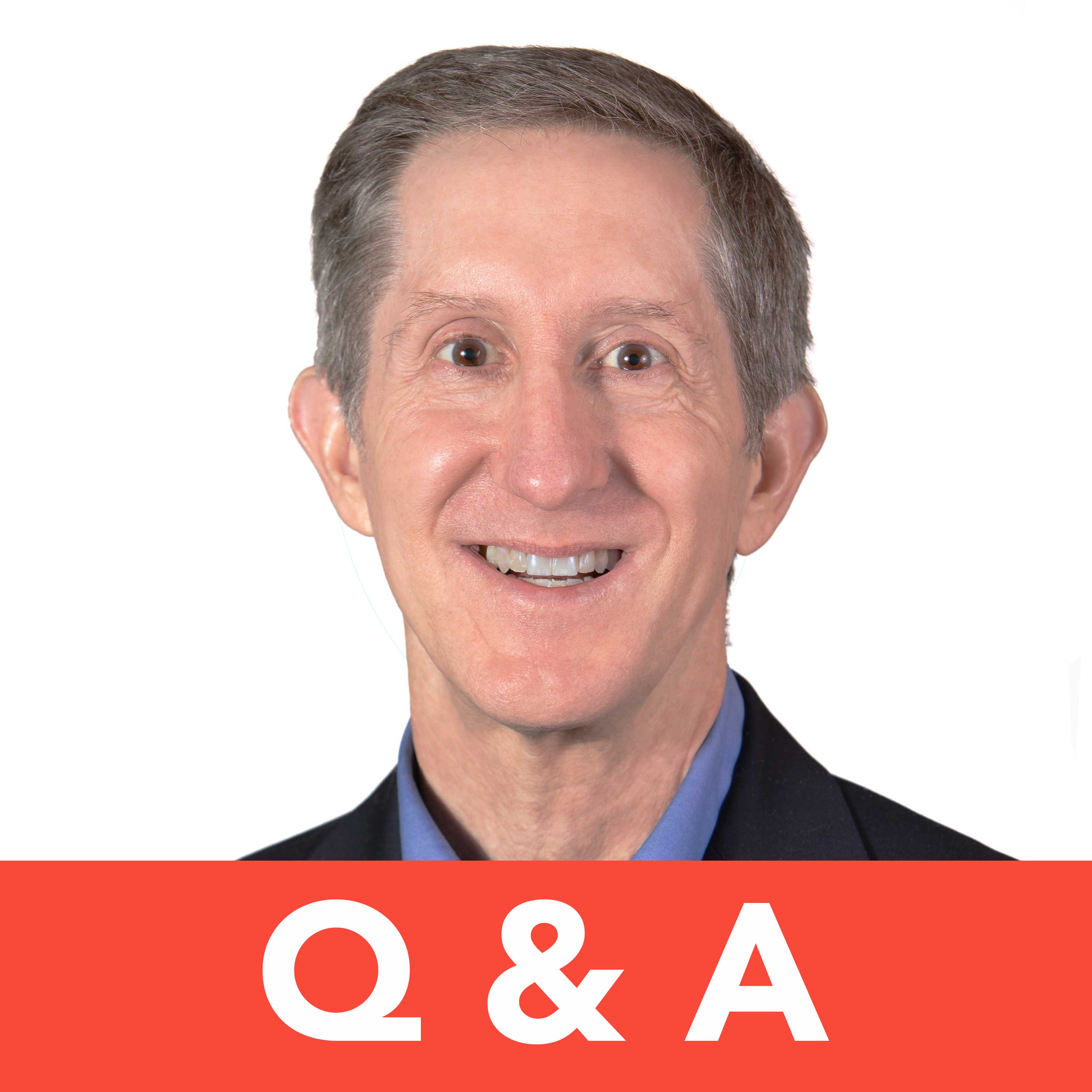
E182 - 2023 NEI Synapse Extended Q&A: Dopamine Partial Agonists with Dr. Jonathan Meyer
In this episode, Dr. Jonathan Meyer addresses your unanswered questions from his presentation: Dopamine Partial Agonists: How They Work and Why They Don't Always Play Nice with Other Antipsychotics.

E181 - 2023 NEI Synapse Extended Q&A: Postpartum and Sleep with Dr. Jade Wu
In this episode, Dr. Jade Wu addresses your unanswered questions from her presentation: Goodnight Mom: Sleep Issues During Pregnancy and Postpartum.
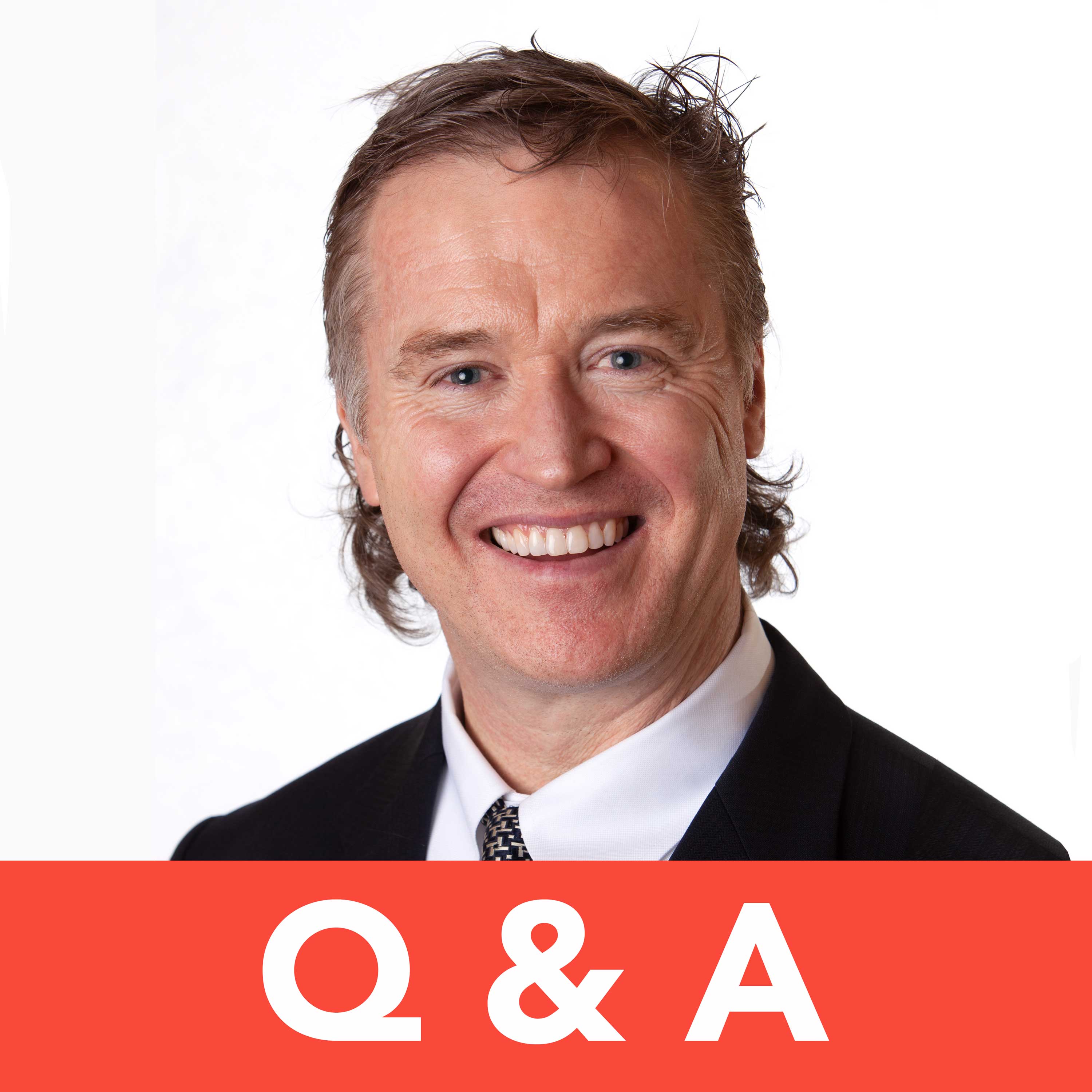
E180 - 2023 NEI Synapse Extended Q&A: Distinguishing Between Bipolar I and Bipolar II Disorder with Dr. Roger McIntyre
In this episode, Dr. Roger McIntyre addresses your unanswered questions from his presentation: The "Mania" Event: Distinguishing Between Treating Bipolar I and Bipolar II.

E179 - 2023 NEI Synapse Extended Q&A: Patient-Centered Care in ADHD with Dr. David Goodman
In this episode, Dr. David Goodman addresses your unanswered questions from his presentation "ADHD: Optimizing Treatment with Patient-Centered Care

E178 - 2023 NEI Synapse Extended Q&A: 5HT2A with Dr. Thomas Schwartz
In this episode, Dr. Thomas Schwartz addresses your unanswered questions from his presentation "Can You Say Hey? The Many Faces of Serotonin 5HT2A" by Dr. Thomas Schwartz

E177 - The PsychopharmaStahlogy Show: Alzheimer's Disease: Beyond the Amyloid Hypothesis: Prevention, Management and Treatment of Alzheimer's Disease
How does precision medicine relate to treating Alzheimer's disease? Can you share more with us about the blood biomarker research at Johns Hopkins? With this special series, brought to you by the NEI Podcast we will address a different theme in psychopharmacology every 3 months. Each theme is split into 3 parts, with one part released each month. This theme is on Alzheimer's disease, the amyloid hypothesis, disease modification, and breakthroughs in diagnosis and treatment. Today, Dr. Andy Cutler interviews Dr. Kostas Lyketsos about the most current research on treatment for Alzheimer's disease, including precision medicine and behavioral modifications. Constantine (Kostas) Lyketsos, MD, MHS, FACLP, FACNP is an active clinician, teacher, and researcher, Dr. Lyketsos was the founding director of the Johns Hopkins Neuropsychiatry Service, which he led for over a decade. He developed one of the largest and most successful academic neuropsychiatry programs in the USA with special expertise in dementia and traumatic brain injury. Prior to taking leadership of the Johns Hopkins Bayview Department of Psychiatry, he was co-director of the Johns Hopkins Division of Geriatric Psychiatry and Neuropsychiatry. He has held a joint faculty appointment at the Hopkins Bloomberg School of Public Health since 1994. Let's listen in to Part 3 of our theme: Alzheimer's Disease: Beyond the Amyloid Hypothesis: Prevention, Management and Treatment of Alzheimer's Disease Subscribe to the NEI Podcast, so that you don't miss another episode!

E176 - Match Day and Inside the Match
What is Match Day? What types of resources does Inside the Match provide for match applicants? In this episode, psychiatry resident, Dr. Simone Bernstein addresses these questions and much more! Simone Bernstein is a fourth-year psychiatry resident at Washington University in St. Louis and Co-Founder of Inside the Match, a platform that provides free application and interview guidance to residency applicants as well as tips to be successful in residency. The platform has a website with 250+ blogs to help you prepare for the match and more than 120+ episodes on Spotify, Apple, and Google podcasts. Simone has spoken at conferences worldwide, is a Laughlin Fellow, Forbes 30 Under 30 Social Entrepreneur, was featured as one of Glamour Magazine's Top 10 College Women, is an inductee in the Missouri Public Affairs Hall of Fame, and is also a Fulbright Scholar. Find Inside The Match on Instagram and Twitter @Inside_TheMatch.
E175 - The PsychopharmaStahlogy Show: Alzheimer's Disease: Biomarkers and Treatments that Target Amyloid
What sorts of imaging techniques are used to measure amyloid aggregates in the brain? What do we know about the relationship between symptoms of Alzheimer's disease and amyloid levels that are detected through neuroimaging? With this special series, brought to you by the NEI Podcast we will address a different theme in psychopharmacology every 3 months. Each theme is split into 3 parts, with one part released each month. This theme is on Alzheimer's disease, the amyloid hypothesis, disease modification, and breakthroughs in diagnosis and treatment. Today, Dr. Andy Cutler interviews Dr. Lon Schneider on biomarkers for Alzheimer's disease and treatments that target amyloid. Lon Schneider, MD, MS is Professor of Psychiatry, Neurology, and Gerontology at the Keck School of Medicine of the University of Southern California. He is director of the California Alzheimer's Disease Center, the Department of Psychiatry Geriatric Studies Center and co-director of the clinical core of the University of Southern California Alzheimer's Disease Research Center (National Institutes of Health). In addition, he is principal investigator of the National Institute of Mental Health's CATIE program, a multicenter effectiveness trial of atypical antipsychotics in Alzheimer's disease. Let's listen in to Part 2 of our theme: Biomarkers and Treatments that Target Amyloid Subscribe to the NEI Podcast, so that you don't miss another episode!
E174 - Erasing Stigma about Mental Health in the Middle East and Worldwide
What cultural perspectives may influence mental health stigma in the Middle East? What was your experience like creating the first transcranial magnetic stimulation (TMS) center in Kuwait? What advice do you have for clinicians who want to help reduce the stigma that surrounds mental health? In this episode, psychiatrist Dr. Mohammad Alsuwaidan address these questions and much more. Dr. Mohammad Alsuwaidan MD, MPH, FRCPC, DipABPN is an assistant professor of psychiatry at the University of Toronto in Canada. He is also the founder and clinical director of MindWell, a leading regional private mental health center based in Kuwait and the Chief Medical Officer of TMS NextGen a TMS training and operations management company based in Dubai. Dr. Alsuwaidan completed his psychiatry residency, mood & anxiety disorders fellowship and medical education fellowship at the University of Toronto. He also trained in mood disorders at the Stanford University bipolar clinic and the Tufts Medical Center mood disorders clinic. He completed a Masters of Public Health (MPH) at Johns Hopkins University. He is a Fellow of the Royal College of Physicians and Surgeons of Canada, a Diplomate of the American Board of Psychiatry and Neurology and is certified in public health by the National Board of Public Health Examiners. He was the host for the 2022 NEI Congress, and he is widely-sought internationally as a speaker, educator and anti-stigma advocate in mental health.

E173 - The PsychopharmaStahlogy Show: Alzheimer's Disease and the Amyloid Controversy
When it comes to Alzheimer's disease, what is the amyloid cascade hypothesis? How has this theory impacted drug development for Alzheimer's disease over the past three decades? With this special series, brought to you by the NEI Podcast we will address a different theme in psychopharmacology every 3 months. Each theme is split into 3 parts, with one part released each month. This theme is on Alzheimer's disease, the amyloid hypothesis, disease modification, and breakthroughs in diagnosis and treatment. Today, Dr. Andy Cutler interviews Dr. Stephen Stahl on the current state of Alzheimer's disease and the amyloid controversy. Let's listen in to Part 1 of our theme: Alzheimer's Disease and the Amyloid Controversy Subscribe to the NEI Podcast, so that you don't miss another episode!
E172 - Reasons to Hope: Evidence-Based Actions for Suicide Prevention Extended Q&A
In this episode, we invite Dr. Christine Moutier of the American Foundation for Suicide Prevention, along with Christopher Thomas and Martha Thomas of the Defensive Line so they could have a chance to address some of your unanswered questions from their presentation on suicide prevention at the 2022 NEI Congress titled "Reasons to Hope: Evidence-Based Actions for Suicide Prevention. Christine Moutier serves as the chief medical officer for the American Foundation for Suicide Prevention (AFSP) and knows the impact of suicide firsthand. After her own lived experience and losing physician colleagues to suicide, she dedicated herself to fighting this leading cause of death. For the past decade as CMO at AFSP, Dr. Moutier has been leading a nationwide movement fueled by science and grassroots. She has testified before Congress numerous times, presented at the White House and the National Academy of Sciences, and is a frequent expert contributor for major media outlets. Martha co-founded The Defensive Line with Chris and her son, Solomon to honor her daughter, Ella, and to bring a message of hope and help to other at-risk young people. She is the roots of her family and believes and demonstrates fundamentally that connection is our greatest source of strength. She recently stepped out of the classroom to work full-time in her role as the Chief Education Officer for the organization. While she is no longer in the classroom, she is still teaching others important lifesaving skills. As a teacher and educator for 30 years, Martha brings a deep understanding of the profession to The Defensive Line. Martha resides in Coppell, Texas with her husband, Chris, and two rescue dogs Mickey and Rebel. She is a marathoner and devoted friend to many, as well as a huge fan of the New York Jets for whom her son, Solomon, plays as a defensive lineman. As a senior executive at Procter & Gamble, Frito-Lay, and Alberto Culver among others, Chris brought a drive for excellence to his work, earning recognition and industry awards including Salesperson of the Year and Supplier of the Year. He is a member of the Board of Directors of the American Foundation for Suicide Prevention, as well as Touched By Suicide (TBS) board member, AFSP Project 2025 board member, and College of Wooster Ad Hoc Alumni Trustee. Martha, Chris, and Solomon were recipients of the 2019 AFSP Lifesaver Award. During his 30-plus years in corporate management of consumer goods and products, both domestically and internationally. A gifted college athlete, Chris played an integral role in coaching and developing the athletic achievements of his children, Ella and Solomon. In addition to receiving the AFSP Lifesaver Award in 2019 with Solomon, Martha and Chris are active with suicide survivors organizations, have spoken at the 2022 Neuroscience Education Institute Congress, Texas Association of Gifted and Talented Conference, United Healthcare Suicide Prevention Town Hall and many others.

E171 - The PsychopharmaStahlogy Show: Don't Guess! Measure: The Clinical Use of Antipsychotic Plasma Levels
Why is measurement-based care so important to the overall treatment of schizophrenia? What are the most important reasons for using plasma antipsychotic levels when treating schizophrenia patients? In this episode, Dr. Andrew Cutler interviews Dr. Jonathan Meyer about the importance of measuring plasma levels when administering antipsychotics. With this special series, brought to you by the NEI Podcast we will address a different theme in psychopharmacology every 3 months. Each theme is split into 3 parts, with one part released each month. This theme is on complex treatment-resistant psychotic disorders. Episodes to be released under this theme include: Part 1: Management of Complex Treatment-Resistant Psychotic Disorders with Dr. Michael Cummings Part 2: The Clozapine Handbook with Dr. Jonathan Meyer Part 3: Don't Guess! Measure: The Clinical Use of Antipsychotic Plasma Levels with Dr. Jonathan Meyer Subscribe to the NEI Podcast, so that you don't miss another episode!

E170 - A Look Back at This Year in Psychopharmacology 2022 with Dr. Andy Cutler
What did we learn about the relationship between PTSD and the gut microbiome this year? What are pherines? How can they reduce anxiety, according to research that was published this year? What other exciting news about psychopharmacology do you have to share with us? In this episode, Dr. Cutler addresses these questions and so much more about this past year in psychopharmacology. Dr. Andrew Cutler is the Chief Medical Officer (CEO) at the Neuroscience Education Institute (NEI). Dr. Cutler has deeply rooted knowledge in clinical experience, academic experience, and emerging science in psychiatry through clinical trials. He also worked closely with federal regulators and legislators to advocate for improved mental health care as part of the Clinton health care reform effort, leading to the Mental Health Parity Act of 1996. Among his notable leadership positions, Dr. Cutler is currently Clinical Associate Professor of Psychiatry, SUNY Upstate Medical University and previously served as Courtesy Assistant Professor of Psychiatry at University of Florida, and has been the principal investigator on more than 400 psychiatric and medical clinical trials. Dr. Cutler received a BS in biology from Haverford College in Philadelphia, and then received his medical degree from the University of Virginia School of Medicine, where he was elected to Alpha Omega Alpha honor medical society. He completed his medical internship, internal medicine residency, and psychiatry residency at the University of Virginia, where he served as Chief Resident of Psychiatric Medicine. Dr. Cutler then served as Assistant Professor and Director of Psychiatric Medicine at the University of Chicago. He is board certified in internal medicine and psychiatry.

E169 - The PsychopharmaStahlogy Show: The Clozapine Handbook
Why is clozapine underutilized, even though it's a very effective antipsychotic for treatment-resistant schizophrenia? What led you to write The Clozapine Handbook? In this episode, Dr. Andrew Cutler interviews Dr. Jonathan Meyer about the use of clozapine in clinical practice. With this special series, brought to you by the NEI Podcast we will address a different theme in psychopharmacology every 3 months. Each theme is split into 3 parts, with one part released each month. This theme is on practical psychopharmacology. Episodes to be released under this theme include: Part 1: Management of Complex Treatment-Resistant Psychotic Disorders with Dr. Michael Cummings Part 2: The Clozapine Handbook with Dr. Jonathan Meyer Part 3: Don't Guess! Measure: The Clinical Use of Antipsychotic Plasma Levels with Dr. Jonathan Meyer Subscribe to the NEI Podcast, so that you don't miss another episode!

E168 - 2022 NEI Congress Extended Q&A: Postpartum Depression with Dr. Mary Kimmel
In this episode, Dr. Mary Kimmel answers your important questions from her presentation: No Woman, No Cry: Advancements in the Diagnosis and Treatment of Postpartum Depression.

E167 - 2022 NEI Congress Extended Q&A: Pediatric ADHD with Dr. Napoleon Higgins
In this episode, Dr. Napoleon Higgins answers your important questions from his presentation, To the Moon and Back: Pediatric ADHD.
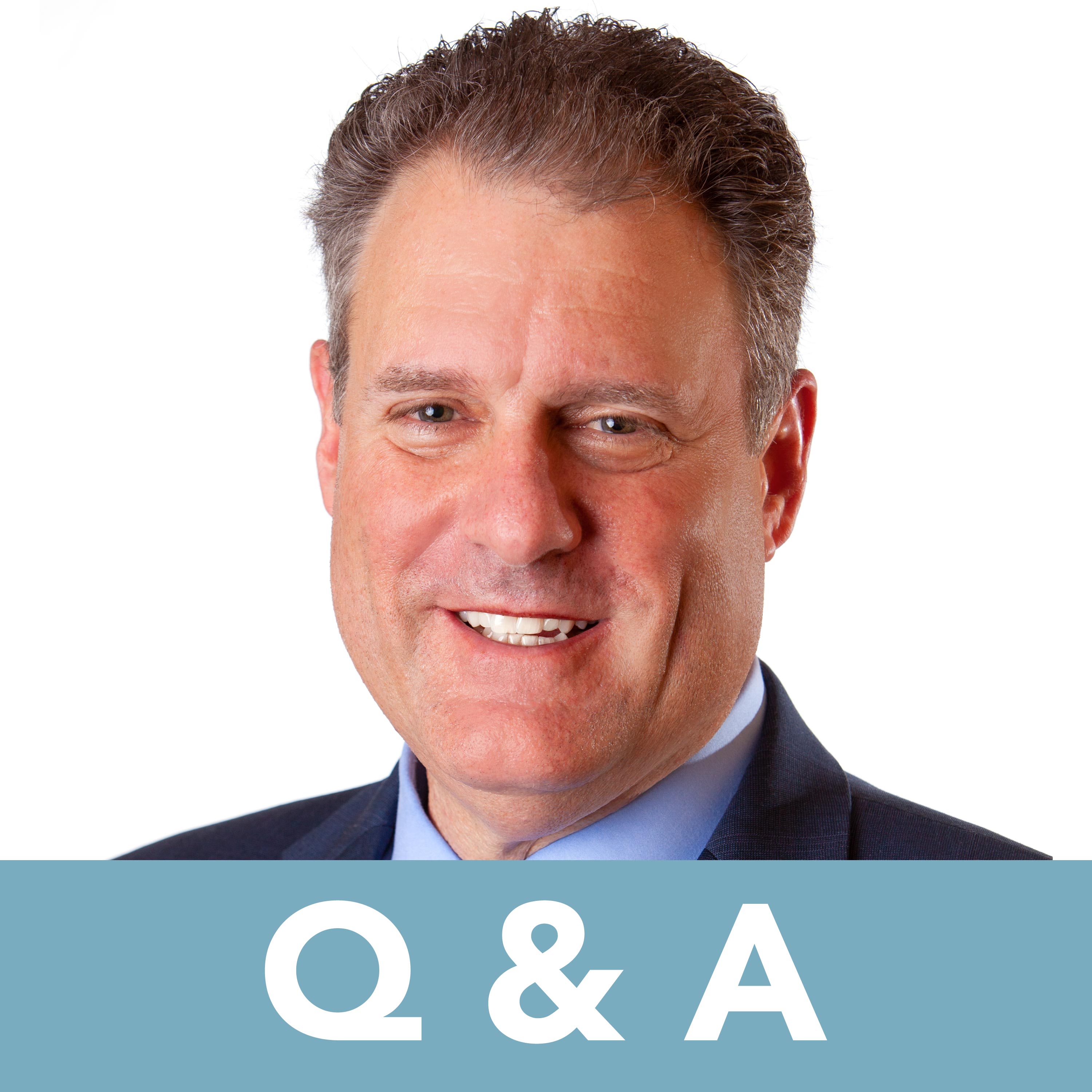
E166 - 2022 NEI Congress Extended Q&A: Novel Antidepressants with Dr. Andrew Cutler
In this episode, Dr. Andy Cutler addresses your unanswered questions from his presentation, New Kids on the Block: Novel Receptor Science in the Treatment of Major Depressive Disorder.

E165 - 2022 NEI Congress Extended Q&A: Pharmacogenetics for Prescribing with Dr. Jeffrey Strawn
In this episode, Dr. Jeffrey Strawn answers your most pressing questions from his presentation, Blue Genes: Using Pharmacogenetics to Guide Prescribing.
E164 - 2022 NEI Congress Extended Q&A: Pediatric Aggression with Dr. Adelaide Robb
In this episode, Dr. Adelaide Robb addresses your unanswered questions from her presentation: Assessment and Treatment of Pediatric Impulsive Aggression: A Transdiagnostic Issue.

E163 - Dementia and Geriatric Mental Health with Dr. Danielle Goldfarb
What are the early diagnostic stages of Alzheimer's disease? What sort of brain changes can occur up to 20 years prior to symptoms of Alzheimer's disease? In this episode, Dr. Danielle Goldfarb addresses these questions and much more! She shares the most current research on dementia and geriatrics relevant to clinical practice. She also shares resources for early diagnosis of dementia and treating mental health in geriatrics. Dr. Danielle Goldfarb is an Assistant Professor of Neurology and Psychiatry at the University of Arizona and a dual board-certified neurologist and psychiatrist at the Banner Sun Health Research Institute and Cleo Roberts Memory Center in Sun City, AZ. Dr. Goldfarb cares for patients and families with Alzheimer's disease and related dementias (ADRD). She leads several Alzheimer's clinical trials and is involved in research efforts to explore the neuropathologic substrates of early neuropsychiatric symptoms in ADRD, to improve the safety and efficiency of the collection of cerebrospinal fluid biomarkers in older adults, and to expand access to ADRD care and research by underserved communities.

E162 - The PsychopharmaStahlogy Show: Management of Complex Treatment-Resistant Psychotic Disorders
What made you both want to write the book "Management of Complex Treatment-Resistant Psychotic Disorders? What are some of the most challenging components to treat, when it comes to complex psychosis and how are these addressed in the book? In this episode, Dr. Andrew Cutler interviews Dr. Michael Cummings on how to manage complex treatment-resistant psychotic disorder. With this special series, brought to you by the NEI Podcast we will address a different theme in psychopharmacology every 3 months. Each theme is split into 3 parts, with one part released each month. This theme is on practical psychopharmacology. Episodes to be released under this theme include: Part 1: Management of Complex Treatment-Resistant Psychotic Disorders with Dr. Michael Cummings Part 2: The Clozapine Handbook with Dr. Jonathan Meyer Part 3: Don't Guess! Measure: The Clinical Use of Antipsychotic Plasma Levels with Dr. Jonathan Meyer Subscribe to the NEI Podcast, so that you don't miss another episode!

E161 - Comparative Effectiveness of Intravenous Ketamine and Intranasal Esketamine in Real-World Setting Among Patients with Treatment Refractory Depression
What are some of the major differences between intravenous or IV ketamine and intranasal esketamine? How are you building on these research findings and what associated avenues have been explored? In this episode, we interview the poster winner from last year's NEI Congress, Dr. Balwinder Singh on his research comparing intravenous ketamine and intranasal esketamine. The study, conducted at Mayo Clinic rendered interesting findings that may be important for clinicians. Dr. Balwinder Singh is a Consultant and Assistant professor in the Department of Psychiatry at Mayo Clinic in Rochester, Minnesota. He is a psychiatrist specializing in mood disorders, and his research is focused on novel treatments for treatment-resistant depression and identifying biomarkers for ketamine response. He is also involved in the ketamine and esketamine clinic practice at the Mayo Clinic Depression Center. This is one of the first studies to highlight a faster response to intravenous ketamine as compared to intranasal esketamine in an observational study. Title: Comparative Effectiveness of Intravenous Ketamine and Intranasal Esketamine in Clinical Practice Among Patients With Treatment-Refractory Depression: An Observational Study Byline: Balwinder Singh; Simon Kung; Vanessa Pazdernik; Kathryn M. Schak; Jennifer Geske; Phillip J. Schulte; Mark A. Frye; Jennifer L. Vande Voort Citation: J Clin Psychiatry 2023;84(2):22m14548 DOI: https://doi.org/10.4088/JCP.22m14548 URL: Comparative Effectiveness of Intravenous Ketamine and Intranasal Esketamine in Clinical Practice Among Patients With Treatment-Refractory Depression: An Observational Study | Psychiatrist.com

E160 - (CME) Novel Agents for Treating Major Depressive Disorder (MDD)
In this CME episode, Dr. Andrew Cutler interviews Dr. Vladimir Maletic about novel agents in development for major depressive disorder or MDD. Create a free NEI guest account and obtain CME/CE by participating in this activity here: https://nei.global/e160-cme Never miss an episode!🎙SUBSCRIBE to the NEI Podcast– available on all your favorite platforms: https://nei.global/podcast Interested in Psychopharmacology? Learn about the NEI Master Psychopharmacology Program: https://nei.global/mpp Stay updated with email alerts and join our conversations on social. Follow us on: YouTube: https://nei.global/youtube Instagram: https://nei.global/instagram LinkedIn: https://nei.global/linkedin Facebook: https://nei.global/facebook X: https://nei.global/twitter

E159 - The PsychopharmaStahlogy Show: Intensive Level Care for Violent Patients with Serious Mental Illness
Description: What is an Enhanced Treatment Program or ETP? What is the history behind it and how is it used today? In this episode, Dr. Andrew Cutler interviews Dr. Carolina Klein about how to diagnose and treat antisocial personality disorder. With this special series, brought to you by the NEI Podcast we will address a different theme in psychopharmacology every 3 months. Each theme is split into 3 parts, with one part released each month. This theme is on practical psychopharmacology. Episodes to be released under this theme include: Part 1: Decriminalizing Mental Illness with Dr. Katherine Warburton Part 2: The Antisocial Personality Disorder Spectrum: Diagnosis and Treatment with Dr. James Knoll Part 3: Intensive Level Care for Violent Patients with Serious Mental Illness with Dr. Carolina Klein Subscribe to the NEI Podcast, so that you don't miss another episode!

E158 - September is the American Medical Association (AMA)'s Women in Medicine Month
In this episode, we take a look back at some of the incredible women in medicine we've had on the NEI Podcast over the years. We begin with reflecting on Episode 69: A Beacon of Hope in the Storm of Mental Illness: An Update on Suicide Awareness and Prevention with Dr. Christine Moutier. Dr. Moutier is the Chief Medical Officer of the American Foundation for Suicide Prevention. To hear the full episode click on the link below: https://neiglobal.libsyn.com/a-beacon-of-hope-in-the-storm-of-mental-illness-an-update-on-suicide-awareness-and-prevention-with-dr-christine-moutier Next, we turn to Episode 77: Mental Health in the Muslim Community with Dr. Mona Masood. Dr Masood is a psychiatrist and she is on the Board of Directors at the Muslim Wellness Foundation. To listen to the full episode click on the link below: https://neiglobal.libsyn.com/e77-mental-health-in-the-muslim-community-with-dr-mona-masood We then return to our interview with Dr. Christina Girgis in Episode 79: Gender Disparities in the Mental Health Profession with Dr. Christina Girgis. Dr. Girgis is certified by both the American Board of Psychiatry and Neurology and the American Board of Addiction Medicine. She is currently the Medical Director of the Consultation-Liaison Psychiatry Service at Edward Hines, Jr. VA Hospital and the Associate Training Director of the Psychiatry Residency Program at Loyola University Medical Center. To hear the complete episode click on the link below: https://neiglobal.libsyn.com/e79-gender-disparities-in-the-mental-health-profession-with-dr-christina-girgis Next, we reflect on Episode 82: Refreshing Perspectives on Recovery: September is National Recovery Month with Dr. Nzinga Harrison. Dr. Harrison is Board-Certified in both Adult General Psychiatry and Addiction Medicine and she is the Chief Medical Officer and Co-founder of Eleanor Health. To hear the full episode, click on the link below: https://neiglobal.libsyn.com/e82 We then turn to Episode 101: Ooh Child, Things are Going to Get Easier: Managing Pediatric Anxiety with Dr. Krystal Lewis. Dr. Lewis is clinical psychologist with the Section on Development and Affective Neuroscience (SDAN) at the National Institute of Mental Health (NIMH). She is also a member of the Stigma Scientific Interest Group (SIG), and the NIMH Anti-Racism Task Force at the National Institute of Health (NIH). For the complete episode, click on the link below: https://neiglobal.libsyn.com/e101-ooh-child-things-are-going-to-get-easier-managing-pediatric-anxiety-with-dr-krystal-lewis Finally, we reflect on Episode 150: Blazing Trails to Breakdown Structural Racism and Improve Black Mental Health with Dr. Sarah Vinson. She is triple-board certified in adult, child & adolescent, and forensic psychiatry and the founder of the Lorio Psych Group. To listen to the complete episode, click on the link below: https://neiglobal.libsyn.com/blazing-trails-to-breakdown-structural-racism-and-improve-black-mental-health We hope you've enjoyed a look back at some of the most amazing women in medicine we've had on our show!
E157 - (CME) Wide Awake: An Update on Best Practices for the Treatment and Management of Insomnia
In this episode, Dr. Andrew Cutler interviews Dr. Karl Doghramji on best practices for the treatment and management of insomnia. Create a free NEI guest account and obtain CME/CE by participating in this activity here: https://nei.global/e157-cme Never miss an episode!🎙SUBSCRIBE to the NEI Podcast– available on all your favorite platforms: https://nei.global/podcast Interested in Psychopharmacology? Learn about the NEI Master Psychopharmacology Program: https://nei.global/mpp Stay updated with email alerts and join our conversations on social. Follow us on: YouTube: https://nei.global/youtube Instagram: https://nei.global/instagram LinkedIn: https://nei.global/linkedin Facebook: https://nei.global/facebook X: https://nei.global/twitter
E156 - The PsychopharmaStahlogy Show: The Antisocial Personality Disorder Spectrum: Diagnosis and Treatment
What is the difference between psychopathy and antisocial personality? What is known about gender differences when it comes to antisocial personality disorder? In this episode, Dr. Andrew Cutler interviews Dr. James Knoll about how to diagnose and treat antisocial personality disorder. With this special series, brought to you by the NEI Podcast we will address a different theme in psychopharmacology every 3 months. Each theme is split into 3 parts, with one part released each month. This theme is on decriminalizing mental illness. Episodes to be released under this theme include: Part 1: Decriminalizing Mental Illness with Dr. Katherine Warburton Part 2: The Antisocial Personality Disorder Spectrum: Diagnosis and Treatment with Dr. James Knoll Part 3: Intensive Level Care for Violent Patients with Serious Mental Illness with Dr. Carolina Klein Subscribe to the NEI Podcast, so that you don't miss another episode!

E155 - A Look Back at the 2022 NEI Synapse Presentation: Bipolar Disorder Rainbow: The Spectrum of Treatments for Depression and Mania
In this episode, we take a look back at Dr. Roger McIntyre's presentation on the treatment spectrum for depression and mania. In this sneak peek, Dr. McIntyre focuses on the current treatments that are available for the bipolar disorder spectrum. He addresses the implications of comorbid substance abuse with respect to pharmacological treatments. He also discusses lifestyle factors that can be preventative against cognitive decline associated with mood disorders. Dr. Roger S. McIntyre is currently a Professor of Psychiatry and Pharmacology at the University of Toronto and Head of the Mood Disorders Psychopharmacology Unit at the University Health Network, Toronto, Canada. Dr. McIntyre is also Executive Director of the Brain and Cognition Discovery Foundation in Toronto, Canada. Dr. McIntyre was named by Thomson Reuters in 2014 and 2015, as one of "The World's Most Influential Scientific Minds". This distinction is given by publishing the largest number of articles that rank among those most frequently cited by researchers globally in 21 broad fields of science and social science during the previous decade. Dr. McIntyre is involved in multiple research endeavors which primarily aim to characterize the association between mood disorders, notably cognitive function and medical comorbidity. His works broadly aims to characterize the underlying causes of cognitive impairment in individuals with mood disorders and their impact on workplace functioning. This body of work has provided a platform for identifying novel molecular targets to treat and prevent mood disorders and accompanying cognitive impairment. Dr. McIntyre is a contributor to the "Florida Medicaid Drug Therapy Management Program for Behavioral Health: Guidelines for the treatment of adults with Major Depressive Disorder and Bipolar Disorder". Dr. McIntyre is also the co-chair of the Canadian Network for Mood and Anxiety Treatments (CANMAT) Task Force on the Treatment of Comorbidity in Adults with Major Depressive Disorder or Bipolar Disorder and as well a contributor to the "CANMAT Guidelines for the Treatment of Depressive Disorders and Bipolar Disorders". Dr. McIntyre has published hundreds of peer-reviewed articles and has edited and/or co-edited several textbooks on mood disorders.

E154 - (CME) The Efficacy and Safety of VMAT2 Inhibitors for the Treatment of Tardive Dyskinesia
In today's CME episode, Dr. Andrew Cutler will be interviewing Dr. Leslie Citrome about the safety and efficacy of VMAT2 inhibitors for the treatment of tardive dyskinesia. Create a free NEI guest account and obtain CME/CE by participating in this activity here: https://nei.global/e154-cme Never miss an episode!🎙SUBSCRIBE to the NEI Podcast– available on all your favorite platforms: https://nei.global/podcast Interested in Psychopharmacology? Learn about the NEI Master Psychopharmacology Program: https://nei.global/mpp Stay updated with email alerts and join our conversations on social. Follow us on: YouTube: https://nei.global/youtube Instagram: https://nei.global/instagram LinkedIn: https://nei.global/linkedin Facebook: https://nei.global/facebook X: https://nei.global/twitter

E153 - The PsychopharmaStahlogy Show: Decriminalizing Mental Illness with Dr. Katherine Warburton
In this episode, Dr. Andrew Cutler interviews Dr. Katherine Warburton about the history of criminalization of serious mental illness, the efforts to decriminalize mental illness, and the development and success of diversion programs. Dr. Katherine Warburton is Medical Director/Deputy Director of Clinical Operations for the California Department of State Hospitals. Prior to that, she was the Chief of Forensic Psychiatry at Napa State Hospital. She is on the volunteer clinical faculty of the UC Davis Division of Psychiatry and the Law. With this special series, brought to you by the NEI Podcast, we will address a different theme in psychopharmacology every 3 months. Each theme is split into 3 parts, with one part released each month. This theme is on decriminalizing mental illness. Episodes to be released under this theme include: Part 1: Decriminalizing Mental Illness Part 2: Managing the Unique Challenges of Correctional Psychiatry Part 3: The Intensive Treatment Setting and Special Cases in Forensic Psychiatry Subscribe to the NEI Podcast so that you don't miss another episode! Link to "Decriminalizing Mental Illness" by Drs. Warburton and Stahl: https://www.amazon.com/Decriminalizing-Mental-Illness-Katherine-Warburton/dp/1108826954/ref=sr_1_1?crid=18XJ6RE7Y5X5M&keywords=warburton+stahl&qid=1657746214&sprefix=warburton+stahl%2Caps%2C112&sr=8-1

E152 - Fountain House: Destigmatizing Serious Mental Illness
How did Fountain House come to be? What is the history behind it? What does it mean to be a Fountain House member? In this fascinating podcast, we hear from three experts who work with Fountain House to reduce stigma for people with serious mental illness, improve education, foster a community and provide resources for members of Fountain House to thrive and live fulfilling lives. Fountain House is a national mental health nonprofit fighting to improve health, increase opportunity, and end social and economic isolation for people impacted by mental illness. Drawing on more than 200 community-based social rehabilitative programs inspired by Fountain House and known as clubhouses - to reflect an insistence on belonging and acceptance - in nearly 40 states and with more than 60,000 members, they are leading a national movement for the dignity and rights of people with serious mental illness. Jeanie Tse, MD is the Senior Medical Director at Fountain House and an Associate Professor of Psychiatry at the NYU School of Medicine. She brings to Fountain House her expertise in integrated health care for people with serious mental illnesses, developed in the course of her work as the former Chief Medical Officer at the Institute for Community Living. She has a special interest in disrupting the impact of trauma on health outcomes, with an overarching aim to "bridge the gap" between academic psychiatry and the clinical challenges of under-resourced communities. Francesca Pernice, PhD is an associate professor in Educational Psychology and Director of Counseling Psychology at Wayne University's College of Education. Her areas of expertise include social and interpersonal relationships, clubhouse community recovery programs, recovery from serious mental illness, and research in mental health, and program evaluation. She instructs graduate courses in the area of adult psychopathology, ethics, and educational psychology. She serves as advisor for PhD students in the School Psychology PhD Concentration and Learning and Instructional Sciences PhD concentration within the department of Educational Psychology. Her areas of expertise include family psychoeducation about serious mental illness, and research of psychiatric rehabilitation programs known as Fountain House Clubhouses. Cyrus Daniel Napolitano is a member of Fountain House who has served on their Board of Directors, the Council, a think-tank that focuses on innovation, training, education, research, public policy, advocacy, and technology. He is currently Co-Director of the Clubhouse New York Coalition that represents 14 clubhouses in NYC and in New Jersey. He is also working to foster the development of community-based mental health programs in low- to middle-income countries. Fountain House website: https://www.fountainhouse.org/

E151 - The PsychopharmaStahlogy Show: The Space Between Madness and Genius
In this episode, Dr. Andrew Cutler interviews Dr. Tiffany Greenwood about the intersection of genetics, personality traits, temperament and cognitive traits in bipolar disorder and creativity. What is psychiatric genetics? What is known about dopamine's role in creativity? Dr. Tiffany Greenwood address these questions and much more. Dr. Greenwood received her B.S. in Molecular Biology and her Ph.D. in Biomedical Sciences from UC San Diego, with an emphasis in psychiatric genetics. She then augmented her molecular genetic background with postdoctoral training in applied statistical genetics and acquired supplemental training in clinical psychopathology through a Career Development Award from the National Institute of Mental Health (NIMH). She joined the Department of Psychiatry at UC San Diego in 2007 and is currently an Associate Professor. As the Director of the Laboratory for Psychiatric Spectrum Research, Dr. Greenwood's research focuses on the use of dimensional and intermediate phenotypes, as well as clinical subphenotypes, to reduce clinical heterogeneity and refine the genetic signal. Such measures provide increased specificity, both within and across diagnostic categories, as well as a better reflection of the underlying biological processes. In this vein, Dr. Greenwood participates in a number of large-scale collaborations aimed at identifying genetic risk variants for psychiatric illness, including the Consortium on the Genetics of Schizophrenia (COGS), the Bipolar Genome Study (BiGS), and the Psychiatric Genomics Consortium (PGC). Her research in this area has been supported by a NARSAD Young Investigator Award for the development and utilization of a customized candidate gene array for schizophrenia and related phenotypes, as well as a K01 from the NIMH aimed at quantifying and interpreting the overlapping and unique aspects of bipolar disorder and schizophrenia. Dr. Greenwood has served as a Principal Investigator or Co-Investigator on a number of University and NIH-funded grants, including a current study exploring bipolar disorder as a dimensional phenotype existing at the extreme of normal population variation in positive traits, such as temperament, personality, creativity, and cognitive flexibility. Dr. Greenwood also recently received funding for a pilot project to implement a comprehensive screening and risk assessment program at UC San Diego. This project aims identify behavioral, environmental, and genetic factors associated with risk for mental health conditions, particularly mood disorders and suicide, and develop a risk prediction model to be used for early intervention. With this special series, brought to you by the NEI Podcast we will address a different theme in psychopharmacology every 3 months. Each theme is split into 3 parts, with one part released each month. This theme is on practical psychopharmacology. Episodes to be released under this theme include: Part 1: The Lightning in the Storm: Creativity in Bipolar Disorder Part 2: Nikola Tesla's Evil Twins: Genius and Madness with Marko Perko Part 3: History of Creative Famous Individuals with Bipolar Disorder Subscribe to the NEI Podcast, so that you don't miss another episode!

E150 - Blazing Trails to Breakdown Structural Racism and Improve Black Mental Health
How has your work in psychiatry consulting and education made a difference in fighting racism on both the individual and structural level? What is your book "Social (In)Justice and Mental Health" about? In this episode, Dr. Sarah Vinson shares her extensive experience and perspective on the intersection between child and adolescent psychiatry, forensics, and the fight for social justice in mental health. Dr. Sarah Y. Vinson is a physician who is triple-board certified in adult, child & adolescent, and forensic psychiatry. She is the founder of the Lorio Psych Group, an Atlanta, GA based mental health practice providing expert care and consultation. Dr. Vinson is also the founder of Lorio Forensics, which provide consultation in a wide variety of cases in criminal, civil and family court cases. After graduating from medical school at the University of Florida with Research Honors and as an Inductee in the Chapman Humanism Honors Society, she completed her general psychiatry training at Cambridge Health Alliance/Harvard Medical School. While there, she also received specialized training in trauma through the Victims of Violence Program. She then returned to the South to complete fellowships in both child & adolescent and forensic psychiatry at Emory University School of Medicine. In addition to providing mental health care services such as psychotherapy, consultation and psychopharmacology through her private practice, Dr. Vinson is an Associate Clinical Professor of Psychiatry and Pediatrics at Morehouse School of Medicine. Just two years after joining the faculty she was honored as Psychiatry and Faculty of the Year in 2015. She is also Adjunct Faculty at Emory University School of Medicine. She has been elected and/or appointed to national and statewide office by her professional peers. She is the Past President of the Georgia Council on Child and Adolescent Psychiatry, and the Treasurer of the Georgia Psychiatric Physicians Association. Additionally, she is an Advisor for the Judges Psychiatry Leadership Initiative. She has been a speaker at national conferences including the American Psychiatric Association Annual Meeting, the American Academy of Child and Adolescent Psychiatry Annual Meeting and The National Urban League Annual Meeting. Dr. Vinson has received numerous awards in recognition of her service and leadership including the University of Florida College of Medicine Outstanding Young Alumna Award and the APA Jeanne Spurlock Minority Fellowship Alumna Achievement Award. Resources: https://drsarahvinson.com/ Link to "Social (In) Justice in Mental Health": https://www.amazon.com/Social-Injustice-Mental-Health-Ruth/dp/1615373381/ref=sr_1_1?dchild=1&keywords=social%20injustice%20and%20mental%20health&qid=1608052484&sr=8-1
E149 - (CME) Shared Decision Making and Patient Education for Optimizing Treatment of Tardive Dyskinesia
In this episode, Dr. Andrew Cutler interviews Dr. Diana Perkins on best practices for shared decision making and patient education. Optional CME/CE Credits and Certificate Instructions: After listening to the podcast, to take the optional posttest and receive CME/CE credit, click: https://nei.global/POD22-TD02 Learning Objectives: After completing this educational activity, you should be better able to: Educate patients and family members with mood disorders and schizophrenia about the symptoms of tardive dyskinesia Address psychosocial and quality-of-life concerns related to tardive dyskinesia in patients with mood disorders and schizophrenia Include patients, caregivers, and family members in shared decision-making when applicable to optimize patient outcomes before and during of treatment of tardive dyskinesia Accreditation: In support of improving patient care, Neuroscience Education Institute (NEI) is jointly accredited by the Accreditation Council for Continuing Medical Education (ACCME), the Accreditation Council for Pharmacy Education (ACPE), and the American Nurses Credentialing Center (ANCC), to provide continuing education for the healthcare team. NEI designates this enduring material for a maximum of 1.0 AMA PRA Category 1 Credit™. Physicians should claim only the credit commensurate with the extent of their participation in the activity. A posttest score of 70% or higher is required to receive CME/CE credit. The content in this activity pertains to pharmacology and is worth 1.0 continuing education hour of pharmacotherapeutics. Credit Types. The following are being offered for this activity: Nurse Practitioner (ANCC): contact hours Pharmacy (ACPE): knowledge-based contact hours Physician (ACCME): AMA PRA Category 1 Credits ™ Physician Assistant (AAPA): Category 1 CME credits Psychology (APA): CE credits Social Work (ASWB-ACE): ACE CE credits Non-Physician Member of the Healthcare Team: Certificate of Participation stating the program is designated for AMA PRA Category 1 Credits ™ Peer Review: The content was peer-reviewed by an MD specializing in psychiatry to ensure the scientific accuracy and medical relevance of information presented and its independence from bias. NEI takes responsibility for the content, quality, and scientific integrity of this CME/CE activity. Disclosures: All individuals in a position to influence or control content are required to disclose any relevant financial relationships. Potential conflicts of interest are identified and resolved prior to the activity being presented. Interviewer Andrew J. Cutler, MD Clinical Associate Professor, Department of Psychiatry, SUNY Upstate Medical University, Syracuse, NY Chief Medical Officer, Neuroscience Education Institute, Carlsbad, CA Consultant/Advisor: AbbVie/Allergan, Acadia, Alfasigma, Biogen, BioXcel, Boehringer Ingelheim, Corium, Intra-Cellular, Ironshore, Janssen, Jazz, Karuna, Lundbeck, Neurocrine, Noven, Otsuka, Relmada, Sage, Sunovion, Supernus, Teva Speakers Bureau: AbbVie/Allergan, Acadia, Alfasigma, BioXcel, Corium, Intra-Cellular, Ironshore, Janssen, Lundbeck, Neurocrine, Noven, Otsuka, Sunovion, Supernus, Teva Interviewee Diana Perkins, MD, MPH Professor, Department of Psychiatry; Medical Director, Outreach and Support Intervention Services; University of North Carolina School of Medicine, Chapel Hill, NC Consultant/Advisor: Alkermes, Karuna Pre-Interview Author Sabrina K. Bradbury-Segal, PhD Medical Writer, Neuroscience Education Institute, Carlsbad, CA No financial relationships to disclose. The Planning Committee and Peer Reviewer have no financial relationships to disclose. Disclosure of Off-Label Use: This educational activity may include discussion of unlabeled and/or investigational uses of agents that are not currently labeled for such use by the FDA. Please consult the product prescribing information for full disclosure of labeled uses. Cultural Linguistic Competency and Implicit Bias: A variety of resources addressing cultural and linguistic competencies, and strategies for understanding and reducing implicit bias can be found in this can be found in this linked handout. Support: This activity is supported by an unrestricted educational grant from Neurocrine Biosciences. Released: May 27, 2022 CE credit expires: May 27, 2025
E148 - The PsychopharmaStahlogy Show: Nikola Tesla's Evil Twins: Genius and Madness
In this episode, Dr. Andrew Cutler interviews Mr. Marko Perko and Dr. Stephen Stahl about their newly released book "Tesla: His Tremendous and Troubled Life" and the intersection between Tesla's genius, creativity, and bipolar disorder. How is your book unique from any book that's been written on Tesla before? What is the main message that you'd like readers to take away from this book? In this episode Mr. Perko and Dr. Stahl address these questions and much more! Marko Perko is a graduate of the University of Southern California. He has always had an insatiable thirst for knowledge of all types, and as such, he is highly regarded as a modern-day Renaissance man, author, historian, polymath, polemicist, and history communicator. He is the author of the critically acclaimed and wildly popular book "Did You Know That . . .?" He is also a novelist and the writer of an international bestselling knowledge-based board game, as well as the creator of the Cultural Enrichment Programs education series, and a software developer―Krypti.com. Perko has written for and edited numerous publications, and he has worked as a columnist, speechwriter, composer, musician, lecturer, and playwright. He is a member of The Authors Guild; the Biographers International Organization; the American Society of Composers, Authors and Publishers; Broadcast Music, Inc.; the Institution of Engineering and Technology; the British Library; and the Organization of American Historians. With this special series, brought to you by the NEI Podcast we will address a different theme in psychopharmacology every 3 months. Each theme is split into 3 parts, with one part released each month. This theme is on practical psychopharmacology. Episodes to be released under this theme include: Part 1: The Lightning in the Storm: Creativity in Bipolar Disorder Part 2: Nikola Tesla's Evil Twins: Genius and Madness with Marko Perko Part 3: History of Creative Famous Individuals with Bipolar Disorder Subscribe to the NEI Podcast, so that you don't miss another episode! Link to "Tesla: His Tremendous and Troubled Life": https://www.amazon.com/Tesla-His-Tremendous-Troubled-Life-ebook/dp/B09QMPH6MG/ref=sr_1_1?crid=O0UAHNGC8Z0J&keywords=tesla+by+marko+perko&qid=1652729759&sprefix=tesla+by+marko+perko%2Caps%2C113&sr=8-1

E147 - Provider and Patient: The Importance of Caring For Your Own Mental Health as a Mental Health Professional
Why are you so passionate about mental health care in the primary care setting? When did you first experience your own challenges with mental health? What is your advice for mental health professionals and medical professionals when it comes to prioritizing their own mental health? In this episode, Dr. Linda Gask answers these questions and much more about her own personal journey with mental health as a provider and a patient. Dr. Linda Gask is a writer and a psychiatrist. She retired from being a consultant in the National Health Service and an academic at the University of Manchester some years ago. However she returned for a year during the coronavirus pandemic to work with the Greater Manchester Bereavement Service and she is now Emerita Professor of Primary Care Psychiatry at the University of Manchester. She has been an advisor to the World Health Organization and was awarded the President's Medal by the Royal College of Psychiatrists in 2017. She has experienced anxiety and depression throughout her adult life and she has written two memoirs called "The Other Side of Silence" and "Finding True North: The Healing Power of Place." She was born in England, trained in Scotland where she currently resides. Resources: https://lindagask.com/ The Other Side of Silence: https://www.amazon.com/Other-Side-Silence-Psychiatrists-Depression-ebook/dp/B014I1F0QU/ref=sr_1_1?qid=1649898250&refinements=p_27%3ALinda+Gask&s=books&sr=1-1 Finding True North: The Healing Power of Place: https://www.amazon.com/Finding-True-North-Healing-Power/dp/B09VTJFDXV/ref=sr_1_5?qid=1649898250&refinements=p_27%3ALinda+Gask&s=books&sr=1-5
E146 - Extended Q&A on ADHD, Female Hormones and Menopause from the 2022 NEI Synapse with Dr. David Goodman
In this episode, Dr. David Goodman addresses your unanswered questions from his presentation: ADHD, Female Hormones, and Menopause: The Little We Know from Research at the 2022 NEI Synapse.

E145 - Extended Q&A on Technology in Psychiatry at the 2022 NEI Synapse by Carmen Kosciek, MSN, APNP, PMHNP-BC
In this episode, Carmen Kosciek discusses your most important questions from her presentation: Uploading Progress: Technology in Psychiatry at the 2022 NEI Synapse.

E144 - Extended Q&A on Sleep from the 2022 NEI Synapse with Dr. Thomas Schwartz
In this episode, Dr. Thomas Schwartz addresses your unanswered questions from his presentation: Too Much or Too Little: Sleep Issues and How to Treat Them at the 2022 NEI Synapse by Dr. Thomas Schwartz.
E143 - Extended Q&A on Bipolar Disorder from 2022 NEI Synapse with Dr. McIntyre
In this episode, Dr. Roger McIntyre addresses your most pressing questions from his presentation: Bipolar Disorder Rainbow: The Spectrum of Treatments for Depression and Mania at the 2022 NEI Synapse.
E142 - The PsychopharmaStahlogy Show: The Lightning in the Storm: Creativity in Bipolar Disorder
In this episode, Dr. Andrew Cutler interviews Dr. Stephen Stahl on creativity in bipolar disorder. With this special series, brought to you by the NEI Podcast we will address a different theme in psychopharmacology every 3 months. Each theme is split into 3 parts, with one part released each month. This theme is on practical psychopharmacology. Episodes to be released under this theme include: Part 1: The Lightning in the Storm: Creativity in Bipolar Disorder Part 2: Nikola Tesla's Evil Twins: Genius and Madness with Marko Perko Part 3: History of Creative Famous Individuals with Bipolar Disorder Subscribe to the NEI Podcast, so that you don't miss another episode!

E141 - Sounds of Science: The Clinical Application of Auditory Neuroscience with Dr. Nina Kraus
What led you to pursue a career in auditory neuroscience and what is the mission behind your laboratory, Brainvolts? What is the effect of bilingualism on Alzheimer's disease? How can sound be used for the assessment of traumatic brain injury and other neurological conditions? In this episode, Dr. Nina Kraus addresses these questions and much more about the clinical applications for auditory neuroscience research. Her laboratory at Northwestern University, Brainvolts has discovered how to measure the biology of auditory processing with unprecedented precision. The implications of the research conducted there extends beyond the laboratory to schools, community centers, and clinics. Nina Kraus, Ph.D. is a professor at Northwestern University who studies the biology of auditory learning. Through a series of innovative studies involving thousands of research participants from birth to age 90, her research has found that our lives in sound, for better (musicians, bilinguals) or worse (language disorders, concussion, aging, hearing loss), shape auditory processing. She continues to conduct parallel experiments in animal models to elucidate the mechanisms underlying these phenomena. Never having accepted a lack of technology as a roadblock to scientific discovery, Kraus has invented new ways to measure the biology of sound processing in humans that provide precision and granularity in indexing brain function. With her technological innovations she is now pushing science beyond the traditional laboratory by conducting studies in schools, community centers, and clinics. Using the principles of neuroscience to improve human communication, she advocates for best practices in education, health, and social policy. Dr. Kraus is the author of the book "Of Sound Mind: How our Brain Constructs a Meaningful Sonic World". Resources: Link to "Of Sound Mind: How our Brain Constructs a Meaningful Sonic World": https://www.amazon.com/Sound-Mind-Brain-Constructs-Meaningful/dp/0262045869#:~:text=Of%20Sound%20Mind%3A%20How%20Our,9780262045865%3A%20Amazon.com%3A%20Books Link to Brainvolts: https://brainvolts.northwestern.edu/about-us/ Link to BEAMS hypothesis: https://brainvolts.northwestern.edu/wp-content/uploads/2021/07/Kraus_BEAMS_2021-1.pdf

E140 - (CME) Catch Me If You Can: Early Screening and Detection for Tardive Dyskinesia
In this episode, Dr. Andrew Cutler interviews Dr. Rajnish Mago on best practices for early detection and screening for tardive dyskinesia. Optional CME/CE Credits and Certificate Instructions: After listening to the podcast, to take the optional posttest and receive CME/CE credit, click: https://nei.global/POD22-TD01 Learning Objectives: After completing this educational activity, you should be better able to: Conduct regular screenings for symptoms of tardive dyskinesia in patients with mood disorders and schizophrenia Employ evidence-based screening tools in the differential diagnosis of tardive dyskinesia, including the Abnormal Involuntary Movement Scale Accreditation: In support of improving patient care, Neuroscience Education Institute (NEI) is jointly accredited by the Accreditation Council for Continuing Medical Education (ACCME), the Accreditation Council for Pharmacy Education (ACPE), and the American Nurses Credentialing Center (ANCC), to provide continuing education for the healthcare team. NEI designates this enduring material for a maximum of 1.0 AMA PRA Category 1 Credit™. Physicians should claim only the credit commensurate with the extent of their participation in the activity. A posttest score of 70% or higher is required to receive CME/CE credit. The content in this activity pertains to pharmacology and is worth 1.0 continuing education hour of pharmacotherapeutics. Credit Types. The following are being offered for this activity: Nurse Practitioner (ANCC): contact hours Pharmacy (ACPE): knowledge-based contact hours Physician (ACCME): AMA PRA Category 1 Credits ™ Physician Assistant (AAPA): Category 1 CME credits Psychology (APA): CE credits Social Work (ASWB-ACE): ACE CE credits Non-Physician Member of the Healthcare Team: Certificate of Participation stating the program is designated for AMA PRA Category 1 Credits ™ Peer Review: The content was peer-reviewed by an MD specializing in psychiatry to ensure the scientific accuracy and medical relevance of information presented and its independence from bias. NEI takes responsibility for the content, quality, and scientific integrity of this CME/CE activity. Disclosures: All individuals in a position to influence or control content are required to disclose all relevant financial relationships, which were then mitigated prior to the activity being presented. Interviewer Andrew J. Cutler, MDClinical Associate Professor, Department of Psychiatry, SUNY Upstate Medical University, Syracuse, NYChief Medical Officer, Neuroscience Education Institute, Carlsbad, CAConsultant/Advisor: AbbVie/Allergan, Acadia, Alfasigma, Biogen, BioXcel, Boehringer Ingelheim, Corium, Intra-Cellular, Ironshore, Janssen, Jazz, Karuna, Lundbeck, Neurocrine, Noven, Otsuka, Relmada, Sage, Sunovion, Supernus, Teva Speakers Bureau: AbbVie/Allergan, Acadia, Alfasigma, BioXcel, Corium, Intra-Cellular, Ironshore, Janssen, Lundbeck, Neurocrine, Noven, Otsuka, Sunovion, Supernus, Teva Interviewee Rajnish Mago, MD Clinical Professor, Department of Psychiatry, SUNY Upstate Medical University, Syracuse, NY Clinical Assistant Professor, Department of Psychiatry, Perelman School of Medicine, University of Pennsylvania, Philadelphia, PA Editor-in-Chief, Simple and Practical Medical Education No financial relationships to disclose. Pre-Interview Author Sabrina K. Bradbury-Segal, PhDMedical Writer, Neuroscience Education Institute, Carlsbad, CANo financial relationships to disclose. The Planning Committee and Peer Reviewer have no financial relationships to disclose. Disclosure of Off-Label Use: This educational activity may include discussion of unlabeled and/or investigational uses of agents that are not currently labeled for such use by the FDA. Please consult the product prescribing information for full disclosure of labeled uses. Cultural Linguistic Competencies and Implicit Bias: A variety of resources addressing cultural and linguistic competencies and implicit bias can be found in this downloadable handout. Support: This activity is supported by an unrestricted educational grant from Neurocrine Biosciences. Released: March 23, 2022 CE credit expires: March 23, 2025