National Humanities Center Podcast Institute
National Humanities Center Podcast Institute
Show overview
National Humanities Center Podcast Institute launched in 2023 and has put out 19 episodes, alongside 2 trailers or bonus episodes in the time since. That works out to roughly 9 hours of audio in total. Releases follow a fortnightly cadence, with the show now in its 2nd season.
Episodes typically run twenty to thirty-five minutes — most land between 23 min and 35 min — though episode length varies meaningfully from one episode to the next. Roughly 21% of episodes carry an explicit flag from the publisher. It is catalogued as a EN-language Society & Culture show.
The catalogue appears to be on hiatus or wound down — the most recent episode landed 2.3 years ago, with no new episodes in over a year. The busiest year was 2024, with 18 episodes published.
From the publisher
Coming soon… voices from the National Humanities Center’s virtual podcasting institute, run in partnership with the Digital Humanities Center at San Diego State University Library.Our weeklong institute trains graduate students, faculty, librarians, and academic workers in care-based and generous public-facing digital storytelling.Each episode is created by an interdisciplinary and cross-institutional learning cohort who come together to explore new modalities of humanistic inquiry and, in the process, imagine new possibilities for their scholarly praxis.
Latest Episodes
S2 Ep 6Pop Hour Devolution
EAJ, Stevie, Hannah & Juliette discuss Eminem’s latest song and video “Houdini,” Eminem's cisheterosexism, and desperate attempt to market cancelability to stay relevant.
Ep 6Pop Hour Devolution
EAJ, Stevie, Hannah & Juliette discuss Eminem’s latest song and video “Houdini,” Eminem's cisheterosexism, and desperate attempt to market cancelability to stay relevant.
S2 Ep 5The Call is Coming from Inside the House: Vampires
EIn this episode of The Call is Coming from Inside the House, hosts Derrais Carter (The University of Massachusetts Boston), Deanna Koretsky (Spelman College), Harriet Hustis (The College of New Jersey), and Elizabeth Headrick (Texas Woman’s University) discuss the rise and continued popularity of vampires in mythology and pop culture. What does this popularity say about economics, consumer culture, and fears about those that are branded as Other? All episode music can be found on freemusicarchive.org.
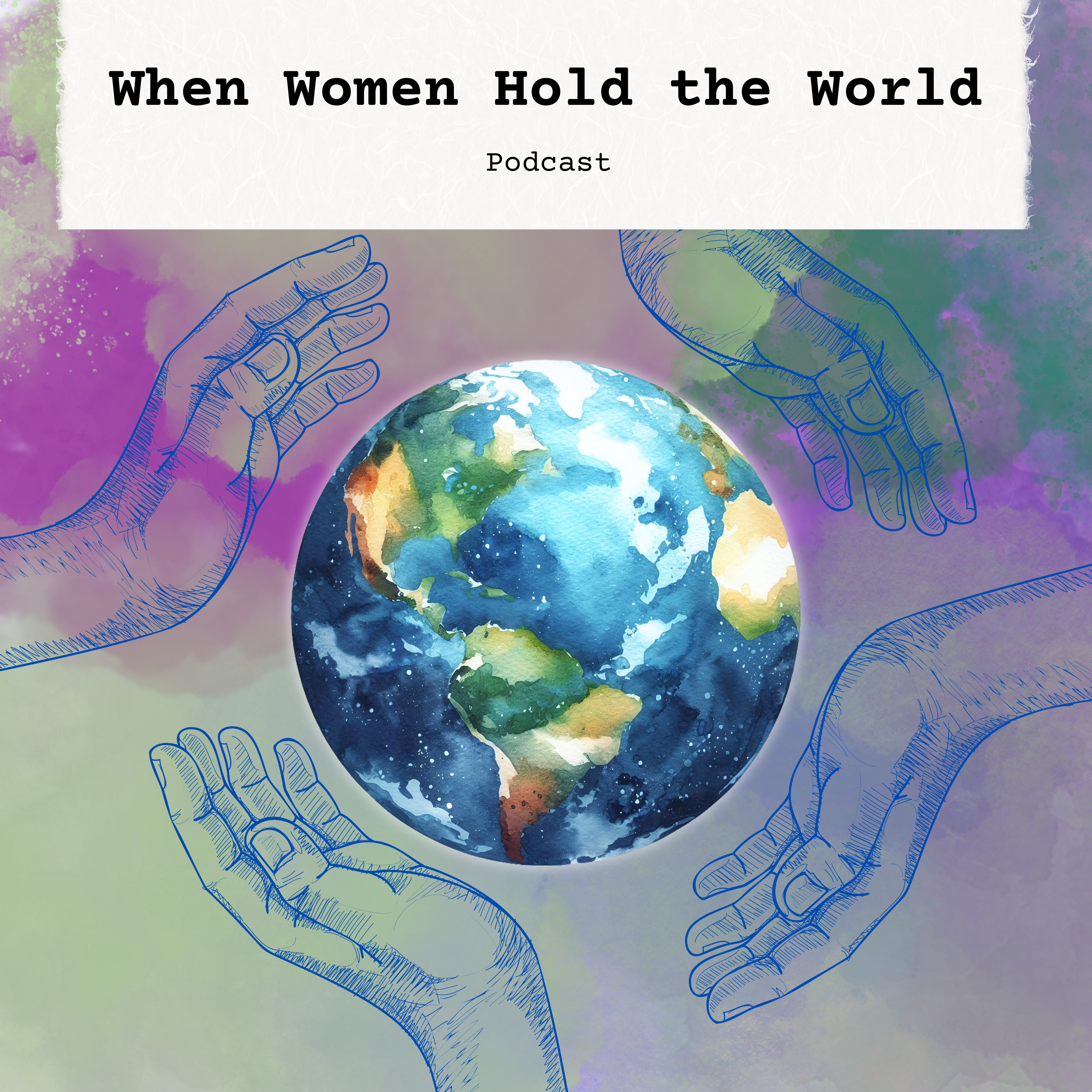
S2 Ep 4When Women Hold the World
In this inaugural episode of When Women Hold the Earth, we, Ananya, Courtney, Debarati, and Denise, hold hands across space and time zones to explore the idea of the anthropocene, its history, and ramifications. Afterwards, we present to you three women writers and thought leaders, Octavia Butler, Hannah Crafts, and Arundhati Roy, who have pushed back against the capitalist and neoliberal economies that are characteristic of the anthropocene and without which the concept loses its vigor and vitality. We urge you to listen carefully to the voices of these 3 authors and consider how they shift your own understanding of who you are, who you must become, and what actions you must take as you continue your journey as an educator, a scholar, and a planetary being.About this PodcastWe are four women with a shared love of teaching, learning, AND a deep & abiding love for the planet. We yearn for joy, community, and our individual and collective longevity. This podcast, both fierce and tender, humorous and serious, is our attempt to draw attention to the climate crisis and how women from the Global South have used a variety of strategies to center attention on Planet Earth. Be ready to learn from the forgotten, the ignored, the established, and the emergent. Be ready to listen and to take action. Be ready to explore the possibilities that emerge when women hold the earth.
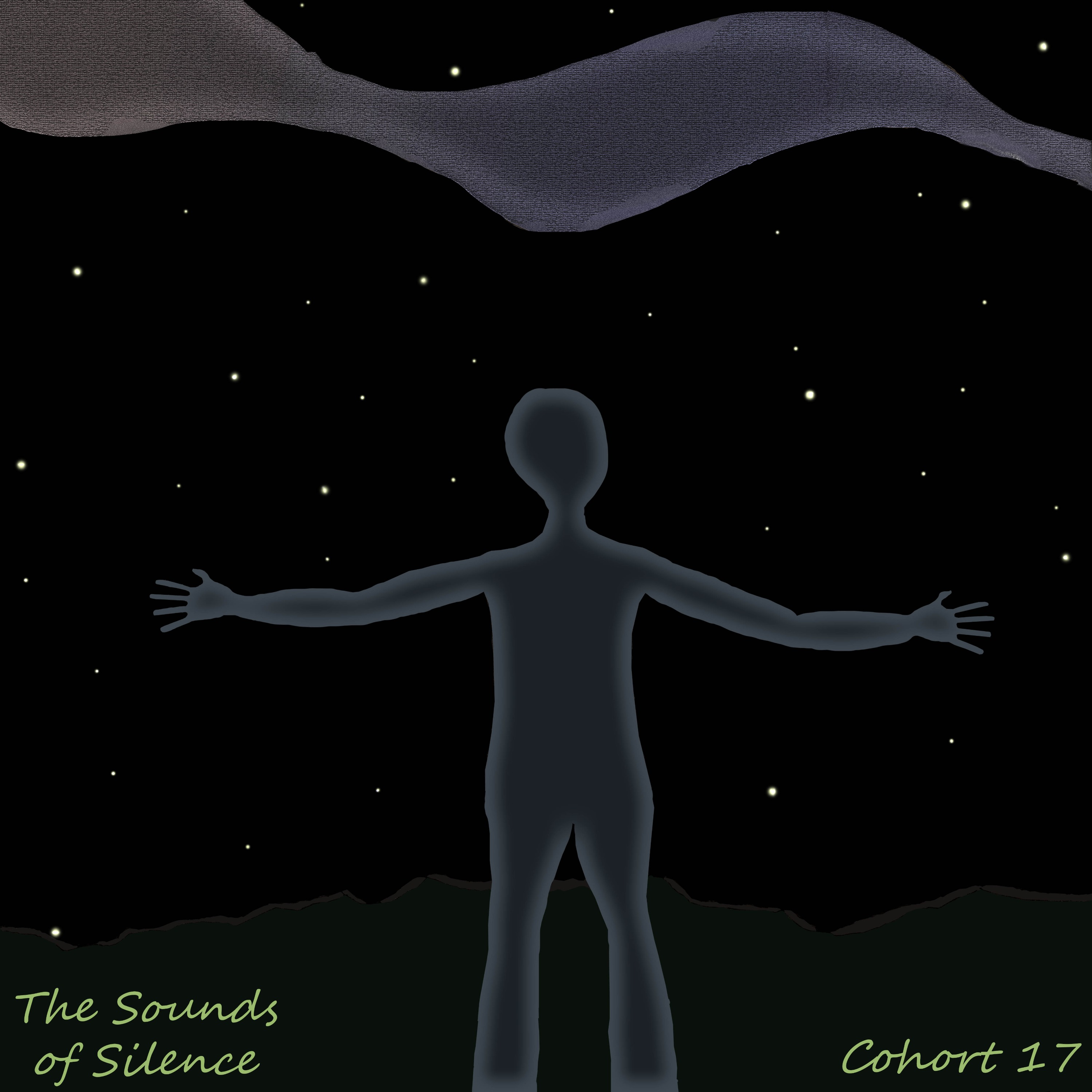
S2 Ep 3The Sounds of Silence
Is silence merely an absence of sound, or is there something more weighty taking place? This podcast, hosted by Jesse Locker and featuring Jon L. Pitt, Alison Carter, and Cori Knight, discusses the ways in which the interplay of silence and sound surface in various fields. From the secret utterances of plants, to questioning who gets to speak for the dead in archaeology, to upending the silences enforced by consensus memory, this podcast will take the listener on a tour of the ways in which silence is anything but. Join us for “The Sounds of Silence.”
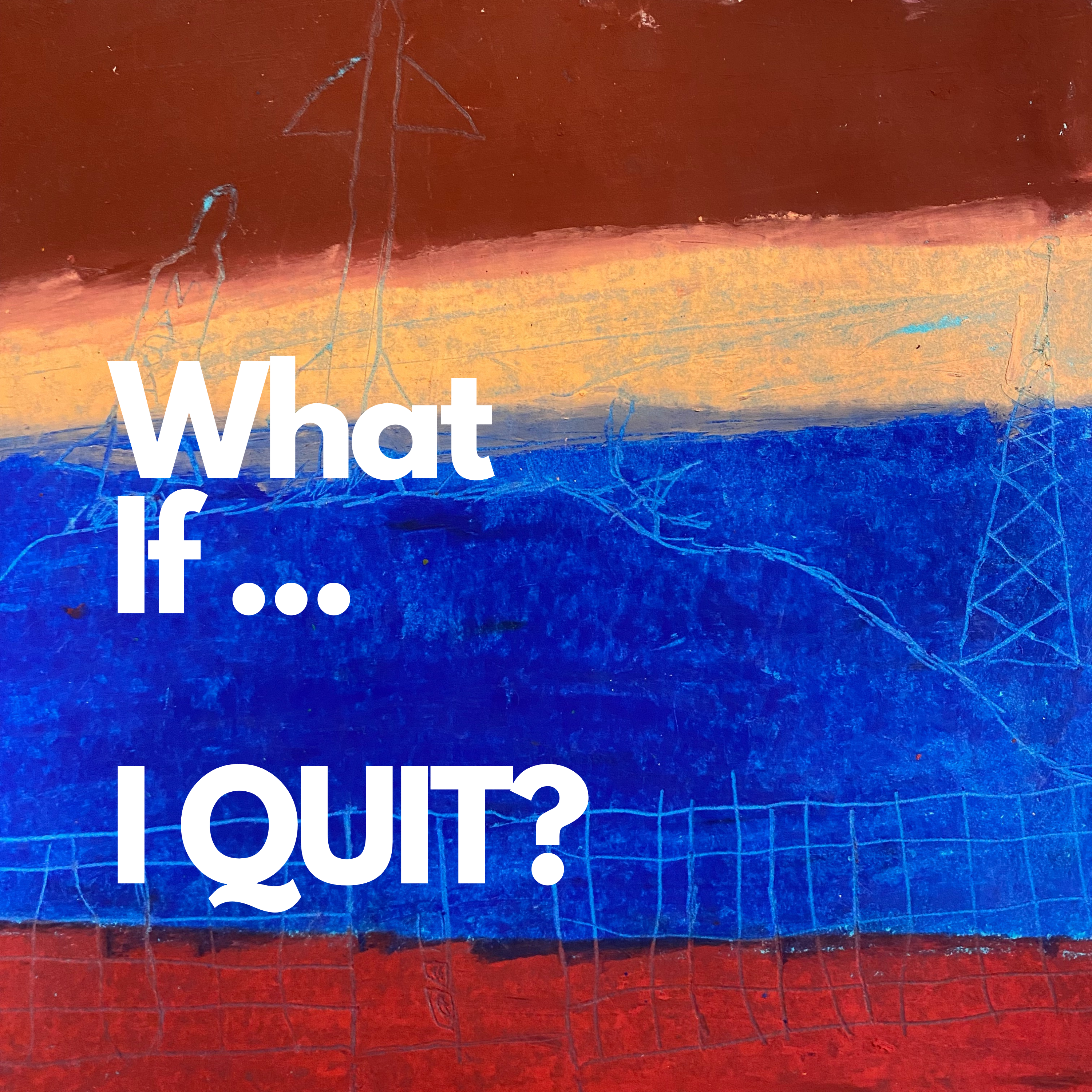
S2 Ep 2What if I QUIT?
What if you quit your current job? What else could you do? This podcast asks people in different jobs to see what their friends, families, and co-workers think, and then reflect on their suggestions and observations.Episode DescriptionIn this episode, four professors—Gretchen Busl, Donna Bussell, Jessica Ray Herzogenrath, and Leslie Waters—reflect on the kinds of jobs their friends, families, and co-workers believe they would do if they were not professors.Show NotesWhat if…I QUIT? was created as part of the National Humanities Center’s “Podcasting the Humanities: Creating Digital Stories for the Public” workshop in June 2024.Donna Bussell is professor of English at University of Illinois Springfield.Gretchen Busl is professor of English at Texas Woman’s University.Jessica Ray Herzogenrath is instructional assistant professor of history at Texas A&M University.Leslie Waters is associate professor of history at the University of Texas at El Paso.Music is “Blue Garden” by Blue Dot Sessions.Sound editing by Gretchen Busl.Cover art by Teddy Herzogenrath
S2 Ep 1Inventing Whiteness
Inventing WhitenessWhat does it mean to live in a racially constructed America? How has race been invented, constructed, and reinvented in our society since colonialism arrived on American soil? When we consider race, we often think about it in the context of People of Color. But what about whiteness? How did white people become white? And why and how does it matter? In this podcast, we discuss racial hierarchies and examine how and why whiteness was constructed and who benefits. We take a look at Latin America and the history of racial categorization and how whiteness was for sale. Within the United States, we explore the history of how certain groups became white while others did not and discuss the social and legal context in which this happened. We also examine the contemporary ramifications of whiteness, how it intersects with ableism, and how it shows up in computer algorithms and artificial intelligence. Episode 1Hosts: Robert Hawkins, Professor, North Carolina State UniversityKrisanna Scheiter, Associate Professor, Union CollegeCarmen Soliz, Associate Professor, University of North Carolina-Charlotte Sean Zdenek, Associate Professor, University of Delaware
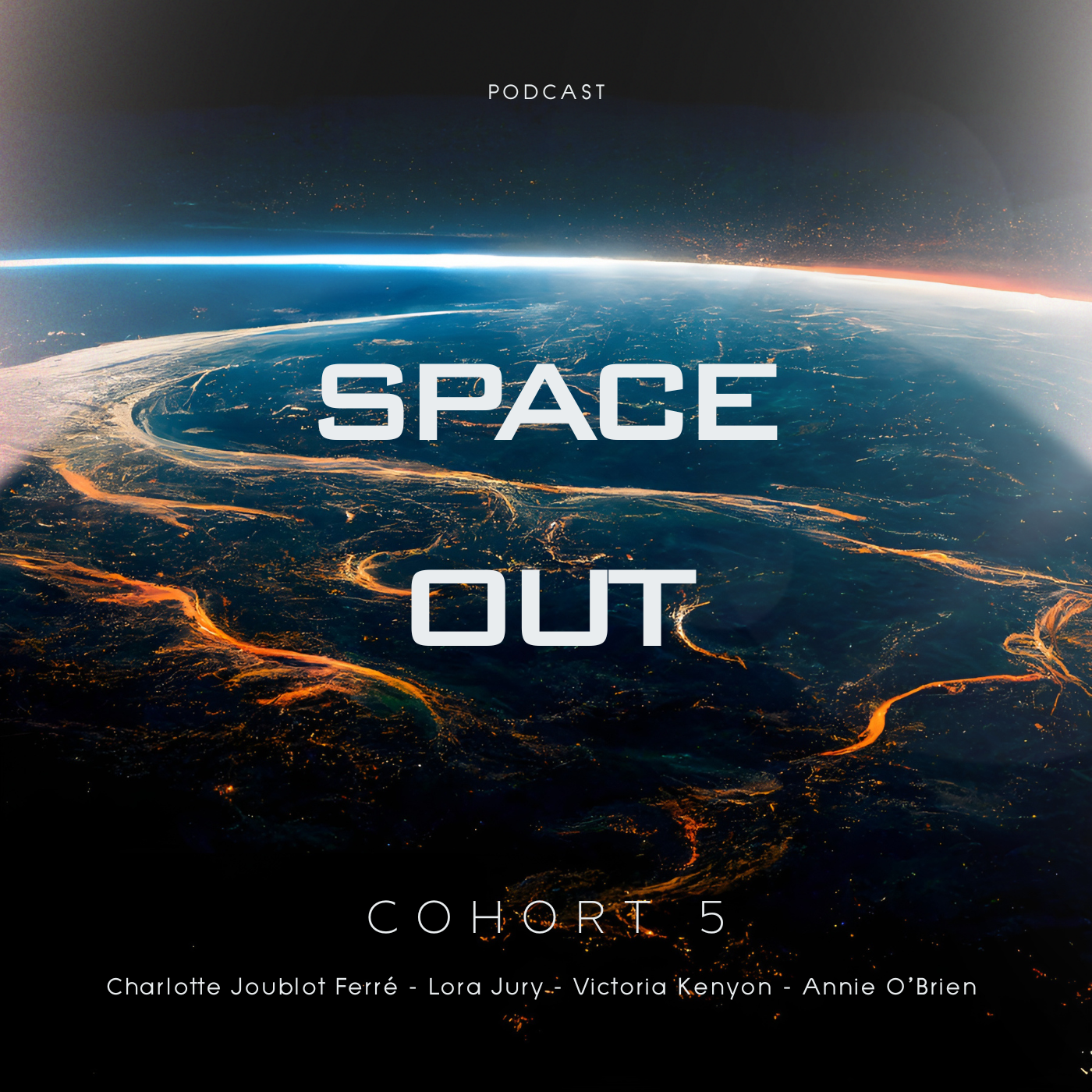
S1 Ep 10Space Out
In this one-episode podcast, Space Out, transnational hosts Annie, Victoria, and Charlotte discuss the concept of space, their own experiences of particular spaces and places, and how space and place inform their academic and research interests. Through conversation, they share the impact of particular spaces on their lives; question and challenge the histories that constructed the spaces we experience today; and reflect on the mobility of those spaces which continue to influence and stay with them. These concepts allow them to address the question of “care,” positionality, belonging, or rejection. Space is therefore presented as a protean object, as an interaction that can enable us to rethink the boundaries between academic fields, and also communities. Host Lora, away from the microphone this week, also shares her perspectives and thoughts in writing, linked here.
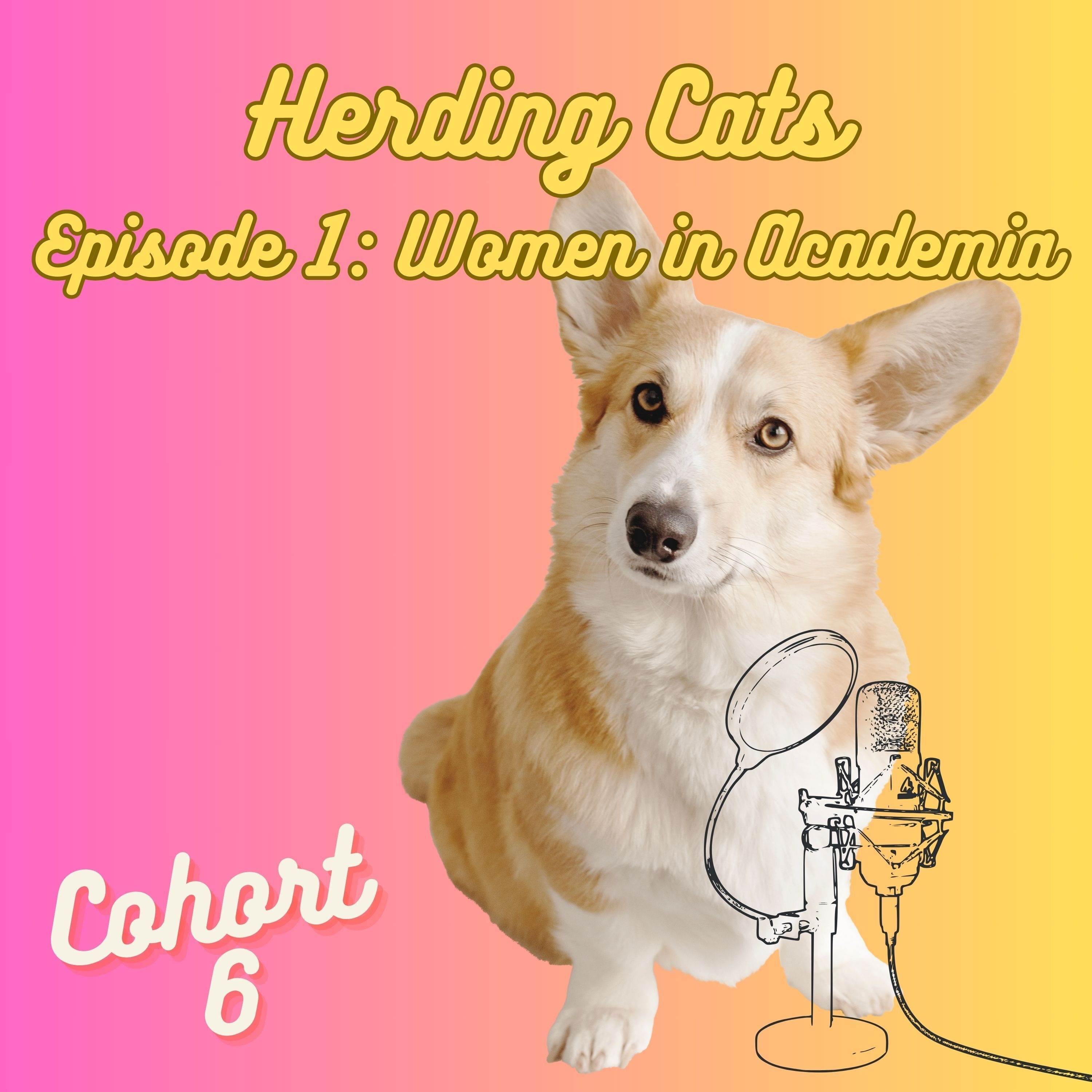
S1 Ep 9Herding Cats: Motherhood in Academia
In this episode of Herding Cats, Mathilde Sauquet (Princeton) asks the other three hosts, Tori Hoover (Vanderbilt), Maya Delmond (University of Kansas), and Serena Bazemore (NC State/Duke) about the pros and cons of having children in grad school, and more broadly, in academia. Join us as we discuss motherhood in the academy through the lens of community, institutional policy and reproductive rights.
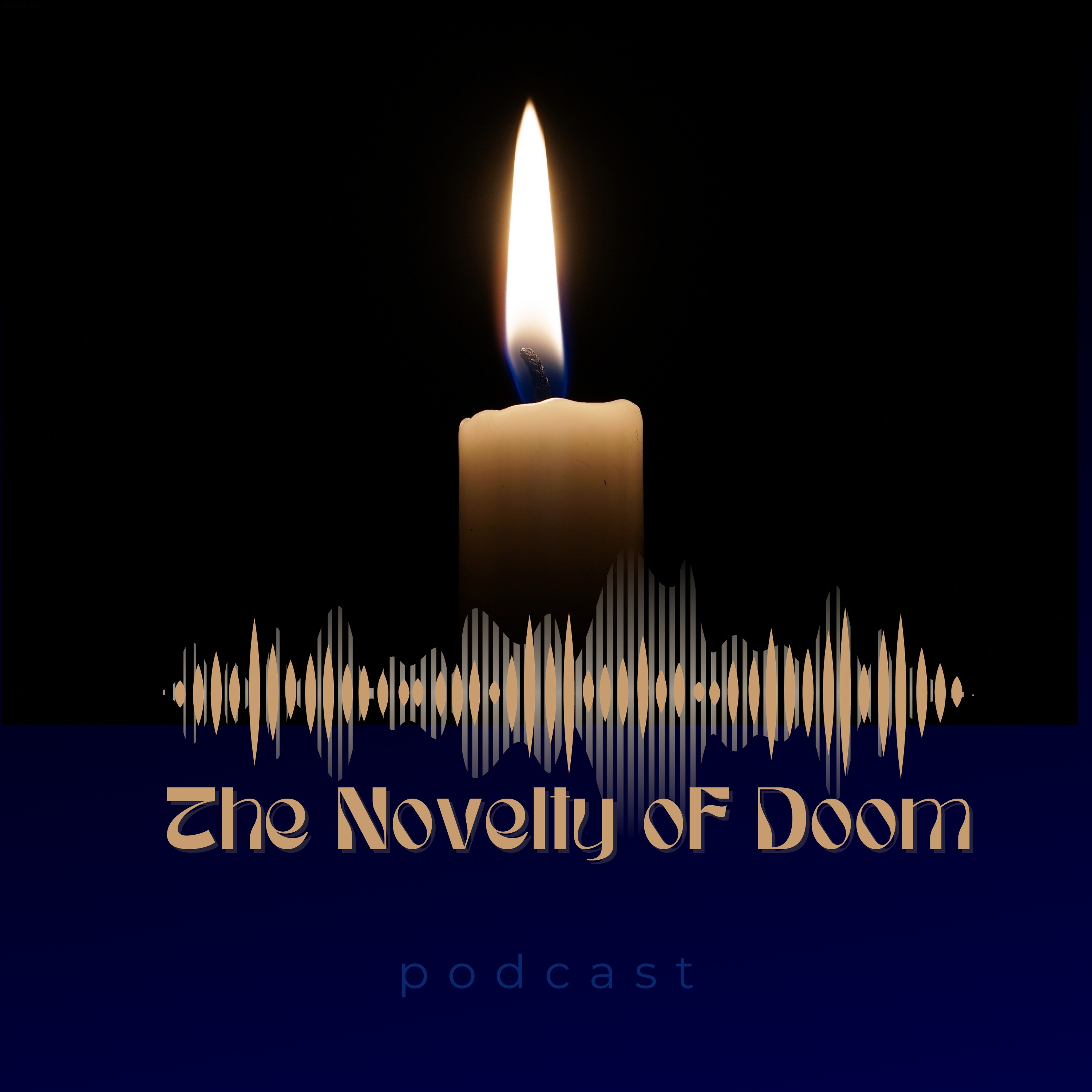
S1 Ep 8Novelty of Doom
The Novelty of Doom podcast considers the themes of performance, death and the body through four very different strands of the humanities. A historian (Bethany), a designer and performance studies scholar (Saloni), a literature scholar (Ben) and a sociologist (Anna) explore how our research speaks to these ideas. Through our conversations we ask who narratives belong to and whose stories we can tell. We grapple with our own responsibility as scholars and offer some words of hope in a dark time.Visuals by Saloni Mahajan.Music was provided by John Bartmann and gathered from other sources in Creative Commons.
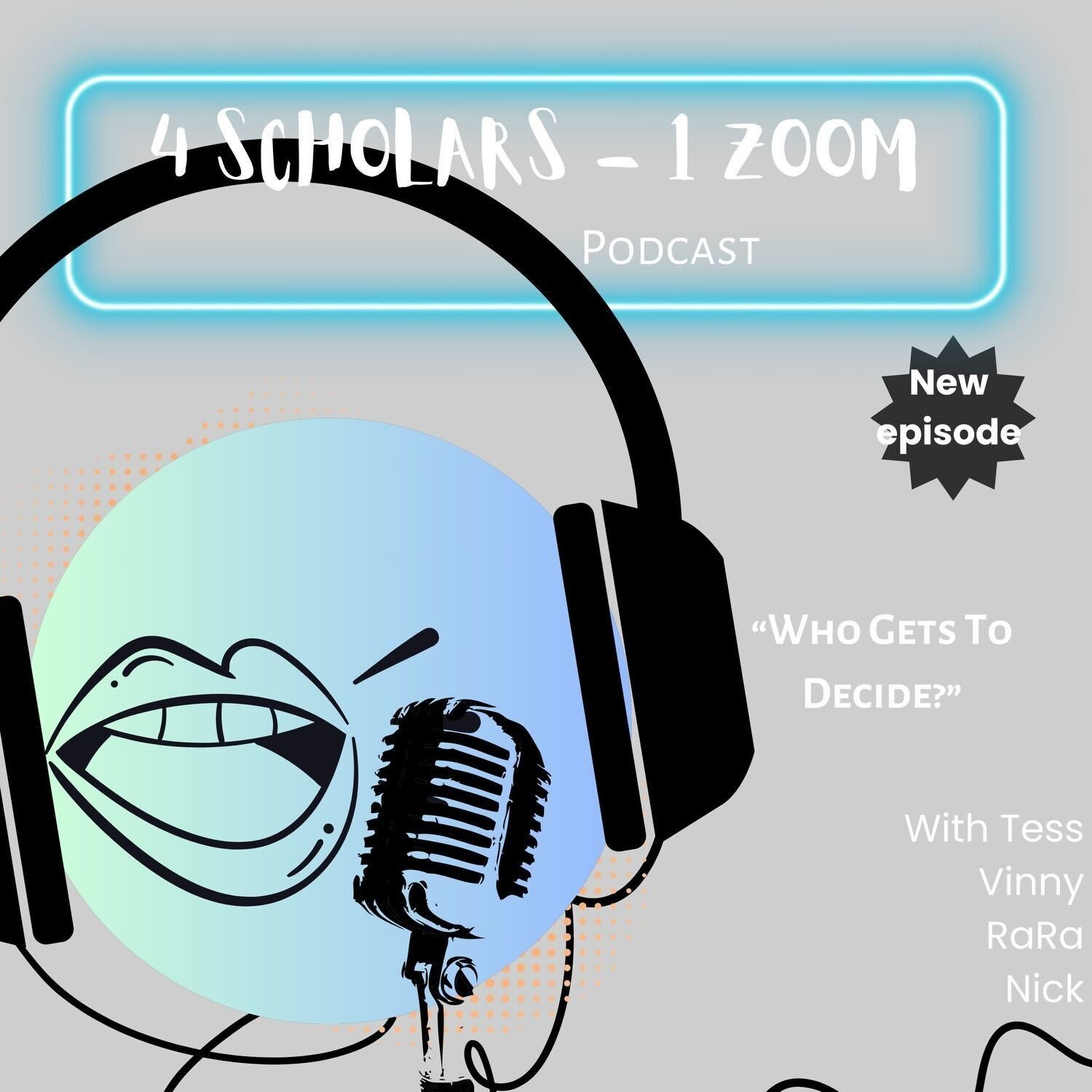
S1 Ep 74 Scholars, One Zoom
4 scholars discussing issues within their field and finding similarities in what we study and the issues that we face.
S1 Ep 6Dark Legends Unveiled
EDark Legends Unveiled is the combined efforts of four graduate students, who all have a desire to explore the mysterious and macabre. This episode of DLU engages the monstrous feminine, focusing on mythical femmes who kill and who disregard social conventions. We explore the stories of la Lechuza, Medea, and la Llorona as we dive into the darkest and most subversive parts of the human psyche.
S1 Ep 5Collaborative Humanities Podcast
Welcome to the Collaborative Humanities Podcast, where four humanities scholars cometogether to showcase undisciplined and collaborative discourses. Join Bala Raghavan, JessicaBeaudette, Kinny Torre, and Marissa Hull in discovering how their seemingly unrelated researchinterests are surprisingly and inextricably linked by themes like language, community,connection, and silence. With the intent of being highly analytical but, at times, wholly chaotic,the hosts of the Collaborative Humanities Podcast ponder, breathe, and laugh their way throughan example of what an undisciplined humanities can be. Join them in their transdisciplinaryjourney!
S1 Ep 4Grievances, on air!
In this episode, hosts Amy Juarez, Mell Rivera Diaz, Vidula Sonagra, and Riley Wilson discuss thejoys and perils of completing grad school. They discuss the privilege of having time for learningnew hobbies and discovering new passions, while also feeling the pressure to be productive andthe challenges of adapting to a rigid and often insular academic culture. Interspersed with theirpersonal experiences are those of their colleagues, who offer advice for those consideringembarking on or navigating their own journey through academia.Participants:Amy Juarez, Mell Rivera Diaz, Riley Wilson, and Vidula Sonagra
S1 Ep 3Who We Are Online: An Exploration of Identity and the Internet
The Who We Are Online podcast captures an approachable dialogue between four scholars about the role of the Internet shaping identities online and off. Brooke, Amy, and KMarie join host Sara in discussing the ways social, cultural, religious, and economic life are shaped by the the digital ties that bind us.The idea for the podcast first began as a project for the National Humanities Center's 2024 Winter Institute.Music provided by Massobeats
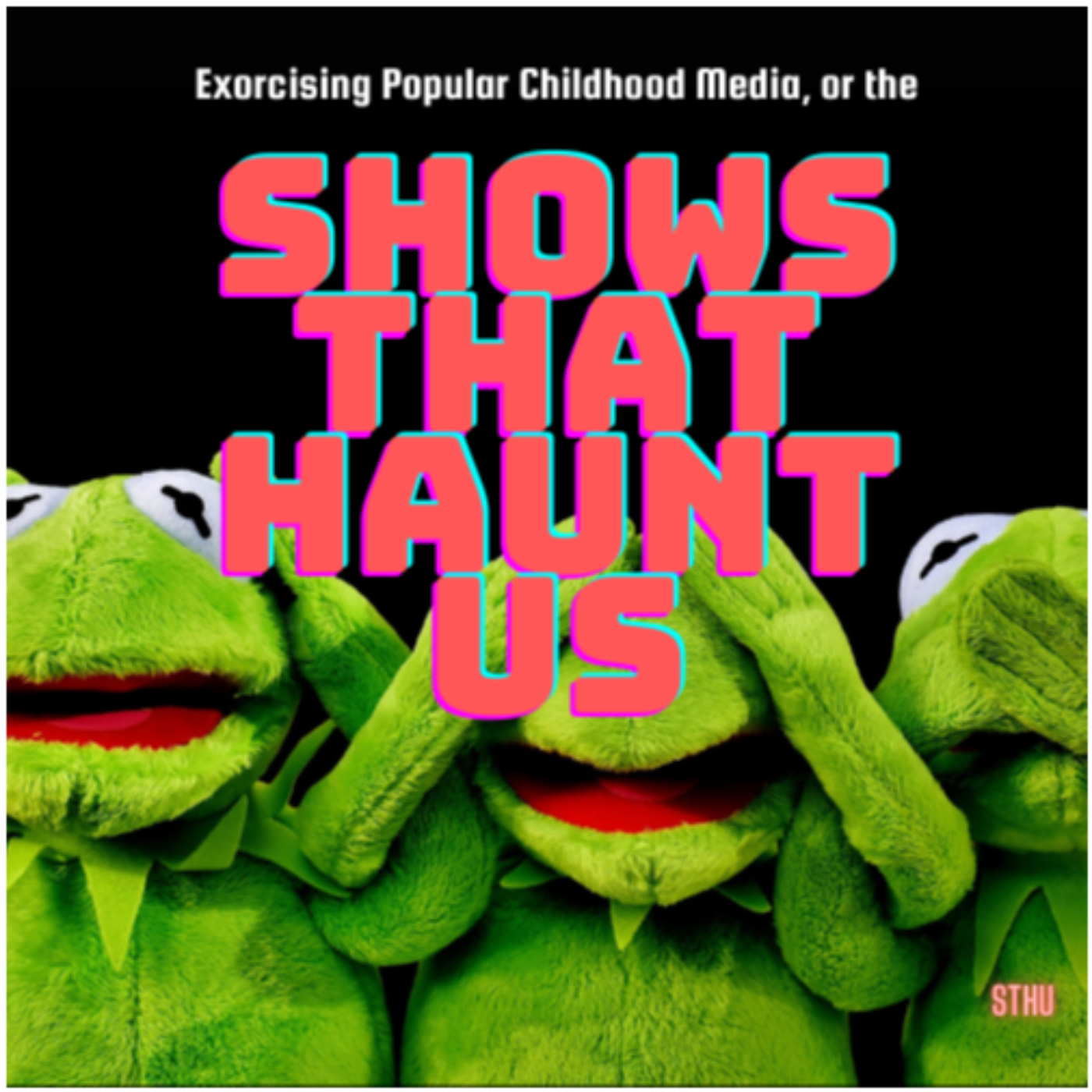
S1 Ep 2Shows That Haunt Us: Pilot
In this podcast, three millennial scholars from different disciplines play around with a scene from Captain Planet, and the ways we’re haunted by childhood media. What binaries is this scene constructing around an idea of “nature”? What kind of hero are we looking for? What’s up with the mustaches?Follow us down the rabbit hole in this episode “There’s No Such Thing as a Good Bomb”. A few links to scholarship we reference: Ted Chiang and Halimah Marcus, “Ted Chiang Explains the Disaster Novel We All Suddenly Live In”Jack Halberstam, The Queer Art of Failure Nicholas Ng-A-Fook, “Navigating M/other-Son Plots as a Migrant Act: Autobiography, Currere, and Gender” in Mothering A Bodied Curriculum: Emplacement, Desire, Affect Aimé Césaire, Discourse on Colonialism Further Reading on Nature, Conservation, and American Environmentalism:Anna Tsing, “The Mushroom at the End of the World: On the Possibility of Life in Capitalist Ruins”William Cronon, “The Trouble With Wilderness; or, Getting Back to the Wrong Nature” Bram Büscher (Editor), Wolfram Dressler (Editor), Robert Fletcher (Editor): “Nature, Inc.: Environmental Conservation in the Neoliberal Age” Irus Braverman, “Conservation Without Nature: The Trouble with In situ Versus Ex situ” Captain Planet, Season 6: Episode 6, “A Good Bomb is Hard to Find”
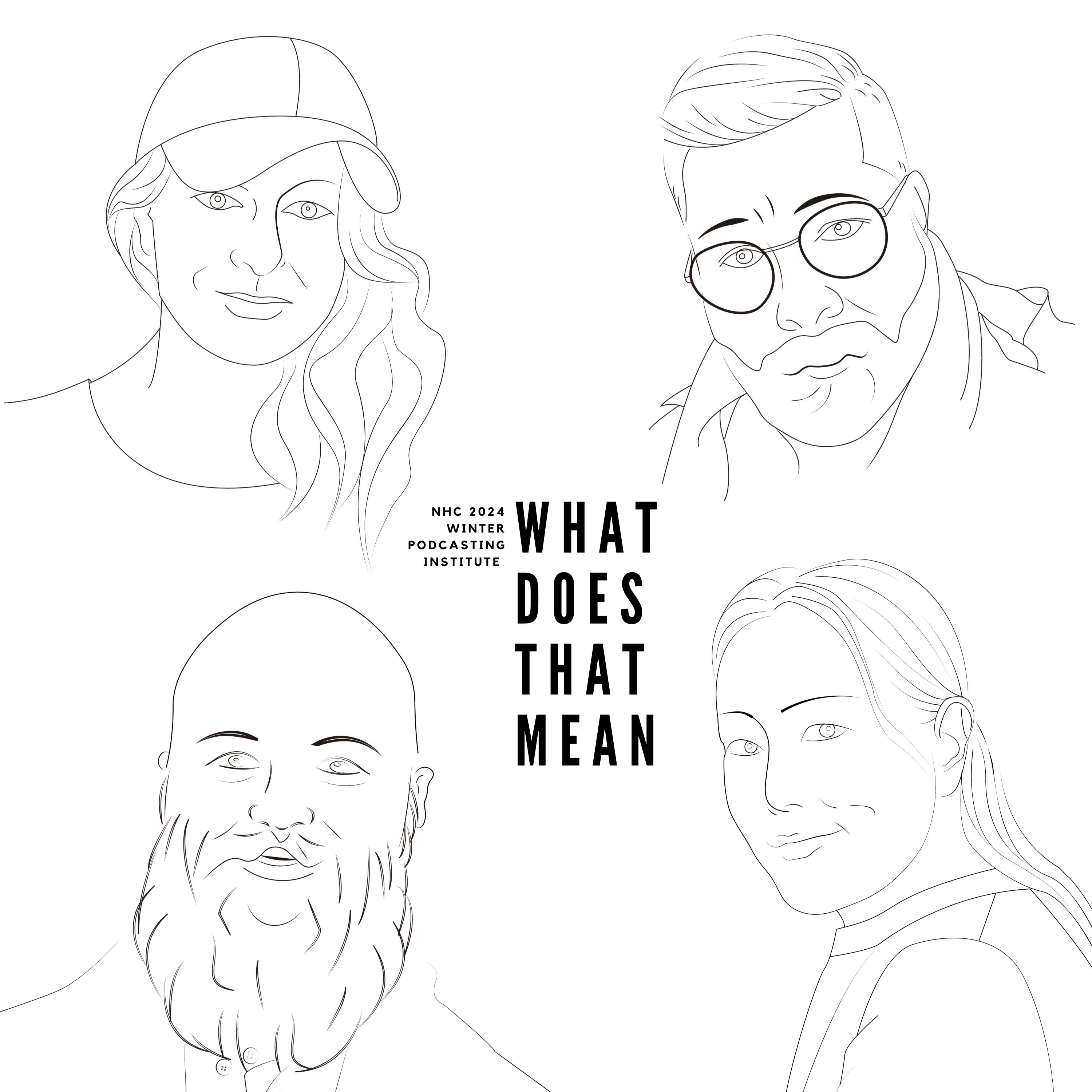
S1 Ep 1What Does That Mean? Episode 1: "Theory"
What is “Theory” in the Humanities? The Western history of ideas witnessed an explosion of interest in “Theory” with the advent of the 20th century. From the intellectuals of the “Frankfurt School” of critical theory, to Structuralism, and then Poststructuralism, with such French intellectuals as Jacques Derrida and Michel Foucault, to the many unique theoretical discourses downstream from these, such as feminist theory and postcolonial theory: interest in Theory and theories have only continued to grow and multiply, even into the 21st century. In this episode of “What Does That Mean?”, our panel takes a stab at the question “what does the term 'theory' mean?” Bios: Lis Fertig is a PhD candidate in Comparative Literature at the University of Michigan. Her research centers on radio and audial culture, and she’s currently finishing her dissertation on gender in Austrian radio drama of the postwar period. Anthony Tello is a first-year PhD student at Rutgers University, New Brunswick. He’s interested in energy and environmental humanities, specifically looking at how narrative form or storytelling can help understand or even obscure the impact of our changing climate. He studies 19th century texts as evidence of the socioeconomic transition to fossil fuels. Wuerxiya is a PhD candidate in Folklore at Indiana University. Her research focuses on folk art with a special concern for traditional textiles across Asia and the craft practices in Southwest China and the Silk Road. Jerome Falk is an MA student in Religion at the University of Manitoba. His research concerns the Christian philosopher Origen of Alexandria and his interaction with Hellenistic philosophy. References: Stanley Fish, “Will the Humanities Save Us?” - The New York Times, 2008 Credits Produced, edited and mixed by Anthony Tello and Lis Fertig. Hosted by Jerome Falk. Cover art by Wuerxiya. Music by Parler and Blue Dot Sessions . This show was created by Jerome Falk, Lis Fertig, Anthony Tello and Wuerxiya as part of the Winter 2024 Podcasting Institute hosted by the National Humanities Center and the San Diego State University Library Digital Humanities Center. Thank you to the NHC and SDSU staff for supporting this project. And special thank you to the voices you heard at the top of the episode, which came from interviews with our friends and family.
Exercise in Soundscaping (and Honesty) by Patrick Flanigan
bonusExercise in Soundscaping (and Honesty) is a short episode produced from a demo on the use of “Soundscaping” when producing a podcast. The demo was given by Patrick Flanigan at the NHC Winter 2024 Podcasting Institute. The institute contains sounds mined from personal video and features music from artists, Punk Rock Drum Machine and Advance Base.Produced by the Digital Humanities Center at San Diego State University Library.
National Humanities Center Podcast Institute Winter 2024 Trailer
trailerTeaser Trailer promoting the upcoming National Humanities Center Podcast Institute, Winter 2024