My Weird Prompts
6,606 episodes — Page 120 of 133

S2 Ep 668Who Owns the Sky? Airspace, Fees, and the Karman Line
When you’re cruising at 35,000 feet, you aren't just traveling through clouds; you’re navigating a complex web of international law, high-stakes diplomacy, and invisible property lines. In this episode, Herman and Corn dive into the "bureaucracy of the sky," exploring why there is no global agreement on where airspace ends and outer space begins. From the physics-defying Karman Line to the sophisticated software flight dispatchers use to calculate overflight fees, we uncover the hidden costs of global travel. Learn how geopolitics can turn a shortcut into a detour and why your airline might be paying thousands of dollars in "rent" for the air you breathe. It’s a fascinating look at the three-dimensional puzzle of national sovereignty and the highly choreographed dance required to keep the world connected.
S2 Ep 667The Agency Evolution: From AI-Washing to AI-First
Two years after the "AI-washing" craze of 2024, the professional services landscape has been fundamentally rewritten. Join Herman and Corn as they analyze the shift from simple chatbots to autonomous agentic workflows and the rise of the "nano-agency." They explore why mid-market firms are struggling while global giants leverage proprietary data moats and boutique firms lean into the "Human Premium." From synthetic research using digital twins to the high-stakes world of output auditing, this episode reveals how the most successful agencies have moved beyond prompt engineering to become true architects of the future. Discover why "taste" has become the ultimate competitive advantage in an era of infinite content.
S2 Ep 666Why It Costs More to Talk to AI in Your Native Tongue
In this episode, Herman and Corn dive deep into the "Great Data Exhaustion" and the widening digital divide in artificial intelligence. While major frontier models seem like magic in English, speakers of "long-tail" languages face a "tokenization tax" that makes AI slower, more expensive, and prone to Western-centric hallucinations. From the grassroots efforts of the Masakhane project in Africa to the specialized architecture of models like Jais, we explore how the industry is finally being forced to look beyond the English-speaking bubble to ensure cultural sovereignty in the age of machine learning.

S2 Ep 665Inside the Stack: The Hidden Layers of Every AI Prompt
When you type a message to an AI, you aren’t just talking to a blank slate; you’re entering a complex, multi-layered conversation governed by a massive "prompting stack." In this episode of My Weird Prompts, Herman and Corn break down the six or seven invisible layers—from vendor system prompts and personal memories to RAG and chat history—that process your request before the model even sees your first word. They explore the "battle for prompt supremacy," the technical costs of massive context windows in 2026, and how these hidden instructions define the AI's personality and safety boundaries. Whether you're a developer using APIs or a power user on ChatGPT, this deep dive reveals the invisible architecture of modern Large Language Models and the "iceberg effect" of instructions hidden beneath the surface of every chat box.

S2 Ep 664AI’s Cultural Fingerprints: Training Data vs. Reinforcement
In this episode of My Weird Prompts, hosts Herman Poppleberry and Corn dive deep into the "architecture of bias" within artificial intelligence. They compare the vast influence of massive training datasets—the "Id" of the AI—against the intentional steering of Reinforcement Learning from Human Feedback (RLHF), which acts as the model's "Superego." As models like GPT-5 and Claude 4 become integrated into critical sectors like law and medicine, the duo discusses whether a truly "neutral" AI is even possible or if every machine is destined to be a "stochastic parrot" for its creators' values. From "pluralistic alignment" to the "alignment tax," this conversation pulls back the curtain on the invisible cultural fingerprints left on our digital tools.
S2 Ep 663Workstation vs. Consumer: The Real Cost of Power
In this episode, Herman and Corn dive deep into the hardware divide between high-end consumer chips and professional workstation powerhouses, specifically focusing on the needs of modern AI developers. They explore why more cores aren't always better for everyday tasks like gaming, the critical importance of ECC memory and octa-channel bandwidth for scientific data integrity, and how PCIe lanes act as the ultimate traffic controller for massive multi-GPU configurations. Whether you are a curious hobbyist or an engineer building a local LLM training rig, this comprehensive breakdown of the "three pillars of performance" provides the technical clarity and architectural insight needed to navigate the complex and expensive world of Xeon and Threadripper processors.

S2 Ep 662The Geopolitical Graph: Mapping Global Power with AI
In this episode, Herman Poppleberry and Corn explore a revolutionary approach to international relations: treating the world as a dynamic graph rather than a static map. By leveraging graph databases and AI-driven vector embeddings, they discuss how policymakers can uncover "second-order effects" and hidden alliances that traditional analysis misses. From the "Silicon Shield" of Taiwan to the "betweenness centrality" of small nations like Qatar, learn how data science is creating a digital twin of global stability. This conversation dives deep into the mathematical weights of diplomacy, trade dependencies, and the future of predictive resilience in an increasingly interconnected world.
S2 Ep 661Cracking the Global Supply Chain: Why Your Tech Costs More
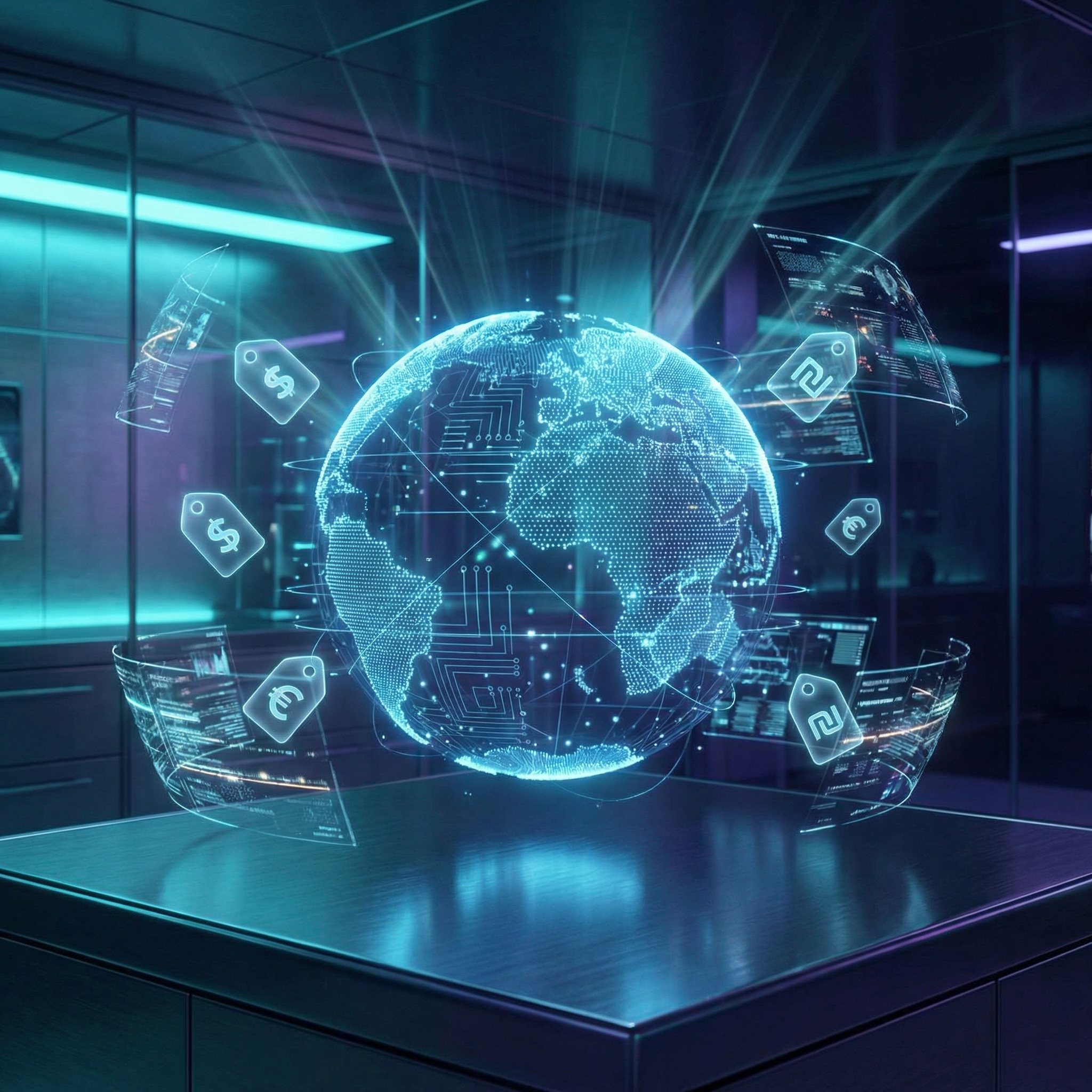
In this episode of My Weird Prompts, Herman Poppleberry and Corn dive deep into the frustrating world of global price discrepancies and the "because we can" tax. Triggered by a massive price hike on networking gear in Israel, the duo investigates how manufacturers use regional SKU fragmentation to keep consumers in the dark. They explore professional-grade supply chain intelligence tools—from Octopart and SiliconExpert to Icecat and Panjiva—revealing how data-savvy buyers can track hardware revisions, global inventory, and the true age of their tech. This episode is a masterclass in breaking down information asymmetry to gain leverage in a siloed global market.

S2 Ep 660The Bit Rate Dilemma: How Much Audio Data Do You Need?
In this technical yet practical episode, Herman and Corn respond to a challenge from their housemate Daniel regarding the "data-gluttony" of their podcast's high bit rate. They peel back the layers of digital audio compression, explaining how psychoacoustics allows encoders to "lie" to the human brain by stripping away redundant sounds. The discussion covers the crucial difference between mono and stereo bit rate allocation, revealing why a 192 kbps stereo file might be a "safety margin" rather than a necessity. Furthermore, they examine the surprising requirements of modern AI transcription tools and the specialized needs of forensic audio recording. By the end of the conversation, listeners will understand how to choose the right data budget for any scenario, from casual voice notes to high-fidelity archival masters.
S2 Ep 659The Voice Biometric Dilemma: Security in the Age of AI
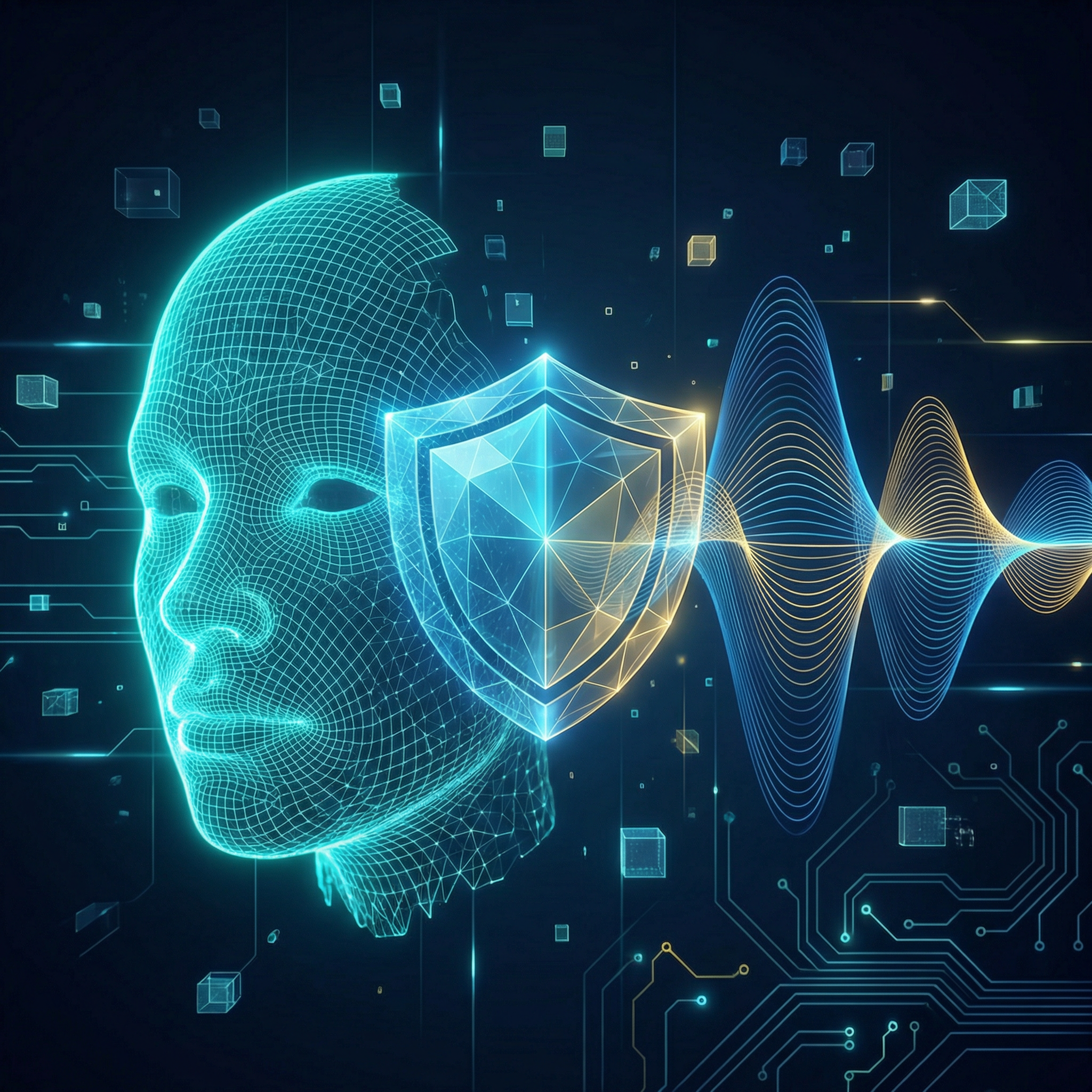
In this episode, Herman and Corn dive into the lopsided world of biometrics, asking why we still don’t use our voices to unlock our digital lives. They compare the high-fidelity 3D mapping of facial recognition with the vulnerable, one-dimensional nature of audio signals. From the privacy concerns of "always-on" microphones to the terrifying speed of AI voice cloning, the duo explores the technical and social hurdles facing voice authentication. Discover why the future of security might not be a single "key," but a multi-modal blend of our unique physical and behavioral traits.
S2 Ep 658Beyond Peanut Brittle: The Search for the Toughest Laptops
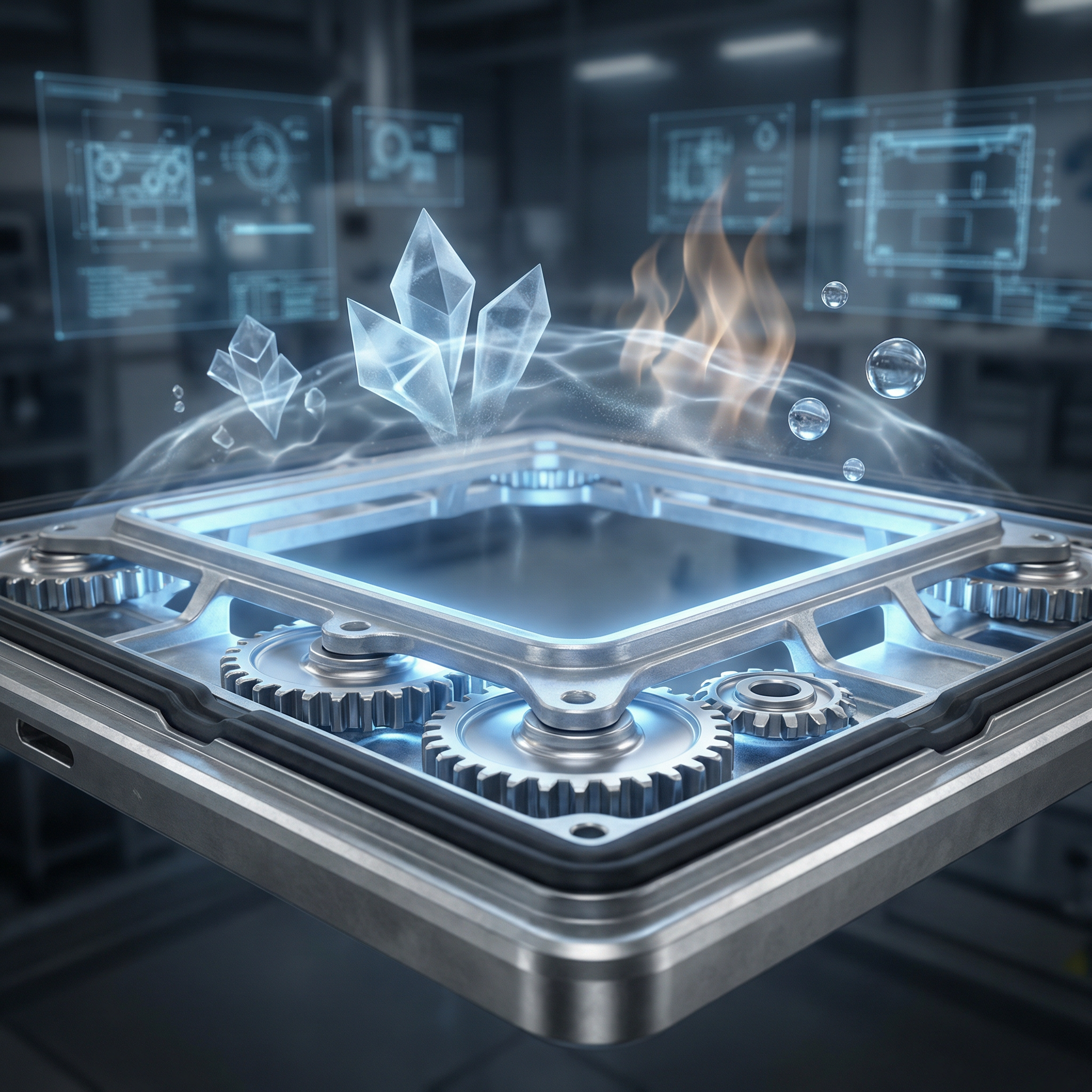
Tired of ultra-thin laptops that feel like fragile glass? In this episode of My Weird Prompts, Herman and Corn dive deep into the world of ruggedized computing to help listeners find the "Goldilocks zone" of durability. From the extreme military-grade testing of Panasonic Toughbooks to the hidden "drain holes" in corporate ThinkPads, they explore why some laptops survive a desert storm while others die from a single coffee spill. Learn the truth about "rugged-washing," the engineering secrets of magnesium alloys, and how to snag a high-end semi-rugged machine without breaking the bank. Whether you're a field researcher or just a clumsy commuter, this episode is your guide to hardware that can actually take a hit.

S2 Ep 657Silicon in the Sun: The Android Head Unit Survival Guide
Is your car's dashboard a "plastic tomb" for electronics? In this episode, Herman and Corn dive into the "wild west" of aftermarket Android head units to help a listener upgrade his 2012 Seat Ibiza for the scorching Jerusalem heat. They discuss why 1GB of RAM is a trap, how to spot "digital gaslighting" in spoofed specs, and why the 6nm UIS 7870 chip is the current gold standard for thermal efficiency. Whether you are looking for active cooling solutions or the most reputable brands like Teyes and Joying, this guide will ensure your next car audio upgrade doesn't end in a thermal meltdown.
S2 Ep 656The Future of Smart Home Hubs: Matter, MQTT, and Beyond
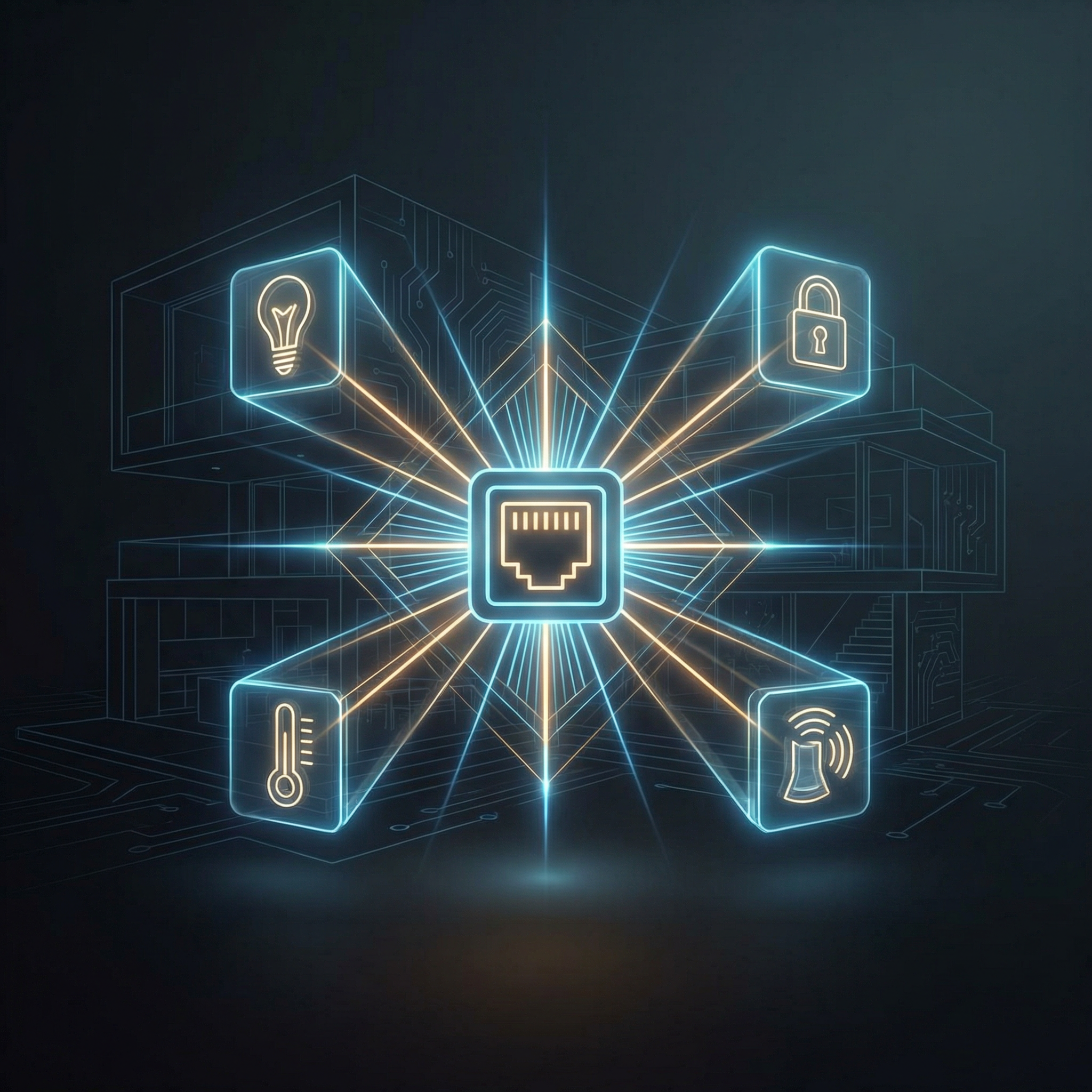
In this deep dive, Herman and Corn explore the "graveyard of dead protocols" and discuss the hardware evolution led by companies like SM Light. They break down the complex relationship between Zigbee, MQTT, and the rising Matter standard, explaining why the "truck and letter" analogy is essential for understanding how your devices communicate. From the benefits of Power-over-Ethernet (PoE) coordinators to the long-range potential of LoRa for home security, this episode provides a roadmap for building a stable, future-proof smart home in 2026. Whether you're a Home Assistant enthusiast or just tired of "spinning wheel" connectivity issues, you'll learn why moving away from USB-based sticks and toward consolidated, network-attached hardware is the ultimate power move for reliability.

S2 Ep 655Why It’s So Hard to Leave a Bad Review in Israel
In this episode, Corn and Herman dive into the evolving landscape of Israeli consumer culture in 2026. As the "Amazon Effect" drives local prices toward a global standard, the brothers discuss why "aggravation cost"—or the Headache Tax—has become the new deciding factor for modern shoppers. From the chilling effects of Israel’s 1965 defamation laws to the potential for a grassroots "Seal of Excellence," they explore how to move past venting and start incentivizing businesses that actually pick up the phone. It’s a deep dive into market transparency, the power of "Firgun," and the future of retail in a small, high-tech nation.

S2 Ep 654The Anatomy of Failure: Turning Blips into Breakthroughs
Why do we ignore red flags until it's too late? In this episode, Herman and Corn dive into the "anatomy of failure" through the lens of a harrowing taxi ride and high-stakes industrial models. They explore how to move past the shame of a mistake and into the analytical clarity of an After Action Review. Discover practical tools like the Five Whys, the Swiss Cheese Model, and the concept of blameless post-mortems to upgrade your life’s operating system. Whether it’s a major career setback or a minor weekly blip, learn how to treat yourself like a scientist and turn every failure into a data point for future success.

S2 Ep 653The Chemical Cocktail: Why Desert Dust Makes Smog Deadlier
In this episode of My Weird Prompts, Herman and Corn dive deep into the suffocating yellow skies of Jerusalem in February 2026. They explore the "chemical cocktail" phenomenon, where desert sand from the Sahara isn't just a nuisance but a catalyst for toxic reactions with vehicle exhaust. From the dangers of PM2.5 and temperature inversions to the surprising pollution caused by electric vehicle tires, the duo examines why our air is getting more complex. They also critique high-tech "fixes" like cloud seeding and discuss the potential of smog-eating concrete and urban wind corridors. It’s a fascinating, if slightly claustrophobic, look at the atmospheric science shaping our future and the air we breathe.
S2 Ep 652The Art of Hopeful Pausing: AI Logic vs. Human Reality
In this episode, Herman and Corn dive into the staggering 2026 breakthroughs in AI reasoning, where models are now performing at doctoral-level rigor. While these leaps in multi-step logic offer solutions to global crises like protein folding and material science, a frustrating gap remains for individuals facing personal health and social challenges. The duo explores the "solver’s high"—the intoxicating but often painful optimism that arises when digital breakthroughs outpace physical implementation. They introduce the "art of hopeful pausing," a psychological framework for managing expectations in an era of instant gratification. By treating progress like a background process rather than an immediate search result, Herman and Corn discuss how to maintain a "gardener’s hope": trusting that the seeds of innovation are growing, even when the harvest hasn't yet arrived.
S2 Ep 651Decoding the Blueprint: An Expert Guide to AI Model Cards
In this episode of My Weird Prompts, hosts Herman and Corn take a deep dive into the often-overlooked world of AI model cards. While most users treat these documents like "terms and conditions" to be scrolled past, Herman argues that in the landscape of 2026, they have become essential forensic reports that reveal a model’s true upbringing and inherent biases. The duo explores the history of model reporting—from its origins in hardware data sheets to the landmark 2019 paper by Mitchell and Gebru—and explains why transparency is the ultimate antidote to the "black box" problem. Listeners will learn exactly what to look for when evaluating the latest releases from labs like Google, Meta, and OpenAI. Herman breaks down the "green flags" of modern documentation, such as detailed data provenance, rigorous decontamination processes to prevent benchmark cheating, and the implementation of Process Reward Models (PRMs). Whether you are a developer looking for the right prompt template or a curious enthusiast trying to verify leaderboard scores on Hugging Face, this episode provides a masterclass in reading between the lines of technical literature to find the signal in the noise.

S2 Ep 650Can AI Solve Physics Problems It Never Learned?
In this episode, Herman and Corn dive into the mechanics of Gemini 3.0 Pro’s new Deep Think mode and the fundamental shift from "System 1" pattern matching to "System 2" deliberate reasoning. They explore how models now use internal "scratchpads," Process-based Reward Models, and Monte Carlo Tree Search to solve problems that once seemed impossible, such as novel proofs in quantum physics. From the technical "sign problem" to the wild possibility of giving an AI a full week of compute to solve a single problem, this episode pulls back the curtain on the next frontier of artificial intelligence. It is a fascinating look at how "thinking longer" might be more important than "training bigger" in the quest for true machine intelligence.

S2 Ep 649The Ultimate Dashboard: DIY Information Radiators
In this episode, Herman and Corn tackle the "Goldilocks problem" of the modern home office: the quest for a perfect, low-friction information radiator. They explore the gap between overpriced enterprise hardware and messy hobbyist projects, offering a roadmap for "prosumers" who want a polished command center without the corporate overhead. From the ambient beauty of E-ink displays to the power of AI-generated custom interfaces, learn how to build a dashboard that fits your life without the "everything-is-a-service" fatigue.
S2 Ep 648The Mystery of the Wet Wall: How Moisture Meters Work
Ever had a wall feel bone-dry to the touch but trigger a "wet" alarm on a moisture meter? Join Herman and Corn as they dive into the fascinating physics of capacitance and electromagnetic fields to explain how these non-destructive tools actually "see" through your drywall. They break down why metal pipes, foil insulation, and dense studs often cause confusing false positives, and how you can establish a "dry standard" to verify your findings. Whether you're a DIYer like their housemate Daniel or a homeowner dealing with the aftermath of a storm, this episode provides the data-driven insights you need to master your diagnostic tools and stop guessing about what's happening inside your walls.

S2 Ep 647From Bits to Beats: The Science of Digital-to-Analog
Have you ever questioned why a computer’s native language of ones and zeros eventually has to transform into the fluid, vibrating waves that hit our eardrums? In this deep dive, Herman Poppleberry and Corn explore the intricate world of Digital-to-Analog Converters (DACs) to explain why the "golden rule" of audio engineering is to keep signals digital for as long as humanly possible. From the electromagnetic noise inside your laptop to the "musicality" of vacuum tube distortion and the precision of digital time-alignment in modern speakers, this episode uncovers the hidden engineering that bridges the gap between digital perfection and analog reality. Whether you are an audiophile or just curious about how Netflix sounds so good, join the conversation as we trace the history of audio technology and reveal why the final millisecond of a signal's journey is the most critical part of the listening experience.
S2 Ep 646The Mouth as a Scanner: Decoding Baby Sensory Milestones
Why is a seven-month-old obsessed with "tasting" the world, from monitor stands to baby wipes? In this episode, Herman and Corn dive into the fascinating world of sensory milestones, explaining why the mouth acts as a high-definition scanner for developing brains. They discuss the sensory homunculus, the mechanics of "heavy work" for infants, and how parents can support their child's internal "database of reality" through safe, tactile exploration.

S2 Ep 645The Return of the Big War: Mapping Global Conflict in 2026
In this episode, Herman Poppleberry and Corn dive into the sobering reality of global conflict as of February 2026. They discuss startling statistics from the Uppsala Conflict Data Program, revealing that the world is currently experiencing the highest number of active conflicts since the end of World War II. From the high-intensity battlefields of Ukraine and Gaza to the devastating, often-overlooked crises in Sudan, Myanmar, and the Sahel, the hosts analyze why the era of the "Long Peace" appears to be fracturing. They explore the "internationalization" of civil wars, the erosion of international norms regarding border integrity, and how cheap drone technology has democratized destruction. This deep dive offers a data-driven look at whether our modern era is defined by better information sharing or a genuine, systemic regression into large-scale global violence.

S2 Ep 644From Code to Circuit: Mastering GPIO and SBCs
In this episode of My Weird Prompts, hosts Corn and Herman explore the exhilarating transition from traditional PC building to the world of Single Board Computers (SBCs) like the Raspberry Pi and Orange Pi. While many are comfortable plugging in GPUs and RAM, the duo explains why the 40-pin GPIO header represents a completely different—and more powerful—paradigm for controlling the physical world. They break down the fundamental differences between high-level USB protocols and the raw control offered by General Purpose Input Output pins, illustrating why a simple door sensor doesn't need a "semi-truck-sized" protocol to deliver a "postcard-sized" message. The discussion moves into the practicalities of the maker journey, covering the essential role of breadboards for solder-free prototyping and the absolute necessity of understanding pinout maps to avoid the dreaded "magic smoke" of a fried processor. Whether you are interested in multi-room audio, custom alarm panels, or physical status LEDs, this episode provides a comprehensive roadmap for bridging the gap between code and circuitry. Herman and Corn also touch on advanced communication protocols like I2C and SPI, showing how these tiny boards can multitask as both high-end media players and sophisticated home automation hubs integrated with platforms like Home Assistant.

S2 Ep 643Is Your Smart Home Missing This One Lethal Flaw?
In this episode of My Weird Prompts, Herman and Corn dive deep into the critical world of carbon monoxide safety, moving beyond basic smart home gadgets to discuss the one sensor that truly is a matter of life and death. From the chemistry of incomplete combustion to the surprising reason why your sensor’s test button might be lying to you, the brothers break down everything you need to know about protecting your household from the "silent killer." You'll learn the optimal placement for detectors, why snowdrifts are a hidden danger for high-efficiency furnaces, and how to tell the difference between a low battery and a sensor that has reached its hard-coded expiration date. Whether you are an apartment dweller or a homeowner, this technical deep dive provides the essential knowledge required to ensure your safety infrastructure is actually working when it matters most.

S2 Ep 642From PC Building to Car Modding: DIY Electronics Guide
Is your car’s head unit a "potato" with only 1GB of RAM? In this episode of My Weird Prompts, Herman and Corn dive deep into the high-stakes world of DIY automotive electronics. Inspired by their housemate Daniel’s quest to modernize a 2026 Seat Ibiza, the duo explores why a car is a far more hostile environment for hardware than any climate-controlled office. From the fluctuating voltages of a lead-acid battery to the high-vibration reality of Jerusalem’s streets, they break down the essential differences between desktop computing and automotive engineering. Listeners will learn the "golden rules" of car modding: why you should never "wrap and jam" a fuse, how to identify constant versus switched power with a multimeter, and the terrifying reality of the CAN bus—the car’s internal internet. Whether you are looking to hide a GPS tracker or install a high-end Android head unit with a dedicated digital signal processor, this episode provides the technical roadmap needed to avoid multi-thousand-dollar mistakes and keep your car’s safety systems intact.
S2 Ep 641Tiny Gear, Big IDs: Professional Marking for Tech Assets
Struggling to organize your smallest tech gear without the mess of industrial markers or the toxic fumes of a laser? In this episode, Herman and Corn dive into the world of high-precision asset tagging for home inventory enthusiasts, focusing on safe and permanent solutions for those with respiratory sensitivities. From diamond scribers and liquid chrome to asthma-safe labeling workflows, learn how to mark your smallest gadgets like a pro—even when you're stuck indoors.
S2 Ep 640Escaping the Currency Conversion Tax for Digital Pros
In this episode, Herman and Corn Poppleberry tackle the "painfully relatable" struggle of international entrepreneurs paying for US-based software subscriptions like OpenAI and Google Cloud from abroad. They dive deep into the hidden fees of traditional banks, the massive rewards gap between US and international credit cards, and the complex IRS reporting requirements that come with global business. Listen in to discover the "Herman Poppleberry Blueprint" for using fintech solutions like Wise to save thousands of dollars a year and reclaim control over your digital consultancy’s cash flow.

S2 Ep 639The Future of Survival: UBI in the Age of Agentic AI
In this episode, Herman and Corn dive deep into the rapidly evolving landscape of labor as agentic AI begins to reshape the concept of entry-level work in 2026. They trace the intellectual history of Universal Basic Income from Thomas Paine to modern-day pilots in Finland and California, examining how a guaranteed floor could decouple survival from market labor. The discussion tackles the "landlord’s tax" concern, the potential for UBI to empower workers against toxic environments, and the innovative funding models—like VAT and data dividends—that could turn machine productivity into a shared societal dividend. This conversation serves as a vital exploration of how we might restructure our social contracts to ensure human dignity and economic stability in a world where traditional employment is no longer a guarantee for all.

S2 Ep 638The Healing Power of Neuro-Design
Join Herman and Corn as they dive into the fascinating world of neuro-architecture. Inspired by a request from an architect in Jerusalem, the brothers explore how fractals, ceiling heights, and circadian lighting can physically alter our brain chemistry. From "prospect and refuge" theory to the "cathedral effect," learn how the buildings of the future are being designed not just for the eyes, but for the human nervous system. Whether you're an artist seeking inspiration or a traveler looking for rest, discover why the science of space is the next frontier in mental health.
S2 Ep 637Beyond the CPU: The Hidden Science of Motherboards
In this episode, Herman and Corn break down why the motherboard is the most underrated component in your PC build, especially for home servers and workstations. They move past the marketing stickers to discuss the engineering that actually matters: Voltage Regulator Modules (VRMs), PCB signal integrity, and the benefits of IPMI for remote management. Plus, the duo tackles "RAM-geddon," explaining why the shift to DDR5 is about more than just speed—it’s about data stability and the future of error correction. Whether you're building a video editing rig or a 24/7 home lab, learn how to build a foundation that lasts a decade.
S2 Ep 636IPFS vs. The Cloud: The Quest for Ultimate Redundancy
In this episode of My Weird Prompts, Herman and Corn tackle a listener's quest for the "ultimate backup" by moving beyond traditional cloud providers like Wasabi and AWS. They explore the Interplanetary File System (IPFS), a decentralized protocol that promises data durability without single points of failure. From understanding Content Identifiers (CIDs) and the mechanics of "pinning" to the legal nightmares of immutable data and "crypto-shredding," the duo breaks down whether decentralized storage is a revolutionary leap or just a complicated layer on top of existing servers. Is your data truly safe if it's everywhere at once? Tune in to find out why the future of the web might be content-addressed, and why you might still need a backup for your backup's addresses.

S2 Ep 635Airplane Mode: Technical Necessity or Outdated Ritual?
In this episode of My Weird Prompts, Herman and Corn tackle a question every traveler has asked: does airplane mode actually matter? From the rhythmic buzzing of old analog speakers to the high-stakes controversy of 5G C-band rollouts, the duo explores how radio frequency energy interacts with sensitive avionics. They break down the layers of protection like shielded cabling and Faraday cages, while explaining why the cumulative "electronic shouting" of hundreds of devices still poses a risk. Beyond the cockpit, you'll learn how flying phones can wreak havoc on ground-based cellular networks, proving that this modern ritual is about much more than just an overabundance of caution. Join us as we demap the complex relationship between our personal gadgets and the multi-million dollar machines that carry us through the sky.

S2 Ep 634Quantum-Proofing the Skies: Inside Air Force One’s Tech
Ever wondered if the President can just pick up a phone and call a world leader on a whim? In this episode, Herman and Corn dive deep into the technical marvel that is Air Force One, exploring how it functions as a flying digital fortress. They break down the transition to the new VC-25B aircraft, the shielding required to survive a nuclear EMP, and the cutting-edge post-quantum cryptography being deployed to protect state secrets for the next fifty years. From the "silver tents" of portable SCIFs to the high-frequency radio backups that bounce off the ionosphere, this discussion reveals the hidden layers of the White House Communications Agency and the race against "harvest now, decrypt later" tactics in the age of quantum computing. It is a fascinating look at the friction between absolute security and diplomatic spontaneity in the most high-stakes environment on Earth.
S2 Ep 633Memory Wars: The Future of Local Agentic AI
As AI agents move from simple chat to complex autonomous workflows, the hardware requirements are skyrocketing, creating a massive gap between software potential and consumer reality. Join Herman and Corn as they break down the "hardware vs. software race" of early 2026, discussing why tools like the Model Context Protocol (MCP) are pushing even high-end consumer GPUs to their absolute limits. From the magic of Apple’s Unified Memory to the breakthrough of ultra-low-bit quantization and speculative decoding, this episode explores whether the dream of a powerful, local AI assistant is finally within reach for the average user—or if we are all headed for a "VRAM wall" that only the wealthiest enthusiasts can climb.

S2 Ep 632How Pilots Survive a Million-Dollar Missile Lock
How do modern pilots survive in an age of "hit-to-kill" missiles and long-range radar networks? In this episode, Herman and Corn dive into the complex world of Suppression of Enemy Air Defenses (SEAD), comparing legendary systems like the Russian S-400 and the American Patriot. From the digital illusions of deceptive jamming to the "cat and mouse" game of stealth technology, we explore the cutting-edge tactics used to achieve aerial supremacy. Discover why the rules of engagement are shifting and how the next generation of multi-static radars might change the game once again.

S2 Ep 631The Oron: Israel’s Flying Supercomputer in a Luxury Jet
Join Herman and Corn as they dive into the fascinating world of the Oron, the Israeli Defense Forces' newest and most advanced intelligence aircraft. Based on the sleek Gulfstream G550 business jet, this "flying supercomputer" packs multi-domain sensors and AI-driven data processing into a frame designed for luxury travel. Learn why modern militaries are ditching massive airliners for agile, high-altitude business jets to shorten the "sensor-to-shooter" loop and dominate the digital battlefield.

S2 Ep 630The Secret Science of Making Fiction Feel Real
In this episode of My Weird Prompts, Herman and Corn explore the fascinating and often obsessive world of technical consultancy in television and film. Why does some fiction feel grounded and authentic while other shows pull you right out of the moment? From the gritty streets of Baltimore in *The Wire* to the high-stakes international relations of *The Diplomat*, we look at how writers and researchers go the extra mile to achieve what experts call "verisimilitude." Discover how former spies, detectives, and surgeons help creators avoid the "uncanny valley of realism" by focusing on emotional truth and procedural texture. We also delve into the "immersion phase" of writing and how showrunners find the reality behind classified operations. It’s a deep dive into the hidden labor that makes us believe in the stories we watch.

S2 Ep 629The Earth is Metadata: AI’s New Geolocation Powers
In this episode of My Weird Prompts, Herman Poppleberry and Corn explore the unsettling evolution of geolocation in an era where "background noise" has become a forensic map. From the "vibes" analyzed by AI models like PIGEON to the terrifying precision of cloud-based tracking, the duo discusses how the physical world has been transformed into a four-dimensional data set. They dive into the techniques used by OSINT hobbyists and nation-states alike—including chronolocation and Synthetic Aperture Radar—to reveal why it is becoming nearly impossible to exist in a space without being indexed. This is a deep dive into a world where your shadows, your clouds, and even the gravel at your feet are all broadcasting your exact coordinates to the world.

S2 Ep 628GPT-5.2: 12 Hours of Reason and the Future of AGI
On this special Valentine’s Day episode, Herman and Corn skip the chocolates to dissect a massive breakthrough: GPT-5.2 has successfully navigated 12 hours of continuous, scaffolded reasoning to produce a novel proof in the field of quantum chromodynamics. This isn't just a summary of existing knowledge; it’s an original contribution to physics regarding gluon tree amplitudes that has left the scientific community stunned. The brothers explore the shift from "System One" pattern matching to "System Two" logical deliberation, questioning if we have finally reached the goalposts of Artificial General Intelligence through inference-time compute. Join the conversation as they discuss whether AI is still a "stochastic parrot" or if we are witnessing the birth of a tireless, independent researcher capable of compressing decades of human discovery into a single afternoon. It’s a deep dive into the mechanics of internal scaffolding, the "scratchpad" method, and why the "clean" rules of physics make it the perfect playground for the next generation of large language models.

S2 Ep 627The Tsunami Reality: Physics, Risk, and Survival
In this episode, Herman and Corn peel back the cinematic myths of tsunamis to reveal the chilling scientific reality of these "walls of water." Triggered by a housemate’s vivid nightmare, the brothers explore why tsunamis travel at 500 mph, why the Mediterranean is more dangerous than you think, and how vertical evacuation might save your life. From the Pacific Ring of Fire to the deep-ocean DART sensors, learn how the entire water column moves to reshape our coastlines in an instant. This deep dive into geophysics explains the difference between wind-driven waves and the displacement of the entire ocean, offering a sobering look at the vulnerability of our modern coastal infrastructure.
S2 Ep 626Inside the Interrogation Room: The Psychology of Shin Bet
In this episode of My Weird Prompts, Herman and Corn dive deep into the specialized world of the Shin Bet, Israel’s internal security agency, to understand the hidden mechanics of counter-terrorism. They move past the cinematic tropes of interrogation to examine the real-world techniques used to extract life-saving intelligence, from building cognitive load to the non-coercive Scharff technique. By exploring the legal history and the intense psychological training of these "silent defenders," the duo reveals why the most effective weapon in an interrogation room isn't force, but a profound understanding of human behavior and cultural nuance.
S2 Ep 625Why the Boeing Growler Rules the X-Band Goldilocks Zone
In this episode of My Weird Prompts, Corn and Herman Poppleberry dive deep into the electromagnetic spectrum to uncover the high-stakes world of electronic warfare. Prompted by a listener's question about the Boeing Growler, the brothers explore why the X-band is the "Goldilocks zone" for missile guidance and how modern jets use digital deception to disappear from enemy screens. They break down the three pillars of electronic combat—attack, protection, and support—while explaining how technologies like AESA radar and DRFM are reshaping modern conflict. Beyond the battlefield, they discuss the increasing tension between military operations and the civilian signals we use every day, from Wi-Fi to GPS. It’s a fascinating look at the invisible forces that determine who wins or loses in the modern age.
S2 Ep 624The AI Kill Chain: Inside the Palantir-Anthropic War Room
What happens when the world’s most powerful data operating system meets state-of-the-art AI reasoning? Following reports of a high-stakes mission in Venezuela, Herman and Corn dive deep into the partnership between Palantir and Anthropic. Discover how "ontologies" are collapsing the kill chain and the ethical dilemmas of "human-under-the-loop" decision-making.
S2 Ep 623Inside Maximum Alert: What Happens When War is Imminent?
When headlines scream "highest level of preparedness," what is actually happening behind the bunker doors? In this episode, Herman and Corn dive into the complex mechanics of a military moving to a war footing, exploring everything from the mobilization of hundreds of thousands of reservists to the technical process of "un-greasing" stored tanks. They discuss the shift in intelligence gathering, the dispersal of high-value assets like fighter jets, and the delicate psychological dance of deterrence. It’s a fascinating look at the logistical, technological, and human checklists that turn a standing army into a ready-to-fight force in a matter of hours.
S2 Ep 622Ghosts in the Airwaves: The EA-18G Growler’s Invisible War
In this episode of My Weird Prompts, Herman and Corn dive deep into the high-stakes world of electronic warfare, triggered by the strategic deployment of EA-18G Growler squadrons to Spain in early 2026. They explore why even the most advanced stealth fighters like the F-35 still rely on this specialized "flying laboratory of electromagnetic chaos" to blind enemy sensors and create a digital hall of mirrors in the sky. From the heroic "Wild Weasel" missions of the Vietnam War to the cutting-edge, AI-driven cognitive electronic warfare of tomorrow, learn how the battle for the airwaves is won through physics and grit before a single kinetic shot is ever fired.

S2 Ep 621Designing for Failure: The Architecture of High Availability
When a single motherboard failure takes down a home server, it raises a massive question: how do global enterprises keep the lights on? In this episode of My Weird Prompts, Herman and Corn Poppleberry explore the invisible pillars of high availability and redundancy. They break down complex concepts like active-active configurations, the "split brain" phenomenon, and the critical role of heartbeats and witness nodes. From the "five nines" of uptime to the high-stakes world of RPO and RTO, learn why the most resilient systems are those designed to expect failure. Whether you're a sysadmin or just curious about how your bank stays online 24/7, this deep dive into failover, synchronization, and cloud availability zones offers a fascinating look at the engineering that prevents digital chaos.
S2 Ep 620ZFS Decoded: Recovering Data After Hardware Failure
When a home server dies, the first fear is always total data loss. In this episode, Herman and Corn explore the ZFS file system's legendary hardware agnosticism and whether it is truly "plug and play" during a crisis. They break down the professional recovery path, explaining why host IDs and unique device naming matter when moving drives to a new machine. From the "force" command to the power of snapshots and replication, learn how to build a storage strategy that makes hardware failure a minor inconvenience rather than a total catastrophe.
S2 Ep 619The Village and the Vibe: Kids, Cafes, and Clean Air
In this episode, Herman and Corn Poppleberry dive into a heated debate: do children belong in "adult" social spaces like bars and cafes? Inspired by a listener's struggle in Jerusalem, the brothers explore the concept of the "third place" and the developmental theory of "legitimate peripheral participation"—the idea that kids learn how to navigate the world by watching adults interact. However, the dream of a multi-generational "village" often hits a literal wall of secondhand smoke, creating a friction between individual freedom and public health. From the strict regulations of Australia and Canada to the cultural "chill" of the Mediterranean, this conversation examines how we can design cities and social norms that are truly hospitable to everyone, regardless of age or respiratory health.