Movers Mindset
186 episodes — Page 4 of 4
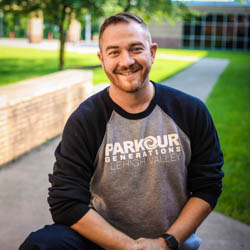
S3 Ep 36Adam McClellan: Business, coaching, and outreach
What are the inherent challenges of growing and monetizing a Parkour community without losing its core values and spirit? 35 episodes and 2 years later, Adam McClellan returns to Movers Mindset. Adam deserves a large measure of credit because he was willing to be the original guinea pig for this crazy experiment. Our first interview was a simple Q&A style but in this episode we have an in depth conversation about the cycles a community goes through, the nature of parkour, and the type of people who are drawn to it. Adam explores the intersection of parkour and business, and how the two coexist, before discussing the nuances of coaching children. He opens up about his knee injury and recovery, his thoughts on normalizing parkour to the public, and different ways to design a parkour gym. "One of the things we value about Parkour is there isn’t that hierarchy and structure in place. It’s just you and me, and we’re hanging out, you don’t have to call me anything— There’s no assumed authority, right? We’re just training together." ~ Adam McClellan (21:40) This conversation explores the growth and evolution of a Parkour community as it transitions from informal outdoor training to a structured business model. The discussion highlights the shifts in community dynamics when money and formal structures are introduced, drawing parallels between martial arts schools and Parkour. Adam reflects on how scaling up often leads to a loss of intimacy and core values, raising questions about whether Parkour can retain its spirit as it grows. Key topics include the role of leadership in shaping community culture, the unavoidable influence of business practices on Parkour, and the challenge of teaching children while preserving the deeper philosophical aspects of the discipline. There is also a focus on personal injuries, their impact on training, and how physical setbacks shape the journey of a Parkour practitioner. Takeaways The growth of Parkour communities — Scaling introduces structure and money, often challenging the core values that initially attract practitioners. Leadership's role in community — The personality and values of leaders heavily influence the community's trajectory and inclusivity. Business and Parkour — Structuring Parkour as a business introduces operational necessities that can shift focus from movement and personal growth to profit and efficiency. Teaching children Parkour — Teaching children emphasizes physical skills over the deeper self-exploration aspect inherent to Parkour for adults. Injury and recovery — Personal injury experiences reshape one's relationship with movement and coaching, often influencing how practitioners train and teach. Cultural perceptions of Parkour — Public perception, especially from institutions like police or schools, shapes the accessibility and acceptance of Parkour in local communities. Community dynamics — Communities inevitably evolve based on the personalities and shared experiences of the core members. Parkour as self-exploration — The practice naturally fosters personal growth and reflection, often leading practitioners to deeper self-awareness. Resources Lehigh Valley Parkour ADAPT Qualifications — Mentioned in the context of coaching certifications for Parkour instructors. David Belle Speed Vault — A classic example of the Parkour speed vault technique referenced during the discussion. (Written with help from Chat-GPT.) --- Hello👋 I'm Craig Constantine. In the Movers Mindset podcast, I talk with movement enthusiasts to learn who they are, what they do, and why they do it. I'm interested in the nature and philosophy of movement and in exploring themes like independence, self-direction, and human excellence. My interests color each conversation and provide some structure to Movers Mindset. But since I like to take the scenic route, every conversation ends up going somewhere unique. The purpose of Movers Mindset is to create and share great conversations with movement enthusiasts. Each conversation feeds my insatiable curiosity, but I share them to turn on a light for someone else, to inspire them, or to give them their next question. I appreciate your time and attention, and I don’t take it for granted. --- Thank you! Want more? Subscribe to the email list for weekly updates—new episodes and archive highlights delivered to your inbox. I invite you to cultivate a meaningful life—through presence, not pursuit. You can learn more about me and all my projects at, https://craigconstantine.com. If you like what I'm doing through Movers Mindset, learn more about becoming a patron. ɕ
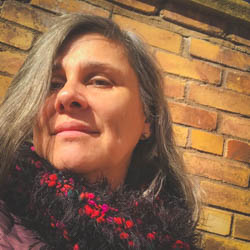
S3 Ep 35Nancy Lorentz: Cancer, PK Move, and parkour spirit
What impact can parkour have on recovery and personal growth after a serious health challenge? Nancy Lorentz opens up about her experience fighting cancer, and the role that parkour played in her recovery. She unpacks how her recovery inspired the idea of PK Move, and shares her ‘parkour origin story.’ Nancy discusses her thoughts on parkour’s growth and spirit, PK Move’s current goals, and finishes with her insights on how to attract older individuals to parkour. "[A]t the time of the diagnosis and going forward from there, I was not thinking about how parkour was part of this until afterward. I think once you are in that situation, you're just going through the steps and getting through the treatment and what you have to do— the surgery or whatever. The fact is that, it did occur to me afterward— I thought, oh my gosh, [yes.] I really do say that parkour saved my life." ~ Nancy Lorentz (5:13) Nancy Lorenz shares her personal journey of surviving cancer and how parkour became a crucial part of her recovery. She describes how the physical and mental resilience built through parkour helped her endure treatment and how this experience inspired her to co-found PK Move, a nonprofit organization dedicated to bringing parkour to underserved communities. The conversation covers her introduction to parkour, the challenges she faced during and after her illness, and how the supportive community around her played a significant role in her healing process. The discussion highlights the mission and vision of PK Move, which focuses on providing adaptive parkour training to individuals who may face barriers to participating in traditional gym environments. Nancy details how PK Move brings parkour directly to people in their own communities, particularly targeting older adults and cancer survivors. Additionally, she reflects on the broader impact of parkour and the importance of preserving its core philosophy as it expands into mainstream fitness spaces. Takeaways Parkour and Recovery — Parkour played a crucial role in aiding physical and mental recovery from cancer. Community Support — A supportive parkour community can make a significant difference during personal health battles. Inspiration for PK Move — Personal experiences with illness and recovery inspired the founding of PK Move to make parkour more accessible. Target Audience — PK Move focuses on underserved communities, including older adults and those facing physical challenges. Health Benefits — Parkour can improve muscle mass, mental resilience, and overall health, which are important for aging populations and cancer survivors. Adaptive Training — PK Move adapts parkour training for people with mobility issues, ensuring inclusivity. Expanding Parkour — The future of parkour may involve integration into mainstream fitness, but maintaining its philosophical roots is essential. Overcoming Stereotypes — Educating the public and challenging misconceptions about parkour can help broaden its appeal to different demographics. Strategic Growth — PK Move aims to scale its PK Silver program to reach more older adults, emphasizing fall prevention and functional fitness. Resources PK Move — A nonprofit organization co-founded by Nancy Lorenz that focuses on bringing adaptive parkour to underserved communities. Urban Evolution — A parkour gym in Alexandria where Nancy Lorenz trained and found support during her recovery. Forever Young Program — A UK-based parkour program focused on older adults, which inspired the PK Silver initiative. National Breast Center Foundation — A foundation supported by PK Move’s fundraising events, helping underinsured women receive cancer care. Tempest Freerunning Academy — A welcoming parkour gym that left a lasting impression on Nancy Lorenz during her travels. (Written with help from Chat-GPT.) --- Hello👋 I'm Craig Constantine. In the Movers Mindset podcast, I talk with movement enthusiasts to learn who they are, what they do, and why they do it. I'm interested in the nature and philosophy of movement and in exploring themes like independence, self-direction, and human excellence. My interests color each conversation and provide some structure to Movers Mindset. But since I like to take the scenic route, every conversation ends up going somewhere unique. The purpose of Movers Mindset is to create and share great conversations with movement enthusiasts. Each conversation feeds my insatiable curiosity, but I share them to turn on a light for someone else, to inspire them, or to give them their next question. I appreciate your time and attention, and I don’t take it for granted. --- Thank you! Want more? Subscribe to the email list for weekly updates—new episodes and archive highlights delivered to your inbox. I invite you to cultivate a meaningful life—through presence, not pursuit. You can learn more about me and all my projects at, https://craigconstantine.com. I
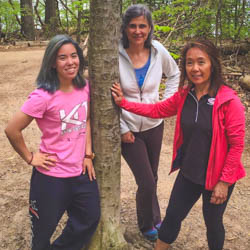
S3 Ep 34PK Move: Community partnership, programs, and seniors
What factors contribute to the success of PK Move’s mission to make Parkour accessible to underserved communities and older adults? PK Move founders Nancy Lorentz, Jean Lam, and Rosy Noguchi sit down to discuss everything PK Move; how they started, the challenges they face as a non-profit, and the unique relationship they have with their community. The team explains PK Move’s mission, the specific groups they serve, and the programs they run, including their PK Silver seniors program. They unpack the details of the recent study conducted on the PK Silver program before delving into the pop-up playground program, and their current goals and opportunities. "We wanted to go to them, people who had some barrier to getting to the gym. Sometimes it is financial. Sometimes it is being intimidated." ~ Nancy Lorentz (10:50) PK Move’s founders discuss their nonprofit’s mission to bring Parkour to underserved populations, particularly seniors and communities with limited access to traditional fitness facilities. They detail the origins of PK Move, describing how personal experiences and a shared passion for Parkour led them to develop programs that focus on inclusivity, confidence-building, and strength development. A major part of their work includes the PK Silver program, designed for older adults, which offers step-by-step Parkour training tailored to the needs of participants with low fitness levels. The conversation explores the challenges PK Move faces as a nonprofit, such as fundraising and obtaining grants. They explain how they forged partnerships with local governments and community organizations to provide free and low-cost classes. The team highlights the success of their recent study, which demonstrates the effectiveness of PK Silver in improving cardiovascular health and strength among participants aged 60 to 80. Additionally, they touch on their pop-up Parkour playground initiative, which brings portable Parkour equipment to community parks to encourage physical activity in children and families. Takeaways PK Move’s origin — The nonprofit was founded to bring the transformative benefits of Parkour to underserved communities. PK Silver program — A structured Parkour program designed for older adults with low levels of physical activity. Community partnerships — PK Move collaborates with city parks and recreation departments to offer outdoor and indoor classes. Fundraising challenges — The organization relies heavily on grants, community donations, and volunteer support to sustain its programs. Accessibility focus — Classes are held in public parks and community spaces, ensuring accessibility for participants who may feel intimidated by traditional gyms. Pop-up playground — PK Move created a portable Parkour playground to engage children and families in physical activity in underserved areas. Health benefits — A university-led study demonstrated improvements in cardiovascular health and strength among PK Silver participants. Volunteers’ role — The majority of PK Move’s classes and programs are run by volunteers, including experienced Parkour coaches. Future goals — PK Move aims to expand to more cities and conduct additional studies to solidify their evidence-based program. Resources PK Move official site — The nonprofit’s website with information on programs, events, and ways to donate or volunteer. American College of Sports Medicine (ACSM) — The organization where PK Move’s study was presented, promoting health and fitness research. Marymount University — Partnered with PK Move to conduct the PK Silver study on older adults. Del Ray Business Association — A local business association that supported PK Move with fundraising and community outreach. Movement Creative — A Parkour organization that inspired and mentored PK Move, providing equipment for their pop-up playground. (Written with help from Chat-GPT.) --- Hello👋 I'm Craig Constantine. In the Movers Mindset podcast, I talk with movement enthusiasts to learn who they are, what they do, and why they do it. I'm interested in the nature and philosophy of movement and in exploring themes like independence, self-direction, and human excellence. My interests color each conversation and provide some structure to Movers Mindset. But since I like to take the scenic route, every conversation ends up going somewhere unique. The purpose of Movers Mindset is to create and share great conversations with movement enthusiasts. Each conversation feeds my insatiable curiosity, but I share them to turn on a light for someone else, to inspire them, or to give them their next question. I appreciate your time and attention, and I don’t take it for granted. --- Thank you! Want more? Subscribe to the email list for weekly updates—new episodes and archive highlights delivered to your inbox. I invite you to cultivate a meaningful life—through presence, not pursuit. You can learn more a
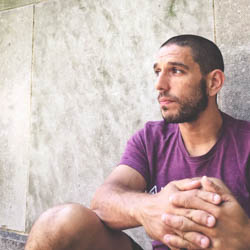
S3 Ep 33Roberto Regueiro Santiago: Rowing, mastery, and games
What are the personal transformations that occur through competitive rowing and movement practices like Parkour? Roberto Regueiro Santiago discusses his years rowing crew, both as an athlete and a coach, and his thoughts on the competitive nature of the sport. Roberto shares how an injury changed his perspective and opened up his possibilities, leading him to Fighting Monkey and parkour. He explains his ideas of mastery, as well as his approach to games and training. "I don't think it's totally necessary to master everything that you do in your own practice. But master something which gives you a deep understanding — what the thing is, [and] feels [like] in the first moment that you feel like that song, like the flow state — is when you really master something." ~ Roberto Rugueiro Santiago (1:29) Roberto Santiago reflects on his journey from competitive rowing to movement disciplines like Parkour and Fighting Monkey. He describes rowing as the first activity where he truly experienced mastery, emphasizing the deep bond and unity formed within rowing teams. Roberto shares how the rigorous nature of rowing, with its intense focus on competition, shaped his understanding of perseverance and teamwork. However, an injury ultimately shifted his priorities, leading him to explore movement practices that prioritize longevity and holistic development over winning. In discussing his transition to Parkour and coaching, Roberto highlights the importance of sharing his passion with others, describing coaching as a way to create training partners and foster community. He values the playful, game-centered approach in Parkour, which contrasts sharply with the rigid, competition-driven world of rowing. Games, he notes, allow for self-exploration, creativity, and growth without the pressure to outperform others, fostering a sustainable and enjoyable practice. Takeaways Mastery through competition — Rowing provided the first experience of mastery, teaching the importance of understanding a discipline deeply. Community in hardship — Growing up in a poor rowing club instilled a sense of responsibility and collective ownership. Injury as transformation — An accident forced a reevaluation of priorities, shifting focus from competition to personal development. Longevity mindset — Parkour introduced the idea of sustainable practice, allowing for rest and self-compassion without fear of falling behind. Games as learning tools — Using games in Parkour creates a playful, low-pressure environment conducive to growth and self-awareness. Rowing's hidden costs — Rowing built strength but also structural imbalances, highlighting the importance of cross-training and mobility work. Coaching for connection — Coaching is not just about teaching but creating peers to share in the practice and maintain engagement. Acceptance of limitations — Aging brings acceptance that not every day will bring improvement, but consistent practice remains vital. Unity in competition — High-level competition fosters respect and camaraderie, even among competitors. Resources The Movement Creative — A Parkour and movement organization where Roberto Santiago coaches and trains. Fighting Monkey — A movement practice that integrates games and physical exploration, significantly influencing Roberto’s training philosophy. (Written with help from Chat-GPT.) --- Hello👋 I'm Craig Constantine. In the Movers Mindset podcast, I talk with movement enthusiasts to learn who they are, what they do, and why they do it. I'm interested in the nature and philosophy of movement and in exploring themes like independence, self-direction, and human excellence. My interests color each conversation and provide some structure to Movers Mindset. But since I like to take the scenic route, every conversation ends up going somewhere unique. The purpose of Movers Mindset is to create and share great conversations with movement enthusiasts. Each conversation feeds my insatiable curiosity, but I share them to turn on a light for someone else, to inspire them, or to give them their next question. I appreciate your time and attention, and I don’t take it for granted. --- Thank you! Want more? Subscribe to the email list for weekly updates—new episodes and archive highlights delivered to your inbox. I invite you to cultivate a meaningful life—through presence, not pursuit. You can learn more about me and all my projects at, https://craigconstantine.com. If you like what I'm doing through Movers Mindset, learn more about becoming a patron. ɕ
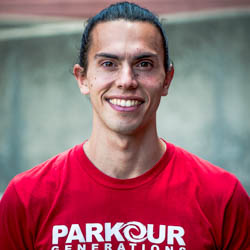
S3 Ep 32Blake Evitt: Travel, community and personal growth
What role does community involvement and accessibility play in shaping inclusive, multigenerational spaces for Parkour and movement practice? Blake Evitt discusses the importance of partnering with your community, creating multigenerational spaces for training, as well as how he does that in his hometown of Boston. He unpacks the influence that traveling had on his training, coaching, and business, as well as his own personal growth. Blake shares his thoughts on a number of subjects, including becoming vegetarian, the ADAPT coaching qualifications, and the United States Parkour Association. "Our goal with the park was to make a multigenerational movement space, not just a place where Parkour can happen but also a place where people can explore and be comfortable." ~ Blake Evitt (3:37) The conversation explores how Parkour can serve as a tool for creating inclusive, multigenerational community spaces. A key focus is the development of public Parkour spaces, particularly in Somerville, Boston, where Parkour generations have helped design and steward municipally funded parks. The dialogue highlights the integration of Parkour for all ages, with specific classes for children, adults, and older practitioners, ensuring accessibility and fostering a communal experience. The discussion underscores the importance of designing spaces that allow for interaction across generations and between different activities, such as skateboarding and basketball. Blake Evitt's personal journey through international travel and cultural exchange plays a significant role in shaping his approach to Parkour and community building. His experiences training with Parkour groups worldwide inform his leadership in Parkour Generations Americas and the growth of Parkour Generations Boston. The interview touches on Evitt's coaching philosophy, the significance of adapting Parkour for older adults, and the broader value of Parkour as a means of personal development, community engagement, and positive social change. Takeaways Community-driven Parkour spaces — The creation of municipally funded Parkour parks can foster multigenerational interaction and community engagement. Inclusivity in coaching — Offering classes for different age groups, including older adults and young children, increases accessibility and broadens participation in Parkour. Travel as professional growth — Exposure to global Parkour communities enriches personal development and informs local initiatives and coaching practices. Public Parkour spaces — Collaborative efforts with city governments to build Parkour spaces ensure long-term stewardship and positive community relations. Adaptive teaching methods — Classes are designed to accommodate varying physical capabilities, promoting longevity and inclusivity in the practice. Cultural exchange through Parkour — Hosting international events like American Rendezvous creates opportunities for idea sharing and global collaboration. Integrating Parkour into family life — Simultaneous adult and children’s classes encourage family participation and deepen community ties. Coaching as a refined skill — Effective Parkour coaching requires development and refinement, similar to technical Parkour skills. The role of competition — Personal goal-setting and competition provide structure and drive for practitioners, complementing non-competitive aspects of Parkour. Resources Parkour Generations Boston — The Boston branch of Parkour Generations, focusing on inclusive community programs and coaching. Parkour Generations Americas — The parent organization overseeing Parkour Generations branches in the U.S., supporting growth and community engagement. American Rendezvous — A large international Parkour event in Boston fostering cross-cultural exchange and community building. Adapt Qualifications — International Parkour coaching certification program, emphasizing structured coaching development. United States Parkour Association (USPK) — National organization fostering collaboration, safety standards, and community growth in the Parkour community. (Written with help from Chat-GPT.) --- Hello👋 I'm Craig Constantine. In the Movers Mindset podcast, I talk with movement enthusiasts to learn who they are, what they do, and why they do it. I'm interested in the nature and philosophy of movement and in exploring themes like independence, self-direction, and human excellence. My interests color each conversation and provide some structure to Movers Mindset. But since I like to take the scenic route, every conversation ends up going somewhere unique. The purpose of Movers Mindset is to create and share great conversations with movement enthusiasts. Each conversation feeds my insatiable curiosity, but I share them to turn on a light for someone else, to inspire them, or to give them their next question. I appreciate your time and attention, and I don’t take it for granted. --- Thank

S3 Ep 31Cordelia Storm: Flips, competition, and representation
What does it mean to make movement more accessible and inclusive for everyone, regardless of background or athletic ability? In this episode Cordelia Storm unpacks her thoughts about accessibility, the effects of a gym on a community, and her motivation for learning flips. She delves into her personal journey, as well as her relationship with competition. Cordelia mentions her documentary project, and finishes by tackling the concepts of gender, age, and representation in the parkour space. "In that moment I realized that my voice did matter. Now what? From then on, that just became a big passion— to have people love movement, love feeling their bodies, and like playing." ~ Cordelia Storm (30:55) The conversation centers on the transformative power of parkour, not just as a physical discipline but as a tool for personal growth, inclusivity, and empowerment. Cordelia Storm shares her journey into parkour, starting from a background in theater and video games, and how the practice helped her overcome personal struggles, including bulimia. A large part of the discussion revolves around how parkour promotes accessibility and how Cordelia works to make movement available to a wider audience. She highlights how parkour shifted her relationship with her body, turning exercise from a punitive activity into a joyful and empowering experience. Another key topic explored is the emotional impact of losing a community gym and how it challenged the parkour community to adapt and rebuild. Cordelia discusses the importance of outdoor classes and fostering micro-communities within them to maintain connection and continuity. The conversation also touches on gender representation in parkour, the evolving nature of competition, and the broader social and cultural implications of making movement inclusive. Cordelia’s passion for flips and overcoming fear is used as a metaphor for confronting personal barriers, showing how physical challenges in parkour mirror deeper internal struggles and victories. Takeaways Losing a community gym — The closure of Parkour Visions' physical gym space profoundly affected the local community, forcing adaptations in teaching and community building. Empowering coaches — Building smaller community hubs within classes strengthens the overall parkour community even in the absence of a central gym. Flips as self-overcoming — Flips in parkour symbolize confronting personal fears and limitations, reflecting broader themes of self-growth and perseverance. Movement for healing — Parkour provided Cordelia with a path to body acceptance and a healthier self-image after struggling with bulimia. Representation in parkour — Having visible female athletes and coaches plays a crucial role in encouraging more women to participate in parkour. The value of competition — Competitions offer opportunities for growth, but can initially feel intimidating and exclusionary, requiring a shift in mindset. Accessible movement — Parkour needs to be reimagined beyond elite skills, making even basic movements relatable to those new to the discipline. Emotional vulnerability — Parkour offers men and women spaces to explore vulnerability and overcome ego, fostering deeper emotional intelligence. Resources Parkour Visions — The gym and organization where Cordelia started parkour and continues to teach. Art of Retreat — A parkour leadership gathering frequently referenced in the conversation. Movement Creative — A community-focused parkour organization associated with Caitlin Pontrella. APEX School of Movement — A parkour gym where Cordelia worked as head coach. Vancouver Film School — The institution where Cordelia studied film before discovering parkour. (Written with help from Chat-GPT.) --- Hello👋 I'm Craig Constantine. In the Movers Mindset podcast, I talk with movement enthusiasts to learn who they are, what they do, and why they do it. I'm interested in the nature and philosophy of movement and in exploring themes like independence, self-direction, and human excellence. My interests color each conversation and provide some structure to Movers Mindset. But since I like to take the scenic route, every conversation ends up going somewhere unique. The purpose of Movers Mindset is to create and share great conversations with movement enthusiasts. Each conversation feeds my insatiable curiosity, but I share them to turn on a light for someone else, to inspire them, or to give them their next question. I appreciate your time and attention, and I don’t take it for granted. --- Thank you! Want more? Subscribe to the email list for weekly updates—new episodes and archive highlights delivered to your inbox. I invite you to cultivate a meaningful life—through presence, not pursuit. You can learn more about me and all my projects at, https://craigconstantine.com. If you like what I'm doing through Movers Mindset, learn more about becoming a patron. ɕ
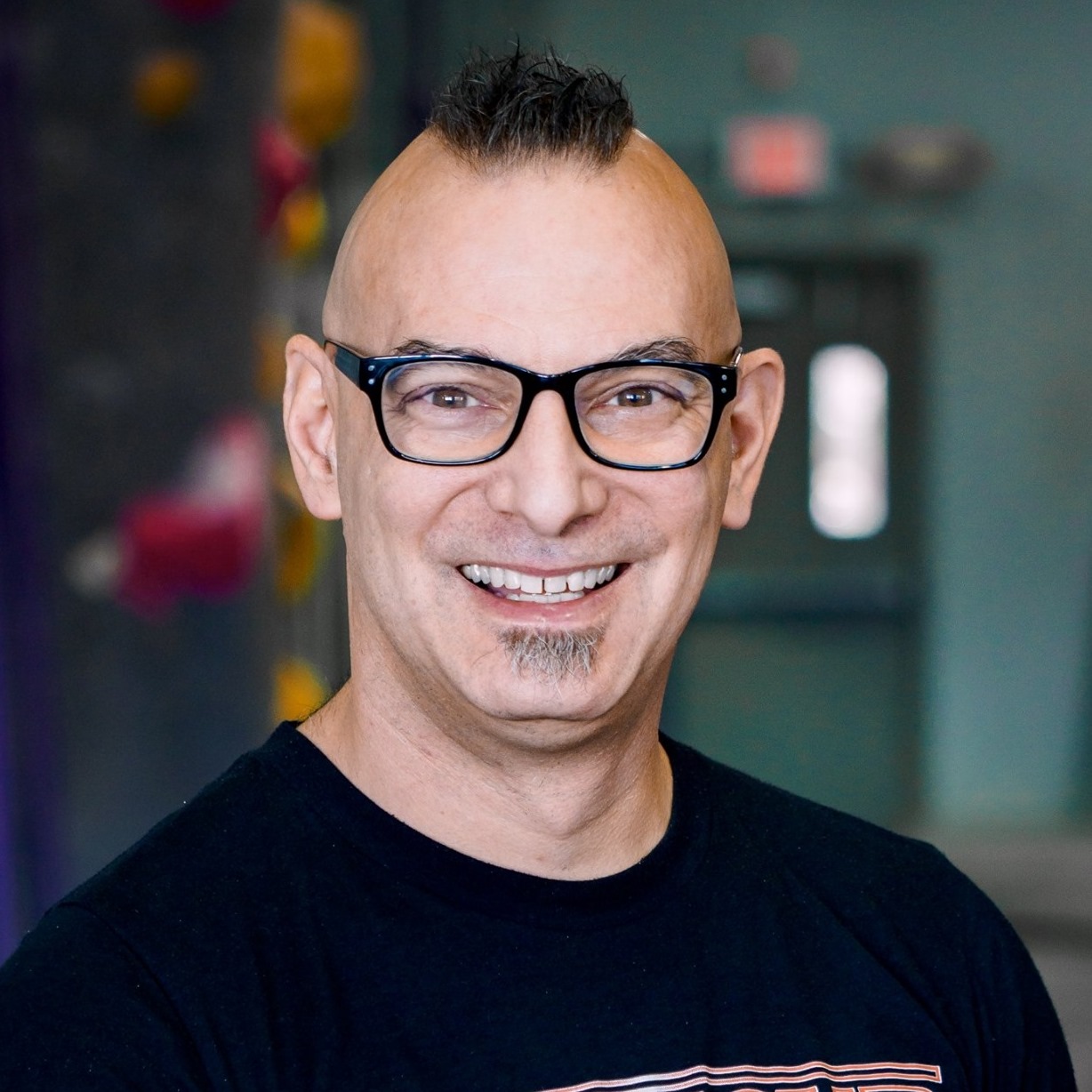
S3 Ep 30Mark Toorock: Commercialization, representation, and play
EWhat role should competition and commercialization play in shaping the future of Parkour? Mark Toorock shares his thoughts on the commercialization of parkour, FIG and competitions, as well as the direction parkour is headed. He also opens up about his personal goals for parkour, raising the socially acceptable age of play, and how he sees himself within the community. Mark wraps up by discussing the power of parkour to benefit all people. "The thing for me about Parkour is, if I can make one person that used to walk with their head down, walk with their head up, that’s the change in the world. We don't change the world, we change a person." ~ Mark Toorock (32:32) The conversation explores the evolving landscape of Parkour, focusing on commercialization, competition, and the community's shifting mindset. Mark Toorock reflects on the initial resistance within the Parkour community to monetization and contrasts it with the growing acceptance as practitioners age and recognize the need to sustain their passion financially. The discussion highlights the complexity of maintaining Parkour’s spirit while enabling financial opportunities, drawing parallels to artists who monetize their craft without compromising authenticity. Competition is another critical focus, with Mark advocating for a non-competitive foundation in Parkour while embracing competitions based on Parkour movements. He stresses that competition need not undermine the spirit of Parkour and can coexist with a community-driven, collaborative ethos. The conversation touches on the potential risks of external organizations, like the International Gymnastics Federation, attempting to control Parkour competitions and the broader implications for public perception. Additionally, Mark emphasizes the importance of maintaining play as a socially acceptable activity for adults, advocating for a culture that values lifelong movement and exploration. Takeaways Commercialization of Parkour — The community’s initial aversion to making money from Parkour has shifted as practitioners recognize the need to sustain their involvement. Parkour as a Profession — Many who once resisted monetization now seek ways to make Parkour their career, reflecting personal growth and practical needs. Competition and Parkour — Parkour can remain non-competitive at its core while allowing competitions to highlight athleticism and skill. Dual Nature of Competitions — Competitions can coexist with the collaborative, non-competitive practice of Parkour without diminishing the community spirit. External Influence — There is concern over outside organizations, like FIG, attempting to co-opt Parkour for profit or recognition, which could misrepresent the practice. Cultural Impact — Parkour’s visibility and public perception could change significantly through organized competitions at national and international levels. Parkour for All Ages — The practice spans generations, with both young children and seniors benefiting from participation. Social Norms and Play — Mark’s mission is to normalize play for adults, challenging societal norms that discourage play as people age. Inclusivity in Parkour — Parkour creates a space where background, age, and social differences dissolve, fostering unity and shared experience. Resources American Parkour — The organization founded by Mark Toorock, dedicated to promoting Parkour through training, events, and education. Urban Freeflow — One of the foundational Parkour organizations co-founded by Mark Toorock, contributing to Parkour’s spread globally. (Written with help from Chat-GPT.) --- Hello👋 I'm Craig Constantine. In the Movers Mindset podcast, I talk with movement enthusiasts to learn who they are, what they do, and why they do it. I'm interested in the nature and philosophy of movement and in exploring themes like independence, self-direction, and human excellence. My interests color each conversation and provide some structure to Movers Mindset. But since I like to take the scenic route, every conversation ends up going somewhere unique. The purpose of Movers Mindset is to create and share great conversations with movement enthusiasts. Each conversation feeds my insatiable curiosity, but I share them to turn on a light for someone else, to inspire them, or to give them their next question. I appreciate your time and attention, and I don’t take it for granted. --- Thank you! Want more? Subscribe to the email list for weekly updates—new episodes and archive highlights delivered to your inbox. I invite you to cultivate a meaningful life—through presence, not pursuit. You can learn more about me and all my projects at, https://craigconstantine.com. If you like what I'm doing through Movers Mindset, learn more about becoming a patron. ɕ

S3 Ep 29Emily Tung: Breaking, puppetry, and unsolicited advice
What motivates someone to push beyond personal limits in dance, Parkour, and other movement disciplines to achieve mastery? Emily Tung shares her journey and goals in both breaking and parkour, as well as the differences between those two practices and communities. She also discusses her diverse movement practices, from stunt work, contortion, to pole dancing, as well as her lesser known skills in puppetry. Emily finishes by unpacking her thoughts on coaching, unsolicited advice, and speaking up for yourself. "For me then, it's not about what is the correct or right way. It's, what is your goal? And what's your body like? And what can I do, and what applies best, and I have to decide that I have to be strong about that. I think that was another plateau. I had it back in my old life where I always listened to exactly what I was told." ~ Emily Tung (56:13) The conversation explores how committing to ambitious goals reshapes personal habits, training, and overall lifestyle. Emily recounts how a decision to pursue world-level breakdancing battles triggered a broader transformation, leading to better nutrition, rest, and learning from mentors. This commitment highlighted the importance of focus and intentionality in practice, contrasting with periods of stagnant growth when goals were less defined. The discussion also touches on the cross-disciplinary nature of movement arts, showing how Parkour, dance, and martial arts influence each other. Emily reflects on how Parkour provided a sense of community and freedom not always found in the dance world, fostering creativity and resilience. The journey through stunt work, puppetry, and contortion further illustrates the diverse ways movement disciplines intersect, shaping not just physical skills but also mental perspectives and personal identity. Takeaways The value of clear goals — Committing to ambitious targets reshapes training, habits, and lifestyle. The importance of mentorship — Seeking knowledge from those already on the path accelerates growth and insight. Cross-disciplinary learning — Parkour, dance, and martial arts inform and enhance each other, enriching overall movement capacity. Community impact — Parkour provides acceptance and connection, contrasting with more judgmental environments in dance. Injury prevention — Understanding progressions and conditioning transforms how to train sustainably and avoid long-term damage. Stunt work insights — Success in stunts relies on spatial awareness, timing, and the ability to "sell" movements realistically. Adaptability in movement — Flexibility and contortion expand creative possibilities in Parkour and dance. The challenge of unsolicited advice — Navigating unwanted input from less experienced peers requires tact and boundary-setting. Resources Brooklyn Zoo Gym — Training facility where the guest developed contortion and Parkour skills. Swedish Cottage Marionette Theatre — Puppetry venue where the guest performed. Max Henry @maxhenryparkour Caitlin Pontrella — Organizer of women’s Parkour events in New York. HRC Crew @hrchybridcrew — Influential dance crew in Taiwan, significant to the guest’s early inspiration in breakdancing. (Written with help from Chat-GPT.) --- Hello👋 I'm Craig Constantine. In the Movers Mindset podcast, I talk with movement enthusiasts to learn who they are, what they do, and why they do it. I'm interested in the nature and philosophy of movement and in exploring themes like independence, self-direction, and human excellence. My interests color each conversation and provide some structure to Movers Mindset. But since I like to take the scenic route, every conversation ends up going somewhere unique. The purpose of Movers Mindset is to create and share great conversations with movement enthusiasts. Each conversation feeds my insatiable curiosity, but I share them to turn on a light for someone else, to inspire them, or to give them their next question. I appreciate your time and attention, and I don’t take it for granted. --- Thank you! Want more? Subscribe to the email list for weekly updates—new episodes and archive highlights delivered to your inbox. I invite you to cultivate a meaningful life—through presence, not pursuit. You can learn more about me and all my projects at, https://craigconstantine.com. If you like what I'm doing through Movers Mindset, learn more about becoming a patron. ɕ
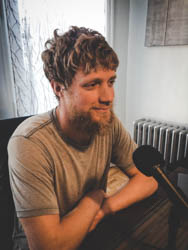
S2 Ep 28Chris Moran: Movement, permaculture, and pain theory
What draws people away from conventional careers and into lives centered on movement, manual labor, and holistic living? Chris Moran discusses his unique path from personal trainer to farmer, and the relationship between movement and farming. He shares his insights on chronic pain and pain theory, as well as how his training and coaching has become deeply rooted in permaculture. Chris ends by describing his continuing passion for film making and creative projects. "Stay outside. It's not, go outside, it's stay outside. Should have never went in, in the first place." ~ Chris Moran (37:40) The conversation explores the journey of transitioning from urban life and personal training to farming and manual labor. It highlights how engaging with nature and physical tasks provides fulfillment beyond traditional fitness routines. The discussion touches on the serendipitous path that led to farming, the connections made along the way, and how these experiences reshaped views on movement and training. Key topics include the relationship between manual labor and physical movement, the philosophy of holistic farming practices like permaculture, and how immersive experiences can alter perspectives on wellness and pain. The dialogue also reflects on the challenges of chronic pain, the psychological factors contributing to it, and how shifting to a lifestyle focused on play and practical tasks helped alleviate it. The conversation closes by touching on filmmaking and community building as extensions of this holistic approach. Takeaways The role of serendipity — Unplanned encounters and connections can lead to life-changing career shifts. Movement in manual labor — Engaging in physical work offers a different but equally fulfilling form of movement compared to traditional training. Parkour as a mindset — Movement practices like Parkour shape broader approaches to life, even when not practiced formally. Pain science insights — Understanding pain through a biopsychosocial model can alter how chronic pain is managed and perceived. Permaculture and sustainability — Farming practices rooted in sustainability and regeneration foster holistic wellness. Community around food — Building community through shared labor and food ties people to place and each other. Teaching through play — Guiding adults and children in play-based movement fosters deeper engagement with physical activity. Filmmaking as storytelling — Documenting farm life through film creates a lasting record and strengthens community bonds. Resources Cherry Valley Cooperative — The farm where the guest lives and works, practicing permaculture and holistic wellness. Cherry Valley Films on YouTube — Monthly videos documenting farm life and seasonal changes. Princeton Waldorf School — The school where the guest teaches movement and play-based classes. The Watershed Institute — An environmental advocacy and education organization the guest collaborates with through filmmaking. The Movement Creative — A Parkour and movement-based community and teaching platform in New York City. (Written with help from Chat-GPT.) --- Hello👋 I'm Craig Constantine. In the Movers Mindset podcast, I talk with movement enthusiasts to learn who they are, what they do, and why they do it. I'm interested in the nature and philosophy of movement and in exploring themes like independence, self-direction, and human excellence. My interests color each conversation and provide some structure to Movers Mindset. But since I like to take the scenic route, every conversation ends up going somewhere unique. The purpose of Movers Mindset is to create and share great conversations with movement enthusiasts. Each conversation feeds my insatiable curiosity, but I share them to turn on a light for someone else, to inspire them, or to give them their next question. I appreciate your time and attention, and I don’t take it for granted. --- Thank you! Want more? Subscribe to the email list for weekly updates—new episodes and archive highlights delivered to your inbox. I invite you to cultivate a meaningful life—through presence, not pursuit. You can learn more about me and all my projects at, https://craigconstantine.com. If you like what I'm doing through Movers Mindset, learn more about becoming a patron. ɕ
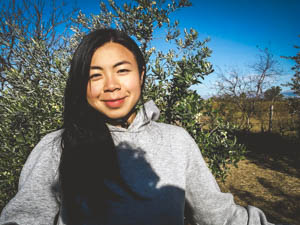
S2 Ep 27Mandy Lam: Community, travel, and self reflection
What motivates individuals to embark on journeys that are deeply personal, yet intricately tied to the people and communities they encounter along the way? Mandy Lam dives right into discussion about her travels, the characters she’s met and communities she has visited. She and Craig discuss the ethos and spirit of Évry Move, where they sat down to talk, as well as their experiences with the Yamakasi. Mandy also shares her thoughts on what makes a good community, the importance of solo training and self reflection, and finally gets around to discussing her major concussion. "It’s always the people. Even from the beginning, before my trip, it was always about the people." ~ Mandy Lam (7:34) This conversation is a free-flowing discussion that centers on the intersections of travel, community, and personal growth. The dialogue reveals how connections with people—rather than places—become the driving force behind journeys. It highlights the serendipity of meeting individuals who profoundly shape one’s experiences and offers reflections on how cultural practices and storytelling enrich these encounters. The discussion also examines broader themes such as how physical practices like Parkour serve as a medium for forming relationships and navigating personal narratives. It touches upon the challenges and rewards of creating and participating in events that foster community, drawing from specific examples like the North American Women’s Jam and training gatherings in Europe. Takeaways The essence of travel — Experiences are shaped more by the people encountered than the destinations themselves. Curiosity as a driver — Following personal curiosity leads to deeper connections and richer experiences. The power of communities — Communities often transcend geographical and cultural boundaries, fostering inclusivity and shared purpose. Storytelling and connection — Sharing stories serves as a bridge between individuals and cultures. Importance of shared practices — Activities like Parkour create unique opportunities for collaboration and mutual growth. Flexibility in journeys — Approaching travel without rigid plans opens space for unexpected, meaningful interactions. Emotional resonance in events — Events focused on community foster deep emotional connections among participants. Resources Évry Move event — Annual gathering in Évry, France, focusing on community and physical training. (Written with help from Chat-GPT.) --- Hello👋 I'm Craig Constantine. In the Movers Mindset podcast, I talk with movement enthusiasts to learn who they are, what they do, and why they do it. I'm interested in the nature and philosophy of movement and in exploring themes like independence, self-direction, and human excellence. My interests color each conversation and provide some structure to Movers Mindset. But since I like to take the scenic route, every conversation ends up going somewhere unique. The purpose of Movers Mindset is to create and share great conversations with movement enthusiasts. Each conversation feeds my insatiable curiosity, but I share them to turn on a light for someone else, to inspire them, or to give them their next question. I appreciate your time and attention, and I don’t take it for granted. --- Thank you! Want more? Subscribe to the email list for weekly updates—new episodes and archive highlights delivered to your inbox. I invite you to cultivate a meaningful life—through presence, not pursuit. You can learn more about me and all my projects at, https://craigconstantine.com. If you like what I'm doing through Movers Mindset, learn more about becoming a patron. ɕ
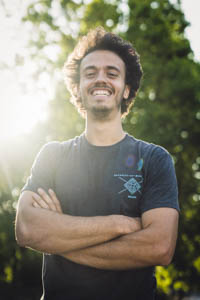
S2 Ep 26Marcello Palozzo: Strength and conditioning, teaching, and learning
What are the principles and practices that lead to personal growth, meaningful teaching, and effective learning in physical disciplines? Marcello Palozzo discusses his studies in the area of strength and conditioning, his relationship with Ido Portal, and how to capture information to optimize your learning. He shares his insights on teaching and learning, discussing the responsibilities of a teacher. Marcello explains how he found his current path, as well as his goals and plans for the future. "True learning should be emotional. Unless there is that element as well in it, something is missing." ~ Marcello Palozzo (5:10) Marcello discusses his approach to integrating diverse fields of knowledge, including parkour, strength training, and the methodologies learned from his master's degree studies and training with Ido Portal. He emphasizes the importance of stepping out of comfort zones and creating routines that challenge both physical and emotional boundaries. His philosophy underscores the need for learning to have an emotional component to ensure genuine and impactful growth. The conversation also explores Marcello’s teaching methods, advocating for learners to actively engage with material by organizing and revisiting it, rather than passively consuming information. Marcello shares his experiences of redefining his career path, abandoning pharmacy studies, and committing fully to movement disciplines. Marcello reflects on the significance of mentorship, community, and continuous exploration in personal and professional development. Takeaways Stepping out of comfort zones — Regularly challenging oneself emotionally and physically is key to growth. Emotional learning — True learning involves an emotional connection for lasting impact. Active information processing — Categorizing, mapping, and revisiting material enhances learning sustainability. Role of mentorship — Following dedicated experts provides depth and structure to learning. The value of community — Collective problem-solving and shared experiences accelerate development. Sustainable practices — Balancing different training modalities ensures long-term engagement. Personal transformation — Bold decisions can reshape one's career and life direction. Weakness as a strength — Addressing personal weaknesses is essential for holistic improvement. Fluid planning — Flexibility in goals allows adaptation to unexpected life changes. Resources Ido Portal — A key mentor in Marcello’s journey, offering clarity and progression in movement practices. ParkourWave Association — Co-founded by Marcello, this organization promotes parkour and its principles in Italy. (Written with help from Chat-GPT.) --- Hello👋 I'm Craig Constantine. In the Movers Mindset podcast, I talk with movement enthusiasts to learn who they are, what they do, and why they do it. I'm interested in the nature and philosophy of movement and in exploring themes like independence, self-direction, and human excellence. My interests color each conversation and provide some structure to Movers Mindset. But since I like to take the scenic route, every conversation ends up going somewhere unique. The purpose of Movers Mindset is to create and share great conversations with movement enthusiasts. Each conversation feeds my insatiable curiosity, but I share them to turn on a light for someone else, to inspire them, or to give them their next question. I appreciate your time and attention, and I don’t take it for granted. --- Thank you! Want more? Subscribe to the email list for weekly updates—new episodes and archive highlights delivered to your inbox. I invite you to cultivate a meaningful life—through presence, not pursuit. You can learn more about me and all my projects at, https://craigconstantine.com. If you like what I'm doing through Movers Mindset, learn more about becoming a patron. ɕ
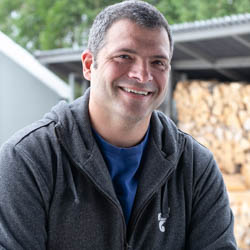
S2 Ep 25Craig Constantine: Podcast origin, Movers Mindset past, present, and future
In a reversal of roles, this episode features Craig as the guest, interviewed by Movers Mindset's production manager, Kristen. They discuss all things related to the podcast, from its origin, how we got to where we are, and the unseen difficulty involved in "just making a podcast." Craig opens up about why he chose to make a podcast, what it means to him, and where he hopes to take it. For more information on this episode, go to https://moversmindset.com/25 --- Hello👋 I'm Craig Constantine. In the Movers Mindset podcast, I talk with movement enthusiasts to learn who they are, what they do, and why they do it. I'm interested in the nature and philosophy of movement and in exploring themes like independence, self-direction, and human excellence. My interests color each conversation and provide some structure to Movers Mindset. But since I like to take the scenic route, every conversation ends up going somewhere unique. The purpose of Movers Mindset is to create and share great conversations with movement enthusiasts. Each conversation feeds my insatiable curiosity, but I share them to turn on a light for someone else, to inspire them, or to give them their next question. I appreciate your time and attention, and I don’t take it for granted. --- Thank you! Want more? Subscribe to the email list for weekly updates—new episodes and archive highlights delivered to your inbox. I invite you to cultivate a meaningful life—through presence, not pursuit. You can learn more about me and all my projects at, https://craigconstantine.com. If you like what I'm doing through Movers Mindset, learn more about becoming a patron. ɕ
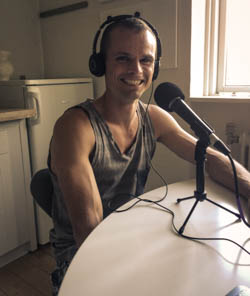
S2 Ep 24Martin Kallesøe: Coaching, coffee, and Street Movement
What lessons can we learn from integrating Parkour into structured educational settings and promoting personal growth through physical movement? In this episode of Movers Mindset, Craig talks with Martin Kallesøe of Street Movement. They discuss Martin’s unique introduction to parkour, his thoughts on coaching, and Danish Parkour’s coffee culture. He also touches on his first experiences with the Yamakasi, as well as the history and culture of Street Movement and the International Gathering at Gerlev. "Don’t lose joy. If you lose joy in Parkour, don’t quit. Tone it down, keep doing it, but do something else a lot for a while." ~ Martin Kallesøe (37:10) The conversation explores the transformative journey of integrating Parkour into both personal practice and educational frameworks. It begins with the guest's early exposure to Parkour during his university years in Denmark and traces his path to co-founding Street Movement. The discussion includes the philosophical underpinnings of Parkour, emphasizing self-discovery, collaboration, and adaptability. These principles are highlighted as crucial for teaching others while maintaining the joy of practice. Further topics include the challenges and rewards of incorporating Parkour into academic settings, such as fostering peer learning and designing flexible curricula. The conversation also touches on the broader implications of creating inclusive learning environments, the role of international connections in evolving the discipline, and the need for mindfulness in both teaching and training. Takeaways Teaching through collaboration — The importance of peer-to-peer learning in Parkour education. Bringing Parkour into schools — Challenges and successes of introducing Parkour into structured educational settings. Resilience and creativity — Using movement challenges to foster adaptability and innovative thinking. Cultural shifts in coaching — Moving away from performance-driven goals toward intrinsic growth and curiosity. Integrating physical disciplines — Drawing insights from other activities to keep Parkour practice fresh and joyful. Philosophy of movement — Viewing Parkour as more than just physical practice, emphasizing life lessons and mindfulness. Iterative development in education — Adapting teaching methods based on participant feedback and small, meaningful changes. Resources Movers Mindset Podcast Episode 24 — The podcast episode featuring this conversation. Street Movement — The organization co-founded by the guest to promote Parkour and creative movement. Yamakasi — A founding group of Parkour practitioners referenced in the discussion. (Written with help from Chat-GPT.) --- Hello👋 I'm Craig Constantine. In the Movers Mindset podcast, I talk with movement enthusiasts to learn who they are, what they do, and why they do it. I'm interested in the nature and philosophy of movement and in exploring themes like independence, self-direction, and human excellence. My interests color each conversation and provide some structure to Movers Mindset. But since I like to take the scenic route, every conversation ends up going somewhere unique. The purpose of Movers Mindset is to create and share great conversations with movement enthusiasts. Each conversation feeds my insatiable curiosity, but I share them to turn on a light for someone else, to inspire them, or to give them their next question. I appreciate your time and attention, and I don’t take it for granted. --- Thank you! Want more? Subscribe to the email list for weekly updates—new episodes and archive highlights delivered to your inbox. I invite you to cultivate a meaningful life—through presence, not pursuit. You can learn more about me and all my projects at, https://craigconstantine.com. If you like what I'm doing through Movers Mindset, learn more about becoming a patron. ɕ
S2 Ep 23Stany Boulifard Mallet: Art du Déplacement, the Yamakasi, and motivation
What is the deeper philosophy behind Art du Déplacement, and how does it shape both movement practice and personal growth? Stany Boulifard Mallet sits down with Craig to discuss his Art du Déplacement (ADD) journey, his practice, and his relationship with the founders. He shares how he met the Yamakasi, and the impact that they have had on his training over the years. Stany also unpacks his thoughts on the motivation behind ADD and his own reasons for training. "You can choose to be ready; you can choose to train." ~ Stany Boulifard Mallet (18:20) The conversation explores the philosophy and practices of Art du Déplacement, focusing on its origins with the Yamakasi and their transformative approach to movement. Stany shares his personal journey, from discovering the discipline as a teenager inspired by the Yamakasi movie, to training under the founders. He reflects on the mental, emotional, and physical dimensions of the practice, emphasizing how it cultivates self-awareness and connection. A significant portion of the discussion digs into specific training methods, such as the "be ready in an instant" exercise, and the importance of aligning spirit, body, and heart in movement. Stany also highlights the ethos of humility and humanity demonstrated by the founders, and how their teaching extends beyond physicality to deeper questions about purpose and emotional connection in life. Takeaways The transformative impact of Art du Déplacement — The discipline offers a path to personal growth through intentional movement. The origins of the Yamakasi — A group of friends developed a philosophy centered on mind-body connection and emotional resilience. The philosophy of choosing — Training focuses on active choice rather than passivity, reinforcing intention and self-determination. Training with emotional awareness — Participants are encouraged to connect their movements to their emotions and purpose. The role of humility — Despite their fame, the Yamakasi founders embody humility and prioritize meaningful connections. The mental aspect of practice — Training involves psychological exercises to cultivate presence and focus. The importance of novelty — Constantly seeking new challenges fosters growth and keeps the practice fresh. The quest for understanding — Both personal and scientific approaches inform the guest's movement practice. Resources Yamakasi Movie — A blockbuster film that introduced Art du Déplacement to a global audience. Yamakasi University of Nantes — Where the guest teaches and integrates Art du Déplacement with sports sciences. (Written with help from Chat-GPT.) --- Hello👋 I'm Craig Constantine. In the Movers Mindset podcast, I talk with movement enthusiasts to learn who they are, what they do, and why they do it. I'm interested in the nature and philosophy of movement and in exploring themes like independence, self-direction, and human excellence. My interests color each conversation and provide some structure to Movers Mindset. But since I like to take the scenic route, every conversation ends up going somewhere unique. The purpose of Movers Mindset is to create and share great conversations with movement enthusiasts. Each conversation feeds my insatiable curiosity, but I share them to turn on a light for someone else, to inspire them, or to give them their next question. I appreciate your time and attention, and I don’t take it for granted. --- Thank you! Want more? Subscribe to the email list for weekly updates—new episodes and archive highlights delivered to your inbox. I invite you to cultivate a meaningful life—through presence, not pursuit. You can learn more about me and all my projects at, https://craigconstantine.com. If you like what I'm doing through Movers Mindset, learn more about becoming a patron. ɕ
S2 Ep 22John ‘Hedge’ Hall: Scottish viewpoint, cultures, and society
What lessons can parkour teach about culture, education, and personal development? Craig travels to Edinburgh, Scotland to interview John “Hedge” Hall about the culture of parkour, his ideas on how Scotland views parkour, and his own personal movement journey. Hedge unpacks how different cultures and societies adapt parkour to fit them and the impact of cultural norms on their practice. Touching a bit on coaching, Hedge discusses the impact of educational environments on his students. "Parkour is shaped like the hole that people feel is missing in their society." ~ John 'Hedge' Hall (12:00) The conversation explores the cultural nuances of parkour, showing how it adapts to the societal needs of different regions. It examines the contrasting competitive nature of parkour in the United States versus its integration into daily life and education in Scotland. Insights from anthropological studies are discussed, highlighting how parkour serves as a response to societal gaps, shaped by local culture. The discussion shifts to pedagogy, with an emphasis on using parkour as a tool for inclusive education. It explains the value of teaching novices through inflexible concepts while gradually introducing flexible ones as they gain experience. Practical examples include introducing parkour into schools to foster natural play and physical development. The speaker also shares personal reflections on self-improvement and the importance of honesty in building habits, tying it to broader life lessons. Takeaways Parkour and culture — Parkour adapts to the unique cultural norms of each society, reflecting local values and needs. Teaching parkour — Effective parkour education emphasizes inclusive practices, starting with simple, structured techniques. Flexible versus inflexible concepts — Novices learn best with clear, specific instructions, while experts thrive on adaptable, abstract ideas. Integration into education — Parkour can enhance physical education by encouraging natural play and skill development. Habit tracking — Monitoring personal behaviors fosters self-awareness and enables lasting habit formation. Self-improvement — Reflection and honest evaluation are essential for personal growth and effectiveness as a teacher. Role of play — Play is critical for physical and mental development, serving as a form of practice for life skills. Passion for teaching — Excellence in teaching requires dedication, constant learning, and adaptability. Resources Alex Pavlotski's research on parkour — A global anthropological study on parkour communities and their cultural significance. Access Parkour — The organization promoting parkour education and inclusivity in Scotland. Headspace app — A resource for learning meditation and building mindfulness habits. (Written with help from Chat-GPT.) --- Hello👋 I'm Craig Constantine. In the Movers Mindset podcast, I talk with movement enthusiasts to learn who they are, what they do, and why they do it. I'm interested in the nature and philosophy of movement and in exploring themes like independence, self-direction, and human excellence. My interests color each conversation and provide some structure to Movers Mindset. But since I like to take the scenic route, every conversation ends up going somewhere unique. The purpose of Movers Mindset is to create and share great conversations with movement enthusiasts. Each conversation feeds my insatiable curiosity, but I share them to turn on a light for someone else, to inspire them, or to give them their next question. I appreciate your time and attention, and I don’t take it for granted. --- Thank you! Want more? Subscribe to the email list for weekly updates—new episodes and archive highlights delivered to your inbox. I invite you to cultivate a meaningful life—through presence, not pursuit. You can learn more about me and all my projects at, https://craigconstantine.com. If you like what I'm doing through Movers Mindset, learn more about becoming a patron. ɕ
S2 Ep 21Ville Leppanen: Life-long learning, coaching, and intervals
What lessons can we learn about personal growth, community building, and training innovation through parkour? Craig sits down to interview Ville Leppanen, a lifelong learner and member of the Finnish Parkour community. Ville discusses how he uses different tools in his coaching, how to work smarter instead of harder, and how he uses interval training to help him in parkour. Finally, Ville touches on how his coaching has evolved over the years and how his teaching has helped him learn things about himself. "For me, the process is, 'okay, I have this idea and… I have no idea…' Is it any good? Will it work? Will it be interesting? But what the hell, let's give it a go!" ~ Ville Leppanen (4:00) The conversation highlights Ville Leppanen's innovative approach to coaching, focusing on using tools, questions, and unconventional methods to inspire curiosity and adaptability in training. Ville shares his perspective on integrating scientific principles into parkour, aiming to combine rigorous research with the sport’s creative essence. Discussions also touch on interval training strategies for maximizing physical performance while balancing intensity and recovery. The dialogue explores the Finnish parkour community's cohesiveness, influenced by cultural tendencies toward collaboration and organization. Ville reflects on how confrontation and cultural differences affect community dynamics. He emphasizes the value of stepping outside the parkour bubble by exploring other disciplines, fostering a holistic movement practice, and gaining new insights to improve coaching and community-building efforts. Takeaways Ville’s philosophy on tools — Using simple objects in creative ways enhances learning and training processes. Interval training — Tailoring work-rest cycles to optimize endurance and intensity in parkour practice. Finnish parkour community — Unified by collaboration and early organization, reflecting Finnish cultural traits. Confrontation avoidance — Addressing how cultural norms shape community interactions and growth. Questions as tools — Facilitating personal and student growth by fostering curiosity rather than providing answers. Exploring diverse disciplines — Engaging with other activities enriches perspectives and enhances movement skills. Long-term physical goals — Prioritizing sustainable, playful training to ensure lifelong movement capability. Family classes in parkour — A Finnish innovation promoting intergenerational bonding through shared movement experiences. Resources American Rendezvous — A well-organized parkour event Ville attended, noted for its professionalism. Supreme Parkour Armageddon — An annual Finnish parkour event known for its evolving, humorous naming tradition. Parkour Generations — Features coaching and events that Ville mentioned as impactful early in his training. Sisu — A Finnish concept of perseverance and resilience, central to Ville's outlook. (Written with help from Chat-GPT.) --- Hello👋 I'm Craig Constantine. In the Movers Mindset podcast, I talk with movement enthusiasts to learn who they are, what they do, and why they do it. I'm interested in the nature and philosophy of movement and in exploring themes like independence, self-direction, and human excellence. My interests color each conversation and provide some structure to Movers Mindset. But since I like to take the scenic route, every conversation ends up going somewhere unique. The purpose of Movers Mindset is to create and share great conversations with movement enthusiasts. Each conversation feeds my insatiable curiosity, but I share them to turn on a light for someone else, to inspire them, or to give them their next question. I appreciate your time and attention, and I don’t take it for granted. --- Thank you! Want more? Subscribe to the email list for weekly updates—new episodes and archive highlights delivered to your inbox. I invite you to cultivate a meaningful life—through presence, not pursuit. You can learn more about me and all my projects at, https://craigconstantine.com. If you like what I'm doing through Movers Mindset, learn more about becoming a patron. ɕ
S2 Ep 20Sebastien Foucan (Part 3 of 3): Movement journey, path to truth, and coaching styles
What are the deeper implications of autonomy, curiosity, and the evolving dynamics of coaching within the context of parkour and personal exploration? In the final part of our 3-part interview with Sebastien Foucan, Craig and Seb continue to discuss his movement journey. Sebastien brings to light what he sees as his “Path To Truth.” They discuss his relationship with learning, different coaching styles, and wrap up with Sebastien’s three words. "I'm an explorer, nothing stays static. I'm still evolving." ~ Sebastien Foucan (12:30) Sebastien Foucan reflects on his personal evolution from a disengaged student to a driven explorer, emphasizing the power of curiosity and self-directed learning. He discusses his initial struggle with traditional education and how experiences in nature reawakened his desire to learn. This rekindled curiosity led him to philosophical and scientific explorations, citing inspirations like Richard Feynman and the holistic connections between physical activity and mindfulness. The conversation also gets into coaching philosophies, contrasting traditional methods with parkour’s unique emphasis on autonomy and individual growth. Sebastien critiques rigid coaching practices and advocates for collaborative, open exchanges of ideas to foster creativity and innovation in teaching. He explores broader themes such as artistic expression, personal resilience, and the importance of cultivating environments that encourage growth and connection. Takeaways Autonomy in coaching — The importance of teaching students to become independent rather than dependent on their coaches. Curiosity as a driver — Curiosity transforms disengagement into a relentless pursuit of knowledge and self-improvement. Integration of nature — The role of nature in inspiring movement, mindfulness, and personal growth. Holistic teaching — Effective coaching incorporates not just technique but also personal and emotional development. Influence of inspiration — Icons like Feynman and Michael Jordan illustrate how external influences shape individual perspectives and growth. Balance of tradition and innovation — The need for blending established methods with creative, adaptive approaches. Philosophy in practice — Parkour becomes a metaphor for navigating life’s challenges through adaptability and persistence. Artistic expression in movement — Movement as a visual and emotional narrative connecting physicality with creativity. The role of community — Collaboration and shared experiences enrich both individual and collective journeys. Resources Richard Feynman — An influential physicist known for his ability to explain complex concepts with clarity and accessibility. Phil Jackson's "Sacred Hoops" — A book exploring selflessness and team dynamics, drawing from Jackson's experiences coaching basketball. Art of Retreat — An event dedicated to fostering dialogue and collaboration among parkour and movement community leaders. First4Sport Certification — A UK-based certification program for parkour coaching, emphasizing safety and professional standards. Sebastien Foucan's Freerunning Academy — A platform for learning parkour and freerunning, emphasizing exploration, curiosity, and holistic movement. (Written with help from Chat-GPT.) --- Hello👋 I'm Craig Constantine. In the Movers Mindset podcast, I talk with movement enthusiasts to learn who they are, what they do, and why they do it. I'm interested in the nature and philosophy of movement and in exploring themes like independence, self-direction, and human excellence. My interests color each conversation and provide some structure to Movers Mindset. But since I like to take the scenic route, every conversation ends up going somewhere unique. The purpose of Movers Mindset is to create and share great conversations with movement enthusiasts. Each conversation feeds my insatiable curiosity, but I share them to turn on a light for someone else, to inspire them, or to give them their next question. I appreciate your time and attention, and I don’t take it for granted. --- Thank you! Want more? Subscribe to the email list for weekly updates—new episodes and archive highlights delivered to your inbox. I invite you to cultivate a meaningful life—through presence, not pursuit. You can learn more about me and all my projects at, https://craigconstantine.com. If you like what I'm doing through Movers Mindset, learn more about becoming a patron. ɕ
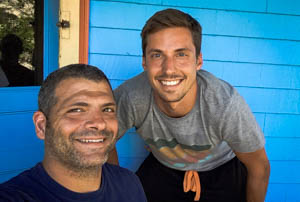
S2 Ep 19Sandro Widmer: ParkourONE, studying coaches, and open minds
What can we learn about the intersection of philosophy, personal growth, and structured systems within the practice of parkour? Sandro Widmer discusses ParkourONE’s TRUST concept, his current research and movement journey. Along the way he describes his time in America, and the struggles of studying parkour coaches. Sandro also reminds us to walk through this world with an open mind, as we can never fully understand each other’s experiences. "I think what’s most important is to walk through the world with an open mindset. Be tolerant, be open-minded, and have a smile on your face." ~ Sandro Widmer (27:00) The conversation explores the philosophy of ParkourONE, focusing on the TRuST concept that emphasizes values such as respect, modesty, and trust. This philosophy is visualized through the fingers of a hand, representing key principles like "no competition" and "courage." ParkourONE's unique approach to training and community building in Switzerland and Germany is discussed, highlighting the organization's layered membership process and the responsibilities of its members. The discussion transitions to Sandro's master’s thesis on how personal philosophy influences coaching methods. He shares his methodology for collecting data from Swiss parkour coaches and explores topics such as open versus closed exercises and how parkour principles can be translated into broader life lessons. The conversation concludes with reflections on cultural exchanges during international training events and the importance of maintaining an open and tolerant mindset. Takeaways No competition — ParkourONE emphasizes non-competitive practice to foster inclusivity and personal growth. Be cautious — Practitioners are encouraged to respect their physical limits to ensure sustainable training. Respect — Respect is shown to the environment, fellow practitioners, and the discipline of parkour itself. Trust — Trust in oneself and others is a cornerstone of both practice and teaching in ParkourONE. Modesty — Humility is key to recognizing the continuous challenges within parkour. Membership as responsibility — ParkourONE's membership process is selective, emphasizing community contributions and adherence to shared values. Cultural exchange — Parkour fosters a universal culture of openness and tolerance, as seen in events like American Rendezvous. Influence of philosophy on coaching — Sandro's research explores how a coach's philosophy shapes their teaching methods and practice. Open versus closed exercises — ParkourONE values giving students space to explore and develop their own solutions. Sustainability in movement — Long-term physical and mental health is prioritized to ensure lifelong mobility. Resources ParkourONE — Philosophy and values behind ParkourONE's training approach. American Rendezvous — An event fostering cultural and training exchanges among parkour practitioners. ADAPT Qualifications — Certification system mentioned in comparison with ParkourONE's coach training. Johanna Herrmann's Thesis — Research referenced in Sandro's master's thesis on parkour philosophy. (Written with help from Chat-GPT.) --- Hello👋 I'm Craig Constantine. In the Movers Mindset podcast, I talk with movement enthusiasts to learn who they are, what they do, and why they do it. I'm interested in the nature and philosophy of movement and in exploring themes like independence, self-direction, and human excellence. My interests color each conversation and provide some structure to Movers Mindset. But since I like to take the scenic route, every conversation ends up going somewhere unique. The purpose of Movers Mindset is to create and share great conversations with movement enthusiasts. Each conversation feeds my insatiable curiosity, but I share them to turn on a light for someone else, to inspire them, or to give them their next question. I appreciate your time and attention, and I don’t take it for granted. --- Thank you! Want more? Subscribe to the email list for weekly updates—new episodes and archive highlights delivered to your inbox. I invite you to cultivate a meaningful life—through presence, not pursuit. You can learn more about me and all my projects at, https://craigconstantine.com. If you like what I'm doing through Movers Mindset, learn more about becoming a patron. ɕ
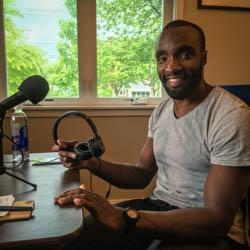
S2 Ep 18Sebastien Foucan (Part 2 of 3): Training, coaching, and preparation
What strategies and principles underpin effective training, mental resilience, and personal growth? Sebastien Foucan and Craig continue their conversation in the second part of Sebastien’s three part interview. In this episode, Sebastien discusses how he trains, how he coaches, and how he prepares for his roles in various movies and films. Craig and Sebastien also discuss the influence genetics and natural skill has on the success of a person in their sport. "Being always in motion keeps you fit and healthy. And if you don't push too much that's good, it's good for you." ~ Sebastien Foucan (1:38) The conversation explores the philosophy and practice of training, emphasizing the importance of specificity and alignment with individual goals. The discussion digs into distinctions between training and practice, the role of adaptability, and how unique circumstances dictate specific training regimens. Examples range from parkour to acting, illustrating how preparation varies across disciplines. Mental resilience and personal growth also feature prominently, particularly through the lens of overcoming setbacks. The dialogue covers how life challenges, such as health issues and personal losses, can redefine perspectives on discipline and motivation. Additional topics include the interplay of genetics, environment, and personal choices in shaping potential, and how these elements influence broader life decisions. Takeaways Training specificity — Training must align with the goals and nature of the activity, whether physical, mental, or technical. Adaptation and creativity — Effective training requires adapting to the specific challenges of each goal and using creative approaches. Mental resilience — Life challenges, such as health setbacks, can inspire reevaluation and foster growth in discipline and motivation. Role of environment — Success often depends on the support and conditions provided by one's surroundings. Genetics and potential — Physical and mental capacities are influenced by genetics, highlighting the need for realistic self-assessment. Exploration mindset — Treating challenges as opportunities for discovery fosters growth and resilience. Integration of play — Activities like sparring or trekking are incorporated to balance training with enjoyment and functionality. Holistic health — Awareness of food choices and their impact on health is critical for sustainable training and well-being. Resources World Chase Tag — A competitive version of tag, blending physical agility and strategy. Angry Chicken Advertisement — A pivotal project in Sebastien’s career that won a Lion d'Or award. Cus D'Amato on YouTube — Insights into training philosophy and mentorship. Neuro-Linguistic Programming (NLP) — A framework discussed in the context of motivation and mental programming. (Written with help from Chat-GPT.) --- Hello👋 I'm Craig Constantine. In the Movers Mindset podcast, I talk with movement enthusiasts to learn who they are, what they do, and why they do it. I'm interested in the nature and philosophy of movement and in exploring themes like independence, self-direction, and human excellence. My interests color each conversation and provide some structure to Movers Mindset. But since I like to take the scenic route, every conversation ends up going somewhere unique. The purpose of Movers Mindset is to create and share great conversations with movement enthusiasts. Each conversation feeds my insatiable curiosity, but I share them to turn on a light for someone else, to inspire them, or to give them their next question. I appreciate your time and attention, and I don’t take it for granted. --- Thank you! Want more? Subscribe to the email list for weekly updates—new episodes and archive highlights delivered to your inbox. I invite you to cultivate a meaningful life—through presence, not pursuit. You can learn more about me and all my projects at, https://craigconstantine.com. If you like what I'm doing through Movers Mindset, learn more about becoming a patron. ɕ
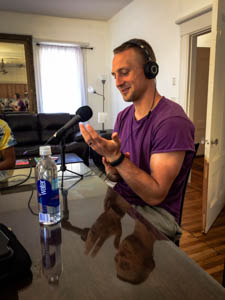
S2 Ep 17Travis Tetting: Building things, faith, and family
What lessons can be drawn from navigating challenges and fostering perseverance in life, community, and personal growth? Travis Tetting joins Craig for a heartfelt discussion of his coaching journey, community, and building things from the ground up. Along the way he describes his love for his community and the rewards of coaching. Travis explains how his bond to his family and Christian faith have given him the strength to get to where he is today. "I think, at the heart, at the core of a 'heart of thankfulness', is that ability to see what’s shaping you and what’s improving you." ~ Travis Tetting (30:35) The conversation explores themes of perseverance, adaptability, and community building, centered on Travis’s journey through personal and professional challenges. A detailed story of overcoming setbacks, such as an airport ordeal while en route to a pivotal certification, reveals insights into resilience and turning difficult circumstances into valuable lessons. Travis’s reflections on training and faith illustrate the balance between physical discipline and mental flexibility. The dialogue goes into the creation and evolution of a parkour gym in a rural area, emphasizing frugality, modular design, and fostering innovation. The gym becomes a space for cultivating not just physical skills but also community bonds and personal growth. Travis shares stories of impactful teaching moments, where parkour acts as a medium for life lessons, underscoring the importance of gratitude, perseverance, and sharing in overcoming obstacles. Takeaways Faith and perseverance — A strong belief system helps navigate personal and professional challenges. Adaptability under pressure — Difficult situations can provide valuable lessons in resilience and flexibility. Building community — The process of creating and nurturing a supportive environment enhances both personal and collective growth. The role of gratitude — Viewing hardships as opportunities for growth fosters a positive outlook. Innovative design philosophy — Modularity and multi-purpose design in gym structures encourage creativity and problem-solving. Teaching as transformation — Teaching parkour becomes a medium for instilling life-changing values and skills. Life lessons through movement — Parkour transcends physical activity, teaching patience, innovation, and mental resilience. Overcoming adversity — Stories of setbacks, such as physical injury or logistical hurdles, highlight the importance of persistence and perspective. Resources American Rendezvous — A parkour event discussed in the context of training and community. Axiom Parkour — The guest’s parkour gym, emphasizing modular design and community growth. Williams Belle Instagram — Mentioned as an inspiration during training discussions. ADAPT Qualifications — A certification program related to parkour, highlighting the significance of rigorous training. (Written with help from Chat-GPT.) --- Hello👋 I'm Craig Constantine. In the Movers Mindset podcast, I talk with movement enthusiasts to learn who they are, what they do, and why they do it. I'm interested in the nature and philosophy of movement and in exploring themes like independence, self-direction, and human excellence. My interests color each conversation and provide some structure to Movers Mindset. But since I like to take the scenic route, every conversation ends up going somewhere unique. The purpose of Movers Mindset is to create and share great conversations with movement enthusiasts. Each conversation feeds my insatiable curiosity, but I share them to turn on a light for someone else, to inspire them, or to give them their next question. I appreciate your time and attention, and I don’t take it for granted. --- Thank you! Want more? Subscribe to the email list for weekly updates—new episodes and archive highlights delivered to your inbox. I invite you to cultivate a meaningful life—through presence, not pursuit. You can learn more about me and all my projects at, https://craigconstantine.com. If you like what I'm doing through Movers Mindset, learn more about becoming a patron. ɕ
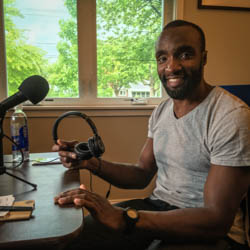
S2 Ep 16Sebastien Foucan (Part 1 of 3): Explorer, evolution, and adaptation
What is the role of exploration in achieving personal growth and self-mastery? Sebastien Foucan joins Craig for the first of a three part interview. Sebastien is best described – in his own words – as an explorer. Craig and Sebastien talk about what he means by explorer and how his journey of exploration has evolved over the years. "The purpose of it is liberation and self-development." ~ Sebastien Foucan (6:00) Sebastien Foucan discusses his evolution as an explorer, emphasizing how his experiences with Parkour, freerunning, and L'art du Déplacement reflect a personal journey of discovery. He describes the origins of freerunning as an extension of Parkour, influenced by his desire to create a distinct approach that resonated with his personal philosophy. Sebastien outlines how these practices connect the mind, body, and environment, explaining their importance in fostering growth and transformation. The conversation highlights Sebastien's perspective on the maturity stages of development, from roots to fire, water, and air. He explores concepts like the cyclic nature of life, energy balance, and the distinction between training and practice. By emphasizing mindfulness and understanding one's limitations, Sebastien illustrates how individuals can navigate their unique paths toward achieving their potential. Takeaways Exploration as a core identity — Sebastien views himself as an explorer who continually seeks growth. Origins of freerunning — Freerunning emerged as an evolution of Parkour, focusing on self-expression. Mind-body-environment connection — These three elements form the foundation of Parkour's transformative potential. Maturity system stages — Growth is seen through phases of roots, fire, water, and air. Energy management — Recognizing cycles in life and balancing energy enhances longevity. Training versus practice — Training is goal-oriented and intense, while practice is holistic and sustainable. Philosophy in movement — Martial arts and other disciplines inform freerunning’s broader philosophy. Cultural impact of Parkour — Parkour redefines boundaries and offers new ways to engage with the environment. Universal truths — Exploring various disciplines uncovers shared principles applicable to life. Holistic journey — Self-care and sustainability are integral to long-term practice. Resources James Bond movie — A film featuring Sebastien's performance in freerunning sequences. Madonna tour — A high-profile project Sebastien participated in. (Written with help from Chat-GPT.) --- Hello👋 I'm Craig Constantine. In the Movers Mindset podcast, I talk with movement enthusiasts to learn who they are, what they do, and why they do it. I'm interested in the nature and philosophy of movement and in exploring themes like independence, self-direction, and human excellence. My interests color each conversation and provide some structure to Movers Mindset. But since I like to take the scenic route, every conversation ends up going somewhere unique. The purpose of Movers Mindset is to create and share great conversations with movement enthusiasts. Each conversation feeds my insatiable curiosity, but I share them to turn on a light for someone else, to inspire them, or to give them their next question. I appreciate your time and attention, and I don’t take it for granted. --- Thank you! Want more? Subscribe to the email list for weekly updates—new episodes and archive highlights delivered to your inbox. I invite you to cultivate a meaningful life—through presence, not pursuit. You can learn more about me and all my projects at, https://craigconstantine.com. If you like what I'm doing through Movers Mindset, learn more about becoming a patron. ɕ
S2 Ep 15Dylan Johanson: Gym iterations, community, and self-advice
What motivates and sustains a practice that evolves personal fulfillment and builds community? Dylan Johanson is the owner and founder of Innate Movement Parkour in Kingston, New York. A practitioner for many years, Dylan talks about his origin story and the challenges surrounding building and then re-building his gym. Then he shares some thoughts on what advice he would give his younger self. "Sometimes, I still need to remind myself to not accidentally slip onto the treadmill of traditional success." ~ Dylan Johanson (18:00) The conversation explores Dylan Johansson's journey into parkour, from discovering the practice to founding Innate Movement in Kingston, New York. Early topics include Dylan's initial experiences with parkour, how it resonated with his love for movement, and his shift from solitary training to engaging with a larger community. He describes the transformative effect parkour had on his health, outlook, and life choices, emphasizing the physical and mental benefits it provided. Later discussions focus on the process of building a parkour community, including the challenges of starting and sustaining a gym. Dylan recounts how he transitioned from hobbyist to professional coach, discussing incremental growth strategies, the importance of partnerships, and lessons learned from different gym setups. The conversation also reflects on broader themes, such as defining success on one's terms and embracing the evolving nature of personal practice. Takeaways Parkour as a transformative discipline — A personal journey from unhealthy habits to a more fulfilled and balanced life. Starting small and evolving gradually — The value of incremental steps in building a community and opening a gym. Challenges of traditional success — Balancing personal joy and professional growth while resisting societal pressures. The importance of a supportive network — How a partner and community can provide stability during transitions. Parkour as a philosophy — Viewing parkour as a lens to guide life decisions and promote self-improvement. Lessons from failure — How personal struggles and setbacks can serve as stepping stones for growth and learning. Joy in movement — Emphasizing the playful and creative aspects of training for sustained passion and engagement. Organizing principles for life — Using parkour to create a framework for healthier, more intentional choices. Resources Innate Movement — The parkour organization founded by Dylan Johansson. PK Gen — A global organization promoting parkour education and certifications. ADAPT Certification — A leading qualification program for parkour coaches. Rich Roll Podcast — A podcast featuring topics on health, fitness, and personal transformation, mentioned as an inspiration in the discussion. (Written with help from Chat-GPT.) --- Hello👋 I'm Craig Constantine. In the Movers Mindset podcast, I talk with movement enthusiasts to learn who they are, what they do, and why they do it. I'm interested in the nature and philosophy of movement and in exploring themes like independence, self-direction, and human excellence. My interests color each conversation and provide some structure to Movers Mindset. But since I like to take the scenic route, every conversation ends up going somewhere unique. The purpose of Movers Mindset is to create and share great conversations with movement enthusiasts. Each conversation feeds my insatiable curiosity, but I share them to turn on a light for someone else, to inspire them, or to give them their next question. I appreciate your time and attention, and I don’t take it for granted. --- Thank you! Want more? Subscribe to the email list for weekly updates—new episodes and archive highlights delivered to your inbox. I invite you to cultivate a meaningful life—through presence, not pursuit. You can learn more about me and all my projects at, https://craigconstantine.com. If you like what I'm doing through Movers Mindset, learn more about becoming a patron. ɕ
S2 Ep 14Jesse Danger: Systems thinking, game design, and novelty
EWhat principles can we learn from integrating movement, play, and systems thinking to foster personal growth and collaborative learning? Jesse Danger takes time out from teaching parkour to share thoughtful insights on topics such as systems thinking through game design, the role of novelty, and how to work with a group toward a single focus while still honoring the individual. Along the way we also discuss life lessons learned through playing chess. "Nothing will ever be the same as it was. Things are constantly changing. So everything is novel all the time." ~ Jesse Danger (14:00) The conversation centers on Jesse Danger’s journey from being a parkour practitioner to a facilitator and educator. Topics include his personal experiments with consistency in training, the philosophy behind his organization, and how business serves as a tool for sharing his vision. Jesse highlights the transformative power of systems thinking, particularly through game design, as a method for teaching life skills and movement principles. Jesse and Craig also discuss the role of novelty in personal and group development, emphasizing how new experiences can level the playing field and foster deeper connections. The conversation touches on broader themes like balancing individual needs with group goals, overcoming the constraints of competition and authority, and cultivating an integrated, holistic approach to learning and living. Takeaways The transition from practitioner to facilitator — Jesse reflects on how his consistent personal training evolved into a broader leadership role in the parkour community. The Movement Creative’s philosophy — A focus on creating a business that aligns with personal values rather than conventional success metrics. Systems thinking through game design — Teaching movement and life skills through intentional, co-created games that adapt to participants' goals. The importance of novelty — Novel experiences can equalize skill levels, spark creativity, and deepen interpersonal connections. Balancing individual and group needs — Strategies for fostering collaboration without alienating individual autonomy. Unpacking competition and authority — How overcoming personal challenges with competition and authority shaped Jesse's teaching philosophy. The role of play in growth — Play as a tool for exploration, skill-building, and connection. Life lessons from chess — The shift from finite to infinite games and their impact on personal growth and perspective. The tribe's responsibility — Supporting individuals' unique needs while fostering collective growth. Resilience, adaptability, and delusion — Key principles in Jesse’s personal and professional practice. Resources The Movement Creative — Jesse's organization focused on movement and education. Quest to Learn — A school where Jesse first explored systems thinking through teaching parkour. Institute of Play — An organization partnering with Quest to Learn to implement game-based learning strategies. Brendon Trombley — A game designer who collaborated with Jesse to design educational games. Minecraft — A platform used creatively by Brendon to teach biology concepts through interactive simulations. Rafe Kelley — Referenced for insights on play and movement. CrossFit — Mentioned as a comparison for physical training methodologies. International Gathering — A community event showcasing parkour practices. Fight Club (1999) — Referenced metaphorically for its concept of transient connections. (Written with help from Chat-GPT.) --- Hello👋 I'm Craig Constantine. In the Movers Mindset podcast, I talk with movement enthusiasts to learn who they are, what they do, and why they do it. I'm interested in the nature and philosophy of movement and in exploring themes like independence, self-direction, and human excellence. My interests color each conversation and provide some structure to Movers Mindset. But since I like to take the scenic route, every conversation ends up going somewhere unique. The purpose of Movers Mindset is to create and share great conversations with movement enthusiasts. Each conversation feeds my insatiable curiosity, but I share them to turn on a light for someone else, to inspire them, or to give them their next question. I appreciate your time and attention, and I don’t take it for granted. --- Thank you! Want more? Subscribe to the email list for weekly updates—new episodes and archive highlights delivered to your inbox. I invite you to cultivate a meaningful life—through presence, not pursuit. You can learn more about me and all my projects at, https://craigconstantine.com. If you like what I'm doing through Movers Mindset, learn more about becoming a patron. ɕ
S2 Ep 13Andy Taylor: Gym building, inspiration, and build standards
What are the key considerations in designing, constructing, and sustaining inspiring gym spaces that foster exploration and play? Andy Taylor discusses the intricacies of designing and building a great parkour gym. Along the way, we talk about what makes a gym inspiring, the evolution of build standards that are safe without limiting parkour vision, and how parkour has been instrumental in the development of a young autistic girl. "When I sit down to design a gym, I try to call to the inner child that is in us that makes us wanna play." ~ Andy Taylor (1:30) This conversation deconstructs the intricacies of designing gym spaces that inspire creativity and exploration. Topics include the importance of tapping into a child-like desire to play, using thoughtful design to increase engagement, and ensuring safety without stifling creativity. Practical examples are shared, such as integrating features that naturally draw attention and encourage varied movements. The discussion also touches on challenges unique to parkour gyms, such as meeting building codes, balancing budgets, and navigating regulatory hurdles. Andy and Craig explore how gym designs can range from expansive, multi-use facilities to smaller, community-oriented spaces. They emphasize the need for better standards and guidelines to support gym builders in creating safe yet imaginative environments. Takeaways Designing for play — Gym spaces should inspire a child-like desire to explore and interact. Balancing aesthetics and utility — Effective gym design combines visual appeal with practical use. Safety through design — Safety features must be thoughtfully integrated to minimize risk without diminishing creativity. Regulatory challenges — Parkour gyms face unique obstacles with inconsistent building codes and standards. Scale considerations — Smaller gyms provide intimacy, while larger facilities require diversification for sustainability. Importance of standards — Developing shared guidelines for construction and safety is crucial for the parkour community. Encouraging creativity — Well-designed spaces enable a wide range of movements and inspire new possibilities. Support for new builders — Mentorship and resources are vital for those new to gym construction. Inclusivity in design — Gym spaces can support diverse users, including those with special needs. Resources TeachBuildPlay Facebook Page — Andy's platform for sharing ideas and connecting with the community. Google SketchUp — A tool used for designing and modeling gym spaces. Tempest Freerunning Academy — An example of a large, well-known parkour gym. SCORE — A resource mentioned as a helpful guide for entrepreneurs navigating business challenges. (Written with help from Chat-GPT.) --- Hello👋 I'm Craig Constantine. In the Movers Mindset podcast, I talk with movement enthusiasts to learn who they are, what they do, and why they do it. I'm interested in the nature and philosophy of movement and in exploring themes like independence, self-direction, and human excellence. My interests color each conversation and provide some structure to Movers Mindset. But since I like to take the scenic route, every conversation ends up going somewhere unique. The purpose of Movers Mindset is to create and share great conversations with movement enthusiasts. Each conversation feeds my insatiable curiosity, but I share them to turn on a light for someone else, to inspire them, or to give them their next question. I appreciate your time and attention, and I don’t take it for granted. --- Thank you! Want more? Subscribe to the email list for weekly updates—new episodes and archive highlights delivered to your inbox. I invite you to cultivate a meaningful life—through presence, not pursuit. You can learn more about me and all my projects at, https://craigconstantine.com. If you like what I'm doing through Movers Mindset, learn more about becoming a patron. ɕ
S2 Ep 12Elet Hall: Not training, risk, danger, and Lyme disease
What motivates and shapes individual approaches to physical training, risk management, and personal growth? Elet Hall takes time out from a motorcycle engine rebuild to discuss his approach to training (and not training), challenge, risk, danger, consequences, and why he walked away from American Ninja Warrior. Along the way, we talk about Lyme disease, and his work with the Bay Area Lyme Foundation, before he shares his four words to describe his practice. "Strength of character is what I’m looking for in almost everything that I do." ~ Elet Hall (30:00) The conversation begins with reflections on Elet's experiences in Ninja Warrior and parkour, emphasizing the importance of meeting people where they are in their personal journeys. It touches on how perceptions of these activities differ and how they can be bridges rather than barriers for people seeking self-improvement. Further, the discussion moves to Elet’s personal training philosophy, rooted in nature and holistic approaches. Topics like the subjective and objective impacts of training, footwear choices for outdoor activities, and the biological and psychological effects of connecting with natural environments are explored. He highlights the value of understanding one's own body and tailoring training to personal goals and limitations. The latter part delves into a life-threatening incident that prompted Elet to reassess motivations and commitments. This leads to discussions on Lyme disease, its impact on energy levels, and the necessity of intentional training. The conversation ends with a reflection on building strength of character through thoughtful engagement with challenges, whether in parkour, life, or other pursuits. Takeaways Training for personal growth — Physical challenges can be transformative when approached with the right mindset. Risk versus consequence — Every action in parkour and life involves balancing potential risks and consequences. Connection with nature — Training outdoors provides unique challenges and rewards, fostering a deeper sense of fulfillment. Minimalist footwear benefits — Choosing less structured footwear can enhance sensory feedback and overall physical awareness. Holistic health management — Balancing exercise, diet, and self-care is critical for managing chronic conditions like Lyme disease. Motivations for participation — It’s vital to understand why someone engages in a practice and to support their journey. Strength of character — Facing and overcoming challenges builds self-confidence and personal resilience. Reevaluating goals — Life events can prompt reassessment of what truly aligns with one's values and passions. Resources Bay Area Lyme Foundation — An organization raising awareness and funding research for Lyme disease. Merrell Trail Gloves — Minimalist footwear favored by the speaker for natural training environments. Old Rag Mountain — A popular hiking spot mentioned in the discussion. (Written with help from Chat-GPT.) --- Hello👋 I'm Craig Constantine. In the Movers Mindset podcast, I talk with movement enthusiasts to learn who they are, what they do, and why they do it. I'm interested in the nature and philosophy of movement and in exploring themes like independence, self-direction, and human excellence. My interests color each conversation and provide some structure to Movers Mindset. But since I like to take the scenic route, every conversation ends up going somewhere unique. The purpose of Movers Mindset is to create and share great conversations with movement enthusiasts. Each conversation feeds my insatiable curiosity, but I share them to turn on a light for someone else, to inspire them, or to give them their next question. I appreciate your time and attention, and I don’t take it for granted. --- Thank you! Want more? Subscribe to the email list for weekly updates—new episodes and archive highlights delivered to your inbox. I invite you to cultivate a meaningful life—through presence, not pursuit. You can learn more about me and all my projects at, https://craigconstantine.com. If you like what I'm doing through Movers Mindset, learn more about becoming a patron. ɕ
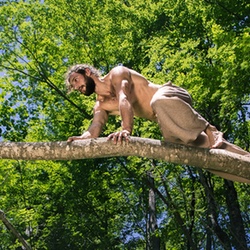
S2 Ep 11Ševo Saša: Yugoslavia, injury, and growth
EWhat drives personal growth and resilience in the face of immense physical, emotional, and cultural challenges? Ševo Saša is best-known as an amazing and creative mover, and the founder of the Skochypstiks clothing line. In this interview he shares the story of his Parkour beginnings after the collapse of Yugoslavia, and his motivation for overcoming a devastating injury in his youth. Sasa’s love of people and profound discipline have enabled him to thrive amidst the cycles of life, and have lead him to tremendous personal growth. "It doesn't happen with everyone. Everybody can motivate us in different ways, this is true, but this special moment is something that I will remember forever. Because I did something that I really didn't want to do, I kind of refused it with all my body, with everything, and when we ended I think I hugged him so hard, I was so happy doing this." ~ Ševo Saša (14:00) The conversation explores the transformative journey from a war-torn Balkan region, navigating through cultural and personal challenges to find purpose and resilience in parkour. The discussion begins with the historical context of Yugoslavia's dissolution and the challenges of displacement, providing a backdrop to his initial experiences with movement and the foundational influence of his father. Overcoming severe physical injuries, Saša develops discipline through self-directed training and a deep love for movement. The narrative progresses into his parkour evolution, shaped by diverse environments and communities. From training in Serbia to pioneering connections between neighboring Balkan countries through parkour, the conversation emphasizes the significance of shared experiences. Saša reflects on the broader cultural impact of these connections, uniting people across former divisions, and concludes by highlighting the importance of love, discipline, and people in his practice. Takeaways Love for movement — A central theme that inspired dedication and growth in parkour. Impact of displacement — How personal and cultural history shaped his outlook and resilience. Discipline as a foundation — Rigorous self-training and perseverance despite physical and mental barriers. Role of community — The importance of shared experiences in parkour to build connections and unity. Parkour as a bridge — Its role in uniting people across post-war Balkan countries. Adapting to environments — Embracing change and new challenges to drive personal growth. Transformative experiences — How struggles, such as the 101 training, pushed personal limits and created lasting memories. The power of connection — Focusing on people and relationships over obstacles or achievements. Resources Laurent Piemontesi — Insight into the “101” quadrupedal training exercises. Colin McRae Rally Video Game — A part of Sasa’s recovery story and early life context. (Written with help from Chat-GPT.) --- Hello👋 I'm Craig Constantine. In the Movers Mindset podcast, I talk with movement enthusiasts to learn who they are, what they do, and why they do it. I'm interested in the nature and philosophy of movement and in exploring themes like independence, self-direction, and human excellence. My interests color each conversation and provide some structure to Movers Mindset. But since I like to take the scenic route, every conversation ends up going somewhere unique. The purpose of Movers Mindset is to create and share great conversations with movement enthusiasts. Each conversation feeds my insatiable curiosity, but I share them to turn on a light for someone else, to inspire them, or to give them their next question. I appreciate your time and attention, and I don’t take it for granted. --- Thank you! Want more? Subscribe to the email list for weekly updates—new episodes and archive highlights delivered to your inbox. I invite you to cultivate a meaningful life—through presence, not pursuit. You can learn more about me and all my projects at, https://craigconstantine.com. If you like what I'm doing through Movers Mindset, learn more about becoming a patron. ɕ
S1 Ep 10Matthew Poprocki: Artistry, challenges, and personal expression
What motivates individuals to transform their lives and turn challenges into opportunities for growth and creativity? Matthew Poprocki does what he loves. Formally a visual artist, he is now a movement artist who likes to play and overcome obstacles. He discusses the challenges he’s faced and how he rediscovered his artistic expression through Parkour. "I realized after a few years, I didn’t lose it, I’m still an artist, I’m a Life artist." ~ Matthew Poprocki (7:16) The conversation explores the profound journey of an individual who transitioned from a career in graphic design to becoming a movement artist and coach. Struggling with dissatisfaction in a desk job, addiction, and health challenges, Matthew found solace and purpose in Parkour. This shift allowed him to embrace creativity and play, not only as an outlet but as a way to teach and inspire others. Key topics include the philosophy of overcoming obstacles, the transition from visual to movement arts, and the role of Parkour in cultivating resilience and mindfulness. Through personal anecdotes, Matthew shares insights on viewing challenges as opportunities and finding joy in being present, creative, and connected to life. Takeaways Creativity through movement — Parkour offers a new medium for artistic expression and personal fulfillment. Life as art — Redefining artistry by integrating creativity into daily activities and experiences. Resilience in adversity — Viewing life’s challenges as opportunities to demonstrate strength and adapt. Philosophy of play — Rediscovering joy and presence through movement and coaching. The transformation of perspective — From seeing obstacles as burdens to viewing them as opportunities for growth. Impact of mindfulness — Being fully present enhances life experiences and fosters creativity. Redefining success — Prioritizing passion and fulfillment over societal expectations of work and productivity. The role of Parkour in teaching — Empowering others through creative coaching and sharing lived experiences. Resources Parkour Generations — Mentioned as a movement-focused community and training resource. (Written with help from Chat-GPT.) --- Hello👋 I'm Craig Constantine. In the Movers Mindset podcast, I talk with movement enthusiasts to learn who they are, what they do, and why they do it. I'm interested in the nature and philosophy of movement and in exploring themes like independence, self-direction, and human excellence. My interests color each conversation and provide some structure to Movers Mindset. But since I like to take the scenic route, every conversation ends up going somewhere unique. The purpose of Movers Mindset is to create and share great conversations with movement enthusiasts. Each conversation feeds my insatiable curiosity, but I share them to turn on a light for someone else, to inspire them, or to give them their next question. I appreciate your time and attention, and I don’t take it for granted. --- Thank you! Want more? Subscribe to the email list for weekly updates—new episodes and archive highlights delivered to your inbox. I invite you to cultivate a meaningful life—through presence, not pursuit. You can learn more about me and all my projects at, https://craigconstantine.com. If you like what I'm doing through Movers Mindset, learn more about becoming a patron. ɕ
S1 Ep 9Chris Keighley: Challenge, personal growth, and 1,000 muscle-ups
What can we learn about personal growth, resilience, and community through extreme physical challenges? Chris Keighley helps me muscle up the strength to understand challenge. We discuss its rewards, hazards, and how it can be a powerful tool for personal growth from day one. He shares stories from behind the scenes of the 1,000 Muscle-Up Challenge, and talks about finding challenge in more mundane activities, like building a tire tower at the Gerlev International Gathering. "Modern life doesn't give you many chances of seeing what you're capable of." ~ Chris Keighley (6:30) The conversation centers on the 1000 Muscle-Up Challenge, an intense physical and mental test. The origins of the challenge, its evolution from a hypothetical debate to an actual event, and the experiences of participants highlight themes of resilience, camaraderie, and self-discovery. Chris navigates physical exhaustion and mental roadblocks, supported by a tight-knit community, ultimately revealing their limits and potential. Other topics include the broader philosophy of challenges in parkour and training. The discussion explores how setting appropriately difficult challenges helps individuals grow, with parallels drawn between physical challenges and life experiences. The importance of community support in such endeavors, as well as the transformative effects of overcoming personal boundaries, are recurring themes. Takeaways Challenges and growth — Difficult challenges reveal untapped potential and build resilience. Camaraderie in struggle — Support from others transforms individual challenges into shared victories. The mental aspect of training — Mental endurance is just as crucial as physical strength in overcoming obstacles. Personal limits and discovery — Pushing beyond known limits fosters personal growth and self-awareness. The role of uncertainty — Effective challenges must be within reach but not guaranteed, encouraging full effort. Value of small challenges — Even minor challenges, like balancing exercises, can be deeply rewarding. Physical risk and wisdom — Extreme challenges require careful judgment about safety and personal limits. Adapting training — Different challenges suit different stages of experience and capability. The joy of overcoming — Achieving difficult goals provides a profound sense of accomplishment and pride. Resources Parkour Generations — A global organization offering parkour training and education. David Belle — A foundational figure in parkour, influencing the ethos of physical and mental challenges. (Written with Chat-GPT.) --- Hello👋 I'm Craig Constantine. In the Movers Mindset podcast, I talk with movement enthusiasts to learn who they are, what they do, and why they do it. I'm interested in the nature and philosophy of movement and in exploring themes like independence, self-direction, and human excellence. My interests color each conversation and provide some structure to Movers Mindset. But since I like to take the scenic route, every conversation ends up going somewhere unique. The purpose of Movers Mindset is to create and share great conversations with movement enthusiasts. Each conversation feeds my insatiable curiosity, but I share them to turn on a light for someone else, to inspire them, or to give them their next question. I appreciate your time and attention, and I don’t take it for granted. --- Thank you! Want more? Subscribe to the email list for weekly updates—new episodes and archive highlights delivered to your inbox. I invite you to cultivate a meaningful life—through presence, not pursuit. You can learn more about me and all my projects at, https://craigconstantine.com. If you like what I'm doing through Movers Mindset, learn more about becoming a patron. ɕ
S1 Ep 8Andrew Foster: Global journey, losing everything, and finding purpose
What does it take to transform personal struggles and passions into a thriving community that fosters movement, connection, and belonging? Andrew Foster shares his fascinating journey from his home-schooled beginnings in Ohio, Arabic studies, and living in Jordan, (including meeting and training with Danny Ilabaca in Cairo) to facing the dark challenge of losing everything- including his purpose in life. Starting renewed from his lowest point, on a mountaintop in Colorado, he describes finding new purpose and direction, bringing him full circle to his home town in Ohio. "We come from dust, and we return to dust. We don’t have anything except what we’re given." ~ Andrew Foster (16:09) Andrew Foster recounts his life journey, beginning with a childhood filled with classical music, philosophy, and a homeschooling environment that prioritized learning over grades. He describes his forays into sports like swimming and soccer, where he embraced the challenges of being an underdog. His passion for movement led him to Parkour, despite initial parental opposition, and to formative experiences abroad in the Middle East, where he studied Arabic and connected with Parkour communities. A pivotal moment came when Andrew faced personal and professional loss, culminating in a cathartic experience atop a Colorado mountain. This epiphany shifted his perspective on life, motivating him to embrace gratitude, faith, and a commitment to community. Returning to Ohio, he founded Akron Movement Family, a Parkour gym centered on movement, love, and family, with the goal of creating a supportive, inclusive space for individuals to thrive physically and emotionally. Takeaways Movement as a central theme — Andrew explores how movement connects deeply to life and human experience. Overcoming adversity — Reflecting on his struggles, Andrew highlights how challenges shaped his resilience and vision. Building community — He emphasizes the importance of creating spaces where individuals feel valued and supported. Cultural exchange and growth — His experiences in the Middle East broadened his perspective and reinforced the universal language of movement. Transformational moments — A profound experience in the Rockies symbolized renewal and the start of a new purpose-driven journey. Founding Akron Movement Family — The gym represents a culmination of his values, aiming to inspire and support a diverse community. Resources Akron Movement Family — Andrew’s Parkour gym focused on community, movement, and love. Daniel Ilabaca — An influential Parkour figure and inspiration in Andrew's journey, mentioned for his teachings and philosophies. University of Jordan — The institution where Andrew studied Arabic during a transformative period of his life. Bruce Lee’s “Flow like water” philosophy — Referenced in the conversation to illustrate movement's deeper significance. (Written with help from Chat-GPT.) --- Hello👋 I'm Craig Constantine. In the Movers Mindset podcast, I talk with movement enthusiasts to learn who they are, what they do, and why they do it. I'm interested in the nature and philosophy of movement and in exploring themes like independence, self-direction, and human excellence. My interests color each conversation and provide some structure to Movers Mindset. But since I like to take the scenic route, every conversation ends up going somewhere unique. The purpose of Movers Mindset is to create and share great conversations with movement enthusiasts. Each conversation feeds my insatiable curiosity, but I share them to turn on a light for someone else, to inspire them, or to give them their next question. I appreciate your time and attention, and I don’t take it for granted. --- Thank you! Want more? Subscribe to the email list for weekly updates—new episodes and archive highlights delivered to your inbox. I invite you to cultivate a meaningful life—through presence, not pursuit. You can learn more about me and all my projects at, https://craigconstantine.com. If you like what I'm doing through Movers Mindset, learn more about becoming a patron. ɕ
S1 Ep 7Finn Berggren: Gerlev Idrætshøjskole, sportification, and the Olympics
What are the transformative possibilities of integrating Parkour into educational frameworks, and how can its values be preserved amidst sportification pressures? Finn Berggren shares his thoughts on Parkour, explaining why he brought Parkour to Gerlev Idrætshøjskole in Denmark to replace the traditional gymnastics curriculum. We also discuss the “sportification” of Parkour and the Olympics, and he shares his story of the pivotal moment which solidified his decision to bring Parkour to Gerlev. "We built the first Parkour park in the world because it was a park designed to teach for pedagogical reasons and not just for doing, but also to learn how to do it and, at the same time, understand the philosophy behind Parkour." ~ Finn Berggren (7:00) Finn Berggren shares his experiences as the principal of Gerlev Sports Academy, where he has transformed the institution’s approach to movement education by integrating Parkour. He recounts discovering Parkour through a television program and how its unstructured, innovative nature captivated him. His vision led to the creation of the world's first pedagogical Parkour park, designed to teach movement and philosophy rather than competitive techniques. Finn discusses Gerlev’s evolution from a gymnastics-focused academy to a hub for diverse movement practices, including Parkour and street dance, emphasizing personal development and inclusivity. Finn also reflects on the broader implications of sportification, warning against its potential to restrict the freedom and creativity inherent in Parkour. He advocates for preserving its unstructured, exploratory spirit and suggests using networks rather than rigid organizations to maintain its authenticity. Finn shares a personal story of witnessing children’s spontaneous engagement with movement, underscoring the importance of fun, challenge, and reflection in promoting physical activity and holistic development. Takeaways Fun as a foundation — Movement education thrives on enjoyment, which combats inactivity and encourages sustained engagement. Challenges in Parkour — Emphasizes personal and mental challenges as vital components of growth. Reflection in sport — Movement practices should promote reflection on societal and health impacts. Parkour's introduction at Gerlev — Brought new vitality and philosophy to the academy's curriculum. Development of the first Parkour park — A unique pedagogical space that merged practice and philosophy. Sportification concerns — Over-structuring risks eroding the freedom and innovation central to Parkour. Educational philosophy — Gerlev focuses on personal development over examinations, fostering individual responsibility. Networking versus organizing — Networks are preferred to preserve Parkour’s values and resist rigid institutionalization. Resources Gerlev Sports Academy — The institution spearheading innovative movement education, including the world’s first Parkour park. (Written with help from Chat-GPT.) --- Hello👋 I'm Craig Constantine. In the Movers Mindset podcast, I talk with movement enthusiasts to learn who they are, what they do, and why they do it. I'm interested in the nature and philosophy of movement and in exploring themes like independence, self-direction, and human excellence. My interests color each conversation and provide some structure to Movers Mindset. But since I like to take the scenic route, every conversation ends up going somewhere unique. The purpose of Movers Mindset is to create and share great conversations with movement enthusiasts. Each conversation feeds my insatiable curiosity, but I share them to turn on a light for someone else, to inspire them, or to give them their next question. I appreciate your time and attention, and I don’t take it for granted. --- Thank you! Want more? Subscribe to the email list for weekly updates—new episodes and archive highlights delivered to your inbox. I invite you to cultivate a meaningful life—through presence, not pursuit. You can learn more about me and all my projects at, https://craigconstantine.com. If you like what I'm doing through Movers Mindset, learn more about becoming a patron. ɕ
S1 Ep 6Paul Graves: Capoeira, conversation in movement, and nature
What unique perspectives can be gained by exploring the interplay of movement disciplines like Capoeira, Parkour, and natural movement? Paul brings his extensive experience to bear to provide insight into Capoeira. We go on to talk about how movement itself can be a conversation, before we dig deep into the human need to experience nature as part of our lives, as well as part of our parkour practice. "You see it coming, you get out of the way." ~ Paul Graves (10:04) The conversation begins by exploring the transformative role of Capoeira in shaping social skills and personal identity. Paul Graves shares his journey through Capoeira, detailing its cultural richness, the dynamics of the roda, and the life-altering impact of movement-based dialogues. He explains how his Capoeira nickname, identity, and eventual departure from the practice marked a profound personal shift. Transitioning to Parkour, the discussion highlights how Paul's movement philosophy evolved to embrace play and adaptability. He goes into Parkour's roots in both urban and natural environments, emphasizing the importance of connecting with nature to rediscover primal human movement. Themes of engagement, community, and the psychological impacts of training environments are central to understanding how movement disciplines shape both personal and collective growth. Takeaways Capoeira's roda — A dynamic microcosm of life involving movement dialogue and mutual respect. The impact of leaving Capoeira — Marked a significant identity shift and opened the door to new explorations. Parkour's appeal — A practice that emphasizes freedom, exploration, and connection with the environment. Natural movement's relevance — Returning to nature reveals deeper aspects of movement and human connection. Philosophy of play — Play as a central concept that fosters learning and adaptability across disciplines. Overcoming challenges — Movement practices mirror life's obstacles and solutions. Community dynamics in training — Engagement with others shapes the experience of growth and achievement. Balancing structured and free movement — Combining discipline and creativity to maximize potential. Resources Parkour Visions — An organization focusing on Parkour education and community. Evolve Move Play — A program exploring natural movement in outdoor environments. Capoeira: Roots of the Dance-Fight-Game — A book exploring the history and philosophy of Capoeira. Julie Angel’s Videos — Documenting movement practices like Parkour and natural movement. Art of Retreat — A gathering for movement practitioners to explore diverse disciplines. (Written with help from Chat-GPT.) --- Hello👋 I'm Craig Constantine. In the Movers Mindset podcast, I talk with movement enthusiasts to learn who they are, what they do, and why they do it. I'm interested in the nature and philosophy of movement and in exploring themes like independence, self-direction, and human excellence. My interests color each conversation and provide some structure to Movers Mindset. But since I like to take the scenic route, every conversation ends up going somewhere unique. The purpose of Movers Mindset is to create and share great conversations with movement enthusiasts. Each conversation feeds my insatiable curiosity, but I share them to turn on a light for someone else, to inspire them, or to give them their next question. I appreciate your time and attention, and I don’t take it for granted. --- Thank you! Want more? Subscribe to the email list for weekly updates—new episodes and archive highlights delivered to your inbox. I invite you to cultivate a meaningful life—through presence, not pursuit. You can learn more about me and all my projects at, https://craigconstantine.com. If you like what I'm doing through Movers Mindset, learn more about becoming a patron. ɕ
S1 Ep 5Max Henry: Parkour Roadmap, infrastructure, and growth
What is the unique role of Parkour in fostering mindfulness, community, and personal growth? Max Henry shares his introduction and journey into parkour, and how he’s gotten to where he is. He unpacks his book, the Parkour Roadmap, explaining what it is, and why he wrote it, before delving into his work on the Water Project with Know Obstacles. Max discusses his thoughts on the infrastructure of parkour, the changes parkour could undergo as it evolves, and the responsibility he feels to preserve the heart of parkour as it grows. "The story that you tell people is the story that they'll believe, and that's the story that you become." ~ Max Henry (18:20) This conversation explores Max Henry's journey in Parkour, detailing his early fascination with movement and the philosophy underpinning the discipline. Max shares how his diverse background in sports and music influenced his approach, and he reflects on the role of mindfulness in overcoming physical and mental barriers in training. The conversation highlights his dedication to the global Parkour community, as seen through his coaching work and involvement in projects like the Copper Water initiative in Africa. The discussion goes into the maturation of Parkour as a sport, addressing its increasing accessibility, media portrayal, and potential future directions. Key themes include preserving the spirit of Parkour while embracing its growth, the challenges faced by professional athletes in the field, and the importance of community-driven efforts to ensure its sustainable development. Takeaways The philosophy of Parkour — A discipline rooted in overcoming challenges through physical movement and mental focus. Mindfulness in Parkour — Emphasizing the role of attention in training to enhance emotional regulation and reduce fear. Cultural evolution — Parkour's journey from niche practice to growing global recognition mirrors other sports like climbing. Community-driven growth — The importance of grassroots efforts in maintaining the authenticity and ethos of Parkour. Challenges for athletes — Professional Parkour athletes face financial and career sustainability hurdles despite their dedication. Global outreach — Parkour's role in initiatives like the Copper Water project demonstrates its potential to inspire and support communities worldwide. Media responsibility — The narratives shared about Parkour shape public perception and the sport’s development. Balancing risk and creativity — Athletes push boundaries to innovate while striving to maintain safety and authenticity. Resources The Parkour Roadmap — Max Henry’s book offering insights into the history, philosophy, and techniques of Parkour. Alex Honnold: Alone on the Wall — A book exploring the mental and physical discipline in climbing, referenced in the conversation. Storror — A Parkour team creating influential media content and shaping perceptions of the sport. Know Obstacles — A Parkour clothing company involved in community projects like the Copper Water initiative. American Rendezvous — An event fostering connections among Parkour practitioners globally. (Written with help from Chat-GPT.) --- Hello👋 I'm Craig Constantine. In the Movers Mindset podcast, I talk with movement enthusiasts to learn who they are, what they do, and why they do it. I'm interested in the nature and philosophy of movement and in exploring themes like independence, self-direction, and human excellence. My interests color each conversation and provide some structure to Movers Mindset. But since I like to take the scenic route, every conversation ends up going somewhere unique. The purpose of Movers Mindset is to create and share great conversations with movement enthusiasts. Each conversation feeds my insatiable curiosity, but I share them to turn on a light for someone else, to inspire them, or to give them their next question. I appreciate your time and attention, and I don’t take it for granted. --- Thank you! Want more? Subscribe to the email list for weekly updates—new episodes and archive highlights delivered to your inbox. I invite you to cultivate a meaningful life—through presence, not pursuit. You can learn more about me and all my projects at, https://craigconstantine.com. If you like what I'm doing through Movers Mindset, learn more about becoming a patron. ɕ
S1 Ep 4Caitlin Pontrella: Movement Creative, play, and community
What steps can be taken to normalize play and movement for adults in public spaces? Caitlin Pontrella discusses the Movement Creative, explaining its goals and vision beyond simply teaching parkour. She unpacks her thoughts on the concept of play, how it relates to parkour, and the benefits of both play and risk. Caitlin wraps up by sharing her insights into starting new projects and how to involve your community. "Risk gives you choice, and it gives you opportunity to explore and challenge yourself." ~ Caitlin Pontrella (5:17) The conversation centers on the concept of normalizing play for adults and making public spaces more engaging. Caitlin Pontrella discusses her work with the Movement Creative, a social enterprise aimed at fostering creativity, movement, and education. Projects like "movement snacks" provide subtle invitations for play in public spaces, aiming to remove the stigma associated with adult play while promoting accessibility and inclusivity. This shift can lead to a cultural transformation, encouraging adults to view movement as a natural, joyful part of life. Topics also include the importance of risk in play, the concept of Parkour vision, and how it changes perceptions of urban environments. Caitlin emphasizes the value of partnerships and community engagement when implementing ideas to enhance public spaces. She shares examples of playful initiatives, such as "mice on Main," which successfully create a sense of wonder and interaction within cities. The conversation underscores the transformative potential of play and movement to enrich personal and communal experiences. Takeaways Creating playful invitations in public spaces — Movement snacks subtly encourage people to interact with their environment and rediscover the joy of play. Normalizing adult play — By modeling playful behavior in public, adults can give others implicit permission to participate. Balancing perceptions of risk — Understanding that risk is a choice and part of growth can reshape how communities design play-friendly spaces. Reimagining urban spaces — Concepts like Parkour vision help people view cities as opportunities for exploration and self-expression. Engaging communities — Collaborating with local groups and governments is crucial for implementing playful, impactful public initiatives. Play as a universal language — Movement and play transcend cultural and social barriers, fostering connection and belonging. Small projects, big impact — Low-budget initiatives, like scavenger hunts or playful signage, can inspire significant community engagement. Shifting cultural mindsets — Encouraging creativity and play challenges the competitive, achievement-driven focus of modern life. Resources The Movement Creative — A social enterprise promoting movement, education, and design through playful initiatives. Love Where You Live by Peter Kageyama — A book about using play to activate and engage communities. Mice on Main — A playful public art project in Greenville, South Carolina, encouraging exploration and interaction. Walk Your City — A project using signage to promote walking and community engagement. (Written with help from Chat-GPT.) --- Hello👋 I'm Craig Constantine. In the Movers Mindset podcast, I talk with movement enthusiasts to learn who they are, what they do, and why they do it. I'm interested in the nature and philosophy of movement and in exploring themes like independence, self-direction, and human excellence. My interests color each conversation and provide some structure to Movers Mindset. But since I like to take the scenic route, every conversation ends up going somewhere unique. The purpose of Movers Mindset is to create and share great conversations with movement enthusiasts. Each conversation feeds my insatiable curiosity, but I share them to turn on a light for someone else, to inspire them, or to give them their next question. I appreciate your time and attention, and I don’t take it for granted. --- Thank you! Want more? Subscribe to the email list for weekly updates—new episodes and archive highlights delivered to your inbox. I invite you to cultivate a meaningful life—through presence, not pursuit. You can learn more about me and all my projects at, https://craigconstantine.com. If you like what I'm doing through Movers Mindset, learn more about becoming a patron. ɕ
S1 Ep 3Thomas Droge: Body work, writing, and parkour culture
What insights can practices like Tai Chi, Qi Gong, and Parkour offer about balance, healing, and personal growth? Thomas Droge discusses balance and falling, as well as the physical and mental implications of each. He unpacks his thoughts on recovery, body work, injury and eastern and western medicine. Thomas also shares about the book he’s writing, his goals, and finishes with his thoughts on the culture of parkour. "The amount of attention it takes to stay balanced allows you to obliterate all the other thoughts in your mind, and you get into this awake conscious state really fast. To be in any kind of balanced state—especially if it’s new—is incredibly valuable to bring you into this moment." ~ Thomas Droge (1:51) The conversation explores the concept of balance as a dynamic and transformative process, contrasting it with the common misconception of balance as a static endpoint. Through discussions of practices like Tai Chi, Qi Gong, and Parkour, it highlights how engaging fully in the present moment enables heightened awareness and flow states. The dialogue also examines how physical balance mirrors emotional and interpersonal dynamics, such as communication and relationships. Another key theme is healing and recovery, approached through the lens of Chinese medicine and bodywork. Thomas discusses the principles of Dit Da Jow and how traditional and modern approaches address injury and recovery. The conversation also touches on the iterative nature of personal goals, emphasizing the importance of collaboration, adaptability, and finding meaning through both small and grand ambitions. Takeaways Balance — A dynamic state of transformation requiring constant adaptation and awareness. Healing — Chinese medicine offers tools for holistic recovery, emphasizing balance over suppression. Flow states — Engaging with novelty and repetitive motions alike can create a deeper connection to the present moment. Goals — Goals often evolve and reshape during the journey, offering unexpected discoveries. Collaboration — Achieving meaningful outcomes often requires combining individual strengths with others' expertise. Community — Parkour fosters a unique sense of togetherness and mutual support, emphasizing growth over competition. Self-acceptance — Letting go of external validation and embracing personal truth brings freedom. Interpersonal dynamics — Effective communication requires balance and understanding between parties. Spiritual exploration — Practices like Tai Chi and Qi Gong link physical movements with broader life insights. Resources Thomas Droge The Body Electric — A book on bioelectricity and healing, referenced in the discussion. (Written with help from Chat-GPT.) --- Hello👋 I'm Craig Constantine. In the Movers Mindset podcast, I talk with movement enthusiasts to learn who they are, what they do, and why they do it. I'm interested in the nature and philosophy of movement and in exploring themes like independence, self-direction, and human excellence. My interests color each conversation and provide some structure to Movers Mindset. But since I like to take the scenic route, every conversation ends up going somewhere unique. The purpose of Movers Mindset is to create and share great conversations with movement enthusiasts. Each conversation feeds my insatiable curiosity, but I share them to turn on a light for someone else, to inspire them, or to give them their next question. I appreciate your time and attention, and I don’t take it for granted. --- Thank you! Want more? Subscribe to the email list for weekly updates—new episodes and archive highlights delivered to your inbox. I invite you to cultivate a meaningful life—through presence, not pursuit. You can learn more about me and all my projects at, https://craigconstantine.com. If you like what I'm doing through Movers Mindset, learn more about becoming a patron. ɕ
S1 Ep 2Jonny Hart: Art, coaching, and breaking jumps
What role do community, creativity, and challenge play in connecting personal passions with physical disciplines? Jonny Hart shares the role of parkour in his life, and how that fits in with his career as an artist. He explains the parkour and anatomy art classes that he helped develop, and discusses the joy he finds in coaching and teaching. Jonny finishes by unpacking his thoughts on breaking jumps, and shares the story of the first jump he ever broke. "I specifically make sure that there's something in there that I have no idea how to do. And none of my skill set has prepared me for it." ~ Jonny Hart (15:30) The conversation explores Jonny Hart's journey from fine arts to becoming an advocate and teacher of Parkour, merging art with movement. He shares his early fascination with Parkour, describing its intensity and the unique community bonds it fosters. He reflects on how his artistic background influences his Parkour practice, providing insights into anatomy and movement, and how this cross-disciplinary knowledge enriches his teaching and personal growth. The discussion also digs into fear and challenges, likening "breaking the jump" in Parkour to creative hurdles in art. Jonny emphasizes how facing uncertainty in both fields leads to personal breakthroughs and joy. His innovative teaching approach combines drawing, anatomy, and physical movement, aiming to make art and Parkour accessible and transformative for kids and others in the community. Takeaways Community as a unifier — The Parkour community fosters connections among individuals from diverse backgrounds, emphasizing shared movement practices over other differences. Art and movement integration — Teaching combines anatomy, drawing, and Parkour to help kids and participants understand their bodies and creativity. Fear as a teacher — The concept of "breaking the jump" in Parkour parallels overcoming artistic challenges, showing the transformative power of fear. Non-commercial passions — Jonny Hart emphasizes the value of keeping Parkour as a passion rather than a profession to maintain its joy and authenticity. The role of teaching — Hart finds fulfillment in teaching classes he loves, recharging his energy and positively impacting his students. Parkour as a global culture — The Parkour community's values and connections extend across different cities and countries, fostering a universal sense of belonging. Resources Movement Creative — A New York-based organization teaching Parkour and movement skills. Müv Magazine — A Parkour magazine featuring articles, stories, and illustrations by and for the community. Parkour Visions — A Parkour nonprofit dedicated to promoting movement education and accessibility. Tempest Freerunning — A Los Angeles-based Parkour gym that inspired Hart's initial interest in the discipline. (Written with help from Chat-GPT.) --- Hello👋 I'm Craig Constantine. In the Movers Mindset podcast, I talk with movement enthusiasts to learn who they are, what they do, and why they do it. I'm interested in the nature and philosophy of movement and in exploring themes like independence, self-direction, and human excellence. My interests color each conversation and provide some structure to Movers Mindset. But since I like to take the scenic route, every conversation ends up going somewhere unique. The purpose of Movers Mindset is to create and share great conversations with movement enthusiasts. Each conversation feeds my insatiable curiosity, but I share them to turn on a light for someone else, to inspire them, or to give them their next question. I appreciate your time and attention, and I don’t take it for granted. --- Thank you! Want more? Subscribe to the email list for weekly updates—new episodes and archive highlights delivered to your inbox. I invite you to cultivate a meaningful life—through presence, not pursuit. You can learn more about me and all my projects at, https://craigconstantine.com. If you like what I'm doing through Movers Mindset, learn more about becoming a patron. ɕ
S1 Ep 1Adam McClellan: Community, goal setting, and coaching
What lessons does the practice of Parkour teach about community, personal growth, and resilience? Adam McClellan discusses his work with Parkour Generations Americas, the parkour community in America, and his local community. He goes into his transition from martial arts to parkour, before delving into goal setting and how he motivates himself. Adam finishes by sharing people he draws inspiration from and why coaching parkour is so important to him. "A rising tide lifts all boats, and through events like Art of Retreat, we’re realizing we can all benefit by working together." ~ Adam McClellan (0:53) The conversation explores the broad implications of Parkour on personal growth, community development, and coaching philosophies. Adam discusses Parkour Generations' work in creating partnerships with various organizations, emphasizing trust-building and long-term collaboration. He highlights the growing unity within the American Parkour community, describing a shift toward collaboration and shared growth over individual competition. On a personal level, McClellan shares his journey from martial arts to Parkour, driven by the transparency and humility inherent in Parkour's practice. He reflects on the physical and mental challenges of advanced training courses and the value of failure in pushing boundaries. The conversation also delves into his coaching philosophy, advocating for spreading Parkour’s core values effectively and inclusively. Takeaways Strength, touch, and spirit — Core elements that define Parkour as a practice, blending physical, mental, and community aspects. Community collaboration — The rising trend of cooperation within the American Parkour community, fostering mutual growth and shared opportunities. Transparency in movement — The unique quality of Parkour, where skill is immediately visible and ego has no place. The role of failure — Viewing failure as a necessary and valuable part of growth in training and life. Parkour coaching impact — Emphasis on making Parkour accessible and inspiring to others through intentional coaching methods. Transition from martial arts — A shift from a field driven by appearances to one defined by authentic skill and humility. Building community spaces — The dream of creating a hub for Parkour practitioners to train, connect, and grow together. Adapting goals — A preference for broad, flexible objectives over rigid benchmarks to encourage creativity and exploration. Resources Parkour Generations — The global organization involved in Parkour coaching, partnerships, and community development. Art of Retreat — A gathering of Parkour coaches and community leaders in the U.S. American Council on Exercise (ACE) — Partner organization that uses Parkour coaching standards. ADEPT Level 2 Course — A rigorous certification program for advanced Parkour coaches. Lehigh Valley Martial Arts — The martial arts school where Adam McClellan began his training journey. (Written with help from Chat-GPT.) --- Hello👋 I'm Craig Constantine. In the Movers Mindset podcast, I talk with movement enthusiasts to learn who they are, what they do, and why they do it. I'm interested in the nature and philosophy of movement and in exploring themes like independence, self-direction, and human excellence. My interests color each conversation and provide some structure to Movers Mindset. But since I like to take the scenic route, every conversation ends up going somewhere unique. The purpose of Movers Mindset is to create and share great conversations with movement enthusiasts. Each conversation feeds my insatiable curiosity, but I share them to turn on a light for someone else, to inspire them, or to give them their next question. I appreciate your time and attention, and I don’t take it for granted. --- Thank you! Want more? Subscribe to the email list for weekly updates—new episodes and archive highlights delivered to your inbox. I invite you to cultivate a meaningful life—through presence, not pursuit. You can learn more about me and all my projects at, https://craigconstantine.com. If you like what I'm doing through Movers Mindset, learn more about becoming a patron. ɕ