Movers Mindset
186 episodes — Page 3 of 4
S4 Ep 86Jessi Stensland: Feet, reflection, and nature
How can we incorporate nature and movement into our lives to foster health, reflection, and personal growth? How does a professional tri-athlete become a barefoot nomad? The path has never been clearer to Jessi Stensland. She discusses the role of movement in her life, before diving into her passion: feet. Jessi unpacks her own journey of foot discovery, and shares foot recommendations for others. She describes her personal reflective practices, and her focus of prioritizing nature in her life. "In other words, if people come up to me on the trail and they say, 'Do you run barefoot?' And I said, 'I don't run barefoot. I run. You run in shoes. And why?' Because we have a shoe company called Vivo Barefoot, 'live barefoot.' The first time someone asked me, 'What does barefoot mean to you, Jessi?', I was like whoa! If someone has to ask me—very, very wholeheartedly ask me—what I think the word barefoot means… Something's wrong with that word in our day and age now, unfortunately." ~ Jessi Stensland (14:05) Jessi Stensland is a Nature-based, movement-inspired, wild and free human currently in living in Oaxaca, Mexico. She has a background in human performance, was a college swimmer, professional triathlete and mountain sport athlete who more recently began exploring parkour and dance. Jessi is working on a concept designed to inspire a rerooting of our collective core values within Nature. She is passionate about living with Nature, moving in Nature, and about permaculture, foraging, growing food, floor sleeping and, as always: free feet. The conversation explores how reconnecting with nature and understanding our bodies can inspire profound personal growth and reflection. Jessi shares how her journey into barefoot living transformed her approach to movement and life. She discusses the physical and sensory benefits of engaging with natural environments, emphasizing the importance of texture, variability, and sensory stimulation for healthy feet and overall well-being. Her self-discovery highlights how societal norms, like reliance on shoes, can obscure our connection to natural movement. Another central theme is the mental and emotional clarity derived from living in harmony with nature. Jessi explains how daily exposure to natural elements and reflective practices, such as mindful interaction with the environment, allow her to process her thoughts and recharge. The discussion also touches on broader topics, including the importance of childhood freedom, permaculture, and foraging, as ways to deepen our relationship with nature and enrich our lives. Takeaways Nature as a priority — Incorporating nature into daily life enhances physical and mental well-being. Barefoot living — Exploring the benefits of minimal footwear and natural ground textures. Self-discovery — Movement and reflection serve as tools for understanding the body and mind. Childlike curiosity — Adopting a playful, exploratory approach to movement and life. Permaculture and foraging — Engaging with local environments through sustainable practices. Sensory connection — Using natural sensations to reconnect with the body and the earth. Resources Feet Freex — For humans on the move. Erwan Le Corre and Natural Movement — A reference to natural movement principles, as discussed in the conversation. (Written with help from Chat-GPT.) --- Hello👋 I'm Craig Constantine. In the Movers Mindset podcast, I talk with movement enthusiasts to learn who they are, what they do, and why they do it. I'm interested in the nature and philosophy of movement and in exploring themes like independence, self-direction, and human excellence. My interests color each conversation and provide some structure to Movers Mindset. But since I like to take the scenic route, every conversation ends up going somewhere unique. The purpose of Movers Mindset is to create and share great conversations with movement enthusiasts. Each conversation feeds my insatiable curiosity, but I share them to turn on a light for someone else, to inspire them, or to give them their next question. I appreciate your time and attention, and I don’t take it for granted. --- Thank you! Want more? Subscribe to the email list for weekly updates—new episodes and archive highlights delivered to your inbox. I invite you to cultivate a meaningful life—through presence, not pursuit. You can learn more about me and all my projects at, https://craigconstantine.com. If you like what I'm doing through Movers Mindset, learn more about becoming a patron. ɕ
S4 Ep 85Kyle ‘Just Sole’ and Dinita ‘Queen Di’ Clark: Street Dance, culture, and community
EWhat roles do culture, community, and personal experience play in shaping the art and teaching of street dance? Some things go beyond a passion to become a way of life… For Kyle ‘Just Sole’ and Dinita ‘Queen Di’ Clark that way of life is street dance. They share their story; how they started dancing, their backgrounds, and their work as choreographers and professors. Just Sole and Queen Di describe their experiences with dance, from clubbing to teaching, and explain the culture and community of street dance. They discuss family, home and travel, and how dance weaves through everything in their lives. "It's actually a surrendering to music. That's what dance says, it's a surrendering, it's a commitment, it's a letting go of your preconceived notion to accept it, to express your conceived notion with it." ~ Kyle 'Just Sole' Clark (45:40) Kyle ‘Just Sole’ and Dinita ‘Queen Di’ Clark are dancers, choreographers, educators, and parents. Currently college professors, they have competed, taught, traveled, and performed together around the world for the last decade. Just Sole and Queen Di founded the “Just Sole! Street Dance Theater” company, and educational program “Funky Sole Fundamentals” to preserve the culture and styles of hip hop, funk, and house dance. "The beautiful thing about hip hop and street dance culture is, you are allowed to be yourself within the culture." ~ Dinita 'Queen Di' Clark (36:00) The conversation centers on the deep cultural, spiritual, and personal significance of street dance. Kyle and Dinita discuss how street dance is more than movement; it’s a form of expression and a way of life, intricately tied to music, history, and community. They highlight the role of personal upbringing and exposure to music and movement in shaping their artistic journeys, describing dance as a universal language that everyone can connect with, but only those who actively participate truly understand. Queen Di and Just Sole also emphasize the responsibility of teaching street dance, including preserving its cultural roots and passing on its history. They address misconceptions about the art form, such as the lack of perceived technique, and stress the importance of engaging directly with the culture through clubs, ciphers, and shared experiences. The discussion also touches on themes of appropriation, education, and the universal appeal of dance as a means of connection and spiritual release. Takeaways Participation in culture — True understanding and belonging in street dance require active participation, not just learning moves or theory. Teaching with responsibility — Educators have a duty to preserve and respect the cultural roots of street dance while guiding students in their personal expression. Dance as spiritual expression — Beyond movement, street dance connects deeply to music, offering a spiritual and emotional release. Universal accessibility — While everyone can dance in theory, achieving a profound connection requires dedication and openness. Cultural preservation — Maintaining the history and essence of street dance ensures its authenticity and relevance for future generations. Resources Queen Dinita @queen_dinita Just Sole @justsole Just Sole Movement Funky Sole Fundamentals @funkysolefundamentals (Written with help from Chat-GPT.) --- Hello👋 I'm Craig Constantine. In the Movers Mindset podcast, I talk with movement enthusiasts to learn who they are, what they do, and why they do it. I'm interested in the nature and philosophy of movement and in exploring themes like independence, self-direction, and human excellence. My interests color each conversation and provide some structure to Movers Mindset. But since I like to take the scenic route, every conversation ends up going somewhere unique. The purpose of Movers Mindset is to create and share great conversations with movement enthusiasts. Each conversation feeds my insatiable curiosity, but I share them to turn on a light for someone else, to inspire them, or to give them their next question. I appreciate your time and attention, and I don’t take it for granted. --- Thank you! Want more? Subscribe to the email list for weekly updates—new episodes and archive highlights delivered to your inbox. I invite you to cultivate a meaningful life—through presence, not pursuit. You can learn more about me and all my projects at, https://craigconstantine.com. If you like what I'm doing through Movers Mindset, learn more about becoming a patron. ɕ
S4 Ep 84Thomas Droge and Brenda Kahn: Story, history, and self-perception
What are the ways in which personal narratives, self-perception, and mentorship influence an individual’s path to growth and transformation? If you want to know someone, have a conversation with them. But if you want to know who they really are, have a conversation with their partner. Thomas Droge and Brenda Kahn share their story and how they’ve changed over the years. They explore the idea of our internal narratives and self-perceptions, finding your own way, and the human experience of time. Brenda and Thomas discuss ways to change the world and the importance of investigating your history. "I've been writing a memoir. And I had a really fascinating experience with it, because I got all the way through it, and realize that everything that I told myself about myself was totally not true. […] the stories we tell ourselves, literally, inform our lives in a way that have real consequences in the real world. And when you take a step back and look at yourself and decide, wait a second, you know, they actually did a lot of really cool things, you know— this was kind of amazing. So then I had to start the whole thing over again from this whole different slant." ~ Brenda Kan (38:24) This conversation explores how personal stories and perceptions shape our lives and how reevaluating them can unlock growth. Brenda reflects on writing a memoir and discovering that her past achievements were much more significant than she initially believed, illustrating the transformative power of storytelling. Thomas complements this idea by discussing mentorship and the value of learning from both older and younger generations to stay connected with evolving perspectives. "And he said, for me, one of the things that I think people always miss in mentorship is that you need mentors who are younger than you, to share with you what's changing in the world, and keep you connected to what's happening. And mentorship is really a two way street, of the younger generation, connecting you with the world and what's happening and showing you what's changing from their point of view. To teach you so that you don't get stuck in your static view of the world." ~ Thomas Droge (33:17) The discussion also touches on movement practices, mindfulness, and self-discovery, connecting these to larger themes like time perception and narrative transformation. By examining personal experiences, they highlight the importance of self-awareness and adaptability in personal and professional contexts, as well as the role of mentors and shared knowledge in shaping these journeys. Takeaways Mentorship’s reciprocal nature — Younger mentors help connect older generations to evolving perspectives, making mentorship a two-way exchange. Personal narrative’s power — Revisiting and reframing personal stories can completely transform self-perception. Movement as insight — Physical practices like Tai Chi or Parkour help reveal inner narratives and foster growth. The interplay of time and perception — Understanding time through different lenses offers tools for navigating personal transformation. Storytelling and compassion — Approaching one’s story with compassion opens up new possibilities for growth and healing. Resources Thomas Droge Brenda Kahn Dolores Huerta Foundation — Civil rights organization founded by Dolores Huerta. Taoism and Dragon Gate Teachings — An overview of the Dragon Gate Taoist philosophy. (Written with help from Chat-GPT.) --- Hello👋 I'm Craig Constantine. In the Movers Mindset podcast, I talk with movement enthusiasts to learn who they are, what they do, and why they do it. I'm interested in the nature and philosophy of movement and in exploring themes like independence, self-direction, and human excellence. My interests color each conversation and provide some structure to Movers Mindset. But since I like to take the scenic route, every conversation ends up going somewhere unique. The purpose of Movers Mindset is to create and share great conversations with movement enthusiasts. Each conversation feeds my insatiable curiosity, but I share them to turn on a light for someone else, to inspire them, or to give them their next question. I appreciate your time and attention, and I don’t take it for granted. --- Thank you! Want more? Subscribe to the email list for weekly updates—new episodes and archive highlights delivered to your inbox. I invite you to cultivate a meaningful life—through presence, not pursuit. You can learn more about me and all my projects at, https://craigconstantine.com. If you like what I'm doing through Movers Mindset, learn more about becoming a patron. ɕ
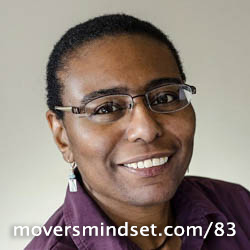
S4 Ep 83Cara-Michele Nether: Aikido, wellness, and honesty
How can personal experiences with Aikido and wellness practices be used to help others improve their lives through self-awareness, physical health, and personal growth? Unexpectedly inheriting an Aikido school may sound overwhelming, but Cara-Michele Nether took it in stride. She sits down to share her journey in Aikido and acupuncture, and what she’s learned from both. Cara-Michele unpacks her views on overall health, and how she helps people improve their lives by focusing on their ‘why.’ She discusses her grandmother, the importance of self-awareness, and her thoughts on Aikido’s usefulness. "Nobody wants to do something that they feel awful about. So you have to make it easy and smooth for them and give them small reasons to celebrate and have a good time and feel like they want to come back." ~ Cara-Michele Nether (38:42) The discussion focuses on personal growth and the impact of martial arts, particularly Aikido, on physical and emotional health. Aikido serves as a tool for self-awareness and developing resilience, as Cara-Michele shares her journey from discovering the practice to inheriting and leading a dojo. The themes of humility, connection, and navigating challenges in teaching and practice are explored in depth. Health and wellness are central topics, as Cara-Michele integrates practices like acupuncture, nutrition, and functional movement into their work. She emphasize the importance of understanding personal motivations, or "why," to make meaningful changes in health and lifestyle. Stories of overcoming challenges and helping others through tailored approaches highlight the transformative power of these practices. Takeaways Functional movement — Emphasis on exercises that enhance daily life skills like lifting, climbing stairs, or squatting. Humility in practice — The necessity of maintaining an "empty cup" mindset for growth in martial arts and personal development. Health connections — The integration of acupuncture, nutrition, and movement to improve overall well-being. Legacy and impact — Encouraging others to recognize their unique contributions and preserve family histories. Community and belonging — The importance of fostering connections and seeing oneself as valuable to others. Resources Strength and Vitality Wellness Center — A wellness center offering acupuncture, nutrition, and movement classes, designed to help clients achieve overall health and vitality. Falls Road Aikido — A dojo founded by Cara-Michele Nether that emphasizes Aikido practice with a focus on personal growth and connection. Kinokawa Aikido — An Aikido organization that strongly influenced Cara-Michele's martial arts journey, known for its emphasis on martial and philosophical aspects of Aikido. (Written with help from Chat-GPT.) --- Hello👋 I'm Craig Constantine. In the Movers Mindset podcast, I talk with movement enthusiasts to learn who they are, what they do, and why they do it. I'm interested in the nature and philosophy of movement and in exploring themes like independence, self-direction, and human excellence. My interests color each conversation and provide some structure to Movers Mindset. But since I like to take the scenic route, every conversation ends up going somewhere unique. The purpose of Movers Mindset is to create and share great conversations with movement enthusiasts. Each conversation feeds my insatiable curiosity, but I share them to turn on a light for someone else, to inspire them, or to give them their next question. I appreciate your time and attention, and I don’t take it for granted. --- Thank you! Want more? Subscribe to the email list for weekly updates—new episodes and archive highlights delivered to your inbox. I invite you to cultivate a meaningful life—through presence, not pursuit. You can learn more about me and all my projects at, https://craigconstantine.com. If you like what I'm doing through Movers Mindset, learn more about becoming a patron. ɕ
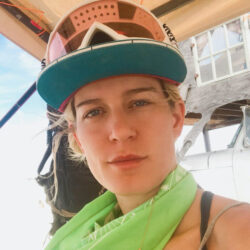
S4 Ep 82Thea Rae: Programming, Stunts, and Cross training
EHow can diverse physical practices and creative disciplines inform and enhance each other to foster personal growth and adaptability? Any mind hell-bent on problem solving inevitably seeks challenge. Thea Rae discusses many things, including her movement background, coding, and stunt work. She unpacks the connections between her art, movement, aerial circus, and programming. Thea explains her varied interests: stunts, circus, cycling, climbing, and ice skating, and why cross training is so important to her practice. "Movement is also a language to me. Just as much as we can communicate with words, we can also communicate with our bodies and we can say so much." ~ Thea Rae Thea Rae discusses her multifaceted journey through movement arts, creative technology, and life, emphasizing the significance of cross-training in her personal and professional development. She reflects on how disciplines like gymnastics, aerial arts, and ice skating have shaped her understanding of physicality and creativity. Her experience with rock climbing has also been pivotal in teaching her how to remain calm and adapt to challenging situations. In addition to physical movement, Thea digs into her artistic pursuits, including kinetic sculpture and interactive installations. She explains the parallels between her programming and movement practices, highlighting the problem-solving mindset that underpins both. Throughout, she underscores the value of viewing movement as a language and a means of communication, shaping her approach to teaching, performing, and everyday life. Takeaways Movement as a language — Physical movement can communicate as much as words, offering nuanced expressions of thought and emotion. Cross-training benefits — Engaging in varied physical practices enriches skills across disciplines and fosters adaptability. The interplay of art and movement — Artistic and physical pursuits inform and enhance each other, creating a holistic creative process. Resilience through rock climbing — Climbing teaches problem-solving, calmness, and persistence in the face of physical challenges. Ice skating’s impact — Ice skating has improved Thea’s balance, core stability, and understanding of subtle movements. Rehab and pre-hab importance — Maintaining physical health requires intentional rehabilitation and preventative exercises to stay active. Creative problem-solving — Both programming and movement rely on structured thinking and the ability to adapt to complex situations. Resources New England Center for Circus Arts — A school where Thea studied aerial silks and acrobatics. Brooklyn Zoo — A parkour gym where Thea began exploring movement in New York City. Motiv NY — A physical therapy center that has assisted Thea with movement optimization and injury recovery. Wonderfruit Festival — A music festival in Thailand where Thea built interactive installations. (Written with help from Chat-GPT.) --- Hello👋 I'm Craig Constantine. In the Movers Mindset podcast, I talk with movement enthusiasts to learn who they are, what they do, and why they do it. I'm interested in the nature and philosophy of movement and in exploring themes like independence, self-direction, and human excellence. My interests color each conversation and provide some structure to Movers Mindset. But since I like to take the scenic route, every conversation ends up going somewhere unique. The purpose of Movers Mindset is to create and share great conversations with movement enthusiasts. Each conversation feeds my insatiable curiosity, but I share them to turn on a light for someone else, to inspire them, or to give them their next question. I appreciate your time and attention, and I don’t take it for granted. --- Thank you! Want more? Subscribe to the email list for weekly updates—new episodes and archive highlights delivered to your inbox. I invite you to cultivate a meaningful life—through presence, not pursuit. You can learn more about me and all my projects at, https://craigconstantine.com. If you like what I'm doing through Movers Mindset, learn more about becoming a patron. ɕ
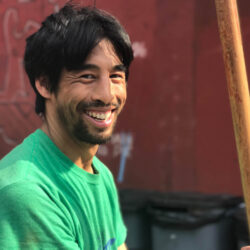
S4 Ep 81Andrew Suseno: Ancestors, Parcon Resilience, and Racism
How can movement practices like Parcon Resilience foster connection, empathy, and anti-racism in diverse communities? Andrew Suseno’s Parcon goes beyond the physical to create community and fight racism. Andrew discusses his family, ancestors, and their role in his identity. We explore what Parcon is, why he created Parcon Resilience, and his vision for the anti-racist work it does. Andrew unpacks various pieces of racism in modern America, how Parcon Resilience addresses it, and shares why the work he does inspires him. "When somebody is Parcon'ing with somebody who might be in a chair— who might have the ability to maybe do a couple steps if they had somebody in kind of a dynamic balance with them or helping take off some of their weight— Then all of a sudden it becomes possible! There’s this invitation across ability to be able to create new possibilities for being in public, for being in the world, and it’s not just a singular thing." ~ Andrew Suseno (17:48) The discussion explores Parcon Resilience as an innovative practice combining movement, community, and anti-racist principles. Andrew goes into the origins of Parcon Resilience, blending influences from contact improvisation and parkour to create relational and environmental somatic experiences. The practice emphasizes inclusivity, enabling people of all abilities to connect and express themselves, often in public spaces, to challenge societal norms about movement and relationships. The conversation also addresses broader themes of racism, intersectionality, and ancestral connections. Andrew explains how Parcon Resilience helps people embody anti-racism by fostering empathy and honoring diverse experiences. Discussions include the socio-political implications of movement and the transformative potential of connecting with one’s environment, others, and ancestral history. Takeaways Inclusivity in movement practices — Parcon Resilience allows individuals of all abilities to engage in meaningful interactions. Contact improvisation — The foundational principles emphasize shared weight and nonverbal communication between participants. Anti-racism through movement — Parcon Resilience focuses on fostering race consciousness and addressing societal inequalities. Connection to environment — Participants explore nontraditional spaces and movements to form deeper relationships with their surroundings. Empathy and relational practices — The focus on shared experiences builds mutual understanding and challenges societal divisions. Intersectionality in practice — The framework centers on people of color across various intersecting identities. Cultural and ancestral connections — Honoring one's past and culture through movement deepens personal and collective identity. Challenging ableist norms — Activities break barriers between able-bodied individuals and those with disabilities. Transforming public spaces — Movement activities in public invite diverse interactions and challenge conventional use of urban environments. Resources Moving Rasa @moving.rasa People's Institute for Survival and Beyond — Organization providing anti-racism workshops and initiatives. Andrea Smith's article on Heteropatriarchy — A piece discussing the three pillars of white supremacy. High Line Park — The location for one of Parcon Resilience's public flash mobs in New York City. (Written with help from Chat-GPT.) --- Hello👋 I'm Craig Constantine. In the Movers Mindset podcast, I talk with movement enthusiasts to learn who they are, what they do, and why they do it. I'm interested in the nature and philosophy of movement and in exploring themes like independence, self-direction, and human excellence. My interests color each conversation and provide some structure to Movers Mindset. But since I like to take the scenic route, every conversation ends up going somewhere unique. The purpose of Movers Mindset is to create and share great conversations with movement enthusiasts. Each conversation feeds my insatiable curiosity, but I share them to turn on a light for someone else, to inspire them, or to give them their next question. I appreciate your time and attention, and I don’t take it for granted. --- Thank you! Want more? Subscribe to the email list for weekly updates—new episodes and archive highlights delivered to your inbox. I invite you to cultivate a meaningful life—through presence, not pursuit. You can learn more about me and all my projects at, https://craigconstantine.com. If you like what I'm doing through Movers Mindset, learn more about becoming a patron. ɕ
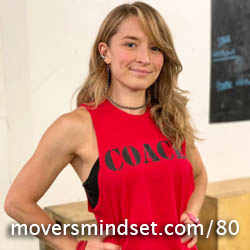
S4 Ep 80Nikkie Zanevsky: Coaching, inclusivity, and empathy
How can inclusive coaching practices and a focus on empathy improve learning and growth for diverse groups in movement disciplines like parkour? When she first learned about parkour back in ’06, Nikkie Zanevsky never dreamed it would lead to her quitting her day job and starting her own movement company. Nikkie sits down to reflect on her approach to coaching, structuring classes, and creating an experience for her students. She shares her own methods of learning and growing, and how it impacts her coaching. Nikkie shares her insights on success, inclusivity and gender in parkour, and the importance of starting before you’re ready. "For me, my favorite part of coaching is activating everyone in the space to work with each other and to learn from each other, but I feel like I can do that better if I know something about each of the people and how to activate that." ~ Nikkie Zanevsky The conversation explores the integration of empathy, inclusivity, and diverse movement modalities in coaching practices. Nikkie discusses her approach to creating a supportive environment for learners of all ages and skill levels. She emphasizes the importance of understanding individual needs and fostering collaboration among participants. Key themes include the role of failure as a pathway to growth, the psychological barriers faced by older participants, and the value of blending disciplines like parkour, strength training, and playful movement. The discussion also highlights how societal expectations can influence participation and the importance of challenging norms to create equitable learning experiences. Takeaways Empathy in coaching — Nikkie emphasizes understanding and adapting to the needs of each participant. Failure as a learning tool — Regularly facing challenges and setbacks builds resilience and empathy. Diverse modalities — Combining parkour with strength training and playful elements enhances learning. Psychological barriers — Older adults often face mental and social hurdles to engaging in new physical practices. Inclusive environments — Structured indoor and outdoor spaces can make movement more approachable. Impact of societal norms — Challenging expectations about age, gender, and ability fosters inclusivity. Resources Wildly Fit — Nikkie's New York-based movement coaching and team-building company. Grit — Angela Lee Duckworth's book referenced for its focus on perseverance and passion. The Movement Creative — A collaborative movement community co-founded by Nikkie. Firestorm Freerunning & Acrobatics — Mentioned as a model for a thriving parkour business. American Rendezvous — An event noted for its inclusivity across all skill levels. (Written with help from Chat-GPT.) --- Hello👋 I'm Craig Constantine. In the Movers Mindset podcast, I talk with movement enthusiasts to learn who they are, what they do, and why they do it. I'm interested in the nature and philosophy of movement and in exploring themes like independence, self-direction, and human excellence. My interests color each conversation and provide some structure to Movers Mindset. But since I like to take the scenic route, every conversation ends up going somewhere unique. The purpose of Movers Mindset is to create and share great conversations with movement enthusiasts. Each conversation feeds my insatiable curiosity, but I share them to turn on a light for someone else, to inspire them, or to give them their next question. I appreciate your time and attention, and I don’t take it for granted. --- Thank you! Want more? Subscribe to the email list for weekly updates—new episodes and archive highlights delivered to your inbox. I invite you to cultivate a meaningful life—through presence, not pursuit. You can learn more about me and all my projects at, https://craigconstantine.com. If you like what I'm doing through Movers Mindset, learn more about becoming a patron. ɕ
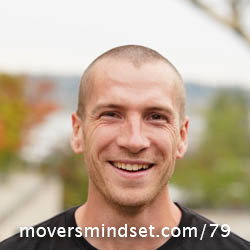
S4 Ep 79Bryan Riggins: Awareness, process, and books
What can be learned from training parkour and engaging with challenges of height about composure, awareness, and personal growth? Bryan Riggins discusses his motivation, goals, and process of training descents, and his experiences and relationship with fear. He shares how it relates to his love of coaching children, and the challenges he personally works on. Bryan unpacks his reasons for training parkour before delving into the many books that have influenced him and what is on his reading list. "I think that fear has a place always. I think that if people think that it doesn't exist or that they don't have it, they're lying to themselves." ~ Bryan Riggins (14:18) The conversation discusses the lessons drawn from parkour, particularly training descents, and how these experiences shape personal awareness and composure. Central themes include managing fear, the importance of intentionality, and the application of these principles in teaching children and coaching others. Bryan reflects on how parkour serves as a means for self-discovery and resilience building. The discussion also drops into the philosophical aspects of parkour, such as the value of breaking challenges into manageable parts and the role of journaling in tracking progress. Broader reflections on teaching emphasize equipping students with tools to manage emotional responses, fostering a growth-oriented mindset, and creating meaningful connections between physical practice and personal development. Takeaways Awareness in training — The importance of being present and intentional in physical practice. Fear as a tool — Fear is acknowledged as a constant presence, offering opportunities for growth rather than avoidance. Coaching children — Effective teaching strategies involve mindfulness and providing tools for emotional management. Challenge breakdown — Success in parkour often depends on dividing large challenges into smaller, manageable steps. Journaling for reflection — Documenting training helps reinforce learning and track progress. Social media's role — Social platforms are seen as both an opportunity for connection and a potential distraction from meaningful practice. Mindset in challenges — A fixed mindset can limit growth, while a focus on adaptability fosters resilience. The influence of books — Literature and philosophical insights inform both training and teaching methodologies. Resources The Rock Warrior's Way — Arno Ilgner's book that discusses awareness, attention, and intention in training. Parkour Visions — An organization where the speaker coaches and develops programs. Momo — Michael Ende's' magical realism book mentioned as inspiring. A Thousand Plateaus — by Gilles Deleuze and Félix Guattari, a philosophical work exploring complex ideas. (Written with help from Chat-GPT.) --- Hello👋 I'm Craig Constantine. In the Movers Mindset podcast, I talk with movement enthusiasts to learn who they are, what they do, and why they do it. I'm interested in the nature and philosophy of movement and in exploring themes like independence, self-direction, and human excellence. My interests color each conversation and provide some structure to Movers Mindset. But since I like to take the scenic route, every conversation ends up going somewhere unique. The purpose of Movers Mindset is to create and share great conversations with movement enthusiasts. Each conversation feeds my insatiable curiosity, but I share them to turn on a light for someone else, to inspire them, or to give them their next question. I appreciate your time and attention, and I don’t take it for granted. --- Thank you! Want more? Subscribe to the email list for weekly updates—new episodes and archive highlights delivered to your inbox. I invite you to cultivate a meaningful life—through presence, not pursuit. You can learn more about me and all my projects at, https://craigconstantine.com. If you like what I'm doing through Movers Mindset, learn more about becoming a patron. ɕ
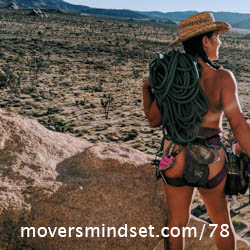
S4 Ep 78TK: Tantra, authenticity, and eye contact
EWhat role does tantra, authenticity, and interpersonal communication play in enhancing personal growth and human connection? TK openly discusses her experiences with tantra, explaining what it is, what it means to her, and how it relates to her goals with Lovecraft Collective. She shares her thoughts on the power of eye contact, radical honesty, and interpersonal communication. TK delves into her love of climbing, her relationship with movement, sexuality, and how the two are connected. "There’s something kind of magical that happens when you— We're making eye contact right now, and it's kind of silly, but if we allowed ourselves to continue to make eye contact…" ~ TK (19:39) The conversation explores the multifaceted nature of tantra, diving into its definition and its applications in fostering human connection and holistic healing. It highlights the significance of balancing energy, exploring pleasure, and integrating movement practices such as climbing and parkour into a fuller, more embodied experience of life. TK shares personal anecdotes that underline the importance of understanding and addressing sexuality as a fundamental part of being human. The discussion also dips into the profound power of eye contact, vulnerability, and radical honesty as transformative tools in interpersonal relationships. Insights into TK's movement background, including climbing and parkour, provide a glimpse into how physical activities intertwine with personal development and creativity. Takeaways Eye contact — A powerful tool for creating intimacy and understanding in human connections. Tantra — A practice focused on integrating light, sound, and form for holistic healing and personal growth. Movement and embodiment — Movement practices like parkour and climbing play a significant role in connecting with oneself and the environment. Radical honesty — Emphasizing the importance of truthfulness in building trust and fostering genuine interactions. Sexuality and self-discovery — Understanding and addressing sexuality as a core aspect of humanity and personal empowerment. Integration of practices — Combining physical movement, tantra, and mindfulness for a balanced and enriched life. Resources LoveCraft Collective — The guest’s coaching and empowerment collective focused on tantra and sexual healing. Urban Tantra — Barbara Carrellas's book exploring tantra practices, initially developed during the AIDS crisis, to foster connection and healing. Seattle Bouldering Project — A climbing and community space where the guest developed connections related to movement. (Written with help from Chat-GPT.) --- Hello👋 I'm Craig Constantine. In the Movers Mindset podcast, I talk with movement enthusiasts to learn who they are, what they do, and why they do it. I'm interested in the nature and philosophy of movement and in exploring themes like independence, self-direction, and human excellence. My interests color each conversation and provide some structure to Movers Mindset. But since I like to take the scenic route, every conversation ends up going somewhere unique. The purpose of Movers Mindset is to create and share great conversations with movement enthusiasts. Each conversation feeds my insatiable curiosity, but I share them to turn on a light for someone else, to inspire them, or to give them their next question. I appreciate your time and attention, and I don’t take it for granted. --- Thank you! Want more? Subscribe to the email list for weekly updates—new episodes and archive highlights delivered to your inbox. I invite you to cultivate a meaningful life—through presence, not pursuit. You can learn more about me and all my projects at, https://craigconstantine.com. If you like what I'm doing through Movers Mindset, learn more about becoming a patron. ɕ
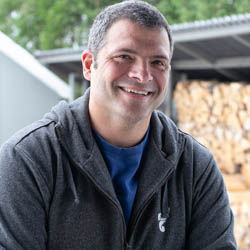
S3 Ep 77Craig Constantine: End of season 3, 2019 recap, and looking ahead
Craig reflects on 2019, thanking the team, and the people who have helped along the way. He recaps what Movers Mindset accomplished in 2019; the podcast being just one area of focus. He shares some plans and hints for what's coming for 2020 and in season 4. --- Hello👋 I'm Craig Constantine. In the Movers Mindset podcast, I talk with movement enthusiasts to learn who they are, what they do, and why they do it. I'm interested in the nature and philosophy of movement and in exploring themes like independence, self-direction, and human excellence. My interests color each conversation and provide some structure to Movers Mindset. But since I like to take the scenic route, every conversation ends up going somewhere unique. The purpose of Movers Mindset is to create and share great conversations with movement enthusiasts. Each conversation feeds my insatiable curiosity, but I share them to turn on a light for someone else, to inspire them, or to give them their next question. I appreciate your time and attention, and I don’t take it for granted. --- Thank you! Want more? Subscribe to the email list for weekly updates—new episodes and archive highlights delivered to your inbox. I invite you to cultivate a meaningful life—through presence, not pursuit. You can learn more about me and all my projects at, https://craigconstantine.com. If you like what I'm doing through Movers Mindset, learn more about becoming a patron. ɕ
S3 Ep 76US Parkour Association (part 4 of 4): Competition, certifications, and a request
What role should a national governing body play in shaping the growth and development of Parkour? Collaboration among diverse voices is shaping the future of Parkour through the USPK. This episode explores the US Parkour Association's (USPK) efforts to address competition, coaching certifications, and international pressures. The association adopts a neutral stance on competition, aiming to serve as a platform for diverse practices while prioritizing safety and sustainability. It acknowledges the varied opinions within the Parkour community and strives to ensure competitions reflect the values of the discipline. Coaching certifications are another key topic, with USPK focusing on establishing standards rather than creating its own certifications. This approach aims to ensure that certifications emphasize safety, best practices, and legitimacy. Additionally, the conversation highlights the challenges of globalization and external organizations attempting to influence Parkour, stressing the importance of maintaining the sport's cultural roots through active community involvement. Takeaways Neutral stance on competition — USPK refrains from dictating competition formats, instead prioritizing safety and inclusivity across the community. Role in coaching certifications — The organization seeks to set standards for safety and best practices rather than creating a proprietary certification system. Diverse representation — The transition board brings together varied perspectives to reflect the community's diversity and facilitate inclusive decision-making. External pressures on Parkour — Parkour faces challenges from entities outside the community aiming to capitalize on its growth, necessitating vigilance and advocacy. Importance of research and dialogue — Informed conversations based on facts are emphasized as vital for addressing controversies and progressing the community. Building a unified voice — The USPK aims to identify areas of consensus within the community while respecting and preserving differing opinions. Advocacy for engagement — Active participation in USPK by community members is encouraged to shape the organization's direction and protect Parkour’s values. Growth through collaboration — The potential for the Parkour community to advance lies in harnessing the collective expertise of diverse stakeholders. Resources USPK Official Website — Provides information about the United States Parkour Association and membership opportunities. (Written with help from Chat-GPT.) --- Hello👋 I'm Craig Constantine. In the Movers Mindset podcast, I talk with movement enthusiasts to learn who they are, what they do, and why they do it. I'm interested in the nature and philosophy of movement and in exploring themes like independence, self-direction, and human excellence. My interests color each conversation and provide some structure to Movers Mindset. But since I like to take the scenic route, every conversation ends up going somewhere unique. The purpose of Movers Mindset is to create and share great conversations with movement enthusiasts. Each conversation feeds my insatiable curiosity, but I share them to turn on a light for someone else, to inspire them, or to give them their next question. I appreciate your time and attention, and I don’t take it for granted. --- Thank you! Want more? Subscribe to the email list for weekly updates—new episodes and archive highlights delivered to your inbox. I invite you to cultivate a meaningful life—through presence, not pursuit. You can learn more about me and all my projects at, https://craigconstantine.com. If you like what I'm doing through Movers Mindset, learn more about becoming a patron. ɕ
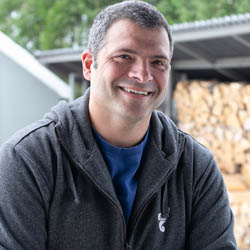
S3 Ep 75Craig Constantine: The value of trade
Craig discusses thinking of interactions as trades of value, whether or not money is used in the process. He explains how we trade directly and indirectly with others daily, and the effects of bringing third parties into trades. Craig talks about ways to trade directly with Movers Mindset; online, offline or by supporting the project financially. --- Hello👋 I'm Craig Constantine. In the Movers Mindset podcast, I talk with movement enthusiasts to learn who they are, what they do, and why they do it. I'm interested in the nature and philosophy of movement and in exploring themes like independence, self-direction, and human excellence. My interests color each conversation and provide some structure to Movers Mindset. But since I like to take the scenic route, every conversation ends up going somewhere unique. The purpose of Movers Mindset is to create and share great conversations with movement enthusiasts. Each conversation feeds my insatiable curiosity, but I share them to turn on a light for someone else, to inspire them, or to give them their next question. I appreciate your time and attention, and I don’t take it for granted. --- Thank you! Want more? Subscribe to the email list for weekly updates—new episodes and archive highlights delivered to your inbox. I invite you to cultivate a meaningful life—through presence, not pursuit. You can learn more about me and all my projects at, https://craigconstantine.com. If you like what I'm doing through Movers Mindset, learn more about becoming a patron. ɕ
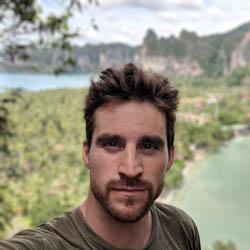
S3 Ep 74Tyson Cecka: Obstacles, artistry, and depression
EWhat drives the creation and refinement of spaces and objects for parkour, and how do personal and communal experiences influence this process? Tyson Cecka unpacks his design process, how he began to build parkour obstacles, and where he finds inspiration. He discusses his current plans and goals, and explains why he doesn’t consider himself a great artist or creator. Tyson shares his experiences with depression, how it’s affected his life, and how he’s working through it. "Failure should be a lesson. If you're doing your trials correctly, every failure would be a lesson that you could then apply going forward." ~ Tyson Cecka (5:12) This conversation centers on the intersection of creativity, movement, and mental resilience. Tyson discusses how his initial interest in parkour evolved into designing and building obstacles, driven by necessity and a desire to refine and optimize solutions for movement challenges. He explains how his creations are deeply informed by observing others and learning from failures. The discussion also taps into broader themes of community influence, personal struggles with depression, and the balance between maintaining control over spaces and embracing organic creativity. Tyson reflects on the importance of spaces that allow for exploration and adaptation while highlighting the iterative process that shapes his work and life philosophy. Takeaways Experimentation in parkour design — Tyson emphasizes the importance of iterative trial and error in refining obstacles to meet diverse movement needs. Community influence on creativity — Coaches and students play a significant role in inspiring new designs and approaches to obstacle construction. The emotional impact of movement spaces — Tyson discusses the deep connections formed with specific training locations and their significance to personal breakthroughs. Resilience through failure — Each failure in design or execution is viewed as an opportunity to learn and improve future projects. The intersection of art and functionality — Tyson frames his obstacle-building process as a blend of artistic vision and practical application. Mental health and its influence — Tyson shares his struggles with depression and how it has affected his work and approach to life. Creating spaces for preservation — There is a focus on ensuring the longevity and availability of spaces where parkour can thrive, safeguarding the discipline’s future. Adapting to personal growth — Tyson reflects on shifting his mindset and embracing change as part of his evolution both as a designer and individual. Resources Parkour Visions — Nonprofit organization focusing on creating parkour opportunities and safe spaces. STURDYmade — Online community and resource hub for parkour builders and enthusiasts. Art of Retreat — An annual event that focuses on movement, culture, and coaching discussions in the parkour community. (Written with help from Chat-GPT.) --- Hello👋 I'm Craig Constantine. In the Movers Mindset podcast, I talk with movement enthusiasts to learn who they are, what they do, and why they do it. I'm interested in the nature and philosophy of movement and in exploring themes like independence, self-direction, and human excellence. My interests color each conversation and provide some structure to Movers Mindset. But since I like to take the scenic route, every conversation ends up going somewhere unique. The purpose of Movers Mindset is to create and share great conversations with movement enthusiasts. Each conversation feeds my insatiable curiosity, but I share them to turn on a light for someone else, to inspire them, or to give them their next question. I appreciate your time and attention, and I don’t take it for granted. --- Thank you! Want more? Subscribe to the email list for weekly updates—new episodes and archive highlights delivered to your inbox. I invite you to cultivate a meaningful life—through presence, not pursuit. You can learn more about me and all my projects at, https://craigconstantine.com. If you like what I'm doing through Movers Mindset, learn more about becoming a patron. ɕ
S3 Ep 73US Parkour Association (part 3 of 4): Funding model, membership voices, and next steps
What are the challenges, structures, and opportunities involved in building and maintaining a transparent, community-driven national governing body for Parkour? Membership dues directly support a transparent, nonprofit structure designed to empower the Parkour community. This conversation goes into the structure, purpose, and vision of the United States Parkour Association (USPK), a nonprofit organization aiming to unify and support the Parkour community. It discusses the unique governance model involving committees and Special Interest Groups (SIGs), emphasizing the grassroots nature of SIGs as member-driven initiatives addressing both internal and community-specific challenges. Transparency is a cornerstone of USPK’s operations, with open financial reporting and an inclusive process for member contributions to decision-making. The discussion also touches on the challenges of convincing individual practitioners and skeptics to join the organization, highlighting the importance of proactive involvement to ensure Parkour remains community-led. Broader topics include potential external threats, such as legislative actions by industries like CrossFit and Coca-Cola, and the role of public perception in shaping Parkour's future. The conversation underscores the urgency of building a robust membership base to drive the organization's efforts and sustain its mission. Takeaways Membership dues — Funding for USPK comes primarily from membership fees, ensuring direct community investment in its initiatives. Transparency commitment — The organization prioritizes transparency through open financial reports and clear communication with members. Special Interest Groups — SIGs are grassroots initiatives that empower members to address diverse challenges and innovate within the Parkour community. Committee structure — Committees focus on specific issues such as build standards and competition, ensuring organizational goals align with community needs. External legislative threats — The discussion highlights threats from industries and legislation that could negatively impact Parkour's autonomy and accessibility. Community involvement — The importance of collective action and shared responsibility in shaping Parkour's future is emphasized. Public perception — Outreach and education can positively influence how the public perceives Parkour practitioners. Grassroots energy — The conversation stresses leveraging the passion of individual practitioners to drive the organization’s growth and impact. Membership growth — Building a strong membership base is critical for long-term sustainability and influence. Unified direction — Advocating for aligning individual and collective goals to protect and advance the discipline of Parkour. Resources USPK Official Website — Provides information about the United States Parkour Association and membership opportunities. (Written with help from Chat-GPT.) --- Hello👋 I'm Craig Constantine. In the Movers Mindset podcast, I talk with movement enthusiasts to learn who they are, what they do, and why they do it. I'm interested in the nature and philosophy of movement and in exploring themes like independence, self-direction, and human excellence. My interests color each conversation and provide some structure to Movers Mindset. But since I like to take the scenic route, every conversation ends up going somewhere unique. The purpose of Movers Mindset is to create and share great conversations with movement enthusiasts. Each conversation feeds my insatiable curiosity, but I share them to turn on a light for someone else, to inspire them, or to give them their next question. I appreciate your time and attention, and I don’t take it for granted. --- Thank you! Want more? Subscribe to the email list for weekly updates—new episodes and archive highlights delivered to your inbox. I invite you to cultivate a meaningful life—through presence, not pursuit. You can learn more about me and all my projects at, https://craigconstantine.com. If you like what I'm doing through Movers Mindset, learn more about becoming a patron. ɕ
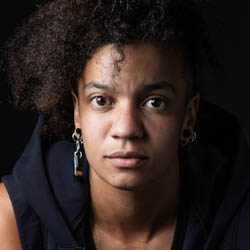
S3 Ep 72Brandee Laird: Creating experiences, usefulness, and poetry
How can one integrate personal growth, creativity, and leadership to inspire and connect with others? Brandee Laird discusses many things, including the recent Art of Retreat, being an introvert, and card manipulation. She shares her coaching philosophy, influences, and creating experiences, and reflects on the role of usefulness in her practice. Brandee explains how she handles dark moods, strives to expand her skill sets, and even recites some of her own poetry. "[T]hey end up feeling connected to me by the way I'm doing it and the way I'm presenting myself. But really, it's whatever tactics and techniques, whatever tools I'm giving them. Whether it's a game, mess with a partner, or we're all doing something together, it's really designed to give them a sense of not being alone in the endeavor. Because parkour is something that we definitely do alone. But we do it alone, together." ~ Brandee Laird Brandee Laird explores her multifaceted approach to personal growth, movement, and coaching. She discusses how she crafts unique experiences for her students to foster connection and engagement, emphasizing the balance between challenge and joy in her teaching philosophy. Through her reflections on the Art of Retreat, she shares how creating environments for personal and communal elevation has inspired her practice. Additionally, she explains her methods of navigating introversion and dark moods, offering insights into building resilience through creative outlets like poetry and physical movement. The conversation also dips into the philosophy behind her work, such as redefining parkour as an obstacle-based discipline and expanding its scope to emphasize utility and community impact. She highlights how integrating compassion, creativity, and leadership can elevate both individuals and groups. Her personal anecdotes, such as teaching meditation and ninja skills at a summer camp, reveal her commitment to cultivating meaningful experiences that inspire transformation in others. Takeaways Creating impactful learning experiences — Experiences should combine skill acquisition with emotional engagement for lasting impact. Navigating introversion in leadership — Introverts can consciously generate energy to inspire and lead others effectively. Growth through discomfort — Embracing challenges leads to personal and communal transformation. Parkour as a universal practice — Parkour’s adaptability and inclusivity make it a unique discipline with global community connections. The role of creativity in resilience — Poetry and storytelling provide emotional outlets and foster deeper personal reflection. Expanding parkour’s scope — Teaching parkour with a focus on utility and values can transform communities and lives. Balancing joy and suffering in practice — Sustainable training includes both rigorous challenges and moments of lighthearted exploration. Resources Brandee Laird @monkeemoves Opportunitrees (YouTube) — Brandee’s personal parkour video journal capturing moments of happiness and creativity. Parkour Visions — Organization promoting parkour as an inclusive, community-driven discipline. Art of Retreat — Event fostering connection and learning within the movement community. The I Ching — Ancient Chinese text used for guidance and introspection. (Written with help from Chat-GPT.) --- Hello👋 I'm Craig Constantine. In the Movers Mindset podcast, I talk with movement enthusiasts to learn who they are, what they do, and why they do it. I'm interested in the nature and philosophy of movement and in exploring themes like independence, self-direction, and human excellence. My interests color each conversation and provide some structure to Movers Mindset. But since I like to take the scenic route, every conversation ends up going somewhere unique. The purpose of Movers Mindset is to create and share great conversations with movement enthusiasts. Each conversation feeds my insatiable curiosity, but I share them to turn on a light for someone else, to inspire them, or to give them their next question. I appreciate your time and attention, and I don’t take it for granted. --- Thank you! Want more? Subscribe to the email list for weekly updates—new episodes and archive highlights delivered to your inbox. I invite you to cultivate a meaningful life—through presence, not pursuit. You can learn more about me and all my projects at, https://craigconstantine.com. If you like what I'm doing through Movers Mindset, learn more about becoming a patron. ɕ
S3 Ep 71US Parkour Association (part 2 of 4): National governing bodies, Board of Directors, and getting involved
What is the purpose and vision of the United States Parkour Association (USPK), and how does it aim to shape the future of Parkour in the United States? USPK seeks to unite the Parkour community under a shared vision for safety, legitimacy, and inclusivity. This episode explores the purpose and necessity of the United States Parkour Association (USPK), focusing on its role as a national governing body for the Parkour community. Topics include the importance of legitimacy in representing Parkour to external entities like governments and media, the development of safety guidelines for gyms and events, and the need to preserve the culture and inclusivity of the sport. Members of the transitional board share their vision for how USPK can guide the community while ensuring that its direction remains member-driven. The discussion highlights the structure and goals of USPK’s transitional board, including the emphasis on transparency, broad representation, and accessibility for members. The board envisions creating a sustainable framework that encourages collaboration among individuals, organizations, and businesses passionate about Parkour. Special interest groups (SIGs) and other mechanisms are designed to empower members to contribute actively to areas such as certifications, competitions, and educational standards. Takeaways The need for a governing body — USPK exists to represent the Parkour community’s interests and ensure its voice is heard. Safety and guidelines — Developing standards to enhance safety in gyms and events is a key focus. Legitimacy in public perception — USPK aims to counter misconceptions and promote a positive image of Parkour. Member-driven organization — Transparency and inclusivity are central to USPK’s structure and decision-making. Transitional board’s role — Current board members are dedicated to establishing a foundation for future leaders. Diverse membership — USPK invites practitioners, parents, coaches, and businesses to join and contribute. Special interest groups (SIGs) — Members can actively shape areas such as education, competitions, and safety standards. Community representation — USPK seeks to be the collective voice of all Parkour enthusiasts in the U.S. Resources for members — Providing tools like insurance access, event awareness, and networking opportunities. Combating external challenges — Addressing issues such as unsafe practices and commercialization by external entities. Resources USPK Official Website — Provides information about the United States Parkour Association and membership opportunities. (Written with help from Chat-GPT.) --- Hello👋 I'm Craig Constantine. In the Movers Mindset podcast, I talk with movement enthusiasts to learn who they are, what they do, and why they do it. I'm interested in the nature and philosophy of movement and in exploring themes like independence, self-direction, and human excellence. My interests color each conversation and provide some structure to Movers Mindset. But since I like to take the scenic route, every conversation ends up going somewhere unique. The purpose of Movers Mindset is to create and share great conversations with movement enthusiasts. Each conversation feeds my insatiable curiosity, but I share them to turn on a light for someone else, to inspire them, or to give them their next question. I appreciate your time and attention, and I don’t take it for granted. --- Thank you! Want more? Subscribe to the email list for weekly updates—new episodes and archive highlights delivered to your inbox. I invite you to cultivate a meaningful life—through presence, not pursuit. You can learn more about me and all my projects at, https://craigconstantine.com. If you like what I'm doing through Movers Mindset, learn more about becoming a patron. ɕ
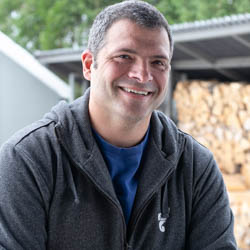
S3 Ep 70Craig Constantine: Discovery, reflection, and efficacy
Craig discusses the benefit of describing your practice, and why three words is an effective way to do it. He shares Movers Mindset's three words for the whole project, and unpacks each of them. Craig explains how Movers Mindset's three words are connected, and what they mean to the project. --- Hello👋 I'm Craig Constantine. In the Movers Mindset podcast, I talk with movement enthusiasts to learn who they are, what they do, and why they do it. I'm interested in the nature and philosophy of movement and in exploring themes like independence, self-direction, and human excellence. My interests color each conversation and provide some structure to Movers Mindset. But since I like to take the scenic route, every conversation ends up going somewhere unique. The purpose of Movers Mindset is to create and share great conversations with movement enthusiasts. Each conversation feeds my insatiable curiosity, but I share them to turn on a light for someone else, to inspire them, or to give them their next question. I appreciate your time and attention, and I don’t take it for granted. --- Thank you! Want more? Subscribe to the email list for weekly updates—new episodes and archive highlights delivered to your inbox. I invite you to cultivate a meaningful life—through presence, not pursuit. You can learn more about me and all my projects at, https://craigconstantine.com. If you like what I'm doing through Movers Mindset, learn more about becoming a patron. ɕ
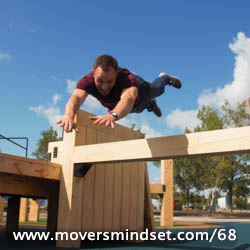
S3 Ep 69Colin MacDonald: Parkour design, dream builds, and inspiration
How can public spaces be designed to integrate parkour features while balancing community needs and architectural aesthetics? Colin MacDonald discusses his experience designing parkour parks, and what he’s learned from the process. He shares thoughts on his creative process and inspirations before explaining more about Landscape Architecture and the program he is in. Colin unpacks some of his personal design and build dreams, along with the realities that affect them, and explores the connection between sculpture and parkour design. "I think that a well-designed parkour park—compared to something like a well-designed skate park—has the potential to serve a lot of populations." ~ Colin MacDonald (11:05) Colin McDonald leaps into the creative and logistical aspects of designing parkour parks, exploring their potential to serve communities beyond the parkour practitioners themselves. He reflects on projects like Rose Park in Boise and Penzer Park in Langley, highlighting the balance between making a space inviting for movement and considering broader urban challenges. Colin also discusses the aesthetic and functional aspects of his work, emphasizing the importance of materiality and community integration. Colin explores his influences, from urban sculptures to conversations with other parkour architects like Mikkel Rugaard. His interest in creating multi-use spaces reflects his vision for inclusivity and accessibility in public design. Beyond this, Colin shares insights on evolving parkour spaces from purely functional sites to places that are inspiring and aesthetically pleasing, contributing to a more dynamic urban environment. Takeaways Integrating parkour into public spaces — Colin emphasizes the balance between creating functional parkour features and ensuring spaces are welcoming to all. Materiality in design — He reflects on the tactile and aesthetic importance of materials like wood and metal. Community impact — Colin considers how spaces influence community behavior and activate underutilized areas. Influence of public sculpture — He draws inspiration from large-scale public sculptures for parkour park designs. Evolving creative process — Colin shares how conversations and collaborations have shaped his approach to designing movement spaces. Resources Parkour Visions — A non-profit organization focused on creating parkour parks and educational programs. Street Movement — A design firm known for innovative parkour park concepts. TraceSpace — A German firm creating distinctive parkour spaces using mixed materials like brick and timber. (Written with help from Chat-GPT.) --- Hello👋 I'm Craig Constantine. In the Movers Mindset podcast, I talk with movement enthusiasts to learn who they are, what they do, and why they do it. I'm interested in the nature and philosophy of movement and in exploring themes like independence, self-direction, and human excellence. My interests color each conversation and provide some structure to Movers Mindset. But since I like to take the scenic route, every conversation ends up going somewhere unique. The purpose of Movers Mindset is to create and share great conversations with movement enthusiasts. Each conversation feeds my insatiable curiosity, but I share them to turn on a light for someone else, to inspire them, or to give them their next question. I appreciate your time and attention, and I don’t take it for granted. --- Thank you! Want more? Subscribe to the email list for weekly updates—new episodes and archive highlights delivered to your inbox. I invite you to cultivate a meaningful life—through presence, not pursuit. You can learn more about me and all my projects at, https://craigconstantine.com. If you like what I'm doing through Movers Mindset, learn more about becoming a patron. ɕ
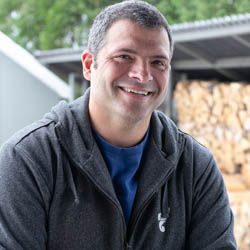
S3 Ep 68Craig Constantine: Beyond podcasting, community, and why
Craig goes beyond podcasting to unpack another piece of the Movers Mindset project; the Community. He discusses the elements that a community requires in order to be successful, and why we don’t always succeed when creating community online. Craig explains the Movers Mindset community’s purpose, and what you’ll find inside the community. --- Hello👋 I'm Craig Constantine. In the Movers Mindset podcast, I talk with movement enthusiasts to learn who they are, what they do, and why they do it. I'm interested in the nature and philosophy of movement and in exploring themes like independence, self-direction, and human excellence. My interests color each conversation and provide some structure to Movers Mindset. But since I like to take the scenic route, every conversation ends up going somewhere unique. The purpose of Movers Mindset is to create and share great conversations with movement enthusiasts. Each conversation feeds my insatiable curiosity, but I share them to turn on a light for someone else, to inspire them, or to give them their next question. I appreciate your time and attention, and I don’t take it for granted. --- Thank you! Want more? Subscribe to the email list for weekly updates—new episodes and archive highlights delivered to your inbox. I invite you to cultivate a meaningful life—through presence, not pursuit. You can learn more about me and all my projects at, https://craigconstantine.com. If you like what I'm doing through Movers Mindset, learn more about becoming a patron. ɕ
S3 Ep 67US Parkour Association (part 1 of 4): Board members, introductions, and passion
What are the key challenges and opportunities in creating a unified national governing body for the Parkour community in the United States? Experienced practitioners work to ensure the integrity of Parkour’s future through governance and cooperation. This conversation introduces the transition board members of the United States Parkour Association (USPK) and gets into their motivations and expertise. Each member discusses their unique backgrounds and the pivotal experiences that led them to contribute to this initiative. Topics include the need for a neutral platform to unify the Parkour community, the role of governance in fostering public trust, and the challenges of organizing a fragmented national scene. The conversation also highlights the accomplishments and insights of individual board members. These include creating inclusive events like American Rendezvous, implementing Parkour in public school systems, and establishing training and certification standards. Their collective efforts focus on building a foundation for the sport’s long-term growth while addressing diverse barriers such as accessibility, safety, and representation. Takeaways Neutral platform — The importance of a neutral space for collaboration among Parkour practitioners, coaches, and organizations. Public trust — Building legitimacy through professional standards and governance to engage parents, schools, and local authorities. Accessibility — Overcoming barriers like financial, physical, and cultural access to make Parkour inclusive for all. Event organization — Utilizing experiences from successful events like American Rendezvous to foster collaboration and community. Governance challenges — Navigating conflicts and controversies while creating a national governing structure. International perspective — Drawing lessons from international Parkour communities to adapt and grow in the U.S. Educational impact — Implementing Parkour in schools as a means of legitimizing and spreading the discipline. Personal sacrifices — Leaders stepping into governance roles out of a sense of responsibility rather than personal passion. Safety focus — Developing safety standards and training to professionalize the sport and protect participants. Evolving culture — Balancing grassroots creativity with the formalization needed to sustain Parkour’s growth. Resources USPK Official Website — Provides information about the United States Parkour Association and membership opportunities. (Written with help from Chat-GPT.) --- Hello👋 I'm Craig Constantine. In the Movers Mindset podcast, I talk with movement enthusiasts to learn who they are, what they do, and why they do it. I'm interested in the nature and philosophy of movement and in exploring themes like independence, self-direction, and human excellence. My interests color each conversation and provide some structure to Movers Mindset. But since I like to take the scenic route, every conversation ends up going somewhere unique. The purpose of Movers Mindset is to create and share great conversations with movement enthusiasts. Each conversation feeds my insatiable curiosity, but I share them to turn on a light for someone else, to inspire them, or to give them their next question. I appreciate your time and attention, and I don’t take it for granted. --- Thank you! Want more? Subscribe to the email list for weekly updates—new episodes and archive highlights delivered to your inbox. I invite you to cultivate a meaningful life—through presence, not pursuit. You can learn more about me and all my projects at, https://craigconstantine.com. If you like what I'm doing through Movers Mindset, learn more about becoming a patron. ɕ
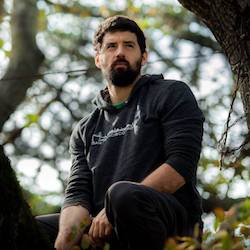
S3 Ep 66Rafe Kelley: Hero’s journey, practice, and self transformation
How can movement practices, particularly parkour, serve as tools for self-transformation and personal growth? Rafe Kelley dives deep into his thoughts about the hero’s journey and it’s relevance to parkour. He shares his own journey and research into parkour and movement, finding meaning in practicing, and why he trains in nature. Rafe discusses parkour’s power as a transformative practice, the spirit behind it, and what makes it unique. "What parkour does is it provides a mini hero's journey that can be approached over and over again in your training sessions." ~ Rafe Kelley (3:23) The conversation explores the idea of using movement practices, particularly parkour, as a means of personal and psychological transformation. Parkour is likened to a mini hero's journey, where practitioners confront challenges, overcome fears, and grow through deliberate practice. The discussion goes into the concept of combining elements from martial arts, natural movement, and mindfulness to create a holistic approach that transcends mere physical skill, addressing deeper aspects of human growth and connection. The narrative extends into the philosophical underpinnings of movement, discussing how metaphors and embodied cognition play crucial roles in shaping our understanding of life and self-improvement. Insights from mythology, evolutionary anthropology, and cognitive science are woven throughout, emphasizing the importance of integrating physical practice with psycho-technologies. This integration seeks to cultivate wisdom, foster resilience, and inspire meaningful transformation. Takeaways The hero's journey in movement practices — Parkour serves as a repeated framework for experiencing and mastering the hero’s journey through physical challenges. Embodied cognition and metaphor — Movement reflects and informs our mental processes, revealing how metaphors and physicality shape our understanding of life. Evolve Move Play framework — A structured approach combining parkour, martial arts, mindfulness, and natural movement to foster self-transformation. Cultural insights into parkour — The origins and evolution of parkour reveal its potential to act as a transformative practice beyond mere athleticism. Wisdom versus intelligence — True growth lies in applying intelligence to cultivate wisdom, balancing physical and mental development. Psycho-technologies in practice — Practices such as meditation, play, and storytelling integrate to enhance personal growth and wisdom. Resources Evolve Move Play — Rafe Kelley’s organization focusing on integrating movement practices with personal transformation. Awakening from the Meaning Crisis — Lecture series by John Vervaeke exploring the loss of wisdom traditions and the pursuit of meaning. Breaking the Jump — Julie Angel’s Book exploring parkour’s history and philosophy. Metta Meditation Guide — Explanation of the loving-kindness meditation practice discussed. Njáls Saga — A classic Icelandic saga referenced for its stories of physical feats and heroism. (Written with help from Chat-GPT.) --- Hello👋 I'm Craig Constantine. In the Movers Mindset podcast, I talk with movement enthusiasts to learn who they are, what they do, and why they do it. I'm interested in the nature and philosophy of movement and in exploring themes like independence, self-direction, and human excellence. My interests color each conversation and provide some structure to Movers Mindset. But since I like to take the scenic route, every conversation ends up going somewhere unique. The purpose of Movers Mindset is to create and share great conversations with movement enthusiasts. Each conversation feeds my insatiable curiosity, but I share them to turn on a light for someone else, to inspire them, or to give them their next question. I appreciate your time and attention, and I don’t take it for granted. --- Thank you! Want more? Subscribe to the email list for weekly updates—new episodes and archive highlights delivered to your inbox. I invite you to cultivate a meaningful life—through presence, not pursuit. You can learn more about me and all my projects at, https://craigconstantine.com. If you like what I'm doing through Movers Mindset, learn more about becoming a patron. ɕ
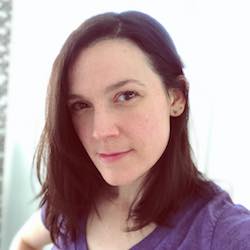
S3 Ep 65Rebecca Brightly: Parenting, gender, and representation
How do personal experiences with movement practices and societal dynamics shape an individual's perspective on gender roles, personal growth, and parenting? Rebecca Brightly discusses the changing dynamics of going from Lindy Hop to motherhood and unpacks her parenting philosophy. She explains why she tolerates parkour and how the gender dynamics contrast with her experience in dance. Rebecca gives her thoughts on gender representation and why she wants women to see how capable they are. "My philosophy is overcoming challenges is what helps build self-confidence. In fact, my opinion is that overcoming challenges is the only thing that builds self-confidence." ~ Rebecca Brightly Rebecca shares her journey transitioning from Lindy Hop to motherhood and then to parkour, reflecting on how each phase shaped her perspective on community, personal growth, and gender dynamics. She describes the challenges of navigating a dance community that lacked family inclusivity and the complexities of balancing parenthood with her passion for movement. Rebecca contrasts her experiences in Lindy Hop, which often adhered to traditional gender roles, with parkour's individualistic approach, finding liberation in the absence of physical imposition. Throughout the conversation, Rebecca goes into broader themes of societal expectations and personal empowerment. She explores how parenting intersects with her belief in the transformative power of overcoming challenges and discusses her observations on how gender norms impact training environments. Rebecca's insights highlight the importance of fostering self-confidence through resilience and adaptability, as well as the value of introspection in breaking down mental barriers. Takeaways Parenting philosophy — Overcoming challenges is central to building self-confidence in children. Transition from dance to parkour — Rebecca finds parkour's lack of physical imposition more tolerable than traditional partner dancing. Gender dynamics — Different training environments expose contrasting expectations and emotional expressiveness in men and women. Societal expectations — Women face societal pressures to maintain appearances that conflict with physical activities like parkour. Community and inclusivity — Parkour offers a more inclusive environment, fostering unique connections across gender and skill levels. Personal growth — Addressing internal fears and societal norms helps break mental barriers to progress. Resources Seattle Bouldering Project — A climbing gym where Rebecca’s daughter trains competitively. Parkour Visions — An organization offering parkour training and community events. (Written with help from Chat-GPT.) --- Hello👋 I'm Craig Constantine. In the Movers Mindset podcast, I talk with movement enthusiasts to learn who they are, what they do, and why they do it. I'm interested in the nature and philosophy of movement and in exploring themes like independence, self-direction, and human excellence. My interests color each conversation and provide some structure to Movers Mindset. But since I like to take the scenic route, every conversation ends up going somewhere unique. The purpose of Movers Mindset is to create and share great conversations with movement enthusiasts. Each conversation feeds my insatiable curiosity, but I share them to turn on a light for someone else, to inspire them, or to give them their next question. I appreciate your time and attention, and I don’t take it for granted. --- Thank you! Want more? Subscribe to the email list for weekly updates—new episodes and archive highlights delivered to your inbox. I invite you to cultivate a meaningful life—through presence, not pursuit. You can learn more about me and all my projects at, https://craigconstantine.com. If you like what I'm doing through Movers Mindset, learn more about becoming a patron. ɕ
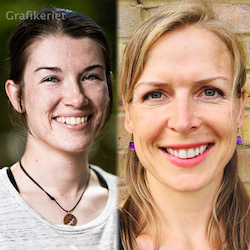
S3 Ep 64Naomi Honey and Melissa Way: Women’s experience, societal impact, and unsolicited advice
What can be done to better understand and improve the experience of women in parkour? Naomi Honey and Melissa Way discuss the importance of women’s experience in parkour, what that means, and how society impacts it. They dig into the unicorn syndrome, the polarization of genders, and how community leaders can help get more women involved. Naomi and Melissa tackle why women’s only events are important, how to create a welcoming environment, and their experiences with unsolicited advice. "I really remember when I was younger, I always thought my arms weren't skinny like some people's— oh, it just sounds so ridiculous, but I remember I had that in my head as a benchmark. And then suddenly when I was doing parkour, and when I got my first pull up, it was so exciting. And then suddenly I had a new measure of, oh my God, who cares what they look like? Look what they can do!" ~ Naomi Honey (15:00) The conversation focuses on the experience of women in parkour, emphasizing the unique challenges they face, from differences in physical progression to societal expectations around physical ability. There is discussion around how women’s-only events create supportive spaces that counteract feelings of intimidation or isolation, helping women find community and confidence. Another key theme is the mindset shift from focusing on aesthetics to valuing functional strength and ability, which parkour uniquely encourages. This change contrasts with societal pressures around appearance, which often disproportionately affect women. The issue of unsolicited advice is also explored, highlighting how it can be well-intentioned but often carries different implications for women, sometimes reinforcing negative stereotypes rather than offering helpful insight. Takeaways Progression differences — Women often experience slower physical progression than men in parkour, which can affect confidence. Mindset shift — Parkour promotes focusing on what the body can do, shifting away from aesthetic-based self-worth. Role of community — Women's-only events foster supportive environments that promote sustained engagement and confidence. Polarization and visibility — The lack of visible female practitioners can create a sense that parkour is not for women, limiting participation. Impact of unsolicited advice — How advice is given and received differs by gender, with women often facing additional scrutiny or unwelcome input. Resources Flytality — Naomi Honey’s life coaching business focused on helping people make life changes. Project Awesome — A London-based fitness group promoting fun, community-driven exercise. Women's International Parkour Weekend (WIPW) — An event aimed at increasing female participation in parkour through community-building and workshops. (Written with help from Chat-GPT.) --- Hello👋 I'm Craig Constantine. In the Movers Mindset podcast, I talk with movement enthusiasts to learn who they are, what they do, and why they do it. I'm interested in the nature and philosophy of movement and in exploring themes like independence, self-direction, and human excellence. My interests color each conversation and provide some structure to Movers Mindset. But since I like to take the scenic route, every conversation ends up going somewhere unique. The purpose of Movers Mindset is to create and share great conversations with movement enthusiasts. Each conversation feeds my insatiable curiosity, but I share them to turn on a light for someone else, to inspire them, or to give them their next question. I appreciate your time and attention, and I don’t take it for granted. --- Thank you! Want more? Subscribe to the email list for weekly updates—new episodes and archive highlights delivered to your inbox. I invite you to cultivate a meaningful life—through presence, not pursuit. You can learn more about me and all my projects at, https://craigconstantine.com. If you like what I'm doing through Movers Mindset, learn more about becoming a patron. ɕ
S3 Ep 63Dan Edwardes: Motivation, efficacy, and storytelling
How can people maintain discipline, stay motivated, and effectively manage distractions to pursue personal growth and self-improvement? Dan Edwardes explains the value of playing games, and unpacks what motivates him. He discusses the struggle of choosing where to spend your time and energy, and the difficulty of distractions. Dan shares his insights on parkour’s relationship to self efficacy, and the power and importance of storytelling. When asked: How do you manage to get up every day and keep doing what you do to live your life? How do you stay motivated? "It's a good question. And it's not one that I've ever had to really ask of myself, I think, in great depth. […] Because of the stories I grew up on and what I exposed myself to when I was very young, the concepts I exposed myself to and took very seriously when I was nine, 10, 11 years old. And then throughout my teenage years, that's just how I think. And I can't really remember being alive before that because I don't remember being that young. That's just the way my life has always been." ~ Dan Edwardes (8:30) The conversation explores the intersection of discipline, motivation, and the challenges of maintaining focus in a world full of distractions. Dan shares insights from his lifelong journey through martial arts, parkour, and various forms of training. A key theme is the importance of grounding oneself in simple, repetitive practices—like sweeping the floor in martial arts—as a foundation for developing broader skills. Edwardes emphasizes the role of storytelling in shaping experiences, both in training sessions and life. Whether through parkour or verbal games, the practice of crafting narratives enhances learning and engagement. The discussion also touches on practical ways to manage modern distractions, such as altering how one uses their phone, reinforcing the importance of small, intentional changes to promote clarity and focus. Takeaways The importance of foundational practices — Sweeping the dojo teaches humility, discipline, and attention to detail. Storytelling as a training tool — Stories enhance memory, engagement, and emotional investment in lessons. Managing distractions — Clearing the home screen or limiting phone use can free up time and reduce mental clutter. Self-efficacy through parkour — Parkour forces honest self-assessment and builds competence by exposing limitations. Training as a means to greater life skills — Physical fitness and movement training are not ends but vehicles for broader personal growth. Resources Robert McKee's Story — A foundational book on the principles of storytelling and narrative structure. John Yorke's Into the Woods — A detailed exploration of the structure and mechanics of storytelling. Save the Cat by Blake Snyder — A guide to screenplay writing that breaks down narrative beats in simple terms. Fighting Monkey — A movement practice founded by Jozef Frucek, emphasizing attention to detail and clean execution. Art of Retreat — A parkour and movement-focused event where community leaders share insights and teaching practices. (Written with help from Chat-GPT.) --- Hello👋 I'm Craig Constantine. In the Movers Mindset podcast, I talk with movement enthusiasts to learn who they are, what they do, and why they do it. I'm interested in the nature and philosophy of movement and in exploring themes like independence, self-direction, and human excellence. My interests color each conversation and provide some structure to Movers Mindset. But since I like to take the scenic route, every conversation ends up going somewhere unique. The purpose of Movers Mindset is to create and share great conversations with movement enthusiasts. Each conversation feeds my insatiable curiosity, but I share them to turn on a light for someone else, to inspire them, or to give them their next question. I appreciate your time and attention, and I don’t take it for granted. --- Thank you! Want more? Subscribe to the email list for weekly updates—new episodes and archive highlights delivered to your inbox. I invite you to cultivate a meaningful life—through presence, not pursuit. You can learn more about me and all my projects at, https://craigconstantine.com. If you like what I'm doing through Movers Mindset, learn more about becoming a patron. ɕ
S3 Ep 62Chris and Shirley Darlington-Rowat: Serendipity, family, and relationships
How do movement, coaching, and family intersect to shape personal growth and relationships over time? Chris Rowat and Shirley Darlington-Rowat discuss serendipity, coaching, and Chris’s work with the fire brigade. They share their thoughts on raising kids, setting aside time for family, and training and moving together. Shirley and Chris share their current struggles, some stories about their past, and how parkour has affected their relationship. "You should both be able to enjoy your lives. So if we enjoy training and it's a part of our lives, we shouldn’t suppress that. We should just find ways to bring it all together." ~ Chris Rowat (31:27) The conversation covers the intersection of parkour, family, and coaching, exploring how movement shapes personal relationships and growth. Chris and Shirley discuss serendipity, recalling stories of chance encounters and how unexpected moments influence their lives. They reflect on how their shared passion for parkour has not only shaped their relationship but also influenced how they raise their children, focusing on movement as play rather than formal practice. "[My son Tyler] didn’t see it as parkour, it was just movement. So he’d be in the play park and he’d maybe cycle on his bike to the climbing wall, climb up the little climbing wall, jump across a little piece of railing. He just moved. Movement is movement, right? So whatever [our daughter Indy] wants to do, she can do, if she doesn’t want to do parkour. She’ll do it naturally anyway because it’s normal for that too." ~ Shirley Darlington-Rowat (12:27) Chris speaks about balancing his career with the London Fire Brigade and his role as a father, highlighting the discipline and adaptability required in both spheres. Shirley emphasizes the importance of maintaining personal movement practices during motherhood and reflects on how physical training can coexist with family life. The conversation weaves between stories of parenting, training, and the philosophy of finding balance and joy in movement. Takeaways Serendipity — Reflecting on how unexpected moments and connections shape experiences in life and movement. Balancing movement and family — Finding ways to integrate training with raising children without forcing them into the same practices. Coaching philosophy — Emphasizing personal connections and individual growth within group coaching environments. Parkour as a relationship foundation — Sharing movement practice fosters honesty, mutual understanding, and emotional openness. Postpartum training — The importance of patience, recovery, and adapting movement to suit physical changes. Time management — Juggling careers, training, and parenting by focusing on effective, intentional practice within available time. Resources Parkour & Art du déplacement: Lessons in practical wisdom - Leçons de sagesse pratique — Vincent Thibault's book referenced by Craig early in the conversation. Chris 'Blane' Rowat Parkour Generations — The organization where Chris and Shirley have been involved as coaches and athletes. Rendezvous — The event where Chris and Shirley first met in 2008. Yamakasi — A reference to the original parkour group, mentioned during Chris's story about encountering Williams Belle. London Fire Brigade — Chris’s current workplace, referenced throughout the conversation regarding his career transition. (Written with help from Chat-GPT.) --- Hello👋 I'm Craig Constantine. In the Movers Mindset podcast, I talk with movement enthusiasts to learn who they are, what they do, and why they do it. I'm interested in the nature and philosophy of movement and in exploring themes like independence, self-direction, and human excellence. My interests color each conversation and provide some structure to Movers Mindset. But since I like to take the scenic route, every conversation ends up going somewhere unique. The purpose of Movers Mindset is to create and share great conversations with movement enthusiasts. Each conversation feeds my insatiable curiosity, but I share them to turn on a light for someone else, to inspire them, or to give them their next question. I appreciate your time and attention, and I don’t take it for granted. --- Thank you! Want more? Subscribe to the email list for weekly updates—new episodes and archive highlights delivered to your inbox. I invite you to cultivate a meaningful life—through presence, not pursuit. You can learn more about me and all my projects at, https://craigconstantine.com. If you like what I'm doing through Movers Mindset, learn more about becoming a patron. ɕ
S3 Ep 61Dan Timms: Injury, strength, and Parkour UK
EHow can experiences with injury and recovery inform sustainable parkour training and coaching practices? Dan Timms describes his journey with injury and recovery, and how it helped to shape his thoughts about sustainability. He discusses training methods, the forces involved in parkour, and his approach to coaching. Dan unpacks Parkour UK, what it is, what it does, and his involvement with it, before sharing his insight on designing parkour parks. "You see where this is going already. This one didn't have a mesh floor at the top, so I've just speed-vaulted over this wall into this turret, and I looked down and there's nothing beneath me for about 40 feet." ~ Dan Timms (5:09) The conversation explores the evolution of sustainable training practices in parkour, largely shaped by experiences with injury and recovery. Reflections on major injuries, such as a near-fatal fall and multiple surgeries, frame the discussion around balancing intense training with long-term health. Insights include the role of strength training, mobility work, and the importance of consistency over quick fixes. The dialogue also touches on community involvement and governance, highlighting efforts within Parkour UK to standardize coaching certifications and establish Parkour Earth. Additionally, Dan shares real-life applications of parkour, recounting moments where training directly contributed to personal safety and community assistance, including intervening in a robbery. Takeaways Sustainability in parkour — Long-term success requires balancing intense training with injury prevention and recovery. Consistency in training — Regular, sustained practice is more effective than chasing quick-fix solutions. Role of Parkour UK — Parkour UK plays a key role in standardizing parkour coaching and representing the community at a governmental level. Real-world application — Parkour skills can translate directly into real-life situations, from preventing injury to intervening in emergencies. Physical data in parkour — Testing reveals significant forces involved in parkour drops, suggesting adaptations beyond muscular strength. Resources Parkour UK — National governing body for parkour in the UK, focusing on coaching standards and community representation. Parkour Earth — International federation established to counter external governing threats like FIG. The Monkey’s Back - Documentary — A documentary capturing the spirit of parkour practice featuring Stephane Vigroux. Born to Run — Christopher McDougall's book that influenced the guest's barefoot training and travel to Mexico. (Written with help from Chat-GPT.) --- Hello👋 I'm Craig Constantine. In the Movers Mindset podcast, I talk with movement enthusiasts to learn who they are, what they do, and why they do it. I'm interested in the nature and philosophy of movement and in exploring themes like independence, self-direction, and human excellence. My interests color each conversation and provide some structure to Movers Mindset. But since I like to take the scenic route, every conversation ends up going somewhere unique. The purpose of Movers Mindset is to create and share great conversations with movement enthusiasts. Each conversation feeds my insatiable curiosity, but I share them to turn on a light for someone else, to inspire them, or to give them their next question. I appreciate your time and attention, and I don’t take it for granted. --- Thank you! Want more? Subscribe to the email list for weekly updates—new episodes and archive highlights delivered to your inbox. I invite you to cultivate a meaningful life—through presence, not pursuit. You can learn more about me and all my projects at, https://craigconstantine.com. If you like what I'm doing through Movers Mindset, learn more about becoming a patron. ɕ
S3 Ep 60Andy Fisher: Teaching, journey, and efficacy
How can personal passion projects and unconventional pursuits outside the classroom enhance teaching effectiveness and foster authentic connections with students? Andy Fisher discusses being a teacher, why he loves it, and how his pursuit of his passions relates to the classroom. He shares his unique and unexpected movement journey before explaining how all of that relates to the passion projects he regularly pursues, such as the Thronin and Hero Forge projects. Andy discusses his thoughts on efficacy, his current struggles and how he manages and works towards overcoming them. "At the age of 11, I was sent to a boarding school in the UK […] Every morning at seven o'clock, an alarm bell was rung, and all of the kids got up, and we had to do a two and a half-mile run. I was the last to come through wheezing and coughing, and by the time I showed up, all the breakfast had gone. There was just a certain point where I just thought, 'Enough, I'm not going to have this define my life.' I made the decision that I wasn't going to be defined by my condition, and that I could grow." ~ Andy Fisher (12:53) The conversation explores how unconventional pursuits such as knife-throwing, wilderness survival, and circus performance inform and enhance teaching practice. By bringing these passion projects into the classroom, the importance of authentic connection and engaging with students beyond the curriculum emerges. Themes of resilience, personal growth, and fostering curiosity run throughout the dialogue. Andy Fisher discusses his journey from asthmatic child to martial artist, teacher, and survival instructor, illustrating how personal challenge translates into valuable lessons for students. The balance between discipline and compassion plays a critical role in shaping both his personal life and professional teaching philosophy. Takeaways Bridging passion and teaching — Personal pursuits outside of work can deepen engagement with students. Resilience through experience — Overcoming personal limitations can shape a stronger, more empathetic teaching style. Authenticity in education — Teachers benefit from sharing personal struggles and successes with students. Physical challenges and growth — Embracing physically demanding hobbies like survival training builds discipline. Continuous learning — Remaining a learner outside the classroom informs and inspires teaching. Resources Hero Forge Project — Andy Fisher's podcast and book exploring personal development and heroism. Hero Roundtable — Conferences discussing heroism and leadership. (Written with help from Chat-GPT.) --- Hello👋 I'm Craig Constantine. In the Movers Mindset podcast, I talk with movement enthusiasts to learn who they are, what they do, and why they do it. I'm interested in the nature and philosophy of movement and in exploring themes like independence, self-direction, and human excellence. My interests color each conversation and provide some structure to Movers Mindset. But since I like to take the scenic route, every conversation ends up going somewhere unique. The purpose of Movers Mindset is to create and share great conversations with movement enthusiasts. Each conversation feeds my insatiable curiosity, but I share them to turn on a light for someone else, to inspire them, or to give them their next question. I appreciate your time and attention, and I don’t take it for granted. --- Thank you! Want more? Subscribe to the email list for weekly updates—new episodes and archive highlights delivered to your inbox. I invite you to cultivate a meaningful life—through presence, not pursuit. You can learn more about me and all my projects at, https://craigconstantine.com. If you like what I'm doing through Movers Mindset, learn more about becoming a patron. ɕ
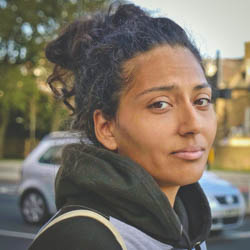
S3 Ep 59Kasturi Torchia: Mental wellbeing, Esprit Concrete, and sharing
How can the integration of psychology and movement practices contribute to mental wellbeing and personal growth? Kasturi Torchia describes her role with Parkour UK, and how she came to be involved in mental wellbeing and psychology studies. She discusses her family and how they impacted her journey, before unpacking the Esprit Concrete method she has developed. Kasturi shares some of her goals and what she is working on with Esprit Concrete, and discusses the yearly Les Dames du Movement event. "Esprit Concrete is something that was so organic, that it's really hard to pinpoint what exactly [started it.] But I think that the really strange encounter that I had with Parkour, came at a really important time in my life where I was reflecting on what was happening and trying to make a change. I just needed something, without knowing that I needed it, to jolt me into seeing things differently, changing perspectives on things." ~ Kasturi Torchia (6:30) The conversation explores the intersection of psychology and movement, focusing on how Kasturi's personal experiences led her to create the Esprit Concrete Method. Her work integrates psychological principles with Parkour and Art du Déplacement, addressing mental wellbeing through movement. Kasturi reflects on how childhood influences and a desire to understand human behavior guided her journey towards psychology. Another key topic is the development of the Esprit Concrete Method as a tool for self-reflection and personal growth. The method helps participants confront vulnerabilities and use movement as a metaphor for psychological challenges. Kasturi also highlights the significance of community events, such as Les Dames Du Movement, which bring together diverse practitioners to foster learning and collaboration. Takeaways Integration of psychology and movement — Personal growth and mental health can be addressed through movement practices. Esprit Concrete Method — A framework blending Parkour, Art du Déplacement, and psychological principles to foster development. Duty of Care in Parkour UK — Emphasis on safeguarding mental wellbeing and establishing support networks. Challenges in movement — Physical movements reflect deeper psychological patterns and areas for growth. Les Dames Du Movement — Community-focused events promoting collaboration across disciplines. Resources Esprit Concrete — Kasturi's platform integrating movement and therapy. Parkour UK — National governing body for Parkour, focusing on mental health and wellbeing initiatives. Les Dames Du Movement — Annual community event promoting movement and mental health. Get Self Help — Website providing self-help resources and CBT worksheets. (Written with help from Chat-GPT.) --- Hello👋 I'm Craig Constantine. In the Movers Mindset podcast, I talk with movement enthusiasts to learn who they are, what they do, and why they do it. I'm interested in the nature and philosophy of movement and in exploring themes like independence, self-direction, and human excellence. My interests color each conversation and provide some structure to Movers Mindset. But since I like to take the scenic route, every conversation ends up going somewhere unique. The purpose of Movers Mindset is to create and share great conversations with movement enthusiasts. Each conversation feeds my insatiable curiosity, but I share them to turn on a light for someone else, to inspire them, or to give them their next question. I appreciate your time and attention, and I don’t take it for granted. --- Thank you! Want more? Subscribe to the email list for weekly updates—new episodes and archive highlights delivered to your inbox. I invite you to cultivate a meaningful life—through presence, not pursuit. You can learn more about me and all my projects at, https://craigconstantine.com. If you like what I'm doing through Movers Mindset, learn more about becoming a patron. ɕ
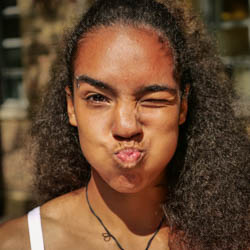
S3 Ep 58Georgia Munroe: Goals, Ninja Warrior, and coaching
How does the relationship between creative hobbies, personal challenges, and coaching shape the practice and development of movement disciplines? Georgia Munroe explains her interest in music and how that relates to her parkour practice, as well as how she became interested in parkour. She discusses the challenges and goals she is working on, before sharing her experiences with motion capture and Ninja Warrior. Georgia unpacks her thoughts on coaching, her personal journey of improving as a coach, and how coaching has affected her own parkour practice. "We always struggle with so much […] like when you first start, everything is fresh, everything is new. The only goal is to just turn up, and you get on with it. […] And now, when you start to find your footing, you start to see your character in your movement, you also see your insecurities, you also see the things that are harder than other things to do. You also see what your fears are, and facing your fears or seeing your fears, you want to overcome them. It's scary, and you don't want to, but you want to at the same time." ~ Georgia Munroe (17:32) The conversation explores the interplay between creative hobbies, such as music and movement disciplines like parkour. Music provides Georgia with a natural sense of rhythm and timing, directly influencing how she approaches physical training and performance. This relationship highlights how artistic practices can cross-pollinate with athletic endeavors, enriching each in unexpected ways. Another central theme is the transformative power of coaching and personal growth. Georgia reflects on the emotional challenges she faced, particularly her fear of failure, and how coaching others mirrors her own internal struggles. As she develops her coaching skills, she learns to manage self-doubt and anxiety, which ultimately enhances her ability to guide others. Her experiences competing in Ninja Warrior reveal how even high-stress environments can evolve from terrifying to enjoyable through mindset shifts and practice. Takeaways The influence of music on movement — Music provides rhythm and timing that directly translates to improved flow and efficiency in physical practice. Facing personal fears — Overcoming fear and insecurity plays a major role in progressing as an athlete and coach. The role of coaching in self-development — Coaching requires significant self-reflection and growth, shaping the way instructors manage both their own fears and those of their students. Mindset shifts during competition — Competing in challenging environments like Ninja Warrior transitions from overwhelming to rewarding by focusing on relaxation and enjoying the process. Embracing hard work over talent — Relying solely on talent can be limiting, while sustained effort and perseverance lead to greater long-term achievements. The emotional journey of learning — Success often requires facing discomfort, repeated failure, and developing resilience. Resources Esprit Concrete — Coaching organization where Georgia Munroe trains and coaches, focusing on movement and mental development. Ninja Warrior UK — Competitive obstacle course show in which Georgia Munroe competed, testing athleticism and mental resilience. (Written with help from Chat-GPT.) --- Hello👋 I'm Craig Constantine. In the Movers Mindset podcast, I talk with movement enthusiasts to learn who they are, what they do, and why they do it. I'm interested in the nature and philosophy of movement and in exploring themes like independence, self-direction, and human excellence. My interests color each conversation and provide some structure to Movers Mindset. But since I like to take the scenic route, every conversation ends up going somewhere unique. The purpose of Movers Mindset is to create and share great conversations with movement enthusiasts. Each conversation feeds my insatiable curiosity, but I share them to turn on a light for someone else, to inspire them, or to give them their next question. I appreciate your time and attention, and I don’t take it for granted. --- Thank you! Want more? Subscribe to the email list for weekly updates—new episodes and archive highlights delivered to your inbox. I invite you to cultivate a meaningful life—through presence, not pursuit. You can learn more about me and all my projects at, https://craigconstantine.com. If you like what I'm doing through Movers Mindset, learn more about becoming a patron. ɕ
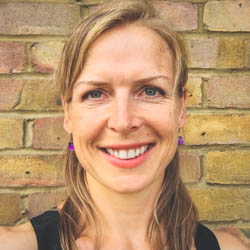
S3 Ep 57Naomi Honey: Dance, coaching, and self talk
How does engaging in movement practices like Forró and parkour contribute to personal growth, emotional development, and professional coaching? Naomi Honey shares her experiences learning the Brazilian dance of Forró, and how it relates to her other movement practices. She unpacks her work as a life coach; what that means, how it works, and why she loves it so much. Naomi wraps up by discussing her thoughts on her current interests, the idea of success, and self talk. "[It's] amazing. I'm the cheerleader while they're doing it, and while it's difficult. And I'm the cheerleader when there's success. And then—one of my absolute favorite moments—coaching is designed to end at some point." ~ Naomi Honey (11:45) Naomi Honey discusses how her experiences with Brazilian dance and parkour have shaped her personal and professional life. She highlights the contrast between the individual nature of parkour and the partner-based dynamics of Forró, a Brazilian dance she has been practicing for over a year. Naomi shares how these practices have enhanced her ability to listen to her body and respond intuitively, revealing unexpected emotional blocks and new ways of engaging with others. Her work as a life coach focuses on helping people recognize and overcome personal obstacles, drawing from her movement experiences. Naomi explains how self-talk plays a critical role in both movement and life coaching, recounting workshops where participants verbalize negative inner dialogues to foster awareness and shift perspectives. She also emphasizes the importance of celebrating effort over results, demonstrating how encouragement and playful experimentation foster growth and confidence in movement and beyond. Takeaways Engaging in movement practices — reveals emotional and mental blocks that impact personal growth. Life coaching integrates physical practices — combining parkour and dance helps address personal fears and limitations. Self-talk awareness — recognizing and addressing negative internal dialogue improves movement and emotional resilience. Parkour's impact on personal growth — confronting physical obstacles mirrors the process of overcoming psychological challenges. The value of celebration and encouragement — celebrating effort rather than success fosters persistence and emotional well-being. Physical closeness in dance — offers unique opportunities to explore connection and interpersonal dynamics, filling gaps not addressed by parkour. Coaching designed to end — successful coaching encourages clients to become independent while maintaining ongoing connections for support. Resources Flytality — Naomi Honey’s life coaching business where she helps people achieve personal and professional goals. Parcon by Andrew Suseno — A fusion of parkour and contact improvisation that explores movement through physical interaction with others. Gerlev Idrætshøjskole — A movement-focused school in Denmark specializing in parkour and physical education. Women’s International Parkour Weekend — An event organized by Parkour Generations to advance parkour training and self-talk awareness for women. (Written with help from Chat-GPT.) --- Hello👋 I'm Craig Constantine. In the Movers Mindset podcast, I talk with movement enthusiasts to learn who they are, what they do, and why they do it. I'm interested in the nature and philosophy of movement and in exploring themes like independence, self-direction, and human excellence. My interests color each conversation and provide some structure to Movers Mindset. But since I like to take the scenic route, every conversation ends up going somewhere unique. The purpose of Movers Mindset is to create and share great conversations with movement enthusiasts. Each conversation feeds my insatiable curiosity, but I share them to turn on a light for someone else, to inspire them, or to give them their next question. I appreciate your time and attention, and I don’t take it for granted. --- Thank you! Want more? Subscribe to the email list for weekly updates—new episodes and archive highlights delivered to your inbox. I invite you to cultivate a meaningful life—through presence, not pursuit. You can learn more about me and all my projects at, https://craigconstantine.com. If you like what I'm doing through Movers Mindset, learn more about becoming a patron. ɕ
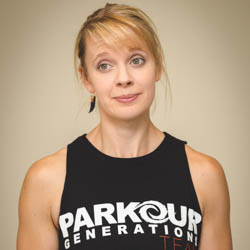
S3 Ep 56Charlotte Miles: Motivation, emotional recovery, and purpose
What motivates someone to engage deeply in coaching, creativity, and physical training, and how do personal struggles and life experiences shape this engagement? Charlotte Miles shares her motivations for coaching, why it’s important to her, and how it fits into her life. She digs into more difficult topics; energy and emotional recovery, personal struggles, and her experiences with mortality and grief. Charlotte discusses how parkour affects her life, her definition of success, and finishes with real life superpowers and finding purpose. "Being strong, there is no frame of reference for that. There's no 'I once was' and so there's no return. It's a completely new thing. It's a blank canvas. And that can be as scary as it is exciting." ~ Charlotte Miles (15:00) Charlotte discusses her work as a coach, filmmaker, and movement enthusiast, reflecting on how physical training intersects with personal growth. She describes parkour as a therapeutic practice that forces her to confront fear and emotional barriers, emphasizing that her biggest obstacles are often mental rather than physical. Charlotte highlights the unique space women occupy in strength and conditioning and the importance of encouraging curiosity and strength in female athletes. A significant part of the conversation explores mortality and how Charlotte’s personal experiences with loss shape her sense of urgency and purpose. She shares how storytelling and coaching allow her to uncover powerful messages within others and transform them into impactful narratives. Charlotte speaks candidly about balancing her intense work ethic with the need for rest, acknowledging the challenges of being emotionally open and the importance of staying present. Takeaways Training and curiosity — Emphasizing curiosity over performance allows for personal growth and encourages women to explore their physical potential. Mortality and urgency — Experiencing loss reshapes priorities, fostering a mindset that values immediacy and essential tasks. Storytelling as impact — Creating resonant, emotional stories can drive deeper personal and societal change than surface-level entertainment. Fear in parkour — Mental barriers often limit physical capability, with parkour acting as a mirror to confront deeper personal fears. Coaching intensity — Leading others into intense physical and emotional spaces requires equal responsibility to bring them back to stability. Self-awareness and solitude — Balancing energy through solitude and movement helps manage the emotional demands of coaching and creative work. Resources Iron Heart Studios — Charlotte Miles’ media company focused on storytelling and film production. Parkour Generations — Organization where Charlotte manages creative direction and media. Barbell Shrugged — Podcast and strength and conditioning brand Charlotte collaborated with. Going Right — Logan Gelbrich's' book on pursuing passion and purpose over conventional paths. Women's International Parkour Weekend (WIPW) — An event focusing on women in parkour and strength training. (Written with help from Chat-GPT.) --- Hello👋 I'm Craig Constantine. In the Movers Mindset podcast, I talk with movement enthusiasts to learn who they are, what they do, and why they do it. I'm interested in the nature and philosophy of movement and in exploring themes like independence, self-direction, and human excellence. My interests color each conversation and provide some structure to Movers Mindset. But since I like to take the scenic route, every conversation ends up going somewhere unique. The purpose of Movers Mindset is to create and share great conversations with movement enthusiasts. Each conversation feeds my insatiable curiosity, but I share them to turn on a light for someone else, to inspire them, or to give them their next question. I appreciate your time and attention, and I don’t take it for granted. --- Thank you! Want more? Subscribe to the email list for weekly updates—new episodes and archive highlights delivered to your inbox. I invite you to cultivate a meaningful life—through presence, not pursuit. You can learn more about me and all my projects at, https://craigconstantine.com. If you like what I'm doing through Movers Mindset, learn more about becoming a patron. ɕ
S3 Ep 55Craig Constantine: Three words origin and purpose
Craig discusses the origin story and inspiration behind the '3 words' question that ends each Movers Mindset episode. He explains its purpose, and the unexpected power of the question as each guest brings their own history, story, and identity to their answer. Craig shares his own three words, before sharing his personal favorite answer from a guest. For more information on this episode, go to https://moversmindset.com/55 --- Hello👋 I'm Craig Constantine. In the Movers Mindset podcast, I talk with movement enthusiasts to learn who they are, what they do, and why they do it. I'm interested in the nature and philosophy of movement and in exploring themes like independence, self-direction, and human excellence. My interests color each conversation and provide some structure to Movers Mindset. But since I like to take the scenic route, every conversation ends up going somewhere unique. The purpose of Movers Mindset is to create and share great conversations with movement enthusiasts. Each conversation feeds my insatiable curiosity, but I share them to turn on a light for someone else, to inspire them, or to give them their next question. I appreciate your time and attention, and I don’t take it for granted. --- Thank you! Want more? Subscribe to the email list for weekly updates—new episodes and archive highlights delivered to your inbox. I invite you to cultivate a meaningful life—through presence, not pursuit. You can learn more about me and all my projects at, https://craigconstantine.com. If you like what I'm doing through Movers Mindset, learn more about becoming a patron. ɕ
S3 Ep 54Gogoly Yao: Journey, Esprit Concrete, and challenges
How can addressing personal fears and vulnerabilities through movement practices lead to deeper personal growth and stronger community connections? Gogoly Yao explains his background and the journey that led him to where he is now. He discusses how he first encountered parkour, and his work on Esprit Concrete with Kasturi Torchia. Yao shares his current challenges and what he is working on, and discusses his training with Esprit Concrete team member Georgia Munroe. "My focus in training has never been really about the movement. It has been about my fears. Like I said, that's where it started, but I didn't know at the time. I didn't know a lot of things. I didn't know where it was, what I was looking for, and what I could get. " ~ Gogoly Yao (11:50) Yao’s journey in parkour and movement began as a way to confront personal fears, including heights and physical vulnerability. His initial focus on power and large movements shifted after injuries forced him to explore conditioning and smaller, more controlled actions. This gradual change led to deeper self-awareness and a new approach to training, rooted in addressing psychological barriers. Esprit Concrete, co-founded by Yao, reflects this philosophy by blending physical practice with emotional growth. The project focuses on guiding individuals to recognize their vulnerabilities and develop a personalized path forward, emphasizing personal agency and choice. The conversation highlights the balance between teaching others and continuing personal growth, with Yao candidly sharing his ongoing struggles with trust and control. Takeaways Trust and vulnerability — Trusting others is difficult but necessary for growth. Training through fear — Addressing personal fears through movement leads to deeper progress. Freedom in movement — Movement practices offer a sense of liberation and personal exploration. Emotional strength — True strength lies beyond physical ability, involving emotional and mental resilience. Individual perception — Understanding personal perceptions helps in addressing personal limitations. Resources Esprit Concrete — The project co-founded by Yao that blends movement practice with emotional growth and self-discovery. Yamakasi Documentary — A film showcasing the origins of parkour that inspired Yao’s interest in the practice. Kasturi Torchia @dr.ktorchia — Yao’s collaborator at Esprit Concrete, contributing psychological insight to the project. (Written with help from Chat-GPT.) --- Hello👋 I'm Craig Constantine. In the Movers Mindset podcast, I talk with movement enthusiasts to learn who they are, what they do, and why they do it. I'm interested in the nature and philosophy of movement and in exploring themes like independence, self-direction, and human excellence. My interests color each conversation and provide some structure to Movers Mindset. But since I like to take the scenic route, every conversation ends up going somewhere unique. The purpose of Movers Mindset is to create and share great conversations with movement enthusiasts. Each conversation feeds my insatiable curiosity, but I share them to turn on a light for someone else, to inspire them, or to give them their next question. I appreciate your time and attention, and I don’t take it for granted. --- Thank you! Want more? Subscribe to the email list for weekly updates—new episodes and archive highlights delivered to your inbox. I invite you to cultivate a meaningful life—through presence, not pursuit. You can learn more about me and all my projects at, https://craigconstantine.com. If you like what I'm doing through Movers Mindset, learn more about becoming a patron. ɕ
S3 Ep 53Andy Pearson: Failure, inspiration, and injuries
How can a coach ensure their students surpass their own skills and preserve the essence of parkour over generations? Andy Pearson unpacks why he considers himself a failed coach, and dives into what he believes his job as a coach to be. He shares his insights on where to look for coaching and training inspiration outside of parkour, before going through the litany of injuries he’s had, and explaining how they have shaped his training. Andy discusses his current training and how he expects it to grow and evolve, before wrapping up with his thoughts on FIG and the Olympics. "There are a lot of kids out there that are much, much better than I am […] I was thinking about this metric: Out of all of my students, can I actually think of anybody that has gone on and I've actually made them better than I am? I'm not talking about them. I'm talking about my ability as a coach, and therefore am I failing? Am I failing because therefore there's going to be this dilution. Because if they then go on to be coaches and they do the same thing to their students and so on and so forth, are we going to be gradually losing what it means? …what parkour is about?" ~ Andy Pearson (6:00) The conversation explores Andy’s reflections on his coaching career, questioning whether his methods genuinely allow students to surpass his own abilities. Andy grapples with the idea that shielding students from the mistakes he made may unintentionally dilute essential learning experiences. He discusses how past injuries and his evolving perspective on training are reshaping his coaching philosophy. Andy highlights the value of exploring strength and conditioning disciplines outside of parkour to enhance his coaching. He references strength coaches like Mark Rippetoe and training systems like StrongFit as critical resources. The discussion also touches on the contrast between structured coaching environments and the organic, unstructured paths taken by top parkour athletes, raising questions about the future direction of parkour training. Takeaways Training outside parkour — Exploring strongman training, Olympic lifting, and powerlifting provides valuable insights for improving parkour coaching. Student progression — A key measure of a coach's success is the number of students who surpass their abilities. Injuries and resilience — Past injuries inform coaching methods, shaping approaches to protect students without limiting their growth. Organic learning — Some of the best parkour practitioners develop without formal coaching, raising questions about the effectiveness of structured classes. Strength programming — Applying principles of strength programming to parkour can help athletes break through plateaus and build resilience. Resources Starting Strength — Mark Rippetoe's comprehensive guide to strength training fundamentals. Practical Programming for Strength Training — Mark Rippetoe's' follow-up to Starting Strength, this book dives deeper into programming and periodization for strength progression. Jim Wendler’s 5/3/1 Program — A simple and effective strength training program designed for long-term progress, emphasizing core lifts and incremental gains. Precision Nutrition — A leading educational platform for nutrition coaching and certification, providing in-depth resources on diet, health, and athletic performance. Barbell Shrugged Podcast — A podcast and video series that explores fitness, strength training, CrossFit, and the business of health and wellness. Pavel Tsatsouline Resources — Pavel is known for popularizing kettlebell training in the U.S. and offers resources on strength training and conditioning, particularly for military and special forces applications. (Written with help from Chat-GPT.) --- Hello👋 I'm Craig Constantine. In the Movers Mindset podcast, I talk with movement enthusiasts to learn who they are, what they do, and why they do it. I'm interested in the nature and philosophy of movement and in exploring themes like independence, self-direction, and human excellence. My interests color each conversation and provide some structure to Movers Mindset. But since I like to take the scenic route, every conversation ends up going somewhere unique. The purpose of Movers Mindset is to create and share great conversations with movement enthusiasts. Each conversation feeds my insatiable curiosity, but I share them to turn on a light for someone else, to inspire them, or to give them their next question. I appreciate your time and attention, and I don’t take it for granted. --- Thank you! Want more? Subscribe to the email list for weekly updates—new episodes and archive highlights delivered to your inbox. I invite you to cultivate a meaningful life—through presence, not pursuit. You can learn more about me and all my projects at, https://craigconstantine.com. If you like what I'm doing through Movers Mindset, learn more about becom
S3 Ep 52Steve Zavitz: Freelancing, artistic process, and parkour culture
What drives someone to transition from a traditional career path into a freelance life focused on parkour photography and videography, and what insights can they share about this journey? Steve Zavitz shares his passion for parkour photography and film: from his transition to freelancing, his process, and what he likes to create. He discusses the changing style and culture around parkour videos, and the impact social media has had. Steve reflects on the evolving culture, audience, and growth of parkour, and what that means for communities today. "It was in the back of my head where I was like, 'You know, eventually, I would like to be working fully for myself, being a freelance photographer, videographer, doing my own thing.' But it wasn't like I have a three-year plan or a five-year plan or whatever. It was just, I'm going to go out and shoot stuff that I really like doing because I want to, because I need to, almost." ~ Steve Zavitz (11:45) The conversation explores Steve Zavitz’s path from working in various traditional jobs to transitioning into a full-time freelance career centered around parkour photography and videography. Steve recounts his early experiences capturing parkour scenes on low-quality cameras, highlighting the incremental steps that led to his professional break working with prominent parkour brands. His approach to building a portfolio emphasizes pursuing personal passions rather than following trends, which ultimately led to organic growth and recognition in the parkour community. In addition to discussing the creative and technical aspects of his work, Steve reflects on the evolving parkour culture and the shifting landscape of content creation. He touches on the growing prevalence of daily parkour posts on social media and how that contrasts with the slower-paced, community-driven videos of the past. The dialogue also reveals concerns about how gym-based parkour might inadvertently limit resilience and self-directed learning in newer practitioners. Takeaways The journey to freelancing — Transitioning from traditional employment to freelance work often involves years of side projects and incremental growth. Parkour culture through videos — Parkour videos once centered on community and lifestyle but are now often shaped by social media trends, leading to more polished but less personal content. Creative persistence — Shooting and editing work that aligns with personal interests fosters long-term success, rather than chasing trends or producing content solely for commercial appeal. Role of editing in storytelling — Editing parkour photos or videos should enhance but not distort the narrative, balancing honesty with artistic refinement. Generational shifts in parkour — Older practitioners view parkour through the lens of community and shared experiences, whereas newer participants may focus more on individual performance and social media presence. Resources Tempest Freerunning — One of the parkour brands Steve Zavitz has worked with, known for high-profile parkour athletes and creative projects. The Motus Project — A parkour brand focused on high-quality parkour apparel and media. Skochypstiks — A parkour clothing brand Steve collaborates with, producing movement-focused apparel. (Written with help from Chat-GPT.) --- Hello👋 I'm Craig Constantine. In the Movers Mindset podcast, I talk with movement enthusiasts to learn who they are, what they do, and why they do it. I'm interested in the nature and philosophy of movement and in exploring themes like independence, self-direction, and human excellence. My interests color each conversation and provide some structure to Movers Mindset. But since I like to take the scenic route, every conversation ends up going somewhere unique. The purpose of Movers Mindset is to create and share great conversations with movement enthusiasts. Each conversation feeds my insatiable curiosity, but I share them to turn on a light for someone else, to inspire them, or to give them their next question. I appreciate your time and attention, and I don’t take it for granted. --- Thank you! Want more? Subscribe to the email list for weekly updates—new episodes and archive highlights delivered to your inbox. I invite you to cultivate a meaningful life—through presence, not pursuit. You can learn more about me and all my projects at, https://craigconstantine.com. If you like what I'm doing through Movers Mindset, learn more about becoming a patron. ɕ
S3 Ep 51Sean Hannah: Designing curriculum, teaching seniors, and the mid-range
How can Parkour principles be adapted to improve the health, mobility, and confidence of seniors? Sean Hannah takes us deep into curriculum development; how he researches, the importance of games and fun, and developing with specific audiences in mind. He discusses his role in designing the curriculum for the PK Move Study with Marymount University, and the specific challenges it presented. Sean shares advice on coaching and designing for adults and seniors, before unpacking his current personal curriculum and goals. "We're going to spend a lot of time on the Single Point. …and for all the Mine Craft kids listening out there, my Fortnight players who want to do Parkour… Single Point is still your best training tool. It's seriously overlooked in the [parkour] community because it's hard to make money selling ninja stuff, where you're just standing on one foot for a while." ~ Sean Hannah (20:50) The conversation explores how Parkour can be adapted to address the unique physical and psychological challenges seniors face, focusing on fall prevention and improving overall mobility. It highlights the development of PK Silver, a Parkour program designed for older adults, and details the thought process behind designing a curriculum that makes movement both accessible and enjoyable for this age group. Games and creative scenarios are used to build strength and confidence in seniors, ultimately improving their quality of life. The discussion also covers a study conducted with Marymount University, which examined the effectiveness of Parkour-based training for seniors. Emphasis is placed on low-impact, balance-focused exercises that encourage participants to overcome fear and improve their autonomy. The curriculum emphasizes simple but essential movements, such as getting up from the ground or navigating stairs, reimagined through the lens of Parkour. The success of the program demonstrates that the core tenets of Parkour—play, exploration, and adaptability—can have significant benefits for populations traditionally excluded from high-intensity physical disciplines. Takeaways Applying Parkour to seniors — Parkour can be adapted to improve balance, mobility, and confidence in seniors by focusing on simple, practical movements. Fall prevention — Parkour’s focus on controlled landings and body awareness directly addresses the leading cause of injury and death among seniors. Curriculum development — Designing a curriculum for seniors requires rethinking basic movement patterns, emphasizing balance, and starting from simple, low-risk activities. Perception and fear — One of the biggest obstacles in teaching Parkour to seniors is overcoming the fear and perception that Parkour is dangerous or exclusive to younger people. Fun and games — Reframing daily tasks as games or challenges can make movement enjoyable, reducing fear and increasing engagement. Physical autonomy — The program emphasizes movements that directly improve seniors' ability to navigate their environment, preserving independence and reducing fall risk. Movement at all ages — Parkour principles apply universally, from children to seniors, reinforcing that movement exploration is valuable throughout life. Importance of walking — Simple skills like walking are often overlooked but are essential for mobility and can be developed through Parkour-based practices. Parkour for middle-aged adults — Programs like 401 PK show that Parkour can also address the needs of adults over 35, focusing on sustainable and low-impact movement. Resources PK Move — Nonprofit organization focused on bringing Parkour to seniors and special populations. Marymount University — Partnered with PK Move to conduct a study on the effectiveness of Parkour for seniors. Art of Retreat — An event where the PK Silver program was presented to the Parkour community. Urban Evolution — Gym where curriculum for adults over 35 (401 PK) was developed and implemented. American College of Sports Medicine — Hosting the presentation of the Marymount University study on Parkour for seniors. (Written with help from Chat-GPT.) --- Hello👋 I'm Craig Constantine. In the Movers Mindset podcast, I talk with movement enthusiasts to learn who they are, what they do, and why they do it. I'm interested in the nature and philosophy of movement and in exploring themes like independence, self-direction, and human excellence. My interests color each conversation and provide some structure to Movers Mindset. But since I like to take the scenic route, every conversation ends up going somewhere unique. The purpose of Movers Mindset is to create and share great conversations with movement enthusiasts. Each conversation feeds my insatiable curiosity, but I share them to turn on a light for someone else, to inspire them, or to give them their next question. I appreciate your time and attention, and I don’t take it for granted. --- Thank you! Want more? Subscr
S3 Ep 50Movers Mindset Team: Roles, remote work, and passion
What are the unique roles and collaborative processes behind the production of Movers Mindset podcast episodes? In our special 50th episode, the Movers Mindset team gets together to discuss what we do, and how far we've come. Each team member explains what they do in the team, and how all of our roles fit together. We talk about working remotely, the freedoms and challenges that come with it, and some of the strategies we use to help with that. The team discusses favorite episodes, things we've learned, and what each of us has found to be very special about the project. "The thing that I'm really passionate about is that we have a platform, Movers Mindset is a platform that can give people a voice." ~ Melissa Way (10:27) Movers Mindset team members explain how they balance creativity and organization while managing the complexities of remote podcast production. "There's something really, really special about when— I don't know, just the simple fact of somebody being very interested in what someone has to say." ~ Miguel Chero (11:58) The conversation explores the inner workings of the Movers Mindset podcast, highlighting the roles and responsibilities of the team members. The team discusses the collaborative process that allows them to manage podcast production remotely, balancing creativity, technical tasks, and the logistics of releasing weekly episodes. They describe how each member's unique strengths contribute to the overall success of the podcast. "I handle production. I handle social media. I'm also the 'no' to every idea Craig tries to throw at us." ~ Kristen Swantek (15:25) Topics such as remote work challenges, the importance of guest relations, and the structured workflows that keep the project organized are examined. The team reflects on their passion for storytelling and their commitment to providing a platform for voices that may not otherwise be heard. Additionally, the group shares anecdotes about the joys and occasional chaos involved in producing the podcast. Takeaways Creating episodes in advance — The team often works two to three months ahead of the release schedule. Collaborative remote work — Weekly meetings and consistent communication help keep the remote team aligned. Role specialization — Each member focuses on different aspects such as editing, social media, guest management, and production. Platform for voices — Movers Mindset provides a space for lesser-known individuals to share their insights alongside more prominent figures. Structured workflows — The podcast production process follows a structured path with numerous checkpoints and collaboration steps. Emphasis on storytelling — The passion for storytelling and listening to people's experiences drives the podcast's success. Dynamic problem solving — The team adapts quickly to unexpected issues, often relying on each other to solve problems creatively. Resources Basecamp — Project management tool used by the Movers Mindset team to coordinate tasks and projects. Overcast — Podcast player referenced for listening to episodes. (Written with help from Chat-GPT.) --- Hello👋 I'm Craig Constantine. In the Movers Mindset podcast, I talk with movement enthusiasts to learn who they are, what they do, and why they do it. I'm interested in the nature and philosophy of movement and in exploring themes like independence, self-direction, and human excellence. My interests color each conversation and provide some structure to Movers Mindset. But since I like to take the scenic route, every conversation ends up going somewhere unique. The purpose of Movers Mindset is to create and share great conversations with movement enthusiasts. Each conversation feeds my insatiable curiosity, but I share them to turn on a light for someone else, to inspire them, or to give them their next question. I appreciate your time and attention, and I don’t take it for granted. --- Thank you! Want more? Subscribe to the email list for weekly updates—new episodes and archive highlights delivered to your inbox. I invite you to cultivate a meaningful life—through presence, not pursuit. You can learn more about me and all my projects at, https://craigconstantine.com. If you like what I'm doing through Movers Mindset, learn more about becoming a patron. ɕ
S3 Ep 49Ryan Ford: Coaching methods, talent hotbeds, and cryptocurrency
What are the strategies and philosophies that guide building inclusive, innovative communities and leveraging multidisciplinary skills for growth? Ryan Ford shares his thoughts on his Parkour EDU program, various coaching methods, and his experience of building a community. He discusses the idea of a talent hotbed, how and why it occurs, and how to apply those ideas, before delving into the world of crypto-currency. Ryan explains what crypto currency is, why he’s so interested in it, its potential for growth, and the similarities he sees between crypto and parkour. "The art of reinventing yourself and learning new skills is essential for the future." ~ Ryan Ford (23:16) The conversation begins with an exploration of Ryan Ford's work in developing a Parkour Strength for Adults program, which focuses on physical training as a gateway for adults into parkour. He explains his approach to making training scalable and welcoming, emphasizing community building through inclusive practices and partner interactions. The discussion touches on his inspiration from various movement disciplines and coaching methodologies, such as those by Ido Portal and Christopher Sommer. Later, the conversation shifts to Ford's interest in cryptocurrency and blockchain technology. He highlights the parallels between parkour and crypto, such as decentralization, freedom, and global accessibility. Ford shares his experiments with using blockchain for parkour community projects, like decentralized bounties, and reflects on the potential of blockchain to democratize finance. The discussion concludes with reflections on balancing entrepreneurship, training, and innovation. Takeaways Parkour Strength for Adults — A program designed to make parkour accessible to a broader demographic by focusing on physical preparation. Inclusive community-building — Encouraging partner interactions and mixing diverse skill levels in classes to foster engagement. Parallels with blockchain — Exploring how parkour and crypto share principles of decentralization and freedom. Scalable training methods — Techniques for adapting parkour training to different age groups and abilities. Multidisciplinary inspiration — Drawing from varied fields like gymnastics, mobility training, and movement culture for parkour innovation. Freedom and agency — Using parkour and crypto as tools for personal and financial autonomy. Creative combinations — Leveraging diverse skill sets to create unique, impactful contributions. Resources Ryan Ford's @ryanmford Apex School of Movement — A parkour gym co-founded by Ryan Ford. Parkour Strength — Ryan Ford's book provides insights into parkour training. The Talent Code — Daniel Coyle's book exploring how talent hotbeds are cultivated, referenced in the conversation. Yuval Noah Harari's Books — Sapiens, Homo Deus, and 21 Lessons for the 21st Century, discussed for their historical and futuristic perspectives. (Written with help from Chat-GPT.) --- Hello👋 I'm Craig Constantine. In the Movers Mindset podcast, I talk with movement enthusiasts to learn who they are, what they do, and why they do it. I'm interested in the nature and philosophy of movement and in exploring themes like independence, self-direction, and human excellence. My interests color each conversation and provide some structure to Movers Mindset. But since I like to take the scenic route, every conversation ends up going somewhere unique. The purpose of Movers Mindset is to create and share great conversations with movement enthusiasts. Each conversation feeds my insatiable curiosity, but I share them to turn on a light for someone else, to inspire them, or to give them their next question. I appreciate your time and attention, and I don’t take it for granted. --- Thank you! Want more? Subscribe to the email list for weekly updates—new episodes and archive highlights delivered to your inbox. I invite you to cultivate a meaningful life—through presence, not pursuit. You can learn more about me and all my projects at, https://craigconstantine.com. If you like what I'm doing through Movers Mindset, learn more about becoming a patron. ɕ
S3 Ep 48Amos Rendao: Journaling, nutrition, and self talk
What does it take to balance creative passion, personal growth, and professional responsibility while navigating life's unpredictable journey? Amos Rendao reflects on what music means to him, flowing vs planning, and the benefits and importance of journalling. The conversation turns to the idea of success and what that means, before moving to Aikido, and information activism. Amos shares his insights on diet and nutrition, his journey with injuries and recovery, and how he manages self talk. "Journaling is such an important way to develop a relationship with yourself." ~ Amos Rendao (49:50) The conversation covers the relationship between creativity, self-reflection, and structured productivity. Amos reflects on his deep connection with music, sharing how his early experiences in bands shifted to a hiatus as parkour and business took priority. He revisits his passion through home recording, finding renewed joy in music's restorative power. This leads to broader discussions on the interplay between freeform exploration and the necessity of structure, reflecting on how Amos balances spontaneity with highly organized systems to maximize productivity. Amos and Craig explore the transformative impact of journaling as a tool for self-awareness and growth. They discuss the challenges of maintaining consistency in habits, diet, and personal health while navigating entrepreneurial and athletic commitments. The dialogue also touches on the influence of aikido in shaping their movement practice, drawing parallels between martial arts and parkour. The broader theme highlights how embracing both structured goals and open-ended exploration can lead to deeper personal insight and development. Takeaways Journaling – A powerful tool for developing self-awareness, tracking personal growth, and identifying patterns over time. Creativity and Flow – Revisiting creative passions can restore mental health and balance, even after long hiatuses. Structured Productivity – Building organized systems around sleep, diet, and time management can significantly enhance efficiency. Freeform Exploration – Spontaneous, unstructured days can lead to valuable experiences and insights, balancing out rigid schedules. Movement and Recovery – Insights into how parkour, aikido, and other movement practices contribute to long-term physical resilience and injury recovery. Diet and Performance – Experimenting with diet, fasting, and biohacking to improve mental clarity and athletic performance. Community and Connection – The importance of community involvement, both in local parkour initiatives and broader projects like USPK. Resources APEX School of Movement — A movement school co-founded by Amos Rendao focused on parkour education. Parkour EDU — An educational platform designed to teach parkour principles and coaching techniques. USPK (United States Parkour Association) — A national organization dedicated to promoting and supporting parkour communities in the US. Oura Ring — A health tracking device used by Amos to monitor sleep and activity data. Your Personal Paleo Code by Chris Kresser — A book and program recommended by Amos for dietary experimentation and self-optimization. (Written with help from Chat-GPT.) --- Hello👋 I'm Craig Constantine. In the Movers Mindset podcast, I talk with movement enthusiasts to learn who they are, what they do, and why they do it. I'm interested in the nature and philosophy of movement and in exploring themes like independence, self-direction, and human excellence. My interests color each conversation and provide some structure to Movers Mindset. But since I like to take the scenic route, every conversation ends up going somewhere unique. The purpose of Movers Mindset is to create and share great conversations with movement enthusiasts. Each conversation feeds my insatiable curiosity, but I share them to turn on a light for someone else, to inspire them, or to give them their next question. I appreciate your time and attention, and I don’t take it for granted. --- Thank you! Want more? Subscribe to the email list for weekly updates—new episodes and archive highlights delivered to your inbox. I invite you to cultivate a meaningful life—through presence, not pursuit. You can learn more about me and all my projects at, https://craigconstantine.com. If you like what I'm doing through Movers Mindset, learn more about becoming a patron. ɕ
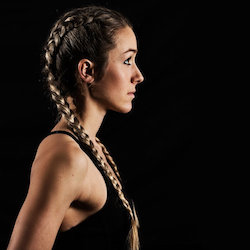
S3 Ep 47Lynn Jung: Training, recovery, and goals
How does moving to Brighton and experiencing injury influence an athlete's approach to training, recovery, and personal growth? Lynn Jung discusses Brighton, what it means to her, and how moving there affected her life. She unpacks how she approaches training, her movement background, and her journey of injury and recovery over the past few years. Lynn shares how she came to freerunning, her current projects, and her involvement with Storm Freerun and xDubai. "Then I moved to England where I didn't know anyone other than my boyfriend which I think is a very hard situation to be in because you don't always just want to spend time with one person. You need to have a broader network of people which was hard to build up first." ~ Lynn Jung (13:30) The conversation focuses on Lynn Jung's experiences moving to Brighton and how it shaped her personal and professional life. She shares how the move initially brought challenges, such as building a social network and dealing with the absence of indoor Parkour facilities. Despite these hurdles, Brighton eventually became her home, supported by a community of Freerunners who shared her lifestyle. Lynn also reflects on the impact of injury, describing her recovery process and the mental shift it required. She explains how her injury led her to explore other physical activities like yoga and diving, broadening her understanding of movement. Professionally, Lynn discusses her involvement with Storm Freerun, her commercial work, and plans to develop skills in filmmaking and photography. Throughout the conversation, she emphasizes the importance of community, resilience, and adaptability in navigating her athletic career. Takeaways Brighton as a training environment — The city lacks dedicated Parkour facilities, which initially frustrated her but later pushed her to diversify her training. Injury and recovery process — Lynn faced a severe tibia fracture, prompting a two-year recovery that reshaped her relationship with movement and rest. Building community — Moving to Brighton required Lynn to actively form connections and step outside her comfort zone, enriching her experience. Role of Storm Freerun — Joining Storm Freerun significantly impacted her career, offering professional opportunities and strengthening friendships. Emotional connection to Freerunning — Freerunning became a refuge after personal loss, highlighting its role in her healing and personal growth. Resources Storm Freerun — A professional Parkour team Lynn is part of, involved in projects and community building. XDubai — A Dubai-based company sponsoring athletes and promoting action sports. (Written with help from Chat-GPT.) --- Hello👋 I'm Craig Constantine. In the Movers Mindset podcast, I talk with movement enthusiasts to learn who they are, what they do, and why they do it. I'm interested in the nature and philosophy of movement and in exploring themes like independence, self-direction, and human excellence. My interests color each conversation and provide some structure to Movers Mindset. But since I like to take the scenic route, every conversation ends up going somewhere unique. The purpose of Movers Mindset is to create and share great conversations with movement enthusiasts. Each conversation feeds my insatiable curiosity, but I share them to turn on a light for someone else, to inspire them, or to give them their next question. I appreciate your time and attention, and I don’t take it for granted. --- Thank you! Want more? Subscribe to the email list for weekly updates—new episodes and archive highlights delivered to your inbox. I invite you to cultivate a meaningful life—through presence, not pursuit. You can learn more about me and all my projects at, https://craigconstantine.com. If you like what I'm doing through Movers Mindset, learn more about becoming a patron. ɕ
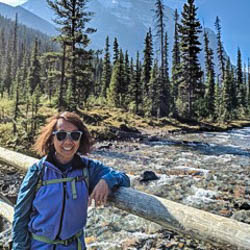
S3 Ep 46Jean Lam: Corrective exercise, programming, and rehab
What role does fear, physical limitations, and personal motivation play in pursuing movement-based activities as one ages? Jean Lam reflects on how she became interested in fitness and eventually joined the industry, her love of movement, and what sports and activities she is involved in now. Jean discusses corrective exercise, and shares her insights on programming, motivation, and scope of practice. She goes into injury and rehab, before explaining how she keeps up with coaching best practices. "I think that failure is part of the equation. If everything you do guarantees success, you're not going to ever expand and do more." ~ Jean Lam (14:20) Jean Lam discusses her journey from being a self-described couch potato to becoming deeply involved in movement-based activities such as parkour, skiing, and aerial silks. She shares how discovering jazzercise in her twenties helped her lose weight and sustain her fitness for over 30 years. Jean emphasizes the importance of finding joy in physical activities and explains how parkour became a fun and functional way to apply the strength she built through traditional gym workouts. She reflects on how women can be inspired by seeing others engage in movement and how visibility plays a role in motivating participation. Jean delves into the psychological aspects of fear and adrenaline in sports, contrasting her controlled approach with the more extreme pursuits of others. She highlights her involvement with PK Silver, a program designed to teach older adults parkour-inspired movement. Jean discusses the importance of addressing physical dysfunctions through corrective exercise, focusing on mobility and prehab. She stresses the need for fitness professionals to stay within their scope of practice and explains how she continuously educates herself to provide safe, science-based programming for clients. Takeaways Fear as a limiting factor — Addressing fear helps expand comfort zones and prevent further restriction of movement. The role of fun in fitness — Enjoyable activities sustain long-term engagement with physical exercise. Corrective exercise — Addressing physical dysfunctions is essential for safe and effective movement, especially as the body ages. Scope of practice — Fitness professionals must recognize boundaries between training and medical treatment to avoid harm. Motivation through community — Seeing others engage in movement inspires peers to take action and pursue their own fitness goals. Aging and movement — Fitness routines should adapt to the needs of older adults by incorporating mobility and stability exercises. Overcoming injuries — Recovery from acute injuries involves patience and may change how training is approached. PK Silver programming — Teaching older adults movement-based skills involves addressing confidence, fear, and functional limitations. Progression and adaptability — Programming for clients should evolve based on their capabilities, ensuring movements match their current physical state. Physical limitations and self-awareness — Understanding personal limitations helps prevent injury and supports sustainable fitness progress. Resources PK Move — A non-profit dedicated to teaching parkour to all ages, including the PK Silver program for older adults. Conversation with Fear — Mermer Blakeslee's book exploring the psychology of fear and strategies for confronting it in sports and life. Barbell Physio — A resource for strength and mobility training, founded by a physical therapist with a focus on functional movement. Shift Movement Science — Provides educational resources on gymnastics and physical therapy for athletes. National Academy of Sports Medicine (NASM) — Organization offering certifications in corrective exercise and fitness specializations. (Written with help from Chat-GPT.) --- Hello👋 I'm Craig Constantine. In the Movers Mindset podcast, I talk with movement enthusiasts to learn who they are, what they do, and why they do it. I'm interested in the nature and philosophy of movement and in exploring themes like independence, self-direction, and human excellence. My interests color each conversation and provide some structure to Movers Mindset. But since I like to take the scenic route, every conversation ends up going somewhere unique. The purpose of Movers Mindset is to create and share great conversations with movement enthusiasts. Each conversation feeds my insatiable curiosity, but I share them to turn on a light for someone else, to inspire them, or to give them their next question. I appreciate your time and attention, and I don’t take it for granted. --- Thank you! Want more? Subscribe to the email list for weekly updates—new episodes and archive highlights delivered to your inbox. I invite you to cultivate a meaningful life—through presence, not pursuit. You can learn more about me and all my projects at, https://craigconstantine.com. If you like wha
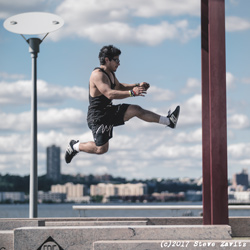
S3 Ep 45Frank Mejia: World Chase Tag, coaching, and competition
What leads someone to transform personal passion for parkour into a career in coaching and movement education? Frank Mejia discusses PK Move and Urban Evolution, and the path to how and why he became a coach. He reflects on his experience with World Chase Tag, explaining the game and its intricacies. Frank shares his thoughts on travel and the role it’s played in his journey, before wrapping up with his thoughts on competition. "Teaching is such a privilege. It’s so much fun to bring people up and show them this thing they didn’t think they could do." ~ Frank Mejia (13:20) This conversation explores the journey of a parkour enthusiast transitioning into a coach, beginning with an incidental school project and evolving into a full-time commitment to movement education. Frank recounts how early skepticism about coaching shifted as he experienced the satisfaction of teaching and guiding others. His involvement with organizations like PK Move and Urban Evolution highlights his contributions to both senior fitness programs and general parkour instruction. The discussion also touches on his participation in World Chase Tag, offering insights into the competitive aspects of the sport and the mental strategies involved in high-pressure movement environments. Frank reflects on how coaching has enriched his personal training and fostered community connections. Travel, competition, and collaboration emerge as recurring themes, showcasing the broader opportunities that parkour and coaching can provide. Takeaways The transition to coaching — Frank's path to becoming a parkour coach began with a school project and gradually transformed into a passion for teaching. Impact of coaching on personal training — Teaching others highlighted gaps in the guest’s personal practice, leading to self-improvement and more balanced training. Community and connection — Observing the camaraderie and enjoyment among other coaches shifted Frank’s perception of teaching from a chore to a fulfilling activity. World Chase Tag experience — Participation in this high-stakes competition offered insights into mental strategy, teamwork, and navigating pressure in competitive environments. Role of PK Move and Urban Evolution — Frank describes involvement in specialized parkour programs for seniors and general community classes, emphasizing inclusivity and adaptability. Value of travel and exploration — Travel and working in different parkour communities broadened Frank’s coaching skills and deepened his appreciation for diverse training environments. The evolution of competition in parkour — Frank’s views on parkour competitions evolved, recognizing their value in fostering personal growth, collaboration, and community bonding. Resources PK Move — A parkour organization focused on movement education for seniors and underserved communities. Urban Evolution — A gym in Alexandria, Virginia, offering parkour and movement classes for all ages. World Chase Tag — An international competitive tag organization that blends parkour with high-speed evasion challenges. Phoenix Freerunning Academy — A Michigan-based parkour gym with a strong sense of community and long-standing instructors. Movement United — A gym in Michigan where the guest expanded his coaching experience. (Written with help from Chat-GPT.) --- Hello👋 I'm Craig Constantine. In the Movers Mindset podcast, I talk with movement enthusiasts to learn who they are, what they do, and why they do it. I'm interested in the nature and philosophy of movement and in exploring themes like independence, self-direction, and human excellence. My interests color each conversation and provide some structure to Movers Mindset. But since I like to take the scenic route, every conversation ends up going somewhere unique. The purpose of Movers Mindset is to create and share great conversations with movement enthusiasts. Each conversation feeds my insatiable curiosity, but I share them to turn on a light for someone else, to inspire them, or to give them their next question. I appreciate your time and attention, and I don’t take it for granted. --- Thank you! Want more? Subscribe to the email list for weekly updates—new episodes and archive highlights delivered to your inbox. I invite you to cultivate a meaningful life—through presence, not pursuit. You can learn more about me and all my projects at, https://craigconstantine.com. If you like what I'm doing through Movers Mindset, learn more about becoming a patron. ɕ
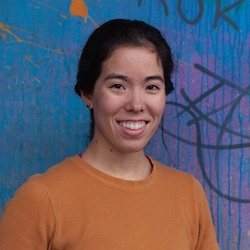
S3 Ep 44Rosy Noguchi: Coaching, gender, and travel
What factors contribute to the longevity and success of community-driven parkour programs? Rosy Noguchi discusses her involvement in PK Move, coaching, and why she is passionate about what they are doing. She shares her thoughts on the DC Women’s community, and why it’s been successfully running for 6+ years. Rosy reflects on the benefits of traveling for parkour, and closes out with her experiences with gender and intergenerational training in parkour. "I just thought it was cool, man. You're only as old as you act and nobody was acting that old." ~ Rosy Noguchi (22:30) The conversation explores the journey of Rosy Noguchi, a coach and board member at PK Move, and how her initial exposure to parkour through her mother led to a leadership role in the community. She recounts the origins of PK Move, a nonprofit aimed at making parkour accessible to diverse groups, and the progression from casual participant to co-founder. Rosy highlights the importance of inclusivity and the intergenerational nature of parkour, drawing connections between her experience training with both teenagers and older adults. Rosy also discusses her involvement in the DC Women's community and the structured nature of the monthly jams that have contributed to their sustained success. She emphasizes the role of leadership, mentorship, and collaboration in maintaining engagement and fostering growth. Additionally, Rosy reflects on the PK Silver program, which tailors parkour training for older adults, and shares personal insights on how her mother's perspective on aging influences her coaching philosophy. Takeaways PK Move's origin — How the organization evolved from an idea into a nonprofit driven by community needs. Intergenerational training — The benefits of mixing age groups in parkour, fostering inclusive learning environments. Women's jam structure — How structured parkour classes during women’s jams enhance retention and encourage participation. Mentorship and leadership — The influence of dedicated leaders and volunteers in sustaining long-term community programs. Inclusivity in parkour — The importance of creating spaces that cater to newcomers and returning practitioners alike. PK Silver — Tailoring parkour for older adults, emphasizing adaptability and safety. Barriers to participation — How cost, time, and novelty affect attendance at women's parkour events. Support from larger organizations — The role of APK in providing space and legitimacy to community-led initiatives. Travel and parkour — How traveling to jams strengthens community bonds and encourages personal growth. Aging and representation — Addressing stereotypes about aging and promoting activity through inclusive parkour programs. Resources PK Move — The nonprofit organization co-founded by Rosy Noguchi to make parkour accessible to all. APK (American Parkour) — A parkour organization that supports the DC Women’s community by providing gym space and infrastructure. Urban Evolution — The parkour gym where Rosy began her training and encountered intergenerational parkour classes. (Written with help from Chat-GPT.) --- Hello👋 I'm Craig Constantine. In the Movers Mindset podcast, I talk with movement enthusiasts to learn who they are, what they do, and why they do it. I'm interested in the nature and philosophy of movement and in exploring themes like independence, self-direction, and human excellence. My interests color each conversation and provide some structure to Movers Mindset. But since I like to take the scenic route, every conversation ends up going somewhere unique. The purpose of Movers Mindset is to create and share great conversations with movement enthusiasts. Each conversation feeds my insatiable curiosity, but I share them to turn on a light for someone else, to inspire them, or to give them their next question. I appreciate your time and attention, and I don’t take it for granted. --- Thank you! Want more? Subscribe to the email list for weekly updates—new episodes and archive highlights delivered to your inbox. I invite you to cultivate a meaningful life—through presence, not pursuit. You can learn more about me and all my projects at, https://craigconstantine.com. If you like what I'm doing through Movers Mindset, learn more about becoming a patron. ɕ
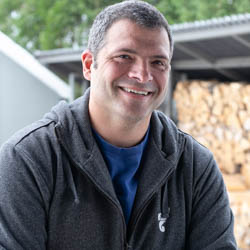
S3 Ep 43Craig Constantine: Philosophy, value, and mastery
Craig unpacks the philosophical motivations behind the podcast, discussing movement as an intellectual path, going beyond the physical. He delves into the importance of learning from experts, pushing human potential, and pursuing mastery. Craig explains his goal of fostering discussion and sharing ideas, and invites listeners to join in that goal. For more information on this episode, go to https://moversmindset.com/43 --- Hello👋 I'm Craig Constantine. In the Movers Mindset podcast, I talk with movement enthusiasts to learn who they are, what they do, and why they do it. I'm interested in the nature and philosophy of movement and in exploring themes like independence, self-direction, and human excellence. My interests color each conversation and provide some structure to Movers Mindset. But since I like to take the scenic route, every conversation ends up going somewhere unique. The purpose of Movers Mindset is to create and share great conversations with movement enthusiasts. Each conversation feeds my insatiable curiosity, but I share them to turn on a light for someone else, to inspire them, or to give them their next question. I appreciate your time and attention, and I don’t take it for granted. --- Thank you! Want more? Subscribe to the email list for weekly updates—new episodes and archive highlights delivered to your inbox. I invite you to cultivate a meaningful life—through presence, not pursuit. You can learn more about me and all my projects at, https://craigconstantine.com. If you like what I'm doing through Movers Mindset, learn more about becoming a patron. ɕ
S3 Ep 42Victor Crittenden: Community, viewpoints, and statistics
What makes the DC metro Parkour community unique, and how does it integrate diverse philosophies and populations to sustain and grow the practice of Parkour? Victor Crittenden digs into the DC Metro Parkour community, explaining what it is, who is involved, and why it is unique. He discusses the various definitions, ethos, and approaches to parkour, and how each shows an important piece of the parkour puzzle. Vic shares his thoughts around the governance of parkour, and finishes with the importance of collecting and analyzing data and statistics about parkour to help promote its future and growth. "It's important to distinguish between public and private spaces for the future of Parkour." ~ Victor Crittenden (41:04) The conversation explores the structure and ethos of the DC Metro Parkour community, highlighting its diversity and the collaborative effort to unify various Parkour groups across Maryland, Virginia, and DC. Key components include established gyms like Urban Evolution and American Parkour, university groups at George Mason and College Park, and nonprofit organizations such as PK Move, which focuses on adaptive Parkour for underserved populations. Victor outlines the geographic and organizational complexities, emphasizing the role of jams and meetups in sustaining the community. The discussion shifts to examining different Parkour philosophies in the area. Some gyms emphasize structured training and family engagement, while others focus on purist, outdoor approaches aligned with altruism and self-reclamation. The value of public engagement and forming connections with city officials emerges as a theme for promoting Parkour. Broader initiatives, such as the formation of USPK (United States Parkour Association) and youth leagues, aim to create a sustainable framework for Parkour development at a national level. Takeaways Bridging communities — The DC metro Parkour community thrives by unifying various city and university groups, preventing fragmentation. Adaptive Parkour — PK Move pioneers adaptive Parkour, ensuring accessibility for elderly populations, cancer survivors, and individuals with disabilities. Diversity in practice — Different Parkour groups in the region emphasize contrasting approaches, from structured gym environments to purist outdoor practices. Public engagement — Building relationships with city officials and participating in community projects fosters acceptance and growth of Parkour communities. Sustaining growth — Regular jams and meetups play a crucial role in maintaining the Parkour community by keeping people engaged and connected. Governance and unity — National efforts like USP K aim to consolidate Parkour communities under a collective association to represent the U.S. globally. Youth development — Projects like the Youth Parkour League (YPL) work to introduce structured competition circuits for younger populations. Data and future growth — Initiatives to collect and analyze data on gyms, demographics, and growth rates aim to inform and attract investors. Resources PK Move — Nonprofit organization promoting adaptive Parkour for special populations, including seniors and cancer survivors. American Parkour (APK) — A leading Parkour gym and community in DC promoting education and outreach. Urban Evolution — Parkour gym offering structured programs and classes in Northern Virginia. United States Parkour Association (USP K) — A collective organization aiming to unify Parkour communities across the U.S. (Written with help from Chat-GPT.) --- Hello👋 I'm Craig Constantine. In the Movers Mindset podcast, I talk with movement enthusiasts to learn who they are, what they do, and why they do it. I'm interested in the nature and philosophy of movement and in exploring themes like independence, self-direction, and human excellence. My interests color each conversation and provide some structure to Movers Mindset. But since I like to take the scenic route, every conversation ends up going somewhere unique. The purpose of Movers Mindset is to create and share great conversations with movement enthusiasts. Each conversation feeds my insatiable curiosity, but I share them to turn on a light for someone else, to inspire them, or to give them their next question. I appreciate your time and attention, and I don’t take it for granted. --- Thank you! Want more? Subscribe to the email list for weekly updates—new episodes and archive highlights delivered to your inbox. I invite you to cultivate a meaningful life—through presence, not pursuit. You can learn more about me and all my projects at, https://craigconstantine.com. If you like what I'm doing through Movers Mindset, learn more about becoming a patron. ɕ
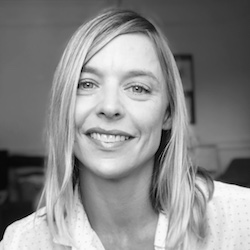
S3 Ep 41Weena Pauly-Tarr: Therapy, motherhood, and impulse
EWhat experiences and practices shape the transition from structured movement disciplines to embodied, intuitive forms of movement and healing? Weena Pauly-Tarr shares her history of dance, her brief encounter with parkour, and how those experiences have led to where she is now. She unpacks her work with somatic therapy, and the profound changes motherhood has brought to her life and practice. Weena reflects on her current interests in embodiment and impulse, and discusses her search for what is next. "The only thing I've ever wanted in my life—clearly and said out loud—was to be a mom. not to be a dancer, or not to move to New York… none of that was the thing. It was to be a mom. […] And so when I became pregnant, it was like the biggest gift I've ever been given. It was like getting the one thing you've always wanted, your whole life. It's terrifying. Because what if it gets taken away, all that starts to come up. So I think what happened is, I had to grapple with receiving the thing I've always wanted." ~ Weena Pauly-Tarr (30:31) The conversation covers how personal experiences with dance, Parkour, and somatic therapy intersect in a lifelong exploration of movement and healing. Weena's dance background, including work with impactful movement styles like Streb’s Pop Action, shaped her understanding of strength, fear, and embodiment. Parkour later emerged as a natural extension of this interest, allowing for further exploration of dynamic movement in unconventional settings. Motherhood significantly shifted her perspective, introducing new layers of vulnerability and embodiment. This experience influenced her shift from performance-based movement to therapeutic and somatic practices. She discusses her evolving approach to working with clients, focusing on impulse, somatic healing, and authentic movement. Her exploration of trauma through somatic experiencing highlighted the connections between past injuries and subconscious movement patterns. Takeaways Impact and strength — Early dance experiences emphasized the importance of using strength and physicality in movement. Embodiment through trauma — Somatic experiences can reveal how unresolved trauma manifests in physical patterns. Motherhood’s transformation — Motherhood shifted priorities and expanded the practice of vulnerability and authenticity. Parkour as extension — Parkour became a natural extension of visceral, impact-based dance forms. Healing through movement — Movement serves as a method for personal and emotional healing. Impulse as guidance — Allowing movement to arise from impulse promotes deeper embodiment and awareness. Reframing fear — Both Parkour and somatic practices teach reframing fear and failure as growth. Resources Weena Pauly-Tarr @weenapaulytarr Elizabeth Streb's TED Talk — Discusses Pop Action and the concepts of impact-based movement. Phoenix Rising Yoga Therapy — A form of somatic healing that bridges bodywork and talk therapy. (Written with help from Chat-GPT.) --- Hello👋 I'm Craig Constantine. In the Movers Mindset podcast, I talk with movement enthusiasts to learn who they are, what they do, and why they do it. I'm interested in the nature and philosophy of movement and in exploring themes like independence, self-direction, and human excellence. My interests color each conversation and provide some structure to Movers Mindset. But since I like to take the scenic route, every conversation ends up going somewhere unique. The purpose of Movers Mindset is to create and share great conversations with movement enthusiasts. Each conversation feeds my insatiable curiosity, but I share them to turn on a light for someone else, to inspire them, or to give them their next question. I appreciate your time and attention, and I don’t take it for granted. --- Thank you! Want more? Subscribe to the email list for weekly updates—new episodes and archive highlights delivered to your inbox. I invite you to cultivate a meaningful life—through presence, not pursuit. You can learn more about me and all my projects at, https://craigconstantine.com. If you like what I'm doing through Movers Mindset, learn more about becoming a patron. ɕ
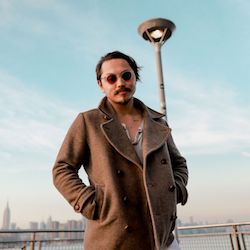
S3 Ep 40Michael ‘Frosti Fresh’ Zernow: Competition, collaboration, and passion
What role does competition play in shaping the growth and community of Parkour? Michael ‘Frosti Fresh’ Zernow discusses his career, passion for community building, and his experiences with the Red Bull Art of Motion competition. He shares his views on competition in general, his unique perspective on how parkour has grown, and the potential it has as it continues to grow. Frosti explains his involvement in the United States Parkour association, his love of collaboration, and how he’s found and followed his passions throughout his journey. "I think competitions can help create an understandable way for the outside world to connect with this amazing community that we're building and if we can be involved in it in a way where our voices are heard and where our presence is known then we can build something really beautiful." ~ Michael Zernow (38:23) The conversation explores the evolving relationship between Parkour and competition, focusing on how competitions, such as Red Bull’s Art of Motion, have shaped the sport. The discussion reveals how Frosti navigates being an athlete, host, and entrepreneur, balancing personal growth with the desire to grow the Parkour community. His experiences shed light on the importance of community building and outreach, as well as the role of organizations like the United States Parkour Association (USPK). Frosti reflects on his career trajectory, highlighting how competitions and collaborations have allowed him to stay involved in the Parkour scene beyond just being a performer. The conversation touches on the philosophical divide within Parkour about whether competition enhances or detracts from the sport's core values. Frosti’s perspective emphasizes the need for competition to inspire and provide opportunities for young athletes, while maintaining respect for those who choose to pursue non-competitive avenues. Takeaways Community building — Parkour thrives on creating relationships, and early jams were crucial in connecting athletes across regions. Role of competition — Competitions, like Red Bull Art of Motion, provide growth opportunities for athletes but also provoke debate within the Parkour community. Athlete transition — Many professional Parkour athletes transition into coaching, entrepreneurship, and event hosting as their careers evolve. Corporate involvement — Red Bull’s approach to Parkour is viewed positively by some for its investment and willingness to collaborate with athletes, while others question corporate influence on the sport. Collaboration — Frosti highlights the value of working with artists, musicians, and other athletes to expand the reach and creative potential of Parkour. Inspiration — Young athletes like Nate Weston use competition as motivation to refine and expand their skillsets. USPK — The formation of the United States Parkour Association aims to unify and provide a collective voice for Parkour practitioners in the U.S. Growth of Tempest — Tempest Freerunning’s expansion of gyms and outreach programs reflects the increasing mainstream acceptance of Parkour. Philosophy of movement — Frosti’s journey underscores the personal growth and self-expression that emerge through Parkour, regardless of competition. Resources Tempest Freerunning — Parkour and Freerunning gym co-founded by Frosti Fresh, promoting movement and training across multiple locations. Red Bull Art of Motion — International Parkour competition showcasing top athletes and fostering community engagement. United States Parkour Association (USPK) — Organization supporting Parkour athletes and practitioners in the U.S. through events, certifications, and community building. (Written with help from Chat-GPT.) --- Hello👋 I'm Craig Constantine. In the Movers Mindset podcast, I talk with movement enthusiasts to learn who they are, what they do, and why they do it. I'm interested in the nature and philosophy of movement and in exploring themes like independence, self-direction, and human excellence. My interests color each conversation and provide some structure to Movers Mindset. But since I like to take the scenic route, every conversation ends up going somewhere unique. The purpose of Movers Mindset is to create and share great conversations with movement enthusiasts. Each conversation feeds my insatiable curiosity, but I share them to turn on a light for someone else, to inspire them, or to give them their next question. I appreciate your time and attention, and I don’t take it for granted. --- Thank you! Want more? Subscribe to the email list for weekly updates—new episodes and archive highlights delivered to your inbox. I invite you to cultivate a meaningful life—through presence, not pursuit. You can learn more about me and all my projects at, https://craigconstantine.com. If you like what I'm doing through Movers Mindset, learn more about becoming a patron. ɕ
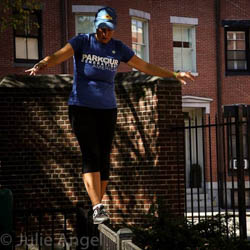
S3 Ep 39Teresa Vazquez-Dodero: Motherhood, stereotypes, and risk
What impact does practicing Parkour have on personal transformation and navigating the challenges of motherhood? Teresa Vazquez-Dodero describes the changes and sacrifices of motherhood, both in body and mind. She explains her initial experiences with parkour, how the community drew her in, and her views on defying stereotypes in parkour. Teresa discusses her unique perspective of risk, her studies in multiculturalism, and finishes by sharing the benefits of parkour for all ages. "I would describe this relationship as the most liberating body— or relationship with my body and relationship with my environment that I've ever had in any sports situation." ~ Teresa Vazquez-Dodero (1:14) The conversation explores the transformative effect Parkour has on physical and mental well-being, particularly through the lens of motherhood. It highlights the dramatic changes and sacrifices involved in raising twins and the physical challenges that accompany it. Through Parkour, Teresa discovers a liberating relationship with her body, which contrasts starkly with her previous struggles after pregnancy. She emphasizes how Parkour reconnects her with movement, allowing her to reclaim aspects of herself that were sidelined during motherhood. Another focus is on breaking societal norms and defying stereotypes, particularly those surrounding age, gender, and motherhood. Teresa reflects on her initial fears of not fitting into the Parkour community but ultimately finds acceptance and encouragement. Her insights extend to broader topics such as risk perception, personal responsibility in maintaining physical health, and the importance of continuous movement. She draws parallels between movement, personal growth, and larger societal observations derived from her academic background in multiculturalism and race studies. Takeaways Parkour and self-liberation — Parkour provides a liberating relationship with the body and environment, fostering freedom beyond structured gym environments. Motherhood and physical transformation — Pregnancy, particularly with twins, significantly alters the body and challenges personal movement, leading to a long recovery process. Reclaiming identity — Parkour helps reclaim aspects of personal identity that are sidelined during the demands of motherhood. Risk and societal perceptions — Risk in Parkour is often perceived differently from within the practice, where the emphasis is on maintaining health and preventing long-term issues. Age and movement — Parkour offers a pathway to sustaining movement and health as individuals age, challenging norms that equate aging with physical decline. Community and inclusivity — The Parkour community welcomes diverse participants, valuing different perspectives and experiences regardless of age or background. Resilience through adversity — Parkour serves as a metaphor for overcoming life's challenges and rebuilding physical and mental strength post-adversity. Cultural insights and race studies — Teresa draws connections between movement practices and her academic studies, highlighting broader societal patterns and introspective analysis. Resources Parkour Generations — A resource for Parkour classes and training, referenced as the community that supported Teresa’s Parkour journey. Smith College — Teresa’s alma mater, where she studied literature, multiculturalism, and race studies. (Written with help from Chat-GPT.) --- Hello👋 I'm Craig Constantine. In the Movers Mindset podcast, I talk with movement enthusiasts to learn who they are, what they do, and why they do it. I'm interested in the nature and philosophy of movement and in exploring themes like independence, self-direction, and human excellence. My interests color each conversation and provide some structure to Movers Mindset. But since I like to take the scenic route, every conversation ends up going somewhere unique. The purpose of Movers Mindset is to create and share great conversations with movement enthusiasts. Each conversation feeds my insatiable curiosity, but I share them to turn on a light for someone else, to inspire them, or to give them their next question. I appreciate your time and attention, and I don’t take it for granted. --- Thank you! Want more? Subscribe to the email list for weekly updates—new episodes and archive highlights delivered to your inbox. I invite you to cultivate a meaningful life—through presence, not pursuit. You can learn more about me and all my projects at, https://craigconstantine.com. If you like what I'm doing through Movers Mindset, learn more about becoming a patron. ɕ
S3 Ep 38Marcus Lincoln: Texas Winter Jam, challenge, and travel
What role does overcoming obstacles through movement play in personal growth and community building? Marcus Lincoln shares his experiences both as a participant and an organizer of the Texas Winter Jam, and the importance the event holds for the national and local communities. He explains his ideas on challenge mindset, and his approach to both training and coaching. Marcus discusses his plans for traveling, the impact travel has had on him, and the adventure of learning new languages. "Parkour is interesting. It's not that you can do the cool moves or that you've learned them quickly. It's more about that process of learning them." ~ Marcus Lincoln (11:27) The conversation explores Marcus Lincoln’s experiences as a participant and organizer of the Texas Winter Jam, an annual event that unites movement communities across Texas. Marcus shares how the jam transitioned from summer to winter and how it continues to foster collaboration among practitioners across different cities. His insights reveal how organizing the event has helped him develop problem-solving skills and build deeper connections within the community. Marcus discusses how his move from Texas to Boston introduced him to the challenges of training in a colder climate, enhancing his resilience and adaptability. He reflects on how seasons influence training and how practicing in challenging environments fosters personal growth. The conversation also touches on Marcus's passion for travel and his plans to visit France to experience the roots of Parkour, highlighting the importance of connecting with the origins of the practice and expanding personal horizons through new cultural experiences. Takeaways Texas Winter Jam — An annual gathering that connects Texas movement communities and fosters collaboration and growth. Event organizing — Building leadership, adaptability, and communication skills by managing large-scale events. Training across climates — Developing resilience by adapting movement practice to seasonal changes. Parkour mindset — Viewing obstacles as opportunities for problem-solving, fostering mental and physical growth. Community connections — Strengthening friendships and professional networks through shared movement experiences. Travel and movement — Expanding skills and perspective by exploring international movement communities. Challenges in coaching — Recognizing and addressing individual student challenges to foster growth and confidence. Continuous improvement — Using personal weaknesses as starting points for creative training approaches. Movement creativity — Designing routes and challenges that blend personal strengths and areas for improvement. Resources Parkour Generations Americas — Organization where Marcus Lincoln coaches and trains, providing Parkour events and coaching certifications. Texas Winter Jam — Annual community-driven movement event organized by Marcus Lincoln and others. ADD Academy — French academy for Art du Déplacement, where Marcus plans to visit for deeper training experiences. Rendezvous London — International Parkour event Marcus attended and coached at. (Written with help from Chat-GPT.) --- Hello👋 I'm Craig Constantine. In the Movers Mindset podcast, I talk with movement enthusiasts to learn who they are, what they do, and why they do it. I'm interested in the nature and philosophy of movement and in exploring themes like independence, self-direction, and human excellence. My interests color each conversation and provide some structure to Movers Mindset. But since I like to take the scenic route, every conversation ends up going somewhere unique. The purpose of Movers Mindset is to create and share great conversations with movement enthusiasts. Each conversation feeds my insatiable curiosity, but I share them to turn on a light for someone else, to inspire them, or to give them their next question. I appreciate your time and attention, and I don’t take it for granted. --- Thank you! Want more? Subscribe to the email list for weekly updates—new episodes and archive highlights delivered to your inbox. I invite you to cultivate a meaningful life—through presence, not pursuit. You can learn more about me and all my projects at, https://craigconstantine.com. If you like what I'm doing through Movers Mindset, learn more about becoming a patron. ɕ

S3 Ep 37Lauren Messeck: Projects, voice over, and play
What motivates someone to blend parkour, yoga, and play into a movement practice that fosters creativity and personal growth? Lauren Messeck describes her work with the Parkour Visions project, Movement for All, and her personal project, Yoga Move. She discusses her interest in climbing, bare feet versus minimalist shoes, and her background in the performing arts. Lauren reflects on her voice over work, and expresses her passion for helping people to rediscover play. "I can engage with the world in this way that I hadn't done in a while. And it was awesome." ~ Lauren Messeck (7:00) The conversation explores how an online search for playful movement led to the discovery of parkour and a thriving community. Lauren shares how parkour complemented a background in yoga and the performing arts, blending these disciplines to create new movement experiences. The discussion touches on the importance of play, the role of community in fostering personal growth, and the development of workshops that merge yoga and parkour. Further, Lauren elaborates on her involvement with Parkour Visions, an organization dedicated to expanding movement-based programs. This includes efforts to secure funding for community-driven projects, support regional hubs, and make movement more accessible to the public. The conversation also reflects on personal growth through movement, the significance of reconnecting with play, and how simple tools like minimalist shoes and meditation enhance the experience. Takeaways Rediscovering Play — Movement and play are not just for children but are essential for adult well-being and creativity. Community Support — The parkour community thrives on inclusivity and encouragement, fostering connections that extend beyond physical practice. Parkour and Yoga Integration — Blending yoga with parkour introduces new ways to experience mindfulness, structure, and flow in movement. Barriers to Entry — Financial and logistical obstacles often prevent movement projects from flourishing, highlighting the need for funding and support. Fear and Failure — Embracing failure and discomfort is key to progress in both parkour and personal growth. Minimalist Approach — Minimalist shoes and barefoot training enhance proprioception, reinforcing a deeper connection with the ground and movement. Certification and Training — Bringing certification programs to regional areas strengthens local communities by providing coaches with tools and education. Voice and Expression — Voiceover work and movement share parallels in how expression, confidence, and character are developed. Resources Parkour Visions — An organization supporting regional parkour communities and movement-based initiatives. The Movement Creative — A New York-based parkour group focusing on creative, playful movement and community engagement. Brooklyn Zoo — A parkour and movement gym in Brooklyn that serves as a hub for creative movement and play. Bouldering Project (Queensbridge) — A climbing and bouldering gym offering opportunities for dynamic movement and community interaction. Fighting Monkey — A movement practice that blends play, structure, and coordination to develop physical resilience. (Written with help from Chat-GPT.) --- Hello👋 I'm Craig Constantine. In the Movers Mindset podcast, I talk with movement enthusiasts to learn who they are, what they do, and why they do it. I'm interested in the nature and philosophy of movement and in exploring themes like independence, self-direction, and human excellence. My interests color each conversation and provide some structure to Movers Mindset. But since I like to take the scenic route, every conversation ends up going somewhere unique. The purpose of Movers Mindset is to create and share great conversations with movement enthusiasts. Each conversation feeds my insatiable curiosity, but I share them to turn on a light for someone else, to inspire them, or to give them their next question. I appreciate your time and attention, and I don’t take it for granted. --- Thank you! Want more? Subscribe to the email list for weekly updates—new episodes and archive highlights delivered to your inbox. I invite you to cultivate a meaningful life—through presence, not pursuit. You can learn more about me and all my projects at, https://craigconstantine.com. If you like what I'm doing through Movers Mindset, learn more about becoming a patron. ɕ