
Moore Impact: The Darla Moore School of Business Podcast
63 episodes — Page 1 of 2

Ep 63Creating Excitement Around Economics
Season 2 Episode 45Creating Excitement Around Economics HostKasie Whitener, Clinical Assistant ProfessorGuest:Dr. Orgul Ozturk, Department Chair, Economics & Director, Economic Policy Innovation CenterDr. Orgul Ozturk is the department chair and professor of economics in the Darla Moore School of Business at the University of South Carolina. Her academic research interests are in applied microeconomics fields, specifically labor economics and health economics. Ozturk has written articles on the effects of labor market regulations and minimum wages on female employment, effectiveness of supported employment programs for developmentally disabled, the relationship between occupation choice and welfare independence, and the effects of maternal employment and welfare use on children’s cognitive outcomes. Orgul has been a frequent guest on Moore Impact, where she has discussed her research, the research review and publication process and the Economic Policy Innovation Center. Dr. Ozturk’s last appearance was following the Cradle to Career Conference last October. Topics Include: Lengthy academic hiring processCreating specialty course offerings and matching catalog course offeringsScholars program as compliment to in classroom education Dr. Ozturk’s research proposals based on Cradle to Career conferencePlans for event in the spring to connect PhD students to community networkLooking at workforce dynamics Fields of need with low return on investment Translating economic research into a digestible form Reassessing education requirements for specified jobs Exposing want- to- be entrepreneurs to needed businesses instead of new productsSimplifying economics to make others recognize how present it is in daily life What to expect from EPIC in the spring To learn more about the Economic Policy Innovation Center, click here.To learn more about the Darla Moore School of Business, click here.Photo Courtesy: CartoonStock Moore Impact is a product of the Darla Moore School of Business at the University of South Carolina. For episodes, notes, and links visit sc.edu/moore

Ep 62Discussing the Legality of Academic Freedom
Season 2 Episode 44Discussing the Legality of Academic Freedom HostKasie Whitener, Clinical Assistant ProfessorIn this finals-week solo episode of Moore Impact, Kasie Whitener explores academic freedom through insights from a December 3rd Faculty Senate presentation by USC law professor Scott Bauries, focusing on what it is, how it’s protected, and where legal boundaries apply.Link to December 3rd Faculty Senate Meeting and Slidedeck, here. Topics include:SC controversy in Clemson after comments made by faculty member about assasination of Charlie Kirk Four essential Academic FreedomsHow academic freedom enables faculty participation without fear of retaliationThe role of the First Amendment in academic freedom cases at public universitiesUniversity of South Carolina’s academic freedom policy Shared governance of our university helps us stay true to our mission Individual academic freedom protects work of academic workers Caller question about tenured professors having more leeway with their work Benefits of tenure system New knowledge created by faculty through researchSecond caller question highlighting importance of peer review and source checking in expert credibility Why academic freedom protects academic work but not all speech equallyPhoto Courtesy: The Daily Northwestern Moore Impact is a product of the Darla Moore School of Business at the University of South Carolina. For episodes, notes, and links visit sc.edu/moore

Ep 61Building an AI-Ready Workforce at the Darla Moore School of Business
Season 2 Episode 43Building an AI-Ready Workforce at the Darla Moore School of BusinessHostKasie Whitener, Clinical Assistant ProfessorGuest:Dr. Audrey Korsgaard, Senior Associate Dean for Research and Academics and Professor of ManagementDr. Audrey Korsgaard is the Senior Associate Dean for Research and Academics and a professor of management and organizational behavior at the Darla Moore School of Business at the University of South Carolina, where she has served on the faculty since 1991. She earned her bachelor’s degree in psychology from Rutgers University and completed both her master’s and doctoral degrees in psychology at New York University, and she has also held a visiting professorship at Tulane University’s A.B. Freeman School of Business. Korsgaard teaches across doctoral, master’s, and undergraduate programs in organizational behavior, organizational development, and training. Her research examines trust, prosocial values, and organizational justice as central explanations for interpersonal and intragroup cooperation, with recent work extending these perspectives to issues related to artificial intelligence.Topics include:New certificate programs in AI education at undergraduate and graduate levels Adjustments to learning experiences and assessments in current courses Emphasis on fundamental human centered skills in classroom like communication, influence, negotiation and curiosityBuilding up faculty expertise in AI with new faculty hiresAI helping to foster relevance and impact in university researchResearch can get to market faster in easier to use format with help of AIGarnet AI Foundry library resources for AI researchDarla Moore’s university visit igniting motivation to adjust to AI centered world Helping alumni stay current in workforce with continuing education resources AI Summit to be held in April New KPI’s: Can students use AI to make their skillset better? Having clear valuable proposition with new methods of teaching To learn more about Darla Moore School of Business, click here.To learn more about Garnet AI Foundry, click here.Photo Courtesy: Training Industry. Moore Impact is a product of the Darla Moore School of Business at the University of South Carolina. For episodes, notes, and links visit sc.edu/moore

Ep 60Building a Resilient Future Through Sustainable Growth
Season 2 Episode 42Building a Resilient Future Through Sustainable GrowthHostDr. Kasie Whitener, Clinical Assistant Professor, ManagementGuestDr. Kealy Carter, Director, Center for Sustainable Growth Dr. Kealy Carter is the Marketing Department Chair, a Clinical Associate Professor, and Director of the Sustainable Growth Center at the Darla Moore School of Business. She holds a bachelor’s degree in International Studies from American University in Washington, D.C., and an International Master of Business Administration from the University of South Carolina. Her research and teaching interests focus on sustainability and marketing strategy.The Center for Sustainable Growth promotes economically sound, socially and environmentally responsible business through global perspectives, innovation, and collaboration. Its goals are to prepare future business leaders to operate sustainable enterprises and to serve as a hub for thought leadership that helps organizations create value through sustainability.Some topics include:Usable definition for sustainability Investing money in educating people on sustainable marketing productsCompanies selling on environmental contentious momentum Forecasting where regulations will go Risk management and cost reduction benefits in efficiency Sustainability as efficiency, risk management, and innovation technology at its coreLeveraging sustainability as a market driver Looking at recycling challenges in product development Businesses reliance on grids and energy Center for Sustainable Growth in connecting companies to university resources to interpret “sciencey” researchPreparing local businesses for policy changes due to federal energy investments in SC Sustainability concentration and class offerings at the Moore School Learn more about the Center for Sustainable Growth, here.Learn more about the Darla Moore School, here.Photo Courtesy: Darla Moore School of Business Moore Impact is a product of the Darla Moore School of Business at the University of South Carolina. For episodes, notes, and links visit sc.edu/moore
Ep 59Previewing 2025’s Economic Outlook Conference
Season 2 Episode 41Previewing 2025’s Economic Outlook ConferenceHostKasie Whitener, Clinical Assistant ProfessorGuest:Dr. Joseph Von Nessen, Research Economist, Division of Research Darla Moore School of BusinessJoseph Von Nessen serves as a research economist in the Division of Research at the Darla Moore School of Business, where he concentrates on regional economic analysis, forecasting and housing market trends. His work includes producing economic impact studies, feasibility assessments and market evaluations for a broad range of public- and private-sector partners.He leads the development of the University of South Carolina’s annual economic outlook for the state and advises the South Carolina Board of Economic Advisors. Von Nessen also provides regular briefings to the Federal Reserve Bank of Richmond and is a frequent presenter at major national conferences on topics related to regional and state economic performance.This is Dr. Von Nessen’s first appearance on Moore Impact. Today’s episode discusses the upcoming Economic Outlook Conference on December 11, 2025. Topics include:"So what?" economicsImportance of economics in navigating business landscapesSC’s economic growth driven by export oriented manufacturingSC’s competitive advantage in infrastructure and workforce developmentPopulation growth predicted in southeastEconomic Outlook Conference topics of discussionTariffs prevention in predicting costs and the market environment for businessUnited States’s slowed economic growth in 2025Business trying to shield consumers from tariff price increasesCurrent bifurcated market between goods and servicesConsumer’s lost purchasing power since 2020Overall theme of uncertaintyFED’s unique challenge of needing to balance both labor market and inflationTo learn more about The Economic Outlook Conference, click here.To learn more about Dr. Joseph Von Nessen, click here.Photo Courtesy: Darla Moore School of Business Moore Impact is a product of the Darla Moore School of Business at the University of South Carolina. For episodes, notes, and links visit sc.edu/moore

Ep 58Entrepreneurship at Work with Tim Wise
Season 2 Episode 40 Entrepreneurship at Work with Tim WiseHostKasie Whitener, Clinical Assistant ProfessorGuest:Tim Wise, Advisory Council Member, Faber Entrepreneurship CenterTim Wise is a serial entrepreneur, USC alumnus, and founding member of the Advisory Council for the Faber Entrepreneurship Center at the Darla Moore School of Business. A third-generation Gamecock with degrees in Finance, Real Estate, and Law, Tim began his career at Nelson Mullins before launching into entrepreneurship. In 2001, he co-founded Advocate, a technology business management firm built through disciplined bootstrapping, customer focus, and sustainable growth, leading to successful exits first to private equity and later to Accenture. Now devoted to giving back, Tim leverages his decades of entrepreneurial experience to inspire and guide USC students, encouraging them to embrace risk, resilience, and creativity as they pursue their own entrepreneurial journeys.Topics include:Entrepreneurial spirit of finding something you can do betterAvoiding risk with a continuous consumer marketGetting to dollar one as fast as you canBootstrapping allows for ability to listen and react to marketKeeping yourself ahead of debtTim’s companies V shaped dip during financial crisis of 2008Process of selling developed companyRebranding company for a position of sale & exiting strategyOffering opportunity and experience in Faber Entrepreneurship CenterGetting students to consider themselves entrepreneursConnection between liberty and entrepreneurshipTo learn more about Tim Wise, click here.To learn more about the Faber Entrepreneurship Center, click here.Photo Courtesy: Dreamix Moore Impact is a product of the Darla Moore School of Business at the University of South Carolina. For episodes, notes, and links visit sc.edu/moore
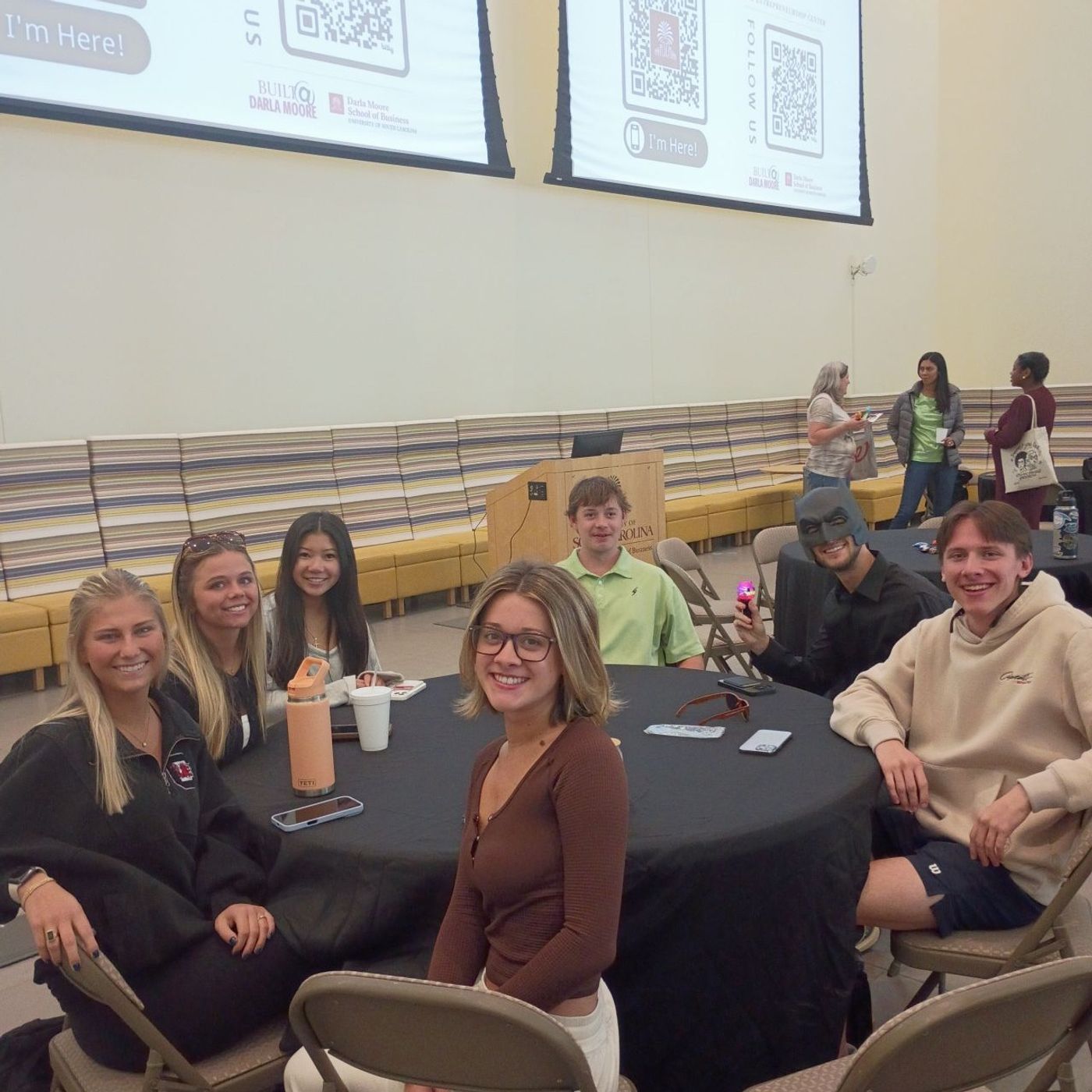
Ep 57Faber Fellows Shaping Student Entrepreneurship
Season 2 Episode 39Faber Fellows Shaping Student EntrepreneurshipHostKasie Whitener, Clinical Assistant ProfessorGuest:Elisha Wilson & Nishita Patel, Faber Fellows, Faber Entrepreneurship CenterElisha Wilson, Finance and Management Entrepreneurship student, and Nishita Patel, Supply Chain and Management Entrepreneurship student at the Darla Moore School of Business, are the Faber Center’s first fellows. As pioneers in this new student role, they are setting a foundation for future participants and contributing to the development of student engagement within the center. Their involvement represents an important step in expanding opportunities for hands-on learning and leadership within the entrepreneurship program.The Faber Entrepreneurship Center at the Darla Moore School of Business fosters experiential learning through consulting projects and research initiatives that connect students with real-world business challenges. The center partners with organizations such as the South Carolina Research Authority, Department of Commerce, and Chamber of Commerce to help bring innovative technologies and inventions into the marketplace. This semester, the center has hosted several events, including its ongoing Speaker Series featuring industry professionals, the Gridlock event, and the “Scary Good Branding” workshop, all designed to inspire and equip students with entrepreneurial skills and professional insight.Topics include:Meeting Faber Entrepreneurship Center’s student FellowsStudent’s questions ability to change dynamics in conversations with guest speakersElisha’s experience with Boyd Innovation Center as a participant in Startup Sprints & Cola Starts Elisha’s financial literacy business development Creating (MVPs) minimum viable products with AI Elisha & Nishita’s new role in Faber CenterReflecting on the structure of recent Gridlock event hosted by the Faber CenterOpen ended pedagogy style of events pushes for creativity Student reactions to lack of guidance or instruction in brainstorming processMoore School’s focus on renewable energy with rise to its importance politically Entrepreneurial opportunities in renewable energy space Federal government’s investment in SC for grid resilience with SC NexusTo learn more about the Faber Entrepreneurship Center, click here.To learn more about Darla Moore School of Business, click here.Photo Courtesy: Faber Entrepreneurship Center LinkedIn Moore Impact is a product of the Darla Moore School of Business at the University of South Carolina. For episodes, notes, and links visit sc.edu/moore

Ep 56China's Global Rise with Phil Chritton
Season 2 Episode 38China’s Global Rise with Phil ChrittonHostKasie Whitener, Clinical Assistant ProfessorGuest:Phillip Chritton, Executive in Residence, Folks Center for International BusinessWith more than 30 years of international legal experience, Phil Chritton has guided global business leaders in managing enterprise risk and navigating complex regulatory environments. Having spent much of his career in East Asia, he brings deep insight into the region’s legal, political, and cultural dynamics.Now serving as the Sonoco Visiting Fellow Executive in Residence at the University of South Carolina’s Darla Moore School of Business, Phil shares his global perspective and passion for mentorship with future business and legal professionals. A former senior legal executive at UPS, he led a global team supporting the company’s international growth. Based in North Carolina, he also serves as a councilor of the International Law Section of the North Carolina Bar Association.Topics include:China’s economic transformation in allowing private ownership of companiesWestern investment comes to China in late ninetiesJoint ventures and tech agreements required for foreign international companiesChina’s strategic learning in the process of producing Chinese direct investment with the 2013 Belt and Road Initiative China’s pride points One child policy and lacking social safety net in ChinaChina’s progress in building up key industries Status of rare earth standoff between China & the United StatesComparisons to Soviet UnionChina’s great abilities in production & hard work Avoiding misunderstanding between China and the United StatesTrade’s benefit in preventing conflict around the world To learn more about Sonoco Visiting Fellows Program, click here.To learn more about Phillip Chritton, click here.Photo Courtesy: Reuters Moore Impact is a product of the Darla Moore School of Business at the University of South Carolina. For episodes, notes, and links visit sc.edu/moore
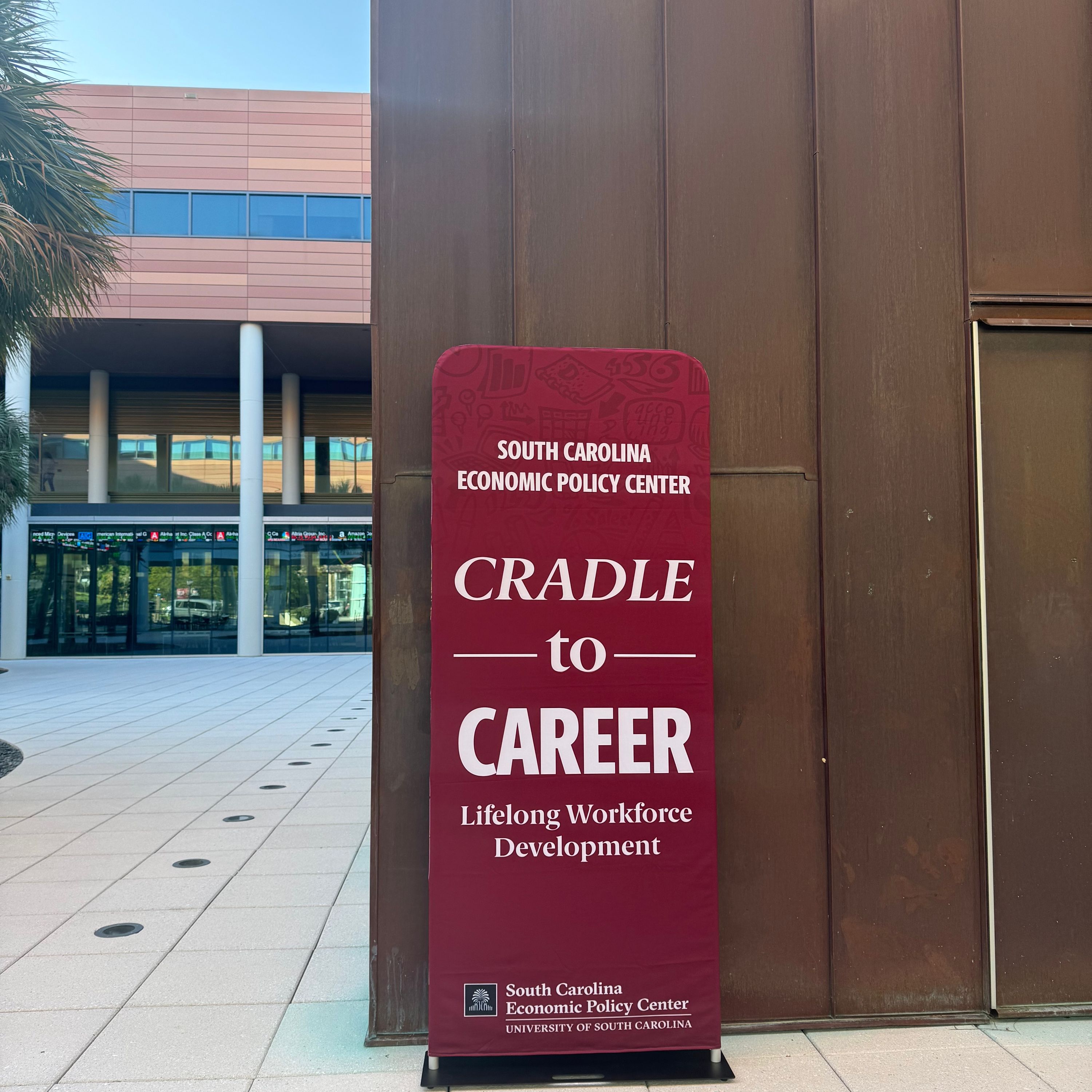
Ep 55Inside the Cradle to Career Conference
Season 2 Episode 37 Inside the Cradle to Career ConferenceHostKasie Whitener, Clinical Assistant ProfessorGuest:Dr. Orgul Ozturk, Department Chair, Economics & Director, Economic Policy Innovation CenterDr. Orgul Demet Ozturk is the department chair and professor of economics in the Darla Moore School of Business at the University of South Carolina. Her academic research interests are in applied microeconomics fields, specifically labor economics and health economics. Ozturk has written articles on the effects of labor market regulations and minimum wages on female employment, effectiveness of supported employment programs for developmentally disabled, the relationship between occupation choice and welfare independence, and the effects of maternal employment and welfare use on children’s cognitive outcomes. Orgul has been a frequent guest on Moore Impact, where she has discussed her research, the research review and publication process and the Economic Policy Innovation Center.Today’s episode recaps the October 3rd Cradle to Career Conference, hosted by the Moore School’s Economic Policy Innovation Center (EPIC). This academic gathering brought together researchers, industry partners, policymakers, and public officials from across South Carolina to explore data-driven ways to strengthen the state’s human capital; from early education through career readiness.Topics Include: Balancing affordable childcare options and higher wages for childcare workersEarly childhood education impact on long term successIs it worth it to separate subject teachers earlier in the K-12 system?How does positive change compare to the cost to achieve it? Georgia Policy Labs as model for South CarolinaSkills & education adjustment for technologically advancing labor marketsResearch on school transfers in higher educationOutcomes of cutting back requirements in occupational licensing SC’s struggle to fill skills gaps Identifying and addressing needs with policies Analyzing point at which technology suppresses student learning Pushing away from higher education when it doesn’t fit Building up transferable skills Research’s role in predictive analysisTo learn more about the Economic Policy Innovation Center, click here.To learn more about the Cradle to Career Conference, click here. Moore Impact is a product of the Darla Moore School of Business at the University of South Carolina. For episodes, notes, and links visit sc.edu/moore
Ep 54From Classroom to Career: Mastering the Job Search
Season 2 Episode 36From Classroom to Career: Mastering the Job Search HostKasie Whitener, Clinical Assistant ProfessorGuest:Kacie Ingram, Undergraduate Career Coach, Office of Career Management Kacie Ingram is the Undergraduate Career Services Manager in the Office of Career Management at the University of South Carolina’s Darla Moore School of Business, where she coaches management and marketing students. With over a decade of retail management experience, as well as entrepreneurial and teaching roles, she founded Complete Confidence in 2012 as a career coaching and personal branding business. Since 2014, she has taught Business Careers in a Global Economy and is active in the Professional Association of Résumé Writers & Career Coaches and the National Association of Colleges and Employers. Ingram holds B.S. and master’s degrees in retail from the University of South Carolina. The Office of Career Management (OCM) connects employers with this talent, supporting campus visits, classroom engagements, information sessions, and registration for the Spring and Fall Business EXPO career fairs. For students, the OCM offers career counseling, résumé reviews, interview preparation, and other resources to guide their transition from student to professionalTopics include:Business Careers in the Global Economy one credit class requirement Software programs & resources offered to Moore School students Resume and Linkedin profile as foundation for job search Common frustrations in the job search process AI’s positive impact for application efficiency Incorporating job description keywords into resume Personality test aid in realistic self assessment and job fit Application quality over application quantity’s greater return on time investment Tools for finding recruiter contact information Tracking & recording submitted applications Importance of continued follow up Career resources for community listenersTo learn more about the Office of Career Management, click here.To learn more about Darla Moore School of Business, click here.Photo Courtesy: Office of Career Management Moore Impact is a product of the Darla Moore School of Business at the University of South Carolina. For episodes, notes, and links visit sc.edu/moore

Ep 53Center for Sales Success Creating Student Success
Season 2 Episode 35 Center for Sales Success Creating Student SuccessHostKasie Whitener, Clinical Assistant ProfessorGuest:Chris Pardi, Assistant Director, Center for Sales SuccessLecturerChristopher Pardi is a marketing alumnus of the Darla Moore School of Business. After 28 years of experience in marketing and sales, he returned to the Moore School as a lecturer and Assistant Director for the Center for Sales Success. During his career with Fisher-Price and Mattel, Pardi led both global brand marketing and national sales teams. He spent 22 years in marketing, driving growth for iconic brands such as Power Wheels and Imaginext, where he developed global strategies, managed multimillion-dollar budgets, and delivered record-breaking results. He later transitioned into sales, managing major national accounts and ultimately leading the Fisher-Price sales team responsible for Walmart. Pardi also holds an MBA from The Ohio State University Fisher College of Business.This is Chris Pardi’s first appearance on the Moore Impact Podcast. Topics include:Chris Pardi’s goal to come back to Darla Moore to teachSales Concentration’s 4 classesMore active learning activities in the classroomUsing headlines/ current events in the classroomTeaching students how to sell themselvesHighlighting hidden talents and accomplishmentsPositioning solutions to fit objectionsStudent participation in sales competitionsSymbiotic relationship between sales classes and corporate partnersTo learn more about the Center for Sales Success, click here.To learn more about Darla Moore School of Business, click here.Photo Courtesy: Center for Sales Success. Moore Impact is a product of the Darla Moore School of Business at the University of South Carolina. For episodes, notes, and links visit sc.edu/moore

Ep 52Foreign Direct Investment with Visiting Fellow Ellen Lenny- Pessagno
Season 2 Episode 34 Foreign Direct Investment with Visiting Fellow Ellen Lenny- PessagnoHostKasie Whitener, Clinical Assistant ProfessorGuest:Ellen Lenny-Pessagno, Sonoco Visiting Fellow, Folks Center for International BusinessEllen Lenny-Pessagno was hosted in September as a Sonoco Visiting Fellow by the Folks Center for International Business. A former U.S. diplomat and Albemarle executive, she recently joined Veracity Worldwide, a leading global risk advisory firm specializing in critical minerals, the energy transition, and advanced technology.With over 20 years of experience across Latin America and Europe, Ellen has deep expertise in international trade policy, sustainability, and government engagement. At Albemarle, she served as Global Vice President for External Affairs and Sustainability and as part of the Energy Storage (Lithium) leadership team, following her role as Country Manager in Chile.A frequent speaker at international forums such as the UN Global Compact Leadership Summit, she was named one of the “100 Global Inspirational Women in Mining” (2020) and Executive of the Year by Chile’s Antofagasta Industrial Association (2021).Topics include:South Carolina fifth ranked state for Foreign Direct Investment Governments critical role in protecting and facilitating flourishing economy Government layoffs in crucial areas of knowledge needs International relationships large role in commerce Who’s looking out for overseas investments? Regular citizens 401ks and IRAs in foreign investments Necessity in understanding social and geopolitical contexts for long term investment projects USC’s student representation in Chile Importance of critical mineralsEntrepreneurial opportunities in renewable energy space Current administrations investment in equity of MP materials Modern technology’s dependence on lithium batteries and critical mineralsTo learn more about Sonoco Visiting Fellows Program, click here.To learn more about Ellen Lenny-Pessagno, click here. Photo Courtesy: Folks Center Moore Impact is a product of the Darla Moore School of Business at the University of South Carolina. For episodes, notes, and links visit sc.edu/moore
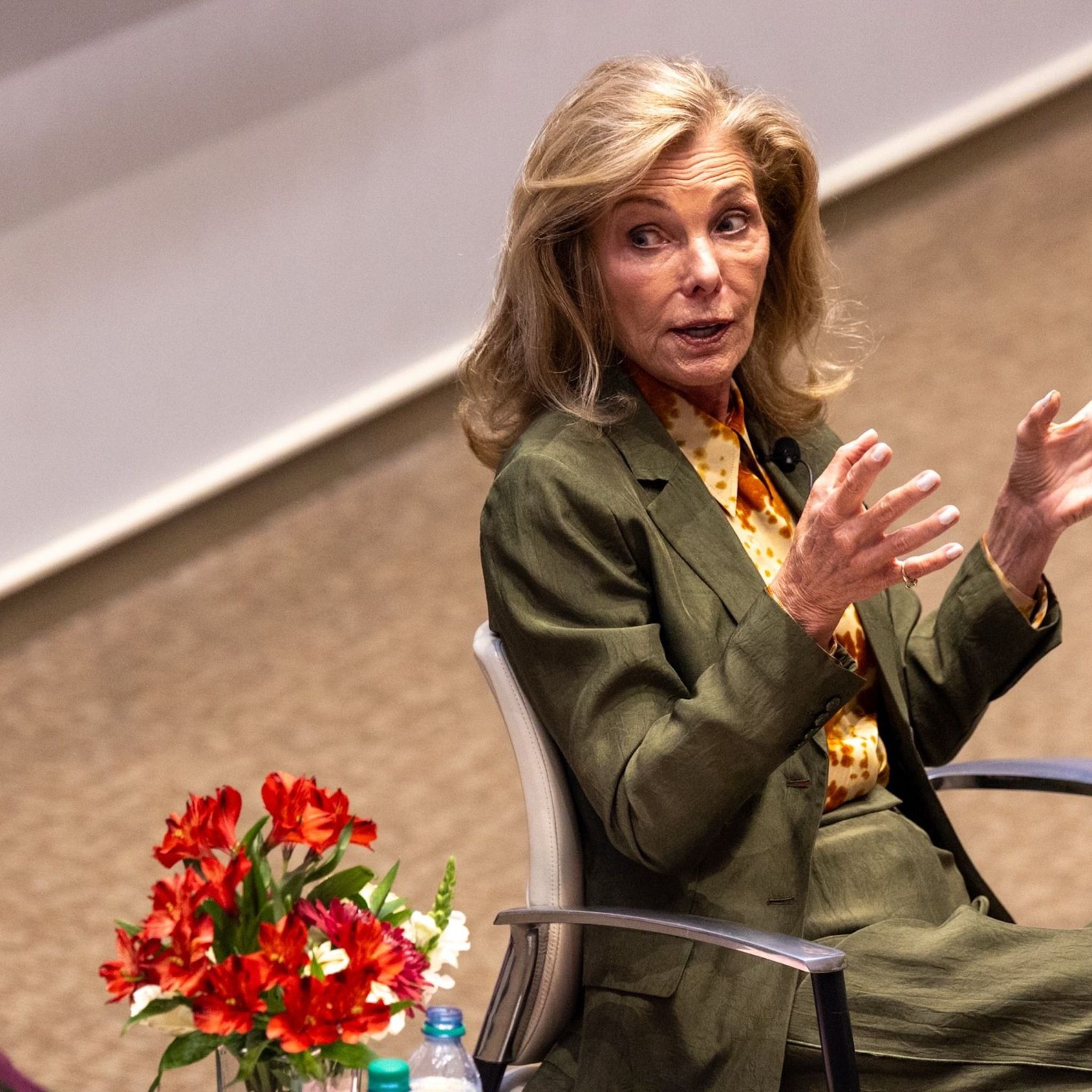
Ep 51Unpacking Darla Moore's Visit to the Moore School
Season 2 Episode 32Unpacking Darla Moore’s Visit to the Moore SchoolHostKasie Whitener, Clinical Assistant ProfessorGuest:Keven Cohen, Radio Talk Host and Owner at 100.7 Make The Point RadioThis week's episode features Kasie’s weekday morning radio cohost Kevin Cohen at Make the Point Radio recapping September 15th’s special visit to the Moore School from namesake, Ms. Darla Moore. Kasie is joined by her weekday morning cohost, Kevin Cohen, from Make the Point Radio, to recap a special September 15th visit to the Darla Moore School of Business by none other than its namesake, Darla Moore.During her visit on Monday, September 15, 2025, Ms. Moore participated in a fireside chat with students, faculty, and Ph.D. candidates, where she highlighted the transformative role of artificial intelligence and the importance of process-based learning in shaping the next generation of business leaders.Topics include:Need to be ready for AI driven worldGetting local business community involved with Moore SchoolImprovements to business efficiencyChoices about your business your own What does Darla Moore expect out of her business school? Reputation, relevance and financial factors of a successful business school Philanthropy for the sake of investment How do we learn to properly prompt AI? How do we keep classroom settings relevant? Consumption culture in preventing engagement Trifecta in foundation of a successful life To learn more about Darla Moore, click here.To learn more about the Darla Moore School of Business, click here.Visit MakethePointRadio.comPhoto Courtesy: LinkedIn Moore Impact is a product of the Darla Moore School of Business at the University of South Carolina. For episodes, notes, and links visit sc.edu/moore

Ep 50Built @ Darla Moore Vision with Dean Verma
Season 2 Episode 32Built @ Darla Moore Vision with Dean VermaHostDr. Kasie Whitener, Clinical Assistant Professor, ManagementGuestDr. Rohit Verma, Dean, Darla Moore School of BusinessRohit Verma is the Dean and USC Educational Foundation Distinguished Professor at the Darla Moore School of Business since August 1st 2023. He holds a Ph.D. in Business Administration and an M.S. in Metallurgical Engineering from the University of Utah, and a B.Tech. from the Indian Institute of Technology, Kanpur. Previously, he served as Founding Provost of VinUniversity in Vietnam, and held leadership roles at Cornell University, including Dean of External Relations and Executive Director of multiple research centers. Recognized as a Fellow of both the Production and Operations Management Society and the Decision Sciences Institute, Verma has received numerous awards for leadership, research, and teaching excellence. His work has been honored with top research paper awards, industry recognition, and lifetime achievement distinctions in service operations. Dean Verma previously appeared on Moore Impact in October 2024. After completing his first year as Dean of the Darla Moore School of Business, he shared reflections on his experience, his vision for the school’s future, and how to build on its history of success.Some topics include:Stronger reputational brand for the whole school Darla Moore Alumni features Developing leadership certificate program Formalizing leadership training in the classroom Learning to be a follower, team member and peer in leadership initiativesCreating pathways for USC students outside of business school to gain business knowledge Cross college partnerships in bringing diversity to the classroom Progress in new faculty hires Dean Verma’s own research developing index for aging societyLearn more about Dean Rohit Verma hereLearn more about the Darla Moore School herePhoto Courtesy: LinkedIn Moore Impact is a product of the Darla Moore School of Business at the University of South Carolina. For episodes, notes, and links visit sc.edu/moore

Ep 49Translating Military Research Into Corporate Impact
Season 2 Episode 31 Translating Military Research into Corporate ImpactHostKasie Whitener, Clinical Assistant ProfessorGuest:Paul Bilese, Professor of Managementand Department ChairDr. Paul D. Bliese is the Jeff B. Bates Professor of Management and Chair of the Management Department at the Darla Moore School of Business. A former U.S. Army Colonel and research psychologist, he spent 22 years at the Walter Reed Army Institute of Research, where he directed studies on stress, leadership, and soldier well-being, including oversight of the Army’s Mental Health Advisory Team program in Iraq and Afghanistan. His academic work bridges military and corporate contexts, advancing organizational research, leadership development, and statistical methods, and he currently serves as the incoming Editor-in-Chief of Organizational Research Methods.This is Paul’s first appearance on the Moore Impact Podcast. Topics include:Data transparency and speedy application in military settingFeedback decision making in militaryShould academic research be operating faster? Using research data sets for instructional method Understanding engagement data as early warning sign for turnover Parallels between military research and corporate research when looking at group dynamics How much of an individual's morale is influenced by a group? Toxic individuals effect in workplaceEmerging leaders versus intentional leaders in corporate setting Developing undergraduate leadership skills Social aspect of work performance To learn more about Paul Bilese, click here.To learn more about the Darla Moore School of Business, click here.Photo Courtesy: Babbel Moore Impact is a product of the Darla Moore School of Business at the University of South Carolina. For episodes, notes, and links visit sc.edu/moore
Ep 48EPIC Policy Briefs: Recent Research in School Free Lunch Programs and Baby-Friendly Hospital Designations
EPIC Policy Briefs: Recent Research in School Free Lunch Programs and Baby-Friendly Hospital DesignationsHostKasie Whitener, Clinical Assistant ProfessorGuest:Dr. Orgul Ozturk, Department Chair, EconomicsDr. Orgul Demet Ozturk is the department chair and professor of economics in the Darla Moore School of Business at the University of South Carolina. Her academic research interests are in applied microeconomics fields, specifically labor economics and health economics. Ozturk has written articles on the effects of labor market regulations and minimum wages on female employment, effectiveness of supported employment programs for developmentally disabled, the relationship between occupation choice and welfare independence, and the effects of maternal employment and welfare use on children’s cognitive outcomes. Orgul was on Season 2 Episode 1 to talk about long term impact of teacher incentive pay programs. In this visit, she focused on the two recent papers she had accepted for publication. But first, we talked about the academic structure of approved research, methodologies, submission for publication, peer review, and the importance of the structure. Topics include:Where data comes from and how research is designedThe Review & Resubmit (R&R) process in academic researchWhat academic journals are and what their business model consists ofPeer Reviewers and what their incentives areCommunity Eligibility Provision (free school lunch) and recent findingsThe connections between free school lunch and community food banksThe Economic Policy Center’s purpose and productsBaby-friendly certified hospitals and the outcomes therein.To learn more about Centers at the Darla Moore School, click here.To learn more about the Darla Moore School of Business, click here.Photo Courtesy: University of South Carolina Moore Impact is a product of the Darla Moore School of Business at the University of South Carolina. For episodes, notes, and links visit sc.edu/moore
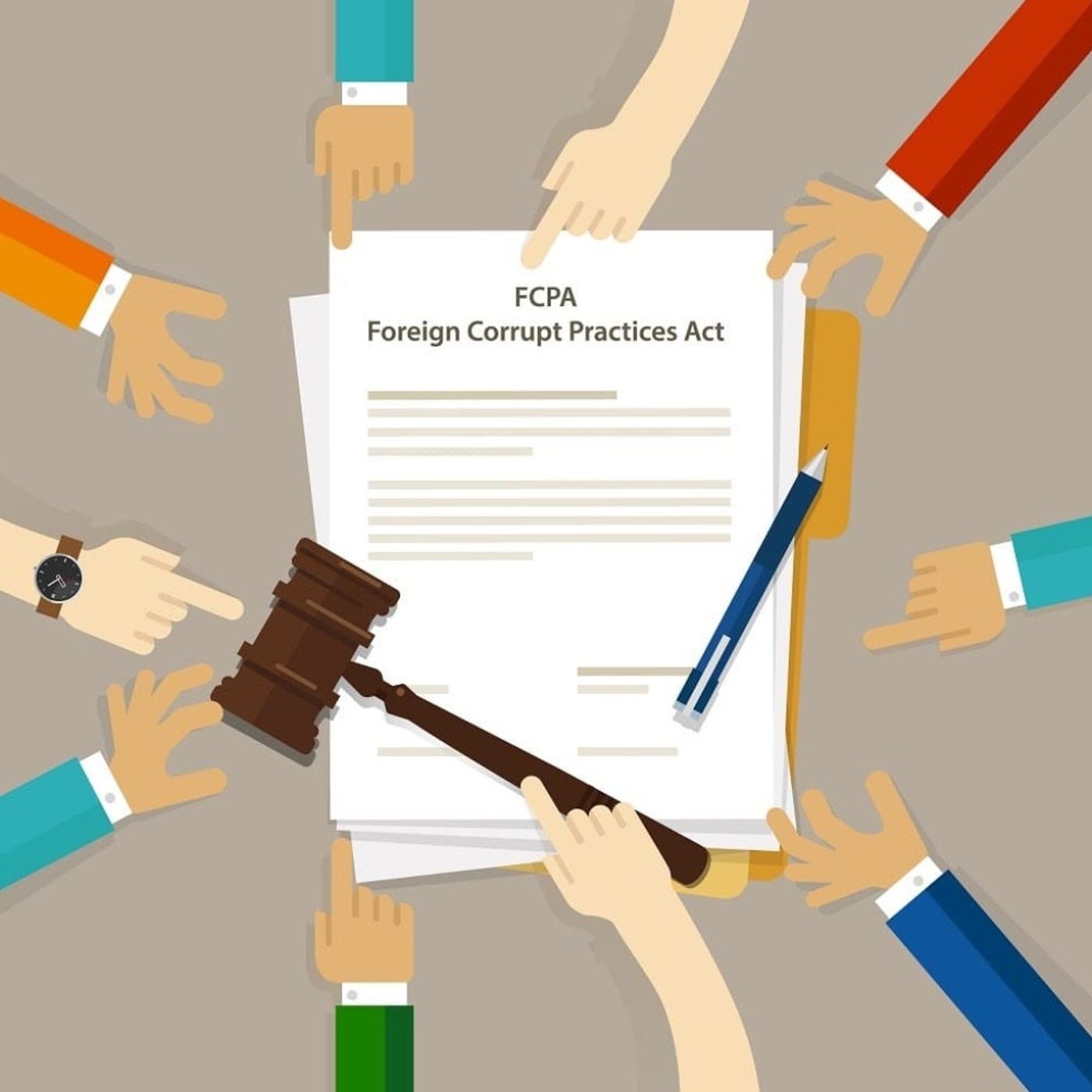
Ep 47The Foreign Corrupt Practices Act and Recent International Business Changes Associated with it
Season 2 Episode 29The Foreign Corrupt Practices Act and Recent International Business Changes Associated with itHostDr. Kasie Whitener, Clinical Assistant Professor, ManagementGuestDr. Chris Yenkey, Associate Professor, International BusinessChris Yenkey is an associate professor in the Sonoco International Business Department at the Univ. of South Carolina Darla Moore School of Business and a core faculty member of the Rule of Law Collaborative at the Univ. of South Carolina School of Law. Prior to joining the Moore School in 2016, Prof. Yenkey was an assistant professor of organizations and markets at the University of Chicago Booth School of Business from 2011-2016, where he was the John E. Jueck Faculty Fellow from 2015-2016 and held courtesy appointments in the departments of Sociology and African Studies. Chris appeared on Moore Impact Season 2 Episode 6 when we talked about government interference in markets and corruption in African nations. In this episode, Dr. Yenkey revisits some of the corruption symptoms but we start with neoliberalism and how the policies of Reagan and Thatcher shaped the globalism that blossomed in the 1990s and early 2000s. Some topics include:Global trade fueled by neoliberalismThe Corrupt Foreign Practices ActThe Blanche memo and how the Justice Department will now address the Corrupt Foreign Practices ActChallenges for businesses given the administration’s new stanceExpectations in international marketsConsequences of international businesses changing their behaviorThe World Bank and the International Monetary FundChina’s approach to international lending and how it has changed the global lending landscape.Learn more about Dr. Chris Yenkey hereLearn more about the Darla Moore School herePhoto Credit: Corporate Compliance Insights Moore Impact is a product of the Darla Moore School of Business at the University of South Carolina. For episodes, notes, and links visit sc.edu/moore

Ep 46Qatalyst Health and Fostering New Businesses at DMSB
Season 2 Episode 28Qatalyst Health and other Startups Fostered into Fruition at the Moore SchoolHostDr. Kasie Whitener, Clinical Assistant Professor, ManagementGuestBrandon Mendez, Clinical Assistant Professor, FinanceBrandon Mendez is a clinical assistant professor of finance at the Darla Moore School of Business. He teaches courses in corporate finance and investments. His professional experience includes time in financial services, internal auditing, controllership, and management consulting. He has previously served in the U.S. Navy as a naval flight officer.Brandon earned his Ph.D in finance from Florida State University. His research interests are in corporate and labor finance. He has a particular interest in the art market and its function. Brandon teaches courses in corporate finance and investments.We discussed SOS eCharging and I couldn’t remember the partner’s name, only Mac Whittle. Don Mills is the business partner and Founder and President of SOS eCharging. Watch the demo video here.Some topics include:Brandon’s involvement with Qatalyst and the challenge posed by Jeff SavageThe evolution of Qatalyst through contest wins and grant fundingThe future for Qatalyst and the opportunity for DMSB to stay engagedSOS eCharging and the evolution through project work of that ideaComparable businesses and how companies get off the groundSC Nexus and energy grid infrastructureThe business model for SOS eCharging and the possibilitiesTo learn more about Qatalyst Health click hereTo learn more about SOS eCharging click hereTo learn more about the Faber Center for Entrepreneurship click here.Learn more about the Darla Moore School herePhoto Credit: KMS Software Moore Impact is a product of the Darla Moore School of Business at the University of South Carolina. For episodes, notes, and links visit sc.edu/moore
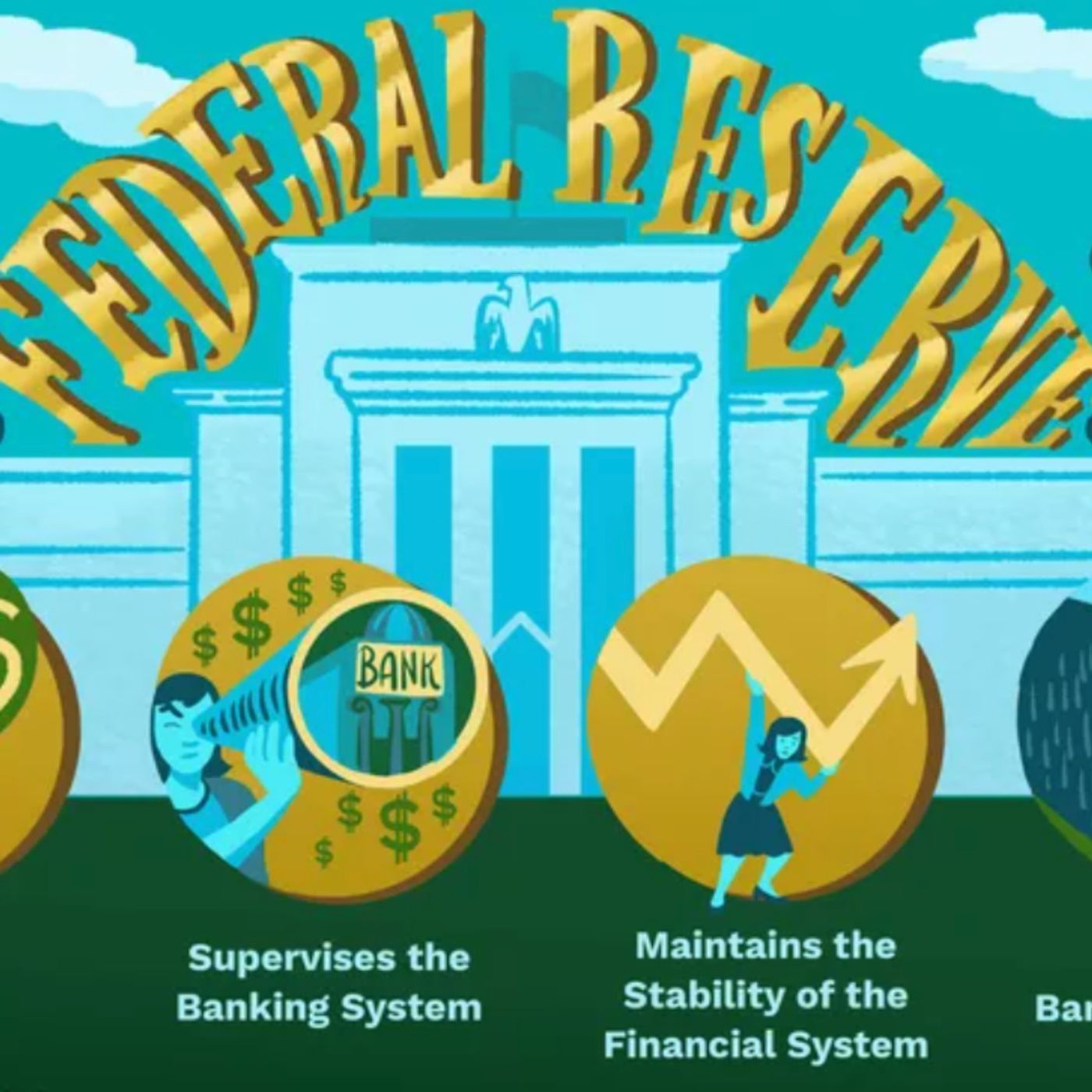
Ep 45The Federal Reserve Explained by Jason DeBacker
Season 2 Episode 27What is the Fed? with Jason DeBackerHostDr. Kasie Whitener, Clinical Assistant Professor, ManagementGuestDr. Jason DeBacker, Associate Professor, EconomicsWhen last we had him on Moore Impact, Jason DeBacker helped us understand the On Big Beautiful Bill’s positives and negatives. He also talked about the impact of protectionist policies on trade. In this episode, we ask him to explain the Federal Reserve and its role in economic policy.Jason M. DeBacker is an associate professor in the Department of Economics at the Darla Moore School of Business. His research interests lie in the areas of public finance and macroeconomics. He has published papers on these topics in the Journal of Financial Economics, the Journal of Law and Economics, the Journal of Public Economics, the Brookings Papers on Economic Activity and other outlets. From 2009 to 2012, he worked as a financial economist in the Office of Tax Analysis at the U.S. Department of the Treasury.Topics in this discussion include:What is the Federal ReserveThe Federal Reserve’s mandate and the tools it uses to fulfill itTreasury bonds and interest ratesThe 2008 economic crisis and the Fed’s responseCOVID and the Fed’s behaviorHow the consumer is affected by the Fed’s behaviorsThe structure of the Federal ReserveJason’s newest book project on the economics of longer lifespansTo learn more about Jason DeBacker click here.Learn more about the Darla Moore School hereEpisode picture courtesy TheBalance.com Moore Impact is a product of the Darla Moore School of Business at the University of South Carolina. For episodes, notes, and links visit sc.edu/moore
Ep 44How the Moore School Prepares Graduates for Future Careers
Season 2 Episode 24Case Competitions, Study Abroad, and other ways the Moore School prepares Graduates for their Future CareersHostDr. Kasie Whitener, Clinical Assistant Professor, ManagementGuestGrantland Rogers, recent alum from DMSBThe Moore School experience was covered in Episode Season 2 Episode 17 with Laurel and Trey, both Real Estate majors with some entrepreneurship coursework. Here we hear from Grantland Rogers, a recent graduate of the Moore School’s International Business program with a major in Finance and also the South Carolina Honors College. The general business principles are easily accessible across the Moore School but the application of those principles varies widely depending on the coursework, the activities, and the careers our students choose.Topics in this discussion include:Finding his way to the Moore School with some help from former Dean, Dr. Peter BrewsThe Honors College connection and special coursesThe liberal arts education and its valueStudy abroad and the opportunities and challenges therewithCase competitions and how they complement the academic experienceHow the general principles of business are applied across a spectrum of opportunities at the Moore SchoolGrantland’s Honors thesis work on implementing AI in small financial advisory firmsSoftware implementations and how firms can approach AI projectsGrantland’s new job in consulting with EYTechnical and case study interviews and how the Moore School prepares students for themTo learn more about the International Business major at the Moore School click here.To meet Grantland Rogers on LinkedIn click here.Learn more about the Darla Moore School here Moore Impact is a product of the Darla Moore School of Business at the University of South Carolina. For episodes, notes, and links visit sc.edu/moore

Ep 43Education as an Export
Season 2 Episode 23Entrepreneurship and the Export of EducationHostDr. Kasie Whitener, Clinical Assistant Professor, ManagementGuestDr. Geoffrey Graybeal, Executive Director, Faber Entrepreneurship CenterThe Faber Entrepreneurship Center promotes experiential learning through in-depth consulting projects as part of student course work. For its research programs and commercialization projects, the center works in conjunction with the South Carolina Research Authority, the South Carolina Department of Commerce, the South Carolina Chamber of Commerce, various schools and colleges at South Carolina and a broad range of other entities to bring inventions and innovative technologies developed at the university and throughout South Carolina into the marketplace.New Executive Director Dr. Geoffrey Graybeal joins Moore Impact to talk about how the Entrepreneurship Center and management curriculum is exporting education. It’s the third episode in a series on tariffs and trade policy.Topics in this discussion include:Faber Center roles and missionEducation as an export specifically in entrepreneurshipUS trade surplus in services in innovation and entrepreneurshipFaber and other programming for international studentsThe spectrum of entrepreneurship in DMSB educationThe universality of entrepreneurshipThe impact of international students on the academic environmentIntellectual property as competitive advantageWhat are the risks of sharing knowledge and education overseas?The role of education in international relations and soft powerTo learn more about Geoffrey Graybeal click here.To learn more about the Faber Entrepreneurship Center click here.Learn more about the Darla Moore School herePhoto credit from this website International Trade Administration Moore Impact is a product of the Darla Moore School of Business at the University of South Carolina. For episodes, notes, and links visit sc.edu/moore

Ep 42Taxes and Tariffs with Jason DeBacker
Season 2 Episode 22Taxes and Tariffs with Jason DeBackerHostDr. Kasie Whitener, Clinical Assistant Professor, ManagementGuestDr. Jason DeBacker, Associate Professor, EconomicsWhen last we had him on Moore Impact, Jason DeBacker helped us understand the South Carolina drive to 0% income tax. Now that the general assembly session has ended, we get an update from Jason on South Carolina tax policy, the One Big Beautiful Bill, and a macro view of tariffs. It’s part two in the Trade Policy series on Moore Impact.Jason M. DeBacker is an associate professor in the Department of Economics at the Darla Moore School of Business. His research interests lie in the areas of public finance and macroeconomics. He has published papers on these topics in the Journal of Financial Economics, the Journal of Law and Economics, the Journal of Public Economics, the Brookings Papers on Economic Activity and other outlets. From 2009 to 2012, he worked as a financial economist in the Office of Tax Analysis at the U.S. Department of the Treasury.Topics in this discussion include:Reconciliation bills and the One Big Beautiful BillRules around debt, deficit, and budget nerdsOBBB positives like expensing business investment and incentivizing R&DOBBB negatives like added complexity and reduced funding to meet the needs of that complexityWhat is economic trade and why is it useful?Other protectionist policies that impact tradeEducation as an exportTo learn more about Jason DeBacker click here.Learn more about the Darla Moore School herePhoto credit Home Furnishings Association's blog Moore Impact is a product of the Darla Moore School of Business at the University of South Carolina. For episodes, notes, and links visit sc.edu/moore

Ep 41Tariffs and trade Policy with Bill Hauk
Season 2 Episode 21Tariffs and Trade Policy with Dr. Bill HaukHostDr. Kasie Whitener, Clinical Assistant Professor, ManagementGuestDr. Bill Hauk, Assistant Professor, EconomicsThe news is full of economic policy these days as the One Big Beautiful Bill was signed into law on July 4th and tariffs received another delay shortly thereafter. In this episode from June 17, 2025, Dr. Bill Hauk discusses trade deficits, tariffs, and who is really benefitting from the economic shuffleboard happening right now.William R. Hauk, Jr. is an assistant professor in the Department of Economics at the Darla Moore School of Business at the University of South Carolina, where he arrived after receiving a Ph.D. from the Graduate School of Business at Stanford University in California and a B.S. from the School of Foreign Service at Georgetown University in Washington, D.C. He has taught international trade, intermediate macroeconomics, principles of macroeconomics and government policy toward business at the undergraduate levels and regularly teaches an international trade course for the doctoral program.Topics in this discussion include:Bill’s professional and academic journey and expertise in global economic policyForeign Direct Investment and South Carolina as a recipient thereofThe Trump perspective and resulting trade policyThe impact of tariffs on South Carolina tradeThe growth of global supply chains and trade deficitsThe role of automation and other factors in trade deficitsWho really pays tariffsSmoot Hawley and what history has taught us about tariffsTrade deficit as a security riskTo learn more about Bill Hauk click here.Learn more about the Darla Moore School hereEpisode photo courtesy Wilson Center blog "Tariffs 101" Moore Impact is a product of the Darla Moore School of Business at the University of South Carolina. For episodes, notes, and links visit sc.edu/moore

Ep 40The Degree Gets More Valuable with Alumni Success
Season 2 Episode 20The Degree Gets More Valuable with Alumni SuccessHostDr. Kasie Whitener, Clinical Assistant Professor, ManagementGuestDavid Looper, two-time Moore School alum and owner of Furniture ServicesDylan Chewning, Moore School alum and founder of HG Wealth AdvisorsThe Alumni network at the Moore School of business has been strengthened over the years by the work of the Young Alumni Board. In this episode, we speak with David Looper, one of the earliest members of the Board, and Dillon Chewning, a recent member of the Board, about the work the organization is doing. Both David and Dillon are business owners and we talk about the skills the Moore School gave them that made business ownership possible. We also talk about the value of the Moore School degree as our school’s alumni go out, take big swings, and get big wins.Topics in this discussion include:David’s journey through the Moore School and into business ownershipDillon’s journey through the Moore School and into business ownershipThe value of the Moore School experience and knowledge gainedThe realities of business ownership and learning in real timeMoore School interns and new hires and how valuable they areMoore School mentoring program and being involvedThe Moore School alumni network and the value of the degree.To learn more about the Moore School mentoring click here.To learn more about the Moore School’s alumni networking and events click here.Learn more about the Darla Moore School hereEpisode art Moore Impact is a product of the Darla Moore School of Business at the University of South Carolina. For episodes, notes, and links visit sc.edu/moore
Ep 39Corporate Relations and Leadership Training
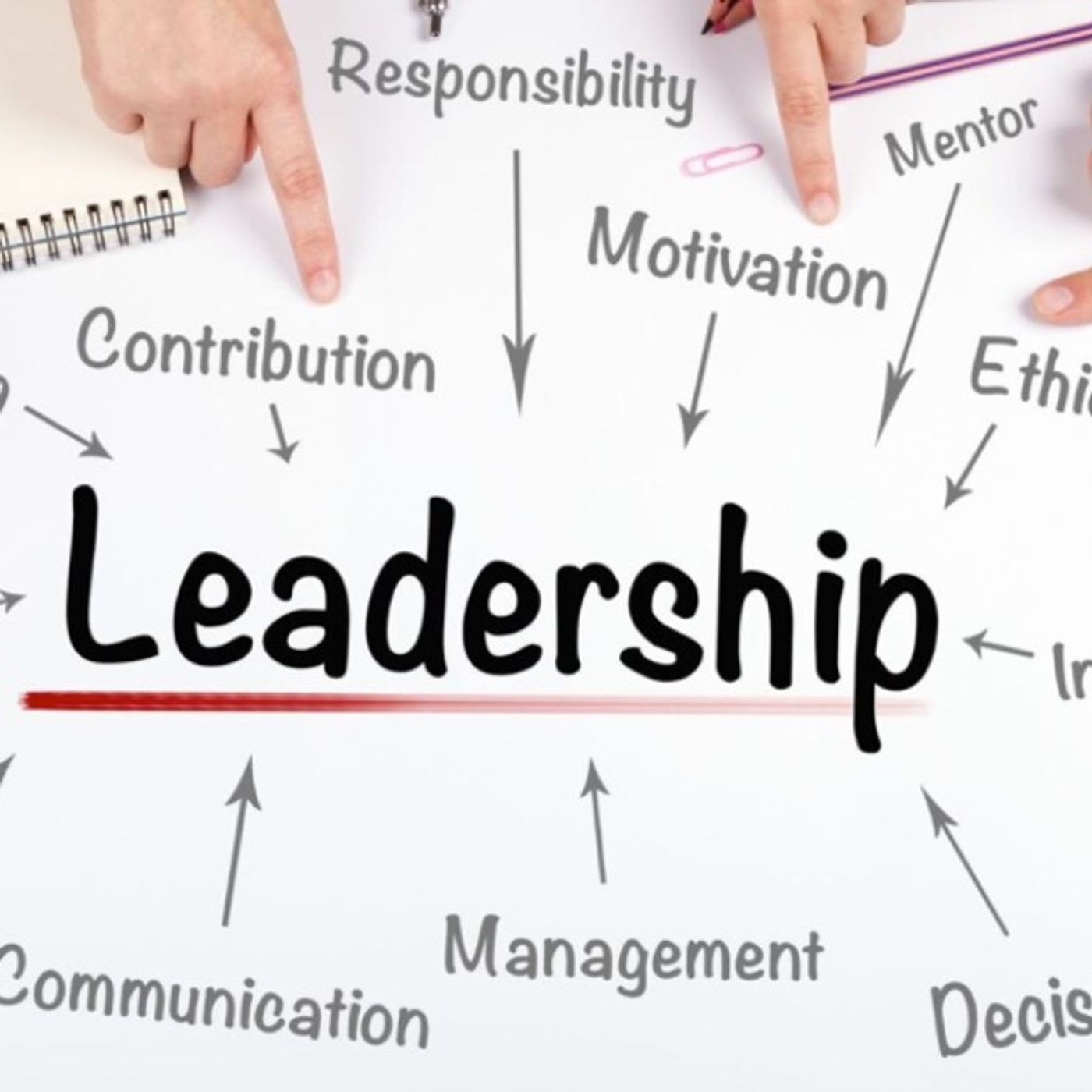
Season 2 Episode 19Corporate Relations and Training Leaders at the Moore SchoolHostDr. Kasie Whitener, Clinical Assistant Professor, ManagementGuestDr. Patrick Wright, Associate Dean for Corporate RelationsUniversities have relationships with corporate partners that span multiple disciplines and schools. Coordinating those relationships takes transparency and leadership. In his new role as Associate Dean of Corporate Relations, Dr. Pat Wright is representing the Moore School in a campus-wide effort to get on the same page with our corporate partners. In this episode of Moore Impact, we discuss the role, the responsibilities, and the opportunities presented by moving the Moore School forward.We also look at the newly adopted Leadership Framework at the Moore School, the elements and the various ways we’re using classroom and non-classroom engagements to help our students grow competencies in it. Lastly, we touch on Wright’s upcoming paper about DEI in companies and what’s really going on there.Patrick Wright is the Associate Dean for Corporate Relations, management department chair, Thomas C. Vandiver Bicentennial Chair and professor of management at the University of South Carolina. He is also founder and former faculty director of the Center for Executive Succession at the Moore School. He teaches, conducts research and consults in the area of strategic human resource management. In particular, his research focuses on how firms use people as a source of competitive advantage, changing nature of the chief HR officer role and CEO succession processes. Each year he conducts a survey of Fortune 500 CHROs which gains insights on issues and challenges from the top of the HR house. Wright has published over 70 research articles in journals, over 20 chapters in books and edited volumes and has co-authored two textbooks and two books on HR practice. He has also served a 3-year term as Editor-in-Chief of the Journal of Management. Topics in this discussion include:The Corporate Relations roleHow coordination benefits the Moore School and our studentsThe Leadership Framework and how we’re delivering qualified studentsHow the Leadership Framework was developed and set to be implementedWhat’s next in Leadership training at the Moore SchoolWright’s research on DEI and what companies are reporting on the topicTo learn more about Patrick Wright click hereLearn more about the Darla Moore School herePicture courtesy this link Moore Impact is a product of the Darla Moore School of Business at the University of South Carolina. For episodes, notes, and links visit sc.edu/moore

Ep 38Short Term Rentals Get the Academic Treatment
Season 2 Episode 18Short Term Rentals Get the Academic Treatment in Charleston EventHostDr. Kasie Whitener, Clinical Assistant Professor, ManagementGuestDr. Mark Ferguson, Dewey H. Johnson Professor of Management ScienceThe South Carolina legislature is considering taking action on short-term rentals and several local county councils and city councils have already done so. In this episode, we hear from Dr. Mark Ferguson from the DMSB Management Science department who, in collaboration with colleagues in the School of Hospitality, Retail, and Sports Management recently hosted a scholars event to focus on short-term rentals.Ferguson's research interests involve many areas of supply chain management including supply chain design for sustainable operations, contracts that improve overall supply chain efficiency, pricing and revenue management, and the operations/marketing interface. His 2012 paper on the environmental impact of product leasing won the best operations management paper award for papers published between 2012 and 2014 in Management Science. Another two of his papers have won best paper awards from the Production and Operations Management Society (POMS), and three of his research projects have been funded by the National Science Foundation. He is the coauthor of the books Segmentation, Revenue Management and Pricing Analytics and Pricing Segmentation and Analytics and coeditor of the book Closed Loop Supply Chains: New Developments to Improve the Sustainability of Business Practices. He has served as the president of the INFORMS Manufacturing and Services Operations Management Society, the president of the POMS College of Supply Chain Management and the INFORMS Revenue Management and Pricing Section. Topics in this discussion include:What are short term rentals and where did the market come fromWhat communities and companies are affected by short term rentalsWhat are some of the restrictions being considered and enactedThe event design and the data made availableWhat the scholarship teams looked into and the results they foundSuggestions for future researchTo learn more about Mark Ferguson click hereLearn more about the Darla Moore School herePhoto credit: Mad River Valley Real Estate blog Moore Impact is a product of the Darla Moore School of Business at the University of South Carolina. For episodes, notes, and links visit sc.edu/moore
Ep 37Freshly Minted Alumni Share Excitement for the Future
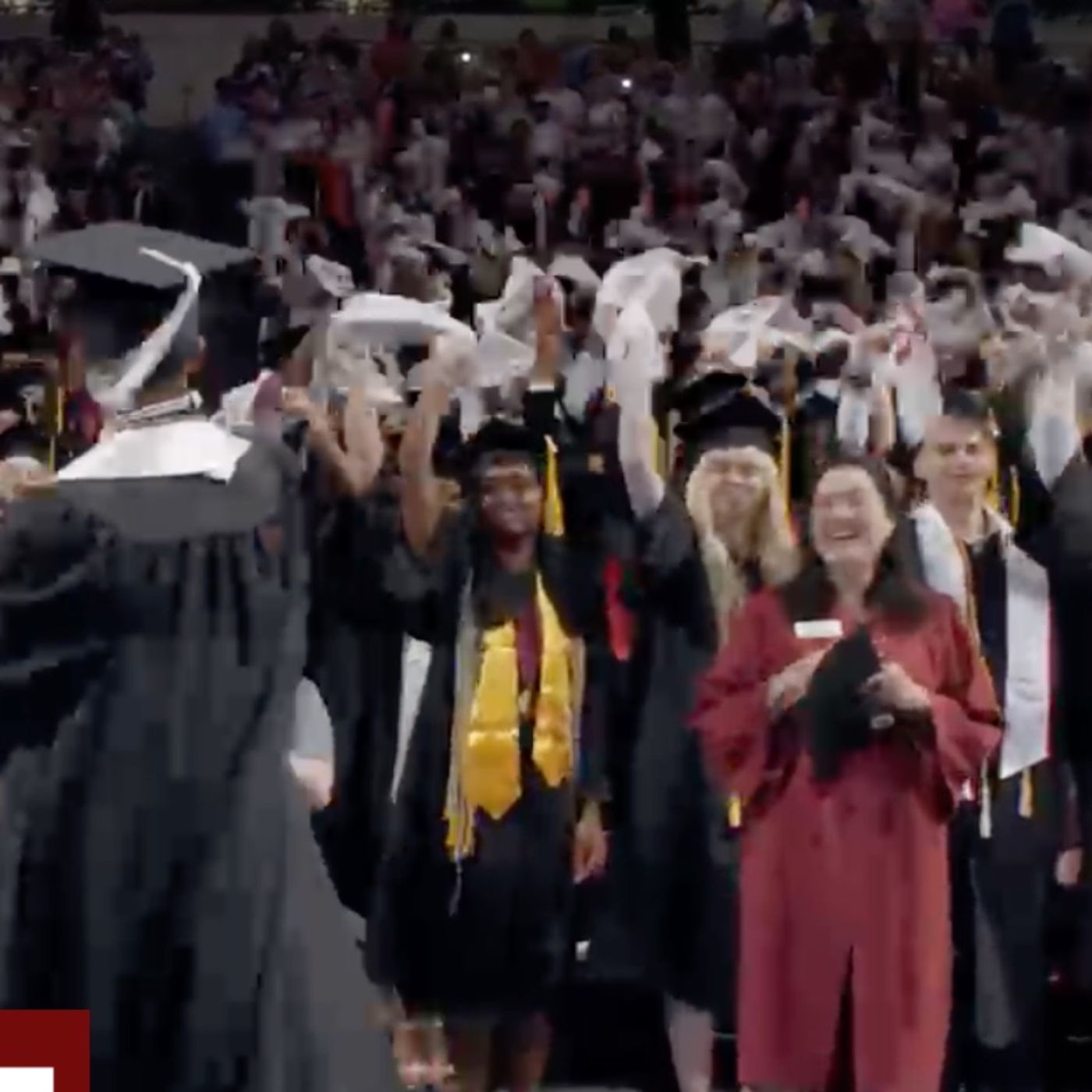
Season 2 Episode 17Freshly Minted Alumni Share their Excitement for the FutureHostDr. Kasie Whitener, Clinical Assistant Professor, ManagementGuestLaurel Ray Treadway, recent graduateTrey DeTurris, recent graduateTrey and Laurel are recent graduates (like from a week ago) from the Darla Moore School of business and joined Dr. Whitener in the studio to cut up about the experience they had on campus. They share the changes they went through, the studies they enjoyed, and advice for rising seniors.Topics in this discussion include:How did they each select USC and why What they majored in and what they hope to do nowWhat the school did to support their successHow the Moore School supported their efforts and ensured their successTh bittersweetness of being alumni and how connecting with the Alumni Association will be a critical first step Learn more about the Darla Moore School here Moore Impact is a product of the Darla Moore School of Business at the University of South Carolina. For episodes, notes, and links visit sc.edu/moore

Ep 36What We Know About Remote Work
Season 2 Episode 16What we know about remote work with Anthony NybergHostDr. Kasie Whitener, Clinical Assistant Professor, ManagementGuestDr. Anthony Nyberg, J. Henry Fellers Professor of Management, Faculty Director for the Center for Executive SuccessionThere’s a trend in workforce dynamics right now to return to office, or end remote work arrangements. To respond to that, we brought Dr. Anthony Nyberg, a human resources researcher to talk about compensation, incentives, succession planning, and competitive advantage through personnel.Nyberg’s research focuses on how organizations compete through people, specifically the strategic role of pay in their attraction, emergence, retention and motivation, including those in the C-suite. Nyberg’s work has been published in top academic journals. He serves as an associate editor for the Academy of Management Journal and on the editorial boards of other prestigious management journals. Nyberg has received numerous awards for teaching, reviews and research including awards for best dissertation, best published manuscript (twice) and career success, including being named a Featured Scholar and a Breakthrough Rising Star by the University of South Carolina. He also received the Early Career Achievement award from the Academy of Management. His research has been highlighted in major international media outlets, including Business Week, Time Magazine, National Public Radio, US News & World Report, Harvard Business Review and CNBC.Topics in this discussion include:What compensation is and who decides what it should beWork from home as a retention incentiveWhat the data shows about COVID working conditionsDifferences in the people and differences in the task affect remote work and management thereofThe mixed-modality workforce and challenges thereinThe role of research in organizational management The biggest reason companies are issuing return-to-work mandatesTo learn more about Anthony Nyberg click hereLearn more about the Darla Moore School herePhoto credit: VioletaStoimenova / E+ / Getty Images pulled from this site. Moore Impact is a product of the Darla Moore School of Business at the University of South Carolina. For episodes, notes, and links visit sc.edu/moore

Ep 35Tax Superbowl with Jason DeBacker
Season 2 Episode 15Global Interconnectedness Through BusinessHostDr. Kasie Whitener, Clinical Assistant Professor, ManagementGuestDr. Jason DeBacker, Associate Professor of Economics, Darla Moore School of BusinessIt’s like the tax Super Bowl in April 2025 as income tax is waffling between expirations and renewals, South Carolina is looking at moving toward a flat tax, and the President is hiking tariffs across a spectrum of international markets. Moore School economist Jason DeBacker came back into the studio to talk about why it’s a great time to be a tax researcher.Jason M. DeBacker is an associate professor in the Department of Economics at the Darla Moore School of Business. His research interests lie in the areas of public finance and macroeconomics. He has published papers on these topics in the Journal of Financial Economics, the Journal of Law and Economics, the Journal of Public Economics, the Brookings Papers on Economic Activity and other outlets. From 2009 to 2012, he worked as a financial economist in the Office of Tax Analysis at the U.S. Department of the Treasury.Topics in this discussion include:Why it’s a great time to be a tax researcherThe complexity of the US tax codeThe real burden of tax season in the United StatesWhat the tax code is really for: raising revenue, spending, incentivizingHow the tax code directs behavior through incentivesBusiness tax rates as a competitive advantage for SCTariffs as taxes on foreign imports.To learn more about Jason DeBacker click hereLearn more about the Darla Moore School here Moore Impact is a product of the Darla Moore School of Business at the University of South Carolina. For episodes, notes, and links visit sc.edu/moore

Ep 34Global Interconnectedness with Christina Ahmadjian
Season 2 Episode 14Global Interconnectedness Through BusinessHostDr. Kasie Whitener, Clinical Assistant Professor, ManagementGuestDr. Christina Ahmadjian, Visiting Scholar at the Folks CenterAmericans are invested overseas, many times through their own 401k or pension fund. That investment creates an interdependence, a reliance on international businesses for one’s own investment security and growth. Those businesses are governed by Boards of Directors, boards that include scholars like Christina Ahmadjian. Christina Ahmadjian is Professor Emeritus at Hitotsubashi University and former Dean of the Hitotsubashi Graduate School of International Corporate Strategy. She is a visiting scholar with the Folks Center for International Business at the University of South Carolina’s Darla Moore School of Business. Dr. Ahmadjian visited Moore Impact to discuss her experience living and working in Japan, where her scholarship has led her, and the engagement with corporate boards that brought her to Columbia. Some topics include:Christina’s journey through undergraduate and desiring an international careerWorking in Japan as a young womanPursuing a graduate degree at Stanford and UC BerkeleyCorporate governance as an area of academic studyThe changing landscape of international businessInterdependence among international businessTo learn more about Christina Ahmadjian click hereTo learn more about the Folks Center for International Business click hereLearn more about the Darla Moore School here Moore Impact is a product of the Darla Moore School of Business at the University of South Carolina. For episodes, notes, and links visit sc.edu/moore

Ep 33Slow Scholarship but Super Fast Start Ups with Brandon Mendez
Season 2 Episode 13Slow Scholarship but Super Fast Start-UpsHostDr. Kasie Whitener, Clinical Assistant Professor, ManagementGuestBrandon Mendez, Clinical Assistant Professor, FinanceBrandon Mendez is a clinical assistant professor of finance at the Darla Moore School of Business. He teaches courses in corporate finance and investments. His professional experience includes time in financial services, internal auditing, controllership, and management consulting. He has previously served in the U.S. Navy as a naval flight officer (P3s see picture).Brandon earned his Ph.D in finance from Florida State University. His research interests are in corporate and labor finance. He has a particular interest in the art market and its function. Brandon teaches courses in corporate finance and investments.Some topics include:Brandon’s journey through his PhD study, completion, and placement at USCArt valuation as one of Brandon’s papersKansas City, the NFL, and favorable calls as one of Brandon’s papersSC Quantum and what is quantum computingProving Ground winner Qatalyst Health and how they’re progressingTo learn more about Qatalyst Health click hereTo learn more about SC Quantum click hereTo learn more about the Faber Center for Entrepreneurship click here.Learn more about the Darla Moore School here Moore Impact is a product of the Darla Moore School of Business at the University of South Carolina. For episodes, notes, and links visit sc.edu/moore
Ep 32Building Businesses IRL
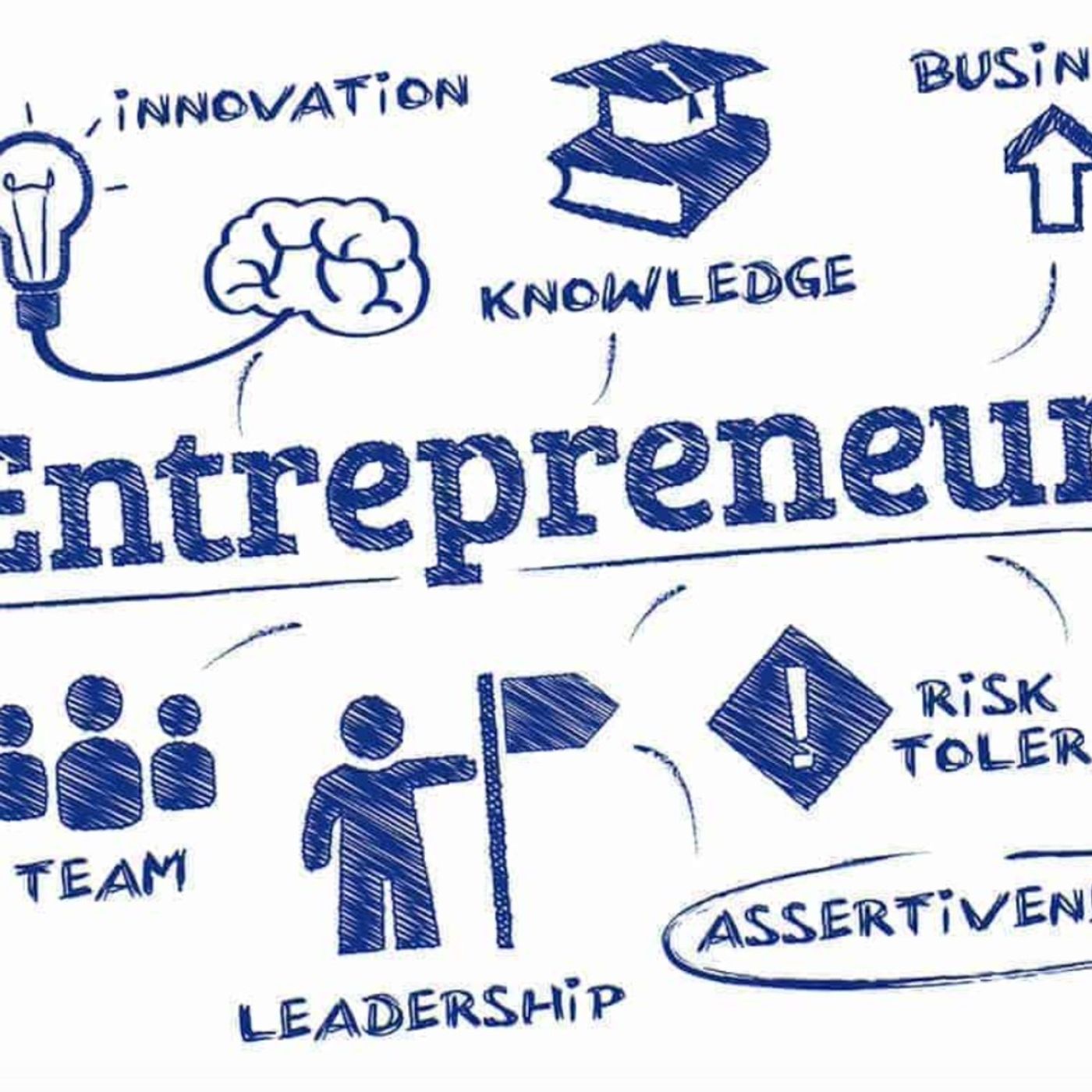
Moore Impact Season 2 Episode 12Changing the World Through BusinessHostDr. Kasie Whitener, Clinical Assistant Professor, ManagementGuestDean Kress, Director of the Faber Entrepreneurship Center, retiredDean Kress brought his entrepreneurial journey through fast food restaurant chains, graduate school, and the Small Business Development Center to the Moore School in and only recently retired. In this episode, he takes us through the history of entrepreneurship education at USC and how start-ups like the Faber Center and Proving Ground got their foundations and grew into their current status. Topics include:Dean’s journeyHow we teach business vs. how business really isCurrent classroom experiences in entrepreneurshipCompetitions and taking risksCan you teach entrepreneurship?Critical skills for entrepreneursHow the Moore School is making entrepreneurship accessible to everyoneTo learn more about the Faber Center for Entrepreneurship click here.Learn more about the Darla Moore School herePhoto Credit: Mountain Top Web Design Moore Impact is a product of the Darla Moore School of Business at the University of South Carolina. For episodes, notes, and links visit sc.edu/moore

Ep 31Emergency Center Wait Times and SC Healthcare
Season 2 Episode 11Emergency Center Wait Times and Other BIG Healthcare Economy QuestionsHostDr. Kasie Whitener, Clinical Assistant Professor, ManagementGuestDr. Orgul Ozturk, James A. Morris Professor of Economics, Executive Director, Economic Policy Center (EPiC)Dr. Orgul Demet Ozturk is the department chair and professor of economics in the Darla Moore School of Business at the University of South Carolina. Her academic research interests are in applied microeconomics fields, specifically labor economics and health economics. Dr. Ozturk was honored recently with the Endowed Chair James A. Morris Professor of Economics and her investiture was attended by over thirty colleagues glad to celebrate her accomplishments and share her celebration.In this episode, Dr. Ozturk speaks a little about the investiture but mostly shares the EPiC monthly newsletter and in it, Dr. Lindsay Woodworth’s research on hospital emergency room overcrowding.Topics include:What is investiture and how academia recognizes professional achievementThe EPiC newsletter and its purposeLindsay’s research on Emergency roomsThe bigger questions around access to healthcare in the United States and South CarolinaLearn more about Dr. Ozturk hereLearn more about Dr. Woodworth hereLearn more about EPiC hereLearn more about the Darla Moore School here Moore Impact is a product of the Darla Moore School of Business at the University of South Carolina. For episodes, notes, and links visit sc.edu/moore
Ep 30Folks Center Director Amy Thomson
S2 E10 Amy Thomson and the Folks Center for International BusinessHostDr. Kasie Whitener, Clinical Assistant Professor, ManagementGuestAmy Thomson, Executive Director, Folks Center Amy Thomson’s career spans the South Carolina Department of Commerce, the US Department of Commerce, and offices in China, Taiwan, Korea, India, Germany, and Japan. She is the Executive Director of the Darla Moore School’s Folks Center for International Business and she came on Moore Impact to preview the American Power and Global Disruption event happening on March 26, 2025.Topics include:Amy’s career in international commerceExamples of South Carolina companies that are internationalThe impact of policy and tariffs on South Carolina businessesOpportunities to engage with the Folks Center for business ownersStudent experiences with the Folks CenterUpcoming event on American Power and Global DisruptionIncoming fellow and future guest Christina AhmadjianLearn more about Amy Thomson here.Learn more about the Folks Center here.Learn more about the Moore School here. Moore Impact is a product of the Darla Moore School of Business at the University of South Carolina. For episodes, notes, and links visit sc.edu/moore

Ep 29Give4Garnet
S2E9 Gearing up for Give 4 GarnetHost: Dr. Kasie Whitener, Clinical Assistant Professor, Management Department, Moore School of BusinessGuest: Mark Richter, Senior Director of Development, Moore School of BusinessGuest: Baylee Shipes, Director of Annual Giving, Moore School of Business On Wednesday, March 26, 2025 and Thursday, March 27th, the University of South Carolina will host its annual Give4Garnet event, a 1 day, 8 hours, and 1 minute (1801) event to demonstrate the power of engagement with USC. Leading the effort at the Darla Moore School are Baylee Shipes, Director of Annual Giving, and March Richter, Senior Director of Development. In this episode of Moore Impact, the two visited the studio for a live radio session discussing the event and the value and impact of philanthropic support to the Moore School and to USC as a whole.Topics for discussion include:Baylee’s journey to her 13-year career in development at USCMark’s path from Yale to USCThe role of philanthropy in the financial life of the universityTypes of givingThe impact of giving: scholarships, programs, speakers, events, and moreDarla Moore’s transformational gift and the mandate she delivered to USCGive4Garnet events and ways to be involved.To learn more about Give4Garnet click here.To learn more about investing in the Moore School click here.To learn more about the Moore School of Business click here. Moore Impact is a product of the Darla Moore School of Business at the University of South Carolina. For episodes, notes, and links visit sc.edu/moore

Ep 28SC as an emerging market
S2E8 SC following the path of an Emerging MarketHost: Dr. Kasie Whitener, Clinical Assistant Professor, Management Department, Moore School of BusinessGuest: Dr. Gerald McDermott, Department Chair and Professor of International Business at the Darla Moore School of BusinessDr. Gerald A. McDermott, “Gerry,” is the department chair and a professor of international business at the Darla Moore School of Business at the University of South Carolina. Prior to joining the Moore School, he was an assistant professor of multinational management at the Wharton School, University of Pennsylvania for seven years and held a secondary appointment in the Department of Political Science. He specializes in international business and political economy. Topics for discussion include:Gerry’s experience in post-Soviet Eastern EuropeGlobalization promises and deliveryHow to build prosperity in an emerging marketWhat South Carolina has that makes it a great betWho our real competitors are and how we can learn from themWhat federal policies are doing to hurt or help our investmentsWhether BMW is a model to follow for the Scout Motors investmentWhat SC will have to do to support Scout MotorsTo learn more about Dr. McDermott here.To learn more about investing in the Moore School click here.To learn more about the Moore School of Business click here. Moore Impact is a product of the Darla Moore School of Business at the University of South Carolina. For episodes, notes, and links visit sc.edu/moore

Ep 27Entrepreneurship with AI and Name Image Likeness Projects
Name, Image, Likeness Entrepreneurship and Learning Best Practices through Professional Organizations (USASBE makes its radio debut)Host: Dr. Kasie Whitener, Clinical Assistant Professor, ManagementGuest:Dr. Geoffrey Graybeal, Clinical Associate Professor, ManagementDr. Geoffrey Graybeal teaches entrepreneurship in the Moore School of Business at the University of South Carolina and is generally interested in all things entrepreneurial. His areas of study include online and mobile media strategy, youth audiences, new business models, micropayments, marketing, and entrepreneurship on the Social Web. Dr. Graybeal is the 2024-25 Programs Director for the Faber Entrepreneurship Center. Dr. Graybeal has prior experience as a journalist, reporter, editor and entrepreneur. He has designed research and recommended strategy for multinational firms, single media outlets and small start-up companies.Topics include:Dr. Graybeal’s journey from one Carolina to anotherUSASBE and the work of conferences and professional associationsName, Image, and Likeness EntrepreneurshipUsing AI in the classroom and the academic conversations around itManagement 479 consulting class projects underwayTo learn more about Dr. Graybeal click here.To learn more about the Faber Entrepreneurship Center at USC click here.To learn more about Proving Ground visit this site.To learn more about the Darla Moore School of Business visit this site.To be a guest or suggest a topic for our podcast, click here.Episode photo courtesy SC.edu/athleticsThis has been Moore Impact. When you learn more, you know more, and when you know more, you do more. Thanks for listening. Moore Impact is a product of the Darla Moore School of Business at the University of South Carolina. For episodes, notes, and links visit sc.edu/moore

Ep 26Starting the "Is our country corrupt?" conversation
Starting that “Our country might be corrupt” conversationHostDr. Kasie Whitener, Clinical Assistant Professor, Management DepartmentGuestDr. Chris Yenkey, Associate Professor, International BusinessLet’s talk about corruption. What are the symptoms of a corrupt government? Are we seeing them in our own U.S. government? Dr. Chris Yenkey shares his research on the topic.Chris Yenkey is an associate professor in the Sonoco International Business Department at the Univ. of South Carolina Darla Moore School of Business and a core faculty member of the Rule of Law Collaborative at the Univ. of South Carolina School of Law. Prior to joining the Moore School in 2016, Prof. Yenkey was an assistant professor of organizations and markets at the University of Chicago Booth School of Business from 2011-2016, where he was the John E. Jueck Faculty Fellow from 2015-2016 and held courtesy appointments in the departments of Sociology and African Studies.While earning his Ph.D. in Economic Sociology at Cornell University, Prof. Yenkey was a visiting scholar in 2008 at the Institute for Economic Affairs in Nairobi, Kenya, and served as associate director of the Center for the Study of Economy and Society at Cornell University from 2010-2011. Prior to his graduate studies, Yenkey received a B.A. in Economics from the University of Texas, Austin, in 2001 and served as a research associate in the Department of Economic Research at the Federal Reserve Bank of Kansas City from 2001 to 2003.Topics in this episode include:Studying fraud, misconduct, and corruption in international marketsWhat is the academic definition of and the indicators of corruptionPrincipal/Agent conflicts in government agenciesInjunctive norms and descriptive normsPetty corruption versus grand corruptionCampaign finance laws and access corruptionWhat voters need to do to rescue our country from corruption.To learn more about the Moore School, click here.This has been Moore Impact. When you learn more, you know more, and when you know more, you do more. Thanks for listening.Episode art from istock via undp.org Moore Impact is a product of the Darla Moore School of Business at the University of South Carolina. For episodes, notes, and links visit sc.edu/moore

Ep 25College Tuition Rates and Choices with Lois Miller
College Tuition and Transfer Choices with Dr. Lois MillerHostDr. Kasie Whitener, Clinical Assistant Professor, Management DepartmentGuestDr. Lois Miller, Assistant Professor, Economics DepartmentLet’s talk about college tuition. How it’s gone up, how students and their parents pay for it, and what state legislatures are doing to try to reign it in.Lois Miller is an Assistant Professor in the Department of Economics in the Darla Moore School of Business. She received her PhD in Economics from the University of Wisconsin - Madison in 2024. She is an applied microeconomist with interests in labor economics, public economics, and the economics of education. She mostly researches topics in higher education, with a focus on how access to, and resources within, postsecondary education can affect inequality and social mobility.Topics in this episode include:Reasons students transfer from two-year to four-year collegesPolicies that help students make better higher ed choicesPolicies that seek to reign in college tuition pricingHow colleges respond to those policiesThe difference between sticker price and net price in college tuitionTo learn more about the Moore School, click here.This has been Moore Impact. When you learn more, you know more, and when you know more, you do more. Thanks for listening. Moore Impact is a product of the Darla Moore School of Business at the University of South Carolina. For episodes, notes, and links visit sc.edu/moore
Ep 24Feeding the Entrepreneurial Spirit with Caroline Crowder
Feeding the Entrepreneurial Spirit with Caroline CrowderHostKasie Whitener, Clinical Assistant Professor, Management DepartmentGuestCaroline Crowder, Executive Director of The Boyd Innovation Center Powered by GrowCoCaroline Crowder is a two-time alum of the Moore School and now an instructor in the Management Department teaching entrepreneurship. Her journey is one of discovery far and wide and recognition of unique opportunities to learn, grow, and teach. In this episode she shares her story and the mission and vision of the Boyd Innovation Center Powered by GrowCo.When we first heard from Caroline in Episode 18, we learned of the origin of the Boyd Innovation Center and how Caroline has been its shepherd, captain, and cat-herder. In this episode, she shares the specifics of the programming and some of the choices she’s made to let the Center evolve into what the ecosystem needs.Topics include:Upcoming programming at the BICLeaving Tech Beans behind and starting Coffee Talk sessionsIncluding students in the community workInnovating in the entrepreneurship classroomThe power of a community to support entrepreneurial initiativesRevenue streams and sustainability for a non-profit Entrepreneur Support Organization (ESO)To learn more about the “BIC” and its upcoming events, click here. To learn more about the Moore School, click here.This has been Moore Impact. When you learn more, you know more, and when you know more, you do more. Thanks for listening. Moore Impact is a product of the Darla Moore School of Business at the University of South Carolina. For episodes, notes, and links visit sc.edu/moore

Ep 23Business of the Game
S2 E3 Athletes Share what Sports taught them about businessHost: Dr. Kasie Whitener, Clinical Assistant Professor, Management Department, Moore School of BusinessGuest: Lisa W. Burgess, Class of ‘99, MBA ‘01, Senior Relationship Manager, Commercial Banking, Regions BankGuest: Briana Reckling, Class of ‘22, Associate Sales Representative, Smith & Nephew Sports MedicineOn Thursday, February 6, 2025, the Moore School will host Business of the Game at Williams Brice Stadium in part to introduce a number of Moore School student athletes to potential employers. The organizing committee included a who’s-who of Gamecock athletics including Grayson Greiner, baseball, class of 2015, and Ryan Succop, football, class of 2009. The event was previewed in this episode of Moore Impact when panelists Lisa Burgess and Briana Reckling talked about the skills they learned in competition that have helped them in their business careers. Topics include:Both Bri and Lisa’s journeys from student athlete to career professionalsCritical skills learned in competitive athletics and how they’ve applied them in their rolesMost important lessons learned from athletics and how those lessons have manifested in careersWhat student athletes have to offer as potential candidates for employersWhat it’s like to transition from student athlete to independent professionalTo learn more about Business of the Game click here.To learn more about the Moore School’s Alumni network click here.To learn more about the Moore School of Business click here.Photo credit: Gamecock Athletics link here Moore Impact is a product of the Darla Moore School of Business at the University of South Carolina. For episodes, notes, and links visit sc.edu/moore

Ep 22Bringing Business into the School
S2 E2 Bringing Businesses into the SchoolHost: Dr. Kasie Whitener, Clinical Assistant Professor, Management Department,Darla Moore School of Business Guest: Jamie Peebles, Employer Relations Manager at the Darla Moore School of Business Office of Career ManagementThe Moore School’s Office of Career Management focuses on the critical metric of job placement and assists our constituents in several critical ways. In this episode, Jamie Peebles, Employer Relations Manager, talks about the way OCM identifies right-fit companies to partner with and encourages those firms to participate in a variety of activities.Among the OCM activities:Topic panels - an assembly of employers with a job-function commonality such as the upcoming financial crimes panelPartner focus days - in conjunction with the South Carolina Manufacturers’ Alliance for Manufacturing Day at the Moore SchoolBusiness Expo - employers fill the Convention Center and meet students to begin conversations that may lead to interviews, internships, and even jobs.Jamie is a lifelong Gamecock whose grandfather worked in the physics department, he’s an alum of Carolina who was glad to come back seven years ago and help students get connected with potential employers. If you’re a business who wants to get connected with the Moore School through OCM, email Jamie at [email protected] learn more about the Office of Career Management at the Moore School of Business click here.To learn more about the Moore School click here.Episode photo credit: Photo by Polina Zimmerman on Pexels.com Moore Impact is a product of the Darla Moore School of Business at the University of South Carolina. For episodes, notes, and links visit sc.edu/moore

Ep 21Teacher Performance Pay Works in SC
The Long-term Impacts on Students of Teacher Incentive Pay ProgramsHostKasie Whitener, Clinical Assistant ProfessorGuest:Dr. Orgul Ozturk, Department Chair, EconomicsDr. Orgul Demet Ozturk is the department chair and professor of economics in the Darla Moore School of Business at the University of South Carolina. Her academic research interests are in applied microeconomics fields, specifically labor economics and health economics. Ozturk has written articles on the effects of labor market regulations and minimum wages on female employment, effectiveness of supported employment programs for developmentally disabled, the relationship between occupation choice and welfare independence, and the effects of maternal employment and welfare use on children’s cognitive outcomes. Her latest published work is in collaboration with scholars Sarah R. Cohodes of University of Michigan and Ozkan Eren of University of California Riverside. It examines the long term outcomes of the Teacher Advancement Program (TAP), introduced in South Carolina in 2007. The program is a national model of teacher performance pay, which embeds incentives for teacher performance alongside professional development, the potential for career advancement, observations of teacher performance, and test-score based accountability.The goal of TAP is to improve overall education outcomes. Some differentiators between TAP and other monetary-incentive programs include:Teachers’ bonus allocation hinges on both their own students’ achievement gains as well as the school’s overall achievement growth,Bonuses are substantial and sufficiently differentiated to cause changes in the behavior of educators, andTeachers have the opportunity to earn bonuses based on their observed performance in the classroom and the resulting performance of their students. Where can I read more about the study and its significant findings?The National Council on Teacher Quality reports findings in their blog post titled, “What are the long-term effects of teacher performance pay on student outcomes?” The Fordham Institute reported on the paper with a post titled, “Look beyond test scores to gauge the impact of teacher performance pay.” and NewsNationNow.com reported on the effect of federal grants to fund these state-level implementations of TAP in “Performance Pay for Teachers Could Have Long-term Benefits.”The conversation also includes discussion around the role of the Economic Policy Center (EPiC) at the Moore School in informing policy makers as to the efficacy of the programs they enact. Art for this episode borrowed from this link.To learn more about Centers at the Darla Moore School, click here.To learn more about the Darla Moore School of Business, click here.This has been Moore Impact; when you learn more you know more and when you know more you do more. Thanks for listening. Moore Impact is a product of the Darla Moore School of Business at the University of South Carolina. For episodes, notes, and links visit sc.edu/moore

Ep 20Connections that Matter: The Moore School Mentor Network
Connections that Matter: The Moore School Mentor ProgramHostKasie Whitener, Clinical Assistant Professor, ManagementGuestCorey Mikels, Director of Alumni EngagementThe extensive Moore School Alumni Network is seeded in undergrad and leveraged by the Office of Career Management (see episode 19) but it’s primary care giver is the Office of Alumni Engagement and in this episode, we talk with Director of Alumni Engagement Corey Mikels whose affection for the Moore School and its alumni community is innate and expressive. Corey oversees the mentorship program, a differentiator for undergrads and graduate students alike.Topics include:The people and roles in the Office of Alumni EngagementAlumni meet-up road tripsCore cities - concentration of alumni, hiring partner companies, visit twice a yearAlumni mentor network - how it works, who is eligible, how it got startedMoore School Mentor Program began in February 2020 and has its legs in virtual interactionsSix week program offered once in the fall and once in the springWeekly resources are offered for conversation starters and topics to prompt the interactionsHow to get started with the program and engage as a participantTo learn more about the Moore School Mentor Program click hereTo connect with Corey Mikels click hereTo learn more about the Moore School click hereWhen you learn Moore, you know more and when you know more, you do more. Thanks for listening. Moore Impact is a product of the Darla Moore School of Business at the University of South Carolina. For episodes, notes, and links visit sc.edu/moore
Ep 19Bridge to Careers with OCM
The Moore School’s Bridge to Careers is OCM and Kacie Ingram is a guideHostKasie Whitener, Clinical Assistant Professor, ManagementGuestKacie Ingram, Senior Career Coach at the Darla Moore Office of Career ManagementThe Office of Career Management at the Moore School is a strategic competitive advantage for our students. As 10-year career coach Kacie Ingram shares, if you name a career “need”, OCM can meet it. Kacie is also a Carolina alumna with experience in corporate retail who found a passion for coaching and, specifically, career coaching. Through the OCM and the Moore School’s supplemental classes (BADM 301), Kacie and her colleagues are setting Moore School students up for success from resume to interview to onboarding and first career choices.Topics include:Kacie’s background as alumna of the Retail merchandising program, teaching sections of University 101 the Moore School program for Freshmen and BADM 301 for sophomoresOCM advantages for Moore School students: Each student has a career coach based on major, they each get 1 on 1 attention from assigned career coachProfessional development in the classroom: personal brand, networking, exercises and practicing the skills they need to market themselvesUse of technology to simulate and practice interview techniques, AI-generated feedback to help the students prepareOCM activities (classes and coaching) cover skillsets like: Communication - written and verbal; Problem solving - assignments and activities to challenge them to solve problems that may be encountered in the workplace; Personal introductions, elevator pitches, what they have to offer to the other students in the classU101 is smaller classes, get to know one another and establish some initial relationships in the business school, but also on campusBusiness Expo: always happens in the first 8 weeks of the semester, BADM prepares them in the class to be ready for the Business Expo experience; 131 companies at the last one, and 1700+ students attendedOCM is the bridge to campus between the students, alumni, and companies.To learn more about the Office of Career Management at the Moore School of Business click here.To learn more about Kacie Ingram click here.To learn more about the Moore School click here. Moore Impact is a product of the Darla Moore School of Business at the University of South Carolina. For episodes, notes, and links visit sc.edu/moore
Ep 18The Founder Mentality in Caroline Crowder’s Start Up Experience
The Founder Mentality in Caroline Crowder’s Start Up ExperienceHostKasie Whitener, Clinical Assistant ProfessorGuestCaroline Crowder, Moore School alumna and Director of the Boyd Innovation Center powered by GrowCoIf you’re doing entrepreneurship in Columbia, you’re going to hear Caroline Crowder’s name. She’s been hanging around startups since undergrad and after achieving her graduate degree and gaining hands-on experience in Singapore, she was tapped to lead the Boyd Foundation’s investment in the entrepreneurial ecosystem of Columbia.Topics include:Undergrad at the Moore School, never intended to work with startupsThe Boyd Center doesn’t pick favorites, the incubator model isn’t what we’re doing at BICBeing mission driven as a non profit participant is amazingMasters in International business - how do we affect tech startups and scale them globallyThe BIC introduced its government and university agnostic model in ColumbiaFounder mentality for Caroline’s career pathThird Thursday - blending the tech and arts community together for these collaborative events,our creative minds bring balance to the communityTulsa, OK - a comparable city to Columbia and while different, also quite similar in demographics and economic indicators; what was the recipe they used to produce a strong investment communityStart up communities are complex ecosystems, new ideas and connections and insights are great but we can’t just replicate those things hereWe’ve tried a bunch of things that have failed and that’s okayThe vision for Columbia: we support tech start ups with scalable growth potentialWhat we’re really trying to do here is inspire new founders we have a ramps and pathways to bring people into founderhood, make the possibility look realizableWe support researchers, inventors, everybody who has a new idea has the opportunity to participate in our programmingTo learn more about the “BIC” and its upcoming events, click here.To learn more about Caroline Crowder, click here.To learn more about the Moore School, click here.This has been Moore Impact. When you learn more, you know more, and when you know more, you do more. Thanks for listening. Moore Impact is a product of the Darla Moore School of Business at the University of South Carolina. For episodes, notes, and links visit sc.edu/moore

Ep 17EPIC: The Newest Center at the Darla Moore School of Business
EPIC: the Newest Center at Darla MooreHostKasie Whitener, Clinical Assistant ProfessorGuest:Dr. Orgul Ozturk, Department Chair, EconomicsOrgul Demet Ozturk is the department chair and professor of economics in the Darla Moore School of Business at the University of South Carolina. Her academic research interests are in applied microeconomics fields, specifically labor economics and health economics. Ozturk has written articles on the effects of labor market regulations and minimum wages on female employment, effectiveness of supported employment programs for developmentally disabled, the relationship between occupation choice and welfare independence, and the effects of maternal employment and welfare use on children’s cognitive outcomes. Her latest undertaking is “EPIC” or the Economic Policy Innovation Center, an opportunity to move research into implementation. First discussed on Episode 9 with Dr. Ozturk’s colleague Dr. Jason DeBacker, EPIC launched in fall 2024 with a specific purpose. Dr. Orgul explains.Conversation topics include:Dr.Ozturk’s intermediate micro theory course - how decisions are made from an economist’s perspective, how the best decisions take place, and how people choose the best options for themselvesOptions for economics majors — so many; economics is about skills and a way of thinking about things; what do graduates from economics do? Grad school is an option, research and consulting also optionsResearch in economics - mostly policy research: labor, health, and educationDr. Ozturk works mostly with South Carolina data for example, the impact of education policy on short term education outcomes and long term life outcomes. For example, looking at the Teacher Advancement Program - TAP - studying the South Carolina version and comparing it to other programs for outcomes and efficacy: Does the program achieve the goal? Incentivize teachers? Get better outcomes for their students? In South Carolina, the program is working quite well.A lot of academic work doesn’t translate into policy impact - this one is an exceptionIt got attention from national media and some groups in DC to get more funding for these programs. A lot of efforts to retain teachers and keep U.S. education at the top of the world’s economyResearch can be a long slow process. We see the need in SC for policy work to be translated: work 80-page papers into usable formats - events, white papers, a newsletter, to constantly communicate our research across the state.Whenever someone is trying to understand the pros and cons of a program, or determine how it will fare in SC, we want to be the analysts who figure out the answers to those questions.To learn more about Centers at the Darla Moore School, click here.To learn more about the Darla Moore School of Business, click here.This has been Moore Impact; when you learn more you know more and when you know more you do more. Thanks for listening. Moore Impact is a product of the Darla Moore School of Business at the University of South Carolina. For episodes, notes, and links visit sc.edu/moore

Ep 16Supply Chain gets the Spotlight
Host:Kasie Whitener, Clinical Assistant Professor, ManagementGuest:Dr. Sanjay Ahire, Michael J. Mungo Distinguished Professor, Co-Director, Operations and Supply Chain CenterThe operations and supply chain undergrad program at the Moore School retained its No. 3 Gartner ranking, and moved up to No. 5 in graduate ranking in 2024. This marks the first Top 5 ranking for the graduate program. The ranking comes two months after the management science department was awarded the industry-renowned UPS George D. Smith Prize from INFORMS, the largest professional association for the decision and data sciences.Dr. Sanjay L. Ahire is a Professor of Operations and Supply Chain Management at the Darla Moore School of Business, University of South Carolina (USC). Dr. Ahire holds a Ph.D. in management science from the University of Alabama (1992). He also holds a master’s degree in management studies (1985) and a bachelor’s degree in chemical engineering (1982), both from the University of Bombay (India). Dr. Ahire is the Co-Director of the USC-Operations and Supply Chain Center. He heads the unique industry-validated Sonoco-USC Lean Six Sigma Green Belt Certification initiative that has graduated more than 1,600 students with this valuable certification before graduation. Dr. Ahire has been at the Darla Moore School since 2006 and was named the Carolina Trustees Professor of the Year in 2023.Dr. Ahire came from University of Dayton where he’d created a program similar to this and launched our program in 2007. In the 2024 Gartner rankings, we’re ranked #3 in Undergraduate Supply Chain Programs and ranked in the Top 5 for our graduate program. Many of the brightest students major in international business, where we’re #1 for the 26th year in a row and IB requires a secondary major. Operations and Supply Chain Management has become a good go-to. But over the years, people are applying and coming specifically for the Operations and Supply Chain Management major. The pandemic really brought the field to the front of people’s consciousness and that’s become more interesting. The attraction to the field is that it’s what creates value for organizations. Topics include:What’s the reason students choose this major? The mission: produce graduates who not only know but who have also practiced the operations side of the business.Kinds of careers supply chain majors can expect: 1) leading manufacturing firms - companies like 3M and BMW, Tesla; 2) consumer products - J&J, PNG; also high tech firms like Intel, Meta, Google, LinkedIn; 3) leading consulting firms - Accenture, BCG, etc.; retailers and services - WalMart, Target, but also 4) insurance companies and hospital systems, airlinesThe nature of an applied program – we’ve integrated experiential learning through the capstone project that comes at the end of the project – learning 2 competences – the operations side and also the logistics side.The Business Process Perspective – look at the existing process and make it better with frameworks they’ve learned to deconstruct a process and then build it back.Center projects are faculty driven. More than 360 projects over the last 15 years.Sonoco Lean Six Sigma certification for students to earn through the project experience.The INFORMS UPS George D. Smith Prize - This award is given to the best program in the world that prepares their students for the application of management science to the supply chain field.INFORMS prize event December 5th and 6th: Two-day event inviting the UPS leadership, INFORMS leadership, alumni, and community members.To learn more about the Operations and Supply Chain Center, click here.To learn more about the Darla Moore School of Business visit this site.To be a guest or suggest a topic for our podcast, click here.Episode photo credit Tom Fisk on Pexels.com Moore Impact is a product of the Darla Moore School of Business at the University of South Carolina. For episodes, notes, and links visit sc.edu/moore

Ep 15Do the Work: Faber Speaker Series features the founders of Maxient
Episode 15: Do the Work: The Faber Center’s Speaker Series features Aaron & Candice Hark, USC Alumni Owners of MaxientHost:Kasie Whitener, Clinical Assistant Professor, ManagementInterviewer:Dr. Jeff Savage, Director of the Faber Entrepreneurship CenterCaroline Byrd, USC Alum ‘23Guests:Aaron & Candice Hark, USC Alumni and founders of MaxientUSC Alumni Aaron and Candice Hark visited the Faber Entrepreneurship Center in the fall semester of 2022 as part of the Faber Speaker Series. Together, they gave the Maxient story. (Original audio from September 26, 2022.)Maxient is conduct software providing a place to easily manage records of student conduct and well-being. By improving communication and collaboration across colleges and universities, Maxient helps to identify students in need of assistance and coordinate the efforts of departments to provide follow-up.Aaron and Candice met at Carolina and have continued to support entrepreneurship at the Moore School through sponsorship of the Faber Entrepreneurship Center’s annual Proving Ground contest. In this interview borrowed from the Faber library, Moore Impact listeners are treated to faculty interviewer Dr. Jeff Savage, student interviewer Caroline Byrd, and a live listening audience responding to Candice and Aaron’s candid take on being married, being founders, and finding balance between the two.Topics include:What is conduct software?How did Maxint get started?How was Maxient funded?What was the impact of the Moore School on Maxient?What’s it like being married to your co-founder?How do the Harks strike a balance between work and home?The Faber Speaker Series happens every semester on campus at the Moore School. Events are free and open to the public. To see a full line-up of visiting speakers, visit the Faber Center’s website on sc.edu.To learn more about the Darla Moore School of Business visit this site.To be a guest or suggest a topic for our podcast, click here. Moore Impact is a product of the Darla Moore School of Business at the University of South Carolina. For episodes, notes, and links visit sc.edu/moore

Ep 14Moore School Experience for Scholars and Learners
Episode 14: The Moore School Experience for Scholars & LearnersHost:Kasie Whitener, Clinical Assistant Professor, ManagementGuest:Dr. Audrey Korsgaard, Senior Associate Dean for Academics and Research, Darla Moore School of BusinessM. Audrey Korsgaard is the Senior Associate Dean for Research and Academics, and a professor of management and organizational behavior at the Darla Moore School of Business at the University of South Carolina. Dr. Korsgaard arrived in 1991 and has taught in almost every program in the Moore School: undergraduate, IMBA, PMBA, one year MBA, and the PhD program. She served as Department Chair, Chair of the Faculty Senate, and is currently Senior Associate Dean for Academics and Research. More of her bio here.Here are the topics of the discussion:The role of service in an academic careerPriorities in the role of Associate Dean: attract and retain the best talent, recognition and reward programs, elevate the research that we’re doing and enable that research to help companies to make better decisions.The role of Centers in enhancing curricula and providing students with hands-on experienceThe benefit of the Centers’ connections with corporate partners for skill building and student experienceTrends in hiring and retention practices for faculty: Helping faculty to find the right path to keep them highly engaged and maximize the contributions they can make to our school, also promoting from within Why should students consider the Moore School? Outstanding faculty of thought leadersWhy should researchers consider employment at the Moore School? Fantastic colleagues, really outstanding scholars and a culture of collegiality; a lot of resources to enable people to be successful scholarsTo learn more about the Darla Moore School of Business visit this site.To be a guest or suggest a topic for our podcast, click here.Episode art Photo by Noelle Otto on Pexels.com Moore Impact is a product of the Darla Moore School of Business at the University of South Carolina. For episodes, notes, and links visit sc.edu/moore