
Moment Of Um
398 episodes — Page 8 of 8

How do different ingredients become a cake?
There are tons of cake recipes out there, from angel food to red velvet. These recipes make different types of cake, but mostly share the same ingredients, like flour, sugar and eggs. When you mix them up and pop them in the oven, it seems like magic happens! How does that pile of ingredients turn into a cake? We asked science writer Stuart Farrimond to help us find the answer. Got a question that takes the cake? Send it to us at BrainsOn.org/contact, and we’ll help find an answer – no ifs, ands, or bundts. See omnystudio.com/listener for privacy information.
Can the smell of your farts be determined by genetics?
OH FARTS! Passing gas can be one of the amusing or embarrassing parts of your day. How you feel about tooting can be influenced by lots of factors including where you are, who you are with, how loud it is, and- most importantly- the smell. Speaking of which, what causes the smell of farts? Is it genetics? We asked Masters of Science candidate Kaila Gabriel to help us find the answer. Got a question that’s tying your stomach in knots? Send it to us at BrainsOn.org/contact, and we’ll help sniff out an answer. See omnystudio.com/listener for privacy information.

Are there earthquakes on other planets?
Earthquakes happen when the rocky plates that make up the surface of our planet move against each other. But what about quakes in other parts of our galaxy? Do the stars shake? Do planets get their crusts crumbled? We asked astrophysicist Ian Hall to help us find the answer. Got a question that’s quaking your world? Send it to us at BrainsOn.org/contact, and we’ll serve you an answer on a tectonic plate. See omnystudio.com/listener for privacy information.
How do evergreens stay green all winter?
Lots of trees shed their leaves to prepare for chilly winter temperatures – but not all of them. Evergreen trees, like pines and spruces, keep their needles throughout the winter. So how do they do it? We asked science communicator and plant expert Brandi Cannon-Force to help us find the answer. Have a question that’s really needling you? Send it to us at BrainsOn.org/contact, and we’ll help find a tree-mendous answer! See omnystudio.com/listener for privacy information.
What is DNA made of?
DNA is a tiny molecule found inside almost every living thing on Earth. It’s an instruction manual that tells your body how to grow and what it should look like! But what is it made of? We asked Kaila Gabriel to help us find the answer. Got a question that has you spiraling out of control? Send it to us at BrainsOn.org/contact, and we’ll help pair it up with the right expert! See omnystudio.com/listener for privacy information.

Why are some flowers called weeds?
Dandelions are the best! Their sunny, bright yellow blooms make amazing flower crowns. Their leaves are loaded with vitamins and nutrients. And eventually, they turn into adorable puffballs. So why do some people consider them weeds? We asked flower farmer Bo Dennis to help us find the answer. Got a question that is rooted in your mind? Send it to us at BrainsOn.org/contact, and we’ll help you weed out the answer! See omnystudio.com/listener for privacy information.
Why do swear words exist?
Words are wonderful! Pickle, bubble, and hullabaloo are all super fun to say. But some words can be hurtful, like swear words. So if we aren’t supposed to say them, why do swear words exist? We asked linguist Carolin Debray to help us find the answer. Got a question that seems unan-swear-able? Send it to us at BrainsOn.org/contact, and we’ll dis-cuss the answer. See omnystudio.com/listener for privacy information.
Do flowers fall in love?
Flowers help us express our love. A beautiful bouquet can say to the people in our lives, “I’m thinking of you” or even “I love you!” But what about the flowers themselves? Do they ever get to have love stories of their own? We asked plant scientist Laura Steel to help us find the answer. Got a question sprouting in your mind? Send it to us at BrainsOn.org/contact, and we’ll help the answer bloom. See omnystudio.com/listener for privacy information.

How do plant roots suck up water?
Plants do so many different things: they grow fruits and veggies, make beautiful flowers and even pump out oxygen for us to breathe. But how do they suck up water from the dirt? We asked science communicator and plant expert Brandi Cannon-Force to help us find the answer. Got a question that’s unbe-LEAF-ably hard to answer? Send it to us at BrainsOn.org/contact, and we’ll root around for the answer! See omnystudio.com/listener for privacy information.

Why is salmon meat pink?
Salmon meat can make a delicious meal and, since it has plenty of vitamins and minerals, can be a great part of a nutritious diet. What really makes salmon stand out though is its pinkish-orange color. What's up with that? We asked aquatic biologist Dr. Keegan Lutek to help us find the answer. Got a question about something that seems fishy? Send it to us at BrainsOn.org/contact, and we’ll help get you an answer so you don’t have to keep flounder-ing about. See omnystudio.com/listener for privacy information.
Why is milk white?
Milk! It’s a cookie’s best friend. It’s a key part of a creamy cup of hot chocolate. And it’s delicious, whether it comes from a cow, a goat, an oat, or a coconut. But no matter where your milk comes from, one thing is probably the same – the whitish color. What’s up with that? We asked science writer Stuart Farrimond to help us find the answer. Got a question MOO-ving through your brain? Send it to us at BrainsOn.org/contact, and we’ll milk the answer for all it’s worth! See omnystudio.com/listener for privacy information.
Are there clouds in space?
Quick, look up at the sky! Do you see any fluffy puffy cotton candy clouds? Or maybe long, wispy ones? What about dark storm clouds? There are so many different types of clouds on Earth. But what about space? Are there clouds up there, too? We asked astrophysicist Ian Hall to help us find the answer. Got a question that you want someone to take cirrus-ly? Send it to us at BrainsOn.org/contact, and we’ll aim for the stars! See omnystudio.com/listener for privacy information.

Are the galaxies in Star Wars based on real science?
Star Wars famously starts with “A long time ago, in a galaxy far far away…” And boy are there some amazing galaxies in Star Wars. But a planet with two suns is just the stuff of science fiction, right? Maybe not! We asked astronomer Mark Popinchalk to help us find the answer. Got a question that’s forcing you to go ummm? Send it to us at BrainsOn.org/contact, and we’ll Boba Fett-ch you an answer. See omnystudio.com/listener for privacy information.

Why are the primary colors different from the colors of light?
You may have learned that the colors red, yellow, and blue are called primary colors. It’s sometimes said you can use those three to make all the other colors. But can red, yellow, and blue really mix to make any color, or is there more to the story? We asked color scientist Stephen Westland to help us find the answer. Got a question that came up out of the blue? Send it to us at BrainsOn.org/contact, and we’ll help find a CYAN-tific answer! See omnystudio.com/listener for privacy information.

How do people freeze-dry food?
Freeze-dried food seems like something that was invented for space travel, but this technique for preserving food is actually more than a hundred years old! Nowadays you might see freeze-dried mangos or strawberries in many grocery stores. You know, the ones that are dry and crispy and light as a feather? But how exactly do you make them? We asked food scientist Dave Dominguez to help us find the answer. Got an appetite for knowledge? Send it to us at BrainsOn.org/contact and we promise we won’t give you the cold shoulder! See omnystudio.com/listener for privacy information.

Why does cotton candy dissolve in your mouth?
Today’s question was sent in by a curious listener who wondered why fluffy, sugary-sweet cotton candy dissolves on your tongue. We asked food scientist Craig Sherwin to help us find the answer. Got a question that’s cotton you all confused? Send it to us at BrainsOn.org/contact, and we’ll help find a sweet answer for you. See omnystudio.com/listener for privacy information.

How does popcorn pop?
If you’re a movie lover, a snack lover, or just a lover of things that go “POP!”, you might be wondering what makes a kernel of corn pop. We asked food scientist Dave Dominguez for the deets on this tasty treat. Got a question that’s popped up in your brain? Send it to us at BrainsOn.org/contact, and we’ll help you feel butter about the answer. See omnystudio.com/listener for privacy information.

How does cheese get its color?
Happy Food Week! We’re excited to bring you a whole week of delicious Moment of Yums leading up to Thanksgiving. First up: cheese! Cheese is delicious! It can be stringy, stretchy, stinky, salty, or sweet. It can be eaten fresh or aged for more than a decade. But it only comes in a few different colors. We asked food scientist Craig Sherwin to help us find out why. Got a question on your rind? Send it to us at BrainsOn.org/contact, and we’ll help cut through to the answer. See omnystudio.com/listener for privacy information.

If you took enough vitamins everyday, could you live without food?
Many people take vitamins along with the normal food they eat in a day. But what if you ate ONLY vitamins? Could you survive? We asked Craig Sherwin from the biotechnology company Novozymes to help us find the answer. Got a question that’s vita-l to your life? Send it to us at BrainsOn.org/contact, and we’ll help feed you the answer. See omnystudio.com/listener for privacy information.

Is the sun the hottest thing in the universe?
What do curling irons, campfires, and cups of hot cocoa have in common? They’re all hot! But nothing is as hot as the sun – at least not in our solar system! But what about the rest of the universe? Is the sun the hottest thing? We asked astronomer Mark Popinchalk to help us find the answer. Got a question that’s too hot to handle? Send it to us at BrainsOn.org/contact, and we’ll find an explanation that shines! See omnystudio.com/listener for privacy information.
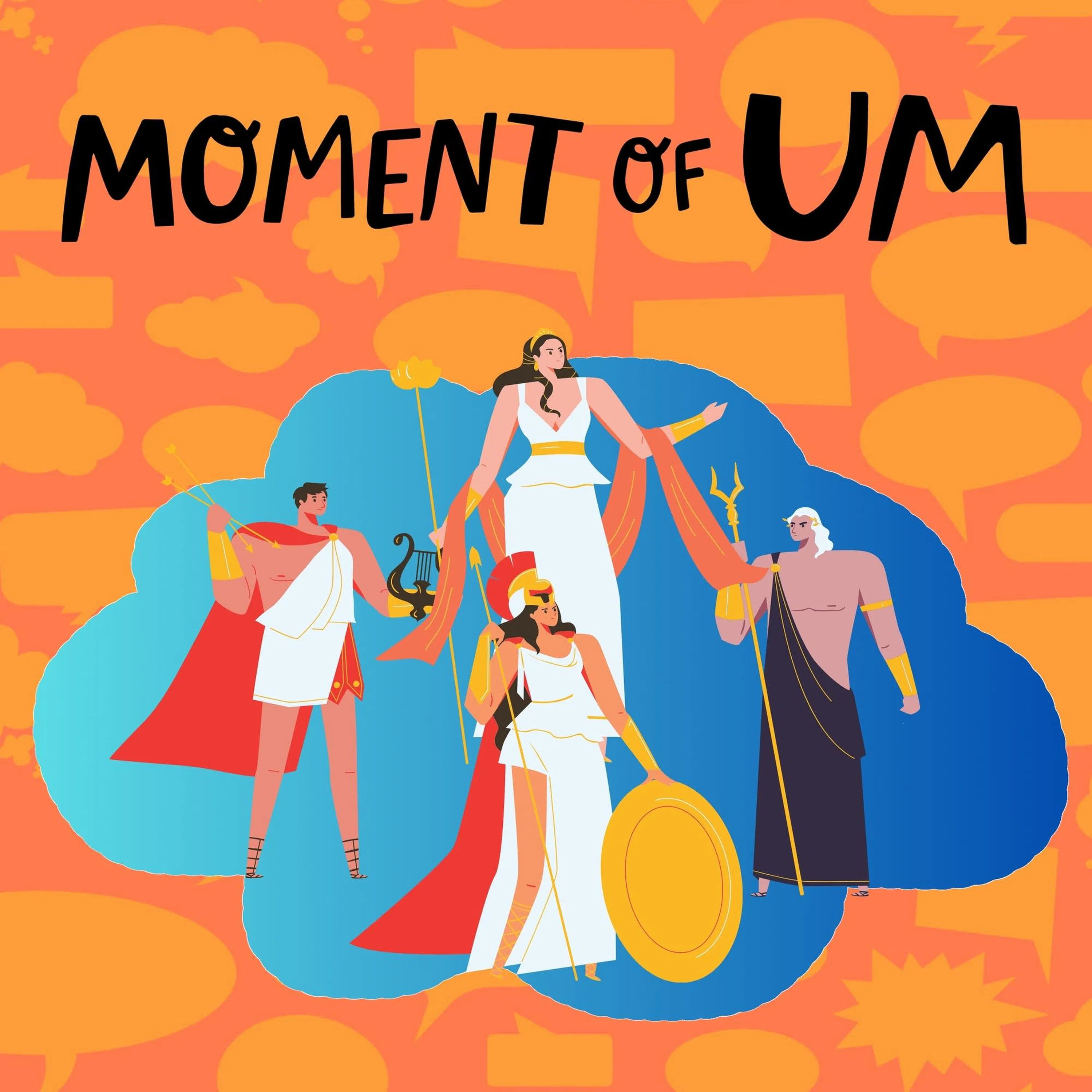
Why are so many planets named after Roman gods?
All of the planets in our solar system, and plenty of the moons, are named after gods or other figures from ancient Roman mythology. Have you ever wondered who picked those names? And why is the theme Roman gods, and not famous kings, favorite cartoon characters, or notable cats? We asked astronomer Mark Popinchalk to help us find the answer. Got a question that’s outta this world? Send it to us at BrainsOn.org/contact, and you can nepTUNE in to hear the answer! See omnystudio.com/listener for privacy information.

Why do grown-ups give more attention to babies than kids?
When you’re an only child, it might feel nice to have all the attention for a few years until – DUN DUN DUN! – a little sibling comes along. Sometimes it feels like babies get all the attention. Why is that? To help us find the answer, we asked Dr. Ed Greene, early childhood psychologist and consultant for our sister podcast Charm Words. Got a question that’s grabbed your attention? Send it to us at BrainsOn.org/contact, and we’ll help find an answer. We’re not kid-ding around! See omnystudio.com/listener for privacy information.

What are planets made of?
We spend a lot of time on top of our planet, but we don’t spend much time inside it. So it makes sense you might wonder what our planet is made of, deep deep down. Is it more rocks? Is it lava? Is it a gooey caramel center? And what about the other planets, like Mars and Jupiter? We asked astronomer Mark Popinchalk to help us find the answer. Got a question that’s tearing you up on the inside? Send it to us at BrainsOn.org/contact, and we’ll help dig up the facts. See omnystudio.com/listener for privacy information.
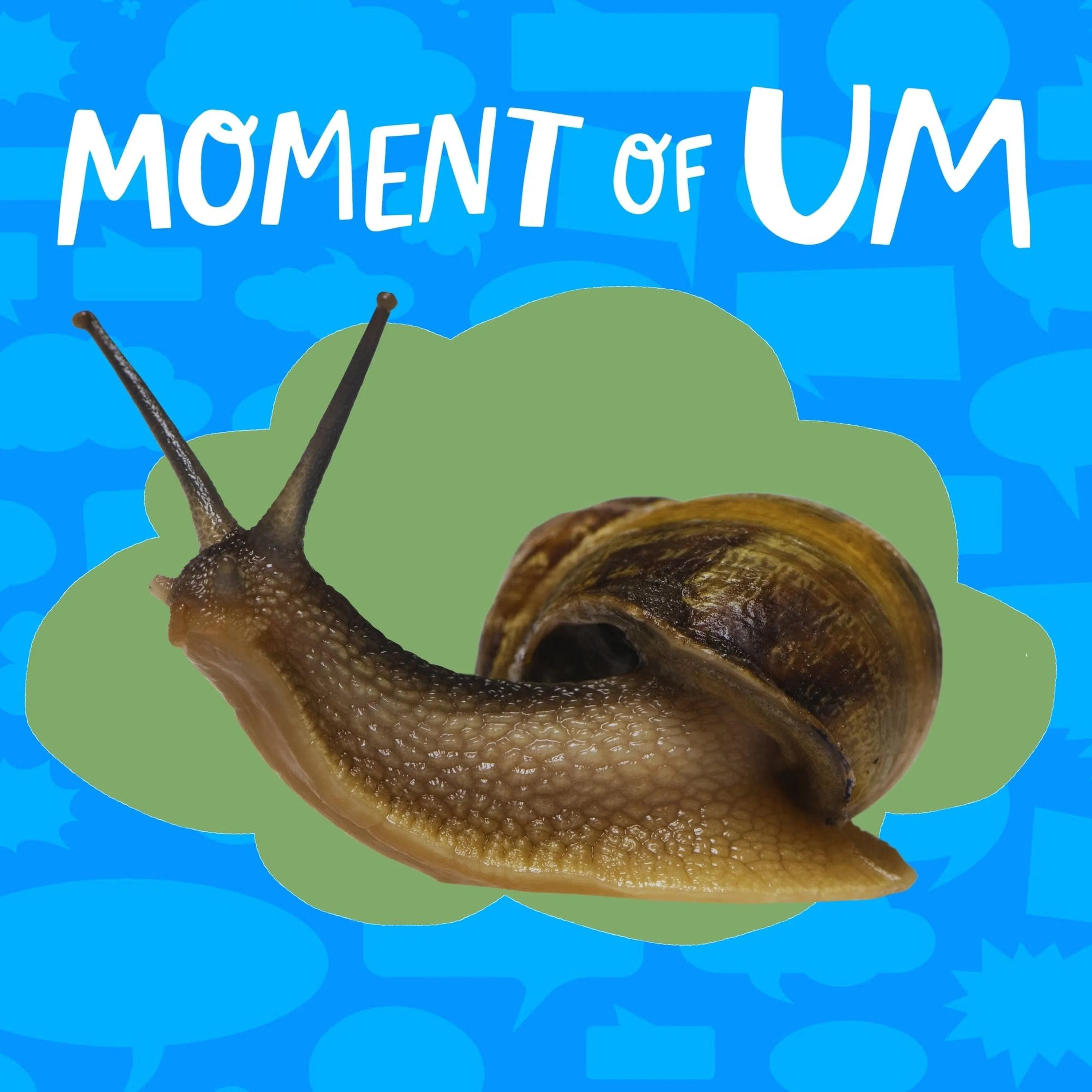
How do snails make their shells?
Have you ever seen a snail sliming along, eyestalks a-waving, carrying its whole house on its back? What are snail shells made of, anyway? And how do they make them? We asked biologist Teresa Rose Osborne to help us find the answer. Got a question that’s been creeping around your brain? Send it to us at BrainsOn.org/contact, and we’ll escar-GO find you the answer! See omnystudio.com/listener for privacy information.

What is inside a cactus?
Many cactuses are covered in spikes - making them terrible to hug. But what about inside a cactus? Is it also spiky? Or is it soft and cuddly? And is it true you can find water hidden in these desert-dwellers? We asked science communicator and plant expert Brandi Cannon-Force to help us find the answer. Got a question that’s stuck in your brain? Send it to us at BrainsOn.org/contact, and we’ll help pin down the answer. See omnystudio.com/listener for privacy information.

How are red, yellow, and blue made for paint?
What does painting the most splendid sunset and the most radiant rainbow have in common? They both require lots of beautiful paint colors! We can blend colors to make orange, green, and purple, but how do we make primary colors like red, yellow, and blue? We asked color science professor Stephen Westland to help us find the answer. Got a question that you’re dye-ing to get answered? Send it to us at BrainsOn.org/contact, and we’ll help illuminate the answer! See omnystudio.com/listener for privacy information.
Why do we like shiny things?
Ever find yourself staring at a shiny jewel? Or wowed by the glistening paint on a freshly washed car? Or inexplicably drawn to a magazine with a glossy cover? You are not alone. Humans love shiny things. But why is that? We asked Bauer College professor and marketing expert, Vanessa Patrick, to help shine some light on this topic. Is there a question that’s caught your eye? Send it to us at BrainsOn.org/contact and we’ll reflect on the answer! See omnystudio.com/listener for privacy information.
How many planets are in space?
When you look up at the night sky, what do you see? A few stars, or a satellite, maybe even one of the seven other planets in our solar system? But how many planets are there in all of outer space? We asked astronomer Mark Popinchalk to help us find the answer! Got a question taking up space in your brain? Send it to us at BrainsOn.org/contact, and we’ll launch an investigation for the answer! See omnystudio.com/listener for privacy information.
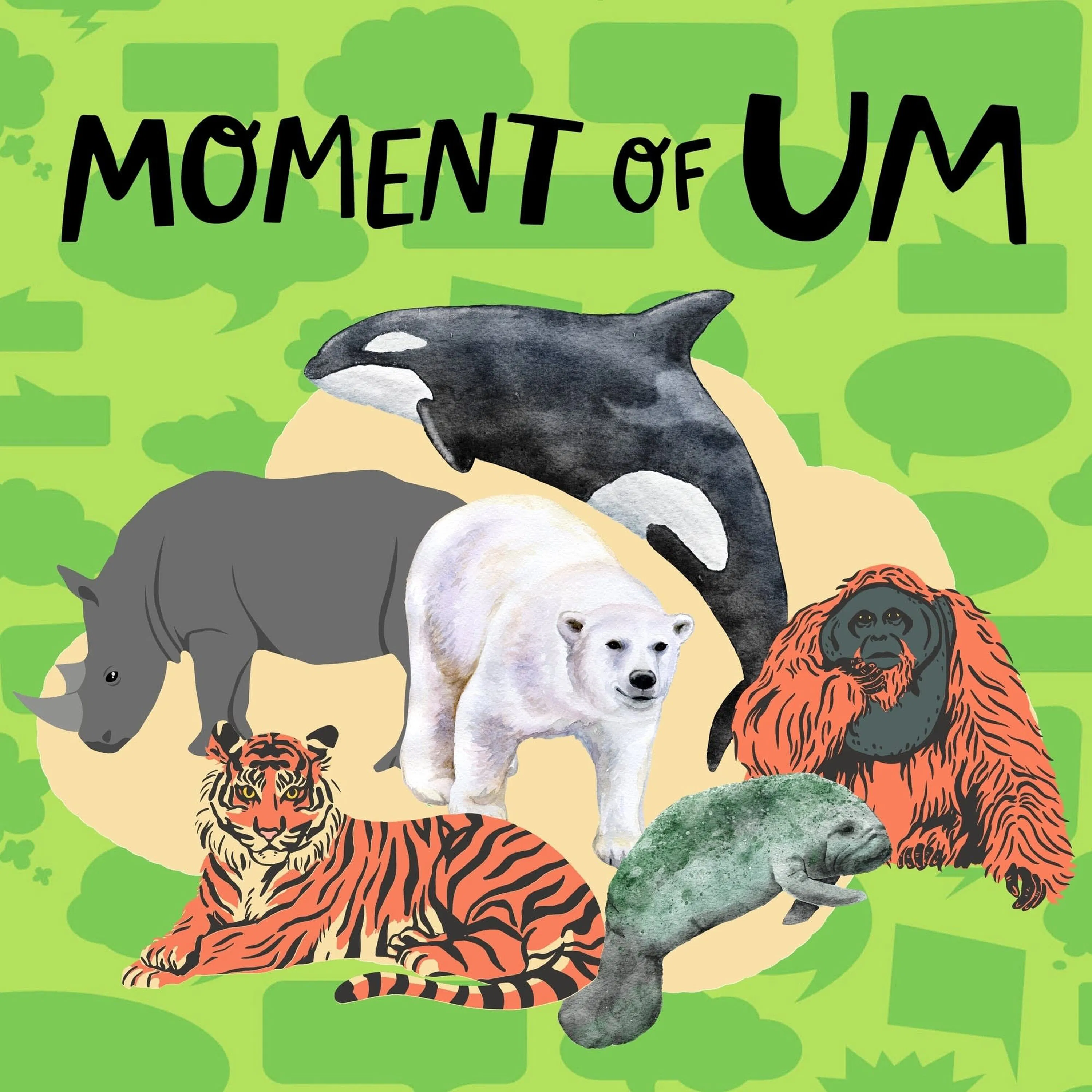
How do animals become endangered?
There are hundreds of different plants and animals on Earth that are endangered. That means they’re at risk of going extinct if they’re not protected. Lots of people and organizations all over the world are trying to protect endangered species and keep them from disappearing forever. But how does a species become endangered in the first place? We asked wildlife biologist Sergio Avila to help us find the answer. Got a question that you’ve been saving for us? Send it to us at BrainsOn.org/contact, and we promise it won’t vanish from our to do list! See omnystudio.com/listener for privacy information.

Do snails pee, poop, or fart?
Snails are some of the world’s coolest creatures. They’ve been around since the dinosaurs walked the Earth – and they carry their houses on their backs! But do our super slimy friends ever need to … use the bathroom? We asked biologist Teresa Rose Osborne to help us track down the answer. Got a question that’s turd-ally awesome? Don’t pee afraid to send it to us at BrainsOn.org/contact! We might even find an answer that’s a real gas! See omnystudio.com/listener for privacy information.
What would happen to Earth if the moon disappeared?
To us Earthlings, the moon is the ultimate cosmic chameleon. It’s always changing! Some nights it’s waxing, some nights waning, one day it’s full, and just two weeks later, it looks like there’s no moon at all. This is called a new moon, when the face of the moon is entirely in shadow. During a new moon, the moon doesn’t really go away. It’s just too dark to see. But… what would actually happen if we looked up at the night sky, and the moon was gone? We asked astronomer Chris Impey to help us find the answer. Got a question that’s making you moonstruck? Send it to us at BrainsOn.org/contact, and we’ll help you land on the answer! See omnystudio.com/listener for privacy information.

Why do we like screen time so much?
Do you ever have trouble putting away your tablet or turning off the TV? Us, too! Lots of people end hours every day using screens – but why do we like them so much? And why is it so hard to turn them off? We asked University of Minnesota professor Jodi Dworkin to help us find the answer. Got a question that you just can’t put down? Send it to us at BrainsOn.org/contact, and we’ll screen some experts to find the answer! See omnystudio.com/listener for privacy information.

How many colors can we see?
It’s a colorful world out there! When light from the sun hits surfaces on Earth, those surfaces reflect different wavelengths of light. Our eyes collect those waves and send them to our brains, which interpret the waves as colors! It’s an incredible process, and it happens in…well, the blink of an eye. But how many different colors can our eyes and brains identify? We asked University of Leeds color science professor Stephen Westland to help us find the answer. Got a HUE-mungous question? Send it to us at BrainsOn.org/contact, and we’ll identif-EYE the answer. See omnystudio.com/listener for privacy information.

Why are apples different colors?
Fall is finally here! For much of the world, that means falling leaves, cozy sweaters, and lots and lots of apples! There are over 7,000 species of apples grown worldwide, and they’re all unique! But how are they able to come in so many different colors? We asked Lee Kalcitsto help us find the answer. Have a question that’s got you stumped? Send it to us at BrainsOn.org/contact, and we’ll help pick out the answer! See omnystudio.com/listener for privacy information.

What would happen if the Earth were flat?
Throughout history, people all over the world have pictured our planet in different ways, including as a flat disc. It can be hard to see the Earth’s curve when you’re standing on the ground, but mathematical calculations and information from space voyages have confirmed that the Earth is a sphere. But…what would it actually be like if the planet was shaped like a big pancake instead? We asked astronomer Chris Impey to help us find the answer. Got a question orbiting your brain? Send it to us at BrainsOn.org/contact, and we’ll help find an answer in no time flat. See omnystudio.com/listener for privacy information.
How do fish handle pressure at the bottom of the ocean?
The ocean has multiple layers, like a big, watery, salty cake. The deeper underwater you go, the more water above you – and the weight of all that water creates super strong pressure. So how do the fish that live in the deepest levels of the ocean survive without being squished? We asked marine biologist Keegan Lutek to help us find the answer. Got a question that you want to shellebrate? Send it to us at BrainsOn.org/contact, and we’ll help find an in-depth answer. See omnystudio.com/listener for privacy information.

Do you control your emotions or do your emotions control you?
When was the last time you laughed so hard your stomach hurt? Or cried so hard you couldn’t breathe? Sometimes it’s hard to tell if our emotions are in control or we are! To help find the answer, we asked Dr. Ed Greene, early childhood psychologist and consultant for our sister podcast Charm Words. Have a question that’s got you all emotional? Send it to us at BrainsOn.org/contact, and we’ll help feel it out. See omnystudio.com/listener for privacy information.

Could a bird or fish live on the International Space Station?
The International Space Station is the largest structure that humans have ever launched into space. Hundreds of people have visited the space station over the past 25 years, but what about animals? Could birds or fish live there? We asked astronomy professor Chris Impey to help us find the answer. Got a question that’s launched you into a tizzy? Send it to us at BrainsOn.org/contact, and we’ll sparrow no time finding the answer! See omnystudio.com/listener for privacy information.
Why do apples turn brown after we cut them?
Have you ever put a bag of delicious crunchy apple slices in your backpack, only to discover they’ve turned brown by lunchtime? What’s up with that? We asked fruit tree expert and Washington State University associate professor Lee Kalcsits to help us find the answer. Got a question that’s apple-solutely awesome? Send it to us at BrainsOn.org/contact, and we’ll help color in the answer! See omnystudio.com/listener for privacy information.

What is the universe made of?
The universe can be a very mysterious place. It’s so big! And so full of incredible things! But what’s it made of? We asked astronomy professor Chris Impey to help us find the answer. Got a question that’s really out of this world? Send it to us at BrainsOn.org/contact, and we’ll help the stars align to find an answer! See omnystudio.com/listener for privacy information.

What causes growing pains?
Have you ever felt a little twinge or ache in your body, but you’re not sure where it came from? It might have been a growing pain! Just like a plant stretches toward the sun, your body might stretch too as you grow bigger. We asked medical researcher Kira Bacal about the science behind these pains. Got a question that’s growing in your mind? Send it to us at BrainsOn.org/contact – it won’t be a pain to help find the answer! See omnystudio.com/listener for privacy information.

What determines the type of vitamins in each food?
We eat food to power our bodies and keep us healthy. After all, food is full of the vitamins we need to survive. If you need vitamin C, try an orange. Vitamin B? Eggs or meat. But why do some foods have certain vitamins and other foods don’t? What determines which foods have which vitamins? We asked nutritionist Ana Veloso to help us find the answer. Got a question that’s chewing at you? Send it to us at BrainsOn.org/contact, and we’ll help you digest the answer. See omnystudio.com/listener for privacy information.

Why do we get cranky when we get tired?
It’s pretty easy to tell when someone didn’t get enough sleep and you may have even felt the warning signs yourself. Simple things might feel annoying, or more difficult and you might not feel like dealing with anything or anyone. Have you ever asked yourself why we feel so irritable when our bodies and minds are weary? We asked medical researcher Kira Bacal to help us find the answer. Got a question that’s wearing you down? Send it to us at BrainsOn.org/contact, and we’ll crank out the answer. See omnystudio.com/listener for privacy information.

Do flies get itchy?
Lots of animals feel itchy sometimes! Bears rub their backs on rough tree trunks, dogs love a good belly scratch and birds itch themselves with their feet. But what about flies? Do they get itchy, too? We asked Johns Hopkins graduate student Abel Corver to help us find the answer. Got a question that you’re itching to know the answer to? Send it to us at BrainsOn.org/contact, and we’ll come up with the answer from scratch! See omnystudio.com/listener for privacy information.

Can we visit the farthest parts of our solar system?
Our solar system is full of incredible things, from rocky asteroids to Saturn’s spectacular rings. But most of these things are millions or even billions of miles away. Is it even possible to reach the furthest corners of our solar system? We asked NASA aerospace engineer Erik Axdahl to help us find the answer. Got a question that you keep gravitating towards? Send it to us at BrainsOn.org/contact, and we’ll launch the answer your way! See omnystudio.com/listener for privacy information.
What type of fuel powers rockets?
Rocket engines have to push REALLY hard against Earth’s gravity to get up off the ground. The rockets that NASA sends into space weigh over a million pounds! That is a LOT to try to lift into the air! So what kind of fuel do those powerful rocket engines use? We asked NASA scientist Erik Axdahl to help us find the answer. Got a question orbiting your mind? Send it to us at BrainsOn.org/contact, and we’ll launch an answer your way. See omnystudio.com/listener for privacy information.
How do rockets fly?
3…2…1… Blast off! Rockets launch things into space, which is no easy task. They have to push off from the Earth and zoom at great speeds to break free from gravity. But how do they do it? What makes them different from airplanes? We asked NASA aerospace engineer Erik Axdahl to help us find the answer. Got a question that’s launched you into a tizzy? Send it to us at BrainsOn.org/contact, and we’ll jet off to find an answer! See omnystudio.com/listener for privacy information.

Is hyperdrive possible?
In movies and TV shows spaceships can often travel faster than the speed of light. It’s an idea often called a hyperdrive or warp speed, and it would let you explore the whole universe! So is hyperdrive possible in real life? We asked NASA aerospace engineer Erik Axdahl to help us find the answer. Got a question that’s out of this world? Send it to us at BrainsOn.org/contact, and we’ll bring the answer down to Earth. See omnystudio.com/listener for privacy information.