
Modern Farming
95 episodes — Page 2 of 2
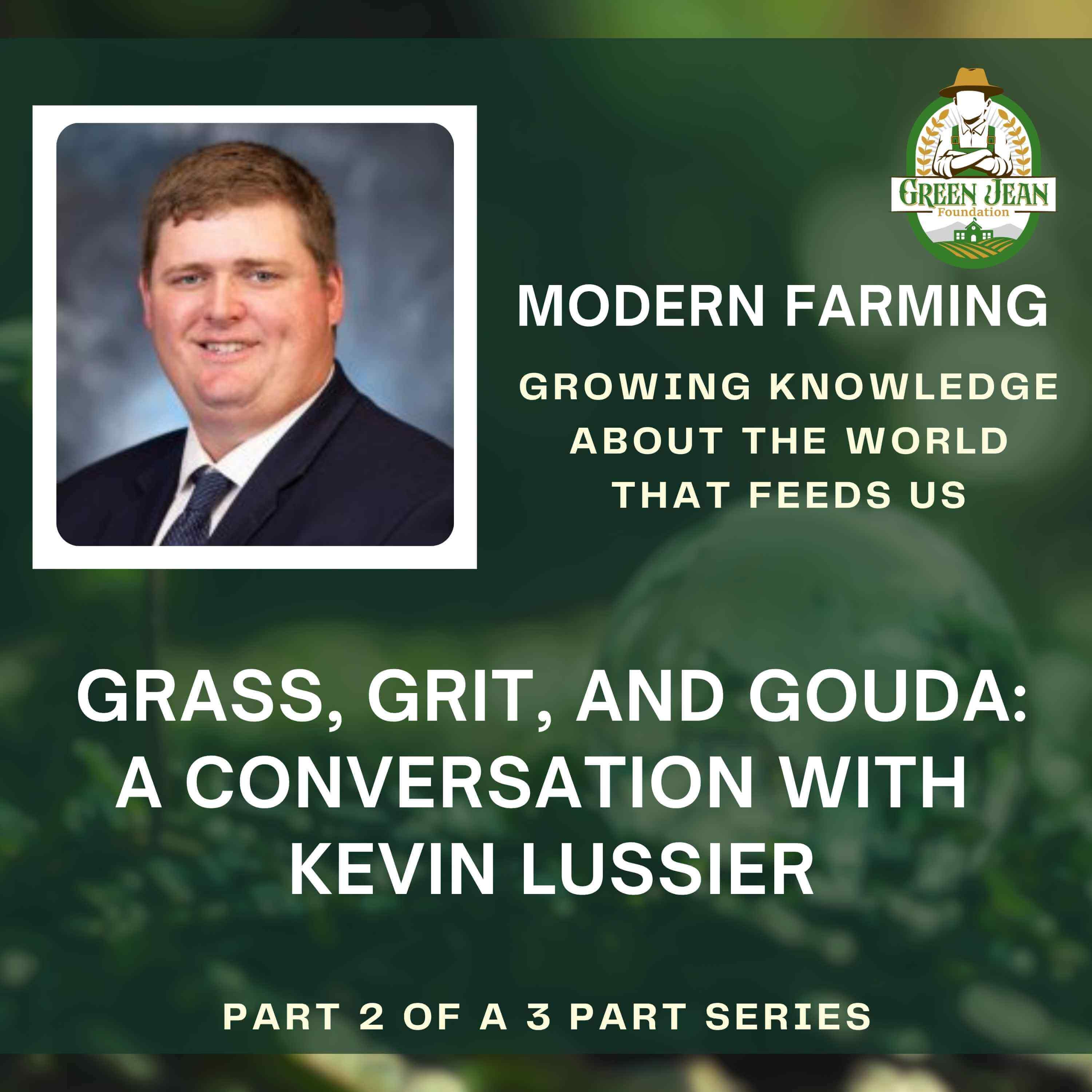
S1 Ep 44Grass, Grit, and Gouda: A Conversation with Kevin Lussier
Kevin Lussier is a 5th-generation dairy farmer, cheesemaker, and advocate for the next generation of agriculture. Kevin and his wife, Shelby, own Hawthorne Creek Creamery and Lussier Farms LLC in Hawthorne, Florida, where they raise their three boys and produce farm-fresh, small-batch cheeses. A former Chair of the American Farm Bureau Young Farmers & Ranchers Committee and current Vice President of Alachua County Farm Bureau, Kevin is passionate about connecting consumers to where their food comes from and empowering young farmers to find their voice in today’s agricultural landscape.In this episode, we sit down with Kevin Lussier to talk about life on a modern dairy farm and the art—and science—of cheesemaking. Kevin shares his journey from growing up on the family farm to returning after college in 2016 and launching his own creamery in 2020. We explore what it takes to balance herd health, crop management, and business ownership while maintaining the highest standards of quality and care for both animals and customers.Highlights- Farming Legacy – Kevin’s roots in a multi-generation dairy family and what drew him back to farming after college.- From Milk to Market – How he and Shelby started Hawthorne Creek Creamery in 2020, transforming their farm’s milk into locally made artisan cheeses.- A Day on the Farm – Managing forage crops, herd health, and cheesemaking—all while raising a young family and running two businesses.- Science Meets Skill – Working with a nutritionist to craft the perfect diet for the herd, ensuring milk with the right balance of butterfat and protein for cheese production.- Cheesemaking 101 – What happens inside the 400-gallon vat, and how careful timing and technique turn milk into something magical.- Advocacy in Action – Kevin’s leadership with Farm Bureau’s Young Farmers & Ranchers Committee, helping young producers navigate challenges, build networks, and strengthen their voice in agricultural policy.- Connecting Consumers & Producers – Why telling the story of modern farming is keyKevin brings authenticity, experience, and heart to the conversation—sharing what it takes to run a modern farm, lead with purpose, and advocate for agriculture’s next generation. Whether you’re in the field, the classroom, or the kitchen, this episode will leave you inspired and informed about where your food really comes from.
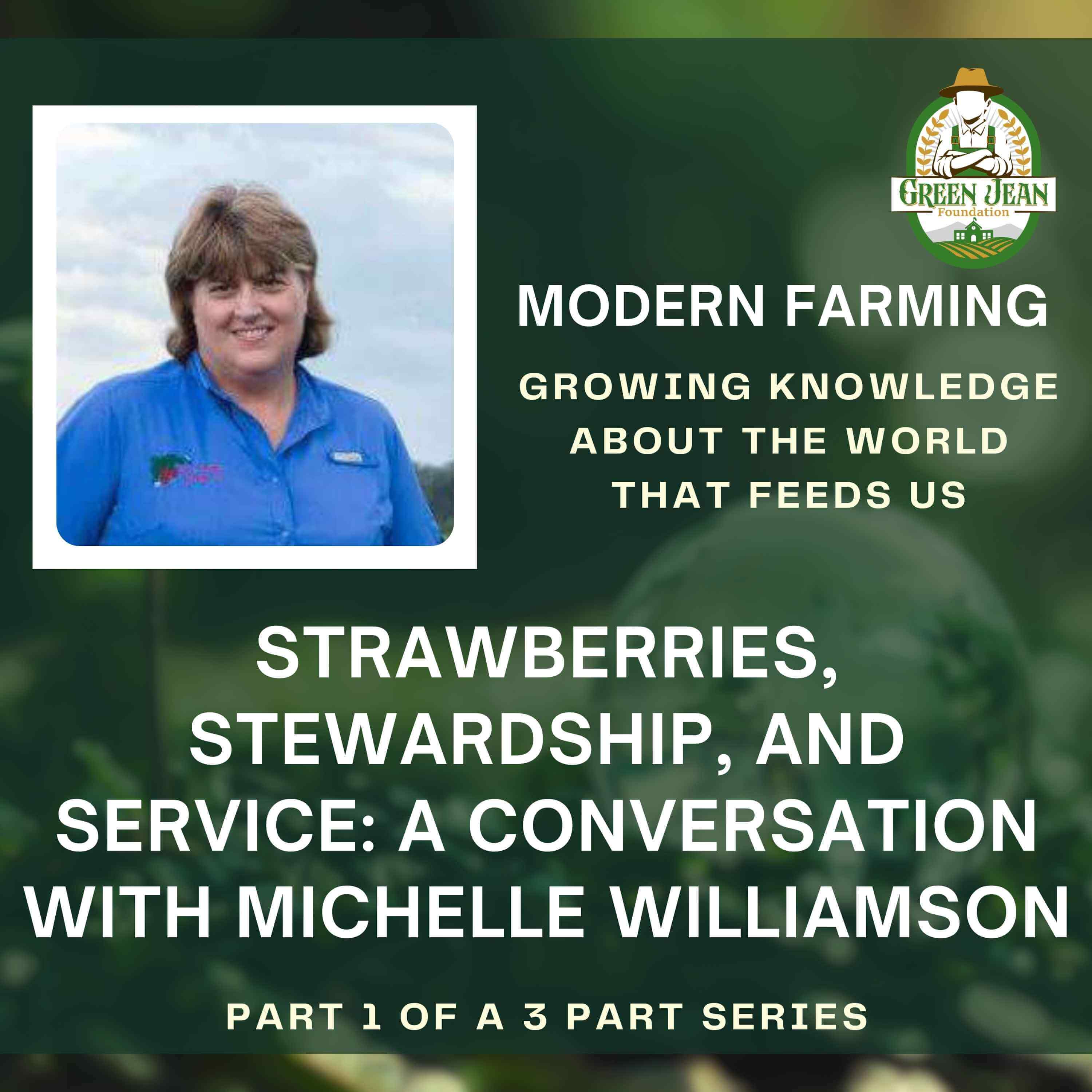
S1 Ep 43Strawberries, Stewardship, and Service: A Conversation with Michelle Williamson
In this episode, we sit down with Michelle Williamson, a remarkable guest whose life and legacy are deeply tied to Florida agriculture. A 6th-generation strawberry grower from Hillsborough County, she has spent her career balancing farm life with leadership in Farm Bureau, agricultural policy, and youth education. From serving on local, state, and national committees to mentoring students in 4-H, her story is one of passion, perseverance, and dedication to advocating for farmers. Join us as she shares insights on strawberry farming, water management, and the vital role of agricultural literacy in shaping the future.Topics We’ll Cover:-Life as a 6th-generation strawberry grower in Florida.-Farm Bureau leadership and advocacy work.-The importance of water management and conservation.-Agricultural education through 4-H and community programs.-The challenges and rewards of farming today.-What the future of Florida fruit and vegetable growers looks like.Join us as we celebrate Michelle Williamson’s remarkable journey in agriculture, leadership, and advocacy—a story of roots, resilience, and a passion for educating the next generation about where our food comes from.
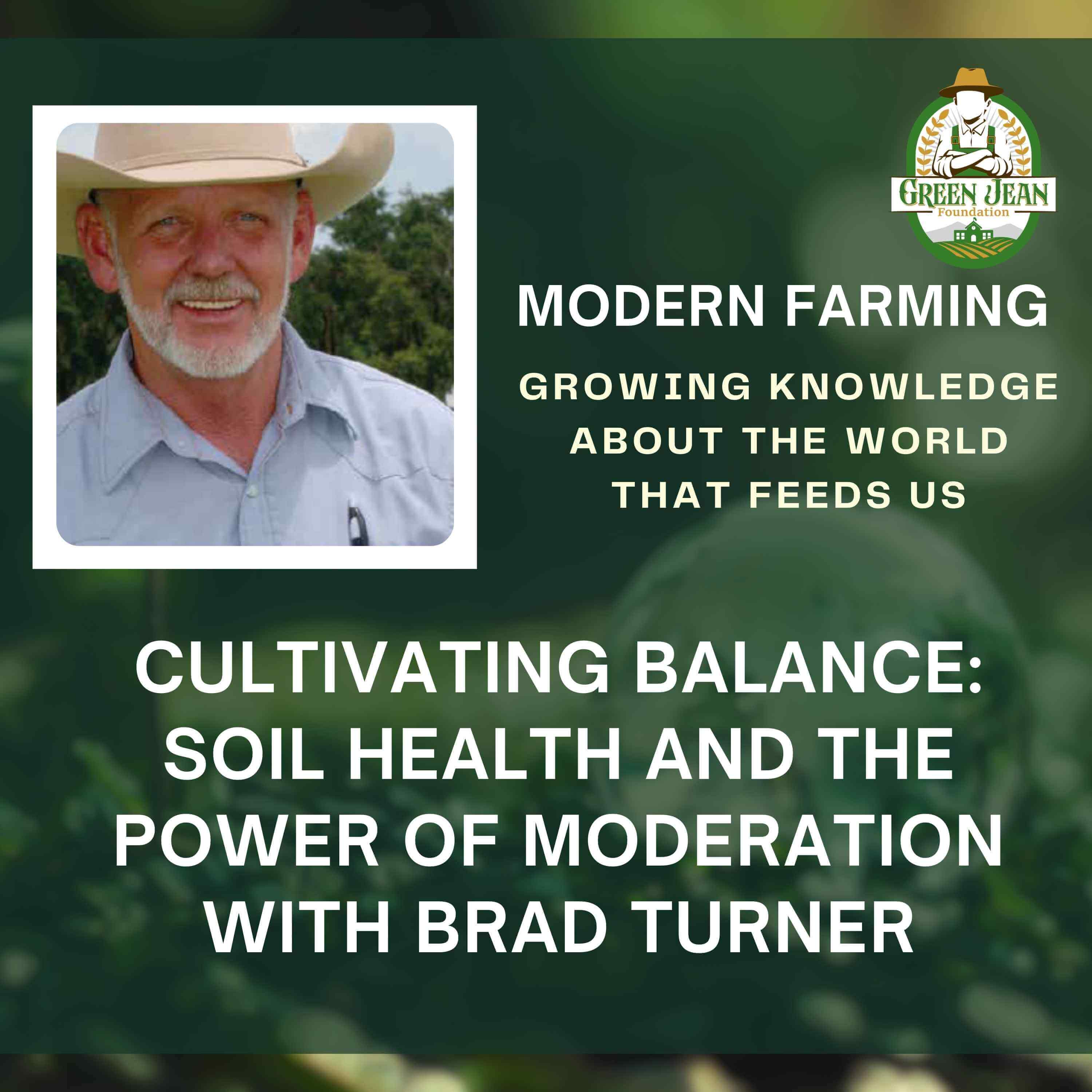
S1 Ep 42Cultivating Balance: Soil Health and the Power of Moderation with Brad Turner
Healthy soil is the foundation of healthy food, thriving farms, and sustainable communities. In this episode, we sit down with Brad Turner, an expert in soil health, to explore why balance and moderation are key principles in successful farming.Brad shares insights into:--The role of soil biology, chemistry, and structure in supporting healthy cropsWhy overusing fertilizers, pesticides, or even water can do more harm than good--How farmers and gardeners alike can adopt moderation to improve yields without sacrificing long-term soil health--Practical steps for maintaining nutrient-rich, resilient soilsWhether you’re a grower, gardener, educator, or just curious about where your food comes from, this conversation will deepen your understanding of soil as a living system—and why cultivating balance is the best way forward.
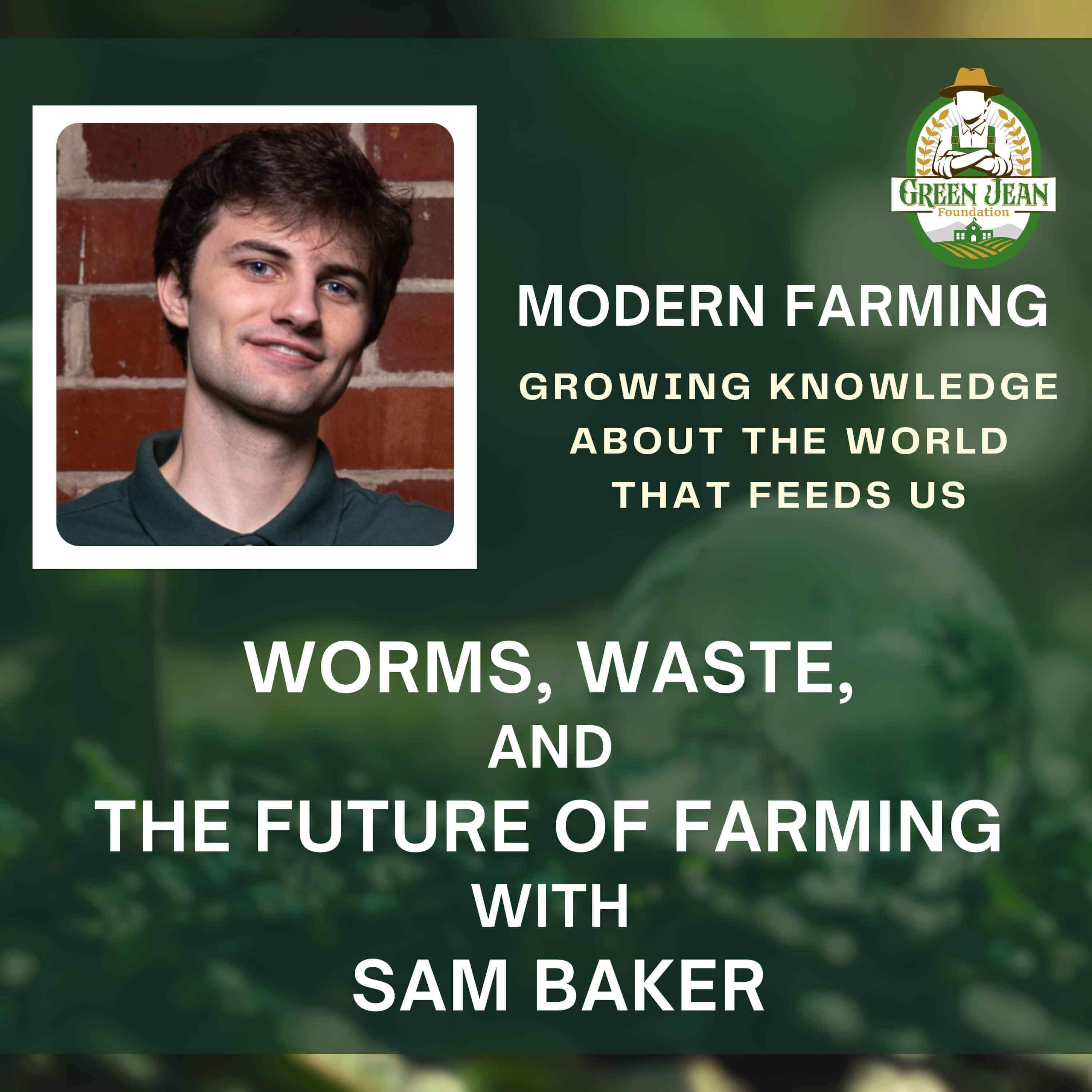
S1 Ep 41Worms, Waste, and the Future of Farming with Sam Baker
In this episode of Modern Farming, we sit down with Sam Baker, founder of Wriggle Brew, to explore how earthworms and innovation are reshaping the future of agriculture. A seventh-generation Floridian, Sam’s connection to the land began early, fishing alongside his grandfather until soil degradation and runoff transformed their favorite spot into a dead zone. That personal loss fueled his drive to understand where runoff comes from, what’s in conventional fertilizers, and how natural alternatives can heal our ecosystems.Sam’s journey shows how science and storytelling come together in agriculture. We dig into how earthworm castings, packed with microbiomes, outperform chemical fertilizers but face unique challenges in shelf stability. Wriggle Brew has developed a proprietary process that extends usability from mere hours to 18 months, making worm-based fertilizers viable for both home gardeners and large-scale farms.We also explore the company’s groundbreaking Polyverm process, which uses worms to break down plastic waste into organic fertilizers—without leaving behind harmful residues or microplastics. Sam’s work is more than just a business; it’s a vision for a more regenerative, resilient food system where soil health drives productivity and environmental stewardship.Tune in to learn how Wriggle Brew is tackling soil degradation, reducing waste, and giving farmers powerful tools for sustainable growth.https://www.wrigglebrew.comhttps://www.facebook.com/PRAGWriggleBrew/https://www.instagram.com/wrigglebrew/https://www.linkedin.com/in/sam-baker-702239155
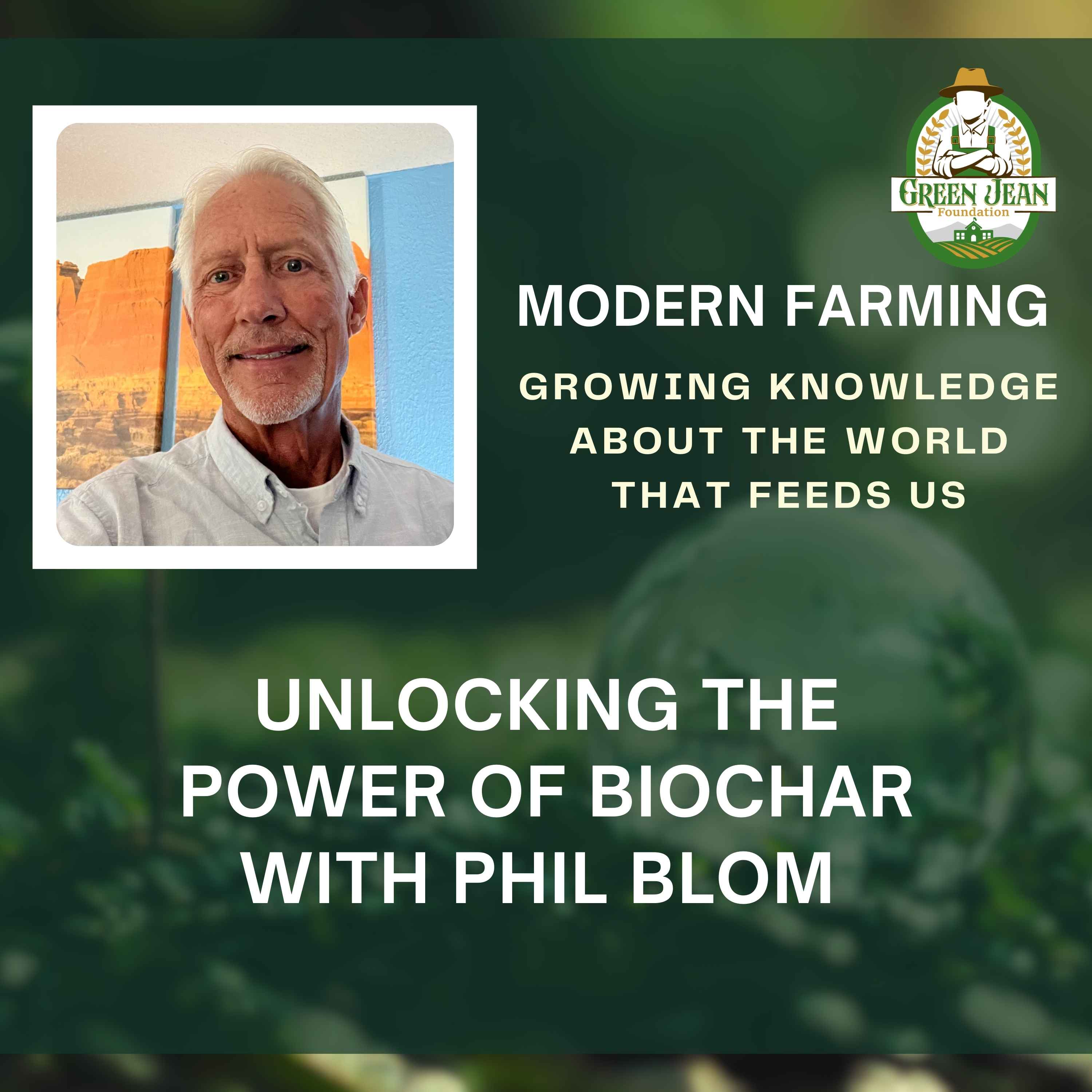
S1 Ep 40Unlocking the Power of Biochar with Phil Blom
In this episode of Modern Farming, we sit down with Phil Blom, CEO of Terra Char, to dive deep into the transformative world of biochar. As a pioneer in expanding our understanding and applications of biochar, Phil shares how this powerful material is reshaping agriculture, sustainability, and climate solutions.We cover:-What biochar is, how it’s made, and what it does-The importance of education in growing a newer industry-How biochar impacts soil biology, supporting microbes and improving soil structure-Its ability to absorb and release water and nutrients for healthier crops-Applications from composting, soil improvement, and animal feed to energy solutions and carbon credits-The future potential of biochar in sustainable packaging, construction, and climate resiliencePhil’s passion for collaboration and innovation highlights how biochar can unlock practical solutions for farmers, ranchers, and industries seeking a more sustainable path forward.Whether you’re a grower, ag educator, or simply curious about regenerative practices, this conversation offers a practical introduction to one of agriculture’s most promising tools.

S1 Ep 39Steve Suau on Soil, Water, and the Future of Sustainability
In this episode, we sit down with Stephen Suau, a registered professional engineer with over 40 years of experience in watershed, stormwater, nutrient, and water demand management across southwest Florida. A hydrologist and soil biologist, Steve has dedicated his career to helping communities understand and protect their water resources, working with organizations such as The Nature Conservancy, Sarasota Audubon Society, and the Peace River Manasota Regional Water Supply Authority. He co-authored the Community Playbook for Healthy Waterways and was recently recognized with the 2022 Certificate of Commendation for his decades of water quality solutions in Sarasota.Steve brings a unique perspective that connects water, soil, and sustainability. Together, we explore:Why wastewater management matters and how different types of wastewater impact the environment.The shift from chemical management to building soil biology in lawns, green spaces, and agriculture—especially as suburban land use grows beyond farmland.A pilot project (running since 2020) that uses reclaimed water for irrigation, and the challenges of balancing surface and groundwater use.How organic waste and bacteria can reduce nitrates in water by completing the nitrogen cycle.The potential of biochar and compost as soil amendments and wastewater filtration tools.How natural biological and chemical treatments—when balanced correctly—can restore ecosystems.Regenerative vs. organic farming: why consumer perception is confusing, how certification plays a role, and what these systems mean for food quality, taste, and nutrition.The growing recognition that regenerative and organic farming may hold the key to feeding humanity long-term, while conventional ag is focused on short-term yield.The documentary Organic Rising and what it reveals about the future of food and farming.The deep connection between water and soil—and why what happens underground is just as fascinating as what grows above it.Steve’s insights challenge traditional approaches and open the door to practical, biology-based solutions for the way we grow food, manage water, and care for our environment. Whether you’re a farmer, gardener, policymaker, or simply curious about how soil and water are linked, this episode will leave you rethinking the future of sustainability.
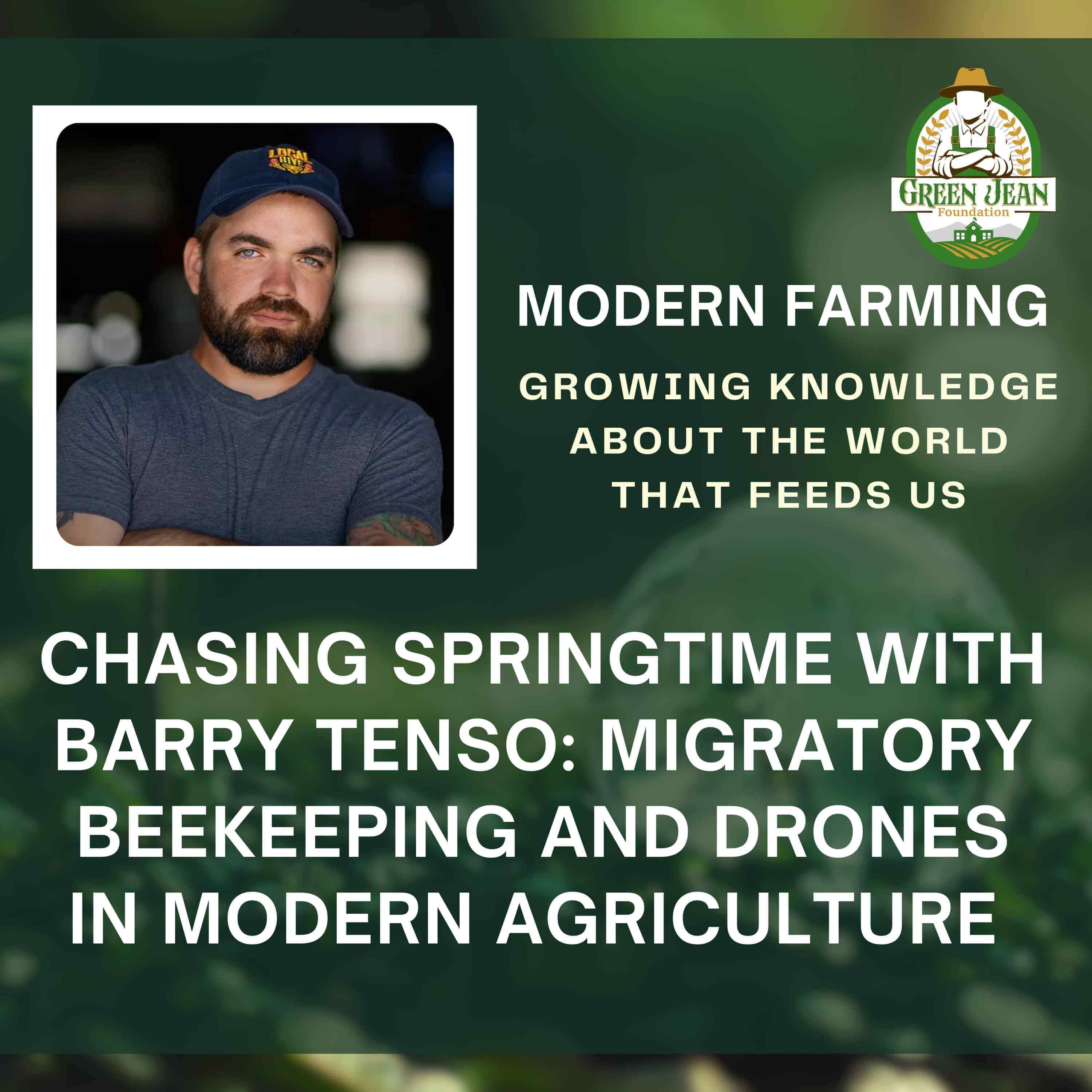
S1 Ep 38Chasing Springtime with Barry Tenso: Migratory Beekeeping and Drones in Modern Agriculture
n this engaging episode, we sit down with Barry Tenso, a first-generation commercial beekeeper who turned a backyard hobby into a thriving operation of more than 3,000 colonies. What started in 2015 with just two hives has grown into a full-scale migratory beekeeping business, pollinating crops across the United States and producing honey along the way.Barry takes us behind the scenes of the life of a migratory beekeeper, from moving colonies under the cover of night to “chasing springtime” across the country. His bees play a vital role in pollinating almonds in California, citrus and wildflowers in Florida, blueberries in Maine, apples in New York, cranberries in New Jersey, and honey production in Pennsylvania.We’ll also dive into his work as co-owner of Groundshaker Solutions LLC, an innovative agricultural drone spraying company. Barry explains how drone technology is changing the way farmers manage weeds, fertilize pastures, and protect pollinators by offering safer alternatives to traditional crop spraying.Topics we cover include:- Barry’s journey from hobbyist to commercial beekeeper.- The logistics and challenges of moving thousands of hives across the country.- How migratory beekeeping supports America’s food supply.- The role of drones in agriculture and how they help protect bees.- Splitting hives, catching swarms, and maintaining healthy colonies on the move.- Why keeping bees means constantly adapting to new crops, climates, and challenges.If you’ve ever been curious about the hidden world of commercial beekeeping—or how technology is shaping the future of agriculture—this conversation with Barry will give you a fascinating insider’s perspective.📌 Learn more about Barry’s work:Church Lane Apiaries: Churchlaneapiaries.com Groundshaker Solutions: Groundshakersolutions.org
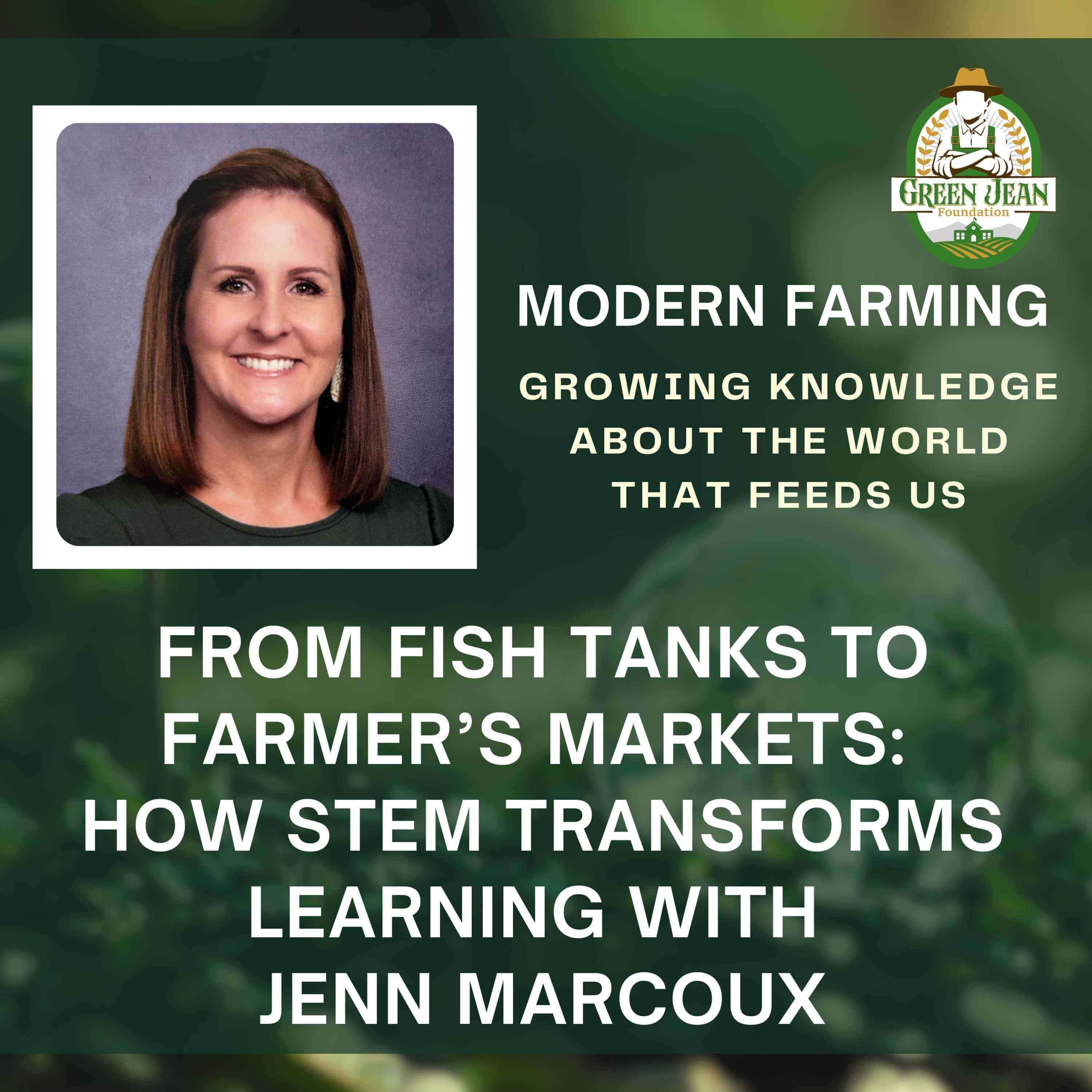
S1 Ep 37From Fish Tanks to Farmer's Markets: How STEM Transforms Learning with Jenn Marcoux
Meet Jenn Marcoux, a passionate educator who has been inspiring young minds in Brevard Public Schools for over 20 years. Now serving as the STEM Coordinator at Viera Elementary, Jenn brings science to life through hands-on learning experiences that ignite curiosity in her students—and herself.In this episode, Jenn shares how launching her county’s STEM program five years ago transformed her professional journey, and why aquaponics has become a classroom favorite. From students eagerly caring for fish to cultivating herbs in the school garden, Jenn’s approach fosters a two-way love of learning that’s as rewarding for her as it is for her students.We also explore:--How aquaponics bridges science, responsibility, and environmental stewardship--The potential of a school-based herb garden and farmer’s market to teach financial literacy--Plans for a once-a-month in-school Garden Club to engage even more students in hands-on STEM--Why STEM education is just as much about wonder and discovery as it is about academicsIf you’ve ever wondered how to spark lasting excitement for science—or how plants, fish, and money skills can all fit into one lesson plan—this episode will leave you inspired.Tune in to hear how one teacher’s creativity and curiosity are growing a community of young scientists, gardeners, and entrepreneurs.
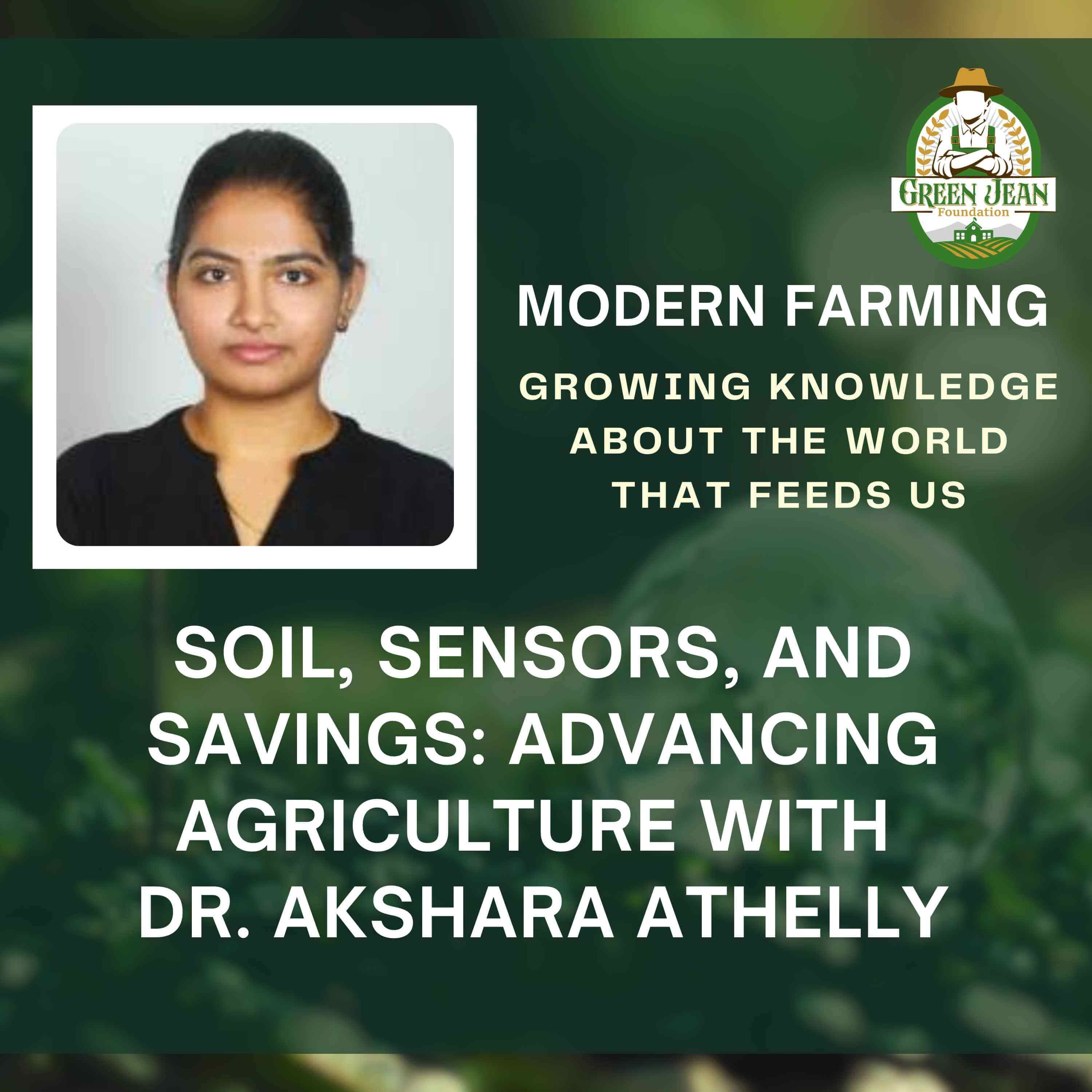
S1 Ep 36Soil, Sensors, and Savings: Advancing Agriculture with Dr. Akshara Athelly
In this episode of the Modern Farming Podcast, we sit down with Dr. Akshara Athelly, a scientist whose roots in agriculture run deep—her passion for farm management was inspired by her father, a farmer and groundwater conservation advocate in their hometown. With an undergraduate degree in Agricultural Sciences, a Master’s in Agroecology and Sustainable Agriculture from LSU, and a Ph.D. in Agricultural Engineering from the University of Florida, Dr. Athelly blends academic expertise with a real-world understanding of farming challenges.We dive into her work on nutrient management, soil composition, and the critical role water plays in maintaining soil health. Dr. Athelly explains how smart soil moisture sensors work, the parameters they measure, and how data from these tools can help farmers make informed irrigation decisions. But as she emphasizes, technology alone isn’t enough—trust, collaboration, and strong relationships between farmers, scientists, and agencies are the foundation for lasting change.From cost-sharing programs that make precision management tools more accessible, to the future of data-driven agriculture, Dr. Athelly shares why she’s optimistic about where farming is headed. She also offers an inspiring perspective on the role women can play in both science and agriculture, and why building partnerships is just as important as building better tools.In this episode, you’ll learn:Why water management is inseparable from nutrient management.How soil composition affects irrigation needs and crop performance.What smart sensors can measure and how that data can guide decisions.How agencies and cost-sharing programs can help farmers adopt new tools.Why trust, collaboration, and human relationships are vital for agricultural progress.The importance of representation and opportunities for women in ag and science.Whether you’re a grower, researcher, or simply curious about how science and agriculture intersect, this conversation is packed with insights into creating a more resilient, water-smart future for farming.
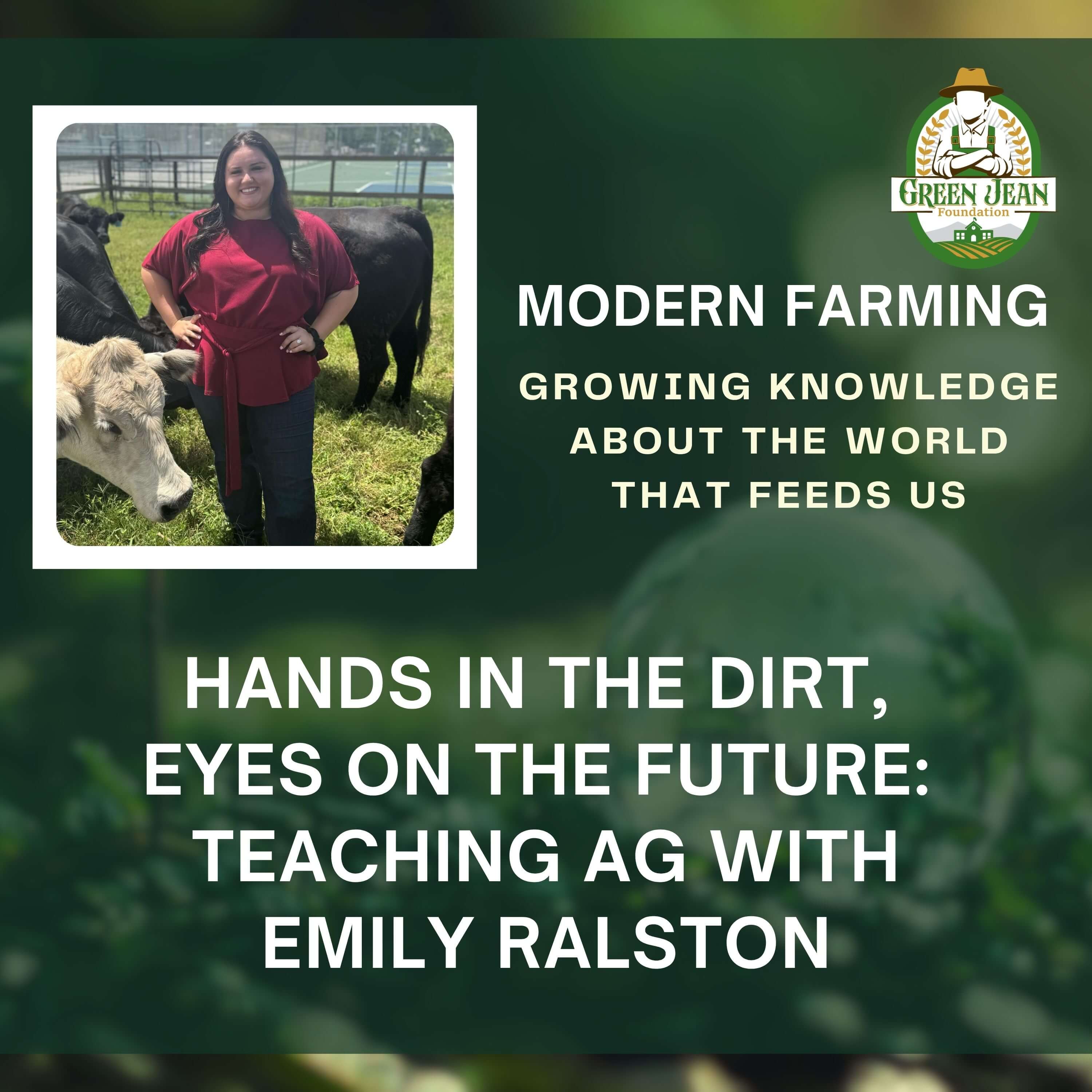
S1 Ep 35Hands in the Dirt, Eyes on the Future: Teaching Ag with Emily Ralston
In this inspiring episode of the Modern Farming Podcast, we sit down with Emily Ralston, a third-year middle school ag teacher and FFA advisor at Lincoln Memorial Middle School in Manatee County, Florida. Emily shares her unique journey into agriculture, from a late start despite her early love for horses to discovering her passion through livestock judging, student mentorship, and experiential learning.We explore:How she transitioned into a career in ag education and why it fuels her purposeThe magic of watching students go from knowing nothing about ag to catching newborn cows, raising livestock, and growing cropsThe importance of hands-on learning and getting students outdoorsHow Emily helped reestablish the Young Farmers and Ranchers group in Manatee County to build community, mentorship, and opportunityWhy she believes agriculture is "bigger than the individual" and how she inspires the next generation to find their place in itWhether you’re an ag teacher, a parent, or someone passionate about youth leadership and the future of farming, this episode will leave you energized and hopeful.
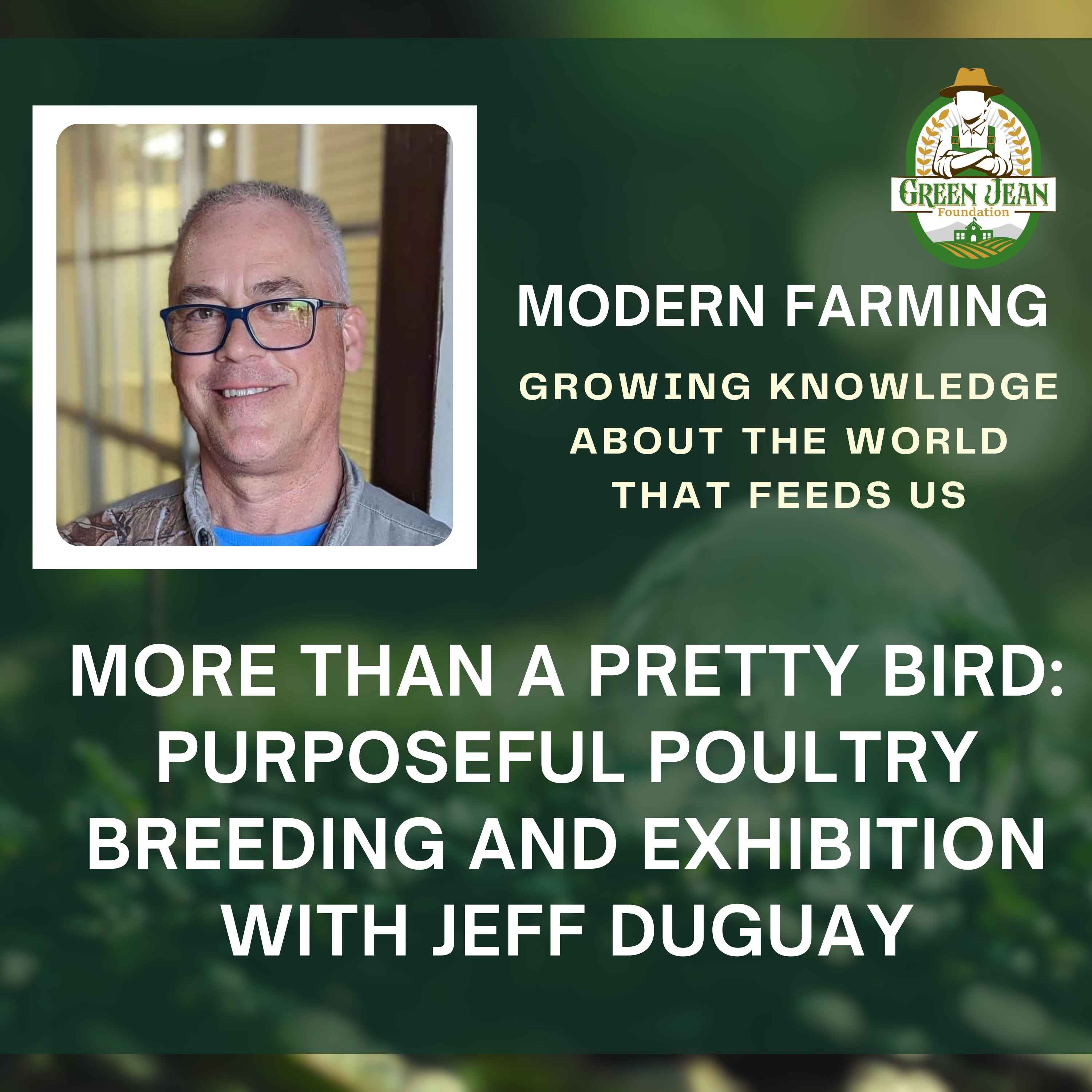
S1 Ep 34More Than a Pretty Bird: Purposeful Poultry Breeding and Exhibition with Jeff Duguay
In this episode of Modern Farming, we sit down with Dr. Jeff Duguay, a lifelong poultry enthusiast, wildlife biologist, and Director of Game Species Management for the Louisiana Department of Wildlife and Fisheries. With decades of experience in both the scientific and exhibition sides of poultry, Jeff offers a rare and fascinating perspective on the world of chickens—from backyard flocks to show arenas.🎧 What you’ll learn in this episode:How Jeff’s rural Maine upbringing and love for birds led him to a career in wildlife ecology and ornithologyThe fundamentals of selective breeding, and why improving traits is both a science and an artWhy the incredible diversity of chicken breeds means there’s a bird for everyone—and how to find one that fits your goalsA deep dive into the world of poultry shows: how judging works, what judges look for, and how breeders prepare their birdsWhy Jeff believes you shouldn’t show birds to win—but to celebrate their beauty and enjoy the experienceWhether you're a 4-H kid with a backyard coop, a seasoned breeder, or just poultry-curious, this episode is packed with wisdom from one of America’s most decorated poultry exhibitors.🎤 About our guest:Jeff Duguay holds a Ph.D. in Wildlife Management and is a Master Breeder and Grand Master Exhibitor of Birchen Modern Game Bantams. He’s authored nine books, mostly focused on exhibition poultry, and is an influential voice in both the conservation and show poultry communities.🐔 Want to get started in show poultry or learn more?This episode is your perfect primer.🔗 Listen now on your favorite podcast platform!
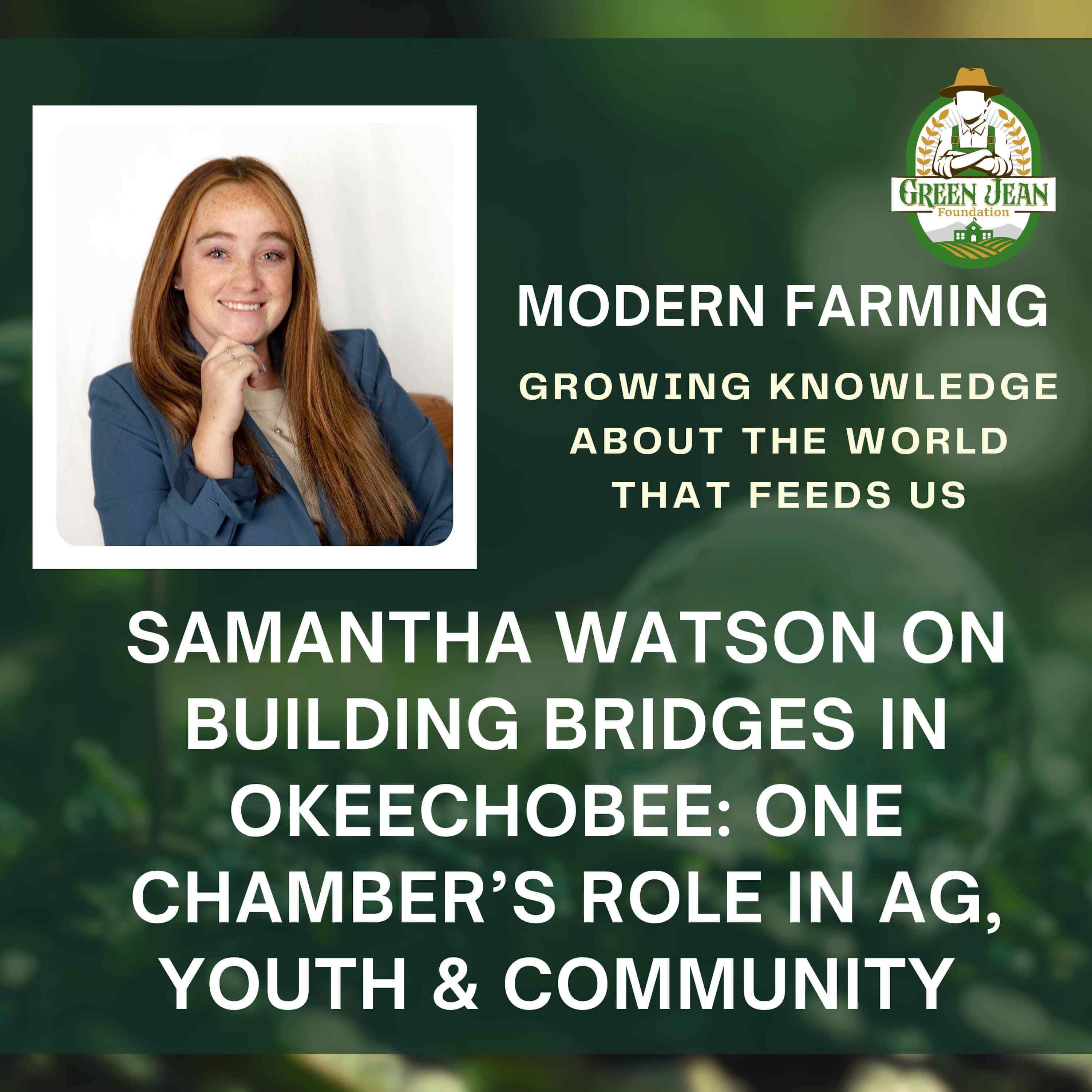
S1 Ep 33Samantha Watson on Building Bridges in Okeechobee: One Chamber's Role in Ag, Youth, and Community
In this episode of The Modern Farming Podcast, we sit down with Samantha Watson, Executive Director of the Chamber of Commerce of Okeechobee County. Samantha shares insights into how agriculture, tourism, and local business are working together to create a vibrant future for the Okeechobee region.We discuss the role of agrotourism in rural economic growth, how the Economic Development Council supports youth development and entrepreneurship, and why collaboration between sectors is essential to keeping rural communities thriving. Samantha also highlights the importance of community events in celebrating agricultural heritage and inspiring the next generation of leaders.Topics Covered:The power of agrotourism to connect people with where their food comes fromWhy youth engagement is a priority for the Chamber and EDCExamples of partnerships between agriculture, tourism, and business in OkeechobeeHow local events create pride, education, and economic opportunityAdvice for other rural communities looking to strengthen cross-sector collaborationThis episode offers a closer look at how Okeechobee is growing opportunity from the ground up—through programs led by the Chamber and Economic Development Council, youth-focused initiatives, and innovative agrotourism events that connect the community to its agricultural roots. Whether you’re a farmer, educator, business owner, or simply passionate about rural development, there’s inspiration here for building strong, collaborative communities.🎧 Tune in, subscribe, and share to help us keep telling stories that grow the future of agriculture—one partnership at a time.
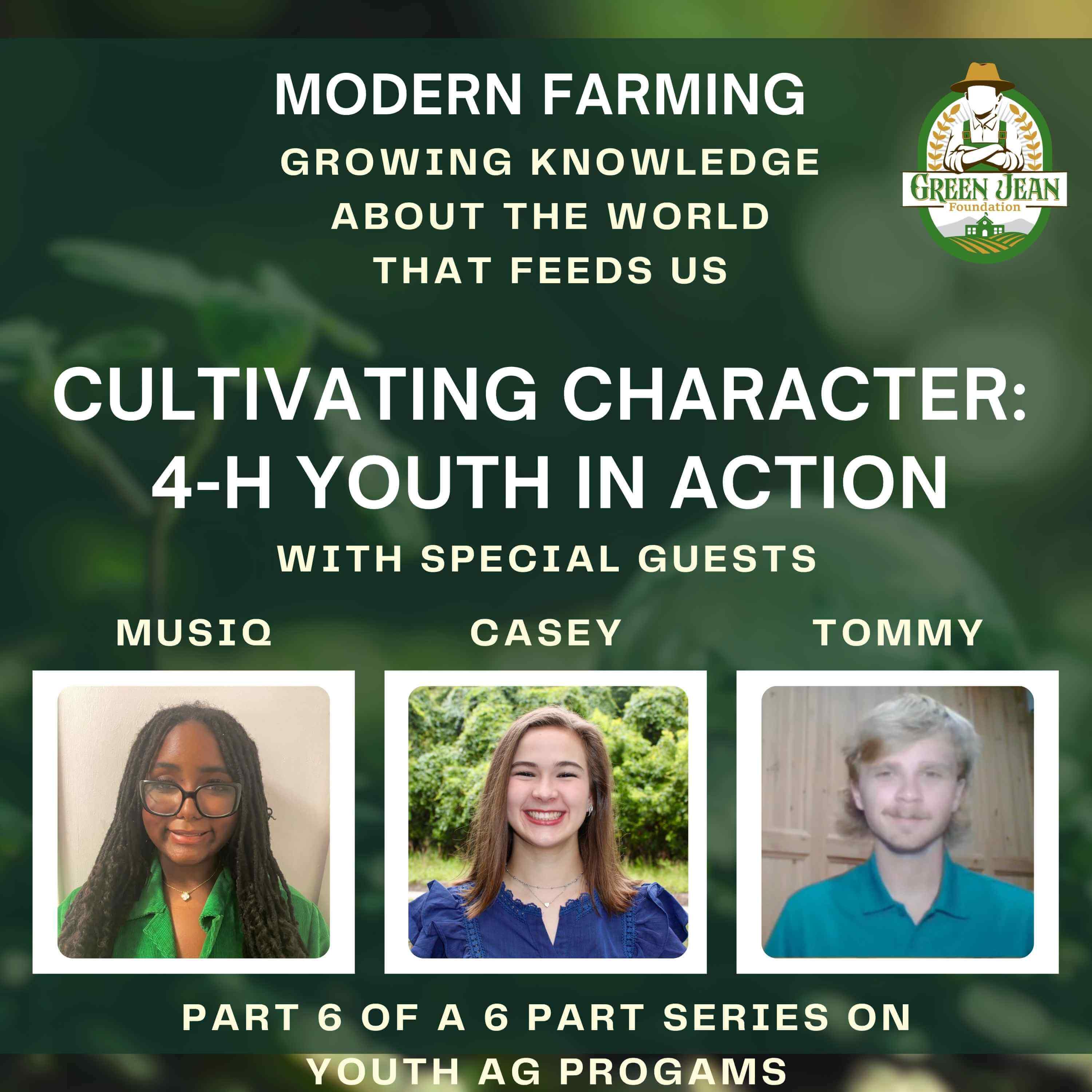
S1 Ep 32Cultivating Character: 4H Youth In Action
📌 Episode Description:In this inspiring episode of Modern Farming, we sit down with three incredible student leaders from Florida’s 4-H program to explore how youth agriculture education is shaping tomorrow’s workforce and cultivating passionate leaders across the state. Whether they’re raising heifers, advocating for ag literacy, or launching urban programs in their schools, these teens are proving that 4-H is more than livestock—it’s a launchpad for life.👩🌾 Featured Guests: • Musiq Williams – Palm Beach CountyA 17-year-old senior at Alexander Dreyfoos School of the Arts, Musiq is a Strings major who has dedicated 7 years to 4-H, participating in poultry, leadership, public speaking, and citizenship projects. She’s most proud of her efforts to expand ag and 4-H programming in her urban school setting. Musiq aspires to become an agricultural lawyer, advocating for farmers and ag education. • Cayce Sullivan – Gilchrist CountyA 17-year-old homeschooled senior with a deep passion for animal husbandry and rural life. Over her 11 years in 4-H, Cayce has dedicated herself to raising heifers and participating in livestock programs. Her goal of becoming a large animal veterinarian is fueled by the hands-on experience and leadership opportunities she’s gained through 4-H, which has played a pivotal role in helping her pursue that dream. • Tommy Hawes – Broward CountyA 12-year veteran of 4-H from the Fort Lauderdale area, Tommy has been a vocal advocate for agriculture education and literacy in his community. His experience in public outreach and legislative advocacy has shaped his goal to pursue a career in ag policy and advocacy.🌾 What You’ll Learn in This Episode: • How 4-H combines traditional agriculture with modern skills like robotics, sewing, photography, economics, and public speaking. • What leadership looks like in practice—from local mentoring to legislative advocacy. • The significance of expanding agricultural education in urban schools and nontraditional settings. • An inside look at the Work Ready Florida program—a grant-funded 4-H virtual club helping teens earn AEST (Agriculture Education Services & Technology) certifications in general and specialized agriculture skills.🔗 Resources Mentioned: • Learn more about Work Ready Florida: https://florida4h.ifas.ufl.edu/youth/4-h-clubs/virtual-clubs/work-ready-florida/ • Explore AEST Certifications: https://aest.ag/🎧 Tune in to hear:Authentic stories of hard work, purpose, and the deep impact of youth leadership programs—straight from the next generation of agriculture leaders. Whether you’re an educator, student, or parent, this episode is packed with inspiration and practical insights into how youth in agriculture are growing more than just crops—they’re growing communities.
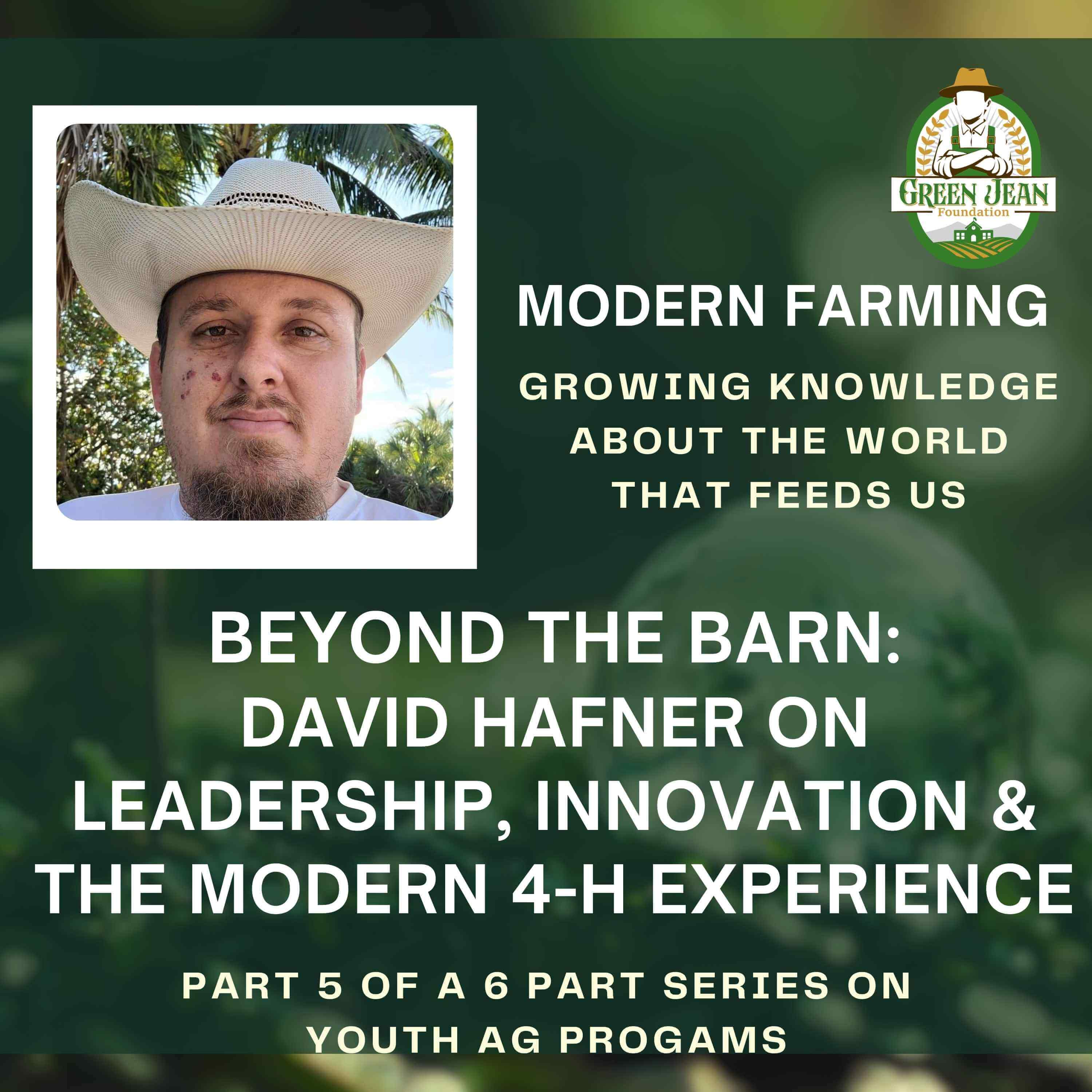
S1 Ep 31Beyond the Barn: David Hafner on Leadership, Innovation, and the Modern 4H Experience
In this inspiring episode of Modern Farming, we sit down with David Hafner, the Martin County 4-H Agent and head of the Florida 4-H State Ambassador Committee. From growing up on a horse ranch to becoming a champion for youth development and leadership, David shares his unique path through agriculture—one that began as a high school senior in 4-H and eventually led him to a career empowering the next generation of ag leaders.David walks us through: • His journey from ranch life to junior leadership, volunteer service, and ultimately becoming a 4-H agent • The pivotal moment he lost access to leased land—and how participating in the PAL program helped him discover a deeper calling in ag mentorship • What a 4-H agent really does, and how the work goes far beyond animals and county fairsHe also gives listeners a look into what 4-H looks like in Martin County today, where students explore everything from STEM and AI to civic leadership and non-traditional ag careers.One highlight? 4-H Legislature, a program where youth take on the roles of lobbyists, senators, media specialists, and even governors to learn the real-world process of writing, debating, and passing bills into law.Whether you’re a parent, educator, or future 4-H’er, this episode is packed with insight into how 4-H helps students build confidence, career readiness, and the skills to lead in any field—not just farming.🎙️ Don’t miss David’s story and his passion for planting seeds of leadership through 4-H.
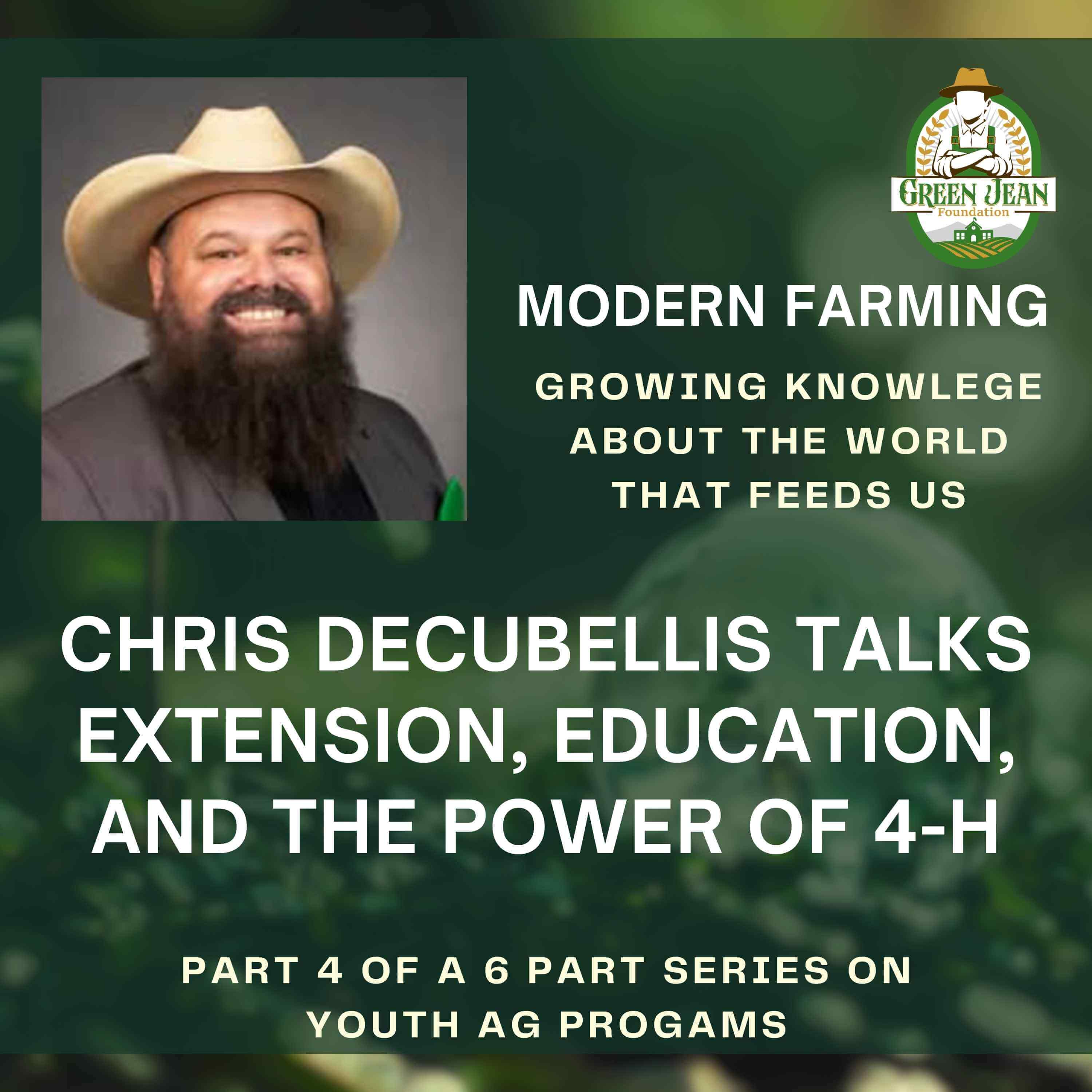
S1 Ep 30Chris DeCubellis Talks Extension, Education, and the Power of 4-H
In this inspiring episode, we sit down with Chris DeCubellis, a seasoned farmer, rancher, and Associate State 4-H Program Leader with the University of Florida’s IFAS Extension. Chris brings a lifetime of agricultural experience to the show, balancing a full-time role in youth development with running a diverse family farm in Florida, where he raises livestock, grows vegetables, and maintains fruit trees.We dig into the history and future of Extension Services, the power of 4-H project-based learning, and how hands-on work helps young people develop skills in leadership, resilience, and career readiness. From in-person clubs to virtual options, 4-H is breaking barriers with technology, making agricultural education more accessible than ever for youth ages 5 to 28. Chris also shares insight into Work-Ready Florida, a new program designed to guide students into agriculture-related careers.Throughout the conversation, Chris emphasizes the vital role that land-grant universities and Cooperative Extension play in youth development, public education, and community resilience. Whether you’re a parent, educator, student, or ag professional, this episode offers a fresh perspective on the programs shaping tomorrow’s food and farming leaders.Topics Covered: • The roots and mission of Cooperative Extension Services • Why 4-H’s Head, Heart, Hands, and Health model still matters • How project work builds confidence and capability in youth • Expanding reach through virtual 4-H clubs and specialized programs • The role of agriculture in workforce development • Importance of land-grant universities and fact-checked, peer-reviewed outreach • Chris’s personal journey as a farmer, educator, and lifelong learnerResources Mentioned: • Florida 4-H Work-Ready Program: https://florida4h.ifas.ufl.edu/youth/4-h-clubs/virtual-clubs/work-ready-florida/ • UF/IFAS Extension Services: https://ifas.ufl.eduFollow & ShareIf you enjoyed this episode, be sure to subscribe, leave a review, and share with anyone who cares about the future of farming and food systems.
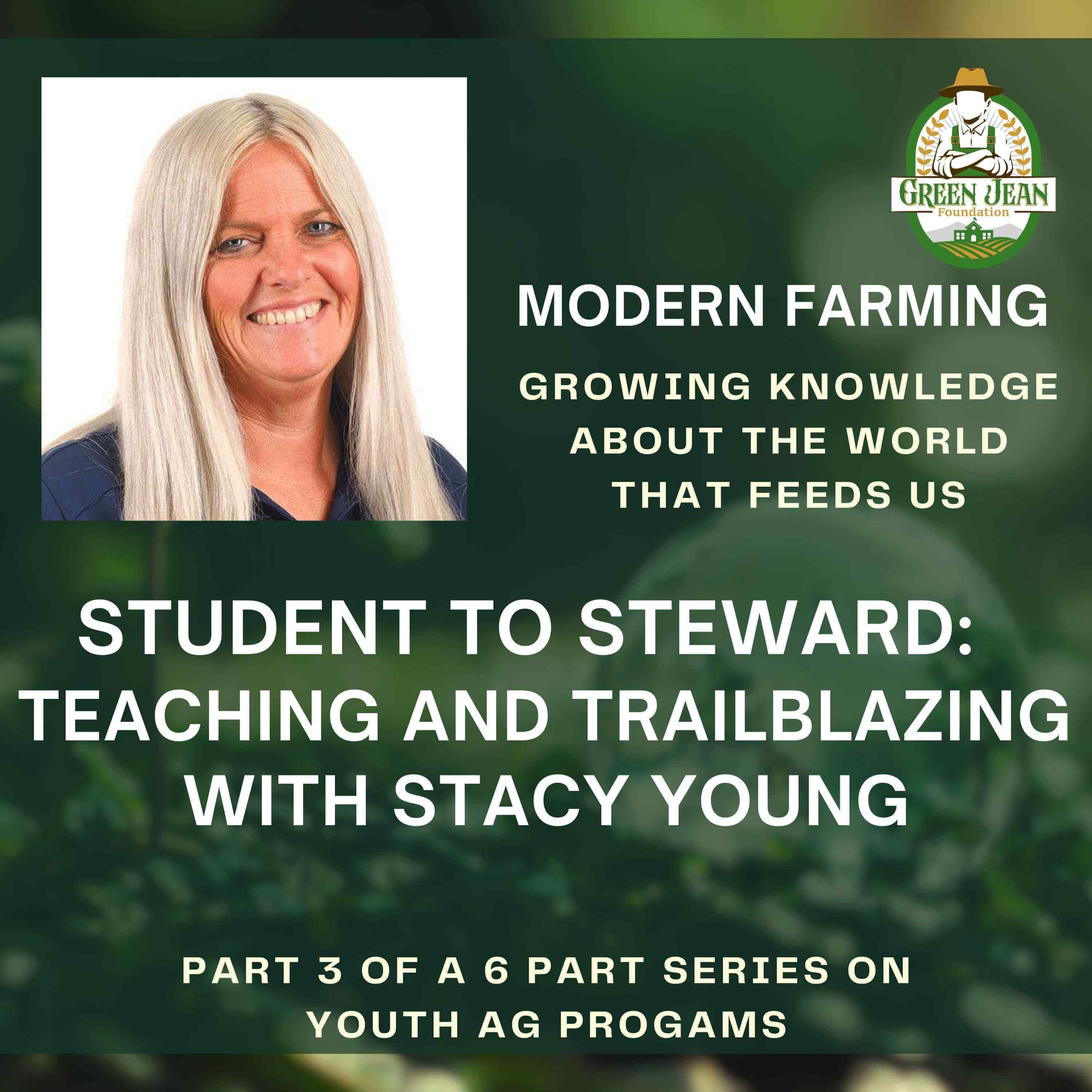
S1 Ep 29From Student to Steward: Teaching and Trailblazing with Stacy Young
In this inspiring episode of Modern Farming, we sit down with Stacy Young, a powerhouse educator and advocate for agricultural literacy and hands-on learning. Stacy is the agriculture teacher and FFA advisor at Branford High School, where her influence stretches far beyond the classroom. As a National FFA Teacher Ambassador and Agriscience Ambassador, she brings national-level insights to a local program that’s shaping the future of farming in Suwannee County, Florida.🌱 In this episode, you’ll hear about: • Stacy’s journey from high school FFA member to becoming Branford’s first female ag teacher, and how her own teacher sparked a lifelong career. • The dynamic, student-driven programs she leads—including greenhouse and aquaponics systems, a full shop for ag mechanics projects, and job training tied directly to real-world agricultural careers. • How her students stay busy through summer managing family farms, research projects, and tending to 4.5 acres of maize and peanuts, plus barnyard animals like sheep, pigs, donkeys, and ducks. • Her use of tools like the AEST Smart Growing System and GPS-integrated planting methods to prepare students for the future of ag technology. • The remarkable stat that 1 in every 3 students at Branford High School is enrolled in the ag program—and how Stacy has expanded offerings all the way to the middle school level.Whether you’re an educator, a parent, or just passionate about the future of food and farming, Stacy’s story will inspire you to see agriculture as a powerful platform for leadership, innovation, and legacy.🎧 Listen now, and don’t forget to subscribe!
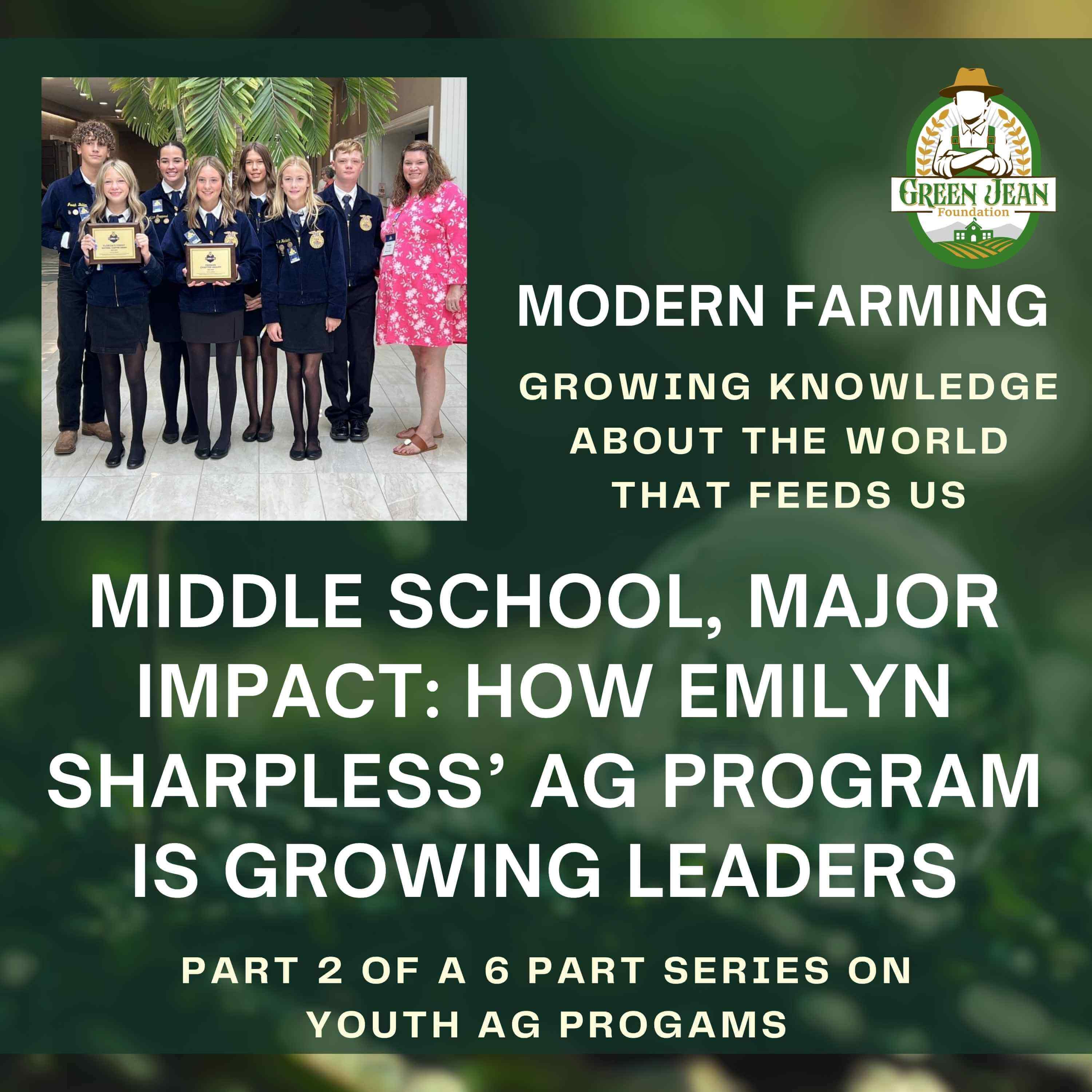
S1 Ep 28Middle School, Major Impact: How Emilyn Sharpless' Ag Programs is Growing Leaders
In this episode, we’re joined by Emilyn Sharpless, a dynamic agricultural educator at Bok Academy in Lake Wales, Florida. With 10 years of teaching experience—six of those spent transforming Bok’s ag program—Emilyn shares how she rebuilt the curriculum from the ground up to align with FFA standards and student-driven learning. Her efforts paid off: Bok Academy was recently named one of Florida’s Finest FFA Chapters and is a National Chapter Finalist heading to national competition.We explore how Emilyn engages her 185+ middle schoolers daily across six packed classes (with a student waitlist!) through a fully student-run program. From managing animals and greenhouse operations to using professional-grade equipment, her students gain hands-on experience and ownership in every aspect of their education.Emilyn also reflects on her own journey—from FFA student to ag teacher—and what it means to guide the next generation of leaders. We dive into the high demand for ag teachers, the importance of land labs and contests in FFA, and how passion, mentorship, and real-world application are at the heart of her classroom.If you care about agricultural education, FFA, or inspiring future farmers and leaders, this is a conversation you don’t want to miss.
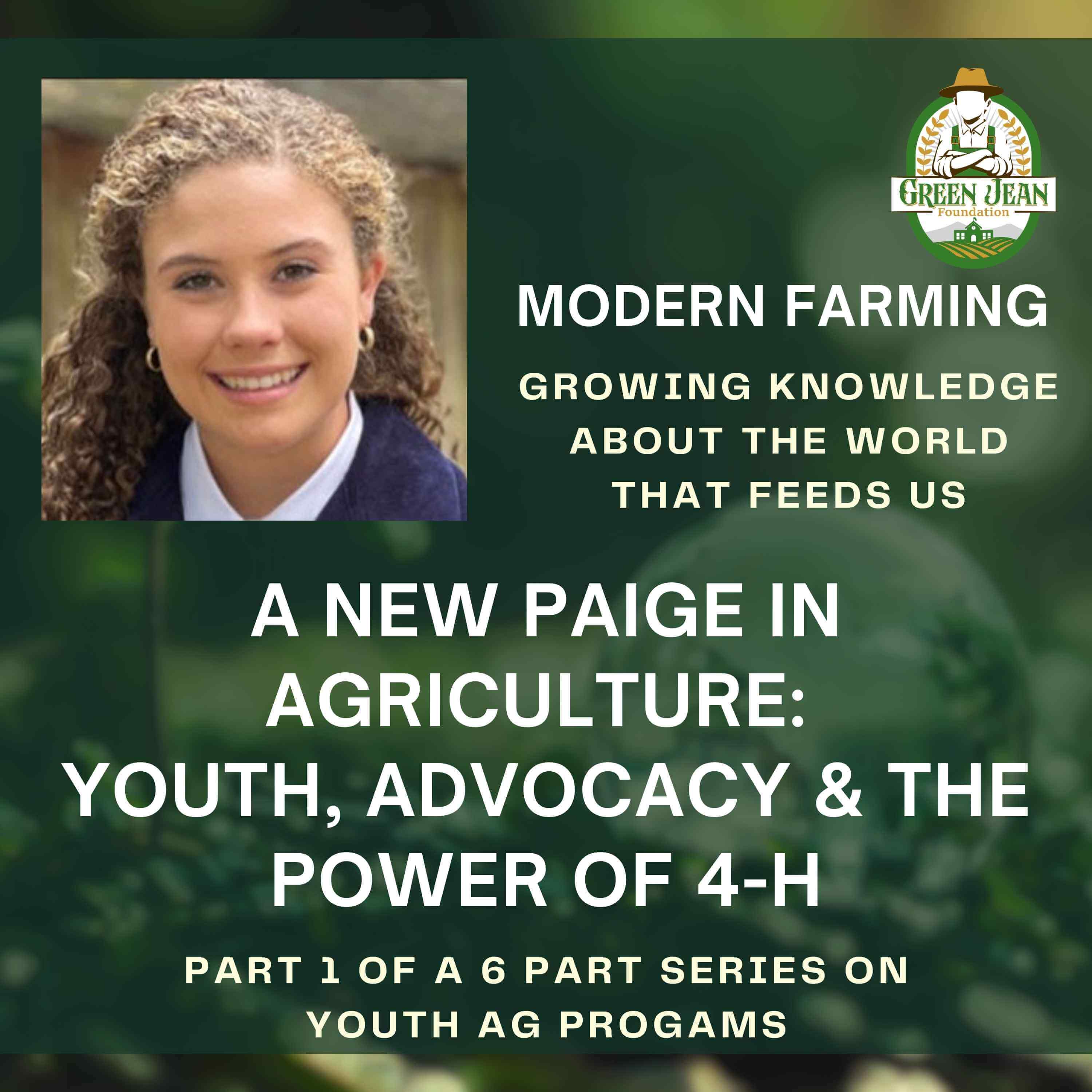
S1 Ep 27A New Paige: in Agriculture: Youth, Advocacy, and the Power of 4-H
In this episode of Modern Farming, we sit down with Paige Cruse, a proud seventh-generation cattle rancher from South Florida who’s making big waves as a youth ag leader, storyteller, and advocate for American agriculture.As a Florida FFA Star Farmer Finalist, Agricultural Communications SAE Finalist, and Extemporaneous Public Speaking State Champion and National Reserve Champion, Paige shares how she’s spent the last six years using her voice—and her platform—to stand up for the people who feed us all.We talk about: • Paige’s early journey in 4-H and how it shaped her commitment to agriculture • Her experiences in FFA and the impact of ag education in and out of the classroom • Why she started FrontPaigeAg.com and what drives her to speak up for producers • How writing for AgDaily helps her educate consumers and build trust in U.S. food systems • Her belief that boots-on-the-ground agriculture is essential to national food security • Plans for the future—and how she’s continuing to tell ag’s storyPaige reminds us that agriculture is more than a lifestyle—it’s a legacy. Tune in to hear how one high school senior is already making a nationwide impact through words, action, and heart.🎧 Listen now, and don’t forget to follow Paige at FrontPaigeAg.com#ModernFarming #Agvocacy #FrontPaigeAg #WomenInAg #FFA #RanchLife #YoungFarmers #AgEducation #SupportFarmers
S1 Ep 26Classical Roots: Agriculture Education at Independence Classical Academy, Fort Pierce, FL
In this episode, we sit down with Brooke Holcomb, the dynamic voice behind media and marketing at Independence Classical Academy, a public charter school in Fort Pierce, Florida. With plans to grow from a current K–9 school of 650 students to a full K–12 campus serving over 1,500, Brooke shares how agriculture and outdoor learning are deeply rooted in the school’s classical education model.We explore: • 📚 What a classical education really looks like—no tablets, no distractions—just deep, meaningful learning. • 🌱 How school gardens, pollinator habitats, and hands-on ag classes are teaching kids practical life skills. • 🐄 The exciting plans to build an animal barn as part of the high school expansion, giving students a chance to raise and possibly show livestock. • 💧 Future goals like aquaculture programs, an FFA chapter, and even entrepreneurial opportunities for students to sell their garden produce. • 💡 The vision for after-school ag clubs and experiential learning that connects kids to nature and to their food. • 💰 The challenges of funding and how the school is creatively tackling resource limitations.Brooke also shares her personal ties to agriculture—having married into a multigenerational family rooted in citrus, cattle, and timber, and now raising a sixth-generation ranch kid on their 40-acre property where they keep a small herd of cattle.
S1 Ep 25Florida Farm School: Connecting Kids to Nature, Confidence, and Community
In this heartfelt episode, we sit down with Sarah Jones, founder of Florida Farm School, to explore how one woman’s vision turned a simple piece of land into a transformative learning environment for children. Born from a deep respect for nature and a desire to help kids reconnect with the world around them, Florida Farm School is a place where education, healing, and agriculture meet.🌿 What You’ll Hear in This Episode: • How the challenges of the COVID-19 pandemic inspired Sarah to create an indoor petting store—and how that pivot laid the groundwork for something much bigger. • Sarah’s journey from personal sacrifice to purpose, fueled by the healing power of nature and the unique, profound connection between children and animals. • Why working with non-verbal and special needs children opened her eyes to the emotional and developmental strength farm experiences offer. • How farm chores, feeding animals, and making butter build more than just skills—they build resilience, confidence, and teamwork. • The role of agriculture as a healing industry—a place where love, loss, and responsibility create opportunities to grow emotionally and spiritually. • A real look at sustainability and where food comes from, shared in age-appropriate, hands-on ways that make kids feel empowered and engaged. • The importance of community in farming and in life, and why Sarah believes kids are naturally curious, compassionate, and ready to learn when given the chance.🐐 Key Takeaway:At Florida Farm School, nature is the teacher—and every child is given the space to grow, take risks, care for animals, and learn the real-life lessons that don’t come from textbooks. It’s a place of love, learning, and legacy.🌾 Join Us as we dig into how Sarah Jones is planting seeds—both literally and figuratively—for a stronger, kinder, more connected generation.
S1 Ep 24Planting Seeds of Curiosity: How One Teacher Is Growing Ag Education
In this inspiring episode, we chat with Tiffany Gallegos, a dedicated educator with 21 years in the classroom, who has taken her passion for agriculture and turned it into a hands-on learning journey for her students. What began as a classroom visit from Florida Ag Experience sparked a mission to connect kids with agriculture beyond the textbook.Tiffany shares how she started an ag club as a passion project to bring experiential learning into her school. With no formal ag program in place, she saw agriculture as a perfect vehicle for integrating science, math, reading, and social studies—and wanted to make these kinds of resources available to other teachers, especially the free ones!Through farm field trips, hatchling projects, and food-based lessons, Tiffany’s students have: • Picked blueberries and made pancakes and muffins from scratch • Toured a processing facility and pulled fresh potatoes from the soil • Visited Dakin Dairy to learn about milk production • Hatched their own chickens, bringing life science lessons full circleHer creative, out-of-the-box approach proves you don’t need a formal ag program to make agriculture part of everyday learning. Tiffany encourages other educators to think beyond the mandated curriculum and explore the field—literally!🔗 Tune in to learn how you, too, can plant the seeds of curiosity and growth in your students with accessible ag resources and real-world learning.#AgEducation #FloridaAgExperience #FarmToClassroom #ExperientialLearning #DakinDairy #STEMthroughAg #GrowWithAg #ChickenHatchProject #FoodLiteracy #BlueberryPicking #FloridaTeachers
S1 Ep 23Florida Ag Experience or Two Blonde Heifers: Florida Dairy Delivered Directly
In this entertaining episode, we meet Courtney and Jennifer, AKA Two Blonde Heifers - the dynamic duo behind the Florida Ag Experience, a Florida-based mobile classroom bringing dairy education directly to schools and fairs. Inspired by the Southwest Dairy Farmers in Texas, they launched their trailer three years ago to teach kids and consumers the truth about dairy—from “cow to counter.” Based at Dakin Dairy, Florida’s only dairy with on-site bottling and public tours, they combine hands-on learning with engaging presentations to promote agriculture literacy.Florida dairy faces unique challenges—rising costs, extreme heat, misinformation, and shrinking farm numbers, with only about 40 dairy farms left in the state, most housing fewer than 50 cows. Despite these obstacles, the Heifers emphasize that community outreach, agrotourism, and product diversification (like creameries and cheese production) are key to survival. They also remind us how vital it is for consumers to understand their purchasing power: by supporting local producers, staying informed about ag policy, and choosing Florida dairy, people can help sustain these family farms.With support from sponsors, the Florida Ag Experience offers free or reduced-cost visits to schools. Along the way, they sprinkle in fun facts—did you know it takes 345 squirts to fill a gallon of milk?—and reveal just how disconnected some people are from their food system. Common questions at fairs often include confusion about whether only female cows produce milk or mistaking milk for other bodily functions. Their mission is clear: reconnect people to where their food comes from—one classroom, one cow, and one story at a time.📧 Want to bring the trailer to your school or event? Contact [email protected]🔗 Choose to purchase local milk: WhereIsMyMilkFrom.com
S1 Ep 22AI Meets AG: Bringing Technology to the Ag Classroom
In this episode, we explore how artificial intelligence is reshaping both agriculture and education—starting right in the classroom. From diagnosing plant diseases to predicting nutrient deficiencies, AI is helping students and future farmers see agriculture through a high-tech lens.Discussion includes:🌾 How AI is being introduced into agricultural education🧠 AI’s role in identifying healthy vs. diseased crops💸 The cost of disease treatment and the value of early detection👨🌾 Why agronomists are key partners in plant health management💰 The ongoing challenge of funding—how grants and local support keep programs running🌿 The role of plant and tissue sampling in spotting nutrient deficiencies🤖 How emerging technologies may reduce manual labor—but must still overcome traditional mindsetsWhether you’re an educator, student, or grower, this conversation dives into how innovation is transforming ag education—and what we still need to move forward.
S1 Ep 21Community Agriculture in Action: 15th Street Farm, St. Petersburg, FL
In part two of Community Farming Podcast’s Community Agriculture in Action, we’re joined by Emmanuel Roux, founder of 15th Street Farm in downtown St. Petersburg, Florida. What started as a therapeutic garden for a drug and alcohol recovery center has grown into a thriving urban organic educational farm, connecting people—especially kids—with nature, healthy food, and each other.🔍 In This Episode, We Discuss: • 🌱 The origin story of 15th Street Farm and its roots in recovery and healing • 🏙️ How a half-acre urban farm became a hub for community, education, and culture • 🍽️ The power of family-style meals and cultural culinary experiences to bring people together • 🧑🌾 Their work with school gardens (15 and counting!), home garden installs, and healthy eating education • 🌿 The importance of compost, soil health, and biologics in regenerative agriculture • 💡 Principles of Korean Natural Farming and organic, chemical-free growing • 🧬 “We are what we eat ATE”—rethinking nutrition from the ground up • ♻️ How composting city yard waste helped transform nutrient-poor sand into fertile growing soil • 🍲 The 2023 addition of a commercial kitchen and event space, now hosting themed dinners, tours, and cooking classes • 💚 How hospitality, entrepreneurship, and community-building are core values of the farm • 🎯 The farm’s guiding belief: “Good food is the product of healthy soil”💥 Why This Matters:Food is more than fuel—it’s culture, community, and connection. Emmanuel and his team are nurturing future generations by showing the deep relationship between soil health, nutrient-dense food, and wellness. Their work not only educates but empowers people to grow, cook, and enjoy food in ways that heal both body and earth.✨ Tune in to hear how 15th Street Farm is cultivating change—one garden, one meal, and one student at a time.To learn more about the 15th Street Farm, visit https://www.15thstfarm.com
S1 Ep 31Community Agriculture in Action: Hope Center Blue Island, Chicago
In the next Modern Farming podcast series, Community Agriculture in Action, we head to Chicago’s South Side to spotlight Hope Center Blue Island—a nonprofit born on the eve of the pandemic that has since blossomed into a community cornerstone. What began as a church has grown into a vibrant, community-driven nonprofit focused on economic development, intellectual growth, and healthy living, especially for teens and low- to moderate-income families.With a community garden at its core, Hope Center is redefining what it means to grow food—and grow people—in an urban environment. Through three key focus areas—tackling food insecurity, promoting healthy eating and active living, and offering hands-on learning through a mechanics program—they’re empowering the next generation to take ownership of their health, their community, and their future.What You’ll Learn: • How the garden acts as a classroom for teens to develop life skills like responsibility, teamwork, and care for their environment. • The challenges of reconnecting urban dwellers to the origins of their food—and why it matters. • Why many urban communities are both food deserts and food insecure—and what that means. • How the Maker’s Lab brings a whole new level of innovation—turning fresh produce into shelf-stable products while teaching value-added skills. • How gardening cultivates not only food, but also a sense of agency, accountability, and leadership among teens. • The Center’s visionary next steps: developing eco-friendly, affordable microhomes and establishing food forests to deepen their roots in sustainable living.Key Takeaway:Hope Center Blue Island is more than a garden—it’s a movement. By investing in youth, building community resilience, and planting seeds of sustainability, they’re helping a new generation reclaim lost agricultural knowledge and reimagine what’s possible in urban spaces.Learn more about how gardens grow more than food—they grow hope.Visit Hope Center Blue Island online:[email protected]@[email protected]: https://hopecenter.tv/Facebook: Hope Center of Blue Island
S1 Ep 20Food for Thought: What It Is, What It Isn’t, and Why It Matters
In this special recap episode of the Modern Farming Podcast, we bring together two powerful conversations from our What Is and Isn’t in Your Food series to highlight one essential truth: you don’t have to be a farmer to care about agriculture. The health of our soil directly impacts the health of our food—and ultimately, the health of you.Episode Highlights:We revisit key insights from two groundbreaking episodes: 1. “What Your Food Is and Isn’t” with David R. Montgomery and Anne Bikle This thought-provoking conversation explores how soil depletion affects crop quality, nutrient density, and public health. David and Anne walk us through how regenerative practices restore soil biology and why healthy soil isn’t just good for farms—it’s essential for long-term human well-being. 2. “Defining Nutrient Density” with Dan KittredgeDan breaks down the science behind nutrient-dense food—explaining why food grown in living, biologically active soil is more flavorful, more nourishing, and more resilient. Backed by ongoing research and field data from the Bionutrient Food Association, this episode showcases how soil health can be measured, improved, and made visible to consumers.Why This Matters for Everyone—Not Just Farmers:Whether you’re a parent, a teacher, or someone simply trying to eat well, understanding what’s in your food—and how it got there—is key to your health. These episodes emphasize that support for healthy soil is support for your own body. And this isn’t just theory—it’s supported by real data showing how soil quality influences nutrient density and food system resilience.What You’ll Learn in This Recap: • Why healthy soil = healthy people • How soil biology and regenerative practices are changing the game • How new data and technology are making food quality measurable • Why consumers have the power to shift the system—starting with knowledgeTune in now for a deep dive into why what’s beneath your food matters just as much as what’s on your plate.⸻Want more information? Check out the full episodes: • “What Your Food Is and Isn’t” with Anne Bikle & David Montgomery - https://youtu.be/NQ-nXvE5eFI • “What Is and Isn’t in Your Food: Defining Nutrient Density” with Dan Kittredge - https://youtu.be/mSoynEHEN-E
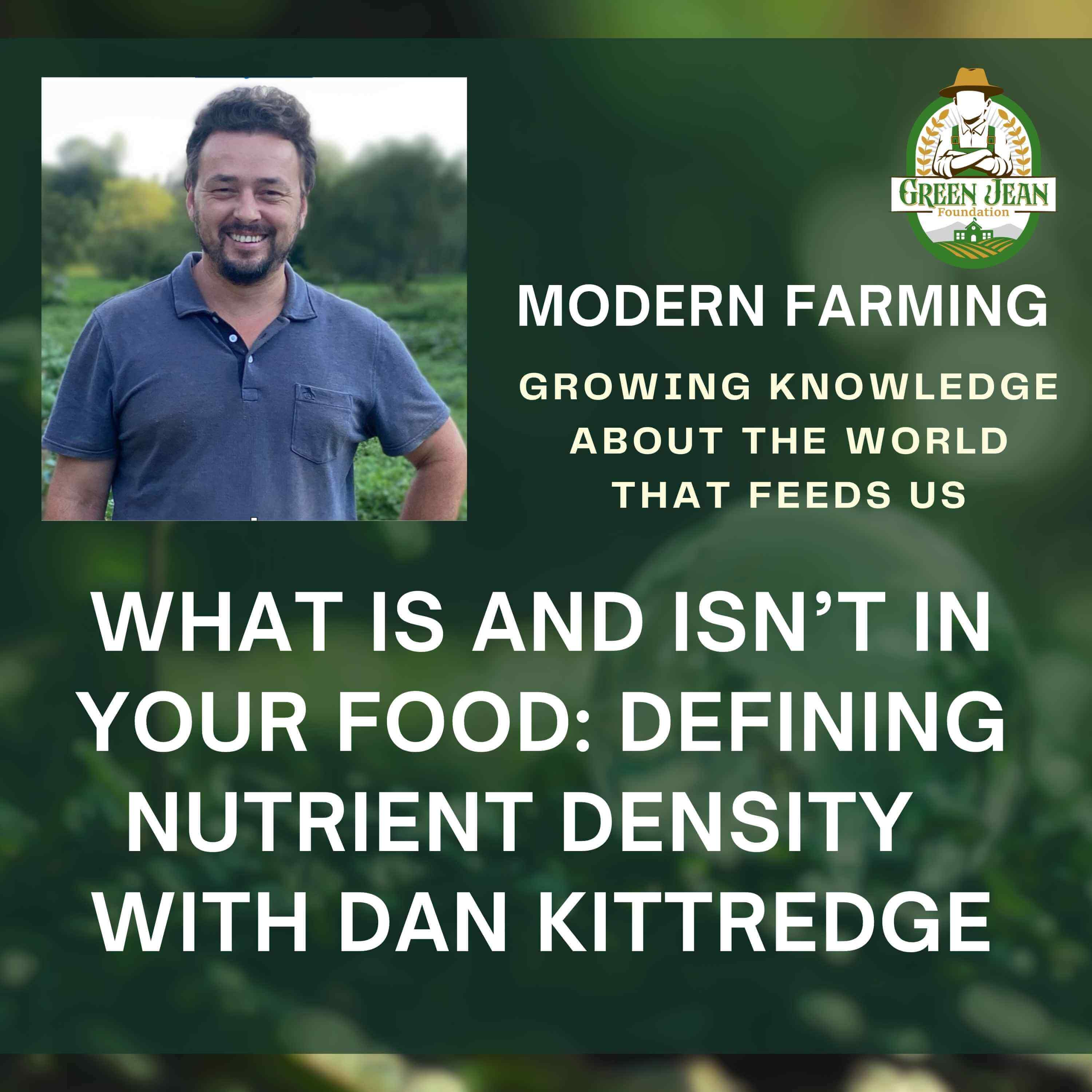
S1 Ep 19What Is and Isn't In Your Food Dan Kittredge
In this "What Is and Isn't In Your Food: Defining Nutrient Density" episode, we sit down with Dan Kittredge, a regenerative organic farmer and founder of the Bionutrient Food Association (BFA), to unpack a concept that’s changing the way we think about food: nutrient density.Dan coined the term nutrient density back in 2007, and since then has dedicated his life to helping farmers and consumers understand what makes food truly nourishing. It’s not just about calories or labels—it’s about the flavor, aroma, and nutritive value of the food we grow and eat.🔬 What You’ll Learn: • What nutrient density really means, and why it matters for both human and planetary health. • How nutrient-dense foods are: • More flavorful and aromatic 🍓 • Healthier for consumers 💪 • More resilient to pests and diseases 🌾 • Cheaper to produce and better for farmers’ bottom lines 💰 • Linked to improved soil health, shelf life, and long-term sustainability 🌎 • Why enlightened self-interest from consumers can shift purchasing habits—and how a hand-held spectrometer (yes, a Bionutrient Meter!) could soon be integrated into your phone’s camera to measure nutrient density at the store. • Holistic, systemic solutions emerge when we manage for nutrient-rich crops.🧪 The Research:Since 2016-17, Dan and his team at the Bionutrient Institute have been partnering with open-source science innovators like Our-Sci and FarmOS to: • Measure nutrient density across diverse crops • Understand the drivers of nutrient variation • Build and deploy consumer-facing tech that can measure food quality on the spotTheir long-term vision? A food system where quality is transparent, regenerative practices are rewarded, and agriculture contributes to reversing both chronic disease and climate change.🌍 About Dan Kittredge:Dan grew up farming at Many Hands Organic Farm in Massachusetts and has spent over 30 years working on food and seed sovereignty globally. Through the BFA, he leads educational workshops, global speaking engagements, the annual Soil & Nutrition Conference, and is developing an online course to further spread knowledge about biological systems and nutrient-dense growing.📲 Connect with BFA: • Facebook: Bionutrient Food Association • Instagram: @bionutrientfoodassociation • YouTube: Bionutrient Channel • LinkedIn: Bionutrient on LinkedIn🔔 Subscribe to Modern Farming for more conversations that are shaping the future of food.Have thoughts or questions about nutrient density? Tag us and Dan on social with #ModernFarmingPodcast!
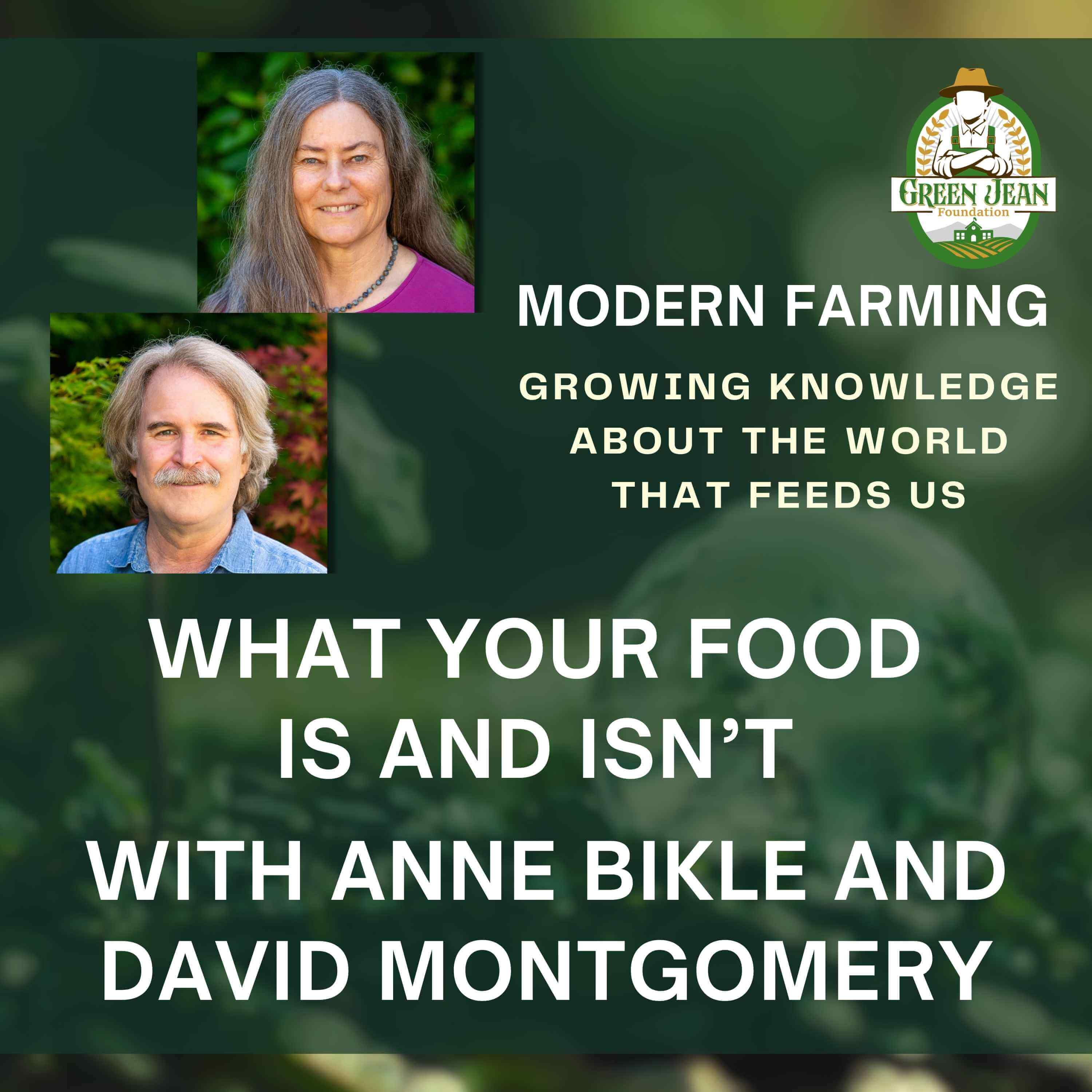
S1 Ep 18What Your Food Is and Isn't with Anne Bikle and David Montgomery
n this episode of Modern Farming, What your Food Is and Isn't with Anne Bikle and David Montgomery, we dig into what’s really beneath our food—starting with the soil. Joined by husband-and-wife team David R. Montgomery and Anne Biklé, we explore how both natural processes and human practices like conventional agriculture have contributed to widespread soil depletion, and what that means for the future of farming and our health.David, a MacArthur Fellow and professor of geomorphology at the University of Washington, is a broad-minded geologist who studies how earth processes shape ecosystems and societies. Anne, a free-range biologist, science writer, and regenerative gardener with a serious case of “plant lust,” brings deep insight into how soil health connects to human health and nutrition. Together, they’ve authored several acclaimed books, including What Your Food Ate, which builds on their trilogy about soil, microbiomes, and sustainable farming.We talk about why it’s difficult to get farmers to change practices that seem to be working—especially when peer-to-peer knowledge often carries more weight than supplier advice. But as David and Anne explain, regenerative methods that feed the soil not only work in practice—they can also improve profitability while reducing agriculture’s environmental footprint. The challenge lies in overcoming inertia, rethinking incentive structures, and showing the evidence that healthy soil produces more nutrient-dense food.Topics Covered: • How soil depletion affects crop quality and human health • Feeding the soil vs. feeding the plant: why it matters • Barriers to change: behavioral, informational, and economic • How farming practices influence nutrient density in food • Key nutritional factors tied to soil health: micronutrients, phytochemicals, fat balance, and microbial metabolites • Microbiomes and their essential role in host biology—why a healthy microbiome matters for plant, animal, and human function • Managing inflammation and health outcomes through better food system choices • The ripple effect: healthy soil → healthy plants → healthy peopleKey Takeaway:How our food is farmed doesn’t just impact the environment—it shapes the nutrition on our plates and the health of future generations. With the right knowledge, practices, and incentives, we can shift toward a system where healthy soil means healthy people.🎧 Tune in and rethink what your food is… and isn’tLearn more at https://www.dig2grow.com/Books Links:Dirt: The Erosion of Civilizationhttps://www.indiebound.org/search/book?keys=dirt+erosion+of+civilizationsThe Hidden Half of Naturehttps://www.indiebound.org/search/book?keys=the+hidden+half+of+natureGrowing a Revolution: Bringing Our Soil Back to Lifehttps://www.indiebound.org/search/book?keys=Growing+a+RevolutionWhat Your Food Atehttps://www.indiebound.org/search/book?keys=what+your+food+ate
S1 Ep 17DIrt to Dinner: the Final Bite
In this recap of the Dirt to Dinner series, Brad and Nick reflect on their conversations with two trailblazers in regenerative agriculture—Dr. Jonathan Lundgren from Ecdysis Foundation and Will Harris of White Oak Pastures.Brad shares firsthand insights from his time with Dr. Lundgren and his research team, who spent over a week in Florida gathering data on soil health, biodiversity, and regenerative farming practices. He highlights the depth of John’s research and the collaborative effort it takes to push agricultural science forward.The conversation then shifts to White Oak Pastures, where Brad describes his visit as an almost spiritual experience—watching Will Harris’s cattle seamlessly rotate through pastures in a way that mimics nature’s design. Nick and Brad dive into the challenges both guests face in their mission to reshape the food system, emphasizing the passion and perseverance required to lead the regenerative movement.As Dirt to Dinner comes to a close, Brad and Nick give a sneak peek at what’s next for Modern Farming. The upcoming episodes will shift toward the intersection of food and nutrition, featuring expert guests who will share valuable insights into how farming practices impact the quality of the food on our plates.Don’t miss this episode as we wrap up a powerful series and gear up for more conversations that dig deep into the world that feeds us!🎧 Listen now on YouTube, Spotify, Apple Podcasts, or your favorite podcast platform.https://www.bluedasher.farm/https://whiteoakpastures.com/
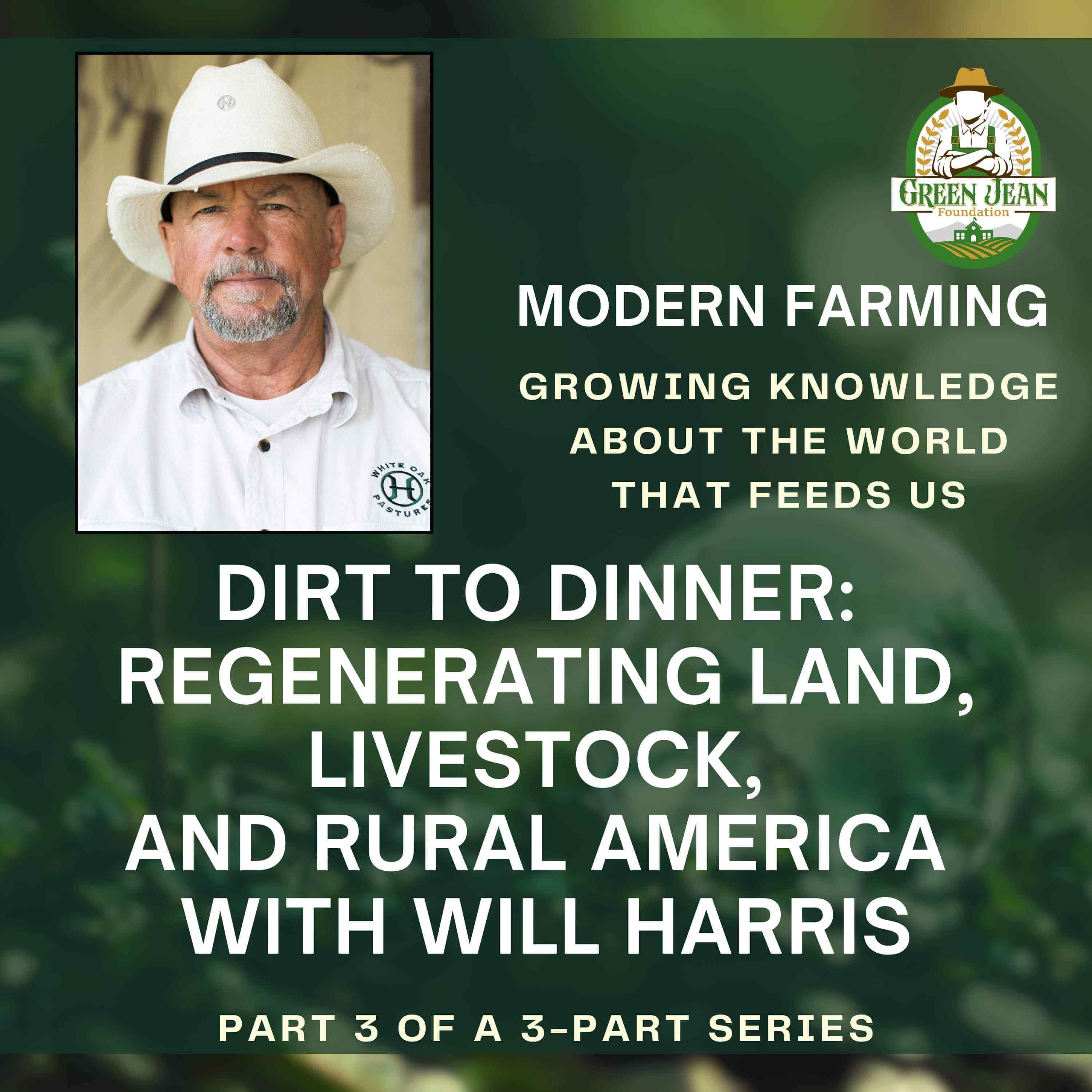
S1 Ep 16Dirt to Dinner part 3: Regenerating Land, Livestock, and Rural America with Will Harris
Guest: Will Harris, fourth-generation cattleman and owner of White Oak Pastures, a pioneering regenerative farm in Bluffton, Georgia.Episode Overview:In the final installment of Dirt to Dinner on the Modern Farming podcast, we sit down with Will Harris, a leader in regenerative agriculture who transformed his family’s farm from an industrialized cattle operation into a sustainable, pasture-based, vertically integrated farm. Will shares his journey of moving away from conventional farming methods and embracing humane animal husbandry, environmental sustainability, and rural community revitalization.Topics Covered:✔️ The History of White Oak Pastures – From industrialized cattle farming to regenerative agriculture.✔️ Indicators of Land Health – Earthworms, plant diversity, soil organic matter, and more.✔️ The Importance of Allowing Animals to Exhibit Natural Behaviors – How rotational grazing and multispecies farming contribute to ecosystem health.✔️ Revitalizing Bluffton, Georgia – The economic and social impact of regenerative farming on a rural community.✔️ The Challenges & Rewards of Regenerative Agriculture – Why it’s a high-risk, low-reward model in the short term but leads to long-term health, ecological, and rural revival benefits.✔️ Farm Operations & Land Management – Managing 5,000 acres, moving cattle daily, and rotating species strategically.✔️ Education & Outreach – White Oak Pastures’ 501(c)(3) nonprofit and internship programs for training the next generation of regenerative farmers.✔️ The Three-Legged Stool of Farming Success – Balancing production, processing, and marketing to create a thriving farm business.About White Oak Pastures:A six-generation family farm dedicated to regenerative agriculture, White Oak Pastures raises 10 species of livestock, produces organic vegetables, and operates on-farm red meat and poultry abattoirs—one of the only farms in the U.S. to do so. With 155 employees, the farm is not just regenerating land but also rebuilding the rural community of Bluffton, Georgia.🔗 Learn More: White Oak Pastures Website https://whiteoakpastures.com/White Oak Pastures Farm - White Oak Pastures is a six-generation family farm in south Georgia, pasture-raising 10 species of livestock, eggs, organic vegetables, honey, and other things. We do this on almost 5,000 acres of land, in a radically traditional way. White Oak Pastures is Radically Traditional Farming. Every day, we butcher meat from animals raised in a regenerative manner using humane animal management practices. This is no easy task, but it is our passion. To operate our vertically integrated, zero-waste model, it takes 155 caring people working together to accomplish a common goal: taking care of our land and our livestock. We are one of the only farms in the United States that have both red meat and poultry abattoirs on our farm. The uniqueness of these two enormous investments demonstrates White Oak Pastures' commitment to regenerative agriculture. We don’t just talk the talk, we walk the walk. White Oak Pastures is rebuilding the Bluffton Community. Rural communities like our village of Bluffton, Georgia, had been the backbone of our culture. But, for the last two generations, they have been sinking into oblivion. This is because they were made irrelevant by the industrialized, centralized, and commoditized farming system. In the last ten years, the impact of our farm on this small town of 100 people has been dramatic. We now employ 155 good people who are eating, shopping, and living in Bluffton. Farming must not only be sustainable; it has to be regenerative. White Oak Pastures' system effectively captures soil carbon, offsetting a majority of the emissions related to beef production.
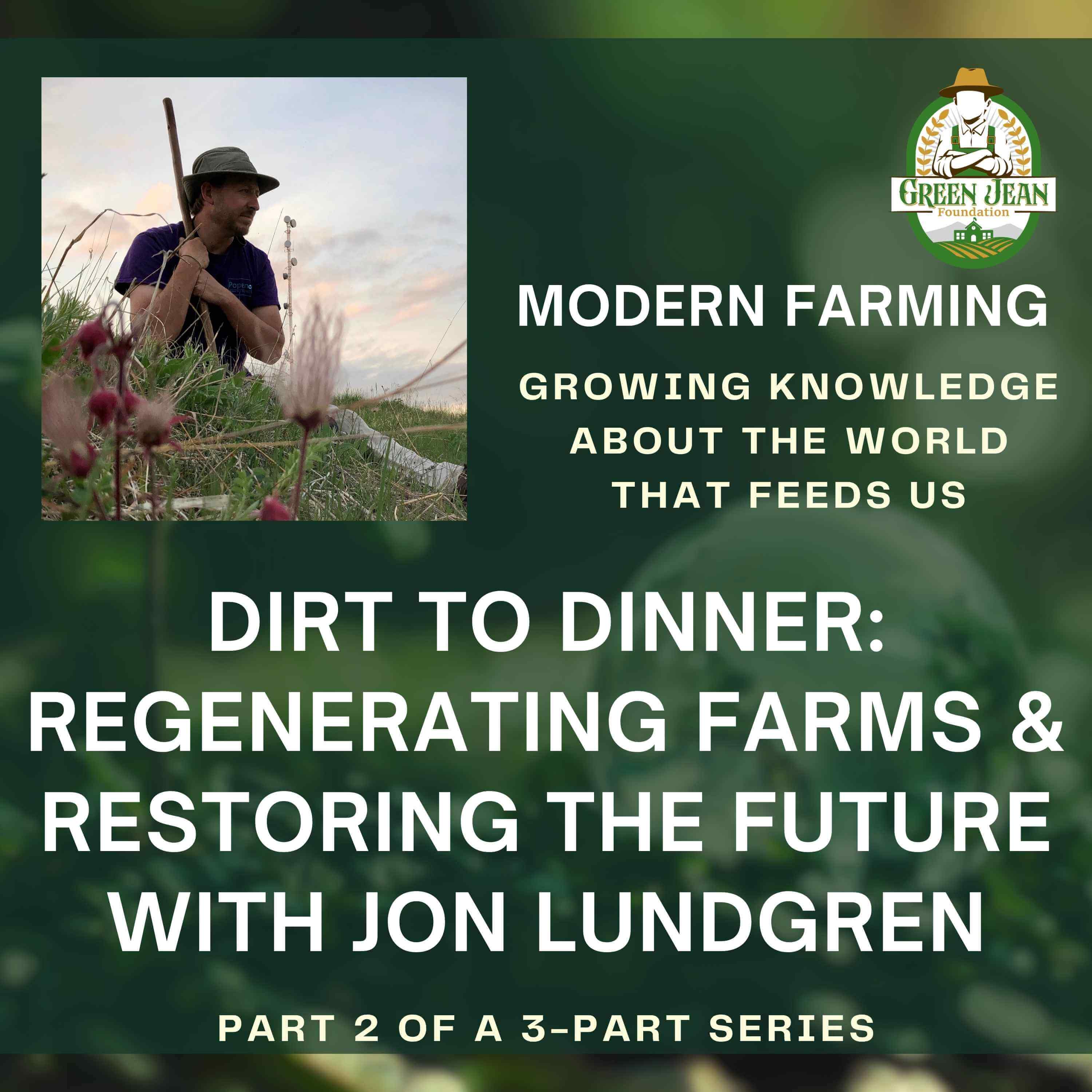
S1 Ep 15Dirt to Dinner part 2: Regenerating Farms and Restoring the Future with Jon Lundgren
In this second installment of the Dirt to Dinner series, we welcome agroecologist Dr. Jonathan Lundgren, Executive Director of Ecdysis Foundation and CEO of Blue Dasher Farm. Jon’s groundbreaking research is reshaping the future of agriculture, demonstrating how regenerative farming can restore ecosystems, improve farm profitability, and transform rural communities.In this episode, Jon shares his journey into regenerative agriculture and the science behind it, focusing on the 1000 Farms Initiative, which studies food production across 35 crop systems and multiple livestock systems to gain an in-depth understanding of the nation’s food system.Key Topics Discussed:🌱 How regenerative farming creates more nutritious food, better profits, and healthier ecosystems🐞 Why pests aren’t the problem—they’re a symptom of deeper soil health issues💰 The financial and environmental benefits of regenerative agriculture, including its potential to break cycles of farm debt🌾 The importance of cover crops, biodiversity, and soil health in creating resilient, productive farms📊 Data-backed evidence showing how regenerative practices improve biodiversity, rural community resilience, and food quality while also reducing health risks and increasing carbon sequestrationJon challenges traditional agricultural mindsets, explaining why some growers are hesitant to embrace regenerative methods and how shifting to this approach could revolutionize farming for future generations.🎧 Tune in for an insightful discussion on the power of regenerative agriculture and how it’s shaping the future of food!🔜 Stay tuned for Part 3 of the Dirt to Dinner series, where we continue the discussion with Will Harris, owner of White Oak Pastures one of the largest pasture-raised livestock operations in the entire nation.
S1 Ep 14Dirt to Dinner part 1: Soil Special
Welcome to the Modern Farming podcast's newest three-part series, Dirt to Dinner, exploring the connections between soil, farming practices, and the food we eat. In our Soil Special episode, Brad and Nick dig deeper into the foundations of regenerative agriculture and its role in modern farming. Is regenerative the new organic? And what does that mean for farmers and consumers alike?Topics Covered:🌱 The history of soil science—how long have we really understood soil health?🌾 Regenerative farming—a centuries-old practice, first referenced in 1753.🌿 What is humus? The role of organic matter in soil fertility.🔬 Rhizophagy and soil biology—how microbes help plants grow.🍎 Brix levels in food—why they matter for taste and nutrition.🚜 The real challenge for growers—farming isn’t just labor-intensive; it requires expertise in soil health, plant science, and ecosystem management.Brad shares insights on how increasing biological activity in soil can boost Brix levels, leading to healthier, more nutrient-dense crops. Join us for a deep dive into soil science as we set the table for the rest of the Dirt to Dinner series!🔜 Stay tuned for Part 2, where we’ll be joined by Dr. Jonathan Lundgren—agroecologist, Executive Director of Ecdysis Foundation, and CEO of Blue Dasher Farm. Dr. Lundgren’s research is shaping the future of regenerative agriculture, focusing on how biodiversity strengthens agroecosystems and rural communities. In our next episode, we’ll explore how ecologically intensive farming practices can enhance resilience, productivity, and the long-term sustainability of our food system. Don’t miss this insightful conversation!

S1 Ep 13Pollination: Beyond the Bees with Special Guest Helena Peterson
Episode Summary:In this episode of Modern Farming, we’re diving into the fascinating world of pollination with special guest Helena Peterson! As an 18-year-old Agriculture Advocate, 4-H State Executive Board member, and one of Florida’s six Youth Pollinator Ambassadors, Helena is passionate about educating the next generation on the importance of pollinators and how we can protect them.What You’ll Learn in This Episode:🐝 What is pollination? How plants rely on pollinators to reproduce and why this process is essential for food production.🦇 Beyond bees! Discover how bats, hummingbirds, butterflies, and other creatures play a role in pollination.🌸 Pollinator-friendly plants – What to plant in your garden to attract and support pollinators.🌞 Timing matters – How the time of day affects which pollinators visit certain flowers.🏡 Attracting pollinators at home – Simple ways to create a pollinator-friendly environment in your own backyard.⚠️ Threats to pollinators – The biggest challenges facing pollinators today and how we can help.🌿 The importance of native plants – Why choosing the right plants makes all the difference for local pollinator populations.👩🌾 How young people can get involved – Opportunities in 4-H, school programs, and community initiatives to support pollinators and sustainable agriculture.Join the Conversation!Got questions about pollinators or sustainable farming? Reach out to us on social media or visit greenjeanfoundation.org to learn more!🎧 Tune in now and let’s work together to protect the pollinators that help feed the world! 🌍🐝Additional resource links:About 4-H - https://4-h.org/about/benefits/Find your 4-H office - https://florida4h.ifas.ufl.edu/find-your-local-office/About Pollinator Ambassadors - https://4-h.org/programs/pollinator-habitat-program/

S1 Ep 12Private Ag Services: Turning Passion into Progress
In this episode of Modern Farming, we dive into the business of producing food as a passion, exploring how innovative thinkers are transforming passion in agriculture into full-fledged businesses. Logan shares his journey from a small idea to a thriving enterprise, while Brad discusses the role of technology in modern agriculture. Nick reminds us that success isn’t just about growth—it’s about networking, relationships, and prioritizing family.Beyond the business side, we also discuss an important reality: farming isn’t free food—every egg, jar of honey, crop, and cut of meat represents hard work, time, and resources. Whether it’s maintaining AI-enhanced hives or caring for livestock, food production is a labor-intensive process that requires innovation, expertise, and dedication.🌱 Key Takeaways:✅ Unique solutions drive success – Passion projects become businesses by solving real agricultural challenges.✅ Embracing change – Moving beyond “the way it’s always been done” is key to innovation.✅ New technology – While advancements help, human innovation is still essential for problem-solving.✅ Small business realities – The struggles of entrepreneurship, balancing risk and reward.✅ The power of networking – Relationships, especially family connections, matter just as much as career moves.✅ Farming isn’t free food – Every bite we take is backed by hard work, financial investment, and countless hours of effort.💡 Consumer Insight:When you buy local eggs, honey, meat, or produce, you’re not just purchasing a product—you’re supporting the farmers who wake up early, work through unpredictable weather, invest in equipment, and make difficult business decisions every day. Understanding the true cost of food helps bridge the gap between consumers and producers, ensuring sustainable and fair agricultural practices.🚜 Whether you’re a farmer, an entrepreneur, or a conscious consumer, this episode is packed with insights on turning agricultural passion into business success while appreciating the work that goes into the food on our tables.🔗 Listen Now and Follow Us!💬 Join the Conversation: What’s a problem in agriculture you’d love to see solved? Share your thoughts below! #PrivateAgServices #AgInnovation #FarmBusiness #KnowYourFarmer
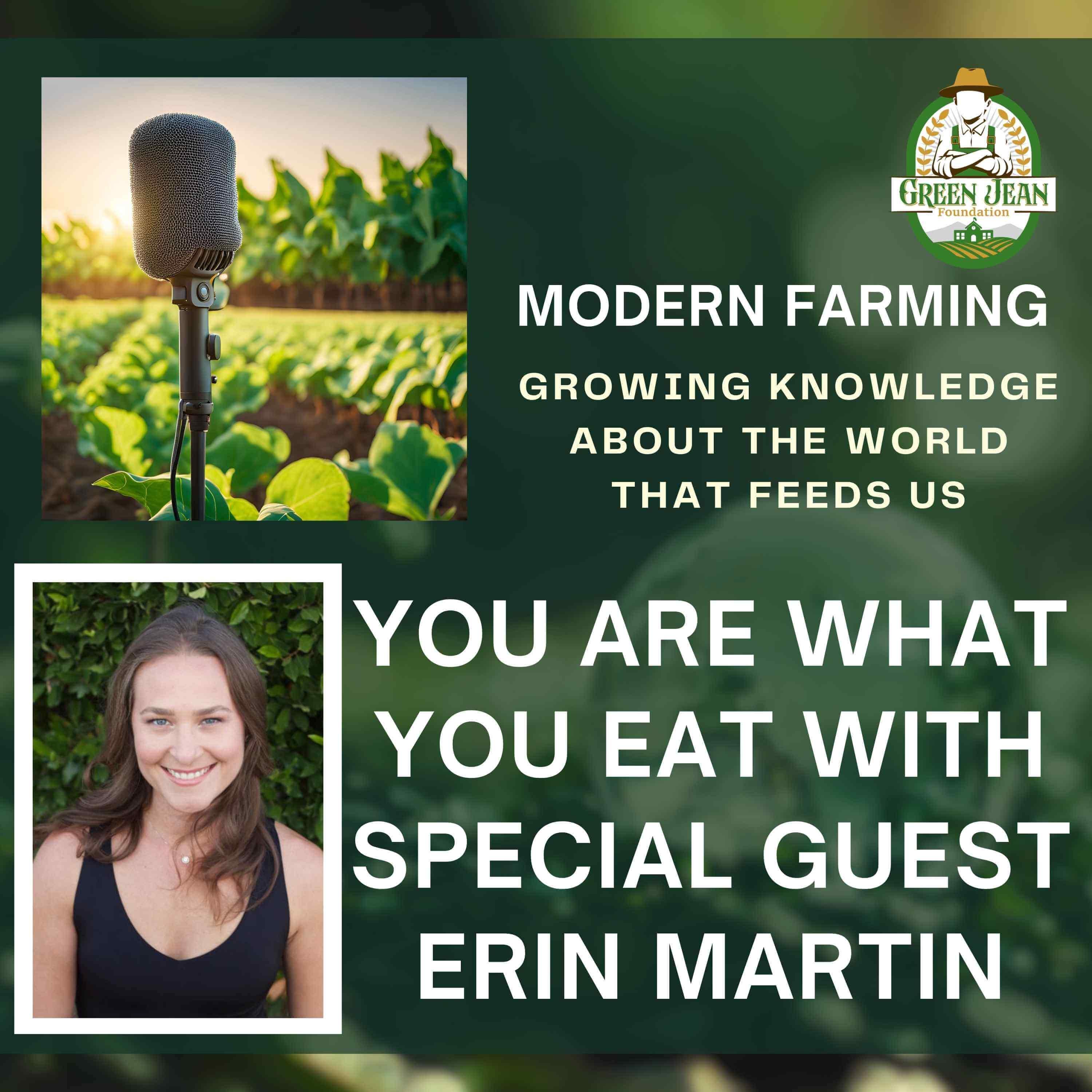
S1 Ep 11You Are What You Eat part 3 with Special Guest Erin Martin
In the final episode of our Modern Farming podcast series, You Are What You Eat, we welcome Erin Martin, founder of FreshRx Oklahoma and Co-Lead of the Oklahoma Food is Medicine Policy Coalition. A dedicated advocate for regenerative agriculture, soil health, and the power of food as medicine, Erin is transforming the way we think about nutrition and health.Brad, Logan, and Nick sit down with Erin to discuss the groundbreaking impact of FreshRx, a program demonstrating how dietary changes can dramatically improve health—sometimes in as little as one month. From reversing diabetes to addressing chronic illness, Erin shares how access to nutrient-dense foods is changing lives.Join us as we explore the deep connection between food, nutrition, and overall well-being, the role of agriculture in shaping health, and the future of nutrient-dense farming. Don’t miss this eye-opening conversation!Meet Our Guest: Erin MartinOriginally on the path to becoming a lawyer, Erin shifted her focus to gerontology after working in a retirement community. While earning her master’s at USC, she led a team supporting over 700 low-income older adults, inspiring her to create Conscious Aging Solutions. Her work in longevity revealed the critical role of food access, leading her to become certified in Regenerative Soil Advocacy. After returning to Tulsa during the pandemic, Erin co-founded FreshRx Oklahoma, a nationally recognized prescription produce program. Now, she champions food as medicine to improve public health, reduce food insecurity, support sustainable agriculture, and lower healthcare costs.

S1 Ep 10You Are What You Eat part 2 - Nutritional Density of Foods
Welcome to the second episode of our “You Are What You Eat” series on the Modern Farming Podcast! In this episode, we dig deep into the nutrient density of foods—what it is, why it’s critical for your health, and how it’s been declining over the past 50 years. Shockingly, studies show we’ve lost 20–50% of the nutritional value in many common foods. But what’s behind this decline, and what can we do to reverse the trend?We’ll explore the history of nutrient tracking, going back to a time before 1950 when micronutrients weren’t even considered in food data, and discuss how this has impacted modern diets. But it’s not just a human health issue—declining nutrient density affects plant health, pollinators, and entire ecosystems.What You’ll Learn in This Episode:🌱 What is Nutrient Density?🍎 The Shocking Decline: How we’ve lost up to 50% of key nutrients in our food supply.📜 A Look Back: Why micronutrients weren’t tracked before 1950 and how that shaped modern diets.🐝 Environmental Impact: How decreased plant health affects pollinators and biodiversity.🦠 Healthy Soil, Healthy You: The surprising benefits of soil bacteria—even the kind we consume on fruits and vegetables.🍇 Brix Measurement: Understanding Brix as a tool to assess not just sugar, but overall plant health and nutrient density.🌾 Regenerative Agriculture: How regenerative and alternative farming practices are improving both nutrient density and crop productivity.Key Takeaways: • Nutrient density impacts more than just our health—it’s tied to the health of the planet. • The soil microbiome plays a direct role in the nutrients we get from our food. • Regenerative agriculture offers hope, restoring both soil health and food quality.📅 Don’t miss the next episode in our “You Are What You Eat” series—subscribe, rate, and review the Modern Farming Podcast wherever you listen!

S1 Ep 9You Are What You Eat part 1 - Nutrients on the Farm
In this episode of “You Are What You Eat,” on Modern Farming, we dig into the fascinating world beneath our feet—where plants, microbes, and nutrients work together to sustain life. We explore how soil biologics and root exudates influence crop nutrition and soil health. Understanding these processes not only helps farmers and gardeners grow healthier plants but also ensures the food we eat is packed with the nutrients we need.Key Topics Discussed:🦠 Soil Biologics: Microbial Life & Plant Health • What are soil biologics, and how do they impact plant growth? • The essential relationship between beneficial microbes and plant roots. • How microbes help plants absorb nutrients, fight disease, and improve soil structure.💧 Root Exudates: Plants Feeding the Soil • What are root exudates, and why do plants release them? • How sugars, organic acids, and enzymes from roots create a thriving microbial ecosystem. • The role of exudates in unlocking nutrients, supporting soil life, and enhancing crop resilience.🦠 Soil Biologics: Microbial Life & Plant Health • What are soil biologics, and how do they impact plant growth? • The essential relationship between beneficial microbes and plant roots. • How microbes help plants absorb nutrients, fight disease, and improve soil structure.🥗 Good Nutrition for All Crops = Good Nutrition for Us • How soil quality directly impacts the nutrient density of our food. • Why locally grown and farm-to-table produce often has superior nutritional value. • Ways farmers and home gardeners can boost soil health to grow healthier, more nutritious crops.Takeaways:✔ Healthy soil = healthy food. The way we grow our crops impacts the nutrient quality of what we eat.✔ The carbon cycle and microbial life are crucial for maintaining soil health and plant resilience.✔ Plants do more than grow—they communicate! Through root exudates, plants actively shape their environment.✔ Dormancy isn’t just about survival—it’s about preparation. Perennial plants store and manage nutrients to thrive year after year.🌱 Want to learn more about how soil health impacts your food? Tune in and join the conversation! Don’t forget to subscribe, leave a review, and share this episode with fellow growers, gardeners, and food enthusiasts.
S1 Ep 8Beyond NPK
Join Modern Farming hosts, Brad and Nick, as they explore the dynamic and ever-changing world of farm nutrients. From carbon-powered biological tools to the complex processes that link soil health with the food you consume, this episode offers valuable insights and expert perspectives.Highlights of the Episode: • A deep dive into the rhizophagy process, where plants attract, internalize, and manage soil microbes to influence plant growth and nutrient composition. • The relationship between the carbon cycle, rhizophagy, and the cycling of key nutrients like nitrogen, phosphorus, and potassium in both soil and food. • Why understanding farm nutrients is crucial for growers focused on producing nutrient-dense crops.What You’ll Gain: • An understanding of the role soil microbes play in plant nutrient absorption. • Insights into how cutting-edge farming practices are improving crop nutrition while supporting sustainability.Whether you’re a farmer, a foodie, or someone passionate about sustainable agriculture, this episode sheds light on the critical connection between farming practices and the nutrients in your food. Don’t miss this thought-provoking conversation!

S1 Ep 7Advances in Modern Farming
In this week’s episode of The Modern Farming Podcast, we delve into groundbreaking advancements that are redefining agriculture as we know it. From precision farming techniques to cutting-edge agri-tech innovations, we explore how these transformative tools are reshaping global food systems and empowering communities worldwide.Join us as we discuss how AI, robotics, and data analytics are revolutionizing modern crop production. Learn about the balance between productivity and environmental stewardship achieved through sustainable farming practices. .Whether you’re a farmer, an ag enthusiast, or simply curious about how your food is produced, this episode is packed with fresh insights and actionable takeaways.

S1 Ep 6Weathering the Swarm
In this fascinating episode of the Modern Farming Podcast, we explore the captivating world of beekeeping with Logan Cutts, a seasoned expert in apiculture. From the hive to the global food supply, Logan shares the untold stories of bees and their vital role in agriculture.Bees are the backbone of agriculture, contributing to the pollination of crops that feed the planet. Tune in to understand the challenges this industry faces and how beekeeping affects what ends up on your plate.What You’ll Learn:How changing climates affect bees and honey production.Facing Disease & Pests: The ongoing battle against hive diseases and invasive threats.Industry Imposters: Insights into the counterfeit honey industry and its impact on the market.Global Impact: The essential role of bees in pollinating crops and sustaining the world’s food supply.Don’t miss this buzzworthy episode - Follow and Subscribe!

S1 Ep 5Citrus in Crisis, part 3
In this episode, Citrus in Crisis part 3, the Modern Farming Podcast dives into the unprecedented challenges facing Florida’s citrus industry. From back-to-back hurricanes to years of ongoing struggles, the state’s iconic orange production is on track to hit its lowest levels since 1930.We explore the ripple effects of these issues on farmers, consumers, and the future of agriculture in Florida. Drawing insights from three key articles, this episode offers a comprehensive look at the crisis:WTSP Tampa Bay: How recent hurricanes and grim production forecasts are affecting citrus growers.https://www.wtsp.com/article/news/regional...ClickOrlando: Historical parallels of extreme weather and its recurring toll on the industry.https://www.clickorlando.com/news/local/20...Bloomberg: A deep dive into the alarming orange crop shortage and its broader implications.https://www.bloomberg.com/news/articles/20...Key Takeaways:The significant role of hurricanes in crippling citrus production.How historical trends in weather patterns have compounded the challenges faced by growers.The economic and cultural implications of Florida’s orange shortage.The resilience required by farmers and communities to adapt and overcome.Whether you’re a consumer, farmer, or educator, this episode connects the dots to provide a clearer understanding of what’s at stake for Florida’s citrus industry and why it matters to us all.Tune in now and join us for an engaging and informative discussion on the road ahead for Florida agriculture.🍊 Follow and Subscribe
S1 Ep 4Citrus in Crisis, part 2
In this episode, Citrus in Crisis part 2, the Modern Farming Podcast dives into the unprecedented challenges facing Florida’s citrus industry. From back-to-back hurricanes to years of ongoing struggles, the state’s iconic orange production is on track to hit its lowest levels since 1930.We explore the ripple effects of these issues on farmers, consumers, and the future of agriculture in Florida. Drawing insights from three key articles, this episode offers a comprehensive look at the crisis:WTSP Tampa Bay: How recent hurricanes and grim production forecasts are affecting citrus growers.https://www.wtsp.com/article/news/regional...ClickOrlando: Historical parallels of extreme weather and its recurring toll on the industry.https://www.clickorlando.com/news/local/20...Bloomberg: A deep dive into the alarming orange crop shortage and its broader implications.https://www.bloomberg.com/news/articles/20...Key Takeaways:The significant role of hurricanes in crippling citrus production.How historical trends in weather patterns have compounded the challenges faced by growers.The economic and cultural implications of Florida’s orange shortage.The resilience required by farmers and communities to adapt and overcome.Whether you’re a consumer, farmer, or educator, this episode connects the dots to provide a clearer understanding of what’s at stake for Florida’s citrus industry and why it matters to us all.Tune in now and join us for an engaging and informative discussion on the road ahead for Florida agriculture.🍊 Follow and Subscribe
S1 Ep 3Citrus in Crisis, part 1
In this episode, Citrus in Crisis part 1, the Modern Farming Podcast dives into the unprecedented challenges facing Florida’s citrus industry. From back-to-back hurricanes to years of ongoing struggles, the state’s iconic orange production is on track to hit its lowest levels since 1930.We explore the ripple effects of these issues on farmers, consumers, and the future of agriculture in Florida. Drawing insights from three key articles, this episode offers a comprehensive look at the crisis:WTSP Tampa Bay: How recent hurricanes and grim production forecasts are affecting citrus growers.https://www.wtsp.com/article/news/regional...ClickOrlando: Historical parallels of extreme weather and its recurring toll on the industry.https://www.clickorlando.com/news/local/20...Bloomberg: A deep dive into the alarming orange crop shortage and its broader implications.https://www.bloomberg.com/news/articles/20...Key Takeaways:The significant role of hurricanes in crippling citrus production.How historical trends in weather patterns have compounded the challenges faced by growers.The economic and cultural implications of Florida’s orange shortage.The resilience required by farmers and communities to adapt and overcome.Whether you’re a consumer, farmer, or educator, this episode connects the dots to provide a clearer understanding of what’s at stake for Florida’s citrus industry and why it matters to us all.Tune in now and join us for an engaging and informative discussion on the road ahead for Florida agriculture.🍊 Follow and Subscribe

S1 Ep 1Citrus Production Decline
In this episode of the Modern Farming Podcast, we dive into the unprecedented challenges facing Florida’s citrus industry. From back-to-back hurricanes to years of ongoing struggles, the state’s iconic orange production is on track to hit its lowest levels since 1930. We explore the ripple effects of these issues on farmers, consumers, and the future of agriculture in Florida. Drawing insights from three key articles, this episode offers a comprehensive look at the crisis: WTSP Tampa Bay: How recent hurricanes and grim production forecasts are affecting citrus growers. ClickOrlando: Historical parallels of extreme weather and its recurring toll on the industry. Bloomberg: A deep dive into the alarming orange crop shortage and its broader implications. Key Takeaways: The significant role of hurricanes in crippling citrus production. How historical trends in weather patterns have compounded the challenges faced by growers. The economic and cultural implications of Florida’s orange shortage. The resilience required by farmers and communities to adapt and overcome. Whether you’re a consumer, farmer, or educator, this episode connects the dots to provide a clearer understanding of what’s at stake for Florida’s citrus industry and why it matters to us all. Tune in now and join us for an engaging and informative discussion on the road ahead for Florida agriculture. 🍊 Follow and Subscribe Subscribe on Spotify, Apple Podcasts, or your favorite platform for more stories from the heart of agriculture.
Welcome to Modern Farming
trailerWelcome to Modern Farming, the new podcast brought to you by the Green Jean Foundation. Each week, we’ll dive into different ways to think about agricultural production - looking at some methods to revolutionize what we do.The Modern Farming Podcast features a diverse panel of hosts and covers a wide range of topics. Our exclusive interviews with industry leaders, innovative discussions, and groundbreaking insights are something you won’t want to miss.But we’re more than just a podcast. The Green Jean Foundation is dedicated to fostering a deep appreciation for agriculture and expanding knowledge to young minds. We provide schools with the necessary tools for students to have hands-on learning opportunities that connect to agriculture.For more information about the Green Jean Foundation, visit us at greenjeanfoundation.org and sign up for our monthly newsletter to stay up-to-date on the latest news and events.Don’t miss out on the transformation happening in agriculture. Subscribe to the Modern Farming Podcast and let’s shape the future of farming together.