
MIT News
Massachusetts Institute of Technology (MIT)
Show overview
MIT News has been publishing since 2019, and across the 7 years since has built a catalogue of 32 episodes. That works out to roughly 5 hours of audio in total. Releases follow a roughly quarterly cadence.
Episodes typically run under ten minutes — most land between 6 min and 8 min — and the run-time is fairly consistent across the catalogue. None of the episodes are flagged explicit by the publisher. It is catalogued as a EN-language Science show.
The show is still active — the most recent episode landed 3 weeks ago, though releases have slowed compared with earlier in the run. The busiest year was 2021, with 16 episodes published. Published by Massachusetts Institute of Technology (MIT).
From the publisher
MIT News is dedicated to bringing news from the Massachusetts Institute of Technology (MIT) to the world. We cover research, innovation, teaching, entrepreneurship, and the Institute’s distinctive and quirky culture. We find ourselves educated and amazed by our community of hands-on problem-solvers who are eager to know how things work — and inspired to make them work better. We hope you are amazed, too.
Latest Episodes
View all 32 episodesSHASS's special sauce

Curiosity Unbounded, Ep 2: Bureaucracies, dictatorships, and the power of Africa's people — Mai Hassan
In this episode, MIT President Sally Kornbluth sits down with associate professor of political science and faculty co-director of MIT-Africa, Mai Hassan. Her work looks at bureaucracy, public administration, and the state in Africa, and more recently, how people mobilize against repressive dictatorships.Show notes and transcript:https://news.mit.edu/podcast/bureaucracies-dictatorships-and-power-africas-people-mai-hassanThe Curiosity Unbounded podcast brings you behind the scenes at MIT through conversations between MIT President Sally Kornbluth and the people working in its labs and in the field. Along the way, Sally and her guests discuss pressing issues, as well as what inspires the people running at the world’s toughest challenges at one of the most innovative institutions on the planet.
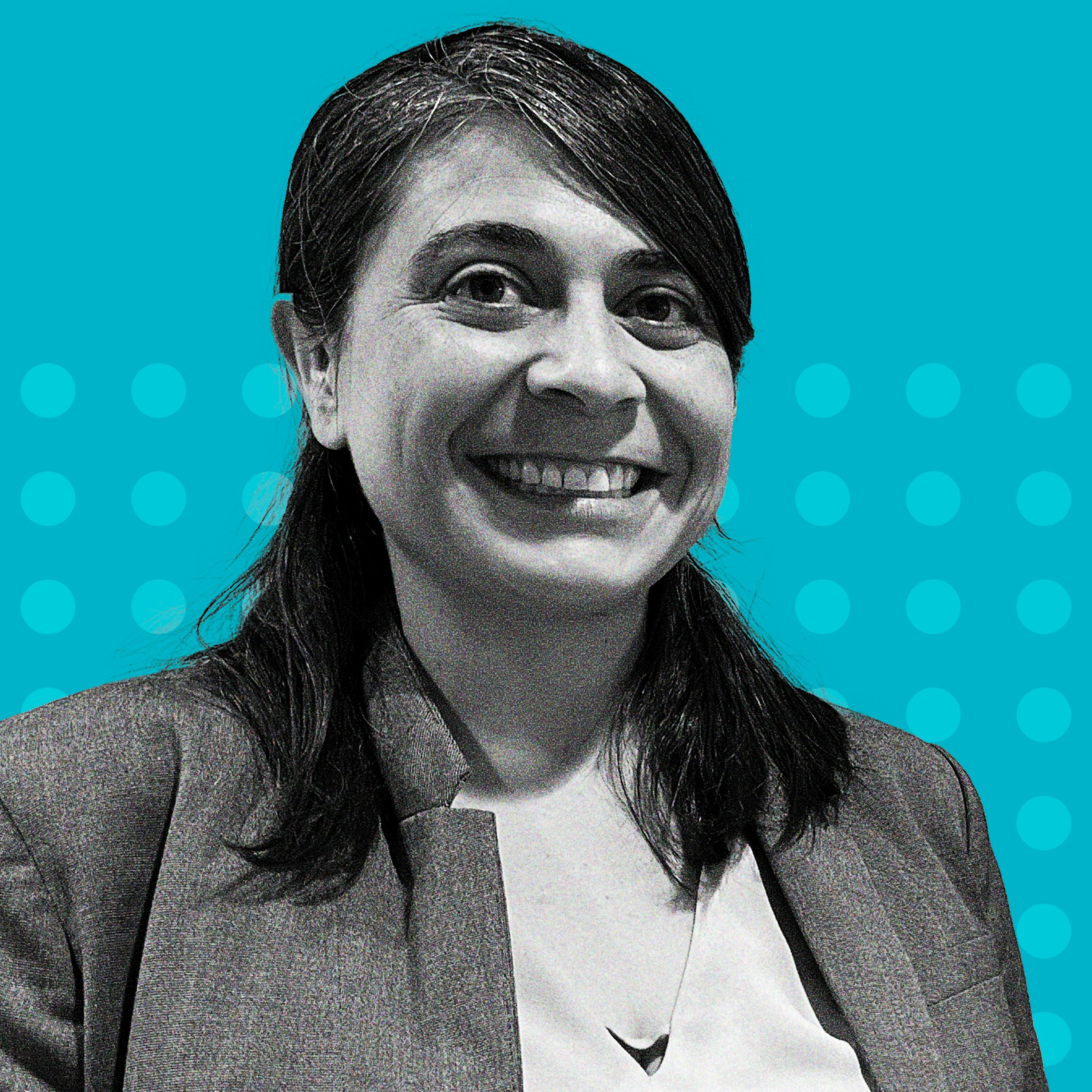
Curiosity Unbounded, Ep 1: How a free-range kid from Maine is helping green-up industrial practices — Desirée Plata
In this episode, MIT President Sally Kornbluth sits down with newly tenured associate professor of civil and environmental engineering, Desirée Plata. Her work focuses on making industrial processes more environmentally friendly, and removing methane (a key factor in global warming) from the air.Show notes and transcript:https://news.mit.edu/podcast/how-free-range-kid-maine-helping-green-industrial-practices-desiree-plataThe Curiosity Unbounded podcast brings you behind the scenes at MIT through conversations between MIT President Sally Kornbluth and the people working in its labs and in the field. Along the way, Sally and her guests discuss pressing issues, as well as what inspires the people running at the world’s toughest challenges at one of the most innovative institutions on the planet.

Audio Article: Low-cost device can measure air pollution anywhere
MIT researchers have made an open-source version of the “City Scanner” mobile pollution detector that lets people check air quality anywhere, cheaply. Pictured are some examples of the latest version of the device, called Flatburn, as well as a researcher attaching a prototype to a car. Read the article: https://news.mit.edu/2023/low-cost-device-can-measure-air-pollution-anywhere-0316

Audio Article: Minimizing electric vehicles’ impact on the grid
In a new study, MIT researchers have developed strategies for beneficial electric vehicle charging to reduce peak electricity demand and store solar energy. Read the article: https://news.mit.edu/2023/minimizing-electric-vehicles-impact-grid-0315

Audio Article: How to push, wiggle, or drill an object through granular material
Predicting what it takes to push through sand, gravel, or other soft media can help engineers drive a rover over Martian soil, anchor a ship in rough seas, and walk a robot through sand and mud. But modeling the forces involved in such processes is a huge computational challenge that often takes days to weeks to solve. Now, engineers at MIT and Georgia Tech have found a faster and simpler way to model intrusion through any soft, flowable material. Their new method quickly maps the forces it would take to push, wiggle, and drill an object through granular material in real-time. The method can apply to objects and grains of any size and shape, and does not require complex computational tools as other methods do. Read the article: https://news.mit.edu/2023/soft-push-granular-intrusion-0119

Audio Article: A new method boosts wind farms’ energy output, without new equipment
By modeling the conditions of an entire wind farm rather than individual turbines, engineers can squeeze more power out of existing installations. Read the article: https://news.mit.edu/2022/wind-farm-optimization-energy-flow-0811
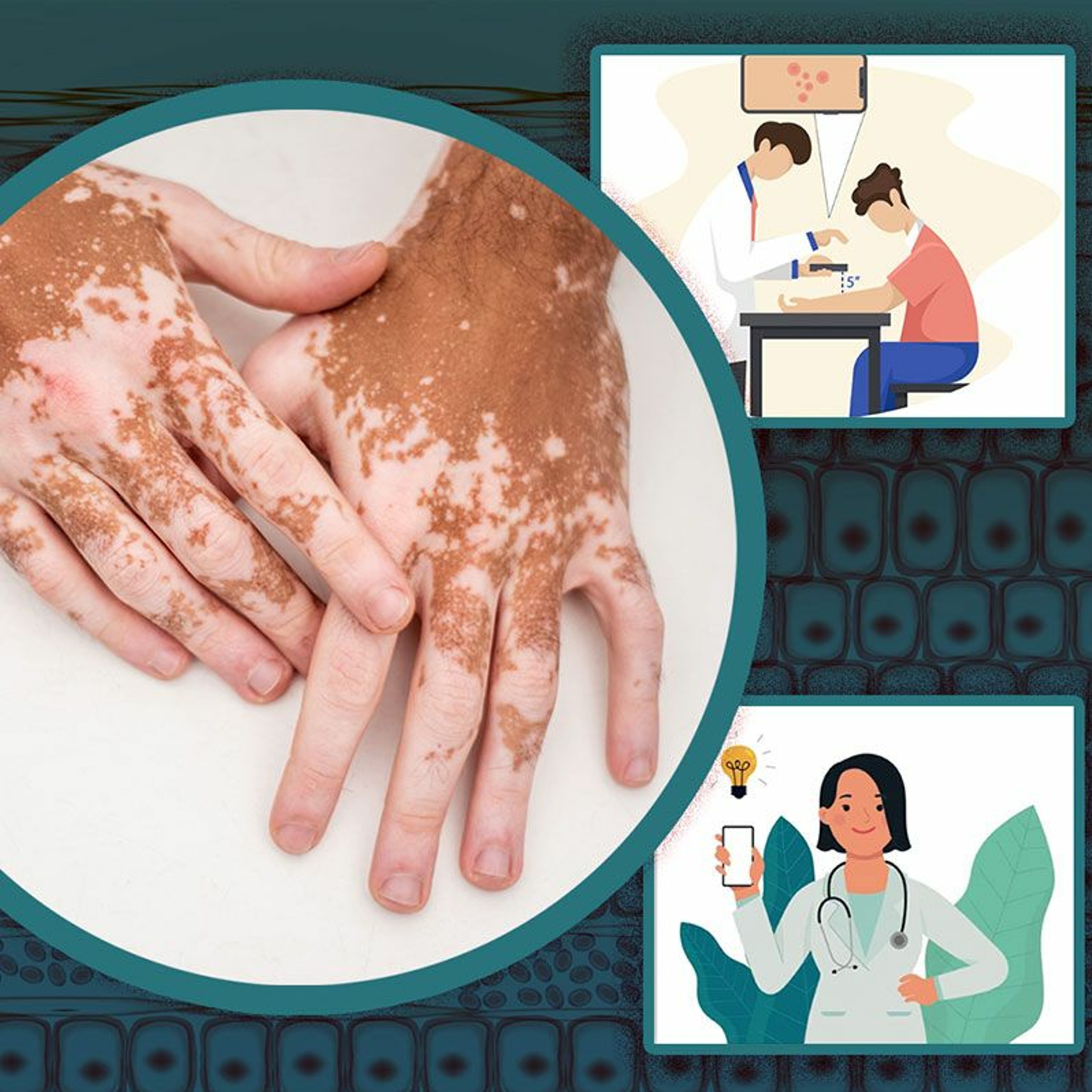
Audio Article: Startup lets doctors classify skin conditions with the snap of a picture
Piction Health, a startup founded by Susan Conover SM '15, lets doctors classify skin conditions with the snap of a picture. Their app uses machine learning to help physicians identify and manage skin diseases. Read the article on MIT News: https://news.mit.edu/2022/piction-health-skin-app-0706

Audio Article: Keeping web-browsing data safe from hackers
Studying a powerful type of cyberattack, researchers identified a flaw in how it’s been analyzed before, then developed new techniques that stop it in its tracks. Read the article: https://news.mit.edu/2022/side-channel-attacks-detection-0609

Audio Article: The sound of a sunset
What does a sunset sound like? With the Sonification Toolkit, almost anything can be transformed into sound that is aesthetically satisfying and analytically illuminating. The newly released prototype, a work in progress with cutting-edge capabilities, is a robust exploratory foray into possibilities for sonification. Read the article: https://news.mit.edu/2022/sound-sunset-sonification-toolkit-0209

What does a sunrise and sunset sound like?
Using a new sonification toolkit, designed but MIT's Digital Humanities Lab, senior Moises Trejo was able to turn a sunrise and a sunset into sound. What the toolkit does is convert the annual times of sunrises and sunsets in a particular location and turns them into a simple soundwork. Depending on the settings it either becomes a two-voice melody (in a strange tuning) or a gradual modification of an evolving sound, or somewhere in between. In this piece the lower tone of the chord is the sunrise time, and the higher tone is the sunset time. The time course of the piece represents the days in the year, as sunrise and sunset gradually move further apart from each other (as the days get longer) and then move towards each other (as the days get shorter). Listen to the article: https://soundcloud.com/mitnewsoffice/audio-article-the-sound-of-a-sunset?si=76714eafe06742f698b283a79d713750&utm_source=clipboard&utm_medium=text&utm_campaign=social_sharing Read the article: https://news.mit.edu/2022/sound-sunset-sonification-toolkit-0209

Audio Article: Babies can tell who has close relationships based on one clue: saliva
MIT neuroscientists have identified a specific signal that young children and even babies can use to determine whether two people have a strong relationship and a mutual obligation to help each other: whether those two people kiss, share food, or have other interactions that involve sharing saliva. Read the article: https://news.mit.edu/2022/babies-relationships-saliva-0120

Audio Article: Deploying machine learning to improve mental health
A machine-learning expert from MIT and a psychology researcher/clinician from Massachusetts General Hospital (MGH) have teamed up to develop tools for mental health care delivery. They hope that their algorithms will eventually equip physicians and patients with useful information about individual disease trajectory and effective treatment. Read the article: https://news.mit.edu/2022/deploying-machine-learning-improve-mental-health-rosalind-picard-0126

Audio Article: Reducing food waste to increase access to affordable foods
Spoiler Alert, a company founded by two MIT alumni, is helping companies bridge the gap between food waste and food insecurity with a platform connecting major food and beverage brands with discount grocers, retailers, and nonprofits. The platform helps brands discount or donate excess and short-dated inventory days, weeks, and months before it expires. Read the article: https://news.mit.edu/2022/spoiler-alert-food-waste-0105
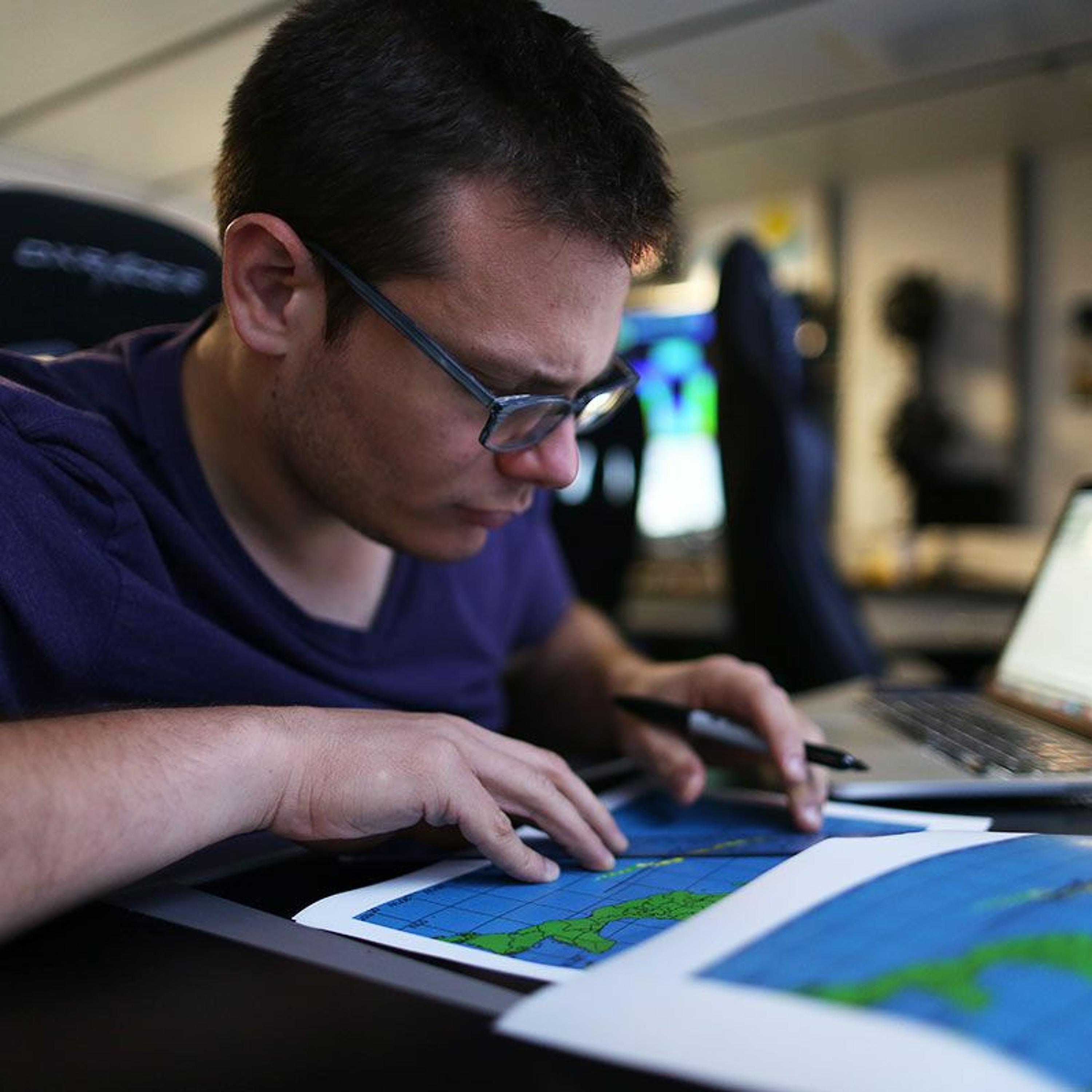
Audio Article: Scientists build new atlas of ocean’s oxygen-starved waters
A team of MIT scientists have generated a detailed, three-dimensional "atlas" of the largest oxygen-deficient zones (ODZ) in the tropical Pacific. And though these ODZs make up less than 1 percent of the ocean’s total volume, they are a significant source of nitrous oxide, a potent greenhouse gas. Read the article: https://news.mit.edu/2021/oxygen-deficient-ocean-map-1227
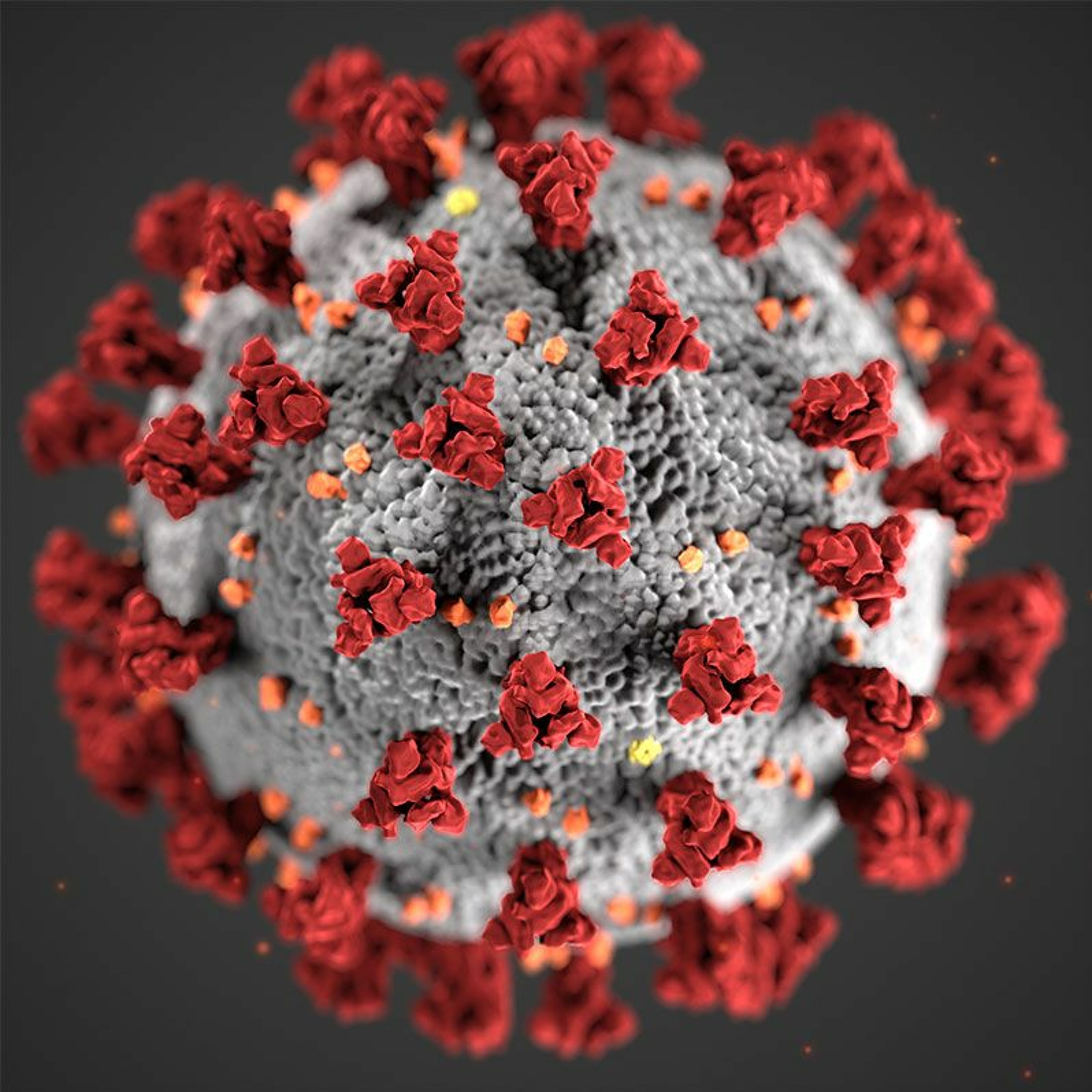
Audio Article: Sensor based on quantum physics could detect SARS-CoV-2 virus
A novel approach to testing for the presence of the virus that causes Covid-19 may lead to tests that are faster, less expensive, and potentially less prone to erroneous results than existing detection methods. Though the work, based on quantum effects, is still theoretical, these detectors could potentially be adapted to detect virtually any virus, the researchers say. Read the article: http://news.mit.edu/2021/quantum-sensor-detect-covid-1220

Audio Article: Timber or steel?
Researchers at MIT have done a detailed analysis and created a set of computational tools to enable architects and engineers to design truss structures in a way that can minimize their embodied carbon while maintaining all needed properties for a given building application. Read the article: https://news.mit.edu/2021/truss-structure-carbon-materials-1129
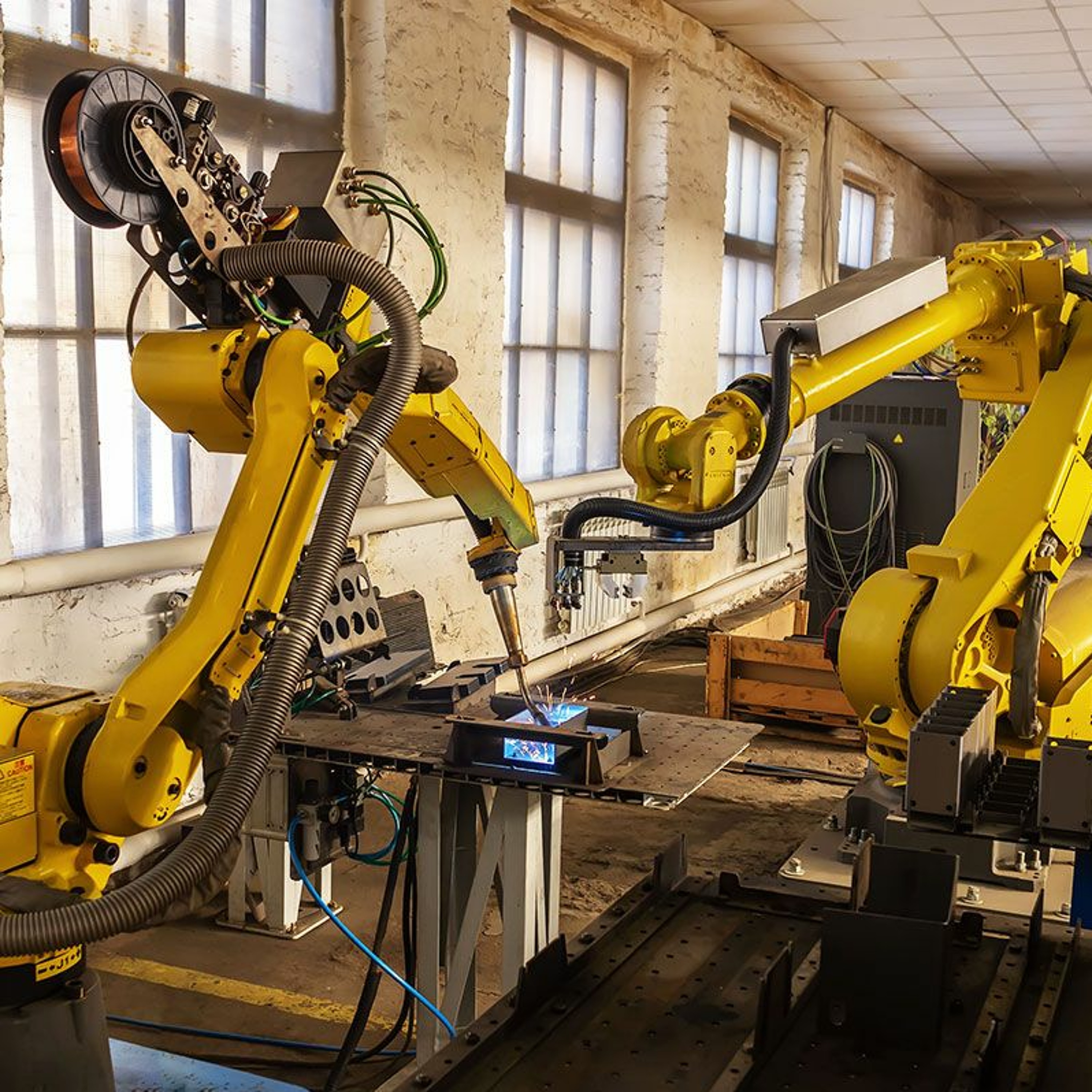
Audio Article: Giving robots social skills
MIT researchers have now incorporated certain social interactions into a framework for robotics, enabling machines to understand what it means to help or hinder one another, and to learn to perform these social behaviors on their own. Read the article: https://news.mit.edu/2021/robots-social-skills-1105

Audio Article: Dragging your feet? Lack of sleep affects your walk, new study finds
Good sleep can be hard to come by. But a new study by researchers at MIT and the University of São Paulo in Brazil finds that if you can make up for lost sleep, even for just a few weekend hours, the extra zzz’s could help reduce fatigue-induced clumsiness, at least in how you walk. Read the article: https://news.mit.edu/2021/lack-sleep-walk-1026

Audio Article: How marsh grass protects shorelines
As climate change brings greater threats to coastal ecosystems, new research can help planners leverage the wave-damping benefits of marsh plants. Read the article: https://news.mit.edu/2021/how-marsh-grass-protects-shorelines-1018