Mission Critical with Lance Chung
150 episodes — Page 1 of 3
Samantha Ong (Founder, Joeydolls): Why She Built the Dolls She Never Saw Growing Up
Alessia Cara (Recording Artist): How to Build a Successful Career Without Losing Your Sense of Self
Adam Minster (Co-founder, Food Dudes): How to Reinvent Your Business When Customers Change
Jayme Jenkins (Co-founder, Everist): How This Canadian Beauty Brand Turned Product Innovation Into a Competitive Advantage
Greg MacDonald (Founder, Bathorium): What Oprah, Shopify, and COVID Taught Me About Scaling a Brand
Mandy Wolfe (Co-founder, Mandy's Salads): How I Turned Salad Into a Lifestyle Empire
Thom Tullo (Founder, Face Pilates): How to Win in the $5T Wellness Economy
Benedict Lim (Co-founder, The Lunch Lady): Lessons From a Anthony Bourdain-Certified Restaurant Brand
Liam Gill (Housing Advocate): The Citizen Developer Playbook for Fixing Toronto’s Housing Crisis
Jannine Rane (CEO, Zing Pantry Shortcuts): A Case for the Modern Pantry
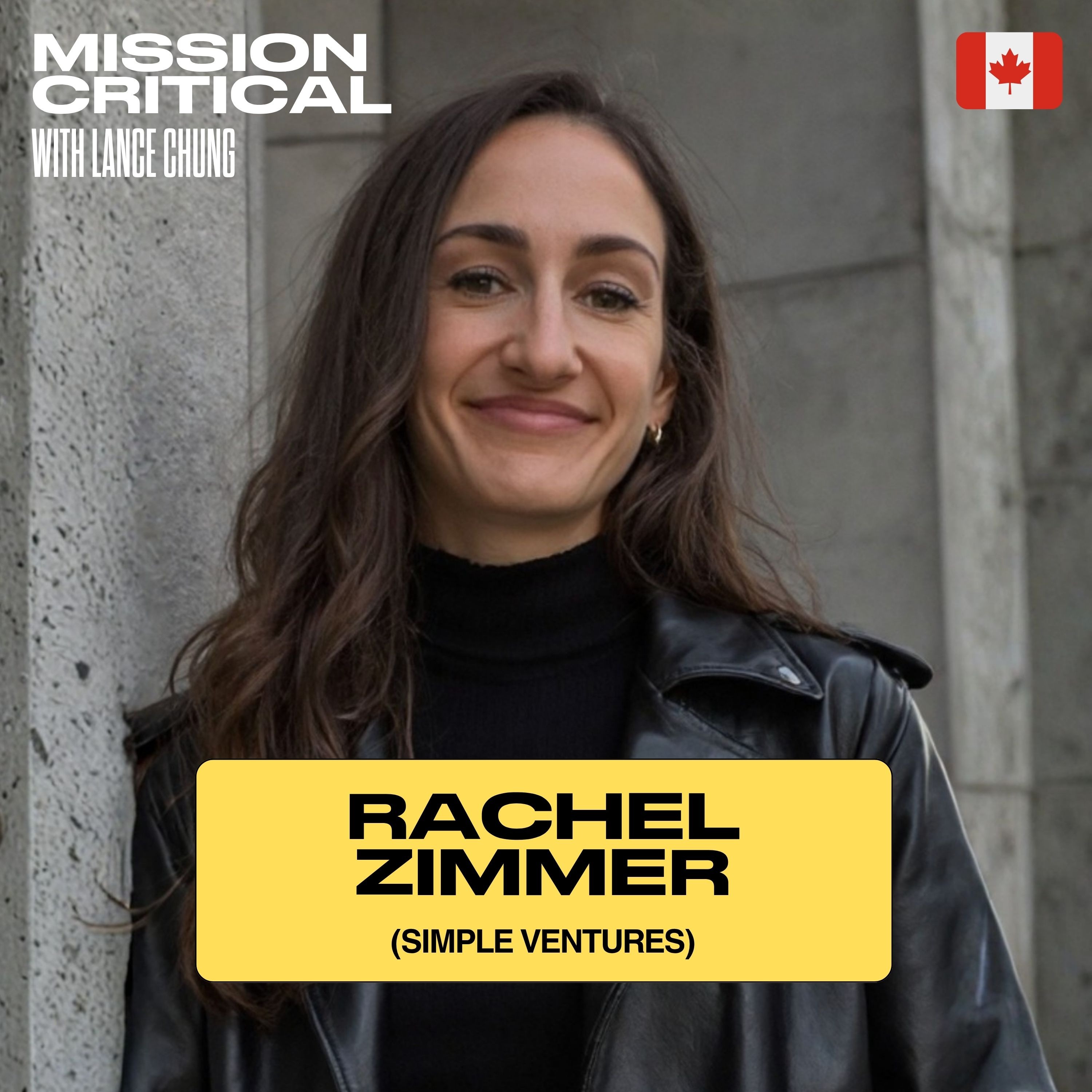
S17 Ep 135Rachel Zimmer (CEO, Simple Ventures): Why is Canada Is Producing Fewer Entrepreneurs?
Canada has world-class talent, capital, and infrastructure—so why are we producing fewer entrepreneurs than we did 20 years ago?In this episode of Mission Critical, Lance sits down with Rachel Zimmer, co-founder and CEO of Simple Ventures, to unpack the paradox at the heart of Canada’s innovation economy. From declining entrepreneurship rates to the realities of “brain drain,” Zimmer offers a candid, systems-level look at what’s broken—and what it will take to fix it.Drawing from her experience as a founder, investor, and venture builder, Zimmer challenges the way we define innovation today, arguing that it’s not just about technology but about creating real value, jobs, and durable businesses. She also breaks down why the traditional venture capital model doesn’t work for most founders, and how Simple Ventures is rethinking company creation from the ground up.At its core, this episode asks a bigger question: What kind of country does Canada want to be—and who is willing to build it?Key Takeaways & HighlightsWhy Canada has 100,000 fewer entrepreneurs than 20 years ago (and what’s driving the decline).The real reasons behind brain drain.How Rachel Zimmer defines innovation, and why most people get it wrong.The difference between venture capital vs. venture building (and who each model actually serves).The importance of traction, real customers, and willingness to pay in validating ideas.How Simple Ventures is creating a “de-risked path” to entrepreneurship.The role of AI and global uncertainty in shaping Canada’s innovation future.Why Canada’s greatest opportunity might be its untapped white space, not its competition.About the GuestRachel Zimmer is the co-founder and CEO of Simple Ventures, a Canadian venture builder focused on creating the next generation of standout companies. Through a model that combines ideation, validation, founder pairing, and capital, Simple Ventures builds businesses from the ground up—backed by leading investors including TD Innovation Partners, Sun Life, Sobeys, and top Canadian founder-operators.Prior to Simple Ventures, Rachel led Entrepreneur First in North America, a globally recognized venture studio backed by Reid Hoffman and the Collison brothers. She is also a former founder and investor, and has been recognized as an Emerging Entrepreneur by the Toronto Board of Trade.In just 18 months, Simple Ventures has launched multiple companies and created over 150 jobs across Canada—positioning Rachel as a leading voice in the future of Canadian innovation.
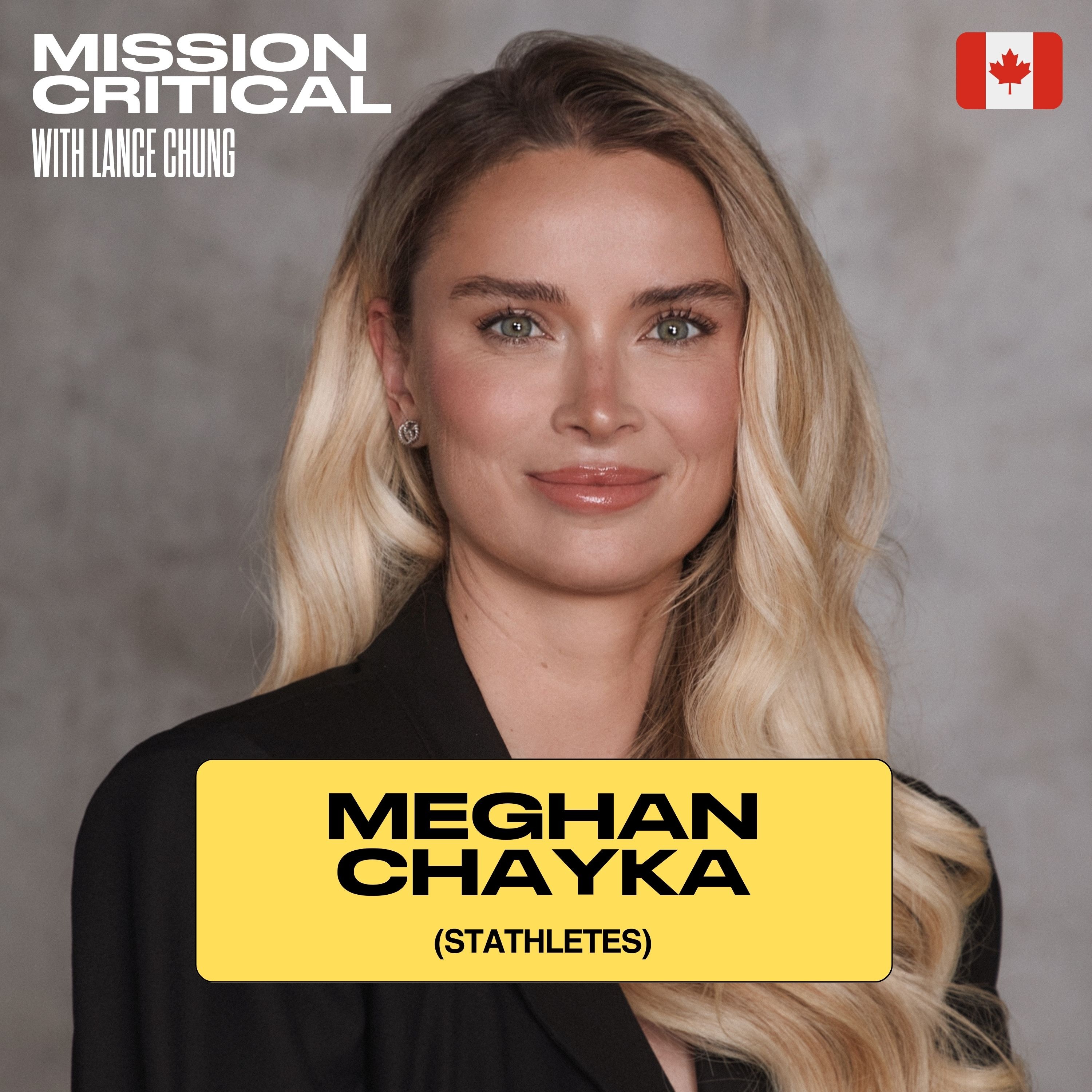
S17 Ep 134Meghan Chayka (CEO, Stathletes): How Sports Analytics Is Changing Hockey, AI, and Fan Culture
On this episode of Mission Critical, Lance Chung speaks with Meghan Chayka, co-founder of Stathletes, about the rise of sports analytics, the future of AI in hockey, and what it means to build a category-defining company in a rapidly changing industry.Chayka explains how Stathletes grew from a startup focused on hockey data into a major sports technology company powering teams, leagues, media, and betting platforms. She also shares her hot takes on AI, why most people underestimate how hard tech is to operationalize, and why the next chapter of sports may be shaped as much by emotion and storytelling as by data.From women’s sports and fan culture to scaling a Canadian tech business without chasing an exit, this is a candid conversation about innovation, resilience, and building what comes next.Key Takeaways:Meghan Chayka started early. Stathletes began before sports data was fashionable, when analytics in hockey still faced real skepticism.Tech is not magic. One of Chayka’s sharpest points is that AI and automation are much harder to operationalize than most people think.The future of sports analytics is more immersive. Data is no longer just tables and dashboards. It is becoming visual, interactive, and embedded into entertainment.The best organizations do not choose between instinct and information. They use data as an additive tool, not a replacement for human judgment.Sports fandom is changing. Fans are increasingly following players, personalities, and storylines, not just hometown teams.There may be a backlash to always-on AI. Chayka predicts a growing appetite for stripped-back, more human experiences with less algorithmic interference.Women’s sports are a major growth story. Better data, better storytelling, and better infrastructure could help accelerate that momentum even more.Scaling a tech company is relentless. Her view is refreshingly blunt: it does not get easier, you just get better.About the GuestMeghan Chayka is the co-founder of Stathletes, a Canadian sports technology and analytics company that provides data, insights, and software tools to teams, leagues, media companies, sportsbooks, and other partners across the sports ecosystem. A longtime leader in hockey analytics, Chayka has helped push the industry forward by turning data into actionable tools for player evaluation, development, storytelling, and fan engagement.In addition to her work as an entrepreneur, she is also a sports media analyst, appearing across major broadcast platforms including ESPN and TSN. Her work sits at the intersection of sport, technology, business, and culture.
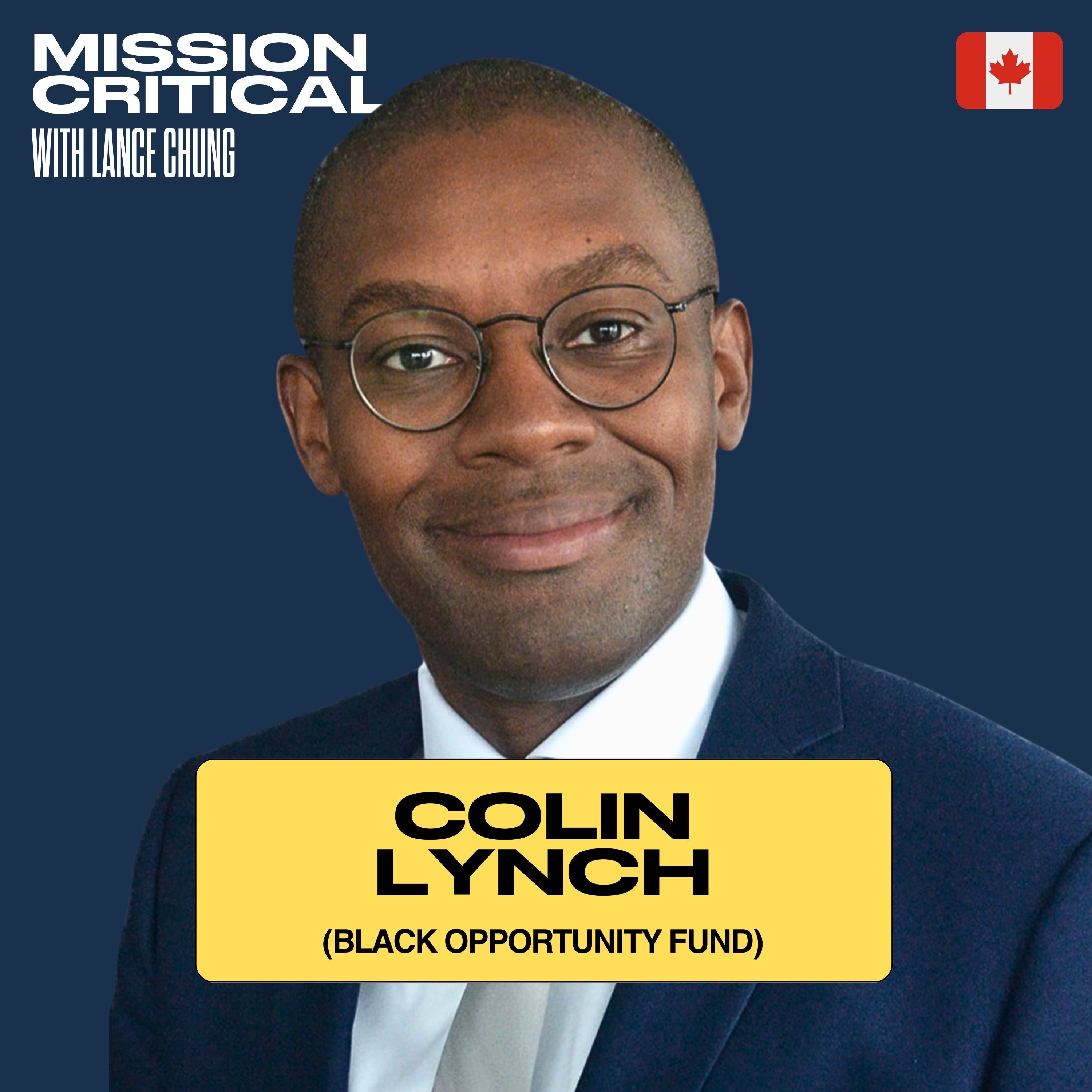
S17 Ep 133Colin Lynch (Co-founder, Black Opportunity Fund): Inside the Mission to Fund Black Entrepreneurs
For decades, conversations about inequality have focused on income. But according to Colin Lynch, co-founder of the Black Opportunity Fund, the deeper issue is wealth (and who has access to capital.)In this episode of Mission Critical, we explore the economic infrastructure required to close Canada’s racial wealth gap. Colin shares how the Black Opportunity Fund was built to scale impact by directing capital into Black-led businesses, nonprofits, and community initiatives across the country.We also unpack the launch of BOF Capital, a new investment platform designed to support entrepreneurs and help more families access homeownership, one of the most powerful drivers of generational wealth.From venture capital and entrepreneurship to housing access and economic innovation, this conversation explores why expanding opportunity isn’t just a moral imperative, it’s an economic one.Key Highlights and Takeaways• Why wealth inequality (not just income inequality) drives opportunity gaps.• How the Black Opportunity Fund helps scale Black-led businesses and nonprofits across Canada. • Why access to capital is one of the biggest barriers facing Black entrepreneurs.• The statistic behind the problem: Black-led businesses receive less than 1% of venture capital in Canada.• How the launch of BOF Capital is helping fund startups and growing companies. • Why homeownership remains one of the most powerful tools for generational wealth creation.• How a shared-equity housing model can help more families enter the housing market. • Why diversity and economic inclusion can drive innovation, productivity, and long-term economic growth.About the GuestColin Lynch is the co-founder of the Black Opportunity Fund, a national initiative dedicated to advancing economic opportunity and wealth creation for Black Canadians.Through philanthropy and investment, the fund directs capital to Black-led businesses, nonprofits, and community organizations across the country.Lynch also helped launch BOF Capital, an investment platform supporting entrepreneurs and expanding access to homeownership through innovative financing models designed to build long-term generational wealth.
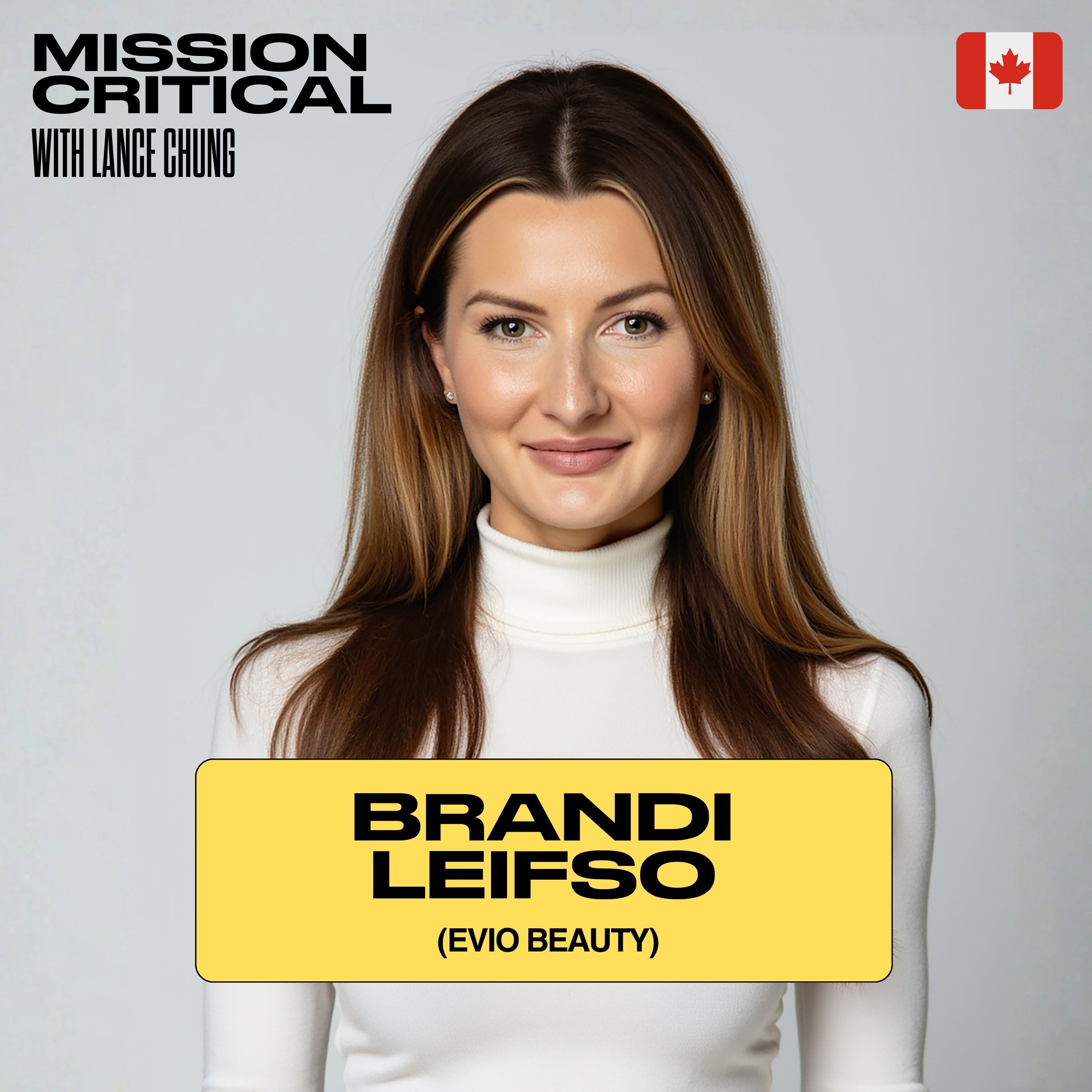
S17 Ep 132Brandi Leifso (CEO, Evio Beauty): From Trauma to Triumph, the Making of a Beauty Founder
At 21 years old, Brandi Leifso was living in a women’s shelter in Vancouver with $15 and a laptop. Today, she is the founder and CEO of Evio Beauty and the author of Fearless Choices.In this episode of Mission Critical, Brandi shares the unfiltered story behind building Evio Beauty from a shelter safe house to building a booming beauty empire. But this conversation goes deeper than entrepreneurship.Together, Lance and Brandi explore the psychology of decision-making, the myth of fearless leadership, and why power is something you practice through choice.From "cringe" bootstrapping moments to landing a 215,000-unit purchase order she nearly fumbled, Brandi reflects on the messy reality behind resilience, and why rewriting your personal narrative can be more powerful than rewriting your résumé.She also opens up about:The stigma surrounding domestic violence shelters.How the beauty industry has evolved from rigid standards to inclusive innovation.Why resilience is romanticized, and why we’re collectively burnt out from it.The 35,000 decisions we make daily, and how that realization reframed her lifeThis is a conversation about agency, leadership, trauma, capitalism, authenticity, and the choices we make to become who we are.About the GuestBrandi Leifso is the founder and CEO of Evio Beauty, a purpose-driven beauty company focused on reducing the effects of stress on skin through hydration and science-backed formulations.She launched the brand at 21 while living in a domestic violence safe house in Vancouver, bootstrapping it with pre-sold product concepts and relentless determination.Today, Evio Beauty is carried by major retailers including Shoppers Drug Mart and has raised over $500,000 for shelters across Canada.Brandi is also the author of Fearless Choices, published by HarperCollins Canada, a memoir-driven self-help guide about reclaiming personal power through decision-making.
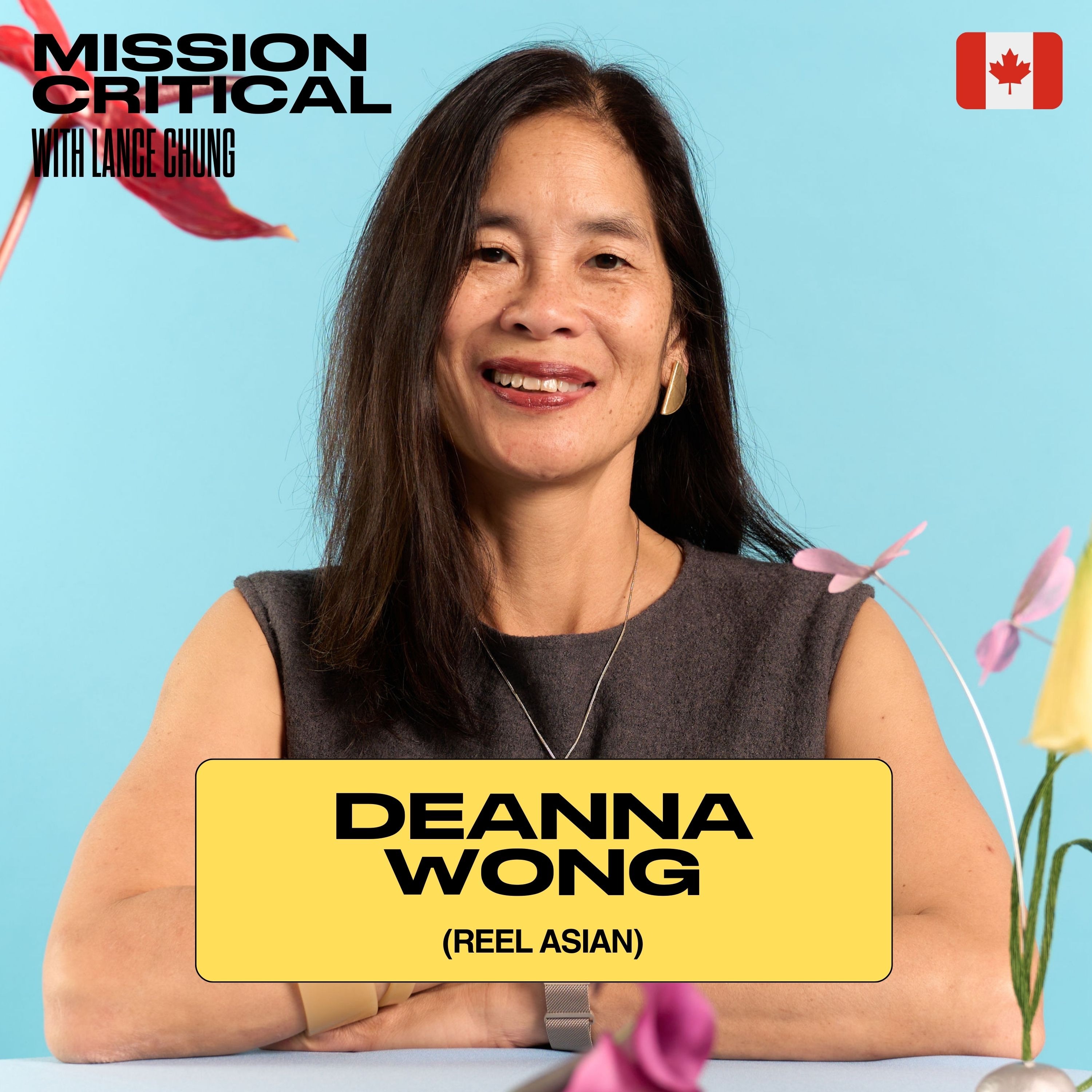
S17 Ep 131Deanna Wong (Executive Director, Reel Asian): Protecting the Future of Asian Cinema
Toronto is known as a city of film festivals. But for nearly 30 years, the Toronto Reel Asian International Film Festival has done more than screen films. It has built a cultural home.In this episode of Mission Critical, Lance sits down with Deanna Wong, Executive Director of Reel Asian, to explore what it really means to steward a platform that shapes how Asian stories are told, funded, and remembered in Canada. From growing up searching for a single non-stereotypical Asian face on television, to witnessing the global impact of films like Crazy Rich Asians, Everything Everywhere All at Once, and Turning Red, Deanna reflects on the long arc of representation (and why progress still feels fragile.)This conversation is about how culture gets built, protected, and passed forward. It's about breaking the “model minority” narrative and trusting audiences to embrace nuance without explanation.And, ultimately, why the work is far from finished.Key HighlightsHow the Toronto Reel Asian International Film Festival evolved from a grassroots gathering into Canada’s largest pan-Asian film festival.Growing up in the ’70s and ’80s searching for dignified Asian representation on screen.Why films like The Joy Luck Club felt like breakthroughs (and why the doors didn’t immediately stay open.)The double standard Asian actors face in Hollywood (and why one “box office failure” can’t define an entire community).Why the real work happens behind the scenes: funding, mentorship, grant writing, and sustaining community year-round.Reel Asian’s Unsung Voices program and its role in launching emerging filmmakers (including early-career stories connected to Simu Liu).The importance of below-the-line representation: from hair and makeup to production design.Why the ultimate privilege in storytelling is being able to tell culturally specific stories without having to explain them.About the GuestDeanna Wong is the Executive Director of the Toronto Reel Asian International Film Festival, Canada’s largest pan-Asian film festival. Under her leadership, Reel Asian has expanded its year-round programming, mentorship initiatives, and community impact, celebrating nearly three decades of championing Asian and Asian diasporic filmmakers.As Reel Asian approaches its 30th anniversary, Deanna stands at the intersection of legacy and innovation — protecting the stories that shaped a generation while pushing the next wave of filmmakers forward.
S17 Ep 130Worth Knowing: Hetta
Worth Knowing is your shortcut to the Canadian small businesses shaping culture and changing how we live.In this episode, we spotlight Hetta, the Vancouver-based furniture brand founded by the team behind Sundays. Grounded in tradition and designed for modern living, Hetta creates timeless pieces meant to grow with you—and eventually be passed down.Inspired by the old English name Etta, meaning “keeper of the hearth,” the brand is built around the idea that home is where connection happens across families, friendships, and generations.With decades of industry experience, the founders prioritize craftsmanship, high-quality materials, and comfort, designing furniture that looks to the past while functioning for today. Pieces range from sofas and chairs to tables, beds, and storage solutions, all created to bring people together and make furnishing a home feel effortless.As more consumers move toward buying fewer, better things, Hetta reflects a growing shift toward durability, heritage design, and future heirlooms. That is, furniture rooted in story rather than disposability.If you’re tracking design trends, thoughtful entrepreneurship, or standout Canadian brands redefining home, this is one business worth knowing.

S17 Ep 129Nouhaila Chelkhaoui (CEO, Scale Without Borders): The Future of Work Is Immigrant-Led
At a time when immigration is dominating headlines across Canada and the United States, the real story often gets lost: immigrants aren’t a threat to the economy; they are a critical component of it. In this episode of Mission Critical, Lance sits down with Nouhaila Chelkhaoui, Founder and CEO of Scale Without Borders, the largest network for immigrant tech talent in North America. From arriving in Canada alone at 17 to building a platform that has supported more than 7,000 immigrants in tech, Nouhaila shares what resilience actually looks like.Together, they unpack the hidden barriers facing immigrant professionals, why “Canadian experience” is still quietly gatekeeping opportunity, and how networking (not skill sets) is often the real gap preventing newcomers from succeeding.Key Highlights:Why immigrants are often used as economic scapegoats (and who benefits from that narrative.)The “network gap” holding back highly skilled immigrant talent in Canada.Why “Canadian experience” still functions as an invisible barrier.How cultural nuances and code-switching impact immigrant entrepreneurs.The resilience advantage: what immigrant founders understand about risk.The disconnect between immigration policy and employer needs.Why immigrant entrepreneurs are statistically more likely to found high-growth companies.How Scale Without Borders is helping newcomers access jobs, capital, and community.About the GuestNouhaila Chelkhaoui is the Founder and CEO of Scale Without Borders, a North American platform connecting immigrant tech talent with employers, investors, and resources.Originally from Morocco, Nouhaila moved to Canada at 17 and later rebuilt her career as a newcomer navigating the Canadian tech ecosystem. After experiencing firsthand the systemic barriers facing immigrants (particularly around networking and access) she launched Scale Without Borders to close the gap.Since its founding, the organization has supported over 7,000 immigrants in tech, expanded partnerships across Canada, and is now entering the U.S. market. Nouhaila is a leading voice on immigrant entrepreneurship, workforce development, and the future of inclusive innovation.
S17 Ep 128Worth Knowing: Alter
Worth Knowing is your shortcut to the Canadian small businesses shaping culture and changing how we live.In this episode, we spotlight Alter, the Toronto-based sauna and ice bath studio at the center of the growing contrast therapy movement. Built on the belief that intentional discomfort builds resilience, Alter is redefining modern wellness through heat, cold, and community.As recovery culture continues to rise, Alter signals a broader shift toward ritualized self-care and connection — and why this centuries-old practice feels more relevant than ever.If you’re tracking wellness trends, emerging entrepreneurs, or standout Canadian brands, this is one business worth knowing.
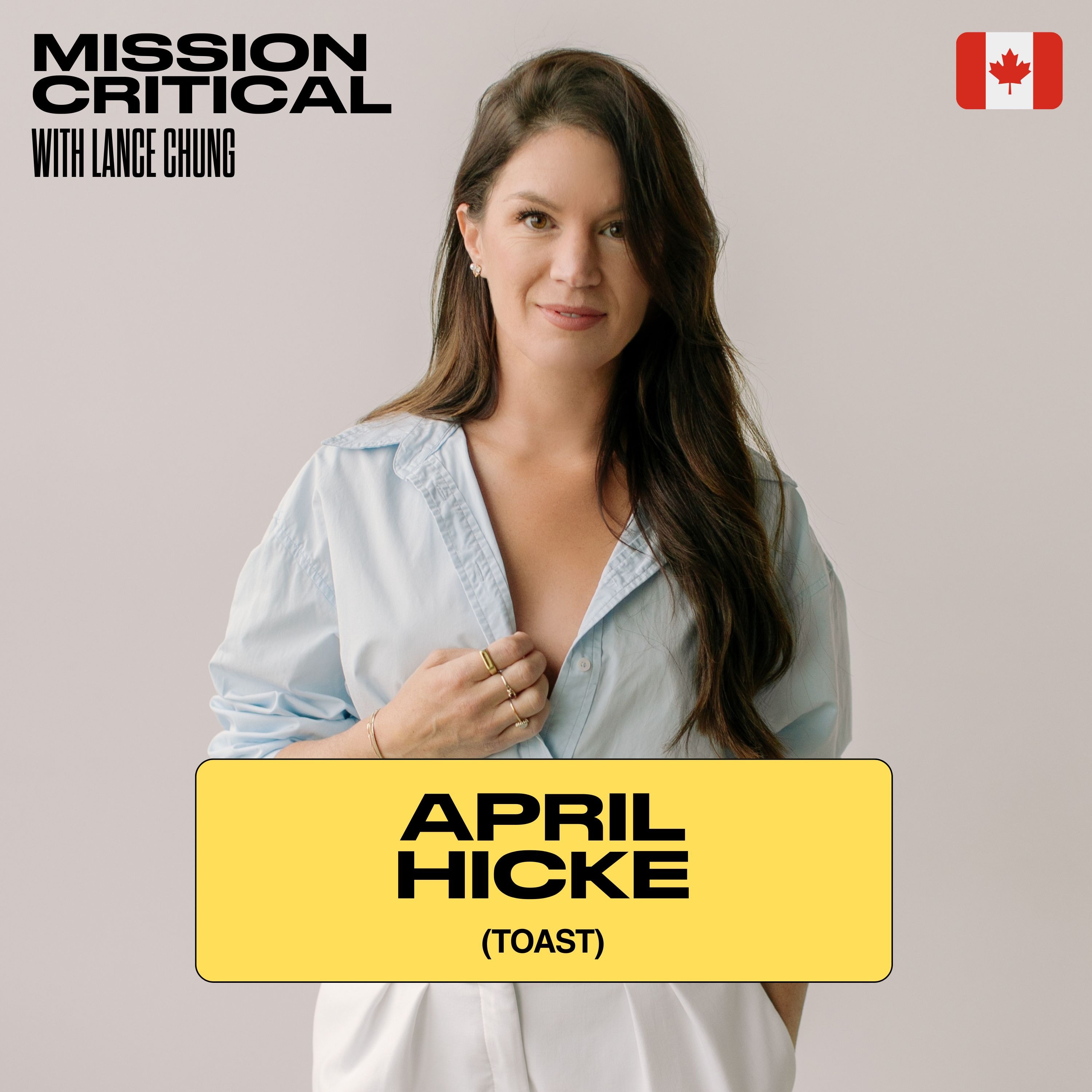
S17 Ep 127April Hicke (CEO, Toast): How We’ve Helped Women Secure $25M in Salaries
In this episode of Mission Critical, Lance sits down with April Hicke, CEO and co-founder of Toast, the platform transforming how companies hire, retain, and empower women in tech and beyond. April shares her journey from a corporate career to launching a social enterprise that has helped women secure over $25 million in cumulative salary increases, proving that purpose-driven business and profitability can coexist.Together, Lance and April dive deep into the challenges women face in corporate environments, why traditional hiring practices often exclude talented candidates, and how Toast uses a combination of technology, human connection, and community to break barriers. From leveraging AI for bias reduction to building talent pipelines that reflect the communities companies serve, April shares actionable strategies for leaders committed to meaningful change.Key Highlights:The origin story of Toast and the problem it was created to solveHow companies can attract and retain women in male-dominated industriesWhy measuring impact through dollars and career growth mattersLessons on human-centered leadership and empathy in businessThe role of technology in reducing bias — and when it can backfireThe importance of diversity of thought, background, and experience in driving innovationPractical tips for CEOs and founders looking to create inclusive workplacesAbout the Guest: April Hicke is the CEO and co-founder of Toast, a tech platform that helps companies across North America hire, retain, and advance women in their organizations. A recovering corporate ladder climber with a passion for equity and impact, April has guided Toast to become a trailblazer in inclusive hiring, leveraging both technology and human connection to help women secure meaningful career opportunities. She is also an advocate for human-centered leadership, building communities, and creating workplaces that empower diverse talent to thrive.
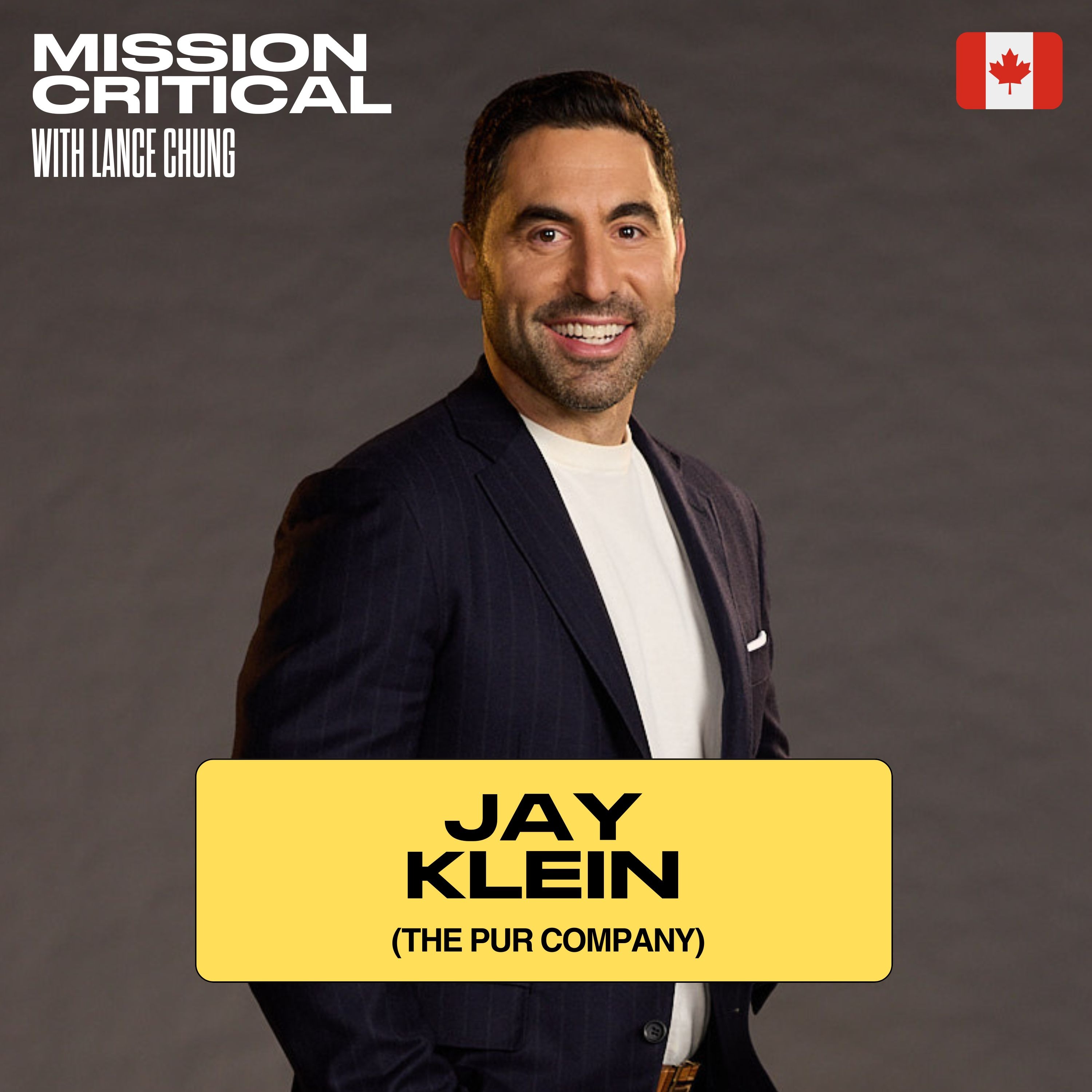
S17 Ep 126Jay Klein (CEO, The PUR Company): How Removing One Ingredient Disrupted a $20 Billion Industry
What if the most powerful way to disrupt an industry isn’t by adding more, but by removing what doesn’t belong?In this episode of Mission Critical, Lance sits down with Jay Klein, founder and CEO of The PUR Company, to unpack how a single, “unsexy” decision (that is, eliminating aspartame from chewing gum) helped build one of the world’s leading better-for-you brands.Founded in Toronto in 2010, PUR set out to challenge a $20-billion global gum industry by focusing on simplicity, transparency, and trust. What began as a grassroots, door-to-door effort grew into a global brand available in over 50 countries, now the #1 best-selling gum brand on Amazon in both Canada and the US. Along the way, Klein navigated early skepticism, scaled without compromising taste or accessibility, and learned why listening to consumers can be more powerful than any marketing strategy.Jay also reflects on his full-circle journey with Dragon’s Den—from pitching PUR as a founder to now taking a seat as a Dragon—and shares what he looks for in entrepreneurs who are built for the long game.This conversation is a masterclass in building trust before scale, resisting trend-driven shortcuts, and proving that small, intentional changes can create outsized impact.Key TakeawaysWhy simplicity and subtraction can be more disruptive than constant innovationHow founder-led sales and early trust shaped PUR’s long-term growthWhat it really means to build a consumer-first brand—beyond the buzzwordsThe hidden trade-offs of scaling in mass retail and global marketsLessons Jay Klein learned from both pitching on Dragon’s Den and now judging foundersWhy trust, taste, and accessibility are non-negotiable in better-for-you productsHow entrepreneurs can protect their mission as their business growsAbout the GuestJay Klein is the Founder & CEO of The PUR Company, the globally recognized better-for-you gum and mints brand. Since launching PUR in 2010, Jay has led the company’s expansion into more than 50 countries, earning recognition from Deloitte’s Best Managed Companies, Profit 500, and Canada’s Most Admired Corporate Cultures. A former Dragon’s Den entrepreneur turned Dragon, Jay is passionate about mentoring founders and building brands that last.

S17 Ep 125Amanda Baron & Aimee Schalles (Co-founders, Jointly): Everything You Should Know About Prenups
Prenups aren’t just for the wealthy or planning for divorce—they’re tools for everyday couples to communicate, protect, and plan for the future. In this episode of Mission Critical, Lance sits down with Amanda Baron and Aimee Schalles, the lawyers and founders behind Jointly, a digital platform that makes relationship agreements accessible, practical, and approachable.Amanda and Aimee share how Jointly empowers couples to navigate prenups, cohabitation agreements, and post-nuptial agreements without intimidation. From step-by-step tutorials and worksheets to lawyer-drafted agreements approved by the Law Society of Ontario, they’ve built a platform that balances legal rigor with ease of use.Key takeaways and summary;How Jointly guides couples from the first conversation to building a legally sound agreement.Common myths about prenups—that they’re defensive, only for the wealthy, or planning for divorce—and why those assumptions are outdated.The practical benefits of relationship planning, from parenting and home purchases to business ownership and inheritances.How legal tech is bridging access gaps for couples in rural communities or with lower incomes.The cultural shift among Millennials and Gen Z toward financial transparency and proactive relationship planning.How these agreements can complement estate planning and help blended families safeguard their assets.Whether you’re starting a first relationship, entering a second marriage, or navigating complex family dynamics, this episode shows that legal agreements aren’t about mistrust—they’re about clarity, collaboration, and peace of mind.Visit Jointly to start for free, access tutorials, worksheets, and build your agreement (available in BC, Alberta, and Ontario): jointly.caDisclaimer: The content discussed in this episode is for informational purposes and does not constitute legal advice. Always consult a licensed lawyer for guidance tailored to your specific situation.
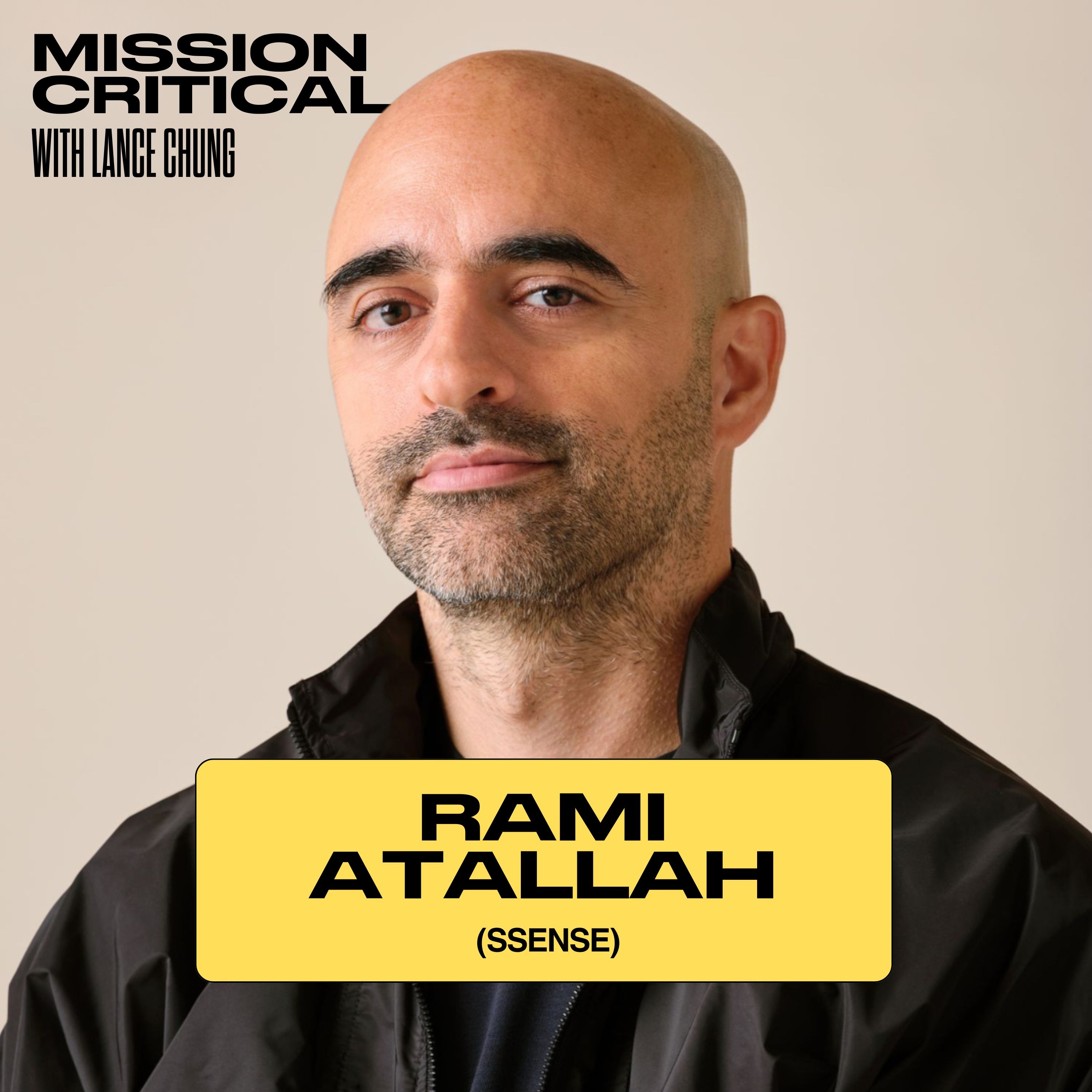
S17 Ep 124Best of Mission Critical: SSENSE's Rami Atallah on How to Influence Culture
Rami Atallah is the CEO and co-founder of SSENSE, a technology platform that focuses on nurturing emerging talent while simultaneously championing today’s most powerful and established luxury brands.What started as part of his computer engineering graduate thesis, Rami founded SSENSE alongside his brothers, Firas and Bassel, to address the needs of the new generation of consumers. They wanted to build a platform that was, in his words, "interesting, pushed boundaries, and leveraged the internet to reach a global customer base."An immigrant from Syria, Rami’s journey is one that exemplifies the power of harnessing diverse perspectives and skill sets, and using your work as a springboard for talent in order to usher a new generation of leaders.Recorded live at the SSENSE headquarters in Montreal, revisit our episode with Rami, where we talk about his immigrant and entrepreneurial journey, how he uses his engineering background to solve problems, and the future of luxury, commerce, and culture.
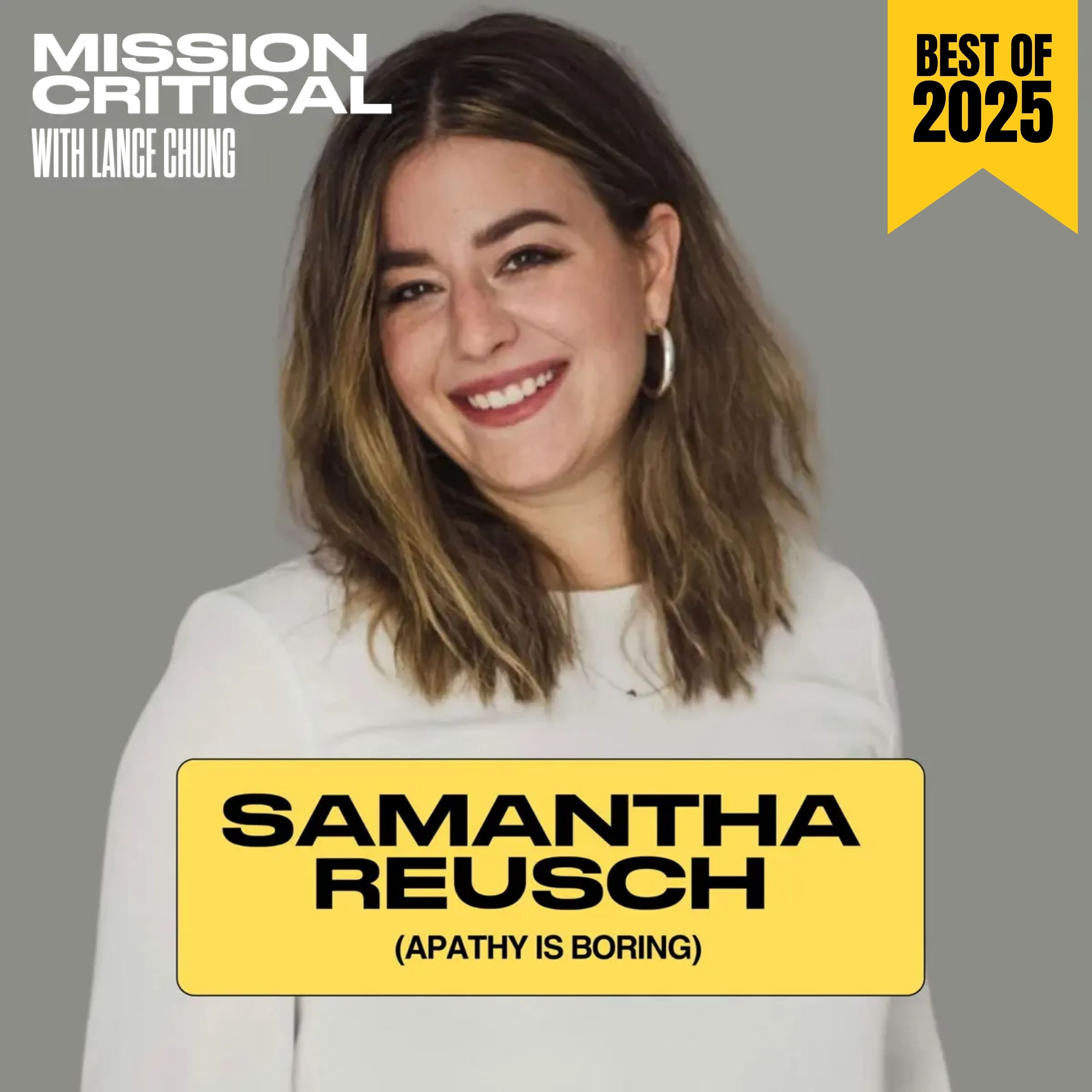
S17 Ep 123Best of Mission Critical: Why Young People Aren't Voting with Apathy is Boring's Samantha Reusch
Youth voter turnout has historically lagged behind older demographics, and trust in political institutions is at an all-time low. In an era of misinformation, democratic backsliding, and global instability, is democracy failing young people—or have young people lost faith in democracy?To help unpack these questions, we're revisiting Lance's chat with Samantha Reusch, Executive Director of Apathy is Boring—a national, non-partisan organization that has spent 20 years working to increase youth engagement in Canadian democracy. A leading voice on democratic reform and voter participation, Samantha has dedicated her career to ensuring young people feel heard in the political process. Under her leadership, Apathy is Boring has helped mobilize thousands of first-time voters.In this episode, we explore:✅ Why youth voter turnout remains low—and what’s keeping young Canadians from the polls.✅ How global politics is shaping youth perceptions of democracy.✅ The role of misinformation, social media, and tech algorithms in political disengagement.✅ What needs to change in Canada’s electoral system to better serve young voters.✅ Apathy is Boring’s innovative strategies to mobilize youth, including Count Us In and Table Topics.✅ Samantha’s call to action for young Canadians ahead of the 2024 Canadian federal election.🔗 Resources & Links:📌 Apathy is Boring: apathyisboring.com📌 Take the vote pledge: https://www.apathyisboring.com/votepledge📌 The Feed newsletter: https://www.apathyisboring.com/feed
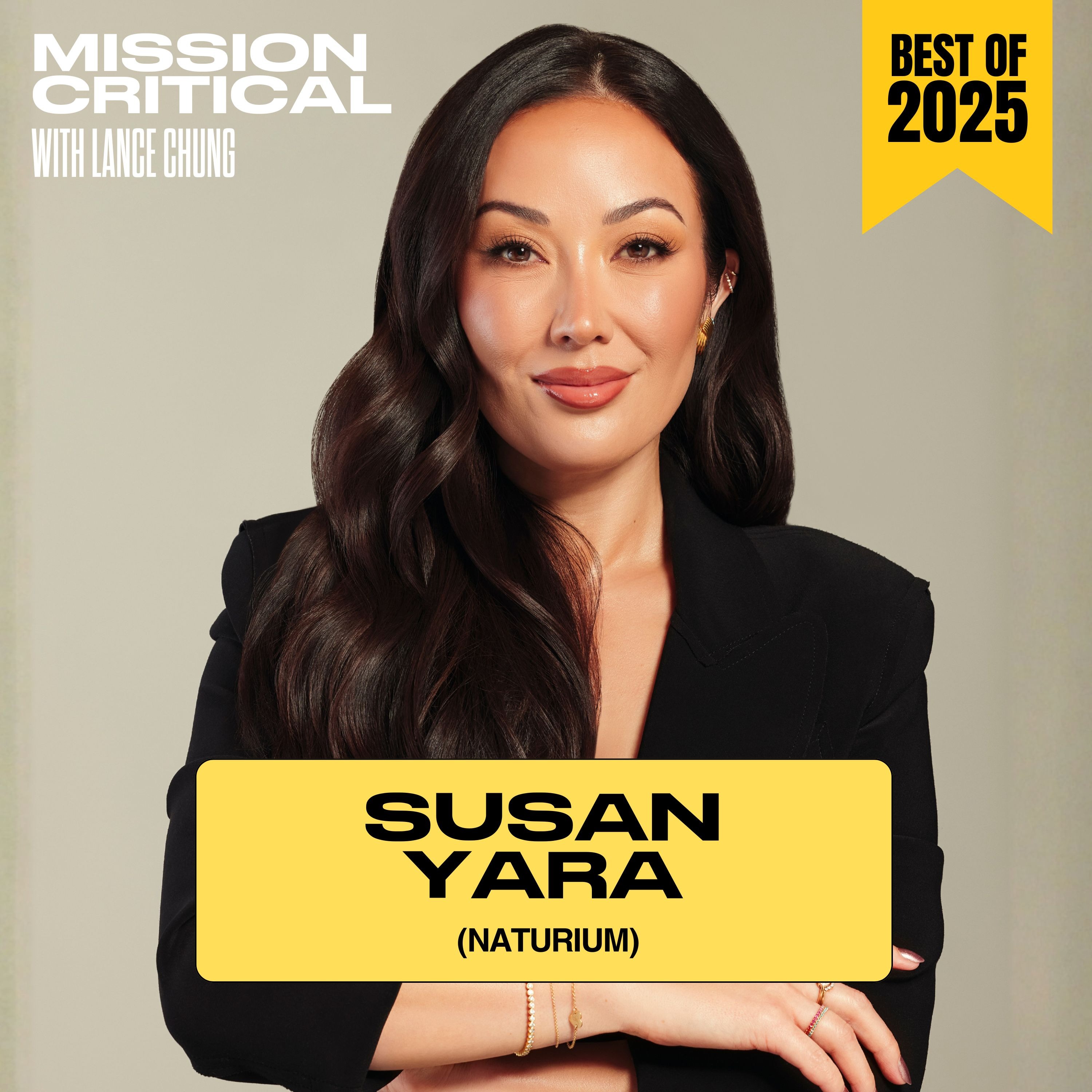
S17 Ep 122Best of Mission Critical: Naturium's Susan Yara on Building a $355M Beauty Brand
What happens when influence isn’t just about followers—but about power, ownership, and rewriting the rules of an entire industry?In this re-released episode of Mission Critical, Lance chats with Susan Yara—content creator turned beauty entrepreneur, and the co-founder of Naturium, one of the fastest-growing skincare brands in the business.She started in front of the camera. Built trust. Built community. And then she flipped the script, turning her influence into infrastructure. Naturium scaled fast, stood out in a crowded market, and was acquired by e.l.f. Beauty for a reported $355 million. But behind the success story is a woman who’s navigated every tension: between personal brand and product brand, between representation and responsibility, between being taken seriously and staying true to where she came from.In this conversation, Lance and Susan talk about what it really means to have influence that lasts—not just in beauty, but in business.Episode highlights and takeaways:Why legacy brands are watching: Susan shares how indie beauty brands like Naturium are driving innovation and forcing legacy players to catch up.Representation done right: Susan talks about the responsibility (and strategy) of creating an inclusive brand without tokenism — and how her multicultural background shaped her vision.From startup to acquisition: What it really takes to scale fast, keep your soul, and partner with a company like e.l.f. to go global without losing your original mission.The power of analytics: She reveals how understanding her audience through content data gave her a roadmap for product development, retail strategy, and growth.Creating vs. scaling: The difference between building a personal brand and building a business—and why separating the two is essential if you want to exit.
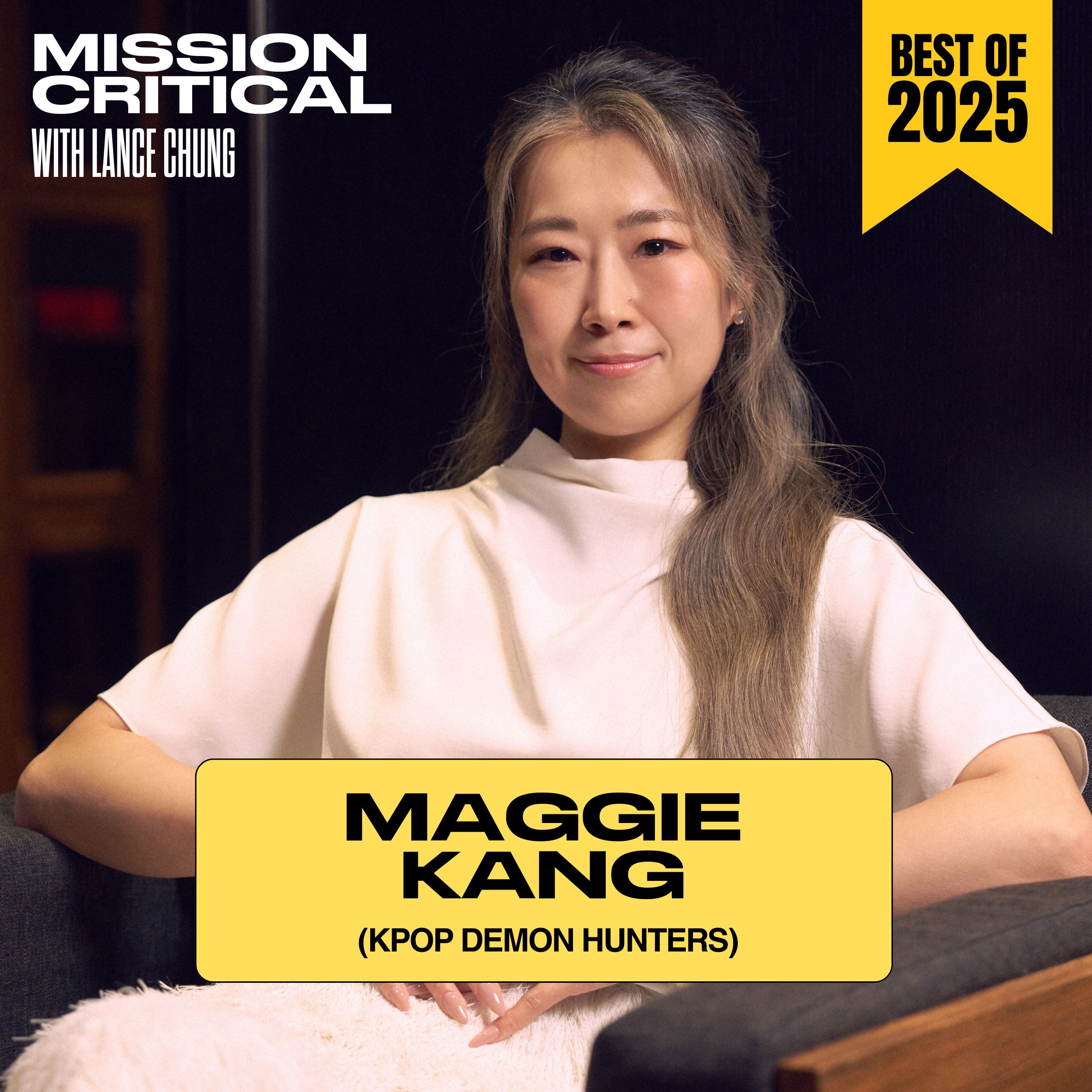
S17 Ep 121Best of Mission Critical: KPop Demon Hunters' Maggie Kang on Representation, Flawed Heroes, and Owning Your Power
Filmmaker Maggie Kang has captured the world’s imagination with Kpop Demon Hunters, the animated blockbuster that has topped Netflix’s most-watched list and redefined what global audiences expect from K-pop storytelling. Blending the spectacle of superhero cinema with the infectious energy of Korean pop culture, Kang’s film has inspired entirely new audiences and generations to a story that is universal in its themes.In this re-released episode of Mission Critical, Maggie opens up about her journey from growing up without many Korean friends to becoming one of the most powerful voices shaping Asian representation in Hollywood. She shares what it means to break generational cycles, embrace cultural inheritance, and build worlds where young women can own their power — flaws and all.Together, Lance and Maggie talk about the universality of K-pop, how the film’s soundtrack became a cultural phenomenon, and what the future of Korean storytelling looks like in a world where “niche” no longer applies.Key TakeawaysHow Kpop Demon Hunters broke barriers in representation and global storytelling.The creative risks behind blending K-pop and the superhero genre.Maggie’s reflections on intergenerational identity, cultural inheritance, and belonging.Why authenticity (not translation) is the future of cultural storytelling.The lessons she’s taking forward into her next projects.HighlightsThe story behind Kpop Demon Hunters and who it was really made for.Why the characters’ flaws were essential to their power.The influence of her father’s filmmaking legacy.The future of Asian and diaspora narratives in mainstream media.Did you enjoy this episode? Make sure to like, subscribe, and leave a rating.

S17 Ep 120Charles Khabouth (Founder, Ink Entertainment Group): Why Hospitality Is Really About People, Not Places
In this special live episode of Mission Critical, Lance sits down with Charles Khabouth, founder and CEO of INK Entertainment Group, for a candid, wide-ranging conversation on entrepreneurship, leadership, and building brands that endure.From immigrating to Canada at 15 to becoming one of the most influential figures in Toronto’s hospitality and cultural landscape, Khabouth reflects on the early risks that shaped his career, the losses behind every win, and why respect (not money) has always been his greatest driver. He shares how nightclubs once served as cultural incubators for fashion, music, and design, and why hospitality today is less about product and more about trust, people, and experience.The episode also dives into INK’s newest evolution: 30 Hazelton, the group’s expansion into the medispa and wellness space. Khabouth explains why health and wellness is a natural extension of hospitality, the importance of choosing the right partners, and how trust transfers from brand to experience—whether in dining, nightlife, or skincare.KEY TAKEAWAYS & HIGHLIGHTSEntrepreneurship is built on loss: There is no winning without losing—failure is a prerequisite for success.Hospitality is about trust, not product: People return because they feel cared for, not because they need another steak or cocktail.Culture beats everything: A strong internal culture is the foundation of any scalable hospitality brand.Leadership at scale is about people: With thousands of employees, every interaction matters—and every person represents the brand.Consistency is harder than growth: Maintaining status quo is more difficult than getting there.Hospitality is bigger than food and nightlife: Wellness, skincare, art, and design all fall under the umbrella of caring for people.Legacy is built through others: True success comes from helping people grow and creating opportunities beyond yourself.
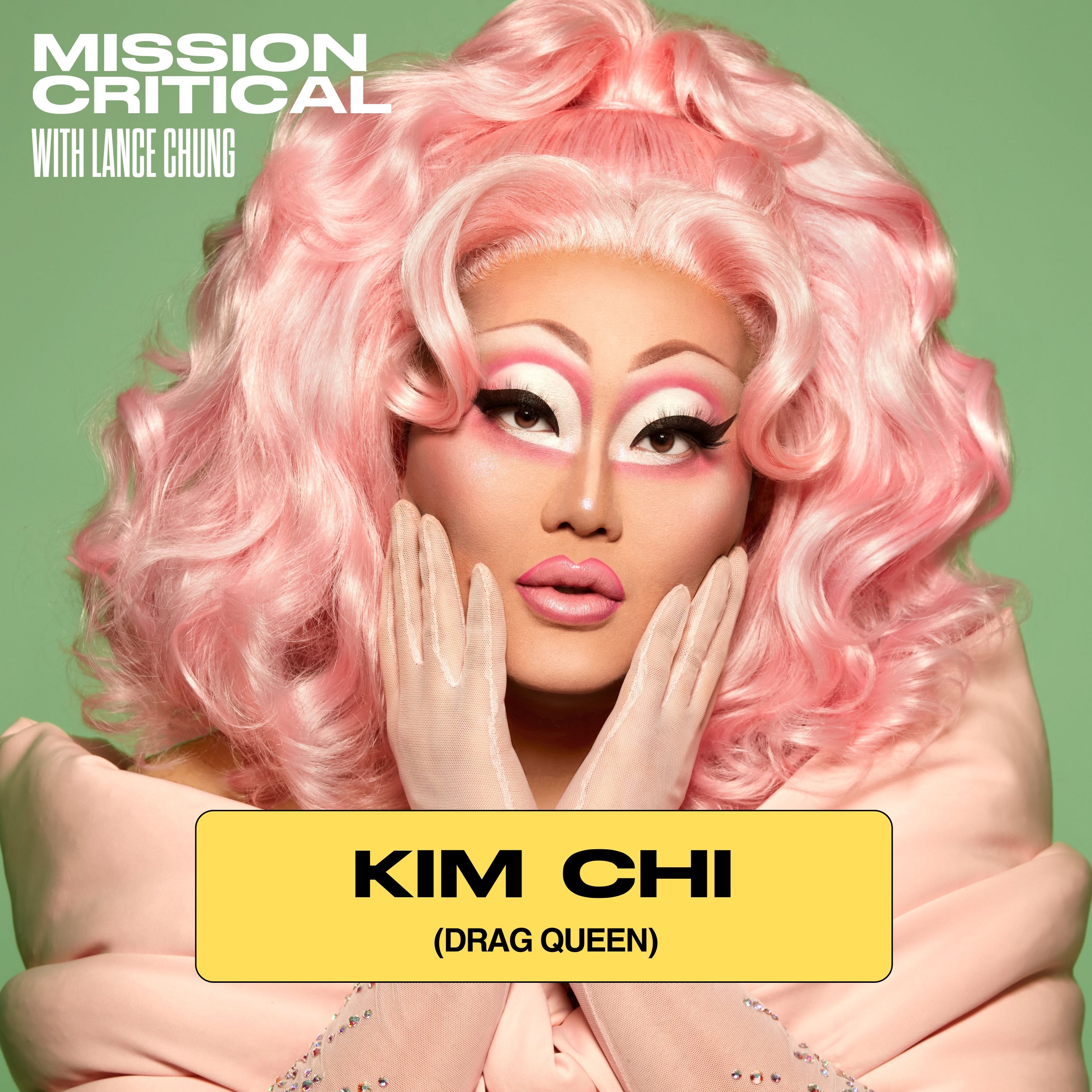
S17 Ep 119Kim Chi (Drag Queen, Entrepreneur): Drag, Identity, and the Future of Beauty
In this episode of Mission Critical, Lance sits down with Kim Chi (the drag superstar and beauty entrepreneur behind KimChi Chic Beauty) for a candid conversation on creativity, cultural identity, and building one of the most inclusive beauty brands today.From the rise of drag as a global culture to the realities of growing a business through COVID, TikTok, and an unpredictable beauty landscape, Kim Chi shares how she stays resilient, innovative, and unapologetically herself. She opens up about navigating Korean and Western beauty standards, the pressure of representation, and the role drag continues to play as both art and protest.With humour and unfiltered honesty, Kim Chi offers a rare look at the mindset, mission, and cultural impact behind her work — and what the future of beauty, visibility, and creative entrepreneurship might look like.Key Highlights & TakeawaysRepresentation that matters: How growing up between cultures shaped her voice, vision, and leadership.Drag as cultural power: Why drag remains a vital artistic and political force.Inside KimChi Chic Beauty: Building an inclusive, community-led brand through creativity and resilience.The new beauty economy: TikTok reviews, indie brands, shifting consumer habits, and the rise of AI.Entrepreneurship in uncertainty: Lessons from launching a brand before COVID and navigating global volatility.Joy as strategy: How food, beauty, and community continue to inspire her craft.

S17 Ep 118Laura McGee (CEO, Diversio): Here's Why DEI Programs Are Here to Stay (Re-Release)
DEI has become one of the most polarizing conversations in the corporate world, especially in the 2025 Trump era. Is it a critical business strategy, or just corporate virtue signaling? On this episode of Mission Critical with Lance Chung, Lance sits down with Laura McGee, CEO of Diversio, to cut through the noise and uncover what’s really happening behind the headlines.McGee shares how Diversio is using AI and data analytics to make workplaces more productive—and why the backlash against DEI is based more on perception than reality. She breaks down the myths surrounding diversity efforts, reveals the surprising truth about which companies are actually pulling back, and explains why leaders should embrace uncomfortable conversations instead of avoiding them.Key Takeaways:The media’s portrayal of DEI is misleading—most companies aren’t canceling it, they’re rebranding it.Why fear, not facts, is the biggest barrier to progress.The global differences in how companies approach inclusion—and what North America gets wrong.How to shift the DEI conversation from divisive to productive.It’s time to separate fact from fiction. Listen now to this re-released episode with Laura from March, 2025.
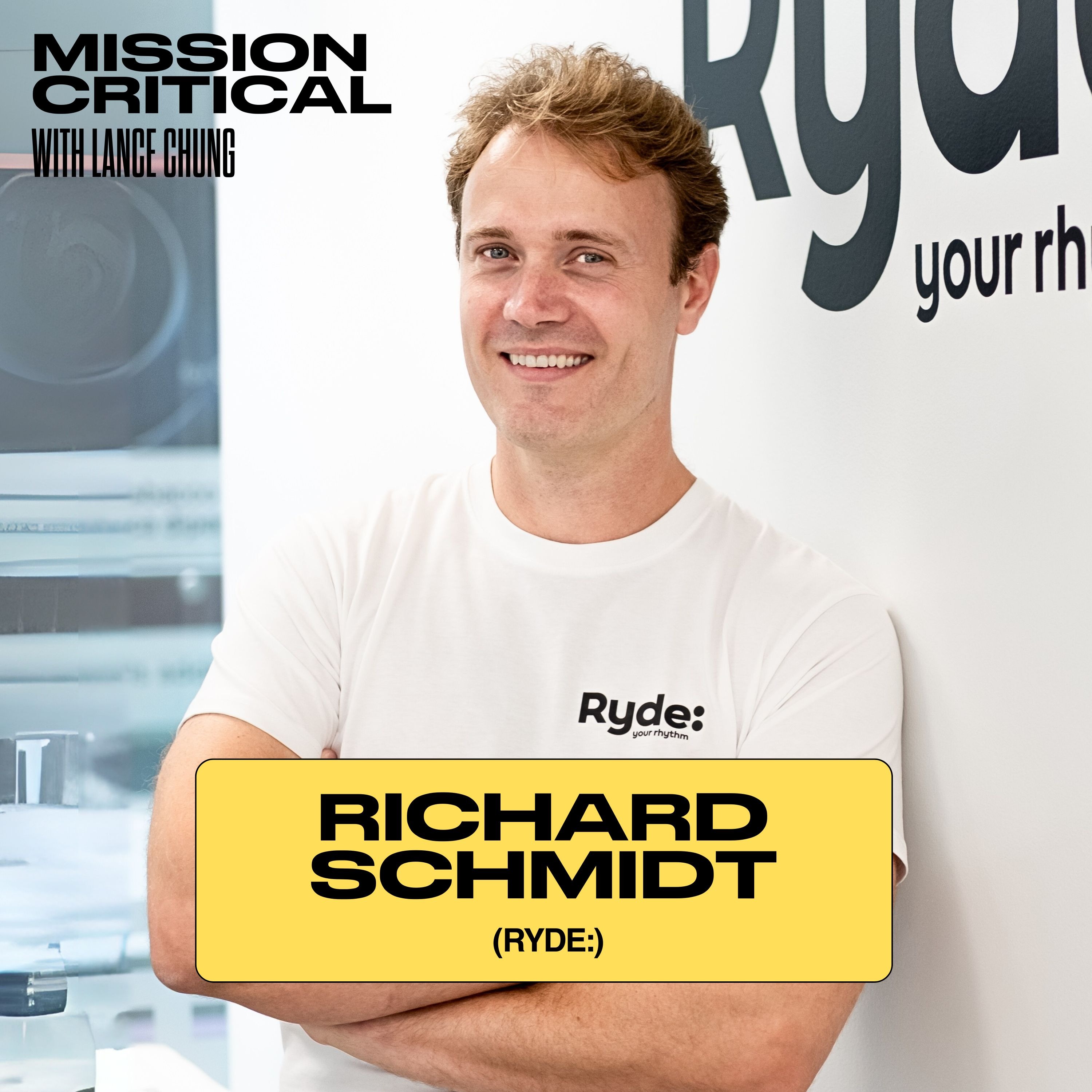
S17 Ep 117Richard Schmidt (CEO, Ryde:): The Future of Functional Wellness
In this episode of Mission Critical (presented by Ryde:), CEO Richard Schmidt joins Lance to explore what modern wellbeing really looks like. Richard shares how his background leading major CPG brands shaped his approach to building Ryde, a fast-growing company focused on functional shots designed for the real rhythms of daily life.During their discussion, Richard breaks down his leadership philosophy (“team awesomeness-making”), the rise of wellness as a catchall buzzword, and how Ryde: aims to bring science, simplicity, and levity back into the conversation. From energy and focus to calm and clarity, Richard reveals why the smallest products can have the biggest impact on how we move through our day.Key TakeawaysLeadership with clarity: Why Richard believes a CEO’s job is to empower people, not micromanage.The wellness paradox: How “wellness” lost meaning—and how consumers are redefining what they actually need.Inside Ryde: Why ENERGIZE, FOCUS, and RELAX were chosen as the brand’s core mood states.Science made simple: A look at Ryplenish™ and the idea behind fast-acting, functional mood support.The modern professional: Why today’s busy, always-on lifestyle demands practical, pocket-sized solutions.Learn more about Ryde: https://ca-en.ryde.com/
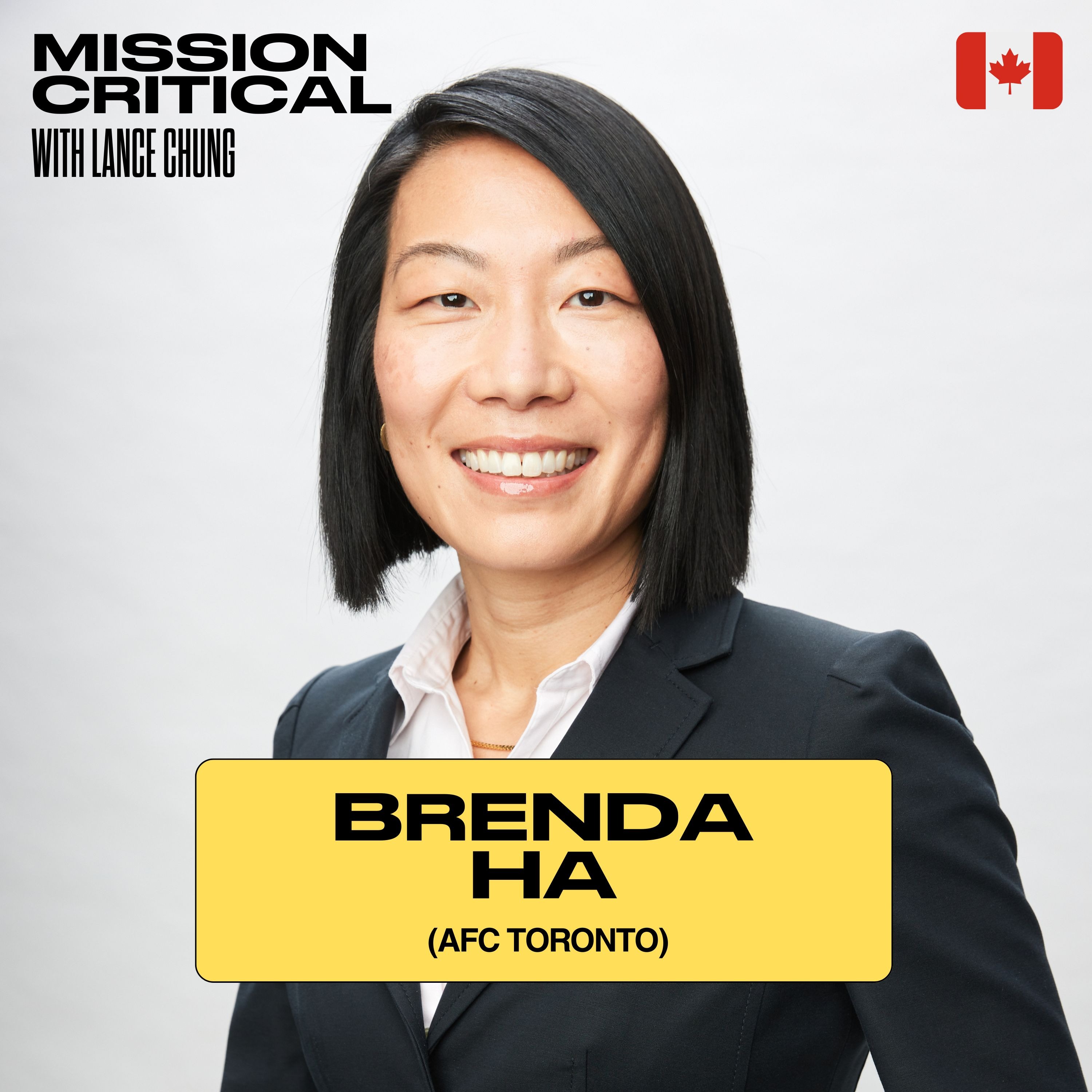
S17 Ep 116Brenda Ha (Co-founder, AFC Toronto): The Soccer Mom Who Became a Sports Team Owner
What does it really take to become an owner in professional sports? For Brenda Ha, the answer is surprisingly simple: conviction, community, and the courage to raise your hand. In this inspiring episode of Mission Critical, Lance sits down with AFC Toronto co-owner and investor Brenda Ha to explore how a first-generation Korean Canadian, lifelong Torontonian, and self-described “soccer mom” stepped into the world of women’s sports ownership—without a billionaire’s bank account or a traditional sports background.Brenda opens up about the grassroots origins of AFC Toronto, the pivotal moment when her husband challenged her to see herself in the ownership conversation, and what it means to build a franchise rooted in gender equity, community impact, and opportunity for future generations of athletes. From the rise of the Northern Super League to the league-wide sisterhood forming between the PWHL, WNBA, and AFC Toronto, Brenda offers an intimate look at the movement reshaping professional women’s sports in Canada.She also shares powerful stories from AFC Toronto’s inaugural season—from the behind-the-scenes reality of match-day operations to the emotional impact of hosting Korea Night and rallying Toronto’s multicultural communities around the team.Whether you're a sports fan, entrepreneur, or someone curious about how everyday people can participate in shaping the future of women’s sports, this is a conversation you won’t want to miss.Key Highlights & Takeaways:How a “soccer mom” became a professional sports team owner—and why you don’t need to be a billionaire to invest in women’s sportsThe grassroots origins of AFC Toronto and the mission behind Project 8 and the Northern Super LeagueThe role of community, collaboration, and women supporting women across leagues like the PWHL and WNBABehind-the-scenes insights into game-day operations, volunteer culture, and what it takes to build a team from scratchThe impact of multicultural storytelling, including the success of AFC Toronto’s Korea NightBrenda’s personal journey through imposter syndrome, leadership, and learning to see herself in spaces traditionally reserved for “other people”The economic and cultural momentum behind women’s sports in Canada—and why this movement is just getting started
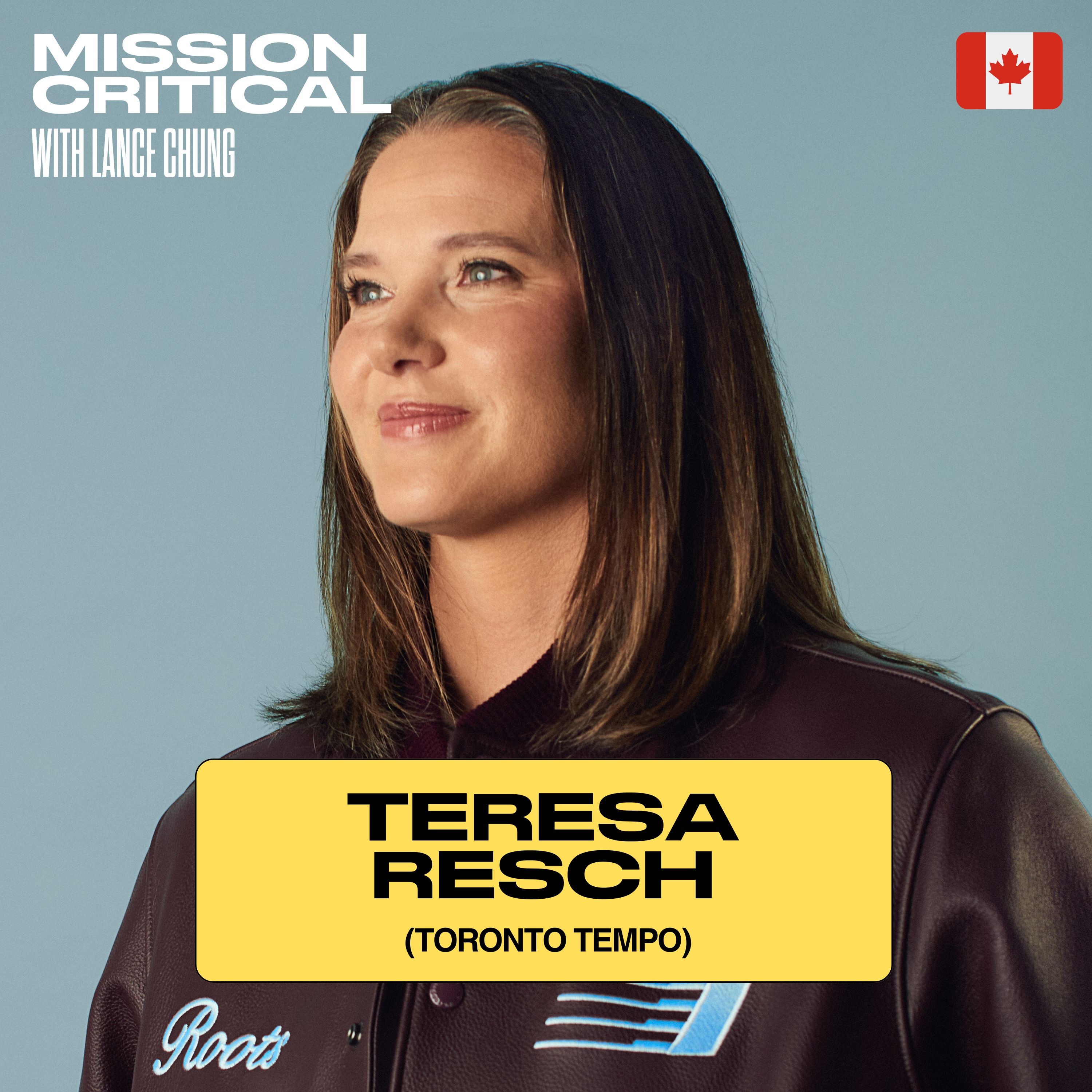
S17 Ep 115Teresa Resch (President, Toronto Tempo): Building Canada's WNBA Legacy
In this episode of Mission Critical, Lance sits down with Teresa Resch (President of the Toronto Tempo) on set of her GLORY 2025 Women of the Year cover shoot. Teresa walks us through her journey—from shaping the franchise’s identity to designing a brand that captures the heartbeat of Canada's basketball community. She shares how she’s navigating challenges in launching a major-league women’s sports team, establishing community infrastructure, and building a legacy that goes far beyond basketball.Key takeaways:How Teresa’s leadership is shaping the Tempo as Canada’s WNBA team, not just Toronto’s.The strategy and significance behind the “Tempo” name—balance, rhythm, control. The power of public engagement.Lessons in building from scratch: hiring, infrastructure, and cultivating a national fan base.The long game: why Teresa is focused on legacy, community, and a championship cadence.

S17 Ep 114Andre De Grasse (Olympian): Longevity, Legacy, and the Pursuit of Greatness
In this episode of Mission Critical, Lance sits down with Andre De Grasse (Canada’s most decorated Olympian) to explore what it really takes to sustain greatness, both on and off the track. From his journey of resilience and reinvention to building a legacy that goes far beyond medals, De Grasse opens up about the mindset, discipline, and purpose that continue to fuel his success.Fresh off voicing Team Canada’s “Brave Is Unbeatable” campaign, De Grasse shares how courage and perseverance shape not only his athletic career but also his ventures as an entrepreneur, philanthropist, and father. Key Highlights & Takeaways:The Power of Resilience: How De Grasse learned to turn setbacks into motivation and longevity in a sport that tests both body and mind.Redefining Success: Why his definition of winning has evolved from chasing podiums to creating impact through his foundation and mentorship programs.Canada on the Global Stage: De Grasse’s perspective on Canada’s growing influence in sports and culture — from the World Cup to the WNBA.Peak Performance, Redefined: What goes into maintaining elite performance?Beyond the Finish Line: His next chapters — from a biopic and book launch to new ventures in film, wine, and voice acting.“Brave Is Unbeatable”: The meaning behind Team Canada’s campaign and how bravery fuels his evolution as an athlete and human being.
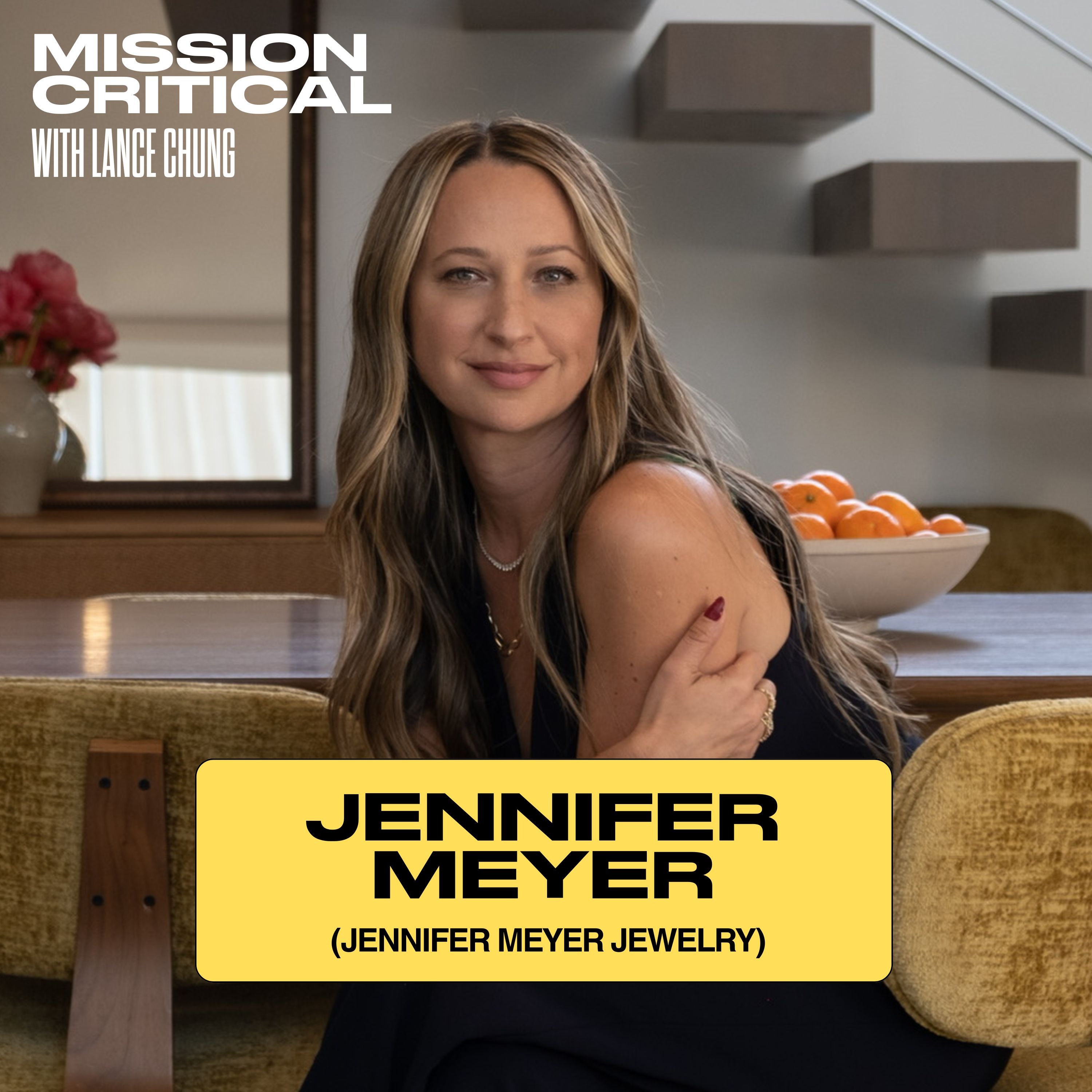
S17 Ep 113Jennifer Meyer (Founder, Jennifer Meyer Jewelry): Celebrity, Influence, and Building a Jewelry Brand with Staying Power
In this episode of Mission Critical, Lance sits down with Jennifer Meyer, the Los Angeles–based jewelry designer whose eponymous brand has redefined celebrity-driven luxury for nearly two decades.Long before influencer marketing became an industry, Meyer understood the power of emotional connection, storytelling, and authenticity. Her designs—delicate gold charms and signature modern heirlooms—first caught the attention of stylists and Hollywood icons like Jennifer Aniston and Reese Witherspoon, but what followed was more than a red carpet moment. Meyer built a company on a foundation of heart, heritage, and human connection.Nearly twenty years later, Meyer reflects on what it takes to sustain influence in an era when the meaning of “celebrity” is constantly evolving. She shares insights on:Navigating fame and influence — how she’s maintained creative integrity while operating in a world obsessed with visibility.Authentic brand-building — why lasting success in fashion comes from relationships, not algorithms.The evolution of luxury — from Hollywood’s golden age to today’s digital marketplace, and what it means to stay timeless amid constant change.Leadership in the creative industry — how to build trust, nurture teams, and lead with empathy in a culture that often rewards ego.The next 20 years — what inspires her now, and how she’s evolving as both designer and entrepreneur in an increasingly competitive landscape.For anyone fascinated by the intersection of fashion, celebrity culture, and entrepreneurship, this chat offers a rare, behind-the-scenes look at how one designer turned personal artistry into an enduring symbol of modern luxury.Smithe House: smithehouse.comKeefer House: keeferhouse.com Limited-time Glory-exclusive offer: 20% off plus priority early check-in (based on availability) with code GLORY. Book by December 31st, 2025 to claim. Black-out dates apply.

S17 Ep 112David Zilber (Food Scientist): What Fermentation Can Teach Us About Collaboration, Control, and Creativity
In this episode of Mission Critical, Lance sits down with David Zilber — chef, fermentation expert, author, and Top Chef Canada judge — to explore how food reflects who we are, where we come from, and where we’re headed. From his groundbreaking work leading the Fermentation Lab at Noma (once named the world’s best restaurant) to his current work in biotechnology, Zilber has become one of the most influential voices redefining how we think about food, science, and sustainability.He shares how microbes can teach us about collaboration, control, and surrender, and why the most meaningful meals often have nothing to do with perfection — but everything to do with connection.Key highlights and takeaways:On food as reflection: Zilber sees food as “the most essential human endeavor,” one that mirrors culture, climate, and our collective values.Fermentation as metaphor: “You can guide it, but you can’t control it.” Fermentation teaches humility, patience, and the beauty of surrender.Collaboration lessons: Nature isn’t binary — even microbes blur the lines between good and bad, symbiosis and conflict.Creativity on Top Chef Canada: True creativity is intuitive and contextual — “you know it when you see it.” Zilber values ingenuity over perfection.The joy of maladaptive cooking: Making food that takes more energy than it provides (like handmade pasta) is what connects humans — it’s the “social glue” of culture.Redefining progress in food: Advocates for decentralized, community-driven systems where power and food sovereignty are shared.Transformation in motion: Now a father and homeowner, Zilber embraces evolution — “falling forward” and learning as a lifelong student of life and microbes.
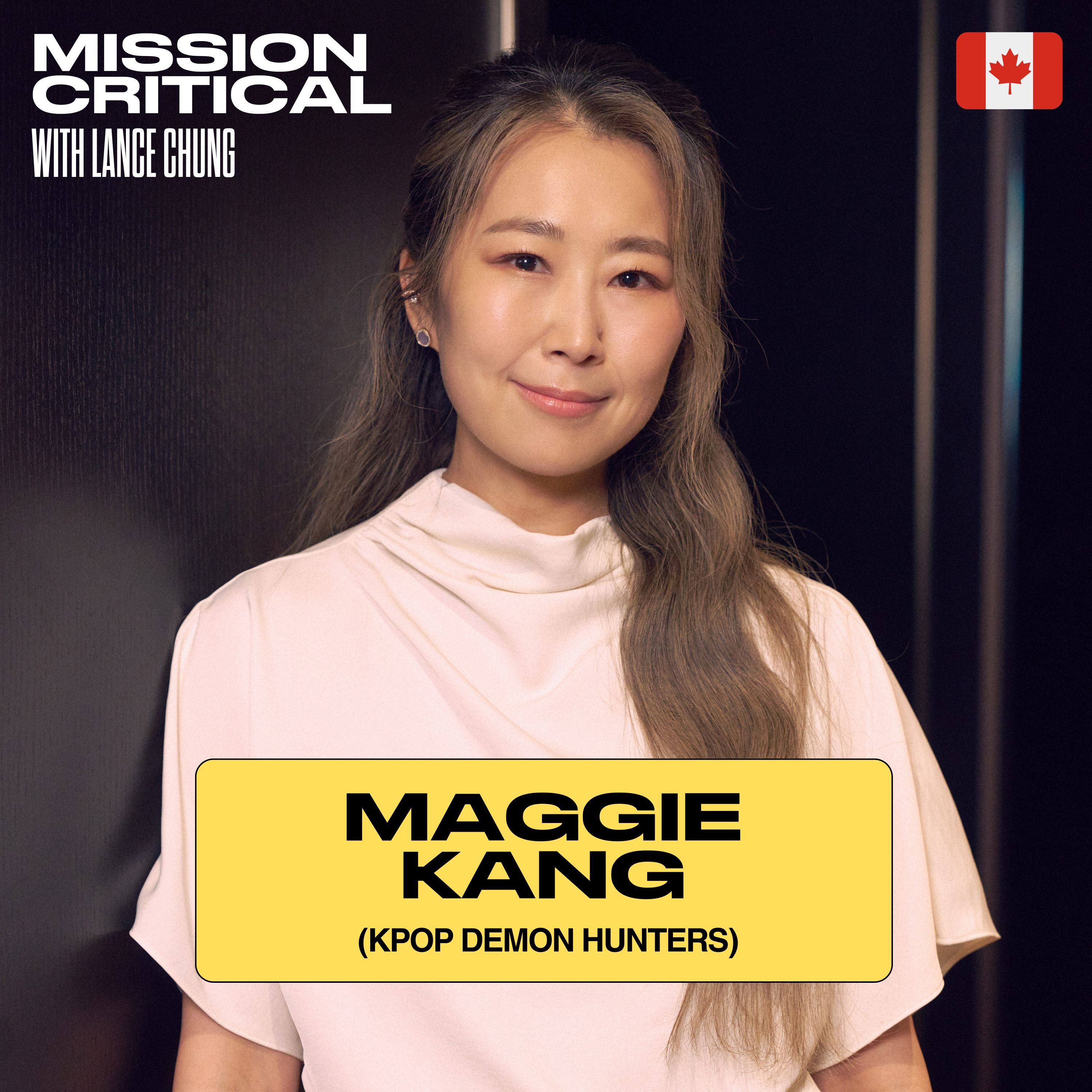
S17 Ep 111Maggie Kang (Filmmaker, Kpop Demon Hunters): On Representation, Flawed Heroes, and Owning Your Power
Filmmaker Maggie Kang has captured the world’s imagination with Kpop Demon Hunters, the animated blockbuster that’s topped Netflix’s most-watched list and redefined what global audiences expect from K-pop storytelling. Blending the spectacle of superhero cinema with the infectious energy of Korean pop culture, Kang’s film has inspired entirely new audiences and generations to a story that is universal in its themes.In this episode of Mission Critical, Maggie opens up about her journey from growing up without many Korean friends to becoming one of the most powerful voices shaping Asian representation in Hollywood. She shares what it means to break generational cycles, embrace cultural inheritance, and build worlds where young women can own their power — flaws and all.Together, Lance and Maggie talk about the universality of K-pop, how the film’s soundtrack became a cultural phenomenon, and what the future of Korean storytelling looks like in a world where “niche” no longer applies.Key TakeawaysHow Kpop Demon Hunters broke barriers in representation and global storytelling.The creative risks behind blending K-pop and the superhero genre.Maggie’s reflections on intergenerational identity, cultural inheritance, and belonging.Why authenticity (not translation) is the future of cultural storytelling.The lessons she’s taking forward into her next projects.HighlightsThe story behind Kpop Demon Hunters and who it was really made for.Why the characters’ flaws were essential to their power.The influence of her father’s filmmaking legacy.The future of Asian and diaspora narratives in mainstream media.Did you enjoy this episode? Make sure to like, subscribe, and leave a rating.

S17 Ep 110Dax Dasilva (CEO, Lightspeed): What the Amazon Taught Me About Leadership
From scaling a billion-dollar tech company to trekking through the Amazon rainforest with Dr. Jane Goodall, Dax Dasilva has learned that growth only happens when you step outside your comfort zone. In this episode of Mission Critical, the Lightspeed CEO and Age of Union founder opens up about leadership, purpose, and risk—sharing lessons from both the boardroom and the jungle. We talk about how small businesses shape culture, why he believes entrepreneurship and activism are connected, and how his new book Echoes from Eden challenges us to reimagine what impact really means.Key Takeaways:Why leaving your comfort zone is essential to personal and professional growth.How Lightspeed empowers small businesses and strengthens community ecosystems.The connection between entrepreneurship, activism, and environmental leadership.What Dax learned from two years on the ground with Age of Union conservation projects.How the lessons from the wild can make you a better leader, creator, and changemaker.Insights from his new book, Echoes from Eden, on finding purpose through action.Get Dax's new book, Echoes from Eden: A Daring Voyage to Protect Earth's Last Wild Places - https://www.indigo.ca/en-ca/echoes-from-eden-a-daring-voyage-to-protect-earths-last-wild-places/9781628605693.htmlDid you enjoy this episode? Give Mission Critical with Lance Chung a subscribe and rating, wherever you listen and watch your podcasts.
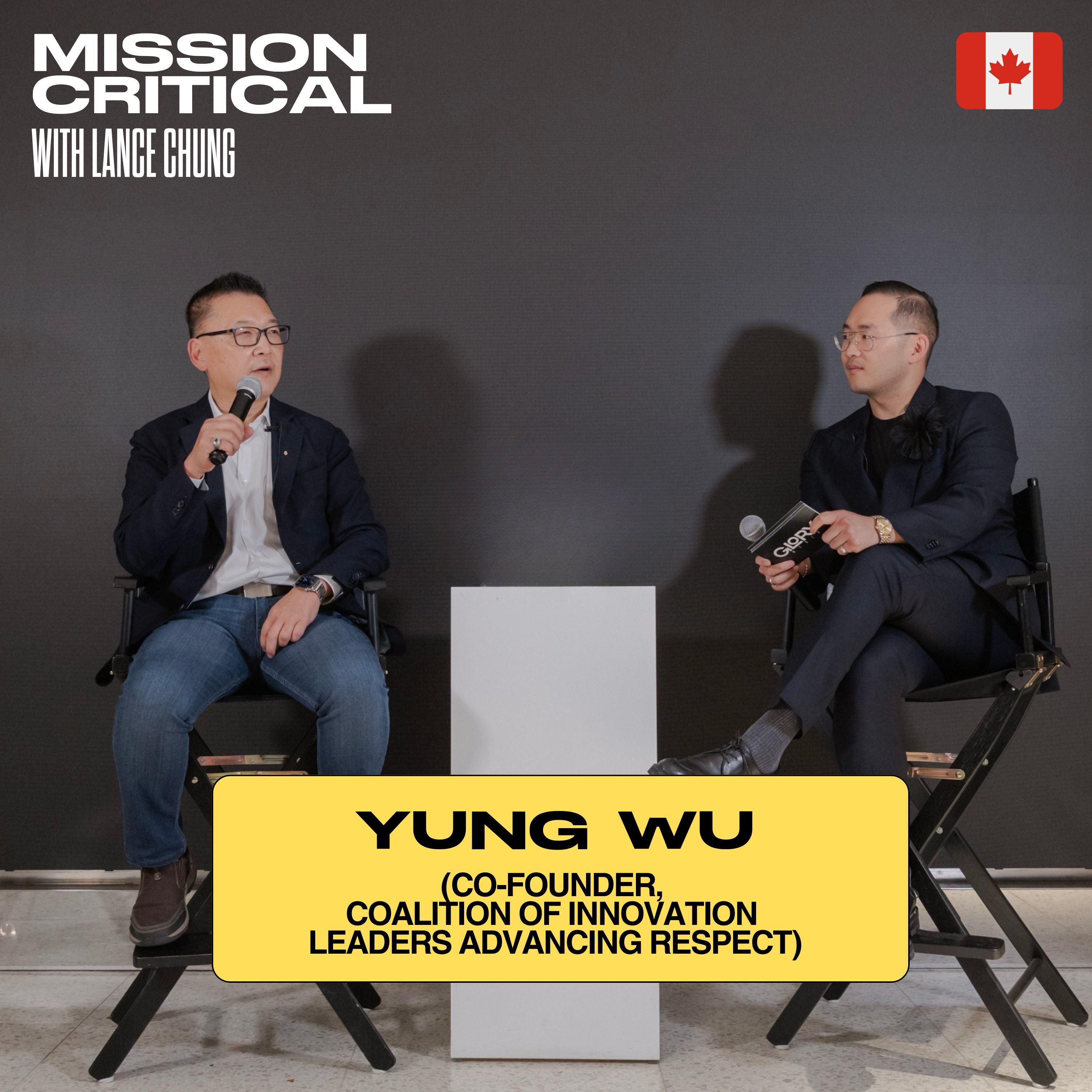
S17 Ep 109Yung Wu (Co-founder, CILAR): Seizing Opportunity in a Time of Turbulence
Hosted in partnership with Holt Renfrew, host Lance Chung sits down for a follow-up interview with Yung Wu—co-founder of the Coalition of Innovation Leaders Advancing Respect and former CEO of MaRS Discover District. In their discussion, the two catch up for a live recording of the Mission Critical podcast to chat about leadership style, artificial intelligence, advice on how to navigate a volatile business landscape, and harnessing opportunity in the innovation economy.
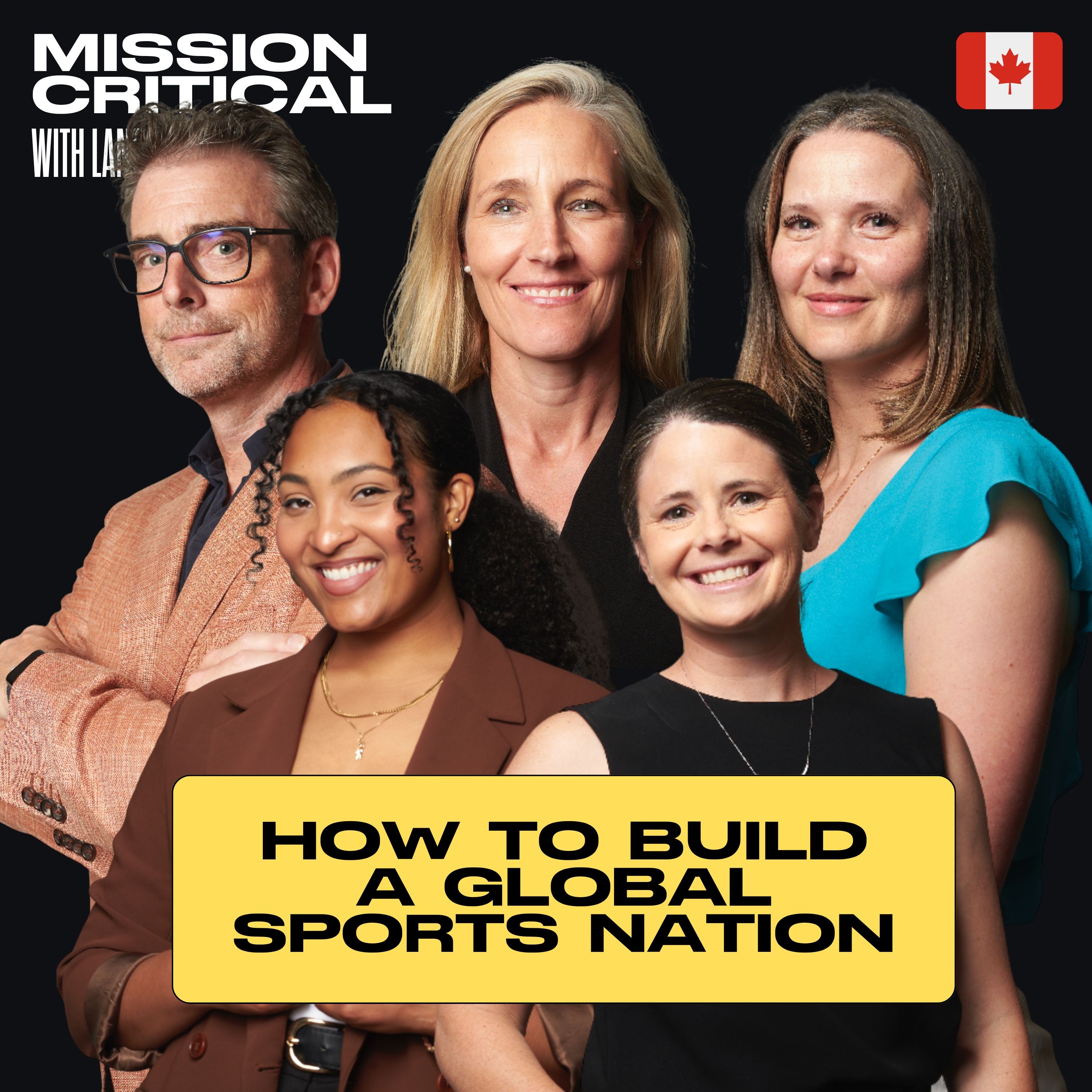
S17 Ep 108How to Build a Global Sports Nation
In recent years, Toronto has made bold moves that signal its evolution into a true global sports capital — from the launch of the PWHL and AFC Toronto, to the announcement of a WNBA expansion team and the NHL’s renewed focus on international competition through the Four Nations Face-Off. And in the next two years, that momentum will reach a new peak as the city prepares to host World Cup matches in 2026 — arguably the most significant international sporting event in our city and Canada’s history.Recorded live at the 2025 GLORY Sports Summit (powered by GE Appliances) in Toronto, this conversation brings together leaders building Toronto’s sports future from every angle: major league expansion, global partnerships, grassroots development, and equity-driven advocacy. Teresa Resch (Toronto Tempo), Kyle McMann (NHL), Saroya Tinker (PWHL), and Diana Matheson (Northern Super League) joined moderator Alyson Walker (Wasserman) on stage to explore what it means to turn a city into a global sports hub — not just by hosting the world, but by ensuring that storytelling, access, investment, and community are at the heart of its growth.This is about how Toronto can create a legacy that lasts well beyond the final whistle.

S17 Ep 107Is Canada Ready to Host the 2026 World Cup?
From grassroots leagues to the global pitch, Canadian soccer has come a long way—but the journey is far from over. As Toronto prepares to become a host city for the 2026 FIFA World Cup, the spotlight is not only on the players but on the systems, the people, and the communities that have shaped the game here at home.Recorded live at the 2025 GLORY Sports Summit (powered by GE Appliances) in Toronto, this episode of The GLORY Sports Podcast features soccer legend Dwayne De Rosario, FIFA World Cup 2026 executive director Sharon Bollenbach, and First Touch Football CEO Marcus Hanson.Moderated by The Gist's Ellen Hyslop, this discussion explores the evolution of soccer in Canada, the unique challenges and opportunities facing the sport, and what it will take to ensure that the momentum doesn’t end when the final whistle blows.The big question? How do we turn this moment into a legacy that lasts?
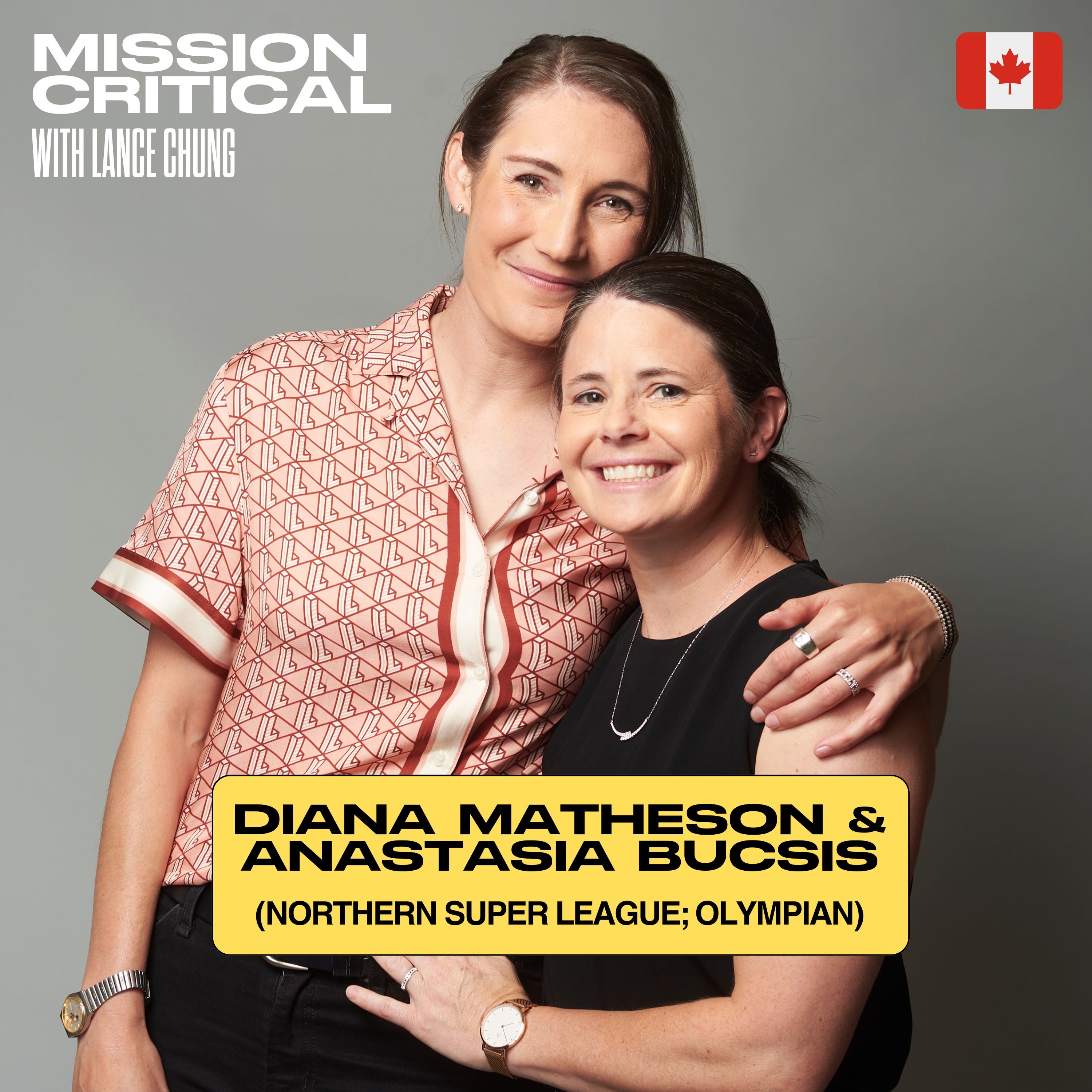
S17 Ep 106Diana Matheson & Anastasia Bucsis: Canada's Power Couple Redefining Women's Soccer
Diana Matheson is one of the most decorated athletes in Canadian soccer history — an Olympian, a World Cup veteran, and the player responsible for one of the most iconic moments in Canadian sport: that 92nd-minute goal at London 2012 that secured Canada’s first medal in a traditional team sport in over 70 years.But what might be even more historic is what she’s doing now. As the co-founder of Project 8 and the visionary behind the newly announced Northern Super League, Diana is quite literally building the future of women’s professional soccer in Canada from the ground up.Alongside her is Anastasia Bucsis — an Olympian in long track speed skating and one of the most respected voices in Canadian sports media today. You’ve seen her on CBC Sports, heard her on Player’s Own Voice, and felt her impact far beyond the broadcast booth.But her influence goes deeper than sport. In the lead-up to the 2014 Sochi Olympics, Anastasia came out publicly in opposition to Russia’s anti-LGBTQ+ laws — becoming the only out athlete from North America to compete at those Games. It was a bold, deeply personal act of protest that continues to ripple across sport and society to this day.Together, they’ve carved out a life that is both deeply public and intentional, advocating for inclusion, pushing the boundaries of what’s possible in Canadian sport, and supporting one another every step of the way.Recorded live at the 2025 GLORY Sports Summit (powered by GE Appliances) in Toronto.
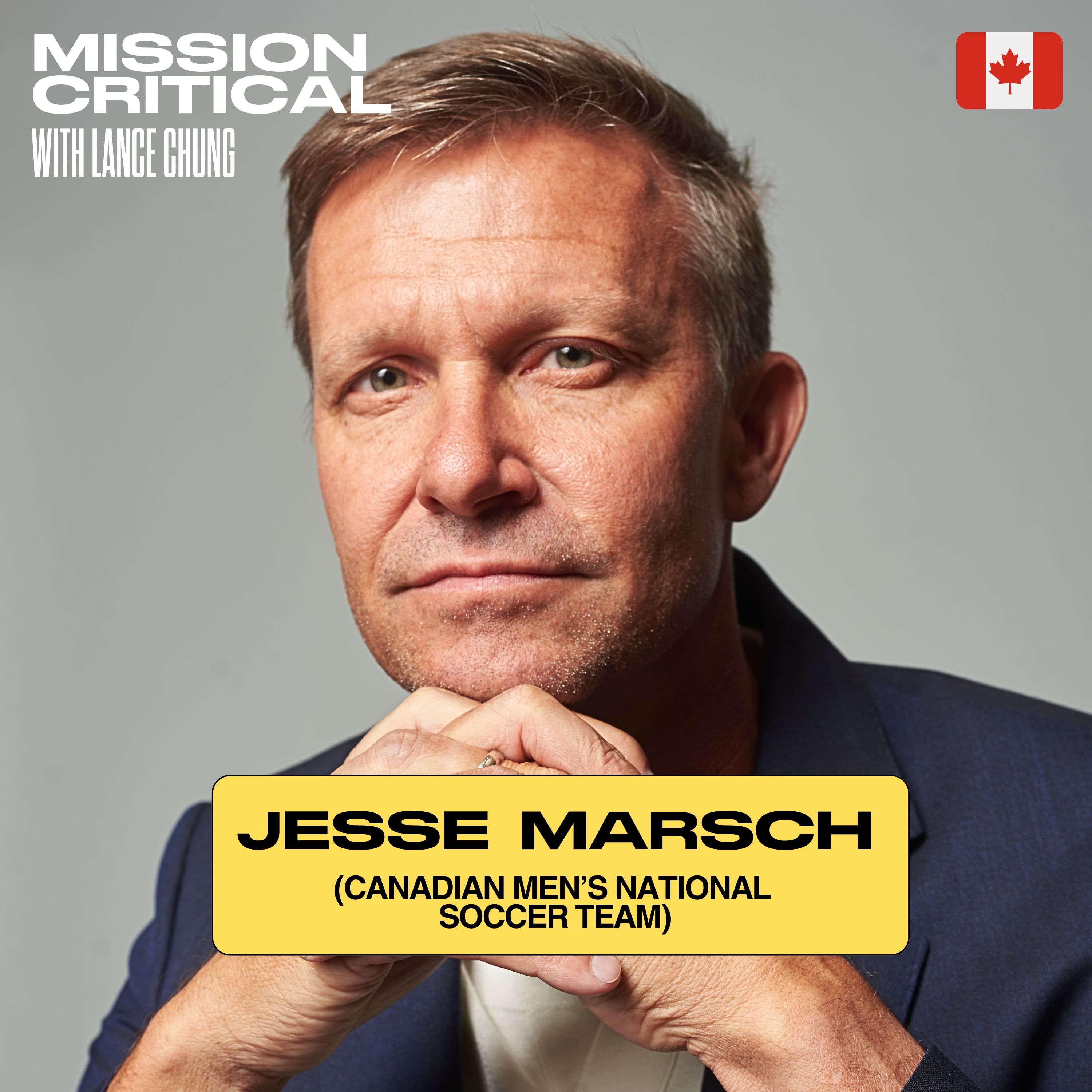
S17 Ep 105Jesse Marsch (Head Coach, Canadian Men's National Soccer Team): Shaping Canada's World Cup Legacy
Recorded live at the 2025 GLORY Sports Summit (powered by GE Appliances) in Toronto, this specia episode features Jesse Marsch, Head Coach of the Canadian Men’s National Soccer Team.In less than a year, Toronto will serve as one of the key host cities for the 2026 FIFA World Cup, welcoming fans and teams from around the globe. Sure, this opportunity is about roaring stadiums and matchdays. But it’s also about building a lasting legacy of excellence, representation, and pride in Canadian soccer.On this episode, Marsch shares how Canada Soccer is preparing for this pivotal moment — from building a competitive national team to activating major partnerships that connect with communities coast to coast. Joined by CBC Sports host Andi Petrillo and Bob Park (GE Appliances), the panel explores building a winning culture, connecting with fans across the country, and creating a lasting legacy for Canadian soccer.
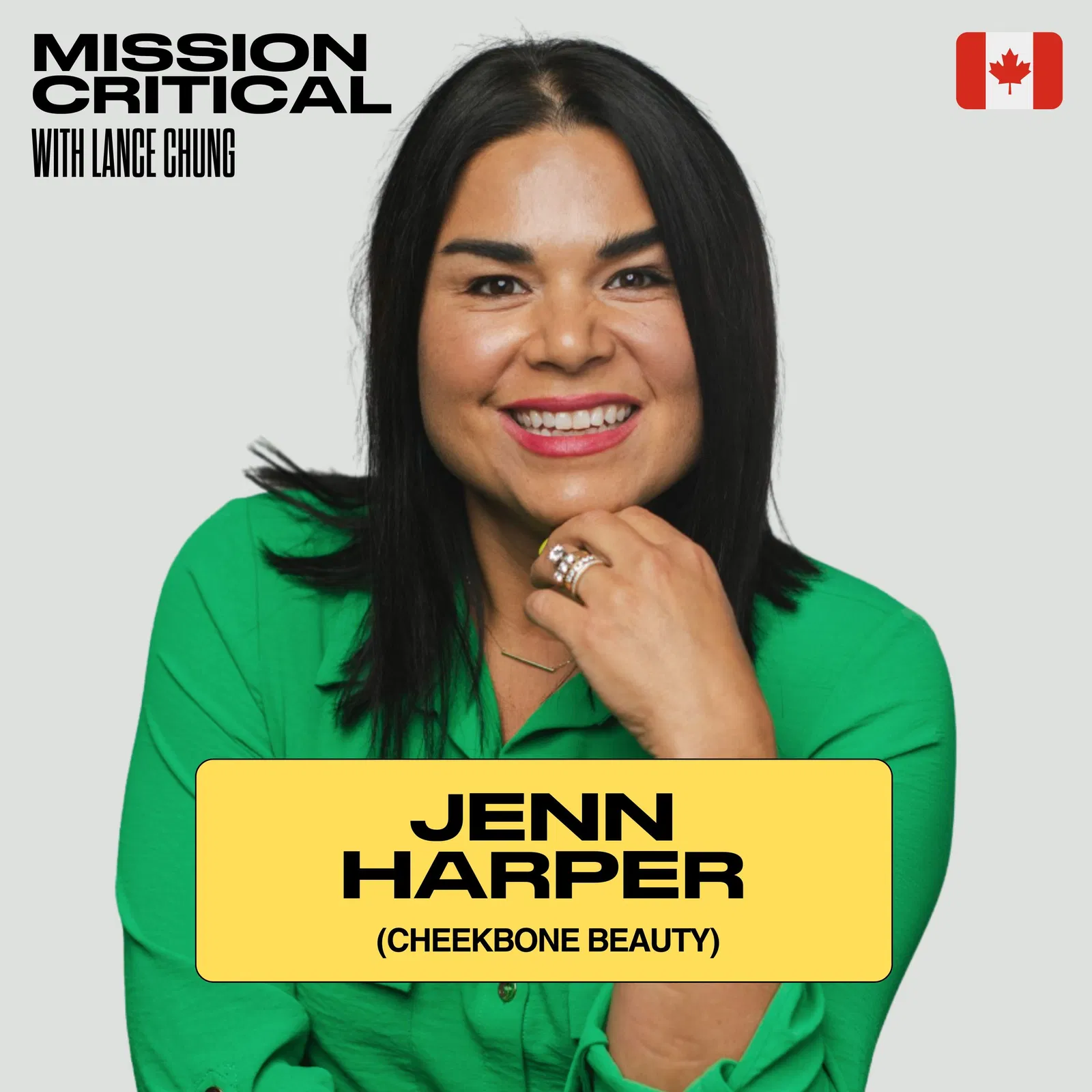
S17 Ep 104Jenn Harper (Founder, Cheekbone Beauty): "Why CAN'T We Build a Billion-Dollar [Beauty] Brand?"
What happens when you blend Indigenous values, entrepreneurial grit, and a mission to do business differently? You get Cheekbone Beauty, one of Canada’s most purpose-driven beauty brands—and the brainchild of Jenn Harper.In this live episode of Mission Critical recorded in Toronto at Waterworks Food Hall, Lance sits down with Jenn to unpack her incredible journey—from overcoming addiction and selling fish (quite literally) to discovering her purpose in a dream and pioneering what she calls Indigenous Beauty, a category rooted in authentic sustainability.Jenn gets candid about the highs and lows of building a brand from scratch, how close she came to shutting down, and why community—especially her customers—has always been the foundation of her success.This episode is presented by Mastercard Canada as part of a special series spotlighting small business owners who are shaping the future of Canadian entrepreneurship.Listen now to hear how Jenn is rewriting the narrative—and what she wants the world to know about Indigenous excellence, sustainability, and the future of beauty.Key Highlights & Takeaways💄 Origin Story with Purpose: Cheekbone Beauty was born from a dream—and Jenn’s mission to give back to her Indigenous community and rewrite the narrative around Indigenous success.📚 Scholarship Fund Impact: With the support of partners like Mastercard, Cheekbone Beauty launched a scholarship fund that has awarded 30+ scholarships to Indigenous youth since 2021.🌱 Indigenous Beauty as a Category: Jenn is working to define Indigenous Beauty as a global category—anchored in authentic sustainability, community values, and cultural leadership.🔥 Billion-Dollar Vision: She’s unapologetically building a brand with the goal of reaching a $1B valuation—and doing it with only six full-time staff and a lot of heart.🤝 The Power of Community: Jenn credits her survival in business to loyal customers and movements like Buy Canadian, proving that small business success is community-driven.💬 Leadership Through Love and Humility: Drawing from her Anishinaabe culture, Jenn built Cheekbone’s core values on love, humility, and integrity—redefining what business leadership can look like.🎤 Being Vulnerable Online: Jenn opens up about sharing her story publicly, navigating social media as a founder, and why transparency helps build stronger customer relationships.
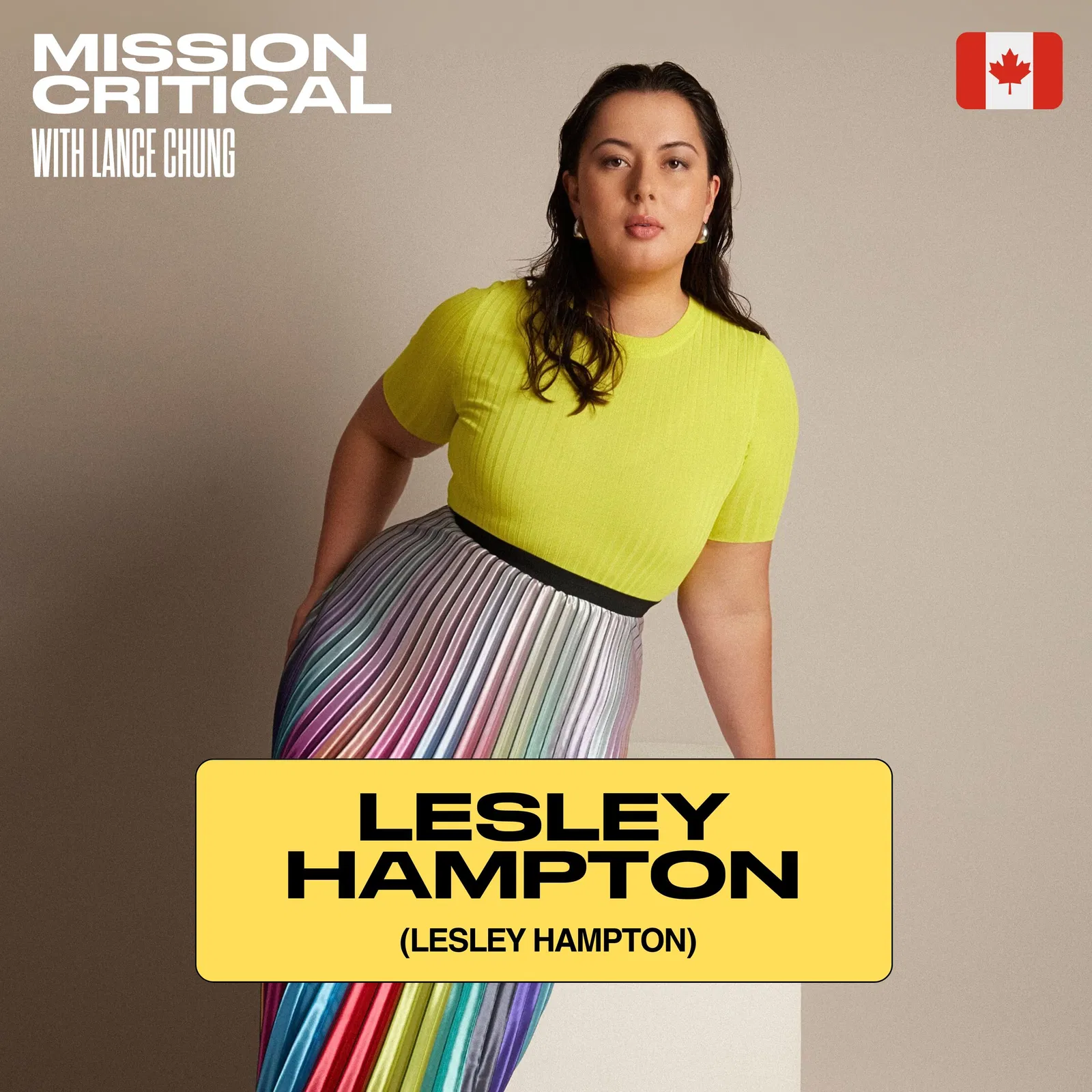
S17 Ep 103Lesley Hampton (Fashion Designer): Building an Indigenous Fashion Brand with Purpose
What does it take to thrive as both a designer and an entrepreneur? In this episode of Mission Critical, Lance sits down with Lesley Hampton—Indigenous artist, acclaimed fashion designer, and founder of her namesake brand—for a conversation about creativity, community, and self-preservation.From dressing icons like Lizzo, Lily Gladstone, and Sandra Oh, to challenging colonial norms in fashion, Lesley has carved out a space that’s inclusive and deeply intentional. But behind the red carpet moments is a commitment to mental health and setting boundaries. As Lesley puts it, “My business isn’t thriving unless I’m thriving.”Presented by Mastercard Canada, this episode is part of a series celebrating Canadian small business owners and the stories behind the brands. We talk about the power of mentorship, what it means to lead with your values, and why asking for help (even through a DM) can change the trajectory of your career.Listen now to learn how Lesley built her brand from scratch, why fashion can be a form of activism, and how she’s creating space for the next generation of Indigenous talent.
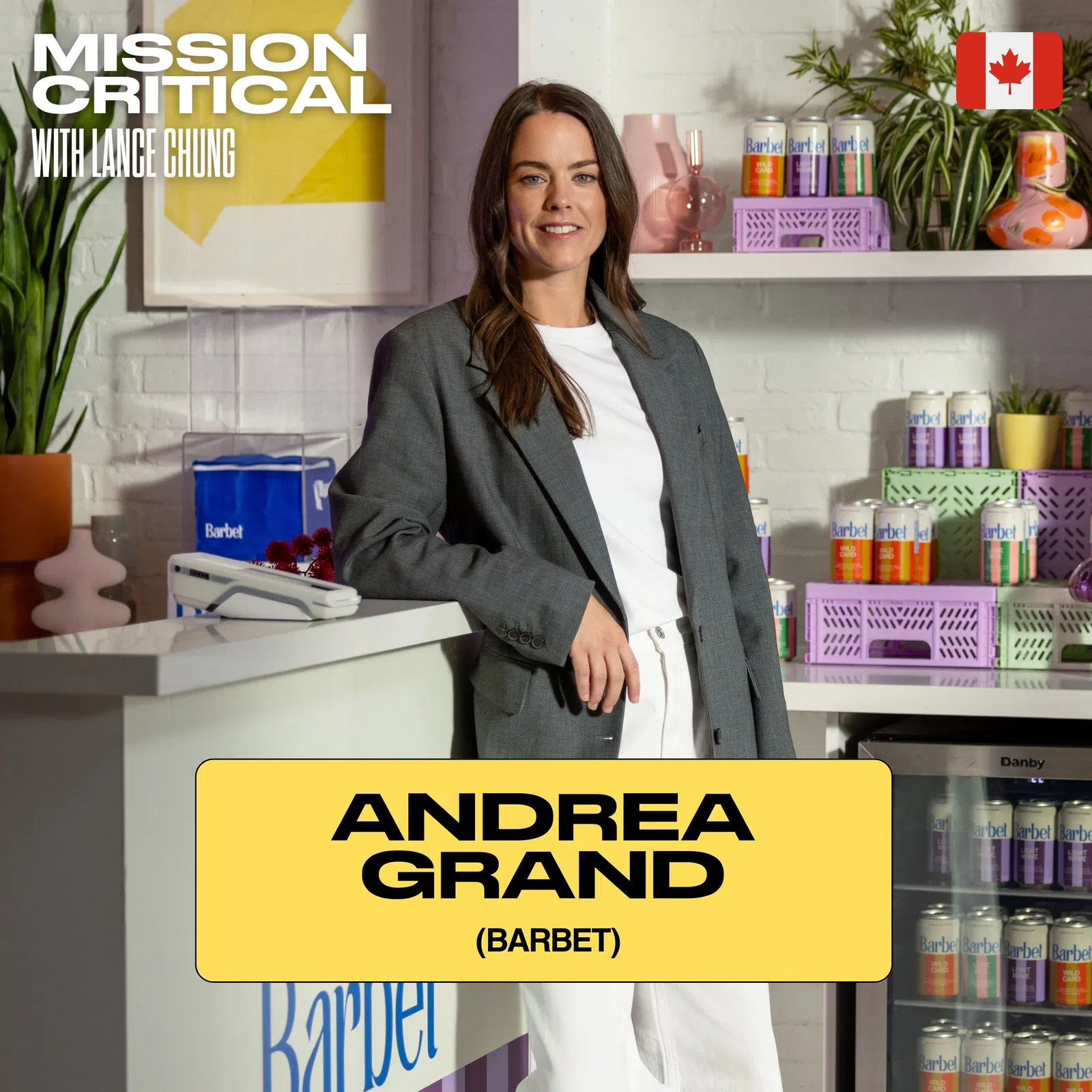
S17 Ep 101Andrea Grand (Co-founder, Barbet): Leading a Purpose-Driven Beverage Brand With Impact
This episode is presented in partnership with Mastercard Canada. Listen now and join the Mastercard Small Business Community—a network built to help entrepreneurs learn, grow, and connect. Sign up at mastercard.ca/smallbusiness.What if a beverage could change how we gather, how we connect, and how we feel seen?In this episode of Mission Critical, Lance sits down with Andrea Grand, co-founder of Barbet, the stylish and intentional Canadian non-alcoholic beverage brand that's become a mainstay on menus and in fridges across the country. But beyond the buzz and the branding is a story rooted in personal experience, cultural disruption, and purpose-driven entrepreneurship.Andrea shares how her sister’s health journey was the catalyst behind Barbet’s creation, and how they set out to challenge the norms of an alcohol-centric beverage industry. From battling the assumption that non-alcoholic drinks are “less than” to creating a beverage that fits into social moments without compromising experience, Andrea built Barbet to be, yes, a great drink. But also, a brand with a point of view. A design-forward invitation to inclusivity and a challenger to industry conventions.In this episode, Andrea reflects on:The emotional rollercoaster of building a brand from scratch—without a roadmapWhy perfection is a myth, and launching before you're ready might be the best move you can makeThe importance of support systems (financial and emotional) in surviving entrepreneurshipHow small businesses are not just economic contributors, but cultural catalystsWhat modern leadership looks like when you’re building in public, balancing vulnerability with visionWhy visibility and community are essential to long-term impact, especially for women-led brandsThroughout the conversation, Andrea underscores that Barbet isn’t a sobriety brand, but rather an inclusive lifestyle brand for anyone looking to drink differently, without compromising taste, aesthetic, or ritual.

S17 Ep 100Rachel Wong (Co-founder, Monday Girl): Rewriting the Networking Playbook for Women
This episode is presented in partnership with Mastercard Canada. Listen now and join the Mastercard Small Business Community—a network built to help entrepreneurs learn, grow, and connect. Sign up at mastercard.ca/smallbusiness.What if networking wasn’t transactional, intimidating, or exclusive—but reimagined as a safe, empowering, and welcoming experience for ambitious women? That’s the mission behind Monday Girl, a community-driven platform co-founded by Rachel Wong that’s reshaping how the next generation of women professionals connect, grow, and succeed.In this episode of Mission Critical, Lance sits down with Rachel to explore the personal story and social experiment that launched Monday Girl, the challenges of unlearning outdated rules in entrepreneurship, and the powerful role of community in business. From bootstrapping the business as a side hustle to scaling a membership of over 350,000 across North America, Rachel offers candid reflections on vulnerability, imposter syndrome, and what real support for women founders looks like in today’s ecosystem.Whether you’re building your own business or searching for your people, Rachel’s insights on building with heart, purpose, and momentum will leave you inspired to take your next bold step.Key Takeaways:The gendered dynamics of networking and how Monday Girl is rewriting the script.Why Rachel believes you should “hate your first version”—and keep building anyway.The power of community as a product—and why vulnerability can be a superpower.How the idea of success is shifting from unicorns and venture capital to slow, sustainable growth.The underestimated importance of peer mentorship and seeing role models who reflect your story.
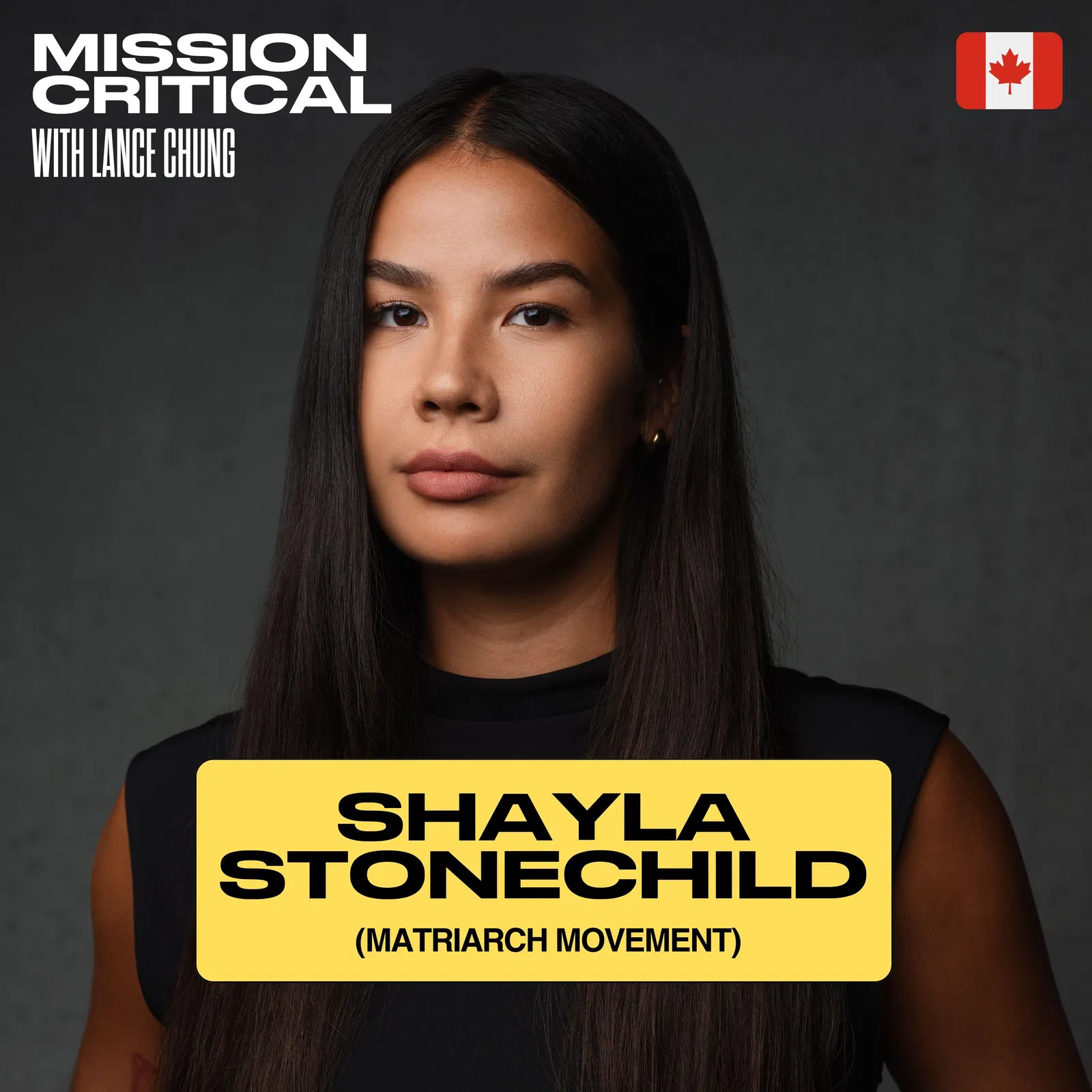
S17 Ep 99Shayla Stonechild (Founder, The Matriarch Movement): What Can Digital Spaces Learn from Indigenous Teachings?
What does it mean to reclaim space in a world that was never built with you in mind? And how do you transform platforms designed for performance into spaces for healing, community, and cultural resurgence?In this episode of Mission Critical, Lance sits down with Shayla Stonechild, a powerful voice in the movement to uplift Indigenous stories, wisdom, and wellness. As the founder of the Matriarch Movement and host of its podcast, Shayla is redefining what it means to be an Indigenous influencer in today’s digital world. Her work lives at the intersection of spirituality, activism, and storytelling—and she’s using platforms like Instagram and podcasting not for virality, but for impact.The two talk about the responsibility that comes with sharing stories online, how Indigenous storytelling is rooted in relationship and land, and why healing (especially for Indigenous women and Two-Spirit people) is a radical act of resistance. Shayla also shares her hopes for the future, including two newly announced book deals and her vision for Indigenous voices to be centered in the global wellness industry.Key Takeaways:How Indigenous storytelling is evolving through social media and podcasting.The protocols and responsibilities tied to sharing stories from your culture and lineage.What decolonized leadership looks like through a matriarchal, relational lens.Why healing and wellness for Indigenous people is deeply political.How Shayla is using digital spaces to amplify voices that have long been silenced.
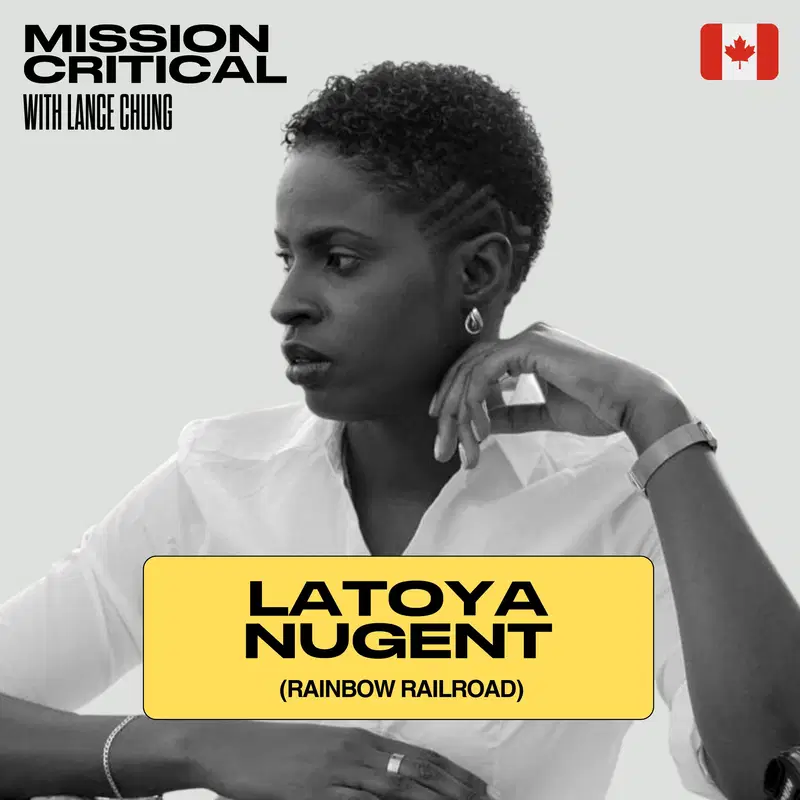
S17 Ep 98Latoya Nugent (Head of Engagement, Rainbow Railroad): Fighting for the Future of Queer Refugees
Pride is more than a celebration—it’s a call to action. And in a world where LGBTQ+ lives are still under threat, that call has never been more urgent.In this powerful episode, Lance sits down with Latoya Nugent, Head of Engagement at Rainbow Railroad, an international organization helping LGBTQI+ individuals escape state-sponsored violence and persecution. Latoya speaks not only as a leader, but as a survivor—she was forced to flee Jamaica after being targeted for her identity, and found safety in Canada through Rainbow Railroad’s life-saving work.Now, she’s building programs that center refugee leadership, amplify queer voices, and push for global systems change. We discuss how displacement shaped her path, why Pride must remain political, and what it means to fight for your rights when the system is not built to protect you. Key Takeaways:The roots of Pride in protest, resistance, and political organizing.Why queer and trans refugees face unique dangers worldwide.How Rainbow Railroad helps LGBTQ+ individuals escape persecution and find safety.Latoya's personal story of forced displacement and transformation into a leader.Common myths and harmful narratives about refugees—and how to dismantle them.The failures of resettlement systems to protect queer lives.The role of refugee-led leadership and the power of lived experience.How to build true global solidarity with queer and trans communities at risk.What allyship actually looks like beyond social media support.Why Pride must remain a force for radical, collective liberation.Links:Rainbow Railroad: https://www.rainbowrailroad.org/Donate Now: https://www.rainbowrailroad.org/donate
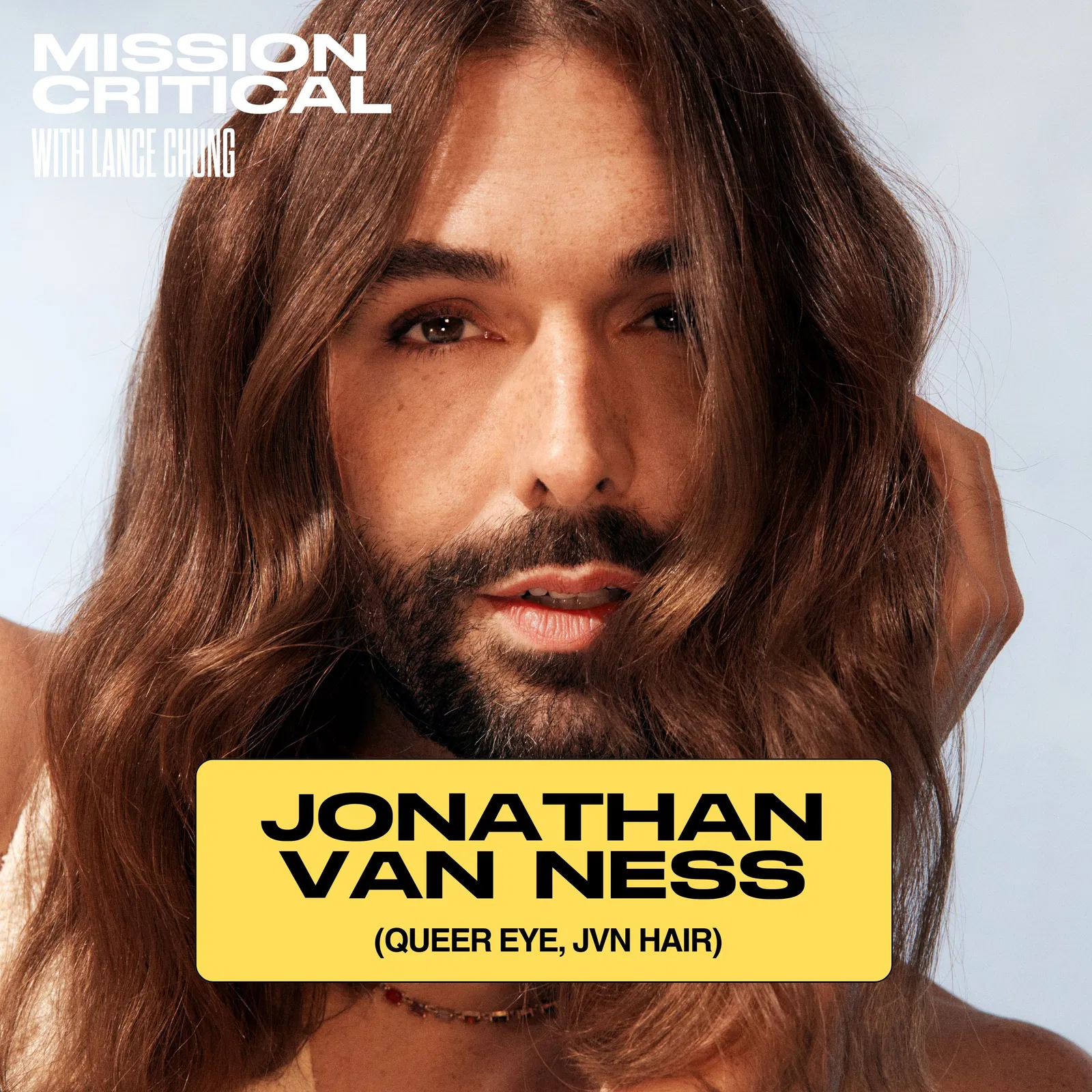
S17 Ep 97Jonathan Van Ness (Queer Eye): Queer Joy as Resistance
Happy Pride Month, everyone.Pride is many things—celebration, visibility, love—but it’s also resistance. It began as a protest, led by queer and trans people who demanded to be seen, safe, and free. And while we celebrate today, that original spirit feels more urgent than ever. Across the world, queer and trans communities are facing renewed backlash—their rights questioned, their bodies debated, their joy politicized.And yet, joy persists.In today’s episode, Lance is joined by someone who embodies that very dynamic—and that resilience. Joining him, and making a return to the Mission Critical podcast, is Jonathan Van Ness—a voice many know for their humour, beauty, and boldness. Over the past year, Jonathan has navigated intense public attention, scrutiny, and personal transformation. But what’s equally true is that it was also a year of tremendous support and success: their podcast Getting Better grew, their book became a New York Times bestseller, and Queer Eye continues to thrive. Despite the challenges that 2024 brought, they chose to reawaken, to return to joy—not as escape, but as power.This conversation is about what it means to lead with joy—especially when the world insists on something else. It's about resistance, intention, recalibration and building something lasting from the most authentic parts of who you are.This is Mission Critical. Let's get into it.Key Takeaways & Highlights:Why joy, for queer people, is both survival and strategy.The business decisions and emotional clarity that helped Jonathan rebuild in 2024.What it means to build a media and beauty empire rooted in queer identity.Honest reflections on public scrutiny.The role of activism in brand-building—and when to say no.How Jonathan defines success, leadership, and purpose after a year of transformation.
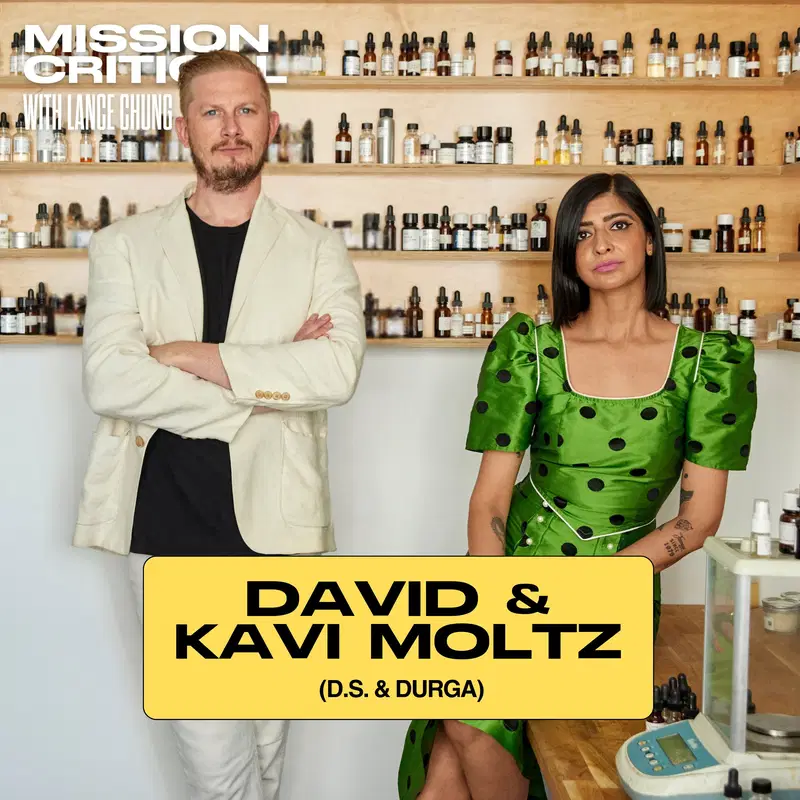
S17 Ep 96David & Kavi Moltz (Co-founders, D.S. & DURGA): Building a Cult Fragrance Brand Through Scent, Storytelling, and Scrappiness.
In this episode of Mission Critical, Lance catches up with David and Kavi Moltz, the husband-and-wife duo behind the cult fragrance brand D.S. & DURGA. You might recognize their minimalist, design-forward bottles on the shelves of your favorite department store—clean fonts, matte black caps, and labels that evoke poetry, punk, and place in equal measure.But what you won’t see on the shelf is the wild, unconventional journey behind the brand: starting from scratch in a Brooklyn apartment, hand-labeling bottles, learning perfumery without formal training, and scaling their business with zero investors for the first decade.David and Kavi share how they built one of the most distinctive indie fragrance brands in the world—not by chasing trends, but by trusting their instincts, telling great stories, and growing slowly and intentionally.Key Takeaways:Why creative integrity is a long game—and why it's worth it.Lessons in DIY brand-building without a business plan.How to stay independent while navigating growth and investment.Why "brand" and "business" don’t have to kill artistry.The value of trusting your weird ideas—and turning them into product.

S17 Ep 95Carinne Chambers-Saini (CEO, Diva): Menstruation, Censorship, and the Fight for Women’s Health
Today’s guest knows what it means to disrupt the status quo. Carinne Chambers-Saini is the co-founder and CEO of Diva, the Canadian company that put menstrual cups on the map long before the fem-care space was even a thing—they created an entire business category. While most brands steered clear of the stigma around menstruation, Carinne leaned in, using her platform to advocate for body autonomy, women’s health, and sustainable solutions—way before it was fashionable to do so. Now, more than two decades later, Carinne is still challenging the status quo. With Diva’s latest product line expanding into vulvar health, she’s bringing the same relentless focus on science, accessibility, and cultural change to a category that remains under-discussed, underfunded, and censored. And she’s doing it in a time when women’s bodies have become political battlegrounds—where words like “vulva” and “menopause” are still treated as provocative, even as access to basic healthcare is being rolled back.Today, Lance and Carinne dive into what it takes to lead in a category you had to invent from scratch, the exhausting work of advocating for research and respect in women’s health, and what happens when business collides with a culture that still thinks your body is a political statement. Key Highlights & Takeaways:Inventing a Category: How Carinne and her mother built Diva from the ground up, created a new market, and challenged industry norms with conviction and grit.The Politics of Women’s Bodies: A candid conversation about the ongoing weaponization of healthcare, the lack of research in women’s health, and how companies can—and must—show up as advocates.Breaking the “Ick” Factor: Educating not just consumers, but also medical professionals, buyers, and gatekeepers in a system still uncomfortable with women’s anatomy.A New Chapter in Vulvar Wellness: Why Diva’s expansion into vulvar care is timely, necessary, and rooted in the brand’s legacy of clean, effective, science-backed solutions.Menstrual Leave as Culture Shift: How Diva walks its talk internally, offering paid menstrual and menopause leave to create space for real well-being.Redefining What’s ‘Normal’: The importance of tracking, quantifying, and understanding the menstrual experience as a way to validate women’s pain and experiences—especially in diagnosing conditions like endometriosis.Legacy & Leadership: Carinne’s reflections on leading with values, staying true to the mission, and the responsibility that comes with being a pioneer.