Messianic Audio Teachings
205 episodes — Page 4 of 5
The Seven Heavens and the Mystery of the Hebdomad
<p>Some deep thoughts about the seven heavens derived from early Christian and Messianic Jewish sources including Irenaeus, Epistle of Barnabas, Ascension of Isaiah, Clementine Homilies, and Gospel of Thomas. </p>
The Branch of David
<p>Class three of Isaiah in the New Testament tackles Isaiah 1 and the significant Messianic prophecy of Isaiah 10-11. Get ready for a solid hour of intertextual Bible study taking you from 722 BCE to the Apostolic Era and all the way to final redemption. Download the orginal handout as a PDF below.</p>
The Seven Heavens and the Mystery of the Hebdomad

The Portentous Child
<p>A significant teaching about the meaning of the book of Isaiah, King Hezekiah as the Messiah, and the true meaning of the prophecy of the virgin birth. Here's the real story behind some of the New Testament's best-known quotations of Isaiah. A real darama full of intrigue. Download the original class handout as a PDF below.</p>
Am Yisrael 5: The Shabbat Episode
<p>In this episode, the guys discuss Shabbos observance in their own lives, at Beth Immanuel, and in the larger Messianic Jewish movement. </p>
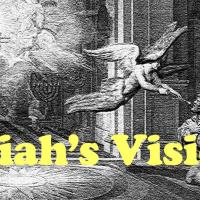
Isaiah's Vision
<p>Did God really want Isaiah to harden Israel's hearts, blind their eyes, and deafen their ears? This introduction to the book of Isaiah and study on Isaiah's vision in chapter 6 unlocks important ideas from the New Testament about the Jewish rejection of Yeshua's message. Join the Green Room class from February 2013 for the first lesson in the series "Isaiah in the New Testament." Download the original class handout as a PDF below.</p>
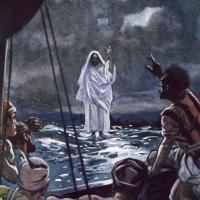
The Water Walkers
<p>Afraid to hope? Here's the antidote. Discover the secret to success and how to become a "water walker" in this live 2007 presentation on the story of the crossing of the Red Sea from Parashat Beshallach.</p>
Malachi and the Sadducees
<p>The prophet Malachi sets us up for the religious conflicts that define the gospels in the New Tesament Era. This teaching provides an overview of the book of Malachi and it's place in the history of the Second Temple Era in anticipation of the coming of the Messiah.</p>
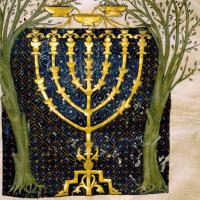
Moving Mountains with Haggai and Zechariah
<p>The prophets Zechariah and Haggai worked together at the time of the building of the Second Temple. This teaching begins with Sukkot and Shemini Atzeret in the Temple, unlocks the meaning of the mysterious visions Zechariah, reveals the name of the Messiah, discusses the war of Gog and Magog, and reaches toward the kingdom. </p>
Consider Your Calling
Consider Your Calling
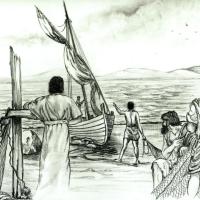
<p>Do you feel like you have a special calling in life? The Apostle Paul says, “Consider your calling.” Today’s teaching takes some time for those considerations and ascertains the calling the apostles had in mind. </p>
Am Yisrael 4: Ashkenazim and Sephardim in Messianic Judaism
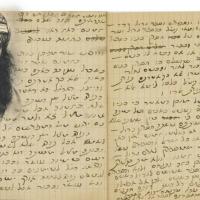
<p>Episode 4 of Am Yisrael Podcast takes a deep dive into the history behind the differences between Ashkenazi and Sephardi tradition and considers how those differences play out in Messianic Judaism. Yisroel, Ami, and Shalom recorded this episode with special guest, Mattai, several weeks before Yisroel departed for the World of Truth.</p>
Three Old Men
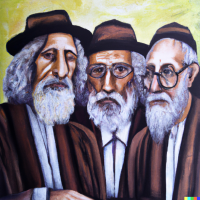
<p>Clement dispatched three elders, a beit din from the community in Rome, to serve his epistle to the assembly of disciples in Corinth. Turns out we have met one of them before in Paul's epistles to Corinth. With a few closing remarks, a blessing, and two more doxologies, we conclude the epistle of 1 Clement and discuss its reception among the churches in the second and third centuries. Download the PDF below for the original handout.</p>
Am Yisrael 3: Orthodox Messianic Judaism
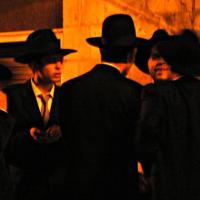
<p>In this episode, Yisroel Nachum, Ami Buckles, and Shalom Wilson discuss the difference between Orthodox, Conservative, and Reform Judaism while making the argument that an Orthodox expression of Messianic Judaism makes the most sense. This episode was recorded in June 2022, a few weeks before Yisroel Nachum Amic passed into the World of Truth. </p>
Seeing Him Who is Unseen
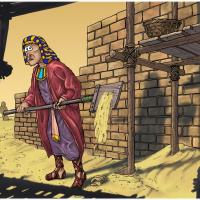
<p>God is invisible. Human beings are not. But the person of faith chooses the fear of the invisible over the fear of the visible. The story of the birth of Moses, the slaying of the Egyptian, and his flight from Pharaoh told from three perspectives: Exodus 2, Acts 7, Hebrews 11.</p>
Seeing Him Who is Unseen
Clement's Prayer
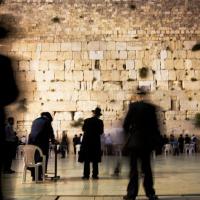
<p>What did the liturgy and prayers of the early disciples of Yeshua sound like? Clement's epistle to the Corinthians concludes with a majestic prayer with strong parallels to Jewish liturgy. This lesson and the contents of the prayer include material pertinent to the modern political divide as Clement teaches us how to pray for government officials. Download the oriignal class handout in the PDF attachment below.</p>

A Sacrifice of Peace
<p>Sometimes the sacrifice of peace is self-sacrifice. In 1 Clement 53-58, Clement urges the upstarts in Corinth to follow the examples of godly heroes of the past who did not hesitate to risk themselves and sacrifice their positions for the good of the community. </p>
The Love Chapters
<p>We have a commandment to love God and a commandment to love others. In his epistle to the Corinthians, Clement appeals to the authority of Yeshua's mandates about love to pose an argument against the ursurpers in Corinth. Listen in on this Green Room Class from 2013 on 1 Clement 47-52. Download a pdf of the original handout below. </p>
Authentic Gospel of Peter
<p>The authentic Gospel of Peter is not the aporcryphal gospel known by that title. Instead, it's already in your Bible. In this teaching from Tevet 9, December 22, 2012, we take a look at the story behind the composition of the Gospel of Mark.</p>
The Righteous is the Foundation of the World
<p>A teaching from parashat Bereishit about the merit of the righteous, cleaving to the righteous, and the concept of "Tzaddik Yesod Olam, the Righteous is the Foundation of the World" (Proverbs 10:25).</p>

Lesser is Greater
<p>Spiritual stature is measured in the inverse. Esau and Jacob reflect two opposite mindsets, and being “small” like Jacob is the key to personal and spiritual success.</p>
Lesser is Greater
King Solomon and the Antichrist
King Solomon and the Antichrist
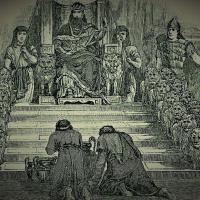
<p>What's the real relationship between King Solomon and false messiah? That's the question behind this teaching on the haftarah for Chayei Sarah.</p>
The Book of Faith and Hope
<p>Biblical faith is a life of trust, belief, confidence, optimism, and certainty in God’s goodness. It accepts that the otherwise unseen and unknown things revealed by God’s prophets, by His Son, and by the apostles are all true and certain. </p>
The Righteous is the Foundation of the World
Remembrance of the Clouds of Glory
<p>Some people have the custom of decorating their sukkah with a plaque with the words “Zeker LeAnanei HaKivod” -- “A Remembrance of the Clouds of Glory.” This teaching explores the relationship between the Sukkah, the clouds, and the coming of the Messiah. </p>
Gog and Magog and the Festival of Nations
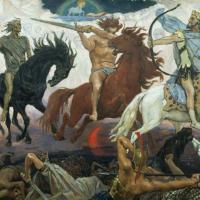
<p>Why is Sukkot called the Festival of Nations? It has something to do with Gog and Magog, Leviathan, Antichrist, and the End of Days. </p>
Hakhel: The King's Mitzvah
Hakhel: The King's Mitzvah
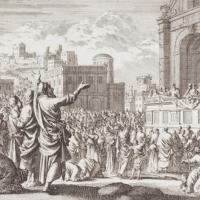
<p>Are you ready to hear the Messiah read the Torah? This Sukkot is the festival after the seventh year during which we are to hear the king read the Torah. The mitzvah of Hakhel (Deuteronomy 31:10-13) says that during the festival of Sukkot, at the end of a Shemitah year, everyone is supposed to assemble in Jerusalem to hear the Torah read aloud to the whole assembly by the king of Israel.</p>