
Meet the Microbiologist
180 episodes — Page 4 of 4
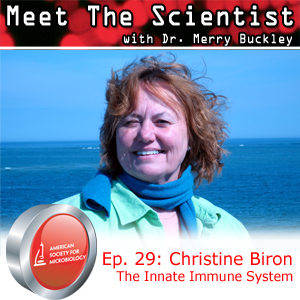
MTS29 - Christine Biron - The Innate Immune System
Christine Biron is the chair of the Department of Molecular Microbiology and Immunology at Brown University in Providence, and she focuses her research program on the mechanisms of the innate immune system – the body’s system of non-specific munitions for fighting off pathogens. Dr. Biron is also a newly elected fellow of the American Academy of Microbiology. When a pathogen gets on or in your body, your innate immune system is on the front lines, working against the pathogen is a non-specific manner. In research, the innate immune system got short shrift for a long time, and only in the last 10 or 20 years has the field picked up momentum. Dr. Biron says back when she was in graduate school “the innate immune system wasn’t thought to be very cool”, but she says the field is fast-moving today, in part because of some major discoveries involving Type-1 interferons, natural killer cells, and an increased appreciation of a wider range of antigen processing cells that link the innate and adaptive immune responses. In this interview, I talked with Dr. Biron about our increasing awareness of the innate immune system, why it’s important to bring microbiologists and immunologists together under one big tent, and why it’s best that a battle between a virus and a host ends not in victory for one and defeat for the other, but in détente.

MTS28 - Joseph DeRisi - New Tech Approaches to Infectious Disease
Joseph DeRisi is a Professor of Biochemistry and Biophysics at the University of California, San Francisco and a Howard Hughes Medical Institute Investigator. His research focuses on two distinct areas: malaria and new viral pathogen discovery. Dr. DeRisi is this year’s recipient of the Eli Lilly and Company Research Award, granted in recognition of fundamental research of unusual merit in microbiology or immunology by an individual on the threshold of his or her career. Discovering new viral pathogens seems like exciting work, and DeRisi has lots of ideas for prospecting. In one recent success with their viral microarray, his group recently helped identify the virus responsible for a devastating disease among rare parrots and other birds: proventricular dilatation disease, or PDD, has been recognized for 30 years, but veterinarians didn’t know the cause or how to control it. Now that DeRisi’s group has pinpointed Avian Bornavirus as the culprit and sequenced its genome, therapies and control measures to help both captive birds and birds in the wild can’t be far behind. In this interview, I asked Dr. DeRisi whether he’s interested in putting the microarray approach to virus discovery to work in uncovering the causes of some human illnesses, especially those diseases we suspect might be spread by viruses, but for which we’ve never found a virus responsible. He has some very interesting ideas for where to start. We also talked about his work on identifying the SARS virus, and a new approach in the ongoing fight against malaria.
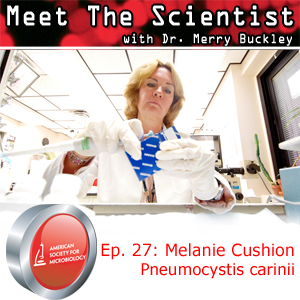
MTS27 - Melanie Cushion - Pneumocystis carinii
Melanie Cushion holds down two jobs: she’s a research career scientist at the Veterans Administration Medical Center in Cincinnati, Ohio, and she’s also professor and associate chair for research in the department of internal medicine at the University of Cincinnati College of Medicine. Dr. Cushion focuses her research on the fungus, Pneumocystis carinii, which is a harmless commensal for most people, but a deadly pathogen for others. Pneumocystis carinii was shrouded in obscurity for many years until its fifteen minutes in the spotlight came in the 80’s, when, unfortunately, an outbreak of Pneumocystis pneumonia prefigured the AIDS epidemic. Large numbers of previously healthy homosexual men in California became deathly ill with Pneumocystis pneumonia, and doctors knew something unusual (later found to be HIV) was going on. Dr. Cushion says Pneumocystis pneumonia is an opportunistic infection: it strikes individuals with immune systems too weak to fend it off. This explains why it was – and still is – a well-known sign that the patient is stricken with an active HIV infection or some other immune-suppressing disorder. Dr. Cushion heads up the Pneumocystis genome project and she’s also looking into a new line of drugs called glucan synthase inhibitors, which have a profound effect on Pneumocystis’s life cycle and may offer new insights into managing the pathogen. In this interview, I talked with Dr. Cushion about some of the more surprising results to come out of her genomics work, why Pneumocystis is a tough nut to crack in the laboratory, and about why she’s not giving her young investigator award back to the Society of Protozoologists any time soon.

MTS26 - Ian Orme - Tuberculosis
Ian Orme is a professor in the Department of Microbiology, Immunology, and Pathology at Colorado State University, and his research focuses on the immune response to tuberculosis (TB) – a bacterial disease that most often infects the lungs. He's speaking at the American Society for Microbiology's Conference for Undergraduate Educators (ASMCUE). In the U.S., TB seems like a thing of the past. Here, public health measures and medical care have all but wiped out the threat from this infection. But worldwide, the WHO says there were 9.2 million new TB cases in 2006 alone, and each person with TB infects an average of 10 to 15 people with the TB bacterium every year. These are just some of the reasons Dr. Orme is delivering a talked titled “Tuberculosis: Why Now Is a Good Time to Leave the Planet” at ASMCUE. He admits leaving the planet isn’t a practical suggestion, but he wants to raise awareness of the disease and he’s not afraid to stir the pot a little. Orme and his group not only study the immune responses to TB bacteria, they’re also following a number of different avenues for developing new vaccines and improving the existing vaccine, BCG (bacille Calmette-Guérin). In this interview, I talked with Dr. Orme about his vaccine work, why he thinks latent TB bacteria aren’t really latent, and how he sometimes feels like the wild-haired radical, cat-calling from the corner of the lecture hall.

MTS25 - Parisa Ariya - Bioaerosols | The Living Atmosphere
Parisa Ariya is a professor in the Department of Atmospheric and Oceanic Sciences and the Chemistry Department at McGill University in Montreal. Dr. Ariya works mostly in atmospheric chemistry, but she’s also done a good deal of work with bioaerosols and airborne microorganisms. She’ll deliver a talk at the ASM General Meeting in May titled Bioaerosols: Impact on Physics and Chemistry of the Atmosphere. Bioaerosols – microscopic clumps of microorganisms and organic debris – arise through any of a number of mechanisms. The scientific community has come full circle on the idea of microorganisms in the atmosphere, according to Dr. Ariya. Back in the early days of microbiology it was widely recognized that the air is full of living, breathing microbes, but once our understanding of atmospheric chemistry and physics matured, the roles of microbes in atmospheric processes were marginalized. Thanks, in part, to Dr. Ariya’s work, the activities and functions of bioaerosols are getting new attention. We now know cells in bioaerosol particles can actively metabolize materials at interfaces, and Dr. Ariya says some of her future work will look into the details of these transformation processes and how they impact the atmosphere. In this interview, Dr. Merry Buckley talks with Dr. Ariya about how bioaerosols are formed, what they’re doing, and why it isn’t a good idea to use bioaerosols to manage the weather.

MTS24 - Jeff Bender - MRSA in Animals
Jeff Bender is a professor of veterinary public health at the University of Minnesota, and his research interests lie in the intersection of animal health and human health, including animal-borne diseases of humans, food safety, and antibiotic resistant pathogens in animals. Dr. Bender will speak on “Methicillin-resistant Staphylococcus aureus ( MRSA) in Veterinary Practice” at the American Society for Microbiology’s General Meeting in Philadelphia this May. To a microorganism, vertebrates can all look pretty similar. Dr. Bender’s work focuses on pathogens that can make themselves at home in both human bodies and the bodies of our pets and livestock. Outbreaks of bacterial illnesses from meat products are well publicized these days, but the pathogens we have in common with animals don’t just travel in one direction. We humans can pass organisms and diseases to our animals, too. Dr. Bender says pets treated at veterinary clinics, for example, have come down with painful MRSA skin infections they picked up from their owners. Fluffy might become a temporary reservoir of MRSA in your home – capable of reinfecting you and your family, but the good news is that she probably won’t be a long term carrier of the bacterium. In this interview, Dr. Merry Buckley asks Dr. Bender about MRSA in pets, whether farmers often get sick from animal-borne diseases, and whether he thinks it’s a good idea to “go organic” when shopping for food.

MTS23 - Jo Handelsman - The Science of Bug Guts
Jo Handelsman is a professor at the University of Wisconsin, where she’s a member of the Department of Plant Pathology and chair of the Department of Bacteriology. Dr. Handelsman’s research focuses on microbial communities – their composition, how they’re structured, and how they work. Thanks to her work to improve the quality of undergraduate education, Dr. Handelsman is this year’s recipient of the American Society for Microbiology’s Carski Foundation Undergraduate Teaching Award. Dr. Handelsman has been at the cutting edge of microbial science for years. After a long time spent studying the teeming communities of microorganisms that dwell in soil, Handelsman has pared down her focus to some arguably simpler neighborhoods: the guts of insects. Handelsman applies molecular methods to identify the strains and genes present in bug guts and combines this knowledge with other information about these environments to learn what these communities might be doing. Handelsman also takes a particular interest in science education, and along with her colleagues Sarah Miller and Christine Pfund, she recently co-authored Scientific Teaching, a book that outlines a dynamic research- and results-driven approach to teaching college-level science. In Dr. Merry Buckley's interview with Dr. Handelsman, they discuss about why microbiologists have a responsibility to educate almost everyone, why bacterial communities in the guts of gypsy moths might need genes for antibiotic resistance, and why and how bacteria inside of insects communicate. They also talk about the underrepresentation of women in academic research appointments and about how universities need to change to make these jobs both more available and attractive for all those brainy women who won’t (or can’t) make the jump from graduate school to academic research.

MTS22 - David Knipe - Herpes Simplex Virus 2 (HSV-2)
David Knipe is the Higgins Professor of Microbiology and Molecular Genetics at Harvard Medical school. A virologist, Dr. Knipe focuses his research efforts on the herpes simplex virus 2 (HSV-2) – the virus we have to thank for genital herpes. An astonishing 20% of Americans have been infected with HSV-2, and whether they’ve had a recognizable outbreak of sores or not, they can still carry the virus. Once you contract the HSV-2 it lays low in your nerve cells, waiting for the right moment to create watery blisters that eventually burst and release more virus particles. Dr. Knipe is interested in how the cells lead these two, very different lives: quiet and quiescent inside the nerve cell and loud and lytic in the epithelium on the surface of the body. Genital herpes is no picnic, but the effects of HSV-2 infection are worst in people with depressed immune systems and in newborns; babies who pick up the virus during birth may suffer from neurological damage, brain damage, or even death. There is no cure for genital herpes, and no means of getting rid of HSV-2, only ways of managing outbreaks. But there is some hope of relief; Dr. Knipe’s lab has developed a vaccine that will enter the trial phase soon. In this interview, I asked Dr. Knipe about how he got interested in viruses, about the vaccine he’s developed and who could hope to benefit from it, and why it’s taken science so long to develop a vaccine for this extremely common disease.

MTS21 - Andrew Knoll - Ancient Life and Evolution
Dr. Andrew Knoll is the Fisher Professor of Natural History in Harvard University’s Department of Organismic and Evolutionary Biology, where he studies ancient life, its impacts on the environment, and how the environment, in turn, shaped the evolution of life. In recognition of the 200th anniversary of Charles’ Darwin’s birth and the 150th anniversary of the first printing of his book, “On the Origin of Species”, the American Society for Microbiology has invited Dr. Knoll to deliver the opening lecture, titled “Microbes and Earth History,” at the society’s general meeting in Philadelphia this year. Before the dinosaurs, before trees and leaves, before trilobites, there were microbes. Vast, slimy layers of them covered the rocks and peppered the seas of the harsh, alien planet we now call Earth. Those slimy cells were our ancestors, and they played a defining role in changing that once-barren moonscape into the world we see today: a planet covered with diverse, striving life, topped by an oxygen-rich atmosphere. Dr. Knoll says he puts on his paleontologist’s hat and studies the fossil record to learn more about this ancient life, then he dons his geochemist’s hat to reconstruct Earth’s environmental history from the chemical signatures he finds in ancient sedimentary rocks. He weaves these two stories together to figure out how life has transformed the planet and how the planet has influenced the course of evolution. In this interview, I talk with Dr. Knoll about what early earth must have looked like, his involvement with the Mars rover project, and how intelligent design concepts may well belong in high school curricula, but not in the context of science class.

MTS20 - Roberto Kolter - Bacillus Subtilis and Bacteria as Multicellular Organisms
Roberto Kolter is a professor of Microbiology andMolecular Genetics at Harvard’s Medical School. Dr. Kolter’s research interests are broad, but he says his eclectic program boils down to an interest in the ecology and evolution of microbes, bacteria in particular, and on how these forces operate at the molecular level. Although he’s worked in a number of different systems, lately Dr. Kolter is spending a lot of time with Bacillus subtilis, a modest little bacterium that doesn’t get the headlines of a wicked pathogen like Salmonella or a useful industrial workhorse like yeast. What it lacks in notoriety, B. subtilis makes up for in usefulness. According to Dr. Kolter, B. subtilis is an important source of industrial enzymes (as in laundry detergent) and, as a bacterial model, a prolific source of information on how some bacteria make spores and other diverse cell types. This ability to form different kinds of cells is intriguing to Dr. Kolter: B. subtilis cells can wear any of a number of different hats, depending on what is needed at any given moment. From spores to swimming cells to cells that wage chemical warfare on their neighbors, B. subtilis can do it all. Dr. Kolter and his colleagues are looking at the how and the why of this multiplicity. In the interview, Dr. Merry Buckley talks with Dr. Kolter about what he finds interesting about B. subtilis, why we should start thinking about bacteria as multicellular organisms, and how he got involved in producing a book of poetry (poetry about microbes, that is). Dr. Kolter also provided the photography for the book Germ Stories by Arthur Kornberg. To see a full description and pricing details, click the ASM estore and pick up your copy today.
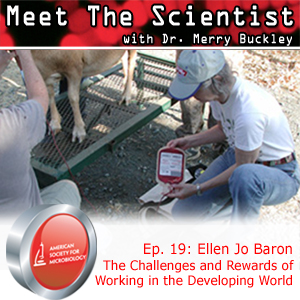
MTS19 - Ellen Jo Baron - The Challenges and Rewards of Working in the Developing World
Dr. Ellen Jo Baron is a professor of pathology and director of clinical microbiology at Stanford University’s medical center in Palo Alto, California. A co-author of the authoritative Manual of Clinical Microbiology, Dr. Baron and her staff in the clinical lab evaluate and advise in the development of new diagnostic technologies. Dr. Baron has also volunteered her time as a microbiology advisor in numerous hospitals and clinics in developing countries since 1996. In a hospital, you have to be able to diagnose infections in order to treat patients, but hospitals in the developing world that are forced to get along with inadequate and ill-equipped microbiology labs have to treat infectious disease blindly, without full knowledge of which organism is to blame and which drugs will be most effective. These missteps cost lives. Dr. Baron, who normally works in a modern, fully-equipped western hospital, travels to hospitals and clinics in places like Cambodia and Nepal to train staff and organize clinical microbiology labs. She says it’s not always feel-good work for her: cumbersome bureaucracy and lack of money and equipment are constant challenges. But experiencing other cultures and getting out of her comfort zone help make the work rewarding. In this episode, Dr. Merry Buckley talks with Dr. Baron about her work at home and abroad, the kinds of problems she faces in under-resourced labs, and about how, as a result of her work in the developing world, she now knows more about sheep and goats than she ever really wanted to know.

MTS18 - Elizabeth Edwards - Cleaning Up Solvents in Groundwater
Elizabeth Edwards knows that nothing is simple or easy when it comes to cleaning up toxic waste, but Edwards, a professor of Chemical Engineering and Applied Chemistry at the University of Toronto, is looking for ways to harness microbes to do our dirty work for us. Dr. Edward’s research focuses on the biodegradation of chlorinated solvents in the environment – the means by which microbes can actually make a living by eating our noxious waste. Chlorinated solvents like trichloroethylene (TCE), perchloroethylene (PCE), and others, have a sordid history in the environment. They have long been used as degreasers and dry cleaning fluid, but before there were regulations about how to handle waste, manufacturers and dry cleaners dumped old, dirty solvents in evaporation ponds or out the back door of the facility. Some of the fluid dumped this way evaporated, but since chlorinated solvents are both dense and recalcitrant, much of the liquid seeped straight down to the groundwater. And stayed there. Among other projects, Dr. Edwards is looking at the ability of mixed cultures of bacteria to break down these solvents in a step-wise process, with the expectation that we’ll eventually be able to treat the contamination at some sites with injections of microbes. In this interview, Dr. Merry Buckley talks with Dr. Edwards about why chlorinated solvents are such a difficult environmental problem, how working in environmental consulting for a time helped her realize where she wanted to focus her research, and why we might have to make some tough decisions when it comes to cleaning up the hundreds (thousands?) of solvent-contaminated sites in North America.

MTS17 - Stuart Levy, MD - Antibiotic Resistance and Biosecurity
If you or someone you care about has ever had an antibiotic resistant infection, you know how dire that situation can be. Stuart Levy, a professor of microbiology at Tufts University in Boston, has centered his research around the theme of antibiotic resistance and he says there are few antibiotics in the pipeline for use on that inevitable day when our current infection-fighters are finally overcome. Dr. Levy is delivering the keynote address at ASM’s Biodefense and Emerging Diseases Research Meeting in Baltimore in February. Antibiotic resistance may not be making big headlines these days, but that’s not because the threat is any less serious than before. Levy says he first became interested in antibiotics as a child, when he watched a course of antibiotics heal his twin brother, who suffered from an infection. Later, as a researcher at the Pasteur Institute in Paris, France, he learned that bacteria can swap around the ability to resist antibiotics, and that failing to manage a small problem with resistance can have some serious consequences down the line. In this interview, I talked with Dr. Levy about his talk at the biodefense meeting, what antibiotic resistance has to do with biosecurity, and about why you should leave those bottles of antimicrobial soap on the shelves at the store.

MTS16 - Paul Keim, Ph.D. - The Science Behind the 2001 Anthrax Letter Attacks
Dr. Paul Keim is a professor of biological sciences at Northern Arizona University, in Flagstaff, where his research program focuses on microbial forensics and the genomic analysis of pathogenic bacteria. As an expert in Bacillus anthracis, the bacterium responsible for anthrax, Dr. Keim participated in the FBI’s investigation into the anthrax letter attacks back in 2001. Microbial forensics is a field that developed in response to the twin threats of biological warfare and biological terrorism. (What’s the difference between biological warfare and biological terrorism? Both have the potential to reach beyond the site of the attack and both are a menace to innocent, unarmed citizens. To me, there’s a fine line here. But I digress.) Dr. Keim’s interest in microbial forensics arose out of his postdoctoral work at the University of Utah. After this training in phage recombination and genomics, Dr. Keim applied what he had learned about bacterial genetics in a collaboration with scientists working on resolving and identifying the various strains of B. anthracis. Fast forward to this past summer, when the F.B.I. revealed that Dr. Keim used his expertise on B. anthracis to help in the investigation that concluded a researcher at the U.S. Army Medical Research Institute of Infectious Diseases (USAMRIID) perpetrated the anthrax attacks. Dr. Keim, along with several other scientists who helped in the F.B.I.’s In this podcast, I talked with Dr. Keim about his work with the F.B.I., whether the payoffs of bioterrorism research are worth the costs, and about how the plague (yes, the Black Death) made its way to North American shores and continues to sicken about a dozen people every year.
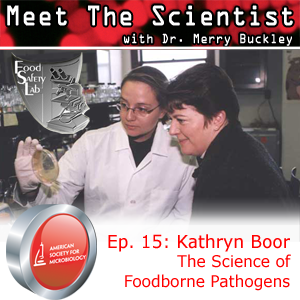
MTS15 - Kathryn Boor - The Science of Foodborne Pathogens
Dr. Kathryn Boor is a professor and chair in the Food Science department at Cornell University, where she’s director of the Food Safety Laboratory - a biosecurity level 2 laboratory that facilitates research on foodborne pathogens. Her particular research interests lie in the “how” and “why” of pathogens and spoilage microbes in food. Boor is also the director of the Milk Quality Improvement Program – a program funded by New York state to monitor and make recommendations to improve the quality of milk in the state. When I think about the complicated way dairy products come to be on the shelf in my grocery store – farmers use machinery to extract milk from an animal that lives in a barn or a field; the milk is piped through long tubes to a tank on a truck that conveys the product to a plant that processes and divvies it up; the bottles and packages are put on another truck and carted to the store – it seems like a wonder dairy is ever safe to eat. But dairy is safe: CDC data indicate that less than 1% of foodborne illness outbreaks in the U.S. involve dairy products1 2 . Dr. Boor’s primary interest lies in Listeria monocytogenes, one of the few pathogens that is a problem in dairy, and most people who’ve heard of it associate it with unpasteurized soft cheese or cold cuts. Listeriosis is not as common or familiar as some other foodborne illnesses, but it is more often fatal than salmonellosis or botulism, and in a pregnant woman even a mild case can be deadly for her fetus. Dr. Boor’s research focuses on how this so-called “simple” organism is able to persist in some foods and overcome the stress of refrigeration and stomach acid to not only survive, but to make us really sick. In this interview, I asked Dr. Boor about how she came to this particular niche in science, whether pasteurization is any better than keeping milk from getting contaminated in the first place, and what her trained eye for food safety looks out for when she’s buying food.
MTS14 - Moselio Schaechter - Successful Science Blogging and Hunting Mushrooms
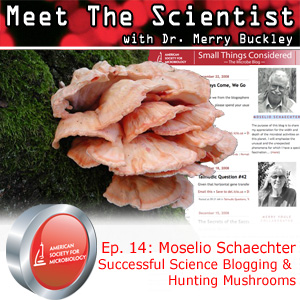
Moselio Schaechter – known as Elio to his friends – is Distinguished Professor of Molecular Biology and Microbiology, Emeritus, at the Tufts University School of Medicine, and he’s currently an adjunct professor at San Diego State University and at the University of California at San Diego. Dr. Schaechter has had a long career in bacteriology and has authored or co-authored a number of text books, and is a former president of the American Society for Microbiology. He lives in sunny San Diego now, where he lectures, attends meetings, and writes his blog, “Small Things Considered”. If you want an example of the ways the internet has changed public discourse, look to the blogs - you’re reading one now, after all, and how many blogs did you read 10 years ago? Blogs give authors a bullhorn free from profit-driven publishers, provide people with ideas, and even build communities through reader discourse. To be sure, not every blog is interesting or even readable, but there are many bloggers out there working hard and stimulating some profound discussions. Those of us interested in the life microscopic are lucky to have Dr. Schaechter, who muses on the topics of interest to him and acts as host to other eminent scientists who write guest essays. With Small Things Considered, his goal is to express his own interest in various subjects while encouraging interest in others and kindling conversation and debate. In my interview with Dr. Schaechter, we talk about what he gets out of being a blogger, what makes for a successful blog, and about how mushroom hunting in xeric Southern California usually involves a lot of hunting and few mushrooms. Blogs and Websites mentioned in this episode include: The Loom by Carl Zimmer Esos Pequenos Bichitos Le blog des bacteries et de l’evolution Aetiology by Tara C. Smith Microbiology Bytes The Registry of Mushrooms in Works of Art

MTS13 - Video Supplement - Proteopedia Video Guide
This is a video supplement to the audio podcast of Meet the Scientist episode 13 in which I interview Joel Sussman, Ph.D., a professor of structural biology at the Weizmann Institute of Science in Israel. The video shows Sussman's Proteopedia.org in action. It is narrated by Eran Hodis, the graduate student, who, together with Professors Jaime Prilusky and Joel L. Sussman developed Proteopedia at the Weizmann Institute of Science.
MTS13 - Joel Sussman - Proteopedia.org and Intrinsically Unstructured Proteins
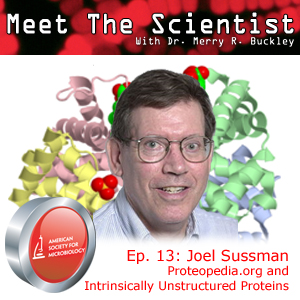
Joel Sussman, Ph.D. is a professor of structural biology at the Weizmann Institute of Science in Israel. In his research, Dr. Sussman is interested in elucidating the structures and functions of proteins, particularly those involved in the nervous system. He is also the lead scientist behind Proteopedia – a new online protein structure encyclopedia. Scientific endeavors have historically been a one-way street: an investigator or lab makes a discovery, then delivers the good news to the rest of the community via publication. Nowadays, computers and the internet are enabling easier and more seamless means of collaboration and communication. Proteopedia, with which Dr. Sussman is greatly involved, automatically gathers and compiles information from multiple curated sources of information, but its more revolutionary side is the wiki tool, which enables registered users to contribute information themselves. In this interview with Dr. Sussman, I talked with him about his work with acetylcholinesterase and “intrinsically unstructured proteins” and about Proteopedia – how it works and about the possibility of misinformation making its way onto the site. The video extra shows Proteopedia in action. It is narrated by Eran Hodis, the graduate student, who, together with Professors Jaime Prilusky & Joel L. Sussman developed Proteopedia at the Weizmann Institute of Science.

MTS12 - Nancy Keller - Aspergillus and the Fungal Toxin Problem
Nancy Keller is a Professor of Bacteriology and Medical Microbiology and Immunology at the University of Wisconsin-Madison. A mycologist, Dr. Keller works with a genus of fungi called Aspergillus – many of which are potent plant and human pathogens that produce deadly mycotoxins. Her research focuses on finding those aspects of Aspergillus species that make them effective as pathogens and toxin factories. Tiny fungi cause big problems for agriculture and human health, and the U.S. alone spends millions of dollars every year to fight the fungi that attack crops. Aspergillus fungi, in particular, cause a problem for crop plants themselves, but the bigger concern is the mycotoxins they produce: aflatoxin is one of the most potent naturally-occurring toxins ever discovered. What’s more, aflatoxin and other Aspergillus toxins are carcinogenic. The bottom line? Exposure to large amounts of these fungal toxins can kill you quickly, and exposure to small amounts can kill you slowly. On this episode, I talk with Dr. Keller about her work with Aspergillus, why we don’t even know how big the fungal toxin problem is, how reproduction and toxin-making are linked in these fungi, and how we may eventually use viruses as weapons against pathogenic fungi.

MTS11 - Daniel Lew - The Yeast Cell Cycle
Daniel Lew is a professor of Pharmacology and Cancer Biology and of Genetics at the Duke University Medical Center in Durham, North Carolina. His research program focuses on cell cycle control in yeast, and how the cell cycle interacts with cell polarity. Yeast cells may look simple, but inside every little single-cell package lurks an intricate creature that senses and responds cunningly to its surroundings. Dr. Lew has uncovered many of the secrets of the tiny yeast, and since yeast bear a striking resemblance to human cells, some of these facts could help us eventually conquer our own problems with the cell cycle, including cancer – a kind of cell division gone wild. In this interview, I talk with Dr. Lew about how a yeast cell knows when to say “when” during budding, why he studies yeast at a medical school, and where his hard-to-discern accent really comes from (hint: it’s not a North Carolina accent).
MTS10 - Anthony Maurelli - Black Holes and Antivirulence Genes
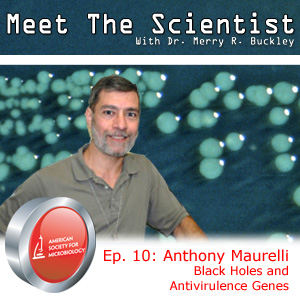
Tony Maurelli is a professor of microbiology and immunology in the F. Edward Hébert School of Medicine at the Uniformed Services University of the Health Sciences in Bethesda, Maryland. Dr. Maurelli’s major research interest lies in the genetics of bacterial pathogenesis – the genetic nuts and bolts of how bacteria infect humans and make us sick. Dr. Maurelli’s work has uncovered “antivirulence genes” in Shigella flexneri, a major cause of dysentery and food borne illness. This is an interesting concept: antivirulence genes undermine pathogenicity, so they must be broken or dropped from the genome for a bacterium to take good advantage of a host and cause disease. These genes are a hindrance, so to become an effective pathogen, Shigella must stop using them. In this interview, I talked with Dr. Maurelli about antivirulence genes, about whether the naming system for bacteria should be fixed, and about his favorite bacteria.
MTS9 - Stanley Falkow - 21st Century Microbe Hunter
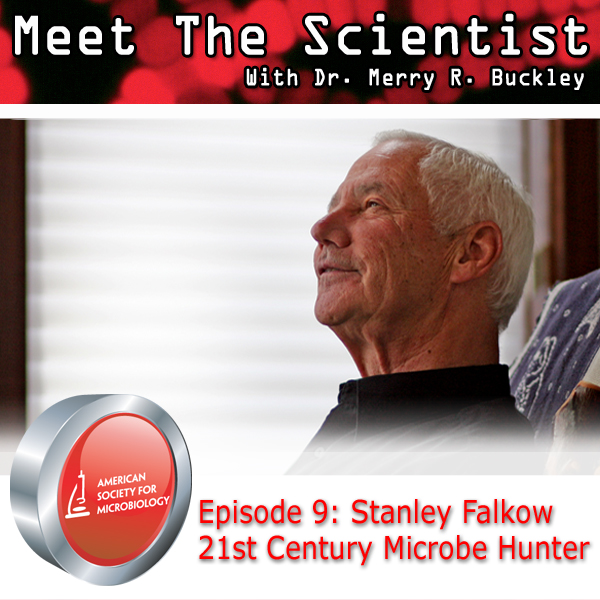
Stanley Falkow is a professor of Microbiology & Immunology at the Stanford School of Medicine. His research interests lie in bacterial pathogenesis – how bacteria cause infection and disease – and over the course of his career he has contributed fundamental discoveries to the field. Falkow received the Lasker prize this year for special achievement in medical science, and the Lasker Foundation calls him “one of the great microbe hunters of all time”. Molecular techniques (methods of analysis that rely on bacterial DNA) are now widely used for infectious disease diagnosis, thanks in large part to Falkow, who was among the first to apply an understanding of genes and virulence determinants to analyzing patient samples. He has published extensively in areas ranging from antibiotic resistance to food borne illness to microarrays. It is really difficult to compose interview questions for a scientist whose career has been as far-reaching and profoundly significant as Stan Falkow’s. Luckily for me, Dr. Falkow is a gracious conversationalist. In this interview, I talked with Dr. Falkow about his prescient concerns about the dangers of using antibiotics as growth promoters in livestock, why Salmonella is so good at making you sick, and why students who are interested in science should follow their passion.
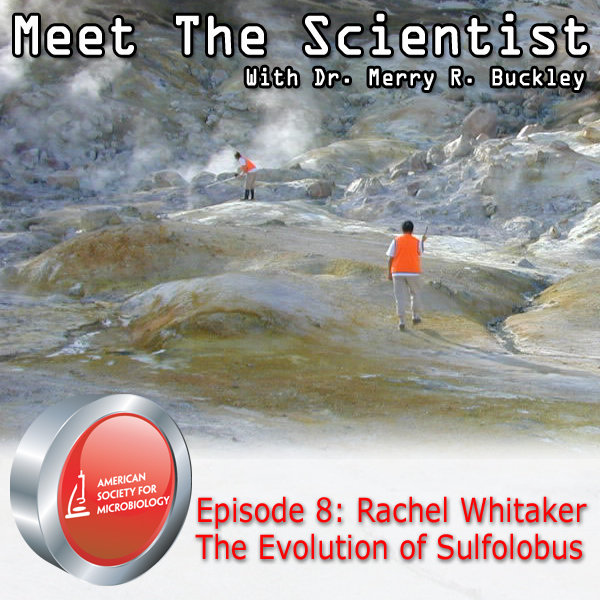
MTS8 - Rachel Whitaker - The Evolution of Sulfolobus
Rachel Whitaker is an assistant professor of microbiology at the University of Illinois at Urbana-Champaign, where she has developed a research program focused on the evolutionary ecology of microorganisms. Much of Dr. Whitaker’s work centers around a hyperthermophile found in geothermal springs: the archaeon Sulfolobus islandicus. Evolution is not just history – it’s still in action today, molding humans, plants, animals and, of course, microbes, in ways we still don’t completely understand. One of Whitaker’s focus areas is archaea, a group of single-celled microbes that are found in some of the harshest environments on earth. By looking at how one variety of archaea, Sulfolobus, varies from place to place, Whitaker hopes to find whether Sulfolobus is adapting new characteristics to suit its habitats, and whether this kind of adaptation can help us explain why there are so many different kinds of microbes in the world. In this interview, I asked Dr. Whitaker about the hot springs where she studies Sulfolobus, whether it’s hard to communicate with ecologists who work with bigger organisms, and about new discoveries she’s made related to an immune system in archaea.

MTS7 - Anthony Fauci - Managing Infectious Disease on a Global Scale
Dr. Anthony Fauci is the director of NIAID – the National Institutes for Allergy and Infectious Disease – where he is also Chief of the Laboratory of Immunoregulation. Dr. Fauci’s research interests lie primarily in the molecular mechanisms of HIV and AIDS, and he has published extensively on the interactions of HIV with the immune system. He’ll be speaking at the opening session of ICAAC – the Interscience Conference on Antimicrobial Agents and Chemotherapy – on October 25 in Washington DC, where he’ll describe some of the remaining challenges in the fight against HIV, tuberculosis, and antibiotic resistant microbes. Dr. Fauci is not only a researcher, he is also an important player in science policy in the U.S. He was a primary architect of PEPFAR, the President’s Emergency Plan for AIDS Relief, a program that received reauthorization and has a budget of $48 billion for HIV/AIDS, tuberculosis, and malaria around the world. In honor of his efforts to improve our understanding and treatment of HIV and AIDS, Dr. Fauci was recently awarded the Presidential Medal of Freedom, the nation’s highest civil award. In this interview, I talked with Dr. Fauci about progress in managing infectious disease on a global scale, why it’s the “devil you don’t know” that is still the scariest infectious disease of all, and about the roles of abstinence education and condom awareness in PEPFAR.
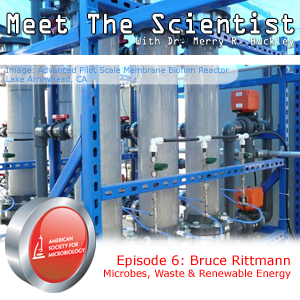
MTS6 Bruce Rittmann - Microbes, Waste and Renewable Energy
Bruce Rittmann, the Director of the Center for Environmental Biotechnology at the Biodesign Institute of Arizona State, focuses his efforts on reclaiming contaminated water and producing renewable energy using microbes. He was elected to the National Academy of Engineering in 2004 and credited with pioneering development of biofilm fundamentals and contributing to their widespread use in the bioremediation of contaminated ecosystems. His research combines many disciplines of science, including engineering, microbiology, biochemistry, geochemistry and microbial ecology. Formerly with Northwestern University, Rittmann is also a leader in the development of the Membrane Biofilm Reactor, an approach that uses bacteria to destroy pollutants in water. The Membrane Biofilm Reactor is especially effective for removing perchlorate from drinking water, and it is being launched commercially. In this podcast, I talk with Dr. Rittmann about the biofilm reactor process, the electricity hiding in our wastewater, and how we may some day grow fuel on the roofs of buildings.
MTS5 Brett Finlay - E.coli and the Human Gut
Brett Finlay is a professor in the Michael Smith Laboratories, and the Departments of Biochemistry and Molecular Biology, and Microbiology and Immunology at the University of British Columbia. His research program focuses on E. coli, how it interacts with the cells of the human gut, and mouse models of E. coli-like infections. Dr. Finlay will speak at the conference on Beneficial Microbes in San Diego this October, where he’ll describe the results of some of his latest research, which examines how E. coli infections effect the microbes that live in our guts. Sadly, outbreaks of Escherichia coli infections in this country are common – just this summer a huge E. coli outbreak in Oklahoma sickened nearly 300 people and sent 67 of them to the hospital. Clearly, in an outbreak, not everyone is effected equally. When lots of people are exposed to E. coli, why do some of those people walk away unharmed while others wind up in the I.C.U.? Dr. Finlay would say part of the answer, at least, probably lies in which microbes live in our intestine. In this podcast, I talked with Dr. Finlay about why we have so many different kinds of microbes in our guts, what happens to them when E. coli strikes, and why we have a long way to go before probiotics offer help – and not just hope.
MTS4 David Relman - The Human Microbiome
David Relman is a Professor of Medicine and of Microbiology & Immunology at Stanford University, and his research program focuses on the human microbiome – the microbial communities of bacteria, viruses, and other organisms that thrive on and in the human body. He’ll be speaking at ASM’s conference on Beneficial Microbes in San Diego this October, where he’ll talk about our personal microbial ecosystems, how far we’ve come in research and how far we have to go. Since Louis Pasteur first deduced that microbes are to blame for infectious disease, doctors and scientists alike have mostly seen infection as warfare between a pathogen and the human body. Dr. Relman sees things a little differently. To him, the complex communities of microbes that line our skin, mouths, intestines, and other orifices (ahem) are also involved in this battle, interacting with pathogens and with our bodies, and these interactions help determine how a fracas plays out. In this interview, I asked Dr. Relman about our personal ecosystems of microbes, whether we’ll ever be able to understand and predict what these communities do, and about the sometimes distressing effects of oral antibiotics on our guts. We also talked about whether being MTV’s Rock Doctor back in the 1990’s had an impact on his other professional pursuits.

MTS3 Ute Hentschel - Symbiotic Sea Sponges
Ute Hentschel is a professor of chemical ecology at the University of Würzburg in Germany. Her research focuses on characterizing the microbial communities associated with marine sponges, the diversity of these symbionts and their activities. On this episode, I talk with Ute Hentschel about her research on the microbes that live on and in sea sponges – those squishy, colorful residents of coral reefs. Dr. Hentschel describes some of the utterly unique microbes that are only found in sponges, what those microbes get from living in a sponge hotel, and why it’s nice to have a study site in the Bahamas.
MTS2 - Seth Darst - RNA polymerase
Seth Darst is a professor of Molecular Biophysics at the Rockefeller University in New York city, where his research centers on RNA polymerase, the enzyme at the heart of a cell’s ability to make protein from a set of DNA instructions. In this interview, I talk with Dr. Darst about how he got his start in research, whether computers will eventually be able to predict complex protein structures, and why eager young scientists shouldn’t miss their chance at postdoctoral training.
MTS1 Ralph Tanner - The Future of Biofuels
Ralph Tanner, a professor of microbiology at the University of Oklahoma, focuses his research on anaerobes in the environment and putting those bacteria to use in industry. He develops useful microbial catalysts for biofuel production from sustainable crops and has extended our knowledge of microbial diversity by isolating a number of new genera and species with novel physiologies. He helped define the phylogeny of bacteria. In this podcast, I talk with Dr. Tanner about his work producing biofuels from burnt plant material, the future of biofuels in the U.S., whether bacterial systematics might be forced to change in light of new research on recombination, and about his approach to teaching microbiology.