
Matt Christiansen Bible Study
121 episodes — Page 1 of 3
Session 4.38: October 9, 2026
Session 4.37: October 2, 2026
Session 4.36: September 25, 2026
Session 4.35: September 18, 2026
Session 4.34: September 11, 2026
Session 4.33: September 4, 2026
Session 4.32: August 28, 2026
Session 4.31: August 14, 2026
Session 4.30: August 7, 2026
Session 4.29: July 31, 2026
Session 4.28: July 24, 2026
Session 4.27: July 17, 2026
Session 4.26: June 26, 2026
Session 4.25: June 19, 2026
Session 4.24: June 12, 2026
Session 4.23: June 5, 2026
Session 4.22: May 29, 2026
Session 4.21: May 15, 2026
Session 4.20: May 8, 2026
Session 4.19: May 1, 2026
Session 4.18: April 24, 2026
Session 4.17: April 10, 2026
Study session scripture: Romans 7:1-6Or do you not know, brothers—for I am speaking to those who know the law—that the law is binding on a person only as long as he lives? For a married woman is bound by law to her husband while he lives, but if her husband dies she is released from the law of marriage. Accordingly, she will be called an adulteress if she lives with another man while her husband is alive. But if her husband dies, she is free from that law, and if she marries another man she is not an adulteress. Likewise, my brothers, you also have died to the law through the body of Christ, so that you may belong to another, to him who has been raised from the dead, in order that we may bear fruit for God. For while we were living in the flesh, our sinful passions, aroused by the law, were at work in our members to bear fruit for death. But now we are released from the law, having died to that which held us captive, so that we serve in the new way of the Spirit and not in the old way of the written code.Study session topics:The triumph of grace over the power of the law Law is binding only until death Ancient Greek wording omits "the" in v. 1 Paul is talking about a broader concept of law than the Law of Moses Death ends all obligations and contracts Paul's illustration: marriage Paul ties the idea of marriage dissolving at death to the Christian's relationship to the dominion of the law vs. the dominion of Christ This illustration is not allegorical (i.e. the husband does not represent the law, or Adam, or our old nature) Though this is an imperfect illustration, it is useful for several reasons: A woman who is married to a man is under the authority of that man The subjection of a wife to a husband in marriage is for lifeIn spite of the permanence of this relationship and the authority it confers, there is still the possibility of entering into another relationship The object of marriage is to bear fruitFlesh vs. spirit The word "flesh" here has a deeper theological meaning that Paul often uses in his letters in contrast with "spirit" Flesh (sarx) can refer to a physical human body (Luke 24:39, Gal. 2:20), the whole of mankind (Isaiah 40:6), or our fallen, sinful nature v. 5 uses the latter meaning It can't be a physical body, since it speaks of flesh in the past tense It can't be all humanity, since it is contrasting flesh with the new life according to the SpiritInterpreting the use of the word "flesh" correctly is critical, because misuse of the term has given rise to the modern view of the "carnal Christian" Scripture does speak about and to immature Christians, but it does not support the idea of them being in a separate category of persons from "spiritual" Christians Scripture treats the process of sanctification for the Christian not as something that is optional, but as an inevitability (I Cor. 6:9-11, Philippians 1:6, Hebrews 9:13-14) In Romans 7:6, Paul presents 2 categories: captivity to sin aroused by the law, and serving in the new way of the SpiritStudy session audio:
Session 4.16: March 27, 2026
Study session scripture: Romans 6:15-23What then? Are we to sin because we are not under law but under grace? By no means! Do you not know that if you present yourselves to anyone as obedient slaves, you are slaves of the one whom you obey, either of sin, which leads to death, or of obedience, which leads to righteousness? But thanks be to God, that you who were once slaves of sin have become obedient from the heart to the standard of teaching to which you were committed, and, having been set free from sin, have become slaves of righteousness. I am speaking in human terms, because of your natural limitations. For just as you once presented your members as slaves to impurity and to lawlessness leading to more lawlessness, so now present your members as slaves to righteousness leading to sanctification. For when you were slaves of sin, you were free in regard to righteousness. But what fruit were you getting at that time from the things of which you are now ashamed? For the end of those things is death. But now that you have been set free from sin and have become slaves of God, the fruit you get leads to sanctification and its end, eternal life. For the wages of sin is death, but the free gift of God is eternal life in Christ Jesus our Lord.Study session topics:The Triumph of Grace over the Power of Sin, Continued "What then?" Paul anticipates a further objection based on a misunderstanding of his last statement in 6:14 The antinomian again asserts that sin does not matter because "we are no longer under law but under grace" Paul's emphasis is that "sin will have no dominion over [us]," that freedom from the power of sin enables us to fight against sin in our livesPaul's new illustration: Slavery Echoes Christ's words in John 8:31-36 Slave--doulos -Same word Paul used as the first descriptor of himself in Romans 1:1 Not describing chattel slavery, but voluntary slavery Importantly, Paul only describes 2 options: slavery to sin, or slavery to God Paul acknowledges in v. 19 that this is an imperfect illustration, but it is helpful to illustrate 2 truths: God does not look upon us as profitable commodities that He needs, but as weak, frail, destitute beggars whom He graciously welcomes into His house We cannot entrust ourselves to be cared for by God and think that we will somehow rule the roost3 Important Contrasts between Slavery to Sin and Slavery to God Increasing corruption vs. increasing righteousness (v. 19) Romans 1:18-32: Choosing sin over God leads to being given over to a worsening state before God Increasing sanctification comes as a necessary consequence of saying "no" to sin and saying "yes" to God more and moreShame vs. joy (v. 20-21) From a Godly perspective--which we share as slaves to God--all sin is shameful The world gets this backwards and will often try to shame us for obeying God There is great joy in living with a clean conscience Death vs. eternal life (v. 23) We all, consciously or not, seek eternal life (Ecclesiastes 3:11) As God is the source and sustainer of all life, separation from Him means death, but being joined to Him inevitably leads to eternal lifeStudy session audio:

Session 4.15: March 20, 2026
Study session scripture: Romans 6:1-14What shall we say then? Are we to continue in sin that grace may abound? By no means! How can we who died to sin still live in it? Do you not know that all of us who have been baptized into Christ Jesus were baptized into his death? We were buried therefore with him by baptism into death, in order that, just as Christ was raised from the dead by the glory of the Father, we too might walk in newness of life. For if we have been united with him in a death like his, we shall certainly be united with him in a resurrection like his. We know that our old self was crucified with him in order that the body of sin might be brought to nothing, so that we would no longer be enslaved to sin. For one who has died has been set free from sin. Now if we have died with Christ, we believe that we will also live with him. We know that Christ, being raised from the dead, will never die again; death no longer has dominion over him. For the death he died he died to sin, once for all, but the life he lives he lives to God. So you also must consider yourselves dead to sin and alive to God in Christ Jesus. Let not sin therefore reign in your mortal body, to make you obey its passions. Do not present your members to sin as instruments for unrighteousness, but present yourselves to God as those who have been brought from death to life, and your members to God as instruments for righteousness. For sin will have no dominion over you, since you are not under law but under grace.Study session topics:The triumph of grace over the power of sin “What shall we say, then?" -Paul is rhetorically asking what the logical conclusion of God's triumphant grace is (5:20-21) Antinomian objection: if sin is overtaken by grace, then sin doesn't matter, so sin away Paul's position: God's grace transforms the Christian into a person who actively fights against sin in their lifePaul's case against antinomianism The Christian has died to sin--What does this mean? The Christian is no longer responsive to sin This is mistaken both because Christians do still sin and because it ignores Paul's exhortation (6:12-13) The Christian should die to sin This does take Paul's exhortation into account, but it ignores the verb tense of died-this refers to something that has already happened The Christian has died to sin's guilt While this is accurate, it doesn't answer why we can no longer live in sin The Christian has been freed from the dominion of sin over their life This view makes sense of Paul's exhortation while answering why we do not continue in sin -Paul bolsters his argument against antinomianism by returning to his discussion of unity with Christ from Chapter 5 The vine and the branches -branches of a grape vine will bear grapes (Luke 6:43-44) -we who are nourished and strengthened by Christ's power will bear fruit in keeping with repentanceThe foundation and the house -building our house on the rock is contingent on hearing Christ's words and doing them (Matthew 7:24) The head and the body -a body whose limbs rebel against the brain's control is in poor healthMarriage -habitually and willfully doing things to which your spouse is fundamentally opposed will harm your marriage Paul adds a new image of unity with Christ--baptism -immersion in water unites us with Christ's death -coming up from the water unites us with Christ's resurrection Paul goes as far as to say that our old self was crucified with Christ (Galatians 2:20)Paul now answers a critical question: if we are not to continue in sin, how can we triumph over it? By knowing what God has done for us when he joined us to Christ The word know is used multiple times in this passage, and each know is followed by implications for those who have been united to Christ v. 3: we are buried with Christ by baptism so that we can participate in His resurrection and new life v. 6: our old self dying with Christ frees us from enslavement to sin v. 9: as Christ has died, and now lives a new life to God, so we should consider ourselves dead to the power of sinStudy session audio:

Session 4.14: March 13, 2026
Study session scripture: Romans 5:12-21Therefore, just as sin came into the world through one man, and death through sin, and so death spread to all men because all sinned— for sin indeed was in the world before the law was given, but sin is not counted where there is no law. Yet death reigned from Adam to Moses, even over those whose sinning was not like the transgression of Adam, who was a type of the one who was to come. But the free gift is not like the trespass. For if many died through one man's trespass, much more have the grace of God and the free gift by the grace of that one man Jesus Christ abounded for many. And the free gift is not like the result of that one man's sin. For the judgment following one trespass brought condemnation, but the free gift following many trespasses brought justification. For if, because of one man's trespass, death reigned through that one man, much more will those who receive the abundance of grace and the free gift of righteousness reign in life through the one man Jesus Christ. Therefore, as one trespass led to condemnation for all men, so one act of righteousness leads to justification and life for all men. For as by the one man's disobedience the many were made sinners, so by the one man's obedience the many will be made righteous. Now the law came in to increase the trespass, but where sin increased, grace abounded all the more, so that, as sin reigned in death, grace also might reign through righteousness leading to eternal life through Jesus Christ our Lord.Study session topics:Hope in Christ's triumph over Adam's sin Paul now seeks to encourage his audience in assurance of their salvation by contrasting the two most important events in history Brief recap of last week--We can be assured of our salvation because: God has made peace with us through Christ's atoning work Through that same work, we now stand in a new relationship with God We have a sure and certain hope that we will see God Our salvation enables us to endure suffering in this life without despair Christ came to die for us when we were His enemies If God has justified us, He will surely glorify usPaul now explains that, even beyond justification, salvation unites us to Jesus Christ as our covenantal head "Therefore" -Paul's main idea here is that we can remain under Adam as our covenant head, or we can take Christ as our new covenant head -"death spread to all men because all sinned"--What does this mean? Pelagian view: Each person sins of themselves, apart from connection to Adam, and their death is a consequence of their individual sins Cavin's view: "all sinned" means all were corrupted by Adam's sin Augustine's view: All generations were in Adam, so when he sinned, we all sinned Federalist view: Adam stood as representative of all humanity, so because Adam, our representative, sinned, we are judged as also having sinned Three great contrasts between Adam and Jesus Natural vs. Supernatural -One sin vs. Many sins Death vs. The reign of life In v. 18, Paul finishes the thought he started in v. 12 and brings in the concept of union to Christ as opposed to union to Adam Two slippery passages "the many" has a different meaning in relation to Adam than in relation to Christ, and should not be read as endorsing universalism "the law came in to increase the trespass" does not mean God desired for there to be more sin, but that the law brings out the nature and magnitude of sin What is union with Christ? Four scriptural analogies: The vine and the branches (John 15:1-5) The foundation and the house built upon it (Matthew 7:24-25) The head and the members of the body (Ephesians 4:11-16) -Marriage (Ephesians 5:28-32)Study session audio:

Session 4.13: March 6, 2026
Study session scripture: Romans 5:1-11Therefore, since we have been justified by faith, we have peace with God through our Lord Jesus Christ. Through him we have also obtained access by faith into this grace in which we stand, and we rejoice in hope of the glory of God. Not only that, but we rejoice in our sufferings, knowing that suffering produces endurance, and endurance produces character, and character produces hope, and hope does not put us to shame, because God's love has been poured into our hearts through the Holy Spirit who has been given to us. For while we were still weak, at the right time Christ died for the ungodly. For one will scarcely die for a righteous person—though perhaps for a good person one would dare even to die—but God shows his love for us in that while we were still sinners, Christ died for us. Since, therefore, we have now been justified by his blood, much more shall we be saved by him from the wrath of God. For if while we were enemies we were reconciled to God by the death of his Son, much more, now that we are reconciled, shall we be saved by his life. More than that, we also rejoice in God through our Lord Jesus Christ, through whom we have now received reconciliation.Study session topics:Assurance of hope The completeness of salvation Therefore" - there's that word again Paul just described the faith of Abraham, how it was counted as righteousness, and how the same will be true of those who share his faith Romans 5:1 is entirely past tense, it is already a done deal We have been justified by faith We have peace with God Our salvation doesn't mean we can have peace with God, or even that we will eventually obtain peace with God--it means we already have peace with God We stand in grace and look forward to the glory of God The grace in which we stand refers to the secure position we have before God, grounded in His unmerited, undeserved favor Rejoicing in hope of the glory of God refers to what will happen at the end of God's plan of salvation We rejoice no only in our eventual end, but also in our present circumstances Suffering -> endurance -> character -> hope that will be vindicated 4 types of suffering with Godly purpose Corrective suffering -Suffering for the glory of God Suffering as part of cosmic warfare Constructive suffering Why will our hope be vindicated? Because the Holy Spirit pours God's love into our hearts The saving power of God's supreme love Paul grounds the subjective experience of the love of God in the objective expression of divine love Christ exhibited in His death Paul contrasts God's love with man's love using the ultimate expression of love--willingness to die Since that expression of God's love justifies us in the present time, it will also save us from God's wrath on judgment day; and since it has turned us from enemies of God to reconciled children, His resurrection will save us at the last day The Christian indeed goes beyond simply avoiding wrath and actually rejoices in the God who would, apart from the work of Christ, be our enemy Study session audio:
Session 4.12: February 27, 2026
Study session scripture: Romans 4:13-25For the promise to Abraham and his offspring that he would be heir of the world did not come through the law but through the righteousness of faith. For if it is the adherents of the law who are to be the heirs, faith is null and the promise is void. For the law brings wrath, but where there is no law there is no transgression. That is why it depends on faith, in order that the promise may rest on grace and be guaranteed to all his offspring—not only to the adherent of the law but also to the one who shares the faith of Abraham, who is the father of us all, as it is written, “I have made you the father of many nations”—in the presence of the God in whom he believed, who gives life to the dead and calls into existence the things that do not exist. In hope he believed against hope, that he should become the father of many nations, as he had been told, “So shall your offspring be.” He did not weaken in faith when he considered his own body, which was as good as dead (since he was about a hundred years old), or when he considered the barrenness of Sarah's womb. No unbelief made him waver concerning the promise of God, but he grew strong in his faith as he gave glory to God, fully convinced that God was able to do what he had promised. That is why his faith was “counted to him as righteousness.” But the words “it was counted to him” were not written for his sake alone, but for ours also. It will be counted to us who believe in him who raised from the dead Jesus our Lord, who was delivered up for our trespasses and raised for our justification.Study session topics:The results of depending on following the law Faith is null The promise is void The law brings wrath The results of depending on faith The promise rests on grace The promise is guaranteed The promise is available to all What is the faith of Abraham? Paul describes what it looks like Centered on God as its object Thrives in broken circumstances Constantly grows stronger How do we grow our faith? Gives glory to god Paul ends this section by refocusing on the benefits of the Gospel of faith for his audience--as Abraham's faith was counted as righteousness, so will it be for the Christian who trusts in God as Abraham didStudy session audio:
Session 4.11: February 13, 2026
Study session scripture: Romans 4:1-12What then shall we say was gained by Abraham, our forefather according to the flesh? For if Abraham was justified by works, he has something to boast about, but not before God. For what does the Scripture say? “Abraham believed God, and it was counted to him as righteousness.” Now to the one who works, his wages are not counted as a gift but as his due. And to the one who does not work but believes in him who justifies the ungodly, his faith is counted as righteousness, just as David also speaks of the blessing of the one to whom God counts righteousness apart from works: “Blessed are those whose lawless deeds are forgiven, and whose sins are covered; blessed is the man against whom the Lord will not count his sin.” Is this blessing then only for the circumcised, or also for the uncircumcised? For we say that faith was counted to Abraham as righteousness. How then was it counted to him? Was it before or after he had been circumcised? It was not after, but before he was circumcised. He received the sign of circumcision as a seal of the righteousness that he had by faith while he was still uncircumcised. The purpose was to make him the father of all who believe without being circumcised, so that righteousness would be counted to them as well, and to make him the father of the circumcised who are not merely circumcised but who also walk in the footsteps of the faith that our father Abraham had before he was circumcised.Study session topics:Abraham as Father of Jews and Gentiles Paul bolsters his presentation of the Gospel message by arguing that this was always God's plan of salvation, going all the way back to Abraham Abraham is a perfect example to use Father of the Jewish people, first to be chosen by God Lived before the Law was given Paul argues that Abraham gained righteousness from God by faith as the Christian does (Gen. 15:6) Misconceptions about Abraham's justification God justified Abraham due to his own goodness and piety God counted Abraham as righteous due to his faith as a substitute for his works Paul also briefly brings in the example of David Direct ancestor of Jesus King whose throne was promised forever by God Man after God's own heart Paul argues that Psalm 32:1-2 is David professing salvation by faith Scripture here and in Gen. 15:6 uses bookkeeping terminology to describe the process of justification Paul folds his Gentile audience back in by universalizing the promise of justification by faithThis promise is not bound to circumcision because it predates circumcision Circumcision as a sign and seal of righteousness by faith, not by the law Points back to Romans 2:28-29, circumcision is a matter of the heart How were the Old Testament saints saved before the life and death of Jesus? They believed the Gospel--they looked forward to it while we look back at it (Gal. 3:7-9, John 8:56) Abraham and the other OT saints anticipated a future savior who would rescue them from their sinsStudy session audio:
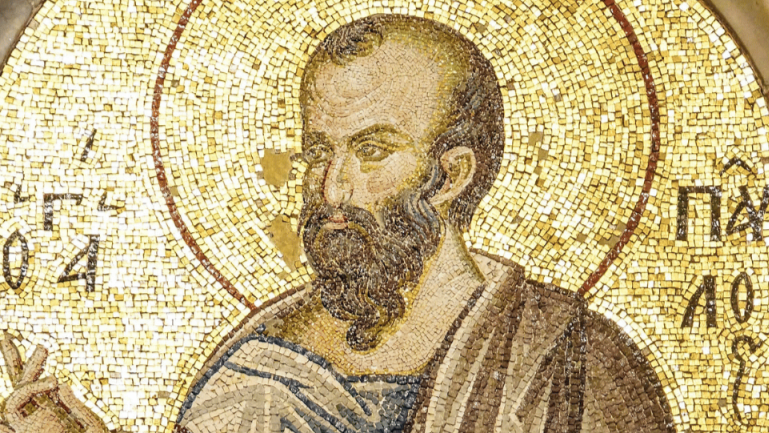
Session 4.10: February 6, 2026
Study session scripture: Romans 3:27-31Then what becomes of our boasting? It is excluded. By what kind of law? By a law of works? No, but by the law of faith. For we hold that one is justified by faith apart from works of the law. Or is God the God of Jews only? Is he not the God of Gentiles also? Yes, of Gentiles also, since God is one—who will justify the circumcised by faith and the uncircumcised through faith. Do we then overthrow the law by this faith? By no means! On the contrary, we uphold the law.Study session topics:Righteousness by faith for Jews and gentiles The salvation offered by God leaves no room for human pride Salvation, from beginning to end, is apart from worksWe cannot claim any credit for any part of our salvationBoasting is the most easily identifiable outworking of pride, the first and greatest of all sinsSatan's pride led him to rebel against God (Isaiah 14:12-15) Eve's pride in desiring to be like God, knowing good and evil, led her to take the fruit of the forbidden tree (Genesis 3:1-7) Pride is the greatest of all sins because it attempts to place us on the throne that belongs to God--It moves us away from worship of God and toward worship of self Pride lies at the root of all sins--We think we know better than God, and therefore our sinful way is better than God's righteous way Pride affects us all to one degree or another - western culture, particularly American culture, is very susceptible to pride. God, in His wisdom, made a path to salvation that excludes our pride by taking all the work and effort (and thus, all the credit and all the glory) upon HimselfJustification before God comes by faith, not by our own efforts Salvation is a free gift from God (Ephesians 2:8-9) (Romans 11:6) What is faith? What does faith look like? 3 elements of faith: knowledge, belief, and commitment (Romans 10:13-14) Knowledge--One must know the truth about God and ourselves to have effective faith Belief--Being moved in the heart, accepting the truth as the truth Commitment: putting one's complete trust in the object of one's faith Since God is God of all, both Jew and Gentile, there is only one way to gain salvation--by faith Paul affirms the Shema (Hebrew for "hear") (Deuteronomy 6:4)--"Hear, O Israel, the Lord our God, the Lord is one," rebuking Gentile polytheism while also chiding the Jewish sense of superiority over being God's chosen people -Paul once again drives home to both audiences that it is not rote ritualistic obedience that saves, but faith Paul concludes this section by affirming that even though obedience to the Law cannot save, this does not mean we throw the Law away Faith does not mean we can do as we please regardless of the morality of our actions--indeed, true faith inspires us to uphold God's morality Study session audio:
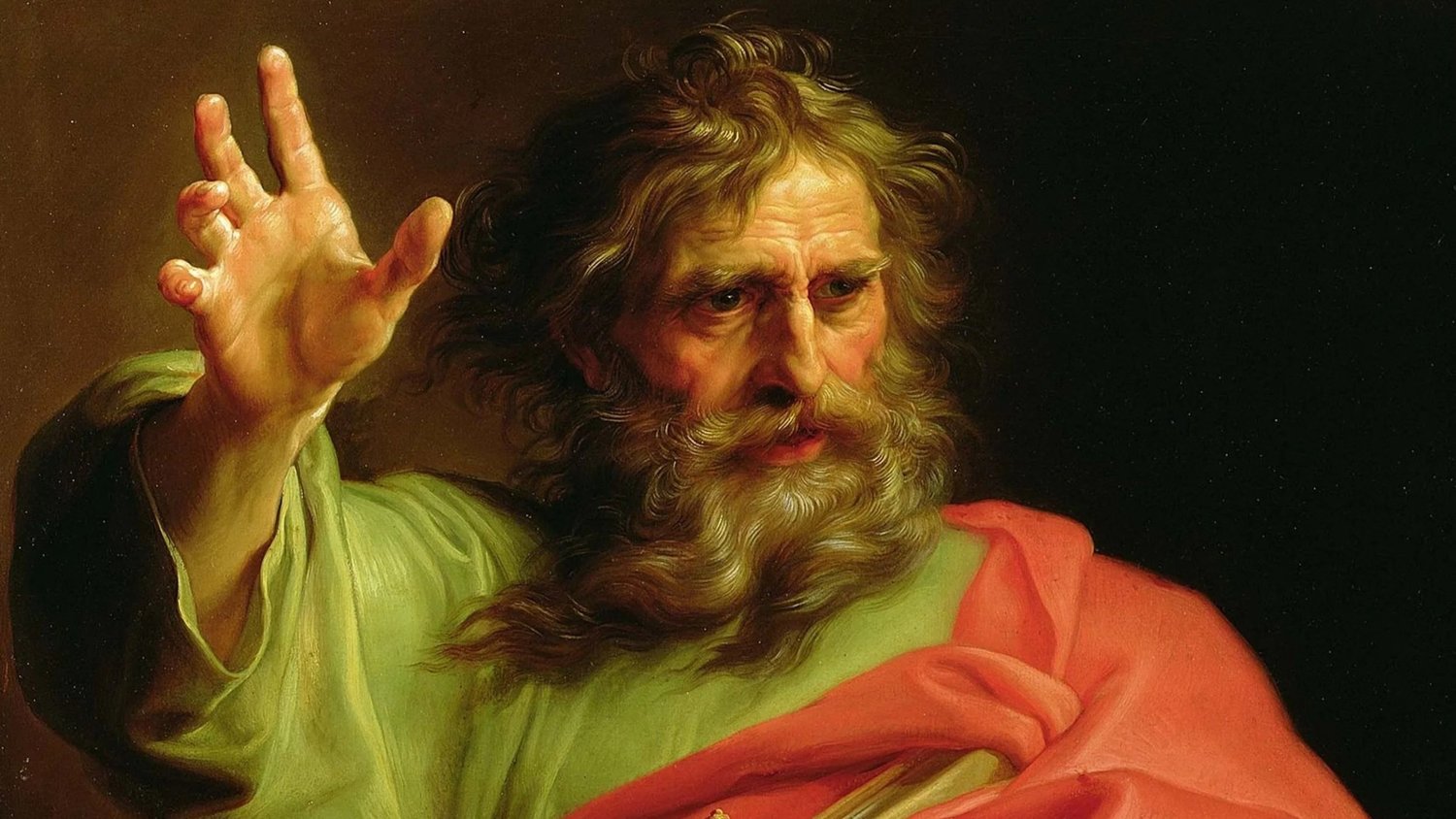
Session 4.9: January 30, 2026
Study session scripture: Romans 3:21-26But now the righteousness of God has been manifested apart from the law, although the Law and the Prophets bear witness to it—the righteousness of God through faith in Jesus Christ for all who believe. For there is no distinction: for all have sinned and fall short of the glory of God, and are justified by his grace as a gift, through the redemption that is in Christ Jesus, whom God put forward as a propitiation by his blood, to be received by faith. This was to show God's righteousness, because in his divine forbearance he had passed over former sins. It was to show his righteousness at the present time, so that he might be just and the justifier of the one who has faith in Jesus.Study session topics: The saving righteousness of God "But now," a huge turning point in Paul's presentation of the Gospel message Paul has exhaustively argued since stating his thesis for the letter that sin is a pernicious, persistent, and pressing problem that affects everyone without exception No one is righteous, Jew or Gentile The unrighteous will suffer wrath and fury when they are inevitably judged by God Now Paul begins to discuss the ultimate solution to sin Paul describes a new covenant that God has recently established through the death and resurrection of Jesus Christ Apart from the Law -Without distinction between Jew and Gentile Received by faith as a gift, rather than by human efforts at obedience Upholds God's justice and wrath against sin (orge) while allowing Him to justify, or declare righteous, the one who trusts in Jesus Jesus as propitiation Propitiation: to appease or turn aside wrath, an atoning sacrifice to a deityMany people are uncomfortable with the idea of God's wrath needing to be satisfied God's wrath is not a fit of pique, but principled opposition to something that goes against His very nature God's wrath is well established in the Scriptures Paul uses severe terms to describe the unrighteousness of all men, and the Scriptures he references include wrathful responses to man's wickednessPropitiation in the Christian sense is distinct from other religions in that it is not man who appeases God, but God appeases Himself by providing sacrifices for sins Propitiation and reconciliation are two sides of the same coin God's provision of Christ's sacrifice shows His righteousness and justice, so that no one can accuse Him of being unjust in His forbearance toward sinStudy session audio:
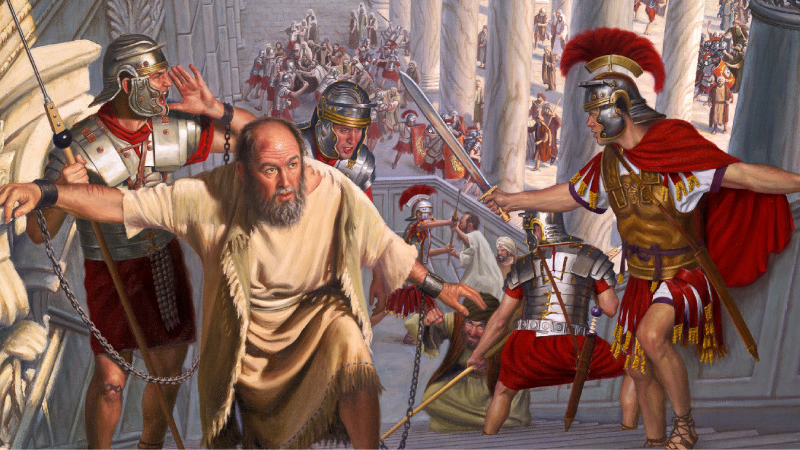
Session 4.8: January 23, 2026
Study session scripture: Romans 3:9-20What then? Are we Jews any better off? No, not at all. For we have already charged that all, both Jews and Greeks, are under sin, as it is written: “None is righteous, no, not one; no one understands; no one seeks for God. All have turned aside; together they have become worthless; no one does good, not even one.” “Their throat is an open grave; they use their tongues to deceive.” “The venom of asps is under their lips.” “Their mouth is full of curses and bitterness.” “Their feet are swift to shed blood; in their paths are ruin and misery, and the way of peace they have not known.” “There is no fear of God before their eyes.” Now we know that whatever the law says it speaks to those who are under the law, so that every mouth may be stopped, and the whole world may be held accountable to God. For by works of the law no human being will be justified in his sight, since through the law comes knowledge of sin.Study session topics:The unrighteousness of all peoplePaul just said the Jews have much benefit in every way, and now he says they are ultimately no better off than the gentiles The benefits Paul previously described are things that help one see more clearly their need for salvation, but they themselves cannot save The law Circumcision Paul now pulls together a bunch of scripture passages to show that God's consistent message, both to His people and ultimately to the whole world, is that all are under sin Sinful condition (v. 10-12) Sinful speech (v. 13-14) Sinful action (v. 15-17) Summary statement: no fear of God (v. 18) The Law itself cannot save us, rather it shows us how wicked we areStudy session audio:
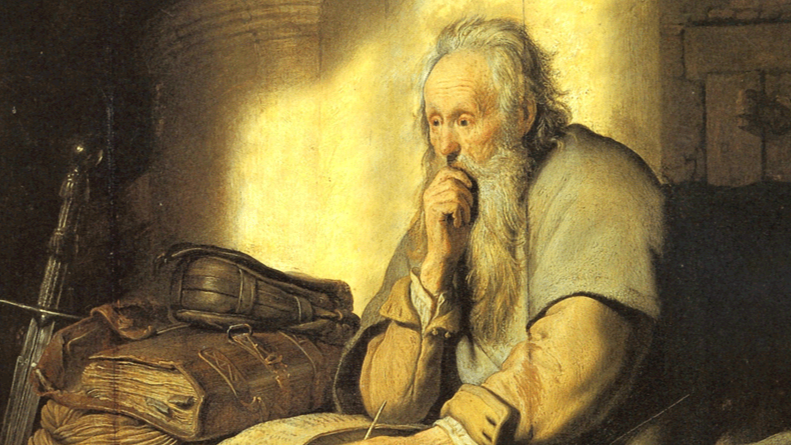
Session 4.7: January 16, 2026
Study session scripture: Romans 3:1-8Then what advantage has the Jew? Or what is the value of circumcision? Much in every way. To begin with, the Jews were entrusted with the oracles of God. What if some were unfaithful? Does their faithlessness nullify the faithfulness of God? By no means! Let God be true though every one were a liar, as it is written, “That you may be justified in your words, and prevail when you are judged.” But if our unrighteousness serves to show the righteousness of God, what shall we say? That God is unrighteous to inflict wrath on us? (I speak in a human way.) By no means! For then how could God judge the world? But if through my lie God's truth abounds to his glory, why am I still being condemned as a sinner? And why not do evil that good may come?—as some people slanderously charge us with saying. Their condemnation is just.Study session topics:The Unrighteousness of the Jews, concluded Paul now responds to some anticipated objections to the arguments he has been making regarding the unrighteousness of the Jews If the Jews are condemned by their sins just as the Gentiles are, and true Jews are Jews inwardly, what is the benefit of being an ethnic Jew? Paul immediately responds that there is much benefit to being an ethnic Jew, because they were given the very words of God The modern equivalent would be growing up in a Christian home and expecting to go to heaven on the basis of one's upbringing Simple possession of God's Word and external connection to a favored nation is not sufficient to save one's soul If God's covenant with Israel is unconditional, and many Jews live unfaithful lives and thus will not be saved, does this nullify God's promise to save Israel? Paul immediately rejects this question and states emphatically that God's faithfulness is inviolable even though man is unfaithful God's covenant with Abraham (Gen. 15:7-21) This question takes the promises God made to Israel as a nation and erroneously attempts to apply them to individuals who have not laid hold of God's promises through salvation in Christ The modern equivalent would be expecting to be saved on the basis of regular church attendance and belonging to a congregation because God promised to save His church If our sins and faithlessness serve to emphasize God's righteousness and faithfulness, how can God judge us for making Him look good? If this objection had any merit, God could not judge the world. Paul completely rejects the premise of the question because God will judge the world, so this accusation can be dispensed withPaul's accusers charge him with teaching "cheap grace," i.e. if God's glory is further emphasized by my sin, and His mercy is further emphasized when He forgives me, then I should sin freely that God's grace may abound all the more The Gospel does not promise forgiveness for premeditated sin. if we do not repent of our sin, but rather act as though God is forced to forgive us when we ask and thus we have God in a corner and can live as we please, we mock God and trivialize His holiness by overemphasizing His mercy, and we will meet a rude awakening at our judgmentStudy session audio:
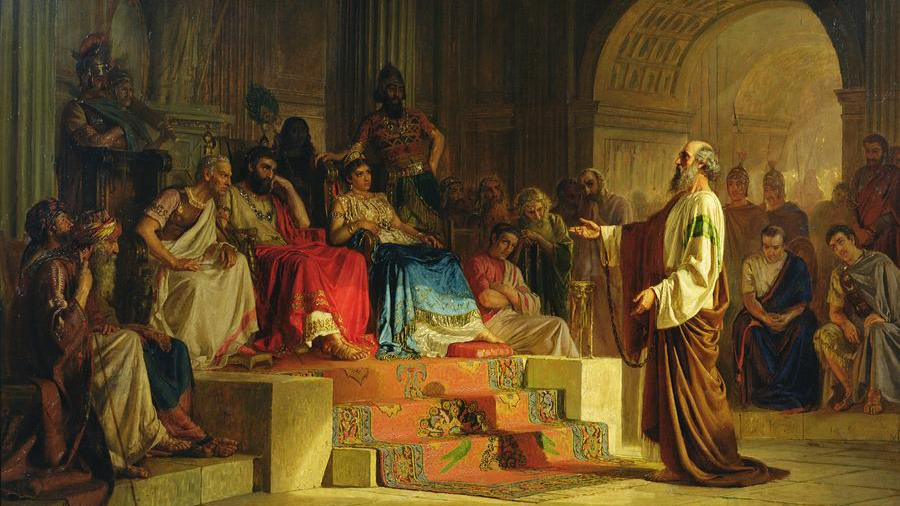
Session 4.6: January 9, 2026
Study session scripture: Romans 2:12-29For all who have sinned without the law will also perish without the law, and all who have sinned under the law will be judged by the law. For it is not the hearers of the law who are righteous before God, but the doers of the law who will be justified. For when Gentiles, who do not have the law, by nature do what the law requires, they are a law to themselves, even though they do not have the law. They show that the work of the law is written on their hearts, while their conscience also bears witness, and their conflicting thoughts accuse or even excuse them on that day when, according to my gospel, God judges the secrets of men by Christ Jesus. But if you call yourself a Jew and rely on the law and boast in God and know his will and approve what is excellent, because you are instructed from the law; and if you are sure that you yourself are a guide to the blind, a light to those who are in darkness, an instructor of the foolish, a teacher of children, having in the law the embodiment of knowledge and truth— you then who teach others, do you not teach yourself? While you preach against stealing, do you steal? You who say that one must not commit adultery, do you commit adultery? You who abhor idols, do you rob temples? You who boast in the law dishonor God by breaking the law. For, as it is written, “The name of God is blasphemed among the Gentiles because of you.” For circumcision indeed is of value if you obey the law, but if you break the law, your circumcision becomes uncircumcision. So, if a man who is uncircumcised keeps the precepts of the law, will not his uncircumcision be regarded as circumcision? Then he who is physically uncircumcised but keeps the law will condemn you who have the written code and circumcision but break the law.For no one is a Jew who is merely one outwardly, nor is circumcision outward and physical. But a Jew is one inwardly, and circumcision is a matter of the heart, by the Spirit, not by the letter. His praise is not from man but from God.Study session topics:The unrighteousness of the Jews, continued God will judge all according to the standard they possessed Gentiles by what can be perceived about God in nature Jews by the law God gave them The Jews throughout history failed to be a holy people A warning against externalism Emphasis on outward religious practices, rituals, and appearances at the expense of true inward faithStudy session audio:
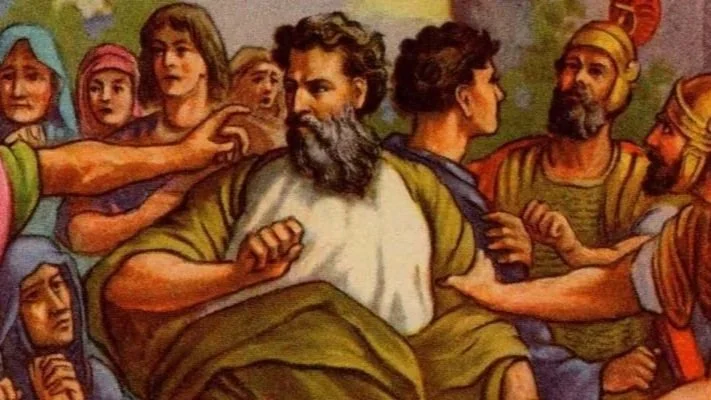
Session 4.5: December 19, 2025
Study session scripture: Romans 2:1-11Therefore you have no excuse, O man, every one of you who judges. For in passing judgment on another you condemn yourself, because you, the judge, practice the very same things. We know that the judgment of God rightly falls on those who practice such things. Do you suppose, O man—you who judge those who practice such things and yet do them yourself—that you will escape the judgment of God? Or do you presume on the riches of his kindness and forbearance and patience, not knowing that God's kindness is meant to lead you to repentance? But because of your hard and impenitent heart you are storing up wrath for yourself on the day of wrath when God's righteous judgment will be revealed. He will render to each one according to his works: to those who by patience in well-doing seek for glory and honor and immortality, he will give eternal life; but for those who are self-seeking and do not obey the truth, but obey unrighteousness, there will be wrath and fury. There will be tribulation and distress for every human being who does evil, the Jew first and also the Greek, but glory and honor and peace for everyone who does good, the Jew first and also the Greek. For God shows no partiality.Study session topics:The unrighteousness of the JewsNone of us has room to judge the unrighteousness of anotherThis does not mean we must be silent in the face of sin, but that we must point to God’s judgment rather than our ownWe will all stand before God as righteous judgeGod’s current leniency is not an excuse to keep living as you do, but an opportunity to heed His call to repentance God will judge us all according to our worksStudy session audio:
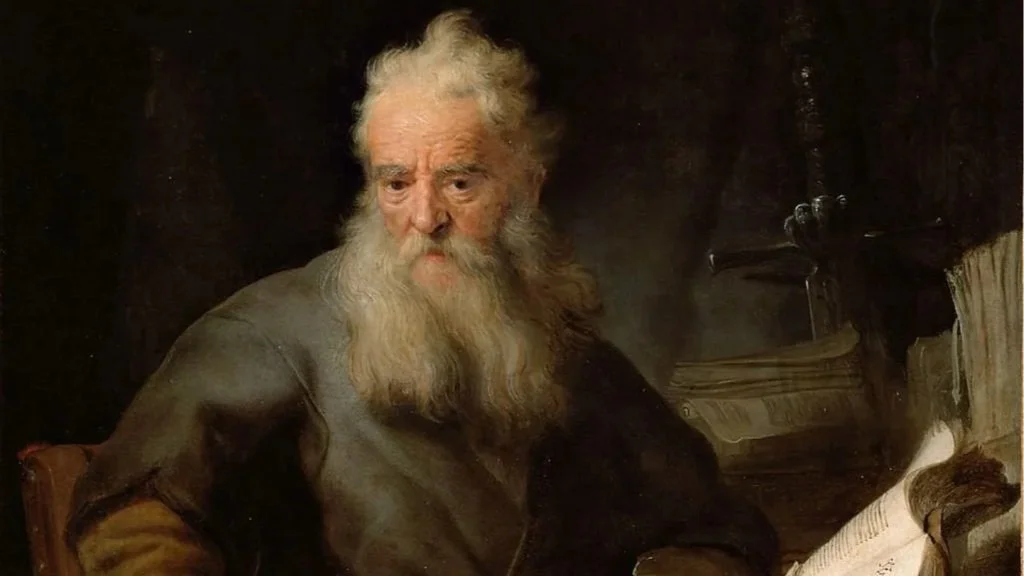
Session 4.4: December 12, 2025
Study session scripture: Romans 1:18-32For the wrath of God is revealed from heaven against all ungodliness and unrighteousness of men, who by their unrighteousness suppress the truth. For what can be known about God is plain to them, because God has shown it to them. For his invisible attributes, namely, his eternal power and divine nature, have been clearly perceived, ever since the creation of the world, in the things that have been made. So they are without excuse. For although they knew God, they did not honor him as God or give thanks to him, but they became futile in their thinking, and their foolish hearts were darkened. Claiming to be wise, they became fools, and exchanged the glory of the immortal God for images resembling mortal man and birds and animals and creeping things. Therefore God gave them up in the lusts of their hearts to impurity, to the dishonoring of their bodies among themselves, because they exchanged the truth about God for a lie and worshiped and served the creature rather than the Creator, who is blessed forever! Amen. For this reason God gave them up to dishonorable passions. For their women exchanged natural relations for those that are contrary to nature; and the men likewise gave up natural relations with women and were consumed with passion for one another, men committing shameless acts with men and receiving in themselves the due penalty for their error.And since they did not see fit to acknowledge God, God gave them up to a debased mind to do what ought not to be done. They were filled with all manner of unrighteousness, evil, covetousness, malice. They are full of envy, murder, strife, deceit, maliciousness. They are gossips, slanderers, haters of God, insolent, haughty, boastful, inventors of evil, disobedient to parents, foolish, faithless, heartless, ruthless. Though they know God's righteous decree that those who practice such things deserve to die, they not only do them but give approval to those who practice them.Study session topics:God’s wrath against sinners: the unrighteousness of the gentilesWhat does the wrath of God look like? Thumos versus orgeGo’d wrath against unrighteousness is revealed in the downward trajectory of an ungodly worldRefusal to honor GodTurning to worship idolsSexual sinFurther depravityStudy session audio:
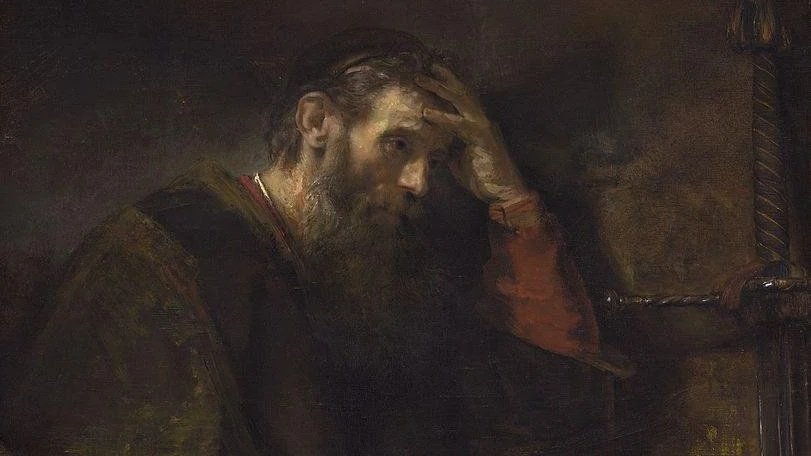
Session 4.3: December 5, 2025
Study session scripture: Romans 1:8-17First, I thank my God through Jesus Christ for all of you, because your faith is proclaimed in all the world. For God is my witness, whom I serve with my spirit in the gospel of his Son, that without ceasing I mention you always in my prayers, asking that somehow by God's will I may now at last succeed in coming to you. For I long to see you, that I may impart to you some spiritual gift to strengthen you— that is, that we may be mutually encouraged by each other's faith, both yours and mine. I do not want you to be unaware, brothers, that I have often intended to come to you (but thus far have been prevented), in order that I may reap some harvest among you as well as among the rest of the Gentiles. I am under obligation both to Greeks and to barbarians, both to the wise and to the foolish. So I am eager to preach the gospel to you also who are in Rome. For I am not ashamed of the gospel, for it is the power of God for salvation to everyone who believes, to the Jew first and also to the Greek. For in it the righteousness of God is revealed from faith for faith, as it is written, “The righteous shall live by faith.”Study session topics:Thanksgiving and themePaul thanks God for all the members of the Roman churchHe again emphasizes unity between Jews and GentilesPaul expresses his desire to visit the Roman churchHe wants both to encourage and strengthen the church and to gain encouragement and strength from themWe know that Paul eventually succeeded in coming to RomeThe Gospel and the righteousness of GodPaul is not ashamed of the GospelThe Gospel reveals the righteousness of GodThe righteous shall live by faithStudy session audio:
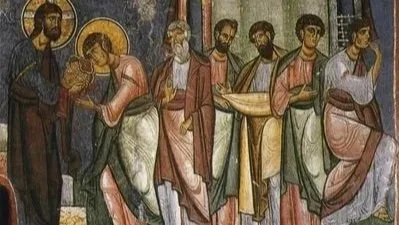
Session 4.2: November 21, 2025
Study session scripture: Romans 1:1-71 Paul, a servant of Christ Jesus, called to be an apostle, set apart for the gospel of God, 2 which he promised beforehand through his prophets in the holy Scriptures, 3 concerning his Son, who was descended from David according to the flesh 4 and was declared to be the Son of God in power according to the Spirit of holiness by his resurrection from the dead, Jesus Christ our Lord, 5 through whom we have received grace and apostleship to bring about the obedience of faith for the sake of his name among all the nations, 6 including you who are called to belong to Jesus Christ, 7 To all those in Rome who are loved by God and called to be saints: Grace to you and peace from God our Father and the Lord Jesus Christ.Study session topics:Paul is a servant to Christ JesusPaul is an apostlePaul has been set apart for the Gospel, the good news of salvation from sins, and the fulfillment of God’s plan throughout historyPaul (and the other apostles) received their office from Christ to bring all nations to the obedience to God that comes from saving faith for the sake of HIs nameThose in the Roman church (Jews and gentiles) are loved by God and called to be saintsPaul wishes the Roman church grace and peace from the Father and the SonStudy session audio:

Session 4.1: November 14, 2025
Intro to RomansStudy session topics:The Gospel as the revelation of God’s righteousness God’s righteousness in His wrath against sinners The saving righteousness of God Hope as a result of righteousness by faith God’s righteousness to Israel and to the gentiles God’s righteousness in everyday life The extension of God’s righteousness through Paul’s mission Final summaryStudy session audio:

Session 3.15: October 24, 2025
Study session scripture: Ephesians 6:18-24Study session topics:Slideshow of the site of EphesusPrayer for fellow believersPrayer for Paul in his circumstancesPrayer for Paul’s opportunities to speakMinistry of Tychicus on behalf of PaulPeace, love, and faith in believersChristian grace and uncorrupted loveDiscussionStudy session audio:
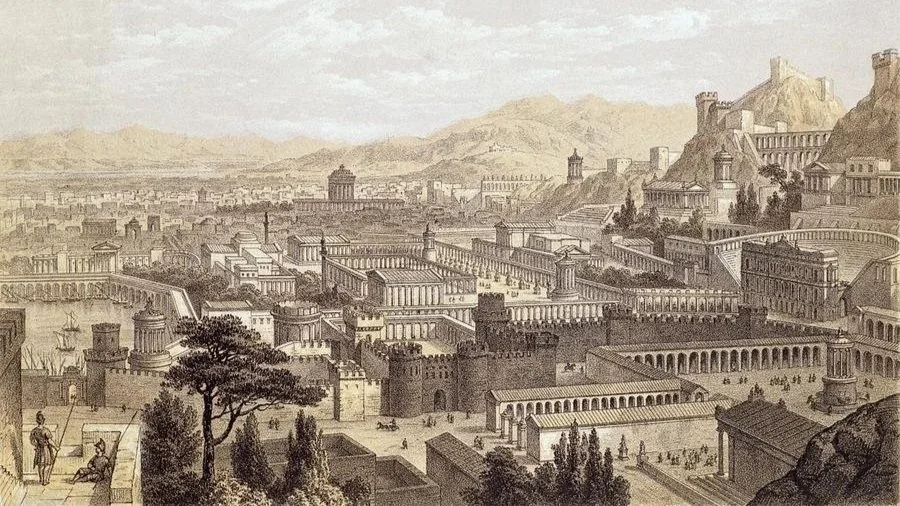
Session 3.14: October 17, 2025
Study session scripture: Ephesians 6:10-17Study session topics:Strong in the LordPrepared for the real struggleSpiritual forces of conflictThe full amor of GodAreas of protectionThe spirit’s active toolOld Testament backgroundDiscussionStudy session audio:

Session 3.13: October 10, 2025
Study session scripture: Ephesians 5:18, 22, 6:9Study session topics:Filled and fullness: support for trinitarian understandingBeing subject to one anotherWives subject husbands as to the LordHusbands loving wivesMarriage as picture of Christ and the churchSummary of Christian marriageChildren and parents in the Christian householdThe larger household of mindsetsDiscussionStudy session audio:

Session 3.12: October 3, 2025
Study session scripture: Ephesians 5:6-22Study session topics:The importance of knowing truth and avoiding deceptionLeaving the former darkness for the lightThe light of what happened in baptismLiving in the opportune timeUnderstanding the Lord’s willFormatting Bible passagesThe dynamics of being filled by the Holy SpiritStudy session audio:

Session 3.11: September 26, 2025
Study session scripture: Ephesians 4:28-5:6Study session topics:The character of a believer in actions and speech 4:28-29Grieving the Holy Spirit 4:30Attitudes and demeanor 4:31-32Imitating God, loving in a sphere of loving 5:1-2What destroys life and truth 5:3-5The dangers of deceptions 5:6Discussion: character and parentingStudy session audio:
Session 3.10: September 12, 2025
Study session scripture: Ephesians 4:8-27Study session topics:Christ as victor providing supply to the churchchurch ministers equipping the church for ministryCall to no longer live as the past personRenewing the mind as a new personSpeaking truthLiving with anger and restraining itStudy session audio:
Session 3.9: August 15, 2025
Study session scripture: Ephesians 4:1-8Study session topics:Ephesians 3:8-10 The purpose of the churchMaking God’s wisdom known to rulers in the heavensEphesians 4:1-2Living with integrity of the faith in daily lifeEphesians 4:4-6A unified confession of commitment to the SpiritOne hope in the calling to the LordOne common faith for allOne common unifying identifying ritual: baptism to the God and Father all believers present to all believersEphesians 4:7 Empowering grace to all believersEphesians 4:8 Old Testament prophetic reference to victory over pagans: Psalm 68Old Testament prophetic reference to Christ’s victory over enemies: Psalm 68:18Study session audio:

Session 3.8: August 8, 2025
Study session scripture: Ephesians 3:1-4:6Study session topics:Paul as messenger of gentile inclusionThe message announcing unity to heavenly powersThe message announcing access to GodPaul’s imprisonment in God’s purposePaul’s prayer for Christ to dwellChrist dwelling in believersPaul’s doxologyWalking worthilyA ‘creed’ reciting unity?Study session audio:
Session 3.7: August 1, 2025
Study session scripture: Ephesians 2:14-3:7 Study session topics:chart on the two agesJesus’ reconceptualization: Christ is the ‘peace’ for divisions and enmitythe Jewish particular ordinancesthe reconciliation of the Cross Proclamation (evangelization) of peace for divisions through ChristUse of Isaiah 57:17-21From stranger/alien to part of the dwelling of God (holy temple)Paul as messenger of the mystery of gentile inclusionStudy session audio:
Session 3.6: July 18, 2025
Study session scripture: Ephesians 2:1-16Study session topics: ‘Dead’ in our actions of wrongdoingBut God in mercy and loveMade us spiritually alive in ChristRaised us to spiritual life in ChristSeated us in power spiritually in ChristSaved by grace through faithReconciliation of ethnic divisions and identities in ChristStudy session audio:

Session 3.5: July 11, 2025
Study session scripture: Ephesians 1:15-23Study session topics: Praying for fellow believersPraying for wisdom and revelation to know ChristPraying to know hopePraying to know the wealth of relationship with GodPraying to know the anointed king’s power over death and other spiritual powersKnowing that Christ has ultimate powerThis powerful one is the head of the assembly of disciples who are filled with Christ as a bodyStudy session audio:
Session 3.4: June 27, 2025
Study session scripture: Ephesians 1:3 - 14 (focus on 1:11-14)Study session topics: Understanding God’s work according to the counsel of His willPurposed to be to the praise of God’s glorySealed by the spiritReflecting on and understanding hopeStudy session audio: