Man Up / Man Down
115 episodes — Page 1 of 3
Reclaiming Masculinity and Healing the Father Wound
Unveiling Resilience and Mindset
Unlocking the unconscious, a path to men's inner power
Sextips for Men in Midlife
Men Therapy Hub - helping men in midlife to feel better with Chris Hemmings
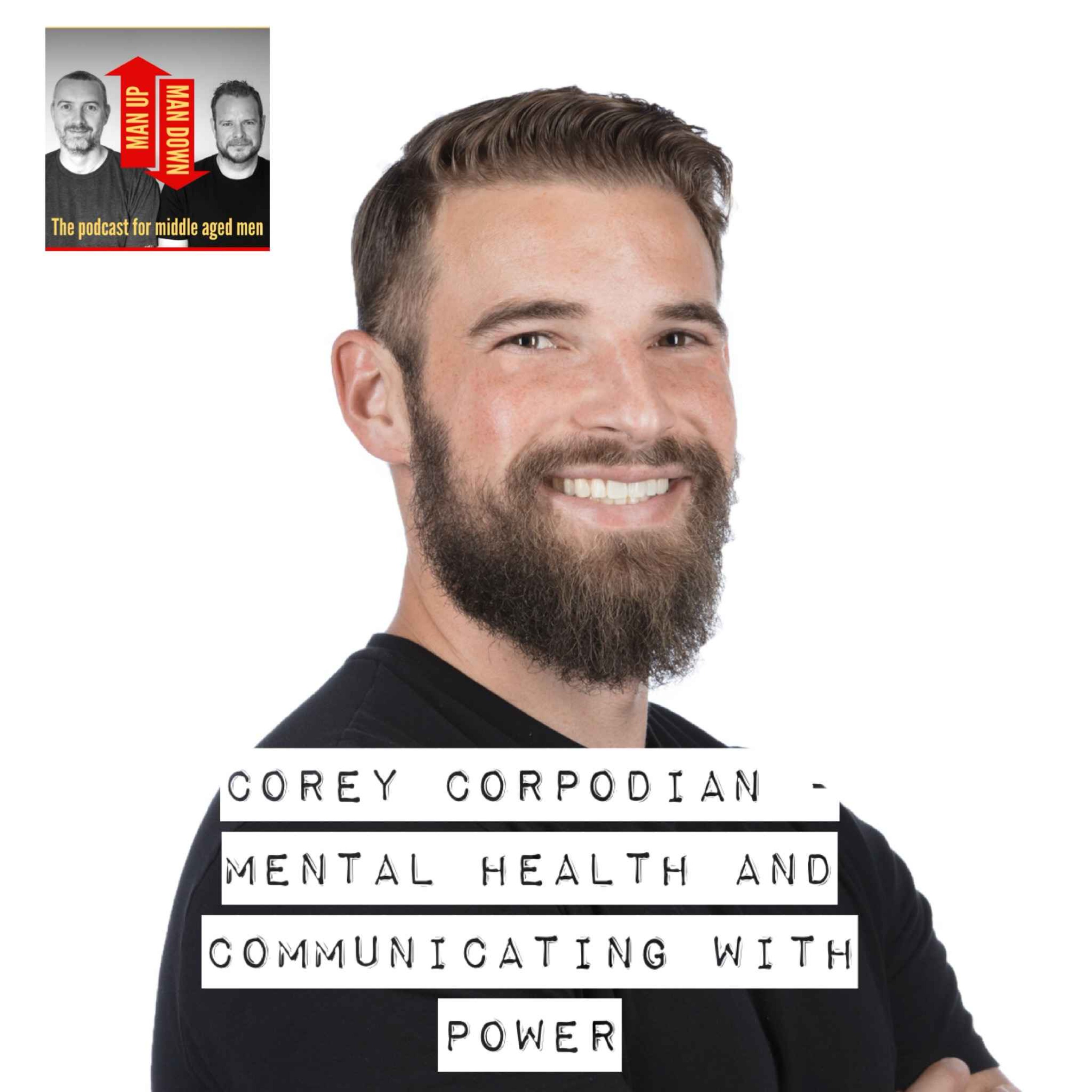
S100 Ep 110Mental Health and Communicating with Power
In this episode, Corey Corpodian shares his transformative journey from being a board-certified orthodontist to a successful entrepreneur and motivational speaker. He discusses the importance of emotional fitness, resilience, and effective communication in achieving personal and professional success. Corey emphasizes the lessons learned from his family's financial struggles and the impact of parenting on emotional intelligence. He also addresses the challenges of avoiding burnout while juggling multiple responsibilities and encourages listeners to step outside their comfort zones to achieve their goals.Key TakeawaysCorey's journey reflects the importance of reinvention and adaptability.Success without fulfillment can lead to personal dissatisfaction.Emotional fitness is crucial for mental health and achieving goals.Resilience is built through facing and overcoming adversity.Effective communication can significantly impact business success.Parenting plays a vital role in developing emotional intelligence in children.Financial struggles can teach valuable lessons about perseverance.Avoiding burnout requires consistent self-care and balance.Creating oneself is an ongoing process that requires effort and intention.Taking action is essential for measuring progress and achieving results.Links: www.unleashsuccess.com/subscribewww.masteremotionalfitness.comwww.youtube.com/@Corey CorpodianInstagram: @Corey Corpodian Hosted on Acast. See acast.com/privacy for more information.
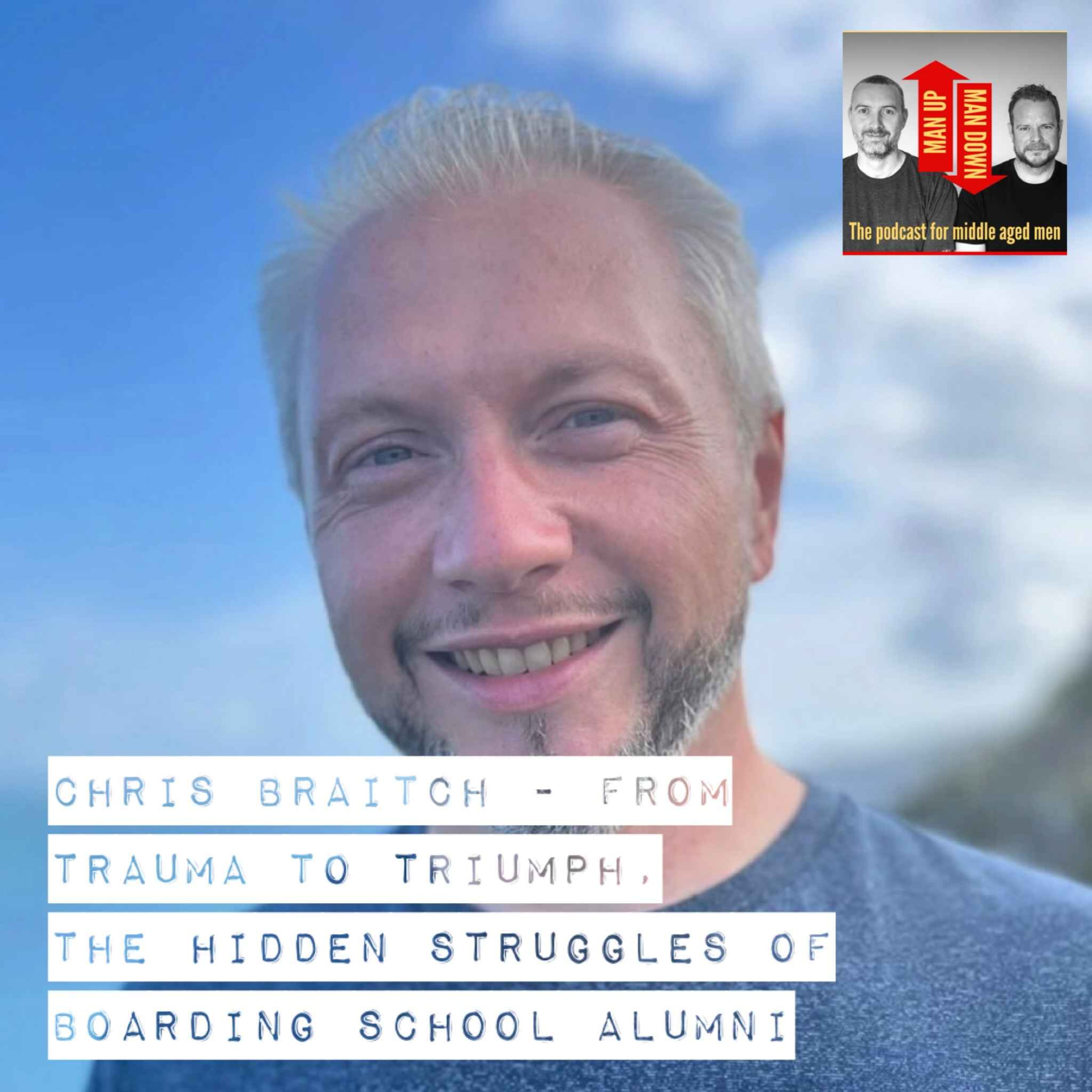
S100 Ep 109From Trauma to Triumph
In this episode of Man Up Man Down, Chris Braitch shares his profound journey from trauma and addiction to healing and helping others. He discusses the often overlooked challenges faced by individuals who attended boarding schools, the impact of unresolved childhood trauma, and the importance of emotional health coaching. Chris emphasises the significance of connection and compassion in recovery, and the role of men's groups in fostering support. He also introduces his initiative, Seen and Heard, which aims to provide resources and support for those affected by the boarding school experience.TakeawaysChris' journey highlights the hidden struggles of boarding school alumni.Addiction often stems from unresolved trauma and emotional disconnection.Emotional Freedom Techniques (EFT) can be transformative in healing.Men's groups provide essential support and connection for recovery.The decision to send children to boarding school requires careful consideration of emotional impacts.Healing relational trauma is best achieved in supportive relationships.Emotional intelligence is crucial for success in leadership roles.Connection and compassion are vital for personal growth and healing.Therapy alone may not address deep-seated trauma without body awareness.Seen and Heard offers vital support for those affected by boarding school experiences.Links are here:Not for profit supporting the wellbeing of past pupils of boarding and independent day schools and their families – www.seenheard.org.ukNot for profit supporting the wellbeing of present pupils of boarding and independent day schools and their families – www.seenheardschools.org.ukChris' Coaching business where he support men and women through 1-2-1 and groups – www.growthwave.ukThe Compassionate Leader Pathway Course he has launched to help people lead with purpose – perform with clarity and live with integrity. www.compassionateleadersglobal.com through Compassion and Leadership. Hosted on Acast. See acast.com/privacy for more information.
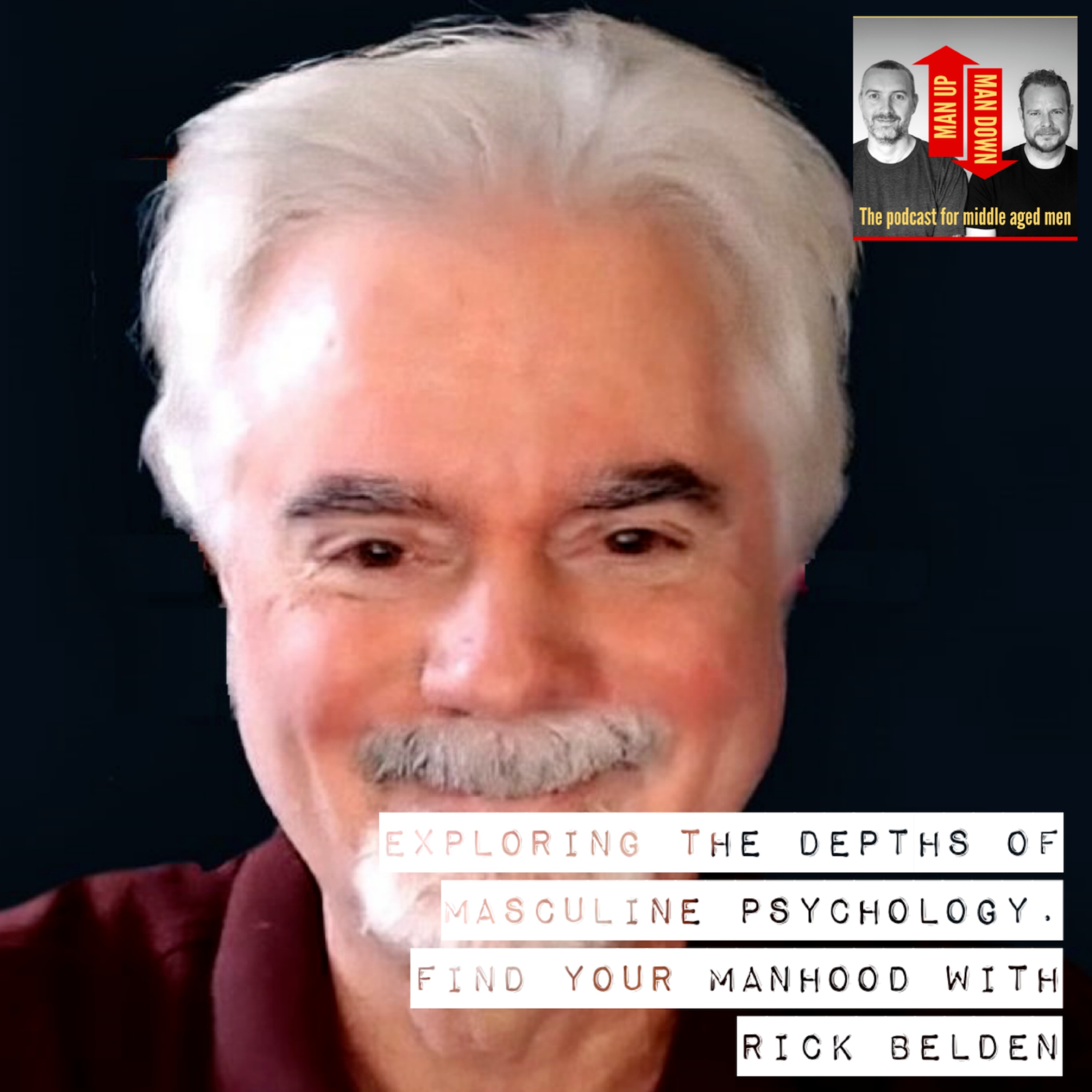
S100 Ep 108Exploring the Depths of Masculine Psychology.
In this episode of "Man Up Man Down," we dive deep into the world of masculine psychology with Rick Belden, a pioneer in men's personal development. Rick shares his journey from a crisis point in his life to becoming a respected men's coach and poet. We explore the influence of parental relationships, the evolution of men's groups, and the importance of self-awareness and emotional resilience.Key Takeaways:Rick's personal journey and the impact of men's groups on his life. The significance of understanding and healing the mother and father wounds. The evolution of men's groups and the changing landscape of masculinity. The importance of developing a strong relationship with oneself.Rick Belden: Men's coach, poet, and author with over 35 years of experience in exploring men's issues and recovery from trauma. Links:•Master website: https://rickbelden.com•Coaching website: https://www.rickbeldencoaching.com•YouTube channel: https://www.youtube.com/c/RickBelden•Facebook: https://www.facebook.com/rickbeldenpoet Hosted on Acast. See acast.com/privacy for more information.
S100 Ep 107Exploring Connection and Emotional Intelligence.
Join us for an insightful episode of "Man Up /Man Down" as we sit down with Dr. Adam Dorsey, a licensed psychologist and executive coach from Silicon Valley. Dr. Dorsey shares his journey from overcoming learning disabilities to becoming a renowned therapist and author. We delve into the importance of connection, emotional intelligence, and the unique challenges faced by men in today's society.Dr. Dorsey's path to psychology and his work with middle-aged men The concept of connection and its four dimensions The impact of socialisation on men's emotional expression Insights from Dr. Dorsey's TEDx talk on emotions The role of music and creativity in personal growthYou can find out more about Adam here:https://www.linkedin.com/in/adam-dorsay-psyd-cpcc-a582a2https://www.facebook.com/dradamdorsaywww.dradamdorsay.com Hosted on Acast. See acast.com/privacy for more information.

S100 Ep 106Understanding your past through a Hollywood lens.
Join us for an inspiring conversation with Maria Leonhard Olsen, a multifaceted individual who has transformed her life in remarkable ways. From practicing law in Washington, D.C., to becoming a celebrated author, podcaster, and mentor, Maria shares her journey of overcoming personal challenges and embracing new opportunities. Discover how she navigated sobriety, explored the world, and found her true calling in helping others.Highlights:Maria's journey from a high-powered lawyer to a passionate advocate for women in recovery. The transformative power of trying new things and embracing change at any age. Insights into Maria's books, including "50 After 50" and her upcoming "60 After 60." The importance of surrounding oneself with supportive and inspiring people. Maria's personal experiences with DNA testing and discovering her biological father.Learn more:MariaLeonardOlsen.com and follow her on social media @FiftyAfter50https://open.spotify.com/show/6uVx6dyp9zG7Pnxwp1pOO9?si=09e99ea5b6cb4126https://podcasts.apple.com/us/podcast/becoming-your-best-version/id1562910379https://www.ted.com/talks/maria_leonard_olsen_turning_life_s_challenges_into_a_force_for_good Hosted on Acast. See acast.com/privacy for more information.
S101 Ep 105Improving Sex in Middleage
Join us for an insightful episode of "Man Up Man Down" as we dive into men's health with Jackson Hightower, CEO and founder of Natural Jackson. Discover how Jackson's journey from athlete to health influencer is revolutionizing men's approach to vitality and intimate wellness.The impact of early sports and nutrition education on Jackson's health journey. The role of sexual health in overall wellness. The dangers of porn consumption and its effects on men's health. Strategies for maintaining intimacy in long-term relationships. Jackson's upcoming app launch focused on men's health and wellness.Guest: Jackson Hightower, CEO and founder of Natural JacksonConnect with Jackson:Website: GetNaturalJackson.com Social Media: @GetNaturalJackson Hosted on Acast. See acast.com/privacy for more information.

S100 Ep 104Midlife Opportunities - What's in stock for midlife transition
In this episode of "Man Up / Man Down," we sit down with Ken Valledy, a seasoned entrepreneur and keynote speaker, to explore the journey from corporate life to entrepreneurship. Ken shares his personal story of leaving a successful marketing career to co-found Progressive Acceleration, a company that bridges the gap between startups and major corporations. Now, as an advocate for midlife professionals, Ken offers insights into making the "great escape" from the corporate train and embracing new opportunities.Key Takeaways:Ken's career journey in three chapters: corporate life, entrepreneurship, and helping others. The concept of the "corporate train" and how to step off it. The importance of side hustles and how they can lead to fulfilling careers. Networking and building connections in a hybrid work environment. The impact of COVID-19 on career choices and work-life balance.The Startup Lexicon (Amazon) - https://amzn.eu/d/7R5RrSrLinkedin Page https://www.linkedin.com/in/kenvalledy/ Hosted on Acast. See acast.com/privacy for more information.
S100 Ep 103Navigating Midlife. Fulfilment, Leadership, and Legacy with Bernie Borges
In this episode of "Men Up, Men Down," we welcome Bernie Borges, creator of the Fulfillment Centric Leadership Framework and host of the Midlife Fulfilled Podcast. Bernie shares his insights on aligning personal purpose with organizational success, the importance of fulfillment over fleeting happiness, and how to navigate the three phases of midlife. Discover how to find clarity and purpose across the five key life pillars: health, fitness, career, relationships, and legacy.Key Takeaways:The Happiness U-Curve and why happiness is fleeting. Understanding fulfillment as a deeper, more permanent emotion. The five key life pillars for achieving fulfilment. The importance of clarity and purpose in midlife. Bernie’s Big Hairy Audacious Goal to reach 3 billion people with his message.Guest Information:Bernie Borges: Creator of the Fulfillment Centric Leadership Framework, host of the Midlife Fulfilled Podcast. Website: midlifefulfilled.com LinkedIn and Instagram @BernieBorges Hosted on Acast. See acast.com/privacy for more information.

S100 Ep 102Weight Loss Journey with the Big Fellas
Join us for an insightful episode of Man Up Man Down, where we team up with Mark and Darren, the hosts of the Big Fellas podcast. We dive into their incredible weight loss journeys, discussing the challenges and triumphs along the way. From personal stories to practical tips, this episode is packed with inspiration and motivation for anyone on a similar path.Key Topics:The Big Fellas' weight loss stories: Overcoming challenges and maintaining success. The role of mental health in weight management. Exploring different weight loss methods: From diets to surgery. The impact of ultra-processed foods and making healthier choices. Personal anecdotes and reflections on identity and lifestyle changes.Guest Information:Mark and Darren, hosts of the Big Fellas podcast, share their experiences and insights on weight loss and healthy living. https://bigfellaspodcast.com/Call to Action: Let us know your thoughts on this episode and share your own weight loss journey with us! Hosted on Acast. See acast.com/privacy for more information.
S100 Ep 101Embracing Midlife: Wisdom and Purpose. Understanding the Modern Elder
Embracing Midlife: Wisdom and Purpose with Chip ConleyDescription: Join us in this enlightening episode of "Man Up, Man Down" as we sit down with Chip Conley, a hospitality industry maverick, New York Times bestselling author, and midlife activist. Chip shares his journey from boutique hotelier to becoming Airbnb's modern elder, and the creation of the Modern Elder Academy (MEA), the world's first midlife wisdom school. Discover the unexpected pleasures of aging, the importance of cultivating purpose, and how to navigate midlife transitions with grace and wisdom.Key Topics:The concept of the Modern Elder and the creation of MEA The importance of transition intelligence (TQ) and cultivating purpose How midlife can be a time of growth and new beginnings The role of wisdom in the era of AI and digital transformation Chip's personal journey and insights on aging gracefullyLinks:meawisdom.comchipconley.commeawisdom.com/wisdom-well Hosted on Acast. See acast.com/privacy for more information.
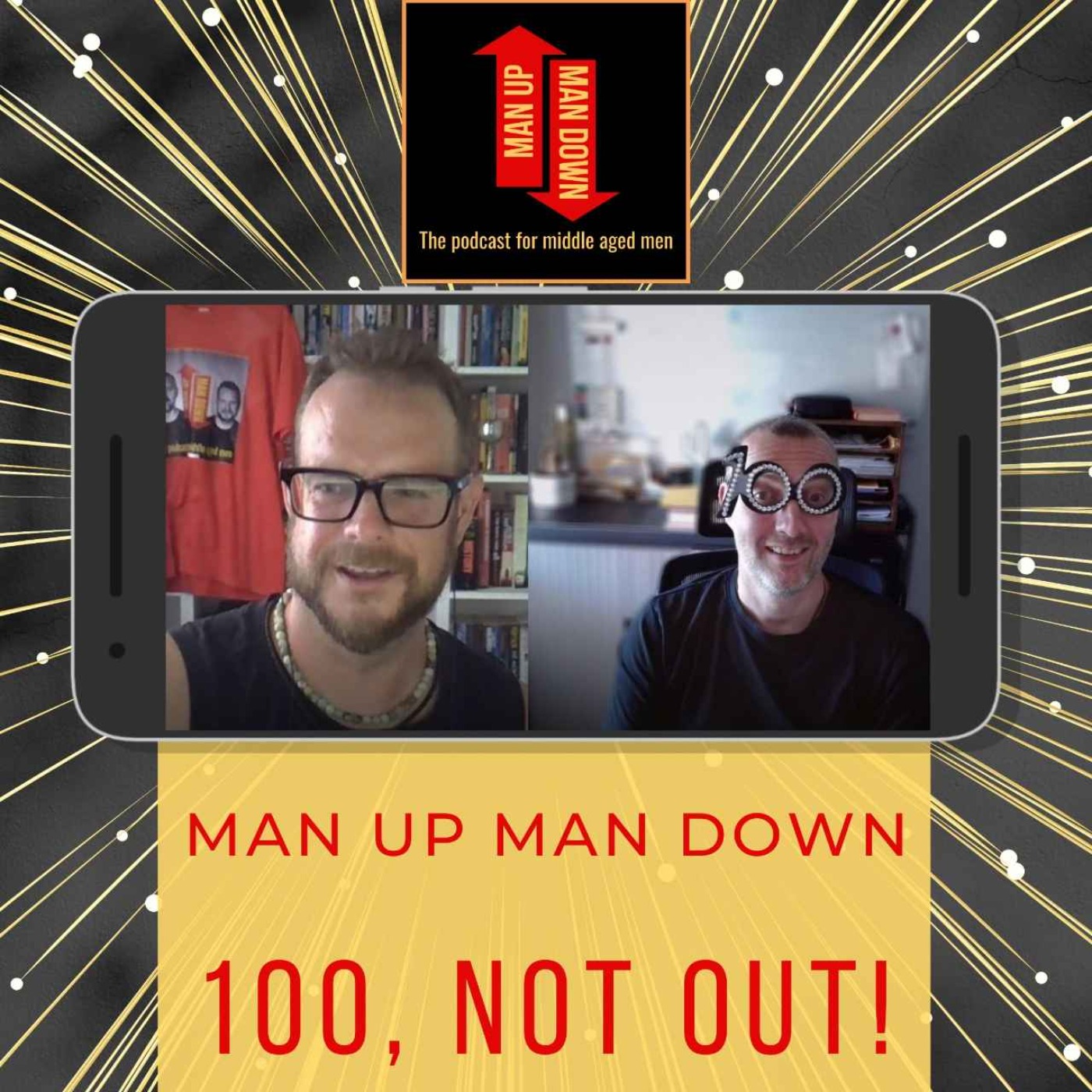
S3 Ep 35Episode 100
Here is the wrap - a short celebration of 100 episodes of Man Up / Man Down. There is no stopping now, we are back after the summer with some exciting episodes. Hosted on Acast. See acast.com/privacy for more information.
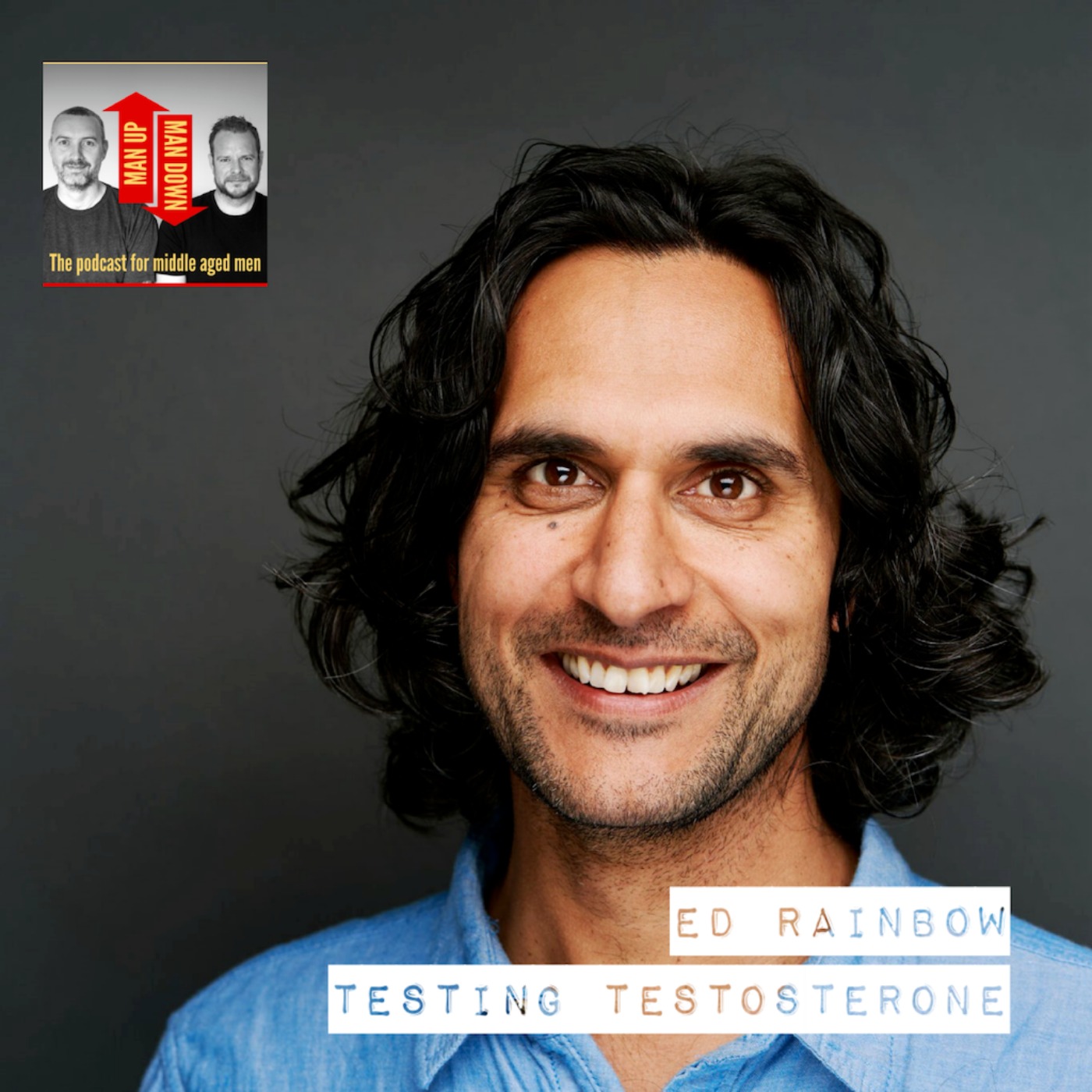
S3 Ep 34Testing Testosterone
In this episode, Dr. Ed Rainbow shares his personal journey from burnout as a GP to discovering the importance of mental health and testosterone in men's health. He discusses the stigma surrounding mental health in the medical field, the societal expectations placed on men, and how these factors contribute to a lack of support for men seeking help. Dr. Rainbow also explores the connection between testosterone levels and mental health, emphasising the need for awareness and understanding in both medical practice and society. In this conversation, Dr. Ed Rainbow discusses the complexities of testosterone testing and interpretation, emphasising the importance of understanding individual hormone levels and the factors that influence them. He explains the daily testosterone cycle in men, the significance of various hormones, and how lifestyle choices such as diet, exercise, and stress management can impact testosterone levels. The discussion also highlights the variability in what is considered 'normal' testosterone levels and the need for personalised approaches to treatment.•Dr. Ed Rainbow experienced severe burnout and depression as a GP.•He transitioned to lifestyle medicine to improve health outcomes.•Many men face stigma around mental health, impacting their willingness to seek help.•Testosterone deficiency can lead to mental health issues in men.•The medical curriculum often overlooks the importance of testosterone in men's health.•Men often feel pressured to conform to societal expectations of masculinity.•Support from colleagues can be crucial for healthcare professionals facing mental health challenges.•The majority of mental health consultations involve women and children, not men.•Men may resist talking therapies due to societal conditioning.•Screening questionnaires can help identify men at risk for testosterone deficiency. A small testosterone panel includes total and free testosterone levels.•Men experience a daily testosterone cycle, peaking in the morning.•Testosterone is produced in the testicles, regulated by the pituitary gland.•Hormones like FSH and LH stimulate testosterone production.•High levels of sex hormone binding globulin can affect testosterone availability.•Lifestyle factors like exercise and diet can influence testosterone levels.•Stress can lead to increased cortisol, impacting testosterone production.•Individual variability means normal levels differ from person to person.•Symptoms should guide the interpretation of testosterone tests.•Consultation with a healthcare provider is essential for personalised treatment.Like to know more?Join my mailing list like 100s of men for weekly tips:https://mensmindgp.com/mens-mind-gp-mailing-list-signup/Want to work with Ed?Contact me to undertake my Men's Mind Mastery protocolwww.mensmindgp.com/contact-dr-ed-rainbow/www.mensmindgp.comLinkedIn: https://www.linkedin.com/in/dr-edward-rainbow/Free course Purpose Project - https://mensmindgp.com/the-purpose-project-redefining-midlife-for-men/[email protected] Hosted on Acast. See acast.com/privacy for more information.
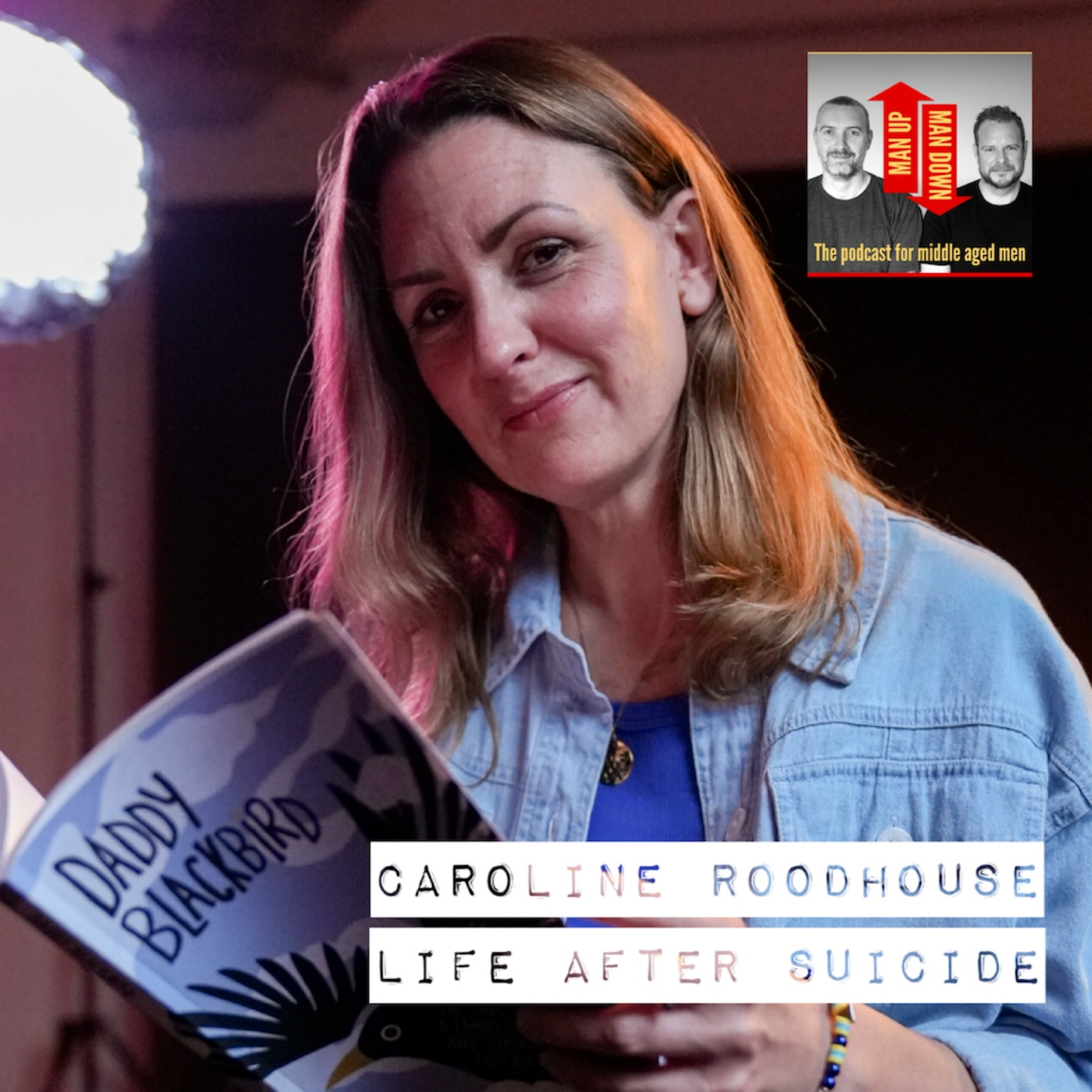
S3 Ep 33Life after Suicide
In this heartfelt conversation, Caroline Roodhouse shares her profound journey following the tragic loss of her husband to suicide. She discusses the challenges of navigating grief, the importance of support systems, and her mission to raise awareness about mental health and suicide prevention. Caroline emphasises the need for open communication, especially in workplaces, and highlights her own recovery process, which includes her children’s growth and her work as a speaker and author. Through her experiences, she aims to inspire others facing similar struggles and advocate for compassionate communication around mental health.Takeaways· Caroline's husband took his life in 2018, leaving her with two young children.· She emphasises the importance of open and honest communication about grief.· Support from charities like Winston's Wish was crucial for her family.· Therapy helped Caroline cope with her PTSD and grief.· Suicide is often a complex issue with no clear signs.· Caroline created a 'triangle of recovery' focusing on herself, her children, and her community.· Her daughter Evie is actively raising awareness about suicide language in schools.· Caroline's writing became a therapeutic outlet, leading to her book 'Daddy Blackbird.'· She believes in creating safe spaces for men to talk about mental health.· Caroline's mission is to improve workplace communication around mental health issues.For more information: Book: https://amzn.eu/d/bXAtx2SWebsite: https://daddyblackbird.comLinkedIn: www.linkedin.com/in/caroline-roodhouse-mcipr-a5948622Bluesky: @daddyblackbird.bsky.socialSubstack: https://daddyblackbird.substack.com/ Hosted on Acast. See acast.com/privacy for more information.
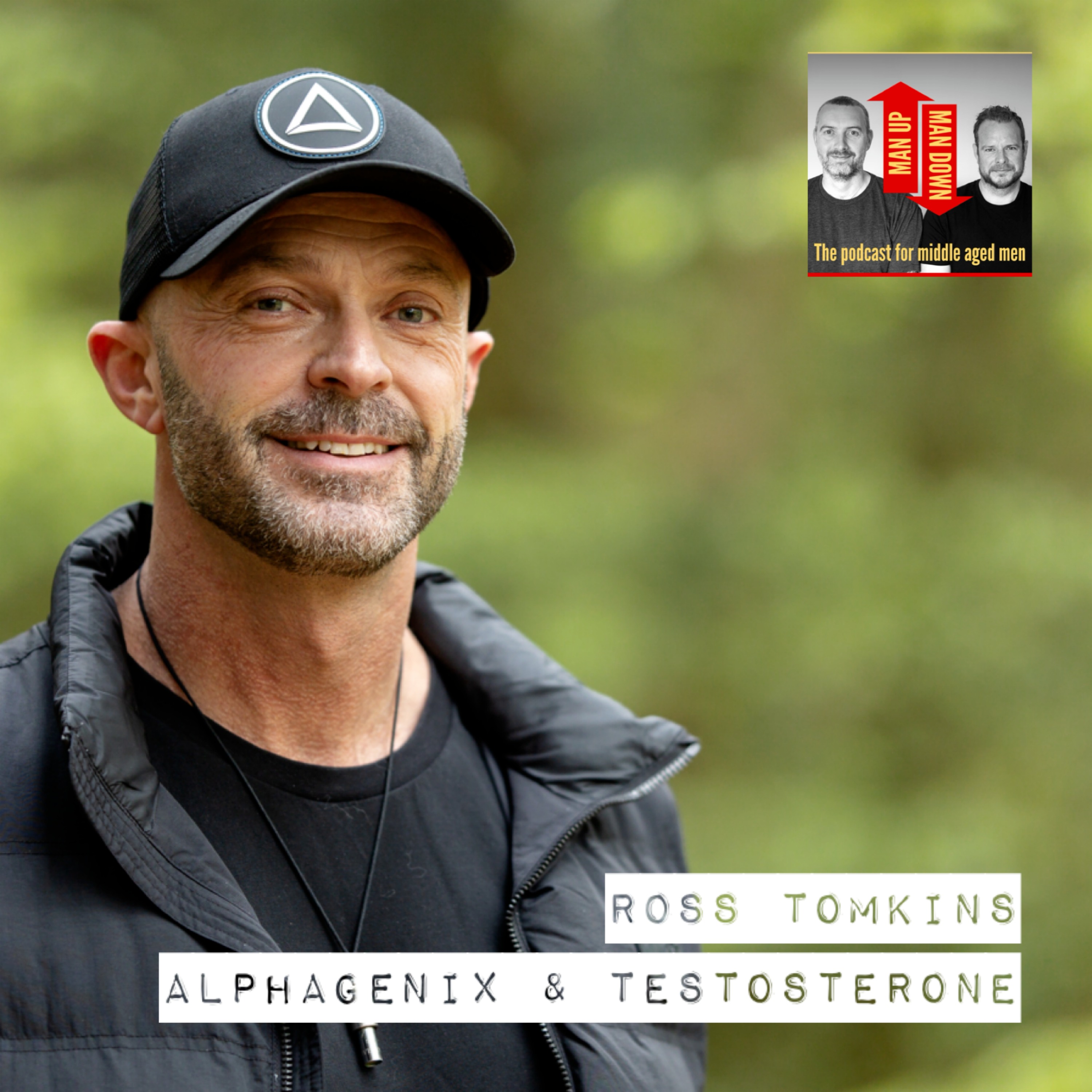
S3 Ep 32Alphagenix & Testosterone
EIn this episode, Ross shares his extensive journey in business development and personal health, focusing on the importance of testosterone awareness and the impact of spirituality on leadership. He discusses his experiences with testosterone replacement therapy, the rise in awareness of men's health issues, and the factors affecting testosterone levels. Ross emphasises the significance of maintaining testosterone levels through natural methods and how spirituality can enhance leadership qualities. In this conversation, the speakers explore the themes of perspective, intuition, and the impact of technology on self-awareness. They discuss how realising one's small place in the universe can be freeing, the importance of understanding others' perspectives, and the need to reconnect with our intuition in a technology-driven world. The conversation emphasises the balance between logical thinking and gut feelings, and how societal changes have affected our emotional intelligence and personal growth.Main takeaways:· Ross has 20 years of experience in business development.· He founded AlphaGenix to address men's health issues related to testosterone.· Testosterone levels in men have been declining over the years.· Awareness of testosterone issues is increasing due to public figures discussing it.· Environmental factors contribute to declining testosterone and fertility rates.· Maintaining testosterone levels can be achieved through exercise, sleep, and nutrition.· Spirituality can enhance leadership by fostering self-understanding.· Believing in a higher power can improve physical strength.· Quality of food impacts overall health and hormone levels.· Men's health discussions are becoming more mainstream and accepted. Realizing you're not the center of the universe is freeing.· People often think events are conspiring against them.· Understanding others' perspectives can change our narratives.· Intuition is often overridden by logical thinking.· Listening to our gut feelings can lead to better decisions.· Technology can disconnect us from our feelings.· We need to reconnect with our emotional intelligence.· Societal changes impact our mental and physical well-being.· Mindfulness can help us tap into our true feelings.· Accountability can be beneficial in personal growth.Alphagenix (@alpha_genix) • Instagram photos and videosRoss (@rosstomkins825) | TikTokAlphagenix (@alpha_genix) | TikTokTestosterone Replacement Therapy (TRT) specialists in the UKRoss Tomkins | LinkedInAbout – Ross Tomkins Hosted on Acast. See acast.com/privacy for more information.
S3 Ep 31Leukemia in Midlife
In this episode, John Richardson shares his profound journey through a life-altering leukemia diagnosis while managing his responsibilities as a father and entrepreneur. He reflects on the challenges faced during his treatment, the impact on his family, and the lessons learned about resilience, health, and the importance of enjoying life. John's story is one of strength, vulnerability, and the power of community support.takeaways•John launched My Sales Coach just before his diagnosis.•He experienced a dramatic decline in health leading to his leukemia diagnosis.•John's initial reaction to his diagnosis was focused on work, not mortality.•He recorded a podcast during his hospital stay to process his experience.•The illness brought his family closer together despite initial anxiety.•John's perspective on life has shifted to prioritize enjoyment and connection.•He acknowledges the challenges of managing diabetes alongside his cancer treatment.•John's experience has made him more empathetic towards others' struggles.•He emphasises the importance of not stressing over every health choice.•John plans to improve his health through exercise and better diet.You can reach John on LinkedIn: https://www.linkedin.com/in/johnrichardson11/ or find out more about his work on www.mysalescoach.com Hosted on Acast. See acast.com/privacy for more information.
S3 Ep 30Workplace changes in Midlife
In this engaging conversation, Craig, Volker, and David explore the evolving landscape of work life as they navigate midlife. They discuss the changing perceptions of retirement, the impact of technology on the workplace, and the importance of finding relevance in a rapidly shifting environment. The discussion highlights the generational differences in work expectations and the value of experience, ultimately leading to a deeper understanding of what midlife means in today's context.Key takeaways:•Midlife can be seen as a new beginning rather than an end.•The traditional retirement age is shifting, and many may work longer than expected.•Experience and wisdom gained over the years are invaluable assets in the workplace.•The workplace is becoming more flexible, with a growing acceptance of varied career paths.•Technology is changing rapidly, and older generations may feel the need to adapt to new tools.•The concept of midlife is subjective and can be more about mindset than age.•Many people in midlife are reassessing their career paths and life goals.•The stigma around being older in the job market is slowly changing, but challenges remain.•Finding relevance in a younger workplace requires proving one's value and adaptability.•Open discussions about career struggles can help alleviate feelings of isolation.You can get in touch with Craig on:https://www.linkedin.com/in/thisboyiscraig/ orwww.orakly.com Hosted on Acast. See acast.com/privacy for more information.
S3 Ep 29Financial Freedom in Midlife
In this episode, Barney Whiter shares his journey to financial independence and sobriety. He discusses the wake-up calls that led him to quit alcohol, the parallels between addiction and financial behavior, and the importance of understanding personal finance in a contextual manner. Barney emphasises the need for mindful spending and the impact of societal pressures on financial decisions. He also provides insights into achieving financial independence and the significance of financial education. In this conversation, the speakers delve into various aspects of personal finance, including childhood influences on money management, the psychology behind spending, and the importance of treating personal finances like a business. They discuss financial independence, retirement planning, and the significance of pensions, emphasising the need for a proactive approach to saving and investing. The conversation highlights the challenges individuals face in managing their finances and the importance of adapting one's mindset to achieve financial freedom.Main takeaways:· Barney quit alcohol after health scares and research.· Understanding addiction can help in financial decision-making.· Instant gratification often leads to poor financial choices.· Financial independence requires a long-term perspective.· Personal finance strategies must be tailored to individuals.· Avoiding debt is crucial for financial stability.· Mindfulness in spending can prevent financial leaks.· Societal pressures can influence financial behaviours.· Investing wisely is essential for financial growth.· Education is key to making informed financial decisions. Childhood experiences shape our money mindsets.· Paying off debt should be a priority, but consider interest rates.· Investing borrowed money can be more beneficial than paying off low-interest debt.· Lifestyle inflation can trap individuals in a cycle of spending.· Treating personal finances like a business can lead to better outcomes.· Financial independence means work is optional, not mandatory.· Pensions are a crucial part of retirement planning and saving.· Saving a higher percentage of income accelerates financial independence.· Understanding where your money goes is essential for budgeting.· Embrace the challenges of financial management as part of the journey.Find out more here:· The Escape Artist on Substack: https://theescapeartist1.substack.com/· The Escape Artist blog: www.theescapeartist.me Hosted on Acast. See acast.com/privacy for more information.
S3 Ep 28Expat in Midlife
In this episode, we discuss Chris Minn’s recent move to Oman, exploring the motivations behind the relocation, the cultural differences encountered, and the benefits of an expat lifestyle. Chris shares insights on the supportive expat community, the realities of living in the Middle East, and how the move has positively impacted his family's well-being and lifestyle. The conversation highlights misconceptions about the region and emphasises the importance of balance in life. In this conversation, David and Chris explore the impact of stress on mental well-being, the archaic work culture in the UK, and the benefits of a four-day work week. They discuss the challenges of living standards and economic disparities, the importance of education and cultural exposure for children, and the political discontent in the UK. Chris shares his family's decision to relocate to Oman for a better quality of life and education for their children, highlighting the differences in work-life balance and societal values between the UK and Oman.Key takeaways:•The motivation for moving was to provide a better life for their children.•The couple felt they were on a hamster wheel and needed a change.•The expat community in the Middle East is very supportive and welcoming.•Cultural misconceptions about the Middle East are prevalent and often inaccurate.•Living in the Middle East can be very safe and family-friendly.•The lifestyle in Oman has led to a reduction in alcohol consumption.•The family has more time together and is more active since the move.•The education system in the Gulf is highly regarded and beneficial for children.•Adapting to a new culture can be a positive experience for families.•The overall quality of life has improved since relocating. Stress can cloud our perception of time and tasks.•Changing environments can lead to a refreshed perspective.•The UK work culture is outdated and needs reform.•A four-day work week can enhance productivity and well-being.•Cultural celebrations are more recognized in Oman than in the UK.•Economic disparities exist even among high earners in the UK.•Education systems vary greatly in resource allocation.•Children benefit from exposure to diverse cultures and languages.•Taxation policies impact living standards significantly.•Relocating can provide better opportunities for families.More info: https://thedigitalink.cohttps://www.linkedin.com/in/chris-minn/ Hosted on Acast. See acast.com/privacy for more information.
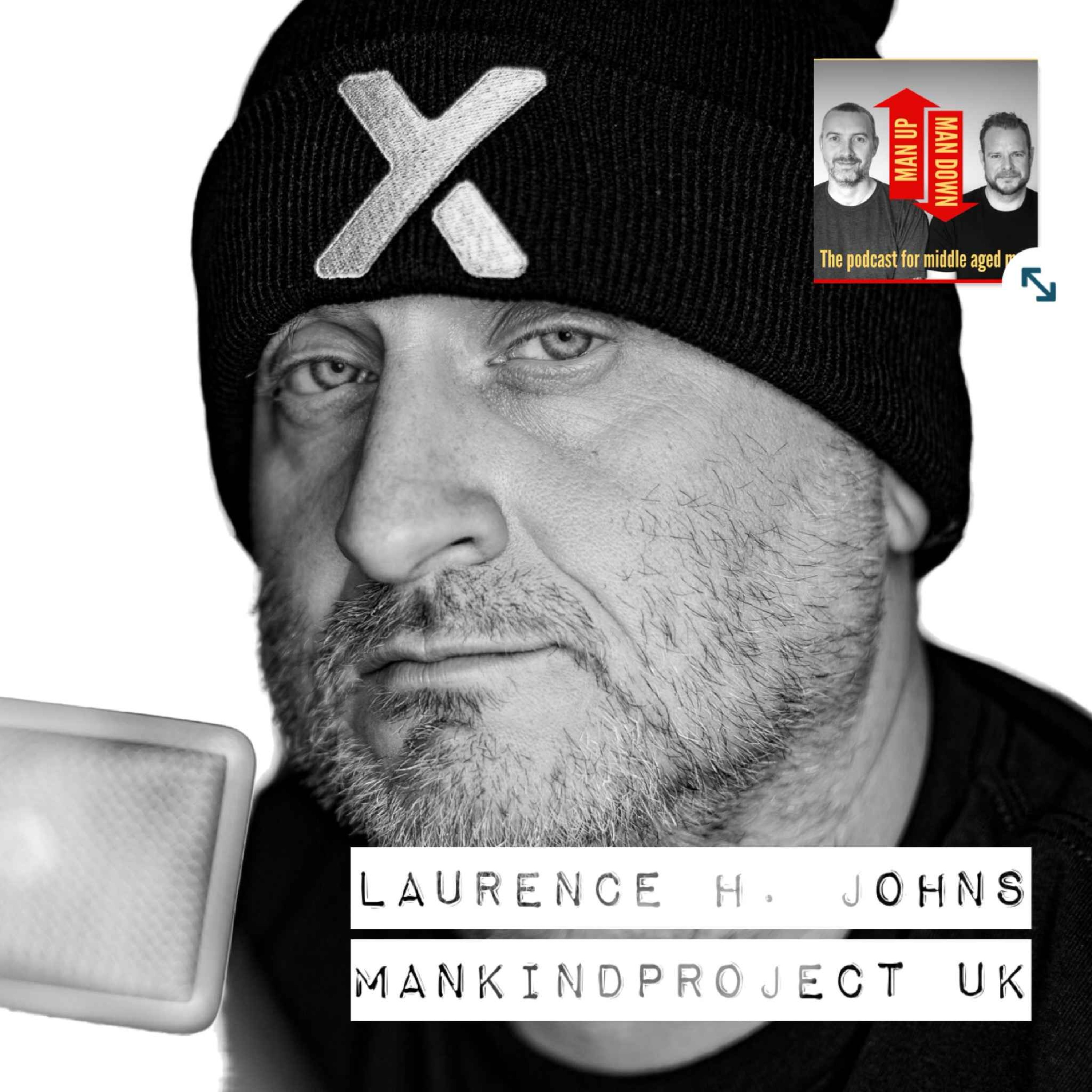
S3 Ep 27Mankindproject UK - complexity of masculinity
In this episode, Lawrence H. Johns shares his transformative journey from a challenging upbringing in East London to becoming a leading figure in men's personal development. He discusses the profound impact of father figures on masculinity, his experiences with crime and authority, and how these shaped his path. Lawrence emphasises the importance of community support through initiatives like the Mankind Project, which aims to empower men to lead fulfilling lives. His insights highlight the complexities of masculinity and the necessity of emotional health in personal growth.In this conversation, Lawrence H. Johns discusses the Mankind Project and its mission to support men's personal development through immersive experiences and community connection. He emphasises the importance of creating safe spaces for men to explore vulnerability and connection, while also addressing the challenges of modern masculinity. The discussion highlights the need for men to engage in connection, challenge, contribution, and celebration to thrive in today's world. Lawrence advocates for a redefined model of masculinity that is collaborative and supportive, encouraging men to show up positively in their communities.Key takeaways:· Lawrence's journey illustrates the power of community support.· Father figures play a crucial role in shaping masculinity.· The struggle between persona and character is common among men.· Men often face a constant power play in their lives.· Healing the father wound is essential for personal growth.· Challenge and danger are integral to a father's role.· Success can trigger self-destructive behaviours due to past trauma.· The Mankind Project offers a safe space for men's development.· Personal development tools should be accessible to all men.· Understanding one's past is key to shaping a better future. The Mankind Project aims to keep the adventure of personal development alive.· Immersive experiences help men explore their lives and purpose.· Connection is essential for overcoming addiction and loneliness.· Men often need a reason to gather and connect meaningfully.· The four C's—connection, challenge, contribution, celebration—are vital for men's well-being.· Modern masculinity is at a crossroads, presenting both challenges and opportunities.· Men can choose to be either the poison or the medicine in society.· Creating safe spaces allows men to open up and share their vulnerabilities.· Celebration and recognition are crucial for men's mental health.· A collaborative model of masculinity can benefit everyone in society.Links:- https://www.laurencehjohns.com/- https://mankindprojectuki.org/ Hosted on Acast. See acast.com/privacy for more information.

S3 Ep 26Andropause
In this episode, David and Volker welcome back Luke Pratsides to discuss the importance of testosterone in men's health. They explore what testosterone is, its functions, and the symptoms of low testosterone. The conversation delves into testosterone replacement therapy, its benefits and risks, and the black market surrounding testosterone. They also discuss the role of diet and exercise in boosting testosterone levels, the relationship between testosterone and mental health, and the future of testosterone testing with the help of AI. Luke emphasises the need for regular testing and awareness of testosterone deficiency in men. Commonly known as the Andropause (the male menopause).Key takeaways:· Testosterone is essential for energy levels and mood.· Low testosterone can lead to various health issues.· Resistance training is effective for boosting testosterone.· Many men are unaware of their testosterone levels.· Celebrities have increased awareness of testosterone therapy.· Testosterone replacement therapy has potential risks.· Regular testing is crucial for men's health.· Diet and exercise can naturally enhance testosterone levels.· Mental health issues may be linked to low testosterone.· AI could improve diagnosis and treatment of testosterone deficiency.If you are interested in getting in touch with Luke or find out more about what Numan does, go to www.numan.com or contact Luke on LinkedIn. Hosted on Acast. See acast.com/privacy for more information.
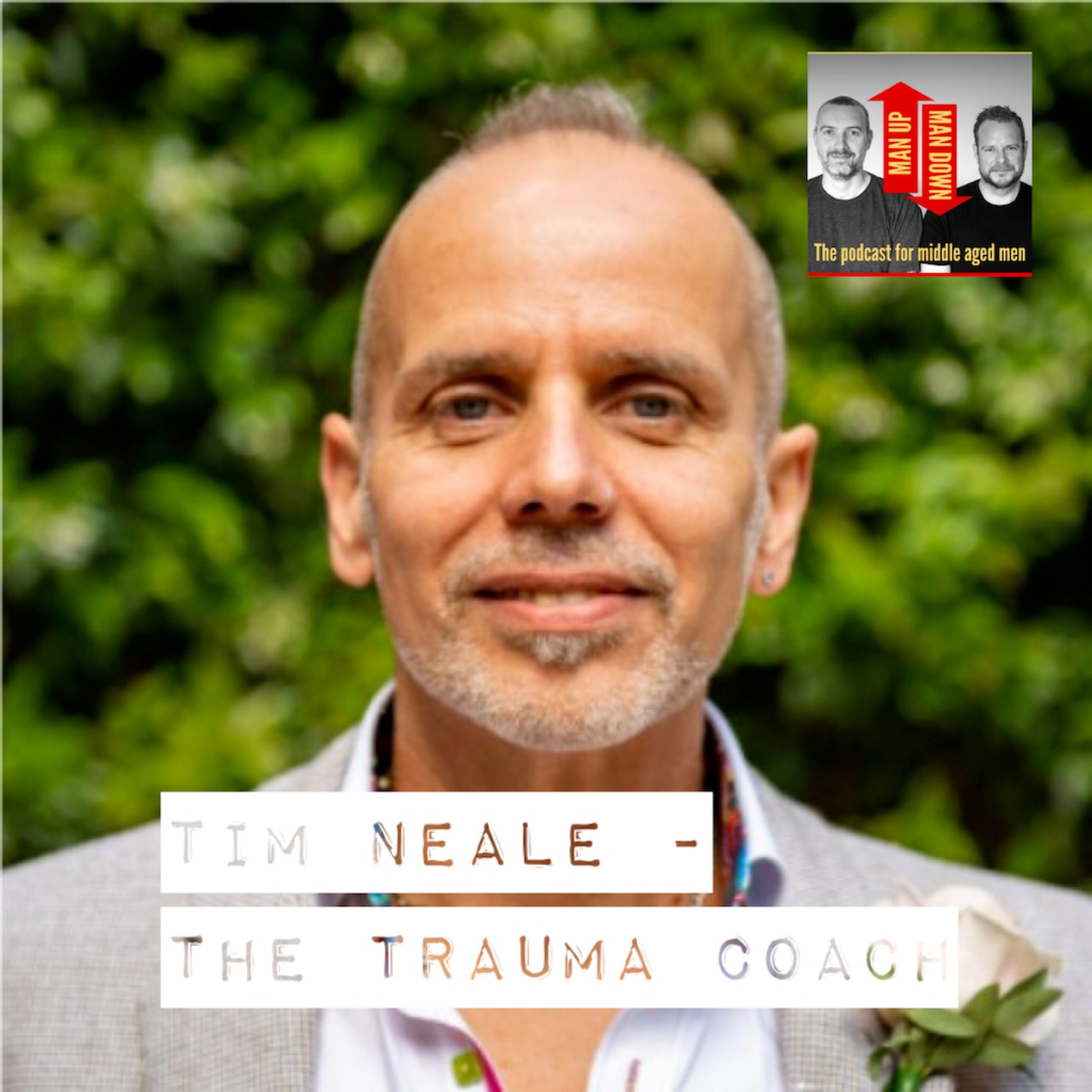
S3 Ep 25The Trauma Coach
In this episode, Tim Neale shares his transformative journey from suffering with anxiety, depression, and PTSD to becoming a trauma coach. He discusses the profound impact of emotional healing and the development of the Trinity Coherence Healing System. Tim emphasises the importance of understanding and processing trauma, and how his approach, termed 'human software engineering', empowers clients to heal themselves by tuning into their own emotional intelligence. In this conversation, Tim Neale discusses the importance of creating safe spaces for clients to heal and process their emotions. He shares insights on the diversity of clients he works with, the common challenges they face, and the transformative power of connection in healing. Tim emphasises the role of the nervous system in anxiety and fear responses, particularly in public speaking situations. He also highlights the significance of holistic approaches in coaching, integrating emotional health with physical well-being. The conversation concludes with practical advice for those struggling with anxiety, encouraging them to seek ways to process their feelings and experiences.Key takeaways•Tim Neale suffered from anxiety, depression, and PTSD for over 30 years.•He discovered emotional healing that transformed his life.•Tim's journey led him to become a trauma coach.•He emphasises the importance of processing trauma and emotions.•Tim developed the Trinity Coherence Healing System with his business partner.•He believes in empowering clients to heal themselves.•Tim's approach is based on understanding the body's signals.•He experienced a significant shift after a transformative workshop.•Tim's work focuses on helping clients with overwhelmed nervous systems.•He advocates for a deeper understanding of emotional intelligence. Creating a safe space is crucial for healing.•Clients come from diverse backgrounds and experiences.•The nervous system's overwhelm manifests in various symptoms.•Healing often involves addressing underlying trauma.•Public speaking anxiety can be transformed through connection.•Holistic approaches enhance emotional and physical well-being.•Self-acceptance is key to personal growth.•Emotional health is a significant component of overall health.•Processing emotions is essential for overcoming anxiety.•Everyone has the tools within them to heal.You can find out more here: https://trinitycoherence.co.uk/ Hosted on Acast. See acast.com/privacy for more information.

S3 Ep 24The Man Whisperer
In this conversation, Kenny Mammarella-D'Cruz shares his profound journey from being a child refugee in Uganda to working with Mother Teresa in Calcutta. He discusses the impact of his experiences on his mental health, including overcoming OCD and other challenges. Kenny emphasises the importance of presence in healing and the transformative power of men's groups he facilitates. His insights into personal responsibility, emotional healing, and the significance of community support resonate throughout the discussion. In this conversation, Kenny Mammarella-D'Cruz discusses the dynamics of men's groups, emphasising the importance of accessibility to mental health support, the need for community, and the journey towards understanding masculinity. He highlights the challenges men face in expressing vulnerability and the role of spirituality in personal growth. The discussion also touches on the significance of mentorship and the inner work required to achieve authenticity and alignment in life.Key takeaways:• Kenny's work with Mother Teresa profoundly shaped his perspective on life.• He learned the importance of being present and responsive rather than reactive.• Kenny's journey involved overcoming significant mental health challenges, including OCD.• The men's groups he facilitates provide a safe space for emotional expression.• Kenny emphasises that healing is about meeting people where they are.• His experiences as a refugee instilled a sense of responsibility from a young age.• Kenny believes in the power of community support for mental health.• He learned to embrace vulnerability as a strength.• Kenny's approach to therapy is rooted in personal experience and empathy.• The structure of men's groups encourages open dialogue and connection. Group sessions are held daily to accommodate different schedules.• Men's groups provide a safe space for vulnerability and sharing experiences.• Accessibility to mental health support is a significant issue for many men.• Flexibility in scheduling is crucial for participation in support groups.• The importance of community and mentorship in men's lives is emphasised.• Spirituality plays a key role in personal growth and understanding oneself.• Acceptance of one's situation is the first step towards change.• Many men feel isolated and lack meaningful friendships.• Inner work is essential for achieving authenticity and alignment.• The protector within men often hinders their ability to live fully.Find out more here: https://www.themanwhisperer.co.uk/ Hosted on Acast. See acast.com/privacy for more information.

S3 Ep 23AndysManClub
In this conversation, Volker and David speak with Dominic White from AndysManClub, a charity focused on improving men's mental health through peer-to-peer support. They discuss the mission of the charity, the importance of creating a safe space for men to talk, and the impact of the pandemic on mental health. Dominic shares his personal journey with the charity, the role of facilitators, and the significance of humour in their sessions. The conversation highlights the need for accessible mental health support and the ongoing efforts to expand the reach of AndysManClub across the UK. In this conversation, Dom discusses the importance of emotional expression and the role of support groups in helping men navigate their mental health challenges. He emphasises the need for safe spaces where men can be themselves without the pressure of societal expectations. The discussion also touches on the stigma surrounding mental health, the pressures of masculinity, and the significance of community support. Dom shares personal experiences and insights on how these groups can transform lives by providing a platform for men to share their struggles and find solidarity.Key takeaways•AndysManClub aims to reduce stigma around men's mental health.•The charity has grown from 10 clubs to over 230 in five years.•Creating a safe space is crucial for men to open up.•The pandemic had varied impacts on individuals' mental health.•Facilitators are peers, not trained therapists, providing support.•The club's goal is to have a location within 30 minutes of every man.•Humour plays an important role in the support sessions.•Participants can choose to talk or just listen without pressure.•The format includes five questions to guide discussions.•Confidentiality is a key principle in all sessions. It's about trying to get those guys out the door in the best possible state.•Having a safe space allows men to take off their masks and be themselves.•Feeling heard is a powerful aspect of emotional healing.•The demand for mental health support among men is significant and growing.•Breaking the stigma around mental health is a continuous fight.•Men often feel the pressure to be the provider, which can lead to emotional bottling.•Support groups provide a unique environment for men to share their experiences without judgment.•Identity and self-perception can shift dramatically during life transitions.•Therapy can be inaccessible, highlighting the need for community support.•Knowing you're not alone in your struggles is crucial for emotional well-being.Find out more and your local club on https://andysmanclub.co.uk/ Hosted on Acast. See acast.com/privacy for more information.

S3 Ep 22Golden Handcuffs in Midlife
In this episode of Man Up Man Down, Mauro Stara, founder of Six Pack CEO, shares his journey from a banking career in Switzerland to becoming a peak performance coach for CEOs. He discusses the importance of addressing hormonal health, personalised coaching, and the role of blood work in achieving sustainable transformations. Mauro emphasises the physiological changes that occur with aging and how they impact fitness and health, offering insights into effective diet and lifestyle strategies for men over 35. In this conversation, Mauro discusses effective nutritional strategies for maintaining energy levels and managing weight. He emphasises the importance of meal timing, the impact of environment and habits on eating behaviours, and the role of weight loss medications. The discussion also covers the complexities of sugar consumption and the significance of investing in one's health for long-term benefits.Key takeaways:Mauro Stara specialises in coaching CEOs and business owners.He emphasises the importance of hormonal health in peak performance.Personalised coaching is key to achieving sustainable transformations.Blood work is essential for understanding individual health needs.Aging affects hormones and metabolism, requiring new fitness approaches.Resistance training is crucial for maintaining muscle mass as we age.Diet quality and macronutrient balance are vital for energy and recovery.Identifying as a 'snacker' can hinder dietary changes. Managing blood sugar levels can reduce the urge to snack.Lifestyle changes should be gradual and tailored to individual needs. Eating a balanced meal keeps sugar levels stableWeight loss medications can help but require lifestyle changes.Sugar consumption should be mindful and informed.Muscle mass affects sugar tolerance.Mindfulness can help break unhealthy eating habits.Understanding food labels is essential for health.Behaviour change is key to sustainable weight loss.Links to get in touch with Mauro:Website: https://6packceo.com/Special Audience Giveaway: Free PDF Download: 4 Micronutrients That Boost Testosterone Levels Naturally - 6packceo.com/gift Social Media Links: Facebook -https://www.facebook.com/mauro.stara.944/Instagram -https://www.instagram.com/maurostaraofficial/LinkedIn - https://www.linkedin.com/in/mauro-stara-4b4295217/ Hosted on Acast. See acast.com/privacy for more information.
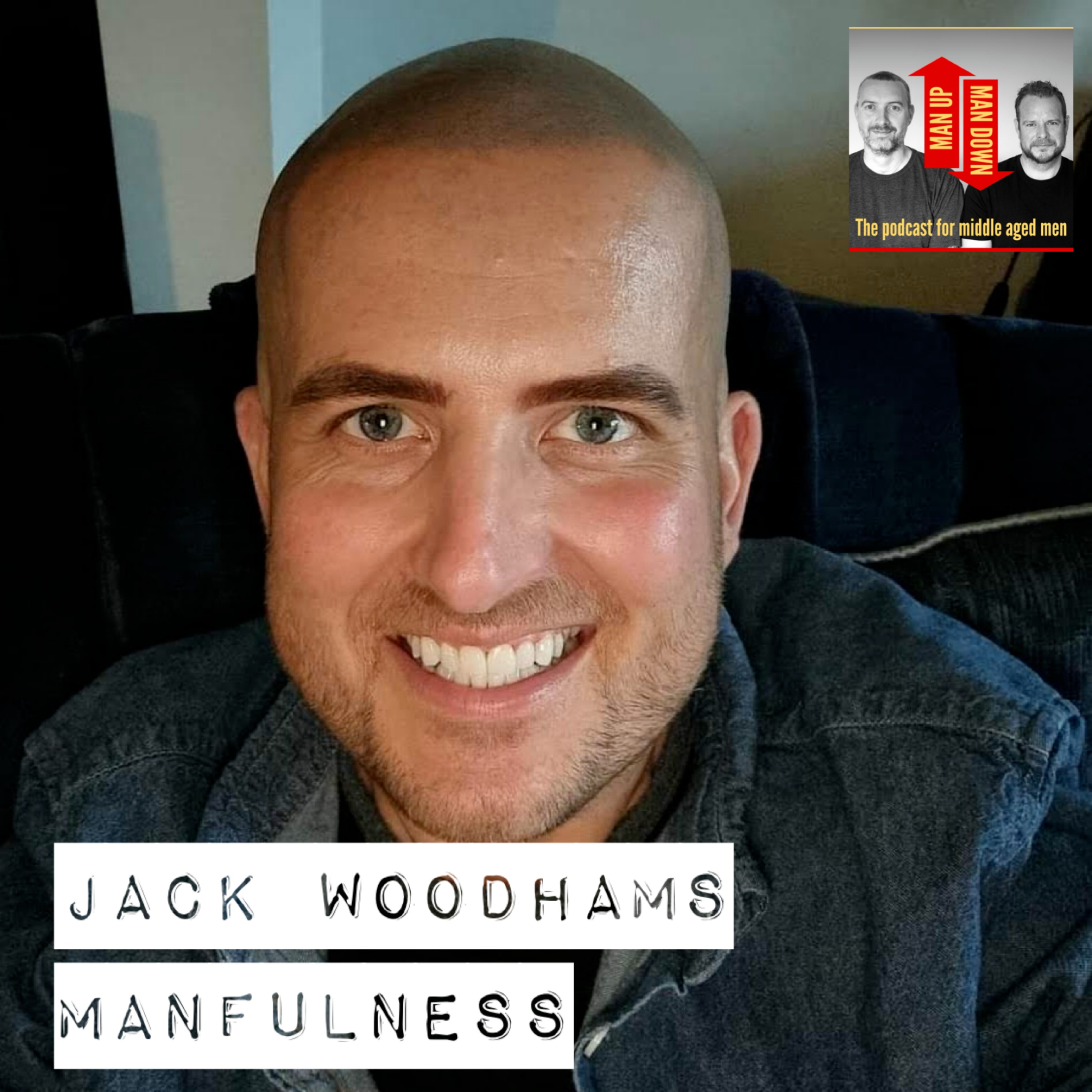
S21 Ep 3Menfulness
In this episode, Jack Woodhams discusses the importance of male friendships, mental health, and the initiatives he has spearheaded through Menfulness. He shares his personal journey of creating supportive spaces for men, addressing loneliness, and the stigma surrounding mental health conversations. The conversation highlights the significance of vulnerability, community support, and the role of counselling in suicide prevention.In this conversation, Jack Woodhams discusses the importance of open conversations about mental health, particularly among men. He emphasises the need for accessible mental health support and the unique approach of Menfulness, a charity that creates comfortable spaces for men to engage in discussions about their mental well-being.The conversation explores the different ways men communicate, the impact of Menfulness on participants, and the challenges of funding and growth for such initiatives. Ultimately, the discussion highlights the importance of normalising vulnerability and connection in mental health conversations.Key takeaways:•Jack Woodhams emphasises the need for male companionship and honesty in parenting.•The Yorkie Dads initiative was born out of a need for male support groups.•Mindfulness has grown alongside community events to foster connections among men.•Loneliness is a significant issue for men, impacting mental health and suicide rates.•Creating a safe space for men to express vulnerability is crucial.•Simple tools can facilitate deeper conversations among men.•Community support plays a vital role in suicide prevention efforts.•Direct communication about mental health can save lives.•Normalising discussions about counselling helps reduce stigma.•Fundraising efforts are driven by those who have benefited from counselling services. Counselling is a preventative measure for mental health.•Menfulness aims to create fun and engaging support activities.•Comfortable spaces encourage open conversations among men.•Men often prefer to communicate shoulder to shoulder rather than face to face.•The impact of Menfulness is evident in participants' mental health improvements.•Funding and capacity are challenges for expanding Menfulness.•Normalising vulnerability can help break down barriers in communication.•Most people are inherently kind and willing to help.•Barriers to accessing mental health support still exist.•Creating community and connection is vital for mental well-being.You can find out more on www.menfulness.orgOne more Day videohttps://youtu.be/BJetTUVyl_U?si=o5croubRhYu3aYvHMenfulness https://youtu.be/X5T858tE4bU?si=MW0EsjkkJlPa7qe_Our research https://www.facebook.com/share/r/152CFgefFq/Men Talking Revolution https://youtu.be/5E_AQkbg5NE?si=zE85eAjvWGJF01tUMenfulness Meets https://youtu.be/rsgc2APvZUU?si=4pZKPqYpb855f-xI Hosted on Acast. See acast.com/privacy for more information.
S3 Ep 20Solo Episode - Talking about life and work.
David and Volker Hosted on Acast. See acast.com/privacy for more information.
S3 Ep 19The Power of Initiation in Middle Age
In this episode, David and Volker welcome Ben, a teacher and coach with over 20 years of experience in Buddhism. They explore Ben's journey into Buddhism, the role of mindfulness in business, and the unfolding of personal transformation. The conversation delves into the importance of finding the right teacher, the impact of meditation on personal and professional life, and the challenges of midlife transitions. In this conversation, Ben and David explore the themes of life's challenges, the significance of initiation, and the process of unlearning as individuals navigate midlife transitions. They discuss how traditional initiation ceremonies have been lost in modern society, leading to a lack of confidence and understanding in men as they face significant life changes. The dialogue emphasizes the importance of creating intentional experiences that allow individuals to reflect, unlearn societal expectations, and discover their true selves. The conversation concludes with thoughts on cyclical thinking and the nature of life and death.Key takeaways•Ben has over 20 years of experience in Buddhism.•He emphasizes the importance of finding a teacher.•Meditation is often a way to manage stress and anxiety.•Mindfulness can lead to personal and professional transformation.•The journey into Buddhism can be gradual and unfolding.•Ben practices silent meditation retreats annually.•The relationship between teacher and student is crucial.•Meditation can be a powerful tool for self-discovery.•Mindfulness practices can vary and still be effective.•Ben's journey reflects a blend of business and spirituality. The podcast serves as a boot camp for personal growth.•Initiation is crucial for transitioning from boyhood to manhood.•Many men lack the confidence due to missing initiation ceremonies.•Midlife is a time for unlearning and rediscovering oneself.•Cyclical thinking can provide a new perspective on life.•Life challenges often prompt reflection and change.•Creating intentional experiences can aid in personal development.•Unlearning societal expectations is essential for self-discovery.•Comfort with discomfort is necessary for growth.•The concept of death can be re-evaluated in a cyclical context.You can find out more here: https://www.tenpercentbetter.co/ Hosted on Acast. See acast.com/privacy for more information.
S3 Ep 18Overcoming Addiction
In this episode, Alex Clapp shares his inspiring journey from losing his sight and battling alcoholism to finding recovery and purpose through the Claritee Group. He discusses the importance of vulnerability, the cultural influences on drinking, and the generational shifts in attitudes towards emotions. Alex emphasises that it's okay to not be okay and that everyone is enough just as they are. In this conversation, Alex Clapp shares his journey through addiction and recovery, emphasising the importance of vulnerability, openness, and community support. He discusses the challenges of navigating social situations without alcohol, the mental battles faced in recovery, and the significance of creating a supportive environment for those in recovery. Alex also highlights the value of alcohol-free alternatives and the need for personal choice in the recovery process.Key takeaways•Alex Clapp's journey highlights the importance of choices in life.•Mental health struggles can lead to addiction if not addressed.•Alcohol can numb pain but ultimately leads to dependency.•Recovery is a personal journey that requires individual commitment.•Cultural norms around masculinity can hinder emotional expression.•Vulnerability can foster authentic connections with others.•Generational changes are shifting attitudes towards mental health.•It's crucial to seek help and not face struggles alone.•Creating safe spaces for recovery can empower individuals.•Self-acceptance is key to overcoming personal challenges. If everyone could spend 28 days working on themselves, the world would be better.•Addiction is an illness and doesn't discriminate.•Being open about struggles can create a safe space for others.•Accountability to others can aid in recovery.•Navigating social situations requires honesty about recovery.•Mental battles in addiction are complex and ongoing.•Alcohol-free alternatives can be enjoyable and fulfilling.•Creating a supportive community is essential for recovery.•Vulnerability can lead to deeper connections with others.•Recovery is a personal journey that requires individual choices.Find out more on https://www.clariteegroup.co.uk/about Hosted on Acast. See acast.com/privacy for more information.

S3 Ep 17Are we vilifying men? (Part 2)
In this episode, David and Volker welcome back Anita Malster, a mental health strategist, to discuss the complexities surrounding male mental health, particularly focusing on suicide rates among men. They explore cultural norms of masculinity, the impact of emotional suppression, and the importance of peer support. The conversation highlights the need for redefining masculinity, creating safe spaces for discussions, and the connection between physical and mental health. Anita shares insights from recent research and practical steps to improve mental wellbeing, emphasizing a holistic approach to mental health.Key takeaways• Cultural norms of masculinity can lead to emotional suppression.• Men often feel pressured to conceal their emotions.• Loneliness and isolation are significant issues for men.• Peer support can facilitate open conversations about mental health.• Redefining masculinity is essential for improving mental health outcomes.• Physical health and mental health are interconnected.• Creating safe spaces encourages men to share their feelings.• Men often downplay their emotional struggles when seeking help.• Holistic approaches to mental health include diet, exercise, and emotional support.• Engaging in activities can help men connect and communicate better.You can find out more and get in touch with Anita via: https://blossomtraining.org/ Hosted on Acast. See acast.com/privacy for more information.
S3 Ep 16The Men's Coach
In this conversation, Ryan Parke, a men's coach and TEDx speaker, discusses the critical role of testosterone in male mental health and overall well-being. He shares personal experiences that led him to explore the connection between hormones, lifestyle, and mental health, particularly focusing on the alarming rates of male suicide. Ryan emphasises the importance of understanding testosterone's impact on both physical and mental health, debunking myths surrounding the hormone, and advocating for lifestyle changes to improve testosterone levels. He also addresses the challenges men face in getting tested for testosterone and the need for greater awareness and education on this topic. Ryan Parke discusses the critical factors affecting testosterone levels in men, emphasising the importance of diet, exercise, vitamin D, and sobriety. He shares personal experiences and scientific insights, highlighting how lifestyle changes can significantly improve testosterone levels and overall well-being. The discussion also touches on the stigma surrounding testosterone and its role in men's health, advocating for a holistic approach to well-being that includes physical health, mental health, and lifestyle choices. Main takeaways:· Men's mental health is often overlooked, leading to tragic outcomes.· Testosterone plays a crucial role in men's health and well-being.· Lifestyle factors significantly impact testosterone levels.· Sleep and diet are critical for maintaining healthy testosterone levels.· There is a stigma around discussing testosterone and men's health.· Men should be proactive in understanding their testosterone levels.· Low testosterone is linked to higher rates of depression and suicide in men.· Education on testosterone is lacking among healthcare professionals.· Simple lifestyle changes can improve testosterone levels.· Awareness of mental health issues in men is essential for prevention. Diet significantly impacts testosterone levels.· Exercise can be more effective than antidepressants for mental health.· Vitamin D is essential for testosterone production.· Alcohol consumption can drastically lower testosterone levels.· Lifestyle changes can lead to significant health improvements.· Processed fats are detrimental to health.· Natural fats are beneficial for hormone production.· Testosterone is a key marker for overall well-being.· Regular health checks are important for maintaining testosterone levels.· Holistic health approaches are crucial for men's well-being. Ryan’s website: TheMensCoach.co.ukFollow Ryan: @RyanParkeTMCZoom with Ryan: TheMensCoach.co.uk/collaboration Hosted on Acast. See acast.com/privacy for more information.
S3 Ep 15Midlife Mentors
In this episode, Volker and David welcome James Davis, a coaching psychologist and co-founder of The Midlife Mentors. They discuss the challenges and opportunities of midlife, focusing on testosterone levels, andropause, and lifestyle changes that can enhance health and happiness. James shares his journey from psychology to coaching, emphasising the importance of understanding hormonal changes in men and how they can impact overall well-being. The conversation also touches on the dynamics of working with a partner and the reflections brought on by the COVID pandemic. In this conversation, James Davis discusses the complexities of balancing business and personal relationships, the evolution of values in partnerships, and the importance of community and social connections as we navigate life transitions. The dialogue also touches on the changing dynamics of work and how these shifts impact our sense of belonging and emotional health, particularly for men. The speakers emphasise the need for vulnerability and maintaining social networks to enhance well-being as we age.Key takeaways:•James Davis is a coaching psychologist and co-founder of The Midlife Mentors.•Testosterone levels in men are declining, impacting health and well-being.•Lifestyle changes can naturally boost testosterone levels.•Andropause is the male equivalent of menopause, marked by declining testosterone.•Midlife can be a time of transformation rather than crisis.•COVID has accelerated reflections on personal values and life choices.•It's important to understand the hormonal changes that occur in midlife.•The dynamics of working with a partner can be challenging but rewarding.•Men and women often seek coaching from different mentors based on gender.•Values change over time, and it's crucial to reassess them in midlife. It's crucial to separate work and personal life to maintain a healthy relationship.•Evolving values can significantly impact how couples work together.•Recognising the dynamics in relationships helps in fostering collaboration.•Isolation is a major risk factor for mortality, especially in men.•Men often struggle to maintain deep social connections compared to women.•Vulnerability should be seen as a strength, not a weakness.•Community and shared experiences contribute to longevity and happiness.•The shift from traditional work environments affects community dynamics.•Maintaining social networks is vital for emotional health as we age.•Future generations will face different challenges and opportunities than we did.Find out more on https://themidlifementors.com/ Hosted on Acast. See acast.com/privacy for more information.
S3 Ep 14Mettle - The Toolkit for Men's Mind
Neil Smith, co-founder of Mettle, discusses his journey from being a successful TV executive to starting a tech company focused on men's mental health. He shares his personal experiences with meditation, breath-work, and hypnosis, and how these practices have transformed his life. Neil explains the mission of Mettle to provide men with a toolkit for mental fitness and break down the barriers that prevent men from seeking help. The app offers short meditations, breath-work exercises, and mind hacking techniques to help men improve their confidence, resilience, and overall well-being. In this conversation, Neil Smith discusses the benefits of meditation and breath-work, as well as his experiences with ayahuasca. He explains how meditation and breath-work can help reduce stress and improve mental well-being. Neil also shares his personal journey with ADHD and how meditation helped him. He emphasises the importance of finding the right environment and trained professionals when considering ayahuasca. Neil introduces his app, Mettle, which offers guided meditations and breath-work exercises for men.Key takeaways:•Neil Smith left his successful career as a TV executive to start Mettle, a mental fitness app focused on men's mental health.•The app offers tools such as meditation, breath-work, and hypnosis to help men improve their mental well-being.•Mettle aims to break down the barriers that prevent men from seeking help by providing a toolkit that is accessible, science-based, and straight-talking.•The app is subscription-based and costs about £50 per year, making it affordable and encouraging users to invest in their mental fitness. Meditation and breathwork can be effective tools for reducing stress and improving mental well-being.•Ayahuasca, a powerful hallucinogen, can be used as a tool for exploring the subconscious and healing trauma, but it should be approached with caution and in a safe environment.•Finding the right environment and trained professionals is crucial when considering ayahuasca.•Mettle app offers guided meditations and breath-work exercises specifically designed for men.Find out more at https://bemettle.com/ or download the app from the app store. Hosted on Acast. See acast.com/privacy for more information.
S3 Ep 13Alcohol and Addiction Explained - Part 2
In this episode, Volker and David welcome back William Porter, author of 'Alcohol Explained', to discuss the complexities of alcohol consumption, addiction, and its effects on mental health. They explore the societal pressures surrounding drinking, the science behind addiction, and the cultural shifts towards alcohol-free lifestyles. William emphasises the importance of understanding the information about alcohol to make informed decisions about drinking. The conversation also touches on the future of alcohol consumption and the growing acceptance of alcohol-free alternatives.Key takeaways:•William Porter's mission is to educate about alcohol's effects.•Socializing can be enjoyable without alcohol.•Alcohol is a depressant that affects mental health.•Understanding addiction is key to making informed choices.•Cultural attitudes towards alcohol are changing.•Alcohol consumption can lead to a cycle of dependency.•The importance of REM sleep for mental health is crucial.•Alcohol-free options are becoming more popular in society.•The subconscious links alcohol consumption with socializing.•Education about alcohol can lead to healthier choices.You can go to William’s website, www.alcoholexplained.com, where you can read some of the chapters of his book for free. Hosted on Acast. See acast.com/privacy for more information.

S3 Ep 12Christmas Special 2024
Our yearly Christmas Special. Hosted on Acast. See acast.com/privacy for more information.
S3 Ep 11Sleep - part 2
James Wilson, also known as "The Sleep Geek," returned to the "Man Up / Man Down" podcast to discuss the complexities of sleep and the many misconceptions surrounding it. Wilson, who comes from a family with a long history in the bed industry, has expanded his expertise into helping people improve their sleep quality. His work spans various sectors, including sports teams and corporate environments, where he helps individuals identify and address their sleep issues.Wilson's approach to sleep is both practical and evidence-based. He critiques the wellness industry's tendency to oversimplify or exaggerate solutions, particularly in marketing products that claim to solve sleep problems universally. For example, he discusses the overemphasis on blue light from screens as a sleep disruptor, noting that recent research suggests this impact may be overstated, especially if individuals receive adequate daylight exposure.Wilson also addresses the common issue of pets disrupting sleep. He notes that while many people allowed pets into their bedrooms during the lockdown, this can lead to significant sleep disturbances. He is now collaborating with a "sleep vet" to develop solutions for this problem, emphasizing that a human bed is not designed for animals and that both humans and pets would benefit from sleeping separately.Another key topic Wilson explores is the role of genetics in sleep. He explains that many sleep characteristics, such as whether someone is a "morning person" or a "night owl," are inherited. He also points out that sleep disorders and the general quality of sleep can often be traced through family lines.Wilson's holistic approach to improving sleep involves understanding an individual's unique needs and circumstances rather than relying on one-size-fits-all solutions. He advises listeners to be sceptical of broad claims made by the sleep and wellness industries and to seek solutions that are tailored to their specific sleep challenges. His app, KipMate, is designed to help users identify their sleep problems and find personalized solutions.In conclusion, Wilson advocates for a more nuanced and personalised approach to sleep, warning against the oversimplified solutions often marketed by the wellness industry. He encourages people to explore their sleep habits and needs comprehensively, considering factors like environment, genetics, and lifestyle.https://thesleepgeek.co.uk/ Hosted on Acast. See acast.com/privacy for more information.
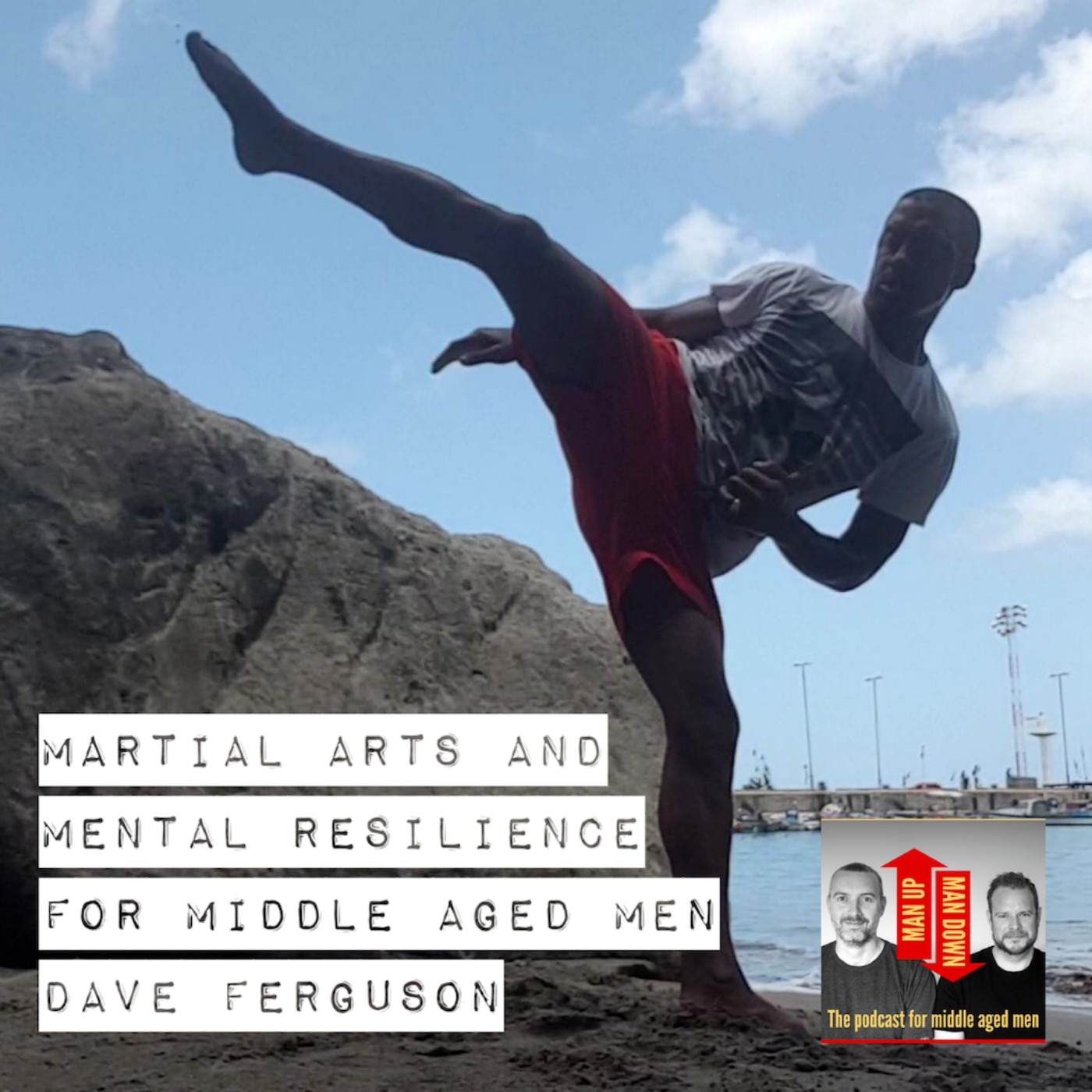
S3 Ep 10Martial Arts and Mental Resilience for Middle Aged Men
Dave Ferguson, a martial arts expert with over four decades of experience, appeared on the Man Up / Man Down podcast to discuss his innovative approach to martial arts and mental well-being. Ferguson created the Integrated Martial Arts (IMA) method during the 2020-2021 lockdowns, targeting middle-aged men facing various life challenges. Combining traditional and modern martial arts techniques, his programme is designed to address both physical and psychological needs.Ferguson’s journey into this field is rooted in personal experiences. Despite a stable 25-year civil service career, he faced numerous traumatic events during the pandemic, including a friend's brain injury, personal health scares, and encounters with the police. These experiences, compounded by dissatisfaction in his civil service role, led him to focus on creating something meaningful. The IMA programme was his response, providing a structured way to help men regain confidence, manage stress, and improve their overall well-beingThe programme blends physical training with insights into brain health and neurology, recognising the importance of mental well-being alongside physical fitness. Ferguson highlights the psychological benefits of martial arts, noting that learning these skills boosts confidence and can help men feel more capable in potentially threatening situations, even if the goal isn’t combat.Initially, Ferguson shared his techniques with colleagues through basic videos and verbal instructions, which evolved into a more structured programme. His approach is holistic, catering to a wide range of participants—from those with no prior experience to seasoned athletes. The IMA method includes one-on-one sessions and group interactions, allowing men to share common challenges and learn from each other in a supportive environment.Ferguson emphasises the importance of preventative care, particularly regarding men’s health, and has integrated brain health education into his programme. He believes that understanding the neurological aspects of health can significantly impact long-term success in maintaining well-being.The episode concluded with Ferguson offering resources and support through his website, encouraging listeners to take proactive steps in improving their physical and mental health. Hosted on Acast. See acast.com/privacy for more information.
S3 Ep 9Mental Health and Suicide Prevention
In this episode of "Man Up / Man Down," Lee Godwin, co-founder and COO of Emplomind, and a champion for mental health and suicide prevention, shares his personal and professional journey in the mental health space. Lee's involvement in mental health advocacy was profoundly shaped by a personal tragedy when his sister attempted suicide in 2019. This event prompted him to reflect on his family's communication and led him to become more actively involved in suicide prevention, eventually partnering with organisations like Papyrus and Ripple Suicide Prevention.A leading mental health organisation and platform which Lee co-founded, focuses on providing mental health support in the workplace. Their platform uses technology to connect employees with therapists, counsellors, and coaches, offering immediate, anonymous support for various issues, from anxiety and stress to career development. This approach aims to remove traditional barriers to mental health support, such as long waiting times for therapy.The conversation also touches on the broader societal challenges of mental health, particularly how digital technology influences young people. Lee discusses the balance parents must strike in managing their children's exposure to technology while encouraging outdoor activities and face-to-face interactions. He notes the significant differences he observes in his daughters' behaviours when they disconnect from digital devices and engage in physical play.Moreover, the discussion explores the role of technology in suicide prevention, highlighting Ripple Suicide Prevention's innovative approach. Ripple uses simple yet effective technology to intercept harmful online searches, offering users an opportunity to redirect from harmful content towards hopeful resources. This intervention provides a moment of calm and a chance to reconsider harmful actions, demonstrating how technology can be leveraged positively in mental health.The episode underscores the importance of awareness, open communication, and proactive support in mental health. Lee emphasises that while there is more recognition of mental health issues today, driven partly by the overwhelming flow of information in the digital age, challenges remain in ensuring that people receive the help they need promptly and effectively.Lee’s message is clear: while technology has its pitfalls, it also holds tremendous potential to support mental health, provided it is used thoughtfully and with a human-centric approach.https://emplomind.co.uk/https://www.ripplesuicideprevention.com/https://www.papyrus-uk.org/LinkedIn: https://www.linkedin.com/in/lee-godwin-4553a819/ Hosted on Acast. See acast.com/privacy for more information.
S3 Ep 8Man Up / Man Down LIVE
This is the live recording of our event in London on the 24th of October 2024.Marc Convey and Rose Rowkins joined David Pawsey and Volker Ballueder on Stage to discuss 'Overcoming Adversity' and 'Suicide Prevention'.You find a video recording on YouTube. Hosted on Acast. See acast.com/privacy for more information.
S3 Ep 7Jaaq - Mental Health Made Real
In this episode of "Man Up / Man Down," hosts David and Volker are joined by Ryan Hopkins, a global best-selling wellbeing author, Chief Impact Officer at Jaaq, and Executive Engagement Advisor at Bupa. The conversation begins with a light-hearted introduction to Ryan's extensive background, including his TED Talk from a toilet, a symbolic act representing his journey from severe anxiety to advocating for mental wellbeing.Ryan shares his personal story, highlighting a dark period in his life when he suffered from anxiety, bulimia, and depression, which eventually led him to contemplate suicide. He credits his mother for saving his life and describes how he gradually opened up about his struggles, which eventually led to his career in mental health and wellbeing.The discussion then shifts to Ryan’s work at Jaaq, a mental health platform that provides accessible, clinically validated content in a user-friendly format. The platform features stories from well-known figures and experts, aiming to engage users and provide them with the right information at the right time.Ryan emphasises that wellbeing is about small, consistent actions, rather than big, overwhelming changes.Ryan also talks about his book, "52 Weeks of Wellbeing," which offers readers practical tips and questions to help them navigate their own wellbeing journey. He notes that while the book was initially intended to be light-hearted, it evolved into a deeply researched guide, now being translated into multiple languages.The conversation touches on the challenges of promoting mental health in different industries, particularly in traditionally macho environments like construction. Ryan highlights the importance of meeting people where they are and using language that resonates with them.As the discussion progresses, Ryan mentions the challenges Jaaq faces, particularly in prioritising their efforts as the platform grows. He stresses the importance of focusing on impactful initiatives and maintaining a balance between ambition and execution.The episode concludes with Ryan reflecting on the progress made in mental health conversations, noting that while it has become easier to talk about past struggles, there is still a reluctance to discuss ongoing issues.He advocates for creating environments where people feel safe to talk about their current mental state and stresses the need for businesses to recognise the value of investing in employee wellbeing.https://www.linkedin.com/in/ryanhopkinsuk/https://www.theryanhopkins.com/https://www.jaaq.org Hosted on Acast. See acast.com/privacy for more information.
S3 Ep 6Mindset, Mood, Movement
In this episode of "Man Up / Man Down," hosts Volker and David are joined by Sal Jeffries, a coach specialising in helping founders over 40 redefine their purpose, increase performance, and cultivate a peaceful mind through psychology, emotional regulation, and body intelligence.Sal begins by explaining his work with clients, focusing on the inner game—how individuals think, feel, and act. He shares his personal journey, being a midlife man himself at 52, and how he transitioned from a stressed career in photography to becoming a coach and yoga teacher. This shift was driven by his desire to manage stress better and embody a healthier lifestyle.Sal emphasises the importance of mindset in making long-term, sustainable changes, particularly as one ages.David shares his recent experience of recovering from a severe leg injury, expressing frustration with how it has impacted his ability to stay active—a key part of his identity. Sal offers advice on how to cope with such setbacks, highlighting the importance of acceptance and self-compassion. He suggests focusing on what one can do rather than dwelling on limitations and emphasises the need for a long-term commitment to health and fitness, rather than expecting quick fixes.The conversation touches on the concept of self-compassion, with Sal defining it as an active state of being kind to oneself, especially during difficult times. He contrasts this with negative self-talk, which often stems from a critical inner voice that can be traced back to early life experiences. Sal shares how he has worked on quieting his own inner critic, which he refers to as the "dictator," and how understanding its origins can help in managing it.Volker and Sal also discuss the pressures of modern life, including the constant stimulation from digital devices and the importance of creating intentional space for boredom and reflection. Sal advocates for environment design—consciously shaping one’s surroundings to reduce distractions and foster well-being.The episode concludes with Sal encouraging listeners to adopt a mindset of incremental change and intentionality in their lives, whether in fitness, business, or personal growth. He emphasises that understanding what you truly want and making conscious choices towards those goals is key to living a fulfilling life.Sal also invites listeners to connect with him for coaching, particularly those in midlife seeking to navigate challenges and find greater purpose and balance.You can find him on LinkedIn: https://www.linkedin.com/in/saljefferies/ or find out more via his website: https://linktr.ee/saljefferies where you can discover his podcast, YT channel and more. Hosted on Acast. See acast.com/privacy for more information.
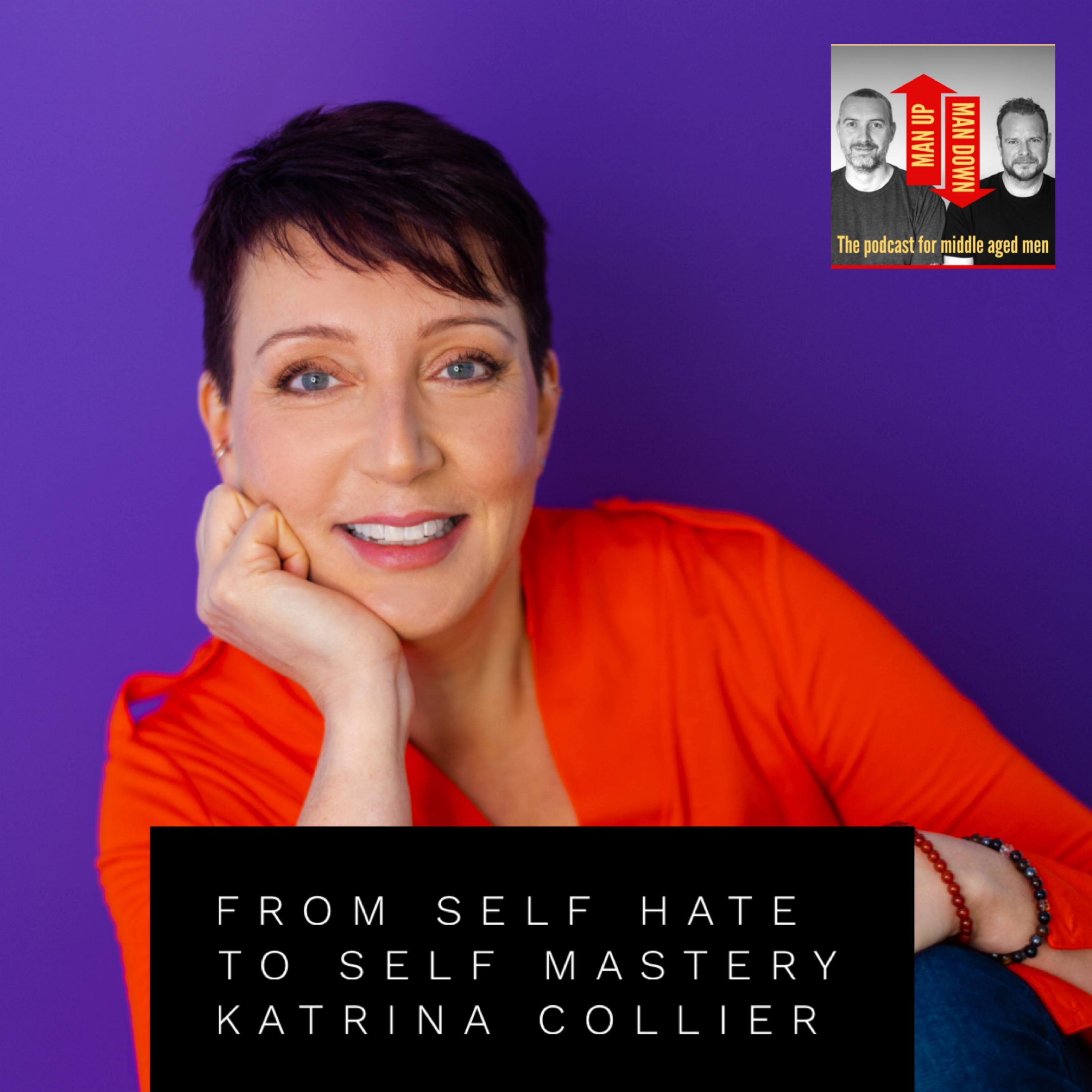
S3 Ep 5From self hate to self mastery
The conversation between Katrina Collier and the hosts of Man Up / Man Down focuses on Katrina's journey of healing from childhood trauma and her motivation for writing her memoir, The Damage of Words.Katrina shares how she began addressing her trauma at the age of 40 after a lifetime of insecurity, defensiveness, and fear. Despite her professional success, she had unresolved emotional wounds from her upbringing, primarily stemming from her relationship with her narcissistic mother.Katrina describes how her healing journey started when she sought career advice from a coach, Michelle Zellie, who helped her uncover and address her childhood trauma. She highlights the importance of inner child work in her healing process, emphasising that many therapists overlook this crucial aspect. Through this work, she learned to connect with and heal her inner child, which helped her overcome deep-seated self-hatred and move towards self-love.She also discusses the generational nature of trauma, explaining how her mother's behaviour was influenced by her own traumatic experiences. Katrina describes the complex relationship dynamics within her family, where manipulation and control were prevalent, and how these dynamics affected her and her siblings differently.Katrina's memoir aims to encourage others to seek help and explore different therapeutic approaches rather than just coping with life. She expresses frustration with the misdiagnosis and mislabelling of conditions like complex PTSD and emphasises that healing is possible. Katrina advocates for breaking the cycle of trauma by addressing it head-on, which she believes can prevent it from being passed down to future generations.The conversation also touches on the challenges of severing ties with toxic family members for the sake of mental health and the importance of self-care. Katrina's story is one of resilience and the transformative power of therapy and self-discovery.You can find out more about Katrina on her website: https://katrinacollier.com/ Hosted on Acast. See acast.com/privacy for more information.
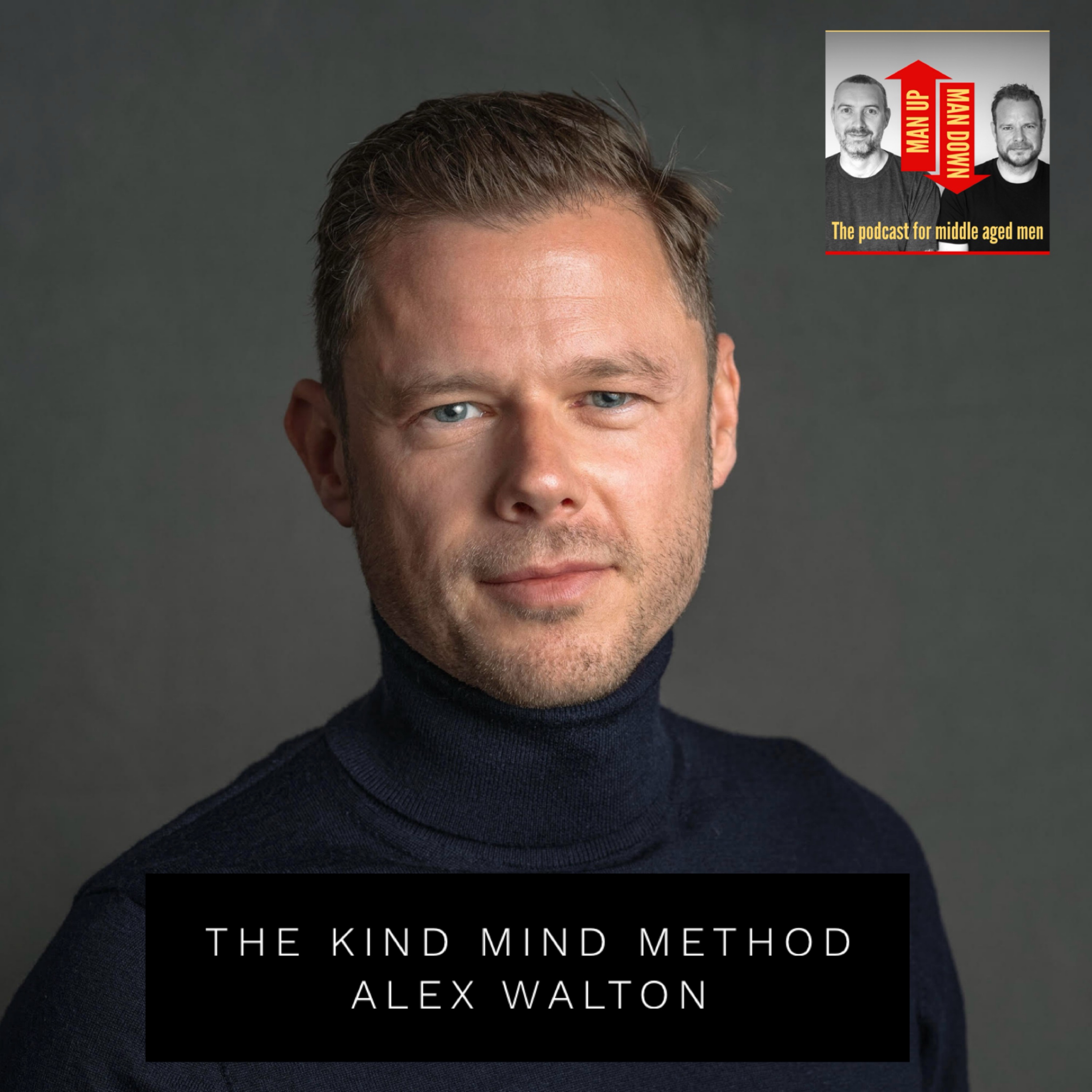
The Kind Mind Method
In this episode of "Man Up, Man Down," David and Volker chat with Alex Walton about his journey to happiness and the creation of his "Kind Mind Method." This method emerged from Alex's project, "Find My Story," where he left envelopes with short stories and positive messages around Norwich and eventually worldwide, aiming to spread hope. This act of kindness was reflective of his battle with anxiety, negative thinking, and depression.Alex shares that the turning point in overcoming his mental health struggles was adopting a simple mantra: asking himself how he could help others or make them smile. This thought process allowed him to shift his focus away from negative thoughts and be present in the moment, especially with his family. The "Kind Mind Method" is based on kindness, simplicity, and choice, emphasising the power of positive thinking and the benefits of doing good deeds for others and oneself.Despite initially doing this project for his well-being, Alex found that it not only helped him cope with his internal battles but also positively impacted those around him. The method is about changing one's internal dialogue to focus on positive engagement with the world rather than performing acts of kindness for recognition or a sense of duty. Alex's story highlights the profound effect that a change in mindset can have on personal happiness and the well-being of others.You can find out more about him on LinkedIn. Hosted on Acast. See acast.com/privacy for more information.
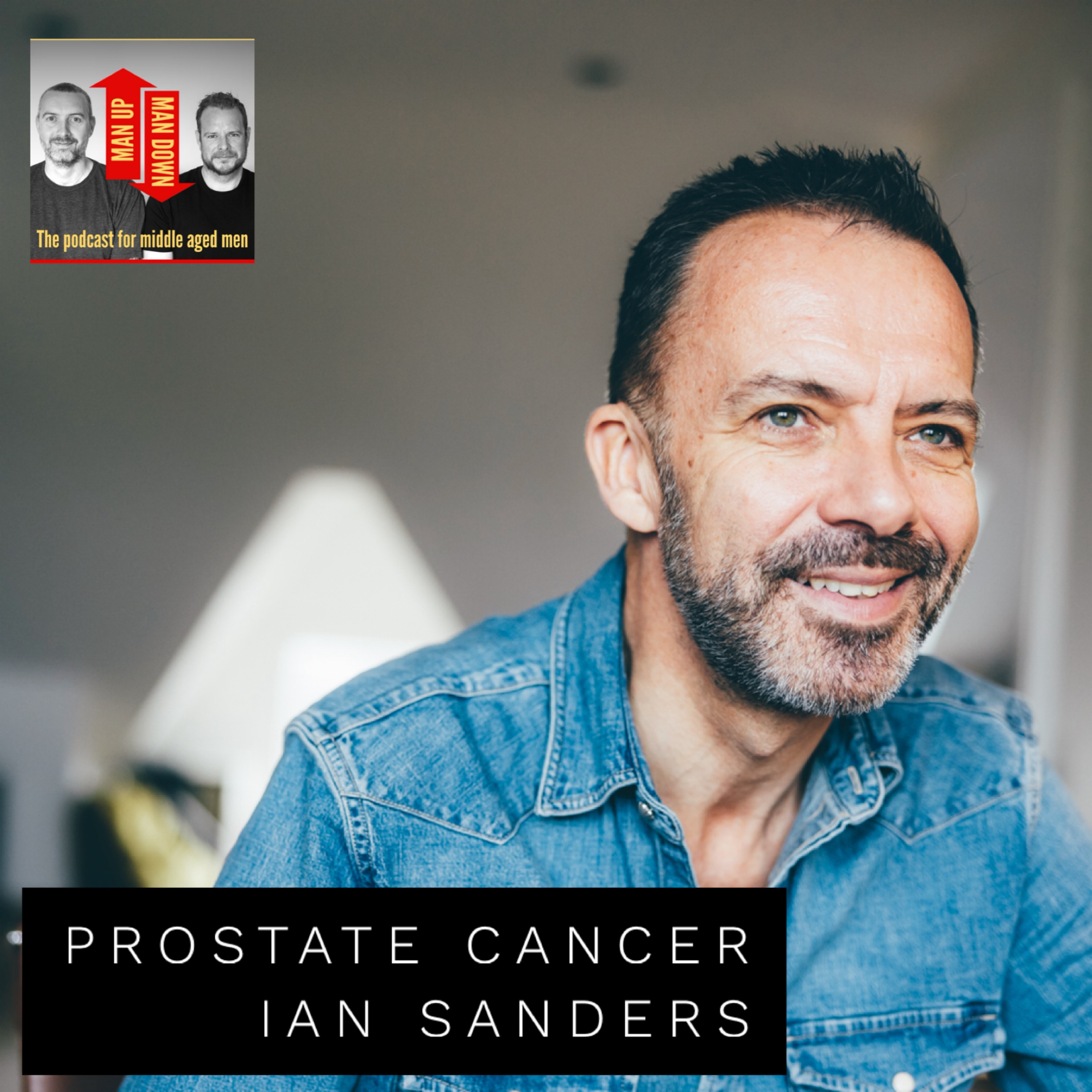
S3 Ep 3Prostate Cancer
Ian Sanders, a returning guest on the "Man Up Man Down" podcast, shares his experience of being diagnosed with prostate cancer in October 2023. Despite having surgery in December, recent blood tests revealed that cancer cells are still present in his pelvis. Ian is currently awaiting further scans and treatment.Ian describes living with cancer as a rollercoaster journey, highlighting the challenge of maintaining a positive outlook while acknowledging the reality of his condition. He emphasises the importance of mindset, noting that he feels physically fine despite having cancer.The conversation touches on the prevalence of prostate cancer, with over 52,000 men diagnosed annually in the UK. Ian stresses the importance of regular PSA (Prostate-Specific Antigen) blood tests for men in their 40s and 50s, as early detection is crucial. He mentions that his diagnosis came from routine PSA tests, despite having no symptoms.Ian's openness about his diagnosis has encouraged many in his network to get tested, highlighting the importance of raising awareness and breaking the taboo around men's health issues. The discussion also covers the digital rectal examination (DRE) and biopsy as part of the diagnostic process.Regarding treatment, Ian opted for a radical prostatectomy, which involved the complete removal of his prostate. He notes that while this has led to some changes in urinary function, it hasn't significantly impacted his quality of life. However, he now faces the prospect of radiotherapy to address the remaining cancer cells.A significant challenge Ian currently faces is the uncertainty surrounding his condition and future treatment. This uncertainty weighs heavily on him, despite his efforts to maintain a positive outlook. He reflects on how the themes from his book "365 Ways to Have a Good Day" have become even more relevant in his current situation, emphasising the importance of finding joy in everyday moments and maintaining a positive mindset.Ian's experience underscores the importance of regular health check-ups, particularly for middle-aged men. It also highlights the psychological impact of living with cancer, even when there are no physical symptoms. His story serves as a reminder of the value of open discussions about men's health issues and the power of a positive mindset in facing health challenges.The podcast episode provides valuable insights into the realities of living with prostate cancer, offering both practical advice on early detection and emotional support for those facing similar diagnoses. It emphasises the importance of regular PSA tests, breaking the silence around men's health issues, and the power of maintaining a positive outlook in the face of uncertainty.Links to Ian's book: https://www.iansanders.com/365You can find Ian on Instagram at @iansanders and www.iansanders.com. Hosted on Acast. See acast.com/privacy for more information.
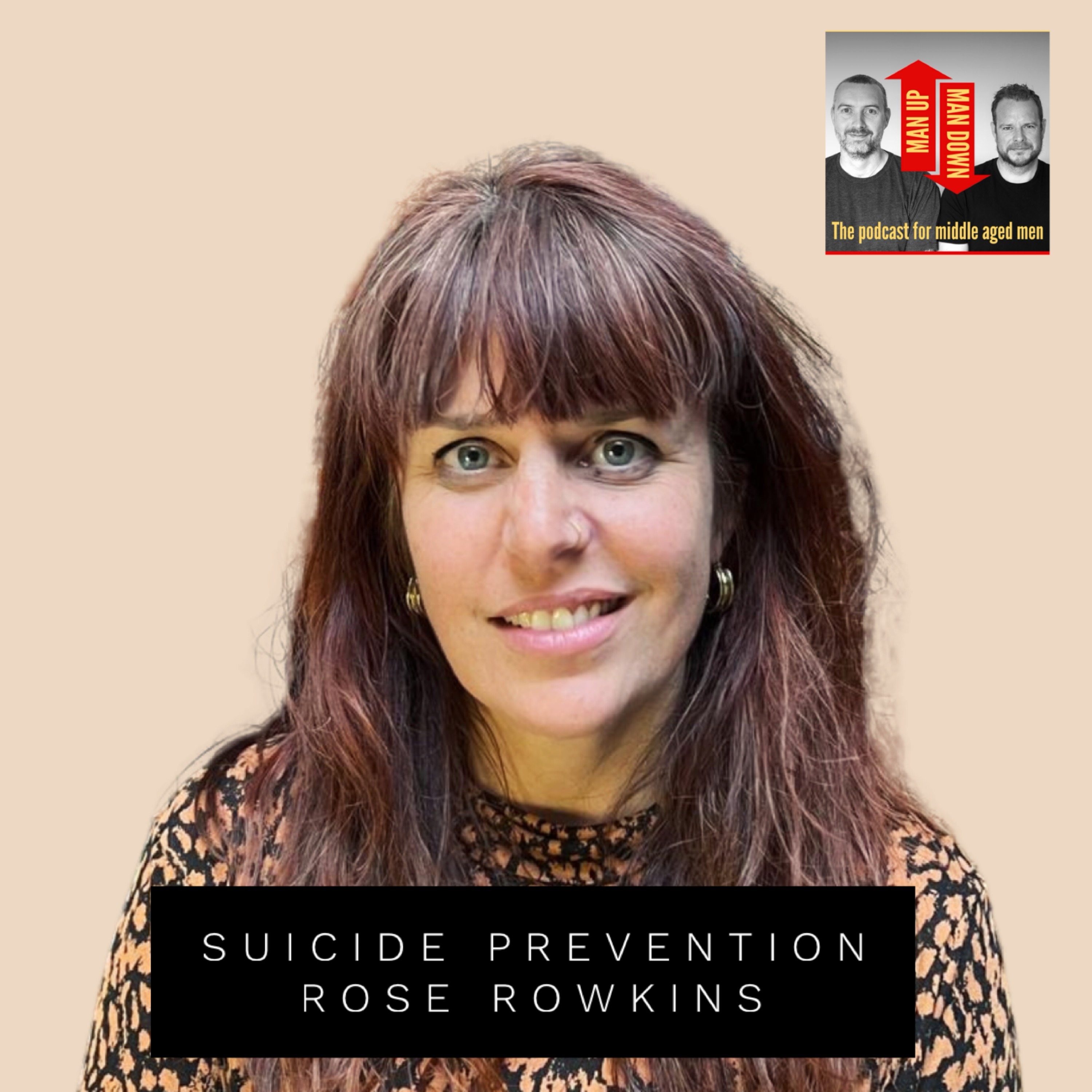
S3 Ep 2Suicide Prevention
In this episode of "Man Up / Man Down," hosts David and Volker welcome Rose Rowkins, a suicide prevention trainer, to discuss the critical importance of suicide awareness during Suicide Awareness Week.Rose, who has over 20 years of experience in mental health and suicide prevention, emphasises that conversations about suicide, while often perceived as difficult, can be lifesaving when approached with courage and compassion.She explains that by recognising warning signs—such as changes in behaviour, mood swings, and expressions of hopelessness—individuals can intervene before a crisis escalates.Rose introduces her "START" method; a toolkit designed to help people navigate these conversations. It stands for:· Spot the signs· Trust your gut· Ask directly about suicide· Really listen· Tell others together, reinforcing the importance of collaborative support.Rose stresses the need for direct, compassionate questions when someone is at risk, highlighting that while asking about suicide can be tough, it’s essential for opening a dialogue that might save a life.The conversation also touches on the impact of testosterone levels on men’s mental health, with Rose noting the connection between low testosterone and increased suicide risk. This underscores the importance of addressing physical and mental health together.The episode reflects on the cultural challenges, particularly among men, in discussing emotions and vulnerabilities. Rose and the hosts agree that while traditional male conversations often avoid emotional depth, breaking this mould is crucial. They advocate for fostering meaningful connections and community support, which are vital for mental well-being.Throughout the discussion, Rose provides actionable insights, encouraging listeners to be proactive in supporting friends or loved ones who may be struggling. The episode concludes with a reminder of the importance of being present, compassionate, and unafraid to ask the tough questions, emphasising that everyone has a role in preventing suicide.Rose Rowkins is on a mission to help people overcome their fears and find the words to talk about suicide - because suicide is everyone’s business.For 20+ years, she has worked passionately to build hope through meaningful connections, one conversation at a time, as a Samaritan, as a counsellor with young people and survivors of domestic abuse, as a youth worker, and since 2015 as a suicide prevention trainer. Rose has personally equipped 1000s of people around the world with the tools and confidence to have a compassionate, courageous conversation that can save a life.She also co-created the 90-minute session Talking about Suicide: 10 Tools (TAS10), which is now on the curriculum at a number of UK Medical Schools.Find her at www.starttheconversation.uk or on LinkedIn at https://www.linkedin.com/in/roserowkins/ Hosted on Acast. See acast.com/privacy for more information.
S3 Ep 1Welcome Back - Season 3
Season 3 will be a game changer. Not only did we pre-record some amazing episodes already, we also go video for some of them (www.youtube.com/@manupmandown)Enjoy today's season starter, with some heavy topics coming up in the next few weeks, and our live event on the 17th of October. But tickets now: https://podlifeevents.com/event-details/mumd-live-in-london---overcoming-fear-transforming-adversity-into-a-road-map-for-growth-17th-oct-tickets Hosted on Acast. See acast.com/privacy for more information.