
Make Me Smart
270 episodes — Page 6 of 6

Ep 1323The migrant workforce under Trump
It’s hard to overstate the role immigrant workers play in the U.S. economy. Key industries rely on them — nearly half of meat-processing jobs, for instance, are held by immigrants. And many work in low-wage jobs that are vulnerable to exploitation. Ted Genoways, a reporter with the Food and Environment Reporting Network, said Trump’s promises of mass deportations is creating fear and uncertainty for immigrant workers, both authorized and unauthorized, as well as for the massive food companies that employ them. “If history is any guide, this will probably mean increased food prices, if only for companies trying to hedge against the possibility of something disastrous happening,” said Genoways. On today’s show, Genoways gives us a snapshot of the low-wage immigrant workforce’s role in our economy and unpacks how Trump’s deportation plans could disrupt America’s food supply. Plus, why aren’t food companies held accountable for exploiting their employees? And, we’ll get into what restrictions on the U.S. Agency for International Development could mean for Cuba. Plus, would you trust Kai with the aux?Here’s everything we talked about today:“This Week’s Episode of Reveal: Immigrants on the Line” from Mother JonesOpinion | “How Trump’s Deportation Plans Could Blow Up the Food System and Increase Migrant Labor” from Politico“Brooke Rollins, Trump’s Agriculture Pick, Addresses Tariff and Immigration Impact on Farmers” from The New York Times“How Trump’s plan to deport undocumented immigrants threatens the workforce for U.S. farm workforce” from CBS News“Trump’s Pause of U.S. Foreign Assistance to Latin America: An ‘America Last’ Policy” from WOLA“US secretly created ‘Cuban Twitter’ to stir unrest and undermine government” from The Guardian“Chappell Roan wins best new artist at the 2025 Grammy Awards” from AP NewsGot a question or comment for us? Leave us a voicemail at 508-U-B-SMART.

Ep 1322The strategy behind Trump’s executive orders
Kimberly’s back from Cuba just in time to discuss the onslaught of President Donald Trump’s executive actions, from tariffs to his federal funding freeze. Lawsuits are being filed left and right against the administration’s moves, but will the Supreme Court still serve as a check on the executive branch? Plus, Kimberly unpacks lasting reflections on Cuba’s contradictions as a country with strong social services like universal education yet acute wage disparities.Here’s everything we talked about today:“Trump’s Driving Legal Principle This Time: ‘What Are You Gonna Do About It?’” by Rolling Stone “Trump is using a nearly 50-year-old law to justify new tariffs. It may not be legal.” from Politico “Will the Supreme Court rule that any laws still apply to Donald Trump?” from Vox “Egypt to Cover Tuition Costs for 1,077 Students After Suspension of USAID Scholarship Programs” by Egyptian Streets Got a question or comment for us? Leave us a voicemail at 508-U-B-SMART or email [email protected].

Ep 1321Silicon Valley’s quiet rebellion
This week, Mark Zuckerberg’s Meta sent out a memo warning employees against leaking confidential company information … only for that memo to be leaked! Guest host Meghan McCarty Carino explains how it’s connected to the culture wars playing out between tech leaders and rank-and-file workers in Silicon Valley. And, we’ll get into how President Donald Trump is testing the legal limits of his office by firing certain federal officials. Plus, we’ll weigh in on cozy video games and Punxsutawney Phil during a round of Half Full/Half Empty!Here’s everything we talked about today:“Trump’s Firings Could Bring Court Cases That Expand His Power” from The New York Times“Meta warns that it will fire leakers in leaked memo” from The Verge“Mark Zuckerberg whined about leaks at Meta as company promised firings. It took minutes for the threat to leak out” from The Independent“Silicon Valley Tech Workers Quietly Protest Their Bosses’ Embrace of Trump” from The New York Times“New research backs up what gamers have thought for years: cozy video games can be an antidote to stress and anxiety.” from Reuters“What is Groundhog Day?” from The Punxsutawney Groundhog Club“Starbucks reverses its open-door policy, requiring people to make a purchase if they want to stay” from CBS News“Like Any Millennial, Yahoo Wants to Be Seen As Cool Again” from Business Insider“Try ‘Phone Free February’ to reduce screen time, improve your health” from The Washington PostWe love to hear from you. Email us at [email protected] or leave us a voicemail at 508-U-B-SMART.

Ep 1320The Cuban dispatch II
On the show today, we check in with Kimberly to hear more about her adventures in Cuba, a country that’s back in the news thanks to President Donald Trump’s commitment to establish a massive migrant detention facility at Guantánamo Bay. We’ll explain how Trump’s promised crackdown on immigration could affect the Cuban economy. Plus, more on how Cubans have managed to make do under a strict U.S. trade embargo, from dealing with medicine shortages to navigating a pandemic without Zoom.Here’s everything we talked about today: “Trump Says U.S. Will Hold Migrants at Guantánamo Bay” from The New York Times“Timeline: U.S.-Cuba Relations” from the Council on Foreign Relations“Trump moves to end refugee resettlement and parole for Cubans, Haitians and Venezuelans” from The Miami HeraldJoin us tomorrow for “Economics on Tap.” The YouTube livestream starts at 3:30 p.m. Pacific time, 6:30 p.m. Eastern.

Ep 1319What you need to know about DeepSeek and the AI race
Today, we’re diving into a listener’s question about the new artificial intelligence chatbot on the scene. Chinese start-up DeepSeek’s AI model is said to be more cost-effective, less complex, and in some ways, just plain better than OpenAI’s ChatGPT. We’ll explain why the stock market’s freaking out and what it means for the U.S.-China AI race. Plus, we’ll share a story about a historic test flight that’ll have aviation nerds smiling. And the iconic “When Harry Met Sally” diner scene is recreated 35 years later. IYKYK.Here’s everything we talked about today:“How DeepSeek Went From Stock Trader to A.I. Star” from The New York Times “Chevron Wants to Tap Into A.I. Boom by Selling Electricity to Data Centers” from The New York Times “DeepSeek’s AI Model Just Upended the White-Hot US Power Market” from Bloomberg “DOE Releases New Report Evaluating Increase in Electricity Demand from Data Centers” from the Department of Energy “China’s DeepSeek Ends the Party for U.S. Energy Stocks” from Heatmap News“Billy Crystal and Meg Ryan Return as Harry and Sally in Hellmann’s Super Bowl Spot” from The Hollywood ReporterVideo: “Boom Supersonic XB-1 jet breaks sound barrier on historic test flight” from Space Got a question or comment for us? Leave us a voicemail at 508-U-B-SMART.

Ep 1319From Burning Questions: Is the future insurable?
Today we’re handing the mic over to the team behind “Burning Questions” from Marketplace’s climate solutions podcast “How We Survive” as they survey the devastation on the ground in the Pacific Palisades, and dig into the homeowners insurance crisis. Since the Los Angeles fires broke out, thousands have lost their homes and current estimates say insured losses may exceed $30 billion. The disaster has raised existential questions about the future of the insurance industry and its potential impact on the housing market. Host Amy Scott talks with Carolyn Kousky from the Environmental Defense Fund to find answers.
Ep 1318The Cuban dispatch
On today’s episode, Kimberly takes us along her trip to Cuba, a country that remains under strict U.S. economic sanctions. She’ll explains some unique aspects of the Cuban economy, from how the currency works to the island’s complicated complicated past as a colonial outpost for sugar plantations. Plus, what makes the Cuban mojito special.Here’s everything we talked about today:“Cuba predicts 1% growth in 2025 after dismal year, economy minister says” from Reuters “How U.S. sanctions and a Communist government caused Cuba’s power crisis” from NPR “Biden’s move to remove Cuba from terror list continues ‘yo-yo’ policy likely to be reversed by Trump” from The Conversation “How Cuba’s sugar industry has been ground into dust” from Al Jazeera Got a question or comment for us? Leave us a voicemail at 508-U-B-SMART.

Ep 1317Finally, a resolution to the Purdue Pharma case?
Purdue Pharma’s owners in the Sackler family have agreed to a new $6.5 billion settlement to lawsuits over their role in the U.S. opioid crisis. This comes after a previous deal was rejected by the Supreme Court last year. We’ll break down the details of the settlement and what could come next. And, the U.S. housing market is the slowest it’s been in 30 years, but prices aren’t coming down. What gives? Plus, we’ll play a round of Half Full/Half Empty!Here’s everything we talked about today:“Existing-Home Sales in 2024 Were Slowest in Decades Amid High Mortgage Rates” from The New York Times“United States Housing Market & Prices” from Redfin“Purdue Pharma’s Sacklers Agree to New $6.5 Billion Deal for Opioid Lawsuits” from The Wall Street“Supreme Court Jeopardizes Opioid Deal, Rejecting Protections for Sacklers” from The New York Times“Is there a market for luxury EVs? GM thinks so.” from Marketplace“This 24-hour diner helps New Yorkers make it through the night” from Marketplace“The American workweek is shrinking” from Marketplace“‘Lost’ Tina Turner track to be released 2 years after queen of rock ‘n’ roll’s death” from USA Today“UK’s 20mph speed limits ‘are cutting car insurance costs’” from The GuardianWe love to hear from you. Email us at [email protected] or leave us a voicemail at 508-U-B-SMART.

Ep 1316How Trump’s executive orders are impacting migrant workers
During his first week back in office, President Donald Trump signed several executive orders targeting immigrant communities. We’ll hear how migrant workers are responding. Then, Kimberly explains the fiasco over Trump’s plan to “drill, baby, drill.” Plus, an economics professor shares a 1940s movie pick that’s on point for today’s debate on tariffs.Here’s everything we talked about today: “Central Valley farmworkers scared to show up to work over deportation fear” from NBC“Farmer ties immigration to food security, strong exports” from Marketplace“Rush for preterm babies to beat birthright citizenship deadline” from the Times of India“ICE Watch Programs Can Protect Immigrants in Your Neighborhood — Here’s What to Know” from Teen Vogue“Trump clarifies executive order restricting IRA-related funding” from Marketplace“White House says order pausing IRA disbursements only applies to some programs” from Reuters“As LA blazes rage, even firefighters turn to Watch Duty” from Marketplace from YouTubeWATCH: “Life With Father” | Elizabeth Taylor, William Powell, Irene Dunne | Classic Drama Comedy from YouTubeJoin Amy and Nova tomorrow for “Economics on Tap.” The YouTube livestream starts at 3:30 p.m. Pacific time, 6:30 p.m. Eastern.
Ep 1315The mainstreaming of meme coins
President Donald Trump drew scrutiny after he and First Lady Melania Trump launched namesake meme coins ahead of his inauguration, triggering a speculative boom and bust. But one exchange-traded fund firm wants to take the meme coins mainstream. We’ll get into the potential risks of incorporating volatile crypto tokens like these into traditional financial markets. And, a public service announcement: It’s OK to take a break from the news. Plus, guest host Matt Levin tells us about a new potential water source for the thirsty American West.Here’s everything we talked about today:“Trump Memecoin Frenzy Spawns ETF Bid in Test of SEC Boundaries” from Bloomberg“Sign up for The Logoff newsletter” from Vox“Scientists just found 21 trillion gallons of water north of the Calif. border” from SF Gate“Musk undercuts Trump on Stargate AI investment announcement” from CNBCWe love to hear from you. Email us at [email protected] or leave us a voicemail at 508-U-B-SMART.

Ep 1314The American diet under Trump
In his inaugural address, President Donald Trump said he wanted to end chronic illnesses. The promise is part of the Make America Healthy Again campaign pushed by Robert F. Kennedy Jr., who Trump picked to lead the Department of Health and Human Services. It’s a powerful slogan. But experts warn that some of RFK Jr.’s proposals are based on conspiracy theories and false information instead of actions that could actually improve Americans’ health, like backing targeted reforms in the food industry. On the show today, Jessica Knurick, a registered dietitian who decodes nutrition and public health misinformation, joins the show to discuss the business of food, what processed foods actually are, how our food supply became full of them, and why chronic disease disproportionately impacts low-income communities. Plus, the policy solutions she would propose to improve Americans’ health. Later, as the LA fires continue to burn, listeners share how they’re thinking about climate risk in their neck of the woods. Plus, a sober health journalist changes her mind about Dry January.Here’s everything we talked about today:“RFK Jr. faces battles in quest to change America’s food” from The Washington Post“What Is MAHA?” from New York magazine“How RFK Jr.’s Pledge To Make America Eat Healthier Clashes With Trump” from Forbes“A Dietitian’s Guide to the ‘Make America Healthy Again’ Movement” from Public Health Dad“Junk food turns public villain as power shifts in Washington” from CBS NewsWe want to hear your answer to the Make Me Smart question. Leave us a voicemail at 508-U-B-SMART or email us at [email protected].
Ep 1313The tax cut zealots vs. the budget hawks
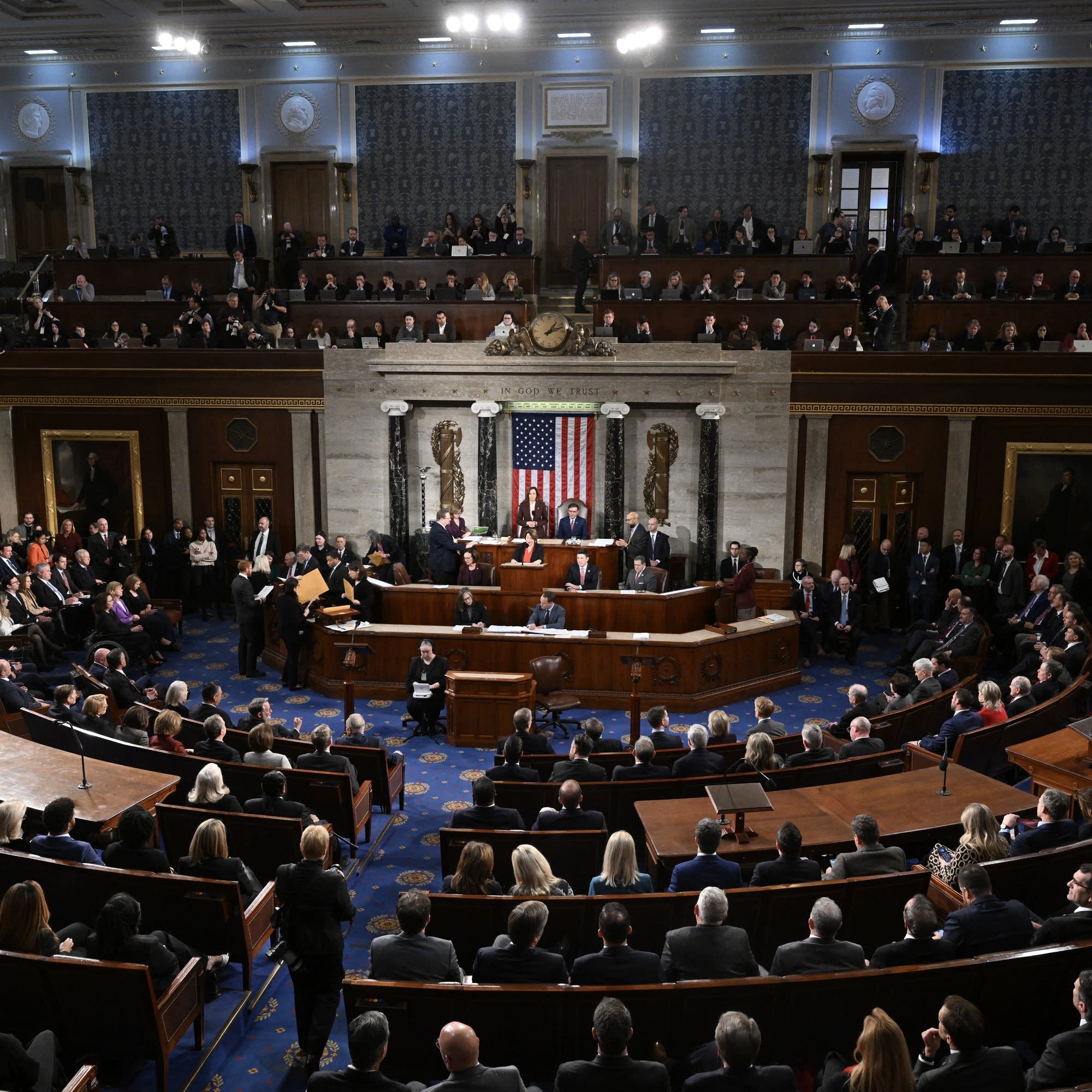
Republicans in Congress want to extend several provisions from the Tax Cuts and Jobs Act, passed during President-elect Donald Trump’s first term, that are set to expire at the end of this year. But they’re expected to be costly — very costly. We’ll unpack the spending cuts the House GOP is eyeing to offset the impact on federal deficits. And, we’ll get into why Paramount is considering settling Trump’s lawsuit over CBS’ interview with Kamala Harris. Plus, we’ll weigh in on the business trends that are in and out for 2025.Here’s everything we talked about today:“CBS Owner Discusses Settling Trump Suit, With Merger Review on Tap” from The Wall Street Journal“House Budget Republicans eye more than 200 spending cuts, tax changes for major bill” from The HillWays and Means memo from the House Budget CommitteeBluesky thread from Sen. Ron Wyden“Will 2025 Be the Watershed Year for Return-to-Office Mandates? That Depends.” from The Wall Street Journal“TikTok Influencers React to a Potential Ban” from The New York Times“Every Movie Sequel Releasing In 2024” from Screen Rant“Beyoncé’s Whisky, Kylie Jenner’s Canned Vodka Soda, Plus More Stars in the Alcohol Business” from People“Tesla stock jumps amid speculation Musk could buy TikTok” from Yahoo FinanceWe love to hear from you. Email us at [email protected] or leave us a voicemail at 508-U-B-SMART.

Ep 1312TikTok’s eleventh hour
Many TikTok users are joining apps such as RedNote and Lemon8 in anticipation of a TikTok ban in the United States. The problem? They’re also Chinese-owned. We’ll get into how this could turn into a headache for Congress. Then, we’ll unpack Defense Secretary nominee Pete Hegseth’s climate change comments at his confirmation hearing and how people experiencing homelessness in Los Angeles are being impacted by the current fires in a unique way. Plus, a farewell hallucinogenic mushroom story from outgoing Treasury Secretary Janet Yellen.Here’s everything we talked about today:“Some of the possible alternatives to TikTok have their own problems” from Marketplace“Trump considers executive order hoping to ‘save TikTok’ from ban or sale in U.S. law” from The Washington Post“With TikTok ban looming, ByteDance has a backup plan” from Marketplace“Where Gaetz and Hegseth stand on climate change” from Politico“The Changing Threat” from Marketplace’s “How We Survive”“As thousands flee LA fires, disaster poses unique challenges for the unhoused” from Marketplace“How the LA fires could exacerbate California’s homelessness crisis” from CalMatters“‘It Was Ok” – Sec. Janet Yellen On Trying Marijuana For The First Time” from “The Late Show with Stephen Colbert”Join us tomorrow for “Economics on Tap.” The YouTube livestream starts at 3:30 p.m. Pacific time, 6:30 p.m. Eastern.

Ep 1311What Biden is leaving Trump
President Biden today announced a hostage and ceasefire deal between Israel and Hamas aimed at ending the war in Gaza. This comes as Biden is making a string of policy decisions to make it harder for the incoming administration to undo his legacy. We’ll explain. And, when the world feels like too much, how do we cope? Plus, a touching photo essay that zooms in on the work of hospice nurses makes us smile.Here’s everything we talked about today:“Israel and Hamas agree to Gaza ceasefire deal, senior U.S. official says: Live updates” from The Washington Post“Biden Races to Cement His Legacy Through a Series of Actions” from The New York Times“Introduction: ‘Those Who Have Made Death Their Life'” from The Daily Yonder“Justice Alito Asks If You Can Read Pornhub for the Articles” from The Cut“We Asked the Math Tutor Who Posts His Lessons on Pornhub: Why?” from ViceWe love to hear from you. Email us at [email protected] or leave us a voicemail at 508-U-B-SMART.

Ep 1310How to live with wildfires
The Los Angeles fires are a warning to all of us. Over the past week, lives, homes, businesses and entire communities have been lost in what’s expected to be among the nation’s costliest disasters ever. But with more than one-third of the U.S. population living in counties with high wildfire risk, this begs the question: Should lots of people relocate? Crystal Kolden, director of the Fire Resilience Center at the University of California at Merced and a former wildland firefighter, said abandoning these places isn’t the only option. On the show today, Kolden explains why the L.A. fires have been so tough to put out, why wildfires are different from other natural disasters like hurricanes and floods, and how devastated communities can rebuild in a way that makes them more resilient to future fires.Later, a listener shares a teamwork approach to cleaning up after a house party. And, Brad Stulberg, author of “Master of Change,” was wrong about how to find motivation.Here’s everything we talked about today:“L.A. Fires Show Limits of America’s Efforts to Cope With Climate Change” from The New York Times“Column: Recovery will be tempered by hard decisions and, if we aren’t careful, inequality” from The L.A. Times“Palisades and other Southern California fires could be most expensive in US history” from LAist“More People Are Living in the Riskiest Wildfire Zones” from Bloomberg“‘Zone Zero’ Mandates Near Completion for High Wildfire Risk Areas” from the Sierra Club“‘Conditions’ should be placed on California wildfire aid: House Speaker Mike Johnson” from USA TodayWe want to hear your answer to the Make Me Smart question. Leave us a voicemail at 508-U-B-SMART or email us at [email protected].

Ep 1309The rise of private firefighting
As wildfires continue to burn in Los Angeles, some wealthy residents are shelling out thousands each day to hire private firefighters to protect their homes and businesses. But some argue that the market for these private crews diminishes public firefighting resources. We’ll get into it. And, renowned science fiction author Octavia Butler predicted many of our modern problems, including catastrophic wildfires. We’ll explain how looking to the past helped her write about the future. Plus, Kimberly gives us some advice for throwing better parties in 2025.Here’s everything we talked about today:“‘Will Pay Any Amount’: Private Firefighters Are in Demand in L.A.” from The New York Times“I Will Pay Any Amount to Not Pay My Taxes” from McSweeney’s Internet Tendency“N.K. Jemisin on the prescience and brilliance of Parable of the Sower” from New Scientist“A Few Rules For Predicting The Future by Octavia E. Butler” from Common Good Collective“The LA Fires Aren’t a Surprise If You Study History and Climate Change. So Now What?” from Teen Vogue“Americans Need to Party More” from The Atlantic“Here’s how single women are successfully navigating an otherwise brutal market for first-time homebuyers” from Business InsiderWe love to hear from you. Email us at [email protected] or leave us a voicemail at 508-U-B-SMART.

Ep 1308Why anime is everywhere all at once (rerun)
Hey smarties! We’re on a break for the holidays and revisiting some of our top episodes from 2024. We can’t do this show without you and we still need your support. If you can, donate today to keep independent journalism going strong into 2025 and beyond. Give now to support “Make Me Smart.” Thank you so much for your generosity, happy holidays and we’ll see you in the new year.Anime seems to be just about everywhere these days: film, music videos, the NFL and big streaming services like Netflix and Hulu. “Anime is colossal. In terms of raw revenue, anime and the NLF are tied at about $20 billion in [annual global] revenue,” said Chris Plante, editor in chief and co-founder of Polygon at Vox Media. “When you think of anime, it can be seen as niche, but the reality is that couldn’t be further from the truth.” On the show today, Plante explains anime economics, what’s behind the rise of anime in the United States and some of the problematic aspects of the medium. Later, we’ll discuss how climate change is impacting cherry blossom season and why the commercial real estate crisis could be a big problem for regional banks. Later, one listener calls in on a landline about landlines. And, this week’s answer to the Make Me Smart question comes from a digital illustrator based in Long Beach, California. Here’s everything we talked about today:“Who watches anime? Polygon surveyed more than 4,000 people to find out” from Polygon“Anime Market to Reach USD 62.7 Billion by 2032” from Yahoo Finance“Anime Is Booming. So Why Are Animators Living in Poverty?” from The New York Times“Sony Jacks Up Prices for Crunchyroll and Kills Funimation” from Gizmodo“From Niche To Mainstream: The Unstoppable Global Popularity Of Anime And How It Happened” from BuzzFeed“Streaming and covid-19 have entrenched anime’s global popularity” from The Economist“Naruto Movie in the Works With Destin Daniel Cretton” from The Hollywood Reporter“Cherry blossom forecast: We predict peak bloom in D.C. around March 21” from The Washington Post“Early jacaranda bloom sparks debate about climate change in Mexico” from Reuters“Commercial Real Estate Market Plunge Has Lenders Facing a Brutal Reality” from Bloomberg“Comic: Tienes economic anxiety? Artist Julio Salgado reflects on changes in creative industries” from the Los Angeles Times Are you a fan of anime? Tell us about your favorite anime series! Leave us a voicemail at 508-U-B-SMART or email [email protected].
Ep 1307Wheelchair rugby’s Chuck Aoki makes us smart about the Paralympics (rerun)
Hey smarties! We’re on a break for the holidays and revisiting some of our top episodes from 2024. We can’t do this show without you and we still need your support. If you can, donate today to keep independent journalism going strong into 2025 and beyond. Give now to support “Make Me Smart.” Thank you so much for your generosity, happy holidays and we’ll see you in the new year.In case you haven’t heard, the Summer Olympics aren’t over! This year’s Paralympics kick off in Paris on Aug. 28. It’s the first time all 22 Paralympic events will be aired live, and total broadcast revenues are up by more than 20% from the delayed 2020 Paralympics. Chuck Aoki, an American Paralympic wheelchair rugby player, said content creators like himself are also bringing eyes to the event. On the show today, Aoki breaks down the basics of wheelchair rugby (aka “murderball”), the system that classifies para athletes based on their disability, and why this year’s Paralympics are getting more buzz than ever.Then, we’ll get into how pharmaceutical companies’ new direct-to-consumer programs could impact drug prices. And, listeners tell us about the trafficless 1984 Olympics in Los Angeles, and a lesson in credit cards learned the hard, heartbreaking way.Here’s everything we talked about today:“Passion And Guts: Chuck Aoki’s World of Wheelchair Rugby” from Team USA“Paralympic Games in Paris set to reach largest audience after broadcast deals” from The Guardian“What sports are in the Paralympics and how does the classification system work?” from AP News“How to Watch the 2024 Summer Paralympics: Streaming Schedule, Free Options” from Wired“Pfizer Follows Lilly With Website Selling Directly to Patients” from Bloomberg“Eli Lilly lowering weight loss drug prices” from The Hill“Health Insurance Costs Will Rise Steeply if Premium Tax Credit Improvements Expire” from the Center on Budget and Policy Priorities“How Much and Why ACA Marketplace Premiums Are Going Up in 2025” from KFF“Pfizer launches new website for migraine, respiratory offerings” from Reuters“Panama Canal Eases Limits That Caused Global Shipping Bottleneck” from BloombergWe want to hear your answer to the Make Me Smart question. Leave us a voicemail at 508-U-B-SMART or email us at [email protected].

Ep 1306How Big Food changed the way we eat (rerun)
Hey smarties! We’re on a break for the holidays and revisiting some of our top episodes from 2024. We can’t do this show without you and we still need your support. If you can, donate today to keep independent journalism going strong into 2025 and beyond. Give now to support “Make Me Smart.” Thank you so much for your generosity, happy holidays and we’ll see you in the new year.Today we’re talking about food. Specifically, Big Food. In his book, “Barons: Money, Power, and the Corruption of America’s Food Industry,” Austin Frerick, agricultural and antitrust policy fellow at Yale, argues the food system is the most consolidated sector in the United States. On the show today, Frerick explains how the American food system became so concentrated, how that’s inflated prices and eroded quality, and what we should do about it. Plus, Walmart’s role as king of grocery kings. Then, we’ll get into why Boeing can’t keep up with SpaceX. And, an expert on youth mental health (and former guest on “Make Me Smart”) was wrong about how teens curate their social media feeds. Here’s everything else we talked about today:“Lax Antitrust Enforcement Imperils The Nation’s Supply Chains” from Forbes“What Is “Big Ag,” and Why Should You Be Worried About Them?” from Union of Concerned Scientists“The problem with growing corporate concentration and power in the global food system” from Nature Food“Major retailers are offering summer deals to entice inflation-weary shoppers” from AP News“US Consumer Confidence Rises for First Time in Four Months” from Bloomberg“Inflation now means high prices, not just rising costs” from Axios“What do Americans think about inflation?” from The Brookings Institution“Boeing Prepared to Fly Crewed Space Taxi With Helium Leak” from BloombergWe love to hear from you. Send your questions and comments to [email protected] or leave us a voicemail at 508-U-B-SMART.

Ep 1305Want to protect our democracy? Start here! (rerun)
Hey Smarties! We’re on a break for the holidays and revisiting some of our top episodes from 2024. We can’t do this show without you and we still need your support. If you can, donate today to keep independent journalism going strong into 2025 and beyond. Give now to support “Make Me Smart.” Thank you so much for your generosity, happy holidays and we’ll see you in the new year.If you’ve been feeling hopeless about the news, the election, the economy, the climate crisis and everything else that’s going on, today’s episode is for you. Emily Amick, lawyer and co-author of “Democracy in Retrograde: How to Make Changes Big and Small in Our Country and in Our Lives,” argues we can all become better participants in our democracy. And we don’t need to have a gazillion dollars to do it. On the show today, Amick explains why we should treat civic engagement as self-care, how to find your civic personality and ways to cultivate a news diet that doesn’t put you in a doom loop. Plus, the moment she realized our democracy was headed in the wrong direction. Then, we’ll get into how voters in Utah fought to protect the power of citizen-led ballot initiatives and why shoppers hide purchases from their romantic partners. Plus, an anime cosplayer was wrong about what it would take to create her own costume. Here’s everything we talked about today:“Despite Recent Setbacks, There Is Still Hope For Democracy” from Forbes“In ‘Democracy in Retrograde,’ Emily Amick Talks About Political Engagement and Her Cancer Diagnosis” from Teen Vogue“What does Utah’s redistricting ruling do to voters’ ability to change laws?” from The Salt Lake Tribune“Utah Supreme Court: Lawmakers must heed voter-passed gerrymandering reforms “ from Axios Salt Lake City“Amazon’s Prime Day a ‘major’ cause of worker injuries, Senate probe finds” from CNBC“US Retail Sales Excluding Autos Rise by Most in Three Months” from Bloomberg“Gym Bags, Trunks, Back Doors: How Stealth Shoppers Hide Purchases” from The Wall Street Journal“Financial Infidelity Report 2023: Why People Hide Purchases From Partners” from Circuit“Inside a UPS warehouse that prioritizes super-fast shipping” from MarketplaceHow are you getting involved in civic life? What helps you fend off feelings of hopelessness? Let us know at [email protected] or leave us a voicemail at 508-U-B-SMART.