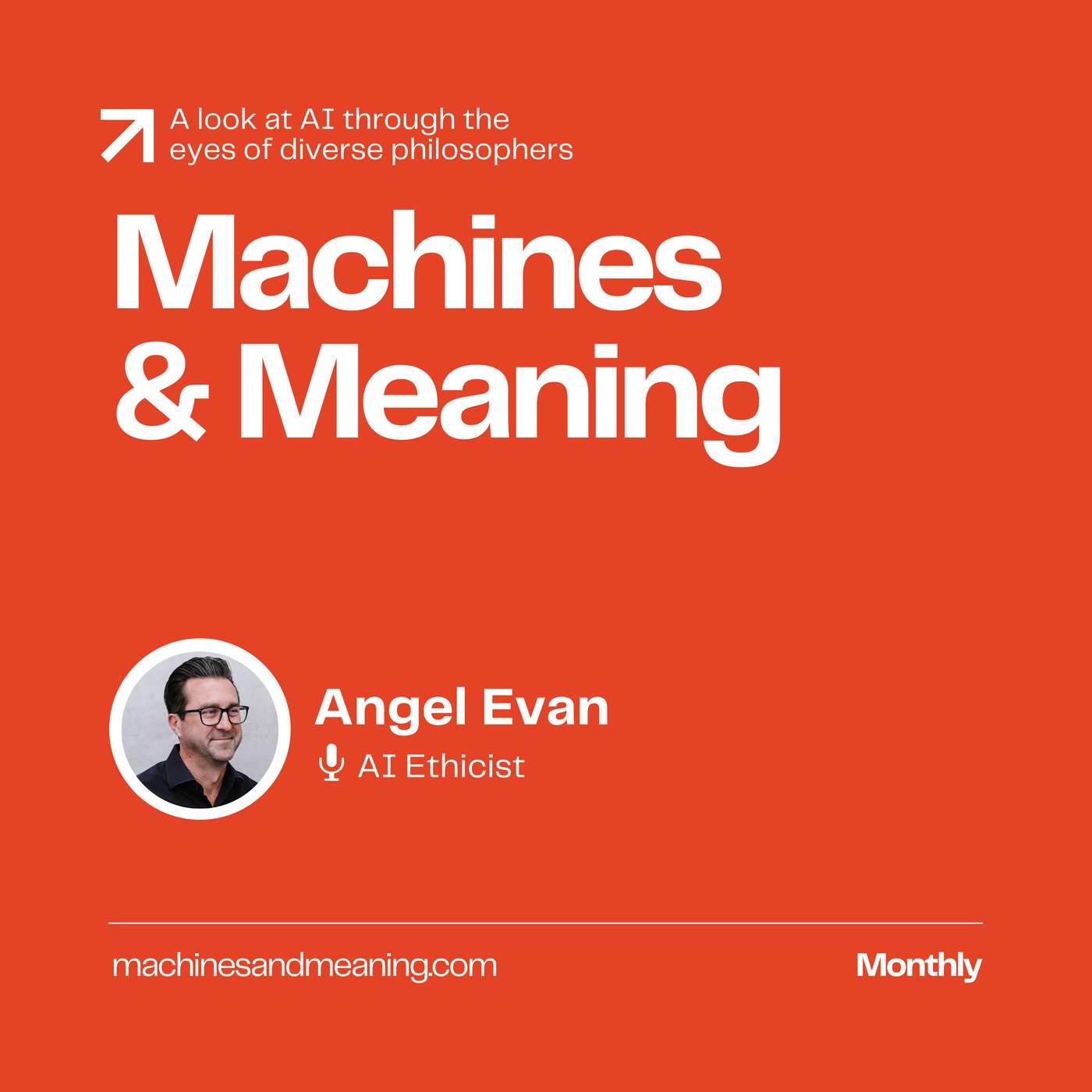
Machines & Meaning
Machines & Meaning examines artificial intelligence through the lens of different philosophers to understand how AI technology shapes human experience.
Angel Evan
Show overview
Machines & Meaning has been publishing since 2024, and across the 2 years since has built a catalogue of 14 episodes. That works out to roughly 3 hours of audio in total. Releases follow a roughly quarterly cadence, with the show now in its 2nd season.
Episodes typically run ten to twenty minutes — most land between 13 min and 15 min — and the run-time is fairly consistent across the catalogue. None of the episodes are flagged explicit by the publisher. It is catalogued as a EN-language Society & Culture show.
There hasn’t been a new episode in the last ninety days; the most recent episode landed 3 months ago. The busiest year was 2025, with 11 episodes published. Published by Angel Evan.
From the publisher
Machines & Meaning examines artificial intelligence through the lens of different philosophers to understand how AI technology shapes human experience. Created for curious, thoughtful people who want to move beyond simplistic "AI is good" or "AI is bad" narratives, each episode takes a key concept from a philosopher and uses it to examine a specific aspect of AI technology and its impact on human life. While the show assumes listeners are familiar with current AI developments, it doesn't require technical knowledge. The series aims to help listeners develop a deeper understanding of how these technologies are changing how we think, behave, and relate to one another by bringing philosophical insights into conversation with modern AI developments.
Latest Episodes
John Rawls and the Right to Meaningful Work

S2 Ep 1Ayn Rand and the Dark Side of AI Efficiency
Using Ayn Rand’s philosophy of Objectivism, we examine how AI’s efficiency gains are made possible by ignoring the quiet awareness of claiming skills we don’t fully possess.
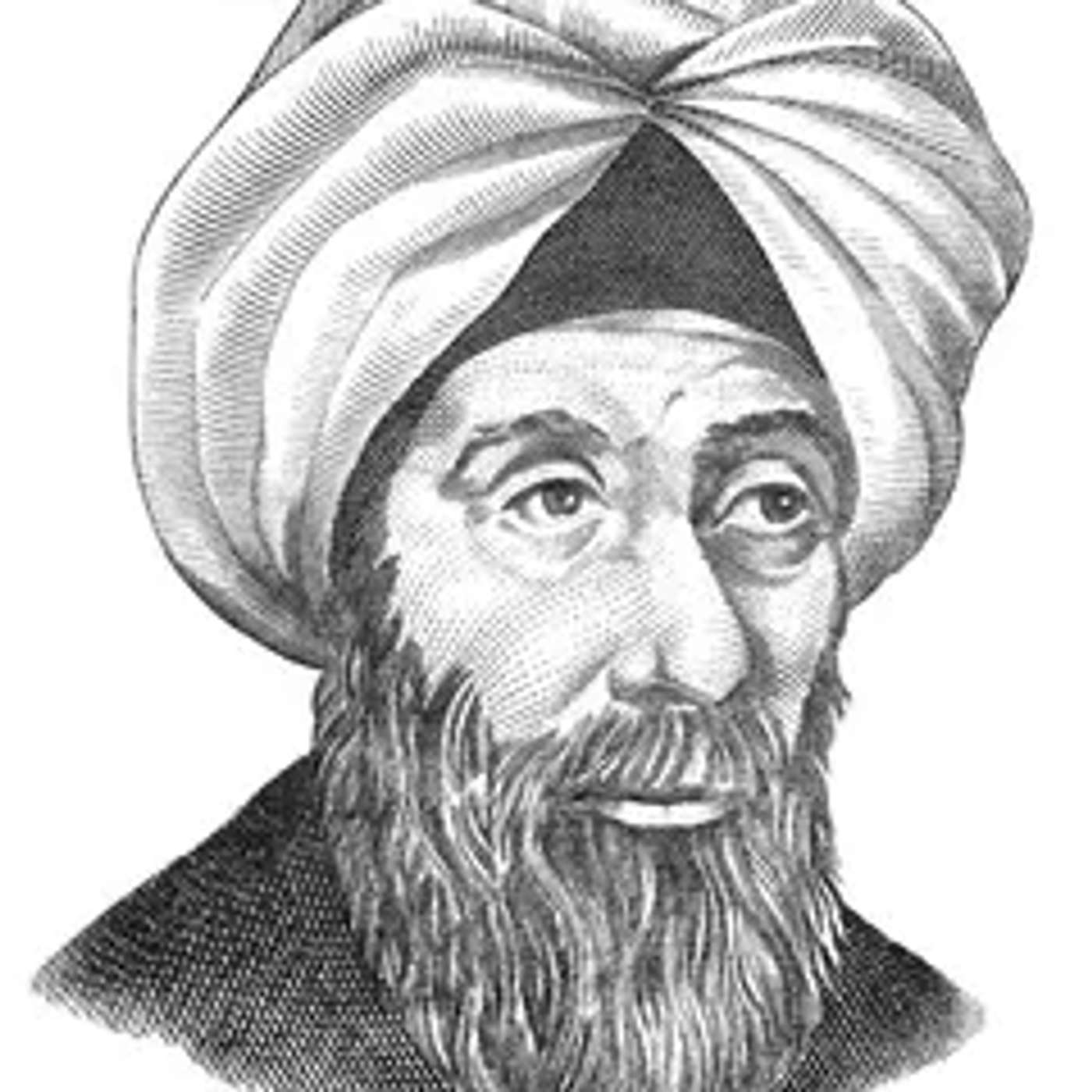
S1 Ep 12Ibn Khaldun’s Warning: When Tools Become Purposes
Episode Description: Using Ibn Khaldun’s concept of asabiyyah (ah-sa-BEE-yah), a word derived from Arabic that roughly translates to tribal solidarity or social cohesion, we examine how AI is being rhetorically elevated to the status of collective purpose.

S1 Ep 11Credibility Deficits: Miranda Fricker and the Illusion of AI Literacy
Using Miranda Fricker’s concept of testimonial injustice, we examine how AI creates new hierarchies of who gets taken seriously and how the credibility we assign (or don’t) affect people’s lives.
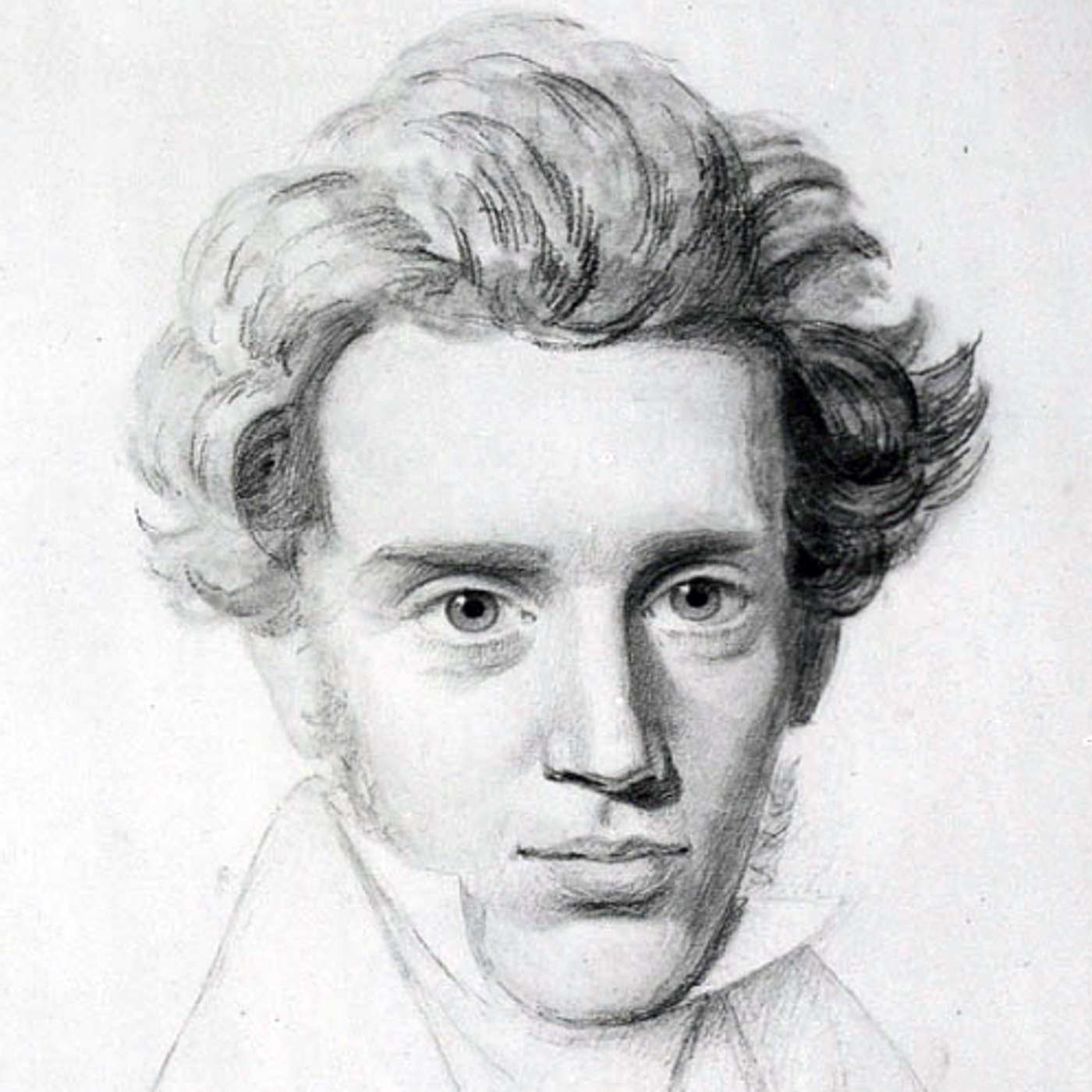
S1 Ep 10AI’s Aesthetic Trap: Søren Kierkegaard’s Three Spheres of Existence
Exploring how Kierkegaard’s three spheres of existence reveal why AI might be creating the most sophisticated trap for authentic human development by appearing to create fulfillment while preventing genuine growth.

S1 Ep 9Hannah Arendt and AI’s Collective Thoughtlessness
Exploring how Hannah Arendt’s concept of “thoughtlessness” reveals why AI systems create the perfect conditions for systematic harm that emerge from widespread non-engagement with consequences.

S1 Ep 8Aristotle’s Phronesis and the Wisdom to Judge Ourselves
Exploring how Aristotle’s concept of practical wisdom reveals the meta-cognitive skills professionals will need to remain valuable in an age when AI can perform most technical tasks.

S1 Ep 7Permanent Intermediates: Martin Heidegger and AI’s Erosion of Mastery
Exploring how artificial intelligence systematically undermines the conditions necessary for developing human expertise, creating what we might call “permanent intermediates,” people who achieve functional competence but never develop true mastery.

S1 Ep 6The Accountability Threshold: Thomas Aquinas’ Doctrine of Double Effect.
Exploring how Thomas Aquinas’ Doctrine of Double Effect helps us understand our complex relationship with AI’s unintended consequences.
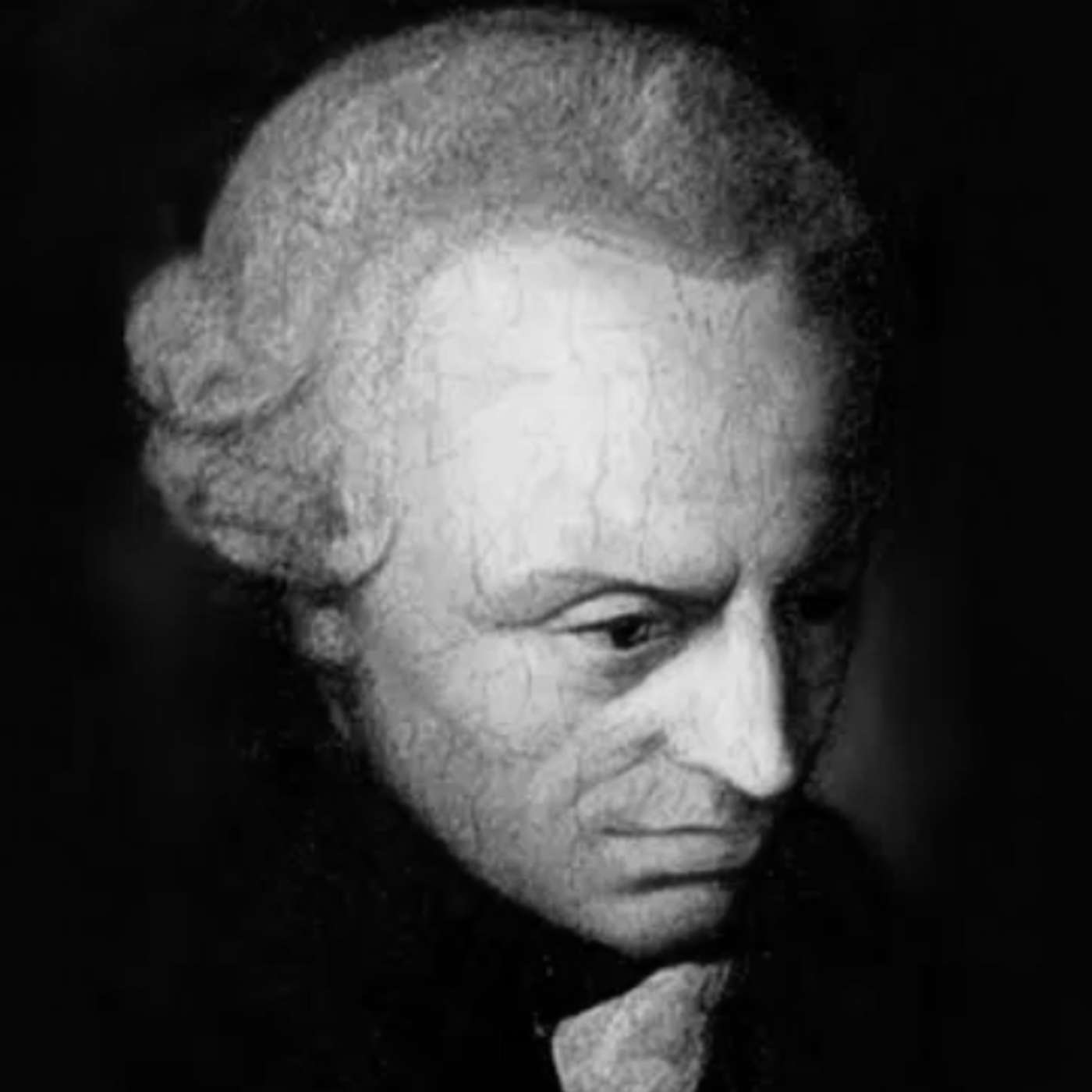
S1 Ep 5Universal Laws: Kant’s Categorical Imperative and AI’s Immutable Rules
Exploring how Immanuel Kant’s concept of the categorical imperative parallels our current challenge of creating immutable ethical rules for artificial intelligence.

S1 Ep 4The Detriment of Constructs: Simone de Beauvoir and Our AI Categories
Using Simone de Beauvoir’s philosophical framework on categorization, we examine how rigid binary thinking and over-compartmentalization limit our ability to understand and govern A.I.

S1 Ep 3The Calculation Default: What René Descartes Teaches Us About Reasoning Models
Using Descartes’ framework for how we acquire knowledge, we examine what happens when AI reasoning models confront problems where mathematical certainty isn’t enough.

S1 Ep 2Who’s Adapting to Whom? Lewis Mumford’s Warning for Technics.
We explore Lewis Mumford’s concept of ‘technics’ to answer an essential question in AI: are we creating technologies that adapt to serve human needs, or are we increasingly adapting ourselves to serve theirs?

S1 Ep 1The Narrative Machine: LLMs Through the Eyes of Alasdair MacIntyre
We explore Alisdair MacIntyre’s concept of narrative fragmentation and whether large language models (LLMs) contribute to it through their underlying architecture.