Luxury Beauty on a Budget Podcast
130 episodes — Page 3 of 3
Best Men's Hair Balms Under $20: Texture, Hold & Ingredients Compared
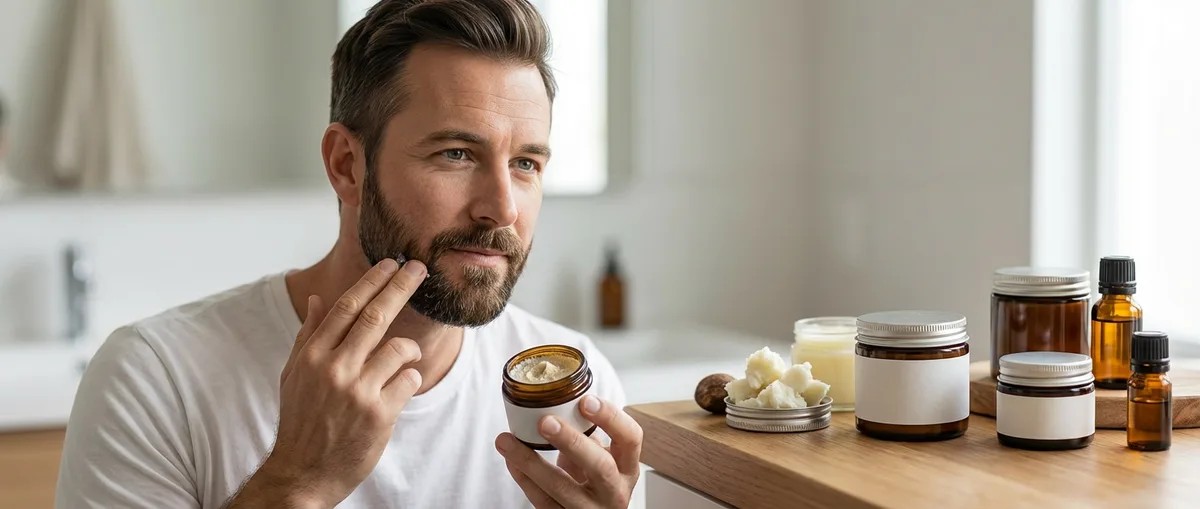
If you've been battling greasy waxes and rock-hard pomades that leave your hair looking like a helmet, you're probably using the wrong product category altogether. In this episode, Marcus Vance breaks down the results of three months spent testing nine different men's hair balms under twenty dollars, revealing which formulations actually deliver flexible hold and natural texture without destroying your hair or requiring industrial-strength shampoo to remove. Whether you're dealing with humidity, oily hair, or just want something that looks like healthy hair instead of obviously styled hair, this deep dive into ingredients, hold strength, and finish types will change how you shop for styling products. Beeswax should appear in the first five ingredients at eight to fifteen percent of the formula—anything below that is just a cream pretending to be a balm, while anything above eighteen percent creates stubborn buildup that won't wash out easily. Avoid petrolatum, mineral oil, and paraffin as these filler ingredients coat hair without conditioning it, while quality budget balms use natural oils like jojoba, argan, and grapeseed that actually absorb into hair. True hold strength means maintaining at least seventy-five percent of your styled position after six hours in seventy percent humidity or higher—most brands don't publish this data, which tells you everything you need to know about their confidence in the product. Matte finishes use kaolin or bentonite clay to kill shine but give you only thirty to forty-five seconds to style before setting, while natural sheen finishes look like healthy conditioned hair and integrate better with your scalp's natural oil production. Single-shampoo washout is non-negotiable—if a balm needs clarifying treatment or multiple lathers to remove, the oils and waxes are poorly emulsified and will build up at your scalp, potentially causing dandruff or seborrheic dermatitis. The ideal wax ratio in quality balms is about seventy percent beeswax to thirty percent harder waxes like candelilla or carnauba—flip that ratio and you get brittle hold in cold weather plus removal headaches. Read the full article: https://luxurybeautyonabudget.com/best-men-s-hair-balms-under-20
Men's Hair Care Products and Skin Essentials: Budget-Friendly Grooming Guide
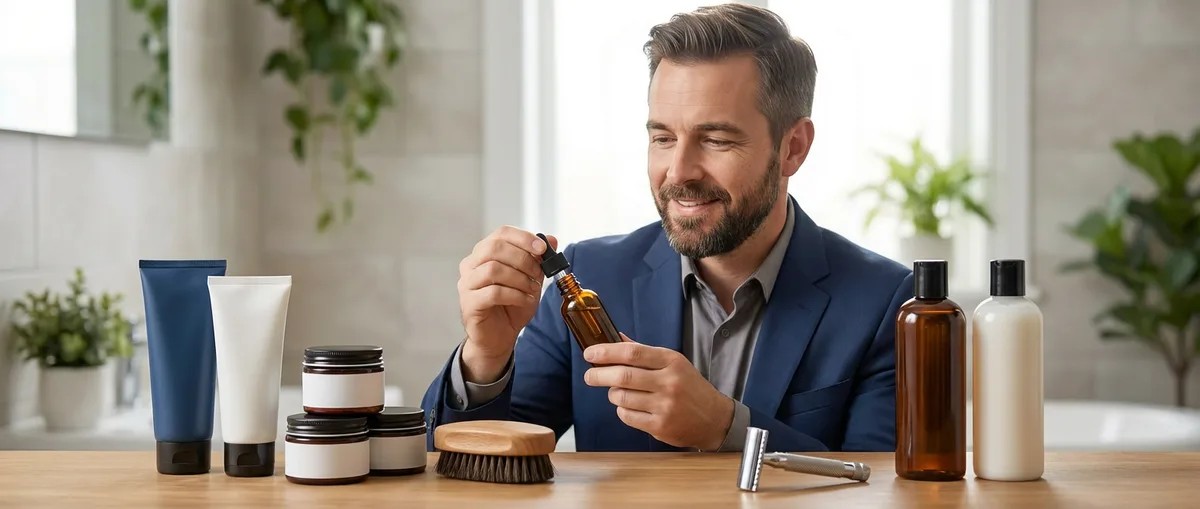
Are you overpaying for grooming products that deliver the same results as budget alternatives? In this episode, Marcus Vance breaks down the actual chemistry behind men's hair care and skin essentials, revealing why a twelve-dollar shampoo with the right surfactant ratio can outperform a forty-dollar salon formula. After a year of testing formulations and comparing active ingredient concentrations across dozens of products, Marcus shares the data-driven approach that lets you build an effective grooming routine without wasting money on packaging and marketing hype. Budget shampoos at eight to twelve dollars typically contain identical surfactant ratios (eight to twelve percent SLES, two to four percent betaine) as thirty-five dollar salon formulas—the price difference pays for fragrance layering and botanical extracts that contribute nothing to cleaning performance. A twelve-dollar niacinamide scalp serum at five percent concentration delivers the exact same chemical action as a sixty-eight dollar version; the markup covers packaging materials and brand storytelling, not efficacy. Dimethicone in conditioners at one to three percent concentration is chemically inert and won't cause buildup with proper cleansing, despite what the silicone-free marketing movement claims. When comparing peptide-based scalp treatments, look for molecular weights below 500 Daltons—budget brands often disclose these specifications while luxury lines hide behind "proprietary blend" claims. Testing fifty styling products revealed zero correlation between price and hold duration; budget hair balms at twelve to eighteen dollars match luxury formulations in wax ratios and performance. The "skinification of hair" trend in 2026 has forced greater ingredient transparency, with brands now listing peptide molecular weights, hyaluronic acid grades, and retinol concentrations—giving consumers the data to make direct performance comparisons across price points. Read the full article: https://luxurybeautyonabudget.com/men-s-hair-care-products-and-skin-essentials
Layering Skin-Responsive Tints Checklist: Complete Routine for Natural Coverage
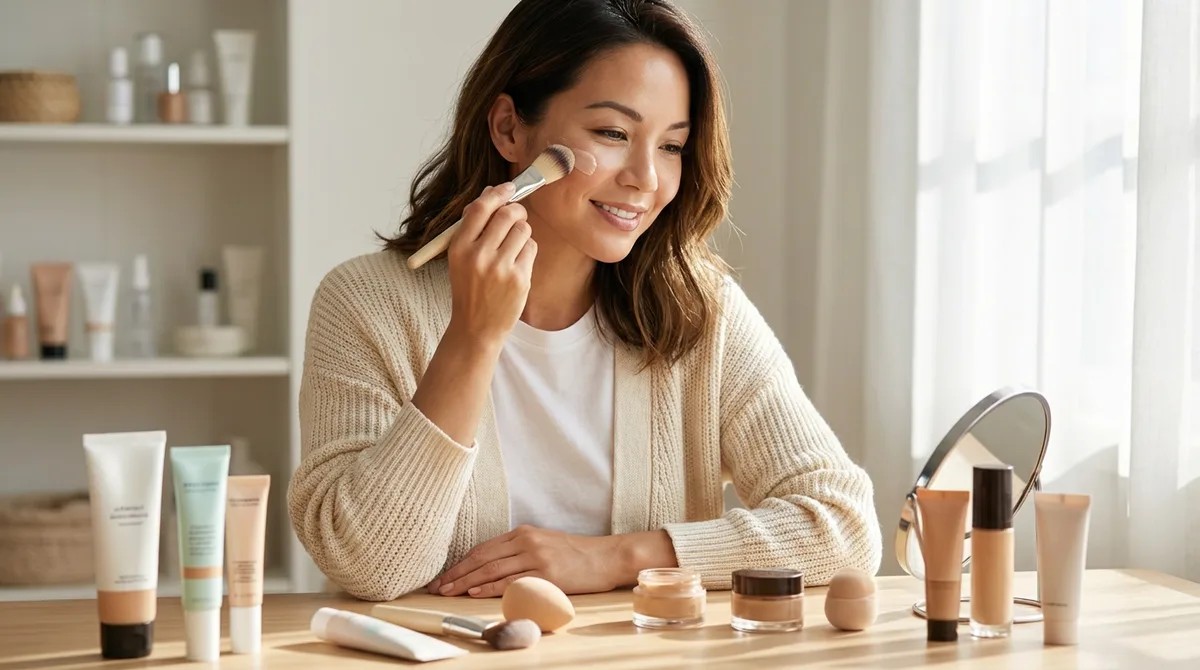
Ever wonder why your tinted moisturizer looks flawless on some days but patchy and oxidized on others? This episode breaks down the science and strategy behind layering pH-reactive skin-responsive tints for natural coverage that actually adapts to your skin chemistry. Sarah Ling-Miller walks through her complete seven-to-twelve minute routine, from barrier prep to product selection, explaining why your skin's pH level and hydration status determine whether these smart formulas work for or against you. Whether you're dealing with post-pregnancy skin changes, morning dehydration, or just need to look rested on five hours of sleep, this checklist approach delivers professional results without the full-glam time commitment. Your skin barrier and pH level determine everything about how skin-responsive tints perform—harsh alkaline cleansers can throw off the entire chemistry, causing faster oxidation and uneven blending throughout the day. Chemical sunscreens can interfere with pH-reactive pigments and cause color shifting, so mineral formulas with zinc oxide or titanium dioxide are essential before applying any skin-responsive tint. Most primers are unnecessary if your moisturizer and SPF are working properly—only add one if you have specific texture concerns like visible pores or fine lines. The pinch test on the back of your hand reveals whether you're hydrated enough for tint application; if skin takes more than two seconds to snap back, add another serum layer first. Iron oxide concentration determines your coverage level: serum-tint hybrids contain 5-8% for sheer coverage, while liquid tints with 10-15% offer buildable medium coverage. Doe-foot applicators can harbor bacteria and need weekly washing, making pump dispensers a more hygienic choice for products you're using daily on your face. Read the full article: https://luxurybeautyonabudget.com/layering-skin-responsive-tints-checklist
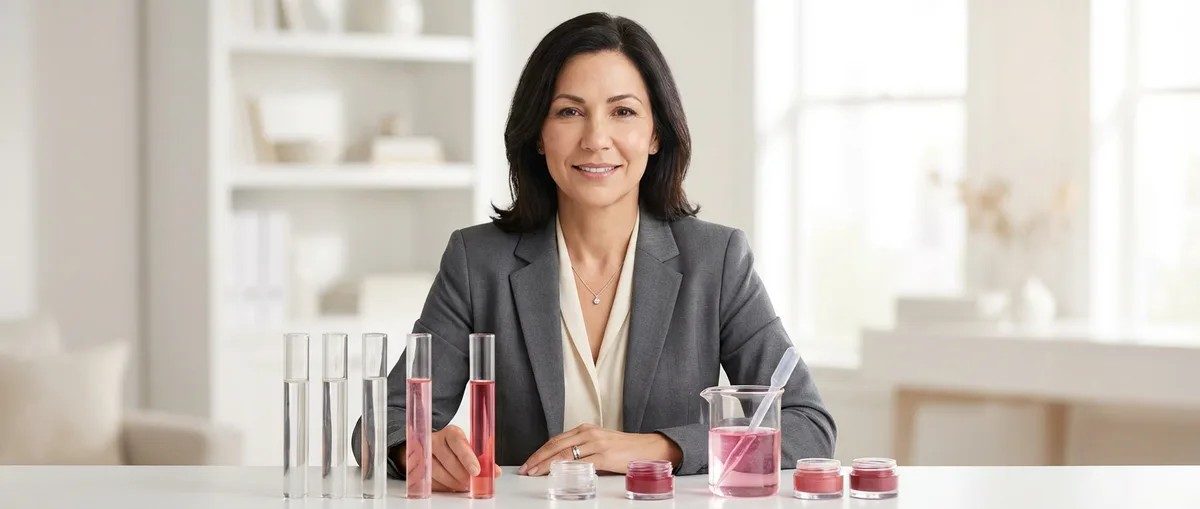
What Are Skin-Responsive Tints: pH-Reactive Pigment Technology Explained
Ever wondered why some lip tints and foundations claim to create your "perfect shade" automatically? This episode dives deep into the science behind skin-responsive tints—cosmetics that actually change color based on your unique skin chemistry. Dr. Elena Voss breaks down the molecular mechanisms, from leuco dye chemistry to pH-triggered structural changes, explaining why these products work for some people and not others. Whether you're a beauty enthusiast tired of foundation oxidation or just curious about the real science behind "color-adapting" claims, this episode separates legitimate adaptive technology from marketing hype. Skin-responsive tints use leuco dye chemistry—colorless precursor compounds that develop pigment only when they contact your skin's specific pH level, which fluctuates between 4.5 and 6.5 depending on genetics and barrier health. Red 27 (tetrabromofluorescein) is the most common reactive pigment, shifting from a colorless lactone form to a pink-red quinoid structure when exposed to pH levels above 5.5—a reversible reaction that can shift throughout the day. The color development process takes 2–3 minutes and involves three stages: initial dispersal in leuco form, pH activation triggering structural changes, and oxidation stabilization as atmospheric oxygen deepens the final shade. Your skin's melanin density doesn't change the chemical reaction itself but creates optical filtering—on deeper skin tones, reactive reds appear more berry-toned because light passes through melanin-rich epidermis twice. Compromised skin barriers often skew alkaline, which explains why you might get unexpectedly intense color results after exfoliation or acid treatments—you've temporarily altered your pH environment. Carrier systems like cyclopentasiloxane aren't just filler; they ensure even dye distribution and allow slight penetration into the stratum corneum, preventing the splotchy oxidation that occurs with poorly formulated products. Read the full article: https://luxurybeautyonabudget.com/what-are-skin-responsive-tints
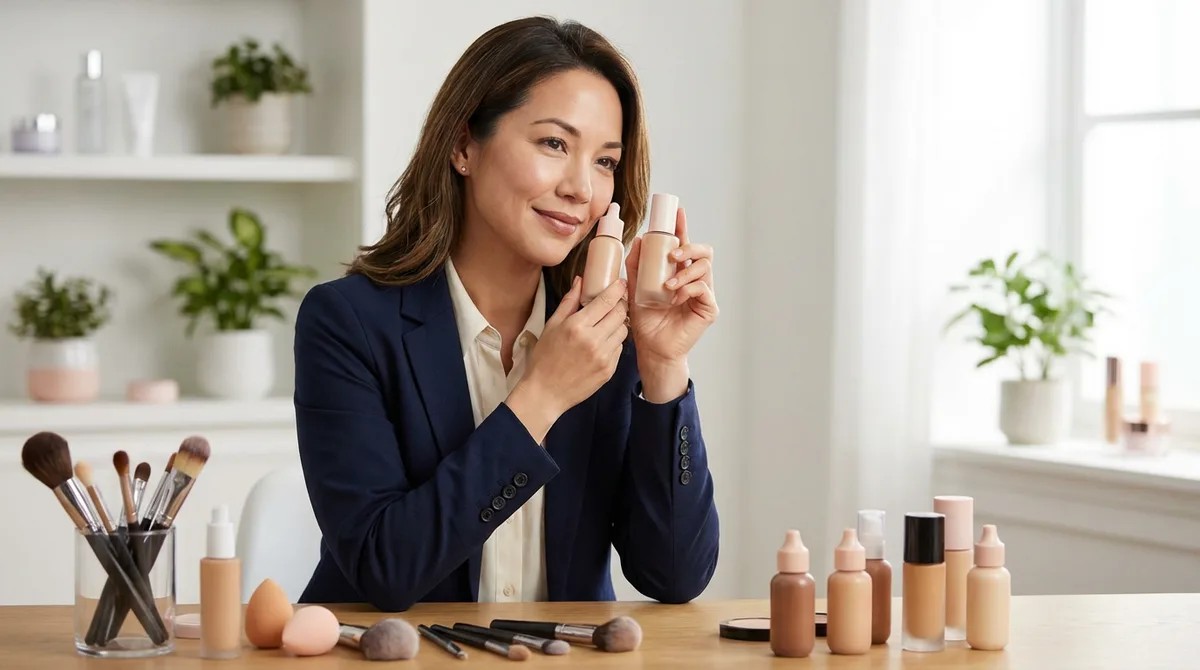
How to Choose the Right Skin-Responsive Tint for Your Skin Type
Ever wonder why that color-changing tint everyone raves about looks flawless on your friend but melts off your face by noon? The problem isn't the adaptive pigment technology—it's choosing the wrong base formula for your actual skin type. In this episode, Sarah Ling-Miller breaks down the exact 10-minute process for matching skin-responsive tints to your specific oil production, texture concerns, and moisture barrier needs, drawing from $200 worth of personal testing failures so you don't have to repeat them. Most people misidentify their skin type entirely—the 3-hour bare-face blotting test across five facial zones reveals whether you're actually oily, dry, combination, or normal, which determines everything about formula selection. Hormonal fluctuations significantly affect oil production, especially for those ages 35-50, so testing your skin type across multiple days (ideally a full week) gives far more accurate results than a single assessment. Skin-responsive tints adapt to your color chemistry but cannot fix texture issues—you need specific ingredients like blurring microspheres (silica, nylon-12) for visible pores or light-diffusing titanium dioxide for acne scars. A $22 tint properly matched to your skin type costs roughly $0.18 per application over four months, while a $45 foundation you abandon after two weeks runs $22.50 per wear—making correct selection the real budget hack. The Flower Beauty Light Illusion ($10.98) is manufactured in the same facility as $50+ prestige brands and contains 3% blurring silica complex, making it a standout affordable option for those with visible pores. If you have dry patches or flaking, no tint will perform well until you address your moisture barrier—spending 2-3 weeks on barrier repair before purchasing saves money on products that would otherwise emphasize the problem. Read the full article: https://luxurybeautyonabudget.com/how-to-choose-the-right-skin-responsive-tint-for-your-skin-type
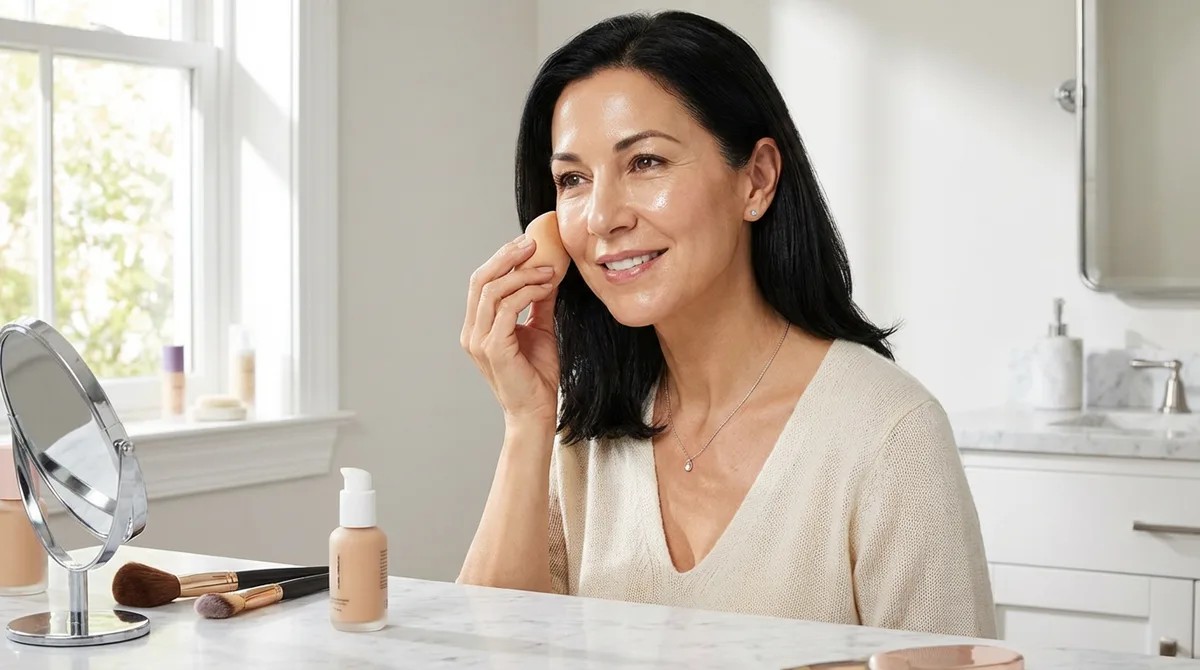
Skin-Responsive Tint Application Checklist: Everything You Need for Flawless Finish
Ever follow makeup instructions perfectly and still end up with patchy, uneven results? Dr. Elena Voss breaks down exactly why skin-responsive tints fail—and it has nothing to do with your application technique. These pH-reactive formulas actually read your skin's chemistry in real time, which means barrier health, surface acidity, and even skin temperature determine whether you get that coveted second-skin finish or a blotchy mess. This episode walks you through every preparation step and tool choice to finally get these tricky formulas working for you. Your skin's condition 12 hours before application matters more than technique—alkaline cleansers temporarily raise pH and change how tint molecules ionize, so wait 15 minutes post-cleanse for your skin to normalize before applying. Skip all actives the morning of application: glycolic acid, salicylic acid, and retinoids create microexfoliation that exposes fresh skin cells with unpredictable pH, leading to patchy adhesion wherever cell turnover is uneven. High molecular weight hyaluronic acid (1000+ kilodaltons) actually interferes with tint performance by creating a surface film—opt for low molecular weight HA under 50 kilodaltons that penetrates rather than sits on top. Silicone primers sabotage water-based tints by forming an occlusive barrier that prevents pH-reactive pigments from reading your skin accurately—switch to squalane or hemisqualane instead. Active breakouts create localized pH drops to 4.0–4.5 from bacterial metabolites, causing tints to pull more red or pink in those specific areas. Cold skin below 90°F slows pigment development while flushed skin from hot showers amplifies redness—wait 10 minutes after temperature changes before applying. Read the full article: https://luxurybeautyonabudget.com/skin-responsive-tint-application-checklist
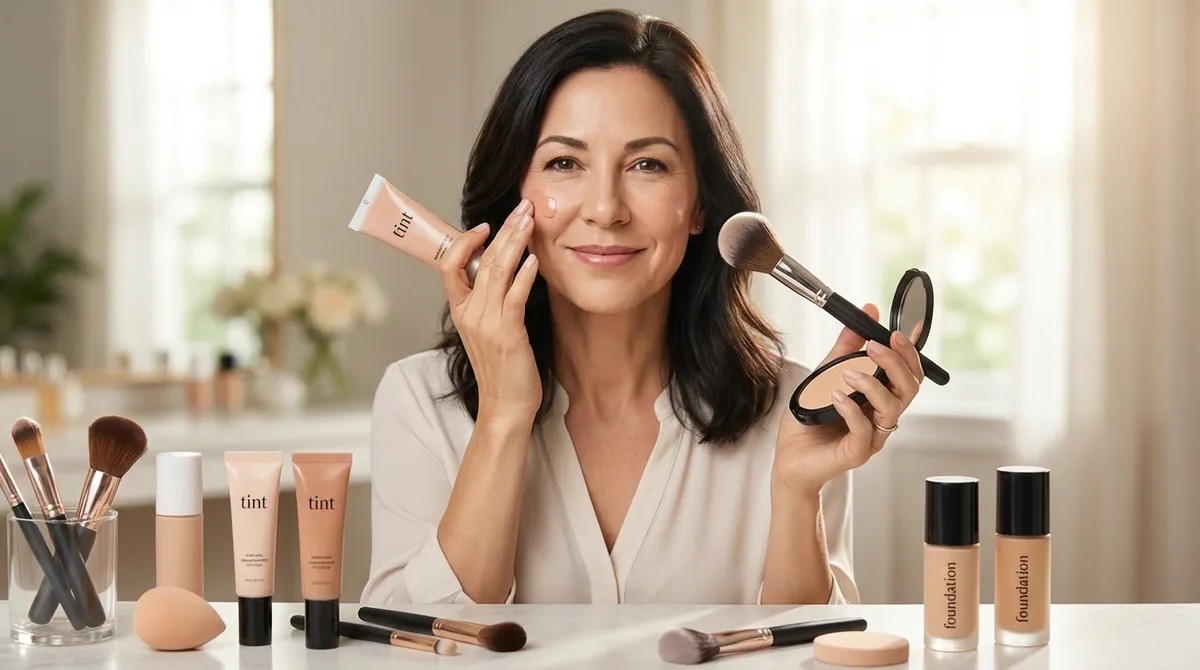
Skin-Responsive Tint vs Traditional Foundation: Which Is Better for Your Skin Type
Ever wonder why your base makeup looks perfect one day and disastrous the next? The culprit might not be your skin—it could be a fundamental mismatch between your skin's chemistry and your foundation's formulation. In this episode, Dr. Elena Voss breaks down the science behind skin-responsive tints versus traditional foundations, examining everything from pH levels and particle sizes to comedogenic loads and oxidative stability. Whether you're battling midday shine, dealing with reactive skin, or trying to cover stubborn hyperpigmentation, this deep dive into cosmetic chemistry will help you make a smarter choice for your specific skin type. Skin-responsive tints are formulated at pH 5.5–6.0, matching your skin's natural pH and causing minimal barrier disruption, while traditional foundations typically sit at pH 6.5–8.0, which can compromise your skin barrier over time. The comedogenic load differs dramatically: tints contain roughly 0.5–2% silicones compared to foundations with 5–15% silicones and waxes, making tints significantly less likely to clog pores for oily and acne-prone skin. Traditional foundations still win for heavy coverage needs—if you're dealing with hyperpigmentation more than 3–4 shades darker than your base tone, melasma, or rosacea, the adaptive pigment release in tints simply can't generate enough correction. Particle size affects both coverage and skin penetration: tints use 20–50 nanometer encapsulated pigments that adapt on contact, while foundations use larger 100–300 nanometer particles for immediate uniform coverage. Budget skin-responsive tints use the same cosmetic-grade iron oxide encapsulation technology as prestige versions—you're often paying for brand positioning rather than better chemistry. The viscosity difference matters for oily skin: tints at 1,000–3,000 centipoise mix with your natural sebum rather than sitting on top like heavier foundations at 5,000–12,000 centipoise, reducing that greasy midday sheen. Read the full article: https://luxurybeautyonabudget.com/skin-responsive-tint-vs-traditional-foundation
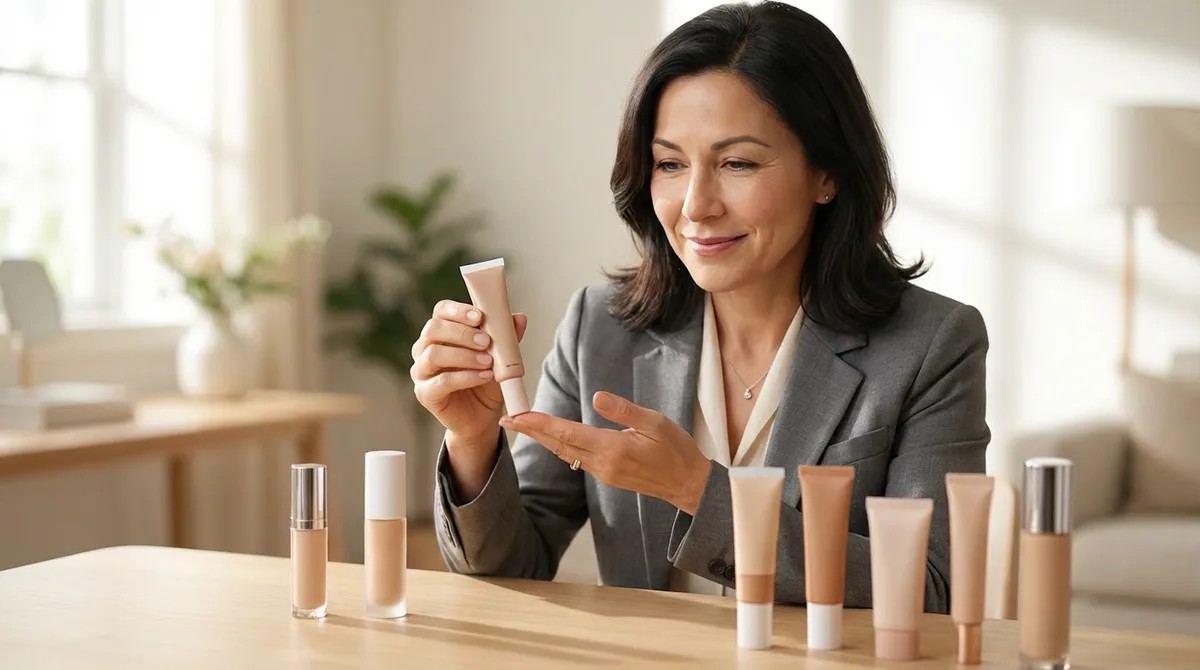
Best Skin-Responsive Tints Under $25
Those color-changing lip products that promise to adapt to your unique skin tone sound like pure marketing gimmick—but the chemistry is actually real, and some drugstore versions outperform luxury options costing four times as much. In this episode, Dr. Elena Voss breaks down the pH-reactive science behind skin-responsive tints and reveals which budget formulations genuinely deliver personalized color versus which are just cleverly branded lip balm. If you've ever wondered whether these products are worth trying or how to spot the ones that actually work, this deep dive into ingredients, textures, and value calculations will give you everything you need. The magic ingredient is typically Red 27 (CI 45410) or Red 21 (CI 45380)—acid-base indicators that shift from colorless to pink or red based on your skin's natural pH level, and concentration between 0.3–0.5% delivers the best visible customization. You can test for real pH reactivity at the store: swipe on your inner wrist and wait thirty seconds—genuine adaptive formulas develop color that deepens over one to two minutes, while instant color means traditional pigments. Avoid formulations with mineral oil or petrolatum in the first three ingredients, as these occlusives create a barrier that prevents the dyes from properly interacting with your skin's moisture and pH. The best emollient bases include squalane, jojoba oil, castor oil, or shea butter—these mirror your skin's natural sebum and allow even pigment distribution rather than leaving color sitting on the surface. Calculate cost per gram rather than per unit when comparing products; some $18 tints actually cost more per application than $25 options with better fill weights. Manufacturing origin matters for longevity—South Korean facilities consistently deliver better pigment encapsulation that maintains color responsiveness for months, while poorly manufactured tints become inert as encapsulated pigments degrade. Read the full article: https://luxurybeautyonabudget.com/best-skin-responsive-tints-under-25
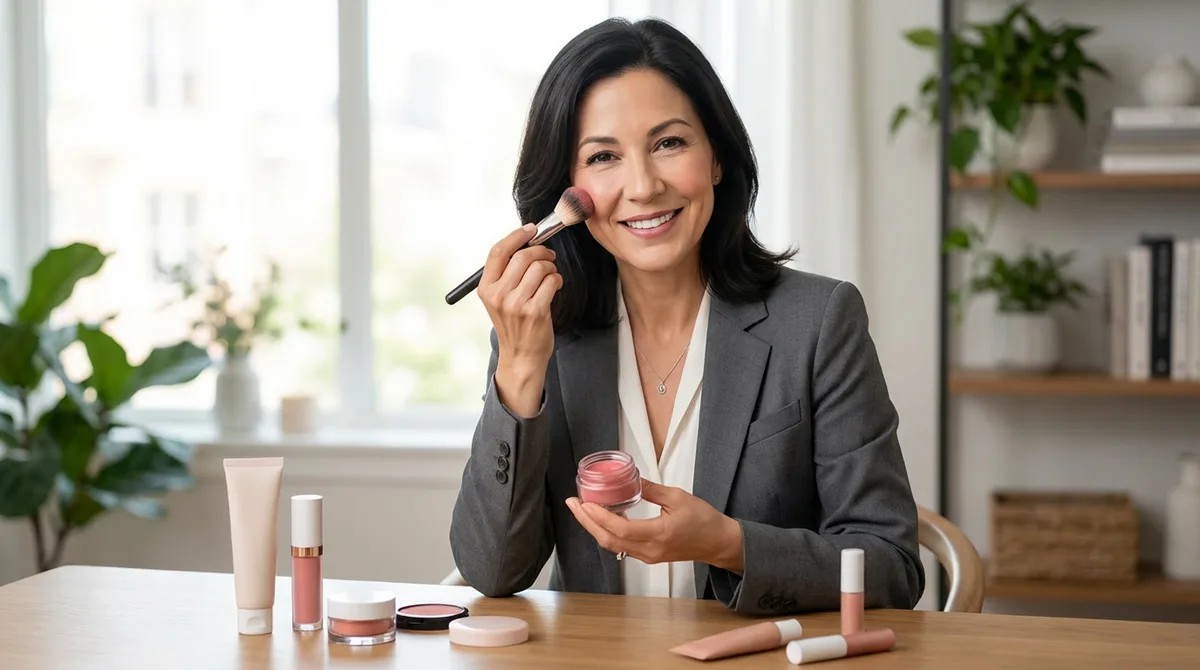
Skin-Responsive Tints: Complete Guide to Adaptive Color Cosmetics
Ever wondered if those "color-adapting" lip and cheek tints actually read your skin, or if you're just paying premium prices for decades-old chemistry? Dr. Elena Voss breaks down the molecular reality behind skin-responsive cosmetics, explaining exactly what happens when these products change color on contact. This episode is essential for beauty enthusiasts tired of marketing hype, anyone considering a $42 adaptive tint, and shoppers who want to know when a $14 drugstore option delivers identical results. Most skin-responsive tints use red iron oxide (CI 77491) chemistry that's existed since the 1970s — the "smart pigment" claims are largely repackaging with premium pricing. These products respond only to your skin's surface pH (typically 4.5–6.5), not your melanin content, undertones, or individual biology — two people with the same pH will get nearly identical results regardless of skin color. Lower pH (more acidic skin) produces cooler, pinker tones, while higher pH (more neutral skin) creates warmer, peachy shades — and your pH fluctuates based on hydration, barrier health, and even time of day. The 30–90 second color transformation happens because pigment particles need time to equilibrate with your skin's moisture and pH, which is why rubbing during application speeds up the reaction. Skin-responsive tints eliminate the oxidation guessing game: unlike traditional foundations that darken throughout the day, these products stabilize within 60 seconds and maintain that shade for hours. Added skincare ingredients like niacinamide only justify higher prices at clinically relevant concentrations — anything below 2% niacinamide is essentially "window dressing." Read the full article: https://luxurybeautyonabudget.com/skin-responsive-tints
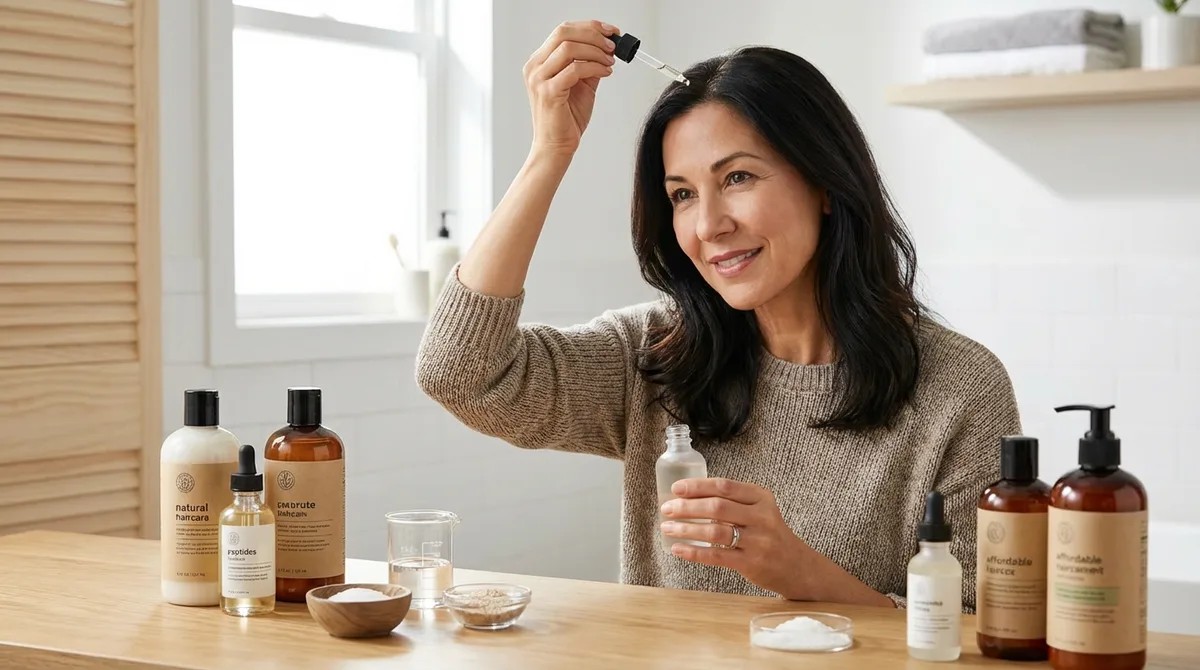
Peptides in Haircare Explained: Molecular Weight and Scalp Penetration
Peptide-packed hair serums promise to transform your scalp and strands, but can these trendy ingredients actually reach your hair follicles? Dr. Elena Voss, a cosmetic formulation researcher, breaks down the molecular science that most brands don't want you to understand. This episode is essential for anyone spending money on peptide haircare products and wondering whether the biology backs up the marketing claims. The 500-Dalton rule explains why most peptides can't penetrate your scalp—molecules above this threshold struggle to pass through the skin barrier, and many popular haircare peptides exceed it significantly. Your hair shaft is dead keratinized protein with no cellular machinery, meaning peptides applied to hair strands can only coat the surface for temporary cosmetic smoothing—they cannot biologically repair or regenerate hair. Copper tripeptide-1 (GHK-Cu) at around 340 Daltons is one of the few peptides small enough to potentially penetrate the scalp, with a 2015 study showing improved hair density over 12 weeks compared to placebo. Penetration enhancers and liposomal encapsulation dramatically affect whether peptides can actually reach follicular cells, yet most brands don't disclose whether their peptides are encapsulated or simply floating free in the formula. Biomimetic peptides marketed as growth factor mimics have weak clinical evidence—most supporting studies are manufacturer-sponsored without peer-reviewed replication, and commercial concentrations may fall below effective thresholds. "Botox-like" peptides in haircare claim to reduce scalp tension for better follicle health, but this mechanism remains speculative biology without solid scientific backing. Read the full article: https://luxurybeautyonabudget.com/peptides-in-haircare-explained
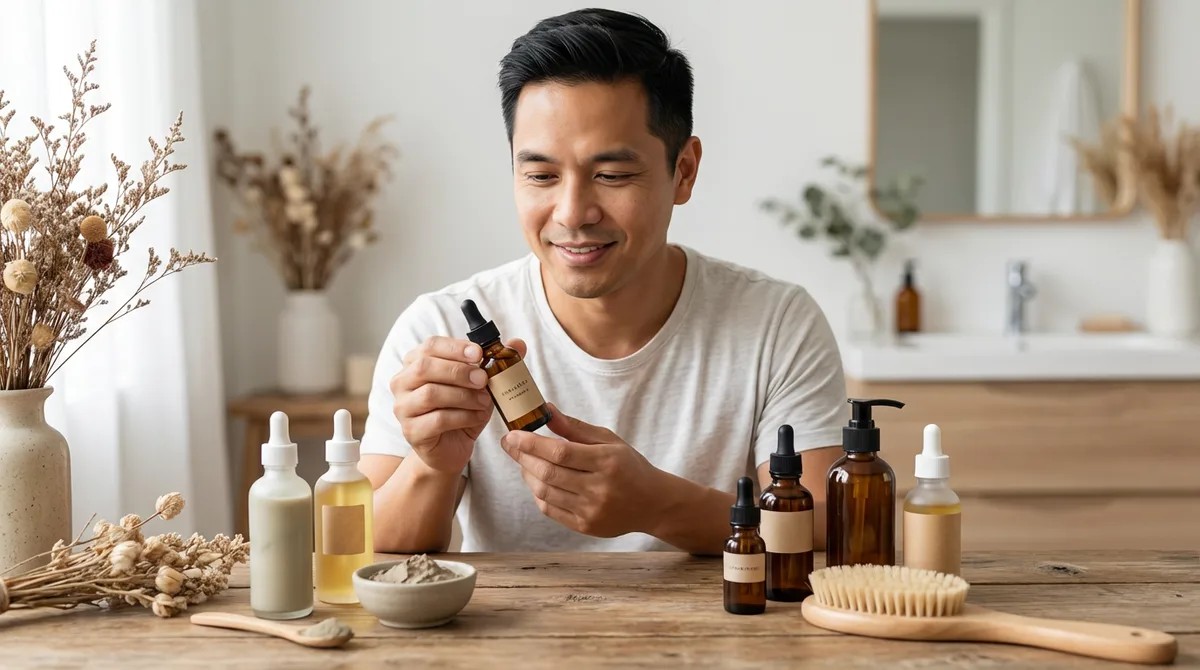
How to Choose Active Ingredients for Your Scalp Type
That persistent itch, those unexpected flakes, the tightness you can't quite shake—your scalp is trying to tell you something. In this episode, Julian Thorne breaks down the science of selecting active ingredients that actually work for your specific scalp type, teaching you to read formulations like a cosmetic chemist rather than falling for marketing claims. Whether you're battling seborrheic conditions, dealing with sensitivity, or concerned about thinning hair, you'll learn exactly which molecular structures match your biological needs and why penetration pathways matter more than trendy ingredient lists. Your scalp's stratum corneum is thicker and more lipophilic than facial skin (12–15 cell layers versus 10–12), meaning molecular weight determines whether ingredients actually penetrate—anything above 500 Daltons struggles without special delivery systems. Flaking isn't one problem—it can stem from fungal overgrowth, accelerated cell turnover, lipid barrier dysfunction, or inflammation, and each cause requires completely different active ingredients to address effectively. Scalp pH should sit between 4.5 and 5.5; if your shampoo tests above 6.0, it's disrupting your acid mantle and compromising how any actives you apply will penetrate and perform. For seborrheic conditions, look for zinc pyrithione or ketoconazole at 1–2%, while inflammatory scalps need barrier-repair ingredients like niacinamide (2–5%) and ceramide complexes in specific ratios (ceramides 1, 3, and 6 at roughly 3:1:1). Small molecules that reliably penetrate the scalp include caffeine (194 Daltons), salicylic acid (138 Daltons), and niacinamide (122 Daltons)—checking molecular weights helps you identify which ingredients justify their price. Baseline documentation through photos in consistent lighting eliminates confirmation bias when evaluating results, because what feels better isn't always what looks better under magnification after four weeks. Read the full article: https://luxurybeautyonabudget.com/how-to-choose-active-ingredients-for-your-scalp-type
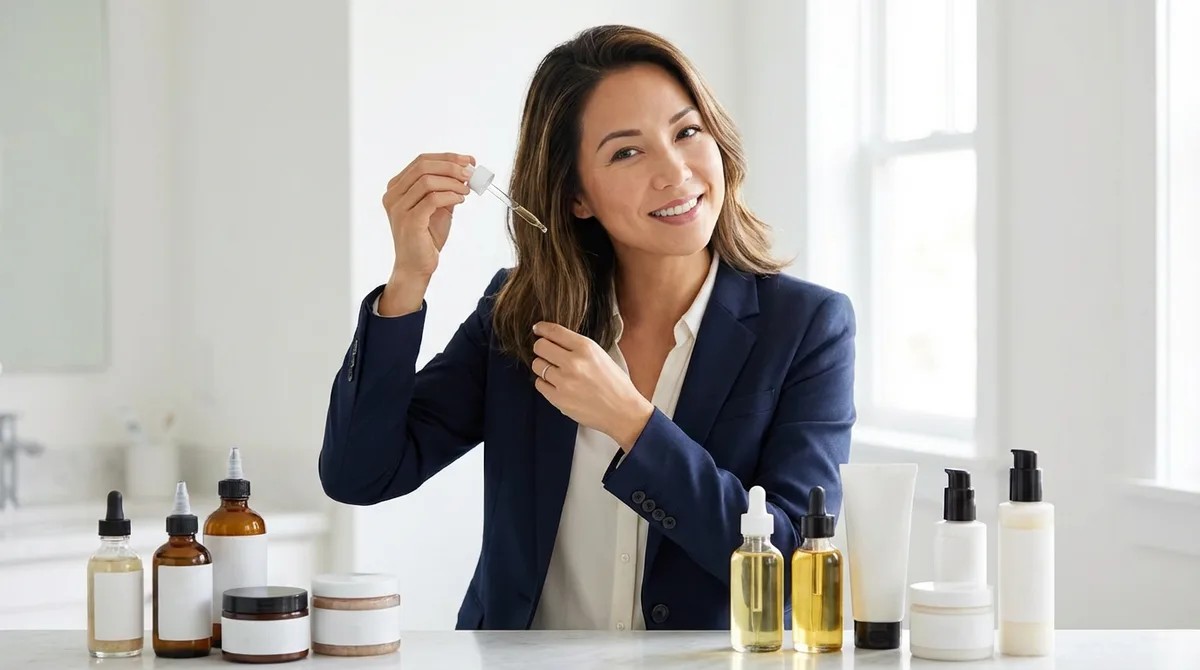
Skinification Haircare Routine Checklist: Essential Products and Application Order
Your scalp deserves the same strategic layering approach you've perfected for your face—and in 2026, treating it like skin is finally backed by real cosmetic chemistry. This episode walks you through every product category in the skinification haircare routine, from pre-cleanse oils to peptide serums, with exact application orders, timing, and budget-friendly alternatives that perform identically to luxury formulas. If you've ever wondered why your scalp treatments aren't delivering results or how to build an efficient system that fits into your actual life, Sarah Ling-Miller breaks down the complete checklist so you can stop guessing and start seeing real improvements in scalp health and hair density. Pre-cleanse scalp oils with salicylic acid or tea tree oil should sit for at least eight minutes on dry scalp before shampooing—this step is essential for clearing buildup so actives can actually penetrate. Physical scalp scrubs should contain rounded jojoba beads or sugar crystals, never walnut shell fragments, which can micro-tear your scalp barrier and cause long-term damage. Budget niacinamide scalp serums with five to ten percent concentration match luxury performance when the pH falls between 5.5 and 6.5—The Inkey List's eleven-dollar formula contains nearly identical actives to sixty-dollar alternatives. Retinol scalp treatments require encapsulated formulas at 0.025 to 0.05 percent concentration, and you should always apply to clean, dry scalp before bed—never before heat styling. Peptides need to be under 500 Daltons molecular weight to penetrate the thicker scalp barrier effectively, which is why The Ordinary's transparent labeling makes it a standout at sixteen dollars versus comparable formulas over one hundred dollars. DIY clay masks using Aztec Secret mixed with apple cider vinegar cost around sixty-two cents per use compared to over eight dollars for pre-mixed luxury versions with similar kaolin-bentonite blends. Read the full article: https://luxurybeautyonabudget.com/skinification-haircare-routine-checklist
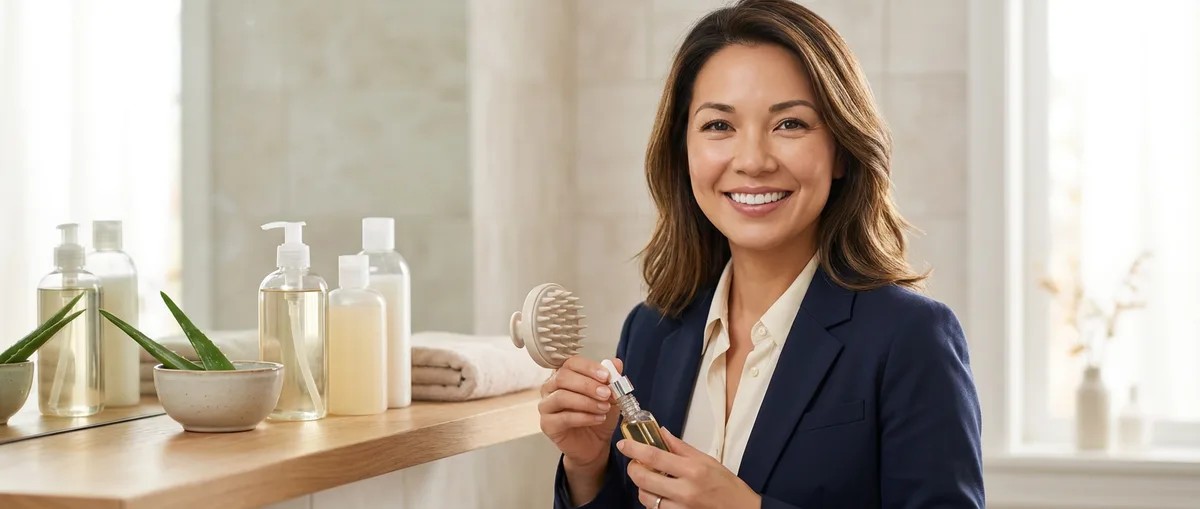
What Is Scalp Skincare: Understanding pH Balance and Barrier Function
Ever wondered why you carefully select pH-balanced, active-ingredient-rich products for your face, then grab whatever shampoo is on sale for your scalp? In this episode, Sarah Ling-Miller breaks down the science behind scalp skincare—the emerging approach that treats your scalp with the same dermatological rigor as your complexion. Whether you're dealing with persistent shedding, unexplained itchiness, or just want to understand why your hair products might be sabotaging your scalp barrier, this episode delivers the chemistry-backed answers you need without the luxury price tag. Your scalp's natural pH sits between 4.5 and 5.5, but most conventional shampoos range from pH 6 to 8—this alkaline disruption takes 2 to 4 hours to correct and leaves your scalp vulnerable to inflammation, microbial imbalance, and increased water loss. The same ceramide-cholesterol-fatty acid lipid matrix that protects your face (ideally in a 3:1:1 ratio) is responsible for your scalp's barrier function, and harsh surfactants deplete it the same way they damage facial skin. You can test your hair products at home with pH strips (about $8 for 100 strips) to identify which formulas are disrupting your scalp's acid mantle. Molecular weight matters for scalp actives just like face serums—low molecular weight hyaluronic acid (50 to 300 kilodaltons) can actually penetrate to the follicle level, while higher weights sit on the surface. Budget-friendly options like The Ordinary Sulphate 4% Shampoo Bar (pH 5 to 5.5) and The Inkey List Salicylic Acid Exfoliating Scalp Treatment (pH 4.5) deliver the same pH precision as prestige brands at a fraction of the cost. Effective scalp skincare actives mirror facial skincare: look for niacinamide at 2 to 5 percent, salicylic acid at 0.5 to 2 percent, and specified ceramide complexes (NP, AP, and EOP). Read the full article: https://luxurybeautyonabudget.com/what-is-scalp-skincare
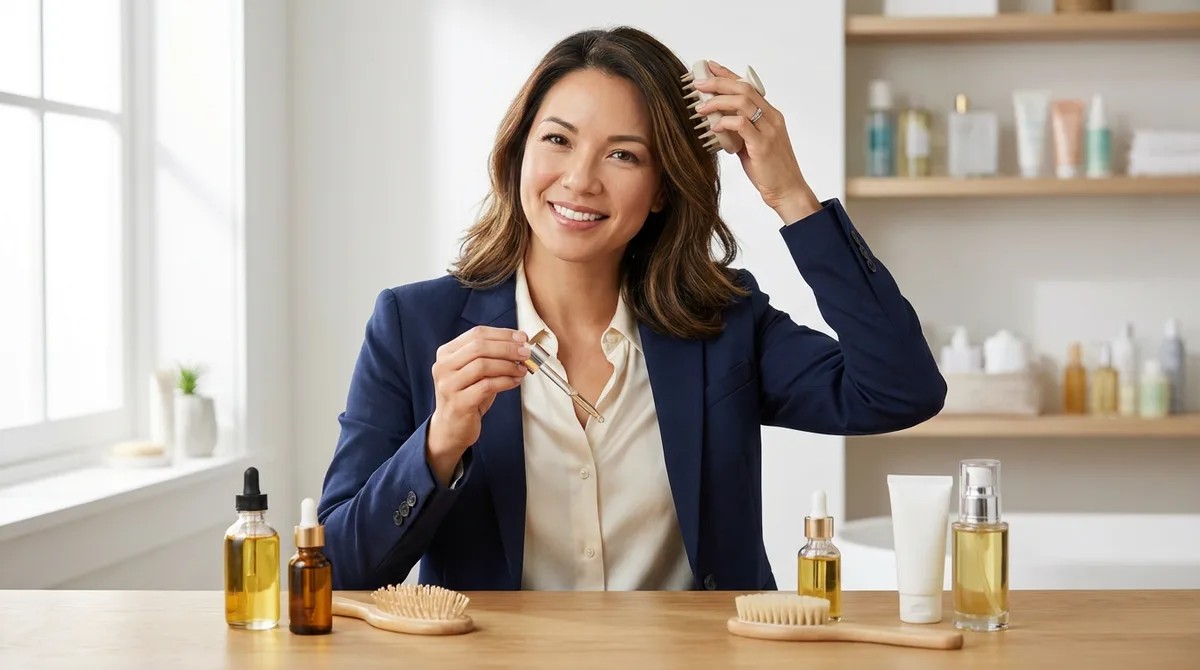
How to Layer Skincare Actives on Your Scalp Safely
Ever wondered if treating your scalp like your face is genius or just marketing hype? In this episode, Sarah Ling-Miller breaks down the exact system she developed over two years of testing scalp actives while juggling a demanding career and motherhood. Whether you're dealing with thinning hair, stubborn flaky patches, or just want to optimize your scalp health on a budget, you'll learn the precise order to layer ingredients without irritation—and which combinations are worth your money versus which ones to skip entirely. Your scalp's natural pH sits between 4.5 and 5.5, and ignoring this when layering actives is the fastest route to irritation—wait 4-6 hours after clarifying shampoos before applying products, but only 2-4 hours after gentler formulas. The golden rule for layering scalp actives mirrors facial skincare: thinnest to thickest, water-based before oil-based, but your scalp's denser sebum production changes absorption timing significantly. Multi-molecular-weight hyaluronic acid serums work best for scalp hydration because high molecular weight HA prevents surface water loss while low molecular weight HA penetrates deeper into scalp tissue. Section your hair into four quadrants before applying actives—part down the middle from forehead to nape, then ear to ear across the crown—to ensure complete coverage without missing spots. Budget-friendly tools like a precision-tip applicator bottle and sectioning clips (around $20 total) make the difference between product waste and targeted application, while a solid starter active routine runs $40-80 and lasts 3-4 months. If your scalp shows active irritation like redness or tightness, skip exfoliating actives entirely and start with barrier-supporting ingredients like centella asiatica or panthenol before attempting any layering. Read the full article: https://luxurybeautyonabudget.com/how-to-layer-skincare-actives-on-your-scalp-safely
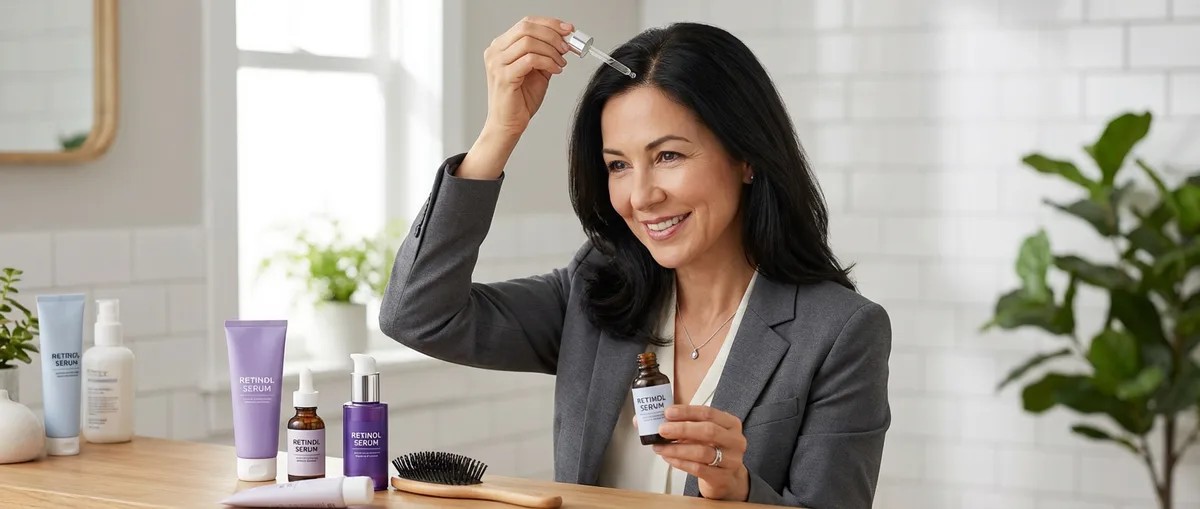
Top 7 Retinol Scalp Treatments for Hair Growth in 2026
The same retinol that transforms your skin can actually reactivate dormant hair follicles—and the science has finally caught up with formulations designed specifically for your scalp. Dr. Elena Voss breaks down the seven best retinol scalp treatments for hair growth in 2026, examining the actual chemistry behind what works and what's just marketing hype. Whether you're dealing with thinning hair or want to optimize follicle health, this episode delivers concentration breakdowns, price-per-milliliter comparisons, and the penetration science that determines whether these products actually reach your dermal papilla. Encapsulated retinol delivery systems, like the phospholipid spheres in Act+Acre's serum, delay retinol release until deeper follicular penetration, reducing surface irritation while maintaining efficacy where it matters most. The Ordinary's Multi-Peptide Serum uses Granactive Retinoid, which bypasses irritation-causing conversion steps and shows approximately 20% less irritation potential than tretinoin at equivalent conversion rates—making it ideal for retinoid-naive users at just 52 cents per milliliter. Apple stem cell extracts contain procyanidin B-2, a compound with documented effects on hair follicle proliferation in peer-reviewed studies, adding legitimate science behind what sounds like a trendy ingredient. Combining mechanical exfoliation with chemical exfoliation plus retinoid therapy, like Drunk Elephant's scrub approach, creates cumulative irritation risk—this strategy is strictly for experienced users with resilient scalps. Product design flaws matter: inconsistent droppers, clogging pumps, and fast-dissolving exfoliant granules can undermine otherwise excellent formulations, so application technique becomes critical. A scalp-appropriate pH range (around 5.8) and clinical-grade supporting ingredients like 5% niacinamide distinguish serious formulations from products with token active percentages. Read the full article: https://luxurybeautyonabudget.com/top-7-retinol-scalp-treatments-for-hair-growth-in-2026
Hyaluronic Acid Hair Products vs Glycerin Hair Products: Which Hydrator Works Better?
That expensive hyaluronic acid hair serum you've been considering might not be worth the splurge. In this episode, Dr. Elena Voss breaks down the molecular science behind two popular hair hydrators—hyaluronic acid and glycerin—to reveal which one actually delivers results and which one is mostly marketing hype. Whether you're battling frizz, dealing with dry strands, or just trying to stretch your beauty budget further, this deep dive into humectant chemistry will change how you shop for hair products. Both hyaluronic acid and glycerin work on the hair's surface at the cuticle level—neither truly penetrates to hydrate from within, despite marketing claims suggesting otherwise. Glycerin at 92 daltons is far smaller than hyaluronic acid (50–3,000 kilodaltons), allowing it to slip between lifted cuticle scales, but this size difference doesn't translate to better performance for most people. Your climate determines which humectant works best: glycerin struggles below 40% humidity (draws moisture from hair) and above 70% humidity (causes frizz), while hyaluronic acid performs more consistently across 30–80% relative humidity. A $4 glycerin-based leave-in conditioner can perform almost identically to a $28 hyaluronic acid serum—prestige brands often charge 400% more for functionally equivalent results by adding just 1–2% hyaluronic acid. For moderate climates like the Pacific Northwest or Northeast, glycerin products at 5–8% concentration deliver excellent results at a fraction of the cost, while arid or tropical environments may justify the switch to hyaluronic acid formulations. Hyaluronic acid must be applied to damp hair to function properly since it requires available moisture, making application technique crucial for effectiveness. Read the full article: https://luxurybeautyonabudget.com/hyaluronic-acid-hair-products-vs-glycerin-hair-products
Best Niacinamide Hair Serums Under $30 for Scalp Health
You've probably been using niacinamide on your face for years, but your scalp is still itchy, flaky, and producing lackluster hair. In this episode, Dr. Elena Voss breaks down why the same vitamin B3 that transformed your skincare routine can revolutionize your scalp health—if you know what to look for in a formulation. She explains the science behind effective scalp penetration, reveals which supporting ingredients actually matter, and reviews six niacinamide serums that deliver clinical-grade results for under thirty dollars. Niacinamide concentration should fall between 3 and 10 percent for scalp applications—below 3 percent is marketing theater, while above 10 percent risks irritation without additional benefit since the dose-response curve plateaus around 8 percent. Scalp tissue produces 2 to 3 times more sebum than facial skin, so effective formulations need penetration enhancers like propanediol or caprylic capric triglyceride to navigate the oily follicular environment. The best niacinamide serums pair it with synergistic actives like zinc PCA for sebum control, panthenol for moisture, or low-dose salicylic acid to help exfoliate follicular debris and boost absorption. If niacinamide appears below the preservative system on an ingredient list—especially after multiple silicones and fragrances—you're not getting therapeutic concentrations. Container design matters more than most people realize: airless pump bottles protect niacinamide from oxidation far better than dropper bottles, and tinted glass blocks UV degradation that can reduce potency halfway through the bottle. Calculate price per milliliter rather than judging by bottle size—a higher upfront cost often delivers better value when you factor in the 1 to 2 milliliters needed per application. Read the full article: https://luxurybeautyonabudget.com/best-niacinamide-hair-serums-under-30-for-scalp-health
Skinification of Hair: Complete Guide to Skin-Inspired Haircare in 2026
You've invested in expensive shampoos and treatments, yet your scalp still feels irritated and your hair refuses to thrive—sound familiar? In this episode, Dr. Elena Voss explains why treating hair problems at the strand level misses the point entirely and breaks down the science behind skinification, the movement bringing dermatological precision to scalp health. Whether you're dealing with tightness, itching, or hair that won't cooperate, you'll learn how ingredients like peptides, retinoids, and niacinamide are being reformulated specifically for the scalp's unique biology—and why 2026 is the year these actives finally became both effective and affordable. Skinification treats the scalp as an extension of facial skincare, prioritizing barrier function, pH optimization, and follicular health over temporary cosmetic fixes like shine and smoothing. The scalp has different requirements than facial skin, including a lower optimal pH range (4.5–5.5), higher sebum production, and a distinct microbiome that demands specially formulated products rather than repurposed face serums. Effective scalp hyaluronic acid uses much smaller molecular weights (50–150 kilodaltons) compared to facial serums to actually penetrate through hair density and sebum. Retinol for scalp use requires dramatically lower concentrations (0.01–0.05%) with specialized delivery systems like liposomes to avoid irritation while still reaching hair follicles. Budget products can match luxury formulations in key actives—The Ordinary's Multi-Peptide Scalp Serum delivers comparable ceramide profiles to products costing twice as much per milliliter, with the premium largely covering fragrance and retail markup. Three biological systems drive skinification results: scalp barrier integrity, the follicular microenvironment including dermal papilla and hair matrix, and the inflammatory cascade linking barrier damage to hair thinning. Read the full article: https://luxurybeautyonabudget.com/skinification-of-hair

Bioregenerative Skin Technology Explained: Bakuchiol, EGF, and Plant Stem Cells
Ever wondered why your $200 "cellular regeneration" serum delivers the same results as a basic niacinamide? Dr. Elena Voss breaks down the real science behind bioregenerative skincare—ingredients that actually signal your cells to behave younger rather than just sitting on the surface. This episode is for anyone tired of paying luxury prices for repackaged peptide blends, covering exactly how bakuchiol, epidermal growth factor, and plant stem cells work at the molecular level and where to find effective formulations without the markup. Bakuchiol doesn't activate retinoid receptors at all—it increases collagen gene expression through completely different pathways, delivering comparable wrinkle reduction to retinol without the photosensitivity, scaling, or stinging. The clinically effective concentration for bakuchiol is 0.5–1%, and anything under 0.1% is essentially a marketing dose that won't produce measurable results. Bakuchiol oxidizes rapidly in light and air, so clear dropper bottles are a red flag—look for opaque packaging and vitamin E in the formula to prevent degradation. Korean brands like Benton and Cos De BAHA offer recombinant human EGF at concentrations matching $300 prestige serums for around $25–40 per ounce. Plant stem cells don't transform into human cells—they deliver concentrated secondary metabolites like phenolic compounds that influence cell behavior through conserved biological pathways. Some dermatologists have concerns about chronic growth factor use and cell proliferation, so if you have a history of skin cancer, bakuchiol and peptides may be safer alternatives. Read the full article: https://luxurybeautyonabudget.com/bioregenerative-skin-technology-explained
How to Layer Bioregenerative Serums with Acids and Antioxidants Safely
If you've invested in high-end bioregenerative serums—think growth factors, peptides, and plant stem cells—you might be accidentally neutralizing them before they even touch your skin. Dr. Elena Voss breaks down the molecular science behind safely combining these advanced actives with vitamin C and exfoliating acids. This episode is for skincare enthusiasts ready to move beyond basic routines and learn why pH levels, molecular weights, and wait times actually matter for getting results from your products. Applying a low-pH vitamin C serum directly after a growth factor serum can denature the proteins you just paid for—chemistry overrides the "thinnest to thickest" rule most people follow. Your skin needs 15 to 20 minutes after acid application to buffer back to a safe pH range; skipping this wait time creates a neutralization reaction that inactivates both your acid and your bioregenerative serum. Growth factors function optimally at pH 6.0 to 7.0, while exfoliating acids need pH 3.0 to 4.0 to penetrate—these conflicting requirements make same-routine layering risky without proper sequencing. Testing your bare skin pH 30 minutes after cleansing reveals whether your barrier is compromised; readings consistently above 6.0 mean bioregenerative actives will be less effective until you restore lipid balance. Molecular weight determines penetration depth: acids at 90 to 150 Daltons go deepest, while growth factors at 6,000 to 30,000 Daltons stay in upper dermal layers—your layering sequence should follow this size gradient with pH exceptions. Applying growth factors to inflamed or over-exfoliated skin triggers collagen degradation instead of synthesis, making barrier assessment essential before starting any bioregenerative protocol. Read the full article: https://luxurybeautyonabudget.com/how-to-layer-bioregenerative-serums-with-acids-and-antioxidants-safely

Bioregenerative Skincare Ingredient Checklist: Active Percentages and Formulation Standards
Ever wondered if that $180 serum promising "bioregenerative cellular renewal" is actually worth it, or if you're just paying for fancy marketing wrapped around water and fragrance? In this episode, Sarah Ling-Miller breaks down exactly what to look for on ingredient labels so you can spot genuine cell-renewal actives from overpriced fluff in about thirty seconds. Whether you're navigating the skincare aisle between conference calls and bedtime stories, this is your cheat sheet for evaluating growth factors, peptides, and stem cell extracts—including the minimum effective concentrations and price-per-ounce metrics that separate real science from expensive water. Epidermal Growth Factor (EGF) is effective at just 0.1 parts per million, and budget options at $18 per ounce deliver the same concentrations as luxury brands charging $300 or more—look for sh-Oligopeptide-1 or rh-Oligopeptide-1 on labels. Growth factors degrade rapidly in light and heat, so always choose opaque or airless pump packaging over jars or clear bottles, and consider refrigerating your serums to extend shelf life by three to six months. Never layer growth factors with direct acids or high-percentage vitamin C (over 15%) in the same routine—pH incompatibility renders the growth factors useless, so use acids in the morning and growth factors at night. Matrixyl (Palmitoyl Pentapeptide-4) can increase collagen synthesis by up to 350% at 8% concentration, and budget formulations deliver this at around 60 cents per ounce compared to $8-12 for luxury alternatives. Argireline needs 8-12 weeks of consistent use to show results for expression lines, so factor that timeline into your cost-per-use calculations before expecting visible changes. Korean and Japanese brands like Cosrx, Purito, and Skin1004 consistently deliver clinical concentrations of growth factors at $15-35 per ounce—anything over $50 per ounce is paying for marketing, not additional efficacy. Read the full article: https://luxurybeautyonabudget.com/bioregenerative-skincare-ingredient-checklist

Bioregenerative Skincare Ingredient Checklist: Active Percentages and Formulation Standards
Ever wonder if that $180 bioregenerative serum is actually worth it, or if you're just paying for fancy packaging and marketing? In this episode, you'll learn the exact active ingredient percentages that actually work—EGF, peptides, plant stem cells, and barrier-support compounds—plus the formulation standards and price-per-ounce metrics that separate real science from expensive placebo water. Armed with this bioregenerative skincare ingredient checklist, you'll be able to evaluate any product in about thirty seconds and build a genuinely effective routine for a fraction of luxury prices. • Growth factors like EGF need only 0.1 to 1 parts per million to be effective, and budget brands deliver these concentrations at $15 to $35 per ounce versus $300+ for prestige versions with identical formulations. • Peptides like Matrixyl require 3 to 8% concentration, Argireline needs 5 to 10%, and copper peptides work at 1 to 3%—all available in affordable Korean and drugstore brands that cost under $25 per ounce. • Proper packaging is non-negotiable: growth factors and plant stem cells degrade in clear bottles or jar packaging, so opaque pumps and tubes are essential for ingredient stability regardless of price point. • Barrier-support ingredients like 5% niacinamide, ceramide complexes in 1:1:1 ratio, and multi-weight hyaluronic acid create the foundation that allows bioregenerative actives to penetrate effectively, and budget formulations of these are chemically identical to luxury versions. • You cannot layer growth factors with direct acids or high-percentage vitamin C in the same application due to pH incompatibility—acids in the morning, bioregenerative actives at night, or alternate days entirely. Links to any products or resources mentioned in this episode can be found at https://luxurybeautyonabudget.com/bioregenerative-skincare-ingredient-checklist.
What Are Bioregenerative Actives? Understanding Growth Factors and Exosomes
Serums featuring growth factors and exosomes now flood the market at every price point, but how do you know if you're getting genuine cell-signaling technology or just expensive water with scientific-sounding claims? In this episode, Dr. Elena Voss breaks down the science behind bioregenerative actives—the compounds that mimic your skin's natural repair mechanisms rather than forcing chemical reactions. Whether you're considering a $12 drugstore find or a $400 luxury treatment, you'll learn exactly how to evaluate whether a formulation actually delivers results or just delivers marketing. Bioregenerative actives work fundamentally differently from traditional skincare ingredients—instead of forcing biochemical reactions like retinol or vitamin C, they function as signaling molecules that deliver repair instructions to your cells. Growth factors like EGF are extremely pH-sensitive and degrade rapidly at room temperature, meaning a cheaper serum with properly encapsulated ingredients can outperform an expensive one with unstable formulations. Plant-derived "EGF-like" actives from sources like barley seed extract bind to receptors with only 10–30% of the affinity of recombinant human EGF—not worthless, but significantly less efficient. Exosomes can theoretically deliver hundreds of signaling molecules simultaneously by fusing directly with cell membranes, but their effectiveness varies wildly due to concentration and stability issues in commercial products. Your natural growth factor production begins declining around age 25, which is why topical bioregenerative actives aim to supplement signals your skin no longer produces adequately on its own. Price-per-ounce comparisons are misleading for these ingredients—a serum with 10 ppm of unstable EGF performs worse than one with 50 ppm of correctly engineered biosynthetic growth factors. Read the full article: https://luxurybeautyonabudget.com/what-are-bioregenerative-actives-understanding-growth-factors-and-exosomes
How to Build a Bioregenerative Skincare Routine for Maximum Cell Turnover
Want better skin without spending hours researching ingredients or blowing your budget on a single product? In this episode, Sarah Ling-Miller breaks down how to build a bioregenerative skincare routine that takes under ten minutes a day and costs roughly seventy cents to a dollar and a quarter daily. Whether you're new to actives or already using retinol, you'll learn exactly how to layer growth factors, peptides, and barrier-supporting ingredients for real improvements in skin texture and tone within four to six weeks. Over-cleansing sabotages your results—using too many cleansing steps can render expensive growth factor serums completely ineffective because your skin barrier needs to stay intact for bioregenerative actives to penetrate properly. Your bioregenerative serum must go on damp skin immediately after cleansing, before any toner or essence, since adding layers first can reduce active ingredient penetration by up to forty percent. The three-minute wait time between your growth factor serum and the next step isn't optional—studies show maximum receptor binding occurs within three to five minutes, so set a timer while brushing your teeth or prepping breakfast. Rubbing serums into your skin creates friction heat that can denature peptide chains; instead, press products in with flat palms, hold for two to three seconds, then release. A complete bioregenerative routine costs between eighty and one hundred fifty dollars upfront for products lasting three to four months, with specific product combinations like The Ordinary Matrixyl and EUK delivering benefits for around sixteen cents per application. pH matters more than most people realize—your cleanser should sit between 4.5 and 5.5 to preserve your skin's natural acid mantle and support the enzymatic processes that drive cell turnover. Read the full article: https://luxurybeautyonabudget.com/how-to-build-a-bioregenerative-skincare-routine-for-maximum-cell-turnover
How to Build a Bioregenerative Skincare Routine for Maximum Cell Turnover
This episode breaks down exactly how to build a bioregenerative skincare routine that delivers real cell turnover results without requiring a cosmetic chemistry degree or a luxury budget. You'll learn the specific products you need, the order to apply them, how long to wait between layers, and what to expect week by week as your skin adapts to actives like peptides, growth factors, and retinol. • A complete bioregenerative routine costs between eighty and one-fifty dollars upfront for products that last three to four months, breaking down to roughly seventy cents to a dollar twenty-five per day, with visible texture and tone improvements appearing within four to six weeks. • Your bioregenerative serum must go on damp skin immediately after cleansing, before any other products, because growth factors need direct access to skin cell receptors and every additional layer reduces penetration by up to forty percent. • The minimum effective bioregenerative routine requires only four steps, cleanser, multi-peptide serum, barrier repair moisturizer, and SPF thirty-plus, which takes about five minutes total and still delivers meaningful results for beginners. • Wait times between product layers aren't optional filler, they're essential for efficacy: three minutes after bioregenerative serum, two minutes after peptides, and two minutes after moisturizer before SPF because actives need time to bind to receptors. • Most people see initial texture improvements within three to four weeks, with significant changes to fine lines and firmness appearing around six to eight weeks once skin completes one to two full cell turnover cycles. Links to any products or resources mentioned in this episode can be found at https://luxurybeautyonabudget.com/how-to-build-a-bioregenerative-skincare-routine-for-maximum-cell-turnover.
7 Best Budget Bioregenerative Moisturizers with Stem Cell Extracts
Stem cell skincare sounds like luxury marketing hype—until you look at what's actually happening in budget formulations. Dr. Elena Voss breaks down seven bioregenerative moisturizers under forty dollars that contain the same Swiss and Korean lab-produced plant stem cell extracts found in prestige products costing five times more. This episode is for anyone building an anti-aging routine who wants legitimate cell-signaling compounds without the luxury markup, with verified concentrations, manufacturing origins, and price-per-ounce comparisons against high-end alternatives. Plant stem cell extracts from apple, edelweiss, and lilac aren't just marketing—they contain compounds that demonstrate measurable impact on fibroblast activity and extracellular matrix synthesis when formulated at proper concentrations. TruSkin's Vitamin C Stem Cell Moisturizer delivers the same PhytoCellTec Malus Domestica apple stem cell extract at two percent concentration found in Swiss products over $120, packaged in an airless pump that maintains stability for 90+ days. InstaNatural's Retinol Stem Cell Complex combines aggressive 2.5 percent retinol with lilac stem cells that support fibroblast ATP production, but the jar packaging compromises stability—consider decanting into an airless container. Price-per-ounce metrics reveal dramatic savings: TruSkin runs about $10.66 per ounce compared to SkinCeuticals Triple Lipid Restore at $88 per ounce, while delivering comparable bioregenerative actives. The Yeouth Day Cream pairs apple stem cells with hexapeptide-11 and Argireline at approximately five percent, bridging stem cell technology with proven peptide pathways for expression line reduction. Packaging matters as much as ingredients—airless pumps protect light-sensitive compounds like ascorbic acid and retinol, while jar packaging requires faster use and careful storage to prevent oxidation and contamination. Read the full article: https://luxurybeautyonabudget.com/7-best-budget-bioregenerative-moisturizers-with-stem-cell-extracts

Bioregenerative Peptides vs Retinol: Which Cell-Renewal Active Works Better?
Retinol has reigned as the gold standard for cell renewal for over four decades, but a newer class of bioregenerative peptides promises similar anti-aging benefits without the dreaded redness, peeling, and extended adjustment period. In this episode, Dr. Elena Voss breaks down the molecular mechanisms, clinical evidence, and real-world tolerability of both pathways to help you determine which active actually fits your skin biology and budget. Whether you're a retinol veteran dealing with chronic irritation or a skincare newcomer weighing your options, this comparison delivers the science-backed clarity you need to make an informed choice. Retinol and peptides trigger cell renewal through fundamentally different biological pathways—retinol rewrites gene transcription by binding to nuclear receptors, while peptides act as cellular messengers that signal fibroblasts to boost collagen production without disrupting the skin barrier. Clinical evidence heavily favors retinol, with over forty years of peer-reviewed research compared to peptides' more limited manufacturer-sponsored studies, though peptide trials do show measurable firmness improvements at the eight to twelve week mark. Product strength matters more than you might think: retinol below 0.25% rarely outperforms placebo, while effective peptide complexes like Matrixyl 3000 typically require concentrations between two and ten percent. Tolerability differs dramatically between the two actives—peptides cause minimal to no irritation with no photosensitivity concerns, while retinol's retinization period brings moderate to high irritation and increased UV sensitivity that real-world studies rarely account for. Retinol delivers faster visible results, with texture improvements appearing in four to eight weeks, whereas peptides require sixteen-plus weeks for noticeable texture refinement but offer a gentler journey to get there. Pregnancy safety creates a clear dividing line: most peptides are considered safe for use during pregnancy, while retinol is contraindicated due to teratogenic risk. Read the full article: https://luxurybeautyonabudget.com/bioregenerative-peptides-vs-retinol
Best Bioregenerative Serums Under $50 for Aging Skin
You've seen those luxury serums promising cellular regeneration for $300 or more, but is the science actually worth the splurge? In this episode, Dr. Elena Voss breaks down her analysis of 47 bioregenerative serums to reveal which budget-friendly options deliver comparable peptide complexes, growth factor analogs, and exosome-mimicking compounds at a fraction of the cost. If you're serious about anti-aging skincare but refuse to overpay for fancy packaging and prestige marketing, this deep dive into formulation patents, active percentages, and price-per-ounce metrics will change how you shop. Peptides need to be under 500 Daltons to effectively penetrate your skin barrier—look for specific peptide names with concentration percentages rather than vague "peptide complex" claims, which often signal diluted formulas with minimal active content. Plant-derived growth factor analogs from barley, rice, and soy deliver 60–75% of the cellular response of expensive human-derived factors in lab studies, making them a smart budget alternative when properly stabilized. Packaging matters more than you think: growth factors oxidize within 3–4 weeks in jar packaging, so airless pumps and opaque bottles are essential for any serum you buy to actually work over time. Biomimetic vesicle technology (liposomes and niosomes) performs within 15–20% of true exosome formulations at roughly 5% of the manufacturing cost—a major win for budget-conscious consumers. Calculate your cost per application, not just the sticker price: a $48 two-ounce serum can work out to 40 cents per use versus $2.50–$4 for luxury options with identical peptide concentrations. If peptides appear after the tenth ingredient on the label, the concentration is likely below the 2% minimum threshold needed for actual efficacy—you're essentially paying for a fancy moisturizer. Read the full article: https://luxurybeautyonabudget.com/best-bioregenerative-serums-under-50-for-aging-skin
Bioregenerative Skincare: The Complete Guide to Cell-Renewal Technology on a Budget
Ever wondered if that $300 luxury serum is actually worth ten times more than its $40 drugstore competitor? In this episode, Sarah Ling-Miller breaks down the science behind bioregenerative skincare—the growth factors, peptides, and stem cell extracts that signal your skin to repair itself at the cellular level. If you're balancing real-life responsibilities like childcare and a mortgage but still want results that actually work, this guide delivers the math, the realistic timelines, and the truth about which budget options can genuinely compete with luxury formulations. Bioregenerative skincare works through cellular signaling pathways, essentially sending molecular messages that tell your skin cells to increase collagen production, cell turnover, and hyaluronic acid synthesis—not just resurfacing the top layer. Concentration and ingredient placement matter more than brand prestige: if specific growth factors or peptide complexes aren't listed within the first five ingredients, you're likely paying for marketing fluff. Research shows that 0.1% EGF applied twice daily for 12 weeks increased skin thickness by 11% and collagen density by 18%—measurable results, not just subjective "dewiness." Exosomes are the newest frontier in bioregenerative technology, but genuine exosome serums cost $80–$200 due to expensive isolation processes; budget alternatives using "stem cell conditioned media" still deliver results, just with less potency. Plant stem cell extracts require 2–5% concentration of patented complexes like PhytoCellTec to be effective—generic "apple extract" at 0.1% is essentially just a moisturizer. Expect texture improvements in 2–3 weeks and visible firmness in 4–6 weeks; bioregenerative actives work faster than standard retinol routines but still require consistency. Read the full article: https://luxurybeautyonabudget.com/bioregenerative-skincare
How to Layer Korean Skincare Products: Active Ingredient Compatibility & pH Order
That expensive vitamin C serum you've been applying after your hydrating toner? You've probably been neutralizing it before it even has a chance to work. In this episode, Chloe Chen breaks down the actual science behind Korean skincare layering—pH chemistry, molecular weight, and active ingredient compatibility—to help you stop wasting products and start seeing results. Whether you're doing a minimal three-step routine or the full ten steps, you'll learn why order matters more than the products themselves, and how to avoid the barrier-destroying mistakes that cost Chloe a full year of skin repair. pH-dependent actives like vitamin C (L-ascorbic acid), AHAs, and BHAs must go on freshly cleansed skin before any toners or essences—applying a pH 5.5 hydrating toner first essentially neutralizes your acids before they can penetrate. The correct layering sequence follows ascending pH: start with your lowest-pH actives (pH 2.5–4), then move to essences and toners (pH 5–6), followed by serums (pH 5.5–6.5), and finish with heavier moisturizing layers (pH 6–7). L-ascorbic acid vitamin C requires a 10–15 minute wait time after application to penetrate properly—skipping this step caused Chloe's $26 serum to oxidize in three weeks versus six to seven weeks when applied correctly. Most K-beauty brands don't list pH on packaging, but you can test products yourself with inexpensive pH strips ($8–12) or reference crowdsourced databases like the Reddit AsianBeauty pH spreadsheet. Certain active combinations like vitamin C plus retinol don't cause obvious irritation but quietly deactivate each other—split incompatible actives into separate AM and PM routines instead of layering them together. Fermented essences like Missha Time Revolution typically sit at pH 5.5–6.5 due to buffered lactic acid from fermentation, which means they support your barrier but should always come after your treatment acids. Read the full article: https://luxurybeautyonabudget.com/how-to-layer-korean-skincare-products